Category: HealthcareServices

  • Medical Biomimetics Market to Reach $50.4 Billion by 2029, Growing at a CAGR of 6.3%

    Medical Biomimetics Market to Reach $50.4 Billion by 2029, Growing at a CAGR of 6.3%

    Unlock Global Insights – Save 20% on Market Reports with Code ONLINE20

    What Is The Expected Total Market Size Of The Medical Biomimetics Industry By The Forecast Year 2029?

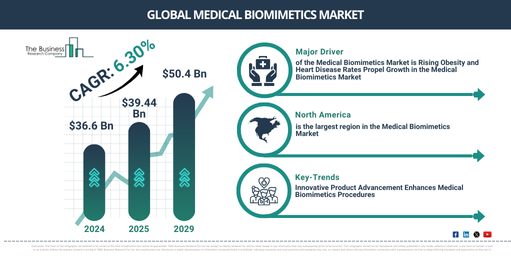
    The medical biomimetics market size has demonstrated significant growth in recent years. It is anticipated to expand from $36.6 billion in 2024 to $39.44 billion in 2025, reflecting a compound annual growth rate (CAGR) of 7.8%. This historical growth can be ascribed to factors such as increased biomimetic materials, boosted research funding, an aging population, and rising chronic diseases.

    The medical biomimetics market size is projected for significant expansion in the coming years, forecast to reach $50.4 billion by 2029, exhibiting a compound annual growth rate (CAGR) of 6.3%. This anticipated growth during the forecast period is primarily driven by factors such as the heightened need for organ transplants, greater understanding of biomimetics’ uses, increased spending in healthcare, a burgeoning biotechnology industry, and progress in tissue engineering. Key developments shaping this period encompass bio-inspired prosthetics, biomimetic sensors, applications in synthetic biology, intelligent drug delivery systems, biologically inspired robotics, personalized medicine, 3D printing technologies, artificial intelligence in diagnostics, nanotechnology applications, and regenerative medicine.

    Unlock Your Free Sample Report for Exclusive Market Data:

    https://www.thebusinessresearchcompany.com/sample.aspx?id=14135&type=smp

    Which Drivers Are Shaping The Medical Biomimetics Industry’s Market Share?

    Rising instances of obesity and cardiac conditions are anticipated to fuel the expansion of the medical biomimetics market in the future. Obesity is characterized by an unhealthy accumulation of excess body fat, whereas heart disease encompasses various conditions impacting the heart and circulatory system. Biomimetics supports the creation of assistive technologies like orthotics and prosthetics, enabling people with diabetes or obesity to manage their health issues effectively. For example, a report from August 2022 by the American College of Cardiology, a US-based non-profit medical association, projected a rise in all four cardiovascular risk factors within the United States from 2025 to 2060. The most significant percentage growth is predicted for diabetes, showing a 39.3% increase to 55 million individuals, trailed by dyslipidemia at 27.6% reaching 126 million, hypertension at 25.1% affecting 162 million, and obesity at 18.3% impacting 126 million. Furthermore, researchers noted that the highest anticipated rises in cardiovascular disease rates were for stroke, at 33.8% to 15 million, and heart failure, at 33.4% to 13 million, succeeded by ischemic heart disease, increasing by 30.7% to 29 million, and heart attack, rising by 16.9% to 16 million. Consequently, the escalating incidence of obesity and heart disease is fueling the expansion of the medical biomimetics market.

    What Are The Segment Types Shaping The Medical Biomimetics Market?

    The medical biomimeticsmarket covered in this report is segmented –

    1) By Type: Cardiovascular; Orthopedic; Ophthalmology; Dental; Other Types

    2) By Application: Wound Healing; Tissue Engineering; Drug Delivery; Other Applications

    3) By End User: Hospitals; Specialty Clinics; Other End Users

    Subsegments:

    1) By Cardiovascular: Vascular Grafts; Stents and Heart Valves; Cardiac Assist Devices

    2) By Orthopedic: Bone Grafts; Joint Replacement Implants; Spinal Implants

    3) By Ophthalmology: Artificial Corneas; Retinal Implants; Intraocular Lenses

    4) By Dental: Dental Implants; Bone Regeneration Products; Biocompatible Materials

    5) By Other Types: Wound Healing Products; Tissue Engineering Scaffolds; Neurological Devices

    How Are Trends Influencing The Medical Biomimetics Market?

    Companies operating in the medical biomimetics market are concentrating on developing innovative products featuring advanced technologies, such as suture anchor systems, to boost their market profitability. A suture anchor system serves as a medical device utilized in orthopedic and sports medicine procedures to secure soft tissues, like tendons or ligaments, to bone. These systems endeavor to replicate and improve the natural attachment of soft tissues to bone, presenting a functional and biomechanically optimized solution that mirrors physiological tissue connections within the human body. For instance, in December 2022, Stryker Corporation, a US-based multinational medical technologies company, launched Citrefix, a disposable suture anchor system. Citrefix incorporates a resorbable biomimetic anchor body using Citregen, an elastomeric material derived from a citrate polymer, specifically engineered to emulate bone chemistry. This design enables controlled resorption without prompting chronic inflammation. It is a disposable suture anchor system created to aid grafted tissue healing and foster healthy bone growth when applied in orthopedic surgical procedures.

    Who Are The Major Companies Operating In The Medical Biomimetics Market?

    Major companies operating in the medical biomimetics market are BASF SE, Bayer Aktiengesellschaft, Abbott Laboratories, Stryker Corporation, Zimmer Biomet Holdings Inc., Otsuka Medical Device Company Ltd., LivaNova PLC, Össur hf., Forschungszentrum Jülich GmbH, Biohorizons Implant Systems Inc., Inventia Plc, Blatchford Limited, Keystone Dental Corporation, Xtant Medical Holdings Inc., AVINENT Science and Technology, SynTouch Inc., Curasan Inc., CorNeat Vision Inc., Hstar Technologies Co. Ltd., Veryan Medical Ltd., Swedish Biomimetics 3000 ApS, Osteopore International Pte Ltd., KitoTech Medical Ltd., Vandstrom Inc.

    Download The Full Report For Exclusive Market Findings:

    https://www.thebusinessresearchcompany.com/report/medical-biomimetics-global-market-report

    Which Geographies Are Emerging As Strong Markets For The Medical Biomimetics Industry?

    North America was the largest region in the medical biomimetics market in 2024. The regions covered in the medical biomimetics market report are Asia-Pacific, Western Europe, Eastern Europe, North America, South America, Middle East, Africa.

    Request A Customized Version Of The Medical Biomimetics Market Report:

    https://www.thebusinessresearchcompany.com/customise?id=14135&type=smp

    Browse Through More Reports Similar to the Global Medical Biomimetics Market 2025, By The Business Research Company

    Medical Adhesive Tapes Global Market Report 2025

    https://www.thebusinessresearchcompany.com/report/medical-adhesive-tapes-global-market-report

    Medical Aesthetics Global Market Report 2025

    https://www.thebusinessresearchcompany.com/report/medical-aesthetics-global-market-report

    Medical Alert Systems Global Market Report 2025

    https://www.thebusinessresearchcompany.com/report/medical-alert-systems-global-market-report

    Get in touch with us:

    The Business Research Company: https://www.thebusinessresearchcompany.com/

    Americas +1 310-496-7795

    Asia +44 7882 955267 & +91 8897263534

    Europe +44 7882 955267

    Email us at info@tbrc.info

    Follow us on:

    LinkedIn: https://in.linkedin.com/company/the-business-research-company

    YouTube: https://www.youtube.com/channel/UC24_fI0rV8cR5DxlCpgmyFQ

    Global Market Model: https://www.thebusinessresearchcompany.com/global-market-model
  • Global Malignant Melanoma Treatment Market Size Projected to Reach $11.93 Billion During the Forecast Period

    Global Malignant Melanoma Treatment Market Size Projected to Reach $11.93 Billion During the Forecast Period

    Unlock Global Insights – Save 20% on Market Reports with Code ONLINE20

    How Does The Market Size Of The Malignant Melanoma Treatment Industry Compare Between 2025 And 2029?

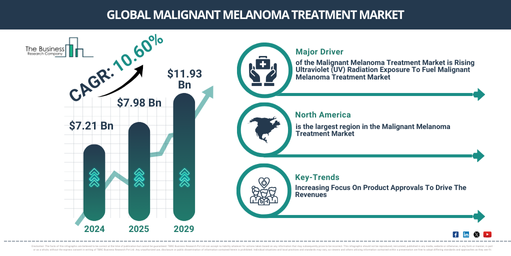
    The malignant melanoma treatment market has experienced rapid expansion in size over recent years. It is projected to increase from $7.21 billion in 2024 to $7.98 billion in 2025, demonstrating a compound annual growth rate (CAGR) of 10.7%. The growth observed in the past can be attributed to targeted therapies, patient awareness and education, collaborative research initiatives, and regulatory approvals.

    The malignant melanoma treatment market is projected to expand significantly over the coming years, anticipated to reach “$11.93 billion by 2029, exhibiting a compound annual growth rate (CAGR) of 10.6%.” This expansion during the forecast period is attributable to factors such as personalized medicine, global health initiatives, broader genomic profiling, value-based healthcare models, and patient-centric approaches. Key trends expected during this period encompass the integration of artificial intelligence (AI), advancements in early detection technologies, the utilization of real-world evidence and data analytics, the integration of precision medicine, and the increasing use of combination therapies.

    Unlock Your Free Sample Report for Exclusive Market Data:

    https://www.thebusinessresearchcompany.com/sample.aspx?id=13252&type=smp

    What Are The Drivers Pushing New Developments In The Malignant Melanoma Treatment Market?

    Growing exposure to ultraviolet (UV) radiation is anticipated to drive the malignant melanoma treatment market’s expansion. UV radiation is defined as electromagnetic radiation with wavelengths shorter than visible light but longer than X-rays. Exposure to UV radiation, particularly UVA (315–400 nm) and UVB (280–315 nm), substantially impacts the development of malignant melanoma. It damages skin cell DNA, causing mutations that result in uncontrolled cell growth and division, which forms tumors. For example, the Melanoma Research Foundation, a US-based organization, reported in February 2023 that melanoma cases in the United States totaled 1,87,000 in 2023, rising by 7.3% to 2,00,651 in 2024. Furthermore, the United States Environmental Protection Agency, a US-based government agency, stated in February 2024 that skin cancer is the most prevalent cancer in the U.S., with unprotected UV exposure being its primary preventable risk factor, impacting one in five Americans during their lifetime. Consequently, the heightened exposure to ultraviolet (UV) radiation is fueling the expansion of the malignant melanoma treatment market.

    What Are The Different Segment Classifications Within The Malignant Melanoma Treatment Market?

    The malignant melanoma treatmentmarket covered in this report is segmented –

    1) By Treatment: Immunotherapy; Radiation Therapy; Chemotherapy; Other Treatments

    2) By Disease Type: Lentigo Maligna Melanoma; Acral Lentiginous Melanoma; Nodular Melanoma; Superficial Spreading Melanoma

    3) By End-User: Hospitals; Specialty clinics; Other End Users

    Subsegments:

    1) By Immunotherapy: Checkpoint Inhibitors; Cytokine Therapy; Oncolytic Virus Therapy

    2) By Radiation Therapy: External Beam Radiation Therapy; Stereotactic Radiation Therapy

    3) By Chemotherapy: Traditional Chemotherapy Agents; Combination Chemotherapy Regimens

    4) By Other Treatments: Targeted Therapy; Surgical Interventions; Clinical Trials For Novel Therapies

    What Key Innovation Trends Are Fueling Advancements In The Malignant Melanoma Treatment Market?

    Leading companies in the malignant melanoma treatment market are concentrating on developing innovative drugs and securing their approval to maintain their position. Drug approvals for malignant melanoma treatment are seeing an increase, driven by the demand for more effective and safer therapies, such as Opdualag, which offers a new therapeutic choice. Opdualag is a fixed-dose combination of two immunotherapy drugs, nivolumab and relatlimab-rmbw, used for treating unresectable or metastatic melanoma. For instance, in March 2022, Bristol Myers Squibb, a US-based pharmaceutical company, received approval for Opdualag from the Food and Drug Administration, a US-based federal agency, for treating specific kinds of melanoma when administered as a single intravenous infusion. It is a first-in-class, fixed-dose combination of nivolumab and relatlimab intended for adult and pediatric patients 12 or older with metastatic or unresectable melanoma. Relatlimab-rmbw is a human IgG4 monoclonal antibody that binds to the LAG-3 receptor. Opdualag is a crucial addition to BMS’s array of cancer treatments, and its launch has been successful, contributing to the company’s expansion.

    Which Global Market Leaders Are Shaping The Future Of The Malignant Melanoma Treatment Sector?

    Major companies operating in the malignant melanoma treatment market report are Johnson & Johnson Private Limited, Pfizer Inc., Hoffmann-La Roche AG, Bayer AG, Novartis AG, Merck & Co. Inc., GlaxoSmithKline PLC, Bristol-Myers Squibb Company, Sanofi S.A., AstraZeneca PLC, Takeda Pharmaceutical Company Limited, Eli Lilly and Company, Amgen Inc., Daiichi Sankyo Company Limited, Mylan N.V., Chugai Pharmaceutical Co. Ltd., Sun Pharmaceutical Industries Limited, bioMérieux SA, Ono Pharmaceutical Co. Ltd., Exelixis Inc., Array BioPharma Inc., Pierre Fabre Group, Clinigen Group, Iovance Biotherapeutics Inc., X4 Pharmaceuticals Inc., Mirati Therapeutics Inc., Moleculin Biotech Inc., Polynoma LLC, Enzon Pharmaceuticals Inc., Northwest Biotherapeutics Inc.

    Download The Full Report For Exclusive Market Findings:

    https://www.thebusinessresearchcompany.com/report/malignant-melanoma-treatment-global-market-report

    Which Region Is Projected To Lead The Malignant Melanoma Treatment Market During The Forecast Period?

    North America was the largest region in the malignant melanoma treatment market in 2024. Asia-Pacific is expected to be the fastest-growing region in the forecast period. The regions covered in the malignant melanoma treatment market report are Asia-Pacific, Western Europe, Eastern Europe, North America, South America, Middle East, Africa

    Request A Customized Version Of The Malignant Melanoma Treatment Market Report:

    https://www.thebusinessresearchcompany.com/customise?id=13252&type=smp

    Browse Through More Reports Similar to the Global Malignant Melanoma Treatment Market 2025, By The Business Research Company

    Crohns Disease Cd Treatment Global Market Report 2025

    https://www.thebusinessresearchcompany.com/report/crohns-disease-cd-treatment-global-market-report

    Encephalitis Treatment Global Market Report 2025

    https://www.thebusinessresearchcompany.com/report/encephalitis-treatment-global-market-report

    Epidural Abscess Treatment Global Market Report 2025

    https://www.thebusinessresearchcompany.com/report/epidural-abscess-treatment-global-market-report

    Get in touch with us:

    The Business Research Company: https://www.thebusinessresearchcompany.com/

    Americas +1 310-496-7795

    Asia +44 7882 955267 & +91 8897263534

    Europe +44 7882 955267

    Email us at info@tbrc.info

    Follow us on:

    LinkedIn: https://in.linkedin.com/company/the-business-research-company

    YouTube: https://www.youtube.com/channel/UC24_fI0rV8cR5DxlCpgmyFQ

    Global Market Model: https://www.thebusinessresearchcompany.com/global-market-model
  • Male Fertility Industry Anticipated to Expand at 4.2% CAGR During the Forecast Period

    Male Fertility Industry Anticipated to Expand at 4.2% CAGR During the Forecast Period

    Unlock Global Insights – Save 20% on Market Reports with Code ONLINE20

    What Is The Predicted Market Size Trajectory For The Male Fertility Market From 2025 To 2034?

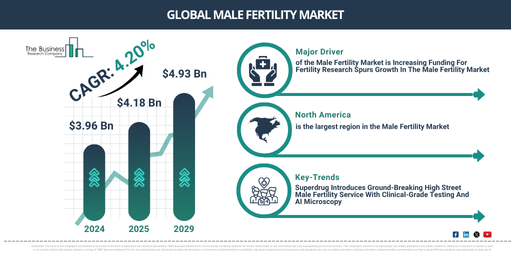
    The male fertility market has experienced robust expansion in recent years. This market is projected to expand from $3.96 billion in 2024 to $4.18 billion in 2025, demonstrating a compound annual growth rate (CAGR) of 5.5%. Historically, this expansion has been driven by factors such as evolving lifestyles and habits, environmental influences, developments in medical technology, a rise in the recognition and acceptance of male fertility concerns, and socioeconomic elements.

    The male fertility market is anticipated to observe sustained expansion over the coming years, with its valuation expected to reach $4.93 billion by 2029, demonstrating a compound annual growth rate (CAGR) of 4.2%. This growth throughout the forecast period can be linked to factors such as an aging demographic, the increasing incidence of male fertility conditions, a rising need for assisted reproductive technologies, broader accessibility to fertility treatments, and intensified research and development activities in male fertility solutions. Significant trends foreseen in this period encompass personalized medicine within male fertility care, the incorporation of artificial intelligence and big data analytics for diagnostic and treatment purposes, a transition towards natural and holistic strategies to enhance male fertility, the application of telemedicine and remote monitoring for fertility consultations, and an elevated focus on mental health and stress management in male fertility support.

    Unlock Your Free Sample Report for Exclusive Market Data:

    https://www.thebusinessresearchcompany.com/sample.aspx?id=13699&type=smp

    What Are The Emerging Market Drivers Creating New Opportunities In The Male Fertility Industry?

    The rising investment in fertility research is expected to boost the male fertility market’s expansion. Fertility research focuses on the scientific investigation and study of factors influencing reproductive health, including conception, pregnancy, and optimizing fertility outcomes. Funding for this research prioritizes inquiries into male fertility to fully understand reproductive health, improve overall fertility results, and recognize the significant role male factors play in conception and reproductive success. For instance, in October 2023, the Eunice Kennedy Shriver National Institute of Child Health and Human Development, a US-based health department, awarded $2.26 million to support studies on fertility-sparing treatments. Furthermore, in September 2022, the Medical Research Future Fund (MRFF), an Australia-based medical research organization, granted a total of $3.3 million to assist endometriosis sufferers, investigate fertility options, and improve clinical registries. Therefore, the increasing funding for fertility research is fueling the growth of the male fertility market.

    What Are The Primary Types Of Segments Analyzed In The Male Fertility Market?

    The male fertilitymarket covered in this report is segmented –

    1) By Test Type: Sperm Agglutination; DNA Fragmentation Technique; Oxidative Stress Analysis; Computer Assisted Semen Analysis; Sperm Penetration Assay; Other Test Types

    2) By Treatment Type: Assisted Reproductive Technology; Varicocele Surgery; Medication

    3) By Supplement: Antioxidants; Vitamins; Minerals; Amino Acids; Enzymes

    4) By End User: Hospitals And Clinics; Fertility Centers; Research Institutes; Other End Users

    Subsegments:

    1) By Sperm Agglutination: Seminal Plasma Agglutination Test; Sperm-Bound Antibody Tests

    2) By DNA Fragmentation Technique: Sperm DNA Fragmentation Index (DFI) Tests; Comet Assay

    3) By Oxidative Stress Analysis: Reactive Oxygen Species (ROS) Measurement; Antioxidant Capacity Tests

    4) By Computer Assisted Semen Analysis (CASA): Motility Analysis; Morphology Assessment

    5) By Sperm Penetration Assay: Sperm-oocyte Interaction Tests; In Vitro Fertilization (IVF) Models

    6) By Other Test Types: Hormonal Tests; Genetic Testing; Semen Culture Tests

    Which Ongoing Trends Are Expected To Shape The Male Fertility Market Outlook?

    Leading companies within the male fertility market are increasingly focusing on innovative services, such as testing solutions, to help individuals acquire information regarding their fertility, thereby empowering them to better manage their reproductive health. A testing service is defined as a service that performs testing or analysis of a particular substance or condition. For example, in November 2022, Superdrug Stores PLC, a UK-based retail company, introduced the UK’s first male fertility service on the high street. This testing service includes a clinical-grade sperm test, which is on par with World Health Organization or NHS tests, and is accepted by most fertility treatments. The services additionally provide clinical-grade semen analysis that employs advanced AI microscopes. The results analyze 22 different parameters, including morphology, which pertains to the size and shape of sperm. The discreet, at-home test kit can be picked up in-store and taken home. A courier will then collect the sample, and the results will be accessible 48 hours after the lab receives them. A full diagnostic report will be furnished, suitable for onward referrals or consultations with a fertility specialist.

    Which Industry Leaders Are Driving Innovation Across The Male Fertility Market?

    Major companies operating in the male fertility market report are Bayer Healthcare Inc., Sanofi S.A., MERCK KGaA, Essity AB, Laboratory Corporation Of America Holdings, Endo International plc., Cook Medical, Zydus Lifesciences Ltd., Intas Pharmaceuticals Ltd., ASKA Pharmaceutical Co. Ltd., EMD Serono Inc., Dendreon Pharmaceuticals LLC, Vitrolife, CinnaGen Co., Aytu BioScience Inc., Kindbody, Cryos International, AdvaCare Pharma USA, Ferring Pharmaceuticals, Apricus Biosciences, Reprotech Ltd., Vios Fertility Institute, Andrology Solutions, DxNow, Epicypher, INVO Bioscience

    Download The Full Report For Exclusive Market Findings:

    https://www.thebusinessresearchcompany.com/report/male-fertility-global-market-report

    What Are The Key Regional Factors Influencing The Male Fertility Market Growth?

    North America was the largest region in the male fertility market in 2024. Asia-Pacific is expected to be the fastest-growing region in the forecast period. The regions covered in the male fertility market report are Asia-Pacific, Western Europe, Eastern Europe, North America, South America, Middle East, Africa.

    Request A Customized Version Of The Male Fertility Market Report:

    https://www.thebusinessresearchcompany.com/customise?id=13699&type=smp

    Browse Through More Reports Similar to the Global Male Fertility Market 2025, By The Business Research Company

    Fertility Treatments Global Market Report 2025

    https://www.thebusinessresearchcompany.com/report/fertility-treatments-global-market-report

    Infertility Treatment Global Market Report 2025

    https://www.thebusinessresearchcompany.com/report/infertility-treatment-global-market-report

    Female Fertility And Pregnancy Rapid Test Global Market Report 2025

    https://www.thebusinessresearchcompany.com/report/female-fertility-and-pregnancy-rapid-test-global-market-report

    Get in touch with us:

    The Business Research Company: https://www.thebusinessresearchcompany.com/

    Americas +1 310-496-7795

    Asia +44 7882 955267 & +91 8897263534

    Europe +44 7882 955267

    Email us at info@tbrc.info

    Follow us on:

    LinkedIn: https://in.linkedin.com/company/the-business-research-company

    YouTube: https://www.youtube.com/channel/UC24_fI0rV8cR5DxlCpgmyFQ

    Global Market Model: https://www.thebusinessresearchcompany.com/global-market-model
  • Global Malaria Vaccines Market Projected to Expand at 34.1% CAGR by 2029

    Global Malaria Vaccines Market Projected to Expand at 34.1% CAGR by 2029

    Unlock Global Insights – Save 20% on Market Reports with Code ONLINE20

    How Much Larger Is The Malaria Vaccines Market Expected To Become By 2029 Compared With Its 2025 Level?

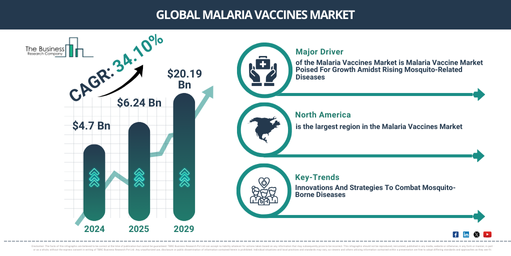
    The size of the malaria vaccines market has seen substantial growth recently. This market is projected to expand from $4.7 billion in 2024 to reach $6.24 billion by 2025, demonstrating a compound annual growth rate (CAGR) of 32.7%. Historically, this expansion has been driven by factors such as a significant malaria burden, worldwide health initiatives, available funding and grants, established malaria control programs, and robust government support alongside regulatory frameworks.

    The malaria vaccines market size is anticipated to experience substantial growth in the upcoming years. It is projected to expand to “$20.19 billion in 2029, demonstrating a compound annual growth rate (CAGR) of 34.1%.” This expansion during the forecast period can be attributed to global elimination objectives, broadened access programs, increasing vaccine coverage, international vaccine alliances, and the influence of climate change. Noteworthy trends for the forecast duration encompass technological innovations, public-private collaborations, global partnerships, and advancements in vaccine technology.

    Unlock Your Free Sample Report for Exclusive Market Data:

    https://www.thebusinessresearchcompany.com/sample.aspx?id=13698&type=smp

    Which Drivers Are Impacting The Malaria Vaccines Market?

    The increasing occurrence of mosquito-related diseases is anticipated to drive the future expansion of the malaria vaccine market. These illnesses constitute a broad category of conditions transmitted through the bite of an infected mosquito. The malaria vaccine, particularly the RTS, S/AS01 (RTS, S) vaccine, operates by training the immune system to identify and attack the parasite, thereby preventing and reducing the impact of these mosquito-borne infectious diseases. For example, a report from the World Health Organization, a Switzerland-based intergovernmental organization, published in November 2023, estimated 249 million cases of malaria globally in 2022, which was an increase of 5 million cases from 2021. Additionally, Pakistan reported an estimated 2.6 million cases in 2022, a significant rise from the 500,000 cases recorded in 2021. Thus, the escalating incidence of mosquito-related diseases is a key factor boosting the growth of the malaria vaccine market.

    Which Key Segments Fueling The Malaria Vaccines Market?

    The malaria vaccinesmarket covered in this report is segmented –

    1) By Agent: Plasmodium Falciparum; Plasmodium Vivax; Anopheles Species

    2) By Vaccine Type: Pre-Erythrocytic; Erythrocytic; Multi-antigen; Other Vaccines

    3) By Route Of Administration: Intramuscular; Subcutaneous; Intradermal; Other Routes

    4) By Distribution Channel: Public; Private

    Subsegments:

    1) By Plasmodium Falciparum: RTS,S/AS01 Vaccine; Other Experimental Vaccines

    2) By Plasmodium Vivax: Candidate Vaccines In Development; Combination Vaccines

    3) By Anopheles Species: Transmission-Blocking Vaccines; Vector Control Approaches

    Which Competitive Trends Are Defining The Malaria Vaccines Market Structure?

    Leading companies in the malaria vaccine market are actively developing innovative solutions, such as vaccines specifically for children’s malaria, to expand their customer base, boost sales, and increase revenue. Vaccines for mosquito-borne diseases are immunological formulations designed to offer protection against illnesses spread by mosquitoes. This particular pediatric vaccine targets Plasmodium falciparum, recognized globally as the deadliest malaria parasite and the most widespread in Africa. For instance, in November 2022, Malawi, an East African country, in collaboration with the World Health Organization, a Switzerland-based intergovernmental body, launched Africa’s first children’s malaria vaccine. A distinctive attribute of the RTSS vaccine, intended for young children, is its potential to lower mortality rates from this mosquito-transmitted disease. After undergoing pilot testing on over one million children in Ghana, Kenya, and Malawi, the vaccine, despite a modest 30% effectiveness rate, has generated optimism that it could save lives among the 400,000 individuals who succumb to malaria each year.

    Who Are The Key Multinational Companies Dominating The Malaria Vaccines Market?

    Major companies operating in the malaria vaccines market report are Pfizer Inc., Ipca Laboratories Ltd., Novartis AG, Sanofi SA, GlaxoSmithKline Plc., Takeda Pharmaceutical Co Ltd., Hikma Pharmaceuticals PLC, Amneal Pharmaceuticals LLC., Lupin, Taj Pharmaceuticals Limited., Nobelpharma Co. Ltd., Bliss GVS Pharma Ltd., Sanaria Inc., Precigen Inc., AdvaCare Pharma, CellFree Sciences, Actiza Pharmaceutical Private Limited, Sumaya Biotech, VLP Therapeutics LLC, GeoVax Labs Inc., Zydus Cadila, Genvec Inc.

    Download The Full Report For Exclusive Market Findings:

    https://www.thebusinessresearchcompany.com/report/malaria-vaccines-global-market-report

    How Do Regional Market Performances Compare Within The Malaria Vaccines Industry?

    North America was the largest region in the malaria vaccines market in 2024. Asia-Pacific is expected to be the fastest growing region in the forecast period. The regions covered in the malaria vaccines market report are Asia-Pacific, Western Europe, Eastern Europe, North America, South America, Middle East, Africa.

    Request A Customized Version Of The Malaria Vaccines Market Report:

    https://www.thebusinessresearchcompany.com/customise?id=13698&type=smp

    Browse Through More Reports Similar to the Global Malaria Vaccines Market 2025, By The Business Research Company

    Inactivated Vaccines Global Market Report 2025

    https://www.thebusinessresearchcompany.com/report/inactivated-vaccines-global-market-report

    Companion Animal Veterinary Vaccines Global Market Report 2025

    https://www.thebusinessresearchcompany.com/report/companion-animal-veterinary-vaccines-global-market-report

    Dog Vaccines Global Market Report 2025

    https://www.thebusinessresearchcompany.com/report/dog-vaccines-global-market-report

    Get in touch with us:

    The Business Research Company: https://www.thebusinessresearchcompany.com/

    Americas +1 310-496-7795

    Asia +44 7882 955267 & +91 8897263534

    Europe +44 7882 955267

    Email us at info@tbrc.info

    Follow us on:

    LinkedIn: https://in.linkedin.com/company/the-business-research-company

    YouTube: https://www.youtube.com/channel/UC24_fI0rV8cR5DxlCpgmyFQ

    Global Market Model: https://www.thebusinessresearchcompany.com/global-market-model

  • Major Depressive Disorder Market to Grow at a CAGR of 3.4% from 2025 to 2029

    Major Depressive Disorder Market to Grow at a CAGR of 3.4% from 2025 to 2029

    Unlock Global Insights – Save 20% on Market Reports with Code ONLINE20

    #What Are The Current (2025) And Forecast (2029) Sizes Of The Major Depressive Disorder Market?

    The market for major depressive disorder has experienced consistent expansion over recent years. Projections indicate its value will increase from $6.12 billion in 2024 to $6.26 billion by 2025, demonstrating a compound annual growth rate (CAGR) of 2.3%. This historical growth is primarily due to advancements in pharmaceuticals, heightened mental health awareness, the availability of psychological therapies, and various public health initiatives.

    The market size for major depressive disorder is anticipated to experience consistent expansion in the coming years. It is projected to reach $7.14 billion by 2029, exhibiting a compound annual growth rate (CAGR) of 3.4%. This projected growth during the forecast period stems from factors such as precision medicine, telepsychiatry and teletherapy, innovative treatment approaches, and the worldwide expansion of mental health services. Key developments expected during the forecast period encompass early intervention, peer support and online communities, comprehensive holistic approaches, and resilience and coping strategies.

    Unlock Your Free Sample Report for Exclusive Market Data:

    https://www.thebusinessresearchcompany.com/sample.aspx?id=13042&type=smp

    Which Industry Drivers Are Expected To Accelerate The Major Depressive Disorder Market From 2025 To 2029?

    The major depressive disorder market’s growth is projected to be driven by an uptick in substance and alcohol abuse cases. These terms refer to excessive and detrimental consumption patterns of various substances, including alcohol, which can result in adverse physical, psychological, and social outcomes. Such abuse frequently appears alongside major depressive disorder, with both conditions often exacerbating one another and markedly elevating the potential for physical and mental detriment. As an illustration, a survey released in July 2024 by the Substance Abuse and Mental Health Services Administration, a US-based department of health and human services, reported that in 2023, 3.1% of people (8.9 million) engaged in opioid misuse, and 21.8% of individuals aged 12 or older consumed marijuana, establishing it as the most widely used illicit drug. Furthermore, 9.4% of individuals aged 12 or older reported vaping nicotine in the past month, representing an increase from 8.3% recorded in 2022. Consequently, the escalating number of substance abuse and alcohol abuse cases is propelling the major depressive disorder market’s expansion.

    How Is The Major Depressive Disorder Market Classified Into Different Segments?

    The major depressive disordermarket covered in this report is segmented –

    1) By Treatment: Psychotherapy; Medications; Electroconvulsive Therapy (ECT); Transcranial Magnetic Stimulation (TMS); Other Treatments

    2) By Diagnosis: Physical Examinations; Laboratory Tests; Psychiatric Evaluations; Diagnostic And Statistical Manual of Mental Disorders (DSM-5); Other Diagnosis

    3) By End-User: Clinics; Hospitals; Other End-Users

    Subsegments:

    1) By Psychotherapy: Cognitive Behavioral Therapy (CBT); Interpersonal Therapy (IPT); Dialectical Behavior Therapy (DBT); Psychodynamic Therapy

    2) By Medications: Selective Serotonin Reuptake Inhibitors (SSRIs); Serotonin and Norepinephrine Reuptake Inhibitors (SNRIs); Tricyclic Antidepressants (TCAs); Monoamine Oxidase Inhibitors (MAOIs); Atypical Antidepressants

    3) Electroconvulsive Therapy (ECT): Unilateral ECT; Bilateral ECT; Modified ECT

    4) Transcranial Magnetic Stimulation (TMS): Repetitive Transcranial Magnetic Stimulation (rTMS); Deep Transcranial Magnetic Stimulation (dTMS); Theta Burst Stimulation (TBS); Navigated Brain Stimulation (nTMS)

    5) Other: Cognitive Behavioral Therapy (CBT); Psychodynamic Therapy; Interpersonal Therapy (IPT); Vagus Nerve Stimulation (VNS); Ketamine Therapy; Bright Light Therapy; Psychedelic-Assisted Therapy; Medication (Antidepressants)

    What Are The Latest Industry Trends Transforming The Major Depressive Disorder Market?

    Leading companies within the major depressive disorder market are prioritizing the development and regulatory approval of innovative products to secure a competitive edge. The necessity for enhanced efficacy and safety in major depressive disorder treatments is driving an increase in drug approvals, exemplified by medications like VRAYLAR (cariprazine). Specifically, in December 2022, AbbVie Inc., a US-based pharmaceutical company, obtained approval from the Food and Drug Administration (FDA), a US-based federal agency, for VRAYLAR (cariprazine) to serve as an adjunctive therapy alongside antidepressants for treating major depressive disorder (MDD) in adults. VRAYLAR functions as an innovative atypical antipsychotic drug, designed to balance dopamine and serotonin levels within the brain. Notably, it represents the inaugural atypical antipsychotic sanctioned as an adjunctive treatment for major depressive disorder. Furthermore, it is offered in capsule form and is administered once daily.

    Which Leading Players Are Enhancing Their Major Depressive Disorder Market Presence Worldwide?

    Major companies operating in the major depressive disorder market are Pfizer Inc., Janssen Research And Development LLC, Merck and Co. Inc., Novartis AG, Sanofi-Aventis US LLC, Bristol Myers Squibb Co., AstraZeneca PLC, GlaxoSmithKline PLC, Takeda Pharmaceutical Company Limited, Eli Lilly and Company, Biogen Inc., Otsuka Pharmaceuticals Co.Ltd., Forest Laboratories Inc., H. Lundbeck A/S, Richter Gedeon PLC, Allergan PLC, Neurocrine Biosciences Inc., BlackThorn Therapeutics Inc., Intra-Cellular Therapies Inc., Axsome Therapeutics Inc., Luye Pharma Group, BioLite Inc., BrainsWay Ltd., Neumora Therapeutics Inc., Chase Therapeutics Corporation, SAGE Therapeutics Inc., Arrivo Bioventures LLC, Relmada Therapeutics Inc., Fabre-Kramer Pharmaceuticals Inc., Vistagen Therapeutics Inc.

    Download The Full Report For Exclusive Market Findings:

    https://www.thebusinessresearchcompany.com/report/major-depressive-disorder-global-market-report

    Which Region Currently Holds The Largest Share Of The Major Depressive Disorder Market?

    North America was the largest region in the major depressive disorder market in 2024. The regions covered in major depressive disorder market report are Asia-Pacific, Western Europe, Eastern Europe, North America, South America, Middle East and Africa.

    Request A Customized Version Of The Major Depressive Disorder Market Report:

    https://www.thebusinessresearchcompany.com/customise?id=13042&type=smp

    Browse Through More Reports Similar to the Global Major Depressive Disorder Market 2025, By The Business Research Company

    Mental Health Apps Global Market Report 2025

    https://www.thebusinessresearchcompany.com/report/mental-health-apps-global-market-report

    Behavioral And Mental Health Software Global Market Report 2025

    https://www.thebusinessresearchcompany.com/report/behavioral-and-mental-health-software-global-market-report

    Residential Substance Abuse And Mental Health Facilities Global Market Report 2025

    https://www.thebusinessresearchcompany.com/report/residential-substance-abuse-and-mental-health-facilities-global-market-report

    Get in touch with us:

    The Business Research Company: https://www.thebusinessresearchcompany.com/

    Americas +1 310-496-7795

    Asia +44 7882 955267 & +91 8897263534

    Europe +44 7882 955267

    Email us at info@tbrc.info

    Follow us on:

    LinkedIn: https://in.linkedin.com/company/the-business-research-company

    YouTube: https://www.youtube.com/channel/UC24_fI0rV8cR5DxlCpgmyFQ

    Global Market Model: https://www.thebusinessresearchcompany.com/global-market-model

  • Global Macular Edema and Macular Degeneration Market 2025–2029: Competitive Insights and Opportunities

    Global Macular Edema and Macular Degeneration Market 2025–2029: Competitive Insights and Opportunities

    Unlock Global Insights – Save 20% on Market Reports with Code ONLINE20

    What Market Value Is The Macular Edema and Macular Degeneration Industry Expected To Reach By 2029, Starting From 2025 Levels?

    The market size for macular edema and macular degeneration has shown robust expansion in recent years. This market is projected to expand from $9.65 billion in 2024 to $10.33 billion in 2025, demonstrating a compound annual growth rate (CAGR) of 7.0%. Historically, this expansion has been driven by factors such as an aging population, the prevalence of diabetes, increased awareness and early diagnosis, worldwide eye health initiatives, advancements in pharmaceuticals, and patient advocacy and support.

    The macular edema and macular degeneration market is anticipated to experience robust expansion in the coming years. This market is projected to reach $13.44 billion by 2029, exhibiting a compound annual growth rate (CAGR) of 6.8%. Key factors driving this growth during the forecast period include the adoption of personalized medicine strategies, increasing awareness in developing markets, an emphasis on combination treatments, the integration of teleophthalmology services, and the impact of global aging populations. Notable trends expected within this period involve innovations in sustained-release drug delivery, the incorporation of gene therapies, the emergence of new imaging technologies, customized treatment strategies guided by biomarkers, the use of teleophthalmology for distant monitoring, and progress in artificial intelligence applications for diagnostics.

    Unlock Your Free Sample Report for Exclusive Market Data:

    https://www.thebusinessresearchcompany.com/sample.aspx?id=13479&type=smp

    What Are The Top Growth Drivers Impacting The Macular Edema and Macular Degeneration Market Outlook?

    The expanding number of individuals with diabetes is anticipated to drive the advancement of the macular edema and macular degeneration market in the future. Diabetes is a chronic medical condition defined by elevated blood sugar (glucose) levels, which damages the blood vessels in the eye, potentially leading to conditions such as macular edema and macular degeneration. For example, in June 2024, data from The National Health Service (NHS England), a UK-based publicly funded healthcare system, showed that in 2023, the number of people identified by the NHS in England with pre-diabetes grew to 3,615,330, representing an 18% increase from 3,065,825 in 2022. Furthermore, among those under 40, cases surged nearly 25%, increasing from 173,166 in 2022 to 216,440 in 2023. Consequently, the rising diabetes population is fueling the growth of the macular edema and macular degeneration market.

    What Are The Major Segments Identified In The Macular Edema and Macular Degeneration Market?

    The macular edema and macular degenerationmarket covered in this report is segmented –

    1) By Treatment Type: Drug Therapy; Laser Treatment

    2) By Application: Macular Edema; Diabetic Macular Edema (DME); Cystoid Macular Edema (CME); Macular Degeneration; Dry age-related macular degeneration; Wet age-related macular degeneration

    3) By End User: Hospitals; Clinics; Other End Users

    Subsegments:

    1) By Drug Therapy: Anti-VEGF (Vascular Endothelial Growth Factor) Injections; Steroid Injections; Oral Medications; Combination Therapy (Anti-VEGF + Steroids)

    2) By Laser Treatment: Focal Laser Photocoagulation; Panretinal Photocoagulation (PRP); Subthreshold Laser Therapy; MicroPulse Laser Therapy

    What Trends Are Redefining The Macular Edema and Macular Degeneration Market Dynamics?

    Leading companies in the macular edema and macular degeneration market are concentrating on developing innovative products, such as Vabysmo (faricimab-svoa), to enhance their profitability. Vabysmo (faricimab-svoa) is a medication utilized for managing neovascular age-related macular degeneration (nAMD) and diabetic macular edema (DME). For example, in January 2022, Genentech Inc., a biotechnology corporation based in the US, received approval for Vabysmo (faricimab-svoa) from the Food and Drug Administration. This substance is a bispecific antibody designed to target vascular endothelial growth factor (VEGF) and angiopoietin 2 (Ang-2), making it the first bispecific monoclonal antibody for both conditions. Faricimab holds the potential to become a highly successful medication for treating nAMD and DME, and its approval by the FDA and EU represents a significant accomplishment for Genentech and Roche.

    Which Major Firms Are Strengthening Their Position In The Macular Edema and Macular Degeneration Industry?

    Major companies operating in the macular edema and macular degeneration market report are F. Hoffmann La Roche Ltd., AbbVie Inc., Bayer AG, Novartis AG, GlaxoSmithKline PLC, Amgen Inc., Regeneron Pharmaceuticals Inc., Biogen Inc., Bausch Health Companies Inc., Clover Therapeutics Inc., Santen Pharmaceutical Co. Ltd., Samsung Bioepis Inc., PanOptica Inc., Regen X Bio Inc., Aerie Pharmaceutical Inc., Apellis Pharmaceuticals Inc., Kubota Pharmaceutical Holdings Co. Ltd., Alimera Sciences Inc., Kodiak Sciences Inc., Acucela Inc., Editas Medicine Inc., IVERIC bio Inc., Lineage Cell Therapeutics Inc., Allegro Ophthalmic Ltd., Ampio Pharmaceuticals Inc., Neurotech Pharmaceuticals Inc., Graybug Vision Inc., Clearside Biomedical Inc., Ocugen Inc., Opthea Limited

    Download The Full Report For Exclusive Market Findings:

    https://www.thebusinessresearchcompany.com/report/macular-edema-and-macular-degeneration-global-market-report

    What Regional Growth Trends Are Shaping The Macular Edema and Macular Degeneration Market Outlook?

    North America was the largest region in the macular edema and macular degeneration market in 2024. The regions covered in the macular edema and macular degeneration market report are Asia-Pacific, Western Europe, Eastern Europe, North America, South America, Middle East, Africa.

    Request A Customized Version Of The Macular Edema and Macular Degeneration Market Report:

    https://www.thebusinessresearchcompany.com/customise?id=13479&type=smp

    Browse Through More Reports Similar to the Global Macular Edema and Macular Degeneration Market 2025, By The Business Research Company

    Age Related Macular Degeneration Global Market Report 2025

    https://www.thebusinessresearchcompany.com/report/age-related-macular-degeneration-global-market-report

    Macular Degeneration Treatment Global Market Report 2025

    https://www.thebusinessresearchcompany.com/report/macular-degeneration-treatment-global-market-report

    Alopecia Global Market Report 2025

    https://www.thebusinessresearchcompany.com/report/alopecia-global-market-report

    Get in touch with us:

    The Business Research Company: https://www.thebusinessresearchcompany.com/

    Americas +1 310-496-7795

    Asia +44 7882 955267 & +91 8897263534

    Europe +44 7882 955267

    Email us at info@tbrc.info

    Follow us on:

    LinkedIn: https://in.linkedin.com/company/the-business-research-company

    YouTube: https://www.youtube.com/channel/UC24_fI0rV8cR5DxlCpgmyFQ

    Global Market Model: https://www.thebusinessresearchcompany.com/global-market-model
  • Lipid Nanoparticles Market Trends 2025–2029: Forecasts for Key Growth Segments

    Lipid Nanoparticles Market Trends 2025–2029: Forecasts for Key Growth Segments

    Unlock Global Insights – Save 20% on Market Reports with Code ONLINE20

    What Is The Anticipated Size Of The Lipid Nanoparticles Market Over The Five-Year Period 2025–2029?

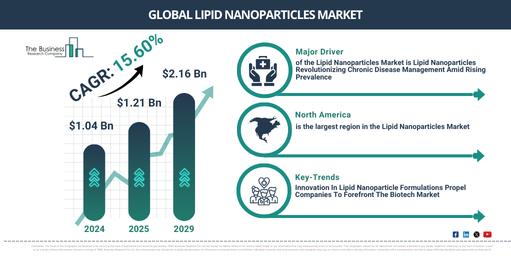
    The lipid nanoparticles market has experienced substantial expansion in recent years. Looking ahead, the market is projected to expand from $1.04 billion in 2024 to $1.21 billion in 2025, achieving a compound annual growth rate (CAGR) of 17.0%. Historically, this growth has been driven by an elevated emphasis on creating LNP-based medications, substantial funding into research facilities, and a rise in healthcare spending.

    The lipid nanoparticles market is anticipated to experience substantial growth over the next few years. Its valuation is projected to reach $2.16 billion by 2029, exhibiting a compound annual growth rate (CAGR) of 15.6%. This expansion during the forecast period is primarily driven by the increasing prevalence of chronic diseases, a rising demand for RNA-based therapeutics, a growing need for advanced gene delivery systems, an intensified focus on personalized medicine, and increased investment in research and development. Significant trends expected during this period include advancements in drug delivery technologies, the emergence of innovative drug delivery systems, and the integration of artificial intelligence in LNP development.

    Unlock Your Free Sample Report for Exclusive Market Data:

    https://www.thebusinessresearchcompany.com/sample.aspx?id=15210&type=smp

    Which Major Market Drivers Are Shaping The Future Of The Lipid Nanoparticles Market?

    The increasing occurrence of chronic diseases is significantly boosting the lipid nanoparticles (LNPs) market. A chronic disease is defined as a persistent condition lasting typically over three months, encompassing ailments such as diabetes and hypertension, among others. The rise in chronic disease rates is linked to various factors including detrimental health behaviors, an aging demographic, lifestyle choices, tobacco use, inadequate nutrition, insufficient physical activity, and heavy alcohol consumption. Lipid nanoparticles (LNPs) present an effective method for managing chronic diseases, primarily because they can improve the efficacy of mRNA therapeutics and vaccines. These LNPs contribute to advancing treatment options for numerous chronic conditions, providing prospects for more potent management strategies and potentially improved patient results. For example, in June 2024, the National Health Service, a UK-based government department, reported that in 2023, it identified over half a million (549,000) more individuals in England at risk of developing type 2 diabetes. This brought the total number of people with non-diabetic hyperglycemia, or pre-diabetes, registered with a GP to 3,615,330, marking a substantial rise from 3,065,825 in 2022, a nearly 20% increase. Consequently, the growing prevalence of chronic diseases is fueling the expansion of the lipid nanoparticle market.

    What Are The Emerging Segments Gaining Attention In The Lipid Nanoparticles Market?

    The lipid nanoparticlesmarket covered in this report is segmented –

    1) By Type: Nano-Structured Lipid Carriers (NLCs); Solid Lipid Nanoparticles (SLNs); Other Types

    2) By Application: Research; Therapeutics

    3) By End User: Pharmaceutical And Biotechnology Companies; Academics And Research Centers; Other End Users

    Subsegments:

    1) By Nano-Structured Lipid Carriers (NLCs): Hard NLCs; Soft NLCs

    2) By Solid Lipid Nanoparticles (SLNs): Conventional SLNs; Modified SLNs

    3) By Other Types: Lipid-Core Micelles; Liposomes

    How Are Emerging Market Trends Shaping The Lipid Nanoparticles Industry Landscape?

    Leading companies operating in the lipid nanoparticles (LNPs) market are innovating circular RNA (circRNA) and lipid nanoparticle (LNP) formulations to secure a competitive advantage. The expansion of circular RNA (circRNA) and lipid nanoparticles (LNP) formulation provides a more comprehensive array of RNA formats, including circRNA, which is a single-stranded RNA forming a covalently closed loop. For instance, in September 2023, GenScript Biotech, a US-based life sciences company, broadened its reagent services to incorporate circular RNA (circRNA) and lipid nanoparticles (LNP) formulation. These new services align with GenScript’s commitment to delivering protein replacement therapies and gene and cell therapy, and they are readily available as part of GenScript’s contract-manufactured reagent services. CircRNA offers several benefits over traditional linear RNA, such as increased stability, slower degradation, and the capacity to achieve desired therapeutic protein levels with a reduced dosage.

    Who Are The Primary Competitors In The Global Lipid Nanoparticles Market?

    Major companies operating in the lipid nanoparticles (LNPs) market report are Pfizer Inc.; Johnson & Johnson; AbbVie Inc.; Bayer AG; Abbott Laboratories; Amgen Inc; The Merck Group; Evonik Industries AG; BioNTech SE; Moderna Inc.; Sanofi SA; Solid Biosciences Inc.; AstraZeneca PLC; NOF Corporation; Alnylam Pharmaceuticals Inc.; Nanomerics Ltd.; CordenPharma International; Nippon Fine Chemical; Helix Biotech Inc.; Dicerna Pharmaceuticals; Gattefossé SAS; Arbutus Biopharma; Avanti Polar Lipids; IOI Oleo GmbH; Evox Therapeutics Ltd.

    Download The Full Report For Exclusive Market Findings:

    https://www.thebusinessresearchcompany.com/report/lipid-nanoparticles-global-market-report

    Which Regional Markets Are Contributing Most To The Lipid Nanoparticles Industry Expansion?

    North America was the largest region in the lipid nanoparticles (LNPs) market in 2024. The regions covered in the lipid nanoparticles (LNPs) market report are Asia-Pacific, Western Europe, Eastern Europe, North America, South America, Middle East, Africa.

    Request A Customized Version Of The Lipid Nanoparticles Market Report:

    https://www.thebusinessresearchcompany.com/customise?id=15210&type=smp

    Browse Through More Reports Similar to the Global Lipid Nanoparticles Market 2025, By The Business Research Company

    Metal Nanoparticles Global Market Report 2025

    https://www.thebusinessresearchcompany.com/report/metal-nanoparticles-global-market-report

    Lipid Global Market Report 2025

    https://www.thebusinessresearchcompany.com/report/lipid-global-market-report

    Lipid Panel Testing Global Market Report 2025

    https://www.thebusinessresearchcompany.com/report/lipid-panel-testing-global-market-report

    Get in touch with us:

    The Business Research Company: https://www.thebusinessresearchcompany.com/

    Americas +1 310-496-7795

    Asia +44 7882 955267 & +91 8897263534

    Europe +44 7882 955267

    Email us at info@tbrc.info

    Follow us on:

    LinkedIn: https://in.linkedin.com/company/the-business-research-company

    YouTube: https://www.youtube.com/channel/UC24_fI0rV8cR5DxlCpgmyFQ

    Global Market Model: https://www.thebusinessresearchcompany.com/global-market-model

  • Life Sciences BPO Market Forecast 2025–2034: Where Businesses Should Invest Next

    Life Sciences BPO Market Forecast 2025–2034: Where Businesses Should Invest Next

    Unlock Global Insights – Save 20% on Market Reports with Code ONLINE20

    What Are The Forecasted Market Size Estimates For The Life Sciences BPO Market Between 2025 And 2029?

    The life sciences bpo market size has seen rapid growth in recent years. It is projected to expand from $266.44 billion in 2024 to $294.54 billion in 2025, achieving a compound annual growth rate (CAGR) of 10.5%. This historical growth can be linked to factors such as a focus on patient-centric healthcare solutions, increasing data management challenges, market competition and the pressure of time-to-market, globalization and expansion, and the growing complexity in clinical trials.

    The life sciences bpo market is projected to experience substantial expansion over the upcoming years. Its valuation is set to reach $432.91 billion by 2029, demonstrating a compound annual growth rate (CAGR) of 10.1%. This anticipated growth during the forecast period stems from factors such as a heightened demand for drug development assistance, a stronger focus on real-world evidence and data analytics, various globalization and expansion initiatives, a greater emphasis on precision medicine, and the growing trend of outsourcing clinical trial management. Key trends expected during the forecast period encompass the integration of AI and advanced analytics, the adoption of virtual trials and remote monitoring, a concentrated effort on regulatory compliance solutions, advancements in precision medicine and personalized healthcare, and the implementation of blockchain and data security solutions.

    Unlock Your Free Sample Report for Exclusive Market Data:

    https://www.thebusinessresearchcompany.com/sample.aspx?id=13293&type=smp

    What Are The Main Drivers Boosting The Life Sciences BPO Industry’s Expansion?

    Rising spending on healthcare is projected to drive expansion within the life sciences BPO market in the future. This expenditure represents the entire sum allocated to healthcare products and services, covering areas like medical procedures, pharmaceuticals, inpatient care, physician consultations, medical equipment, health coverage, and associated health costs. Life sciences BPO offerings assist healthcare firms in providing vital drugs, equipment, and services to patients. Increased healthcare investments further empower these companies to manage costs more effectively, accelerate product development, speed up the introduction of new treatments to the market, and cut down on research and development costs. An example is observed in December 2023, where data from the Centers for Medicare & Medicaid Services, a federal agency in the US, indicated that U.S. health care spending climbed by 4.1% in 2022, amounting to $4.5 trillion. This growth rate surpassed the 3.2% increase recorded in 2021. Consequently, the expansion of healthcare spending is a key factor fueling the development of the life sciences BPO market.

    What Are The Major Segment Types Covered In The Life Sciences BPO Market?

    The life sciences bpomarket covered in this report is segmented –

    1) By Services: Pharmaceutical Outsourcing; Medical Devices Outsourcing; Contract Sales And Marketing Outsourcing; Other Services

    2) By Application: Clinical Testing Methods; Environmental Testing Methods; Other Applications

    3) By End User: Hospitals And Clinics; Diagnostic Laboratories; Other End Users

    Subsegments:

    1) By Pharmaceutical Outsourcing: Drug Development Services; Clinical Trials Management; Regulatory Affairs Services; Pharmacovigilance

    2) By Medical Devices Outsourcing: Product Development Services; Regulatory Compliance; Quality Assurance And Testing; Supply Chain Management

    3) By Contract Sales And Marketing Outsourcing: Sales Force Outsourcing; Marketing Strategy Development; Market Access And Pricing Strategies; Promotional Activities

    4) By Other Services: Data Management And Analytics; IT Services; Training And Education; Consulting Services

    Which Key Trends Are Expected To Influence The Life Sciences BPO Market In The Coming Years?

    Prominent organizations operating in the life sciences bpo market are increasingly utilizing strategic partnerships to foster the development of inventive solutions. Such alliances benefit life sciences bpo companies by pooling diverse resources and expertise, thereby strengthening research and development capabilities, broadening market reach, and expediting commercialization, which ultimately propels innovation and growth throughout the life sciences bpo industry. For example, in March 2024, Cognizant Technology Solutions Corp, a US-based company, entered into a partnership with NVIDIA, a US-based software company. This collaboration between Cognizant and NVIDIA is designed to accelerate drug discovery through the application of NVIDIA’s BioNeMo generative AI platform, facilitating a more rapid and efficient analysis of complex datasets. The initiative seeks to enhance overall research capacities and hasten the progression of life-saving treatments.

    Which Key Market Players Are Investing In Expansion And Innovation Of Life Sciences BPO Market?

    Major companies operating in the life sciences bpo market report are Accenture PLC, Atos SE, Catalent Inc., Covance Inc., Genpact Ltd., ICON PLC, Infosys Ltd., Lonza Group, PAREXEL International Corp., IQVIA Holdings Inc., International Business Machines Corp., ProMab Biotechnologies Inc., Cognizant Technology Solutions, Syneos Health Inc., R1 RCM Inc., Charles River Laboratories International Inc., Sartorius AG, WuXi AppTec Co. Ltd., Medpace Holdings Inc., Pharmaceutical Product Development LLC, Medidata Solutions, Health Decisions Inc., FAREVA Unterach GmbH, Bioclinica Inc., Navitas Life Sciences Private Limited, SGS SA, PRA Health Sciences Inc., Clinipace Worldwide, ClinTec International Ltd., Cromsource Ltd.

    Download The Full Report For Exclusive Market Findings:

    https://www.thebusinessresearchcompany.com/report/life-sciences-bpo-global-market-report

    How Does The Life Sciences BPO Market Perform Across Key Geographic Regions?

    Asia-Pacific was the largest region in the life sciences BPO market in 2024. The regions covered in the life sciences bpo market report are Asia-Pacific, Western Europe, Eastern Europe, North America, South America, Middle East, Africa

    Request A Customized Version Of The Life Sciences BPO Market Report:

    https://www.thebusinessresearchcompany.com/customise?id=13293&type=smp

    Browse Through More Reports Similar to the Global Life Sciences BPO Market 2025, By The Business Research Company

    Software And Bpo Services Global Market Report 2025

    https://www.thebusinessresearchcompany.com/report/software-and-bpo-services-global-market-report

    Crm Bpo Global Market Report 2025

    https://www.thebusinessresearchcompany.com/report/crm-bpo-global-market-report

    F And A Bpo Global Market Report 2025

    https://www.thebusinessresearchcompany.com/report/f-and-a-bpo-global-market-report

    Get in touch with us:

    The Business Research Company: https://www.thebusinessresearchcompany.com/

    Americas +1 310-496-7795

    Asia +44 7882 955267 & +91 8897263534

    Europe +44 7882 955267

    Email us at info@tbrc.info

    Follow us on:

    LinkedIn: https://in.linkedin.com/company/the-business-research-company

    YouTube: https://www.youtube.com/channel/UC24_fI0rV8cR5DxlCpgmyFQ

    Global Market Model: https://www.thebusinessresearchcompany.com/global-market-model

  • Global Life Science Software Market Analysis 2025–2029: Opportunities for Strategic Growth

    Global Life Science Software Market Analysis 2025–2029: Opportunities for Strategic Growth

    Unlock Global Insights – Save 20% on Market Reports with Code ONLINE20

    How Is The Life Science Software Market Size Likely To Evolve From 2025 Through 2034?

    The life science software market has experienced substantial expansion recently. It is anticipated to expand from $22.31 billion in 2024 to $25.35 billion in 2025, progressing at a compound annual growth rate (CAGR) of 13.6%. The historical surge in this market is largely due to factors such as regulatory compliance requirements, the necessity for data integration and management, a growing demand for personalized medicine, the increasing globalization of clinical trials, and the adoption of patient-centric approaches.

    The life science software market is poised for significant expansion in the coming years. This market is forecast to reach $43.09 billion by 2029, demonstrating a compound annual growth rate (CAGR) of 14.2%. This projected growth during the forecast period is driven by several factors, including a greater focus on real-world evidence (RWE), improved cybersecurity protocols, the incorporation of artificial intelligence (AI) and machine learning (ML), a rising need for cloud-based solutions, and an expanded application in precision medicine. Key trends anticipated for this period encompass ongoing technological progress, a faster pace of digital transformation, strengthened collaboration and networking, a surge in research and development endeavors, and further advancements in technology.

    Unlock Your Free Sample Report for Exclusive Market Data:

    https://www.thebusinessresearchcompany.com/sample.aspx?id=13690&type=smp

    Which Factors And Drivers Are Influencing The Life Science Software Market In 2025?

    The expanding need for personalized medicine is anticipated to drive the advancement of life science software in the future. This medical strategy customizes healthcare choices and therapies according to unique individual attributes, including genetic makeup, way of life, and environmental influences. Cutting-edge software solutions are essential for personalized medicine to standardize and consolidate data from various origins like wearables, genetic tests, and electronic health records. Life science software is crucial for assisting in the analysis and interpretation of intricate biological data, allowing researchers and medical practitioners to customize treatment regimens based on each patient’s specific traits. For example, a report from February 2023 by the US-based nonprofit organization, Personalized Medicine Coalition (PMC), indicated that personalized medicines constituted 35% of newly approved NMEs in 2021. With 12 additional approvals in 2022, these medicines have consistently held at least a quarter of new drug approvals for the last eight years, marking a substantial rise from less than 10% a decade prior. Consequently, the increasing demand for personalized medicine is fueling the expansion of the life science software market.

    What Are The Major Segment Categories Driving The Life Science Software Market Growth?

    The life science softwaremarket covered in this report is segmented –

    1) By Type: Predictive; Descriptive; Prescriptive

    2) By Deployment: On-Premise; Hosted

    3) By Application: Marketing; Compliance; R&D; Pharmacovigilance; SCM

    4) By End User: Healthcare Institutes; Biopharmaceutical Industry; Medical Devices Industry; Medical Research Centers

    Subsegments:

    1) By Predictive: Predictive Analytics Tools; Risk Assessment Software; Patient Outcome Prediction

    2) By Descriptive: Data Visualization Tools; Reporting Software; Statistical Analysis Software

    3) By Prescriptive: Decision Support Systems; Optimization Tools; Treatment Recommendation Software

    What Are The Major Trends Driving The Growth Of The Life Science Software Market?

    Major companies operating within the life science software market are integrating advanced technologies, including generative AI, machine learning (ML), and computer-aided drug design (CADD), to refine the drug discovery process, improve efficiency, and accelerate breakthroughs. Generative AI is employed for designing novel molecular structures, while ML algorithms analyze extensive datasets to identify potential drug candidates and predict their efficacy. Integrated with CADD tools, these technologies enable researchers to computationally simulate and optimize drug interactions, thereby significantly streamlining the identification and development of promising compounds. For instance, in December 2023, Merck, a Germany-based science and technology company, launched AIDDISON, a new drug discovery software. AIDDISON is designed to speed up the identification of novel medications and enhance the overall efficiency of the drug development process. The platform is built on artificial intelligence (AI) and machine learning (ML) technologies, empowering it to evaluate massive volumes of data and find prospective medication candidates more quickly and effectively than traditional methods.

    Who Are The Core Companies Influencing The Life Science Software Market Landscape?

    Major companies operating in the life science software market report are Meta Platforms Inc., Optum Inc., International Business Machines Corp., Deloitte, Thermo Fisher Scientific Inc., Oracle, SAP, Fujitsu Ltd., Cognizant, DXC Technology Co, HCL Technologies Ltd., Dassault Systèmes, EPIC Systems Corporation, SAS Institute Inc., INFOR, PAREXEL International Corporation, MEDICAL Information Technology Inc., Veeva Systems Inc., TIBCO Software Inc., PTC Therapeutics Inc., Cegedim SA, CPSI, Model N Inc., Medidata Solution Inc., ArisGlobal LLC, Perceptive Informatics Inc., Elinext, Signiant Inc., Allscripts Healthcare LLC, Jag products LLC

    Download The Full Report For Exclusive Market Findings:

    https://www.thebusinessresearchcompany.com/report/life-science-software-global-market-report

    Which Region Is Expected To Witness The Fastest Growth In The Life Science Software Market?

    North America was the largest region in the life science software market in 2024. Asia-Pacific is expected to be the fastest-growing region in the forecast period. The regions covered in the life science software market report are Asia-Pacific, Western Europe, Eastern Europe, North America, South America, Middle East, Africa.

    Request A Customized Version Of The Life Science Software Market Report:

    https://www.thebusinessresearchcompany.com/customise?id=13690&type=smp

    Browse Through More Reports Similar to the Global Life Science Software Market 2025, By The Business Research Company

    Core Banking Software Global Market Report 2025

    https://www.thebusinessresearchcompany.com/report/core-banking-software-global-market-report

    Customer Self Service Software Global Market Report 2025

    https://www.thebusinessresearchcompany.com/report/customer-self-service-software-global-market-report

    Data Centric Security Global Market Report 2025

    https://www.thebusinessresearchcompany.com/report/data-centric-security-global-market-report

    Get in touch with us:

    The Business Research Company: https://www.thebusinessresearchcompany.com/

    Americas +1 310-496-7795

    Asia +44 7882 955267 & +91 8897263534

    Europe +44 7882 955267

    Email us at info@tbrc.info

    Follow us on:

    LinkedIn: https://in.linkedin.com/company/the-business-research-company

    YouTube: https://www.youtube.com/channel/UC24_fI0rV8cR5DxlCpgmyFQ

    Global Market Model: https://www.thebusinessresearchcompany.com/global-market-model

  • Leukocyte Adhesion Deficiency Management Industry Overview 2025: Growth Projections and Market Trends

    Leukocyte Adhesion Deficiency Management Industry Overview 2025: Growth Projections and Market Trends

    Unlock Global Insights – Save 20% on Market Reports with Code ONLINE20

    What Are The Growth Projections For The Leukocyte Adhesion Deficiency Management Market Size During 2025–2029?

    The leukocyte adhesion deficiency management market has witnessed substantial growth over recent years. It is projected to increase from $8.07 billion in 2024 to $8.59 billion in 2025, exhibiting a compound annual growth rate (CAGR) of 6.5%. The historical expansion of this market can be attributed to factors such as increased awareness and education, advancements in genetic testing, the presence of orphan drug designations, supportive global health policies, the efforts of patient advocacy groups, and enhancements in pediatric healthcare.

    The leukocyte adhesion deficiency management market is anticipated to experience substantial expansion in the coming years. This market is projected to reach $11.28 billion by 2029, demonstrating a compound annual growth rate (CAGR) of 7.0%. Factors contributing to this growth during the forecast period include the adoption of precision medicine strategies, the introduction of new therapeutic options, greater availability of genetic testing, patient-focused drug development, and progress in immunomodulatory treatments. Key developments expected during this period involve breakthroughs in stem cell transplantation, the incorporation of supportive care, the use of telemedicine for distant consultations, the formation of collaborative research networks, and the integration of biomarker technologies.

    Unlock Your Free Sample Report for Exclusive Market Data:

    https://www.thebusinessresearchcompany.com/sample.aspx?id=13172&type=smp

    What Are The Key Drivers Of Growth In The Leukocyte Adhesion Deficiency Management Market?

    The increasing occurrence of primary immunodeficiency is anticipated to fuel the expansion of the leukocyte adhesion deficiency management market in the future. Primary immunodeficiency (PID) encompasses a collection of genetic conditions that compromise the immune system, rendering affected individuals more vulnerable to infections and diseases as a result of impaired immune responses. Addressing leukocyte adhesion deficiency proves advantageous for primary immunodeficiency by furthering knowledge of immune system malfunctions and potentially paving the way for enhanced diagnostic methods and treatments that could aid both ailments. As an illustration, figures gathered during World Primary Immunodeficiency (WPI) Awareness Week 2023, as reported by the India-based multi-specialty Peace Hospital in April 2023, indicate that primary immunodeficiency (PI) impacts approximately 60 lakh individuals worldwide, with 70% to 90% of those cases remaining undiagnosed. Consequently, the growing incidence of primary immunodeficiency will stimulate the expansion of the leukocyte adhesion deficiency management market.

    How Is The Leukocyte Adhesion Deficiency Management Market Segmented?

    The leukocyte adhesion deficiency managementmarket covered in this report is segmented –

    1) By Treatment: Hematopoietic Stem Cell Transplantation; Recombinant Human Interferon-Gamma Treatment; Prophylactic Immunoglobulin Therapy; Antimicrobial Therapy; Prophylactic Therapy; Fucose Supplementation; Monoclonal Antibodies; Coagulation Factors

    2) By Diagnosis: Blood Test; Genetic Testing; Biopsy; Other Types

    3) By End-Users: Hospitals; Specialty Clinics; Other End-Users

    Subsegments:

    1) By Hematopoietic Stem Cell Transplantation: Related Donor Transplant; Unrelated Donor Transplant

    2) By Recombinant Human Interferon-Gamma Treatment: Standard Dosing; Customized Dosing

    3) By Prophylactic Immunoglobulin Therapy: Intravenous Immunoglobulin (IVIG); Subcutaneous Immunoglobulin (SCIG)

    4) By Antimicrobial Therapy: Antibiotics; Antifungal Treatments

    5) By Prophylactic Therapy: Vaccination Strategies; Infection Prevention Protocols

    6) By Fucose Supplementation: Oral Supplements; Intravenous Supplements

    7) By Monoclonal Antibodies: Specific Target Monoclonal Antibodies; Combination Therapy Monoclonal Antibodies

    8) By Coagulation Factors: Factor Replacement Therapies; Novel Coagulation Agents

    What Trends Are Expected To Drive The Leukocyte Adhesion Deficiency Management Market?

    Leading companies active in the leukocyte adhesion deficiency management market are advancing lentiviral vector-based gene therapy technology to enhance targeted treatments and improve patient outcomes. This gene therapy approach provides a focused method in leukocyte adhesion deficiency management by introducing corrective genes directly into cells, potentially re-establishing immune function. For example, in February 2024, Rocket Pharmaceuticals, a US-based biotechnology firm, introduced kresladi (marnetegragene autotemcel) for the treatment of severe leukocyte adhesion deficiency-I (LAD-I). A Phase 1/2 study demonstrated 100% survival at 12 months, alongside a significant reduction in infections and an improvement in symptoms. Kresladi represents a novel choice within the LAD management market, addressing crucial unfulfilled demands.

    Which Major Industry Participants Are Leading The Leukocyte Adhesion Deficiency Management Market Growth?

    Major companies operating in the leukocyte adhesion deficiency management market report are F. Hoffmann-La Roche Ltd., Novartis AG, GlaxoSmithKline PLC, Gilead Sciences Inc., Teva Pharmaceuticals Industries Limited, CSL Behring LLC, Vertex Pharmaceuticals Inc., Grifols International S.A., Aurobindo Pharma Ltd., BioMarin Pharmaceutical Inc., Cadila Healthcare Ltd., Ipca Laboratories Ltd., Sana Biotechnology Inc., Rocket Pharmaceuticals Inc., PT Sanbe Farma, Magenta Therapeutics Inc., Avalo Therapeutics Inc., Aspen Neuroscience Inc., Sandoz International GmbH, Orpha Labs Inc., Swiss Pharm Holding AG, Rubius Therapeutics Inc., Enochian Biosciences Inc., Sigma-Aldrich LLC, Bluebird Bio Inc.

    Download The Full Report For Exclusive Market Findings:

    https://www.thebusinessresearchcompany.com/report/leukocyte-adhesion-deficiency-management-global-market-report

    Which Global Regions Are Influencing The Competitive Landscape Of The Leukocyte Adhesion Deficiency Management Market?

    North America was the largest region in the leukocyte adhesion deficiency management market in 2024. Asia-Pacific is expected to be the fastest-growing region in the forecast period. The regions covered in the leukocyte adhesion deficiency management market report are Asia-Pacific, Western Europe, Eastern Europe, North America, South America, Middle East, Africa

    Request A Customized Version Of The Leukocyte Adhesion Deficiency Management Market Report:

    https://www.thebusinessresearchcompany.com/customise?id=13172&type=smp

    Browse Through More Reports Similar to the Global Leukocyte Adhesion Deficiency Management Market 2025, By The Business Research Company

    Progressive Multifocal Leukoencephalopathy Treatment Global Market Report 2025

    https://www.thebusinessresearchcompany.com/report/progressive-multifocal-leukoencephalopathy-treatment-global-market-report

    Merkel Cell Carcinoma Treatment Global Market Report 2025

    https://www.thebusinessresearchcompany.com/report/merkel-cell-carcinoma-treatment-global-market-report

    Basal Cell Carcinoma Treatment Global Market Report 2025

    https://www.thebusinessresearchcompany.com/report/basal-cell-carcinoma-treatment-global-market-report

    Get in touch with us:

    The Business Research Company: https://www.thebusinessresearchcompany.com/

    Americas +1 310-496-7795

    Asia +44 7882 955267 & +91 8897263534

    Europe +44 7882 955267

    Email us at info@tbrc.info

    Follow us on:

    LinkedIn: https://in.linkedin.com/company/the-business-research-company

    YouTube: https://www.youtube.com/channel/UC24_fI0rV8cR5DxlCpgmyFQ

    Global Market Model: https://www.thebusinessresearchcompany.com/global-market-model