Category: HealthcareServices

  • Artificial Intelligence In Oncology Industry Overview 2025: Growth Projections and Market Trends

    Artificial Intelligence In Oncology Industry Overview 2025: Growth Projections and Market Trends

    Unlock Global Insights – Save 20% on Market Reports with Code ONLINE20

    What Is The Future Market Size Estimation For The Artificial Intelligence In Oncology Market Covering 2025–2034?

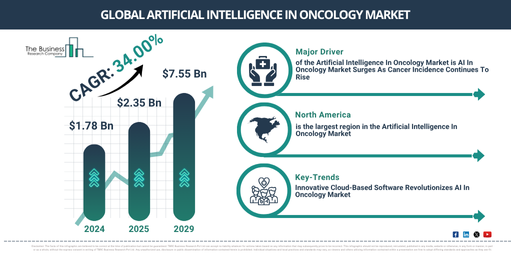
    The artificial intelligence in oncology market size has experienced rapid expansion in recent years. This market is projected to expand from $1.78 billion in 2024 to $2.35 billion in 2025, demonstrating a compound annual growth rate (CAGR) of 31.5%. Historically, this increase can be linked to factors such as a rise in cancer cases, the increasing volume of data in healthcare, advancements in optimizing clinical trials, the growing need for personalized medical treatments, and enhanced efficiency in both radiology and pathology.

    The artificial intelligence in oncology market is projected to experience rapid expansion over the upcoming years. This market is anticipated to reach $7.55 billion by 2029, demonstrating a compound annual growth rate (CAGR) of 34.0%. Several factors will contribute to this expansion during the forecast period, including integration with electronic health records (EHR), broader applications in treatment decision support, patient engagement and education initiatives, regulatory backing, and standardization efforts. Key trends observed during this period involve the incorporation of natural language processing (NLP) within healthcare, the use of AI in biomarker discovery, an emphasis on explainable AI for wider clinical acceptance, the integration of AI into population health management, partnerships between AI developers and healthcare providers, and progress in predictive analytics.

    Unlock Your Free Sample Report for Exclusive Market Data:

    https://www.thebusinessresearchcompany.com/sample.aspx?id=13130&type=smp

    Which Major Market Drivers Are Shaping The Future Of The Artificial Intelligence In Oncology Market?

    The increasing occurrence of cancer cases is anticipated to spur the advancement of the AI in oncology market moving forward. Cancer constitutes a complex set of diseases characterized by the unchecked proliferation and division of atypical cells within the body. The integration of AI into oncology possesses the potential to revolutionize cancer care by enhancing its precision, personalization, and efficiency. For instance, in 2023, according to a report by the American Cancer Society Inc., a US-based voluntary health organization, the estimated number of new cancer cases rose from 1.8 million to 1.9 million. Consequently, the escalating incidence of cancer cases is propelling the growth of the AI in oncology market.

    What Are The Major Segments Identified In The Artificial Intelligence In Oncology Market?

    The artificial intelligence in oncologymarket covered in this report is segmented –

    1) By Component: Software Solutions; Hardware; Services

    2) By Treatment Type: Chemotherapy; Radiotherapy; Immunotherapy; Other Treatment Types

    3) By Cancer Type: Breast Cancer; Lung Cancer; Prostate Cancer; Colorectal Cancer; Brain Tumor; Other Cancer Types

    4) By Application: Cancer Detection; Drug Discovery; Drug Development; Other Applications

    5) By End-Users: Hospitals; Diagnostic Centers; Pharmaceutical Companies; Research Institutes; Other End Users

    Subsegments:

    1) By Software Solutions: Diagnostic Software; Treatment Planning Software; Patient Management Software; Data Analytics Platforms

    2) By Hardware: AI-Enabled Imaging Devices; High-Performance Computing Systems; Wearable Health Monitors

    3) By Services: Consulting Services; Integration Services; Maintenance And Support Services

    How Are Emerging Market Trends Shaping The Artificial Intelligence In Oncology Industry Landscape?

    Key companies operating in the AI in the oncology market are concentrating on developing innovative software, such as cloud-based solutions, to enhance their effectiveness and provide improved offerings. Cloud-based software plays a critical role in AI applications in oncology by offering a scalable, adaptable, and accessible platform for processing and analyzing vast amounts of medical data. For instance, in March 2023, Illumina Inc., a US-based biotechnology company, launched Connected Insights, a new cloud-based software enabling tertiary analysis for oncology applications. Through the integration of external knowledge bases, Connected Insights streamlines the interpretation and reporting of results from various assay types, allowing laboratories to expand their utilization of NGS (Next-Generation Sequencing) and speed up the turnaround time for clinical reporting.

    Which Major Industry Participants Are Leading The Artificial Intelligence In Oncology Market Growth?

    Major companies operating in the artificial intelligence in oncology market report are Azra AI, IBM Corporation, Siemens Healthcare GmbH, Intel Corporation, GE HealthCare, NVIDIA Corporation, Digital Diagnostics Inc., ConcertAI Inc., PathAI Inc., Median Technologies SA, Kheiron Medical Technologies Ltd., Hampton Research Inc., Tempus Labs Inc., Paige AI Inc., Prognos Health Inc., Enlitic, Inspirata Inc., Berg LLC, Proscia Inc., Prognos Health Inc., Deep 6 AI Inc., Ibex Medical Analytics, Nanox Imaging Ltd., Zebra Medical Vision, Globavir Biosciences Inc.

    Download The Full Report For Exclusive Market Findings:

    https://www.thebusinessresearchcompany.com/report/artificial-intelligence-in-oncology-global-market-report

    Which Regional Markets Are Contributing Most To The Artificial Intelligence In Oncology Industry Expansion?

    North America was the largest region in the AI in oncology market in 2024. Asia-Pacific is expected to be the fastest-growing region in the forecast period. The regions covered in the artificial intelligence in oncology market report are Asia-Pacific, Western Europe, Eastern Europe, North America, South America, Middle East, Africa

    Request A Customized Version Of The Artificial Intelligence In Oncology Market Report:

    https://www.thebusinessresearchcompany.com/customise?id=13130&type=smp

    Browse Through More Reports Similar to the Global Artificial Intelligence In Oncology Market 2025, By The Business Research Company

    Artificial Intelligence In E Commerce Global Market Report 2025

    https://www.thebusinessresearchcompany.com/report/artificial-intelligence-in-e-commerce-global-market-report

    Artificial Intelligence In Military Global Market Report 2025

    https://www.thebusinessresearchcompany.com/report/artificial-intelligence-in-military-global-market-report

    Artificial Intelligence In Marketing Global Market Report 2025

    https://www.thebusinessresearchcompany.com/report/artificial-intelligence-in-marketing-global-market-report

    Get in touch with us:

    The Business Research Company: https://www.thebusinessresearchcompany.com/

    Americas +1 310-496-7795

    Asia +44 7882 955267 & +91 8897263534

    Europe +44 7882 955267

    Email us at info@tbrc.info

    Follow us on:

    LinkedIn: https://in.linkedin.com/company/the-business-research-company

    YouTube: https://www.youtube.com/channel/UC24_fI0rV8cR5DxlCpgmyFQ

    Global Market Model: https://www.thebusinessresearchcompany.com/global-market-model
  • Global Artificial Intelligence In Radiology Market Analysis 2025–2029: Opportunities for Strategic Growth

    Global Artificial Intelligence In Radiology Market Analysis 2025–2029: Opportunities for Strategic Growth

    Unlock Global Insights – Save 20% on Market Reports with Code ONLINE20

    How Much Was The Artificial Intelligence In Radiology Market Worth In 2025, And What Is Its Anticipated Value By 2029?

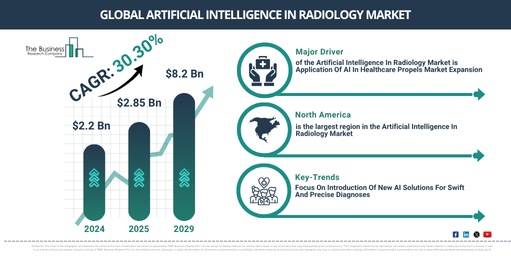
    The artificial intelligence in radiology market has seen significant expansion in recent years. This market is projected to expand from $2.2 billion in 2024 to $2.85 billion in 2025, showing a compound annual growth rate (CAGR) of 29.7%. The growth observed in prior periods can be attributed to increasing volume of medical imaging data, rise of deep learning algorithms, demand for improved diagnostic accuracy, regulatory approvals and standards, and a focus on cost-efficiency and workflow improvement.

    The artificial intelligence in radiology market size is anticipated to experience significant expansion in the coming years, projected to reach $8.2 billion by 2029, demonstrating a compound annual growth rate (CAGR) of 30.3%. This growth during the forecast period is fueled by continuous advancements in AI algorithms, the integration with electronic health records (EHRS), the broadening of AI applications beyond diagnosis, AI-powered image enhancement, and improved interoperability and data sharing. Noteworthy trends expected in this timeframe encompass telemedicine and remote healthcare, collaborations between healthcare and technology companies, innovations in imaging technologies, quantitative imaging analytics, and automated report generation.

    Unlock Your Free Sample Report for Exclusive Market Data:

    https://www.thebusinessresearchcompany.com/sample.aspx?id=13591&type=smp

    What Are The Top Growth Drivers Impacting The Artificial Intelligence In Radiology Market Outlook?

    The increasing adoption of artificial intelligence (AI) in healthcare is anticipated to boost the expansion of artificial intelligence (AI) in the radiology market in the future. AI-driven algorithms exhibit significant ability to accurately analyze and interpret medical images, assisting radiologists in identifying subtle issues and enhancing diagnostic results. The speed and effectiveness provided by AI technologies not only optimize radiological processes but also lead to quicker and more precise diagnoses. As an illustration, in July 2024, data from The Health Foundation, a UK-based independent charity, showed that over half of the UK public (54%) and three-quarters of surveyed NHS staff (76%) supported AI in patient care, with even higher percentages endorsing its use for administrative tasks (61% of the public and 81% of NHS staff). Thus, the expanding use of AI in healthcare is fueling the growth of artificial intelligence (AI) in the radiology market.

    How Is The Artificial Intelligence In Radiology Market Classified Into Different Segments?

    The artificial intelligence in radiologymarket covered in this report is segmented –

    1) By Solution Type: AI Software; AI Hardware

    2) By Modality: Computed Tomography (CT); Magnetic Resonance (MR); X-Ray; Mammography; Ultrasound (US); Other Modalities

    3) By Application: Neurology; Chest And Lung; Musculoskeletal; Abdomen; Cardiology; Other Applications

    4) By End-User: Hospitals; Diagnostic Imaging Centers; Other End-Users

    Subsegments:

    1) By AI Software: Image Analysis Software; Workflow Optimization Software; Radiology Reporting Software; Decision Support Systems; Predictive Analytics Tools

    2) By AI Hardware: Imaging Devices; Servers And Computing Infrastructure; Robotics For Automated Imaging; Workstations For Radiologists; Wearable Devices For Patient Monitoring

    What Trends Are Redefining The Artificial Intelligence In Radiology Market Dynamics?

    Companies prominent in the artificial intelligence (AI) in radiology market are introducing new products, such as specialized suites, to bolster their market profitability. An AI-powered radiology suite functions as an integrated system, employing artificial intelligence to augment diagnostic abilities and optimize processes within medical imaging, thereby boosting both accuracy and efficiency. For instance, in November 2022, Viz.ai Inc., a US-based healthcare software service provider, launched its Viz radiology suite. This suite stands as an advanced solution, incorporating sophisticated FDA-approved algorithms designed for rapid analysis of various medical imaging data, including CT scans, EKGs, and echocardiograms. This comprehensive AI-driven care coordination solution not only provides insights in real-time but also automates assessments, thus speeding up the diagnosis and treatment journey. Ultimately, this innovative solution contributes to better patient outcomes by accelerating the diagnostic and treatment workflow.

    Who Are The Core Companies Influencing The Artificial Intelligence In Radiology Market Landscape?

    Major companies operating in the artificial intelligence in radiology market report are Microsoft Corporation, IBM Corporation, NVIDIA Corporation, Siemens Healthineers AG, Koninklijke Philips N.V, GE Healthcare Technologies Inc., Canon Medical Systems Corporation, HeartFlow Inc., Viz.ai Inc., Aidoc Medical Ltd., EnvoyAI, Butterfly Network Inc., Digital Diagnostics Inc., Caption Health, Day Zero Diagnostics Inc., Enlitic Inc., Arterys, Nano X Imaging Ltd., Subtle Medical Inc., CureMetrix Inc., AliveCor Inc., DiA Imaging Analysis Ltd., Freenome Holdings Inc., Imagen Technologies, Gleamer Ltd., Quibim, Behold.ai, Gauss Surgical Inc., 3D Systems, InformAI LLC, Intel Corporation

    Download The Full Report For Exclusive Market Findings:

    https://www.thebusinessresearchcompany.com/report/artificial-intelligence-in-radiology-global-market-report

    What Regional Growth Trends Are Shaping The Artificial Intelligence In Radiology Market Outlook?

    North America was the largest region in the artificial intelligence in radiology market in 2024. The regions covered in the artificial intelligence in radiology market report are Asia-Pacific, Western Europe, Eastern Europe, North America, South America, Middle East, Africa.

    Request A Customized Version Of The Artificial Intelligence In Radiology Market Report:

    https://www.thebusinessresearchcompany.com/customise?id=13591&type=smp

    Browse Through More Reports Similar to the Global Artificial Intelligence In Radiology Market 2025, By The Business Research Company

    Artificial Intelligence In Drug Discovery Global Market Report 2025

    https://www.thebusinessresearchcompany.com/report/artificial-intelligence-in-drug-discovery-global-market-report

    Artificial Intelligence In Healthcare Global Market Report 2025

    https://www.thebusinessresearchcompany.com/report/artificial-intelligence-in-healthcare-global-market-report

    Artificial Intelligence Global Market Report 2025

    https://www.thebusinessresearchcompany.com/report/artificial-intelligence-global-market-report

    Get in touch with us:

    The Business Research Company: https://www.thebusinessresearchcompany.com/

    Americas +1 310-496-7795

    Asia +44 7882 955267 & +91 8897263534

    Europe +44 7882 955267

    Email us at info@tbrc.info

    Follow us on:

    LinkedIn: https://in.linkedin.com/company/the-business-research-company

    YouTube: https://www.youtube.com/channel/UC24_fI0rV8cR5DxlCpgmyFQ

    Global Market Model: https://www.thebusinessresearchcompany.com/global-market-model

  • Artificial Intelligence In The Diagnostic Market Forecast 2025–2034: Where Businesses Should Invest Next

    Artificial Intelligence In The Diagnostic Market Forecast 2025–2034: Where Businesses Should Invest Next

    Unlock Global Insights – Save 20% on Market Reports with Code ONLINE20

    What Is The Projected Market Size Of The Artificial Intelligence In The Diagnostic Market By 2029?

    The artificial intelligence in the diagnostic market size has experienced substantial growth in recent years. It is projected to increase from $4.29 billion in 2024 to $5.97 billion in 2025, achieving a compound annual growth rate (CAGR) of 39.1%. The expansion witnessed in the historic period can be attributed to factors such as a rising disease burden, data availability, cost reduction, regulatory support, and increasing awareness.

    The artificial intelligence in the diagnostic market size is anticipated to undergo significant growth in the coming years. It is projected to achieve a value of $22.51 billion by 2029, exhibiting a compound annual growth rate (CAGR) of 39.4%. This expansion during the forecast period can be linked to developments like personalized medicine trends, a rapid increase in healthcare data, global health challenges, boosted investments, and enhanced integration with healthcare systems. Prominent trends for the forecast period include growing collaboration and investment, technological advancements, data privacy and security considerations, the emergence of explainable AI (XAI), and the broadening application of computer vision.

    Unlock Your Free Sample Report for Exclusive Market Data:

    https://www.thebusinessresearchcompany.com/sample.aspx?id=13593&type=smp

    Which Industry Drivers Are Expected To Accelerate The Artificial Intelligence In The Diagnostic Market From 2025 To 2029?

    The expansion of AI in the diagnostics market is anticipated to be fueled by the increasing occurrence of chronic diseases. These conditions are defined as persistent health issues that typically last for an individual’s entire life. Integrating AI-driven diagnostic methods for chronic diseases allows for earlier detection, more accurate predictions, improved decision support systems, remote patient oversight, lower costs, and personalized treatments through analysis of genetic profiles and disease progression. A significant illustration comes from September 2023, when the World Health Organization, a specialized United Nations agency situated in Switzerland, reported 41 million fatalities annually worldwide. These fatalities constituted 74% of all non-communicable disease (NCD) or chronic disease-related deaths globally. Specifically, approximately 17.9 million deaths were linked to cardiovascular diseases, 9.3 million to cancer, 4.1 million to chronic respiratory diseases, and 2.0 million to diabetes. Consequently, the escalating occurrence of chronic illnesses is a key factor propelling the expansion of AI in the diagnostics market.

    Which Key Segments Fueling The Artificial Intelligence In The Diagnostic Market?

    The artificial intelligence in the diagnosticmarket covered in this report is segmented –

    1) By Component: Hardware; Software; Services

    2) By Technology: Machine Learning; NLP (Natural Language Processing); Context-Aware Computing; Computer Vision

    3) By Diagnosis Type: Radiology; Pathology; Cardiology; Oncology; Neurology; Chest And Lung; Other Diagnosis Types

    Subsegments:

    1) By Hardware: Imaging Devices; Diagnostic Equipment; Wearable Devices

    2) By Software: Diagnostic Imaging Software; Data Analytics Software; Machine Learning Algorithms; Clinical Decision Support Systems

    3) By Services: Consulting Services; Integration Services; Maintenance And Support Services; Training Services

    What Are The Latest Industry Trends Transforming The Artificial Intelligence In The Diagnostic Market?

    Leading companies in the AI in diagnostics market are advancing new technologies, such as AI modules, to gain a competitive edge. An AI module functions as a self-contained software component that encapsulates specific AI functionalities or capabilities. For instance, in March 2023, Qritive, a Singapore-based provider of AI-powered solutions, introduced QAi Prostate for the diagnosis of prostate cancer. QAi Prostate is capable of efficiently recognizing the most common form of prostate cancer, potentially enhancing diagnostic accuracy and reducing false positive results. This tool assists pathologists in differentiating between cancerous and non-cancerous tissue areas, thereby aiding in informed treatment decisions. Furthermore, QAi Prostate can prioritize cases for accelerated diagnosis and reporting, improving both efficiency and patient care.

    Which Key Market Players Are Investing In Expansion And Innovation Of Artificial Intelligence In The Diagnostic Market?

    Major companies operating in the artificial intelligence in the diagnostic market report are Google LLC, Microsoft Corporation, Intel Corporation, IBM Corporation, Siemens Healthineers, Koninklijke Philips N.V., GE Healthcare Technologies Inc., Paige.AI Inc., HeartFlow Inc., Aidoc Medical Ltd., AliveCor Inc., Butterfly Network Inc., Imagen Technologies, Digital Diagnostics Inc., Brainomix Ltd., NovaSignal Corp., Enlitic Inc., Nano-X Imaging LTD., EchoNous Inc., Zebra Medical Vision Ltd., Aidence B.V., Neural Analytics Inc., IDx Technologies Inc., icometrix N.V., Vuno Inc.

    Download The Full Report For Exclusive Market Findings:

    https://www.thebusinessresearchcompany.com/report/artificial-intelligence-in-the-diagnostic-global-market-report

    Which Region Currently Holds The Largest Share Of The Artificial Intelligence In The Diagnostic Market?

    North America was the largest region in the artificial intelligence in diagnostics market in 2024. Asia-Pacific is expected to be the fastest-growing region in the forecast period. The regions covered in the artificial intelligence in the diagnostic market report are Asia-Pacific, Western Europe, Eastern Europe, North America, South America, Middle East, Africa.

    Request A Customized Version Of The Artificial Intelligence In The Diagnostic Market Report:

    https://www.thebusinessresearchcompany.com/customise?id=13593&type=smp

    Browse Through More Reports Similar to the Global Artificial Intelligence In The Diagnostic Market 2025, By The Business Research Company

    Artificial Intelligence Ai In Asset Management Global Market Report 2025

    https://www.thebusinessresearchcompany.com/report/artificial-intelligence-ai-in-asset-management-global-market-report

    Artificial Intelligence In Accounting Global Market Report 2025

    https://www.thebusinessresearchcompany.com/report/artificial-intelligence-in-accounting-global-market-report

    Artificial Intelligence Ai In Clinical Trials Global Market Report 2025

    https://www.thebusinessresearchcompany.com/report/artificial-intelligence-ai-in-clinical-trials-global-market-report

    Get in touch with us:

    The Business Research Company: https://www.thebusinessresearchcompany.com/

    Americas +1 310-496-7795

    Asia +44 7882 955267 & +91 8897263534

    Europe +44 7882 955267

    Email us at info@tbrc.info

    Follow us on:

    LinkedIn: https://in.linkedin.com/company/the-business-research-company

    YouTube: https://www.youtube.com/channel/UC24_fI0rV8cR5DxlCpgmyFQ

    Global Market Model: https://www.thebusinessresearchcompany.com/global-market-model
  • Aspergillosis Treatment Market Trends 2025–2029: Forecasts for Key Growth Segments

    Aspergillosis Treatment Market Trends 2025–2029: Forecasts for Key Growth Segments

    Unlock Global Insights – Save 20% on Market Reports with Code ONLINE20

    By How Much Is The Aspergillosis Treatment Market Expected To Expand Between 2025 And 2029?

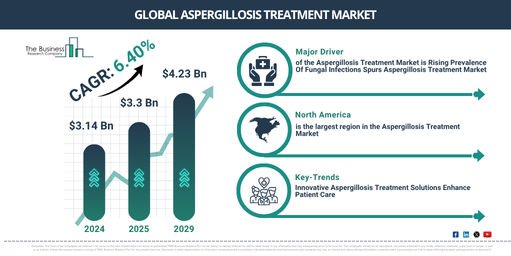
    The aspergillosis treatment market size has experienced significant expansion in recent years. It is anticipated to expand from $3.14 billion in 2024 to $3.3 billion in 2025, exhibiting a compound annual growth rate (CAGR) of 5.1%. The increase observed in the historical period can be attributed to advancements in diagnostics, the requirement for antifungal medications, a higher incidence of the condition, and invasive procedures.

    The aspergillosis treatment market size is projected to experience substantial growth over the next few years. It is forecast to expand to $4.23 billion by 2029, achieving a compound annual growth rate (CAGR) of 6.4%. This anticipated growth during the forecast period can be linked to the increasing demand for transplant medicine, the prevalence of hematologic malignancies, rising investments in research and development, and various public health initiatives. Significant trends expected in the coming period include challenges like antifungal resistance, the development of targeted therapies, the application of therapeutic drug monitoring, and ongoing efforts in drug development.

    Unlock Your Free Sample Report for Exclusive Market Data:

    https://www.thebusinessresearchcompany.com/sample.aspx?id=12987&type=smp

    Which Drivers Are Impacting The Aspergillosis Treatment Market?

    The rising occurrence of fungal infections is projected to drive expansion within the aspergillosis treatment market in the future. Fungal infections, identified as mycosis, are illnesses brought about by fungi, capable of causing infections in both humans and animals. Aspergillosis, a specific type of fungal infection, impacts multiple areas of the body, such as the respiratory system, lungs, brain, kidneys, and other organs. Treatments for aspergillosis, like voriconazole, focus on managing the fungal infection, easing symptoms, averting complications, and enhancing general well-being. As an illustration, in September 2023, data from The Health Security Agency, a UK-based government agency, indicated that bloodstream infections caused by yeast per 100,000 population in England saw an increase from 3.8 in 2021 to 4.0 in 2022. Consequently, the growing frequency of fungal infections is a key factor boosting the expansion of the aspergillosis treatment market.

    What Are The Primary Types Of Segments Analyzed In The Aspergillosis Treatment Market?

    The aspergillosis treatmentmarket covered in this report is segmented –

    1) By Type: Allergic Aspergillosis; Chronic Aspergillosis; Invasive Aspergillosis; Other Type

    2) By Drug Class: Corticosteroids; Antifungal drugs; Other Drug Class

    3) By Route of Administration: Oral; Injectable; Other Route Of Administration

    4) By Distribution Channel: Hospital pharmacies; Retail pharmacies; Other Distribution Channel

    Subsegments:

    1) By Allergic Aspergillosis: Allergic Fungal Sinusitis; Allergic Bronchopulmonary Aspergillosis (ABPA)

    2) By Chronic Aspergillosis: Chronic Pulmonary Aspergillosis; Chronic Cavitary Aspergillosis

    3) By Invasive Aspergillosis: Pulmonary Invasive Aspergillosis; Disseminated Invasive Aspergillosis

    4) By Other Type: Aspergilloma; Other Rare Forms of Aspergillosis

    Which Competitive Trends Are Defining The Aspergillosis Treatment Market Structure?

    Leading companies active in the aspergillosis treatment market are concentrating on introducing innovative aspergillosis drugs and solutions to maintain their competitive standing. Drug development is expanding treatment possibilities for aspergillosis, such as posaconazole oral suspension, which provides patients with more targeted and effective therapeutic options. For example, in April 2023, Hikma Pharmaceuticals PLC, a UK-based pharmaceutical firm, launched Posaconazole oral suspension in the US for managing aspergillosis. These medications are applicable to patients at a high risk of contracting invasive aspergillus and candida infections due to severely compromised immune systems, including hematopoietic stem cell transplant (HSCT) recipients suffering from graft-versus-host disease (GVHD). Oropharyngeal candidiasis (OPC), particularly OPC that is resistant to itraconazole and fluconazole, represents another condition for which posaconazole oral suspension is recommended.

    Who Are The Primary Competitors In The Global Aspergillosis Treatment Market?

    Major companies operating in the aspergillosis treatment market are Basilea Pharmaceutica Ltd., Pfizer Inc., Johnson and Johnson, AbbVie Inc., Bayer AG, Novartis AG, Merck and Co. Inc., Sanofi S.A., Bristol Myers Squibb Company, AstraZeneca PLC, GSK PLC, Takeda Pharmaceutical Company, Eli Lilly and Company, Gilead Sciences Inc., Boehringer Ingelheim International GmbH, Teva Pharmaceutical Industries, Astellas Pharma Inc., Regeneron Pharmaceuticals, Mylan N.V., Sun Pharmaceutical Industries, Jazz Pharmaceuticals, Dr. Reddy’s Laboratories, Cipla Ltd., Bruker Corporation, Hikma Pharmaceuticals PLC.

    Download The Full Report For Exclusive Market Findings:

    https://www.thebusinessresearchcompany.com/report/aspergillosis-treatment-global-market-report

    How Do Regional Market Performances Compare Within The Aspergillosis Treatment Industry?

    North America was the largest region in the aspergillosis treatment market in 2024. The regions covered in aspergillosis treatment market report are Asia-Pacific, Western Europe, Eastern Europe, North America, South America, Middle East and Africa.

    Request A Customized Version Of The Aspergillosis Treatment Market Report:

    https://www.thebusinessresearchcompany.com/customise?id=12987&type=smp

    Browse Through More Reports Similar to the Global Aspergillosis Treatment Market 2025, By The Business Research Company

    Generic Pharmaceuticals Global Market Report 2025

    https://www.thebusinessresearchcompany.com/report/generic-pharmaceuticals-global-market-report

    Pharmacies And Drug Stores Global Market Report 2025

    https://www.thebusinessresearchcompany.com/report/pharmacies-and-drug-stores-global-market-report

    Pharmaceutical Drugs Global Market Report 2025

    https://www.thebusinessresearchcompany.com/report/pharmaceutical-drugs-global-market-report

    Get in touch with us:

    The Business Research Company: https://www.thebusinessresearchcompany.com/

    Americas +1 310-496-7795

    Asia +44 7882 955267 & +91 8897263534

    Europe +44 7882 955267

    Email us at info@tbrc.info

    Follow us on:

    LinkedIn: https://in.linkedin.com/company/the-business-research-company

    YouTube: https://www.youtube.com/channel/UC24_fI0rV8cR5DxlCpgmyFQ

    Global Market Model: https://www.thebusinessresearchcompany.com/global-market-model

  • Global Assistive Technologies For Visually Impaired Market 2025–2029: Competitive Insights and Opportunities

    Global Assistive Technologies For Visually Impaired Market 2025–2029: Competitive Insights and Opportunities

    Unlock Global Insights – Save 20% on Market Reports with Code ONLINE20

    What Is The Global Market Value Of The Assistive Technologies For Visually Impaired Industry In 2025?

    The market for assistive technologies catering to the visually impaired has experienced swift expansion in recent years. Projections indicate its value will escalate from $6.11 billion in 2024 to reach $6.87 billion by 2025, demonstrating a compound annual growth rate (CAGR) of 12.5%. Historically, this growth has been driven by factors such as an increasing aging demographic, heightened recognition of assistive technologies, and an uptick in governmental programs.

    The assistive technologies for visually impaired market is set for substantial growth over the next few years. It is projected to expand to $11.22 billion by 2029, demonstrating a compound annual growth rate (CAGR) of 13.0%. This expansion during the forecast period is largely due to the increasing prevalence of visual impairments and blindness, coupled with a rising demand to meet the unaddressed needs of patients. Significant trends in the upcoming period include smart glasses integrated with AI, sophisticated screen readers, braille displays, and augmented reality (AR) solutions for navigation.

    Unlock Your Free Sample Report for Exclusive Market Data:

    https://www.thebusinessresearchcompany.com/sample.aspx?id=13598&type=smp

    What Are The Emerging Market Drivers Creating New Opportunities In The Assistive Technologies For Visually Impaired Industry?

    The increasing occurrence of visual impairments and blindness is anticipated to drive the expansion of the assistive technologies for the visually impaired market in the future. These conditions, visual impairment and blindness, denote states where an individual experiences restricted or absent sight, impacting their vision to different extents. Assistive technologies improve ease of use for those with visual impairments and blindness by offering vital aids, like braille displays, which facilitate better navigation, access to information, and communication. To illustrate, in August 2023, the World Health Organization reported that globally, a significant 2.2 billion people suffer from vision impairment, with 1 billion of these instances being either preventable or lacking proper intervention. Furthermore, refractive errors contribute to the impairment in 36% of these individuals, while 17% experience impairment attributed to cataracts. Consequently, the rising prevalence of visual impairments and blindness is propelling the expansion of the assistive technologies for the visually impaired market.

    What Are The Different Segment Classifications Within The Assistive Technologies For Visually Impaired Market?

    The assistive technologies for visually impairedmarket covered in this report is segmented –

    1) By Type: Educational Devices And Software; Mobility Devices; Low Vision Devices

    2) By Distribution Channel: Hospital Pharmacies; Retail Pharmacies; Optical Stores; Online Pharmacies

    3) By End User: Blind Schools; Enterprises And Social Organizations; Personal Use; Hospitals; Other End Users

    Subsegments:

    1) By Educational Devices And Software: Braille Notetakers; Screen Readers; Accessible Learning Software

    2) By Mobility Devices: Canes (Traditional And Smart Canes); GPS Navigation Devices; Wearable Technology For Navigation

    3) By Low Vision Devices: Magnifiers (Handheld And Electronic); Telescopic Lenses; Digital Magnification Devices

    Which Ongoing Trends Are Expected To Shape The Assistive Technologies For Visually Impaired Market Outlook?

    Major companies operating in the assistive technologies market for the visually impaired are concentrating on developing products featuring innovative technology, such as AI-driven smart glasses, to enhance their market profitability. These AI-powered smart glasses empower visually impaired individuals to navigate and interact with their surroundings with increased confidence and independence. For example, in March 2022, Envision, a Netherlands-based company, launched its Next Generation AI-empowered smart glasses designed for the visually impaired. These AI-powered smart glasses for the blind offer sophisticated features like OCR, enhanced text recognition, multi-language support, and an extensive app ecosystem for seamless integration of tailored applications, encompassing specialized functionalities such as orientation and mobility assistance both indoors and outdoors. The smart glasses also incorporate facial and object recognition, color identification, and scene description, alongside an encrypted video call function for effortless communication with trusted contacts. They convert visual data into auditory cues, thereby promoting user autonomy and broadening their outlook on potential. This product, built on the Google Glass Enterprise Edition 2, weighs under 50g, features an 8MP wide-angle camera, ensures constant 5–6 hours of connectivity, and offers USB-C fast charging.

    Which Major Firms Are Strengthening Their Position In The Assistive Technologies For Visually Impaired Industry?

    Major companies operating in the assistive technologies for visually impaired market report are Apple, Google Inc., Plantronics Inc., Cambium Learning Group, OrCam Technologies Ltd., Vispero, Freedom Scientific Inc., Humanware Pty. Ltd., Amedia Corporation, Aira Tech Corp., LVI Low Vision International AB, Maxi-Aids, AbleNet Inc., Dolphin Computer Access Ltd., Eschenbach Optik GmbH, eSight Corporation, Zoomax Inc., Attainment Company, Ash Technologies, Boundless Assistive Technology, Eye-D, Adaptivation Inc., American Thermoform Corporation, ABiSee Inc., ViewPlus Technologies Inc., Envision AI, Ai Squared Inc., Eyedaptic Inc., Access Ingenuity, Torchit

    Download The Full Report For Exclusive Market Findings:

    https://www.thebusinessresearchcompany.com/report/assistive-technologies-for-visually-impaired-global-market-report

    What Are The Key Regional Factors Influencing The Assistive Technologies For Visually Impaired Market Growth?

    North America was the largest region in the assistive technologies for visually impaired market in 2024. Asia-Pacific is expected to be the fastest-growing region in the forecast period. The regions covered in the assistive technologies for visually impaired market report are Asia-Pacific, Western Europe, Eastern Europe, North America, South America, Middle East, Africa.

    Request A Customized Version Of The Assistive Technologies For Visually Impaired Market Report:

    https://www.thebusinessresearchcompany.com/customise?id=13598&type=smp

    Browse Through More Reports Similar to the Global Assistive Technologies For Visually Impaired Market 2025, By The Business Research Company

    3D Cell Culture Technologies Global Market Report 2025

    https://www.thebusinessresearchcompany.com/report/3d-cell-culture-technologies-global-market-report

    Airport Technologies Global Market Report 2025

    https://www.thebusinessresearchcompany.com/report/airport-technologies-global-market-report

    Mobile Payment Technologies Global Market Report 2025

    https://www.thebusinessresearchcompany.com/report/mobile-payment-technologies-global-market-report

    Get in touch with us:

    The Business Research Company: https://www.thebusinessresearchcompany.com/

    Americas +1 310-496-7795

    Asia +44 7882 955267 & +91 8897263534

    Europe +44 7882 955267

    Email us at info@tbrc.info

    Follow us on:

    LinkedIn: https://in.linkedin.com/company/the-business-research-company

    YouTube: https://www.youtube.com/channel/UC24_fI0rV8cR5DxlCpgmyFQ

    Global Market Model: https://www.thebusinessresearchcompany.com/global-market-model
  • Automated Microscopy Market to Grow at a CAGR of 6.9% from 2025 to 2029

    Automated Microscopy Market to Grow at a CAGR of 6.9% from 2025 to 2029

    Unlock Global Insights – Save 20% on Market Reports with Code ONLINE20

    What Are The Growth Projections For The Automated Microscopy Market Size During 2025–2029?

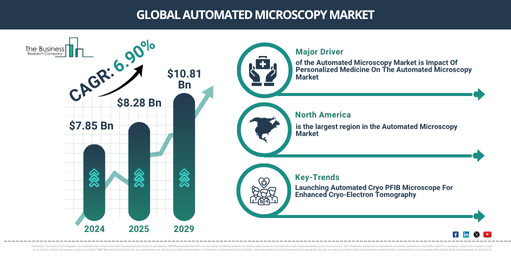
    The automated microscopy market has shown significant growth in recent years. It is anticipated to increase from $7.85 billion in 2024 to $8.28 billion in 2025, reflecting a compound annual growth rate (CAGR) of 5.5%. This historical growth can be attributed to advancements in imaging technology, the increasing complexity of biological research, a demand for high throughput screenings, automation and workflow integration, cost reduction and accessibility, and the emergence of multimodal imaging.

    The automated microscopy market size is projected to experience substantial expansion over the coming years. This market is set to reach $10.81 billion by 2029, exhibiting a compound annual growth rate (CAGR) of 6.9%. The anticipated growth during this period stems from factors such as the incorporation of artificial intelligence, advancements in miniaturization and portability, the rise of multiplexed imaging and multimodal integration, increasing interdisciplinary research challenges, and the rising demand for personalized medicine and precision diagnostics. Key developments expected during the forecast timeframe encompass the integration of multi-omics techniques, enhanced high content screening for drug discovery, the emergence of 3D and multimodal imaging, the adoption of open-source hardware and software platforms, and sophisticated live cell imaging and dynamics analysis.

    Unlock Your Free Sample Report for Exclusive Market Data:

    https://www.thebusinessresearchcompany.com/sample.aspx?id=14259&type=smp

    What Are The Drivers Pushing New Developments In The Automated Microscopy Market?

    The increasing need for personalized medicine is anticipated to drive the expansion of the automated microscopy market in the future. Personalized medicine represents a healthcare strategy that considers each individual’s unique variations in genes, environmental factors, and lifestyle. The uptake of personalized medicine is increasing, driven by factors such as enhanced understanding of genetic differences, progress in genomics, and the rising occurrence of chronic illnesses. Automated microscopy equips researchers and clinicians with essential tools and technologies to further personalized medicine through elucidating disease mechanisms, pinpointing predictive biomarkers, and refining treatment approaches. As an illustration, in October 2022, the Personalized Medicine Coalition (PMC), a US-based entity advocating for personalized medicine awareness and integration, reported that over 75,000 genetic testing products and 300 personalized medicines are available for individuals suffering from various forms of cancer, genetic rare diseases, and a spectrum of chronic and infectious diseases. Consequently, the escalating demand for personalized medicine is fueling the expansion of the automated microscopy market.

    What Are The Segment Types Shaping The Automated Microscopy Market?

    The automated microscopymarket covered in this report is segmented –

    1) By Product Type: Optical Microscopes; Electron Microscopes; Scanning Probe Microscopes

    2) By Application: Medical Diagnostics; Nanotechnology; Material Science; Life Sciences; Semiconductors

    3) By End User: Hospitals; Research Facilities; Diagnostic Clinics

    Subsegments:

    1) By Optical Microscopes: Automated Light Microscopes; Confocal Microscopes; Fluorescence Microscopes

    2) By Electron Microscopes: Scanning Electron Microscopes (SEM); Transmission Electron Microscopes (TEM); Scanning Transmission Electron Microscopes (STEM)

    3) By Scanning Probe Microscopes: Atomic Force Microscopes (AFM); Scanning Tunneling Microscopes (STM); Other Types Of Scanning Probe Microscopes

    What Key Innovation Trends Are Fueling Advancements In The Automated Microscopy Market?

    Leading companies within the automated microscopy market are developing advanced products, such as automated Cryo PFIB (Cryo-Plasma focused ion beam) microscopes, to boost workflow efficiency, save time, and enhance various applications. The Automated Cryo-PFIB microscope serves as a cryo-plasma focused ion beam (cryo-PFIB) microscope, utilized for the high-throughput preparation of cryo-lamellae for cellular cryo-electron tomography. For example, in August 2022, Thermo Fisher Scientific Inc., a US-based biotechnology company, launched the automated Cryo PFIB to streamline cellular cryo-electron tomography research by enabling the efficient preparation of cryo-lamellae. This innovative technology facilitates the creation of high-quality cryo lamella for cryo tomography and volume imaging of biological specimens, thus broadening the capabilities of microscopy in life sciences and research applications. The technology is engineered to produce consistent, high-quality samples of uniform thickness while minimizing the potential for sample contamination. It incorporates plasma FIB (Focused Ion Beam) technology for quickly removing large sample volumes and gaining rapid access to specific areas of biological interest, alongside automation features that simplify sample preparation and allow for remote operation.

    Which Leading Players Are Enhancing Their Automated Microscopy Market Presence Worldwide?

    Major companies operating in the automated microscopy market are Thermo Fisher Scientific Inc., FirstEnergy Corporation, Zeiss Group, Agilent Technologies Inc., Keyence Corporation, Hitachi High-Tech Corporation, PerkinElmer Inc., Nikon Corporation, Bruker Corporation, Hamamatsu Photonics K.K., Jenoptik AG, Lattice Semiconductor Corporation, HORIBA Scientific, Molecular Devices LLC, JEOL Ltd., Olympus Corporation, Prior Scientific Instruments Ltd., Phase Holographic Imaging PHI AB, Andor Technology Ltd., Crest Optics S.p.A, Delmic B.V., Nanolive SA, Nanosurf AG, Photometrics

    Download The Full Report For Exclusive Market Findings:

    https://www.thebusinessresearchcompany.com/report/automated-microscopy-global-market-report

    Which Region Is Projected To Lead The Automated Microscopy Market During The Forecast Period?

    North America was the largest region in the automated microscopy market in 2024. Asia-Pacific is expected to be the fastest-growing region in the forecast period. The regions covered in the automated microscopy market report are Asia-Pacific, Western Europe, Eastern Europe, North America, South America, Middle East, Africa.

    Request A Customized Version Of The Automated Microscopy Market Report:

    https://www.thebusinessresearchcompany.com/customise?id=14259&type=smp

    Browse Through More Reports Similar to the Global Automated Microscopy Market 2025, By The Business Research Company

    Automated Truck Loading System Global Market Report 2025

    https://www.thebusinessresearchcompany.com/report/automated-truck-loading-system-global-market-report

    Automated Storage And Retrieval System Global Market Report 2025

    https://www.thebusinessresearchcompany.com/report/automated-storage-and-retrieval-system-global-market-report

    Automated Breach And Attack Simulation Global Market Report 2025

    https://www.thebusinessresearchcompany.com/report/automated-breach-and-attack-simulation-global-market-report

    Get in touch with us:

    The Business Research Company: https://www.thebusinessresearchcompany.com/

    Americas +1 310-496-7795

    Asia +44 7882 955267 & +91 8897263534

    Europe +44 7882 955267

    Email us at info@tbrc.info

    Follow us on:

    LinkedIn: https://in.linkedin.com/company/the-business-research-company

    YouTube: https://www.youtube.com/channel/UC24_fI0rV8cR5DxlCpgmyFQ

    Global Market Model: https://www.thebusinessresearchcompany.com/global-market-model
  • Global Bacterial Conjunctivitis Market Projected to Expand at 3.5% CAGR by 2029

    Global Bacterial Conjunctivitis Market Projected to Expand at 3.5% CAGR by 2029

    Unlock Global Insights – Save 20% on Market Reports with Code ONLINE20

    How Is The Bacterial Conjunctivitis Market Size Likely To Evolve From 2025 Through 2034?

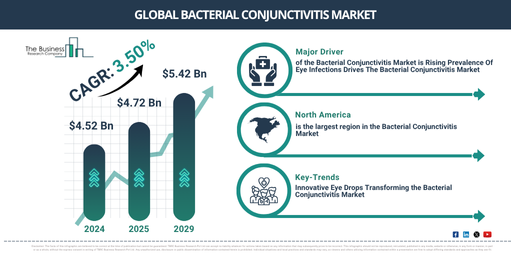
    The market for bacterial conjunctivitis has experienced consistent growth recently. This market is projected to expand from $4.52 billion in 2024 to $4.72 billion in 2025, demonstrating a compound annual growth rate (CAGR) of 4.3%. Factors contributing to its historical expansion include a rise in bacterial infection cases, advancements in diagnostic methods, initiatives for patient education and awareness, strict regulatory environments, and enhanced physician training and specialization.

    The market for bacterial conjunctivitis is projected to experience consistent expansion over the upcoming years. This market is anticipated to reach a valuation of $5.42 billion by 2029, demonstrating a compound annual growth rate (CAGR) of 3.5%. Factors contributing to this growth during the projection period include an increase in the global population, escalating urbanization and pollution levels, a greater emphasis on preventive eye care, worldwide health preparedness efforts, the broadening of teleophthalmology services, and enhanced collaboration in research and development. Key trends identified for the forecast timeframe encompass advancements in drug delivery systems, the tailoring of treatment protocols, the deployment of broad-spectrum antibiotics, the introduction of supplementary therapies, and a strong focus on educating patients and implementing prevention techniques.

    Unlock Your Free Sample Report for Exclusive Market Data:

    https://www.thebusinessresearchcompany.com/sample.aspx?id=13383&type=smp

    Which Drivers Are Shaping The Bacterial Conjunctivitis Industry’s Market Share?

    The increasing prevalence of eye infections is projected to propel the growth of the bacterial conjunctivitis market going forward. An eye infection is a condition in which the eye is affected by the invasion and multiplication of detrimental microorganisms such as bacteria, viruses, fungi, or parasites, and it encompasses conditions like conjunctivitis, trachoma, and keratitis. Bacterial conjunctivitis itself is an eye infection stemming from bacteria, managed with prescribed medications, self-care techniques, and hygiene measures. For instance, in October 2022, The BrightFocus Foundation, a US-based nonprofit organization, reported that there were currently 80 million glaucoma sufferers globally, a number projected to increase to nearly 111 million by 2040. Therefore, the rising prevalence of eye infections is driving the growth of the bacterial conjunctivitis market.

    What Are The Leading Segments Analyzed In The Bacterial Conjunctivitis Market?

    The bacterial conjunctivitismarket covered in this report is segmented –

    1) By Types: Hyperacute Bacterial Conjunctivitis; Acute Bacterial Conjunctivitis; Chronic Bacterial Conjunctivitis

    2) By Drug Class: Antibiotics; Fluoroquinolones; Aminoglycosides; Macrolides; Antihistamines; Corticosteroids; Other Drug Classes

    3) By Route of Administration: Oral; Topical; Other Routes Of Administrations

    4) By Distribution Channel: Hospital Pharmacy; Retail Pharmacy; Online Pharmacy; Other Distribution Channels

    Subsegments:

    1) By Hyperacute Bacterial Conjunctivitis: Gonococcal Conjunctivitis; Other Hyperacute Infections

    2) By Acute Bacterial Conjunctivitis: Staphylococcus Aureus-Induced Conjunctivitis; Streptococcus Pneumoniae-Induced Conjunctivitis; Haemophilus Influenzae-Induced Conjunctivitis

    3) By Chronic Bacterial Conjunctivitis: Chronic Staphylococcal Conjunctivitis; Chronic Chlamydia Conjunctivitis

    How Are Trends Influencing The Bacterial Conjunctivitis Market?

    Leading companies in the bacterial conjunctivitis market are increasingly concentrating on creating innovative ophthalmic solutions, such as broad-spectrum eye drops, to enhance their market revenues. Broad-spectrum eye drops are medicines formulated to address various eye infections, including those caused by different bacteria. These solutions incorporate antibiotics that are potent against a wide range of bacteria, rather than targeting a singular type. For example, in June 2023, Harrow Health, a US-based pharmaceutical company, introduced Vigamox (moxifloxacin hydrochloride ophthalmic solution) 0.5% in the US. Vigamox is an antibiotic eye drop belonging to the fluoroquinolone class, utilized for treating bacterial conjunctivitis.

    Who Are The Key Multinational Companies Dominating The Bacterial Conjunctivitis Market?

    Major companies operating in the bacterial conjunctivitis market report are Pfizer Inc., Johnson & Johnson, F. Hoffman La-Roche Ltd., Merck & Co. Inc., AbbVie Inc., Bayer AG, Sanofi S.A., AstraZeneca PLC, GlaxoSmithKline PLC, Eli Lilly and Company, Teva Pharmaceutical Industries Ltd., Alcon, Sun Pharmaceutical Industries Ltd., Bausch + Lomb, Dr. Reddy’s Laboratories Ltd., Aurobindo Pharma Ltd., Cipla Ltd., Hikma Pharmaceuticals, Santen Pharmaceutical Co. Ltd., Lupin Pharmaceuticals, Glenmark Pharmaceuticals Ltd., Jubilant Life Sciences Ltd., Alembic Pharmaceuticals Ltd., Macleods Pharmaceuticals Ltd., Ocular Therapeutix Inc., Aldeyra Therapeutics, Nicox SA, IACTA Pharmaceuticals Inc., Cellics Therapeutics Inc.

    Download The Full Report For Exclusive Market Findings:

    https://www.thebusinessresearchcompany.com/report/bacterial-conjunctivitis-global-market-report

    Which Geographies Are Emerging As Strong Markets For The Bacterial Conjunctivitis Industry?

    North America was the largest region in the bacterial conjunctivitis market in 2024. Asia-Pacific is expected to be the fastest-growing region in the forecast period. The regions covered in the bacterial conjunctivitis market report are Asia-Pacific, Western Europe, Eastern Europe, North America, South America, Middle East, Africa.

    Request A Customized Version Of The Bacterial Conjunctivitis Market Report:

    https://www.thebusinessresearchcompany.com/customise?id=13383&type=smp

    Browse Through More Reports Similar to the Global Bacterial Conjunctivitis Market 2025, By The Business Research Company

    Nontuberculous Mycobacterial Infection Global Market Report 2025

    https://www.thebusinessresearchcompany.com/report/nontuberculous-mycobacterial-infection-global-market-report

    Bacterial And Plasmid Vector Global Market Report 2025

    https://www.thebusinessresearchcompany.com/report/bacterial-and-plasmid-vector-global-market-report

    Antibacterial Products Global Market Report 2025

    https://www.thebusinessresearchcompany.com/report/antibacterial-products-global-market-report

    Get in touch with us:

    The Business Research Company: https://www.thebusinessresearchcompany.com/

    Americas +1 310-496-7795

    Asia +44 7882 955267 & +91 8897263534

    Europe +44 7882 955267

    Email us at info@tbrc.info

    Follow us on:

    LinkedIn: https://in.linkedin.com/company/the-business-research-company

    YouTube: https://www.youtube.com/channel/UC24_fI0rV8cR5DxlCpgmyFQ

    Global Market Model: https://www.thebusinessresearchcompany.com/global-market-model

  • Basal Cell Carcinoma Treatment Industry Anticipated to Expand at 9.6% CAGR During the Forecast Period

    Basal Cell Carcinoma Treatment Industry Anticipated to Expand at 9.6% CAGR During the Forecast Period

    Unlock Global Insights – Save 20% on Market Reports with Code ONLINE20

    What Are The Forecasted Market Size Estimates For The Basal Cell Carcinoma Treatment Market Between 2025 And 2029?

    The basal cell carcinoma treatment market size has experienced significant expansion in recent years. It is forecast to rise from $7.42 billion in 2024 to $8.13 billion in 2025, demonstrating a compound annual growth rate (CAGR) of 9.6%. This historic period’s growth is largely due to the increasing prevalence of skin cancer, the sustained demand for laser therapy, the pursuit of effective and minimally invasive treatments, and a heightened awareness of basal cell carcinoma treatment.

    The basal cell carcinoma treatment market size is anticipated to undergo significant expansion over the next few years. It is forecast to achieve a valuation of $11.73 billion by 2029, demonstrating a compound annual growth rate (CAGR) of 9.6%. This expansion during the projection period is driven by a heightened focus on quality of life, an increasing aging population, escalating research and development efforts in immunotherapies, and various government initiatives. Notable developments expected in this timeframe include improvements in treatment modalities, advanced early detection technologies, breakthroughs in targeted therapies, and broader telemedicine integration.

    Unlock Your Free Sample Report for Exclusive Market Data:

    https://www.thebusinessresearchcompany.com/sample.aspx?id=12900&type=smp

    Which Drivers Are Supporting Growth Of The Basal Cell Carcinoma Treatment Market?

    The increasing occurrence of skin cancer, particularly basal cell carcinoma, is anticipated to fuel the expansion of the treatment market going forward. This condition involves the uncontrolled proliferation of abnormal skin cells, often caused by exposure to ultraviolet (UV) radiation from the sun or tanning beds. The growing prevalence of skin cancer, especially basal cell carcinoma, necessitates more targeted and specialized treatment choices, thereby encouraging the creation and availability of efficient medicines designed to treat this specific type of cancer. For instance, in January 2023, according to the American Cancer Society, Inc., a US-based cancer research organization, approximately 5.4 million basal and squamous cell skin cancer cases were identified annually in the United States, impacting about 3.3 million individuals. Furthermore, basal cell carcinoma accounts for eight out of ten cases. Therefore, the rising incidence of skin cancer, including basal cell carcinoma, will drive the treatment market.

    What Are The Key Segments In The Basal Cell Carcinoma Treatment Market?

    The basal cell carcinoma treatmentmarket covered in this report is segmented –

    1) By Treatment: Surgery; Medication; Other Treatments

    2) By Route Of Administration: Oral; Parenteral; Other Route Of Administrations

    3) By Distribution Channel: Hospital Pharmacy; Online Pharmacy; Retail Pharmacy

    4) By End-User: Hospitals; Specialty Clinics; Other End-Users

    Subsegments:

    1) By Surgery: Mohs Micrographic Surgery; Excisional Surgery; Curettage And Electrodessication; Cryosurgery

    2) By Medication: Topical Chemotherapy; Immunotherapy; Systemic Chemotherapy

    3) By Other Treatments: Radiation Therapy; Photodynamic Therapy; Laser Therapy

    Which Market Trends Are Creating New Opportunities In The Basal Cell Carcinoma Treatment Industry?

    Leading companies in the basal cell carcinoma treatment market are focusing on developing advanced technologies, such as lyophilization (freeze-drying) technology, to improve the effectiveness and extend the shelf-life of topical therapies, while also enhancing the precise delivery of active ingredients to target cancer cells. Lyophilization is a freeze-drying procedure where a substance is first frozen and then placed under a vacuum, which causes the water to sublimate, resulting in a stable, dry material. For example, in August 2022, Accord Healthcare, Inc., a US-based pharmaceutical company, introduced Carmustine, a generic chemotherapy drug that received FDA approval for managing specific brain tumors and blood cancers. Carmustine is prescribed for the treatment of various malignant brain tumors, including glioblastomas, astrocytomas, and medulloblastomas. It also serves in cases of relapsed or refractory Hodgkin’s lymphomas and multiple myelomas, among other types of blood cancers.

    Which Industry Leaders Are Driving Innovation Across The Basal Cell Carcinoma Treatment Market?

    Major companies operating in the basal cell carcinoma treatment market are Pfizer Inc., F. Hoffmann-La Roche Ltd., Merck & Co. Inc., AbbVie Inc., Bayer AG, Novartis AG, Sanofi SA, Fresenius Kabi AG, AstraZeneca PLC, GlaxoSmithKline PLC, Eli Lilly and Company, Gilead Sciences Inc., Merck KGaA, Teva Pharmaceutical Industries Ltd., Regeneron Pharmaceuticals Inc., Bausch Health Companies Inc., Sun Pharmaceutical Industries Ltd., Perrigo Company PLC, Incyte Corporation, Ono Pharma UK Ltd., Cipla Inc., Lupin Limited, Mallinckrodt Pharmaceuticals, LEO Pharma A/S, BeiGene Ltd., Taro Pharmaceutical Industries Ltd., Blueprint Medicines Corporation, Array BioPharma Inc., Genentech USA Inc., Palvella Therapeutics LLC.

    Download The Full Report For Exclusive Market Findings:

    https://www.thebusinessresearchcompany.com/report/basal-cell-carcinoma-treatment-global-market-report

    How Is Basal Cell Carcinoma Treatment Market Demand Varying Across Different Regions?

    North America was the largest region in the basal cell carcinoma treatment market in 2024. Asia-Pacific is expected to be the fastest-growing region in the forecast period. The regions covered in basal cell carcinoma treatment market report are Asia-Pacific, Western Europe, Eastern Europe, North America, South America, Middle East and Africa.

    Request A Customized Version Of The Basal Cell Carcinoma Treatment Market Report:

    https://www.thebusinessresearchcompany.com/customise?id=12900&type=smp

    Browse Through More Reports Similar to the Global Basal Cell Carcinoma Treatment Market 2025, By The Business Research Company

    Cell And Genes Therapy Global Market Report 2025

    https://www.thebusinessresearchcompany.com/report/cell-and-genes-therapy-global-market-report

    Cell Culture Consumables And Equipment Global Market Report 2025

    https://www.thebusinessresearchcompany.com/report/cell-culture-consumables-and-equipment-global-market-report

    Cell Cultures Global Market Report 2025

    https://www.thebusinessresearchcompany.com/report/cell-cultures-global-market-report

    Get in touch with us:

    The Business Research Company: https://www.thebusinessresearchcompany.com/

    Americas +1 310-496-7795

    Asia +44 7882 955267 & +91 8897263534

    Europe +44 7882 955267

    Email us at info@tbrc.info

    Follow us on:

    LinkedIn: https://in.linkedin.com/company/the-business-research-company

    YouTube: https://www.youtube.com/channel/UC24_fI0rV8cR5DxlCpgmyFQ

    Global Market Model: https://www.thebusinessresearchcompany.com/global-market-model
  • Global Bioceramics Market Size Projected to Reach $5.62 Billion During the Forecast Period

    Global Bioceramics Market Size Projected to Reach $5.62 Billion During the Forecast Period

    Unlock Global Insights – Save 20% on Market Reports with Code ONLINE20

    What Is The Anticipated Size Of The Bioceramics Market Over The Five-Year Period 2025–2029?

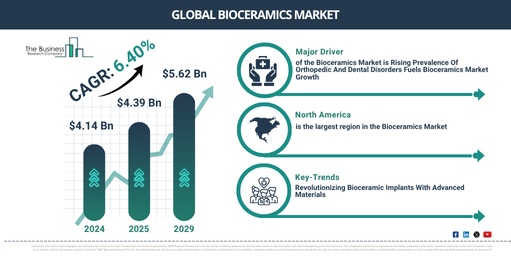
    The bioceramics market has experienced robust expansion over the past few years. Projections indicate its value will rise from $4.14 billion in 2024 to $4.39 billion by 2025, demonstrating a compound annual growth rate (CAGR) of 5.8%. Historically, this expansion has been driven by factors such as a rising aging population, the increasing occurrence of chronic illnesses, the need for aesthetic dentistry, established regulatory approvals and standards, and a heightened emphasis on regenerative medicine.

    The bioceramics market is projected to experience substantial expansion in the coming years. This market is anticipated to reach $5.62 billion by 2029, exhibiting a compound annual growth rate (CAGR) of 6.4%. Factors driving this growth during the projected period encompass an increasing demand for bioactive ceramics, expanding uses within neurology, greater public awareness of dental health, global partnerships in medical research, and a heightened emphasis on personalized medicine. Key trends anticipated for this timeframe involve the advent of sophisticated 3D printing methods, the creation of multi-functional bioceramic substances, the application of nanotechnology in bioceramic development, the introduction of antibacterial bioceramics, a concentrate on bioresorbable bioceramics for transient implants, and enhancements in bioceramic coatings for implant purposes.

    Unlock Your Free Sample Report for Exclusive Market Data:

    https://www.thebusinessresearchcompany.com/sample.aspx?id=13387&type=smp

    What Are The Key Drivers Of Growth In The Bioceramics Market?

    The increasing occurrence of orthopedic and dental conditions is anticipated to spur the growth of the bioceramics market in the coming years. These medical conditions represent two separate categories: orthopedic disorders primarily impact the musculoskeletal system, whereas dental disorders mainly concern oral health and the structures found within the mouth. Bioceramics are widely applied in both orthopedics and dentistry, owing to their biocompatible nature, robustness, and capacity to closely resemble natural bones and teeth. In orthopedic procedures, they are frequently utilized for implants like hip and knee joint replacements. Similarly, in dentistry, bioceramics are extensively employed for various dental restorations, including crowns, bridges, and dental implants. For instance, in July 2022, UK Health Security, a public health government agency, reported a significant 10.2% rise in mandatory orthopedic procedure submissions, reaching 102,025 for the financial year 2022 to 2023. Furthermore, in March 2023, the World Health Organization, a Switzerland-based government organization, estimated that oral diseases affected nearly 3.5 billion people in 2022. Additionally, in February 2024, according to the British Dental Association, a UK-based health organization, more than 12 million adults in England have unmet dental needs. Therefore, the growing prevalence of orthopedic and dental disorders will undeniably drive the expansion of the bioceramics market.

    How Is The Bioceramics Market Segmented?

    The bioceramicsmarket covered in this report is segmented –

    1) By Type: Bioinert; Bioactive; Bioresorbable

    2) By Material: Aluminum Oxide; Zirconia; Calcium Phosphate; Other Materials

    3) By Application: Orthopedic; Dental Implants; Biomedical; Other Applications

    Subsegments:

    1) By Bioinert: Alumina-based Bioinert Ceramics; Zirconia-Based Bioinert Ceramics

    2) By Bioactive: Hydroxyapatite-Based Bioactive Ceramics; Bioglass-Based Bioactive Ceramics

    3) By Bioresorbable: Tricalcium Phosphate-Based Bioresorbable Ceramics; Magnesium-Based Bioresorbable Ceramics

    What Long-Term Trends Will Shape The Future Growth Of The Bioceramics Industry?

    Major corporations operating in the bioceramics market are introducing new advanced materials, such as LithaBone HA 480, to enhance the performance of bioceramic implants and improve the quality and functionality of 3D-printed bone implants. LithaBone HA 480 is a type of hydroxyapatite (HA), which serves as the primary mineral component of bone. It is specifically designed for use in creating patient-specific ceramic implants with significantly improved wall thicknesses, thereby offering greater geometric flexibility. For instance, in December 2022, Lithoz GmbH, an Austria-based biomaterial company, launched LithaBone HA 480, a bone substitute material tailored for ceramic 3D printing. This material is engineered to be biocompatible, durable, and osteoconductive, making it an ideal choice for various medical applications such as bone grafts, dental implants, and orthopedic prostheses. It possesses the potential to fundamentally alter the manufacturing of bone implants, making them more effective, affordable, and accessible to patients.

    Which Global Market Leaders Are Shaping The Future Of The Bioceramics Sector?

    Major companies operating in the bioceramics market report are Stryker Corporation, Kyocera Corporation, The Royal DSM Company, Zimmer-Biomet Holdings Inc., Dentsply Sirona, NGK Spark Plug Co. Ltd., Straumann Group, Morgan Advanced Materials PLC, CoorsTek Medical, Carborundum Universal Ltd., Washington Mills Ceramics Corporation, Saint-Gobain Ceramics And Plastics Inc., H.C. Starck Ceramics GmbH, Nobel Biocare Holding AG, Ceram Tec, Nabertherm GmbH., Collagen Matrix Inc., DePuy Synthes Inc., CamBioceramics, Sagemax Bioceramics, Astro Met Inc., Bonesupport AB, Berkeley Advanced BioTypes Inc., Matexcel, Jyoti Ceramic Industries Pvt. Ltd., Doceram Medical Ceramics GmbH, Amedica Corporation, BIOMATCAN Ltd., CaP Biomaterials LLC, IJ Research Inc.

    Download The Full Report For Exclusive Market Findings:

    https://www.thebusinessresearchcompany.com/report/bioceramics-global-market-report

    Which Region Shows The Highest Potential For Future Expansion In The Bioceramics Market?

    North America was the largest region in the bioceramics market in 2024. Asia-Pacific is expected to be the fastest-growing region in the forecast period. The regions covered in the bioceramics market report are Asia-Pacific, Western Europe, Eastern Europe, North America, South America, Middle East, Africa.

    Request A Customized Version Of The Bioceramics Market Report:

    https://www.thebusinessresearchcompany.com/customise?id=13387&type=smp

    Browse Through More Reports Similar to the Global Bioceramics Market 2025, By The Business Research Company

    Functional Ceramics Global Market Report 2025

    https://www.thebusinessresearchcompany.com/report/functional-ceramics-global-market-report

    Ceramics Global Market Report 2025

    https://www.thebusinessresearchcompany.com/report/ceramics-global-market-report

    Pottery Ceramics Global Market Report 2025

    https://www.thebusinessresearchcompany.com/report/pottery-ceramics-global-market-report

    Get in touch with us:

    The Business Research Company: https://www.thebusinessresearchcompany.com/

    Americas +1 310-496-7795

    Asia +44 7882 955267 & +91 8897263534

    Europe +44 7882 955267

    Email us at info@tbrc.info

    Follow us on:

    LinkedIn: https://in.linkedin.com/company/the-business-research-company

    YouTube: https://www.youtube.com/channel/UC24_fI0rV8cR5DxlCpgmyFQ

    Global Market Model: https://www.thebusinessresearchcompany.com/global-market-model
  • Biologic Imaging Reagents Market to Reach $27.49 Billion by 2029, Growing at a CAGR of 8.1%

    Biologic Imaging Reagents Market to Reach $27.49 Billion by 2029, Growing at a CAGR of 8.1%

    Unlock Global Insights – Save 20% on Market Reports with Code ONLINE20

    What Market Value Is The Biologic Imaging Reagents Industry Expected To Reach By 2029, Starting From 2025 Levels?

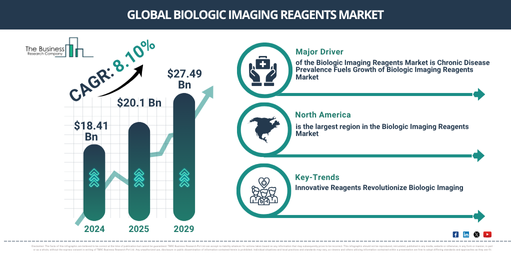
    The biologic imaging reagents market has experienced robust expansion in recent years. This market is projected to expand from $18.41 billion in 2024 to $20.1 billion in 2025, at a compound annual growth rate (CAGR) of 9.1%. Historically, this growth has been driven by factors such as the increasing prevalence of chronic diseases, augmented investments in research and development, a shift towards personalized medicine, a focus on early disease detection, an increasing geriatric population, and strengthened collaborations in biomedical research.

    The market for biologic imaging reagents is projected to experience substantial expansion in the coming years. This market is anticipated to reach a valuation of $27.49 billion by 2029, exhibiting a compound annual growth rate (CAGR) of 8.1%. Several factors contribute to this projected growth, including the expanding utility in drug development, an increasing need for molecular imaging, a greater emphasis on non-invasive diagnostic approaches, the worldwide rise in cancer diagnoses, and the evolving trend toward value-based healthcare. Key developments expected during this period involve an increased call for contrast-enhanced imaging agents, the creation of targeted molecular imaging agents, the incorporation of nanoparticles in imaging techniques, the appearance of fluorescent probes for in vivo imaging, and the integration of artificial intelligence into image analysis processes.

    Unlock Your Free Sample Report for Exclusive Market Data:

    https://www.thebusinessresearchcompany.com/sample.aspx?id=13389&type=smp

    Which Factors And Drivers Are Influencing The Biologic Imaging Reagents Market In 2025?

    The escalating prevalence of chronic diseases is poised to drive the growth of the biologic imaging reagents market moving forward. Chronic diseases are defined as conditions lasting a year or more, demanding continuous medical attention, and potentially worsening over time. These conditions necessitate biologic imaging reagents for diagnosis and detection through the visualization of organs and affected structures. For example, in 2022, the American Cancer Society, a US-based voluntary organization, estimated 1.9 million new cancer cases and 609,360 cancer deaths in the United States. Furthermore, in January 2023, the National Library of Medicine, a US-based agency, indicated that the number of individuals in the US aged 50 and older with at least one chronic condition is projected to increase by 99.5%, from 71.522 million to 142.66 million by 2050. This rise in chronic disease prevalence is a key factor propelling the expansion of the biologic imaging reagents market.

    What Are The Major Segment Categories Driving The Biologic Imaging Reagents Market Growth?

    The biologic imaging reagentsmarket covered in this report is segmented –

    1) By Product: Contrast Reagents; Optical Imaging Reagents; Radiopharmaceuticals

    2) By Modality: Magnetic Resonance Imaging (MRI); Ultrasound; X-Ray And Computerized Tomography (CT); Nuclear; Optical Imaging; Other Modalities

    3) By Application: In Vitro; In Vivo

    4) By End User: Diagnostic Laboratories; Imaging Centers; Life Science Companies; Research And Academic Institutes; Other End Users

    Subsegments:

    1) By Contrast Reagents: X-ray Contrast Agents; MRI Contrast Agents; Ultrasound Contrast Agents

    2) By Optical Imaging Reagents: Fluorescent Dyes; Bioluminescent Reagents; Quantum Dots

    3) By Radiopharmaceuticals: Diagnostic Radiopharmaceuticals; Therapeutic Radiopharmaceuticals

    Which Trends Are Impacting The Biologic Imaging Reagents Market?

    Leading companies in the biologic imaging reagents market are primarily focused on developing innovative reagents, such as novel dye technology, to equip researchers and clinicians with advanced tools for visualizing and enhancing the sensitivity and specificity of biologic imaging. Novel dye technology involves the creation of new dyes for a range of applications, including biological imaging. For example, in April 2022, Becton, Dickinson, and Company, a US-based medical device firm, launched its BD Horizon RealYellow 586 Reagents and RealBlue Reagents. This new family of reagents enables researchers to obtain higher data resolution and extract more profound insights from samples compared to standard fluorochromes. This capability stems from the integration of revolutionary dye technology along with artificial intelligence (AI) supervision. The AI played a crucial role by analyzing existing data on the excitation and emission profiles of commercially available fluorochromes to identify optimal laser line placements for the development of these novel dyes.

    Who Are The Major Companies Operating In The Biologic Imaging Reagents Market?

    Major companies operating in the biologic imaging reagents market report are Cardinal Health Inc., Johnson And Johnson Services Inc., Bayer Healthcare AG, Thermo Fisher Scientific Inc., Siemens Healthcare GmbH, Dickinson and Company (BD), Koninklijke Philips N.V., GE HealthCare Technologies Inc., Stryker Corporation, FluoroPharma Medical Inc., Lonza Group AG, Illumina Inc., PerkinElmer Inc., Becton, Dickinson and Company, Bio-Rad Laboratories Inc., Bracco Diagnostics Inc., Leica Microsystems GmbH, Lantheus Medical Imaging Inc., Guerbet SA, Miltenyi Biotec B.V. and Co. KG, Promega Corporation, Abcam plc., Luminex Corporation, MILabs, LI-COR Biosciences, FUJIFILM VisualSonics Inc., Advanced Proteome Therapeutics Incorporated, BIOPRO Baden-Württemberg GmbH, ABX Advanced Biochemical Compounds GmbH

    Download The Full Report For Exclusive Market Findings:

    https://www.thebusinessresearchcompany.com/report/biologic-imaging-reagents-global-market-report

    What Are The Regional Market Dynamics Impacting The Biologic Imaging Reagents Industry?

    North America was the largest region in the biologic imaging reagents market in 2024. Asia-Pacific is expected to be the fastest-growing region in the forecast period. The regions covered in the biologic imaging reagents market report are Asia-Pacific, Western Europe, Eastern Europe, North America, South America, Middle East, Africa.

    Request A Customized Version Of The Biologic Imaging Reagents Market Report:

    https://www.thebusinessresearchcompany.com/customise?id=13389&type=smp

    Browse Through More Reports Similar to the Global Biologic Imaging Reagents Market 2025, By The Business Research Company

    Bioabsorbable Stents Global Market Report 2025

    https://www.thebusinessresearchcompany.com/report/bioabsorbable-stents-global-market-report

    Bioinformatics Global Market Report 2025

    https://www.thebusinessresearchcompany.com/report/bioinformatics-global-market-report

    Biophotonics Global Market Report 2025

    https://www.thebusinessresearchcompany.com/report/biophotonics-global-market-report

    Get in touch with us:

    The Business Research Company: https://www.thebusinessresearchcompany.com/

    Americas +1 310-496-7795

    Asia +44 7882 955267 & +91 8897263534

    Europe +44 7882 955267

    Email us at info@tbrc.info

    Follow us on:

    LinkedIn: https://in.linkedin.com/company/the-business-research-company

    YouTube: https://www.youtube.com/channel/UC24_fI0rV8cR5DxlCpgmyFQ

    Global Market Model: https://www.thebusinessresearchcompany.com/global-market-model