Category: HealthcareServices

  • Global Meibomian Gland Dysfunction Market 2025–2029: Competitive Insights and Opportunities

    Global Meibomian Gland Dysfunction Market 2025–2029: Competitive Insights and Opportunities

    Unlock Global Insights – Save 20% on Market Reports with Code ONLINE20

    What Is The Global Market Value Of The Meibomian Gland Dysfunction Industry In 2025?

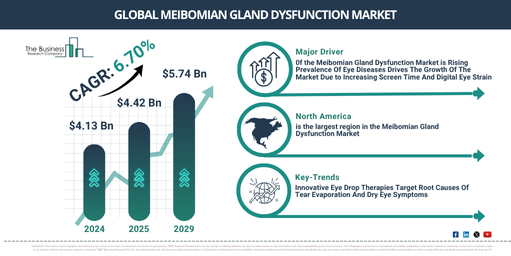
    The meibomian gland dysfunction market size has seen significant growth in recent years. It is projected to expand from $4.13 billion in 2024 to $4.42 billion in 2025, achieving a compound annual growth rate (CAGR) of 7.0%. This historical growth can be attributed to increasing awareness regarding dry eye disorders, a growing aging population, rising screen time among all age demographics, an increasing prevalence of lifestyle-related eye conditions, and a higher incidence of allergic and environmental irritants.

    The meibomian gland dysfunction market is anticipated to experience substantial growth in the coming years, with its size projected to reach $5.74 billion by 2029, growing at a compound annual growth rate (CAGR) of 6.7%. This expansion during the forecast period is driven by several factors, including the increased adoption of digital lifestyles following the pandemic, a rising incidence of contact lens-related complications, a growing inclination towards minimally invasive eye procedures, the wider embrace of thermal pulsation therapies, and an elevated focus on personalized eye care. Key trends for the forecast period include technological advancements in meibography imaging, the development of non-invasive monitoring tools, the integration of ophthalmic and dermatological care, the incorporation of machine learning in gland assessment, and innovations in lipid-based eye drop formulations.

    Unlock Your Free Sample Report for Exclusive Market Data:

    https://www.thebusinessresearchcompany.com/sample.aspx?id=24602&type=smp

    Which Drivers Are Supporting Growth Of The Meibomian Gland Dysfunction Market?

    An increase in eye disease occurrences is anticipated to fuel the expansion of the meibomian gland dysfunction (MGD) market in the future. Eye disease encompasses any ailment or condition impacting the eye or visual system, leading to deterioration in its structure, function, or general well-being. The surge in eye disease cases stems from extended screen usage and digital eye strain, manifesting as symptoms like dryness, blurred vision, and eventual retinal damage resulting from prolonged blue light exposure. Meibomian gland dysfunction exacerbates eye disease by destabilizing the tear film, leading to inflammation, dryness, and an elevated susceptibility to ocular surface disorders. As an illustration, a report released by the Association of Optometrists, a UK-based representative membership organization, in September 2023, indicated that England registered 22,552 new certifications for vision impairment in 2022. Among these, 1,344 instances were due to diabetic eye disease, 3,614 were connected to glaucoma, and 10,865 related to age-related macular degeneration. Consequently, the increasing prevalence of eye disease is driving the growth of the meibomian gland dysfunction (MGD) market.

    What Are The Different Segment Classifications Within The Meibomian Gland Dysfunction Market?

    The meibomian gland dysfunction market covered in this report is segmented –

    1) By Treatment Type: Medication, Surgery, Lifestyle Modifications

    2) By Dysfunction Type: Obstructive Meibomian Gland Dysfunction, Evaporative Meibomian Gland Dysfunction, Mixed Meibomian Gland Dysfunction

    3) By Disease Severity: Mild Meibomian Gland Dysfunction, Moderate Meibomian Gland Dysfunction, Severe Meibomian Gland Dysfunction

    4) By Distribution channel: Hospitals And Clinics, Pharmacies, Online Retailers

    5) By End-User: Hospitals, Ophthalmology Clinics, Home Care Settings

    Subsegments

    1) By Medication: Topical Antibiotics, Topical Steroids, Lubricating Eye Drops, Topical Cyclosporine, Omega-3 Supplements

    2) By Surgery: Meibomian Gland Probing, Intense Pulsed Light (IPL) Therapy, Thermal Pulsation Treatment, BlephEx

    3) By Lifestyle Modifications: Warm Compress Therapy, Lid Hygiene, Dietary Adjustments, Blinking Exercises

    What Long-Term Trends Will Shape The Future Growth Of The Meibomian Gland Dysfunction Industry?

    Leading companies in the meibomian gland dysfunction market are concentrating on developing advanced treatments, such as prescription eye drop solutions, to lessen tear evaporation and ease dry eye symptoms. Prescription eye drop solutions, including anti-inflammatory or antibiotic varieties, assist in managing meibomian gland dysfunction by reducing inflammation, clearing gland obstructions, and improving tear film stability. For example, in May 2023, Bausch + Lomb Corporation, a Canada-based eye health company, unveiled MIEBO (perfluorohexyloctane ophthalmic solution), a pioneering prescription eye drop created for addressing dry eye disease (DED). As the initial and sole prescription eye drop that directly targets tear evaporation, the main cause of DED, MIEBO creates a durable, protective layer over the eye’s surface. Its innovative water-free composition offers effective and prolonged relief, particularly for patients experiencing dry eye symptoms related to Meibomian gland dysfunction.

    Which Global Market Leaders Are Shaping The Future Of The Meibomian Gland Dysfunction Sector?

    Major companies operating in the meibomian gland dysfunction market are Johnson And Johnson, Alcon Inc., Cleveland Clinic Foundation, Bausch + Lomb Corporation, Santen Pharmaceutical, Lumenis Ltd, Topcon Healthcare Solutions Inc., AFT Pharmaceuticals, Sight Sciences Inc., OASIS Medical Inc., OCuSOFT Inc., Novaliq GmbH, Scope Ophthalmics Ltd, Medmont International Pty Ltd, Azura Ophthalmics Ltd, BlephEx LLC, Bruder Healthcare Company, ESW Vision Inc., MiBo Medical Group Inc., Kala Pharmaceuticals Inc.

    Download The Full Report For Exclusive Market Findings:

    https://www.thebusinessresearchcompany.com/report/meibomian-gland-dysfunction-global-market-report

    Which Region Shows The Highest Potential For Future Expansion In The Meibomian Gland Dysfunction Market?

    North America was the largest region in the meibomian gland dysfunction market in 2024. The regions covered in the meibomian gland dysfunction market report are Asia-Pacific, Western Europe, Eastern Europe, North America, South America, Middle East, Africa.

    Request A Customized Version Of The Meibomian Gland Dysfunction Market Report:

    https://www.thebusinessresearchcompany.com/customise?id=24602&type=smp

    Browse Through More Reports Similar to the Global Meibomian Gland Dysfunction Market 2025, By The Business Research Company

    Medication Adherence Global Market Report 2025

    https://www.thebusinessresearchcompany.com/report/medication-adherence-global-market-report

    Pharmacies And Drug Stores Global Market Report 2025

    https://www.thebusinessresearchcompany.com/report/pharmacies-and-drug-stores-global-market-report

    E Prescribing Global Market Report 2025

    https://www.thebusinessresearchcompany.com/report/e-prescribing-global-market-report

    Get in touch with us:

    The Business Research Company: https://www.thebusinessresearchcompany.com/

    Americas +1 310-496-7795

    Asia +44 7882 955267 & +91 8897263534

    Europe +44 7882 955267

    Email us at info@tbrc.info

    Follow us on:

    LinkedIn: https://in.linkedin.com/company/the-business-research-company

    YouTube: https://www.youtube.com/channel/UC24_fI0rV8cR5DxlCpgmyFQ

    Global Market Model: https://www.thebusinessresearchcompany.com/global-market-model

  • Medicated Personal Care Products Market Forecast 2025–2034: Where Businesses Should Invest Next

    Medicated Personal Care Products Market Forecast 2025–2034: Where Businesses Should Invest Next

    Unlock Global Insights – Save 20% on Market Reports with Code ONLINE20

    #What Is The Projected Market Size Of The Medicated Personal Care Products Market By 2029?

    The medicated personal care products market has experienced robust expansion in recent years. This market is set to increase from $8.56 billion in 2024 to $9.01 billion in 2025, achieving a compound annual growth rate (CAGR) of 5.3%. The historical growth trajectory can be attributed to the rise in dermatological conditions, the expanding geriatric population, the growth of pharmaceutical retail chains, an increase in cosmetic dermatology procedures, and a rising awareness of health and wellness.

    The medicated personal care products market is projected to experience consistent expansion in the coming years. This market is anticipated to reach $10.91 billion by 2029, demonstrating a compound annual growth rate (CAGR) of 4.9%. Key factors driving this growth during the forecast period include enhanced consumer understanding of skin health, a higher occurrence of various skin conditions, an increasing need for men’s grooming items, a surge in demand for tailored skincare solutions, and a rise in skin disorders. Significant trends expected within this period encompass an emphasis on formulations that support the skin’s microbiome, the application of artificial intelligence (AI) for recommending products, the emergence of hybrid products merging cosmetics with medication, a move towards clean labels and clear ingredient disclosure, and the adoption of environmentally conscious packaging.

    Unlock Your Free Sample Report for Exclusive Market Data:

    https://www.thebusinessresearchcompany.com/sample.aspx?id=24600&type=smp

    What Are The Drivers Pushing New Developments In The Medicated Personal Care Products Market?

    An increasing occurrence of skin conditions is anticipated to fuel the expansion of the medicated personal care products market in the future. These conditions, which include ailments like acne, eczema, and psoriasis, impact the skin’s look, structure, or how it functions. The surge in skin ailments stems from increased exposure to environmental contaminants that breach the skin’s protective layer, leading to irritation, inflammation, and chronic issues. Medicated personal care products work by delivering active ingredients to affected regions, thereby alleviating inflammation, irritation, or infection. They support the healing process and contribute to better overall skin health. As an illustration, data from July 2024, provided by Cancer Research UK, a UK-based cancer research organization, projects that the average yearly incidence of new melanoma skin cancer cases in the UK will rise from roughly 20,800 between 2023–2025 to approximately 26,500 by 2038–2040. Consequently, the increasing prevalence of skin conditions is a significant factor propelling the expansion of the medicated personal care products market.

    Which Key Segments Fueling The Medicated Personal Care Products Market?

    The medicated personal care products market covered in this report is segmented –

    1) By Type: Oral Care, Deodorants, Feminine Care, Antiperspirants, Body Powders, Hand Sanitizers, Other Types

    2) By Beauty Care: Shampoos, Oils, Soaps, Moisturizers, Gels, Other Beauty Care

    3) By Distribution Channel: Hypermarkets And Supermarkets, Specialty Stores, E-Commerce, Other Distribution Channels

    Subsegments:

    1) By Oral Care: Medicated Toothpaste, Mouthwash, Dental Gels, Oral Sprays, Medicated Chewing Gums

    2) By Deodorants: Roll-Ons, Sprays, Sticks, Creams

    3) By Feminine Care: Medicated Wipes, Antifungal Creams, Vaginal Washes, Soothing Gels

    4) By Antiperspirants: Clinical Strength Antiperspirants, Prescription-Grade Sprays, Medicated Roll-Ons

    5) By Body Powders: Antifungal Powders, Antibacterial Powders, Medicated Talcum Powders

    6) By Hand Sanitizers: Alcohol-Based Sanitizers, Non-Alcohol-Based Sanitizers, Moisturizing Sanitizers, Foam Sanitizers

    7) By Other Types: Foot Care Creams, Medicated Shampoos, Acne Treatment Lotions, Scalp Treatment Solutions

    How Are Trends Influencing The Medicated Personal Care Products Market?

    Leading companies operating in the medicated personal care products market are concentrating on developing advanced products, such as antibacterial liquid soap, to enhance germ protection and offer consumers a more effective and gentle cleansing experience. Antibacterial liquid soap is a type of medicated liquid soap specifically formulated with chemical ingredients designed to eliminate or inhibit bacterial growth on the skin, thereby reducing infection risk and promoting hygiene. For instance, in April 2023, Dettol, a UK-based hygiene product brand, introduced a reformulated version of its original liquid hand wash. This updated formula provides both a moisture seal benefit and 99.99% germ protection, enhanced with improved ingredients and dermatologically tested to ensure gentle care. It leaves hands feeling soft and nourished after every wash, with the goal of delivering a more effective and skin-friendly handwashing experience.

    Who Are The Key Multinational Companies Dominating The Medicated Personal Care Products Market?

    Major companies operating in the medicated personal care products market are Procter & Gamble (P&G), Johnson & Johnson Services Inc., Unilever PLC, Dow Inc., L’Oréal S.A, Henkel AG & Co. KGaA, Colgate-Palmolive Company, Kenvue Inc., Reckitt Benckiser Group plc, Haleon plc, Kao Corporation, Church & Dwight Co. Inc., Perrigo Company plc, Merz Pharma GmbH & Co.KGaA, Topix Pharmaceuticals Inc., Kutol Products Company Inc., Cosmetic Solutions, ARG Laboratories Inc., KPH Cosmos Pvt. Ltd., Eden Kingdom Essential

    Download The Full Report For Exclusive Market Findings:

    https://www.thebusinessresearchcompany.com/report/medicated-personal-care-products-global-market-report

    Which Geographies Are Emerging As Strong Markets For The Medicated Personal Care Products Industry?

    North America was the largest region in the medicated personal care products market in 2024. The regions covered in the medicated personal care products market report are Asia-Pacific, Western Europe, Eastern Europe, North America, South America, Middle East, Africa.

    Request A Customized Version Of The Medicated Personal Care Products Market Report:

    https://www.thebusinessresearchcompany.com/customise?id=24600&type=smp

    Browse Through More Reports Similar to the Global Medicated Personal Care Products Market 2025, By The Business Research Company

    Healthcare Packaging Global Market Report 2025

    https://www.thebusinessresearchcompany.com/report/healthcare-packaging-global-market-report

    Patient Transport Services Global Market Report 2025

    https://www.thebusinessresearchcompany.com/report/patient-transport-services-global-market-report

    Transport Global Market Report 2025

    https://www.thebusinessresearchcompany.com/report/transport-global-market-report

    Get in touch with us:

    The Business Research Company: https://www.thebusinessresearchcompany.com/

    Americas +1 310-496-7795

    Asia +44 7882 955267 & +91 8897263534

    Europe +44 7882 955267

    Email us at info@tbrc.info

    Follow us on:

    LinkedIn: https://in.linkedin.com/company/the-business-research-company

    YouTube: https://www.youtube.com/channel/UC24_fI0rV8cR5DxlCpgmyFQ

    Global Market Model: https://www.thebusinessresearchcompany.com/global-market-model

  • Global Human Epidermal Growth Factor Market Projected to Expand at 9% CAGR by 2029

    Global Human Epidermal Growth Factor Market Projected to Expand at 9% CAGR by 2029

    Unlock Global Insights – Save 20% on Market Reports with Code ONLINE20

    How Much Larger Is The Human Epidermal Growth Factor Market Expected To Become By 2029 Compared With Its 2025 Level?

    The human epidermal growth factor market has experienced substantial expansion in recent years. It is anticipated to increase from $2.18 billion in 2024 to $2.39 billion in 2025, recording a compound annual growth rate (CAGR) of 9.3%. The market’s past growth was driven by factors including an aging population susceptible to skin-related ailments, enhanced government assistance and funding for innovations in biopharmaceuticals, a rise in diabetes prevalence resulting in more chronic wound occurrences, increased collaborations between pharmaceutical companies and research organizations, and a burgeoning consumer preference for non-invasive skincare solutions.

    The human epidermal growth factor market is anticipated to experience substantial expansion in the coming years. This market is projected to reach $3.37 billion by 2029, exhibiting a compound annual growth rate (CAGR) of 9.0%. The expansion during the projected period stems from several factors, including an escalating need for regenerative medicine and wound healing applications, an increasing occurrence of chronic skin conditions and injuries, heightened public understanding of anti-aging and skincare items incorporating hegf, greater financial commitments to biotechnology research and development, and a broader embrace of personalized medicine and targeted therapies. Key developments during the forecast horizon encompass progress in recombinant DNA technology, improvements in protein engineering enhancing hegf stability and effectiveness, the incorporation of nanotechnology, novelties in bioprocessing methodologies, and strides in cell culture technology.

    Unlock Your Free Sample Report for Exclusive Market Data:

    https://www.thebusinessresearchcompany.com/sample.aspx?id=24564&type=smp

    Which Industry Drivers Are Expected To Accelerate The Human Epidermal Growth Factor Market From 2025 To 2029?

    The increasing adoption of personalized medicine is anticipated to stimulate expansion within the human epidermal growth factor market in the coming years. This approach to healthcare customizes medical treatment to an individual’s unique genetic profile, lifestyle, and environmental factors, leading to more precise and effective care. Its growth is attributed to advancements in genomic technologies, which facilitate quicker, more affordable, and accurate identification of individual genetic profiles for customized therapies. HER2 assists personalized medicine by enabling physicians to categorize tumors according to HER2 protein overexpression, thereby directing the choice of targeted treatments that enhance patient outcomes and minimize unwarranted side effects. For example, data from the Personalized Medicine Coalition, a US-based professional membership organization, shows that in 2022, the approval of 12 novel personalized medicines constituted about **34%** of all newly approved therapies, representing a substantial rise from prior years. Consequently, the expanding application of personalized medicine is a key driver for the growth of the human epidermal growth factor market. An upturn in clinical trials is projected to stimulate the expansion of the human epidermal growth factor market in the future. These are research endeavors performed on human subjects to gauge the safety, efficacy, and potential side effects of medical interventions or treatments. The surge in clinical trials stems from the rising demand for personalized and groundbreaking treatments, which necessitate thorough safety and efficacy evaluations. Human epidermal growth factor (hEGF) plays a role in clinical trials by fostering cell proliferation and tissue repair, thereby allowing for the assessment of therapies targeting wound healing, skin regeneration, and similar conditions. For example, in November 2023, a report from the Association of the British Pharmaceutical Industry, a London-based trade association, indicated a **15%** increase in annual recruitment for industry clinical trials in the UK, rising from **36,722** participants in 2021-22 to **42,088** in 2022-23. Hence, the expanding volume of clinical trials is significantly contributing to the growth of the human epidermal growth factor market.

    Which Key Segments Fueling The Human Epidermal Growth Factor Market?

    The human epidermal growth factor market covered in this report is segmented –

    1) By Product Type: Recombinant Human Epidermal Growth Factor, Natural Human Epidermal Growth Factor

    2) By Formulation: Injectable Form, Topical Form, Oral Form

    3) By Distribution Channel: Direct Sales, Online Pharmacies, Retail Pharmaceis, Hospital Pharmacies, Specialty Clinics

    4) By Application: Dermatology, Oncology, Opthalmology, Wound Healing, Cosmetic Procedures

    5) By End-User: Hospitals, Clincs, Research Institutes, Other End Users

    Subsegments:

    1) By Recombinant Human Epidermal Growth Factor: Injectable solutions, Oncology therapeutics, Eye drops, Wound healing agents

    2) By Natural Human Epidermal Growth Factor: Plasma-derived products, Colostrum-based products, Amniotic fluid-derived products, Salivary-derived formulations

    Which Trends Are Impacting The Human Epidermal Growth Factor Market?

    Major companies operating in the human epidermal growth factor market are prioritizing the development of technological advancements, such as an AI-powered immunohistochemistry (IHC) scoring solution, to enhance the accuracy, speed, and consistency of biomarker detection and cancer diagnostics. An AI-powered immunohistochemistry (IHC) scoring solution is a technology that utilizes artificial intelligence algorithms to automatically analyze and quantify protein expression in tissue samples stained via IHC, thereby improving accuracy, consistency, and speed in diagnostic pathology. For instance, in September 2023, Ibex Medical Analytics, an Israel-based company, launched an Ibex Breast HER2. This innovation boosts the precision and reliability of HER2 biomarker scoring in breast cancer, especially in challenging HER2-low cases, facilitating optimized treatment pathways and improved patient outcomes. Its main benefits encompass highly accurate, reproducible, and efficient HER2 IHC scoring, empowering pathologists to make confident, objective decisions for targeted therapy selection.

    Which Key Players Are Driving Competition In The Human Epidermal Growth Factor Market?

    Major companies operating in the human epidermal growth factor market are Pfizer Inc., Johnson & Johnson Services Inc, F. Hoffmann-La Roche AG, Merck & Co. Inc., Bayer AG, AstraZeneca plc, Novartis AG, GlaxoSmithKline Plc, Amgen Inc., Lonza Group AG, STEMCELL Technologies, Abcam plc., BioLegend Inc., Bharat Biotech International Limited, RayBiotech Inc., Enzo Life Sciences Inc., Neocutis S.A, Proteintech Group Inc., Creative BioMart Co. Ltd., Abbkine Scientific Co. Ltd.

    Download The Full Report For Exclusive Market Findings:

    https://www.thebusinessresearchcompany.com/report/human-epidermal-growth-factor-global-market-report

    What Are The Regional Market Dynamics Impacting The Human Epidermal Growth Factor Industry?

    North America was the largest region in the human epidermal growth factor market in 2024. Asia-Pacific is expected to be the fastest-growing region in the forecast period. The regions covered in the human epidermal growth factor market report are Asia-Pacific, Western Europe, Eastern Europe, North America, South America, Middle East, Africa.

    Request A Customized Version Of The Human Epidermal Growth Factor Market Report:

    https://www.thebusinessresearchcompany.com/customise?id=24564&type=smp

    Browse Through More Reports Similar to the Global Human Epidermal Growth Factor Market 2025, By The Business Research Company

    Professional Skincare Global Market Report 2025

    https://www.thebusinessresearchcompany.com/report/professional-skincare-global-market-report

    Electronic Skin Patch Global Market Report 2025

    https://www.thebusinessresearchcompany.com/report/electronic-skin-patch-global-market-report

    Transdermal Skin Patche Global Market Report 2025

    https://www.thebusinessresearchcompany.com/report/transdermal-skin-patche-global-market-report

    Get in touch with us:

    The Business Research Company: https://www.thebusinessresearchcompany.com/

    Americas +1 310-496-7795

    Asia +44 7882 955267 & +91 8897263534

    Europe +44 7882 955267

    Email us at info@tbrc.info

    Follow us on:

    LinkedIn: https://in.linkedin.com/company/the-business-research-company

    YouTube: https://www.youtube.com/channel/UC24_fI0rV8cR5DxlCpgmyFQ

    Global Market Model: https://www.thebusinessresearchcompany.com/global-market-model
  • Non-Radiographic Axial Spondyloarthritis Therapeutic Market to Reach $1.55 Billion by 2029, Growing at a CAGR of 10.7%

    Non-Radiographic Axial Spondyloarthritis Therapeutic Market to Reach $1.55 Billion by 2029, Growing at a CAGR of 10.7%

    Unlock Global Insights – Save 20% on Market Reports with Code ONLINE20

    What Is The Expected Total Market Size Of The Non-Radiographic Axial Spondyloarthritis Therapeutic Industry By The Forecast Year 2029?

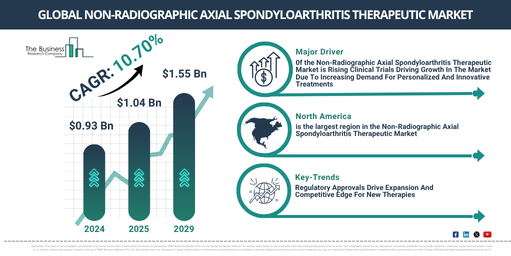
    The market size for non-radiographic axial spondyloarthritis therapeutics has seen substantial growth in recent years. It is anticipated to increase from $0.93 billion in 2024 to $1.04 billion in 2025, progressing at a compound annual growth rate (CAGR) of 10.9%. The expansion observed historically is largely due to the rising prevalence of axial spondyloarthritis, enhancements in awareness coupled with a growing patient population, the increasing understanding of the disease propelling market development, an uptick in research and development efforts, and the wider acceptance of biologic therapies.

    The non-radiographic axial spondyloarthritis therapeutic market size is projected to experience swift expansion in the coming years. This market is forecasted to reach $1.55 billion by 2029, exhibiting a compound annual growth rate (CAGR) of 10.7%. Several factors are expected to drive this growth during the forecast period, including heightened awareness and prompt diagnosis, the proliferation of biosimilars, sustained progress in biologics alongside emerging therapeutic alternatives, a continuous rise in research and development endeavors, the increasing embrace of targeted and individualized treatments, and enhanced healthcare infrastructure. Key trends anticipated in this period encompass tailored treatment algorithms, the incorporation of digital instruments for diagnosis, a move towards treat-to-target (T2T) methodologies, value-based pricing frameworks, and the uptake of multidisciplinary management strategies.

    Unlock Your Free Sample Report for Exclusive Market Data:

    https://www.thebusinessresearchcompany.com/sample.aspx?id=24627&type=smp

    What Are The Main Drivers Boosting The Non-Radiographic Axial Spondyloarthritis Therapeutic Industry’s Expansion?

    The non-radiographic axial spondyloarthritis therapeutic market is projected to experience growth, propelled by the rising number of clinical trials. These trials represent human research studies carried out to evaluate the safety, effectiveness, and adverse effects of medical treatments or interventions. The increase in clinical trials stems from a growing need for tailored and innovative therapies, which require rigorous assessment for their safety and efficacy. Clinical trials provide support for non-radiographic axial spondyloarthritis therapeutics by delivering evidence-based confirmation of treatment effectiveness and safety during the early stages of the disease, thus guiding regulatory approvals and integration into clinical practice. As an illustration, in November 2023, the Association of the British Pharmaceutical Industry, a UK-based trade association, reported a 15% surge in annual recruitment for industry clinical trials within the UK, with participant figures climbing from 36,722 in 2021-22 to 42,088 in 2022-23. Therefore, the expanding clinical trial landscape is a significant driver of the non-radiographic axial spondyloarthritis therapeutic market’s growth.

    What Are The Segment Types Shaping The Non-Radiographic Axial Spondyloarthritis Therapeutic Market?

    The non-radiographic axial spondyloarthritis therapeutic market covered in this report is segmented –

    1) By Type: Non-Steroidal Anti-Inflammatory Drugs, Biologics, Small Molecule Therapies, Corticosteroids

    2) By Application: Oral, Injectable, Topical

    3) By End User: Hospitals, Ambulatory Surgical Centers, Homecare Settings

    Subsegments:

    1) By Non-Steroidal Anti-Inflammatory Drugs: COX-2 Inhibitors, Non-Selective NSAIDs

    2) By Biologics: Tumor Necrosis Factor (TNF) Inhibitors, Interleukin-17 (IL-17) Inhibitors

    3) By Small Molecule Therapies: Janus Kinase (JAK) Inhibitors, Phosphodiesterase-4 (PDE4) Inhibitors

    4) By Corticosteroids: Oral Corticosteroids, Intra-Articular Corticosteroid Injections

    Which Market Trends Are Creating New Opportunities In The Non-Radiographic Axial Spondyloarthritis Therapeutic Industry?

    Leading companies in the non-radiographic axial spondyloarthritis (nr-axSpA) therapeutic market are concentrating on securing regulatory approvals. This strategy aims to broaden their market reach, expedite the introduction of new treatments, and gain competitive advantages. Regulatory approvals signify official permission granted by government bodies, allowing a drug or therapy to be legally sold and prescribed after its safety, efficacy, and adherence to relevant standards have been established. For example, in October 2022, AbbVie Inc., a US-based biopharmaceutical firm, obtained FDA approval for Rinvoq (upadacitinib) to treat adults with active non-radiographic axial spondyloarthritis (nr-axSpA) who exhibit objective signs of inflammation and have not responded adequately to TNF inhibitors. This marks Rinvoq’s sixth U.S. indication and positions it as the first and only oral JAK inhibitor approved for nr-axSpA. The approval is founded on data from the SELECT-AXIS 2 clinical trial, where nearly half of the patients treated with Rinvoq showed significant betterment in disease activity compared to placebo after 14 weeks, providing a new once-daily oral treatment option for those with this challenging condition.

    Which Leading Players Are Enhancing Their Non-Radiographic Axial Spondyloarthritis Therapeutic Market Presence Worldwide?

    Major companies operating in the non-radiographic axial spondyloarthritis therapeutic market are Pfizer Inc., Johnson & Johnson, Allergan plc, AbbVie Inc., Sanofi S.A., Bristol-Myers Squibb Company, AstraZeneca PLC, Abbott Laboratories, Novartis AG, Eli Lilly and Company, Gilead Sciences Inc., Amgen Inc., Novo Nordisk A/S, Biogen Inc., Daiichi Sankyo Company Limited, UCB S.A., Mochida Pharmaceutical Co. Ltd., Mereo BioPharma Group plc, Suzhou Zelgen Biopharmaceuticals Co. Ltd., Qyuns Therapeutics Co. Ltd.

    Download The Full Report For Exclusive Market Findings:

    https://www.thebusinessresearchcompany.com/report/non-radiographic-axial-spondyloarthritis-therapeutic-global-market-report

    How Is Non-Radiographic Axial Spondyloarthritis Therapeutic Market Demand Varying Across Different Regions?

    North America was the largest region in the non-radiographic axial spondyloarthritis therapeutics market in 2024. The regions covered in the non-radiographic axial spondyloarthritis therapeutic market report are Asia-Pacific, Western Europe, Eastern Europe, North America, South America, Middle East, Africa.

    Request A Customized Version Of The Non-Radiographic Axial Spondyloarthritis Therapeutic Market Report:

    https://www.thebusinessresearchcompany.com/customise?id=24627&type=smp

    Browse Through More Reports Similar to the Global Non-Radiographic Axial Spondyloarthritis Therapeutic Market 2025, By The Business Research Company

    Generic Musculoskeletal Disorders Drugs Global Market Report 2025

    https://www.thebusinessresearchcompany.com/report/generic-musculoskeletal-disorders-drugs-global-market-report

    Cervical Spondylosis Treatment Global Market Report 2025

    https://www.thebusinessresearchcompany.com/report/cervical-spondylosis-treatment-global-market-report

    Osteoarthritis Global Market Report 2025

    https://www.thebusinessresearchcompany.com/report/osteoarthritis-global-market-report

    Get in touch with us:

    The Business Research Company: https://www.thebusinessresearchcompany.com/

    Americas +1 310-496-7795

    Asia +44 7882 955267 & +91 8897263534

    Europe +44 7882 955267

    Email us at info@tbrc.info

    Follow us on:

    LinkedIn: https://in.linkedin.com/company/the-business-research-company

    YouTube: https://www.youtube.com/channel/UC24_fI0rV8cR5DxlCpgmyFQ

    Global Market Model: https://www.thebusinessresearchcompany.com/global-market-model
  • Global Nodular Prurigo Market Projected to Expand at 6.4% CAGR by 2029

    Global Nodular Prurigo Market Projected to Expand at 6.4% CAGR by 2029

    Unlock Global Insights – Save 20% on Market Reports with Code ONLINE20

    How Much Larger Is The Nodular Prurigo Market Expected To Become By 2029 Compared With Its 2025 Level?

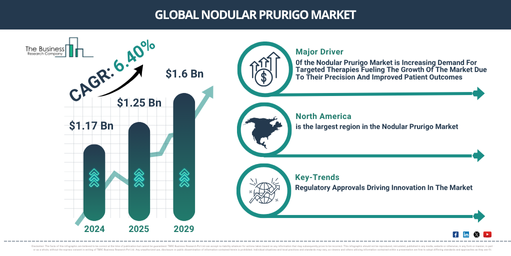
    The market for nodular prurigo has experienced robust growth in recent times. This market is projected to expand from $1.17 billion in 2024 to $1.25 billion in 2025, demonstrating a compound annual growth rate (CAGR) of 6.8%. Factors contributing to its growth in previous periods include an increase in dermatology consultations, enhanced awareness among dermatologists, the presence of unmet medical need, a strong academic research focus, and improved diagnostic techniques.

    The market for nodular prurigo is projected to experience substantial expansion over the upcoming years. It is anticipated to reach a valuation of $1.6 billion by 2029, exhibiting a compound annual growth rate (CAGR) of 6.4%. This growth during the forecast timeframe is attributable to several factors, including the authorization of specific therapies, enhanced research and development investment for uncommon dermatological conditions, more robust patient support and educational initiatives, broadened health insurance coverage and reimbursement options, and advancements in companion diagnostics and biomarker identification. Key trends anticipated within the same period encompass AI-powered diagnostic tools, gene editing technologies, the application of nanotechnology in drug administration, innovations in biologics, and the development of wearable monitoring devices.

    Unlock Your Free Sample Report for Exclusive Market Data:

    https://www.thebusinessresearchcompany.com/sample.aspx?id=24624&type=smp

    Which Drivers Are Supporting Growth Of The Nodular Prurigo Market?

    The nodular prurigo market is anticipated to expand due to the growing need for targeted therapies. These medical treatments are defined by their specific action, aiming to block or disrupt molecular pathways crucial for disease progression. The heightened interest in targeted therapies stems from their capacity to deliver more precise interventions, resulting in fewer adverse effects, better patient results, and providing alternatives to conventional, less focused treatments. Nodular prurigo contributes to advancing targeted therapies by revealing a distinct unfulfilled medical necessity concerning particular immune pathways like IL-4, IL-13, and IL-31. This facilitates the application of biologics that accurately inhibit these inflammatory markers for superior treatment efficacy. As an illustration, in October 2023, data from NHS England, a UK government body, indicated that 11 million hormone replacement therapy (HRT) items were prescribed in England, representing a 47% rise from 2021–22, with approximately 2.3 million patients receiving prescriptions, which was a 29% year-on-year increase. Consequently, the growing requirement for targeted therapies is fueling expansion within the nodular prurigo market.

    Which Key Segments Fueling The Nodular Prurigo Market?

    The nodular prurigo market covered in this report is segmented –

    1) By Type: Chronic Nodular Prurigo, Acute Nodular Prurigo, Subacute Nodular Prurigo

    2) By Treatment Type: Topical Treatments, Systemic Treatments, Phototherapy, Immunosuppressants

    3) By Patient Demographics: Adults, Children, Elderly

    4) By End-User: Hospitals, Homecare, Specialty Clinics, Other End-Users

    Subsegments:

    1) By Chronic Nodular Prurigo: Idiopathic Chronic Nodular Prurigo, Secondary To Dermatologic Conditions, Neuropathic Causes, Systemic Disease-Associated, Psychogenic Prurigo

    2) By Acute Nodular Prurigo: Insect Bite-Induced, Allergic Reactions, Drug-Induced Prurigo, Infectious Triggers

    3) By Subacute Nodular Prurigo: Healing Phase Of Chronic Prurigo, Post-Inflammatory Prurigo, Transient Dermatoses, Reaction To Environmental Irritants

    Which Ongoing Trends Are Expected To Shape The Nodular Prurigo Market Outlook?

    Leading companies in the nodular prurigo market are concentrating on obtaining regulatory authorizations to broaden their market presence and enhance patient results. Regulatory approvals signify the formal permission granted by governmental or regulatory entities for a drug, medical device, or treatment to be commercialized and used by the public. For example, in September 2022, Regeneron Pharmaceuticals Inc., a US-based biotechnology company, secured FDA approval for Dupixent (dupilumab), which stands as the first and sole treatment specifically indicated for prurigo nodularis in adults. This authorization stemmed from data gathered during two pivotal Phase 3 trials (PRIME and PRIME2), which revealed that Dupixent considerably reduced both itch and skin lesions compared to a placebo. Consequently, Dupixent emerged as the only medication in the U.S. with an approved indication for managing prurigo nodularis, thereby addressing a significant unmet medical need for approximately 75,000 adults affected by the condition in the U.S.

    Which Key Market Players Are Investing In Expansion And Innovation Of Nodular Prurigo Market?

    Major companies operating in the nodular prurigo market are Merck & Co Inc., Sanofi S.A., GlaxoSmithKline plc, Amgen Inc., Regeneron Pharmaceuticals Inc., Astellas Pharma Inc., Sun Pharmaceutical Industries Limited, Galderma S.A., Galderma Laboratories L.P. , Incyte Corporation, Kyowa Kirin Co Ltd., LEO Pharma A/S, Maruho Co Ltd., Kiniksa Pharmaceuticals Ltd., Keymed Biosciences Co Ltd., Trevi Therapeutics Inc., Fierce Pharma, Menlo Therapeutics Inc., VYNE Therapeutics Inc., Celldex Therapeutics Inc.

    Download The Full Report For Exclusive Market Findings:

    https://www.thebusinessresearchcompany.com/report/nodular-prurigo-global-market-report

    What Are The Key Regional Factors Influencing The Nodular Prurigo Market Growth?

    North America was the largest region in the nodular prurigo market in 2024. Asia-Pacific is expected to be the fastest-growing region in the forecast period. The regions covered in the nodular prurigo market report are Asia-Pacific, Western Europe, Eastern Europe, North America, South America, Middle East, Africa.

    Request A Customized Version Of The Nodular Prurigo Market Report:

    https://www.thebusinessresearchcompany.com/customise?id=24624&type=smp

    Browse Through More Reports Similar to the Global Nodular Prurigo Market 2025, By The Business Research Company

    Pruritus Therapeutic Global Market Report 2025

    https://www.thebusinessresearchcompany.com/report/pruritus-therapeutic-global-market-report

    Pruritus Therapeutics Global Market Report 2025

    https://www.thebusinessresearchcompany.com/report/pruritus-therapeutics-global-market-report

    Caprolactam Global Market Report 2025

    https://www.thebusinessresearchcompany.com/report/caprolactam-global-market-report

    Get in touch with us:

    The Business Research Company: https://www.thebusinessresearchcompany.com/

    Americas +1 310-496-7795

    Asia +44 7882 955267 & +91 8897263534

    Europe +44 7882 955267

    Email us at info@tbrc.info

    Follow us on:

    LinkedIn: https://in.linkedin.com/company/the-business-research-company

    YouTube: https://www.youtube.com/channel/UC24_fI0rV8cR5DxlCpgmyFQ

    Global Market Model: https://www.thebusinessresearchcompany.com/global-market-model
  • Nocturnal Leg Cramps Treatment Market to Grow at a CAGR of 6.5% from 2025 to 2029

    Nocturnal Leg Cramps Treatment Market to Grow at a CAGR of 6.5% from 2025 to 2029

    Unlock Global Insights – Save 20% on Market Reports with Code ONLINE20

    #What Are The Current (2025) And Forecast (2029) Sizes Of The Nocturnal Leg Cramps Treatment Market?

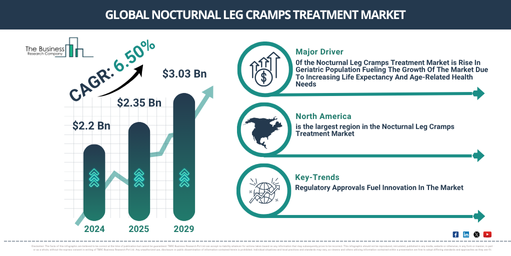
    The nocturnal leg cramps treatment market has demonstrated significant expansion in recent years. It is anticipated to increase from $2.2 billion in 2024 to $2.35 billion in 2025, exhibiting a compound annual growth rate (CAGR) of 6.9%. The market’s historical development is attributable to electrolyte imbalance awareness, physical therapy techniques, the impact of sedentary lifestyles, the rise of alternative medicine, and public health awareness.

    The nocturnal leg cramps treatment market is anticipated to experience substantial expansion over the upcoming years. This market is projected to reach $3.03 billion by 2029, exhibiting a compound annual growth rate (CAGR) of 6.5%. Factors contributing to this growth during the forecast timeframe include a heightened emphasis on preventative care, advancements in genetic research concerning muscle function, enhancements in drug delivery systems, a greater focus on holistic health approaches, and an improved comprehension of the gut-muscle connection. Key trends expected within this period encompass AI-powered diagnostics alongside tailored treatment strategies, the emergence of bioelectronic medicine, innovative muscle stimulation devices, sophisticated sleep monitoring technologies, and robotic support for physical therapy.

    Unlock Your Free Sample Report for Exclusive Market Data:

    https://www.thebusinessresearchcompany.com/sample.aspx?id=24623&type=smp

    Which Drivers Are Shaping The Nocturnal Leg Cramps Treatment Industry’s Market Share?

    The expansion of the elderly population is anticipated to drive the nocturnal leg cramps treatment market in the coming years. This demographic, typically encompassing individuals aged 65 and above, is experiencing growth due to increasing life expectancy, supported by advancements in healthcare, improved nutrition, enhanced sanitation, and medical innovations. Treatments for nocturnal leg cramps offer significant benefits to older adults by alleviating discomfort, enhancing sleep quality, and boosting mobility, all vital for preserving their general well-being and autonomy. For example, a report from the Office for National Statistics, a UK-based government department, indicated in January 2024 that the number of people aged 90 and over in England and Wales reached an unprecedented 550,835 in 2022, showing a 2.1% increase over 2021. Consequently, the rising geriatric population is a key factor propelling the nocturnal leg cramps treatment market.

    How Is The Nocturnal Leg Cramps Treatment Market Classified Into Different Segments?

    The nocturnal leg cramps treatment market covered in this report is segmented –

    1) By Treatment Type: Pharmaceuticals, Home Remedies, Physical Therapy, Lifestyle Modifications

    2) By Route Of Administration: Oral, Topical, Intravenous

    3) By Patient Demographics: Elderly, Athletes, Pregnant Women, Individuals With Chronic Conditions

    4) By Distribution Channel: Hospital Pharmacy, Retail Pharmacy, Online Pharmacy, Other Distribution Channels

    5) By End-Users: Hospitals, Specialty Clinics, Homecare, Other End-Users

    Subsegments:

    1) By Pharmaceuticals: Muscle Relaxants, Magnesium Supplements, Vitamin B Supplements, Anticonvulsants, Nonsteroidal Anti-inflammatory Drugs (NSAIDs)

    2) By Home Remedies: Epsom Salt Bath, Hot Or Cold Compress, Hydration With Electrolyte Solutions, Stretching Exercises

    3) By Physical Therapy: Stretching And Strengthening Exercises, Massage Therapy, Taping Techniques, Myofascial Release, Physical Therapy Modalities

    4) By Lifestyle Modifications: Proper Hydration, Balanced Diet, Regular Exercise, Avoiding Prolonged Sitting Or Standing, Sleep Position And Foot Elevation, Wearing Proper Footwear

    Which Competitive Trends Are Defining The Nocturnal Leg Cramps Treatment Market Structure?

    Leading companies within the nocturnal leg cramps treatment market are prioritizing the attainment of regulatory endorsements for novel medications to broaden their market presence and enhance patient well-being. Regulatory approvals signify the formal clearance granted by governmental or oversight bodies, allowing a drug, medical device, or treatment to be marketed and utilized by the public. For instance, in April 2023, Noctrix Health, a medical equipment firm based in the US, secured FDA De Novo approval for its NTX100 Tonic Motor Activation (TOMAC) System. This system aims to alleviate symptoms of moderate to severe restless legs syndrome (RLS) and improve sleep quality in patients who do not respond to traditional medications. The system involves two therapy units worn on the lower legs, which deliver low-level electrical stimulation to the peroneal nerves, thereby inducing tonic muscle activation to mitigate RLS symptoms. Clinical studies, including the RESTFUL study, illustrated notable improvements in RLS symptoms and sleep quality, with no severe adverse events reported.

    Who Are The Core Companies Influencing The Nocturnal Leg Cramps Treatment Market Landscape?

    Major companies operating in the nocturnal leg cramps treatment market are Teva Pharmaceutical Industries Ltd., Mylan N.V., Astellas Pharma Inc., DAIICHI SANKYO COMPANY, LIMITED, Apotex Inc., Sun Pharmaceutical Industries Limited, Hyland’s Inc., Swanson Health Products Inc., Boiron USA, MAGNOX, Blackmores Limited, Ferring Pharmaceuticals, Solgar Inc., Genexa Inc., Naveh Pharma Ltd., Hydratis, Crampeze, Monisha Mantra, Zydus Cadila, Flex Pharma Inc.

    Download The Full Report For Exclusive Market Findings:

    https://www.thebusinessresearchcompany.com/report/nocturnal-leg-cramps-treatment-global-market-report

    How Do Regional Market Performances Compare Within The Nocturnal Leg Cramps Treatment Industry?

    North America was the largest region in the nocturnal leg cramps treatment market in 2024. The regions covered in the nocturnal leg cramps treatment market report are Asia-Pacific, Western Europe, Eastern Europe, North America, South America, Middle East, Africa.

    Request A Customized Version Of The Nocturnal Leg Cramps Treatment Market Report:

    https://www.thebusinessresearchcompany.com/customise?id=24623&type=smp

    Browse Through More Reports Similar to the Global Nocturnal Leg Cramps Treatment Market 2025, By The Business Research Company

    Muscle Pain Treatment Global Market Report 2025

    https://www.thebusinessresearchcompany.com/report/muscle-pain-treatment-global-market-report

    Neuralgia Treatment Global Market Report 2025

    https://www.thebusinessresearchcompany.com/report/neuralgia-treatment-global-market-report

    Dental Sleep Medicine Global Market Report 2025

    https://www.thebusinessresearchcompany.com/report/dental-sleep-medicine-global-market-report

    Get in touch with us:

    The Business Research Company: https://www.thebusinessresearchcompany.com/

    Americas +1 310-496-7795

    Asia +44 7882 955267 & +91 8897263534

    Europe +44 7882 955267

    Email us at info@tbrc.info

    Follow us on:

    LinkedIn: https://in.linkedin.com/company/the-business-research-company

    YouTube: https://www.youtube.com/channel/UC24_fI0rV8cR5DxlCpgmyFQ

    Global Market Model: https://www.thebusinessresearchcompany.com/global-market-model
  • Global Hepatitis C Testing Market Analysis 2025–2029: Opportunities for Strategic Growth

    Global Hepatitis C Testing Market Analysis 2025–2029: Opportunities for Strategic Growth

    Unlock Global Insights – Save 20% on Market Reports with Code ONLINE20

    How Is The Hepatitis C Testing Market Size Likely To Evolve From 2025 Through 2034?

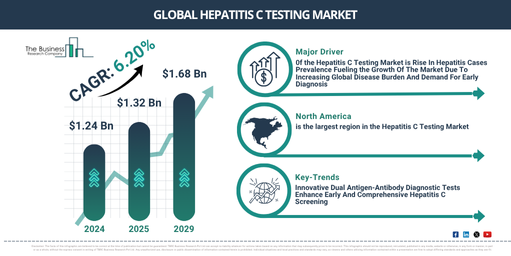
    The hepatitis c testing market has experienced significant growth in recent years. It is forecasted to grow from $1.24 billion in 2024 to $1.32 billion in 2025, with a compound annual growth rate (CAGR) of 6.6%. The expansion observed in the past can be linked to the increased prevalence of hepatitis C, the broadening of public health initiatives, a rise in intravenous drug use, heightened awareness of the dangers associated with hepatitis C, and governmental financial support for infectious disease management.

    The hepatitis c testing market size is poised for substantial growth over the next few years. It is projected to expand to $1.68 billion by 2029, achieving a compound annual growth rate (CAGR) of 6.2%. This expected expansion is driven by a rising need for early disease identification, improved access to healthcare, an increasing focus on preventive health, backing from international health organizations, and government efforts towards hepatitis C elimination. Noteworthy trends anticipated during this forecast period involve the widespread use of multiplex diagnostic platforms, the integration of artificial intelligence (AI) in diagnostic instruments, a pivot towards home-based testing kits, greater collaboration for developing new tests, and the introduction of cost-effective testing solutions.

    Unlock Your Free Sample Report for Exclusive Market Data:

    https://www.thebusinessresearchcompany.com/sample.aspx?id=24559&type=smp

    What Are The Key Drivers Of Growth In The Hepatitis C Testing Market?

    The increasing occurrence of hepatitis cases is anticipated to drive the expansion of the hepatitis C testing market moving forward. Hepatitis C, a viral infection, leads to liver inflammation and has the potential for severe liver damage if not addressed. The surge in hepatitis cases primarily stems from low vaccination coverage, which leaves numerous people vulnerable and aids in the virus’s dissemination. Testing for Hepatitis C enables early identification of the virus, allowing for timely treatment to prevent liver damage and severe health issues. Furthermore, it pinpoints infected persons, aiding in containment of the spread and improving management of the disease. For example, data from April 2024 by the World Health Organization (WHO), a Switzerland-based intergovernmental body focused on global public health, indicates that more than 50 million individuals worldwide are affected by chronic hepatitis C virus infection, with about 1.0 million new cases reported annually. Consequently, the growing frequency of hepatitis cases is fueling the expansion of the hepatitis C testing market.

    What Are The Major Segment Categories Driving The Hepatitis C Testing Market Growth?

    The hepatitis c testing market covered in this report is segmented –

    1) By Type: Antibody Tests, Nucleic Acid Tests, Genotyping Tests

    2) By Product: Test Kits, Instruments, Reagents, Consumables

    3) By Technology: Enzyme-Linked Immunosorbent Assay (ELISA), Rapid Diagnostic Tests, Polymerase Chain Reaction, Next-Generation Sequencing

    4) By Application: Blood Screening, Viral Load Monitoring, Disease Diagnosis

    5) By End-User: Hospital-Based Laboratories, Stand-Alone Laboratories, Other End-Users

    Subsegments:

    1) By Antibody Tests: Enzyme Immunoassay (EIA), Recombinant Immunoblot Assay (RIBA), Rapid Diagnostic Tests (RDTs)

    2) By Nucleic Acid Tests (NATs): Quantitative Ribonucleic Acid (RNA) Tests, Qualitative Ribonucleic Acid (RNA) Tests, Transcription-Mediated Amplification (TMA), Reverse Transcription Polymerase Chain Reaction (RT-PCR)

    3) By Genotyping Tests: Line Probe Assay (LiPA), Sequencing-Based Assay, Real-Time Polymerase Chain Reaction (PCR)-Based Genotyping

    Which Ongoing Trends Are Expected To Shape The Hepatitis C Testing Market Outlook?

    Major companies within the hepatitis C testing market are concentrating on developing advanced solutions, such as dual antigen-antibody diagnostic tests, to enable more effective screening and monitoring of the infection. An antigen-antibody diagnostic test identifies both viral proteins (antigens) and immune response proteins (antibodies) to pinpoint both active and past infections. This combined approach provides a comprehensive evaluation of the infection status. For instance, in July 2023, Roche Diagnostics India Pvt. Ltd., an India-based provider of diagnostic tests and systems, introduced Elecsys HCV Duo. This fully automated immunoassay is capable of simultaneously and independently detecting both HCV antigens and antibodies from a single plasma or serum sample. This innovation facilitates early diagnosis, supports patient management, and aligns with India’s national strategy to eliminate hepatitis C through timely and comprehensive screening.

    Which Industry Leaders Are Driving Innovation Across The Hepatitis C Testing Market?

    Major companies operating in the hepatitis c testing market are F. Hoffmann-La Roche Ltd., Bayer AG, Thermo Fisher Scientific Inc., Abbott Laboratories, Siemens Healthineers AG, Quest Diagnostics Incorporated, Hologic Inc., QuidelOrtho Corporation, Sysmex Corporation, Bio-Rad Laboratories Inc., SD Biosensor INC., QIAGEN N.V., DiaSorin S.p.A., Cepheid, Abcam Plc, OraSure Technologies Inc., Meridian Bioscience Inc., Trivitron Healthcare Private Limited, General Biologicals Corporation, Biogate Laboratories Ltd., Cosara Diagnostics Private Limited, BioGenex Life Sciences Private Limited, BIOGENIX INC. PVT. LTD.

    Download The Full Report For Exclusive Market Findings:

    https://www.thebusinessresearchcompany.com/report/hepatitis-c-testing-global-market-report

    What Are The Key Regional Factors Influencing The Hepatitis C Testing Market Growth?

    North America was the largest region in the hepatitis C testing market in 2024. Asia-Pacific is expected to be the fastest-growing region in the forecast period. The regions covered in the hepatitis c testing market report are Asia-Pacific, Western Europe, Eastern Europe, North America, South America, Middle East, Africa.

    Request A Customized Version Of The Hepatitis C Testing Market Report:

    https://www.thebusinessresearchcompany.com/customise?id=24559&type=smp

    Browse Through More Reports Similar to the Global Hepatitis C Testing Market 2025, By The Business Research Company

    Hepatitis C Global Market Report 2025

    https://www.thebusinessresearchcompany.com/report/hepatitis-c-global-market-report

    Hepatitis Diagnostic Tests Global Market Report 2025

    https://www.thebusinessresearchcompany.com/report/hepatitis-diagnostic-tests-global-market-report

    Covid 19 Rapid Test Kits Global Market Report 2025

    https://www.thebusinessresearchcompany.com/report/covid-19-rapid-test-kits-global-market-report

    Get in touch with us:

    The Business Research Company: https://www.thebusinessresearchcompany.com/

    Americas +1 310-496-7795

    Asia +44 7882 955267 & +91 8897263534

    Europe +44 7882 955267

    Email us at info@tbrc.info

    Follow us on:

    LinkedIn: https://in.linkedin.com/company/the-business-research-company

    YouTube: https://www.youtube.com/channel/UC24_fI0rV8cR5DxlCpgmyFQ

    Global Market Model: https://www.thebusinessresearchcompany.com/global-market-model
  • Hematology Analyzers Industry Overview 2025: Growth Projections and Market Trends

    Hematology Analyzers Industry Overview 2025: Growth Projections and Market Trends

    Unlock Global Insights – Save 20% on Market Reports with Code ONLINE20

    What Are The Growth Projections For The Hematology Analyzers Market Size During 2025–2029?

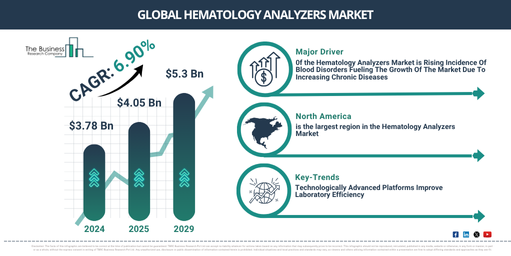
    The hematology analyzers market has demonstrated substantial expansion in recent years. Its size is projected to increase from $3.78 billion in 2024 to $4.05 billion in 2025, exhibiting a compound annual growth rate (CAGR) of 7.2%. This historical growth can be linked to the increasing occurrence of blood disorders, an expanding elderly population, a heightened understanding of health, enhancements in healthcare infrastructure, and rising government assistance for health initiatives.

    The hematology analyzers market is projected to experience substantial expansion in the coming years. Its value is anticipated to reach $5.3 billion by 2029, exhibiting a compound annual growth rate (CAGR) of 6.9%. Factors driving this growth during the projected timeframe include the increasing prevalence of chronic illnesses, the expansion of diagnostic laboratories, a greater need for personalized medical treatments, heightened health awareness, and the growing global elderly population. Key developments expected over the forecast period encompass the incorporation of artificial intelligence (AI) and machine learning, the reduction in device size, managing data through cloud systems, advancements in automation and robotics, and the introduction of wearable hematology monitoring devices.

    Unlock Your Free Sample Report for Exclusive Market Data:

    https://www.thebusinessresearchcompany.com/sample.aspx?id=24558&type=smp

    Which Drivers Are Supporting Growth Of The Hematology Analyzers Market?

    The anticipated expansion of the hematology analyzers market is projected to be driven by the increasing occurrence of blood disorders. Blood disorders are conditions that impact the various constituents of blood, including red blood cells, white blood cells, platelets, or plasma. A primary reason for the growing incidence of these disorders is the rising prevalence of chronic diseases, which directly affect blood health and necessitate ongoing observation. Hematology analyzers assist in diagnosing blood disorders by delivering precise and swift analysis of blood components, allowing for prompt identification and therapeutic intervention. Their application enhances clinical decision-making, ultimately improving patient care and outcomes. For instance, in April 2024, the Perth Blood Institute, an Australia-based non-profit organization, reported that the count of individuals identified with hemophilia—a genetic blood disorder where blood lacks proper clotting factors, resulting in prolonged bleeding—totaled 257,146 in 2022, an increase from 233,577 in 2021. Consequently, the rising incidence of blood disorders is a significant force propelling the growth of the hematology analyzers market.

    How Is The Hematology Analyzers Market Segmented?

    The hematology analyzers market covered in this report is segmented –

    1) By Type: Fully-Automated Hematology Analyzers, Semi-Automated Hematology Analyzers

    2) By Component: Instruments, Consumables

    3) By Modality: Standalone, Point Of Care

    4) By Technology: Flow Cytometry, Electrical Impedance, Optical Technology

    5) By End User: Hospitals, Clinical Laboratories, Research Institutes, Other End Users

    Subsegments:

    1) By Fully-Automated Hematology Analyzers: 3-Part Differential Analyzers, 5-Part Differential Analyzers, 6-Part And Above Differential Analyzers, Integrated Hematology Systems

    2) By Semi-Automated Hematology Analyzers: Hemoglobin Analyzers, Coagulation Analyzers, Erythrocyte Sedimentation Rate (ESR) Analyzers, Platelet Function Analyzers

    Which Competitive Trends Are Defining The Hematology Analyzers Market Structure?

    Leading companies in the hematology analyzers market are concentrating on developing technologically advanced products, such as automated hematology systems, to enhance diagnostic accuracy, improve workflow efficiency, and provide faster test results with minimal human intervention. Automated hematology systems are sophisticated diagnostic machines utilized in clinical laboratories to conduct various hematological tests with reduced manual input. For instance, in January 2024, Horiba Medical, a Japan-based medical diagnostics company, unveiled the HELO 2.0 high-throughput automated hematology platform, which is Conformité Européenne In Vitro Diagnostic Regulation (CE-IVDR) approved and is awaiting United States Food and Drug Administration (FDA) approval. HELO 2.0 provides a flexible, scalable, and efficient modular solution specifically designed to address the requirements of mid- to large-scale laboratories. It also integrates advanced technologies from the Yumizen H2500 and H1500 analyzers, guaranteeing high-quality performance through features such as 360-degree sample mixing, optimized turnaround time, efficient space utilization, and reagent storage. Additionally, it offers support for ISO-15189 accreditation assistance, covering all pre-analytical, analytical, and post-analytical needs.

    Who Are The Key Multinational Companies Dominating The Hematology Analyzers Market?

    Major companies operating in the hematology analyzers market are F. Hoffmann-La Roche AG, Abbott Laboratories, Danaher Corporation, Siemens Healthineers AG, Shenzhen Mindray Bio-Medical Electronics Co. Ltd., Sysmex Corporation, Horiba Medical Ltd., Nihon Kohden Corporation, Trivitron Healthcare Pvt. Ltd., Transasia Bio-Medicals Ltd., Erba Mannheim GmbH, Boule Diagnostics AB, Diatron MI PLC, Awareness Technology Inc., Analyticon Biotechnologies AG, Rayto Life and Analytical Sciences Co. Ltd., Diagon Ltd., Perlong Medical, Drew Scientific Inc., PZ Cormay S.A.

    Download The Full Report For Exclusive Market Findings:

    https://www.thebusinessresearchcompany.com/report/hematology-analyzers-global-market-report

    How Do Regional Market Performances Compare Within The Hematology Analyzers Industry?

    North America was the largest region in the hematology analyzers market in 2024. Asia-Pacific is expected to be the fastest-growing region in the forecast period. The regions covered in the hematology analyzers market report are Asia-Pacific, Western Europe, Eastern Europe, North America, South America, Middle East, Africa.

    Request A Customized Version Of The Hematology Analyzers Market Report:

    https://www.thebusinessresearchcompany.com/customise?id=24558&type=smp

    Browse Through More Reports Similar to the Global Hematology Analyzers Market 2025, By The Business Research Company

    Hemoglobin A1C Testing Devices Global Market Report 2025

    https://www.thebusinessresearchcompany.com/report/hemoglobin-a1c-testing-devices-global-market-report

    Hematology Drug Global Market Report 2025

    https://www.thebusinessresearchcompany.com/report/hematology-drug-global-market-report

    Hematocrit Test Devices Global Market Report 2025

    https://www.thebusinessresearchcompany.com/report/hematocrit-test-devices-global-market-report

    Get in touch with us:

    The Business Research Company: https://www.thebusinessresearchcompany.com/

    Americas +1 310-496-7795

    Asia +44 7882 955267 & +91 8897263534

    Europe +44 7882 955267

    Email us at info@tbrc.info

    Follow us on:

    LinkedIn: https://in.linkedin.com/company/the-business-research-company

    YouTube: https://www.youtube.com/channel/UC24_fI0rV8cR5DxlCpgmyFQ

    Global Market Model: https://www.thebusinessresearchcompany.com/global-market-model

  • Health Status Record Software Industry Insights: Market Forecast to 2029

    Health Status Record Software Industry Insights: Market Forecast to 2029

    Unlock Global Insights – Save 20% on Market Reports with Code ONLINE20

    How Much Was The Health Status Record Software Market Worth In 2025, And What Is Its Anticipated Value By 2029?

    The health status record software market size has demonstrated rapid expansion in recent years. It is anticipated to grow from $6.8 billion in 2024 to $7.6 billion in 2025, exhibiting a compound annual growth rate (CAGR) of 11.9%. The growth observed in the past period can be attributed to factors such as the increasing demand for digitized patient information, evolving regulatory mandates for electronic health records, higher adoption rates of hospital information systems, expanding federal incentives for health IT systems, and a heightened focus on healthcare data standardization.

    The health status record software market is projected to experience substantial expansion over the upcoming years. This market is set to reach a valuation of $11.8 billion by 2029, demonstrating a compound annual growth rate (CAGR) of 11.6%. Key drivers for this anticipated growth include an escalating demand for remote patient monitoring, a heightened emphasis on personalized healthcare services, the wider embrace of cloud-based health record solutions, the expansion of telehealth infrastructure, and a growing imperative for accessible real-time data. Significant trends expected during this period encompass progress in artificial intelligence integration, breakthroughs in data interoperability, swift advancements in mobile health technologies, ongoing research and development within healthcare software, and improvements in utilizing blockchain for secure patient data management.

    Unlock Your Free Sample Report for Exclusive Market Data:

    https://www.thebusinessresearchcompany.com/sample.aspx?id=24554&type=smp

    Which Drivers Are Impacting The Health Status Record Software Market?

    The escalating requirement for digital health solutions is projected to drive expansion in the health status record software market in the future. These solutions leverage technology, including mobile applications, wearable devices, telemedicine, and health information systems, to enhance healthcare provision, accessibility, and patient results. The surge in digital health offerings is primarily attributed to the increasing need for remote healthcare, fueled by improved access to smartphones and internet connections. Health status record software facilitates digital health by supplying a unified, real-time platform for managing and exchanging patient data, thereby enabling more knowledgeable and streamlined remote care. As an illustration, in May 2025, Accretive Edge, a US-based healthcare technology firm, reported that telehealth revenue in the U.S. was $48.37 billion in 2023, with forecasts predicting a near tenfold increase to $467.8 billion by 2034. Consequently, the expanding demand for digital health solutions is anticipated to stimulate growth within the health status record software market.

    What Are The Different Segment Classifications Within The Health Status Record Software Market?

    The health status record software market covered in this report is segmented –

    1) By Type: Cloud-Based, Web-Based

    2) By Component: Software, Services

    3) By Application: Patient Management, Clinical Data Management, Population Health Management

    4) By End-User: Hospitals, Clinics, Ambulatory Surgical Centers

    Subsegments:

    1) By Cloud-Based: Public Cloud, Private Cloud, Hybrid Cloud

    2) By Web-Based: On-Premises Web-Based, Hosted Web-Based, Software As A Service Web-Based

    Which Key Trends Are Expected To Influence The Health Status Record Software Market In The Coming Years?

    Leading companies operating within the health status record software market are concentrating on developing advanced technologies, such as the health clinical AI agent, to enhance clinical decision-making, automate administrative processes, and improve patient care through real-time data insights and AI-driven support. A health clinical AI agent is an artificial intelligence-powered tool specifically designed to assist healthcare professionals by automating routine clinical tasks, providing immediate insights, and streamlining workflows within electronic health record systems to improve decision-making and patient care. For instance, in October 2024, Oracle Corporation, a US-based computer software company, introduced its next-generation Electronic Health Record (EHR) system. This cutting-edge EHR system from Oracle is built to unify patient data across different providers, enabling a more cohesive and extensive view of health records. It enhances clinical efficiency through AI-powered insights and intuitive workflows. The system aims to improve patient outcomes, reduce administrative burden, and support more informed decision-making.

    Which Key Market Players Are Investing In Expansion And Innovation Of Health Status Record Software Market?

    Major companies operating in the health status record software market are McKesson Corporation, General Electric Healthcare, Epic Systems Corporation, eClinicalWorks LLC, Medical Information Technology Inc., Greenway Health LLC, WebPT Inc., CureMD Healthcare, Softclinic Software, DrChrono Inc., RXNT Inc., Amazing Charts LLC, Intrahealth Systems Limited, Allscripts Healthcare LLC, Electronic Medical Records Systems, Knapsack Living, Kareo Inc., OpenEMR Foundation, iPatientCare Inc., MedicalMine Inc.

    Download The Full Report For Exclusive Market Findings:

    https://www.thebusinessresearchcompany.com/report/health-status-record-software-global-market-report

    How Does The Health Status Record Software Market Perform Across Key Geographic Regions?

    North America was the largest region in the health status record software market in 2024. Asia-Pacific is expected to be the fastest-growing region in the forecast period. The regions covered in the health status record software market report are Asia-Pacific, Western Europe, Eastern Europe, North America, South America, Middle East, Africa.

    Request A Customized Version Of The Health Status Record Software Market Report:

    https://www.thebusinessresearchcompany.com/customise?id=24554&type=smp

    Browse Through More Reports Similar to the Global Health Status Record Software Market 2025, By The Business Research Company

    Personal Health Record Software Global Market Report 2025

    https://www.thebusinessresearchcompany.com/report/personal-health-record-software-global-market-report

    Healthcare Compliance Software Global Market Report 2025

    https://www.thebusinessresearchcompany.com/report/healthcare-compliance-software-global-market-report

    Digital Health Global Market Report 2025

    https://www.thebusinessresearchcompany.com/report/digital-health-global-market-report

    Get in touch with us:

    The Business Research Company: https://www.thebusinessresearchcompany.com/

    Americas +1 310-496-7795

    Asia +44 7882 955267 & +91 8897263534

    Europe +44 7882 955267

    Email us at info@tbrc.info

    Follow us on:

    LinkedIn: https://in.linkedin.com/company/the-business-research-company

    YouTube: https://www.youtube.com/channel/UC24_fI0rV8cR5DxlCpgmyFQ

    Global Market Model: https://www.thebusinessresearchcompany.com/global-market-model
  • Hashimotos Disease Market Size and Growth Forecast for Businesses 2025–2029

    Hashimotos Disease Market Size and Growth Forecast for Businesses 2025–2029

    Unlock Global Insights – Save 20% on Market Reports with Code ONLINE20

    What Is The Future Market Size Estimation For The Hashimotos Disease Market Covering 2025–2034?

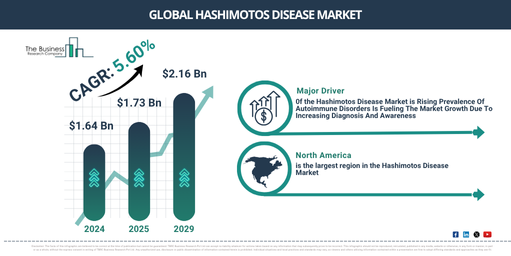
    The market for hashimotos disease has shown significant expansion over recent years. Projections indicate that this market will expand from $1.64 billion in 2024 to $1.73 billion in 2025, demonstrating a compound annual growth rate (CAGR) of 5.8%. Factors contributing to this historical growth include increasing awareness of thyroid disorders, improve diagnostic techniques, rising autoimmune disease prevalence, growing healthcare expenditure, and expansion of endocrinology clinics.

    The market for Hashimoto’s disease is anticipated to experience robust expansion over the coming years. This market is projected to reach $2.16 billion by 2029, exhibiting a compound annual growth rate (CAGR) of 5.6%. Several factors are expected to fuel this growth during the forecast period, including the expanded application of telemedicine, advancements in personalized medicine, a growing need for prompt diagnosis, supportive governmental health programs, and the wider acceptance of biosimilars. Key trends anticipated within this timeframe involve the incorporation of AI into diagnostic processes, an increased emphasis on comprehensive treatment methods, an uptick in the availability of at-home thyroid testing kits, a proliferation of clinical trials for immunotherapies, and significant progress in autoimmune disease research.

    Unlock Your Free Sample Report for Exclusive Market Data:

    https://www.thebusinessresearchcompany.com/sample.aspx?id=24553&type=smp

    Which Industry Drivers Are Expected To Accelerate The Hashimotos Disease Market From 2025 To 2029?

    The increasing occurrence of autoimmune conditions is projected to drive expansion within the hashimoto’s disease market moving forward. An autoimmune disorder is characterized by the immune system mistakenly attacking the body’s own healthy cells and tissues, leading to inflammation and harm. The increase in the prevalence of these disorders is primarily attributed to a combination of genetic predispositions and environmental elements, which can disrupt immune system function. Hashimoto’s disease, itself an autoimmune condition where the immune system targets the thyroid, exemplifies the wider operational mechanisms of autoimmune ailments, underscoring the immune system’s capacity to malfunction and harm healthy body parts. For instance, in November 2024, data from Versorgungsatlas.de, a Germany-based organization, showed that in 2022, out of 73,241,305 insured individuals, 6,304,340 were diagnosed with at least one autoimmune disease, leading to a raw prevalence rate of 8.61%. Consequently, the growing prevalence of autoimmune disorders is propelling the hashimoto’s disease market’s growth. The expanding healthcare spending is anticipated to foster the development of the hashimotos disease market moving forward. Healthcare expenditure encompasses the overall financial outlay on healthcare provisions, including disease prevention, diagnosis, treatment, and rehabilitation for various health conditions. The escalation in healthcare expenditure stems from an increasing need for cutting-edge treatments that provide superior results, quicker recovery times, and enhanced quality of life. Hashimoto’s disease adds to healthcare costs because it necessitates ongoing observation, hormone replacement therapy, and consistent medical attention, thereby boosting the demand for healthcare resources and expenses over time. For instance, in May 2024, according to the Office for National Statistics, a UK-based government department, between 2022 and 2023, healthcare spending in the UK increased by 5.6% compared with growth of 0.9% in 2022. Therefore, the increase in healthcare expenditure is driving the growth of the hashimotos disease market.

    What Are The Primary Types Of Segments Analyzed In The Hashimotos Disease Market?

    The hashimotos disease market covered in this report is segmented –

    1) By Type: Stress Related, Infection Related, Autoimmune Related, Environmental Related, Disease Related, Mixed, Other Types

    2) By Treatment Type: Hormone Replacement Therapy, Immunotherapy, Antithyroid Medication, Surgery, Dietary Supplements, Other Treatment Types

    3) By Route Of Administration: Oral Route, Injectable Route, Transdermal Route, Other Route Of Administrations

    4) By Distribution Channel: Hospital Pharmacy, Retail Pharmacy, Online Pharmacy, Other Distribution Channels

    5) By End USer: Hospitals, Speciality Clinics, Homecare, Other End Users

    Subsegments:

    1) By Stress Related: Chronic Psychological Stress, Work-Related Stress, Post-Traumatic Stress, Lifestyle-Induced Stress, Anxiety And Depression-Induced Stress

    2) By Infection Related: Viral Infections, Bacterial Infections, Fungal Infections, Parasitic Infections, Chronic Inflammatory Infections

    3) By Autoimmune Related: Coexisting Autoimmune Thyroiditis, Type 1 Diabetes, Rheumatoid Arthritis, Systemic Lupus Erythematosus (SLE), Celiac Disease

    4) By Environmental Related: Exposure To Radiation, Iodine Imbalance, Chemical Exposure, Heavy Metal Toxicity, Endocrine Disruptors

    5) By Disease Related: Polycystic Ovary Syndrome (PCOS), Cardiovascular Disorders, Chronic Fatigue Syndrome, Fibromyalgia, Metabolic Syndrome

    6) By Mixed: Stress And Autoimmune Combined, Infection And Environmental Combined, Autoimmune And Disease Combined, Stress And Environmental Combined, Multiple Etiology Overlap

    7) By Other Types: Drug-induced Thyroiditis, Postpartum Thyroiditis, Silent Thyroiditis, Genetic Predisposition, Idiopathic Cases

    Who Are The Core Companies Influencing The Hashimotos Disease Market Landscape?

    Major companies operating in the hashimotos disease market are Pfizer Inc., Merck & Co. Inc., AbbVie Inc., Abbott Laboratories, GlaxoSmithKline plc, Viatris Inc., Teva Pharmaceutical Industries Ltd., Lupin Limited, Lannett Company Inc., Aurore Life Sciences Inc., Acella Pharmaceuticals LLC, Sigmapharm Laboratories LLC, Jerome Stevens Pharmaceuticals Inc., RLC Labs Inc., AdvaCare Pharma, GNH India Ltd., Clayman Thyroid Center P.C., Rakshit Pharmaceuticals Ltd., Lexicare Pharma Private Limited, Forest Pharmaceuticals Inc.

    Download The Full Report For Exclusive Market Findings:

    https://www.thebusinessresearchcompany.com/report/hashimotos-disease-global-market-report

    Which Region Is Expected To Witness The Fastest Growth In The Hashimotos Disease Market?

    North America was the largest region in the hashimotos disease market in 2024. Asia-Pacific is expected to be the fastest-growing region in the forecast period. The regions covered in the hashimotos disease market report are Asia-Pacific, Western Europe, Eastern Europe, North America, South America, Middle East, Africa.

    Request A Customized Version Of The Hashimotos Disease Market Report:

    https://www.thebusinessresearchcompany.com/customise?id=24553&type=smp

    Browse Through More Reports Similar to the Global Hashimotos Disease Market 2025, By The Business Research Company

    Rare Diseases Treatment Global Market Report 2025

    https://www.thebusinessresearchcompany.com/report/rare-diseases-treatment-global-market-report

    Genes Therapy Global Market Report 2025

    https://www.thebusinessresearchcompany.com/report/genes-therapy-global-market-report

    Genito Urinary Drugs Global Market Report 2025

    https://www.thebusinessresearchcompany.com/report/genito-urinary-drugs-global-market-report

    Get in touch with us:

    The Business Research Company: https://www.thebusinessresearchcompany.com/

    Americas +1 310-496-7795

    Asia +44 7882 955267 & +91 8897263534

    Europe +44 7882 955267

    Email us at info@tbrc.info

    Follow us on:

    LinkedIn: https://in.linkedin.com/company/the-business-research-company

    YouTube: https://www.youtube.com/channel/UC24_fI0rV8cR5DxlCpgmyFQ

    Global Market Model: https://www.thebusinessresearchcompany.com/global-market-model