Category: HealthcareServices

  • Personalized Or Customized Skin Care Market 2026–2030: Emerging Trends and Forecast Opportunities

    Personalized Or Customized Skin Care Market 2026–2030: Emerging Trends and Forecast Opportunities

    Uncover key drivers, emerging technologies, and competitive movements shaping the personalized or customized skin care market from 2026–2035 with trusted insights from The Business Research Company

    Across 2026–2030, what is the expected market valuation path of the Personalized Or Customized Skin Care Market?

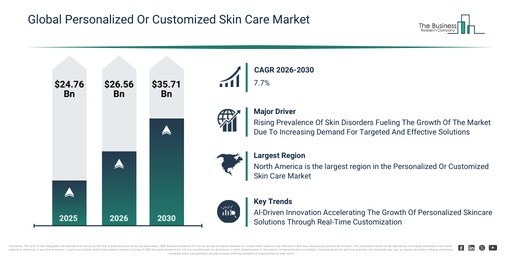
    The personalized or customized skin care market has experienced robust growth in recent years. This market is projected to expand from $24.76 billion in 2025 to $26.56 billion by 2026, demonstrating a compound annual growth rate (CAGR) of 7.3%. Historically, the expansion of this market can be attributed to several factors, including insufficient awareness of personalized skincare solutions, a strong dependence on mass-market skincare items, the elevated expense associated with customization, disjointed retail channels, and restricted availability of skin diagnostic instruments.

    The personalized or customized skin care market size is projected to experience substantial expansion in the coming years. By 2030, this market is anticipated to reach $35.71 billion, demonstrating a compound annual growth rate (CAGR) of 7.7%. This forecasted growth is attributable to several factors, including the escalating demand for customized skincare options, the increasing utilization of genetic and lifestyle information for skin wellness, the surging popularity of online and e-commerce venues for skincare products, a heightened consumer emphasis on proactive skin health, and the expanding partnerships between dermatology practices and skincare brands. Key trends identified for this period encompass the growing incorporation of AI-powered skin analysis instruments, the increased application of DNA and genetic testing for personalized skincare development, an evolving consumer inclination towards bespoke skincare regimens, the broadening integration of digital platforms for suggesting products, and a significant rise in investment within direct-to-consumer and online skincare distribution channels.

    Access Your Free Sample Report for In-Depth Market Insights:

    https://www.thebusinessresearchcompany.com/sample.aspx?id=23472&type=smp

    Which Drivers Are Supporting The Rise Of The Personalized Or Customized Skin Care Market?

    The increasing occurrence of skin conditions is projected to drive the expansion of the personalized or customized skin care market over the forecast period. Skin disorders are ailments affecting the skin’s appearance, structure, or function, often presenting symptoms such as inflammation, rashes, itching, or alterations in texture and color. A significant factor contributing to the rise in skin disorders is heightened exposure to environmental pollutants, which can harm the skin’s natural barrier, trigger inflammation, and exacerbate problems like acne, eczema, and dermatitis. Personalized skincare is favored for managing skin disorders because it targets an individual’s specific triggers and skin needs, enabling more effective treatment and a reduced risk of irritation compared to general products. For instance, in February 2025, Cancer Australia, an Australia-based government agency, reported an estimated 18,257 new cases of melanoma and 1,314 related deaths in Australia. Thus, the rising prevalence of skin disorders is propelling the growth of the personalized or customized skin care market.

    What Segments Are Identified Within The Structure Of The Personalized Or Customized Skin Care Market?

    The personalized or customized skin care market covered in this report is segmented –

    1) By Product Type: Cleanser, Face Serum, Moisturizer, Active, Body Lotion, Body Duo, Other Product Types

    2) By Price Range: Low, Medium, High

    3) By Consumer Group: Men, Women, Kids

    4) By Distribution Channel: Online, Offline

    Subsegments:

    1) By Cleanser: Gel Cleanser, Cream Cleanser, Foam Cleanser, Micellar Water, Oil-Based Cleanser, Clay Cleanser, Powder Cleanser

    2) By Face Serum: Hydrating Serum, Anti-Aging Serum, Brightening Serum, Acne Treatment Serum, Antioxidant Serum, Pore-Minimizing Serum, Calming Or Soothing Serum

    3) By Moisturizer: Gel-Based Moisturizer, Cream-Based Moisturizer, Lotion-Based Moisturizer, Water-Based Moisturizer, Oil-Based Moisturizer, Night Cream, Day Cream

    4) By Active: Retinoids Or Retinol, Alpha Hydroxy Acids (AHA), Beta Hydroxy Acids (BHA), Vitamin C, Hyaluronic Acid, Niacinamide, Peptides

    5) By Body Lotion: Nourishing Body Lotion, Firming Body Lotion, Brightening Body Lotion, Fragrance-Free Lotion, Sensitive Skin Lotion, Tinted Body Lotion

    6) By Body Duo: Body Wash And Lotion Combo, Scrub And Lotion Duo, Cleanser And Moisturizer Duo, Body Oil And Lotion Duo, Exfoliator And Hydrator Combo

    7) By Other Product Types: Face Masks, Toners And Mists, Eye Creams, Lip Care Products, Sunscreens, Spot Treatments, Exfoliators

    How Are Emerging Trends Affecting The Progression Of The Personalized Or Customized Skin Care Market?

    Companies operating in the personalized or customized skincare market are increasingly concentrating on developing new technologies, such as robotic mini-labs. Their goal is to automate the creation of unique skincare formulations, improve accuracy, and provide quicker, more efficient customization tailored to individual skin requirements. Robotic mini-labs are defined as compact, automated systems designed to formulate skincare products based on individual data. For example, in March 2025, SmartSKN, a Canada-based developer of AI-driven beauty solutions, introduced K-OWN. This AI-powered platform integrates with its robotic mini-labs to produce freshly made, customized skincare products within minutes. K-OWN allows consumers to design their own custom Korean skincare products, precisely adapted to meet their unique skin needs. By utilizing artificial intelligence, the platform delivers a highly personalized skincare experience, aiming to transform how consumers approach skincare by offering solutions based on individual needs.

    Which Leading Companies Dominate The Personalized Or Customized Skin Care Market Share?

    Major companies operating in the personalized or customized skin care market are Johnson & Johnson, Unilever PLC, L’Oréal S.A., Colgate-Palmolive Company, The Estée Lauder Companies Inc., Beiersdorf AG, Shiseido Company Limited, Amway Corporation, Curology Inc., Glow Recipe, Function of Beauty, Skin Authority, Tula Beauty, Proven Skincare, SkinCeuticals Custom D.O.S.E, DermaCare, Lumin, Skin Inc., Revieve, Atolla, Yours Skincare, Typology, Dermatica, Function of Beauty Skin

    Access The Complete Report For Deeper Market Insights:

    https://www.thebusinessresearchcompany.com/report/personalized-or-customized-skin-care-global-market-report

    How Does The Personalized Or Customized Skin Care Market Perform Across Major Global Regions?

    North America was the largest region in the personalized or customized skin care market in 2025. Asia-Pacific is expected to be the fastest-growing region in the forecast period. The regions covered in the personalized or customized skin care market report are Asia-Pacific, South East Asia, Western Europe, Eastern Europe, North America, South America, Middle East, Africa.

    Request Your Customized Personalized Or Customized Skin Care Market Research Report for Competitive Advantage:

    https://www.thebusinessresearchcompany.com/customise?id=23472&type=smp

    Browse Through More Reports Similar to the Global Personalized Or Customized Skin Care Market 2026, By The Business Research Company

    Skincare Market Report 2026

    https://www.thebusinessresearchcompany.com/report/skincare-global-market-report

    Professional Skincare Market Report 2026

    https://www.thebusinessresearchcompany.com/report/professional-skincare-global-market-report

    Natural Skin Care Products Market Report 2026

    https://www.thebusinessresearchcompany.com/report/natural-skin-care-products-global-market-report

    Get in touch with us:

    The Business Research Company: https://www.thebusinessresearchcompany.com/

    Americas +1 310-496-7795

    Asia +44 7882 955267 & +91 8897263534

    Europe +44 7882 955267

    Email us at info@tbrc.info

    Follow us on:

    LinkedIn: https://in.linkedin.com/company/the-business-research-company

    YouTube: https://www.youtube.com/channel/UC24_fI0rV8cR5DxlCpgmyFQ

    Global Market Model: https://www.thebusinessresearchcompany.com/global-market-model
  • Global Personalized Ophthalmology Therapies Market Forecast 2026–2035: Long-Term Growth Insights

    Global Personalized Ophthalmology Therapies Market Forecast 2026–2035: Long-Term Growth Insights

    Uncover key drivers, emerging technologies, and competitive movements shaping the personalized ophthalmology therapies market from 2026–2035 with trusted insights from The Business Research Company

    What size range is anticipated for the Personalized Ophthalmology Therapies Market from 2026 to 2030?

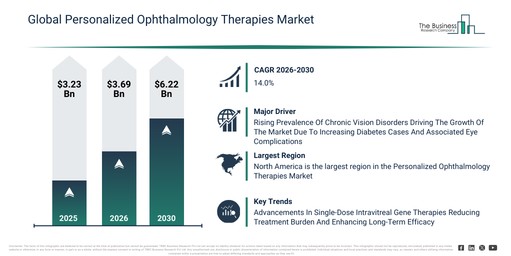
    The personalized ophthalmology therapies market has experienced significant growth recently. It is projected to expand from $3.23 billion in 2025 to $3.69 billion in 2026, demonstrating a compound annual growth rate (CAGR) of 14.2%. The historical increase can be attributed to progress in retinal disease research, a growing prevalence of chronic eye disorders, the establishment of more ophthalmology specialty clinics, improvements in ocular imaging technologies, and an increase in clinical trial activity for eye diseases.

    The market for personalized ophthalmology therapies is projected to experience substantial expansion over the upcoming years. This market is anticipated to reach a valuation of $6.22 billion by 2030, exhibiting a compound annual growth rate (CAGR) of 14.0%. This expansion throughout the projected timeframe is largely driven by factors such as the increasing authorization of gene and cell therapies, heightened financial commitments towards precision ophthalmology research, the broadening scope of personalized treatment methodologies, the wider integration of sophisticated drug delivery platforms, and an escalating need for solutions aimed at long-term vision retention. Key patterns expected during this period encompass the accelerated creation of gene-based treatments for eye conditions, the increasing utilization of biomarker-informed therapeutic strategies, the expanded application of advanced retinal imaging techniques for selecting appropriate treatments, the spread of targeted drug delivery mechanisms, and a heightened emphasis on individualized disease management.

    Access Your Free Sample Report for In-Depth Market Insights:

    https://www.thebusinessresearchcompany.com/sample.aspx?id=28295&type=smp

    What Drivers Are Affecting Demand In The Personalized Ophthalmology Therapies Market?

    The increasing occurrence of chronic vision disorders is projected to boost the personalized ophthalmology therapies market moving forward. These disorders are persistent eye conditions that gradually impair vision and often demand continuous management over prolonged periods. A primary reason for the rise in chronic vision disorders is the growing global incidence of diabetes, which leads to complications such as diabetic retinopathy, causing progressive damage to the eyes over time. Personalized ophthalmology therapies offer advantages for chronic vision disorders by devising treatment strategies customized to an individual’s distinct genetic and molecular profile, thereby improving treatment effectiveness and helping to slow the disease’s advancement. For instance, data from the Centers for Disease Control and Prevention (CDC) in May 2024 indicates that without effective measures, cases of diabetic retinopathy are anticipated to increase by 72%, while cataract cases are expected to grow by 87% by 2050. Thus, the escalating prevalence of chronic vision disorders is a key factor driving the growth of the personalized ophthalmology therapies market.

    Which Segments Are Gaining Traction In The Personalized Ophthalmology Therapies Market?

    The personalized ophthalmology therapies market covered in this report is segmented –

    1) By Therapy Type: Gene Therapy, Cell Therapy, Pharmacogenomics, Targeted Drug Delivery, Other Therapy Types

    2) By Indication: Age-Related Macular Degeneration, Diabetic Retinopathy, Glaucoma, Retinitis Pigmentosa, Other Indications

    3) By End User: Hospitals, Specialty Clinics, Research Institutes, Other End-Users

    Subsegments:

    1) By Gene Therapy: Viral Vector-Based Gene Therapy, Non-Viral Gene Therapy, CRISPR Or Cas9-Based Gene Editing

    2) By Cell Therapy: Stem Cell Therapy, Retinal Pigment Epithelial (RPE) Cell Therapy, Induced Pluripotent Stem Cell (iPSC) Therapy

    3) By Pharmacogenomics: Drug Response Testing, Genetic Biomarker-Based Therapy, Personalized Drug Dosing

    4) By Targeted Drug Delivery: Nanoparticle-Based Delivery, Liposomal Drug Delivery, Hydrogel-Based Delivery Systems

    5) By Other Therapy Types: RNA-Based Therapy, Antisense Oligonucleotide Therapy, Peptide-Based Therapy

    Which Innovation Trends Are Advancing Developments Within The Personalized Ophthalmology Therapies Market?

    Leading companies in the personalized ophthalmology therapies market are concentrating on developing innovative solutions, such as one-time intravitreal gene therapies, to alleviate patient burden and reduce the risk of complications associated with multiple injections. These single-dose intravitreal gene therapies involve a sole injection into the eye’s vitreous cavity, delivering genetic material to address or modify underlying eye disorders and offering enduring treatment effects. For example, in July 2025, Sanofi, a pharmaceutical and healthcare company based in France, announced that the US Food and Drug Administration (FDA) had granted fast track designation for SAR446597. This single-dose intravitreal gene therapy is designed to treat geographic atrophy (GA) caused by age-related macular degeneration (AMD). Its fast-track designation aims to expedite development and regulatory review for serious conditions with unmet medical needs. The therapy introduces genetic material encoding two antibody fragments that block C1s in the classical complement pathway and factor Bb in the alternative pathway. This dual-action mechanism is intended to provide sustained complement suppression in the retina, targeting the disease process while minimizing the requirement for repeated injections.

    Who Are The Major Companies Operating In The Personalized Ophthalmology Therapies Market?

    Major companies operating in the personalized ophthalmology therapies market are Roche Holding AG, Novartis AG, Regeneron Pharmaceuticals Inc., Alcon Inc., Genentech Inc., Bausch + Lomb Corporation, Johnson & Johnson Vision Care Inc., Carl Zeiss Meditec AG, Santen Pharmaceutical Co. Ltd., Ocular Therapeutix Inc., EyePoint Pharmaceuticals Inc., Senju Pharmaceutical Co. Ltd., MeiraGTx Ltd., Beacon Therapeutics, Clearside Biomedical Inc., Adverum Biotechnologies Inc., Ocugen Inc., GenSight Biologics, Nanoscope Therapeutics Inc., 4D Molecular Therapeutics Inc., Coave Therapeutics.

    Access The Complete Report For Deeper Market Insights:

    https://www.thebusinessresearchcompany.com/report/personalized-ophthalmology-therapies-global-market-report

    Which Region Is Anticipated To See The Fastest Growth In The Personalized Ophthalmology Therapies Market?

    North America was the largest region in the personalized ophthalmology therapies market in 2025. Asia-Pacific is expected to be the fastest-growing region in the forecast period. The regions covered in the personalized ophthalmology therapies market report are Asia-Pacific, South East Asia, Western Europe, Eastern Europe, North America, South America, Middle East, Africa.

    Request Your Customized Personalized Ophthalmology Therapies Market Research Report for Competitive Advantage:

    https://www.thebusinessresearchcompany.com/customise?id=28295&type=smp

    Browse Through More Reports Similar to the Global Personalized Ophthalmology Therapies Market 2026, By The Business Research Company

    Ophthalmic Devices Market Report 2026

    https://www.thebusinessresearchcompany.com/report/ophthalmic-devices-global-market-report

    Ophthalmic Drugs Market Report 2026

    https://www.thebusinessresearchcompany.com/report/ophthalmic-drugs-global-market-report

    Anemia And Other Blood Disorder Drugs Market Report 2026

    https://www.thebusinessresearchcompany.com/report/anemia-and-other-blood-disorder-drugs-global-market-report

    Get in touch with us:

    The Business Research Company: https://www.thebusinessresearchcompany.com/

    Americas +1 310-496-7795

    Asia +44 7882 955267 & +91 8897263534

    Europe +44 7882 955267

    Email us at info@tbrc.info

    Follow us on:

    LinkedIn: https://in.linkedin.com/company/the-business-research-company

    YouTube: https://www.youtube.com/channel/UC24_fI0rV8cR5DxlCpgmyFQ

    Global Market Model: https://www.thebusinessresearchcompany.com/global-market-model
  • Personalized Medicine Bioinformatics Market 2026–2030: Forecasting Business Opportunities Ahead

    Personalized Medicine Bioinformatics Market 2026–2030: Forecasting Business Opportunities Ahead

    Uncover key drivers, emerging technologies, and competitive movements shaping the personalized medicine bioinformatics market from 2026–2035 with trusted insights from The Business Research Company

    How is the Personalized Medicine Bioinformatics Market size predicted to change over the forecast window of 2026–2035?

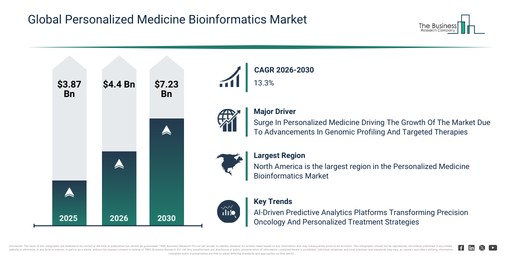
    The personalized medicine bioinformatics market size has experienced rapid expansion in recent years. This market is projected to expand from $3.87 billion in 2025 to $4.4 billion in 2026, demonstrating a compound annual growth rate (CAGR) of 13.6%. The historical growth can be linked to factors such as the increased adoption of next-generation sequencing, the expanding accessibility of genomic datasets, heightened research investment in precision medicine, a growing need for data-driven clinical insights, and advancements in bioinformatics algorithms.

    The personalized medicine bioinformatics market is anticipated to experience swift expansion in the upcoming period, with projections indicating it will reach a valuation of $7.23 billion by 2030, demonstrating a compound annual growth rate (CAGR) of 13.3%. This projected growth over the forecast duration stems from factors such as the heightened integration of bioinformatics into clinical processes, increasing financial commitments to personalized medicine initiatives, the broadening of AI-driven clinical decision support systems, the expanding acceptance of population-level genomics analysis, and the surging need for interoperable health data solutions. Key trends anticipated during this forecast timeframe encompass the increasing embrace of AI-powered genomic data analytics, the growing utilization of multi-omics data integration platforms, a rising call for cloud-based bioinformatics services, the wider deployment of pharmacogenomic decision support instruments, and a stronger emphasis on scalable data interpretation frameworks.

    Access Your Free Sample Report for In-Depth Market Insights:

    https://www.thebusinessresearchcompany.com/sample.aspx?id=28294&type=smp

    Which Drivers Are Contributing To The Expansion Of The Personalized Medicine Bioinformatics Market?

    The increasing demand for personalized medicine is anticipated to propel the future growth of the personalized medicine bioinformatics market. This medical approach customizes prevention, diagnosis, and therapy according to an individual’s specific genetic makeup, health condition, and lifestyle factors. Personalized medicine is expanding due to advancements in genomic and data analytics, enabling accurate genetic profiling that allows for more precise treatments with improved outcomes and reduced trial-and-error. Personalized medicine bioinformatics analyzes genomic and clinical data to reveal insights into individual health conditions, aiding in accurate treatment choices and drug response predictions while guiding targeted therapies to enhance tailored patient care. For instance, in February 2024, the Personalized Medicine Coalition, a US-based hospital and health care organization, reported that the FDA approved 16 new personalized treatments for rare disease patients in 2023, an increase from six in 2022. Consequently, the growing demand for personalized medicine is driving the expansion of the personalized medicine bioinformatics market.

    What Segment Categories Are Covered In The Personalized Medicine Bioinformatics Market?

    The personalized medicine bioinformatics market covered in this report is segmented –

    1) By Technology: Gene Sequencing, Pharmacogenomics, Microarray Technology, Artificial Intelligence-Driven Analytics Platforms, Other Technologies

    2) By Application: Genomics, Proteomics, Transcriptomics, Metabolomics, Epigenomics, Other Applications

    3) By End-User: Biotechnology And Pharmaceutical Companies, Clinical Diagnostics Laboratories, Hospitals And Academic Medical Centers, Contact Research Organizations and Biobanks, Other End-Users

    Subsegments:

    1) By Gene Sequencing: Next-Generation Sequencing (NGS), Sanger Sequencing, Single-Molecule Real-Time Sequencing (SMRT), Whole Exome Sequencing (WES), Whole Genome Sequencing (WGS)

    2) By Pharmacogenomics: Drug-Gene Interaction Analysis, Adverse Drug Reaction (ADR) Prediction, Biomarker Discovery, Personalized Drug Response Profiling

    3) By Microarray Technology: DNA Microarray, RNA Microarray, Protein Microarray, Comparative Genomic Hybridization (CGH) Microarray

    4) By Artificial Intelligence-Driven Analytics Platforms: Machine Learning-Based Platforms, Deep Learning-Based Platforms, Natural Language Processing (NLP) Platforms, Predictive Analytics Platforms, Clinical Decision Support Systems (CDSS)

    5) By Other Technologies: Proteomics Analysis, Metabolomics Analysis, Epigenomics Profiling, Bioinformatics Cloud Platforms

    Which Competitive Trends Are Impacting The Structure Of The Personalized Medicine Bioinformatics Market?

    Leading companies active in the personalized medicine bioinformatics market are prioritizing the development of advanced solutions, such as predictive analytics platforms, to enhance the accuracy of disease prediction and improve patient outcomes. A predictive analytics platform leverages machine learning, algorithms, and statistical models to analyze both historical and real-time data for forecasting potential outcomes, thereby enabling healthcare providers to anticipate risks, refine treatment approaches, and make proactive decisions. For example, in April 2023, Certis Oncology Solutions, a US-based biotechnology firm, launched CertisAI, a specialized predictive analytics platform. This AI/ML-driven platform utilizes big data, statistical algorithms, and machine learning to forecast drug efficacy based on gene expression biomarkers, with the aim of accelerating drug discovery and the development of companion diagnostics in precision oncology. The platform is currently validating its unique methodology for predicting therapeutic response and establishing its availability as a service to biopharmaceutical companies to support improved early drug development decisions and personalized cancer treatment strategies.

    Which Major Firms Are Strengthening Their Position In The Personalized Medicine Bioinformatics Market?

    Major companies operating in the personalized medicine bioinformatics market are F. Hoffmann-La Roche AG, Merck KGaA Darmstadt Germany, Thermo Fisher Scientific Inc., Abbott Laboratories, Danaher Corporation, Laboratory Corporation of America Holdings, Quest Diagnostics Incorporated, Agilent Technologies Inc., Illumina Inc., Bio-Rad Laboratories Inc., QIAGEN N.V., Myriad Genetics Inc., Guardant Health Inc., Sophia Genetics SA, DNAnexus Inc., Deep Genomics Inc., Congenica Ltd, Phase Genomics Inc., Analome Inc., Pluto Bioinformatics Inc., BioBam Bioinformatics S.L., OncoBox Inc.

    Access The Complete Report For Deeper Market Insights:

    https://www.thebusinessresearchcompany.com/report/personalized-medicine-bioinformatics-global-market-report

    Which Region Is Anticipated To See The Fastest Growth In The Personalized Medicine Bioinformatics Market?

    North America was the largest region in the personalized medicine bioinformatics market in 2025. Asia-Pacific is expected to be the fastest-growing region in the forecast period. The regions covered in the personalized medicine bioinformatics market report are Asia-Pacific, South East Asia, Western Europe, Eastern Europe, North America, South America, Middle East, Africa.

    Request Your Customized Personalized Medicine Bioinformatics Market Research Report for Competitive Advantage:

    https://www.thebusinessresearchcompany.com/customise?id=28294&type=smp

    Browse Through More Reports Similar to the Global Personalized Medicine Bioinformatics Market 2026, By The Business Research Company

    Genomics Personalized Health Market Report 2026

    https://www.thebusinessresearchcompany.com/report/genomics-personalized-health-global-market-report

    Personalized Medicine Market Report 2026

    https://www.thebusinessresearchcompany.com/report/personalized-medicine-global-market-report

    Bioinformatics Services Market Report 2026

    https://www.thebusinessresearchcompany.com/report/bioinformatics-services-global-market-report

    Get in touch with us:

    The Business Research Company: https://www.thebusinessresearchcompany.com/

    Americas +1 310-496-7795

    Asia +44 7882 955267 & +91 8897263534

    Europe +44 7882 955267

    Email us at info@tbrc.info

    Follow us on:

    LinkedIn: https://in.linkedin.com/company/the-business-research-company

    YouTube: https://www.youtube.com/channel/UC24_fI0rV8cR5DxlCpgmyFQ

    Global Market Model: https://www.thebusinessresearchcompany.com/global-market-model
  • Global Personalized LASIK Surgery Market Report 2026–2035: Key Forecasts and Growth Areas

    Global Personalized LASIK Surgery Market Report 2026–2035: Key Forecasts and Growth Areas

    Uncover key drivers, emerging technologies, and competitive movements shaping the personalized lasik surgery market from 2026–2035 with trusted insights from The Business Research Company

    What market expansion outlook does the Personalized LASIK Surgery Market show for the 2026–2030 period?

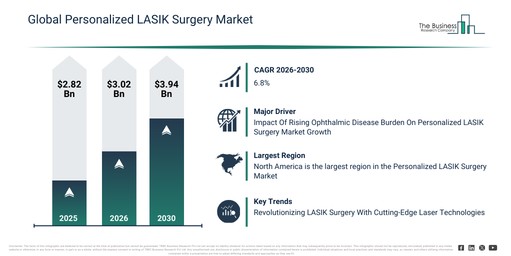
    The personalized lasik surgery market size has demonstrated robust growth in recent years. It is projected to expand from $2.82 billion in 2025 to $3.02 billion in 2026, achieving a compound annual growth rate (CAGR) of 7.2%. This historical expansion can be linked to factors such as the increasing prevalence of refractive errors, greater acceptance of elective vision correction surgery, advancements in laser systems technology, the development of ophthalmology specialty clinics, and improved surgical success rates.

    The personalized lasik surgery market size is projected to experience substantial expansion in the coming years. This market is anticipated to reach $3.94 billion by 2030, exhibiting a compound annual growth rate (CAGR) of 6.8%. The anticipated growth during the forecast period is primarily driven by several factors, including a heightened demand for minimally invasive eye procedures, the growing integration of AI-assisted diagnostic tools, the proliferation of outpatient surgical facilities, increased patient understanding of personalized treatment options, and a surge in investment towards cutting-edge ophthalmic technologies. Key trends characterizing this period encompass a wider embrace of customized vision correction methods, the expanded utilization of advanced diagnostic imaging, an escalating preference for wavefront and topography guided lasik, the broader development of patient-specific treatment strategies, and a sharpened emphasis on surgical accuracy and results.

    Access Your Free Sample Report for In-Depth Market Insights:

    https://www.thebusinessresearchcompany.com/sample.aspx?id=19644&type=smp

    What Drivers Are Shaping The Development Of The Personalized LASIK Surgery Market?

    The increasing prevalence of eye-related conditions is anticipated to fuel the expansion of the personalized LASIK surgery market in the future. These diseases encompass medical issues impacting the eyes and sight, such as glaucoma, cataracts, macular degeneration, and diabetic retinopathy. This growing burden stems from an aging demographic, the greater occurrence of chronic illnesses like diabetes, and lifestyle elements such as extended screen exposure, all of which contribute to a higher rate of eye problems. Personalized LASIK surgery offers a solution to ophthalmic diseases through customized vision correction, enhancing precision, efficacy, and patient results for conditions like myopia and astigmatism. For example, GOV.UK, a UK government agency, reported in May 2024 that England recorded over 8.9 million vision-related outpatient visits in the fiscal year ending 2023, with more than 3.4 million unique individuals attending hospital outpatient appointments. Additionally, 29,215 individuals aged 65 to 74 and 155,960 individuals aged 75 and above were registered as blind or partially sighted with their respective local authorities. Consequently, the increasing incidence of ophthalmic diseases is set to stimulate the expansion of the personalized LASIK surgery market.

    Which Segments Are Contributing To The Growth Of The Personalized LASIK Surgery Market?

    The personalized lasik surgery market covered in this report is segmented –

    1) By Type: Topography Guided LASIK, Wavefront Guided LASIK, Wavefront Optimized LASIK

    2) By Indication: Myopia, Hypermetropia, Presbyopia, Other Indications

    3) By End User: Hospitals, Clinics, Ambulatory Surgical Centers, Other End Users

    Subsegments:

    1) By Topography Guided LASIK: Corneal Topography Mapping, Customized Treatment Plans

    2) By Wavefront Guided LASIK: Aberrometry Analysis, Customized Wavefront Maps

    3) By Wavefront Optimized LASIK: Standardized Treatment Protocols, Preserving Natural Aberrations

    What Industry Trends Are Transforming The Personalized LASIK Surgery Market?

    Major companies operating in the personalized LASIK surgery market are concentrating on adopting more advanced LASIK platforms, such as laser-assisted systems, to enhance precision, improve patient outcomes, and streamline surgical procedures. Laser-assisted systems are innovative technologies used in eye surgery that employ lasers to accurately reshape the cornea for vision correction, offering superior accuracy and customization compared to traditional methods. For instance, in January 2024, Bausch + Lomb Corporation, a Canada-based eye health company, obtained FDA approval for its TENEO Excimer Laser Platform for LASIK surgery to correct myopia and myopic astigmatism. This platform features an advanced eye-tracker operating at 1740 Hz, which is three times faster than the laser’s repetition speed, and a 500 Hz laser that provides the quickest ablation time among excimer lasers in the U.S., achieving approximately 1.2 seconds per diopter.

    Who Are The Primary Competitors In The Global Personalized LASIK Surgery Market?

    Major companies operating in the personalized lasik surgery market are Carl Zeiss AG, Alcon Inc., Johnson & Johnson Vision Care Inc., Bausch Health Companies Inc., Topcon Corporation, NIDEK Co. Ltd., SCHWIND eye-tech-solutions GmbH, Ziemer Ophthalmic Systems AG, LaserSight Technologies Inc., Presbia PLC, STAAR Surgical Company, EssilorLuxottica SA, Lumenis Ltd., Ellex Medical Lasers Ltd., iVIS Technologies S.r.l., WaveLight GmbH, Avedro Inc., Glaukos Corporation, ClarVista Medical Inc.

    Access The Complete Report For Deeper Market Insights:

    https://www.thebusinessresearchcompany.com/report/personalized-lasik-surgery-global-market-report

    Which Global Regions Are Shaping The Competitive Landscape Of The Personalized LASIK Surgery Market?

    North America was the largest region in the personalized LASIK surgery market in 2025. Asia-Pacific is expected to be the fastest-growing region in the forecast period. The regions covered in the personalized lasik surgery market report are Asia-Pacific, South East Asia, Western Europe, Eastern Europe, North America, South America, Middle East, Africa.

    Request Your Customized Personalized LASIK Surgery Market Research Report for Competitive Advantage:

    https://www.thebusinessresearchcompany.com/customise?id=19644&type=smp

    Browse Through More Reports Similar to the Global Personalized LASIK Surgery Market 2026, By The Business Research Company

    Artificial Intelligence Ai Based Personalization Market Report 2026

    https://www.thebusinessresearchcompany.com/report/artificial-intelligence-ai-based-personalization-global-market-report

    Personalized Nutrition Market Report 2026

    https://www.thebusinessresearchcompany.com/report/personalized-nutrition-global-market-report

    Next Generation Personalized Beauty Market Report 2026

    https://www.thebusinessresearchcompany.com/report/next-generation-personalized-beauty-global-market-report

    Get in touch with us:

    The Business Research Company: https://www.thebusinessresearchcompany.com/

    Americas +1 310-496-7795

    Asia +44 7882 955267 & +91 8897263534

    Europe +44 7882 955267

    Email us at info@tbrc.info

    Follow us on:

    LinkedIn: https://in.linkedin.com/company/the-business-research-company

    YouTube: https://www.youtube.com/channel/UC24_fI0rV8cR5DxlCpgmyFQ

    Global Market Model: https://www.thebusinessresearchcompany.com/global-market-model
  • Personalized Daily Vitamin Packs Market 2026–2030: Forecast, Innovation, and Competitive Trends

    Personalized Daily Vitamin Packs Market 2026–2030: Forecast, Innovation, and Competitive Trends

    Uncover key drivers, emerging technologies, and competitive movements shaping the personalized daily vitamin packs market from 2026–2035 with trusted insights from The Business Research Company

    What level of growth is expected in the Personalized Daily Vitamin Packs Market between 2026 and 2030?

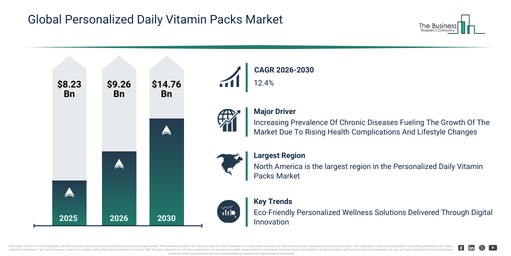
    The personalized daily vitamin packs market size has experienced swift expansion in recent years. It is projected to increase from $8.23 billion in 2025 to $9.26 billion in 2026, achieving a compound annual growth rate (CAGR) of 12.6%. The growth observed in the historic period is ascribed to factors such as limited consumer awareness of personalized nutrition, a reliance on mass-market supplement products, the high cost of customization, restricted access to genetic testing, and fragmented distribution channels.

    The personalized daily vitamin packs market is projected for substantial expansion in the coming years, with its valuation expected to reach $14.76 billion by 2030, exhibiting a compound annual growth rate (CAGR) of 12.4%. This anticipated growth is driven by an increased consumer focus on preventive health, the rising availability of genetic and lifestyle data, growing e-commerce adoption for supplements, a burgeoning health-conscious population, and expanding collaborations between nutrition companies and healthcare providers. Major developments during this period include the wider adoption of DNA-based and blood-test informed vitamin packs, the increasing utilization of AI-driven personalized nutrition platforms, deeper integration of digital health data for supplement customization, a rising consumer preference for natural and herbal ingredients, and increased investment in direct-to-consumer and online distribution channels.

    Access Your Free Sample Report for In-Depth Market Insights:

    https://www.thebusinessresearchcompany.com/sample.aspx?id=24363&type=smp

    Which Drivers Are Expected To Impact The Personalized Daily Vitamin Packs Market During The Forecast Period?

    The rising incidence of chronic diseases is anticipated to drive the expansion of the personalized daily vitamin packs market moving ahead. These enduring medical ailments, such as diabetes, heart disease, hypertension, arthritis, chronic respiratory diseases, cancer, and obesity, are characterized by gradual progression and necessitate continuous management. Their growing occurrence largely stems from lifestyle changes, particularly inadequate diet and insufficient physical activity, which contribute to prolonged health complications. Personalized daily vitamin packs assist in managing chronic conditions by delivering customized nutritional solutions that address specific health needs. These packs enhance overall well-being by providing targeted vitamins and minerals, aiding in symptom management and improving general health, thereby fostering an improved quality of life for individuals with chronic conditions. For instance, in June 2024, the National Health Service, a UK-based government healthcare system, reported that pre-diabetes cases in England increased by 549,000 (18%), from 3,065,825 in 2022 to 3,615,330 in 2023. Additionally, among those under 40, cases rose by 25%, from 173,166 to 216,440. Consequently, the increasing prevalence of chronic diseases is a significant driver for the growth of the personalized daily vitamin packs market.

    How Is The Personalized Daily Vitamin Packs Market Divided Into Segments?

    The personalized daily vitamin packs market covered in this report is segmented –

    1) By Product: Custom Vitamin Packs, Single-Ingredient Vitamins, Multi-Ingredient Packs, Functional Vitamin Packs

    2) By Ingredient Type: Natural Ingredients, Synthetic Ingredients, Herbal Ingredients, Minerals, Amino Acids

    3) By Age Group: Children, Young Adults, Adults, Seniors

    4) By Application: Personalized Nutrition, Health And Wellness, Dietary Supplements

    5) By Distribution Channel: Online Retail, Pharmacies, Health Food Stores, Supermarkets, Direct Sales

    Subsegments:

    1) By Custom Vitamin Packs: Deoxyribonucleic Acid-Based Packs, Blood-Test Based Packs, Questionnaire-Based Packs, Lifestyle-Based Packs

    2) By Single-Ingredient Vitamins: Vitamin D, Vitamin B12, Vitamin C, Iron, Magnesium

    3) By Multi-Ingredient Packs: Immunity Support Packs, Energy Boost Packs, General Wellness Packs, Digestive Health Packs

    4) By Functional Vitamin Packs: Sleep Support Packs, Stress Relief Packs, Joint Health Packs, Brain Health Packs

    What Trends Are Reshaping The Dynamics Of The Personalized Daily Vitamin Packs Market?

    Leading firms within the personalized daily vitamin packs market are emphasizing the creation of health-related technological advancements, including online customization platforms, to enhance personalization, precision, and user interaction. Such a platform functions as a digital utility or web portal, enabling individuals to tailor products or services based on their specific preferences, requirements, or desired features. As an illustration, Vitamyna LLC, an environmentally conscious supplement enterprise based in the US, introduced Personal Pack Builder in April 2024. This online customization platform empowers clients to assemble bespoke daily vitamin packs that cater precisely to their distinct dietary necessities. This innovative offering integrates ingredients supported by clinical research, independent third-party verification, and sustainable packaging, ensuring the delivery of personalized health solutions directly to consumers.

    Which Key Market Players Are Investing In Expansion And Innovation Within The Personalized Daily Vitamin Packs Market?

    Major companies operating in the personalized daily vitamin packs market are Unilever plc, Bayer AG, GSK plc, Amway Corporation, The Natures Bounty Co., The Vitamin Shoppe, Nestlé Health Science, EverlyWell Inc., Viome Life Sciences Inc., Hum Nutrition, Vitl Health Ltd., Baze Labs AG, Rootine, Vitable Inc., Vous Vitamin LLC, LemonBox, Nourished, Vitamins And Me, VitaRx, Care Of, Persona Nutrition, Gainful Health, Ritual Inc., SmartyPants Vitamins

    Access The Complete Report For Deeper Market Insights:

    https://www.thebusinessresearchcompany.com/report/personalized-daily-vitamin-packs-global-market-report

    Which Regions Are Poised For Strategic Growth In The Personalized Daily Vitamin Packs Market?

    North America was the largest region in the personalized daily vitamin packs market in 2025. The regions covered in the personalized daily vitamin packs market report are Asia-Pacific, South East Asia, Western Europe, Eastern Europe, North America, South America, Middle East, Africa.

    Request Your Customized Personalized Daily Vitamin Packs Market Research Report for Competitive Advantage:

    https://www.thebusinessresearchcompany.com/customise?id=24363&type=smp

    Browse Through More Reports Similar to the Global Personalized Daily Vitamin Packs Market 2026, By The Business Research Company

    Nutritional Supplements Market Report 2026

    https://www.thebusinessresearchcompany.com/report/nutritional-supplements-global-market-report

    Personalized Nutrition Market Report 2026

    https://www.thebusinessresearchcompany.com/report/personalized-nutrition-global-market-report

    Multivitamin Capsules And Tablets Market Report 2026

    https://www.thebusinessresearchcompany.com/report/multivitamin-capsules-and-tablets-global-market-report

    Get in touch with us:

    The Business Research Company: https://www.thebusinessresearchcompany.com/

    Americas +1 310-496-7795

    Asia +44 7882 955267 & +91 8897263534

    Europe +44 7882 955267

    Email us at info@tbrc.info

    Follow us on:

    LinkedIn: https://in.linkedin.com/company/the-business-research-company

    YouTube: https://www.youtube.com/channel/UC24_fI0rV8cR5DxlCpgmyFQ

    Global Market Model: https://www.thebusinessresearchcompany.com/global-market-model
  • Personalized Cell Therapy Market Forecast 2026–2035: Data Trends and Industry Insights

    Personalized Cell Therapy Market Forecast 2026–2035: Data Trends and Industry Insights

    Uncover key drivers, emerging technologies, and competitive movements shaping the personalized cell therapy market from 2026–2035 with trusted insights from The Business Research Company

    How much is the Personalized Cell Therapy Market valued at in 2026, and what valuation is forecast for 2030?

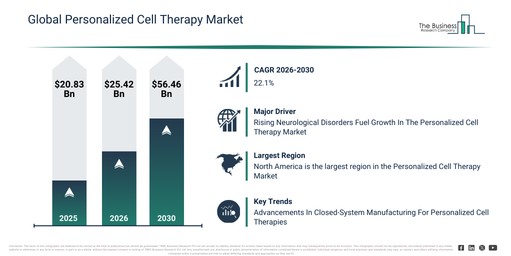
    The personalized cell therapy market has witnessed significant expansion in recent years. Its valuation is anticipated to increase from $20.83 billion in 2025 to $25.42 billion in 2026, demonstrating a compound annual growth rate (CAGR) of 22.1%. The growth observed in the historic period can be ascribed to factors including the limited availability of autologous cell therapies, a high dependency on conventional treatments, the lack of advanced biomanufacturing infrastructure, slow regulatory approvals, and low patient awareness of personalized therapies.

    The market size for personalized cell therapy is projected to experience rapid expansion in the coming years. By 2030, this market is anticipated to reach $56.46 billion, growing at a compound annual growth rate (CAGR) of 22.1%. This anticipated growth during the forecast period is fueled by several factors, including an escalating demand for both autologous and allogeneic cell therapies, a greater embrace of AI-powered treatment optimization, increased public and private investment in cell therapy research, wider applications across cancer, cardiovascular conditions, and autoimmune diseases, and strengthening collaborations between biotechnology companies and research institutions. Key trends expected over the forecast period encompass a broader acceptance of genomic-based cell therapy methods, a surge in the deployment of personalized immunotherapy strategies, enhanced incorporation of digital platforms for managing cell therapies, greater utilization of AI and big data in cell therapy investigations, and an uptick in investment towards biomanufacturing and scalable cell production.

    Access Your Free Sample Report for In-Depth Market Insights:

    https://www.thebusinessresearchcompany.com/sample.aspx?id=19137&type=smp

    What Drivers Are Influencing The Growth Of The Personalized Cell Therapy Market?

    The increasing prevalence of neurological disorders is anticipated to fuel the expansion of the personalized cell therapy market. These disorders encompass conditions impacting the brain, spinal cord, and nerves, resulting in issues such as compromised motor function, cognitive impairments, and sensory problems. Their occurrence is linked to an aging population, environmental pressures, and shifts in lifestyle, which together contribute to a greater frequency of neurodegenerative illnesses. The necessity for personalized cell therapy in addressing neurological disorders stems from its capacity to deliver customized treatments, precisely addressing individual patient requirements, potentially aiding in the regeneration of damaged neural tissue and enhancing results in intricate, unique conditions. As an illustration, an article published in April 2024 by Neurology, a US-based publication of the American Academy of Neurology, indicated that worldwide instances of brain disorders, also referred to as neurological disorders, are predicted to rise by approximately 22% by 2050. Consequently, the surge in neurological disorders is propelling the growth of the personalized cell therapy market.

    What Segments Are Included Within The Personalized Cell Therapy Market?

    The personalized cell therapy market covered in this report is segmented –

    1) By Cell Type: Lymphocytes, Mesenchymal Stem Cells (MSCs), Hematopoietic Stem Cells, Other Cell Types

    2) By Technique: Cell Engineering And Expansion Techniques, Bone Marrow Transplantation, Autologous Cell Infusion Techniques, Adoptive Cell Transfer Techniques

    3) By Application: Cardiovascular Diseases, Neurological Disorders, Inflammatory Diseases, Diabetes, Cancer, Other Applications

    4) By End-User: Hospital, Cell Therapy Treatment Centers, Specialty Clinics, Other End-Users

    Subsegments:

    1) By Lymphocytes: T Cells, Natural Killer (NK) Cells, Regulatory T Cells

    2) By Mesenchymal Stem Cells (MSCs): Bone Marrow-Derived MSCs, Adipose Tissue-Derived MSCs, Umbilical Cord-Derived MSCs

    3) By Hematopoietic Stem Cells: Autologous Hematopoietic Stem Cells, Allogeneic Hematopoietic Stem Cells

    4) By Other Cell Types: Dendritic Cells, Fibroblasts, Endothelial Cells

    How Are New Market Trends Shaping The Landscape Of The Personalized Cell Therapy Market?

    Leading companies within the personalized cell therapy market are concentrating on novel treatments such as closed-system sterility, which facilitates the contamination-free processing of patient-derived cells from their initial collection to their ultimate formulation. Closed-system sterility denotes a method of handling cells without exposing them to the external environment, thereby ensuring their sterility throughout the entire manufacturing or handling procedure. For example, in March 2025, Limula SA, a Switzerland-based entity specializing in advanced cell therapy solutions, introduced LimONE, an automated platform for manufacturing cell therapy. This marked a considerable progression aimed at streamlining the creation of personalized treatments including CAR-T and hematopoietic stem cell treatments. Moreover, it delivers a sterile closed-system workflow and more consistent patient-specific cell therapy production.

    Who Are The Core Companies Influencing Trends In The Personalized Cell Therapy Market?

    Major companies operating in the personalized cell therapy market are Bristol-Myers Squibb Company, GlaxoSmithKline plc, Gilead Sciences Inc., Poseida Therapeutics Inc., Sangamo Therapeutics Inc., Nkarta Therapeutics Inc., Intellia Therapeutics Inc., Tessa Therapeutics Pte Ltd, Atara Biotherapeutics Inc., Adaptimmune Therapeutics plc, Precision BioSciences Inc., Editas Medicine Inc., Cellectis S.A., Gracell Biotechnologies Inc., Mesoblast Limited, Fate Therapeutics Inc., Athersys Inc., Bellicum Pharmaceuticals Inc., Celyad Oncology SA, Century Therapeutics Inc., Gamida Cell Ltd., CRISPR Therapeutics AG, Allogene Therapeutics Inc., Bluebird bio Inc., Autolus Therapeutics plc

    Access The Complete Report For Deeper Market Insights:

    https://www.thebusinessresearchcompany.com/report/personalized-cell-therapy-global-market-report

    Which Regions Are Projected To Dominate The Personalized Cell Therapy Market In The Coming Years?

    North America was the largest region in the personalized cell therapy market in 2025. Asia-Pacific is expected to be the fastest-growing region in the forecast period. The regions covered in the personalized cell therapy market report are Asia-Pacific, South East Asia, Western Europe, Eastern Europe, North America, South America, Middle East, Africa.

    Request Your Customized Personalized Cell Therapy Market Research Report for Competitive Advantage:

    https://www.thebusinessresearchcompany.com/customise?id=19137&type=smp

    Browse Through More Reports Similar to the Global Personalized Cell Therapy Market 2026, By The Business Research Company

    Stem Cells Therapy Market Report 2026

    https://www.thebusinessresearchcompany.com/report/stem-cells-therapy-global-market-report

    Cell Therapy Technologies Market Report 2026

    https://www.thebusinessresearchcompany.com/report/cell-therapy-technologies-global-market-report

    Autologous Cell Therapy Market Report 2026

    https://www.thebusinessresearchcompany.com/report/autologous-cell-therapy-global-market-report

    Get in touch with us:

    The Business Research Company: https://www.thebusinessresearchcompany.com/

    Americas +1 310-496-7795

    Asia +44 7882 955267 & +91 8897263534

    Europe +44 7882 955267

    Email us at info@tbrc.info

    Follow us on:

    LinkedIn: https://in.linkedin.com/company/the-business-research-company

    YouTube: https://www.youtube.com/channel/UC24_fI0rV8cR5DxlCpgmyFQ

    Global Market Model: https://www.thebusinessresearchcompany.com/global-market-model
  • Personalized Cancer Treatment Market Outlook 2026–2030: Key Business Drivers and Trends

    Personalized Cancer Treatment Market Outlook 2026–2030: Key Business Drivers and Trends

    Uncover key drivers, emerging technologies, and competitive movements shaping the personalized cancer treatment market from 2026–2035 with trusted insights from The Business Research Company

    By how much is the Personalized Cancer Treatment Market expected to grow between 2026 and 2030?

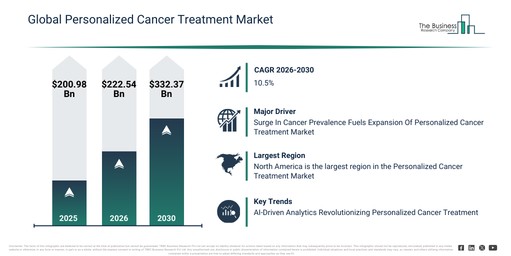
    The personalized cancer treatment market has expanded considerably over recent years. Projections indicate a rise from $200.98 billion in 2025 to $222.54 billion in 2026, demonstrating a compound annual growth rate (CAGR) of 10.7%. Historically, this market’s expansion can be linked to aspects such as restricted access to genetic testing, dependency on traditional chemotherapy, insufficient understanding of personalized medicine’s advantages, a disjointed oncology healthcare infrastructure, and a scarcity of approvals for targeted therapies.

    The personalized cancer treatment market is projected for swift expansion over the coming years, with its size expected to reach $332.37 billion by 2030, demonstrating a compound annual growth rate (CAGR) of 10.5%. This anticipated growth is driven by factors such as escalating investment in genomics research, the increasing adoption of liquid biopsy and biomarker testing, a rising demand for targeted therapies and immunotherapies, the integration of AI and big data in treatment planning, and the expansion of precision oncology clinical trials. Major trends foreseen during this forecast period include the growing embrace of AI-based genomic analytics for cancer treatment, the expanding implementation of precision medicine platforms, the greater utilization of biomarker-based diagnostic techniques, the deeper integration of digital health solutions in oncology, and the increased uptake of immersive technologies for patient monitoring and education.

    Access Your Free Sample Report for In-Depth Market Insights:

    https://www.thebusinessresearchcompany.com/sample.aspx?id=19135&type=smp

    Which Drivers Are Influencing Market Acceleration In The Personalized Cancer Treatment Market?

    The increasing cancer prevalence is projected to propel the growth of the personalized cancer treatment market going forward. This rise in cancer is primarily attributed to longer life expectancy, which results in more people reaching an age where cancer is more common, and growing exposure to risk factors such as tobacco, alcohol, and obesity. Personalized cancer treatments offer targeted and effective therapies to manage various cancer types and stages; this expanding burden stimulates investment and innovation in precision medicine, aiming to improve patient outcomes through customized treatment plans. For instance, in February 2024, according to the World Health Organization, a Switzerland-based United Nations agency dedicated to global health and safety, the global cancer burden is anticipated to rise significantly, with an expected 77% increase in new cancer cases, reaching over 35 million by 2050 compared to 20 million in 2022. Consequently, increasing cancer prevalence is driving the growth of the personalized cancer treatment market.

    What Leading Segments Are Studied In The Personalized Cancer Treatment Market?

    The personalized cancer treatment market covered in this report is segmented –

    1) By Treatment Type: Targeted Therapy, Immunotherapy, Hormone Therapy, Chemotherapy, Radiation Therapy, Other Treatment Type

    2) By Diagnostic Techniques: Genomic Sequencing, Liquid Biopsy, Immunohistochemistry, In Situ Hybridization, Biomarker Testing, Other Diagnostic Techniques

    3) By Cancer Type: Breast Cancer, Lung Cancer, Colorectal Cancer, Prostate Cancer, Melanoma, Other Cancer Types

    4) By End-Users: Hospitals And Clinics, Research Institutes, Other End Users

    Subsegments:

    1) By Targeted Therapy: Monoclonal Antibodies, Small Molecule Inhibitors, Angiogenesis Inhibitors, Signal Transduction Inhibitors

    2) By Immunotherapy: Checkpoint Inhibitors, CAR T-Cell Therapy, Cancer Vaccines, Monoclonal Antibodies For Immunotherapy

    3) By Hormone Therapy: Anti-Estrogens, Aromatase Inhibitors, Progestins, LHRH Agonists

    4) By Chemotherapy: Alkylating Agents, Antimetabolites, Anthracyclines, Taxanes

    5) By Radiation Therapy: External Beam Radiation Therapy (EBRT), Brachytherapy, Radioimmunotherapy, Stereotactic Radiosurgery (SRS)

    6) By Other Treatment Types: Gene Therapy, Stem Cell Transplantation, Metabolic Therapy, Nanomedicine

    Which Trends Are Expected To Influence The Personalized Cancer Treatment Market In The Upcoming Years?

    Leading companies in the personalized cancer treatment market are concentrating on developing advanced solutions, such as artificial intelligence (AI)-powered multimodal immune profile algorithmic tests. These innovations aim to forecast patient responses to immunotherapy and enhance individualized treatment strategies. An AI-enabled multimodal immune profile algorithmic test analyzes various data types, including genomic, transcriptomic, and clinical biomarkers, to evaluate a patient’s immune profile and predict their reaction to immunotherapy, thereby assisting in patient stratification and guiding personalized cancer treatments. For instance, in July 2024, Tempus AI, Inc., a US-based health technology company, launched its AI-enabled multimodal immune profile algorithmic test (IPS), marking its first offering in the immunotherapy diagnostics space. This test, available for research use only (RUO), assesses a range of immunotherapy-related biomarkers to generate a score that helps predict patient response to immunotherapy, supporting personalized cancer treatment. Ultimately, these AI-driven, immunotherapy-focused diagnostics improve patient stratification and treatment selection in oncology.

    Which Major Industry Participants Are Leading The Personalized Cancer Treatment Market Growth?

    Major companies operating in the personalized cancer treatment market are Pfizer Inc., Johnson & Johnson, F. Hoffmann-La Roche, Merck & Co. Inc., Bristol Myers Squibb Company, Thermo Fisher Scientific Inc., AstraZeneca Plc, Novartis AG, BioNTech SE, Illumina Inc., Artera, Exact Sciences Corporation., Moffitt Cancer Center, Myriad Genetics, NeoGenomics Laboratories, Guardant Health, Caris Life Sciences, Tempus AI Inc., Foundation Medicine, Immatics, Fate Therapeutics, CureVac AG, TScan Therapeutics, CureMetrix, PDC*line Pharma

    Access The Complete Report For Deeper Market Insights:

    https://www.thebusinessresearchcompany.com/report/personalized-cancer-treatment-global-market-report

    Which Region Is Expected To Experience The Fastest Growth In The Personalized Cancer Treatment Market?

    North America was the largest region in the personalized cancer treatment market in 2025. Asia-Pacific is expected to be the fastest-growing region in the forecast period. The regions covered in the personalized cancer treatment market report are Asia-Pacific, South East Asia, Western Europe, Eastern Europe, North America, South America, Middle East, Africa.

    Request Your Customized Personalized Cancer Treatment Market Research Report for Competitive Advantage:

    https://www.thebusinessresearchcompany.com/customise?id=19135&type=smp

    Browse Through More Reports Similar to the Global Personalized Cancer Treatment Market 2026, By The Business Research Company

    Cancer Profiling Market Report 2026

    https://www.thebusinessresearchcompany.com/report/cancer-profiling-global-market-report

    Cancer Supportive Care Drugs Market Report 2026

    https://www.thebusinessresearchcompany.com/report/cancer-supportive-care-drugs-global-market-report

    Cancer Supportive Care Products Market Report 2026

    https://www.thebusinessresearchcompany.com/report/cancer-supportive-care-products-global-market-report

    Get in touch with us:

    The Business Research Company: https://www.thebusinessresearchcompany.com/

    Americas +1 310-496-7795

    Asia +44 7882 955267 & +91 8897263534

    Europe +44 7882 955267

    Email us at info@tbrc.info

    Follow us on:

    LinkedIn: https://in.linkedin.com/company/the-business-research-company

    YouTube: https://www.youtube.com/channel/UC24_fI0rV8cR5DxlCpgmyFQ

    Global Market Model: https://www.thebusinessresearchcompany.com/global-market-model
  • Global Personal Health Record Software Market Report 2026: Emerging Trends and Growth Scenarios

    Global Personal Health Record Software Market Report 2026: Emerging Trends and Growth Scenarios

    Uncover key drivers, emerging technologies, and competitive movements shaping the personal health record software market from 2026–2035 with trusted insights from The Business Research Company

    What is the estimated market size of the Personal Health Record Software Market by the end of 2030?

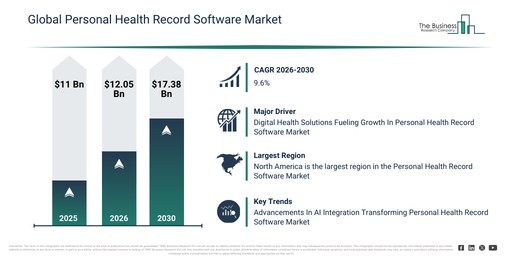
    The personal health record software market size has shown strong growth in recent years. It is projected to expand from $11 billion in 2025 to $12.05 billion in 2026, with a compound annual growth rate (CAGR) of 9.5%. The historical growth of this market can be attributed to factors such as the limited adoption of electronic health records, a lack of awareness regarding personal health record benefits, reliance on paper-based health data, a fragmented healthcare IT infrastructure, and inconsistent patient-provider data sharing.

    The personal health record software market is projected to undergo substantial expansion in the coming years, with its valuation reaching $17.38 billion by 2030, advancing at a compound annual growth rate (CAGR) of 9.6%. This forward momentum during the forecast period is propelled by factors such as the increasing embrace of cloud-based healthcare solutions, the wider use of mobile health applications, the escalating demand for patient-focused care, the integration of AI and big data analytics into health records, and the broader availability of telehealth and remote patient monitoring services. Key developments expected during this timeframe include a rise in the adoption of AI-powered personal health record management, the increasing incorporation of cloud-based health record systems, the growing implementation of IoT-enabled health monitoring and tracking, enhanced automation in processing health data, and the expanded application of immersive digital experiences for patient engagement.

    Access Your Free Sample Report for In-Depth Market Insights:

    https://www.thebusinessresearchcompany.com/sample.aspx?id=13910&type=smp

    What Drivers Are Shaping Future Opportunities In The Personal Health Record Software Market?

    The increasing need for digital health solutions is projected to fuel the expansion of the personal health record software market moving forward. Digital health solutions are defined as the integration of technology and digital instruments into healthcare delivery to elevate efficiency, accessibility, quality of care, and patient results. Personal health record software plays a role in digital health solutions by enabling patients, optimizing care coordination, improving clinical decision-making, and fostering better health outcomes. For instance, in April 2023, FAIR Health Inc., a US-based non-profit organization, indicated a 7.3% national rise in telehealth usage, increasing from 5.5% of medical claim lines in December 2022 to 5.9% in January 2023. Thus, the growing requirement for digital health solutions is stimulating the growth of the personal health record software market.

    Which Segment Groups Are Influencing The Personal Health Record Software Market?

    The personal health record software market covered in this report is segmented –

    1) By Component: Software And Mobile Applications, Service

    2) By Deployment: Cloud-Based, Web-Based

    3) By Architecture: Payer-Tethered, Provider-Tethered, Standalone

    Subsegments:

    1) By Software And Mobile Applications: Personal Health Record (PHR) Software, Mobile Health (Mhealth) Apps, Cloud-Based Health Record Systems

    2) By Service: Implementation Services, Maintenance And Support Services, Training And Consulting Services

    What Trends Are Driving The Growth Trajectory Of The Personal Health Record Software Market?

    Leading entities within the personal health record software market are prioritizing advancements in AI software, like AWS HealthScribe, given the considerable advantages of integrating artificial intelligence into healthcare software solutions. AWS HealthScribe functions as an innovative generative AI service, designed to automatically generate clinical documentation directly from discussions between patients and clinicians. Illustrating this trend, Amazon Web Services, a US-based cloud solutions provider, introduced AWS HealthScribe in July 2023. This service harnesses generative AI to automatically generate clinical documentation. Being a HIPAA-eligible offering, it is specifically crafted to assist healthcare software providers in developing clinical applications that leverage speech recognition and generative AI to compile initial clinical notes from conversations between doctors and patients. This service’s purpose is to accelerate clinical documentation, enhance consultation efficiency, and boost medical scribe workflow efficiency. These features are thus designed to support healthcare software vendors in building applications that facilitate these improvements by generating preliminary clinical notes using speech recognition and generative AI.

    Who Are The Prominent Global Companies Shaping The Personal Health Record Software Market Landscape?

    Major companies operating in the personal health record software market are Cerner Corporation, Allscripts, eClinicalWorks, Athenahealth, NextGen Healthcare, Meditech, Greenway Health, CareCloud Inc., Kareo, E-MDs Inc., SoftClinic Software, Practice Fusion, AdvancedMD, HealthFusion, CureMD, Epic Systems Corporation, NoMoreClipboard, Amazing Charts, Validic Inc., Health Companion, Records For Living Inc., DrChrono, ChARM Health

    Access The Complete Report For Deeper Market Insights:

    https://www.thebusinessresearchcompany.com/report/personal-health-record-software-global-market-report

    Which Geographic Areas Are Emerging As Strong Markets For The Personal Health Record Software Market?

    North America was the largest region in the personal health record software market in 2025. The regions covered in the personal health record software market report are Asia-Pacific, South East Asia, Western Europe, Eastern Europe, North America, South America, Middle East, Africa.

    Request Your Customized Personal Health Record Software Market Research Report for Competitive Advantage:

    https://www.thebusinessresearchcompany.com/customise?id=13910&type=smp

    Browse Through More Reports Similar to the Global Personal Health Record Software Market 2026, By The Business Research Company

    Ambulatory Electronic Medical Records Market Report 2026

    https://www.thebusinessresearchcompany.com/report/ambulatory-electronic-medical-records-global-market-report

    Home Healthcare Software Market Report 2026

    https://www.thebusinessresearchcompany.com/report/home-healthcare-software-global-market-report

    Healthcare Compliance Software Market Report 2026

    https://www.thebusinessresearchcompany.com/report/healthcare-compliance-software-global-market-report

    Get in touch with us:

    The Business Research Company: https://www.thebusinessresearchcompany.com/

    Americas +1 310-496-7795

    Asia +44 7882 955267 & +91 8897263534

    Europe +44 7882 955267

    Email us at info@tbrc.info

    Follow us on:

    LinkedIn: https://in.linkedin.com/company/the-business-research-company

    YouTube: https://www.youtube.com/channel/UC24_fI0rV8cR5DxlCpgmyFQ

    Global Market Model: https://www.thebusinessresearchcompany.com/global-market-model
  • Personal Care Product Testing Market Forecast 2026: Where the Industry Is Headed

    Personal Care Product Testing Market Forecast 2026: Where the Industry Is Headed

    Uncover key drivers, emerging technologies, and competitive movements shaping the personal care product testing market from 2026–2035 with trusted insights from The Business Research Company

    What was the valuation of the Personal Care Product Testing Market in 2026, and what figure is it projected to hit by 2030?

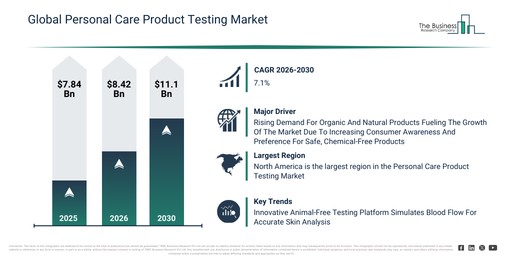
    The personal care product testing market has seen considerable expansion over recent years. It is anticipated to increase from $7.84 billion in 2025 to $8.42 billion in 2026, exhibiting a compound annual growth rate (CAGR) of 7.5%. This market’s historical growth can be attributed to the increasing complexity of cosmetic formulations, the expansion of global personal care brands, rising consumer safety awareness, the strengthening of cosmetic regulatory frameworks, and the growth of contract testing laboratories.

    The personal care product testing market size is anticipated to experience substantial growth in the coming years. It is projected to expand to $11.1 billion by 2030, achieving a compound annual growth rate (CAGR) of 7.1%. This growth during the forecast period is attributable to several factors, including the escalating demand for cruelty-free and alternative testing methods, a heightened focus on sustainable and biodegradable formulations, the expansion of personalized personal care products, the increasing outsourcing of testing services, and growing regulatory scrutiny across global markets. Key trends expected within the forecast period encompass the increasing adoption of advanced toxicological testing methods, a rising demand for dermatological and hypoallergenic assessments, a growing focus on regulatory compliance testing, the expansion of microbiological and contaminant analysis, and an enhanced emphasis on product efficacy validation.

    Access Your Free Sample Report for In-Depth Market Insights:

    https://www.thebusinessresearchcompany.com/sample.aspx?id=28292&type=smp

    Which Drivers Are Affecting Market Participation In The Personal Care Product Testing Market?

    The growing consumer preference for organic and natural products is anticipated to fuel the expansion of the personal care product testing market. These products encompass items crafted from plant, mineral, or naturally sourced ingredients, manufactured without the use of synthetic chemicals, pesticides, or fertilizers. The heightened demand stems from increasing consumer awareness regarding potential health concerns linked to exposure to synthetic chemicals. The personal care product testing market plays a crucial role in supporting this trend by confirming ingredient purity, product safety, and performance, thereby ensuring adherence to regulations and building consumer confidence. As an illustration, a report released in April 2024 by Nutraceuticals World, a US-based media production company, indicated that in 2023, sales of natural and organic products saw a rise of 4.8%, amounting to $209 billion. New Hope forecasts an even stronger market performance for 2024. Consequently, the escalating demand for organic and natural items is a key factor propelling the growth of the personal care product testing market.

    What Segment Classifications Make Up The Personal Care Product Testing Market?

    The personal care product testing market covered in this report is segmented –

    1) By Type: Chemical And Microbiological Testing, Stability And Shelf Life Testing, Other Types

    2) By Application: Enterprise, Government

    3) By End User: Personal Care Product Manufacturers, Cosmetic And Skincare Brands, Research And Academic Institutions, Contract Research Organizations (CROs), Regulatory Authorities And Certification Bodies

    Subsegments:

    1) By Chemical And Microbiological Testing: Heavy Metals Testing, Preservative Efficacy Testing, Pathogen Detection, Allergen Testing, pH And Chemical Composition Analysis, Contaminant And Impurity Analysis, Antimicrobial Effectiveness Testing

    2) By Stability And Shelf Life Testing: Accelerated Stability Testing, Real-Time Stability Testing, Packaging Compatibility Testing, Photostability Testing, Thermal And Humidity Testing, Freeze-Thaw Cycle Testing, Microbial Challenge Testing For Shelf Life

    3) By Other Types: Toxicological Risk Assessment, Dermatological Testing, Safety And Regulatory Compliance Testing, Performance And Efficacy Testing, Biocompatibility Testing, Consumer Acceptability Studies, Environmental Impact And Biodegradability Testing

    What Upcoming Trends Are Likely To Define The Future Path Of The Personal Care Product Testing Market?

    Major companies operating in the personal care product testing market are focusing on developing innovative solutions, such as animal-free cosmetics testing platforms, to ensure safe, effective, and ethically tested products while complying with regulations. An animal-free cosmetics testing platform refers to a method to test the safety and effectiveness of products without using animals, often utilizing cell cultures, 3D skin models, or computer simulations. For instance, in November 2024, Revivo BioSystems Pte. Ltd., a Singapore-based biotechnology research company, launched the ReleGO, an innovative animal-free cosmetics testing platform that simulates blood flow under the skin, offering a more dynamic and accurate alternative to traditional methods. The system, built around its Revex chip and Relego collector, allows human or synthetic skin samples to be tested with fluids mimicking real physiological conditions, providing continuous insights into how products interact with skin over time. This platform significantly reduces testing time and labor while enhancing reliability.

    Which Key Players Are Driving Competition In The Personal Care Product Testing Market?

    Major companies operating in the personal care product testing market are Henkel AG & Co. KGaA, SGS SA, Eurofins Scientific SE, Bureau Veritas SA, Intertek Group plc, TÜV SÜD AG, UL Solutions Inc., ALS Limited, NSF International, SGS Institut Fresenius GmbH, MSL Solution Providers Ltd., Biorius SPRL, Microchem Laboratory Inc., QACS Ltd. (Quality Assurance & Chemical Safety), Accugen Laboratories Inc., Dermatest GmbH, TRI/Princeton Inc., Genemarkers LLC, Helioscience SAS, Essex Test Services LLC

    Access The Complete Report For Deeper Market Insights:

    https://www.thebusinessresearchcompany.com/report/personal-care-product-testing-global-market-report

    Which Region Is Projected To Lead The Personal Care Product Testing Market During The Forecast Period?

    North America was the largest region in the personal care product testing market in 2025. The regions covered in the personal care product testing market report are Asia-Pacific, South East Asia, Western Europe, Eastern Europe, North America, South America, Middle East, Africa.

    Request Your Customized Personal Care Product Testing Market Research Report for Competitive Advantage:

    https://www.thebusinessresearchcompany.com/customise?id=28292&type=smp

    Browse Through More Reports Similar to the Global Personal Care Product Testing Market 2026, By The Business Research Company

    Reflux Testing Products Market Report 2026

    https://www.thebusinessresearchcompany.com/report/reflux-testing-products-global-market-report

    Self Testing Market Report 2026

    https://www.thebusinessresearchcompany.com/report/self-testing-global-market-report

    Personal Care Appliances Market Report 2026

    https://www.thebusinessresearchcompany.com/report/personal-care-appliances-global-market-report

    Get in touch with us:

    The Business Research Company: https://www.thebusinessresearchcompany.com/

    Americas +1 310-496-7795

    Asia +44 7882 955267 & +91 8897263534

    Europe +44 7882 955267

    Email us at info@tbrc.info

    Follow us on:

    LinkedIn: https://in.linkedin.com/company/the-business-research-company

    YouTube: https://www.youtube.com/channel/UC24_fI0rV8cR5DxlCpgmyFQ

    Global Market Model: https://www.thebusinessresearchcompany.com/global-market-model
  • Persistent Epithelial Defect Management Industry Growth Insights: Revenue Forecast to 2030

    Persistent Epithelial Defect Management Industry Growth Insights: Revenue Forecast to 2030

    Uncover key drivers, emerging technologies, and competitive movements shaping the persistent epithelial defect management market from 2026–2035 with trusted insights from The Business Research Company

    What are the forecasted starting (2026) and ending (2030) market sizes for the Persistent Epithelial Defect Management Market?

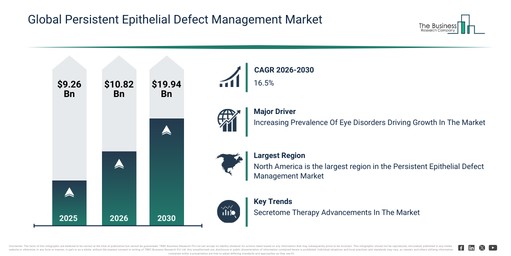
    The market for managing persistent epithelial defects has experienced swift growth recently. This market is anticipated to expand from $9.26 billion in 2025 to $10.82 billion in 2026, exhibiting a compound annual growth rate (CAGR) of 16.9%. Historically, this growth was influenced by factors such as a lack of awareness regarding persistent epithelial defects, dependence on standard lubricating eye drops, sluggish integration of autologous serum therapy, insufficient availability of corneal specialists, and inconsistent patient follow-up and oversight.

    The persistent epithelial defect management market is poised for significant expansion in the coming years. It is projected to attain a size of $19.94 billion by 2030, advancing at a compound annual growth rate (CAGR) of 16.5%. This anticipated growth during the forecast period is fueled by advancements in stem cell and biologic therapies, the rising adoption of amniotic membrane transplantation, an increasing preference for bandage contact lenses, growing awareness surrounding early corneal defect management, and the expansion of hospital and specialized eye care centers. Significant trends observed within the forecast period encompass the increasing integration of AI-powered diagnostic and imaging tools, an expanded application of biologics and stem cell therapies, the adoption of cloud-based patient monitoring systems, the development of IoT-enabled eye care devices, and innovations in the automated manufacturing processes for ocular therapeutics.

    Access Your Free Sample Report for In-Depth Market Insights:

    https://www.thebusinessresearchcompany.com/sample.aspx?id=21256&type=smp

    What Drivers Are Supporting Technological Adoption In The Persistent Epithelial Defect Management Market?

    The persistent epithelial defect management market is anticipated to expand due to the growing occurrence of eye disorders. These disorders encompass various medical conditions impacting the eyes’ structure, function, or overall health, often resulting in impaired vision, discomfort, or even blindness. Factors contributing to the rise in eye disorders include an aging global population, extended periods of screen use, and shifts in environmental conditions. Effective management of persistent epithelial defects is crucial for addressing eye disorders, as it aids in healing, reduces inflammation, and guards against potential issues like infections or scarring. As an illustration, a report in December 2024 from the World Health Organization, an intergovernmental organization based in Switzerland, indicated that the total pooled prevalence of childhood myopia reached 5.23% in 2023, with females exhibiting a notably higher rate of 4.90% compared to males at 3.94%. Consequently, the expanding incidence of eye disorders is a key factor propelling the persistent epithelial defect management market’s growth.

    What Segment Types Are Examined In The Persistent Epithelial Defect Management Market?

    The persistent epithelial defect management market covered in this report is segmented –

    1) By Disease Type: Epithelial Or Limbal, Inflammatory Disease, Neurotrophic Disease, Other Disease Types

    2) By Distribution Channel: Direct Sales, Online Pharmacy, Retail Pharmacy, Hospitals

    3) By End User: Hospitals And Specialty Eye Clinics, Physician Offices, Ophthalmology Specialty Centers, Other End Users

    Subsegments:

    1) By Epithelial Or Limbal: Limbal Stem Cell Deficiency (LSCD), Limbal Transplantation, Conjunctival Transplantation

    2) By Inflammatory Disease: Dry Eye Syndrome, Allergic Conjunctivitis, Uveitis

    3) By Neurotrophic Disease: Herpes Simplex Virus (HSV) Keratitis, Corneal Nerve Damage Associated Keratopathy, Neurotrophic Keratopathy

    4) By Other Disease Types: Chemical Burns, Trauma-Induced Defects, Congenital Corneal Opacities

    Which Trends Are Shaping Activity Within The Persistent Epithelial Defect Management Market?

    Major companies in the persistent epithelial defect management market are concentrating on developing innovative therapies, such as secretome therapy, to accelerate healing and improve treatment outcomes for persistent epithelial defects. Secretome therapy involves using bioactive molecules secreted by cells, including proteins, lipids, and extracellular vesicles, to promote tissue repair, modulate immune responses, and treat various diseases. For instance, in April 2023, Kala Pharmaceuticals Inc., a US-based biopharmaceutical company, received U.S. Food and Drug Administration (FDA) Fast Track Designation for KPI-012, which is a human MSC-S therapy intended for persistent corneal epithelial defect. The drug’s multifactorial mechanism of action aims to address all underlying causes of persistent epithelial defect management by fostering corneal healing through bioactive molecules like growth factors, protease inhibitors, and neurotrophic factors.

    Who Are The Top-Performing Companies In The Persistent Epithelial Defect Management Market In Recent Years?

    Major companies operating in the persistent epithelial defect management market are AbbVie Inc., Novartis AG, Johnson & Johnson Vision, RegeneRx Biopharmaceuticals Inc., Regeneron Pharmaceuticals Inc., Alcon Inc., Bausch Health Companies Inc., Hoya Vision Care, Santen Pharmaceutical Co. Ltd., Recordati Rare Diseases Inc., Dompé Farmaceutici S.p.A., TissueTech Inc., Ocular Therapeutix Inc., Amber Ophthalmics Inc., Noveome Biotherapeutics Inc., OcuNexus Therapeutics Inc., Lux Bio Inc., Eyenovia Inc., Kala Pharmaceuticals Inc., Aerie Pharmaceuticals Inc., EyePoint Pharmaceuticals Inc., Aldeyra Therapeutics Inc.

    Access The Complete Report For Deeper Market Insights:

    https://www.thebusinessresearchcompany.com/report/persistent-epithelial-defect-management-global-market-report

    Which Region Currently Holds The Largest Share Of The Persistent Epithelial Defect Management Market?

    North America was the largest region in the persistent epithelial defect management market in 2025. Asia-Pacific is expected to be the fastest-growing region in the forecast period. The regions covered in the persistent epithelial defect management market report are Asia-Pacific, South East Asia, Western Europe, Eastern Europe, North America, South America, Middle East, Africa.

    Request Your Customized Persistent Epithelial Defect Management Market Research Report for Competitive Advantage:

    https://www.thebusinessresearchcompany.com/customise?id=21256&type=smp

    Browse Through More Reports Similar to the Global Persistent Epithelial Defect Management Market 2026, By The Business Research Company

    Cell Regeneration Medicine Market Report 2026

    https://www.thebusinessresearchcompany.com/report/cell-regeneration-medicine-global-market-report

    Defect Detection Market Report 2026

    https://www.thebusinessresearchcompany.com/report/defect-detection-global-market-report

    Leak Detection And Repair Market 2026

    https://www.thebusinessresearchcompany.com/report/leak-detection-and-repair-market

    Get in touch with us:

    The Business Research Company: https://www.thebusinessresearchcompany.com/

    Americas +1 310-496-7795

    Asia +44 7882 955267 & +91 8897263534

    Europe +44 7882 955267

    Email us at info@tbrc.info

    Follow us on:

    LinkedIn: https://in.linkedin.com/company/the-business-research-company

    YouTube: https://www.youtube.com/channel/UC24_fI0rV8cR5DxlCpgmyFQ

    Global Market Model: https://www.thebusinessresearchcompany.com/global-market-model