Category: HealthcareServices

  • Critical Market Drivers Shaping the Outlook for Percutaneous Nephrolithotomy Market from 2025-2034: Impact Of Rising Renal Disease Prevalence On The Growth Of The Percutaneous Nephrolithotomy Market

    Critical Market Drivers Shaping the Outlook for Percutaneous Nephrolithotomy Market from 2025-2034: Impact Of Rising Renal Disease Prevalence On The Growth Of The Percutaneous Nephrolithotomy Market

    Claim your 30% discount on Global Market Reports with code ONLINE30. Limited time only.

    How Has The Percutaneous Nephrolithotomy Market Size Shifted, And What Is the Outlook Through 2034?

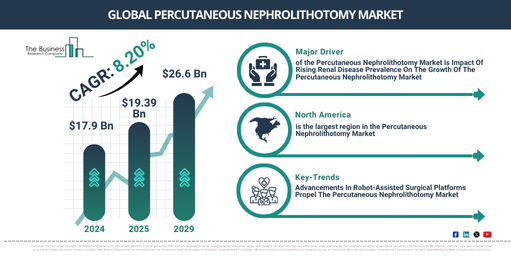
    The size of the percutaneous nephrolithotomy market has seen robust growth in the past few years. This market, valued at $17.9 billion in 2024, is projected to reach $19.39 billion in 2025, registering a compound annual growth rate (CAGR) of 8.3%. This past growth can be credited to several factors such as the escalating prevalence of kidney stones, making the demand for effective treatments soar. Additionally, the expansion of healthcare structures in developing economies, the increasing elderly population prone to kidney stones, a rise in research and development activities, heightened healthcare spending, and a growing focus on patient-oriented healthcare all contribute to this market expansion.

    In the coming years, the percutaneous nephrolithotomy market is set to witness robust growth, reaching an estimated$26.6 billion by 2029 with a compound annual growth rate (CAGR) of 8.2%. This anticipated growth can be credited to a rise in the use of minimally invasive surgeries, a growing demand for efficient stone removal methods, increased awareness of the advantages of percutaneous nephrolithotomy, a heightened prevalence of kidney stone formation in the elderly, and an expanding availability of state-of-the-art medical technology designed for stone removal. Other contributing factors include a heightened emphasis on patient-focused care and a growing preference for outpatient procedures. Expected trends within this period comprise the utilization of miniature instruments, advancements in imaging technology, the use of robotics, the preference for disposable devices, enhancements in stone retrieval devices and anesthetic techniques, improved infection control methods, multimodal pain management and the creation of training programs.

    Download a free sample to assess the report’s scope and structure:

    https://www.thebusinessresearchcompany.com/sample.aspx?id=16506&type=smp

    What Are the Core Growth Drivers Propelling the Percutaneous Nephrolithotomy Market Forward?

    A rise in renal diseases is anticipated to fuel the expansion of the percutaneous nephrolithotomy market in the near future. Renal diseases encompass various conditions that negatively affect kidney function. Such diseases are growing due to factors such as high incidences of diabetes and hypertension, aging society, unhealthy lifestyle habits, genetics, chronic ailments, as well as better awareness and diagnostic methods. Percutaneous nephrolithotomy assists in treating renal diseases by offering a minimally invasive surgery to extract large or intricate kidney stones, relieve pain, guard against urinary tract infections, and enhance kidney performance. For example, data from June 2023 by ZS Associates, a Kidney Research Commission based in the UK, showed that kidney disease impacted 7.19 million individuals in 2023 in the UK alone and is predicted to reach 7.61 million cases by 2033. Hence, the escalating situation of renal diseases is a key driver for the growth of the percutaneous nephrolithotomy market.

    What Segment Types Define the Percutaneous Nephrolithotomy Market Structure?

    The percutaneous nephrolithotomymarket covered in this report is segmented –

    1) By Type: Magnesium Ammonium Phosphate Stone Type; Calcareous Type; Uric Acid Calculi Type

    2) By Component: Accessories; Devices; Services

    3) By End-User: Ambulatory Surgical Centers; Clinics; Hospitals

    Subsegments:

    1) By Magnesium Ammonium Phosphate Stone Type: Struvite Stones; Triple Phosphate Stones

    2) By Calcareous Type: Calcium Oxalate Stones; Calcium Phosphate Stones

    3) By Uric Acid Calculi Type: Primary Uric Acid Stones; Secondary Uric Acid Stones

    Request customized data on this market:

    https://www.thebusinessresearchcompany.com/customise?id=16506&type=smp

    Which Geographic Areas Hold the Strongest Growth Potential in the Percutaneous Nephrolithotomy Market?

    North America was the largest region in the percutaneous nephrolithotomy market in 2024. The regions covered in the percutaneous nephrolithotomy market report are Asia-Pacific, Western Europe, Eastern Europe, North America, South America, Middle East, Africa.

    Which Emerging Trends that Are Influencing thePercutaneous Nephrolithotomy Industry Evolution?

    Top-ranking firms in the percutaneous nephrolithotomy market are making strides in implementing advanced solutions like robot-assisted surgical systems in a bid to increase surgical accuracy and patient recovery rates. This sophisticated medical platform employs robotics to aid surgeons in conducting intricate surgical procedures with enhanced precision, command, and versatility. For example, in February 2023, a US based MedTech entity of Johnson & Johnson, Ethicon Inc., announced the successful completion of robot-assisted kidney stones removal in a patient through the MONARCH platform specific to urology. This system enables urologists to manoeuvre within the kidney with the assistance of robotics designed for accessibility, clearance, and control, all managed via a handheld controller. It serves as a united platform that caters to both ureteroscopic and percutaneous nephrolithotomy (PCNL) procedures, offering superior navigation, access, clearance, and control as compared to conventional methods.

    View the full report here:

    https://www.thebusinessresearchcompany.com/report/percutaneous-nephrolithotomy-global-market-report

    What Is the Definition of the Percutaneous Nephrolithotomy Market?

    Percutaneous nephrolithotomy (PCNL) is a minimally invasive surgical procedure used to remove kidney stones (renal calculi) from the urinary tract. This procedure involves making a small incision in the skin and creating a direct channel to the kidney through which instruments are inserted to break up and extract the stones. PCNL is employed when other less invasive methods, such as shock wave lithotripsy or ureteroscopy, are ineffective or unsuitable.

    Purchase the full report and get a swift delivery:

    https://www.thebusinessresearchcompany.com/purchaseoptions.aspx?id=16506

    About The Business Research Company:

    With over 15000+ reports from 27 industries covering 60+ geographies, The Business Research Company has built a reputation for offering comprehensive, data-rich research and insights. Armed with 1,500,000 datasets, the optimistic contribution of in-depth secondary research, and unique insights from industry leaders, you can get the information you need to stay ahead in the game.

    Get in touch with us:

    The Business Research Company: https://www.thebusinessresearchcompany.com/

    Americas +1 310-496-7795

    Europe +44 7882 955267

    Asia & Others +44 7882 955267 & +91 8897263534

    Email us at info@tbrc.info

    Follow us on:

    LinkedIn: https://in.linkedin.com/company/the-business-research-company

    YouTube: https://www.youtube.com/channel/UC24_fI0rV8cR5DxlCpgmyFQ

    Global Market Model: https://www.thebusinessresearchcompany.com/global-market-model
  • Artificial Intelligence In Medicine Outlook 2034: Key Drivers, Trends, and Market Frontiers

    Artificial Intelligence In Medicine Outlook 2034: Key Drivers, Trends, and Market Frontiers

    Claim your 30% discount on Global Market Reports with code ONLINE30. Limited time only.

    What is the Projected CAGR for the Artificial Intelligence In Medicine Market Size from 2025 to 2034?

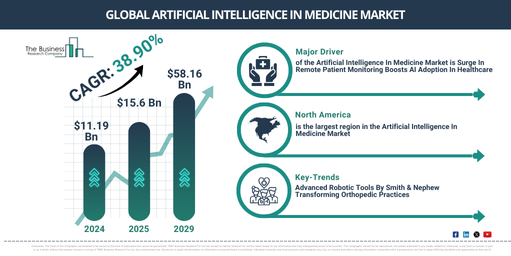
    In recent times, the size of the artificial intelligence in medicine market has seen an explosive growth. The market, which was valued at $11.19 billion in 2024, is forecasted to increase to $15.6 billion in 2025 with a compound annual growth rate (CAGR) of 39.4%. The historic growth in the market is due to a greater focus on patient health and a relative lack of doctors, elevated numbers of proficient healthcare professionals, and betterment in the processing power of AI systems.

    The market size of artificial intelligence in medicine is projected to experience a significant surge in the coming years. It is predicted to expand to$58.16 billion in 2029″ with a compound annual growth rate (CAGR) of 38.9%. The accelerated growth during the forecast period could be credited to the increasing instances of chronic ailments and a growing focus on the incorporation of digital transformation methods. Prominent trends in the forecast period involve the creation of medical robots, the introduction of patient management applications showing substantial growth, the use of AI in drug discovery, and the advancement of precision medicine.

    Download a free sample to assess the report’s scope and structure:

    https://www.thebusinessresearchcompany.com/sample.aspx?id=13590&type=smp

    How Are Key Drivers in the Industry Acting as Catalysts for the Growth of theArtificial Intelligence In Medicine Market?

    The rising interest in real-time remote patient monitoring (RPM) systems is anticipated to fuel the expansion of the artificial intelligence in medicine market. RPM systems represent a health solution powered by technology, developed to monitor patients’ health outside conventional healthcare environments. The use of artificial intelligence in the medical field has remarkably revolutionized remote patient monitoring by utilizing advanced algorithms for analyzing extensive patient data, providing predictive insights, and facilitating personalized care. For instance, in November 2024, as reported by Statistics Canada, a government agency in Canada, during the year prior to the 2022 survey, residents of British Columbia (73.8%) and Newfoundland and Labrador (70.7%) were the most likely to have used a virtual consultation, while those in Prince Edward Island (36.9%) and Quebec (37.6%) were the least likely. Therefore, the escalating interest in real-time remote patient monitoring systems is a major contributor to the growth of the artificial intelligence in medicine market.

    Which Segments in the Artificial Intelligence In Medicine Offer the Most Growth?

    The artificial intelligence in medicinemarket covered in this report is segmented –

    1) By Type: Hardware; Software; Services

    2) By Technology: Machine Learning; Natural Language Processing; Context-Aware Processing; Computer Vision

    3) By Application: Medical Administration And Support; Patient Management; Research And Development; Other Applications

    4) By End User: Hospitals; Clinics; Research Institutions

    Subsegments:

    1) By Hardware: AI-Powered Imaging Devices; Robotics And Automation Devices; Wearable Health Devices; Servers And Computing Systems

    2) By Software: Machine Learning Algorithms; Natural Language Processing (NLP) Tools; Image Analysis Software; Predictive Analytics Software; Clinical Decision Support Systems

    3) By Services: AI Consulting Services; Integration Services; Maintenance And Support Services; Data Management Services; Training And Education Services

    Request customized data on this market:

    https://www.thebusinessresearchcompany.com/customise?id=13590&type=smp

    What Are the Fastest-Growing Geographies in the #How Are Key Drivers in the Industry Acting as Catalysts for the Growth of theArtificial Intelligence In Medicine Market?# Market?

    North America was the largest region in the artificial intelligence in medicine market in 2024. Asia-Pacific is expected to be the fastest-growing region in the forecast period. The regions covered in the artificial intelligence in medicine market report are Asia-Pacific, Western Europe, Eastern Europe, North America, South America, Middle East, Africa.

    What Are the Current Market Growth and Trends in the Artificial Intelligence In Medicine Industry?

    Leading businesses in the realm of artificial intelligence within the medical sector are focusing on the creation of innovative products such as AI-enabled platforms to offer dependable services for their clients. An AI-enabled platform is a software solution that utilizes AI technologies to automate processes, assess information, and make forecasts. For instance, in April 2023, OM1 Inc., a digital health company from the US, unveiled PhenOM. This platform makes use of real-world data in conjunction with advanced analytical tools to identify unique digital phenotypes linked to conditions and outcomes, thereby establishing fingerprints for diverse patient groups. PhenOM has the ability to examine individual patient data so as to predict potential risks, pinpoint intervention opportunities, and provide useful insights for treatment decisions.

    View the full report here:

    https://www.thebusinessresearchcompany.com/report/artificial-intelligence-in-medicine-global-market-report

    What Are the Key Elements That Define the Artificial Intelligence In Medicine Market?

    Artificial intelligence in medicine refers to the application of artificial intelligence technologies, such as machine learning and data analysis, to enhance diagnosis, treatment, and healthcare management. It aids in faster and more accurate disease detection, personalized treatment plans, and improved overall efficiency in medical processes.

    Purchase the full report and get a swift delivery:

    https://www.thebusinessresearchcompany.com/purchaseoptions.aspx?id=13590

    About The Business Research Company:

    With over 15000+ reports from 27 industries covering 60+ geographies, The Business Research Company has built a reputation for offering comprehensive, data-rich research and insights. Armed with 1,500,000 datasets, the optimistic contribution of in-depth secondary research, and unique insights from industry leaders, you can get the information you need to stay ahead in the game.

    Get in touch with us:

    The Business Research Company: https://www.thebusinessresearchcompany.com/

    Americas +1 310-496-7795

    Europe +44 7882 955267

    Asia & Others +44 7882 955267 & +91 8897263534

    Email us at info@tbrc.info

    Follow us on:

    LinkedIn: https://in.linkedin.com/company/the-business-research-company

    YouTube: https://www.youtube.com/channel/UC24_fI0rV8cR5DxlCpgmyFQ

    Global Market Model: https://www.thebusinessresearchcompany.com/global-market-model
  • Key Factors Fueling the Growth of the Penile Prosthesis Market in 2025: Rising Incidence Of Erectile Dysfunction Driving Penile Prostheses Market

    Key Factors Fueling the Growth of the Penile Prosthesis Market in 2025: Rising Incidence Of Erectile Dysfunction Driving Penile Prostheses Market

    Claim your 30% discount on Global Market Reports with code ONLINE30. Limited time only.

    How Has the Penile Prosthesis Market Growth Performance Trended Historically, And What Lies Ahead?

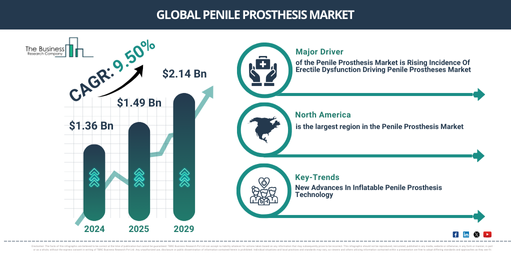
    The market for penile prosthesis has significantly expanded in the previous years. It’s projected to swell from $1.36 billion in 2024 to $1.49 billion in 2025, showing a compound annual growth rate (CAGR) of 9.7%. The historical growth in the market is linked to increasing tobacco and alcohol use, a rise in spinal cord injuries, a higher prevalence of erectile dysfunction, better access to healthcare services, and a growing awareness of social insurance.

    Forecasted strong upward momentum suggests the penile prosthesis market will develop substantially, aiming for a market valuation of$2.14 billion in 2029″ with a compound annual growth rate (CAGR) of 9.5%. The escalating growth predictions for the market are being attributed to various factors such as the increase in patient-focused strategies, a surge in chronic disease cases, raised awareness about penile implant procedures, expanding acceptance of penile prosthetics, and embracing of progressive medical treatments. The anticipated pivotal elements driving growth during the forecast period include progressive technological developments, the broadening of healthcare infrastructure, critical regulatory approvals, and supportive reimbursement policies.

    Download a free sample to assess the report’s scope and structure:

    https://www.thebusinessresearchcompany.com/sample.aspx?id=18426&type=smp

    What are the Fundamental Drivers and Innovations Shaping the Penile Prosthesis Market?

    The spike in erectile dysfunction cases is predicted to fuel the expansion of the penile prostheses market. Erectile dysfunction (ED) is characterized by a persistent failure to attain or sustain an erection adequate for gratifying sexual encounters, frequently leading to distress or relationship problems. The escalating cases of erectile dysfunction are attributed to factors like older demographics, lifestyle alterations such as inactive routines and unhealthy diets, a growing incidence of chronic illnesses like diabetes and hypertension, and societal psychological pressures. Penile prostheses present a lasting remedy for men suffering from erectile dysfunction, enabling them to recover sexual activity and enhance their life quality. For example, the National Library of Medicine (NLM), an American medical library, reported in April 2023 that approximately 10.3 million men were diagnosed with erectile dysfunction by their healthcare providers and sought treatment in the US in 2022. Furthermore, around 1.7 million men were identified as potential candidates for penile prosthesis implantation. Thus, the rising instances of erectile dysfunction are boosting the growth of the penile prostheses market.

    How Is the Penile Prosthesis Market Segmented?

    The penile prosthesismarket covered in this report is segmented –

    1) By Implant Type: Inflatable Penile Implant; Malleable Penile Implant

    2) By Material: Silicone; Bioflex; Other Materials

    3) By End User: Hospitals; Ambulatory Surgery Centers; Urology Centers; Other End User

    Subsegments:

    1) By Inflatable Penile Implant: Two-Piece Inflatable Penile Implant; Three-Piece Inflatable Penile Implant

    2) By Malleable Penile Implant: Semi-Rigid Malleable Penile Implant; Fully Rigid Malleable Penile Implant

    Request customized data on this market:

    https://www.thebusinessresearchcompany.com/customise?id=18426&type=smp

    Which Regions Are Driving the Next Phase of the Penile Prosthesis Market Growth?

    North America was the largest region in the penile prosthesis market in 2024. Asia-Pacific is expected to be the fastest-growing region in the forecast period. The regions covered in the penile prosthesis market report are Asia-Pacific, Western Europe, Eastern Europe, North America, South America, Middle East, Africa.

    What Key Trends Are Shaping the Future of the Penile Prosthesis Market?

    Top businesses in the penile prostheses market are concentrating on the development of novel products like penile prosthesis pumps. These advancements are aimed to improve user-friendliness, dependability, and patient contentment. The aim of the penile prosthesis pump is to simplify its usage, possibly reducing learning curves for patients and enhancing overall device satisfaction. For example, Boston Scientific Corporation, a US medical device firm, received FDA authorization for its new TENACIO Pump component for the AMS 700 inflatable penile prosthesis in November 2023. The Tenacio pump is designed to improve the device’s user interface by addressing issues such as valve system sticking that previously required medical assistance. It features ridges for easier patient access, increased separation between the pump and deflate valve for better differentiation, and a redesigned valve system to prevent sticking.

    View the full report here:

    https://www.thebusinessresearchcompany.com/report/penile-prosthesis-global-market-report

    How Is the Penile Prosthesis Market Defined and What Are Its Core Parameters?

    Penile prostheses, also known as penile implants, are medical devices surgically placed inside the penis to allow men with erectile dysfunction (ED) to achieve an erection. They are generally considered a last-resort treatment due to the invasive nature of the surgery and the risks involved, including infection, device malfunction, and erosion.

    Purchase the full report and get a swift delivery:

    https://www.thebusinessresearchcompany.com/purchaseoptions.aspx?id=18426

    About The Business Research Company:

    With over 15000+ reports from 27 industries covering 60+ geographies, The Business Research Company has built a reputation for offering comprehensive, data-rich research and insights. Armed with 1,500,000 datasets, the optimistic contribution of in-depth secondary research, and unique insights from industry leaders, you can get the information you need to stay ahead in the game.

    Get in touch with us:

    The Business Research Company: https://www.thebusinessresearchcompany.com/

    Americas +1 310-496-7795

    Europe +44 7882 955267

    Asia & Others +44 7882 955267 & +91 8897263534

    Email us at info@tbrc.info

    Follow us on:

    LinkedIn: https://in.linkedin.com/company/the-business-research-company

    YouTube: https://www.youtube.com/channel/UC24_fI0rV8cR5DxlCpgmyFQ

    Global Market Model: https://www.thebusinessresearchcompany.com/global-market-model

  • Global Artificial Intelligence in Medical Imaging Market Trends: Regional Breakdowns and Strategic Insights

    Global Artificial Intelligence in Medical Imaging Market Trends: Regional Breakdowns and Strategic Insights

    Claim your 30% discount on Global Market Reports with code ONLINE30. Limited time only.

    What Is the Current and Projected Market Size of the Artificial Intelligence in Medical Imaging Market Through 2034?

    In recent times, there has been a significant expansion in the artificial intelligence in medical imaging market size. It is projected that this market will expand from $3.42 billion in 2024 to $4.44 billion in 2025 with a compound annual growth rate (CAGR) of 29.9%. The historical growth can be associated with factors such as a surge in the demand for AI-powered CT, increasing cancer prevalence, the widespread adoption of cloud computing, the growing aging population, along with the execution of supportive government initiatives.

    Over the coming years, the market size of artificial intelligence in medical imaging is predicted to witness substantial growth, escalating to a staggering $13.11 billion by 2029, exhibiting a compound annual growth rate (CAGR) of 31.1%. This projected rise during the forecast period can be ascribed to factors such as the amplified focus on reducing the burden on radiologists, an aging population, amplified investment, surge in demand for processing large and intricate datasets, and increased interest for AI-powered CT scans. The period also sees prevalent trends including the use of computer vision methods to allow AI algorithms to scrutinize medical images, technology progression in deep learning, product advancements in the realm of nuclear medicine, and emerging technologies in ultrasound systems and MRI product innovation.

    Download a free sample to assess the report’s scope and structure:

    https://www.thebusinessresearchcompany.com/sample.aspx?id=13589&type=smp

    What Are the Major Market Drivers Behind the Rising Adoption of Artificial Intelligence in Medical Imaging Market?

    The anticipated rise in imaging modalities is predicted to spur AI’s growth in the medical imaging market. The term ‘imaging modalities’ pertains to the various medical imaging methods employed to visualize the human body for diagnostic and treatment aims. These modalities utilize AI algorithms for image reconstruction, noise reduction, and artifact correction, thereby resulting in more precise and high-resolution CT images. For example, as stated by the National Health Service, a government department based in the UK, approximately 43.3 million imaging tests were conducted in England from April 2021 to March 2022. Moreover, nearly 3.67 million of these tests reportedly took place in March 2022. Consequently, the surge in imaging modality is fueling AI’s expansion in the medical imaging market.

    Which Key Market Segments Comprise the Artificial Intelligence in Medical Imaging Market and Drive Its Revenue Growth?

    The artificial intelligence in medical imagingmarket covered in this report is segmented –

    1) By Modality: Computed Tomography (CT) Scan; Magnetic Resonance Imaging (MRI); X-rays; Ultrasound; Nuclear Imaging

    2) By Technology: Deep Learning; Natural Language Processing (NLP); Other Technologies

    3) By Application: Neurology; Respiratory And Pulmonary; Cardiology; Breast Screening; Orthopedics

    4) By End-Use: Hospitals; Diagnostic Imaging Centers; Other End-Users

    Subsegments:

    1) By Computed Tomography (CT) Scan: Cardiac CT; CT Angiography; Lung CT; Abdominal CT; Head CT

    2) By Magnetic Resonance Imaging (MRI): Brain MRI; Spine MRI; Musculoskeletal MRI; Abdominal MRI; Functional MRI

    3) By X-rays: Chest X-rays; Dental X-rays; Mammography; Bone X-rays; Fluoroscopy

    4) By Ultrasound: Abdominal Ultrasound; Cardiac Ultrasound; Obstetric And Gynecological Ultrasound; Vascular Ultrasound; Musculoskeletal Ultrasound

    5) By Nuclear Imaging: Positron Emission Tomography (PET); Single Photon Emission Computed Tomography (SPECT); Bone Scans; Thyroid Scans; Cardiac Scans

    Request customized data on this market:

    https://www.thebusinessresearchcompany.com/customise?id=13589&type=smp

    Which Areas Are Leading Regions in the Artificial Intelligence in Medical Imaging Market Expansion Across the Globe?

    North America was the largest region in the AI in medical imaging market in 2024. Asia-Pacific is expected to be the fastest-growing region in the forecast period. The regions covered in the artificial intelligence in medical imaging market report are Asia-Pacific, Western Europe, Eastern Europe, North America, South America, Middle East, Africa.

    What Are the Strategic Trends Steering theArtificial Intelligence in Medical Imaging Market Direction?

    Major businesses that function in the AI in medical imaging market are creating pioneering products like AI-integrated MRI systems to optimally cater to patients’ needs. An AI-integrated MRI system melds a standard Magnetic Resonance Imaging (MRI) machine with artificial intelligence (AI) innovation. For instance, in December 2023, the American medical technology enterprise, GE Healthcare, unveiled SIGNA Champion, an MRI system enhanced with AI. SIGNA Champion offers a range of AI-powered workflow attributes such as AIR Recon DL and Sonic DL, which bolster efficiency and image quality excellence irrespective of the user’s experience level. SIGNA Champion stands out with its plentiful patient space inside the bore in the face of its short scan durations.

    View the full report here:

    https://www.thebusinessresearchcompany.com/report/artificial-intelligence-in-medical-imaging-global-market-report

    How Is the Artificial Intelligence in Medical Imaging Market Conceptually Defined?

    Artificial intelligence (AI) in medical imaging refers to the use of artificial intelligence algorithms to analyze medical images and provide quantitative assessments of radiographic characteristics. AI can help automatically identify and categorize pulmonary nodules as benign or malignant, which is lifesaving in many patients. AI can also be used to make diagnostic predictions for brain tumors and automate radiation treatment planning.

    Purchase the full report and get a swift delivery:

    https://www.thebusinessresearchcompany.com/purchaseoptions.aspx?id=13589

    About The Business Research Company:

    With over 15000+ reports from 27 industries covering 60+ geographies, The Business Research Company has built a reputation for offering comprehensive, data-rich research and insights. Armed with 1,500,000 datasets, the optimistic contribution of in-depth secondary research, and unique insights from industry leaders, you can get the information you need to stay ahead in the game.

    Get in touch with us:

    The Business Research Company: https://www.thebusinessresearchcompany.com/

    Americas +1 310-496-7795

    Europe +44 7882 955267

    Asia & Others +44 7882 955267 & +91 8897263534

    Email us at info@tbrc.info

    Follow us on:

    LinkedIn: https://in.linkedin.com/company/the-business-research-company

    YouTube: https://www.youtube.com/channel/UC24_fI0rV8cR5DxlCpgmyFQ

    Global Market Model: https://www.thebusinessresearchcompany.com/global-market-model
  • Major Trends and Emerging Patterns in the PEGylated Proteins Market: Developments In Drug Delivery Mechanisms For Driving Biomedical Innovation

    Major Trends and Emerging Patterns in the PEGylated Proteins Market: Developments In Drug Delivery Mechanisms For Driving Biomedical Innovation

    Claim your 30% discount on Global Market Reports with code ONLINE30. Limited time only.

    What Are the Projected Market Size and Growth Rates for the PEGylated Proteins Market From 2025 To 2029?

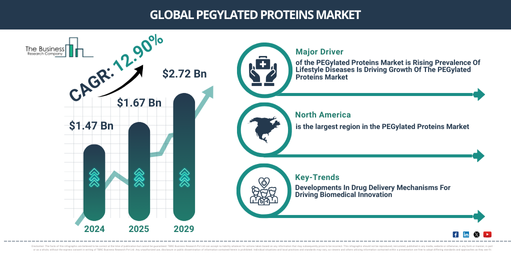
    The market for pegylated proteins has seen remarkable growth in the past few years. The market is predicted to increase from $1.47 billion in 2024 to $1.67 billion in 2025, showing a compound annual growth rate (CAGR) of 13.8%. The notable growth in the historic period is due to several factors including better therapeutic effectiveness, an increasing aged population, demand for extended release formulations, improved drug safety records, and wider applications such as targeted drug delivery systems.

    The market for pegylated proteins is projected to experience a significant increase in size over the coming years, expanding to$2.72 billion in 2029″ at a compound annual growth rate (CAGR) of 12.9%. This anticipated growth within the forecast period can be credited to factors such as the surge in funding for rare diseases, the swift expansion of the biopharmaceutical sector, advancements in precision medicine, rising competition aligning with biosimilar versions of biologic medications, and the implementation of novel market entry strategies. Noteworthy trends within the forecast period comprise of the inclusion of digital health technologies, advanced pegylation technologies, tailor-made formulations aligned with precision medicine, a concentration on dual therapies, and a transition towards patient-oriented healthcare systems.

    Download a free sample to assess the report’s scope and structure:

    https://www.thebusinessresearchcompany.com/sample.aspx?id=16145&type=smp

    What Are the Primary Drivers Supporting the Market Growth of the PEGylated Proteins Market?

    The growth of the PEGylated proteins market is anticipated to be propelled by the escalating rates of lifestyle diseases. These diseases are primarily brought about by unhealthy habits and lifestyle preferences such as poor nutrition, sedentary behavior, and smoking. The surge in these diseases can be attributed to a blend of factors including less physical exercise, consumption of diets rich in processed foods, and heightened stress. PEGylated proteins contribute to the treatment of lifestyle diseases by improving the efficacy, duration, and targeted delivery of therapeutic agents designed for conditions like cardiovascular diseases, diabetes, and some types of cancers. For example, data from the Office for Health Improvement and Disparities, a UK government entity, indicated that from 2022 to 2023, approximately 64.0% of adults aged 18 and above in England were classified as overweight or obese, marking a slight rise from 63.8% in 2021 to 2022. As a result, the escalating prevalence rate of lifestyle diseases is stimulating the growth of the PEGylated proteins market.

    Which Primary Segments of the PEGylated Proteins Market Are Driving Growth and Industry Transformations?

    The pegylated proteinsmarket covered in this report is segmented –

    1) By Product: Consumable And Services; PEGylation Kits And Reagents; Monofunctional Linear PEGs; Bifunctional PEGs; Services; Other Products

    2) By Protein Type: Colony Stimulating Factors; Interferons; Erythropoietin; Recombinant Factor VII; Other Protein Types

    3) By Application: Cancer Treatment; Hepatitis; Chronic Kidney Diseases; Hemophilia; Multiple Sclerosis; Gastrointestinal Disorders; Other Applications

    4) By End User: Pharmaceuticals; Biotechnology Companies; Contract Research Organizations; Academic Research Institutes

    Subsegments:

    1) By Consumable And Services: Consumables; Services (Contract Services, PEGylation Services)

    2) By PEGylation Kits And Reagents: PEGylation Kits; Reagents

    3) By Monofunctional Linear PEGs: Monofunctional PEGs For Protein Modification

    4) By Bifunctional PEGs: Bifunctional PEGs For Protein Modification

    5) By Other Products: Conjugates; PEGylated Drugs And Therapeutics

    Request customized data on this market:

    https://www.thebusinessresearchcompany.com/customise?id=16145&type=smp

    Which Regions Are Key Players in the Growth of the #What Are the Primary Drivers Supporting the Market Growth of the PEGylated Proteins Market?# Market?

    North America was the largest region in the PEGylated Proteins market in 2024. The regions covered in the PEGylated proteins market report are Asia-Pacific, Western Europe, Eastern Europe, North America, South America, Middle East, Africa.

    What Are the Most Significant Market Trends in the PEGylated Proteins Market?

    Leading businesses in the PEGylated protein market are introducing novel products such as PEGylation reagents to secure advantages in the competitive market environment. PEGylation reagents, chemical components that bind polyethylene glycol (PEG) chains to biomolecules, change their qualities for a range of biomedical uses. An illustration of this would be Creative Enzymes, an American food additives and enzymes provider, which introduced DSPE-PEG-Maleimide, aimed at targeted drug delivery, in May 2023. DSPE-PEG-Maleimide (DSPE-PEG-MAL) is a distinctive heterobifunctional PEGylation reagent that includes DSPE phospholipids and maleimide. This valuable self-assembling reagent can be employed to create PEGylated liposomes or micelles and it also offers thiol or cysteine responsive maleimide groups. It is typically used in target-specific drug delivery.

    View the full report here:

    https://www.thebusinessresearchcompany.com/report/pegylated-proteins-global-market-report

    What Parameters Are Used to Define the PEGylated Proteins Market?

    PEGylated proteins are therapeutic proteins covalently attached to polyethylene glycol (PEG) to enhance their pharmacokinetic properties and reduce immunogenicity, thus improving therapeutic efficacy. They are utilized in various medical applications, including drug delivery, diagnostics, and targeted therapy, offering prolonged action and improved patient outcomes.

    Purchase the full report and get a swift delivery:

    https://www.thebusinessresearchcompany.com/purchaseoptions.aspx?id=16145

    About The Business Research Company:

    With over 15000+ reports from 27 industries covering 60+ geographies, The Business Research Company has built a reputation for offering comprehensive, data-rich research and insights. Armed with 1,500,000 datasets, the optimistic contribution of in-depth secondary research, and unique insights from industry leaders, you can get the information you need to stay ahead in the game.

    Get in touch with us:

    The Business Research Company: https://www.thebusinessresearchcompany.com/

    Americas +1 310-496-7795

    Europe +44 7882 955267

    Asia & Others +44 7882 955267 & +91 8897263534

    Email us at info@tbrc.info

    Follow us on:

    LinkedIn: https://in.linkedin.com/company/the-business-research-company

    YouTube: https://www.youtube.com/channel/UC24_fI0rV8cR5DxlCpgmyFQ

    Global Market Model: https://www.thebusinessresearchcompany.com/global-market-model

  • Artificial Intelligence In Medical Coding Market Outlook 2025: Mapping Growth, Innovation, and Regional Shifts

    Artificial Intelligence In Medical Coding Market Outlook 2025: Mapping Growth, Innovation, and Regional Shifts

    Claim your 30% discount on Global Market Reports with code ONLINE30. Limited time only.

    What is the Anticipated CAGR of the Artificial Intelligence In Medical Coding Market, and What Factors Will Drive It?

    The market size for artificial intelligence in medical coding has seen accelerated growth in the past few years. From standing at $2.74 billion in 2024, it is projected to expand to $3.12 billion in 2025, boasting a compound annual growth rate (CAGR) of 13.7%. This substantial growth during the historic period can be linked to the escalation in healthcare data volume, improved accuracy and efficiency in coding, rigorous regulatory necessities, optimization of revenue cycle management, and its integration with electronic health records (EHRs).

    Predictions indicate a swift expansion of the medical coding market driven by artificial intelligence over the next few years. The projected value by 2029 is $5.27 billion, growing at a Compound Annual Growth Rate (CAGR) of 14.0%. This surge in growth during the anticipated period can be linked to the progression in natural language processing (nlp), the evolving nature of healthcare coding standards, the proliferation of telehealth, the improvement in clinical documentation through AI, and the escalating demand for analytics in healthcare. Other elements propelling growth include digitization in the healthcare sector, automation in coding assistance, improvement in the quality of coding, compatibility with Electronic Health Records and the introduction of more effective risk adjustment coding solutions.

    Download a free sample to assess the report’s scope and structure:

    https://www.thebusinessresearchcompany.com/sample.aspx?id=13588&type=smp

    What External and Internal Drivers Are Contributing to the Growth of theArtificial Intelligence In Medical Coding Market?

    The surge in the need for coding services is projected to bolster the expansion of the artificial intelligence in medical coding market in the future. The term coding services refers to the conversion of healthcare diagnoses, procedures, and medical services into universal medical alphanumeric codes. These codes are pivotal for precise billing, insurance claim handling, and reimbursement. The utilization of AI in medical coding amplifies the efficacy, precision, and flexibility of coding services, ultimately proving advantageous to healthcare institutions, medical coders, and patient care. For instance, as per data from the American Bureau of Labor Statistics, a government agency in the US, in 2022, there was about an 8% increase in the employment for medical coders. Consequently, the upturn in the need for coding services acts as a catalyst for the growth of the artificial intelligence in medical coding market.

    What Segment Types Define the Artificial Intelligence In Medical Coding Market Structure?

    The artificial intelligence in medical codingmarket covered in this report is segmented –

    1) By Component: In-House; Outsourced

    2) By Technology: Machine Learning; Natural Language Processing (NLP); Generative AI

    3) By End-User: Healthcare Providers; Medical Billing Companies; Payers

    Subsegments:

    1) By In-House: Internal Coding Teams; AI-Enhanced Coding Solutions; Integration With Existing Systems

    2) By Outsourced: Third-Party Coding Services; AI-Powered Outsourcing Solutions; Vendor Management For Coding Services

    Request customized data on this market:

    https://www.thebusinessresearchcompany.com/customise?id=13588&type=smp

    Which Geographic Areas Hold the Strongest Growth Potential in the Artificial Intelligence In Medical Coding Market?

    North America was the largest region in the artificial intelligence in medical coding market in 2024. The regions covered in the artificial intelligence in medical coding market report are Asia-Pacific, Western Europe, Eastern Europe, North America, South America, Middle East, Africa.

    What Long-Term Trends Are Transforming the Competitive Landscape of the Artificial Intelligence In Medical Coding Market?

    Main corporations functioning in the medical coding market using artificial intelligence are enhancing their technology, including Natural Language Processing (NLP). This tool, a distinct subset of AI, permits computers to decipher and comprehend data written or spoken by humans. It also identifies the context of word usage, hence raising the accuracy of patient discussions interpretation and capturing the subtle differences in a patient’s health condition. As an example, the UK software company, Linguamatics, rolled out the Healthcare Product Suite in March 2023. This suite uses NLP to convert unstructured electronic health data into practical patient insights, extracting useful facts from sources like EHRs, call centers notes, and patient portals. The company’s NLP Data Factory also offers scalable and automated NLP transitions for vital applications, accommodating a broad range of health data. The Health Language Data Interoperability Solution by Wolters Kluwer also lets organizations harmonize semi-structured, structured, and unstructured data from varied sources within the healthcare sector.

    View the full report here:

    https://www.thebusinessresearchcompany.com/report/artificial-intelligence-in-medical-coding-global-market-report

    What Is the Definition of the Artificial Intelligence In Medical Coding Market?

    AI in medical coding refers to the use of artificial intelligence and machine learning techniques to automate the coding process in the healthcare industry. Artificial intelligence (AI) in medical coding makes use of advanced software tools that evaluate patient data and provide precise medical codes.

    Purchase the full report and get a swift delivery:

    https://www.thebusinessresearchcompany.com/purchaseoptions.aspx?id=13588

    About The Business Research Company:

    With over 15000+ reports from 27 industries covering 60+ geographies, The Business Research Company has built a reputation for offering comprehensive, data-rich research and insights. Armed with 1,500,000 datasets, the optimistic contribution of in-depth secondary research, and unique insights from industry leaders, you can get the information you need to stay ahead in the game.

    Get in touch with us:

    The Business Research Company: https://www.thebusinessresearchcompany.com/

    Americas +1 310-496-7795

    Europe +44 7882 955267

    Asia & Others +44 7882 955267 & +91 8897263534

    Email us at info@tbrc.info

    Follow us on:

    LinkedIn: https://in.linkedin.com/company/the-business-research-company

    YouTube: https://www.youtube.com/channel/UC24_fI0rV8cR5DxlCpgmyFQ

    Global Market Model: https://www.thebusinessresearchcompany.com/global-market-model
  • Key Developments and Trends Steering the Pediatric Radiology Market Forward: Innovative Mini TEE Ultrasound Transducers Revolutionize Pediatric Radiology

    Key Developments and Trends Steering the Pediatric Radiology Market Forward: Innovative Mini TEE Ultrasound Transducers Revolutionize Pediatric Radiology

    Claim your 30% discount on Global Market Reports with code ONLINE30. Limited time only.

    What Is the Estimated Market Size of the Pediatric Radiology Market In 2029?

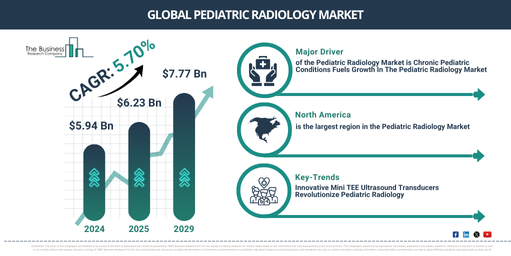
    In recent times, there has been a consistent growth observed in the pediatric radiology market size. The worth of this market is expected to increase from $5.94 billion in 2024 to $6.23 billion in 2025, indicating a compound annual growth rate (CAGR) of 4.8%. This growth during the historical period is largely due to advancements in medical imaging, rising occurrence of childhood diseases, increased awareness and acceptance, enhanced imaging quality and safety, along with research and training focused on pediatrics.

    Expectations for the pediatric radiology market size forecast a significant increase in the coming years, anticipated to reach a value of$7.77 billion by 2029″ with a compound annual growth rate (CAGR) of 5.7%. This predicted growth for the forecast period can be credited to the incorporation of elements such as artificial intelligence (AI), telemedical practices and remote imaging, individualized medicine, precision imaging, the transition towards value-based healthcare, and the innovation within up-and-coming markets. Notable trends expected during this forecast period include the progression in imaging techniques specifically for pediatrics, the integration of artificial intelligence (AI) and machine learning, the spread of point-of-care imaging, solutions for remote monitoring and telemedicine, and a focus on the care of the patient and family-centered imaging.

    Download a free sample to assess the report’s scope and structure:

    https://www.thebusinessresearchcompany.com/sample.aspx?id=15891&type=smp

    How Are Key Drivers in the Industry Acting as Catalysts for the Growth of thePediatric Radiology Market?

    The surge in chronic conditions affecting children and adolescents is forecasted to spur the expansion of the pediatric radiology market. These long-term health issues require continuous medical care and can limit regular activities. The increase in such conditions is a result of genetic susceptibility, environmental influences, and changes in lifestyle. Pediatric radiology plays a vital role in diagnosing, tracking, and managing these health issues with imaging methods such as X-rays, MRI, and CT scans. These techniques contribute crucial data for effective treatment and patient management. As per Asthma Australia, a non-profit organization based in Australia, more than 31,000 hospital admissions were documented in 2022-2023, with asthma as the principal diagnosis. Nearly 43% of these cases were children aged 14 or below. Consequently, the escalating occurrence of chronic pediatric conditions is propelling the growth of the pediatric radiology market.

    Which Segments in the Pediatric Radiology Offer the Most Growth?

    The pediatric radiologymarket covered in this report is segmented –

    1) By Product Type: Ultrasound; Magnetic Resonance Imaging (MRI); X-Ray; Computed Tomography Scanner; Other Product Types

    2) By Modality: Standalone Devices; Table-Top Devices; Portable Devices

    3) By Application: Oncology; Orthopedics; Cardiology; Other Applications

    4) By End-User: Hospitals; Pediatric Clinics; Diagnostic Centers; Other End-Users

    Subsegments:

    1) By Ultrasound: Portable Pediatric Ultrasound Machines; Pediatric Echocardiography Ultrasound

    2) By Magnetic Resonance Imaging (MRI): Pediatric MRI Systems; Open MRI Systems For Pediatrics; MRI-Compatible Pediatric Equipment

    3) By X-Ray: Digital Pediatric X-Ray Systems; Mobile X-Ray Systems For Pediatrics; Pediatric Fluoroscopy Systems

    4) By Computed Tomography Scanner: Pediatric CT Scanners; Low-Dose CT Scanners For Pediatrics; 3D Imaging Pediatric CT Scanners

    5) By Other Product Types: Pediatric Nuclear Medicine Systems; Pediatric Bone Densitometers; Pediatric Mammography Systems

    Request customized data on this market:

    https://www.thebusinessresearchcompany.com/customise?id=15891&type=smp

    What Are the Fastest-Growing Geographies in the #How Are Key Drivers in the Industry Acting as Catalysts for the Growth of thePediatric Radiology Market?# Market?

    North America was the largest region in the pediatric radiology market in 2024. Asia-Pacific is expected to be the fastest-growing region in the forecast period. The regions covered in the pediatric radiology market report are Asia-Pacific, Western Europe, Eastern Europe, North America, South America, Middle East and Africa.

    What Are the Current Market Growth and Trends in the Pediatric Radiology Industry?

    Significant players in the pediatric radiology market have begun to innovate and diversify their offerings by introducing advanced products like mini transesophageal echocardiography (TEE) ultrasound transducers. These devices are developed to extend the scope of diagnostics and treatment for minors or patients at risk, with an added advantage of enhanced imaging accuracy, thereby heightening patient comfort and resultant outcomes. These ultra-small transesophageal echocardiography (TEE) ultrasound transducers are designed for high-resolution imaging of the heart and its internal anatomy via the esophagus, improving therapeutic potential for patients of assorted sizes and medical conditions. In a recent example from May 2024, the Netherlands-based conglomerate, Koninklijke Philips N.V., unveiled their X11-4t Mini 3D TEE transducer. Devised with an emphasis on patient comfort, this innovative transducer brings 3D transesophageal echocardiography (TEE) benefits to previously overlooked patient demographics, such as young pediatric patients and adults prone to complications. This downsized transducer, shrunk by 35%, provides intricate 3D visualization vital for the diagnosis and treatment of structural heart diseases and assisting in less invasive surgeries. When used along with Philips’ EPIQ CVx and EchoNavigator systems, it presents superlative imaging and eliminates the frequent requirement of general anesthesia—thereby lessening recovery durations.

    View the full report here:

    https://www.thebusinessresearchcompany.com/report/pediatric-radiology-global-market-report

    What Are the Key Elements That Define the Pediatric Radiology Market?

    Pediatric radiology is a specialized field of medicine focused on the imaging diagnosis and treatment of diseases, disorders, and injuries affecting infants, children, and adolescents. It involves the use of various imaging techniques, such as X-rays, ultrasound, computed tomography (CT), magnetic resonance imaging (MRI), and nuclear medicine, to assess the anatomy, physiology, and pathology specific to pediatric patients.

    Purchase the full report and get a swift delivery:

    https://www.thebusinessresearchcompany.com/purchaseoptions.aspx?id=15891

    About The Business Research Company:

    With over 15000+ reports from 27 industries covering 60+ geographies, The Business Research Company has built a reputation for offering comprehensive, data-rich research and insights. Armed with 1,500,000 datasets, the optimistic contribution of in-depth secondary research, and unique insights from industry leaders, you can get the information you need to stay ahead in the game.

    Get in touch with us:

    The Business Research Company: https://www.thebusinessresearchcompany.com/

    Americas +1 310-496-7795

    Europe +44 7882 955267

    Asia & Others +44 7882 955267 & +91 8897263534

    Email us at info@tbrc.info

    Follow us on:

    LinkedIn: https://in.linkedin.com/company/the-business-research-company

    YouTube: https://www.youtube.com/channel/UC24_fI0rV8cR5DxlCpgmyFQ

    Global Market Model: https://www.thebusinessresearchcompany.com/global-market-model
  • Artificial Intelligence In Life Sciences Market in Focus: Forecasting Growth Drivers, Scaling Potential, and Global Opportunities

    Artificial Intelligence In Life Sciences Market in Focus: Forecasting Growth Drivers, Scaling Potential, and Global Opportunities

    Claim your 30% discount on Global Market Reports with code ONLINE30. Limited time only.

    What Are the Key Milestones in the Artificial Intelligence In Life Sciences Market’s Growth Trajectory From 2025 To 2034?

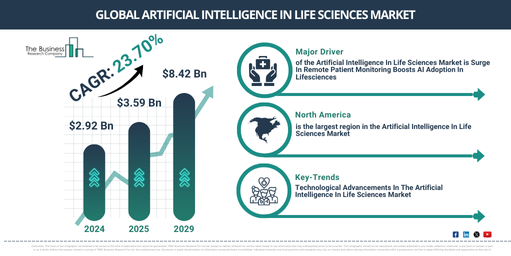
    The market size for artificial intelligence in life sciences has seen a dramatic increase in the past few years. The market value is estimated to rise from $2.92 billion in 2024 to $3.59 billion in 2025, with a compound annual growth rate (CAGR) of 23.2%. This remarkable growth during the historic period is linked with various factors. These include a strong surge in clinical trials, both in number and adoption of AI in research and development. Additionally, there has been notable emphasis on enhancing precision medicine and the creation of personalized drugs.

    The market size for artificial intelligence in life sciences is predicted to undergo a massive surge in the upcoming years. This market is set to expand to$8.42 billion by 2029, with a compound annual growth rate (CAGR) of 23.7%. The expected growth during the forecast period can be due to the rising attraction towards real-time remote patient monitoring (rpm) systems, and the growing need for AI in drug discovery as well as its increased use in the analysis of medical images. Key trends to look out for during the predicted period include strategic collaborations, innovation in products, advancements in technology, investments, and ongoing research and developments.

    Download a free sample to assess the report’s scope and structure:

    https://www.thebusinessresearchcompany.com/sample.aspx?id=13587&type=smp

    What Are the Core Market Drivers Propelling Growth in the Artificial Intelligence In Life Sciences Industry?

    The growth of artificial intelligence in the life sciences market is expected to accelerate due to the rising interest in real-time remote patient monitoring (RPM) systems. An RPM system is a tech-driven healthcare solution that monitors patients’ health beyond conventional healthcare environments. AI plays a significant role in life sciences in contributing to remote patient monitoring, as it provides constant, personalized, and data-centric insights that promote proactive healthcare management. For instance, a survey carried out by Livelink, a digital healthcare company based in the US, reported that the usage of RPM by Clinicians grew by 20% in 2021 to 81% in 2022; an increase of 305%. Consequently, the growing interest in real-time remote patient monitoring (RPM) systems is fuelling the expansion of artificial intelligence in the life sciences market.

    How Is the Artificial Intelligence In Life Sciences Market Segmented?

    The artificial intelligence in life sciencesmarket covered in this report is segmented –

    1) By Offering: Software; Hardware; Services

    2) By Deployment: On-Premises; Cloud-Based

    3) By Application: Drug Discovery; Medical Diagnosis; Biotechnology; Clinical Trails; Precision And Personalized Medicine; Patient Monitoring

    Subsegments:

    1) By Software: Drug Discovery Software; Genomic Analysis Software; Clinical Trial Management Software; Personalized Medicine Software; Laboratory Information Management Systems (LIMS)

    2) By Hardware: AI-Enabled Laboratory Equipment; Robotics And Automation Systems; Imaging Devices And Equipment; Sensor Technologies

    3) By Services: Consulting Services; Data Analytics Services; Research And Development Services; Implementation And Integration Services; Training And Support Services

    Request customized data on this market:

    https://www.thebusinessresearchcompany.com/customise?id=13587&type=smp

    Which Regions Are Driving the Next Phase of the Artificial Intelligence In Life Sciences Market Growth?

    North America was the largest region in the Artificial Intelligence In Life Sciences market in 2024. Asia-Pacific is expected to be the fastest-growing region in the forecast period. The regions covered in the artificial intelligence in life sciences market report are Asia-Pacific, Western Europe, Eastern Europe, North America, South America, Middle East, Africa.

    What Key Market Trends and Innovations Are Shaping the Future of the Artificial Intelligence In Life Sciences Industry?

    Key players in the life science artificial intelligence sector are concentrating on technological innovations that offer cutting-edge products like drug discovery software, in order to maintain their market standing. Drug discovery software assists pharmacy and biotech researchers in identifying new medicines by acting as a collection of applications and computer programs tailored for this purpose. For example, in December 2023, Merck, a German science and technology firm, introduced an innovative drug discovery software, AIDDISON. It represents the first-ever software to merge virtual molecule design with practical manufacturability via generative AI, machine learning, and computer-aided drug design. The software is capable of efficiently pinpointing potential drug candidates from a sea of possibilities by taking into consideration key aspects such as non-toxicity and solubility. AIDDISON’s unique capability of connecting virtual molecule design and real-world manufacturability showcases significant application of AI in the life sciences industry.

    View the full report here:

    https://www.thebusinessresearchcompany.com/report/artificial-intelligence-in-life-sciences-global-market-report

    How Is the Artificial Intelligence In Life Sciences Market Defined and What Are Its Core Parameters?

    Artificial intelligence (AI) in life sciences refers to the application of AI technologies and techniques in various domains within the life sciences industry. The integration of AI in life sciences aims to enhance and expedite processes, improve decision-making, and generate valuable insights from complex data sets.

    Purchase the full report and get a swift delivery:

    https://www.thebusinessresearchcompany.com/purchaseoptions.aspx?id=13587

    About The Business Research Company:

    With over 15000+ reports from 27 industries covering 60+ geographies, The Business Research Company has built a reputation for offering comprehensive, data-rich research and insights. Armed with 1,500,000 datasets, the optimistic contribution of in-depth secondary research, and unique insights from industry leaders, you can get the information you need to stay ahead in the game.

    Get in touch with us:

    The Business Research Company: https://www.thebusinessresearchcompany.com/

    Americas +1 310-496-7795

    Europe +44 7882 955267

    Asia & Others +44 7882 955267 & +91 8897263534

    Email us at info@tbrc.info

    Follow us on:

    LinkedIn: https://in.linkedin.com/company/the-business-research-company

    YouTube: https://www.youtube.com/channel/UC24_fI0rV8cR5DxlCpgmyFQ

    Global Market Model: https://www.thebusinessresearchcompany.com/global-market-model

  • Integrated Patient Care Systems Market 2025-2034: Key Highlights, Growth Dynamics, and Emerging Trends

    Integrated Patient Care Systems Market 2025-2034: Key Highlights, Growth Dynamics, and Emerging Trends

    Claim your 30% discount on Global Market Reports with code ONLINE30. Limited time only.

    What Are the Projected Market Size and Growth Rates for the Integrated Patient Care Systems Market From 2025 To 2029?

    The market size for integrated patient care systems has seen a swift expansion in the last few years. Growth from $23.32 billion in 2024 to $26.46 billion in 2025 is predicted, showing a compound annual growth rate (CAGR) of 13.5%. This growth during the historic phase can be credited to the adoption of interoperability standards, the escalation in chronic diseases and intricate medical ailments, a concentrated effort to cut down healthcare expenses while elevating efficiency, increasing acknowledgement of the significance of healthcare interoperability, and an emphasis on enhancing patient results and experiences.

    The integrated patient care systems market size is expected to see rapid growth in the next few years. It will grow to $43.17 billion in 2029 at a compound annual growth rate (CAGR) of 13.0%. The growth in the forecast period can be attributed to increasing adoption of electronic health records (EHR), aging population and increased healthcare needs, rise in consumer demand for seamless healthcare experiences, growing demand for interoperability between healthcare systems, growing importance of patient engagement tools. Major trends in the forecast period include integration of social determinants of health (SDOH) data, technological advancements in healthcare IT, a shift towards value-based care models, a shift towards value-based reimbursement models, expansion of telemedicine and virtual care services.

    Download a free sample to assess the report’s scope and structure:

    https://www.thebusinessresearchcompany.com/sample.aspx?id=14735&type=smp

    Which Primay Drivers Are Accelerating Growth in the Integrated Patient Care Systems Market?

    The growth of the integrated patient care systems market is anticipated to be accelerated by the rising acceptance of electronic health records (EHR). EHRs are digital infrastructures that securely preserve and administer patient health data, facilitating efficient access, dissemination, and assessment among healthcare professionals. The popularity of EHR systems is on the rise for several reasons, such as enhanced efficiency, centralization and accessibility of data, interoperability, and active patient participation. In the context of integrated healthcare systems, EHR systems are indispensable as they facilitate streamlined information exchange, superior care coordination, and improved patient outcomes. EHR interoperability plays a vital role in integrated healthcare systems, ensuring patient data is transferred securely and competently across various healthcare environments. For instance, The Office of the National Coordinator for Health Information Technology, a federal agency for health IT based in the US, reported in October 2023 that the proportion of individuals nationwide who were presented with and accessed their online medical records or patient portals reached 73% in 2022, up from 59% previously. Consequently, the escalating adoption of electronic health records is fueling the expansion of the integrated patient care systems market.

    Which Primary Segments of the Integrated Patient Care Systems Market Are Driving Growth and Industry Transformations?

    The integrated patient care systemsmarket covered in this report is segmented –

    1) By Component: Software; Hardware; Services

    2) By Delivery Mode: Web Or Cloud-Based Systems; On-Premise Systems; Hybrid Models

    3) By Application: Electronic Health Or Medical Records; Real-Time Healthcare; Patient Engagement; Prescription Management; Other Applications

    4) By End User: Hospitals; Clinics; Diagnostic Centers; Pharmacies; Other End Users

    Subsegments:

    1) By Software: Electronic Health Record (EHR) Systems; Patient Monitoring Software; Clinical Decision Support Systems (CDSS); Hospital Information Systems (HIS)

    2) By Hardware: Patient Monitoring Devices; Diagnostic Equipment; Medical Imaging Systems; Infusion Pumps

    3) By Services: Installation and Deployment Services; Maintenance and Support Services; Training and Consulting Services; Data Integration Services

    Request customized data on this market:

    https://www.thebusinessresearchcompany.com/customise?id=14735&type=smp

    Which Regions Are Key Players in the Growth of the #Which Primay Drivers Are Accelerating Growth in the Integrated Patient Care Systems Market?# Market?

    North America was the largest region in the integrated patient care systems market in 2024. Asia-Pacific is expected to be the fastest-growing region in the forecast period. The regions covered in the integrated patient care systems market report are Asia-Pacific, Western Europe, Eastern Europe, North America, South America, Middle East and Africa.

    Which Technological Trends Are Reshaping the Integrated Patient Care Systems Industry Dynamics?

    Leading firms in the integrated patient care systems sector are centering their efforts on crafting innovative services like patient support services in order to boost care coordination and increase patient engagement. These patient support services encompass a variety of healthcare services aimed at providing continuous help, resources and information to patients to assist them in handling their health issues more effectively. Moreover, it links to numerous aspects of healthcare provision. For instance, Inizio Engage, a pharmaceutical company based in Austria, introduced Patient Access Services in July 2023. This comprehensive suite is developed to enhance the patient experience, specifically for individuals suffering from specialty, rare, and orphan diseases. The goal of this initiative is to enhance treatment adherence and overall health results by providing personalized support throughout the typically complicated journey of diagnosis and treatment.

    View the full report here:

    https://www.thebusinessresearchcompany.com/report/integrated-patient-care-systems-global-market-report

    What Parameters Are Used to Define the Integrated Patient Care Systems Market?

    Integrated patient care systems refer to coordinated, comprehensive methods of healthcare delivery that prioritize smooth communication, collaboration, and continuity of care among healthcare providers from various disciplines and places. These systems are designed to improve treatment quality, patient outcomes, and resource usage by managing every aspect of a patient’s health completely and efficiently.

    Purchase the full report and get a swift delivery:

    https://www.thebusinessresearchcompany.com/purchaseoptions.aspx?id=14735

    About The Business Research Company:

    With over 15000+ reports from 27 industries covering 60+ geographies, The Business Research Company has built a reputation for offering comprehensive, data-rich research and insights. Armed with 1,500,000 datasets, the optimistic contribution of in-depth secondary research, and unique insights from industry leaders, you can get the information you need to stay ahead in the game.

    Get in touch with us:

    The Business Research Company: https://www.thebusinessresearchcompany.com/

    Americas +1 310-496-7795

    Europe +44 7882 955267

    Asia & Others +44 7882 955267 & +91 8897263534

    Email us at info@tbrc.info

    Follow us on:

    LinkedIn: https://in.linkedin.com/company/the-business-research-company

    YouTube: https://www.youtube.com/channel/UC24_fI0rV8cR5DxlCpgmyFQ

    Global Market Model: https://www.thebusinessresearchcompany.com/global-market-model

  • Global Pectinases Market Projected to Reach $28.81 Billion by 2029 at a CAGR of 9%

    Claim your 30% discount on Global Market Reports with code ONLINE30. Limited time only.

    How Fast Is The Pectinases Market Expected to Grow Between 2025 And 2029?

    There has been substantial growth in the pectinases market size in the past few years. The market is projected to surge from its 2024 value of $18.66 billion to $20.39 billion in 2025, with a compound annual growth rate (CAGR) of 9.3%. Factors such as increased fruit and vegetable yields, heightened production of juice and wine, an expanding dairy sector, growth in the food and beverage industry, and a surge in demand for organic and natural products have all contributed to the historic growth of this market.

    Predictions suggest a robust surge in the pectinases market size in the upcoming years, ascending to an estimate of $28.81 billion by 2029, at a compound annual growth rate (CAGR) of 9.0%. This projected growth within the forecasted timeline is influenced by factors such as increasing customer preference for clean-label and natural products, a rise in the consumption of processed foods, and the growth in beer and wine popularity. The surge in urbanization and population growth also play a significant role. Notable trends in the imminent forecast period include progressive strides in fermentation technology, the embracing of advanced enzyme formulations, the integration and automation of processes, advancements in biotechnology and genetic engineering, agricultural progress, and improvements in food processing technologies.

    Download a free sample to assess the report’s scope and structure:

    https://www.thebusinessresearchcompany.com/sample.aspx?id=16505&type=smp

    What Are the Major Market Drivers Behind the Rising Adoption of Pectinases Market?

    The pectinases market is anticipated to surge in growth due to escalating demand from the food and beverage sector. This sector is comprised of businesses that transform semi-processed and raw agricultural products into consumable food and drink goods. The growth in pectinase demand can be attributed to an increase in fruit juice and wine production, enhanced flavors and textures, and a rising demand for plant-based beverages. Pectinase offers significant advantages to the food and beverage industry, such as better product quality, improved process efficiency, and cost reduction, while maintaining the production of appealing, stable, and high-quality goods. For example, data from the Australian Bureau of Statistics, a government statistical agency based in Australia, shows that food and non-alcoholic beverage consumption in 2020-21 was 14.8 million tonnes, compared to 15.1 in 2021-22. Consequently, it’s clear that the escalating demand from the food and beverage sector is spurring on the pectinase market’s growth.

    Which Key Market Segments Comprise the Pectinases Market and Drive Its Revenue Growth?

    The pectinasesmarket covered in this report is segmented –

    1) By Type: Pectin Lyases; Protopectinases; Polygalacturonases; Pectinesterase; Other Types

    2) By Source: Bacterial Pectinase; Fungal Pectinase; Plant-Derived Pectinase; Other Sources

    3) By Form: Powder; Liquid; Granules

    4) By Application: Fruit Juice Extraction; Wine Production; Food Processing; Other Applications

    5) By End User: Food And Beverage; Pharmaceutical; Textile; Agriculture; Other End Users

    Subsegments:

    1) By Pectin Lyases: Endo-Pectin Lyases; Exo-Pectin Lyases

    2) By Protopectinases: Acidic Protopectinases; Alkaline Protopectinases

    3) By Polygalacturonases: Endo-Polygalacturonases; Exo-Polygalacturonases

    4) By Pectinesterase: Acidic Pectinesterases; Alkaline Pectinesterases

    5) By Other Types: Xyloglucanase; Cellulase-Related Enzymes

    Request customized data on this market:

    https://www.thebusinessresearchcompany.com/customise?id=16505&type=smp

    Which Areas Are Leading Regions in the Pectinases Market Expansion Across the Globe?

    North America was the largest region in the pectinase market in 2024. Asia-Pacific is expected to be the fastest-growing region in the forecast period. The regions covered in the pectinases market report are Asia-Pacific, Western Europe, Eastern Europe, North America, South America, Middle East, Africa.

    View the full report here:

    https://www.thebusinessresearchcompany.com/report/pectinases-global-market-report

    How Is the Pectinases Market Conceptually Defined?

    Pectinases are a group of enzymes that catalyze the breakdown of pectin, a polysaccharide found in the cell walls of plants. These enzymes degrade pectin by hydrolyzing its glycosidic bonds, leading to the depolymerization of the pectin structure. Pectinases are widely used in the food and beverage industry to clarify fruit juices, enhance extraction processes, and improve the texture of various products.

    Purchase the full report and get a swift delivery:

    https://www.thebusinessresearchcompany.com/purchaseoptions.aspx?id=16505

    About The Business Research Company:

    With over 15000+ reports from 27 industries covering 60+ geographies, The Business Research Company has built a reputation for offering comprehensive, data-rich research and insights. Armed with 1,500,000 datasets, the optimistic contribution of in-depth secondary research, and unique insights from industry leaders, you can get the information you need to stay ahead in the game.

    Get in touch with us:

    The Business Research Company: https://www.thebusinessresearchcompany.com/

    Americas +1 310-496-7795

    Europe +44 7882 955267

    Asia & Others +44 7882 955267 & +91 8897263534

    Email us at info@tbrc.info

    Follow us on:

    LinkedIn: https://in.linkedin.com/company/the-business-research-company

    YouTube: https://www.youtube.com/channel/UC24_fI0rV8cR5DxlCpgmyFQ

    Global Market Model: https://www.thebusinessresearchcompany.com/global-market-model