Category: HealthcareServices

  • Global Hemophilia Market Projected to Reach $20.98 Billion by 2029 at a CAGR of 8.8%

    Global Hemophilia Market Projected to Reach $20.98 Billion by 2029 at a CAGR of 8.8%

    Claim your 30% discount on Global Market Reports with code ONLINE30. Limited time only.

    What Are the Key Projections for the CAGR of the Hemophilia Market Size From 2025 to 2034?

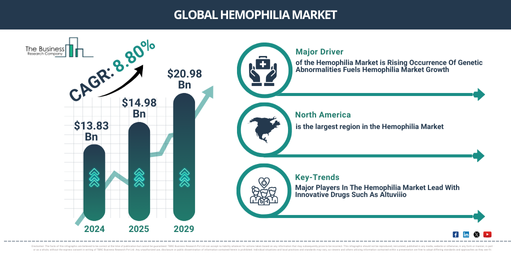
    The size of the hemophilia market has experienced significant growth in the past few years. An expansion from $13.83 billion in 2024 to $14.98 billion in 2025 is anticipated, indicating a compound annual growth rate (CAGR) of 8.3%. Factors contributing to the growth during the historical period include government strategies, a rising count of hemophilia patients, escalated diagnostic screenings, and heightened awareness surrounding hemophilia therapies.

    The market for hemophilia is projected to witness substantial expansion in the upcoming years, hitting a size of$20.98 billion in 2029 at a compound annual growth rate (CAGR) of 8.8%. This projected expansion during the forecast period can be ascribed to factors such as advancing research and development in hemophilia, increased diagnostic screenings, a surge in healthcare expenditures, and worldwide treatment accessibility. Key projected trends for the forecast span involve the launching and approval of novel drugs, an escalation in drug development, extensive research and clinical trials, the rise of digital health solutions, and advancements in treatment choices.

    Download a free sample to assess the report’s scope and structure:

    https://www.thebusinessresearchcompany.com/sample.aspx?id=12905&type=smp

    What are the Fundamental Drivers and Innovations Shaping the Hemophilia Market?

    The growth of the hemophilia market is anticipated to be driven by the increasing prevalence of genetic abnormalities. Genetic abnormalities, also identified as genetic mutations or genetic disorders, are changes in an individual’s genetic code that can lead to various health issues and physical characteristics. The goal of hemophilia treatment is to prevent or manage bleeding events, limit complications, and enhance the life quality of those with such genetic disorders. For example, as reported by Gene People, a registered charity organization in the UK devoted to genetic conditions, in June 2023, one out of 25 kids was diagnosed with a genetic disorder. This results in 30,000 infants and young children in the UK, along with over 2.4 million children and adults upshot by a genetic disorder annually. Hence, the increasing prevalence of genetic abnormalities is positively influencing the hemophilia market’s growth.

    How Is the Hemophilia Market Segmented?

    The hemophiliamarket covered in this report is segmented –

    1) By Type: Hemophilia A; Hemophilia B; Hemophilia C; Other Types

    2) By Treatment: Replacement Therapy; Hemostatic Agents; Desmopressin; Gene Therapy; Other Treatments

    3) By End-User: Hospitals; Clinics; Home Care Settings; Other End-Users

    Subsegments:

    1) By Hemophilia A: Severe Hemophilia A; Moderate Hemophilia A; Mild Hemophilia A

    2) By Hemophilia B: Severe Hemophilia B; Moderate Hemophilia B; Mild Hemophilia B

    3) By Hemophilia C: Severe Hemophilia C; Mild Hemophilia C

    4) By Other Types: Acquired Hemophilia; Von Willebrand Disease

    Request customized data on this market:

    https://www.thebusinessresearchcompany.com/customise?id=12905&type=smp

    Which Regions Are Driving the Next Phase of the Hemophilia Market Growth?

    North America was the largest region in the hemophilia market in 2024. Asia-Pacific is expected to be the fastest-growing region in the forecast period. The regions covered in hemophilia market report are Asia-Pacific, Western Europe, Eastern Europe, North America, South America, Middle East and Africa.

    What Key Trends Are Shaping the Future of the Hemophilia Market?

    Leading companies in the hemophilia market are pioneering new drugs such as ALTUVIIIO to maintain their market position. For example, in February 2023, Sanofi S.A, a French pharmaceutical and healthcare corporation, introduced ALTUVIIIO for hemophilia, which received approval from the US government entity, The Food and Drug Administration (FDA). ALTUVIIIO, which is to be taken once a week, is the inaugural and sole hemophilia A treatment that brings regular to nearly normal factor activity levels (over 40%) for the majority of the week and significantly reduces bleeding compared to the previous factor VIII prophylaxis.

    View the full report here:

    https://www.thebusinessresearchcompany.com/report/hemophilia-global-market-report

    How Is the Hemophilia Market Defined and What Are Its Core Parameters?

    Hemophilia is a rare genetic disorder that affects the body’s ability to clot blood properly and generally occurs when a person gets injured and starts bleeding. Hemophilia treatment treats Hemophilia disease through various medical interventions and strategies to manage and address the bleeding tendencies associated with hemophilia.

    Purchase the full report and get a swift delivery:

    https://www.thebusinessresearchcompany.com/purchaseoptions.aspx?id=12905

    About The Business Research Company:

    With over 15000+ reports from 27 industries covering 60+ geographies, The Business Research Company has built a reputation for offering comprehensive, data-rich research and insights. Armed with 1,500,000 datasets, the optimistic contribution of in-depth secondary research, and unique insights from industry leaders, you can get the information you need to stay ahead in the game.

    Get in touch with us:

    The Business Research Company: https://www.thebusinessresearchcompany.com/

    Americas +1 310-496-7795

    Europe +44 7882 955267

    Asia & Others +44 7882 955267 & +91 8897263534

    Email us at info@tbrc.info

    Follow us on:

    LinkedIn: https://in.linkedin.com/company/the-business-research-company

    YouTube: https://www.youtube.com/channel/UC24_fI0rV8cR5DxlCpgmyFQ

    Global Market Model: https://www.thebusinessresearchcompany.com/global-market-model
  • Critical Market Drivers Shaping the Outlook for Neurocognitive Assessment And Rehabilitation Market from 2025-2034: Rising Prevalence Of Neurological Disorders Fuels Growth In Neurocognitive Assessment And Rehabilitation Market

    Critical Market Drivers Shaping the Outlook for Neurocognitive Assessment And Rehabilitation Market from 2025-2034: Rising Prevalence Of Neurological Disorders Fuels Growth In Neurocognitive Assessment And Rehabilitation Market

    Claim your 30% discount on Global Market Reports with code ONLINE30. Limited time only.

    What Is the Current and Projected Market Size of the Neurocognitive Assessment And Rehabilitation Market Through 2034?

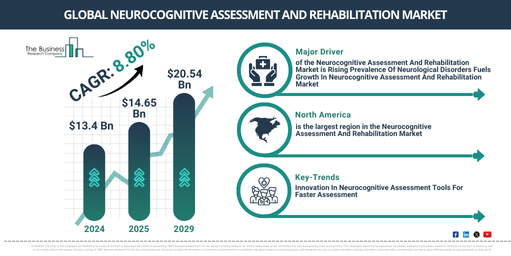
    There has been a significant increase in the size of the neurocognitive assessment and rehabilitation market in the recent past. The market, which was valued at $13.4 billion in 2024, is projected to reach $14.65 billion in 2025, representing a compound annual growth rate (CAGR) of 9.4%. The growth experienced during the historic period is attributed to several factors including higher incidences of neurocognitive disorders, aging population, enhanced awareness and education, healthcare policies and funding, better diagnostic methods, and increase in mental health problems.

    The size of the neurocognitive assessment and rehabilitation market is projected to experience substantial growth in the coming years. It is estimated to escalate to $20.54 billion in 2029, with a compound annual growth rate (CAGR) of 8.8%. The anticipated growth within this timeframe can be linked to customised medical treatment strategies, wellness initiatives from businesses, progress in technology, enhanced insurance coverages and reimbursement systems, and the integration with telemedicine. Key trends predicted for this period consist of the embrace of wearable technology, the progress in regenerative medicine and neuroplasticity studies, personalised rehabilitation plans, the application of virtual reality (VR) and augmented reality (AR), and multi-disciplinary strategies.

    Download a free sample to assess the report’s scope and structure:

    https://www.thebusinessresearchcompany.com/sample.aspx?id=15870&type=smp

    What Are the Core Growth Drivers Propelling the Neurocognitive Assessment And Rehabilitation Market Forward?

    The growing incidence of neurological conditions is anticipated to fuel the expansion of the neurocognitive assessment and rehabilitation market in the future. Neurological conditions are health issues that impact the nervous system, encompassing the brain, spinal cord, and nerves, resulting in symptoms like muscle feebleness, issues with coordination, and cognitive issues. The causes of neurological ailments can be linked to a composite of elements including an aging populace and the growing frequency of age-linked conditions such as Alzheimer’s and Parkinson’s disease. Neurocognitive assessments offer valuable information about cognitive function, thereby assisting in the diagnosis and treatment planning for neurological conditions. On the other hand, rehabilitation interventions seek to maximize neural functionality and improve quality of life through specific therapies and strategies. For example, the Alzheimer’s Association, a US-based voluntary health organization, predicts that the incidence of Alzheimer’s dementia, a neurological condition, among US individuals aged 85 and older will reach 2.4 million in 2024 and is predicted to escalate further to 6.7 million by 2060. Consequently, the escalating incidence of neurological conditions is driving the expansion of the neurocognitive assessment and rehabilitation market.

    What Segment Types Define the Neurocognitive Assessment And Rehabilitation Market Structure?

    The neurocognitive assessment and rehabilitationmarket covered in this report is segmented –

    1) By Components: Neurocognitive Assessment Testing; Neurorehabilitation Therapy

    2) By Providers: Rehab Centers; Hospital And Clinics; Homecare Settings; Physiotherapy Centers

    3) By Organization Size: Large Enterprises; Small And Medium-sized Enterprises (SMEs)

    Subsegments:

    1) By Neurocognitive Assessment Testing: Standardized Tests; Computerized Neurocognitive Assessments; Paper-Based Neurocognitive Tests

    2) By Neurorehabilitation Therapy: Cognitive Behavioral Therapy (CBT); Virtual Reality Therapy; Transcranial Magnetic Stimulation (TMS); Neurofeedback Therapy; Physical Therapy And Occupational Therapy

    Request customized data on this market:

    https://www.thebusinessresearchcompany.com/customise?id=15870&type=smp

    Which Geographic Areas Hold the Strongest Growth Potential in the Neurocognitive Assessment And Rehabilitation Market?

    North America was the largest region in the neurocognitive assessment and rehabilitation market in 2024. The regions covered in the neurocognitive assessment and rehabilitation market report are Asia-Pacific, Western Europe, Eastern Europe, North America, South America, Middle East and Africa.

    Which Emerging Trends that Are Influencing theNeurocognitive Assessment And Rehabilitation Industry Evolution?

    Prominent firms in the neurocognitive assessment and rehabilitation industry are making strides with innovative approaches like digital tests, designed to diagnose cognitive deficits and secure competitive advantage. Digital tests denote assessments conducted via digital systems or software to appraise diverse cognitive functions, spanning memory, attention, language and executive function. To exemplify, Neurotrack Technologies, a company from the US offering web-based screening tools and cognitive health initiatives, initiated a 3-minute digital test to check for cognitive dysfunction in November 2022. This device allows primary care groups to perform fast cognitive decline screening during annual health check-ups, thus supporting the early identification of neurodegenerative disorders, including Alzheimer’s. It comes with culturally-neutral features that boost precision and accessibility, answering the urgent requirement for cognitive screening in the face of a growing elderly populace. This ground-breaking solution equips providers with the ability to incorporate cognitive examinations smoothly into clinical operations, with the potential to significantly alter dementia care and intervention tactics.

    View the full report here:

    https://www.thebusinessresearchcompany.com/report/neurocognitive-assessment-and-rehabilitation-global-market-report

    What Is the Definition of the Neurocognitive Assessment And Rehabilitation Market?

    Neurocognitive rehabilitation refers to therapeutic interventions aimed at diagnosing and treating cognitive impairments caused by neurological conditions, brain injuries, or psychological disorders. It involves a series of standardized tests and clinical evaluations designed to measure cognitive functions such as memory, attention, language, and problem-solving skills.

    Purchase the full report and get a swift delivery:

    https://www.thebusinessresearchcompany.com/purchaseoptions.aspx?id=15870

    About The Business Research Company:

    With over 15000+ reports from 27 industries covering 60+ geographies, The Business Research Company has built a reputation for offering comprehensive, data-rich research and insights. Armed with 1,500,000 datasets, the optimistic contribution of in-depth secondary research, and unique insights from industry leaders, you can get the information you need to stay ahead in the game.

    Get in touch with us:

    The Business Research Company: https://www.thebusinessresearchcompany.com/

    Americas +1 310-496-7795

    Europe +44 7882 955267

    Asia & Others +44 7882 955267 & +91 8897263534

    Email us at info@tbrc.info

    Follow us on:

    LinkedIn: https://in.linkedin.com/company/the-business-research-company

    YouTube: https://www.youtube.com/channel/UC24_fI0rV8cR5DxlCpgmyFQ

    Global Market Model: https://www.thebusinessresearchcompany.com/global-market-model

  • Hemochromatosis (Iron Overload) Disease Treatment Market Forecast 2025–2034: Trends Reshaping Demand, Investment, and Innovation

    Hemochromatosis (Iron Overload) Disease Treatment Market Forecast 2025–2034: Trends Reshaping Demand, Investment, and Innovation

    Claim your 30% discount on Global Market Reports with code ONLINE30. Limited time only.

    How Has The Hemodynamic Monitoring Systems Market Growth Evolved From 2024 To 2025, And What’s Ahead?

    In recent times, the market size for hemodynamic monitoring systems has seen robust growth. It is projected to expand from $1.57 billion in 2024 to $1.67 billion in 2025, marking a compound annual growth rate (CAGR) of 6.9%. Factors contributing to the past growth include an increase in incidences of cardiovascular diseases, aging demographics, chronic conditions, surgical procedures and the demands of intensive care units (ICUs). Additionally, a clinical focus on patient safety and improvements in healthcare infrastructure have also played roles.

    Anticipations show a robust expansion in the hemodynamic monitoring systems market over the forthcoming years, reaching $2.23 billion in 2029 with a compound annual growth rate (CAGR) of 7.4%. The surge expected during the forecast period can be attributed to factors such as the shift towards minimally invasive procedures, integration into electronic health records (EHRs), adoption of remote patient monitoring solutions, early detection and intervention emphasis, global health challenges, and essential critical care needs. Future trends to watch include the adoption of artificial intelligence (AI) and machine learning (ML), remote monitoring and integration with telehealth, wide use of hemodynamic monitoring in critical care environments, partnerships for technological progress, and a heightened focus on data security and patient confidentiality.

    Download a free sample to assess the report’s scope and structure:

    https://www.thebusinessresearchcompany.com/sample.aspx?id=13152&type=smp

    What Are the Primary Drivers Supporting the Market Growth of the Hemodynamic Monitoring Systems Market?

    The increase in cardiovascular disorders is anticipated to boost the expansion of the hemodynamic monitoring systems market in the future. Hemodynamic monitoring systems deliver immediate data and understanding of a patient’s cardiovascular state, allowing medical personnel to initiate accurate and timely interventions, refine treatment methods, and enhance patient results. Heart conditions comprise a group of disorders impacting the heart and blood vessels. As an example, March 2024 data from a UK-based website, as per the UK Government, indicated that in the fiscal year concluding in 2023, a bit over 1,862,500 individuals, approximating to 3% of England’s population, were diagnosed by a general practitioner with coronary heart disease (CHD). As such, the escalating rate of cardiovascular ailments will contribute to the growth of the hemodynamic monitoring systems market.

    Which Primary Segments of the Hemodynamic Monitoring Systems Market Are Driving Growth and Industry Transformations?

    The hemodynamic monitoring systemsmarket covered in this report is segmented –

    1) By Product: Monitors; Consumables

    2) By Technique Type: Invasive; Non-Invasive

    3) By End-User: Hospitals; Cath Labs; Other End-Users

    Subsegments:

    1) By Monitors: Bedside Monitors; Handheld Monitors; Portable Monitors

    2) By Consumables: Catheters; Sensors; Tubing and Accessories

    Request customized data on this market:

    https://www.thebusinessresearchcompany.com/customise?id=13152&type=smp

    Which Regions Are Key Players in the Growth of the #What Are the Primary Drivers Supporting the Market Growth of the Hemodynamic Monitoring Systems Market?# Market?

    North America was the largest region in the hemodynamic monitoring systems market in 2024. The regions covered in the hemodynamic monitoring systems market report are Asia-Pacific, Western Europe, Eastern Europe, North America, South America, Middle East, Africa

    What Are the Most Significant Market Trends in the Hemodynamic Monitoring Systems Market?

    The primary businesses operating in the hemodynamic monitoring systems sector are concentrated on innovating advanced hemodynamic monitoring solutions to intensify patient results, increase precision in cardiovascular evaluations, and provide instantaneous data analysis for enhanced clinical decision-making in critical care situations. The FloTrac Sensor, a minimally invasive piece of equipment, is fashioned for uninterrupted hemodynamic monitoring in seriously ill patients. It delivers instantaneous measurements of cardiac output and crucial hemodynamic parameters by leveraging arterial waveform analysis via a standard arterial catheter. For instance, in June 2023, Mindray Medical International Ltd based in China collaborated with Edwards Lifesciences, a US-based firm, to introduce a new hemodynamic monitoring solution. This solution features the FloTrac™ sensor that links to an arterial line, which automatically measures essential hemodynamic parameters such as Cardiac Output (CO), Stroke Volume (SV), Stroke Volume Variation (SVV), Systemic Vascular Resistance (SVR), and Mean Arterial Pressure (MAP) every 20 seconds. Mindray’s BeneVision N series patient monitors facilitate this integration.

    View the full report here:

    https://www.thebusinessresearchcompany.com/report/hemodynamic-monitoring-systems-global-market-report

    What Parameters Are Used to Define the Hemodynamic Monitoring Systems Market?

    Hemodynamic monitoring systems are medical devices and techniques used to measure and assess physiological parameters related to the functioning of the cardiovascular system. These systems provide real-time data and insights into blood circulation, cardiac output, and other vital parameters within the circulatory system.

    Purchase the full report and get a swift delivery:

    https://www.thebusinessresearchcompany.com/purchaseoptions.aspx?id=13152

    About The Business Research Company:

    With over 15000+ reports from 27 industries covering 60+ geographies, The Business Research Company has built a reputation for offering comprehensive, data-rich research and insights. Armed with 1,500,000 datasets, the optimistic contribution of in-depth secondary research, and unique insights from industry leaders, you can get the information you need to stay ahead in the game.

    Get in touch with us:

    The Business Research Company: https://www.thebusinessresearchcompany.com/

    Americas +1 310-496-7795

    Europe +44 7882 955267

    Asia & Others +44 7882 955267 & +91 8897263534

    Email us at info@tbrc.info

    Follow us on:

    LinkedIn: https://in.linkedin.com/company/the-business-research-company

    YouTube: https://www.youtube.com/channel/UC24_fI0rV8cR5DxlCpgmyFQ

    Global Market Model: https://www.thebusinessresearchcompany.com/global-market-model

  • Key Factors Fueling the Growth of the Needle-Free Drug Delivery Devices Market in 2025: Diabetes As A Catalyst Is Driving Growth In The Needle-Free Drug Delivery Devices Market

    Key Factors Fueling the Growth of the Needle-Free Drug Delivery Devices Market in 2025: Diabetes As A Catalyst Is Driving Growth In The Needle-Free Drug Delivery Devices Market

    Claim your 30% discount on Global Market Reports with code ONLINE30. Limited time only.

    What is the Anticipated CAGR of the Needle-Free Drug Delivery Devices Market, and What Factors Will Drive It?

    The market size for needle-free drug delivery devices has seen rapid expansion in the previous few years. It is projected to escalate from a valuation of $16.7 billion in 2024 to approximately $18.54 billion in 2025, with a compound annual growth rate (CAGR) of 11.0%. Factors contributing to the growth during the historic period include heightened occurrence of chronic illnesses, a growing desire for pain-free methods of drug delivery, a rise in the elderly population, focus on compliance and safety of patients, regulatory endorsement for needle-free technologies, and expanded pharmaceutical industry.

    Anticipated to experience significant expansion in the upcoming years, the needle-free drug delivery devices market is projected to increase to a value of $27.68 billion in 2029, with a 10.5% compound annual growth rate (CAGR). The anticipated growth is credited to factors such as the escalating demand for pain-free drug administration, the growing focus on patient-centric medical solutions, and the increasing applications in the pediatric and elderly populations. Additional contributing factors include the rising incidence of chronic conditions requiring regular injections, technological advancements improving device efficiency, expanding access to healthcare in emerging economies, and heightened investment in innovative delivery system research and development. The forecast period is expected to see notable trends such as a surge in the adoption of wearable and connected devices, the development of new microfluidic technologies, increased attention to pediatric-friendly needle-free solutions, the incorporation of artificial intelligence and machine learning, and broader applications in home healthcare environments.

    Download a free sample to assess the report’s scope and structure:

    https://www.thebusinessresearchcompany.com/sample.aspx?id=15615&type=smp

    What are the Fundamental Drivers and Innovations Shaping the Needle-Free Drug Delivery Devices Market?

    The escalating occurrence of diabetes is anticipated to boost the needle-free drug delivery device market’s development in the future. Diabetes is a chronic health issue characterized by elevated blood sugar levels caused by either the inadequate production of insulin or the ineffective use of insulin by the body. Factors escalating the disease include inactive lifestyles, poor eating habits, genetics, urbanization, aging demographics, and lack of healthcare accessibility, coupled with global spikes in obesity. Needle-free drug delivery devices offer a replacement for traditional insulin injections for diabetes management. These devices employ techniques such as jet injectors or transdermal patches, which facilitate painless insulin delivery through the skin and minimize injection-associated discomfort and anxiety, improving patient comfort. As an example, in June 2024, the National Health Service, a UK government department, revealed that 549,000 additional individuals in England were identified as being at risk of type 2 diabetes in 2023. Consequently, the number of non-diabetic hyperglycemia, or prediabetes patients registered with a GP, rose to 3,615,330. This represents a notable increase when compared to the 3,065,825 recorded in 2022, accounting for nearly a 20% rise. Therefore, the escalating occurrence of diabetes is instigating the growth of the needle-free drug delivery device market.

    How Is the Needle-Free Drug Delivery Devices Market Segmented?

    The needle-free drug delivery devicesmarket covered in this report is segmented –

    1) By Device Type: Inhalers; Jet Injectors; Novel Needles; Transdermal Patches; Other Device Types

    2) By Application: Pain Management; Vaccine Delivery; Pediatric Injections; Insulin Delivery; Other Applications

    3) By End-User: Hospitals And Clinics; Home Healthcare

    Subsegments:

    1) By Inhalers: Dry Powder Inhalers (Dpi); Metered Dose Inhalers (Mdi); Nebulizers

    2) By Jet Injectors: High-Pressure Jet Injectors; Spring-Powered Jet Injectors; Battery-Operated Jet Injectors

    3) By Novel Needles: Micro-Needle Arrays; Nano-Needle Arrays

    4) By Transdermal Patches: Microneedle Patches; Conventional Patches ( Nicotine, Hormonal, Pain Relief)

    5) By Other Device Types: Oral Drug Delivery Devices; Implantable Drug Delivery Systems; Sublingual Drug Delivery Devices

    Request customized data on this market:

    https://www.thebusinessresearchcompany.com/customise?id=15615&type=smp

    Which Regions Are Driving the Next Phase of the Needle-Free Drug Delivery Devices Market Growth?

    North America was the largest region in the needle-free drug delivery devices market in 2024. Asia-Pacific is expected to be the fastest-growing region in the forecast period. The regions covered in the needle-free drug delivery devices market report are Asia-Pacific, Western Europe, Eastern Europe, North America, South America, Middle East, Africa.

    What Key Trends Are Shaping the Future of the Needle-Free Drug Delivery Devices Market?

    As part of their strategy to deliver superior service, prominent firms in the needle-free drug delivery device market are concentrating on innovative solutions like dual chamber inhalers to enhance treatment efficiency and convenience. Dual-chamber inhalers, which have two separate compartments for different medications, simplify treatment by allowing multiple drugs to be combined in one device, thereby increasing ease of administration for patients and healthcare providers. In this regard, Berry Global, an American plastic manufacturing firm, launched the BerryHaler in April 2024. This state-of-the-art dry powder inhaler (DPI) was created to transform patient-oriented healthcare solutions. Its distinctive design hails a dosage counter for accurately administering medicine, and its entirely plastic make-up, free of metal components, is extremely well-suited for intricate inhalation treatments. The BerryHaler simplifies dosage and efficiently combines multiple medicines. This dual-chamber inhaler also features a bi-directional mouthpiece cover for user comfort and sanitation, and supplies audible cues to guarantee correct usage. The integrated dose counter plays a crucial role in precisely tracking medication usage and avoiding dosage mistakes.

    View the full report here:

    https://www.thebusinessresearchcompany.com/report/needle-free-drug-delivery-devices-global-market-report

    How Is the Needle-Free Drug Delivery Devices Market Defined and What Are Its Core Parameters?

    Needle-free drug delivery devices refer to medical tools designed to administer medication without traditional needles. They offer an alternative means of delivering drugs, vaccines, or therapeutic agents into the body through the skin or mucosal membranes. These devices aim to reduce patient discomfort and the risk of needle-related injuries.

    Purchase the full report and get a swift delivery:

    https://www.thebusinessresearchcompany.com/purchaseoptions.aspx?id=15615

    About The Business Research Company:

    With over 15000+ reports from 27 industries covering 60+ geographies, The Business Research Company has built a reputation for offering comprehensive, data-rich research and insights. Armed with 1,500,000 datasets, the optimistic contribution of in-depth secondary research, and unique insights from industry leaders, you can get the information you need to stay ahead in the game.

    Get in touch with us:

    The Business Research Company: https://www.thebusinessresearchcompany.com/

    Americas +1 310-496-7795

    Europe +44 7882 955267

    Asia & Others +44 7882 955267 & +91 8897263534

    Email us at info@tbrc.info

    Follow us on:

    LinkedIn: https://in.linkedin.com/company/the-business-research-company

    YouTube: https://www.youtube.com/channel/UC24_fI0rV8cR5DxlCpgmyFQ

    Global Market Model: https://www.thebusinessresearchcompany.com/global-market-model
  • Hemochromatosis (Iron Overload) Disease Treatment Market 2025-2034: Key Highlights, Growth Dynamics, and Emerging Trends

    Claim your 30% discount on Global Market Reports with code ONLINE30. Limited time only.

    What is the Projected CAGR for the Hemochromatosis (Iron Overload) Disease Treatment Market Size from 2025 to 2034?

    Over the past few years, the market for hemochromatosis (iron overload) disease treatment has been experiencing steady growth. This market is expected to expand from a worth of $27.91 billion in 2024 to $28.62 billion in 2025, witnessing a compound annual growth rate (CAGR) of 2.6%. The factors contributing to this growth throughout the historical period include increased clinical awareness and diagnosis, advancements in therapy, genetic screenings and early detection mechanisms, the widespread incidence of hereditary hemochromatosis, as well as ongoing research and clinical trials.

    Expectations are that the hemochromatosis (iron overload) disease treatment market will experience consistent growth in the upcoming years, with projections suggesting a rise to$33.12 billion in 2029,” reflecting a compound annual growth rate (CAGR) of 3.7%. This predicted growth during the forecast period can be associated with factors such as the use of personalized medicine, advancements in therapeutic strategies, enhancement of screening procedures and awareness programs, cooperative endeavours in genetic studies and worldwide health initiatives. Key trends to watch during the forecast timeline include increasing effort towards patient education and awareness, development and investigation of genetic and molecular treatment approaches, the incorporation of telemedicine and distant monitoring amenities, inclusion of digital health platforms, and the global extension of treatment availability.

    Download a free sample to assess the report’s scope and structure:

    https://www.thebusinessresearchcompany.com/sample.aspx?id=13151&type=smp

    How Are Key Drivers in the Industry Acting as Catalysts for the Growth of theHemochromatosis (Iron Overload) Disease Treatment Market?

    Expectations for the hemochromatosis (iron overload) disease treatment market’s growth are elevated due to the rising prevalence of anemia. Anemia, a blood disorder, is characterized by a decrease in the count of red blood cells or a drop in the quantity of hemoglobin in the bloodstream, leading to the incapacity to transport oxygen to various organs and tissues within the body. The goal of the treatment for hemochromatosis (iron overload) disease is to avert anemia using iron chelator drugs, thus preventing impairment to organs and complications linked to blood ailments. As an illustration, the World Health Organization (WHO), a Swiss agency, predicted in December 2023 that anemia influences 40% of children aged between 6 and 59 months, 37% of expectant women, and 30% of women aged 15 to 49 internationally. So, the rising prevalence of anemia is anticipated to fuel the expansion of the hemochromatosis (iron overload) disease treatment market.

    Which Segments in the Hemochromatosis (Iron Overload) Disease Treatment Offer the Most Growth?

    The hemochromatosis (iron overload) disease treatmentmarket covered in this report is segmented –

    1) By Type: Hereditary Hemochromatosis; Acquired Hemochromatosis

    2) By Treatment: Therapeutic Phlebotomy; Iron Chelation Therapy; Other Treatments

    3) By End-Users: Hospitals; Surgical Centers; Other End-Users

    Subsegments:

    1) By Hereditary Hemochromatosis: Genetic Counseling; Phlebotomy; Chelation Therapy

    2) By Acquired Hemochromatosis: Treatment Of Underlying Conditions; Phlebotomy; Chelation Therapy

    Request customized data on this market:

    https://www.thebusinessresearchcompany.com/customise?id=13151&type=smp

    What Are the Fastest-Growing Geographies in the #How Are Key Drivers in the Industry Acting as Catalysts for the Growth of theHemochromatosis (Iron Overload) Disease Treatment Market?# Market?

    North America was the largest region in the hemochromatosis (Iron Overload) disease treatment market in 2024. The regions covered in the hemochromatosis (iron overload) disease treatment market report are Asia-Pacific, Western Europe, Eastern Europe, North America, South America, Middle East, Africa

    What Are the Current Market Growth and Trends in the Hemochromatosis (Iron Overload) Disease Treatment Industry?

    Leading enterprises in the hemochromatosis disease treatment market are getting their drugs such as deferiprone approved for patients suffering from transfusional iron overload to lower the extra iron levels in their body and keep complications at bay, including damage to organs resulting from iron accumulation. Deferiprone is a drug used in handling iron overload in individuals who have had numerous blood transfusions, typically found in illnesses like thalassemia, sickle cell anemia, and other enduring anemias. For example, in March 2023, deferiprone under the brand name FERRIPROX MR (deferiprone) extended-release tablets were approved in Canada by Chiesi Global Rare Diseases Inc, a company based in the USA. This medication is suggested for treating transfusional iron overload in patients suffering from thalassemia syndromes when the current chelation therapy proves ineffective. Deferiprone is an oral iron-chelating agent that actively decreases the body’s iron concentration by permeating cell membranes, attaching to extra iron, leading to its expulsion from organs and tissues. This regimen is also for patients with sickle cell disease or other types of anemia.

    View the full report here:

    https://www.thebusinessresearchcompany.com/report/hemochromatosis-iron-overload-disease-treatment-global-market-report

    What Are the Key Elements That Define the Hemochromatosis (Iron Overload) Disease Treatment Market?

    Hemochromatosis is a genetic disorder characterized by the excessive absorption and storage of iron in the body, including the liver, heart, pancreas, and joints, which can result in serious health complications. The treatment aims to manage iron levels and prevent complications with the help of early detection of the disease.

    Purchase the full report and get a swift delivery:

    https://www.thebusinessresearchcompany.com/purchaseoptions.aspx?id=13151

    About The Business Research Company:

    With over 15000+ reports from 27 industries covering 60+ geographies, The Business Research Company has built a reputation for offering comprehensive, data-rich research and insights. Armed with 1,500,000 datasets, the optimistic contribution of in-depth secondary research, and unique insights from industry leaders, you can get the information you need to stay ahead in the game.

    Get in touch with us:

    The Business Research Company: https://www.thebusinessresearchcompany.com/

    Americas +1 310-496-7795

    Europe +44 7882 955267

    Asia & Others +44 7882 955267 & +91 8897263534

    Email us at info@tbrc.info

    Follow us on:

    LinkedIn: https://in.linkedin.com/company/the-business-research-company

    YouTube: https://www.youtube.com/channel/UC24_fI0rV8cR5DxlCpgmyFQ

    Global Market Model: https://www.thebusinessresearchcompany.com/global-market-model
  • Major Trends and Emerging Patterns in the Narcolepsy Drugs Market: Advancements In Extended-Release Therapeutics Revolutionize Narcolepsy Treatment

    Major Trends and Emerging Patterns in the Narcolepsy Drugs Market: Advancements In Extended-Release Therapeutics Revolutionize Narcolepsy Treatment

    Claim your 30% discount on Global Market Reports with code ONLINE30. Limited time only.

    What Are the Key Milestones in the Narcolepsy Drugs Market’s Growth Trajectory From 2025 To 2034?

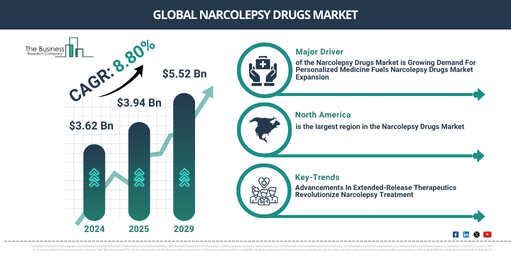
    The market size for narcolepsy drugs has seen a robust growth over the past few years. It is anticipated to expand from $3.62 billion in 2024 to $3.94 billion in 2025, with a compound annual growth rate (CAGR) of 8.9%. Factors such as enhanced awareness and diagnosis, improved treatment availability, regulatory sanctions, increased diagnosis rates and growth in healthcare services have contributed to the growth during the historic period.

    Anticipations are high for robust expansion in the narcolepsy drugs market in the upcoming years, with projections forecasting it to reach$5.52 billion by 2029, growing at a compound annual growth rate (CAGR) of 8.8%. This predicted growth over the forecast period can be linked to the increasing number of sleep disorder cases, advancements in personalized medicine, a rising aging population prone to sleep disorders, improved patient support and assistance programs, and broadening healthcare coverage. Key market trends for the forecast period encompass technological advancements, patient-oriented strategies being maintained by pharmaceutical firms, research investments into therapy using biologics, innovative drug formulation methods, and a noticeable tilt towards non-stimulant alternatives.

    Download a free sample to assess the report’s scope and structure:

    https://www.thebusinessresearchcompany.com/sample.aspx?id=16490&type=smp

    What Are the Primary Drivers Supporting the Market Growth of the Narcolepsy Drugs Market?

    The rising need for custom healthcare is predicted to spur the expansion of the narcolepsy drugs sector. Custom healthcare is grounded in a care philosophy that focuses on adapting medications and interventions to cater to individual patient needs. The escalated drive for custom healthcare is propelled by the fast-paced developments in omics technology, integrated data, genetics, and an understanding of the importance of patient-specific drugs and preventative initiatives. Narcolepsy medications play a crucial role in custom healthcare by adjusting treatment plans to align with a patient’s genetic makeup, symptom magnitude, metabolic speed, and personal preferences, to maximize effectiveness while minimizing side effects. As reported by the US-based professional group, Personalized Medicine Coalition, around 12 new custom treatments were authorized in 2022, constituting approximately 34% of all newly approved therapies compared to 2021. Consequently, this escalating need for custom healthcare fuels the expansion of the narcolepsy drugs sector.

    Which Primary Segments of the Narcolepsy Drugs Market Are Driving Growth and Industry Transformations?

    The narcolepsy drugsmarket covered in this report is segmented –

    1) By Type: Narcolepsy With Cataplexy; Narcolepsy Without Cataplexy; Secondary Narcolepsy

    2) By Disease: Daytime Extreme Sleepiness; Cataplexia; Other Diseases

    3) By Therapeutic: Sodium Oxybate; Central Nervous System Stimulants; Tricyclic Antidepressants; Selective Serotonin Reuptake Inhibitor; Other Therapeutics

    Subsegments:

    1) By Narcolepsy With Cataplexy: Stimulant Medications; Antidepressants; Sodium Oxybate

    2) By Narcolepsy Without Cataplexy: Stimulant Medications; Sodium Oxybate; Selective Serotonin And Norepinephrine Reuptake Inhibitors (SNRIs)

    3) By Secondary Narcolepsy: Treatment For Underlying Conditions; Stimulants And Other Medications For Symptom Management

    Request customized data on this market:

    https://www.thebusinessresearchcompany.com/customise?id=16490&type=smp

    Which Regions Are Key Players in the Growth of the #What Are the Primary Drivers Supporting the Market Growth of the Narcolepsy Drugs Market?# Market?

    North America was the largest region in the narcolepsy drugs market in 2024. Asia-Pacific is expected to be the fastest-growing region in the forecast period. The regions covered in the narcolepsy drugs market report are Asia-Pacific, Western Europe, Eastern Europe, North America, South America, Middle East, Africa.

    What Are the Most Significant Market Trends in the Narcolepsy Drugs Market?

    Leading firms in the narcolepsy drugs market are focusing on the innovation of products like extended-release therapeutics to optimize treatment effectiveness and patient experiences. Extended-release (ER) treatments provide considerable advantages to narcolepsy patients by boosting adherence to medication, maintaining consistent drug levels, minimizing side effects and improving overall symptom control. For example, Avadel Pharmaceuticals, an Ireland-based specialty pharmaceutical company, launched a new extended-release sodium oxybate medicine called Lumryz in May 2023, which received approval from the Food and Drug Administration (FDA), a federal agency in the US. Lumryz employs a unique extended-release mechanism enabling patients to maintain steady therapeutic levels overnight with only one dose, offering improved convenience and compliance compared to conventional multiple-dose methods. This novel medicine addresses a crucial unmet need by streamlining treatment schedules, potentially enhancing patient adherence and enriching the overall quality of life for those living with narcolepsy.

    View the full report here:

    https://www.thebusinessresearchcompany.com/report/narcolepsy-drugs-global-market-report

    What Parameters Are Used to Define the Narcolepsy Drugs Market?

    Narcolepsy drugs are medications specifically designed to manage and alleviate the symptoms of narcolepsy, a chronic neurological disorder characterized by excessive daytime sleepiness (EDS), sudden episodes of muscle weakness or paralysis (cataplexy), sleep paralysis, and hallucinations. These medications are often used in combination and tailored to the individual needs of the patient, aiming to improve quality of life by reducing the severity of narcolepsy symptoms.

    Purchase the full report and get a swift delivery:

    https://www.thebusinessresearchcompany.com/purchaseoptions.aspx?id=16490

    About The Business Research Company:

    With over 15000+ reports from 27 industries covering 60+ geographies, The Business Research Company has built a reputation for offering comprehensive, data-rich research and insights. Armed with 1,500,000 datasets, the optimistic contribution of in-depth secondary research, and unique insights from industry leaders, you can get the information you need to stay ahead in the game.

    Get in touch with us:

    The Business Research Company: https://www.thebusinessresearchcompany.com/

    Americas +1 310-496-7795

    Europe +44 7882 955267

    Asia & Others +44 7882 955267 & +91 8897263534

    Email us at info@tbrc.info

    Follow us on:

    LinkedIn: https://in.linkedin.com/company/the-business-research-company

    YouTube: https://www.youtube.com/channel/UC24_fI0rV8cR5DxlCpgmyFQ

    Global Market Model: https://www.thebusinessresearchcompany.com/global-market-model
  • Heart Transplant Market Trends 2025-2034: Growth, Strategic Insights, and Opportunities Ahead

    Heart Transplant Market Trends 2025-2034: Growth, Strategic Insights, and Opportunities Ahead

    Claim your 30% discount on Global Market Reports with code ONLINE30. Limited time only.

    What Is the Current and Projected Market Size of the Heart Transplant Market Through 2034?

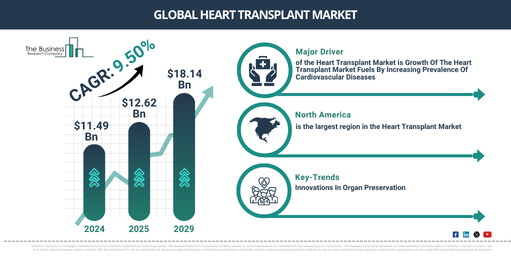
    The market size for heart transplants has seen significant growth in the past few years. The size is estimated to expand from $11.49 billion in 2024 to $12.62 billion in 2025, witnessing a compound annual growth rate (CAGR) of 9.9%. Factors contributing to growth during the historic period include advancements in medical technology, enhanced awareness and education, developments in organ preservation methods, and improvements in healthcare infrastructure.

    The market for heart transplants is predicted to experience significant expansion in the near future. The estimated market size is due to reach $18.14 billion in 2029 with a compound annual growth rate of 9.5%. The anticipated surge over the forecast period is largely due to factors such as government backing and funding, global expansion of transplant programs, augmentation of transplant center capacity, and inclusion of telemedicine and remote monitoring. Technological progress, artificial heart and aid devices, and the use of artificial intelligence in donor organ selection will be the major trends within the forecast period.

    Download a free sample to assess the report’s scope and structure:

    https://www.thebusinessresearchcompany.com/sample.aspx?id=12967&type=smp

    What Are the Major Market Drivers Behind the Rising Adoption of Heart Transplant Market?

    The increasing presence of heart conditions is anticipated to stimulate growth in the heart transplantation market. These cardiovascular diseases encompass various conditions impacting the heart and blood vessels. A heart transplant procedure is oftentimes the final treatment option for patients with advanced heart failure who have seen no improvement with other treatments. Such a procedure can enhance quality of life and prolong life expectancy. For instance, per the British Heart Foundation, a charity based in the UK that focuses on cardiovascular research, approximately 7.6 million people in the UK, consisting of 4 million men and 3.6 million women, are presently dealing with heart and circulatory diseases. Projections indicate that this number could ascend by 1 million by 2030, and potentially see an increase of an additional 2 million by 2040 compared to the current figures. As such, the widespread nature of cardiovascular diseases is expected to fuel the heart transplant market.

    Which Key Market Segments Comprise the Heart Transplant Market and Drive Its Revenue Growth?

    The heart transplantmarket covered in this report is segmented –

    1) By Surgery Type: Total Artificial Heart; Biventricular Pacing; Ventricular Assist Devices; Other Surgery Types

    2) By Transplant: Autograft; Allograft; Other Transplants

    3) By End-User: Hospitals; Cardiac Institutes; Other End-Users

    Subsegments:

    1) By Total Artificial Heart: Temporary Total Artificial Heart; Permanent Total Artificial Heart

    2) By Biventricular Pacing: Cardiac Resynchronization Therapy Pacemakers (CRT-P); Cardiac Resynchronization Therapy Defibrillators (CRT-D)

    3) By Ventricular Assist Devices: Left Ventricular Assist Device (LVAD); Right Ventricular Assist Device (RVAD); Biventricular Assist Device (BIVAD)

    4) By Other Surgery Types: Heart And Lung Transplant; Heterotopic Heart Transplant

    Request customized data on this market:

    https://www.thebusinessresearchcompany.com/customise?id=12967&type=smp

    Which Areas Are Leading Regions in the Heart Transplant Market Expansion Across the Globe?

    North America was the largest region in the heart transplant market in 2024. Asia-Pacific is expected to be the fastest-growing region in the forecast period. The regions covered in heart transplant market report are Asia-Pacific, Western Europe, Eastern Europe, North America, South America, Middle East and Africa.

    What Are the Strategic Trends Steering theHeart Transplant Market Direction?

    Key players in the heart transplant market, including companies like Xvivo Perfusion AB, are increasingly turning their attention towards fostering innovative solutions such as heart preservation technology. This technology aims to extend the preservation life of a heart outside the body compared to traditional ice storage methods. As a result, it promotes improved post-transplant conditions and fewer complications. In May 2023, Xvivo Perfusion, a medical technology firm based in Sweden, obtained the green light from the U.S. Food and Drug Administration for an Investigational Device Exemption (IDE) for its unique heart preservation technology. This approval ultimately kick-started the ‘PRESERVE Clinical Trial.’ The trial is a single-arm, open-label, prospective study angled towards assessing hearts transplanted from extended donors after employing non-ischemic heart preservation methods. This method includes Donation after Circulatory Death (DCD) hearts. One distinctive aspect of XVIVO’s heart preservation approach is its hypothermic perfusion system that is non-ischemic, using cold, oxygenated perfusion to preserve donor hearts during transit.

    View the full report here:

    https://www.thebusinessresearchcompany.com/report/heart-transplant-global-market-report

    How Is the Heart Transplant Market Conceptually Defined?

    A heart transplant is a medical operation that involves removing and replacing a damaged or diseased heart with a healthy donor heart. It is a complex and life-saving medical intervention for individuals with end-stage heart failure or certain severe heart diseases.

    Purchase the full report and get a swift delivery:

    https://www.thebusinessresearchcompany.com/purchaseoptions.aspx?id=12967

    About The Business Research Company:

    With over 15000+ reports from 27 industries covering 60+ geographies, The Business Research Company has built a reputation for offering comprehensive, data-rich research and insights. Armed with 1,500,000 datasets, the optimistic contribution of in-depth secondary research, and unique insights from industry leaders, you can get the information you need to stay ahead in the game.

    Get in touch with us:

    The Business Research Company: https://www.thebusinessresearchcompany.com/

    Americas +1 310-496-7795

    Europe +44 7882 955267

    Asia & Others +44 7882 955267 & +91 8897263534

    Email us at info@tbrc.info

    Follow us on:

    LinkedIn: https://in.linkedin.com/company/the-business-research-company

    YouTube: https://www.youtube.com/channel/UC24_fI0rV8cR5DxlCpgmyFQ

    Global Market Model: https://www.thebusinessresearchcompany.com/global-market-model
  • Key Developments and Trends Steering the Narcolepsy Market Forward: Development Of Extended-Release Medications In The Narcolepsy Market

    Key Developments and Trends Steering the Narcolepsy Market Forward: Development Of Extended-Release Medications In The Narcolepsy Market

    Claim your 30% discount on Global Market Reports with code ONLINE30. Limited time only.

    How Has The Narcolepsy Market Size Shifted, And What Is the Outlook Through 2034?

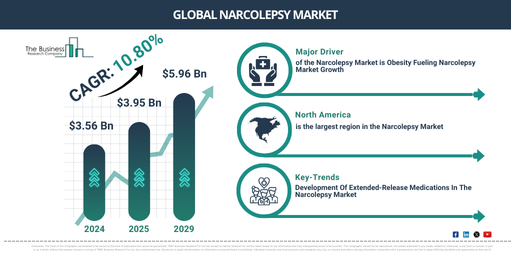
    The size of the narcolepsy market has seen a significant increase in recent times. Its growth forecast predicts an increase from $3.56 billion in 2024 to $3.95 billion in 2025, with a compound annual growth rate (CAGR) of 10.9%. The sizable growth during the historical period can be traced back to a heightened awareness around narcolepsy, advancements in diagnostic equipment, the launch of novel pharmacological therapy options, investments in research and development, and amplified initiatives towards patient education.

    Expectations are high for a significant expansion in the narcolepsy market in the coming years. The market is projected to rise to $5.96 billion by 2029, with a compound annual growth rate (CAGR) of 10.8%. The growth anticipated in this time frame can be attributed to several factors such as an increase in sleep disorders, advancements in healthcare facilities, government policies that support growth, a growing aged population, and heightened awareness of health among consumers. The upcoming trends include breakthroughs in genetic research, technological innovations in diagnostics, the development of new drugs and treatment methods, strategic alliances between key market players, and the rise in digital health tools and telemedicine.

    Download a free sample to assess the report’s scope and structure:

    https://www.thebusinessresearchcompany.com/sample.aspx?id=16491&type=smp

    How Are Key Drivers in the Industry Acting as Catalysts for the Growth of theNarcolepsy Market?

    The escalating prevalence of obesity is anticipated to fuel the growth of the narcolepsy market. Obesity, a health condition marked by extreme body fat accumulation, poses a risk to one’s health. The rising obesity index is credited to increasingly inactive lifestyles, poor eating habits, and environmental factors encouraging the consumption of high-calorie foods and the reduction of physical activity. Obesity has the potential to exacerbate narcolepsy by interfering with the body’s metabolic and hormonal equilibrium, possibly leading to alterations in sleep patterns and wakefulness regulation. For instance, as reported by the World Health Organization, a Switzerland-based specialized agency of the United Nations for international public health, around 1 billion people made up of 650 million adults, 340 million teenagers, and 39 million children were classified as obese in March 2022. This figure continues to increase. Predictions suggest that by 2025, nearly 167 million adults and children will encounter health issues due to their excessive weight. Consequently, the surge in the number of obese individuals is propelling the growth of the narcolepsy market.

    Which Segments in the Narcolepsy Offer the Most Growth?

    The narcolepsymarket covered in this report is segmented –

    1) By Type: Type 1; Type 2

    2) By Treatment: Antidepressants; Stimulants; Sodium Oxybate; Other Treatments

    3) By Diagnosis: Polysomnogram; Multiple Sleep Latency Test

    4) By End Users: Hospitals; Retail Pharmacies; Other End Users

    Subsegments:

    1) By Type 1: Stimulant Medications; Antidepressants; Sodium Oxybate; Immunosuppressive Treatments

    2) By Type 2: Stimulant Medications; Sodium Oxybate; Antidepressants

    Request customized data on this market:

    https://www.thebusinessresearchcompany.com/customise?id=16491&type=smp

    What Are the Fastest-Growing Geographies in the #How Are Key Drivers in the Industry Acting as Catalysts for the Growth of theNarcolepsy Market?# Market?

    North America was the largest region in the narcolepsy market in 2024. Asia-Pacific is expected to be the fastest-growing region in the forecast period. The regions covered in the narcolepsy market report are Asia-Pacific, Western Europe, Eastern Europe, North America, South America, Middle East, Africa.

    What Are the Current Market Growth and Trends in the Narcolepsy Industry?

    Leading firms in the narcolepsy market are shifting their attention towards the creation of innovative medicines such as extended-release sodium oxybate, responding to the rising need for effective therapies. Extended-release sodium oxybate, a drug employed to treat narcolepsy, allows the controlled dispersal of the drug over an extended duration, giving prolonged relief from symptoms and enhancing sleep quality for those affected by narcolepsy. For example, Avadel Pharmaceuticals plc, an Irish pharmaceutical firm, introduced LUMRYZ in the US, in June 2023. LUMRYZ is an FDA-approved, extended-release variant of sodium oxybate for treating cataplexy or excessive daytime sleepiness (EDS) in narcoleptic adults. It is the only oxybate treatment taken once at bedtime, presenting a substantial progression from twice-nightly oxybate products by eliminating the requirement for a second night-time dose.

    View the full report here:

    https://www.thebusinessresearchcompany.com/report/narcolepsy-global-market-report

    What Are the Key Elements That Define the Narcolepsy Market?

    Narcolepsy is a chronic neurological disorder that affects the brain’s ability to regulate sleep-wake cycles. People with narcolepsy often experience excessive daytime sleepiness and uncontrollable episodes of falling asleep during the day, which can occur during any type of activity. Narcolepsy is frequently accompanied by cataplexy, a sudden loss of muscle tone triggered by strong emotions.

    Purchase the full report and get a swift delivery:

    https://www.thebusinessresearchcompany.com/purchaseoptions.aspx?id=16491

    About The Business Research Company:

    With over 15000+ reports from 27 industries covering 60+ geographies, The Business Research Company has built a reputation for offering comprehensive, data-rich research and insights. Armed with 1,500,000 datasets, the optimistic contribution of in-depth secondary research, and unique insights from industry leaders, you can get the information you need to stay ahead in the game.

    Get in touch with us:

    The Business Research Company: https://www.thebusinessresearchcompany.com/

    Americas +1 310-496-7795

    Europe +44 7882 955267

    Asia & Others +44 7882 955267 & +91 8897263534

    Email us at info@tbrc.info

    Follow us on:

    LinkedIn: https://in.linkedin.com/company/the-business-research-company

    YouTube: https://www.youtube.com/channel/UC24_fI0rV8cR5DxlCpgmyFQ

    Global Market Model: https://www.thebusinessresearchcompany.com/global-market-model

  • Healthcare Visual Assistants Market Insights: In-Depth Look at Growth Trends, Market Size, and Opportunities for 2025-2034

    Healthcare Visual Assistants Market Insights: In-Depth Look at Growth Trends, Market Size, and Opportunities for 2025-2034

    Claim your 30% discount on Global Market Reports with code ONLINE30. Limited time only.

    What is the Anticipated CAGR of the Healthcare Visual Assistants Market, and What Factors Will Drive It?

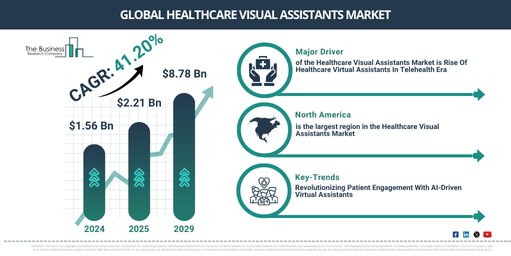
    The market size of healthcare visual assistants has seen exponential growth in the recent past. The market, which is predicted to be worth $1.56 billion in 2024, is expected to surge to $2.21 billion in 2025, with a compound annual growth rate (CAGR) of 41.5%. The significant growth during the historic period can be credited to the enhancement in internet connectivity, rising usage of smartphones, increasing demand in the healthcare sector, and the upsurge in mobile application utilization.

    The market for healthcare visual assistants is predicted to experience a pronounced expansion in the coming years, reaching a value of$8.78 billion by 2029″, marking a compound annual growth rate (CAGR) of 41.2%. This surge during the projection period is likely due to a rising incidence of chronic conditions, heightened patient engagement, greater demand for teleconsultations and an escalating rise of lifestyle diseases. The forecast period will also be characterised by key trends such as technological progressions, product development, collaboration, and investments in the healthcare sector.

    Download a free sample to assess the report’s scope and structure:

    https://www.thebusinessresearchcompany.com/sample.aspx?id=13854&type=smp

    What External and Internal Drivers Are Contributing to the Growth of theHealthcare Visual Assistants Market?

    The anticipated surge in telehealth services is predicted to act as a catalyst for the expansion of the healthcare virtual assistant market. Telehealth services involve leveraging digital communication technologies to provide health-related services and information, spanning aspects like care, advice, reminders, education, interventions, monitoring, and even remote admissions. Healthcare virtual assistants serve to amplify telehealth services by offering automated, round-the-clock patient assistance via digital mediums. This encompasses facilitating the scheduling of appointments, conducting symptom checks, reminding about medication, and imparting tailored health advice, thereby augmenting accessibility and efficiency in the provision of healthcare. As per the Health Information National Trends Survey (HINTS), a government agency in the United States, nearly 40% of US adults had opted for telehealth services in 2022, despite the presence of significant barriers to access. Consequently, the rise in telehealth services is powering the growth trajectory of the healthcare virtual assistant market.

    What Segment Types Define the Healthcare Visual Assistants Market Structure?

    The healthcare visual assistantsmarket covered in this report is segmented –

    1) By Product: Chatbots; Smart Speakers

    2) By Technology: Automatic Speech Recognition (ASR) And Speech Recognition; Text Based; Text-To-Speech

    3) By End User: Providers; Payers; Other End Users

    Subsegments:

    1) By Chatbots: Rule-Based Chatbots; AI-Driven Chatbots; Voice-Enabled Chatbots; Patient Engagement Chatbots

    2) By Smart Speakers: Voice-Activated Smart Speakers; Health-Focused Smart Speakers; Smart Speakers With Display Screens; Multi-Functional Smart Speakers

    Request customized data on this market:

    https://www.thebusinessresearchcompany.com/customise?id=13854&type=smp

    Which Geographic Areas Hold the Strongest Growth Potential in the Healthcare Visual Assistants Market?

    North America was the largest region in the healthcare virtual assistant market in 2024. Asia-Pacific is expected to be the fastest-growing region in the forecast period. The regions covered in the healthcare visual assistants market report are Asia-Pacific, Western Europe, Eastern Europe, North America, South America, Middle East, Africa.

    What Long-Term Trends Are Transforming the Competitive Landscape of the Healthcare Visual Assistants Market?

    Primary players in the healthcare visual assistants market are concentrating on producing creative items with cutting-edge technologies, like AI-powered omnichannel conversational virtual assistants, to boost their market earnings. These AI-enabled omnichannel conversational healthcare virtual assistants are digital instruments that offer personalized, automated patient assistance using artificial intelligence across a variety of communication mediums. For instance, TeleVox, a healthcare technology business from the United States, introduced Iris in April 2023. Iris is an AI-fueled virtual agent with the ability to engage patients in conversation using natural language. Unlike traditional chatbots limited by preset content and responses, Iris employs sophisticated AI abilities, such as large-scale generative models from Microsoft Azure OpenAI Service, allowing Iris to comprehend and immediately answer a wide array of patient inquiries.

    View the full report here:

    https://www.thebusinessresearchcompany.com/report/healthcare-visual-assistants-global-market-report

    What Is the Definition of the Healthcare Visual Assistants Market?

    Healthcare virtual assistants refer to AI-powered digital systems or applications designed to assist patients, healthcare providers, or administrative staff in various healthcare-related tasks and services. Healthcare virtual assistants significantly enhance patient engagement by offering accessible and instant support.

    Purchase the full report and get a swift delivery:

    https://www.thebusinessresearchcompany.com/purchaseoptions.aspx?id=13854

    About The Business Research Company:

    With over 15000+ reports from 27 industries covering 60+ geographies, The Business Research Company has built a reputation for offering comprehensive, data-rich research and insights. Armed with 1,500,000 datasets, the optimistic contribution of in-depth secondary research, and unique insights from industry leaders, you can get the information you need to stay ahead in the game.

    Get in touch with us:

    The Business Research Company: https://www.thebusinessresearchcompany.com/

    Americas +1 310-496-7795

    Europe +44 7882 955267

    Asia & Others +44 7882 955267 & +91 8897263534

    Email us at info@tbrc.info

    Follow us on:

    LinkedIn: https://in.linkedin.com/company/the-business-research-company

    YouTube: https://www.youtube.com/channel/UC24_fI0rV8cR5DxlCpgmyFQ

    Global Market Model: https://www.thebusinessresearchcompany.com/global-market-model

  • Market Trends Influencing Strategic Decisions in the Nanoparticles Contract Manufacturing Industry: Innovation In Commercial Formulation Systems Enhances Competitiveness In Nanoparticle Contract Manufacturing Market

    Market Trends Influencing Strategic Decisions in the Nanoparticles Contract Manufacturing Industry: Innovation In Commercial Formulation Systems Enhances Competitiveness In Nanoparticle Contract Manufacturing Market

    Claim your 30% discount on Global Market Reports with code ONLINE30. Limited time only.

    How Has the Nanoparticles Contract Manufacturing Market Growth Performance Trended Historically, And What Lies Ahead?

    In recent times, the market size of nanoparticles contract manufacturing has seen significant expansion. The market value, which was at $3.27 billion in 2024, is projected to reach $3.67 billion in 2025, showcasing a compound annual growth rate (CAGR) of 12.3%. Factors contributing to this growth during the historic period include rising inclination towards contract manufacturing, the escalating requirement for nanomaterials in diverse applications, increased use in therapeutic drug delivery applications, growing demand for nanomedicine, and the need for high-quality nanoparticles.

    It is anticipated that the market for contract manufacturing of nanoparticles will experience fast-paced expansion in the upcoming years. This market is projected to reach a value of$5.79 billion by 2029, with a compound annual growth rate (CAGR) of 12.1%. The anticipated growth in this time frame can be explained by the growing understanding of pharmaceutical delivery systems, the progress in nanotechnology and material science, the need for improved drug delivery systems, high demand for metal nanoparticles in cancer treatment, and the swift expansion of pharmaceutical firms. Noteworthy trends for this period include strategic collaborations among industry’s top players, technological progress, transition towards environment-friendly nanoparticle production procedures, the incorporation of nanoparticles in food and beverage packaging, and the infusion of technology.

    Download a free sample to assess the report’s scope and structure:

    https://www.thebusinessresearchcompany.com/sample.aspx?id=15869&type=smp

    What Are the Major Market Drivers Behind the Rising Adoption of Nanoparticles Contract Manufacturing Market?

    The rise in research funding is projected to drive the expansion of the nanoparticle contract manufacturing market. When we talk about research investments, we’re referring to the financial capital dedicated to research activities that seek to create new knowledge, enhance scientific comprehension, construct groundbreaking technologies, or solve specific issues. A variety of factors, such as an emphasis on innovation and technology, growing societal challenge awareness, assistance for emerging technologies, policy support and long-term strategizing, and government-funding initiatives, are leading to an increase in these investments. When it comes to the advancement of nanoparticle contract manufacturing, research investments are key as they foster technological novelty, personalization, quality assurance, scalability, interdisciplinary collaboration, market development, and economic growth. For example, the House of Commons (a governing body based in the UK) stated in April 2023 that the Chancellor announced a significant rise in public Research and Development (R&D) spending, aiming to increase the budget from nearly £9 billion ($11.30 billion) last year to £22 billion ($27.64 billion) by the 2024–2025 fiscal year, representing 0.8% of GDP. This demonstrates a dedication to boosting R&D endeavors and fostering homegrown innovation. Consequently, the rise in research investments is fueling the expansion of the nanoparticle contract manufacturing market.

    Which Key Market Segments Comprise the Nanoparticles Contract Manufacturing Market and Drive Its Revenue Growth?

    The nanoparticles contract manufacturingmarket covered in this report is segmented –

    1) By Type Of Nanoparticle: Metal Nanoparticles; Lipid Nanoparticles; Other Nanoparticles

    2) By Manufacturing Scale: Commercial; Clinical; Pre-Clinical

    3) By Application: Therapeutics; Diagnostics; Vaccines

    4) By End-User: Pharmaceutical Companies; Biotechnology Companies

    Subsegments:

    1) By Metal Nanoparticles: Gold Nanoparticles; Silver Nanoparticles; Copper Nanoparticles; Iron Nanoparticles

    2) By Lipid Nanoparticles: Solid Lipid Nanoparticles (SLNs); Nanostructured Lipid Carriers (NLCs); Lipid-Core Micelles

    3) By Other Nanoparticles: Polymeric Nanoparticles; Carbon Nanotubes; Quantum Dots; Dendrimers

    Request customized data on this market:

    https://www.thebusinessresearchcompany.com/customise?id=15869&type=smp

    Which Areas Are Leading Regions in the Nanoparticles Contract Manufacturing Market Expansion Across the Globe?

    North America was the largest region in the nanoparticles contract manufacturing market in 2024. The regions covered in the nanoparticles contract manufacturing market report are Asia-Pacific, Western Europe, Eastern Europe, North America, South America, Middle East, Africa.

    What Are the Strategic Trends Steering theNanoparticles Contract Manufacturing Market Direction?

    Major firms in the nanoparticle contract manufacturing market are striving to get ahead by creating ground-breaking technologies such as commercial formulation systems, which are helpful in the production of drugs for both clinical and commercial purposes. A commercial formulation system is basically a comprehensive platform engineered for the effective procurement and production of nanoparticle-based items. For example, in July 2023, the NanoAssemblr commercial formulation system was introduced by a US-based supplier of life sciences products and solutions, Cytiva. This system is made to minimize the hazard of cross-contamination, critically significant for genomic medicines. It employs a single-use fluid path that enhances output by reducing the downtime required for sanitization and cleaning, thus facilitating the manufacturing of various lipid nanoparticle products within a single facility. The system operates on a 21 CFR Part 11 compliant software that permits electronic batch recordings, keeps track of in-process monitoring of flow rate, and simplifies the operations of priming, calibration, formulating, and in-line dilution.

    View the full report here:

    https://www.thebusinessresearchcompany.com/report/nanoparticles-contract-manufacturing-global-market-report

    How Is the Nanoparticles Contract Manufacturing Market Conceptually Defined?

    Nanoparticle contract manufacturing refers to the outsourcing of the production of nanoparticles to third-party manufacturers or contract manufacturing organizations (CMOs). They serve as a versatile solution for various industries, offering tailored nanoparticle formulations and expertise to meet specific application requirements and drive innovation in diverse fields.

    Purchase the full report and get a swift delivery:

    https://www.thebusinessresearchcompany.com/purchaseoptions.aspx?id=15869

    About The Business Research Company:

    With over 15000+ reports from 27 industries covering 60+ geographies, The Business Research Company has built a reputation for offering comprehensive, data-rich research and insights. Armed with 1,500,000 datasets, the optimistic contribution of in-depth secondary research, and unique insights from industry leaders, you can get the information you need to stay ahead in the game.

    Get in touch with us:

    The Business Research Company: https://www.thebusinessresearchcompany.com/

    Americas +1 310-496-7795

    Europe +44 7882 955267

    Asia & Others +44 7882 955267 & +91 8897263534

    Email us at info@tbrc.info

    Follow us on:

    LinkedIn: https://in.linkedin.com/company/the-business-research-company

    YouTube: https://www.youtube.com/channel/UC24_fI0rV8cR5DxlCpgmyFQ

    Global Market Model: https://www.thebusinessresearchcompany.com/global-market-model