Category: HealthcareServices

  • Niemann-Pick Disease Type C Treatment Industry Insights 2025 – Market Forecast for Executives and Planners

    Niemann-Pick Disease Type C Treatment Industry Insights 2025 – Market Forecast for Executives and Planners

    Claim your 30% discount on Global Market Reports with code ONLINE30. Limited time only.

    How Has the Niemann-Pick Disease Type C Treatment Market Size Changed, over the years?

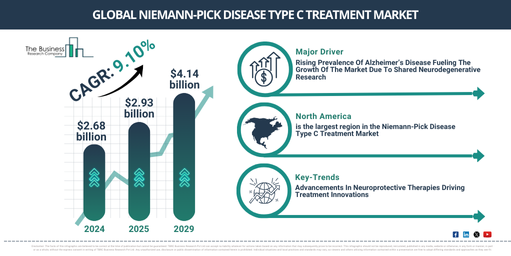
    The market for Niemann-Pick disease type C treatment has seen robust growth lately. Its market size is projected to rise from $2.68 billion in 2024 to $2.93 billion in 2025, marking a compound annual growth rate (CAGR) of 9.2%. The historic growth can be credited to an upscale in healthcare infrastructure, rising incidences of NPC1 and NPC2 gene mutations, a surge in Niemann-Pick disease cases, heightened government funding for research into rare disease treatments, and an increase in awareness and advocacy initiatives.

    How Much Will the Niemann-Pick Disease Type C Treatment Market Be Worth in 2029?

    In the upcoming years, the treatment market for Niemann-Pick disease type C is expected to witness substantial growth. The market is projected to expand to $4.14 billion in 2029, with a compound annual growth rate (CAGR) of 9.1%. The expansion in the forecast period may be due to escalating research and development efforts, increasing pipeline drugs, high incidence of rare illnesses, increased awareness of gene therapy, and advancements in genetic therapies. Key future trends encompass advancements in technology, the emergence of personalized medicine for lysosomal storage disorders, progress in genetic and molecular research, advancements in biotechnology, and the creation of innovative therapeutics.

    Download The Free Sample Report Here:

    https://www.thebusinessresearchcompany.com/sample.aspx?id=23458&type=smp

    Which is the Largest Company in the Niemann-Pick Disease Type C Treatment Market?

    Major companies operating in the niemann-pick disease type c treatment market are Merck & Co. Inc., Mayo Clinic, Boston Children’s Hospital, Cincinnati Children’s Hospital Medical Center, Mallinckrodt Pharmaceuticals, Myriad Genetics Inc., Rainbow Children’s Hospital, CENTOGENE N.V., The Florey Institute of Neuroscience and Mental Health, Insilico Medicine Inc., National Organization for Rare Disorders (NORD), Zevra Therapeutics Inc., Azafaros A.G., IntraBio Inc., National Niemann-Pick Disease Foundation (NNPDF), Bloomsbury Genetic Therapies Ltd., CTD Holdings Inc., Okklo Life Sciences, Vtesse Inc., Cyclo Therapeutics Inc., Mandos Health

    What Are the Main Market Drivers in the Niemann-Pick Disease Type C Treatment Industry?

    The escalation in Alzheimer’s disease cases is predicted to stimulate the expansion of the Niemann-Pick disease type C treatment market. Alzheimer’s disease, a progressive neurodegenerative disorder, is identified by the buildup of beta-amyloid plaques and tau protein tangles in the brain. This leads to a decline in cognition, memory loss, and difficulty in daily activity functioning, all of which ultimately result in severe dementia and neurodegeneration. The surge in Alzheimer’s disease is attributable to the globally aging population. With increased longevity, particularly noticeable in developed nations, the risk of age-centric diseases like Alzheimer’s drastically augments, with age being its most potent known risk factor. Treatment of Niemann-Pick disease type C (NPC) bolsters research into Alzheimer’s Disease by offering understanding into lysosomal storage disorders and dysfunction of lipid metabolism. For instance, the Alzheimer’s Society, a voluntary health organization based in the UK, stated in May 2024 that approximately 982,000 individuals in the UK were projected to be living with dementia in 2024. However, over a third remain undiagnosed, with the count expected to rise to 1.4 million by 2040. Consequently, the escalating prevalence of Alzheimer’s disease is boosting the expansion of the Niemann-Pick disease type C treatment market.

    Request For A Customized Report:

    https://www.thebusinessresearchcompany.com/customise?id=23458&type=smp

    How Is the Niemann-Pick Disease Type C Treatment Market Segments Structured?

    The niemann-pick disease type c treatment market covered in this report is segmented –

    1) By Disease Type: Niemann-Pick Diseases Type C1, Niemann-Pick Diseases Type C2

    2) By Age Group: Infantile, Juvenile, Adult

    3) By End-User: Hospitals, Specialty Clinics, Research And Academic Institutes

    Subsegments:

    1) By Niemann-Pick Disease Type C1: Pharmacological Treatment, Gene Therapy, Substrate Reduction Therapy, Supportive Care

    2) By Niemann-Pick Disease Type C2: Enzyme Replacement Therapy, Pharmacological Treatment, Gene Therapy, Supportive Care

    What Strategic Trends Are Transforming the Niemann-Pick Disease Type C Treatment Market?

    Leading corporations in the Niemann-pick disease type C (NPC) treatment market are channeling their efforts towards the creation of novel therapies such as neuroprotective treatments, with the goal of decelerating the progression of the disease and enhancing patient prognosis. Neuroprotective treatments aim to shield the brain and the nervous system from harm or decay, with a focus on maintaining neurological function in scenarios like neurodegenerative disorders. For example, in September 2024, US-based biopharmaceutical company IntraBio Inc. received approval from the United States Food and Drug Administration (FDA) for AQNEURSA (levacetylleucine), marking it as the first independent treatment for Niemann-Pick Disease Type C (NPC). This endorsement comes on the heels of encouraging results from a Phase III trial, with noticeable neurological benefits observed in NPC patients within a 12-week timeframe. AQNEURSA paves the way for a much-needed treatment alternative for those battling this uncommon lysosomal storage disorder, affecting mobility, cognition, and everyday functioning. IntraBio has future plans to investigate the applicability of AQNEURSA in dealing with other neurodegenerative and neurodevelopmental disorders.

    Access The Full Report Here:

    https://www.thebusinessresearchcompany.com/report/niemann-pick-disease-type-c-treatment-global-market-report

    Which Global Regions Offer the Highest Growth in the Niemann-Pick Disease Type C Treatment Market?

    North America was the largest region in the niemann-pick disease type C treatment market in 2024. Asia-Pacific is expected to be the fastest-growing region in the forecast period. The regions covered in the niemann-pick disease type c treatment market report are Asia-Pacific, Western Europe, Eastern Europe, North America, South America, Middle East, Africa.

    Purchase The Full Report Today:

    https://www.thebusinessresearchcompany.com/purchaseoptions.aspx?id=23458

    This Report Delivers Insight On:

    1. How big is the niemann-pick disease type c treatment market, and how is it changing globally?

    2. Who are the major companies in the niemann-pick disease type c treatment market, and how are they performing?

    3. What are the key opportunities and risks in the niemann-pick disease type c treatment market right now?

    4. Which products or customer segments are growing the most in the niemann-pick disease type c treatment market?

    5. What factors are helping or slowing down the growth of the niemann-pick disease type c treatment market?

    About The Business Research Company:

    With over 15000+ reports from 27 industries covering 60+ geographies, The Business Research Company has built a reputation for offering comprehensive, data-rich research and insights. Armed with 1,500,000 datasets, the optimistic contribution of in-depth secondary research, and unique insights from industry leaders, you can get the information you need to stay ahead in the game.

    Get in touch with us:

    The Business Research Company: https://www.thebusinessresearchcompany.com/

    Americas +1 310-496-7795

    Europe +44 7882 955267

    Asia & Others +44 7882 955267 & +91 8897263534

    Email us at info@tbrc.info

    Follow us on:

    LinkedIn: https://in.linkedin.com/company/the-business-research-company

    YouTube: https://www.youtube.com/channel/UC24_fI0rV8cR5DxlCpgmyFQ

    Global Market Model: https://www.thebusinessresearchcompany.com/global-market-model
  • Medical Pendant Forecast Report – Designed for Decision Makers and Product Teams

    Claim your 30% discount on Global Market Reports with code ONLINE30. Limited time only.

    What Is the Growth Rate of the Medical Pendant Market?

    Recent years have seen a robust growth in the size of the medical pendant market, with projections indicating that it will expand from $0.62 billion in 2024 to $0.67 billion in 2025, registering a compound annual growth rate (CAGR) of 9.5%. The growth observed in the past periods can be traced back to a rise in demand for ergonomic solutions, an aging population, increased incidents of chronic diseases, higher healthcare spending, as well as enhanced needs in critical care settings.

    What Growth Rate Is Forecasted for the Medical Pendant Market by 2029?

    In the upcoming years, the medical pendant market is predicted to witness significant expansion, reaching a value of $0.96 billion in 2029 with a Compound Annual Growth Rate (CAGR) of 9.2%. This projected growth during the forecast period can be ascribed to factors such as an increased emphasis on individualized development, the surge in surgical procedures, the proliferation of healthcare facilities, enhanced health consciousness, and a growing pool of healthcare professionals. Key trends expected during the forecast period include the incorporation of cutting-edge technologies, strategic alliances, the inclusion of telemedicine, healthcare automation, and the advent of user-friendly medical pendant solutions.

    Download The Free Sample Report Here:

    https://www.thebusinessresearchcompany.com/sample.aspx?id=23448&type=smp

    Which Key Companies Are Shaping the Future of the Medical Pendant Market?

    Major companies operating in the medical pendant market are Stryker Corporation, Philips Healthcare, Shanghai Zhenghua Medical Equipment Co. Ltd, Shinva Medical Instrument Co. Ltd, Heal Force Bio-Meditech Holdings Limited, Dragerwerk AG & Co. KGaA, BeaconMedaes LLC, Saikang Medical Equipment Co Ltd., Merivaara Corp., WEYUAN Medical, AMCAREMED TECHNOLOGY CO. LIMITED, Beijing Aeonmed Co. Ltd., Emaled GmbH, Freedom Medical Alarms, Millennium Medical Products Ltd., NOVAIR MEDICAL Corp, Surgiris, FEPDON MEDICAL TECHNOLOGY CO. LTD., Shandong Chenhong Medical Technology Co. Ltd., GCE Holding AB.

    Which Factors Are Driving Demand in the Medical Pendant Industry?

    The surge in surgical operations is projected to promote the expansion of the medical pendant market during the forecast period. Surgical procedures, which refer to medical activities that involve incisions or alterations for the treatment of injuries, diseases, or disorders, are increasing due to the heightened prevalence of chronic illnesses such as cardiovascular problems and cancer. These illnesses demand surgical interventions for treatment, fueled by aging demographics, changes in lifestyle, and developments in medical technology that enhance the success rates and accessibility of surgeries. Pendants play a crucial role in these procedures, organizing and managing essential medical equipment, gases, and electrical connections, effectively, maintaining an uncluttered, sterile and safe surgery environment. This ultimately enhances surgical accuracy, shortens procedure duration, and reduces the risk of equipment-related accidents. As an example, the Australian Institute of Health and Welfare reported in November 2024 that during the 2023-2024 period, the total number of patients admitted for surgery from public hospital elective surgery waiting lists reached 771,600, marking a 4.9% increase compared to 2022-23. Hence, the increase in surgical procedures is propelling the growth of the medical pendant market.

    Request For A Customized Report:

    https://www.thebusinessresearchcompany.com/customise?id=23448&type=smp

    How Is the Medical Pendant Market Segmented by Several Divisions?

    The medical pendant market covered in this report is segmented –

    1) By Type: Fixed Pendant, Single Arm Movable Pendant, Double And Multi Arm Movable Pendant, Accessories

    2) By Technology: Manual, Motorized, Pneumatic

    3) By Installation: Ceiling Mounted Pendants, Wall Mounted Pendants, Other Installations

    4) By Application: Surgery, Endoscopy, Anesthesia, Intensive Care Unit (ICU), Other Applications

    5) By End-User: Hospitals, Clinics, Other End-Users

    Subsegments:

    1) By Fixed Pendant: Ceiling-Mounted Fixed Pendant, Wall-Mounted Fixed Pendant

    2) By Single Arm Movable Pendant: Motorized Single Arm Pendant, Manual Single Arm Pendant

    3) By Double And Multi-Arm Movable Pendant: Motorized Multi-Arm Pendant, Manual Multi-Arm Pendant

    4) By Accessories: Gas Outlets, Shelves And Drawers, IV Poles, Monitor Holders, Cable Management Systems

    What are the Emerging Market Trends Driving the Growth of the Medical Pendant Industry?

    Primary players in the medical pendant market, such as Arthrex, are honing in on strategic partnerships as a means to pool resources, encourage innovation, mitigate hazards, and broaden their overall market presence. These collaborations combine the skills, technology, or resources of different organizations to effectuate shared objectives or secure a competitive advantage in the sector. For instance, in July 2022, Arthrex, renowned for its minimally invasive orthopedic products, joined forces with Skytron, a notable medical pendant manufacturer. Their goal is to offer expansive room solutions tailored to meet the changing demands of surgical care facilities. This collaboration has enabled the delivery of an advanced technology offering, inclusive of an integrated operating room setup, all in one package. Moreover, it involves a set of complementary products designed to improve surgical performance and boost patient recovery rates. Together, Arthrex and Skytron aim to introduce superior, tailor-made solutions meeting the unique needs of hospitals and surgical centers.

    Access The Full Report Here:

    https://www.thebusinessresearchcompany.com/report/medical-pendant-global-market-report

    Which Regions Are Driving Growth in the Medical Pendant Market?

    North America was the largest region in the medical pendant market in 2024. Asia-Pacific is expected to be the fastest-growing region in the forecast period. The regions covered in the medical pendant market report are Asia-Pacific, Western Europe, Eastern Europe, North America, South America, Middle East, Africa.

    Purchase The Full Report Today:

    https://www.thebusinessresearchcompany.com/purchaseoptions.aspx?id=23448

    This Report Delivers Insight On:

    1. How big is the medical pendant market, and how is it changing globally?

    2. Who are the major companies in the medical pendant market, and how are they performing?

    3. What are the key opportunities and risks in the medical pendant market right now?

    4. Which products or customer segments are growing the most in the medical pendant market?

    5. What factors are helping or slowing down the growth of the medical pendant market?

    About The Business Research Company:

    With over 15000+ reports from 27 industries covering 60+ geographies, The Business Research Company has built a reputation for offering comprehensive, data-rich research and insights. Armed with 1,500,000 datasets, the optimistic contribution of in-depth secondary research, and unique insights from industry leaders, you can get the information you need to stay ahead in the game.

    Get in touch with us:

    The Business Research Company: https://www.thebusinessresearchcompany.com/

    Americas +1 310-496-7795

    Europe +44 7882 955267

    Asia & Others +44 7882 955267 & +91 8897263534

    Email us at info@tbrc.info

    Follow us on:

    LinkedIn: https://in.linkedin.com/company/the-business-research-company

    YouTube: https://www.youtube.com/channel/UC24_fI0rV8cR5DxlCpgmyFQ

    Global Market Model: https://www.thebusinessresearchcompany.com/global-market-model
  • Medical Mammography Equipment  Market Outlook 2025 – Insights for Executive and Strategic Planning

    Medical Mammography Equipment Market Outlook 2025 – Insights for Executive and Strategic Planning

    Claim your 30% discount on Global Market Reports with code ONLINE30. Limited time only.

    How Has the Medical Mammography Equipment Market Grown from 2024 to 2025?

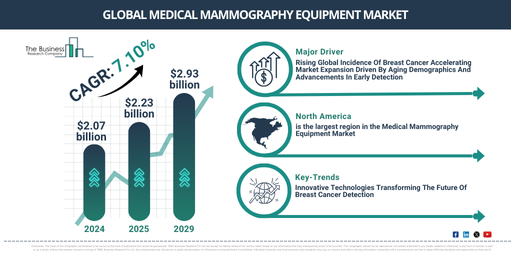
    There has been robust growth in the size of the medical mammography equipment market in the recent past. The market is forecasted to expand from $2.07 billion in 2024 to $2.23 billion in 2025, with a compound annual growth rate (CAGR) of 7.4%. Factors contributing to growth during the historic period include heightened awareness of breast cancer, increased demand for early detection technologies, government programs and funding for breast cancer screening, boosted healthcare spending, and a surge in breast cancer occurrence among women.

    What Growth Rate Is Anticipated for the Medical Mammography Equipment Market in the Coming Years?

    The market for medical mammography equipment is set to experience robust expansion in the coming years, wide to reach $2.93 billion by 2029 with a compound annual growth rate (CAGR) of 7.1%. This anticipated surge throughout the forecasting period is primarily attributed to the increasing use of digital mammography systems, the rise in the elderly population, expansion of healthcare infrastructure, advancements in breast cancer detection using artificial intelligence, heightened emphasis on preventive healthcare and early diagnosis. The forecast period will also witness significant trends like the progress in 3D mammography technology, enhanced integration of AI and machine learning for improved diagnosis, the introduction of portable and compact mammography units, innovation in personalised breast cancer screening, and progress in contrast-enhanced mammography techniques.

    Download The Free Sample Report Here:

    https://www.thebusinessresearchcompany.com/sample.aspx?id=23447&type=smp

    Who Are the Leading Companies in the Medical Mammography Equipment Market?

    Major companies operating in the medical mammography equipment market are Siemens Healthineers, Fujifilm Holdings Corporation, Koninklijke Philips N.V., GE Healthcare, Konica Minolta Inc., Hologic Inc., Canon Medical Systems Corporation, Carestream Health, Analogic Corporation, SuperSonic Imagine, Planmed Oy, DMS Imaging, Allengers Medical Systems Limited, Delphinus Medical Technologies Inc., CMR Naviscan, Metaltronica S.p.A., SonoCine Inc., Koning Corporation, Micrima Limited, BMI Biomedical International

    What Are the Key Drivers of the Medical Mammography Equipment Market?

    The surge in breast cancer cases is anticipated to boost the expansion of the medical mammography equipment market. Breast cancer is a condition wherein breast cells uncontrollably multiply, resulting in a tumor that is often visible in an x-ray or can be felt as a lump. The growth in breast cancer cases can be attributed to elevated exposure to endocrine-disrupting chemicals, as they disrupt the hormonal equilibrium and increase the probability of hormone-triggered tumor development. Medical mammography equipment is instrumental in detecting breast cancer at an initial stage, facilitating prompt treatment and enhancing survival probabilities. For example, in September 2024, Cancer Australia, a government agency based in Australia, disclosed that in 2022, breast cancer constituted 12.7% of all novel cancer cases, with 20,640 diagnoses and 3,214 associated fatalities. Thus, the rising prevalence of breast cancer is contributing to the proliferation of the medical mammography equipment market.

    Request For A Customized Report:

    https://www.thebusinessresearchcompany.com/customise?id=23447&type=smp

    What Are the Key Market Segments in the Medical Mammography Equipment Industry?

    The medical mammography equipment market covered in this report is segmented –

    1) By Product Type: Analog Mammography Equipment, Digital Mammography Equipment, 3D Mammography (Tomosynthesis), MRI Mammography, Screening Mammography Systems

    2) By Technology: Film-Based Technology, Digital Technology, Computed Radiography, Computed Radiography

    3) By Application: Screening For Breast Cancer, Diagnostic Mammography, Monitoring Treatment Responses, Research And Development In Breast Health

    4) By End-User: Hospitals, Diagnostic Imaging Centers, Specialized Clinics, Research Institutions

    Sub Segments:

    1) By Analog Mammography Equipment: Film-Screen Mammography Systems, Dedicated Analog Mammography Units, Retrofit Analog Systems

    2) By Digital Mammography Equipment: Full-Field Digital Mammography (FFDM), Computed Radiography (CR) Mammography, Digital Breast Imaging Workstations

    3) By 3D Mammography (Tomosynthesis): Standalone Tomosynthesis Systems, Combo 2D/3D Systems, Mobile Tomosynthesis Units

    4) By MRI Mammography: Breast MRI Scanners, Dedicated Breast Coils, Contrast Agents for Breast MRI

    5) By Screening Mammography Systems: Hospital-Based Screening Systems, Mobile Screening Units, Public Health Screening Programs

    What Are the Latest Trends in the Medical Mammography Equipment Market?

    Top enterprises in the medical mammography equipment industry are prioritizing the development of cutting-edge technologies, such as digital breast chemosynthesis (DBT), to elevate early detection of breast cancer, refine diagnostic precision, lower recall rates, and offer more personalized and effective patient treatment. Digital breast tomosynthesis (DBT) is a technique that utilizes multiple X-ray images from a range of angles to crate a 3D-like visual of the breast. To illustrate, a medical tech corporation based in Germany, Siemens Healthineers, released the Mammomat B. Brilliant in October 2023. This next-gen tomosynthesis mammography system comes equipped with a wide-angle tube design that enhances 3D imaging of the breast for better cancer detection. The design of the system prioritises high-resolution imaging while also considering patient’s comfort and reducing radiation exposure. The device is envisioned to usher in advancements in breast cancer diagnostics via more accurate and efficient screening. The Mammomat B. Brilliant showcases the company’s dedication to exploiting sophisticated imaging technologies in the field of women’s health.

    Access The Full Report Here:

    https://www.thebusinessresearchcompany.com/report/medical-mammography-equipment-global-market-report

    What Are the Key Regional Markets in the Medical Mammography Equipment Industry?

    North America was the largest region in the medical mammography equipment market in 2024. Asia-Pacific is expected to be the fastest-growing region in the forecast period. The regions covered in the medical mammography equipment market report are Asia-Pacific, Western Europe, Eastern Europe, North America, South America, Middle East, Africa.

    Purchase The Full Report Today:

    https://www.thebusinessresearchcompany.com/purchaseoptions.aspx?id=23447

    This Report Delivers Insight On:

    1. How big is the medical mammography equipment market, and how is it changing globally?

    2. Who are the major companies in the medical mammography equipment market, and how are they performing?

    3. What are the key opportunities and risks in the medical mammography equipment market right now?

    4. Which products or customer segments are growing the most in the medical mammography equipment market?

    5. What factors are helping or slowing down the growth of the medical mammography equipment market?

    About The Business Research Company:

    With over 15000+ reports from 27 industries covering 60+ geographies, The Business Research Company has built a reputation for offering comprehensive, data-rich research and insights. Armed with 1,500,000 datasets, the optimistic contribution of in-depth secondary research, and unique insights from industry leaders, you can get the information you need to stay ahead in the game.

    Get in touch with us:

    The Business Research Company: https://www.thebusinessresearchcompany.com/

    Americas +1 310-496-7795

    Europe +44 7882 955267

    Asia & Others +44 7882 955267 & +91 8897263534

    Email us at info@tbrc.info

    Follow us on:

    LinkedIn: https://in.linkedin.com/company/the-business-research-company

    YouTube: https://www.youtube.com/channel/UC24_fI0rV8cR5DxlCpgmyFQ

    Global Market Model: https://www.thebusinessresearchcompany.com/global-market-model
  • Leber Hereditary Optic Neuropathy Treatment Industry Valued at $0.53 Billion by 2029 With CAGR of 7.8% | Size and Share Insights

    Leber Hereditary Optic Neuropathy Treatment Industry Valued at $0.53 Billion by 2029 With CAGR of 7.8% | Size and Share Insights

    Claim your 30% discount on Global Market Reports with code ONLINE30. Limited time only.

    What Is the Forecast for the Leber Hereditary Optic Neuropathy Treatment Market from 2024 to 2025?

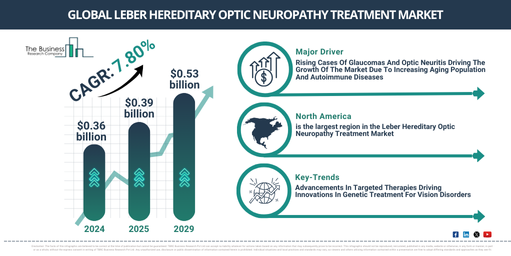
    The market size for treating leber hereditary optic neuropathy has been on a steady surge over the past few years. It’s projected to inflate from $0.36 billion in 2024 to $0.39 billion in 2025 with a compound annual growth rate (CAGR) of 8.1%. Factors such as the growing number of leber hereditary optic neuropathy cases, an expanding elderly population, a surge in diabetes cases, the rising necessity for cell-free DNA in maternal plasma tests, and increased investments in the healthcare sector have contributed to this historic growth.

    What Is the Projected Market Size of the Leber Hereditary Optic Neuropathy Treatment Market?

    A substantial growth is anticipated in the leber hereditary optic neuropathy treatment market in the coming years. The projections show it will reach $0.53 billion by 2029, with a compound annual growth rate (CAGR) of 7.8%. This predicted growth for the forecasting period could be due to an increased demand for innovative treatment techniques and interventions, a surge in the need for specialized diagnostic services, a rise in awareness and early detection of optical neuropathies, an increased demand for new LHON treatments, and advancements in product design and quality. The forecast period is set to witness key trends such as the rise of targeted therapies, advancements in genetic testing, progress in surgical and pharmacological therapies, technological enhancements in gene therapy, and the growth of gene therapy.

    Download The Free Sample Report Here:

    https://www.thebusinessresearchcompany.com/sample.aspx?id=23438&type=smp

    Who are the Major Competitors in the Leber Hereditary Optic Neuropathy Treatment Market Outlook?

    Major companies operating in the leber hereditary optic neuropathy treatment market are UPMC, Astellas Pharma Inc., Mayo Foundation for Medical Education and Research, Cleveland Clinic Foundation, The Children’s Hospital of Philadelphia, Chiesi Farmaceutici S.p.A., Medicover Hospitals, Harvard Medical School, BridgeBio Pharma Inc., Neurophth Therapeutics Co. Ltd., PreventionGenetics, Stealth BioTherapeutics Corp., Genethon, Reneo Pharmaceuticals Inc., GenSight Biologics S.A., Eye Stem Cell Center, Khondrion B.V., Ixchel Pharma Inc., Abliva AB, Mitotech S.A.

    What Is Fueling Growth in the Leber Hereditary Optic Neuropathy Treatment Market?

    The escalating prevalence of glaucoma and optic neuritis is anticipated to spur the expansion of the leber hereditary optic neuropathy treatment market. These eye conditions, commonly characterized by optic nerve damage, can be induced by the increased intraocular pressure in glaucoma or inflammation linked to autoimmune diseases in optic neuritis, leading to vision impairment. The rise in these diseases can be attributed to an aging demographic and advancements in diagnostic methodologies. The odds of developing glaucoma, marked by increased intraocular pressure leading to damage to the optic nerve, surge considerably with the aging global populace. Glaucoma and optic neuritis cause optic nerve damage and vision impairment, akin to LHON. With the growing commonness of these afflictions, more focus and research is being invested towards treatment options that tackle optic nerve degeneration, which can be advantageous to LHON treatment, considering the shared mechanisms of optic nerve impairment. For instance, as per the Centers for Disease Control and Prevention, a US federal agency, in October 2024, there are over 3 million Americans with glaucoma, a figure expected to hit 6.3 million by 2050 due to the aging US populace. Hence, the escalating prevalence of glaucoma and optic neuritis propels the expansion of the leber hereditary optic neuropathy treatment market.

    Request For A Customized Report:

    https://www.thebusinessresearchcompany.com/customise?id=23438&type=smp

    Which Leber Hereditary Optic Neuropathy Treatment Market Segments Are Growing the Fastest?

    The leber hereditary optic neuropathy treatment market covered in this report is segmented –

    1) By Treatment: Medication, Stem Cell Therapy, Gene Therapy, Genetic Counseling

    2) By Route Of Administration: Intramuscular, Oral, Other Routes Of Administration

    3) By Diagnosis: Molecular Genetic Testing, Magnetic Resonance Imaging (MRI), Blood tests, Other Diagnosis

    4) By Distribution Channel: Hospital Pharmacy, Retail Pharmacy, Online Pharmacy

    5) By End-Users: Clinic, Hospital, Other End-Users

    Subsegments:

    1) By Medication: Idebenone, Antioxidants, Mitochondrial-Targeted Therapies, Neuroprotective Agents

    2) By Stem Cell Therapy: Autologous Stem Cell Therapy, Allogeneic Stem Cell Therapy, Induced Pluripotent Stem Cell (iPSC) Therapy

    3) By Gene Therapy: Adeno-Associated Virus (AAV)-Mediated Therapy, Mitochondrial Gene Editing, RNA-Based Therapies

    4) By Genetic Counseling: Carrier Screening, Predictive Testing, Family Risk Assessment, Pre-Symptomatic Genetic Counseling

    Which Industry Trends Are Shaping the Future of the Leber Hereditary Optic Neuropathy Treatment Market?

    Prominent firms in the leber hereditary optic neuropathy (LHON) treatment market are concentrating on the evolution of unique solutions such as gene therapy clinical trials to enhance treatment effectiveness, reinstate mitochondrial operation, and tackle the genetic roots of LHON. The intention of gene therapy trials is to mend vision by adding working versions of faulty mitochondrial genes like ND4. Before securing regulatory permission, these research processes undergo several phases which include preclinical study, phase 1, 2 and 3 trials. As an example, Neurophth Therapeutics, a China-based gene therapy enterprise, launched a Phase I/II clinical trial targeting ND1-LHON in China and the U.S. in August 2023. The goal of the trial was to assess the safety, compatibility, and effectiveness of NFS-02 after gaining permission from the U.S. FDA and China’s NMPA. The first patient has been administered the dose, signifying a crucial accomplishment in Neurophth’s international endeavors towards initial drug approval and marketing. Additionally, the company is speeding up participant recruitment and researching more gene therapy uses for other unfulfilled medical requirements.

    Access The Full Report Here:

    https://www.thebusinessresearchcompany.com/report/leber-hereditary-optic-neuropathy-treatment-global-market-report

    Which Countries Are Leading the Leber Hereditary Optic Neuropathy Treatment Market?

    North America was the largest region in the leber hereditary optic neuropathy treatment market in 2024. Asia-Pacific is expected to be the fastest-growing region in the forecast period. The regions covered in the leber hereditary optic neuropathy treatment market report are Asia-Pacific, Western Europe, Eastern Europe, North America, South America, Middle East, Africa.

    Purchase The Full Report Today:

    https://www.thebusinessresearchcompany.com/purchaseoptions.aspx?id=23438

    This Report Delivers Insight On:

    1. How big is the leber hereditary optic neuropathy treatment market, and how is it changing globally?

    2. Who are the major companies in the leber hereditary optic neuropathy treatment market, and how are they performing?

    3. What are the key opportunities and risks in the leber hereditary optic neuropathy treatment market right now?

    4. Which products or customer segments are growing the most in the leber hereditary optic neuropathy treatment market?

    5. What factors are helping or slowing down the growth of the leber hereditary optic neuropathy treatment market?

    About The Business Research Company:

    With over 15000+ reports from 27 industries covering 60+ geographies, The Business Research Company has built a reputation for offering comprehensive, data-rich research and insights. Armed with 1,500,000 datasets, the optimistic contribution of in-depth secondary research, and unique insights from industry leaders, you can get the information you need to stay ahead in the game.

    Get in touch with us:

    The Business Research Company: https://www.thebusinessresearchcompany.com/

    Americas +1 310-496-7795

    Europe +44 7882 955267

    Asia & Others +44 7882 955267 & +91 8897263534

    Email us at info@tbrc.info

    Follow us on:

    LinkedIn: https://in.linkedin.com/company/the-business-research-company

    YouTube: https://www.youtube.com/channel/UC24_fI0rV8cR5DxlCpgmyFQ

    Global Market Model: https://www.thebusinessresearchcompany.com/global-market-model
  • Juvenile Macular Degeneration Treatment Market to Reach $1.88 Billion by 2029 | Key Drivers and Future Outlook

    Juvenile Macular Degeneration Treatment Market to Reach $1.88 Billion by 2029 | Key Drivers and Future Outlook

    Claim your 30% discount on Global Market Reports with code ONLINE30. Limited time only.

    What Is the Growth Rate of the Juvenile Macular Degeneration Treatment Market?

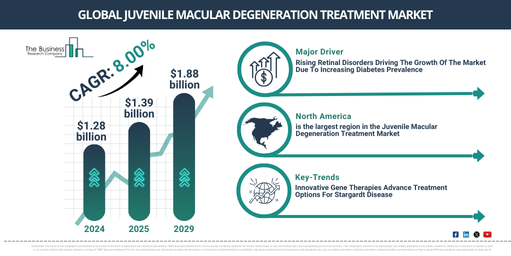
    In recent times, there has been a notable expansion in the market size of the treatment for juvenile macular degeneration. It is projected to escalate from $1.28 billion in 2024 to $1.39 billion in 2025, experiencing a compound annual growth rate (CAGR) of 8.2%. This growth during the historic period is a consequence of increasing instances of genetic eye disorders, heightened investments in ophthalmic research, a greater emphasis on children’s eye health, a surge in vision impairment cases among children, and the rising adoption of artificial intelligence in eye care diagnostics.

    What Growth Rate Is Forecasted for the Juvenile Macular Degeneration Treatment Market by 2029?

    The market for juvenile macular degeneration treatments is projected to witness significant expansion in the coming years, with a predicted rise to $1.88 billion in 2029 and a compound annual growth rate (CAGR) of 8.0%. This anticipated growth over the forecasting period can be credited to various factors such as an increasing geriatric population, a surge in startups dedicated to ophthalmic biotechnology, greater emphasis on targeted drug delivery systems, a heightened number of clinical trials, and rising investments in gene therapy. Expected trends within this forecast period encompass advancements in genetic testing, growth in gene therapy developments, stem cell research, regulatory backing for novel therapies, and personalized medicinal practices.

    Download The Free Sample Report Here:

    https://www.thebusinessresearchcompany.com/sample.aspx?id=23433&type=smp

    Which Key Companies Are Shaping the Future of the Juvenile Macular Degeneration Treatment Market?

    Major companies operating in the juvenile macular degeneration treatment market are F. Hoffmann-La Roche Ltd., Bayer AG, Novartis AG, AbbVie Inc., Regeneron Pharmaceuticals Inc., Astellas Pharma Inc., Biogen Inc., Santen Pharmaceutical Co. Ltd., Teva Pharmaceutical Industries Ltd., Samsung Bioepis Co. Ltd., Spark Therapeutics Inc., Polpharma Biologics S.A., OrCam Technologies Ltd., Alkeus Pharmaceuticals Inc., Bioeq AG, NuEyes Technologies Inc., Coherus BioSciences Inc., eSight Eyewear Inc., MeiraGTx Holdings plc, Kubota Pharmaceutical Holdings Co. Ltd.

    Which Factors Are Driving Demand in the Juvenile Macular Degeneration Treatment Industry?

    The escalating incidence of retinal issues is predicted to spur the expansion of the juvenile macular degeneration treatment market in the future. Retinal issues encompass a range of conditions that impact the retina, which is the area at the rear of the eye that is sensitive to light and can cause vision disruption or loss. The upsurge in retinal disorders is linked to the growing frequency of diabetes, which can contribute to problems like diabetic retinopathy that progressively harms the retina. Juvenile macular degeneration therapies play a vital role in managing retinal disorders in younger patients by helping maintain vision through early intervention. For example, Retina Australia, a non-profit organization based in Australia, released a report in November 2024 stating that approximately 19,000 individuals or around 1 in 1,380 people in Australia are believed to be living with an inherited retinal disease (IRD). Moreover, based on the statistics from the National Eye Institute, a health institute based in the US, it is projected that the number of Americans suffering from advanced age-related macular degeneration (AMD) will rise from the present 2.1 million to about 3.7 million by 2030. Hence, the climbing occurrence of retinal issues is fueling the expansion of the juvenile macular degeneration treatment market.

    Request For A Customized Report:

    https://www.thebusinessresearchcompany.com/customise?id=23433&type=smp

    How Is the Juvenile Macular Degeneration Treatment Market Segmented by Several Divisions?

    The juvenile macular degeneration treatment market covered in this report is segmented –

    1) By Type: Wet Age-Related Macular Degeneration, Dry Age-Related Macular Degeneration

    2) By Treatment: Devices, Drugs, Surgery

    3) By Application: Vision Preservation, Disease Management, Symptom Relief, Preventive Care, Clinical Trials

    4) By Sales Channel: Hospitals, Ambulatory Surgical Centres, Other Sales Channel

    Subsegments:

    1) By Wet Age-Related Macular Degeneration: Anti-Vascular Endothelial Growth Factor (Anti-VEGF) Therapy, Photodynamic Therapy (PDT), Laser Therapy

    2) By Dry Age-Related Macular Degeneration: Nutritional Supplements, Gene Therapy, Stem Cell Therapy

    What are the Emerging Market Trends Driving the Growth of the Juvenile Macular Degeneration Treatment Industry?

    Leading firms in the juvenile macular degeneration treatment marketplace are concentrating on creating novel solutions like dual adeno-associated viral (AAV) vectors. This will bolster gene therapy delivery and enhance therapeutic efficacy for those afflicted with juvenile macular degeneration. Dual AAV vectors are a gene therapy methodology that utilizes two AAV vectors to carry large curative genes, which single AAV cannot package. For instance, in March 2025, the pioneering patient dosing in SpliceBio’s Phase 1/2 ASTRA study was declared. SpliceBio is a Spain-based biotechnology business and they’ve developed a dual AAV vector gene therapy named SB-007. Its purpose is to rejuvenate the full-length ABCA4 protein expression. The therapy’s goal is to cater to a potential cure for juvenile macular degeneration (or Stargardt disease), a congenital retinal disorder with no sanctioned treatments, intending to benefit all patients irrespective of their genetic variations. This achievement signifies a substantial stride towards the evolution of efficient gene treatments for infrequent retinal diseases.

    Access The Full Report Here:

    https://www.thebusinessresearchcompany.com/report/juvenile-macular-degeneration-treatment-global-market-report

    Which Regions Are Driving Growth in the Juvenile Macular Degeneration Treatment Market?

    North America was the largest region in the juvenile macular degeneration treatment market in 2024. The regions covered in the juvenile macular degeneration treatment market report are Asia-Pacific, Western Europe, Eastern Europe, North America, South America, Middle East, Africa.

    Purchase The Full Report Today:

    https://www.thebusinessresearchcompany.com/purchaseoptions.aspx?id=23433

    This Report Delivers Insight On:

    1. How big is the juvenile macular degeneration treatment market, and how is it changing globally?

    2. Who are the major companies in the juvenile macular degeneration treatment market, and how are they performing?

    3. What are the key opportunities and risks in the juvenile macular degeneration treatment market right now?

    4. Which products or customer segments are growing the most in the juvenile macular degeneration treatment market?

    5. What factors are helping or slowing down the growth of the juvenile macular degeneration treatment market?

    About The Business Research Company:

    With over 15000+ reports from 27 industries covering 60+ geographies, The Business Research Company has built a reputation for offering comprehensive, data-rich research and insights. Armed with 1,500,000 datasets, the optimistic contribution of in-depth secondary research, and unique insights from industry leaders, you can get the information you need to stay ahead in the game.

    Get in touch with us:

    The Business Research Company: https://www.thebusinessresearchcompany.com/

    Americas +1 310-496-7795

    Europe +44 7882 955267

    Asia & Others +44 7882 955267 & +91 8897263534

    Email us at info@tbrc.info

    Follow us on:

    LinkedIn: https://in.linkedin.com/company/the-business-research-company

    YouTube: https://www.youtube.com/channel/UC24_fI0rV8cR5DxlCpgmyFQ

    Global Market Model: https://www.thebusinessresearchcompany.com/global-market-model
  • Juvenile Idiopathic Arthritis Diagnostic Market Size to Exceed $6.31 Billion by 2029 | Growth and Industry Trends

    Juvenile Idiopathic Arthritis Diagnostic Market Size to Exceed $6.31 Billion by 2029 | Growth and Industry Trends

    Claim your 30% discount on Global Market Reports with code ONLINE30. Limited time only.

    How Has the Juvenile Idiopathic Arthritis Diagnostic Market Grown from 2024 to 2025?

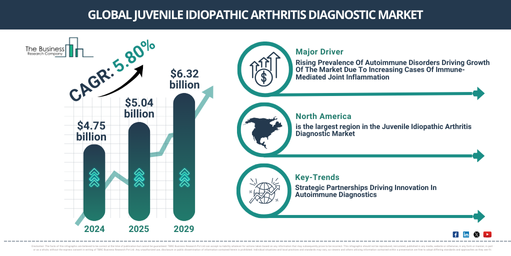
    The market size for diagnosing juvenile idiopathic arthritis has experienced significant growth in the past few years. A rise from $4.75 billion in 2024 to $5.04 billion in 2025, a compound annual growth rate (CAGR) of 6.1%, is projected. This growth during the historic period is largely down to an increased prevalence of juvenile idiopathic arthritis, a heightened understanding of pediatric autoimmune conditions, early diagnosis, an increase in healthcare investments, and a growing emphasis on child healthcare.

    What Growth Rate Is Anticipated for the Juvenile Idiopathic Arthritis Diagnostic Market in the Coming Years?

    In the upcoming years, the juvenile idiopathic arthritis diagnostic market is projected to witness substantial growth, elevating to $6.32 billion in 2029 with a compound annual growth rate (CAGR) of 5.8%. The envisaged growth in this period can be ascribed to multiplying partnerships among research institutions, escalating demand for precise and early diagnostic approaches, a surge in autoimmune and inflammatory disorders incidents, initiatives by government and healthcare institutions, along with the emergence of telemedicine and digital health platforms. The forecast period will be characterized by major trends such as technological evolutions, strides in diagnostic technologies, custom-tailored treatment plans, as well as innovations in diagnostic tools.

    Download The Free Sample Report Here:

    https://www.thebusinessresearchcompany.com/sample.aspx?id=23432&type=smp

    Who Are the Leading Companies in the Juvenile Idiopathic Arthritis Diagnostic Market?

    Major companies operating in the juvenile idiopathic arthritis diagnostic market are Thermo Fisher Scientific Inc., Abbott Laboratories, Merck KGaA, Agilent Technologies, Sartorius AG, Sysmex Corporation, Bio-Rad Laboratories, Beckman Coulter Life Sciences, DiaSorin, Miltenyi Biotec, Cytek Biosciences, BD Biosciences, Angstrom Biotech , Sony Biotechnology, Theradiag, J. Mitra, Chimera Biotech, Stratedigm, Apogee Flow Systems, Avecon Healthcare.

    What Are the Key Drivers of the Juvenile Idiopathic Arthritis Diagnostic Market?

    The escalating incidence of autoimmune disorders is anticipated to drive the growth of the juvenile idiopathic arthritis diagnostic market. Autoimmune disorders are conditions where the immune system erroneously attacks healthy cells in the body, leading to inflammation, tissue damage, and ongoing health issues. The uptick in autoimmune diseases is tied to a complicated interweaving of environmental factors, genetic tendencies, and changes in lifestyle. These diseases trigger juvenile idiopathic arthritis (JIA) when the immune system wrongly targets synovial tissue in the joints, resulting in inflammation and harm. For example, data from Versorgungsatlas.de, an interactive online platform from Germany, showed that in November 2024, out of 73,241,305 insured people in 2022, 6,304,340 were identified with at least one autoimmune disease. This translates to a raw prevalence rate of 8.61%. Consequently, the rising incidence of autoimmune disorders is fuelling the expansion of the juvenile idiopathic arthritis diagnostic market.

    Request For A Customized Report:

    https://www.thebusinessresearchcompany.com/customise?id=23432&type=smp

    What Are the Key Market Segments in the Juvenile Idiopathic Arthritis Diagnostic Industry?

    The juvenile idiopathic arthritis diagnostic market covered in this report is segmented –

    1) By Type: Serological Tests, Imaging Tests, Genetic Tests

    2) By Technology: Molecular Diagnostics, Immunoassays, Flow Cytometry

    3) By Services: Diagnostic Services, Consultation Services, Laboratory Services

    4) By Application: Hospital Laboratories, Diagnostic Centres, Research Institutes

    Subsegments:

    1) By Serological Tests: Rheumatoid Factor (RF) Test, Antinuclear Antibody (ANA) Test, Erythrocyte Sedimentation Rate (ESR) Test, C-Reactive Protein (CRP) Test, Anti-Cyclic Citrullinated Peptide (Anti-CCP) Test, Complete Blood Count (CBC)

    2) By Imaging Tests: X-Ray, Magnetic Resonance Imaging (MRI), Ultrasound, Computed Tomography (CT) Scan, Bone Scintigraphy (Bone Scan)

    3) By Genetic Tests: HLA-B27 Genetic Marker Test, Whole Exome Sequencing (WES), Next-Generation Sequencing (NGS), Polymerase Chain Reaction (PCR)-Based Testing

    What Are the Latest Trends in the Juvenile Idiopathic Arthritis Diagnostic Market?

    Prominent corporations within the juvenile idiopathic arthritis diagnostic market are concentrating on strategic alliances to broaden their product range, enhance their research skills, and fortify their global market presence. These strategic alliances typically involve cooperation between firms with the aim of improving early detection and diagnosis. For example, Augurex Life Sciences Corp., a biotechnology firm based in Canada, teamed up with Quest Diagnostics, a diagnostic services firm based in the United States, in November 2024. The aim was to better the detection and management of rheumatoid arthritis (RA) through the use of the 14-3-3η (eta) biomarker. As part of this partnership, Quest Diagnostics will confirm and offer a lab-developed test in the United States utilizing Augurex’s 14-3-3η biomarker. The purpose of this test is to identify raised levels of the 14-3-3η protein, which is associated with rheumatoid arthritis and correlates with an increased risk and severity of joint damage.

    Access The Full Report Here:

    https://www.thebusinessresearchcompany.com/report/juvenile-idiopathic-arthritis-diagnostic-global-market-report

    What Are the Key Regional Markets in the Juvenile Idiopathic Arthritis Diagnostic Industry?

    North America was the largest region in the juvenile idiopathic arthritis diagnostic market in 2024. Asia-Pacific is expected to be the fastest-growing region in the forecast period. The regions covered in the juvenile idiopathic arthritis diagnostic market report are Asia-Pacific, Western Europe, Eastern Europe, North America, South America, Middle East, Africa.

    Purchase The Full Report Today:

    https://www.thebusinessresearchcompany.com/purchaseoptions.aspx?id=23432

    This Report Delivers Insight On:

    1. How big is the juvenile idiopathic arthritis diagnostic market, and how is it changing globally?

    2. Who are the major companies in the juvenile idiopathic arthritis diagnostic market, and how are they performing?

    3. What are the key opportunities and risks in the juvenile idiopathic arthritis diagnostic market right now?

    4. Which products or customer segments are growing the most in the juvenile idiopathic arthritis diagnostic market?

    5. What factors are helping or slowing down the growth of the juvenile idiopathic arthritis diagnostic market?

    About The Business Research Company:

    With over 15000+ reports from 27 industries covering 60+ geographies, The Business Research Company has built a reputation for offering comprehensive, data-rich research and insights. Armed with 1,500,000 datasets, the optimistic contribution of in-depth secondary research, and unique insights from industry leaders, you can get the information you need to stay ahead in the game.

    Get in touch with us:

    The Business Research Company: https://www.thebusinessresearchcompany.com/

    Americas +1 310-496-7795

    Europe +44 7882 955267

    Asia & Others +44 7882 955267 & +91 8897263534

    Email us at info@tbrc.info

    Follow us on:

    LinkedIn: https://in.linkedin.com/company/the-business-research-company

    YouTube: https://www.youtube.com/channel/UC24_fI0rV8cR5DxlCpgmyFQ

    Global Market Model: https://www.thebusinessresearchcompany.com/global-market-model
  • Intravenous (IV) Ibuprofen Market Trends Report 2025 – For Business Development and Strategy Teams

    Intravenous (IV) Ibuprofen Market Trends Report 2025 – For Business Development and Strategy Teams

    Claim your 30% discount on Global Market Reports with code ONLINE30. Limited time only.

    What Is the Forecast for the Intravenous (IV) Ibuprofen Market Growth in 2025?

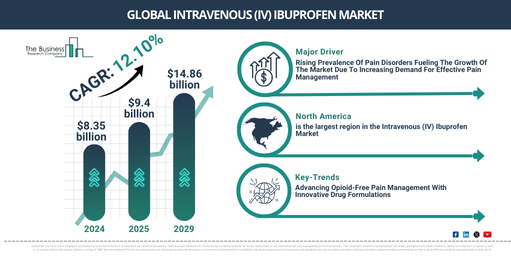
    The market size for intravenous (IV) ibuprofen has experienced rapid expansion in recent years. The value of this market will increase from $8.35 billion in 2024 to $9.4 billion in 2025 with a compound annual growth rate (CAGR) of 12.5%. The historic rise can be attributed to various factors such as the increasing occurrence of chronic illnesses, the rise in surgical procedures, the growing focus on reducing opioid usage, the increase in per capita income and the growth of medical tourism.

    What Is the Forecast for the Intravenous (IV) Ibuprofen Market Size Through 2029?

    Over the next several years, the market for intravenous (IV) ibuprofen is projected to expand rapidly, reaching a valuation of $14.86 billion in 2029 with a compound annual growth rate (CAGR) of 12.1%. The surge during the predicted period is due to several factors such as enhanced healthcare investments, growth in the number of pediatric patients, increased instances of pain and fever, a swelling elderly population, and the escalating acceptance of advanced pharmaceutical procedures. The forecast period is also anticipated to be marked by cutting-edge therapeutic solutions, single-dose formulas, strides in personalized medicine, incorporation into multi-modal pain control protocols, and advancements in combination therapies.

    Download The Free Sample Report Here:

    https://www.thebusinessresearchcompany.com/sample.aspx?id=23429&type=smp

    What are the Key Market Players in Intravenous (IV) Ibuprofen Market and How They’re Evolving?

    Major companies operating in the intravenous (IV) ibuprofen market are Pfizer Inc., Sanofi S.A., Novartis AG, Fresenius SE & Co. KGaA, Teva Pharmaceutical Industries Ltd., Baxter International, Mylan N.V., Sandoz Group AG, Grifols S.A., Dr. Reddy’s Laboratories, Hikma Pharmaceuticals plc, CSL Limited, Eurolife Healthcare Pvt. Ltd., B. Braun Holding GmbH & Co. KG, AFT Pharmaceuticals Ltd, Cumberland Pharmaceuticals Inc., Delex Pharma International Inc., Recordati Rare Diseases Inc., Xgen Pharmaceuticals Djb Inc., Wellona Pharma, Hyloris Pharmaceuticals SA

    What Are the Primary Growth Drivers in the Intravenous (IV) Ibuprofen Market?

    The increasing number of pain disorders is anticipated to drive the expansion of the intravenous ibuprofen market. Pain disorders are medical situations marked by ongoing or prolonged discomfort that impacts regular life functions, typically triggered by nerve, musculoskeletal, or inflammatory problems. The increase in pain disorders can be attributed to the aging population, as older individuals are more prone to chronic illnesses such as arthritis, osteoarthritis, and nerve pain, necessitating effective pain mitigation. Intravenous ibuprofen aids in pain control by offering expedited relief, making it perfect for severe and post-surgery pain. It decreases inflammation and increases patient comfort, enhancing the effectiveness of treatments in healthcare settings. For example, as per the Office for Health Improvement and Disparities, a UK government department, the proportion of people aged 16 and over declaring a prolonged musculoskeletal condition increased to 18.4% in 2023, up from 17.6% in 2022. Consequently, the growing number of pain disorders is fuelling the intravenous ibuprofen market’s expansion.

    Request For A Customized Report:

    https://www.thebusinessresearchcompany.com/customise?id=23429&type=smp

    What Are the Leading Segments in the Global Intravenous (IV) Ibuprofen Industry?

    The intravenous (IV) ibuprofen market covered in this report is segmented –

    1) By Product Type: Conventional Intravenous (IV) Ibuprofen, High-Concentration Intravenous (IV) Ibuprofen

    2) By Strength: 100 Milligrams (mg), 200 Milligrams (mg), 400 Milligrams (mg), 800 Milligrams (mg)

    3) By Age Group: Pediatrics, Adults

    4) By Application: Pain, Fever, Inflammation, Other Applications

    5) By End-User: Hospitals, Ambulatory Surgical Centers, Clinics, Other End-Users

    Subsegments:

    1) By Conventional Intravenous (IV) Ibuprofen: Pediatric Intravenous (IV) Ibuprofen, Adult Intravenous (IV) Ibuprofen

    2) By High-Concentration Intravenous (IV) Ibuprofen: Single-Dose Vial, Multi-Dose Vial

    What Are the Key Market Trends in the Intravenous (IV) Ibuprofen Industry?

    Leading firms in the intravenous ibuprofen market are prioritizing the development of innovative drug formulas, such as opioid-free analgesics. These are designed to improve pain control whilst simultaneously decreasing reliance on opioids. An opioid-free analgesic is a medication that provides pain relief but does not include opioids, thereby eliminating the risk of addiction and opioid-related side effects. As an example, in February 2024, Hikma Pharmaceuticals plc, a pharmaceutical company located in the UK, received approval to launch COMBOGESIC IV ( acetaminophen and ibuprofen) injection in the United States, after obtaining FDA approval in October 2023. This intravenous analgesic that is free from opioids, is prescribed for mild to moderate pain relief and to supplement moderate to severe pain control. Through the combination of two active ingredients with different functions, COMBOGESIC IV offers a new, non-opioid pain management choice for healthcare professionals.

    Access The Full Report Here:

    https://www.thebusinessresearchcompany.com/report/intravenous-iv-ibuprofen-global-market-report

    What Is the Regional Outlook for the Intravenous (IV) Ibuprofen Market?

    North America was the largest region in the intravenous (IV) ibuprofen market in 2024. Asia-Pacific is expected to be the fastest-growing region in the forecast period. The regions covered in the intravenous (IV) ibuprofen market report are Asia-Pacific, Western Europe, Eastern Europe, North America, South America, Middle East, Africa.

    Purchase The Full Report Today:

    https://www.thebusinessresearchcompany.com/purchaseoptions.aspx?id=23429

    This Report Delivers Insight On:

    1. How big is the intravenous (iv) ibuprofen market, and how is it changing globally?

    2. Who are the major companies in the intravenous (iv) ibuprofen market, and how are they performing?

    3. What are the key opportunities and risks in the intravenous (iv) ibuprofen market right now?

    4. Which products or customer segments are growing the most in the intravenous (iv) ibuprofen market?

    5. What factors are helping or slowing down the growth of the intravenous (iv) ibuprofen market?

    About The Business Research Company:

    With over 15000+ reports from 27 industries covering 60+ geographies, The Business Research Company has built a reputation for offering comprehensive, data-rich research and insights. Armed with 1,500,000 datasets, the optimistic contribution of in-depth secondary research, and unique insights from industry leaders, you can get the information you need to stay ahead in the game.

    Get in touch with us:

    The Business Research Company: https://www.thebusinessresearchcompany.com/

    Americas +1 310-496-7795

    Europe +44 7882 955267

    Asia & Others +44 7882 955267 & +91 8897263534

    Email us at info@tbrc.info

    Follow us on:

    LinkedIn: https://in.linkedin.com/company/the-business-research-company

    YouTube: https://www.youtube.com/channel/UC24_fI0rV8cR5DxlCpgmyFQ

    Global Market Model: https://www.thebusinessresearchcompany.com/global-market-model
  • Market Analysis on Image Guided And Robotic Assisted Procedures Industry – Insights for Corporate Strategy and R&D

    Market Analysis on Image Guided And Robotic Assisted Procedures Industry – Insights for Corporate Strategy and R&D

    Claim your 30% discount on Global Market Reports with code ONLINE30. Limited time only.

    What Is the Forecast for the Image Guided And Robotic Assisted Procedures Market from 2024 to 2025?

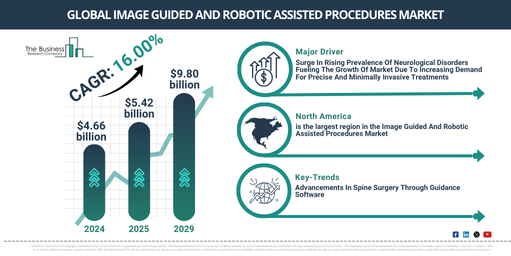
    The market size for image-guided and robot-assisted surgical procedures has seen a swift expansion in recent years. Escalating from a value of $4.66 billion in 2024 to $5.42 billion in 2025, it will possess a compound annual growth rate (CAGR) of 16.3%. The substantial growth during the historic period is linked to several factors such as the surge in acceptance of minimally invasive surgeries, increasing demand for precision and accuracy in surgical procedures, the rise in aging population and chronic diseases, expansion in healthcare spending, and advancements in robotic and imaging system technologies.

    What Is the Projected Market Size of the Image Guided And Robotic Assisted Procedures Market?

    In the upcoming years, the market size for image-guided and robot-assisted surgical procedures is projected to experience significant expansion. It’s anticipated to reach $9.80 billion in 2029, presenting a compound annual growth rate (CAGR) of 16.0%. The expansion during this projection period is largely attributable to the escalated investment in healthcare facilities, the increased emphasis on education and training in robotic surgery, patient inclination towards minimally invasive procedures, augmented government financial support for healthcare innovation, and the growing need for cost-efficient surgical solutions. The predominant trends throughout the forecast period encompass enhancements in robotic-assisted surgical systems, refined imaging technologies for increased precision, creation of AI-driven surgical instruments, progress in tele-surgery capabilities, and the sophisticated integration of real-time data for superior surgical outcomes.

    Download The Free Sample Report Here:

    https://www.thebusinessresearchcompany.com/sample.aspx?id=23426&type=smp

    Who are the Major Competitors in the Image Guided And Robotic Assisted Procedures Market Outlook?

    Major companies operating in the image guided and robotic assisted procedures market are Johnson & Johnson, HCA Healthcare UK, Medtronic plc, Siemens Healthineers AG, Koninklijke Philips N.V., Stryker Corporation, GE Healthcare, Boston Scientific Corporation, Asensus Surgical Inc., Zimmer Holdings Inc., Intuitive Surgical Inc., Atlantic Health System Inc., Karl Storz SE & Co. KG, Carl Zeiss Meditec AG, Globus Medical Inc., Renishaw plc, Brainlab AG, Synaptive Medical Inc., MicroPort MedBot Co. Ltd., 7D Surgical Inc.

    What Is Fueling Growth in the Image Guided And Robotic Assisted Procedures Market?

    The escalation of neurological disorders is anticipated to drive the advancement of the image-guided and robotic-assisted procedures market. Neurological disorders are health conditions that impact the nervous system, which includes the brain, spinal cord, and nerves, resulting in impairments in cognitive functions, movement, and other bodily operations. Primary causes for this escalation include lifestyle changes like inadequate diet, limited physical activity, and persistent stress, which negatively affect brain function and health. By enhancing surgical accuracy, cutting down on invasiveness and reducing recuperation times, image-guided and robotic-assisted methods enhance neurological treatment, proving pivotal in treating intricate cases. Case in point, Dementia Australia, a non-profit organization based in Australia, reported in February 2024 that the prevalence of dementia in the country is expected to grow by 93% by 2054, potentially affecting 812,500 individuals, a significant increase from 421,000 in 2024. Thus, the growing prevalence of neurological disorders moderates the advancement of the image-guided and robotic-assisted procedures market.

    Request For A Customized Report:

    https://www.thebusinessresearchcompany.com/customise?id=23426&type=smp

    Which Image Guided And Robotic Assisted Procedures Market Segments Are Growing the Fastest?

    The image guided and robotic assisted procedures market covered in this report is segmented –

    1) By Product Type: MRI Guided Robot, X-Ray Computed Tomography Guided Robot, X-Ray Mammography Guided Robot, Optical Imaging Guided Robot, Ultrasound Imaging Guided Robot

    2) By Technology: Image-Guided Surgery, Robotic-Assisted Surgery, Augmented Reality (AR) Surgery, Virtual Reality (VR) Simulation

    3) By Specialty: Orthopedic Surgery, Neurology, Urology, Gynecology, Cardiothoracic Surgery

    4) By Application: Diagnostic Applications, Minimally Invasive Procedures

    5) By End User: Hospitals, Outpatient Facilities

    Sub Segments:

    1) By MRI Guided Robot: Neurosurgery robots, Prostate biopsy robots, Cardiac catheterization robots, Tumor ablation systems

    2) By X-Ray Computed Tomography (CT) Guided Robot: Interventional radiology robots, Spine surgery assistance systems, Biopsy and ablation robots, Orthopedic robotic systems.

    3) By X-Ray Mammography Guided Robot: Breast biopsy assistance robots, Lesion localization systems, Automated breast imaging robots.

    4) By Optical Imaging Guided Robot: Robotic endoscopy systems, Robotic fluorescence-guided surgery tools, Ophthalmic surgical robots, Robotic systems for dental imaging.

    5) By Ultrasound Imaging Guided Robot: Robotic-assisted fetal procedures, Liver and kidney biopsy robots, Robotic prostate interventions, Needle guidance systems.

    Which Industry Trends Are Shaping the Future of the Image Guided And Robotic Assisted Procedures Market?

    Major firms active in the image-directed and robot-assisted procedures industry are concentrating their efforts on creating novel concepts, such as software for spine guidance, which improve the precision of surgeries, boost patient recovery rates, and make spinal processes more efficient. Such software offers real-time imaging and three-dimensional visuals to aid surgeons in carrying out meticulous spinal procedures. For example, Stryker, a medical technology enterprise based in the United States, introduced the Q Guidance System for spine usage in September 2022. This system boasts a reconfigured optical tracking camera and superior Spine Guidance Software for optimal surgical planning and navigation. This leads to enhanced accuracy, instantaneous visualization, and better efficiency in procedures. Advanced algorithms have been integrated for greater precision during spinal operations. The goal of this new technology is to enhance patient results and provide surgeons with better control during complex surgeries.

    Access The Full Report Here:

    https://www.thebusinessresearchcompany.com/report/image-guided-and-robotic-assisted-procedures-global-market-report

    Which Countries Are Leading the Image Guided And Robotic Assisted Procedures Market?

    North America was the largest region in the image-guided and robot-assisted surgical procedures market in 2024. Asia-Pacific is expected to be the fastest-growing region in the forecast period. The regions covered in the image guided and robotic assisted procedures market report are Asia-Pacific, Western Europe, Eastern Europe, North America, South America, Middle East, Africa.

    Purchase The Full Report Today:

    https://www.thebusinessresearchcompany.com/purchaseoptions.aspx?id=23426

    This Report Delivers Insight On:

    1. How big is the image guided and robotic assisted procedures market, and how is it changing globally?

    2. Who are the major companies in the image guided and robotic assisted procedures market, and how are they performing?

    3. What are the key opportunities and risks in the image guided and robotic assisted procedures market right now?

    4. Which products or customer segments are growing the most in the image guided and robotic assisted procedures market?

    5. What factors are helping or slowing down the growth of the image guided and robotic assisted procedures market?

    About The Business Research Company:

    With over 15000+ reports from 27 industries covering 60+ geographies, The Business Research Company has built a reputation for offering comprehensive, data-rich research and insights. Armed with 1,500,000 datasets, the optimistic contribution of in-depth secondary research, and unique insights from industry leaders, you can get the information you need to stay ahead in the game.

    Get in touch with us:

    The Business Research Company: https://www.thebusinessresearchcompany.com/

    Americas +1 310-496-7795

    Europe +44 7882 955267

    Asia & Others +44 7882 955267 & +91 8897263534

    Email us at info@tbrc.info

    Follow us on:

    LinkedIn: https://in.linkedin.com/company/the-business-research-company

    YouTube: https://www.youtube.com/channel/UC24_fI0rV8cR5DxlCpgmyFQ

    Global Market Model: https://www.thebusinessresearchcompany.com/global-market-model
  • Human Respiratory Syncytial Virus Treatment Market Outlook 2025 – Insights for Executive and Strategic Planning

    Human Respiratory Syncytial Virus Treatment Market Outlook 2025 – Insights for Executive and Strategic Planning

    Claim your 30% discount on Global Market Reports with code ONLINE30. Limited time only.

    How Has the Human Respiratory Syncytial Virus Treatment Market Grown from 2024 to 2025?

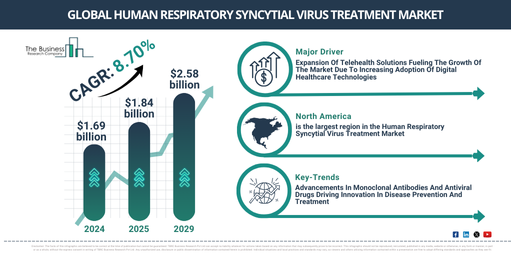
    The market for human respiratory syncytial virus treatments has seen significant growth in the past few years. The market is set to increase from $1.69 billion in 2024 to $1.84 billion in 2025, exhibiting a compound annual growth rate (CAGR) of 9.0%. The historical market expansion can be linked to factors such as higher incidences of RSV infections, an increase in the population of infants and the elderly, a surge in hospital admissions related to respiratory disorders, implementation of government vaccination initiatives, and heightened awareness of the complications associated with RSV.

    What Growth Rate Is Anticipated for the Human Respiratory Syncytial Virus Treatment Market in the Coming Years?

    The market size of the treatment for human respiratory syncytial virus is anticipated to experience significant growth in the upcoming years. It’s predicted to expand to $2.58 billion by 2029, with a compound annual growth rate (CAGR) of 8.7%. This anticipated growth during the forecast period can be credited to an increased demand for monoclonal antibodies, escalating investment in the development of RSV vaccines, a heightened focus on early diagnosis, development of healthcare facilities in emerging regions, and regulatory approvals of new remedies. Leading tendencies during this period are projected to include the creation of enduring RSV antibodies, a shift towards combined therapeutic approaches, the application of AI in the discovery of RSV drugs, an increased reliance on telemedicine for treating respiratory infections, and partnerships in the pharmaceutical sector for RSV drug development.

    Download The Free Sample Report Here:

    https://www.thebusinessresearchcompany.com/sample.aspx?id=23423&type=smp

    Who Are the Leading Companies in the Human Respiratory Syncytial Virus Treatment Market?

    Major companies operating in the human respiratory syncytial virus treatment market are Pfizer Inc., Merck & Co, Sanofi S.A., AstraZeneca plc, GSK plc, Johnson & Johnson, Moderna Inc., Kyowa Kirin Co. Ltd., Novavax Inc., Alnylam Pharmaceuticals Inc., AdVaccine Biotechnology Co. Ltd., Enanta Pharmaceuticals Inc., Aridis Pharmaceuticals Inc., Synairgen plc, VBI Vaccines Inc., SAB Biotherapeutics Inc., Meissa Vaccines Inc., Osivax SAS, Codagenix Inc., BioVaxys Technology Corp.

    What Are the Key Drivers of the Human Respiratory Syncytial Virus Treatment Market?

    The growth of the human respiratory syncytial virus treatment market can be attributed to the rise in telehealth solutions. These digital health services allow patients to consult, get diagnosed, be monitored, and treated remotely through telecommunication technologies. The gradual increase in the adoption of these solutions is a result of their ability to ease the load on traditional healthcare systems by providing patient care remotely. In the context of human respiratory syncytial virus treatment, telehealth solutions provide benefits like remote monitoring, early detection, and virtual consultations. This enhances the standard of patient care, while reducing the need for hospital visits. For example, the official US government information provider, Telehealth.HHS.gov reported that in the fourth quarter of 2023, there was a significant increase in telehealth users – around 21,883,731 to be precise, marking a growth of 2,783,159 users or 13% from the previous quarter. Hence, the steady rise in telehealth solutions is indeed propelling the human respiratory syncytial virus treatment market forward.

    Request For A Customized Report:

    https://www.thebusinessresearchcompany.com/customise?id=23423&type=smp

    What Are the Key Market Segments in the Human Respiratory Syncytial Virus Treatment Industry?

    The human respiratory syncytial virus treatment market covered in this report is segmented –

    1) By Treatment Type: Antiviral Medications, Monoclonal Antibodies, Vaccines, Supportive Care

    2) By Patient Type: Pediatric Patients, Adult Patients

    3) By Route Of Administration: Oral, Parenteral

    4) By End User: Hospitals, Clinics, Home Care

    Subsegments:

    1) By Antiviral Medications: Fusion Inhibitors, Nucleoside Analogues, RNA Polymerase Inhibitors

    2) By Monoclonal Antibodies: Palivizumab, Nirsevimab, Other RSV-Specific Monoclonal Antibodies

    3) By Vaccines: Live Attenuated Vaccines, Subunit Vaccines, mRNA-Based Vaccines, Vector-Based Vaccines

    4) By Supportive Care: Oxygen Therapy, Mechanical Ventilation, Hydration Therapy, Fever and Pain Management

    What Are the Latest Trends in the Human Respiratory Syncytial Virus Treatment Market?

    Leading corporations in the human respiratory syncytial virus treatment domain are concentrating on developing innovative treatments, such as antiviral medications and monoclonal antibodies, in an effort to secure a strategic industry advantage. Monoclonal antibodies, synthesized in laboratories, aid the body in combating infections, while antiviral drugs interrupt the growth or propagation of viruses. A case in point is AstraZeneca plc, a British biopharmaceutical firm, which in July 2023, teamed up with Sanofi S.A., a French pharmaceutical corporation, to announce the U.S. FDA’s approval of Beyfortus (nirsevimab-alip), a monoclonal antibody engineered to avert RSV lower respiratory tract illness in high-risk children and infants. This endorsement symbolized a significant stride in RSV prevention, given that Beyfortus offers a prolonged-acting, single-dose alternative that imparts passive immunity throughout the RSV season. It is especially advantageous for newborns and infants, the most vulnerable to serious RSV infections, assisting in minimizing hospital visits and attendant complications.

    Access The Full Report Here:

    https://www.thebusinessresearchcompany.com/report/human-respiratory-syncytial-virus-treatment-global-market-report

    What Are the Key Regional Markets in the Human Respiratory Syncytial Virus Treatment Industry?

    North America was the largest region in the human respiratory syncytial virus treatment market in 2024. Asia-Pacific is expected to be the fastest-growing region in the forecast period. The regions covered in the human respiratory syncytial virus treatment market report are Asia-Pacific, Western Europe, Eastern Europe, North America, South America, Middle East, Africa.

    Purchase The Full Report Today:

    https://www.thebusinessresearchcompany.com/purchaseoptions.aspx?id=23423

    This Report Delivers Insight On:

    1. How big is the human respiratory syncytial virus treatment market, and how is it changing globally?

    2. Who are the major companies in the human respiratory syncytial virus treatment market, and how are they performing?

    3. What are the key opportunities and risks in the human respiratory syncytial virus treatment market right now?

    4. Which products or customer segments are growing the most in the human respiratory syncytial virus treatment market?

    5. What factors are helping or slowing down the growth of the human respiratory syncytial virus treatment market?

    About The Business Research Company:

    With over 15000+ reports from 27 industries covering 60+ geographies, The Business Research Company has built a reputation for offering comprehensive, data-rich research and insights. Armed with 1,500,000 datasets, the optimistic contribution of in-depth secondary research, and unique insights from industry leaders, you can get the information you need to stay ahead in the game.

    Get in touch with us:

    The Business Research Company: https://www.thebusinessresearchcompany.com/

    Americas +1 310-496-7795

    Europe +44 7882 955267

    Asia & Others +44 7882 955267 & +91 8897263534

    Email us at info@tbrc.info

    Follow us on:

    LinkedIn: https://in.linkedin.com/company/the-business-research-company

    YouTube: https://www.youtube.com/channel/UC24_fI0rV8cR5DxlCpgmyFQ

    Global Market Model: https://www.thebusinessresearchcompany.com/global-market-model

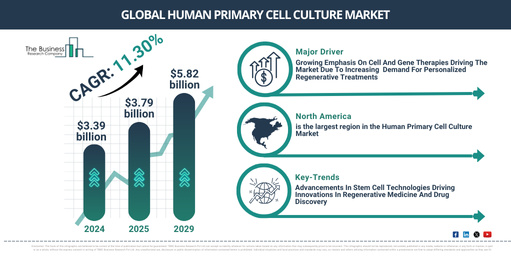
  • Human Primary Cell Culture  Market Projected at $5.82 Billion by 2029 | Strategic Insights and Forecast Data

    Human Primary Cell Culture Market Projected at $5.82 Billion by 2029 | Strategic Insights and Forecast Data

    Claim your 30% discount on Global Market Reports with code ONLINE30. Limited time only.

    How Has the Human Primary Cell Culture Market Size Changed, over the years?

    Recently, the human primary cell culture market has witnessed swift growth, shooting up from $3.39 billion in 2024 to a forecasted $3.79 billion in 2025. This growth, indicative of a compound annual growth rate (CAGR) of 11.7%, is primarily driven by the escalating use of cell-based research, the surge in demand for personalized medication, an increasing concentration on drug discovery, as well as growing applications in cancer research.

    How Much Will the Human Primary Cell Culture Market Be Worth in 2029?

    Expectations are high for significant expansion in the human primary cell culture market within the ensuing few years. This market is thought to increase to $5.82 billion by 2029, with an 11.3% compound annual growth rate (CAGR). Influences that could lead to significant growth in the future include the increased investment in regenerative medicine, growing adoption in precision medicine, larger government grants for cell-based research, increased government support, and broadening application in toxicology examinations. Key trends forecasted in this period include the adoption of AI in cell culture analysis, the creation of serum-free and chemically defined media, heightened automation in cell culture procedures, the emergence of organ-on-a-chip technologies, and a rising requirement for primary cells in immunotherapy studies.

    Download The Free Sample Report Here:

    https://www.thebusinessresearchcompany.com/sample.aspx?id=23422&type=smp

    Which is the Largest Company in the Human Primary Cell Culture Market?

    Major companies operating in the human primary cell culture market are Thermo Fisher Scientific Inc., Merck & Co. Inc., Lonza Group AG, STEMCELL Technologies Inc., American Type Culture Collection, PromoCell GmbH, Krishgen Biosystems Private Limited, Cell Culture Company Limited Liability Company, HiMedia Laboratories Private Limited, 3H Biomedical Aktiebolag, ScienCell Research Laboratories Inc., Cell Applications Incorporated, Life Technologies Private Limited, PELOBIOTECH Gesellschaft mit beschränkter Haftung, Amsbio Limited, AcceGen Biotechnology Limited Liability Company, Cell Biologics Incorporated, BI Biotech India Private Limited, Innoprot Sociedad Limitada, ZenBio Incorporated, Evercyte GmbH, Cell Systems Corporation, Cytion GmbH, Kosheeka Private Limited

    What Are the Main Market Drivers in the Human Primary Cell Culture Industry?

    The escalating emphasis on cell and gene therapies is projected to stimulate the expansion of the human primary cell culture market. These advanced medical interventions modify or replace cells or genetic matter in order to manage or cure diseases at a molecular level. The amplified focus on such therapies is due to their ability to offer lasting, or potentially curative, treatments for genetic abnormalities, cancers, and rare illnesses, by targeting the problem at its molecular genesis. In the advancement of these therapies, human primary cell cultures have proven crucial for the development of treatments, generation of viral vectors, and testing of gene editing methods. For instance, in July 2024, the American Society of Gene & Cell Therapy (ASGCT), a U.S-based philanthropic organization, reported that about 76 gene therapy trials commenced in the second quarter of 2024 in the U.S, indicating a 25% hike compared to the first quarter. Consequently, this growing focus on the creation of sophisticated cell and gene therapies is fueling the expansion of the human primary cell culture market.

    Request For A Customized Report:

    https://www.thebusinessresearchcompany.com/customise?id=23422&type=smp

    How Is the Human Primary Cell Culture Market Segments Structured?

    The human primary cell culture market covered in this report is segmented –

    1) By Product Type: Primary Cells, Reagents And Supplements, Instruments, Primary Cell Culture Media, Other Consumables

    2) By Applications: Drug Discovery, Therapy Development, Regenerative Medicine, Other Applications

    3) By End User: Pharmaceutical And Biotechnology Companies, Contract Research Organizations (CROs), Academic And Research Institutions

    Subsegments:

    1) By Primary Cells: Human Dermal Fibroblasts (HDF), Human Epidermal Keratinocytes (HEK), Human Mesenchymal Stem Cells (HMSC), Human Endothelial Cells, Human Hematopoietic Cells

    2) By Reagents And Supplements: Growth Factors And Cytokines, Antibiotics And Antimycotics, Fetal Bovine Serum (FBS), Buffers And Chemicals, Cryopreservation Reagents

    3) By Instruments: Cell Culture Incubators, Biosafety Cabinets, Centrifuges, Cell Counters And Analyzers, Microscopes

    4) By Primary Cell Culture Media: Serum-Free Media, Chemically Defined Media, Classical Media, Protein-Free Media, Custom Media

    5) By Other Consumables: Culture Dishes And Plates, Flasks And Bottles, Pipettes And Tips, Cell Strainers And Filters, Coated Culture Surfaces

    What Strategic Trends Are Transforming the Human Primary Cell Culture Market?

    Leading organizations in the human primary cell culture market are concentrating on creating highly advanced technological solutions like induced pluripotent stem cell (iPSC) and embryonic stem cell (ESC) technologies. The aim is to amplify cell-based research, drive improvements in drug discovery, and speed up progress in regenerative medicine and personalized therapies. iPSC and ESC technologies involve the transformation of adult cells or the employment of embryonic cells to generate pluripotent stem cells. These can differentiate into multiple cell types, useful for research, drug discovery, and regenerative medicine. For instance, BioServe Biotechnologies India Pvt Ltd., a biotechnology and life sciences firm based in India, in July 2024 introduced superior stem cell products from REPROCELL. This is to boost scientific research and drug development in India. The product range comprises cell culture media, stem cell differentiation instruments, 3D cell culture systems, and drug discovery services. All these innovations leverage iPSC and ESC technologies to augment regenerative medicine, disease modeling, and preclinical research.

    Access The Full Report Here:

    https://www.thebusinessresearchcompany.com/report/human-primary-cell-culture-global-market-report

    Which Global Regions Offer the Highest Growth in the Human Primary Cell Culture Market?

    North America was the largest region in the human primary cell culture market in 2024. Asia-Pacific is expected to be the fastest-growing region in the forecast period. The regions covered in the human primary cell culture market report are Asia-Pacific, Western Europe, Eastern Europe, North America, South America, Middle East, Africa.

    Purchase The Full Report Today:

    https://www.thebusinessresearchcompany.com/purchaseoptions.aspx?id=23422

    This Report Delivers Insight On:

    1. How big is the human primary cell culture market, and how is it changing globally?

    2. Who are the major companies in the human primary cell culture market, and how are they performing?

    3. What are the key opportunities and risks in the human primary cell culture market right now?

    4. Which products or customer segments are growing the most in the human primary cell culture market?

    5. What factors are helping or slowing down the growth of the human primary cell culture market?

    About The Business Research Company:

    With over 15000+ reports from 27 industries covering 60+ geographies, The Business Research Company has built a reputation for offering comprehensive, data-rich research and insights. Armed with 1,500,000 datasets, the optimistic contribution of in-depth secondary research, and unique insights from industry leaders, you can get the information you need to stay ahead in the game.

    Get in touch with us:

    The Business Research Company: https://www.thebusinessresearchcompany.com/

    Americas +1 310-496-7795

    Europe +44 7882 955267

    Asia & Others +44 7882 955267 & +91 8897263534

    Email us at info@tbrc.info

    Follow us on:

    LinkedIn: https://in.linkedin.com/company/the-business-research-company

    YouTube: https://www.youtube.com/channel/UC24_fI0rV8cR5DxlCpgmyFQ

    Global Market Model: https://www.thebusinessresearchcompany.com/global-market-model