Category: Medical Equipment

  • Nasal Splints Market Anticipated to Record Steady Gains, Advancing to $10.76 Billion by 2030

    Nasal Splints Market Anticipated to Record Steady Gains, Advancing to $10.76 Billion by 2030

    Uncover key drivers, emerging technologies, and competitive movements shaping the worker heat stress monitoring wearable market from 2026–2035 with trusted insights from The Business Research Company

    What are the forecasted starting (2026) and ending (2030) market sizes for the Nasal Splints Market?

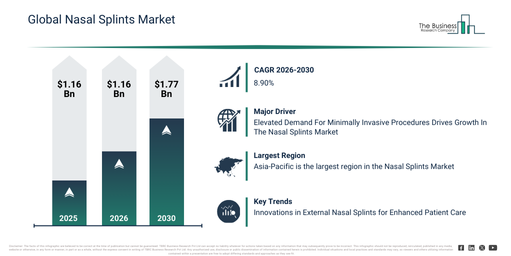
    The nasal splints market has experienced robust growth in recent years. It is anticipated to expand from $7.07 billion in 2025 to $7.64 billion in 2026, demonstrating a compound annual growth rate (CAGR) of 8.1%. The growth observed in the past can be credited to the increasing volume of nasal and septal surgeries, a rising demand for cosmetic rhinoplasty procedures, the expansion of ENT surgical practices, heightened awareness of post-surgical care, and the availability of advanced splint materials.

    The nasal splints market is projected to experience robust expansion over the coming years. This market is anticipated to reach a valuation of $10.76 billion by 2030, demonstrating a compound annual growth rate (CAGR) of 8.9%. Factors contributing to this growth during the forecast timeframe include the wider acceptance of personalized medical devices, a heightened emphasis on recovery after outpatient surgery, an increase in aesthetic surgery procedures, an escalating need for biocompatible substances, and increased funding for ENT surgical advancements. Significant trends anticipated in this period encompass a rise in the application of customizable nasal splint designs, greater utilization of silicone-based nasal splints, a developing inclination towards post-surgical devices tailored to individual patients, the broadening scope of minimally invasive ENT interventions, and a stronger emphasis on comfort and healing after operations.

    Access Your Free Sample Report for In-Depth Market Insights:

    https://www.thebusinessresearchcompany.com/sample.aspx?id=2424&type=smp

    What Drivers Are Supporting Technological Adoption In The Nasal Splints Market?

    The increasing need for minimally invasive medical techniques is anticipated to fuel expansion within the nasal splints market in the future. These treatments are defined as medical operations carried out to achieve a healing or diagnostic result with minimal disturbance to bodily tissues and structures. Nasal splints play a crucial role in numerous minimally invasive nasal surgeries, with their function including supporting nasal tissues, preserving the intended shape of the nose or sinuses, and aiding in recovery. As an illustration, in January 2023, reports from Intuitive Surgical Inc., a US-based robotic product manufacturer, indicated that da Vinci minimally invasive surgical procedures grew by roughly 22% in 2023 and are projected to grow an additional 13% to 16% in 2024. During 2023, the company installed 1,370 da Vinci surgical systems, which represented an 8% rise compared to the 1,264 systems deployed in 2022. Consequently, the growing demand for minimally invasive procedures is accelerating the expansion of the nasal splints market.

    Which Segments Are Contributing To The Growth Of The Nasal Splints Market?

    The nasal splints market covered in this report is segmented –

    1) By Type: Malleable Nasal Splints, Airway Nasal Splints, Bivalve Nasal Splints,

    2) By Route of Administration: Intranasal Segment, Extranasal Segment

    3) By Application: Plastic Surgery, Rhinological operations, ENT-Surgery, Other Applications

    4) By End User: Hospitals And Clinics, Homecare, Research Centers, Other End Users

    Subsegments:

    1) By Malleable Nasal Splints: Customizable/Adjustable Nasal Splints, Preformed Malleable Nasal Splints

    2) By Airway Nasal Splints: Silicone Airway Nasal Splints, Plastic Airway Nasal Splints

    3) By Bivalve Nasal Splints: Pre-formed Bivalve Nasal Splints, Adjustable Bivalve Nasal Splints

    Which Trends Are Shaping Activity Within The Nasal Splints Market?

    Leading companies in the nasal splints market are developing innovative products, such as external nasal splints, to improve patient outcomes and broaden their product offerings. External nasal splints are supportive devices applied to the outside of the nose following surgical procedures like rhinoplasty (nose reshaping) or septoplasty (correction of a deviated septum). For instance, in August 2023, Orfit Industries NV, a Belgium-based company that develops and manufactures thermoplastic materials for medical devices, launched NoseFit. NoseFit is an external nasal splint designed to provide optimal stabilization and protection for the nose after various conditions such as sports injuries, surgeries, and accidents. Its design incorporates small holes that enhance airflow, allowing patients to breathe more easily while wearing the splint.

    Who Are The Prominent Global Companies Shaping The Nasal Splints Market Landscape?

    Major companies operating in the nasal splints market are Boston Medical Products Inc., Innovia Medical, Medtronic Plc, Olympus Corporation, Smith & Nephew plc, DTR Medical, Mentor Worldwide LLC, Network Medical Products Ltd., Summit Medical Group, Surgiform Technologies LLC, Shippert Medical Technologies, Spiggle & Theis Medizintechnik GmbH, Stryker Corporation, Acclarent Inc., Cook Medical, KARL STORZ SE & Co. KG, Integra LifeSciences, Medline Industries LP, B. Braun Melsungen AG, Merit Medical Systems, Intersect ENT, ArthroCare Corporation, Lumenis, ConMed Corporation, DePuy Synthes Companies, Zimmer Biomet, KLS Martin Group, Becton Dickinson and Company, Terumo Corporation, Johnson & Johnson, 3M, Teleflex Medical OEM

    Access The Complete Report For Deeper Market Insights:

    https://www.thebusinessresearchcompany.com/report/nasal-splints-global-market-report

    Which Region Is Projected To Lead The Nasal Splints Market During The Forecast Period?

    Asia-Pacific was the largest region in global nasal splints market in 2025. North America was the second-largest region in the nasal splints market. The regions covered in the nasal splints market report are Asia-Pacific, South East Asia, Western Europe, Eastern Europe, North America, South America, Middle East, Africa.

    Request Your Customized Nasal Splints Market Research Report for Competitive Advantage:

    https://www.thebusinessresearchcompany.com/customise?id=2424&type=smp

    Browse Through More Reports Similar to the Global Nasal Splints Market 2026, By The Business Research Company

    Nasal Polyps Treatment Global Market Report 2026

    https://www.thebusinessresearchcompany.com/report/nasal-polyps-treatment-global-market-report

    Nasal Drug Delivery Technology Global Market Report 2026

    https://www.thebusinessresearchcompany.com/report/nasal-drug-delivery-technology-global-market-report

    Internal Nasal Dilators Global Market Report 2026

    https://www.thebusinessresearchcompany.com/report/internal-nasal-dilators-global-market-report

    Get in touch with us:

    The Business Research Company: https://www.thebusinessresearchcompany.com/

    Americas +1 310-496-7795

    Asia +44 7882 955267 & +91 8897263534

    Europe +44 7882 955267

    Email us at info@tbrc.info

    Follow us on:

    LinkedIn: https://in.linkedin.com/company/the-business-research-company

  • Nasal Drug Delivery Technology Industry Poised for Rapid Growth, Forecast to Touch $129.22 Billion by 2030 at 8.8% CAGR

    Nasal Drug Delivery Technology Industry Poised for Rapid Growth, Forecast to Touch $129.22 Billion by 2030 at 8.8% CAGR

    Uncover key drivers, emerging technologies, and competitive movements shaping the workstation graphics processing unit (gpu) market from 2026–2035 with trusted insights from The Business Research Company

    What upper market value could the Nasal Drug Delivery Technology Market reach by 2030 starting from 2026 levels?

    The nasal drug delivery technology market has experienced robust growth in recent years. Projections indicate it will expand from $85.23 billion in 2025 to reach $92.28 billion by 2026, exhibiting a compound annual growth rate (CAGR) of 8.3%. Historically, this growth has been driven by factors such as the increasing prevalence of respiratory and neurological disorders, the wider adoption of non-invasive drug delivery methods, the proliferation of nasal allergy treatments, the availability of user-friendly self-administration devices, and the increasing acceptance of nasal therapeutics.

    The nasal drug delivery technology market is projected to experience robust expansion over the coming years. This market is anticipated to reach $129.23 billion by 2030, exhibiting a compound annual growth rate (CAGR) of 8.8%. This projected growth during the forecast period is fueled by several factors, including heightened investments in CNS drug development, a surging demand for rapid-onset treatments, advancements in nasal vaccine research, the increasing uptake of user-friendly delivery systems, and ongoing innovation in nasal formulation technologies. Key trends shaping this period encompass the wider acceptance of nasal spray drug formulations, an elevated focus on brain-targeted drug delivery, the continuous evolution of innovative nasal drug devices, an increase in vaccine and emergency therapeutic uses, and a stronger emphasis on quick drug absorption.

    Access Your Free Sample Report for In-Depth Market Insights:

    https://www.thebusinessresearchcompany.com/sample.aspx?id=10037&type=smp

    Which Drivers Are Influencing Long-Term Growth In The Nasal Drug Delivery Technology Market?

    The escalating prevalence of chronic illnesses is anticipated to boost the nasal drug delivery technology market in the future. These conditions are defined as enduring medical states lasting a minimum of a year, necessitating continuous medical oversight, frequently hindering daily activities, and diminishing overall life quality. The surge in chronic disease cases stems from an aging global population, inactive lifestyles, and increased exposure to environmental hazards, all of which intensify the demand for more effective and patient-friendly therapeutic administration techniques. Nasal drug delivery systems contribute to better treatment results by offering a non-invasive, rapid, and effective pathway for medication delivery, especially for conditions like chronic rhinosinusitis and other persistent airway issues that require precise nasal absorption and improved mucociliary clearance. As an illustration, in June 2024, the National Health Service, a UK government entity, reported that 3,615,330 individuals registered with a general practitioner received a diagnosis of non-diabetic hyperglycemia or pre-diabetes (a condition characterized by elevated blood sugar levels, insufficient to be classified as diabetes) in 2023, representing an 18% rise from 3,065,825 instances in 2022. Consequently, the increasing occurrence of chronic diseases is fueling the expansion of the nasal drug delivery technology market.

    How Is The Nasal Drug Delivery Technology Market Divided Into Segments?

    The nasal drug delivery technology market covered in this report is segmented –

    1) By Dosage Form: Nasal Spray, Nasal Drops, Nasal Gels And Ointments, Nasal Powders, Other Dosage Forms

    2) By Container Type: Pressurized Containers, Non-Pressurized Containers

    3) By Therapeutic Application: Allergic And Non-Allergic Rhinitis, Nasal Congestion, Vaccination, Other Therapeutic Applications

    4) By Distribution Channel: Hospital Pharmacies, Retail Pharmacies, Online Pharmacies

    5) By End User: Home Care Settings, Hospitals

    Subsegments:

    1) By Nasal Spray: Metered-Dose Spray, Non-Metered-Dose Spray

    2) By Nasal Drops: Liquid Nasal Drops, Gel-Based Nasal Drops

    3) By Nasal Gels and Ointments: Hydrogel Formulations, Oil-Based Ointments

    4) By Nasal Powders: Dry Powder Inhalers (DPI), Spray-Dried Powders

    5) By Other Dosage Forms: Nasal Patches, Nasal Inserts

    Which Trends Are Influencing The Development Of The Nasal Drug Delivery Technology Market?

    Leading companies within the nasal drug delivery technology market are concentrating on the collaborative creation of advanced products, such as nasal powder delivery devices, to improve precision, usability, and therapeutic effectiveness, highlighting a strategic emphasis on innovation in this field. A nasal powder delivery device is a technology designed to administer powdered medications through the nasal pathway, facilitating targeted drug delivery for local, systemic, or nose-to-brain applications. For instance, in November 2023, Hovione LLC., a Portugal-based pharmaceutical company specializing in the contract development and manufacturing of active pharmaceutical ingredients (APIs) and drug product intermediates, teamed up with Industrial Design Consultancy (IDC), a UK-based product design and development company. Their collaboration aimed to develop an innovative nasal powder delivery device technology for local, systemic, and nose-to-brain drug delivery, with the goal of speeding up the development and release of two novel active nasal powder delivery devices, one single-use and one multidose. These devices offer flexible and precise nasal deposition capabilities, ensuring optimal usability and reliability, and can potentially streamline drug product development and manufacturing due to their compatibility with standard capsules and filling equipment. Hovione will provide these devices exclusively as part of its comprehensive solution for nasal drug development and manufacturing.

    Which Key Players Are Driving Competition In The Nasal Drug Delivery Technology Market?

    Major companies operating in the nasal drug delivery technology market are AptarGroup Inc., Becton Dickinson and Company, GlaxoSmithKline plc, Johnson & Johnson Private Limited, Novartis AG, Pfizer Inc., 3M Company, Cadila Healthcare Limited, Neurelis Inc., OptiNose Inc., Bausch Health Companies Inc., Naveh Pharma Ltd., Teva Pharmaceutical Industries Ltd., Consort Medical plc, Douglas Pharmaceuticals Ltd., ENT Technologies Pty Ltd, Merck & Co Inc, Sanofi SA, AstraZeneca plc, Boehringer Ingelheim International GmbH, Bayer AG, Abbott Laboratories, Eli Lilly and Company, Bristol-Myers Squibb Company, Takeda Pharmaceutical Company Limited, Roche Holding AG, Allergan plc

    Access The Complete Report For Deeper Market Insights:

    https://www.thebusinessresearchcompany.com/report/nasal-drug-delivery-technology-global-market-report

    Which Region Currently Holds The Largest Share Of The Nasal Drug Delivery Technology Market?

    North America was the largest region in the nasal drug delivery technology market in 2025. The regions covered in the nasal drug delivery technology market report are Asia-Pacific, South East Asia, Western Europe, Eastern Europe, North America, South America, Middle East, Africa.

    Request Your Customized Nasal Drug Delivery Technology Market Research Report for Competitive Advantage:

    https://www.thebusinessresearchcompany.com/customise?id=10037&type=smp

    Browse Through More Reports Similar to the Global Nasal Drug Delivery Technology Market 2026, By The Business Research Company

    Intranasal Drug Delivery Devices Global Market Report 2026

    https://www.thebusinessresearchcompany.com/report/intranasal-drug-delivery-devices-global-market-report

    Microneedle Drug Delivery Systems Global Market Report 2026

    https://www.thebusinessresearchcompany.com/report/microneedle-drug-delivery-systems-global-market-report

    Pharmaceutical Drug Delivery Global Market Report 2026

    https://www.thebusinessresearchcompany.com/report/pharmaceutical-drug-delivery-global-market-report

    Get in touch with us:

    The Business Research Company: https://www.thebusinessresearchcompany.com/

    Americas +1 310-496-7795

    Asia +44 7882 955267 & +91 8897263534

    Europe +44 7882 955267

    Email us at info@tbrc.info

    Follow us on:

    LinkedIn: https://in.linkedin.com/company/the-business-research-company
  • Narcotics Scanner Market Performance Outlook 2026–2030: Revenue to Hit $12.13 Billion at 8.6% CAGR

    Narcotics Scanner Market Performance Outlook 2026–2030: Revenue to Hit $12.13 Billion at 8.6% CAGR

    Uncover key drivers, emerging technologies, and competitive movements shaping the worker heat stress monitoring wearable market from 2026–2035 with trusted insights from The Business Research Company

    What level of CAGR-driven expansion is anticipated in the Narcotics Scanner Market between 2026 and 2030?

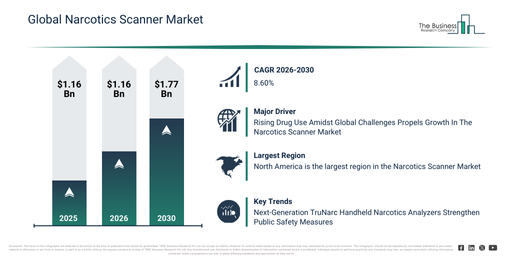
    The narcotics scanner market has experienced significant growth in recent years. It is anticipated to increase from $8.03 billion in 2025 to $8.73 billion in 2026, exhibiting a compound annual growth rate (CAGR) of 8.7%. This historic expansion can be linked to several factors, including a rise in drug trafficking activities, the enlargement of border security infrastructure, greater security investments at transport hubs, the implementation of ion mobility spectroscopy technologies, and the ongoing modernization of law enforcement.

    The narcotics scanner market is poised for robust expansion in the coming years. This market is projected to reach $12.14 billion by 2030, exhibiting a compound annual growth rate (CAGR) of 8.6%. Factors driving this growth include heightened investments in intelligent border security, a surging need for immediate narcotics detection, the proliferation of automated security points, increasing incorporation of AI-powered analytics, and an elevated emphasis on public safety and regulatory adherence. Key trends anticipated during this period encompass the wider implementation of AI-driven drug detection solutions, a surge in the uptake of mobile and handheld scanning devices, the deepening integration of multi-sensor detection methods, the broadening of automated security screening facilities, and an increased commitment to swift and minimally invasive inspection techniques.

    Access Your Free Sample Report for In-Depth Market Insights:

    https://www.thebusinessresearchcompany.com/sample.aspx?id=5709&type=smp

    What Drivers Are Affecting Demand-Supply Dynamics In The Narcotics Scanner Market?

    The continuous increase in the number of drug users is projected to fuel the expansion of the narcotics scanner market. Narcotics scanners are security devices designed to identify illicit drugs and dangerous materials on individuals, thereby enhancing safety across public areas, law enforcement operations, and correctional institutions. The escalation in drug consumption stems from influences like poverty, joblessness, societal pressures, and mental health issues, all of which were intensified by crises such as COVID-19, causing a greater number of people to turn to substance abuse. These scanners contribute to public safety through their capacity for quick and precise identification of illegal substances, discouraging drug trafficking, and reducing hazards linked to drug use. As an illustration, data released in November 2024 by the Office for Health Improvement & Disparities, a UK government body, indicated that from April 2023 to March 2024, a total of 310,863 adults aged 18 and older sought drug and alcohol treatment services. This represented a 7% increase compared to the 290,635 adults reported in 2023. Consequently, the ongoing increase in drug users is anticipated to stimulate the expansion of the narcotics scanner market.

    What Segments Are Included Within The Narcotics Scanner Market?

    The narcotics scanner market covered in this report is segmented –

    1) By Product Type: Handheld Scanner, Tabletop Scanner, Walkthrough Scanner

    2) By Technology: Ion Mobility Spectrum Technology, Contraband Detection Equipment, Videoscope Inspection System, Infrared Spectroscopy

    3) By End-User: Airport, Sea Port, Railway Terminal, Law Enforcement, Defense And Military, Other End-Users

    Subsegments:

    1) By Handheld Scanner: Portable Narcotics Detection Devices, Battery-Operated Handheld Scanners

    2) By Tabletop Scanner: Fixed Narcotics Detection Systems, High-Throughput Tabletop Scanners

    3) By Walkthrough Scanner: Walkthrough Detection Systems, Automated Walkthrough Scanners for Security Checkpoints

    What Trends Are Expected To Impact The Competitive Landscape Of The Narcotics Scanner Market?

    Major companies within the narcotics scanner market are prioritizing the creation of advanced handheld solutions to improve on-site drug detection, enhance law enforcement efficiency, and ensure public safety. Handheld narcotics analyzers are instruments that facilitate the rapid identification of controlled substances, enabling authorities to promptly assess and respond to potential threats. For instance, in May 2025, Thermo Fisher Scientific, a US-based life sciences and technology company, unveiled its next-generation TruNarc handheld narcotics analyzers to bolster public safety operations. These analyzers deliver swift, nondestructive identification of a broad spectrum of illicit drugs, including fentanyl, cocaine, heroin, and methamphetamine, empowering law enforcement officers to make informed decisions in real time while minimizing risk during field operations.

    Who Are The Top-Performing Companies In The Narcotics Scanner Market In Recent Years?

    Major companies operating in the narcotics scanner market are OSI Systems Inc, Smiths Detection Inc, FLIR Systems Inc, Bruker Corporation, L3Harris Technologies Inc, Nuctech Company Limited, Viken Detection, Thermo Fisher Scientific Inc, DetectaChem LLC, Autoclear LLC, Astrophysics Inc, CEIA SpA, Leidos Holdings Inc, QinetiQ Group PLC, Teledyne Photon Machines, Rigaku Analytical Devices Inc, Aventura Technologies Inc, Metrohm AG, TactiScan, Apstec Systems Ltd

    Access The Complete Report For Deeper Market Insights:

    https://www.thebusinessresearchcompany.com/report/narcotics-scanner-global-market-report

    How Does The Narcotics Scanner Market Perform Across Major Global Regions?

    North America was the largest region in the narcotics scanner market in 2025. Asia-Pacific is expected to be the fastest-growing region in the forecast period. The regions covered in the narcotics scanner market report are Asia-Pacific, South East Asia, Western Europe, Eastern Europe, North America, South America, Middle East, Africa.

    Request Your Customized Narcotics Scanner Market Research Report for Competitive Advantage:

    https://www.thebusinessresearchcompany.com/customise?id=5709&type=smp

    Browse Through More Reports Similar to the Global Narcotics Scanner Market 2026, By The Business Research Company

    Drug Screening Global Market Report 2026

    https://www.thebusinessresearchcompany.com/report/drug-screening-global-market-report

    Scanner Global Market Report 2026

    https://www.thebusinessresearchcompany.com/report/scanner-global-market-report

    Baggage Scanner Global Market Report 2026

    https://www.thebusinessresearchcompany.com/report/baggage-scanner-global-market-report

    Get in touch with us:

    The Business Research Company: https://www.thebusinessresearchcompany.com/

    Americas +1 310-496-7795

    Asia +44 7882 955267 & +91 8897263534

    Europe +44 7882 955267

    Email us at info@tbrc.info

    Follow us on:

    LinkedIn: https://in.linkedin.com/company/the-business-research-company

  • Global Nanofiber Materials For Biomedical Market Set for Strong Expansion, Reaching $6.38 Billion With 23.2% CAGR by 2030

    Global Nanofiber Materials For Biomedical Market Set for Strong Expansion, Reaching $6.38 Billion With 23.2% CAGR by 2030

    Uncover key drivers, emerging technologies, and competitive movements shaping the workstation graphics processing unit (gpu) market from 2026–2035 with trusted insights from The Business Research Company

    What long-term size projections exist for the Nanofiber Materials For Biomedical Market covering 2026–2035?

    The market size for nanofiber materials in the biomedical sector has experienced rapid expansion over recent years. Projections indicate it will expand from $2.25 billion in 2025 to $2.77 billion by 2026, demonstrating a compound annual growth rate (CAGR) of 23.2%. This historical growth is attributable to several factors, including strides in nanotechnology research, increasing financial support for biomedical research, a rising need for sophisticated wound care solutions, initial integration into tissue engineering studies, and the accessibility of polymer processing technologies.

    The nanofiber materials for biomedical market is set to experience significant growth in the coming years, with its size expected to reach $6.38 billion by 2030, growing at a compound annual growth rate (CAGR) of 23.2%. This anticipated expansion is fueled by factors such as the increasing clinical translation of nanofiber-based products, a rising demand for regenerative medicine solutions, the broadening of personalized medicine approaches, growing investments in pharmaceutical R&D, and the increasing incorporation of nanomaterials into medical devices. Major trends foreseen during this period include the expanding use of electrospun nanofibers in tissue engineering, a growing adoption of biocompatible polymer nanofibers, their increasing application in controlled drug delivery systems, the development of advanced wound care solutions, and an enhanced focus on scaffold-based regenerative medicine.

    Access Your Free Sample Report for In-Depth Market Insights:

    https://www.thebusinessresearchcompany.com/sample.aspx?id=19121&type=smp

    Which Drivers Are Impacting The Competitive Landscape Of The Nanofiber Materials For Biomedical Market?

    The projected increase in chronic disease cases is expected to drive the growth of nanofiber materials for the biomedical market in the future. Chronic diseases are long-term health conditions that typically progress slowly and persist for extended periods, often lasting for years or even a lifetime. The rising prevalence of these conditions is attributed to an aging population, which heightens the risk of ailments like heart disease and diabetes, alongside unhealthy lifestyle habits such as poor diet and physical inactivity. Nanofiber materials for biomedical applications assist in mitigating the increasing occurrence of chronic diseases by enabling targeted drug delivery, improving tissue regeneration, and enhancing diagnostic precision. For instance, in January 2023, according to the National Institutes of Health, a US-based government agency, the number of people aged 50 and older with at least one chronic disease is anticipated to increase by 99.5%, from 71.522 million in 2020 to 142.66 million by 2050. Therefore, the growing prevalence of chronic diseases is a significant factor propelling the expansion of nanofiber materials for the biomedical market.

    What Leading Segments Are Studied In The Nanofiber Materials For Biomedical Market?

    The nanofiber materials for biomedical market covered in this report is segmented –

    1) By Type: Synthetic Polymers, Natural Polymers, Ceramic And Inorganic, Carbon And Graphene, Metallic

    2) By Application: Research, Pharmaceuticals, Medical Devices, Tissue Engineering, Drug Delivery, Wound Healing, Diagnostics, Other Applications

    3) By End-User: Hospitals, Laboratories, Research Institutes, Pharmaceutical Companies, Other End-Users

    Subsegments:

    1) By Synthetic Polymers: Polycaprolactone (PCL), Polylactic Acid (PLA), Polyethylene Oxide (PEO), Polyvinyl Alcohol (PVA)

    2) By Natural Polymers: Collagen, Chitosan, Alginate, Gelatin

    3) By Ceramic And Inorganic: Silica Nanofibers, Hydroxyapatite Nanofibers, Zirconia Nanofibers

    4) By Carbon And Graphene: Carbon Nanofibers, Graphene Oxide Nanofibers, Graphene Nanoribbons

    5) By Metallic: Silver Nanofibers, Gold Nanofibers, Copper Nanofibers

    Which Trends Are Guiding The Evolution Of The Nanofiber Materials For Biomedical Market?

    Leading enterprises within the nanofiber materials for the biomedical market are prioritizing the development of sophisticated biocompatible solutions, such as nanofiber cell scaffolds, to foster improved tissue regeneration and cellular proliferation. These nanofiber cell scaffolds are defined as three-dimensional structures composed of nanofibers, engineered to support and direct cell development in the fields of tissue engineering and regenerative medicine. For example, in December 2023, Elmarco Ltd., a company based in the Czech Republic specializing in the creation and production of nanofiber materials, introduced BioPaper, which is a nanofiber cell scaffold derived from gelatin. This innovative offering aims to enhance scientific investigation in life sciences and pharmaceuticals by providing a versatile instrument for various uses, including regenerative medicine, tissue engineering, and drug screening. BioPaper is produced utilizing Elmarco’s Nanospider technology, which facilitates precise management over fiber dimensions, porosity, and mechanical characteristics, thereby guaranteeing consistent production and customization capabilities to fulfill specific research requirements.

    Which Leading Companies Dominate The Nanofiber Materials For Biomedical Market Share?

    Major companies operating in the nanofiber materials for biomedical market are Asahi Kasei Corporation, Toray Industries Inc., Nouryon Chemicals Holding B.V., Kuraray Co. Ltd., Johns Manville Corporation, Ahlstrom-Munksjö Oyj, Ashland Inc., Collagen Matrix Inc., Elmarco Ltd., Polymer Molding Inc., Catalytic Materials LLC, eSpin Technologies Inc., NAFIGATE Park s.r.o., Nanofiber Solutions LLC, Nanoshel LLC, Revolution Fibres Ltd., Nanofiber Labs Inc., FibeRio Technology Corporation, SNS Nano Fiber Technology Co. Ltd., TEKNIKER Research & Technology Alliance

    Access The Complete Report For Deeper Market Insights:

    https://www.thebusinessresearchcompany.com/report/nanofiber-materials-for-biomedical-global-market-report

    Which Region Is Anticipated To See The Fastest Growth In The Nanofiber Materials For Biomedical Market?

    North America was the largest region in the nanofiber materials for biomedical market in 2025. Asia-Pacific is expected to be the fastest-growing region in the forecast period. The regions covered in the nanofiber materials for biomedical market report are Asia-Pacific, South East Asia, Western Europe, Eastern Europe, North America, South America, Middle East, Africa.

    Request Your Customized Nanofiber Materials For Biomedical Market Research Report for Competitive Advantage:

    https://www.thebusinessresearchcompany.com/customise?id=19121&type=smp

    Browse Through More Reports Similar to the Global Nanofiber Materials For Biomedical Market 2026, By The Business Research Company

    Nanomaterials Global Market Report 2026

    https://www.thebusinessresearchcompany.com/report/nanomaterials-global-market-report

    Healthcare Nanotechnology Global Market Report 2026

    https://www.thebusinessresearchcompany.com/report/healthcare-nanotechnology-global-market-report

    Biomaterials Global Market Report 2026

    https://www.thebusinessresearchcompany.com/report/biomaterials-global-market-report

    Get in touch with us:

    The Business Research Company: https://www.thebusinessresearchcompany.com/

    Americas +1 310-496-7795

    Asia +44 7882 955267 & +91 8897263534

    Europe +44 7882 955267

    Email us at info@tbrc.info

    Follow us on:

    LinkedIn: https://in.linkedin.com/company/the-business-research-company

  • Myopia Treatment Devices Market Growth Projection: Expected to Surpass $11.51 Billion by 2030 at 9% CAGR

    Myopia Treatment Devices Market Growth Projection: Expected to Surpass $11.51 Billion by 2030 at 9% CAGR

    Uncover key drivers, emerging technologies, and competitive movements shaping the worker heat stress monitoring wearable market from 2026–2035 with trusted insights from The Business Research Company

    What total market size is anticipated for the Myopia Treatment Devices Market in 2030?

    The myopia treatment devices market has demonstrated significant expansion in recent years. This market is set to expand from $7.48 billion in 2025 to $8.17 billion in 2026, achieving a compound annual growth rate (CAGR) of 9.2%. The historical increase can be ascribed to several factors, including rising screen exposure, increasing pediatric myopia rates, growing eyewear adoption, urban lifestyle changes, and a greater awareness of vision correction.

    The market size for myopia treatment devices is projected to witness significant growth over the upcoming years. It is forecast to expand to $11.52 billion by 2030, demonstrating a compound annual growth rate (CAGR) of 9.0%. This anticipated growth during the forecast period can be attributed to factors such as AI-based eye diagnostics, the increasing adoption of ortho-k, the expansion of laser vision correction, demand for preventive pediatric eye care, and personalized ophthalmic solutions. Prominent trends expected in the forecast period include myopia control lenses, initiatives for early childhood vision correction, non-surgical vision management techniques, customized vision therapy, and minimally invasive laser treatments.

    Access Your Free Sample Report for In-Depth Market Insights:

    https://www.thebusinessresearchcompany.com/sample.aspx?id=20893&type=smp

    What Drivers Are Influencing Production Trends In The Myopia Treatment Devices Market?

    The rising occurrence of ocular conditions is anticipated to fuel the expansion of the myopia treatment devices market in the future. Ocular diseases encompass various ailments or dysfunctions that impact the eye’s structure or operation, potentially hindering sight. The growing incidence of eye conditions stems from an aging demographic, increased digital screen usage, shifts in lifestyle, and heightened exposure to environmental contaminants. Myopia treatment devices assist in addressing ocular ailments by decelerating the advancement of myopia, enhancing sharpness of vision, and diminishing the likelihood of related issues, thereby providing a preventative strategy for maintaining eye wellness and elevating the well-being of individuals impacted. For example, as reported in May 2024 by the Centers for Disease Control and Prevention, a US-based government agency, during 2024, 17.2% of Americans aged 40 and older, equating to approximately 20.5 million people, are projected to have cataracts in at least one eye, with this figure predicted to increase to over 30 million by 2028. Consequently, the expanding occurrence of eye conditions is propelling the development of the myopia treatment devices market.

    Which Segment Groups Are Influencing The Myopia Treatment Devices Market?

    The myopia treatment devices market covered in this report is segmented –

    1) By Product Type: Eye Glasses, Contact Lenses, Ortho-K Lenses, Phakic Intraocular Lenses, Excimer Laser Refractive Surgery Devices

    2) By Treatment: Corrective Lenses, Laser Eye Surgery, Lens Implant Surgery

    3) By End-Use: Hospitals And Clinics, Ophthalmic Centers, Retail stores, Online Channels

    Subsegments:

    1) By Eye Glasses: Single Vision Glasses, Multifocal Glasses

    2) By Contact Lenses: Soft Contact Lenses, Rigid Gas Permeable (RGP) Contact Lenses, Hybrid Contact Lenses

    3) By Ortho-K Lenses: Overnight Ortho-K Lenses, Daytime Ortho-K Lenses

    4) By Phakic Intraocular Lenses: Anterior Chamber Phakic IOLs, Posterior Chamber Phakic IOLs

    5) By Excimer Laser Refractive Surgery Devices: LASIK (Laser-Assisted in Situ Keratomileusis) Devices, PRK (Photorefractive Keratectomy) Devices, SMILE (Small Incision Lenticule Extraction) Devices

    What Trends Are Projected To Support The Growth Of The Myopia Treatment Devices Market?

    Leading firms within the myopia treatment devices market are focusing on innovation and technological progress, including cloud-based orthokeratology platforms, to bolster their competitive standing and address the increasing need for effective myopia-management solutions. Orthokeratology lenses are unique overnight lenses engineered to temporarily reshape the cornea, thereby correcting myopia without requiring eyewear during the day. As an example, Bausch + Lomb Corporation, an eye-health company from Canada, introduced Arise in the United States in March 2025. This new orthokeratology lens system incorporates cloud-based intelligent design tools to achieve quicker and more accurate lens fitting. The Arise system features FDA-cleared shaping lenses designed for overnight myopia reduction, facilitating the safe reshaping of the cornea during sleep. This innovation seeks to enhance fitting efficiency for eye-care professionals, decrease chair time, and assist clinicians in more effectively managing myopia in children. Furthermore, the system offers real-time data insights and design recommendations, allowing for more precise customization for young patients and improving overall treatment outcomes.

    Who Are The Major Companies Operating In The Myopia Treatment Devices Market?

    Major companies operating in the myopia treatment devices market are EssilorLuxottica S.A., Carl Zeiss Meditec AG, Alcon Inc., Hoya Corporation, Bausch & Lomb Incorporated, CooperVision Inc., Johnson & Johnson Vision Care Inc., Topcon Corporation, Menicon Co. Ltd., STAAR Surgical Company, Paragon Vision Sciences Inc., Ziemer Ophthalmic Systems AG, Euclid Systems Corporation, Art Optical Contact Lens Inc., Schwind Eye Tech Solutions GmbH, Kubota Pharmaceutical Holdings Co Ltd., Visioneering Technologies Inc., Eyerising International, Nidek Co Ltd., Falco Linsen AG

    Access The Complete Report For Deeper Market Insights:

    https://www.thebusinessresearchcompany.com/report/myopia-treatment-devices-global-market-report

    Which Region Is Anticipated To See The Fastest Growth In The Myopia Treatment Devices Market?

    North America was the largest region in the myopia treatment devices market in 2025. Asia-Pacific is expected to be the fastest-growing region in the forecast period. The regions covered in the myopia treatment devices market report are Asia-Pacific, South East Asia, Western Europe, Eastern Europe, North America, South America, Middle East, Africa.

    Request Your Customized Myopia Treatment Devices Market Research Report for Competitive Advantage:

    https://www.thebusinessresearchcompany.com/customise?id=20893&type=smp

    Browse Through More Reports Similar to the Global Myopia Treatment Devices Market 2026, By The Business Research Company

    Glaucoma Surgery Devices Global Market Report 2026

    https://www.thebusinessresearchcompany.com/report/glaucoma-surgery-devices-global-market-report

    Amblyopia Global Market Report 2026

    https://www.thebusinessresearchcompany.com/report/amblyopia-global-market-report

    Ophthalmic Devices Global Market Report 2026

    https://www.thebusinessresearchcompany.com/report/ophthalmic-devices-global-market-report

    Get in touch with us:

    The Business Research Company: https://www.thebusinessresearchcompany.com/

    Americas +1 310-496-7795

    Asia +44 7882 955267 & +91 8897263534

    Europe +44 7882 955267

    Email us at info@tbrc.info

    Follow us on:

    LinkedIn: https://in.linkedin.com/company/the-business-research-company

  • Multiplex PCR Assays Market Forecast 2026–2035: How to Leverage Market Growth

    Multiplex PCR Assays Market Forecast 2026–2035: How to Leverage Market Growth

    Uncover key drivers, emerging technologies, and competitive movements shaping the workstation graphics processing unit (gpu) market from 2026–2035 with trusted insights from The Business Research Company

    What is the expected shift in the Multiplex PCR Assays Market’s size between 2026 and 2030?

    The multiplex pcr assays market has experienced rapid expansion in recent years. It is projected to increase from $1.7 billion in 2025 to $1.93 billion in 2026, at a compound annual growth rate (CAGR) of 13.4%. The expansion observed in the past can be linked to the escalating prevalence of infectious diseases, the growing integration of molecular diagnostics, the constraints of singleplex PCR testing, the heightened need for prompt diagnostic outcomes, and the broadening of diagnostic laboratory infrastructure.

    The multiplex pcr assays market size is projected to experience substantial expansion over the upcoming years. This market is anticipated to reach $3.17 billion by 2030, driven by a compound annual growth rate (CAGR) of 13.2%. Key drivers for this growth during the projected period include an increased emphasis on detecting diseases early, a heightened need for extensive diagnostic solutions, the broadening application of personalized medicine strategies, greater capital allocation to molecular diagnostics, and the wider integration of multiplex assays into standard testing procedures. Significant trends anticipated for the forecast timeframe encompass the expanding utilization of multiplex testing for infectious conditions, a surging requirement for high-throughput diagnostic tests, the increasing deployment of syndromic testing panels, the broadening scope of multiplex pcr within clinical diagnostics, and a growing inclination towards economical multi-target assays.

    Access Your Free Sample Report for In-Depth Market Insights:

    https://www.thebusinessresearchcompany.com/sample.aspx?id=18681&type=smp

    Which Drivers Are Shaping Strategic Decisions In The Multiplex PCR Assays Market?

    The expanding need for diagnostic examinations is projected to drive the future expansion of the multiplex PCR assay market. These tests or procedures are utilized to ascertain if a patient has a particular illness or health issue. The growing need for such testing stems from the rise in chronic conditions such as cancer and diabetes, necessitating prompt and precise diagnosis for successful treatment. Furthermore, an emphasis on proactive health management promotes consistent screening to identify problems at an early stage. Multiplex PCR assays enable the concurrent identification and examination of numerous pathogens or genetic markers from one sample, thereby improving the effectiveness and thoroughness of diagnostic testing. As an illustration, in July 2024, the National Health Service (NHS), a U.K.-based hospital and healthcare provider, reported that diagnostic procedures surpassed pre-pandemic volumes in 2023, with diagnostic tests showing a 21% rise in May 2024 over 2023, totaling 2.4 million tests performed that month. Consequently, the heightened demand for diagnostic testing is set to fuel the growth of the multiplex PCR assay market.

    What Segment Classifications Make Up The Multiplex PCR Assays Market?

    The multiplex pcr assays market covered in this report is segmented –

    1) By Assay Type: Planar Assay, Bead Based Assay

    2) By Product And Services: Consumables, Instruments, Software And Services

    3) By Application: Disease Diagnosis, Research And Development, Other Applications

    4) By End User: Biopharmaceutical Companies, Clinical Research Organizations, Academic Research Institutes, Diagnostic Centers, Other End Users

    Subsegments:

    1) By Planar Assay: Microarray-Based Assays, Dna Chip-Based Assays

    2) By Bead Based Assay: Luminex Xmap Assays, Magpix Assays, Flow Cytometry-Based Bead Assays

    Which Trends Are Influencing The Performance And Direction Of The Multiplex PCR Assays Market?

    Leading companies operating within the multiplex PCR assays market are increasingly focusing on incorporating automation, such as next-generation quantitative PCR (qPCR) systems. This integration aims to deliver precise and adaptable nucleic acid quantification essential for advanced clinical diagnostics and public health. Next-generation qPCR systems enable high-throughput, accurate, and simultaneous detection of multiple targets, thereby enhancing diagnostic accuracy and efficiency. For example, in November 2023, Roche Diagnostics Corporation, a Switzerland-based diagnostic system solutions manufacturer, introduced the LightCycler PRO System. This next-generation qPCR platform provides high-throughput, precise, and concurrent detection of multiple targets. It incorporates improved temperature uniformity, sophisticated software, and compatibility with over 200 LightMix Modular and 60 CE-IVD assays, leading to better diagnostic accuracy and efficiency. This system exemplifies the integration of automation within the multiplex PCR assays market, driving progress in clinical diagnostics and public health.

    Which Major Firms Are Strengthening Their Position In The Multiplex PCR Assays Market?

    Major companies operating in the multiplex pcr assays market are F. Hoffmann-La Roche Ltd, Thermo Fisher Scientific Inc, Abbott Laboratories, Danaher Corporation, Merck KGaA, Siemens Healthineers, Becton Dickinson and Company, Agilent Technologies Inc, PerkinElmer Inc, Bio-Rad Laboratories Inc, QIAGEN NV, Tecan Group Ltd, DiaSorin SpA, Bio-Techne Corporation, Promega Corporation, Randox Laboratories Ltd, BioFire Diagnostics Inc, Seegene Inc, NanoString Technologies, Standard BioTools Inc, Agena Bioscience, Fluidigm Corporation

    Access The Complete Report For Deeper Market Insights:

    https://www.thebusinessresearchcompany.com/report/multiplex-pcr-assays-global-market-report

    Which Global Regions Are Shaping The Competitive Landscape Of The Multiplex PCR Assays Market?

    North America was the largest region in the multiplex PCR assays market in 2025. The regions covered in the multiplex pcr assays market report are Asia-Pacific, South East Asia, Western Europe, Eastern Europe, North America, South America, Middle East, Africa.

    Request Your Customized Multiplex PCR Assays Market Research Report for Competitive Advantage:

    https://www.thebusinessresearchcompany.com/customise?id=18681&type=smp

    Browse Through More Reports Similar to the Global Multiplex PCR Assays Market 2026, By The Business Research Company

    Multiplex Assays Market 2026

    https://www.thebusinessresearchcompany.com/report/multiplex-assays-market

    Polymerase Chain Reaction Pcr Technologies Global Market Report 2026

    https://www.thebusinessresearchcompany.com/report/polymerase-chain-reaction-pcr-technologies-global-market-report

    Multiplex Biomarker Imaging Global Market Report 2026

    https://www.thebusinessresearchcompany.com/report/multiplex-biomarker-imaging-global-market-report

    Get in touch with us:

    The Business Research Company: https://www.thebusinessresearchcompany.com/

    Americas +1 310-496-7795

    Asia +44 7882 955267 & +91 8897263534

    Europe +44 7882 955267

    Email us at info@tbrc.info

    Follow us on:

    LinkedIn: https://in.linkedin.com/company/the-business-research-company
  • Global Multi-Parameter Patient Monitoring Equipment Market 2026–2030: Forecast Insights for Business Planning

    Global Multi-Parameter Patient Monitoring Equipment Market 2026–2030: Forecast Insights for Business Planning

    Uncover key drivers, emerging technologies, and competitive movements shaping the worker heat stress monitoring wearable market from 2026–2035 with trusted insights from The Business Research Company

    What growth pattern is forecast for the Multi-Parameter Patient Monitoring Equipment Market size between 2026 and 2035?

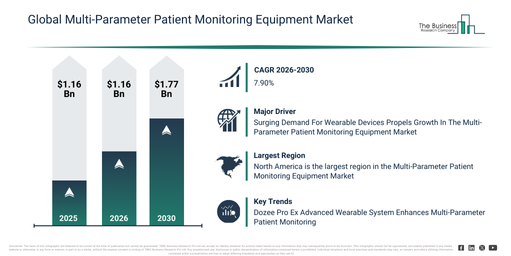
    The multi-parameter patient monitoring equipment market size has experienced significant growth in recent years. It is anticipated to increase from $9.57 billion in 2025 to $10.34 billion in 2026, demonstrating a compound annual growth rate (CAGR) of 8.0%. Historically, this expansion has been driven by factors including a rise in hospital admissions and critical care demands, the expansion of intensive care units, increasing demand for continuous vital monitoring, the adoption of digital bedside monitoring systems, and an elevated focus on patient safety.

    The multi-parameter patient monitoring equipment market is projected to experience substantial expansion in the coming years. This market is anticipated to reach $14.04 billion by 2030, exhibiting a compound annual growth rate (CAGR) of 7.9%. Factors contributing to this growth during the forecast period include the increasing uptake of remote patient monitoring, a surge in demand for home healthcare options, the proliferation of AI-enabled monitoring platforms, enhanced integration with electronic health records, and a heightened focus on early clinical intervention. Key trends expected within this period involve the wider deployment of connected patient monitoring systems, an increase in the adoption of wireless vital sign monitors, greater integration of AI-based clinical decision support, the expansion of remote and continuous patient monitoring, and an intensified focus on the accuracy of real-time data.

    Access Your Free Sample Report for In-Depth Market Insights:

    https://www.thebusinessresearchcompany.com/sample.aspx?id=9097&type=smp

    Which Drivers Are Impacting Market Performance In The Multi-Parameter Patient Monitoring Equipment Market?

    The increasing need for wearable devices is anticipated to drive the expansion of the multi-parameter patient monitoring equipment market in the future. Wearable devices are small, sensor-equipped electronic gadgets worn on the body, which continuously gather and send physiological information for immediate health monitoring. The proliferation of wearable devices is attributed to consumers increasingly embracing smart health-monitoring technologies, as they seek ongoing, non-invasive observation of crucial health metrics. The multi-parameter patient monitoring equipment industry is experiencing heightened demand because the swift growth of wearable devices compels businesses to implement sophisticated, connected monitoring solutions, thereby improving patient supervision, facilitating remote monitoring, and promoting preventive healthcare. For example, data from Eurostat, the European Union’s statistical office based in Luxembourg, indicated that in August 2025, 29.9% of people aged 16–74 within the EU utilized smart wearables like smartwatches and fitness trackers in 2024. Consequently, the rising demand for wearable devices is fueling the expansion of the multi-parameter patient monitoring equipment market.

    What Segment Types Are Examined In The Multi-Parameter Patient Monitoring Equipment Market?

    The multi-parameter patient monitoring equipment market covered in this report is segmented –

    1) By Product Type: High-Acuity Monitors, Critical Care Monitors, Magnetic Resonance Imaging (MRI) Compatible Monitors, Perioperative Monitor, Mid-Acuity Monitors, Low-Acuity Monitors

    2) By Application: Cardiology, Neurology, Respiratory, Fetal And Neonatal, Other Applications

    3) By End User: Hospitals, Clinics, Ambulatory Surgical Centers

    Subsegments:

    1) By High-Acuity Monitors: Multi-Parameter High-Acuity Monitors, Advanced Monitoring Systems

    2) By Critical Care Monitors: Bedside Monitors, Magnetic Resonance Imaging (MRI) Compatible Monitors

    3) By MRI-Compatible Monitors: MRI-Compatible Multi-Parameter Monitors, MRI-Compatible Cardiac Monitors

    4) By Perioperative Monitors: Anesthesia Monitors, Surgical Monitors

    5) By Mid-Acuity Monitors: General Ward Monitors, Step-Down Unit Monitors

    6) By Low-Acuity Monitors: Vital Signs Monitors, Basic Patient Monitors

    What Long-Term Trends Are Expected To Shape The Future Of The Multi-Parameter Patient Monitoring Equipment Market?

    Leading companies operating within the multi-parameter patient monitoring equipment market are integrating new technological products, such as Dozee Pro Ex, to sustain their market presence. Dozee Pro Ex functions as an ambulatory connected patient monitoring system that incorporates wireless wearable sensors. For instance, in October 2023, Dozee, an India-based company providing remote patient monitoring, introduced Dozee Pro Ex. This system offers ongoing monitoring of patient vital signs, including electrocardiogram rhythm, blood pressure, heart rate or pulse rate, oxygen saturation, respiration rate, and temperature. Dozee Pro Ex is also equipped with an artificial intelligence-powered early warning system that tracks trends in vital parameters and issues timely alerts for potential clinical deterioration.

    Who Are The Primary Competitors In The Global Multi-Parameter Patient Monitoring Equipment Market?

    Major companies operating in the multi-parameter patient monitoring equipment market are GE Healthcare Technologies Inc., Drägerwerk AG & Co. KGaA, Nihon Kohden Corporation, Schiller AG, Bosch Medical Solutions GmbH, AMD Global Telemedicine Inc., Mindray DS USA Inc., Spacelabs Healthcare, CAS Medical Systems Inc., Contec Medical Systems Co Ltd., Guangdong Biolight Meditech Company Limited, Natus Medical Incorporated, Masimo, Medtronic PLC, OSI System, Bio Medical Electronics, Koninklijke Philips NV, General Electric Company, Shenzhen Mindray Bio-Medical Electronics Co. Ltd., Omron Healthcare Inc., Hill-Rom Holdings Inc., Smiths Medical, ZOLL Medical Corporation

    Access The Complete Report For Deeper Market Insights:

    https://www.thebusinessresearchcompany.com/report/multi-parameter-patient-monitoring-equipment-global-market-report

    Which Regions Are Poised For Strategic Growth In The Multi-Parameter Patient Monitoring Equipment Market?

    North America was the largest region in the multi-parameter patient monitoring equipment market in 2025. Asia-Pacific is expected to be the fastest-growing region in the multi-parameter patient monitoring equipment market during the forecast period. The regions covered in the multi-parameter patient monitoring equipment market report are Asia-Pacific, South East Asia, Western Europe, Eastern Europe, North America, South America, Middle East, Africa.

    Request Your Customized Multi-Parameter Patient Monitoring Equipment Market Research Report for Competitive Advantage:

    https://www.thebusinessresearchcompany.com/customise?id=9097&type=smp

    Browse Through More Reports Similar to the Global Multi-Parameter Patient Monitoring Equipment Market 2026, By The Business Research Company

    Patient Monitoring Devices Market 2026

    https://www.thebusinessresearchcompany.com/report/patient-monitoring-devices-market

    Remote Patient Monitoring Devices And Equipment Global Market Report 2026

    https://www.thebusinessresearchcompany.com/report/remote-patient-monitoring-devices-and-equipment-global-market-report

    Vital Parameter Monitoring Devices And Equipment Global Market Report 2026

    https://www.thebusinessresearchcompany.com/report/vital-parameter-monitoring-devices-and-equipment-global-market-report

    Get in touch with us:

    The Business Research Company: https://www.thebusinessresearchcompany.com/

    Americas +1 310-496-7795

    Asia +44 7882 955267 & +91 8897263534

    Europe +44 7882 955267

    Email us at info@tbrc.info

    Follow us on:

    LinkedIn: https://in.linkedin.com/company/the-business-research-company
  • Multi-Channel Remote Electrocardiogram (ECG) Monitors Market Outlook 2026–2035: Growth Drivers and Industry Forecast

    Multi-Channel Remote Electrocardiogram (ECG) Monitors Market Outlook 2026–2035: Growth Drivers and Industry Forecast

    Uncover key drivers, emerging technologies, and competitive movements shaping the workstation graphics processing unit (gpu) market from 2026–2035 with trusted insights from The Business Research Company

    How much larger will the Multi-Channel Remote Electrocardiogram (ECG) Monitors Market be in 2030 compared with 2026?

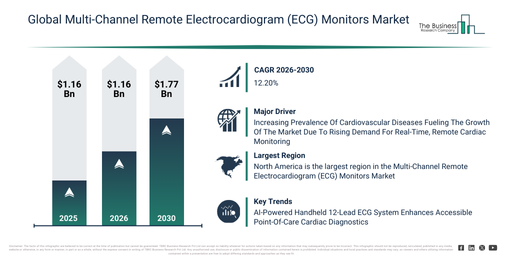
    The multi-channel remote electrocardiogram (ecg) monitors market size has experienced rapid growth in recent years. It is expected to grow from $2.66 billion in 2025 to $3 billion in 2026, achieving a compound annual growth rate (CAGR) of 12.8%. The growth observed in the historic period is attributable to factors such as limited remote monitoring infrastructure, a reliance on wired ecg devices, the growing prevalence of cardiovascular diseases, the adoption of hospital-based ecg monitoring, and increasing awareness of cardiac health.

    The multi-channel remote electrocardiogram (ecg) monitors market is expected to undergo substantial growth in the upcoming years. Its valuation is projected to reach $4.76 billion by 2030, expanding at a compound annual growth rate (CAGR) of 12.2%. This anticipated growth during the forecast period is fueled by advancements in wireless and Bluetooth ECG monitor technology, the increasing acceptance of telemedicine, integration with mobile health applications, the expansion of home care and ambulatory monitoring services, and rising investments in digital cardiac healthcare solutions. Prominent trends for this period include the wider adoption of wireless multi-channel ECG monitors, the integration of wearable and mobile ECG devices, the development of home-based cardiac monitoring solutions, a heightened demand for real-time remote cardiac data transmission, and a growing emphasis on patient-centric cardiac care.

    Access Your Free Sample Report for In-Depth Market Insights:

    https://www.thebusinessresearchcompany.com/sample.aspx?id=27354&type=smp

    What Drivers Are Guiding Growth Patterns In The Multi-Channel Remote Electrocardiogram (ECG) Monitors Market?

    The multi-channel remote electrocardiogram (ECG) monitor market is anticipated to expand due to the rising occurrence of cardiovascular diseases. These diseases encompass various conditions impacting the heart and blood vessels, such as coronary heart disease, heart failure, stroke, and hypertension. The growing incidence of cardiovascular diseases mainly stems from physical inactivity, where a sedentary lifestyle fosters risk factors like obesity, high blood pressure, and unfavorable cholesterol levels, substantially increasing the probability of heart ailments. Multi-channel remote electrocardiogram (ECG) monitors aid in managing cardiovascular diseases by allowing continuous, real-time heart surveillance regardless of location. These monitors enhance diagnostic precision using multi-lead data and improve patient care by lessening the necessity for regular hospital trips. As an illustration, in December 2024, GOV.UK, a UK government agency, reported that by March 2024, approximately 2.24 million adults in England, representing about 4.4% of individuals aged 18 and over, had received a GP diagnosis of CKD. This figure marks an increase from the 2.09 million cases recorded in the preceding year. Consequently, the rising occurrence of cardiovascular diseases is propelling the expansion of the multi-channel remote electrocardiogram (ECG) monitors market.

    Which Segments Are Driving Activity In The Multi-Channel Remote Electrocardiogram (ECG) Monitors Market?

    The multi-channel remote electrocardiogram (ecg) monitors market covered in this report is segmented –

    1) By Type: Wired Multi Channel Remote Electrocardiogram (ECG) Monitor, Wireless Multi Channel Remote Electrocardiogram (ECG) Monitor

    2) By Technology: Wireless Electrocardiogram (ECG) Monitors, Bluetooth-Enabled Electrocardiogram (ECG) Monitors, Wi-Fi-Based Electrocardiogram (ECG) Monitors

    3) By Application: Home Care, Ambulatory Monitoring, Hospitals And Clinics

    4) By Distribution Channel: Direct Sales, Online Sales, Third-Party Distributors

    5) By End-User: Patients, Healthcare Providers, Diagnostic Centers

    Subsegments:

    1) By Wired Multi-Channel Remote Electrocardiogram (ECG) Monitor: Hospital-Based Wired Electrocardiogram Monitors, Ambulatory Care Wired Electrocardiogram Devices, Diagnostic Wired Electrocardiogram Systems, Resting Electrocardiogram Monitors, Stress Test Electrocardiogram Monitors

    2) By Wireless Multi-Channel Remote Electrocardiogram (ECG) Monitor: Bluetooth-Enabled Electrocardiogram Devices, Wi-Fi-Enabled Electrocardiogram Monitors, Wearable Electrocardiogram Monitors, Mobile-Connected Electrocardiogram Devices, Home-Based Wireless Electrocardiogram Systems

    Which Market Trends Are Opening Growth Opportunities In The Multi-Channel Remote Electrocardiogram (ECG) Monitors Market?

    Leading companies in the multi channel remote electrocardiogram (ECG) monitor market are advancing technologies such as AI-powered, handheld 12-lead ECG systems to meet the increasing demand for accessible, clinician-quality cardiac diagnostics across primary care, urgent care, and resource-limited environments. These portable devices combine deep-learning-based interpretation with a simplified lead setup and wireless connectivity. Unlike traditional full-size, cart-based ECG machines, which require complex installation and trained operators, handheld systems make high-quality ECG recording more scalable and user-friendly. For example, in July 2025, AliveCor, a US-based medical device and AI company, launched its Kardia 12L ECG System, incorporating KAI 12L AI technology. This system employs a reduced-lead design, using five leads via a single cable, while still producing 12-lead–equivalent data. It was trained on more than 1.75 million ECGs and leverages AI to identify 35 cardiac conditions, including arrhythmias and myocardial infarction, in near real time. Its compact, handheld design, lighter than many smartphones, improves portability, lowers logistical barriers, and allows for deployment in non-hospital settings, supporting remote and point-of-care cardiac diagnostics without compromising clinical accuracy.

    Which Key Market Players Are Investing In Expansion And Innovation Within The Multi-Channel Remote Electrocardiogram (ECG) Monitors Market?

    Major companies operating in the multi-channel remote electrocardiogram (ecg) monitors market are Medtronic plc, Koninklijke Philips N.V., GE HealthCare Technologies Inc., Shenzhen Mindray Bio-Medical Electronics Co. Ltd., Nihon Kohden Corporation, iRhythm Technologies Inc., Schiller AG, Edan Instruments Inc., BPL Medical Technologies Pvt. Ltd., Bionet Co. Ltd., LifeSignals Inc., VivaLNK Inc., Biotricity Inc., Cardiac Insight Inc., CardioComm Solutions Inc., Norav Medical Ltd, BioTelemetry Inc, Biotronik SE & Co KG, Spacelabs Healthcare, Fukuda Denshi Co Ltd, InfoBionic Inc, SmartCardia SA, Qardio Inc, Withings SAS

    Access The Complete Report For Deeper Market Insights:

    https://www.thebusinessresearchcompany.com/report/multi-channel-remote-electrocardiogram-ecg-monitors-global-market-report

    Which Regions Are Projected To Dominate The Multi-Channel Remote Electrocardiogram (ECG) Monitors Market In The Coming Years?

    North America was the largest region in the multi-channel remote electrocardiogram (ECG) monitor market in 2025. Asia-Pacific is expected to be the fastest-growing region in the forecast period. The regions covered in the multi-channel remote electrocardiogram (ecg) monitors market report are Asia-Pacific, South East Asia, Western Europe, Eastern Europe, North America, South America, Middle East, Africa.

    Request Your Customized Multi-Channel Remote Electrocardiogram (ECG) Monitors Market Research Report for Competitive Advantage:

    https://www.thebusinessresearchcompany.com/customise?id=27354&type=smp

    Browse Through More Reports Similar to the Global Multi-Channel Remote Electrocardiogram (ECG) Monitors Market 2026, By The Business Research Company

    Critical Illness Insurance Global Market Report 2026

    https://www.thebusinessresearchcompany.com/report/critical-illness-insurance-global-market-report

    Pet Healthcare Global Market Report 2026

    https://www.thebusinessresearchcompany.com/report/pet-healthcare-global-market-report

    Pet Diabetes Care Global Market Report 2026

    https://www.thebusinessresearchcompany.com/report/pet-diabetes-care-global-market-report

    Get in touch with us:

    The Business Research Company: https://www.thebusinessresearchcompany.com/

    Americas +1 310-496-7795

    Asia +44 7882 955267 & +91 8897263534

    Europe +44 7882 955267

    Email us at info@tbrc.info

    Follow us on:

    LinkedIn: https://in.linkedin.com/company/the-business-research-company
  • Mucosal Atomization Devices Market 2026–2030: Emerging Trends and Forecast Opportunities

    Mucosal Atomization Devices Market 2026–2030: Emerging Trends and Forecast Opportunities

    Uncover key drivers, emerging technologies, and competitive movements shaping the worker heat stress monitoring wearable market from 2026–2035 with trusted insights from The Business Research Company

    Starting from its 2026 valuation, what market size is the Mucosal Atomization Devices Market expected to reach by 2030?

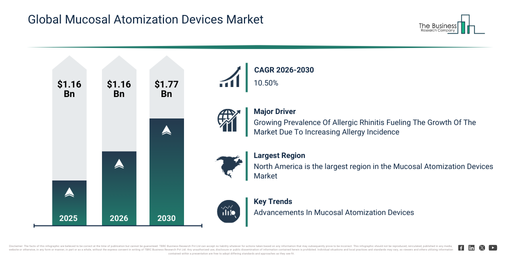
    The mucosal atomization devices market size has shown rapid expansion in recent years. This market is expected to expand from $0.92 billion in 2025 to $1.02 billion in 2026, reflecting a compound annual growth rate (CAGR) of 10.9%. The notable growth observed historically is primarily due to the increasing use of nasal drug delivery methods, a rise in emergency medical interventions, the expansion of outpatient treatment settings, the broader availability of atomization-based therapies, and enhanced clinical awareness of mucosal delivery.

    The mucosal atomization devices market size is projected to undergo significant expansion over the next few years. It is expected to grow to $1.52 billion by 2030, showing a compound annual growth rate (CAGR) of 10.5%. This anticipated growth can be attributed to several factors, including the increasing demand for non-invasive drug administration, its rising adoption in emergency and anesthesia care, the expanding use in home healthcare, a growing emphasis on infection control, and the increasing development of portable medical delivery devices. Major trends foreseen during this forecast period involve the increasing adoption of needle-free drug delivery devices, a rising demand for rapid-acting emergency medications, the growing use of single-use atomization devices, the expansion of portable atomization solutions, and an enhanced focus on patient comfort and safety.

    Access Your Free Sample Report for In-Depth Market Insights:

    https://www.thebusinessresearchcompany.com/sample.aspx?id=7440&type=smp

    What Drivers Are Driving Adoption Within The Mucosal Atomization Devices Market?

    An increase in allergic rhinitis cases is projected to drive expansion in the mucosal atomization devices market. Allergic rhinitis, an inflammatory ailment of the nasal passages, results from an allergic reaction to airborne irritants like pollen, dust mites, or pet dander. The rising incidence of allergic rhinitis is primarily fueled by escalating air pollution and environmental allergens, as urban and industrial growth leads to the release of elevated levels of particulate matter and pollutants, which both initiate and worsen allergic reactions in vulnerable people. This growing prevalence heightens the demand for effective nasal drug delivery methods capable of swiftly delivering medications straight to the affected nasal tissues, thereby offering prompt alleviation from symptoms including congestion, sneezing, and inflammation. As an illustration, in January 2024, the UK Health Security Agency (UKHSA), a UK-based government body, reported a significant surge in consultations for allergic rhinitis during week 23, which corresponded with prevailing grass pollen levels and recent warm temperatures. The highest rates of these consultations were observed among those aged 5–14 and 15–44 years. Consequently, the increasing occurrence of allergic rhinitis is stimulating the expansion of the mucosal atomization devices market.

    How Is The Mucosal Atomization Devices Market Organized Into Various Segments?

    The mucosal atomization devices market covered in this report is segmented –

    1) By Type: Nasal Atomization Devices, Laryngo-Tracheal Atomization Devices

    2) By Technology: Gas-Propelled Atomization Devices, Electrical Atomization Devices

    3) By End User: Hospitals, Ambulatory Surgical Centers, Specialized Clinics

    Subsegments:

    1) By Nasal Atomization Devices: Handheld Nasal Sprays, Mechanical Nasal Atomizers, Electric Nasal Atomizers

    2) By Laryngo-Tracheal Atomization Devices: Jet Nebulizers, Ultrasonic Nebulizers, Portable Laryngo-Tracheal Atomizers

    How Are Emerging Trends Affecting The Progression Of The Mucosal Atomization Devices Market?

    Leading companies in the mucosal atomization device market are concentrating on developing technological advancements, such as metal-free nasal spray pumps, to offer patients a better experience. These metal-free nasal spray pumps are dispensing systems created without any metallic components, ensuring that nasal formulations only come into contact with non-metallic materials like plastics or polymers. For example, Aptar Pharma, a US-based pharmaceutical company, introduced the APF Futurity in January 2023. The APF Futurity is a metal-free, multidose nasal spray pump designed for the delivery of nasal saline and similar over-the-counter (OTC) formulations. It is Aptar Pharma’s first highly recyclable nasal spray pump, having received a Class AA certification from cyclos-HTP for recycling in Europe. Composed of polyolefin materials without any metal components or recycling disruptors, APF Futurity reduces separation efforts in recycling streams and encourages higher quality recyclates.

    Who Are The Core Companies Influencing Trends In The Mucosal Atomization Devices Market?

    Major companies operating in the mucosal atomization devices market are Teleflex Incorporated, Cook Medical LLC, Pulmodyne Inc., Life-Assist Inc., Vyaire Medical Inc., Mercury Medical, SunMed LLC, Salter Labs, Armstrong Medical Industries Inc., VBM Medizintechnik GmbH, Intersurgical Ltd., Flexicare Medical Limited, Medovations Inc., Atom Medical Corporation, BLS Systems Limited, Dali Medical Devices Co. Ltd., Trudell Medical International, PARI GmbH, Omron Healthcare Inc., Drive Medical Holdings LLC, Laerdal Medical AS

    Access The Complete Report For Deeper Market Insights:

    https://www.thebusinessresearchcompany.com/report/mucosal-atomization-devices-global-market-report

    Which Region Is Expected To Experience The Fastest Growth In The Mucosal Atomization Devices Market?

    North America was the largest region in the mucosal atomization devices market in 2025. Asia-Pacific is expected to be the fastest-growing region in the forecast period. The regions covered in the mucosal atomization devices market report are Asia-Pacific, South East Asia, Western Europe, Eastern Europe, North America, South America, Middle East, Africa.

    Request Your Customized Mucosal Atomization Devices Market Research Report for Competitive Advantage:

    https://www.thebusinessresearchcompany.com/customise?id=7440&type=smp

    Browse Through More Reports Similar to the Global Mucosal Atomization Devices Market 2026, By The Business Research Company

    Gastrointestinal Devices Global Market Report 2026

    https://www.thebusinessresearchcompany.com/report/gastrointestinal-devices-global-market-report

    Medical Grade Silicone Global Market Report 2026

    https://www.thebusinessresearchcompany.com/report/medical-grade-silicone-global-market-report

    Oral Solid Dosage Contract Manufacturing Global Market Report 2026

    https://www.thebusinessresearchcompany.com/report/oral-solid-dosage-contract-manufacturing-global-market-report

    Get in touch with us:

    The Business Research Company: https://www.thebusinessresearchcompany.com/

    Americas +1 310-496-7795

    Asia +44 7882 955267 & +91 8897263534

    Europe +44 7882 955267

    Email us at info@tbrc.info

    Follow us on:

    LinkedIn: https://in.linkedin.com/company/the-business-research-company
  • Global Mortuary Equipment Market Forecast 2026–2035: Long-Term Growth Insights

    Global Mortuary Equipment Market Forecast 2026–2035: Long-Term Growth Insights

    Uncover key drivers, emerging technologies, and competitive movements shaping the workstation graphics processing unit (gpu) market from 2026–2035 with trusted insights from The Business Research Company

    Across 2026–2030, what is the expected market valuation path of the Mortuary Equipment Market?

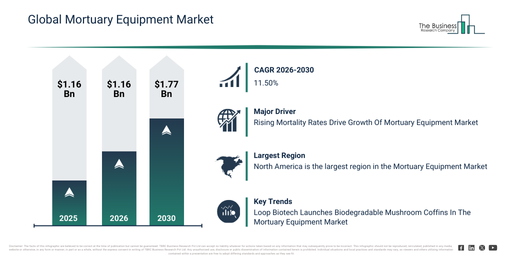
    The mortuary equipment market size has experienced rapid growth in recent years. This market is projected to expand from $1.19 billion in 2025 to $1.32 billion in 2026, demonstrating a compound annual growth rate (CAGR) of 11.3%. Historically, the market’s expansion has been driven by factors such as the growth of hospital and forensic infrastructure, an increasing need for body preservation solutions, a rise in the use of refrigeration in mortuaries, the development of academic medical institutions, and the wider availability of standardized mortuary equipment.

    The mortuary equipment market is poised for significant expansion over the next few years. It is forecast to achieve a valuation of $2.04 billion by 2030, exhibiting a compound annual growth rate (CAGR) of 11.5%. This projected increase in the coming period is driven by factors such as greater investments in contemporary forensic facilities, a rising need for automated mortuary systems, the enlargement of hospital morgue capacities, an elevated focus on the safety and ergonomics of personnel, and the increased integration of energy-efficient refrigeration units. Prominent developments anticipated during this forecast period include the expanding adoption of energy-efficient mortuary refrigeration systems, a surge in demand for automated cadaver handling apparatus, a concentrated effort on hygienic and easily maintainable designs, the deployment of compact mortuary equipment for urban environments, and an intensified emphasis on workplace safety.

    Access Your Free Sample Report for In-Depth Market Insights:

    https://www.thebusinessresearchcompany.com/sample.aspx?id=6047&type=smp

    Which Drivers Are Supporting The Rise Of The Mortuary Equipment Market?

    Future expansion of the mortuary equipment market is anticipated due to a rise in mortality rates. This rate, also referred to as the death rate, quantifies the number of fatalities within a specific area or timeframe. A higher death rate consequently boosts the need for mortuary supplies like body bags, mortuary stretchers, lifting carts, mortuary washing units, and autopsy tables, all utilized for the preservation and storage of the deceased. For example, data from September 2025, reported by Eurostat, a government agency based in Luxemburg, indicated an increase in excess mortality during the second quarter of 2025 compared to the corresponding period in 2024, with figures of 2.9% against 2.6% in 2024. Consequently, the growing mortality rates are a significant factor in the expansion of the mortuary equipment market.

    What Segments Are Identified Within The Structure Of The Mortuary Equipment Market?

    The mortuary equipment market covered in this report is segmented –

    1) By Product Type: Refrigerators And Freezers, Autopsy And Dissection Tables, Cadaver Lifts, Cadaver Trolleys, Other Types

    2) By Application: Manual, Automated

    3) By End User: Hospitals, Academic Institutions, Research Organizations, Forensic Laboratories, Other End-Users

    Subsegments:

    1) By Refrigerators And Freezers: Single-Door Refrigerators, Double-Door Refrigerators, Freezers

    2) By Autopsy and Dissection Tables: Hydraulic Autopsy Tables, Fixed Autopsy Tables, Dissection Tables

    3) By Cadaver Lifts: Hydraulic Cadaver Lifts, Electric Cadaver Lifts

    4) By Cadaver Trolleys: Manual Cadaver Trolleys, Electric Cadaver Trolleys

    5) By Other Types: Embalming Machines, Storage Cabinets, Body Bags And Accessories

    Which Innovation Trends Are Advancing Developments Within The Mortuary Equipment Market?

    Leading companies in the mortuary equipment market are concentrating on creating innovative products, including biodegradable coffins, to advance sustainable burial practices and mitigate environmental impact. Biodegradable coffins serve as environmentally friendly options, constructed from natural materials that decompose quickly, allowing human remains to return nutrients to the earth. For example, in May 2023, Loop Biotech, a Dutch startup company, introduced mushroom coffins, which are biodegradable. The company combines upcycled hemp with mycelium, the root structure of mushrooms. Together, the mycelium and hemp fibers develop inside a mold over seven days, and the coffins fully biodegrade within 45 days.

    Which Major Industry Participants Are Leading The Mortuary Equipment Market Growth?

    Major companies operating in the mortuary equipment market are Ferno-Washington Inc., Flexmort, LEEC Limited, Mortech Manufacturing Company Inc., Kugel Medical GmbH & Co. KG, EIHF Isofroid, Hygeco, S.M. Scientific Instruments Pvt. Ltd., Mopec Inc., Barber of Sheffield Ltd., C.F. di Ciro Fiocchetti & C. s.n.c., Mortuary Lift Company, Funeralia GmbH, Span Surgical Co., Thalheimer Kühlung GmbH & Co. KG, Roftek Ltd., Thermo Fisher Scientific Inc., Hickey & Co., SOVA Motion, Shandon Inc., Mortuary & Cemetery Supply Co., Jiangsu Saikang Medical Equipment Co. Ltd., American Crematory Equipment Co., B&L Cremation Systems Inc., C.F. Weber Co. Inc., Coldspring, Crescent Memorial, Custom Air Trays, DFW Europe, Eckels, Funeral Source One, GEM Scientific Inc.

    Access The Complete Report For Deeper Market Insights:

    https://www.thebusinessresearchcompany.com/report/mortuary-equipment-global-market-report

    Which Geographic Areas Are Emerging As Strong Markets For The Mortuary Equipment Market?

    North America was the largest region in the mortuary equipment market in 2025. Asia-Pacific is expected to be the fastest-growing region in the forecast period. The regions covered in the mortuary equipment market report are Asia-Pacific, South East Asia, Western Europe, Eastern Europe, North America, South America, Middle East, Africa.

    Request Your Customized Mortuary Equipment Market Research Report for Competitive Advantage:

    https://www.thebusinessresearchcompany.com/customise?id=6047&type=smp

    Browse Through More Reports Similar to the Global Mortuary Equipment Market 2026, By The Business Research Company

    Construction Equipment Aftermarket Global Market Report 2026

    https://www.thebusinessresearchcompany.com/report/construction-equipment-aftermarket-global-market-report

    Equipment Finance Services Global Market Report 2026

    https://www.thebusinessresearchcompany.com/report/equipment-finance-services-global-market-report

    Equipment Finance Service Global Market Report 2026

    https://www.thebusinessresearchcompany.com/report/equipment-finance-service-global-market-report

    Get in touch with us:

    The Business Research Company: https://www.thebusinessresearchcompany.com/

    Americas +1 310-496-7795

    Asia +44 7882 955267 & +91 8897263534

    Europe +44 7882 955267

    Email us at info@tbrc.info

    Follow us on:

    LinkedIn: https://in.linkedin.com/company/the-business-research-company