Category: Medical Equipment

  • Intracranial Hemorrhage Devices Market Research: Growth Projections and Trends 2030

    Intracranial Hemorrhage Devices Market Research: Growth Projections and Trends 2030

    Uncover key drivers, emerging technologies, and competitive movements shaping the workstation graphics processing unit (gpu) market from 2026–2035 with trusted insights from The Business Research Company

    How much larger will the Intracranial Hemorrhage Devices Market be in 2030 compared with 2026?

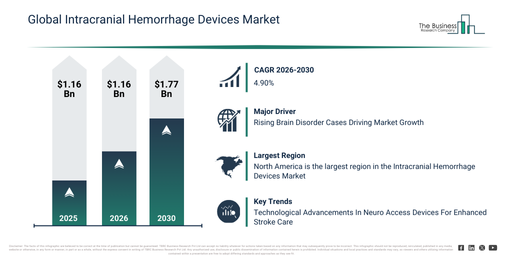
    The intracranial hemorrhage devices market has demonstrated significant expansion in recent years. It is anticipated to increase from $1.79 billion in 2025 to $1.88 billion in 2026, at a compound annual growth rate (CAGR) of 5.1%. This historical growth can be linked to the rising occurrence of traumatic brain injuries, the increasing prevalence of stroke cases, the expansion of neurocritical care units, the development of emergency medical services, and the accessibility of advanced diagnostic tools.

    The intracranial hemorrhage devices market is projected to demonstrate consistent expansion over the next few years. By 2030, this market is forecasted to reach a value of $2.27 billion, exhibiting a compound annual growth rate (CAGR) of 4.9%. This growth during the forecast period is attributable to several factors, including escalating investments in neurotechnology, a heightened demand for real-time brain monitoring, the broadening of minimally invasive neurosurgery, the increasing integration of AI-assisted imaging analysis, and a stronger emphasis on early intervention protocols. Key developments expected in the forecast period encompass a greater utilization of advanced neuroimaging devices, an uptake in minimally invasive treatment solutions, enhanced integration of intracranial pressure monitoring, an expansion of emergency stroke and trauma care services, and a heightened emphasis on swift diagnosis and intervention.

    Access Your Free Sample Report for In-Depth Market Insights:

    https://www.thebusinessresearchcompany.com/sample.aspx?id=20855&type=smp

    What Drivers Are Guiding Growth Patterns In The Intracranial Hemorrhage Devices Market?

    The increasing incidence of brain conditions is projected to stimulate the expansion of the intracranial hemorrhage devices market in the future. Brain disorders encompass numerous ailments impacting the brain’s structure, operation, or chemical balance, thereby disturbing regular brain functions. The rise in brain disorder cases stems from elements such as enhanced diagnostic methods, an aging global populace, evolving lifestyle habits, increased public understanding, and escalating stress levels. Intracranial hemorrhage devices serve to identify, track, and manage brain conditions characterized by bleeding, achieving this by locating hemorrhages, regulating intracranial pressure, and eliminating blood clots to avert further cerebral harm. For illustration, in October 2025, the World Health Organization, an Intergovernmental organization located in Switzerland, issued a report stating that The WHO cautions that less than one in three nations possess a national strategy to address neurological disorders, which account for more than 11 million fatalities each year. Furthermore, its recent publication indicates that these ailments impact more than 3 billion individuals, representing over 40% of the worldwide population. Consequently, the growing number of brain disorder cases fuels the expansion of the intracranial hemorrhage devices market.

    How Is The Intracranial Hemorrhage Devices Market Divided Into Segments?

    The intracranial hemorrhage devices market covered in this report is segmented –

    1) By Product Type: Diagnosis, Treatment

    2) By Devices: Invasive, Non-Invasive

    3) By End Users: Hospitals, Ambulatory Surgical Centres, Other End Users

    Subsegments:

    1) By Diagnosis: MRI (Magnetic Resonance Imaging) Devices, CT (Computed Tomography) Scanners, Ultrasound Devices, EEG (Electroencephalogram) Devices, Intracranial Pressure Monitors, Blood Gas Analyzers

    2) By Treatment: Surgical Instruments (Craniotomy Instruments), Drainage Devices (Ventriculostomy Catheters), Embolization Devices, Hemostatic Agents, Coagulation Devices, Neurostimulation Devices

    What Industry Trends Are Transforming The Intracranial Hemorrhage Devices Market?

    Leading corporations within the intracranial hemorrhage devices market are prioritizing the creation of groundbreaking products, such as sophisticated neuro access devices, aimed at improving the accuracy and effectiveness of identifying and treating brain injuries. Sophisticated neuro access devices describe specialized medical instruments and technologies engineered to enable precise entry into the brain or nervous system for diagnostic, surgical, or therapeutic applications. An example of this is Penumbra Inc., a US-based medical device company, which declared the European introduction of its advanced neuro access devices, BMX81 and BMX96, in June 2024. These specific devices, engineered for addressing ischemic and hemorrhagic strokes, integrate inventive laser-cut stainless steel hypotube technology to bolster stability and trackability, simultaneously allowing for greater inner diameters. This product launch underscores Penumbra’s commitment to advancing stroke management across Europe.

    Which Leading Companies Dominate The Intracranial Hemorrhage Devices Market Share?

    Major companies operating in the intracranial hemorrhage devices market are Johnson & Johnson Services Inc., Medtronic Inc., Siemens Healthcare GmbH, Stryker Corporation, General Electric Company, Terumo Corporation, Canon Medical Systems Corporation, Penumbra Inc., MicroPort Scientific Corporation, Aidoc Medical Ltd., Viz.ai Inc., Phenox GmbH, RAPID AI Inc., Acandis GmbH, Kaneka Medix Corporation, Hyperfine Inc., ClearMind Biomedical Inc., InfraScan Inc., Schindler Endoskopie Technologie GmbH, Sense Neuro Diagnostics Inc., MaxQ AI Inc., Invamed Inc.

    Access The Complete Report For Deeper Market Insights:

    https://www.thebusinessresearchcompany.com/report/intracranial-hemorrhage-devices-global-market-report

    Which Region Is Anticipated To See The Fastest Growth In The Intracranial Hemorrhage Devices Market?

    North America was the largest region in the intracranial hemorrhage devices market in 2025. The regions covered in the intracranial hemorrhage devices market report are Asia-Pacific, South East Asia, Western Europe, Eastern Europe, North America, South America, Middle East, Africa.

    Request Your Customized Intracranial Hemorrhage Devices Market Research Report for Competitive Advantage:

    https://www.thebusinessresearchcompany.com/customise?id=20855&type=smp

    Browse Through More Reports Similar to the Global Intracranial Hemorrhage Devices Market 2026, By The Business Research Company

    Radiology As A Service Global Market Report 2026

    https://www.thebusinessresearchcompany.com/report/radiology-as-a-service-global-market-report

    Radiology Services Global Market Report 2026

    https://www.thebusinessresearchcompany.com/report/radiology-services-global-market-report

    Pediatric Radiology Global Market Report 2026

    https://www.thebusinessresearchcompany.com/report/pediatric-radiology-global-market-report

    Get in touch with us:

    The Business Research Company: https://www.thebusinessresearchcompany.com/

    Americas +1 310-496-7795

    Asia +44 7882 955267 & +91 8897263534

    Europe +44 7882 955267

    Email us at info@tbrc.info

    Follow us on:

    LinkedIn: https://in.linkedin.com/company/the-business-research-company
  • Global Interventional Tumor Ablation Industry Insights: Key Trends and Growth Estimates

    Global Interventional Tumor Ablation Industry Insights: Key Trends and Growth Estimates

    Uncover key drivers, emerging technologies, and competitive movements shaping the worker heat stress monitoring wearable market from 2026–2035 with trusted insights from The Business Research Company

    Starting from its 2026 valuation, what market size is the Interventional Tumor Ablation Market expected to reach by 2030?

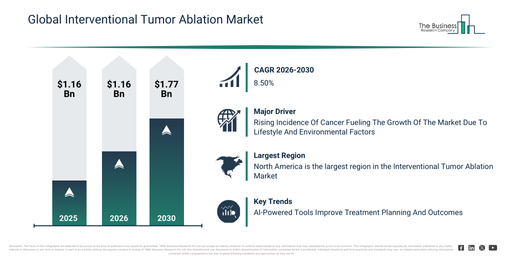
    The interventional tumor ablation market has demonstrated significant expansion in recent years. This market is forecasted to increase from $1.77 billion in 2025 to $1.93 billion in 2026, achieving a compound annual growth rate (CAGR) of 8.5%. Historically, this growth has been driven by several factors, including the increasing global incidence of cancer, the continuous advancement of medical imaging technologies, a heightened preference for minimally invasive therapies, the expansion of interventional oncology practices, and improved clinical outcomes associated with ablation procedures.

    The interventional tumor ablation market is poised for significant expansion in the coming years. Its valuation is projected to reach $2.66 billion by 2030, exhibiting a compound annual growth rate (CAGR) of 8.5%. This anticipated growth throughout the forecast period stems from several factors, including the increasing integration of AI-assisted imaging guidance, the rising adoption of personalized cancer treatment approaches, the expansion of ambulatory surgical centers, growing investments dedicated to oncology device innovation, and an increasing demand for cancer therapies that are cost-effective. Key trends expected during this period encompass the increasing adoption of minimally invasive tumor ablation procedures, the rising utilization of image-guided ablation technologies, the broadening availability of microwave and radiofrequency ablation systems, a growing demand for outpatient cancer treatments, and an enhanced focus on precision oncology.

    Access Your Free Sample Report for In-Depth Market Insights:

    https://www.thebusinessresearchcompany.com/sample.aspx?id=24259&type=smp

    What Drivers Are Driving Adoption Within The Interventional Tumor Ablation Market?

    The increasing occurrence of cancer is anticipated to fuel the expansion of the interventional tumor ablation market in the future. Cancer refers to a collection of illnesses marked by the unregulated proliferation and dissemination of atypical cells within the body, capable of invading adjacent tissues and potentially migrating to other bodily regions via the bloodstream and lymphatic systems. This growing incidence of cancer primarily stems from lifestyle and environmental elements like smoking, inadequate nutrition, excessive weight, and contact with carcinogens. Interventional tumor ablation improves cancer treatment by providing minimally invasive approaches, presenting patients with a less aggressive option compared to surgical procedures. It shortens both treatment durations and recuperation times through precise tumor elimination, thereby enhancing patient results and overall quality of life. As an illustration, in February 2024, the World Health Organization, a specialized agency of the United Nations located in Switzerland, projected that in 2025, more than 35 million new cancer cases would arise, marking a 77% rise from the approximately 20 million cases recorded in 2022. Consequently, the increasing prevalence of cancer is propelling the advancement of the interventional tumor ablation market.

    What Segments Are Included Within The Interventional Tumor Ablation Market?

    The interventional tumor ablation market covered in this report is segmented –

    1) By Procedure Type: Minimally Invasive Surgery, Image-Guided Interventions

    2) By Technology: Radiofrequency Ablation (RFA), Microwave Ablation (MWA), Cryoablation, Laser Ablation, High-Intensity Focused Ultrasound (HIFU)

    3) By Device Type: Ablation Systems, Consumables, Support Devices, Imaging Systems

    4) By Application Area: Liver Tumors, Kidney Tumors, Lung Tumors, Bone Tumors

    5) By End User: Hospitals, Specialized Cancer Treatment Centers, Ambulatory Surgical Centers, Research Institutes

    Subsegments:

    1) By Minimally Invasive Surgery: Percutaneous Tumor Ablation, Endoscopic Ablation

    2) By Image-Guided Interventions: Computed Tomography-Guided Tumor Ablation, Magnetic Resonance Imaging-Guided Tumor Ablation, Ultrasound-Guided Tumor Ablation

    What Trends Are Reshaping The Dynamics Of The Interventional Tumor Ablation Market?

    Leading companies active in the interventional tumor ablation market are concentrating on creating technologically advanced solutions, such as BioTrace software suites, to enhance the precision and improve the effectiveness of tumor ablation procedures. BioTrace software suites are integrated platforms crafted for tracking, managing, and analyzing biological data, particularly in research and clinical environments. For instance, in July 2024, TechsoMed Medical Technologies Ltd., an Israel-based medical device firm, unveiled BioTraceIO Vision and BioTraceIO Precision, which are software suites tailored for image-guided liver tumor ablation therapy. BioTraceIO Vision provides artificial intelligence (AI)-powered personalized treatment planning and assessment functionalities using standard medical imaging to boost the accuracy and efficiency of liver tumor ablation procedures. BioTraceIO Precision offers real-time ultrasound-based visualization and predictive mapping of the ablation zone during and after the procedure, thereby assisting clinicians in evaluating tissue damage and treatment outcomes with a high correlation to 24-hour post-ablation computed tomography (CT) scans.

    Who Are The Major Companies Operating In The Interventional Tumor Ablation Market?

    Major companies operating in the interventional tumor ablation market are Johnson & Johnson, Medtronic plc, Siemens Healthineers AG, Stryker Corporation, Boston Scientific Corporation, Olympus Corporation, Terumo Corporation, EDAP TMS S.A., Elekta AB, AngioDynamics Inc., InSightec Ltd., Cascination AG, IceCure Medical Ltd., Theraclion SA, Mermaid Medical Group A/S, H.S. Hospital Service S.p.A., Varian Medical Systems Inc., Neuwave Medical, BTG plc, MedWaves Inc., Perseon Medical AB, Chongqing Haifu Medical Technology Co. Ltd., AngioDynamics Nanoknife Division, Galil Medical Inc.

    Access The Complete Report For Deeper Market Insights:

    https://www.thebusinessresearchcompany.com/report/interventional-tumor-ablation-global-market-report

    Which Global Regions Are Shaping The Competitive Landscape Of The Interventional Tumor Ablation Market?

    North America was the largest region in the interventional tumor ablation market in 2025. Asia-Pacific is expected to be the fastest-growing region in the forecast period. The regions covered in the interventional tumor ablation market report are Asia-Pacific, South East Asia, Western Europe, Eastern Europe, North America, South America, Middle East, Africa.

    Request Your Customized Interventional Tumor Ablation Market Research Report for Competitive Advantage:

    https://www.thebusinessresearchcompany.com/customise?id=24259&type=smp

    Browse Through More Reports Similar to the Global Interventional Tumor Ablation Market 2026, By The Business Research Company

    Oncology Devices Global Market Report 2026

    https://www.thebusinessresearchcompany.com/report/oncology-devices-global-market-report

    Oncology Drugs Market 2026

    https://www.thebusinessresearchcompany.com/report/oncology-drugs-market

    Oncology Drugs Market 2026

    https://www.thebusinessresearchcompany.com/report/oncology-drugs-market

    Get in touch with us:

    The Business Research Company: https://www.thebusinessresearchcompany.com/

    Americas +1 310-496-7795

    Asia +44 7882 955267 & +91 8897263534

    Europe +44 7882 955267

    Email us at info@tbrc.info

    Follow us on:

    LinkedIn: https://in.linkedin.com/company/the-business-research-company
  • Interventional Oncology Devices Market Report 2026: Strategic Insights and Revenue Outlook

    Interventional Oncology Devices Market Report 2026: Strategic Insights and Revenue Outlook

    Uncover key drivers, emerging technologies, and competitive movements shaping the worker heat stress monitoring wearable market from 2026–2035 with trusted insights from The Business Research Company

    What size range is anticipated for the Interventional Oncology Devices Market from 2026 to 2030?

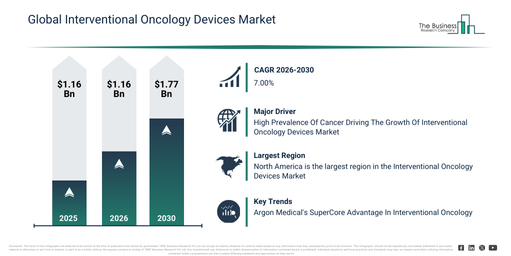
    The interventional oncology devices market has experienced robust growth in recent years. This market is expected to expand from $2.5 billion in 2025 to $2.68 billion in 2026, achieving a compound annual growth rate (CAGR) of 7.1%. The historical increase in market size can be attributed to increasing cancer incidence rates, the expansion of interventional radiology practices, advancements in imaging technologies, the growing adoption of minimally invasive oncology treatments, and the availability of specialized oncology centers.

    The interventional oncology devices market size is anticipated to undergo robust expansion in the near future. It is projected to increase to $3.5 billion by 2030, demonstrating a compound annual growth rate (CAGR) of 7.0%. This growth during the forecast period can be primarily attributed to an escalating demand for targeted cancer therapies, growing investments in precision oncology, the broadening of outpatient cancer treatment environments, an increasing embrace of combination interventional therapies, and advancements in ablation and embolization device technology. Significant developments expected within this forecast period involve the rising uptake of image-guided tumor ablation devices, an increase in the use of minimally invasive cancer treatments, the expanding implementation of embolization therapies, the extension of precision oncology procedures, and improved integration of advanced imaging support systems.

    Access Your Free Sample Report for In-Depth Market Insights:

    https://www.thebusinessresearchcompany.com/sample.aspx?id=3304&type=smp

    What Drivers Are Affecting Demand In The Interventional Oncology Devices Market?

    The widespread occurrence of cancer is projected to propel the expansion of the interventional oncology devices market in the coming years. Cancer is defined as a collection of illnesses marked by the unregulated proliferation and dissemination of anomalous cells within the body, which can aggregate to form masses or tumors. This high prevalence of cancer stimulates the demand for interventional oncology devices, given their essential role in the diagnosis, treatment, and management of cancer, thereby aiding in early detection, accurate staging, and continuous monitoring. For example, in July 2024, figures from the Australian Institute of Health and Welfare, an Australia-based government agency, revealed that in Australia, the number of diagnosed cancer cases rose from 160,570 in 2022 to 164,694 in 2023, demonstrating a significant increase during that period. This observed upward trend underscores the increasing prevalence of cancer within the country. Therefore, the significant prevalence of cancer is a key driver for the growth of the interventional oncology devices market.

    Which Segment Groups Are Influencing The Interventional Oncology Devices Market?

    The interventional oncology devices market covered in this report is segmented –

    1) By Product: Embolization Devices, Ablation Devices, Support Devices

    2) By procedure: Thermal Tumor Ablation, Non-Thermal Tumor Ablation, Transcatheter Arterial Chemoembolization (TACE), Transcatheter Arterial Radioembolization (TARE), Selective Internal Radiation Therapy (SIRT), Transcatheter Arterial Embolization (TAE), Bland Embolization

    3) By Cancer Type: Liver Cancer, Kidney Cancer, Lung Cancer, Bone Cancer, Other Cancer Types

    Subsegments:

    1) By Embolization Devices: Embolic Agents, Catheters For Embolization, Delivery Systems For Embolic Agents

    2) By Ablation Devices: Radiofrequency Ablation Devices, Microwave Ablation Devices, Cryoablation Devices, Laser Ablation Devices

    3) By Support Devices: Imaging Guidance Systems, Access Devices, Fluid Management Systems

    Which Trends Are Expected To Influence The Interventional Oncology Devices Market In The Upcoming Years?

    Major companies operating in the interventional oncology devices market are prioritizing technologies, such as tissue volume, to elevate diagnostic precision and treatment effectiveness in oncology procedures. Tissue volume signifies the quantity of biological tissue acquired during a biopsy process. Obtaining greater tissue volumes can yield more comprehensive samples, consequently boosting the accuracy of diagnoses and the efficacy of treatment planning. For instance, in June 2023, Argon Medical, a US-based medical device company, unveiled the SuperCore Advantage semi-automatic biopsy. The SuperCore Advantage is capable of collecting up to 35% more samples than its main competitors, which in turn diminishes the requirement for multiple passes during biopsies. This characteristic is vital for securing sufficient tissue samples needed for accurate diagnosis.

    Who Are The Primary Competitors In The Global Interventional Oncology Devices Market?

    Major companies operating in the interventional oncology devices market are Boston Scientific Corporation, Terumo Corporation, Siemens Healthineers, Sirtex Medical Limited, AngioDynamics Inc., Viant Medical, Medtronic plc, Olympus Corporation, Koninklijke Philips, Quantum Surgical, Profound Medical, Intuitive Surgical Inc, Cook Medical LLC, EDAP TMS S.A, Varian Medical Systems Inc, Heraeus Medical, ABLbio, Bioavlee, Mediceena International, LifeTech Scientific Corporation

    Access The Complete Report For Deeper Market Insights:

    https://www.thebusinessresearchcompany.com/report/interventional-oncology-devices-global-market-report

    Which Regions Are Projected To Dominate The Interventional Oncology Devices Market In The Coming Years?

    North America was the largest region in the interventional oncology devices market in 2025. Asia-Pacific is expected to be the fastest-growing region in the forecast period. The regions covered in the interventional oncology devices market report are Asia-Pacific, South East Asia, Western Europe, Eastern Europe, North America, South America, Middle East, Africa.

    Request Your Customized Interventional Oncology Devices Market Research Report for Competitive Advantage:

    https://www.thebusinessresearchcompany.com/customise?id=3304&type=smp

    Browse Through More Reports Similar to the Global Interventional Oncology Devices Market 2026, By The Business Research Company

    Cardiovascular Surgery Devices And Equipment Global Market Report 2026

    https://www.thebusinessresearchcompany.com/report/cardiovascular-surgery-devices-and-equipment-global-market-report

    Cardiac Assist Devices And Equipment Global Market Report 2026

    https://www.thebusinessresearchcompany.com/report/cardiac-assist-devices-and-equipment-global-market-report

    Cardiovascular Devices Global Market Report 2026

    https://www.thebusinessresearchcompany.com/report/cardiovascular-devices-global-market-report

    Get in touch with us:

    The Business Research Company: https://www.thebusinessresearchcompany.com/

    Americas +1 310-496-7795

    Asia +44 7882 955267 & +91 8897263534

    Europe +44 7882 955267

    Email us at info@tbrc.info

    Follow us on:

    LinkedIn: https://in.linkedin.com/company/the-business-research-company
  • Global Interventional Neurology Devices And Equipment Industry Trends and Market Forecast 2026–2030

    Global Interventional Neurology Devices And Equipment Industry Trends and Market Forecast 2026–2030

    Uncover key drivers, emerging technologies, and competitive movements shaping the workstation graphics processing unit (gpu) market from 2026–2035 with trusted insights from The Business Research Company

    How is the Interventional Neurology Devices And Equipment Market size predicted to change over the forecast window of 2026–2035?

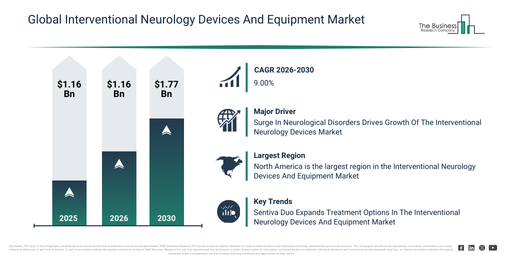
    The interventional neurology devices and equipment market has experienced strong expansion in recent years. It is projected to grow from $2.45 billion in 2025 to $2.64 billion in 2026, demonstrating a compound annual growth rate (CAGR) of 7.6%. This historical growth can be attributed to the increasing incidence of stroke and cerebral aneurysms, the expansion of specialized neurology centers, heightened awareness of endovascular treatments, advancements in microcatheter technologies, and improvements in imaging systems.

    The interventional neurology devices and equipment market size is projected to demonstrate robust expansion in the coming years. This market is expected to reach $3.72 billion in 2030, achieving a compound annual growth rate (CAGR) of 9.0%. The anticipated growth during the forecast period is propelled by factors such as an escalating demand for advanced stroke management solutions, the rising integration of AI-supported neuroimaging, the proliferation of comprehensive stroke centers, a heightened emphasis on early intervention protocols, and increased investments in neurovascular innovation. Prominent trends observed in this period include the wider adoption of neurothrombectomy devices, a growing utilization of flow diversion and embolization technologies, the increasing incorporation of image-guided neurointerventions, the expansion of minimally invasive stroke treatments, and an enhanced focus on achieving rapid intervention outcomes.

    Access Your Free Sample Report for In-Depth Market Insights:

    https://www.thebusinessresearchcompany.com/sample.aspx?id=2433&type=smp

    Which Drivers Are Contributing To The Expansion Of The Interventional Neurology Devices And Equipment Market?

    The Interventional neurology devices market is anticipated to expand due to the growing occurrence of neurological disorder cases. Neurological conditions like Alzheimer’s disease, cerebrovascular diseases (including stroke), migraines, and other headache disorders are becoming more common. Key contributors to this rise in neural disorders include the rapid growth of the elderly population, elevated stress levels among younger individuals, and head trauma from accidents. For example, the Brain Aneurysm Foundation, a US-based organization, estimates that in the United States, 6 million people suffer from unruptured brain aneurysms. Furthermore, the World Health Organization, a US-based health organization, reports that over 50 million people worldwide have epilepsy, and more than 47 million are impacted by dementia. Consequently, the increasing prevalence of neurological disorders is set to propel the growth of the Interventional neurology devices market in the coming years.

    What Segment Classifications Make Up The Interventional Neurology Devices And Equipment Market?

    The interventional neurology devices and equipment market covered in this report is segmented –

    1) By Product Type: Aneurysm Coiling And Embolization Devices, Cerebrospinal Fluid Management Devices, Neurothrombectomy Devices, Support Devices

    2) By Application: Stroke Management, Aneurysm Treatment, Arteriovenous Malformations (AVM) Treatment, Intracranial Stenosis, Other Neurovascular Disorders

    3) By End User: Hospitals, Ambulatory Surgical Centers, Specialty Clinics, Diagnostic Centers, Research & Academic Institutes

    Subsegments:

    1) By Aneurysm Coiling And Embolization Devices: Flow Diverters, Embolic Coils, Liquid Embolics

    2) By Cerebrospinal Fluid (CSF) Management Devices: CSF Shunts, CSF Drainage Systems

    3) By Neurothrombectomy Devices: Clot Retrievers, Aspiration Devices, Snares

    4) By Support Devices: Microcatheters, Guidewires

    What Trends Are Driving The Growth Trajectory Of The Interventional Neurology Devices And Equipment Market?

    Major companies within the interventional neurology devices and equipment market are developing innovative products like SenTiva DUO to provide a novel treatment option for patients suffering from drug-resistant epilepsy who were previously unable to receive the latest VNS therapy. SenTiva DUO functions as a new implantable pulse generator (IPG) equipped with a dual-pin header, specifically designed to deliver vagus nerve stimulation (VNS) therapy for managing drug-resistant epilepsy. For instance, in February 2023, LivaNova Plc., a UK-based medical device company, launched SenTiva DUO. This new implantable pulse generator with a dual-pin header offers VNS therapy for drug-resistant epilepsy and presents a new treatment pathway for patients who could not previously access the most recent VNS therapy. Furthermore, it boasts several improvements over the original SenTiva, including a more compact size, extended battery life, and enhanced compatibility with dual-pin leads.

    Which Key Market Players Are Investing In Expansion And Innovation Within The Interventional Neurology Devices And Equipment Market?

    Major companies operating in the interventional neurology devices and equipment market are Medtronic plc, Stryker Corporation, Terumo Corporation, Penumbra Inc., COVIDien, Abbott Laboratories, Merit Medical Systems Inc., W. L. Gore & Associates, Bayer AG, MicroPort Scientific Corporation, Boston Scientific Corporation, Johnson & Johnson, Medikit Co. Ltd., Acandis GmbH, Biosensors International Ltd., Cook Group Incorporated, Siemens Healthineers, B. Braun Melsungen AG, Nihon Kohden Corporation, LivaNova, Teleflex Incorporated, Balt Extrusion SAS, Rapid Medical Ltd., phenox GmbH, Spiegelberg GmbH & Co. KG

    Access The Complete Report For Deeper Market Insights:

    https://www.thebusinessresearchcompany.com/report/interventional-neurology-devices-and-equipment-global-market-report

    Which Region Is Expected To Experience The Fastest Growth In The Interventional Neurology Devices And Equipment Market?

    North America was the largest region in the global interventional neurology devices and equipment market in 2025. Asia-Pacific was the second-largest region in the interventional neurology devices and equipment market. The regions covered in the interventional neurology devices and equipment market report are Asia-Pacific, South East Asia, Western Europe, Eastern Europe, North America, South America, Middle East, Africa.

    Request Your Customized Interventional Neurology Devices And Equipment Market Research Report for Competitive Advantage:

    https://www.thebusinessresearchcompany.com/customise?id=2433&type=smp

    Browse Through More Reports Similar to the Global Interventional Neurology Devices And Equipment Market 2026, By The Business Research Company

    Trauma Fixation Devices And Equipment Global Market Report 2026

    https://www.thebusinessresearchcompany.com/report/trauma-fixation-devices-and-equipment-global-market-report

    Trauma Care Centers Global Market Report 2026

    https://www.thebusinessresearchcompany.com/report/trauma-care-centers-global-market-report

    Wound Care Devices Global Market Report 2026

    https://www.thebusinessresearchcompany.com/report/wound-care-devices-global-market-report

    Get in touch with us:

    The Business Research Company: https://www.thebusinessresearchcompany.com/

    Americas +1 310-496-7795

    Asia +44 7882 955267 & +91 8897263534

    Europe +44 7882 955267

    Email us at info@tbrc.info

    Follow us on:

    LinkedIn: https://in.linkedin.com/company/the-business-research-company
  • Interventional Cardiology Devices And Equipment Market Size and Demand Forecast 2026–2030

    Interventional Cardiology Devices And Equipment Market Size and Demand Forecast 2026–2030

    Uncover key drivers, emerging technologies, and competitive movements shaping the worker heat stress monitoring wearable market from 2026–2035 with trusted insights from The Business Research Company

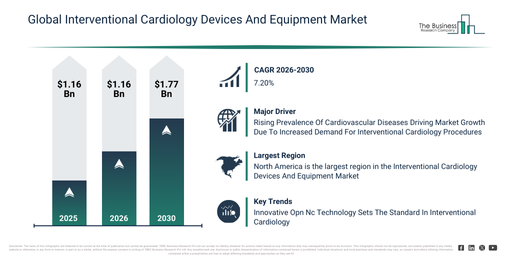
    What market expansion outlook does the Interventional Cardiology Devices And Equipment Market show for the 2026–2030 period?

    The interventional cardiology devices and equipment market has shown robust growth over recent years. It is projected to expand from $15.65 billion in 2025 to $16.46 billion in 2026, demonstrating a compound annual growth rate (CAGR) of 5.2%. The historical increase in this market can be attributed to factors such as the rising prevalence of cardiovascular diseases, the increased adoption of minimally invasive procedures, the expansion of cardiac catheterization laboratories, advancements in stent and catheter materials, and a growing aging population.

    The market for interventional cardiology devices and equipment is projected to experience robust expansion over the coming years. By 2030, this market is anticipated to reach a valuation of $21.76 billion, exhibiting a compound annual growth rate (CAGR) of 7.2%. This anticipated growth during the forecast period stems from factors such as a heightened demand for advanced interventional devices, the increasing integration of AI-assisted cardiac procedures, the broadening scope of outpatient and ambulatory cardiac care, a stronger emphasis on individualized patient therapies, and boosted investments in cardiovascular innovations. Key developments expected within the forecast timeframe encompass the wider acceptance of drug-eluting and bioabsorbable stents, an increased application of sophisticated catheter-based treatments, the expanding incorporation of imaging-guided interventional techniques, a broader implementation of minimally invasive cardiac procedures, and a heightened emphasis on both precision and patient safety.

    Access Your Free Sample Report for In-Depth Market Insights:

    https://www.thebusinessresearchcompany.com/sample.aspx?id=2444&type=smp

    What Drivers Are Shaping The Development Of The Interventional Cardiology Devices And Equipment Market?

    The anticipated rise in cardiovascular diseases is projected to boost the expansion of the interventional cardiology devices and equipment market. These conditions encompass health issues linked to the heart, blood vessels, and the entire circulatory system. The growing prevalence of cardiovascular diseases is attributed to factors such as inadequate diets, sedentary lifestyles, stress, smoking, and obesity. The escalating occurrence of cardiovascular diseases is thereby stimulating the need for interventional cardiology devices, given that a greater number of heart patients seek sophisticated instruments for minimally invasive therapeutic procedures, consequently fostering market expansion. As an illustration, the Australian Institute of Health and Welfare, a government agency based in Australia, reported in October 2025 that cardiovascular disease represented nearly 12 percent of the total disease burden in Australia in 2024, specifically 14 percent for males and 10 percent for females. Furthermore, Australians collectively lost an estimated 685,000 years of healthy life, which translates to 25.5 per 1,000 population, attributable to various forms of cardiovascular disease. Consequently, the rising prevalence of cardiovascular diseases is anticipated to drive the future growth of the interventional cardiology devices and equipment market.

    What Segment Types Are Examined In The Interventional Cardiology Devices And Equipment Market?

    The interventional cardiology devices and equipment market covered in this report is segmented –

    1) By Type: Angioplasty Balloons, Angioplasty Stents, Catheters, Plaque Modification Devices, Other Interventional Cardiology Devices

    2) By Age Group: New-born (0-30 days), Infant (31 days-1 year), Children (1-18 years), Adult (18+ years)

    3) By Application: Hospitals, Clinics, Cardiac Catheterization Labs, Ambulatory Surgical Centers

    Subsegments:

    1) By Angioplasty Balloons: Normal Balloons, Drug-Eluting Balloons, Cutting Balloons

    2) By Angioplasty Stents: Bare-Metal Stents (BMS), Drug-Eluting Stents (DES), Bioabsorbable Stents

    3) By Catheters: Guiding Catheters, Balloon Catheters, Angiography Catheters

    4) By Plaque Modification Devices: Atherectomy Devices, Thrombectomy Devices

    5) By Other Interventional Cardiology Devices: Guidewires, Vascular Closure Devices, Inflation Devices

    What Upcoming Trends Are Likely To Define The Future Path Of The Interventional Cardiology Devices And Equipment Market?

    Companies operating within the interventional cardiology devices and equipment market are concentrating on advanced technological products, specifically percutaneous transluminal coronary angioplasty (PTCA), to satisfy the increasing need for minimally invasive procedures in treating cardiovascular diseases. The percutaneous transluminal coronary angioplasty (PTCA) dilatation catheter, which incorporates Twin-Wall technology, delivers a superior solution for managing challenging coronary lesions. For example, in February 2023, SIS Medical AG, a medical company situated in Switzerland, introduced the OPN NC percutaneous transluminal coronary angioplasty (PTCA) dilatation catheter featuring Twin-Wall technology. This product is a next-generation balloon catheter designed to offer enhanced performance in complex coronary lesions. The OPN NC percutaneous transluminal coronary angioplasty (PTCA) catheter holds the potential to improve outcomes for patients suffering from coronary artery disease.

    Who Are The Core Companies Influencing Trends In The Interventional Cardiology Devices And Equipment Market?

    Major companies operating in the interventional cardiology devices and equipment market are GE Healthcare, Abbott Laboratories, Boston Scientific Corporation, Medtronic Inc., Johnson & Johnson, B. Braun Melsungen AG, Biosensors International Ltd, Cook Medical LLC, Biotronik SE & Co. KG, ACIST Medical Systems Inc., Cordis Corporation, Terumo Corporation, Cardinal Health Inc., iVascular GmbH, Teleflex Incorporated, Merit Medical Systems Inc., MicroPort Scientific Corporation, Asahi Intecc Co. Ltd., AngioDynamics, C. R. Bard Inc., Endologix Inc., Lombard Medical Limited, Spectranetics Corporation, Vascular Solutions Inc., W. L. Gore & Associates Inc., Cardiva Medical Inc., Cardiovascular Systems Inc., ClearStream Technologies Ltd., Contego Medical LLC, Shockwave Medical Inc.

    Access The Complete Report For Deeper Market Insights:

    https://www.thebusinessresearchcompany.com/report/interventional-cardiology-devices-and-equipment-global-market-report

    Which Geographic Areas Are Emerging As Strong Markets For The Interventional Cardiology Devices And Equipment Market?

    North America was the largest region in the global interventional cardiology devices and equipment market in 2025. Western Europe was the second-largest region in the interventional cardiology devices and equipment market. The regions covered in the interventional cardiology devices and equipment market report are Asia-Pacific, South East Asia, Western Europe, Eastern Europe, North America, South America, Middle East, Africa.

    Request Your Customized Interventional Cardiology Devices And Equipment Market Research Report for Competitive Advantage:

    https://www.thebusinessresearchcompany.com/customise?id=2444&type=smp

    Browse Through More Reports Similar to the Global Interventional Cardiology Devices And Equipment Market 2026, By The Business Research Company

    Neuromodulation Global Market Report 2026

    https://www.thebusinessresearchcompany.com/report/neuromodulation-global-market-report

    Internal Neuromodulation Devices Global Market Report 2026

    https://www.thebusinessresearchcompany.com/report/internal-neuromodulation-devices-global-market-report

    Neurostimulation Devices Global Market Report 2026

    https://www.thebusinessresearchcompany.com/report/neurostimulation-devices-global-market-report

    Get in touch with us:

    The Business Research Company: https://www.thebusinessresearchcompany.com/

    Americas +1 310-496-7795

    Asia +44 7882 955267 & +91 8897263534

    Europe +44 7882 955267

    Email us at info@tbrc.info

    Follow us on:

    LinkedIn: https://in.linkedin.com/company/the-business-research-company
  • Internal Trauma Fixation Devices Market Outlook: Growth and Forecast Highlights 2030

    Internal Trauma Fixation Devices Market Outlook: Growth and Forecast Highlights 2030

    Uncover key drivers, emerging technologies, and competitive movements shaping the workstation graphics processing unit (gpu) market from 2026–2035 with trusted insights from The Business Research Company

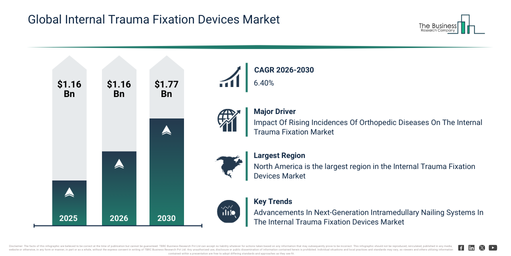
    What level of growth is expected in the Internal Trauma Fixation Devices Market between 2026 and 2030?

    The internal trauma fixation devices market size has experienced significant growth in recent years. This market is projected to increase from $10.97 billion in 2025 to $11.67 billion in 2026, registering a compound annual growth rate (CAGR) of 6.4%. The expansion observed in the historic period was driven by factors such as a rise in road accidents and trauma injuries, the increasing prevalence of osteoporosis-related fractures, a growth in orthopedic surgical procedures, the development of hospital trauma care infrastructure, and the growing adoption of internal fixation techniques.

    The market for internal trauma fixation devices is anticipated to experience substantial expansion over the coming years. Projections indicate this market will reach a value of $14.94 billion by 2030, demonstrating a compound annual growth rate (CAGR) of 6.4%. This anticipated growth is driven by several factors during the forecast period, including a heightened demand for sophisticated orthopedic implants, a burgeoning aging demographic, an uptick in injuries resulting from sports and accidents, broader availability of trauma care services, and an intensified emphasis on accelerating fracture healing and restoring patient mobility. Key trends characterizing this period involve an increased uptake of internal fixation devices for managing fractures, a surging demand for fixation devices made from titanium and bioabsorbable materials, expanded application of locking plates and advanced screw systems, a broader scope for trauma fixation procedures concerning lower extremity injuries, and a rising inclination towards surgical stabilization rather than conservative therapeutic approaches.

    Access Your Free Sample Report for In-Depth Market Insights:

    https://www.thebusinessresearchcompany.com/sample.aspx?id=18648&type=smp

    Which Drivers Are Expected To Impact The Internal Trauma Fixation Devices Market During The Forecast Period?

    The growth of the internal trauma fixation market is propelled by the increasing incidences of orthopedic diseases. These diseases encompass various conditions, such as osteoarthritis, that impact the musculoskeletal system, comprising bones, joints, muscles, ligaments, tendons, and nerves. Their increasing prevalence stems from factors such as extended lifespans, growing obesity rates, and a rise in trauma incidents like sports injuries. Internal trauma fixation devices are crucial in orthopedic trauma care for the accurate alignment and positioning of fractured bones. As an illustration, Arthritis & Osteoporosis Tasmania, an Australia-based nonprofit, projected in June 2025 that the number of Australians aged 50 and over suffering from osteoporosis or osteopenia will increase by 23% from 2023, reaching 7.7 million by 2033. Consequently, the growing occurrence of orthopedic diseases is a key driver for the internal trauma fixation market.

    Which Segments Are Driving Activity In The Internal Trauma Fixation Devices Market?

    The internal trauma fixation devices market covered in this report is segmented –

    1) By Product: Plates, Nails, Screws, Other Products

    2) By Material Type: Stainless Steel, Titanium Alloy, Bioabsorbable

    3) By Application: Lower Extremity, Upper Extremity

    4) By End-Use: Hospitals, Orthopedic Clinics, Ambulatory Surgical Centers

    Subsegments:

    1) By Plates: Locking Plates, Non-Locking Plates, Reconstruction Plates, Compression Plates, Anatomical Plates

    2) By Nails: Intramedullary Nails, Interlocking Nails, Tibial Nails, Femoral Nails, Fracture Fixation Nails

    3) By Screws: Cannulated Screws, Cortical Screws, Cancellous Screws, Locking Screws, Bone Screws

    4) By Other Products: Wires (Kirschner Wires Or K-Wires), Rods And Pins

    Which Trends Are Shaping Activity Within The Internal Trauma Fixation Devices Market?

    Major players in the internal trauma fixation devices market are prioritizing advancements in fixation devices, such as next-generation intramedullary nailing systems, to improve surgical outcomes and patient recovery. These next-generation intramedullary nailing systems refer to advanced medical devices used in orthopedic surgery to stabilize and treat fractures within long bones like the femur and tibia. For instance, in March 2024, Stryker Corporation, a US-based medical technology company, launched the Gamma4 Hip Fracture Nailing System in the European market. Stryker’s latest Gamma4 system represents the next evolutionary step in intramedullary nailing systems, specifically engineered to effectively treat hip and femur fractures while optimizing surgical workflows for medical professionals. The Gamma system has advanced through refined processes, standardized procedures, and meticulous attention to detail, all focused on enhancing surgical techniques and usability.

    Which Major Industry Participants Are Leading The Internal Trauma Fixation Devices Market Growth?

    Major companies operating in the internal trauma fixation devices market are Johnson and Johnson, Stryker Corporation, Zimmer Biomet Holdings Inc, Smith and Nephew plc, NuVasive Inc., Globus Medical Inc., Wright Medical Group N.V., Orthofix Medical Inc., KLS Martin SE & Co. KG, Paragon 28 Inc., Corin Medical Holdings, Acumed LLC, Narang Medical Ltd., GPC Medical Ltd., Inion Oy, Vast Ortho Inc, Extremity Medical LLC, Citieffe s.r.l., Bioretec Ltd., Arthrex Inc.

    Access The Complete Report For Deeper Market Insights:

    https://www.thebusinessresearchcompany.com/report/internal-trauma-fixation-devices-global-market-report

    Which Region Is Projected To Lead The Internal Trauma Fixation Devices Market During The Forecast Period?

    North America was the largest region in the internal trauma fixation device market in 2025. Asia-Pacific is expected to be the fastest-growing region in the forecast period. The regions covered in the internal trauma fixation devices market report are Asia-Pacific, South East Asia, Western Europe, Eastern Europe, North America, South America, Middle East, Africa.

    Request Your Customized Internal Trauma Fixation Devices Market Research Report for Competitive Advantage:

    https://www.thebusinessresearchcompany.com/customise?id=18648&type=smp

    Browse Through More Reports Similar to the Global Internal Trauma Fixation Devices Market 2026, By The Business Research Company

    Nasal Drug Delivery Technology Global Market Report 2026

    https://www.thebusinessresearchcompany.com/report/nasal-drug-delivery-technology-global-market-report

    High Flow Nasal Cannula Global Market Report 2026

    https://www.thebusinessresearchcompany.com/report/high-flow-nasal-cannula-global-market-report

    Nasal Polyps Treatment Global Market Report 2026

    https://www.thebusinessresearchcompany.com/report/nasal-polyps-treatment-global-market-report

    Get in touch with us:

    The Business Research Company: https://www.thebusinessresearchcompany.com/

    Americas +1 310-496-7795

    Asia +44 7882 955267 & +91 8897263534

    Europe +44 7882 955267

    Email us at info@tbrc.info

    Follow us on:

    LinkedIn: https://in.linkedin.com/company/the-business-research-company
  • Internal Neuromodulation Devices Market Insights Report: Opportunities and Drivers 2030

    Internal Neuromodulation Devices Market Insights Report: Opportunities and Drivers 2030

    Uncover key drivers, emerging technologies, and competitive movements shaping the worker heat stress monitoring wearable market from 2026–2035 with trusted insights from The Business Research Company

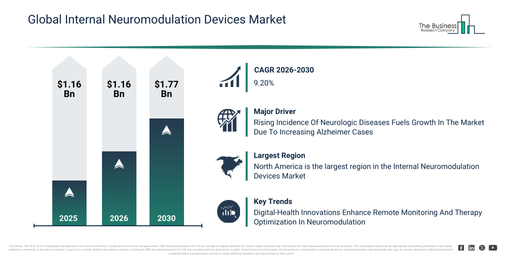
    How much is the Internal Neuromodulation Devices Market valued at in 2026, and what valuation is forecast for 2030?

    The internal neuromodulation devices market size has experienced strong growth in recent years. It is forecast to expand from $2.75 billion in 2025 to $2.99 billion in 2026, achieving a compound annual growth rate (CAGR) of 8.6%. The historical expansion of this market can be attributed to the growing prevalence of neurological disorders, the broadening scope of pain management therapies, an increase in movement disorder treatments, the rising acceptance of implantable medical devices, and advancements in neurostimulation technology.

    The internal neuromodulation devices market is set for substantial growth over the next few years. It is projected to expand to $4.24 billion by 2030, achieving a compound annual growth rate (CAGR) of 9.2%. This expansion during the forecast period is attributed to the escalating demand for personalized neuromodulation therapies, increased investments in neurotechnology research, the proliferation of minimally invasive implantation techniques, the rising adoption of smart implantable devices, and a heightened focus on managing chronic diseases. Significant trends expected in this period include the growing acceptance of implantable neuromodulation devices, an increase in the use of rechargeable stimulators, the advancing integration of adaptive stimulation technologies, the expansion of neuromodulation applications across multiple indications, and an intensified emphasis on long-term device performance.

    Access Your Free Sample Report for In-Depth Market Insights:

    https://www.thebusinessresearchcompany.com/sample.aspx?id=10222&type=smp

    What Drivers Are Influencing The Growth Of The Internal Neuromodulation Devices Market?

    The growing occurrence of neurologic diseases is anticipated to fuel the expansion of the internal neuromodulation devices market moving forward. Neurologic diseases are a broad classification of conditions impacting the nervous system, encompassing the brain, spinal cord, and nerves throughout the body. Internal neuromodulation devices are medical instruments utilized to address neurological and psychiatric disorders by administering electrical stimulation to specific areas of the nervous system, which can alleviate symptoms like chronic pain, movement disorders, and mood disorders. These devices can enhance patients’ quality of life by diminishing symptoms and enabling them to carry out daily activities with greater ease. For instance, in April 2023, National Library Medicine, a US-based biomedical library, reported that 6.7 million Americans are living with Alzheimer’s in 2023, and by 2060, this figure is projected to increase to 13.8 million. Therefore, the rising incidence of neurologic diseases is a key driver for the growth of the internal neuromodulation devices market.

    How Is The Internal Neuromodulation Devices Market Organized Into Various Segments?

    The internal neuromodulation devices market covered in this report is segmented –

    1) By Type: Spinal Cord Stimulator, Deep Brain Stimulator, Sacral Nerve Stimulator, Vagus Nerve Stimulator, Gastric Neuro Stimulator

    2) By Biomaterial: Metallic Biomaterials, Polymeric Biomaterials, Ceramic Biomaterials

    3) By Application: Failed Back Surgery Syndrome, Parkinson’s Disease, Urinary Incontinence, Epilepsy, Gastroparesis

    4) By End-User: Hospitals, Clinics

    Subsegments:

    1) By Spinal Cord Stimulator: Traditional Spinal Cord Stimulator, Rechargeable Spinal Cord Stimulator, Non-Rechargeable Spinal Cord Stimulator

    2) By Deep Brain Stimulator: Single Lead Deep Brain Stimulator, Dual Lead Deep Brain Stimulator, Adaptive Deep Brain Stimulator

    3) By Sacral Nerve Stimulator: Implantable Sacral Nerve Stimulator, Rechargeable Implantable Sacral Nerve Stimulators, Non-Rechargeable Implantable Sacral Nerve Stimulators

    4) By Vagus Nerve Stimulator: Implantable Vagus Nerve Stimulator, Closed-Loop Implantable Vagus Nerve Stimulators

    5) By Gastric Neuro Stimulator: Implantable Gastric Neuro Stimulator, Programmable Gastric Neuro Stimulators

    Which Trends Are Influencing The Development Of The Internal Neuromodulation Devices Market?

    Major companies within the internal neuromodulation devices market are prioritizing the development of advanced digital health solutions, such as remote-care platforms, to enhance continuous therapy management, decrease the frequency of in-person clinical visits, and improve patient safety. In neuromodulation, remote-care platforms denote digital systems that enable clinicians to observe device performance, evaluate patient status, and modify therapy settings in real time through linked applications. For instance, in April 2023, Biotronik SE & Co. KG, a medical technology company based in Germany, obtained U.S. FDA approval for its Prospera spinal cord stimulation (SCS) system, which features Embrace One. This next-generation remote-care model is engineered to provide automatic, objective, daily remote monitoring and ongoing therapy oversight. Created to support both proactive and responsive care, the platform allows clinicians to identify issues earlier, adjust therapy settings remotely, and reduce the necessity for frequent in-person evaluations. According to Biotronik, Embrace One enables proactive care through its automatic, objective, daily remote monitoring and continuous management and support, which contributes to strengthening clinical decision-making and improving long-term patient outcomes.

    Who Are The Prominent Global Companies Shaping The Internal Neuromodulation Devices Market Landscape?

    Major companies operating in the internal neuromodulation devices market are Medtronic plc, Boston Scientific Corporation, Abbott Laboratories, LivaNova plc, Nevro Corp., Axonics Modulation Technologies Inc., Saluda Medical Pty Limited, NeuroPace Inc., Aleva Neurotherapeutics SA, EnteroMedics Inc., EndoStim Inc., MicroTransponder Inc., BioControl Medical Ltd., Synapse Biomedical Inc., Neuros Medical Inc., Stimwave Technologies Incorporated, Nuvectra Corporation, Uroplasty Inc., Second Sight Medical Products Inc., NeuroMetrix Inc.

    Access The Complete Report For Deeper Market Insights:

    https://www.thebusinessresearchcompany.com/report/internal-neuromodulation-devices-global-market-report

    Which Region Currently Holds The Largest Share Of The Internal Neuromodulation Devices Market?

    North America was the largest region in the internal neuromodulation devices market in 2025. Asia-Pacific is expected to be the fastest-growing region in the global internal neuromodulation devices market report during the forecast period. The regions covered in the internal neuromodulation devices market report are Asia-Pacific, South East Asia, Western Europe, Eastern Europe, North America, South America, Middle East, Africa.

    Request Your Customized Internal Neuromodulation Devices Market Research Report for Competitive Advantage:

    https://www.thebusinessresearchcompany.com/customise?id=10222&type=smp

    Browse Through More Reports Similar to the Global Internal Neuromodulation Devices Market 2026, By The Business Research Company

    Pneumatic Compression Therapy Global Market Report 2026

    https://www.thebusinessresearchcompany.com/report/pneumatic-compression-therapy-global-market-report

    Smart Pneumatics Global Market Report 2026

    https://www.thebusinessresearchcompany.com/report/smart-pneumatics-global-market-report

    Pneumatic Components And Systems Global Market Report 2026

    https://www.thebusinessresearchcompany.com/report/pneumatic-components-and-systems-global-market-report

    Get in touch with us:

    The Business Research Company: https://www.thebusinessresearchcompany.com/

    Americas +1 310-496-7795

    Asia +44 7882 955267 & +91 8897263534

    Europe +44 7882 955267

    Email us at info@tbrc.info

    Follow us on:

    LinkedIn: https://in.linkedin.com/company/the-business-research-company
  • Internal Nasal Dilators Global Forecast: Market to Scale Up to $3.59 Billion by 2030 at 7.8% CAGR

    Internal Nasal Dilators Global Forecast: Market to Scale Up to $3.59 Billion by 2030 at 7.8% CAGR

    Uncover key drivers, emerging technologies, and competitive movements shaping the workstation graphics processing unit (gpu) market from 2026–2035 with trusted insights from The Business Research Company

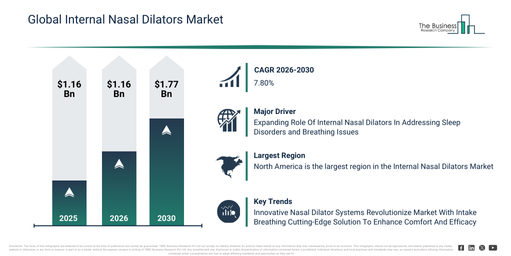
    By how much is the Internal Nasal Dilators Market expected to grow between 2026 and 2030?

    The internal nasal dilators market has demonstrated robust expansion in recent years. It is anticipated to increase from $2.47 billion in 2025 to $2.67 billion in 2026, registering a compound annual growth rate (CAGR) of 7.8%. The historical rise in this market can be ascribed to the increasing prevalence of snoring and sleep-related disorders, a greater incidence of nasal congestion and deviated septum, heightened consumer awareness regarding sleep health, the broader availability of over-the-counter respiratory products, and a growing preference for non-surgical breathing aids.

    The internal nasal dilators market size is anticipated to undergo significant expansion in the upcoming years, with projections indicating growth to $3.6 billion by 2030, exhibiting a compound annual growth rate (CAGR) of 7.8%. This expansion during the forecast period is primarily driven by factors such as the increasing demand for non-invasive sleep solutions, a heightened focus on preventive respiratory care, the rising adoption of home-based breathing aids, wider availability through online pharmacies, and a growing emphasis on improving quality of life. Prominent trends expected in this period include the growing adoption of non-invasive breathing support devices, an escalating demand for drug-free solutions for snoring and sleep apnea, an increasing preference for reusable and comfortable nasal dilators, the expanding use of internal nasal dilators for nasal congestion relief, and a rising awareness of the importance of nasal breathing and enhanced sleep quality.

    Access Your Free Sample Report for In-Depth Market Insights:

    https://www.thebusinessresearchcompany.com/sample.aspx?id=18647&type=smp

    Which Drivers Are Influencing Market Acceleration In The Internal Nasal Dilators Market?

    The rising occurrence of sleep disorders is projected to boost the expansion of the internal nasal dilators market in the future. These conditions disrupt one’s regular ability to achieve restful sleep, negatively influencing an individual’s physical well-being, mental state, and general quality of life. The widespread presence of sleep disorders stems from shifts in lifestyle, heightened awareness, escalating rates of obesity, an aging demographic, environmental elements, and technological impacts that disturb sleep cycles. Internal nasal dilators offer a non-invasive approach to handle nasal blockages and enhance respiration, thereby positively affecting sleep and general respiratory well-being. They assist in mitigating sleep and breathing issues by physically broadening the nasal passages, leading to improved airflow. For example, data from February 2025, provided by the SingleCare Services, LLC, a US-based discount medical plan organization, indicates that approximately 70 million adults in the U.S. were estimated to be suffering from a sleep disorder in 2024. Consequently, the growing incidence of sleep disorders is a key factor propelling the expansion of the internal nasal dilators market.

    What Segments Are Identified Within The Structure Of The Internal Nasal Dilators Market?

    The internal nasal dilators market covered in this report is segmented –

    1) By Type: Polymer, Polymer And Alloy

    2) By Usability: Reusable, Single Use

    3) By Distribution Channel: Retail Pharmacies, Online Pharmacies

    4) By Application: Snoring, Nasal Congestion, Other Applications

    Subsegments:

    1) By Polymer: Single-Use Nasal Dilators, Reusable Polymer Nasal Dilators, Biocompatible Polymer Nasal Dilators

    2) By Polymer And Alloy: Hybrid Nasal Dilators (Combining Polymer And Alloy), Alloy-Enhanced Polymer Dilators, Flexible Hybrid Nasal Dilators For Comfort

    What Trends Are Expected To Impact The Competitive Landscape Of The Internal Nasal Dilators Market?

    Leading companies within the internal nasal dilators market are concentrating on developing innovative products, such as a two-part nasal dilator system, to improve efficacy and cater to a wider array of nasal and breathing conditions. A two-part nasal dilator system is designed to enhance airflow through the nasal passages, often alleviating breathing difficulties, snoring, and symptoms of nasal congestion. For instance, in April 2024, Intake Breathing, a US-based company that manufactures internal nasal dilators, launched its groundbreaking Intake Breathing Nasal Dilator. This is a two-part nasal dilator system engineered to significantly open the nasal passages, promoting better breathing, deeper sleep, and overall enhanced well-being. The Intake Breathing Nasal Dilator incorporates medical-grade adhesive tabs applied to the outside of the nose and a strong magnetic band that attaches to these tabs. This innovative design gently pulls the nostrils open, increasing airflow by up to 80% more than traditional nasal strips. The comfortable, non-invasive system provides over 12 hours of relief and is sweat-resistant, making it ideal for use during sleep or physical activities.

    Which Key Players Are Driving Competition In The Internal Nasal Dilators Market?

    Major companies operating in the internal nasal dilators market are HealthRight Products, Hivox Biotek Inc., Splintek Inc., Scandinavian Formulas Inc., Sanita Consumer, Rhinomed Limited, Provent LLC, RespiFacile, SnoreCare, WoodyKnows, ZenSleep, Airmax, ASO’S, M&M Pure Air Systems LLC, Nasanita, Nozovent, Sanostec Corporation, SilentSnore, SleepRight, SnoreBore, SnoreStopper, SomniShop, Zquiet

    Access The Complete Report For Deeper Market Insights:

    https://www.thebusinessresearchcompany.com/report/internal-nasal-dilators-global-market-report

    How Does The Internal Nasal Dilators Market Perform Across Major Global Regions?

    North America was the largest region in the internal nasal dilators market in 2025. Asia-Pacific is expected to be the fastest-growing region in the forecast period. The regions covered in the internal nasal dilators market report are Asia-Pacific, South East Asia, Western Europe, Eastern Europe, North America, South America, Middle East, Africa.

    Request Your Customized Internal Nasal Dilators Market Research Report for Competitive Advantage:

    https://www.thebusinessresearchcompany.com/customise?id=18647&type=smp

    Browse Through More Reports Similar to the Global Internal Nasal Dilators Market 2026, By The Business Research Company

    Catheters Global Market Report 2026

    https://www.thebusinessresearchcompany.com/report/catheters-global-market-report

    Diagnostic Catheters Global Market Report 2026

    https://www.thebusinessresearchcompany.com/report/diagnostic-catheters-global-market-report

    Urinary Catheters Global Market Report 2026

    https://www.thebusinessresearchcompany.com/report/urinary-catheters-global-market-report

    Get in touch with us:

    The Business Research Company: https://www.thebusinessresearchcompany.com/

    Americas +1 310-496-7795

    Asia +44 7882 955267 & +91 8897263534

    Europe +44 7882 955267

    Email us at info@tbrc.info

    Follow us on:

    LinkedIn: https://in.linkedin.com/company/the-business-research-company
  • Intermittent Pneumatic Compression (IPC) Devices Market Future Outlook: Strong Growth Expected Toward $2.29 Billion by 2030

    Intermittent Pneumatic Compression (IPC) Devices Market Future Outlook: Strong Growth Expected Toward $2.29 Billion by 2030

    Uncover key drivers, emerging technologies, and competitive movements shaping the worker heat stress monitoring wearable market from 2026–2035 with trusted insights from The Business Research Company

    What is the estimated market size of the Intermittent Pneumatic Compression (IPC) Devices Market by the end of 2030?

    The market size for intermittent pneumatic compression (ipc) devices has experienced robust growth recently. This market is projected to expand from $1.57 billion in 2025 to $1.7 billion in 2026, demonstrating a compound annual growth rate (CAGR) of 7.9%. Historically, this expansion has been driven by factors such as a greater occurrence of deep vein thrombosis, increased adoption of preventive compression therapy within hospital settings, broadened post-surgical care guidelines, advancements in pneumatic compression technology, and heightened clinical understanding of the advantages offered by IPC.

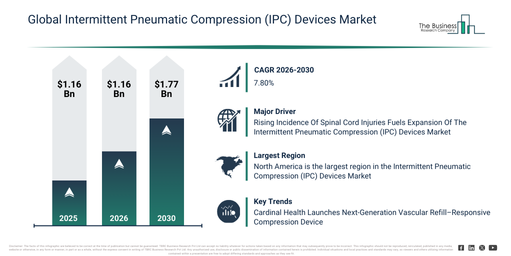
    The intermittent pneumatic compression (ipc) devices market is projected to experience substantial growth over the coming years, reaching a valuation of $2.29 billion by 2030, driven by a compound annual growth rate (CAGR) of 7.8%. This expansion during the forecast period is fueled by several factors, including the rising need for thrombosis prevention devices for home use, greater uptake of connected medical compression solutions, the broadening of outpatient and home-based care options, an increased emphasis on proactive vascular health, and ongoing technological improvements in compression therapy. Key trends anticipated for this period involve the wider adoption of portable ipc devices, increased utilization of ipc for preventing DVT in home settings, the growing incorporation of intelligent pressure control systems, the development of sequential compression technologies, and a heightened commitment to ensuring patient compliance and safety.

    Access Your Free Sample Report for In-Depth Market Insights:

    https://www.thebusinessresearchcompany.com/sample.aspx?id=13460&type=smp

    What Drivers Are Shaping Future Opportunities In The Intermittent Pneumatic Compression (IPC) Devices Market?

    The increasing number of patients experiencing spinal cord injuries is projected to accelerate the expansion of the intermittent pneumatic compression (IPC) devices market moving forward. A spinal cord injury signifies damage to the spinal cord, leading to a loss of function, typically manifesting as varying degrees of paralysis and sensory impairment below the injury’s location. The rise in robotic exoskeletons for spinal cord injuries is attributed to improved mobility, as these devices facilitate powered limb movement and enable upright walking for rehabilitation. Intermittent pneumatic compression (IPC) devices are employed in managing spinal cord injuries to prevent deep vein thrombosis (DVT) by enhancing blood circulation through sequential compression of the lower limbs. For example, data released in May 2023 by the Spinal Cord Injury Statistical Center, a US-based organization, showed that approximately 18,000 new spinal cord injuries were reported in the United States in 2023, marking an increase from an estimated 17,900 cases in 2022. Thus, the escalating count of patients with spinal cord injuries is serving as a significant impetus for the growth of the intermittent pneumatic compression (IPC) devices market.

    Which Segments Are Gaining Traction In The Intermittent Pneumatic Compression (IPC) Devices Market?

    The intermittent pneumatic compression (ipc) devices market covered in this report is segmented –

    1) By Type: Deep Vein Thrombosis (DVT), Pulmonary Embolism (PE)

    2) By Distribution Channel: Clinics, Pharmacies, Online Channels, Other Offline Channels

    3) By Application: Home Use, Hospital

    Subsegments:

    1) By Deep Vein Thrombosis (DVT): Portable DVT Compression Devices, Non-Portable (Stationary) DVT Compression Devices, Sequential Compression Devices for DVT

    2) By Pulmonary Embolism (PE): Portable PE Compression Devices, Non-Portable (Stationary) PE Compression Devices, Sequential Compression Devices for PE

    Which Trends Are Guiding The Evolution Of The Intermittent Pneumatic Compression (IPC) Devices Market?

    Leading companies operating within the intermittent pneumatic compression (IPC) devices market are prioritizing technological advancements, exemplified by intelligent vascular refill–responsive compression systems. These systems optimize blood-flow enhancement and stasis reduction by adjusting compression cycles based on each patient’s real-time vascular refill dynamics. Intelligent vascular refill–responsive compression systems utilize sensor-driven algorithms to detect refill time and customize intermittent compression delivery, thereby improving therapeutic efficiency, increasing circulation, and enhancing VTE prevention outcomes. For instance, in November 2024, Cardinal Health, a US-based healthcare and medical products company, launched the Kendall SCD SmartFlow Compression System, the latest generation of its Kendall series. This system leverages Vascular Refill Detection (VRD) technology and a sequential, gradient, circumferential sleeve design to move more blood per hour than uniform compression, providing clinicians with a more efficient, reliable, and easy-to-use solution for preventing VTE and treating pain and swelling related to venous stasis.

    Who Are The Top-Performing Companies In The Intermittent Pneumatic Compression (IPC) Devices Market In Recent Years?

    Major companies operating in the intermittent pneumatic compression (ipc) devices market are Cardinal Health Inc., Medtronic PLC, Medline Industries LP, B. Braun Melsungen AG, Getinge AB, Arjo AB, Tactile Systems Technology Inc., Encompass Group LLC, Currie Medical Specialties Inc., ManaMed Inc., Bio Compression Systems Inc., Direct Healthcare Group Ltd., Devon Medical Inc., Mego Afek A.C. Ltd., BSN medical GmbH, Compression Therapy UK Limited, Air Relax Inc., Innova Medical Group Inc., Huntleigh Healthcare Ltd., Smiths Medical International Ltd.

    Access The Complete Report For Deeper Market Insights:

    https://www.thebusinessresearchcompany.com/report/intermittent-pneumatic-compression-ipc-devices-global-market-report

    Which Region Is Anticipated To See The Fastest Growth In The Intermittent Pneumatic Compression (IPC) Devices Market?

    North America was the largest region in the intermittent pneumatic compression (IPC) devices market in 2025. The regions covered in the intermittent pneumatic compression (ipc) devices market report are Asia-Pacific, South East Asia, Western Europe, Eastern Europe, North America, South America, Middle East, Africa.

    Request Your Customized Intermittent Pneumatic Compression (IPC) Devices Market Research Report for Competitive Advantage:

    https://www.thebusinessresearchcompany.com/customise?id=13460&type=smp

    Browse Through More Reports Similar to the Global Intermittent Pneumatic Compression (IPC) Devices Market 2026, By The Business Research Company

    Biocomposites Global Market Report 2026

    https://www.thebusinessresearchcompany.com/report/biocomposites-global-market-report

    Aerospace Composites Global Market Report 2026

    https://www.thebusinessresearchcompany.com/report/aerospace-composites-global-market-report

    Composite Intermediate Bulk Containers Global Market Report 2026

    https://www.thebusinessresearchcompany.com/report/composite-intermediate-bulk-containers-global-market-report

    Get in touch with us:

    The Business Research Company: https://www.thebusinessresearchcompany.com/

    Americas +1 310-496-7795

    Asia +44 7882 955267 & +91 8897263534

    Europe +44 7882 955267

    Email us at info@tbrc.info

    Follow us on:

    LinkedIn: https://in.linkedin.com/company/the-business-research-company
  • Revenue of the Intermittent Catheters Market Predicted to Achieve $3.75 Billion by 2030, Driven by 7.3% CAGR

    Revenue of the Intermittent Catheters Market Predicted to Achieve $3.75 Billion by 2030, Driven by 7.3% CAGR

    Uncover key drivers, emerging technologies, and competitive movements shaping the workstation graphics processing unit (gpu) market from 2026–2035 with trusted insights from The Business Research Company

    What was the valuation of the Intermittent Catheters Market in 2026, and what figure is it projected to hit by 2030?

    The intermittent catheters market has experienced substantial growth in recent years. Its value is projected to increase from $2.65 billion in 2025 to $2.83 billion in 2026, advancing at a compound annual growth rate (CAGR) of 6.9%. This historical expansion can be ascribed to factors including the increasing prevalence of urinary disorders, a rising number of spinal cord injury cases, the expansion of urological procedures, growth in the aging population, and the availability of disposable catheter products.

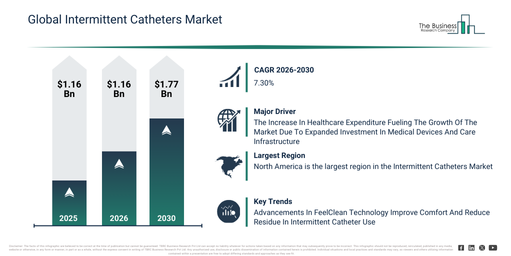
    The intermittent catheters market is projected for substantial expansion in the coming years, with its size anticipated to reach $3.75 billion by 2030, exhibiting a compound annual growth rate (CAGR) of 7.3%. This projected growth is primarily driven by factors such as the greater embrace of self-catheterization, an escalating need for catheter designs that minimize infection risk, the broadening scope of home healthcare provisions, an increased emphasis on urology care centered around the patient, and innovations in catheter material technology. Key trends identified for this period include a heightened demand for hydrophilic coated catheters, a growing inclination towards single-use intermittent catheters, the wider implementation of antimicrobial coatings, the spread of catheterization practices performed at home, and a stronger focus on ensuring patient comfort and user-friendliness.

    Access Your Free Sample Report for In-Depth Market Insights:

    https://www.thebusinessresearchcompany.com/sample.aspx?id=10194&type=smp

    Which Drivers Are Affecting Market Participation In The Intermittent Catheters Market?

    The rising healthcare expenditure is expected to propel the growth of the intermittent catheters market going forward. Healthcare expenditure represents the total financial resources allocated to healthcare goods and services within a country’s health system. The increase in healthcare expenditure is driven by growing investments in hospital infrastructure, patient care services, and the procurement of essential medical devices. Intermittent catheters benefit directly from this trend, as higher spending facilitates improved access, expanded clinical usage, and enhanced support for patients requiring bladder-management solutions. For instance, in June 2025, according to the Centers for Medicare & Medicaid Services, a US-based federal agency, U.S. national health expenditure is projected to grow by 8.2% in 2024, compared to 7.5% in 2023, indicating an acceleration in spending. Therefore, the rising healthcare expenditure is driving the growth of the intermittent catheters market.

    What Segment Categories Are Covered In The Intermittent Catheters Market?

    The intermittent catheters market covered in this report is segmented –

    1) By Product: Uncoated Intermittent Catheter, Coated Intermittent Catheter

    2) By Category: Male Length Catheter, Kids Length Catheter, Female Length Catheter

    3) By Application: Urinary Incontinence, Urinary Retention, Prostate Gland Surgery, Spinal Cord Injury, Other Applications

    4) By End Users: Hospitals, Surgical Centers, Specialty Clinics, Academic And Research Institutions

    Subsegments:

    1) By Uncoated Intermittent Catheter: Latex Intermittent Catheter, PVC Intermittent Catheter

    2) By Coated Intermittent Catheter: Hydrophilic Coated Intermittent Catheter, Antimicrobial Coated Intermittent Catheter

    What Trends Are Projected To Support The Growth Of The Intermittent Catheters Market?

    Leading companies in the intermittent catheters market are concentrating on developing advanced material technologies, such as FeelClean technologies, to improve user comfort, lessen urethral irritation, and prevent any residual mess during catheterization. FeelClean Technology signifies an innovation in catheter design where hydrophilic properties are integrated directly into the catheter’s foundational material, rather than being an external application, thus decreasing friction during insertion and avoiding stickiness or residue upon removal. For example, in October 2024, Convatec Group Plc, a medical technology company based in the UK, introduced its GentleCath Air for Women intermittent catheter, which incorporates advanced FeelClean Technology. This technology features a compact, discreet design that boosts portability and ease of use. It includes a no-touch system to mitigate contamination risk and enhance hygiene during catheterization. Additionally, the sophisticated FeelClean Technology facilitates a smoother, more comfortable insertion experience, thereby minimizing user discomfort.

    Which Leading Companies Dominate The Intermittent Catheters Market Share?

    Major companies operating in the intermittent catheters market are Adapta Medical Inc., B. Braun SE, Becton Dickinson and Company, Coloplast Corp., Cure Medical LLC, Hollister Incorporated, Hunter Urology Ltd., Teleflex Incorporation, Convatec Group plc, Medical Technologies of Georgia Inc., Cook Group Incorporate, McKesson Medical-Surgical Inc., Medline Industries LP, Romsons Group, Wellspect HealthCare AB, Asid Bonz GmbH, Bard Medical Division, Boston Scientific Corporation, Medtronic PLC, J and M Urinary Catheters LLC, Advin Healthcare

    Access The Complete Report For Deeper Market Insights:

    https://www.thebusinessresearchcompany.com/report/intermittent-catheters-global-market-report

    Which Region Is Anticipated To See The Fastest Growth In The Intermittent Catheters Market?

    North America was the largest region in the intermittent catheters market in 2025. The regions covered in the intermittent catheters market report are Asia-Pacific, South East Asia, Western Europe, Eastern Europe, North America, South America, Middle East, Africa.

    Request Your Customized Intermittent Catheters Market Research Report for Competitive Advantage:

    https://www.thebusinessresearchcompany.com/customise?id=10194&type=smp

    Browse Through More Reports Similar to the Global Intermittent Catheters Market 2026, By The Business Research Company

    Food Supplements Global Market Report 2026

    https://www.thebusinessresearchcompany.com/report/food-supplements-global-market-report

    Electrophysiology Devices And Equipment Global Market Report 2026

    https://www.thebusinessresearchcompany.com/report/electrophysiology-devices-and-equipment-global-market-report

    Ventricular Assist Device Global Market Report 2026

    https://www.thebusinessresearchcompany.com/report/ventricular-assist-device-global-market-report

    Get in touch with us:

    The Business Research Company: https://www.thebusinessresearchcompany.com/

    Americas +1 310-496-7795

    Asia +44 7882 955267 & +91 8897263534

    Europe +44 7882 955267

    Email us at info@tbrc.info

    Follow us on:

    LinkedIn: https://in.linkedin.com/company/the-business-research-company