Category: Medical Equipment

  • Medical Furniture Market Trends 2025–2029: Forecasts for Key Growth Segments

    Medical Furniture Market Trends 2025–2029: Forecasts for Key Growth Segments

    Unlock Global Insights – Save 20% on Market Reports with Code ONLINE20

    What Is The Anticipated Size Of The Medical Furniture Market Over The Five-Year Period 2025–2029?

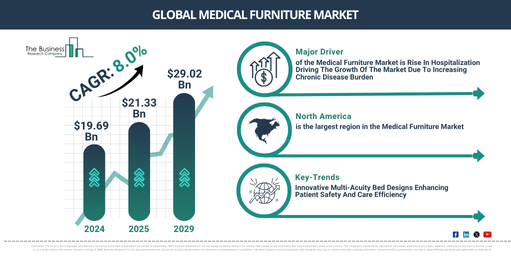
    The medical furniture market has experienced robust expansion over the past few years. Its valuation is projected to increase from $19.69 billion in 2024 to $21.33 billion in 2025, demonstrating a compound annual growth rate (CAGR) of 8.4%. This historical surge can be linked to several factors, including the global proliferation of private hospital chains, medical tourism boosting the need for advanced infrastructure, greater investment in home healthcare arrangements, a rising global disease burden, and the growing elderly population worldwide.

    The medical furniture market is projected to experience substantial expansion over the coming years. This market is anticipated to reach $29.02 billion by 2029, demonstrating a compound annual growth rate (CAGR) of 8.0%. Factors driving this growth during the forecast period include a rising count of hospitals and clinics, the expansion of ambulatory surgical centers, increased long-term care and rehabilitation facilities, the modernization of current healthcare infrastructures, and a surge in specialty and super-specialty hospitals. Key trends expected within this period encompass the creation of smart medical furniture incorporating IoT, the introduction of multi-acuity beds, the adoption of antimicrobial materials for production, automated and electric adjustment capabilities in beds and chairs, and advancements in ergonomic design.

    Unlock Your Free Sample Report for Exclusive Market Data:

    https://www.thebusinessresearchcompany.com/sample.aspx?id=27340&type=smp

    What Are The Drivers Pushing New Developments In The Medical Furniture Market?

    An increasing hospitalization rate is projected to fuel the expansion of the medical furniture market in the future. Hospitalization involves a person’s admission to a hospital to receive medical care, typically requiring a stay of at least one day. This hospitalization rate is climbing due to the growing incidence of chronic diseases, as more individuals require continuous and specialized medical attention for conditions like diabetes, heart disease, and hypertension. Medical furniture supports these hospital stays by enhancing patient comfort and safety, with items such as adjustable beds and ergonomic chairs helping patients rest and recover more effectively. For instance, in May 2024, according to the Australian Institute of Health and Welfare, an Australia-based government agency, hospital admissions across Australia rose by 4.6% in 2022-23, with public hospitals showing a 4.3% increase and private hospitals a 5.0% increase compared to 2021-22. Therefore, the upward trend in hospitalization rates is driving the growth of the medical furniture market.

    What Are The Emerging Segments Gaining Attention In The Medical Furniture Market?

    The medical furniture market covered in this report is segmented

    1) By Product: Beds, Chairs, Tables, Trolleys And Stretchers, Cabinets And Lockers, Other Products

    2) By Material: Metal, Wood, Plastic, Other Materials

    3) By Sector: Public, Private

    4) By Distribution Channel: Offline, Online

    5) By End User: Hospitals, Ambulatory Surgical Centers, Other End Users

    Subsegments:

    1) By Beds: Manual Beds, Electric Beds, Semi Electric Beds, ICU Beds, Pediatric Beds, Birthing Beds

    2) By Chairs: Examination Chairs, Dialysis Chairs, Chemotherapy Chairs, Recliner Chairs, Geriatric Chairs

    3) By Tables: Examination Tables, Operating Tables, Delivery Tables, Imaging Tables

    4) By Trolleys And Stretchers: Emergency Trolleys, Instrument Trolleys, Anesthesia Trolleys, Patient Transfer Stretchers, Shower Trolleys

    5) By Cabinets And Lockers: Bedside Cabinets, Medicine Cabinets, Instrument Cabinets, Staff Lockers, Patient Lockers

    6) By Other Products: Foot Stools, IV Stands, Overbed Tables, Privacy Screens, Waste Disposal Units

    What Are The Latest Industry Trends Transforming The Medical Furniture Market?

    Leading companies within the medical furniture market are concentrating on developing advanced products, such as multi-acuity beds, with the goal of optimizing hospital space and resources by supporting various care levels using a single bed setup. These multi-acuity beds are adaptable hospital beds that cater to patients across different care stages, enabling seamless transitions without requiring relocation to another bed. For example, in February 2025, Agiliti, a US-based provider of medical and surgical equipment, introduced Essentia, a flexible, multi-acuity bed frame engineered to accommodate diverse patients in multiple hospital environments. It is distinguished by its innovative safety features, such as the SlideRail, which offers up to 39 inches of open space for patient entry and exit and includes adjustable grips to aid mobility and lessen caregiver exertion. The bed also incorporates illuminated SafeGlance indicators, allowing staff to instantly monitor essential safety statuses like brake engagement, bed height, and alarm settings. With its low 11.5-inch deck height and the RevTrend 20 function that tilts the bed for early mobility assistance, the design aims to decrease fall risk while enabling weight-bearing exercises. Other notable features include MotionStop 360 to prevent contact-related incidents, an automatic locking brake system, an extendable bed length operated by a button, and compatibility with a wide array of therapeutic surfaces.

    Which Leading Players Are Enhancing Their Medical Furniture Market Presence Worldwide?

    Major companies operating in the medical furniture market are Medline Industries Inc., Stryker Corporation, Baxter International Inc., STERIS Corporation, Herman Miller Inc., Hill-Rom Holdings Inc., Getinge AB, ARJO AB, Invacare Holdings Corporation, Sunrise Medical LLC, LINET Group SE, Drive DeVilbiss Healthcare, Stiegelmeyer GmbH Co. KG, GF Health Products Inc., Skytron LLC, Promotal, GPC Medical Limited, Biomedical Solutions Inc., J&J Medical Specialties LLC, NAUSICAA Medical, and Kovonax.

    Download The Full Report For Exclusive Market Findings:

    https://www.thebusinessresearchcompany.com/report/medical-furniture-global-market-report

    Which Region Is Expected To Witness The Fastest Growth In The Medical Furniture Market?

    North America was the largest region in the medical furniture market in 2024. Asia-Pacific is expected to be the fastest-growing region in the forecast period. The regions covered in the medical furniture market report are Asia-Pacific, Western Europe, Eastern Europe, North America, South America, Middle East, Africa.

    Request A Customized Version Of The Medical Furniture Market Report:

    https://www.thebusinessresearchcompany.com/customise?id=27340&type=smp

    Browse Through More Reports Similar to the Global Medical Furniture Market 2025, By The Business Research Company

    Household Furniture Market 2025

    https://www.thebusinessresearchcompany.com/report/household-furniture-market

    Household Furniture Market 2025

    https://www.thebusinessresearchcompany.com/report/household-furniture-market

    Furniture Paint Global Market Report 2025

    https://www.thebusinessresearchcompany.com/report/furniture-paint-global-market-report

    Get in touch with us:

    The Business Research Company: https://www.thebusinessresearchcompany.com/

    Americas +1 310-496-7795

    Asia +44 7882 955267 & +91 8897263534

    Europe +44 7882 955267

    Email us at info@tbrc.info

    Follow us on:

    LinkedIn: https://in.linkedin.com/company/the-business-research-company

    YouTube: https://www.youtube.com/channel/UC24_fI0rV8cR5DxlCpgmyFQ

    Global Market Model: https://www.thebusinessresearchcompany.com/global-market-model
  • Medical Equipment Financing Market Forecast 2025–2034: Where Businesses Should Invest Next

    Medical Equipment Financing Market Forecast 2025–2034: Where Businesses Should Invest Next

    Unlock Global Insights – Save 20% on Market Reports with Code ONLINE20

    What Are The Forecasted Market Size Estimates For The Medical Equipment Financing Market Between 2025 And 2029?

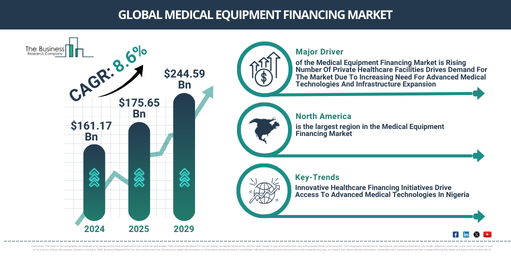
    The medical equipment financing market has seen robust expansion in recent years. Its size is anticipated to expand from $161.17 billion in 2024 to $175.65 billion in 2025, reflecting a compound annual growth rate (CAGR) of 9.0%. This past growth can be ascribed to several factors, including heightened awareness among healthcare providers regarding financing solutions, the increased adoption of home healthcare services, a growing need for minimally invasive procedures, an intensified focus on improving patient outcomes and care delivery, and an uptick in insurance coverage and reimbursement rates.

    The medical equipment financing market is anticipated to experience substantial expansion in the coming years. This market is projected to reach $244.59 billion by 2029, exhibiting a compound annual growth rate (CAGR) of 8.6%. Factors contributing to this growth during the forecast period include the increasing incidence of chronic illnesses, the expansion of private healthcare facilities like hospitals and clinics, a heightened emphasis on developing healthcare infrastructure in developing nations, increased healthcare spending by both public and private entities, and a growing inclination towards leasing rather than outright purchasing. Key trends anticipated in the forecast period involve progress in medical imaging techniques, technological innovations in remote patient monitoring, enhancements in robotic-assisted surgical equipment, the incorporation of digital health platforms with medical devices, and improvements in laboratory automation systems.

    Unlock Your Free Sample Report for Exclusive Market Data:

    https://www.thebusinessresearchcompany.com/sample.aspx?id=27339&type=smp

    What Are The Emerging Market Drivers Creating New Opportunities In The Medical Equipment Financing Industry?

    An increasing count of private hospitals and diagnostic centers is projected to drive the expansion of the medical equipment financing market in the future. These entities are defined as independent healthcare facilities offering medical treatment, surgical procedures, and diagnostic services like laboratory tests and imaging. Their expansion stems from a greater need for high-quality and specialized healthcare, influenced by increasing populations and improved income. Medical equipment financing assists private hospitals and diagnostic centers by allowing them to obtain cutting-edge medical technologies and diagnostic tools without significant initial expenditures, consequently enhancing service quality and increasing capacity. For example, in May 2023, the UK government allocated over $26 billion (£20 billion) to create new hospital infrastructure, intending to reconstruct five major hospitals by 2030 through the new hospital program. Consequently, the rising number of private hospitals and diagnostic centers is fostering the growth of the medical equipment financing market.

    What Are The Major Segment Types Covered In The Medical Equipment Financing Market?

    The medical equipment financing market covered in this report is segmented

    1) By Type: Equipment Financing, Software Financing, Service Financing

    2) By Financing Type: Lease, Loan, Line Of Credit, Other Financing Types

    3) By Providers: Banks, Non-Banking Financial Institutions, Original Equipment Manufacturer Financing, Government Programs, Banks

    4) By End-User: Hospitals, Clinics, Ambulatory Surgical, Diagnostic Centers

    Subsegments:

    1) By Equipment Financing: Hospital Bed Financing, Diagnostic Imaging Equipment Financing, Surgical Instrument Financing

    2) By Software Financing: Electronic Health Record Software Financing, Medical Billing Software Financing, Practice Management Software Financing

    3) By Service Financing: Installation And Setup Service Financing, Maintenance And Repair Service Financing, Training And Education Service Financing

    What Trends Are Redefining The Medical Equipment Financing Market Dynamics?

    Leading entities within the medical equipment financing sector are concentrating on novel strategies, including integrating transformative healthcare companies, to broaden the availability of sophisticated medical technologies and enhance the effectiveness of healthcare provision. These transformative healthcare companies are defined as businesses that initiate substantial beneficial modifications within the healthcare framework through the deployment of cutting-edge medical innovations, increased access to services, and better efficiency and results for patients. As an illustration, in May 2023, the Nigeria Sovereign Investment Authority, a capital market firm based in Nigeria, inaugurated NSIA Advanced Medical Service Ltd. (MedServe) and Equilease Systems Limited (Equilease) with the aim of bolstering healthcare infrastructure and offering medical equipment leasing options throughout Nigeria. MedServe ensures high-quality, cost-effective healthcare with fair access by establishing and managing medical centers across the nation. Equilease Systems Limited (Equilease) streamlines the acquisition of medical equipment via inventive leasing and financing schemes, initially supporting MedServe to elevate healthcare standards throughout Nigeria.

    Which Major Firms Are Strengthening Their Position In The Medical Equipment Financing Industry?

    Major companies operating in the medical equipment financing market are Wells Fargo Co., Toronto Dominion Bank, Siemens Healthineers AG, HDFC Bank Ltd., GE Healthcare Technologies Inc., Henry Schein Inc., Macquarie Group Limited, Synovus Financial Corp., Bajaj Finserv Ltd., Balboa Capital Corporation, Ascentium Capital LLC, SMC Group, National Funding Inc., PEAC Solutions, Med One Group Inc., Blue Bridge Financial LLC, Crest Capital, First American Equipment Finance, CMS Funding, First Capital Business Finance, Hitachi Capital America Corp., U.S. Bank Equipment LLC.

    Download The Full Report For Exclusive Market Findings:

    https://www.thebusinessresearchcompany.com/report/medical-equipment-financing-global-market-report

    Which Global Regions Are Influencing The Competitive Landscape Of The Medical Equipment Financing Market?

    North America was the largest region in the medical equipment financing market in 2024. Asia-Pacific is expected to be the fastest-growing region in the forecast period. The regions covered in the medical equipment financing market report are Asia-Pacific, Western Europe, Eastern Europe, North America, South America, Middle East, Africa.

    Request A Customized Version Of The Medical Equipment Financing Market Report:

    https://www.thebusinessresearchcompany.com/customise?id=27339&type=smp

    Browse Through More Reports Similar to the Global Medical Equipment Financing Market 2025, By The Business Research Company

    Online Trading Platform Market 2025

    https://www.thebusinessresearchcompany.com/report/online-trading-platform-market

    Derivatives And Commodities Brokerage Global Market Report 2025

    https://www.thebusinessresearchcompany.com/report/derivatives-and-commodities-brokerage-global-market-report

    Over The Counter Otc Drugs Global Market Report 2025

    https://www.thebusinessresearchcompany.com/report/over-the-counter-otc-drugs-global-market-report

    Get in touch with us:

    The Business Research Company: https://www.thebusinessresearchcompany.com/

    Americas +1 310-496-7795

    Asia +44 7882 955267 & +91 8897263534

    Europe +44 7882 955267

    Email us at info@tbrc.info

    Follow us on:

    LinkedIn: https://in.linkedin.com/company/the-business-research-company

    YouTube: https://www.youtube.com/channel/UC24_fI0rV8cR5DxlCpgmyFQ

    Global Market Model: https://www.thebusinessresearchcompany.com/global-market-model
  • Global Medical Electrocardiogram (ECG) Telemetry Equipment Market Analysis 2025–2029: Opportunities for Strategic Growth

    Global Medical Electrocardiogram (ECG) Telemetry Equipment Market Analysis 2025–2029: Opportunities for Strategic Growth

    Unlock Global Insights – Save 20% on Market Reports with Code ONLINE20

    How Is The Medical Electrocardiogram (ECG) Telemetry Equipment Market Size Likely To Evolve From 2025 Through 2034?

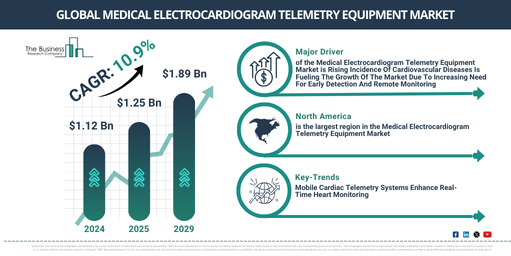
    The medical electrocardiogram (ECG) telemetry equipment market has experienced swift expansion in recent years. This market is set to expand from $1.12 billion in 2024 to $1.25 billion in 2025, progressing at a compound annual growth rate (CAGR) of 11.3%. Factors contributing to its historical growth include the increasing prevalence of cardiovascular diseases, the rising adoption of remote patient monitoring, the growing demand for continuous cardiac monitoring, and the ongoing expansion of healthcare infrastructure.

    The medical electrocardiogram (ECG) telemetry equipment market is projected to experience substantial expansion over the upcoming years. This market is forecast to reach $1.89 billion by 2029, demonstrating a compound annual growth rate (CAGR) of 10.9%. This anticipated growth is driven by several factors, including an increased need for wearable ECG devices, greater healthcare spending in developing nations, an expanding emphasis on home healthcare, a rise in lifestyle-associated illnesses, and a greater preference for tailored healthcare options. Key trends anticipated during this period encompass progress in wireless telemetry technology, the introduction of more compact ECG monitoring devices, advancements in AI-powered ECG analysis, increased funding for remote patient management systems, and ongoing research and development into smart biosensors.

    Unlock Your Free Sample Report for Exclusive Market Data:

    https://www.thebusinessresearchcompany.com/sample.aspx?id=27338&type=smp

    Which Drivers Are Impacting The Medical Electrocardiogram (ECG) Telemetry Equipment Market?

    The future expansion of the medical electrocardiogram (ECG) telemetry equipment market is anticipated to be fueled by the increasing occurrence of cardiovascular diseases. These diseases encompass various conditions impacting the heart and blood vessels, such as coronary heart disease, heart failure, stroke, and hypertension. A primary cause for the growing prevalence of cardiovascular diseases is unhealthy dietary habits, where high intake of saturated fats, trans fats, added sugars, and sodium leads to elevated blood pressure, obesity, and increased cholesterol, all significant factors for cardiac issues. Medical electrocardiogram telemetry equipment assists in diagnosing cardiovascular diseases by providing uninterrupted, live heart monitoring, essential for identifying arrhythmias and other cardiac conditions early. This technology reduces diagnostic wait times by sending ECG data to medical professionals remotely, thereby facilitating prompt treatment and better patient results. An example illustrating this trend is data from the Australian Institute of Health and Welfare, an Australia-based government agency, which reported in December 2023 that doctor-confirmed deaths from coronary heart disease (CHD) in Australia rose from 14,100 in 2021 to 14,900 in 2022. Consequently, the increasing incidence of cardiovascular diseases is a key factor propelling the expansion of the medical electrocardiogram (ECG) telemetry equipment market.

    What Are The Major Segment Categories Driving The Medical Electrocardiogram (ECG) Telemetry Equipment Market Growth?

    The medical electrocardiogram telemetry equipment market covered in this report is segmented

    1) By Type: Resting Electrocardiogram Devices, Stress Electrocardiogram Devices, Other Types

    2) By Technology: Analog Electrocardiogram (ECG) Devices, Digital Electrocardiogram (ECG) Devices, Cloud-Based Electrocardiogram (ECG) Solutions, Mobile Electrocardiogram (ECG) Monitoring Technologies, Wireless Transmission Technologies

    3) By Connectivity: Wired Electrocardiogram Systems, Wireless Electrocardiogram Systems, Bluetooth-Enabled Electrocardiogram Devices, Wireless Fidelity Connected Electrocardiogram Monitors, Satellite Communication-Based Electrocardiogram Systems

    4) By Application: Cardiology, Critical Care, Emergency Care, Telemedicine, Remote Patient Monitoring

    5) By End User: Hospitals, Diagnostic Laboratories, Home Care Settings, Ambulatory Surgical Centers, Nursing Homes

    Subsegments:

    1) By Resting Electrocardiogram (ECG) Devices: Single-Channel Electrocardiogram (ECG) Devices, Multi-Channel Electrocardiogram (ECG) Devices, Handheld Electrocardiogram (ECG) Devices, Portable Electrocardiogram (ECG) Monitors, Wearable Electrocardiogram (ECG) Patches

    2) By Stress Electrocardiogram (ECG) Devices: Treadmill Electrocardiogram (ECG) Systems, Bicycle Electrocardiogram (ECG) Systems, Wireless Stress Electrocardiogram (ECG) Devices, Personal Computer-Based Stress Electrocardiogram (ECG) Systems, Integrated Stress Test Electrocardiogram (ECG) Workstations

    3) By Other Types: Telemetry Electrocardiogram (ECG) Transmitters, Electrocardiogram (ECG) Signal Processing Software, Patch-Based Electrocardiogram (ECG) Monitoring Kits, Electrocardiogram (ECG) Data Management Platforms, Electrocardiogram (ECG) Accessories And Leads

    How Are Emerging Market Trends Shaping The Medical Electrocardiogram (ECG) Telemetry Equipment Industry Landscape?

    Companies operating within the medical electrocardiogram (ECG) telemetry equipment market are concentrating on developing technologically advanced solutions, such as mobile cardiac telemetry systems, to facilitate real-time, remote cardiac monitoring and enhance the early detection of arrhythmias. These mobile cardiac telemetry systems are wearable devices designed to continuously monitor a patient’s heart activity in real-time, transmitting this data remotely to healthcare providers for immediate analysis. As an illustration, in April 2022, ZOLL Medical Corporation, a US-based medical device company, introduced its Arrhythmia Management System (AMS), which is an advanced mobile cardiac telemetry (MCT) solution. The AMS is specifically engineered to offer continuous, real-time ECG monitoring beyond traditional clinical settings, thereby enabling faster detection and intervention for cardiac arrhythmias. This system integrates advanced analytics, wireless data transmission, and cloud-based reporting capabilities, allowing healthcare providers to promptly receive and review patient data. Such innovations significantly enhance patient care by reducing diagnostic and treatment delays, especially for individuals facing a risk of life-threatening arrhythmias.

    Who Are The Primary Competitors In The Global Medical Electrocardiogram (ECG) Telemetry Equipment Market?

    Major companies operating in the medical electrocardiogram (ecg) telemetry equipment market are Abbott Laboratories, Medtronic plc, Koninklijke Philips N.V., GE HealthCare Technologies Inc., Philips Healthcare, Boston Scientific Corporation, Shenzhen Mindray Bio-Medical Electronics Co. Ltd., Nihon Kohden Corporation, CONTEC Medical Systems Co. Ltd., Natus Medical Incorporated, iRhythm Technologies Inc., Schiller AG, Edan Instruments Inc., BPL Medical Technologies Pvt. Ltd., AliveCor Inc., Innomed Medical Inc., Bionet Co. Ltd., Cardioline S.p.A., Aerotel Medical Systems Ltd., CompuMed Inc.

    Download The Full Report For Exclusive Market Findings:

    https://www.thebusinessresearchcompany.com/report/medical-electrocardiogram-telemetry-equipment-global-market-report

    What Are The Regional Market Dynamics Impacting The Medical Electrocardiogram (ECG) Telemetry Equipment Industry?

    North America was the largest region in the medical electrocardiogram (ECG) telemetry equipment market in 2024. Asia-Pacific is expected to be the fastest-growing region in the forecast period. The regions covered in the medical electrocardiogram (ecg) telemetry equipment market report are Asia-Pacific, Western Europe, Eastern Europe, North America, South America, Middle East, Africa.

    Request A Customized Version Of The Medical Electrocardiogram (ECG) Telemetry Equipment Market Report:

    https://www.thebusinessresearchcompany.com/customise?id=27338&type=smp

    Browse Through More Reports Similar to the Global Medical Electrocardiogram (ECG) Telemetry Equipment Market 2025, By The Business Research Company

    Online Trading Platform Market 2025

    https://www.thebusinessresearchcompany.com/report/online-trading-platform-market

    Trade Management Software Global Market Report 2025

    https://www.thebusinessresearchcompany.com/report/trade-management-software-global-market-report

    Agricultural Commodity Global Market Report 2025

    https://www.thebusinessresearchcompany.com/report/agricultural-commodity-global-market-report

    Get in touch with us:

    The Business Research Company: https://www.thebusinessresearchcompany.com/

    Americas +1 310-496-7795

    Asia +44 7882 955267 & +91 8897263534

    Europe +44 7882 955267

    Email us at info@tbrc.info

    Follow us on:

    LinkedIn: https://in.linkedin.com/company/the-business-research-company

    YouTube: https://www.youtube.com/channel/UC24_fI0rV8cR5DxlCpgmyFQ

    Global Market Model: https://www.thebusinessresearchcompany.com/global-market-model
  • Medical Device Labeling Industry Overview 2025: Growth Projections and Market Trends

    Medical Device Labeling Industry Overview 2025: Growth Projections and Market Trends

    Unlock Global Insights – Save 20% on Market Reports with Code ONLINE20

    What Are The Growth Projections For The Medical Device Labeling Market Size During 2025–2029?

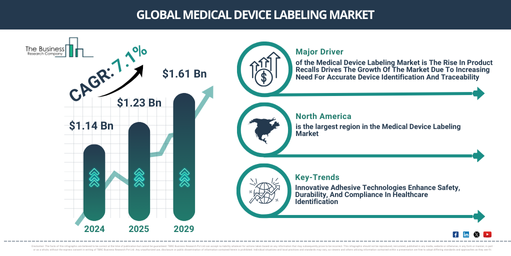
    The medical device labeling market size has experienced significant expansion in recent years. It is anticipated to expand from $1.14 billion in 2024 to $1.23 billion in 2025, achieving a compound annual growth rate (CAGR) of 7.4%. This historical growth can be attributed to several factors, including increasing regulatory oversight and compliance obligations, a growing need for secure and accurate patient information, the rising adoption of disposable and single-use devices, the expanding use of smart and digital labeling technologies, and an increase in product recalls and associated litigation risks.

    The medical device labeling market is projected to experience substantial growth in the coming years, reaching $1.61 billion by 2029 with a compound annual growth rate (CAGR) of 7.1%. This expansion during the forecast period is primarily attributed to factors such as the increasing demand for personalized and connected medical devices, a rise in investment in biocompatible and sustainable label materials, the growing globalization of medical device supply chains, enhanced hospital infrastructure development, and the expanding role of contract manufacturing organizations. Key trends anticipated in this period include advancements in smart labeling technologies, the adoption of digital printing for on-demand labeling, developments in biocompatible and durable label materials, progress in labeling automation and robotics, and innovations in personalized labeling for patient-centric devices.

    Unlock Your Free Sample Report for Exclusive Market Data:

    https://www.thebusinessresearchcompany.com/sample.aspx?id=27337&type=smp

    Which Industry Drivers Are Expected To Accelerate The Medical Device Labeling Market From 2025 To 2029?

    The rising frequency of product recalls is anticipated to propel the expansion of the medical device labeling market going forward. Product recalls involve the process of retrieving defective or unsafe products from consumers, manufacturers, or distributors to avert harm and ensure adherence to safety standards. These recalls are increasing due to heightened consumer safety concerns, as individuals seek higher standards for product quality and protection against health or safety risks. Medical device labeling assists product recalls by providing precise identification, usage instructions, and traceability details, which helps to efficiently locate and remove affected devices from the market. For instance, in March 2023, Sedgwick LP, a US-based provider of claims and risk management services, reported that the number of medical device recall events increased from 837 incidents in 2021 to 911 in 2022. Consequently, the increasing product recalls are driving the growth of the medical device labeling market.

    How Is The Medical Device Labeling Market Segmented?

    The medical device labeling market covered in this report is segmented

    1) By Type: Pressure Sensitive Labels, Glue Applied Labels, Sleeve Labels, In Mold Labels, Other Types

    2) By Device Type: Diagnostic Devices, Therapeutic Devices, Surgical Devices, Monitoring Devices, Assistive Devices

    3) By Material: Paper, Plastic, Other Materials

    4) By Technology: Traditional Labeling, Smart Labeling Systems, Interactive Labels, Quick Response Code And Barcoding Technologies, Digital Printing Technologies

    5) By End User: Hospitals, Clinics, Home Healthcare, Diagnostic Laboratories, Research Institutions

    Subsegments:

    1) By Pressure Sensitive Labels: Removable Labels, Permanent Labels, High-Temperature Labels, Freezer-Grade Labels, Tamper-Evident Labels

    2) By Glue Applied Labels: Cut-And-Stack Labels, Wrap-Around Labels, Wet Glue Labels, Cold Glue Labels, Gummed Labels

    3) By Sleeve Labels: Shrink Sleeve Labels, Stretch Sleeve Labels, Full-Body Sleeve Labels, Partial Sleeve Labels, Tamper-Evident Sleeve Labels

    4) By In Mold Labels: Blow Molding Labels, Injection Molding Labels, Thermoforming Labels, Polypropylene Labels, High-Density Polyethylene Labels

    5) By Other Types: Laser Labels, Thermal Transfer Labels, Direct Thermal Labels, Smart Labels, Radio Frequency Identification Labels

    Which Key Trends Are Expected To Influence The Medical Device Labeling Market In The Coming Years?

    Companies operating within the medical device labeling market are directing their efforts toward creating advanced adhesive solutions, like permanent solvent-based biocompatible adhesive. This initiative seeks to bolster label durability, safeguard patient well-being, and conform to stringent regulatory mandates for lasting identification of medical devices. A permanent solvent-based biocompatible adhesive is defined as a medical-grade adhesive formulation that employs solvent chemistry to achieve a long-lasting bond, all while being safe for contact with human tissue or medical devices. As an illustration, in December 2023, Flexcon Company Inc., a US-based manufacturing enterprise, unveiled its Flexcon MedFlex product line, comprising polyester printable films and overlaminates. This range is specifically designed for the permanent labeling and tracking of Food and Drug Administration (FDA) Class I, II, and III medical devices used externally. MedFlex products fulfill all FDA UDI performance standards and feature UL-recognized, biocompatible adhesive solutions with integrated sustainability attributes. The overarching goal is to simplify product selection and enhance durability, safety, and compliance within the medical device labeling sector.

    Which Key Market Players Are Investing In Expansion And Innovation Of Medical Device Labeling Market?

    Major companies operating in the medical device labeling market are Avery Dennison Corporation, Trumpf SE + Co. KG, Zebra Technologies Corporation, CCL Industries Inc., Brady Corporation, SATO Holdings Corporation, UFP Technologies Inc., Herma Holding GmbH + Co. KG, Freyr Solutions, Weber Packaging Solutions Inc, Tapecon Inc, Europlaz Ltd, Denny Bros Ltd., Tursso Companies Inc., Techsol Life Sciences, Batching Systems Inc., JH Bertrand Inc, Royal Label Co. Inc, Schreiner Group GmbH & Co. KG, Sidco Labeling Systems.

    Download The Full Report For Exclusive Market Findings:

    https://www.thebusinessresearchcompany.com/report/medical-device-labeling-global-market-report

    Which Region Shows The Highest Potential For Future Expansion In The Medical Device Labeling Market?

    North America was the largest region in the medical device labeling market in 2024. Asia-Pacific is expected to be the fastest-growing region in the forecast period. The regions covered in the medical device labeling market report are Asia-Pacific, Western Europe, Eastern Europe, North America, South America, Middle East, Africa.

    Request A Customized Version Of The Medical Device Labeling Market Report:

    https://www.thebusinessresearchcompany.com/customise?id=27337&type=smp

    Browse Through More Reports Similar to the Global Medical Device Labeling Market 2025, By The Business Research Company

    Travel Insurance Global Market Report 2025

    https://www.thebusinessresearchcompany.com/report/travel-insurance-global-market-report

    Online Insurance Global Market Report 2025

    https://www.thebusinessresearchcompany.com/report/online-insurance-global-market-report

    Insurance Global Market Report 2025

    https://www.thebusinessresearchcompany.com/report/insurance-global-market-report

    Get in touch with us:

    The Business Research Company: https://www.thebusinessresearchcompany.com/

    Americas +1 310-496-7795

    Asia +44 7882 955267 & +91 8897263534

    Europe +44 7882 955267

    Email us at info@tbrc.info

    Follow us on:

    LinkedIn: https://in.linkedin.com/company/the-business-research-company

    YouTube: https://www.youtube.com/channel/UC24_fI0rV8cR5DxlCpgmyFQ

    Global Market Model: https://www.thebusinessresearchcompany.com/global-market-model
  • Medical Alert System Personal Emergency Response System Market Size Forecast: Revenue and CAGR by 2029

    Medical Alert System Personal Emergency Response System Market Size Forecast: Revenue and CAGR by 2029

    Unlock Global Insights – Save 20% on Market Reports with Code ONLINE20

    What Is The Global Market Value Of The Medical Alert System Personal Emergency Response System Industry In 2025?

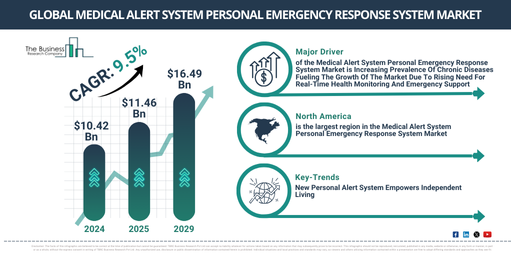
    The market for medical alert systems and personal emergency response systems has experienced substantial growth recently. This market is projected to expand from $10.42 billion in 2024 to $11.46 billion by 2025, demonstrating a compound annual growth rate (CAGR) of 9.9%. Historically, this expansion is linked to several factors, including the increasing desire for independent living among older adults, a rise in falls and accidents affecting the elderly, the growing necessity for real-time health surveillance systems, the greater adoption of telehealth and remote monitoring technologies, and increased financial commitments to healthcare infrastructure and digital health initiatives.

    The medical alert system personal emergency response system market is projected to experience robust expansion over the coming years. Its valuation is anticipated to reach $16.49 billion by 2029, exhibiting a compound annual growth rate (CAGR) of 9.5%. This growth during the projected period stems from factors such as an expanding elderly demographic, a rise in chronic disease prevalence, more individuals living independently, a heightened need for home healthcare provisions, and escalating healthcare spending. Key trends anticipated for the forecast timeframe encompass progress in wearable technology, innovations in fall detection systems, improvements in wireless communication technologies, a technology-led transition to cloud-based monitoring platforms, and creative advancements in user interface design.

    Unlock Your Free Sample Report for Exclusive Market Data:

    https://www.thebusinessresearchcompany.com/sample.aspx?id=27336&type=smp

    What Are The Top Growth Drivers Impacting The Medical Alert System Personal Emergency Response System Market Outlook?

    The projected expansion of the medical alert system personal emergency response system market is attributed to the rising incidence of chronic diseases. These conditions are defined as long-term health issues that progress gradually and persist over time, frequently necessitating ongoing medical attention. A contributing factor to the increasing occurrence of chronic diseases stems from sedentary lifestyles, where extended periods of sitting and insufficient physical exercise elevate the likelihood of developing ailments like heart conditions and diabetes. Medical alert systems and personal emergency response systems assist in the management of chronic diseases by offering real-time health surveillance and immediate emergency aid. These systems improve the safety and autonomy of patients through prompt alerts and by linking users with caregivers or healthcare providers during urgent health situations. To illustrate this trend, in June 2024, data from the National Health Service, a UK-based government department, revealed that 3,615,330 individuals registered with a general practitioner (GP) had a diagnosis of non-diabetic hyperglycemia or pre-diabetes (a condition with elevated blood sugar levels, not high enough to be classified as diabetes) in 2023. This represented an 18% surge from the 3,065,825 cases recorded in 2022. Consequently, the rising prevalence of chronic diseases is a key factor propelling the expansion of the medical alert system personal emergency response system market.

    What Are The Key Segments In The Medical Alert System Personal Emergency Response System Market?

    The medical alert system personal emergency response system market covered in this report is segmented

    1) By Device Type: Wearable Devices, Fixed Devices, Smartphone Applications

    2) By Service Type: Monitoring Services, Emergency Response Services, Installation Services

    3) By Application: Home Care, Senior Living Facilities, Assisted Living

    4) By End User: Elderly Individuals, Individuals With Disabilities, Caregivers

    Subsegments:

    1) By Wearable Devices: Pendants, Smartwatches, Wristbands

    2) By Fixed Devices: Landline-Based Systems, Wall-Mounted Emergency Buttons, Cellular-Based Systems

    3) By Smartphone Applications: Android-Based Apps, Health Monitoring Apps, Global Positioning System-Enabled Apps

    What Are The Major Trends Driving The Growth Of The Medical Alert System Personal Emergency Response System Market?

    Leading companies in the medical alert system personal emergency response system market are concentrating on developing sophisticated products, such as next-generation personal emergency response devices, to improve safety, accelerate response, and support independent living. These next-generation personal emergency response devices are intelligent, connected systems equipped with features like fall detection, global positioning system (GPS), and health monitoring for quicker and more dependable emergency assistance. For instance, in February 2025, LogicMark Inc., a US-based medical company, introduced a Guardian Alert 911 Plus. This system is a next-generation personal emergency response system that provides reliable, on-the-go 24/7 safety through 4G long-term evolution (LTE) connectivity, fall detection, and no monthly fees, allowing users to directly contact 911 with a single button press. It empowers aging adults and individuals with medical conditions to live autonomously, providing peace of mind for both the users and their caregivers.

    Who Are The Core Companies Influencing The Medical Alert System Personal Emergency Response System Market Landscape?

    Major companies operating in the medical alert system personal emergency response system market are Koninklijke Philips N.V, ADT Inc., Acadian On Call, Connect America LLC, Valued Relationships Inc., Tunstall Healthcare Group Ltd, Life Alert Emergency Response Inc., Medical Guardian LLC, GetSafe LLC, LifeStation Inc., SafeWise LLC, LifeFone Inc., Bay Alarm Medical, MobileHelp, LogicMark Inc., AlertOne Services LLC, Lively Inc., Aloe Care Health Inc., Galaxy Medical Alert Systems, UnaliWear Inc., Rescue Alert.

    Download The Full Report For Exclusive Market Findings:

    https://www.thebusinessresearchcompany.com/report/medical-alert-system-personal-emergency-response-system-global-market-report

    How Is Medical Alert System Personal Emergency Response System Market Demand Varying Across Different Regions?

    North America was the largest region in the medical alert system personal emergency response system market in 2024. The regions covered in the medical alert system personal emergency response system market report are Asia-Pacific, Western Europe, Eastern Europe, North America, South America, Middle East, Africa.

    Request A Customized Version Of The Medical Alert System Personal Emergency Response System Market Report:

    https://www.thebusinessresearchcompany.com/customise?id=27336&type=smp

    Browse Through More Reports Similar to the Global Medical Alert System Personal Emergency Response System Market 2025, By The Business Research Company

    Plastic Pipes And Shapes Market 2025

    https://www.thebusinessresearchcompany.com/report/plastic-pipes-and-shapes-market

    Plastic Pipes And Pipe Fittings Global Market Report 2025

    https://www.thebusinessresearchcompany.com/report/plastic-pipes-and-pipe-fittings-global-market-report

    Plastic Pipes And Pipe Fittings Global Market Report 2025

    https://www.thebusinessresearchcompany.com/report/plastic-pipes-and-pipe-fittings-global-market-report

    Get in touch with us:

    The Business Research Company: https://www.thebusinessresearchcompany.com/

    Americas +1 310-496-7795

    Asia +44 7882 955267 & +91 8897263534

    Europe +44 7882 955267

    Email us at info@tbrc.info

    Follow us on:

    LinkedIn: https://in.linkedin.com/company/the-business-research-company

    YouTube: https://www.youtube.com/channel/UC24_fI0rV8cR5DxlCpgmyFQ

    Global Market Model: https://www.thebusinessresearchcompany.com/global-market-model
  • Global Mechanical Thrombectomy Devices Market Trends and Growth Analysis 2025–2029

    Global Mechanical Thrombectomy Devices Market Trends and Growth Analysis 2025–2029

    Unlock Global Insights – Save 20% on Market Reports with Code ONLINE20

    By How Much Is The Mechanical Thrombectomy Devices Market Expected To Expand Between 2025 And 2029?

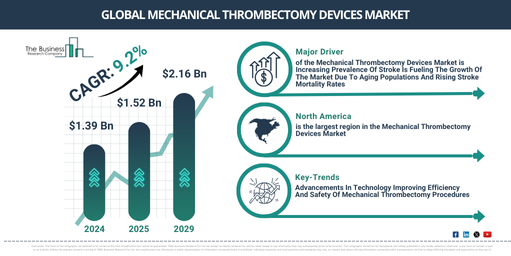
    The market for mechanical thrombectomy devices has experienced significant growth recently. It is forecast to increase from $1.39 billion in 2024 to $1.52 billion in 2025, reflecting a compound annual growth rate (CAGR) of 9.5%. The expansion witnessed over the historic period can be ascribed to rising stroke incidence rates, an increasing aging population, growing demand for minimally invasive procedures, increasing hospital admissions for acute ischemic stroke, and early approvals of thrombectomy devices.

    The mechanical thrombectomy devices market is anticipated to experience substantial expansion over the coming years. This market is projected to reach $2.16 billion by 2029, demonstrating a compound annual growth rate (CAGR) of 9.2%. Factors contributing to this growth during the forecast period include the increasing adoption of mechanical thrombectomy procedures in developing regions, improved reimbursement policies for stroke interventions, a greater incidence of cardiovascular diseases, an increase in the number of ambulatory surgical centers, and a rise in stroke occurrences linked to lifestyle choices. Key trends anticipated within the forecast period encompass the incorporation of artificial intelligence for detecting strokes, the creation of robotic-assisted thrombectomy systems, advancements in catheter navigation technologies, the reduction in size of thrombectomy devices, and the application of 3D printing for prototyping these devices.

    Unlock Your Free Sample Report for Exclusive Market Data:

    https://www.thebusinessresearchcompany.com/sample.aspx?id=27335&type=smp

    Which Major Market Drivers Are Shaping The Future Of The Mechanical Thrombectomy Devices Market?

    The rising occurrence of stroke is anticipated to drive the expansion of the mechanical thrombectomy devices market in the future. Stroke, a medical event, arises when blood supply to a brain region is disrupted or diminished, leading to the death of brain cells from insufficient oxygen and nutrients. This growing incidence of stroke stems from aging demographics, since advanced age substantially elevates stroke risk owing to natural alterations in blood vessels and general health. Mechanical thrombectomy devices prove beneficial in treating stroke by rapidly extracting blood clots from obstructed brain arteries, thus re-establishing blood flow, lessening brain damage, and considerably enhancing patient recovery results. For example, the World Economic Forum, a non-profit organization based in Switzerland, reported in October 2023 that by the year 2050, stroke fatalities might increase by 50%. Consequently, the growing occurrence of stroke is fueling expansion within the mechanical thrombectomy devices market.

    What Are The Leading Segments Analyzed In The Mechanical Thrombectomy Devices Market?

    The mechanical thrombectomy devices market covered in this report is segmented

    1) By Product Type: Stent Retrievers, Catheter-Based Thrombectomy Devices, Mechanical Aspiration Devices, Combined Devices

    2) By Technology: Manual Mechanical Thrombectomy Devices, Automated Mechanical Thrombectomy Devices, Electromechanical Thrombectomy Devices, Hybrid Devices

    3) By Application: Ischemic Stroke, Peripheral Artery Disease (PAD), Coronary Thrombosis, Post-Surgical Thrombosis

    4) By Distribution Channel: Direct Sales, Distributors And Wholesalers, Online Sales, Retail Pharmacies

    5) By End User: Hospitals, Ambulatory Surgical Centers, Specialized Invasive Care Centers, Research And Academic Institutions

    Subsegments:

    1) By Stent Retrievers: Closed-Cell Stent Retrievers, Open-Cell Stent Retrievers, Hybrid Stent Retrievers

    2) By Catheter-Based Thrombectomy Devices: Aspiration Catheters, Guide Catheters, Micro Catheters

    3) By Mechanical Aspiration Devices: Manual Aspiration Devices, Powered Aspiration Devices

    4) By Combined Devices: Aspiration Plus Stent Retrievers, Aspiration Plus Mechanical Devices

    What Are The Major Trends Driving The Growth Of The Mechanical Thrombectomy Devices Market?

    Major companies operating in the mechanical thrombectomy devices market are concentrating on developing novel approaches, such as dual clot detection algorithms, to create advanced systems that enhance clot removal efficiency and improve patient safety. Dual clot detection algorithms are sophisticated computer-aided methods that utilize both pressure and flow data to accurately identify and distinguish blood clots from normal blood flow during thrombectomy procedures. For instance, in January 2023, Penumbra Inc., a US-based healthcare company, launched the Lightning Flash, an advanced mechanical thrombectomy system crafted to transform the process of removing blood clots from the body. This innovative device combines powerful aspiration technology with a meticulously engineered catheter design to efficiently and safely extract large blood clots, including venous thrombi and pulmonary emboli, thereby enabling physicians to perform quicker procedures while minimizing potential complications and enhancing overall patient outcomes.

    Which Major Industry Participants Are Leading The Mechanical Thrombectomy Devices Market Growth?

    Major companies operating in the mechanical thrombectomy devices market are Johnson & Johnson, Abbott Laboratories, Medtronic plc, Becton Dickinson and Company, Koninklijke Philips N.V., Stryker Corporation, Shandong Weigao Group Medical Polymer Co. Ltd., Boston Scientific Corporation, Terumo Corporation, Teleflex Incorporated, Merit Medical Systems Inc., Inari Medical Inc., AngioDynamics Inc., LeMaitre Vascular Inc., Imperative Care Inc., Wallaby Medical Inc., Acandis GmbH & Co. KG, Inquis Medical Inc., NeuroVasc Technologies Inc., and Route 92 Medical Inc.

    Download The Full Report For Exclusive Market Findings:

    https://www.thebusinessresearchcompany.com/report/mechanical-thrombectomy-devices-global-market-report

    Which Geographies Are Emerging As Strong Markets For The Mechanical Thrombectomy Devices Industry?

    North America was the largest region in the mechanical thrombectomy devices market in 2024. Asia-Pacific is expected to be the fastest-growing region in the forecast period. The regions covered in the mechanical thrombectomy devices market report are Asia-Pacific, Western Europe, Eastern Europe, North America, South America, Middle East, Africa.

    Request A Customized Version Of The Mechanical Thrombectomy Devices Market Report:

    https://www.thebusinessresearchcompany.com/customise?id=27335&type=smp

    Browse Through More Reports Similar to the Global Mechanical Thrombectomy Devices Market 2025, By The Business Research Company

    Soundproof Curtains Global Market Report 2025

    https://www.thebusinessresearchcompany.com/report/soundproof-curtains-global-market-report

    Architectural Acoustic Panels Global Market Report 2025

    https://www.thebusinessresearchcompany.com/report/architectural-acoustic-panels-global-market-report

    Acoustic Insulation Global Market Report 2025

    https://www.thebusinessresearchcompany.com/report/acoustic-insulation-global-market-report

    Get in touch with us:

    The Business Research Company: https://www.thebusinessresearchcompany.com/

    Americas +1 310-496-7795

    Asia +44 7882 955267 & +91 8897263534

    Europe +44 7882 955267

    Email us at info@tbrc.info

    Follow us on:

    LinkedIn: https://in.linkedin.com/company/the-business-research-company

    YouTube: https://www.youtube.com/channel/UC24_fI0rV8cR5DxlCpgmyFQ

    Global Market Model: https://www.thebusinessresearchcompany.com/global-market-model
  • Mechanical Circulatory Support Devices Market Forecast: What to Expect by 2029

    Mechanical Circulatory Support Devices Market Forecast: What to Expect by 2029

    Unlock Global Insights – Save 20% on Market Reports with Code ONLINE20

    #What Is The Projected Market Size Of The Mechanical Circulatory Support Devices Market By 2029?

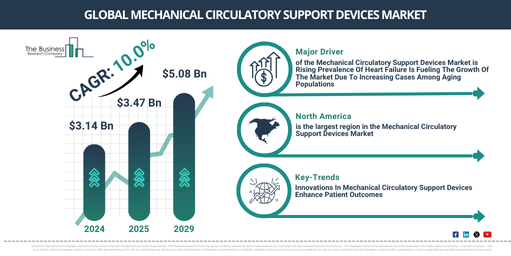
    The mechanical circulatory support devices market size has seen rapid growth in recent years. It is anticipated to expand from $3.14 billion in 2024 to $3.47 billion in 2025, exhibiting a compound annual growth rate (CAGR) of 10.4%. This historical growth can be attributed to the increasing prevalence of end-stage heart failure, improved survival rates following surgery, a rise in bridge-to-transplant procedures, enhanced awareness among cardiologists, and an expanding global aging population.

    The mechanical circulatory support devices market is projected to experience substantial expansion over the coming years, reaching $5.08 billion by 2029, demonstrating a compound annual growth rate (CAGR) of 10.0%. This anticipated growth during the forecast period is driven by several factors, including the increasing prevalence of cardiovascular diseases, greater uptake of destination therapy, a global rise in healthcare spending, an increase in clinical trials for advanced devices, supportive regulatory frameworks, and a scarcity of heart donors for transplant procedures. Key trends anticipated during this period encompass the creation of entirely implantable ventricular assist device (VAD) systems, the incorporation of smart sensors into these devices, the use of artificial intelligence for monitoring, innovations in magnetically levitated pumps, and the formulation of biocompatible polymers and coatings.

    Unlock Your Free Sample Report for Exclusive Market Data:

    https://www.thebusinessresearchcompany.com/sample.aspx?id=27334&type=smp

    What Are The Main Drivers Boosting The Mechanical Circulatory Support Devices Industry’s Expansion?

    The growing occurrence of heart failure is anticipated to fuel the expansion of the mechanical circulatory support devices market. This chronic ailment describes a condition where the heart is unable to pump sufficient blood to meet the body’s demands. The increase in heart failure cases is largely attributed to an aging demographic, as older individuals are more susceptible to cardiovascular illnesses and their complications. Mechanical circulatory support devices aid patients with heart failure by assisting the heart’s pumping function, enhancing blood circulation, and lessening the strain on the impaired heart. As an illustration, the Heart Failure Society of America (HFSA), a US-based non-profit organization, reported in September 2024 that heart failure currently impacts 6.7 million Americans over 20, with projections indicating an increase to 8.7 million by 2030, 10.3 million by 2040, and a substantial 11.4 million by 2050. Consequently, the increasing incidence of heart failure is acting as a primary catalyst for the growth of the mechanical circulatory support devices market.

    What Are The Segment Types Shaping The Mechanical Circulatory Support Devices Market?

    The mechanical circulatory support devices market covered in this report is segmented

    1) By Type: Intra-Aortic Balloon Pump, Ventricular Assist Device, Total Artificial Heart, Extracorporeal Membrane Oxygenation

    2) By Technology: Pulsatile Flow Devices, Non-Pulsatile Flow Devices

    3) By Application: Cardiac Surgery, Heart Failure Management, Myocardial Infraction, Cardiogenic Shock

    4) By End User: Hospitals, Ambulatory Surgical Centers, Specialty Clinics, Other Healthcare Facilities

    Subsegments:

    1) By Intra-Aortic Balloon Pump: Percutaneous Intra-Aortic Balloon Pump, Surgical Intra-Aortic Balloon Pump

    2) By Ventricular Assist Device: Left Ventricular Assist Device, Right Ventricular Assist Device, Biventricular Assist Device

    3) By Total Artificial Heart: Pneumatic Total Artificial Heart, Electric Total Artificial Heart

    4) By Extracorporeal Membrane Oxygenation: Venoarterial Extracorporeal Membrane Oxygenation, Venovenous Extracorporeal Membrane Oxygenation

    What Trends Are Expected To Drive The Mechanical Circulatory Support Devices Market?

    Major companies operating in the mechanical circulatory support devices market are actively pursuing the development of advanced technologies, such as magnetically levitated rotor (MAGLEV) technology, to equip patients with more reliable and efficient devices that enhance heart function and improve survival rates. Magnetically levitated rotor (MAGLEV) technology utilizes magnetic fields to suspend and spin a rotor without physical contact, thereby reducing friction and wear for smoother, longer-lasting device performance. For instance, in July 2024, BiVACOR Inc., a US-based clinical-stage medical device company, launched the first-in-human implantation of its Total Artificial Heart (TAH). This innovative device is engineered to completely replace both ventricles of a failing heart in patients with severe biventricular or univentricular heart failure who are not eligible for conventional left ventricular assist devices, providing a vital bridge-to-transplant solution with the potential to improve survival and quality of life for thousands of patients facing limited treatment options due to the scarcity of donor hearts.

    Who Are The Prominent Global Companies Shaping The Mechanical Circulatory Support Devices Market?

    Major companies operating in the mechanical circulatory support devices market are Johnson & Johnson, Abbott Laboratories, Medtronic Plc, Fresenius Medical Care AG & Co. KGaA, Boston Scientific Corporation, Terumo Corporation, Teleflex Incorporated, Getinge AB, LivaNova PLC, Supira Medical Inc., BrioHealth Solutions Inc., Magenta Medical Ltd., CorWave SA, Jarvik Heart Inc., Carmat SAS, Procyrion Inc., BiVACOR Inc., CardioBridge GmbH, Evaheart Inc., and ReliantHeart Inc.

    Download The Full Report For Exclusive Market Findings:

    https://www.thebusinessresearchcompany.com/report/mechanical-circulatory-support-devices-global-market-report

    Which Region Is Projected To Lead The Mechanical Circulatory Support Devices Market During The Forecast Period?

    North America was the largest region in the mechanical circulatory support devices market in 2024. Asia-Pacific is expected to be the fastest-growing region in the forecast period. The regions covered in the mechanical circulatory support devices market report are Asia-Pacific, Western Europe, Eastern Europe, North America, South America, Middle East, Africa.

    Request A Customized Version Of The Mechanical Circulatory Support Devices Market Report:

    https://www.thebusinessresearchcompany.com/customise?id=27334&type=smp

    Browse Through More Reports Similar to the Global Mechanical Circulatory Support Devices Market 2025, By The Business Research Company

    Contactless Payment Terminals Global Market Report 2025

    https://www.thebusinessresearchcompany.com/report/contactless-payment-terminals-global-market-report

    Virtual Payment Pos Terminals Global Market Report 2025

    https://www.thebusinessresearchcompany.com/report/virtual-payment-pos-terminals-global-market-report

    Point Of Sale Terminals Global Market Report 2025

    https://www.thebusinessresearchcompany.com/report/point-of-sale-terminals-global-market-report

    Get in touch with us:

    The Business Research Company: https://www.thebusinessresearchcompany.com/

    Americas +1 310-496-7795

    Asia +44 7882 955267 & +91 8897263534

    Europe +44 7882 955267

    Email us at info@tbrc.info

    Follow us on:

    LinkedIn: https://in.linkedin.com/company/the-business-research-company

    YouTube: https://www.youtube.com/channel/UC24_fI0rV8cR5DxlCpgmyFQ

    Global Market Model: https://www.thebusinessresearchcompany.com/global-market-model
  • Maternal Infant Care Equipment Industry Insights: Market Forecast to 2029

    Maternal Infant Care Equipment Industry Insights: Market Forecast to 2029

    Unlock Global Insights – Save 20% on Market Reports with Code ONLINE20

    How Much Was The Maternal Infant Care Equipment Market Worth In 2025, And What Is Its Anticipated Value By 2029?

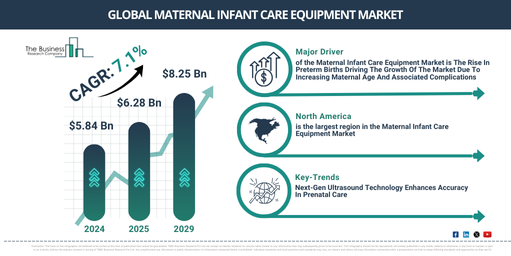
    The maternal infant care equipment market has shown robust growth in recent years. It is projected to expand from $5.84 billion in 2024 to $6.28 billion in 2025, at a compound annual growth rate (CAGR) of 7.4%. This historical growth can be attributed to elements such as an increasing maternal age, heightened awareness of neonatal health, rising hospital birth rates in developing countries, increasing government investments in maternal health programs, and a growing demand for home-based neonatal monitoring solutions.

    The maternal infant care equipment market is projected to expand significantly in the coming years, reaching a valuation of $8.25 billion by 2029, demonstrating a compound annual growth rate (CAGR) of 7.1%. This anticipated expansion throughout the forecast period stems from several factors, including an increase in fertility treatments and high-risk pregnancies, the expansion of healthcare infrastructure in developing economies, the rise of e-commerce and online channels for medical device distribution, an uptick in cesarean deliveries, and greater private sector investment in maternal and child health initiatives. Key trends during this period are expected to encompass innovations in phototherapy and incubator technologies, the incorporation of remote patient monitoring and telehealth services, advanced fetal and maternal monitoring systems driven by technology, enhancements in smart breast pumps and feeding devices, and the evolution of portable and home-based maternal care equipment.

    Unlock Your Free Sample Report for Exclusive Market Data:

    https://www.thebusinessresearchcompany.com/sample.aspx?id=27333&type=smp

    Which Factors And Drivers Are Influencing The Maternal Infant Care Equipment Market In 2025?

    The maternal infant care equipment market is anticipated to grow due to the increasing incidence of preterm births. Preterm births occur when a baby is delivered before completing 37 weeks of gestation, resulting in a pregnancy shorter than the typical duration. The rising number of preterm births is primarily linked to increasing maternal age, as older mothers face an elevated risk of pregnancy complications that can lead to early delivery. Maternal infant care equipment provides essential support for preterm infants by offering advanced monitoring, respiratory assistance, and thermal regulation, which significantly improves their chances of survival and health outcomes. For instance, according to the Centers for Disease Control and Prevention (CDC), a US-based government agency, in March 2025, singleton preterm births in 2023 were 8.71%, a slight increase from 8.67% in 2022. Thus, the growing number of preterm births is a significant driver for the expansion of the maternal infant care equipment market.

    What Are The Different Segment Classifications Within The Maternal Infant Care Equipment Market?

    The maternal infant care equipment market covered in this report is segmented

    1) By Product Type: Infant Incubators, Infant Warmers, Phototherapy Equipment, Suction Devices, Breast Pumps

    2) By Material Type: Plastic, Wood, Fabric, Metal, Organic Materials

    3) By Application: Neonatal Care, Maternal Care, Pediatric Care

    4) By Distribution Channel: Online Stores, Offline Stores

    5) By End-User: Hospitals, Clinics, Home Care, Ambulatory Surgical Centers

    Subsegments:

    1) By Infant Incubators: Closed Incubators, Open Incubators, Transport Incubators

    2) By Infant Warmers: Radiant Warmers, Conductive Warmers, Combination Warmers

    3) By Phototherapy Equipment: Conventional Phototherapy Units, Fiber-Optic Phototherapy Units, Compact Phototherapy Devices

    4) By Suction Devices: Portable Suction Devices, Wall-Mounted Suction Devices, Battery Operated Suction Devices

    5) By Breast Pumps: Manual Breast Pumps, Electric Breast Pumps, Hospital Grade Breast Pumps

    Which Trends Are Impacting The Maternal Infant Care Equipment Market?

    Key companies operating within the maternal infant care equipment market are prioritizing technological advancements, such as artificial intelligence-enabled ultrasound systems, to enhance diagnostic accuracy, improve workflow efficiency, and support faster, more confident clinical decision-making in women’s and neonatal health care. Artificial intelligence-enabled ultrasound systems are medical imaging devices that leverage AI algorithms to automate image analysis, improve diagnostic accuracy, and streamline clinical workflows. For instance, in April 2024, GE Healthcare Technologies Inc., a US-based medical technology company, unveiled the Voluson Signature 20 and 18 ultrasound systems, designed to advance women’s health imaging. These systems integrate artificial intelligence to sharpen image clarity, automate routine tasks, and assist clinical decision-making through tools like sonolyst and sonobiometry. Featuring an ergonomic design and customizable settings, they also offer advanced reporting capabilities and enhanced connectivity for seamless integration into clinical workflows. These innovations empower healthcare professionals to efficiently assess and monitor maternal and fetal health, especially in high-risk pregnancies.

    Which Key Players Are Driving Competition In The Maternal Infant Care Equipment Market?

    Major companies operating in the maternal infant care equipment market are Cardinal Health Inc, Medtronic plc, Koninklijke Philips N.V, GE Healthcare Technologies, Inc, Drägerwerk AG And Co. KGaA, Masimo Corporation, Natus Medical Incorporated, Atom Medical Corporation, Edan Instruments Inc, BPL Medical Technologies Pvt. Ltd., Narang Medical Limited., Europlaz Technologies Ltd., GPC Medical Ltd., Instromedix Pvt Ltd., Weyer GmbH, OxygenCare Private Limited., Janitri Innovations Private Limited., Maternova Inc., Medical Technology Transfer and Services (MTTS) Co. Ltd., Spectra Baby USA LLC.

    Download The Full Report For Exclusive Market Findings:

    https://www.thebusinessresearchcompany.com/report/maternal-infant-care-equipment-global-market-report

    What Are The Key Regional Factors Influencing The Maternal Infant Care Equipment Market Growth?

    North America was the largest region in the maternal infant care equipment market in 2024. Asia-Pacific is expected to be the fastest-growing region in the forecast period. The regions covered in the maternal infant care equipment market report are Asia-Pacific, Western Europe, Eastern Europe, North America, South America, Middle East, Africa.

    Request A Customized Version Of The Maternal Infant Care Equipment Market Report:

    https://www.thebusinessresearchcompany.com/customise?id=27333&type=smp

    Browse Through More Reports Similar to the Global Maternal Infant Care Equipment Market 2025, By The Business Research Company

    Organic Bakery Products Global Market Report 2025

    https://www.thebusinessresearchcompany.com/report/organic-bakery-products-global-market-report

    Organic Meat Products Global Market Report 2025

    https://www.thebusinessresearchcompany.com/report/organic-meat-products-global-market-report

    Organic Food Global Market Report 2025

    https://www.thebusinessresearchcompany.com/report/organic-food-global-market-report

    Get in touch with us:

    The Business Research Company: https://www.thebusinessresearchcompany.com/

    Americas +1 310-496-7795

    Asia +44 7882 955267 & +91 8897263534

    Europe +44 7882 955267

    Email us at info@tbrc.info

    Follow us on:

    LinkedIn: https://in.linkedin.com/company/the-business-research-company

    YouTube: https://www.youtube.com/channel/UC24_fI0rV8cR5DxlCpgmyFQ

    Global Market Model: https://www.thebusinessresearchcompany.com/global-market-model
  • Low Temperature Plasma Sterilizer Market Growth Opportunities: Insights from 2025–2029

    Low Temperature Plasma Sterilizer Market Growth Opportunities: Insights from 2025–2029

    Unlock Global Insights – Save 20% on Market Reports with Code ONLINE20

    How Does The Market Size Of The Low Temperature Plasma Sterilizer Industry Compare Between 2025 And 2029?

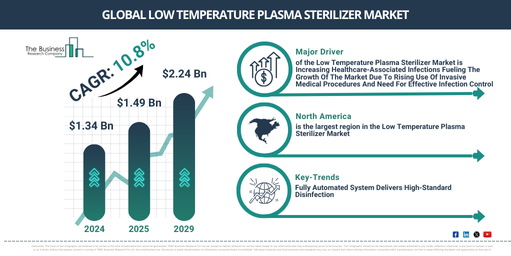
    The low temperature plasma sterilizer market has experienced significant expansion in recent years. This market is projected to expand from $1.34 billion in 2024 to $1.49 billion in 2025, demonstrating a compound annual growth rate (CAGR) of 11.2%. The growth observed in prior periods stems from various factors, including the rising demand for heat-sensitive medical instruments, an increase in hospital-acquired infections (HAIs), growing awareness of infection control protocols, a global rise in surgical procedures, and the increasing adoption of minimally invasive instruments.

    The low temperature plasma sterilizer market is projected for swift expansion over the coming years, anticipated to reach $2.24 billion by 2029, exhibiting a compound annual growth rate (CAGR) of 10.8%. This expansion is primarily driven by escalating investments in hospital infrastructure, heightened regulatory focus on patient safety and equipment cleanliness, a rising preference for environmentally friendly and residue-free sterilization techniques, the proliferation of outpatient surgical centers, and a greater uptake of plasma-based sterilization apparatus. Key developments during this period encompass a move towards low-temperature sterilization, innovations in plasma sterilizer configurations, the incorporation of digital monitoring and automation, and a strong emphasis on sustainability, evidenced by manufacturers’ development of plasma sterilizers and increasing regulatory harmonization.

    Unlock Your Free Sample Report for Exclusive Market Data:

    https://www.thebusinessresearchcompany.com/sample.aspx?id=27330&type=smp

    Which Drivers Are Shaping The Low Temperature Plasma Sterilizer Industry’s Market Share?

    The growing prevalence of healthcare-associated infections (HAIs) is projected to boost the expansion of the low temperature plasma sterilizer market. HAIs are defined as infections contracted by patients within medical environments while undergoing treatment for other conditions. The surge in these infections largely stems from the increased application of invasive medical procedures and devices, which elevate the potential for pathogen spread in clinical environments. Low-temperature plasma sterilizers play a crucial role in mitigating healthcare-associated infections by efficiently sterilizing heat-sensitive medical instruments, leaving no toxic residues. This process facilitates the safer re-use of equipment and improves overall infection control in healthcare settings. For example, data from the UK Health Security Agency (UKHSA), a UK-based government body, indicated in July 2025 that the incidence of methicillin-resistant Staphylococcus aureus (MRSA) bacteraemia reached 1.8 cases per 100,000 population from January to March 2025, marking an increase from 1.7 cases per 100,000 population in the corresponding period of 2024. Consequently, the rising instances of healthcare-associated infections are a significant impetus for the growth of the low temperature plasma sterilizer market.

    How Is The Low Temperature Plasma Sterilizer Market Classified Into Different Segments?

    The low temperature plasma sterilizer market covered in this report is segmented

    1) By Product Type: Tabletop Sterilizers, Large-Automated Sterilizers, Portable Sterilizers, Accessories And Consumables

    2) By Technology: Cold Plasma Technology, Atmospheric Pressure Plasma Technology, Low-Temperature Hydrogen Peroxide Plasma Technology, Radiofrequency Plasma Technology

    3) By Material Compatibility: Metal Instruments, Plastic Instruments, Glass Instruments, Textiles And Porous Materials

    4) By Application: Surgical Instrument Sterilization, Hospital Environment Sterilization, Pharmaceutical Packaging Sterilization, Dental Product Sterilization

    5) By End-User: Healthcare Facilities, Pharmaceutical Companies, Research Laboratories, Homecare Settings

    Subsegments:

    1) By Tabletop Sterilizers: Dental Clinics Use, Small Laboratory Use, Outpatient Facilities, Home Healthcare Settings

    2) By Large-Automated Sterilizers: Hospital Central Sterile Supply Department (CSSD), Pharmaceutical Manufacturing Units, Research Institutes, Industrial Sterilization Facilities

    3) By Portable Sterilizers: Field Medical Units, Emergency Response Teams, Mobile Clinics, Military Applications

    4) By Accessories And Consumables: Sterilization Trays, Indicator Strips And Tapes, Sterilant Cartridges, Filters And Replacement Parts

    How Are Trends Influencing The Low Temperature Plasma Sterilizer Market?

    Leading companies within the low-temperature plasma sterilizer market are prioritizing the development of technologically advanced products, such as automatic medical-grade sterilization devices, to enhance efficiency, reduce manual labor, and ensure the secure sterilization of heat-sensitive medical instruments. An automatic medical-grade sterilization device is defined as a fully automated system engineered to disinfect medical instruments to stringent clinical standards, utilizing advanced technologies like plasma or hydrogen peroxide without requiring any human intervention. For example, in April 2025, Zhejiang Sada Medical Technology Co. Ltd., a China-based medical equipment company, launched the SD-D 100L Low-Temperature Hydrogen Peroxide Plasma Sterilizer. This product is a fully automatic, medical-grade sterilizer designed for low-temperature operation at 50°C ± 5°C, making it particularly suitable for delicate instruments such as endoscopes and precision surgical tools. The SD-D 100L also provides rapid sterilization cycles lasting 40–60 minutes, incorporates integrated HEPA filtration, and includes advanced safety features like overpressure and overheating protection, thereby ensuring regulatory adherence and enhancing workflow efficiency.

    Who Are The Major Companies Operating In The Low Temperature Plasma Sterilizer Market?

    Major companies operating in the low temperature plasma sterilizer market are Getinge AB, Shinva Medical Instrument Co. Ltd., Belimed AG, Advanced Sterilization Products, Tuttnauer Ltd., Sakura Seiki Co. Ltd., Matachana S.A., Cisa Production S.r.l., Sterile Safequip and Chemicals LLP, Genist Technocracy Pvt. Ltd., Cistron Systems Pvt. Ltd., Renosem Co. Ltd., Human Meditek Co. Ltd., Steelco S.p.A., Hanshin Medical Co. Ltd., Instech Systems Pvt. Ltd., Sun Sterifaab Pvt. Ltd., Aurora Sterilisation, Sharkclave Systems, G.S. Enterprises.

    Download The Full Report For Exclusive Market Findings:

    https://www.thebusinessresearchcompany.com/report/low-temperature-plasma-sterilizer-global-market-report

    What Regional Growth Trends Are Shaping The Low Temperature Plasma Sterilizer Market Outlook?

    North America was the largest region in the low temperature plasma sterilizer market in 2024. Asia-Pacific is expected to be the fastest-growing region in the forecast period. The regions covered in the low temperature plasma sterilizer market report are Asia-Pacific, Western Europe, Eastern Europe, North America, South America, Middle East, Africa.

    Request A Customized Version Of The Low Temperature Plasma Sterilizer Market Report:

    https://www.thebusinessresearchcompany.com/customise?id=27330&type=smp

    Browse Through More Reports Similar to the Global Low Temperature Plasma Sterilizer Market 2025, By The Business Research Company

    Online Trading Platform Market 2025

    https://www.thebusinessresearchcompany.com/report/online-trading-platform-market

    Forex Brokers Global Market Report 2025

    https://www.thebusinessresearchcompany.com/report/forex-brokers-global-market-report

    Cryptocurrency Exchange Platform Global Market Report 2025

    https://www.thebusinessresearchcompany.com/report/cryptocurrency-exchange-platform-global-market-report

    Get in touch with us:

    The Business Research Company: https://www.thebusinessresearchcompany.com/

    Americas +1 310-496-7795

    Asia +44 7882 955267 & +91 8897263534

    Europe +44 7882 955267

    Email us at info@tbrc.info

    Follow us on:

    LinkedIn: https://in.linkedin.com/company/the-business-research-company

    YouTube: https://www.youtube.com/channel/UC24_fI0rV8cR5DxlCpgmyFQ

    Global Market Model: https://www.thebusinessresearchcompany.com/global-market-model
  • Life Science Tools Market Expansion Outlook: $335.13 Billion by 2029 Forecast

    Life Science Tools Market Expansion Outlook: $335.13 Billion by 2029 Forecast

    Unlock Global Insights – Save 20% on Market Reports with Code ONLINE20

    What Is The Predicted Market Size Trajectory For The Life Science Tools Market From 2025 To 2034?

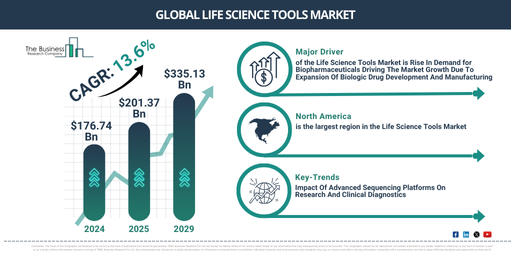
    The life science tools market has shown rapid expansion in recent years. It is anticipated to increase from $176.74 billion in 2024 to $201.37 billion in 2025, achieving a compound annual growth rate (CAGR) of 13.9%. This historical growth can be linked to the rising incidence of chronic and infectious diseases, increasing production volumes in the pharmaceutical and biotechnology sectors, heightened demand for clinical diagnostic testing, the expansion of environmental and food safety testing, and greater integration of automation in laboratory operations.

    The life science tools market is projected for significant expansion over the coming years, reaching $335.13 billion by 2029, exhibiting a compound annual growth rate (CAGR) of 13.6%. This growth during the forecast period is propelled by several factors, including the increasing need for tools to develop personalized treatments, the expansion of manufacturing capabilities for cell and gene therapies, a heightened demand for high-purity reagents in industrial settings, the rising adoption of decentralized diagnostic testing, and the increased production of biologics and biosimilars. Key trends anticipated in this period encompass the integration of cloud-based platforms for laboratory data management, a movement towards multi-omics approaches in research, the utilization of cryo-electron microscopy for detailed imaging, the customization of lab instruments for specialized research fields, and the expansion of lab-on-a-chip and microfluidic technologies.

    Unlock Your Free Sample Report for Exclusive Market Data:

    https://www.thebusinessresearchcompany.com/sample.aspx?id=27329&type=smp

    What Are The Drivers Pushing New Developments In The Life Science Tools Market?

    The increasing need for biopharmaceuticals is projected to boost the expansion of the life science tools market in the future. Biopharmaceuticals are medical drugs created through biotechnology, utilizing biological origins like living cells or organisms to develop treatments such as proteins, antibodies, or vaccines. This growing demand for biopharmaceuticals stems mainly from their effectiveness in treating intricate and long-term illnesses that conventional small-molecule medications struggle to tackle sufficiently. Life science tools are crucial for the creation and production of biopharmaceuticals, offering vital technologies for research, analysis, and quality control during the entire drug manufacturing process, thereby guaranteeing precision, efficiency, and adherence to regulatory requirements. For example, data from Cardinal Health Inc., a US-based healthcare company, indicated that in January 2023, the US had 33 biosimilar products approved by the FDA as of January 2022, with 21 commercially launched. By 2023, the total number of FDA-approved biosimilars had increased to 40, with 25 accessible in the market. Consequently, the increased demand for biopharmaceuticals is a key factor propelling the expansion of the life science tools market.

    What Are The Major Segments Identified In The Life Science Tools Market?

    The life science tools market covered in this report is segmented

    1) By Type: Instruments, Consumables, Services

    2) By Technology: Polymerase Chain Reaction(PCR) And Quantitative Polymerase Chain Reaction (qPCR), Sanger Sequencing, Separation Technologies, Flow Cytometry, Nucleic Acid Microarray, Mass Spectrometry, Other Technologies

    3) By Application: Drug Discovery And Development, Clinical Diagnostics, Genomic And Proteomic Research, Cell Biology Research, Other Applications

    4) By End-User: Academic And Research Institutions, Biotechnology And Pharmaceutical Companies, Hospitals And Diagnostic Laboratories, Contract Research Organizations (CROs), Government And Regulatory Agencies

    Subsegments:

    1) By Instruments: Microscopes, Sequencers, Analyzers, Spectrometers, Centrifuges, Chromatography Systems, Laboratory Automation Equipment

    2) By Consumables: Reagents, Kits, Culture Media, Pipettes And Tips, Plasticware, Laboratory Chemicals, Assay Kits

    3) By Services: Calibration Services, Maintenance And Repair, Laboratory Testing Services, Consulting Services, Training And Support, Research And Development Services

    What Key Innovation Trends Are Fueling Advancements In The Life Science Tools Market?

    Major companies operating in the life science tools market are channeling efforts into developing innovative solutions, such as automated sequencing platforms, to enhance efficiency, accuracy, and accessibility in genetic analysis, thereby accelerating research and clinical diagnostics. Automated sequencing platforms represent advanced systems that perform DNA or RNA sequencing with minimal manual intervention, leveraging robotics and software to increase throughput, reduce errors, and enable faster, more reliable genetic research and diagnostics. For instance, in October 2024, Illumina Inc., a US-based biotechnology company, launched the MiSeq i100 series, its simplest and fastest benchtop sequencers designed to make next-generation sequencing more accessible to a wider range of laboratories. The new MiSeq i100 and MiSeq i100 Plus Systems offer room-temperature kit storage and shipping, eliminating delays caused by reagent thawing and enabling same-day sample-to-analysis workflows. These platforms provide rapid sequencing with run times as short as four hours, along with cost-effective consumables and user-friendly, push-button workflows that support various applications in microbiology, infectious disease, and oncology. This innovation exemplifies the market’s shift toward efficient, scalable, and easy-to-use sequencing tools that empower researchers and clinicians alike.

    Which Global Market Leaders Are Shaping The Future Of The Life Science Tools Sector?

    Major companies operating in the life science tools market are F. Hoffmann-La Roche Ltd., Merck KGaA, Thermo Fisher Scientific Inc., Danaher Corporation, Agilent Technologies Inc., Lonza Group Ltd., Illumina Inc., Sartorius AG, Shimadzu Corporation, Revvity Inc., Waters Corporation, Bio-Rad Laboratories Inc., Bruker Corporation, Eppendorf AG, Tecan Group Ltd., Bio-Techne Corporation, Takara Bio Inc., GenScript Biotech Corporation, 10x Genomics Inc., and Hamilton Company.

    Download The Full Report For Exclusive Market Findings:

    https://www.thebusinessresearchcompany.com/report/life-science-tools-global-market-report

    Which Regional Markets Are Contributing Most To The Life Science Tools Industry Expansion?

    North America was the largest region in the life science tools market in 2024. Asia-Pacific is expected to be the fastest-growing region in the forecast period. The regions covered in the life science tools market report are Asia-Pacific, Western Europe, Eastern Europe, North America, South America, Middle East, Africa.

    Request A Customized Version Of The Life Science Tools Market Report:

    https://www.thebusinessresearchcompany.com/customise?id=27329&type=smp

    Browse Through More Reports Similar to the Global Life Science Tools Market 2025, By The Business Research Company

    Alternative Finance Global Market Report 2025

    https://www.thebusinessresearchcompany.com/report/alternative-finance-global-market-report

    Finance Cloud Global Market Report 2025

    https://www.thebusinessresearchcompany.com/report/finance-cloud-global-market-report

    Online Trading Platform Market 2025

    https://www.thebusinessresearchcompany.com/report/online-trading-platform-market

    Get in touch with us:

    The Business Research Company: https://www.thebusinessresearchcompany.com/

    Americas +1 310-496-7795

    Asia +44 7882 955267 & +91 8897263534

    Europe +44 7882 955267

    Email us at info@tbrc.info

    Follow us on:

    LinkedIn: https://in.linkedin.com/company/the-business-research-company

    YouTube: https://www.youtube.com/channel/UC24_fI0rV8cR5DxlCpgmyFQ

    Global Market Model: https://www.thebusinessresearchcompany.com/global-market-model