Category: Medical Equipment

  • Atrial Fibrillation Devices Industry Anticipated to Expand at 11.5% CAGR During the Forecast Period

    Atrial Fibrillation Devices Industry Anticipated to Expand at 11.5% CAGR During the Forecast Period

    Unlock Global Insights – Save 20% on Market Reports with Code ONLINE20

    #What Is The Projected Market Size Of The Atrial Fibrillation Devices Market By 2029?

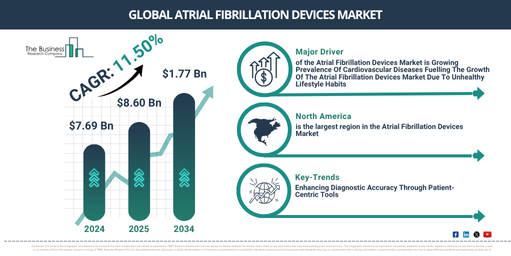
    The market size for atrial fibrillation devices has seen significant expansion over the past few years. This market is projected to expand from $7.69 billion in 2024 to reach $8.60 billion in 2025, driven by a compound annual growth rate (CAGR) of 11.8%. Factors contributing to its expansion historically include an increasing elderly population, a greater need for minimally invasive cardiac procedures, supportive government initiatives, and the spread of telecardiology services.

    The atrial fibrillation devices market is projected to expand significantly over the coming years. This market is anticipated to reach a valuation of $13.28 billion by 2029, demonstrating a compound annual growth rate (CAGR) of 11.5%. This forecasted expansion stems from factors such as increased spending on healthcare, a rising count of multi-specialty hospitals, greater acceptance of modern treatment options, enhanced regulatory backing for device authorizations, and an increasing need for less invasive surgical procedures. Key developments influencing this period encompass technological innovations, improvements in remote monitoring devices, the incorporation of artificial intelligence for diagnostic purposes, progress in minimally invasive ablation systems, and new capabilities in mapping and imaging.

    Unlock Your Free Sample Report for Exclusive Market Data:

    https://www.thebusinessresearchcompany.com/sample.aspx?id=25704&type=smp

    Which Industry Drivers Are Expected To Accelerate The Atrial Fibrillation Devices Market From 2025 To 2029?

    The increasing prevalence of cardiovascular diseases is projected to propel the growth of the atrial fibrillation device market. Cardiovascular diseases refer to disorders impacting the heart and blood vessels, such as heart attacks, strokes, and hypertension. The incidence of cardiovascular diseases is rising globally, attributed to the surge in obesity and diabetes, alongside widespread sedentary lifestyles and poor dietary habits. Atrial fibrillation (AFib) devices play a crucial role in managing cardiovascular diseases by detecting, monitoring, and treating irregular heart rhythms, which are often linked to or result from underlying heart conditions. For instance, in June 2024, data published by the American Heart Association, a US-based public health organization, indicated that as high blood pressure is expected to increase from 51.2% to 61.0%, the number of individuals diagnosed with cardiovascular diseases is projected to rise from 128 million in 2020 to over 184 million by 2050. Consequently, the expansion of cardiovascular diseases is driving the growth of the atrial fibrillation device market.

    What Are The Emerging Segments Gaining Attention In The Atrial Fibrillation Devices Market?

    The atrial fibrillation devices market covered in this report is segmented –

    1) By Device Type: Implantable Devices, External Devices, Catheter-Based Devices

    2) By Product: Electrophysiology Ablation Catheters, Cardiac Monitors Or Implantable Loop Recorder, Electrophysiology Diagnostic Catheters, Mapping And Recording Systems, Access Devices, Intracardiac Echocardiography, Left Atrial Appendage Closure Devices, Other Products

    3) By Technology: Radiofrequency, Cryotherapy, Ultrasound, Other Technologies

    4) By Distribution Channel: Direct Sales, Distributors, Online Sales

    5) By End-Use: Hospitals, Cardiac Centers, Ambulatory Surgical Centers, Other End Users

    Subsegments:

    1) By Implantable Devices: Implantable Cardioverter Defibrillators, Pacemakers, Insertable Cardiac Monitors

    2) By External Devices: External Defibrillators, Holter Monitors, Mobile Cardiac Telemetry Devices, Electrocardiogram Monitors

    3) By Catheter-Based Devices: Radiofrequency Ablation Catheters, Cryoablation Catheters, Laser Ablation Catheters, Mapping and Navigation Systems, Transseptal Access Devices

    What Trends Are Redefining The Atrial Fibrillation Devices Market Dynamics?

    Leading firms within the atrial fibrillation devices market are prioritizing technological advancements, such as patient-centric clinical decision support tools, with the goal of enhancing diagnostic precision, personalizing treatment plans, and improving overall patient outcomes. These patient-centric clinical decision support tools are digital solutions designed to assist healthcare professionals in tailoring treatment decisions by analyzing individual patient data. An illustration of this occurred in August 2023, when GE HealthCare Technologies Inc., a US-based medical technology company, launched CardioVisio for Atrial Fibrillation. This digital clinical decision support tool is engineered to streamline clinician workflows and facilitate precision care for patients with atrial fibrillation. It enables healthcare providers to visualize the progression of AFib, including previous diagnoses, treatments, medications, and associated conditions. Furthermore, the platform offers guideline-based therapy recommendations, which aids in reducing diagnostic errors and streamlining clinical decision-making. CardioVisio effectively organizes fragmented patient information into an accessible format, thereby easing the burden on medical staff and supporting more timely, personalized, and effective management of atrial fibrillation.

    Who Are The Top Performing Companies In The Atrial Fibrillation Devices Market In Recent Years?

    Major companies operating in the atrial fibrillation devices market are Johnson & Johnson Services Inc., Abbott Laboratories, Medtronic Public Limited Company, Koninklijke Philips N.V., Boston Scientific Corporation, Shanghai MicroPort EP MedTech Co. Ltd., Japan Lifeline Co. Ltd., Microlife Corporation, AliveCor Inc., CardioFocus Inc., Imricor Medical Systems Inc., Kardium Inc., Stereotaxis Inc., Volta Medical, Synaptic Medical Corporation, Osypka AG, CathRx Ltd., BIOTRONIK SE & Co. KG, EP Solutions SA, CardiacSense Ltd.

    Download The Full Report For Exclusive Market Findings:

    https://www.thebusinessresearchcompany.com/report/atrial-fibrillation-devices-global-market-report

    What Regional Growth Trends Are Shaping The Atrial Fibrillation Devices Market Outlook?

    North America was the largest region in the atrial fibrillation devices market in 2024. Asia-Pacific is expected to be the fastest-growing region in the forecast period. The regions covered in the atrial fibrillation devices market report are Asia-Pacific, Western Europe, Eastern Europe, North America, South America, Middle East, Africa.

    Request A Customized Version Of The Atrial Fibrillation Devices Market Report:

    https://www.thebusinessresearchcompany.com/customise?id=25704&type=smp

    Browse Through More Reports Similar to the Global Atrial Fibrillation Devices Market 2025, By The Business Research Company

    Atrial Fibrillation Global Market Report 2025

    https://www.thebusinessresearchcompany.com/report/atrial-fibrillation-global-market-report

    Cardiac Arrhythmia Monitoring Devices Global Market Report 2025

    https://www.thebusinessresearchcompany.com/report/cardiac-arrhythmia-monitoring-devices-global-market-report

    Ventricular Fibrillation Global Market Report 2025

    https://www.thebusinessresearchcompany.com/report/ventricular-fibrillation-global-market-report

    Get in touch with us:

    The Business Research Company: https://www.thebusinessresearchcompany.com/

    Americas +1 310-496-7795

    Asia +44 7882 955267 & +91 8897263534

    Europe +44 7882 955267

    Email us at info@tbrc.info

    Follow us on:

    LinkedIn: https://in.linkedin.com/company/the-business-research-company

    YouTube: https://www.youtube.com/channel/UC24_fI0rV8cR5DxlCpgmyFQ

    Global Market Model: https://www.thebusinessresearchcompany.com/global-market-model
  • Aseptic Connectors And Welders Market Forecast 2025–2034: Where Businesses Should Invest Next

    Aseptic Connectors And Welders Market Forecast 2025–2034: Where Businesses Should Invest Next

    Unlock Global Insights – Save 20% on Market Reports with Code ONLINE20

    What Is The Predicted Market Size Trajectory For The Aseptic Connectors And Welders Market From 2025 To 2034?

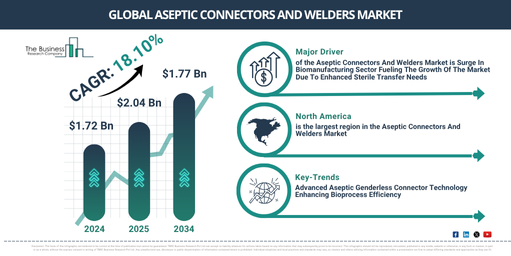
    The market for aseptic connectors and welders has expanded significantly over recent years. Projections indicate it will increase from $1.72 billion in 2024 to $2.04 billion in 2025, demonstrating a compound annual growth rate (CAGR) of 18.3%. This historical expansion is primarily due to several factors, including the escalating demand for contamination-free fluid transfer, the growing embrace of single-use technologies, heightened product safety awareness, an intensified regulatory emphasis on aseptic processing, and the increase in the manufacturing of biologics and vaccines.

    The aseptic connectors and welders market is anticipated to undergo significant expansion in the foreseeable future, with its size projected to reach $3.96 billion by 2029, demonstrating a compound annual growth rate (CAGR) of 18.1%. This projected growth during the forecast period is driven by factors such as a burgeoning biologics pipeline, the expansion of biopharma manufacturing facilities, an escalating demand for flexible production systems, increased investment in cell and gene therapy, a shift towards adopting single-use systems in production, and the rising trend of outsourcing manufacturing to contract manufacturing organizations (CMOs). Prominent trends expected in this period encompass advancements in single-use aseptic technologies, innovations in connector and welder design to enable higher throughput, the integration of automation and robotics into aseptic processes, the utilization of advanced materials for superior sealing and safety, the development of compact and modular aseptic systems, and the incorporation of smart sensors for enhanced process validation.

    Unlock Your Free Sample Report for Exclusive Market Data:

    https://www.thebusinessresearchcompany.com/sample.aspx?id=25699&type=smp

    What Are The Key Drivers Of Growth In The Aseptic Connectors And Welders Market?

    Growing investments in the biomanufacturing industry are projected to boost the expansion of the aseptic connectors and welders market. Biomanufacturing encompasses the creation of biological products utilizing living cells, organisms, or sophisticated biological systems. The surge in this sector stems from the rising demand for biologics, as these intricate therapies necessitate specialized production methods to address evolving global healthcare requirements. Aseptic connectors and welders are crucial for the biomanufacturing sector, facilitating sterile, closed-system fluid transfers that significantly reduce contamination risks and maintain product integrity throughout vital production stages. For instance, in November 2024, as per the White House Office of Science and Technology Policy, a US-based government agency, federal investments in biomanufacturing have increased from $2.7 billion to over $3.5 billion by 2024, following the Bioeconomy Executive Order’s signing in 2022. Consequently, the rising financial commitment to the biomanufacturing sector is a key driver for the aseptic connectors and welders market’s growth.

    What Are The Leading Segments Analyzed In The Aseptic Connectors And Welders Market?

    The aseptic connectors and welders market covered in this report is segmented –

    1) By Product: Aseptic Connectors, Aseptic Welders

    2) By Application: Upstream Bioprocessing, Downstream Bioprocessing, Harvest And Fill-finish Operations

    3) By End-User: Biopharmaceutical And Pharmaceutical Companies, Original Equipment Manufacturers (OEMs), Contract Research Organizations (CROs) And Contract Manufacturing Organizations (CMOs), Academic And Research Institutes

    Subsegments:

    1) By Aseptic Connectors: Single-Use Aseptic Connectors, Multi-Use Aseptic Connectors, Gendered Connectors, Genderless Connectors, Steam-In-Place Connectors, Tubing-To-Tubing Connectors, Container-To-Tubing Connectors

    2) By Aseptic Welders: Automatic Tube Welders, Manual Tube Welders, Benchtop Aseptic Welders, Portable Aseptic Welders, Large Bore Tube Welders

    Which Trends Are Impacting The Aseptic Connectors And Welders Market?

    Major companies operating in the aseptic connectors and welders market are focusing on developing advanced technologies such as aseptic genderless large-diameter flow path connectors to improve high-volume sterile fluid transfer across biopharmaceutical processes. These aseptic genderless large-diameter flow path connectors are designed to enable high-flow sterile transfers without the need for gendered fittings, supporting single-use technologies (SUTs) and enhancing process flexibility in large-scale biomanufacturing. For instance, in April 2023, Colder Products Company (CPC), a US-based fluid handling solutions provider, launched the AseptiQuik W Series Connectors. This connector solution features a 1-1/2-inch flow path capable of transferring hundreds of liters per minute, significantly reducing fluid transfer times for processes using up to 5,000-liter containers. With hose barb termination sizes ranging from 1 inch to 1-1/2 inches and a sanitary flange option, it is optimized for media, buffer, and cell culture processes. The aseptic, genderless design not only ensures sterile, closed connections but also simplifies operations by eliminating mating orientation issues, making it a critical innovation in supporting the scalability and efficiency of modern biopharmaceutical production.

    Who Are The Key Multinational Companies Dominating The Aseptic Connectors And Welders Market?

    Major companies operating in the aseptic connectors and welders market are Saint-Gobain S.A., Thermo Fisher Scientific Inc., Merck KGaA, GE Healthcare Technologies Inc., Cytiva, Sartorius AG, Nordson Corporation, Repligen Corporation, Pall Corporation, ChargePoint Technology Ltd., Watson-Marlow Fluid Technology Solutions, Shanghai LePure Biotech Co Ltd., Meissner Filtration Products, Inc., Colder Products Company, Foxx Life Sciences, Aseptconn AG, BioPharma Dynamics Ltd., TBL Performance Plastics LLC, Vante Biopharm, AdvantaPure.

    Download The Full Report For Exclusive Market Findings:

    https://www.thebusinessresearchcompany.com/report/aseptic-connectors-and-welders-global-market-report

    What Are The Regional Market Dynamics Impacting The Aseptic Connectors And Welders Industry?

    North America was the largest region in the aseptic connectors and welders market in 2024. Asia-Pacific is expected to be the fastest-growing region in the forecast period. The regions covered in the aseptic connectors and welders market report are Asia-Pacific, Western Europe, Eastern Europe, North America, South America, Middle East, Africa.

    Request A Customized Version Of The Aseptic Connectors And Welders Market Report:

    https://www.thebusinessresearchcompany.com/customise?id=25699&type=smp

    Browse Through More Reports Similar to the Global Aseptic Connectors And Welders Market 2025, By The Business Research Company

    Welding Products Global Market Report 2025

    https://www.thebusinessresearchcompany.com/report/welding-products-global-market-report

    Welding Equipment Accessories And Consumables Global Market Report 2025

    https://www.thebusinessresearchcompany.com/report/welding-equipment-accessories-and-consumables-global-market-report

    Robotic Wheelchairs Global Market Report 2025

    https://www.thebusinessresearchcompany.com/report/robotic-wheelchairs-global-market-report

    Get in touch with us:

    The Business Research Company: https://www.thebusinessresearchcompany.com/

    Americas +1 310-496-7795

    Asia +44 7882 955267 & +91 8897263534

    Europe +44 7882 955267

    Email us at info@tbrc.info

    Follow us on:

    LinkedIn: https://in.linkedin.com/company/the-business-research-company

    YouTube: https://www.youtube.com/channel/UC24_fI0rV8cR5DxlCpgmyFQ

    Global Market Model: https://www.thebusinessresearchcompany.com/global-market-model
  • Global Artificial Intelligence (AI) In Endoscopy Market Analysis 2025–2029: Opportunities for Strategic Growth

    Global Artificial Intelligence (AI) In Endoscopy Market Analysis 2025–2029: Opportunities for Strategic Growth

    Unlock Global Insights – Save 20% on Market Reports with Code ONLINE20

    How Much Larger Is The Artificial Intelligence (AI) In Endoscopy Market Expected To Become By 2029 Compared With Its 2025 Level?

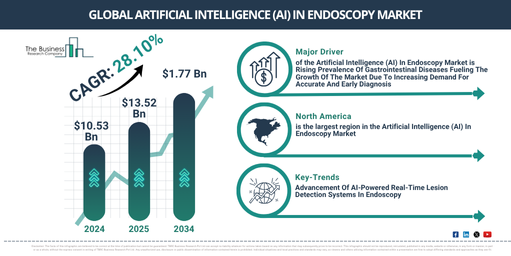
    The artificial intelligence (AI) in endoscopy market size has experienced rapid expansion in recent years. This market is projected to expand from $10.53 billion in 2024 to $13.52 billion in 2025, demonstrating a compound annual growth rate (CAGR) of 28.4%. Key drivers for its historical growth include the increasing adoption of minimally invasive procedures, a rise in gastrointestinal disorders, heightened emphasis on early cancer detection, the development of digital health infrastructure, and increased healthcare expenditure in developed nations.

    The artificial intelligence (AI) in endoscopy market size is projected to undergo significant expansion in the coming years. It is anticipated to reach $36.38 billion by 2029, exhibiting a compound annual growth rate (CAGR) of 28.1%. This growth during the forecast period can be attributed to the rising need for real-time lesion detection, increased governmental backing for artificial intelligence-based diagnostic tools, the wider integration of artificial intelligence within hospitals and surgical centers, the growth of cloud-based healthcare analytics, and greater access to artificial intelligence-integrated endoscopy equipment. Key trends for the forecast period include technological enhancements in artificial intelligence-powered imaging systems, continuous advancements in computer vision research and development, the incorporation of augmented reality in endoscopy procedures, innovations in cloud-based diagnostic platforms, and the progression of artificial intelligence-assisted robotic endoscopy.

    Unlock Your Free Sample Report for Exclusive Market Data:

    https://www.thebusinessresearchcompany.com/sample.aspx?id=25698&type=smp

    Which Drivers Are Supporting Growth Of The Artificial Intelligence (AI) In Endoscopy Market?

    The increasing incidence of gastrointestinal disorders is projected to fuel the expansion of the artificial intelligence (AI) in endoscopy market moving forward. These conditions encompass various ailments impacting the digestive system, resulting in symptoms like abdominal discomfort, bloating, and irregular bowel movements. The surge in gastrointestinal diseases stems from a higher intake of ultra-processed foods, which negatively impact gut microbiota and contribute to ongoing inflammation and digestive problems. Artificial intelligence (AI) in endoscopy enhances the detection of gastrointestinal diseases by precisely analyzing images in real time to identify anomalies. This technology facilitates prompt treatment, reduces diagnostic mistakes, and improves results for patients. For instance, in December 2023, as reported by the IBD Registry, a UK-based non-profit organization, the number of individuals with inflammatory bowel disease (IBD) who joined the IBD Registry in 2023 surged to over 5,300, marking an increase of more than 3,000 compared to 2022. Consequently, the growing prevalence of gastrointestinal diseases is a significant driver for the artificial intelligence (AI) in endoscopy market.

    What Are The Segment Types Shaping The Artificial Intelligence (AI) In Endoscopy Market?

    The artificial intelligence (ai) in endoscopy market covered in this report is segmented –

    1) By Product Type: Artificial Intelligence-Driven Imaging Systems, Artificial Intelligence-Powered Endoscopic Equipment, Wearable Endoscopy Devices, Consumables Used In Artificial Intelligence Endoscopy, Software Solutions For Artificial Intelligence Integration

    2) By Functionality: Image Capture And Processing, Data Management, Enhanced Visualization, Real-Time Decision Support, Training And Simulation Systems

    3) By Application: Gastrointestinal Endoscopy, Respiratory Endoscopy, Urological Endoscopy, Cardiovascular Endoscopy, Neurological Endoscopy

    4) By End-User: Hospitals, Diagnostic Laboratories, Outpatient Surgical Centers, Research Institutions, Specialized Clinics

    Subsegments:

    1) By Artificial Intelligence-Driven Imaging Systems: High Definition Imaging Platforms, Three-Dimensional (3D) Visualization Systems, Fluorescence-Based Imaging Devices, Low Light Sensitivity Imaging Systems, Contrast-Enhanced Endoscopic Imaging Systems

    2) By Artificial Intelligence-Powered Endoscopic Equipment: Flexible Endoscopic Systems With Artificial Intelligence Integration, Rigid Endoscopic Systems With Artificial Intelligence Support, Capsule-Based Endoscopic Devices With Smart Processing, Robotic Assisted Endoscopic Instrumentation, Navigation-Enabled Endoscopic Equipment With Artificial Intelligence

    3) By Wearable Endoscopy Devices: Swallowable Capsule Endoscopy Units, Sensor Integrated Wearable Endoscopy Devices, Wireless Data Enabled Endoscopic Monitoring Devices, Artificial Intelligence-Based Wearable Imaging Systems, Miniature High Resolution Endoscopic Cameras

    4) By Consumables Used In Artificial Intelligence Endoscopy: Biopsy Forceps Compatible With Artificial Intelligence Systems, Single Use Endoscopic Protective Sheaths, Medical-Grade Contrast Media For Enhanced Imaging, Artificial Intelligence Compatible Irrigation Tubing, Disposable Accessories For Visualization And Sampling

    5) By Software Solutions For Artificial Intelligence Integration: Real-Time Lesion Detection Software Modules, Computer-Aided Diagnostic Imaging Platforms, Cloud-Based Endoscopic Data Management Systems, Image Segmentation And Classification Software Tools, Data Visualization And Automated Reporting Interfaces

    What Long-Term Trends Will Shape The Future Growth Of The Artificial Intelligence (AI) In Endoscopy Industry?

    Leading companies within the artificial intelligence in endoscopy market are focusing on developing sophisticated technology, such as artificial intelligence-powered real-time lesion detection systems, to improve clinical decision-making during gastrointestinal examinations. These AI-powered real-time lesion detection systems represent advanced software tools that continuously analyze live endoscopic video feeds to accurately identify and highlight suspicious lesions, including polyps and tumors, throughout endoscopic procedures. For instance, in August 2024, Ainex Corporation, a Singapore-based medical technology company, launched the Endoscopy AI system with the goal of enhancing real-time detection and diagnosis of gastrointestinal abnormalities during such procedures. This system integrates advanced machine learning algorithms to detect gastrointestinal lesions in real time during both upper and lower endoscopy. It significantly improves diagnostic accuracy, reduces false positives, and enhances the visualization of mucosal abnormalities. The product is engineered to streamline clinical workflows, shorten procedure times, and facilitate the early detection of gastrointestinal cancers and other related conditions.

    Which Leading Players Are Enhancing Their Artificial Intelligence (AI) In Endoscopy Market Presence Worldwide?

    Major companies operating in the artificial intelligence (ai) in endoscopy market are Medtronic plc, Fujifilm Holdings Corporation, ASUSTeK Computer Inc., Olympus Corporation, Advantech Co. Ltd., Fraunhofer IIS, Iterative Health, CapsoVision Inc., EndoSoft Inc., Mauna Kea Technologies S.A., LPixel Inc., Sky Engine Limited, Wincomm Corporation, Endovision Limited, BioCam Sp. z o.o., Apex.AI Inc., MAIA Labs Inc., Magentiq Eye Ltd., EndoSurg.AI Inc., iEndoscopic GmbH, Intelliscopes LLC

    Download The Full Report For Exclusive Market Findings:

    https://www.thebusinessresearchcompany.com/report/artificial-intelligence-ai-in-endoscopy-global-market-report

    Which Region Shows The Highest Potential For Future Expansion In The Artificial Intelligence (AI) In Endoscopy Market?

    North America was the largest region in the artificial intelligence (AI) in endoscopy market in 2024. Asia-Pacific is expected to be the fastest-growing region in the forecast period. The regions covered in the artificial intelligence (ai) in endoscopy market report are Asia-Pacific, Western Europe, Eastern Europe, North America, South America, Middle East, Africa.

    Request A Customized Version Of The Artificial Intelligence (AI) In Endoscopy Market Report:

    https://www.thebusinessresearchcompany.com/customise?id=25698&type=smp

    Browse Through More Reports Similar to the Global Artificial Intelligence (AI) In Endoscopy Market 2025, By The Business Research Company

    Robotic Endoscopy Devices Global Market Report 2025

    https://www.thebusinessresearchcompany.com/report/robotic-endoscopy-devices-global-market-report

    Ai In Medical Diagnostics Global Market Report 2025

    https://www.thebusinessresearchcompany.com/report/ai-in-medical-diagnostics-global-market-report

    Ai In Medical Devices Global Market Report 2025

    https://www.thebusinessresearchcompany.com/report/ai-in-medical-devices-global-market-report

    Get in touch with us:

    The Business Research Company: https://www.thebusinessresearchcompany.com/

    Americas +1 310-496-7795

    Asia +44 7882 955267 & +91 8897263534

    Europe +44 7882 955267

    Email us at info@tbrc.info

    Follow us on:

    LinkedIn: https://in.linkedin.com/company/the-business-research-company

    YouTube: https://www.youtube.com/channel/UC24_fI0rV8cR5DxlCpgmyFQ

    Global Market Model: https://www.thebusinessresearchcompany.com/global-market-model
  • Antimicrobial Resistance Diagnostics Market Size Forecast: Revenue and CAGR by 2029

    Antimicrobial Resistance Diagnostics Market Size Forecast: Revenue and CAGR by 2029

    Unlock Global Insights – Save 20% on Market Reports with Code ONLINE20

    What Market Value Is The Antimicrobial Resistance Diagnostics Industry Expected To Reach By 2029, Starting From 2025 Levels?

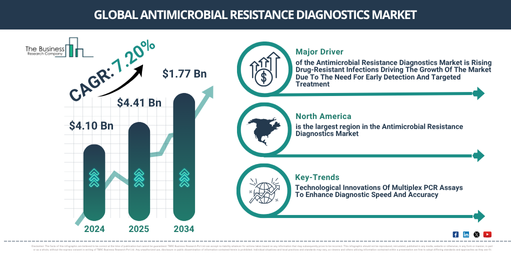
    The antimicrobial resistance diagnostics market size has experienced robust expansion in recent years. This market is projected to expand from $4.10 billion in 2024 to $4.41 billion in 2025, demonstrating a compound annual growth rate (CAGR) of 7.5%. Historically, this growth has been driven by factors such as the escalating occurrence of hospital-acquired infections, the increased inappropriate use of antibiotics in both human and animal populations, the expanding threat posed by multidrug-resistant organisms, the proliferation of public health surveillance initiatives, and the uptick in diagnostic testing for infectious diseases.

    The antimicrobial resistance diagnostics market size is projected to experience robust expansion over the coming years, reaching $5.82 billion by 2029, with a compound annual growth rate (CAGR) of 7.2%. This growth throughout the forecast period is fueled by an escalating demand for swift diagnostic tools, a heightened awareness of antimicrobial stewardship, augmented government funding for resistance tracking, the broadening application of point-of-care testing, and an increasing necessity for early infection detection. Key trends anticipated during this period encompass technological enhancements in diagnostic platforms, innovations in methods for resistance gene detection, greater investment in research and development, the creation of portable testing devices, and advancements in multiplex and high-throughput testing.

    Unlock Your Free Sample Report for Exclusive Market Data:

    https://www.thebusinessresearchcompany.com/sample.aspx?id=25696&type=smp

    What Are The Drivers Pushing New Developments In The Antimicrobial Resistance Diagnostics Market?

    The increasing occurrence of drug-resistant infections is projected to fuel the expansion of the antimicrobial resistance diagnostics market in the future. These infections arise when bacteria, viruses, fungi, or parasites develop ways to withstand medicines that were formerly potent, rendering conventional treatments ineffective and infections more challenging to manage. The increasing widespread nature of drug-resistant infections stems from the excessive use of antibiotics in farming, where small amounts of antimicrobials are regularly incorporated into animal feed, fostering resistance capable of transmitting to humans via the food chain. Antimicrobial resistance diagnostics, including swift genetic tests and culture-dependent sensitivity evaluations, are crucial in confronting the escalating prevalence of drug-resistant infections by facilitating prompt detection of resistant disease-causing agents, directing specific treatments, and minimizing the improper application of broad-spectrum antibiotics. For example, in November 2023, a report from the UK Health Security Agency (UKHSA), a government body, indicated that the overall count of antibiotic-resistant infections in England increased from 55,792 cases in 2021 to around 58,224 in 2022, showing a 4% year-on-year rise in antimicrobial resistance across the country. Consequently, the increasing occurrence of drug-resistant infections is propelling the expansion of the antimicrobial resistance diagnostics market.

    What Are The Primary Types Of Segments Analyzed In The Antimicrobial Resistance Diagnostics Market?

    The antimicrobial resistance diagnostics market covered in this report is segmented –

    1) By Product Type: Kits And Reagents, Instruments And Consumables

    2) By Pathogen: Drug-Resistant Streptococcus Pneumoniae (DRSP), Drug Resistant Campylobacter (DRC), Clostridium Difficile (CD), Methicillin Resistant Staphylococcus Aureus (MRSA), Drug Resistant Neisseria Gonorrhoeae (DRNG), Drug Resistant Salmonella (DRntS), Other Pathogens

    3) By Technology: Microbiology Culture, Immunoassay, PCR (Polymerase Chain Reaction), NGS (Next-Generation Sequencing), Mass Spectrometry, Rapid And Point Of Care, Other Technologies

    4) By End-User: Hospitals And Clinics, Diagnostics Laboratories, Research Institutes, Pharmaceutical And Biotechnology Companies, Other End Users

    Subsegments:

    1) By Kits And Reagents: Deoxyribonucleic Acid (DNA) Extraction Kits, Ribonucleic Acid (RNA) Extraction Kits, Polymerase Chain Reaction (PCR) Reagents, Immunoassay Reagents, Stains And Dyes, Culture Media

    2) By Instruments And Consumables: Polymerase Chain Reaction (PCR) Machines, Ultraviolet-Visible (UV-Vis) Spectrophotometers, Next-Generation Sequencing (NGS) Systems, Microarray Scanners, Automated Liquid Handlers, Sample Collection Tubes And Swabs

    How Are Trends Influencing The Antimicrobial Resistance Diagnostics Market?

    Major companies in the antimicrobial resistance diagnostics market are focusing on developing innovative products like multiplex polymerase chain reaction (PCR) assays, designed to concurrently detect multiple pathogens and resistance genes, thereby enhancing diagnostic efficiency and accuracy. Multiplex PCR technology integrates numerous sets of primers into a single reaction, enabling the identification of various DNA targets simultaneously, which significantly reduces both time and resource requirements. For instance, in May 2022, Vela Diagnostics, a Singapore-based molecular diagnostics company, introduced the PathoKey MP urinary tract infections (UTI) ID and antimicrobial resistance (AMR) PCR Test. This product allows for the simultaneous detection of 14 urinary tract infection pathogens and 14 antimicrobial resistance genes, supports both automated and manual workflows, and provides results in as little as four hours to facilitate rapid, lab-scale AMR profiling. The PathoKey MP UTI ID & AMR PCR Test is engineered to provide clinical labs with faster, high-throughput detection capabilities to guide early intervention and effective antibiotic therapy.

    Who Are The Primary Competitors In The Global Antimicrobial Resistance Diagnostics Market?

    Major companies operating in the antimicrobial resistance diagnostics market are F. Hoffmann-La Roche AG, Thermo Fisher Scientific Inc., Abbott Laboratories, Danaher Corporation, Becton Dickinson and Company, bioMérieux S.A., Sysmex Corporation, Bio-Rad Laboratories Inc., QIAGEN N.V., Seegene Inc., Alifax S.r.l., Accelerate Diagnostics Inc., Lumos Diagnostics Holdings Pty Ltd, Molsid SAS, Genetic Signatures Limited, iFAST Diagnostics Ltd, Astek Diagnostics Inc., OpGen Inc., T2 Biosystems, Jiangsu Medomics Medical Technology Co. Ltd.

    Download The Full Report For Exclusive Market Findings:

    https://www.thebusinessresearchcompany.com/report/antimicrobial-resistance-diagnostics-global-market-report

    Which Geographies Are Emerging As Strong Markets For The Antimicrobial Resistance Diagnostics Industry?

    North America was the largest region in the antimicrobial resistance diagnostics market in 2024. Asia-Pacific is expected to be the fastest-growing region in the forecast period. The regions covered in the antimicrobial resistance diagnostics market report are Asia-Pacific, Western Europe, Eastern Europe, North America, South America, Middle East, Africa.

    Request A Customized Version Of The Antimicrobial Resistance Diagnostics Market Report:

    https://www.thebusinessresearchcompany.com/customise?id=25696&type=smp

    Browse Through More Reports Similar to the Global Antimicrobial Resistance Diagnostics Market 2025, By The Business Research Company

    Oncology Drugs Market 2025

    https://www.thebusinessresearchcompany.com/report/oncology-drugs-market

    Oncology Drugs Market 2025

    https://www.thebusinessresearchcompany.com/report/oncology-drugs-market

    Brain Tumor Drugs Global Market Report 2025

    https://www.thebusinessresearchcompany.com/report/brain-tumor-drugs-global-market-report

    Get in touch with us:

    The Business Research Company: https://www.thebusinessresearchcompany.com/

    Americas +1 310-496-7795

    Asia +44 7882 955267 & +91 8897263534

    Europe +44 7882 955267

    Email us at info@tbrc.info

    Follow us on:

    LinkedIn: https://in.linkedin.com/company/the-business-research-company

    YouTube: https://www.youtube.com/channel/UC24_fI0rV8cR5DxlCpgmyFQ

    Global Market Model: https://www.thebusinessresearchcompany.com/global-market-model
  • Global Ambulance Stretchers Market Overview: Trends Shaping Growth to 2029

    Global Ambulance Stretchers Market Overview: Trends Shaping Growth to 2029

    Unlock Global Insights – Save 20% on Market Reports with Code ONLINE20

    What Is The Global Market Value Of The Ambulance Stretchers Industry In 2025?

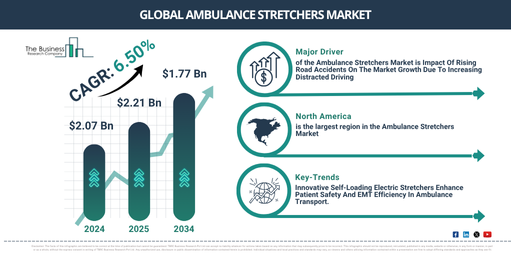
    Significant expansion has been observed in the ambulance stretcher market size over recent years. The market is forecast to increase from $2.07 billion in 2024 to $2.21 billion in 2025, exhibiting a compound annual growth rate (CAGR) of 6.9%. This historical growth can be attributed to factors such as the escalating demand for patient comfort and safety, enhanced recognition of pre-hospital emergency care, increasing urbanization coupled with traffic congestion, a higher incidence of natural disasters and mass casualty events, and rising healthcare expenditure.

    The ambulance stretcher market is projected to experience substantial expansion over the upcoming years. This market is anticipated to reach $2.84 billion by 2029, demonstrating a compound annual growth rate (CAGR) of 6.5%. This expansion during the projection period stems from a heightened need for emergency medical services, an expanding elderly demographic, a greater incidence of chronic diseases, an increase in ambulance fleet sizes, and enhanced capital expenditure in healthcare facilities. Key developments foreseen in this timeframe encompass technological improvements in stretcher construction, the incorporation of electronic lifting systems, progress in lightweight composite materials, the creation of foldable and compact stretcher solutions, and remote patient monitoring functionalities powered by technology.

    Unlock Your Free Sample Report for Exclusive Market Data:

    https://www.thebusinessresearchcompany.com/sample.aspx?id=25691&type=smp

    Which Major Market Drivers Are Shaping The Future Of The Ambulance Stretchers Market?

    The escalating occurrence of road accidents is projected to fuel the expansion of the ambulance stretchers market in the future. These incidents are defined as unforeseen mishaps or impacts occurring on roads or highways, frequently involving multiple vehicles and leading to injuries, fatalities, or damage to property. The rise in road accidents is linked to the increasing problem of distracted driving, particularly due to mobile phone usage, which diverts drivers’ focus and heightens the likelihood of collisions. Ambulance stretchers play a crucial role in managing road accidents by facilitating the secure and efficient conveyance of injured persons from the accident site to medical centers, thereby preventing additional harm and allowing for immediate medical attention. For example, data from the Transport Accident Commission, an Australia-based government agency, revealed that in June 2024, 289 lives were claimed on Victorian roads. This represented an 8.6% surge, accounting for 23 additional deaths compared to the corresponding period last year. Consequently, the increasing frequency of road accidents is a significant factor propelling the expansion of the ambulance stretchers market.

    What Are The Major Segment Types Covered In The Ambulance Stretchers Market?

    The ambulance stretchers market covered in this report is segmented –

    1) By Type: Manual Stretchers, Electric Stretchers, Foldable Stretchers, Stretcher Chairs

    2) By Technology: Non-Motorized, Motorized

    3) By Material: Aluminum, Steel, Plastic, Composite Materials

    4) By End Users: Emergency Medical Service Providers, Hospitals, Ambulatory Service Centers, Other End-Users

    Subsegments:

    1) By Manual Stretchers: Wheeled Stretchers, Non-wheeled Stretchers, Scoop Stretchers, Basket Stretchers

    2) By Electric Stretchers: Hydraulic Electric Stretchers, Battery-powered Electric Stretchers, Adjustable Height Electric Stretchers, Self-loading Electric Stretchers

    3) By Foldable Stretchers: Canvas Foldable Stretchers, Aluminum Foldable Stretchers, Pole-Type Foldable Stretchers, Spinal Board Foldable Stretchers

    4) By Stretcher Chairs: Convertible Stretcher Chairs, Stair Climbing Stretcher Chairs, Foldable Stretcher Chairs, Transport Wheelchair Stretchers

    What Trends Are Redefining The Ambulance Stretchers Market Dynamics?

    Companies prominent in the ambulance stretcher market are emphasizing the creation of advanced innovations, such as self-loading electric stretchers, to enhance patient safety, decrease the physical handling required from emergency personnel, and boost efficiency during patient conveyance. A self-loading electric stretcher is defined as a motorized patient transfer device equipped with an automated loading and unloading system, allowing it to lift and load itself into an ambulance without the need for manual lifting by medical staff. For example, in December 2023, KARTSANA, S.L., a manufacturing company based in Spain, introduced the superbrava electric stretcher to improve patient transport efficiency and safety. It offers maximum strength, safety, and maneuverability through a hydraulic lifting system that supports up to 320 kg and multi-position adjustable handrails designed for patient comfort and security. Its design is intended to facilitate effortless, safe patient transport while reducing the workload for emergency medical technicians in crucial scenarios.

    Which Key Players Are Driving Competition In The Ambulance Stretchers Market?

    Major companies operating in the ambulance stretchers market are Medline Industries LP, Stryker Corporation, Baxter International Inc., Hill-Rom Holdings Inc., Hebei Pukang Medical Instruments Co. Ltd., Ferno-Washington Inc., Spencer Italia S.r.l., Narang Medical Limited, Advin Health Care, Kartsana Medical GmbH, IndoSurgicals Private Limited, Frima Concept SARL, Dragon Industry Co. Ltd., PVS S.p.A., Desco Medical India, Fu Shun Hsing Technology Co. Ltd., Besco Medical Limited, Red Leaf Medical Inc., Sarvottam Appliances Private Limited, EMS Mobil Sistemler A.S

    Download The Full Report For Exclusive Market Findings:

    https://www.thebusinessresearchcompany.com/report/ambulance-stretchers-global-market-report

    What Regional Growth Trends Are Shaping The Ambulance Stretchers Market Outlook?

    North America was the largest region in the ambulance stretchers market in 2024. Asia-Pacific is expected to be the fastest-growing region in the forecast period. The regions covered in the ambulance stretchers market report are Asia-Pacific, Western Europe, Eastern Europe, North America, South America, Middle East, Africa.

    Request A Customized Version Of The Ambulance Stretchers Market Report:

    https://www.thebusinessresearchcompany.com/customise?id=25691&type=smp

    Browse Through More Reports Similar to the Global Ambulance Stretchers Market 2025, By The Business Research Company

    Hospital Stretchers Global Market Report 2025

    https://www.thebusinessresearchcompany.com/report/hospital-stretchers-global-market-report

    Air Ambulance Services Global Market Report 2025

    https://www.thebusinessresearchcompany.com/report/air-ambulance-services-global-market-report

    Air Ambulance Services Global Market Report 2025

    https://www.thebusinessresearchcompany.com/report/air-ambulance-services-global-market-report

    Get in touch with us:

    The Business Research Company: https://www.thebusinessresearchcompany.com/

    Americas +1 310-496-7795

    Asia +44 7882 955267 & +91 8897263534

    Europe +44 7882 955267

    Email us at info@tbrc.info

    Follow us on:

    LinkedIn: https://in.linkedin.com/company/the-business-research-company

    YouTube: https://www.youtube.com/channel/UC24_fI0rV8cR5DxlCpgmyFQ

    Global Market Model: https://www.thebusinessresearchcompany.com/global-market-model
  • Aerosol Drug Delivery Devices Market Growth Opportunities: Insights from 2025–2029

    Aerosol Drug Delivery Devices Market Growth Opportunities: Insights from 2025–2029

    Unlock Global Insights – Save 20% on Market Reports with Code ONLINE20

    By How Much Is The Aerosol Drug Delivery Devices Market Expected To Expand Between 2025 And 2029?

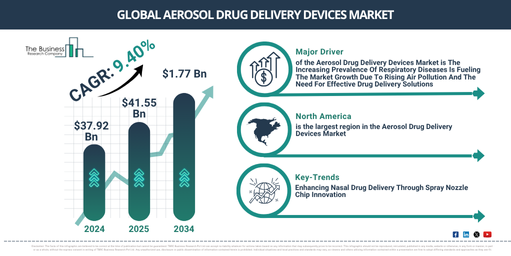
    The aerosol drug delivery devices market size has experienced substantial growth in recent years. This market is projected to expand from $37.92 billion in 2024 to $41.55 billion by 2025, at a compound annual growth rate (CAGR) of 9.6%. The expansion observed in the historic period can be attributed to factors such as the rising prevalence of respiratory diseases, a globally increasing geriatric population, growing public health awareness regarding air quality, the escalating demand for home healthcare settings, improved access to generic inhalation therapies, and favorable reimbursement policies prevalent in developed markets.

    The aerosol drug delivery devices market is projected to experience robust expansion over the coming years. Its value is anticipated to reach $59.45 billion by 2029, demonstrating a compound annual growth rate (CAGR) of 9.4%. This anticipated growth during the forecast period stems from factors such as the increasing global prevalence of chronic respiratory ailments, the wider embrace of digital and smart inhaler innovations, intensified funding for drug-device combination product advancements, accelerated urbanization alongside escalating pollution levels in developing nations, and the broadening reach of telemedicine and remote patient monitoring services. Key trends foreseen for this period encompass the emergence of connected inhalers featuring integrated adherence tracking, a greater uptake of dry powder inhalers (DPIs), the creation of propellant-free or environmentally conscious aerosol systems, the design of smaller and more portable nebulizers for use at home and while traveling, the incorporation of AI and mobile applications for monitoring usage, and a move towards tailored aerosol therapy solutions.

    Unlock Your Free Sample Report for Exclusive Market Data:

    https://www.thebusinessresearchcompany.com/sample.aspx?id=25690&type=smp

    What Are The Main Drivers Boosting The Aerosol Drug Delivery Devices Industry’s Expansion?

    The rising incidence of respiratory illnesses is projected to fuel the expansion of the aerosol drug delivery devices market. Respiratory diseases are conditions impacting the lungs and other components of the respiratory system, causing difficulty in normal breathing. This increase in respiratory disease prevalence is primarily attributed to escalating air pollution, where pollutants like particulate matter, nitrogen dioxide (NO2), and ozone (O3) inflame the respiratory tract, resulting in chronic ailments such as asthma, bronchitis, and chronic obstructive pulmonary disease (COPD). Aerosol drug delivery devices aid in treating these conditions by directly administering medication to the lungs, ensuring quicker therapeutic outcomes and improved treatment efficacy, concurrently reducing systemic adverse effects and enhancing patient adherence through focused, non-invasive delivery. For example, the National Asthma Council, an Australia-based non-profit organization, reported in November 2023 that Australia recorded 467 asthma-related deaths in 2022, consisting of 299 females and 168 males, an increase from 355 deaths reported in 2021. Consequently, the growing occurrence of respiratory diseases is a key factor propelling the aerosol drug delivery devices market.

    What Are The Major Segment Categories Driving The Aerosol Drug Delivery Devices Market Growth?

    The aerosol drug delivery devices market covered in this report is segmented –

    1) By Product Type: Metered Dose Inhalers (MDIs), Dry Powder Inhalers (DPIs), Nebulizers, Smart Inhalers, Other Types

    2) By Component: Delivery Devices, Compressor Units, Medication Containers, Accessories And Consumables

    3) By Application: Asthma, Chronic Obstructive Pulmonary Disease, Cystic Fibrosis, Non-Respiratory Diseases, Diabetes, Analgesia, Parkinson’s Diseases

    4) By Distribution Channel: Hospital Pharmacies, Retail Pharmacies, Online Pharmacies, Other Distribution Channels

    5) By End User: Hospitals, Homecare Settings, Pharmaceutical Companies, Research Institutions, Other End Users

    Subsegments:

    1) By Metered Dose Inhalers (MDIs): Conventional Metered Dose Inhalers, Breath-Actuated Metered Dose Inhalers, Pressurized Metered Dose Inhalers

    2) By Dry Powder Inhalers (DPIs): Single-Dose Dry Powder Inhalers, Multi-Dose Dry Powder Inhalers, Reservoir Dry Powder Inhalers

    3) By Nebulizers: Jet Nebulizers, Ultrasonic Nebulizers, Mesh Nebulizers

    4) By Smart Inhalers: Bluetooth-Enabled Smart Inhalers, Sensor-Based Smart Inhalers, App-Connected Smart Inhalers

    5) By Other Types: Soft Mist Inhalers, Nasal Spray Inhalers, Disposable Inhalers

    How Are Emerging Market Trends Shaping The Aerosol Drug Delivery Devices Industry Landscape?

    Companies operating in the aerosol drug delivery devices market are concentrating on developing advanced technologies, such as spray nozzle chip technology, to improve drug delivery accuracy, increase nasal cavity coverage, and enhance patient comfort. Spray nozzle chip technology is a micro-engineered component that generates a delicate, consistent aerosol mist for administering medication. For instance, in October 2024, Aero Pump GmbH, a Germany-based manufacturing company, collaborated with Resyca B.V., a Netherlands-based pharmaceutical company, to introduce the Ultra Soft Nasal Pump Spray. This device employs spray nozzle chip technology to deliver a fine and uniform soft mist, boosting drug delivery precision, nasal cavity coverage, and patient comfort for applications including nose-to-brain therapies and nasal vaccinations. The cutting-edge spray nozzle chip allows for slow-moving aerosol particles to reach deeper sections of the nasal passage, thereby increasing drug absorption in challenging areas such as the olfactory zone.

    Who Are The Top Performing Companies In The Aerosol Drug Delivery Devices Market In Recent Years?

    Major companies operating in the aerosol drug delivery devices market are Merck & Co. Inc., Novartis AG, AstraZeneca PLC, GSK PLC, Boehringer Ingelheim Pharma GmbH & Co. KG, Medline Industries LP, Koninklijke Philips N.V., Teva Pharmaceutical Industries Ltd., Omron Healthcare Inc., AptarGroup Inc., Chiesi Farmaceutici S.p.A., Cipla Inc., Gerresheimer AG, Drive DeVilbiss Healthcare LLC, Beximco Pharmaceuticals Limited, Sensirion AG, Aerogen Limited, PARI GmbH, Pneuma Respiratory Inc., Iconovo AB.

    Download The Full Report For Exclusive Market Findings:

    https://www.thebusinessresearchcompany.com/report/aerosol-drug-delivery-devices-global-market-report

    Which Regional Markets Are Contributing Most To The Aerosol Drug Delivery Devices Industry Expansion?

    North America was the largest region in the aerosol drug delivery devices market in 2024. Asia-Pacific is expected to be the fastest-growing region in the forecast period. The regions covered in the aerosol drug delivery devices market report are Asia-Pacific, Western Europe, Eastern Europe, North America, South America, Middle East, Africa.

    Request A Customized Version Of The Aerosol Drug Delivery Devices Market Report:

    https://www.thebusinessresearchcompany.com/customise?id=25690&type=smp

    Browse Through More Reports Similar to the Global Aerosol Drug Delivery Devices Market 2025, By The Business Research Company

    Aerosol Delivery Devices Global Market Report 2025

    https://www.thebusinessresearchcompany.com/report/aerosol-delivery-devices-global-market-report

    Drug Delivery Devices Global Market Report 2025

    https://www.thebusinessresearchcompany.com/report/drug-delivery-devices-global-market-report

    Pulmonary Drug Delivery Devices Global Market Report 2025

    https://www.thebusinessresearchcompany.com/report/pulmonary-drug-delivery-devices-global-market-report

    Get in touch with us:

    The Business Research Company: https://www.thebusinessresearchcompany.com/

    Americas +1 310-496-7795

    Asia +44 7882 955267 & +91 8897263534

    Europe +44 7882 955267

    Email us at info@tbrc.info

    Follow us on:

    LinkedIn: https://in.linkedin.com/company/the-business-research-company

    YouTube: https://www.youtube.com/channel/UC24_fI0rV8cR5DxlCpgmyFQ

    Global Market Model: https://www.thebusinessresearchcompany.com/global-market-model

  • Polyether Ether Ketone (PEEK) Interbody Devices Market Forecast 2025–2034: Where Businesses Should Invest Next

    Polyether Ether Ketone (PEEK) Interbody Devices Market Forecast 2025–2034: Where Businesses Should Invest Next

    Unlock Global Insights – Save 20% on Market Reports with Code ONLINE20

    What Is The Predicted Market Size Trajectory For The Polyether Ether Ketone (PEEK) Interbody Devices Market From 2025 To 2034?

    The polyether ether ketone (PEEK) interbody devices market has seen substantial growth in recent years. Projections indicate it will expand from $1.79 billion in 2024 to $1.92 billion in 2025, achieving a compound annual growth rate (CAGR) of 7.6%. This historical expansion is attributable to several factors, including increased adoption in non-medical industries, a rise in medical tourism, growing demand for MRI-compatible implants, an increase in favorable clinical outcomes, and a surge in chronic back pain cases.

    The polyether ether ketone (PEEK) interbody devices market is anticipated to experience substantial growth in the upcoming years. Its valuation is projected to reach $2.56 billion by 2029, demonstrating a compound annual growth rate (CAGR) of 7.3%. This expansion during the forecast period can be attributed to factors such as an increase in spinal disorders, rising vehicle production, a burgeoning automotive industry, escalating healthcare expenditure, and the expanded utilization of hybrid material devices. Noteworthy trends expected over the forecast horizon encompass technological innovations, advancements in medical technology, the adoption of sophisticated spinal implants, the creative possibilities offered by PEEK technology, and refined surgical techniques.

    Unlock Your Free Sample Report for Exclusive Market Data:

    https://www.thebusinessresearchcompany.com/sample.aspx?id=25879&type=smp

    What Are The Top Growth Drivers Impacting The Polyether Ether Ketone (PEEK) Interbody Devices Market Outlook?

    The rising occurrence of spinal conditions is anticipated to fuel the expansion of the PEEK interbody devices market. Spinal disorders encompass medical ailments impacting the spine’s components, such as bones, discs, nerves, and muscles. These disorders are becoming more common, largely attributed to inactive lifestyles, where extended periods of sitting and insufficient physical exercise compromise spinal support muscles and escalate stress on the spine. PEEK interbody devices offer a solution for spinal disorders by providing robust yet adaptable support between vertebrae, fostering spinal stability, and stimulating organic bone integration, all while preserving clear imaging for subsequent examinations. For example, in May 2023, data from Spinal Cord Inc., a US-based organization supporting individuals and families impacted by spinal cord injuries, indicated that the United States saw approximately 18,000 new cases of spinal cord injuries (SCI) in 2023, with an estimated 302,000 people living with SCI nationwide. Consequently, the growing incidence of spinal disorders is a key driver for the PEEK interbody devices market’s expansion.

    What Are The Leading Segments Analyzed In The Polyether Ether Ketone (PEEK) Interbody Devices Market?

    The polyether ether ketone (peek) interbody devices market covered in this report is segmented –

    1) By Product Type: Posterolateral Fusion Devices, Interbody Fusion Devices, Anterior Lumbar Interbody Fusion Devices (Alif), Extreme Lateral Interbody Fusion Devices (Xlif), Posterior Lumbar Interbody Fusion Devices (Plif), Transforaminal Lumbar Interbody Fusion Devices (Tlif), Other Devices

    2) By Application: Spinal Fusion Surgery, Degenerative Disc Disease, Spinal Trauma, Spinal Deformity

    3) By Distribution Channel: Direct Sales, Online Sales, Third-Party Distributors

    4) By End-User: Hospitals And Clinics, Ambulatory Surgery Clinics, Other End-Users

    Subsegments:

    1) By Posterolateral Fusion Devices: Single-Level Devices, Multi-Level Devices, Expandable Devices

    2) By Interbody Fusion Devices: Cervical Fusion Devices, Lumbar Fusion Devices, Hybrid Devices

    3) By Anterior Lumbar Interbody Fusion Devices (ALIF): Flat-Profile Devices, Curved-Profile Devices, Cage-Style Devices

    4) By Extreme Lateral Interbody Fusion Devices (XLIF): Plated Devices, Cage-Style Devices, Oblique Devices

    5) By Posterior Lumbar Interbody Fusion Devices (PLIF): Lordotic Devices, Flat-Cage Devices, Mesh Or Porous Devices

    6) By Transforaminal Lumbar Interbody Fusion Devices (TLIF): Hollow Devices, Expandable Cages, Radiolucent Devices

    7) By Other Devices: Miniature Interbody Fusion Devices, Biocomposite Devices, Modular Devices

    Which Market Trends Are Creating New Opportunities In The Polyether Ether Ketone (PEEK) Interbody Devices Industry?

    Major companies operating in the PEEK interbody devices market are concentrating on developing innovative products, such as porous cervical IBF systems, to boost osseointegration, strengthen implant stability, and facilitate quicker patient recuperation. A porous cervical IBF (interbody fusion) system is a medical implant utilized in spinal operations, particularly for cervical spine fusion procedures. Its purpose is to substitute damaged or degenerated cervical intervertebral discs and encourage bone formation between neighboring vertebrae, leading to spinal stabilization. For example, in August 2022, Innovasis, an American medical device firm, obtained 510(k) approval from the US Food and Drug Administration for HAcancellous PEEK-C, which stands as the inaugural hydroxyapatite (HA) porous PEEK interbody fusion device crafted for cervical spine interventions. This device is intended for single-level anterior cervical discectomy and fusion (ACDF) procedures situated between C2 and T1 in skeletally mature individuals suffering from degenerative disc disease. It features a porous architecture combined with hydroxyapatite (HA) to aid bone development and quicken fusion. The introduction of this product aims to enhance spinal fusion outcomes by promoting superior bone integration and encouraging more rapid fusion.

    Which Major Firms Are Strengthening Their Position In The Polyether Ether Ketone (PEEK) Interbody Devices Industry?

    Major companies operating in the polyether ether ketone (peek) interbody devices market are Medtronic Inc., Stryker Corporation, Zimmer Biomet Holdings Inc., Globus Medical Inc., NuVasive Inc., Orthofix Medical Inc., Exactech Inc., Xtant Medical Holdings Inc., Alphatec Spine Inc., Spinal Elements Inc., Providence Medical Technology Inc., FossiLabs LLC, Life Spine Inc., Curiteva Inc., Medacta International S.A., LDR Holding Corporation, Cavendish Implants Limited, SINTX Technologies Inc., In2Bones Global Inc., and Xilloc Medical International B.V.

    Download The Full Report For Exclusive Market Findings:

    https://www.thebusinessresearchcompany.com/report/polyether-ether-ketone-peek-interbody-devices-global-market-report

    How Is Polyether Ether Ketone (PEEK) Interbody Devices Market Demand Varying Across Different Regions?

    North America was the largest region in the polyether ether ketone (PEEK) interbody devices market in 2024. Asia-Pacific is expected to be the fastest-growing region in the forecast period. The regions covered in the polyether ether ketone (peek) interbody devices market report are Asia-Pacific, Western Europe, Eastern Europe, North America, South America, Middle East, Africa.

    Request A Customized Version Of The Polyether Ether Ketone (PEEK) Interbody Devices Market Report:

    https://www.thebusinessresearchcompany.com/customise?id=25879&type=smp

    Browse Through More Reports Similar to the Global Polyether Ether Ketone (PEEK) Interbody Devices Market 2025, By The Business Research Company

    Molded Interconnect Device Mid Global Market Report 2025

    https://www.thebusinessresearchcompany.com/report/molded-interconnect-device-mid-global-market-report

    Silicone Elastomers Global Market Report 2025

    https://www.thebusinessresearchcompany.com/report/silicone-elastomers-global-market-report

    Polyethylene Pipes Global Market Report 2025

    https://www.thebusinessresearchcompany.com/report/polyethylene-pipes-global-market-report

    Get in touch with us:

    The Business Research Company: https://www.thebusinessresearchcompany.com/

    Americas +1 310-496-7795

    Asia +44 7882 955267 & +91 8897263534

    Europe +44 7882 955267

    Email us at info@tbrc.info

    Follow us on:

    LinkedIn: https://in.linkedin.com/company/the-business-research-company

    YouTube: https://www.youtube.com/channel/UC24_fI0rV8cR5DxlCpgmyFQ

    Global Market Model: https://www.thebusinessresearchcompany.com/global-market-model
  • Personalized Knee Implants Market Forecast: What to Expect by 2029

    Personalized Knee Implants Market Forecast: What to Expect by 2029

    Unlock Global Insights – Save 20% on Market Reports with Code ONLINE20

    What Are The Forecasted Market Size Estimates For The Personalized Knee Implants Market Between 2025 And 2029?

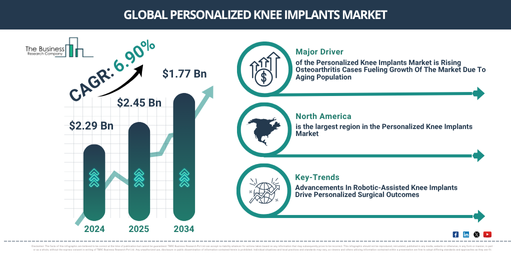
    In recent years, the personalized knee implants market has demonstrated significant expansion. This market is forecast to expand from $2.29 billion in 2024 to reach $2.45 billion by 2025, achieving a compound annual growth rate (CAGR) of 7.1%. Factors contributing to past market expansion include enhanced imaging and diagnostic methods, favorable government healthcare regulations, increased patient understanding of joint replacement choices, a surge in knee replacement procedures, and an elevated desire for superior post-surgical outcomes.

    The personalized knee implants market is projected to experience substantial growth in the upcoming years. Its valuation is expected to reach $3.20 billion by 2029, exhibiting a compound annual growth rate (CAGR) of 6.9%. This anticipated expansion over the forecast period is primarily driven by a heightened emphasis on patient-specific implant fit and alignment, an increased focus on rapid post-surgery recovery protocols, wider insurance coverage, a rise in sports-related and trauma knee injuries, and growing healthcare expenditure. Noteworthy trends during this period include the application of virtual reality for surgical training and planning, the use of wearable devices for monitoring post-surgery, augmented reality aiding in surgical assistance, and the integration of nanotechnology and remote patient monitoring with implants.

    Unlock Your Free Sample Report for Exclusive Market Data:

    https://www.thebusinessresearchcompany.com/sample.aspx?id=25874&type=smp

    Which Drivers Are Supporting Growth Of The Personalized Knee Implants Market?

    The rising prevalence of osteoarthritis is projected to stimulate the expansion of the personalized knee implants market moving forward. Osteoarthritis is defined as a degenerative joint condition where the cartilage cushioning bone ends gradually erodes, leading to pain, stiffness, and restricted joint movement. The increased incidence of osteoarthritis is attributed to the aging demographic, as the risk escalates with age due to the progressive wear and tear of joint cartilage. Personalized knee implants address osteoarthritis by offering a custom fit that corresponds to each patient’s unique anatomy, thereby improving joint alignment, alleviating pain, and enhancing mobility more effectively than standard implants. For instance, in June 2024, a report from the Australian Institute of Health and Welfare, an Australian-based government organization, stated that in Australia, osteoarthritis contributed to 143,410 disability-adjusted life years (DALYs) (4.46 per 1,000 people) in 2023 and 2,314 deaths (8.9 per 100,000) in 2022, accounting for 2.5% of the total disease burden and 1.2% of all deaths, respectively. Therefore, the growing occurrence of osteoarthritis is driving the growth of the personalized knee implants market.

    How Is The Personalized Knee Implants Market Classified Into Different Segments?

    The personalized knee implants market covered in this report is segmented –

    1) By Type: Femoral, Tibia, Patella

    2) By Fixation Material: Cemented, Cementless, Hybrid

    3) By Material: Metal-On-Plastic, Ceramic-On-Plastic, Metal-On-Metal, Ceramic-On-Ceramic

    4) By Procedure: Primary, Partial, Revision

    5) By End Use: Hospitals, Ambulatory Surgical Centers, Other End Uses

    Subsegments:

    1) By Femoral Type: Standard Femoral Implants, Customized Femoral Implants, Gender-Specific Femoral Implants

    2) By Tibia Type: Standard Tibial Implants, Customized Tibial Implants, Modular Tibial Baseplates

    3) By Patella Type: Standard Patellar Implants, Customized Patellar Implants, Patellar Resurfacing Implants

    What Are The Latest Industry Trends Transforming The Personalized Knee Implants Market?

    Major companies in the personalized knee implants market are increasingly emphasizing technological advancements, such as robotic-assisted total knee arthroplasty, to improve surgical precision, the accuracy of implant alignment, patient-specific customization, and overall clinical outcomes. Robotic-assisted total knee arthroplasty is a knee replacement surgery where a robotic system aids the surgeon in planning and executing the procedure with enhanced precision. As an illustration, in April 2025, THINK Surgical, Inc., a US-based supplier of robotic surgical systems, introduced and first implemented the Freedom Total Knee Implant, marking the initial utilization by Maxx Orthopedics with the TMINI miniature robotic system. The Freedom total knee implant provides extensive patient-specific customization while ensuring surgical efficiency. It incorporates a bone-preserving design, which reduces bone removal during implantation, and offers diverse sizing and configuration options to align with individual patient anatomy. This system accommodates both cemented and cementless fixation and includes an optimized polyethylene insert for superior wear resistance and fluid articulation. Its design aims to deliver natural knee kinematics, consistent stability across the full range of motion, and extended durability.

    Who Are The Prominent Global Companies Shaping The Personalized Knee Implants Market?

    Major companies operating in the personalized knee implants market are Stryker Corporation, DePuy Synthes Inc., Zimmer Biomet Holdings Inc., Smith & Nephew plc, Arthrex Inc., Stanmore Implants Worldwide Ltd, Globus Medical Inc., Exactech Inc., Medacta International SA, Corin Group PLC, MicroPort Orthopedics Inc., B. Braun Melsungen AG, LimaCorporate S.p.A., Baumer S.A., Waldemar Link GmbH & Co. KG, THINK Surgical Inc., Signature Orthopaedics Pty Ltd, Maxx Orthopedics Inc., restor3d Inc., NanoKnee LLC

    Download The Full Report For Exclusive Market Findings:

    https://www.thebusinessresearchcompany.com/report/personalized-knee-implants-global-market-report

    Which Region Currently Holds The Largest Share Of The Personalized Knee Implants Market?

    North America was the largest region in the personalized knee implants market in 2024. Asia-Pacific is expected to be the fastest-growing region in the forecast period. The regions covered in the personalized knee implants market report are Asia-Pacific, Western Europe, Eastern Europe, North America, South America, Middle East, Africa.

    Request A Customized Version Of The Personalized Knee Implants Market Report:

    https://www.thebusinessresearchcompany.com/customise?id=25874&type=smp

    Browse Through More Reports Similar to the Global Personalized Knee Implants Market 2025, By The Business Research Company

    Knee Implants Global Market Report 2025

    https://www.thebusinessresearchcompany.com/report/knee-implants-global-market-report

    Advanced Orthopedic Technologies Implants And Regenerative Products Global Market Report 2025

    https://www.thebusinessresearchcompany.com/report/advanced-orthopedic-technologies-implants-and-regenerative-products-global-market-report

    Pediatric Orthopedic Implants Global Market Report 2025

    https://www.thebusinessresearchcompany.com/report/pediatric-orthopedic-implants-global-market-report

    Get in touch with us:

    The Business Research Company: https://www.thebusinessresearchcompany.com/

    Americas +1 310-496-7795

    Asia +44 7882 955267 & +91 8897263534

    Europe +44 7882 955267

    Email us at info@tbrc.info

    Follow us on:

    LinkedIn: https://in.linkedin.com/company/the-business-research-company

    YouTube: https://www.youtube.com/channel/UC24_fI0rV8cR5DxlCpgmyFQ

    Global Market Model: https://www.thebusinessresearchcompany.com/global-market-model
  • Personalized Cranial Implant Industry Insights: Market Forecast to 2029

    Personalized Cranial Implant Industry Insights: Market Forecast to 2029

    Unlock Global Insights – Save 20% on Market Reports with Code ONLINE20

    How Is The Personalized Cranial Implant Market Size Likely To Evolve From 2025 Through 2034?

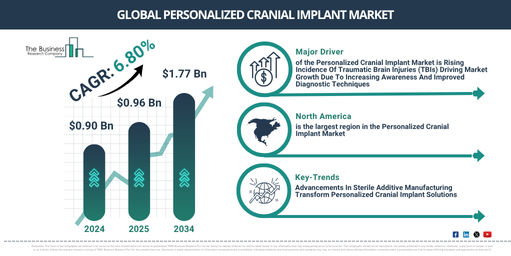
    The personalized cranial implant market size has experienced robust growth in recent years. It is forecast to expand from $0.90 billion in 2024 to $0.96 billion in 2025, exhibiting a compound annual growth rate (CAGR) of 7.1%. This historical growth can be attributed to a rise in traumatic brain injury cases, the increasing adoption of 3D printing in healthcare, an uptick in neurosurgical procedures, growing awareness regarding cranial reconstruction, and an escalating demand for aesthetic restoration following head trauma.

    The personalized cranial implant market is projected to experience substantial expansion in the coming years. This market is set to reach $1.25 billion by 2029, exhibiting a compound annual growth rate (CAGR) of 6.8%. Factors contributing to this anticipated growth include an expanding elderly demographic facing cranial defects, a heightened demand for patient-specific implants, increased healthcare investments within developing nations, the proliferation of neurorehabilitation facilities, and a wider adoption of biocompatible substances. Key developments expected during this period involve progress in 3D printing technologies, the creation of implant materials that are both biocompatible and lightweight, the incorporation of artificial intelligence into planning cranial surgeries, breakthroughs in surgical navigation systems, and ongoing research and development into regenerative solutions for cranial issues.

    Unlock Your Free Sample Report for Exclusive Market Data:

    https://www.thebusinessresearchcompany.com/sample.aspx?id=25873&type=smp

    Which Drivers Are Shaping The Personalized Cranial Implant Industry’s Market Share?

    An increasing occurrence of traumatic brain injuries (TBIs) is anticipated to drive the expansion of the personalized cranial implant market in the future. TBIs involve damage to the brain resulting from external mechanical forces. This rise in TBIs can be attributed to heightened public understanding of head injury dangers and improvements in medical diagnostic techniques. Personalized cranial implants play a crucial role in treating traumatic brain injuries by providing exact, custom-designed skull reconstruction, which enhances brain safety, aesthetics, and the patient’s recuperation process. For example, in 2024, data from the Tennessee Department of Health, a US-based government agency, indicated a 2.4% increase in the number of patients on the traumatic brain injury (TBI) registry in 2023 compared to 2022. Consequently, the increasing frequency of traumatic brain injuries (TBIs) along with cranial defects is stimulating growth within the personalized cranial implants market.

    What Are The Major Segments Identified In The Personalized Cranial Implant Market?

    The personalized cranial implant market covered in this report is segmented –

    1) By Implant Material: Titanium, Polymethylmethacrylate (PMMA), Polyether Ether Ketone (PEEK), Other Implant Materials

    2) By Indication: Traumatic Brain Injury, Oncology (Tumor Resection), Congenital Disorders, Infections, Cosmetic Or Deformity Correction

    3) By End Use: Hospitals, Ambulatory Surgical Centers, Other End Uses

    Subsegments:

    1) By Titanium: Pure Titanium, Titanium Alloy, Mesh Titanium Implants, Solid Titanium Plates

    2) By Polymethylmethacrylate: Preformed Polymethylmethacrylate Implants, Hand-Molded Polymethylmethacrylate, Custom Molded Polymethylmethacrylate, Antibiotic-Impregnated Polymethylmethacrylate

    3) By Polyether Ether Ketone: Standard Polyether Ether Ketone Implants, Reinforced Polyether Ether Ketone Implants, Three-Dimensionally Printed Polyether Ether Ketone Implants, Patient-Specific Polyether Ether Ketone Implants

    4) By Other Implant Materials: Ceramic Implants, Composite Material Implants, Bioactive Glass Implants, Bioresorbable Polymer Implants

    What Trends Are Redefining The Personalized Cranial Implant Market Dynamics?

    Leading companies in the personalized cranial implant market are focusing on advanced technologies like hospital-site sterile 3D printing to streamline production and enhance the delivery of patient-specific implants. This hospital-site sterile 3D printing technology involves utilizing specialized, cleanroom-compatible 3D printers that can fabricate medical-grade implants directly within healthcare facilities, thereby minimizing contamination risk and improving turnaround time. For example, in April 2024, 3D Systems, a US-based additive manufacturing company, launched the VSP PEEK Cranial Implant. This is a patient-specific cranial implant solution that uses high-performance PEEK material and an FDA-cleared 3D printing workflow, encompassing modeling software, a sterile-environment 3D printer, and a streamlined post-processing system. It is engineered to replicate the mechanical properties of human bone. The implant provides superior biocompatibility, radiolucency, and resistance to bodily fluids. The system reduces material usage by up to 85% compared to traditional machining, significantly lowering costs. Its sterile, hospital-site deployment allows for faster surgical planning and improved outcomes, positioning it as a transformative tool in neurosurgery and cranioplasty.

    Which Key Players Are Driving Competition In The Personalized Cranial Implant Market?

    Major companies operating in the personalized cranial implant market are Johnson & Johnson Services Inc., Medtronic PLC, Stryker Corporation, Zimmer Biomet Holdings Inc., Renishaw PLC, KLS Martin Group, B. Braun Melsungen AAG, Medartis Holding AG, CranioTech GmbH, evonos GmbH & Co. KG, Matrix Surgical USA LLC, Jeil Medical Corporation, Anatomics Pty Ltd., Calavera Surgical Design Inc., KELYNIAM Global Incorporated, Xilloc Medical B.V., INCREDIBLE AM Private Limited, Poriferous LLC, LUCID Implants Private Limited, Ortho Baltic Joint-Stock Company.

    Download The Full Report For Exclusive Market Findings:

    https://www.thebusinessresearchcompany.com/report/personalized-cranial-implant-global-market-report

    What Regional Growth Trends Are Shaping The Personalized Cranial Implant Market Outlook?

    North America was the largest region in the personalized cranial implant market in 2024. Asia-Pacific is expected to be the fastest-growing region in the forecast period. The regions covered in the personalized cranial implant market report are Asia-Pacific, Western Europe, Eastern Europe, North America, South America, Middle East, Africa.

    Request A Customized Version Of The Personalized Cranial Implant Market Report:

    https://www.thebusinessresearchcompany.com/customise?id=25873&type=smp

    Browse Through More Reports Similar to the Global Personalized Cranial Implant Market 2025, By The Business Research Company

    Cranial Implants Global Market Report 2025

    https://www.thebusinessresearchcompany.com/report/cranial-implants-global-market-report

    Neural Implants Global Market Report 2025

    https://www.thebusinessresearchcompany.com/report/neural-implants-global-market-report

    Facial Implants Global Market Report 2025

    https://www.thebusinessresearchcompany.com/report/facial-implants-global-market-report

    Get in touch with us:

    The Business Research Company: https://www.thebusinessresearchcompany.com/

    Americas +1 310-496-7795

    Asia +44 7882 955267 & +91 8897263534

    Europe +44 7882 955267

    Email us at info@tbrc.info

    Follow us on:

    LinkedIn: https://in.linkedin.com/company/the-business-research-company

    YouTube: https://www.youtube.com/channel/UC24_fI0rV8cR5DxlCpgmyFQ

    Global Market Model: https://www.thebusinessresearchcompany.com/global-market-model
  • Personal Protective Equipment For Infection Control Market Size and Growth Forecast for Businesses 2025–2029

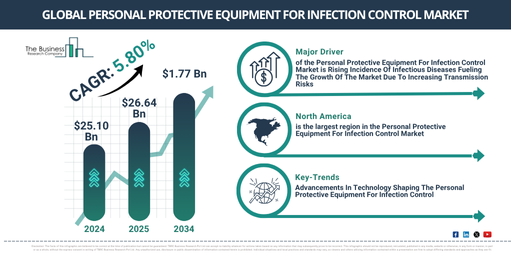
    Personal Protective Equipment For Infection Control Market Size and Growth Forecast for Businesses 2025–2029

    Unlock Global Insights – Save 20% on Market Reports with Code ONLINE20

    What Are The Growth Projections For The Personal Protective Equipment For Infection Control Market Size During 2025–2029?

    The personal protective equipment for infection control market size has shown significant expansion in recent years. It is anticipated to increase from $25.10 billion in 2024 to $26.64 billion in 2025, achieving a compound annual growth rate (CAGR) of 6.1%. The historical rise in this market can be linked to heightened worries about nosocomial infections, more rigorous workplace safety legislation, advancements in healthcare infrastructure, an uptick in surgical procedures, governmental efforts in stockpiling, and a surge in medical tourism.

    The personal protective equipment for infection control market is anticipated to witness significant expansion in the upcoming years. It is projected to climb to $33.43 billion by 2029, demonstrating a compound annual growth rate (CAGR) of 5.8%. This growth throughout the forecast period can be attributed to an aging global demographic, the rise of telehealth and home healthcare services, improved infection control measures, the proliferation of ambulatory surgical centers, and increased financial commitments to public health initiatives. Prominent trends expected in this period encompass the advancement of smart personal protective equipment, technological breakthroughs in PPE materials, innovation within infection control technologies, sophisticated filtration techniques, and integration with telehealth/IoT ecosystems.

    Unlock Your Free Sample Report for Exclusive Market Data:

    https://www.thebusinessresearchcompany.com/sample.aspx?id=25872&type=smp

    What Are The Drivers Pushing New Developments In The Personal Protective Equipment For Infection Control Market?

    The personal protective equipment for infection control market is anticipated to expand due to the increasing occurrence of infectious diseases. These diseases, which are ailments stemming from pathogenic microorganisms like bacteria, viruses, fungi, or parasites, are transmissible either directly or indirectly among individuals, or from animals or the environment to people. An uptick in infectious disease cases can be attributed to preferences for dense urban environments and a rise in international travel, both of which accelerate disease dissemination. Personal protective equipment (PPE) designed for infection control plays a crucial role in lowering the frequency of infectious diseases by enabling healthcare professionals and the general public to establish a physical defense against pathogens, thereby averting direct contact with infectious agents. For example, a report from the UK Health Security Agency, a UK-based government department, released in March 2025, indicated that in England, from 2023 to 2024, hospital admission rates for infectious diseases and infections were nearly twice as high for residents in the most deprived 20% of areas when compared to those in the least deprived areas. Additionally, GOV.UK, another UK-based government department, reported in February 2024 that the count of tuberculosis (TB) cases in England rose by 10.7%, increasing from 4,380 in 2022 to 4,850 in 2023. Consequently, the growing occurrence of infectious diseases is a key factor propelling the expansion of the personal protective equipment for infection control market.

    What Are The Emerging Segments Gaining Attention In The Personal Protective Equipment For Infection Control Market?

    The personal protective equipment for infection control market covered in this report is segmented –

    1) By Product Type: Gloves, Face Masks, Gowns And Coveralls, Eye Protection, Respirators

    2) By Material Type: Latex, Nitrile, Polyethylene, Polypropylene, Other Advanced Materials

    3) By Distribution Channel: Direct Sales, Online Retail, Traditional Retail, Catalog Sales, Wholesalers And Distributors

    4) By Application Area: Infection Prevention, Occupational Safety, Emergency Response, Aerosol Transmission Protection, Healthcare Settings

    5) By End-User: Hospitals, Ambulatory Surgical Centers, Pharmacies, Diagnostic Laboratories, Public Health Institutions

    Subsegments:

    1) By Gloves: Disposable Gloves, Sterile Gloves, Non-Sterile Gloves, Latex Gloves, Nitrile Gloves, Vinyl Gloves, Polyethylene Gloves

    2) By Face Masks: Surgical Masks, N95 Respirators, KN95 Masks, Cloth Masks, Respirator Masks With Valves, Face Shields

    3) By Gowns And Coveralls: Isolation Gowns, Surgical Gowns, Coveralls, Reusable Gowns, Disposable Gowns, Fluid-Resistant Gowns

    4) By Eye Protection: Safety Goggles, Face Shields, Protective Glasses, Prescription Safety Glasses

    5) By Respirators: Half-Face Respirators, Full-Face Respirators, Powered Air-Purifying Respirators (PAPR), Reusable Respirators, Disposable Respirators

    How Are Emerging Market Trends Shaping The Personal Protective Equipment For Infection Control Industry Landscape?

    Leading companies in the personal protective equipment for infection control market are prioritizing the development of innovative solutions, such as next-generation personal protective shields, to enhance user safety, improve comfort, and provide superior protection against airborne pathogens. These next-generation personal protective shields are advanced face and body shielding equipment engineered with improved materials, ergonomic designs, and enhanced protective features to offer superior defense against infectious agents. For example, in March 2025, Stryker Corporation, a US-based medical technology company, unveiled the Steri-Shield 8 personal protection system, which is a next-generation personal protective equipment (PPE) specifically designed for healthcare professionals. This system incorporates a customizable helmet with three points of contact for a secure and adjustable fit, and notably includes a unique ponytail path to accommodate users with long hair. It delivers enhanced visibility through a 22% wider field of vision and a brighter helmet light, in addition to a redesigned fan system that cools the front and back of the neck for increased comfort. The system also features three toga styles providing AAMI level 4 (2012) protection, ensuring the highest fluid and microbial barrier. Furthermore, it comes with a sleeker battery and a more efficient charging station, demonstrating Stryker’s dedication to innovation and user-centric design in PPE.

    Who Are The Top Performing Companies In The Personal Protective Equipment For Infection Control Market In Recent Years?

    Major companies operating in the personal protective equipment for infection control market are Cardinal Health Inc., Honeywell International Inc., 3M Company, Kimberly-Clark Corporation, Stryker Corporation, DuPont de Nemours Inc., STERIS plc, ELIS UK Limited, Ansell Limited, SHOWA Group, SAS Safety Corp., Moldex-Metric Inc., Uvex Arbeitsschutz GmbH, MEC Industries Inc., Alpha Pro Tech Ltd., Polyco Healthline Ltd., Berner International GmbH, Gateway Safety Inc., Plasti Surge Industries Pvt. Ltd., Phillips Safety Products Inc., Franz Mensch GmbH, Univet S.p.A., Dastex Reinraumzubehör GmbH & Co. KG

    Download The Full Report For Exclusive Market Findings:

    https://www.thebusinessresearchcompany.com/report/personal-protective-equipment-for-infection-control-global-market-report

    Which Regional Markets Are Contributing Most To The Personal Protective Equipment For Infection Control Industry Expansion?

    North America was the largest region in the personal protective equipment for infection control market in 2024. Asia-Pacific is expected to be the fastest-growing region in the forecast period. The regions covered in the personal protective equipment for infection control market report are Asia-Pacific, Western Europe, Eastern Europe, North America, South America, Middle East, Africa.

    Request A Customized Version Of The Personal Protective Equipment For Infection Control Market Report:

    https://www.thebusinessresearchcompany.com/customise?id=25872&type=smp

    Browse Through More Reports Similar to the Global Personal Protective Equipment For Infection Control Market 2025, By The Business Research Company

    Infection Control Supplies Global Market Report 2025

    https://www.thebusinessresearchcompany.com/report/infection-control-supplies-global-market-report

    Infection Control Global Market Report 2025

    https://www.thebusinessresearchcompany.com/report/infection-control-global-market-report

    Law Enforcement Personal Protective Equipment Global Market Report 2025

    https://www.thebusinessresearchcompany.com/report/law-enforcement-personal-protective-equipment-global-market-report

    Get in touch with us:

    The Business Research Company: https://www.thebusinessresearchcompany.com/

    Americas +1 310-496-7795

    Asia +44 7882 955267 & +91 8897263534

    Europe +44 7882 955267

    Email us at info@tbrc.info

    Follow us on:

    LinkedIn: https://in.linkedin.com/company/the-business-research-company

    YouTube: https://www.youtube.com/channel/UC24_fI0rV8cR5DxlCpgmyFQ

    Global Market Model: https://www.thebusinessresearchcompany.com/global-market-model