Category: Medical Equipment

  • Fluorescent In Situ Hybridization Probe Market Expansion Outlook: $2.23 Billion by 2029 Forecast

    Fluorescent In Situ Hybridization Probe Market Expansion Outlook: $2.23 Billion by 2029 Forecast

    Unlock Global Insights – Save 20% on Market Reports with Code ONLINE20

    #What Is The Projected Market Size Of The Fluorescent In Situ Hybridization Probe Market By 2029?

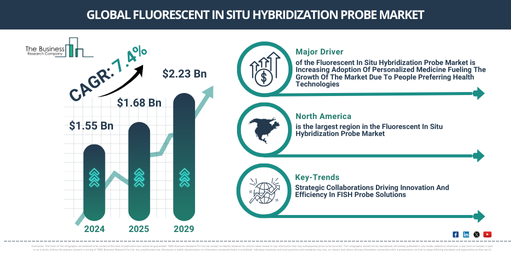
    The fluorescent in situ hybridization probe market has shown strong expansion in recent years. It is anticipated to increase from $1.55 billion in 2024 to $1.68 billion in 2025, growing at a compound annual growth rate (CAGR) of 7.8%. The historical growth of this market can be attributed to the rising adoption of cytogenetic analysis in prenatal screening, an increase in academic research focusing on chromosomal abnormalities, the expanding use of FISH in identifying microbes, a rise in government-funded genomics research efforts, and the enhanced capabilities of pathology laboratories.

    The fluorescent in situ hybridization probe market is projected to experience robust expansion in the coming years. Its valuation is anticipated to reach $2.23 billion by 2029, exhibiting a compound annual growth rate (CAGR) of 7.4%. This anticipated growth during the forecast period is fueled by several factors, including the increasing integration in research and diagnostic applications, a heightened need for multiplexed probe solutions for diagnosing rare diseases, an intensified emphasis on automation within cytogenetic testing procedures, the expanding utility of FISH in liquid biopsy, and its broadening application in plant and animal genomics research. Key trends anticipated during the same period encompass enhancements in probe signal amplification methods, the creation of nano-enabled FISH platforms, breakthroughs in automation-friendly FISH assay kits, sophisticated applications of machine learning in probe design, and the broader implementation of 3D FISH imaging.

    Unlock Your Free Sample Report for Exclusive Market Data:

    https://www.thebusinessresearchcompany.com/sample.aspx?id=27289&type=smp

    Which Factors And Drivers Are Influencing The Fluorescent In Situ Hybridization Probe Market In 2025?

    The fluorescent in situ hybridization probe market is anticipated to expand due to the growing acceptance of personalized medicine. Personalized medicine is a healthcare approach that leverages an individual’s genetic and lifestyle data to customize treatments and care plans. The rising uptake of personalized medicine stems from individuals favoring health technologies that provide real-time monitoring and treatment strategies tailored to their distinct biological makeup. Fluorescent in situ hybridization (FISH) probes play a crucial role in personalized medicine by accurately identifying genetic irregularities at the chromosomal level, thus informing customized treatment choices aligned with an individual’s specific genetic profile. As an illustration, in February 2023, the Personalized Medicine Coalition, a US-based professional membership organization, reported that in 2022, the approval of 12 new personalized medicines constituted roughly 34% of all newly approved therapies, demonstrating a significant rise compared to prior years. Consequently, the expanding adoption of personalized medicine is fueling the growth of the fluorescent in situ hybridization probe market.

    How Is The Fluorescent In Situ Hybridization Probe Market Segmented?

    The fluorescent in situ hybridization probe market covered in this report is segmented

    1) By Type: Deoxyribonucleic Acid (DNA) Probes, Ribonucleic Acid (RNA) Probes, Multiplex Probes

    2) By Target: Genes, Chromosomes, Other Targets

    3) By Technology: Single-Color Fluorescence In Situ Hybridization (FISH), Multiplex Fluorescence In Situ Hybridization (FISH), Quantitative Fluorescence In Situ Hybridization (FISH), Others Technologies

    4) By Application: Clinical Diagnostics, Research Applications, Agricultural Biotechnology, Pharmaceutical Research, Genetic Research

    5) By End User: Hospitals And Clinics, Research Laboratories, Pharmaceutical Companies, Biotechnology Companies

    Subsegments:

    1) By Deoxyribonucleic Acid (DNA) Probes: Centromeric Probes, Telomeric Probes, Whole Chromosome Paint Probes, Locus-Specific Identifier (LSI) Probes, Comparative Genomic Hybridization (CGH) Probes, Gene Fusion Probes

    2) By Ribonucleic Acid (RNA) Probes: mRNA Probes, Long Non-Coding RNA (lncRNA) Probes, MicroRNA (miRNA) Probes, Single-Molecule RNA FISH Probes (smFISH), Circular RNA (circRNA) Probes, Multiplexed Error-Robust FISH (MERFISH) Probes

    3) By Multiplex Probes: Multicolor DNA FISH Probes, Multigene Expression Analysis Probes, High-Throughput Screening Probes, Multiplex smFISH Probes, Combinatorial Barcoded Probes, Simultaneous DNA/RNA Detection Probes

    Which Market Trends Are Creating New Opportunities In The Fluorescent In Situ Hybridization Probe Industry?

    Leading companies in the fluorescent in situ hybridization probe market are concentrating on forming strategic collaborations to gain access to new markets, technologies, or expertise that would otherwise be difficult or costly to acquire independently. A strategic collaboration signifies a planned partnership between two or more entities that work together by combining their strengths and resources to achieve shared long-term objectives and mutual benefits. For example, in April 2025, Empire Genomics, a US-based molecular diagnostics company, partnered with BioDot, a US-based provider of precision dispensing automation, to introduce the BDot Probe Line. The BDot Probe Line offers a unique solution by delivering FISH probes that are pre-optimized for automated systems, tackling a critical challenge in clinical cytogenetics and molecular pathology laboratories. These probes are engineered for direct use without requiring manual adjustments, ensuring seamless operation with the Biodot CellWriter S system. This innovation decreases the need for technician intervention, streamlines workflows, and shortens the turnaround time for results. The initial range of BDot Probe Panels supports FISH analysis for a broad spectrum of blood-related cancers, including MM, MDS, CML, AML, ALL, and other common hematologic conditions.

    Which Leading Companies Dominate The Fluorescent In Situ Hybridization Probe Market Share?

    Major companies operating in the fluorescent in situ hybridization probe market are Thermo Fisher Scientific Inc., Abbott Laboratories, Oxford Gene Technology IP Limited, Sigma-Aldrich Co. LLC, Agilent Technologies Inc., Bio-Rad Laboratories Inc., QIAGEN N.V., Leica Biosystems Nussloch GmbH, Biocare Medical LLC, Enzo Biochem Inc., LGC Biosearch Technologies, ZytoVision GmbH, Creative Biolabs Inc., Empire Genomics LLC, MetaSystems GmbH, Abnova Corporation, Mirus Bio LLC, Genemed Biotechnologies Inc., Molecular Instruments Inc., and Cytocell Technologies Limited.

    Download The Full Report For Exclusive Market Findings:

    https://www.thebusinessresearchcompany.com/report/fluorescent-in-situ-hybridization-probe-global-market-report

    How Does The Fluorescent In Situ Hybridization Probe Market Perform Across Key Geographic Regions?

    North America was the largest region in the fluorescent in situ hybridization probe market in 2024. Asia-Pacific is expected to be the fastest-growing region in the forecast period. The regions covered in the fluorescent in situ hybridization probe market report are Asia-Pacific, Western Europe, Eastern Europe, North America, South America, Middle East, Africa.

    Request A Customized Version Of The Fluorescent In Situ Hybridization Probe Market Report:

    https://www.thebusinessresearchcompany.com/customise?id=27289&type=smp

    Browse Through More Reports Similar to the Global Fluorescent In Situ Hybridization Probe Market 2025, By The Business Research Company

    Insurance Global Market Report 2025

    https://www.thebusinessresearchcompany.com/report/insurance-global-market-report

    Motor Insurance Global Market Report 2025

    https://www.thebusinessresearchcompany.com/report/motor-insurance-global-market-report

    Home Insurance Global Market Report 2025

    https://www.thebusinessresearchcompany.com/report/home-insurance-global-market-report

    Get in touch with us:

    The Business Research Company: https://www.thebusinessresearchcompany.com/

    Americas +1 310-496-7795

    Asia +44 7882 955267 & +91 8897263534

    Europe +44 7882 955267

    Email us at info@tbrc.info

    Follow us on:

    LinkedIn: https://in.linkedin.com/company/the-business-research-company

    YouTube: https://www.youtube.com/channel/UC24_fI0rV8cR5DxlCpgmyFQ

    Global Market Model: https://www.thebusinessresearchcompany.com/global-market-model

  • Global Fluid-Cooled Radiofrequency Ablation Industry Trends: Where the Market Is Headed by 2029

    Global Fluid-Cooled Radiofrequency Ablation Industry Trends: Where the Market Is Headed by 2029

    Unlock Global Insights – Save 20% on Market Reports with Code ONLINE20

    How Much Was The Fluid-Cooled Radiofrequency Ablation Market Worth In 2025, And What Is Its Anticipated Value By 2029?

    The fluid-cooled radiofrequency ablation market has seen substantial growth recently. This market is forecast to expand from $2.55 billion in 2024 to $2.79 billion in 2025, at a compound annual growth rate (CAGR) of 9.6%. Historically, this growth has been driven by several factors, including the increasing incidence of cancer-related bone metastases, greater awareness among physicians and patients, a heightened demand for outpatient procedures, the expanding geriatric population, and the growing integration of imaging and navigation technologies.

    The market for fluid-cooled radiofrequency ablation is projected to experience substantial expansion in the coming years. This market is anticipated to reach $3.98 billion by 2029, exhibiting a compound annual growth rate (CAGR) of 9.2%. Factors contributing to this growth during the forecast timeframe include an increase in the number of trained interventional radiologists and pain specialists, expanding capacity in hospitals and specialty clinics, broader application in treating spinal pain and facet joint issues, heightened competition among medical device manufacturers, and a growing inclination among patients for non-pharmacological approaches to pain management. Key trends anticipated within this period encompass improvements in internally-cooled electrode designs, the incorporation of real-time temperature and impedance tracking, progress in catheter-based delivery mechanisms, innovations in feedback-controlled ablation systems, and the merging of this technology with robotic-assisted surgical platforms.

    Unlock Your Free Sample Report for Exclusive Market Data:

    https://www.thebusinessresearchcompany.com/sample.aspx?id=27288&type=smp

    What Are The Key Drivers Of Growth In The Fluid-Cooled Radiofrequency Ablation Market?

    The increasing prevalence of chronic diseases is projected to stimulate the expansion of the fluid-cooled radiofrequency ablation market in the future. Chronic diseases are persistent health conditions that typically last a year or more, demanding ongoing medical attention and potentially restricting daily activities. The aging global population is contributing to the rise in chronic diseases, as older individuals are more susceptible to long-term health issues. Fluid-cooled radiofrequency ablation aids in managing chronic diseases by applying precise heat to nerve tissues to interrupt pain signals, thereby delivering extended relief for conditions such as chronic back pain and arthritis. For instance, in June 2024, according to the Australian Institute of Health and Welfare, an Australia-based government agency, in 2022 chronic obstructive pulmonary disease (COPD) accounted for 7,691 deaths, or 29.6 per 100,000 population, representing 4.0% of all fatalities. Hence, the rising incidence of chronic diseases is propelling the growth of the fluid-cooled radiofrequency ablation market.

    What Are The Key Segments In The Fluid-Cooled Radiofrequency Ablation Market?

    The fluid-cooled radiofrequency ablation market covered in this report is segmented

    1) By Product Type: Radiofrequency Ablation Devices, Accessory Products, Fluid-Cooling Systems

    2) By Technology: Integrated Imaging Technology, Real-Time Feedback Systems

    3) By Target Tissue: Solid Tumors, Soft Tissue Tumors, Bone Tumors

    4) By Application: Cardiology, Oncology, Pain Management, Urology, Other Applications

    5) By End-User: Hospitals, Ambulatory Surgical Centers, Specialty Clinics, Other End Users

    Subsegments:

    1) By Radiofrequency Ablation Devices: Monopolar Radiofrequency Ablation Devices, Bipolar Radiofrequency Ablation Devices, Internally Cooled Radiofrequency Ablation Devices

    2) By Accessory Products: Radiofrequency Ablation Catheters, Radiofrequency Ablation Electrodes, Introducers And Sheaths

    3) By Fluid-Cooling Systems: Peristaltic Pump Systems, Closed-Loop Cooling Systems, Disposable Tubing Sets

    How Are Trends Influencing The Fluid-Cooled Radiofrequency Ablation Market?

    Leading companies in the fluid-cooled radiofrequency ablation market are concentrating on developing innovative products, such as internally cooled radiofrequency ablation systems, to enhance heat dissipation, improve procedural precision, and reduce damage to surrounding healthy tissues. These internally cooled radiofrequency ablation systems are medical devices that deliver RF energy to ablate tissue by circulating fluid inside the electrode, which prevents overheating and allows for deeper, more effective treatment. In March 2024, Medtronic Plc secured FDA 510(k) clearance for its OsteoCool 2.0 bone tumor ablation system, designed to refine the treatment of painful bone tumors with increased precision and efficiency. The system facilitates the simultaneous application of four internally cooled probes, enabling the ablation of multiple vertebral bodies or the creation of larger ablation zones. Delivering 20 watts per channel, it is recognized as the most powerful bone tumor ablation system on the market, thereby improving tumor destruction efficiency. Its internal water-cooling technology ensures predictable ablations while minimizing the risk of overheating surrounding tissues, making treatments safer. The OsteoCool 2.0 is designed to offer effective pain relief and palliative care for malignant bone metastases and benign tumors, such as osteoid osteoma, ultimately improving patient outcomes through minimally invasive procedures.

    Who Are The Major Companies Operating In The Fluid-Cooled Radiofrequency Ablation Market?

    Major companies operating in the fluid-cooled radiofrequency ablation market are Johnson & Johnson, Abbott Laboratories, Medtronic plc, Stryker Corporation, Boston Scientific Corporation, Olympus Corporation, CONMED Corporation, Lepu Medical Technology, MicroPort Scientific Corporation, Avanos Medical, Japan Lifeline Co. Ltd., AtriCure Inc, AngioDynamics, SyMap Medical, CardioFocus Inc, Imricor Medical Systems Inc., Stereotaxis Inc., Autonomix Medical, Innoblative Designs Inc, livetec Ingenieurbüro GmbH.

    Download The Full Report For Exclusive Market Findings:

    https://www.thebusinessresearchcompany.com/report/fluid-cooled-radiofrequency-ablation-global-market-report

    Which Region Is Expected To Witness The Fastest Growth In The Fluid-Cooled Radiofrequency Ablation Market?

    North America was the largest region in the fluid-cooled radiofrequency ablation market in 2024. Asia-Pacific is expected to be the fastest-growing region in the forecast period. The regions covered in the fluid-cooled radiofrequency ablation market report are Asia-Pacific, Western Europe, Eastern Europe, North America, South America, Middle East, Africa.

    Request A Customized Version Of The Fluid-Cooled Radiofrequency Ablation Market Report:

    https://www.thebusinessresearchcompany.com/customise?id=27288&type=smp

    Browse Through More Reports Similar to the Global Fluid-Cooled Radiofrequency Ablation Market 2025, By The Business Research Company

    Bioplastics Global Market Report 2025

    https://www.thebusinessresearchcompany.com/report/bioplastics-global-market-report

    Bioplastics And Biopolymers Global Market Report 2025

    https://www.thebusinessresearchcompany.com/report/bioplastics-and-biopolymers-global-market-report

    Medical Plastics Global Market Report 2025

    https://www.thebusinessresearchcompany.com/report/medical-plastics-global-market-report

    Get in touch with us:

    The Business Research Company: https://www.thebusinessresearchcompany.com/

    Americas +1 310-496-7795

    Asia +44 7882 955267 & +91 8897263534

    Europe +44 7882 955267

    Email us at info@tbrc.info

    Follow us on:

    LinkedIn: https://in.linkedin.com/company/the-business-research-company

    YouTube: https://www.youtube.com/channel/UC24_fI0rV8cR5DxlCpgmyFQ

    Global Market Model: https://www.thebusinessresearchcompany.com/global-market-model

  • Global Fluid Aspiration Systems Market Trends and Growth Analysis 2025–2029

    Global Fluid Aspiration Systems Market Trends and Growth Analysis 2025–2029

    Unlock Global Insights – Save 20% on Market Reports with Code ONLINE20

    How Does The Market Size Of The Fluid Aspiration Systems Industry Compare Between 2025 And 2029?

    The fluid aspiration systems market has seen considerable growth in recent years. It is forecast to expand from $1.18 billion in 2024 to $1.28 billion in 2025, exhibiting a compound annual growth rate (CAGR) of 8.9%. Throughout the historical period, this expansion can be attributed to several factors, including a surging demand for laboratory automation, an increasing volume of diagnostic procedures, wider adoption in clinical research settings, heightened awareness regarding fluid handling safety, and a stronger emphasis on infection control.

    The fluid aspiration systems market is anticipated to undergo significant expansion over the next few years. It is projected to achieve a value of $1.79 billion by 2029, exhibiting a compound annual growth rate (CAGR) of 8.6%. This growth during the forecast period is primarily driven by the increasing prevalence of chronic diseases, wider adoption in biotechnology applications, growing investment in healthcare infrastructure, expanded use in stem cell and regenerative medicine, and intensified research within biotechnology. Notable trends anticipated for this period include technological advancements in automated aspiration devices, innovations in ergonomic system design, developments in multi-channel aspiration technologies, increased investment in compact and portable aspiration units, and the emergence of smart aspiration control platforms.

    Unlock Your Free Sample Report for Exclusive Market Data:

    https://www.thebusinessresearchcompany.com/sample.aspx?id=27287&type=smp

    Which Industry Drivers Are Expected To Accelerate The Fluid Aspiration Systems Market From 2025 To 2029?

    The escalating requirement for minimally invasive surgical procedures is anticipated to stimulate the expansion of the fluid aspiration systems market moving ahead. These procedures involve operations conducted through small incisions, employing specialized instruments like cameras, to minimize damage to the body compared to conventional open surgery. The growing appeal of minimally invasive surgical procedures is fueled by benefits such as quicker recovery times, enabling patients to heal rapidly, reduce hospital stays, and return to their normal routines sooner than with traditional surgery. Fluid aspiration systems play a crucial role by effectively clearing blood, bodily fluids, and debris from the surgical site during these procedures, which helps maintain clear visibility and reduces the necessity for larger incisions. As an illustration, in June 2024, the American Society of Plastic Surgeons, a US-based organization of board-certified plastic surgeons, reported that minimally invasive procedures experienced a 7% surge in 2023, with the overall count surpassing 25 million. Hence, the increasing demand for minimally invasive surgical procedures is a key driver for the growth of the fluid aspiration systems market.

    What Are The Major Segment Types Covered In The Fluid Aspiration Systems Market?

    The fluid aspiration systems market covered in this report is segmented

    1) By Product Type: Manual Fluid Aspiration Systems, Automatic Fluid Aspiration Systems, Electromechanical Fluid Aspiration Systems, Use Specific Fluid Aspiration Systems

    2) By Material Type: Plastic, Metal, Glass, Biocompatible Materials

    3) By Distribution Channel: Direct Sales, Online Retail, Distributors, Wholesale Suppliers

    4) By Application: Healthcare, Medical Research, Industrial Applications, Aquaculture

    5) By End User: Hospitals, Diagnostic Laboratories, Research Institutes, Other End Users

    Subsegments:

    1) By Manual Fluid Aspiration Systems: Syringe-Based Aspirators, Manual Vacuum Pumps, Handheld Suction Devices, Disposable Aspiration Kits

    2) By Automatic Fluid Aspiration Systems: Motorized Vacuum Aspirators, Programmable Suction Units, Closed-Loop Aspiration Systems, High-Throughput Suction Systems

    3) By Electromechanical Fluid Aspiration Systems: Peristaltic Pump Aspirators, Diaphragm Pump Systems, Gear-Driven Aspiration Units, Integrated Aspiration And Dispensing Modules

    4) By Use-Specific Fluid Aspiration Systems: Surgical Aspiration Systems, Laboratory Aspiration Systems, Dental Fluid Suction Devices, Endoscopic Suction Systems, Obstetric Or Gynecological Aspiration Devices

    What Key Innovation Trends Are Fueling Advancements In The Fluid Aspiration Systems Market?

    Leading companies in the fluid aspiration systems market are concentrating on developing sophisticated technologies, such as continuous vacuum-assisted clearance (CVAC) technology, to improve stone clearance efficiency while preserving safe intrarenal pressure during endourological procedures. Continuous vacuum-assisted clearance (CVAC) technology represents an advanced fluid aspiration mechanism utilized during endourological procedures, facilitating the constant removal of stone fragments and irrigation fluid through controlled suction. For instance, in March 2025, Calyxo Inc., a U.S.-based provider of vacuum-assisted retrieval devices, introduced the Continuous Vacuum-Assisted Clearance (CVAC) System, which effectively removes stone fragments and irrigation fluid during endourological procedures. The CVAC system presents advanced capabilities that differentiate it from traditional aspiration methods. It integrates a continuous vacuum mechanism that actively extracts stone fragments and irrigation fluid in real-time, considerably enhancing procedural efficiency. Unlike conventional systems, the CVAC System maintains consistent and safe intrarenal pressure throughout the procedure, thereby lowering the risk of renal trauma and postoperative complications. Its closed-loop aspiration design allows for efficient fragment evacuation without compromising visibility or procedural control. These innovations collectively contribute to quicker stone clearance, improved safety profiles, and better patient outcomes.

    Which Global Market Leaders Are Shaping The Future Of The Fluid Aspiration Systems Sector?

    Major companies operating in the fluid aspiration systems market are Olympus Corporation, Drägerwerk AG & Co. KGaA, Teleflex Incorporated, Cook Medical LLC, Merit Medical Systems Inc., Penumbra Inc., Hamilton Company, DeRoyal Industries Inc., SKAN AG, INTEGRA Biosciences AG, Gilson Inc., Labconco Corporation, Weinmann Emergency Medical Technology GmbH & Co. KG, Clements Medical Equipment Pty Ltd., Vacuubrand GmbH & Co. KG, KNF Group, Nouvag AG, Haeberle GmbH & Co. KG, Hospitech Respiration Ltd., and Welch Vacuum Technology.

    Download The Full Report For Exclusive Market Findings:

    https://www.thebusinessresearchcompany.com/report/fluid-aspiration-systems-global-market-report

    How Does The Fluid Aspiration Systems Market Perform Across Key Geographic Regions?

    North America was the largest region in the fluid aspiration systems market in 2024. Asia-Pacific is expected to be the fastest-growing region in the forecast period. The regions covered in the fluid aspiration systems market report are Asia-Pacific, Western Europe, Eastern Europe, North America, South America, Middle East, Africa.

    Request A Customized Version Of The Fluid Aspiration Systems Market Report:

    https://www.thebusinessresearchcompany.com/customise?id=27287&type=smp

    Browse Through More Reports Similar to the Global Fluid Aspiration Systems Market 2025, By The Business Research Company

    Mechanical Control Cable Global Market Report 2025

    https://www.thebusinessresearchcompany.com/report/mechanical-control-cable-global-market-report

    Medium Voltage Cable Global Market Report 2025

    https://www.thebusinessresearchcompany.com/report/medium-voltage-cable-global-market-report

    Industrial Automation Cable Global Market Report 2025

    https://www.thebusinessresearchcompany.com/report/industrial-automation-cable-global-market-report

    Get in touch with us:

    The Business Research Company: https://www.thebusinessresearchcompany.com/

    Americas +1 310-496-7795

    Asia +44 7882 955267 & +91 8897263534

    Europe +44 7882 955267

    Email us at info@tbrc.info

    Follow us on:

    LinkedIn: https://in.linkedin.com/company/the-business-research-company

    YouTube: https://www.youtube.com/channel/UC24_fI0rV8cR5DxlCpgmyFQ

    Global Market Model: https://www.thebusinessresearchcompany.com/global-market-model
  • Epigenetics Diagnostics Market Forecast: What to Expect by 2029

    Epigenetics Diagnostics Market Forecast: What to Expect by 2029

    Unlock Global Insights – Save 20% on Market Reports with Code ONLINE20

    What Is The Predicted Market Size Trajectory For The Epigenetics Diagnostics Market From 2025 To 2034?

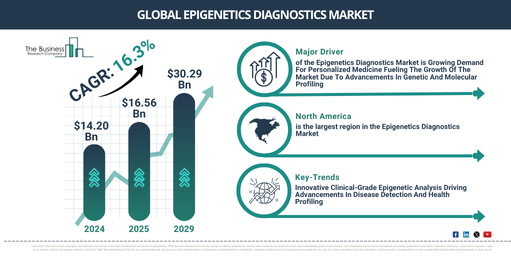
    The epigenetics diagnostics market has experienced rapid growth in recent years. It is projected to expand from $14.20 billion in 2024 to $16.56 billion in 2025, at a compound annual growth rate (CAGR) of 16.6%. The market’s historical growth can be attributed to a rise in research funding for epigenetic studies, growth in government initiatives, a rise in the aging population, an increasing prevalence of neurological disorders, and an increasing number of clinical trials.

    The epigenetics diagnostics market is projected to experience substantial expansion in the coming years. This market is forecast to reach $30.29 billion by 2029, demonstrating a compound annual growth rate (CAGR) of 16.3%. This anticipated growth during the forecast period is primarily driven by factors such as the increasing need for personalized and precision medicine, the heightened demand for liquid biopsy procedures, and the expanding requirement for non-invasive diagnostic approaches. Key trends anticipated within this period encompass ongoing technological progress, innovations in liquid biopsy, the adoption of whole-genome bisulfite sequencing, the application of deep learning for discovering biomarkers, and the greater integration with personalized medicine.

    Unlock Your Free Sample Report for Exclusive Market Data:

    https://www.thebusinessresearchcompany.com/sample.aspx?id=27286&type=smp

    What Are The Top Growth Drivers Impacting The Epigenetics Diagnostics Market Outlook?

    The epigenetics diagnostics market is anticipated to expand due to the escalating requirement for personalized medicine. This approach involves tailoring medical treatments according to an individual’s genetic composition, biological characteristics, and lifestyle. The growing need for personalized medicine is driven by advancements in genetic and molecular profiling, enabling the creation of treatments specifically adapted to an individual’s unique biological makeup, thereby enhancing their effectiveness and reducing undesirable side effects. Epigenetics diagnostics supports personalized medicine by identifying distinct epigenetic patterns that guide the development of customized prevention and treatment strategies for optimal patient results. For example, in February 2024, the Personalized Medicine Coalition, a US-based non-profit organization, reported that the FDA approved 16 new personalized therapies for patients with rare diseases in 2023, an increase from six in 2022. Therefore, the increasing demand for personalized medicine is a key factor propelling the expansion of the epigenetics diagnostics market.

    What Are The Major Segment Categories Driving The Epigenetics Diagnostics Market Growth?

    The epigenetics diagnostics market covered in this report is segmented

    1) By Product: Kits And Reagents, Software And Services, Instruments

    2) By Technology: Deoxyribonucleic Acid (DNA) Methylation, Histone Methylation, Histone Acetylation, Large NonCoding, Ribonucleic Acid (RNA), Micro Ribonucleic Acid (RNA) Modification, Chromatin Structures

    3) By Application: Oncology, Metabolic Diseases, Developmental Biology, Immunology, Cardiovascular Diseases, Other Applications

    4) By End User: Pharmaceutical And Biotechnology firms, Academic And Research Institutes, Clinical Diagnostic Laboratories

    Subsegments:

    1) By Kits and Reagents: Deoxyribonucleic Acid Methylation Kits, Histone Modification Kits, Chromatin Accessibility Kits, Bisulfite Conversion Kits, Polymerase Chain Reaction Reagents, Antibodies and Probes, Enzymes and Buffers

    2) By Software and Services: Data Analysis Software, Bioinformatics Services, Epigenetic Data Interpretation, Cloud-based Data Storage, Custom Assay Development, Validation and Consulting Services

    3) By Instruments: Next-Generation Sequencers, Microarray Systems, Polymerase Chain Reaction and Quantitative Polymerase Chain Reaction Instruments, Mass Spectrometry Systems, Imaging Systems, Automation and Liquid Handling Systems

    Which Ongoing Trends Are Expected To Shape The Epigenetics Diagnostics Market Outlook?

    Companies operating within the epigenetics diagnostics market are dedicated to pioneering novel methodologies, such as clinical-grade epigenetic analysis, aimed at improving the precision, responsiveness, and clinical applicability of identifying epigenetic modifications linked to diseases. Clinical-grade epigenetic analysis denotes the application of validated and standardized procedures for detecting epigenetic shifts with the degree of accuracy and dependability essential for clinical diagnoses and treatment planning. As an example, in October 2024, EpiMedTech, a Singapore-based biotechnology company, launched epiGeneComplete. This clinical-grade assessment merges genetic and epigenetic insights by utilizing next-generation sequencing and advanced DNA methylation techniques to offer thorough understanding of vital health aspects like aging, stress, inflammation, addiction risk, and metabolism. Carried out in CAP-accredited laboratories, this non-invasive, saliva-based assay provides excellent sensitivity and accuracy, enables tailored health profiling, and is constructed as a flexible, expandable platform for future diagnostic developments, representing a significant stride in routine health evaluations and early illness detection.

    Which Industry Leaders Are Driving Innovation Across The Epigenetics Diagnostics Market?

    Major companies operating in the epigenetics diagnostics market are F. Hoffmann-La Roche Ltd., Merck KGaA, Thermo Fisher Scientific Inc., Agilent Technologies Inc., Illumina Inc., PerkinElmer Inc., Bio-Rad Laboratories Inc., QIAGEN N.V., GeneTex Inc., Bio-Techne Corporation, Promega Corporation, New England Biolabs Incorporated, Pacific Biosciences of California Inc., Enzo Biochem Inc., Diagenode Société Anonyme, Zymo Research Corporation, Active Motif Inc., ADmit Therapeutics SL, Epigentek Group Inc., and INHERENT Biosciences Inc.

    Download The Full Report For Exclusive Market Findings:

    https://www.thebusinessresearchcompany.com/report/epigenetics-diagnostics-global-market-report

    Which Region Is Expected To Witness The Fastest Growth In The Epigenetics Diagnostics Market?

    North America was the largest region in the epigenetics diagnostics market in 2024. Asia-Pacific is expected to be the fastest-growing region in the forecast period. The regions covered in the epigenetics diagnostics market report are Asia-Pacific, Western Europe, Eastern Europe, North America, South America, Middle East, Africa.

    Request A Customized Version Of The Epigenetics Diagnostics Market Report:

    https://www.thebusinessresearchcompany.com/customise?id=27286&type=smp

    Browse Through More Reports Similar to the Global Epigenetics Diagnostics Market 2025, By The Business Research Company

    Online Trading Platform Market 2025

    https://www.thebusinessresearchcompany.com/report/online-trading-platform-market

    Microfinance Global Market Report 2025

    https://www.thebusinessresearchcompany.com/report/microfinance-global-market-report

    Cloud Based Financial Platform Global Market Report 2025

    https://www.thebusinessresearchcompany.com/report/cloud-based-financial-platform-global-market-report

    Get in touch with us:

    The Business Research Company: https://www.thebusinessresearchcompany.com/

    Americas +1 310-496-7795

    Asia +44 7882 955267 & +91 8897263534

    Europe +44 7882 955267

    Email us at info@tbrc.info

    Follow us on:

    LinkedIn: https://in.linkedin.com/company/the-business-research-company

    YouTube: https://www.youtube.com/channel/UC24_fI0rV8cR5DxlCpgmyFQ

    Global Market Model: https://www.thebusinessresearchcompany.com/global-market-model

  • Endoscopic Ultrasound (EUS)-Guided Fine Needle Aspiration Industry Insights: Market Forecast to 2029

    Endoscopic Ultrasound (EUS)-Guided Fine Needle Aspiration Industry Insights: Market Forecast to 2029

    Unlock Global Insights – Save 20% on Market Reports with Code ONLINE20

    How Much Larger Is The Endoscopic Ultrasound (EUS)-Guided Fine Needle Aspiration Market Expected To Become By 2029 Compared With Its 2025 Level?

    The endoscopic ultrasound (EUS)-guided fine needle aspiration market size has shown significant expansion in recent years. This market is set to increase from $0.64 billion in 2024 to $0.70 billion in 2025, achieving a compound annual growth rate (CAGR) of 9.1%. Over the past period, this growth can be ascribed to the rising incidence of gastrointestinal cancers, an escalating demand for diagnostic procedures that are minimally invasive, heightened awareness regarding the early detection of cancer, increased utilization within academic and research institutions, and an expanding elderly demographic experiencing chronic illnesses.

    The market for endoscopic ultrasound (EUS)-guided fine needle aspiration is projected to experience substantial expansion in the coming years. This market is set to reach $0.98 billion by 2029, exhibiting a compound annual growth rate (CAGR) of 8.7%. This anticipated growth during the forecast period is driven by several factors, including the escalating requirement for real-time imaging during medical procedures, a rising inclination towards outpatient diagnostic services, a heightened emphasis on precision medicine, the expanding use in diagnosing pancreatic lesions, and the increasing need for quick and precise biopsy methods. Key trends characterizing this period encompass advancements in ultrasound imaging technologies, novel approaches in needle design and functionality, progress in real-time cytological evaluation instruments, increased investment in robotic-assisted endoscopy, and breakthroughs in artificial intelligence-supported diagnostic platforms.

    Unlock Your Free Sample Report for Exclusive Market Data:

    https://www.thebusinessresearchcompany.com/sample.aspx?id=27285&type=smp

    Which Major Market Drivers Are Shaping The Future Of The Endoscopic Ultrasound (EUS)-Guided Fine Needle Aspiration Market?

    The increasing occurrence of pancreatic disorders is anticipated to fuel the expansion of the endoscopic ultrasound (EUS)-guided fine needle aspiration market in the future. These disorders encompass illnesses and ailments impacting the pancreas, such as inflammation, tumors, and functional issues affecting digestion and hormone synthesis. The rise in pancreatic disorder cases is linked to the increasing prevalence of diabetes, which strains the pancreas, leading to both inflammatory and functional pancreatic conditions. Endoscopic ultrasound (EUS)-guided fine needle aspiration offers significant utility in addressing pancreatic disorders, facilitating precise, minimally invasive sampling of pancreatic lesions and assisting in the diagnosis of conditions like cancer, cysts, and chronic pancreatitis. For example, reports from February 2025 by Cancer Australia, an Australia-based government agency, indicated that pancreatic cancer resulted in 3,687 deaths in Australia in 2022 (comprising 1,912 males and 1,775 females), with this figure rising to 3,902 deaths in 2024 (2,027 males and 1,875 females). Consequently, the escalating incidence of pancreatic disorders is a key factor propelling the expansion of the endoscopic ultrasound (EUS)-guided fine needle aspiration market.

    How Is The Endoscopic Ultrasound (EUS)-Guided Fine Needle Aspiration Market Segmented?

    The endoscopic ultrasound (EUS)-guided fine needle aspiration market covered in this report is segmented

    1) By Type: Enteral Endoscopic Ultrasound Needles, Bronchial Endoscopic Ultrasound Needles

    2) By Product Type: Manual Endoscopic Ultrasound-Guided Fine Needle Aspiration (FNA) Needles, Powered Endoscopic Ultrasound-Guided Fine Needle Aspiration (FNA) Needles, Accessories For Endoscopic Ultrasound-Fine Needle Aspiration (FNA) Procedures, Sample Collection Devices

    3) By Procedure Type: Endoscopic Ultrasound-Guided Fine Needle Aspiration (FNA) For Tumor Diagnosis, Endoscopic Ultrasound-Guided Fine Needle Aspiration (FNA) For Cystic Lesions, Endoscopic Ultrasound-Guided Fine Needle Aspiration (FNA) For Lymph Node Biopsies, Endoscopic Ultrasound-Guided Fine Needle Aspiration (FNA) For Solid Organ Biopsies

    4) By Application: Gastroenterology, Oncology, Pulmonology, Endocrinology

    5) By End-User: Hospitals, Ambulatory Surgical Centers, Specialty Clinics, Other End-Users

    Subsegments:

    1) By Enteral Endoscopic Ultrasound Needles: Aspiration Needles, Biopsy Needles, Core Needles, Fine Needle Biopsy (FNB) Needles, Fine Needle Aspiration (FNA) Needles

    2) By Bronchial Endoscopic Ultrasound Needles: Transbronchial Aspiration Needles, Biopsy Needles, Echoendoscopic Fine Needles, Fine Needle Aspiration (FNA) Needles, Core Biopsy Needles

    Which Competitive Trends Are Defining The Endoscopic Ultrasound (EUS)-Guided Fine Needle Aspiration Market Structure?

    Companies operating within the endoscopic ultrasound (EUS)-guided fine needle aspiration market are primarily focused on advancing needle technologies, such as endoscopic ultrasound fine biopsy needles, to improve both the precision and the tissue yield during procedures. These specialized endoscopic ultrasound fine biopsy needles are specifically engineered to acquire core tissue samples during EUS-guided procedures, enabling a more accurate histological diagnosis compared to what conventional aspiration needles can provide. For instance, in May 2024, Cook Medical, a US-based medical device company, introduced the EchoTip ClearCore EUS Biopsy Needle, which is a next-generation instrument designed for performing precision biopsies on gastrointestinal lesions. This 22-gauge needle is employed with an ultrasound endoscope for fine needle biopsies (FNB) of various structures including submucosal and extramural lesions, mediastinal masses, lymph nodes, and intraperitoneal masses that are located near or within the gastrointestinal tract. Its design incorporates a cobalt chromium Franseen tip for superior sharpness, which allows for tissue puncture with minimal force and ensures precise control, along with a flexible, spring-coiled sheath that facilitates access to anatomically challenging locations.

    Who Are The Key Multinational Companies Dominating The Endoscopic Ultrasound (EUS)-Guided Fine Needle Aspiration Market?

    Major companies operating in the endoscopic ultrasound (EUS)-guided fine needle aspiration market are Medtronic plc, Fujifilm Holdings Corporation, Becton Dickinson and Company, Boston Scientific Corporation, Olympus Corporation, Terumo Corporation, Steris plc, Cook Medical LLC, Canon Medical Systems Corporation, CONMED Corporation, Pentax Medical, Argon Medical Devices Inc., Fannin Limited, Zhejiang Soudon Medical Technology Co. Ltd., Micro-Tech Endoscopy USA Inc., CIVCO Medical Solutions, Medorah Meditek Pvt. Ltd., ACE Medical Devices Pvt. Ltd., ENDO-FLEX GmbH, Limaca Medical Ltd., Medi-Globe GmbH, and ZKSK Medical Technology Co. Ltd.

    Download The Full Report For Exclusive Market Findings:

    https://www.thebusinessresearchcompany.com/report/endoscopic-ultrasound-eus-guided-fine-needle-aspiration-global-market-report

    Which Global Regions Are Influencing The Competitive Landscape Of The Endoscopic Ultrasound (EUS)-Guided Fine Needle Aspiration Market?

    North America was the largest region in the endoscopic ultrasound (EUS)-guided fine needle aspiration market in 2024. Asia-Pacific is expected to be the fastest-growing region in the forecast period. The regions covered in the endoscopic ultrasound (EUS)-guided fine needle aspiration market report are Asia-Pacific, Western Europe, Eastern Europe, North America, South America, Middle East, Africa.

    Request A Customized Version Of The Endoscopic Ultrasound (EUS)-Guided Fine Needle Aspiration Market Report:

    https://www.thebusinessresearchcompany.com/customise?id=27285&type=smp

    Browse Through More Reports Similar to the Global Endoscopic Ultrasound (EUS)-Guided Fine Needle Aspiration Market 2025, By The Business Research Company

    Recycled Metal Global Market Report 2025

    https://www.thebusinessresearchcompany.com/report/recycled-metal-global-market-report

    Metal Recycling Equipment Global Market Report 2025

    https://www.thebusinessresearchcompany.com/report/metal-recycling-equipment-global-market-report

    Plastic Recycling Global Market Report 2025

    https://www.thebusinessresearchcompany.com/report/plastic-recycling-global-market-report

    Get in touch with us:

    The Business Research Company: https://www.thebusinessresearchcompany.com/

    Americas +1 310-496-7795

    Asia +44 7882 955267 & +91 8897263534

    Europe +44 7882 955267

    Email us at info@tbrc.info

    Follow us on:

    LinkedIn: https://in.linkedin.com/company/the-business-research-company

    YouTube: https://www.youtube.com/channel/UC24_fI0rV8cR5DxlCpgmyFQ

    Global Market Model: https://www.thebusinessresearchcompany.com/global-market-model

  • Direct Oral Anticoagulants (DOACs) Device Market Expansion Outlook: $45.64 Billion by 2029 Forecast

    Direct Oral Anticoagulants (DOACs) Device Market Expansion Outlook: $45.64 Billion by 2029 Forecast

    Unlock Global Insights – Save 20% on Market Reports with Code ONLINE20

    What Are The Forecasted Market Size Estimates For The Direct Oral Anticoagulants (DOACs) Device Market Between 2025 And 2029?

    The direct oral anticoagulants (DOACs) device market size has witnessed significant expansion in recent years. It is projected to increase from $30.10 billion in 2024 to $32.80 billion in 2025, demonstrating a compound annual growth rate (CAGR) of 9.0%. This historical growth can be attributed to several factors, including the increasing prevalence of cardiovascular disorders, the rising incidence of atrial fibrillation, greater awareness regarding stroke prevention, a surge in anticoagulant prescriptions, and the growing geriatric population.

    The market for direct oral anticoagulants (DOACs) devices is projected to experience substantial expansion over the upcoming years. By 2029, this market is anticipated to reach a valuation of $45.65 billion, expanding at a compound annual growth rate (CAGR) of 8.6%. Factors contributing to this growth during the forecast period include the increasing uptake of personalized medicine, a rising inclination towards managing anticoagulants at home, a heightened need for swift diagnostic instruments, greater awareness about preventing strokes, and the expanding healthcare infrastructure within developing economies. Key trends expected in the forecast timeframe encompass the incorporation of smart sensors into monitoring devices, the creation of point-of-care testing solutions for direct oral anticoagulants, ongoing advancements in drug delivery systems, their integration into standard clinical procedures, and technological improvements in tools designed to enhance patient adherence.

    Unlock Your Free Sample Report for Exclusive Market Data:

    https://www.thebusinessresearchcompany.com/sample.aspx?id=27281&type=smp

    Which Drivers Are Supporting Growth Of The Direct Oral Anticoagulants (DOACs) Device Market?

    The market for direct oral anticoagulants (DOACs) devices is projected to expand due to the rising occurrence of cardiovascular disorders. These disorders encompass various ailments affecting the heart and blood vessels, frequently resulting in complications like heart attacks, strokes, or other problems within the circulatory system. The increase in cardiovascular disorders is linked to increasingly sedentary lifestyles, which, over time, contribute to weight gain, higher blood pressure, and diminished cardiovascular function. Direct oral anticoagulants (DOACs) assist in managing cardiovascular conditions by effectively reducing the likelihood of stroke and blood clots for individuals with atrial fibrillation, providing consistent anticoagulation without requiring regular blood tests. For example, as reported in January 2025 by the American Heart Association, a US-based nonprofit organization, cardiovascular disease led to 941,652 deaths in the US in 2022, representing an increase of over 10,000 deaths compared to the 931,578 recorded in 2021. Consequently, the growing incidence of cardiovascular disorders is a key factor propelling the expansion of the direct oral anticoagulants (DOACs) device market.

    What Are The Different Segment Classifications Within The Direct Oral Anticoagulants (DOACs) Device Market?

    The direct oral anticoagulants (DOACs) device market covered in this report is segmented

    1) By Product: Factor Xa Inhibitors, Direct Thrombin Inhibitors

    2) By Disease: Atrial Fibrillation, Deep Vein Thrombosis, Pulmonary Embolism, Heart Attacks, Post-Surgical Thromboprophylaxis, Other Diseases

    3) By Application: Stroke Prevention, Venous Thromboembolism Prevention, Treatment Of Acute Thrombotic Events, Long-Term Prophylaxis, Other Applications

    4) By End User: Hospitals, Ambulatory Surgical Centers, Specialty Clinics, Homecare Settings, Other End Users

    Subsegments:

    1) By Factor Xa Inhibitors: Rivaroxaban Monitoring Devices, Apixaban Monitoring Devices, Edoxaban Monitoring Devices, Betrixaban Monitoring Devices

    2) By Direct Thrombin Inhibitors: Dabigatran Etexilate, Dabigatran Mesylate

    Which Key Trends Are Expected To Influence The Direct Oral Anticoagulants (DOACs) Device Market In The Coming Years?

    Leading companies within the direct oral anticoagulants (DOACs) device market are concentrating on developing sophisticated solutions, notably automated coagulation assays, to enhance the accuracy, efficiency, and consistency of direct oral anticoagulant level monitoring in clinical laboratories. These automated coagulation assays are machine-performed laboratory tests that gauge blood clotting speed, assisting in the diagnosis of bleeding or clotting disorders. For example, in February 2024, Roche Holding AG, a Switzerland-based pharmaceutical company, introduced three new coagulation tests specifically designed for Factor Xa inhibitors. These innovations empower clinicians to more precisely evaluate the anticoagulation status of patients on direct Factor Xa inhibitors such as rivaroxaban and apixaban. They further assist clinical decision-making by accurately measuring the anti-Xa activity of apixaban, edoxaban, rivaroxaban, and heparin in critical situations like bleeding, overdose, or urgent surgery. Leveraging Roche’s reagent cassette technology on cobas t analyzers, these automated tests ensure high-quality outcomes, minimize manual processing, and optimize laboratory workflow efficiency.

    Which Key Market Players Are Investing In Expansion And Innovation Of Direct Oral Anticoagulants (DOACs) Device Market?

    Major companies operating in the direct oral anticoagulants (DOACs) device market are Pfizer Inc., Roche Diagnostics Corporation, Bristol-Myers Squibb Company, Siemens Healthcare GmbH, Becton Dickinson And Company, Boehringer Ingelheim International GmbH, Teva Pharmaceutical Industries Limited, Daiichi Sankyo Co. Ltd, Sysmex Corporation, Dr. Reddy’s Laboratories Limited, Werfen S.A., Alembic Pharmaceuticals Limited, Diagnostica Stago SAS, Helena Laboratories Corporation, iLine Microsystems S.L., Technoclone GmbH, Anthos Therapeutics Inc., FLoBio LLC, Perosphere Technologies Inc., and DOASENSE GmbH.

    Download The Full Report For Exclusive Market Findings:

    https://www.thebusinessresearchcompany.com/report/direct-oral-anticoagulants-doacs-device-global-market-report

    Which Geographies Are Emerging As Strong Markets For The Direct Oral Anticoagulants (DOACs) Device Industry?

    North America was the largest region in the direct oral anticoagulants (DOACs) device market in 2024. The regions covered in the direct oral anticoagulants (DOACs) device market report are Asia-Pacific, Western Europe, Eastern Europe, North America, South America, Middle East, Africa.

    Request A Customized Version Of The Direct Oral Anticoagulants (DOACs) Device Market Report:

    https://www.thebusinessresearchcompany.com/customise?id=27281&type=smp

    Browse Through More Reports Similar to the Global Direct Oral Anticoagulants (DOACs) Device Market 2025, By The Business Research Company

    Financial Services Global Market Report 2025

    https://www.thebusinessresearchcompany.com/report/financial-services-global-market-report

    Machine Learning Global Market Report 2025

    https://www.thebusinessresearchcompany.com/report/machine-learning-global-market-report

    Financial Analytics Global Market Report 2025

    https://www.thebusinessresearchcompany.com/report/financial-analytics-global-market-report

    Get in touch with us:

    The Business Research Company: https://www.thebusinessresearchcompany.com/

    Americas +1 310-496-7795

    Asia +44 7882 955267 & +91 8897263534

    Europe +44 7882 955267

    Email us at info@tbrc.info

    Follow us on:

    LinkedIn: https://in.linkedin.com/company/the-business-research-company

    YouTube: https://www.youtube.com/channel/UC24_fI0rV8cR5DxlCpgmyFQ

    Global Market Model: https://www.thebusinessresearchcompany.com/global-market-model
  • Global Digital Laparoscopy Market Size Projected to Reach $4.27 Billion During the Forecast Period

    Global Digital Laparoscopy Market Size Projected to Reach $4.27 Billion During the Forecast Period

    Unlock Global Insights – Save 20% on Market Reports with Code ONLINE20

    By How Much Is The Digital Laparoscopy Market Expected To Expand Between 2025 And 2029?

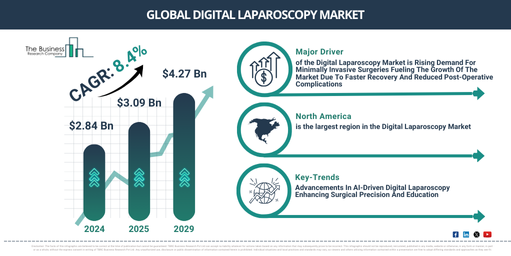
    The digital laparoscopy market has demonstrated robust expansion in recent years. Its valuation is anticipated to climb from $2.84 billion in 2024 to $3.09 billion in 2025, exhibiting a compound annual growth rate (CAGR) of 8.7%. This historical growth can be attributed to several factors, including increased investment in surgical procedures, heightened awareness regarding the advantages of faster recovery, the expanding application of laparoscopy in bariatric procedures, the proliferation of tele laparoscopy platforms, and the improving hospital infrastructure within emerging markets.

    The digital laparoscopy market is projected to experience significant expansion over the coming years. Its valuation is anticipated to reach $4.27 billion by 2029, exhibiting a compound annual growth rate (CAGR) of 8.4%. This projected growth during the forecast period stems from factors such as the growing uptake of artificial intelligence-driven surgical platforms, a heightened demand for outpatient surgical procedures, the expansion of worldwide minimally invasive surgery training initiatives, increased integration within surgical devices, and greater investments in surgical robotics research and development. Key trends shaping the forecast period encompass progress in AI-powered surgical robotics, the creation of advanced 3D/4K/8K imaging systems, novel developments in miniaturized laparoscopic instruments, the incorporation of AI into surgical platforms, and the merging of augmented reality into surgical navigation.

    Unlock Your Free Sample Report for Exclusive Market Data:

    https://www.thebusinessresearchcompany.com/sample.aspx?id=27277&type=smp

    Which Drivers Are Impacting The Digital Laparoscopy Market?

    The increasing requirement for minimally invasive surgeries is projected to drive the future growth of the digital laparoscopy market. These procedures are carried out using small incisions and specialized instruments to reduce pain, shorten recovery time, and minimize scarring compared to traditional open surgery. Minimally invasive procedures are gaining popularity because they cause less tissue damage, resulting in quicker recovery, reduced pain, and shorter hospital stays. Digital laparoscopy enhances minimally invasive surgeries by offering precise, real-time visualization and AI-driven surgical guidance, leading to improved accuracy, fewer complications, and faster patient recovery. For instance, in June 2024, the American Society of Plastic Surgeons (ASPS), a US-based professional organization, reported that out of nearly 1.6 million cosmetic surgical procedures performed in 2023, liposuction accounted for 347,782 procedures, representing a 7 percent increase from 2022. Hence, the rising demand for minimally invasive procedures is fueling the expansion of the digital laparoscopy market.

    What Are The Major Segments Identified In The Digital Laparoscopy Market?

    The digital laparoscopy market covered in this report is segmented

    1) By Product: Digital Laparoscopy Cameras, Digital Laparoscopy Instruments, Visualization Systems, Light Sources, Insufflators, Other Products

    2) By Procedure Type: Diagnostic Laparoscopy, Therapeutic Laparoscopy, Minimally Invasive Laparoscopic Surgery

    3) By Technology: Robotic Laparoscopy, Advanced Imaging Systems, Miniaturized Endoscopic Equipment, Augmented Reality (AR) And Virtual Reality (VR) Systems

    4) By Application: Gynecological Surgery, Gastrointestinal Surgery, Urological Surgery, Bariatric Surgery, Oncological Surgery, Orthopedic Surgery

    5) By End-User: Hospitals, Ambulatory Surgical Centers, Specialty Clinics, Research Institutions, Medical Device Manufacturers

    Subsegments:

    1) By Digital Laparoscopy Cameras: High-Definition Cameras, Three-Dimensional Cameras, Single-Use Cameras, Wireless Cameras

    2) By Digital Laparoscopy Instruments: Graspers, Scissors, Dissectors, Electrocautery Instruments, Suturing Devices

    3) By Visualization Systems: Monitors, Recording Systems, Image Processing Units, Display Units

    4) By Light Sources: Xenon Light Sources, Led Light Sources, Halogen Light Sources

    5) By Insufflators: Carbon Dioxide Insufflators, Gas Insufflators

    6) By Other Products: Camera Holders, Suction Irrigation Devices, Trocars, Cable Connectors

    Which Trends Are Impacting The Digital Laparoscopy Market?

    Major entities within the digital laparoscopy market are concentrating on developing sophisticated solutions, such as AI-powered laparoscopic and robotic-assisted surgeries, to heighten surgical accuracy and improve patient recovery. AI-powered laparoscopic and robotic-assisted surgeries signify minimally invasive procedures where artificial intelligence guides robotic instruments to optimize precision, control, and real-time operational choices. For instance, in April 2024, Medtronic plc, a healthcare technology company from Ireland, introduced two significant advancements with Touch Surgery Live Stream, which securely broadcasts laparoscopic and robotic-assisted surgeries in real-time across more than 20 countries, enabling remote surgical education and cooperation. Moreover, the updated Touch Surgery Performance Insights platform utilizes 14 AI-driven algorithms to analyze surgical videos after procedures, offering valuable insights into workflow, instrument application, and anatomy identification.

    Which Key Players Are Driving Competition In The Digital Laparoscopy Market?

    Major companies operating in the digital laparoscopy market are Medtronic plc, Fujifilm Holdings Corporation, Stryker Corporation, Boston Scientific Corporation, Olympus Corporation, Intuitive Surgical Operations Inc., Arthrex Inc., Teleflex Incorporated, KARL STORZ SE & Co. KG, Cook Medical, Smith & Nephew plc, CONMED Corporation, Richard Wolf GmbH, Ethicon Inc., B. Braun SE, Netzer Precision Position Sensors A.C.S. Ltd., Distalmotion SA, Erbe Elektromedizin GmbH, Momentis Surgical Ltd., Moon Surgical SAS.

    Download The Full Report For Exclusive Market Findings:

    https://www.thebusinessresearchcompany.com/report/digital-laparoscopy-global-market-report

    Which Region Currently Holds The Largest Share Of The Digital Laparoscopy Market?

    North America was the largest region in the digital laparoscopy market in 2024. Asia-Pacific is expected to be the fastest-growing region in the forecast period. The regions covered in the digital laparoscopy market report are Asia-Pacific, Western Europe, Eastern Europe, North America, South America, Middle East, Africa.

    Request A Customized Version Of The Digital Laparoscopy Market Report:

    https://www.thebusinessresearchcompany.com/customise?id=27277&type=smp

    Browse Through More Reports Similar to the Global Digital Laparoscopy Market 2025, By The Business Research Company

    Liquid Roofing Global Market Report 2025

    https://www.thebusinessresearchcompany.com/report/liquid-roofing-global-market-report

    Automotive Roof System Global Market Report 2025

    https://www.thebusinessresearchcompany.com/report/automotive-roof-system-global-market-report

    Roof Insulation Global Market Report 2025

    https://www.thebusinessresearchcompany.com/report/roof-insulation-global-market-report

    Get in touch with us:

    The Business Research Company: https://www.thebusinessresearchcompany.com/

    Americas +1 310-496-7795

    Asia +44 7882 955267 & +91 8897263534

    Europe +44 7882 955267

    Email us at info@tbrc.info

    Follow us on:

    LinkedIn: https://in.linkedin.com/company/the-business-research-company

    YouTube: https://www.youtube.com/channel/UC24_fI0rV8cR5DxlCpgmyFQ

    Global Market Model: https://www.thebusinessresearchcompany.com/global-market-model

  • Digital Cell Morphology System Industry Anticipated to Expand at 10.8% CAGR During the Forecast Period

    Digital Cell Morphology System Industry Anticipated to Expand at 10.8% CAGR During the Forecast Period

    Unlock Global Insights – Save 20% on Market Reports with Code ONLINE20

    #What Is The Projected Market Size Of The Digital Cell Morphology System Market By 2029?

    The digital cell morphology system market has experienced substantial expansion in its size over recent years. Projections indicate it will expand from $1.89 billion in 2024 to reach $2.10 billion by 2025, demonstrating a compound annual growth rate (CAGR) of 11.1%. This historical increase in market size is due to factors such as the increased integration of hematology analyzers, an escalating requirement for streamlined laboratory workflows, heightened recognition of early disease identification, a surge in the occurrence of infectious and chronic ailments, and the imperative for standardized diagnostic methods.

    The digital cell morphology system market size is anticipated to experience rapid growth in the coming years. It is projected to expand to $3.16 billion by 2029, demonstrating a compound annual growth rate (CAGR) of 10.7%. This expansion during the forecast period is fueled by the rising prevalence of hematological disorders, increasing demand for laboratory automation, the necessity for remote and digital pathology solutions, a growing geriatric population, and expanding healthcare infrastructure. Prominent trends for the forecast period include the integration of artificial intelligence for automated cell classification, the development of high-speed image processing algorithms, seamless integration with laboratory information systems, the application of machine learning for predictive diagnostics, miniaturization of imaging hardware, and the creation of multi-modal imaging platforms.

    Unlock Your Free Sample Report for Exclusive Market Data:

    https://www.thebusinessresearchcompany.com/sample.aspx?id=27276&type=smp

    Which Industry Drivers Are Expected To Accelerate The Digital Cell Morphology System Market From 2025 To 2029?

    The expanding occurrence of hematological conditions is anticipated to fuel the expansion of the digital cell morphology system market in the future. These disorders are defined as medical ailments impacting the blood, bone marrow, and lymphatic system, encompassing conditions such as anemia, leukemia, and various clotting disorders. The rise in hematological disorder cases stems from the growing incidence of chronic illnesses that directly affect blood health and necessitate continuous observation. Digital cell morphology systems assist in diagnosing hematological disorders by offering precise, automated analysis of blood cell images, thereby allowing for accurate classification. These systems boost laboratory efficiency through less manual review, enhanced consistency, and quicker clinical decision-making. As an illustration, data from April 2024, provided by the Perth Blood Institute, an Australia-based non-profit, indicated that individuals diagnosed with hemophilia (a genetic condition where blood doesn’t clot properly, leading to extended bleeding) totaled 257,146 in 2022, an increase from 233,577 in 2021. Consequently, the expanding occurrence of hematological conditions is a key factor propelling the growth of the digital cell morphology system market.

    What Are The Emerging Segments Gaining Attention In The Digital Cell Morphology System Market?

    The digital cell morphology system market covered in this report is segmented

    1) By Product Type: Cell Imaging Systems, Cell Analysis Systems, Accessories And Consumables

    2) By Technology: Microscopy, Flow Cytometry, Image Processing Software

    3) By Distribution Channel: Direct Sales, Distributors, Online Sales

    4) By Application: Hematology, Oncology, Infectious Diseases, Other Applications

    5) By End-User: Academic And Research Institutes, Hospitals And Clinical Laboratories, Biotechnology And Pharmaceutical Companies

    Subsegments:

    1) By Cell Imaging Systems: Digital Microscopes, Fluorescence Microscopes, Full-Field Digital Imaging Systems, Automated Slide Scanners, High-Content Screening Systems

    2) By Cell Analysis Systems: Flow Cytometers, Hematology Analyzers, Morphology Analyzers, Spectrophotometers, Cell Counters

    3) By Accessories And Consumables: Reagents and Stains, Sample Preparation Kits, Slides and Cover Slips, Imaging Plates, Cell Fixatives

    What Long-Term Trends Will Shape The Future Growth Of The Digital Cell Morphology System Industry?

    Leading companies in the digital cell morphology system market are concentrating on developing technologically advanced offerings, such as AI-driven image analyzers, to enhance diagnostic speed and accuracy. These AI-powered image analyzers utilize artificial intelligence to automatically interpret and extract insights from digital images, thereby boosting analysis speed, precision, and consistency. For instance, in July 2025, Scopio Labs Ltd., an Israel-based medical equipment manufacturing company, introduced the complete blood morphology (CBM) analyzer, an automated AI-driven image analyzer specifically for peripheral blood smear review. The CBM analyzer leverages full-field imaging technology to independently process and evaluate up to 10 times more cells than traditional methods. It also offers potential for creating new morphology-based biomarkers and diagnostic panels, allowing for earlier disease detection and continuous patient monitoring. This innovation addresses critical challenges, including the global scarcity of trained laboratory technologists, inconsistencies in manual interpretations, and the escalating demand for diagnostic services.

    Who Are The Top Performing Companies In The Digital Cell Morphology System Market In Recent Years?

    Major companies operating in the digital cell morphology system market are F. Hoffmann-La Roche AG, Thermo Fisher Scientific Inc., Abbott Laboratories, Danaher Corporation, Merck KGaA, Siemens Healthineers AG, Becton Dickinson and Company, Agilent Technologies Inc., Mindray Medical International Limited, Nikon Corporation, IDEXX Laboratories Inc., Sysmex Corporation, Bio-Rad Laboratories Inc., Horiba ABX SAS, Leica Microsystems GmbH, Medica Corporation, Scopio Labs Ltd., MetaSystems Hard & Software GmbH, West Medica Produktions- und Handels-GmbH, ZhiWei Information & Technology Co. Ltd.

    Download The Full Report For Exclusive Market Findings:

    https://www.thebusinessresearchcompany.com/report/digital-cell-morphology-system-global-market-report

    What Regional Growth Trends Are Shaping The Digital Cell Morphology System Market Outlook?

    North America was the largest region in the digital cell morphology system market in 2024. Asia-Pacific is expected to be the fastest-growing region in the forecast period. The regions covered in the digital cell morphology system market report are Asia-Pacific, Western Europe, Eastern Europe, North America, South America, Middle East, Africa.

    Request A Customized Version Of The Digital Cell Morphology System Market Report:

    https://www.thebusinessresearchcompany.com/customise?id=27276&type=smp

    Browse Through More Reports Similar to the Global Digital Cell Morphology System Market 2025, By The Business Research Company

    Naphthalene Sulfonate Global Market Report 2025

    https://www.thebusinessresearchcompany.com/report/naphthalene-sulfonate-global-market-report

    Methyl Ester Sulfonate Global Market Report 2025

    https://www.thebusinessresearchcompany.com/report/methyl-ester-sulfonate-global-market-report

    Fatty Methyl Ester Sulfonate Global Market Report 2025

    https://www.thebusinessresearchcompany.com/report/fatty-methyl-ester-sulfonate-global-market-report

    Get in touch with us:

    The Business Research Company: https://www.thebusinessresearchcompany.com/

    Americas +1 310-496-7795

    Asia +44 7882 955267 & +91 8897263534

    Europe +44 7882 955267

    Email us at info@tbrc.info

    Follow us on:

    LinkedIn: https://in.linkedin.com/company/the-business-research-company

    YouTube: https://www.youtube.com/channel/UC24_fI0rV8cR5DxlCpgmyFQ

    Global Market Model: https://www.thebusinessresearchcompany.com/global-market-model
  • Global Digestible Sensor Market Projected to Expand at 13.8% CAGR by 2029

    Global Digestible Sensor Market Projected to Expand at 13.8% CAGR by 2029

    Unlock Global Insights – Save 20% on Market Reports with Code ONLINE20

    How Much Was The Digestible Sensor Market Worth In 2025, And What Is Its Anticipated Value By 2029?

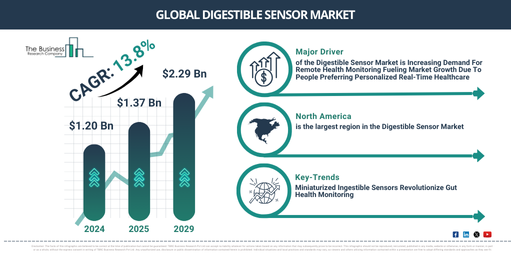
    The digestible sensor market has seen considerable growth recently. Its value is projected to expand from $1.20 billion in 2024 to $1.37 billion in 2025, indicating a compound annual growth rate (CAGR) of 14.2%. Factors contributing to this historical expansion include an increase in the prevalence of chronic diseases, a rising need for non-invasive monitoring solutions, the widespread adoption of smartphones, a growing elderly population, and the escalating demand for personalized medicine.

    The digestible sensor market is projected for substantial expansion in the coming years, reaching a valuation of $2.29 billion by 2029, demonstrating a compound annual growth rate (CAGR) of 13.8%. This anticipated growth is influenced by a surge in consumer preference for health tracking, the increasing prevalence of wearable devices, the broadening scope of healthcare data analytics, the advent of personalized healthcare, a heightened requirement for real-time health monitoring, and the growing adoption of telemedicine. Significant developments expected in this timeframe include enhancements in sensor technology, improvements in biosensors, the integration of AI for health data analysis, the miniaturization of sensors, advancements in wearable health technology, and new digital therapeutics.

    Unlock Your Free Sample Report for Exclusive Market Data:

    https://www.thebusinessresearchcompany.com/sample.aspx?id=27275&type=smp

    What Are The Top Growth Drivers Impacting The Digestible Sensor Market Outlook?

    The rising need for remote health monitoring is projected to propel the expansion of the digestible sensor market moving forward. Remote health monitoring involves employing technology to oversee and manage a patient’s well-being outside of conventional healthcare environments, typically from a distance. This increase in remote health monitoring is due to individuals favoring personalized, real-time healthcare from the comfort of their homes, along with it being a more economical alternative to traditional in-person appointments. Digestible sensors assist remote health monitoring by enabling the real-time tracking of internal health indicators, such as gastrointestinal function. These sensors provide medical professionals with valuable information on a patient’s digestive system, allowing for the early detection of issues like infections or diseases without invasive procedures. For instance, in June 2022, according to The Health Innovation Network, a US-based publication specializing in medical technology news and analysis, in 2021/22, over 286,000 people received home support through technology-enabled remote monitoring, which was rapidly implemented and expanded under the guidance of the National Innovation Collaborative for digital health. Therefore, the heightened demand for remote health monitoring is fostering the growth of the digestible sensor market.

    What Are The Major Segment Types Covered In The Digestible Sensor Market?

    The digestible sensor market covered in this report is segmented

    1) By Type: Capsule Sensors, Wearable Sensors, Ingestible Sensors, Implantable Sensors

    2) By Distribution Channel: Online Retail, Pharmacies, Hospitals And Clinics, Direct Sales

    3) By Technology: Microelectromechanical Systems (MEMS), Wireless Communication Technologies, Optical Sensors, Bioelectronic Interfaces

    4) By Application: Medical Diagnostics, Drug Delivery, Patient Monitoring, Sports And Fitness, Other Applications

    5) By End-User: Healthcare Providers, Research Institutions, Pharmaceutical Companies, Individual Consumers

    Subsegments:

    1) By Capsule Sensors: pH Monitoring Capsules, Temperature Monitoring Capsules, Pressure Sensing Capsules, Smart Capsule Endoscopy, Drug Delivery Capsules With Sensors

    2) By Wearable Sensors: Patch-Based External Receivers, Gastrointestinal Motility Trackers, Bio-Signal Monitoring Wearables, Wearable Adherence Trackers

    3) By Ingestible Sensors: Vital Sign Monitoring Sensors, Drug Adherence Monitoring Sensors, Imaging Sensors, Gas Sensing Sensors, Electrochemical Sensors

    4) By Implantable Sensors: GI Electrophysiology Sensors, pH And Enzyme Sensors, Neuromodulation Devices, Metabolic Sensors

    Which Market Trends Are Creating New Opportunities In The Digestible Sensor Industry?

    Leading companies in the digestible sensor market are concentrating on advanced solutions, such as multi-parameter sensors, to boost diagnostic precision, broaden application scope, and enhance real-time health monitoring capabilities. Multi-parameter sensors refer to devices crafted to concurrently measure multiple physical or chemical parameters from their environment or subject, consolidating diverse sensing technologies into a single compact unit. For example, in May 2025, the Interuniversity Microelectronics Centre, a Belgium-based non-profit research organization, introduced a highly miniaturized ingestible sensor for monitoring gut health. This highly miniaturized ingestible sensor measures just 2.1 cm in length and 0.75 cm in diameter. The capsule is approximately three times smaller than conventional endoscopic capsules, allowing for easier swallowing and improved patient comfort. It integrates multiple sensors, including oxidation-reduction potential (ORP), pH, and temperature, to provide real-time biochemical data from the gastrointestinal tract. The capsule logs readings every 20 seconds throughout the entire digestive journey, powered by low-energy electronics and a compact battery. With wireless data transmission and a biocompatible casing, the device facilitates continuous, noninvasive analysis of internal gut conditions, presenting significant potential for the early diagnosis of inflammation, oxidative stress, and microbiome imbalances.

    Which Leading Companies Dominate The Digestible Sensor Market Share?

    Major companies operating in the digestible sensor market are Medtronic plc, Koninklijke Philips N.V., Otsuka Pharmaceutical Co Ltd., Olympus Corporation, Sencure B.V., Millar Inc., Check Cap Ltd, Proteus Digital Health Inc., CapsoVision Inc., Atmo Biosciences, IntroMedic Co Ltd., RF Co. Ltd, BodyCAP S.A.S, Capsule Technologies Inc., etectRx Inc., Motus GI Inc., SmartPill Corporation, JINSHAN Science & Technology (Group) Co Ltd., MC10, and HQ Inc.

    Download The Full Report For Exclusive Market Findings:

    https://www.thebusinessresearchcompany.com/report/digestible-sensor-global-market-report

    Which Regional Markets Are Contributing Most To The Digestible Sensor Industry Expansion?

    North America was the largest region in the digestible sensor market in 2024. Asia-Pacific is expected to be the fastest-growing region in the forecast period. The regions covered in the digestible sensor market report are Asia-Pacific, Western Europe, Eastern Europe, North America, South America, Middle East, Africa.

    Request A Customized Version Of The Digestible Sensor Market Report:

    https://www.thebusinessresearchcompany.com/customise?id=27275&type=smp

    Browse Through More Reports Similar to the Global Digestible Sensor Market 2025, By The Business Research Company

    Building Panels Global Market Report 2025

    https://www.thebusinessresearchcompany.com/report/building-panels-global-market-report

    Precast Construction Global Market Report 2025

    https://www.thebusinessresearchcompany.com/report/precast-construction-global-market-report

    Wood Based Panel Global Market Report 2025

    https://www.thebusinessresearchcompany.com/report/wood-based-panel-global-market-report

    Get in touch with us:

    The Business Research Company: https://www.thebusinessresearchcompany.com/

    Americas +1 310-496-7795

    Asia +44 7882 955267 & +91 8897263534

    Europe +44 7882 955267

    Email us at info@tbrc.info

    Follow us on:

    LinkedIn: https://in.linkedin.com/company/the-business-research-company

    YouTube: https://www.youtube.com/channel/UC24_fI0rV8cR5DxlCpgmyFQ

    Global Market Model: https://www.thebusinessresearchcompany.com/global-market-model

  • Dental Orthotic Devices Market Forecast 2025–2034: Where Businesses Should Invest Next

    Dental Orthotic Devices Market Forecast 2025–2034: Where Businesses Should Invest Next

    Unlock Global Insights – Save 20% on Market Reports with Code ONLINE20

    What Is The Predicted Market Size Trajectory For The Dental Orthotic Devices Market From 2025 To 2034?

    The dental orthotic devices market has experienced rapid expansion in recent years. It is projected to increase from $4.66 billion in 2024 to $5.23 billion in 2025, showing a compound annual growth rate (CAGR) of 12.3%. This historical growth can be attributed to the rising prevalence of malocclusion, greater awareness of dental aesthetics, an expanding aging population, increasing disposable income, and a surge in dental tourism.

    The dental orthotic devices market is anticipated to experience significant expansion in the upcoming years. It is projected to reach $8.20 billion by 2029, demonstrating a compound annual growth rate (CAGR) of 11.9%. This growth during the forecast period is propelled by factors such as the increasing adoption of clear aligners, the expansion of tele orthodontics, a rising demand for minimally invasive treatments, the integration of artificial intelligence into treatment planning, and an escalating number of dental clinics and practitioners. Prominent trends expected in this period encompass 3-dimensional printing of dental orthotics, artificial intelligence-driven treatment planning, intraoral scanning technology, innovations in clear aligners, and various advancements in orthodontic technology.

    Unlock Your Free Sample Report for Exclusive Market Data:

    https://www.thebusinessresearchcompany.com/sample.aspx?id=27271&type=smp

    What Are The Key Drivers Of Growth In The Dental Orthotic Devices Market?

    The future expansion of the dental orthotic devices market is anticipated to be driven by an increasing volume of dental procedures. These procedures encompass a range of treatments and interventions carried out by dental professionals aimed at preserving or enhancing the health, aesthetics, and functionality of teeth and gums. This increase in dental procedures largely stems from heightened oral health awareness, encouraging more individuals to pursue routine check-ups and preventative care. Dental orthotic devices assist in these procedures by offering tailored support for stabilizing the jaw and aligning the bite, rendering them crucial for addressing conditions like TMJ disorders and bruxism. These devices enhance procedural outcomes by lessening stress on oral structures, boosting patient comfort, and fostering better long-term dental health. As an illustration, in January 2024, Uniqa Dental, a dental solutions provider based in Israel, reported that approximately 5.5 million dental implants were inserted in the United States during 2023, indicating a 10% rise compared to 2022. Consequently, the expanding volume of dental procedures is fueling the growth of the dental orthotic devices market.

    What Are The Leading Segments Analyzed In The Dental Orthotic Devices Market?

    The dental orthotic devices market covered in this report is segmented

    1) By Type: Anterior Repositioning Dental Orthotic Devices, Anterior Bite Plane Dental Orthotic Devices, Posterior Bite Plane Dental Orthotic Devices, Other Types

    2) By Material: Metal, Plastic, Carbon Fiber, Rubber, Composite Materials

    3) By Application: Orthodontics, Temporomandibular Joint (TMJ) Disorders, Post-Surgical Rehabilitation, Accident Recovery, General Orthopedic Treatment

    4) By Distribution Channel: Online Stores, Offline Stores

    5) By End-User: Dental Clinics, Hospitals, Orthopedic Centers, Home Care Settings, Specialized Rehabilitation Centers

    Subsegments:

    1) By Anterior Repositioning Dental Orthotic Devices: Mandibular Advancement Devices, Temporomandibular Joint (TMJ) Repositioning Splints, Dual-Laminate Repositioning Appliances

    2) By Anterior Bite Plane Dental Orthotic Devices: Hard Acrylic Bite Planes, Soft Bite Planes, Maxillary Anterior Deprogrammers

    3) By Posterior Bite Plane Dental Orthotic Devices: Maxillary Posterior Bite Blocks, Mandibular Posterior Bite Blocks, Full-Arch Posterior Splints

    4) By Other Types: Palatal Orthotic Devices, Occlusal Stabilization Splints, Custom Night Guards

    Which Competitive Trends Are Defining The Dental Orthotic Devices Market Structure?

    Leading entities in the dental orthotic devices market are focusing on developing technologically advanced offerings, such as 3D-printed mandibular advancement devices. This push aims to improve treatment precision, elevate patient comfort, and decrease manufacturing time. 3D-printed mandibular advancement devices are custom oral appliances created with 3D printing technology, designed to reposition the lower jaw forward, thereby maintaining an open airway during sleep, primarily to address obstructive sleep apnea and snoring. As an illustration, in May 2024, Glidewell, a US-based dental company, unveiled the Silent Nite 3D Sleep Appliance. This digitally designed, 3D-printed mandibular advancement device targets the reduction of snoring and the treatment of mild to moderate obstructive sleep apnea in adults. The appliance is custom-fitted through advanced 3D printing technology, constructed from durable light-cured resin to provide enhanced precision and patient comfort. It gently moves the lower jaw forward while sleeping to help keep the airway open, incorporating adjustable and replaceable nylon connectors that permit fine-tuning in 0.5 mm increments over a 10 mm range.

    Who Are The Key Multinational Companies Dominating The Dental Orthotic Devices Market?

    Major companies operating in the dental orthotic devices market are Dentsply Sirona Inc., Align Technology Inc., Straumann Holding AG, Glidewell, Ivoclar Vivadent AG, Hiossen Inc., Ormco Corporation, Angelalign Technology Inc., ClearCorrect LLC, American Orthodontics Corporation, Byte Inc., TP Orthodontics Inc., Great Lakes Dental Technologies Inc., SCHEU-DENTAL GmbH, BioMers Pte Ltd., FORESTADENT Bernhard Förster GmbH, G&H Orthodontics Inc, ProSomnus Sleep Technologies, Vivos Therapeutics Inc., Smartee Denti-Technology Co. Ltd., Candid Care Co, Panthera Dental, Dynaflex Company LLC, Geniova Technologies S.L, Institut Straumann AG.

    Download The Full Report For Exclusive Market Findings:

    https://www.thebusinessresearchcompany.com/report/dental-orthotic-devices-global-market-report

    What Are The Regional Market Dynamics Impacting The Dental Orthotic Devices Industry?

    North America was the largest region in the dental orthotic devices market in 2024. Asia-Pacific is expected to be the fastest-growing region in the forecast period. The regions covered in the dental orthotic devices market report are Asia-Pacific, Western Europe, Eastern Europe, North America, South America, Middle East, Africa.

    Request A Customized Version Of The Dental Orthotic Devices Market Report:

    https://www.thebusinessresearchcompany.com/customise?id=27271&type=smp

    Browse Through More Reports Similar to the Global Dental Orthotic Devices Market 2025, By The Business Research Company

    Artificial Lift System Global Market Report 2025

    https://www.thebusinessresearchcompany.com/report/artificial-lift-system-global-market-report

    Vertical Lift Module Global Market Report 2025

    https://www.thebusinessresearchcompany.com/report/vertical-lift-module-global-market-report

    Lifting Equipment Global Market Report 2025

    https://www.thebusinessresearchcompany.com/report/lifting-equipment-global-market-report

    Get in touch with us:

    The Business Research Company: https://www.thebusinessresearchcompany.com/

    Americas +1 310-496-7795

    Asia +44 7882 955267 & +91 8897263534

    Europe +44 7882 955267

    Email us at info@tbrc.info

    Follow us on:

    LinkedIn: https://in.linkedin.com/company/the-business-research-company

    YouTube: https://www.youtube.com/channel/UC24_fI0rV8cR5DxlCpgmyFQ

    Global Market Model: https://www.thebusinessresearchcompany.com/global-market-model