Category: Medical Equipment

  • Neurology Devices Market Forecast 2026: Market Size, Competitive Landscape And Growth Drivers

    Neurology Devices Market Forecast 2026: Market Size, Competitive Landscape And Growth Drivers

    Featuring market attractiveness scoring, total addressable market sizing, company benchmarking matrices, interactive Excel dashboards, deeper supply chain intelligence, emerging startup tracking, and granular product-level insights, The Business Research Company’s 2026 market reports are built to deliver research that is both more actionable and more strategically valuable.

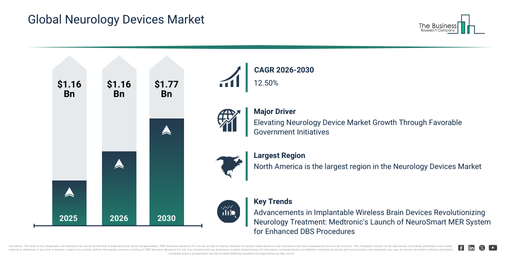
    Neurology Devices Market Poised To Hit $35.94 Billion By 2030 With A 12.5% CAGR

    The neurology devices market has seen rapid expansion in recent years. Its valuation is expected to rise from $20.09 billion in 2025 to $22.44 billion in 2026, exhibiting a compound annual growth rate (CAGR) of 11.7%. The market’s past growth is attributable to an increase in the prevalence of neurological disorders, the expansion of neurosurgical capabilities within hospitals, broader availability of advanced imaging technologies, a rising demand for minimally invasive procedures, and enhanced clinical outcomes associated with neurology devices.

    The market for neurology devices is anticipated to experience swift expansion over the coming years. This market is projected to reach $35.94 billion by 2030, exhibiting a compound annual growth rate (CAGR) of 12.5%. Drivers for this growth during the forecast period include greater investments in brain-computer interface research, increased use of precision neurology methods, the proliferation of outpatient neurology treatment facilities, an escalating need for non-invasive neurodiagnostic instruments, and an amplified emphasis on remote neurological monitoring. Key trends anticipated within the same period encompass the wider acceptance of neurostimulation therapies, the increased deployment of image-guided neurosurgical systems, the expanding incorporation of AI in neurological diagnostics, the broadening scope of minimally invasive neurology procedures, and a heightened emphasis on individualized neurological treatments.

    Get A Free Sample Report With In-Depth Market Insights:

    https://thebusinessresearchcompany.com/sample_request?id=86724818&type=smp&name=Neurology%20Devices%20Market%20Report%202026&utm_source=Blogs&utm_medium=Paid&utm_campaign=Sep_PR

    Neurology Devices Market Expansion Drivers: What’s Shaping Future Growth?

    Positive government efforts are projected to boost the expansion of the neurology device market in the upcoming period. Such government undertakings for medical devices involve policies, regulatory frameworks, and programs designed to guarantee the safety, quality, and pioneering development of healthcare goods. These actions can spur market development by impacting regulations, financing research and development, providing monetary incentives, broadening telemedicine services, fostering public health understanding, and enhancing general access to healthcare. As an illustration, in October 2023, the Food and Drug Administration, a federal agency in the US operating under the Department of Health and Human Services, broadened its Total Product Life Cycle Advisory Programme (TAP) to cover neurological and physical medicine devices, with the goal of speeding up technological progress in these fields. The FDA intends to incorporate four more offices into the program and include up to 65 more devices by the first quarter of 2025. Consequently, supportive government initiatives are fueling the expansion of the neurology device market.

    Neurology Devices Market Segment Landscape And Growth Outlook

    The neurology devices market covered in this report is segmented –

    1) By Type: Cerebrospinal Fluid Management (CSF) Devices And Equipment, Interventional Neurology Devices And Equipment, Neurosurgery Devices And Equipment, Neurostimulation Devices

    2) By Type of Expenditure: Public, Private

    3) By End User: Hospitals And Clinics, Diagnostic Laboratories, Other End Users

    Subsegments:

    1) By Cerebrospinal Fluid Management (CSF) Devices And Equipment: CSF Shunts, CSF Drainage Systems, Ventriculostomy Devices

    2) By Interventional Neurology Devices And Equipment: Intracranial Stents, Embolic Coils, Neurovascular Catheters

    3) By Neurosurgery Devices And Equipment: Surgical Microscopes, Surgical Navigation Systems, Neurosurgical Instruments

    4) By Neurostimulation Devices: Deep Brain Stimulation Devices, Spinal Cord Stimulation Devices, Transcranial Magnetic Stimulation Devices

    Neurology Devices Market Strategic Trends: What Defines The Next Growth Phase?

    Major companies active in the neurology devices market are concentrating on creating Advancements in Implantable Wireless Brain Devices Transforming Neurology Treatment, including sophisticated medical instruments designed to enhance treatment for neurological disorders by offering real-time monitoring and brain-computer interfaces. These new developments aim for minimally invasive techniques, improved patient outcomes, and personalized therapies. An advanced medical device is a complex tool that utilizes cutting-edge technology for diagnostic, therapeutic, or monitoring functions. For instance, in April 2024, Medtronic, an Ireland-based medical device company, introduced a NeuroSmart Portable Micro Electrode Recording (MER) Navigation System. This system significantly enhances Deep Brain Stimulation (DBS) procedures for Parkinson’s disease by providing real-time, precise electrode placement and automatic navigation, which results in improved patient outcomes and reduced side effects. Its portability and advanced technology empower clinicians to deliver tailored treatments effectively.

    Neurology Devices Market Competitive Landscape: Which Companies Lead The Industry?

    Major companies operating in the neurology devices market are Medtronic PLC, Stryker Corporation, Boston Scientific Corporation, Integra LifeSciences, Abbott Laboratories, LivaNova PLC, Integer, Penumbra Inc., B. Braun Group, Johnson & Johnson, W.L Gore, St. Jude Medical LLC, Parasym, Smiths Medical, Cizeta Surgical, Neuro France Implants, Ectron, Accentus Medical Ltd, Argonaut Therapeutics, Brainwave Discovery, Cerus Endovascular, Chronus Therapeutics, Natus Medical Incorporated, Cerenovus, Nevro, Aleva Neurotherapeutics SA, Cyberonics Inc.

    View The Full Neurology Devices Market Report:

    https://thebusinessresearchcompany.com/report/neurology-devices-global-market-report?utm_source=Blogs&utm_medium=Paid&utm_campaign=Sep_PR

    Neurology Devices Market Regional Outlook: Where Is Opportunity Concentrated?

    North America was the largest region in the global neurology devices market in 2025. Asia-Pacific is expected to be the fastest-growing region in the forecast period. The regions covered in the neurology devices market report are Asia-Pacific, South East Asia, Western Europe, Eastern Europe, North America, South America, Middle East, Africa.

    Reach Out To Our Team:

    The Business Research Company: https://www.thebusinessresearchcompany.com/

    Americas: +1 310-496-7795

    Asia: +44 7882 955267 & +91 8897263534

    Europe: +44 7882 955267

    Email us at: marketing@tbrc.info

    Follow us on:

    LinkedIn: https://in.linkedin.com/company/the-business-research-company

    YouTube: https://www.youtube.com/channel/UC24_fI0rV8cR5DxlCpgmyFQ

    Global Market Model: https://www.thebusinessresearchcompany.com/global-market-model
  • Neurointerventional Devices Market Size In 2026: Regional Growth, Key Segments And Future Outlook

    Neurointerventional Devices Market Size In 2026: Regional Growth, Key Segments And Future Outlook

    Built to provide research that’s more actionable and strategically valuable, The Business Research Company’s 2026 market reports include market attractiveness analysis, total addressable market sizing, company benchmarking matrices, interactive Excel dashboards, broader supply chain intelligence, emerging startup tracking, and in-depth product insights.

    Neurointerventional Devices Market Size And Revenue Outlook Through 2030

    The neurointerventional devices market size has shown substantial growth in recent years. This market is set to expand from $2.76 billion in 2025 to $2.97 billion in 2026, demonstrating a compound annual growth rate (CAGR) of 7.6%. The expansion observed historically can be attributed to the rising incidence of stroke and aneurysm, ongoing improvements in catheter and stent design, an increase in neurology specialist training programs, the wider adoption of minimally invasive procedures, and the expansion of neurovascular departments in hospitals.

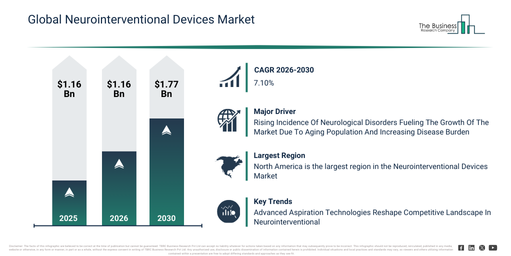
    The neurointerventional devices market is projected to experience substantial expansion in the coming years. By 2030, this market is anticipated to reach a valuation of $3.91 billion, demonstrating a compound annual growth rate (CAGR) of 7.1%. Key factors driving this growth during the forecast period include the expanding aging population, increased funding for neurovascular research, the proliferation of comprehensive stroke centers, the necessity for quicker reperfusion results, and rising healthcare spending in developing nations. Significant trends expected during this period involve the advancement of image-guided neurointervention, a move towards less invasive stroke treatments, greater uptake of flow diversion technologies, increased need for devices that rapidly retrieve clots, and the wider availability of neurointerventional procedures in emerging markets.

    Get A Free Sample Report With In-Depth Market Insights:

    https://thebusinessresearchcompany.com/sample_request?id=42564684&type=smp&name=Neurointerventional%20Devices%20Market%20Report%202026&utm_source=Blogs&utm_medium=Paid&utm_campaign=Sep_PR

    Neurointerventional Devices Market Development Factors: What’s Supporting Demand?

    The increasing occurrence of neurological disorders is anticipated to stimulate the expansion of the neurointerventional devices market going forward. A neurological disorder refers to any condition impacting the brain, spinal cord, or nerves, thereby disrupting their normal functioning. The escalation in neurological disorders is primarily driven by an aging global population, as advancing age heightens the risk of neurodegenerative conditions due to the natural decline in brain function and cellular repair mechanisms. Neurointerventional devices aid in managing neurological disorders by enabling minimally invasive procedures for the diagnosis and treatment of conditions such as brain aneurysms, strokes, and vascular malformations, consequently reducing risk and recovery time and improving patient outcomes. For instance, in April 2024, according to a report by the Alzheimer’s Association, a US-based nonprofit voluntary health organization, in 2022, 6.5 million Americans aged 65 and older were diagnosed with Alzheimer’s dementia, a number projected to increase to 6.9 million in 2024. Therefore, the rising incidence of neurological disorders is fueling the growth of the neurointerventional devices market.

    Neurointerventional Devices Market Breakdown By Product Type And Application

    The neurointerventional devices market covered in this report is segmented –

    1) By Product: Embolic Coils, Carotid Stents, Intracranial Stents, Neurovascular Thrombectomy, Embolic Protection Device, Flow Diverters Device, Intrasaccular Device, Other Products

    2) By Indication: Brain Aneurysm, Stroke, Other Indications

    3) By Technique: Neurothrombectomy Procedure, Cerebral Angiography, Stenting, Coiling Procedures, Flow Disruption

    4) By End User: Hospitals, Ambulatory Surgical Centers, Specialty Clinics, Research Institutes

    Subsegments:

    1) By Embolic Coils: Bare Platinum Coils, Coated Or Modified Coils, Complex-Shaped Coils, Detachable Coils

    2) By Carotid Stents: Open-Cell Stents, Closed-Cell Stents, Hybrid-Cell Stents, Drug-Eluting Stents

    3) By Intracranial Stents: Self-Expanding Stents, Balloon-Expandable Stents, Drug-Eluting Stents

    4) By Neurovascular Thrombectomy Devices: Stent Retrievers, Aspiration Catheters, Combined Thrombectomy Systems

    5) By Embolic Protection Devices: Distal Filters, Proximal Occlusion Devices, Distal Occlusion Devices

    6) By Flow Diverters Devices: Braided Flow Diverters, Dual-Layer Flow Diverters, Coated Flow Diverters

    7) By Intrasaccular Devices: Woven Mesh Implants, Expandable Mesh Baskets, Flow Disrupting Implants

    8) By Other Products: Microcatheters, Guidewires, Balloon Catheters, Distal Access Catheters

    Neurointerventional Devices Market Transformation Trends: What Innovations Are Driving Change?

    Leading companies within the neurointerventional devices market are focusing on developing advanced solutions, such as large-bore aspiration reperfusion catheters equipped with sophisticated delivery aids. These aspiration reperfusion catheters are elongated, flexible devices featuring a large lumen, specifically engineered to deliver powerful distal vacuum aspiration directly to the clot site. Unlike conventional stent-retriever techniques, they emphasize direct aspiration, sometimes in conjunction with adjunctive devices, to clear occlusions with fewer device passes, reduced device complexity at the clot interface, and potentially a more efficient procedure workflow. For instance, in May 2024, Penumbra Inc., a US-based medical device company, introduced RED 43, RED 72 with SENDit Technology, and RED 78, a new line of neurovascular reperfusion catheters launched in Europe, expanding the company’s aspiration-based thrombectomy portfolio. The RED devices are constructed with multi-layer catheter shafts, incorporating PTFE liners and hybrid stainless steel/nitinol coils, along with precision polymer distal tips, to balance lumen size with distal trackability. They operate by advancing the catheter to or near the thrombus and applying aspiration through Penumbra’s ENGINE aspiration source to extract the clot. Distinctive features include engineered transition zones and REDglide technology for enhanced deliverability through tortuous vessels, alongside a diverse selection of lumen sizes.

    Neurointerventional Devices Market Competitive Landscape: Who Leads The Industry?

    Major companies operating in the neurointerventional devices market are Medtronic plc, Stryker Corporation, Johnson And Johnson, Abbott Laboratories, Boston Scientific Corporation, Terumo Corporation, Kaneka Corporation, Cook Medical LLC, Merit Medical Systems Inc., MicroPort Scientific Corporation, Penumbra Inc., Asahi Intecc Co Ltd, MicroVention Inc, Phenox GmbH, Balt Group SAS, Balton Sp z o o, Zylox Tonbridge Medical Technology Co Ltd, Veiva Scientific Co Ltd, InspireMD Inc, Rapid Medical Ltd, Wallaby Medical, Cerus Endovascular Ltd

    View The Full Neurointerventional Devices Market Report:

    https://thebusinessresearchcompany.com/report/neurointerventional-devices-global-market-report?utm_source=Blogs&utm_medium=Paid&utm_campaign=Sep_PR

    Neurointerventional Devices Market Geographic Landscape: Which Region Leads Industry Growth?

    North America was the largest region in the neurointerventional market in 2025. The regions covered in the neurointerventional devices market report are Asia-Pacific, South East Asia, Western Europe, Eastern Europe, North America, South America, Middle East, Africa.

    Reach Out To Our Team:

    The Business Research Company: https://www.thebusinessresearchcompany.com/

    Americas: +1 310-496-7795

    Asia: +44 7882 955267 & +91 8897263534

    Europe: +44 7882 955267

    Email us at: marketing@tbrc.info

    Follow us on:

    LinkedIn: https://in.linkedin.com/company/the-business-research-company

    YouTube: https://www.youtube.com/channel/UC24_fI0rV8cR5DxlCpgmyFQ

    Global Market Model: https://www.thebusinessresearchcompany.com/global-market-model
  • Neuroendovascular Coil Market Growth Forecast Through 2030: Market Size And Trends In 2026

    Neuroendovascular Coil Market Growth Forecast Through 2030: Market Size And Trends In 2026

    Backed by market attractiveness analysis, total addressable market sizing, company benchmarking matrices, interactive Excel dashboards, wider supply chain intelligence, emerging startup coverage, and detailed product-level insights, The Business Research Company’s 2026 market reports are designed to offer research that is more actionable and strategically valuable than ever.

    Neuroendovascular Coil Market Growth From $1.49 Billion In 2026 To $1.96 Billion By 2030 At A CAGR Of 7%

    The neuroendovascular coil market size has demonstrated robust expansion over recent years. This market is expected to increase from $1.39 billion in 2025 to $1.49 billion in 2026, achieving a compound annual growth rate (CAGR) of 7.1%. Key factors contributing to its historical growth include a rising incidence of cerebral aneurysms, ongoing advancements in endovascular treatment techniques, an upsurge in neurointerventional procedures, the proliferation of stroke treatment centers, and enhanced clinician proficiency in neurovascular care.

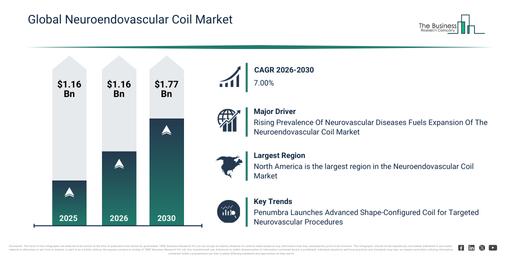
    The neuroendovascular coil market is anticipated to show considerable expansion in the coming years. Its valuation is predicted to reach $1.96 billion by 2030, demonstrating a compound annual growth rate (CAGR) of 7.0%. This projected growth throughout the forecast period can be attributed to the increasing adoption of next-generation embolization devices, a rise in investments towards neurovascular research, the broadening availability of minimally invasive treatment options, a growing demand for safer aneurysm management, and an increasing focus on personalized neurointerventional care. Key trends for the forecast period include the increasing uptake of advanced detachable coil designs, a rising utilization of flow-diverter and matrix coils, a growing preference for minimally invasive neurovascular procedures, the expansion of high-precision coil deployment techniques, and an enhanced emphasis on long-term treatment outcomes.

    Get A Free Sample Report With In-Depth Market Insights:

    https://thebusinessresearchcompany.com/sample_request?id=96825269&type=smp&name=Neuroendovascular%20Coil%20Market%20Report%202026&utm_source=Blogs&utm_medium=Paid&utm_campaign=Sep_PR

    Neuroendovascular Coil Market Industry Drivers: What’s Behind The Revenue Growth?

    The increasing incidence of neurovascular diseases is projected to stimulate expansion in the Neuroendovascular Coil Market moving forward. Neurovascular diseases are conditions that impact the blood vessels supplying the nervous system, frequently leading to neurological symptoms and complications. The rise in these diseases is attributed to an aging global population, as older individuals are more susceptible to conditions such as strokes and aneurysms, thereby escalating the overall disease burden. Neuroendovascular coils are utilized to treat neurovascular diseases by being inserted into blood vessels to either block off or stabilize abnormal blood vessel structures, thereby mitigating the risk of hemorrhage or other complications. For instance, a report published by the Stroke Association, a UK-based stroke support charity, in March 2025, indicated that in 2024, the UK had 1.3 million stroke survivors, a figure anticipated to climb to 2.1 million by 2035. Consequently, the growing prevalence of neurovascular diseases is a significant driver for the Neuroendovascular Coil Market’s growth.

    Neuroendovascular Coil Market Driver: Surge In Healthcare Expenditure Fuels Neuroendovascular Coil Market Growth

    Neuroendovascular Coil Market Segment Analysis And Revenue Potential

    The neuroendovascular coil market covered in this report is segmented –

    1) By Product Type: Guglielmi Detachable Coils (GDCs), Matrix Coils

    2) By Indication: Ruptured Aneurysm, Unruptured Aneurysm

    3) By Application: Medical Teaching, Cerebral Aneurysm Treatment, Other Vascular Abnormalities

    4) By End User: Hospitals, Ambulatory Surgical Centers (ASCs), Stroke Centers, Other End Users

    Subsegments:

    1) By Guglielmi Detachable Coils (GDCs): Soft GDCs, Standard GDCs, Detachable GDCs With Various Configurations

    2) By Matrix Coils: Soft Matrix Coils, Coated Matrix Coils, Detachable Matrix Coils, Flow Diverter Matrix Coils

    #Neuroendovascular Coil Market Growth Trends: What’s Shaping The Future Outlook?

    Leading companies in the neuroendovascular coil market are prioritizing technological advancements, particularly in developing shape-configured, adaptive embolization coils. These innovations facilitate accurate vessel wall contact, regulated placement, and comprehensive blockage within intricate and diminutive neurovascular formations. Such adaptive embolization coils utilize unique coil shapes and anchoring mechanisms to align with vessel anatomy, enhance occlusion effectiveness, and permit subsequent filling with supplementary coils, thereby boosting the precision and steadiness of procedures for intracranial aneurysms and other neurovascular conditions. A notable example is Penumbra, a US-based neurovascular medical device company, which introduced its SwiftSET Neuro Embolization Coil in October 2025. This coil boasts a .135 primary diameter, a shape-optimized design for vessel wall apposition, and an anchoring structure that enables medical professionals to establish an initial anchor and then populate the space with SwiftPAC coils, ensuring precise, manageable, and stable embolization, even in constricted or winding vessels.

    Neuroendovascular Coil Market Company Landscape And Competitive Strategy

    Major companies operating in the neuroendovascular coil market are Johnson & Johnson Services Inc., Medtronic PLC, Stryker Corporation, Boston Scientific Corporation, Terumo Corporation, Kaneka Neurovascular USA, W.L. Gore & Associates Inc., Merit Medical Systems Inc., MicroPort Scientific Corporation, Penumbra Inc., MicroVention Inc., Medikit Co. Ltd., Balt USA LLC, Acandis GmbH, Rapid Medical Ltd., Shape Memory Medical Inc., Wuhan HNC Technology Co. Ltd., Intratech Medical Inc., Phenox GmbH, Cerenovus, Svelte Medical Systems

    View The Full Neuroendovascular Coil Market Report:

    https://thebusinessresearchcompany.com/report/neuroendovascular-coil-global-market-report?utm_source=Blogs&utm_medium=Paid&utm_campaign=Sep_PR

    Neuroendovascular Coil Market Largest Region: Which Geography Holds The Biggest Share?

    North America was the largest region in the neuroendovascular coil market in 2025. Asia-Pacific is expected to be the fastest-growing region in the forecast period. The regions covered in the neuroendovascular coil market report are Asia-Pacific, South East Asia, Western Europe, Eastern Europe, North America, South America, Middle East, Africa.

    Reach Out To Our Team:

    The Business Research Company: https://www.thebusinessresearchcompany.com/

    Americas: +1 310-496-7795

    Asia: +44 7882 955267 & +91 8897263534

    Europe: +44 7882 955267

    Email us at: marketing@tbrc.info

    Follow us on:

    LinkedIn: https://in.linkedin.com/company/the-business-research-company

    YouTube: https://www.youtube.com/channel/UC24_fI0rV8cR5DxlCpgmyFQ

    Global Market Model: https://www.thebusinessresearchcompany.com/global-market-model
  • Neuroendoscopy Market Analysis: $0.83 Billion Market Size In 2026 And Future Growth Prospects

    Neuroendoscopy Market Analysis: $0.83 Billion Market Size In 2026 And Future Growth Prospects

    Featuring market attractiveness scoring, total addressable market sizing, company benchmarking matrices, interactive Excel dashboards, deeper supply chain intelligence, emerging startup tracking, and granular product-level insights, The Business Research Company’s 2026 market reports are built to deliver research that is both more actionable and more strategically valuable.

    Neuroendoscopy Market Expansion Outlook: What Revenue Opportunities Are Ahead?

    The neuroendoscopy market has shown robust expansion in recent years. It is anticipated to increase from $0.78 billion in 2025 to $0.83 billion in 2026, achieving a compound annual growth rate (CAGR) of 6.9%. This past growth is largely due to factors such as the rising incidence of neurological disorders, the broadening array of neurosurgical treatment options, the integration of endoscopic surgical techniques, the availability of advanced visualization tools, and the proliferation of specialized neurosurgery centers.

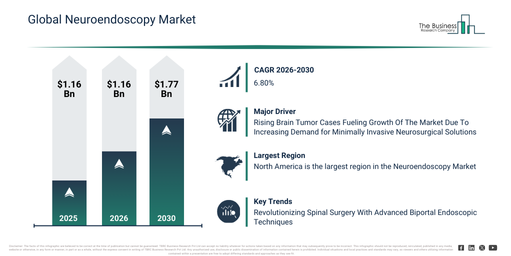
    The neuroendoscopy market is anticipated to experience substantial expansion in the coming years. It is projected to reach $1.09 billion by 2030, exhibiting a compound annual growth rate (CAGR) of 6.8%. This expansion during the projection period stems from a heightened need for minimally invasive brain procedures, increased capital directed towards sophisticated surgical imaging, the broadening of pediatric neurosurgery offerings, an intensified emphasis on quicker patient recuperation, and ongoing advancements in neuroendoscopic tools. Key trends anticipated during this period encompass the wider acceptance of minimally invasive neuroendoscopic operations, the growing utilization of HD and 4K visualization technologies, an increasing need for adaptable neuroendoscopes, the widening scope of pediatric neuroendoscopy uses, and a stronger emphasis on operational accuracy and patient safety.

    Get A Free Sample Report With In-Depth Market Insights:

    https://thebusinessresearchcompany.com/sample_request?id=33980241&type=smp&name=Neuroendoscopy%20Market%20Report%202026&utm_source=Blogs&utm_medium=Paid&utm_campaign=Sep_PR

    Neuroendoscopy Market Growth Factors: What’s Supporting Expansion?

    The escalating number of brain tumor cases is projected to fuel the advancement of the neuroendoscopy market moving forward. Brain tumors are characterized by unusual cell proliferation within the brain or central spinal canal, which can be either cancerous or non-cancerous. These growths can impact brain function and might demand surgical, radiological, or medical interventions, depending on their specific nature and location. The reported increase in brain tumor cases has been influenced by enhanced diagnostic imaging coupled with greater exposure to environmental hazards such as ionizing radiation and industrial contaminants. Neuroendoscopy aids in managing brain tumors by offering minimally invasive access to the brain, thereby enabling tumor removal or biopsy with less harm, quicker healing, and reduced complications. For instance, in 2023, Cancer Australia, an Australia-based government agency, reported an estimated 1,924 new diagnoses of brain cancer in the country, consisting of 1,183 males and 741 females, accounting for 1.2% of all new cancer cases. Thus, the increasing occurrence of brain tumors is a significant driver for the growth of the neuroendoscopy market.

    Neuroendoscopy Market Segmentation And Category Overview

    The neuroendoscopy market covered in this report is segmented –

    1) By Product: Rigid Neuroendoscope, Rigid Fiberscopes, Rigid Videoscopes, Flexible Neuroendoscopes

    2) By Patient: Adult, Pediatric

    3) By Application: Tumor Removal, Endoscopic Third Ventriculostomy

    4) By End User: Hospitals And Clinics, Neurosurgical Centers, Other End-Users

    Subsegments:

    1) By Rigid Neuroendoscope: Ventriculoscope, Ventricular Neuroendoscope, Skull Base Neuroendoscope

    2) By Rigid Fiberscopes: Non Video Transmitting Fiberscopes, High Definition Fiberscopes, Disposable Rigid Fiberscopes

    3) By Rigid Videoscopes: Camera Integrated Videoscopes, HD Or 4K Videoscopes, Modular Videoscopes

    4) By Flexible Neuroendoscopes: Fiber Optic Flexible Endoscopes, Video Flexible Endoscopes, Steerable Flexible Endoscopes

    Neuroendoscopy Market Industry Trends: What’s Reshaping Demand?

    Leading companies within the neuroendoscopy market are concentrating on innovations such as the biportal endoscopic surgical system, with the aim to improve surgical accuracy, decrease invasiveness, shorten patient recovery periods, and broaden the array of neurological conditions treatable. This biportal endoscopic system enables minimally invasive surgery by utilizing two separate entry points – one for viewing and another for operating – which results in clearer imaging, more precise procedures, and faster patient recuperation. For instance, in October 2023, Joimax, a US-based surgical system manufacturing company, introduced its iLESSYS biportable endoscopic system designed for spinal surgery, which provides superior freedom of movement and exactitude through biportal access. Equipped with tools for triangulation, irrigation control, and tissue resection, this system supports both biportal and bimanual surgical methods.

    Neuroendoscopy Market Key Players Shaping Industry Direction

    Major companies operating in the neuroendoscopy market are Medtronic plc, Stryker Corporation, Karl Storz SE & Co. KG, Carl Zeiss Meditec AG, Aesculap AG, B. Braun Melsungen AG, Richard Wolf GmbH, Integra LifeSciences Holdings Corporation, Schindler Endoskopie Technologie GmbH, Machida Endoscope Co. Ltd., Adeor Medical AG, Inova Technology GmbH, Zhejiang Tiansong Medical Instrument Co. Ltd., Tonglu WANHE Medical Instrument Co. Ltd., Olympus Corporation, Fujifilm Holdings Corporation, ConMed Corporation, Schoelly Fiberoptic GmbH, Endoservice GmbH, Ackermann Instrumente GmbH, XION Medical GmbH, Happersberger Otopront GmbH

    View The Full Neuroendoscopy Market Report:

    https://thebusinessresearchcompany.com/report/neuroendoscopy-global-market-report?utm_source=Blogs&utm_medium=Paid&utm_campaign=Sep_PR

    Neuroendoscopy Market Regional Analysis: Which Geography Leads On Revenue?

    North America was the largest region in the neuroendoscopy market in 2025. Asia-Pacific is expected to be the fastest-growing region in the forecast period. The regions covered in the neuroendoscopy market report are Asia-Pacific, South East Asia, Western Europe, Eastern Europe, North America, South America, Middle East, Africa.

    Reach Out To Our Team:

    The Business Research Company: https://www.thebusinessresearchcompany.com/

    Americas: +1 310-496-7795

    Asia: +44 7882 955267 & +91 8897263534

    Europe: +44 7882 955267

    Email us at: marketing@tbrc.info

    Follow us on:

    LinkedIn: https://in.linkedin.com/company/the-business-research-company

    YouTube: https://www.youtube.com/channel/UC24_fI0rV8cR5DxlCpgmyFQ

    Global Market Model: https://www.thebusinessresearchcompany.com/global-market-model
  • Neural Implants Market 2026 Market Size And Growth Forecast: Key Trends To Watch

    Neural Implants Market 2026 Market Size And Growth Forecast: Key Trends To Watch

    Built to provide research that’s more actionable and strategically valuable, The Business Research Company’s 2026 market reports include market attractiveness analysis, total addressable market sizing, company benchmarking matrices, interactive Excel dashboards, broader supply chain intelligence, emerging startup tracking, and in-depth product insights.

    Neural Implants Market Growth Potential: How Will Market Size Shift Through 2030?

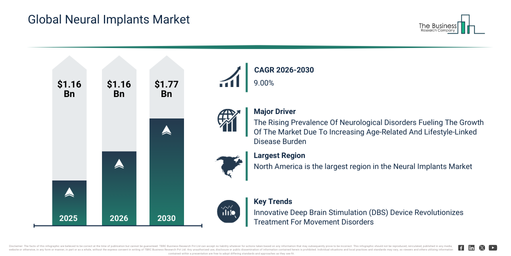
    The neural implants market has observed significant growth recently. Its value is projected to rise from $5.91 billion in 2025 to $6.53 billion in 2026, exhibiting a compound annual growth rate (CAGR) of 10.4%. Historically, this expansion has been driven by factors such as a greater occurrence of neurological conditions, an expanding population of individuals suffering from chronic pain, the increasing uptake of deep brain stimulation treatments, the proliferation of specialized neurology centers, and a growing body of clinical evidence supporting neuromodulation techniques.

    The neural implants market is projected to experience substantial expansion in the coming years. This market is anticipated to reach a valuation of $9.2 billion by 2030, exhibiting a compound annual growth rate (CAGR) of 9.0%. Key drivers for this growth during the forecast period include progress in implantable neurotechnology, an expanding elderly demographic experiencing neurological disorders, an increasing need for tailored neurology treatments, the proliferation of outpatient neurological procedures, and enhanced investment in neurotechnology research. Significant trends expected during this period involve the increasing embrace of neurostimulation therapies for chronic ailments, greater utilization of implantable devices for movement-related conditions, wider clinical acceptance of brain-computer interface technologies, the broadening of neuromodulation’s utility beyond pain relief, and a surging requirement for prolonged neurological disorder management solutions.

    Get A Free Sample Report With In-Depth Market Insights:

    https://thebusinessresearchcompany.com/sample_request?id=91006177&type=smp&name=Neural%20Implants%20Market%20Report%202026&utm_source=Blogs&utm_medium=Paid&utm_campaign=Sep_PR

    Neural Implants Market Demand Drivers: What’s Powering Industry Growth?

    The increasing occurrence of neurological disorders is anticipated to stimulate the expansion of the neural implants market in the future. A neurological disorder is defined as any condition of the nervous system characterized by anatomical, biochemical, or electrical irregularities in the brain, spinal cord, or peripheral nerves. The rise in these disorders stems from several factors, including aging populations, genetic predispositions, and shifts in diagnostic criteria. Neural implants address and control various neurological diseases by directly interacting with the nervous system to regain or improve nervous system capabilities. These implants offer a customized solution, which can enhance treatment effectiveness while minimizing side effects, especially for conditions like Parkinson’s disease, epilepsy, and spinal cord injuries. As an illustration, in 2024, according to the Department of Health and Human Services, a US-based federal cabinet-level department that protects the health and well-being of Americans through various programs, in 2023, more than 6 million Americans were living with Alzheimer’s disease, and forecasts project that this number will increase significantly each year as the population ages, reaching 13 million by 2060. Consequently, the growing prevalence of neurological disorders is fueling the growth of the neural implants market.

    Neural Implants Market Segment Outlook: Which Categories Are Growing Fastest?

    The neural implants market covered in this report is segmented –

    1) By Product: F And B Spinal Cord Stimulation (SCS), Deep Brain Stimulation (DBS), Vagus Nerve Stimulation (VNS)

    2) By Application: Chronic Pain, Parkinson’s Disease (PD), Epilepsy, Other Applications

    3) By End-User: Hospitals, Specialized Neurological Centers (SNCs), Outpatient Surgery Centers

    Subsegments:

    1) By F And B Spinal Cord Stimulation (SCS): Traditional Spinal Cord Stimulation, High-Frequency Spinal Cord Stimulation, Burst Spinal Cord Stimulation

    2) By Deep Brain Stimulation (DBS): Subthalamic Nucleus (Stn) Dbs, Globus Pallidus Internus (Gpi) Dbs, Ventral Intermediate Nucleus (Vim) Dbs

    3) By Vagus Nerve Stimulation (VNS): Implantable Vagus Nerve Stimulators, Non-Invasive Vagus Nerve Stimulators

    Neural Implants Market Innovation Trends: What Developments Are Reshaping The Industry?

    Major companies in the neural implant market are concentrating on developing innovative products, such as deep brain stimulation (DBS) devices, to treat movement disorders like Parkinson’s disease and essential tremors, aiming to gain a competitive advantage. Deep Brain Stimulation (DBS) devices are medical implants designed to treat neurological disorders by delivering electrical impulses to specific brain areas. For instance, in January 2024, Abbott Laboratories, a US-based medical devices and healthcare company, launched Liberta RC, which is the world’s smallest rechargeable deep brain stimulation (DBS) device with remote programming, to assist individuals living with movement disorders. It boasts the fewest recharges of any FDA-approved DBS system, requiring only 10 recharge sessions per year for the majority of users. This product integrates with Abbott’s proprietary NeuroSphere virtual clinic, allowing customers to communicate with clinicians, confirm proper settings and functionality, and receive updated treatment settings remotely. The system utilizes a wireless charger that can be placed over the product, enabling users to remain active while wearing it. Additionally, the device provides customers with useful notifications and customized settings to ensure a personalized charging experience.

    Neural Implants Market Competitive Analysis Of Leading Industry Participants

    Major companies operating in the neural implants market are Medtronic plc, Abbott Laboratories, Boston Scientific Corporation, LivaNova PLC, Nevro Corp., NeuroPace Inc., Axonics Modulation Technologies Inc., Saluda Medical, Nuvectra Corporation, Cerbomed GmbH, Inspire Medical Systems Inc., Synchron Inc., Blackrock Neurotech, Neuralink, BrainGate, Bioinduction Ltd, SetPoint Medical, CereGate, Gyrus ACMI, Aleva Neurotherapeutics

    View The Full Neural Implants Market Report:

    https://thebusinessresearchcompany.com/report/neural-implants-global-market-report?utm_source=Blogs&utm_medium=Paid&utm_campaign=Sep_PR

    Neural Implants Market Geographic Spread And Regional Opportunities

    North America was the largest region in the neural implants market in 2025. Asia-Pacific is expected to be the fastest-growing region in the forecast period. The regions covered in the neural implants market report are Asia-Pacific, South East Asia, Western Europe, Eastern Europe, North America, South America, Middle East, Africa.

    Reach Out To Our Team:

    The Business Research Company: https://www.thebusinessresearchcompany.com/

    Americas: +1 310-496-7795

    Asia: +44 7882 955267 & +91 8897263534

    Europe: +44 7882 955267

    Email us at: marketing@tbrc.info

    Follow us on:

    LinkedIn: https://in.linkedin.com/company/the-business-research-company

    YouTube: https://www.youtube.com/channel/UC24_fI0rV8cR5DxlCpgmyFQ

    Global Market Model: https://www.thebusinessresearchcompany.com/global-market-model

  • Nerve Monitoring Systems Market Size Forecast: How The Industry Is Expected To Grow From 2026 To 2030

    Nerve Monitoring Systems Market Size Forecast: How The Industry Is Expected To Grow From 2026 To 2030

    Backed by market attractiveness analysis, total addressable market sizing, company benchmarking matrices, interactive Excel dashboards, wider supply chain intelligence, emerging startup coverage, and detailed product-level insights, The Business Research Company’s 2026 market reports are designed to offer research that is more actionable and strategically valuable than ever.

    Nerve Monitoring Systems Market Value Analysis: What Growth Lies Ahead Over The Forecast Period?

    The nerve monitoring systems market has observed substantial growth in its size during recent years. This market is projected to expand from $1.45 billion in 2025 to $1.54 billion in 2026, reflecting a compound annual growth rate (CAGR) of 6.3%. The historic period’s expansion can be attributed to an increase in neurosurgical procedures, a rising incidence of spine disorders, growing awareness of nerve injury prevention, the expansion of hospital surgical infrastructure, and the adoption of advanced surgical safety protocols.

    The nerve monitoring systems market size is anticipated to experience substantial growth over the next few years. It is projected to expand to $1.96 billion in 2030, demonstrating a compound annual growth rate (CAGR) of 6.3%. This expansion during the forecast period is attributable to an increasing volume of minimally invasive surgeries, a rising demand for patient safety and surgical precision, the proliferation of ambulatory surgical centers, expanding applications in ENT and cardiovascular surgeries, and technological upgrades in operating rooms. Key trends during this period include the rising adoption of intraoperative neuromonitoring in complex surgeries, increasing use of disposable electrodes and probes, a growing demand for advanced real-time nerve feedback systems, the expansion of nerve monitoring in minimally invasive procedures, and a rising focus on reducing post-surgical neurological complications.

    Get A Free Sample Report With In-Depth Market Insights:

    https://thebusinessresearchcompany.com/sample_request?id=34277425&type=smp&name=Nerve%20Monitoring%20Systems%20Market%20Report%202026&utm_source=Blogs&utm_medium=Paid&utm_campaign=Sep_PR

    Nerve Monitoring Systems Market Growth Drivers: What’s Behind The Acceleration?

    The increasing prevalence of neurological conditions is expected to drive the growth of the nerve monitoring system market going forward. Neurological diseases are disorders that affect the brain, spinal cord, and nerves, leading to impaired movement, cognition, sensation, or autonomic function. The rise in neurological diseases is attributed to an aging population, longer life expectancy, and increased exposure to risk factors such as environmental toxins, lifestyle changes, and stress. Nerve monitoring systems are crucial for neurological diseases to prevent nerve damage during surgery, ensuring the preservation of nerve function and minimizing postoperative complications. For instance, in September 2024, according to the Australian Institute of Health and Welfare, an Australia-based government agency, the number of individuals living with dementia in Australia is projected to more than double, increasing from approximately 411,100 in 2023 to 849,300 by 2058. This includes an estimated 315,500 men and 533,800 women who are expected to be affected. Therefore, the rise in neurological diseases is propelling the growth of the nerve monitoring system market.

    Nerve Monitoring Systems Market Segment Landscape: Which Areas Lead Development?

    The nerve monitoring systems market covered in this report is segmented –

    1) By Product: Nerve Monitor, Electrodes, Probes, Accessories

    2) By Technology: Electromyography (EMG), Electroencephalography (EEG), Electrocorticography (ECOG), Evoked Potential (EP)

    3) By Application: Neurosurgery, Spine Surgery, ENT Surgery, Cardiovascular Applications, Other Applications

    4) By End User: Hospitals, Ambulatory Surgical Centers, Other End Users

    Subsegments:

    1) By Nerve Monitor: Standard Nerve Monitors, Advanced Nerve Monitors

    2) By Electrodes: Disposable Electrodes, Reusable Electrodes, Surface Electrodes, Needle Electrodes

    3) By Probes: Single-Use Probes, Reusable Probes, Catheter Probes, Nerve Stimulator Probes

    4) By Accessories: Cables, Connectors, Amplifiers, Software And Interface Modules

    Nerve Monitoring Systems Market Trends: What’s Defining The Industry’s Next Phase?

    Key companies within the nerve monitoring system market are concentrating on developing advanced offerings, such as integrated vital-sign monitoring solutions, to enhance intraoperative neuromonitoring. An integrated vital-sign solution refers to a technology that boosts surgical safety by combining patient vital signs with neurophysiological data, enabling real-time alerts and seamless data visualization. For instance, in October 2023, Nihon Kohden, a Japan-based medical technology company, launched the One View solution powered by the Neuromaster G1 for intraoperative neuromonitoring. This innovation integrates patient vital signs, such as heart rate, SpO2, and temperature, directly with neurophysiological monitoring data, offering a consolidated perspective for surgical teams. It delivers real-time alerts during procedures, allows clinicians to remotely access monitoring data, and enables detailed event logging for improved surgical outcomes. Integrated with Nihon Kohden’s Neuromaster G1 system, it provides a comprehensive monitoring experience. The One View solution enhances surgical safety, simplifies intraoperative monitoring workflows, and helps reduce the risk of nerve injury.

    Nerve Monitoring Systems Market Leading Companies And Competitive Benchmarking

    Major companies operating in the nerve monitoring systems market are Medtronic Plc, Nihon Kohden Corporation, NuVasive Inc, Natus Medical Inc, Cadwell Industries Inc, Inomed Inc, Checkpoint Surgical Inc, Rochester Electro Medical Inc, Langer Medical GmbH, Neurovision Medical Products Inc, ProPep Surgical LLC, SafeOp Surgical Inc, NeuroWave Systems Inc, Magstim, Erbe Elektromedizin GmbH, Brainlab AG, Biotronic NeuroNetwork LLC, Sentient Medical Systems, Neurosoft Ltd, Micromed S.p.A, Axon Systems Inc

    View The Full Nerve Monitoring Systems Market Report:

    https://thebusinessresearchcompany.com/report/nerve-monitoring-systems-global-market-report?utm_source=Blogs&utm_medium=Paid&utm_campaign=Sep_PR

    Nerve Monitoring Systems Market Top Region By Revenue And Market Share

    North America was the largest region in the nerve monitoring systems market in 2025. Asia-Pacific is expected to be the fastest-growing region in the forecast period. The regions covered in the nerve monitoring systems market report are Asia-Pacific, South East Asia, Western Europe, Eastern Europe, North America, South America, Middle East, Africa.

    Reach Out To Our Team:

    The Business Research Company: https://www.thebusinessresearchcompany.com/

    Americas: +1 310-496-7795

    Asia: +44 7882 955267 & +91 8897263534

    Europe: +44 7882 955267

    Email us at: marketing@tbrc.info

    Follow us on:

    LinkedIn: https://in.linkedin.com/company/the-business-research-company

    YouTube: https://www.youtube.com/channel/UC24_fI0rV8cR5DxlCpgmyFQ

    Global Market Model: https://www.thebusinessresearchcompany.com/global-market-model

  • Nerve Conduit, Nerve Wrap, and Nerve Graft Repair Product Market Reaches $3.67 Billion In 2026: Forecast And Growth Opportunities

    Nerve Conduit, Nerve Wrap, and Nerve Graft Repair Product Market Reaches $3.67 Billion In 2026: Forecast And Growth Opportunities

    Featuring market attractiveness scoring, total addressable market sizing, company benchmarking matrices, interactive Excel dashboards, deeper supply chain intelligence, emerging startup tracking, and granular product-level insights, The Business Research Company’s 2026 market reports are built to deliver research that is both more actionable and more strategically valuable.

    Nerve Conduit, Nerve Wrap, and Nerve Graft Repair Product Market Size Forecast: How Big Could The Market Get By 2030?

    The market for nerve conduit, nerve wrap, and nerve graft repair products has witnessed rapid expansion recently. It is anticipated to increase from $2.14 billion in 2025 to $2.39 billion in 2026, exhibiting a compound annual growth rate (CAGR) of 11.7%. This historical growth can be attributed to several factors including a rise in peripheral nerve injury cases, an increase in surgical intervention rates, advancements in microsurgical techniques, escalating healthcare expenditure, and the expansion of hospital infrastructure.

    The market for nerve conduit, nerve wrap, and nerve graft repair products is projected to experience substantial expansion over the coming years. This market is forecast to reach a value of $3.67 billion by 2030, demonstrating a compound annual growth rate (CAGR) of 11.3%. This anticipated growth is driven by several factors, including the increasing demand for regenerative medicine, advancements in nerve repair biomaterials technology, a rise in the uptake of outpatient surgical procedures, greater recognition of the importance of early nerve repair, and the proliferation of specialized neurology and orthopedic centers. Key trends anticipated during this period encompass the increasing embrace of bioengineered solutions for nerve repair, a greater utilization of biodegradable and resorbable materials, a rising inclination towards minimally invasive nerve repair techniques, the broadening scope of peripheral nerve repair within orthopedic and trauma care, and the expanded clinical implementation of allograft-based nerve grafts.

    Get A Free Sample Report With In-Depth Market Insights:

    https://thebusinessresearchcompany.com/sample_request?id=51539998&type=smp&name=Nerve%20Conduit%2C%20Nerve%20Wrap%2C%20and%20Nerve%20Graft%20Repair%20Product%20Market%20Report%202026&utm_source=Blogs&utm_medium=Paid&utm_campaign=Sep_PR

    Nerve Conduit, Nerve Wrap, and Nerve Graft Repair Product Market Growth Factors Behind Sustained Expansion

    The increasing frequency of surgical procedures is anticipated to fuel the expansion of the nerve conduit, nerve wrap, and nerve graft repair product market in the future. Surgeries involve medical interventions where healthcare professionals employ specialized tools to operate on the body, aiming to diagnose, manage, or rectify diverse health conditions or injuries. The volume of surgeries is on the rise, primarily due to the accumulated workload from the COVID-19 pandemic, as numerous elective operations that were postponed are now being performed, leading to an uptick in surgical activity throughout healthcare systems. Nerve conduit, nerve wrap, and nerve graft repair products play a crucial role in surgeries by enabling guided healing of nerves, by establishing a safeguarded and organized setting that promotes the recovery of nerve function. For example, data from May 2025 by the Australian Institute of Health and Welfare, an Australian government body, indicated that 778,500 patients were admitted for surgery from public hospital elective surgery waiting lists in 2023-24, marking a 5.8% increase relative to 2022-23. Consequently, the growing count of surgical interventions is boosting the expansion of the intubation tube market. This indicates that the increasing number of surgeries is propelling the growth of the nerve conduit, nerve wrap, and nerve graft repair product market.

    Nerve Conduit, Nerve Wrap, and Nerve Graft Repair Product Market Segments: Where Is Growth Concentrated?

    The nerve conduit, nerve wrap, and nerve graft repair product market covered in this report is segmented –

    1) By Product Type: Nerve Conduit, Nerve Wrap, Nerve Grafts

    2) By Material: Natural Materials, Synthetic Materials

    3) By Application: Neurology, Tissue Repair, Nerve Injury, Orthopedics, Regenerative Medicine

    4) By Distribution Channel: Direct Sales, Third-Party Distributors, Online Marketplaces

    5) By End User: Hospitals, Ambulatory Surgical Centers, Academic Research Institutions

    Subsegments:

    1) By Nerve Conduit: Biodegradable Nerve Conduits, Non-Biodegradable Nerve Conduits

    2) By Nerve Wrap: Collagen Nerve Wraps, Polyglactin-Based Nerve Wraps, Other Synthetic Nerve Wraps

    3) By Nerve Grafts: Autografts, Allografts, Xenografts, Synthetic Nerve Grafts

    Nerve Conduit, Nerve Wrap, and Nerve Graft Repair Product Market Industry Trends Fueling Future Revenue Growth

    Companies operating in the nerve conduit, nerve wrap, and nerve graft repair product market are prioritizing the development of advanced solutions, such as biodegradable amniotic membrane, to accelerate tissue regeneration and integration more effectively than synthetic alternatives. A biodegradable amniotic membrane is defined as a biologically sourced, naturally absorbable tissue membrane utilized in medical applications, particularly within wound healing, ophthalmology, and regenerative medicine. As an illustration, in June 2024, Axogen Inc., a US-based biotechnology company, launched Avive+ Soft Tissue Matrix. This product is a biodegradable, multi-layered amniotic membrane engineered to serve as a protective barrier and enhance efficient healing in peripheral nerve procedures. It is manufactured using Axogen’s exclusive MatriFlex technology, which maintains the tissue’s inherent architecture and biological elements to assist in the healing process. It is intended for use in surgeries requiring soft tissue protection or coverage, including nerve decompression, neurolysis, and revision procedures, where it aids in minimizing inflammation and the development of scar tissue.

    Nerve Conduit, Nerve Wrap, and Nerve Graft Repair Product Market Industry Leaders And Competitive Landscape

    Major companies operating in the nerve conduit, nerve wrap, and nerve graft repair product market are Collagen Matrix Inc., Synovis Micro Companies Alliance Baxter, Toyobo Co Ltd, Integra LifeSciences, Axogen Inc., AlloSource Inc., Orthocell Ltd., Checkpoint Surgical, Monarch Medical, Polyganics BV, Neurotex Ltd., Salumedica LLC, Stryker Neurovascular, Medovent GmbH, KeriMedical, Cousin Surgery, Becton Dickinson And Company, Polyganics US Inc., Regenity Biosciences, Cook Biotech Inc., RTI Surgical Holdings Inc., LifeNet Health

    View The Full Nerve Conduit, Nerve Wrap, and Nerve Graft Repair Product Market Report:

    https://thebusinessresearchcompany.com/report/nerve-conduit-nerve-wrap-and-nerve-graft-repair-product-global-market-report?utm_source=Blogs&utm_medium=Paid&utm_campaign=Sep_PR

    Nerve Conduit, Nerve Wrap, and Nerve Graft Repair Product Market Regional Analysis And Top Geography

    North America was the largest region in the nerve conduit, nerve wrap, and nerve graft repair product market in 2025. Asia-Pacific is expected to be the fastest-growing region in the forecast period. The regions covered in the nerve conduit, nerve wrap, and nerve graft repair product market report are Asia-Pacific, South East Asia, Western Europe, Eastern Europe, North America, South America, Middle East, Africa.

    Reach Out To Our Team:

    The Business Research Company: https://www.thebusinessresearchcompany.com/

    Americas: +1 310-496-7795

    Asia: +44 7882 955267 & +91 8897263534

    Europe: +44 7882 955267

    Email us at: marketing@tbrc.info

    Follow us on:

    LinkedIn: https://in.linkedin.com/company/the-business-research-company

    YouTube: https://www.youtube.com/channel/UC24_fI0rV8cR5DxlCpgmyFQ

    Global Market Model: https://www.thebusinessresearchcompany.com/global-market-model
  • Nerve Conduit Market Growth In 2026: Market Size, Key Drivers And Future Outlook

    Nerve Conduit Market Growth In 2026: Market Size, Key Drivers And Future Outlook

    Built to provide research that’s more actionable and strategically valuable, The Business Research Company’s 2026 market reports include market attractiveness analysis, total addressable market sizing, company benchmarking matrices, interactive Excel dashboards, broader supply chain intelligence, emerging startup tracking, and in-depth product insights.

    Nerve Conduit Market Revenue Outlook: What CAGR Lies Ahead Through 2030?

    The nerve conduit market has shown substantial growth over recent years. Its expansion is forecast from $2 billion in 2025 to $2.17 billion in 2026, achieving a compound annual growth rate (CAGR) of 8.5%. This historical development can be ascribed to a growing frequency of peripheral nerve injuries, the wider application of reconstructive surgical procedures, the provision of biocompatible conduit materials, increased adoption of microsurgical techniques, and the development of clinical nerve repair research.

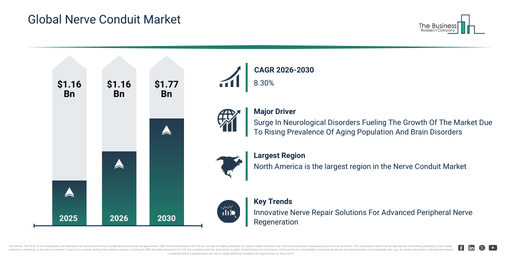
    The nerve conduit market is projected to experience substantial expansion over the upcoming years. This market is set to reach a valuation of $2.99 billion by 2030, exhibiting a compound annual growth rate (CAGR) of 8.3%. This expansion during the forecast period is propelled by factors such as a heightened demand for sophisticated nerve regeneration treatments, increased capital flowing into bioengineered medical devices, the growing scope of trauma and reconstructive surgical procedures, an intensified emphasis on achieving better functional recovery, and innovations in regenerative medicine technologies. Key trends observed throughout this period encompass the wider acceptance of bioresorbable nerve conduits, an increase in the utilization of collagen-based repair tubes, a stronger focus on developing composite and hybrid conduits, the proliferation of peripheral nerve repair operations, and improved integration of tissue engineering methodologies.

    Get A Free Sample Report With In-Depth Market Insights:

    https://thebusinessresearchcompany.com/sample_request?id=95999728&type=smp&name=Nerve%20Conduit%20Market%20Report%202026&utm_source=Blogs&utm_medium=Paid&utm_campaign=Sep_PR

    Nerve Conduit Market Demand Drivers Opening New Revenue Streams

    The increasing occurrence of neurological conditions is anticipated to fuel the expansion of the nerve conduit market moving forward. These conditions, which involve impairments to the brain, spinal cord, and nervous system, often manifest as difficulties with cognition, movement, or sensation. The growing incidence of neurological disorders is largely attributable to the aging demographic, as older individuals are more prone to ailments such as Alzheimer’s and Parkinson’s disease. Nerve conduits serve a vital role in addressing neurological disorders by guiding the regrowth of impaired nerves, thereby facilitating recuperation and functional restoration in situations like peripheral nerve injuries. For example, in April 2024, data from the National Institutes of Health (NIH), a leading US biomedical research agency, indicated that approximately 6.9 million Americans aged 65 and above are currently living with Alzheimer’s dementia, a figure expected to rise to nearly 13.8 million by 2060. Consequently, the rising prevalence of neurological disorders is a key factor propelling the growth of the nerve conduit market.

    Nerve Conduit Market Segment Analysis: What Are The Core Market Categories?

    The nerve conduit market covered in this report is segmented –

    1) By Type: Artificial Nerve Conduits, Natural Nerve Conduits, Composite Nerve Conduits, Bioengineered Nerve Conduits

    2) By Material: Silicone, Collagen, Polyethylene Glycol (PEG), Polyglycolic Acid (PGA), Other Biocompatible Materials

    3) By Distribution Channel: Direct Sales, Specialized Medical Device Procurement, Distributors, Hospitals And Clinics, Other Distribution Channel

    4) By Application: Peripheral Nerve Injury, Dental Applications, Other Surgical Applications

    5) By End-User: Hospitals, Ambulatory Surgical Centers, Research Laboratories, Academic Institutions, Other End-Users

    Subsegments:

    1) By Artificial Nerve Conduits: Synthetic Polymers, Silicone Nerve Conduits, Collagen Nerve Conduits, Polyethylene Glycol Nerve Conduits

    2) By Natural Nerve Conduits: Autografts, Allografts, Xenografts

    3) By Composite Nerve Conduits: Biodegradable Polymers, Hybrid Conduits, Nano-Composite Nerve Conduits

    4) By Bioengineered Nerve Conduits: Stem Cell-Based Conduits, Tissue-Engineered Conduits, Biodegradable Electrospun Nanofiber Conduits

    Nerve Conduit Market Trends Powering Strategic Industry Growth

    Leading companies operating in the film-faced plywood market are concentrating on developing technological advancements, such as the Nerve Cuff, to improve product durability, performance, and application efficiency. A nerve cuff is a medical apparatus designed to encircle a damaged peripheral nerve to assist and guide its regeneration and functional recovery. For instance, in September 2024, Mochida Pharmaceutical Co., Ltd., a Japan-based pharmaceutical company, in collaboration with PBC Biomed, an Ireland-based medical device and life sciences services company, introduced the ReFeel Nerve Repair Solution, which aims to foster peripheral nerve regeneration and enhance functional recovery following nerve injuries. The ReFeel Nerve Repair Solution incorporates a soft, biocompatible nerve cuff that shields injured nerves while directing their regeneration and minimizing scar formation. It is engineered for simple implantation and to boost functional recuperation after peripheral nerve injuries.

    Nerve Conduit Market Key Participants And Competitive Landscape

    Major companies operating in the nerve conduit market are Axogen Inc., Integra LifeSciences Holdings Corporation, Toyobo Co. Ltd., Checkpoint Surgical Inc., Collagen Matrix Inc., Polyganics B.V., Reaxon GmbH, Cook Biotech Inc., Synovis Micro Companies Alliance, Seikagaku Corporation, Regenity Inc., NeuraGen (Integra brand), Neurocap (Polyganics brand), AxoGuard (Axogen brand), Neuroflex (Collagen Matrix brand), NeuroMend (Stryker Neuro legacy), Neurotube (Synovis legacy), NeuroGen (collagen conduit platform), NeuroWrap (nerve protection conduit platform), NeuroMatrix (regenerative nerve scaffold), NeuroSeal (bioabsorbable nerve conduit)

    View The Full Nerve Conduit Market Report:

    https://thebusinessresearchcompany.com/report/nerve-conduit-global-market-report?utm_source=Blogs&utm_medium=Paid&utm_campaign=Sep_PR

    Nerve Conduit Market Geographic Analysis: Where Is Demand Rising Fastest?

    North America was the largest region in the nerve conduit market in 2025. Asia-Pacific is expected to be the fastest-growing region in the forecast period. The regions covered in the nerve conduit market report are Asia-Pacific, South East Asia, Western Europe, Eastern Europe, North America, South America, Middle East, Africa.

    Reach Out To Our Team:

    The Business Research Company: https://www.thebusinessresearchcompany.com/

    Americas: +1 310-496-7795

    Asia: +44 7882 955267 & +91 8897263534

    Europe: +44 7882 955267

    Email us at: marketing@tbrc.info

    Follow us on:

    LinkedIn: https://in.linkedin.com/company/the-business-research-company

    YouTube: https://www.youtube.com/channel/UC24_fI0rV8cR5DxlCpgmyFQ

    Global Market Model: https://www.thebusinessresearchcompany.com/global-market-model
  • Nephrostomy Devices Market Size And Forecast 2026–2030: Trends Driving Industry Expansion

    Nephrostomy Devices Market Size And Forecast 2026–2030: Trends Driving Industry Expansion

    Backed by market attractiveness analysis, total addressable market sizing, company benchmarking matrices, interactive Excel dashboards, wider supply chain intelligence, emerging startup coverage, and detailed product-level insights, The Business Research Company’s 2026 market reports are designed to offer research that is more actionable and strategically valuable than ever.

    Nephrostomy Devices Market Growth Analysis: How Will Revenue Trend Over The Forecast Period?

    The nephrostomy devices market has demonstrated significant expansion in recent years. It is projected to increase from $1.3 billion in 2025 to $1.41 billion in 2026, exhibiting a compound annual growth rate (CAGR) of 8.4%. This historical growth can be attributed to the rising occurrence of kidney stones, an increasing incidence of urinary tract blockages, a surge in urological surgical operations, the broadening reach of hospital-based interventional radiology, and enhanced recognition of the importance of renal function preservation.

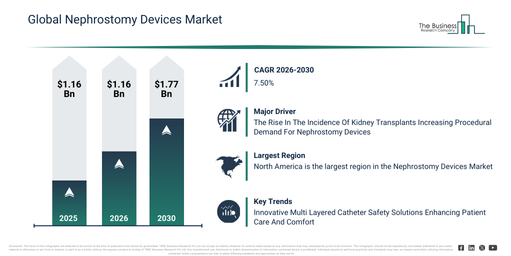
    The nephrostomy devices market size is projected to experience robust expansion in the coming years, reaching $1.89 billion by 2030, driven by a compound annual growth rate (CAGR) of 7.5%. This anticipated growth during the forecast period is fueled by factors such as the increasing prevalence of urological cancers, a rise in the adoption of minimally invasive urology procedures, an expanding elderly population suffering from renal disorders, the proliferation of ambulatory surgical centers, and a heightened need for long-term urinary drainage solutions. Key trends expected over this period involve the increasing utilization of percutaneous nephrostomy procedures, a greater demand for minimally invasive urinary drainage options, an uptick in the deployment of hydrophilic and coated nephrostomy devices, the broader application of image-guided nephrostomy interventions, and an intensified emphasis on ensuring patient comfort and preventing infections.

    Get A Free Sample Report With In-Depth Market Insights:

    https://thebusinessresearchcompany.com/sample_request?id=96641910&type=smp&name=Nephrostomy%20Devices%20Market%20Report%202026&utm_source=Blogs&utm_medium=Paid&utm_campaign=Sep_PR

    Nephrostomy Devices Market Growth Backed By Core Demand Fundamentals

    The escalating incidence of kidney transplants is projected to boost the expansion of the nephrostomy device market in the coming years. A kidney transplant is defined as a surgical procedure where a healthy kidney from a donor is placed into a person experiencing kidney failure. The uptick in kidney transplants can be attributed to the increasing prevalence of chronic kidney disease and kidney failure, along with advancements in medical technology and transplant methodologies. Nephrostomy devices support kidney transplants by offering a temporary means to directly drain urine from the kidneys when complications such as urinary tract blockages occur, thereby ensuring proper kidney function and reducing the risk of infection or damage to the transplanted kidney during the crucial post-transplant recovery period. For instance, data from January 2025, reported by the Organ Procurement and Transplantation Network, a US-based non-profit organization, showed a modest increase in kidney transplants, reaching 27,759 in 2024, which represented a 1.6 percent rise compared to 2023. In contrast, the volume of heart transplants remained largely stable, with 4,572 procedures in 2024 compared to 4,545 in 2023. Therefore, the growing number of kidney transplants is propelling the demand within the nephrostomy devices market.

    Nephrostomy Devices Market Segment Breakdown: Which Categories Lead On Revenue?

    The nephrostomy devices market covered in this report is segmented –

    1) By Product Type: Guidewires, Drainage Tubes, Nephrostomy Catheters, Sheath Dilators, Other Products

    2) By Application: Kidney Diseases, Urological Cancer And Benign Prostatic Hyperplasia (BPH)

    3) By End-Use: Hospitals, Clinics, Ambulatory Surgical Centers (ASCs), Other End-Users

    Subsegments:

    1) By Guidewires: Straight Guidewires, Hydrophilic Guidewires, Coated Guidewires

    2) By Drainage Tubes: Single-Lumen Drainage Tubes, Double-Lumen Drainage Tubes

    3) By Nephrostomy Catheters: Percutaneous Nephrostomy Catheters, Suprapubic Nephrostomy Catheters

    4) By Sheath Dilators: Standard Sheath Dilators, Hydrophilic Sheath Dilators

    5) By Other Products: Nephrostomy Bags, Catheter Fixation Devices, Nephrostomy Kits

    Nephrostomy Devices Market Growth Trends Reshaping The Competitive Landscape

    Major companies in the nephrostomy devices market are concentrating on developing advanced solutions, such as multi-layered catheter safety innovations, to supersede traditional catheter stabilization methods. An advanced solution denotes a technology designed to improve patient safety by minimizing the risk of infections, accidental dislodgement, and discomfort. For example, in November 2025, Cathetrix Ltd, a US-based developer of smart catheter stabilisation devices, launched Nephro-Safe, recognized as the world’s most advanced nephrostomy tube stabiliser, under its new subsidiary TubeX. This innovation replaces conventional stabilization methods by offering a dual-layer protection system, which includes a secure anchoring mechanism and smart anti-slide technology, to prevent external forces from affecting the nephrostomy site. When integrated with Cathetrix’s Foley-Safe catheter stabiliser, the solution offers a three-layer protection system for Foley catheters, addressing fixation, movement absorption, and safe disconnection. These advancements collectively enhance patient comfort, heighten safety, and streamline catheter management for caregivers.

    Nephrostomy Devices Market Top Companies Driving Competitive Growth

    Major companies operating in the nephrostomy devices market are Becton Dickinson and Company, Boston Scientific Corporation, Olympus Corporation, Terumo Corporation, Coloplast Corp., B Braun Medical Inc., Cook Medical, Teleflex Incorporated, Merit Medical Systems, AngioDynamics, Argon Medical Devices, Well Lead Medical Co Ltd, Amecath, Medi-Globe GmbH, Troge Medical GmbH, Rocamed, Suru International Pvt Ltd, UroMed, Electramed Ltd, Urovision Urotech, Manfred Sauer UK, Surgimedik Healthcare India Pvt Ltd

    View The Full Nephrostomy Devices Market Report:

    https://thebusinessresearchcompany.com/report/nephrostomy-devices-global-market-report?utm_source=Blogs&utm_medium=Paid&utm_campaign=Sep_PR

    Nephrostomy Devices Market Global Footprint: Which Region Leads The Market?

    North America was the largest region in the nephrostomy devices market in 2025. Asia-Pacific is expected to be the fastest-growing region in the forecast period. The regions covered in the nephrostomy devices market report are Asia-Pacific, South East Asia, Western Europe, Eastern Europe, North America, South America, Middle East, Africa.

    Reach Out To Our Team:

    The Business Research Company: https://www.thebusinessresearchcompany.com/

    Americas: +1 310-496-7795

    Asia: +44 7882 955267 & +91 8897263534

    Europe: +44 7882 955267

    Email us at: marketing@tbrc.info

    Follow us on:

    LinkedIn: https://in.linkedin.com/company/the-business-research-company

    YouTube: https://www.youtube.com/channel/UC24_fI0rV8cR5DxlCpgmyFQ

    Global Market Model: https://www.thebusinessresearchcompany.com/global-market-model
  • Nephrostomy Bags Market 2026 Outlook: Market Size, CAGR And Key Growth Opportunities

    Nephrostomy Bags Market 2026 Outlook: Market Size, CAGR And Key Growth Opportunities

    Featuring market attractiveness scoring, total addressable market sizing, company benchmarking matrices, interactive Excel dashboards, deeper supply chain intelligence, emerging startup tracking, and granular product-level insights, The Business Research Company’s 2026 market reports are built to deliver research that is both more actionable and more strategically valuable.

    Nephrostomy Bags Market Forecast: What Value Will The Market Reach By 2030?

    The nephrostomy bags market has demonstrated substantial growth in recent times. This market is projected to expand from $1.16 billion in 2025 to reach $1.25 billion by 2026, exhibiting a compound annual growth rate (CAGR) of 7.4%. Factors contributing to the historical market growth include an uptick in urinary tract obstruction cases, a rise in kidney stone disorders, the proliferation of hospital-based urology procedures, the accessibility of sterile drainage solutions, and a heightened adoption of nephrostomy interventions.

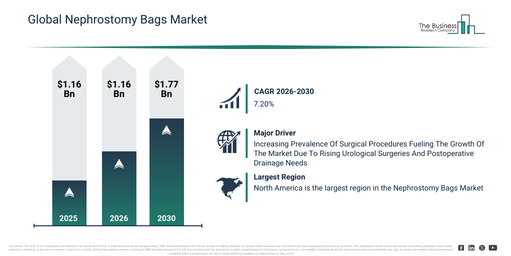
    The nephrostomy bags market is anticipated to experience robust expansion over the coming years, reaching a valuation of $1.65 billion by 2030, exhibiting a compound annual growth rate (CAGR) of 7.2%. This projected growth during the forecast period is fueled by several factors, including a growing elderly demographic grappling with renal conditions, an increasing need for post-operative care provided at home, heightened awareness concerning products designed for infection prevention, the proliferation of minimally invasive urology procedures, and rising healthcare spending on drainage equipment. Key developments expected within this period encompass a greater uptake of anti-reflux nephrostomy bags, an escalating demand for silicone-based collection bags, a noticeable shift towards disposable nephrostomy solutions, an expansion in the management of urinary drainage within homecare settings, and a sharpened emphasis on both patient comfort and infection control.

    Get A Free Sample Report With In-Depth Market Insights:

    https://thebusinessresearchcompany.com/sample_request?id=26395923&type=smp&name=Nephrostomy%20Bags%20Market%20Report%202026&utm_source=Blogs&utm_medium=Paid&utm_campaign=Sep_PR

    Nephrostomy Bags Market Growth Catalysts And Demand Drivers

    A growing number of surgical procedures is anticipated to fuel the expansion of the nephrostomy bags market. Surgical interventions, which involve manual or instrumental methods to address illnesses, injuries, or deformities, are becoming more frequent. This increase stems from the rising occurrence of urological issues like kidney stones, tumors, and urinary tract blockages that frequently necessitate surgery for effective treatment. Nephrostomy bags play a crucial role in these procedures by ensuring efficient postoperative urine drainage, thereby mitigating complications arising from urinary obstructions. They aid patient recovery by preventing infections, alleviating kidney pressure, and enhancing overall care in both hospital and home environments. For example, in September 2023, the American Society of Plastic Surgeons (ASPS), a US-based medical association, reported that liposuction surgery, a cosmetic fat removal procedure, reached 347,782 procedures in 2023, representing a 7% increase from 2022. Consequently, the increasing incidence of surgical procedures is propelling the growth of the nephrostomy bags market. The escalating prevalence of kidney diseases is projected to drive the future growth of the nephrostomy bags market. Kidney diseases are conditions that impair kidney function, affecting their ability to filter waste, regulate fluids, and maintain general health. The primary reason for the increase in kidney diseases is the growing incidence of diabetes, which can damage the kidneys and hinder their waste filtration capacity. Nephrostomy bags are vital for managing kidney diseases by safely collecting urine when kidney drainage is impaired, thereby lowering the risk of infection and kidney damage. For instance, in May 2024, the Centers for Disease Control and Prevention (CDC), a US government agency, estimated that over 14% of US adults, approximately 35.5 million people, suffer from chronic kidney disease (CKD), with up to 90% of those unaware of their condition. Furthermore, about one in three adults with severe chronic kidney disease remain undiagnosed. Thus, the rising prevalence of kidney diseases is fostering the growth of the nephrostomy bags market.

    Nephrostomy Bags Market Segmentation: How Does The Market Break Down By Category?

    The nephrostomy bags market covered in this report is segmented –

    1) By Type: Sterile, Non-sterile

    2) By Material: Polyvinyl Chloride (PVC) And Polyurethane (PU), Silicone, Others Materials

    3) By Usage: Disposable, Reusable

    4) By Capacity: 100-500 Milliliters (ml), 500-1000 Milliliters (ml), Above 1000 Milliliters (ml)

    5) By End-User: Hospitals And Clinics, Homecare, Ambulatory Surgical Centers, Others End Users

    Subsegments:

    1) By Sterile: Closed Drainage Bags, Anti-Reflux Nephrostomy Bags, Single-Use Sterile Bags

    2) By Non-Sterile: Open Drainage Bags, Reusable Non-Sterile Bags, Economy Nephrostomy Bags

    Nephrostomy Bags Market Leading Players And Competitive Positioning

    Major companies operating in the nephrostomy bags market are Coloplast, Teleflex Incorporated, Hollister Incorporated, Merit Medical Systems Inc., B. Braun Melsungen AG, Sanxin Medical, Remington Medical Inc., UreSil LLC, Rufa Products, Lifevv, Becton Dickinson and Company, Cook Medical, Boston Scientific, AngioDynamics Inc., WellLead Medical Co. Ltd., PFM Medical AG, Convatec Group plc, Flexicare Medical Ltd., Medline Industries LP, Sterimed Medical Devices Pvt. Ltd.

    View The Full Nephrostomy Bags Market Report:

    https://thebusinessresearchcompany.com/report/nephrostomy-bags-global-market-report?utm_source=Blogs&utm_medium=Paid&utm_campaign=Sep_PR

    Nephrostomy Bags Market Regional Split: Which Areas Are Fueling Growth?

    North America was the largest region in the nephrostomy bags market in 2025. Asia-Pacific is expected to be the fastest-growing region in the forecast period. The regions covered in the nephrostomy bags market report are Asia-Pacific, South East Asia, Western Europe, Eastern Europe, North America, South America, Middle East, Africa.

    Reach Out To Our Team:

    The Business Research Company: https://www.thebusinessresearchcompany.com/

    Americas: +1 310-496-7795

    Asia: +44 7882 955267 & +91 8897263534

    Europe: +44 7882 955267

    Email us at: marketing@tbrc.info

    Follow us on:

    LinkedIn: https://in.linkedin.com/company/the-business-research-company

    YouTube: https://www.youtube.com/channel/UC24_fI0rV8cR5DxlCpgmyFQ

    Global Market Model: https://www.thebusinessresearchcompany.com/global-market-model