Category: Medical Equipment

  • Breast Cancer Liquid Biopsy Market 2025-2034: Key Highlights, Growth Dynamics, and Emerging Trends

    Our market reports now include the latest updates on global tariffs, trade impacts, and evolving supply chain dynamics.

    How Fast Is The Breast Cancer Liquid Biopsy Market Expected to Grow Between 2025 And 2029?

    Rapid expansion has been seen in the breast cancer liquid biopsy market size in the past few years. The market is projected to escalate from $0.78 billion in 2024 to $0.90 billion in 2025, reflecting a compound annual growth rate (CAGR) of 15.0%. The historical period growth is mainly due to the progression in next-generation sequencing (ngs), escalating instances of breast cancer, growing inclination for non-invasive diagnostic procedures, increasing adoption of personalized medical approaches, and augmented funds directed towards cancer research.

    The market size of breast cancer liquid biopsy is predicted to experience significant growth in the upcoming years, expanding to $1.56 billion by 2029 at a Compound Annual Growth Rate (CAGR) of 14.7%. This surge during the forecasted timeframe can be ascribed to the evolution in liquid biopsy assays technology, the growing utilization of liquid biopsy for early cancer detection, increasing need for real-time cancer monitoring, broadening features in precision oncology, and increase in investments for liquid biopsy research and development. Major forecasted trends include the incorporation of artificial intelligence in liquid biopsy examination, enhancements in single-cell sequencing, creation of multi-omics liquid biopsy platforms, enhancement in liquid biopsy specificity and sensitivity, and the adoption of digital PCR for ultra-precise mutation identification.

    Download a free sample to assess the report’s scope and structure:

    https://www.thebusinessresearchcompany.com/sample.aspx?id=21119&type=smp

    Which Primay Drivers Are Accelerating Growth in the Breast Cancer Liquid Biopsy Market?

    The growth of the breast cancer liquid biopsy market is predicted to be driven by the escalation in breast cancer incidents. Breast cancer emerges from breast cells, predominantly from the lobules (milk-producing glands) or ducts (channels that transport milk to the nipple). The surge in breast cancer is attributable to several factors, including genetic predisposition, hormonal imbalances, an aging population, lifestyle alterations, obesity, alcohol usage, insufficient physical activity, exposure to radiation, and environmental pollutants. A liquid biopsy for breast cancer aids in the treatment by identifying circulating tumor DNA (ctDNA) or circulating tumor cells (CTCs) in the blood, which helps in monitoring the disease in real-time. This procedure contributes to gauging the response to treatment, detecting resistance to therapy, and pinpointing genetic mutations for targeted treatments. To illustrate, the American Cancer Society, a US-based charitable organisation know for its work in cancer research, education, advocacy, and patient support, predict an escalation in new breast cancer incidences to 319,750 in 2025, a substantial rise from 313,510 cases in 2024. Thus, the rise in breast cancer cases fuels the expansion of the liquid biopsy market for breast cancer.

    Which Primary Segments of the Breast Cancer Liquid Biopsy Market Are Driving Growth and Industry Transformations?

    The breast cancer liquid biopsy market covered in this report is segmented –

    1) By Product: Consumables, Kits

    2) By Biomarkers: Extracellular Vesicles (EVs), Cell-free DNA (cfDNA), Circulating Tumor RNA (ctRNA), Circulating Tumor Cells (CTCs), Cell-free RNA (cfRNA), Other Biomarkers

    3) By Application: Early Detection Or Screening, Diagnosis, Other Applications

    4) By End Users: Laboratories, Hospitals, Physician Laboratories, Reference Laboratories, Public Health Laboratories, Research Institutes, Small Molecular Laboratories, Pathology Laboratories

    Subsegments:

    1) By Consumables: Reagents, Polymerase Chain Reaction (PCR) Assays, Sequencing Panels, Sample Collection Tubes

    2) By Kits: DNA-based Liquid Biopsy Kits, RNA-based Liquid Biopsy Kits, Multi-marker Liquid Biopsy Kits

    Request customized data on this market:

    https://www.thebusinessresearchcompany.com/customise?id=21119&type=smp

    Which Regions Are Key Players in the Growth of the #Which Primay Drivers Are Accelerating Growth in the Breast Cancer Liquid Biopsy Market?# Market?

    North America was the largest region in the breast cancer liquid biopsy market in 2024. Asia-Pacific is expected to be the fastest-growing region in the forecast period. The regions covered in the breast cancer liquid biopsy market report are Asia-Pacific, Western Europe, Eastern Europe, North America, South America, Middle East, Africa.

    Which Technological Trends Are Reshaping the Breast Cancer Liquid Biopsy Industry Dynamics?

    A primary focus of leading businesses in the breast cancer liquid biopsy market is on the creation of innovative products like companion diagnostics, facilitating bespoke treatment strategies through the identification of patients who will gain from specific treatments. These companion diagnostics employ liquid biopsy technologies to identify biomarkers such as genetic alterations, circulating tumor DNA (ctDNA), or expressions of proteins that signal responsiveness to treatment. For instance, in January 2023, the FDA approved Guardant Health Inc., a biotechnology firm based in the US, for its Guardant360 CDx liquid biopsy test as a companion diagnostic for Menarini Group’s ORSERDU (elacestrant), which is a treatment for patients with advanced or metastatic breast cancer carrying ESR1 mutations. This approval empowers oncologists to use the test for wide-ranging genomic profiling, pinpointing patients who might profit from targeted treatment. This represents Guardant Health’s first FDA approval for breast cancer, and broadens its involvement in precision oncology.

    View the full report here:

    https://www.thebusinessresearchcompany.com/report/breast-cancer-liquid-biopsy-global-market-report

    What Parameters Are Used to Define the Breast Cancer Liquid Biopsy Market?

    A breast cancer liquid biopsy is a minimally invasive test that detects and analyzes tumor-derived materials in a patient’s blood or other bodily fluids. It provides valuable insights into the presence, progression, and genetic profile of breast cancer without requiring a traditional tissue biopsy.

    Purchase the full report and get a swift delivery:

    https://www.thebusinessresearchcompany.com/purchaseoptions.aspx?id=21119

    About The Business Research Company:

    With over 15000+ reports from 27 industries covering 60+ geographies, The Business Research Company has built a reputation for offering comprehensive, data-rich research and insights. Armed with 1,500,000 datasets, the optimistic contribution of in-depth secondary research, and unique insights from industry leaders, you can get the information you need to stay ahead in the game.

    Get in touch with us:

    The Business Research Company: https://www.thebusinessresearchcompany.com/

    Americas +1 3156230293

    Asia +44 2071930708

    Europe +44 2071930708

    Email us at info@tbrc.info

    Follow us on:

    LinkedIn: https://in.linkedin.com/company/the-business-research-company

    YouTube: https://www.youtube.com/channel/UC24_fI0rV8cR5DxlCpgmyFQ

    Global Market Model: https://www.thebusinessresearchcompany.com/global-market-model
  • Spinal Trauma Devices Market Insights: In-Depth Look at Growth Trends, Market Size, and Opportunities for 2025-2034

    Spinal Trauma Devices Market Insights: In-Depth Look at Growth Trends, Market Size, and Opportunities for 2025-2034

    Get 30% off on our Global Market Reports with code ONLINE30 – Hurry, limited time offer!

    What Are the Key Milestones in the Spinal Trauma Devices Market’s Growth Trajectory From 2025 To 2034?

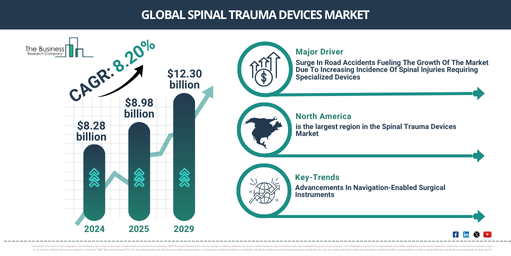
    In recent years, the spinal trauma devices market has experienced significant growth. The market value is projected to expand from $8.28 billion in 2024 to $8.98 billion in 2025, indicating a compound annual growth rate (CAGR) of 8.4%. The market expansion during the historical period is linked to an increase in spinal cord injuries, FDA approval of the first spinal implants, development of biodegradable and bioabsorbable materials, the aging population suffering from osteoporosis, and the proliferation of robotic-assisted spine surgery.

    The market size for spinal trauma devices is predicted to experience vigorous growth in the upcoming years, with an estimated value of $12.30 billion in 2029 and an 8.2% compound annual growth rate (CAGR). Factors driving growth during the forecast period include an escalating demand for less invasive spine surgical procedures, a rise in sports-related injuries, regulatory endorsements and market penetration, an expanded number of spine care experts, and an increase in medical tourism. Key trends during the projected period include progress in non-invasive methods, implant material tech innovation, incorporation of digital technologies, the invention of advanced materials, and the implementation of AI and IoT digital tools.

    Download a free sample to assess the report’s scope and structure:

    https://www.thebusinessresearchcompany.com/sample.aspx?id=23525&type=smp

    What External and Internal Drivers Are Contributing to the Growth of the Spinal Trauma Devices Market?

    The escalation in road mishaps is set to fuel the expansion of the spinal trauma devices market in the future. Road mishaps encompass traffic collisions that involve vehicles, pedestrians, or cyclists, and often result in serious injuries, inclusive of spinal trauma. The increasing frequency of such accidents is attributed to careless driving practices such as speeding, distracted driving, driving under the influence, and not adhering to traffic signals, all of which escalate the collision and injury risk. Road mishaps can inflict spinal injuries due to abrupt impact or violent motion, necessitating the employment of spinal trauma devices for spinal stabilization and protection. For example, the National Highway Traffic Safety Administration, a US government agency concentrating on transport safety, reported in May 2022, a 10.5% spike in fatalities due to vehicular crashes, totaling an estimated 42,915 deaths in 2021. Hence, the escalating frequency of road mishaps is propelling the expansion of the spinal trauma devices market.

    What Segment Types Define the Spinal Trauma Devices Market Structure?

    The spinal trauma devices market covered in this report is segmented –

    1) By Product: Spinal Fusion Devices, Spinal Biologics, Vertebral Compression Fracture Treatment Devices, Spinal Bone Growth Stimulators, Spinal Bone Grafts

    2) By Technology: Fusion And Fixation Technology, Vertebral Compression Fracture Treatment, Motion Preservation Technologies

    3) By Type Of Surgery: Open Surgery, Minimally Invasive Surgery

    4) By End User: Hospitals And Clinics, Ambulatory Surgery Centers

    Subsegments:

    1) By Spinal Fusion Devices: Pedicle Screw Systems, Plates, Rods, Cages

    2) By Spinal Biologics: Bone Graft Substitutes, Platelet-Rich Plasma (PRP), Bone Morphogenetic Proteins (BMPs)

    3) By Vertebral Compression Fracture Treatment Devices: Balloon Kyphoplasty Devices, Vertebroplasty Devices

    4) By Spinal Bone Growth Stimulators: Implanted Bone Growth Stimulators, External Bone Growth Stimulators, Ultrasonic Bone Growth Stimulators

    5) By Spinal Bone Grafts: Autografts, Allografts, Synthetic Bone Grafts

    Request customized data on this market:

    https://www.thebusinessresearchcompany.com/customise?id=23525&type=smp

    Which Geographic Areas Hold the Strongest Growth Potential in the Spinal Trauma Devices Market?

    North America was the largest region in the spinal trauma devices market in 2024. Asia-Pacific is expected to be the fastest-growing region in the forecast period. The regions covered in the spinal trauma devices market report are Asia-Pacific, Western Europe, Eastern Europe, North America, South America, Middle East, Africa.

    What Are the Key Market Trends in the Spinal Trauma Devices Market Over the Coming Years?

    Leading firms in the spinal trauma devices market are making strides in creating sophisticated products like integrated navigation-enhanced tools to elevate surgical accuracy, simplify procedures, and boost patient recovery. The integrated navigation-enhanced-tools system merges high-end implants with tools specially built to flawlessly amalgamate with facilitating technologies, in a bid to handle intricate spine complications more efficient. For instance, DePuy Synthes, a notable American medical device production firm, introduced the TriALTIS Spine System in April 2024. This cutting-edge posterior thoracolumbar pedicle screw system presents an exhaustive implant range and superior instrumentation crafted for incorporation with power and navigation technologies. By merging a fresh collection of implants with a digital ecosystem, the TriALTIS Spine System aims to tackle unfulfilled clinical demands and aid surgeons in attaining more steady results in managing complex spine issues, encompassing degenerative, tumor, trauma, and deformity pathologies.

    View the full report here:

    https://www.thebusinessresearchcompany.com/report/spinal-trauma-devices-global-market-report

    What Is the Definition of the Spinal Trauma Devices Market?

    Spinal trauma devices are specialized medical instruments used to manage spinal injuries or fractures resulting from trauma. They help in stabilizing and aligning the spine to facilitate recovery and include components such as screws, rods, plates, and cages.

    Purchase the full report and get a swift delivery:

    https://www.thebusinessresearchcompany.com/purchaseoptions.aspx?id=23525

    About The Business Research Company:

    With over 15000+ reports from 27 industries covering 60+ geographies, The Business Research Company has built a reputation for offering comprehensive, data-rich research and insights. Armed with 1,500,000 datasets, the optimistic contribution of in-depth secondary research, and unique insights from industry leaders, you can get the information you need to stay ahead in the game.

    Get in touch with us:

    The Business Research Company: https://www.thebusinessresearchcompany.com/

    Americas +1 3156230293

    Asia +44 2071930708

    Europe +44 2071930708

    Email us at info@tbrc.info

    Follow us on:

    LinkedIn: https://in.linkedin.com/company/the-business-research-company

    YouTube: https://www.youtube.com/channel/UC24_fI0rV8cR5DxlCpgmyFQ

    Global Market Model: https://www.thebusinessresearchcompany.com/global-market-model
  • Antimicrobial Resistance Surveillance Market Outlook 2025–2034: Identifying Growth Drivers, Technology Trends, and Policy Impact

    Antimicrobial Resistance Surveillance Market Outlook 2025–2034: Identifying Growth Drivers, Technology Trends, and Policy Impact

    Our market reports now include the latest updates on global tariffs, trade impacts, and evolving supply chain dynamics.

    How Has the Antimicrobial Resistance Surveillance Market Growth Performance Trended Historically, And What Lies Ahead?

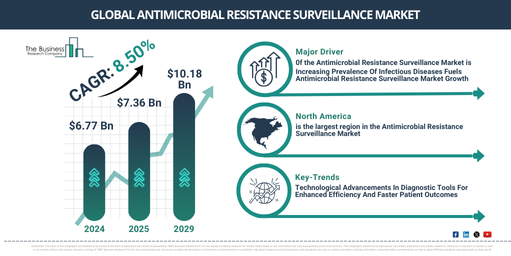
    The market size of antimicrobial resistance surveillance has seen robust growth in the past years. The market is projected to expand from $6.77 billion in 2024 to $7.36 billion in 2025, with a compound annual growth rate (CAGR) of 8.7%. The historical growth is linked to the rise in antibiotic usage in farming, excessive prescribing of antibiotics in healthcare, insufficient diagnostic testing, below par infection prevention and control measures, as well as global tourism and commerce.

    Expectations for robust expansion in the antimicrobial resistance surveillance market are high in the coming years, with projections estimating it to reach $10.18 billion in 2029, flaunting a compound annual growth rate (CAGR) of 8.5%. The predicted growth during this period is largely due to increased consciousness of antimicrobial resistance, advancements in diagnostic technology sophistication, heightened government initiatives and funding, a surge in in healthcare-related infections, and the creation of new antibiotics and alternatives. Key trends earmarked for the forecast period encapsulate the use of artificial intelligence in data analysis, the advent of next-generation sequencing technologies, the implementation of real-time surveillance systems, molecular diagnostic instruments, and the fusion of big data and machine learning in predictive modeling.

    Download a free sample to assess the report’s scope and structure:

    https://www.thebusinessresearchcompany.com/sample.aspx?id=21100&type=smp

    What Are the Core Market Drivers Propelling Growth in the Antimicrobial Resistance Surveillance Industry?

    The growth of the antimicrobial resistance surveillance market is expected to be driven by the rising occurrence of infectious diseases. These ailments originate from harmful microorganisms like bacteria, viruses, fungi or parasites, which can be transmitted directly or indirectly amongst individuals. Factors like climate change, urbanization, and global travel are contributing to the heightened prevalence of infectious diseases, as they increase the spread of pathogens and expose humans to new microbes. Antimicrobial resistance surveillance plays a key role in tracking the proliferation of resistant pathogens, crafting effective treatment plans, and shaping public health policies to tackle infectious diseases. For example, a report by the UK Health Security Agency, a governmental entity in the UK, stated in February 2024 that tuberculosis (TB) cases in England had surged by 10.7% in 2023 when 4,850 cases were documented as opposed to 4,380 in 2022. Thus, the escalation in infectious diseases prevalence is catalyzing the growth of the antimicrobial resistance surveillance market.

    How Is the Antimicrobial Resistance Surveillance Market Segmented?

    The antimicrobial resistance surveillance market covered in this report is segmented –

    1) By Solution: Diagnostic Kits, Diagnostic Systems, Surveillance Software, Services

    2) By Application: Clinical Diagnostics, Public Health Surveillance, Other Applications

    3) By End User: Hospitals And Clinics, Research And Academic Institutes, Other End Users

    Subsegments:

    1) By Diagnostic Kits: PCR-Based Kits, Immunoassay Kits, Lateral Flow Assay Kits

    2) By Diagnostic Systems: Automated Susceptibility Testing Systems, Whole Genome Sequencing (WGS) Systems, Mass Spectrometry-Based Systems

    3) By Surveillance Software: Cloud-Based Surveillance Platforms, AI-Powered Data Analytics Tools, Electronic Health Record (EHR)-Integrated Systems

    4) By Services: Laboratory Testing Services, Data Management & Reporting Services, Consultation & Training Services

    Request customized data on this market:

    https://www.thebusinessresearchcompany.com/customise?id=21100&type=smp

    Which Regions Are Driving the Next Phase of the Antimicrobial Resistance Surveillance Market Growth?

    North America was the largest region in the antimicrobial resistance surveillance market in 2024. Asia-Pacific is expected to be the fastest-growing region in the forecast period. The regions covered in the antimicrobial resistance surveillance market report are Asia-Pacific, Western Europe, Eastern Europe, North America, South America, Middle East, Africa.

    What Key Market Trends and Innovations Are Shaping the Future of the Antimicrobial Resistance Surveillance Industry?

    Leading firms in the market are focusing their efforts on cutting-edge technologies such as innovative diagnostic tools. These tools can streamline operations, boost efficiency, increase accuracy, decrease costs, and deliver enhanced results for both patients and end users. A diagnostic tool is a tool, software, or method used to identify, detect, or evaluate a condition, disease, or problem. For example, Sysmex Astrego AB, a Sweden-based company that manufactures and provides services for diagnostic products, announced in June 2023 the introduction of their PA-100 AST Point-of-Care Testing System. This system can quickly and accurately identify antimicrobial resistance at the care point, significantly reducing the time taken by conventional lab methods, which can span several days. By giving results in just half an hour, it enables healthcare professionals to make expedient and informed treatment decisions for infections, reducing the dependence on broad-spectrum antibiotics and contributing to the fight against antimicrobial resistance.

    View the full report here:

    https://www.thebusinessresearchcompany.com/report/antimicrobial-resistance-surveillance-global-market-report

    How Is the Antimicrobial Resistance Surveillance Market Defined and What Are Its Core Parameters?

    Antimicrobial resistance (AMR) surveillance refers to the systematic monitoring and tracking of the prevalence and spread of antimicrobial-resistant microorganisms. They are used for detecting emerging resistance patterns, guiding public health interventions, and informing treatment strategies to combat infections caused by resistant bacteria, viruses, and fungi.

    Purchase the full report and get a swift delivery:

    https://www.thebusinessresearchcompany.com/purchaseoptions.aspx?id=21100

    About The Business Research Company:

    With over 15000+ reports from 27 industries covering 60+ geographies, The Business Research Company has built a reputation for offering comprehensive, data-rich research and insights. Armed with 1,500,000 datasets, the optimistic contribution of in-depth secondary research, and unique insights from industry leaders, you can get the information you need to stay ahead in the game.

    Get in touch with us:

    The Business Research Company: https://www.thebusinessresearchcompany.com/

    Americas +1 3156230293

    Asia +44 2071930708

    Europe +44 2071930708

    Email us at info@tbrc.info

    Follow us on:

    LinkedIn: https://in.linkedin.com/company/the-business-research-company

    YouTube: https://www.youtube.com/channel/UC24_fI0rV8cR5DxlCpgmyFQ

    Global Market Model: https://www.thebusinessresearchcompany.com/global-market-model
  • Retractable Needle Safety Syringes Market Forecast Reaching $7.65 Billion by 2029 at 8% CAGR

    Retractable Needle Safety Syringes Market Forecast Reaching $7.65 Billion by 2029 at 8% CAGR

    Get 30% off on our Global Market Reports with code ONLINE30 – Hurry, limited time offer!

    How Has the Retractable Needle Safety Syringes Market Growth Performance Trended Historically, And What Lies Ahead?

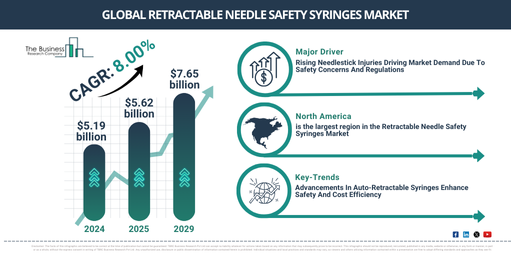
    In recent times, the market size for retractable needle safety syringes has seen robust growth. The estimated growth shows an increase from $5.19 billion in 2024 to $5.62 billion in 2025, reflecting a compound annual growth rate (CAGR) of 8.3%. The surge during the historic period is linked to the prevention of needlestick injuries, stricter regulations for safeguarding healthcare workers, an increase in hospital-acquired infections, the expansion of vaccination schemes, and a growing demand for disposable syringes.

    Expectations are high for considerable expansion in the retractable needle safety syringes market in the upcoming years, with projected growth to $7.65 billion in 2029, reflecting an 8.0% compound annual growth rate (CAGR). This anticipated surge during the forecast period is linked to stricter occupational safety guidelines, rising tendencies in emerging markets, an increased liking for progressive injection mechanisms, heightened understanding of infection control, and government campaigns advocating for more secure medical tools. The forecast period is likely to witness significant trends including the incorporation of intelligent syringes, modernization in retractable needle systems, environmentally friendly and decomposable materials, the creation of compact and weightless syringe models, and a focus on economically efficient safety syringes.

    Download a free sample to assess the report’s scope and structure:

    https://www.thebusinessresearchcompany.com/sample.aspx?id=23501&type=smp

    Which Major Market Drivers Are Expected to Boost the Growth Potential of the Retractable Needle Safety Syringes Market?

    The escalating occurrence of needlestick injuries is anticipated to stimulate the expansion of the retractable needle safety syringes market. Needlestick injuries, commonly occurring in healthcare environments, are inadvertent skin punctures by a needle, potentially leading to exposure to bloodborne pathogens and a considerable danger to health care providers. A major contributory element to the growing occurrence of needlestick injuries is the rise in the number medical procedures requiring injections alongside insufficient safety measures and inappropriate disposal methods. Retractable needle safety syringes are essential in reducing the risks associated with needlestick injuries as they incorporate automated mechanisms that retract the needle post usage, thereby avoiding unintended exposure to harmful pathogens and improving the security for healthcare professionals. For example, in April 2024, as per reports from the Centers for Disease Control and Prevention (CDC), a public health organization based in the US, approximately 385,000 needlesticks and other injuries related to sharps take place each year among hospital healthcare workers. Hence, escalating apprehensions regarding needlestick injuries are driving the demand for improved syringe solutions.

    Which Key Market Segments Comprise the Retractable Needle Safety Syringes Market and Drive Its Revenue Growth?

    The retractable needle safety syringes market covered in this report is segmented –

    1) By Product: Manual Retractable Safety Syringe, Auto-Retractable Safety Syringe

    2) By Material Type: Plastic, Glass, Metal

    3) By Needle Length: 1 Inch, 1.5 Inch, Other Needle Lengths

    4) By Application: Subcutaneous (Sub-Q), Intramuscular (IM), Intravenous (IV)

    5) By End-User: Hospitals, Clinics, Ambulatory Surgical Centers, Other End-Users

    Subsegments:

    1) By Manual Retractable Safety Syringe: Single-Use Manual Retractable Safety Syringe, Multiple-Use Manual Retractable Safety Syringe

    2) By Auto-Retractable Safety Syringe: Passive Auto-Retractable Safety Syringe, Active Auto-Retractable Safety Syringe

    Request customized data on this market:

    https://www.thebusinessresearchcompany.com/customise?id=23501&type=smp

    Which Areas Are Leading Regions in the Retractable Needle Safety Syringes Market Expansion Across the Globe?

    North America was the largest region in the retractable needle safety syringes market in 2024. Asia-Pacific is expected to be the fastest-growing region in the forecast period. The regions covered in the retractable needle safety syringes market report are Asia-Pacific, Western Europe, Eastern Europe, North America, South America, Middle East, Africa.

    What Are the Key Market Trends in the Retractable Needle Safety Syringes Market Over the Coming Years?

    Leading businesses in the market for retractable needle safety syringes are concentrating their efforts on technological advancements such as auto-retractable safety syringes. Such innovations enhance safety and efficacy in healthcare environments by offering a safer, more economical alternative for needle-based injections. The auto-retractable safety syringe is a medical tool engineered to withdraw its needle back into the barrel post-injection automatically, diminishing the probability of needlestick injuries and ensuring safer disposal. For example, Zephyrus Innovations, a medical device enterprise from the US, made public the approval of its Aeroject 3ml safety syringe by the U.S. FDA in February 2023. This advanced syringe comes equipped with a distinct gas-powered retraction function, which guarantees the automatic and safe recoiling of the needle into the syringe post-use, averting unintended exposure to dangerous pathogens. Moreover, the syringe is created with a minimum wasted space design feature, enabling more doses extraction from each vial, thus increasing cost-effectiveness and lowering medication waste in healthcare institutions.

    View the full report here:

    https://www.thebusinessresearchcompany.com/report/retractable-needle-safety-syringes-global-market-report

    How Is the Retractable Needle Safety Syringes Market Conceptually Defined?

    Retractable needle safety syringes refer to a type of syringe designed with a safety mechanism that automatically or manually retracts the needle into the syringe barrel after use. These syringes are primarily used in healthcare settings for the administration of injections, vaccinations, and blood draws, offering enhanced safety during medical procedures by reducing the potential for needle-related injuries and transmission of infections.

    Purchase the full report and get a swift delivery:

    https://www.thebusinessresearchcompany.com/purchaseoptions.aspx?id=23501

    About The Business Research Company:

    With over 15000+ reports from 27 industries covering 60+ geographies, The Business Research Company has built a reputation for offering comprehensive, data-rich research and insights. Armed with 1,500,000 datasets, the optimistic contribution of in-depth secondary research, and unique insights from industry leaders, you can get the information you need to stay ahead in the game.

    Get in touch with us:

    The Business Research Company: https://www.thebusinessresearchcompany.com/

    Americas +1 3156230293

    Asia +44 2071930708

    Europe +44 2071930708

    Email us at info@tbrc.info

    Follow us on:

    LinkedIn: https://in.linkedin.com/company/the-business-research-company

    YouTube: https://www.youtube.com/channel/UC24_fI0rV8cR5DxlCpgmyFQ

    Global Market Model: https://www.thebusinessresearchcompany.com/global-market-model
  • Acute Care Syndromic Testing Market Valuation Expected To Reach $7.5 Billion By 2029, Growing At A Rate Of 12.9%

    Acute Care Syndromic Testing Market Valuation Expected To Reach $7.5 Billion By 2029, Growing At A Rate Of 12.9%

    Our market reports now include the latest updates on global tariffs, trade impacts, and evolving supply chain dynamics.

    How Has the Acute Care Syndromic Testing Market Growth Performance Trended Historically, And What Lies Ahead?

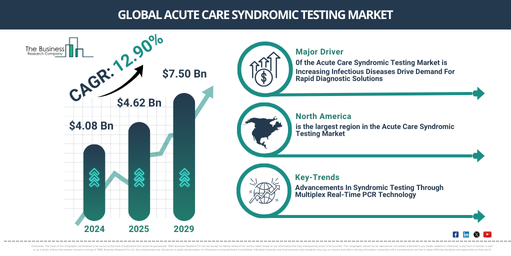
    In recent years, there has been a significant increase in the size of the acute care syndromic testing market. The market is projected to expand from $4.08 billion in 2024 to $4.62 billion in 2025, reflecting a compound annual growth rate (CAGR) of 13.2%. Key factors that have driven growth in this historical period include heightened awareness of antimicrobial resistance, increased government funding for infectious diseases, greater investment in healthcare infrastructure, a heightened emphasis on syndromic testing, the expansion of telemedicine, and the rise in infectious diseases.

    The market for acute care syndromic testing is predicted to experience a surge in size in the upcoming years, shooting up to $7.50 billion by 2029 with a compound annual growth rate (CAGR) of 12.9%. Several factors can explain this growth forecast period like the increasing incidence of infectious diseases, the need for quicker diagnostic solutions, expansion in healthcare services, rising usage of multiplex syndromic panels, and an aging population. Significant emerging trends in the forecast period include a move towards point-of-care testing, the incorporation of cloud-based platforms, the adoption of multiplex panels, the creation of AI-driven tools, and the inclusion of automation in syndromic testing.

    Download a free sample to assess the report’s scope and structure:

    https://www.thebusinessresearchcompany.com/sample.aspx?id=21078&type=smp

    Which Factors and External Forces Are Driving Demand in the Acute Care Syndromic Testing Market?

    The rise in infectious disease cases is anticipated to fuel the expansion of the acute care syndromic testing market. Infectious diseases, which can spread between humans, animals, or from the environment, are health conditions triggered by damaging microorganisms such as bacteria, viruses, fungi, or parasites. The escalating occurrence of these diseases is powered by aspects like population expansion, urbanization, international travel, antimicrobial resistance, and changes in climate, thereby augmenting the necessity for efficient prevention and treatment methods. Acute care syndromic testing plays a crucial role in quickly detecting pathogens and co-infections in infectious diseases by utilizing multiplex molecular diagnostics, paving the way for precision-based treatment decisions. For instance, the Health Security Agency reported in Week 4 of February 2024 that the influenza positivity rate had escalated to 16.6%, a rise from the earlier week’s 14.0%. The influenza-like illness (ILI) consultations also surged to 9.8 per 100,000 individuals from the previous week’s 7.5 per 100,000. Furthermore, influenza hospitalizations also saw a significant increase, reaching 7.63 per 100,000 from the preceding week’s 5.12 per 100,000. Consequently, the increasing prevalence of infectious diseases is steering the growth of the acute care syndromic testing market.

    Which Segments in the Acute Care Syndromic Testing Offer the Most Growth?

    The acute care syndromic testing market covered in this report is segmented –

    1) By Disease Type: Respiratory Diseases, Gastrointestinal Diseases, Genitourinary Diseases, Tropical Diseases, Other Disease Types

    2) By Sample Type: Blood, Urine, Biofluids, Stool, Swabs, Other Sample Types

    3) By Target: Bacteria, Viruses, Fungi, Parasites

    4) By End User: Hospitals, Clinical And Diagnostic Laboratories, Research And Academic Institutions, Other End Users

    Subsegments:

    1) By Respiratory Diseases: Influenza, Respiratory Syncytial Virus (RSV), COVID-19, Tuberculosis, Other Respiratory Diseases

    2) By Gastrointestinal Diseases: Clostridium Difficile Infection, Norovirus, Rotavirus, Salmonella, Other Gastrointestinal Diseases

    3) By Genitourinary Diseases: Urinary Tract Infections (UTIs), Sexually Transmitted Infections (STIs), Vaginal Infections, Other Genitourinary Diseases

    4) By Tropical Diseases: Malaria, Dengue, Chikungunya, Zika Virus, Other Tropical Diseases

    5) By Other Disease Types: Meningitis, Sepsis, Other Emerging Infectious Diseases

    Request customized data on this market:

    https://www.thebusinessresearchcompany.com/customise?id=21078&type=smp

    What Are the Fastest-Growing Geographies in the #Which Factors and External Forces Are Driving Demand in the Acute Care Syndromic Testing Market?# Market?

    North America was the largest region in the acute care syndromic testing market in 2024. The regions covered in the acute care syndromic testing market report are Asia-Pacific, Western Europe, Eastern Europe, North America, South America, Middle East, Africa.

    Which Cutting-Edge Market Trends Are Expected to Drive theAcute Care Syndromic Testing Market’s Growth?

    Top-tier companies working in the acute care syndromic testing market are honing their focus on technological advancements like multiplex real-time polymerase chain reaction (PCR) technology. Their aim is to boost diagnostic accuracy, facilitate quick detection of pathogens, structure lab workflows efficiently, reduce waiting period, and enhance patient results through accurate and on-time treatment strategies. The multiplex real-time PCR technology, an advanced molecular diagnostic approach, can simultaneously detect and measure multiple pathogens or genetic targets within a single PCR reaction thus escalating efficiency and correctness in disease diagnosis. For example, in April 2023, QIAGEN N.V., a biotech research firm based in the Netherlands, introduced the QIAstat-Dx syndromic testing solution in Japan. It includes a SARS-CoV-2 respiratory panel capable of detecting more than 20 pathogens from one single sample. This technology, which uses multiplex real-time PCR, can produce quick results with less labor as compared to individual PCR tests. By the culmination of 2022, there were globally more than 3,500 systems installed that aid in diagnosing conditions relating to the respiratory system, gastrointestinal tract, and meningitis. Available in over 100 nations, it is effectively promoting syndromic testing accessibility worldwide.

    View the full report here:

    https://www.thebusinessresearchcompany.com/report/acute-care-syndromic-testing-global-market-report

    What Are the Key Elements That Define the Acute Care Syndromic Testing Market?

    Acute care syndromic testing refers to a rapid molecular diagnostic approach that detects multiple pathogens simultaneously from a single patient sample. It is used in emergency and critical care settings to quickly diagnose infectious diseases. This enables faster treatment decisions, improved patient outcomes, and reduced hospital stays.

    Purchase the full report and get a swift delivery:

    https://www.thebusinessresearchcompany.com/purchaseoptions.aspx?id=21078

    About The Business Research Company:

    With over 15000+ reports from 27 industries covering 60+ geographies, The Business Research Company has built a reputation for offering comprehensive, data-rich research and insights. Armed with 1,500,000 datasets, the optimistic contribution of in-depth secondary research, and unique insights from industry leaders, you can get the information you need to stay ahead in the game.

    Get in touch with us:

    The Business Research Company: https://www.thebusinessresearchcompany.com/

    Americas +1 3156230293

    Asia +44 2071930708

    Europe +44 2071930708

    Email us at info@tbrc.info

    Follow us on:

    LinkedIn: https://in.linkedin.com/company/the-business-research-company

    YouTube: https://www.youtube.com/channel/UC24_fI0rV8cR5DxlCpgmyFQ

    Global Market Model: https://www.thebusinessresearchcompany.com/global-market-model
  • $2.41 Billion Forecast for Wearable Electroencephalogram (EEG) Device Market by 2029, Backed by Demand and Innovation

    $2.41 Billion Forecast for Wearable Electroencephalogram (EEG) Device Market by 2029, Backed by Demand and Innovation

    Stay ahead with our updated market reports featuring the latest on tariffs, trade flows, and supply chain transformations.

    How Has The Wearable Electroencephalogram (EEG) Device Market Size Shifted, And What Is the Outlook Through 2034?

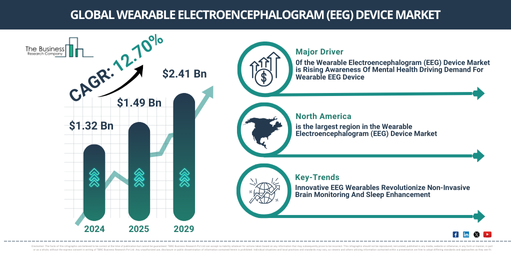
    In recent times, there has been a marked increase in the market size of wearable electroencephalogram (EEG) devices. Forecasts project an increase from $1.32 billion in 2024 to $1.49 billion in 2025, signifying a compound annual growth rate (CAGR) of 13.1%. The historical growth of this sector is linked to heightened awareness of neurological disorders, the escalating demands for custom healthcare, an uptick in the use of neurofeedback therapies, broadly expanding applications in the cognitive and mental health research field, coupled with amplified government investments.

    Anticipated to experience a significant surge in the upcoming years, the market size of the wearable electroencephalogram (EEG) device is projected to expand to $2.41 billion by 2029 with a compound annual growth rate (CAGR) of 12.7%. Factors contributing to the expansion in the forecast period encompass a growing demand for non-invasive methods of monitoring, an increasing rate of mental health disorders, the rise in remote patient monitoring, growing disposal income, and a swelling need for portable brain monitoring solutions. Key trends anticipated during the forecast period consist of the integration of artificial intelligence to improve data interpretation, increased use of EEG technology in mental health and cognitive training applications, development of more compact and comfortable devices, advancements in monitoring brain activity in real time, and an emphasis on data security and privacy features.

    Download a free sample to assess the report’s scope and structure:

    https://www.thebusinessresearchcompany.com/sample.aspx?id=21005&type=smp

    What Are the Core Growth Drivers Propelling the Wearable Electroencephalogram (EEG) Device Market Forward?

    The expansion of the wearable electroencephalogram (EEG) device market is anticipated to be driven by the increasing consciousness about mental health. This growing awareness is fueled by a mix of influences such as enhanced media coverage, educational efforts, mental health organization advocacies, and a greater understanding of mental health’s effect on overall wellness. Wearable EEG devices provide insightful data for customized treatments and support therapies like biofeedback and neurofeedback, all of which help manage and monitor mental health disorders. For instance, a white paper by FAIR Health Inc., a US-based health group, revealed in April 2024 that the percentage of US patients diagnosed with mental health disorders rose from 17.9% in 2022 to 18.9% in 2023. Consequently, the rise in mental health awareness is propelling the growth of the wearable electroencephalogram (EEG) device market.

    What Segment Types Define the Wearable Electroencephalogram (EEG) Device Market Structure?

    The wearable electroencephalogram (EEG) device market covered in this report is segmented –

    1) By Type: Battery; Charge

    2) By Channel Type: 5-Channel Type; 14-Channel Type; 32-Channel Type; Other Channel Types

    3) By Application: Hospitals And Clinics; Neurology Centers; Research And Academics; Other Applications

    Subsegments:

    1) Battery: Rechargeable Battery EEG Devices; Non-Rechargeable Battery EEG Devices; Lithium-Ion Battery EEG Devices

    2) Charge: Wired Charging EEG Devices; Wireless Charging EEG Devices; Quick Charge EEG Devices

    Request customized data on this market:

    https://www.thebusinessresearchcompany.com/customise?id=21005&type=smp

    Which Geographic Areas Hold the Strongest Growth Potential in the Wearable Electroencephalogram (EEG) Device Market?

    North America was the largest region in the wearable electroencephalogram (EEG) device market in 2024. The regions covered in the wearable electroencephalogram (EEG) device market report are Asia-Pacific, Western Europe, Eastern Europe, North America, South America, Middle East, Africa.

    Which Emerging Trends that Are Influencing the Wearable Electroencephalogram (EEG) Device Industry Evolution?

    Big players in the wearable electroencephalogram (EEG) device market are focusing on incorporating monitoring systems for brainwaves, such as acoustic stimulation, to provide non-invasive approaches for brain surveillance. Acoustic stimulation in headphones utilizes sound vibrations or waves to boost therapeutic outcomes, serving as a valuable addition to electrical stimulation for optimized neurological or psychological results. For example, in June 2024, Elemind Technologies, Inc., a firm specializing in neurotechnology from the US, introduced a headband. This sleep-enhancing headband delivers real-time monitoring of brainwaves to boost the quality of sleep, thus aiding users to fall asleep up to 74% faster. The headband leverages AI-based algorithms to provide customized acoustic stimulation, aiding the transition of brainwaves from alertness to sleep. The equipment integrates with a smartphone application, offering a comprehensive analysis of sleep duration, efficiency, and phases. As time passes, the system gradually learns the unique sleep patterns of the user, consistently enhancing its performance.

    View the full report here:

    https://www.thebusinessresearchcompany.com/report/wearable-electroencephalogram-eeg-device-global-market-report

    What Is the Definition of the Wearable Electroencephalogram (EEG) Device Market?

    A wearable electroencephalogram (EEG) device is a portable tool for capturing and recording brain electrical activity. It uses scalp-mounted electrodes to detect brainwave patterns, which are analyzed to assess neurological functions. These devices enable real-time brain activity monitoring, assisting in diagnosing and managing neurological disorders. They offer continuous, natural-setting data, providing a more complete view than traditional clinical EEG systems.

    Purchase the full report and get a swift delivery:

    https://www.thebusinessresearchcompany.com/purchaseoptions.aspx?id=21005

    About The Business Research Company:

    With over 15000+ reports from 27 industries covering 60+ geographies, The Business Research Company has built a reputation for offering comprehensive, data-rich research and insights. Armed with 1,500,000 datasets, the optimistic contribution of in-depth secondary research, and unique insights from industry leaders, you can get the information you need to stay ahead in the game.

    Get in touch with us:

    The Business Research Company: https://www.thebusinessresearchcompany.com/

    Americas +1 3156230293

    Asia +44 2071930708

    Europe +44 2071930708

    Email us at info@tbrc.info

    Follow us on:

    LinkedIn: https://in.linkedin.com/company/the-business-research-company

    YouTube: https://www.youtube.com/channel/UC24_fI0rV8cR5DxlCpgmyFQ

    Global Market Model: https://www.thebusinessresearchcompany.com/global-market-model
  • Posture Correction Market Overview 2025: Competitive Shifts, Forecast Models, and Emerging Opportunities

    Posture Correction Market Overview 2025: Competitive Shifts, Forecast Models, and Emerging Opportunities

    Get 30% off on our Global Market Reports with code ONLINE30 – Hurry, limited time offer!

    How Has The Posture Correction Market Size Shifted, And What Is the Outlook Through 2034?

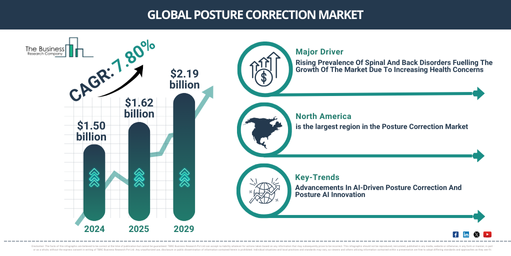
    The market size for posture correction has witnessed a robust growth in recent times and will further expand from $1.50 billion in 2024 to $1.62 billion in 2025, with a compound annual growth rate (CAGR) of 8.1%. The past growth can be attributed to factors such as increased awareness about health problems associated with posture, a rise in incidents of musculoskeletal disorders, a growing demand for ergonomic aligning solutions, advancements in wearable technology devices, and the proliferation of physiotherapy and chiropractic care services.

    The value of the posture correction market is anticipated to significantly expand in the coming years, projected to reach $2.19 billion in 2029 with a compound annual growth rate of 7.8%. This predicted growth during the forecast period could be due to various factors such as the increasing usage of smart posture correction devices, the surge in remote posture monitoring demand, the incorporation of AI and sensor technology, the growth of corporate wellness initiatives, and an increasingly health-minded consumer demographic. Expected trends for this forecast period include the application of artificial intelligence for posture tracking, the creation of wearable devices to correct posture, the employment of virtual reality for posture instruction, advancements in sensor-driven posture monitoring systems, and the use of mobile applications for immediate posture feedback.

    Download a free sample to assess the report’s scope and structure:

    https://www.thebusinessresearchcompany.com/sample.aspx?id=23480&type=smp

    What Are the Core Growth Drivers Propelling the Posture Correction Market Forward?

    The escalating incidence of back and spinal disorders is anticipated to boost the expansion of the posture correction market. Back and spinal disorders typically involve issues with the vertebrae, muscles, or nerves, resulting in discomfort, stiffness, or mobility complications. A sedentary way of life is largely behind the increasing occurrence of these disorders, leading to poor posturing and weak muscles that put more strain on the spine and result in chronic pain and degenerative diseases. Posture correction is critical in treating these disorders, as it supports correct alignment of the spine, lessens the pressure on muscles and joints, and wards off long-lasting musculoskeletal problems. Taking note of the event in March 2023, the Office for Health Improvement And Disparities (OHID), a branch of the Department of Health and Social Care in the UK, reported that in 2022, 17.6% of those aged 16 and older were suffering from a long-term musculoskeletal (MSK) condition like arthritis or ongoing back or joint troubles. This was a significant increase from the previous year’s statistics. Hence, the heightened incidence of back and spinal disorders is fuelling the posture correction market’s growth.

    What Segment Types Define the Posture Correction Market Structure?

    The posture correction market covered in this report is segmented –

    1) By Product: Sitting Support Devices, Kinesiology Tape, Posture Braces, Other Products

    2) By Distribution Channel: Online Stores, Pharmacies, Specialty Stores, Other Distribution Channels

    3) By End-User: Kids, Adults, Geriatric

    Subsegments:

    1) By Sitting Support Devices: Ergonomic Office Chairs, Lumbar Support Cushions, Seat Wedges, Posture Correcting Cushions, Kneeling Chairs

    2) By Kinesiology Tape: Pre-Cut Strips, Roll Tapes, Waterproof Kinesiology Tape, Athletic Support Tape, Therapeutic Elastic Tape

    3) By Posture Braces: Upper Back Braces, Lower Back Braces, Shoulder Support Braces, Adjustable Posture Correctors, Magnetic Posture Braces

    4) By Other Products: Posture Correcting Apps And Wearables, Posture Training Devices, Smart Posture Sensors, Standing Desks, Yoga And Stretching Equipment

    Request customized data on this market:

    https://www.thebusinessresearchcompany.com/customise?id=23480&type=smp

    Which Geographic Areas Hold the Strongest Growth Potential in the Posture Correction Market?

    North America was the largest region in the posture correction market in 2024. Asia-Pacific is expected to be the fastest-growing region in the forecast period. The regions covered in the posture correction market report are Asia-Pacific, Western Europe, Eastern Europe, North America, South America, Middle East, Africa.

    Which Emerging Trends that Are Influencing the Posture Correction Industry Evolution?

    Leading businesses in the posture correction market are turning their attention to the creation of cutting-edge technology, such as AI-enabled posture correction, to improve posture tracking and offer immediate feedback. This technology employs artificial intelligence and sensor-based gadgets to track, examine, and give feedback to enhance posture and avoid musculoskeletal complications. For example, in July 2024, Neurabody S.A., a health tech firm based in Luxembourg, introduced Posture AI. This ground-breaking solution uses machine learning to foresee posture patterns and provide individualized interventions. In contrast to conventional posture correction devices that only identify poor posture, Posture AI examines long-term trends to predict the risk of back pain. Through its exclusive mobile app, users receive tailored exercise suggestions and behavioral insights, empowering them to proactively better their posture and avoid discomfort as opposed to just responding to slouching.

    View the full report here:

    https://www.thebusinessresearchcompany.com/report/posture-correction-global-market-report

    What Is the Definition of the Posture Correction Market?

    Posture correction refers to the practice of improving body alignment and reducing strain on muscles, joints, and the spine. It helps prevent pain, enhances mobility, and supports overall musculoskeletal health. Maintaining proper posture lowers the risk of musculoskeletal issues, improves circulation, and boosts confidence in daily activities.

    Purchase the full report and get a swift delivery:

    https://www.thebusinessresearchcompany.com/purchaseoptions.aspx?id=23480

    About The Business Research Company:

    With over 15000+ reports from 27 industries covering 60+ geographies, The Business Research Company has built a reputation for offering comprehensive, data-rich research and insights. Armed with 1,500,000 datasets, the optimistic contribution of in-depth secondary research, and unique insights from industry leaders, you can get the information you need to stay ahead in the game.

    Get in touch with us:

    The Business Research Company: https://www.thebusinessresearchcompany.com/

    Americas +1 3156230293

    Asia +44 2071930708

    Europe +44 2071930708

    Email us at info@tbrc.info

    Follow us on:

    LinkedIn: https://in.linkedin.com/company/the-business-research-company

    YouTube: https://www.youtube.com/channel/UC24_fI0rV8cR5DxlCpgmyFQ

    Global Market Model: https://www.thebusinessresearchcompany.com/global-market-model
  • Major Drivers Propelling the Growth oh theVaricose Vein Treatment Devices Market Forward: Impact Of Rising Obesity Rates On The Growth Of The Market

    Major Drivers Propelling the Growth oh theVaricose Vein Treatment Devices Market Forward: Impact Of Rising Obesity Rates On The Growth Of The Market

    Stay ahead with our updated market reports featuring the latest on tariffs, trade flows, and supply chain transformations.

    What is the Anticipated CAGR of the Varicose Vein Treatment Devices Market, and What Factors Will Drive It?

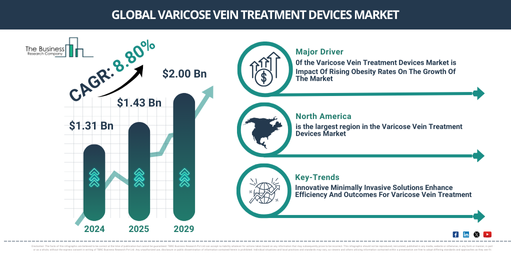
    The market size of varicose vein treatment devices has significantly expanded in recent years. The market is projected to escalate from $1.31 billion in 2024 to $1.43 billion in 2025, demonstrating a compound annual growth rate (CAGR) of 9.0%. The substantial growth observed in the former period can be credited to factors such as the growing aging demographic, heightened awareness of varicose veins, amplified demand for less invasive procedures, rising healthcare spending, and an upswing in lifestyle-associated diseases.

    The market for varicose vein treatment devices is projected to witness a robust increase in the coming years, anticipated to reach $2.00 billion by 2029 and a CAGR of 8.8%. This growth in the forecast period is being driven by factors such as increased public knowledge, higher disposable incomes, a rising number of varicose vein cases, improved healthcare infrastructures in developing markets, and an increase in obesity rates. During the forecast period, key trends consist of a move towards outpatient procedures, the application of laser and radiofrequency technologies, advancements in technology, a spike in the use of ambulatory care centers and a growing preference for home-based treatment devices.

    Download a free sample to assess the report’s scope and structure:

    https://www.thebusinessresearchcompany.com/sample.aspx?id=20996&type=smp

    Which Major Market Drivers Are Expected to Boost the Growth Potential of the Varicose Vein Treatment Devices Market?

    The increasing prevalence of obesity is anticipated to fuel the expansion of the varicose veins treatment devices market. Obesity, which is identified by an extreme buildup of body fat that could potentially lead to severe health complications such as diabetes, cardiovascular diseases, and joint issues, is largely attributed to factors like poor diet, lack of physical activity, and environment that encourages unhealthy food habits. Moreover, socio-economic status, genetic makeup, and mental health also pose significant influences on the incidence of obesity. Varicose vein treatment devices play a crucial role in enhancing the life quality of those battling obesity, by mitigating vein-associated issues, ameliorating blood flow, lessening pain and inflammation resulting from surplus weight, and facilitating better vascular health and mobility. To illustrate, data from the World Heart Foundation, a Switzerland rooted non-governmental international cardiovascular community, in March 2023 indicated that close to 2.3 billion adult and child population globally are obese or overweight and this figure is estimated to escalate to 2.7 billion by 2025 given the current obesity trend. Consequently, the surging rates of obesity are propelling the varicose veins treatment devices market’s growth.

    Which Key Market Segments Comprise the Varicose Vein Treatment Devices Market and Drive Its Revenue Growth?

    The varicose vein treatment devices market covered in this report is segmented –

    1) By Device Type: Ablation Devices, Venous Closure Products, Other Device Products

    2) By Treatment Type: Sclerotherapy, Endovenous Ablation, Surgical Ligation And Stripping, Other Treatment Type

    3) By Patient Type: Adults, Elderly

    4) By End-User: Specialty Clinics, Hospitals, Ambulatory Surgical Services, Other End-Users

    Subsegments:

    1) By Ablation Devices: Radiofrequency Ablation (RFA) Devices, Laser Ablation Devices, Endovenous Laser Therapy (EVLT) Devices, Cryoablation Devices, Ultrasound-Guided Foam Sclerotherapy Devices

    2) By Venous Closure Products: VenaSeal Closure System, ClariVein Closure System, Mechanical Endovenous Ablation Devices, Stenting Systems For Venous Closure

    3) By Other Device Products: Sclerotherapy Kits, Varicose Vein Removal Lasers, Compression Therapy Devices, Surgical Instruments For Vein Stripping, Endovenous Laser Fibers

    Request customized data on this market:

    https://www.thebusinessresearchcompany.com/customise?id=20996&type=smp

    Which Areas Are Leading Regions in the Varicose Vein Treatment Devices Market Expansion Across the Globe?

    North America was the largest region in the varicose vein treatment devices market in 2024. Asia-Pacific is expected to be the fastest-growing region in the forecast period. The regions covered in the varicose vein treatment devices market report are Asia-Pacific, Western Europe, Eastern Europe, North America, South America, Middle East, Africa.

    What Are the Key Market Trends in the Varicose Vein Treatment Devices Market Over the Coming Years?

    Major corporations in the field of varicose veins treatment device market are showing increased focus on the development of innovative treatments, like minimally invasive technologies. These technologies aim to achieve accurate treatments causing less discomfort, and quicker healing time for patients. These minimally invasive procedures are performed using small incisions along with sophisticated tools like endoscopes and robotic systems. This reduces trauma, speeds up healing time, and decreases the risk of complications compared to traditional open surgery. For example, in June 2023, the Elves Radial 2ring Pro laser fiber and the Leonardo 1940 laser for varicose vein treatment were launched by an Austrian medical technology firm, Biolitec AG. The Elves Radial 2ring Pro laser fiber has an additional saline solution channel which facilitates vein stretching before laser treatment, whereas, the Leonardo 1940 laser’s wavelength enhances vein wall absorption, leading to less bruising and faster recovery. These innovations greatly improve the effectiveness and cosmetic results of varicose vein treatments, thus providing a more viable method of treating large and twisted veins.

    View the full report here:

    https://www.thebusinessresearchcompany.com/report/varicose-vein-treatment-devices-global-market-report

    How Is the Varicose Vein Treatment Devices Market Conceptually Defined?

    Varicose vein treatment devices are medical tools designed to address swollen, enlarged, and twisted veins, commonly in the legs, caused by weakened or faulty valves leading to poor blood circulation. These devices help manage or eliminate varicose veins by improving blood flow, alleviating discomfort, and reducing complications associated with venous insufficiency.

    Purchase the full report and get a swift delivery:

    https://www.thebusinessresearchcompany.com/purchaseoptions.aspx?id=20996

    About The Business Research Company:

    With over 15000+ reports from 27 industries covering 60+ geographies, The Business Research Company has built a reputation for offering comprehensive, data-rich research and insights. Armed with 1,500,000 datasets, the optimistic contribution of in-depth secondary research, and unique insights from industry leaders, you can get the information you need to stay ahead in the game.

    Get in touch with us:

    The Business Research Company: https://www.thebusinessresearchcompany.com/

    Americas +1 3156230293

    Asia +44 2071930708

    Europe +44 2071930708

    Email us at info@tbrc.info

    Follow us on:

    LinkedIn: https://in.linkedin.com/company/the-business-research-company

    YouTube: https://www.youtube.com/channel/UC24_fI0rV8cR5DxlCpgmyFQ

    Global Market Model: https://www.thebusinessresearchcompany.com/global-market-model
  • Oxygen Conserving Devices Market Forecast 2025–2034: Trends Reshaping Demand, Investment, and Innovation

    Oxygen Conserving Devices Market Forecast 2025–2034: Trends Reshaping Demand, Investment, and Innovation

    Get 30% off on our Global Market Reports with code ONLINE30 – Hurry, limited time offer!

    How Has the Oxygen Conserving Devices Market Growth Performance Trended Historically, And What Lies Ahead?

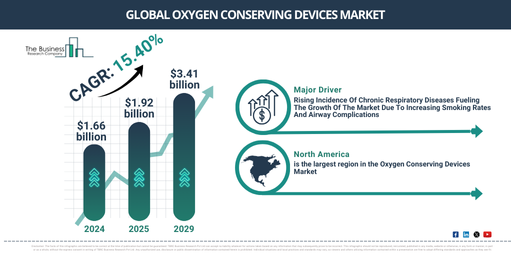
    In recent times, the market size of oxygen conserving devices has seen swift growth. Estimates suggest an increase from $1.66 billion in 2024 to $1.92 billion in 2025, projecting a compound annual growth rate (CAGR) of 15.7%. Factors contributing to the recorded growth in the past include an increased incidence of respiratory ailments, a rise in the elderly population, expanded adoption of home healthcare, initiatives by the government for respiratory care, and heightened awareness regarding oxygen conservation.

    Expectations for the oxygen conserving devices market point towards a speedy escalation in the coming years. Projections indicate a surge to $3.41 billion in 2029 with a compound annual growth rate (CAGR) of 15.4%. The expected growth within this forecast period is linked to factors such as the escalating demand for oxygen therapies at home, the rise in incidence of chronic respiratory ailments, heightened usage of smart healthcare devices, and developments in healthcare infrastructure. Key trends set to influence the forecast period encompass AI-enabled oxygen flow control, smart sensors facilitating real-time oxygen tracking, incorporation of IoT in the medical domain, supervision of patient data via cloud, and adaptive oxygen regulators with self-learning features.

    Download a free sample to assess the report’s scope and structure:

    https://www.thebusinessresearchcompany.com/sample.aspx?id=23468&type=smp

    What Are the Primary Drivers Supporting the Market Growth of the Oxygen Conserving Devices Market?

    The escalation in chronic respiratory disease occurrences is projected to stimulate the oxygen conserving devices market’s expansion. Chronic respiratory diseases, long-lasting disorders affecting the lungs and airways, complicate breathing. This surge is primarily fueled by continuous smoking and tobacco usage, major contributors to ailments such as COPD and lung cancer. Oxygen conserving devices are advantageous for chronic respiratory diseases, effectively offering supplemental oxygen, boosting mobility and comfort while preserving sufficient oxygen levels. For example, the Australian Institute of Health and Welfare disclosed in November 2024 that approximately 2.8 million individuals or 11% dealt with asthma in 2022, leading to 2.5% of the total disease burden and 35% of the respiratory disease burden in 2023, with 467 related deaths (1.8 per 100,000 population) in 2022, making up 0.2% of all deaths. Hence, the escalating chronic respiratory disease prevalence propels the oxygen conserving devices market’s growth. The enhancement of healthcare infrastructure is anticipated to stimulate the expansion of the oxygen conserving devices market. Healthcare infrastructure encompasses the physical and institutional structures, facilities, systems, and resources crucial for effective healthcare service delivery. This infrastructure is growing due to the increasing chronic disease prevalence, such as diabetes and heart conditions, bolstering the need for specialized care facilities and resources for lengthy patient management. The healthcare infrastructure promotes oxygen conserving devices by ensuring reliable accessibility, efficient distribution, and thorough maintenance in both medical facilities and homecare settings. For example, in May 2023, as per the U.S.-based non-profit organization, the American Health Care Association, the United States had 6,129 hospitals, a 0.591% growth from the prior year with 6,093 hospitals. Therefore, the enhancement of healthcare infrastructure propels the growth of the oxygen conserving devices market.

    Which Primary Segments of the Oxygen Conserving Devices Market Are Driving Growth and Industry Transformations?

    The oxygen conserving devices market covered in this report is segmented –

    1) By Product: Reservoir Cannula, Transtracheal Catheters, Intermittent Flow Device, Continuous Flow Device, Other Products

    2) By Indication: Chronic Obstructive Pulmonary Disease (COPD), Pneumonia, Asthma, Other Respiratory Disorders

    3) By End-User: Hospitals And Clinics, Long-Term Care Units, Home Care, Other End-Users

    Subsegments:

    1) Reservoir Cannula: Pendant Reservoir Cannula, Mustache Reservoir Cannula, Pediatric Reservoir Cannula

    2) Transtracheal Catheters: Micro-Trach Catheter, Scoop-Tip Catheter, Extended-Length Catheter

    3) Intermittent Flow Device: Pulse Dose Oxygen Conserving Device, Demand Oxygen Delivery System, Electronic Oxygen Conserving Device

    4) Continuous Flow Device: Portable Oxygen Concentrators, Stationary Oxygen Concentrators, High-Flow Oxygen Therapy Device

    5) Other Products: Oxygen Masks, Oxygen-Conserving Regulators, Oxygen Reservoir Bags, Nasal Oxygen Prongs, Oxygen Humidifiers

    Request customized data on this market:

    https://www.thebusinessresearchcompany.com/customise?id=23468&type=smp

    Which Regions Are Key Players in the Growth of the Oxygen Conserving Devices Market?

    North America was the largest region in the oxygen conserving devices market in 2024. Asia-Pacific is expected to be the fastest-growing region in the forecast period. The regions covered in the oxygen conserving devices market report are Asia-Pacific, Western Europe, Eastern Europe, North America, South America, Middle East, Africa.

    View the full report here:

    https://www.thebusinessresearchcompany.com/report/oxygen-conserving-devices-global-market-report

    What Parameters Are Used to Define the Oxygen Conserving Devices Market?

    Oxygen conserving devices (OCDs) are medical devices designed to optimize oxygen delivery to patients with respiratory conditions. These devices reduce the wastage of oxygen by delivering it only during inhalation rather than continuously, thereby extending the life of oxygen tanks or concentrators.

    Purchase the full report and get a swift delivery:

    https://www.thebusinessresearchcompany.com/purchaseoptions.aspx?id=23468

    About The Business Research Company:

    With over 15000+ reports from 27 industries covering 60+ geographies, The Business Research Company has built a reputation for offering comprehensive, data-rich research and insights. Armed with 1,500,000 datasets, the optimistic contribution of in-depth secondary research, and unique insights from industry leaders, you can get the information you need to stay ahead in the game.

    Get in touch with us:

    The Business Research Company: https://www.thebusinessresearchcompany.com/

    Americas +1 3156230293

    Asia +44 2071930708

    Europe +44 2071930708

    Email us at info@tbrc.info

    Follow us on:

    LinkedIn: https://in.linkedin.com/company/the-business-research-company

    YouTube: https://www.youtube.com/channel/UC24_fI0rV8cR5DxlCpgmyFQ

    Global Market Model: https://www.thebusinessresearchcompany.com/global-market-model
  • Oxygen Conservers Market 2025-2034: Key Highlights, Growth Dynamics, and Emerging Trends

    Oxygen Conservers Market 2025-2034: Key Highlights, Growth Dynamics, and Emerging Trends

    Get 30% off on our Global Market Reports with code ONLINE30 – Hurry, limited time offer!

    What Are the Projected Market Size and Growth Rates for the Oxygen Conservers Market From 2025 To 2029?

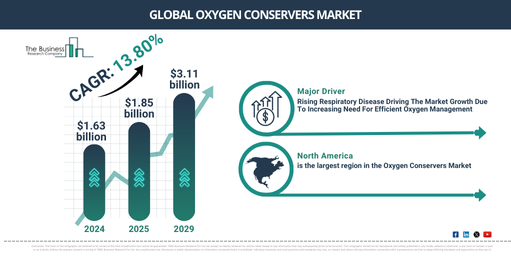
    The market for oxygen conservers has experienced significant expansion in recent years. The figures indicate an increase from $1.63 billion in 2024 to $1.85 billion in 2025, reflecting a compound annual growth rate (CAGR) of 14.1%. The surge observed in the past can be credited to factors such as the increasing incidence of chronic obstructive pulmonary disease (COPD), the growing acceptance of home oxygen therapy, increased government backing for oxygen therapy schemes, a rising older population, and increased spending on healthcare.

    The market size for oxygen conservers is predicted to experience a swift expansion in the coming years, reaching a value of $3.11 billion in 2029, with a compound annual growth rate (CAGR) of 13.8%. Factors contributing to this forecasted growth include an increase in demand for intelligent oxygen utilities, a heightened emphasis on eco-friendly medical tools, a rising incidence of respiratory illnesses, improved insurance policies for home oxygen treatments, and an elevated preference for flexible oxygen provision systems. Key emerging trends for the predicted period encompass artificial intelligence (AI)-enhanced adaptive oxygen allocation, remote monitoring facilitated by the internet of things (IoT), extremely low-energy consuming configurations, cordless recharge systems, and intelligent breath detection sensors.

    Download a free sample to assess the report’s scope and structure:

    https://www.thebusinessresearchcompany.com/sample.aspx?id=23467&type=smp

    How Are Key Drivers in the Industry Acting as Catalysts for the Growth of the Oxygen Conservers Market?

    As respiratory diseases become increasingly common, the oxygen conservers market is anticipated to expand. These medical conditions have a major impact on lungs and airways, making breathing difficult and causing symptoms like breathlessness. The increase in air pollution exposure enhances the prevalence of respiratory diseases, leading to lung tissue damage, weakened immune responses, and initiating chronic conditions. Oxygen conservers boost respiratory care by maximizing oxygen delivery, which is beneficial for patients with persistent lung problems. They extend the duration of the oxygen supply by releasing it only during the inhalation process, enhancing the effectiveness of the therapy and patient mobility. For example, in November 2024, the Australian Institute of Health and Welfare, a government agency in Australia, stated that 2.8 million people (11%) had asthma in 2022, making up 2.5% of all diseases and 35% of respiratory disease burden in 2023. It also reported 467 deaths (1.8 per 100,000 population) in 2022, which is 0.2% of all deaths. Therefore, the growing incidence of respiratory diseases is propelling the oxygen conservers market’s growth. The expansion of the oxygen conservers market is also linked to the growth of healthcare infrastructure, which includes the physical, organizational, and technological systems essential for providing medical services. Government investments in healthcare are increasing to enhance the accessibility of patient care and improve overall health results. Oxygen conservers play a crucial role in healthcare infrastructure by lengthening the supply duration and improving patient mobility. For instance, in May 2023, the American Health Care Association, a non-profit organization in the US, reported that the number of hospitals increased by 0.591% from the previous year, totalling 6,129, up from 6,093. Therefore, the increasing healthcare infrastructure is contributing to the growth of the oxygen conservers market.

    Which Segments in the Oxygen Conservers Offer the Most Growth?

    The oxygen conservers market covered in this report is segmented –

    1) By Product Type: Continuous Flow Oxygen Conservers, Pulse Dose Oxygen Conservers, Wall-Mount Oxygen Conservers, Portable Oxygen Conservers

    2) By Technology: Electronic Oxygen Conservers, Mechanical Oxygen Conservers, Integrated Systems with Nebulizers

    3) By Application: Respiratory Diseases, Chronic Obstructive Pulmonary Disease (COPD), Liquid Oxygen Systems, Fitness And Sports Applications

    4) By End-User: Hospitals, Clinics, Nursing Homes, HomeCare, Other End-Users

    Subsegments:

    1) By Continuous Flow Oxygen Conservers: High-Flow Continuous Oxygen Conservers, Low-Flow Continuous Oxygen Conservers, Dual-Mode Continuous Flow Oxygen Conservers, Pediatric Continuous Flow Oxygen Conservers, Stationary Continuous Flow Oxygen Conservers

    2) By Pulse Dose Oxygen Conservers: Adjustable Pulse Dose Oxygen Conservers, Fixed-Setting Pulse Dose Oxygen Conservers, Smart Sensor Pulse Dose Oxygen Conservers, High-Volume Pulse Dose Oxygen Conservers, Battery-Operated Pulse Dose Oxygen Conservers

    3) By Wall-Mount Oxygen Conservers: Hospital Room Wall-Mount Oxygen Conservers, Intensive Care Unit (ICU) Wall-Mount Oxygen Conservers, Emergency Department Wall-Mount Oxygen Conservers, Modular Wall-Mount Oxygen Conservers, High-Capacity Wall-Mount Oxygen Conservers

    4) By Portable Oxygen Conservers: Wearable Portable Oxygen Conservers, Compact Travel-Friendly Oxygen Conservers, Rechargeable Battery-Powered Oxygen Conservers, Hybrid Portable And Stationary Oxygen Conservers, Lightweight Backpack Oxygen Conservers

    Request customized data on this market:

    https://www.thebusinessresearchcompany.com/customise?id=23467&type=smp

    What Are the Fastest-Growing Geographies in the Oxygen Conservers Market?

    North America was the largest region in the oxygen conservers market in 2024. Asia-Pacific is expected to be the fastest-growing region in the forecast period. The regions covered in the oxygen conservers market report are Asia-Pacific, Western Europe, Eastern Europe, North America, South America, Middle East, Africa.

    View the full report here:

    https://www.thebusinessresearchcompany.com/report/oxygen-conservers-global-market-report

    What Are the Key Elements That Define the Oxygen Conservers Market?

    Oxygen conservers are medical devices that efficiently regulate oxygen flow from a cylinder or concentrator, delivering it only during inhalation. It uses pulse-dose technology, which minimizes oxygen waste, extends equipment longevity, and enhances patient mobility with lighter, more efficient systems.

    Purchase the full report and get a swift delivery:

    https://www.thebusinessresearchcompany.com/purchaseoptions.aspx?id=23467

    About The Business Research Company:

    With over 15000+ reports from 27 industries covering 60+ geographies, The Business Research Company has built a reputation for offering comprehensive, data-rich research and insights. Armed with 1,500,000 datasets, the optimistic contribution of in-depth secondary research, and unique insights from industry leaders, you can get the information you need to stay ahead in the game.

    Get in touch with us:

    The Business Research Company: https://www.thebusinessresearchcompany.com/

    Americas +1 3156230293

    Asia +44 2071930708

    Europe +44 2071930708

    Email us at info@tbrc.info

    Follow us on:

    LinkedIn: https://in.linkedin.com/company/the-business-research-company

    YouTube: https://www.youtube.com/channel/UC24_fI0rV8cR5DxlCpgmyFQ

    Global Market Model: https://www.thebusinessresearchcompany.com/global-market-model