Category: Medical Equipment

  • Global Blood Purification Equipment Market Analysis: Estimated Market Size And Growth Rate

    Global Blood Purification Equipment Market Analysis: Estimated Market Size And Growth Rate

    The Business Research Company’s global market reports are now updated with the latest market sizing information for the year 2024 and forecasted to 2033

    Market Growth and Projections

    • The blood purification equipment market has witnessed substantial growth.
    • Expected to rise from $19.9 billion in 2023 to $21.28 billion in 2024, with a CAGR of 6.9%.
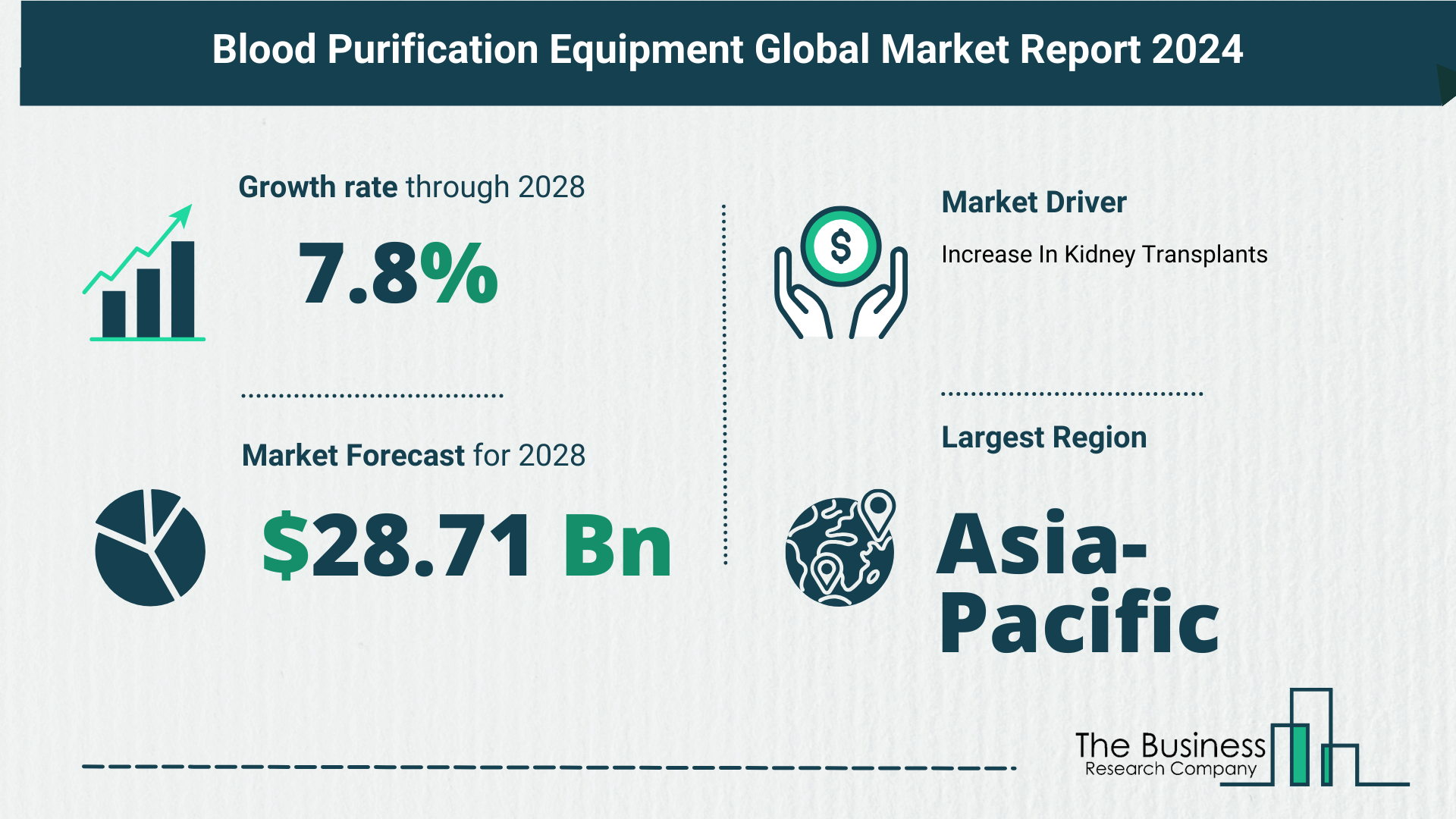
    • Forecasted to reach $28.71 billion in 2028, with a CAGR of 7.8%.

    Drivers of Growth

    • Increased renal diseases and aging population.
    • Government initiatives supporting healthcare.
    • Growing ICU admissions and rising chronic conditions.

    Factors Contributing to Future Growth

    • Home-based dialysis solutions.
    • Focus on cost-effectiveness and personalized treatment.
    • Regulatory support for renal replacement therapies innovation.

    Major Trends in the Forecast Period

    • Personalized medicine approaches.
    • Enhanced connectivity in blood purification systems.
    • Collaborations and partnerships among industry players.
    • Expanded applications of blood purification equipment.
    • Integration of multi-modal therapies for improved patient outcomes.

    Blood Purification Equipment Market Surge Driven By Increasing Kidney Transplants

    • Kidney transplants play a significant role in market growth.
    • Blood purification equipment aids in managing patients post-transplant.
    • More than 25,000 kidney transplants performed in the US in 2022, driving market demand.

    Transformative Advancements In Blood Purification Technology

    • Product innovations crucial for market competitiveness.
    • Example: Toray Industries’ FILTRYZER HDF, Japan’s first PMMA hollow fiber membrane-based hemodiafiltration device.
    • Enhances toxin removal and biocompatibility, improving treatment for kidney failure.
    1. L. Gore & Associates Acquires InnAVasc Medical Strengthening Dialysis Access Solutions Portfolio
    • W. L. Gore & Associates acquires InnAVasc Medical, enhancing its dialysis access solutions.
    • Acquisition brings graft technology to Gore’s portfolio for safe and durable dialysis access.
    • InnAVasc Medical focuses on designing products for vascular access for hemodialysis.

    Market Segmentation

    1. By Product Type: Portable, Stationary
    2. By Indication: Sepsis, Renal Diseases, Other Indications
    3. By End User: Hospitals And Clinics, Dialysis Centers, Other End Users

    Regional Insights

    • Asia-Pacific emerged as the largest region in the blood purification equipment market in 2023.

    In summary, the blood purification equipment market is experiencing robust growth driven by increasing kidney transplants, technological advancements, and strategic acquisitions. With a focus on personalized treatment and expanded applications, the market is poised for further expansion in the coming years. As industry players continue to innovate and collaborate, the landscape of blood purification technology is set to evolve, offering improved solutions for patients with renal diseases and other indications globally.

    View More On The Blood Purification Equipment Market Report 2024 – https://www.thebusinessresearchcompany.com/report/blood-purification-equipment-global-market-report

    Request A Sample Of The Global Blood Purification Equipment Market Report 2024:
    https://www.thebusinessresearchcompany.com/sample_request?id=9845&type=smp
  • Overview Of The Automated Nucleic Acid Extraction Devices Market 2024-2033: Growth And Major Players Analysis

    Overview Of The Automated Nucleic Acid Extraction Devices Market 2024-2033: Growth And Major Players Analysis

    The Business Research Company’s global market reports are now updated with the latest market sizing information for the year 2024 and forecasted to 2033

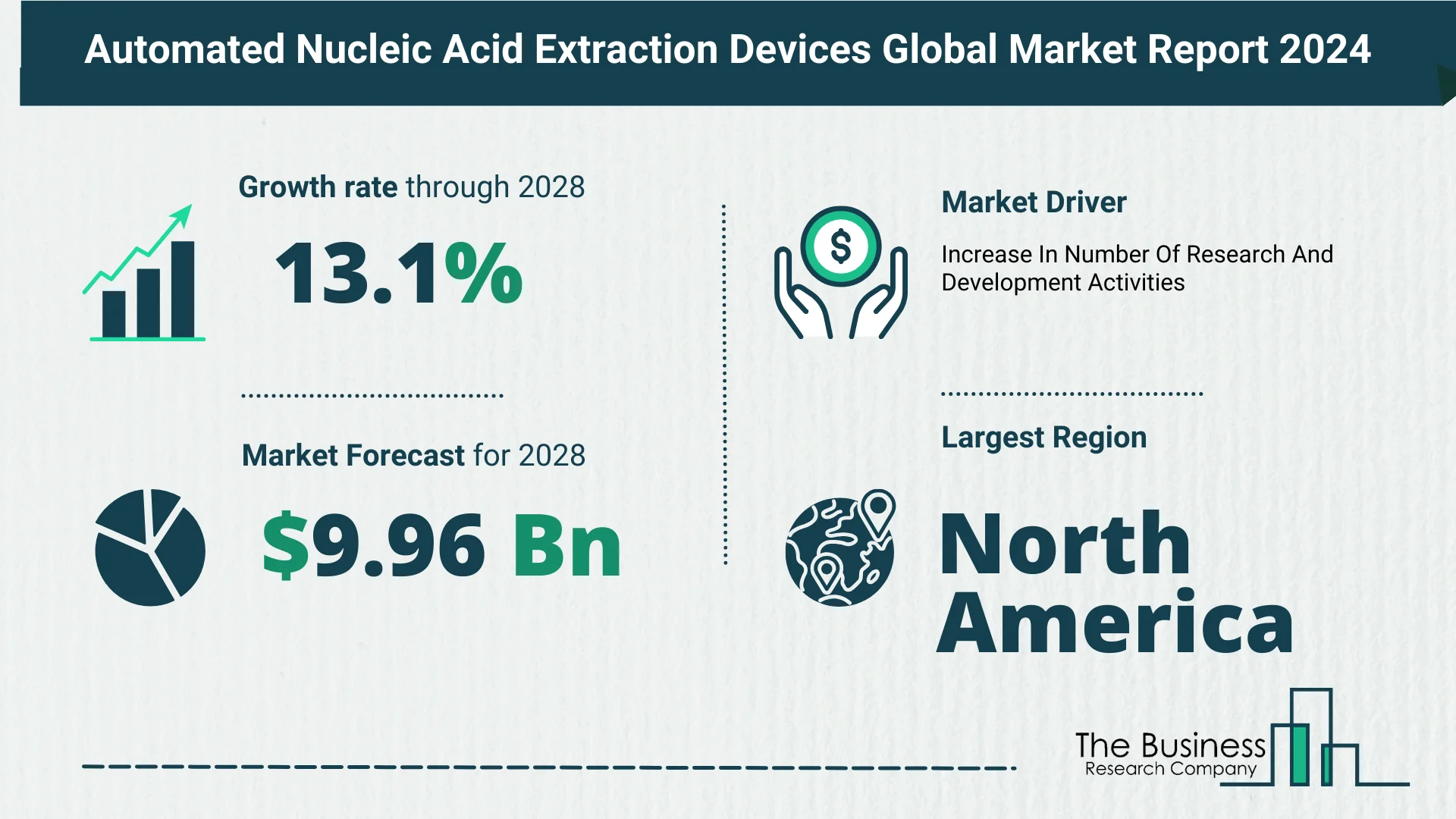
    • Research and Development (R&D) Landscape: The surge in R&D activities drives innovation and propels market growth.
    • Market Utilization: Automated nucleic acid extraction devices play a crucial role in clinical diagnosis, biological analysis, and environmental monitoring, augmenting research efforts.
    • Growing Investment: Countries’ increased investment during the COVID-19 pandemic has led to a rise in the percentage of nations equipped to conduct genomic surveillance, further fueling market growth.
    • Market Players: Key players include QIAGEN NV, PerkinElmer Inc., Thermo Fisher Scientific Inc., and others, contributing to market expansion.

    Product Innovation In Automated Nucleic Acid Extraction Devices

    • Innovative Solutions: Product innovation emerges as a prominent trend, with companies introducing advanced automated nucleic acid extraction devices.
    • Example: Aurora Biomed’s VERSA NAP Automated DNA Extraction Systems offer high-throughput processing, automation of DNA/RNA extractions, and purification protocols, enhancing efficiency and accuracy.
    • Strategic Acquisitions: ALS Limited’s acquisition of Invitek Molecular GmbH expands diagnostic capabilities and enhances service offerings, positioning ALS as a comprehensive solution provider.

    Market Segmentation and Regional Dynamics

    • Segmentation: The automated nucleic acid extraction devices market segments include type (instruments, kits, consumables), product (fully automated, semi-automated), and end users (hospitals, diagnostic centers, forensic laboratories, pharmaceutical and biotechnology companies, academic research institutes).
    • Regional Influence: North America leads the market, reflecting significant market share and robust growth dynamics.

    Forecasted Growth and Market Trends

    • Rapid Expansion: The market is set to grow from $5.41 billion in 2023 to $6.09 billion in 2024, with a CAGR of 12.5%.
    • Anticipated Growth Trajectory: By 2028, the market is expected to reach $9.96 billion, driven by increased demand for personalized medicine, automation, and point-of-care testing.
    • Key Trends: Technological advancements, increasing demand for molecular diagnostics, miniaturization of automated systems, point-of-care testing, and integration of artificial intelligence (AI) and data analytics shape the market landscape.

    Conclusion: Navigating the Evolving Landscape of Automated Nucleic Acid Extraction Devices
    The automated nucleic acid extraction devices market experiences rapid growth, fueled by increasing research and development activities, product innovations, and strategic acquisitions. Companies strive to meet evolving market demands by introducing advanced solutions that enhance efficiency, accuracy, and automation in nucleic acid extraction processes. Market segmentation and regional dynamics provide insights into market intricacies, with North America leading in market share and growth potential. As the market progresses, stakeholders anticipate a trajectory marked by technological advancements, growing demand for molecular diagnostics, and integration of AI and data analytics. With a promising forecasted growth trajectory and dynamic trends shaping the landscape, the automated nucleic acid extraction devices market remains poised for continued evolution and advancement in molecular diagnostics and research applications.

    View More On The Automated Nucleic Acid Extraction Devices Market Report 2024 – https://www.thebusinessresearchcompany.com/report/automated-nucleic-acid-extraction-devices-global-market-report

    Request A Sample Of The Global Automated Nucleic Acid Extraction Devices Market Report 2024:
    https://www.thebusinessresearchcompany.com/sample_request?id=9421&type=smp

  • What’s The Growth Forecast For Artificial Organ Market Through 2024-2033?

    What’s The Growth Forecast For Artificial Organ Market Through 2024-2033?

    The Business Research Company’s global market reports provide comprehensive analysis on the various markets in 27 industries across 60 geographies.

    The artificial organ market has witnessed substantial growth in recent years, driven by a convergence of factors. Let’s delve into the trends and projections shaping this dynamic landscape.

    Market Size and Projections

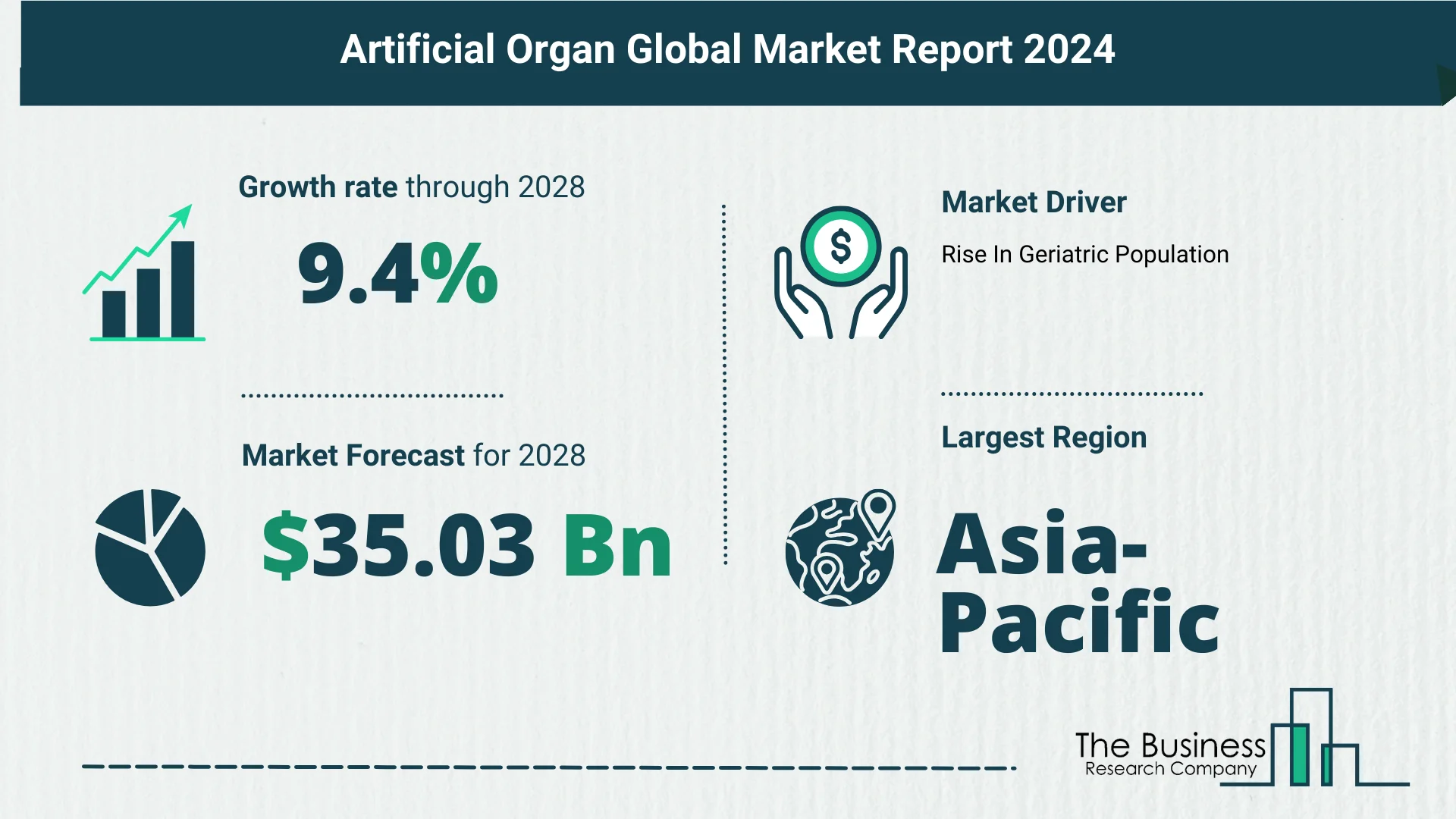
    • The artificial organ market is poised for expansion, with a projected growth from $22.23 billion in 2023 to $24.41 billion in 2024 at a CAGR of 9.8%.
    • By 2028, it is anticipated to reach $35.03 billion, reflecting a CAGR of 9.4%.

    Catalysts Behind Growth

    • Increasing Incidence of Organ Failure: The rise in organ failure cases underscores the need for innovative solutions.
    • Rising Aging Population: Demographic shifts contribute to heightened demand for organ replacements.
    • Improvements in Materials and Biocompatibility: Advancements in materials enhance the performance and compatibility of artificial organs.
    • Research and Development Investments: Ongoing R&D initiatives drive innovation and product development.
    • Increasing Awareness: Growing awareness about organ transplantation and its benefits fuels market growth.

    Emerging Trends

    • Growing Demand for Organ Transplants: Rising demand necessitates the development of advanced artificial organ solutions.
    • Expansion of Indications: Artificial organs find applications across a broader spectrum of medical conditions.
    • Personalized Medicine Trends: Tailored approaches optimize treatment outcomes and patient experiences.
    • Increasing Investment in Healthcare Infrastructure: Investments in healthcare infrastructure bolster access to advanced medical technologies.
    • Greater Acceptance and Social Awareness: Societal acceptance and awareness drive acceptance and adoption of artificial organs.

    Rising Demand For Organ Transplants Fuels Growth In The Artificial Organ Market
    The escalating demand for organ transplants serves as a primary driver for market expansion. Artificial organs offer life-saving solutions, mitigate organ shortages, and improve compatibility between donors and recipients.

    Innovation In Artificial Lung Systems Propel Growth In The Artificial Organ Market
    Product innovation emerges as a key trend, with companies focusing on developing cutting-edge solutions. The approval of ALung Technologies’ Hemolung respiratory support system signifies a breakthrough in addressing respiratory distress, including COVID-19-related complications.

    Picard Medical Inc Expands Portfolio With Syncardia Systems LLC A Leader In Artificial Human Hearts For Transplants
    Strategic acquisitions strengthen companies’ positions in the market and foster innovation. Picard Medical Inc’s acquisition of SynCardia Systems LLC underscores the industry’s commitment to advancing artificial organ technologies, particularly in heart transplantation.

    Segmentation and Regional Outlook

    • The artificial organ market is segmented by organ type, material, fixation, and end-users.
    • North America dominated the market in 2023, with Asia-Pacific poised for rapid growth in the forecast period.

    In conclusion, the artificial organ market is characterized by innovation, strategic collaborations, and a growing demand for life-saving solutions. As stakeholders continue to invest in research, development, and infrastructure, the landscape of artificial organ transplantation evolves, offering hope and improved quality of life for patients worldwide.

    View More On The Artificial Organ Market Report 2024 – https://www.thebusinessresearchcompany.com/report/artificial-organ-global-market-report

    Request A Sample Of The Global Artificial Organ Market Report 2024:
    https://www.thebusinessresearchcompany.com/sample_request?id=9430&type=smp

  • What’s The Growth Forecast For Wound Closure Devices Market Through 2024-2033?

    What’s The Growth Forecast For Wound Closure Devices Market Through 2024-2033?

    The Business Research Company’s global market reports provide comprehensive analysis on the various markets in 27 industries across 60 geographies.

    Rising Market Size and Growth Trends

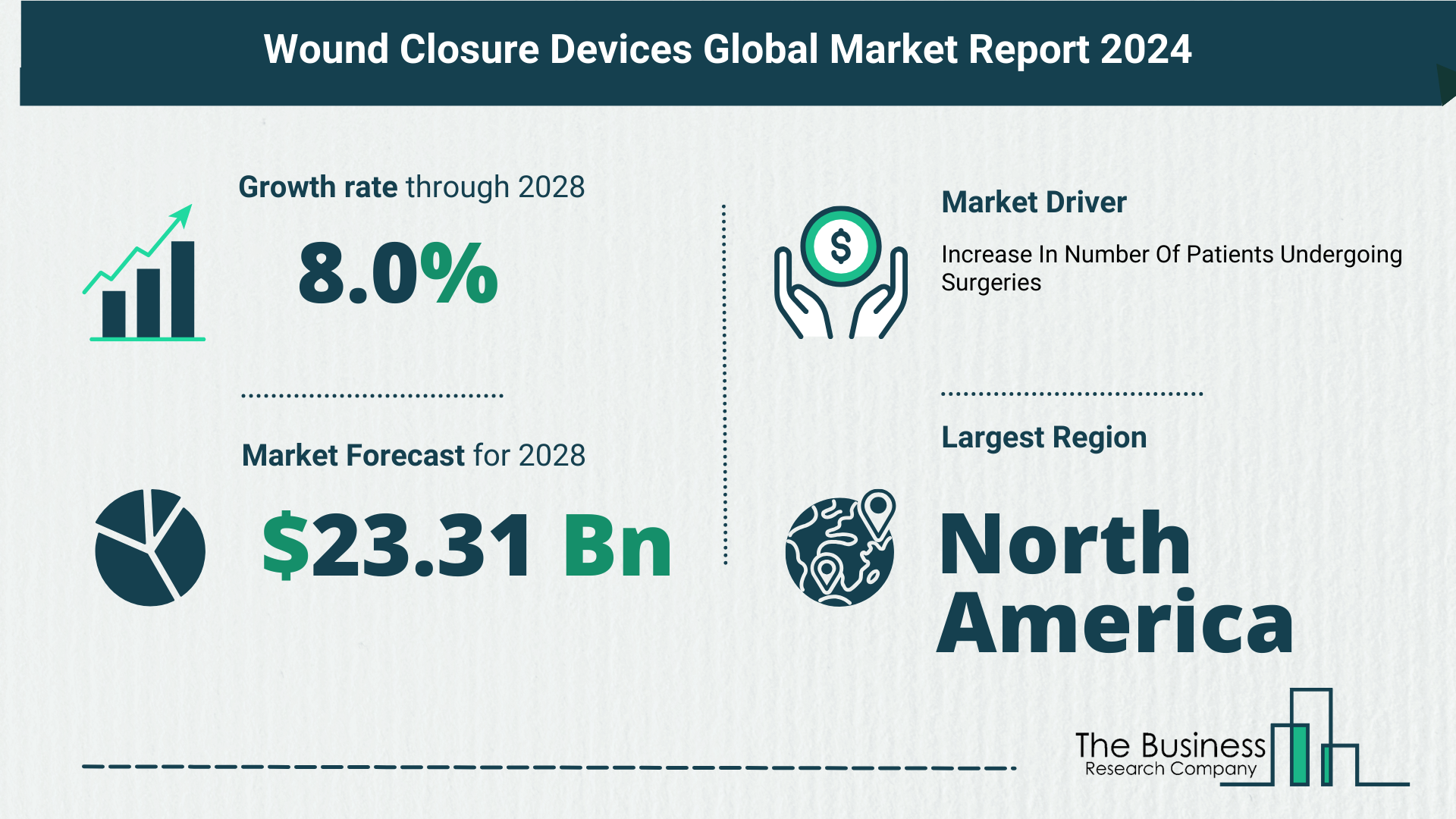
    • The wound closure devices market has witnessed robust growth, with a size of $15.82 billion in 2023, expected to reach $17.13 billion in 2024 at a CAGR of 8.3%.
    • Factors contributing to historic and forecasted growth include surgical procedures, aging population, chronic diseases, traumatic injuries, minimally invasive surgeries, and patient preference for aesthetic closure.

    Future Growth Prospects

    • The market is projected to expand to $23.31 billion by 2028, driven by patient safety, telemedicine, biodegradable devices, home healthcare, and outpatient procedures.
    • Major trends include minimally invasive techniques, accelerated wound healing, demand for hemostats, disposable devices, and regulatory initiatives.

    Surge In Surgical Procedures Boosts Wound Closure Devices Market

    • Surgical procedures’ rise propels the demand for wound closure devices, addressing chronic, traumatic, and surgical wounds, skin grafts, and flaps.
    • Notable increases in cosmetic and specialized surgeries indicate market growth potential.
    • Major players include Abbott Laboratories, Johnson & Johnson, and Smith & Nephew among others.

    View More On The Wound Closure Devices Market Report 2024 – https://www.thebusinessresearchcompany.com/report/wound-closure-devices-global-market-report

    Pioneering Technological Advancements Shaping The Future Of Wound Closure Devices

    • Technology plays a crucial role in market growth, with companies focusing on flexible solutions to gain a competitive edge.
    • Ethicon Endo-Surgery introduced the ECHELONTM+ Stapler with GST Reloads, enhancing staple line security and reducing complications.
    • Essity AB’s acquisition of Hydrofera LLC aims to expand its medical solutions business, enhancing innovation and product diversity.

    Segmentation and Market Dynamics

    • The market is segmented by product type, wound type, and end-use, catering to diverse healthcare needs.
    • North America leads the market, with significant contributions to revenue and innovation.

    In conclusion, the wound closure devices market’s promising growth trajectory underscores its vital role in modern healthcare. Technological innovations, coupled with increasing surgical procedures and patient safety concerns, are driving market expansion. As companies continue to invest in R&D and strategic acquisitions, the industry is poised for further advancement, catering to the evolving needs of patients and healthcare providers alike.

    Request A Sample Of The Global Wound Closure Devices Market Report 2024:
    https://www.thebusinessresearchcompany.com/sample_request?id=7958&type=smp

  • What Is The Forecast Growth Rate For The Advanced Wound Care Devices Market?

    What Is The Forecast Growth Rate For The Advanced Wound Care Devices Market?

    The Business Research Company’s market reports offer an in-depth analysis on the market’s growth potential, major drivers, key trends and more.

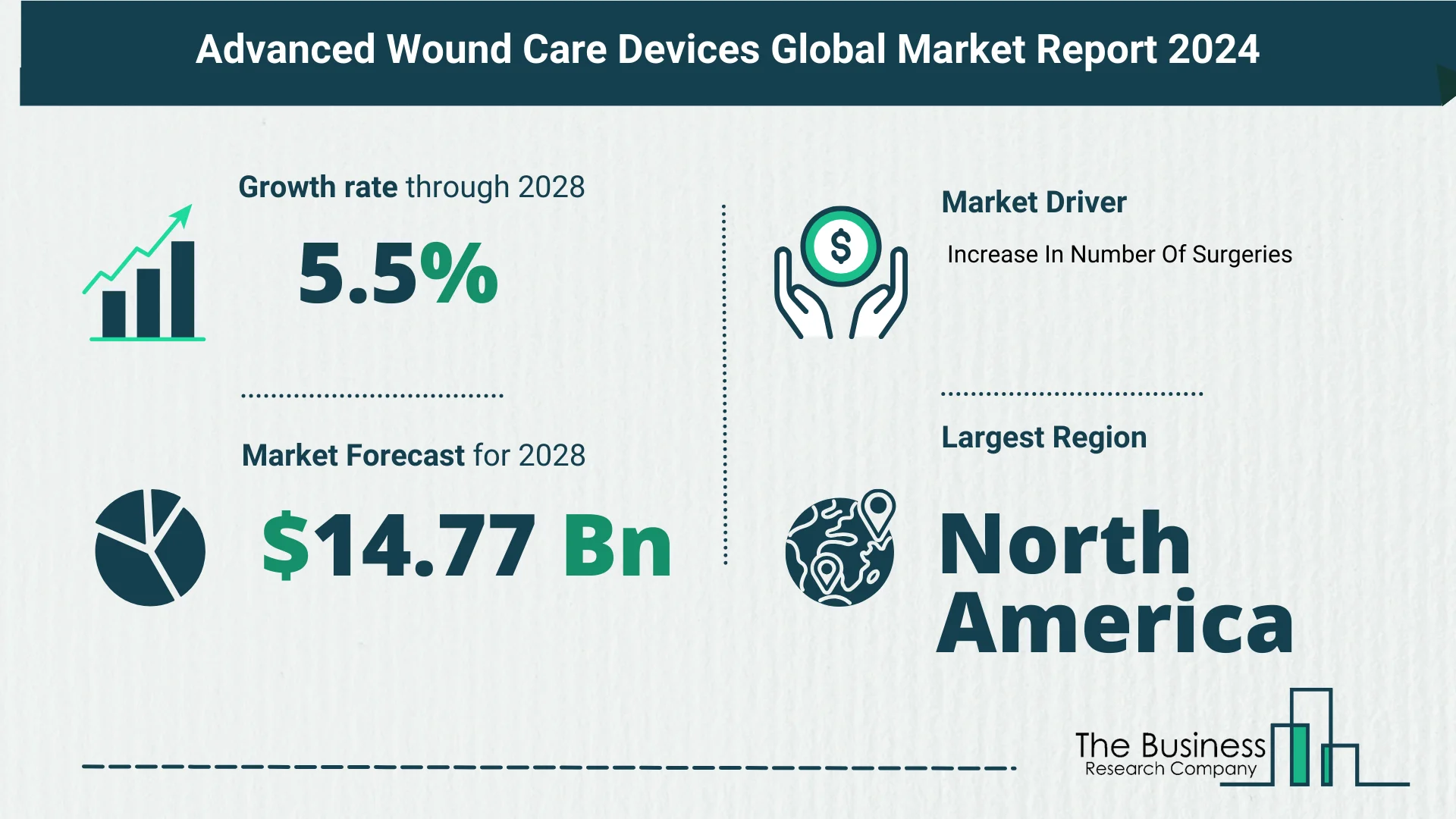
    The advanced wound care devices market has seen a significant surge in recent years, with a projected increase from $11.36 billion in 2023 to $11.93 billion in 2024, boasting a compound annual growth rate (CAGR) of 5.1%. Forecasts suggest even stronger growth, with expectations reaching $14.77 billion by 2028, propelled by a CAGR of 5.5%. Several factors contribute to this upward trajectory, notably the prevalence of chronic diseases, escalating surgical procedures, heightened awareness of wound care, governmental healthcare initiatives, and patient preferences for non-invasive treatments.

    Driving Forces Behind the Surge

    1. Prevalence of Chronic Diseases: Chronic diseases necessitate advanced wound care solutions.
    2. Increasing Surgical Procedures: Growing numbers of surgeries demand effective wound care management.
    3. Rising Awareness of Wound Care: Enhanced awareness drives demand for innovative wound care devices.
    4. Government Initiatives in Healthcare: Supportive governmental policies encourage advancements in wound care technologies.
    5. Patient Preference for Non-invasive Treatments: Patients increasingly favor non-invasive wound care methods, boosting market growth.

    The Growing Demand For Advanced Wound Care Devices In The Wake Of Increasing Surgeries
    An upsurge in surgical interventions is a significant driver of advanced wound care devices’ market growth. Surgeries, essential for treating illnesses and injuries, necessitate efficient wound management solutions to improve patient metabolism and oxygen flow. Notably, statistics from The American Academy of Facial Plastic and Reconstructive Surgery (AAFPRS) reveal a 40% increase in surgical procedures performed in 2021 compared to 2020, underlining the market’s potential. Major companies such as 3M, Coloplast Corporation, and Smith & Nephew PLC dominate this thriving sector.

    Read More On The Advanced Wound Care Devices Market Report 2024 – https://www.thebusinessresearchcompany.com/report/advanced-wound-care-devices-global-market-report

    Technological Advancements Transforming The Landscape Of Advanced Wound Care Devices
    Technological advancements stand as a prominent trend shaping the landscape of advanced wound care devices. Industry leaders continually innovate to fortify their market presence, incorporating cutting-edge technologies to enhance product offerings. For instance, Colzyx Ab’s groundbreaking wound matrix, WOUNDCOM, demonstrates the market’s commitment to innovation. Similarly, Essity AB’s acquisition of Hydrofera LLC underscores the industry’s strategic moves to strengthen product portfolios and expand market reach.

    Market Segmentation and Regional Dynamics
    The advanced wound care devices market encompasses various segments crucial for understanding its dynamics:

    1. By Product: Segmented into Moist, Antimicrobial, and Active categories.
    2. By Application: Categorized into Chronic Wounds and Acute Wounds, addressing diverse medical needs.
    3. By End User: Encompasses Hospitals, Specialty Clinics, Home Healthcare, and Other Types, catering to varying healthcare settings.

    North America emerged as the largest market for advanced wound care devices in 2023, with Asia-Pacific poised for rapid growth during the forecast period, showcasing the market’s global expansion.

    Conclusion
    The advanced wound care devices market’s exponential growth trajectory reflects the industry’s resilience and innovation-driven ethos. With evolving patient needs, technological advancements, and supportive regulatory frameworks, the market is primed for sustained expansion. As key players continue to push boundaries, integrating smart technologies and advancing wound care solutions, the future holds immense promise for improving patient outcomes and reshaping healthcare delivery worldwide.

    Request for A Sample Of The Global Advanced Wound Care Devices Market Report:
    https://www.thebusinessresearchcompany.com/sample_request?id=9583&type=smp

  • Top 5 Insights From The Structural Biology And Molecular Modeling Techniques Market Report 2024

    Top 5 Insights From The Structural Biology And Molecular Modeling Techniques Market Report 2024

    The Business Research Company’s global market reports are now updated with the latest market sizing information for the year 2024 and forecasted to 2033

    According to The Business Research Company’s Structural Biology And Molecular Modeling Techniques Global Market Report 2024, the structural biology and molecular modeling techniques market is expected to show promising growth in the forecast period.

    The structural biology and molecular modeling techniques market size has experienced remarkable growth in recent years. The market surged from $7.58 billion in 2023 to $9 billion in 2024, boasting a compound annual growth rate (CAGR) of 18.7%.

    Contributing Factors to Historic Growth

    • Emergence of cryo-electron microscopy
    • Pharmaceutical research and drug discovery
    • Understanding enzyme mechanisms
    • Growth in structural genomics initiatives
    • Validation of drug targets
    • Structural insights into viral proteins
    • Drug resistance studies

    Forecasted Growth and Influential Factors

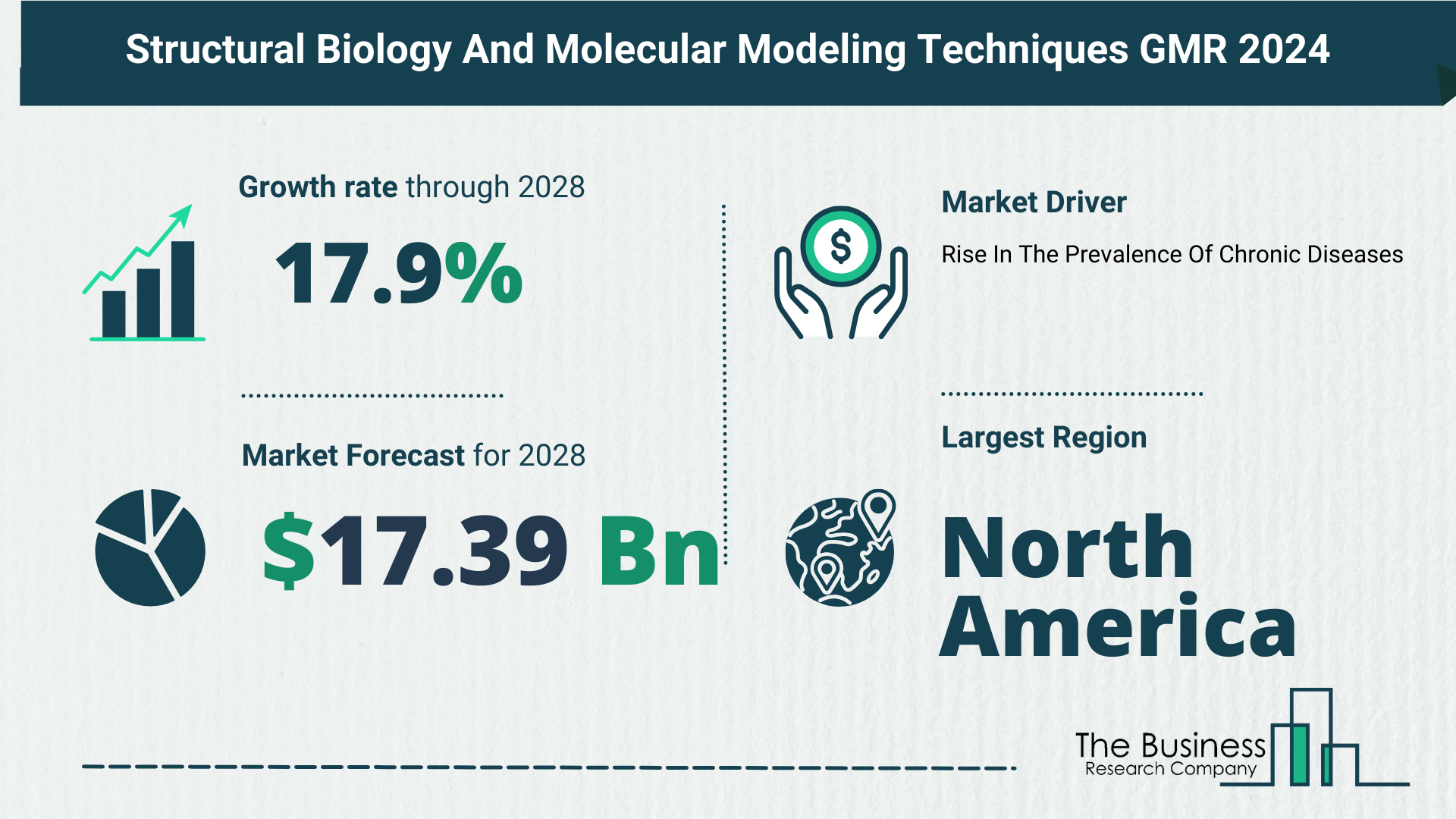
    Expectations are high for the market’s future, with a projected size of $17.39 billion by 2028, marking a CAGR of 17.9%. Anticipated growth drivers include:

    • Expansion of fragment-based drug design
    • Advancements in hybrid methods
    • Rapid expansion of structural proteomics
    • Precision medicine applications in oncology
    • Structural biology in neuroscience research
    • Application in RNA biology
    • Advancements in structural bioinformatics

    Embracing Technological Trends

    Major trends shaping the forecast period entail:

    • Integration of artificial intelligence (AI)
    • Hybrid methods for structural determination
    • Single-particle analysis in cryo-EM
    • Membrane protein structures
    • Open-source software development
    • NMR spectroscopy
    • Structural biology in personalized medicine
    • Technological advances in X-ray crystallography

    Rising Prevalence Of Chronic Diseases To Drive Market Growth

    Understanding Chronic Diseases

    The rising prevalence of chronic diseases significantly contributes to the market’s growth. Common chronic ailments include cancer, heart disease, stroke, diabetes, and arthritis.

    Role of Structural Biology

    Structural biology aids in understanding the origins of illnesses and contributes to early drug discovery. It helps comprehend the effects of human genetic mutations, cancer treatment resistance, and infectious diseases.

    Statistics and Market Implications

    According to the National Center for Biotechnology Information (NCBI), chronic disease cases are expected to double by 2050. This surge underscores the importance of structural biology and molecular modeling techniques in healthcare.

    View More On The Structural Biology And Molecular Modeling Techniques Market Report 2024 – https://www.thebusinessresearchcompany.com/report/structural-biology-and-molecular-modeling-techniques-global-market-report

    Technological Advancements Transforming The Structural Biology And Molecular Modeling Techniques Market

    Innovative Technological Solutions

    Key companies are spearheading technological advancements in the market. Next-generation sequencing-based ctDNA Testing and silico screening of 3-D chemical structures are some notable innovations.

    Case Studies of Innovation

    • PerkinElmer Inc. introduced ChemDraw V21 software, facilitating quick import and sharing of 3D chemical structures.
    • Cadence Design Systems Inc. acquired OpenEye Scientific Software, enhancing its molecular modeling capabilities.

    Segmentation of the Market

    The structural biology and molecular modeling techniques market is segmented based on:

    1. Tools: SaaS And Standalone Modeling, Visualization And Analysis, Databases, Other Tools
    2. Application: Drug Development, Drug Discovery, Other Applications
    3. End-Users: Pharmaceutical, Biotechnological, Academic, Clinical Trial

    Regional Insights

    North America dominated the market in 2023, reflecting the region’s significant contribution to the advancement of structural biology and molecular modeling techniques.

    In conclusion, the structural biology and molecular modeling techniques market presents a promising landscape with substantial growth opportunities driven by technological innovations, rising chronic disease prevalence, and expanding applications across various sectors. As the market continues to evolve, stakeholders must remain agile and proactive in harnessing emerging trends and technologies to stay ahead in this dynamic industry.

    Request A Sample Of The Global Structural Biology And Molecular Modeling Techniques Market Report 2024:
    https://www.thebusinessresearchcompany.com/sample_request?id=8532&type=smp

  • STD Diagnostics Global Market Outlook 2024-2033: Size And Growth Rate Analysis

    STD Diagnostics Global Market Outlook 2024-2033: Size And Growth Rate Analysis

    The Business Research Company’s global market reports provide comprehensive analysis on the various markets in 27 industries across 60 geographies.

     The STD diagnostics market size has grown rapidly in recent years, reaching $9.25 billion in 2023 and projected to grow to $10.19 billion in 2024 at a CAGR of 10.1%. The growth in the historic and forecast periods can be attributed to several factors:

    • Epidemiological trends
    • Healthcare infrastructure development
    • Pharmaceutical advancements
    • Sexual education programs
    • Demographic shifts

    View More On The STD Diagnostics Market Report 2024 – https://www.thebusinessresearchcompany.com/report/std-diagnostics-global-market-report

    Advancements In Testing Technologies Drive Market Growth
    Advancements in STD diagnostics are pivotal to market expansion. Major players continually upgrade testing facilities and techniques for more efficient and faster diagnosis. For example:

    • BD (Becton, Dickinson, and Company) launched the BD CORTM MX/PX System, enhancing workflow automation and diagnosis speed.
    • The BD CTGCTV2 molecular assay identifies the three most common non-viral STIs.

    Quest Diagnostics Expands Reach And Enhances STD Diagnostics Services With Labtech Diagnostics Acquisition

    In December 2021, Quest Diagnostics acquired Labtech Diagnostics, enhancing its diagnostics services in South Carolina and the southeast. This acquisition facilitated access to diagnostics innovation and better diagnostic services for STDs and other infectious diseases.

    Segmentation of the STD Diagnostics Market

    The STD diagnostics market is segmented based on:

    1. Type: Chlamydia Testing, Syphilis Testing, Gonorrhea Testing, Herpes Simplex Virus Testing, Human Papilloma Virus Testing, Human Immunodeficiency Virus Testing, Chancroid Testing, Other Types
    2. Location of Testing: Laboratory Testing, Point Of Care (PoC) Testing
    3. End-User: Hospitals And Clinics, Diagnostic Centers, Homecare

    Regional Dynamics

    • North America led the STD diagnostics market share in 2023.
    • Asia-Pacific is anticipated to be the fastest-growing region in the forecast period.

    The growing prevalence of STDs worldwide is a key driver propelling the STD diagnostics market. STDs are infectious diseases transmitted through sexual contact, with over 1 million new infections acquired daily globally, according to WHO. Chlamydia, gonorrhea, syphilis, and trichomoniasis collectively account for 1 in 4 STDs.

    Major companies operating in the STD diagnostics market include Siemens AG, Abbott Laboratories, Qiagen Inc., Danaher Corporation, and more. These companies drive innovation and accessibility in STD diagnostics, contributing to market growth.

    Advancements in testing technologies, such as the BD CORTM MX/PX System, streamline diagnosis processes, enabling healthcare providers to offer faster and more accurate results. These innovations enhance patient care and contribute to the overall growth of the STD diagnostics market.

    Quest Diagnostics’ acquisition of Labtech Diagnostics reflects a strategic move to expand its reach and improve diagnostic services for STDs and other infectious diseases. This acquisition strengthens Quest Diagnostics’ position in the market and underscores the importance of partnerships and innovation in driving market growth.

    In conclusion, the STD diagnostics market is poised for substantial growth driven by technological advancements, strategic acquisitions, and increasing global prevalence of STDs. As healthcare providers continue to prioritize early detection and treatment of STDs, the market is expected to witness significant expansion, catering to evolving patient needs and public health initiatives.

    Request A Sample Of The Global STD Diagnostics Market Report 2024:
    https://www.thebusinessresearchcompany.com/sample_request?id=8507&type=smp

  • 5 Key Insights On The Spirometer Market 2024

    5 Key Insights On The Spirometer Market 2024

    The Business Research Company’s global market reports are now updated with the latest market sizing information for the year 2024 and forecasted to 2033

    As per The Business Research Company’s Spirometer Global Market Report 2024, the spirometer market is expected to show significant growth in the forecast period.

    The spirometer market has witnessed robust growth in recent years, driven by various factors such as increased prevalence of respiratory diseases, emphasis on preventive healthcare, aging population demographics, clinical research, and evidence-based practices. With a promising outlook, the market is poised for further expansion, fueled by technological advancements and shifting healthcare trends.

    Surge In Chronic Respiratory Diseases Drives Demand For Spirometer Market:

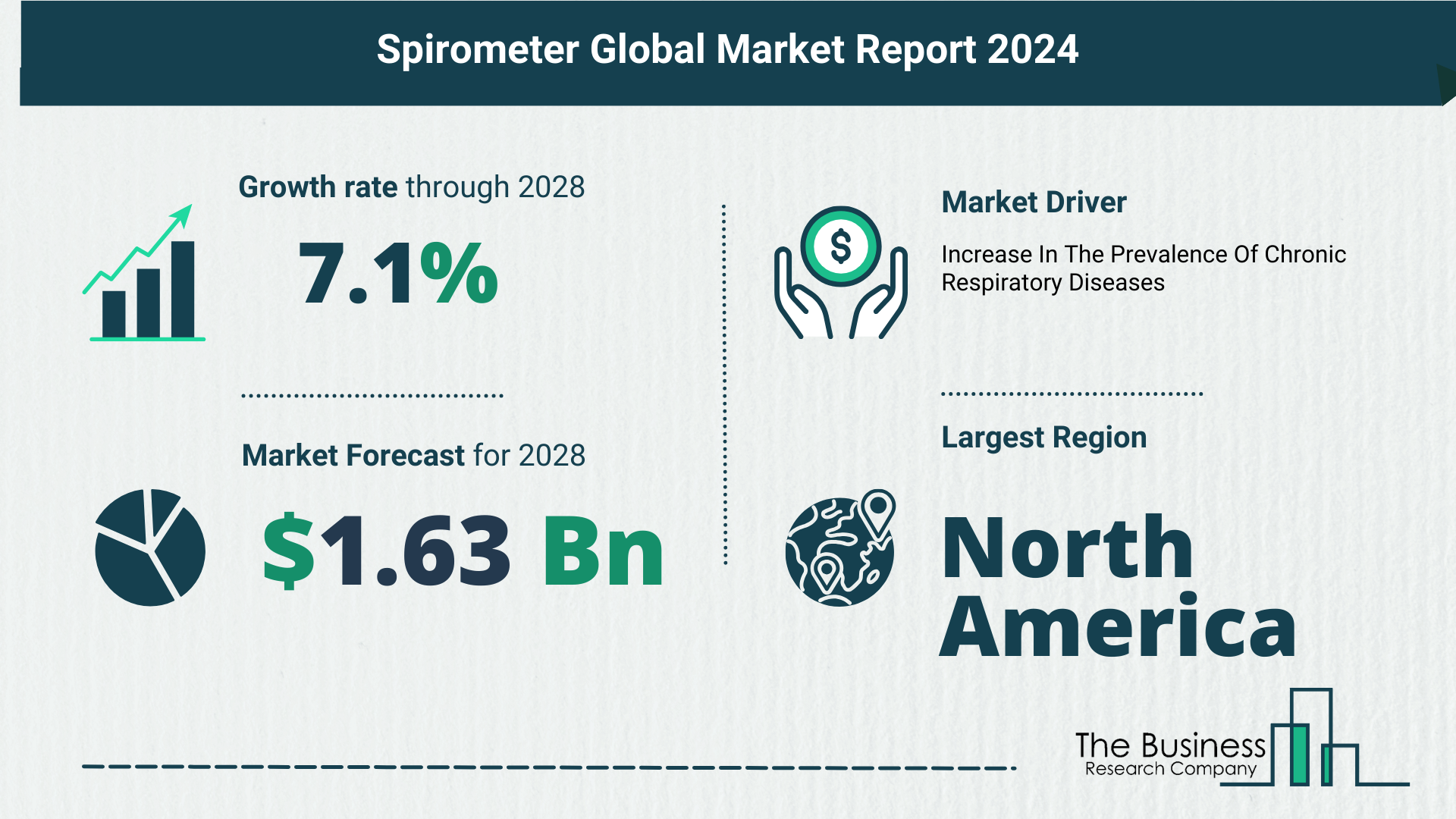
    • Chronic respiratory diseases, including asthma, COPD, lung cancer, and others, are on the rise globally.
    • The prevalence of chronic respiratory conditions in Australia highlights the substantial demand for spirometers.
    • Companies like Fukuda Sangyo Co. Ltd., Geratherm Respiratory GmbH, and Koninklijke Philips N.V. are among the key players in the market.

    View More On The Spirometer Market Report 2024 – https://www.thebusinessresearchcompany.com/report/spirometer-global-market-report

    Technological Advancements Propel Spirometer Market With Wireless Solutions:

    • Innovative technologies, such as portable wireless spirometers, are gaining traction in the market.
    • Cipla Ltd.’s Spirofy, a wireless spirometer launched in November 2021, exemplifies the trend towards portable and user-friendly devices.
    • CAIRE Inc.’s acquisition of MGC Diagnostics Holdings, Inc. in November 2022 further underscores the market’s technological evolution.

    Market Segmentation: The spirometer market is segmented based on various criteria, including type, technology, product, application, and end-use:

    1. Type: Handheld, Tabletop, Desktop
    2. Technology: Volume Measurement, Flow Measurement, Peak Flow Measurement
    3. Product: Device, Consumables and Accessories, Software
    4. Application: Asthma, COPD, Cystic Fibrosis, Pulmonary Fibrosis, Other Applications
    5. End-Use: Hospitals and Clinics, Home Healthcare

    North America Leads Spirometer Market Share:

    • In 2023, North America emerged as the largest region in the spirometer market, indicating significant growth opportunities in the region.
    • The region’s advanced healthcare infrastructure and high prevalence of respiratory diseases contribute to its dominance in the market.

    Future Outlook and Trends: The spirometer market is expected to continue its growth trajectory, reaching $1.24 billion in 2024 and $1.63 billion by 2028, with a compound annual growth rate (CAGR) of 7.1%.

    • Shift towards home healthcare, medical reimbursement policies, and continued clinical research will drive market expansion.
    • Major trends include remote monitoring, telemedicine, patient engagement, digital health integration, personalized medicine, and patient-centric care.
    • Market competition and innovation will shape the landscape, with companies striving to develop cutting-edge solutions to meet evolving healthcare needs.

    Conclusion: The spirometer market is experiencing significant growth driven by factors such as the increasing prevalence of chronic respiratory diseases and technological advancements. With a diverse range of players and evolving consumer demands, the market presents lucrative opportunities for stakeholders across the healthcare industry. As innovation continues to drive progress, the spirometer market is poised to shape the future of respiratory care, offering improved diagnosis, monitoring, and management of respiratory conditions worldwide.

    Request A Sample Of The Global Spirometer Market Report 2024:
    https://www.thebusinessresearchcompany.com/sample_request?id=8364&type=smp

  • Top 5 Insights From The Vascular Stent Market Report 2024

    Top 5 Insights From The Vascular Stent Market Report 2024

    The Business Research Company’s global market reports are now updated with the latest market sizing information for the year 2024 and forecasted to 2033

    According to The Business Research Company’s Vascular Stent Global Market Report 2024, the vascular stent market is expected to show promising growth in the forecast period.

    Market Growth Dynamics

    • Rapid growth in recent years
    • Projected increase from $14.74 billion in 2023 to $16.26 billion in 2024
    • Compound Annual Growth Rate (CAGR) of 10.3% attributed to:
      • Clinical research and development
      • Introduction of drug-eluting stents (DES)
      • Introduction of balloon angioplasty
      • Early stent innovations
      • Physician training and skill development

    Forecasted Growth and Drivers

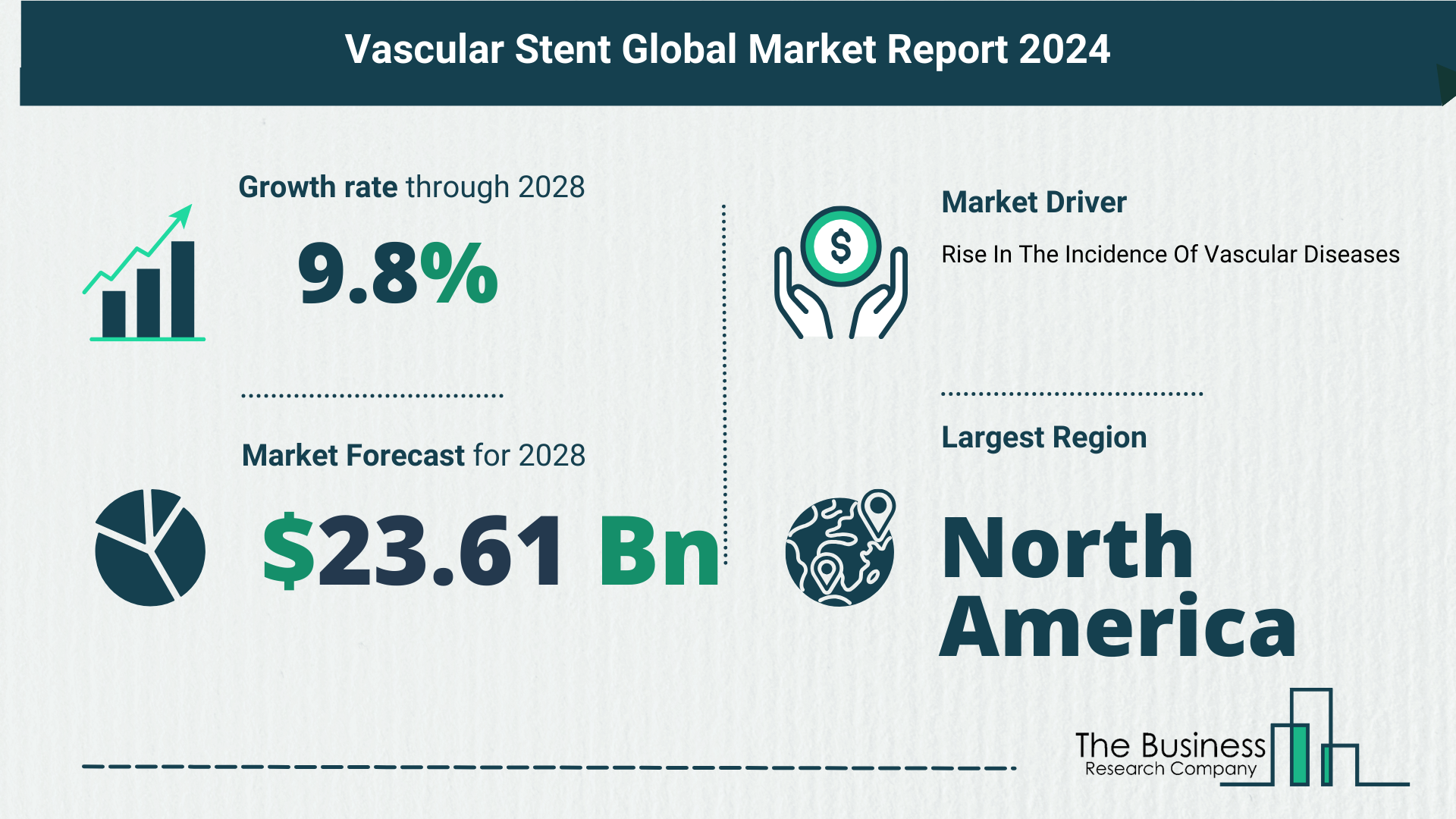
    • Expected to reach $23.61 billion in 2028 with a CAGR of 9.8%
    • Growth in the forecast period attributed to:
      • Focus on preventive cardiovascular care
      • Shift towards outpatient procedures
      • Cost-effectiveness and value-based healthcare
      • Bioabsorbable stents and next-generation materials
      • Expansion of endovascular interventions

    Navigating Cardiovascular Health Surge in Vascular Diseases

    • Rise in incidence of vascular diseases propels market growth
    • Vascular stents aid in treatment of cardiovascular diseases
    • In the US, about 1 in every 5 deaths in 2021 attributed to heart disease
    • Major companies in the market include Medtronic PLC, Abbott Laboratories, Boston Scientific Corporation, and others

    Translumina’s Vivo ISAR Sets the Pace

    • Technological advancements key trend in the market
    • Companies investing in bio-sensing devices and drug-eluting coronary stent systems
    • Example: Translumina launched VIVO ISAR, a dual drug polymer-free coated stent (DDCS) with superior safety profile and drug release kinetics

    Philips Broadens Vascular Solutions Portfolio Through Acquisition

    • Philips acquires Vesper Medical Inc. in 2021
    • Acquisition aims to innovate patient treatment with advanced venous stent for deep venous disease
    • Vesper Medical Inc. develops minimally invasive peripheral vascular devices

    Market Segmentation

    1. By Product:
      • Coronary Stents
      • Peripheral Vascular Stents
      • EVAR Stent Grafts
    2. By Type:
      • Bare Metal Stent
      • Bio-engineered Stent
      • Bioresorbable Vascular Scaffold
      • Drug Eluting Stent
      • Dual Therapy Stent
    3. By Material:
      • Metallic Stents
      • Cobalt-Chromium
      • Platinum Chromium
      • Nickel Titanium
      • Stainless Steel
      • Polymer Stents
    4. By Mode of Delivery:
      • Balloon-expandable Stent
      • Self-expanding Stent
    5. By End-user:
      • Ambulatory Surgical Center
      • Cardiac Center
      • Hospital

    Regional Insights

    • North America was the largest region in the vascular stent market in 2023

    In conclusion, the vascular stent market demonstrates substantial growth potential driven by technological advancements, increasing incidence of vascular diseases, and strategic acquisitions. As companies innovate and expand their product portfolios, the market is poised for further growth and development, offering advanced solutions for cardiovascular care worldwide.

    View More On The Vascular Stent Market Report 2024 – https://www.thebusinessresearchcompany.com/report/vascular-stent-global-market-report

    Request A Sample Of The Global Vascular Stent Market Report 2024:
    https://www.thebusinessresearchcompany.com/sample_request?id=8363&type=smp

  • Vaginal Sling Market Forecast 2024: Forecast Market Size, Drivers And Key Segments

    Vaginal Sling Market Forecast 2024: Forecast Market Size, Drivers And Key Segments

    The Business Research Company’s global market reports are now updated with the latest market sizing information for the year 2024 and forecasted to 2033

    The vaginal sling market has witnessed robust growth in recent years, driven by various factors including demographic shifts, technological advancements, and evolving healthcare landscapes.

    Market Size and Projections

    • The market size is projected to increase from $1.4 billion in 2023 to $1.53 billion in 2024, with a compound annual growth rate (CAGR) of 9.0%.
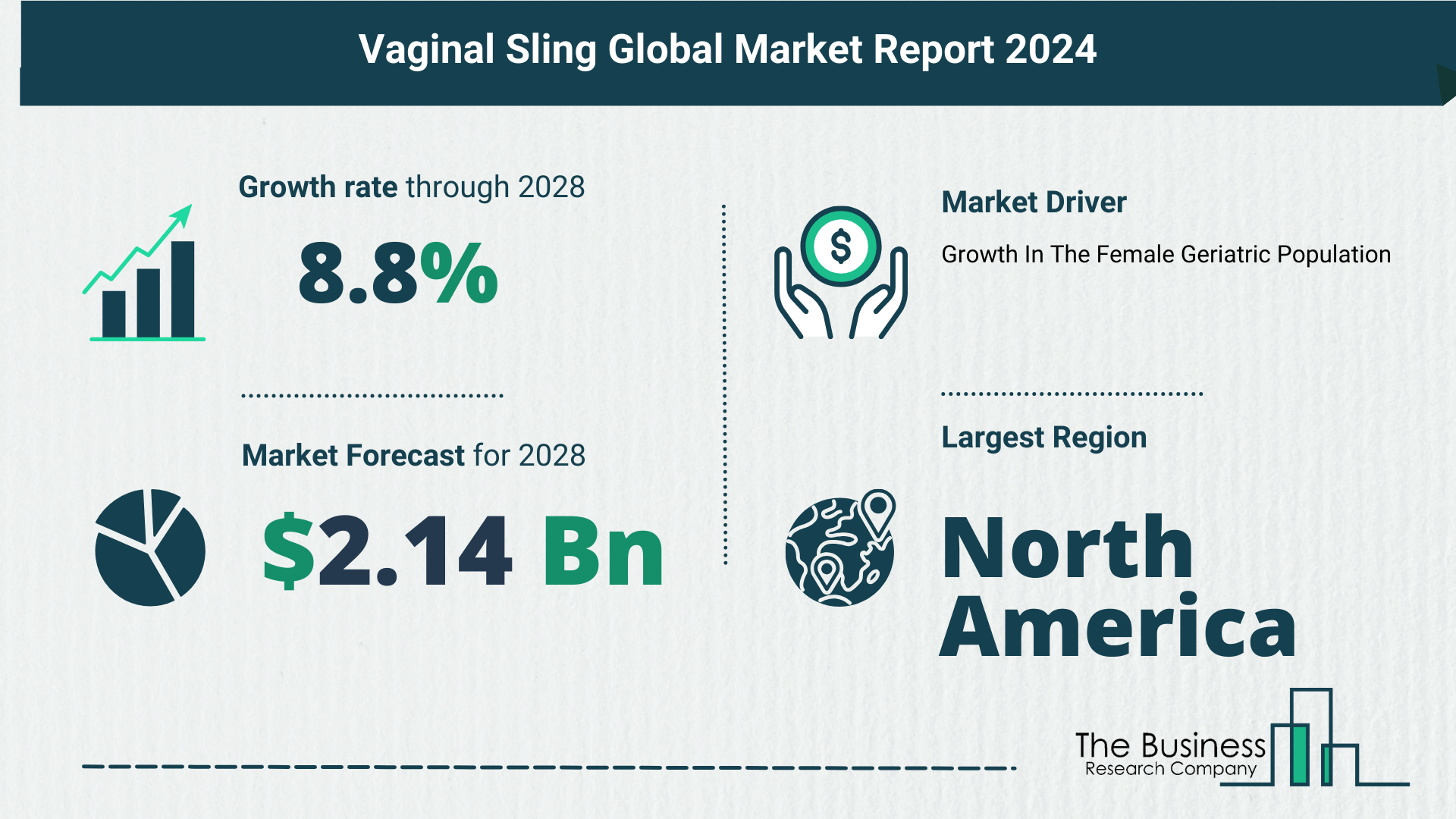
    • By 2028, it is estimated to reach $2.14 billion, with a CAGR of 8.8%.
    • Historical growth is attributed to the rising prevalence of stress urinary incontinence (SUI), advancements in surgical techniques, an aging population, regulatory approvals, and healthcare infrastructure development.

    Driving Forces Behind Market Expansion

    Impact of the Growing Female Geriatric Population

    • The expanding female geriatric population, particularly those aged 65 and above, is a significant driver of market growth.
    • Stress urinary incontinence affects a portion of this demographic and is often treated using vaginal slings.
    • For instance, statistics from Statistics Netherlands highlight the increasing numbers of elderly women, indicating a growing market for vaginal slings.

    View More On The Vaginal Sling Market Report 2024 – https://www.thebusinessresearchcompany.com/report/vaginal-sling-global-market-report

    Innovative Solutions in the Vaginal Slings Market

    • Major companies in the market are developing innovative products to address stress urinary incontinence.
    • Innovations such as Desara TVez by Caldera Medical aim to provide safe and effective treatment options for patients.
    • These advancements not only enhance patient outcomes but also streamline surgical procedures, contributing to market growth.

    Strategic Acquisitions and Collaborations

    • Evoco’s acquisition of Agency for Medical Innovation (AMI) signifies strategic moves within the market.
    • Such acquisitions aim to leverage expertise, expand product portfolios, and drive further growth.
    • AMI’s expertise in manufacturing vaginal slings complements Evoco’s vision for market leadership and innovation.

    Market Segmentation and Regional Insights

    Segmentation Overview

    • The vaginal sling market is segmented based on product type, material type, type of urinary incontinence, and end-user.
    • Product types include transobturator slings, tension-free vaginal tape slings, and others, while material types encompass tissue and synthetic slings.

    Regional Dynamics

    • North America led the vaginal slings market in 2023, reflecting established healthcare infrastructure and rising demand for minimally invasive procedures.
    • Asia-Pacific is poised to be the fastest-growing region, driven by increasing healthcare expenditure and expanding patient awareness.

    Conclusion: Navigating Opportunities

    The vaginal sling market presents significant opportunities amidst evolving healthcare needs and demographic shifts. As the global population ages and awareness of urinary incontinence grows, demand for effective treatment options will continue to rise. Innovation, strategic collaborations, and market expansion efforts will play pivotal roles in shaping the future landscape of the vaginal sling market. With a focus on patient-centric approaches and technological advancements, stakeholders are well-positioned to navigate growth opportunities and address unmet healthcare needs effectively. As the market evolves, it is crucial for companies to remain agile, responsive, and committed to enhancing patient outcomes, thereby fostering a healthier future for individuals worldwide.

    Request A Sample Of The Global Vaginal Sling Market Report 2024:
    https://www.thebusinessresearchcompany.com/sample_request?id=8756&type=smp