Category: Medical Equipment

  • 3D Bioprinting Market Report 2024: Market Size, Drivers, And Trends

    3D Bioprinting Market Report 2024: Market Size, Drivers, And Trends

    The Business Research Company’s global market reports are now updated with the latest market sizing information for the year 2024 and forecasted to 2033

    Explosive Growth in Market Size
    The 3D bioprinting market has experienced remarkable growth, soaring from $1.59 billion in 2023 to $1.9 billion in 2024, showcasing a significant Compound Annual Growth Rate (CAGR) of 19.8%. This expansion is attributed to several factors, including substantial research and development funding, the surge in chronic diseases, organ shortages, the rise in pharmaceutical testing, and growth in tissue engineering.

    Future Outlook and Trends
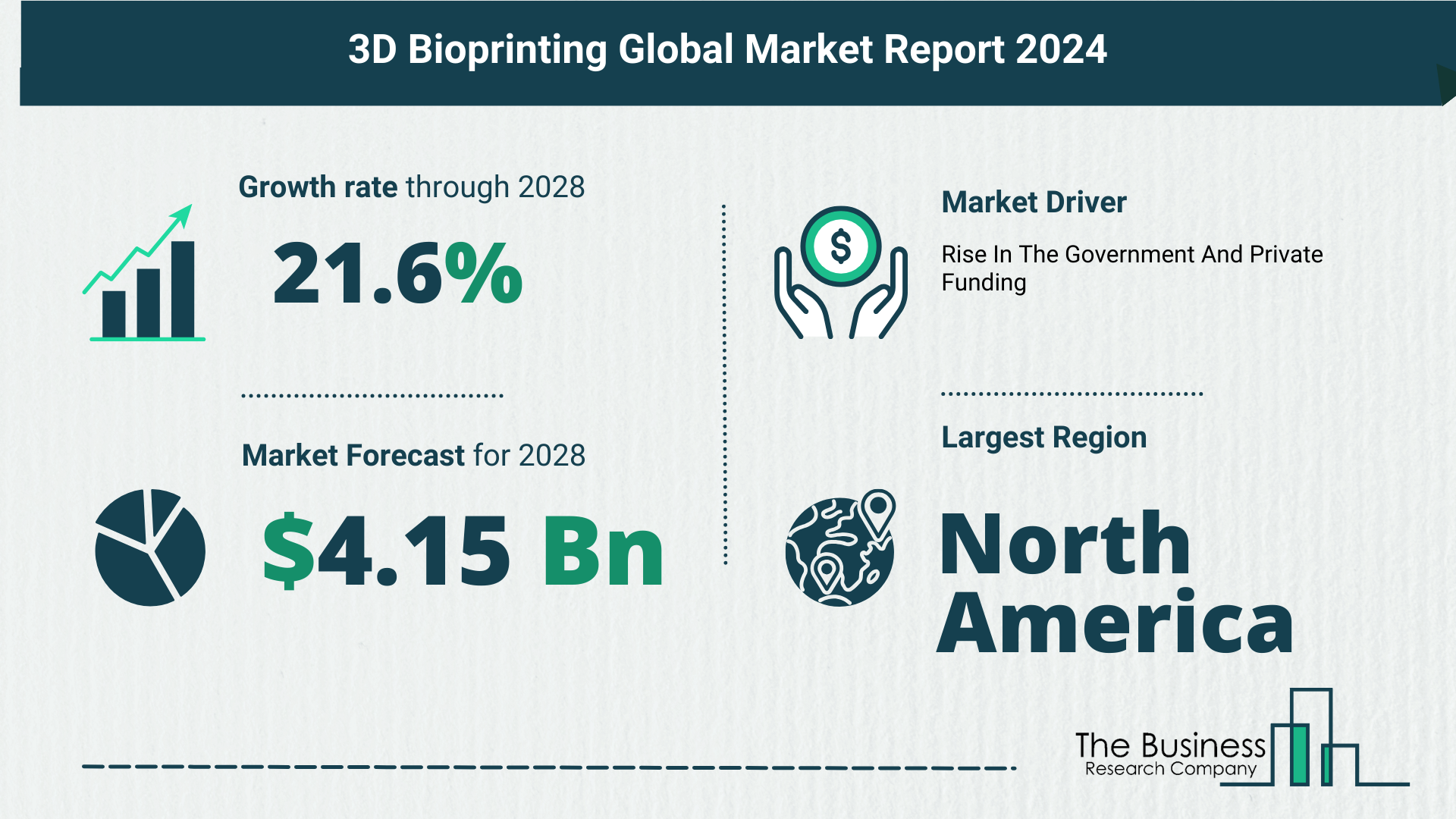
    The momentum continues into the forecast period, with the 3D bioprinting market projected to reach $4.15 billion in 2028, boasting a CAGR of 21.6%. Anticipated contributors to this growth include healthcare advancements, the development of bioprinted skin, increased awareness among patients, and an aging population. Notable trends in the forecast period encompass multi-material printing, vascularization techniques, organ-on-a-chip, custom implants, and biofabrication in space.

    Funding Boosts Research and Development

    Increased Government and Private Funding

    • Governments and private organizations are channeling substantial funds to propel 3D bioprinting research.
    • Funding supports different development phases of 3D bioprinting techniques.
    • Examples include the European Union granting $600,000 to Readily3d SA for pancreas model development and the Australian Minister for Health allocating $737,690 to Curtin University for bioprinting skin tissue.

    Key Players in the Market
    Major companies contributing to the 3D bioprinting market’s growth include Organovo Holdings Inc., Allevi Inc., Cellink AB, Aspect Biosystems Ltd., and many more. These companies play pivotal roles in advancing bioprinting technologies, bio-inks, and 3D bioprinters, fostering innovation in the industry.

    View More On The 3D Bioprinting Market Report 2024 – https://www.thebusinessresearchcompany.com/report/3d-bioprinting-global-market-report

    AI’s Integration in Customized Medical Implants

    Artificial Intelligence (AI) in Bioprinting

    • AI is increasingly employed to fabricate bio-tissues in a layer-to-layer fashion from digital 3D models.
    • AI provides suggestions on optimal printing parameters for biocompatible tissues, considering the patient’s physiological makeup.
    • In June 2021, researchers at Queensland University of Technology and Oregon University integrated AI and machine vision into 3D printers for customized medical implants.

    Strategic Acquisitions Fuel Market Expansion

    3D Systems Acquires Allevi Inc.

    • In May 2021, 3D Systems acquired Allevi Inc., a move aimed at leveraging Allevi’s expertise for long-term development of human organs.
    • The acquisition positions 3D Systems as a market leader in bioprinting, capitalizing on Allevi’s 3D bioprinters and bio-inks.

    Market Segmentation and Regional Dynamics

    Market Segmentation

    • Components: 3D Bioprinters, Bioinks
    • Materials: Living Cells, Hydrogels, Extracellular Matrices, Other Materials
    • Applications: Research, Clinical, Others
    • End Users: Research Organizations, Biopharmaceutical Companies, Hospitals, Others

    Regional Dynamics

    • North America dominated the 3D bioprinting market in 2023.
    • Asia-Pacific is expected to witness the fastest growth during the forecast period, emphasizing the global nature of the industry.

    Conclusion: A New Era in Healthcare
    The exponential growth of the 3D bioprinting market signifies a transformative era in healthcare. With advancements driven by funding, technological integration, strategic acquisitions, and global market dynamics, 3D bioprinting emerges as a revolutionary force in addressing medical challenges. As the market evolves, the collaboration between AI and bioprinting technologies is poised to reshape the landscape, offering customized medical solutions and paving the way for groundbreaking innovations in personalized healthcare.

    Request A Sample Of The Global 3D Bioprinting Market Report 2024:
    https://www.thebusinessresearchcompany.com/sample_request?id=5341&type=smp
  • AI-based Surgical Robots Market Growth Analysis Till 2033 By The Business Research Company

    AI-based Surgical Robots Market Growth Analysis Till 2033 By The Business Research Company

    The Business Research Company’s market reports offer an in-depth analysis on the market’s growth potential, major drivers, key trends and more.

    The AI-based surgical robots market has witnessed an unprecedented surge in recent years, propelling it from $5.73 billion in 2023 to an estimated $6.88 billion in 2024, showcasing a remarkable Compound Annual Growth Rate (CAGR) of 20.0%. This growth is attributed to several factors, including the aging population, a rising demand for minimally invasive surgery, increased healthcare expenditure, the imperative need for patient safety, and the prevalence of chronic diseases.

    Exponential Growth Anticipated

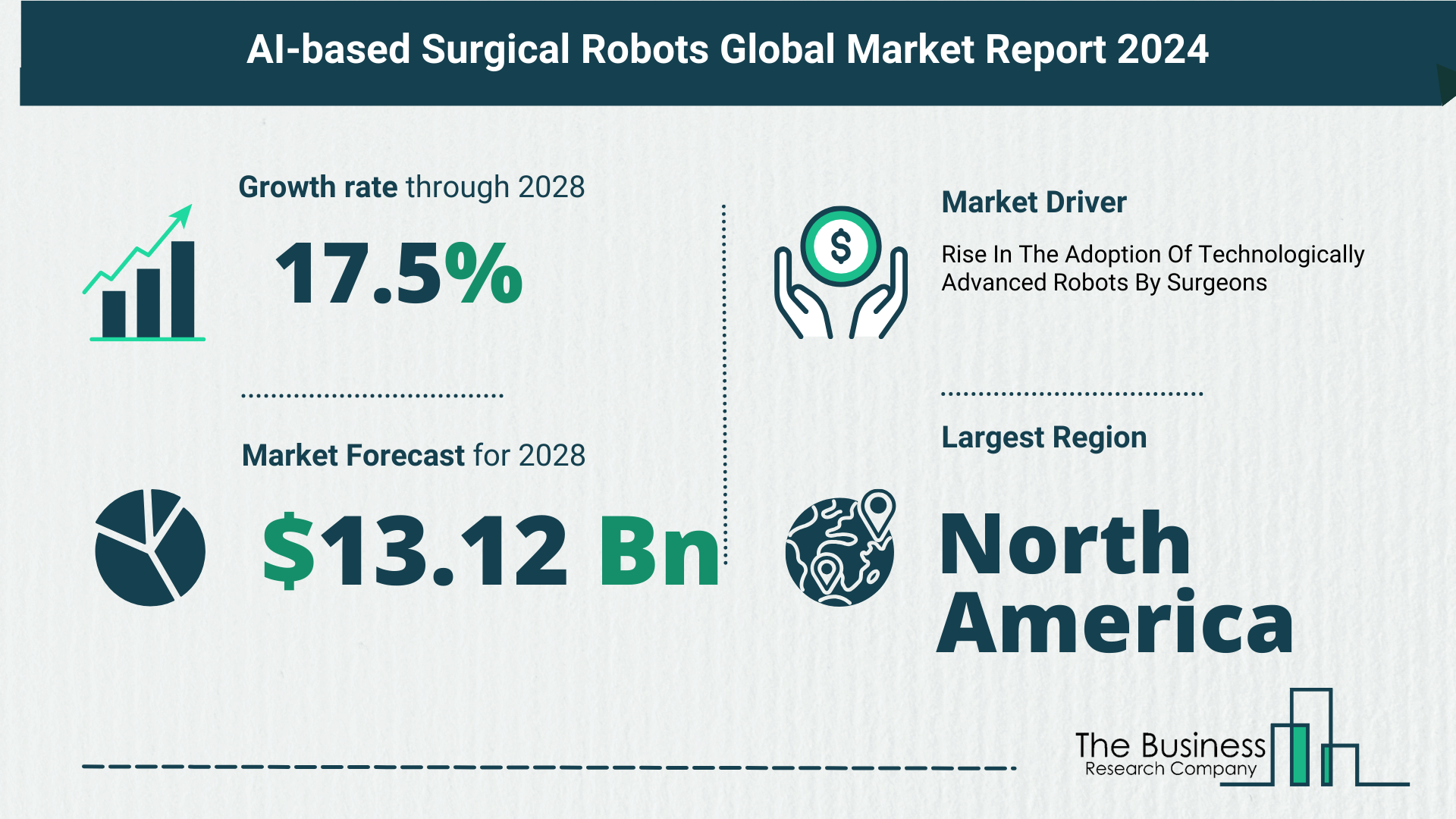
    • The AI-based surgical robots market is poised for rapid expansion, projecting a staggering growth to $13.12 billion in 2028 at a CAGR of 17.5%.
    • Factors fueling this growth include the adoption of telemedicine and remote surgery, increased investments, a surge in robotic surgeries, and the persistent shortage of medical professionals.

    Major Trends Shaping the Future

    • AI and Machine Learning Integration
    • Robotics-as-a-Service (RaaS)
    • Miniaturization and Portability
    • Surgical Data Analytics
    • Patient-Specific Surgical Planning
    • Interdisciplinary Collaboration

    Driving Forces Behind Market Growth

    Adoption Of Technologically Advanced Robots By Surgeons

    The adoption of technologically advanced robots by surgeons across various applications has been a pivotal driver for the AI-based surgical robots market. These robots, powered by AI, enhance efficiency, accuracy, and overall performance. Notably, robotic surgery accounted for 2% of surgeries in Europe and a substantial 15% in the United States in 2023, according to Oliver Wyman. This increasing reliance on advanced robots is a key factor propelling the market forward.

    Major Companies Shaping the Market Landscape
    Key players in the AI-based surgical robots market include Accuray Incorporated, Intuitive Surgical Inc., Medtronic PLC, and others. These companies are at the forefront of technological advancements, contributing significantly to the growth and evolution of the market.

    Read More On The AI-based Surgical Robots Market Report 2024 – https://www.thebusinessresearchcompany.com/report/ai-based-surgical-robots-global-market-report

    Innovations Driving Growth

    New Product Development Advancements

    The development of innovative products is a prominent trend, with major companies constantly striving to strengthen their market positions. For instance, Suzhou Kang Duo Robot Co. launched the Kang Duo Surgical Robot-01 (KD SR 01) in December 2022, showcasing the potential advantages over conventional methods, such as laparoscopic surgery.

    Surgical Science’s Acquisition of Mimic Technologies
    In January 2021, Surgical Science Sweden AB acquired Mimic Technologies Inc. for $18.0 million, expanding its customer base, gaining access to advanced analytics technology, and strengthening its presence in the American market. This acquisition underscores the strategic moves within the industry to foster growth and competitiveness.

    Market Segmentation

    The AI-based surgical robots market is segmented based on products, applications, and end-users:

    1. By Product:
      • Services
      • Instrument and Accessories
    2. By Application:
      • Orthopedics
      • Neurology
      • Urology
      • Gynecology
      • Other Applications
    3. By End User:
      • Hospitals
      • Ambulatory Surgical Centers

    Regional Dynamics
    North America led the AI-based surgical robots market in 2023, with Asia-Pacific expected to be the fastest-growing region during the forecast period.

    Conclusion
    As the AI-based surgical robots market continues its upward trajectory, driven by technological advancements, strategic acquisitions, and an increasing number of robotic surgeries, the healthcare landscape is witnessing a transformative shift. The integration of AI and robotics is not only enhancing surgical outcomes but also paving the way for a future where precision, efficiency, and patient safety are paramount. The journey ahead promises innovations, collaborations, and breakthroughs that will redefine the way surgeries are conducted, marking a new era in healthcare.

    Request for A Sample Of The Global AI-based Surgical Robots Market Report:
    https://www.thebusinessresearchcompany.com/sample_request?id=7274&type=smp

  • Bioprocess Containers Market Forecast 2024: Forecast Market Size, Drivers And Key Segments

    Bioprocess Containers Market Forecast 2024: Forecast Market Size, Drivers And Key Segments

    The Business Research Company’s global market reports are now updated with the latest market sizing information for the year 2024 and forecasted to 2033

    Exponential Growth Unveiled
    The bioprocess containers market has experienced an extraordinary surge, leaping from $4.15 billion in 2023 to an anticipated $5.24 billion in 2024, with an impressive Compound Annual Growth Rate (CAGR) of 26.2%. This remarkable growth in recent years is attributed to the flourishing biopharmaceutical industry, significant government investments in research and development, the increasing privatization of laboratory services, and a surge in healthcare spending.

    Future Prospects: An Unprecedented Trajectory
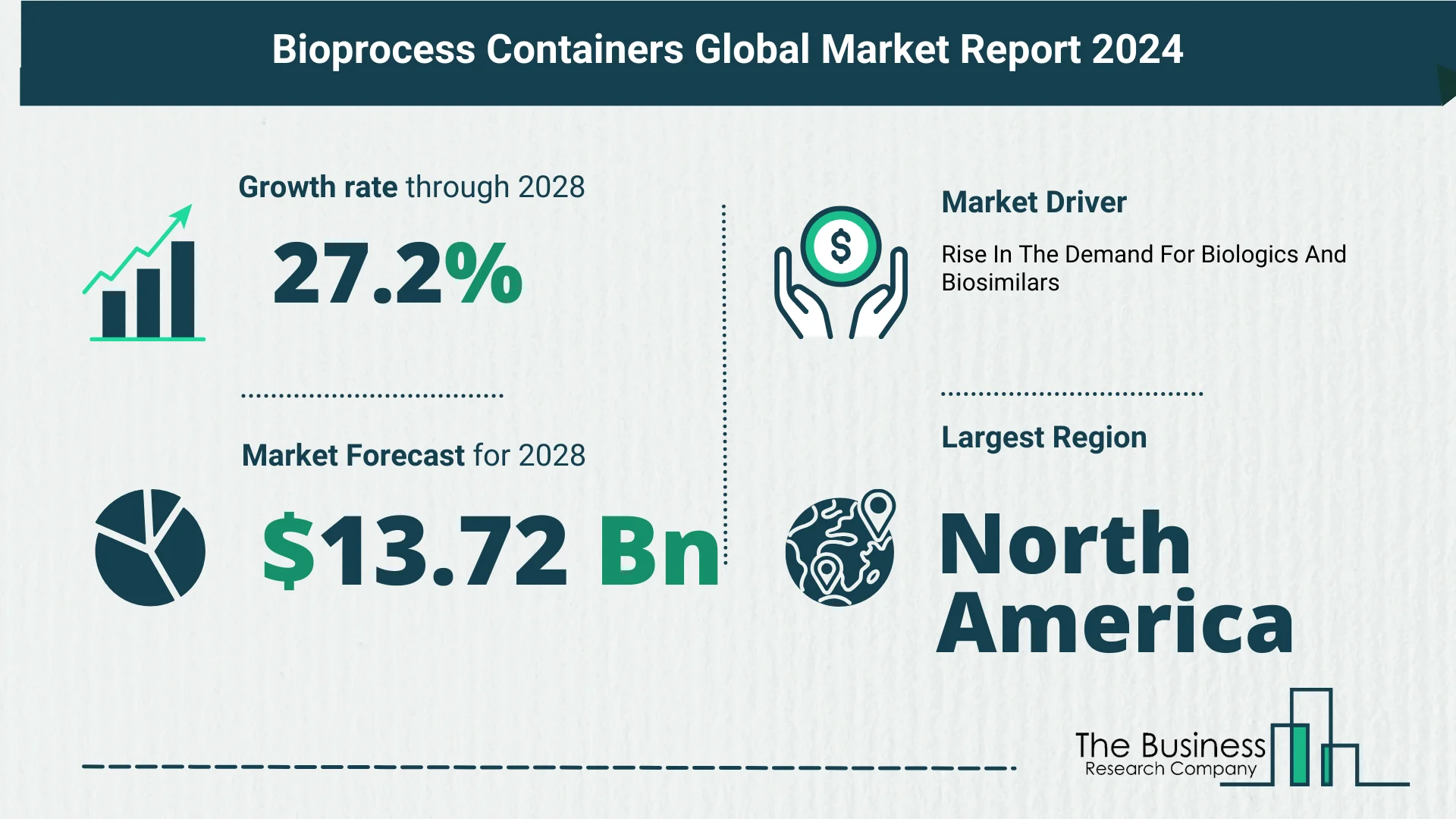
    The growth story continues into the foreseeable future, with the bioprocess containers market projected to reach a staggering $13.72 billion by 2028, boasting a CAGR of 27.2%. Factors propelling this growth include escalating healthcare investments, expanding markets in emerging economies, regulatory support, and a rise in disposable income. Key trends in the forecast period encompass sustainability, digitalization, outsourcing and contract manufacturing, and the pursuit of customization and modular systems, aligning with the ethos of patient-centric manufacturing.

    AI and Machine Learning Reshaping the Landscape
    Biopharmaceutical R&D Driving Growth

    • The surge in biopharmaceutical R&D activities is a primary driver of the bioprocess containers market.
    • The transformation of drug development through data, digital technologies, and AI enhances efficiency in discovering and delivering new medicines.
    • According to IQVIA, the global biopharmaceutical industry is witnessing exponential growth, with over 6,000 products in active development, showcasing a 68% increase compared to 2016.

    Industry Giants at the Helm
    Major Players Shaping the Market

    • Key companies like Sartorius Stedim Biotech S.A., Thermo Fisher Scientific Inc., and Merck KGaA are pivotal in advancing the bioprocess containers market.
    • These companies contribute to the industry’s growth through innovation, cutting-edge solutions, and market expansion strategies.

    Cutting-Edge Solutions and Market Expansion Strategies
    Revolutionizing with Flexible Single-Use Systems

    • Major companies are at the forefront, introducing innovative products such as Flexible single-use systems.
    • In October 2022, Single Use Support launched the IRIS Single-Use Bag Line bioprocess container, offering flexibility and customization for bioprocessing and cryopreservation.
    • The product ensures reliability and safety in transporting and storing liquids, setting new standards in the industry.

    View More On The Bioprocess Containers Market Report 2024 – https://www.thebusinessresearchcompany.com/report/bioprocess-containers-global-market-report

    Strategic Acquisitions for Global Presence
    Avantor’s Expansion in Asia

    • In June 2021, Avantor Inc. acquired RIM Bio, bolstering its presence in the Asia-Pacific, Middle East, and Africa (AMEA) region.
    • This strategic move expands Avantor’s single-use manufacturing, distribution, and cleanroom capabilities, ensuring a broader reach and enhanced service offerings to customers.

    Market Segmentation and Regional Dynamics
    Market Segmentation

    • Types: 2D Bioprocess Containers, 3D Bioprocess Containers, Tank Liners, Other Containers & Accessories
    • Applications: Process Development, Upstream, Downstream
    • End Users: Biopharmaceutical Companies, Life Science R&D Companies, Other End Users

    Regional Dynamics

    • North America dominated the bioprocess containers market in 2023, while Asia-Pacific is expected to witness the fastest growth in the forecast period, underscoring the global nature of the industry.

    Conclusion: Pioneering the Future of Bioprocessing
    As the bioprocess containers market charts unprecedented growth, it signifies a pivotal era in biopharmaceutical development and manufacturing. The integration of AI, machine learning, sustainability practices, and the pursuit of innovative solutions are transforming the landscape. Industry leaders, through strategic acquisitions and cutting-edge products, are not just navigating growth; they are shaping the future of bioprocessing, ensuring a robust and responsive ecosystem to meet the evolving needs of healthcare and research. The journey ahead promises continued innovation and a paradigm shift in how we approach and enhance bioprocess technologies.

    Request A Sample Of The Global Bioprocess Containers Market Report 2024:
    https://www.thebusinessresearchcompany.com/sample_request?id=6364&type=smp

  • How Is The Arrhythmia Monitoring Devices Market Expected To Grow Through 2024-2033

    How Is The Arrhythmia Monitoring Devices Market Expected To Grow Through 2024-2033

    The Business Research Company’s global market reports are now updated with the latest market sizing information for the year 2024 and forecasted to 2033

    According to The Business Research Company’s Arrhythmia Monitoring Devices Global Market Report 2024, the arrhythmia monitoring devices market is expected to show promising growth in the forecast period.

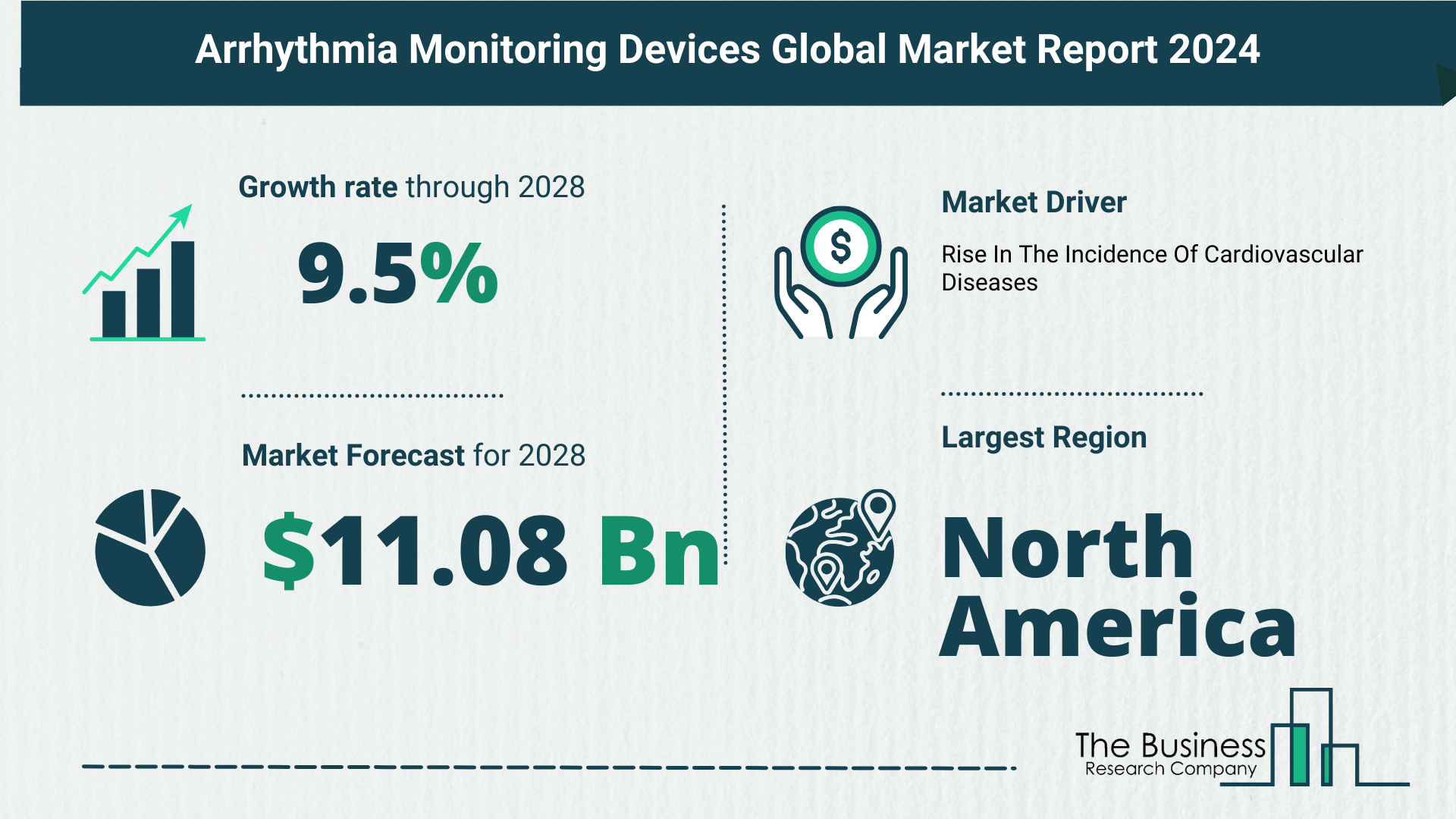
    The arrhythmia monitoring devices market has witnessed robust growth in recent years, with a market size of $6.98 billion in 2023 set to soar to $7.7 billion in 2024, boasting a compound annual growth rate (CAGR) of 10.3%. Looking ahead, the market is poised for even stronger growth, reaching $11.08 billion by 2028 at a CAGR of 9.5%.

    Driving Forces for Historical Growth

    • Aging population
    • Healthcare infrastructure growth
    • Rise in personalized medicine
    • Surge in home healthcare
    • Increased funding

    Anticipated Growth Factors

    The forecasted growth from 2024 to 2028 can be attributed to several key factors:

    • Rising cardiovascular diseases
    • Telemedicine growth
    • Regulatory approvals
    • Increase in remote patient monitoring
    • Economic growth

    The Surge in Cardiovascular Diseases: A Catalyst for Market Expansion

    Cardiovascular Disease (CVD) on the Rise

    The escalating incidence of cardiovascular diseases is expected to be a primary driver for the arrhythmia monitoring devices market. CVD encompasses disorders affecting the heart or blood vessels, with irregular heart rates being a prominent symptom monitored by these devices.

    Projection on Cardiovascular Risk Factors

    • According to the American College of Cardiology, cardiovascular risk factors and diseases are projected to increase significantly in the United States from 2025 to 2060.
    • Factors such as heart failure and ischemic heart disease are expected to surge, highlighting the critical need for arrhythmia monitoring devices.

    Key Market Players

    Major companies driving innovation and growth in this sector include:

    • Abbott Laboratories
    • Medtronic PLC
    • Biotronik Inc.
    • iRhythm Technologies Inc.
    • Koninklijke Philips NV

    View More On The Arrhythmia Monitoring Devices Market Report 2024 – https://www.thebusinessresearchcompany.com/report/arrhythmia-monitoring-devices-global-market-report

    Innovative Wearable Arrhythmia Monitoring Devices: Pioneering Heart Health

    Evolution of Wearable Technology

    In response to the growing demand, major companies in the market are innovating wearable and mobile products, especially medical-grade smartwatches. These devices provide continuous monitoring and enhance awareness of heart health.

    Exemplary Product Launch

    • Xplore Lifestyle Solutions Pvt. Ltd. introduced a medical-grade smartwatch in collaboration with Cardiac Sense, capable of distinguishing between normal and irregular heart rhythms.
    • This innovative product aims to raise awareness about silent and life-threatening arrhythmias, including Atrial Fibrillation.

    Strategic Expansion and Acquisitions: A Thriving Market Landscape

    Boston Scientific’s Strategic Move

    • In January 2021, Boston Scientific made a strategic acquisition, purchasing Preventice Solutions Inc for a $1.22 billion deal.
    • This acquisition strengthens Boston Scientific’s position in the ambulatory electrocardiography market and aligns with their overall strategy in cardiac diagnostics and services.

    Market Segmentation

    1. By Type:
      • ECG
      • Implantable Monitors
      • Holter Monitors
      • Mobile Cardiac Telemetry
    2. By Application:
      • Bradycardia
      • Tachycardia
      • Atrial Fibrillation
      • Ventricular Fibrillation
      • Premature Contraction
      • Other Applications
    3. By End-User:
      • Hospitals And Diagnostic Centers
      • Ambulatory Centers
      • Other End Users

    Regional Dominance and Future Growth Prospects

    Current Market Landscape

    • North America took the lead in the arrhythmia monitoring devices market in 2023, showcasing the region’s dominance.

    Future Growth Expectations

    • Asia-Pacific is poised to be the fastest-growing region in the forecast period, indicating expanding opportunities and a thriving market landscape.

    Conclusion: Paving the Way for a Healthier Future
    As the arrhythmia monitoring devices market continues to evolve, driven by technological advancements, increasing prevalence of cardiovascular diseases, and strategic acquisitions, the industry stands at the forefront of promoting heart health. The integration of wearable technology, the use of artificial intelligence, and a focus on patient-centric solutions underscore a future where preventive healthcare and health tracking become pivotal. With a promising outlook and a commitment to innovation, the arrhythmia monitoring devices market is set to play a crucial role in shaping the landscape of cardiovascular healthcare.

    Request A Sample Of The Global Arrhythmia Monitoring Devices Market Report 2024:
    https://www.thebusinessresearchcompany.com/sample_request?id=7437&type=smp

  • Future Growth Forecast For The Pulse Oximeters, Spirometers Global Market 2024-2033

    Future Growth Forecast For The Pulse Oximeters, Spirometers Global Market 2024-2033

    The Business Research Company’s global market reports provide comprehensive analysis on the various markets in 27 industries across 60 geographies.

     The pulse oximeters and spirometers market have experienced consistent growth in recent years, evolving from $4.95 billion in 2023 to a projected $5.06 billion in 2024, demonstrating a stable Compound Annual Growth Rate (CAGR) of 2.2%. This growth in the historical period is attributed to their pivotal role in healthcare diagnostics, prevalent usage in hospital and clinical settings, increasing adoption in home healthcare, and continuous technological advancements.

    Future Projections
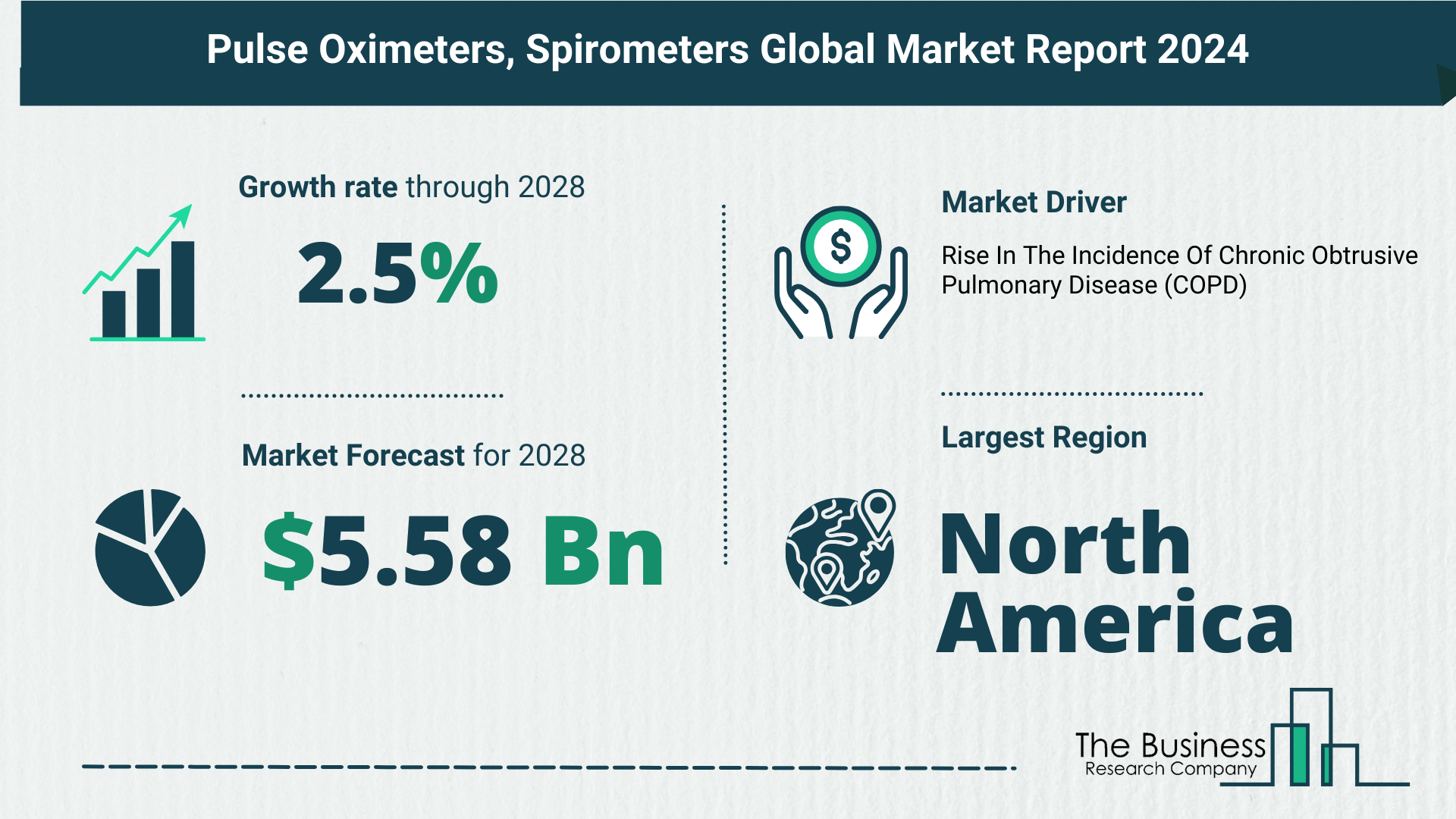
    Anticipating the future, the market is poised for steady expansion, with a projected size of $5.58 billion in 2028 and a CAGR of 2.5%. The forecasted growth is fueled by trends such as the integration of telemedicine and remote monitoring, emphasis on chronic disease management, the impact of an aging population, and the rise of personalized medicine. Notable trends in the forecast period include the emergence of wearable pulse oximeters, integration with telehealth services, enhanced data connectivity, a shift towards patient-centric care, advanced spirometry features, and a growing emphasis on respiratory rehabilitation.

    Addressing the Global Rise in COPD: Catalyst for Market Growth

    Chronic Obtrusive Pulmonary Disease (COPD) as a Driver

    The surge in chronic obtrusive pulmonary disease (COPD) globally is a significant driver for the pulse oximeters and spirometers market. Factors such as the aging population (especially those over 65), air pollution, and high smoking prevalence contribute to the increased incidence of COPD. Notably, individuals over 65 face a five-fold increased risk for COPD compared to those below 40, making it a critical healthcare concern. Smoking and air pollution further exacerbate the risk, with indoor air pollution increasing the likelihood of COPD by 2.65% and smoking by 90%.

    Global Impact of COPD
    According to the Forum of International Respiratory Societies (FIRS), approximately 200 million people worldwide suffered from COPD in 2022, leading to an estimated 3.2 million deaths annually. The prevalence of COPD necessitates robust diagnostic and therapeutic measures, driving the demand for medical equipment like pulse oximeters and spirometers. This increased demand underscores the pivotal role these devices play in the diagnosis and management of COPD, thereby propelling the market’s growth.

    Market Landscape: Key Players and Their Focus on Innovation

    Major Companies in the Market
    Several major companies are actively contributing to the growth of the pulse oximeters and spirometers market. Some of the key players include Smiths Medical Inc., Koninklijke Philips N.V., Vyaire Medical Inc., Schiller AG, General Electric Company, Masimo Corporation, Medtronic PLC, and others.

    View More On The Pulse Oximeters, Spirometers Market Report 2024 – https://www.thebusinessresearchcompany.com/report/pulse-oximeters-spirometers-global-market-report

    Innovation for Competitive Edge
    To gain a competitive edge, major companies are focusing on introducing simultaneous monitoring oximeters. These devices have the capability to measure both oxygen saturation and pulse rate concurrently, offering a more comprehensive view of a patient’s health status. For instance, Masimo Corporation launched Dual SET Pulse Oximetry in November 2021, providing healthcare professionals with a tool to simultaneously monitor various measurements alongside dual oximetry. This innovation, applied initially in critical congenital heart disease (CCHD) screening, optimizes the screening process and enhances clinical workflows.

    Market Segmentation: Understanding the Dynamics

    Segmentation Overview

    The pulse oximeters and spirometers market is intricately segmented to cater to diverse needs:

    1. By Product Type: Pulse Oximeters, Spirometers
    2. By Application: Diagnostic, Treatment Monitoring

    Regional Dominance
    In 2023, North America emerged as the largest region in the pulse oximeters and spirometers market. This underscores the region’s prominence in adopting and leveraging these medical devices for diagnostic and treatment purposes.

    Conclusion: Paving the Way for Future Healthcare
    In conclusion, the pulse oximeters and spirometers market stand as critical components in contemporary healthcare. The steady growth trajectory, driven by factors like COPD prevalence, technological advancements, and innovative approaches by key players, positions these devices at the forefront of healthcare diagnostics and treatment monitoring. As the market continues to evolve, embracing trends such as telemedicine integration and wearable technologies, it holds the promise of contributing significantly to the global healthcare landscape in the years to come.

    Request A Sample Of The Global Pulse Oximeters, Spirometers Market Report 2024:
    https://www.thebusinessresearchcompany.com/sample_request?id=3791&type=smp

  • Overview Of The Respiratory Devices And Equipment (Diagnostic) Market 2024: Size, Drivers, And Trends

    Overview Of The Respiratory Devices And Equipment (Diagnostic) Market 2024: Size, Drivers, And Trends

    The Business Research Company’s global market reports are now updated with the latest market sizing information for the year 2024 and forecasted to 2033

    According to The Business Research Company’s Respiratory Devices And Equipment (Diagnostic) Global Market Report 2024, the respiratory devices and equipment (diagnostic) market is expected to show promising growth in the forecast period.

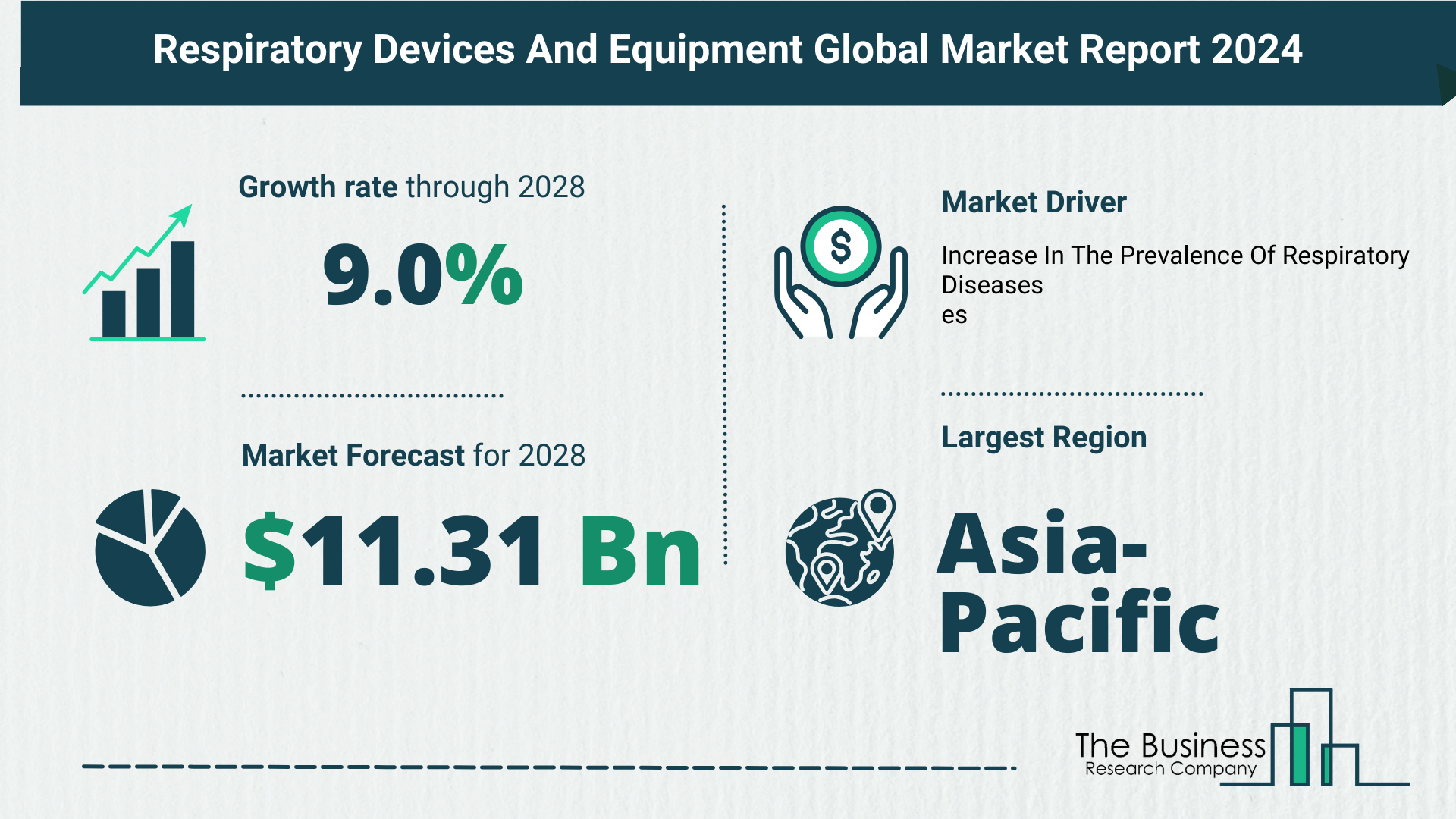
    The respiratory devices and equipment (diagnostic) market has exhibited robust growth in recent years, evolving into a critical sector for monitoring and managing respiratory health. With a projected expansion from $7.4 billion in 2023 to $8.02 billion in 2024, boasting an 8.4% compound annual growth rate (CAGR), the industry stands at the intersection of innovation and addressing pressing healthcare needs.

    Aging Population Catalyst: Driving Market Surge

    • Demographic Shift: The Aging Population
      • The rise in the aging population emerges as a significant driver for the market.
      • Respiratory diagnostic devices play a crucial role in monitoring and managing conditions like COPD and sleep apnea among the elderly.
    • Global Perspective: United Nations Insights
      • According to the United Nations Department of Economic and Social Affairs, the proportion of the world’s population aged 65 and older is expected to rise from 10% in 2022 to 16% by 2050.
      • This demographic shift underscores the imperative role of respiratory diagnostic equipment.

    Market Giants: Leading the Charge

    • Key Players: Industry Powerhouses
      • Major companies influencing the market include ResMed Inc., Medtronic PLC, and Masimo Corporation.
      • Diverse players such as Fisher & Paykel Healthcare Limited and Koninklijke Philips N.V. contribute to market vibrancy.
    • Industry Dynamics: Competitive Landscape
      • The market is fiercely competitive, with companies vying for innovation and market share.
      • Leading companies are pivotal in steering the industry’s growth trajectory.

    Simultaneous Monitoring Oximeters: A Technological Leap

    • Innovative Edge: Simultaneous Monitoring Oximeters
      • Major companies are focusing on developing simultaneous monitoring oximeters to gain a competitive edge.
      • Simultaneous monitoring oximeters provide real-time tracking of oxygen levels, a critical measure for assessing respiratory health.
    • Masimo Corporation’s Initiative: Dual SET Pulse Oximetry
      • In November 2021, Masimo Corporation launched Dual SET Pulse Oximetry, offering a more comprehensive perspective on a patient’s health status.
      • This technology enhances the screening process for critical congenital heart disease, optimizing clinical workflows.

    View More On The Respiratory Devices And Equipment (Diagnostic) Market Report 2024 – https://www.thebusinessresearchcompany.com/report/respiratory-devices-and-equipment-global-market-report

    Strategic Acquisitions: Shaping Market Dynamics

    • ICU Medical Inc.’s Acquisition of Smiths Medical
      • In January 2022, ICU Medical Inc. acquired Smiths Medical for $2.35 billion.
      • This acquisition extended ICU Medical’s portfolio into emerging clinical care markets and strengthened its infusion therapy product range.
    • Smiths Medical’s Role: Diagnostic Respiratory Devices*
      • Smiths Medical, a key player in the acquisition, contributes diagnostic respiratory devices, among other medical products.
      • The strategic move aimed at fortifying ICU Medical’s position in the evolving healthcare landscape.

    Market Segmentation: Unveiling Diversity

    • Product Diversity: Instruments and Devices, Assays, and Reagents
      • The market is segmented by product, encompassing instruments and devices, as well as assays and reagents.
      • This diversity caters to the varied needs of respiratory diagnostic applications.
    • Test Types: Traditional, Mechanical, Imaging, Molecular Diagnostic Tests
      • Segmentation by test type includes traditional diagnostic tests, mechanical tests, imaging tests, and molecular diagnostic tests.
      • Each test type plays a unique role in diagnostic processes.
    • Disease Spectrum: Chronic Obstructive Pulmonary Disease, Lung Cancer, Asthma, Tuberculosis
      • The market is further segmented by disease type, covering chronic obstructive pulmonary disease, lung cancer, asthma, and tuberculosis.
      • Tailoring diagnostics to specific diseases enhances precision in healthcare.
    • End Users: Hospital/Clinical Laboratories, Physician Offices, Reference Laboratories
      • Segmentation by end-users encompasses hospital/clinical laboratories, physician offices, and reference laboratories.
      • Varied end-users reflect the diverse settings where respiratory diagnostics are integral.

    Conclusion: Shaping a Breathable Future
    As the respiratory devices and equipment (diagnostic) market charters a course of impressive growth, propelled by factors like the aging population, technological innovations, and strategic acquisitions, it positions itself at the forefront of healthcare evolution. The convergence of demographic shifts, cutting-edge technologies, and a diverse product landscape paints a promising picture for the future, where respiratory health is not only monitored but optimized through precision diagnostics and innovative solutions.

    Request A Sample Of The Global Respiratory Devices And Equipment (Diagnostic) Market Report 2024:
    https://www.thebusinessresearchcompany.com/sample_request?id=3376&type=smp

  • Respiratory Devices And Equipment (Therapeutic) Market Report 2024: Market Size, Drivers, And Trends

    Respiratory Devices And Equipment (Therapeutic) Market Report 2024: Market Size, Drivers, And Trends

    The Business Research Company’s global market reports are now updated with the latest market sizing information for the year 2024 and forecasted to 2033

    Introduction: An Expanding Horizon The therapeutic respiratory devices and equipment market have experienced a remarkable surge, witnessing substantial growth from $19.9 billion in 2023 to an estimated $22.01 billion in 2024, boasting a robust Compound Annual Growth Rate (CAGR) of 10.6%. The roots of this growth can be traced back to the prevalence of respiratory conditions, an aging population, continuous technological advancements, and the effective management of respiratory diseases.

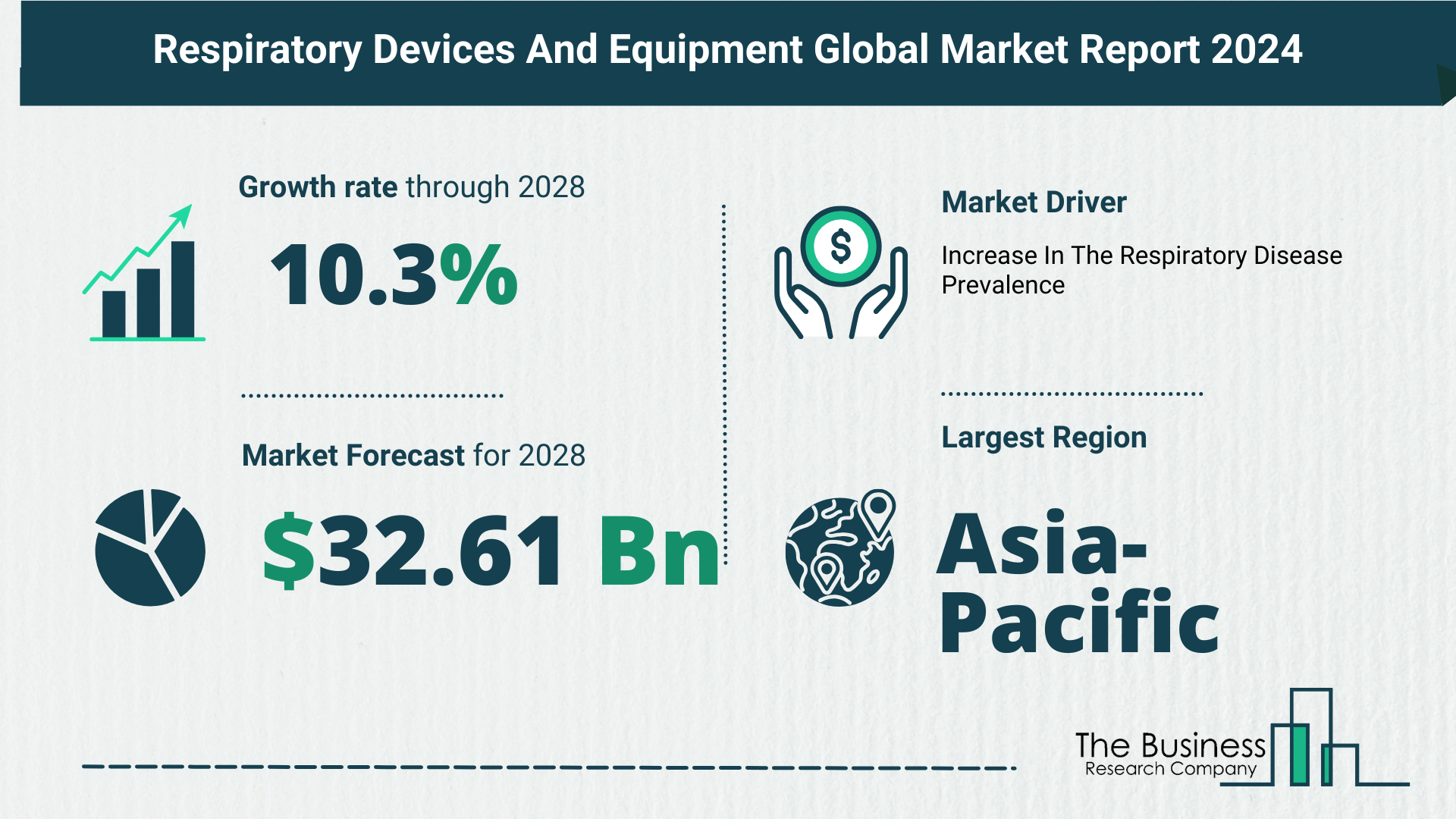
    Rapid Growth on the Horizon Projections for 2028: The therapeutic respiratory devices and equipment market are poised for rapid growth, projected to reach $32.61 billion by 2028, with a CAGR of 10.3%. This surge is fueled by factors such as the rise in chronic diseases, lifestyle-related issues, the expansion of telehealth, technological innovations, and the effective management of Chronic Obstructive Pulmonary Disease (COPD).

    Smoker Population Driving Demand Alarming Statistics: The surge in the number of smokers is anticipated to be a significant catalyst for the growth of the therapeutic respiratory devices and equipment market. Smokers, engaging in tobacco consumption through various means, are increasingly relying on respiratory devices like inhalers and nebulizers to manage conditions such as COPD, chronic bronchitis, and lung cancer. Statistics from Canada: In July 2022, Statistics Canada reported a 5.8% increase in cigarette production compared to June 2021, with a total of 1.4 billion cigarettes sold in June 2022. This uptick underscores the growing demand for therapeutic respiratory devices among smokers.

    Market Players: Pioneering the Way Forward Key Industry Players: Major companies contributing to the growth of the therapeutic respiratory devices and equipment market include Hamilton Medical AG, Koninklijke Philips N.V., Smiths Medical, GE Healthcare, and others. These entities play a crucial role in shaping the landscape of respiratory healthcare.

    View More On The Respiratory Devices And Equipment (Therapeutic) Market Report 2024 – https://www.thebusinessresearchcompany.com/report/respiratory-devices-and-equipment-therapeutic-global-market-report

    Innovations in Artificial Intelligence (AI): Revolutionizing Treatment AI Integration: The industry is witnessing a paradigm shift with the integration of Artificial Intelligence (AI) in the development of respiratory devices. AI supports the creation of innovative sensors-equipped inhalers, enabling patients to monitor their dosage intake. These sensors, both add-on and embedded, track data automatically, providing real-time insights to both doctors and patients. AI-powered Wearable Lung Monitor: In March 2022, Respira Labs introduced ‘Sylvee,’ an AI-powered wearable lung monitor. Utilizing acoustic resonance, it assesses lung function and detects variations, showcasing the potential of AI in respiratory care.

    Strategic Acquisitions: Expanding Solutions Portfolio Zoll Medical Corporation’s Acquisition: In April 2021, ZOLL Medical Corporation acquired Respicardia Inc., a move aimed at expanding its portfolio to cater to patients with respiratory and cardiovascular diseases. This strategic acquisition aligns with the industry’s commitment to providing comprehensive solutions for respiratory health.

    Market Segmentation: A Holistic View Product Segmentation: The therapeutic respiratory devices and equipment market is segmented by product, including nebulizers, humidifiers, oxygen concentrators, positive airway pressure devices, ventilators, capnographs, and gas analyzers. Technology Segmentation: The market is further segmented by technology, encompassing HEPA filter, electrostatic filtration, microsphere separation, hollow fiber filtration, and other technologies. End-User Segmentation: The end-user landscape includes homecare settings and hospitals, reflecting the diverse applications of therapeutic respiratory devices.

    Dominance in Asia-Pacific: A Regional Spotlight Regional Landscape: In 2023, Asia-Pacific emerged as the largest region in the therapeutic respiratory devices market. The region’s dominance is indicative of the growing healthcare needs and the increasing prevalence of respiratory conditions.

    Conclusion: A Breath of Progress The therapeutic respiratory devices and equipment market stand at the forefront of innovation and growth. With a focus on technological advancements, strategic acquisitions, and a commitment to providing holistic solutions, the industry is poised to address the evolving needs of patients with respiratory conditions. As digital health, remote monitoring, and AI continue to shape the landscape, the future holds promise for a more accessible and effective respiratory healthcare ecosystem. Stakeholders across the healthcare spectrum must stay attuned to these developments to capitalize on the opportunities presented by this dynamic market.

    Request A Sample Of The Global Respiratory Devices And Equipment (Therapeutic) Market Report 2024:
    https://www.thebusinessresearchcompany.com/sample_request?id=2844&type=smp

  • Global PCR And Realtime PCR Testing Market Analysis 2024: Size, Share, And Key Trends

    Global PCR And Realtime PCR Testing Market Analysis 2024: Size, Share, And Key Trends

    The Business Research Company’s global market reports are now updated with the latest market sizing information for the year 2024 and forecasted to 2033

    As per The Business Research Company’s PCR And Realtime PCR Testing Global Market Report 2024, the PCR and realtime PCR testing market is expected to show significant growth in the forecast period.

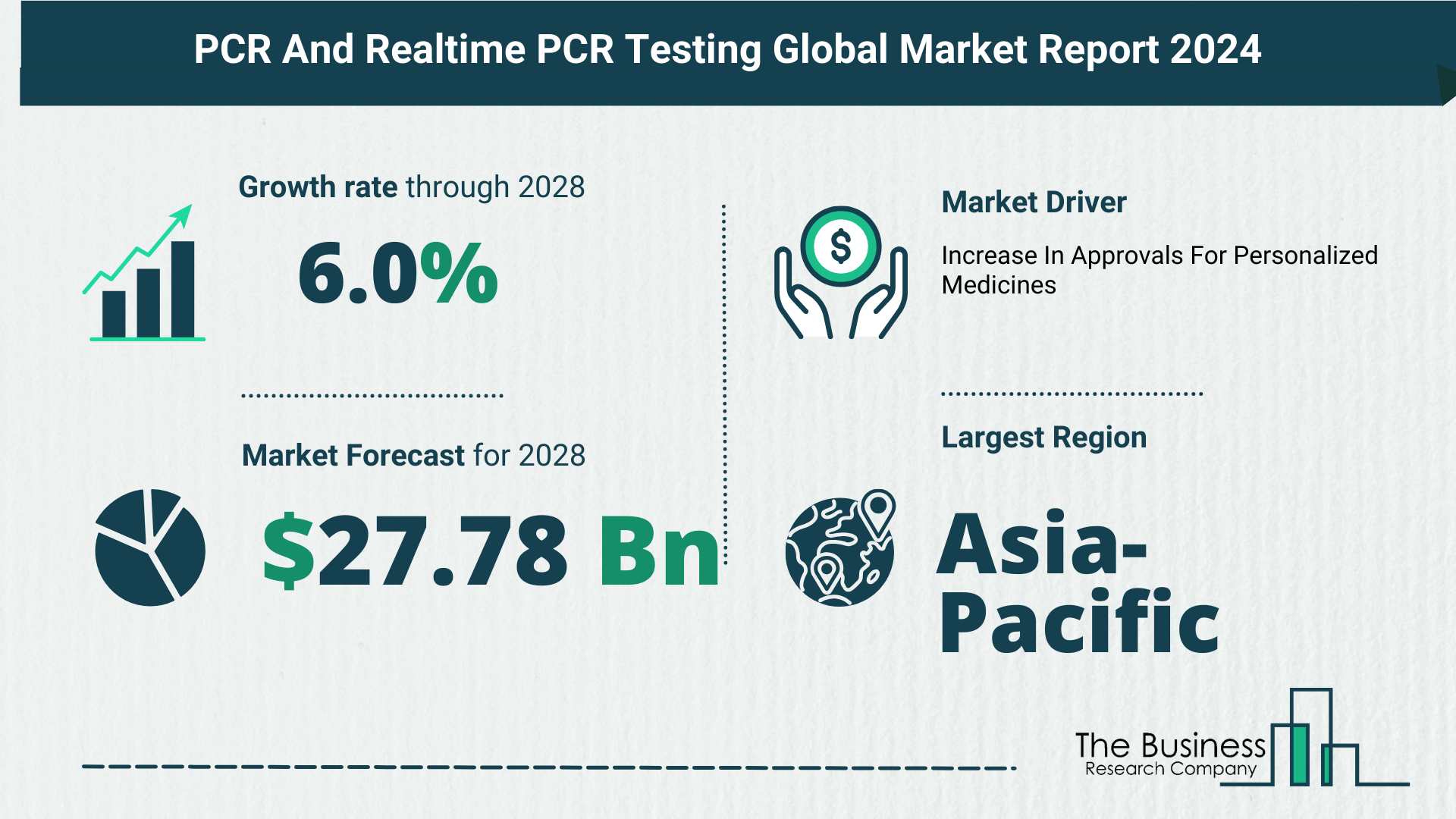
    The PCR and real-time PCR testing market has experienced robust growth in recent years, showcasing a steady upward trajectory. With the market size set to reach $22.03 billion in 2024 and a projected surge to $27.78 billion by 2028 at a CAGR of 6.0%, various factors contribute to this upward trend.

    Historical Growth Catalysts

    • Disease Diagnosis and Research:PCR and real-time PCR have played a pivotal role in disease diagnosis and genomic studies.
    • Automation and High Throughput:The adoption of automation and high throughput technologies has accelerated the market’s historical growth.
    • Pharmaceutical and Biotechnology Applications:PCR’s applications in pharmaceutical and biotechnology industries have been crucial for research and development.
    • Point-of-Care Testing:The convenience of point-of-care testing has significantly contributed to market expansion.

    Forecasted Growth Drivers

    • Pandemic Response:The ongoing need for effective testing in response to pandemics fuels market growth.
    • Precision Medicine:Growing applications in precision medicine contribute to the anticipated market surge.
    • Cancer Diagnostics:PCR’s role in cancer diagnostics enhances its significance in the healthcare landscape.
    • Infectious Disease Surveillance:The focus on infectious disease surveillance continues to drive demand for PCR testing.

    View More On The PCR And Realtime PCR Testing Market Report 2024 – https://www.thebusinessresearchcompany.com/report/pcr-and-realtime-pcr-testing-global-market-report

    Key Trends in the Forecast Period

    • Infectious Disease Testing:Increased emphasis on infectious disease testing aligns with global health priorities.
    • Point-of-Care Testing:The demand for convenient and rapid point-of-care testing remains a key trend.
    • Digital PCR:Advancements in digital PCR technology offer enhanced accuracy and sensitivity.
    • Multiplex Assays:Multiplex assays enable the simultaneous detection of multiple targets, improving efficiency.

    Rising Approvals for Personalized Medicines Driving Market Growth

    The rising approvals for personalized medicines emerge as a significant driver for the PCR and real-time PCR testing market. Personalized medicines, tailored to individual patient characteristics, utilize PCR technology for precise genetic identification. In 2021, 35% of FDA-approved new molecular entities were classified as personalized medicines, demonstrating the increasing role of PCR in this field. This personalized approach enhances treatment efficacy by aligning interventions with patients’ genetic, biomarker, and psychosocial characteristics.

    Major Players Shaping the Market

    Leading companies influencing the PCR and real-time PCR testing market include:

    • Abbott Laboratories
    • Agilent Technologies Inc.
    • bioMérieux SA
    • Bio-Rad Laboratories Inc.
    • Hoffmann-La Roche Ltd.
    • QIAGEN N.V.
    • GenMark Diagnostics Inc.
    • Thermo Fisher Scientific Inc.
    • BioFire Diagnostics LLC
    • Cepheid Inc.
    • Illumina Inc.
    • Oxford Nanopore Technologies Ltd.
    • Myriad Genetics Inc.

    Advanced Diagnostic Tool for Ankylosing Spondylitis

    Major companies in the market are focused on developing advanced diagnostic tools. For instance, Mylab Discovery Solutions launched the Discover Series HLAB*27 Detection Kit, an RT-PCR diagnostic instrument designed to diagnose Ankylosing Spondylitis. This kit, utilizing real-time PCR technology, offers almost 100% accuracy, addressing a critical need for early detection in genetically susceptible individuals.

    Market Segmentation: Unraveling Complexity

    The PCR and real-time PCR testing market is segmented based on:

    1. Product:Consumables and Reagents, Instruments, Software, and Services
    2. Technology:Quantitative PCR, Digital PCR
    3. Application:Clinical Diagnostics, Life Science Research, Industrial Applications, Other Applications
    4. End-Use:Academic and Research Institutes, Pharmaceutical and Biotechnology, Clinical Diagnostics Labs and Hospitals, Other End Users

    Conclusion: Anticipating a Flourishing Future

    With a blend of historical foundations and futuristic trends, the PCR and real-time PCR testing market is poised for continuous growth. From personalized medicine to advanced diagnostics, the industry’s focus on innovation ensures its relevance in addressing evolving healthcare needs. As the market expands, the diverse applications of PCR technology underscore its pivotal role in shaping the landscape of modern diagnostics and research.

    Request A Sample Of The Global PCR And Realtime PCR Testing Market Report 2024:
    https://www.thebusinessresearchcompany.com/sample_request?id=2841&type=smp

  • What Is The Forecast Growth Rate For The Respiratory Monitoring Devices Market?

    What Is The Forecast Growth Rate For The Respiratory Monitoring Devices Market?

    The Business Research Company’s market reports offer an in-depth analysis on the market’s growth potential, major drivers, key trends and more.

    Market Growth and Projections
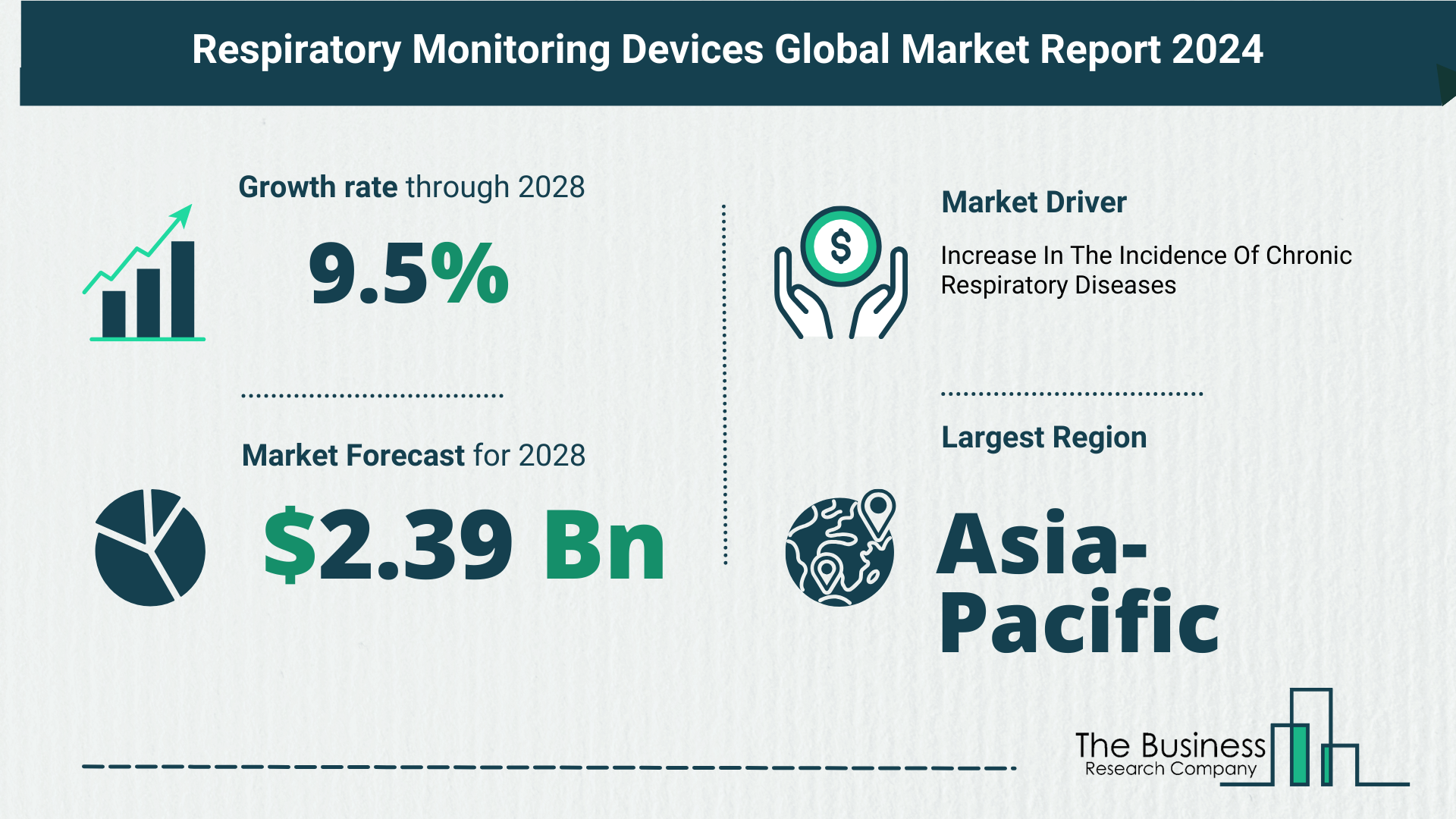
    The respiratory monitoring devices market has witnessed rapid growth in recent years, with a substantial increase in its market size. In 2023, the market size was $1.5 billion, and it is expected to reach $1.67 billion in 2024, exhibiting a compound annual growth rate (CAGR) of 11.0%. Looking ahead, the market is poised for continued expansion, projected to grow to $2.39 billion in 2028 at a CAGR of 9.5%. This growth is attributed to various factors, including respiratory health awareness, chronic diseases, remote patient monitoring, wearable technology, and technological advancements.

    Driving Forces Behind Market Growth

    Rising Incidence of Chronic Respiratory Diseases
    The surge in chronic respiratory diseases, such as asthma, bronchitis, and pneumonia, is a significant driving force for the respiratory monitoring devices market. The prevalence of these conditions, often resulting from bacterial and viral infections, underscores the critical need for effective monitoring tools. For instance, in 2021, the Centers for Disease Control and Prevention reported 142,342 deaths in the U.S. due to chronic lower respiratory diseases. Similarly, in Australia, 30% of the population, approximately 7.5 million people, have been diagnosed with chronic respiratory diseases.

    Essential Devices for Monitoring
    Respiratory monitoring devices, including spirometers and pulse oximeters, play a pivotal role in monitoring vital respiratory parameters. Key players in the market include Covidien LLC, GE Healthcare Inc., Philips Healthcare, ResMed Corp., Siemens Healthcare GmbH, and others. These companies contribute to the development and distribution of essential monitoring devices to address the growing demand.

    Innovations in Respiratory Monitoring

    Innovative Solutions for Improved Respiratory Care
    Major companies operating in the respiratory monitoring devices market are actively focusing on innovation to enhance their product offerings. One notable example is the HeroTracker Sense, introduced by AptarGroup, Inc. This device, designed as a respiratory monitoring tool, transforms a standard metered dose inhaler (pMDI) into a smart, connected healthcare device. The HeroTracker Sense not only helps patients with asthma and chronic obstructive pulmonary disease (COPD) adhere to their medication regimens but also collects healthcare analytics, enabling better care delivery by healthcare providers.

    Read More On The Respiratory Monitoring Devices Market Report 2024 – https://www.thebusinessresearchcompany.com/report/respiratory-monitoring-devices-global-market-report

    Strategic Moves and Acquisitions

    Senzime Ab Enhances Product Portfolio
    In June 2022, Senzime AB, a U.S.-based manufacturer of patient monitoring systems, acquired Respiratory Motion for an initial cash payment of $19 million. This strategic acquisition is poised to expand Senzime’s product portfolio in the monitoring devices market, strengthening the company’s capabilities. Respiratory Motion, a U.S.-based respiratory medical device manufacturer, adds valuable assets to Senzime’s offerings.

    Market Segmentation
    The respiratory monitoring devices market is segmented based on various criteria, providing a comprehensive understanding of its dynamics.

    Market Segmentation:

    1. By Type:
      • Capnographs
      • Gas Analyzers
      • Pulse Oximeters
      • Peak Flow Meters
      • Spirometers
      • Polysomnographs
      • Others Types
    2. By Application:
      • Chronic Obstructive Pulmonary Disease (COPD)
      • Infectious Diseases
      • Asthma
      • Other Applications
    3. By End-User:
      • Laboratories
      • Hospitals
      • Home Use

    Geographical Insights
    In 2023, Asia-Pacific emerged as the largest region in the respiratory monitoring devices market, reflecting the global nature of the industry and the diverse healthcare landscape.

    In conclusion, the respiratory monitoring devices market is experiencing robust growth driven by factors such as the rising incidence of chronic respiratory diseases, technological innovations, and strategic acquisitions. With ongoing advancements in connected devices, data analytics, and artificial intelligence, the future of respiratory monitoring holds promising opportunities for improved patient care and enhanced healthcare outcomes.

    Request for A Sample Of The Global Respiratory Monitoring Devices Market Report:
    https://www.thebusinessresearchcompany.com/sample_request?id=2845&type=smp

  • 5 Key Insights On The Electrosurgical Devices And Equipment Market 2024

    5 Key Insights On The Electrosurgical Devices And Equipment Market 2024

    The Business Research Company’s global market reports are now updated with the latest market sizing information for the year 2024 and forecasted to 2033

    As per The Business Research Company’s Electrosurgical Devices And Equipment Global Market Report 2024, the electrosurgical devices and equipment market is expected to show significant growth in the forecast period.

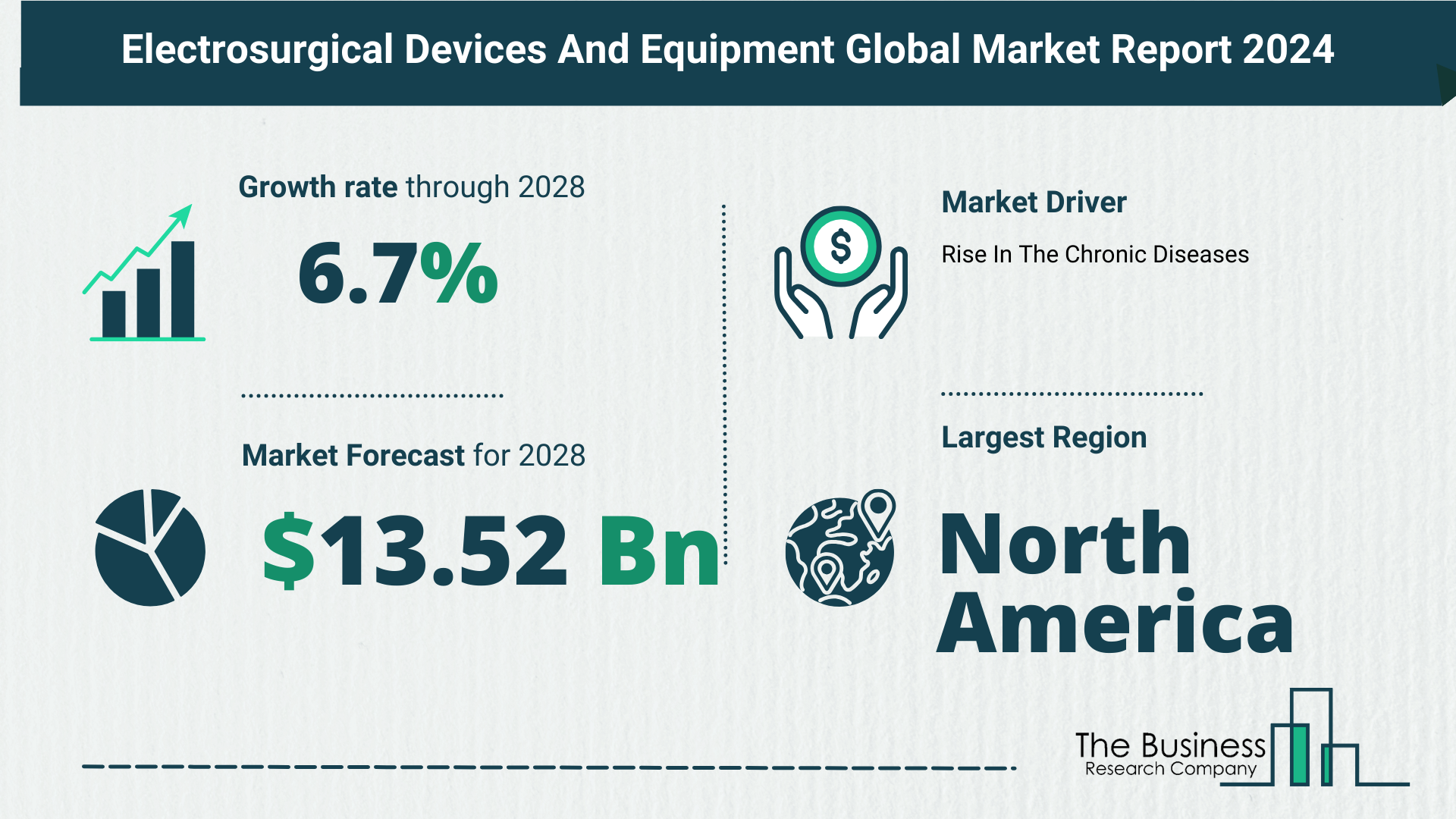
    The electrosurgical devices and equipment market have witnessed robust growth, expanding from $9.7 billion in 2023 to $10.44 billion in 2024, at a commendable Compound Annual Growth Rate (CAGR) of 7.7%. Projections indicate further expansion, reaching $13.52 billion in 2028, with a CAGR of 6.7%. This growth is fueled by various factors, including an aging population, the surge in minimally invasive surgeries, increased surgical procedure volumes, and the advent of telemedicine and remote surgery.

    The Impact of Rising Chronic Diseases: A Driving Force Increasing Prevalence: The prevalence of chronic diseases has played a pivotal role in propelling the electrosurgical devices and equipment market. These devices are crucial in treating life-threatening conditions such as skin cancer, basal cell carcinomas, squamous cell carcinoma, wound surgery, skin surgery, non-cancerous moles, and dentistry. Alarming Statistics: According to the National Library of Medicine, individuals aged 50 and older with at least one chronic condition in the United States are projected to increase by 99.5%, from 71.522 million in 2020 to 142.66 million by 2050. Market Players: Major companies contributing to the market’s growth include Bovie Medical Corporation, Johnson & Johnson Private Limited, B. Braun Melsungen AG, Medtronic PLC, and others.

    View More On The Electrosurgical Devices And Equipment Market Report 2024 – https://www.thebusinessresearchcompany.com/report/electrosurgical-devices-and-equipment-global-market-report

    Electrosurgical Generator Technology: Paving the Way for Advanced Surgical Treatments Innovative Technological Advancements: Leading companies in the electrosurgical devices and equipment market are focusing on cutting-edge technology, particularly electrosurgical generators, to solidify their market position. Olympus Corporation’s Breakthrough: In June 2023, Olympus Corporation introduced the ESG-410 Electrosurgical Generator, equipped with PLASMA+ Technology. This system brings forth advancements in surgical treatments, featuring faster ignition, enhanced plasma stability, and versatile applicability in various surgical procedures without direct tissue contact. Segmentation of the Market: The electrosurgical devices and equipment market is segmented by product (Electrosurgery Generators, Electrosurgery Instruments & Accessories, Argon and Smoke Management Systems), application (General Surgery, Gynecology Surgery, Urologic Surgery, Orthopedic Surgery, Cardiovascular Surgery, Cosmetic Surgery, Neurosurgery), and end-user (Hospitals, Specialized Clinics, Ambulatory Surgery Centers).

    Major Trends Shaping the Future Energy-Efficient Devices: The market is witnessing a trend towards energy-efficient electrosurgical devices, contributing to sustainability efforts. Integration of Imaging Technologies: The incorporation of advanced imaging technologies is becoming prevalent, enhancing precision in surgical procedures. Smart and Connected Devices: Electrosurgical devices are evolving to become smarter and more connected, facilitating seamless integration with other healthcare systems. Enhanced Safety Features: Safety remains a paramount concern, leading to the incorporation of advanced safety features in electrosurgical devices.

    Regional Dominance: North America Takes the Lead Market Landscape: In 2023, North America emerged as the largest region in the global electrosurgical devices market, showcasing a strong foothold. Contributing Factors: Factors contributing to North America’s dominance include robust healthcare infrastructure, technological advancements, and a high prevalence of chronic diseases.

    Request A Sample Of The Global Electrosurgical Devices And Equipment Market Report 2024:
    https://www.thebusinessresearchcompany.com/sample_request?id=2522&type=smp