Category: Medical Equipment

  • Implantable Infusion Pumps Market Report 2024: Market Size, Drivers, And Trends

    Implantable Infusion Pumps Market Report 2024: Market Size, Drivers, And Trends

    The Business Research Company’s global market reports are now updated with the latest market sizing information for the year 2024 and forecasted to 2033

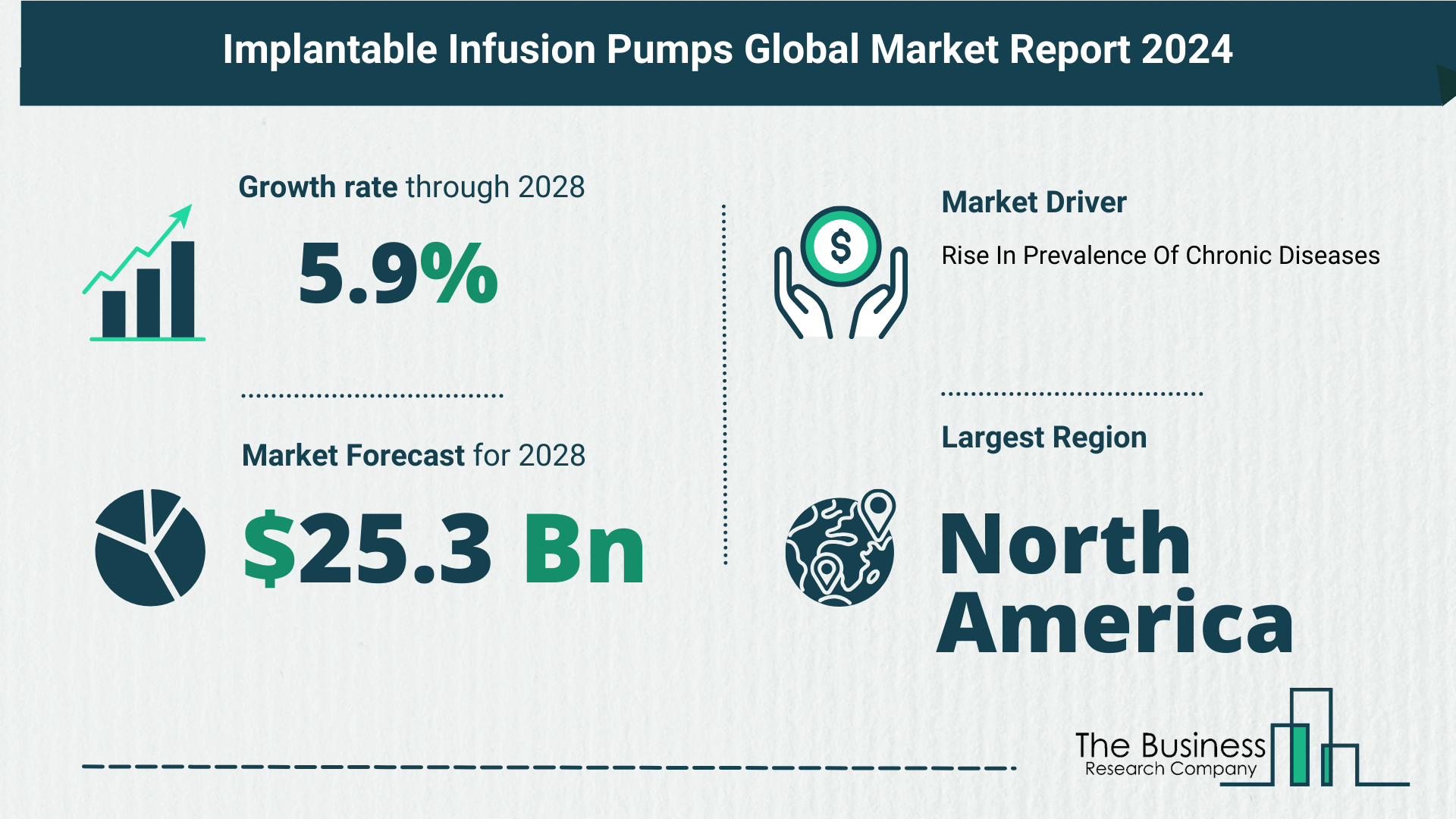
    The implantable infusion pumps market has experienced robust growth in recent years, witnessing a leap from $19.11 billion in 2023 to $20.13 billion in 2024, demonstrating a commendable Compound Annual Growth Rate (CAGR) of 5.3%. This growth surge is attributed to factors such as chronic disease management, an aging population, pain management, and regulatory approvals.

    Anticipated Growth: A Glimpse into the Future

    The market is poised for continued strength, with projections indicating a further rise to $25.3 billion in 2028, showcasing a compelling CAGR of 5.9%. The anticipated growth is fueled by the adoption of personalized medicine, remote patient monitoring, advancements in drug development, and the ongoing demand for effective chronic disease management. Notable trends in this forecast period include minimally invasive implantation, remote monitoring and programming, intrathecal pain management, and interdisciplinary collaboration.

    Growing Prevalence Of Chronic Diseases Fuels The Demand For Implantable Infusion Pumps Market

    • Rising Chronic Diseases: The increased prevalence of chronic pain, cancer, and diabetes is a key driver for the demand in implantable infusion pumps.
    • Efficient Pain Relief: Implantable infusion pumps are especially effective in conditions like chronic arachnoiditis, providing efficient pain relief with lower drug dosages.
    • Cancer Statistics: According to a report by the American Cancer Society, the US is expected to witness 1.9 million new cancer cases and 609,360 cancer deaths in 2022, emphasizing the critical role of implantable infusion pumps.
    • Market Leaders: Major companies leading this market include Medtronic PLC, Boston Scientific Corporation, Nevro Corp, and others.

    View More On The Implantable Infusion Pumps Market Report 2024 – https://www.thebusinessresearchcompany.com/report/implantable-infusion-pumps-global-market-report

    Product Innovations In The Implantable Infusion Pumps Market

    • Insulin Pumps: Major companies are focusing on developing innovative products like insulin pumps to cater to broader customer bases and increase revenue.
    • Medtronic’s Breakthrough: Medtronic’s MiniMed 780G System, with FDA approval, stands out for its unique features, including the ability to set the lowest glucose target and an infusion set that can be worn for up to 7 days.
    • Advanced Materials: Extended wear time is achieved through the use of advanced materials, minimizing insulin preservative loss and ensuring consistent insulin flow.

    Medtronic’s Strategic Acquisition: Advancing Insulin Delivery

    • Acquisition of Implanted Infusion Pump Technology: Medtronic’s acquisition of technology from Alfred E. Mann Foundation in September 2021 aims to enhance insulin delivery for individuals with type-1 diabetes.
    • Alfred E. Mann Foundation: This US-based scientific research foundation specializes in developing implantable infusion pumps and other medical devices.

    Market Segmentation for In-Depth Insights

    • By Type: Patient-Controlled Analgesia (PCA) Pumps, Enteral Pumps, Insulin Pumps, Elastomeric Pumps, Syringe Pumps, Other Types.
    • By Applications: Oncology, Pediatrics/Neonatology, Gastroenterology, Hematology, Diabetes, Other Applications.
    • By End User: Hospitals, Ambulatory Surgical Centers, Specialty Clinics.

    Regional Dominance: North America Takes the Lead

    • North America: Emerging as the largest region in the implantable infusion pumps market in 2023, reflecting the significant contribution of this region to the overall market.

    In conclusion, the implantable infusion pumps market is undergoing a remarkable transformation, fueled by a rising prevalence of chronic diseases, innovative product developments, strategic acquisitions, and a focus on personalized medicine. As technology continues to advance, interdisciplinary collaboration and the integration of remote monitoring are set to reshape the landscape, promising a future where implantable infusion pumps play a pivotal role in enhancing patient care and treatment outcomes.

    Request A Sample Of The Global Implantable Infusion Pumps Market Report 2024:
    https://www.thebusinessresearchcompany.com/sample_request?id=3347&type=smp
  • Intravenous Infusion Pumps Market Growth Analysis Till 2033 By The Business Research Company

    Intravenous Infusion Pumps Market Growth Analysis Till 2033 By The Business Research Company

    The Business Research Company’s market reports offer an in-depth analysis on the market’s growth potential, major drivers, key trends and more.

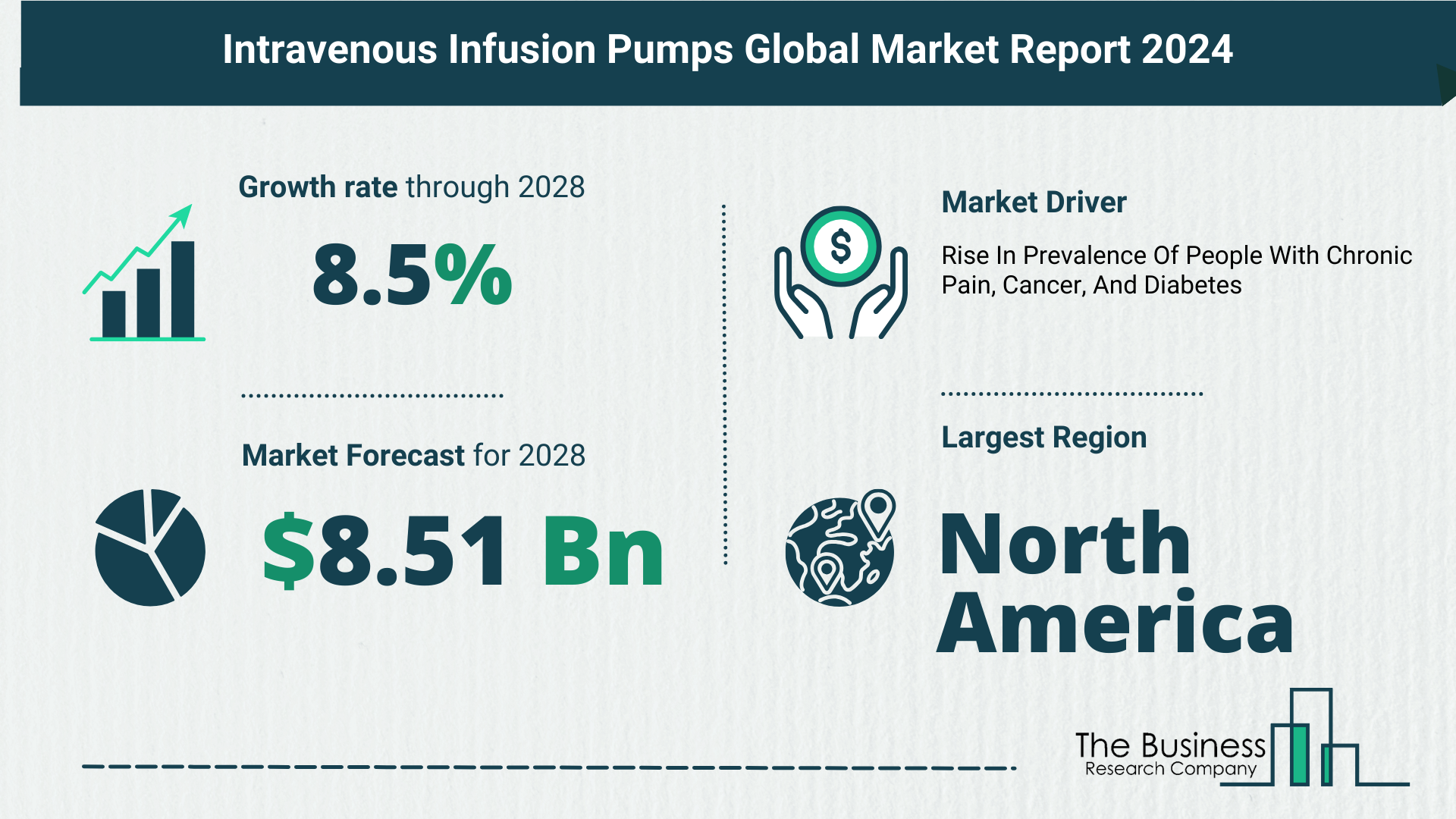
    The intravenous infusion pumps market has demonstrated robust growth, escalating from $5.71 billion in 2023 to $6.15 billion in 2024, boasting a Compound Annual Growth Rate (CAGR) of 7.9%. This expansion is fueled by key factors such as advances in medical technology, an aging population, the rise of home healthcare services, and the expansion of hospitals and healthcare facilities, all conforming to regulatory standards.

    Future Projections: A Promising Outlook

    The market is poised for continued strength, with projections indicating a surge to $8.51 billion by 2028, driven by a CAGR of 8.5%. The anticipated growth is attributed to the increasing burden of chronic diseases, technological innovations, the rise of home infusion services, and the integration of telehealth and remote monitoring.

    Catalyst for Growth: Bleeding Disorders

    One significant driver for the intravenous infusion pumps market is the rising prevalence of bleeding disorders. These conditions, impairing the body’s clotting mechanisms, necessitate precise and controlled delivery of medications, a role expertly filled by intravenous infusion pumps.

    • Prevalence Data:The Australian Bleeding Disorders Registry reported 7,040 active patients in June 2021.
    • Impact:Bleeding disorders, including hereditary hemophilia A (HMA) and von Willebrand disease, contribute to the market’s growth.

    Industry Giants: Key Players

    Major companies shaping the intravenous infusion pumps market include B. Braun Melsungen AG, Baxter International Inc., Medtronic PLC, and several others. Their innovative products and strategic moves contribute significantly to market dynamics.

    • Market Leaders:Prominent companies like Becton Dickinson, Terumo Corporation, and Johnson & Johnson play pivotal roles.
    • Diverse Offerings:Companies such as Tandem Diabetes Care Inc. and Q-Core Medical Ltd. bring diverse products to the market.

    Read More On The Intravenous Infusion Pumps Market Report 2024 – https://www.thebusinessresearchcompany.com/report/intravenous-infusion-pumps-global-market-report

    Innovations Driving Market Evolution

    Companies are focusing on pioneering products to meet the evolving needs of consumers. Innovations like the Novum IQ syringe infusion pump showcase the commitment to enhancing patient care and safety.

    • Novum IQ Syringe Infusion Pump:Baxter International Inc.’s FDA-approved Novum IQ brings safety software and dosage error reduction solutions, enhancing infusion safety.
    • Technological Integration:Innovations underscore the infusion pump market’s commitment to integrating technology for enhanced efficiency and safety.

    Strategic Acquisitions: Fresenius Kabi’s Move

    In March 2022, Fresenius Kabi made a strategic acquisition by acquiring Ivenix for $240 million. This move underscores the importance of strategic partnerships and acquisitions in bolstering companies’ offerings and serving customer needs effectively.

    • Ivenix Acquisition:The acquisition of Ivenix positions Fresenius Kabi to enhance its infusion pump offerings.
    • Market Expansion:Strategic acquisitions contribute to the market’s evolution and growth.

    Market Segmentation for Precision Insights

    Understanding the market’s nuances requires a segmentation approach based on product types, applications, and end-users.

    • Product Segmentation:Volumetric, Syringe, Enteral, Ambulatory, IV Disposables, Other Products.
    • Application Segmentation:Chemotherapy, Diabetes, Gastroenterology, Analgesia/Pain Management, Pediatrics/Neonatology, Hematology, Other Applications.
    • End-User Segmentation:Hospitals, Ambulatory Surgical Centers, Cancer Treatment Centers, Specialty Clinics, Other End Users.

    Regional Dominance: North America at the Helm

    In 2023, North America emerged as the largest region in the intravenous infusion pumps market, emphasizing the region’s pivotal role in steering market dynamics.

    • North America’s Influence:The region’s prominence signifies its impact on the intravenous infusion pumps market.

    Future Trends: Charting the Course Ahead

    Anticipated trends in the coming years include the integration of smart infusion pumps, the adoption of wireless and remote monitoring, the rise of home infusion therapy, and the growing importance of precision medicine and personalized infusion.

    • Smart Infusion Pumps:Technological advancements in infusion pumps for smarter and more efficient delivery.
    • Wireless and Remote Monitoring:Embracing connectivity for real-time monitoring and enhanced patient care.
    • Home Infusion Therapy:A rising trend in providing healthcare services within the comfort of patients’ homes.
    • Precision Medicine:Tailoring infusion therapies to individual patient needs for optimal outcomes.

    Conclusion: Navigating Healthcare’s Intricate Network

    As the intravenous infusion pumps market continues its upward trajectory, fueled by technological innovations, strategic acquisitions, and a focus on addressing critical healthcare needs, the future holds promising developments. Charting the course ahead involves not only meeting current demands but also anticipating and adapting to evolving trends in healthcare delivery and patient care.

    Request for A Sample Of The Global Intravenous Infusion Pumps Market Report:
    https://www.thebusinessresearchcompany.com/sample_request?id=3305&type=smp

  • Global Cervical Cancer Diagnostics Market Key Insights 2024-2033

    Global Cervical Cancer Diagnostics Market Key Insights 2024-2033

    The Business Research Company’s global market reports are now updated with the latest market sizing information for the year 2024 and forecasted to 2033

    According to The Business Research Company’s Cervical Cancer Diagnostics Global Market Report 2024, the cervical cancer diagnostics market is expected to show promising growth in the forecast period.

    The cervical cancer diagnostics market has witnessed robust growth in recent years, reaching $8.89 billion in 2023 and expected to grow to $9.52 billion in 2024 at a Compound Annual Growth Rate (CAGR) of 7.0%. Looking ahead, the market is poised for continued expansion, with a projected size of $11.95 billion in 2028, reflecting a CAGR of 5.8%. Key drivers include increased awareness and screening programs, HPV vaccination, technological advancements, and an aging population.

    Factors Driving Historic Growth

    • Increased awareness and screening programs
    • HPV vaccination
    • Technological advancements
    • Aging population

    Emerging Trends in the Forecast Period

    • HPV testing
    • Liquid-based cytology
    • Automation and digital pathology
    • Screen-and-treat programs

    Addressing the Rising Prevalence of Cervical Cancer

    The prevalence of cervical cancer is on the rise, necessitating a proactive response through advancements in diagnostic tools and technologies. Cervical cancer begins in the cells of the cervix, and early detection is crucial for successful treatment. According to Cancer.net, an estimated 13,960 women in the United States will be diagnosed with invasive cervical cancer, highlighting the urgent need for effective diagnostic solutions.

    Key Players in the Cervical Cancer Diagnostics Market

    Several major companies play a pivotal role in the cervical cancer diagnostics market. Key industry players include Abbott Laboratories, Becton Dickinson and Company (BD), Roche Ltd., Hologic Inc., QIAGEN N.V., Quest Diagnostics Incorporated, Siemens Healthineers AG, and more. The market is characterized by diverse companies contributing to the development and accessibility of cervical cancer diagnostic tools.

    View More On The Cervical Cancer Diagnostics Market Report 2024 – https://www.thebusinessresearchcompany.com/report/cervical-cancer-diagnostics-global-market-report

    Innovations In Cervical Cancer Diagnostics, The Introduction Of Genius Digital Diagnostics System

    Technological Innovations Driving Progress

    Innovation in cervical cancer diagnostics is a key focus for major companies in the market. The introduction of cutting-edge products, such as the Genius Digital Diagnostics System, showcases the commitment of companies to enhance diagnostic capabilities and increase profitability.

    Genius Digital Diagnostics System

    • Healthcare technology system
    • Designed for diagnostic and clinical applications
    • Utilizes advanced volumetric imaging technology
    • Incorporates deep learning-based artificial intelligence (AI)
    • Detects pre-cancerous lesions and cervical cancer cells

    Hologic’s Strategic Launch

    In November 2021, Hologic, Inc., a prominent US-based health technology company, launched the Genius Digital Diagnostics System in Europe. This system represents the next generation of cervical cancer screening, leveraging advanced imaging technology and AI to improve the accuracy of detecting pre-cancerous lesions and cervical cancer cells in females.

    BD’s Acquisition Of Cytognos Advancing Chronic Disease Management Through Immune Diagnostics

    BD’s Strategic Move

    In February 2022, BD (Becton, Dickinson, and Company) executed a significant acquisition by acquiring Cytognos, a Spain-based company specializing in clinical flow cytometry solutions. This undisclosed deal strengthens BD’s commitment to chronic disease management, expanding its diagnostic portfolio, immune assessment tests, and informatics capabilities.

    Advancing Chronic Disease Management

    • Deepening understanding of the immune system
    • Enhancing immune response assessment
    • Focusing on Minimal Residual Disease (MRD)
    • Strengthening immune diagnostics capabilities

    Market Segmentation and Regional Dynamics

    Segmentation Overview

    The cervical cancer diagnostics market is segmented based on diagnostic tests, age groups, and end-users.

    1. Diagnostic Test:
      • Pap Smear Test
      • HPV Test
      • Colposcopy
      • Biopsy and Endocervical Curettage
      • Other Diagnostic Tests
    2. Age Group:
      • Below 21
      • Age between 21 to 29
      • Age between 30 to 65
      • Above 65
    3. End User:
      • Hospitals
      • Specialty Clinics
      • Cancer and Radiation Therapy Centers
      • Diagnostic Centers

    Regional Insights

    • North America emerged as the largest region in the cervical cancer diagnostics market in 2023, reflecting the region’s commitment to advanced healthcare and diagnostics.

    In conclusion, the cervical cancer diagnostics market is experiencing substantial growth, driven by factors such as the rising prevalence of cervical cancer, technological innovations, and strategic acquisitions by major players. As the market continues to evolve, these advancements promise to enhance early detection, accurate diagnosis, and successful treatment, ultimately contributing to better outcomes for individuals affected by cervical cancer.

    Request A Sample Of The Global Cervical Cancer Diagnostics Market Report 2024:
    https://www.thebusinessresearchcompany.com/sample_request?id=3285&type=smp

  • Clinical Oncology Next Generation Sequencing Market Forecast 2024: Forecast Market Size, Drivers And Key Segments

    Clinical Oncology Next Generation Sequencing Market Forecast 2024: Forecast Market Size, Drivers And Key Segments

    The Business Research Company’s global market reports are now updated with the latest market sizing information for the year 2024 and forecasted to 2033

    The clinical oncology next-generation sequencing market has experienced rapid expansion in recent years, with a substantial increase from $0.45 billion in 2023 to $0.52 billion in 2024, marking an impressive Compound Annual Growth Rate (CAGR) of 15.5%. This growth in the historic period is attributed to advancements in genomic research, cancer biomarker discovery, technological progress, and regulatory approvals.

    Future Projections

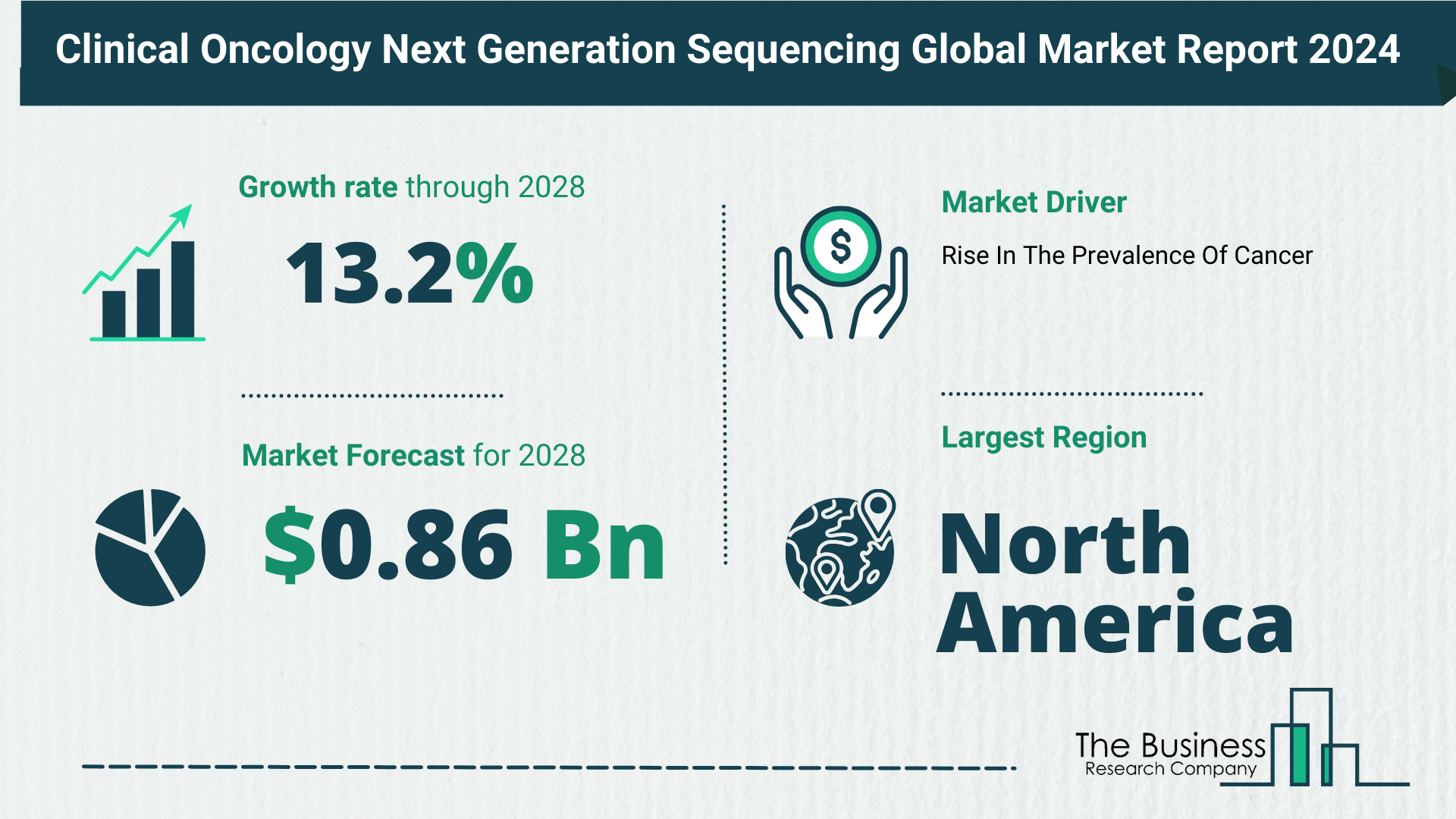
    Anticipated to sustain its momentum, the market is poised for continued growth. Forecasts indicate an expansion to $0.86 billion in 2028, with a CAGR of 13.2%. The projected surge in the clinical oncology next-generation sequencing market in the forecast period can be linked to factors like the growing incidence of cancer, precision medicine, advancements in immuno-oncology, and the rise of liquid biopsies.

    Cancer Prevalence as a Catalyst for Growth

    Rising Cancer Cases

    The escalating prevalence of cancer emerges as a driving force behind the growth of the clinical oncology next-generation sequencing market. Defined by the uncontrolled growth and spread of abnormal cells, cancer necessitates advanced technologies like Next-Generation Sequencing (NGS) to identify new and rare mutations. In 2021, the American Cancer Society estimated 1.9 million new cancer cases and 608,570 deaths in the United States alone, underscoring the urgency for robust diagnostic tools.

    Role of NGS

    NGS plays a pivotal role in understanding the molecular underpinnings of individual tumors, enabling a more targeted and personalized approach to cancer treatment. As the prevalence of cancer continues to rise globally, the demand for clinical oncology next-generation sequencing solutions is expected to surge.

    View More On The Clinical Oncology Next Generation Sequencing Market Report 2024 – https://www.thebusinessresearchcompany.com/report/clinical-oncology-next-generation-sequencing-global-market-report

    Innovative Products Driving Profitability

    Strategic Innovations

    Major players in the market, including Thermo Fisher Scientific, Illumina, and Roche, are actively innovating to introduce cutting-edge products. For example, Roche’s BenchMark ULTRA PLUS system is a testament to the industry’s commitment to innovation. Launched in June 2022, this system enhances the accuracy and efficiency of diagnostic tests, contributing to improved patient care.

    Product Impact on Profitability

    Innovative products not only contribute to scientific advancements but also play a significant role in boosting profitability. The BenchMark ULTRA PLUS System, by streamlining diagnostic tests and delivering rapid and accurate results, exemplifies the synergy between technological innovation and market profitability.

    Strategic Acquisitions for Market Expansion

    Agilent’s Strategic Move

    Agilent Technologies, a key player in life sciences technology, made a strategic move in April 2021 by acquiring Resolution Bioscience. This undisclosed acquisition aimed to bolster Agilent’s capabilities in next-generation sequencing for cancer diagnostics. Resolution Bioscience, known for its precision oncology solutions, positions Agilent at the forefront of NGS-based cancer diagnostics.

    Market Segmentation and Regional Dominance

    Segmentation Overview

    The clinical oncology next-generation sequencing market is segmented based on technology, application, and end-user. Key segments include Ion Semiconductor Sequencing, Pyro-Sequencing, Synthesis Sequencing, Real Time Sequencing, Ligation Sequencing, Reversible Dye Termination Sequencing, Nano-Pore Sequencing, with applications spanning Screening, Companion Diagnostics, and Other Diagnostics. End-users range from Hospital Laboratories and Clinical Research Organizations to Diagnostic Laboratories.

    Regional Dominance

    North America emerged as the largest region in the clinical oncology next-generation sequencing market in 2023. This regional dominance reflects the concentrated efforts and investments in advanced healthcare technologies and research initiatives.

    Conclusion

    In conclusion, the clinical oncology next-generation sequencing market’s dynamic growth trajectory underscores its pivotal role in advancing cancer diagnostics and treatment. With rising cancer incidence, strategic innovations, and regional dominance in North America, the market is poised for further expansion. As technological breakthroughs continue to shape the landscape, the integration of NGS in precision medicine and immuno-oncology holds the promise of transforming cancer care on a global scale.

    Request A Sample Of The Global Clinical Oncology Next Generation Sequencing Market Report 2024:
    https://www.thebusinessresearchcompany.com/sample_request?id=3344&type=smp

  • Key Trends And Drivers In The Breast Cancer Diagnostics Market 2024

    Key Trends And Drivers In The Breast Cancer Diagnostics Market 2024

    The Business Research Company’s market reports offer an in-depth analysis on the market’s growth potential, major drivers, key trends and more.

    The breast cancer diagnostics market has witnessed robust growth, driven by various factors such as awareness campaigns, technological advancements, and a multidisciplinary approach. As we delve into the details, it’s evident that the market is poised for further expansion, reaching $4.8 billion in 2024 at a CAGR of 8.7% and projecting an even more impressive growth to $6.47 billion in 2028 at a CAGR of 7.7%.

    Factors Fueling Historic Growth

    • Awareness and Screening Campaigns: Public awareness initiatives have played a pivotal role in promoting early detection and screening.
    • Mammography Screening: The prevalence of mammography screening has contributed significantly to the historic growth.
    • Technological Advancements: Continuous advancements in diagnostic technologies have enhanced accuracy and efficiency.
    • Genetic Testing: The integration of genetic testing has provided crucial insights into the genetic basis of breast cancer.
    • Multidisciplinary Approach: A collaborative approach involving multiple disciplines has improved overall diagnostics and treatment strategies.

    The Role of Government Funding
    Government Initiatives and Funding: A Path to Improved Healthcare

    • Financial Support: Governments worldwide allocate substantial funds to support breast cancer research, prevention, and treatment.
    • Program Implementation: Various programs aim to raise awareness, promote early detection, and provide financial assistance to underserved communities.
    • Australian Example: The Australian Government allocated $40.7 million in its 2022-23 budget, focusing on enhancing accessibility and timely referrals, with $9.7 million specifically earmarked for breast cancer screening.

    Market Players Driving Innovation
    Innovations in Breast Cancer Diagnostics Market

    • Key Companies: Major players like Abbott Laboratories, Hologic Inc., and Thermo Fisher Scientific Inc. are driving innovation in breast cancer diagnostics.
    • AI-based Diagnosis: Artificial intelligence is revolutionizing breast cancer diagnosis, offering high accuracy and efficiency.
    • Digistain’s Breakthrough: In December 2022, Digistain, a UK-based biotech company, launched an AI breast cancer diagnostic tool with over 99% accuracy, reducing waiting times and cutting costs significantly.

    Read More On The Breast Cancer Diagnostics Market Report 2024 – https://www.thebusinessresearchcompany.com/report/breast-cancer-diagnostics-global-market-report

    Strategic Moves: Hologic’s Acquisition
    Strategic Acquisition – Hologic Expands Breast Health Solutions With Somatex

    • Acquisition Details: In January 2021, Hologic acquired Somatex Medical for $64 million, reinforcing its commitment to comprehensive breast health solutions.
    • Somatex’s Contribution: Somatex, a German-based provider of breast cancer diagnostic services, adds value to Hologic’s offerings.

    Market Segmentation Overview
    Understanding the Breast Cancer Diagnostics Market

    1. By Type:
      • Imaging
      • Biopsy
      • Genomic Tests
      • Blood Tests
      • Other Types
    2. By Technology:
      • Fluorescent In Situ Hybridization (FISH)
      • Comparative Genomic Hybridization (CGH)
      • Immunohistochemical (IHC)
      • Other Technologies
    3. By Cancer Type:
      • BRCA Breast Cancer
      • ER & PR Breast Cancer
      • HER 2 Breast Cancer
      • EGFR Mutation Test Breast Cancer
      • Other Cancer Types
    4. By Diagnostic Type:
      • Ionizing Breast Imaging Technologies
      • Non-ionizing Imaging Technologies
    5. By End Users:
      • Hospitals and Clinics
      • Cancer Research Centers
      • Diagnostic Laboratories
      • Ambulatory Surgical Centers

    Regional Dominance: North America Leads the Way

    • Largest Market: In 2023, North America emerged as the largest region in the breast cancer diagnostics market, underscoring the region’s commitment to advancements in healthcare.

    Conclusion
    The breast cancer diagnostics market is not just witnessing growth; it’s evolving through innovations, government support, and strategic acquisitions. As we move forward, the focus on personalized medicine, liquid biopsies, AI, and machine learning promises to reshape the landscape, providing hope for improved diagnostics and outcomes in the fight against breast cancer. With a strong foundation laid in the historic period, the forecasted growth reflects a promising trajectory, marking a significant step towards a future with enhanced breast cancer diagnostics and treatment solutions.

    Request for A Sample Of The Global Breast Cancer Diagnostics Market Report:
    https://www.thebusinessresearchcompany.com/sample_request?id=3284&type=smp

  • Top 5 Insights From The X-Ray Systems Devices And Equipment Market Report 2024

    Top 5 Insights From The X-Ray Systems Devices And Equipment Market Report 2024

    The Business Research Company’s global market reports are now updated with the latest market sizing information for the year 2024 and forecasted to 2033

    According to The Business Research Company’s X-Ray Systems Devices And Equipment Global Market Report 2024, the X-ray systems devices and equipment market is expected to show promising growth in the forecast period.

    The x-ray systems devices and equipment market has witnessed robust growth in recent years. In 2023, the market size reached $16.98 billion, experiencing a significant surge from which it is projected to grow to $18.38 billion in 2024 at a compound annual growth rate (CAGR) of 8.2%. This growth is primarily attributed to factors such as medical diagnostics, population growth, an aging population, and the emphasis on preventive and routine healthcare.

    Projected Growth and Key Drivers in the Coming Years

    1. The market is expected to continue its upward trajectory, reaching $24.44 billion in 2028, showcasing a CAGR of 7.4%.
    2. The forecasted growth is fueled by digital transformation, specialized applications, population health management, and advancements in radiation safety.
    3. Emerging trends include 3D and cone-beam CT imaging, point-of-care x-ray, AI-enhanced imaging, and remote/mobile imaging. 

    View More On The X-Ray Systems Devices And Equipment Market Report 2024 – https://www.thebusinessresearchcompany.com/report/x-ray-systems-devices-and-equipment-global-market-report

    Growth In X-Ray Systems Market Driven By Increasing Demand For Diagnostic Imaging Procedures

    1. Diagnostic Imaging Procedures and Market Demand
      • Diagnostic imaging procedures play a pivotal role in diagnosing diseases, monitoring treatment effectiveness, and planning surgeries.
      • In England alone, 40.3 million imaging procedures were reported between September 2020 and August 2021.
      • X-ray systems are crucial in identifying anomalies and aiding accurate diagnoses.
    2. Key Players in the Market
      • Major companies dominating the market include Siemens Healthcare, Carestream Health, Philips Healthcare, GE Healthcare, and others.
      • Their expertise contributes significantly to the growth and innovation within the x-ray systems market.

    NCRP’s Radiation Vital Sign And Innovations In Reducing Medical Radiation Exposure

    1. NCRP’s Initiative for Reducing Radiation Exposure
      • In response to the FDA’s initiative, the National Council on Radiation Protection and Measurements (NCRP) recommends minimizing medical radiation exposure.
      • The introduction of a radiation vital sign risk score enhances patient safety and quality of care.
    2. Innovations in Reducing Radiation Exposure
      • ControlRad, a medical technology company, observed a 57% reduction in radiation exposure to the thyroid of the first cardiologist and a 49% reduction for the secondary cardiologist using controlled procedures.
      • FDA clearance for ControlRad Select, available through Boston Scientific, facilitates retrofits on existing Siemens imaging systems.

    Canon Medical Systems Expands European Presence With Acquisition Of Nordisk Røntgen Teknik (NRT)

    1. Strategic Acquisition by Canon Medical Systems
      • In March 2022, Canon Medical Systems acquired Nordisk Røntgen Teknik (NRT), a Danish medical equipment manufacturer, strengthening its position in the European market.
      • The acquisition provides access to advanced radiographic solutions developed by NRT.

    Segmentation and Market Dynamics

    1. Market Segmentation
      • The x-ray systems market is segmented by type (portable, stationary), product type (CT, mobile x-ray, C-arm, dental x-ray, mammography, and others), image type (2D, 3D, 4D), technology (analog, digital), and application (cardiovascular, respiratory, mammography, dental, orthopedics, and others).
    2. Regional Dominance
      • Western Europe emerged as the largest region in the global x-ray devices and equipment market in 2023, showcasing the region’s significance in driving market growth.

    Conclusion: A Radiant Future for X-Ray Systems Market
    The x-ray systems devices and equipment market’s remarkable growth, driven by increasing demand for diagnostic imaging procedures, technological innovations, and strategic acquisitions, presents a promising outlook. As the market continues to evolve, embracing digital transformation, specialized applications, and advancements in radiation safety, it is poised for sustained growth and innovation in the coming years. The key players and market dynamics outlined signify a vibrant and dynamic landscape, shaping the future of diagnostic imaging technologies.

    Request A Sample Of The Global X-Ray Systems Devices And Equipment Market Report 2024:
    https://www.thebusinessresearchcompany.com/sample_request?id=3810&type=smp

  • 5 Key Insights On The Wearable Medical Devices Market 2024

    5 Key Insights On The Wearable Medical Devices Market 2024

    The Business Research Company’s global market reports are now updated with the latest market sizing information for the year 2024 and forecasted to 2033

    As per The Business Research Company’s Wearable Medical Devices Global Market Report 2023, the wearable medical devices market is expected to show significant growth in the forecast period.

    The wearable medical devices market has witnessed exponential growth, with the market size projected to increase from $27.37 billion in 2023 to $33.37 billion in 2024 at an impressive Compound Annual Growth Rate (CAGR) of 21.9%. The surge in the historic period can be attributed to various factors, including the increasing focus on health and fitness tracking, chronic disease management, the aging population, and the adoption of remote patient monitoring technologies.

    Unveiling the Future: Projections and Trends
    The future of wearable medical devices looks even more promising, with the market expected to reach $71.28 billion in 2028, boasting a CAGR of 20.9%. This anticipated growth is fueled by factors such as preventive health and wellness, the expansion of emerging markets, regulatory support, reimbursement policies, and the integration of artificial intelligence (AI) and machine learning. Notable trends in the forecast period include advancements in vital sign monitoring, remote diagnosis and consultation, mental health monitoring, and the development of personalized health ecosystems.

    Chronic Disease Management: A Driving Force
    The Alarming Rise of Chronic Diseases
    The surge in mortality rates attributed to non-communicable diseases has led to a significant increase in chronic diseases and lifestyle-associated conditions, such as hypertension and diabetes. Wearable medical devices play a pivotal role in managing these conditions by offering continuous and remote patient monitoring capabilities. With wearables that can be worn throughout the day, individuals can monitor vital signs, glucose levels, and more, contributing to better disease management.

    Diabetes on the Rise
    The International Diabetes Federation reports a staggering increase in the number of adults living with diabetes, reaching 537 million in 2021. Projections indicate that this number will rise to 643 million by 2030 and a staggering 783 million by 2045. The growing awareness of chronic diseases and the need for continuous monitoring are driving individuals towards wearable medical devices, fostering market growth.

    Key Players: Powering the Wearable Revolution
    Major companies driving the wearable medical devices market include industry giants like Philips, Fitbit Inc., Garmin Ltd., Xiaomi Inc., Medtronic PLC, Samsung, Apple Inc., and Alphabet Inc. These companies are at the forefront of innovation, developing cutting-edge wearable technologies to address the increasing demand for health and wellness solutions.

    View More On The Wearable Medical Devices Market Report 2024
    https://www.thebusinessresearchcompany.com/report/wearable-medical-devices-global-market-report

    Innovation Spotlight: In-Ear Wearables
    Revolutionizing Health Monitoring
    Leading companies in the wearable medical devices market are focusing on innovation, with a particular emphasis on in-ear wearables. These small electronic devices worn in the ear track multiple health metrics simultaneously, providing real-time feedback to users. For instance, STAT Health launched an in-ear wearable blood flow monitor, STAT, equipped with an optical sensor to measure blood flow and automatically detect changes in heart rate, blood pressure trends, and blood flow to the head. This device, compatible with over 90% of ear-fitting devices, showcases the potential to forecast fainting episodes minutes before they occur, enhancing user safety.

    Practical Advantages of In-Ear Wearables
    In-ear wearables offer practical advantages, reducing the risk of users forgetting to reinstall the device. These wearables can be worn during sleep and showering, ensuring continuous monitoring without interruption. This innovation addresses common user concerns and enhances the overall user experience.

    Market Segmentation: Understanding the Landscape
    The wearable medical devices market is segmented based on device type, product type, distribution channels, and applications. Key segments include diagnostic and therapeutic devices, diverse product types like watches, wristbands, clothing, and ear wear, distribution channels spanning pharmacies, online platforms, and hypermarkets, and applications such as sports and fitness, remote patient monitoring, home healthcare, and ear wear.

    Regional Dominance: North America Takes the Lead
    North America emerged as the largest region in the wearable medical devices market in 2023. The region’s leadership is attributed to its robust healthcare infrastructure, technological advancements, and the widespread adoption of wearable technologies. As the market continues to evolve, North America remains a significant player in shaping the trajectory of wearable medical devices.

    In conclusion, the wearable medical devices market is poised for remarkable growth, driven by advancements in technology, increased awareness of chronic diseases, and a shift towards preventive healthcare. Innovations such as in-ear wearables exemplify the industry’s commitment to enhancing user experience and delivering cutting-edge solutions. With substantial projections and ongoing trends, the wearable revolution in healthcare is set to transform the way individuals monitor and manage their health.

    Request A Sample Of The Global Wearable Medical Devices Market Report 2024:
    https://www.thebusinessresearchcompany.com/sample_request?id=3976&type=smp

  • Weight Monitoring And Body Temperature Monitoring Devices And Equipment Global Market Outlook 2024-2033: Size And Growth Rate Analysis

    Weight Monitoring And Body Temperature Monitoring Devices And Equipment Global Market Outlook 2024-2033: Size And Growth Rate Analysis

    The Business Research Company’s global market reports provide comprehensive analysis on the various markets in 27 industries across 60 geographies.

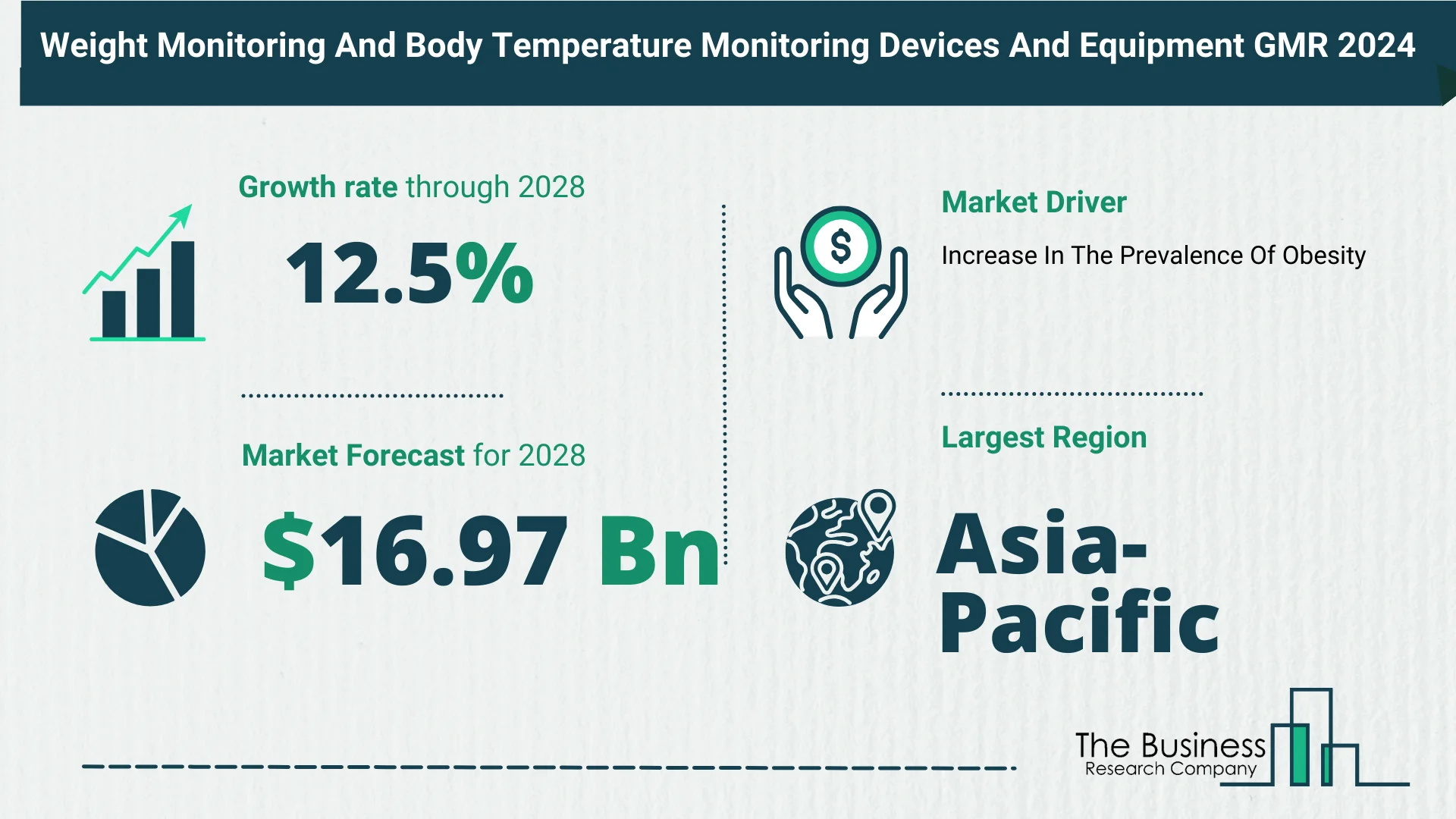
    The weight monitoring and body temperature monitoring devices and equipment market has witnessed a significant surge in recent years. The market size is set to escalate from $9.32 billion in 2023 to $10.57 billion in 2024, boasting a compound annual growth rate (CAGR) of 13.5%. Looking ahead, the market is anticipated to reach $16.97 billion by 2028, exhibiting a CAGR of 12.5%. The roots of this growth can be traced to various factors, both historical and forecasted.

    • Historic Growth Factors: Maternal and neonatal health awareness, enhanced healthcare access, high-risk pregnancies, telemedicine, and remote monitoring played pivotal roles in the historical market growth.
    • Forecasted Growth Factors: Emerging markets, personalized medicine, increased premature birth rates, and the adoption of value-based healthcare are poised to drive future growth.

    Home Healthcare: A Catalyst for Market Expansion
    The burgeoning demand for home healthcare services is expected to act as a key driver for the weight monitoring and body temperature monitoring devices and equipment market. Home healthcare, characterized by medical care provided to patients recovering from illnesses or managing chronic conditions, utilizes these monitoring devices for efficient health tracking.

    • Home Health Workforce Surge: According to the Rockefeller Institute of Government, the US is projected to witness a 25% increase in home health and personal care aide positions, reaching 924,000 between 2021 and 2031. This surge underlines the rising demand for home healthcare, fostering the growth of monitoring devices and equipment.

    Industry Giants: Market Players and Key Competitors
    Major players contributing to the dynamic landscape of weight and body temperature monitoring devices and equipment include industry leaders such as Philips Healthcare, Medtronic PLC, GE HealthCare Technologies Inc., Abbott Laboratories, 3M, Nihon Kohden, and more. The competitive market scenario is marked by the presence of globally recognized names, each striving to carve its niche.

    • Key Market Players: Philips Healthcare, Medtronic PLC, GE HealthCare Technologies Inc., Abbott Laboratories, 3M, Nihon Kohden, Omron Healthcare, Siemens Healthcare, Honeywell International Inc., Infinium Medical Inc., and others.

    View More On The Weight Monitoring And Body Temperature Monitoring Devices And Equipment Market Report 2024 –
    https://www.thebusinessresearchcompany.com/report/weight-monitoring-and-body-temperature-monitoring-devices-and-equipment-global-market-report

    Innovations Driving Market Advancements
    Innovation remains at the forefront of the weight and body temperature monitoring devices and equipment market. Industry leaders are investing in cutting-edge technologies, with a particular focus on temperature monitoring solutions. These solutions aim to provide reliable and advanced services to consumers, contributing to the market’s evolution.

    • Exemplary Technological Advancement: Konica Minolta Inc. introduced the FORXAI Temperature Monitoring App (TMA) in December 2021. This unique system utilizes an edge thermal camera to continuously capture temperature data. TMA allows users to set thresholds based on actual data, defining normal temperature using historical temperature data of the target object.

    Market Segmentation: Navigating the Diverse Landscape
    The weight monitoring and body temperature monitoring devices and equipment market is intricately segmented to address the diverse needs of end-users. Key segments include types of devices, temperature monitoring devices, and end-users.

    • Device Types: Weight Monitoring Devices, Temperature Monitoring Devices.
    • Temperature Monitoring Devices: Table Top Temperature Monitoring Devices, Hand Held Temperature Monitoring Devices, Wearable Continuous Monitoring Thermometers, Temperature Monitoring Sensors & Smart Temperature Patches.
    • End Users: Hospitals & Clinics, Home Settings, Ambulatory Surgical Centers.

    Regional Dynamics: Asia-Pacific Taking the Lead
    In 2023, Asia-Pacific emerged as the largest region in the global weight monitoring and body temperature monitoring devices and equipment market. The region’s dominance reflects the growing significance of healthcare infrastructure and technological advancements, making it a key player in the market’s global landscape.

    In conclusion, the weight and body temperature monitoring devices and equipment market’s impressive growth trajectory is fueled by a confluence of factors, including the rising demand for home healthcare, technological innovations, and strategic market segmentation. As major players continue to push the boundaries of innovation, the industry is poised for sustained expansion and evolution in the coming years.

    Request A Sample Of The Global Weight Monitoring And Body Temperature Monitoring Devices And Equipment Market Report 2024:
    https://www.thebusinessresearchcompany.com/sample_request?id=2474&type=smp

  • Global In Vitro Diagnostics Market Analysis: Estimated Market Size And Growth Rate

    Global In Vitro Diagnostics Market Analysis: Estimated Market Size And Growth Rate

    The Business Research Company’s global market reports are now updated with the latest market sizing information for the year 2024 and forecasted to 2033

    The in-vitro diagnostics market has witnessed remarkable growth in recent years, with a robust trajectory expected to continue. From a size of $108.07 billion in 2023, the market is projected to reach $119.99 billion in 2024, boasting a Compound Annual Growth Rate (CAGR) of 11.0%. This expansion can be attributed to various factors such as the development of automated analyzers, the rise of molecular diagnostics, an aging population, disease outbreaks, evolving healthcare regulations, and the advent of personalized medicine.

    Current Market Scenario

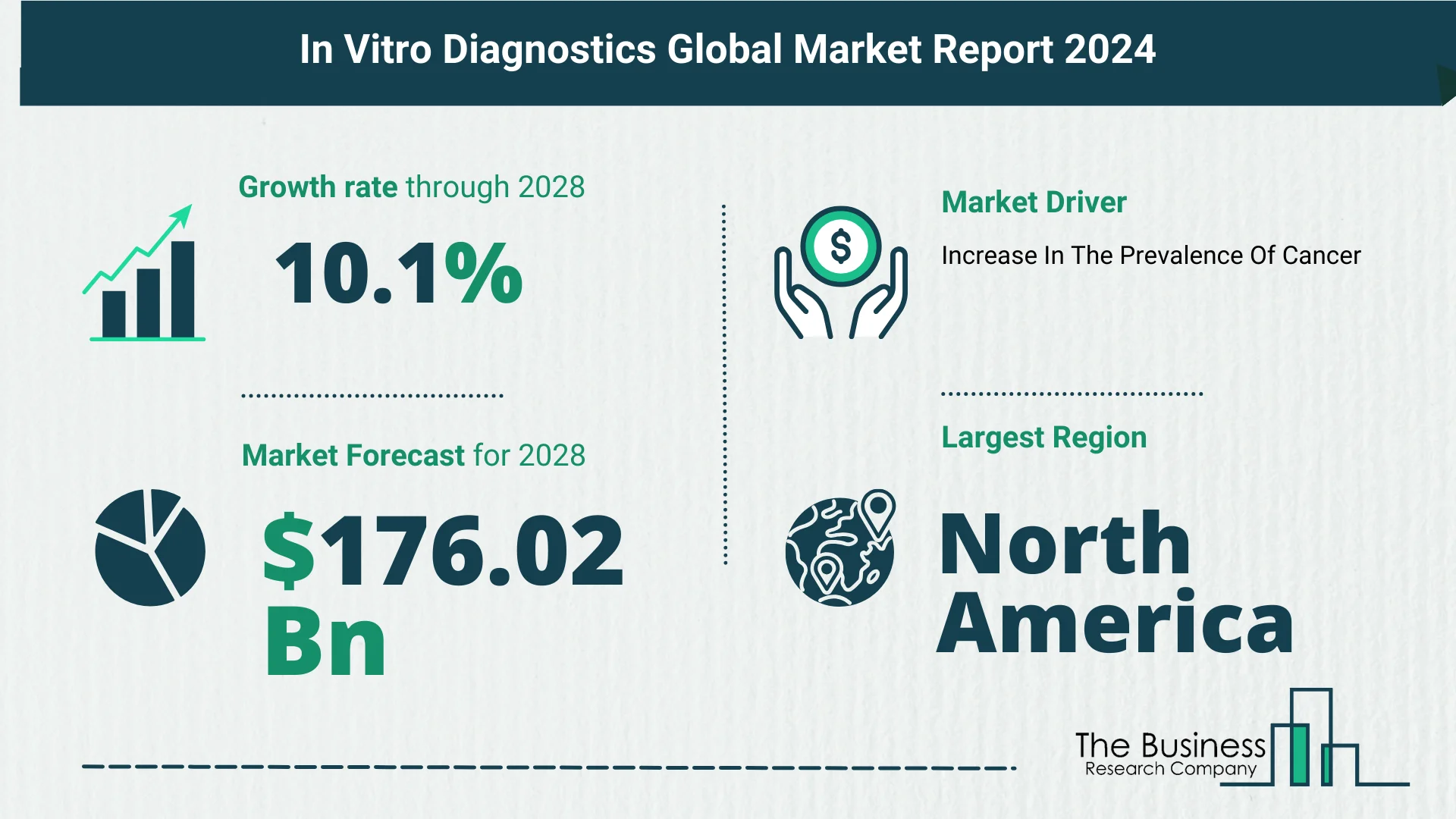
    • The in-vitro diagnostics market is set to grow to $176.02 billion in 2028, maintaining a CAGR of 10.1%.
    • The forecast period will witness contributions from precision medicine, point-of-care testing, digital health, data analytics, and pandemic preparedness.
    • Key trends in the forecast period include technological advancements, digital health integration, personalized diagnostics, home testing kits, and molecular diagnostics.

    Surging Demand For Self-Administered Tests Reshapes The Market Landscape

    • The rising popularity of self-administered test kits is a key driver of market growth.
    • Self-administered test kits offer accessibility and convenience, enabling individuals to perform diagnostic tests at home.
    • Notably, the use of at-home COVID-19 tests increased significantly during the Delta to Omicron transition, indicating a growing trend in self-administered testing.
    • Major companies in this space include Siemens Healthineers, F. Hoffmann-La Roche AG, Danaher Corporation, Abbott Laboratories Inc., and more.

    View More On The In Vitro Diagnostics Market Report 2024 –
    https://www.thebusinessresearchcompany.com/report/in-vitro-diagnostics-global-market-report

    Incorporating Artificial Intelligence (AI) For Enhanced Precision And Efficiency

    • Major companies are integrating artificial intelligence (AI) into their products to improve testing accuracy and efficiency.
    • LooK SPOT, an AI-powered in vitro diagnostic test for COVID-19, exemplifies this trend.
    • Developed by Yas Pharmaceutical Co., Pure Health Company, and Laipac Technology Inc., LooK SPOT uses AI algorithms and machine learning to enhance testing accuracy.
    • The LooK SPOT test, which attaches to a smartphone, reduces the risk of human error and offers improved sensitivity in low-positive cases.

    Market Segmentation

    • The in-vitro diagnostics market is segmented based on various criteria:
      • Type: Point-of-Care Diagnostics Devices And Equipment, Immunochemistry Diagnostic Devices And Equipment, Clinical Chemistry Diagnostics Devices And Equipment, Molecular Diagnostics Devices And Equipment, Microbiology Diagnostic Devices And Equipment, Hemostasis Diagnostic Devices And Equipment, Hematology Diagnostic Devices And Equipment, Immunohematology Diagnostic Devices And Equipment
      • End User: Hospitals And Clinics, Diagnostic Laboratories, Other End Users
      • Type of Expenditure: Public, Private
      • Product: Instruments/Equipment, Disposables

    Geographical Significance: North America Leading the Charge

    • North America emerged as the largest region in the global in-vitro diagnostics market in 2023.
    • The region’s prominence underscores the advancements and investments in healthcare infrastructure and innovation.

    Conclusion
    The in-vitro diagnostics market is witnessing a transformative phase, driven by technological innovations, the surge in self-administered tests, and the integration of artificial intelligence. The industry’s projected growth signifies a robust future, with the market becoming increasingly dynamic and adaptable. As we move forward, it will be essential for stakeholders to navigate these changes strategically, embracing emerging trends and technologies to contribute to the evolution of diagnostic practices and healthcare at large.

    Request A Sample Of The Global In Vitro Diagnostics Market Report 2024:
    https://www.thebusinessresearchcompany.com/sample_request?id=13065&type=smp

  • Ultrasound Systems Devices And Equipment Market Report 2024: Market Size, Drivers, And Trends

    Ultrasound Systems Devices And Equipment Market Report 2024: Market Size, Drivers, And Trends

    The Business Research Company’s global market reports are now updated with the latest market sizing information for the year 2024 and forecasted to 2033

    The ultrasound systems devices and equipment market have witnessed robust growth, with the market size surging from $10.96 billion in 2023 to an estimated $11.96 billion in 2024, marking an impressive Compound Annual Growth Rate (CAGR) of 9.2%. This growth is underpinned by the widespread adoption of non-invasive and radiation-free imaging technologies, particularly in fields such as prenatal and obstetric care, cardiology, vascular applications, and the use of point-of-care and portable devices.

    Key Drivers of Past Growth

    • Non-invasive and radiation-free imaging.
    • Increasing applications in prenatal and obstetric care.
    • Adoption in cardiology and vascular applications.
    • Rising popularity of point-of-care and portable devices.

    Anticipating Continued Momentum

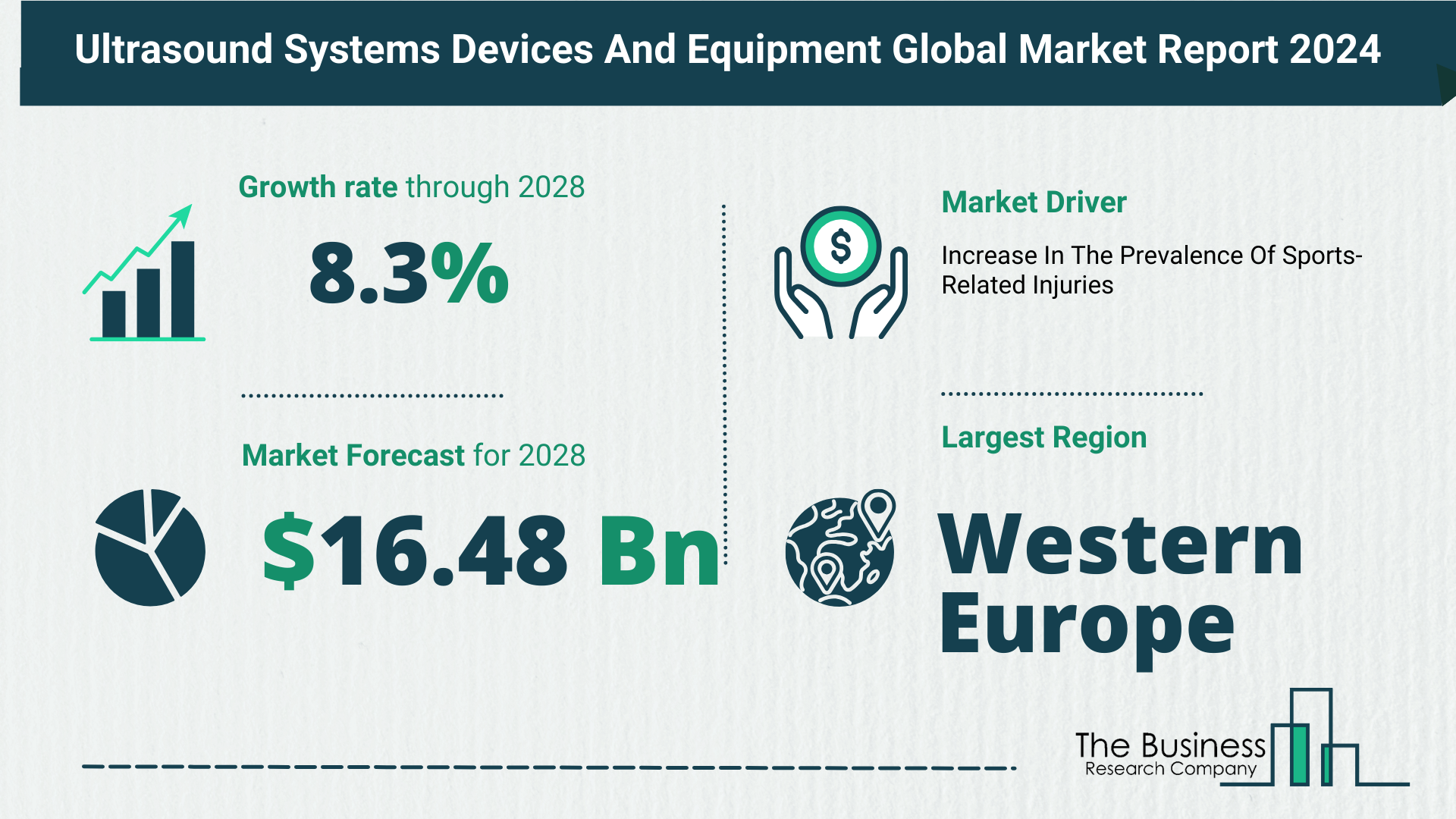
    The ultrasound systems devices and equipment market is poised for ongoing robust growth, with an expected market size of $16.48 billion by 2028, driven by a strong CAGR of 8.3%. This growth is attributed to factors such as the expansion of emerging markets, regulatory support, reimbursement initiatives, and the increasing integration of telemedicine and remote consultation services.

    Catalysts for Future Growth

    • Expansion of emerging markets.
    • Regulatory support and reimbursement initiatives.
    • Growing integration of telemedicine and remote consultation.
    • Adoption of value-based healthcare models.

    Major Trends in the Forecast Period

    As the market evolves, several key trends are expected to shape its trajectory in the forecast period.

    1. Artificial Intelligence (AI) Integration
      • AI-powered diagnostic enhancements.
      • Improved accuracy and efficiency.
    2. Handheld and Wireless Ultrasound Devices
      • Increased portability and convenience.
      • Enhanced accessibility in diverse medical settings.
    3. 3D/4D Imaging
      • Advanced visualization capabilities.
      • Improved depth perception and diagnostic accuracy.
    4. Fusion Imaging
      • Integration of multiple imaging modalities.
      • Comprehensive and detailed diagnostic information.

    Expanding Opportunities: A Sports Medicine Perspective

    The ultrasound systems devices and equipment market are set to benefit from the rising prevalence of sports-related injuries. These injuries, ranging from minor strains to more severe conditions, require accurate and efficient diagnostic tools. Ultrasound systems are increasingly becoming indispensable in sports medicine, aiding in the diagnosis, management, and monitoring of sports-related injuries and contributing to the safe return of athletes to their activities.

    Impact on Market Growth

    • Annual occurrence of 3.5 million sports-related injuries.
    • Ultrasound systems aiding in diagnosis, management, and monitoring.

    Industry Leaders Paving the Way

    Key players in the ultrasound systems devices and equipment market are driving growth through strategic initiatives, technological innovations, and the development of cutting-edge solutions. Some prominent companies in the market include GE HealthCare, Siemens Healthineers, Philips Healthcare, and Samsung Electronics.

    Key Players in the Market

    • GE HealthCare
    • Siemens Healthineers
    • Philips Healthcare
    • Samsung Electronics

    View More On The Ultrasound Systems Devices And Equipment Market Report 2024 – https://www.thebusinessresearchcompany.com/report/ultrasound-systems-devices-and-equipment-global-market-report 

    Technological Marvel: Samsung’s ‘V8’ Ultrasound System

    Companies in the ultrasound systems devices and equipment market are committed to innovative solutions to enhance their market presence. Samsung’s Premium Ultrasound System ‘V8’ exemplifies this commitment, designed to offer enhanced image quality, usability, and convenience in ultrasound. Equipped with S-Shearwave Imaging, this system provides valuable information about tissue stiffness, aiding in disease diagnosis.

    Technological Advancements

    • Enhanced image quality, usability, and convenience.
    • S-Shearwave Imaging for tissue stiffness information.

    Market Segmentation: Tailoring Solutions

    The ultrasound systems devices and equipment market is intricately segmented to cater to diverse needs, including different types of ultrasound systems, end-users, and product variations.

    1. By Type:
      • Diagnostic Ultrasound Systems
      • Therapeutic Ultrasound Systems
    2. By End User:
      • Hospitals
      • Diagnostic Imaging & Surgical Centers
      • Ambulatory Surgical Centers (ASCs)
      • Clinics
    3. By Product:
      • A-Mode, B-Mode or 2D Mode
      • C-Mode, M-Mode
      • Doppler Mode
      • Pulse Inversion Mode
      • Harmonic Mode

    Regional Dominance: Western Europe at the Helm

    In 2023, Western Europe emerged as the largest region in the global ultrasound systems devices and equipment market, showcasing its prominence in shaping the global landscape. As the market continues to evolve, Western Europe is likely to maintain its leadership position.

    Request A Sample Of The Global Ultrasound Systems Devices And Equipment Market Report 2024:
    https://www.thebusinessresearchcompany.com/sample_request?id=3811&type=smp