Category: Medical Equipment

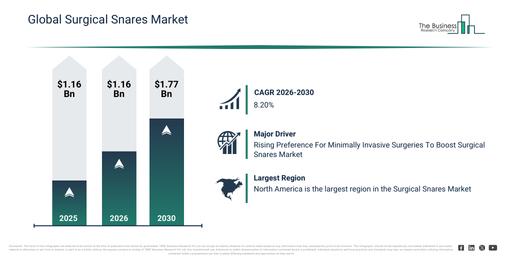
  • Surgical Snares Market Growth Outlook Reveals A CAGR Of 8.2% And A Market Value Of $2.27 Billion By 2030

    Surgical Snares Market Growth Outlook Reveals A CAGR Of 8.2% And A Market Value Of $2.27 Billion By 2030

    Through market attractiveness analysis, total addressable market evaluation, company benchmarking matrices, interactive Excel dashboards, expanded supply chain intelligence, emerging startup coverage, and detailed product insights, The Business Research Company’s 2026 market reports provide more actionable and strategically valuable research.

    The surgical snares market has experienced significant growth in recent years and is set to continue this upward trajectory. Driven by advances in medical technology and increasing demand for minimally invasive procedures, this market shows promising prospects through the end of the decade. Let’s explore the key figures, growth drivers, market segments, competitive players, and regional trends shaping its future.

    Surgical Snares Market Size and Growth Forecast

    The market for surgical snares is expanding steadily. It is projected to increase from $1.53 billion in 2025 to $1.66 billion in 2026, reflecting a compound annual growth rate (CAGR) of 8.2%. This historical growth has been supported by the rising prevalence of gastrointestinal disorders, the broader use of endoscopic diagnostic methods, enhanced hospital endoscopy capacity, growing demand for minimally invasive therapies, and the availability of reusable snares. Looking ahead, the market is expected to reach $2.27 billion by 2030, maintaining the same CAGR of 8.2%. Factors contributing to this forecast include wider adoption of disposable endoscopic instruments, heightened attention to infection control, growth in outpatient endoscopy clinics, and increasing screening efforts for GI conditions. Emerging trends in the coming years feature increased use of single-use snares, rising demand for endoscopic polypectomy tools, advanced precision wire loop designs, the broadening scope of minimally invasive procedures, and a stronger emphasis on procedural safety.

    Download A Free Sample Report For Comprehensive Market Insights:

    https://www.thebusinessresearchcompany.com/sample.aspx?id=18796&type=smp

    Factors Fueling the Surgical Snares Market Growth

    An important driver behind the market’s expansion is the growing preference for minimally invasive surgeries. These procedures involve small incisions and use specialized instruments and imaging technologies to minimize tissue damage. Patients benefit from faster recovery times, shorter hospital stays, less postoperative pain, and a reduced risk of complications compared to traditional open surgeries. Surgical snares play a crucial role in these operations by enabling precise removal of abnormal tissues such as polyps and tumors through small incisions. Their design ensures effective tissue resection while minimizing harm to surrounding areas, improving the overall safety and success of the surgery. For example, data released in June 2024 by the American Society of Plastic Surgeons indicated a 7% increase in minimally invasive procedures in the USA between 2022 and 2023. This upward trend in minimally invasive techniques is a key force driving demand for surgical snares.

    Impact of Increasing Healthcare Spending on Surgical Snares Market

    Another significant factor supporting market growth is the rise in healthcare expenditure worldwide. This spending encompasses investments in medical services, equipment, and technologies that enhance patient outcomes. Hospitals and clinics are allocating more resources toward advanced medical tools and digital innovations, improving procedural efficiency and accuracy. Increased healthcare budgets enable surgical centers to acquire state-of-the-art minimally invasive devices, including surgical snares, which contribute to better patient care. For instance, according to data from the Centers for Medicare & Medicaid Services in June 2025, national health expenditures in the US grew by 7.5% in 2023, reaching $4.9 trillion—approximately $14,570 per capita—and accounting for 17.6% of the GDP. Medicare spending rose by 8.1% to $1.03 trillion, representing 21% of total health expenditures. Such financial growth in healthcare facilitates the adoption of innovative surgical tools, driving the surgical snares market forward.

    Access The Complete Surgical Snares Market Report:

    https://www.thebusinessresearchcompany.com/report/surgical-snares-global-market-report

    Key Segmentation of the Surgical Snares Market

    This market is divided into several key segments to better understand demand and growth areas:

    1) Usability: Single-Use and Reusable Surgical Snares

    2) Applications: Including GI Endoscopy, Laparoscopy, Urology Endoscopy, Gynecology Endoscopy, Arthroscopy, Bronchoscopy, Mediastinoscopy, Laryngoscopy, and other uses

    3) End Users: Such as Hospitals, Ambulatory Surgical Centers, and various other facilities

    Further subsegments include:

    – Single-Use snares, differentiated by pre-sterilized and non-sterilized options

    – Reusable snares with either detachable or fixed tips

    This classification helps pinpoint where the biggest opportunities for growth exist within the overall surgical snares market.

    Top Companies Leading the Surgical Snares Industry

    The surgical snares market features several prominent players shaping its competitive landscape, including:

    Stryker Corporation, Boston Scientific Corporation, B. Braun Melsungen AG, Olympus Corporation, Terumo Corporation, Steris, NIPRO Corporation, Teleflex Incorporated, Cook Medical, Integra LifeSciences, ConMed Corporation, PENTAX Medical Corp., JMS Co. Ltd., AngioDynamics Inc., Merit Medical Systems, Argon Medical Devices Inc., pfm medical AG, Endo-Therapeutics Inc., Sklar Surgical Instruments, Endo-Flex GmbH, EndoMed Systems GmbH, Aohua Endoscopy, Blue Endo, and ENDO-TECHNIK.

    These companies continue to innovate and expand their portfolios to meet evolving medical needs globally.

    Regional Market Share and Growth Prospects

    In 2025, North America held the largest share of the surgical snares market, benefiting from advanced healthcare infrastructure and high adoption of minimally invasive surgeries. However, the Asia-Pacific region is expected to experience the fastest growth during the forecast period, driven by increasing healthcare investments, expanding patient populations, and rising awareness of endoscopic procedures. Other regions such as South East Asia, Western Europe, Eastern Europe, South America, the Middle East, and Africa also contribute to the global market landscape, each presenting unique opportunities and challenges for market participants.

    Get in touch with us:

    The Business Research Company: https://www.thebusinessresearchcompany.com/

    Americas: +1 310-496-7795

    Asia: +44 7882 955267 & +91 8897263534

    Europe: +44 7882 955267

    Email us at: marketing@tbrc.info

    Follow us on:

    LinkedIn: https://in.linkedin.com/company/the-business-research-company

    YouTube: https://www.youtube.com/channel/UC24_fI0rV8cR5DxlCpgmyFQ

    Global Market Model: https://www.thebusinessresearchcompany.com/global-market-model
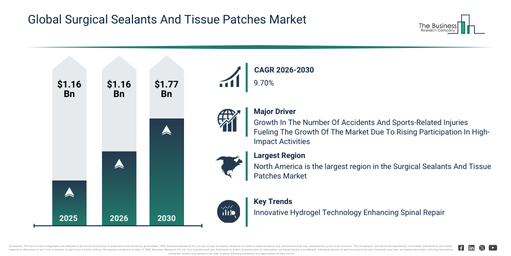
  • Surgical Sealants And Tissue Patches Market Forecast Highlights Expansion From $2.81 Billion To $4.07 Billion Through 2030

    Surgical Sealants And Tissue Patches Market Forecast Highlights Expansion From $2.81 Billion To $4.07 Billion Through 2030

    Delivering more actionable and strategically valuable research, The Business Research Company’s 2026 market reports feature market attractiveness analysis, total addressable market evaluation, company benchmarking matrices, interactive Excel dashboards, expanded supply chain intelligence, emerging startup coverage, and detailed product insights.

    The surgical sealants and tissue patches sector has been witnessing impressive growth recently, driven by advances in medical procedures and increasing healthcare demands. As surgical techniques evolve and the need for effective wound management rises, this market is set to expand significantly in the coming years. Let’s explore the current market size, key growth drivers, segmentation, innovations, and regional outlook to understand the dynamics shaping this industry.

    Steady Growth Forecast for the Surgical Sealants and Tissue Patches Market

    The market for surgical sealants and tissue patches has experienced solid expansion, rising from $2.56 billion in 2025 to an expected $2.82 billion in 2026, representing a compound annual growth rate (CAGR) of 10.0%. This increase over the past years is largely due to a higher volume of surgical procedures, growing incidence of cardiovascular and orthopedic disorders, broader acceptance of sealants as an alternative to traditional sutures, enhancement of hospital surgical infrastructure, and the availability of more advanced biomaterials.

    Download A Free Sample Report For Comprehensive Market Insights:

    https://www.thebusinessresearchcompany.com/sample.aspx?id=23535&type=smp

    Looking ahead, the market is forecast to continue its strong upward trend, reaching $4.08 billion by 2030 with a CAGR of 9.7%. Factors driving this future growth include the rising preference for minimally invasive surgeries, a greater focus on minimizing post-operative complications, the expanding role of regenerative medicine, increased investment in innovative surgical biomaterials, and wider adoption of sealants in specialized surgical fields. Key industry trends projected during this period involve a surge in bioengineered sealant use, growth in synthetic and hybrid adhesive products, demand for minimally invasive surgical solutions, advancements in hemostatic technologies, and an emphasis on accelerating wound healing.

    Increasing Incidence of Injuries as a Major Growth Factor in Surgical Sealants

    The rising number of accidents and sports-related injuries is expected to significantly boost demand for surgical sealants and tissue patches. These injuries, resulting from unexpected events such as falls, collisions, or intense physical activity, are becoming more common due to increased participation in high-impact sports and outdoor pursuits. Surgical sealants and patches play a vital role in managing these injuries by enabling rapid and effective wound closure, shortening recovery times, and reducing infection risks.

    Access The Complete Surgical Sealants And Tissue Patches Market Report:

    https://www.thebusinessresearchcompany.com/report/surgical-sealants-and-tissue-patches-global-market-report

    This growing injury rate is evidenced by statistics such as those from March 2025, when the Australia-based Department of Infrastructure, Transport, Regional Development, Communication, and the Arts reported 1,292 road fatalities in the 12 months ending February 2025—a 1.6% rise compared to the previous year. Such data underline the expanding need for advanced wound care solutions, which is a significant factor propelling growth in the surgical sealants and tissue patches market.

    Product and Application Segments Defining the Surgical Sealants and Tissue Patches Market

    The market is segmented by product type into natural and biological sealants, synthetic and polymer-based sealants, and hybrid sealants. Each category includes subtypes: natural and biological sealants cover fibrin, collagen-based, gelatin-based, and albumin-based products; synthetic and polymer-based sealants include cyanoacrylate, polyethylene glycol (PEG), and polyurethane types; hybrid sealants comprise protein-polymer hybrids, synthetic-biologic composites, and bioengineered adhesives.

    By indication, the market focuses on surgical hemostasis, tissue sealing, tissue engineering, and wound closure. Application areas span cardiovascular, neurological, orthopedic, general, urological, and pulmonary surgeries. The end users consist of hospitals, ambulatory surgical centers (ASCs), and specialty clinics, reflecting the broad usage of these products across various healthcare settings.

    Innovations and Technological Advances Shaping the Surgical Sealants and Tissue Patches Industry

    Leading players in this market are investing heavily in research and development to introduce cutting-edge products that improve surgical outcomes. A notable innovation is the development of absorbable polyethylene glycol (PEG) hydrogel, which provides rapid, watertight sealing to reduce complications and promote faster recovery, particularly in spinal and dural repair surgeries. This synthetic, biocompatible material naturally dissolves in the body after forming a temporary seal.

    For example, in March 2025, US-based Pramand LLC launched the SpineSeal spine sealant system in the United States following FDA premarket approval. SpineSeal is designed specifically to create a watertight barrier over sutured dural repairs during spinal operations, preventing cerebrospinal fluid leakage. The sealant is applied easily using a specialized tool and forms a secure seal within seconds, representing a significant breakthrough in surgical sealant technology.

    Prominent Companies Driving Competition in the Surgical Sealants and Tissue Patches Market

    The competitive landscape includes major corporations such as Johnson & Johnson, Medtronic plc, Stryker Corporation, Baxter International Inc., Terumo Corporation, Integra LifeSciences Holdings Corporation, Artivion Inc., B. Braun Melsungen AG, Advanced Medical Solutions Group plc, Ocular Therapeutix Inc., Arch Therapeutics Inc., RUA Life Sciences plc, GEM S.r.l., Tissx GmbH, Cohera Medical Inc., CryoLife Inc., Vivostat A/S, Corza Medical, Hemostasis LLC, and Surgical Specialties Corporation. These companies are instrumental in driving innovation, expanding product portfolios, and increasing market penetration worldwide.

    Regional Market Leadership and Growth Opportunities

    In 2025, North America emerged as the largest regional market for surgical sealants and tissue patches, holding the highest revenue share. However, Asia-Pacific is anticipated to be the fastest-growing region throughout the forecast period, driven by expanding healthcare infrastructure, increasing surgical procedure volumes, and rising demand for advanced medical products. Other covered regions in the market analysis include South East Asia, Western Europe, Eastern Europe, South America, the Middle East, and Africa, providing a comprehensive understanding of global market dynamics.

    Get in touch with us:

    The Business Research Company: https://www.thebusinessresearchcompany.com/

    Americas: +1 310-496-7795

    Asia: +44 7882 955267 & +91 8897263534

    Europe: +44 7882 955267

    Email us at: marketing@tbrc.info

    Follow us on:

    LinkedIn: https://in.linkedin.com/company/the-business-research-company

    YouTube: https://www.youtube.com/channel/UC24_fI0rV8cR5DxlCpgmyFQ

    Global Market Model: https://www.thebusinessresearchcompany.com/global-market-model
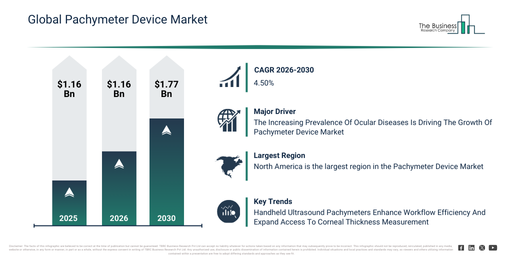
  • Pachymeter Device Market Set To Grow From $21.21 Billion In 2026 To $25.27 Billion By 2030 At A CAGR Of 4.5%

    Pachymeter Device Market Set To Grow From $21.21 Billion In 2026 To $25.27 Billion By 2030 At A CAGR Of 4.5%

    Through market attractiveness analysis, total addressable market evaluation, company benchmarking matrices, interactive Excel dashboards, expanded supply chain intelligence, emerging startup coverage, and detailed product insights, The Business Research Company’s 2026 market reports provide more actionable and strategically valuable research.

    The pachymeter device market has been experiencing significant growth over recent years, driven by advancements in eye care technology and increasing awareness of ocular health. As demand for precise eye diagnostics rises, this market is set to continue expanding steadily through the coming decade. Below is an overview of the current market size, underlying growth factors, leading players, and emerging trends shaping its future.

    Market Size Outlook for the Pachymeter Device Market

    The pachymeter device market is projected to rise from $20.19 billion in 2025 to $21.21 billion in 2026, reflecting a compound annual growth rate (CAGR) of 5.1%. This historical growth is largely fueled by the increasing incidence of glaucoma and corneal diseases, expansion of ophthalmology clinics, a surge in refractive surgeries, wider adoption of ultrasound-based diagnostic techniques, and advancements in optical imaging technologies. Looking forward, the market is expected to steadily grow to $25.28 billion by 2030, maintaining a CAGR of 4.5%. Key drivers for this future growth include heightened demand for early glaucoma detection, expanding use of advanced imaging for the eye’s anterior segment, growth in outpatient eye care services, rising investment in ophthalmic diagnostic innovation, and a stronger focus on non-invasive eye examinations. Emerging trends also point to greater adoption of non-contact optical pachymeters, increasing use of OCT-based corneal measurement systems, rising demand for portable ophthalmic devices, development of integrated eye diagnostic platforms, and ongoing improvements in measurement accuracy and speed.

    Download A Free Sample Report For Comprehensive Market Insights:

    https://www.thebusinessresearchcompany.com/sample.aspx?id=16755&type=smp

    Factors Contributing to Pachymeter Device Market Growth

    The rising prevalence of ocular diseases is a critical factor propelling the pachymeter device market forward. These conditions encompass a wide array of eye-related health issues impacting the cornea and related structures. The increase in such diseases can be linked to factors like more frequent use of contact lenses, lifestyle changes, gender-specific vulnerabilities, and vitamin deficiencies. Pachymetry devices play a vital role in these scenarios by measuring corneal thickness, which is essential for diagnosing and managing various eye conditions. For instance, in May 2024, the Office for Health Improvement and Disparities in the UK reported that around 2 million people currently suffer from some level of sight loss, a figure expected to rise to 2.7 million by 2030. This growing prevalence underscores the expanding need for pachymeter devices.

    Additional Growth Drivers Boosting Demand

    Beyond disease prevalence, technological advances and improvements in ophthalmic care infrastructure are also fueling market expansion. Increasing volumes of refractive surgeries and the rising number of specialized eye clinics contribute to higher demand for precise diagnostic tools. Meanwhile, the drive toward non-invasive diagnostic methods and enhanced imaging capabilities further supports the adoption of advanced pachymeter devices across healthcare settings.

    Access The Complete Pachymeter Device Market Report:

    https://www.thebusinessresearchcompany.com/report/pachymeter-device-global-market-report

    Key Market Segments Defining the Pachymeter Device Industry

    This market is segmented by measurement technology, product type, and application areas:

    1) Measurement Technology includes Ultrasound Method and Optical Method.

    2) Product Types cover Handheld and Non-Handheld Devices.

    3) Applications range from Hospitals and Ophthalmology Clinics to Other Uses.

    Further subcategories under Ultrasound Method involve A-Scan Ultrasound Pachymeters, Contact and Non-Contact Ultrasound Pachymeters, Portable Ultrasound Pachymeters, and High-Resolution Ultrasound Pachymeters. Optical Method segments include Optical Coherence Tomography (OCT) Pachymeters, Scheimpflug Imaging, Confocal Microscopy, Non-Contact Optical Pachymeters, Anterior Segment Optical Pachymeters, and Laser Pachymeters.

    Innovations and Technology Trends Shaping Market Growth

    Leading companies in the pachymeter space are focusing on developing innovative products to improve both accuracy and usability. One notable advancement is the integration of high-frequency ultrasound probes, which use sound waves above 20 MHz to produce detailed corneal images and measurements. For example, in May 2024, Quantel Medical from France introduced the POCKET III ultrasound pachymeter, a handheld device equipped with a 30 MHz probe, offering a measurement range of 150–1,200 microns and an accuracy of ±5 microns. Its connectivity features, including Bluetooth and USB-C, enable direct data transfer to computers and electronic health records. These innovations facilitate faster patient screening, reduce operator workload, and provide greater flexibility for eye care professionals.

    Leading Players Driving Competition in the Pachymeter Device Market

    The pachymeter device market is shaped by several prominent companies such as Bausch And Lomb Incorporated, Canon Medical Systems Corporation, Topcon Corporation, Quantel Medical Inc., Keeler Ltd., Reichert Inc., OCULUS Optikgeräte GmbH, Accutome Inc., Optovue Inc., Sonomed Escalon, Visionix Ltd., Tomey Corporation, Haag-Streit Group, DGH Technology Inc., MicroMedical Devices Inc. (MMD), NIDEK Co. Ltd., Costruzione Strumenti Oftalmici (CSO) S.r.l., Ziemer Ophthalmic Systems AG, iCare Finland Oy, and Rexxam Co. Ltd.

    Regional Market Outlook and Leadership

    In 2025, North America emerged as the leading region in the pachymeter device market in terms of size and revenue. Other important regions covered in the market analysis include Asia-Pacific, South East Asia, Western Europe, Eastern Europe, South America, the Middle East, and Africa. While North America holds the largest share, the Asia-Pacific region is expected to demonstrate rapid growth in the coming years, driven by expanding healthcare infrastructure and increasing awareness about eye health.

    Get in touch with us:

    The Business Research Company: https://www.thebusinessresearchcompany.com/

    Americas: +1 310-496-7795

    Asia: +44 7882 955267 & +91 8897263534

    Europe: +44 7882 955267

    Email us at: marketing@tbrc.info

    Follow us on:

    LinkedIn: https://in.linkedin.com/company/the-business-research-company

    YouTube: https://www.youtube.com/channel/UC24_fI0rV8cR5DxlCpgmyFQ

    Global Market Model: https://www.thebusinessresearchcompany.com/global-market-model
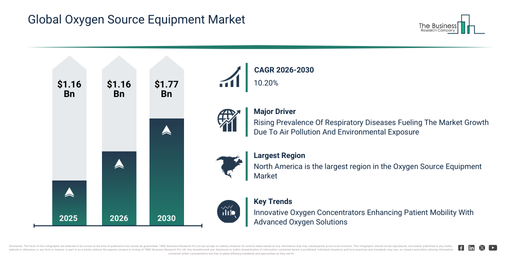
  • Oxygen Source Equipment Market Opportunities Are Emerging Beyond Traditional Growth Areas

    Oxygen Source Equipment Market Opportunities Are Emerging Beyond Traditional Growth Areas

    Delivering more actionable and strategically valuable research, The Business Research Company’s 2026 market reports feature market attractiveness analysis, total addressable market evaluation, company benchmarking matrices, interactive Excel dashboards, expanded supply chain intelligence, emerging startup coverage, and detailed product insights.

    The oxygen source equipment market is witnessing rapid expansion driven by multiple factors related to healthcare needs and industrial applications. As respiratory health concerns rise globally, the demand for effective oxygen delivery systems continues to grow, shaping the industry’s future outlook. Below is a detailed examination of the market size, key drivers, segmentation, trends, leading players, and regional insights.

    Oxygen Source Equipment Market Size and Growth Projections

    The oxygen source equipment market has experienced significant growth in recent years and is set for continued expansion. It is projected to increase from $3.97 billion in 2025 to $4.38 billion in 2026, reflecting a compound annual growth rate (CAGR) of 10.3%. This rise during the historical period is fueled by the growing incidence of respiratory conditions, broader hospital infrastructure development, growth in industrial manufacturing processes, increased demand for medical oxygen in critical care settings, and substantial government investments in healthcare facilities.

    Download A Free Sample Report For Comprehensive Market Insights:

    https://www.thebusinessresearchcompany.com/sample.aspx?id=25865&type=smp

    Looking ahead, the market is expected to reach $6.46 billion by 2030, with a CAGR of 10.2% during the forecast period. This growth will be supported by factors such as an aging population with chronic respiratory diseases, expansion of home healthcare services, wider adoption of portable oxygen concentrators, growth in industrial oxygen applications, and ongoing technological innovations in oxygen generation systems. Key trends anticipated include greater use of home-based oxygen therapy, rising demand for lightweight and portable oxygen devices, growth in on-site oxygen generation systems, increased use of oxygen equipment in emergency and disaster scenarios, and advancements in oxygen storage and delivery safety technology.

    Primary Factors Propelling the Oxygen Source Equipment Market

    One of the leading forces driving the oxygen source equipment market is the rising prevalence of respiratory diseases. Conditions affecting the lungs and respiratory system, such as asthma, chronic obstructive pulmonary disease (COPD), and lung cancer, are becoming more common due to factors like increased air pollution and exposure to harmful environmental toxins. These issues impair lung function, making supplemental oxygen therapy necessary to maintain adequate blood oxygen levels when the lungs are compromised. Oxygen source equipment plays a critical role in delivering this supplemental oxygen.

    Access The Complete Oxygen Source Equipment Market Report:

    https://www.thebusinessresearchcompany.com/report/oxygen-source-equipment-global-market-report

    For example, in February 2024, the UK Health Security Agency reported a 10.7% year-over-year increase in tuberculosis (TB) cases in England, with reported incidents rising from 4,380 in 2022 to 4,850 in 2023. This trend highlights the growing need for oxygen therapy to support patients with respiratory ailments, thereby driving demand in the oxygen source equipment market.

    Segmentation Overview of the Oxygen Source Equipment Market

    This market is segmented into several categories based on product type, delivery mode, application, and end-user sectors:

    1) Product Type:

    – Oxygen Cylinders

    – Oxygen Concentrators

    – Liquid Oxygen Equipment

    – Oxygen Systems for Industrial Use

    – Portable Oxygen Systems

    2) Delivery Mode:

    – Gas Delivery Systems

    – Cryogenic Liquid Delivery Systems

    – Portable Delivery Systems

    – Pipeline Delivery Systems

    – Bulk Oxygen Supply Systems

    3) Application:

    – Hospitals

    – Clinics

    – Other Applications

    4) End-User:

    – Healthcare and Medical

    – Aerospace and Aviation

    – Industrial Manufacturing

    – Water Treatment Plants

    – Energy and Power Generation

    Further subcategories include various types of oxygen cylinders (steel, aluminum, composite, high-pressure, low-pressure), oxygen concentrators (portable, stationary, continuous flow, pulse dose), liquid oxygen equipment (portable units, home reservoirs, hospital bulk systems, mobile cryogenic containers), industrial oxygen systems (pressure swing adsorption plants, vacuum pressure swing adsorption plants, cryogenic air separation units, membrane-based generators), and portable oxygen systems (wearable devices, lightweight kits, backpacks).

    Growing Innovations and Trends in the Oxygen Source Equipment Industry

    Industry leaders are increasingly focusing on innovative solutions such as portable oxygen concentrators to enhance patient mobility and improve quality of life. These compact devices extract and deliver concentrated oxygen from ambient air, enabling patients to receive oxygen therapy while maintaining an active lifestyle.

    For instance, in October 2024, US-based medical technology firm Inogen introduced the Rove 4, a lightweight portable oxygen concentrator weighing less than 3 pounds. It offers four adjustable flow settings with a maximum oxygen output of 840 ml per minute and includes three battery options that provide up to 5 hours and 45 minutes of continuous operation. This product exemplifies the trend toward portable, user-friendly oxygen equipment designed to support everyday activities.

    Key Market Players Influencing the Oxygen Source Equipment Sector

    The oxygen source equipment market is shaped by several prominent companies, including: Air Liquide Healthcare, Koninklijke Philips N.V., GCE Healthcare, Teijin Limited, ResMed Inc., Fisher & Paykel Healthcare, Invacare Corporation, Contec Medical Systems, Inogen Inc., Drive DeVilbiss Healthcare, CAIRE Inc., Precision Medical Inc., OxyGo LLC, O2 Concepts LLC, Longfian Scitech Co. Ltd., Nidek Medical Products, Besco Medical Limited, Scaleo Medical SAS, Oxus Inc., Linde Healthcare, Taiyo Nippon Sanso Corporation, and Messer Group. These players are actively engaged in research, product development, and strategic partnerships to stay competitive and address evolving market demands.

    Regional Market Dynamics and Growth Outlook

    In 2025, North America held the largest share of the oxygen source equipment market. However, the Asia-Pacific region is anticipated to exhibit the fastest growth during the forecast period. The report covers key regions such as Asia-Pacific, South East Asia, Western Europe, Eastern Europe, North America, South America, the Middle East, and Africa, providing comprehensive insights into regional trends and opportunities shaping the global market landscape.

    Get in touch with us:

    The Business Research Company: https://www.thebusinessresearchcompany.com/

    Americas: +1 310-496-7795

    Asia: +44 7882 955267 & +91 8897263534

    Europe: +44 7882 955267

    Email us at: marketing@tbrc.info

    Follow us on:

    LinkedIn: https://in.linkedin.com/company/the-business-research-company

    YouTube: https://www.youtube.com/channel/UC24_fI0rV8cR5DxlCpgmyFQ

    Global Market Model: https://www.thebusinessresearchcompany.com/global-market-model
  • Oxygen Conserving Devices Market Expansion Is Opening New Pathways For Strategic Investment

    Oxygen Conserving Devices Market Expansion Is Opening New Pathways For Strategic Investment

    Enhanced with market attractiveness analysis, total addressable market evaluation, company benchmarking matrices, interactive Excel dashboards, expanded supply chain intelligence, emerging startup coverage, and detailed product insights, The Business Research Company’s 2026 market reports deliver more actionable and strategically valuable research.

    The oxygen conserving devices market is experiencing rapid expansion, driven by rising healthcare needs and technological advancements. As the demand for efficient oxygen delivery solutions grows across various care settings, this sector is poised for significant revenue growth in the coming years. Let’s examine the current market size, key growth factors, product segments, major players, and geographic trends shaping this dynamic industry.

    Market Size and Projected Revenue Growth in the Oxygen Conserving Devices Market

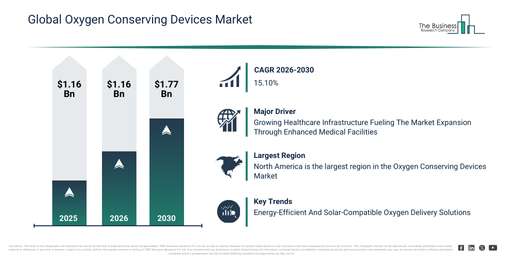
    The oxygen conserving devices market has seen substantial growth recently and is projected to increase from $1.91 billion in 2025 to $2.2 billion in 2026, representing a robust compound annual growth rate (CAGR) of 15.4%. This earlier expansion was driven by factors such as rising chronic respiratory diseases, better access to oxygen systems, growing home healthcare infrastructure, and heightened awareness of oxygen conservation benefits. Looking further ahead, the market is forecasted to reach $3.86 billion by 2030, maintaining a CAGR of 15.1%. This expected growth will be fueled by increasing adoption of smart respiratory devices, wearable oxygen solutions, the growth of aging population care services, emphasis on cost-efficient oxygen therapy, and technological innovations in oxygen delivery.

    Download A Free Sample Report For Comprehensive Market Insights:

    https://www.thebusinessresearchcompany.com/sample.aspx?id=23468&type=smp

    Key Drivers Supporting Oxygen Conserving Devices Market Expansion

    The ongoing development of healthcare infrastructure is a major factor propelling the oxygen conserving devices market forward. Healthcare infrastructure encompasses the physical facilities, organizational systems, and resources needed to provide effective medical care. As chronic conditions such as diabetes and cardiovascular diseases become more prevalent, there is greater demand for specialized healthcare settings and long-term patient management, which supports the use of oxygen conserving devices. This infrastructure ensures reliable access, proper maintenance, and efficient oxygen delivery in both hospitals and homecare environments.

    For example, as of 2023, the United States had a total of 6,093 hospitals, including 5,112 community hospitals, according to ScienceSoft USA Corporation. Among these community hospitals, 2,978 are nonprofit, 1,214 operate for profit, and 920 are government-run. Such extensive healthcare facilities underline why expanding infrastructure is a critical factor driving market growth.

    Access The Complete Oxygen Conserving Devices Market Report:

    https://www.thebusinessresearchcompany.com/report/oxygen-conserving-devices-global-market-report

    Segmentation of the Oxygen Conserving Devices Market Across Key Categories

    The report segments the oxygen conserving devices market into distinct categories to provide a clearer understanding of its structure:

    1) Product Types: Reservoir Cannula, Transtracheal Catheters, Intermittent Flow Devices, Continuous Flow Devices, and Other Products.

    2) Indications: Chronic Obstructive Pulmonary Disease (COPD), Pneumonia, Asthma, and other respiratory disorders.

    3) End-User Segments: Hospitals and Clinics, Long-Term Care Units, Home Care, and other users.

    More detailed subsegments include, for reservoir cannulae, types such as Pendant, Mustache, and Pediatric cannulae; for transtracheal catheters, Micro-Trach, Scoop-Tip, and Extended-Length catheters; for intermittent flow devices, Pulse Dose, Demand Oxygen Delivery, and Electronic Oxygen Conserving devices; for continuous flow devices, Portable and Stationary Oxygen Concentrators and High-Flow Oxygen Therapy devices; and other products including oxygen masks, conserving regulators, reservoir bags, nasal prongs, and humidifiers.

    Growth Trends Influencing Competition in the Oxygen Conserving Devices Market

    Leading companies in this market are focusing on creating energy-efficient oxygen delivery products tailored for environments with unstable or limited power resources. These devices often integrate features like solar compatibility, low power consumption, wide voltage input, soft-start circuitry, and robust durability to ensure consistent oxygen supply even in challenging conditions. For instance, in October 2024, Drive DeVilbiss Healthcare introduced the PulmO2 Oxygen Concentrator, which consumes up to 67% less energy compared to conventional devices. This model supports solar power systems, operates across a wide voltage range (100–240 VAC), and functions reliably in harsh environments, including high heat, humidity, dust, and altitudes up to 2,000 meters.

    Leading Players in the Oxygen Conserving Devices Industry

    Several key companies are shaping the oxygen conserving devices market, including: Medline Industries LP, Drive DeVilbiss Healthcare LLC, React Health, GF Health Products Inc., Essex Industries Inc., Compass Health Brands, Sunset Healthcare Solutions Inc., CHAD Therapeutics, Precision Medical Inc., Air Liquide Healthcare, Inovo Inc., HERSILL, GCE Group, Responsive Respiratory Inc., Caire Inc., Inogen Inc., Philips Respironics, ResMed Inc., Fisher & Paykel Healthcare, Oxus America, Longfian Scitech Co. Ltd., and Beijing North Star Medical Equipment Co. Ltd.

    Geographic Distribution and Regional Market Insights

    In 2025, North America held the largest share of the oxygen conserving devices market. However, the Asia-Pacific region is expected to register the fastest growth over the forecast period. The comprehensive market analysis covers regions such as Asia-Pacific, South East Asia, Western Europe, Eastern Europe, North America, South America, the Middle East, and Africa, providing a wide lens on global opportunities and trends.

    Get in touch with us:

    The Business Research Company: https://www.thebusinessresearchcompany.com/

    Americas: +1 310-496-7795

    Asia: +44 7882 955267 & +91 8897263534

    Europe: +44 7882 955267

    Email us at: marketing@tbrc.info

    Follow us on:

    LinkedIn: https://in.linkedin.com/company/the-business-research-company

    YouTube: https://www.youtube.com/channel/UC24_fI0rV8cR5DxlCpgmyFQ

    Global Market Model: https://www.thebusinessresearchcompany.com/global-market-model
  • Oxygen Conservers Market Trends Are Creating New Opportunities For Industry Leaders

    Oxygen Conservers Market Trends Are Creating New Opportunities For Industry Leaders

    Through market attractiveness analysis, total addressable market evaluation, company benchmarking matrices, interactive Excel dashboards, expanded supply chain intelligence, emerging startup coverage, and detailed product insights, The Business Research Company’s 2026 market reports provide more actionable and strategically valuable research.

    The oxygen conservers market is experiencing significant growth, driven by advancements in respiratory care and increasing demand for efficient oxygen delivery systems. With rising incidences of respiratory conditions and a growing elderly population, the market outlook appears promising. Let’s explore the current market size, key growth factors, important segments, emerging trends, leading companies, and regional insights shaping this sector.

    Rapid Expansion Trends in the Oxygen Conservers Market

    The oxygen conservers market has seen rapid growth in recent years, with its valuation expected to rise from $1.84 billion in 2025 to $2.09 billion in 2026. This corresponds to a compound annual growth rate (CAGR) of 13.8%. The upward trend during this period is mainly due to the increasing prevalence of respiratory illnesses, broader use of home oxygen therapy, a larger geriatric population, greater accessibility to oxygen concentrators, and improved clinical knowledge around oxygen conservation techniques.

    Download A Free Sample Report For Comprehensive Market Insights:

    https://www.thebusinessresearchcompany.com/sample.aspx?id=23467&type=smp

    Future Growth Outlook and Market Projections for Oxygen Conservers

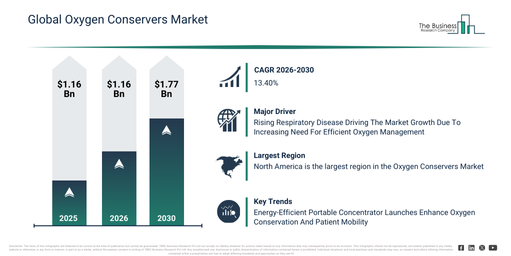
    Looking ahead, the market is forecasted to expand even more rapidly, reaching $3.46 billion by 2030 with a CAGR of 13.4%. This surge will be driven by the rising adoption of smart connected oxygen devices, the growing demand for portable respiratory care solutions, and the expanding scope of home healthcare services. Additionally, there is a stronger focus on enhancing the efficiency of long-term oxygen therapy and increased investments in patient-centric respiratory technology. Noteworthy trends include wider use of pulse-dose oxygen delivery systems, preference for lightweight portable oxygen conservers, integration of smart oxygen monitoring sensors, and a growing emphasis on mobility and comfort for users receiving home-based oxygen therapy.

    Increasing Respiratory Disease Prevalence as a Market Growth Driver

    A key factor propelling the oxygen conservers market is the rising number of respiratory disease cases worldwide. Conditions affecting the lungs and airways make breathing difficult and often require ongoing oxygen therapy. The growing exposure to air pollution further exacerbates the prevalence of these diseases by damaging lung tissue and weakening the immune system. Oxygen conservers help optimize oxygen usage by delivering oxygen only during inhalation, making therapy more efficient and supporting patient mobility.

    Access The Complete Oxygen Conservers Market Report:

    https://www.thebusinessresearchcompany.com/report/oxygen-conservers-global-market-report

    Supporting Data on Respiratory Diseases Impacting Market Demand

    For instance, in November 2024, the Australian Institute of Health and Welfare reported that 2.8 million Australians, or 11% of the population, were living with asthma in 2022. Asthma accounted for 2.5% of the total disease burden and 35% of the respiratory disease burden in 2023, with 467 deaths recorded in 2022. These statistics highlight the substantial patient population that necessitates reliable oxygen conservation devices, thereby fueling market growth.

    Key Product and Application Segments Defining the Oxygen Conservers Market

    This market is segmented based on product type, technology, application, and end-user. The main product categories include continuous flow oxygen conservers, pulse dose oxygen conservers, wall-mount oxygen conservers, and portable oxygen conservers. From a technology perspective, the market is divided into electronic oxygen conservers, mechanical oxygen conservers, and integrated oxygen delivery systems. Applications cover respiratory diseases, chronic obstructive pulmonary disease (COPD), liquid oxygen systems, and long-term oxygen therapy. End-users consist of hospitals, clinics, nursing homes, homecare providers, and other users.

    Detailed Subsegments Under the Oxygen Conservers Market

    Further subcategories break down each product type for more specific market insights. Continuous flow oxygen conservers include high-flow, low-flow, dual-mode, pediatric, and stationary units. Pulse dose conservers are subdivided into adjustable, fixed-setting, smart sensor, high-volume, and battery-operated types. Wall-mount conservers cover hospital room units, ICU devices, emergency department models, modular systems, and high-capacity varieties. Portable oxygen conservers include wearable devices, compact travel-friendly units, rechargeable battery-powered options, hybrid portable/stationary models, and lightweight backpack-style conservers.

    Emerging Trends Driving Long-Term Demand for Oxygen Conservers

    Leading players in the oxygen conservers market are focusing on energy-efficient, lightweight portable concentrators that deliver oxygen in pulse doses, conserving both oxygen and power while enhancing patient mobility. These pulse-dose portable oxygen concentrators activate only during inhalation, which makes them more efficient than continuous flow alternatives.

    Examples of Innovation in Portable Oxygen Conservers

    For example, in October 2024, Inogen Inc., a US-based respiratory technology company, introduced the Inogen Rove 4 portable oxygen concentrator. This device offers four pulse-dose settings with oxygen delivery up to 840 mL per minute, three battery options that provide up to 5 hours and 45 minutes of continuous use, and a lightweight design weighing just 2.9 pounds (1.3 kg). Powered by Inogen’s Intelligent Delivery Technology, the device detects inhalation within 250 milliseconds to deliver oxygen efficiently only when needed. Innovations like this help patients with chronic respiratory conditions maintain an active lifestyle without compromising on oxygen therapy effectiveness.

    Prominent Companies Leading the Oxygen Conservers Market

    The oxygen conservers market features several major companies competing to innovate and expand their product offerings. Key players include Medline Industries LP, Drive DeVilbiss Healthcare LLC, React Health, GF Health Products Inc., Essex Industries Inc., Compass Health Brands, Sunset Healthcare Solutions Inc., CHAD Therapeutics, Precision Medical Inc., Air Liquide Healthcare, Inovo Inc., HERSILL, GCE Group, Responsive Respiratory Inc., Caire Inc., Inogen Inc., Philips Respironics, ResMed Inc., Fisher & Paykel Healthcare, Oxus America, Precision Oxygen Group, and Longfian Scitech Co. Ltd.

    Regional Market Insights with North America Leading

    In 2025, North America held the largest share of the oxygen conservers market. However, Asia-Pacific is anticipated to be the fastest-growing region during the forecast period. The market report covers extensive geographic areas including Asia-Pacific, South East Asia, Western Europe, Eastern Europe, North America, South America, the Middle East, and Africa, providing a comprehensive view of global market dynamics.

    Get in touch with us:

    The Business Research Company: https://www.thebusinessresearchcompany.com/

    Americas: +1 310-496-7795

    Asia: +44 7882 955267 & +91 8897263534

    Europe: +44 7882 955267

    Email us at: marketing@tbrc.info

    Follow us on:

    LinkedIn: https://in.linkedin.com/company/the-business-research-company

    YouTube: https://www.youtube.com/channel/UC24_fI0rV8cR5DxlCpgmyFQ

    Global Market Model: https://www.thebusinessresearchcompany.com/global-market-model
  • Oxygen Concentrators Market Growth Is Reshaping Competitive Advantage Across The Industry

    Oxygen Concentrators Market Growth Is Reshaping Competitive Advantage Across The Industry

    Delivering more actionable and strategically valuable research, The Business Research Company’s 2026 market reports feature market attractiveness analysis, total addressable market evaluation, company benchmarking matrices, interactive Excel dashboards, expanded supply chain intelligence, emerging startup coverage, and detailed product insights.

    The oxygen concentrators market has experienced significant growth recently, driven by rising health concerns and advancements in medical technology. As awareness about respiratory health increases along with improvements in healthcare delivery, this market is set to continue expanding in the coming years. Let’s explore the market’s size, key growth factors, leading players, emerging trends, and regional outlook to better understand its future trajectory.

    Market Size and Growth Projections for Oxygen Concentrators

    The oxygen concentrators market has seen solid expansion over recent years. It is projected to grow from $2.38 billion in 2025 to $2.54 billion in 2026, reflecting a compound annual growth rate (CAGR) of 7.1%. This growth during the past period has been largely fueled by the rising incidence of respiratory diseases, increased availability of home healthcare services, greater awareness about the benefits of oxygen therapy, improved access to devices, and an aging global population.

    Download A Free Sample Report For Comprehensive Market Insights:

    https://www.thebusinessresearchcompany.com/sample.aspx?id=5348&type=smp

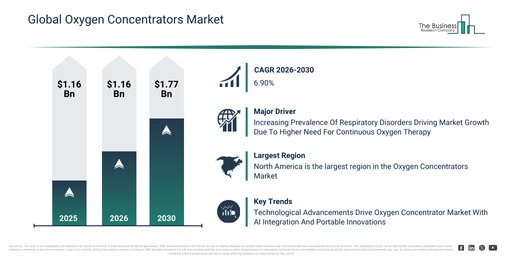
    Looking ahead, the market is expected to maintain strong momentum, reaching $3.31 billion by 2030 with a CAGR of 6.9%. Factors contributing to this sustained growth include the growing use of remote patient monitoring, enhanced investments in home healthcare infrastructure, greater acceptance of portable medical devices, heightened emphasis on solutions that support patient mobility, and continuous technological advancements in oxygen separation methods. Key trends shaping the market include a higher demand for portable oxygen concentrators, expanding adoption of home-based oxygen therapy, integration of smart oxygen monitoring features, development of lightweight and compact designs, and increased focus on energy-efficient oxygen delivery systems.

    Rising Respiratory Disorders Bolster Oxygen Concentrators Market

    One of the primary drivers behind the expanding oxygen concentrators market is the rising prevalence of respiratory disorders worldwide. Conditions such as chronic obstructive pulmonary disease (COPD), asthma, pneumonia, and post-viral respiratory complications impair lung function and reduce oxygen levels, increasing the need for continuous oxygen therapy. Factors contributing to this rise include air pollution, tobacco use, exposure to occupational hazards, and lingering health effects from respiratory infections.

    Access The Complete Oxygen Concentrators Market Report:

    https://www.thebusinessresearchcompany.com/report/oxygen-concentrators-global-market-report

    For example, data from the Centers for Disease Control and Prevention in the United States indicates that tuberculosis cases increased from 8,320 in 2022 to 9,615 in 2023, with the incidence rate rising from 2.5 to 2.9 per 100,000 individuals. This growing burden of respiratory illnesses is fueling demand for reliable oxygen concentrators across home, clinical, and emergency care settings.

    Expanding Use of Home Healthcare Services Supports Market Growth

    Another factor boosting the oxygen concentrators market is the widespread expansion of home healthcare services. Patients and caregivers increasingly prefer home-based treatment options for respiratory conditions due to convenience, cost-effectiveness, and improved quality of life. This trend encourages the adoption of portable and user-friendly oxygen concentrators suitable for home use.

    Additionally, growing awareness of the benefits of oxygen therapy, including its role in enhancing patient outcomes and managing chronic respiratory diseases, drives demand. The enhanced accessibility of oxygen therapy devices through online and retail channels also supports increased market penetration.

    Detailed Segmentation Provides Insight into Market Growth Areas

    This market is segmented based on several key criteria:

    1) By Type: Portable and Stationary oxygen concentrators.

    2) By Technology: Pulse Dose and Continuous Flow systems.

    3) By Application: Including COPD, lung cancer, pneumonia, and other medical uses.

    4) By End User: Hospitals, home care settings, and other users.

    Subcategories include battery-operated portable concentrators, travel-friendly and compact designs under the portable type, and continuous flow, pulse dose, and high-flow models under stationary concentrators. These segments highlight the diversity of products available to meet varying patient needs and care environments.

    Innovations and AI Integration Propel Market Advancements

    Leading players in the oxygen concentrators space are increasingly incorporating cutting-edge technologies such as artificial intelligence and affordable portable devices to enhance product functionality. AI-powered diagnostic and monitoring tools enable more precise and rapid healthcare insights, improving patient care especially in remote or resource-limited settings.

    For instance, in March 2024, Drive DeVilbiss Healthcare, a prominent US-based manufacturer, partnered with Sanrai International to launch the PulmO2 10L Oxygen Concentrator. This device is designed for energy efficiency and durability, making it suitable for demanding clinical environments. Its innovation lies in reducing energy consumption significantly compared to traditional 10L concentrators, aiming to provide reliable therapy particularly in low-resource settings.

    Key Market Players Dominating the Oxygen Concentrators Industry

    Several well-established companies hold a significant presence in the oxygen concentrators market. These include Inogen Inc, Koninklijke Philips N.V, Invacare Corporation, CAIRE Inc, O2 Concepts LLC, Nidek Medical Products Inc., Precision Medical Inc, Drive Devilbiss Healthcare Ltd, 3B Medical Inc, BPL, Evox Oxygen Concentrators, Nanjing Everich Medicare Import & Export Co. Ltd, AngelBiss Medical Technology Co. Ltd, Hefei DX Medical Co. Ltd, Longfian Scitech Co. Ltd, Pure O2, Heinen + Lowenstein GmbH & Co. KG, DeVilbiss Healthcare GmbH, ResMed, AirSep Corporation, and Sequal Technologies Inc. These companies continue to innovate and expand their product portfolios to meet evolving market demands.

    Regional Market Overview and Dominant Geographies

    As of 2025, North America is the largest regional market for oxygen concentrators, followed by Europe. The report also covers other key regions including Asia-Pacific, South East Asia, Western Europe, Eastern Europe, South America, the Middle East, and Africa. Each of these regions presents unique opportunities and challenges, contributing to the overall global growth pattern and competitive landscape of the oxygen concentrators market.

    Get in touch with us:

    The Business Research Company: https://www.thebusinessresearchcompany.com/

    Americas: +1 310-496-7795

    Asia: +44 7882 955267 & +91 8897263534

    Europe: +44 7882 955267

    Email us at: marketing@tbrc.info

    Follow us on:

    LinkedIn: https://in.linkedin.com/company/the-business-research-company

    YouTube: https://www.youtube.com/channel/UC24_fI0rV8cR5DxlCpgmyFQ

    Global Market Model: https://www.thebusinessresearchcompany.com/global-market-model
  • Ovulation Testing Kits Market Forecast Signals New Revenue Opportunities Through 2030

    Ovulation Testing Kits Market Forecast Signals New Revenue Opportunities Through 2030

    Enhanced with market attractiveness analysis, total addressable market evaluation, company benchmarking matrices, interactive Excel dashboards, expanded supply chain intelligence, emerging startup coverage, and detailed product insights, The Business Research Company’s 2026 market reports deliver more actionable and strategically valuable research.

    The market for ovulation testing kits has witnessed significant growth in recent years as more individuals focus on fertility planning and reproductive health. Increasing awareness, technological advancements, and the rising availability of home diagnostic tools are major contributors to this expanding industry. Let’s explore the market’s current size, key drivers, leading players, and emerging trends that are shaping its future.

    Ovulation Testing Kits Market Size and Growth Projections

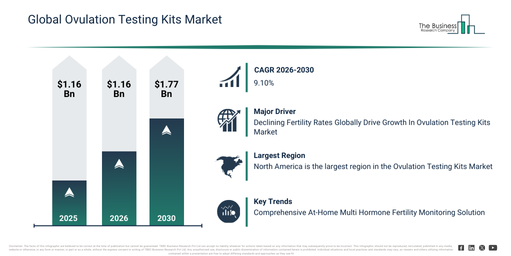
    The ovulation testing kits market has grown impressively and is projected to rise from $3.32 billion in 2025 to $3.66 billion in 2026, representing a compound annual growth rate (CAGR) of 10.3%. This increase over the historical period is largely due to heightened awareness of fertility planning, an uptick in delayed pregnancies, broader access to home diagnostic products, growing adoption of self-testing healthcare devices, and advancements in hormone detection technologies. Looking ahead, the market is expected to continue its upward trajectory, reaching $5.19 billion by 2030 with a CAGR of 9.1%. Contributing factors for this forecast include growing demand for connected fertility solutions, personalized reproductive health tools, the expansion of e-commerce channels for diagnostics, heightened focus on women’s health management, and the increasing use of AI-powered fertility tracking devices. Key trends expected to influence the market during this period include wider adoption of digital ovulation testing kits, rising preference for home-based fertility monitoring, integration of mobile applications with testing kits, the proliferation of disposable and user-friendly test formats, and improved accuracy for early fertility detection.

    Download A Free Sample Report For Comprehensive Market Insights:

    https://www.thebusinessresearchcompany.com/sample.aspx?id=15885&type=smp

    Primary Factors Fueling Ovulation Testing Kits Market Demand

    One of the main forces driving the ovulation testing kits market is the decline in fertility rates globally. Fertility rates, which measure the average number of live births per 1,000 women of childbearing age (typically 15-49 years), have been falling due to various social and economic factors. These include enhanced educational and career opportunities for women, better contraceptive access and usage, postponement of marriage and childbearing, and higher living expenses. Ovulation testing kits offer a practical, non-invasive way for individuals and couples to optimize their chances of conception, particularly amid these fertility challenges.

    For example, data from October 2024 published by the UK’s Office for National Statistics highlighted a decrease in the total fertility rate (TFR) in England and Wales, which dropped from 1.49 children per woman between 2022 and 2023 to 1.44 — the lowest level ever recorded. This downward trend in fertility rates is directly contributing to the rising demand for ovulation testing kits as people seek reliable methods to better understand and manage their reproductive health.

    Access The Complete Ovulation Testing Kits Market Report:

    https://www.thebusinessresearchcompany.com/report/ovulation-testing-kits-global-market-report

    Product Categories and Market Segments Within Ovulation Testing Kits

    This market is categorized based on product type, distribution channels, and end users. The product types include urine-based kits, saliva-based tests, and salivary ferning devices. Distribution channels consist of pharmacies and drugstores, hypermarkets and supermarkets, e-commerce platforms, and other outlets. End users are segmented into hospitals, clinics, diagnostic centers, fertility centers, home care settings, and other applications.

    Further detailed breakdowns include urine-based options such as dipstick tests, midstream tests, and digital urine tests. Saliva-based products are divided into ovulation test strips and kits with magnification features. Salivary ferning types include ferning microscopes and specialized test kits. This segmentation offers a comprehensive understanding of the market’s diverse product offerings and consumer reach.

    Innovations and Market Trends Shaping Ovulation Testing Kits

    Leading companies in the ovulation testing kits industry are concentrating efforts on developing advanced solutions that go beyond traditional single-hormone detection. Multi-hormone at-home testing systems are emerging as a breakthrough technology, enabling simultaneous measurement of several key reproductive hormones to provide deeper insights into ovulation timing and overall cycle health.

    For instance, in August 2025, Mira, a US-based women’s health technology firm, launched Ultra4 — the first at-home hormone monitor that offers lab-quality 4-in-1 testing. This innovative device replaces standard ovulation kits by tracking four critical fertility hormones: FSH, E3G, LH, and PdG. Using a fluorescent-based system, Ultra4 delivers precise, quantitative results in real time, along with advanced cycle insights and features like 4D Ovulation Profiling™, which assesses timing, strength, and viability of ovulation. Integrated with the Mira App, the Ultra4 provides users with clear hormone patterns, personalized fertility predictions, and a comprehensive understanding of reproductive health, empowering better conception planning and diagnostic clarity.

    Key Industry Players Defining the Ovulation Testing Kits Market

    The competitive landscape of the ovulation testing kits market includes several prominent companies, such as Church and Dwight Co Inc, Piramal Enterprises Inc., Meril Diagnostics Pvt Ltd, BIOSYNEX SA, Boditech Med Inc., Mankind Pharma Ltd., Innovita Biological Technology Co. Ltd., Hangzhou Clongene Biotech Co. Ltd., Swiss Precision Diagnostics GmbH, Artron Laboratories Inc., Wondfo Biotech Co. Ltd., AdvaCare Pharma, Proov, Shanghai Chemtron Biotech Co. Ltd., Ava Science Inc., Clinical Guard Ltd., Fairhaven Health LLC, Femometer Ltd., Easy Healthcare Corporation (Premom), and Tulip Diagnostics Pvt. Ltd. These players are driving innovation, expanding product lines, and enhancing distribution to capture larger shares of the growing market.

    Regional Market Overview and Demand Hotspots

    In 2025, North America held the largest share of the ovulation testing kits market, reflecting strong consumer demand and well-established healthcare infrastructure. Meanwhile, the Asia-Pacific region is expected to experience the fastest growth during the forecast period, fueled by increasing fertility awareness, rising disposable incomes, and expanding healthcare services. The market analysis covers key geographical areas including Asia-Pacific, South East Asia, Western Europe, Eastern Europe, North America, South America, the Middle East, and Africa, providing a broad and nuanced view of global market trends and opportunities.

    Get in touch with us:

    The Business Research Company: https://www.thebusinessresearchcompany.com/

    Americas: +1 310-496-7795

    Asia: +44 7882 955267 & +91 8897263534

    Europe: +44 7882 955267

    Email us at: marketing@tbrc.info

    Follow us on:

    LinkedIn: https://in.linkedin.com/company/the-business-research-company

    YouTube: https://www.youtube.com/channel/UC24_fI0rV8cR5DxlCpgmyFQ

    Global Market Model: https://www.thebusinessresearchcompany.com/global-market-model
  • Over-The-Counter (OTC) Hearing Aids Market Growth Is Accelerating As Industry Transformation Continues

    Over-The-Counter (OTC) Hearing Aids Market Growth Is Accelerating As Industry Transformation Continues

    Through market attractiveness analysis, total addressable market evaluation, company benchmarking matrices, interactive Excel dashboards, expanded supply chain intelligence, emerging startup coverage, and detailed product insights, The Business Research Company’s 2026 market reports provide more actionable and strategically valuable research.

    The over-the-counter (OTC) hearing aids market has experienced significant growth recently, driven by rising demand for accessible and affordable hearing solutions. As awareness about hearing health increases and technology advances, this market is set to expand further in the coming years. Let’s explore the current market size, key drivers, segmentation, strategic trends, and competitive landscape shaping this evolving sector.

    Steady Growth Projections for the Over-The-Counter Hearing Aids Market

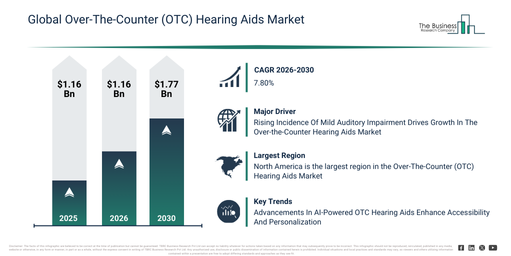
    The market for OTC hearing aids has grown considerably and is forecasted to increase from $1.24 billion in 2025 to $1.34 billion in 2026, reflecting an 8.1% compound annual growth rate (CAGR). This past growth has been propelled by factors such as the high cost of prescription hearing aids, insufficient solutions for hearing loss, wider retail availability, an aging population, and favorable regulatory approvals. Looking ahead, the market is expected to reach $1.82 billion by 2030, growing at a 7.8% CAGR. Factors driving this future expansion include the rising prevalence of mild hearing loss, the expansion of e-commerce platforms, advances in miniaturized technology, growing health consciousness, and increased adoption of smart hearing devices. Key trends shaping the market on the horizon are greater consumer acceptance of self-fitted devices, growth of direct-to-consumer sales channels, demand for cost-effective hearing solutions, wider availability of rechargeable devices, and a focus on discreet, compact designs.

    Download A Free Sample Report For Comprehensive Market Insights:

    https://www.thebusinessresearchcompany.com/sample.aspx?id=20585&type=smp

    Rising Prevalence of Mild Hearing Loss as a Market Driver

    One of the primary forces behind the growth of the OTC hearing aids market is the increasing number of people experiencing mild hearing impairment. This condition is characterized by a slight reduction in hearing ability, where individuals struggle to detect faint or distant sounds but can usually understand conversations in quiet settings. Causes include age-related hearing decline, noise exposure, and certain health issues. OTC hearing aids address these challenges by amplifying sounds and enhancing speech clarity, with customizable volume and amplification settings to suit daily environments.

    For example, as of May 2024, the Australian Government Department of Health and Aged Care reported that about 3.6 million Australians have some level of hearing loss, a figure expected to nearly double to 7.8 million by 2060. Such statistics highlight the urgent need for accessible hearing solutions, fueling demand in the OTC hearing aids market.

    Access The Complete Over-The-Counter (OTC) Hearing Aids Market Report:

    https://www.thebusinessresearchcompany.com/report/over-the-counter-otc-hearing-aids-global-market-report

    Product and Technology Segmentation in the OTC Hearing Aids Market

    This market is categorized based on product type, technology, and distribution channels. Product types include In-The-Ear (ITE) Hearing Aids, Receiver-In-The-Ear (RITE) Hearing Aids, Behind-The-Ear (BTE) Hearing Aids, and Canal Hearing Aids. Within these, there are more specific subtypes — for instance, ITE devices are divided into Full Shell ITE, Half Shell ITE, Completely-In-The-Canal (CIC), and Invisible-In-The-Canal (IIC). RITE hearing aids include Open Fit RITE, Standard RITE, and Mini RITE models. BTE devices are further classified as Standard, Mini, and Power BTE, while Canal hearing aids include CIC, IIC, and extended wear options.

    The technology division consists of Digital and Analog hearing aids. Distribution channels cover retail stores, online platforms, and audiology offices, providing diverse purchasing avenues to consumers.

    Advancements in AI Powering the Future of OTC Hearing Aids

    Leading companies in the OTC hearing aids market are heavily investing in next-generation products that incorporate artificial intelligence (AI) to enhance user experience. AI-enabled hearing aids adapt sound settings automatically according to the user’s environment and hearing profile, offering real-time noise suppression and seamless connectivity with smartphone apps for greater control.

    A notable example is the launch in September 2023 by US-based Elehear of their ELEHEAR Alpha and ELEHEAR Alpha Pro devices. The Alpha model is an affordable, behind-the-ear hearing aid with rechargeable batteries and decent music streaming capabilities. The Alpha Pro takes it further by employing AI to better distinguish human voices from background noise, improving sound clarity and reducing distortion. It also features Bluetooth connectivity for calls and music, a lightweight and discreet design for comfortable extended wear, and a 20-hour battery life with wireless charging.

    Key Players Leading the OTC Hearing Aids Market

    The competitive landscape includes a range of established companies such as Sony Corporation, Jabra, Lucid Hearing, Eargo Inc., MDHearing, Lexie Hearing, Melosound, Audien Hearing, Austar Hearing Science and Technology Xiamen Co Ltd, Soundwave Hearing LLC, Hangzhou Acosund Technology Co Ltd, Olive Union Inc., Nano Hearing Aids, Tweak Hearing, Otofonix LLC, ELEHEAR, Audicus, Bose Corporation, NUHEARA, InnerScope Hearing Technologies, HearX Group, NuvoMed, Earsmate Technology Group Ltd, and JLAB. These companies are continuously innovating to meet the increasing demand for affordable, efficient, and user-friendly OTC hearing solutions.

    Global Market Leadership and Regional Growth Dynamics

    In 2025, North America emerged as the dominant region for the OTC hearing aids market. However, the Asia-Pacific region is predicted to experience the fastest growth throughout the forecast period. The market study encompasses key regions including Asia-Pacific, South East Asia, Western Europe, Eastern Europe, North America, South America, the Middle East, and Africa, providing a comprehensive view of regional trends and market dynamics worldwide.

    Get in touch with us:

    The Business Research Company: https://www.thebusinessresearchcompany.com/

    Americas: +1 310-496-7795

    Asia: +44 7882 955267 & +91 8897263534

    Europe: +44 7882 955267

    Email us at: marketing@tbrc.info

    Follow us on:

    LinkedIn: https://in.linkedin.com/company/the-business-research-company

    YouTube: https://www.youtube.com/channel/UC24_fI0rV8cR5DxlCpgmyFQ

    Global Market Model: https://www.thebusinessresearchcompany.com/global-market-model
  • Ovarian Cancer Diagnostics Market Outlook Highlights The Next Major Growth Opportunities

    Ovarian Cancer Diagnostics Market Outlook Highlights The Next Major Growth Opportunities

    Delivering more actionable and strategically valuable research, The Business Research Company’s 2026 market reports feature market attractiveness analysis, total addressable market evaluation, company benchmarking matrices, interactive Excel dashboards, expanded supply chain intelligence, emerging startup coverage, and detailed product insights.

    The ovarian cancer diagnostics market has been experiencing notable growth, driven by advancements in medical technology and increasing awareness around women’s health. As the need for early detection and personalized treatment intensifies, this market is poised for significant expansion in the coming years. Let’s explore the current market size, key factors influencing growth, leading players, and emerging trends shaping this sector.

    Current and Projected Expansion of the Ovarian Cancer Diagnostics Market

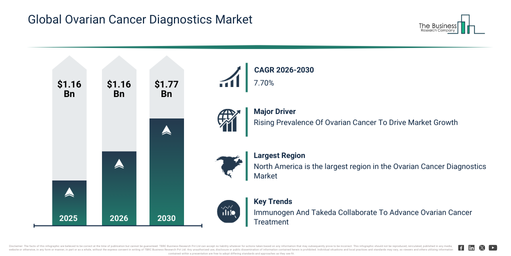
    The ovarian cancer diagnostics market has shown steady growth over recent years, with its value rising from $2.9 billion in 2025 to $3.11 billion in 2026 at a CAGR of 7.4%. This growth has been fueled by a rising incidence of ovarian cancer, enhanced awareness of women’s health, expanded diagnostic laboratory infrastructure, increased utilization of imaging and biopsy procedures, and the availability of cancer screening programs. Looking ahead, the market is expected to grow further to $4.2 billion by 2030, with a slightly higher CAGR of 7.7%. Factors driving this future expansion include growing investments in precision oncology, rising demand for early-stage cancer detection, the spread of AI-powered diagnostic platforms, and increased focus on personalized treatment approaches supported by enhanced research funding.

    Download A Free Sample Report For Comprehensive Market Insights:

    https://www.thebusinessresearchcompany.com/sample.aspx?id=12022&type=smp

    Key Factors Encouraging Growth in the Ovarian Cancer Diagnostics Market

    The rising prevalence of gynecological cancers is a significant factor propelling the demand for ovarian cancer diagnostic solutions. Gynecologic cancers encompass all cancers originating in female reproductive organs, and effective diagnostic tools are essential for managing these diseases. Ovarian cancer diagnostics aid in disease treatment, reducing recurrence, and improving patient outcomes through various therapeutic approaches. For example, in 2024, Australia recorded approximately 6,963 new cases of gynecological cancer, according to Cancer Australia. Such high incidence rates are a major contributor to market growth.

    Innovations and Market Segmentation in Ovarian Cancer Diagnostics

    This market is broadly segmented by product type, diagnosis type, cancer type, and end-user categories. Product types include instruments, kits, and reagents. Diagnostic methods are divided into biopsy, blood tests, imaging, and other approaches. Cancer types covered include epithelial tumors, germ cell tumors, and stromal cell tumors, while end users primarily comprise cancer diagnostic centers and hospital laboratories. Further subcategories break down instruments into imaging systems, biopsy devices, and molecular diagnostic tools; kits into diagnostic and screening kits; and reagents into antibodies, enzymes, and assay reagents.

    Access The Complete Ovarian Cancer Diagnostics Market Report:

    https://www.thebusinessresearchcompany.com/report/ovarian-cancer-diagnostics-global-market-report

    Partnerships and Innovations Driving Market Transformation

    Leading companies in the ovarian cancer diagnostics sector are increasingly collaborating to develop innovative products and strengthen their market positions. Such partnerships promote research, development, and commercialization by combining expertise and resources. For instance, in August 2023, ImmunoGen Inc., a US biotech firm, partnered with Japan’s Takeda Pharmaceutical Company Limited to develop and commercialize ELAHERE (mirvetuximab soravtansine-gynx) in Japan. This collaboration not only addresses a critical need for patients with Folate Receptor Alpha-Positive, platinum-resistant ovarian cancer but also highlights a shared commitment to advancing treatment options worldwide. ImmunoGen will receive upfront and milestone payments plus royalties, while Takeda gains exclusive development and commercialization rights in Japan.

    Key Players Competing in the Ovarian Cancer Diagnostics Industry

    The ovarian cancer diagnostics market features several prominent companies, including F. Hoffmann-La Roche Ltd., Thermo Fisher Scientific Inc., AstraZeneca plc, Abbott Laboratories, GlaxoSmithKline plc, Eli Lilly and Company, GE HealthCare Technologies Inc., Quest Diagnostics Incorporated, Agilent Technologies Inc., Hologic Inc., Illumina Inc., PerkinElmer Inc., Sysmex Corporation, Bio-Rad Laboratories Inc., Qiagen N.V., Natera Inc., Myriad Genetics Inc., Invitae Corporation, Guardant Health, Luminex Corporation, NanoString Technologies Inc., Siemens Healthcare Private Limited, Menarini Silicon Biosystems S.p.A., Precipio Inc., and Angle plc.

    Regional Dynamics Influencing Market Growth

    In 2025, North America was the leading region in terms of ovarian cancer diagnostics market size. However, Asia-Pacific is predicted to experience the fastest growth throughout the forecast period. The market report covers comprehensive regional analysis, including Asia-Pacific, South East Asia, Western Europe, Eastern Europe, North America, South America, the Middle East, and Africa, reflecting diverse growth opportunities worldwide.

    Get in touch with us:

    The Business Research Company: https://www.thebusinessresearchcompany.com/

    Americas: +1 310-496-7795

    Asia: +44 7882 955267 & +91 8897263534

    Europe: +44 7882 955267

    Email us at: marketing@tbrc.info

    Follow us on:

    LinkedIn: https://in.linkedin.com/company/the-business-research-company

    YouTube: https://www.youtube.com/channel/UC24_fI0rV8cR5DxlCpgmyFQ

    Global Market Model: https://www.thebusinessresearchcompany.com/global-market-model