Category: Medical Equipment

  • Otoscope Market Trends And Growth Drivers Point To Strong Future Potential

    Otoscope Market Trends And Growth Drivers Point To Strong Future Potential

    Enhanced with market attractiveness analysis, total addressable market evaluation, company benchmarking matrices, interactive Excel dashboards, expanded supply chain intelligence, emerging startup coverage, and detailed product insights, The Business Research Company’s 2026 market reports deliver more actionable and strategically valuable research.

    The otoscope market has been witnessing steady growth, driven by advances in healthcare and increasing demand for effective diagnostic tools. With technological innovations and expanding healthcare services worldwide, this sector is positioned for significant expansion. Let’s explore the current market size, key factors influencing growth, major players, and future trends shaping the otoscope industry.

    Market Size Evolution and Forecast for the Otoscope Market

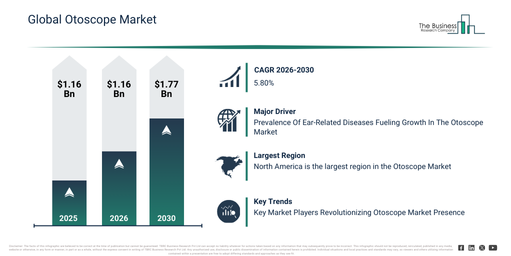
    The otoscope market has experienced notable growth in recent years, with its value projected to increase from $3.2 billion in 2025 to $3.37 billion in 2026, representing a compound annual growth rate (CAGR) of 5.4%. This growth during the historical period is largely due to a rise in the prevalence of ear infections, an increase in outpatient diagnostic visits, the expansion of primary healthcare centers, wider use of handheld diagnostic instruments, and improved accessibility of basic medical devices. Looking ahead, the market is expected to reach $4.23 billion by 2030, growing at a CAGR of 5.8%. The forecast period’s expansion is driven by factors such as growing adoption of telehealth services, heightened demand for AI-assisted diagnostics, development of remote patient examination technologies, increased emphasis on early diagnosis, and rising investments in digital healthcare equipment. Emerging trends during this time include greater use of digital and video otoscopes, increased demand for portable devices, enhanced wireless connectivity, telemedicine-compatible products, and improved high-resolution imaging technologies.

    Download A Free Sample Report For Comprehensive Market Insights:

    https://www.thebusinessresearchcompany.com/sample.aspx?id=10604&type=smp

    Main Factors Fueling Growth in the Otoscope Market

    One of the primary drivers behind the otoscope market’s expansion is the rising prevalence of ear-related conditions. These include infections like otitis media, hearing impairments such as presbycusis, and structural abnormalities like otosclerosis that affect hearing and balance. Otoscopes play a crucial role in facilitating early detection, accurate diagnosis, and timely treatment of these conditions, thus reducing their impact. For example, in February 2023, the World Health Organization, a Swiss-based global public health entity, reported that approximately 5% of the global population suffers from disabling hearing loss. This includes 432 million adults and 34 million children experiencing hearing difficulties. Projections estimate that by 2050, the number of people affected by hearing loss could rise to 700 million, highlighting the growing need for diagnostic tools like otoscopes.

    Breakdown of Otoscope Market Segments and Revenue Potential

    This report segments the otoscope market into various categories to better understand its scope:

    1) By Type: Pocket Otoscope, Full-Sized Otoscope, Video Otoscope

    2) By Modality: Wired Digital, Wireless

    3) By Portability: Wall Mounted, Portable

    4) By End-User: Hospitals, ENT Clinics, Other End Users

    Further subcategories include:

    – Pocket Otoscope: Battery-Operated Pocket Otoscope, Rechargeable Pocket Otoscope

    – Full-Sized Otoscope: Wall-Mounted Full-Sized Otoscope, Tabletop Full-Sized Otoscope

    – Video Otoscope: Handheld Video Otoscope, Desktop Video Otoscope

    These distinctions help identify specific growth areas and revenue streams within the market.

    Access The Complete Otoscope Market Report:

    https://www.thebusinessresearchcompany.com/report/otoscope-global-market-report

    Current Trends Shaping the Future of the Otoscope Market

    Leading companies in the otoscope sector are prioritizing innovation, particularly by introducing advanced wireless devices. These new products aim to improve diagnostic accuracy, patient comfort, and meet evolving healthcare requirements, which strengthens their market position and addresses diverse clinical needs. Wireless technology facilitates seamless connectivity and enhances device functionality across various applications.

    For instance, in January 2023, Portronics, an India-based portable solutions provider, unveiled the XLife otoscope, featuring cutting-edge capabilities. This device wirelessly streams a 360-degree Full HD view of the ear canal directly to smartphones, equipped with a safe silicone scoop tip designed for gentle earwax removal. The XLife ensures user safety with its skin-friendly screw-furled silicone tip and boasts a powerful 3-megapixel camera paired with a 3.5mm lens, supported by a 6-LED spotlight for clear visuals. Additionally, it includes a 3-axis gyroscope for improved handling and comprehensive 360-degree viewing, enhancing both safety and convenience.

    Key Market Players Guiding Industry Development

    Several prominent companies lead the otoscope market, including American Diagnostic Corporation, Rudolf Riester GmbH & Co. KG, HEINE & Co. Medizinisch-Physikalische Werkstätten GmbH + Co. KG, Kirchner & Wilhelm GmbH & Co. KG, LUXAMED GmbH & CO. KG, Olympus Corporation, Midmark Corporation, CellScope Inc., Inventis SRL, Zhejiang Honsun Medical Instrument Co. Ltd., Firefly Global Ltd., Prestige Medical Ltd., Otopront Ltd., Spengler GmbH & Co. KG, Adam-Rouilly S.A.S., Keeler Ltd., AnMo Electronics Corporation (Dino-Lite), MedRx Solutions Inc., XION GmbH, and ATMOS MedizinTechnik GmbH & Co. KG. These organizations are instrumental in directing technological advancements and expanding the global reach of otoscope products.

    Regional Market Leadership and Growth Outlook

    In 2025, North America held the largest share of the otoscope market. However, the Asia-Pacific region is anticipated to experience the fastest growth throughout the forecast period. The market report covers key global regions including Asia-Pacific, South East Asia, Western Europe, Eastern Europe, North America, South America, the Middle East, and Africa, offering a broad perspective on worldwide market trends and opportunities.

    Get in touch with us:

    The Business Research Company: https://www.thebusinessresearchcompany.com/

    Americas: +1 310-496-7795

    Asia: +44 7882 955267 & +91 8897263534

    Europe: +44 7882 955267

    Email us at: marketing@tbrc.info

    Follow us on:

    LinkedIn: https://in.linkedin.com/company/the-business-research-company

    YouTube: https://www.youtube.com/channel/UC24_fI0rV8cR5DxlCpgmyFQ

    Global Market Model: https://www.thebusinessresearchcompany.com/global-market-model
  • Ostomy Drainage Bags Market Expansion Is Reshaping Competitive Dynamics Across The Industry

    Ostomy Drainage Bags Market Expansion Is Reshaping Competitive Dynamics Across The Industry

    Through market attractiveness analysis, total addressable market evaluation, company benchmarking matrices, interactive Excel dashboards, expanded supply chain intelligence, emerging startup coverage, and detailed product insights, The Business Research Company’s 2026 market reports provide more actionable and strategically valuable research.

    The ostomy drainage bags market has witnessed significant growth recently, driven by increasing healthcare needs and advancements in product design. As healthcare systems evolve and patient awareness rises, this market is set for continued expansion in the coming years. Let’s explore the current market size, factors influencing growth, key players, and emerging trends shaping the future of this sector.

    Ostomy Drainage Bags Market Size and Growth Forecast

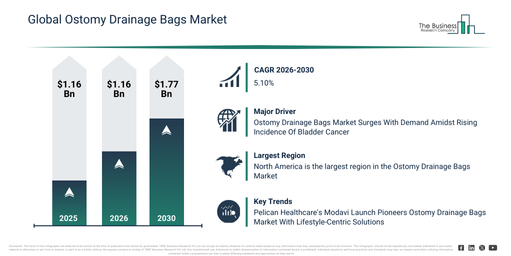
    The market for ostomy drainage bags has shown robust expansion over recent years. It is projected to increase from $2.24 billion in 2025 to $2.36 billion in 2026, reflecting a compound annual growth rate (CAGR) of 5.2%. This growth during the historical period is largely fueled by a growing number of colorectal and bladder cancer cases, a rise in ostomy surgeries, better access to post-surgery care products, the growing adoption of home healthcare, and the availability of advanced ostomy materials. Looking ahead, the market is anticipated to reach $2.88 billion by 2030 with a steady CAGR of 5.1%. This future growth is expected to be driven by an aging population with urological disorders, increasing demand for long-term ostomy care solutions, expansion of home-based care settings, heightened awareness about ostomy management, and innovations that improve patient comfort. Trends likely to influence the market include the adoption of skin-friendly materials, the demand for leak-resistant drainage systems, a preference for discreet and comfortable bags, expansion of multi-use products, and a greater emphasis on infection prevention features.

    Download A Free Sample Report For Comprehensive Market Insights:

    https://www.thebusinessresearchcompany.com/sample.aspx?id=8811&type=smp

    Key Factors Propelling Growth in the Ostomy Drainage Bags Market

    The rising incidence of bladder cancer stands as a major driver for the ostomy drainage bags market. Bladder cancer originates when cells in the urinary bladder grow uncontrollably, eventually forming tumors that may spread throughout the body. Drainable ostomy bags, which can be emptied and reused, are particularly favored by patients with urine-related conditions. For instance, in September 2025, Cancer Research UK reported that the European age-standardized incidence rate of bladder cancer among women in the UK is projected to decline by about 11% between 2024–2026 and 2038–2040, dropping from roughly 7.2 to 6.5 cases per 100,000 annually. Among men, the rate is expected to decrease by around 14% in the same period, from approximately 21.7 to 18.7 cases per 100,000 per year. Despite this decline, bladder cancer continues to significantly influence demand for ostomy drainage products.

    Additional Drivers Supporting Market Expansion

    Other factors contributing to market growth include the increasing number of ostomy surgeries worldwide and enhanced access to postoperative care products. The growing preference for home healthcare solutions and the availability of innovative, advanced ostomy materials that improve patient outcomes are also pivotal. Together, these factors are encouraging a shift toward more personalized and comfortable ostomy care options, supporting sustained market growth.

    Access The Complete Ostomy Drainage Bags Market Report:

    https://www.thebusinessresearchcompany.com/report/ostomy-drainage-bags-global-market-report

    Detailed Segmentation of the Ostomy Drainage Bags Market

    This market is segmented based on type, clinical application, and end user. Types include colostomy bags, ileostomy bags, and urostomy bags, with further subdivisions into one-piece and two-piece variants for each category. Clinical applications cover colorectal cancer, bladder cancer, colonic diverticulitis, inflammatory bowel disease, and other diseases. End users consist primarily of hospitals and home care setups. These categories allow for a comprehensive understanding of product preferences and patient needs across different healthcare environments.

    Innovations and Trends Transforming the Ostomy Drainage Bags Market

    Leading companies in the ostomy drainage bags industry are focusing heavily on product innovation to meet patient needs. Advanced leak prevention technologies and customizable designs are becoming standard features to improve patient comfort and quality of life. For example, Convatec introduced Leak Defense technology, which combines superior adhesives with soft convexity designs to create a secure seal that helps prevent leaks and extend wear time. In February 2024, Convatec Group plc launched the new Esteem Body with Leak Defense, a comprehensive one-piece ostomy system portfolio tailored to fit diverse body types and stoma shapes. This portfolio includes drainable, closed-end, and urostomy pouching solutions, addressing a wide range of patient requirements.

    Major Players Influencing the Ostomy Drainage Bags Market

    The ostomy drainage bags sector features several prominent companies that drive innovation and market reach. Key players include Coloplast A/S, Hollister Inc., ConvaTec Inc., B Braun Melsungen AG, Salts Healthcare Ltd., Welland Medical Ltd., Marlen Manufacturing and Development Co., Nu Hope Laboratories Inc., Cymed Ostomy Co., Torbot Group Inc., Securi T USA, Schena Ostomy Technologies Inc., Alcare Co Ltd, Pelcin Healthcare Ltd., Flexicare Medical Ltd., Rusch Inc., Smith and Nephew PLC, 3M Company, BSN Medical GmbH, Hubei Hendry Medical Appliance Co Ltd, EuroMed Inc., and Safe n Simple LLC. These companies continue to lead the market through innovation and extensive distribution networks.

    Regional Market Landscape and Growth Opportunities

    In 2025, North America held the largest market share in the ostomy drainage bags sector. However, the Asia-Pacific region is expected to experience the fastest growth throughout the forecast period. Other regions analyzed in the market report include South East Asia, Western Europe, Eastern Europe, South America, the Middle East, and Africa. This broad regional coverage provides insights into global market dynamics and emerging opportunities across diverse healthcare systems.

    Get in touch with us:

    The Business Research Company: https://www.thebusinessresearchcompany.com/

    Americas: +1 310-496-7795

    Asia: +44 7882 955267 & +91 8897263534

    Europe: +44 7882 955267

    Email us at: marketing@tbrc.info

    Follow us on:

    LinkedIn: https://in.linkedin.com/company/the-business-research-company

    YouTube: https://www.youtube.com/channel/UC24_fI0rV8cR5DxlCpgmyFQ

    Global Market Model: https://www.thebusinessresearchcompany.com/global-market-model
  • Ostomy Devices Market Forecast Reveals Where Future Industry Value Will Be Created

    Ostomy Devices Market Forecast Reveals Where Future Industry Value Will Be Created

    Delivering more actionable and strategically valuable research, The Business Research Company’s 2026 market reports feature market attractiveness analysis, total addressable market evaluation, company benchmarking matrices, interactive Excel dashboards, expanded supply chain intelligence, emerging startup coverage, and detailed product insights.

    The market for ostomy devices has experienced consistent growth in recent years, driven by several health and demographic factors. As medical advancements and patient care evolve, this sector is set to continue expanding steadily. Let’s explore the current market size, key growth drivers, segment dynamics, innovation trends, leading players, and regional insights shaping the future of ostomy devices.

    Steady Growth in Ostomy Devices Market Size and Forecast

    The ostomy devices market has been growing at a reliable pace and is projected to increase from $2.9 billion in 2025 to $3.04 billion in 2026, reflecting a compound annual growth rate (CAGR) of 4.6%. This growth during the historical period is largely due to increasing cases of colorectal cancer and inflammatory bowel diseases, a rise in colostomy and ileostomy surgeries performed in hospitals, early availability of ostomy bags and related accessories, greater acceptance of post-surgical waste management systems by patients, and the expansion of ambulatory care for ostomy procedures.

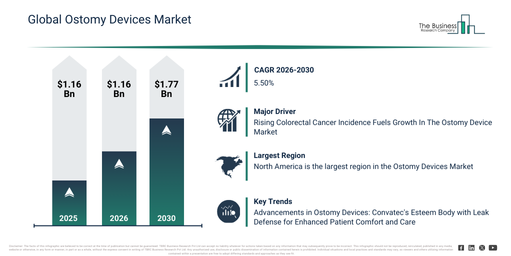
    Looking ahead, the market is expected to reach $3.76 billion by 2030 with an accelerated CAGR of 5.5%. Factors driving this projected expansion include a growing elderly population needing long-term ostomy care, a rising preference for home-based and self-managed ostomy solutions, increased demand for advanced adhesive skin barriers and supportive garments, growing numbers of surgeries in urostomy and ileostomy segments, and enhanced access to ostomy care in developing healthcare markets. Emerging trends during the forecast period are expected to focus on higher demand for ostomy bags and accessories, greater adoption of both one-piece and two-piece system types, increased preference for skin-friendly and comfort-oriented products, a rise in home care usage among long-term patients, and wider application of ostomy devices across colostomy, ileostomy, and urostomy procedures.

    Download A Free Sample Report For Comprehensive Market Insights:

    https://www.thebusinessresearchcompany.com/sample.aspx?id=13139&type=smp

    Key Factors Propelling the Ostomy Devices Market Expansion

    A significant driver of market growth is the high incidence rate of colorectal cancer. This cancer, which originates in the colon or rectum tissues, involves uncontrolled growth of abnormal cells that can develop into tumors and spread if untreated. As a result, the increasing prevalence of colorectal cancer leads to a greater number of ostomy surgeries. Ostomy devices play a crucial role in assisting patients post-surgery by enabling effective waste collection through attachment to the stoma, thus managing bodily functions efficiently. For instance, in January 2023, the American Cancer Society reported 153,020 new colorectal cancer cases in the US, highlighting the growing need for ostomy solutions tied to this condition.

    Beyond cancer, other medical conditions and surgical procedures related to inflammatory bowel diseases and other gastrointestinal issues are also contributing to the rising demand for ostomy devices, supporting sustained market growth.

    Breakdown of Ostomy Devices Market Segments

    This market is categorized comprehensively across several dimensions to better understand demand patterns:

    1) Product Types: Including bags and accessories

    2) System Types: Comprising one-piece and two-piece systems

    3) Surgery Types: Covering colostomy, urostomy, and ileostomy procedures

    4) End Users: Spanning ambulatory surgical centers, hospitals, home care settings, and other users

    Further subcategories dissect the product types, such as colostomy, ileostomy, and urostomy bags; and accessories including skin barriers, adhesives and pastes, deodorants and cleansing products, as well as belts and support garments. This segmentation helps identify which areas are expanding most rapidly and where innovations are focused.

    Access The Complete Ostomy Devices Market Report:

    https://www.thebusinessresearchcompany.com/report/ostomy-devices-global-market-report

    Innovations and Advancements Transforming the Ostomy Devices Industry

    Leading companies in the ostomy device sector are prioritizing the development of skin-friendly materials designed to minimize skin irritation and enhance user comfort during prolonged device use. Incorporating non-irritating materials helps reduce allergic reactions, discomfort, and skin-related complications, giving these products a competitive edge.

    For example, in February 2024, UK-based Onvatec Group plc launched the Esteem Body with Leak Defense, an innovative one-piece soft convex ostomy system aimed at improving patient outcomes. This design tackles common challenges, such as leakage issues, especially relevant given rising global obesity rates. The product features advanced adhesives that conform to different body shapes, a unique 8-shaped pouch reducing sagging, and water-repellent materials that ensure discretion during activities like swimming. Such innovations are enhancing both functionality and patient quality of life.

    Top Companies Shaping the Ostomy Devices Market Landscape

    The ostomy devices market is dominated by several well-established players, including 3M Company, B. Braun Melsungen AG, Smith & Nephew plc, Coloplast Corp., ConvaTec Group PLC, Hollister Incorporated, Perma-Type Company Inc., Dansac UK, Salts Healthcare, Zhejiang Longterm Medical Technology Co. Ltd, Vonco Products LLC, Angiplast Pvt. Ltd., Scapa Healthcare Ltd, Welland Medical Limited, Flexicare (Group) Limited, Marlen Manufacturing And Development Company, Nu-Hope Laboratories Inc., Torbot Group Inc., Genairex Inc., ALCARE Co. Ltd., OxMed International GmbH, Cymed Inc., Schena Ostomy Technologies Inc., Sarasota Medical Products, Safe N’ Simple LLC, and Wuhan Sitaili Medical Apparatus Development Co. Ltd. These companies continue to invest in research, development, and market expansion initiatives to maintain competitive positioning.

    Regional Overview of Ostomy Devices Market Growth and Leadership

    In 2025, North America accounted for the largest share of the global ostomy devices market. However, the market report also highlights important developments and growth potential across various regions including Asia-Pacific, South East Asia, Western Europe, Eastern Europe, South America, the Middle East, and Africa. This geographic diversity underscores the global demand for ostomy devices and the expanding opportunities in emerging healthcare markets.

    Get in touch with us:

    The Business Research Company: https://www.thebusinessresearchcompany.com/

    Americas: +1 310-496-7795

    Asia: +44 7882 955267 & +91 8897263534

    Europe: +44 7882 955267

    Email us at: marketing@tbrc.info

    Follow us on:

    LinkedIn: https://in.linkedin.com/company/the-business-research-company

    YouTube: https://www.youtube.com/channel/UC24_fI0rV8cR5DxlCpgmyFQ

    Global Market Model: https://www.thebusinessresearchcompany.com/global-market-model
  • Osteosynthesis Devices Market Growth Through 2030 Creates New Strategic Opportunities

    Osteosynthesis Devices Market Growth Through 2030 Creates New Strategic Opportunities

    Enhanced with market attractiveness analysis, total addressable market evaluation, company benchmarking matrices, interactive Excel dashboards, expanded supply chain intelligence, emerging startup coverage, and detailed product insights, The Business Research Company’s 2026 market reports deliver more actionable and strategically valuable research.

    The osteosynthesis devices market is experiencing impressive growth, driven by advances in orthopedic care and increasing demand for effective fracture management solutions. As the prevalence of traumatic injuries and age-related fractures rises globally, this sector is set to expand steadily, supported by technological innovations and wider access to treatment across various healthcare settings. Let’s explore the current market size, key growth drivers, emerging trends, major players, and regional dynamics shaping this evolving industry.

    Steady Expansion and Market Projections for Osteosynthesis Devices

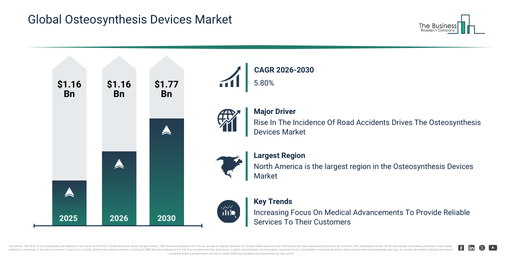
    The osteosynthesis devices market has witnessed solid growth in recent years and continues on an upward trajectory. The market is projected to increase from $10.09 billion in 2025 to $10.67 billion in 2026, reflecting a compound annual growth rate (CAGR) of 5.7%. Looking ahead, the market is expected to reach $13.35 billion by 2030, with a CAGR of 5.8%. This expansion is underpinned by factors such as a rising number of traumatic fractures, growing clinical acceptance of internal fixation techniques using plates, screws, and intramedullary nails, and the expansion of orthopedic centers specializing in fracture repair.

    Download A Free Sample Report For Comprehensive Market Insights:

    https://www.thebusinessresearchcompany.com/sample.aspx?id=13503&type=smp

    Primary Factors Supporting Osteosynthesis Devices Market Growth

    One of the main drivers behind the market’s growth is the increasing occurrence of traumatic fractures and orthopedic injuries. Hospitals and trauma centers are adopting internal fixation devices more frequently to stabilize fractures, leading to higher demand for osteosynthesis products. Moreover, the rising preference for non-degradable metallic implants in adult fracture treatments has further boosted adoption. The expansion of orthopedic clinics performing complex fracture procedures also adds momentum to the market.

    Additional Market Drivers Supporting Long-Term Growth

    Looking to the future, the aging global population with osteoporosis-related fractures will play a critical role in driving demand for osteosynthesis devices. There is also growing acceptance of biodegradable osteosynthesis materials, which address concerns related to implant compatibility and long-term patient outcomes. Increased treatment volumes in ambulatory surgical centers, greater access to osteosynthesis care in emerging healthcare markets, and rising demand for hip and spine fracture treatments will additionally fuel market growth.

    Access The Complete Osteosynthesis Devices Market Report:

    https://www.thebusinessresearchcompany.com/report/osteosynthesis-devices-global-market-report

    How Road Accidents Contribute to Market Development

    The rising number of road accidents worldwide is a significant factor propelling the osteosynthesis devices market. Road accidents, characterized by vehicle collisions causing injuries, often result in severe fractures requiring surgical intervention. Osteosynthesis devices play a crucial role in restoring bone stability and patient mobility after such injuries. For example, a January 2024 report from The Road Safety Authority in Ireland highlighted increases in injured road users, including drivers (+13), passengers (+12), motorcyclists (+4), and pedestrians (+1), along with a rise in average monthly fatalities from 13 in 2022 to 16 in 2023. These trends emphasize the growing need for effective fracture management solutions, boosting market demand.

    Key Segments Defining the Osteosynthesis Devices Market

    This market is segmented by device type, fracture type, material, and end user to provide detailed insights:

    1) Device Type includes Internal Fixation Devices and External Fixation Devices.

    2) Fracture Type covers Hip Fracture, Knee Fracture, Spine Fracture, Shoulder Fracture, Foot and Ankle Fracture, Facial Bones Fracture, and others.

    3) Material segments consist of Non-Degradable and Degradable implants.

    4) End Users comprise Hospitals, Orthopedic Clinics, and Ambulatory Surgical Centers.

    Further breakdowns include subcategories such as:

    – Internal Fixation Devices: Plates and Screws, Intramedullary Nails (IM Nails), Spinal Fixation Devices, Bone Clamps, Bone Cement.

    – External Fixation Devices: External Fixator Frames, Ring Fixators, Hybrid Fixators, Uniplanar External Fixators, Circular External Fixators.

    Innovation Trends Steering Growth in Osteosynthesis Devices

    Leading companies in the osteosynthesis sector are focusing on developing innovative solutions, particularly in spinal fixation systems, to enhance treatment outcomes. For instance, in July 2024, Life Spine, a US-based medical technology firm, received FDA clearance for its ARx SAI Spinal Fixation System. This advanced system provides strong stabilization for the sacroiliac joint, utilizing a sacral alar iliac trajectory. Its design incorporates self-drilling screws that simplify surgical procedures and promote bone integration, along with a durable, low-profile Cobalt Chrome tulip head and an easy-to-use universal T25 hexalobe drive.

    Prominent Market Players Reinforcing the Osteosynthesis Device Industry

    The osteosynthesis devices market features several key players driving technological advancements and expanding product portfolios. Notable companies include Medtronic plc, Stryker Corporation, B. Braun SE, DePuy Synthes Inc., Zimmer Biomet Holdings Inc., Smith & Nephew PLC, Arthrex Inc., NuVasive Inc., CONMED Corporation, Globus Medical Inc., LimaCorporate S.p.A., Medartis AG, Paragon 28 Inc., KLS Martin Group, Orthofix Medical Inc., Groupe Lepine SAS, Acumed LLC, Merete GmbH, Tyber Medical LLC, GPC Medical Ltd., Skeletal Dynamics LLC, Matrix Meditec Private Limited, Pega Medical Inc., and Gauthier Biomedical Inc.

    Geographical Market Overview and Growth Regions

    In 2025, North America held the largest share of the osteosynthesis devices market, supported by advanced healthcare infrastructure and high adoption rates. Meanwhile, the Asia-Pacific region is expected to be the fastest growing throughout the forecast period, driven by increasing healthcare investments and expanding access to orthopedic care. The market analysis encompasses regions including Asia-Pacific, South East Asia, Western Europe, Eastern Europe, North America, South America, the Middle East, and Africa, providing a comprehensive view of global market trends and opportunities.

    Get in touch with us:

    The Business Research Company: https://www.thebusinessresearchcompany.com/

    Americas: +1 310-496-7795

    Asia: +44 7882 955267 & +91 8897263534

    Europe: +44 7882 955267

    Email us at: marketing@tbrc.info

    Follow us on:

    LinkedIn: https://in.linkedin.com/company/the-business-research-company

    YouTube: https://www.youtube.com/channel/UC24_fI0rV8cR5DxlCpgmyFQ

    Global Market Model: https://www.thebusinessresearchcompany.com/global-market-model
  • Osseointegration Implants Market Size Projected To Increase From $8.35 Billion To $11.35 Billion During The Forecast Period

    Osseointegration Implants Market Size Projected To Increase From $8.35 Billion To $11.35 Billion During The Forecast Period

    Through market attractiveness analysis, total addressable market evaluation, company benchmarking matrices, interactive Excel dashboards, expanded supply chain intelligence, emerging startup coverage, and detailed product insights, The Business Research Company’s 2026 market reports provide more actionable and strategically valuable research.

    The osseointegration implants sector has experienced significant growth recently, driven by advancements in technology and rising demand for effective bone-related treatments. This market is set to expand further as innovations improve implant materials and surgical techniques, offering promising opportunities for healthcare providers and patients alike. Let’s explore the current market landscape, key growth drivers, segments, industry trends, major players, and regional insights shaping this industry.

    Osseointegration Implants Market Size and Growth Outlook Through 2030

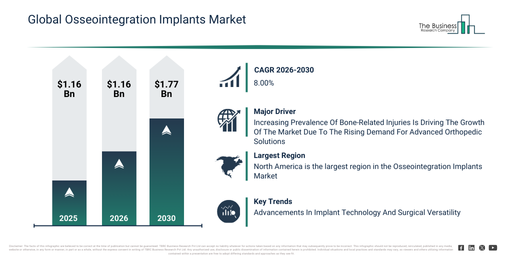
    The osseointegration implants market has witnessed strong expansion in recent years. It is projected to increase from $7.72 billion in 2025 to $8.35 billion in 2026, reflecting a compound annual growth rate (CAGR) of 8.3%. This historical growth is mainly due to a limited variety of implant materials, a rising incidence of bone-related disorders, an aging population, continued reliance on conventional surgical methods, and an increase in dental and orthopedic procedures. Looking ahead, the market is expected to reach $11.36 billion by 2030, growing at a CAGR of 8.0%. Factors contributing to this forecast include the emergence of advanced implant materials and coatings, the integration of technology in surgical planning, greater use of robotic-assisted surgeries, expansion of global implant markets, and heightened awareness about post-operative recovery and patient outcomes. Key trends anticipated to shape the market involve growing acceptance of titanium and ceramic implants, increased preference for minimally invasive surgeries, expansion in dental and orthopedic implant procedures, improvements in surface coatings and osseointegration technologies, and the growth of ambulatory surgical centers as well as specialized clinics.

    Download A Free Sample Report For Comprehensive Market Insights:

    https://www.thebusinessresearchcompany.com/sample.aspx?id=24638&type=smp

    Rising Prevalence of Bone-Related Injuries Encourages Market Expansion

    A key factor propelling growth in the osseointegration implants market is the increasing number of bone-related injuries. These injuries, which include fractures, breaks, and joint dislocations, are more common due to the expanding elderly population whose bones are more fragile and susceptible to damage. Osseointegration implants play an essential role in treating these injuries by securely anchoring prosthetics to the bone, thereby providing enhanced support and promoting healing. For example, a report released in August 2024 by Healthy Bones Australia, a non-governmental organization based in Australia, indicated that in 2023, a fracture occurred every 2.7 minutes across the country. This rate is expected to escalate to one fracture every 30 seconds by 2033, underscoring the growing need for effective implant solutions and driving demand in this market.

    Osseointegration Implants Market Segmentation Highlighting Growth Opportunities

    This report categorizes the osseointegration implants market into several key segments to pinpoint growth areas. By product, the market includes dental implants, hip implants, knee implants, spinal implants, and other products. Regarding materials, it covers ceramic implants, zirconia implants, stainless steel implants, titanium implants, metallic implants, and other materials. In terms of end users, the market serves hospitals, ambulatory surgical centers, dental clinics, and other end users. Further subdivisions provide more detailed insights, such as dental implant types including endosteal, subperiosteal, zygomatic, mini dental, and basal implants; hip implant kinds like total hip replacement, partial hip replacement, hip resurfacing, and revision hip implants; knee implant varieties including total, partial, and revision knee replacements; spinal implant classifications such as interbody fusion devices, pedicle screws, rods and plates, artificial discs, and spinal cages; alongside other joint implants like shoulder, elbow, ankle, and wrist implants.

    Access The Complete Osseointegration Implants Market Report:

    https://www.thebusinessresearchcompany.com/report/osseointegration-implants-global-market-report

    Industry Trends Influencing Future Growth in the Osseointegration Implants Market

    Leading companies in the osseointegration implant space are increasingly focusing on integrating digital dentistry technologies to enhance surgical and restorative versatility, thereby improving treatment outcomes and predictability for dental professionals. Surgical and restorative versatility refers to the implant’s ability to adapt to various surgical approaches and prosthetic options, making it suitable for a wide range of clinical scenarios. For instance, in February 2024, ZimVie Inc., a US-based life sciences firm, introduced the TSX Implant. This cutting-edge implant is designed for immediate placement and loading and is backed by over twenty years of clinical data supporting long-term bone health and prosthetic stability. The TSX Implant is fully compatible with ZimVie’s digital dentistry platforms and flexible surgical protocols, simplifying procedures and increasing predictability for practitioners. This launch underscores ZimVie’s dedication to innovation and leadership in the market.

    Key Players and Competitive Landscape in the Osseointegration Implants Market

    The osseointegration implants market features several major companies shaping its competitive dynamics. Notable players include Johnson And Johnson, Medtronic plc, Stryker Corporation, Zimmer Biomet Holdings Inc, Smith And Nephew plc, Dentsply Sirona Inc, Institut Straumann AG, Straumann Holding AG, DePuy Synthes, Cochlear Limited, OSSTEM Implant Co Ltd, B Braun Melsungen AG, Bicon LLC, Megagen Implant Co Ltd, CAMLOG Biotechnologies GmbH, Integrum, Nobel Biocare Services AG, BioHorizons Inc, Neodent, and Southern Implants.

    Regional Insights Showing Market Leadership and Growth Pace

    In 2025, North America held the largest share of the osseointegration implants market. Meanwhile, the Asia-Pacific region is predicted to be the fastest-growing market over the forecast period. The comprehensive market analysis includes major regions such as Asia-Pacific, South East Asia, Western Europe, Eastern Europe, North America, South America, the Middle East, and Africa, providing a global perspective on market trends and opportunities.

    Get in touch with us:

    The Business Research Company: https://www.thebusinessresearchcompany.com/

    Americas: +1 310-496-7795

    Asia: +44 7882 955267 & +91 8897263534

    Europe: +44 7882 955267

    Email us at: marketing@tbrc.info

    Follow us on:

    LinkedIn: https://in.linkedin.com/company/the-business-research-company

    YouTube: https://www.youtube.com/channel/UC24_fI0rV8cR5DxlCpgmyFQ

    Global Market Model: https://www.thebusinessresearchcompany.com/global-market-model
  • Orthotics Market Growth Outlook Reveals A CAGR Of 8.6% And A Market Value Of $6.53 Billion By 2030

    Orthotics Market Growth Outlook Reveals A CAGR Of 8.6% And A Market Value Of $6.53 Billion By 2030

    Delivering more actionable and strategically valuable research, The Business Research Company’s 2026 market reports feature market attractiveness analysis, total addressable market evaluation, company benchmarking matrices, interactive Excel dashboards, expanded supply chain intelligence, emerging startup coverage, and detailed product insights.

    The orthotics market has been experiencing solid growth recently, driven by rising awareness of foot health issues and advancements in technology. As more people seek solutions for musculoskeletal problems and personalized care, this sector is poised for significant expansion in the coming years. Let’s explore the current market size, key drivers, major segments, emerging trends, leading companies, and regional opportunities shaping the orthotics industry.

    Strong Growth Trajectory in the Orthotics Market Size

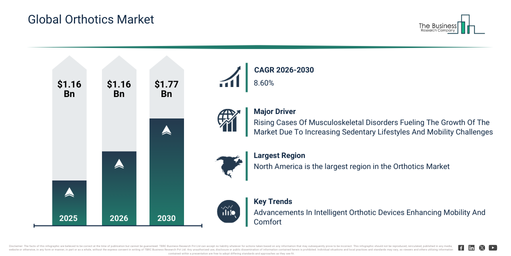
    The orthotics market has shown robust development over past years, with its size increasing from $4.32 billion in 2025 to an anticipated $4.7 billion in 2026, reflecting a compound annual growth rate (CAGR) of 8.7%. This past growth was largely fueled by a shortage of custom orthotics, heavy reliance on prefabricated options, a growing elderly population, rising incidence of foot-related disorders, and heightened awareness of musculoskeletal health. Looking ahead, the market is expected to continue expanding, reaching $6.53 billion by 2030 at a CAGR of 8.6%. This future growth is expected to be driven by technological advances in 3D scanning and printing, the expansion of custom orthotics production, integration with wearable smart devices, increasing demand for diabetic foot care, and the rising adoption of e-commerce and online distribution channels. Key trends during this period include greater use of custom orthotics for tailored treatment, increasing awareness of foot and lower limb health, growth in diabetic neuropathy cases, and a focus on comfort, stability, and posture correction in product designs.

    Rising Musculoskeletal Disorders Fuel Orthotics Demand

    One of the major factors propelling the orthotics market is the growing prevalence of musculoskeletal disorders, which affect muscles, bones, joints, tendons, ligaments, and nerves—often causing pain, stiffness, and limited mobility. Modern sedentary lifestyles, characterized by prolonged sitting and minimal physical activity, contribute significantly to muscle weakness and joint issues. Orthotic devices help manage these conditions by improving body alignment, alleviating pain, and supporting the musculoskeletal system, thereby enhancing mobility and preventing further injury. Conditions such as plantar fasciitis, arthritis, and lower back pain benefit from orthotic intervention. For instance, in January 2024, a report from the UK’s Office for Health Improvement and Disparities showed that 18.4% of individuals aged 16 and above self-reported long-term musculoskeletal conditions in 2023, up from 17.6% in 2022. This increasing prevalence is a key driver for the orthotics market’s expansion.

    Orthotics Market Categorized by Type, Distribution, and Application

    The orthotics market is segmented into several key categories for detailed analysis. By type, it includes prefabricated and custom orthotics. Distribution channels comprise drug stores, hospitals and specialty clinics, online stores, and other outlets. Applications cover diabetic neuropathy, ball of foot discomfort, and other medical uses. Within prefabricated orthotics, subcategories include off-the-shelf insoles, bracing and support orthotics, shoe inserts, and heel liners and cushions. Custom orthotics further break down into custom foot orthotics, custom ankle-foot orthotics, and custom lower limb orthotics, offering tailored solutions targeting specific patient needs.

    Access The Complete Orthotics Market Report:

    https://www.thebusinessresearchcompany.com/report/orthotics-global-market-report

    Technological Innovation Drives Orthotics Market Expansion

    Leading companies in the orthotics industry are focusing heavily on developing smart, technology-driven products that offer personalized adjustments in real-time. Intelligent orthotic devices equipped with sensors and advanced technology adapt dynamically to a user’s movements, significantly improving comfort, stability, and overall mobility. For example, in October 2023, UK-based prosthetics manufacturer Blatchford introduced Tectus, an intelligent orthotic designed for individuals with partial lower limb paralysis. This device combines spring, hydraulic, and sensor technology to mimic a natural gait cycle, featuring a unique ‘spring assist’ system that ensures full leg extension during walking. Such innovations highlight how technology is transforming orthotics by enhancing functionality and user experience.

    Orthotics Market Leaders Shaping Industry Development

    Several prominent companies play a major role in the orthotics market, driving product innovation and competitive growth. These include Ottobock SE & Co. KGaA, Hanger Inc., Össur hf, DeRoyal Industries Inc., Breg Inc., Trulife Group Limited, Tynor Orthotics Private Limited, Proteor SAS, Fillauer LLC, Steeper Group Limited, Orthomerica Products Inc., The Ohio Willow Wood Company, Thuasne Group, Becker Orthopedic, medi GmbH & Co. KG, Allard International, SureStep LLC, Reh4Mat Sp. z o.o., Endolite Ltd., and Massons Healthcare Pty Ltd. Their combined efforts continue to push the boundaries of orthotic design and technology.

    Regional Orthotics Market Outlook and Growth Potential

    In 2025, North America held the largest share of the orthotics market, reflecting high demand and advanced healthcare infrastructure. However, the Asia-Pacific region is forecasted to experience the fastest growth over the coming years, driven by increasing healthcare awareness, modernization of medical facilities, and expanding distribution networks. The market report covers key regions including Asia-Pacific, South East Asia, Western Europe, Eastern Europe, North America, South America, the Middle East, and Africa to provide a comprehensive global perspective on market trends and opportunities.

    Get in touch with us:

    The Business Research Company: https://www.thebusinessresearchcompany.com/

    Americas: +1 310-496-7795

    Asia: +44 7882 955267 & +91 8897263534

    Europe: +44 7882 955267

    Email us at: marketing@tbrc.info

    Follow us on:

    LinkedIn: https://in.linkedin.com/company/the-business-research-company

    YouTube: https://www.youtube.com/channel/UC24_fI0rV8cR5DxlCpgmyFQ

    Global Market Model: https://www.thebusinessresearchcompany.com/global-market-model
  • Orthotic Insole 3-D Printer Market Forecast Highlights Expansion From $0.71 Billion To $1.2 Billion Through 2030

    Orthotic Insole 3-D Printer Market Forecast Highlights Expansion From $0.71 Billion To $1.2 Billion Through 2030

    Enhanced with market attractiveness analysis, total addressable market evaluation, company benchmarking matrices, interactive Excel dashboards, expanded supply chain intelligence, emerging startup coverage, and detailed product insights, The Business Research Company’s 2026 market reports deliver more actionable and strategically valuable research.

    The orthotic insole 3-D printer market is experiencing rapid expansion, driven by advancements in technology and increasing demand for customized healthcare solutions. This emerging sector is set to offer substantial revenue opportunities as it evolves, tapping into the growing need for personalized orthotic products and innovative manufacturing techniques. Let’s explore the current market size, the key forces propelling growth, leading companies, trends, and future prospects for this specialized industry.

    Orthotic Insole 3-D Printer Market Size and Growth Forecast

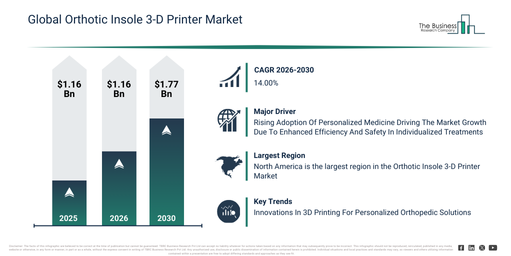
    The market for orthotic insole 3-D printers has seen swift growth in recent years, with its value projected to rise from $0.62 billion in 2025 to $0.71 billion in 2026, representing a healthy compound annual growth rate (CAGR) of 14.3%. This historical growth is mainly fueled by an increase in orthopedic treatments, wider adoption of additive manufacturing methods, a growing preference for custom insoles, advancements in 3-D printing materials, and clinical validation of orthotic products. Looking ahead, the market is expected to continue expanding rapidly, reaching $1.21 billion by 2030 at a CAGR of 14.0%. Factors driving this forecast include AI-powered foot scanning technology, better integration with rehabilitation programs, a surge in sports and healthcare applications, shortened production times, and the use of sustainable and recyclable printing materials. Emerging trends anticipated in this period encompass custom 3-D printed insoles, digitization of foot biomechanics, development of multi-material printers, desktop orthotic printer innovations, and increased incorporation of medical and sports applications.

    Download A Free Sample Report For Comprehensive Market Insights:

    https://www.thebusinessresearchcompany.com/sample.aspx?id=29143&type=smp

    Key Drivers Supporting Growth in the Orthotic Insole 3-D Printer Market

    One major factor propelling market expansion is the growing emphasis on personalized medicine. This approach tailors medical care to an individual’s genetic, molecular, and clinical characteristics, allowing for more precise and effective treatments. Advances in genomics have accelerated this trend by enabling therapies customized to a patient’s unique genetic profile, improving outcomes and safety. Orthotic insole 3-D printers fit squarely within this personalized medicine model by producing insoles that are precisely contoured to each patient’s foot anatomy and biomechanical needs, thereby enhancing therapeutic success.

    Recent data highlights this trend’s impact on orthotic printing demand. For example, in February 2024, the Personalized Medicine Coalition—a US-based nonprofit—reported that the FDA approved 16 new personalized treatments for rare diseases in 2023, nearly tripling the six approvals from 2022. These approvals included seven cancer therapies and three treatments for other conditions. This rise in personalized treatments indicates a broader industry shift that is encouraging the adoption of customized orthotic solutions, further supporting the orthotic insole 3-D printer market’s growth.

    Access The Complete Orthotic Insole 3-D Printer Market Report:

    https://www.thebusinessresearchcompany.com/report/orthotic-insole-3-d-printer-global-market-report

    Market Segments Defining Revenue Opportunities in the Orthotic Insole 3-D Printer Industry

    This market is segmented by various categories to capture the diverse technologies and applications involved. The primary divisions include:

    1) Product Type: Fused Deposition Modeling (FDM), Stereolithography (SLA), Selective Laser Sintering (SLS), and other printing technologies.

    2) Materials: Thermoplastics, Photopolymers, Elastomers, and other materials used in manufacturing.

    3) Distribution Channels: Direct sales, online retail, specialty stores, and other outlets.

    4) Applications: Medical and healthcare, sports and athletics, personal use, and additional uses.

    5) End Users: Hospitals and clinics, orthopedic centers, rehabilitation facilities, and homecare environments.

    Within these segments, subcategories further define product types such as desktop, industrial, and hybrid printers under FDM; resin, digital light processing, and continuous liquid interface printers under SLA; and polymer-based, flexible elastomer, and medical-grade printers for orthotics within SLS. Other product types include Multi Jet Fusion, Digital Light Processing, Material Jetting, and Binder Jetting printers.

    Shaping the Orthotic Insole 3-D Printer Market through Innovation

    Leading companies in this market are prioritizing innovation, especially personalized additive manufacturing, to develop custom-fit insoles that boost patient comfort, mobility, and treatment effectiveness. Personalized additive manufacturing employs 3-D printing to create orthotic products precisely tailored to an individual’s anatomy for the best fit and function. In May 2024, Denmark’s CREATE IT REAL A/S introduced a new 3-D printing service platform aimed at orthopedic professionals. This platform simplifies the process of ordering fully customized braces, insoles, and supports without requiring deep technical knowledge of manufacturing. It enhances workflow efficiency, reduces material waste by more than 85%, and improves patient comfort by using advanced programmable foam technology that optimizes fit and pressure distribution. This service delivers fast, cost-effective, and environmentally friendly solutions to clinics of all sizes, transforming orthopedic care through accessibility and scalability.

    Key Companies Driving the Orthotic Insole 3-D Printer Market Forward

    Several prominent players dominate the orthotic insole 3-D printer landscape, including HP Inc., Stratasys, 3D Systems Corporation, Formlabs Inc., Materialise NV, Prodways Group S.A., EOS GmbH, SLM Solutions Group AG, Carbon Inc., Desktop Metal Inc., Raise3D Technologies Inc., Shenzhen PioCreat 3D Technology Co. Ltd., HeyGears, iSUN3D, UnionTech, EnvisionTEC GmbH, Voxelcare ApS., LuxCreo, Nexa3D, and XYZprinting Inc. These companies are continually investing in research, development, and partnerships to strengthen their market position and bring innovative solutions to the orthotic sector.

    Regional Market Leadership and Growth Projections

    In 2025, North America stood as the largest regional market for orthotic insole 3-D printers by revenue. However, the Asia-Pacific region is anticipated to lead in growth rate throughout the forecast period. The market report covers key geographic areas, including Asia-Pacific, South East Asia, Western Europe, Eastern Europe, North America, South America, the Middle East, and Africa, offering a comprehensive global perspective on the market’s expansion and dynamics.

    Get in touch with us:

    The Business Research Company: https://www.thebusinessresearchcompany.com/

    Americas: +1 310-496-7795

    Asia: +44 7882 955267 & +91 8897263534

    Europe: +44 7882 955267

    Email us at: marketing@tbrc.info

    Follow us on:

    LinkedIn: https://in.linkedin.com/company/the-business-research-company

    YouTube: https://www.youtube.com/channel/UC24_fI0rV8cR5DxlCpgmyFQ

    Global Market Model: https://www.thebusinessresearchcompany.com/global-market-model
  • Orthotic Gel Insole Market Expected To Reach $3.34 Billion By 2030 As Growth Accelerates At 8.9% CAGR

    Orthotic Gel Insole Market Expected To Reach $3.34 Billion By 2030 As Growth Accelerates At 8.9% CAGR

    Through market attractiveness analysis, total addressable market evaluation, company benchmarking matrices, interactive Excel dashboards, expanded supply chain intelligence, emerging startup coverage, and detailed product insights, The Business Research Company’s 2026 market reports provide more actionable and strategically valuable research.

    The orthotic gel insole market has experienced notable growth in recent years, driven by rising awareness of foot health and technological advancements. With increasing participation in sports and a growing prevalence of foot disorders, demand for these supportive products continues to rise. This overview highlights the current market size, growth projections, influential drivers, segmentation, key trends, and competitive landscape shaping the sector’s future.

    Orthotic Gel Insole Market Size and Growth Outlook Through 2030

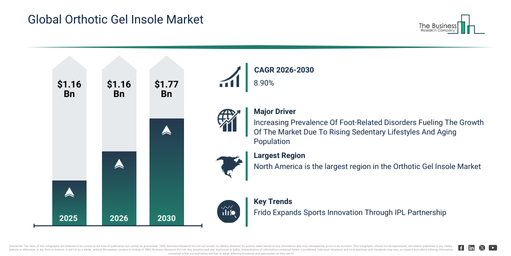
    The market for orthotic gel insoles is expanding rapidly. It is projected to increase from $2.18 billion in 2025 to $2.38 billion in 2026, reflecting a compound annual growth rate (CAGR) of 9.2%. Looking ahead, the market is expected to reach $3.35 billion by 2030, growing at a CAGR of 8.9% during the forecast period. This positive trajectory is supported by continual innovations in gel materials, enhanced e-commerce distribution, rising sports participation, and greater awareness of foot health issues.

    Download A Free Sample Report For Comprehensive Market Insights:

    https://www.thebusinessresearchcompany.com/sample.aspx?id=28288&type=smp

    Primary Factors Propelling Orthotic Gel Insole Market Expansion

    One of the key forces behind market growth is the rising incidence of foot-related disorders. Conditions impacting foot structure and function—such as plantar fasciitis, heel pain, and flat feet—are becoming more widespread, partly due to sedentary lifestyles and obesity. Orthotic gel insoles provide targeted cushioning and support that help reduce discomfort and improve mobility for affected individuals.

    Supporting this trend, a June 2024 report from Orthopaedic Research UK highlighted that approximately 23% of adults aged 18 to 65 suffer from hallux valgus (bunions), with prevalence increasing to 36% among those over 65. This growing patient base is driving increased demand for orthotic solutions and fueling market expansion.

    Access The Complete Orthotic Gel Insole Market Report:

    https://www.thebusinessresearchcompany.com/report/orthotic-gel-insole-global-market-report

    Innovations and Consumer Awareness Boosting Orthotic Gel Insole Demand

    Technological improvements in gel materials are enhancing the effectiveness and comfort of orthotic insoles. Developments include shock absorption gels, memory foam gels, and smart sensor integration, which help tailor insoles for therapeutic and athletic applications.

    At the same time, growing awareness about foot health and comfort, especially among athletes and older adults, is encouraging adoption of orthotic gel insoles. The popularity of athleisure and sportswear further supports demand for performance-enhancing insoles, while the expansion of online retail channels makes these products more accessible globally.

    Orthotic Gel Insole Market Segmentation Across Diverse Categories

    This market is structured across several key segments:

    1) Product Type: Full-Length Insoles, 3/4 Length Insoles, Heel Inserts, Arch Support Insoles, and Other Products

    2) Material: Silicone Gel, Polyurethane Gel, Thermoplastic Gel, and Other Materials

    3) Distribution Channel: Online Stores, Pharmacies and Drug Stores, Specialty Stores, Supermarkets or Hypermarkets, and Other Channels

    4) Application: Sports and Athletics, Medical Use, Personal Use, and Others

    5) End-User: Adults, Children, and Elderly

    Further subcategories include types of full-length insoles such as cushioning gel, shock absorption, memory foam, sport performance, and medical or therapeutic gel insoles. Similarly, 3/4 length insoles cover arch support gels, heel cushions, forefoot pads, and metatarsal inserts. Heel inserts include gel heel cups, pads, anti-fatigue inserts, and plantar fasciitis supports. Arch support insoles are segmented by arch height and orthopedic purpose, while other products include diabetic care gel insoles and those designed for industrial or work shoes.

    Collaborations and Strategic Partnerships Transforming Market Dynamics

    Leading companies in the orthotic gel insole space are increasingly pursuing partnerships to enhance technology and broaden market reach. Such collaborations combine expertise and resources to develop innovative products and marketing strategies.

    For example, in March 2024, Frido, an Indian consumer healthcare brand, formed a partnership with Royal Challengers Bengaluru (RCB), a professional T20 cricket team. This alliance led to the launch of a special edition sports insole and technical socks aimed at alleviating knee and foot ailments such as plantar fasciitis and heel pain. This unique collaboration highlights the brand’s commitment to innovation and expanding its presence through high-profile sports engagements.

    Competitive Landscape Featuring Prominent Orthotic Gel Insole Manufacturers

    The orthotic gel insole market includes several key players, such as New Balance Athletics Inc., Aetrex Worldwide Inc., Bauerfeind AG, Superfeet Worldwide Inc., Sorbothane Inc., ProFoot Inc., Sidas SAS, Spenco Medical Corporation, Protalus Inc., PolyGel LLC, Medi-Dyne Healthcare Products Ltd., FootBalance System Ltd., Sole Sports & Health Ltd., Currex GmbH, FORM Insoles Inc., Foot Science International Ltd., Scholl’s Wellness Company LLC, Scheinkopf GmbH, Stable Step LLC, FootActive Ltd., Pedors Shoes Inc., Implus Footcare LLC, Vive Health LLC, and Dr. Frederick’s Original LLC.

    Regional Overview and Market Growth Hotspots

    In 2025, North America held the largest share of the orthotic gel insole market. However, the Asia-Pacific region is forecasted to experience the fastest growth over the coming years. The market study covers regions including Asia-Pacific, South East Asia, Western Europe, Eastern Europe, North America, South America, the Middle East, and Africa, providing a comprehensive understanding of global market trends and opportunities.

    Get in touch with us:

    The Business Research Company: https://www.thebusinessresearchcompany.com/

    Americas: +1 310-496-7795

    Asia: +44 7882 955267 & +91 8897263534

    Europe: +44 7882 955267

    Email us at: marketing@tbrc.info

    Follow us on:

    LinkedIn: https://in.linkedin.com/company/the-business-research-company

    YouTube: https://www.youtube.com/channel/UC24_fI0rV8cR5DxlCpgmyFQ

    Global Market Model: https://www.thebusinessresearchcompany.com/global-market-model
  • Orthopedic Trauma Devices Market Set To Grow From $10.02 Billion In 2026 To $13.12 Billion By 2030 At A CAGR Of 7%

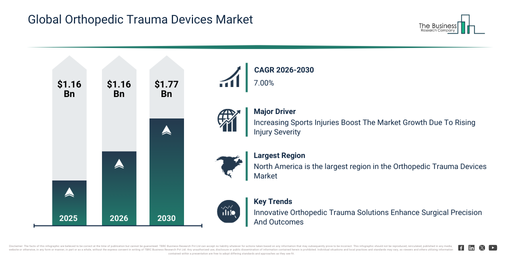
    Orthopedic Trauma Devices Market Set To Grow From $10.02 Billion In 2026 To $13.12 Billion By 2030 At A CAGR Of 7%

    Delivering more actionable and strategically valuable research, The Business Research Company’s 2026 market reports feature market attractiveness analysis, total addressable market evaluation, company benchmarking matrices, interactive Excel dashboards, expanded supply chain intelligence, emerging startup coverage, and detailed product insights.

    The orthopedic trauma devices market is experiencing significant growth, driven by various factors including the rising incidence of trauma injuries and expanding healthcare infrastructure. This sector is evolving steadily as advancements and increased demand for specialized treatments continue to shape its trajectory. Below is a detailed overview of the market size, key growth drivers, segmentation, innovation trends, leading companies, and geographic dynamics.

    Market Size and Growth Forecast for Orthopedic Trauma Devices

    The orthopedic trauma devices market has demonstrated strong expansion in recent years. It is projected to grow from $9.36 billion in 2025 to $10.02 billion in 2026, reflecting a compound annual growth rate (CAGR) of 7.1%. Looking ahead, the market is expected to reach $13.13 billion by 2030, with a CAGR of 7.0% during the forecast period. This growth is supported by factors such as the increasing number of road accidents, a growing elderly population susceptible to fractures, the development of orthopedic surgery facilities, wider availability of trauma care centers, and greater acceptance of surgical fracture fixation techniques.

    Download A Free Sample Report For Comprehensive Market Insights:

    https://www.thebusinessresearchcompany.com/sample.aspx?id=23466&type=smp

    The market’s expansion in the upcoming years will also be driven by rising adoption of patient-specific implants and the growing preference for minimally invasive trauma surgeries. Additionally, investments in orthopedic research and development, establishment of advanced trauma centers, and an emphasis on accelerating post-surgical recovery will contribute significantly. Notable trends shaping the forecast period include the increased use of advanced internal fixation devices, bioabsorbable implants, customized orthopedic products, and technologies promoting faster bone healing.

    Increasing Sports Injuries Propel Orthopedic Trauma Devices Demand

    A key factor boosting the orthopedic trauma devices market is the rise in sports-related injuries. These injuries occur due to physical damage sustained during athletic activities, often involving muscles, joints, or bones. The growing number of sports injuries is largely attributed to improper techniques and insufficient protective gear, which place excessive strain on athletes’ bodies. Orthopedic trauma devices play a vital role in treating these injuries by stabilizing fractures, ensuring proper bone alignment, and supporting quicker recovery.

    Access The Complete Orthopedic Trauma Devices Market Report:

    https://www.thebusinessresearchcompany.com/report/orthopedic-trauma-devices-global-market-report

    For instance, the National Institutes of Health (NIH) reported in January 2025 that sports-related injuries among elderly individuals are expected to increase by 119%, potentially reaching 111,245 cases by 2040. This surge clearly indicates a growing need for orthopedic trauma solutions, which is directly fueling the demand within this market.

    Key Product and Application Segments Defining the Orthopedic Trauma Devices Market

    The orthopedic trauma devices market is segmented based on several key factors:

    – By Product: Internal Fixators and External Fixators

    – By Material Type: Bioabsorbable Materials, Non-Absorbable Materials, and Other Material Types

    – By Application: Fractures, Soft Tissue Injuries, Joint Reconstruction, Spinal Injuries, and Arthroplasty

    – By End-User: Hospitals and Clinics, Ambulatory Surgical Centers, Orthopedic Centers, Emergency Departments, and other users

    Further subcategories include Internal Fixators such as screws, plates, intramedullary nails, and other devices, as well as External Fixators categorized into unilateral, circular, and hybrid fixators. This detailed segmentation provides a comprehensive understanding of the product types and applications driving market dynamics.

    Innovations Shaping the Future of Orthopedic Trauma Devices

    Leading players in the orthopedic trauma devices industry are investing heavily in the development of advanced solutions aimed at improving surgical precision, patient outcomes, and recovery times. For example, in October 2024, Globus Medical Inc., a US-based company, rolled out a new series of orthopedic trauma products, including the TENSOR Suture Button System. This innovative device is designed for single-incision syndesmotic repair and offers features such as polyaxial locking, efficient suture management, and precise fixation for small bone fractures. The company’s product line also incorporates PRECICE limb-lengthening nails tailored for complex trauma cases.

    These innovations reflect a broader trend toward improving fracture stabilization and procedural efficiency through cutting-edge technology, which is expected to drive the orthopedic trauma devices market forward.

    Market Leaders Driving Competition in Orthopedic Trauma Devices

    The market landscape is shaped by several prominent companies, including:

    Johnson & Johnson Services Inc., Stryker Corporation, Smith & Nephew Plc, Globus Medical Inc., Acrotec Medtech, Double Medical Technology Inc., Meril Life Sciences Pvt. Ltd., Narang Medical Limited, GPC Medical Ltd., Aysam Orthopaedics And Medical Devices, Auxein Corp., Inion Inc., Advanced Orthopaedic Solutions Inc., AF MEDICAL GmbH, Austofix Australia Pty Ltd, Citieffe s.r.l., Madison Ortho Inc., Orthomed Inc., OrthoXel, DePuy Synthes, Zimmer Biomet Holdings Inc., Orthofix Medical Inc., and MicroPort Orthopedics Inc.

    These organizations compete by continuously innovating and expanding their product offerings to capture greater market share.

    Geographic Growth Patterns in the Orthopedic Trauma Devices Market

    In 2025, North America was the largest market for orthopedic trauma devices. However, the Asia-Pacific region is expected to register the fastest growth during the forecast period. The comprehensive market study also covers key geographic areas including Asia-Pacific, South East Asia, Western Europe, Eastern Europe, North America, South America, the Middle East, and Africa, providing a global perspective on the evolving demand and opportunities within the market.

    Get in touch with us:

    The Business Research Company: https://www.thebusinessresearchcompany.com/

    Americas: +1 310-496-7795

    Asia: +44 7882 955267 & +91 8897263534

    Europe: +44 7882 955267

    Email us at: marketing@tbrc.info

    Follow us on:

    LinkedIn: https://in.linkedin.com/company/the-business-research-company

    YouTube: https://www.youtube.com/channel/UC24_fI0rV8cR5DxlCpgmyFQ

    Global Market Model: https://www.thebusinessresearchcompany.com/global-market-model
  • Orthopedic Surgical Robots Market Opportunities Are Emerging Beyond Traditional Growth Areas

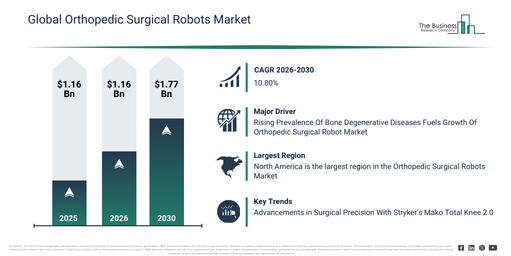
    Orthopedic Surgical Robots Market Opportunities Are Emerging Beyond Traditional Growth Areas

    Enhanced with market attractiveness analysis, total addressable market evaluation, company benchmarking matrices, interactive Excel dashboards, expanded supply chain intelligence, emerging startup coverage, and detailed product insights, The Business Research Company’s 2026 market reports deliver more actionable and strategically valuable research.

    The orthopedic surgical robots market is emerging as a rapidly advancing field within medical technology, driven by increasing demand for precision and innovation in surgical procedures. This evolving sector is set to experience substantial growth over the coming years, fueled by shifts in healthcare practices and technological breakthroughs. Below, we explore the market size, key growth drivers, segmentation, industry trends, major players, and regional dynamics shaping this market.

    Current and Projected Market Size of Orthopedic Surgical Robots

    The market for orthopedic surgical robots has witnessed swift expansion in recent years. It is projected to grow from $1.26 billion in 2025 to $1.41 billion in 2026, reflecting a compound annual growth rate (CAGR) of 12.0%. This growth during the historical period has been driven by factors such as an increase in orthopedic implant surgeries, a growing preference among surgeons for precision-guided systems, the broadening availability of robotic surgery training programs, increased hospital investments in surgical robotics, and advancements in navigation technologies. Looking ahead, the market is expected to surge further and reach $2.13 billion by 2030, with a CAGR of 10.8%. Contributing to this forecasted growth are rising demand for personalized orthopedic procedures, wider adoption of outpatient robotic surgeries, the development of comprehensive software-driven surgical systems, efforts to reduce surgical revision rates, and greater integration of robotics with advanced imaging technologies.

    Download A Free Sample Report For Comprehensive Market Insights:

    https://www.thebusinessresearchcompany.com/sample.aspx?id=15884&type=smp

    Key Factors Stimulating Orthopedic Surgical Robots Market Growth

    One significant driver behind the expansion of the orthopedic surgical robots market is the rising prevalence of bone degenerative diseases. These conditions progressively deteriorate bone tissue, causing weakness, pain, and a higher likelihood of fractures. Factors contributing to the increasing incidence of these diseases include an aging population, sedentary lifestyles, poor nutrition, and the growing rates of chronic illnesses such as obesity and diabetes. Orthopedic surgical robots enhance the precision and accuracy of surgeries used to treat such ailments, leading to better patient outcomes. For example, in August 2023, the Institute for Health Metrics and Evaluation (IHME) reported that nearly 1 billion people are expected to suffer from osteoarthritis by 2050, with knee osteoarthritis cases rising by 75% and hand osteoarthritis by 50%. This alarming trend is a key factor propelling demand in the orthopedic surgical robots market.

    Additional Market Growth Drivers in Orthopedic Surgical Robotics

    Hospitals and healthcare providers are increasingly investing in robotic technologies to improve surgical results and patient safety. The rising surgeon preference for robotic-assisted procedures stems from their ability to offer greater precision, reduce complications, and shorten recovery times. Moreover, the expansion of training programs aimed at familiarizing surgeons with robotic systems is enhancing adoption rates. The availability of advanced navigation technologies that support real-time guidance during procedures also contributes to market growth, facilitating more accurate and minimally invasive surgeries.

    Access The Complete Orthopedic Surgical Robots Market Report:

    https://www.thebusinessresearchcompany.com/report/orthopedic-surgical-robots-global-market-report

    Orthopedic Surgical Robots Market Segmentation and Areas of Growth

    This market is categorized based on product offerings, applications, and end-users. Product segments include robotic systems, robotic accessories, and software and services. Application-wise, the market covers partial knee replacement, total knee replacement, minimally invasive surgery (MIS) fusion, and other orthopedic procedures. End-users are divided into ambulatory surgical centers, hospitals, specialty clinics, and other healthcare facilities. Further subsegments under robotic systems involve surgical robotic systems for joint replacement, spine surgery, and trauma and fracture care. Robotic accessories include end effectors, instrumentation kits, and positioning tools. Software and services cover robotic system software, surgical planning and simulation platforms, as well as maintenance and support services.

    Innovative Trends Shaping the Future of Orthopedic Surgical Robots

    Leading companies in this space are focusing on developing smart robotic solutions that incorporate artificial intelligence (AI), machine learning, and Internet of Things (IoT) technologies. These advancements allow for autonomous, precise, and adaptable surgical operations. As an example, in March 2023, US-based Stryker Corporation introduced the Mako Total Knee 2.0, part of its Mako SmartRobotics lineup. This system features AccuStop haptic technology, which provides surgeons tactile feedback to enhance accuracy and safety during procedures. Additionally, it offers sophisticated surgical planning and navigation capabilities utilizing hybrid optical tracking, advanced cameras, and complex processing algorithms, helping surgeons manage complex tasks more effectively.

    Prominent Companies Leading the Orthopedic Surgical Robots Market

    The competitive landscape includes several major players such as Johnson & Johnson, Medtronic plc, Stryker Corporation, Zimmer Biomet Holdings Inc., Smith & Nephew plc, Globus Medical Inc., MicroPort Orthopedics Inc., Renishaw plc, Medacta International, Aesculap Inc., Brainlab, Exactech Inc., Corin Group, THINK Surgical Inc., TINAVI Medical Technologies Co Ltd., CUREXO Inc., Monogram Technologies Inc., MAKO Surgical Corp, Orthotaxy Inc., and Medical Microinstruments SA. These companies are at the forefront of advancing technologies and expanding the adoption of robotic surgical systems worldwide.

    Regional Market Dynamics and Growth Outlook

    In 2025, North America held the largest share of the orthopedic surgical robots market, supported by established healthcare infrastructure and significant investments in medical technology. However, the Asia-Pacific region is anticipated to be the fastest-growing market throughout the forecast period. This growth is driven by increasing healthcare expenditure, rising awareness of robotic surgery benefits, and expanding healthcare facilities in emerging economies. The market report also covers other important regions including South East Asia, Western Europe, Eastern Europe, South America, the Middle East, and Africa, providing a comprehensive global perspective on market trends and opportunities.

    Get in touch with us:

    The Business Research Company: https://www.thebusinessresearchcompany.com/

    Americas: +1 310-496-7795

    Asia: +44 7882 955267 & +91 8897263534

    Europe: +44 7882 955267

    Email us at: marketing@tbrc.info

    Follow us on:

    LinkedIn: https://in.linkedin.com/company/the-business-research-company

    YouTube: https://www.youtube.com/channel/UC24_fI0rV8cR5DxlCpgmyFQ

    Global Market Model: https://www.thebusinessresearchcompany.com/global-market-model