Category: Medical Equipment

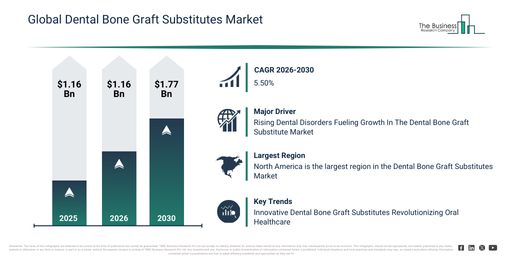
  • Dental Bone Graft Substitutes Market Growth Outlook Reveals A CAGR Of 5.5% And A Market Value Of $5.76 Billion By 2030

    Dental Bone Graft Substitutes Market Growth Outlook Reveals A CAGR Of 5.5% And A Market Value Of $5.76 Billion By 2030

    Enhanced with market attractiveness analysis, total addressable market evaluation, company benchmarking matrices, interactive Excel dashboards, expanded supply chain intelligence, emerging startup coverage, and detailed product insights, The Business Research Company’s 2026 market reports deliver more actionable and strategically valuable research.

    The dental bone graft substitutes market is witnessing significant growth as advancements in dental care and biomaterials continue to evolve. Increasing awareness about oral health and the rising prevalence of dental disorders are among the key factors shaping the market’s future trajectory. Let’s explore the market size, drivers, segments, and notable trends influencing this expanding industry.

    Market Size Outlook for Dental Bone Graft Substitutes Through 2030

    The market for dental bone graft substitutes has experienced robust growth recently and is projected to continue on this upward trend. It is expected to rise from $4.41 billion in 2025 to $4.65 billion in 2026, reflecting a compound annual growth rate (CAGR) of 5.6%. This growth in previous years has been driven largely by the increasing prevalence of periodontal disease, a rise in dental implant procedures, technological advances in biomaterial science, the expansion of oral surgery practices, and improved patient awareness regarding restorative dental options. Looking ahead, the market is forecast to expand further, reaching $5.76 billion by 2030 with a CAGR of 5.5%. Factors contributing to this growth include a growing demand for bioengineered graft materials, a shift towards minimally invasive grafting techniques, wider adoption of regenerative dental therapies, increasing use of guided bone regeneration, and investments in advanced biomaterials. Key trends expected to influence the market include rising use of synthetic bone graft materials, growing implant-supported dental procedures, enhanced utilization of osteoconductive biomaterials, development in regenerative dentistry, and a focus on faster bone healing.

    Download A Free Sample Report For Comprehensive Market Insights:

    https://www.thebusinessresearchcompany.com/sample.aspx?id=13419&type=smp

    Increasing Prevalence of Dental Disorders Fueling Market Demand

    A major factor driving the dental bone graft substitutes market is the escalating prevalence of dental disorders. These disorders encompass a range of medical conditions affecting the structures within the oral cavity, such as teeth, gums, tongue, lips, cheeks, and palate. Dental bone graft substitutes play an essential role in treating these conditions by addressing bone deficiencies in the jaw or supporting dental implants through bone tissue transplantation, which facilitates new bone growth. For instance, data published in August 2024 by The Conversation U.S. highlighted that the proportion of the UK population affected by gum disease is expected to increase from 42% currently to 54% by 2050. This rise in dental health issues underscores the growing need for effective bone graft substitutes.

    Market Segmentation Analysis Demonstrating Growth Opportunities

    The dental bone graft substitutes market is categorized into several segments for detailed analysis:

    1) By Type: Xenograft, Allograft, Autograft, and Other Types

    2) By Material: Hydroxyapatite, Tricalcium Phosphate, Calcium Phosphate, and Others

    3) By Mechanism: Osteoconduction, Osteoinduction, Osteogenesis, Osteopromotion

    4) By Application: Ridge Augmentation, Sinus Lift, Socket Preservation, Periodontal Defect

    5) By End-User: Hospitals, Dental Clinics, and Other End Users

    Access The Complete Dental Bone Graft Substitutes Market Report:

    https://www.thebusinessresearchcompany.com/report/dental-bone-graft-substitutes-global-market-report

    Further classification includes subtypes such as bovine-derived and porcine-derived xenografts; fresh frozen and freeze-dried allografts; bone marrow aspirate, cortical bone graft, and cancellous bone graft among autografts; and synthetic and composite bone grafts within other types.

    Innovations and Trends Shaping the Dental Bone Graft Substitutes Market

    Leading companies in this sector are introducing innovative products to meet the evolving needs of dental professionals and patients. For example, ZimVie Inc., a US-based medical device manufacturer, launched RegenerOss CC Allograft Particulate and RegenerOss Bone Graft Plug in April 2023. These products combine cortical and cancellous bone particles to encourage oral bone regeneration and serve as effective solutions for filling extraction sockets and periodontal defects. They offer minimally invasive procedures that can be carried out in an office setting, with relatively quick recovery times. Made from bovine bone, they are biocompatible and osteoconductive, providing safe and reliable options for jaw repair and reconstruction across multiple dental applications.

    Key Market Players Driving the Dental Bone Graft Substitutes Industry

    The dental bone graft substitutes market features several prominent companies, including Johnson and Johnson Services Inc., Zimmer Biomet Holdings Inc., Dentsply Sirona, Straumann Group, ZimVie Inc., LifeNet Health, RTI Surgicals Inc., Dentium Co. Ltd., BioHorizons Inc., Keystone Dental Inc., Geistlich Pharma AG, MIS Implants Technologies Ltd., Collagen Matrix Inc., Salvin Dental Specialties Inc., Osteogenics Biomedical Inc., Botiss biomaterials GmbH, Curasan Inc., Novabone Products LLC, Biomatlante S.A., Carmell Therapeutics Corp., Neobiotech Co. Ltd., and Silfradent S.r.l.

    Geographical Market Overview Highlighting Regional Growth Trends

    North America held the largest share of the dental bone graft substitutes market in 2025, reflecting strong demand and advanced healthcare infrastructure. Meanwhile, the Asia-Pacific region is expected to experience the fastest growth during the forecast period, driven by increasing dental care awareness and rising healthcare investments. The market analysis also encompasses other regions such as South East Asia, Western Europe, Eastern Europe, South America, the Middle East, and Africa, offering a comprehensive perspective on global market dynamics.

    Get in touch with us:

    The Business Research Company: https://www.thebusinessresearchcompany.com/

    Americas: +1 310-496-7795

    Asia: +44 7882 955267 & +91 8897263534

    Europe: +44 7882 955267

    Email us at: marketing@tbrc.info

    Follow us on:

    LinkedIn: https://in.linkedin.com/company/the-business-research-company

    YouTube: https://www.youtube.com/channel/UC24_fI0rV8cR5DxlCpgmyFQ

    Global Market Model: https://www.thebusinessresearchcompany.com/global-market-model
  • Dental Bonding Agent Market Forecast Highlights Expansion From $20.16 Billion To $26.73 Billion Through 2030

    Dental Bonding Agent Market Forecast Highlights Expansion From $20.16 Billion To $26.73 Billion Through 2030

    Through market attractiveness analysis, total addressable market evaluation, company benchmarking matrices, interactive Excel dashboards, expanded supply chain intelligence, emerging startup coverage, and detailed product insights, The Business Research Company’s 2026 market reports provide more actionable and strategically valuable research.

    The dental bonding agent market has been witnessing significant growth recently, driven by advancements in dental care and an increase in restorative procedures. As dental treatments evolve and patient awareness rises, this sector is poised to expand further in the coming years. Let’s explore the current market size, key growth factors, important segments, emerging trends, and major players shaping the future of this industry.

    Market Size and Growth Prospects in the Dental Bonding Agent Market

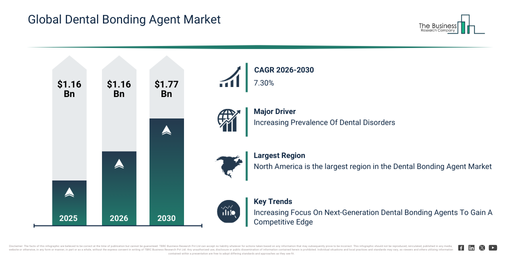
    The dental bonding agent market has shown strong expansion, with its value projected to rise from $18.78 billion in 2025 to $20.17 billion in 2026, indicating a compound annual growth rate (CAGR) of 7.4%. The growth seen so far is attributed to a rise in restorative dental procedures, increasing demand for endodontic and cosmetic dentistry, innovations in adhesive chemistry, the expansion of dental clinic networks, and improved access to dental care services. Looking ahead, the market is expected to continue its upward trajectory, reaching $26.74 billion by 2030 with a CAGR of 7.3%. This forecasted increase is supported by factors such as growing interest in simplified bonding protocols, heightened focus on aesthetic dental restorations, adoption of advanced curing technologies, growing use of minimally invasive dentistry, and expanding investments in high-performance dental materials. Key trends shaping this period include wider acceptance of universal bonding agents, faster-curing adhesives, increased use of multi-step bonding systems, moisture-resistant bonding technologies, and an emphasis on durability of adhesion.

    Download A Free Sample Report For Comprehensive Market Insights:

    https://www.thebusinessresearchcompany.com/sample.aspx?id=13418&type=smp

    Key Growth Factor: Rising Prevalence of Dental Disorders

    One of the main drivers behind the dental bonding agent market’s growth is the increasing occurrence of dental disorders. These conditions, which affect teeth, gums, and oral structures, have become more widespread largely due to high sugar consumption habits. Modern diets loaded with sugary foods and drinks accelerate tooth decay and gum disease, impacting people of all ages. Dental bonding agents play a critical role in treating such disorders by filling cavities and repairing fractured teeth. For instance, Mint Dental Center in the UK reported in April 2025 that the percentage of the UK population suffering from gum disease is expected to rise from 42% to 54% by 2050, underscoring the growing need for effective dental bonding solutions.

    How Dental Advancements and Patient Awareness Boost Market Demand

    The expansion of dental clinic networks and better access to treatment options also contribute significantly to the dental bonding agent market’s growth. As more individuals seek restorative and cosmetic dental procedures, the demand for reliable bonding agents increases. Continuous improvements in adhesive chemistry have enhanced product performance, making bonding agents more effective and user-friendly. These developments encourage dentists to adopt advanced materials, further driving market expansion.

    Access The Complete Dental Bonding Agent Market Report:

    https://www.thebusinessresearchcompany.com/report/dental-bonding-agent-global-market-report

    Dental Bonding Agent Market Segmentation and Key Opportunities

    This market is categorized by product types, technology, and end-user segments. Product-wise, the market is divided into self-etch and total-etch agents. Technology classifications include light-cured and dual-cured bonding agents. End users comprise hospitals, dental clinics, ambulatory surgical centers, and other healthcare facilities. Within the self-etch category, there are one-step and two-step self-etch agents, while the total-etch segment includes two-step and three-step total-etch bonding agents. These segments offer diverse strategic opportunities as companies focus on catering to the specific needs of different dental practices and treatment protocols.

    Next-Generation Innovations Shaping the Future of Dental Bonding Agents

    Leading companies in the dental bonding agent market are concentrating on the development and introduction of advanced bonding agents designed to simplify application and improve effectiveness. These next-generation adhesives aim to enhance bond strength while minimizing postoperative sensitivity. For example, in June 2024, Kerr Dental unveiled OptiBond Universal 360, a one-bottle universal bonding agent compatible with self-etch, selective-etch, and total-etch methods. This product offers strong adhesion across various substrates like zirconia, gold, titanium, and lithium disilicate, streamlining the bonding process for dental professionals and ensuring reliable restorations.

    Prominent Companies Influencing the Dental Bonding Agent Market

    The competitive landscape of the dental bonding agent industry includes several well-known players such as 3M Corporation, Danaher Corporation, Heraeus Kulzer GmbH, Ivoclar Vivadent AG, Kerr Corporation, Ultradent Products Inc., Kulzer GmbH, KaVo Kerr, Kuraray America Inc., COLTENE Group, FGM Produtos Odontológicos, SDI Limited, GC America, VOCO America Inc., Premier Dental Products Co, BISCO Inc., Pulpdent Corporation, DMG America LLC, Pentron Clinical Technologies LLC, Shofu Dental Inc, Cosmedent Inc., and Tokuyama Dental America. These companies are actively driving innovation and expanding their product portfolios to maintain a strong presence in the market.

    Regional Market Leadership and Growth Dynamics

    In 2025, North America held the largest share of the dental bonding agent market, benefiting from advanced healthcare infrastructure and high adoption rates. However, the Asia-Pacific region is anticipated to be the fastest-growing market during the forecast period, driven by increasing dental awareness, expanding healthcare facilities, and rising disposable incomes. Other key regions covered in the market analysis include South East Asia, Western Europe, Eastern Europe, South America, the Middle East, and Africa, offering a broad view of global market trends and opportunities.

    Get in touch with us:

    The Business Research Company: https://www.thebusinessresearchcompany.com/

    Americas: +1 310-496-7795

    Asia: +44 7882 955267 & +91 8897263534

    Europe: +44 7882 955267

    Email us at: marketing@tbrc.info

    Follow us on:

    LinkedIn: https://in.linkedin.com/company/the-business-research-company

    YouTube: https://www.youtube.com/channel/UC24_fI0rV8cR5DxlCpgmyFQ

    Global Market Model: https://www.thebusinessresearchcompany.com/global-market-model
  • Dental Biomaterials Market Expected To Reach $13.42 Billion By 2030 As Growth Accelerates At 8.2% CAGR

    Dental Biomaterials Market Expected To Reach $13.42 Billion By 2030 As Growth Accelerates At 8.2% CAGR

    Delivering more actionable and strategically valuable research, The Business Research Company’s 2026 market reports feature market attractiveness analysis, total addressable market evaluation, company benchmarking matrices, interactive Excel dashboards, expanded supply chain intelligence, emerging startup coverage, and detailed product insights.

    The dental biomaterials sector has seen impressive growth recently, driven by advances in dental treatments and increasing patient demand. As dental health awareness rises globally, this market is set to expand further, influenced by technological developments and shifting consumer preferences. Let’s explore the current market size, the factors propelling its growth, key segments, innovations, major players, and regional dynamics shaping its future.

    Market Size and Growth Outlook of the Dental Biomaterials Market

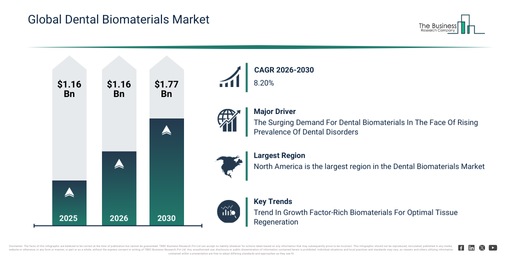
    The dental biomaterials market has experienced significant expansion over recent years. It is projected to grow from $9.01 billion in 2025 to $9.79 billion in 2026, reflecting a compound annual growth rate (CAGR) of 8.6%. This historical growth is largely driven by the increasing prevalence of dental diseases, the rise in restorative dental procedures, growing interest in cosmetic dentistry, greater adoption of implant-based treatments, and the availability of advanced dental materials. Looking ahead, the market is expected to reach $13.42 billion by 2030, with a steady CAGR of 8.2%. Factors supporting this forecast include a stronger emphasis on aesthetic dental outcomes, wider use of digital dentistry workflows, a rising demand for minimally invasive procedures, growth in dental tourism, and continuous advancements in biomaterial engineering. Key trends predicted for the coming years comprise increased use of zirconia and ceramic materials, heightened demand for biocompatible dental solutions, expanded adoption of CAD/CAM-compatible biomaterials, growth in composite and hybrid biomaterial applications, and enhanced focus on long-term oral compatibility.

    Download A Free Sample Report For Comprehensive Market Insights:

    https://www.thebusinessresearchcompany.com/sample.aspx?id=8745&type=smp

    Rising Dental Disorders Propel Demand for Dental Biomaterials

    One of the primary factors accelerating growth in the dental biomaterials market is the rising prevalence of dental disorders, which negatively impact oral health. Poor oral hygiene habits contribute significantly to the buildup of plaque, increasing the risk of cavities and gum diseases. Dental biomaterials play a crucial role in addressing these conditions by offering protective, remineralizing, and bioactive properties that help prevent dental issues. For example, data released in March 2025 by the UK’s Office for Health Improvement and Disparities showed that during 2023-2024, 5-year-old children from the most deprived areas were over twice as likely to suffer from dentinal decay (32.2%) compared to those from the least deprived areas (13.6%). This stark disparity highlights the ongoing challenge of dental diseases and, consequently, drives demand for effective biomaterial solutions.

    Dental Biomaterials Market Segmentation and Opportunities

    The dental biomaterials market is organized into several important segments to better understand its scope and growth potential. By type, the market includes Metallic Biomaterials, Ceramic Biomaterials, Polymeric Biomaterials, Metal-Ceramic Biomaterials, Natural Biomaterials, and Composite Biomaterials. When it comes to bone graft materials, the categories are Allograft, Xenograft, and Synthetic. Application-wise, the market covers Orthodontics, Implantology, Prosthodontics, and other areas. End-users comprise Dental Hospitals and Clinics, Dental Laboratories, Dental Academies and Research Institutes, and Dental Product Manufacturers. Further subsegmentation reveals specifics such as Metallic Biomaterials breaking down into Stainless Steel, Titanium Alloys, and Cobalt-Chromium Alloys; Ceramic Biomaterials into Alumina, Zirconia, and Calcium Phosphate Ceramics; Polymeric Biomaterials into Polyethylene, Polymethyl Methacrylate (PMMA), and Polyurethane; Metal-Ceramic Biomaterials including Porcelain-Fused-To-Metal (PFM) and Metal-Ceramic Composites; Natural Biomaterials including Collagen, Chitosan, and Hydroxyapatite; and Composite Biomaterials encompassing Resin Composites and Glass Ionomer Composites.

    Access The Complete Dental Biomaterials Market Report:

    https://www.thebusinessresearchcompany.com/report/dental-biomaterials-global-market-report

    Innovative Developments Transforming the Dental Biomaterials Market

    Innovations in dental biomaterials are shaping the future of the market, with companies focusing on creating advanced products that improve clinical outcomes. One notable example is the development of growth factor-rich membranes designed to enhance tissue regeneration and wound healing. In October 2023, ZimVie, a US-based medical device company, introduced the Biotivity A/C Plus Membrane, a biomaterial derived from human placental tissue containing a concentrated mix of growth factors, cytokines, chemokines, and hyaluronic acid. This product supports optimal wound healing in jaw repair and dental implant reconstruction. It is minimally processed to maintain its natural properties and sterilized using the Excellion Process, which sets it apart from other similar membranes by avoiding antibiotics in its treatment. Such innovations highlight the ongoing commitment to improving dental treatment options through biomaterial advancements.

    Key Players Leading the Dental Biomaterials Industry

    Several prominent companies are shaping the dental biomaterials market landscape by developing and supplying cutting-edge products. These industry leaders include Straumann Group, Geistlich Biomaterials, Zimmer Biomet Holdings Inc., Dentsply Sirona Inc., 3M Company, Koninklijke DSM N.V., Kuraray Co Ltd., Henry Schein Inc., Mitsui Chemicals Inc., Ivoclar Vivadent AG, Bego Medical GmbH, Institut Straumann AG, BioHorizons IPH Inc., Nobel Biocare Services AG, ACE Surgical Supply Company Inc., Biomatlante, Align Technology Inc., Carestream Dental LLC, Datum Dental Ltd., VITA Zahnfabrik H Rauter Gr KG, Coltene Whaledent AG, DMG Chemisch-Pharmazeutische Fabrik GmbH, Heraeus Kulzer GmbH, Kavo Dental GmbH, Septodont Holding, Ultradent Products Inc., and VOCO GmbH. These companies continue to push innovation and expand market reach globally.

    Regional Market Distribution and Growth Insights

    In 2025, North America held the largest share of the dental biomaterials market, reflecting its advanced healthcare infrastructure and high adoption of dental technologies. Other important regions covered in the market analysis include Asia-Pacific, South East Asia, Western Europe, Eastern Europe, South America, the Middle East, and Africa. The Asia-Pacific region is projected to witness rapid growth in the upcoming years, driven by increasing oral health awareness, rising disposable incomes, and expanding dental care facilities. This regional diversity provides a comprehensive view of global market trends and growth opportunities.

    Get in touch with us:

    The Business Research Company: https://www.thebusinessresearchcompany.com/

    Americas: +1 310-496-7795

    Asia: +44 7882 955267 & +91 8897263534

    Europe: +44 7882 955267

    Email us at: marketing@tbrc.info

    Follow us on:

    LinkedIn: https://in.linkedin.com/company/the-business-research-company

    YouTube: https://www.youtube.com/channel/UC24_fI0rV8cR5DxlCpgmyFQ

    Global Market Model: https://www.thebusinessresearchcompany.com/global-market-model
  • Dental Air Polishing Unit Market Set To Grow From $0.95 Billion In 2026 To $1.12 Billion By 2030 At A CAGR Of 4.2%

    Dental Air Polishing Unit Market Set To Grow From $0.95 Billion In 2026 To $1.12 Billion By 2030 At A CAGR Of 4.2%

    Enhanced with market attractiveness analysis, total addressable market evaluation, company benchmarking matrices, interactive Excel dashboards, expanded supply chain intelligence, emerging startup coverage, and detailed product insights, The Business Research Company’s 2026 market reports deliver more actionable and strategically valuable research.

    The dental air polishing unit market has been steadily evolving, driven by advancements in dental care and increasing awareness of oral hygiene. As dental practices continue to seek efficient and effective cleaning solutions, this market is set to experience consistent growth. Let’s explore the current market size, key growth factors, segmentation, leading companies, and regional trends shaping the future of this sector.

    Dental Air Polishing Unit Market Size and Growth Forecast

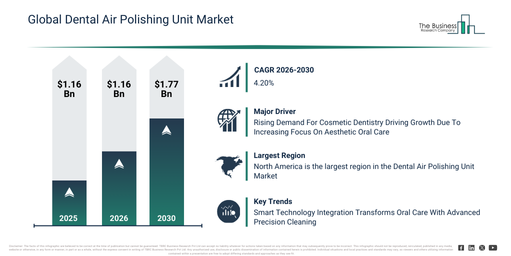
    The market for dental air polishing units is projected to expand gradually, rising from $0.92 billion in 2025 to $0.96 billion in 2026, with a compound annual growth rate (CAGR) of 4.3%. The historical growth is mainly due to a rise in routine dental cleaning procedures, increased prevalence of plaque and stains, expansion of dental clinics, dentists’ preference for time-efficient tools, and growing oral hygiene awareness among patients. Looking ahead, the market is expected to reach $1.13 billion by 2030, growing at a CAGR of 4.2%. This anticipated growth is driven by the increasing number of cosmetic dentistry procedures, demand for quicker chairside treatments, adoption in emerging markets, innovations in polishing powders, and expansion of preventive oral care programs. Key trends expected during this period include the greater use of minimally invasive dental cleaning, rising interest in aesthetic dentistry, expanded application in periodontal therapies, preference for devices emphasizing patient comfort, and the strengthening of preventive dental care initiatives.

    Download A Free Sample Report For Comprehensive Market Insights:

    https://www.thebusinessresearchcompany.com/sample.aspx?id=23366&type=smp

    Factors Stimulating the Dental Air Polishing Unit Market Growth

    One of the main forces boosting this market is the increasing popularity of cosmetic dentistry. Cosmetic dental treatments, which improve the appearance of teeth, gums, and smiles through procedures like whitening, veneers, and orthodontics, are seeing rising demand. This growth is largely influenced by growing public awareness and the impact of social media and celebrity endorsements emphasizing aesthetic appeal. Dental air polishing units play a vital role in these procedures by effectively removing stains and plaque, enhancing teeth’s brightness and smoothness to achieve superior cosmetic outcomes. For instance, a July 2023 report from Dentistry.co.uk revealed that one-third of people under 35 had undergone a cosmetic dental treatment in the past year, with average spending reaching $4,800 (£3,677). Additionally, about 10% of individuals aged 25-34 spent $32,500 (£25,000) or more on such procedures. This surge in cosmetic dentistry significantly contributes to the expanding demand for dental air polishing units.

    Product and Application Segments in the Dental Air Polishing Unit Market

    This market is divided into key segments based on product type, distribution channel, applications, and end users. Under products, the market includes Tabletop Air Polishing Units and Hand-Held Air Polishing Units. Distribution channels are categorized into offline and online sales. When it comes to applications, the units are employed for periodontitis, whitening, cleaning, and other uses. End users primarily include dental clinics, hospitals, and other healthcare providers. Further subcategories are detailed by type, such as Standard and Advanced Tabletop Air Polishing Units, and Corded versus Cordless Hand-Held Air Polishing Units, highlighting the diverse options available to meet specific clinical needs.

    Access The Complete Dental Air Polishing Unit Market Report:

    https://www.thebusinessresearchcompany.com/report/dental-air-polishing-unit-global-market-report

    Market Trends Shaping the Future of Dental Air Polishing Units

    Innovative technological developments are at the forefront of this market’s evolution. Companies are focusing on creating highly efficient polishing machines that improve the quality and speed of dental treatments. A prime example is the introduction of advanced devices that incorporate features like dry polishing, automated controls, and enhanced precision to boost both user experience and clinical outcomes. For example, in March 2023, GPAinnova from Spain launched the DLyte Mini, the lightest polishing machine designed for dental laboratories. This compact device uses dry polishing technology to eliminate water usage, promoting a cleaner and faster workflow. Its electrochemical polishing capabilities deliver high-quality finishes on materials such as titanium, zirconia, and cobalt-chromium, making it ideal for dental labs with limited space while maintaining professional standards.

    Competitive Landscape and Key Players in the Dental Air Polishing Unit Market

    The dental air polishing unit sector features several prominent companies driving innovation and market penetration. Leading players include Acteon Group S.A.S., NSK Nakanishi Inc., DÜRR DENTAL SE, W&H Dentalwerk Bürmoos GmbH, KaVo Dental GmbH, Hu-Friedy Mfg. Co. LLC, Bien-Air Dental SA, EMS Electro Medical Systems SA, Aseptico Inc., Mectron S.p.A., MK dent GmbH, Dentamerica Inc., Being Foshan Medical Equipment Co. Ltd., Bonart Co. Ltd., Guilin Woodpecker Medical Instrument Co. Ltd., Runyes Medical Instrument Co. Ltd., TPC Advanced Technology Inc., Air Techniques Inc., Cefla Dental Group, Anthos (Cefla Dental), Castellini Dental, and Stern Weber. These companies are actively engaged in product development, strategic partnerships, and expanding their global footprint.

    Regional Insights and Leading Markets for Dental Air Polishing Units

    In 2025, North America held the largest share of the dental air polishing unit market, due to well-established dental healthcare infrastructure and high adoption rates of advanced dental technologies. Meanwhile, the Asia-Pacific region is forecasted to be the fastest-growing market during the forecast period, driven by rising dental care awareness, expanding dental clinics, and increasing disposable incomes. The market analysis includes various geographies such as Asia-Pacific, South East Asia, Western Europe, Eastern Europe, North America, South America, Middle East, and Africa, offering a comprehensive view of global market opportunities.

    Get in touch with us:

    The Business Research Company: https://www.thebusinessresearchcompany.com/

    Americas: +1 310-496-7795

    Asia: +44 7882 955267 & +91 8897263534

    Europe: +44 7882 955267

    Email us at: marketing@tbrc.info

    Follow us on:

    LinkedIn: https://in.linkedin.com/company/the-business-research-company

    YouTube: https://www.youtube.com/channel/UC24_fI0rV8cR5DxlCpgmyFQ

    Global Market Model: https://www.thebusinessresearchcompany.com/global-market-model
  • Dental Adhesives And Sealants Market Opportunities Are Emerging Beyond Traditional Growth Areas

    Dental Adhesives And Sealants Market Opportunities Are Emerging Beyond Traditional Growth Areas

    Through market attractiveness analysis, total addressable market evaluation, company benchmarking matrices, interactive Excel dashboards, expanded supply chain intelligence, emerging startup coverage, and detailed product insights, The Business Research Company’s 2026 market reports provide more actionable and strategically valuable research.

    The dental adhesives and sealants sector has witnessed significant expansion recently, buoyed by advances in dental care and preventive treatments. As the demand for effective and durable dental solutions rises globally, this market is set to experience sustained growth. Let’s explore the market’s current scale, growth drivers, key players, and emerging trends shaping its future.

    Market Size and Growth Forecast for Dental Adhesives and Sealants

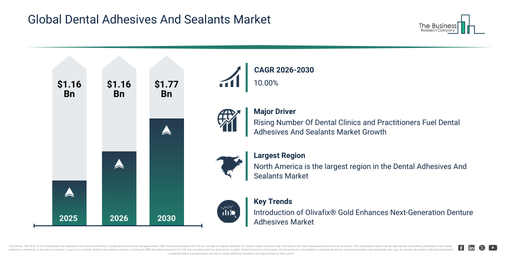
    The dental adhesives and sealants market has grown rapidly over recent years, with its valuation expected to increase from $6.47 billion in 2025 to $7.13 billion in 2026, reflecting a compound annual growth rate (CAGR) of 10.2%. This historical expansion is largely driven by the increasing prevalence of dental caries, wider adoption of preventive dentistry, advancements in restorative dental procedures, innovations in polymer chemistry, and broader access to dental care services. Looking ahead, the market is projected to reach $10.44 billion by 2030, maintaining a CAGR of 10.0%. Factors fueling this growth include rising demand for bioactive and fluoride-releasing materials, a growing emphasis on esthetic dentistry, wider use of minimally invasive treatment protocols, increasing adoption of cutting-edge adhesive systems, and enhanced oral preventive care awareness. Key trends anticipated during the forecast period involve expanding use of universal dental adhesives, greater demand for minimally invasive restorative materials, increased application of bioactive sealants, growth in moisture-tolerant adhesive formulations, and a focus on improving long-lasting bond strength.

    Download A Free Sample Report For Comprehensive Market Insights:

    https://www.thebusinessresearchcompany.com/sample.aspx?id=13417&type=smp

    Key Drivers Supporting Dental Adhesives and Sealants Market Expansion

    One major factor propelling market growth is the rising number of dental clinics and practitioners worldwide. Dental clinics serve as primary centers where oral health is maintained, and dental adhesives and sealants play a crucial role in preventing tooth decay and supporting overall dental wellness. By reducing the need for invasive treatments, these products contribute to better long-term patient outcomes. For example, in October 2024, the Australian Institute of Health and Welfare reported around 87,400 hospitalizations in 2022–23 for dental conditions that could have been avoided with timely care. The highest preventable hospitalization rate was observed among children aged 5 to 9, at 12.3 per 1,000 population. This data highlights the critical role of early interventions and preventive care, which will continue to drive demand for dental adhesives and sealants.

    Segment Breakdown and Revenue Opportunities in the Dental Adhesives and Sealants Industry

    This market is segmented by product type into adhesives and sealants. It is further divided by etching type, including self-etching adhesives, total etching adhesives, and other variants. Formulations cover water-based, solvent-based, hot-melt based, radiation-cured, and other specialized types. Applications range across pit and fissure sealants, denture bonding agents, restorative adhesives, and additional uses. Adhesives are subcategorized into self-etch, total-etch, and universal adhesives, while sealants include pit and fissure sealants along with dental bonding agents. This detailed segmentation provides diverse revenue streams and targeted growth opportunities within the market.

    Access The Complete Dental Adhesives And Sealants Market Report:

    https://www.thebusinessresearchcompany.com/report/dental-adhesives-and-sealants-global-market-report

    Emerging Industry Trends Reshaping the Demand for Dental Adhesives and Sealants

    Leading companies in this sector are innovating to broaden their product portfolios and capture larger customer bases. A notable example is the development of advanced denture adhesives that offer enhanced performance and safety. For instance, in July 2024, Belgium-based oral-care company Bonyf NV introduced Olivafix Gold, a next-generation denture adhesive cream. This product is free from petroleum derivatives and Vaseline, incorporates 30% organic extra virgin olive oil, and provides up to 24 hours of secure retention for full and partial dentures. It also hydrates the mouth and improves wearer comfort, offering a more natural alternative to conventional adhesives.

    Top Companies Steering the Dental Adhesives and Sealants Market Forward

    Several key players dominate the dental adhesives and sealants market landscape, including Johnson & Johnson, 3M Company, Henkel AG & Co. KGaA, Mitsui Chemicals Inc., Kuraray Co. Ltd., Dentsply Sirona Inc., Ivoclar Vivadent AG, Ultradent Products Inc., Septodont Inc., BISCO Inc., Kerr Corporation, VOCO GmbH, Sybron Dental Specialties Inc., SDI Limited, Coltene Whaledent Inc., Premier Dental Products Co., Parkell Inc., DMG America LLC, DETAX GmbH & Co. KG, Cosmedent Inc., Dr. B Dental Solutions LLC, Sino-dentex Co. Ltd., and Tokuyama Dental America Inc. These companies are continuously investing in research and development to drive innovation and meet evolving market demands.

    Regional Market Outlook Highlighting Growth Hotspots

    In 2025, North America held the largest share of the dental adhesives and sealants market. However, the Asia-Pacific region is anticipated to be the fastest-growing market during the forecast period. The comprehensive market analysis covers regions including Asia-Pacific, South East Asia, Western Europe, Eastern Europe, North America, South America, the Middle East, and Africa, providing insights into geographic trends and opportunities for expansion.

    Get in touch with us:

    The Business Research Company: https://www.thebusinessresearchcompany.com/

    Americas: +1 310-496-7795

    Asia: +44 7882 955267 & +91 8897263534

    Europe: +44 7882 955267

    Email us at: marketing@tbrc.info

    Follow us on:

    LinkedIn: https://in.linkedin.com/company/the-business-research-company

    YouTube: https://www.youtube.com/channel/UC24_fI0rV8cR5DxlCpgmyFQ

    Global Market Model: https://www.thebusinessresearchcompany.com/global-market-model
  • Dental 3D Scanners Market Expansion Is Opening New Pathways For Strategic Investment

    Dental 3D Scanners Market Expansion Is Opening New Pathways For Strategic Investment

    Delivering more actionable and strategically valuable research, The Business Research Company’s 2026 market reports feature market attractiveness analysis, total addressable market evaluation, company benchmarking matrices, interactive Excel dashboards, expanded supply chain intelligence, emerging startup coverage, and detailed product insights.

    The dental 3D scanners market has witnessed significant growth recently and shows promising prospects for the coming years. As digital dentistry becomes more widespread, advancements in technology and increasing demand for precise dental care are shaping this evolving industry. Let’s explore the current market size, key growth drivers, innovation trends, major players, and regional outlook within the dental 3D scanners sector.

    Steady Growth Trajectory of the Dental 3D Scanners Market

    The dental 3D scanners market has expanded robustly over recent years, with its value expected to rise from $0.85 billion in 2025 to $0.93 billion in 2026, marking a compound annual growth rate (CAGR) of 9.3%. This historical growth is largely fueled by the growing adoption of digital dental techniques, increasing demand for restorative and cosmetic dental procedures, the expansion of dental laboratories, and technological improvements in optical scanning devices.

    Download A Free Sample Report For Comprehensive Market Insights:

    https://www.thebusinessresearchcompany.com/sample.aspx?id=14897&type=smp

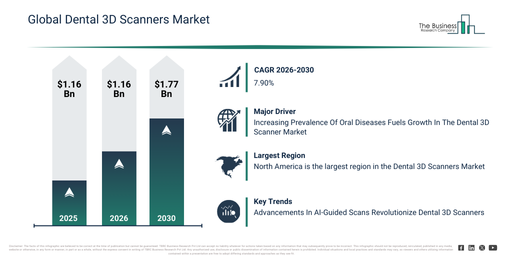
    Looking ahead, the market is projected to continue its strong upward trend, reaching $1.26 billion by 2030 with a CAGR of 7.9%. Key factors driving this forecasted growth include increasing investments in fully digital dental clinics, rising demand for same-day dental restorations, the growth of teledentistry services, more widespread use of AI-assisted scan analysis, and broader adoption in emerging dental markets. Important trends expected to influence this period involve the growing use of chairside intraoral scanners, deeper integration with CAD/CAM workflows, heightened demand for highly accurate digital impressions, the rise of wireless and portable scanner models, and an emphasis on faster scan processing speeds.

    Oral Health Concerns as a Major Growth Driver in Dental 3D Scanners

    One significant factor propelling the dental 3D scanners market is the rising prevalence of oral diseases, which include conditions affecting the mouth, teeth, and surrounding structures. Various causes such as unhealthy diets, tobacco use, poor oral hygiene habits, and an aging population contribute to the increasing incidence of these diseases.

    Access The Complete Dental 3D Scanners Market Report:

    https://www.thebusinessresearchcompany.com/report/dental-3d-scanners-global-market-report

    Dental 3D scanners play a crucial role by enabling early detection and precise treatment planning through accurate measurements and detailed anatomical imaging. For example, in April 2025, the Mint Dental Centre, a UK-based intergovernmental organization, projected that the proportion of people in the UK with gum disease will rise from 42% currently to 54% by 2050. This growing incidence of oral health issues is therefore a significant factor driving demand for dental 3D scanning technologies.

    Technology and Application Segments Within the Dental 3D Scanners Market

    The dental 3D scanners market is categorized into several key segments to capture its diversity:

    1) By Type: 3D Dental Light Scanners and 3D Dental Laser Scanners

    2) By Application: Medical uses and Other applications

    3) By End User: Hospitals and Dental Clinics, Dental Laboratories, and Academic and Research Institutes

    Further breakdown includes subsegments such as contact-based and non-contact 3D dental light scanners, as well as contact-based and non-contact 3D dental laser scanners, providing a detailed view of the market’s structure.

    Advancements in AI and Its Impact on Dental 3D Scanning Innovation

    Leading companies in the dental 3D scanners field are prioritizing innovative products like AI-guided scanning to enhance performance and user experience. AI-powered scans offer several advantages, including improved accuracy and precision, faster and more efficient scanning, superior imaging quality, and greater patient comfort.

    For instance, in June 2023, France-based software firm Dental Monitoring SAS introduced ScanAssist123, an AI-guided orthodontic scanning tool. This technology provides real-time guidance and feedback to patients during scans, making the process more interactive and engaging. The app creates a 3D mouth model that follows the scanning progress, ensuring detailed imaging and thorough analysis of treatment outcomes and oral health. ScanAssist is integrated within the DentalMonitoring app, which uses AI to detect over 130 intraoral conditions during braces and aligner treatments.

    Competitive Landscape of Key Players in the Dental 3D Scanners Market

    The dental 3D scanners market features a range of prominent companies contributing to technological advancements and market expansion. Some of the main players include Dentsply Sirona Inc., Align Technology Inc., Envista Holdings Corporation, Institut Straumann AG, Carestream Health Inc., Planmeca Oy, Vatech Co. Ltd., Carestream Dental Limited, Amann Girrbach AG, 3Shape AS, Smart Optics Sensortechnik GmbH, Nobel Biocare, Structo Pte. Ltd., Shining 3D Tech Co. Ltd., Taisite Instrument Co. Ltd., E4D Technologies, Dental Wings, Zfx GmbH, and Owandy Radiology.

    Regional Market Dynamics Highlighting Growth Hotspots

    In 2025, North America held the largest share of the dental 3D scanners market, serving as a key hub for adoption and innovation. Meanwhile, the Asia-Pacific region is expected to experience the fastest growth during the forecast period, driven by increasing healthcare investments and emerging dental markets. The comprehensive market analysis includes regions such as Asia-Pacific, South East Asia, Western Europe, Eastern Europe, North America, South America, the Middle East, and Africa, providing a global perspective on market developments.

    Get in touch with us:

    The Business Research Company: https://www.thebusinessresearchcompany.com/

    Americas: +1 310-496-7795

    Asia: +44 7882 955267 & +91 8897263534

    Europe: +44 7882 955267

    Email us at: marketing@tbrc.info

    Follow us on:

    LinkedIn: https://in.linkedin.com/company/the-business-research-company

    YouTube: https://www.youtube.com/channel/UC24_fI0rV8cR5DxlCpgmyFQ

    Global Market Model: https://www.thebusinessresearchcompany.com/global-market-model
  • Dental 3D Printing Devices Market Trends Are Creating New Opportunities For Industry Leaders

    Dental 3D Printing Devices Market Trends Are Creating New Opportunities For Industry Leaders

    Enhanced with market attractiveness analysis, total addressable market evaluation, company benchmarking matrices, interactive Excel dashboards, expanded supply chain intelligence, emerging startup coverage, and detailed product insights, The Business Research Company’s 2026 market reports deliver more actionable and strategically valuable research.

    The dental 3D printing devices market is experiencing significant momentum, driven by technological advancements and increasing demand for personalized dental care. This dynamic sector is set to expand rapidly over the coming years. Let’s explore the current market size, primary growth factors, important segments, emerging trends, leading players, and regional insights shaping this industry.

    Market Size and Revenue Growth Projections for Dental 3D Printing Devices

    The dental 3D printing devices market has witnessed robust growth in recent years, with its value expected to increase from $6.33 billion in 2025 to $7.37 billion in 2026, reflecting a strong compound annual growth rate (CAGR) of 16.4%. This historical growth can be linked to the high costs associated with traditional dental manufacturing methods, limited access to advanced 3D printing technologies, reliance on manual fabrication of dental prosthetics, the increasing number of dental clinics and labs, and early adoption of stereolithography (SLA) and digital light processing (DLP) technologies.

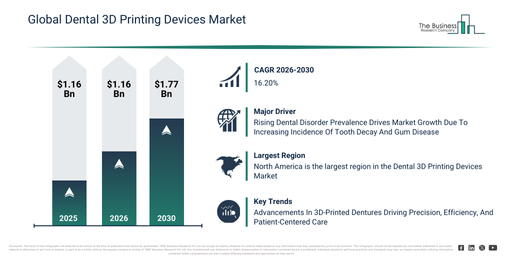
    Looking ahead, the market is projected to soar to $13.42 billion by 2030, maintaining a CAGR of 16.2%. The anticipated expansion is fueled by the growth of dental-specific 3D printers, innovations in multi-material and high-precision printing, heightened investments in dental education and research, rising demand for customized orthodontic and prosthodontic solutions, and the integration of AI and digital workflows in dental laboratories. Emerging trends include a surge in the use of biocompatible materials, faster production times, enhanced integration of 3D printing with digital oral scanning, and increased applications in orthodontics and prosthodontics.

    Download A Free Sample Report For Comprehensive Market Insights:

    https://www.thebusinessresearchcompany.com/sample.aspx?id=25735&type=smp

    Drivers Accelerating Growth in the Dental 3D Printing Devices Market

    One of the key factors driving the dental 3D printing devices market is the rising incidence of dental disorders. These conditions affect the teeth and surrounding tissues, often resulting from poor dietary habits, such as high sugar and acid consumption, which lead to tooth decay and gum disease. Dental 3D printing devices offer a valuable solution by enabling rapid, precise, and cost-effective production of personalized dental appliances like crowns, bridges, aligners, dentures, and surgical guides. This improves the accuracy of treatments and patient outcomes.

    For instance, a report by the American Cancer Society in January 2024 estimated that approximately 58,450 American adults will be diagnosed with oral or oropharyngeal cancer in 2024, up from 54,000 in 2022. This increasing prevalence of dental health issues is a significant factor propelling demand for 3D printing technologies in dentistry.

    Key Segments Driving the Dental 3D Printing Devices Market

    This market is segmented into several categories to better understand its scope and growth areas:

    1) Device Type: Desktop 3D Printers, Industrial 3D Printers, and Dental-Specific 3D Printers

    2) Technology Type: Stereolithography (SLA), Digital Light Processing (DLP), Selective Laser Sintering (SLS), and Material Jetting

    3) Material Type: Resins, Biocompatible Materials, Thermoplastics, and Wax

    4) Application Area: Orthodontics, Prosthodontics, Implantology, Maxillofacial Surgery, and Custom Dental Devices

    5) End-User: Dental Laboratories, Dental Clinics, Educational Institutions, and Research Organizations

    Further subcategories include resin-based desktop printers, fused deposition modeling (FDM) desktop printers, multi-material desktop printers, as well as various industrial printers like selective laser sintering (SLS), multi-jet fusion (MJF), binder jetting, and polyjet. Dental-specific printers cover crown and bridge printers, denture printers, orthodontic appliance printers, and surgical guide printers.

    Access The Complete Dental 3D Printing Devices Market Report:

    https://www.thebusinessresearchcompany.com/report/dental-3d-printing-devices-global-market-report

    Emerging Trends Shaping the Future of Dental 3D Printing Devices

    Companies in this space are heavily investing in advanced technologies to improve clinical outcomes and patient satisfaction. A particular focus is on 3D-printed dentures, which enhance treatment precision, shorten turnaround times, and allow for greater customization tailored to individual patients.

    For example, in February 2024, 3D Systems Corporation introduced the first multi-material, jetted monolithic dentures. This innovation combines materials for teeth and gums into a single, durable unit with improved break resistance and natural aesthetics. It significantly reduces production time and labor costs for dental labs, offering patients quicker access to comfortable, long-lasting dentures.

    Leading Players Driving Innovation in the Dental 3D Printing Devices Market

    The competitive landscape includes key companies such as Renishaw, Stratasys Ltd, 3D Systems Corporation, Roland DG Corporation, Formlabs Inc, Materialise NV, Desktop Metal Inc, Carbon Inc, EnvisionTEC GmbH, SprintRay Inc, Prodways Group SA, UnionTech, Structo Pte Ltd, Kulzer GmbH, BEGO GmbH And Co KG, Sisma SpA, Asiga Pty Ltd, Rapid Shape GmbH, Shining 3D Dental, DWS Systems, Ackuretta Technologies, and Planmeca Group. These organizations are pivotal in shaping technological advancements and expanding market reach.

    Regional Market Leadership and Growth Opportunities

    In 2025, North America held the largest share of the dental 3D printing devices market. However, the Asia-Pacific region is anticipated to exhibit the fastest growth during the forecast period. The analysis includes key geographic areas such as Asia-Pacific, South East Asia, Western Europe, Eastern Europe, North America, South America, the Middle East, and Africa, providing a comprehensive view of global market trends and opportunities.

    Get in touch with us:

    The Business Research Company: https://www.thebusinessresearchcompany.com/

    Americas: +1 310-496-7795

    Asia: +44 7882 955267 & +91 8897263534

    Europe: +44 7882 955267

    Email us at: marketing@tbrc.info

    Follow us on:

    LinkedIn: https://in.linkedin.com/company/the-business-research-company

    YouTube: https://www.youtube.com/channel/UC24_fI0rV8cR5DxlCpgmyFQ

    Global Market Model: https://www.thebusinessresearchcompany.com/global-market-model
  • Dental 3D Printing Market Growth Is Reshaping Competitive Advantage Across The Industry

    Dental 3D Printing Market Growth Is Reshaping Competitive Advantage Across The Industry

    Through market attractiveness analysis, total addressable market evaluation, company benchmarking matrices, interactive Excel dashboards, expanded supply chain intelligence, emerging startup coverage, and detailed product insights, The Business Research Company’s 2026 market reports provide more actionable and strategically valuable research.

    The dental 3D printing sector has witnessed remarkable growth recently, transforming how dental care and prosthetics are produced. With rapid technological advancements and increased adoption of digital dentistry, this market is on track for substantial expansion. Let’s explore the current market size, key drivers, segment details, emerging trends, leading companies, and regional dynamics shaping this evolving industry.

    Dental 3D Printing Market Size and Projected Growth

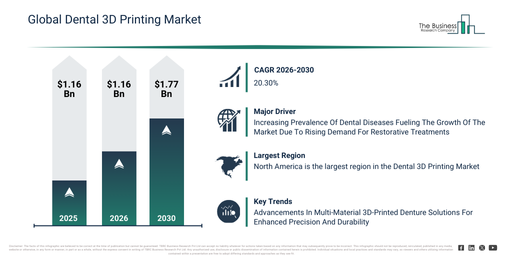
    The dental 3D printing market has seen significant expansion, growing from $3.57 billion in 2025 to an expected $4.31 billion in 2026, marking a compound annual growth rate (CAGR) of 20.6%. This growth during the past period stems from rising demand for cosmetic dentistry, the digitization of dental laboratories, increasing use of CAD/CAM systems, wider availability of digital dental scanners, and growth in restorative dental treatments. Looking ahead, the market is projected to reach $9.04 billion by 2030, growing at a CAGR of 20.3%. Factors contributing to this future growth include greater adoption of digital dentistry practices, growing investments in dental technology infrastructure, heightened demand for personalized dental products, expansion of in-house 3D printing within clinics, and ongoing innovation in dental printing materials. Key trends expected to shape this period include increased use of chairside 3D printing, growing demand for customized restorations, advanced dental printing materials, broader integration of digital workflows, and a stronger emphasis on rapid production turnaround times.

    Download A Free Sample Report For Comprehensive Market Insights:

    https://www.thebusinessresearchcompany.com/sample.aspx?id=24201&type=smp

    Factors Boosting the Dental 3D Printing Market Growth

    One of the main drivers of the dental 3D printing market is the rising prevalence of dental diseases, such as tooth decay, gum disease, tooth loss, and oral cancers, which impact oral health globally. The increase in dental conditions is largely due to poor oral hygiene habits, including irregular brushing and flossing, which allow plaque buildup and lead to more complications. Dental 3D printing technology supports patients suffering from these disorders by providing precisely customized implants and prosthetics, which offer better comfort and functionality compared to traditional devices.

    Additionally, dental 3D printing accelerates the production process for dental appliances, reducing overall treatment times. For example, data from November 2024 by the UK’s National Health Service showed that 34 million dental treatment courses were delivered in England during 2023-24, representing a 4.3% rise compared to the previous year. This growing demand for dental care services directly influences the expanding need for advanced dental 3D printing solutions.

    Access The Complete Dental 3D Printing Market Report:

    https://www.thebusinessresearchcompany.com/report/dental-3d-printing-global-market-report

    Dental 3D Printing Market Segmentation Overview

    The dental 3D printing market is categorized into several segments to better understand its structure:

    1) By Product and Service Type: Equipment, Materials, and Services

    2) By Technology Type: Vat Photopolymerization, Selective Laser Sintering, and Other Technologies

    3) By Application: Orthodontics, Prosthodontics, and Implantology

    4) By End-User: Dental Laboratories, Dental Clinics, Hospitals and Clinics, Academic and Research Institutes, and Other Users

    Each segment is further broken down, for instance:

    – Equipment includes 3D printers, post-processing devices, and scanning tools.

    – Materials cover dental resins, metals, ceramics, and polymers.

    – Services involve design and prototyping, customization and consultation, printing and production, as well as post-processing and finishing.

    Innovative Trends Driving Dental 3D Printing Market Expansion

    Key players in the dental 3D printing space are focusing on developing advanced multi-material denture solutions to improve accuracy, durability, and customization possibilities. This technology enables simultaneous printing and curing of multiple materials layer by layer, resulting in a single, integrated denture with superior performance.

    For instance, in February 2024, US-based 3D Systems Inc. introduced the Nextdent Jetted Denture Solution, a cutting-edge 3D-printed denture offering enhanced durability with break-resistant gums and wear-resistant teeth, alongside natural aesthetics that mimic real gums and teeth textures. This innovation improves patient comfort and satisfaction, while the integrated workflow optimizes lab productivity by enabling high-volume production, reducing manual labor, shortening turnaround times, and lowering operational costs.

    Major Companies Leading the Dental 3D Printing Market

    The dental 3D printing industry features several prominent companies including Renishaw plc, Stratasys Ltd., 3D Systems Corporation, Kulzer GmbH, Formlabs Inc., Desktop Metal Inc., Carbon Inc., Prodways Group SA, Voco GmbH, Keystone Industries Limited, Shanghai Union Technology Corporation, Roland DGA, SprintRay Inc., BEGO GmbH & Co. KG, Rapid Shape GmbH, Nexa3D Inc., Eplus3D Tech Co Ltd., MiiCraft, Dentona AG, and Micron Dental Technologies.

    Regional Market Insights and Growth Potential

    In 2025, North America held the largest share of the dental 3D printing market. However, Asia-Pacific is forecasted to become the fastest-growing region during the upcoming years. The market report also covers other important regions such as South East Asia, Western Europe, Eastern Europe, South America, the Middle East, and Africa, providing a thorough analysis of global market trends and regional dynamics.

    Get in touch with us:

    The Business Research Company: https://www.thebusinessresearchcompany.com/

    Americas: +1 310-496-7795

    Asia: +44 7882 955267 & +91 8897263534

    Europe: +44 7882 955267

    Email us at: marketing@tbrc.info

    Follow us on:

    LinkedIn: https://in.linkedin.com/company/the-business-research-company

    YouTube: https://www.youtube.com/channel/UC24_fI0rV8cR5DxlCpgmyFQ

    Global Market Model: https://www.thebusinessresearchcompany.com/global-market-model
  • Demineralized Bone Matrix Market Forecast Signals New Revenue Opportunities Through 2030

    Demineralized Bone Matrix Market Forecast Signals New Revenue Opportunities Through 2030

    Delivering more actionable and strategically valuable research, The Business Research Company’s 2026 market reports feature market attractiveness analysis, total addressable market evaluation, company benchmarking matrices, interactive Excel dashboards, expanded supply chain intelligence, emerging startup coverage, and detailed product insights.

    The demineralized bone matrix market has witnessed significant growth in recent years, driven by advancements in medical procedures and rising awareness of bone healing technologies. This report provides an overview of the market’s current size, growth prospects, key drivers, major players, and evolving trends, offering insights into the opportunities shaping this industry’s future.

    Steady Growth and Future Outlook of the Demineralized Bone Matrix Market

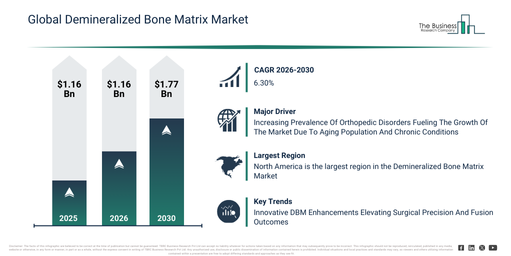
    The market for demineralized bone matrix is on an upward trajectory, expanding from $1.12 billion in 2025 to $1.2 billion in 2026, with a compound annual growth rate (CAGR) of 6.6%. Historical growth has been fueled by factors such as the limited availability of allograft bone materials, a strong reliance on traditional bone grafts, an increase in orthopedic and dental surgeries, growing patient awareness regarding bone healing options, and wider adoption of standardized surgical procedures. Looking ahead, the market is projected to reach $1.52 billion by 2030, growing at a CAGR of 6.3%. This anticipated expansion is supported by innovations in bioactive gels and collagen matrices, rising numbers of spinal fusion and joint reconstruction surgeries, growth of specialty clinics and ambulatory surgical centers, enhanced regulatory approvals and quality certifications, and the integration of minimally invasive surgical methods. Emerging trends also indicate increased use of demineralized bone matrix in orthopedic surgeries, dental and craniomaxillofacial procedures, spinal fusion, and long bone reconstruction. Additionally, there is a growing focus on injectable and thermosensitive gel products, alongside collagen-based and bioactive materials that promote bone regeneration.

    Download A Free Sample Report For Comprehensive Market Insights:

    https://www.thebusinessresearchcompany.com/sample.aspx?id=24516&type=smp

    Rising Prevalence of Orthopedic Disorders Boosts Demineralized Bone Matrix Market

    One of the primary factors propelling the demineralized bone matrix market is the growing incidence of orthopedic disorders worldwide. These conditions affect the musculoskeletal system, including bones, joints, muscles, ligaments, tendons, and nerves. As the global population ages, the demand for orthopedic treatments is increasing due to higher susceptibility to disorders such as osteoarthritis, osteoporosis, and bone fractures among older adults. Demineralized bone matrix plays a crucial role in treating these conditions by supporting bone regeneration and healing, making it an essential component in procedures like spinal fusion, joint reconstruction, and fracture repair.

    Enhanced Bone Healing Capabilities Drive Market Adoption

    Demineralized bone matrix improves recovery by providing an osteoinductive scaffold that encourages natural bone growth, which in turn leads to better surgical results. For example, a survey conducted by the Institute for Health Metrics and Evaluation in August 2023 reported that 15% of individuals aged 30 and above in the U.S. suffered from osteoarthritis. This number is expected to rise significantly, reaching approximately 1 billion affected people globally by 2050. Such statistics highlight why the increasing burden of orthopedic disorders is a key catalyst for market expansion.

    Access The Complete Demineralized Bone Matrix Market Report:

    https://www.thebusinessresearchcompany.com/report/demineralized-bone-matrix-global-market-report

    Breaking Down the Demineralized Bone Matrix Market Segments

    This market is divided into several important categories:

    1) Product Type: Gel, Putty, Sponge, Fiber, Paste, and Other Product Types

    2) Tissue Source: Allograft and Synthetic Bone Graft Substitutes

    3) Application: Dental, Craniomaxillofacial, Spinal Fusion, Long Bone Procedures, Joint Reconstruction, and Other Applications

    4) End-Use: Hospitals, Ambulatory Surgical Centers, Specialty Clinics, and Other End-Use Areas

    Further subcategories include specific types of gels such as injectable, bioactive, and thermosensitive gels; putties like moldable, radiopaque, and self-setting variants; sponges including resorbable, collagen-based, and porous types; fibers such as mineralized, non-mineralized, and collagen fiber matrices; pastes in flowable, adhesive, and viscous forms; and other products like sheet matrices, strip matrices, and granules.

    Innovations and Market Trends Shaping the Demineralized Bone Matrix Industry

    Leading companies in the demineralized bone matrix space are focusing on product innovations to improve surgical outcomes and handling. A notable development is the introduction of flowable demineralized fibers, which enhance the ease of graft placement and boost osteoinductive efficiency. These fibers are moldable and composed of cortical bone fibers integrated within a carrier, making them suitable for complex anatomical sites and promoting natural bone regeneration.

    For instance, in January 2025, LifeNet Health, Inc., a U.S.-based non-profit organization, launched PliaFX Flo. This new product features carrier-free, flowable demineralized fiber technology designed to optimize graft moldability and precision during bone fusion surgeries. PliaFX Flo offers a dense fiber network that maximizes osteoinductive potential and improves handling, aiming to deliver superior fusion outcomes.

    Key Players in the Demineralized Bone Matrix Market and Competitive Environment

    The market is dominated by several prominent companies including Johnson and Johnson, Medtronic plc, Stryker Corporation, Zimmer Biomet Holdings Inc, Arthrex Inc, Straumann AG, Globus Medical Inc, Integra LifeSciences Corporation, MTF Biologics, Exactech Inc, RTI Surgical, AlloSource, Cerapedics Inc, Keystone Dental Inc, Xtant Medical Holdings Inc, Hans Biomed Co Ltd, Bone Biologics Corp, SeaSpine Holdings Corporation, Orthofix Medical Inc, and LifeNet Health. These players are crucial in driving innovation, maintaining high standards, and expanding market reach globally.

    Regional Insights and Growth Prospects in the Demineralized Bone Matrix Market

    In 2025, North America accounted for the largest share of the demineralized bone matrix market. Meanwhile, the Asia-Pacific region is expected to register the fastest growth throughout the forecast period. The market analysis also includes other key regions such as South East Asia, Western Europe, Eastern Europe, South America, the Middle East, and Africa, providing a comprehensive understanding of regional developments and emerging opportunities across the globe.

    Get in touch with us:

    The Business Research Company: https://www.thebusinessresearchcompany.com/

    Americas: +1 310-496-7795

    Asia: +44 7882 955267 & +91 8897263534

    Europe: +44 7882 955267

    Email us at: marketing@tbrc.info

    Follow us on:

    LinkedIn: https://in.linkedin.com/company/the-business-research-company

    YouTube: https://www.youtube.com/channel/UC24_fI0rV8cR5DxlCpgmyFQ

    Global Market Model: https://www.thebusinessresearchcompany.com/global-market-model
  • Demineralized Bone Fiber Technology Market Growth Is Accelerating As Industry Transformation Continues

    Demineralized Bone Fiber Technology Market Growth Is Accelerating As Industry Transformation Continues

    Enhanced with market attractiveness analysis, total addressable market evaluation, company benchmarking matrices, interactive Excel dashboards, expanded supply chain intelligence, emerging startup coverage, and detailed product insights, The Business Research Company’s 2026 market reports deliver more actionable and strategically valuable research.

    The demineralized bone fiber technology market has been steadily expanding, driven by advancements in orthopedic and dental treatments. As healthcare needs evolve, particularly with a growing aging population and increasing surgical procedures, this sector is set for significant growth. Let’s explore the current market size, key growth drivers, segmentation, competitive landscape, and regional prospects shaping this promising industry.

    Current Market Size and Growth Outlook for Demineralized Bone Fiber Technology

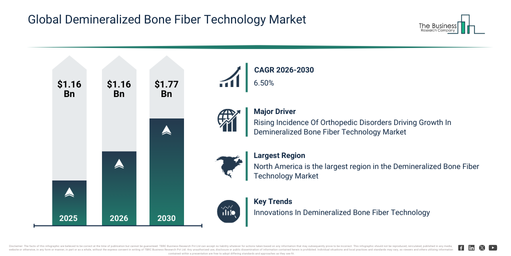
    The market for demineralized bone fiber technology has shown robust growth recently, increasing from $1.43 billion in 2025 to $1.53 billion in 2026, with a compound annual growth rate (CAGR) of 6.5%. This upward trend has been fueled by a rise in orthopedic surgeries, a growing number of traumatic bone injuries, expansion of dental implant procedures, wider clinical acceptance of allografts, and the development of orthopedic departments within hospitals. Looking ahead, the market is expected to reach $1.97 billion by 2030, maintaining the same 6.5% CAGR. Factors influencing this forecast include an aging global population, heightened demand for minimally invasive bone repair techniques, increased spinal fusion surgeries, and growth in dental restoration treatments. Other key trends during this period involve greater adoption of osteoinductive bone graft materials, rising use in spinal fusion, preference for flexible bone graft formats, expansion of dental bone regeneration applications, and a growing need for off-the-shelf grafting solutions.

    Download A Free Sample Report For Comprehensive Market Insights:

    https://www.thebusinessresearchcompany.com/sample.aspx?id=18803&type=smp

    Key Factors Supporting Growth in Demineralized Bone Fiber Technology

    One of the main drivers propelling this market is the rising prevalence of orthopedic disorders, a group of conditions that impair bones, joints, muscles, and related tissues, thus limiting mobility and daily function. Several reasons contribute to this rise, including an aging demographic, sedentary lifestyles, and increasing obesity rates, all of which lead to more frequent joint and bone problems. Demineralized bone fiber technology plays an important role in treating these conditions by serving as a natural scaffold that encourages new bone growth and regeneration. For example, in January 2024, the UK’s Office for Health Improvement and Disparities reported that 18.4% of individuals aged 16 and above self-reported long-term musculoskeletal (MSK) conditions in 2023, up from 17.6% the previous year. This increase highlights the growing need for effective orthopedic solutions, which in turn supports the expansion of this market.

    Additional Growth Drivers for the Demineralized Bone Fiber Technology Market

    Alongside rising orthopedic cases, advancements in surgical techniques and an emphasis on minimally invasive procedures are also driving market expansion. Surgeons and patients alike prefer biologic graft alternatives that promote better healing and reduce complications, encouraging further adoption of demineralized bone fiber products. Moreover, the increasing frequency of spinal fusion surgeries and dental restoration procedures broadens the scope of applications, contributing to consistent demand for innovative bone fiber technologies.

    Access The Complete Demineralized Bone Fiber Technology Market Report:

    https://www.thebusinessresearchcompany.com/report/demineralized-bone-fiber-technology-global-market-report

    Detailed Segmentation of the Demineralized Bone Fiber Technology Market

    This market is segmented into several key categories:

    1) Product Type: Allograft, Demineralized Bone Matrix (DBM), Synthetic, and Xenograft

    2) Material Type: Collagen, Hydroxyapatite, Polymers, and Tricalcium Phosphate

    3) Application Areas: Dental, Joint Reconstruction, Spinal Fusion, and Trauma

    4) End-User Groups: Ambulatory Surgical Centers, Hospitals, and Specialty Clinics

    Further subcategories include allograft types such as Fresh Frozen, Freeze-Dried, and Processed; DBM subtypes including Injectable DBM, DBM Bone Grafts, DBM Putty, and DBM Sponge; synthetic options like Synthetic Bone Grafts, Substitutes, and Fillers; and xenograft varieties such as Bovine, Porcine, and Processed Xenografts.

    How Innovations Are Shaping Competitive Dynamics in the Demineralized Bone Fiber Technology Market

    Companies in this market are focusing heavily on innovation, especially in developing proprietary demineralized cortical bone fiber technologies. These advanced processing methods remove minerals from cortical bone to enhance both biological and mechanical properties of bone grafts, improving performance in medical and dental settings. For instance, in February 2024, US regenerative medicine company Tetrous Inc. launched EnFix TAC, a unique demineralized bone allograft implant designed to improve healing at the enthesis—the interface between bone and tendon—following rotator cuff surgery. This product supports efficient bone-to-tendon integration, helping to reduce scar tissue formation that can interfere with proper healing. Its design also allows surgeons to use different suture anchor systems, offering greater flexibility and improving surgical outcomes.

    Prominent Market Players Leading Growth in Demineralized Bone Fiber Technology

    Several leading companies are active in this market, driving competitive growth through product development and strategic initiatives. These include Johnson & Johnson, Medtronic Plc, Stryker Corporation, Zimmer Biomet, Arthrex Inc., Globus Medical Inc., Integra LifeSciences Corporation, NuVasive Inc., Wright Medical Group N.V., Bioventus LLC, Alphatec Holdings Inc., MTF Biologics, RTI Surgical Holdings Inc., LifeNet Health, SeaSpine Holdings Corporation, AlloSource, Xtant Medical Holdings Inc., Orthofix Medical Inc., Kuros Biosciences AG, Spine Wave Inc., and Orthogen LLC.

    Regional Market Insights Highlighting North America and Asia-Pacific

    In 2025, North America held the largest share of the demineralized bone fiber technology market, benefiting from well-established healthcare infrastructure and high adoption rates of advanced medical technologies. Meanwhile, Asia-Pacific is projected to be the fastest-growing region during the forecast period due to increasing healthcare investments, rising awareness of orthopedic treatments, and expanding access to advanced surgical procedures. Other regions covered in the market analysis include South East Asia, Western Europe, Eastern Europe, South America, the Middle East, and Africa, presenting a comprehensive view of global market trends.

    Get in touch with us:

    The Business Research Company: https://www.thebusinessresearchcompany.com/

    Americas: +1 310-496-7795

    Asia: +44 7882 955267 & +91 8897263534

    Europe: +44 7882 955267

    Email us at: marketing@tbrc.info

    Follow us on:

    LinkedIn: https://in.linkedin.com/company/the-business-research-company

    YouTube: https://www.youtube.com/channel/UC24_fI0rV8cR5DxlCpgmyFQ

    Global Market Model: https://www.thebusinessresearchcompany.com/global-market-model