Category: Medical Equipment

  • Magnetic Resonance Imaging Systems Devices And Equipment Market Revenue Anticipated To Reach $11.67 Billion By 2030 With 3.8% CAGR

    Magnetic Resonance Imaging Systems Devices And Equipment Market Revenue Anticipated To Reach $11.67 Billion By 2030 With 3.8% CAGR

    The Business Research Company’s 2026 market reports feature advanced enhancements such as market attractiveness analysis, total addressable market evaluation, company benchmarking matrices, interactive Excel dashboards, expanded supply chain intelligence, emerging startup coverage, and detailed product insights, delivering more actionable and strategically valuable research.

    How Is The Magnetic Resonance Imaging Systems Devices And Equipment Market’s Market Value Anticipated To Evolve From 2026 To 2030?

    The market for magnetic resonance imaging systems, devices, and equipment has experienced consistent growth in recent years. It is projected to expand from $9.69 billion in 2025 to $10.04 billion by 2026, achieving a compound annual growth rate (CAGR) of 3.6%. The historical growth of this market can be attributed to various factors, including the increasing prevalence of chronic and neurological disorders, the expansion of diagnostic imaging infrastructure, rising hospital investments in advanced imaging equipment, growing awareness regarding early disease diagnosis, and the availability of high-field MRI technologies.

    The market size for magnetic resonance imaging systems devices and equipment is projected to experience consistent expansion over the upcoming years. It is anticipated to reach $11.67 billion by 2030, exhibiting a compound annual growth rate (CAGR) of 3.8%. This growth during the forecast period is primarily attributable to the increasing integration of AI in diagnostic imaging, a rising demand for precision diagnostics, the expansion of outpatient imaging centers, a growing focus on workflow optimization in radiology, and the increasing adoption of value-based healthcare models. Key trends in the forecast period encompass the wider adoption of AI-assisted image reconstruction, a heightened demand for high-field and ultra-high-field MRI systems, an increasing preference for patient-friendly open MRI designs, the proliferation of advanced MRI software and analytics, and an enhanced focus on faster, high-resolution imaging.

    Download A Free Sample Report For Comprehensive Market Insights:

    https://www.thebusinessresearchcompany.com/sample.aspx?id=3812&type=smp

    What Market Drivers Are Helping Shape The Magnetic Resonance Imaging Systems Devices And Equipment Market Expansion?

    The growing elderly population is anticipated to drive expansion in the magnetic resonance imaging systems devices and equipment market moving ahead. This demographic, comprising individuals aged 65 years and older, faces a higher risk of developing chronic conditions like neurological disorders, musculoskeletal conditions, cardiovascular diseases, and various cancers. The increase in the geriatric population stems from a combination of extended life expectancy and lower fertility rates, leading to a greater percentage of older people within the overall population. Magnetic resonance imaging systems devices and equipment play a crucial role in meeting the specific healthcare requirements of older adults. These devices facilitate prompt diagnosis, tailored treatment plans, and enhanced overall health results for older individuals. For example, data from the World Economic Forum, an international organization based in Switzerland, indicated that in September 2025, Japan’s population aged 65 and over reached 36.25 million in 2024, accounting for 29.3% of its total population. This proportion is projected to rise to 34.8% by 2040 and 36.3% by 2045. Consequently, the increasing geriatric population is propelling the growth of the lancing devices and equipment market.

    What Are The Major Segment Categories Within The Magnetic Resonance Imaging Systems Devices And Equipment Market?

    The magnetic resonance imaging systems devices and equipment market covered in this report is segmented –

    1) By Type: Close MRI, Open MRI

    2) By Application: Oncology, Neurology, Cardiology, Inflamatory and Infectious Diseases, Other Applications

    3) By End User: Hospitals, Imaging centers, Ambulatory surgical centers

    Subsegments:

    1) By Close MRI: High-field MRI, Low-field MRI, Very High-field MRI

    2) By Open MRI: Open High-field MRI, Open Low-field MRI

    What Trends Are Influencing The Future Of The Magnetic Resonance Imaging Systems Devices And Equipment Market?

    Companies in the MRI systems market are concentrating on technological improvements, such as virtually helium-free MRI platforms, to lessen reliance on scarce cryogens, reduce infrastructure expenses, and improve sustainability. These platforms leverage advanced cooling circuits and energy-saving modes, integrating automation and AI-driven workflows to produce high-quality imaging with fewer resources. For example, in February 2024, Siemens Healthineers, a Germany-based medical technology company, unveiled its MAGNETOM Flow, a 1.5 T MRI platform. This system employs DryCool technology to restrict helium usage to only 0.7 liters with a closed helium circuit and without requiring a quench pipe. It features automated workflows and AI-based image reconstruction (Deep Resolve), enabling scan time reductions of up to 50% and enhanced image quality. Magnetom Flow also supports energy-saving modes like Eco Gradient Mode and Eco Power Mode, which can decrease cooling energy consumption by 30–45%. Its compact footprint (24 m², under 2 m tall) and the lack of a quench pipe make it simpler and more cost-effective to site in various clinical settings.

    Which Companies Form The Competitive Landscape Of The Magnetic Resonance Imaging Systems Devices And Equipment Market?

    Major companies operating in the magnetic resonance imaging systems devices and equipment market are Siemens Healthineers, GE Healthcare, Philips Healthcare, Hitachi Ltd., Canon Medical Systems, Esaote S.p.A, Bruker Corporation, Fonar Corporation, Neusoft Medical Systems Co. Ltd., Time Medical Systems, Aurora Imaging Technology, AllTech Medical Systems, Magnetica, Tomtec Imaging Systems GMBH, Sanrad Medical Systems Pvt. Ltd., Analogic Corporation, Hologic Inc, IMRIS Inc., Innervision Mri, Medinus Co., Millennium Technology Inc., Mindray Medical International Ltd., MR Solutions, Toshiba Corporation, Koninklijke Philips N.V., Hyperfine

    Access The Complete Magnetic Resonance Imaging Systems Devices And Equipment Market Report:

    https://www.thebusinessresearchcompany.com/report/magnetic-resonance-imaging-systems-devices-and-equipment-global-market-report

    Which Region Commands The Largest Share Of The Magnetic Resonance Imaging Systems Devices And Equipment Market?

    Western Europe was the largest region in the global magnetic resource imaging devices and equipment market in 2025. North America was the second-largest region in global magnetic resource imaging devices and equipment market. The regions covered in the magnetic resonance imaging systems devices and equipment market report are Asia-Pacific, South East Asia, Western Europe, Eastern Europe, North America, South America, Middle East, Africa.

    Access a Magnetic Resonance Imaging Systems Devices And Equipment Market Report for Deeper Competitive Insights

    https://www.thebusinessresearchcompany.com/report/magnetic-resonance-imaging-systems-devices-and-equipment-global-market-report

    Browse Through More Reports Similar to the Global Magnetic Resonance Imaging Systems Devices And Equipment Market 2026, By The Business Research Company

    Magnetic Resonance Imaging Coils Market Report 2026

    https://www.thebusinessresearchcompany.com/report/magnetic-resonance-imaging-coils-global-market-report

    Portable Magnetic Resonance Imaging Mri Market Report 2026

    https://www.thebusinessresearchcompany.com/report/portable-magnetic-resonance-imaging-mri-global-market-report

    Medical Imaging Equipment Market Report 2026

    https://www.thebusinessresearchcompany.com/report/medical-imaging-equipment-global-market-report

    Get in touch with us:

    The Business Research Company: https://www.thebusinessresearchcompany.com/

    Americas: +1 310-496-7795

    Asia: +44 7882 955267 & +91 8897263534

    Europe: +44 7882 955267

    Email us at: marketing@tbrc.info

    Follow us on:

    LinkedIn: https://in.linkedin.com/company/the-business-research-company

    YouTube: https://www.youtube.com/channel/UC24_fI0rV8cR5DxlCpgmyFQ

    Global Market Model: https://www.thebusinessresearchcompany.com/global-market-model

  • Magnetic Resonance Imaging (MRI) Guided And Focused Ultrasound Devices Market Outlook Assessing Future Opportunities And Growth Prospects

    Magnetic Resonance Imaging (MRI) Guided And Focused Ultrasound Devices Market Outlook Assessing Future Opportunities And Growth Prospects

    The Business Research Company’s 2026 market reports feature advanced enhancements such as market attractiveness analysis, total addressable market evaluation, company benchmarking matrices, interactive Excel dashboards, expanded supply chain intelligence, emerging startup coverage, and detailed product insights, delivering more actionable and strategically valuable research.

    By 2030, How Much Growth In Market Size Is Expected For The Magnetic Resonance Imaging (MRI) Guided And Focused Ultrasound Devices Market?

    The magnetic resonance imaging (mri) guided and focused ultrasound devices market has experienced significant expansion in recent years. It is anticipated to grow from $3.14 billion in 2025 to $3.51 billion in 2026, demonstrating a compound annual growth rate (CAGR) of 11.8%. This historical growth can be attributed to several factors including the rise in minimally invasive procedures, improvements in mri imaging resolution, the increasing prevalence of oncology disorders, greater adoption of image-guided therapies, and the clinical validation of focused ultrasound.

    The magnetic resonance imaging (mri) guided and focused ultrasound devices market size is anticipated to undergo significant expansion in the upcoming years, with projections indicating it will reach $5.43 billion in 2030, growing at a compound annual growth rate (CAGR) of 11.5%. This growth during the forecast period is largely attributable to the increasing prevalence of non-invasive neurosurgical treatments, the integration of AI-based therapy control, a growing demand for outpatient treatment solutions, heightened investments in precision medicine, and expanded regulatory approvals for focused ultrasound. Key developments expected in the forecast period include MRI-guided non-invasive therapy, AI-assisted treatment planning, real-time image-guided precision ablation, integrated imaging and therapy platforms, and data-driven treatment monitoring.

    Download A Free Sample Report For Comprehensive Market Insights:

    https://www.thebusinessresearchcompany.com/sample.aspx?id=28261&type=smp

    Which Significant Factors Are Encouraging Growth In The Magnetic Resonance Imaging (MRI) Guided And Focused Ultrasound Devices Market?

    An anticipated increase in neurological disorder cases is set to fuel the expansion of the magnetic resonance imaging (MRI)-guided focused ultrasound devices market in the future. These conditions are health issues impacting the brain, spinal cord, and nerves, resulting in various symptoms such as cognitive, motor, and sensory deficits. The growing occurrence of neurological disorders is associated with the world’s aging demographic, given that aging progressively diminishes neuronal function, lessens brain plasticity, and heightens oxidative stress, thereby fostering the onset and advancement of these conditions. Magnetic resonance imaging (MRI)-guided focused ultrasound devices assist in diagnosing neurological disorders through real-time imaging and non-invasive treatment options, rendering them suitable for accurately targeting specific brain areas. These devices enhance diagnostic precision and treatment strategies by enabling detailed visualization and targeted therapy, leading to better patient results and operational effectiveness in clinical settings. For example, in July 2024, data from the National Health Service, a UK-based government body, indicated that 487,432 patients had been diagnosed with dementia (a progressive brain disorder affecting memory, thinking, and daily activities) by June 30, 2024, representing an increase of 3,155 cases from May 31, 2024. Consequently, the increasing occurrence of neurological disorders is propelling the expansion of the magnetic resonance imaging (MRI)-guided focused ultrasound devices market.

    How Is The Magnetic Resonance Imaging (MRI) Guided And Focused Ultrasound Devices Market Distributed Across Key Segments?

    The magnetic resonance imaging (mri) guided and focused ultrasound devices market covered in this report is segmented –

    1) By Type: Magnetic Resonance Imaging (MRI) Guided, Focused Ultrasound

    2) By Treatment Type: Thermal Ablation, Non-Thermal Ablation, Drug Delivery Systems

    3) By Technology: Magnetic Resonance Imaging (MRI) Guided Ultrasound, Focused Ultrasound Therapy, Combination Systems

    4) By Application: Oncology, Neurology, Cardiology, Urology, Other Applications

    5) By End User: Hospitals, Clinics, Ambulatory Surgical Centers, Research And Academic Institutes

    Subsegments:

    1) By Magnetic Resonance Imaging (MRI) Guided: High-Intensity Focused Ultrasound (HIFU), Low-Intensity Focused Ultrasound (LIFU)

    2) By Focused Ultrasound: Therapeutic Focused Ultrasound, Diagnostic Focused Ultrasound, Neurological Applications, Urological Applications, Oncological Applications

    Which Trends Are Contributing To Changes In The Magnetic Resonance Imaging (MRI) Guided And Focused Ultrasound Devices Market?

    Leading companies within the magnetic resonance imaging (MRI)-guided focused ultrasound devices market are concentrating on developing advanced products, notably next-generation MR-guided focused ultrasound systems. This initiative aims to boost precision, broaden their applications, and enhance patient outcomes. These next-generation MR-guided focused ultrasound systems represent sophisticated medical platforms that integrate real-time MRI imaging with high-intensity focused ultrasound, providing improved accuracy, increased automation, better usability, and expanded clinical applications compared to earlier systems. For instance, in January 2024, Insightec Ltd., an Israel-based medical technology company, introduced the Exablate Prime system, which is a cutting-edge MR-guided focused ultrasound (MRgFUS) platform. This system incorporates intelligently designed algorithms, automated task-based workflows, and seamless integration with hospital systems like PACS, facilitating remote physician planning and technical support. Its enhanced computing architecture supports up to 150 reports, and the system includes a high-resolution monitor for optimized imaging and a cross transducer designed for optimal performance during MR-guided procedures. The Exablate Prime system is built upon a decade of research and user feedback, aiming to provide unmatched precision in neurosurgical applications, such as treating essential tremor and Parkinson’s disease, while simultaneously reducing procedure times and improving operational efficiency.

    Who Are The Key Market Participants In The Magnetic Resonance Imaging (MRI) Guided And Focused Ultrasound Devices Market?

    Major companies operating in the magnetic resonance imaging (mri) guided and focused ultrasound devices market are InSightec Ltd, EDAP TMS SA, Image Guided Therapy SA, Profound Medical Inc, Cardiawave, Focal One, FUS Instruments Inc, Theraclion SA, Siemens Healthineers, GE Healthcare, Koninklijke Philips NV, EpiSonica Corp, Kona Medical Inc, Mirabilis Medical Inc, Chongqing Haifu Technology Co Ltd, Shanghai A&S Co Ltd, Shenzhen PRO-HIFU Medical Tech Co Ltd, Changjiangyuan Technology Development Co Ltd, Wuxi Haiying Medical Co Ltd, Elekta AB, CarThera, Monteris Medical, Eye Tech Care, HistoSonics Inc, NaviFUS Corp, NeuroBlate (Monteris Medical)†, HIFU Devices Inc.

    Access The Complete Magnetic Resonance Imaging (MRI) Guided And Focused Ultrasound Devices Market Report:

    https://www.thebusinessresearchcompany.com/report/magnetic-resonance-imaging-mri-guided-and-focused-ultrasound-devices-global-market-report

    Which Region Accounts For The Highest Share Of The Magnetic Resonance Imaging (MRI) Guided And Focused Ultrasound Devices Market?

    North America was the largest region in the magnetic resonance imaging (MRI)-guided focused ultrasound devices market in 2025. Asia-Pacific is expected to be the fastest-growing region in the forecast period. The regions covered in the magnetic resonance imaging (mri) guided and focused ultrasound devices market report are Asia-Pacific, South East Asia, Western Europe, Eastern Europe, North America, South America, Middle East, Africa.

    Access a Magnetic Resonance Imaging (MRI) Guided And Focused Ultrasound Devices Market Report for Deeper Competitive Insights

    https://www.thebusinessresearchcompany.com/report/magnetic-resonance-imaging-mri-guided-and-focused-ultrasound-devices-global-market-report

    Browse Through More Reports Similar to the Global Magnetic Resonance Imaging (MRI) Guided And Focused Ultrasound Devices Market 2026, By The Business Research Company

    3D And 4D Ultrasound Devices Market Report 2026

    https://www.thebusinessresearchcompany.com/report/3d-and-4d-ultrasound-devices-global-market-report

    Contrast Enhanced Ultrasound Market Report 2026

    https://www.thebusinessresearchcompany.com/report/contrast-enhanced-ultrasound-global-market-report

    Magnetic Resonance Imaging Systems Devices And Equipment Market Report 2026

    https://www.thebusinessresearchcompany.com/report/magnetic-resonance-imaging-systems-devices-and-equipment-global-market-report

    Get in touch with us:

    The Business Research Company: https://www.thebusinessresearchcompany.com/

    Americas: +1 310-496-7795

    Asia: +44 7882 955267 & +91 8897263534

    Europe: +44 7882 955267

    Email us at: marketing@tbrc.info

    Follow us on:

    LinkedIn: https://in.linkedin.com/company/the-business-research-company

    YouTube: https://www.youtube.com/channel/UC24_fI0rV8cR5DxlCpgmyFQ

    Global Market Model: https://www.thebusinessresearchcompany.com/global-market-model

  • Magnetic Bead Purification Kits Market Industry Forecast Reflecting Growth To $8.64 Billion By 2030

    Magnetic Bead Purification Kits Market Industry Forecast Reflecting Growth To $8.64 Billion By 2030

    The Business Research Company’s 2026 market reports feature advanced enhancements such as market attractiveness analysis, total addressable market evaluation, company benchmarking matrices, interactive Excel dashboards, expanded supply chain intelligence, emerging startup coverage, and detailed product insights, delivering more actionable and strategically valuable research.

    What Market Value Trend Is Expected For The Magnetic Bead Purification Kits Market From 2026 To 2030?

    The magnetic bead purification kits market has experienced rapid growth in recent years. Its size is expected to expand from $4.08 billion in 2025 to $4.75 billion in 2026, exhibiting a compound annual growth rate (CAGR) of 16.4%. The historical increase can be attributed to the reliance on manual membrane column-based kits, the limited availability of standardized reagents, expanding biotechnology research initiatives, increasing diagnostic testing requirements, and a rising awareness of the importance of nucleic acid purification.

    The magnetic bead purification kits market is anticipated to experience swift expansion in the coming years. By 2030, this market is projected to reach $8.64 billion, demonstrating a compound annual growth rate (CAGR) of 16.1%. This projected growth is primarily driven by factors such as the development of advanced semi-automated purification systems, the expansion of genomics and proteomics research, growing pharmaceutical and diagnostic applications, increasing regulatory compliance and quality standards, and the integration with high-throughput laboratory automation. Major trends expected in this forecast period include a rising demand for high-purity DNA, RNA, and protein isolation, increased adoption of semi-automated magnetic bead-based kits, the broadening of academic and pharmaceutical research applications, the growing use of miRNA purification kits in diagnostics, and a strong focus on rapid, efficient, and minimal-handling purification processes.

    Download A Free Sample Report For Comprehensive Market Insights:

    https://www.thebusinessresearchcompany.com/sample.aspx?id=20570&type=smp

    What Core Drivers Are Transforming The Magnetic Bead Purification Kits Market?

    The increasing occurrence of infectious diseases is poised to fuel the expansion of the magnetic bead purification kits market moving forward. These diseases are health conditions resulting from pathogenic microorganisms, such as bacteria, viruses, fungi, or parasites, which invade and multiply within the body. Common examples include tuberculosis (TB), streptococcal infections, methicillin-resistant staphylococcus aureus (MRSA), and influenza (Flu). The growing prevalence of infectious diseases is attributed to factors like insufficient antimicrobial resistance, environmental alterations, and various behavioral and social elements. Virology and bacteriology testing play a vital role in diagnosing these illnesses by identifying the specific pathogens responsible, which allows for precise treatment and management. For instance, in February 2024, GOV.UK, a UK-based government department, reported that tuberculosis (TB) cases in England grew by 10.7% in 2023, increasing from 4,380 in 2022 to 4,850. Thus, the escalating incidence of infectious diseases significantly drives the magnetic bead purification kits market.

    How Does Segment Analysis Break Down The Magnetic Bead Purification Kits Market Structure?

    The magnetic bead purification kits market covered in this report is segmented –

    1) By Type: Semi-Automated Magnetic Bead-based Kits, Manual Membrane Column-Based Kits, Isolation Reagents

    2) By Nucleic Acid Type: DNA Purification Kits, RNA Purification Kits, miRNA Purification Kits

    3) By End-User: Biotechnology And Pharmaceutical Companies, Academic And Research Institutes, Diagnostic Laboratories

    Subsegments:

    1) By Semi-Automated Magnetic Bead-based Kits: Semi-Automated RNA Purification Kits, Semi-Automated DNA Purification Kits, Semi-Automated Protein Purification Kits, Semi-Automated Cell Isolation Kits, Semi-Automated Immunoprecipitation Kits

    2) By Manual Membrane Column-Based Kits: Manual RNA Isolation Kits, Manual DNA Isolation Kits, Manual Protein Purification Kits, Manual Antibody Purification Kits, Manual Cell Isolation Kits

    3) By Isolation Reagents: RNA Isolation Reagents, DNA Isolation Reagents, Protein Isolation Reagents, Cell Isolation Reagents, Immunoprecipitation Reagents

    What Trends Are Shaping The Magnetic Bead Purification Kits Market Structure?

    Leading companies in the magnetic bead purification kits market are concentrating on creating advanced offerings like magnetic bead-based extraction kits. These advancements aim to boost the effectiveness and precision of nucleic acid and protein purification, optimize sample preparation, and shorten processing durations across diverse applications in research, diagnostics, and biotechnology. Such an extraction kit serves as a device for isolating and refining particular biomolecules from complex samples. Its operation involves magnetic beads that are coated with specific capture molecules, designed to bind precisely to target biomolecules including DNA, RNA, or proteins. As an illustration, in April 2024, New England Biolabs, Inc., a US-based life sciences company, introduced the Monarch Mag Viral DNA/RNA Extraction Kit, which is a magnetic bead-based extraction kit. This specific extraction kit enhances the retrieval of minute amounts of viral nucleic acids, thereby aiding in sensitive detection. Employing a magnetic bead-based approach, the kit extracts viral RNA and DNA with both efficiency and consistency, and is also adaptable for high-throughput automated processes. It supports a range of sample types, such as saliva, respiratory swabs, and wastewater specimens, following an initial enrichment phase. The Monarch Mag Viral DNA/RNA Extraction Kit is engineered for seamless integration with NEB’s subsequent amplification and library preparation solutions for next-generation sequencing, making it suitable for combined use with these product lines.

    Which Organizations Are Operating Within The Magnetic Bead Purification Kits Market?

    Major companies operating in the magnetic bead purification kits market are Thermo Fisher Scientific Inc., Roche Holdings AG, E. Merck KG, Corning Inc., Agilent Technologies Inc., Bio-Rad Laboratories Inc., Qiagen N.V., Promega Corporation, Takara Bio Inc., New England Biolabs Inc., Analytik Jena AG, Omega Bio-tek Inc., RayBiotech Inc., Diagenode Inc., Zymo Research Corporation, Covaris LLC, Bioneer Corporation, Creative Diagnostics Inc., TIANGEN Biotech Co. Ltd., Geneaid Ltd., Norgen Biotek Corp., Magbio Genomics Inc.

    Access The Complete Magnetic Bead Purification Kits Market Report:

    https://www.thebusinessresearchcompany.com/report/magnetic-bead-purification-kits-global-market-report

    Which Region Is The Primary Market For The Magnetic Bead Purification Kits Market?

    North America was the largest region in the magnetic bead purification kits market in 2025. The regions covered in the magnetic bead purification kits market report are Asia-Pacific, South East Asia, Western Europe, Eastern Europe, North America, South America, Middle East, Africa.

    Access a Magnetic Bead Purification Kits Market Report for Deeper Competitive Insights

    https://www.thebusinessresearchcompany.com/report/magnetic-bead-purification-kits-global-market-report

    Browse Through More Reports Similar to the Global Magnetic Bead Purification Kits Market 2026, By The Business Research Company

    Commercial Fan And Air Purification Equipment Market Report 2026

    https://www.thebusinessresearchcompany.com/report/commercial-fan-and-air-purification-equipment-global-market-report

    Air Purification Equipment Market Report 2026

    https://www.thebusinessresearchcompany.com/report/air-purification-equipment-global-market-report

    Protein Purification And Isolation Market Report 2026

    https://www.thebusinessresearchcompany.com/report/protein-purification-and-isolation-global-market-report

    Get in touch with us:

    The Business Research Company: https://www.thebusinessresearchcompany.com/

    Americas: +1 310-496-7795

    Asia: +44 7882 955267 & +91 8897263534

    Europe: +44 7882 955267

    Email us at: marketing@tbrc.info

    Follow us on:

    LinkedIn: https://in.linkedin.com/company/the-business-research-company

    YouTube: https://www.youtube.com/channel/UC24_fI0rV8cR5DxlCpgmyFQ

    Global Market Model: https://www.thebusinessresearchcompany.com/global-market-model
  • Lyophilization Equipment Market Forecast Analysis Through 2030 With Insights On Industry Expansion

    Lyophilization Equipment Market Forecast Analysis Through 2030 With Insights On Industry Expansion

    The Business Research Company’s 2026 market reports feature advanced enhancements such as market attractiveness analysis, total addressable market evaluation, company benchmarking matrices, interactive Excel dashboards, expanded supply chain intelligence, emerging startup coverage, and detailed product insights, delivering more actionable and strategically valuable research.

    How Does The Forecasted Market Size Of The Lyophilization Equipment Market Compare Between 2026 And 2030?

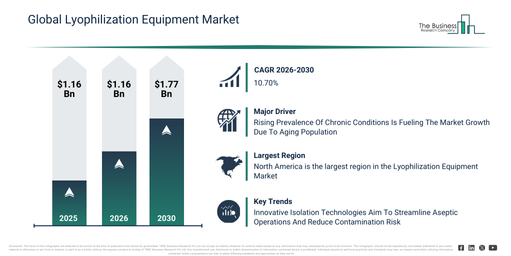
    The lyophilization equipment market has experienced substantial growth in recent years. This market is set to increase from $7.32 billion in 2025 to $8.13 billion in 2026, exhibiting a compound annual growth rate (CAGR) of 11.1%. The historical expansion of this market can be attributed to several factors including an increase in biopharmaceutical production, a rise in vaccine manufacturing, the demand for stable drug formulations, the adoption of freeze-drying within the food industry, and continuous advancements in lab-scale lyophilization equipment.

    The lyophilization equipment market is projected to experience swift expansion over the coming years, reaching $12.21 billion by 2030 at a compound annual growth rate (CAGR) of 10.7%. This anticipated growth during the forecast period stems from factors such as rising investments in the biopharmaceutical and biotechnology industries, the need for continuous freeze-drying solutions, the enlarging scope of contract research organizations, the embrace of automated lyophilization equipment, and the expanding markets for nutraceuticals and functional foods. Furthermore, key trends anticipated in the same period encompass a heightened requirement for preserving heat-sensitive drugs, the proliferation of biopharmaceuticals and vaccines, the development of smaller laboratory freeze dryers, increased automation within freeze-drying procedures, and the widening application of freeze-drying in food and nutraceuticals.

    Download A Free Sample Report For Comprehensive Market Insights:

    https://www.thebusinessresearchcompany.com/sample.aspx?id=25818&type=smp

    Which Growth Factors Are Strengthening The Lyophilization Equipment Market Landscape?

    The expansion of the lyophilization equipment market is anticipated to be driven by the growing incidence of chronic health issues. These long-term ailments, which typically last for a year or longer, often necessitate continuous medical care or restrict daily functions. The increasing occurrence of chronic conditions stems from an aging demographic that is more susceptible to enduring illnesses like heart disease, diabetes, and arthritis. Lyophilization equipment supports the management of chronic conditions by facilitating the stable and extended preservation of biopharmaceuticals and injectable medications frequently used in their treatment. This ensures these vital therapies maintain their efficacy, safety, and accessibility for patients needing continuous care. For example, in June 2024, data from the National Health Service, a UK-based government department, indicated that 3,615,330 individuals registered with a GP in 2023 were diagnosed with non-diabetic hyperglycemia, or pre-diabetes. This represented an 18% rise from 3,065,825 cases recorded in 2022. Consequently, the increasing frequency of chronic conditions is fostering the growth of the lyophilization equipment market.

    What Segment Types Are Included In The Lyophilization Equipment Market Analysis?

    The lyophilization equipment market covered in this report is segmented –

    1) By Type Of Lyophilization Equipment: Freeze Dryers, Pharmaceutical Lyophilizers, Laboratory Freeze Dryers, Industrial Freeze Dryers, Portable Freeze Dryers

    2) By Form: Powders, Cakes, Granules, Semi-Solid Forms

    3) By Technology: Manifold Lyophilization, Tray Lyophilization, Batch Freeze Drying, Continuous Freeze Drying

    4) By Application: Autoimmune Diseases, Respiratory Diseases, Gastrointestinal Disorders, Oncology, Cardiovascular Diseases, Infectious Diseases, Metabolic Disorders, Other Applications

    5) By End User: Pharmaceutical Companies, Biotechnology Firms, Academic And Research Institutions, Food Manufacturers, Contract Research Organizations (CROs)

    Subsegments:

    1) By Freeze Dryers: Tray Freeze Dryers, Manifold Freeze Dryers, Rotary Freeze Dryers

    2) By Pharmaceutical Lyophilizers: Pilot-Scale Pharmaceutical Lyophilizers, Production-Scale Pharmaceutical Lyophilizers, GMP Pharmaceutical Lyophilizers

    3) By Laboratory Freeze Dryers: Benchtop Laboratory Freeze Dryers, Floor-Standing Laboratory Freeze Dryers, Small-Scale Research Freeze Dryers

    4) By Industrial Freeze Dryers: Food Processing Industrial Freeze Dryers, Bulk Production Industrial Freeze Dryers, Continuous Industrial Freeze Dryers

    5) By Portable Freeze Dryers: Home-Use Portable Freeze Dryers, Field-Use Portable Freeze Dryers, Compact Research Portable Freeze Dryers

    Which Trends Are Supporting The Evolution Of The Lyophilization Equipment Market?

    Key companies in the lyophilization equipment market are focused on creating advanced solutions like dual-mode isolator systems to improve sterility, containment, and process efficiency. Dual-mode isolators are specifically engineered to support both aseptic filling and containment operations within a single apparatus, which reduces equipment requirements, optimizes space utilization, and maintains high sterility levels. For example, in March 2024, Telstar, a pharmaceutical-equipment engineering firm from Spain, unveiled a dual-mode isolator system at Pharma Congress 2024. This system, designed to enhance operational flexibility and efficiency, incorporates multiple modes of operation including maintenance, pressure hold, biodecontamination, and both sterile and non-sterile processing, by employing an innovative bio-decontamination mechanism that ensures high-level microbial reduction, faster cycle times, and lower running costs.

    Who Are The Businesses Driving Activity In The Lyophilization Equipment Market?

    Major companies operating in the lyophilization equipment market are GEA Group AG, OPTIMA packaging group GmbH, Dara Pharmaceutical Equipment, Büchi Labortechnik AG, Tofflon Science and Technology Group Co Ltd., Spinco Biotech Pvt Ltd., Labconco Corporation, HOF Sonderanlagenbau GmbH, Harvest Right LLC, Cuddon Freeze Dry, ZIRBUS technology GmbH, MechaTech Systems Ltd., IlShin BioBase Co Ltd., SP Industries Inc., Millrock Technology Inc., Tofflon Dehui Pharmaceutical Equipment Co Ltd., Freeze Drying Systems Pvt Ltd., Martin Christ Gefriertrocknungsanlagen GmbH, Telstar Life Sciences, IMA Life, Lyomac AG, GEA Lyophil GmbH

    Access The Complete Lyophilization Equipment Market Report:

    https://www.thebusinessresearchcompany.com/report/lyophilization-equipment-global-market-report

    Which Geographic Region Represents The Largest Lyophilization Equipment Market Share?

    North America was the largest region in the lyophilization equipment market in 2025. Asia-Pacific is expected to be the fastest-growing region in the forecast period. The regions covered in the lyophilization equipment market report are Asia-Pacific, South East Asia, Western Europe, Eastern Europe, North America, South America, Middle East, Africa.

    Access a Lyophilization Equipment Market Report for Deeper Competitive Insights

    https://www.thebusinessresearchcompany.com/report/lyophilization-equipment-global-market-report

    Browse Through More Reports Similar to the Global Lyophilization Equipment Market 2026, By The Business Research Company

    Sterilization Equipment Market Report 2026

    https://www.thebusinessresearchcompany.com/report/sterilization-equipment-global-market-report

    Cogeneration Equipment Market Report 2026

    https://www.thebusinessresearchcompany.com/report/cogeneration-equipment-global-market-report

    Lathe Machines Market Report 2026

    https://www.thebusinessresearchcompany.com/report/lathe-machines-global-market-report

    Get in touch with us:

    The Business Research Company: https://www.thebusinessresearchcompany.com/

    Americas: +1 310-496-7795

    Asia: +44 7882 955267 & +91 8897263534

    Europe: +44 7882 955267

    Email us at: marketing@tbrc.info

    Follow us on:

    LinkedIn: https://in.linkedin.com/company/the-business-research-company

    YouTube: https://www.youtube.com/channel/UC24_fI0rV8cR5DxlCpgmyFQ

    Global Market Model: https://www.thebusinessresearchcompany.com/global-market-model

  • Lyme Disease Testing Market Growth Outlook Indicating Expansion To $16.46 Billion By 2030

    Lyme Disease Testing Market Growth Outlook Indicating Expansion To $16.46 Billion By 2030

    The Business Research Company’s 2026 market reports feature advanced enhancements such as market attractiveness analysis, total addressable market evaluation, company benchmarking matrices, interactive Excel dashboards, expanded supply chain intelligence, emerging startup coverage, and detailed product insights, delivering more actionable and strategically valuable research.

    What Increase In Market Value Is Predicted For The Lyme Disease Testing Market During The 2026–2030 Period?

    The lyme disease testing market has experienced substantial growth in recent years. It is anticipated to expand from $10.68 billion in 2025 to $11.67 billion in 2026, exhibiting a compound annual growth rate (CAGR) of 9.3%. This historic expansion has been driven by factors such as the rising incidence of lyme disease, limited awareness regarding early diagnosis, reliance on conventional serological testing, increasing hospital-based diagnostics, and growing research in tick-borne diseases.

    The lyme disease testing market size is projected to experience robust expansion over the coming years. It will grow to $16.46 billion in 2030 at a compound annual growth rate (CAGR) of 9.0%. This anticipated growth during the forecast period is due to factors such as the embrace of AI-assisted diagnostic tools, an increase in the availability of home-testing kits, the development of multi-disease panels, enhanced government financial support for monitoring tick-borne diseases, and the incorporation of cloud-based laboratory data management systems. Key developments expected throughout this period encompass the broadening of point-of-care testing, the rise of home-based lyme disease diagnostics, the introduction of multi-pathogen panels for tick-borne illnesses, the wider use of rapid test kits, and the implementation of customized diagnostic procedures.

    Download A Free Sample Report For Comprehensive Market Insights:

    https://www.thebusinessresearchcompany.com/sample.aspx?id=25817&type=smp

    What Important Drivers Are Powering The Lyme Disease Testing Market Growth?

    The increasing occurrence of tick-borne illnesses is anticipated to boost the expansion of the lyme disease testing market in the future. These illnesses encompass various conditions passed to people via bites from contaminated ticks, which are tiny, blood-sucking parasites inhabiting grassy, forested, or countryside environments. An increasing need for treatments for tick-borne illnesses stems from ticks’ broadening geographical distribution due to climate change, resulting in increased exposure and infection levels. As the main way Lyme disease is transmitted, tick-borne illnesses drive the need for Lyme disease testing, making early identification and diagnosis crucial for managing the growing number of infections efficiently. For example, the U.S. Centers for Disease Control and Prevention (CDC), a federal public health agency based in the U.S., indicated in March 2025 that more than 89,000 Lyme disease cases were reported in 2023, showing a persistently high impact from tick-borne illnesses compared to prior years. Consequently, the growing frequency of tick-borne illnesses is stimulating the expansion of the lyme disease testing market.

    Which Segment Divisions Form The Structure Of The Lyme Disease Testing Market?

    The lyme disease testing market covered in this report is segmented –

    1) By Test Type: Serological Tests, Nucleic Acid Tests, Urine Antigen Tests, Other Test Types

    2) By Testing Methodology: Enzyme-Linked Immunosorbent Assay (ELISA), Weste Blot, Polymerase Chain Reaction (PCR), Immunofluorescence Assay (IFA), Other Emerging Technologies

    3) By Disease Stage: Early Lyme Disease, Disseminated Lyme Disease, Chronic Lyme Disease, Asymptomatic Lyme Disease Detection

    4) By Sample Type: Blood, Urine, Cerebrospinal Fluid(CSF), Other Blood Samples

    5) By End-User: Hospitals And Clinics, Diagnostic Laboratories, Home Care Settings, Research Institutions, Public Health Organizations

    Subsegments:

    1) By Serological Tests: Enzyme-Linked Immunosorbent Assay, Western Blot, Immunofluorescence Assay (IFA), Line Immunoassay (LIA)

    2) By Nucleic Acid Tests: Polymerase Chain Reaction (PCR), Loop-Mediated Isothermal Amplification (LAMP), Next-Generation Sequencing (NGS)

    3) By Urine Antigen Tests: Lateral Flow Assay, Enzyme Immunoassay (EIA), Immunoblot Urine Tests

    4) By Other Test Types: Culture-Based Tests, Tick-Borne Co-Infection Panels, Artificial Intelligence-Assisted Diagnostic Tools

    What Trends Are Affecting The Growth Of The Lyme Disease Testing Market?

    Companies operating in the Lyme disease testing market are increasingly concentrating on technological improvements in diagnostic instruments to boost test precision, decrease processing times, and facilitate the early identification of the condition. Diagnostic tools refer to medical equipment, kits, or technologies utilized to confirm the presence of Lyme disease by identifying distinct antibodies, antigens, or genetic material linked to the Borrelia burgdorferi bacteria. For instance, in August 2024, EpitogenX Ltd., a UK-based biotechnology company, revealed the launch of a sophisticated Lyme Disease Diagnostic Kit. This kit is an ELISA-based assay engineered using their proprietary EpitoGen platform. It incorporates ~120 distinct Borrelia epitopes, offering high specificity and sensitivity, and is specifically designed for research use (RUO). It supports early, strain-specific detection and can be customized for various laboratory applications. Created for both research and diagnostic labs, it is optimal for enhancing detection accuracy and enabling deeper insights into Lyme disease.

    Which Firms Are Competing In The Lyme Disease Testing Market?

    Major companies operating in the lyme disease testing market are Roche Holding AG, Thermo Fisher Scientific Inc., Labcorp Holdings Inc., Quest Diagnostics Incorporated, Eurofins Scientific, BIOMÉRIEUX, Quidel Corporation, Bio Rad Laboratories Inc., QIAGEN N.V., DiaSorin S.p.A, Meridian Bioscience, Trinity Biotech, T2 Biosystems, IGeneX, Viramed Biotech AG, Ceres Nanosciences, Galaxy Diagnostics, Lyme Diagnostics Ltd, Abbott Laboratories, Siemens Healthineers AG, Hologic Inc., Seegene Inc.

    Access The Complete Lyme Disease Testing Market Report:

    https://www.thebusinessresearchcompany.com/report/lyme-disease-testing-global-market-report

    Which Region Leads The Lyme Disease Testing Market By Size?

    North America was the largest region in the lyme disease testing market in 2025. Asia-Pacific is expected to be the fastest-growing region in the forecast period. The regions covered in the lyme disease testing market report are Asia-Pacific, South East Asia, Western Europe, Eastern Europe, North America, South America, Middle East, Africa.

    Access a Lyme Disease Testing Market Report for Deeper Competitive Insights

    https://www.thebusinessresearchcompany.com/report/lyme-disease-testing-global-market-report

    Browse Through More Reports Similar to the Global Lyme Disease Testing Market 2026, By The Business Research Company

    Biologics Testing Market Report 2026

    https://www.thebusinessresearchcompany.com/report/biologics-testing-global-market-report

    Covid 19 Saliva Screening Test Potential Market Report 2026

    https://www.thebusinessresearchcompany.com/report/covid-19-saliva-screening-test-potential-global-market-report

    Typhoid Antibody Testing Market Report 2026

    https://www.thebusinessresearchcompany.com/report/typhoid-antibody-testing-global-market-report

    Get in touch with us:

    The Business Research Company: https://www.thebusinessresearchcompany.com/

    Americas: +1 310-496-7795

    Asia: +44 7882 955267 & +91 8897263534

    Europe: +44 7882 955267

    Email us at: marketing@tbrc.info

    Follow us on:

    LinkedIn: https://in.linkedin.com/company/the-business-research-company

    YouTube: https://www.youtube.com/channel/UC24_fI0rV8cR5DxlCpgmyFQ

    Global Market Model: https://www.thebusinessresearchcompany.com/global-market-model
  • Global Lung Cancer Surgery Equipment Market Anticipated To Grow To $5.09 Billion By 2030 At 6.4% CAGR

    Global Lung Cancer Surgery Equipment Market Anticipated To Grow To $5.09 Billion By 2030 At 6.4% CAGR

    The Business Research Company’s 2026 market reports feature advanced enhancements such as market attractiveness analysis, total addressable market evaluation, company benchmarking matrices, interactive Excel dashboards, expanded supply chain intelligence, emerging startup coverage, and detailed product insights, delivering more actionable and strategically valuable research.

    How Will The Market Size Of The Lung Cancer Surgery Equipment Market Progress Through 2030?

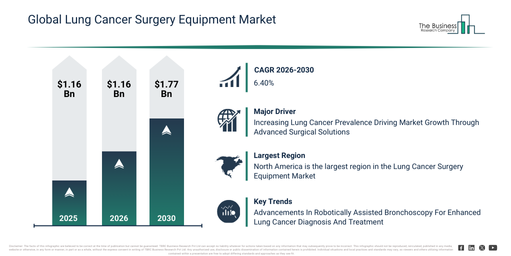
    The lung cancer surgery equipment market size has experienced strong growth in recent years. It is projected to expand from $3.73 billion in 2025 to $3.98 billion in 2026, demonstrating a compound annual growth rate (CAGR) of 6.7%. The growth during the historic period can be ascribed to factors such as the limited availability of advanced thoracic surgery equipment, a reliance on traditional open surgeries, the increasing prevalence of lung cancer, a rising number of hospital and surgical clinics, and the adoption of standard biopsy and imaging procedures.

    The lung cancer surgery equipment market is projected for significant expansion over the coming years. This market is anticipated to reach $5.1 billion by 2030, exhibiting a compound annual growth rate (CAGR) of 6.4%. This projected growth is driven by several factors, including the advancement of robotic-assisted and minimally invasive surgical instruments, the incorporation of AI-powered imaging and monitoring technologies, increased funding for research and academic institutions, the wider implementation of Enhanced Recovery After Surgery (ERAS) guidelines, and the establishment of more specialized centers for lung cancer treatment. Key trends anticipated during this period involve the increasing popularity of minimally invasive lung procedures, a heightened need for sophisticated imaging and diagnostic tools, the integration of patient monitoring systems with surgical devices, a greater emphasis on postoperative rehabilitation and follow-up care, and the spread of robotic-assisted thoracic surgical techniques.

    Download A Free Sample Report For Comprehensive Market Insights:

    https://www.thebusinessresearchcompany.com/sample.aspx?id=24594&type=smp

    Which Major Factors Are Contributing To The Development Of The Lung Cancer Surgery Equipment Market?

    The increasing incidence of lung cancer is anticipated to fuel expansion in the lung cancer surgery equipment market in the foreseeable future. This condition involves the unchecked proliferation of aberrant cells within the lungs, frequently linked to tobacco use or detrimental environmental factors. The uptick in lung cancer diagnoses is primarily attributable to elevated exposure to risk factors like tobacco smoke, atmospheric contaminants, and workplace carcinogens, alongside a demographic shift towards an older population. Tools for lung cancer surgery serve to identify the disease, excise malignant tissue, and aid in recovery after operations via accurate surgical procedures and continuous patient observation. As an illustration, in February 2025, the Cancer Council, an Australian non-profit body, reported that approximately 15,122 people were diagnosed with lung cancer in Australia during 2024, with the typical age at diagnosis being 72. In Australia, lung cancer stands as the fifth most frequently diagnosed malignancy, and roughly one in 20 Australians is projected to receive such a diagnosis by the age of 85. Consequently, the expanding occurrence of lung cancer is propelling the development of the lung cancer surgery equipment market.

    How Are Different Segment Groups Identified Within The Lung Cancer Surgery Equipment Market?

    The lung cancer surgery equipment market covered in this report is segmented –

    1) By Product Type: Surgical Instruments, Access Devices, Imaging Equipment, Electrosurgical Devices, Biopsy Devices, Patient Monitoring Equipment

    2) By Surgery Type: Lobectomy Surgery, Pneumonectomy Surgery, Wedge Resection, Video-Assisted Thoracoscopic Surgery (VATS), Robotic-Assisted Surgery

    3) By Application: Diagnosis, Treatment, Aftercare And Rehabilitation

    4) By End User: Hospitals, Surgical Clinics, Ambulatory Surgical Centers, Research And Academic Institutes

    Subsegments:

    1) By Surgical Instruments: Scalpels, Forceps, Retractors, Scissors, Sutures

    2) By Access Devices: Trocars, Catheters, Guidewires, Introducers

    3) By Imaging Equipment: CT Scanners, MRI Machines, PET Scanners, X-Ray Systems, Ultrasound Devices

    4) By Electrosurgical Devices: Electrosurgical Generators, Electrosurgical Probes, Electrosurgical Electrodes, Smoke Evacuation Systems

    5) By Biopsy Devices: Needle Biopsy Devices, Core Biopsy Devices, Vacuum-Assisted Biopsy Devices, Endoscopic Biopsy Devices

    6) By Patient Monitoring Equipment: Pulse Oximeters, ECG Monitors, Respiratory Monitors, Blood Pressure Monitors, Temperature Monitors

    Which Trends Are Influencing The Direction Of The Lung Cancer Surgery Equipment Market?

    Leading companies in the lung cancer surgery equipment market are concentrating on developing devices for robotically assisted bronchoscopy. This focus aims to boost the precision and safety of tumor localization and biopsy, enhance access to hard-to-reach lung nodules, and support the early and accurate diagnosis of lung cancer. Robotically assisted bronchoscopy is an advanced medical procedure that utilizes robotic technology to guide a bronchoscope, a thin, flexible tube, into the lungs with greater precision and control than traditional manual techniques. For instance, in March 2025, Johnson and Johnson, a US-based pharmaceutical company, announced that its MONARCH QUEST system, a sophisticated robotic-assisted bronchoscopy technology, had received U.S. FDA 510(k) clearance. This system marks the latest evolution of the MONARCH Platform, which is engineered to improve the diagnosis of lung cancer through minimally invasive procedures. The system interfaces with the GE HealthCare OEC 3D mobile CBCT Imaging System, facilitating real-time, intraprocedural 3D imaging. This integration significantly improves the precision of targeting lung nodules, especially those located in difficult-to-access areas of the lung.

    Who Are The Major Companies Operating In The Lung Cancer Surgery Equipment Market?

    Major companies operating in the lung cancer surgery equipment market are Johnson & Johnson, Medtronic plc, Siemens Healthcare AG, Fujifilm Limited, GE Healthcare Technologies Inc, Boston Scientific Corporation, Olympus Corporation, Intuitive Surgical Inc, Teleflex Incorporated, KARL STORZ GmbH & Co KG, Integra LifeSciences Corporation, Richard Wolf GmbH, Angiodynamics Inc, B Braun Melsungen AG, Sontec Instruments Inc, Novadaq Technologies Inc, Stryker Corporation, CONMED Corporation, Smith & Nephew plc, Ambu A S

    Access The Complete Lung Cancer Surgery Equipment Market Report:

    https://www.thebusinessresearchcompany.com/report/lung-cancer-surgery-equipment-global-market-report

    Which Region Has The Strongest Presence In The Lung Cancer Surgery Equipment Market?

    North America was the largest region in the lung cancer surgery equipment market in 2025. Asia-Pacific is expected to be the fastest-growing region in the forecast period. The regions covered in the lung cancer surgery equipment market report are Asia-Pacific, South East Asia, Western Europe, Eastern Europe, North America, South America, Middle East, Africa.

    Access a Lung Cancer Surgery Equipment Market Report for Deeper Competitive Insights

    https://www.thebusinessresearchcompany.com/report/lung-cancer-surgery-equipment-global-market-report

    Browse Through More Reports Similar to the Global Lung Cancer Surgery Equipment Market 2026, By The Business Research Company

    Lung Cancer Drugs Market Report 2026

    https://www.thebusinessresearchcompany.com/report/lung-cancer-drugs-global-market-report

    Thoracic Surgery Devices Market Report 2026

    https://www.thebusinessresearchcompany.com/report/thoracic-surgery-devices-global-market-report

    Surgical Equipment Market Report 2026

    https://www.thebusinessresearchcompany.com/report/surgical-equipment-global-market-report

    Get in touch with us:

    The Business Research Company: https://www.thebusinessresearchcompany.com/

    Americas: +1 310-496-7795

    Asia: +44 7882 955267 & +91 8897263534

    Europe: +44 7882 955267

    Email us at: marketing@tbrc.info

    Follow us on:

    LinkedIn: https://in.linkedin.com/company/the-business-research-company

    YouTube: https://www.youtube.com/channel/UC24_fI0rV8cR5DxlCpgmyFQ

    Global Market Model: https://www.thebusinessresearchcompany.com/global-market-model

  • Lumbar Disc Replacement Devices Market Future Analysis Covering Industry Shifts And Growth Potential

    Lumbar Disc Replacement Devices Market Future Analysis Covering Industry Shifts And Growth Potential

    The Business Research Company’s 2026 market reports feature advanced enhancements such as market attractiveness analysis, total addressable market evaluation, company benchmarking matrices, interactive Excel dashboards, expanded supply chain intelligence, emerging startup coverage, and detailed product insights, delivering more actionable and strategically valuable research.

    What Is The Expected Market Size Of The Lumbar Disc Replacement Devices Market In 2026 And How Much Will It Reach By 2030?

    The lumbar disc replacement devices market has seen swift expansion in recent years. Its valuation is set to climb from $1.3 billion in 2025 to $1.47 billion in 2026, demonstrating a compound annual growth rate (CAGR) of 13.1%. This historical growth can be linked to factors including the increasing prevalence of degenerative disc disease, a rise in spinal injury cases, the proliferation of orthopedic surgical centers, greater acceptance of disc replacement procedures, and the accessibility of advanced implant materials.

    The lumbar disc replacement devices market is projected to experience substantial growth in the coming years, with its size forecast to reach $2.39 billion by 2030, demonstrating a compound annual growth rate (CAGR) of 12.9%. This expansion during the forecast period is primarily driven by an escalating demand for surgical options that preserve motion, the increasing embrace of personalized implants, the expanding global aging population, rising investments in spinal biomechanics research, and a growing preference for solutions other than spinal fusion. Significant developments anticipated during this period include the wider adoption of motion-preserving spine implants, a surge in demand for minimally invasive spine procedures, the increasing utilization of advanced biocompatible materials, the broader development of personalized spinal implant designs, and an intensified focus on long-term mobility outcomes.

    Download A Free Sample Report For Comprehensive Market Insights:

    https://www.thebusinessresearchcompany.com/sample.aspx?id=20864&type=smp

    What Key Growth Drivers Are Influencing The Lumbar Disc Replacement Devices Market?

    The rising occurrence of spinal conditions is projected to fuel the expansion of the lumbar disc replacement devices market in the future. Spinal disorders encompass various ailments affecting the spine, such as deformities, injuries, or diseases that impact the vertebrae, discs, nerves, and surrounding tissues, frequently resulting in discomfort, mobility challenges, or other complications. The increase in these conditions stems from factors like an aging global population, inactive lifestyles, obesity, and a higher prevalence of degenerative diseases such as osteoarthritis and herniated discs. Lumbar disc replacement devices assist in managing spinal disorders by restoring movement and alleviating pain for individuals suffering from degenerative disc disease, offering an effective substitute for conventional spinal fusion surgery. For instance, in April 2024, the World Health Organization, a Switzerland-based intergovernmental organization, reported that over 15 million people globally are living with spinal cord injuries (SCI). Consequently, the growing incidence of spinal disorders is propelling the growth of the lumbar disc replacement devices market. The enhancement of healthcare infrastructure is anticipated to drive the future growth of the lumbar disc replacement devices market. Healthcare infrastructure refers to the system of hospitals, clinics, diagnostic facilities, and related medical services that ensure the population has access to quality healthcare. This expansion is spurred by increased public and private sector investments, a growing populace, and an escalating demand for sophisticated medical treatment. Better infrastructure facilitates the adoption of novel medical technologies, improves patient accessibility to care, and boosts the efficiency of healthcare provision. For instance, in May 2023, a report from the Office for National Statistics, a UK-based government department, indicated that healthcare spending in the UK grew by 5.6% between 2022 and 2023, a notable increase compared to the 0.9% growth seen in 2022. Therefore, the expansion in healthcare infrastructure is stimulating growth in the lumbar disc replacement devices market.

    What Segment Categories Are Evaluated In The Lumbar Disc Replacement Devices Market Study?

    The lumbar disc replacement devices market covered in this report is segmented –

    1) By Product: Metal-On-Metal, Metal-On-Biopolymer

    2) By Pain Type: Chronic, Acute, Radicular, Other Pain Types

    3) By End-User: Hospitals, Ambulatory Surgical Center, Other End Users

    Subsegments:

    1) By Metal-On-Metal: Cobalt-Chromium Alloy, Titanium Alloy

    2) By Metal-On-Biopolymer: Metal-On-PEEK (Polyether Ether Ketone), Metal-On-Polymer Composite

    What Trends Are Driving Changes In The Lumbar Disc Replacement Devices Market?

    Leading companies in the lumbar disc replacement devices market are concentrating on integrating advanced technologies, such as numerical code technology, for sophisticated lumbar total disc replacement procedures. Numerical code technology refers to the utilization of specialized algorithms and computational models to simulate and optimize the design, performance, and implantation processes of medical devices, including lumbar disc replacement devices, thereby enhancing their precision and effectiveness in clinical applications. For instance, in January 2023, the American Medical Association, a US-based professional organization, issued a Current Procedural Terminology (CPT) code for the second level of lumbar total disc replacement (TDR) procedures. Centinel Spine LLC, a US-based medical equipment manufacturing company, leveraged this code to improve access to two-level lumbar TDR procedures. This development is instrumental in broadening the treatment options available to patients, ultimately contributing to superior clinical outcomes and more efficient healthcare delivery.

    Which Companies Are Influencing The Lumbar Disc Replacement Devices Market?

    Major companies operating in the lumbar disc replacement devices market are Medtronic Inc., Stryker Corporation, Zimmer Biomet Holdings Inc., NuVasive Inc., Globus Medical Inc., Orthofix International NV, Medacta International, Aesculap Inc., Alphatec Spine Inc., Paradigm Spine GmbH, B. Braun Melsungen AG, Neoflex Spine Inc., Centinel Spine Inc., Spineart SA, DePuy Synthes, AxioMed LLC, Spinal Stabilization Technologies LLC, NEURO FRANCE Implants SARL, SINTX Technologies Inc., SIGNUS Medizintechnik GmbH

    Access The Complete Lumbar Disc Replacement Devices Market Report:

    https://www.thebusinessresearchcompany.com/report/lumbar-disc-replacement-devices-global-market-report

    Which Region Stands As The Largest Contributor To The Lumbar Disc Replacement Devices Market?

    North America was the largest region in the lumbar disc replacement devices market in 2025. The regions covered in the lumbar disc replacement devices market report are Asia-Pacific, South East Asia, Western Europe, Eastern Europe, North America, South America, Middle East, Africa.

    Access a Lumbar Disc Replacement Devices Market Report for Deeper Competitive Insights

    https://www.thebusinessresearchcompany.com/report/lumbar-disc-replacement-devices-global-market-report

    Browse Through More Reports Similar to the Global Lumbar Disc Replacement Devices Market 2026, By The Business Research Company

    Spinal Surgery Devices And Equipment Market Report 2026

    https://www.thebusinessresearchcompany.com/report/spinal-surgery-devices-and-equipment-global-market-report

    Degenerative Disc Disease Treatment Market Report 2026

    https://www.thebusinessresearchcompany.com/report/degenerative-disc-disease-treatment-global-market-report

    Spine Implants Market Report 2026

    https://www.thebusinessresearchcompany.com/report/spine-implants-global-market-report

    Get in touch with us:

    The Business Research Company: https://www.thebusinessresearchcompany.com/

    Americas: +1 310-496-7795

    Asia: +44 7882 955267 & +91 8897263534

    Europe: +44 7882 955267

    Email us at: marketing@tbrc.info

    Follow us on:

    LinkedIn: https://in.linkedin.com/company/the-business-research-company

    YouTube: https://www.youtube.com/channel/UC24_fI0rV8cR5DxlCpgmyFQ

    Global Market Model: https://www.thebusinessresearchcompany.com/global-market-model
  • Low Vision Electronic Visual Aids Market Analysis Reflecting Expansion Trends And Industry Performance

    Low Vision Electronic Visual Aids Market Analysis Reflecting Expansion Trends And Industry Performance

    The Business Research Company’s 2026 market reports feature advanced enhancements such as market attractiveness analysis, total addressable market evaluation, company benchmarking matrices, interactive Excel dashboards, expanded supply chain intelligence, emerging startup coverage, and detailed product insights, delivering more actionable and strategically valuable research.

    What Market Size Is Forecasted For The Low Vision Electronic Visual Aids Market By 2030 Based On Its 2026 Value?

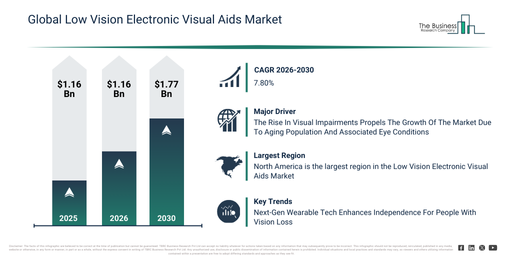
    The low vision electronic visual aids market has demonstrated robust expansion in recent years. This market is projected to increase from $1.25 billion in 2025 to $1.35 billion in 2026, achieving a compound annual growth rate (CAGR) of 8.0%. Several elements contributed to its historical growth, including the escalating prevalence of visual impairments, the constrained availability of affordable visual aids, heightened awareness regarding low vision aids, advancements in optical magnification, and the expanding geriatric population.

    The market for low vision electronic visual aids is projected to experience robust expansion over the coming years. By 2030, its size is anticipated to reach $1.82 billion, demonstrating a compound annual growth rate (CAGR) of 7.8%. This growth during the forecast timeframe is primarily driven by factors such as technological incorporation of AI and IoT, a growing need for portable and wearable instruments, favorable government programs, increased use in learning environments, and wider e-commerce channels for distribution. Key developments expected within this period encompass the uptake of wearable low vision tools, the shrinking size of electronic magnifiers, visual support controlled by voice, seamless connection with smart home setups, and bespoke vision improvement options.

    Download A Free Sample Report For Comprehensive Market Insights:

    https://www.thebusinessresearchcompany.com/sample.aspx?id=25815&type=smp

    Which Core Factors Are Supporting The Expansion Of The Low Vision Electronic Visual Aids Market?

    The increasing occurrence of visual impairments is expected to drive the expansion of the low vision electronic visual aids market moving forward. Visual impairments describe a spectrum of vision loss conditions that cannot be fully corrected by standard corrective lenses, medication, or surgical interventions, consequently affecting an individual’s ability to see clearly. This rise in visual impairments is predominantly attributed to the aging global populace, as age-related eye conditions like macular degeneration, cataracts, and glaucoma become more common with advancing years. Low vision electronic visual aids assist people with visual impairments by enhancing their residual vision through magnification, contrast modification, and digital image processing, which promotes greater independence in their daily activities. For example, in August 2023, the World Health Organization, a Switzerland-based specialized agency of the United Nations, stated that at least 2.2 billion people globally experience a near or distance vision impairment. However, it is estimated that only 36% of individuals with distance vision impairment due to refractive errors and just 17% of those with vision impairment caused by cataracts have received appropriate treatment. Therefore, the growing prevalence of visual impairments is a significant factor contributing to the growth of the low vision electronic visual aids market.

    How Is The Low Vision Electronic Visual Aids Market Examined Through Segment Analysis?

    The low vision electronic visual aids market covered in this report is segmented –

    1) By Type: Portable Electronic Magnifiers, Closed Circuit Television, Voice Readers, Other Types

    2) By Technology: Optical Devices, Electronic Magnifiers, Text-to-Speech Devices, Speech Recognition Systems

    3) By Application: Reading Assistance, Navigation Assistance, Social Interaction And Communication, Entertainment

    4) By Distribution Channel: Online Retail, Specialty Stores, Optical Stores, Other Distribution Channels

    5) By End-User: Individuals, Hospitals And Clinics, Rehabilitation Centers, Educational Institutions

    Subsegments:

    1) By Portable Electronic Magnifiers: Handheld Magnifiers, Stand Magnifiers, Wearable Magnifiers, Digital Magnifier Tablets

    2) By Closed Circuit Television: Desktop Closed Circuit Television Systems, Transportable Closed Circuit Television Systems, Wearable Closed Circuit Television Devices, Closed Circuit Television With Text-To-Speech Integration

    3) By Voice Readers: Screen Readers, Book Readers, Optical Character Recognition-Based Readers, Smart Audio Assistants For Reading

    4) By Other Types: Braille Notetakers, Smart Glasses, Screen Magnification Software, Navigation Aids

    Which Trends Are Shaping The Low Vision Electronic Visual Aids Market Landscape?

    Leading companies in the low vision electronic visual aids market are concentrating on developing innovative solutions, such as artificial intelligence-powered wearable smart glasses, to improve real-time visual interpretation and user independence. These AI-powered wearable smart glasses are advanced electronic visual aids that utilize AI-driven image processing, object recognition, and voice output to help individuals with low vision perceive and interact with their surroundings more effectively. For instance, in August 2024, Eyedaptic Inc., a US-based medical technology company, launched EYE6 with Ivy, a next-generation wearable visual assistant specifically designed for individuals with age-related macular degeneration and other retinal disorders. These lightweight smart glasses integrate advanced vision enhancement with an AI-powered assistant named Ivy. It is capable of reading text, identifying objects, describing surroundings, and providing support to users in 99 languages to promote greater independence. Equipped with full HD 1080p displays, hands-free voice control, and remote upgrade capabilities, the EYE6 delivers a seamless, customizable user experience for people with low vision conditions.

    Who Are The Companies Shaping The Low Vision Electronic Visual Aids Market Landscape?

    Major companies operating in the low vision electronic visual aids market are Eschenbach Optik GmbH, Vispero, HumanWare Group, Freedom Scientific Inc., IrisVision Global Inc., VisionAid International Ltd., Zoomax Technology Co. Ltd., HIMS Inc., LS And S Products Inc., CTECH Low Vision And Blindness Solutions, Low Vision International AB, NuEyes Technologies Inc., Optelec U.S. Inc., Reinecker Vision GmbH, OrCam Technologies Ltd., Enhanced Vision, Dolphin Computer Access, Acesight, Eyedaptic Inc., eSight Corporation, Eurobraille, Help Tech GmbH & Co. KG

    Access The Complete Low Vision Electronic Visual Aids Market Report:

    https://www.thebusinessresearchcompany.com/report/low-vision-electronic-visual-aids-global-market-report

    What Is The Largest Regional Market In The Low Vision Electronic Visual Aids Market?

    North America was the largest region in the low vision electronic visual aids market in 2025. Asia-Pacific is expected to be the fastest-growing region in the forecast period. The regions covered in the low vision electronic visual aids market report are Asia-Pacific, South East Asia, Western Europe, Eastern Europe, North America, South America, Middle East, Africa.

    Access a Low Vision Electronic Visual Aids Market Report for Deeper Competitive Insights

    https://www.thebusinessresearchcompany.com/report/low-vision-electronic-visual-aids-global-market-report

    Browse Through More Reports Similar to the Global Low Vision Electronic Visual Aids Market 2026, By The Business Research Company

    Night Vision Devices Market Report 2026

    https://www.thebusinessresearchcompany.com/report/night-vision-devices-global-market-report

    Assistive Technologies For Visually Impaired Market Report 2026

    https://www.thebusinessresearchcompany.com/report/assistive-technologies-for-visually-impaired-global-market-report

    Computer Vision Market Report 2026

    https://www.thebusinessresearchcompany.com/report/computer-vision-global-market-report

    Get in touch with us:

    The Business Research Company: https://www.thebusinessresearchcompany.com/

    Americas: +1 310-496-7795

    Asia: +44 7882 955267 & +91 8897263534

    Europe: +44 7882 955267

    Email us at: marketing@tbrc.info

    Follow us on:

    LinkedIn: https://in.linkedin.com/company/the-business-research-company

    YouTube: https://www.youtube.com/channel/UC24_fI0rV8cR5DxlCpgmyFQ

    Global Market Model: https://www.thebusinessresearchcompany.com/global-market-model
  • Global Low Vision Electronic Glasses Market Revenue Expected To Reach $1.66 Billion By 2030

    Global Low Vision Electronic Glasses Market Revenue Expected To Reach $1.66 Billion By 2030

    The Business Research Company’s 2026 market reports feature advanced enhancements such as market attractiveness analysis, total addressable market evaluation, company benchmarking matrices, interactive Excel dashboards, expanded supply chain intelligence, emerging startup coverage, and detailed product insights, delivering more actionable and strategically valuable research.

    How Is The Market Value Of The Low Vision Electronic Glasses Market Projected To Expand During 2026–2030?

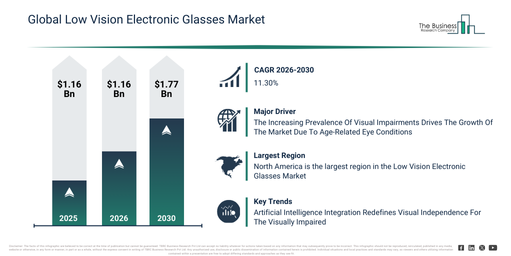
    The low vision electronic glasses market size has experienced rapid expansion in recent years. This market is projected to increase from $0.97 billion in 2025 to $1.08 billion in 2026, achieving a compound annual growth rate (CAGR) of 11.6%. Historically, its growth can be linked to factors such as the rising prevalence of visual impairments, inherent technological limitations in traditional optical aids, the high cost associated with early devices, limited awareness concerning low vision aids, and a scarcity of trained professionals.

    The low vision electronic glasses market size is projected to undergo significant expansion over the next few years. It is forecast to achieve a value of $1.66 billion by 2030, growing at a compound annual growth rate (CAGR) of 11.3%. This expansion during the forecast period is propelled by advancements in AI-driven vision enhancement, the integration with AR/VR for an immersive experience, a decrease in device cost resulting from mass production, increasing adoption among the aging population, and a heightened emphasis on promoting independent living for the visually impaired. Noteworthy trends anticipated in this period encompass the miniaturization of devices, real-time image enhancement, improvements in wearable comfort and ergonomics, the incorporation of voice and gesture control, and personalized vision assistance.

    Download A Free Sample Report For Comprehensive Market Insights:

    https://www.thebusinessresearchcompany.com/sample.aspx?id=25814&type=smp

    What Are The Main Drivers Accelerating The Growth Of The Low Vision Electronic Glasses Market?

    The anticipated expansion of the low vision electronic glasses market is driven by the growing occurrence of visual impairments. These impairments denote a substantial decline in vision, uncorrectable by standard means like glasses, contact lenses, medications, or surgical procedures, which impacts an individual’s capacity to carry out daily tasks. The primary factor behind this increase in visual impairments is the aging global population, given that the likelihood of developing ocular conditions such as cataracts, glaucoma, and macular degeneration significantly escalates with advancing age. Low-vision electronic glasses offer support to individuals with such impairments by boosting their residual vision through features like magnification, contrast modification, and live image processing, thereby fostering greater self-reliance in their daily routines. Illustratively, in August 2023, the World Health Organization, a specialized health agency of the United Nations based in Switzerland, reported that a minimum of 2.2 billion people worldwide experience either near or distance vision impairment. Yet, projections indicate that only 36% of those with distance vision impairment due to refractive errors and merely 17% of individuals with vision impairment resulting from cataracts have accessed suitable treatment. Consequently, the rising prevalence of visual impairments is indeed fueling the expansion of the low vision electronic glasses market.

    Which Segment Groups Define The Low Vision Electronic Glasses Market Landscape?

    The low vision electronic glasses market covered in this report is segmented –

    1) By Product Type: Wearable Glasses, Smart Glasses, Augmented Reality Glasses, Night Vision Glasses

    2) By Technology: Optical Technology, Digital Technology, Adaptive Technology, Artificial Intelligence Integrated Technology

    3) By Application: Personal Use, Professional Use

    4) By Distribution Channel: Online Retail, Offline Retail, Direct Sales, Healthcare Providers

    5) By End-User: Individuals With Visual Impairments, Healthcare Institutions, Educational Institutions, Occupational Rehabilitation Centers

    Subsegments:

    1) By Wearable Glasses: Head-Mounted Low Vision Glasses, Clip-on Assistive Glasses, Full-Frame Digital Glasses

    2) By Smart Glasses: Voice-Controlled Smart Glasses, Bluetooth-Enabled Visual Aid Glasses, Integrated Camera Smart Glasses

    3) By Augmented Reality Glasses: Augmented Reality Glasses For Object Recognition, Augmented Reality Navigation Assistance Glasses, Augmented Reality Text-to-Speech Glasses

    4) By Night Vision Glasses: Infrared-Based Vision Glasses, Thermal Imaging Glasses for Low Vision, Low-Light Enhancement Glasses

    What Trends Are Influencing The Low Vision Electronic Glasses Market Outlook?

    Companies operating in the low vision electronic glasses market are increasingly concentrating on developing innovative solutions, such as artificial intelligence-powered smart glasses, to improve visual clarity and promote independence for individuals with visual impairments. Artificial intelligence-powered smart glasses are wearable devices that utilize AI to augment vision by identifying objects, converting text to speech, and adjusting images in real time, assisting those with visual challenges. For instance, in August 2024, Eyedaptic Inc., a US-based vision technology company, unveiled EYE6 smart glasses, an advanced wearable device designed to support individuals experiencing central vision loss. These smart glasses incorporate a blend of augmented reality and AI-driven vision enhancement to offer real-time image optimization, thereby improving visual clarity and contrast for users. The features of these glasses include a lightweight and inconspicuous design, hands-free functionality, a multilingual visual assistant supporting 99 languages, and capabilities such as text reading, environmental description, and assistance with daily activities.

    Which Industry Players Are Present In The Low Vision Electronic Glasses Market?

    Major companies operating in the low vision electronic glasses market are OrCam Technologies Ltd., Enhanced Vision Systems Inc., Vuzix Corporation, Zoomax Technology Co. Ltd., IrisVision Global Inc., Acesight, Ceciaa SAS, Envision Technologies BV, Eyedaptic Inc., GiveVision Ltd., NuEyes Technologies Inc., OXSIGHT Ltd., Vision Buddy Inc., eSight Corporation, Everysight Labs Ltd., Nreal Technology Ltd., Rokid Corporation, Avegant Corporation, Magic Leap Inc., Lenovo Smart Glasses Division, Sony Smart Vision Systems, Epson Smart Glasses Division

    Access The Complete Low Vision Electronic Glasses Market Report:

    https://www.thebusinessresearchcompany.com/report/low-vision-electronic-glasses-global-market-report

    Which Region Contributes The Most To The Low Vision Electronic Glasses Market?

    North America was the largest region in the low vision electronic glasses market in 2025. Asia-Pacific is expected to be the fastest-growing region in the forecast period. The regions covered in the low vision electronic glasses market report are Asia-Pacific, South East Asia, Western Europe, Eastern Europe, North America, South America, Middle East, Africa.

    Access a Low Vision Electronic Glasses Market Report for Deeper Competitive Insights

    https://www.thebusinessresearchcompany.com/report/low-vision-electronic-glasses-global-market-report

    Browse Through More Reports Similar to the Global Low Vision Electronic Glasses Market 2026, By The Business Research Company

    Advanced Glass Market Report 2026

    https://www.thebusinessresearchcompany.com/report/advanced-glass-global-market-report

    Smart Glass Market Report 2026

    https://www.thebusinessresearchcompany.com/report/smart-glass-global-market-report

    Glasses Case Market Report 2026

    https://www.thebusinessresearchcompany.com/report/glasses-case-global-market-report

    Get in touch with us:

    The Business Research Company: https://www.thebusinessresearchcompany.com/

    Americas: +1 310-496-7795

    Asia: +44 7882 955267 & +91 8897263534

    Europe: +44 7882 955267

    Email us at: marketing@tbrc.info

    Follow us on:

    LinkedIn: https://in.linkedin.com/company/the-business-research-company

    YouTube: https://www.youtube.com/channel/UC24_fI0rV8cR5DxlCpgmyFQ

    Global Market Model: https://www.thebusinessresearchcompany.com/global-market-model

  • Low Vision Assistive Devices Market Insights Exploring Expansion Opportunities Through 2030

    Low Vision Assistive Devices Market Insights Exploring Expansion Opportunities Through 2030

    The Business Research Company’s 2026 market reports feature advanced enhancements such as market attractiveness analysis, total addressable market evaluation, company benchmarking matrices, interactive Excel dashboards, expanded supply chain intelligence, emerging startup coverage, and detailed product insights, delivering more actionable and strategically valuable research.

    What Are The Forecasted Market Size Figures For The Low Vision Assistive Devices Market In 2026 And 2030?

    The low vision assistive devices market has experienced robust growth in recent years. It is projected to expand from $1.23 billion in 2025 to $1.34 billion in 2026, exhibiting a compound annual growth rate (CAGR) of 8.9%. The market’s historical growth can be attributed to factors such as increasing awareness of visual impairments, an expanding geriatric population, technological advancements in optical devices, government initiatives supporting disabled individuals, and the rising adoption of screen readers in education.

    The low vision assistive devices market is anticipated to experience substantial expansion over the upcoming years. Its value is projected to reach $1.89 billion by 2030, exhibiting a compound annual growth rate (CAGR) of 9.0%. This anticipated growth is driven by several factors, such as progress in AI-powered assistive technologies, the incorporation of AR/VR solutions for individuals with low vision, increased financial commitments to healthcare accessibility, a rising need for wearable low vision tools, and the expansion of online sales channels. Key developments expected during this period involve the widespread adoption of portable and wearable devices, a growing inclination towards electronic magnifiers, the seamless integration of assistive software into everyday gadgets, improved accessibility across educational and professional settings, and the development of customized low vision aids.

    Download A Free Sample Report For Comprehensive Market Insights:

    https://www.thebusinessresearchcompany.com/sample.aspx?id=25813&type=smp

    Which Growth Drivers Are Expected To Support The Low Vision Assistive Devices Market Forward?

    The anticipated expansion of the low vision assistive devices market is linked to the rising occurrence of visual impairments. These impairments encompass various forms of vision loss, such as partial sight and total blindness, which conventional glasses or contact lenses cannot completely rectify. This increase in visual impairment prevalence stems from a growing incidence of diabetes, a condition frequently leading to retinal damage and subsequent vision loss over time. Low-vision assistive devices play a crucial role in tackling visual impairments by augmenting residual vision, aiding in everyday tasks, and boosting the autonomy and well-being of those affected. For example, in February 2025, Vision Australia, as reported by Developing Australia Communities (an Australia-based organization dedicated to supporting the disability sector), stated that 453,000 Australians live with blindness or low vision, with this number anticipated to climb to 564,000 by 2030. Consequently, the expanding occurrence of visual impairments is a primary force behind the expansion of the low vision assistive devices market.

    What Key Segment Areas Are Included In The Low Vision Assistive Devices Market Assessment?

    The low vision assistive devices market covered in this report is segmented –

    1) By Product Type: Magnifiers, Reading Devices, Wearable Devices, Screen Readers, Other Product Types

    2) By Application: Education, Healthcare, Personal Use

    3) By Distribution Channel: Online Stores, Specialty Stores, Optical Stores, Other Distribution Channels

    4) By End-User: Children, Adults, Elderly

    Subsegments:

    1) By Magnifiers: Handheld Magnifiers, Stand Magnifiers, Electronic Magnifiers, Pocket Magnifiers

    2) By Reading Devices: Optical Character Recognition (OCR) Devices, Text-To-Speech Devices, Desktop Video Magnifiers, Portable Reading Machines

    3) By Wearable Devices: Smart Glasses, Head-Mounted Displays (HMDs), Augmented Reality (AR)-Based Devices, Camera-Based Wearable Systems

    4) By Screen Readers: Software-Based Screen Readers, Web-Based Screen Readers, Mobile Screen Readers, Braille Display Integrated Readers

    5) By Other Product Types: Braille Embossers, Tactile Graphics Devices, Speech-To-Text Converters, Audio Books And E-Readers

    Which Trends Are Expected To Shape The Low Vision Assistive Devices Market?

    Major companies operating in the low vision assistive devices market are concentrating on advanced technologies, such as the newest generation of blind assistive devices, to enhance visual clarity, independence, and mobility for individuals with central vision loss. These latest-generation blind assistive devices combine high-resolution imaging, real-time image processing, and wearable organic light-emitting diode (OLED) display systems to project enhanced visuals that seamlessly integrate with the user’s remaining vision while preserving peripheral awareness. For instance, in July 2025, eSight, a Canada-based assistive technology company, introduced the eSight Go wearable device. This device features a 12-megapixel camera with 4K capability, dual full high definition (HD) organic light emitting diode (OLED) screens, and a wide 45-degree field of view, offering a natural and immersive visual experience. Further features include advanced image stabilization, a simplified user interface, and a neck-distributed battery pack that improves comfort for daily use. These next-gen assistive technologies are designed to enable users to maintain full mobility and participate more actively in daily life, whether at school, work, home, or in social environments, supporting over 20 different vision impairments worldwide.

    Which Organizations Are Involved In The Low Vision Assistive Devices Market?

    Major companies operating in the low vision assistive devices market are HIMS Inc., OrCam Technologies Ltd., HumanWare Group, Freedom Scientific Inc., eSight Corporation, IrisVision Global Inc., Zoomax Technology Co. Limited, Optelec U.S. Inc., Cobolt Systems Ltd., NuEyes Technologies Inc., Vision Buddy Inc., Acesight, Eyedaptic Inc., LVI Low Vision International AB, Reinecker Vision GmbH, Ash Technologies Ltd., RevoSight Inc., Enhanced Vision, Dolphin Computer Access, Vispero, Eurobraille, Help Tech GmbH & Co. KG

    Access The Complete Low Vision Assistive Devices Market Report:

    https://www.thebusinessresearchcompany.com/report/low-vision-assistive-devices-global-market-report

    Which Regional Market Leads The Low Vision Assistive Devices Market?

    North America was the largest region in the low vision assistive devices market in 2025. The regions covered in the low vision assistive devices market report are Asia-Pacific, South East Asia, Western Europe, Eastern Europe, North America, South America, Middle East, Africa.

    Access a Low Vision Assistive Devices Market Report for Deeper Competitive Insights

    https://www.thebusinessresearchcompany.com/report/low-vision-assistive-devices-global-market-report

    Browse Through More Reports Similar to the Global Low Vision Assistive Devices Market 2026, By The Business Research Company

    Assistive Technologies For Visually Impaired Market Report 2026

    https://www.thebusinessresearchcompany.com/report/assistive-technologies-for-visually-impaired-global-market-report

    Night Vision Devices Market Report 2026

    https://www.thebusinessresearchcompany.com/report/night-vision-devices-global-market-report

    Robotic Vision Market Report 2026

    https://www.thebusinessresearchcompany.com/report/robotic-vision-global-market-report

    Get in touch with us:

    The Business Research Company: https://www.thebusinessresearchcompany.com/

    Americas: +1 310-496-7795

    Asia: +44 7882 955267 & +91 8897263534

    Europe: +44 7882 955267

    Email us at: marketing@tbrc.info

    Follow us on:

    LinkedIn: https://in.linkedin.com/company/the-business-research-company

    YouTube: https://www.youtube.com/channel/UC24_fI0rV8cR5DxlCpgmyFQ

    Global Market Model: https://www.thebusinessresearchcompany.com/global-market-model