Category: Medical Equipment

  • Automated Cell Shakers Market Analysis Reflecting Expansion Trends And Industry Performance

    Automated Cell Shakers Market Analysis Reflecting Expansion Trends And Industry Performance

    The Business Research Company’s 2026 market reports feature advanced enhancements such as market attractiveness analysis, total addressable market evaluation, company benchmarking matrices, interactive Excel dashboards, expanded supply chain intelligence, emerging startup coverage, and detailed product insights, delivering more actionable and strategically valuable research.

    How Is The Market Value Of The Automated Cell Shakers Market Projected To Expand During 2026–2030?

    The automated cell shakers market has demonstrated robust expansion in recent years. This market is projected to grow from $0.72 billion in 2025 to $0.78 billion in 2026, exhibiting a compound annual growth rate (CAGR) of 8.3%. The historical increase can be attributed to factors such as prevalent manual shaking methods, limited laboratory automation, a reliance on basic orbital and platform shakers, as well as an escalation in pharmaceutical R&D activities and growing stem cell research initiatives.

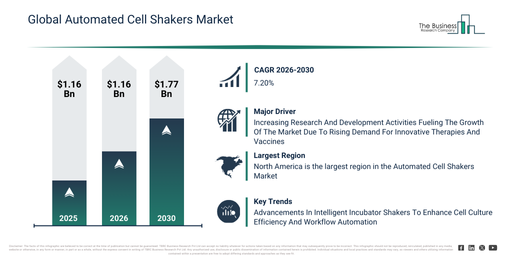
    The market for automated cell shakers is projected to experience robust expansion in the coming years. This market is set to reach $1.03 billion by 2030, exhibiting a compound annual growth rate (CAGR) of 7.2%. This anticipated growth is driven by several factors, including advancements in electromechanical, magnetic, and pneumatic shaker technologies; the broadening scope of regenerative medicine and cell therapy research; increased investments in automated laboratory solutions; the incorporation of digital monitoring and smart lab infrastructure; and the escalating demand from cdmos and biopharmaceutical companies. Key trends predicted for this period encompass a greater uptake of automated cell culture processes, a growing need for high-precision and consistent shaking mechanisms, seamless integration with incubator and co2-compatible systems, the expansion of stem cell research and regenerative medicine applications, and a heightened emphasis on contamination prevention and sterility standards.

    Download A Free Sample Report For Comprehensive Market Insights:

    https://www.thebusinessresearchcompany.com/sample.aspx?id=27215&type=smp

    Which Core Factors Are Supporting The Expansion Of The Automated Cell Shakers Market?

    The expanding scope of research and development endeavors is anticipated to drive forward the growth of the automated cell shakers market. Research and development (R&D) activities are dedicated to the systematic exploration and innovation aimed at designing, enhancing, or improving products, processes, and technologies. The increase in these activities is attributed to the escalating demand for innovative therapies and vaccines required to address intricate and emerging health issues. Automated cell shakers support research and development (R&D) by ensuring consistent mixing, aeration, and precise temperature control, which are essential for optimal cell growth and reliable experimental outcomes, while simultaneously streamlining workflows, minimizing manual effort, and improving efficiency in the creation and testing of new developments. For example, in January 2025, according to the National Bureau of Statistics of China (NBS), a China-based government agency, China’s total expenditure on research and experimental development (R&D) reached $0.50 trillion (3.6130 trillion yuan) in 2024, marking an 8.3% increase from the previous year. Thus, the rising research and development activities are propelling the growth of the automated cell shaker market.

    What Segment Types Are Included In The Automated Cell Shakers Market Analysis?

    The automated cell shakers market covered in this report is segmented –

    1) By Product Type: Orbital Shakers, Reciprocating Shakers, Platform Shakers, Vortex Shakers, Incubator Shakers

    2) By Cell Culture: Finite Cell Line Cultures, Infinite Cell Line Cultures

    3) By Technology: Electromechanical, Magnetic, Pneumatic

    4) By Application: Drug Development, Regenerative Medicine, Cell Therapy, Stem Cell Research

    5) By End-Use: Pharmaceutical Companies, Biopharmaceutical Companies, Contract Development and Manufacturing Organizations (CDMOs) And Contract Manufacturing Organizations (CMOs), Hospitals, Other End-Uses

    Subsegments:

    1) By Orbital Shakers: Benchtop Orbital Shakers, Floor-Model Orbital Shakers, Incubator-Compatible Orbital Shakers, CO2-Compatible Orbital Shakers

    2) By Reciprocating Shakers: Linear Reciprocating Shakers, Rocking Reciprocating Shakers, Compact Reciprocating Shakers

    3) By Platform Shakers: Large-Capacity Platform Shakers, Multi-Tier Platform Shakers, Adjustable-Speed Platform Shakers

    4) By Vortex Shakers: Fixed-Speed Vortex Shakers, Variable-Speed Vortex Shakers, Multi-Tube Vortex Shakers

    5) By Incubator Shakers: Refrigerated Incubator Shakers, Non-Refrigerated Incubator Shakers, Stackable Incubator Shakers

    Which Trends Are Supporting The Evolution Of The Automated Cell Shakers Market?

    Leading companies in the automated cell shaker market are prioritizing the development of sophisticated products, such as intelligent incubator shakers, with the goal of improving cell culture efficiency and streamlining biopharmaceutical workflows. Intelligent incubator shakers are advanced laboratory devices that merge precise temperature regulation with automated agitation to foster optimal cell growth and culture environments, thereby ensuring consistent mixing, enhanced nutrient distribution, and reliable experimental outcomes. For instance, in June 2024, Thermo Fisher Scientific Inc., a US-based life sciences company, introduced the IntelliStack incubator and CO2 incubator shaker. This device is engineered to elevate cell culture workflows by integrating exact temperature and gas management with automated shaking. This new product provides advantages such as more uniform cell growth, a reduced risk of contamination, and greater reproducibility in experiments. It is particularly valuable in biopharmaceutical research, drug development, and biotechnology applications where stable cell culture conditions are crucial. Additionally, its integrated automation enhances lab efficiency by minimizing manual intervention.

    Who Are The Companies Shaping The Automated Cell Shakers Market Landscape?

    Major companies operating in the automated cell shakers market are Thermo Fisher Scientific Inc., Corning Incorporated, Avantor Inc., Sartorius AG, Eppendorf SE, Bio-Techne Corporation, Biobase Biodustry (Shandong) Co. Ltd., IKA-Werke GmbH & Co. KG, OHAUS Corporation, Esco Micro Pte Ltd., Yamato Scientific Co. Ltd., Bionics Scientific Technologies Pvt. Ltd., Boekel Scientific, INFORS HT, Grant Instruments (Cambridge) Ltd., BIOSAN SIA, Jeio Tech Co. Ltd., 2mag AG, Kuhner Shaker, Benchmark Scientific

    Access The Complete Automated Cell Shakers Market Report:

    https://www.thebusinessresearchcompany.com/report/automated-cell-shakers-global-market-report

    What Is The Largest Regional Market In The Automated Cell Shakers Market?

    North America was the largest region in the automated cell shakers market in 2025. Asia-Pacific is expected to be the fastest-growing region in the forecast period. The regions covered in the automated cell shakers market report are Asia-Pacific, South East Asia, Western Europe, Eastern Europe, North America, South America, Middle East, Africa.

    Access a Customized Automated Cell Shakers Market Report for Deeper Competitive Insights

    https://www.thebusinessresearchcompany.com/customise?id=27215&type=smp

    Browse Through More Reports Similar to the Global Automated Cell Shakers Market 2026, By The Business Research Company

    Retirement Home Services Market Report 2026

    https://www.thebusinessresearchcompany.com/report/retirement-home-services-global-market-report

    Home Improvement Services Market Report 2026

    https://www.thebusinessresearchcompany.com/report/home-improvement-services-global-market-report

    Services Market Report 2026

    https://www.thebusinessresearchcompany.com/report/services-global-market-report

    Get in touch with us:

    The Business Research Company: https://www.thebusinessresearchcompany.com/

    Americas: +1 310-496-7795

    Asia: +44 7882 955267 & +91 8897263534

    Europe: +44 7882 955267

    Email us at: marketing@tbrc.info

    Follow us on:

    LinkedIn: https://in.linkedin.com/company/the-business-research-company

    YouTube: https://www.youtube.com/channel/UC24_fI0rV8cR5DxlCpgmyFQ

    Global Market Model: https://www.thebusinessresearchcompany.com/global-market-model
  • Global Automated Blood Collection Market Revenue Expected To Reach $3.45 Billion By 2030

    Global Automated Blood Collection Market Revenue Expected To Reach $3.45 Billion By 2030

    The Business Research Company’s 2026 market reports feature advanced enhancements such as market attractiveness analysis, total addressable market evaluation, company benchmarking matrices, interactive Excel dashboards, expanded supply chain intelligence, emerging startup coverage, and detailed product insights, delivering more actionable and strategically valuable research.

    What Are The Forecasted Market Size Figures For The Automated Blood Collection Market In 2026 And 2030?

    The market for automated blood collection has expanded quickly in recent times. Forecasts indicate it will grow from $1.52 billion in 2025 to $1.8 billion by 2026, demonstrating a compound annual growth rate (CAGR) of 18.1%. Historically, this expansion has been driven by factors such as the prevalence of manual blood collection methods, dependence on traditional venipuncture, the restricted access to automated systems, an increase in hospital and diagnostic center procedures, and a rising need for precise diagnostic results.

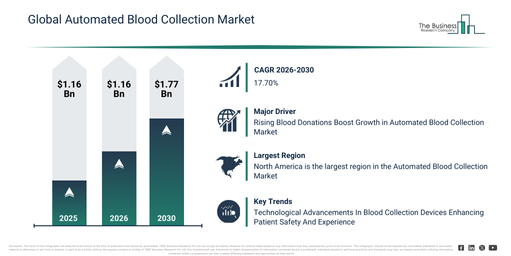
    The automated blood collection market size is anticipated to experience substantial growth in the next few years, projected to reach $3.46 billion by 2030 with a compound annual growth rate (CAGR) of 17.7%. This expansion during the forecast period can be attributed to several factors, including technological advancements in robotic venipuncture, the rising adoption of point-of-care testing, increased investment in hospital automation, the expansion of diagnostic centers and pathology laboratories, and supportive regulatory frameworks for automated sample collection. Major trends expected in this period encompass the growing integration of automated blood collection devices in hospitals, the merging of robotic venipuncture and fingerstick systems, an increasing utilization of point-of-care blood collection solutions, a heightened emphasis on patient safety and comfort during sampling procedures, and the broader application of high-precision diagnostics and therapeutic monitoring.

    Download A Free Sample Report For Comprehensive Market Insights:

    https://www.thebusinessresearchcompany.com/sample.aspx?id=20498&type=smp

    What Are The Main Drivers Accelerating The Growth Of The Automated Blood Collection Market?

    The automated blood collection market is projected to expand significantly, driven by a notable rise in blood donations. This surge in donations stems from various factors, such as heightened public understanding of the vital requirement for blood in urgent medical scenarios, numerous blood drive campaigns by healthcare bodies and local communities, and technological progress in medicine that enhances the security and effectiveness of the donation procedure. Automated systems facilitate blood donation by optimizing and improving the process’s efficiency. These systems lessen the reliance on manual handling, thereby decreasing human errors and enhancing donor comfort. An illustrative example is the report from 2024 by the NHS Blood and Transplant (NHSBT), a UK-based special health authority serving England and Wales, which recorded 119,371 new blood donations during the 2023-2024 period. This represents a slight rise from the 119,016 donations noted in 2022-2023. Consequently, the substantial growth in blood donations is a key driver for the automated blood collection market.

    Which Segment Divisions Form The Structure Of The Automated Blood Collection Market?

    The automated blood collection market covered in this report is segmented –

    1) By Type: Arterial Sampling, Venipuncture Sampling, Fingerstick Sampling

    2) By Application: Diagnostics, Treatment, Therapeutics

    3) By End-Use: Hospitals, Diagnostic Centers, Pathology Laboratories, Other End-Uses

    Subsegments:

    1) By Arterial Sampling: Automated Arterial Blood Gas Collection Systems, Closed-Loop Arterial Sampling Systems, Point-of-Care Arterial Sampling Devices, Continuous Arterial Sampling Systems

    2) By Venipuncture Sampling: Automated Venipuncture Collection Devices, Robotic Venipuncture Systems, High-Precision Venipuncture Blood Collection Systems, Automated Venipuncture Systems for Plasma Or Serum

    3) By Fingerstick Sampling: Automated Fingerstick Blood Collection Devices, Portable Fingerstick Collection Devices, Fingerstick Collection Systems for Point-of-Care Testing, Miniaturized Automated Fingerstick Collection Systems

    What Trends Are Affecting The Growth Of The Automated Blood Collection Market?

    Leading companies operating within the automated blood collection market are creating advanced products that leverage sophisticated technologies, such as PentaPoint technology, to enhance the accuracy and effectiveness of blood collection procedures. PentaPoint technology facilitates a more precise and regulated collection process by utilizing multiple entry points, which helps to minimize patient discomfort and elevate the quality of samples. For example, in April 2024, Becton, Dickinson, and Company, a US-based medical enterprise, introduced the BD vacutainer ultratouch push-button blood collection set in both India and the US. This new device is designed to lessen patient pain and unease during blood collection. The innovative device integrates BD RightGauge technology, which employs a thinner needle, along with BD PentaPoint technology, substantially reducing pain upon insertion. Furthermore, the device features BD Push Button Technology, which decreases the likelihood of needle injuries by 88%. The rollout of this advanced blood collection set seeks to improve the patient experience by increasing comfort, allowing clinicians better access to veins, and reducing the overall duration of procedures.

    Which Industry Players Are Present In The Automated Blood Collection Market?

    Major companies operating in the automated blood collection market are Abbott Laboratories, Siemens Healthineers, Becton Dickinson and Company, CSL Plasma, Quest Diagnostics Incorporated, B. Braun Melsungen AG, Fresenius KABI AG, Grifols S.A., Terumo Corporation, Nipro Medical Corporation, Greiner AG, Bio-Rad Laboratories Inc., ICU Medical Inc., Haemonetics Corporation, SARSTEDT AG & Co. KG, Owen Mumford Ltd., Retractable Technologies Inc., Macopharma, Chengdu Rich Science Industry Co. Ltd., Babson Diagnostics, Venibot

    Access The Complete Automated Blood Collection Market Report:

    https://www.thebusinessresearchcompany.com/report/automated-blood-collection-global-market-report

    Which Region Contributes The Most To The Automated Blood Collection Market?

    North America was the largest region in the automated blood collection market in 2025. The regions covered in the automated blood collection market report are Asia-Pacific, South East Asia, Western Europe, Eastern Europe, North America, South America, Middle East, Africa.

    Access a Customized Automated Blood Collection Market Report for Deeper Competitive Insights

    https://www.thebusinessresearchcompany.com/customise?id=20498&type=smp

    Browse Through More Reports Similar to the Global Automated Blood Collection Market 2026, By The Business Research Company

    Stem Cell Cord Blood Banking Market Report 2026

    https://www.thebusinessresearchcompany.com/report/stem-cell-cord-blood-banking-global-market-report

    Blood Glucose Meters Market Report 2026

    https://www.thebusinessresearchcompany.com/report/blood-glucose-meters-global-market-report

    Blood And Blood Components Market Report 2026

    https://www.thebusinessresearchcompany.com/report/blood-and-blood-components-global-market-report

    Get in touch with us:

    The Business Research Company: https://www.thebusinessresearchcompany.com/

    Americas: +1 310-496-7795

    Asia: +44 7882 955267 & +91 8897263534

    Europe: +44 7882 955267

    Email us at: marketing@tbrc.info

    Follow us on:

    LinkedIn: https://in.linkedin.com/company/the-business-research-company

    YouTube: https://www.youtube.com/channel/UC24_fI0rV8cR5DxlCpgmyFQ

    Global Market Model: https://www.thebusinessresearchcompany.com/global-market-model
  • Automated And Closed Cell Therapy Processing Systems Market Insights Exploring Expansion Opportunities Through 2030

    Automated And Closed Cell Therapy Processing Systems Market Insights Exploring Expansion Opportunities Through 2030

    The Business Research Company’s 2026 market reports feature advanced enhancements such as market attractiveness analysis, total addressable market evaluation, company benchmarking matrices, interactive Excel dashboards, expanded supply chain intelligence, emerging startup coverage, and detailed product insights, delivering more actionable and strategically valuable research.

    How Much Larger Will The Automated And Closed Cell Therapy Processing Systems Market Become By 2030 Compared To 2026?

    The market size for automated and closed cell therapy processing systems has experienced rapid growth in recent years. This market is forecast to expand from $1.53 billion in 2025 to $1.8 billion in 2026, at a compound annual growth rate (CAGR) of 17.6%. The expansion observed in the historical period can be attributed to elements such as manual cell processing methods, significant contamination risks, restricted workflow automation, the use of traditional bioreactors, and the gradual adoption of regenerative therapies.

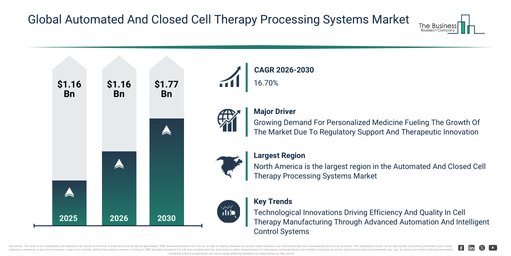
    The market for automated and closed cell therapy processing systems is anticipated to experience significant expansion over the coming years. This market is projected to reach $3.34 billion by 2030, exhibiting a compound annual growth rate (CAGR) of 16.7%. Factors contributing to this growth during the forecast period include the evolution of integrated closed-system platforms, progress in robotics and microfluidics, an expanding number of cell and gene therapy pipelines, stricter regulatory compliance standards, and a rise in contract manufacturing organizations (cramos) specialized in cell therapies. Key trends anticipated within the forecast period encompass a greater uptake of single-use and closed systems, a growing need for automated cell therapy workflows, an emphasis on reducing contamination and improving safety, the incorporation of multi-step cell processing platforms, and the broader application in regenerative medicine and oncology.

    Download A Free Sample Report For Comprehensive Market Insights:

    https://www.thebusinessresearchcompany.com/sample.aspx?id=27214&type=smp

    Which Growth Drivers Are Expected To Support The Automated And Closed Cell Therapy Processing Systems Market Forward?

    An increasing need for personalized medicine is anticipated to drive the expansion of the automated and closed-cell therapy processing systems market in the future. Personalized medicine involves medical treatments specifically adapted to an individual’s genetic, molecular, or cellular makeup, aiming to optimize effectiveness and reduce side effects. This rising demand for personalized medicine stems from reinforced regulatory structures and incentives that favor the approval of targeted, curative therapies over general-purpose medications. Automated and closed-cell therapy processing systems facilitate personalized medicine by allowing manufacturers to create consistent, high-quality, patient-specific cell therapies that adhere to stringent regulatory requirements. As an illustration, in May 2025, the Personalized Medicine Coalition (PMC), a US-based non-profit, reported that the FDA cleared 18 new personalized medicines in 2024, six of which were gene- or cell-based therapies, accounting for approximately 38 percent of all new molecular entities approved. Consequently, the increasing need for personalized medicine is fueling the growth of the automated and closed-cell therapy processing systems market.

    How Are Different Segment Groups Identified Within The Automated And Closed Cell Therapy Processing Systems Market?

    The automated and closed cell therapy processing systems market covered in this report is segmented –

    1) By Component: Software, Hardware, Consumables

    2) By Technology: Microfluidics, Robotics, Bioreactors, Single-Use Technology, Three-Dimensional (3D) Cell Culture

    3) By Workflow: Cryopreservation, Separation, Fill-Finish, Expansion, Apheresis, Other Workflows

    4) By Application: Oncology, Regenerative Medicine, Autoimmune Diseases, Infectious Diseases, Cardiovascular Diseases

    5) By End User: Pharmaceutical Companies, Biotechnology Companies, Research Institutes, Contract Manufacturing Organizations, Hospitals

    Subsegments:

    1) By Software: Process Control Software, Data Management Software, Quality Monitoring Software, Workflow Automation Software, Integration Software

    2) By Hardware: Cell Separation Devices, Bioreactors, Fluid Handling Systems, Centrifuges, Tubing And Connectors

    3) By Consumables: Sterile Bags, Culture Media, Reagents And Buffers, Filters And Cartridges, Single-Use Tubing Sets

    Which Trends Are Influencing The Direction Of The Automated And Closed Cell Therapy Processing Systems Market?

    Major companies within the automated and closed cell therapy processing systems market are concentrating on developing advanced solutions, such as cell preparation platforms, to decrease manual labor and the potential for contamination during cell processing. Cell preparation platforms are automated systems specifically used to efficiently isolate, process, and prepare cells for either further analysis or clinical application. For instance, in October 2024, Sino-Biocan Biotechnology Ltd., a China-based biotech firm, introduced the WUKONG Automated, Closed, Integrated Cell Processing System. This launch signifies a significant advancement in cell therapy manufacturing, as it provides a fully automated, closed platform that streamlines processes ranging from blood collection to cell culture and final filling. The system is designed to benefit hospitals, pharmaceutical research and development teams, and contract development and manufacturing organizations by boosting efficiency, lowering contamination risks, and ensuring good manufacturing practice-grade consistency through intelligent controls and real-time monitoring.

    Which Organizations Are Involved In The Automated And Closed Cell Therapy Processing Systems Market?

    Major companies operating in the automated and closed cell therapy processing systems market are Thermo Fisher Scientific Inc., Fresenius SE & Co. KGaA, Danaher Corporation, Merck KGaA, Parker Hannifin Corp., Corning Incorporated, Kawasaki Heavy Industries Ltd., Dover Corporation, Lonza Group AG, Terumo Corporation, Sartorius AG, Charles River Laboratories International Inc., Beckman Coulter Inc., Bio-Rad Laboratories Inc., STEMCELL Technologies Inc., Miltenyi Biotec B.V. & Co. KG, Hamilton Company, Repligen Corporation, Cellares Inc., Ori Biotech Ltd., Autolus Therapeutics Plc.

    Access The Complete Automated And Closed Cell Therapy Processing Systems Market Report:

    https://www.thebusinessresearchcompany.com/report/automated-and-closed-cell-therapy-processing-systems-global-market-report

    Which Regional Market Leads The Automated And Closed Cell Therapy Processing Systems Market?

    North America was the largest region in the automated and closed cell therapy processing systems market in 2025. Asia-Pacific is expected to be the fastest-growing region in the forecast period. The regions covered in the automated and closed cell therapy processing systems market report are Asia-Pacific, South East Asia, Western Europe, Eastern Europe, North America, South America, Middle East, Africa.

    Access a Customized Automated And Closed Cell Therapy Processing Systems Market Report for Deeper Competitive Insights

    https://www.thebusinessresearchcompany.com/customise?id=27214&type=smp

    Browse Through More Reports Similar to the Global Automated And Closed Cell Therapy Processing Systems Market 2026, By The Business Research Company

    People Counting System Market Report 2026

    https://www.thebusinessresearchcompany.com/report/people-counting-system-global-market-report

    Sorting Machines Market Report 2026

    https://www.thebusinessresearchcompany.com/report/sorting-machines-global-market-report

    Slot Machines Market Report 2026

    https://www.thebusinessresearchcompany.com/report/slot-machines-global-market-report

    Get in touch with us:

    The Business Research Company: https://www.thebusinessresearchcompany.com/

    Americas: +1 310-496-7795

    Asia: +44 7882 955267 & +91 8897263534

    Europe: +44 7882 955267

    Email us at: marketing@tbrc.info

    Follow us on:

    LinkedIn: https://in.linkedin.com/company/the-business-research-company

    YouTube: https://www.youtube.com/channel/UC24_fI0rV8cR5DxlCpgmyFQ

    Global Market Model: https://www.thebusinessresearchcompany.com/global-market-model
  • Automated Analyzers Market Developments Influencing Industry Expansion Through 2030

    Automated Analyzers Market Developments Influencing Industry Expansion Through 2030

    The Business Research Company’s 2026 market reports feature advanced enhancements such as market attractiveness analysis, total addressable market evaluation, company benchmarking matrices, interactive Excel dashboards, expanded supply chain intelligence, emerging startup coverage, and detailed product insights, delivering more actionable and strategically valuable research.

    What Growth In Market Value Is Anticipated For The Automated Analyzers Market Between 2026 And 2030?

    The automated analyzers market has experienced substantial expansion in recent years. It is projected to increase from $5.39 billion in 2025 to $5.79 billion in 2026, progressing at a compound annual growth rate (CAGR) of 7.4%. Historically, this growth was driven by factors such as the reliance on manual and semi-automated testing methods, limited laboratory workforce efficiency, increasing clinical testing volumes, the growth of diagnostic laboratories, and a dependence on conventional analyzers.

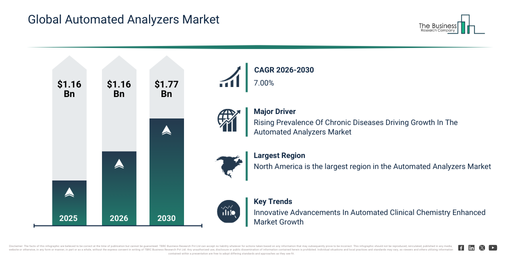
    The automated analyzers market is anticipated to experience robust expansion over the coming years. This market is projected to reach $7.6 billion by 2030, demonstrating a compound annual growth rate (CAGR) of 7.0%. The projected growth during this period is largely driven by continuous advancements in fully automated analyzers, the incorporation of AI and big data analytics, an increasing need for rapid diagnostic tools, the broadening scope of genomics and proteomics research, and the widespread implementation of point-of-care testing solutions. Key trends expected over the forecast period encompass the greater adoption of automated laboratory systems, a growing requirement for high-throughput sample processing, the integration of multi-functional analyzers within laboratories, significant expansion in clinical diagnostics and research applications, and improvements in the accuracy and standardization of analytical testing.

    Download A Free Sample Report For Comprehensive Market Insights:

    https://www.thebusinessresearchcompany.com/sample.aspx?id=19322&type=smp

    What Influential Factors Are Boosting The Automated Analyzers Market Demand?

    The increasing incidence of chronic illnesses is anticipated to drive the expansion of the automated analyzers market in the future. This surge in chronic disease prevalence is attributed to factors such as aging populations, detrimental lifestyle choices, and heightened global urbanization. Automated analyzers play a crucial role in managing chronic diseases by facilitating efficient and precise diagnostic tests, which in turn allows for the early identification, ongoing supervision, and therapeutic intervention for conditions such as diabetes, cardiovascular diseases, and kidney disorders. As an illustration, a report released by Kidney Research UK, a non-profit organization based in the UK, in June 2023 indicated that roughly 7.2 million individuals in the UK suffer from chronic kidney disease, accounting for more than 10% of the populace. Among these individuals, 3.25 million are contending with advanced forms of the illness, while another 3.9 million are in its initial phases. Projections suggest that by 2033, the total count of people impacted by chronic kidney disease will escalate to 7.61 million. Consequently, the expanding occurrence of chronic illnesses is fueling the expansion of the automated analyzers market.

    What Segment Categories Are Evaluated In The Automated Analyzers Market Study?

    The automated analyzers market covered in this report is segmented –

    1) By Type: Biochemistry Analyzers, Immuno-Based Analyzers, Hematology Analyzers, Other Types

    2) By Sample Type: Blood, Urine, Serum, Plasma, Other Sample Types

    3) By Application: Drug Discovery, Genomics, Proteomics, Bio Analysis, Clinical Diagnostics, Other Applications

    4) By End User: Hospitals And Clinics, Diagnostic Laboratories, Pharmaceutical And Biotechnology Companies, Other End Users

    Subsegments:

    1) By Biochemistry Analyzers: Clinical Biochemistry Analyzers, Point-of-Care Biochemistry Analyzers, Integrated Biochemistry Systems

    2) By Immuno-Based Analyzers: Immunoassay Analyzers, Enzyme-Linked Immunosorbent Assay (ELISA) Analyzers, Chemiluminescent Immunoassay (CLIA) Analyzers

    3) By Hematology Analyzers: Automated Hematology Analyzers, Flow Cytometry-Based Hematology Analyzers, Complete Blood Count (CBC) Analyzers

    4) By Other Types: Molecular Analyzers, Urinalysis Analyzers, Coagulation Analyzers

    What Trends Are Driving Changes In The Automated Analyzers Market?

    Companies in the automated analyzers market are concentrating on developing innovative solutions, such as automated clinical chemistry analyzers, to boost efficiency, accuracy, and throughput in diagnostic laboratories. Automated clinical chemistry analyzers are advanced instruments utilized in labs to conduct a broad spectrum of chemical tests on blood and other bodily fluids with minimal human involvement, thereby improving the efficiency and precision of diagnostic testing. For instance, in January 2024, Beckman Coulter, a US-based manufacturing company, launched the DxC 500 AU Chemistry Analyzer, representing a cutting-edge advancement in automated clinical chemistry. Boasting over 120 high-quality assays, this analyzer is engineered to significantly enhance the capabilities of satellite and independent community hospital labs. It integrates sophisticated automation, streamlined workflows, and standardized reagents to boost testing efficiency and aid in clinical decision-making. By serving as a vital complement to central hub laboratories within healthcare systems that utilize hub-and-spoke models, the DxC 500 AU enhances overall efficiency and expands access to essential testing services.

    Who Are The Firms Contributing To The Automated Analyzers Market Ecosystem?

    Major companies operating in the automated analyzers market are Hoffmann-La Roche Ltd, Thermo Fisher Scientific Inc., Abbott Laboratories, Honeywell International, Danaher Corporation, Siemens Healthineers AG, Becton Dickinson and Company, Tosoh Corporation, Agilent Technologies Inc., Grifols S.A., Xylem Inc., Hitachi High-Tech Corporation, Mindray, PerkinElmer Inc, bioMérieux SA, Sysmex Corporation, Bruker Corporation, Horiba Medical, Randox Laboratories Ltd., Nova Biomedical Corporation, Trinity Biotech Plc

    Access The Complete Automated Analyzers Market Report:

    https://www.thebusinessresearchcompany.com/report/automated-analyzers-global-market-report

    Which Region Holds The Largest Share In The Automated Analyzers Market?

    North America was the largest region in the automated analyzers market in 2025. Asia-Pacific is expected to be the fastest-growing region in the forecast period. The regions covered in the automated analyzers market report are Asia-Pacific, South East Asia, Western Europe, Eastern Europe, North America, South America, Middle East, Africa.

    Access a Customized Automated Analyzers Market Report for Deeper Competitive Insights

    https://www.thebusinessresearchcompany.com/customise?id=19322&type=smp

    Browse Through More Reports Similar to the Global Automated Analyzers Market 2026, By The Business Research Company

    Hematology Analyzers And Reagents Market Report 2026

    https://www.thebusinessresearchcompany.com/report/hematology-analyzers-and-reagents-global-market-report

    Blood Gas And Electrolyte Analyzers Market Report 2026

    https://www.thebusinessresearchcompany.com/report/blood-gas-and-electrolyte-analyzers-global-market-report

    Veterinary Hematology Analyzers Market Report 2026

    https://www.thebusinessresearchcompany.com/report/veterinary-hematology-analyzers-global-market-report

    Get in touch with us:

    The Business Research Company: https://www.thebusinessresearchcompany.com/

    Americas: +1 310-496-7795

    Asia: +44 7882 955267 & +91 8897263534

    Europe: +44 7882 955267

    Email us at: marketing@tbrc.info

    Follow us on:

    LinkedIn: https://in.linkedin.com/company/the-business-research-company

    YouTube: https://www.youtube.com/channel/UC24_fI0rV8cR5DxlCpgmyFQ

    Global Market Model: https://www.thebusinessresearchcompany.com/global-market-model
  • Autoinjectors Market Size Forecast To Achieve $11.95 Billion By 2030 With 21.3% CAGR

    Autoinjectors Market Size Forecast To Achieve $11.95 Billion By 2030 With 21.3% CAGR

    The Business Research Company’s 2026 market reports feature advanced enhancements such as market attractiveness analysis, total addressable market evaluation, company benchmarking matrices, interactive Excel dashboards, expanded supply chain intelligence, emerging startup coverage, and detailed product insights, delivering more actionable and strategically valuable research.

    What Is The Expected Market Value Outlook For The Autoinjectors Market Through 2030?

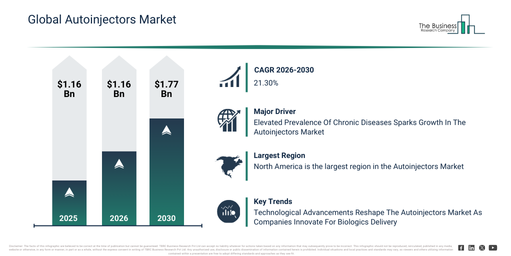
    The autoinjectors market has experienced significant growth in recent years. It is anticipated to expand from $4.51 billion in 2025 to $5.52 billion in 2026, reflecting a compound annual growth rate (CAGR) of 22.3%. This historical development can be attributed to factors such as the increasing prevalence of chronic diseases, the rising adoption of biologic therapies, the expansion of home healthcare practices, the growing demand for emergency self-administration devices, and the availability of disposable injection systems.

    The autoinjectors market is projected to experience substantial expansion in the coming years. Its value is anticipated to reach $11.96 billion by 2030, driven by a compound annual growth rate (CAGR) of 21.3%. This growth during the forecast period is primarily fueled by factors such as the increasing development of intelligent, connected autoinjectors, a heightened emphasis on monitoring patient adherence, the proliferation of self-care treatment models, rising investments in drug-device combination products, and the broader adoption of reusable injection platforms. Key trends anticipated for the forecast period encompass an increasing demand for user-friendly self-injection devices, the growing uptake of pre-filled autoinjector systems, a stronger emphasis on dose precision and safety features, the expansion of drug administration in home settings, and improved integration of smart tracking capabilities.

    Download A Free Sample Report For Comprehensive Market Insights:

    https://www.thebusinessresearchcompany.com/sample.aspx?id=5249&type=smp

    Which Drivers Are Advancing The Autoinjectors Market Growth?

    The autoinjector market is projected to expand in the coming years, primarily due to the increasing prevalence of chronic diseases. These conditions are characterized as illnesses lasting a year or more and necessitating ongoing medical care. Globally, major contributors to mortality and disability encompass chronic diseases such as heart disease, cancer, rheumatoid arthritis, and diabetes. Auto-injection devices are designed for patients requiring regular doses of biologics and hormones for the long-term management of medical circumstances like diabetes and rheumatoid arthritis. For instance, in June 2024, figures from the National Health Service, a UK-based government department, revealed that 3,615,330 individuals registered with a general practitioner (GP) were diagnosed with non-diabetic hyperglycemia or pre-diabetes (a condition with elevated blood sugar levels, not high enough to be classified as diabetes) in 2023, marking an 18% increase from 3,065,825 cases in 2022. This rising incidence of chronic diseases consequently drives the growth of the autoinjector market, as these devices offer a convenient and effective solution for patients requiring consistent medication.

    How Is The Autoinjectors Market Examined Through Segment Analysis?

    The autoinjectors market covered in this report is segmented –

    1) By Type: Disposable Autoinjectors, Reusable Autoinjectors

    2) By Therapy: Rheumatoid Arthritis, Multiple Sclerosis, Diabetes, Anaphylaxis, Other Therapies

    3) By Route Of Administration: Subcutaneous, Intramuscular

    4) By Distribution Channel: Online Retailer, Pharmacy

    5) By End User: Home Care Settings, Hospitals And Clinics, Other End-Users

    Subsegments:

    1) By Disposable Autoinjectors: Single-Use Disposable Autoinjectors, Pre-filled Disposable Autoinjectors

    2) By Reusable Autoinjectors: Multi-Use Reusable Autoinjectors, Rechargeable Reusable Autoinjectors

    Which Trends Are Shaping The Autoinjectors Market Landscape?

    Major companies within the autoinjector market are prioritizing the creation of sophisticated solutions, such as advanced delivery devices designed to handle viscous biologics. This initiative aims to enhance the patient experience, guarantee precise dosing, and address increasing therapeutic needs. These next-generation delivery devices, specifically crafted for viscous biologics, represent advanced drug-delivery systems that facilitate the administration of high-viscosity biologic formulations with improved accuracy and user comfort. Their application enables simpler self-administration, ensures consistent medication delivery, and boosts the efficacy of treatments for intricate biologic therapies. For instance, in May 2023, Boehringer Ingelheim, a Germany-based pharmaceutical company, secured U.S. Food and Drug Administration (FDA) approval for the Cyltezo Pen. This autoinjector option for Cyltezo (adalimumab-adbm) is a biosimilar treatment prescribed for various chronic inflammatory diseases. The 40 mg/0.8 mL pre-filled Cyltezo Pen comes in packs of two, four, and six, offering patients a convenient, ready-to-use delivery system engineered to support safe and effective administration. As advancements in technology continue to improve autoinjector functionalities, the market is experiencing a growing uptake of devices specifically designed for viscous biologics and long-term disease management.

    Which Key Players Are Active In The Autoinjectors Market?

    Major companies operating in the autoinjectors market are AbbVie Inc., Mylan N.V., Eli Lilly and Company, Amgen Inc., Becton Dickinson and Company, Johnson & Johnson, Teva Pharmaceutical Industries Ltd., Biogen Inc., Haselmeier GmbH, Owen Mumford Ltd., Gerresheimer AG, Oval Medical Technologies Ltd., Elcam Medical Group (E3D) Ltd., Catalent Inc., SHL Medical AG, West Pharmaceutical Services Inc., Nemera Development S.A., Bespak Europe Ltd., AptarGroup Inc., Consort Medical plc

    Access The Complete Autoinjectors Market Report:

    https://www.thebusinessresearchcompany.com/report/autoinjectors-global-market-report

    Which Region Is The Dominant Market In The Autoinjectors Market?

    North America was the largest region in the autoinjectors market in 2025. Asia-Pacific is expected to be the fastest-growing region in the forecast period. The regions covered in the autoinjectors market report are Asia-Pacific, South East Asia, Western Europe, Eastern Europe, North America, South America, Middle East, Africa.

    Access a Customized Autoinjectors Market Report for Deeper Competitive Insights

    https://www.thebusinessresearchcompany.com/customise?id=5249&type=smp

    Browse Through More Reports Similar to the Global Autoinjectors Market 2026, By The Business Research Company

    Autotransfusion Devices Market Report 2026

    https://www.thebusinessresearchcompany.com/report/autotransfusion-devices-global-market-report

    Auto Finance Market Report 2026

    https://www.thebusinessresearchcompany.com/report/auto-finance-global-market-report

    Autorefractor Market Report 2026

    https://www.thebusinessresearchcompany.com/report/autorefractor-global-market-report

    Get in touch with us:

    The Business Research Company: https://www.thebusinessresearchcompany.com/

    Americas: +1 310-496-7795

    Asia: +44 7882 955267 & +91 8897263534

    Europe: +44 7882 955267

    Email us at: marketing@tbrc.info

    Follow us on:

    LinkedIn: https://in.linkedin.com/company/the-business-research-company

    YouTube: https://www.youtube.com/channel/UC24_fI0rV8cR5DxlCpgmyFQ

    Global Market Model: https://www.thebusinessresearchcompany.com/global-market-model

  • Augmentative And Alternative Communication (AAC) Devices Market Forecast Covering Industry Demand And Market Evolution

    Augmentative And Alternative Communication (AAC) Devices Market Forecast Covering Industry Demand And Market Evolution

    The Business Research Company’s 2026 market reports feature advanced enhancements such as market attractiveness analysis, total addressable market evaluation, company benchmarking matrices, interactive Excel dashboards, expanded supply chain intelligence, emerging startup coverage, and detailed product insights, delivering more actionable and strategically valuable research.

    How Will The Market Value Of The Augmentative And Alternative Communication (AAC) Devices Market Increase Between 2026 And 2030?

    The augmentative and alternative communication (aac) devices market has experienced significant expansion in its size over recent years. This market is projected to expand from $2.32 billion in 2025 to $2.58 billion by 2026, demonstrating a compound annual growth rate (CAGR) of 11.3%. Historically, this growth has been driven by factors such as a rise in the diagnosis of speech and language disorders, the broadening of special education programs, increased embrace of assistive communication tools, an uptick in rehabilitation services, and advancements in mobile computing accessibility.

    The market for augmentative and alternative communication (AAC) devices is projected to experience swift expansion in the coming years. This market is anticipated to reach $3.97 billion by 2030, exhibiting a compound annual growth rate (CAGR) of 11.3%. Factors contributing to this growth during the forecast period include the increasing incorporation of AI-driven language models, a rising need for remote therapy tools, the broadening of inclusive communication technologies, greater uptake in homecare environments, and progress in multimodal communication interfaces. Key trends during the same period encompass the growing acceptance of tablet-based AAC devices, the increased utilization of AI-powered speech generation, an escalating demand for personalized communication solutions, the wider application of AAC in pediatric care, and an intensified focus on designing user-friendly interfaces.

    Download A Free Sample Report For Comprehensive Market Insights:

    https://www.thebusinessresearchcompany.com/sample.aspx?id=18962&type=smp

    What Primary Factors Are Fueling The Expansion Of The Augmentative And Alternative Communication (AAC) Devices Market?

    The increasing prevalence of communication disabilities is expected to propel the growth of the augmentative and alternative communication (AAC) devices market going forward. Communication disabilities impair an individual’s ability to speak, understand, or use language effectively, limiting their ability to communicate with others. The rise in these disabilities is driven by growing referral rates, heightened recognition of neurodevelopmental disorders, and extended waiting times for diagnosis and care. AAC devices support affected individuals by providing alternative methods of expression, such as speech-generating devices, enabling greater independence and improving quality of life. For instance, in February 2025, according to the Bureau of Labor Statistics, a US-based principal fact-finding agency, in 2024, approximately 13 percent of the population are with a disability. Therefore, the rapidly growing number of individuals in assessment pipelines is driving the demand for AAC devices in clinical, educational, and home settings.

    Which Segment Groups Define The Augmentative And Alternative Communication (AAC) Devices Market Landscape?

    The augmentative and alternative communication (aac) devices market covered in this report is segmented –

    1) By Product: Speech Generating Devices, Symbol Communication Boards, Other Products

    2) By Technology: Manual Speech Generating, Picture Exchange Communication Systems, Other Technologies

    3) By Application: Children, Adults

    4) By End-User: Hospitals, Rehabilitation Centers, Homecare Settings, Other End Users

    Subsegments:

    1) By Speech Generating Devices: Dedicated Speech Generating Devices, Mobile Communication Applications, Tablet-based Communication Devices

    2) By Symbol Communication Boards: Picture Exchange Communication Systems (PECS), Graphic Symbol Boards, Text-Based Communication Boards

    3) By Other Products: Switches And Access Devices, Communication Software, AAC Accessories

    What Trends Are Influencing The Augmentative And Alternative Communication (AAC) Devices Market Outlook?

    Leading firms within the augmentative and alternative communication (AAC) devices market are concentrating on creating sophisticated technologies, including touch, eye-gaze, and synthetic-voice options, to improve communication for individuals with intricate disabilities. These input approaches, like touch and eye-gaze, facilitate users in choosing symbols or words on a device, which subsequently transform into natural-sounding speech, fostering greater interaction and self-reliance. An illustration of this is from July 2023, when Dynavox Group AB (publ), a US-based assistive-technology company, strengthened its partnership with the Team Gleason Foundation, a US-based non-profit organization dedicated to assisting individuals with ALS, to jointly develop and evaluate novel communication tools specifically designed for users facing gradual speech deterioration. Such innovations are intended to broaden the availability of customized, superior communication solutions across clinical, educational, and home environments.

    Who Are The Leading Firms Participating In The Augmentative And Alternative Communication (AAC) Devices Market?

    Major companies operating in the augmentative and alternative communication (aac) devices market are Forbes AAC Inc., Tobii Dynavox AB, Prentke Romich Company, Spectronics Corporation, Lingraphica Inc., AbleNet Inc., Acapela Group SA, EyeTech Digital Systems Inc., Adaptive Tech Solutions LLC, Smartbox Assistive Technology Limited, Talk To Me Technologies LLC, Attainment Company Inc., Jabbla BVBA, Saltillo Corporation, Liberator Ltd, Enabling Devices Inc., Inclusive Technology Ltd, Voiceitt Inc., Cognixion Inc., Crick Software Ltd, Control Bionics Inc.

    Access The Complete Augmentative And Alternative Communication (AAC) Devices Market Report:

    https://www.thebusinessresearchcompany.com/report/augmentative-and-alternative-communication-aac-devices-global-market-report

    Which Area Represents The Largest Portion Of The Augmentative And Alternative Communication (AAC) Devices Market?

    North America was the largest region in the augmentative and alternative communication (AAC) devices market in 2025. Asia-Pacificis expected to be the fastest-growing region in the forecast period. The regions covered in the augmentative and alternative communication (aac) devices market report are Asia-Pacific, South East Asia, Western Europe, Eastern Europe, North America, South America, Middle East, Africa.

    Access a Customized Augmentative And Alternative Communication (AAC) Devices Market Report for Deeper Competitive Insights

    https://www.thebusinessresearchcompany.com/customise?id=18962&type=smp

    Browse Through More Reports Similar to the Global Augmentative And Alternative Communication (AAC) Devices Market 2026, By The Business Research Company

    Broadcast Communications Equipment Market Report 2026

    https://www.thebusinessresearchcompany.com/report/broadcast-communications-equipment-global-market-report

    Communications Hardware Market Report 2026

    https://www.thebusinessresearchcompany.com/report/communications-hardware-global-market-report

    General Communication Equipment Market Report 2026

    https://www.thebusinessresearchcompany.com/report/general-communication-equipment-global-market-report

    Get in touch with us:

    The Business Research Company: https://www.thebusinessresearchcompany.com/

    Americas: +1 310-496-7795

    Asia: +44 7882 955267 & +91 8897263534

    Europe: +44 7882 955267

    Email us at: marketing@tbrc.info

    Follow us on:

    LinkedIn: https://in.linkedin.com/company/the-business-research-company

    YouTube: https://www.youtube.com/channel/UC24_fI0rV8cR5DxlCpgmyFQ

    Global Market Model: https://www.thebusinessresearchcompany.com/global-market-model

  • Audiometric Screening Equipment Market Trends And Growth Outlook Across The 2026–2030 Forecast Period

    Audiometric Screening Equipment Market Trends And Growth Outlook Across The 2026–2030 Forecast Period

    The Business Research Company’s 2026 market reports feature advanced enhancements such as market attractiveness analysis, total addressable market evaluation, company benchmarking matrices, interactive Excel dashboards, expanded supply chain intelligence, emerging startup coverage, and detailed product insights, delivering more actionable and strategically valuable research.

    What Will Be The Estimated Market Size Of The Audiometric Screening Equipment Market By 2030?

    The audiometric screening equipment market has seen significant expansion in recent years. This market is set to increase from $1.73 billion in 2025 to $1.86 billion in 2026, reflecting a compound annual growth rate (CAGR) of 7.3%. Historically, this expansion has been influenced by factors including the constrained access to digital audiometers, a continued reliance on traditional analog screening approaches, an escalating recognition of hearing impairments, improvements in healthcare infrastructure, and the widespread adoption of routine hearing examinations.

    The audiometric screening equipment market is projected to experience substantial expansion in the coming years. Its value is anticipated to reach $2.43 billion by 2030, demonstrating a compound annual growth rate (CAGR) of 7.0%. This growth during the forecast period is fueled by several factors, including innovations in tele-audiometry technology, a growing need for hearing screenings in educational and occupational settings, the incorporation of cloud-based data management systems, the proliferation of pediatric audiometry initiatives, and the enlargement of research and diagnostic facilities. Key trends expected over the forecast horizon encompass the increasing embrace of portable and handheld audiometers, the incorporation of tele-audiometry solutions for distant screening, greater reliance on OAE devices for identifying hearing issues early, the broadening of pediatric and occupational hearing screening programs, and an escalating demand for software-driven audiometric systems.

    Download A Free Sample Report For Comprehensive Market Insights:

    https://www.thebusinessresearchcompany.com/sample.aspx?id=24475&type=smp

    Which Strategic Drivers Are Supporting The Audiometric Screening Equipment Market Development?

    The increasing occurrence of hearing disorders is projected to drive the growth of the audiometric screening equipment market in the future. Hearing disorders refer to conditions that compromise a person’s ability to effectively perceive, process, or interpret sounds. The rise in these disorders is propelled by aging populations and greater exposure to noise pollution, resulting in a higher demand for hearing care solutions. Audiometric screening equipment aids in determining the prevalence of hearing disorders by enabling the swift and accurate detection of hearing loss within large populations. For instance, in March 2024, according to the European Federation of Hard of Hearing People, a Belgium-based, non-governmental organization, roughly 59 million Europeans experience daily communication-impairing hearing loss, affecting 20.7% of those aged 65 and older. Therefore, the growing prevalence of hearing disorders is boosting the expansion of the audiometric screening equipment market.

    What Key Segment Areas Are Included In The Audiometric Screening Equipment Market Assessment?

    The audiometric screening equipment market covered in this report is segmented –

    1) By Product Type: Pure-Tone Audiometers, Tympanometers, Otoacoustic Emissions (OAE) Devices, Hearing Screening Systems, Portable And Handheld Audiometers

    2) By Technology: Analog Audiometers, Digital Audiometers, Hybrid Audiometers, Software-Based Audiometric Systems, Tele-audiometry Solutions

    3) By Application: Routine Screening, Diagnostic Assessment, Research Purposes, Occupational Health Screening, Pediatric Audiometry

    4) By End Users: Hospitals And Clinics, Diagnostic Laboratories, Educational Institutions, Hearing Aid Manufacturers, Research Institutions

    Subsegments:

    1) By Pure-Tone Audiometers: Diagnostic Pure-Tone Audiometers, Screening Pure-Tone Audiometers, Clinical Pure-Tone Audiometers, PC-Based Pure-Tone Audiometers, Manual Pure-Tone Audiometers, Automatic Pure-Tone Audiometers

    2) By Tympanometers: Single-Frequency Tympanometers, Multi-Frequency Tympanometers, Automated Tympanometers, Portable Tympanometers

    3) By Otoacoustic Emissions (OAE) Devices: Transient Evoked OAE (TEOAE) Devices, Distortion Product OAE (DPOAE) Devices, Automated OAE Screening Devices, Diagnostic OAE Devices

    4) By Hearing Screening Systems: Newborn Hearing Screening Systems, School Hearing Screening Systems, Workplace Hearing Screening Systems, Mobile Hearing Screening Systems

    5) By Portable And Handheld Audiometers: Battery-Operated Portable Audiometers, PC-Based Portable Audiometers, Smartphone-Connected Handheld Audiometers, Wireless Handheld Audiometers

    Which Trends Are Expected To Shape The Audiometric Screening Equipment Market?

    Leading enterprises within the audiometric screening equipment market are prioritizing the development of sophisticated solutions, such as precise hearing assessments, with the goal of enhancing diagnostic accuracy, improving patient outcomes, and streamlining clinical workflows. These precise hearing assessments entail accurate and detailed evaluations of an individual’s auditory capabilities across diverse frequencies and sound levels. Illustrating this trend, AURITEC, a Germany-based medical equipment manufacturing company, introduced its innovative AT2000 audiometry platform in September 2024. This state-of-the-art device facilitates highly accurate hearing assessments using its advanced multichannel audiometer, while also presenting enhanced testing methods for superior diagnostic precision, and is specifically designed with cutting-edge features to cater to the requirements of modern audiology.

    Which Companies Are Engaged In The Audiometric Screening Equipment Market Environment?

    Major companies operating in the audiometric screening equipment market are Sonova Holding AG, Demant AS, GN Store Nord AS, WS Audiology AS, Grason Stadler Inc, GN Otometrics AS, Amplivox Ltd, Inventis Srl, MAICO Diagnostics GmbH, Natus Medical Incorporated, Frye Electronics Inc, Path Medical GmbH, Interacoustics AS, Audiology Systems Inc, Neurosoft Ltd, eMoyo Technologies, Hearing Diagnostics Inc, Otometrics Medical Systems, Etymotic Research Inc, Sibel Health Diagnostics

    Access The Complete Audiometric Screening Equipment Market Report:

    https://www.thebusinessresearchcompany.com/report/audiometric-screening-equipment-global-market-report

    Which Region Commands The Largest Share Of The Audiometric Screening Equipment Market?

    North America was the largest region in the audiometric screening equipment market in 2025. Asia-Pacific is expected to be the fastest-growing region in the forecast period. The regions covered in the audiometric screening equipment market report are Asia-Pacific, South East Asia, Western Europe, Eastern Europe, North America, South America, Middle East, Africa.

    Access a Customized Audiometric Screening Equipment Market Report for Deeper Competitive Insights

    https://www.thebusinessresearchcompany.com/customise?id=24475&type=smp

    Browse Through More Reports Similar to the Global Audiometric Screening Equipment Market 2026, By The Business Research Company

    Audiology Devices Market Report 2026

    https://www.thebusinessresearchcompany.com/report/audiology-devices-global-market-report

    Home Audio Equipment Market Report 2026

    https://www.thebusinessresearchcompany.com/report/home-audio-equipment-global-market-report

    Hearing Diagnostic Devices And Equipment Market Report 2026

    https://www.thebusinessresearchcompany.com/report/hearing-diagnostic-devices-and-equipment-global-market-report

    Get in touch with us:

    The Business Research Company: https://www.thebusinessresearchcompany.com/

    Americas: +1 310-496-7795

    Asia: +44 7882 955267 & +91 8897263534

    Europe: +44 7882 955267

    Email us at: marketing@tbrc.info

    Follow us on:

    LinkedIn: https://in.linkedin.com/company/the-business-research-company

    YouTube: https://www.youtube.com/channel/UC24_fI0rV8cR5DxlCpgmyFQ

    Global Market Model: https://www.thebusinessresearchcompany.com/global-market-model
  • Audiology Services Market Expansion Outlook Through 2030 With Revenue Growth Insights

    Audiology Services Market Expansion Outlook Through 2030 With Revenue Growth Insights

    The Business Research Company’s 2026 market reports feature advanced enhancements such as market attractiveness analysis, total addressable market evaluation, company benchmarking matrices, interactive Excel dashboards, expanded supply chain intelligence, emerging startup coverage, and detailed product insights, delivering more actionable and strategically valuable research.

    What Is The Estimated Growth In Market Size Of The Audiology Services Market During 2026–2030?

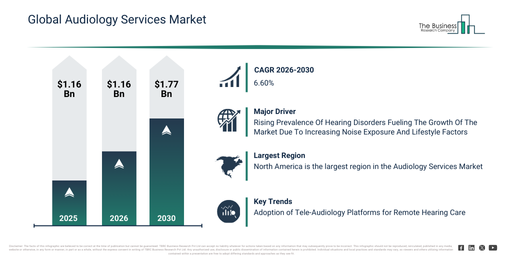
    The audiology services market has seen robust growth in recent years. It is forecast to grow from $10.68 billion in 2025 to $11.4 billion in 2026, achieving a compound annual growth rate (CAGR) of 6.7%. This historical expansion can be attributed to factors such as increased public awareness of hearing disorders, the establishment of more audiology clinics and service centers, an increase in the geriatric population, the availability of advanced diagnostic audiology tools, and the integration of hearing services into broader healthcare systems.

    The audiology services market is poised for significant expansion in the upcoming years. It is projected to swell to $14.72 billion by 2030, achieving a compound annual growth rate (CAGR) of 6.6%. This projected growth throughout the forecast period is driven by factors such as the escalating demand for remote and home-based audiology services, the increasing uptake of AI-enabled diagnostic tools, the broadening of digital healthcare platforms, a greater emphasis on early hearing loss detection, and rising investments in hearing healthcare infrastructure. Noteworthy trends during this period include the wider adoption of tele-audiology services, a surge in the use of smart and connected hearing aids, an increasing need for remote hearing assessments, the development of personalized hearing care programs, and an elevated focus on preventive hearing health.

    Download A Free Sample Report For Comprehensive Market Insights:

    https://www.thebusinessresearchcompany.com/sample.aspx?id=24158&type=smp

    What Major Growth Factors Are Impacting The Audiology Services Market?

    The audiology services market is anticipated to expand, primarily propelled by the rising incidence of hearing disorders. These conditions involve impairments in perceiving, processing, or interpreting sound, originating from issues within the outer, middle, or inner ear, or their connecting auditory pathways. The increase in hearing disorders is linked to greater exposure to loud noises, particularly from the extended use of headphones and earbuds and attendance at noisy events, which can inflict gradual and irreversible damage to the delicate hair cells in the inner ear. Such disorders bolster audiology services by generating a steady need for diagnostic evaluations and hearing solutions, prompting individuals to seek professional help for early detection, treatment, and continuous management of their hearing health. For instance, in February 2025, according to the World Health Organization, a Switzerland-based intergovernmental organization, it was projected that around 2.5 billion individuals will experience some level of hearing loss by 2050, with over 700 million likely needing hearing care and rehabilitation services. Consequently, the increasing prevalence of hearing disorders is driving the growth of the audiology services market.

    How Is Segment Classification Applied In The Audiology Services Market?

    The audiology services market covered in this report is segmented –

    1) By Audiology Service Type: Diagnostic Auditory Services, Rehabilitative Services, Consultative Services, Hearing Aid Dispensing Services, Tele-Audiology Services

    2) By Technology Adoption: Traditional Hearing Aids, Bluetooth Hearing Aids, Smart Hearing Aids, Assistive Listening Aids, Implantable Devices

    3) By Patient Demographics: Pediatric Audiology, Adult Audiology, Geriatric Audiology

    4) By Service Delivery Model: In-Person Services, Home Healthcare Services, Online Or Remote Services, Community Outreach Programs

    5) By End-User: Hospitals, Clinics, Ambulatory Surgical Centres, Other End Users

    Subsegments:

    1) By Diagnostic Auditory Services: Pure Tone Audiometry (Pta), Central Auditory Processing Evaluation, Speech Audiometry, Electrocochleography (Ecochg), Tympanometry And Acoustic Reflex Testing, Otoacoustic Emissions (Oae) Testing, Auditory Brainstem Response (Abr) Testing

    2) By Rehabilitative Services: Auditory Training Programs, Assistive Listening Device (Ald) Training, Speech And Language Therapy, Cochlear Implant Rehabilitation, Tinnitus Management, Auditory-Verbal Therapy (Avt), Vestibular (Balance) Rehabilitation

    3) By Consultative Services: Occupational Hearing Conservation Consultation, Multidisciplinary Care Planning, School Hearing Health Programs, Geriatric Hearing Health Advisory, Pre-Employment And Industrial Screening, Pediatric Audiology Consultation, Legal Or Forensic Audiology Consultation

    4) By Hearing Aid Dispensing Services: Hearing Aid Evaluation And Fitting, Rechargeable And Bluetooth-Enabled Devices, Real-Ear Measurement And Verification, In-The-Ear (Ite), Behind-The-Ear (Bte), And Receiver-In-Canal (Ric) Devices, Hearing Aid Repair And Maintenance, Hearing Aid Counseling And Training, Custom Ear Molds And Earmolds Fitting

    5) By Tele-Audiology Services: Remote Hearing Assessments, Virtual Counseling And Follow-Ups, Virtual Hearing Aid Fitting And Adjustments, Cloud-Based Audiometry Tools, Remote Patient Monitoring, Mobile App-Based Hearing Health Support, Online Aural Rehabilitation Sessions

    What Trends Are Affecting The Audiology Services Market Dynamics?

    Major companies operating in the audiology services market are increasingly focusing on delivering audiological care remotely. This involves tele-audiology systems that empower hearing care professionals to conduct diagnostic assessments, fittings, programming, and follow-ups with patients using internet-connected devices, thereby minimizing or eliminating the necessity for in-person clinic visits. For example, in August 2024, Sonova Holding AG, a Switzerland-based hearing care company, unveiled a fully remote fitting solution under its Phonak brand. This solution enables real-time remote hearing aid programming and fine-tuning through the myPhonak app. Noteworthy features encompass the ability to perform an audiogram directly via the patient’s hearing aid, secure data transfer between the clinician and the patient’s device, and an intuitive user interface that allows patients to receive expert attention without needing to travel. This expanding teleaudiology trend is enhancing the accessibility of audiological services, particularly benefiting patients residing in remote or underserved regions, and is fundamentally redefining the delivery of hearing care in the audiology services market.

    Who Are The Prominent Players Across The Audiology Services Market?

    Major companies operating in the audiology services market are Eargo Inc., Sonova Holding AG, William Demant Holding A/S, GN Store Nord A/S, Amplifon S.p.A., Starkey Laboratories Inc., Cochlear Limited, Miracle-Ear Inc., MED-EL Elektromedizinische Geräte GmbH, Natus Medical Incorporated, Beltone, Advanced Bionics LLC, HearUSA Inc., Hear.com LLC, Audicus Inc., Zounds Hearing Inc., Audina Hearing Instruments Inc., Lively Hearing Corporation, Clarity Hearing, ZipHearing LLC

    Access The Complete Audiology Services Market Report:

    https://www.thebusinessresearchcompany.com/report/audiology-services-global-market-report

    Which Region Accounts For The Highest Share Of The Audiology Services Market?

    North America was the largest region in the audiology services market in 2025. Asia-Pacific is expected to be the fastest-growing region in the forecast period. The regions covered in the audiology services market report are Asia-Pacific, South East Asia, Western Europe, Eastern Europe, North America, South America, Middle East, Africa.

    Access a Customized Audiology Services Market Report for Deeper Competitive Insights

    https://www.thebusinessresearchcompany.com/customise?id=24158&type=smp

    Browse Through More Reports Similar to the Global Audiology Services Market 2026, By The Business Research Company

    Audio Equipment Market Report 2026

    https://www.thebusinessresearchcompany.com/report/audio-equipment-global-market-report

    Home Audio Equipment Market Report 2026

    https://www.thebusinessresearchcompany.com/report/home-audio-equipment-global-market-report

    Voice Commerce Market Report 2026

    https://www.thebusinessresearchcompany.com/report/voice-commerce-global-market-report

    Get in touch with us:

    The Business Research Company: https://www.thebusinessresearchcompany.com/

    Americas: +1 310-496-7795

    Asia: +44 7882 955267 & +91 8897263534

    Europe: +44 7882 955267

    Email us at: marketing@tbrc.info

    Follow us on:

    LinkedIn: https://in.linkedin.com/company/the-business-research-company

    YouTube: https://www.youtube.com/channel/UC24_fI0rV8cR5DxlCpgmyFQ

    Global Market Model: https://www.thebusinessresearchcompany.com/global-market-model
  • Audiology Devices Market Industry Analysis Covering Trends, Drivers, And Future Outlook

    Audiology Devices Market Industry Analysis Covering Trends, Drivers, And Future Outlook

    The Business Research Company’s 2026 market reports feature advanced enhancements such as market attractiveness analysis, total addressable market evaluation, company benchmarking matrices, interactive Excel dashboards, expanded supply chain intelligence, emerging startup coverage, and detailed product insights, delivering more actionable and strategically valuable research.

    What Market Value Expansion Is Expected For The Audiology Devices Market Over The Forecast Period?

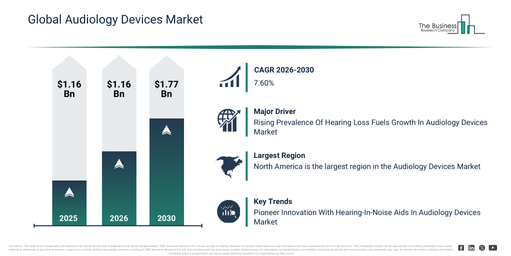
    The audiology devices market has shown strong expansion in recent years. It is anticipated to increase from $11.21 billion in 2025 to $12.02 billion in 2026, achieving a compound annual growth rate (CAGR) of 7.2%. The historical growth can be linked to the rising prevalence of hearing loss disorders, an increasing aging population, wider availability of digital hearing aids, the expansion of audiology clinics, and growing awareness of early hearing diagnosis.

    The audiology devices market size is projected to witness considerable expansion over the next few years. It is expected to swell to $16.11 billion by 2030, demonstrating a compound annual growth rate (CAGR) of 7.6%. This anticipated growth during the forecast period is propelled by factors such as an escalating demand for wireless and app-enabled devices, the growing adoption of pediatric hearing solutions, an increase in cochlear implant procedures, an expanding focus on home-based hearing care, and continuous innovation within audiology software platforms. Key developments projected for this period include a greater embrace of smart and connected hearing devices, a rising need for rechargeable hearing aids, an increased application of AI-based sound processing, the expansion of minimally invasive implant technologies, and an amplified emphasis on personalized hearing solutions.

    Download A Free Sample Report For Comprehensive Market Insights:

    https://www.thebusinessresearchcompany.com/sample.aspx?id=10700&type=smp

    What Market Drivers Are Helping Shape The Audiology Devices Market Expansion?

    The increasing incidence of hearing impairment is anticipated to fuel the expansion of the audiology devices market. Hearing loss, defined as a partial or complete inability to perceive sounds in one or both ears, stems from various factors such as genetics, aging, exposure to noise, ear injuries or trauma, infections, and certain medications or health conditions. Audiology devices are utilized to manage and treat hearing loss by improving speech clarity and boosting communication abilities. Consequently, the rising occurrence of hearing loss escalates the need for the audiology devices market. For instance, an article published by the World Health Organization, a Switzerland-based public health organization, in February 2023, indicated that a total of 430 million people, representing more than 5% of the global population (432 million adults and 34 million children), will require rehabilitation for their disabling hearing loss. Additionally, over 25% of individuals aged 60 and above experience hearing loss, and nearly 80% of those with permanent hearing loss reside in developing or underdeveloped nations. Furthermore, forecasts suggest that over 700 million individuals will suffer from hearing loss by 2050. Therefore, the growing prevalence of hearing loss is a key driver for the audiology devices market’s growth.

    What Are The Core Segment Classifications In The Audiology Devices Market?

    The audiology devices market covered in this report is segmented –

    1) By Product: Hearing Aids, In-The-Ear Hearing Aids (ITE), Receiver-In-The-Ear Hearing Aids (RITE), Behind-The-Ear Hearing Aids (BTE), Canal Hearing Aids (CHA), Cochlear Implants, Bone Anchored Healing Aids, Diagnostic Devices

    2) By Technology: Digital, Analog, Wireless & Bluetooth-Enabled Devices

    3) By Diseases Type: Otosclerosis, Meniere’s Disease, Acoustic Tumors, Otitis Media, Other Diseases

    4) By End User: Hospitals,ENT Clinics & Audiology Clinics, Research Institutes

    Subsegments:

    1) By Hearing Aids: Digital Hearing Aids, Analog Hearing Aids, Wireless Hearing Aids, Rechargeable Hearing Aids, Pediatric Hearing Aids, High-Gain Hearing Aids, Low-Noise Hearing Aids

    2) By In-The-Ear (ITE) Hearing Aids: Full Shell ITE, Half Shell ITE, Mini ITE, Wireless ITE, Rechargeable ITE, Directional Microphone ITE

    3) By Receiver-In-The-Ear (RITE) Hearing Aids: Mini RITE, Power RITE, Rechargeable RITE, RITE with Telecoil, Wireless RITE, Invisible RITE

    4) By Behind-The-Ear (BTE) Hearing Aids: Standard BTE, Mini BTE, Power BTE, Open-Fit BTE, Rechargeable BTE, Wireless BTE, Water-Resistant BTE

    5) By Canal Hearing Aids (CHA): Completely-in-the-Canal (CIC), Invisible-in-the-Canal (IIC), Low Profile CHA, Wireless CIC/IIC, Directional Microphone CHA, Rechargeable CHA

    6) By Cochlear Implants: Single-Sided Cochlear Implants, Bilateral Cochlear Implants, Hybrid Cochlear Implants, Fully Implantable Cochlear Implants, Pediatric Cochlear Implants, Advanced Cochlear Implants

    7) By Bone Anchored Hearing Aids (BAHA): Percutaneous BAHA, Transcutaneous BAHA, Active Bone Conduction Implant, Non-Surgical BAHA, Pediatric BAHA, Rechargeable BAHA

    8) By Diagnostic Devices: Audiometers, Otoacoustic Emission (OAE) Devices, Tympanometers

    Which Trends Are Influencing The Expansion Of The Audiology Devices Market?

    Leading companies in the audiology devices market are focusing on developing innovative products, such as hearing-in-noise aids, to gain a competitive advantage. Hearing-in-noise aids represent a specific category of hearing device engineered to improve an individual’s capacity to comprehend speech in noisy environments. For instance, in September 2023, ReSound, a Denmark-based provider of innovative hearing solutions, launched Nexia Hearing Aids. These aids are designed with Auracast broadcast audio technology, which allows Nexia users to effortlessly connect to public sound systems in locations like airports, theaters, and restaurants, ensuring they remain informed and never miss important information. Leveraging Auracast and Bluetooth LE Audio, Nexia hearing aids connect seamlessly to various devices, providing a truly wireless experience. Moreover, Nexia hearing aids are completely dustproof and water-resistant, enabling customers to wear them confidently in any weather.

    Which Companies Form The Competitive Landscape Of The Audiology Devices Market?

    Major companies operating in the audiology devices market are Sonova Holding AG, Demant A/S, GN Store Nord A/S, Cochlear Ltd., MED-EL Medical Electronics, Starkey Laboratories Inc., WS Audiology A/S, RION Co. Ltd., Natus Medical Incorporated, MedRx Inc., Inventis s.r.l., MAICO Diagnostics GmbH, Benson Medical Instruments, Horentek Hearing Diagnostic, Zhejiang Nurotron Biotechnology Co. Ltd., Audina Hearing Instruments Inc., Elkon Pvt. Ltd., Eargo Inc., SeboTek Hearing Systems LLC, BHM-Tech Produktionsgesellschaft mbH, Earlens Corporation, Austar Hearing Science and Technology (Xiamen) Co. Ltd.

    Access The Complete Audiology Devices Market Report:

    https://www.thebusinessresearchcompany.com/report/audiology-devices-global-market-report

    Which Region Is The Primary Market For The Audiology Devices Market?

    North America was the largest region in the audiology devices market in 2025. Asia-Pacific is expected to be the fastest-growing region in the global audiology devices market report during the forecast period. The regions covered in the audiology devices market report are Asia-Pacific, South East Asia, Western Europe, Eastern Europe, North America, South America, Middle East, Africa.

    Access a Customized Audiology Devices Market Report for Deeper Competitive Insights

    https://www.thebusinessresearchcompany.com/customise?id=10700&type=smp

    Browse Through More Reports Similar to the Global Audiology Devices Market 2026, By The Business Research Company

    Audio Equipment Market Report 2026

    https://www.thebusinessresearchcompany.com/report/audio-equipment-global-market-report

    Home Audio Equipment Market Report 2026

    https://www.thebusinessresearchcompany.com/report/home-audio-equipment-global-market-report

    Hearing Diagnostic Devices And Equipment Market Report 2026

    https://www.thebusinessresearchcompany.com/report/hearing-diagnostic-devices-and-equipment-global-market-report

    Get in touch with us:

    The Business Research Company: https://www.thebusinessresearchcompany.com/

    Americas: +1 310-496-7795

    Asia: +44 7882 955267 & +91 8897263534

    Europe: +44 7882 955267

    Email us at: marketing@tbrc.info

    Follow us on:

    LinkedIn: https://in.linkedin.com/company/the-business-research-company

    YouTube: https://www.youtube.com/channel/UC24_fI0rV8cR5DxlCpgmyFQ

    Global Market Model: https://www.thebusinessresearchcompany.com/global-market-model
  • Atrial Fibrillation Devices Market Forecast Assessing Growth Potential And Industry Direction

    Atrial Fibrillation Devices Market Forecast Assessing Growth Potential And Industry Direction

    The Business Research Company’s 2026 market reports feature advanced enhancements such as market attractiveness analysis, total addressable market evaluation, company benchmarking matrices, interactive Excel dashboards, expanded supply chain intelligence, emerging startup coverage, and detailed product insights, delivering more actionable and strategically valuable research.

    How Will The Market Value Of The Atrial Fibrillation Devices Market Change Between 2026 And 2030?

    The market for atrial fibrillation devices has experienced rapid expansion recently. Projections indicate its expansion from $8.6 billion in 2025 to $9.61 billion in 2026, demonstrating a compound annual growth rate (CAGR) of 11.7%. Historically, this growth has been driven by factors such as the increasing prevalence of atrial fibrillation, a rising geriatric population, the growing burden of cardiovascular diseases, the expansion of electrophysiology labs, and the adoption of implantable cardiac devices.

    The atrial fibrillation devices market is anticipated to grow significantly in size over the next few years. By 2030, this market is forecasted to reach $14.77 billion, demonstrating a compound annual growth rate (CAGR) of 11.3%. This projected growth is driven by several factors, including developments in ablation technologies, the wider adoption of remote patient monitoring, heightened awareness regarding stroke prevention, the establishment of more ambulatory surgical centers, and breakthroughs in mapping and navigation systems. Key trends anticipated during this period encompass the increasing popularity of catheter ablation procedures, a surge in the utilization of wearable and remote ECG monitoring devices, a greater call for minimally invasive AFib treatments, the broader deployment of left atrial appendage closure devices, and an enhanced emphasis on prompt detection and continuous rhythm surveillance.

    Download A Free Sample Report For Comprehensive Market Insights:

    https://www.thebusinessresearchcompany.com/sample.aspx?id=25704&type=smp

    Which Significant Factors Are Encouraging Growth In The Atrial Fibrillation Devices Market?

    The escalating burden of cardiovascular diseases is projected to drive the growth of the atrial fibrillation device market in the future. These conditions involve disorders affecting the heart and blood vessels, such as heart attacks, strokes, and hypertension. The incidence of cardiovascular diseases is rising globally due to an increase in obesity and diabetes, coupled with widespread sedentary lifestyles and poor dietary habits. Atrial fibrillation (AFib) devices are essential in managing cardiovascular diseases by detecting, monitoring, and treating irregular heart rhythms, which are frequently linked to or caused by underlying cardiac conditions. For instance, data published by the American Heart Association, a US-based public health organization, in June 2024, indicates that with high blood pressure expected to increase from 51.2% to 61.0%, the number of individuals diagnosed with cardiovascular diseases is projected to rise from 128 million in 2020 to over 184 million by 2050. Therefore, the expansion of cardiovascular diseases is a key factor propelling the growth of the atrial fibrillation device market.

    How Is The Atrial Fibrillation Devices Market Structured Across Different Market Segments?

    The atrial fibrillation devices market covered in this report is segmented –

    1) By Device Type: Implantable Devices, External Devices, Catheter-Based Devices

    2) By Product: Electrophysiology Ablation Catheters, Cardiac Monitors Or Implantable Loop Recorder, Electrophysiology Diagnostic Catheters, Mapping And Recording Systems, Access Devices, Intracardiac Echocardiography, Left Atrial Appendage Closure Devices, Other Products

    3) By Technology: Radiofrequency, Cryotherapy, Ultrasound, Other Technologies

    4) By Distribution Channel: Direct Sales, Distributors, Online Sales

    5) By End-Use: Hospitals, Cardiac Centers, Ambulatory Surgical Centers, Other End Users

    Subsegments:

    1) By Implantable Devices: Implantable Cardioverter Defibrillators, Pacemakers, Insertable Cardiac Monitors

    2) By External Devices: External Defibrillators, Holter Monitors, Mobile Cardiac Telemetry Devices, Electrocardiogram Monitors

    3) By Catheter-Based Devices: Radiofrequency Ablation Catheters, Cryoablation Catheters, Laser Ablation Catheters, Mapping and Navigation Systems, Transseptal Access Devices

    What Trends Are Impacting The Atrial Fibrillation Devices Market?

    Leading companies within the atrial fibrillation devices market are increasingly focusing on technological progress, particularly advancements in patient-centric clinical decision support tools, with the aim of elevating diagnostic precision, customizing treatment regimens, and optimizing overall results for patients. Patient-centric clinical decision support tools represent digital solutions designed to assist healthcare providers in tailoring treatment choices through the analysis of individual patient information. As an illustration, in August 2023, GE HealthCare Technologies Inc., a medical technology firm based in the US, introduced CardioVisio for Atrial Fibrillation. This digital clinical decision support tool is engineered to simplify clinician workflows and facilitate precision care for individuals with atrial fibrillation. It empowers healthcare providers to observe the advancement of AFib, encompassing prior diagnoses, therapies, medications, and related health conditions. The platform provides recommendations for therapy aligned with guidelines, which helps to minimize diagnostic inaccuracies and streamline clinical decision-making. CardioVisio consolidates disparate patient data into an easily accessible format, thereby lessening the workload on medical personnel and enabling more prompt, individualized, and effective management of atrial fibrillation.

    Who Are The Key Market Participants In The Atrial Fibrillation Devices Market?

    Major companies operating in the atrial fibrillation devices market are Johnson And Johnson Services Inc, Abbott Laboratories, Medtronic Public Limited Company, Koninklijke Philips NV, Boston Scientific Corporation, Shanghai MicroPort EP MedTech Co Ltd, Japan Lifeline Co Ltd, AliveCor Inc, CardioFocus Inc, Imricor Medical Systems Inc, Kardium Inc, Stereotaxis Inc, Volta Medical, Osypka AG, CathRx Ltd, BIOTRONIK SE And Co KG, EP Solutions SA, CardiacSense Ltd, Biosense Webster Inc, Abbott Electrophysiology, Medtronic Cardiac Rhythm And Heart Failure, Boston Scientific Electrophysiology

    Access The Complete Atrial Fibrillation Devices Market Report:

    https://www.thebusinessresearchcompany.com/report/atrial-fibrillation-devices-global-market-report

    Which Geographic Region Represents The Largest Atrial Fibrillation Devices Market Share?

    North America was the largest region in the atrial fibrillation devices market in 2025. Asia-Pacific is expected to be the fastest-growing region in the forecast period. The regions covered in the atrial fibrillation devices market report are Asia-Pacific, South East Asia, Western Europe, Eastern Europe, North America, South America, Middle East, Africa.

    Access a Customized Atrial Fibrillation Devices Market Report for Deeper Competitive Insights

    https://www.thebusinessresearchcompany.com/customise?id=25704&type=smp

    Browse Through More Reports Similar to the Global Atrial Fibrillation Devices Market 2026, By The Business Research Company

    Cardiac Arrhythmia Monitoring Devices Market Report 2026

    https://www.thebusinessresearchcompany.com/report/cardiac-arrhythmia-monitoring-devices-global-market-report

    Ventricular Fibrillation Market Report 2026

    https://www.thebusinessresearchcompany.com/report/ventricular-fibrillation-global-market-report

    Cardiovascular Devices Market Report 2026

    https://www.thebusinessresearchcompany.com/report/cardiovascular-devices-global-market-report

    Get in touch with us:

    The Business Research Company: https://www.thebusinessresearchcompany.com/

    Americas: +1 310-496-7795

    Asia: +44 7882 955267 & +91 8897263534

    Europe: +44 7882 955267

    Email us at: marketing@tbrc.info

    Follow us on:

    LinkedIn: https://in.linkedin.com/company/the-business-research-company

    YouTube: https://www.youtube.com/channel/UC24_fI0rV8cR5DxlCpgmyFQ

    Global Market Model: https://www.thebusinessresearchcompany.com/global-market-model