Category: Medical Equipment

  • Cardiovascular Microcatheter Market Outlook Highlighting Key Drivers And Market Evolution

    Cardiovascular Microcatheter Market Outlook Highlighting Key Drivers And Market Evolution

    The Business Research Company’s 2026 market reports feature enhanced tools like market attractiveness analysis, TAM assessment, and company scoring matrices, along with interactive dashboards, deeper supply chain insights, and startup coverage strengthening the depth, usability, and strategic value of insights.

    How Is The Market Size Of The Cardiovascular Microcatheter Market Expected To Change From 2026 To 2030?

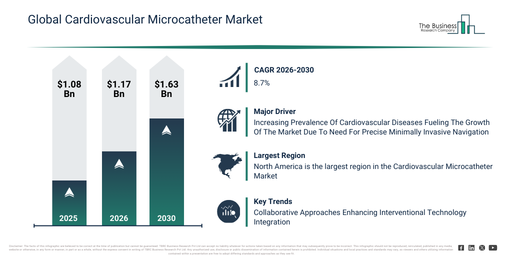
    The cardiovascular microcatheter market size has seen robust growth in recent years. It is anticipated to increase from $1.08 billion in 2025 to $1.17 billion in 2026, achieving a compound annual growth rate (CAGR) of 8.5%. The expansion witnessed in the past can be credited to the rising prevalence of cardiovascular diseases, the spread of minimally invasive interventional procedures, enhancements in catheter material engineering, the increasing acceptance of catheter-based diagnostics, and the growth of cardiac catheterization laboratories.

    The cardiovascular microcatheter market size is projected to experience robust growth in the upcoming years. It is expected to expand to $1.63 billion by 2030, achieving a compound annual growth rate (CAGR) of 8.7%. This expansion during the forecast period can be attributed to several factors, including the increasing need for complex endovascular interventions, a rising aging population dealing with vascular disorders, an increase in neurovascular procedure volumes, continuous innovation in microcatheter design, and the broadening adoption of minimally invasive cardiology treatments. Significant trends during this period are anticipated to include the increasing use of steerable and braided microcatheters, a growing demand for neurovascular and intricate coronary procedures, the expanding application of balloon-assisted and infusion microcatheters, the development of guidewire-compatible precision devices, and an enhanced focus on trackability and torque control.

    Access Your Free Sample Report For In-Depth Market Analysis:

    https://www.thebusinessresearchcompany.com/sample.aspx?id=33055&type=smp

    What Leading Drivers Are Supporting The Cardiovascular Microcatheter Market Expansion?

    The rising occurrence of cardiovascular diseases is projected to drive the expansion of the cardiovascular microcatheter market in the future. These conditions, collectively known as CVDs, are a collection of disorders affecting the heart and blood vessels, including issues such as heart attacks, strokes, and hypertension. The increase in cardiovascular disease prevalence is primarily attributed to increasingly sedentary lifestyles linked to urbanization, which foster obesity, high blood pressure, and metabolic disorders. A cardiovascular microcatheter facilitates the treatment of these diseases by enabling precise navigation through tiny, complex vessels, allowing for the delivery of guidewires, contrast agents, or therapeutic devices directly to the target lesion with minimal trauma. Illustrating this trend, in January 2024, the American Heart Association, a US non-profit organization, indicated that the age-adjusted death rate from cardiovascular disease rose to 233.3 per 100,000 in 2024, representing an increase of 4.0% from 224.4 per 100,000 in 2023. Therefore, the growing incidence of cardiovascular disease is a significant impetus for the growth of the cardiovascular microcatheter market.

    What Are The Different Segment Types In The Cardiovascular Microcatheter Market Segment Breakdown?

    The cardiovascular microcatheter market covered in this report is segmented –

    1) By Product Type: Guiding Catheters; Diagnostic Catheters; Therapeutic Catheters; Balloon Catheters; Ablation Catheters

    2) By Material Type: Polyurethane; Polyvinyl Chloride (PVC); Silicone; Other Specialty Polymers

    3) By Application: Coronary Intervention; Peripheral Intervention; Neurovascular Intervention; Pediatric Cardiology Applications

    4) By End-User: Hospitals; Cardiac Catheterization Labs; Ambulatory Surgical Centers; Research; Academic Institutions

    Subsegments:

    1) By Guiding Catheters: Judkins Left Guiding Catheters; Judkins Right Guiding Catheters; Amplatz Left Guiding Catheters; Amplatz Right Guiding Catheters; Multipurpose Guiding Catheters

    2) By Diagnostic Catheters: Coronary Angiography Catheters; Left Heart Diagnostic Catheters; Right Heart Diagnostic Catheters; Pigtail Diagnostic Catheters; Multipurpose Diagnostic Catheters

    3) By Therapeutic Catheters: Drug Delivery Catheters; Thrombectomy Catheters; Embolic Protection Catheters; Aspiration Catheters; Infusion Catheters

    4) By Balloon Catheters: Percutaneous Transluminal Coronary Angioplasty Balloon Catheters; Cutting Balloon Catheters; Scoring Balloon Catheters; Drug Coated Balloon Catheters; High Pressure Balloon Catheters

    5) By Ablation Catheters: Radiofrequency Ablation Catheters; Cryoablation Catheters; Laser Ablation Catheters; Microwave Ablation Catheters; Ultrasound Ablation Catheters

    What Emerging Trends Are Seen In The Cardiovascular Microcatheter Market?

    Major companies in the cardiovascular microcatheter market are adopting a strategic partnership strategy to enhance technology integration and expand their market reach. A strategic partnership typically involves a collaborative relationship between two or more organizations that combine their resources, expertise, and efforts to achieve mutual goals. For instance, in February 2024, BIOTRONIK, a Germany-based medical technology company, introduced the Micro Rx catheter, a rapid exchange microcatheter designed to improve guidewire support during percutaneous coronary interventions (PCI). This device, exclusively distributed by BIOTRONIK and manufactured by Interventional Medical Device Solutions (IMDS), expands BIOTRONIK’s U.S. portfolio of IMDS-developed products, which also includes the NHancer Rx, TrapIT, and ReCross catheters. The Micro Rx catheter incorporates a reinforced distal shaft with a core wire placed between dual braided layers for optimal pushability and support, along with a tapered tip featuring an ultra-small leading edge to facilitate high penetration. It also includes a proximal-end-stop design that allows for smooth integration with guide extension catheters, providing additional procedural support.

    Who Are The Well-Known Companies In The Cardiovascular Microcatheter Market?

    Major companies operating in the cardiovascular microcatheter market are Medtronic Plc, Stryker Corporation, Becton Dickinson and Company (BD), Boston Scientific Corporation, Terumo Corporation, Teleflex Incorporated, Cook Medical LLC, Integer Holdings Corporation, Merit Medical Systems Inc., Lepu Medical Technology Co. Ltd., Asahi Intecc Co. Ltd., Baylis Medical Company Inc., ACIST Medical Systems Inc., Acandis GmbH, BrosMed Medical Co. Ltd., Relisys Medical Devices Limited, Sahajanand Medical Technologies Ltd. (SMT), Reflow Medical Inc., Acrostak AG, and ShanghAI Kindly Medical Instruments Co. Ltd.

    Get The Full Cardiovascular Microcatheter Market Report:

    https://www.thebusinessresearchcompany.com/report/cardiovascular-microcatheter-market-report

    Where Is The Cardiovascular Microcatheter Market Primarily Concentrated By Region?

    North America was the largest region in the cardiovascular microcatheter market in 2025. Asia-Pacific is expected to be the fastest-growing region in the forecast period. The regions covered in the cardiovascular microcatheter market report are Asia-Pacific, South East Asia, Western Europe, Eastern Europe, North America, South America, Middle East, Africa.

    Request A Customized Cardiovascular Microcatheter Market Report For Competitive Insights:

    https://www.thebusinessresearchcompany.com/customise?id=33055&type=smp

    Browse Through More Reports Similar to the Global Cardiovascular Microcatheter Market 2026, By The Business Research Company

    Cardiovascular Surgery Devices And Equipment Market Report 2026

    https://www.thebusinessresearchcompany.com/report/cardiovascular-surgery-devices-and-equipment-global-market-report

    Cardiovascular Implants Market Report 2026

    https://www.thebusinessresearchcompany.com/report/cardiovascular-implants-global-market-report

    Cardiovascular Devices Market Report 2026

    https://www.thebusinessresearchcompany.com/report/cardiovascular-devices-global-market-report

    Get in touch with us:

    The Business Research Company: https://www.thebusinessresearchcompany.com/

    Americas +1 310-496-7795

    Asia +44 7882 955267 & +91 8897263534

    Europe +44 7882 955267

    Email us at info@tbrc.info

    Follow us on:

    LinkedIn: https://in.linkedin.com/company/the-business-research-company

    YouTube: https://www.youtube.com/channel/UC24_fI0rV8cR5DxlCpgmyFQ

    Global Market Model: https://www.thebusinessresearchcompany.com/global-market-model
  • Cardiovascular Calcification Market Forecast Highlighting Key Trends And Expansion Potential

    Cardiovascular Calcification Market Forecast Highlighting Key Trends And Expansion Potential

    The Business Research Company’s 2026 market reports feature enhanced tools like market attractiveness analysis, TAM assessment, and company scoring matrices, along with interactive dashboards, deeper supply chain insights, and startup coverage strengthening the depth, usability, and strategic value of insights.

    How Much Growth In Market Value Is Expected For The Cardiovascular Calcification Market Between 2026 And 2030?

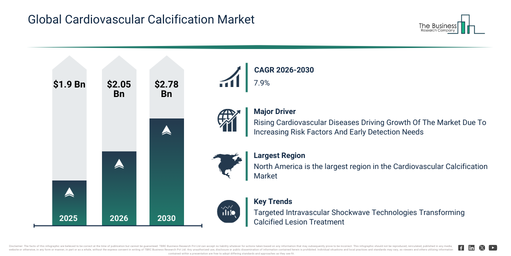
    The cardiovascular calcification market has experienced significant expansion recently. It is projected to expand from $1.9 billion in 2025 to reach $2.05 billion by 2026, demonstrating a compound annual growth rate (CAGR) of 7.7%. Historically, this growth has been driven by factors such as the increasing elderly population, a higher incidence of cardiovascular diseases, the development of diagnostic imaging facilities, greater adoption of CT and MRI systems, and improved understanding of the dangers associated with vascular calcification.

    The market for cardiovascular calcification is projected to experience robust expansion over the coming years. This market is forecast to reach $2.78 billion by 2030, driven by a compound annual growth rate (CAGR) of 7.9%. Factors contributing to this growth during the forecast period include a heightened demand for accurate cardiovascular diagnostics, a surge in the use of AI-assisted imaging analysis, the widening availability of minimally invasive diagnostic methods, increasing financial commitments to preventive cardiology, and a greater emphasis on early intervention approaches. Key trends anticipated for this period encompass the growing embrace of sophisticated cardiovascular imaging techniques, an increase in the application of calcium scoring and risk assessment tools, the deeper incorporation of artificial intelligence into diagnostic imaging, the spread of catheter-based diagnostic innovations, and an intensified concentration on identifying diseases at earlier stages.

    Access Your Free Sample Report For In-Depth Market Analysis:

    https://www.thebusinessresearchcompany.com/sample.aspx?id=33053&type=smp

    What Primary Drivers Are Shaping The Cardiovascular Calcification Market?

    The increasing prevalence of cardiovascular diseases is projected to boost the growth of the cardiovascular calcification market moving forward. These conditions negatively impact the heart and blood vessels, leading to complications such as heart disease, stroke, and high blood pressure. The rise in cardiovascular diseases is primarily fueled by inactive lifestyles and poor dietary choices, which elevate risks like hypertension, obesity, and arterial damage. Cardiovascular calcification is beneficial in the context of cardiovascular diseases as it serves as a marker for atherosclerosis and plaque buildup, enabling early detection of cardiac and vascular damage and guiding preventive or therapeutic interventions. For instance, in August 2025, according to the National Institutes of Health, a US-based government agency, between 2025 and 2050, cardiovascular prevalence is projected to rise by 90%, mortality by 73%, and DALYs by 55%, with deaths increasing from 20.5 million to 35.6 million. Thus, the growing incidence of cardiovascular diseases is propelling the expansion of the cardiovascular calcification market.

    How Is The Cardiovascular Calcification Market Organized By Segment Classification?

    The cardiovascular calcification market covered in this report is segmented –

    1) By Product Type: Imaging Systems; Atherectomy Devices; Stents; Transcatheter Valves

    2) By Diagnosis: Computed Tomography (CT) Calcium Scoring; Echocardiography; Intravascular Ultrasound; Biomarkers

    3) By Application: Coronary Artery Disease; Aortic Valve Stenosis; Peripheral Artery Disease; Chronic Kidney Disease (CKD) Related Vascular Calcification

    4) By End User: Hospitals; Ambulatory Surgical Centers; Cardiac Clinics; Dialysis And Nephrology Centers

    Subsegments:

    1) By Imaging Systems: Magnetic Resonance Imaging; Computed Tomography Imaging; Ultrasound Imaging; Nuclear Imaging

    2) By Atherectomy Devices: Rotational Atherectomy Devices; Directional Atherectomy Devices; Orbital Atherectomy Devices; Laser Atherectomy Devices

    3) By Stents: Drug Eluting Stents; Bare Metal Stents; Bioabsorbable Stents; Balloon Expandable Stents

    4) By Transcatheter Valves: Transcatheter Aortic Valves; Transcatheter Mitral Valves; Transcatheter Pulmonary Valves; Transcatheter Tricuspid Valves

    What Trends Are Affecting The Growth Of The Cardiovascular Calcification Market?

    Major companies within the cardiovascular calcification market are focusing on developing innovative solutions, such as targeted intravascular shockwave energy delivery technology, to enhance the treatment of heavily calcified lesions by improving lesion crossing, vessel compliance, and procedural success rates. This targeted intravascular shockwave energy delivery technology is a catheter-based therapy that emits controlled acoustic pressure waves within blood vessels to fracture calcified plaque while preserving surrounding soft tissue and vessel integrity. For instance, in March 2025, Shockwave Medical Inc., a US-based medical device company, launched a novel forward intravascular lithotripsy platform in the US, aimed at transforming the treatment of difficult-to-cross calcified lesions. This technology utilizes forward sonic pressure waves to fracture calcium in challenging calcified peripheral artery lesions without requiring balloon inflation. Its purpose is to enable safe catheter advancement and vessel modification in complex PAD cases such as CLTI, thereby improving outcomes over traditional tools. Key advantages include a 99% technical success rate, minimal complications (1.1% major events), reduced perforation or embolization risks, and enhanced efficiency for below-the-knee treatments, as demonstrated in FORWARD PAD trial data.

    Who Are The Industry Participants Involved In The Cardiovascular Calcification Market?

    Major companies operating in the cardiovascular calcification market are Abbott Laboratories, Medtronic plc, Siemens Healthineers AG, Fujifilm Holdings Corporation, Royal Philips Healthcare, GE HealthCare Technologies Inc., Boston Scientific Corporation, Shimadzu Corporation, HeartFlow Inc., Aidoc Ltd., Neusoft Medical Systems Co. Ltd., Medis Medical Imaging Systems B.V., Pie Medical Imaging B.V., Canon Medical Systems Corporation, Keya Medical Technology Co. Ltd., Coreline Soft Co. Ltd., FastWave Medical Inc., Cleerly Inc., United Imaging Healthcare Co. Ltd., Zebra Medical Vision Ltd., Circle Cardiovascular Imaging Inc

    Get The Full Cardiovascular Calcification Market Report:

    https://www.thebusinessresearchcompany.com/report/cardiovascular-calcification-market-report

    Which Region Accounts For The Largest Portion Of The Cardiovascular Calcification Market?

    North America was the largest region in the cardiovascular calcification market in 2025. Asia-Pacific is expected to be the fastest-growing region in the forecast period. The regions covered in the cardiovascular calcification market report are Asia-Pacific, South East Asia, Western Europe, Eastern Europe, North America, South America, Middle East, Africa.

    Request A Customized Cardiovascular Calcification Market Report For Competitive Insights:

    https://www.thebusinessresearchcompany.com/customise?id=33053&type=smp

    Browse Through More Reports Similar to the Global Cardiovascular Calcification Market 2026, By The Business Research Company

    Cardiovascular Health Supplements Market Report 2026

    https://www.thebusinessresearchcompany.com/report/cardiovascular-health-supplements-global-market-report

    Cardiovascular Clinical Trials Market Report 2026

    https://www.thebusinessresearchcompany.com/report/cardiovascular-clinical-trials-global-market-report

    Biopreservation Market Report 2026

    https://www.thebusinessresearchcompany.com/report/biopreservation-global-market-report

    Get in touch with us:

    The Business Research Company: https://www.thebusinessresearchcompany.com/

    Americas +1 310-496-7795

    Asia +44 7882 955267 & +91 8897263534

    Europe +44 7882 955267

    Email us at info@tbrc.info

    Follow us on:

    LinkedIn: https://in.linkedin.com/company/the-business-research-company

    YouTube: https://www.youtube.com/channel/UC24_fI0rV8cR5DxlCpgmyFQ

    Global Market Model: https://www.thebusinessresearchcompany.com/global-market-model

  • Global Brain-Controlled Lower-Limb Prosthesis Market Expected To Reach $2.05 Billion By 2030 With 16.1% CAGR

    Global Brain-Controlled Lower-Limb Prosthesis Market Expected To Reach $2.05 Billion By 2030 With 16.1% CAGR

    The Business Research Company’s 2026 market reports feature enhanced tools like market attractiveness analysis, TAM assessment, and company scoring matrices, along with interactive dashboards, deeper supply chain insights, and startup coverage strengthening the depth, usability, and strategic value of insights.

    What Is The Forecasted Market Size Trajectory Of The Brain-Controlled Lower-Limb Prosthesis Market From 2026 To 2030?

    The brain-controlled lower-limb prosthesis market has experienced rapid expansion in recent years. It is projected to grow from $0.98 billion in 2025 to $1.13 billion in 2026, at a compound annual growth rate (CAGR) of 15.8%. This historical growth can be attributed to advancements in myoelectric prosthetics, a rising incidence of limb loss, the early adoption of microprocessor-controlled limbs, an expansion of rehabilitation infrastructure, and improvements in prosthetic material science.

    The market size for brain-controlled lower-limb prostheses is set to experience swift expansion over the next few years. It is projected to ascend to $2.05 billion by 2030, exhibiting a compound annual growth rate (CAGR) of 16.1%. This growth during the forecast period is fueled by an escalating demand for brain-controlled mobility solutions, the expanding integration of artificial intelligence and machine learning into prosthetics, the broadening of personalized prosthetic fitting technologies, the increasing uptake of smart rehabilitation platforms, and enhanced insurance coverage for sophisticated prosthetic systems. Significant trends anticipated for this period involve the rising adoption of AI-controlled prosthetic gait systems, a greater use of multi-modal neural signal integration, a burgeoning need for adaptive and self-learning prosthetic limbs, the proliferation of sensory feedback-enabled prostheses, and a heightened emphasis on the restoration of natural mobility.

    Access Your Free Sample Report For In-Depth Market Analysis:

    https://www.thebusinessresearchcompany.com/sample.aspx?id=33046&type=smp

    Which Drivers Are Supporting The Brain-Controlled Lower-Limb Prosthesis Market Growth?

    The rising occurrence of amputations linked to diabetes is anticipated to fuel the expansion of the brain-controlled lower-limb prosthesis market in the future. These amputations involve surgical removal of a portion of a lower limb, necessitated by complications stemming from diabetes that has been poorly managed over an extended period. The growth in diabetes-related amputations is attributed to inadequate glycemic control, which speeds up vascular damage, nerve damage (neuropathy), and persistent foot ulcers often leading to severe infections and tissue loss. For those undergoing diabetes-related amputations, a brain-controlled lower-limb prosthesis offers assistance by reinstating natural mobility and equilibrium via direct neural command, thereby promoting safer walking, lowering the chance of subsequent complications, and enhancing sustained autonomy. As an illustration, in March 2025, data from the Office for Health Improvement and Disparities, a UK government body, indicated that in 2024, the GP-recorded adult prevalence of type 2 diabetes in England reached 7.0% among individuals aged 17 and above, an increase from 6.8% in March 2023. Consequently, the growing frequency of diabetes-related amputations is propelling the development of the brain-controlled lower-limb prosthesis market.

    What Are The Main Segments Within The Brain-Controlled Lower-Limb Prosthesis Market Segment Structure?

    The brain-controlled lower-limb prosthesis market covered in this report is segmented –

    1) By Product Type: Myoelectric Prosthesis; Bionic Prosthesis; Hybrid Prosthesis; Other Product Types

    2) By Technology: Electroencephalography-Based; Electromyography-Based; Electrocorticography-Based; Other Technologies

    3) By Application: Hospitals; Rehabilitation Centers; Prosthetic Clinics; Other Applications

    4) By End-User: Adults; Pediatrics; Elderly

    Subsegments:

    1) By Myoelectric Prosthesis: Surface Electrode Controlled Prosthesis; Implanted Electrode Controlled Prosthesis; Pattern Recognition Based Prosthesis; Adaptive Control Myoelectric Prosthesis; Multi Signal Input Myoelectric Prosthesis

    2) By Bionic Prosthesis: Neural Interface Controlled Prosthesis; Sensory Feedback Enabled Prosthesis; Artificial Intelligence Integrated Prosthesis; Fully Integrated Bionic Limb Systems; Smart Actuator Based Bionic Prosthesis

    3) By Hybrid Prosthesis: Myoelectric And Mechanical Combined Prosthesis; Neural And Myoelectric Integrated Prosthesis; Sensor Assisted Hybrid Prosthesis; Adaptive Hybrid Control Prosthesis; Multi Modal Control Hybrid Prosthesis

    4) By Other Product Types: Mechanically Controlled Prosthesis; Microprocessor Assisted Prosthesis; Externally Powered Prosthesis; Custom Designed Prosthetic Systems; Experimental Prototype Prosthesis

    Who Are The Companies Participating In The Brain-Controlled Lower-Limb Prosthesis Market?

    Major companies operating in the brain-controlled lower-limb prosthesis market are Ottobock SE And Co. KGaA, Össur hf., Blatchford Limited, Fillauer Companies Inc., College Park Industries Inc., Exiii Inc., Advanced Arm Dynamics Inc., Open Bionics Ltd., BrainRobotics Inc., Blackrock Neurotech Inc., Coapt LLC, Hi-Tech Artificial Limbs Pvt. Ltd., Integrum AB, Liberating Technologies Inc., Limbitless Solutions Inc., Symbionic Inc., Unlimited Tomorrow Inc., Vincent Systems GmbH, Bionik Laboratories Corp., Credence Prosthetic Pvt. Ltd.

    Get The Full Brain-Controlled Lower-Limb Prosthesis Market Report:

    https://www.thebusinessresearchcompany.com/report/brain-controlled-lower-limb-prosthesis-market-report

    Which Region Dominates The Brain-Controlled Lower-Limb Prosthesis Market By Market Share?

    North America was the largest region in the brain-controlled lower-limb prosthesis market in 2025. Asia-Pacific is expected to be the fastest-growing region in the forecast period. The regions covered in the brain-controlled lower-limb prosthesis market report are Asia-Pacific, South East Asia, Western Europe, Eastern Europe, North America, South America, Middle East, Africa.

    Request A Customized Brain-Controlled Lower-Limb Prosthesis Market Report For Competitive Insights:

    https://www.thebusinessresearchcompany.com/customise?id=33046&type=smp

    Browse Through More Reports Similar to the Global Brain-Controlled Lower-Limb Prosthesis Market 2026, By The Business Research Company

    Neuroprosthetics Market Report 2026

    https://www.thebusinessresearchcompany.com/report/neuroprosthetics-global-market-report

    Robotic Prosthetics Market Report 2026

    https://www.thebusinessresearchcompany.com/report/robotic-prosthetics-global-market-report

    Prosthetics And Orthotics Market Report 2026

    https://www.thebusinessresearchcompany.com/report/prosthetics-and-orthotics-global-market-report

    Get in touch with us:

    The Business Research Company: https://www.thebusinessresearchcompany.com/

    Americas +1 310-496-7795

    Asia +44 7882 955267 & +91 8897263534

    Europe +44 7882 955267

    Email us at info@tbrc.info

    Follow us on:

    LinkedIn: https://in.linkedin.com/company/the-business-research-company

    YouTube: https://www.youtube.com/channel/UC24_fI0rV8cR5DxlCpgmyFQ

    Global Market Model: https://www.thebusinessresearchcompany.com/global-market-model
  • Brain Bionics Market Future Outlook Showing Growth Toward $7.35 Billion By 2030

    Brain Bionics Market Future Outlook Showing Growth Toward $7.35 Billion By 2030

    The Business Research Company’s 2026 market reports feature enhanced tools like market attractiveness analysis, TAM assessment, and company scoring matrices, along with interactive dashboards, deeper supply chain insights, and startup coverage strengthening the depth, usability, and strategic value of insights.

    How Much Will The Market Value Of The Brain Bionics Market Grow Between 2026 And 2030?

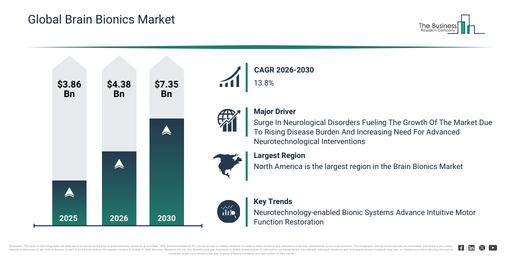
    The brain bionics market has seen rapid expansion in recent years. It is projected to increase from $3.86 billion in 2025 to $4.38 billion in 2026, exhibiting a compound annual growth rate (CAGR) of 13.6%. The market’s growth in the past can be attributed to progress in neuroscience research, the rising occurrence of neurological disorders, the initial clinical integration of deep brain stimulation, the expansion of academic neurotechnology programs, and increasing investments in medical device innovation.

    The brain bionics market is projected to experience substantial expansion in the coming years. This market is anticipated to reach $7.35 billion by 2030, exhibiting a compound annual growth rate (CAGR) of 13.8%. This projected growth is driven by several factors, including a heightened demand for tailored neurotherapies, the broadening of brain-computer interface clinical studies, the expanding incorporation of cloud-based neural data platforms, a rise in the uptake of home-based neurofeedback systems, and more frequent regulatory endorsements for implantable neurodevices. Key developments expected during this forecast period encompass a greater acceptance of implantable neural interfaces, increased integration of AI-powered neural signal processing, wider application of non-invasive brain-computer interfaces, the broadening of closed-loop neuromodulation systems, and a strengthened emphasis on customized neurotherapy solutions.

    Access Your Free Sample Report For In-Depth Market Analysis:

    https://www.thebusinessresearchcompany.com/sample.aspx?id=33045&type=smp

    What Key Factors Are Affecting The Brain Bionics Market Demand?

    The growing occurrence of neurological disorders is anticipated to fuel the expansion of the brain bionics market in the coming years. Neurological disorders encompass illnesses and conditions affecting the brain, spinal cord, and nerves, leading to deficits in movement, cognitive abilities, sensation, or behavior. The increasing prevalence of these disorders is primarily due to an aging demographic, which elevates the risk of conditions such as Parkinson’s disease, epilepsy, stroke, and dementia. Brain bionics plays a crucial role in the management and treatment of neurological disorders by enabling direct interaction between neural circuits and artificial systems, aiming to restore lost functions, modulate abnormal brain activity, and enhance rehabilitation outcomes. For instance, in December 2025, according to the Medical Republic, an Australia-based media company, it was reported that neurological conditions were responsible for over 350,000 hospital admissions and 130,000 emergency department visits during 2023–24. Thus, the escalating prevalence of neurological disorders is a significant driver for the growth of the brain bionics market.

    How Is Segmentation Applied In The Brain Bionics Market Segment Analysis?

    The brain bionics market covered in this report is segmented –

    1) By Product Type: Neuroprosthetics; Brain-Machine Interfaces (BMIs); Neuromodulation Devices; Transcranial Magnetic Stimulation Devices

    2) By Technology: Electrodes And Sensors; Software And Algorithms; Cloud-Based Platforms; Wearable Devices

    3) By User Demographics: Adults; Pediatrics; Elderly

    4) By Application: Neurorehabilitation; Cognitive Enhancement; Pain Management; Neurodegenerative Disorders; Acute Interstitial Nephritis Disorders

    5) By End User: Hospitals; Academic And Research Institutes; Home Care Settings; Pharmaceutical And Biotech Companies

    Subsegments:

    1) By Neuroprosthetics: Cochlear Implants; Retinal Implants; Deep Brain Stimulation Implants; Spinal Cord Stimulation Implants; Peripheral Nerve Stimulation Implants

    2) By Brain-Machine Interfaces (BMIs): Invasive Brain-Machine Interfaces; Partially Invasive Brain-Machine Interfaces; Non-Invasive Brain-Machine Interfaces; Assistive Communication Brain-Machine Interfaces; Motor Control Brain-Machine Interfaces

    3) By Neuromodulation Devices: Deep Brain Stimulation Devices; Spinal Cord Stimulation Devices; Vagus Nerve Stimulation Devices; Sacral Nerve Stimulation Devices; Peripheral Nerve Stimulation Devices

    4) By Transcranial Magnetic Stimulation Devices: Repetitive Transcranial Magnetic Stimulation Devices; Deep Transcranial Magnetic Stimulation Devices; Single-Pulse Transcranial Magnetic Stimulation Devices; Paired-Pulse Transcranial Magnetic Stimulation Devices; Portable Transcranial Magnetic Stimulation Devices

    What Trends Are Influencing Changes In The Brain Bionics Market?

    Leading companies in the brain bionics sector are concentrating on creating sophisticated solutions, like brain-controlled bionic prosthetics. These innovations aim to significantly improve the recovery of motor functions, increase the accuracy of user control, and foster more seamless human-machine interaction. Essentially, brain-controlled bionic systems are prosthetic devices powered by neurotechnology that utilize brain-computer interface (BCI) signals. They translate neural activity into precise mechanical actions, empowering individuals to operate artificial limbs purely through thought, bypassing physical input. A notable example occurred in October 2025, when BrainCo Inc., a neurotechnology company based in the US, unveiled a brain-controlled bionic hand. This device was specifically engineered to assist amputees in recovering functional hand movements by interpreting their brain signals in real time. The bionic hand features the integration of non-invasive brain-sensing technology with advanced AI algorithms to decipher user intentions and transform them into fluid, responsive movements. This methodology not only enhances control precision but also shortens the learning curve for users and facilitates more intuitive engagement when contrasted with conventional myoelectric prosthetics. Ultimately, by merging neuroscience, artificial intelligence, and robotics, this solution contributes to superior rehabilitation results and greater autonomy for users, indicating a wider market desire for intelligent, brain-driven bionic advancements.

    Who Are The Companies Participating In The Brain Bionics Market Environment?

    Major companies operating in the brain bionics market are NeuroPace Inc., Medtronic plc, BrainsWay Ltd., Boston Scientific Corporation, Kernel Labs Inc., LivaNova plc, Neuronetics Inc., Neuralink Corporation, Synchron Inc., Cala Health Inc., MindMaze SA, Emotiv Inc., Abbott Neuromodulation, MagVenture A/S, Paradromics Inc., Axoft LLC, Neuroelectrics Barcelona S.L.U., Blackrock Neurotech Inc., Soterix Medical Inc., Neurable Inc., Bitbrain Technologies S.L., BrainGate Consortium.

    Get The Full Brain Bionics Market Report:

    https://www.thebusinessresearchcompany.com/report/brain-bionics-market-report

    Which Region Is The Largest In The Brain Bionics Market?

    North America was the largest region in the brain bionics market in 2025. Asia-Pacific is expected to be the fastest-growing region in the forecast period. The regions covered in the brain bionics market report are Asia-Pacific, South East Asia, Western Europe, Eastern Europe, North America, South America, Middle East, Africa.

    Request A Customized Brain Bionics Market Report For Competitive Insights:

    https://www.thebusinessresearchcompany.com/customise?id=33045&type=smp

    Browse Through More Reports Similar to the Global Brain Bionics Market 2026, By The Business Research Company

    Brain Health Supplements Market Report 2026

    https://www.thebusinessresearchcompany.com/report/brain-health-supplements-global-market-report

    Bionics Market Report 2026

    https://www.thebusinessresearchcompany.com/report/bionics-global-market-report

    Bionic Devices Market Report 2026

    https://www.thebusinessresearchcompany.com/report/bionic-devices-global-market-report

    Get in touch with us:

    The Business Research Company: https://www.thebusinessresearchcompany.com/

    Americas +1 310-496-7795

    Asia +44 7882 955267 & +91 8897263534

    Europe +44 7882 955267

    Email us at info@tbrc.info

    Follow us on:

    LinkedIn: https://in.linkedin.com/company/the-business-research-company

    YouTube: https://www.youtube.com/channel/UC24_fI0rV8cR5DxlCpgmyFQ

    Global Market Model: https://www.thebusinessresearchcompany.com/global-market-model
  • Biothreat Detection Systems Market Expected To Grow Steadily And Approach $3.49 Billion By 2030

    Biothreat Detection Systems Market Expected To Grow Steadily And Approach $3.49 Billion By 2030

    The Business Research Company’s 2026 market reports feature enhanced tools like market attractiveness analysis, TAM assessment, and company scoring matrices, along with interactive dashboards, deeper supply chain insights, and startup coverage strengthening the depth, usability, and strategic value of insights.

    By 2030, What Market Size Is The Biothreat Detection Systems Market Expected To Reach Based On Its 2026 Value?

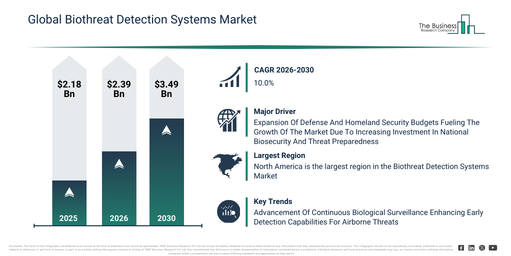
    The biothreat detection systems market has experienced robust expansion in recent years. Its value is projected to increase from $2.18 billion in 2025 to $2.39 billion in 2026, demonstrating a compound annual growth rate (CAGR) of 9.7%. This historical growth can be linked to several factors, including the escalation of public health surveillance efforts, increased funding for biodefense initiatives, the broadening of laboratory diagnostic capabilities, heightened understanding of pandemic readiness, and the uptake of molecular detection technologies.

    The biothreat detection systems market size is projected to experience robust expansion over the coming years. It is anticipated to reach $3.49 billion by 2030, exhibiting a compound annual growth rate (CAGR) of 10.0%. This growth during the forecast period is primarily driven by increasing demand for early-warning biothreat systems, the rising integration of AI-driven analytics, the expansion of environmental monitoring networks, a growing focus on national biosecurity strategies, and the increasing adoption of portable field-deployable systems. Key trends anticipated in the forecast period include the increasing deployment of automated bioaerosol monitoring systems, a rising adoption of rapid molecular detection technologies, the expansion of integrated surveillance networks, a growing use of portable detection kits, and an enhanced focus on real-time threat analytics.

    Access Your Free Sample Report For In-Depth Market Analysis:

    https://www.thebusinessresearchcompany.com/sample.aspx?id=33043&type=smp

    What Significant Factors Are Influencing The Biothreat Detection Systems Market Expansion?

    The expansion of defense and homeland security budgets is anticipated to boost the growth of the biothreat detection systems market moving forward. These budgets encompass government financial allocations specifically for national defense, military operations, intelligence, border protection, counterterrorism, emergency preparedness, and the safeguarding of critical infrastructure and public safety. An increase in defense and homeland security budgets is observed due to escalating geopolitical tensions, which mandate greater investment in national security and threat readiness. Biothreat detection systems contribute to these budgets by enabling early identification and rapid response to biological threats, thereby lowering the costs and impacts of large-scale outbreaks, emergency interventions, and national security incidents. As an illustration, in April 2025, the Stockholm International Peace Research Institute (SIPRI), an independent international institute situated in Sweden, stated that in 2024, the United Kingdom elevated its military spending by 2.8% to $81.8 billion, establishing itself as the world’s sixth-largest defense spender. Hence, the increasing defense and homeland security budgets are propelling the expansion of the biothreat detection systems market.

    Which Segment Types Are Examined In The Biothreat Detection Systems Market Segment Study?

    The biothreat detection systems market covered in this report is segmented –

    1. By Technology: Polymerase Chain Reaction Based Detection; Immunological Detection; Biosensors; Microarrays; Other Technologies

    2. By Detection Type: Biological Agents; Chemical Agents; Radiological Agents

    3. By Application: Military And Defense; Public Health; Environmental Monitoring; Agriculture; Other Applications

    4. By End-User: Government Agencies; Hospitals And Healthcare Facilities; Research Laboratories; Commercial And Industrial; Other End-Users

    Subsegments:

    1. By Polymerase Chain Reaction Based Detection: Real Time Polymerase Chain Reaction; Digital Polymerase Chain Reaction; Multiplex Polymerase Chain Reaction; Reverse Transcription Polymerase Chain Reaction; Quantitative Polymerase Chain Reaction

    2. By Immunological Detection: Enzyme Linked Immunosorbent Assay; Lateral Flow Assay; Agglutination Assay; Western Blot Assay; Immunofluorescence Assay

    3. By Biosensors: Electrochemical Biosensors; Optical Biosensors; Piezoelectric Biosensors; Thermal Biosensors; Magnetic Biosensors

    4. By Microarrays: DNA Microarrays; Protein Microarrays; Antibody Microarrays; Peptide Microarrays; Cell Microarrays

    5. By Other Technologies: Next Generation Sequencing; Flow Cytometry; Mass Spectrometry; Microfluidics Platforms; Lab On A Chip Systems

    What Trends Are Affecting The Direction Of The Biothreat Detection Systems Market?

    Leading companies in the biothreat detection systems market are focusing on advancing continuous biological surveillance technologies, such as real-time aerosol-based pathogen monitoring systems, to enable the prompt identification of airborne biological threats in public areas and critical infrastructure. These real-time aerosol-based pathogen monitoring systems continuously gather and analyze air samples to pinpoint biological agents, empowering authorities to detect emerging health threats or deliberate releases before widespread exposure occurs. For instance, in August 2023, BioFlyte Inc., a US-based biodefense technology company, launched an unprecedented biothreat surveillance pilot program at Pittsburgh International Airport. This pilot deploys autonomous air-sampling and pathogen detection units across airport facilities, facilitates near real-time identification of airborne biological threats, and integrates alerting capabilities to support rapid responses by public health and security teams, thereby strengthening early-warning preparedness for high-traffic transportation hubs.

    Which Players Are Part Of The Competitive Landscape Of The Biothreat Detection Systems Market?

    Major companies operating in the biothreat detection systems market are Roche Diagnostics AG, Thermo Fisher Scientific Inc., Abbott Laboratories, Eurofins Scientific SE, Agilent Technologies Inc., Battelle Memorial Institute, Illumina Inc., Smiths Group, Shimadzu Corporation, Bruker Corporation, Bio Rad Laboratories Inc., QIAGEN NV, Tecan Group Ltd., DiaSorin S.p.A., Emergent BioSolutions Inc., Physical Sciences Inc, DetectaChem Inc., PositiveID Corporation, AdVnt Biotechnologies, Alexeter Technologies LLC.

    Get The Full Biothreat Detection Systems Market Report:

    https://www.thebusinessresearchcompany.com/report/biothreat-detection-systems-market-report

    Which Region Leads The Biothreat Detection Systems Market In Overall Market Size?

    North America was the largest region in the biothreat detection systems market in 2025. Asia-Pacific is expected to be the fastest-growing region in the forecast period. The regions covered in the biothreat detection systems market report are Asia-Pacific, South East Asia, Western Europe, Eastern Europe, North America, South America, Middle East, Africa.

    Request A Customized Biothreat Detection Systems Market Report For Competitive Insights:

    https://www.thebusinessresearchcompany.com/customise?id=33043&type=smp

    Browse Through More Reports Similar to the Global Biothreat Detection Systems Market 2026, By The Business Research Company

    Bioprocess Analyzers Market Report 2026

    https://www.thebusinessresearchcompany.com/report/bioprocess-analyzers-global-market-report

    Small Scale Bioreactors Market Report 2026

    https://www.thebusinessresearchcompany.com/report/small-scale-bioreactors-global-market-report

    Membrane Bioreactor Market Report 2026

    https://www.thebusinessresearchcompany.com/report/membrane-bioreactor-global-market-report

    Get in touch with us:

    The Business Research Company: https://www.thebusinessresearchcompany.com/

    Americas +1 310-496-7795

    Asia +44 7882 955267 & +91 8897263534

    Europe +44 7882 955267

    Email us at info@tbrc.info

    Follow us on:

    LinkedIn: https://in.linkedin.com/company/the-business-research-company

    YouTube: https://www.youtube.com/channel/UC24_fI0rV8cR5DxlCpgmyFQ

    Global Market Model: https://www.thebusinessresearchcompany.com/global-market-model

  • Aortic Valve Replacement Devices Market Developments And Opportunities Across 2026–2030

    Aortic Valve Replacement Devices Market Developments And Opportunities Across 2026–2030

    The Business Research Company’s 2026 market reports feature enhanced tools like market attractiveness analysis, TAM assessment, and company scoring matrices, along with interactive dashboards, deeper supply chain insights, and startup coverage strengthening the depth, usability, and strategic value of insights.

    What Is The Projected Increase In Market Value Of The Aortic Valve Replacement Devices Market During 2026–2030?

    The aortic valve replacement devices market size has seen swift expansion in recent years. It is projected to expand from $8.85 billion in 2025 to $9.75 billion in 2026, achieving a compound annual growth rate (CAGR) of 10.2%. The past growth can be ascribed to an increasing elderly population with valvular diseases, the enhancement of cardiac surgery capabilities, a rise in aortic stenosis diagnoses, the prompt adoption of surgical valve replacements, and advancements in cardiovascular imaging.

    The aortic valve replacement devices market is projected to experience substantial growth over the next few years. It is forecast to expand to $14.51 billion by 2030, achieving a compound annual growth rate (CAGR) of 10.4%. This anticipated growth is primarily driven by factors such as the increasing preference for transcatheter procedures, rising investments in structural heart programs, a growing demand for outpatient cardiac interventions, the expansion of advanced biomaterials usage, and improving procedural success rates. Key trends anticipated in the forecast period include the increasing adoption of minimally invasive valve replacement, the rising use of transcatheter valve technologies, a growing demand for self-expandable valves, the expansion of patient-specific valve designs, and an enhanced focus on long-term valve durability.

    Access Your Free Sample Report For In-Depth Market Analysis:

    https://www.thebusinessresearchcompany.com/sample.aspx?id=33017&type=smp

    What Leading Drivers Are Supporting The Aortic Valve Replacement Devices Market Expansion?

    The increasing volume of valve replacement operations is anticipated to drive the future expansion of the aortic valve replacement devices market. These surgeries involve medical procedures to mend or substitute damaged heart valves, aiming to reinstate normal blood flow and improve cardiac function. The surge in valve replacement surgeries, largely due to the rising prevalence of age-related heart valve disorders, is leading to a greater demand for surgical interventions to manage declining valve function and prevent complications. Aortic valve replacement devices support these operations by enabling safer and more effective valve repair or replacement, thereby enhancing procedural outcomes and encouraging wider surgical adoption. For instance, in June 2025, according to the British Heart Foundation, the UK-based cardiovascular research charity, over 13,034 aortic valve replacement (AVR) and nearly 7,695 transcatheter aortic valve implantation (TAVI) procedures were performed in the United Kingdom in 2022/23. The increase in TAVI procedures reflects a growing adoption of less invasive valve replacement techniques. As a result, the escalating number of valve replacement surgeries is propelling the growth of the aortic valve replacement devices market.

    Which Segment Classifications Are Used In The Aortic Valve Replacement Devices Market Segment Analysis?

    The aortic valve replacement devices market covered in this report is segmented –

    1) By Product: Balloon-Expandable; Self-Expandable; Mechanically Expandable; Aortic Regurgitation

    2) By Leaflet Material: Bovine Pericardium; Porcine Pericardium

    3) By Frame Material: Cobalt-Chromium; Nitinol

    4) By End-Use: Inpatient Facilities; Outpatient Facilities

    Subsegments:

    1) By Balloon-Expandable: Balloon Pre-Dilation; Balloon Post-Dilation; Balloon Valves

    2) By Self-Expandable: Supra-Annular Valves; Intra-Annular Valves; Resheathable Valves

    3) By Mechanically Expandable: Mechanically Adjustable Valves; Radial Force Valves; Repositionable Valves

    4) By Aortic Regurgitation: Surgical Valve Replacement; Transcatheter Valve Replacement; Repair Devices

    What Emerging Trends Are Seen In The Aortic Valve Replacement Devices Market?

    Leading companies in the aortic valve replacement devices market are concentrating on advanced innovations, such as the incorporation of three radiopaque vision markers. These markers aim to improve procedural visibility, increase deployment accuracy, and facilitate precise valve positioning during transcatheter implantation procedures. Three radiopaque vision markers function as distinct, visible reference points embedded within a medical device, which enhances fluoroscopic visibility and assists clinicians in accurately positioning and deploying the device during minimally invasive procedures. For instance, in January 2025, Abbott Laboratories, the US-based healthcare company, introduced Navitor Vision in India, representing the most recent iteration of its transcatheter aortic valve implantation/replacement (TAVI/TAVR) system. This device is engineered to treat patients diagnosed with symptomatic severe aortic stenosis who face high or extreme surgical risks. Navitor Vision is equipped with three radiopaque vision markers for superior visibility during implantation, a dynamic sealing cuff designed to lessen blood leakage, and is deployed via Abbott’s FlexNav delivery system for accurate, minimally invasive valve placement. It presents a less invasive option compared to surgical aortic valve replacement, thereby enhancing outcomes and accessibility for high-risk patients.

    Which Firms Are Contributing To The Aortic Valve Replacement Devices Market Ecosystem?

    Major companies operating in the aortic valve replacement devices market are Abbott Laboratories, Medtronic Plc, Boston Scientific Corporation, Edwards Lifesciences Corporation, Bracco SpA, Biotronik SE & Co. KG, LivaNova Plc, Lepu Medical Technology Co. Ltd., MicroPort Scientific Corporation, Artivion Inc., LifeTech Scientific Corporation, TTK Healthcare Limited, Braile Biomedica, Venus Medtech Inc., SMT Pvt Ltd, JenaValve Technology Inc., Peijia Medical Limited, CryoLife Inc., CorLife, and Colibri Heart Valve LLC.

    Get The Full Aortic Valve Replacement Devices Market Report:

    https://www.thebusinessresearchcompany.com/report/aortic-valve-replacement-devices-market-report

    Which Region Holds The Highest Market Share In The Aortic Valve Replacement Devices Market?

    North America was the largest region in the aortic valve replacement devices market in 2025. Asia-Pacific is expected to be the fastest-growing region in the forecast period. The regions covered in the aortic valve replacement devices market report are Asia-Pacific, South East Asia, Western Europe, Eastern Europe, North America, South America, Middle East, Africa.

    Request A Customized Aortic Valve Replacement Devices Market Report For Competitive Insights:

    https://www.thebusinessresearchcompany.com/customise?id=33017&type=smp

    Browse Through More Reports Similar to the Global Aortic Valve Replacement Devices Market 2026, By The Business Research Company

    Transcatheter Aortic Valve Replacement Market Report 2026

    https://www.thebusinessresearchcompany.com/report/transcatheter-aortic-valve-replacement-global-market-report

    Prosthetic Heart Valve Devices And Equipment Market Report 2026

    https://www.thebusinessresearchcompany.com/report/prosthetic-heart-valve-devices-and-equipment-global-market-report

    Abdominal Aortic Aneurysm Aaa Repair Devices Market Report 2026

    https://www.thebusinessresearchcompany.com/report/abdominal-aortic-aneurysm-aaa-repair-devices-global-market-report

    Get in touch with us:

    The Business Research Company: https://www.thebusinessresearchcompany.com/

    Americas +1 310-496-7795

    Asia +44 7882 955267 & +91 8897263534

    Europe +44 7882 955267

    Email us at info@tbrc.info

    Follow us on:

    LinkedIn: https://in.linkedin.com/company/the-business-research-company

    YouTube: https://www.youtube.com/channel/UC24_fI0rV8cR5DxlCpgmyFQ

    Global Market Model: https://www.thebusinessresearchcompany.com/global-market-model

  • Adaptive Neuromodulation Therapy Devices Market Growth Analysis 2026–2030 Highlighting Innovation And Competitive Landscape

    Adaptive Neuromodulation Therapy Devices Market Growth Analysis 2026–2030 Highlighting Innovation And Competitive Landscape

    The Business Research Company’s 2026 market reports feature enhanced tools like market attractiveness analysis, TAM assessment, and company scoring matrices, along with interactive dashboards, deeper supply chain insights, and startup coverage strengthening the depth, usability, and strategic value of insights.

    From Its 2026 Market Size, What Value Is The Adaptive Neuromodulation Therapy Devices Market Projected To Reach By 2030?

    The adaptive neuromodulation therapy devices market size has experienced rapid expansion in recent years. This market is projected to grow from $7.09 billion in 2025 to $7.82 billion in 2026, at a compound annual growth rate (CAGR) of 10.4%. The growth witnessed in the historic period can be attributed to advancements in implantable neuromodulation devices, the increasing prevalence of neurological disorders, the early adoption of deep brain stimulation therapies, improvements in neural signal processing, and the expansion of specialized neurology centers.

    The adaptive neuromodulation therapy devices market is projected to experience substantial expansion in the coming years, reaching a valuation of $11.7 billion by 2030, exhibiting a compound annual growth rate (CAGR) of 10.6%. This anticipated growth stems from several factors, including a heightened demand for customized neuromodulation treatments, increased funding into brain-computer interface technologies, the broader adoption of non-invasive neuromodulation uses, an intensified focus on managing long-term therapies, and the greater incorporation of AI-powered adaptive stimulation. Key trends anticipated over this period involve the rising uptake of closed-loop neuromodulation systems, the growing integration of real-time neural sensing capabilities, wider application of tailored stimulation algorithms, the proliferation of wearable and non-invasive neuromodulation devices, and a stronger emphasis on refining therapies and minimizing adverse effects.

    Access Your Free Sample Report For In-Depth Market Analysis:

    https://www.thebusinessresearchcompany.com/sample.aspx?id=33007&type=smp

    What Primary Drivers Are Shaping The Adaptive Neuromodulation Therapy Devices Market?

    The anticipated expansion of the adaptive neuromodulation therapy devices market is linked to the growing occurrence of long-term neurological conditions. These conditions are defined as persistent disorders impacting the brain, spinal cord, or nervous system, leading to ongoing deficits in motor skills, mental functions, sensory perception, or conduct. The increasing impact of these conditions stems from longer life expectancies, which in turn lead to a greater incidence of neurological degeneration associated with aging and a prolonged disease burden. These adaptive neuromodulation therapy devices assist in managing long-term neurological conditions through the provision of tailored, real-time electrical stimulation, which adapts dynamically to each patient’s unique neural activity, ultimately enhancing symptom management and improving long-term neurological results. For example, reports from the Alzheimer’s Association, a US-based nonprofit voluntary health organization, indicated in March 2023 that 6.7 million Americans aged 65 and older were living with Alzheimer’s disease, with projections showing this number could climb to 13.8 million by 2060. Consequently, the rising occurrence of long-term neurological conditions is fueling the expansion of the adaptive neuromodulation therapy devices market.

    Which Segments Define The Adaptive Neuromodulation Therapy Devices Market Segment Structure?

    The adaptive neuromodulation therapy devices market covered in this report is segmented –

    1) By Product Type: Implantable Adaptive Neuromodulation Devices; Non-Implantable Adaptive Neuromodulation Devices; Rechargeable Adaptive Neuromodulation Devices; Non-Rechargeable Adaptive Neuromodulation Devices

    2) By Device Type: Deep Brain Stimulation Systems; Spinal Cord Stimulation Systems; Vagus Nerve Stimulation Systems; Sacral Nerve Stimulation Systems; Responsive Neurostimulation Systems

    3) By Technology: Closed-Loop Electrical Neuromodulation Technology; Closed-Loop Magnetic Neuromodulation Technology; Responsive Neurostimulation Technology; Adaptive Deep Brain Stimulation Technology

    4) By Application: Epilepsy; Parkinson’s Disease (PD); Mixed Urinary Incontinence (MUI); Other Applications

    5) By End User: Hospitals; Neurology Clinics; Specialty Neurosurgical Centers; Research And Academic Institutes

    Subsegments:

    1) By Implantable Adaptive Neuromodulation Devices: Deep Brain Stimulation Systems; Spinal Cord Stimulation Systems; Vagus Nerve Stimulation Systems; Sacral Nerve Stimulation Systems; Peripheral Nerve Stimulation Systems

    2) By Non-Implantable Adaptive Neuromodulation Devices: Transcranial Magnetic Stimulation Devices; Transcranial Direct Current Stimulation Devices; External Vagus Nerve Stimulation Devices; Wearable Neurostimulation Systems

    3) By Rechargeable Adaptive Neuromodulation Devices: Rechargeable Implantable Pulse Generators; Wireless Rechargeable Neurostimulators; Long Life Rechargeable Stimulation Systems

    4) By Non-Rechargeable Adaptive Neuromodulation Devices: Primary Cell Implantable Neurostimulators; Single Use Implantable Stimulation Devices; Fixed Life Pulse Generator Systems

    What Trends Are Affecting The Growth Of The Adaptive Neuromodulation Therapy Devices Market?

    Companies within the adaptive neuromodulation therapy devices market are concentrating on creating innovative solutions, such as flexible wireless charging, to enable patients to remain active during device recharging and minimize therapy interruptions. This flexible wireless charging allows individuals to power their neuromodulation devices without cables while continuing their daily activities. For example, in January 2024, Abbott Laboratories, a US-based medical device company, launched the Liberta RC DBS system, a rechargeable deep brain stimulation platform designed to treat movement disorders with enhanced flexibility and patient convenience. The system incorporates one of the smallest rechargeable implantable pulse generators available, which improves patient comfort and facilitates minimally invasive implantation. It offers remote programming and monitoring capabilities, allowing clinicians to adjust therapy settings without requiring frequent in-clinic visits. Additionally, Liberta RC supports adaptive stimulation features that enable personalized therapy optimization over time based on patient response, thereby enhancing treatment continuity and long-term disease management.

    Who Are The Established Players Within The Adaptive Neuromodulation Therapy Devices Market?

    Major companies operating in the adaptive neuromodulation therapy devices market are Abbott Laboratories, Medtronic Plc, Boston Scientific Corporation, Biotronik AG, LivaNova plc, Bioventus LLC, NEVRO Corp., Axonics, Inc, Neuronetics, Inc., NeuroPace, Inc., Cala Health Inc, BrainsWay Ltd, SPR Therapeutics, Inc., ElectroCore, Inc., Mainstay Medical Ltd., Blackrock Neurotech, Inc., Soterix Medical Inc., Synapse Biomedical Inc., NeuroSigma, Inc., Aleva Neurotherapeutics SA, Magstim Company Ltd.

    Get The Full Adaptive Neuromodulation Therapy Devices Market Report:

    https://www.thebusinessresearchcompany.com/report/adaptive-neuromodulation-therapy-devices-market-report

    Which Region Dominates The Adaptive Neuromodulation Therapy Devices Market By Market Share?

    North America was the largest region in the adaptive neuromodulation therapy devices market in 2025. Asia-Pacific is expected to be the fastest-growing region in the forecast period. The regions covered in the adaptive neuromodulation therapy devices market report are Asia-Pacific, South East Asia, Western Europe, Eastern Europe, North America, South America, Middle East, Africa.

    Request A Customized Adaptive Neuromodulation Therapy Devices Market Report For Competitive Insights:

    https://www.thebusinessresearchcompany.com/customise?id=33007&type=smp

    Browse Through More Reports Similar to the Global Adaptive Neuromodulation Therapy Devices Market 2026, By The Business Research Company

    Internal Neuromodulation Devices Market Report 2026

    https://www.thebusinessresearchcompany.com/report/internal-neuromodulation-devices-global-market-report

    Implantable Neurostimulation Devices Market Report 2026

    https://www.thebusinessresearchcompany.com/report/implantable-neurostimulation-devices-global-market-report

    Neuromodulation Market Report 2026

    https://www.thebusinessresearchcompany.com/report/neuromodulation-global-market-report

    Get in touch with us:

    The Business Research Company: https://www.thebusinessresearchcompany.com/

    Americas +1 310-496-7795

    Asia +44 7882 955267 & +91 8897263534

    Europe +44 7882 955267

    Email us at info@tbrc.info

    Follow us on:

    LinkedIn: https://in.linkedin.com/company/the-business-research-company

    YouTube: https://www.youtube.com/channel/UC24_fI0rV8cR5DxlCpgmyFQ

    Global Market Model: https://www.thebusinessresearchcompany.com/global-market-model
  • Abdominal Surgical Robot Market Outlook For 2026–2030 Covering Growth Drivers And Industry Trends

    Abdominal Surgical Robot Market Outlook For 2026–2030 Covering Growth Drivers And Industry Trends

    The Business Research Company’s 2026 market reports feature enhanced tools like market attractiveness analysis, TAM assessment, and company scoring matrices, along with interactive dashboards, deeper supply chain insights, and startup coverage strengthening the depth, usability, and strategic value of insights.

    What Is The Estimated Market Size Of The Abdominal Surgical Robot Market In 2026, And How Will Its Value Evolve By 2030?

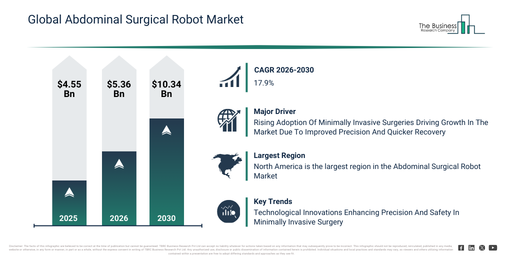
    The abdominal surgical robot market has experienced substantial expansion in its size over recent years. Forecasts indicate this market will increase from $4.55 billion in 2025 to $5.36 billion by 2026, achieving a compound annual growth rate (CAGR) of 17.6%. Historically, this expansion can be linked to factors such as the greater embrace of minimally invasive surgical procedures, increased financial commitments to robotic infrastructure within hospitals, the rising acceptance of robotic assistance among surgeons, advancements in surgical imaging technologies, and the proliferation of specialized surgical training initiatives.

    The abdominal surgical robot market size is projected to demonstrate swift expansion over the next few years, reaching $10.34 billion by 2030, with a compound annual growth rate (CAGR) of 17.9%. This anticipated growth is driven by factors such as the increasing demand for precision-guided surgeries, the rising integration of AI-driven decision support, the expansion of robotic-assisted procedures across various specialties, growing investments in smart operating rooms, and an increasing focus on patient outcome optimization. Key trends during this period include the increasing adoption of AI-assisted surgical navigation, the rising integration of advanced robotic instruments, the growing use of 3D visualization and imaging systems, the expansion of modular and upgradeable robotic platforms, and an enhanced focus on minimally invasive surgical precision.

    Access Your Free Sample Report For In-Depth Market Analysis:

    https://www.thebusinessresearchcompany.com/sample.aspx?id=33005&type=smp

    What Key Drivers Are Fueling The Growth Of The Abdominal Surgical Robot Market?

    The rising embrace of minimally invasive surgeries is projected to boost the expansion of the abdominal surgical robot market moving forward. These medical procedures utilize small incisions and advanced instruments, such as laparoscopic and endoscopic tools, to treat conditions with less trauma to surrounding tissues. The increasing prevalence of minimally invasive surgeries is attributed to benefits like faster recovery times, shorter hospital stays, and quicker return to normal activities compared to traditional open surgeries. Abdominal surgical robots are seeing greater use in complex minimally invasive abdominal procedures, providing enhanced precision, improved dexterity, and superior three-dimensional visualization, which empowers surgeons to conduct intricate operations through small incisions with reduced tissue damage and better patient outcomes. For instance, in June 2024, the American Society of Plastic Surgeons, a US-based organization, indicated that minimally invasive procedures grew by 7% in 2023 over the previous year, signaling broader adoption of minimally invasive surgical methods across various medical specialties. Thus, the growing adoption of minimally invasive surgeries is a key driver for the abdominal surgical robot market.

    What Are The Main Segments Within The Abdominal Surgical Robot Market Segment Structure?

    The abdominal surgical robot market covered in this report is segmented –

    1) By Product Type: Robotic Systems; Instruments And Accessories; Services

    2) By Application: General Surgery; Gynecological Surgery; Urological Surgery; Colorectal Surgery; Other Applications

    3) By End-Users: Hospitals; Ambulatory Surgical Centers; Specialty Clinics; Other End-Users

    Subsegments:

    1) By Robotic Systems: Standalone Robotic Platforms; Integrated Robotic Operating Suites; Modular Robotic Systems

    2) By Instruments And Accessories: Robotic Graspers; Robotic Scissors; Robotic Suturing Instruments; Endoscopic Cameras And Scopes; Energy Devices For Robotic Surgery

    3) By Services: Installation And Setup Services; Maintenance And Technical Support; Surgical Training And Education; Software Updates And Upgrades

    What Trends Are Influencing The Abdominal Surgical Robot Market?

    Major companies operating in the abdominal surgical robot market are increasingly focused on technological advancements such as enhanced visualization, haptic feedback, and AI-powered sensing, aiming to enable more precise, minimally invasive surgeries and streamline surgical workflows. These technologies provide surgeons with superior three-dimensional views of internal anatomy, real-time tactile responses, and data-driven intelligence, facilitating complex procedures with greater accuracy and control. For instance, in March 2024, Intuitive Surgical Inc., a US-based technology company, introduced the da Vinci 5 robotic system, which incorporates innovative force feedback technology allowing surgeons to perceive subtle tissue forces during operations. The system significantly advances minimally invasive surgery by reducing tissue force by up to 43%, delivering up to 10,000 times greater computing power to support AI analytics, and featuring an ergonomic design to minimize surgeon fatigue. It is designed for use across abdominal, urologic, gynecologic, and thoracic procedures through smaller incisions, offering patient benefits such as faster recovery, reduced pain, lower blood loss, and decreased risk of infection.

    Who Are The Companies Participating In The Abdominal Surgical Robot Market?

    Major companies operating in the abdominal surgical robot market are Johnson & Johnson, Medtronic Plc., Intuitive Surgical Inc., KUKA AG., Meril Life Sciences, Titan Medical Inc., Avatera Medical, CMR Surgical Ltd., Cornerstone Robotics Ltd., Distalmotion, Vicarious Surgical Inc., MicroPort MedBot, Virtual Incision Corporation, Endorobotics Co. Ltd., EndoQuest Robotics, MOON Surgical, SS Innovations International Inc., Beijing Surgerii Robotics Co. Ltd, Medrobotics Corporation, Shandong WEGO Surgery Robot Co. Ltd., Shenzhen Edge Medical Co. Ltd, Sina Robotics and Medical Innovators Co. Ltd.

    Get The Full Abdominal Surgical Robot Market Report:

    https://www.thebusinessresearchcompany.com/report/abdominal-surgical-robot-market-report

    Which Region Leads The Abdominal Surgical Robot Market In Terms Of Market Share?

    North America was the largest region in the abdominal surgical robot market in 2025. Asia-Pacific is expected to be the fastest-growing region in the forecast period. The regions covered in the abdominal surgical robot market report are Asia-Pacific, South East Asia, Western Europe, Eastern Europe, North America, South America, Middle East, Africa.

    Request A Customized Abdominal Surgical Robot Market Report For Competitive Insights:

    https://www.thebusinessresearchcompany.com/customise?id=33005&type=smp

    Browse Through More Reports Similar to the Global Abdominal Surgical Robot Market 2026, By The Business Research Company

    Surgical Robots Market Report 2026

    https://www.thebusinessresearchcompany.com/report/surgical-robots-global-market-report

    Surgical Robot Accessories Market Report 2026

    https://www.thebusinessresearchcompany.com/report/surgical-robot-accessories-global-market-report

    Robotic Surgery Services Market Report 2026

    https://www.thebusinessresearchcompany.com/report/robotic-surgery-services-global-market-report

    Get in touch with us:

    The Business Research Company: https://www.thebusinessresearchcompany.com/

    Americas +1 310-496-7795

    Asia +44 7882 955267 & +91 8897263534

    Europe +44 7882 955267

    Email us at info@tbrc.info

    Follow us on:

    LinkedIn: https://in.linkedin.com/company/the-business-research-company

    YouTube: https://www.youtube.com/channel/UC24_fI0rV8cR5DxlCpgmyFQ

    Global Market Model: https://www.thebusinessresearchcompany.com/global-market-model

  • Wide Format Printers  Market Growth Patterns And Forecast Outlook Through 2030

    Wide Format Printers Market Growth Patterns And Forecast Outlook Through 2030

    The Business Research Company’s 2026 market reports feature enhanced tools like market attractiveness analysis, TAM assessment, and company scoring matrices, along with interactive dashboards, deeper supply chain insights, and startup coverage strengthening the depth, usability, and strategic value of insights.

    How Is The Market Size Of The Wide Format Printers Market Expected To Scale Between 2026 And 2030?

    The wide format printers market has experienced robust expansion in recent years. This market is anticipated to grow from $13.75 billion in 2025 to $14.84 billion in 2026, achieving a compound annual growth rate (CAGR) of 7.9%. The historical growth can be attributed to various factors such as an escalating need for extensive advertising and outdoor displays, the increasing adoption of digital printing for smaller production runs, a rise in the application of wide-format printers for architectural and technical designs, the expansion of textile and apparel printing, and the progressive replacement of older solvent-based printers with eco-conscious systems.

    The market for wide format printers is projected to experience substantial expansion in the coming years. This market is anticipated to reach $19.92 billion by 2030, exhibiting a compound annual growth rate (CAGR) of 7.6%. Several factors contribute to this growth during the forecast period, including the greater uptake of UV-curable and latex inks, a heightened demand for high-resolution prints in commercial settings, a surge in the need for on-demand and personalized printing, the broadening scope of interior décor and exhibition graphics uses, and the increasing incorporation of workflow automation and cloud-based print management systems. Key trends expected over this period encompass advancements in high-speed inkjet printing technology, breakthroughs in digital textile printing, the creation of hybrid roll-to-roll and flatbed printer models, ongoing research and development into eco-friendly inks and sustainable printing methods, and technological progress in AI-assisted print quality and predictive maintenance.

    Access Your Free Sample Report For In-Depth Market Analysis:

    https://www.thebusinessresearchcompany.com/sample.aspx?id=30786&type=smp

    Which Major Drivers Are Influencing The Expansion Of The Wide Format Printers Market?

    The expanding need for outdoor advertising is projected to drive the wide format printers market forward. Outdoor advertising is a marketing method that employs physical displays such as billboards, transit posters, and street furniture to engage consumers in public areas. The surge in outdoor advertising can be attributed to increasing urbanization, as larger urban populations and greater commuter traffic present more chances to engage broad audiences in public spaces. Wide format printers facilitate outdoor advertising by producing large, high-quality, and weather-resistant visuals, enabling brands to convey prominent and enduring messages in these public settings. For instance, in March 2025, the Out of Home Advertising Association of America, a US-based trade association, stated that out-of-home advertising revenue exceeded $9.1 billion in 2024, representing a year-on-year growth of 4.5% compared to the prior year. Thus, the growing demand for outdoor advertising is a primary impetus for the wide format printers market.

    How Are Segments Identified Within The Wide Format Printers Market Segment Framework?

    The wide format printers market covered in this report is segmented –

    1) By Technology: Inkjet, Laser, Other Ink Types

    2) By Ink Type: Aqueous, Solvent, UV-Curable, Latex, Dye Sublimation

    3) By Print Width: 17″–24″, 24″–36″, 36″–44″, 44″–60″, 60″–72″, Above 72″

    4) By Application: Advertising, Apparel And Textile Printing, CAD And Technical Printing, Signage, Other Applications

    5) By End User: Commercial Print Service Providers, In-House Corporate Print Departments, Textile And Apparel Manufacturers, Engineering And Construction Firms, Retail And Advertising Agencies, Residential And Consumer Users

    Subsegments:

    1) By Inkjet: Thermal Inkjet, Piezoelectric Inkjet, Continuous Inkjet, Drop On Demand Inkjet, Solvent Inkjet, Water Based Inkjet, Ultraviolet Curable Inkjet, Latex Inkjet

    2) By Laser: Monochrome Laser, Color Laser, Single Function Laser, Multifunction Laser, Electrophotographic Laser, Dry Toner Laser, Wet Toner Laser

    Which Trends Are Shaping The Wide Format Printers Market?

    Major companies operating in the wide format printers market are concentrating on technological advancements, such as improved image processing and productivity enhancement solutions, to provide excellent print quality, higher throughput, and operational efficiency that fulfills evolving professional and commercial printing needs. Enhanced image processing and productivity optimization technologies denote innovations that boost color fidelity, print speed, intelligent media handling, and workflow effectiveness in wide-format printing systems, allowing for vibrant results with less downtime and increased user output. For instance, in January 2025, Canon India Pvt. Ltd., an India-based imaging technologies company, introduced the imagePROGRAF TZ-5320 and TX Series wide-format printers. The newly released printers deliver heightened color vibrancy and sharpness through innovative image processing and magenta ink for richer, more vivid prints, along with faster print speeds and smart paper handling functions to boost productivity with minimal interruptions, and sustainable design elements that cut down energy consumption and support environmentally friendly operation.

    Who Are The Companies Competing Within The Wide Format Printers Market?

    Major companies operating in the wide format printers market are HP Inc., Canon Inc., Fujifilm Holdings Corporation, Ricoh Company Ltd., Konica Minolta Inc., Lexmark International Inc., Brother International Corporation, Epson America Inc., OKI Data Americas Inc., Xerox Holdings Corporation, Kyocera Document Solutions Inc., Durst Phototechnik AG, Océ-Tektronix, Mimaki Engineering Co. Ltd., Electronics For Imaging Inc., Roland DG Corporation, AstroNova Inc., Mutoh America Inc., SwissQprint AG, Seiko Instruments Inc.

    Get The Full Wide Format Printers Market Report:

    https://www.thebusinessresearchcompany.com/report/wide-format-printers-market-report

    Which Region Leads The Wide Format Printers Market In Overall Market Size?

    North America was the largest region in the wide format printers market in 2025. Asia-Pacific is expected to be the fastest-growing region in the forecast period. The regions covered in the wide format printers market report are Asia-Pacific, South East Asia, Western Europe, Eastern Europe, North America, South America, Middle East, Africa.

    Request A Customized Wide Format Printers Market Report For Competitive Insights:

    https://www.thebusinessresearchcompany.com/customise?id=30786&type=smp

    Browse Through More Reports Similar to the Global Wide Format Printers Market 2026, By The Business Research Company

    Large Format Printers Market Report 2026

    https://www.thebusinessresearchcompany.com/report/large-format-printers-global-market-report

    Inkjet Printers Market Report 2026

    https://www.thebusinessresearchcompany.com/report/inkjet-printers-global-market-report

    Printing Inks market

    https://www.thebusinessresearchcompany.com/report/printing-inks-market

    Get in touch with us:

    The Business Research Company: https://www.thebusinessresearchcompany.com/

    Americas +1 310-496-7795

    Asia +44 7882 955267 & +91 8897263534

    Europe +44 7882 955267

    Email us at info@tbrc.info

    Follow us on:

    LinkedIn: https://in.linkedin.com/company/the-business-research-company

    YouTube: https://www.youtube.com/channel/UC24_fI0rV8cR5DxlCpgmyFQ

    Global Market Model: https://www.thebusinessresearchcompany.com/global-market-model

  • Wearable Technology  Market Insights On Growth Drivers, Trends, And Opportunities

    Wearable Technology Market Insights On Growth Drivers, Trends, And Opportunities

    The Business Research Company’s 2026 market reports feature enhanced tools like market attractiveness analysis, TAM assessment, and company scoring matrices, along with interactive dashboards, deeper supply chain insights, and startup coverage strengthening the depth, usability, and strategic value of insights.

    What Level Of Market Value Growth Is Predicted For The Wearable Technology Market From 2026 To 2030?

    The wearable technology market has demonstrated substantial growth in recent years. This market is projected to expand from $97.21 billion in 2025 to $114.96 billion in 2026, registering a compound annual growth rate (CAGR) of 18.3%. Historically, this expansion has been driven by factors such as a heightened consumer interest in fitness and wellness, the increasing uptake of smartwatches and fitness bands, greater utilization of wearables for tracking sports performance, the wider implementation of remote patient monitoring within healthcare, and enhanced integration of Bluetooth and smartphone connectivity into wearable devices.

    The wearable technology market is poised for significant expansion in the coming years, with its size projected to reach $222.63 billion by 2030, demonstrating a compound annual growth rate (CAGR) of 18.0%. This growth during the forecast period is fueled by several factors, including the increasing demand for personalized health insights and predictive analytics, the rising adoption of clinical-grade medical wearables, greater corporate investment in employee wellness and safety programs, the broadening use of augmented reality and virtual reality (AR/VR) wearables in enterprise and entertainment, and an uptick in subscription revenue from premium digital coaching and cloud services. Throughout this period, major trends are expected to encompass technological advancements in artificial intelligence (AI)-based health analytics, innovations in smart clothing and e-textiles, developments in multimodal biometrics and non-invasive medical sensing, ongoing research and development in battery efficiency and ultra-low-power chips, and further advancements in AR/VR wearables for immersive metaverse-based applications.

    Access Your Free Sample Report For In-Depth Market Analysis:

    https://www.thebusinessresearchcompany.com/sample.aspx?id=30783&type=smp

    What Key Drivers Are Fueling The Growth Of The Wearable Technology Market?

    The expanding consumer understanding regarding health and fitness monitoring is anticipated to fuel the future expansion of the wearable technology market. This awareness entails individuals actively engaging in tracking and managing their physiological and wellness information using devices that measure health metrics such as heart rate, activity, and sleep, which is progressively influencing lifestyle and wellness choices globally. The increase in consumer awareness for health and fitness monitoring can be attributed to a stronger focus on preventive health and proactive wellness management, leading more people to adopt tools for monitoring their health. Wearable technology assists in health and fitness monitoring by delivering real-time information on activity, sleep, and vital signs, allowing users to make educated lifestyle and fitness decisions. For example, in January 2025, the China Internet Network Information Center, a research organization based in China, stated that by December 2024, China recorded 418 million users of internet healthcare services, which was an increase of 3.72 million from December 2023, making up 37.7% of the entire online population. Thus, the growing consumer awareness concerning health and fitness monitoring is a key driver for the wearable technology market’s growth.

    What Are The Key Segment Divisions In The Wearable Technology Market Segment Structure?

    The wearable technology market covered in this report is segmented –

    1) By Product Type: Smartwatches, Fitness And Activity Trackers, Smart Clothing Or E-Textiles, Augmented Reality And Virtual Reality Headsets Or Smart Glasses, Medical And Clinical Wearables, Hearables Or Smart Earbuds, Other Wearable Accessories

    2) By Connectivity: Bluetooth, Wi-Fi, Cellular Or LTE Or 5G, Near Field Communication (NFC), Other Internet Of Things Low-Power Networks

    3) By Distribution Channel: Online Retail Or E-Commerce, Brand Stores Or OEM Stores, Consumer Electronics Retailers, Healthcare And Medical Distribution Networks, Enterprise Or Institutional Sales

    4) By Application Or Use-Case: Health And Fitness Monitoring, Medical Diagnostics And Remote Patient Monitoring, Sports And Performance Analytics, Gaming, Virtual Reality, Entertainment And Immersive Training, Workplace Safety And Productivity, Lifestyle And Personal Assistance, Defense And Tactical Operations

    5) By End-Users: Individual Consumers, Healthcare Providers And Patients, Enterprise And Industrial Users, Athletes And Sports Organizations

    Subsegments:

    1) By Smartwatches: Fitness Tracking Smartwatches, Health Monitoring Smartwatches, Communication Smartwatches, Kids Smartwatches, Luxury Smartwatches

    2) By Fitness And Activity Trackers: Daily Activity Trackers, Sports Performance Trackers, Sleep Tracking Bands, Heart Rate Monitoring Bands, Posture And Movement Trackers

    3) By Smart Clothing Or E-Textiles: Smart Sportswear, Smart Workwear, Smart Military Apparel, Smart Fashion Wear, Smart Thermal Regulating Clothing

    4) By Augmented Reality And Virtual Reality Headsets Or Smart Glasses: Augmented Reality Smart Glasses, Virtual Reality Headsets, Mixed Reality Wearables, Industrial Smart Glasses, Consumer Entertainment Smart Glasses

    5) By Medical And Clinical Wearables: Remote Patient Monitoring Wearables, Cardiac Monitoring Wearables, Glucose Monitoring Wearables, Vital Signs Tracking Wearables, Rehabilitation And Therapy Wearables

    6) By Hearables Or Smart Earbuds: Health Monitoring Earbuds, Noise Cancellation Earbuds, Language Translation Earbuds, Fitness Tracking Earbuds, Gaming And Entertainment Earbuds

    7) By Other Wearable Accessories: Smart Rings, Smart Belts, Smart Helmets, Smart Jewelry, Smart Insoles

    What Trends Are Influencing The Wearable Technology Market?

    Leading companies within the wearable technology market are concentrating on developing advanced wearables, such as AI-powered neural interface wristbands, to expedite human-computer interaction, expand device utility, and enhance accessibility throughout digital ecosystems. These AI-enabled neural interface wristbands are wearable devices specifically designed to detect, interpret, or engage with neural signals (brain or nerve activity), providing real-time feedback, control, or insights through artificial intelligence. For example, in January 2025, Wearable Devices Ltd., an Israel-based technology company, introduced the Mudra Link neural gesture-control wristband. This was the first neural wristband to be compatible with Android, macOS, and Windows platforms, incorporating sophisticated gesture recognition through surface nerve conductance sensors, ensuring cross-platform compatibility for fluid smart device management, and offering customizable gesture mapping for personalized interaction patterns. This enables intuitive hands-free command execution across augmented reality systems and smart environments, signifying a major leap in wearable interaction by replacing traditional input methods with neural gesture-based controls.

    Which Organizations Are Engaged In The Wearable Technology Market?

    Major companies operating in the wearable technology market are Google LLC, Samsung Electronics Co. Ltd., Huawei Technologies Co. Ltd., Sony Corporation, LG Electronics Inc., Nike Inc., Xiaomi Corporation, Adidas AG, ASUSTeK Computer Inc., OPPO Mobile Telecommunications Corp. Ltd., Garmin Ltd., Michael Kors Holdings Limited, Casio America Inc., OnePlus Technology Co. Ltd., Fossil Group Inc., Withings SA, Vuzix Corporation, Fitbit Inc., hDrop Technologies Inc., Bearmind AG

    Get The Full Wearable Technology Market Report:

    https://www.thebusinessresearchcompany.com/report/wearable-technology-market-report

    Which Region Is The Top Contributor To The Wearable Technology Market By Share?

    North America was the largest region in the wearable technology market in 2025. Asia-Pacific is expected to be the fastest-growing region in the forecast period. The regions covered in the wearable technology market report are Asia-Pacific, South East Asia, Western Europe, Eastern Europe, North America, South America, Middle East, Africa.

    Request A Customized Wearable Technology Market Report For Competitive Insights:

    https://www.thebusinessresearchcompany.com/customise?id=30783&type=smp

    Browse Through More Reports Similar to the Global Wearable Technology Market 2026, By The Business Research Company

    Wearable Computing Market Report 2026

    https://www.thebusinessresearchcompany.com/report/wearable-computing-global-market-report

    Smart Wearables Market Report 2026

    https://www.thebusinessresearchcompany.com/report/smart-wearables-global-market-report

    wearable AI global market report

    https://www.thebusinessresearchcompany.com/report/wearable-ai-global-market-report

    Get in touch with us:

    The Business Research Company: https://www.thebusinessresearchcompany.com/

    Americas +1 310-496-7795

    Asia +44 7882 955267 & +91 8897263534

    Europe +44 7882 955267

    Email us at info@tbrc.info

    Follow us on:

    LinkedIn: https://in.linkedin.com/company/the-business-research-company

    YouTube: https://www.youtube.com/channel/UC24_fI0rV8cR5DxlCpgmyFQ

    Global Market Model: https://www.thebusinessresearchcompany.com/global-market-model