Category: Medical Equipment

  • Memory Implants Market Forecast 2026–2030 Highlighting Expansion Across Industries

    Memory Implants Market Forecast 2026–2030 Highlighting Expansion Across Industries

    The Business Research Company’s 2026 market reports feature enhanced tools like market attractiveness analysis, TAM assessment, and company scoring matrices, along with interactive dashboards, deeper supply chain insights, and startup coverage strengthening the depth, usability, and strategic value of insights.

    What Level Of Market Value Growth Is Predicted For The Memory Implants Market From 2026 To 2030?

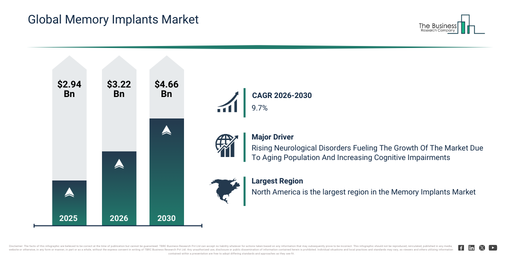
    The memory implants market has experienced significant expansion in recent years. This market is projected to grow from $2.94 billion in 2025 to $3.22 billion by 2026, demonstrating a compound annual growth rate (CAGR) of 9.4%. Historically, this growth has been driven by several factors, including advancements in neuroscience research, initial trials of brain implants, the expansion of neuromodulation therapies, an increase in neurodegenerative disorders, and neural interface programs funded by defense initiatives.

    The memory implants market is set to experience substantial growth in the upcoming years. It is projected to reach $4.66 billion by 2030, expanding at a compound annual growth rate (CAGR) of 9.7%. This anticipated growth during the forecast period stems from an increase in cognitive disorder cases, advancements in brain computer interfaces, increased funding for neural engineering, the broadening scope of clinical neurotech trials, and the demand for memory restoration therapies. Significant trends for this period encompass implantable memory prosthetic systems, hippocampal signal encoding devices, closed loop neural memory stimulation, high density neural electrode arrays, and adaptive memory restoration implants.

    Access Your Free Sample Report For In-Depth Market Analysis:

    https://www.thebusinessresearchcompany.com/sample.aspx?id=33211&type=smp

    Which Primary Drivers Are Impacting The Memory Implants Market Growth?

    The increasing occurrence of neurological disorders is anticipated to drive expansion in the memory implants market. These conditions, which impact the brain, spinal cord, or nervous system, cause deficits in movement, sensation, cognition, behavior, or autonomic processes. The surge in neurological disorders is linked to a quickly expanding aging demographic, which elevates the incidence of age-associated ailments like Alzheimer’s disease, Parkinson’s disease, and stroke, as neurological susceptibility rises with greater longevity. Memory implants assist individuals suffering from these growing neurological disorders by enhancing cognitive abilities and overall quality of life. For example, the Alzheimer’s Association, a US-based nonprofit voluntary health organization, reported in March 2023 that roughly 6.7 million Americans aged 65 and above had Alzheimer’s dementia in 2023, a figure expected to increase to 13.8 million by 2060. Consequently, the escalating prevalence of neurological disorders is fostering the growth of the memory implants market. An increase in clinical trials is projected to fuel the expansion of the memory implants market. Clinical trials are organized research investigations involving human participants, designed to assess the safety, efficacy, and best application of medical devices, drugs, or treatments prior to their regulatory endorsement. The growth in clinical trials stems from greater financial commitment by governments and life science firms, aiming to hasten the creation and regulatory clearance of novel therapies, devices, and digital health innovations. Memory implants support clinical trials by facilitating accurate monitoring and adjustment of neural activity, which enables researchers to impartially evaluate cognitive reactions, treatment effectiveness, and neurological results instantly. For instance, the Association of the British Pharmaceutical Industry, a UK-based trade association, stated in December 2024 that the total number of industry clinical trials started in the UK reached 426 in 2023, up from 411 trials in 2022, marking a second year of continuous growth. Thus, the expansion of clinical trials is a key driver for the memory implants market.

    Which Segments Define The Memory Implants Market Segment Structure?

    The memory implants market covered in this report is segmented –

    1) By Product Type: Deep Brain Stimulation Devices; Vagus Nerve Stimulation Devices; Implantable Memory Prosthetics; Electrode Arrays; Neural Signal Sensors; Brain–Computer Interface Hardware; Neuromodulation Devices; Wearable Neural Headsets; Other Product Types

    2) By Application: Alzheimer’s Disease; Parkinson’s Disease; Epilepsy; Traumatic Brain Injury; Memory Loss due to Aging; Other Cognitive Disorders; Other Applications

    3) By End-User: Hospitals; Clinics; Research Institutes; Rehabilitation Centers; Other End-Users

    Subsegments:

    1) By Deep Brain Stimulation Devices: Single Target Stimulation Systems; Multi Target Stimulation Systems; Closed Loop Stimulation Systems; Adaptive Stimulation Systems

    2) By Vagus Nerve Stimulation Devices: Implantable Vagus Nerve Stimulators; Transcutaneous Vagus Nerve Stimulation Systems; Programmable Vagus Nerve Modulation Devices

    3) By Implantable Memory Prosthetics: Hippocampal Memory Restoration Systems; Cortical Memory Enhancement Implants; Neural Memory Encoding Devices; Memory Recall Support Implants

    4) By Electrode Arrays: Depth Electrode Arrays; Surface Cortical Electrode Arrays; Flexible Neural Electrode Arrays; High Density Electrode Arrays

    5) By Neural Signal Sensors: Intracranial Neural Signal Sensors; Implantable Bioelectric Signal Sensors; Real Time Neural Monitoring Sensors

    6) By Brain–Computer Interface Hardware: Implantable Brain Signal Processing Units; External Neural Signal Interface Devices; Hybrid Brain Interface Systems

    7) By Neuromodulation Devices: Electrical Neuromodulation Systems; Magnetic Neuromodulation Systems; Targeted Neural Modulation Devices

    8) By Wearable Neural Headsets: Electroencephalography Based Neural Headsets; Cognitive Monitoring Neural Wearables; Noninvasive Neurostimulation Headsets

    9) By Other Product Types: Hybrid Memory Implant Systems; Experimental Neural Augmentation Devices; Integrated Cognitive Enhancement Platforms

    Who Are The Established Players Within The Memory Implants Market?

    Major companies operating in the memory implants market are Abbott Laboratories, Medtronic plc, Boston Scientific Corporation, LivaNova PLC, Renishaw plc, NeuroPace Inc., Beijing PINS Medical Co Ltd., FHC Inc., electroCore Inc., SetPoint Medical Corporation, Parasym Ltd., MicroTransponder Inc., ReShape Lifesciences Inc., Adriakaim Inc., Evren Technologies Inc., Soterix Medical Inc., Aleva Neurotherapeutics SA, SceneRay Corporation Ltd., NeuroSigma Inc., BioControl Medical Ltd.

    Get The Full Memory Implants Market Report:

    https://www.thebusinessresearchcompany.com/report/memory-implants-market-report

    Which Region Leads The Memory Implants Market In Overall Market Size?

    North America was the largest region in the memory implants market in 2025. Asia-Pacific is expected to be the fastest-growing region in the forecast period. The regions covered in the memory implants market report are Asia-Pacific, South East Asia, Western Europe, Eastern Europe, North America, South America, Middle East, Africa.

    Request A Customized Memory Implants Market Report For Competitive Insights:

    https://www.thebusinessresearchcompany.com/customise?id=33211&type=smp

    Browse Through More Reports Similar to the Global Memory Implants Market 2026, By The Business Research Company

    Microelectronic Medical Implants Market Report 2026

    https://www.thebusinessresearchcompany.com/report/microelectronic-medical-implants-global-market-report

    Bio Implants Market Report 2026

    https://www.thebusinessresearchcompany.com/report/bio-implants-global-market-report

    Smart Implants Market Report 2026

    https://www.thebusinessresearchcompany.com/report/smart-implants-global-market-report

    Get in touch with us:

    The Business Research Company: https://www.thebusinessresearchcompany.com/

    Americas +1 310-496-7795

    Asia +44 7882 955267 & +91 8897263534

    Europe +44 7882 955267

    Email us at info@tbrc.info

    Follow us on:

    LinkedIn: https://in.linkedin.com/company/the-business-research-company

    YouTube: https://www.youtube.com/channel/UC24_fI0rV8cR5DxlCpgmyFQ

    Global Market Model: https://www.thebusinessresearchcompany.com/global-market-model
  • Medical Fiber Optics Market Outlook 2026–2030 Driven By Growth Factors And Projections

    Medical Fiber Optics Market Outlook 2026–2030 Driven By Growth Factors And Projections

    The Business Research Company’s 2026 market reports feature enhanced tools like market attractiveness analysis, TAM assessment, and company scoring matrices, along with interactive dashboards, deeper supply chain insights, and startup coverage strengthening the depth, usability, and strategic value of insights.

    What Are The Market Size Estimates For The Medical Fiber Optics Market In 2026 And 2030?

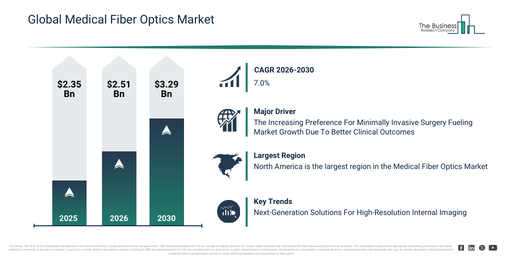
    The medical fiber optics market size has demonstrated robust growth in recent years. It is projected to expand from $2.35 billion in 2025 to $2.51 billion in 2026, showing a compound annual growth rate (CAGR) of 6.8%. The historical growth witnessed in this market can be attributed to several factors such as a rise in endoscopic procedures, an increase in laser based therapies, the expansion of minimally invasive diagnostics, hospital demand for better visualization tools, and progress in optical materials.

    The medical fiber optics market size is anticipated to undergo significant expansion in the upcoming years. It is projected to reach $3.29 billion by 2030, exhibiting a compound annual growth rate (CAGR) of 7.0%. This growth during the forecast period is propelled by factors such as an increase in image guided surgeries, a rising demand for precision diagnostics, the expansion of outpatient procedures, the proliferation of biomedical sensing applications, and a higher adoption of disposable optical devices. Prominent trends expected in the forecast period include high resolution endoscopic fiber systems, laser energy delivery fibers, miniaturized optical sensing probes, disposable fiber optic surgical tools, and advanced imaging fiber bundles.

    Access Your Free Sample Report For In-Depth Market Analysis:

    https://www.thebusinessresearchcompany.com/sample.aspx?id=33209&type=smp

    Which Important Drivers Are Guiding The Medical Fiber Optics Market Growth?

    The expanding preference for minimally invasive surgery is projected to boost the medical fiber optics market’s growth in the coming years. Minimally invasive surgery encompasses performing operations through small incisions with specialized instruments and advanced visualization systems, which contribute to less tissue damage, reduced postoperative discomfort, and quicker recovery times. The adoption of these procedures is increasing due to faster patient recuperation, lower complication rates, and shorter hospital stays. This trend directly fuels the demand for medical fiber optics, as flexible and high-precision fiber-optic components are crucial for illumination and imaging in endoscopic, laparoscopic, and robotic-assisted surgeries, enabling surgeons to visualize internal structures clearly and perform complex procedures through minimal access points. For instance, in November 2025, according to Intuitive Surgical Inc., a US-based medical device company, customers used da Vinci robotic surgical systems in approximately 2.29 million surgical procedures worldwide in 2023, representing an increase of about 22% compared with 2022, with cumulative procedures on da Vinci platforms exceeding 14 million. Therefore, the rising adoption of minimally invasive surgical procedures is a key factor driving the growth of the medical fiber optics market.

    What Are The Main Segments Within The Medical Fiber Optics Market Segment Structure?

    The medical fiber optics market covered in this report is segmented –

    1) By Type: Single Mode Optical Fiber; Multimode Optical Fiber

    2) By Usage: Disposable; Reusable

    3) By Application: Endoscopic Imaging; Laser Signal Delivery; Biomedical Sensing; Illumination; Other Applications

    4) By End User: Hospital; Specialty Clinics; Ambulatory Surgical Centers; Diagnostic Laboratories; Other End Users

    Subsegments:

    1) By Single Mode Optical Fiber: Long Distance Signal Transmission; High Precision Laser Energy Delivery; Advanced Biomedical Sensing

    2) By Multimode Optical Fiber: Short Distance Image Transmission; Endoscopic Imaging Bundles; Medical Illumination Systems

    What Trends Are Influencing The Evolution Of The Medical Fiber Optics Market?

    Major companies operating in the medical fiber optics market are focusing on developing innovative products such as imaging fiber assemblies to support high-resolution, minimally invasive diagnostic imaging applications. These assemblies consist of specialized bundles of optical fibers designed for integration into medical imaging catheters and systems, enabling the transmission and collection of light to produce high-quality internal images. These assemblies offer greater flexibility and precision compared with traditional rigid endoscopes, supporting a wide range of minimally invasive diagnostic and interventional procedures. For instance, in January 2025, Coherent Corp., a US-based photonics company, announced the introduction of its AxioView imaging fiber assemblies, designed for use in optical coherence tomography (OCT), near-infrared spectroscopy (NIRS), and multimodal catheter-based imaging applications. AxioView features specialty fiber designs optimized for medical imaging, catheter-ready distal geometries such as ball-tip and side-fire configurations, vertically integrated manufacturing for consistent optical performance, and ISO 13485-certified production to support regulatory requirements.

    Who Are The Companies Participating In The Medical Fiber Optics Market?

    Major companies operating in the medical fiber optics market are Heraeus Holding GmbH, Boston Scientific Corporation, Fujikura Ltd., Coherent Medical Group, Smiths Group plc, MKS Instruments Inc., Carl Zeiss Meditec AG, Integra Lifesciences Corporation, IPG Photonics Corporation, SCHOTT AG, Radiall America Inc., OZ Optics Ltd., HEINE Optotechnik GmbH & Co. KG, ForTec Medical Corporation, Thorlabs Inc., Fiberoptics Technology Incorporated (FTI), Biolitec AG, Laser Mechanisms Inc., LEONI AG, Beijing L.H.H. Medical Devices Co. Ltd.

    Get The Full Medical Fiber Optics Market Report:

    https://www.thebusinessresearchcompany.com/report/medical-fiber-optics-market-report

    Which Region Represents The Largest Share Of The Medical Fiber Optics Market?

    North America was the largest region in the medical fiber optics market in 2025. The regions covered in the medical fiber optics market report are Asia-Pacific, South East Asia, Western Europe, Eastern Europe, North America, South America, Middle East, Africa.

    Request A Customized Medical Fiber Optics Market Report For Competitive Insights:

    https://www.thebusinessresearchcompany.com/customise?id=33209&type=smp

    Browse Through More Reports Similar to the Global Medical Fiber Optics Market 2026, By The Business Research Company

    Fiber Optics Market Report 2026

    https://www.thebusinessresearchcompany.com/report/fiber-optics-global-market-report

    Fiber Optical Cable Market Report 2026

    https://www.thebusinessresearchcompany.com/report/fiber-optical-cable-global-market-report

    Fiber Optic Components Market Report 2026

    https://www.thebusinessresearchcompany.com/report/fiber-optic-components-global-market-report

    Get in touch with us:

    The Business Research Company: https://www.thebusinessresearchcompany.com/

    Americas +1 310-496-7795

    Asia +44 7882 955267 & +91 8897263534

    Europe +44 7882 955267

    Email us at info@tbrc.info

    Follow us on:

    LinkedIn: https://in.linkedin.com/company/the-business-research-company

    YouTube: https://www.youtube.com/channel/UC24_fI0rV8cR5DxlCpgmyFQ

    Global Market Model: https://www.thebusinessresearchcompany.com/global-market-model

  • Magnetic Navigation Surgical Robot Market Developments And Opportunities Across 2026–2030

    Magnetic Navigation Surgical Robot Market Developments And Opportunities Across 2026–2030

    The Business Research Company’s 2026 market reports feature enhanced tools like market attractiveness analysis, TAM assessment, and company scoring matrices, along with interactive dashboards, deeper supply chain insights, and startup coverage strengthening the depth, usability, and strategic value of insights.

    What Expansion In Market Value Is Forecasted For The Magnetic Navigation Surgical Robot Market Between 2026 And 2030?

    The market size for magnetic navigation surgical robots has experienced rapid expansion over recent years. Projections indicate a rise from $0.88 billion in 2025 to $1.01 billion in 2026, demonstrating a compound annual growth rate (CAGR) of 13.9%. Historically, this expansion is a result of several factors, including the increasing prevalence of minimally invasive surgery, the early embrace of surgical robotics, the demand for greater procedural precision, a rise in intricate cardiac interventions, and hospitals allocating funds for sophisticated operating rooms.

    The magnetic navigation surgical robot market size is projected for significant expansion in the coming years. This market is anticipated to reach $1.71 billion by 2030, exhibiting a compound annual growth rate (CAGR) of 14.1%. Key drivers for this growth during the forecast period include an increase in robotic-assisted surgeries, the broadening scope of image-guided interventions, a greater need for precision navigation systems, the proliferation of specialty surgical centers, and enhanced surgeon training on robotic platforms. Noteworthy trends expected during the same period encompass magnetic-guided minimally invasive procedures, integrated surgical planning software solutions, robotic catheter navigation systems, advanced high-precision instrument control modules, and sophisticated procedure simulation and planning tools.

    Access Your Free Sample Report For In-Depth Market Analysis:

    https://www.thebusinessresearchcompany.com/sample.aspx?id=33207&type=smp

    What Major Factors Are Driving The Magnetic Navigation Surgical Robot Market Forward?

    The magnetic navigation surgical robot market is anticipated to grow in the future, propelled by the increasing demand for minimally invasive surgeries. These medical procedures are conducted through small incisions, utilizing specialized instruments and techniques to lessen tissue damage, reduce pain, and accelerate patient recovery when contrasted with traditional open operations. The adoption of minimally invasive surgery is expanding due to advances in surgical instruments and imaging technologies, which allow for greater precision, less patient trauma, and quicker recovery periods. Magnetic navigation surgical robots improve minimally invasive surgeries by offering surgeons accurate, real-time control over instruments through tiny cuts, thereby boosting accuracy, decreasing tissue damage, and enabling complex procedures that would be challenging or risky with conventional methods. For example, in June 2024, information from the American Society of Plastic Surgeons, a US-based non-profit organization, indicated that in 2023, 347,782 liposuction procedures were carried out, showing a 7% increase compared to 2022. Minimally invasive procedures also saw a 7% growth during the year, exceeding the growth of surgical procedures by 2 percentage points. Taken together, plastic surgeries increased 5% year-over-year, while minimally invasive treatments experienced a 7% rise. This escalating demand for minimally invasive surgeries is consequently stimulating the expansion of the magnetic navigation surgical robot market.

    How Is Segmentation Applied In The Magnetic Navigation Surgical Robot Market Segment Analysis?

    The magnetic navigation surgical robot market covered in this report is segmented –

    1) By Component: Hardware; Software; Services

    2) By Technology: Active Magnetic Navigation; Passive Magnetic Navigation

    3) By Distribution Channel: Direct Sales; Distributors

    4) By Application: Spine Surgery; Orthopedic Surgery; Neurosurgery; Interventional Cardiology; Ear, Nose, And Throat (ENT) Surgery; Other Surgical Applications

    5) By End-User: Hospitals; Ambulatory Surgical Centers; Specialty Clinics

    Subsegments:

    1) By Hardware: Robotic Manipulation Units; Magnetic Field Generation Systems; Surgical Instrument Navigation Components; Sensor And Imaging Hardware; Control And Power Supply Units

    2) By Software: Navigation And Guidance Software; Imaging Integration Software; Motion Control And Planning Software; User Interface And Visualization Software; Data Processing And Analytics Software

    3) By Services: Installation And System Integration Services; Clinical Training And Education Services; Maintenance And Technical Support Services; Calibration And Performance Optimization Services; Regulatory Compliance And Validation Services

    Which Trends Are Impacting The Progress Of The Magnetic Navigation Surgical Robot Market?

    Leading companies within the magnetic navigation surgical robot market are prioritizing the creation of innovative solutions, such as sophisticated endovascular robotic surgery systems, aimed at enhancing surgical accuracy and minimizing procedural dangers. These advanced endovascular robotic surgery solutions consist of robotic setups that utilize precise, computer-controlled navigation to guide instruments through blood vessels, empowering surgeons to conduct intricate operations with greater exactness, less invasiveness, and improved patient well-being. For example, in November 2025, Stereotaxis Inc., a US-based medical technology company, secured U.S. FDA 510(k) clearance for its GenesisX Robotic Magnetic Navigation System, a pioneering surgical robot crafted to simplify installation and extend access to magnetic navigation technology in endovascular surgeries, underscoring continuous progress in this domain. These robotic systems heighten procedural precision and reduce recovery durations by facilitating surgeons to execute complex procedures with superior control. As healthcare facilities and surgical centers progressively seek technologies that enhance patient outcomes while optimizing infrastructure and operational effectiveness, magnetic navigation surgical robots are emerging as a pivotal enabling technology.

    Who Are The Companies Participating In The Magnetic Navigation Surgical Robot Market Environment?

    Major companies operating in the magnetic navigation surgical robot market are Medtronic plc, Stereotaxis Inc., Globus Medical Inc., MicroPort Scientific Corporation, Genesis Robotic Magnetic Navigation System, ZimVie Inc., Northern Digital Inc., Brain Navi Biotechnology Co. Ltd., Synaptive Medical Inc., ClearPoint Neuro Inc., Naviq Inc., Polhemus Incorporated, Levita Magnetics International Corp., Flux Robotics Inc., Radwave Technologies Inc., Magnetecs Corporation, EndoQuest Robotics Inc., Nanoflex Robotics AG, Theranautilus Private Limited, Magnendo Corp.

    Get The Full Magnetic Navigation Surgical Robot Market Report:

    https://www.thebusinessresearchcompany.com/report/magnetic-navigation-surgical-robot-market-report

    Which Geographic Region Dominates The Magnetic Navigation Surgical Robot Market?

    North America was the largest region in the magnetic navigation surgical robot market in 2025. Asia-Pacific is expected to be the fastest-growing region in the forecast period. The regions covered in the magnetic navigation surgical robot market report are Asia-Pacific, South East Asia, Western Europe, Eastern Europe, North America, South America, Middle East, Africa.

    Request A Customized Magnetic Navigation Surgical Robot Market Report For Competitive Insights:

    https://www.thebusinessresearchcompany.com/customise?id=33207&type=smp

    Browse Through More Reports Similar to the Global Magnetic Navigation Surgical Robot Market 2026, By The Business Research Company

    Surgical Navigation Systems Market Report 2026

    https://www.thebusinessresearchcompany.com/report/surgical-navigation-systems-global-market-report

    Robotic Surgery Services Market Report 2026

    https://www.thebusinessresearchcompany.com/report/robotic-surgery-services-global-market-report

    Surgical Robots Market Report 2026

    https://www.thebusinessresearchcompany.com/report/surgical-robots-global-market-report

    Get in touch with us:

    The Business Research Company: https://www.thebusinessresearchcompany.com/

    Americas +1 310-496-7795

    Asia +44 7882 955267 & +91 8897263534

    Europe +44 7882 955267

    Email us at info@tbrc.info

    Follow us on:

    LinkedIn: https://in.linkedin.com/company/the-business-research-company

    YouTube: https://www.youtube.com/channel/UC24_fI0rV8cR5DxlCpgmyFQ

    Global Market Model: https://www.thebusinessresearchcompany.com/global-market-model
  • Ligation Devices Market Growth Analysis 2026–2030 Highlighting Innovation And Competitive Landscape

    Ligation Devices Market Growth Analysis 2026–2030 Highlighting Innovation And Competitive Landscape

    The Business Research Company’s 2026 market reports feature enhanced tools like market attractiveness analysis, TAM assessment, and company scoring matrices, along with interactive dashboards, deeper supply chain insights, and startup coverage strengthening the depth, usability, and strategic value of insights.

    What Is The Projected Increase In Market Value Of The Ligation Devices Market During 2026–2030?

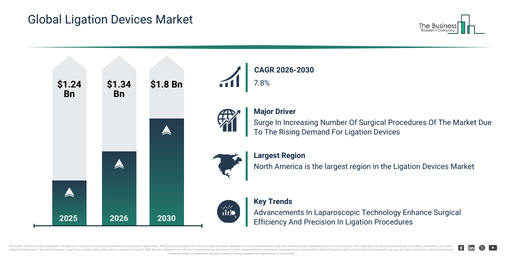
    The ligation devices market size has seen robust expansion in recent years. It is anticipated to grow from $1.24 billion in 2025 to $1.34 billion in 2026, exhibiting a compound annual growth rate (CAGR) of 7.6%. This historical development is attributable to an increase in surgical procedure volumes, the expansion of hospital facilities, the rising adoption of laparoscopic surgeries, greater availability of advanced surgical instruments, and the growing occurrence of chronic diseases.

    The ligation devices market is projected to experience substantial expansion in the coming years. Its size is anticipated to reach $1.8 billion by 2030, demonstrating a compound annual growth rate (CAGR) of 7.8%. This expansion throughout the forecast period can be linked to factors such as the heightened demand for minimally invasive procedures, increased investments in innovative surgical technology, the proliferation of ambulatory surgical centers, a sharpened focus on procedural effectiveness, and the wider acceptance of sophisticated endoscopic instruments. Key trends anticipated during this period encompass the growing embrace of minimally invasive ligation solutions, a surge in the utilization of disposable and single-use ligation devices, an escalating demand for precision clip application systems, the broadening scope of endoscopic and laparoscopic ligation techniques, and an intensified emphasis on ensuring patient safety and improving surgical efficiency.

    Access Your Free Sample Report For In-Depth Market Analysis:

    https://www.thebusinessresearchcompany.com/sample.aspx?id=33200&type=smp

    What Factors Are Contributing To The Growth Of The Ligation Devices Market?

    The escalating volume of surgical procedures is projected to stimulate the expansion of the ligation devices market moving forward. Surgical procedures are medical interventions conducted by skilled health professionals to manage diseases, mend injuries, or improve physiological function. The frequency of surgical operations is increasing as healthcare systems expand their capacity, address previously unmet surgical requirements, and improve the accessibility of surgical care to more populations. Ligation devices support this rise in surgical volume by enabling surgeons to achieve secure vessel closure, efficient hemostasis, and reliable tissue approximation, thereby enhancing procedural safety and operational efficiency. For example, in June 2024, according to the International Society of Aesthetic Plastic Surgery (ISAPS), a group of aesthetic surgeons, overall surgical and non-surgical procedures increased by 3.4% in 2023, with more than 15.8 million surgical procedures performed globally, a higher figure compared to previous years. Therefore, the growing number of surgical procedures is driving the growth of the ligation devices market.

    Which Segment Types Are Examined In The Ligation Devices Market Segment Study?

    The ligation devices market covered in this report is segmented –

    1) By Product Type: Clip Appliers; Endoscopic Ligators; Accessories

    2) By Material Type: Metal Ligation Devices; Polymer Ligation Devices

    3) By Application: Gastrointestinal Surgeries; Gynecological Surgeries; Cardiovascular Surgeries; Urological Surgeries; Other Applications

    4) By End-User: Hospitals; Ambulatory Surgical Centers; Specialty Clinics; Other End-Users

    Subsegments:

    1) By Clip Appliers: Reusable Clip Appliers; Disposable Clip Appliers; Laparoscopic Clip Appliers; Open Surgery Clip Appliers; Multi Fire Clip Appliers

    2) By Endoscopic Ligators: Band Ligation Devices; Loop Ligation Devices; Single Use Endoscopic Ligators; Multiple Band Endoscopic Ligators; Therapeutic Endoscopic Ligators

    3) By Accessories: Ligation Clips; Ligation Bands; Loading Cartridges; Applicator Handles; Replacement Components

    What Trends Are Shaping The Future Of The Ligation Devices Market?

    Major companies within the ligation devices market are concentrating on innovations in minimally invasive surgical solutions, such as advanced laparoscopic vessel sealing and ligation systems that enhance procedural control, shorten operative duration, and support accurate tissue manipulation during complex surgeries. These advanced laparoscopic vessel sealing and ligation systems are instruments specifically engineered to deliver controlled energy for sealing and dividing blood vessels and tissue bundles, while also providing an ergonomic design and improved access in confined anatomical spaces to elevate surgical precision and achieve hemostasis. For example, in March 2023, Medtronic, an Ireland-based medical technology company, launched the LigaSure Exact Dissector. This laparoscopic vessel sealing and dissection device features advanced bipolar energy delivery for consistent sealing, a curved jaw design for better visualization and access, and a nano-coated jaw to minimize tissue sticking and enhance procedural flow.

    Which Players Are Part Of The Competitive Landscape Of The Ligation Devices Market?

    Major companies operating in the ligation devices market are Johnson & Johnson Services Inc., Abbott Laboratories, Medtronic plc, Stryker Corporation, Boston Scientific Corporation, B. Braun Melsungen AG, Olympus Corporation, Smith & Nephew Plc, The Cooper Companies Inc., Teleflex Incorporated, Cook Medical LLC, Merit Medical Systems Inc., ConMed Corporation, CooperSurgical Inc., AngioDynamics Inc., Argon Medical Devices Inc., Scanlan International Inc., Purple Surgical, Unimicro Medical Systems Co. Ltd., Ovesco Endoscopy AG, Applied Medical Resources Corporation, Grena Think Medical, Genicon Inc., and Hakko Co. Ltd.

    Get The Full Ligation Devices Market Report:

    https://www.thebusinessresearchcompany.com/report/ligation-devices-market-report

    Where Is The Ligation Devices Market Primarily Concentrated By Region?

    North America was the largest region in the ligation devices market in 2025. Asia-Pacific is expected to be the fastest-growing region in the forecast period. The regions covered in the ligation devices market report are Asia-Pacific, South East Asia, Western Europe, Eastern Europe, North America, South America, Middle East, Africa.

    Request A Customized Ligation Devices Market Report For Competitive Insights:

    https://www.thebusinessresearchcompany.com/customise?id=33200&type=smp

    Browse Through More Reports Similar to the Global Ligation Devices Market 2026, By The Business Research Company

    Ligases Enzyme Market Report 2026

    https://www.thebusinessresearchcompany.com/report/ligases-enzyme-global-market-report

    Connected Drug Delivery Devices Market Report 2026

    https://www.thebusinessresearchcompany.com/report/connected-drug-delivery-devices-global-market-report

    Specialty Devices Market Report 2026

    https://www.thebusinessresearchcompany.com/report/specialty-devices-global-market-report

    Get in touch with us:

    The Business Research Company: https://www.thebusinessresearchcompany.com/

    Americas +1 310-496-7795

    Asia +44 7882 955267 & +91 8897263534

    Europe +44 7882 955267

    Email us at info@tbrc.info

    Follow us on:

    LinkedIn: https://in.linkedin.com/company/the-business-research-company

    YouTube: https://www.youtube.com/channel/UC24_fI0rV8cR5DxlCpgmyFQ

    Global Market Model: https://www.thebusinessresearchcompany.com/global-market-model
  • Rise Of Telehealth And Remote Care Services Driving The Market Growth Due To Increasing Patient Demand For Convenient Is Contributing To Changes In The Internet Of Medical Things (IOMT) For Drug Delivery Market

    Rise Of Telehealth And Remote Care Services Driving The Market Growth Due To Increasing Patient Demand For Convenient Is Contributing To Changes In The Internet Of Medical Things (IOMT) For Drug Delivery Market

    The Business Research Company’s 2026 market reports feature enhanced tools like market attractiveness analysis, TAM assessment, and company scoring matrices, along with interactive dashboards, deeper supply chain insights, and startup coverage strengthening the depth, usability, and strategic value of insights.

    What Is The Estimated Market Size Of The Internet Of Medical Things (IOMT) For Drug Delivery Market In 2026, And How Will Its Value Evolve By 2030?

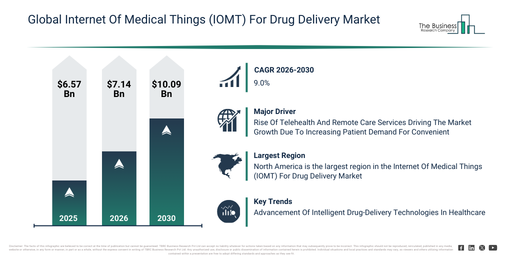
    The internet of medical things (iomt) for drug delivery market size has shown significant expansion in recent years. It is projected to increase from $6.57 billion in 2025 to $7.14 billion in 2026, achieving a compound annual growth rate (CAGR) of 8.8%. The growth observed in the past can be attributed to several factors including the increasing prevalence of chronic diseases, the early adoption of smart infusion and monitoring devices, the expansion of home healthcare services, a rising emphasis on medication adherence, and the development of digital health infrastructure.

    The internet of medical things (iomt) for drug delivery market size is anticipated to experience substantial growth in the coming years. This market is projected to expand to $10.09 billion by 2030, exhibiting a compound annual growth rate (CAGR) of 9.0%. This expansion during the forecast period is propelled by the broader adoption of personalized medicine applications, increased investments in connected healthcare platforms, a rising demand for remote patient management, greater integration of AI-driven dosing algorithms, and enhanced regulatory support for digital therapeutics. Key trends expected over this period include a wider embrace of connected drug delivery devices, the growing deployment of real-time patient monitoring platforms, increased integration of wearable and implantable delivery systems, the proliferation of personalized dosage management solutions, and a heightened focus on remote therapy management.

    Access Your Free Sample Report For In-Depth Market Analysis:

    https://www.thebusinessresearchcompany.com/sample.aspx?id=33187&type=smp

    What Leading Drivers Are Supporting The Internet Of Medical Things (IOMT) For Drug Delivery Market Expansion?

    The anticipated expansion of telehealth and remote care services is poised to propel the growth of the internet of medical things (IoMT) for drug delivery market. These services represent the provision of healthcare through digital technologies, allowing individuals to access medical consultations, monitoring, and treatment from their homes without the necessity of in-person visits. The increasing adoption of telehealth and remote care services is driven by rising patient demand for convenient, accessible healthcare that enables them to consult medical professionals, monitor their health, and manage treatments from home, reducing the need for frequent hospital trips. Internet of medical things (IoMT) for drug delivery plays a crucial role in supporting telehealth and remote care by facilitating real-time oversight of patient medication adherence, enabling automated and precise drug administration, and ensuring seamless data sharing with healthcare providers. This empowers doctors to remotely track treatment progress, adjust dosages, and deliver personalized care without requiring physical appointments. For instance, in April 2023, data from FAIR Health Inc., a US-based non-profit, indicated a 7.3% increase in national telehealth utilization, rising from 5.5% of medical claim lines in December 2022 to 5.9% in January 2023. Consequently, the surging integration of telemedicine platforms is a key factor driving the expansion of the internet of medical things (IoMT) for drug delivery market.

    What Are The Key Segment Divisions In The Internet Of Medical Things (IOMT) For Drug Delivery Market Segment Structure?

    The internet of medical things (iomt) for drug delivery market covered in this report is segmented –

    1) By Type: Wearable Drug Delivery Devices; Smart Inhalers; Injectable Drug Delivery Systems; Implantable Drug Delivery Devices; Remote Drug Monitoring

    2) By Connectivity: Bluetooth And Low Energy Connectivity; Wi Fi Connectivity; Cellular Connectivity; Near Field Communication; Cloud And Edge Based Connectivity

    3) By Application: Chronic Disease Management; Acute Care Drug Delivery; Home Based Drug Administration; Hospital And Clinical Drug Delivery; Personalized And Precision Medicine

    4) By End User: Hospitals And Clinics; Home Care Settings; Pharmaceutical And Biotechnology Companies; Research And Development Organizations; Contract Research And Clinical Trial Centers

    Subsegments:

    1) By Wearable Drug Delivery Devices: On Body Infusion Pumps; Patch Based Drug Delivery Systems; Wearable Insulin Delivery Devices; Wearable Pain Management Devices

    2) By Smart Inhalers: Connected Metered Dose Inhalers; Connected Dry Powder Inhalers; Medication Adherence Monitoring Inhalers; Dose Tracking Inhaler Systems

    3) By Injectable Drug Delivery Systems: Connected Auto Injectors; Smart Pen Injectors; Pre Filled Smart Syringes; Electronic Injection Monitoring Systems

    4) By Implantable Drug Delivery Devices: Implantable Infusion Pumps; Controlled Release Implant Systems; Programmable Drug Delivery Implants; Long Term Therapeutic Implants

    5) By Remote Drug Monitoring: Medication Adherence Monitoring Systems; Real Time Dosage Tracking Platforms; Remote Therapy Management Systems; Patient Compliance Monitoring Solutions

    What Emerging Trends Are Seen In The Internet Of Medical Things (IOMT) For Drug Delivery Market?

    Key players in the internet of medical things (IoMT) for drug delivery market are focusing on developing advanced solutions such as connected smart drug-delivery devices with real-time monitoring to enable personalized dosing, improve treatment adherence, and enhance patient outcomes. These connected smart drug-delivery devices with real-time monitoring are medical tools that automatically track medication delivery and patient data, wirelessly sharing it with applications or healthcare systems, thereby aiding in dose optimization, enhanced adherence, and prompt clinical decisions. For instance, in November 2024, Medtronic plc, an Ireland-based healthcare technology company, introduced its Smart MDI system, featuring the InPen app with Simplera CGM. This system integrates a smart insulin pen with a disposable, all-in-one CGM to deliver real-time, personalized insulin dosing insights, including detection and correction recommendations for missed or inaccurate mealtime doses. It continuously monitors glucose levels, records insulin administration, and analyzes patient data through a mobile application to reduce hyperglycemia risk and support better glycemic control. Compared to conventional insulin pens, the solution offers automated data capture, intelligent alerts, and clinical decision support, significantly reducing dosing guesswork and improving patient outcomes.

    Which Organizations Are Engaged In The Internet Of Medical Things (IOMT) For Drug Delivery Market?

    Major companies operating in the internet of medical things (iomt) for drug delivery market are Siemens AG, F. Hoffmann-La Roche AG, IBM Corporation, Bayer AG, Oracle Corporation, Abbott Laboratories, Honeywell Life Care Solutions Inc., Medtronic plc, Koninklijke Philips N.V., GE HealthCare Technologies Inc., Becton Dickinson and Company, Cognizant Technology Solutions Corporation, Biogen Inc., Omron Healthcare Co. Ltd., Dexcom Inc., Insulet Corporation, Tandem Diabetes Care Inc., Senseonics Inc., AdhereTech Inc., Adherium Limited

    Get The Full Internet Of Medical Things (IOMT) For Drug Delivery Market Report:

    https://www.thebusinessresearchcompany.com/report/internet-of-medical-things-iomt-for-drug-delivery-market-report

    Where Is The Internet Of Medical Things (IOMT) For Drug Delivery Market Most Concentrated Geographically?

    North America was the largest region in the internet of medical things (IOMT) for drug delivery market in 2025. The regions covered in the internet of medical things (iomt) for drug delivery market report are Asia-Pacific, South East Asia, Western Europe, Eastern Europe, North America, South America, Middle East, Africa.

    Request A Customized Internet Of Medical Things (IOMT) For Drug Delivery Market Report For Competitive Insights:

    https://www.thebusinessresearchcompany.com/customise?id=33187&type=smp

    Browse Through More Reports Similar to the Global Internet Of Medical Things (IOMT) For Drug Delivery Market 2026, By The Business Research Company

    Electrical Test Equipment Market Report 2026

    https://www.thebusinessresearchcompany.com/report/electrical-test-equipment-global-market-report

    Engineering Services Market Report 2026

    https://www.thebusinessresearchcompany.com/report/engineering-services-global-market-report

    Emc Testing Market Report 2026

    https://www.thebusinessresearchcompany.com/report/emc-testing-global-market-report

    Get in touch with us:

    The Business Research Company: https://www.thebusinessresearchcompany.com/

    Americas +1 310-496-7795

    Asia +44 7882 955267 & +91 8897263534

    Europe +44 7882 955267

    Email us at info@tbrc.info

    Follow us on:

    LinkedIn: https://in.linkedin.com/company/the-business-research-company

    YouTube: https://www.youtube.com/channel/UC24_fI0rV8cR5DxlCpgmyFQ

    Global Market Model: https://www.thebusinessresearchcompany.com/global-market-model
  • Next Generation High Resolution Cortical Arrays Set New Standard For Brain-Computer Interfaces Is Playing A Role In Shaping The Implantable Neural Probes Market

    Next Generation High Resolution Cortical Arrays Set New Standard For Brain-Computer Interfaces Is Playing A Role In Shaping The Implantable Neural Probes Market

    The Business Research Company’s 2026 market reports feature enhanced tools like market attractiveness analysis, TAM assessment, and company scoring matrices, along with interactive dashboards, deeper supply chain insights, and startup coverage strengthening the depth, usability, and strategic value of insights.

    How Much Will The Market Value Of The Implantable Neural Probes Market Grow Between 2026 And 2030?

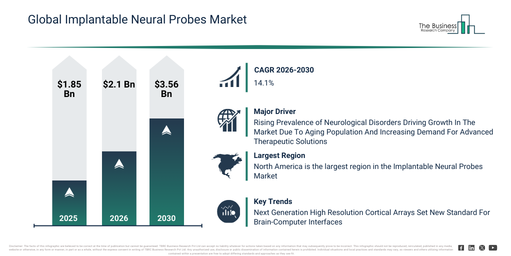
    The implantable neural probes market has seen significant expansion in recent years. Its value is anticipated to rise from $1.85 billion in 2025 to $2.1 billion in 2026, indicating a compound annual growth rate (CAGR) of 13.8%. This historical growth can be linked to progress in neuroscience research instruments, the expanding application of depth electrodes in epilepsy monitoring, the increase in academic brain research programs, the initial adoption of brain-computer interface technologies, and enhancements in microfabrication techniques.

    The implantable neural probes market size is expected to experience substantial expansion in the coming years. Its valuation is anticipated to reach $3.56 billion by 2030, exhibiting a compound annual growth rate (CAGR) of 14.1%. This growth during the forecast period is propelled by factors such as the increasing need for neuroprosthetics, greater financial commitments to brain-machine interfaces, the widening application of clinical neuromodulation treatments, a heightened emphasis on long-term neural implants, and continuous advancements in biocompatible substances. Key trends emerging over the forecast horizon encompass the wider embrace of high-density microelectrode arrays, a surge in the requirement for pliable and biocompatible neural probes, the expanding incorporation of wireless neural recording technologies, the broadening scope of multi-site and multi-modal neural probes, and an intensified focus on the sustained stability of implants.

    Access Your Free Sample Report For In-Depth Market Analysis:

    https://www.thebusinessresearchcompany.com/sample.aspx?id=33180&type=smp

    Which Major Drivers Are Influencing The Expansion Of The Implantable Neural Probes Market?

    The rising incidence of neurological disorders is anticipated to propel the growth of the implantable neural probes market. Neurological disorders are medical conditions that affect the nervous system, encompassing the brain, spinal cord, and the nerves that link them. The increasing occurrence of these disorders is largely due to the aging population, given that older age represents a major risk factor for conditions such as Alzheimer’s disease, Parkinson’s disease, and stroke. Implantable neural probes assist in the management and treatment of neurological disorders by enabling precise, real-time recording and stimulation of neural activity, which facilitates targeted diagnosis, continuous monitoring, and personalized therapeutic interventions for conditions like epilepsy, Parkinson’s disease, and paralysis. For instance, in March 2023, according to the Alzheimer’s Association, a US-based nonprofit voluntary health organization, approximately 6.7 million Americans aged 65 and older were living with Alzheimer’s dementia in 2023, and this figure is projected to increase to 13.8 million by 2060. Consequently, the growing prevalence of neurological disorders is driving the expansion of the implantable neural probes market.

    What Are The Different Segment Types In The Implantable Neural Probes Market Segment Breakdown?

    The implantable neural probes market covered in this report is segmented –

    1) By Product Type: Microelectrodes; Microelectrode Arrays; Depth Probes; Surface Probes; Other Product Types

    2) By Material: Silicon; Glass; Polymer; Metal; Other Materials

    3) By Application: Neuroscience Research; Clinical Diagnostics; Brain-Computer Interfaces; Other Applications

    4) By End-User: Research Institutes; Hospitals; Diagnostic Centers; Other End-Users

    Subsegments:

    1) By Microelectrodes: Platinum Microelectrodes; Tungsten Microelectrodes; Iridium Oxide Microelectrodes; Gold Microelectrodes; Silicon Microelectrodes

    2) By Microelectrode Arrays: Planar Microelectrode Arrays; Three Dimensional Microelectrode Arrays; Flexible Microelectrode Arrays; High Density Microelectrode Arrays; Custom Designed Microelectrode Arrays

    3) By Depth Probes: Single Shank Depth Probes; Multi Shank Depth Probes; Glass Insulated Depth Probes; Metal Coated Depth Probes; Custom Configured Depth Probes

    4) By Surface Probes: Electrocorticography Surface Probes; Flexible Surface Probes; Grid Surface Probes; Strip Surface Probes; Custom Fabricated Surface Probes

    5) By Other Product Types: Optical Neural Probes; Wireless Neural Probes; Nano Fabricated Neural Probes; Multi Modal Neural Probes; Custom Engineered Neural Probes

    Which Trends Are Shaping The Implantable Neural Probes Market?

    Major companies within the implantable neural probes market are concentrating on technological advancements, specifically high-resolution cortical electrode arrays, to improve neural signal accuracy and expand brain-computer interface applications. A high-resolution cortical electrode array is a type of implantable neural probe featuring a thin, flexible film embedded with hundreds to thousands of microelectrodes. For instance, in April 2025, Precision Neuroscience Corporation, a US-based neurotechnology company developing advanced brain-computer interface systems, launched the Layer 7 Cortical Interface. This next-generation implantable microelectrode array gained clearance from the U.S. Food and Drug Administration (FDA) under 510(k) for recording, monitoring, and stimulating electrical activity on the brain’s surface for up to 30 days. This device comprises a high-density array of 1,024 microelectrodes on a flexible polyimide film, designed to conform to cortical anatomy to deliver detailed neural data while reducing risks of tissue damage. It also supports real-time mapping during neurosurgery and offers a platform for future wireless BCI applications for conditions such as paralysis and communication impairments. The product’s regulatory clearance and capabilities signify a transition towards safer, higher-resolution implantable neural probes with expanded clinical utility.

    Who Are The Well-Known Companies In The Implantable Neural Probes Market?

    Major companies operating in the implantable neural probes market are Abbott Laboratories, Medtronic plc, Boston Scientific Corporation, Neuralink Corp., NeuroPace Inc., NeuroOne Medical Technologies Corporation, Alpha Omega Engineering Ltd., INBRAIN Neuroelectronics, Paradromics Inc., Axoft Inc, Synchron Inc., Ripple Neuro LLC, NeuroNexus Technologies Inc., Plexon Inc., CorTec Advanced Neuroscience GmbH, Cambridge NeuroTech Ltd, Spike Neuro LLC, Aleva Neurotherapeutics SA, Optogenix Inc., Precision Neuroscience Corporation.

    Get The Full Implantable Neural Probes Market Report:

    https://www.thebusinessresearchcompany.com/report/implantable-neural-probes-market-report

    Which Region Leads The Implantable Neural Probes Market In Terms Of Market Share?

    North America was the largest region in the implantable neural probes market in 2025. Asia-Pacific is expected to be the fastest-growing region in the forecast period. The regions covered in the implantable neural probes market report are Asia-Pacific, South East Asia, Western Europe, Eastern Europe, North America, South America, Middle East, Africa.

    Request A Customized Implantable Neural Probes Market Report For Competitive Insights:

    https://www.thebusinessresearchcompany.com/customise?id=33180&type=smp

    Browse Through More Reports Similar to the Global Implantable Neural Probes Market 2026, By The Business Research Company

    Neural Implants Market Report 2026

    https://www.thebusinessresearchcompany.com/report/neural-implants-global-market-report

    Implantable Neurostimulation Devices Market Report 2026

    https://www.thebusinessresearchcompany.com/report/implantable-neurostimulation-devices-global-market-report

    Smart Implants Market Report 2026

    https://www.thebusinessresearchcompany.com/report/smart-implants-global-market-report

    Get in touch with us:

    The Business Research Company: https://www.thebusinessresearchcompany.com/

    Americas +1 310-496-7795

    Asia +44 7882 955267 & +91 8897263534

    Europe +44 7882 955267

    Email us at info@tbrc.info

    Follow us on:

    LinkedIn: https://in.linkedin.com/company/the-business-research-company

    YouTube: https://www.youtube.com/channel/UC24_fI0rV8cR5DxlCpgmyFQ

    Global Market Model: https://www.thebusinessresearchcompany.com/global-market-model
  • Growth In The Human Acellular Dermis Market Is Being Driven By Rise In Plastic Surgery Procedures Driving The Growth Of The Market Due To Increasing Demand For Aesthetic Enhancement

    Growth In The Human Acellular Dermis Market Is Being Driven By Rise In Plastic Surgery Procedures Driving The Growth Of The Market Due To Increasing Demand For Aesthetic Enhancement

    The Business Research Company’s 2026 market reports feature enhanced tools like market attractiveness analysis, TAM assessment, and company scoring matrices, along with interactive dashboards, deeper supply chain insights, and startup coverage strengthening the depth, usability, and strategic value of insights.

    By 2030, What Market Size Is The Human Acellular Dermis Market Expected To Reach Based On Its 2026 Value?

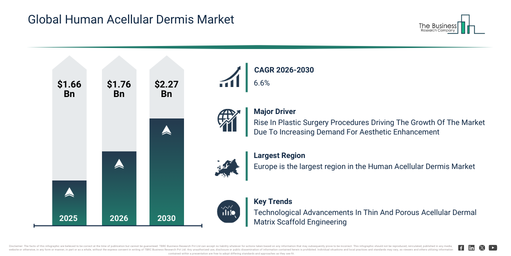
    The market size for human acellular dermis has demonstrated robust growth in recent years. It is projected to expand from $1.66 billion in 2025 to $1.76 billion in 2026, at a compound annual growth rate (CAGR) of 6.3%. This historical growth can be attributed to an increasing number of reconstructive surgeries, a rising incidence of burn injuries, advancements in tissue processing technologies, the expansion of cosmetic and plastic surgery procedures, and improved donor tissue availability.

    The human acellular dermis market size is projected to experience substantial growth in the upcoming years, reaching $2.27 billion by 2030, exhibiting a compound annual growth rate (CAGR) of 6.6%. This anticipated expansion during the forecast period is driven by factors such as the increasing integration into regenerative medicine, a heightened need for minimally invasive reconstruction methods, the broadening scope of orthopedic and soft tissue repair uses, a sharpened emphasis on advanced wound care, and greater innovation in biomaterial processing techniques. Key trends expected over this period involve the increasing application of acellular dermal matrices in reconstructive procedures, growing utilization in burn and wound treatment, an escalating preference for ready-to-use dermal grafts, the expansion of plastic and reconstructive surgery, and a concentrated focus on improving biocompatibility and integration.

    Access Your Free Sample Report For In-Depth Market Analysis:

    https://www.thebusinessresearchcompany.com/sample.aspx?id=33172&type=smp

    Which Drivers Are Supporting The Human Acellular Dermis Market Growth?

    The anticipated increase in plastic surgery procedures is expected to propel the growth of the human acellular dermis market going forward. Plastic surgery procedures are medical interventions that reshape, restore, or enhance the appearance and function of the body through surgical techniques. These procedures are rising due to increasing awareness and demand for aesthetic enhancement, as more individuals seek to improve their appearance and self-confidence through advanced, minimally invasive surgical options. Human acellular dermis (HAD) benefits plastic surgery procedures by acting as a biologically compatible scaffold that integrates with the patient’s own tissue, supporting new tissue growth, minimizing scar formation, and enhancing both the aesthetic and functional outcomes of reconstructive or cosmetic surgeries. For instance, in June 2024, according to the International Society of Aesthetic Plastic Surgery, a US-based professional organization, facial and head aesthetic procedures experienced significant growth compared to the previous year in 2023, totaling over 6.5 million interventions and reflecting a 19.6% rise. Therefore, the expansion of plastic surgery procedures is driving the growth of the human acellular dermis market.

    How Is The Human Acellular Dermis Market Organized By Segment Classification?

    The human acellular dermis market covered in this report is segmented –

    1) By Product Type: Recombinant Acellular Dermis; Lyophilized Acellular Dermis; Decellularized Acellular Dermis; Fresh Acellular Dermis

    2) By Structure Type: Sheet Type Acellular Dermis; Mesh Type Acellular Dermis; Gel Type Acellular Dermis

    3) By Distribution Channel: Direct Sales; Distributors; Online Retailing

    4) By Application: Burn Treatment; Soft Tissue Reconstruction; Wound Management; Plastic Surgery; Orthopedic Surgery

    5) By End User: Hospitals; Ambulatory Surgical Centers (ASCs); Specialty Clinics; Research Institutions

    Subsegments:

    1) By Recombinant Acellular Dermis: Collagen Based Recombinant Dermis; Elastin Enriched Recombinant Dermis; Growth Factor Integrated Recombinant Dermis; Synthetic Hybrid Recombinant Dermis

    2) By Lyophilized Acellular Dermis: Single Layer Lyophilized Dermis; Multi Layer Lyophilized Dermis; Sterile Lyophilized Dermis; Long Shelf Life Lyophilized Dermis

    3) By Decellularized Acellular Dermis: Human Donor Derived Dermis; Enzyme Processed Decellularized Dermis; Detergent Treated Decellularized Dermis; Minimally Processed Decellularized Dermis

    4) By Fresh Acellular Dermis: Cryopreserved Fresh Dermis; Hydrated Fresh Dermis; Ready To Use Fresh Dermis; Short Term Stored Fresh Dermis

    Which Trends Are Expected To Impact The Human Acellular Dermis Market?

    Companies within the human acellular dermis market are prioritizing the creation of novel products, such as thin and porous acellular dermal matrix scaffold technology, to improve ease of use and adaptability for intricate wound shapes, leading to simpler application and more reliable patient outcomes. This technology involves designing acellular dermal matrices with reduced depth and connected porous structures, which promotes better cell penetration, blood vessel formation, and tissue integration, thus accelerating wound recovery with fewer medical procedures. As an illustration, in April 2025, LifeNet Health, a US-based regenerative medicine firm, launched Dermacell Porous. This acellular dermal matrix provides a slender, robust, and inherently porous scaffold, improves the retention of extracellular matrix proteins and cytokines, and allows straightforward, non-directional application directly from its packaging, thereby encouraging wider clinical use for challenging wounds needing fewer treatments. It is designed to aid in the healing of chronic wounds with four or fewer applications and is among 26 skin substitute grafts and cellular or tissue-based products included under Medicare’s updated Local Coverage Determinations, effective January 1, 2026. This product augments LifeNet Health’s range of regenerative wound care solutions and highlights its dedication to providing sophisticated and readily available clinical options.

    Who Are The Industry Participants Involved In The Human Acellular Dermis Market?

    Major companies operating in the human acellular dermis market are Medtronic Plc, Stryker Corporation, Zimmer Biomet Holdings Inc., Integra LifeSciences Corporation, Conmed Corporation, MTF Biologics, MiMedx Group Inc., BioHorizons IPH Inc., LifeNet Health, BioBridge Global, Hans Biomed Corp., PolyNovo Limited, Tissue Regenix Group Plc, CG Bio Inc., Parametrics Medical, Meccellis Biotech, Promethean LifeSciences Inc., Bimini Health Tech LLC, Citagenix Inc., and Aziyo Biologics.

    Get The Full Human Acellular Dermis Market Report:

    https://www.thebusinessresearchcompany.com/report/human-acellular-dermis-market-report

    Which Region Is The Top Contributor To The Human Acellular Dermis Market By Share?

    Europe was the largest region in the human acellular dermis market in 2025. Asia-Pacific is expected to be the fastest-growing region in the forecast period. The regions covered in the human acellular dermis market report are Asia-Pacific, South East Asia, Western Europe, Eastern Europe, North America, South America, Middle East, Africa.

    Request A Customized Human Acellular Dermis Market Report For Competitive Insights:

    https://www.thebusinessresearchcompany.com/customise?id=33172&type=smp

    Browse Through More Reports Similar to the Global Human Acellular Dermis Market 2026, By The Business Research Company

    Acetic Acid Market Report 2026

    https://www.thebusinessresearchcompany.com/report/acetic-acid-global-market-report

    Dermal Filler Market Report 2026

    https://www.thebusinessresearchcompany.com/report/dermal-filler-global-market-report

    Acetylene Market Report 2026

    https://www.thebusinessresearchcompany.com/report/acetylene-global-market-report

    Get in touch with us:

    The Business Research Company: https://www.thebusinessresearchcompany.com/

    Americas +1 310-496-7795

    Asia +44 7882 955267 & +91 8897263534

    Europe +44 7882 955267

    Email us at info@tbrc.info

    Follow us on:

    LinkedIn: https://in.linkedin.com/company/the-business-research-company

    YouTube: https://www.youtube.com/channel/UC24_fI0rV8cR5DxlCpgmyFQ

    Global Market Model: https://www.thebusinessresearchcompany.com/global-market-model

  • Homologous Recombination Pathway Panels Market Forecast Showing Industry Progress And Growth Trends

    Homologous Recombination Pathway Panels Market Forecast Showing Industry Progress And Growth Trends

    The Business Research Company’s 2026 market reports feature enhanced tools like market attractiveness analysis, TAM assessment, and company scoring matrices, along with interactive dashboards, deeper supply chain insights, and startup coverage strengthening the depth, usability, and strategic value of insights.

    How Is The Market Size Of The Homologous Recombination Pathway Panels Market Expected To Scale Between 2026 And 2030?

    The homologous recombination pathway panels market size has experienced rapid growth in recent years. It is anticipated to expand from $1.12 billion in 2025 to $1.26 billion in 2026, demonstrating a compound annual growth rate (CAGR) of 12.5%. This growth in the past can be attributed to the proliferation of precision oncology research, the escalating utilization of genetic testing in cancer diagnosis, the development of hereditary cancer screening programs, the wider availability of ngs technologies, and increasing partnerships between diagnostic and pharmaceutical companies.

    The homologous recombination pathway panels market is projected to experience substantial expansion in the coming years. This market is anticipated to reach a valuation of $2.03 billion by 2030, driven by a compound annual growth rate (CAGR) of 12.7%. Factors contributing to this growth during the forecast period include the increasing uptake of companion diagnostics, a rising need for individualized cancer treatments, the expansion of clinical genomics within hospital settings, the escalating application of AI-powered variant interpretation, and more regulatory approvals for genomic panels. Key trends observed during this period will encompass the greater adoption of extensive HRD testing panels, an increase in the utilization of NGS-based homologous recombination assays, a heightened demand for panels specifically designed for therapy selection, the broader availability of integrated genomic profiling kits, and an intensified emphasis on diagnostic panels with quick turnaround times.

    Access Your Free Sample Report For In-Depth Market Analysis:

    https://www.thebusinessresearchcompany.com/sample.aspx?id=33170&type=smp

    Which Primary Drivers Are Impacting The Homologous Recombination Pathway Panels Market Growth?

    The growing use of targeted treatments is anticipated to propel the expansion of the homologous recombination pathway panels market in the future. These therapies are specialized interventions created to pinpoint and act upon molecules causing disease or genetic defects within cells, thereby preventing their multiplication while concurrently lessening harm to healthy cells. The increasing application of targeted therapies is boosting the need for precision medicine, given that both patients and medical professionals favor treatments offering greater efficacy and reduced adverse effects over traditional treatments. Homologous recombination (HR) pathway panels aid targeted therapies by identifying individuals who are probable responders to DNA damage–targeting medications, which allows clinicians to customize treatment strategies and improve patient results. As an illustration, during July 2023, the American Society of Gene & Cell Therapy, a US-based non-profit medical and scientific organization, reported a 10% increase in gene therapies undergoing Phase III clinical trials in the fourth quarter of 2023, representing the initial quarterly growth since the third quarter of 2022. Consequently, the wider acceptance of targeted therapies is accelerating the development of the homologous recombination pathway panels market.

    How Is The Homologous Recombination Pathway Panels Market Segmented Across Different Segment Categories?

    The homologous recombination pathway panels market covered in this report is segmented –

    1) By Panel Type: Comprehensive Homologous Recombination Deficiency Panels; Focused Or Core Homologous Recombination Repair Gene Panels; Custom Or Research Panels; Integrated Genomic Profiling Kits

    2) By Technology: Next-Generation Sequencing (NGS); Polymerase Chain Reaction (PCR); Microarray Based Panels; Other Molecular Diagnostic Techniques

    3) By Application: Cancer Research; Genetic Disorder Studies; Drug Discovery; Clinical Diagnostics; Other Applications

    4) By End User: Hospitals And Clinics; Diagnostic Laboratories; Research Institutes; Biotechnology Companies; Pharmaceutical Companies

    Subsegments:

    1) By Comprehensive Homologous Recombination Deficiency Panels: Broad Gene Coverage Panels; Clinical Grade Diagnostic Panels; Therapy Selection Panels; Prognostic Risk Assessment Panels

    2) By Focused Or Core Homologous Recombination Repair Gene Panels: Single Pathway Targeted Panels; Small Gene Set Panels; Cost Optimized Clinical Panels; Rapid Turnaround Testing Panels

    3) By Custom Or Research Panels: Disease Specific Research Panels; Institution Designed Gene Panels; Exploratory Genomic Study Panels; Preclinical Research Panels

    4) By Integrated Genomic Profiling Kits: Multigene Sequencing Kits; Combined Mutation And Structural Variant Kits; End To End Genomic Analysis Kits; Clinical Workflow Integrated Kits

    Which Trends Are Shaping Growth In The Homologous Recombination Pathway Panels Market?

    Leading firms within the homologous recombination pathway panels market are prioritizing the creation of sophisticated comprehensive genomic profiling tools. These tools aim to pinpoint DNA repair deficiencies, direct targeted treatments, and facilitate individualized therapeutic approaches for cancer patients. Comprehensive genomic profiling (CGP) is defined as a cutting-edge diagnostic method that concurrently analyzes numerous genes. Its purpose is to discover genetic changes, biological markers, and molecular patterns, thereby allowing for precision medicine and well-informed treatment plans. An example is the launch in September 2024 by Integrated DNA Technologies, a US-based biotechnology company, of its Archer homologous recombination deficiency (HRD) technology. This technology is designed to identify HRDs and inform targeted cancer treatments. Such technologies evaluate HRD in solid tumors, thus improving comprehensive genomic profiling (CGP) capabilities for cancer-related research. The primary goal is to identify crucial biomarkers like HRD, alongside MSI and TMB, even from samples with minimal input. This supports precision medicine through adaptable NGS panels, without necessitating extensive changes to existing workflows. Key benefits encompass AMP chemistry, allowing for independent, additive, or combined application, which ultimately optimizes both resource allocation and personalization.

    Which Organizations Play A Role In The Homologous Recombination Pathway Panels Market Landscape?

    Major companies operating in the homologous recombination pathway panels market are F. Hoffmann-La Roche AG, Thermo Fisher Scientific Inc., Merck KGaA, Eurofins Scientific SE, Agilent Technologies Inc., Illumina Inc., Bio-Rad Laboratories Inc., QIAGEN N.V., Integrated DNA Technologies Inc., NeoGenomics Laboratories Inc., Promega Corporation, Invitae Corporation, Caris Life Sciences Inc., Fulgent Genetics Inc., Foundation Medicine Inc., Metropolis Healthcare Limited, AmoyDx Diagnostics Co. Ltd., CD Genomics, iGeneTech Inc., and Paragon Genomics Inc.

    Get The Full Homologous Recombination Pathway Panels Market Report:

    https://www.thebusinessresearchcompany.com/report/homologous-recombination-pathway-panels-market-report

    Which Geographic Region Dominates The Homologous Recombination Pathway Panels Market?

    North America was the largest region in the homologous recombination pathway panels market in 2025. Asia-Pacific is expected to be the fastest-growing region in the forecast period. The regions covered in the homologous recombination pathway panels market report are Asia-Pacific, South East Asia, Western Europe, Eastern Europe, North America, South America, Middle East, Africa.

    Request A Customized Homologous Recombination Pathway Panels Market Report For Competitive Insights:

    https://www.thebusinessresearchcompany.com/customise?id=33170&type=smp

    Browse Through More Reports Similar to the Global Homologous Recombination Pathway Panels Market 2026, By The Business Research Company

    Recombinant Proteins Market Report 2026

    https://www.thebusinessresearchcompany.com/report/recombinant-proteins-global-market-report

    Recombinant Dna Technology Market Report 2026

    https://www.thebusinessresearchcompany.com/report/recombinant-dna-technology-global-market-report

    Biotechnology Reagents Market Report 2026

    https://www.thebusinessresearchcompany.com/report/biotechnology-reagents-global-market-report

    Get in touch with us:

    The Business Research Company: https://www.thebusinessresearchcompany.com/

    Americas +1 310-496-7795

    Asia +44 7882 955267 & +91 8897263534

    Europe +44 7882 955267

    Email us at info@tbrc.info

    Follow us on:

    LinkedIn: https://in.linkedin.com/company/the-business-research-company

    YouTube: https://www.youtube.com/channel/UC24_fI0rV8cR5DxlCpgmyFQ

    Global Market Model: https://www.thebusinessresearchcompany.com/global-market-model

  • High-Fidelity Long-Read Sequencing Market Growth Patterns And Forecast Outlook Through 2030

    High-Fidelity Long-Read Sequencing Market Growth Patterns And Forecast Outlook Through 2030

    The Business Research Company’s 2026 market reports feature enhanced tools like market attractiveness analysis, TAM assessment, and company scoring matrices, along with interactive dashboards, deeper supply chain insights, and startup coverage strengthening the depth, usability, and strategic value of insights.

    How Will The Market Value Of The High-Fidelity Long-Read Sequencing Market Progress Between 2026 And 2030?

    The market size for high-fidelity long-read sequencing has experienced substantial growth in recent years. It is anticipated to increase from $1.53 billion in 2025 to $1.88 billion in 2026, demonstrating a compound annual growth rate (CAGR) of 22.2%. The historical growth in this sector is attributable to advancements in sequencing chemistry accuracy, early adoption in genomics research institutions, expansion of large-scale genome projects, increasing demand for structural variant analysis, and improvements in sequencing hardware performance.

    The high-fidelity long-read sequencing market is anticipated to experience substantial growth in the coming years. It is projected to reach $4.22 billion by 2030, growing at a compound annual growth rate (CAGR) of 22.5%. This expansion during the forecast period is fueled by factors such as the expanding application of precision medicine approaches, increasing investments in genomics-based drug discovery, the broadening scope of rare disease research, greater clinical adoption of long-read sequencing, and improvements in sequencing cost efficiency. Key trends for this period include the rising incorporation of long-read sequencing in clinical diagnostics, a heightened demand for high-accuracy variant detection, the increasing use of de novo genome assembly techniques, an expansion in epigenetic and transcriptomic analysis applications, and enhanced integration of advanced bioinformatics tools.

    Access Your Free Sample Report For In-Depth Market Analysis:

    https://www.thebusinessresearchcompany.com/sample.aspx?id=33166&type=smp

    Which Important Drivers Are Guiding The High-Fidelity Long-Read Sequencing Market Growth?

    The growing incidence of rare diseases is projected to stimulate the HiFi long-read sequencing market’s expansion moving forward. These conditions are characterized by impacting a small segment of the population, often presenting intricate symptoms and limited therapeutic options. The increase in rare diseases is attributed to advancements in genetic sequencing and diagnostic technologies, which facilitate earlier and more precise identification of previously unrecognized or misdiagnosed conditions. HiFi long-read sequencing offers a solution for rare diseases by enabling highly accurate and comprehensive detection of complex genetic variations frequently overlooked by short-read sequencing, thereby leading to quicker and more accurate diagnoses. For instance, in July 2023, the Department of Health & Social Care, a UK-based government body, estimated that there are over 7,000 rare diseases, with new ones continuously being identified as research advances. Approximately 80% of these rare diseases are known to have a genetic foundation. Consequently, the increasing prevalence of rare diseases is a key factor propelling the growth of the HiFi long-read sequencing market.

    How Is Segmentation Applied In The High-Fidelity Long-Read Sequencing Market Segment Analysis?

    The high-fidelity long-read sequencing market covered in this report is segmented –

    1) By Product Type: Instruments; Consumables; Software

    2) By Sequencing Technology: Single-Molecule Real-Time Sequencing; Nanopore Sequencing; Other Sequencing Technologies

    3) By Application: Clinical Diagnostics; Genomics Research; Oncology; Rare Disease Detection; Agriculture And Animal Research; Other Applications

    4) By End-User: Academic And Research Institutes; Hospitals And Clinics; Pharmaceutical And Biotechnology Companies; Other End-Users

    Subsegments:

    1) By Instruments: Sequencers; Library Preparation Systems; Sample Preparation Instruments; Data Collection Devices; Quality Control Instruments

    2) By Consumables: Sequencing Kits; Flow Cells; Reagents; Pipette Tips; Sample Tubes

    3) By Software: Data Analysis Software; Visualization Software; Sequence Alignment Software; Genome Assembly Software; Quality Assessment Software

    What Trends Are Influencing The Evolution Of The High-Fidelity Long-Read Sequencing Market?

    Leading companies in the HiFi long-read sequencing market are concentrating on developing innovative solutions, such as hybrid-capture target enrichment, to enhance sequencing accuracy, increase coverage of complex genomic regions, and accelerate the detection of structural variants for advanced research and clinical applications. Hybrid-capture target enrichment refers to a genomic sequencing technique that selectively isolates specific regions of DNA or RNA from a sample using complementary probes, allowing for focused, high-accuracy sequencing of target regions while reducing sequencing of non-relevant areas. For instance, in July 2025, QIAGEN N.V., a Netherlands-based biotechnology company, launched QIAseq xHYB Long Read Panels to expand its next-generation sequencing (NGS) offerings. These panels utilize hybrid-capture enrichment to enable precise long-read sequencing of complex genomic regions like repeats and structural variants, overcoming short-read limitations. They provide superior uniformity, specificity, and complete coverage for applications in cancer profiling, HLA typing, and haplotype phasing, with flexible fixed or custom formats and integrated workflows from DNA prep to bioinformatics analysis. Benefits include streamlined efficiency and deeper insights for precision medicine.

    Who Are The Companies Participating In The High-Fidelity Long-Read Sequencing Market Environment?

    Major companies operating in the high-fidelity long-read sequencing market are Azenta Inc., BGI Genomics Co. Ltd., GenScript Biotech Corporation, Novogene Co. Ltd., Takara Bio Inc., Pacific Biosciences of California Inc., Macrogen Inc., MedGenome Inc., MGI Tech Co. Ltd., Discovery Life Sciences Inc., Eurofins Genomics LLC, CD Genomics, BaseClear B.V., Psomagen Inc., Health in Code S.L., Creative Biogene Inc., Nucleome Informatics Private Limited, Genevia Technologies Oy, JS Link Co. Ltd., SeqCenter LLC, Theragen Bio Co. Ltd.

    Get The Full High-Fidelity Long-Read Sequencing Market Report:

    https://www.thebusinessresearchcompany.com/report/high-fidelity-long-read-sequencing-market-report

    Where Is The High-Fidelity Long-Read Sequencing Market Primarily Concentrated By Region?

    North America was the largest region in the HiFi long-read sequencing market in 2025. Asia-Pacific is expected to be the fastest-growing region in the forecast period. The regions covered in the high-fidelity long-read sequencing market report are Asia-Pacific, South East Asia, Western Europe, Eastern Europe, North America, South America, Middle East, Africa.

    Request A Customized High-Fidelity Long-Read Sequencing Market Report For Competitive Insights:

    https://www.thebusinessresearchcompany.com/customise?id=33166&type=smp

    Browse Through More Reports Similar to the Global High-Fidelity Long-Read Sequencing Market 2026, By The Business Research Company

    Next Generation Sequencing Market 2026

    https://www.thebusinessresearchcompany.com/report/next-generation-sequencing-market

    Short Read Sequencing Market Report 2026

    https://www.thebusinessresearchcompany.com/report/short-read-sequencing-global-market-report

    Clinical Oncology Next Generation Sequencing Market Report 2026

    https://www.thebusinessresearchcompany.com/report/clinical-oncology-next-generation-sequencing-global-market-report

    Get in touch with us:

    The Business Research Company: https://www.thebusinessresearchcompany.com/

    Americas +1 310-496-7795

    Asia +44 7882 955267 & +91 8897263534

    Europe +44 7882 955267

    Email us at info@tbrc.info

    Follow us on:

    LinkedIn: https://in.linkedin.com/company/the-business-research-company

    YouTube: https://www.youtube.com/channel/UC24_fI0rV8cR5DxlCpgmyFQ

    Global Market Model: https://www.thebusinessresearchcompany.com/global-market-model
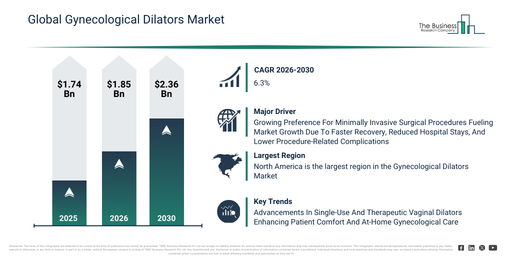
  • Gynecological Dilators Market Forecast With Insights On Demand And Industry Growth

    Gynecological Dilators Market Forecast With Insights On Demand And Industry Growth

    The Business Research Company’s 2026 market reports feature enhanced tools like market attractiveness analysis, TAM assessment, and company scoring matrices, along with interactive dashboards, deeper supply chain insights, and startup coverage strengthening the depth, usability, and strategic value of insights.

    How Large Will The Gynecological Dilators Market Be By 2030 Compared To Its 2026 Market Size?

    The gynecological dilators market size has seen substantial growth in recent years. It is projected to expand from $1.74 billion in 2025 to $1.85 billion in 2026, reflecting a compound annual growth rate (CAGR) of 6.1%. The historical development in this market is largely due to an increasing number of gynecological procedures, rising awareness of vaginal health therapies, the expansion of hospital and clinic infrastructure, the availability of diverse dilator materials, and the growth in outpatient gynecological care.

    The gynecological dilators market is projected to experience substantial expansion over the upcoming years. This market is forecast to reach $2.36 billion by 2030, exhibiting a compound annual growth rate (CAGR) of 6.3%. Key factors contributing to this growth during the forecast period include an elevated focus on patient-centric medical devices, the increasing integration of minimally invasive gynecological treatments, the broadening reach of online medical device distribution channels, an escalating need for personalized treatment options, and a heightened commitment to hygiene and safety benchmarks. Significant trends anticipated throughout the forecast period encompass the wider acceptance of medical-grade silicone dilators, a surging requirement for customizable and graduated dilator sets, a burgeoning inclination towards reusable and sterilizable instruments, the expansion of therapeutic applications in home settings, and an intensified emphasis on both patient comfort and safety.

    Access Your Free Sample Report For In-Depth Market Analysis:

    https://www.thebusinessresearchcompany.com/sample.aspx?id=33146&type=smp

    What Factors Are Contributing To The Growth Of The Gynecological Dilators Market?

    The increasing demand for minimally invasive surgical techniques is anticipated to drive expansion in the gynecological dilators market. These procedures are defined as gynecological operations employing smaller entry points and modern methods like hysteroscopy, laparoscopy, and image-guided tools, as opposed to conventional open operations. Their rising popularity stems from advantages such as quicker patient recuperation, reduced hospital durations, less post-operative discomfort, and diminished chances of complications linked to the procedure. Gynecological dilators aid minimally invasive surgeries by allowing for gentle and precise dilation of the cervix or vagina, minimizing tissue damage. This provides secure entry to the uterine cavity and reproductive organs for both diagnostic and treatment purposes. For example, data from 2024, provided by the American Society of Plastic Surgeons, a US-based non-profit, indicated a 1.5% rise in minimally invasive procedures, moving from 25,442,640 in 2023 to 28,243,407 in 2024. Consequently, the expanding preference for minimally invasive surgical methods is fueling the growth within the gynecological dilators market.

    How Are Different Segments Classified In The Gynecological Dilators Market Segment Analysis?

    The gynecological dilators market covered in this report is segmented –

    1) By Product Type: Silicone Dilators; Plastic Dilators; Metal Dilators; Glass Dilators

    2) By Size: Medium Dilators; Small Dilators; Large Dilators; Customizable Size Dilators

    3) By Application: Medical; Personal

    4) By Distribution Channel: Hospitals And Clinics; Online Retailers; Medical Supply Stores; Pharmacies

    Subsegments:

    1) By Silicone Dilators: Medical Grade Silicone Dilators; Soft Silicone Dilators; Graduated Silicone Dilators; Flexible Silicone Dilators

    2) By Plastic Dilators: Polyethylene Dilators; Polypropylene Dilators; Polycarbonate Dilators; Disposable Plastic Dilators

    3) By Metal Dilators: Stainless Steel Dilators; Titanium Dilators; Reusable Metal Dilators; Surgical Grade Metal Dilators

    4) By Glass Dilators: Borosilicate Glass Dilators; Tempered Glass Dilators; Reusable Glass Dilators; Medical Grade Glass Dilators

    What Trends Are Shaping The Future Of The Gynecological Dilators Market?

    Key players within the gynecological dilators market are prioritizing advancements in single-use and disposable therapeutic vaginal dilators, designed for both home and clinical environments. This focus aims to meet the escalating demand for effective management of gynecological conditions such as vaginismus, pelvic floor dysfunction, and dyspareunia, while simultaneously enhancing patient comfort, safety, and adherence to treatment. Therapeutic vaginal dilators serve as medical tools used to gently stretch and relax vaginal tissues, assisting in restoring elasticity, reducing pain, and improving vaginal function. These devices are commonly utilized in pelvic floor therapy, post-surgical recovery, radiation therapy aftercare, and for addressing conditions like vaginismus and vaginal stenosis. An instance of this trend occurred in June 2024, when Materna Medical, Inc., a U.S.-based obstetrics and gynecology (OBGYN) platform company, initiated a virtual clinical trial to assess the Milli Vaginal Dilator. This innovative device is engineered for controlled vaginal dilation and symptom management in patients with vaginismus. The Milli Vaginal Dilator is manufactured from medical-grade materials and boasts a user-friendly, ergonomic design suitable for at-home and clinical application, offering gradual and comfortable tissue expansion, guided therapy protocols, and diminished anxiety and discomfort compared to traditional rigid dilators.

    Who Are The Companies Driving Activity In The Gynecological Dilators Market?

    Major companies operating in the gynecological dilators market are Medline Industries L.P., STERIS plc, Hologic Inc., Karl Storz SE & Co. KG, Cook Medical LLC, Integra LifeSciences Corporation, CooperSurgical Inc., KLS Martin Group, MedGyn Products Inc., Sklar Surgical Instruments Corporation, MEDICON eG, Advin Health Care, Medicem Group a.s., Pelican Feminine Healthcare Ltd., Intimate Rose LLC, Syracuse Medical Products Inc., Laboratoires Gyneas, Surgical Holdings, Vagiwell AB, Panpac Medical Corp., Aqueduct Medical Inc., Sculape India Pvt. Ltd.

    Get The Full Gynecological Dilators Market Report:

    https://www.thebusinessresearchcompany.com/report/gynecological-dilators-market-report

    Which Region Holds The Highest Market Share In The Gynecological Dilators Market?

    North America was the largest region in the gynecological dilators market in 2025. Asia-Pacific is expected to be the fastest-growing region in the forecast period. The regions covered in the gynecological dilators market report are Asia-Pacific, South East Asia, Western Europe, Eastern Europe, North America, South America, Middle East, Africa.

    Request A Customized Gynecological Dilators Market Report For Competitive Insights:

    https://www.thebusinessresearchcompany.com/customise?id=33146&type=smp

    Browse Through More Reports Similar to the Global Gynecological Dilators Market 2026, By The Business Research Company

    Gynecological Devices Market Report 2026

    https://www.thebusinessresearchcompany.com/report/gynecological-devices-global-market-report

    Gynecology Drugs Market Report 2026

    https://www.thebusinessresearchcompany.com/report/gynecology-drugs-global-market-report

    Gynecology Surgical Forceps Market Report 2026

    https://www.thebusinessresearchcompany.com/report/gynecology-surgical-forceps-global-market-report

    Get in touch with us:

    The Business Research Company: https://www.thebusinessresearchcompany.com/

    Americas +1 310-496-7795

    Asia +44 7882 955267 & +91 8897263534

    Europe +44 7882 955267

    Email us at info@tbrc.info

    Follow us on:

    LinkedIn: https://in.linkedin.com/company/the-business-research-company

    YouTube: https://www.youtube.com/channel/UC24_fI0rV8cR5DxlCpgmyFQ

    Global Market Model: https://www.thebusinessresearchcompany.com/global-market-model