Category: Medical Equipment

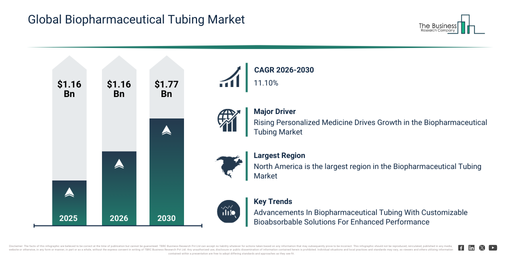
  • A key trend shaping the Biopharmaceutical Tubing Market involves the Advancements In Biopharmaceutical Tubing With Customizable Bioabsorbable Solutions For Enhanced Performance

    A key trend shaping the Biopharmaceutical Tubing Market involves the Advancements In Biopharmaceutical Tubing With Customizable Bioabsorbable Solutions For Enhanced Performance

    The Business Research Company’s 2026 market reports include new capabilities such as market attractiveness scoring and analysis, total addressable market analysis, company scoring matrix, interactive excel data dashboard, improved supply chain analysis, upcoming startups in the market, and overview of key products, aimed at improving the depth, usability, and strategic value of the insights delivered.

    What Is The Estimated Market Size Of The Biopharmaceutical Tubing Market During 2026–2030?

    The market size for biopharmaceutical tubing has seen swift growth over the past few years. Forecasts indicate its increase from $4.79 billion in 2025 to $5.32 billion in 2026, at a compound annual growth rate (CAGR) of 11.2%. Key drivers for this historical growth include the expansion of biopharmaceutical manufacturing capacity, the increasing standardization of sterile processing components, the early adoption of silicone and PVC tubing in drug production lines, the growth in contract manufacturing and fill-finish activities, and the rising regulatory emphasis on material biocompatibility and purity.

    The biopharmaceutical tubing market is projected to experience substantial growth in the upcoming years. This market is anticipated to reach a valuation of $8.12 billion by 2030, driven by a compound annual growth rate (CAGR) of 11.1%. The expansion expected during this period is attributable to an expanding pipeline of biologics and cell and gene therapy products, a growing preference for single-use and disposable processing systems, heightened demand for high-performance TPE and polyolefin tubing, the broadening of automated production and closed-system workflows, and increased investment in advanced bioprocessing and aseptic transfer technologies. Significant trends for the forecast period encompass a greater adoption of high-purity and biocompatible tubing in biopharmaceutical processes, the increasing use of single-use and sterile transfer tubing systems, an escalating need for precision fluid handling in drug manufacturing and fill-finish operations, the widening application of tubing across pharmaceutical, medical device, and R&D settings, and a strong emphasis on material durability, sterility assurance, and contamination control.

    Download the Free Sample Report to Explore Key Market Insights:

    https://www.thebusinessresearchcompany.com/sample.aspx?id=18525&type=smp

    Which Economic Or Industry Drivers Are Impacting The Biopharmaceutical Tubing Market?

    The expanding adoption of personalized medicines is projected to stimulate the expansion of the biopharmaceutical tubing market in the future. Personalized medicine is defined as a healthcare strategy that customizes medical choices, procedures, interventions, and therapies according to the unique traits of individual patients. This field has gained prominence thanks to genetic research, which facilitates customized treatment methods considering a patient’s genetic makeup, lifestyle, and particular health status. Biopharmaceutical tubing plays a crucial role in personalized medicine by ensuring accurate, aseptic, and dependable fluid transfer, which is vital for administering bespoke treatments and therapies specific to each patient’s profile. As an illustration, data from February 2024, provided by the Personalized Medicine Coalition, a US-based non-profit organization, revealed that the U.S. Food and Drug Administration (FDA) sanctioned 26 novel personalized therapies in 2023, an increase from 18 in 2022, signifying one of the most substantial yearly increases in personalized medicine approvals. Consequently, the growing volume of personalized medicines is propelling the expansion of the biopharmaceutical tubing market.

    How Are The Various Segments Of The Biopharmaceutical Tubing Market Categorized?

    The biopharmaceutical tubing market covered in this report is segmented –

    1) By Product: Silicone Tubing, Polyvinyl Chloride (PVC) Tubing, Polyolefin Tubing, Thermoplastic Elastomer Tubing

    2) By Manufacturing Process: Extrusion, Vulcanization, Other Manufacturing Processes

    3) By Application: Pharmaceutical, Medical Devices, Research And Development, Other Applications

    Subsegments:

    1) By Silicone Tubing: Medical-Grade Silicone Tubing, Platinum-Cured Silicone Tubing, Peroxide-Cured Silicone Tubing

    2) By Polyvinyl Chloride (Pvc) Tubing: Clear Pvc Tubing, Non-Dehp Pvc Tubing, Soft Pvc Tubing

    3) By Polyolefin Tubing: Cross-Linked Polyolefin Tubing, Low-Density Polyethylene Tubing, High-DDensity Polyethylene Tubing

    4) By Thermoplastic Elastomer Tubing: Medical-Grade Tpe Tubing, Elastomeric Tpe Tubing, Biocompatible Tpe Tubing

    What Trends Are Affecting The Expansion Of The Biopharmaceutical Tubing Market?

    Leading firms in the biopharmaceutical tubing market are creating advanced, customizable options, including bioabsorbable tubing, aimed at boosting performance, ensuring better sterility, and streamlining fluid management for sophisticated biopharmaceutical uses. This type of tubing is specifically engineered from materials that naturally degrade and integrate into the body over a period, thereby removing the requirement for subsequent removal. As an illustration, Zeus Company Inc., an advanced polymer solutions provider based in the US, introduced the Absorv XSE-oriented tubing in September 2023. This product represents a new generation of bioabsorbable tubing specifically designed for bioresorbable vascular scaffolds (BRS). This innovation allows medical device manufacturers to broaden BRS applications beyond treating coronary artery disease and potentially substitute metallic stents in numerous medical procedures. The new tubing boasts enhanced consistency in wall thickness and sizing, which translates into increased efficiency during laser cutting procedures, ultimately producing a higher yield of usable scaffolds.

    Which Major Firms Influence Developments In The Biopharmaceutical Tubing Market?

    Major companies operating in the biopharmaceutical tubing market are Compagnie de Saint-Gobain S.A., Thermo Fisher Scientific Inc., Merck KGaA, GE HealthCare Technologies Inc., Parker Hannifin Corporation, DuPont de Nemours Inc., Freudenberg Group, Alfa Laval AB, REHAU Group, W. L. Gore & Associates Inc., Sartorius AG, Elkem ASA, Trelleborg AB, Bio-Rad Laboratories Inc., Tekni-Plex Inc., Pall Corporation, Zeus Company Inc., Watson-Marlow Ltd., Raumedic AG, Optinova AB, ESI Ultrapure

    Read the full biopharmaceutical tubing market report here:

    https://www.thebusinessresearchcompany.com/report/biopharmaceutical-tubing-global-market-report

    What Are The Top-Performing Regions Within The Biopharmaceutical Tubing Market?

    North America was the largest region in the biopharmaceutical tubing market in 2025. Asia-Pacific is expected to be the fastest-growing region in the forecast period. The regions covered in the biopharmaceutical tubing market report are Asia-Pacific, South East Asia, Western Europe, Eastern Europe, North America, South America, Middle East, Africa.

    Request A Tailored Biopharmaceutical Tubing Market Research Report For Competitive Advantage:

    https://www.thebusinessresearchcompany.com/customise?id=18525&type=smp

    Browse Through More Reports Similar to the Global Biopharmaceutical Tubing Market 2026, By The Business Research Company

    Biopreservation Market Report 2026

    https://www.thebusinessresearchcompany.com/report/biopreservation-global-market-report

    Membrane Filtration Market Report 2026

    https://www.thebusinessresearchcompany.com/report/membrane-filtration-global-market-report

    Biopharmaceutical Cmo Market Report 2026

    https://www.thebusinessresearchcompany.com/report/biopharmaceutical-cmo-global-market-report

    Get in touch with us:

    The Business Research Company: https://www.thebusinessresearchcompany.com/

    Americas +1 310-496-7795

    Asia +44 7882 955267 & +91 8897263534

    Europe +44 7882 955267

    Email us at info@tbrc.info

    Follow us on:

    LinkedIn: https://in.linkedin.com/company/the-business-research-company

    YouTube: https://www.youtube.com/channel/UC24_fI0rV8cR5DxlCpgmyFQ

    Global Market Model: https://www.thebusinessresearchcompany.com/global-market-model
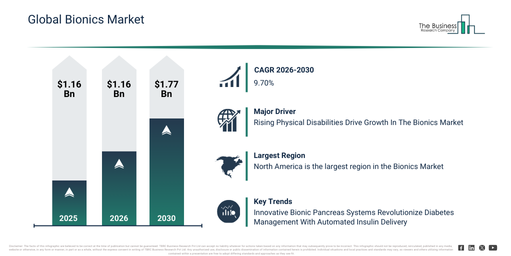
  • A significant industry trend in the Bionics Market includes the Innovative Bionic Pancreas Systems Revolutionize Diabetes Management With Automated Insulin Delivery

    A significant industry trend in the Bionics Market includes the Innovative Bionic Pancreas Systems Revolutionize Diabetes Management With Automated Insulin Delivery

    The Business Research Company’s 2026 market reports include new capabilities such as market attractiveness scoring and analysis, total addressable market analysis, company scoring matrix, interactive excel data dashboard, improved supply chain analysis, upcoming startups in the market, and overview of key products, aimed at improving the depth, usability, and strategic value of the insights delivered.

    What Market Size Expansion Is Predicted For The Bionics Market Between 2026 And 2030?

    The bionics market has shown significant expansion in recent years. Its size is projected to escalate from $14.9 billion in 2025 to $16.36 billion in 2026, progressing at a compound annual growth rate (CAGR) of 9.8%. This historical growth can be ascribed to a rise in disability and limb loss incidents, the early uptake of electronic and mechanical prosthetics, increasing investment in biomedical engineering research, the development of implantable and external bionic systems, and the growing acceptance of functional restoration technologies.

    The bionics market size is projected to experience substantial expansion over the next few years, anticipating growth to $23.73 billion in 2030 at a compound annual growth rate (CAGR) of 9.7%. This growth during the forecast period can be linked to a heightened demand for highly responsive and lifelike bionic solutions. Other contributing factors include the expanding commercialization of neural and sensory bionics, the wider adoption of exoskeletons in both healthcare and defense sectors, an increasing emphasis on personalized and patient-specific prosthetic design, and the broader integration of advanced control, sensing, and material technologies. Significant trends identified for the forecast period encompass continued advancements in prosthetic limbs, organs, and sensory restoration devices. There is also an observable increase in the integration of biological interfaces with electronic and mechanical systems, alongside the expanding development of neural and brain-computer interface–based bionic solutions. Furthermore, bionic technologies are seeing greater application in rehabilitation and mobility assistance, with a pronounced focus on boosting functional restoration, user comfort, and quality of life.

    Download the Free Sample Report to Explore Key Market Insights:

    https://www.thebusinessresearchcompany.com/sample.aspx?id=18524&type=smp

    What Major Drivers Are Influencing Demand In The Bionics Market?

    A rising incidence of physical disabilities is projected to drive the expansion of the bionics market in the future. These disabilities represent conditions that hinder an individual’s capacity for movement, execution of physical activities, or endurance. Such physical impairments may stem from conditions including osteoporosis, arthritis, or overall bodily deterioration. Bionics technology improves the quality of life for those with physical disabilities by substituting or supplementing lost body functions, thereby boosting mobility and fostering greater independence. For example, data from October 2024, provided by the UK Parliament’s House of Commons Library, a UK-based government body, indicates that from 2022-23, disability prevalence increases with age; approximately 11% of children in the UK had a disability, contrasting with 23% of working-age adults and 45% of individuals beyond the State Pension age. Consequently, the growing occurrence of physical disabilities is anticipated to fuel the expansion of the bionics market.

    Which Market Segments Are Examined In The Bionics Market Study?

    The bionics market covered in this report is segmented –

    1) By Type: Bionic Brain, Bionic Heart, Bionic Limbs, Bionic Vision, Exoskeleton, Other Types

    2) By Fixation: Implantable Bionics, External Bionics

    3) By Technology: Mechanical Bionics, Electronic Bionics

    4) By Application: Healthcare, Defense

    Subsegments:

    1) By Bionic Brain: Neural Prosthetics, Brain-Computer Interfaces (Bcis), Deep Brain Stimulation Devices

    2) By Bionic Heart: Artificial Heart, Ventricular Assist Devices (Vads), Heart Valve Prostheses

    3) By Bionic Limbs: Prosthetic Arms, Prosthetic Legs, Bionic Hands And Fingers

    4) By Bionic Vision: Retinal Implants, Visual Prosthetics, Bionic Eyewear

    5) By Exoskeleton: Lower Body Exoskeletons, Full-Body Exoskeletons, Upper Body Exoskeletons

    6) By Other Types: Bionic Ears, Bionic Skin, Bionic Organs

    Which Trends Are Influencing The Bionics Market?

    Leading companies within the bionics market are actively developing technologically advanced solutions, such as bionic pancreas automated insulin delivery systems, with the goal of improving diabetes management by closely mimicking the natural function of a healthy pancreas. The bionic pancreas automated insulin delivery system operates as a device that automatically adjusts insulin delivery based on continuous real-time glucose monitoring, thus more accurately replicating the body’s natural pancreatic activity. For example, in December 2023, Beta Bionics Inc., a US-based biotechnology company, introduced its iLet bionic pancreas, an advanced automated insulin delivery system specifically designed to simplify diabetes management. This system integrates with continuous glucose monitors (CGMs) to provide immediate glucose readings and subsequently adjust insulin delivery as needed. It requires minimal user input, primarily needing only the patient’s weight, which eliminates the necessity for complex calculations like insulin-to-carb ratios or correction factors. The iLet Bionic Pancreas incorporates closed-loop functionality that autonomously manages insulin dosing, making it straightforward for users and reducing the workload for both patients and healthcare providers.

    Who Are The Primary Competitors In The Bionics Market?

    Major companies operating in the bionics market are Boston Scientific Corporation, Sonova Holding AG, Ottobock SE & Co. KGaA, Cochlear Limited, Bioengineering Technology Inc., Össur hf, Hanger Inc., BionX Medical Technologies Inc., Cyberdyne Inc., Syncardia Systems LLC, AlterG Inc., Ekso Bionics Holdings Inc., MediTouch Ltd., ReWalk Robotics Ltd., Retina Implant AG, Human Engineering, Pixium Vision, Second Sight Medical Products Inc., Bionik Laboratories Corp., Neuroprosthetics Ltd., Sierra Bionics

    Read the full bionics market report here:

    https://www.thebusinessresearchcompany.com/report/bionics-global-market-report

    Which Region Shows The Strongest Potential For Future Growth In The Bionics Market?

    North America was the largest region in the bionics market in 2025. Asia-Pacific is expected to be the fastest-growing region in the forecast period. The regions covered in the bionics market report are Asia-Pacific, South East Asia, Western Europe, Eastern Europe, North America, South America, Middle East, Africa.

    Request A Tailored Bionics Market Research Report For Competitive Advantage:

    https://www.thebusinessresearchcompany.com/customise?id=18524&type=smp

    Browse Through More Reports Similar to the Global Bionics Market 2026, By The Business Research Company

    Bionic Devices Market Report 2026

    https://www.thebusinessresearchcompany.com/report/bionic-devices-global-market-report

    Biochips Market Report 2026

    https://www.thebusinessresearchcompany.com/report/biochips-global-market-report

    Space Technology Spacetech Market Report 2026

    https://www.thebusinessresearchcompany.com/report/space-technology-spacetech-global-market-report

    Get in touch with us:

    The Business Research Company: https://www.thebusinessresearchcompany.com/

    Americas +1 310-496-7795

    Asia +44 7882 955267 & +91 8897263534

    Europe +44 7882 955267

    Email us at info@tbrc.info

    Follow us on:

    LinkedIn: https://in.linkedin.com/company/the-business-research-company

    YouTube: https://www.youtube.com/channel/UC24_fI0rV8cR5DxlCpgmyFQ

    Global Market Model: https://www.thebusinessresearchcompany.com/global-market-model
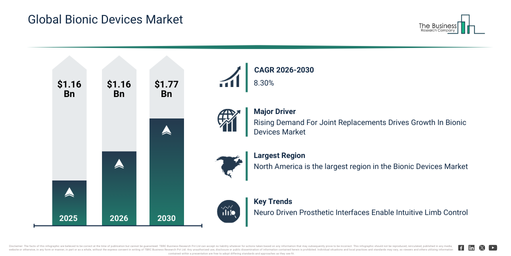
  • A key trend shaping the Bionic Devices Market involves the Neuro Driven Prosthetic Interfaces Enable Intuitive Limb Control

    A key trend shaping the Bionic Devices Market involves the Neuro Driven Prosthetic Interfaces Enable Intuitive Limb Control

    The Business Research Company’s 2026 market reports include new capabilities such as market attractiveness scoring and analysis, total addressable market analysis, company scoring matrix, interactive excel data dashboard, improved supply chain analysis, upcoming startups in the market, and overview of key products, aimed at improving the depth, usability, and strategic value of the insights delivered.

    How Large Is The Bionic Devices Market Projected To Become By 2030 Based On Its 2026 Valuation?

    The bionic devices market has experienced robust growth in recent years. It is projected to increase from $5.88 billion in 2025 to $6.37 billion in 2026, achieving a compound annual growth rate (CAGR) of 8.4%. This past growth can be attributed to an increase in limb loss due to accidents and trauma, the early adoption of electronic and myoelectric prosthetics, the expansion of rehabilitation and assistive technology programs, advancements in actuator and sensor engineering, and the rising clinical acceptance of functional restoration devices.

    The bionic devices market is projected to experience substantial growth over the coming years, reaching a valuation of $8.76 billion by 2030, exhibiting a compound annual growth rate (CAGR) of 8.3%. This anticipated expansion is driven by several factors, including the increasing need for prosthetic movements that are both highly responsive and lifelike, alongside greater investment in neural interface and brain-machine control research. Furthermore, the broader integration of bionic devices into rehabilitation medicine, a heightened emphasis on enhancing quality of life and achieving mobility independence, and the ongoing development of customized, patient-specific bionic devices contribute to this upward trajectory. Key trends expected during this period involve the greater incorporation of sensor-based and neural-controlled prosthetic systems, the increasing uptake of advanced bionic limbs to improve mobility and dexterity, and the expanding application of myoelectric and actuator-driven assistive technologies. Additionally, there will be an expansion of bionic solutions for organ support and functional restoration, coupled with a strong emphasis on patient-centric design, comfort, and achieving realistic movement performance.

    Download the Free Sample Report to Explore Key Market Insights:

    https://www.thebusinessresearchcompany.com/sample.aspx?id=18523&type=smp

    Which Market Drivers Are Supporting The Expansion Of The Bionic Devices Market?

    The increasing need for joint replacements is anticipated to drive the expansion of the bionic devices market in the future. These procedures involve surgically substituting impaired or diseased joints with artificial implants to reinstate functionality and alleviate discomfort. The growth in joint replacements stems from factors such as an aging demographic, the rising incidence of osteoarthritis, and continuous improvements in surgical methods and implant substances. Bionic devices used in joint replacement contribute to improved mobility and function, mitigate pain, and provide personalized, long-lasting solutions through integrated advanced technology. As an illustration, in November 2024, data from the American Academy of Orthopaedic Surgeons, a US-based non-profit organization, indicated that in 2023, ASCs recorded 62,110 total joint arthroplasty care procedural cases, signifying a 70% increase relative to 2022. Consequently, the escalating demand for joint replacements is fueling the expansion of the bionic devices market.

    What Segment Groups Are Identified Within The Bionic Devices Market?

    The bionic devices market covered in this report is segmented –

    1) By Device Type: Upper-Limb Prosthetics, Lower-Limb Prosthetics, Exoskeletons, Bionic Organs, Soft Robotics & Assistive Devices

    2) By Technology: Sensor-Based Devices, Actuator-Based Devices, Neural-Controlled Interfaces, Hybrid Systems

    3) By Application: Rehabilitation, Daily Assistance, Military/Industrial, Medical Enhancement

    4) By End User: Individuals with Disabilities, Hospitals and Rehabilitation Centers, Research & Clinical Institutions, Specialized Clinics

    Subsegments:

    1) By Upper-Limb Prosthetics: Myoelectric Hands, Robotic Arms, Partial Finger Prosthetics

    2) By Lower-Limb Prosthetics: Robotic Legs & Feet, Knee Prosthetics, Ankle-Foot Prosthetics

    3) By Exoskeletons: Rehabilitation Exoskeletons, Industrial/Load-Bearing Exoskeletons, Military/Defense Exoskeletons

    4) By Bionic Organs: Artificial Heart Systems, Cochlear Implants, Retinal Implants

    5) By Soft Robotics & Assistive Devices: Soft Robotic Gloves, Wearable Support Devices, Assistive Devices for Fine Motor Skills

    What Trends Are Advancing Progress In The Bionic Devices Market?

    Major companies in the bionic devices market are directing their attention towards neuro-driven interfaces, including minimally invasive neural control systems for prosthetic limbs. These systems are adept at translating residual nerve or muscle signals into prosthetic movement with high precision and reduced surgical risk. For example, in April 2025, Ottobock, a Germany-based prosthetics company, spearheaded a US$19 million Series A funding round for Phantom Neuro, a neurotechnology firm, to advance its Phantom X interface. The Phantom X is a muscle-machine link designed for subcutaneous implantation, reading electrical impulses from residual nerves and converting them into commands for prosthetic limbs or exoskeletons. Its notable features include 94% decoding accuracy across 11 hand/wrist movements, a strip implant design that is less invasive than a full brain implant, and rapid calibration, enabling users to restore up to 85% functionality after just 10 minutes of calibration.

    Which Companies Hold Significant Positions In The Bionic Devices Market?

    Major companies operating in the bionic devices market are Ottobock SE and Co. KGaA, Hanger Inc., Cochlear Limited, Ossur hf., Bionx Medical Technologies Inc., Berlin Heart GmbH, Cyberdyne Inc., Ekso Bionics Holdings Inc., Open Bionics Ltd., Jarvik Heart Inc., Axosuits Srl, Bioservo Technologies AB, Carmat SA, ActiveLink Inc., ReWalk Robotics Ltd., B-Temia Inc., Bionik Laboratories Corp., COAPT LLC, Pixium Vision SA, Mobius Bionics LLC, Nano Retina Inc.

    Read the full bionic devices market report here:

    https://www.thebusinessresearchcompany.com/report/bionic-devices-global-market-report

    How Is The Bionic Devices Market Distributed Across Key Geographic Regions?

    North America was the largest region in the bionic devices market in 2025. Asia-Pacific is expected to be the fastest-growing region in the forecast period. The regions covered in the bionic devices market report are Asia-Pacific, South East Asia, Western Europe, Eastern Europe, North America, South America, Middle East, Africa.

    Request A Tailored Bionic Devices Market Research Report For Competitive Advantage:

    https://www.thebusinessresearchcompany.com/customise?id=18523&type=smp

    Browse Through More Reports Similar to the Global Bionic Devices Market 2026, By The Business Research Company

    Bionics Market Report 2026

    https://www.thebusinessresearchcompany.com/report/bionics-global-market-report

    Medical Device Technologies Market Report 2026

    https://www.thebusinessresearchcompany.com/report/medical-device-technologies-global-market-report

    Space Technology Spacetech Market Report 2026

    https://www.thebusinessresearchcompany.com/report/space-technology-spacetech-global-market-report

    Get in touch with us:

    The Business Research Company: https://www.thebusinessresearchcompany.com/

    Americas +1 310-496-7795

    Asia +44 7882 955267 & +91 8897263534

    Europe +44 7882 955267

    Email us at info@tbrc.info

    Follow us on:

    LinkedIn: https://in.linkedin.com/company/the-business-research-company

    YouTube: https://www.youtube.com/channel/UC24_fI0rV8cR5DxlCpgmyFQ

    Global Market Model: https://www.thebusinessresearchcompany.com/global-market-model
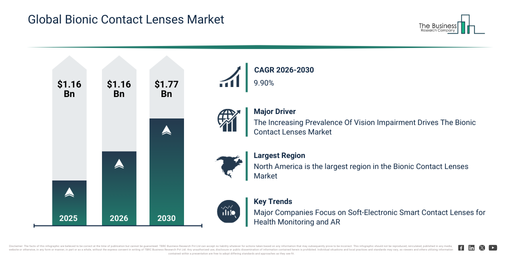
  • An Important Factor Driving the Bionic Contact Lenses Market Is the The Increasing Prevalence Of Vision Impairment Drives The Bionic Contact Lenses Market

    An Important Factor Driving the Bionic Contact Lenses Market Is the The Increasing Prevalence Of Vision Impairment Drives The Bionic Contact Lenses Market

    The Business Research Company’s 2026 market reports include new capabilities such as market attractiveness scoring and analysis, total addressable market analysis, company scoring matrix, interactive excel data dashboard, improved supply chain analysis, upcoming startups in the market, and overview of key products, aimed at improving the depth, usability, and strategic value of the insights delivered.

    What Market Value Is Anticipated For The Bionic Contact Lenses Market Over The Period 2026–2030?

    The bionic contact lenses market size has experienced significant expansion in recent years. It is projected to grow from $0.32 billion in 2025 to $0.36 billion in 2026, at a compound annual growth rate (CAGR) of 11.2%. The growth observed in the historic period can be attributed to advancements in microelectronic sensor miniaturization, early research initiatives focused on smart and therapeutic contact lenses, an increasing emphasis on wearable biomedical monitoring solutions, the development of multifunctional vision correction lenses, and rising investment in ophthalmic technology innovation.

    The bionic contact lenses market is projected to experience substantial expansion in the coming years, with its valuation set to reach $0.53 billion by 2030, demonstrating a compound annual growth rate (CAGR) of 9.9%. This anticipated growth during the forecast period is fueled by several factors, including the increasing need for augmented and mixed-reality visual enhancements, a rising interest in continuous health and glucose monitoring lenses, broader integration into military and professional training applications, the growing availability of therapeutic and drug-delivery lenses, and greater consumer acceptance of smart wearable eye-care devices. Key trends for this period include the increased creation of bionic lenses for vision correction and overall eye health, a surge in the adoption of smart contact lenses for monitoring health and physiological data, growing attention to non-invasive glucose and biomarker tracking through these lenses, the broadening application of bionic contact lenses in military, training, and specialized sectors, and a strong emphasis on improving user comfort, safety, and the biocompatibility of wearable lenses.

    Download the Free Sample Report to Explore Key Market Insights:

    https://www.thebusinessresearchcompany.com/sample.aspx?id=15743&type=smp

    What Underlying Factors Are Accelerating The Growth Of The Bionic Contact Lenses Market?

    The expanding occurrence of vision impairments is anticipated to propel the bionic contact lenses market moving forward. Vision impairments are conditions that hinder an individual’s capacity to see clearly, ranging from common refractive errors such as myopia and hyperopia to more severe problems like cataracts or age-related macular degeneration. Factors contributing to the rising incidence of these impairments include aging populations, extended periods of screen use, and evolving lifestyle choices. Bionic contact lenses help mitigate the growing prevalence of vision impairments by offering sophisticated vision correction and additional functionalities, such as augmented reality, providing individuals with effective solutions to address their visual challenges and enhance their quality of life. For instance, in December 2023, data from the National Institutes of Health (NIH), a US-based government agency focused on medical research, indicated that Ukraine registered 19,551 individuals diagnosed with vision impairments in 2022, while over 19,000 new cases were reported in just the first seven months of 2023, demonstrating a sustained high incidence of vision-related conditions. Consequently, the increasing prevalence of vision impairments serves as a key driver for the bionic contact lenses market.

    How Is The Bionic Contact Lenses Market Divided Into Its Major Segments?

    The bionic contact lenses market covered in this report is segmented –

    1) By Type: Vision Correction, Therapeutic, Augmented Reality (AR), Virtual Reality (VR)

    2) By Application: Medical, Military, Other Applications

    3) By Distribution Channel: Hospitals And Clinics, Retail Stores, Online Platforms

    Subsegments:

    1) By Vision Correction: Myopia Correction, Hyperopia Correction, Astigmatism Correction, Presbyopia Correction

    2) By Therapeutic: Drug Delivery Lenses, Corneal Healing Lenses, UV Protection Lenses

    3) By Augmented Reality (AR): Navigation Assistance, Real-Time Information Display, Facial Recognition

    4) By Virtual Reality (VR): Immersive Gaming Lenses, Training Simulation Lenses, Entertainment And Media Lenses

    How Are Trends Transforming The Bionic Contact Lenses Market Landscape?

    Leading firms within the bionic contact lenses market are prioritizing the creation of soft-electronic smart contact lenses. These include flexible, sensor-integrated lenses designed for health monitoring and augmented reality (AR) displays, effectively merging comfort with sophisticated features. As an illustration, in March 2025, XPANCEO, a deep-tech company based in Dubai, unveiled three innovative smart contact lens prototypes. One prototype is a lens featuring a wireless powering companion, which facilitates entirely remote power transfer with double the range of previous solutions. Another is a biosensing lens capable of tracking biomarkers like glucose, hormones, and vitamins present in tear fluid. The third is a lens equipped with an intraocular pressure (IOP) sensor, which works with an AI-powered application to identify glaucoma in real-time.

    Who Are The Prominent Organizations Shaping The Bionic Contact Lenses Market?

    Major companies operating in the bionic contact lenses market are Samsung Electronics, Sony Corporation, Alcon Inc., BostonSight, Hoya Corporation, Bausch & Lomb, Santen Pharmaceutical, Johnson & Johnson Vision Care, Verily Life Sciences, OrCam Technologies, Eyenovia Inc., Innovega INC, AlphaMicron Inc., Nano Retina Ltd, SwissLens AG, Bionic Vision Technologies, Inwith Corp., Medella Health, Ocumetrics Bionic Lens, Optobionics Corporation, Sensimed AG, SmartLens Inc., Pixium Vision S.A, Mojo Vision, Fraunhofer IAP, iBionics, Nidek Co Ltd

    Read the full bionic contact lenses market report here:

    https://www.thebusinessresearchcompany.com/report/bionic-contact-lenses-global-market-report

    Which Region Is Projected To Dominate The Bionic Contact Lenses Market During The Forecast Period?

    North America was the largest region in the bionic contact lenses market in 2025. The regions covered in the bionic contact lenses market report are Asia-Pacific, South East Asia, Western Europe, Eastern Europe, North America, South America, Middle East, Africa.

    Request A Tailored Bionic Contact Lenses Market Research Report For Competitive Advantage:

    https://www.thebusinessresearchcompany.com/customise?id=15743&type=smp

    Browse Through More Reports Similar to the Global Bionic Contact Lenses Market 2026, By The Business Research Company

    Contact Lenses Market Report 2026

    https://www.thebusinessresearchcompany.com/report/contact-lenses-global-market-report

    Smart Contact Lenses Market Report 2026

    https://www.thebusinessresearchcompany.com/report/smart-contact-lenses-global-market-report

    Contact Lens Solution Market Report 2026

    https://www.thebusinessresearchcompany.com/report/contact-lens-solution-global-market-report

    Get in touch with us:

    The Business Research Company: https://www.thebusinessresearchcompany.com/

    Americas +1 310-496-7795

    Asia +44 7882 955267 & +91 8897263534

    Europe +44 7882 955267

    Email us at info@tbrc.info

    Follow us on:

    LinkedIn: https://in.linkedin.com/company/the-business-research-company

    YouTube: https://www.youtube.com/channel/UC24_fI0rV8cR5DxlCpgmyFQ

    Global Market Model: https://www.thebusinessresearchcompany.com/global-market-model
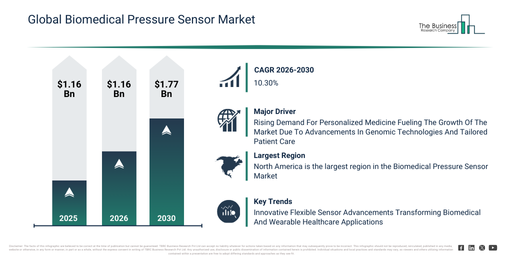
  • A Significant Growth Driver for the Biomaterial Wound Dressing Market Is the Rising Demand For Personalized Medicine Fueling The Growth Of The Market Due To Advancements In Genomic Technologies And Tailored Patient Care

    A Significant Growth Driver for the Biomaterial Wound Dressing Market Is the Rising Demand For Personalized Medicine Fueling The Growth Of The Market Due To Advancements In Genomic Technologies And Tailored Patient Care

    The Business Research Company’s 2026 market reports include new capabilities such as market attractiveness scoring and analysis, total addressable market analysis, company scoring matrix, interactive excel data dashboard, improved supply chain analysis, upcoming startups in the market, and overview of key products, aimed at improving the depth, usability, and strategic value of the insights delivered.

    What Is The Expected Market Size Of The Biomedical Pressure Sensor Market From 2026 To 2030?

    The biomedical pressure sensor market has seen rapid expansion in recent years. Its value is projected to increase from $2.07 billion in 2025 to $2.29 billion in 2026, exhibiting a compound annual growth rate (CAGR) of 10.6%. This historical growth can be attributed to several factors including an increase in critical care monitoring, a rise in cardiovascular disorders, the adoption of invasive pressure monitoring, the expansion of hospital infrastructure, and advancements in sensor materials.

    The biomedical pressure sensor market is projected to experience significant expansion in the coming years. Its valuation is anticipated to reach $3.39 billion by 2030, exhibiting a compound annual growth rate (CAGR) of 10.3%. This expansion during the projection period stems from factors such as the rise in remote patient monitoring, the increasing adoption of wearable medical devices, an expanding aging demographic, the need for minimally invasive diagnostic procedures, and the seamless incorporation with digital health platforms. Major trends expected over this horizon involve ongoing physiological pressure measurement, compact implantable sensors, wireless devices for pressure assessment, highly accurate MEMS sensors, and the merging of multi-parameter monitoring capabilities.

    Download the Free Sample Report to Explore Key Market Insights:

    https://www.thebusinessresearchcompany.com/sample.aspx?id=30213&type=smp

    Which Growth Drivers Are Contributing To The Progress Of The Biomedical Pressure Sensor Market?

    The escalating need for personalized medicine is anticipated to fuel the expansion of the biomedical pressure sensor market. This medical approach involves customizing treatments for individual patients based on their genetic, environmental, and lifestyle factors to optimize outcomes and enhance care. The demand for personalized medicine is intensifying due to advancements in genomic technologies, which facilitate the precise identification of genetic variations and the development of tailored treatments for individuals. Biomedical pressure sensors enhance personalized medicine by offering real-time, accurate monitoring of physiological pressures, such as blood or intracranial pressure. They enable specific treatment decisions, early detection of abnormalities, and improved patient outcomes, thereby advancing precision healthcare. For instance, in February 2024, the Personalized Medicine Coalition (PMC), a US-based nonprofit organization, indicated that the U.S. Food and Drug Administration (FDA) approved 26 new personalized medicines in 2023, representing a significant increase from the 12 approved in 2022. Thus, the increasing demand for personalized medicine is a key driver for the growth of the biomedical pressure sensor market.

    Which Segments Are Included In The Analysis Of The Biomedical Pressure Sensor Market?

    The biomedical pressure sensor market covered in this report is segmented –

    1) By Product Type: Disposable, Reusable, Wireless, Micro-Electro-Mechanical Systems (MEMS)-Based

    2) By Application: Cardiology, Respiratory, Urology, Neurology, Diagnostics, Other Applications

    3) By End-User: Hospitals, Clinics, Diagnostic Centers, Ambulatory Surgical Centers, Homecare Settings, Other End-Users

    Subsegments:

    1) By Disposable: Catheter-Based Sensors, Implantable Sensors, Wearable Sensors, External Sensors

    2) By Reusable: Sterilizable Sensors, Calibrated Sensors, Maintenance-Free Sensors, Long-Life Sensors

    3) By Wireless: Bluetooth-Enabled Sensors, Wi-Fi-Enabled Sensors, Radio Frequency Sensors, Near Field Communication Sensors

    4) By Micro-Electro-Mechanical Systems (Mems)-Based: Piezoresistive Sensors, Capacitive Sensors, Optical Sensors, Resonant Sensors

    Which Trends Are Impacting The Growth Of The Biomedical Pressure Sensor Market?

    Leading companies in the biomedical pressure sensor market are concentrating on developing innovative advancements, such as flexible capacitive pressure sensors, to improve the accessibility and performance of pressure-sensing technologies in healthcare and assistive applications. A flexible capacitive pressure sensor is a thin, deformable device that identifies pressure changes through variations in capacitance between conductive layers, enabling accurate and adaptable sensing for biomedical and wearable uses. For instance, in September 2025, researchers from the International Institute of Information Technology Hyderabad (IIIT Hyderabad), an India-based autonomous university, and King Abdullah University of Science and Technology (KAUST), a Saudi Arabia-based research university, developed a flexible dielectric capacitive pressure sensor. This newly developed sensor utilizes bubble-induced polydimethylsiloxane (PDMS) foam and polypyrrole-coated textile electrodes to achieve high sensitivity, flexibility, and repeatability at a low cost. Its scalability and use of easily available materials make it well-suited for applications in wearable healthcare monitoring, surgical robotics, and human–machine interaction systems.

    Which Key Industry Participants Are Active In The Biomedical Pressure Sensor Market?

    Major companies operating in the biomedical pressure sensor market are Abbott Laboratories, Edwards Lifesciences Corporation, Endotronix Inc., Samba Sensors AB, Sensirion AG, First Sensor AG, Memscap S.A., Merit Medical Systems Inc., ICU Medical Inc., Argon Medical Devices Inc., B. Braun SE, GE Healthcare Technologies, Philips Healthcare, Smiths Medical, Codman Neuro (Integra LifeSciences), Raumedic AG, PendoTECH Inc., Opsens Solutions Inc., Millar Inc., Utah Medical Products Inc., Merit Medical OEM, Cook Medical

    Read the full biomedical pressure sensor market report here:

    https://www.thebusinessresearchcompany.com/report/global-biomedical-pressure-sensor-market-report

    What Are The Leading Geographic Regions In The Biomedical Pressure Sensor Market?

    North America was the largest region in the biomedical pressure sensor market in 2025. Asia-Pacific is expected to be the fastest-growing region in the forecast period. The regions covered in the biomedical pressure sensor market report are Asia-Pacific, South East Asia, Western Europe, Eastern Europe, North America, South America, Middle East, Africa.

    Request A Tailored Biomedical Pressure Sensor Market Research Report For Competitive Advantage:

    https://www.thebusinessresearchcompany.com/customise?id=30213&type=smp

    Browse Through More Reports Similar to the Global Biomedical Pressure Sensor Market 2026, By The Business Research Company

    Fluid Pressure Sensors Market Report 2026

    https://www.thebusinessresearchcompany.com/report/fluid-pressure-sensors-global-market-report

    Automotive Pressure Sensor Market Report 2026

    https://www.thebusinessresearchcompany.com/report/automotive-pressure-sensor-global-market-report

    Air Pressure Sensors Market Report 2026

    https://www.thebusinessresearchcompany.com/report/air-pressure-sensors-global-market-report

    Get in touch with us:

    The Business Research Company: https://www.thebusinessresearchcompany.com/

    Americas +1 310-496-7795

    Asia +44 7882 955267 & +91 8897263534

    Europe +44 7882 955267

    Email us at info@tbrc.info

    Follow us on:

    LinkedIn: https://in.linkedin.com/company/the-business-research-company

    YouTube: https://www.youtube.com/channel/UC24_fI0rV8cR5DxlCpgmyFQ

    Global Market Model: https://www.thebusinessresearchcompany.com/global-market-model
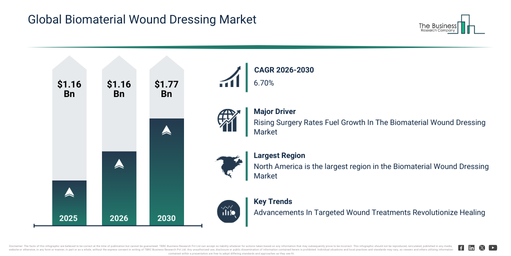
  • Global Biomaterial Wound Dressing Industry Trends and Market Growth Forecast for 2026–2030

    Global Biomaterial Wound Dressing Industry Trends and Market Growth Forecast for 2026–2030

    The Business Research Company’s 2026 market reports include new capabilities such as market attractiveness scoring and analysis, total addressable market analysis, company scoring matrix, interactive excel data dashboard, improved supply chain analysis, upcoming startups in the market, and overview of key products, aimed at improving the depth, usability, and strategic value of the insights delivered.

    What Market Valuation Is Forecasted For The Biomaterial Wound Dressing Market By 2030 Starting From Its 2026 Size?

    The biomaterial wound dressing market has shown significant growth in recent years. It is anticipated to increase from $6.18 billion in 2025 to $6.65 billion in 2026, at a compound annual growth rate (CAGR) of 7.6%. This historical expansion is attributable to various factors, such as an increase in the occurrence of burns and traumatic injuries, a rise in hospital admissions for chronic and diabetic wounds, the early adoption of hydrogel and alginate dressing technologies, a heightened focus on infection prevention and moisture-balanced healing, and the expansion of wound care services across hospitals and clinics.

    The biomaterial wound dressing market size is anticipated to experience substantial expansion over the coming years. This market is projected to reach $8.62 billion by 2030, demonstrating a compound annual growth rate (CAGR) of 6.7%. This growth during the forecast period can be linked to factors such as an expanding aging demographic and the widespread occurrence of pressure ulcers, an increasing need for bioengineered and cellular skin substitutes, greater implementation of advanced dressings in homecare and ambulatory settings, an intensifying emphasis on accelerated healing and shorter treatment durations, and ongoing advancements in the makeup and design of biomaterial wound dressings. Key trends expected in the same period encompass a heightened inclination towards sophisticated moisture-retaining wound dressings, the growing acceptance of antibacterial and antimicrobial biomaterial dressings, their increased application in managing chronic wounds, burns, and pressure ulcers, the broader deployment of biomaterial dressings in surgical and post-operative recovery, and a significant emphasis on biocompatibility, patient comfort, and improved tissue regeneration.

    Download the Free Sample Report to Explore Key Market Insights:

    https://www.thebusinessresearchcompany.com/sample.aspx?id=15742&type=smp

    What Primary Drivers Are Shaping The Development Of The Biomaterial Wound Dressing Market?

    The projected increase in surgical operations is expected to fuel the expansion of the biomaterial wound dressing market. Surgery, defined as a medical procedure requiring incisions in the body to treat injuries, diseases, or deformities through tissue repair or removal, has seen a rise. This uptick in surgeries is attributed to escalating cases of chronic diseases, wider health insurance coverage, an increase in medical tourism, and progress within the health industry. Biomaterial wound dressings play a vital role by offering a protective barrier against pathogens, which reduces the likelihood of surgical site infections (SSIs). For instance, in May 2025, data from the Australian Institute of Health and Welfare (AIHW), an Australia-based agency for information and statistics on Australia’s health and welfare, indicated that in 2023-24, public hospitals admitted 778,500 elective surgery patients, showing a 5.8% year-on-year growth in admissions compared with 2022–23. Thus, the increasing volume of surgeries is a primary impetus for the growth of the biomaterial wound dressing market.

    Which Segment Categories Define The Biomaterial Wound Dressing Market?

    The biomaterial wound dressing market covered in this report is segmented –

    1) By Type: Hydrogel, Alginate Dressing, Hydrocolloid Dressings, Skin Substitutes

    2) By Application: Burns, Pressure Ulcers, Surgical Wounds, Lacerations And Cuts, Skin Grafts

    3) By End User: Hospitals And Clinics, Ambulatory Surgical Centre, Homecare Settings

    Subsegments:

    1) By Hydrogel: Amorphous Hydrogel, Impregnated Hydrogel, Sheet Hydrogel

    2) By Alginate Dressing: Calcium Alginate, Silver Alginate, Ribbon Alginate

    3) By Hydrocolloid Dressings: Standard Hydrocolloid, Hydrocolloid With Film Backing, Hydrocolloid With Foam Backing

    4) By Skin Substitutes: Acellular Skin Substitutes, Cellular Skin Substitutes, Bioengineered Skin Substitutes

    What Major Market Trends Are Driving Changes In The Biomaterial Wound Dressing Market?

    Major companies engaged in the biomaterial wound dressing market are developing specific wound treatments to provide more effective and practical solutions. Targeted wound treatments refer to medical therapies precisely engineered to address the distinct conditions and requirements of a particular type of wound. For instance, in March 2023, researchers from the California Institute of Technology, a US-based private research university, introduced the Smart Bandage, which accelerated the healing process of chronic infected wounds similar to diabetic ulcers in humans. These bandages are fabricated from a flexible, elastic polymer embedded with electronics and drugs, and the polymer substrate is biocompatible. The bandages are equipped with various sensors designed to identify inflammation and infection by tracking wound indicators such as uric acid, lactate, pH, and temperature. Moreover, the bandages can combat infections by delivering antibiotics or other treatments stored in drug-loaded hydrogels directly to the wound site.

    Who Are The Top Companies Competing In The Biomaterial Wound Dressing Market?

    Major companies operating in the biomaterial wound dressing market are Johnson & Johnson, The 3M Company, Medline Industries LP, B. Braun SE, Smith & Nephew plc, Milliken Healthcare Products LLC, Coloplast A/S, Mölnlycke Health Care AB, Integra LifeSciences, Lohmann & Rauscher International GmbH & Co. KG, Hollister Incorporated, DeRoyal Industries Inc., Advanced Medical Solutions Group, URGO MEDICAL, BSN Medical, Gentell, Dukal LLC, Covalon Technologies, Argentum Medical LLC, PolyMedics Innovations Inc., Spenco Medical Corporation

    Read the full biomaterial wound dressing market report here:

    https://www.thebusinessresearchcompany.com/report/biomaterial-wound-dressing-global-market-report

    How Does The Biomaterial Wound Dressing Market Perform Across Major Global Regions?

    North America was the largest region in the biomaterial wound dressing market in 2025. Asia-Pacific is expected to be the fastest-growing region in the forecast period. The regions covered in the biomaterial wound dressing market report are Asia-Pacific, South East Asia, Western Europe, Eastern Europe, North America, South America, Middle East, Africa.

    Request A Tailored Biomaterial Wound Dressing Market Research Report For Competitive Advantage:

    https://www.thebusinessresearchcompany.com/customise?id=15742&type=smp

    Browse Through More Reports Similar to the Global Biomaterial Wound Dressing Market 2026, By The Business Research Company

    Moist Wound Dressings Market Report 2026

    https://www.thebusinessresearchcompany.com/report/moist-wound-dressings-global-market-report

    Wound Contact Layer Dressing Market Report 2026

    https://www.thebusinessresearchcompany.com/report/wound-contact-layer-dressing-global-market-report

    Interactive Wound Dressing Market Report 2026

    https://www.thebusinessresearchcompany.com/report/interactive-wound-dressing-global-market-report

    Get in touch with us:

    The Business Research Company: https://www.thebusinessresearchcompany.com/

    Americas +1 310-496-7795

    Asia +44 7882 955267 & +91 8897263534

    Europe +44 7882 955267

    Email us at info@tbrc.info

    Follow us on:

    LinkedIn: https://in.linkedin.com/company/the-business-research-company

    YouTube: https://www.youtube.com/channel/UC24_fI0rV8cR5DxlCpgmyFQ

    Global Market Model: https://www.thebusinessresearchcompany.com/global-market-model
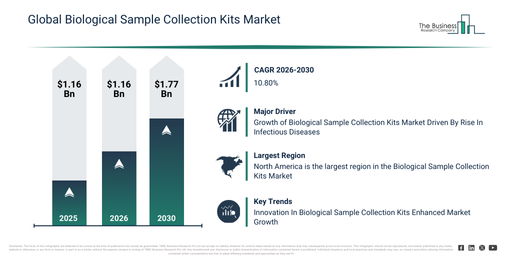
  • Biological Sample Collection Kits Market Size Outlook and Demand Growth Across 2026–2030

    Biological Sample Collection Kits Market Size Outlook and Demand Growth Across 2026–2030

    The Business Research Company’s 2026 market reports include new capabilities such as market attractiveness scoring and analysis, total addressable market analysis, company scoring matrix, interactive excel data dashboard, improved supply chain analysis, upcoming startups in the market, and overview of key products, aimed at improving the depth, usability, and strategic value of the insights delivered.

    How Is The Market Size Of The Biological Sample Collection Kits Market Expected To Change Between 2026 And 2030?

    The market size for biological sample collection kits has experienced rapid expansion in recent years. It is projected to increase from $11.39 billion in 2025 to $12.78 billion in 2026, achieving a compound annual growth rate (CAGR) of 12.1%. The growth observed in the past can be attributed to factors such as a surge in infectious disease testing programs, the expansion of testing capacity in hospitals and diagnostic centers, the early adoption of standardized swab and VTM kits, an increase in clinical research and sample-based studies, and growing awareness of safe specimen handling protocols.

    The biological sample collection kits market size is projected to experience significant growth in the coming years. It is anticipated to expand to $19.26 billion by 2030, achieving a compound annual growth rate (CAGR) of 10.8%. This expansion throughout the forecast period can be attributed to several factors, including the increasing demand for homecare and self-collection test kits, the growing application of DNA and RNA collection kits in genomics, enhanced utilization of blood and saliva kits in chronic disease and screening programs, the expansion of research biobanking and longitudinal cohort studies, and a rising preference for user-friendly and transport-stable collection formats. Prominent trends for the forecast period include the increasing integration of biological sample collection kits in diagnostic testing, a growing adoption of at-home and remote sample collection solutions, the rising use of swabs, VTM, and blood collection kits in clinical settings, the broadening of sample collection for research and biobanking applications, and a strong focus on sterility, safety, and sample integrity during transportation and storage.

    Download the Free Sample Report to Explore Key Market Insights:

    https://www.thebusinessresearchcompany.com/sample.aspx?id=15995&type=smp

    Which Major Factors Are Driving The Expansion Of The Biological Sample Collection Kits Market?

    An increasing prevalence of infectious diseases is projected to stimulate the expansion of the biological sample collection kits market in the future. These conditions are ailments triggered by pathogenic microorganisms, including bacteria, viruses, fungi, or parasites, which can spread between individuals. The growing incidence of such diseases is attributed to factors like heightened global travel, urban development, antimicrobial resistance, shifts in the environment, and insufficient healthcare infrastructure. Biological sample collection kits are vital for managing infectious diseases, allowing for the secure and effective gathering of specimens for diagnosis, monitoring, and research. For example, in March 2024, the Centers for Disease Control and Prevention, a US-based national public health agency, documented a 16% increase in U.S. tuberculosis cases between 2022 and 2023, reaching a total of 9,615 cases and showing an incidence rate rise from 2.5 to 2.9 per 100,000 people. Notable increases were observed among non-U.S.-born individuals within Hispanic (23%) and Black (28%) communities, highlighting the demographic changes in TB occurrence. Consequently, the increasing prevalence of infectious diseases is a key driver for the growth of the biological sample collection kits market.

    How Is The Biological Sample Collection Kits Market Structured Across Different Segments?

    The biological sample collection kits market covered in this report is segmented –

    1) By Product: Swabs, Viral Transport Media, Blood Collection Kits

    2) By Application: Diagnostics, Research

    3) By End-Use: Hospitals And Clinics, Homecare, Diagnostics Centers, Other End-Uses

    Subsegments:

    1) By Swabs: Nasopharyngeal Swabs, Oropharyngeal Swabs, Flocked Swabs, Polyester Swabs

    2) By Viral Transport Media (VTM): Liquid VTM, Dry VTM

    3) By Blood Collection Kits: Venous Blood Collection Kits, Capillary Blood Collection Kits, Fingerstick Blood Collection Kits

    Which Trends Are Shaping The Future Of The Biological Sample Collection Kits Market?

    Leading companies in the biological sample collection kits market are developing innovative products, including personalized diagnostic test kits, to offer advanced features and better serve customers. These personalized diagnostic test kits are instruments designed to identify specific biomarkers or genetic information, customized to an individual’s unique health profile for a tailored medical diagnosis. For instance, in March 2023, Cue Health, a US-based diagnostic test service provider, introduced at-home diagnostic test kits. This at-home test kit contains all the required materials for safe, simple, and private sample collection. Once the sample is sent to and processed by an independent, CLIA-certified laboratory, clear and easily understandable results are securely provided to the customer via the Cue Health App, along with details regarding their condition or concern.

    Which Major Players Dominate The Biological Sample Collection Kits Market?

    Major companies operating in the biological sample collection kits market are Thermo Fisher Scientific Inc, Roche Holding AG, Abbott Laboratories, Becton Dickinson and Company, 3M Company, Copan Diagnostics Inc, Puritan Medical Products Inc, HiMedia Laboratories Pvt Ltd, Omega Laboratories Ltd, VIRCELL SL, Titan Biotech Ltd, BTNX Inc, MWE Medical Wire and Equipment Co Ltd, Quidel Corporation, Greiner Bio-One International GmbH, Terumo Corporation, Sarstedt AG & Co KG, QIAGEN NV, Deltalab Spain, Trinity Biotech Ltd

    Read the full biological sample collection kits market report here:

    https://www.thebusinessresearchcompany.com/report/biological-sample-collection-kits-global-market-report

    Which Region Currently Holds The Largest Share Of The Biological Sample Collection Kits Market?

    North America was the largest region in the biological sample collection kits market in 2025. Asia-Pacific is expected to be the fastest-growing region in the forecast period. The regions covered in the biological sample collection kits market report are Asia-Pacific, South East Asia, Western Europe, Eastern Europe, North America, South America, Middle East, Africa.

    Request A Tailored Biological Sample Collection Kits Market Research Report For Competitive Advantage:

    https://www.thebusinessresearchcompany.com/customise?id=15995&type=smp

    Browse Through More Reports Similar to the Global Biological Sample Collection Kits Market 2026, By The Business Research Company

    Dna Test Kits Market Report 2026

    https://www.thebusinessresearchcompany.com/report/dna-test-kits-global-market-report

    Rare Biomarkers Specimen Collection And Stabilization Market Report 2026

    https://www.thebusinessresearchcompany.com/report/rare-biomarkers-specimen-collection-and-stabilization-global-market-report

    Clinical Trial Supplies Market Report 2026

    https://www.thebusinessresearchcompany.com/report/clinical-trial-supplies-global-market-report

    Get in touch with us:

    The Business Research Company: https://www.thebusinessresearchcompany.com/

    Americas +1 310-496-7795

    Asia +44 7882 955267 & +91 8897263534

    Europe +44 7882 955267

    Email us at info@tbrc.info

    Follow us on:

    LinkedIn: https://in.linkedin.com/company/the-business-research-company

    YouTube: https://www.youtube.com/channel/UC24_fI0rV8cR5DxlCpgmyFQ

    Global Market Model: https://www.thebusinessresearchcompany.com/global-market-model
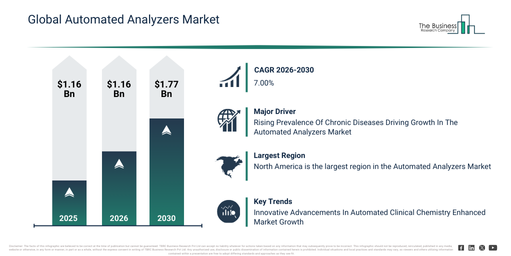
  • A key trend shaping the Automated Analyzers Market involves the Innovative Advancements In Automated Clinical Chemistry Enhanced Market Growth

    A key trend shaping the Automated Analyzers Market involves the Innovative Advancements In Automated Clinical Chemistry Enhanced Market Growth

    The Business Research Company’s 2026 market reports include new capabilities such as market attractiveness scoring and analysis, total addressable market analysis, company scoring matrix, interactive excel data dashboard, improved supply chain analysis, upcoming startups in the market, and overview of key products, aimed at improving the depth, usability, and strategic value of the insights delivered.

    What Market Size Growth Is Projected For The Automated Analyzers Market During The Forecast Period 2026–2030?

    The market size for automated analyzers has experienced robust expansion in recent years. This market is projected to expand from $5.39 billion in 2025 to $5.79 billion in 2026, demonstrating a compound annual growth rate (CAGR) of 7.4%. Historically, this growth was driven by factors such as the prevalence of manual and semi-automated testing methods, constraints in laboratory workforce efficiency, a rise in clinical testing volumes, the proliferation of diagnostic laboratories, and a dependence on conventional analyzers.

    The automated analyzers market is anticipated to experience significant expansion over the coming years. This market is projected to reach $7.6 billion by 2030, demonstrating a compound annual growth rate (CAGR) of 7.0%. Factors contributing to this growth during the forecast period include advancements in fully automated analyzers, the integration of AI and big data analytics, increasing demand for rapid diagnostics, the expansion of genomics and proteomics research, and the widespread adoption of point-of-care testing solutions. Key trends expected over the same period encompass the growing adoption of automated laboratory systems, an escalating demand for high-throughput sample processing, the incorporation of multi-functional analyzers in laboratories, expansion in clinical diagnostics and research applications, and improved accuracy and standardization in analytical testing.

    Download the Free Sample Report to Explore Key Market Insights:

    https://www.thebusinessresearchcompany.com/sample.aspx?id=19322&type=smp

    Which Major Factors Are Driving The Expansion Of The Automated Analyzers Market?

    The increasing incidence of chronic illnesses is anticipated to drive the expansion of the automated analyzers market in the future. This surge in chronic disease cases stems from an aging global populace, detrimental lifestyle choices, and heightened urbanization. Automated analyzers play a crucial role in managing chronic diseases by facilitating precise and effective diagnostic tests, which aids in the prompt identification, continuous observation, and therapeutic intervention for ailments such as diabetes, cardiovascular diseases, and kidney disorders. For example, in June 2023, a report issued by Kidney Research UK, a non-profit organization based in the UK, indicated that around 7.2 million individuals in the UK are affected by chronic kidney disease, accounting for more than 10% of the population. Among these individuals, 3.25 million suffer from advanced forms of the disease, whereas another 3.9 million are in its initial phases. Projections suggest that by 2033, the total number of people afflicted with chronic kidney disease will increase to 7.61 million. Consequently, the growing occurrence of chronic illnesses is fostering expansion within the automated analyzers market.

    What Market Segments Are Evaluated Within The Automated Analyzers Market?

    The automated analyzers market covered in this report is segmented –

    1) By Type: Biochemistry Analyzers, Immuno-Based Analyzers, Hematology Analyzers, Other Types

    2) By Sample Type: Blood, Urine, Serum, Plasma, Other Sample Types

    3) By Application: Drug Discovery, Genomics, Proteomics, Bio Analysis, Clinical Diagnostics, Other Applications

    4) By End User: Hospitals And Clinics, Diagnostic Laboratories, Pharmaceutical And Biotechnology Companies, Other End Users

    Subsegments:

    1) By Biochemistry Analyzers: Clinical Biochemistry Analyzers, Point-of-Care Biochemistry Analyzers, Integrated Biochemistry Systems

    2) By Immuno-Based Analyzers: Immunoassay Analyzers, Enzyme-Linked Immunosorbent Assay (ELISA) Analyzers, Chemiluminescent Immunoassay (CLIA) Analyzers

    3) By Hematology Analyzers: Automated Hematology Analyzers, Flow Cytometry-Based Hematology Analyzers, Complete Blood Count (CBC) Analyzers

    4) By Other Types: Molecular Analyzers, Urinalysis Analyzers, Coagulation Analyzers

    What Industry Trends Are Redefining The Automated Analyzers Market?

    Major companies operating in the automated analyzers market are focusing on developing advanced solutions, including automated clinical chemistry analyzers, to enhance efficiency, accuracy, and throughput in diagnostic laboratories. Automated clinical chemistry analyzers are sophisticated instruments used in laboratories to perform a wide range of chemical tests on blood and other bodily fluids with minimal human intervention, thereby boosting the efficiency and accuracy of diagnostic testing. For instance, in January 2024, Beckman Coulter, a US-based manufacturing company, introduced the DxC 500 AU Chemistry Analyzer, which signifies a cutting-edge advancement in automated clinical chemistry. Boasting over 120 high-quality assays, this analyzer is engineered to significantly improve the capabilities of satellite and independent community hospital labs. It incorporates sophisticated automation, streamlined workflows, and standardized reagents to enhance testing efficiency and aid in clinical decision-making. By serving as a vital complement to central hub laboratories within healthcare systems that utilize hub-and-spoke models, the DxC 500 AU enhances overall efficiency and expands access to essential testing services.

    Who Are The Top Market Participants Influencing The Automated Analyzers Market?

    Major companies operating in the automated analyzers market are Hoffmann-La Roche Ltd, Thermo Fisher Scientific Inc., Abbott Laboratories, Honeywell International, Danaher Corporation, Siemens Healthineers AG, Becton Dickinson and Company, Tosoh Corporation, Agilent Technologies Inc., Grifols S.A., Xylem Inc., Hitachi High-Tech Corporation, Mindray, PerkinElmer Inc, bioMérieux SA, Sysmex Corporation, Bruker Corporation, Horiba Medical, Randox Laboratories Ltd., Nova Biomedical Corporation, Trinity Biotech Plc

    Read the full automated analyzers market report here:

    https://www.thebusinessresearchcompany.com/report/automated-analyzers-global-market-report

    Which Region Currently Holds The Largest Share Of The Automated Analyzers Market?

    North America was the largest region in the automated analyzers market in 2025. Asia-Pacific is expected to be the fastest-growing region in the forecast period. The regions covered in the automated analyzers market report are Asia-Pacific, South East Asia, Western Europe, Eastern Europe, North America, South America, Middle East, Africa.

    Request A Tailored Automated Analyzers Market Research Report For Competitive Advantage:

    https://www.thebusinessresearchcompany.com/customise?id=19322&type=smp

    Browse Through More Reports Similar to the Global Automated Analyzers Market 2026, By The Business Research Company

    Hematology Analyzers And Reagents Market Report 2026

    https://www.thebusinessresearchcompany.com/report/hematology-analyzers-and-reagents-global-market-report

    Blood Gas And Electrolyte Analyzers Market Report 2026

    https://www.thebusinessresearchcompany.com/report/blood-gas-and-electrolyte-analyzers-global-market-report

    Veterinary Hematology Analyzers Market Report 2026

    https://www.thebusinessresearchcompany.com/report/veterinary-hematology-analyzers-global-market-report

    Get in touch with us:

    The Business Research Company: https://www.thebusinessresearchcompany.com/

    Americas +1 310-496-7795

    Asia +44 7882 955267 & +91 8897263534

    Europe +44 7882 955267

    Email us at info@tbrc.info

    Follow us on:

    LinkedIn: https://in.linkedin.com/company/the-business-research-company

    YouTube: https://www.youtube.com/channel/UC24_fI0rV8cR5DxlCpgmyFQ

    Global Market Model: https://www.thebusinessresearchcompany.com/global-market-model
  • A significant industry trend in the Autoinjectors Market includes the Technological Advancements Reshape The Autoinjectors Market As Companies Innovate For Biologics Delivery

    A significant industry trend in the Autoinjectors Market includes the Technological Advancements Reshape The Autoinjectors Market As Companies Innovate For Biologics Delivery

    The Business Research Company’s 2026 market reports include new capabilities such as market attractiveness scoring and analysis, total addressable market analysis, company scoring matrix, interactive excel data dashboard, improved supply chain analysis, upcoming startups in the market, and overview of key products, aimed at improving the depth, usability, and strategic value of the insights delivered.

    How Will The Market Size Of The Autoinjectors Market Evolve From 2026 To 2030?

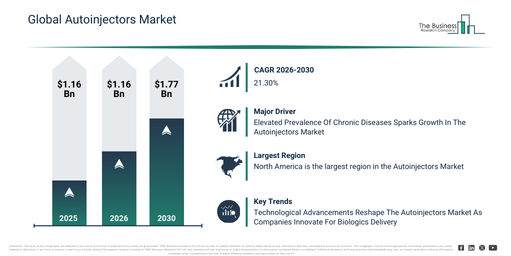
    The autoinjectors market has experienced substantial growth in recent years. Its projected expansion is from $4.51 billion in 2025 to $5.52 billion in 2026, demonstrating a compound annual growth rate (CAGR) of 22.3%. Historically, this growth has been driven by factors such as the increasing incidence of chronic illnesses, the greater uptake of biologic treatments, the development of home healthcare services, a rising need for emergency self-administration devices, and the presence of disposable injection systems.

    The autoinjectors market is projected to experience substantial expansion over the upcoming years. This market is set to reach $11.96 billion by 2030, demonstrating a compound annual growth rate (CAGR) of 21.3%. This anticipated growth during the forecast period can be primarily attributed to several factors, including the increasing creation of smart, connected autoinjectors, a heightened emphasis on monitoring patient adherence, the broadening of self-care treatment approaches, increased investments in drug-device combined products, and the wider acceptance of reusable injection platforms. Key trends identified for the forecast period encompass a surging demand for user-friendly self-injection devices, the increasing uptake of pre-filled autoinjector systems, a stronger emphasis on precise dosing and safety mechanisms, the enlargement of home-based drug delivery methods, and improved incorporation of intelligent tracking capabilities.

    Download the Free Sample Report to Explore Key Market Insights:

    https://www.thebusinessresearchcompany.com/sample.aspx?id=5249&type=smp

    What Key Drivers Are Influencing The Growth Of The Autoinjectors Market?

    The rising occurrence of chronic conditions is anticipated to stimulate expansion in the autoinjector market in the coming years. Chronic diseases are defined as long-term ailments, persisting for a year or more and requiring ongoing medical care. Major chronic illnesses like heart disease, cancer, rheumatoid arthritis, and diabetes represent the leading global contributors to death and impairment. Autoinjectors are designed for administering multiple doses of biologics and hormones to patients who need consistent medication as part of their long-term treatment plan for conditions such as diabetes and rheumatoid arthritis. As an illustration, the National Health Service, a UK-based government department, reported in June 2024 that 3,615,330 individuals registered with a general practitioner (GP) were diagnosed with non-diabetic hyperglycemia or pre-diabetes (a condition with elevated blood sugar levels, not high enough to be classified as diabetes) in 2023. This figure represents an 18% rise from 3,065,825 cases in 2022. The escalating prevalence of these chronic conditions thus propels the autoinjector market’s expansion, given that these devices offer a practical and efficient solution for patients requiring regular medication.

    Which Segment Areas Are Covered In The Autoinjectors Market Analysis?

    The autoinjectors market covered in this report is segmented –

    1) By Type: Disposable Autoinjectors, Reusable Autoinjectors

    2) By Therapy: Rheumatoid Arthritis, Multiple Sclerosis, Diabetes, Anaphylaxis, Other Therapies

    3) By Route Of Administration: Subcutaneous, Intramuscular

    4) By Distribution Channel: Online Retailer, Pharmacy

    5) By End User: Home Care Settings, Hospitals And Clinics, Other End-Users

    Subsegments:

    1) By Disposable Autoinjectors: Single-Use Disposable Autoinjectors, Pre-filled Disposable Autoinjectors

    2) By Reusable Autoinjectors: Multi-Use Reusable Autoinjectors, Rechargeable Reusable Autoinjectors

    What Key Developments And Trends Are Impacting The Autoinjectors Market?

    Leading companies in the autoinjector sector are concentrating on creating sophisticated solutions, including advanced delivery systems designed for viscous biologics, aimed at enhancing patient comfort, guaranteeing precise dosage, and addressing increasing therapeutic requirements. These next-generation delivery devices for viscous biologics are sophisticated drug administration systems engineered to dispense high-viscosity biologic drugs with greater accuracy and ease for the user, facilitating simpler self-injection, ensuring uniform dosing, and boosting the effectiveness of intricate biologic treatments. As an illustration, in May 2023, the German pharmaceutical company Boehringer Ingelheim secured U.S. Food and Drug Administration (FDA) approval for the Cyltezo Pen, an autoinjector variant for Cyltezo (adalimumab-adbm), which is a biosimilar therapy for various chronic inflammatory conditions. This pre-filled Cyltezo Pen, containing 40 mg/0.8 mL, is offered in multi-packs of two, four, or six, offering patients a convenient, pre-assembled delivery device crafted for secure and efficacious use. With ongoing technological advancements enhancing autoinjector functionalities, the market is observing a rise in the uptake of devices specifically designed for viscous biologics and sustained disease management.

    Which Global Companies Are Actively Competing In The Autoinjectors Market?

    Major companies operating in the autoinjectors market are AbbVie Inc., Mylan N.V., Eli Lilly and Company, Amgen Inc., Becton Dickinson and Company, Johnson & Johnson, Teva Pharmaceutical Industries Ltd., Biogen Inc., Haselmeier GmbH, Owen Mumford Ltd., Gerresheimer AG, Oval Medical Technologies Ltd., Elcam Medical Group (E3D) Ltd., Catalent Inc., SHL Medical AG, West Pharmaceutical Services Inc., Nemera Development S.A., Bespak Europe Ltd., AptarGroup Inc., Consort Medical plc

    Read the full autoinjectors market report here:

    https://www.thebusinessresearchcompany.com/report/autoinjectors-global-market-report

    Which Region Is Expected To Register The Fastest Growth In The Autoinjectors Market?

    North America was the largest region in the autoinjectors market in 2025. Asia-Pacific is expected to be the fastest-growing region in the forecast period. The regions covered in the autoinjectors market report are Asia-Pacific, South East Asia, Western Europe, Eastern Europe, North America, South America, Middle East, Africa.

    Request A Tailored Autoinjectors Market Research Report For Competitive Advantage:

    https://www.thebusinessresearchcompany.com/customise?id=5249&type=smp

    Browse Through More Reports Similar to the Global Autoinjectors Market 2026, By The Business Research Company

    Autotransfusion Devices Market Report 2026

    https://www.thebusinessresearchcompany.com/report/autotransfusion-devices-global-market-report

    Auto Finance Market Report 2026

    https://www.thebusinessresearchcompany.com/report/auto-finance-global-market-report

    Autorefractor Market Report 2026

    https://www.thebusinessresearchcompany.com/report/autorefractor-global-market-report

    Get in touch with us:

    The Business Research Company: https://www.thebusinessresearchcompany.com/

    Americas +1 310-496-7795

    Asia +44 7882 955267 & +91 8897263534

    Europe +44 7882 955267

    Email us at info@tbrc.info

    Follow us on:

    LinkedIn: https://in.linkedin.com/company/the-business-research-company

    YouTube: https://www.youtube.com/channel/UC24_fI0rV8cR5DxlCpgmyFQ

    Global Market Model: https://www.thebusinessresearchcompany.com/global-market-model
  • A key trend shaping the Augmentative And Alternative Communication (AAC) Devices Market involves the Enhanced Voice-Generation And Access Software Improve Communication For Individuals With Complex Disabilities

    A key trend shaping the Augmentative And Alternative Communication (AAC) Devices Market involves the Enhanced Voice-Generation And Access Software Improve Communication For Individuals With Complex Disabilities

    The Business Research Company’s 2026 market reports include new capabilities such as market attractiveness scoring and analysis, total addressable market analysis, company scoring matrix, interactive excel data dashboard, improved supply chain analysis, upcoming startups in the market, and overview of key products, aimed at improving the depth, usability, and strategic value of the insights delivered.

    What Is The Forecasted Market Value Of The Augmentative And Alternative Communication (AAC) Devices Market Across 2026–2030?

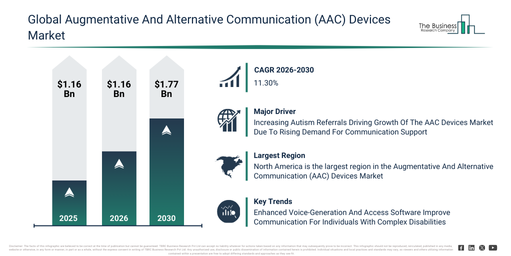
    The augmentative and alternative communication (aac) devices market has experienced substantial expansion in recent years. This market is expected to increase from $2.32 billion in 2025 to $2.58 billion in 2026, exhibiting a compound annual growth rate (CAGR) of 11.3%. The historical development can be linked to an increase in the diagnosis of speech and language disorders, the expansion of special education initiatives, a rise in the adoption of assistive communication instruments, the growth of rehabilitation services, and improvements in mobile computing accessibility.

    The augmentative and alternative communication (aac) devices market size is anticipated to expand significantly in the coming years. It is projected to reach $3.97 billion in 2030, demonstrating a compound annual growth rate (CAGR) of 11.3%. This expansion during the forecast period stems from factors such as the increasing integration of AI-driven language models, a rising demand for remote therapy tools, the broader expansion of inclusive communication technologies, greater adoption in homecare environments, and progress in multimodal communication interfaces. Key developments expected in the same period encompass a wider adoption of tablet-based AAC devices, the growing utilization of AI-powered speech generation, an increasing need for personalized communication solutions, the broader application of AAC in pediatric care, and an intensified focus on user-friendly interface design.

    Download the Free Sample Report to Explore Key Market Insights:

    https://www.thebusinessresearchcompany.com/sample.aspx?id=18962&type=smp

    What Major Growth Drivers Are Shaping The Outlook Of The Augmentative And Alternative Communication (AAC) Devices Market?

    The rising occurrence of communication impairments is anticipated to drive the expansion of the augmentative and alternative communication (AAC) devices market in the future. Such disabilities hinder a person’s capacity to speak, comprehend, or effectively utilize language, thereby restricting their interaction with others. This increase in disabilities stems from higher referral rates, improved awareness of neurodevelopmental conditions, and prolonged waits for diagnosis and treatment. AAC devices aid affected individuals by offering alternative means of expression, including speech-generating tools, which fosters increased independence and enhances their quality of life. As an illustration, in February 2025, data from the Bureau of Labor Statistics, a primary fact-finding agency in the US, indicated that in 2024, approximately 13 percent of the population lived with a disability. Consequently, the escalating volume of individuals undergoing assessment is boosting the need for AAC devices across clinical, educational, and home environments.

    What Segmentation Levels Are Considered In The Augmentative And Alternative Communication (AAC) Devices Market?

    The augmentative and alternative communication (aac) devices market covered in this report is segmented –

    1) By Product: Speech Generating Devices, Symbol Communication Boards, Other Products

    2) By Technology: Manual Speech Generating, Picture Exchange Communication Systems, Other Technologies

    3) By Application: Children, Adults

    4) By End-User: Hospitals, Rehabilitation Centers, Homecare Settings, Other End Users

    Subsegments:

    1) By Speech Generating Devices: Dedicated Speech Generating Devices, Mobile Communication Applications, Tablet-based Communication Devices

    2) By Symbol Communication Boards: Picture Exchange Communication Systems (PECS), Graphic Symbol Boards, Text-Based Communication Boards

    3) By Other Products: Switches And Access Devices, Communication Software, AAC Accessories

    What Trends Are Projected To Affect The Augmentative And Alternative Communication (AAC) Devices Market?

    Leading companies within the augmentative and alternative communication (AAC) devices market are concentrating on crafting sophisticated solutions, such as touch, eye-gaze, and synthetic-voice technologies, to enhance communication for individuals with complex disabilities. These input methods, including touch and eye-gaze, enable users to select symbols or words on a device, which are subsequently transformed into natural-sounding speech, thus fostering more effective interaction and independence. For example, in July 2023, Dynavox Group AB (publ), a US-based assistive-technology company, intensified its collaboration with the Team Gleason Foundation, a US-based non-profit organization supporting individuals with ALS. This partnership aims to jointly develop and test novel communication aids specifically designed for users experiencing progressive speech loss. Ultimately, these innovations seek to expand the availability of personalized, high-quality communication solutions across clinical, educational, and home settings.

    Which Leading Firms Are Contributing To The Growth Of The Augmentative And Alternative Communication (AAC) Devices Market?

    Major companies operating in the augmentative and alternative communication (aac) devices market are Forbes AAC Inc., Tobii Dynavox AB, Prentke Romich Company, Spectronics Corporation, Lingraphica Inc., AbleNet Inc., Acapela Group SA, EyeTech Digital Systems Inc., Adaptive Tech Solutions LLC, Smartbox Assistive Technology Limited, Talk To Me Technologies LLC, Attainment Company Inc., Jabbla BVBA, Saltillo Corporation, Liberator Ltd, Enabling Devices Inc., Inclusive Technology Ltd, Voiceitt Inc., Cognixion Inc., Crick Software Ltd, Control Bionics Inc.

    Read the full augmentative and alternative communication (aac) devices market report here:

    https://www.thebusinessresearchcompany.com/report/augmentative-and-alternative-communication-aac-devices-global-market-report

    Which Regions Are Projected To Dominate The Augmentative And Alternative Communication (AAC) Devices Market In The Coming Years?

    North America was the largest region in the augmentative and alternative communication (AAC) devices market in 2025. Asia-Pacificis expected to be the fastest-growing region in the forecast period. The regions covered in the augmentative and alternative communication (aac) devices market report are Asia-Pacific, South East Asia, Western Europe, Eastern Europe, North America, South America, Middle East, Africa.

    Request A Tailored Augmentative And Alternative Communication (AAC) Devices Market Research Report For Competitive Advantage:

    https://www.thebusinessresearchcompany.com/customise?id=18962&type=smp

    Browse Through More Reports Similar to the Global Augmentative And Alternative Communication (AAC) Devices Market 2026, By The Business Research Company

    Broadcast Communications Equipment Market Report 2026

    https://www.thebusinessresearchcompany.com/report/broadcast-communications-equipment-global-market-report

    Communications Hardware Market Report 2026

    https://www.thebusinessresearchcompany.com/report/communications-hardware-global-market-report

    General Communication Equipment Market Report 2026

    https://www.thebusinessresearchcompany.com/report/general-communication-equipment-global-market-report

    Get in touch with us:

    The Business Research Company: https://www.thebusinessresearchcompany.com/

    Americas +1 310-496-7795

    Asia +44 7882 955267 & +91 8897263534

    Europe +44 7882 955267

    Email us at info@tbrc.info

    Follow us on:

    LinkedIn: https://in.linkedin.com/company/the-business-research-company

    YouTube: https://www.youtube.com/channel/UC24_fI0rV8cR5DxlCpgmyFQ

    Global Market Model: https://www.thebusinessresearchcompany.com/global-market-model