Category: Medical Equipment

  • Wearable Temperature Patch Market 2026–2030: Forecasting Business Opportunities Ahead

    Wearable Temperature Patch Market 2026–2030: Forecasting Business Opportunities Ahead

    Uncover key drivers, emerging technologies, and competitive movements shaping the workstation graphics processing unit (gpu) market from 2026–2035 with trusted insights from The Business Research Company

    How is the Wearable Temperature Patch Market size predicted to change over the forecast window of 2026–2035?

    The wearable temperature patch market has seen rapid expansion in recent years. It is anticipated to increase from $1.16 billion in 2025 to $1.37 billion in 2026, achieving a compound annual growth rate (CAGR) of 18.9%. The market’s past growth can be attributed to factors such as infectious disease monitoring needs, hospital patient safety, advancements in wearable sensors, the rise of home healthcare, and the demand for non-invasive monitoring.

    The wearable temperature patch market size is projected to experience substantial expansion in the coming years. Its value is forecast to climb to $2.72 billion by 2030, showing a compound annual growth rate (CAGR) of 18.6%. Several factors will contribute to this expansion during the forecast period, including integration with telemedicine platforms, AI-based anomaly detection, expanded chronic disease care, smart hospital adoption, and an increase in wearable data analytics. Significant developments expected during this forecast period are continuous temperature monitoring, disposable medical patches, bluetooth-enabled wearables, fever detection solutions, and remote health tracking.

    Access Your Free Sample Report for In-Depth Market Insights:

    https://www.thebusinessresearchcompany.com/sample.aspx?id=30437&type=smp

    Which Drivers Are Contributing To The Expansion Of The Wearable Temperature Patch Market?

    The expanding occurrence of infectious diseases is anticipated to boost the wearable temperature patch market’s expansion in the future. These diseases are conditions resulting from pathogenic microbes like viruses, bacteria, fungi, or parasites, capable of transmission either directly or indirectly between individuals or via environmental factors. This rise in prevalence stems from the increasing ease with which pathogens disseminate across growing and highly connected human populations. Wearable temperature patches aid patients with infectious diseases by providing continuous, non-invasive fever surveillance, which assists in identifying early temperature shifts and guiding prompt medical intervention. For example, data from the UK Health Security Agency, a government entity based in the UK, revealed that in June 2024, between week 40 of 2022 and week 15 of 2023, 108 NHS trusts in England recorded 1,681 critical care admissions for confirmed influenza. This marks a significant increase compared to the prior season, which had 182 admissions across 114 trusts, rising to 316 by week 39 of 2022. Consequently, the expanding occurrence of infectious diseases is a key driver for the wearable temperature patch market.

    What Segment Categories Are Covered In The Wearable Temperature Patch Market?

    The wearable temperature patch market covered in this report is segmented –

    1) By Product Type: Disposable, Reusable

    2) By Distribution Channel: Online, Offline

    3) By Application: Healthcare Monitoring, Fitness And Wellness

    4) By End-User: Hospitals And Clinics, Home Care

    Subsegments:

    1) By Disposable: Single Use, Multi Layered, Hydrogel Based, Adhesive Patch

    2) By Reusable: Battery Operated, Rechargeable, Sensor Integrated, Bluetooth Enabled

    What Trends Are Driving The Growth Trajectory Of The Wearable Temperature Patch Market?

    Leading companies in the wearable temperature patch market are prioritizing the incorporation of temperature patches, such as continuous wearable thermometry, to enhance real-time health monitoring and the tracking of physiological data. Continuous wearable thermometry refers to the method and technology for continuously measuring and observing a person’s body temperature in real time using wearable devices, including wristwatches, patches, or various sensors. For instance, in August 2023, greenteg AG, a Switzerland-based leader in sensor technology, embedded its CALERA sensor into the Withings ScanWatch 2 to advance continuous health monitoring. CALERA is a miniature heat-flux sensor that provides non-invasive, 24/7 core body temperature tracking with high accuracy, low power consumption, and easy integration into a hybrid smartwatch form factor, allowing users to monitor day-and-night temperature changes, detect anomalies early, and support personalized wellness insights, making it well-suited for continuous wearable thermometry and proactive health management.

    Which Major Firms Are Strengthening Their Position In The Wearable Temperature Patch Market?

    Major companies operating in the wearable temperature patch market are Masimo Corporation, Biofourmis Inc., VitalConnect Inc., VivaLNK Inc., Blue Spark Technologies Inc., BioIntelliSense Inc., Byteflies NV, Equivital Ltd., Isansys Lifecare Ltd., iWEECARE Co. Ltd., KenZen Inc., Sempulse Corporation, greenTEG AG, Drägerwerk AG & Co. KGaA, Medtronic plc, Koninklijke Philips N.V., GE HealthCare Technologies Inc., FeverScout Inc., GraphWear Technologies Inc., NuraLogix Corporation.

    Access The Complete Report For Deeper Market Insights:

    https://www.thebusinessresearchcompany.com/report/global-wearable-temperature-patch-market-report

    Which Regions Are Projected To Dominate The Wearable Temperature Patch Market In The Coming Years?

    North America was the largest region in the wearable temperature patch market in 2025. Asia-Pacific is expected to be the fastest-growing region in the forecast period. The regions covered in the wearable temperature patch market report are Asia-Pacific, South East Asia, Western Europe, Eastern Europe, North America, South America, Middle East, Africa.

    Request Your Customized Wearable Temperature Patch Market Research Report for Competitive Advantage:

    https://www.thebusinessresearchcompany.com/customise?id=30437&type=smp

    Browse Through More Reports Similar to the Global Wearable Temperature Patch Market 2026, By The Business Research Company

    Temperature Monitoring Devices Global Market Report 2026

    https://www.thebusinessresearchcompany.com/report/temperature-monitoring-devices-global-market-report

    Wearable Computing Global Market Report 2026

    https://www.thebusinessresearchcompany.com/report/wearable-computing-global-market-report

    Electronic Skin Patch Global Market Report 2026

    https://www.thebusinessresearchcompany.com/report/electronic-skin-patch-global-market-report

    Get in touch with us:

    The Business Research Company: https://www.thebusinessresearchcompany.com/

    Americas +1 310-496-7795

    Asia +44 7882 955267 & +91 8897263534

    Europe +44 7882 955267

    Email us at info@tbrc.info

    Follow us on:

    LinkedIn: https://in.linkedin.com/company/the-business-research-company

  • Global Wearable Sleep Trackers Market Report 2026–2035: Key Forecasts and Growth Areas

    Global Wearable Sleep Trackers Market Report 2026–2035: Key Forecasts and Growth Areas

    Uncover key drivers, emerging technologies, and competitive movements shaping the worker heat stress monitoring wearable market from 2026–2035 with trusted insights from The Business Research Company

    What market expansion outlook does the Wearable Sleep Trackers Market show for the 2026–2030 period?

    The market size for wearable sleep trackers has experienced substantial expansion over recent years. It is anticipated to increase from $2.82 billion in 2025 to $3.25 billion in 2026, achieving a compound annual growth rate (CAGR) of 15.2%. The historical growth in this sector is attributable to various elements, such as the restricted availability of wearable sleep tracking devices, a reliance on actigraphy-based monitoring, an increasing awareness concerning health and wellness, greater smartphone penetration enabling app integration, and the appearance of fitness bands and smartwatches.

    The market for wearable sleep trackers is projected to experience swift expansion over the coming years. This market is forecast to reach $5.69 billion by 2030, demonstrating a compound annual growth rate (CAGR) of 15.0%. Factors contributing to this anticipated growth include improvements in polysomnography and biometric sensor technologies, an increasing need for medical-grade sleep tracking equipment, the proliferation of corporate wellness initiatives, greater incorporation of AI for analyzing sleep patterns, and the development of online sales channels and digital platforms. Key trends for the forecast period encompass a growing uptake of wearable devices for monitoring sleep, the incorporation of health and fitness tracking functionalities, a heightened need for real-time sleep data analysis, an amplified emphasis on customized sleep advice, and the broader application of sleep tracking tools within corporate wellness programs.

    Access Your Free Sample Report for In-Depth Market Insights:

    https://www.thebusinessresearchcompany.com/sample.aspx?id=24428&type=smp

    What Drivers Are Shaping The Development Of The Wearable Sleep Trackers Market?

    The rising prevalence of sleep disorders is anticipated to drive the expansion of the wearable sleep trackers market in the future. These conditions involve regular interruptions to sleep quality, timing, or duration, which impact daily functioning and overall well-being. The surge in sleep disorders is attributed to increased screen usage and blue light exposure, which interferes with circadian rhythms by inhibiting melatonin production, consequently hindering people’s ability to initiate and maintain sleep. Wearable sleep trackers are instrumental in observing sleep patterns, length, and quality, thereby assisting in the prompt identification and treatment of sleep disorders. They provide immediate data that facilitates tailored treatment approaches. For example, data from November 2023 by the National Health Service, a publicly funded healthcare system in the UK, indicated that 37.8% of children aged 8 to 16 had sleep issues at least three times over the preceding week. Moreover, 76.5% of individuals with probable mental disorders reported sleep difficulties, in contrast to 25.0% of those without these disorders. Consequently, the growing occurrence of sleep disorders is set to significantly enhance the expansion of the wearable sleep trackers market.

    Which Segments Are Contributing To The Growth Of The Wearable Sleep Trackers Market?

    The wearable sleep trackers market covered in this report is segmented –

    1) By Product: Watches, Bands, Earbuds, Others Products

    2) By Technology: Actigraphy, Polysomnography, Other Technologies

    3) By Features: Heart Rate Monitoring, Sleep Stage Tracking, App Integration, Real-Time Notifications, Data Analytics And Reports

    4) By Distribution Channel: Online Stores, Specialty Stores, Supermarkets Or Hypermarkets, Other Distribution Channels

    5) By End User: Fitness Enthusiasts, General Consumers, Healthcare Professionals, Corporate Wellness Programs, Sleep Disorder Patients

    Subsegments:

    1) By Watches: Smartwatches, Fitness Watches, Hybrid Smartwatches, Medical-grade Sleep Monitoring Watches

    2) By Bands: Fitness Bands, Smart Sleep Bands, Health-monitoring Bands, Wrist Actigraphy Bands

    3) By Earbuds: Sleep Tracking Earbuds, Noise-canceling Sleep Earbuds, Smart Audio Sleep Buds, Biometric Sensor Earbuds

    4) By Other Products: Smart Rings, Sleep Masks With Sensors, Headbands, Clip-on Sleep Monitors, Smart Clothing

    What Upcoming Trends Are Likely To Define The Future Path Of The Wearable Sleep Trackers Market?

    Leading firms within the wearable sleep trackers market are concentrating their efforts on creating technologically sophisticated products, like fingertip-worn devices, to offer rapid access to crucial data or capabilities. These fingertip devices are compact, wearable technologies positioned on the fingertip, delivering functionalities such as health monitoring or digital engagement in a subtle and practical manner. As an example, in January 2024, PranaQ, a medical device company located in the US, introduced TipTraQ, a fingertip-worn device designed for diagnosing and monitoring respiratory sleep disorders, including sleep apnea, and improving general sleep quality. TipTraQ delivers real-time sleep observation along with a customized coaching program powered by generative AI. Concurrently, PranaQ offers tailored recommendations for sleep improvement derived from each user’s distinct data and directs them towards appropriate treatment alternatives. The precision of the device in analyzing sleep breathing, evaluating sleep stages, and tracking total sleep duration has been confirmed by prominent medical institutions. Its ergonomically designed curve guarantees comfort, while its light build and anti-slip strap ensure it fits universally. Furthermore, it incorporates environmentally friendly elements like a rechargeable battery and a replaceable strap, enabling extended usage.

    Who Are The Primary Competitors In The Global Wearable Sleep Trackers Market?

    Major companies operating in the wearable sleep trackers market are Apple Inc., Google LLC, Samsung Electronics Co. Ltd., Huawei Device Co. Ltd., Xiaomi Corporation, Koninklijke Philips N.V., Zepp Health Corporation, Garmin Ltd., ResMed Inc., Fossil Group Inc., Polar Electro Oy, Oura Health Oy, Whoop Inc., Withings S.A., Boult Audio Pvt. Ltd., Eight Sleep Inc., Muse Inc., Emfit Ltd., StimScience Inc., Interaxon Inc.

    Access The Complete Report For Deeper Market Insights:

    https://www.thebusinessresearchcompany.com/report/wearable-sleep-trackers-global-market-report

    Which Region Is Expected To Experience The Fastest Growth In The Wearable Sleep Trackers Market?

    North America was the largest region in the wearable sleep trackers market in 2025. Asia-Pacific is expected to be the fastest-growing region in the forecast period. The regions covered in the wearable sleep trackers market report are Asia-Pacific, South East Asia, Western Europe, Eastern Europe, North America, South America, Middle East, Africa.

    Request Your Customized Wearable Sleep Trackers Market Research Report for Competitive Advantage:

    https://www.thebusinessresearchcompany.com/customise?id=24428&type=smp

    Browse Through More Reports Similar to the Global Wearable Sleep Trackers Market 2026, By The Business Research Company

    Smart Sleep Monitor Global Market Report 2026

    https://www.thebusinessresearchcompany.com/report/smart-sleep-monitor-global-market-report

    Sleep Monitoring Apps Global Market Report 2026

    https://www.thebusinessresearchcompany.com/report/sleep-monitoring-apps-global-market-report

    Sleep Apnea Devices Global Market Report 2026

    https://www.thebusinessresearchcompany.com/report/sleep-apnea-devices-global-market-report

    Get in touch with us:

    The Business Research Company: https://www.thebusinessresearchcompany.com/

    Americas +1 310-496-7795

    Asia +44 7882 955267 & +91 8897263534

    Europe +44 7882 955267

    Email us at info@tbrc.info

    Follow us on:

    LinkedIn: https://in.linkedin.com/company/the-business-research-company

  • Wearable Skin Patch Market 2026–2030: Forecast, Innovation, and Competitive Trends

    Wearable Skin Patch Market 2026–2030: Forecast, Innovation, and Competitive Trends

    Uncover key drivers, emerging technologies, and competitive movements shaping the workstation graphics processing unit (gpu) market from 2026–2035 with trusted insights from The Business Research Company

    What level of growth is expected in the Wearable Skin Patch Market between 2026 and 2030?

    The wearable skin patch market has experienced swift expansion recently. This market is projected to expand from $7.3 billion in 2025 to $8.17 billion in 2026, demonstrating a compound annual growth rate (CAGR) of 11.9%. Historically, its expansion was influenced by factors such as restricted sensor capabilities, initial phases of wearable technology adoption, elevated production expenses, hurdles in obtaining regulatory clearances, and insufficient consumer knowledge.

    The market for wearable skin patches is projected to experience substantial expansion over the upcoming years. This market is anticipated to reach a valuation of $12.69 billion by 2030, exhibiting a compound annual growth rate (CAGR) of 11.6%. This anticipated growth during the forecast period stems from factors such as progress in flexible electronics, the incorporation of AI-powered health platforms, a higher incidence of chronic illnesses, increased spending on digital therapeutics, and the broader implementation of telehealth and remote patient monitoring services. Key developments anticipated for the forecast period encompass a greater uptake of non-invasive health monitoring devices, an enhanced emphasis on customized medication distribution, the expansion of home healthcare and remote patient observation, the creation of versatile multi-functional wearable patches, and seamless integration with mobile health and fitness applications.

    Access Your Free Sample Report for In-Depth Market Insights:

    https://www.thebusinessresearchcompany.com/sample.aspx?id=25936&type=smp

    Which Drivers Are Expected To Impact The Wearable Skin Patch Market During The Forecast Period?

    The increasing need for remote patient monitoring and telehealth is projected to fuel the expansion of the wearable skin patch market in the future. These concepts involve employing digital tools to provide healthcare services and oversee patient health from a distance. The growing requirement for remote patient monitoring and telehealth stems from the increasing incidence of chronic illnesses, which necessitate ongoing oversight and prompt action; these technologies facilitate this through instant data exchange and virtual healthcare solutions. Wearable skin patches aid remote patient monitoring and telehealth by consistently gathering real-time physiological data like glucose levels, heart rate, or body temperature, and then transmitting this information to healthcare professionals. This allows for proactive, remote care and swift medical intervention. For example, data from March 2024, provided by the Department of Health and Aged Care, an Australian government body, revealed that telehealth utilization in 2022–23 was most significant among GPs (20%) and allied health (12%). Furthermore, GPs and non-GP specialists were responsible for 75% and 48% of all video consultations, respectively. Consequently, the escalating demand for remote patient monitoring and telehealth is propelling the expansion of the wearable skin patch market.

    How Is The Wearable Skin Patch Market Divided Into Segments?

    The wearable skin patch market covered in this report is segmented –

    1) By Type: Medicine Delivery Type, Indicator Monitoring Type

    2) By Technology: Regular Wearable, Connected Wearable

    3) By Application: Clinical, Non-Clinical

    Subsegments:

    1) By Medicine Delivery Type: Insulin Delivery Patches, Nicotine Patches, Hormone Replacement Patches, Pain Relief Patches, Contraceptive Patches, Anti-nausea Patches, Cardiovascular Drug Patches

    2) By Indicator Monitoring Type: Glucose Monitoring Patches, Temperature Monitoring Patches, Hydration Monitoring Patches, pH Level Monitoring Patches, Lactate Monitoring Patches, Sweat Biomarker Monitoring Patches, Oxygen Level Monitoring Patches

    Which Trends Are Shaping Activity Within The Wearable Skin Patch Market?

    Leading companies in the wearable skin patch market are concentrating on creating innovative products, such as the sweat-sensing patch, to provide immediate health insights, boost user safety, and cater to the rising demand for personalized and preventive healthcare solutions. A sweat-sensing patch is an advanced wearable system that monitors sweat biomarkers and offers real-time hydration data via a connected mobile platform. For example, in April 2024, Epicore Biosystems, a US-based biotechnology company, released Connected Hydration, a sweat-sensing wearable patch paired with a mobile application. This pioneering device delivers real-time, personalized insights into sweat volume, electrolyte loss, body temperature, and movement. It assists frontline industrial workers in anticipating and managing their hydration needs before dehydration occurs. The bio wearable is specifically developed for physically demanding sectors including construction, energy, mining, agriculture, and logistics, and also helps military personnel in preventing heat stress and related injuries.

    Which Key Market Players Are Investing In Expansion And Innovation Within The Wearable Skin Patch Market?

    Major companies operating in the wearable skin patch market are Abbott Laboratories, 3M Company, Medtronic plc, Nitto Denko Corporation, Dexcom Inc., Insulet Corporation, iRhythm Technologies Inc., Rusan Pharma Ltd., Tapecon Inc., VitalConnect Inc., Blue Spark Technologies Inc., Epicore Biosystems Inc., Beneli AB, UltraLinq Healthcare Solutions Inc., Gentag Inc., Xsensio SA, Nemaura Medical Inc., Zansors LLC, VivaLNK Inc., BioIntelliSense Inc., Biolinq Inc., Profusa Inc.

    Access The Complete Report For Deeper Market Insights:

    https://www.thebusinessresearchcompany.com/report/wearable-skin-patch-global-market-report

    Which Geographic Areas Are Emerging As Strong Markets For The Wearable Skin Patch Market?

    North America was the largest region in the wearable skin patch market in 2025. Asia-Pacific is expected to be the fastest-growing region in the forecast period. The regions covered in the wearable skin patch market report are Asia-Pacific, South East Asia, Western Europe, Eastern Europe, North America, South America, Middle East, Africa.

    Request Your Customized Wearable Skin Patch Market Research Report for Competitive Advantage:

    https://www.thebusinessresearchcompany.com/customise?id=25936&type=smp

    Browse Through More Reports Similar to the Global Wearable Skin Patch Market 2026, By The Business Research Company

    Transdermal Skin Patche Global Market Report 2026

    https://www.thebusinessresearchcompany.com/report/transdermal-skin-patche-global-market-report

    Skin Care Devices Global Market Report 2026

    https://www.thebusinessresearchcompany.com/report/skin-care-devices-global-market-report

    Skincare Global Market Report 2026

    https://www.thebusinessresearchcompany.com/report/skincare-global-market-report

    Get in touch with us:

    The Business Research Company: https://www.thebusinessresearchcompany.com/

    Americas +1 310-496-7795

    Asia +44 7882 955267 & +91 8897263534

    Europe +44 7882 955267

    Email us at info@tbrc.info

    Follow us on:

    LinkedIn: https://in.linkedin.com/company/the-business-research-company
  • Wearable Patch Market Forecast 2026–2035: Data Trends and Industry Insights

    Wearable Patch Market Forecast 2026–2035: Data Trends and Industry Insights

    Uncover key drivers, emerging technologies, and competitive movements shaping the worker heat stress monitoring wearable market from 2026–2035 with trusted insights from The Business Research Company

    How much is the Wearable Patch Market valued at in 2026, and what valuation is forecast for 2030?

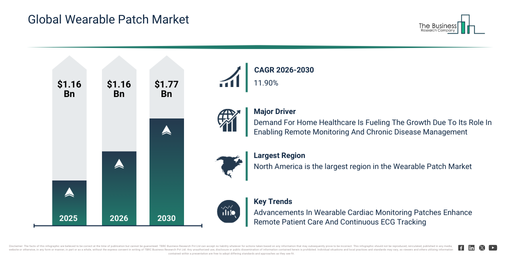
    The wearable patch market has experienced significant expansion in recent years. It is projected to increase from $12.59 billion in 2025 to $14.13 billion in 2026, demonstrating a compound annual growth rate (CAGR) of 12.2%. The historical development of this market can be ascribed to several factors, including the rising incidence of chronic diseases, increased understanding of preventive healthcare, the adoption of wearable health devices, a growing need for remote patient monitoring, and developments in adhesive and skin-friendly materials.

    The market for wearable patches is anticipated to experience significant expansion over the coming years. This market is projected to reach $22.17 billion by 2030, exhibiting a compound annual growth rate (CAGR) of 11.9%. The projected growth during this period stems from several factors, including the incorporation of AI-based health analytics, the widening scope of personalized medicine, the increasing adoption of connected healthcare systems, the expansion of telemedicine and digital health platforms, and a surge in investment in wearable medical technologies. Key trends expected within this forecast timeframe encompass the increasing embrace of continuous health monitoring patches, a heightened demand for non-invasive drug delivery methods, a greater emphasis on ensuring patient comfort and compliance, the broadening application of wearable patches for managing chronic diseases, and their expanding utilization in home-based care.

    Access Your Free Sample Report for In-Depth Market Insights:

    https://www.thebusinessresearchcompany.com/sample.aspx?id=24745&type=smp

    What Drivers Are Influencing The Growth Of The Wearable Patch Market?

    The expanding need for home healthcare services is anticipated to fuel the future expansion of the wearable patch market. Home healthcare encompasses the provision of medical and supportive care within a patient’s own home, addressing illnesses, injuries, or managing long-term health issues. This increase in home healthcare is primarily driven by an aging demographic that requires continuous care for chronic ailments, thereby stimulating a need for accessible and economical in-home provisions. Wearable patches augment home healthcare by monitoring vital signs and transmitting real-time information to healthcare providers, a functionality that facilitates the early identification of problems, ensures prompt care, and diminishes the necessity for hospitalizations. As an illustration, data from the U.S. Bureau of Labor Statistics, a federal agency located in the US, indicated that in October 2024, home- and community-based care employment hit 4.3 million jobs. This was largely propelled by 2.5 million workers engaged in services for the elderly and individuals with disabilities, alongside 1.8 million in home health care during 2024. Consequently, the heightened demand for home healthcare is a key factor propelling the expansion of the wearable patch market.

    What Segments Are Included Within The Wearable Patch Market?

    The wearable patch market covered in this report is segmented –

    1) By Product Type: Biometric Patches, Therapeutic Patches, Diagnostic Patches, Fitness Tracking Patches, Smart Textile Patches

    2) By Technology: Biosensors, Radio-Frequency Identification (RFID) Technology, Bluetooth Connectivity, Near Field Communication (NFC), Microelectromechanical Systems (MEMS)

    3) By Distribution Channel: Online Retail, Offline Retail, Direct Sales, Pharmacies, Third-Party Distributors

    4) By Application: Clinical, Non-Clinical

    5) By End-Use: Healthcare Providers, Individual Consumers, Fitness Centers, Research Institutions

    Subsegments:

    1) By Biometric Patches: Heart Rate Monitoring Patches, Electrocardiogram (ECG) Patches, Blood Oxygen Level Monitoring Patches (SpO2), Temperature Monitoring Patches, Respiratory Rate Monitoring Patches

    2) By Therapeutic Patches: Transdermal Drug Delivery Patches, Pain Relief Patches, Nicotine Patches, Hormone Replacement Patches, Neuromodulation Patches

    3) By Diagnostic Patches: Glucose Monitoring Patches, Cardiac Monitoring Patches, Sleep Monitoring Patches, Hydration And Electrolyte Monitoring Patches, Sweat-Based Biomarker Detection Patches

    4) By Fitness Tracking Patches: Activity Tracking Patches, Calorie Burn Monitoring Patches, Sleep Quality Tracking Patches, Step Count Patches, Stress And Recovery Monitoring Patches

    5) By Smart Textile Patches: E-Textile Biosensor Patches, Motion Sensing Textile Patches, Pressure Sensing Textile Patches, Electromyography (EMG) Textile Patches, Temperature-Regulating Textile Patches

    Which Trends Are Influencing The Development Of The Wearable Patch Market?

    Major companies operating in the wearable patches market are concentrating on developing advanced products, such as ambulatory cardiac monitoring wearable patches, to enhance remote patient care and support timely medical interventions. These patches are compact, skin-adhering devices designed to continuously track heart activity during a patient’s daily routine. For instance, in May 2023, Vivalink, Inc., a US-based digital health technology solutions provider, launched the Live Stream Wearable Electrocardiogram (ECG) Patch, which is a multi-parameter sensing wearable patch device. It enables continuous, real-time electrocardiogram monitoring for up to 14 days, allowing clinicians to remotely track patient cardiac activity anytime and anywhere, consequently reducing the burden on both patients and clinicians for extended ambulatory monitoring.

    Who Are The Core Companies Influencing Trends In The Wearable Patch Market?

    Major companies operating in the wearable patch market are Samsung Electronics Co Ltd, Johnson And Johnson, Abbott Laboratories, Koninklijke Philips NV, GE Healthcare, VitalConnect Inc, LifeSignals Group Inc, greenTEG AG, Tapecon Inc, Molex LLC, DuPont de Nemours Inc, VARTA AG, 2M Engineering Ltd, Beneli AB, GENTAG Inc, Kenzen Inc, Nemaura Medical Inc, PKvitality SAS, Hudson Medical Innovations, BioIntelliSense Inc, MC10 Inc, iRhythm Technologies Wearable Division

    Access The Complete Report For Deeper Market Insights:

    https://www.thebusinessresearchcompany.com/report/wearable-patch-global-market-report

    Which Region Is Projected To Lead The Wearable Patch Market During The Forecast Period?

    North America was the largest region in the wearable patch market in 2025. The regions covered in the wearable patch market report are Asia-Pacific, South East Asia, Western Europe, Eastern Europe, North America, South America, Middle East, Africa.

    Request Your Customized Wearable Patch Market Research Report for Competitive Advantage:

    https://www.thebusinessresearchcompany.com/customise?id=24745&type=smp

    Browse Through More Reports Similar to the Global Wearable Patch Market 2026, By The Business Research Company

    Insulin Patch Pumps Global Market Report 2026

    https://www.thebusinessresearchcompany.com/report/insulin-patch-pumps-global-market-report

    Cardiovascular And Soft Tissue Repair Patches Global Market Report 2026

    https://www.thebusinessresearchcompany.com/report/cardiovascular-and-soft-tissue-repair-patches-global-market-report

    Non Opioid Pain Patch Global Market Report 2026

    https://www.thebusinessresearchcompany.com/report/non-opioid-pain-patch-global-market-report

    Get in touch with us:

    The Business Research Company: https://www.thebusinessresearchcompany.com/

    Americas +1 310-496-7795

    Asia +44 7882 955267 & +91 8897263534

    Europe +44 7882 955267

    Email us at info@tbrc.info

    Follow us on:

    LinkedIn: https://in.linkedin.com/company/the-business-research-company

  • Wearable Neurostimulation Devices Market Outlook 2026–2030: Key Business Drivers and Trends

    Wearable Neurostimulation Devices Market Outlook 2026–2030: Key Business Drivers and Trends

    Uncover key drivers, emerging technologies, and competitive movements shaping the workstation graphics processing unit (gpu) market from 2026–2035 with trusted insights from The Business Research Company

    By how much is the Wearable Neurostimulation Devices Market expected to grow between 2026 and 2030?

    The wearable neurostimulation devices market has shown considerable growth recently. It is anticipated to expand from $0.67 billion in 2025 to $0.75 billion in 2026, achieving a compound annual growth rate (CAGR) of 13.0%. In the past, this expansion was driven by the increasing incidence of neurological disorders, growing awareness of non-invasive therapies, a rise in the adoption of home-based treatments, progress in wearable electronics, and expanding clinical research within neuromodulation.

    The wearable neurostimulation devices market is anticipated to experience significant expansion in the coming years. Its valuation is projected to reach $1.22 billion by 2030, driven by a compound annual growth rate (CAGR) of 12.8%. This growth during the forecast period is primarily attributable to increasing investments in digital therapeutics, a rising demand for personalized neurological treatments, the broader adoption of remote patient monitoring, the growing integration of neuro devices with mobile health platforms, and an increase in regulatory approvals for wearable neurostimulation devices. Prominent trends throughout the forecast period include the increasing uptake of at-home neurostimulation therapies, the rising usage of wearable brain stimulation devices, the expanding integration of AI-based signal optimization, the proliferation of wireless and portable neuro devices, and an enhanced focus on personalized neuromodulation.

    Access Your Free Sample Report for In-Depth Market Insights:

    https://www.thebusinessresearchcompany.com/sample.aspx?id=23578&type=smp

    Which Drivers Are Influencing Market Acceleration In The Wearable Neurostimulation Devices Market?

    A rising occurrence of neurological conditions is projected to drive expansion within the wearable neurostimulation devices market in the future. These medical ailments, known as neurological disorders, impact the brain, spinal cord, and nerves, resulting in various symptoms such as cognitive, motor, and sensory deficits. The growing incidence of neurological illnesses is connected to the world’s aging demographic, as the aging process progressively diminishes neuronal capabilities, decreases brain adaptability, and heightens oxidative stress, thereby fostering the onset and advancement of these conditions. Wearable neurostimulation technologies improve the management of neurological disorders by providing non-invasive treatment, which renders them appropriate for everyday application. These devices relieve symptoms through the provision of focused stimulation, thereby enhancing patient comfort and their general quality of life. As an illustration, data from the National Health Service, a UK-based government agency, indicated that in July 2024, specifically in June 2024, 487,432 individuals had been diagnosed with dementia (a brain disorder that causes a decline in memory, thinking and daily functioning), representing an increase of 3,155 cases when compared to May 2024. Consequently, the rising frequency of neurological conditions is fueling the expansion of the wearable neurostimulation devices market.

    What Leading Segments Are Studied In The Wearable Neurostimulation Devices Market?

    The wearable neurostimulation devices market covered in this report is segmented –

    1) By Product Type: Electroencephalography (EEG) Devices, Transcranial Magnetic Stimulation (TMS) Devices, Brain Computer Interface (BCI) Devices, Neurostimulation Devices, Cognitive Training Devices

    2) By Application: Stroke, Spinal Cord Injury, Cerebral Palsy, Other Applications

    3) By End-User: Rehabilitation Centers, Hospitals And Clinics, Other End-Users

    Subsegments:

    1) By Electroencephalography (EEG) Devices: Portable Electroencephalography (EEG) Devices, Wireless Electroencephalography (EEG) Devices, Mobile Electroencephalography (EEG) Devices, Clinical Electroencephalography (EEG) Devices

    2) By Transcranial Magnetic Stimulation (TMS) Devices: Single-Pulse Transcranial Magnetic Stimulation (TMS), Repetitive Transcranial Magnetic Stimulation (rTMS), Deep Transcranial Magnetic Stimulation (TMS), Theta Burst Stimulation (TBS) Transcranial Magnetic Stimulation (TMS)

    3) By Brain Computer Interface (BCI) Devices: Non-invasive Brain Computer Interface (BCI) Devices, Partially Invasive Brain Computer Interface (BCI) Devices

    4) By Neurostimulation Devices: Transcranial Direct Current Stimulation (tDCS) Devices, Transcranial Alternating Current Stimulation (tACS) Devices, Peripheral Nerve Stimulation (PNS) Devices

    5) By Cognitive Training Devices: Memory Training Devices, Attention Training Devices, Neurofeedback Devices, Brain Training Games

    What Trends Are Expected To Impact The Competitive Landscape Of The Wearable Neurostimulation Devices Market?

    Leading companies within the wearable neurostimulation devices market are prioritizing the creation of innovative solutions, such as sleep on-demand headbands, aimed at improving sleep quality and managing sleep disorders. This sleep on-demand headband functions as a wearable device, utilizing neurostimulation or calming audio/vibration to help individuals achieve sleep more rapidly, foster relaxation, and refine sleep-related brainwave patterns for better sleep quality. As an example, in June 2024, Elemind Technologies Inc., a US-based neurotechnology company, introduced an unprecedented neurotechnology headband. The Elemind Headband is a wearable sleep-on-demand neurostimulation device that employs transcranial direct current stimulation (tDCS) or similar methods to influence brain activity, thereby enhancing focus, relaxation, and sleep. It provides gentle electrical currents through electrodes placed on the scalp, targeting specific brain regions associated with cognitive function or relaxation, which aids in optimizing brainwave patterns for improved mental clarity, stress reduction, and superior sleep quality, contingent on the chosen settings.

    Which Major Industry Participants Are Leading The Wearable Neurostimulation Devices Market Growth?

    Major companies operating in the wearable neurostimulation devices market are FocusCalm, Cala Health Inc., Cognito Therapeutics Inc., Apollo Neuroscience Inc., Curonix LLC, Soterix Medical Inc., Theranica Bioelectronics Ltd., NeuroMetrix Inc., Spark Biomedical Inc., Helius Medical Technologies Inc., Hapbee Technologies Inc., Flow Neuroscience, tVNS Technologies GmbH, Wearable Devices Ltd., MindMaze SA, Emotiv Inc., NextMind (Snap Inc.), Neuroelectrics Barcelona S.L., Brain Scientific Inc., Neurosity Inc.

    Access The Complete Report For Deeper Market Insights:

    https://www.thebusinessresearchcompany.com/report/wearable-neurostimulation-devices-global-market-report

    Which Region Currently Holds The Largest Share Of The Wearable Neurostimulation Devices Market?

    North America was the largest region in the wearable neurostimulation devices market in 2025. Asia-Pacific is expected to be the fastest-growing region in the forecast period. The regions covered in the wearable neurostimulation devices market report are Asia-Pacific, South East Asia, Western Europe, Eastern Europe, North America, South America, Middle East, Africa.

    Request Your Customized Wearable Neurostimulation Devices Market Research Report for Competitive Advantage:

    https://www.thebusinessresearchcompany.com/customise?id=23578&type=smp

    Browse Through More Reports Similar to the Global Wearable Neurostimulation Devices Market 2026, By The Business Research Company

    Implantable Neurostimulation Devices Global Market Report 2026

    https://www.thebusinessresearchcompany.com/report/implantable-neurostimulation-devices-global-market-report

    Internal Neuromodulation Devices Global Market Report 2026

    https://www.thebusinessresearchcompany.com/report/internal-neuromodulation-devices-global-market-report

    Internal Neuromodulation Devices Global Market Report 2026

    https://www.thebusinessresearchcompany.com/report/internal-neuromodulation-devices-global-market-report

    Get in touch with us:

    The Business Research Company: https://www.thebusinessresearchcompany.com/

    Americas +1 310-496-7795

    Asia +44 7882 955267 & +91 8897263534

    Europe +44 7882 955267

    Email us at info@tbrc.info

    Follow us on:

    LinkedIn: https://in.linkedin.com/company/the-business-research-company
  • Global Wearable Medication Adherence Tracker Market Report 2026: Emerging Trends and Growth Scenarios

    Global Wearable Medication Adherence Tracker Market Report 2026: Emerging Trends and Growth Scenarios

    Uncover key drivers, emerging technologies, and competitive movements shaping the worker heat stress monitoring wearable market from 2026–2035 with trusted insights from The Business Research Company

    What is the estimated market size of the Wearable Medication Adherence Tracker Market by the end of 2030?

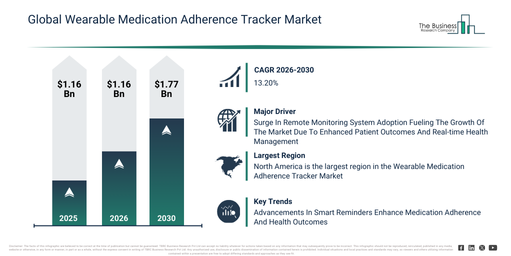
    The wearable medication adherence tracker market has seen rapid expansion in recent years. This market is projected to grow from $2.98 billion in 2025 to $3.38 billion in 2026, achieving a compound annual growth rate (CAGR) of 13.5%. The historical growth of this market can be attributed to factors such as high rates of medication non-adherence, the increasing prevalence of chronic diseases, a surge in smartphone and mobile app usage, rising healthcare digitization, and the demand for patient-centric care models.

    The wearable medication adherence tracker market is projected for substantial expansion in the coming years. This sector is anticipated to reach a valuation of $5.54 billion by 2030, exhibiting a compound annual growth rate (CAGR) of 13.2%. Key factors contributing to this projected increase include enhancements in the precision of wearable sensors, the broader uptake of telehealth and remote healthcare services, a rising global elderly population, the incorporation of AI-powered analytics for adherence, and the increasing embrace of interconnected healthcare systems. Significant developments expected during this period encompass the wider utilization of wearable technology for managing medications, a growing need for solutions that monitor patients remotely, an amplified emphasis on boosting medication compliance for chronic conditions, the incorporation of alert systems for caregivers and providers, and the proliferation of home-based and customized healthcare offerings.

    Access Your Free Sample Report for In-Depth Market Insights:

    https://www.thebusinessresearchcompany.com/sample.aspx?id=24744&type=smp

    What Drivers Are Shaping Future Opportunities In The Wearable Medication Adherence Tracker Market?

    The future expansion of the wearable medication adherence tracker market is anticipated to be driven by the increasing integration of remote monitoring systems. Such systems are technologies designed for the continuous observation and administration of patient health information remotely. The increased implementation of these systems stems from a demand for immediate data availability and enhanced decision-making, facilitated by progress in IoT and better connectivity, enabling effective distant oversight. Wearable medication adherence trackers augment remote monitoring systems by supplying live data on patient drug consumption, which allows for prompt actions and boosts the efficacy of treatments. For example, data from LondonWorld, a UK-based media company, indicated that in January 2025, more than 50% of UK adults utilized remote health tracking devices, reflecting the rising popularity of wellness. Consequently, the incorporation of remote monitoring systems is a key factor in the expansion of the wearable medication adherence tracker market.

    Which Segment Groups Are Influencing The Wearable Medication Adherence Tracker Market?

    The wearable medication adherence tracker market covered in this report is segmented –

    1) By Product Type: Smartwatches With Medication Features, Pill-tracking Wearables, Wearables With Biometric Monitoring And Adherence Tracking, Patch-based Wearables, Multifunctional Health Devices, Medication Adherence Platforms With Wearables

    2) By Medication Type: Chronic Disease Medications, Mental Health And Neurology, Oncology Medications, Lifestyle Or General Wellness

    3) By End-User: Patients Or Individuals, Healthcare Providers, Caregivers

    Subsegments:

    1) By Smartwatches With Medication Features: Reminder Alerts, Dose Tracking, Vibration Or Alarm Notifications, Integration With Mobile Apps, Voice Assistance Features

    2) By Pill-Tracking Wearables: Smart Pillboxes, Connected Pill Bottles, Electronic Pill Dispensers, Medication Reminder Caps, Cellular-Enabled Pill Trackers

    3) By Wearables With Biometric Monitoring And Adherence Tracking: Heart Rate Monitors, Blood Pressure Monitors, Glucose Monitors, Oxygen Saturation Sensors, Activity Or Movement Trackers

    4) By Patch-Based Wearables: Skin Patches With Drug Delivery, Adhesive Monitoring Patches, Sensor-Embedded Medication Patches, Transdermal Drug Release Patches, Connected Patch Monitors

    5) By Multifunctional Health Devices: All-In-One Health Trackers, Hybrid Smartwatches With Medication Features, Wearables Combining Vital Sign Monitoring And Adherence, Health Bands With Medication Alerts, Portable Diagnostic Devices With Adherence Features

    6) By Medication Adherence Platforms With Wearables: Cloud-Based Adherence Management Platforms, Mobile App Integration Platforms, Remote Patient Monitoring Platforms, AI-driven Adherence Analytics Platforms, Healthcare Provider Dashboard Platforms

    Which Trends Are Guiding The Evolution Of The Wearable Medication Adherence Tracker Market?

    Key players in the wearable medication adherence tracker market are concentrating on creating sophisticated products, like intelligent priority-driven reminders, to bolster patient compliance and enhance overall health outcomes through customization. These intelligent priority-based reminders are defined as AI-powered medication notifications that adapt their urgency, from gentle to strong, based on the drug’s importance and potential hazards. For instance, in December 2023, Samsung Electronics, a South Korea-based appliances company, unveiled an updated medication tracking feature within its Samsung Health app. This enhancement is intended to assist users in managing their medication schedules more effectively by delivering timely prompts and tracking abilities. The feature integrates seamlessly with current health monitoring tools, fostering greater adherence to prescribed treatments.

    Who Are The Prominent Global Companies Shaping The Wearable Medication Adherence Tracker Market Landscape?

    Major companies operating in the wearable medication adherence tracker market are Apple Inc, Samsung Electronics Co Ltd, Huawei Technologies Co Ltd, Philips Healthcare, Otsuka Holdings Co Ltd, Garmin Ltd, Guangdong Transtek Medical Electronics Co Ltd, Empatica Inc, Fitbit LLC, TabTime Ltd, WatchMinder Company, Pivotell Ltd, MiniFinder Sweden AB, CareBand Inc, EtectRx Inc, Medema Group AG, Sensorem AB, AdhereTech Inc, Pillsy Inc, Medisafe Ltd, Proteus Digital Health, CuePath Innovation

    Access The Complete Report For Deeper Market Insights:

    https://www.thebusinessresearchcompany.com/report/wearable-medication-adherence-tracker-global-market-report

    How Does The Wearable Medication Adherence Tracker Market Perform Across Major Global Regions?

    North America was the largest region in the wearable medication adherence tracker market in 2025. Asia-Pacific is expected to be the fastest-growing region in the forecast period. The regions covered in the wearable medication adherence tracker market report are Asia-Pacific, South East Asia, Western Europe, Eastern Europe, North America, South America, Middle East, Africa.

    Request Your Customized Wearable Medication Adherence Tracker Market Research Report for Competitive Advantage:

    https://www.thebusinessresearchcompany.com/customise?id=24744&type=smp

    Browse Through More Reports Similar to the Global Wearable Medication Adherence Tracker Market 2026, By The Business Research Company

    Smart Wearables Global Market Report 2026

    https://www.thebusinessresearchcompany.com/report/smart-wearables-global-market-report

    Wearable Injectors Global Market Report 2026

    https://www.thebusinessresearchcompany.com/report/wearable-injectors-global-market-report

    Wearable Medical Devices Global Market Report 2026

    https://www.thebusinessresearchcompany.com/report/wearable-medical-devices-global-market-report

    Get in touch with us:

    The Business Research Company: https://www.thebusinessresearchcompany.com/

    Americas +1 310-496-7795

    Asia +44 7882 955267 & +91 8897263534

    Europe +44 7882 955267

    Email us at info@tbrc.info

    Follow us on:

    LinkedIn: https://in.linkedin.com/company/the-business-research-company

  • Wearable Medical Devices Market Forecast 2026: Where the Industry Is Headed

    Wearable Medical Devices Market Forecast 2026: Where the Industry Is Headed

    Uncover key drivers, emerging technologies, and competitive movements shaping the workstation graphics processing unit (gpu) market from 2026–2035 with trusted insights from The Business Research Company

    What was the valuation of the Wearable Medical Devices Market in 2026, and what figure is it projected to hit by 2030?

    The wearable medical devices market has experienced significant expansion in recent years. It is projected to increase from $40.35 billion in 2025 to $49.78 billion in 2026, exhibiting a compound annual growth rate (CAGR) of 23.4%. This historical growth can be attributed to factors such as rising consumer health awareness, a greater incidence of lifestyle-related disorders, the expansion of fitness and wellness monitoring, innovations in sensor miniaturization, and the increased availability of connected wearable devices.

    The wearable medical devices market is projected to experience substantial growth over the coming years. By 2030, this market is forecast to reach $111.94 billion, exhibiting a compound annual growth rate (CAGR) of 22.5%. This growth during the forecast period is primarily driven by factors such as the increasing embrace of digital healthcare ecosystems, a heightened emphasis on preventive healthcare, the broadening integration of telehealth, the expanding need for wearable therapeutic devices, and enhanced regulatory backing for remote monitoring technologies. Key trends anticipated in the forecast period encompass a greater uptake of continuous health monitoring wearables, an escalating demand for remote patient monitoring devices, the increasing incorporation of AI-driven health analytics, the proliferation of multi-function wearable platforms, and a strengthened commitment to patient-centric device design.

    Access Your Free Sample Report for In-Depth Market Insights:

    https://www.thebusinessresearchcompany.com/sample.aspx?id=3976&type=smp

    Which Drivers Are Affecting Market Participation In The Wearable Medical Devices Market?

    A growing emphasis on fitness is projected to fuel the expansion of the wearable medical devices market. Fitness defines an individual’s general health, wellness, and their physical readiness for different sports, occupations, and everyday tasks. With sophisticated sensors, wearable medical devices evaluate fitness metrics, providing users with enhanced understanding of their health and fitness status. For example, a report from the US-based trade association, Sports & Fitness Industry Association (SFIA), released in February 2024, indicated that participation in winter sports, team sports, racquet sports, and water sports collectively increased by more than 9% in 2023, with winter sports showing the highest growth at 22%. Furthermore, Statistics Canada, a Canada-based government department, reported in January 2024 that the number of fitness and recreational sports center locations in Canada rose to 9,493 by June 2023, an increase from 9,290 in December 2022 and 9,064 in June 2022. Consequently, this heightened attention on fitness is a key driver for the expansion of the wearable medical devices market.

    What Segment Classifications Make Up The Wearable Medical Devices Market?

    The wearable medical devices market covered in this report is segmented –

    1) By Device Type: Diagnostic Devices, Therapeutic Devices

    2) By Product Type: Watch, Wristband, Clothing, Ear Wear, Other Devices

    3) By Distribution Channel: Pharmacies, Online Channel, HyperMarkets

    4) By Application: Sports And Fitness, Remote Patient Monitoring, Home Healthcare

    Subsegments:

    1) By Diagnostic Devices: Wearable Health Monitors, Wearable Glucose Monitors, Wearable Sleep Trackers, Wearable Activity Or Fitness Trackers, ECG Or EKG Monitoring Devices

    2) By Therapeutic Devices: Wearable Insulin Pumps, Wearable Pain Management Devices, Wearable Rehabilitation Devices, Wearable Respiratory Therapy Devices, Wearable Drug Delivery Systems

    What Trends Are Projected To Support The Growth Of The Wearable Medical Devices Market?

    Leading firms within the wearable medical devices market are concentrating on creating cutting-edge products, like in-ear wearables, to offer dependable services to consumers. An in-ear wearable refers to a compact electronic gadget inserted into the ear that concurrently monitors various health indicators and delivers immediate feedback to the individual using it. For example, in June 2023, STAT Health, a digital health company based in the US, introduced Stat, which is an in-ear wearable device designed to monitor blood flow. This device incorporates an optical sensor for measuring blood flow within a superficial ear artery and automatically identifies every time a user stands up, subsequently tracking alterations in heart rate, blood pressure trends, and cerebral blood flow. It boasts compatibility with over 90% of devices worn inside or around the ear, and possesses the capability to predict a fainting episode several minutes prior to its onset. Since it can remain in place during sleep and showering, the likelihood of removing the device and neglecting to put it back on is significantly lowered.

    Which Key Players Are Driving Competition In The Wearable Medical Devices Market?

    Major companies operating in the wearable medical devices market are Philips, Polar Electro, Omron Corporation, Fitbit Inc., Garmin Ltd., LifeWatch AG (BioTelemetry Inc.), Xiaomi Inc., VitalConnect, Jawbone Inc., Medtronic PLC, Sotera Wireless, Basis Science Inc., Intelesens Ltd., Withings, Activeinsights Ltd., Drägerwerk AG & Co. KGaA, LG Electronics, Sony Corporation, Nike Inc., Samsung, Pebble Technology Corp., Demant AS, Sonova Group, Abbott Laboratories, Apple Inc., Biotricity, Dexcom, Embr Labs, Empatica, Hill-Rom Holdings Inc., Hocoma AG, iRhythm Technologies, Masimo Corporation, MC10 Inc., Nuubo, Oxitone Medical, Preventice Solutions, ResMed, Valencell, Owlet Baby Care

    Access The Complete Report For Deeper Market Insights:

    https://www.thebusinessresearchcompany.com/report/wearable-medical-devices-global-market-report

    Which Region Is Anticipated To See The Fastest Growth In The Wearable Medical Devices Market?

    North America was the largest region in the wearable medical devices market in 2025. Asia-Pacific was the second-largest region in the global wearable medical devices market analysis. The regions covered in the wearable medical devices market report are Asia-Pacific, South East Asia, Western Europe, Eastern Europe, North America, South America, Middle East, Africa.

    Request Your Customized Wearable Medical Devices Market Research Report for Competitive Advantage:

    https://www.thebusinessresearchcompany.com/customise?id=3976&type=smp

    Browse Through More Reports Similar to the Global Wearable Medical Devices Market 2026, By The Business Research Company

    Medical Device Technologies Global Market Report 2026

    https://www.thebusinessresearchcompany.com/report/medical-device-technologies-global-market-report

    Portable Medical Devices Global Market Report 2026

    https://www.thebusinessresearchcompany.com/report/portable-medical-devices-global-market-report

    Smart Wearables Global Market Report 2026

    https://www.thebusinessresearchcompany.com/report/smart-wearables-global-market-report

    Get in touch with us:

    The Business Research Company: https://www.thebusinessresearchcompany.com/

    Americas +1 310-496-7795

    Asia +44 7882 955267 & +91 8897263534

    Europe +44 7882 955267

    Email us at info@tbrc.info

    Follow us on:

    LinkedIn: https://in.linkedin.com/company/the-business-research-company

  • Wearable Injectors Industry Growth Insights: Revenue Forecast to 2030

    Wearable Injectors Industry Growth Insights: Revenue Forecast to 2030

    Uncover key drivers, emerging technologies, and competitive movements shaping the worker heat stress monitoring wearable market from 2026–2035 with trusted insights from The Business Research Company

    What are the forecasted starting (2026) and ending (2030) market sizes for the Wearable Injectors Market?

    The wearable injectors market has seen considerable growth in recent years. This market is expected to expand from $9.84 billion in 2025 to $11.32 billion in 2026, achieving a compound annual growth rate (CAGR) of 15.0%. Historically, this growth has been fueled by the increasing prevalence of chronic diseases, the growing use of biologics and large-molecule drugs, the expansion of self-administration therapies, advancements in drug formulation technologies, and the rising acceptance of wearable drug delivery devices.

    The wearable injectors market is projected to experience substantial expansion over the upcoming years. This market is anticipated to reach a valuation of $19.77 billion by 2030, exhibiting a compound annual growth rate (CAGR) of 15.0%. The anticipated expansion during this period stems from the growing acceptance of personalized medicine, a heightened emphasis on home healthcare services, the broadening of connected drug delivery platforms, an escalating need for long-duration injectors, and the deeper incorporation of digital health ecosystems. Key developments expected within the forecast timeframe involve the wider adoption of on-body drug delivery systems, an escalating requirement for controlled and continuous medication delivery, the progressive integration of intelligent connectivity features, the expansion of injectable treatments administered at home, and a stronger emphasis on solutions improving patient adherence.

    Access Your Free Sample Report for In-Depth Market Insights:

    https://www.thebusinessresearchcompany.com/sample.aspx?id=3308&type=smp

    What Drivers Are Supporting Technological Adoption In The Wearable Injectors Market?

    The expanding occurrence of long-term health issues, including diabetes, heart ailments, and various cancers, is anticipated to fuel the expansion of the wearable injectors market in the future. These conditions are defined as enduring, gradually worsening health disorders necessitating continuous medical oversight, constant monitoring, and consistent medication regimens. The rise in chronic disease cases stems from factors like an aging global populace, inactive lifestyles, inadequate nutritional practices, and growing instances of obesity and metabolic imbalances, consequently elevating the demand for prolonged, self-managed therapies. Wearable injectors facilitate the management of such conditions by offering pain-free, regulated, and convenient medication administration beyond traditional clinical environments, thereby enhancing patient compliance and alleviating strains on healthcare systems. For example, in April 2023, the British Diabetic Association, a charity focused on diabetes in the UK, indicated that roughly 4.3 million individuals in the UK had received a diabetes diagnosis, with almost 90% experiencing type 2 diabetes, 8% having type 1 diabetes, and the final 2% presenting with other variations of the illness. Consequently, the expanding incidence of chronic conditions is projected to stimulate the growth of the wearable injectors market.

    What Segment Types Are Examined In The Wearable Injectors Market?

    The wearable injectors market covered in this report is segmented –

    1) By Type: On-Body Injectors, Off-Body Injectors

    2) By End-User: Hospitals, Clinics, Homecare setting

    3) By Application: Immuno-Oncology, Diabetes, Cardiovascular Diseases, Other Applications

    Subsegments:

    1) By On-Body Injectors: Patch-Based Injectors, Adhesive-Based Injectors, Needle-Based Injectors, Needle-Free Injectors

    2) By Off-Body Injectors: Belt-Based Injectors, Off-Body Continuous Delivery Injectors, Clip-Based Injectors

    Which Trends Are Influencing The Performance And Direction Of The Wearable Injectors Market?

    Numerous companies within the wearable injectors manufacturing market are concentrating their efforts on developing advanced products, including the on-body injector (OBI), with the goal of improving patient convenience, fostering greater adherence to prescribed treatments, and addressing the growing need for self-administration of biologics. An On-Body Injector (OBI) functions as a wearable drug delivery device, specifically designed for the subcutaneous administration of medications over a designated period, thereby offering convenience for patients who require large-volume or timed-dose injections. For instance, in February 2024, Coherus BioSciences Inc., a US-based biotechnology company, introduced UDENYCA. This product is an advanced drug delivery device leveraging the LTS Sorrel wearable platform, precisely engineered for administering pegfilgrastim-cbqv, which is a biosimilar pegfilgrastim. This medication is utilized the day after chemotherapy to reduce the risk of febrile neutropenia, a condition characterized by fever and a low white blood cell count caused by infections. The OBI ensures accurate dosing and enhances patient convenience through its capability for at-home administration, consequently removing the necessity for additional clinic appointments.

    Who Are The Top-Performing Companies In The Wearable Injectors Market In Recent Years?

    Major companies operating in the wearable injectors market are Amgen Inc., Becton Dickinson and Company (BD), Enable Injections LLC, Insulet Corporation, Ypsomed Holding AG, Medtronic MiniMed Inc., Tandem Diabetes Care Inc., Valeritas Inc., West Pharmaceutical Services Inc., Sensile Medical AG, Gerresheimer AG, Consort Medical plc, Debiotech SA, Cellnovo Group, EoFlow Co. Ltd., CeQur SA, Haselmeier AG, Johnson & Johnson, kaleo Inc., Mylan N.V., Nemera Development S.A., F. Hoffmann-La Roche Ltd, Zosano Pharma Corporation

    Access The Complete Report For Deeper Market Insights:

    https://www.thebusinessresearchcompany.com/report/wearable-injectors-global-market-report

    Which Region Is Anticipated To See The Fastest Growth In The Wearable Injectors Market?

    North America was the largest region in the wearable injectors market in 2025. Western Europe was the second-largest region in the wearable injectors market analysis. The regions covered in the wearable injectors market report are Asia-Pacific, South East Asia, Western Europe, Eastern Europe, North America, South America, Middle East, Africa.

    Request Your Customized Wearable Injectors Market Research Report for Competitive Advantage:

    https://www.thebusinessresearchcompany.com/customise?id=3308&type=smp

    Browse Through More Reports Similar to the Global Wearable Injectors Market 2026, By The Business Research Company

    Injectable Drug Delivery Devices Global Market Report 2026

    https://www.thebusinessresearchcompany.com/report/injectable-drug-delivery-devices-global-market-report

    Wearable Medical Devices Market 2026

    https://www.thebusinessresearchcompany.com/report/wearable-medical-devices-market

    Patient Controlled Injectors Global Market Report 2026

    https://www.thebusinessresearchcompany.com/report/patient-controlled-injectors-global-market-report

    Get in touch with us:

    The Business Research Company: https://www.thebusinessresearchcompany.com/

    Americas +1 310-496-7795

    Asia +44 7882 955267 & +91 8897263534

    Europe +44 7882 955267

    Email us at info@tbrc.info

    Follow us on:

    LinkedIn: https://in.linkedin.com/company/the-business-research-company

  • Global Wearable Infusion Pumps Market Performance Report: Global Trends 2026–2030

    Global Wearable Infusion Pumps Market Performance Report: Global Trends 2026–2030

    Uncover key drivers, emerging technologies, and competitive movements shaping the workstation graphics processing unit (gpu) market from 2026–2035 with trusted insights from The Business Research Company

    What upper market value could the Wearable Infusion Pumps Market reach by 2030 starting from 2026 levels?

    The wearable infusion pumps market size has experienced significant expansion in recent years. It is forecast to increase from $1.51 billion in 2025 to $1.65 billion in 2026, exhibiting a compound annual growth rate (CAGR) of 9.7%. The previous period’s growth can be attributed to the rising prevalence of diabetes and chronic diseases, ongoing advancements in insulin delivery technology, the increasing demand for patient-centric care, the expansion of home healthcare services, and a growing awareness of wearable infusion systems.

    The market for wearable infusion pumps is projected to experience substantial expansion in the coming years. This market is anticipated to reach $2.36 billion by 2030, exhibiting a compound annual growth rate (CAGR) of 9.3%. Several factors are contributing to this growth during the forecast period, including the increasing adoption of AI for dose optimization, seamless integration with smartphone and cloud platforms, an uptick in multi-drug delivery applications, the rising demand for compact and portable wearable pumps, and the expansion of telehealth services for managing chronic conditions. Key trends expected during this period encompass the development of smart wearable insulin pumps, enhanced remote monitoring and telehealth integration, AI-powered dose optimization, sophisticated multi-drug infusion systems, and innovative compact and portable device designs.

    Access Your Free Sample Report for In-Depth Market Insights:

    https://www.thebusinessresearchcompany.com/sample.aspx?id=19756&type=smp

    Which Drivers Are Influencing Long-Term Growth In The Wearable Infusion Pumps Market?

    The rising occurrence of chronic illnesses is anticipated to fuel the expansion of the wearable infusion pump market in the future. These are persistent health conditions that typically develop gradually and endure for at least a year, frequently necessitating continuous medical care. Key chronic ailments encompass conditions such as cancer, heart disease, diabetes, cancer, and arthritis. The increasing incidence of chronic conditions stems from a confluence of genetic, environmental, and lifestyle elements, such as unhealthy eating habits, insufficient physical activity, and exposure to harmful substances. Wearable infusion pumps assist patients with chronic diseases by ensuring continuous and accurate medication delivery, thereby improving treatment compliance and effectiveness. For example, in June 2024, data from the National Health Service, a UK-based publicly funded healthcare system in England, showed that 3,615,330 individuals were registered with a GP for non-diabetic hyperglycemia (pre-diabetes) in 2023. This figure marked an 18% increase from 3,065,825 in 2022, underscoring a notable year-over-year surge in pre-diabetes occurrences. Consequently, the growing occurrence of chronic illnesses is set to propel the wearable infusion pump market.

    Which Segments Are Driving Activity In The Wearable Infusion Pumps Market?

    The wearable infusion pumps market covered in this report is segmented –

    1) By Type: Electronic Ambulatory Infusion Pumps, Patient-Controlled Analgesia (PCA) Pumps, Large Volume Pumps, Syringe Pumps, Other Types

    2) By Usage: Disposable, Reusable

    3) By Application: Diabetes, Antibiotic Infusion, Chemotherapy, Pain Management, Parkinson’s Disease, Other Applications

    Subsegments:

    1) By Electronic Ambulatory Infusion Pumps: Portable Infusion Pumps, Implantable Infusion Pumps

    2) By Patient-Controlled Analgesia (PCA) Pumps: Continuous PCA Pumps, Demand PCA Pumps

    3) By Large Volume Pumps: Volumetric Pumps, Gravity Pumps

    4) By Syringe Pumps: Infusion Syringe Pumps, Ambulatory Syringe Pumps

    5) By Other Types: Insulin Pumps, Chemotherapy Pumps

    What Long-Term Trends Are Expected To Shape The Future Of The Wearable Infusion Pumps Market?

    Leading companies within the wearable infusion pump market are creating innovative products, specifically tubeless, wearable, and disposable insulin pumps. These developments aim to improve user convenience, boost treatment adherence, and provide more efficient and discreet insulin delivery options for diabetes management. A tubeless, wearable, and disposable insulin pump is characterized as a small device that adheres to the skin, providing continuous insulin delivery without external tubes, and is replaced after a specific duration. For instance, in February 2023, GulfDrug LLC, a healthcare company based in the UAE, introduced EOPatch. This advanced product functions as a tubeless, wearable, and disposable insulin pump, manageable directly from Android and iOS smartphones via the Narsha app. Its notable features include continuous insulin delivery for up to 84 hours, simplifying the replacement cycle to twice a week, and the capability to communicate with certain blood glucose meters using Bluetooth. The Narsha app, which is the first smartphone application approved for this purpose, merges insulin delivery control and diabetes data management, thereby eliminating the necessity for a distinct controller.

    Which Leading Companies Dominate The Wearable Infusion Pumps Market Share?

    Major companies operating in the wearable infusion pumps market are Fresenius SE & Co. KGaA, Medtronic Plc, Medline Industries Inc., Becton Dickinson and Company, Baxter International Inc., B. Braun Melsungen AG, Nipro Corporation, ICU Medical Inc., Insulet Corporation, Sorenson Medical, Avanos Medical Inc., Vygon SA, pfm medical GmbH, Eitan Medical, Micrel Medical Devices SA, Zyno Medical LLC, Q-Core Medical Ltd., Epic Medical Solutions, MOOG Inc., Smiths Medical International Ltd

    Access The Complete Report For Deeper Market Insights:

    https://www.thebusinessresearchcompany.com/report/wearable-infusion-pumps-global-market-report

    Which Global Regions Are Shaping The Competitive Landscape Of The Wearable Infusion Pumps Market?

    North America was the largest region in the wearable infusion pump market in 2025. Asia-Pacific is expected to be the fastest-growing region in the forecast period. The regions covered in the wearable infusion pumps market report are Asia-Pacific, South East Asia, Western Europe, Eastern Europe, North America, South America, Middle East, Africa.

    Request Your Customized Wearable Infusion Pumps Market Research Report for Competitive Advantage:

    https://www.thebusinessresearchcompany.com/customise?id=19756&type=smp

    Browse Through More Reports Similar to the Global Wearable Infusion Pumps Market 2026, By The Business Research Company

    Smart Wearables Global Market Report 2026

    https://www.thebusinessresearchcompany.com/report/smart-wearables-global-market-report

    Wearable Injectors Global Market Report 2026

    https://www.thebusinessresearchcompany.com/report/wearable-injectors-global-market-report

    Wearable Medical Devices Global Market Report 2026

    https://www.thebusinessresearchcompany.com/report/wearable-medical-devices-global-market-report

    Get in touch with us:

    The Business Research Company: https://www.thebusinessresearchcompany.com/

    Americas +1 310-496-7795

    Asia +44 7882 955267 & +91 8897263534

    Europe +44 7882 955267

    Email us at info@tbrc.info

    Follow us on:

    LinkedIn: https://in.linkedin.com/company/the-business-research-company

  • Wearable Heart Rate Sensor Market Future Outlook 2026: Key Drivers and Growth Potential

    Wearable Heart Rate Sensor Market Future Outlook 2026: Key Drivers and Growth Potential

    Uncover key drivers, emerging technologies, and competitive movements shaping the worker heat stress monitoring wearable market from 2026–2035 with trusted insights from The Business Research Company

    What level of CAGR-driven expansion is anticipated in the Wearable Heart Rate Sensor Market between 2026 and 2030?

    The wearable heart rate sensor market has seen substantial growth in recent years. This market is anticipated to expand from $4.74 billion in 2025 to $5.59 billion in 2026, achieving a compound annual growth rate (CAGR) of 18.0%. Key factors contributing to this growth in the past include the expansion of fitness wearables, an increase in cardiovascular diseases, enhanced consumer health awareness, the miniaturization of sensors, and wider adoption of mobile health technologies.

    The wearable heart rate sensor market is projected to experience significant expansion over the coming years, with its size expected to reach $10.79 billion by 2030, demonstrating a compound annual growth rate (CAGR) of 17.9%. This anticipated growth is driven by advancements such as AI-based arrhythmia detection, the increasing reach of telehealth, monitoring programs backed by insurance, the development of hospital-at-home care models, and data-driven preventive healthcare. Key developments observed in this period include continuous cardiovascular monitoring, seamless integration with fitness ecosystems, the emergence of medical-grade wearable sensors, comprehensive stress and sleep tracking features, and enhanced remote patient monitoring capabilities.

    Access Your Free Sample Report for In-Depth Market Insights:

    https://www.thebusinessresearchcompany.com/sample.aspx?id=30436&type=smp

    What Drivers Are Affecting Demand-Supply Dynamics In The Wearable Heart Rate Sensor Market?

    The increasing emphasis on tailored healthcare is anticipated to drive the expansion of the wearable heart rate sensor market in the future. Personalized healthcare signifies a medical method customizing prevention, diagnosis, and treatment plans based on a person’s distinct genetic profile, lifestyle choices, and health information. Contributing elements to the growth of personalized healthcare encompass innovations in wearable technology. Progress in wearable technology is fueling the development of the wearable heart rate sensor market by facilitating the creation of more precise, smaller, and power-saving monitoring devices. Such breakthroughs improve real-time health monitoring functions, broadening their utility across fitness, medical diagnostics, and individualized care. For example, data from Aiprm, a US-based prompt management tool and community-driven prompt library, reported in July 2024, revealed that global wearable device shipments exceeded 500 million units in 2023. This reflects growing consumer uptake of health-monitoring devices and a stronger focus on ongoing personal health data. Consequently, the increased attention on personalized healthcare is stimulating the growth of the wearable heart rate sensor market.

    How Is The Wearable Heart Rate Sensor Market Organized Into Various Segments?

    The wearable heart rate sensor market covered in this report is segmented –

    1) By Type: Photoplethysmography Sensor, Electrocardiography Sensor

    2) By Distribution Channel: Offline, Online

    3) By Application: Consumer Electronics, Medical Equipment, Other applications

    4) By End User: Hospitals And Clinics, Homecare, Athletes, Other End Users

    Subsegments:

    1) By Photoplethysmography (PPG) Sensor: Wrist-Based PPG sensors, Finger-Based PPG sensors, Ear-Based PPG sensors, Arm-Based PPG sensors, Clothing-Integrated PPG sensors

    2) By Electrocardiography (ECG) Sensor: Chest Strap ECG Sensors, Patch-Based ECG Sensors, Hand-held Or Touch-Based ECG Sensors, Clothing-Integrated ECG Sensors, Clinical Wearable ECG Monitors

    Which Market Trends Are Opening Growth Opportunities In The Wearable Heart Rate Sensor Market?

    Major companies operating in the wearable heart rate sensor market are concentrating on developing advanced solutions, such as continuous monitoring based on magnetic sensors, to improve and modernize traditional heart-monitoring methods. A continuous monitoring solution denotes a wearable technology capable of real-time, non-invasive tracking of heart activity, collecting cardiac signals constantly for health, fitness, and research purposes. For instance, in December 2023, Neuranics, a UK-based medical technology company, introduced a 24/7 Heart Monitoring Development Kit. This innovation presents magnetic-based heart monitoring as an alternative to conventional three-lead electrocardiography and existing wearable devices by continuously recording and wirelessly transmitting cardiac data without requiring multiple sensors. It offers real-time signal acquisition, analysis, and alerts while allowing developers to integrate the technology into their wearable applications with minimal hardware changes. Integrated with Neuranics’ software platform, it delivers a scalable solution for developers and healthcare providers. The development kit enhances heart-signal detection capabilities, streamlines prototype development, and supports the progression of next-generation wearable cardiovascular devices.

    Who Are The Major Companies Operating In The Wearable Heart Rate Sensor Market?

    Major companies operating in the wearable heart rate sensor market are Apple Inc., Samsung Electronics Co. Ltd., Huawei Technologies Co. Ltd., Xiaomi Corporation, Garmin Ltd., Oura Health Oy, Whoop Inc., Suunto Oy, Withings S.A., Polar Electro Oy, Empatica Inc., iRhythm Technologies Inc., Biobeat Ltd., Fitbit Inc., Omron Healthcare Inc., Zepp Health Corporation, Amazfit Global, Fossil Group Inc., AliveCor Inc., Cardiac Insight Inc.

    Access The Complete Report For Deeper Market Insights:

    https://www.thebusinessresearchcompany.com/report/global-wearable-heart-rate-sensor-market-report

    Which Regions Are Poised For Strategic Growth In The Wearable Heart Rate Sensor Market?

    North America was the largest region in the wearable heart rate sensor market in 2025. Asia-Pacific is expected to be the fastest-growing region in the forecast period. The regions covered in the wearable heart rate sensor market report are Asia-Pacific, South East Asia, Western Europe, Eastern Europe, North America, South America, Middle East, Africa.

    Request Your Customized Wearable Heart Rate Sensor Market Research Report for Competitive Advantage:

    https://www.thebusinessresearchcompany.com/customise?id=30436&type=smp

    Browse Through More Reports Similar to the Global Wearable Heart Rate Sensor Market 2026, By The Business Research Company

    Cardiac Arrhythmia Monitoring Devices Global Market Report 2026

    https://www.thebusinessresearchcompany.com/report/cardiac-arrhythmia-monitoring-devices-global-market-report

    Cardiac Arrhythmia Monitoring Devices Global Market Report 2026

    https://www.thebusinessresearchcompany.com/report/cardiac-arrhythmia-monitoring-devices-global-market-report

    Arrhythmia Monitoring Devices Global Market Report 2026

    https://www.thebusinessresearchcompany.com/report/arrhythmia-monitoring-devices-global-market-report

    Get in touch with us:

    The Business Research Company: https://www.thebusinessresearchcompany.com/

    Americas +1 310-496-7795

    Asia +44 7882 955267 & +91 8897263534

    Europe +44 7882 955267

    Email us at info@tbrc.info

    Follow us on:

    LinkedIn: https://in.linkedin.com/company/the-business-research-company