
Category: Pharmaceuticals

  • Global Mineral Supplements Industry Trends and Growth Forecast for 2026–2030

    Global Mineral Supplements Industry Trends and Growth Forecast for 2026–2030

    The Business Research Company’s 2026 market reports include new capabilities such as market attractiveness scoring and analysis, total addressable market analysis, company scoring matrix, interactive excel data dashboard, improved supply chain analysis, upcoming startups in the market, and overview of key products, aimed at improving the depth, usability, and strategic value of the insights delivered.

    What Market Valuation Is Forecasted For The Mineral Supplements Market By 2030 Starting From Its 2026 Size?

    The mineral supplements market has demonstrated substantial growth in recent years. Projections indicate it will expand from $17.73 billion in 2025 to $19.03 billion in 2026, achieving a compound annual growth rate (CAGR) of 7.3%. This historical development can be ascribed to several factors, including the widespread occurrence of mineral deficiencies across populations, the sustained popularity of calcium and iron supplements, an increasing public health focus on nutritional well-being, recommendations for mineral supplementation by healthcare providers, and the extensive retail accessibility of mineral products.

    The mineral supplements market size is anticipated to experience robust expansion over the next few years. It is projected to increase to $24.28 billion by 2030, achieving a compound annual growth rate (CAGR) of 6.3%. This growth during the forecast period can be attributed to an aging global population with elevated mineral needs, a greater emphasis on immunity and bone health, the rising adoption of personalized nutrition, increased health consciousness among younger consumers, and the widening of online supplement sales channels. Significant trends expected in the forecast period include a heightened consumer awareness regarding micronutrient deficiencies, an escalating demand for preventive and daily health supplements, the diversification of mineral supplements into numerous formulations, a sharpened focus on bone, immunity, and metabolic health, and the extensive availability of affordable generic mineral supplements.

    Download the Free Sample Report to Explore Key Market Insights:

    https://www.thebusinessresearchcompany.com/sample.aspx?id=15609&type=smp

    What Primary Drivers Are Shaping The Development Of The Mineral Supplements Market?

    The expansion of sports and fitness activities is projected to stimulate the growth of the mineral supplements market in the coming years. These activities encompass various physical pursuits aimed at enhancing overall health, improving physical condition, and boosting athletic performance. The increase in participation in sports and fitness is fueled by rising awareness of health benefits, improved access to fitness facilities, and a greater societal focus on personal well-being. Mineral supplements provide support to active individuals by helping to meet the elevated mineral requirements linked with intense or prolonged physical activity, thereby fostering optimal muscle function, energy metabolism, and recovery. For instance, data from February 2024, provided by the Sports And Fitness Industry Association, a US-based Trade Association, indicated that in 2023, 78.8% of Americans aged six and older, totaling 242 million people, engaged in at least one sports or fitness activity, representing a 2.2% increase from 2022. Consequently, the heightened engagement in sports and fitness activities is propelling the expansion of the mineral supplements market.

    Which Segment Categories Define The Mineral Supplements Market?

    The mineral supplements market covered in this report is segmented –

    1) By Product: Calcium, Magnesium, Iron, Potassium, Zinc, Chromium, Selenium, Other Products

    2) By Formulation: Capsule, Tablet, Powder, Liquid Or Gel, Other Formulations

    3) By Sales Channel: Pharmacies And Drug Stores, Supermarkets And Hypermarkets, Online Channels

    4) By Application: General Health, Bone And Joint Health, Gastrointestinal Health, Immunity, Other Applications

    5) By End Use: Adults, Geriatric, Pregnant Women, Children, Infants

    Subsegments:

    1) By Calcium: Calcium Carbonate, Calcium Citrate, Calcium Gluconate, Calcium Lactate

    2) By Magnesium: Magnesium Citrate, Magnesium Oxide, Magnesium Glycinate, Magnesium Sulfate

    3) By Iron: Ferrous Sulfate, Ferrous Fumarate, Ferrous Gluconate, Iron Polysaccharide Complex

    4) By Potassium: Potassium Chloride, Potassium Citrate, Potassium Gluconate

    5) By Zinc: Zinc Gluconate, Zinc Sulfate, Zinc Picolinate, Zinc Acetate

    6) By Chromium: Chromium Picolinate, Chromium Chloride, Chromium Nicotinate

    7) By Selenium: Selenium Methionine, Sodium Selenite, Selenomethionine

    8) By Other Products: Manganese Supplements, Copper Supplements, Iodine Supplements, Phosphorus Supplements

    What Major Market Trends Are Driving Changes In The Mineral Supplements Market?

    Leading businesses within the mineral supplement market are concentrating their efforts on creating advanced chelated mineral solutions, aiming to boost their bioavailability and absorption efficiency when compared to conventional mineral formulations. These chelated mineral solutions involve mineral supplements where minerals are chemically linked to amino acids or organic compounds, thereby increasing their uptake and effectiveness in the body more so than typical inorganic mineral types. An illustrative example is Bayer AG, a life sciences firm based in Germany, which introduced Supradyn Naturals Ginseng in July 2025. This marked their inaugural multivitamin specifically designed for men, promoted under the campaign slogan Morning Wala. Josh, Poore Din. The supplement features an elevated concentration of active ginseng, 30% more, along with antioxidants derived from grape seed extract, intended to combat tiredness and elevate everyday vitality and endurance. Furthermore, it promotes mental sharpness and general well-being, aspiring to enable men to maintain energy levels and concentration across the day to effectively manage both work and personal commitments. Comprising vital vitamins including B12, C, and D3, as well as minerals like calcium, magnesium, and zinc, the product offers a complete approach to addressing men’s daily energy requirements and supporting cognitive function.

    Who Are The Top Companies Competing In The Mineral Supplements Market?

    Major companies operating in the mineral supplements market are Cargill Incorporated, Nestlé S.A., Archer Daniels Midland Company, Pfizer Inc., BASF SE, Bayer AG, Sanofi SA, Abbott Laboratories, GlaxoSmithKline PLC, Otsuka Holdings Co. Ltd., DSM (Koninklijke DSM NV), Amway Corp., Glanbia plc., Orkla, Herbalife International of America Inc., GNC Holdings Inc., Kirkland Signature, Nature’s Way Products LLC, Atrium Innovations Inc., NOW Health Group Inc., Himalaya Wellness Company, Blackmores Limited, Vitabiotics Ltd., MegaFood, Pharmavite LLC

    Read the full mineral supplements market report here:

    https://www.thebusinessresearchcompany.com/report/mineral-supplements-global-market-report

    How Does The Mineral Supplements Market Perform Across Major Global Regions?

    North America was the largest region in the mineral supplements market in 2025. The regions covered in the mineral supplements market report are Asia-Pacific, South East Asia, Western Europe, Eastern Europe, North America, South America, Middle East, Africa.

    Request A Tailored Mineral Supplements Market Research Report For Competitive Advantage:

    https://www.thebusinessresearchcompany.com/customise?id=15609&type=smp

    Browse Through More Reports Similar to the Global Mineral Supplements Market 2026, By The Business Research Company

    Mineral Supplements Market Report 2026

    https://www.thebusinessresearchcompany.com/report/mineral-supplements-global-market-report

    Water Soluble Vitamin And Mineral Feed Supplements Market Report 2026

    https://www.thebusinessresearchcompany.com/report/water-soluble-vitamin-and-mineral-feed-supplements-global-market-report

    Therapeutic Nutrients And Minerals Market Report 2026

    https://www.thebusinessresearchcompany.com/report/therapeutic-nutrients-and-minerals-global-market-report

    Get in touch with us:

    The Business Research Company: https://www.thebusinessresearchcompany.com/

    Americas +1 310-496-7795

    Asia +44 7882 955267 & +91 8897263534

    Europe +44 7882 955267

    Email us at info@tbrc.info

    Follow us on:

    LinkedIn: https://in.linkedin.com/company/the-business-research-company

    YouTube: https://www.youtube.com/channel/UC24_fI0rV8cR5DxlCpgmyFQ

    Global Market Model: https://www.thebusinessresearchcompany.com/global-market-model
  • Milk Protein Concentrate (MPC) Market Outlook Showing Demand Growth Across 2026–2030

    Milk Protein Concentrate (MPC) Market Outlook Showing Demand Growth Across 2026–2030

    The Business Research Company’s 2026 market reports include new capabilities such as market attractiveness scoring and analysis, total addressable market analysis, company scoring matrix, interactive excel data dashboard, improved supply chain analysis, upcoming startups in the market, and overview of key products, aimed at improving the depth, usability, and strategic value of the insights delivered.

    How Is The Market Size Of The Milk Protein Concentrate (MPC) Market Expected To Change Between 2026 And 2030?

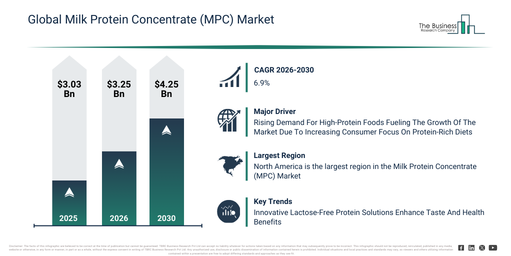
    The market for milk protein concentrate (mpc) has demonstrated robust growth in recent years. This market is set to expand from $3.03 billion in 2025 to $3.25 billion in 2026, exhibiting a compound annual growth rate (CAGR) of 7.2%. Historically, this expansion has been driven by factors such as dairy processing advancements, the demand for food fortification, the growth in sports nutrition, its applications in infant formula, and the utilization of whey and casein.

    The milk protein concentrate (mpc) market size is poised for substantial growth over the next few years. It is forecast to expand to $4.25 billion by 2030, achieving a compound annual growth rate (CAGR) of 6.9%. This projected growth can be attributed to several factors such as plant-dairy blend innovation, increasing demand for protein-enriched foods, the expansion of medical nutrition, sustainable dairy processing techniques, and consumption in emerging markets. Key trends influencing this period include the rising demand for high-protein nutrition, the proliferation of sports and clinical nutrition products, greater utilization in functional foods, an expansion of dairy ingredient applications, and a consumer preference for clean-label protein sources.

    Download the Free Sample Report to Explore Key Market Insights:

    https://www.thebusinessresearchcompany.com/sample.aspx?id=24606&type=smp

    Which Major Factors Are Driving The Expansion Of The Milk Protein Concentrate (MPC) Market?

    The increasing preference for high-protein foods is projected to boost the expansion of the Milk protein concentrate (MPC) market moving ahead. This rising demand indicates that consumers are making protein a more significant part of their nutritional intake. Growing health awareness and fitness trends prompt individuals to look for foods that provide lasting satiety and aid in muscle preservation. Milk protein concentrate fulfills this requirement by supplying a potent, practical source of dairy protein that food manufacturers can integrate into protein-enriched products. For example, in July 2025, findings from the International Food Information Council (IFIC), a US-based nutrition non-profit, showed that 70% of Americans reported attempting to consume more protein, and 23% confirmed following a high-protein diet over the last year, which is an increase from 18% in 2023. Thus, the escalating demand for high-protein foods is fueling the growth of the Milk protein concentrate (MPC) market.

    How Is The Milk Protein Concentrate (MPC) Market Structured Across Different Segments?

    The milk protein concentrate (mpc) market covered in this report is segmented –

    1) By Composition: Milk Protein Concentrate 40%, Milk Protein Concentrate 70%, Milk Protein Concentrate 85%

    2) By Ingredient Type: Total Milk Proteins, Co-Precipitates, Milk Protein Isolates, Blends, Other Ingredient Types

    3) By Nature: Organic, Conventional

    4) By Form: Liquid, Powder

    5) By End-User Industry: Healthcare, Food And Beverage, Automotive, Electronics, Chemicals And Materials

    Subsegments:

    1) By Milk Protein Concentrate 40%: Standard MPC 40% Powder, Instantized MPC 40%, Low-Lactose MPC 40%, Conventional MPC 40%

    2) By Milk Protein Concentrate 70%: Standard MPC 70% Powder, Instantized MPC 70%, High-Functional MPC 70%, Low-Fat MPC 70%

    3) By Milk Protein Concentrate 85%: Ultra-Filtered MPC 85%, High-Purity MPC 85%, Instantized MPC 85%, Sports And Clinical Nutrition Grade MPC 85%

    Which Trends Are Shaping The Future Of The Milk Protein Concentrate (MPC) Market?

    Key companies operating within the milk protein concentrate sector are focused on developing innovative offerings, such as lactose-free milk protein, to cater to lactose-intolerant consumers and expand their market reach. Lactose-free milk protein refers to a milk protein concentrate that has undergone special processing to eliminate lactose, making it appropriate for individuals with lactose intolerance. For instance, in November 2023, Valio Ltd., a US-based dairy company, introduced Valio Eila MPC 65, a protein concentrate crafted to boost the taste and health benefits of high-protein products. This concentrate integrates the natural whey and casein proteins and amino acids found in milk, enabling manufacturers to produce high-protein items with a smooth texture and a pleasant milky flavor, thus avoiding the gritty consistency and undesirable tastes often present in many protein powders. It allows for simpler ingredient lists, is suitable for various applications from beverages to desserts, and helps to streamline production by removing the necessity for extra processing steps.

    Which Major Players Dominate The Milk Protein Concentrate (MPC) Market?

    Major companies operating in the milk protein concentrate (mpc) market are Lactalis Group, Arla Foods, Fonterra Co-operative Group Limited, Saputo Inc., Royal FrieslandCampina N.V., Agropur Dairy Cooperative, Valio Ltd., Glanbia Nutritionals, Actus Nutrition Inc., California Dairies Inc., Ingredia SA, Numidia Dairy Company, Idaho Milk Products LLC, BioHealth Products Inc., Paras Dairy Foods Pvt. Ltd., Open Country Dairy LLC, Interfood Group A/S, Eurial Coopérative Laitière, Amco Proteins Ltd., Agrocomplex Group

    Read the full milk protein concentrate (mpc) market report here:

    https://www.thebusinessresearchcompany.com/report/milk-protein-concentrate-mpc-global-market-report

    Which Region Currently Holds The Largest Share Of The Milk Protein Concentrate (MPC) Market?

    North America was the largest region in the milk protein concentrate market in 2025. The regions covered in the milk protein concentrate (mpc) market report are Asia-Pacific, South East Asia, Western Europe, Eastern Europe, North America, South America, Middle East, Africa.

    Request A Tailored Milk Protein Concentrate (MPC) Market Research Report For Competitive Advantage:

    https://www.thebusinessresearchcompany.com/customise?id=24606&type=smp

    Browse Through More Reports Similar to the Global Milk Protein Concentrate (MPC) Market 2026, By The Business Research Company

    Milk Protein Market Report 2026

    https://www.thebusinessresearchcompany.com/report/milk-protein-global-market-report

    Egg Protein Powder Market Report 2026

    https://www.thebusinessresearchcompany.com/report/egg-protein-powder-global-market-report

    Concentrated Milk Fat Market Report 2026

    https://www.thebusinessresearchcompany.com/report/concentrated-milk-fat-global-market-report

    Get in touch with us:

    The Business Research Company: https://www.thebusinessresearchcompany.com/

    Americas +1 310-496-7795

    Asia +44 7882 955267 & +91 8897263534

    Europe +44 7882 955267

    Email us at info@tbrc.info

    Follow us on:

    LinkedIn: https://in.linkedin.com/company/the-business-research-company

    YouTube: https://www.youtube.com/channel/UC24_fI0rV8cR5DxlCpgmyFQ

    Global Market Model: https://www.thebusinessresearchcompany.com/global-market-model

  • Migraine Drugs Market Analysis Highlighting Growth Drivers and Opportunities Through 2030

    Migraine Drugs Market Analysis Highlighting Growth Drivers and Opportunities Through 2030

    The Business Research Company’s 2026 market reports include new capabilities such as market attractiveness scoring and analysis, total addressable market analysis, company scoring matrix, interactive excel data dashboard, improved supply chain analysis, upcoming startups in the market, and overview of key products, aimed at improving the depth, usability, and strategic value of the insights delivered.

    What Is The Market Size Of The Migraine Drugs Market In 2026 And What Value Is Projected For 2030?

    The migraine drugs market has experienced substantial expansion in recent times. Its valuation is projected to increase from $5.71 billion in 2025 to $6.03 billion in 2026, demonstrating a compound annual growth rate (CAGR) of 5.5%. Factors contributing to this historical growth include the escalating global prevalence of migraine, a scarcity of specialized treatments, heightened public awareness concerning migraine conditions, advancements in neuropharmacology research, and the enlargement of hospital and pharmacy infrastructures.

    The size of the migraine drugs market is projected to experience robust expansion over the coming years. This market is anticipated to reach $7.47 billion by 2030, exhibiting a compound annual growth rate (CAGR) of 5.5%. The expansion throughout the projected timeframe can be linked to progress in biologics for migraine treatment, the uptake of digital health and wearable technologies, enhanced research and development in CGRP inhibitors, a growing need for personalized medicine, and an increase in online pharmacy sales. Key trends expected during this forecast period encompass personalized migraine therapies, the development of CGRP antagonists, wearable devices for headache monitoring, an increase in the availability of over-the-counter migraine medications, and the incorporation of telemedicine for managing migraines.

    Download the Free Sample Report to Explore Key Market Insights:

    https://www.thebusinessresearchcompany.com/sample.aspx?id=13484&type=smp

    What Key Drivers Are Influencing The Growth Of The Migraine Drugs Market?

    The rising incidence of migraine is projected to propel the growth of the migraine drug market in the coming years. A migraine headache is defined by recurring episodes of mild-to-severe pounding and pulsing pain typically localized on one side of the brain. This increasing prevalence of migraines stimulates demand for specific medications, fostering innovation and sales growth as pharmaceutical companies work to discover and deliver effective therapies to address the expanding patient population. For instance, in March 2023, according to the Migraine Australia 2022–23 Pre-Budget Submissions, a report issued by the Australian Treasury, an Australia-based economic agency, Australia recorded one of the world’s highest migraine rates at 28%. This condition affects one in every four people, surpassing the combined prevalence of type 2 diabetes, epilepsy, and asthma. Consequently, the increase in the prevalence of migraine is a key driver for the migraine drug market.

    What Are The Key Segments Of The Migraine Drugs Market?

    The migraine drugs market covered in this report is segmented –

    1) By Drug Class: Triptans, Betablockers, Angiotensin Blockers, Tricyclics, Anticonvulsants

    2) By Route of Administration: Oral, Injectable, Other Routes

    3) By End-User: Hospitals And Clinics, Retail Pharmacy, Online Pharmacy, Other End Users

    Subsegments:

    1) By Triptans: Sumatriptan, Rizatriptan, Zolmitriptan, Eletriptan

    2) By Beta Blockers: Propranolol, Metoprolol, Timolol

    3) By Angiotensin Blockers: Candesartan, Losartan

    4) By Tricyclics: Amitriptyline, Nortriptyline

    5) By Anticonvulsants: Topiramate, Valproate

    What Key Trends Are Influencing The Development Of The Migraine Drugs Market?

    Leading companies in the migraine drugs market are concentrating on developing innovative products, such as Zavzpret, to better serve patients and gain a competitive advantage. Zavzpret is a nasal spray medication formulated for the acute treatment of migraines, with or without aura, in adults. For instance, in March 2023, Pfizer, a US-based pharmaceutical company, secured approval from the Food and Drug Administration, a US federal agency, for Zavzpret. It stands as the initial and sole approved zavegepant (CGRP receptor antagonist) nasal spray for the acute management of migraine. This product targets the calcitonin gene-related peptide (CGRP) and is designed for the acute treatment of migraine. The approval of Zavzpret introduces a new therapeutic option for individuals experiencing migraines, particularly beneficial for those who suffer from nausea and vomiting during migraine attacks and for those unable to use triptans due to cardiovascular risks.

    Who Are The Leading Companies Operating In The Migraine Drugs Market?

    Major companies operating in the migraine drugs market are Pfizer Inc., Johnson & Johnson Services Inc., Bayer AG, Merck & Co. Inc., AbbVie Inc., Sanofi SA, Novartis AG, AstraZeneca, Abbott Laboratories, GlaxoSmithKline plc., Eli Lilly and Company, Amgen Inc., Otsuka Holdings Co. Ltd., Teva Pharmaceutical Industries Ltd., Bausch Health Companies Inc., Eisai Co. Ltd., Dr Reddys Laboratories Ltd., H. Lundbeck A/S, Amneal Pharmaceuticals Inc., Endo Pharmaceuticals Inc., Neurelis Inc., ALDER BIOPHARMACEUTICALS INC.

    Read the full migraine drugs market report here:

    https://www.thebusinessresearchcompany.com/report/migraine-drugs-global-market-report

    Which Region Is Expected To Register The Fastest Growth In The Migraine Drugs Market?

    North America was the largest region in the migraine market in 2025. Asia-Pacific is expected to be the fastest-growing region in the forecast period. The regions covered in the migraine drugs market report are Asia-Pacific, South East Asia, Western Europe, Eastern Europe, North America, South America, Middle East, Africa.

    Request A Tailored Migraine Drugs Market Research Report For Competitive Advantage:

    https://www.thebusinessresearchcompany.com/customise?id=13484&type=smp

    Browse Through More Reports Similar to the Global Migraine Drugs Market 2026, By The Business Research Company

    Migraine Drugs Market Report 2026

    https://www.thebusinessresearchcompany.com/report/migraine-drugs-global-market-report

    Migraine Treatment Market Report 2026

    https://www.thebusinessresearchcompany.com/report/migraine-treatment-global-market-report

    Migraine Market Report 2026

    https://www.thebusinessresearchcompany.com/report/migraine-global-market-report

    Get in touch with us:

    The Business Research Company: https://www.thebusinessresearchcompany.com/

    Americas +1 310-496-7795

    Asia +44 7882 955267 & +91 8897263534

    Europe +44 7882 955267

    Email us at info@tbrc.info

    Follow us on:

    LinkedIn: https://in.linkedin.com/company/the-business-research-company

    YouTube: https://www.youtube.com/channel/UC24_fI0rV8cR5DxlCpgmyFQ

    Global Market Model: https://www.thebusinessresearchcompany.com/global-market-model
  • Global Mid-Size Pharmaceuticals Market Expected to Reach $1059.05 Billion by 2030 with a CAGR of 7%

    Global Mid-Size Pharmaceuticals Market Expected to Reach $1059.05 Billion by 2030 with a CAGR of 7%

    The Business Research Company’s 2026 market reports include new capabilities such as market attractiveness scoring and analysis, total addressable market analysis, company scoring matrix, interactive excel data dashboard, improved supply chain analysis, upcoming startups in the market, and overview of key products, aimed at improving the depth, usability, and strategic value of the insights delivered.

    What Will Be The Estimated Market Valuation Of The Mid-Size Pharmaceuticals Market By The End Of 2030?

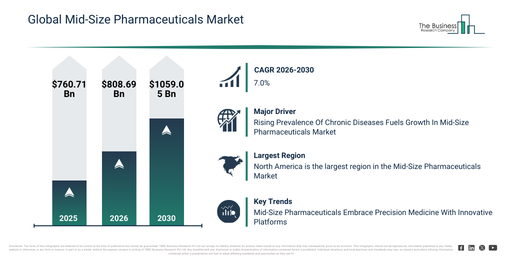
    The mid-size pharmaceuticals market has experienced significant growth in recent years. It is projected to expand from $760.71 billion in 2025 to $808.69 billion in 2026, demonstrating a compound annual growth rate (CAGR) of 6.3%. The historical period’s growth can be attributed to increased r&d investments, expansion into emerging markets, adoption of generic drug production, growth of regional partnerships, and rising prevalence of chronic diseases.

    The mid-size pharmaceuticals market is projected to experience substantial expansion over the coming years. Its valuation is anticipated to reach $1059.05 billion by 2030, demonstrating a compound annual growth rate (CAGR) of 7.0%. This anticipated growth during the forecast period is attributable to breakthroughs in personalized medicine, a rise in the outsourcing activities of CROs & CMOs, the integration of AI-driven drug discovery, the proliferation of digital health platforms, and an increase in specialty pharmaceuticals. Key developments expected in this period encompass a focus on niche drug development, broader regional market penetration, intensified strategic partnerships & collaborations, an upsurge in generic drug manufacturing, and optimized contract manufacturing processes.

    Download the Free Sample Report to Explore Key Market Insights:

    https://www.thebusinessresearchcompany.com/sample.aspx?id=12045&type=smp

    What Major Growth Drivers Are Shaping The Outlook Of The Mid-Size Pharmaceuticals Market?

    The rising occurrence of chronic illnesses is anticipated to fuel the expansion of the mid-size pharmaceuticals market moving forward. Chronic conditions, also known as non-communicable diseases, are persistent health issues necessitating ongoing management and treatment, which in turn boosts the demand for medications. Mass spectrometry techniques find application in the identification, quantification, and analysis of biomarkers and metabolites associated with chronic diseases. An increase in the prevalence of chronic diseases will contribute to the growth of the mid-size pharmaceuticals market. For instance, in June 2024, according to the National Health Service, a UK-based government department, 3,615,330 individuals registered with a general practitioner (GP) were diagnosed with non-diabetic hyperglycemia or pre-diabetes (a condition with elevated blood sugar levels, not high enough to be classified as diabetes) in 2023, marking an 18% increase from 3,065,825 cases in 2022. Consequently, the expanding prevalence of chronic diseases is driving the growth of the mid-size pharmaceuticals market.

    Which Segment Classifications Shape The Mid-Size Pharmaceuticals Market?

    The mid-size pharmaceuticals market covered in this report is segmented –

    1) By Drug Development Type: In-House, Outsource

    2) By Type: Prescription, Over The Counter

    3) By Formulation: Tablets, Capsules, Injectables, Sprays, Other Formulations

    4) By Application: Cardiovascular Diseases, Pain Management, Diabetes, Cancer, Other Conditions

    Subsegments:

    1) By In-House: Research And Development (R&D) Departments, Clinical Trials Management

    2) By Outsource: Contract Research Organizations (CROs), Contract Manufacturing Organizations (CMOs)

    How Are Trends Impacting The Mid-Size Pharmaceuticals Market?

    Leading companies within the mid-size pharmaceuticals industry are concentrating on the advancement and release of products like precision medicine platforms to uphold their market presence. A precision medicine platform signifies an advanced technological system or approach specifically designed to customize medical care and interventions based on the distinct characteristics of individual patients. For example, in February 2023, C4X Discovery Holdings PLC, a UK-based mid-size pharmaceutical company, launched its innovative precision medicine platform, PatientSeek. This platform is engineered to identify patients who are most likely to benefit from a particular medication through an examination of their genetic makeup. The introduction of PatientSeek follows its successful validation in patient stratification, a process where a subgroup of patients demonstrating a positive response to treatment was identified during a retrospective analysis of a Phase 3 clinical trial for Parkinson’s disease. This progress signifies an important move toward employing genetics for more focused and impactful medication strategies, highlighting precision medicine’s capability to improve treatment outcomes.

    Which Companies Are Expanding Their Footprint In The Mid-Size Pharmaceuticals Market?

    Major companies operating in the mid-size pharmaceuticals market are Baxter International Inc., Teva Pharmaceutical Industries Ltd., Otsuka Pharmaceutical Co Ltd., Astellas Pharma Inc., Daiichi Sankyo Co. Ltd., Alexion Pharmaceuticals Inc., UCB S.A., Sun Pharmaceutical Industries Ltd., Eisai Co. Ltd., Les Laboratoires Servier S.A., Perrigo Co Plc, Aurobindo Pharma Limited., Cipla Limited, Hikma Pharmaceuticals, Endo International plc, Taisho Pharmaceutical Holdings Co. Ltd., BioMarin Pharmaceutical Inc., Mallinckrodt Plc, Exelixis Inc., Mylan Pharmaceuticals Inc., Neurocrine Biosciences Inc., Kyowa Kirin Co. Ltd., Emergent BioSolutions Inc.

    Read the full mid-size pharmaceuticals market report here:

    https://www.thebusinessresearchcompany.com/report/mid-size-pharmaceuticals-global-market-report

    Which Regions Are Projected To Dominate The Mid-Size Pharmaceuticals Market In The Coming Years?

    North America was the largest region in the mid-size pharmaceutical market in 2025. Asia-Pacific is expected to be the fastest-growing region in the forecast period. The regions covered in the mid-size pharmaceuticals market report are Asia-Pacific, South East Asia, Western Europe, Eastern Europe, North America, South America, Middle East, Africa.

    Request A Tailored Mid-Size Pharmaceuticals Market Research Report For Competitive Advantage:

    https://www.thebusinessresearchcompany.com/customise?id=12045&type=smp

    Browse Through More Reports Similar to the Global Mid-Size Pharmaceuticals Market 2026, By The Business Research Company

    Mid Size Pharmaceuticals Market Report 2026

    https://www.thebusinessresearchcompany.com/report/mid-size-pharmaceuticals-global-market-report

    Pharmaceuticals Market 2026

    https://www.thebusinessresearchcompany.com/report/pharmaceuticals-market

    Small Molecule Active Pharmaceutical Ingredient Market Report 2026

    https://www.thebusinessresearchcompany.com/report/small-molecule-active-pharmaceutical-ingredient-global-market-report

    Get in touch with us:

    The Business Research Company: https://www.thebusinessresearchcompany.com/

    Americas +1 310-496-7795

    Asia +44 7882 955267 & +91 8897263534

    Europe +44 7882 955267

    Email us at info@tbrc.info

    Follow us on:

    LinkedIn: https://in.linkedin.com/company/the-business-research-company

    YouTube: https://www.youtube.com/channel/UC24_fI0rV8cR5DxlCpgmyFQ

    Global Market Model: https://www.thebusinessresearchcompany.com/global-market-model
  • Microtubule Inhibitor Chemotherapy Drugs Market Outlook Indicating Growth Toward $7.23 Billion by 2030

    Microtubule Inhibitor Chemotherapy Drugs Market Outlook Indicating Growth Toward $7.23 Billion by 2030

    The Business Research Company’s 2026 market reports include new capabilities such as market attractiveness scoring and analysis, total addressable market analysis, company scoring matrix, interactive excel data dashboard, improved supply chain analysis, upcoming startups in the market, and overview of key products, aimed at improving the depth, usability, and strategic value of the insights delivered.

    What Market Size Growth Is Projected For The Microtubule Inhibitor Chemotherapy Drugs Market During The Forecast Period 2026–2030?

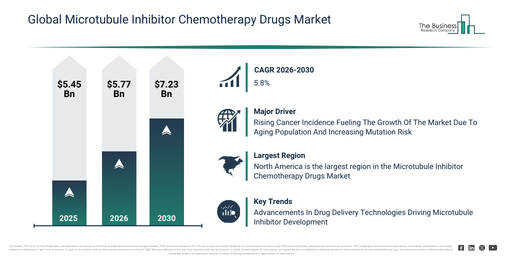
    The microtubule inhibitor chemotherapy drugs market size has experienced significant expansion in recent years. It is anticipated to grow from $5.45 billion in 2025 to $5.77 billion in 2026, demonstrating a compound annual growth rate (CAGR) of 5.8%. The historical growth trajectory is primarily due to factors such as the extensive adoption of taxanes and vinca alkaloids, the increasing global prevalence of cancer, the proven efficacy of microtubule inhibitors, the development of oncology treatment facilities, and heightened clinical oncology research.

    The market for microtubule inhibitor chemotherapy drugs is projected to experience substantial expansion over the upcoming years. This market is anticipated to reach $7.23 billion by 2030, demonstrating a compound annual growth rate (CAGR) of 5.8%. Factors contributing to this anticipated growth include a global rise in cancer cases, a heightened need for combined oncology treatments, improvements in drug delivery mechanisms, increased funding for developing oncology drugs, and the broadening of individualized cancer treatment approaches. Key trends anticipated during this period involve the expanded application of microtubule inhibitors within combination therapies, the progression in creating new synthetic microtubule inhibitors, the increasing implementation of targeted chemotherapy protocols, the broadening of their approved uses across various cancer types, and an intensified effort to mitigate the adverse effects of chemotherapy.

    Download the Free Sample Report to Explore Key Market Insights:

    https://www.thebusinessresearchcompany.com/sample.aspx?id=24323&type=smp

    What Drivers Are Expected To Influence The Microtubule Inhibitor Chemotherapy Drugs Market During The Forecast Period?

    The rising occurrence of cancer is anticipated to propel the expansion of the microtubule inhibitor chemotherapy drugs market in the future. Cancer encompasses various illnesses characterized by uncontrolled cell proliferation, capable of infiltrating adjacent tissues or metastasizing to distinct parts of the body. The growing elderly demographic contributes to the increase in cancer diagnoses, given that older people are more prone to acquiring genetic mutations and prolonged exposure to carcinogens, thus heightening their vulnerability to cancer. For cancer treatment, microtubule inhibitor chemotherapy drugs function by disrupting cell division; they target microtubules vital for mitosis, thereby effectively halting the swift multiplication of cancer cells. For instance, the World Health Organization, a Switzerland-based intergovernmental organization, reported in February 2024 that cancer incidents are projected to climb considerably, from 20 million in 2022 to over 35 million more by 2050. Consequently, the expanding occurrence of cancer is stimulating the demand and growth of the microtubule inhibitor chemotherapy drugs market.

    What Market Segments Are Evaluated Within The Microtubule Inhibitor Chemotherapy Drugs Market?

    The microtubule inhibitor chemotherapy drugs market covered in this report is segmented –

    1) By Drug Type: Vinca Alkaloids, Taxanes, Epothilones, Other Drug Types

    2) By Mechanism Of Action: Spindle Poisoning Agents, Microtubule Stabilizers, Microtubule Destabilizers, Dual-Action Inhibitors

    3) By Administration Route: Intravenous (IV), Oral, Subcutaneous, Intraperitoneal

    4) By Patient Demographics: Pediatric Patients, Adult Patients, Geriatric Patients, Gender-Specific Considerations

    5) By Application Area: Breast Cancer, Lung Cancer, Ovarian Cancer, Lymphomas, Other Application Areas

    Subsegments:

    1) By Vinca Alkaloids: Vincristine, Vinblastine, Vinorelbine, Vindesine

    2) By Taxanes: Paclitaxel, Docetaxel, Cabazitaxel, Nab-paclitaxel

    3) By Epothilones: Ixabepilone, Epothilone B

    4) By Other Drug Types: Eribulin, Estramustine, Novel Synthetic Microtubule Inhibitors

    What Industry Trends Are Redefining The Microtubule Inhibitor Chemotherapy Drugs Market?

    Companies actively involved in the microtubule inhibitor chemotherapy drugs market are concentrating on developing advanced solutions, such as albumin-bound formulations, to improve drug delivery to tumors. These albumin-bound formulations refer to drug compositions where the active pharmaceutical ingredient is connected to albumin, a protein that assists in enhancing drug solubility, stability, and targeted delivery to cancer cells. For instance, in October 2024, Sandoz AG, a Switzerland-based pharmaceutical company, revealed the U.S. launch of its generic version of paclitaxel. The recently introduced formulation comes as a lyophilized powder for injection within a single-dose 100 mg vial. Paclitaxel protein-bound particles for injectable suspension (albumin-bound), a microtubule inhibitor, is recommended for treating metastatic breast cancer in patients who have not responded to combination chemotherapy for metastatic disease or have experienced a relapse within six months following adjuvant chemotherapy.

    Who Are The Top Market Participants Influencing The Microtubule Inhibitor Chemotherapy Drugs Market?

    Major companies operating in the microtubule inhibitor chemotherapy drugs market are Pfizer Inc., Sanofi S.A., Bristol-Myers Squibb Company, Fresenius Kabi AG, Eli Lilly and Company, Teva Pharmaceutical Industries Ltd., Intas Pharmaceuticals Ltd., Sun Pharmaceutical Industries Limited, Eisai Co. Ltd., Aurobindo Pharma Limited, Dr. Reddy’s Laboratories Ltd., Cipla Limited, Hikma Pharmaceuticals PLC, Zydus Lifesciences Limited, Gland Pharma Limited, Natco Pharma Limited, Minakem, Selleck Chemicals LLC, Accord Healthcare Ltd., Focus Biomolecules LLC

    Read the full microtubule inhibitor chemotherapy drugs market report here:

    https://www.thebusinessresearchcompany.com/report/microtubule-inhibitor-chemotherapy-drugs-global-market-report

    Which Region Is Forecast To Lead The Microtubule Inhibitor Chemotherapy Drugs Market In Terms Of Market Size?

    North America was the largest region in the microtubule inhibitor chemotherapy drugs market in 2025. Asia-Pacific is expected to be the fastest-growing region in the forecast period. The regions covered in the microtubule inhibitor chemotherapy drugs market report are Asia-Pacific, South East Asia, Western Europe, Eastern Europe, North America, South America, Middle East, Africa.

    Request A Tailored Microtubule Inhibitor Chemotherapy Drugs Market Research Report For Competitive Advantage:

    https://www.thebusinessresearchcompany.com/customise?id=24323&type=smp

    Browse Through More Reports Similar to the Global Microtubule Inhibitor Chemotherapy Drugs Market 2026, By The Business Research Company

    Chemotherapy Market Report 2026

    https://www.thebusinessresearchcompany.com/report/chemotherapy-global-market-report

    Oncology Drugs Market 2026

    https://www.thebusinessresearchcompany.com/report/oncology-drugs-market

    Oncology Drugs Market 2026

    https://www.thebusinessresearchcompany.com/report/oncology-drugs-market

    Get in touch with us:

    The Business Research Company: https://www.thebusinessresearchcompany.com/

    Americas +1 310-496-7795

    Asia +44 7882 955267 & +91 8897263534

    Europe +44 7882 955267

    Email us at info@tbrc.info

    Follow us on:

    LinkedIn: https://in.linkedin.com/company/the-business-research-company

    YouTube: https://www.youtube.com/channel/UC24_fI0rV8cR5DxlCpgmyFQ

    Global Market Model: https://www.thebusinessresearchcompany.com/global-market-model
  • Microcarrier Beads Market Revenue Forecast to Reach $4.95 Billion by 2030 at 8.9% CAGR

    Microcarrier Beads Market Revenue Forecast to Reach $4.95 Billion by 2030 at 8.9% CAGR

    The Business Research Company’s 2026 market reports include new capabilities such as market attractiveness scoring and analysis, total addressable market analysis, company scoring matrix, interactive excel data dashboard, improved supply chain analysis, upcoming startups in the market, and overview of key products, aimed at improving the depth, usability, and strategic value of the insights delivered.

    How Will The Market Size Of The Microcarrier Beads Market Evolve From 2026 To 2030?

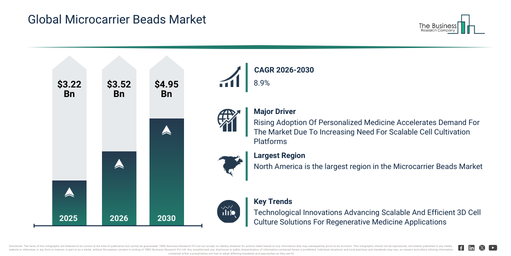
    The microcarrier beads market has shown significant expansion in recent years. This market is anticipated to increase from $3.22 billion in 2025 to $3.52 billion in 2026, exhibiting a compound annual growth rate (CAGR) of 9.2%. Key factors contributing to its historical growth include the restricted supply of standardized microcarriers, a reliance on small-scale cell culture methods, the rising need for vaccine production, expanding biopharmaceutical research and development, and the adoption of fundamental tissue engineering techniques.

    The microcarrier beads market is projected to experience substantial growth over the next few years. It is anticipated to expand to $4.95 billion by 2030, demonstrating a compound annual growth rate (CAGR) of 8.9%. This expected growth during the forecast period is primarily attributed to the advancement and modification of microcarriers, the increasing scope of gene therapy and regenerative medicine, the growing embrace of scalable bioreactor systems, rising investments in biotechnology, and the progress in personalized medicine and protein therapeutics. Furthermore, significant trends foreseen in this period include an escalating demand for large-scale cell culture expansion, a rise in vaccine and gene therapy production, the broader application of microcarriers in tissue engineering and protein production, the adoption of custom and modified microcarrier beads, and the expansion of academic and research applications for cell-based studies.

    Download the Free Sample Report to Explore Key Market Insights:

    https://www.thebusinessresearchcompany.com/sample.aspx?id=27345&type=smp

    What Drivers Are Influencing The Microcarrier Beads Market?

    The microcarrier beads market is anticipated to expand, driven by the increasing trend of personalized medicine. Personalized medicine involves customizing healthcare decisions and treatments based on the individual characteristics of each patient, such as their genetic profile and biological markers. This approach is gaining momentum due to advancements in genomic technologies, which facilitate rapid and cost-efficient analysis of individual genetic data to inform targeted therapies. Microcarrier beads support personalized medicine by offering a scalable system for cultivating patient-specific cells required for individualized treatments. For instance, in February 2024, according to the Personalized Medicine Coalition, a US-based non-profit organization, the FDA approved 16 new personalized treatments for rare disease patients in 2023, an increase compared to 6 in 2022. The 2023 approvals also encompassed seven cancer therapies and three for other medical conditions. Therefore, the growing trend of personalized medicine is a significant driver for the growth of the microcarrier beads market.

    Which Segment Areas Are Covered In The Microcarrier Beads Market Analysis?

    The microcarrier beads market covered in this report is segmented –

    1) By Type: Cytodex Microcarriers, Cultispher Microcarriers, Microcarriers MC10, Microcarriers MC3T3, Microcarriers MC3T3-E1

    2) By Size: Small Microcarriers, Medium Microcarriers, Large Microcarriers

    3) By Distribution Channel: Direct Sales, Distributors Or Resellers, Online Platforms, Catalogs And Magazines

    4) By Application: Cell Culture Expansion, Vaccine Production, Gene Therapy, Tissue Engineering, Protein Production

    5) By End-User: Biotechnology Companies, Pharmaceutical Companies, Academic And Research Institutions, Contract Research Organizations (CROs), Other End Users

    Subsegments:

    1) By Cytodex Microcarriers: Cytodex 1, Cytodex 3, Cytodex 4

    2) By CultiSpher Microcarriers: CultiSpher-S, CultiSpher-G, CultiSpher-GM

    3) By Microcarriers MC10: MC10 Standard, MC10 Modified

    4) By Microcarriers MC3T3: MC3T3 Alpha, MC3T3 Beta

    5) By Microcarriers MC3T3-E1: MC3T3-E1 Standard, MC3T3-E1 Enhanced

    What Key Developments And Trends Are Impacting The Microcarrier Beads Market?

    Major companies engaged in the microcarrier beads market are dedicating efforts to developing advanced solutions, such as hydrophilic polymer-based beads, to improve cell attachment, growth, and scalability within bioreactor-based cell culture systems. Hydrophilic polymer-based beads are characterized as microcarrier beads comprising polymers that readily absorb water, thereby establishing a hydrated environment that emulates natural cellular conditions, which in turn enhances cell viability, proliferation, and functionality during large-scale cell culture processes. For instance, in April 2024, Kuraray Co. Ltd., a chemical manufacturing company from Japan, introduced PVA (polyvinyl alcohol) hydrogel microcarriers for cell culture applications, specifically targeting regenerative medicine. These serve as highly elastic, damage-resistant bead-like scaffolds, enabling efficient, large-scale 3D cell culture, along with straightforward cell recovery, improved proliferation, and safety for regenerative medicine. Their swelling characteristic expands the surface area, consequently reducing the microcarrier usage and allowing for clear microscopic observation of cells during the culture period.

    Which Global Companies Are Actively Competing In The Microcarrier Beads Market?

    Major companies operating in the microcarrier beads market are Thermo Fisher Scientific Inc., Merck KGaA, Asahi Kasei Corporation, Corning Incorporated, Lonza Corporation, Cytiva Life Sciences, KURARAY CO. LTD., Sartorius AG, Bio-Techne Corporation, Pall Corporation, Ilex Life Sciences Ltd., ReproCELL Inc., HiMedia Laboratories Pvt. Ltd., Synthecon Inc., Beaver Biomedical Engineering Co. Ltd., Percell Biolytica.

    Read the full microcarrier beads market report here:

    https://www.thebusinessresearchcompany.com/report/microcarrier-beads-global-market-report

    Which Regions Are Expected To Experience Rapid Expansion In The Microcarrier Beads Market?

    North America was the largest region in the microcarrier beads market in 2025. Asia-Pacific is expected to be the fastest-growing region in the forecast period. The regions covered in the microcarrier beads market report are Asia-Pacific, South East Asia, Western Europe, Eastern Europe, North America, South America, Middle East, Africa.

    Request A Tailored Microcarrier Beads Market Research Report For Competitive Advantage:

    https://www.thebusinessresearchcompany.com/customise?id=27345&type=smp

    Browse Through More Reports Similar to the Global Microcarrier Beads Market 2026, By The Business Research Company

    Payment Processor Market Report 2026

    https://www.thebusinessresearchcompany.com/report/payment-processor-global-market-report

    Payment As A Service Market Report 2026

    https://www.thebusinessresearchcompany.com/report/payment-as-a-service-global-market-report

    Payment Processing Solutions Market Report 2026

    https://www.thebusinessresearchcompany.com/report/payment-processing-solutions-global-market-report

    Get in touch with us:

    The Business Research Company: https://www.thebusinessresearchcompany.com/

    Americas +1 310-496-7795

    Asia +44 7882 955267 & +91 8897263534

    Europe +44 7882 955267

    Email us at info@tbrc.info

    Follow us on:

    LinkedIn: https://in.linkedin.com/company/the-business-research-company

    YouTube: https://www.youtube.com/channel/UC24_fI0rV8cR5DxlCpgmyFQ

    Global Market Model: https://www.thebusinessresearchcompany.com/global-market-model
  • Microcarrier Market Expected to Show Steady Growth, Approaching $4.15 Billion by 2030

    Microcarrier Market Expected to Show Steady Growth, Approaching $4.15 Billion by 2030

    The Business Research Company’s 2026 market reports include new capabilities such as market attractiveness scoring and analysis, total addressable market analysis, company scoring matrix, interactive excel data dashboard, improved supply chain analysis, upcoming startups in the market, and overview of key products, aimed at improving the depth, usability, and strategic value of the insights delivered.

    What Is The Forecasted Market Value Of The Microcarrier Market Across 2026–2030?

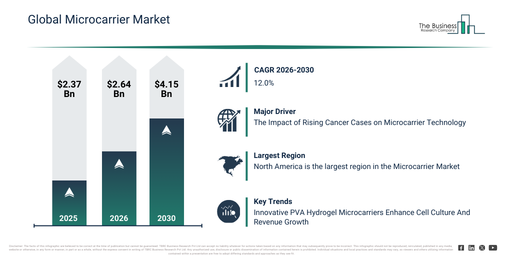
    The microcarrier market has seen considerable expansion in recent years. Its valuation is projected to rise from $2.37 billion in 2025 to $2.64 billion by 2026, achieving a compound annual growth rate (CAGR) of 11.6%. Historically, this market’s development has been propelled by factors such as the greater adoption of cell therapy research, the escalating demand for vaccine production, the progress in biotechnology research, the presence of essential microcarrier materials, and the expansion of contract research organizations.

    The microcarrier market is projected for significant expansion over the coming years. By 2030, its valuation is anticipated to reach $4.15 billion, advancing at a compound annual growth rate (CAGR) of 12.0%. This projected growth is driven by factors such as the increasing demand for personalized medicine, continuous advancements in bioreactor technologies, the incorporation of AI into cell culture monitoring, a surge in investments within cell therapy, and the creation of innovative microcarrier materials. Key trends expected during this period encompass scalable cell expansion techniques, improved microcarrier biocompatibility, automated cell culture systems, the integration of 3D cell culture models, and the ongoing development of specialized microcarriers.

    Download the Free Sample Report to Explore Key Market Insights:

    https://www.thebusinessresearchcompany.com/sample.aspx?id=7759&type=smp

    What Drivers Are Shaping The Future Growth Of The Microcarrier Market?

    The rising occurrence of cancer diagnoses fuels the expansion of the microcarrier market. A key factor contributing to cancer risk is the longer human lifespan. Additionally, the global surge in cancer cases has been linked to factors such as embracing a Western lifestyle, inadequate nutritional practices, higher dairy intake, the presence of food additives, regular consumption of non-vegetarian meals, environmental chemical contamination, and insufficient physical activity. This escalating incidence of cancer involves the abnormal, uncontrolled development of cells that extend beyond their usual confines to invade various organs or tissues within the body. Microcarrier support functions as a matrix enabling adherent cells to proliferate within bioreactors, simultaneously fostering cancer cell multiplication and the creation of microtissue for the repair and restoration of impaired or degenerated tissue. For example, in February 2024, the World Health Organization, a Switzerland-based specialized agency of the United Nations, projected that by 2025, new cancer cases would exceed 35 million, representing a 77% rise from the approximately 20 million cases recorded in 2022. Consequently, the growing frequency of cancer cases drives the expansion of the microcarrier market.

    What Segmentation Levels Are Considered In The Microcarrier Market?

    The microcarrier market covered in this report is segmented –

    1) By Product: Equipment, Consumables

    2) By Microcarrier Type: Cationic Microcarriers, Collagen-Coated Microcarriers, Protein-Coated Microcarriers, Untreated Microcarriers, Other Microcarriers

    3) By Material Type: Alginate-Based, Collagen-Based, Dextran-Based, Polystyrene-Based, Other Material Type

    4) By Application: Vaccine Manufacturing, Cell Therapy, Other Applications

    5) By End User: Pharmaceutical And Biotechnology Companies, Research Institutes, CROs

    Subsegments:

    1) By Equipment: Bioreactors, Microcarrier Culture Systems, Filtration Systems, Sensors And Monitors

    2) By Consumables: Microcarriers, Media And Supplements, Reagents And Kits, Other Consumables

    What Trends Are Projected To Affect The Microcarrier Market?

    Leading companies engaged in microcarriers are prioritizing the development of innovative products, such as PVA hydrogel microcarriers, to increase revenue and expand their product offerings. PVA hydrogel microcarriers are biocompatible materials utilized to support the growth and expansion of adherent cells in bioprocessing and cell culture applications. For instance, in October 2023, Kuraray Co., Ltd., a Japan-based chemical manufacturer, introduced polyvinyl alcohol (PVA) hydrogel microcarriers designed for cell cultures within the field of regenerative medicine. When these microcarriers are introduced into bioreactors for large-scale cell cultures, they facilitate cell adhesion and growth on their surfaces, thereby streamlining the process of cell detachment and recovery. These microcarriers are notable for their robustness in bioreactor conditions, their safety credentials, and their ability to enhance cell culture efficiency.

    Which Leading Firms Are Contributing To The Growth Of The Microcarrier Market?

    Major companies operating in the microcarrier market are Thermo Fisher Scientific Inc., The Merck Group, GE Healthcare Technologies Inc., Corning Incorporated, Lonza Group AG, Microcarrier Global, Sartorius AG, Getinge AB, ChemoMetec, Cesco Bioengineering Co. Ltd., Himedia Laboratories Pvt. LTtd., Esco VacciXcell, Danaher Corporation, Eppendorf AG, Solida Biotech GmbH, CellGenix GmbH, FUJIFILM Irvine Scientific Inc., Stemcell Technologies Inc., Bio-Techne Corporation, InVitria Inc., CytoSMART Technologies BV, Synthace Limited, Cell Guidance Systems Ltd., BioLamina AB, Cell Culture Company LLC, Cell Applications Inc., CellSystems Biotechnologie Vertrieb GmbH, Cellon SA, Repligen corporation, VWR International

    Read the full microcarrier market report here:

    https://www.thebusinessresearchcompany.com/report/microcarrier-global-market-report

    Which Geographic Regions Are Influencing Demand In The Microcarrier Market?

    North America was the largest region in the microcarrier market in 2025.Asia-Pacific is expected to be the fastest-growing region in the forecast period. The regions covered in the microcarrier market report are Asia-Pacific, South East Asia, Western Europe, Eastern Europe, North America, South America, Middle East, Africa.

    Request A Tailored Microcarrier Market Research Report For Competitive Advantage:

    https://www.thebusinessresearchcompany.com/customise?id=7759&type=smp

    Browse Through More Reports Similar to the Global Microcarrier Market 2026, By The Business Research Company

    Microcarrier Market Report 2026

    https://www.thebusinessresearchcompany.com/report/microcarrier-global-market-report

    Wireless Telecommunication Carrier Market Report 2026

    https://www.thebusinessresearchcompany.com/report/wireless-telecommunication-carrier-global-market-report

    Micro Server Ic Market Report 2026

    https://www.thebusinessresearchcompany.com/report/micro-server-ic-global-market-report

    Get in touch with us:

    The Business Research Company: https://www.thebusinessresearchcompany.com/

    Americas +1 310-496-7795

    Asia +44 7882 955267 & +91 8897263534

    Europe +44 7882 955267

    Email us at info@tbrc.info

    Follow us on:

    LinkedIn: https://in.linkedin.com/company/the-business-research-company

    YouTube: https://www.youtube.com/channel/UC24_fI0rV8cR5DxlCpgmyFQ

    Global Market Model: https://www.thebusinessresearchcompany.com/global-market-model

  • Microcarrier Market Expected to Show Steady Growth, Approaching $4.15 Billion by 2030

    The Business Research Company’s 2026 market reports include new capabilities such as market attractiveness scoring and analysis, total addressable market analysis, company scoring matrix, interactive excel data dashboard, improved supply chain analysis, upcoming startups in the market, and overview of key products, aimed at improving the depth, usability, and strategic value of the insights delivered.

    What Is The Forecasted Market Value Of The Microcarrier Market Across 2026–2030?

    The microcarrier market has seen considerable expansion in recent years. Its valuation is projected to rise from $2.37 billion in 2025 to $2.64 billion by 2026, achieving a compound annual growth rate (CAGR) of 11.6%. Historically, this market’s development has been propelled by factors such as the greater adoption of cell therapy research, the escalating demand for vaccine production, the progress in biotechnology research, the presence of essential microcarrier materials, and the expansion of contract research organizations.

    The microcarrier market is projected for significant expansion over the coming years. By 2030, its valuation is anticipated to reach $4.15 billion, advancing at a compound annual growth rate (CAGR) of 12.0%. This projected growth is driven by factors such as the increasing demand for personalized medicine, continuous advancements in bioreactor technologies, the incorporation of AI into cell culture monitoring, a surge in investments within cell therapy, and the creation of innovative microcarrier materials. Key trends expected during this period encompass scalable cell expansion techniques, improved microcarrier biocompatibility, automated cell culture systems, the integration of 3D cell culture models, and the ongoing development of specialized microcarriers.

    Download the Free Sample Report to Explore Key Market Insights:

    https://www.thebusinessresearchcompany.com/sample.aspx?id=7759&type=smp

    What Drivers Are Shaping The Future Growth Of The Microcarrier Market?

    The rising occurrence of cancer diagnoses fuels the expansion of the microcarrier market. A key factor contributing to cancer risk is the longer human lifespan. Additionally, the global surge in cancer cases has been linked to factors such as embracing a Western lifestyle, inadequate nutritional practices, higher dairy intake, the presence of food additives, regular consumption of non-vegetarian meals, environmental chemical contamination, and insufficient physical activity. This escalating incidence of cancer involves the abnormal, uncontrolled development of cells that extend beyond their usual confines to invade various organs or tissues within the body. Microcarrier support functions as a matrix enabling adherent cells to proliferate within bioreactors, simultaneously fostering cancer cell multiplication and the creation of microtissue for the repair and restoration of impaired or degenerated tissue. For example, in February 2024, the World Health Organization, a Switzerland-based specialized agency of the United Nations, projected that by 2025, new cancer cases would exceed 35 million, representing a 77% rise from the approximately 20 million cases recorded in 2022. Consequently, the growing frequency of cancer cases drives the expansion of the microcarrier market.

    What Segmentation Levels Are Considered In The Microcarrier Market?

    The microcarrier market covered in this report is segmented –

    1) By Product: Equipment, Consumables

    2) By Microcarrier Type: Cationic Microcarriers, Collagen-Coated Microcarriers, Protein-Coated Microcarriers, Untreated Microcarriers, Other Microcarriers

    3) By Material Type: Alginate-Based, Collagen-Based, Dextran-Based, Polystyrene-Based, Other Material Type

    4) By Application: Vaccine Manufacturing, Cell Therapy, Other Applications

    5) By End User: Pharmaceutical And Biotechnology Companies, Research Institutes, CROs

    Subsegments:

    1) By Equipment: Bioreactors, Microcarrier Culture Systems, Filtration Systems, Sensors And Monitors

    2) By Consumables: Microcarriers, Media And Supplements, Reagents And Kits, Other Consumables

    What Trends Are Projected To Affect The Microcarrier Market?

    Leading companies engaged in microcarriers are prioritizing the development of innovative products, such as PVA hydrogel microcarriers, to increase revenue and expand their product offerings. PVA hydrogel microcarriers are biocompatible materials utilized to support the growth and expansion of adherent cells in bioprocessing and cell culture applications. For instance, in October 2023, Kuraray Co., Ltd., a Japan-based chemical manufacturer, introduced polyvinyl alcohol (PVA) hydrogel microcarriers designed for cell cultures within the field of regenerative medicine. When these microcarriers are introduced into bioreactors for large-scale cell cultures, they facilitate cell adhesion and growth on their surfaces, thereby streamlining the process of cell detachment and recovery. These microcarriers are notable for their robustness in bioreactor conditions, their safety credentials, and their ability to enhance cell culture efficiency.

    Which Leading Firms Are Contributing To The Growth Of The Microcarrier Market?

    Major companies operating in the microcarrier market are Thermo Fisher Scientific Inc., The Merck Group, GE Healthcare Technologies Inc., Corning Incorporated, Lonza Group AG, Microcarrier Global, Sartorius AG, Getinge AB, ChemoMetec, Cesco Bioengineering Co. Ltd., Himedia Laboratories Pvt. LTtd., Esco VacciXcell, Danaher Corporation, Eppendorf AG, Solida Biotech GmbH, CellGenix GmbH, FUJIFILM Irvine Scientific Inc., Stemcell Technologies Inc., Bio-Techne Corporation, InVitria Inc., CytoSMART Technologies BV, Synthace Limited, Cell Guidance Systems Ltd., BioLamina AB, Cell Culture Company LLC, Cell Applications Inc., CellSystems Biotechnologie Vertrieb GmbH, Cellon SA, Repligen corporation, VWR International

    Read the full microcarrier market report here:

    https://www.thebusinessresearchcompany.com/report/microcarrier-global-market-report

    Which Geographic Regions Are Influencing Demand In The Microcarrier Market?

    North America was the largest region in the microcarrier market in 2025.Asia-Pacific is expected to be the fastest-growing region in the forecast period. The regions covered in the microcarrier market report are Asia-Pacific, South East Asia, Western Europe, Eastern Europe, North America, South America, Middle East, Africa.

    Request A Tailored Microcarrier Market Research Report For Competitive Advantage:

    https://www.thebusinessresearchcompany.com/customise?id=7759&type=smp

    Browse Through More Reports Similar to the Global Microcarrier Market 2026, By The Business Research Company

    Microcarrier Market Report 2026

    https://www.thebusinessresearchcompany.com/report/microcarrier-global-market-report

    Wireless Telecommunication Carrier Market Report 2026

    https://www.thebusinessresearchcompany.com/report/wireless-telecommunication-carrier-global-market-report

    Micro Server Ic Market Report 2026

    https://www.thebusinessresearchcompany.com/report/micro-server-ic-global-market-report

    Get in touch with us:

    The Business Research Company: https://www.thebusinessresearchcompany.com/

    Americas +1 310-496-7795

    Asia +44 7882 955267 & +91 8897263534

    Europe +44 7882 955267

    Email us at info@tbrc.info

    Follow us on:

    LinkedIn: https://in.linkedin.com/company/the-business-research-company

    YouTube: https://www.youtube.com/channel/UC24_fI0rV8cR5DxlCpgmyFQ

    Global Market Model: https://www.thebusinessresearchcompany.com/global-market-model
  • Microbiome Industry Forecast Indicating Market Size of $1.64 Billion by 2030 at 15% CAGR

    Microbiome Industry Forecast Indicating Market Size of $1.64 Billion by 2030 at 15% CAGR

    The Business Research Company’s 2026 market reports include new capabilities such as market attractiveness scoring and analysis, total addressable market analysis, company scoring matrix, interactive excel data dashboard, improved supply chain analysis, upcoming startups in the market, and overview of key products, aimed at improving the depth, usability, and strategic value of the insights delivered.

    What Market Size Increase Is Anticipated For The Microbiome Market Over The 2026–2030 Period?

    The microbiome market has experienced rapid expansion in recent years. It is projected to increase from $0.82 billion in 2025 to $0.94 billion in 2026, demonstrating a compound annual growth rate (CAGR) of 14.8%. Historically, this growth has been driven by increased public awareness regarding gut health, a rise in research funding dedicated to microbiome studies, an expansion in probiotic consumption, advancements in sequencing technologies, and collaborations formed between research institutions and biotech firms.

    The microbiome market size is set to undergo significant expansion in the foreseeable future. It is projected to achieve a value of $1.64 billion by 2030, exhibiting a compound annual growth rate (CAGR) of 15.0%. This growth during the forecast period is fueled by several factors, including the incorporation of AI into microbiome analysis, the increasing embrace of personalized medicine, the enlargement of microbiome-based therapeutics, an uptick in the prevalence of chronic diseases, and a rising consumer need for functional foods and supplements. Noteworthy trends anticipated during this period encompass personalized microbiome-based therapies, innovation in probiotics and prebiotics, the advancement of microbiome diagnostics, expanded research into the gut-brain axis, and improved integration and analysis of microbiome data.

    Download the Free Sample Report to Explore Key Market Insights:

    https://www.thebusinessresearchcompany.com/sample.aspx?id=3397&type=smp

    Which Economic Or Industry Drivers Are Impacting The Microbiome Market?

    The increasing spending on healthcare is anticipated to drive expansion in the microbiome market moving ahead. This expenditure represents the complete sum of money allocated to healthcare services, associated products, and activities within a particular healthcare system or economy over a specified timeframe. Such healthcare spending is crucial for accelerating the microbiome market. With greater investments in microbiome research and development, coupled with enhanced understanding of the microbiome’s importance for human well-being, the demand for therapies and products based on the microbiome is on the rise. For example, data from December 2024, provided by the Centers for Medicare & Medicaid Services, a US-based entity managing Medicare and Medicaid, indicated that in 2023, U.S. health care expenditures saw a 7.5% rise, reaching $4.9 trillion, which translates to approximately $14,570 per person. Consequently, increased healthcare spending is fueling the expansion of the complicated skin and skin structure infections drugs market.

    How Is The Microbiome Market Segmented Across Key Categories?

    The microbiome market covered in this report is segmented –

    1) By Microbe Category: Bacteria, Archaea, Viruses, Other Microbiomes

    2) By Product: Therapeutics, Diagnostics

    3) By Technology: Genomics, Proteomics, Metabolomics

    4) By End-Use: Infectious Diseases, Gastrointestinal Disorders, Metabolic Disorders, Cancers, Other Diseases

    Subsegments:

    1) By Bacteria: Probiotic Bacteria, Pathogenic Bacteria, Environmental Bacteria, Bacterial Communities In Various Ecosystems

    2) By Archaea: Methanogens, Halophiles, Acidophiles, Other Extremophiles

    3) By Viruses: Bacteriophages, Eukaryotic Viruses, Environmental Viruses

    4) By Other Microbiomes: Fungi, Protists, Helminths, Mycobiome

    Which Upcoming Trends Are Expected To Influence The Microbiome Market?

    Major companies in the microbiome market are concentrating on developing innovations, including personalized health insights aimed at empowering individuals by delivering custom reports that highlight specific health concerns. These personalized health insights refer to bespoke, data-driven information and guidance tailored to a person’s unique health profile. For instance, in September 2024, Redcliffe Labs, an India-based medical and diagnostic laboratory company, launched Gut Microbiome and HealthEx tests, with the goal of enhancing preventive healthcare through personalized health insights. These two specialized health tests are focused on advancing preventive healthcare. The gut microbiome test analyzes gut health, providing understanding into immune function, metabolism, and mental health. An advanced blood test evaluates DNA to assess potential health risks related to lifestyle, diet, and genetics. Both tests furnish personalized recommendations to help individuals manage their well-being.

    Who Are The Dominant Players Shaping The Microbiome Market Landscape?

    Major companies operating in the microbiome market are Seres Therapeutics, Enterome Bioscience, Ferring Pharmaceuticals, Vedanta BioSciences, Second Genome Inc., Microbiotica, Rebiotix Inc, Locus Biosciences, Osel Inc., Xbiome Co. Ltd, Microba Life Sciences, Biome Australia, Shoreline Biome, BugSpeaks, Atlas Biomed, BiomX Ltd, ImmuneBiotech Medical Sweden AB, MetaboGen AB, Viome, PharmaBiome, NCCR Microbiomes, MaaT Pharma, Eligo Bioscience, T3 Pharmaceuticals, MicroBiome Therapeutics LLC, OpenBiome, Microbiome Insights Inc., Lallemand Health Solutions, Mybiotics Pharma, DayTwo, Next Biosciences, ViThera Pharmaceuticals Inc., Inqaba Biotechnical Industries (Pty), SNIPR Biome, MyBiome

    Read the full microbiome market report here:

    https://www.thebusinessresearchcompany.com/report/microbiomes-global-market-report

    What Are The Top-Performing Regions Within The Microbiome Market?

    North America was the largest region in the microbiome market in 2025. The regions covered in the microbiome market report are Asia-Pacific, South East Asia, Western Europe, Eastern Europe, North America, South America, Middle East, Africa.

    Request A Tailored Microbiome Market Research Report For Competitive Advantage:

    https://www.thebusinessresearchcompany.com/customise?id=3397&type=smp

    Browse Through More Reports Similar to the Global Microbiome Market 2026, By The Business Research Company

    Microbiomes Market Report 2026

    https://www.thebusinessresearchcompany.com/report/microbiomes-global-market-report

    Microbiomes Market Report 2026

    https://www.thebusinessresearchcompany.com/report/microbiomes-global-market-report

    Bactericide Market Report 2026

    https://www.thebusinessresearchcompany.com/report/bactericide-global-market-report

    Get in touch with us:

    The Business Research Company: https://www.thebusinessresearchcompany.com/

    Americas +1 310-496-7795

    Asia +44 7882 955267 & +91 8897263534

    Europe +44 7882 955267

    Email us at info@tbrc.info

    Follow us on:

    LinkedIn: https://in.linkedin.com/company/the-business-research-company

    YouTube: https://www.youtube.com/channel/UC24_fI0rV8cR5DxlCpgmyFQ

    Global Market Model: https://www.thebusinessresearchcompany.com/global-market-model

  • Microbiology Technology, Equipment And Consumables Market Revenue Anticipated to Reach $13.24 Billion by 2030 at 11.3% CAGR

    Microbiology Technology, Equipment And Consumables Market Revenue Anticipated to Reach $13.24 Billion by 2030 at 11.3% CAGR

    The Business Research Company’s 2026 market reports include new capabilities such as market attractiveness scoring and analysis, total addressable market analysis, company scoring matrix, interactive excel data dashboard, improved supply chain analysis, upcoming startups in the market, and overview of key products, aimed at improving the depth, usability, and strategic value of the insights delivered.

    How Much Is The Microbiology Technology, Equipment And Consumables Market Expected To Grow In Terms Of Market Value Between 2026 And 2030?

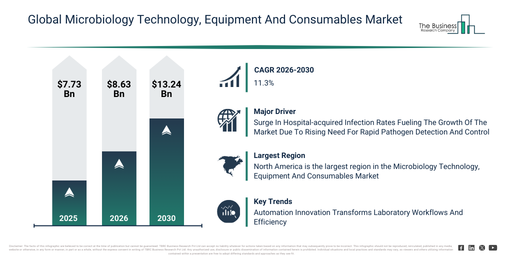
    The microbiology technology, equipment and consumables market has seen rapid expansion in recent years. This market is expected to increase from $7.73 billion in 2025 to $8.63 billion in 2026, with a compound annual growth rate (CAGR) of 11.6%. The historical growth of this market can be attributed to the rising prevalence of infectious diseases, the expansion of clinical diagnostic laboratories, increased food safety testing requirements, growing needs for pharmaceutical quality testing, and the availability of standardized consumables.

    The microbiology technology, equipment and consumables market size is projected to experience substantial expansion over the upcoming years, reaching a valuation of $13.24 billion by 2030, driven by a compound annual growth rate (CAGR) of 11.3%. This anticipated growth is largely due to escalating investments in molecular diagnostics, a heightened need for laboratory automation, the broadening scope of environmental monitoring programs, an intensified focus on antimicrobial resistance testing, and the increasing integration of digital microbiology platforms. Key developments expected during this period include a greater embrace of automated microbiology systems, a surging requirement for rapid diagnostic technologies, the expanding application of molecular microbiology techniques, the extension of digital laboratory workflows, and an elevated emphasis on high-throughput testing.

    Download the Free Sample Report to Explore Key Market Insights:

    https://www.thebusinessresearchcompany.com/sample.aspx?id=29126&type=smp

    What Major Drivers Are Influencing Demand In The Microbiology Technology, Equipment And Consumables Market?

    The increasing prevalence of hospital-acquired infection rates is projected to drive the growth of the microbiology technology, equipment, and consumables market in the foreseeable future. Hospital-acquired infection rates denote the percentage of patients who develop infections during their stay in a healthcare facility that were not present at the time of admission. This increase in hospital-acquired infection rates stems from invasive devices and procedures, which heighten patient exposure to pathogens and the risk of infection. Microbiology technology, equipment, and consumables contribute to reducing hospital-acquired infection rates by enabling the rapid detection, monitoring, and control of infectious pathogens, thereby minimizing their dissemination within healthcare environments. For instance, in June 2025, according to the Australian Institute of Health and Welfare, an Australia-based government department, out of approximately 12.6 million hospital admissions, around 150,000 involved at least one hospital-acquired complication in 2023-24. The incidence rate of these complications was 1.9 per 100 admissions in public hospitals and 0.8 per 100 admissions in private hospitals. Therefore, the escalating hospital-acquired infection rates are stimulating the growth of the microbiology technology, equipment, and consumables market.

    What Major Segment Divisions Exist Within The Microbiology Technology, Equipment And Consumables Market?

    The microbiology technology, equipment and consumables market covered in this report is segmented –

    1) By Product Type: Instruments, Consumables, Services

    2) By Test Type: Bacterial Tests, Viral Tests, Fungal Tests, Parasitic Tests

    3) By Technology: Conventional Microbiology, Molecular Microbiology, Immunology-Based Methods, Automation And Digital Systems

    4) By Application: Clinical Diagnostics, Food And Beverage Testing, Pharmaceutical And Biotechnology, Environmental Testing, Agricultural And Industrial Applications

    5) By End-User: Hospitals And Diagnostic Laboratories, Pharmaceutical And Biotechnology Companies, Food And Beverage Companies, Academic And Research Institutes, Environmental And Agricultural Testing Labs

    Subsegments:

    1) By Instruments: Microscopes, Incubators, Autoclaves, Spectrophotometers, Centrifuges, Bioreactors

    2) By Consumables: Petri Dishes, Culture Media, Pipette Tips, Test Tubes, Reagents, Microplates

    3) By Services: Laboratory Testing, Equipment Maintenance, Calibration Services, Training Services, Consultancy Services, Sample Analysis

    How Are Trends Shaping The Direction Of The Microbiology Technology, Equipment And Consumables Market?

    Major companies operating in the microbiology technology, equipment, and consumables market are prioritizing the creation of advanced solutions, such as custom and flexible robotic track configurations, to facilitate scalable complete laboratory automation systems. These systems aim to improve workflow effectiveness, minimize processing times, and enhance diagnostic precision in clinical settings. Custom and flexible robotic track configuration is defined as a modular automation setup adaptable to a lab’s specific workflow and physical arrangement, linking various instruments for comprehensive, end-to-end microbiology processes. For instance, in January 2023, Becton, Dickinson and Company, a US-based medical device manufacturer, launched its third-generation BD Kiestra Total Lab Automation System for microbiology laboratories. This system improves testing quality and consistency while reducing turnaround times, enabling laboratories to efficiently process increasing sample volumes. By automating both routine and intricate workflows, it mitigates workforce shortages and boosts operational effectiveness. In essence, BD’s TLA system provides an economical solution that enhances productivity and accuracy in modern clinical microbiology diagnostics.

    Which Companies Are Leading Innovation In The Microbiology Technology, Equipment And Consumables Market?

    Major companies operating in the microbiology technology, equipment and consumables market are F. Hoffmann-La Roche Ltd., Thermo Fisher Scientific Inc., Abbott Laboratories, 3M Company, MERCK KGaA, Danaher Corporation, Becton, Dickinson and Company, Quest Diagnostics Inc., Agilent Technologies Inc., Illumina Inc., bioMérieux Inc., Sartorius AG, Shimadzu Corporation, Sysmex Corporation, Greiner Bio-One International GmbH, Promega Corporation, Oxford Nanopore Technologies Plc, Hardy Diagnostics Co., Copan Diagnostics Inc., Zymo Research Corporation, HiMedia Laboratories Private Limited, Kuhner AG.

    Read the full microbiology technology, equipment and consumables market report here:

    https://www.thebusinessresearchcompany.com/report/microbiology-technology-equipment-and-consumables-global-market-report

    Which Region Shows The Strongest Potential For Future Growth In The Microbiology Technology, Equipment And Consumables Market?

    North America was the largest region in the microbiology technology, equipment, and consumables market in 2025. Asia-Pacific is expected to be the fastest-growing region in the forecast period. The regions covered in the microbiology technology, equipment and consumables market report are Asia-Pacific, South East Asia, Western Europe, Eastern Europe, North America, South America, Middle East, Africa.

    Request A Tailored Microbiology Technology, Equipment And Consumables Market Research Report For Competitive Advantage:

    https://www.thebusinessresearchcompany.com/customise?id=29126&type=smp

    Browse Through More Reports Similar to the Global Microbiology Technology, Equipment And Consumables Market 2026, By The Business Research Company

    Industrial Microbiology Market Report 2026

    https://www.thebusinessresearchcompany.com/report/industrial-microbiology-global-market-report

    Microbiology Diagnostic Devices And Equipment Market Report 2026

    https://www.thebusinessresearchcompany.com/report/microbiology-diagnostic-devices-and-equipment-global-market-report

    Microbial Fermentation Technology Market Report 2026

    https://www.thebusinessresearchcompany.com/report/microbial-fermentation-technology-global-market-report

    Get in touch with us:

    The Business Research Company: https://www.thebusinessresearchcompany.com/

    Americas +1 310-496-7795

    Asia +44 7882 955267 & +91 8897263534

    Europe +44 7882 955267

    Email us at info@tbrc.info

    Follow us on:

    LinkedIn: https://in.linkedin.com/company/the-business-research-company

    YouTube: https://www.youtube.com/channel/UC24_fI0rV8cR5DxlCpgmyFQ

    Global Market Model: https://www.thebusinessresearchcompany.com/global-market-model