Category: Pharmaceuticals

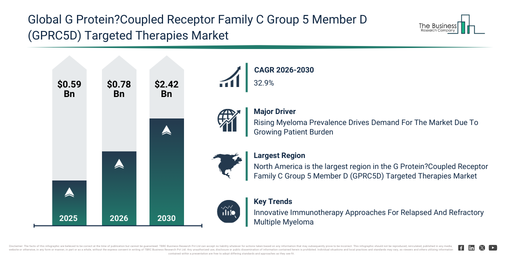
  • Revenue of the G Protein-Coupled Receptor Family C Group 5 Member D (GPRC5D) Targeted Therapies Market Predicted to Achieve $2.42 Billion by 2030, Driven by 32.9% CAGR

    Revenue of the G Protein-Coupled Receptor Family C Group 5 Member D (GPRC5D) Targeted Therapies Market Predicted to Achieve $2.42 Billion by 2030, Driven by 32.9% CAGR

    Uncover key drivers, emerging technologies, and competitive movements shaping the g protein-coupled receptor family c group 5 member d (gprc5d) targeted therapies market from 2026–2035 with trusted insights from The Business Research Company

    What was the valuation of the G Protein-Coupled Receptor Family C Group 5 Member D (GPRC5D) Targeted Therapies Market in 2026, and what figure is it projected to hit by 2030?

    Recent years have witnessed remarkable growth in the g protein-coupled receptor family c group 5 member d (gprc5d) targeted therapies market size. This market is projected to expand from $0.59 billion in 2025 to $0.78 billion in 2026, demonstrating a compound annual growth rate (CAGR) of 32.7%. The expansion observed in past periods resulted from advancements in targeted cancer therapy research, a greater incidence of multiple myeloma cases, the expansion of monoclonal antibody development programs, enhancements in clinical trial infrastructure, and growing investments in oncology drug discovery.

    The market for g protein-coupled receptor family c group 5 member d (gprc5d) targeted therapies is anticipated to experience substantial expansion over the coming years. Projections indicate this market will ascend to $2.42 billion by 2030, demonstrating a robust compound annual growth rate (CAGR) of 32.9%. The projected growth is primarily driven by several factors, including a rise in regulatory clearances for targeted biologics, increasing patient demand for individualized cancer treatments, the broadening of next-generation immunotherapy platforms, escalating investments in precision medicine ecosystems, and the wider uptake of biomarker-guided therapy choices. Key developments anticipated during this period encompass the accelerated creation of bispecific antibody therapies, a heightened emphasis on gprc5d biomarker-informed patient stratification, the expanding implementation of CAR-T cell platforms, the growth of clinical pipelines in precision oncology, and improved integration of companion diagnostics.

    Access Your Free Sample Report for In-Depth Market Insights:

    https://www.thebusinessresearchcompany.com/sample.aspx?id=33116&type=smp

    Which Drivers Are Affecting Market Participation In The G Protein-Coupled Receptor Family C Group 5 Member D (GPRC5D) Targeted Therapies Market?

    The increasing occurrence of myeloma is projected to fuel the expansion of the GPRC5D-targeted therapies market in the future. Myeloma, a malignancy originating in plasma cells within the bone marrow, interferes with the regular production of blood cells and has the potential to lead to bone injury, anemia, and renal issues. The growing frequency of myeloma is partly attributable to an aging populace, given that the likelihood of developing plasma cell disorders increases with advancing age as genetic alterations build up over years. GPRC5D-targeted therapies provide a treatment for myeloma by attaching to the GPRC5D protein found on cancerous plasma cells, subsequently guiding the immune system, particularly T cells, to specifically eliminate these malignant cells while largely preserving healthy cells. For example, in January 2026, the American Cancer Society, a professional organization located in the US, anticipates that in 2026, the United States will report about 36,000 new cases of multiple myeloma, consisting of 20,150 cases in men and 15,850 cases in women, alongside an expected 10,850 deaths, with 5,780 men and 5,070 women affected. Consequently, the expanding prevalence of myeloma is a key factor propelling the growth of the GPRC5D-targeted therapies market.

    What Segment Categories Are Covered In The G Protein-Coupled Receptor Family C Group 5 Member D (GPRC5D) Targeted Therapies Market?

    The g protein-coupled receptor family c group 5 member d (gprc5d) targeted therapies market covered in this report is segmented –

    1) By Therapy Type: Monoclonal Antibodies; Bispecific Antibodies; Chimeric Antigen Receptor (CAR-T) Cell Therapies; Other Therapy Types

    2) By Indication: Multiple Myeloma; Solid Tumors; Other Indications

    3) By Technology: Precision Medicine Approaches; Molecular Targeted Therapy; Cancer Immunotherapy Platforms; Biopharmaceutical Drug Delivery Systems

    4) By Route Of Administration: Intravenous; Subcutaneous; Other Routes Of Administration

    5) By End-User: Hospitals; Specialty Clinics; Research Institutes; Other End-Users

    Subsegments:

    1) By Monoclonal Antibodies: Fully Human Monoclonal Antibodies; Humanized Monoclonal Antibodies; Chimeric Monoclonal Antibodies; Murine Monoclonal Antibodies

    2) By Bispecific Antibodies: Dual Targeting Bispecific Antibodies; Cross Linking Bispecific Antibodies; Immune Cell Engaging Bispecific Antibodies; Cytotoxic Bispecific Antibodies

    3) By Chimeric Antigen Receptor (CAR-T) Cell Therapies: Autologous Car T Cell Therapies; Allogeneic Car T Cell Therapies; Next Generation Car T Cell Therapies; Gene Edited Car T Cell Therapies

    4) By Other Therapy Types: Targeted Small Molecule Drugs; Receptor Specific Inhibitors; Injectable Biologics; Oral Targeted Therapeutics

    What Trends Are Driving The Growth Trajectory Of The G Protein-Coupled Receptor Family C Group 5 Member D (GPRC5D) Targeted Therapies Market?

    Leading firms in the GPRC5D targeted therapies sector are concentrating on creating novel solutions, like bispecific T cell engagers, to boost the immune system’s ability to target cancer cells and increase the effectiveness of treatments. A bispecific T-cell engager (BiTE) is a specific kind of immunotherapy molecule engineered to link T-cells straight to cancer cells through simultaneous binding, thereby prompting the T-cells to eradicate the specific cancer cells. As an illustration, in August 2023, the US-based healthcare corporation Johnson & Johnson secured approval from the European Commission for TALVEY (talquetamab), which is Janssen’s bispecific antibody therapy designed to target GPRC5D, intended for patients with relapsed and refractory multiple myeloma (RRMM) who have undergone a minimum of three previous therapies. This particular therapy stands as a pioneering bispecific T-cell engager, targeting GPRC5D on multiple myeloma cells and CD3 on T cells, aimed at addressing relapsed/refractory multiple myeloma in patients who have received extensive prior treatments. Its primary objective is to deliver lasting responses (ORR >70% in trials) following a minimum of four prior therapies, offering benefits such as subcutaneous administration, prolonged improvements in quality of life, and continued effectiveness even after bispecifics or CAR-T treatments, thereby addressing a significant unmet requirement in advanced-stage disease.

    Which Leading Companies Dominate The G Protein-Coupled Receptor Family C Group 5 Member D (GPRC5D) Targeted Therapies Market Share?

    Major companies operating in the g protein-coupled receptor family c group 5 member d (gprc5d) targeted therapies market are Johnson And Johnson, F. Hoffmann-La Roche AG., AbbVie Inc., Sanofi S.A., AstraZeneca plc, Bristol Myers Squibb Company, Genmab A/S, Genentech Inc., Simcere Zaiming Biotechnology Co. Ltd., Innovent Biologics Inc., Essen Biotech Co. Ltd., Nanjing IASO Biotechnology Co. Ltd., CARsgen Therapeutics Holdings Limited, Oricell Therapeutics Co. Ltd., Integral Molecular Inc., Overland Therapeutics Inc., Qilu Pharmaceutical Co. Ltd., Leads Biolabs Ltd., ShanghAI Yake Biotechnology Co. Ltd., Guangzhou Bio-gene Technology Co. Ltd.

    Access The Complete Report For Deeper Market Insights:

    https://www.thebusinessresearchcompany.com/report/g-protein-coupled-receptor-family-c-group-5-member-d-gprc5d-targeted-therapies-market-report

    How Does The G Protein-Coupled Receptor Family C Group 5 Member D (GPRC5D) Targeted Therapies Market Perform Across Major Global Regions?

    North America was the largest region in the GPRC5D targeted therapies market in 2025. Asia-Pacific is expected to be the fastest-growing region in the forecast period. The regions covered in the g protein-coupled receptor family c group 5 member d (gprc5d) targeted therapies market report are Asia-Pacific, South East Asia, Western Europe, Eastern Europe, North America, South America, Middle East, Africa.

    Request Your Customized G Protein-Coupled Receptor Family C Group 5 Member D (GPRC5D) Targeted Therapies Market Research Report for Competitive Advantage:

    https://www.thebusinessresearchcompany.com/customise?id=33116&type=smp

    Browse Through More Reports Similar to the Global G Protein-Coupled Receptor Family C Group 5 Member D (GPRC5D) Targeted Therapies Market 2026, By The Business Research Company

    G Protein Coupled Receptors Market Report 2026

    https://www.thebusinessresearchcompany.com/report/g-protein-coupled-receptors-global-market-report

    Cc Chemokine Receptor Type 5 Market Report 2026

    https://www.thebusinessresearchcompany.com/report/cc-chemokine-receptor-type-5-global-market-report

    Gmp Cell Therapy Consumables Market Report 2026

    https://www.thebusinessresearchcompany.com/report/gmp-cell-therapy-consumables-global-market-report

    Get in touch with us:

    The Business Research Company: https://www.thebusinessresearchcompany.com/

    Americas +1 310-496-7795

    Asia +44 7882 955267 & +91 8897263534

    Europe +44 7882 955267

    Email us at info@tbrc.info

    Follow us on:

    LinkedIn: https://in.linkedin.com/company/the-business-research-company

    YouTube: https://www.youtube.com/channel/UC24_fI0rV8cR5DxlCpgmyFQ

    Global Market Model: https://www.thebusinessresearchcompany.com/global-market-model
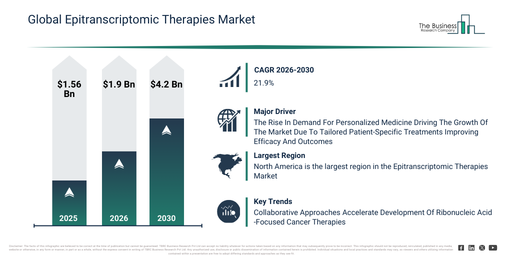
  • Epitranscriptomic Therapies Market Performance Outlook 2026–2030: Revenue to Hit $4.2 Billion at 21.9% CAGR

    Epitranscriptomic Therapies Market Performance Outlook 2026–2030: Revenue to Hit $4.2 Billion at 21.9% CAGR

    Uncover key drivers, emerging technologies, and competitive movements shaping the epitranscriptomic therapies market from 2026–2035 with trusted insights from The Business Research Company

    What long-term size projections exist for the Epitranscriptomic Therapies Market covering 2026–2035?

    The epitranscriptomic therapies market has seen substantial growth in recent years. It is forecast to expand from $1.56 billion in 2025 to $1.9 billion in 2026, exhibiting a compound annual growth rate (CAGR) of 21.6%. This historical development can be ascribed to advancements in RNA biology research, a deeper understanding of gene regulation mechanisms, the expansion of oncology research programs, the widespread availability of advanced sequencing technologies, and a rise in translational medicine initiatives.

    The epitranscriptomic therapies market is projected to experience rapid expansion in the coming years, reaching $4.2 billion by 2030, demonstrating a compound annual growth rate (CAGR) of 21.9%. This anticipated growth is driven by several factors, including escalating investments in rna-based therapeutics, a growing need for targeted cancer treatments, the broader adoption of personalized medicine strategies, heightened clinical trial activity within epitranscriptomics, and increased regulatory involvement concerning new rna therapies. Key trends identified for this period encompass the accelerated development of epitranscriptomic drug pipelines, the increased utilization of rna modification profiling tools, the expansion of combined epitranscriptomic therapies, the growing incorporation of bioinformatics into therapy design, and a stronger emphasis on precision medicine applications.

    Access Your Free Sample Report for In-Depth Market Insights:

    https://www.thebusinessresearchcompany.com/sample.aspx?id=33108&type=smp

    Which Drivers Are Impacting The Competitive Landscape Of The Epitranscriptomic Therapies Market?

    The epitranscriptomic therapies market is anticipated to expand going forward, driven by the increasing demand for personalized medicine. Personalized medicine represents a medical approach that customizes healthcare decisions, treatments, and interventions to align with each patient’s unique characteristics, including their genetic profile, lifestyle, and environment. The rising prevalence of chronic and complex diseases primarily fuels this demand, as tailored treatments can more effectively address individual patient needs and improve outcomes. Personalized medicine further supports epitranscriptomic therapies by customizing treatments to an individual’s specific RNA modification patterns, thereby enhancing therapeutic effectiveness and reducing the risk of adverse effects. For example, in February 2024, according to the Personalized Medicine Coalition, a US-based non-profit organization, the U.S. Food and Drug Administration (FDA) approved 16 new personalized treatments for rare disease patients in 2023, an increase from six approvals in 2022. The newly approved personalized treatments for 2023 also included seven cancer drugs and three for other diseases and conditions. Consequently, the increasing demand for personalized medicine is propelling the growth of the epitranscriptomic therapies market.

    What Leading Segments Are Studied In The Epitranscriptomic Therapies Market?

    The epitranscriptomic therapies market covered in this report is segmented –

    1) By Therapy Type: Small Molecule Inhibitors; Ribonucleic Acid Modifying Enzymes; Antisense Oligonucleotides; Other Therapy Types

    2) By Route of Administration: Injectable; Oral; Other Routes Of Administration

    3) By Application: Cancer; Neurological Disorders; Metabolic Diseases; Infectious Diseases; Other Applications

    4) By End-User: Hospitals; Research Institutes; Pharmaceutical And Biotechnology Companies; Other End-Users

    Subsegments:

    1) By Small Molecule Inhibitors: Methyltransferase Inhibitors; Demethylase Inhibitors; Reader Protein Inhibitors; Writer Enzyme Inhibitors; Eraser Enzyme Inhibitors

    2) By Ribonucleic Acid Modifying Enzymes: Methyltransferase Enzymes; Demethylase Enzymes; Pseudouridine Synthase Enzymes; Adenosine Deaminase Enzymes; Cytidine Deaminase Enzymes

    3) By Antisense Oligonucleotides: Gapmer Oligonucleotides; Splice Modulating Oligonucleotides; Translation Blocking Oligonucleotides; Exon Skipping Oligonucleotides; Gene Expression Silencing Oligonucleotides

    4) By Other Therapy Types: Ribonucleic Acid Interference Based Therapies; Messenger Ribonucleic Acid Editing Therapies; Epitranscriptomic Vaccine Platforms; Gene Regulation Modulation Therapies; Combination Epitranscriptomic Therapies

    What Trends Are Expected To Impact The Competitive Landscape Of The Epitranscriptomic Therapies Market?

    Leading entities within the epitranscriptomic therapies market are increasingly concentrating on forming strategic alliances to create novel RNA-modifying treatments for cancer. Such partnerships represent collaborative structures where organizations pool their resources, expertise, or capabilities to achieve common goals, thereby fostering quicker expansion, reducing operational hazards, and boosting market standing. A notable example occurred in January 2026, when STORM Therapeutics Ltd., a biotechnology firm located in the UK, collaborated with Alida Biosciences Inc., a technology company from the US, with the aim of progressing cancer treatments focused on epitranscriptomic pathways. This cooperative effort centers on incorporating AlidaBio’s EpiPlex and EpiScout platforms into STORM’s ongoing clinical trials for STC-15, which is recognized as a pioneering METTL3 inhibitor. The primary objective of this alliance is to pinpoint and authenticate m6A RNA modification biomarkers capable of foretelling patient reactions and refining therapeutic approaches. This joint venture unites drug discovery initiatives with sophisticated RNA profiling techniques, signifying a considerable advancement in the field of epitranscriptomic cancer treatments.

    Which Key Market Players Are Investing In Expansion And Innovation Within The Epitranscriptomic Therapies Market?

    Major companies operating in the epitranscriptomic therapies market are AstraZeneca PLC, GSK plc, Moderna Inc., Alnylam Pharmaceuticals Inc., Ionis Pharmaceuticals Inc., Arcturus Therapeutics Holdings Inc., Arrakis Therapeutics Inc., AIRNA Corporation, CD Genomics, ProQR Therapeutics N.V., Nimbus Therapeutics LLC, Envisagenics Inc., Skyhawk Therapeutics Inc., Avidity Biosciences Inc., STORM Therapeutics Ltd., Omega Therapeutics Inc., Korro Bio Inc., Accent Therapeutics Inc., Alida Biosciences Inc., and O2nix Bio.

    Access The Complete Report For Deeper Market Insights:

    https://www.thebusinessresearchcompany.com/report/epitranscriptomic-therapies-market-report

    Which Regions Are Poised For Strategic Growth In The Epitranscriptomic Therapies Market?

    North America was the largest region in the epitranscriptomic therapies market in 2025. Asia-Pacific is expected to be the fastest-growing region in the forecast period. The regions covered in the epitranscriptomic therapies market report are Asia-Pacific, South East Asia, Western Europe, Eastern Europe, North America, South America, Middle East, Africa.

    Request Your Customized Epitranscriptomic Therapies Market Research Report for Competitive Advantage:

    https://www.thebusinessresearchcompany.com/customise?id=33108&type=smp

    Browse Through More Reports Similar to the Global Epitranscriptomic Therapies Market 2026, By The Business Research Company

    Ecoa Esource And Clinical Trials Market Report 2026

    https://www.thebusinessresearchcompany.com/report/ecoa-esource-and-clinical-trials-global-market-report

    Epilepsy Drugs Market Report 2026

    https://www.thebusinessresearchcompany.com/report/epilepsy-drugs-global-market-report

    Genes Therapy Market Report 2026

    https://www.thebusinessresearchcompany.com/report/genes-therapy-global-market-report

    Get in touch with us:

    The Business Research Company: https://www.thebusinessresearchcompany.com/

    Americas +1 310-496-7795

    Asia +44 7882 955267 & +91 8897263534

    Europe +44 7882 955267

    Email us at info@tbrc.info

    Follow us on:

    LinkedIn: https://in.linkedin.com/company/the-business-research-company

    YouTube: https://www.youtube.com/channel/UC24_fI0rV8cR5DxlCpgmyFQ

    Global Market Model: https://www.thebusinessresearchcompany.com/global-market-model
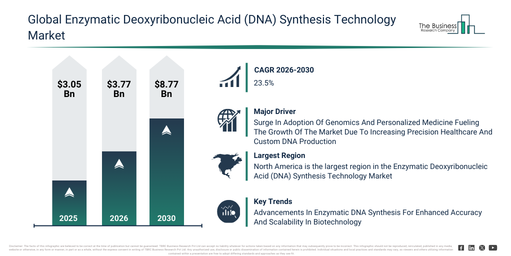
  • Global Enzymatic Deoxyribonucleic Acid (DNA) Synthesis Technology Market Set for Strong Expansion, Reaching $8.77 Billion With 23.5% CAGR by 2030

    Global Enzymatic Deoxyribonucleic Acid (DNA) Synthesis Technology Market Set for Strong Expansion, Reaching $8.77 Billion With 23.5% CAGR by 2030

    Uncover key drivers, emerging technologies, and competitive movements shaping the enzymatic deoxyribonucleic acid (dna) synthesis technology market from 2026–2035 with trusted insights from The Business Research Company

    What total market size is anticipated for the Enzymatic Deoxyribonucleic Acid (DNA) Synthesis Technology Market in 2030?

    The market size for enzymatic deoxyribonucleic acid (dna) synthesis technology has experienced substantial expansion in recent years. This market is projected to grow from $3.05 billion in 2025 to $3.77 billion in 2026, achieving a compound annual growth rate (CAGR) of 23.3%. The growth observed in prior periods can be attributed to the increasing deployment of synthetic biology in research, the constraints inherent in chemical DNA synthesis methods, the advancement of genomics and gene editing research, the expansion of funding for biotech research, and the availability of enzyme engineering technologies.

    The market size for enzymatic deoxyribonucleic acid (dna) synthesis technology is anticipated to experience substantial growth over the next few years. It is projected to expand to $8.77 billion by 2030, achieving a compound annual growth rate (CAGR) of 23.5%. This growth during the forecast period is fueled by factors such as the increasing demand for scalable dna manufacturing, the rising adoption of dna-based data storage concepts, the expansion of biopharmaceutical development pipelines, growing investments in sustainable biotech processes, and the increasing use of automated and microfluidic synthesis systems. Significant trends expected during this period include the increasing adoption of enzymatic dna synthesis platforms, a growing demand for long and high-fidelity dna constructs, the expansion of benchtop and cloud-based synthesis models, a rising focus on environmentally sustainable dna manufacturing, and enhanced integration with synthetic biology workflows.

    Access Your Free Sample Report for In-Depth Market Insights:

    https://www.thebusinessresearchcompany.com/sample.aspx?id=33107&type=smp

    What Drivers Are Influencing Production Trends In The Enzymatic Deoxyribonucleic Acid (DNA) Synthesis Technology Market?

    The increasing embrace of genomics and personalized medicine is expected to propel the growth of the enzymatic DNA synthesis technology market going forward. Genomics and personalized medicine refer to the application of genetic information and precision healthcare approaches to tailor diagnostics, treatments, and preventive strategies to individual genetic profiles. The adoption of genomics and personalized medicine is rising due to continuous advancements in sequencing technologies that have lowered costs and shortened analysis timelines, leading to better clinical outcomes and optimized care efficiency. Enzymatic DNA synthesis technology supports genomics and personalized medicine by enabling scalable, high-precision DNA production essential for creating custom genetic sequences and developing targeted therapies. For instance, in February 2024, according to the Personalized Medicine Coalition, a US-based nonprofit organization, the Food and Drug Administration approved 16 new personalized treatments for rare diseases in 2023, a sharp increase from 6 approvals in 2022. Therefore, the rising adoption of genomics and personalized medicine is driving the growth of the enzymatic DNA synthesis technology market.

    Which Segment Groups Are Influencing The Enzymatic Deoxyribonucleic Acid (DNA) Synthesis Technology Market?

    The enzymatic deoxyribonucleic acid (dna) synthesis technology market covered in this report is segmented –

    1) By Technology: Polymerase Mediated Synthesis; Terminal Deoxynucleotidyl Transferase (TdT); Template Free Ligase Based Synthesis; Hybrid Chemical Enzymatic Workflows; Xeno Nucleic Acid (XNA) Synthesis Platforms

    2) By Fragment: Short Oligos; Gene Fragments; Long Constructs

    3) By Delivery Model: Benchtop Instrument; Outsourced Service; Cloud Based As A Service

    4) By Application: Synthetic Biology; Genomics And Gene Editing; Biopharmaceutical Development; Diagnostics And Research Tools; Biotechnology Research And Development

    5) By End-User Or Application: Academic And Government Research Institutes; Pharmaceutical And Biotechnology Companies; Diagnostic Companies; Agricultural Biotech Companies; Industrial Biotech And Chemical Companies

    Subsegments:

    1) By Polymerase Mediated Synthesis: Polymerase Chain Reaction Based Synthesis; Isothermal Amplification Based Synthesis; Rolling Circle Amplification Based Synthesis; Strand Displacement Amplification Based Synthesis; Primer Extension Based Synthesis

    2) By Terminal Deoxynucleotidyl Transferase (TdT): Single Nucleotide Addition Synthesis; Homopolymer Tail Synthesis; Random Oligonucleotide Tail Synthesis; Labeling And Tagging Synthesis; Enzyme Mediated Extension Synthesis

    3) By Template Free Ligase Based Synthesis: Enzymatic Ligation Synthesis; Oligonucleotide Assembly Synthesis; Fragment Ligation Synthesis; Cyclic Ligation Synthesis; Automated Ligase Synthesis

    4) By Hybrid Chemical Enzymatic Workflows: Phosphoramidite Enzymatic Integration Synthesis; Chemical Precursor Enzymatic Extension Synthesis; Stepwise Hybrid Synthesis; Enzyme Assisted Chemical Assembly Synthesis; Automated Hybrid Workflow Synthesis

    5) By Xeno Nucleic Acid (XNA) Synthesis Platforms: Peptide Nucleic Acid Synthesis; Locked Nucleic Acid Synthesis; Glycol Nucleic Acid Synthesis; Threose Nucleic Acid Synthesis; Cyclohexenyl Nucleic Acid Synthesis

    Which Trends Are Guiding The Evolution Of The Enzymatic Deoxyribonucleic Acid (DNA) Synthesis Technology Market?

    Major companies engaged in the enzymatic deoxyribonucleic acid (DNA) synthesis technology market are prioritizing the development of advanced solutions, including algorithm-driven enzymatic DNA synthesis platforms, to facilitate the creation of extended, more intricate, and highly accurate synthetic DNA sequences. Algorithm-driven enzymatic DNA synthesis platforms employ sophisticated computational models to guide enzyme-based, incremental DNA synthesis in vitro. These systems enhance sequence fidelity, scalability, and output by continuously adapting synthesis parameters using real-time error prediction and rectification mechanisms. For instance, in May 2025, Ribbon Bio, an Austria-based synthetic biology company, unveiled its MiroSynth DNA molecules, engineered to enable a new generation of complex and long synthetic DNA constructs. This algorithm-driven approach allows for the assembly of DNA sequences that are significantly longer and more precise than those attainable with conventional techniques, supporting advanced applications in gene therapy, synthetic biology, and industrial biotechnology. The solution utilizes proprietary enzymatic processes to minimize error rates, enhance scalability, and maintain high sequence accuracy, rendering it highly suitable for demanding downstream biological applications. It is designed to address the growing demand for complex DNA architectures while offering improved reliability, sustainability, and design flexibility in comparison to traditional DNA synthesis technologies.

    Who Are The Core Companies Influencing Trends In The Enzymatic Deoxyribonucleic Acid (DNA) Synthesis Technology Market?

    Major companies operating in the enzymatic deoxyribonucleic acid (dna) synthesis technology market are Thermo Fisher Scientific Inc, Almac Group Limited, Twist Bioscience Corporation, DNA Script SAS, Synbio Technologies, Telesis Bio Inc., Touchlight Genetics Limited, Yeasen Biotechnology, CD Genomics, Bioneer Corporation, Ansa Biotechnologies Inc., Elegen Corporation, Molecular Assemblies Inc., Moligo Technologies AB, Evonetix Ltd, Camena Bioscience Limited, Baseclick GmbH, Kern Systems, Ribbon Bio, and Helixworks.

    Access The Complete Report For Deeper Market Insights:

    https://www.thebusinessresearchcompany.com/report/enzymatic-deoxyribonucleic-acid-dna-synthesis-technology-market-report

    Which Regions Are Projected To Dominate The Enzymatic Deoxyribonucleic Acid (DNA) Synthesis Technology Market In The Coming Years?

    North America was the largest region in the enzymatic deoxyribonucleic acid (DNA) synthesis technology market in 2025. Asia-Pacific is expected to be the fastest-growing region in the forecast period. The regions covered in the enzymatic deoxyribonucleic acid (dna) synthesis technology market report are Asia-Pacific, South East Asia, Western Europe, Eastern Europe, North America, South America, Middle East, Africa.

    Request Your Customized Enzymatic Deoxyribonucleic Acid (DNA) Synthesis Technology Market Research Report for Competitive Advantage:

    https://www.thebusinessresearchcompany.com/customise?id=33107&type=smp

    Browse Through More Reports Similar to the Global Enzymatic Deoxyribonucleic Acid (DNA) Synthesis Technology Market 2026, By The Business Research Company

    Oligonucleotide Synthesis Market Report 2026

    https://www.thebusinessresearchcompany.com/report/oligonucleotide-synthesis-global-market-report

    Recombinant Dna Technology Market Report 2026

    https://www.thebusinessresearchcompany.com/report/recombinant-dna-technology-global-market-report

    Nucleic Acid Based Gene Therapy Market Report 2026

    https://www.thebusinessresearchcompany.com/report/nucleic-acid-based-gene-therapy-global-market-report

    Get in touch with us:

    The Business Research Company: https://www.thebusinessresearchcompany.com/

    Americas +1 310-496-7795

    Asia +44 7882 955267 & +91 8897263534

    Europe +44 7882 955267

    Email us at info@tbrc.info

    Follow us on:

    LinkedIn: https://in.linkedin.com/company/the-business-research-company

    YouTube: https://www.youtube.com/channel/UC24_fI0rV8cR5DxlCpgmyFQ

    Global Market Model: https://www.thebusinessresearchcompany.com/global-market-model
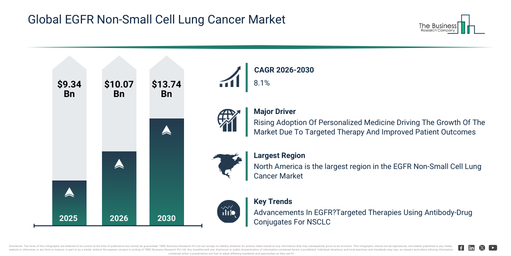
  • EGFR Non-Small Cell Lung Cancer Market Outlook 2026–2035: Growth Drivers and Industry Forecast

    EGFR Non-Small Cell Lung Cancer Market Outlook 2026–2035: Growth Drivers and Industry Forecast

    Uncover key drivers, emerging technologies, and competitive movements shaping the egfr non-small cell lung cancer market from 2026–2035 with trusted insights from The Business Research Company

    Starting from its 2026 valuation, what market size is the EGFR Non-Small Cell Lung Cancer Market expected to reach by 2030?

    The egfr non-small cell lung cancer market has demonstrated strong growth in recent years. It is anticipated to increase from $9.34 billion in 2025 to $10.07 billion in 2026, at a compound annual growth rate (CAGR) of 7.8%. This historical expansion can be attributed to factors such as the increasing prevalence of non-small cell lung cancer, advancements in molecular diagnostics, rising awareness of egfr mutation testing, the expansion of oncology specialty centers, and increased availability of targeted therapies.

    The egfr non-small cell lung cancer market is projected to experience robust expansion over the coming years, set to reach $13.74 billion by 2030 with a compound annual growth rate (CAGR) of 8.1%. This anticipated growth during the forecast period is attributable to several factors, including an expanding pipeline of next-generation egfr inhibitors, the increasing uptake of precision oncology methods, the broadening of biomarker-driven treatment paradigms, the growing incorporation of real-world evidence into oncology care, and a heightened emphasis on patient-centric cancer management. Key trends anticipated in this period encompass a rising adoption of targeted egfr therapies, increased utilization of companion diagnostic testing, an evolving focus on personalized treatment pathways, the expansion of combination therapy strategies, and improved integration of multidisciplinary cancer care.

    Access Your Free Sample Report for In-Depth Market Insights:

    https://www.thebusinessresearchcompany.com/sample.aspx?id=33098&type=smp

    What Drivers Are Driving Adoption Within The EGFR Non-Small Cell Lung Cancer Market?

    The anticipated expansion of the epidermal growth factor receptor (EGFR) non-small cell lung cancer market is largely attributed to the heightened emphasis on personalized medicine strategies. Personalized medicine represents a healthcare methodology that customizes prevention, diagnostic, and therapeutic plans based on an individual’s unique genetic makeup, environmental exposures, and lifestyle choices. The uptake of personalized medicine is accelerating, driven by the increasing availability of genetic and molecular profiling technologies, which facilitate the accurate identification of disease-specific targets and enable the customization of treatments to achieve better patient results. In the context of EGFR non-small cell lung cancer, personalized medicine aids by identifying particular EGFR mutations in patients, thus empowering physicians to prescribe targeted therapies that optimize efficacy and reduce adverse reactions. A notable example is provided by the Personalized Medicine Coalition, a US-based non-profit organization, which reported in February 2024 that the FDA approved 16 new personalized therapies for rare diseases patients in 2023. This marks a substantial rise from the six approvals observed in 2022. Consequently, the intensified attention on personalized medicine approaches is a key factor propelling the expansion of the epidermal growth factor receptor (EGFR) non-small cell lung cancer market.

    How Is The EGFR Non-Small Cell Lung Cancer Market Organized Into Various Segments?

    The egfr non-small cell lung cancer market covered in this report is segmented –

    1) By Drug Type: Tyrosine Kinase Inhibitors (TKIs); Monoclonal Antibodies; Late Phase

    2) By Mutation Type: Exon 19 Deletions; Exon 21 L858R Substitution Mutations; Exon 20 Insertion Mutations; Other Mutation Types

    3) By Treatment Type: Monotherapy; Combination Therapy

    4) By Route of Administration: Oral; Intravenous

    5) By End User: Hospitals; Specialty Oncology Centers; Cancer Research Institutes; Academic Institutes; Other End Users

    Subsegments:

    1) By Tyrosine Kinase Inhibitors: First Generation Tyrosine Kinase Inhibitors; Second Generation Tyrosine Kinase Inhibitors; Third Generation Tyrosine Kinase Inhibitors

    2) By Monoclonal Antibodies: Anti Epidermal Growth Factor Receptor Monoclonal Antibodies; Dual Target Monoclonal Antibodies; Antibody Drug Conjugates

    3) By Late Phase: Patritumab Deruxtecan; Other Late Phase Pipeline Therapies

    Which Market Trends Are Opening Growth Opportunities In The EGFR Non-Small Cell Lung Cancer Market?

    Leading companies active in the epidermal growth factor receptor (EGFR) non-small cell lung cancer market are concentrating on developing innovative products, such as antibody-drug conjugates, to enhance treatment efficacy while minimizing systemic side effects compared to conventional chemotherapy. An antibody-drug conjugate (ADC) is a therapeutic approach that links a cancer-targeting antibody to a potent drug, allowing the medication to be delivered precisely to tumor cells while safeguarding normal cells. For instance, in June 2025, AstraZeneca Plc, a UK-based biopharmaceutical company, announced that Datroway (datopotamab deruxtecan or Dato-DXd) secured approval in the U.S. for the treatment of adult patients with locally advanced or metastatic EGFR-mutated non-small cell lung cancer (NSCLC) who have previously undergone EGFR-targeted therapy and platinum-based chemotherapy. This indication received accelerated approval based on the observed objective response rate (ORR) and duration of response (DoR), with continued approval conditional on the confirmation of clinical benefit in a subsequent trial. The U.S. FDA granted the approval following a Priority Review and Breakthrough Therapy Designation. The decision was substantiated by a subgroup analysis from the TROPION-Lung05 Phase II trial and additional evidence obtained from the TROPION-Lung01 Phase III trial.

    Who Are The Top-Performing Companies In The EGFR Non-Small Cell Lung Cancer Market In Recent Years?

    Major companies operating in the egfr non-small cell lung cancer market are Johnson & Johnson Services Inc., F. Hoffmann-La Roche Ltd, Pfizer Inc., AstraZeneca Plc, Bayer AG, Eli Lilly and Company, Takeda Pharmaceuticals Company Ltd., Boehringer Ingelheim Pharmaceuticals Inc., Teva Pharmaceutical Industries Ltd., Daiichi Sankyo Co. Ltd., Taiho Pharmaceutical Co. Ltd., Jiangsu Hansoh Pharmaceutical Co. Ltd., Betta Pharmaceuticals Co. Ltd., ShanghAI Allist Pharmaceuticals Co. Ltd., Oric Pharmaceuticals Inc., Black Diamond Therapeutics Inc., G1 Therapeutics Inc., Dizal Pharmaceutical, ArriVent BioPharma Inc., and Cullinan Therapeutics Inc.

    Access The Complete Report For Deeper Market Insights:

    https://www.thebusinessresearchcompany.com/report/egfr-non-small-cell-lung-cancer-market-report

    Which Region Currently Holds The Largest Share Of The EGFR Non-Small Cell Lung Cancer Market?

    North America was the largest region in the epidermal growth factor receptor (EGFR) non-small cell lung cancer market in 2025. Asia-Pacific is expected to be the fastest-growing region in the forecast period. The regions covered in the egfr non-small cell lung cancer market report are Asia-Pacific, South East Asia, Western Europe, Eastern Europe, North America, South America, Middle East, Africa.

    Request Your Customized EGFR Non-Small Cell Lung Cancer Market Research Report for Competitive Advantage:

    https://www.thebusinessresearchcompany.com/customise?id=33098&type=smp

    Browse Through More Reports Similar to the Global EGFR Non-Small Cell Lung Cancer Market 2026, By The Business Research Company

    Small Cell Lung Cancer Therapeutics Market Report 2026

    https://www.thebusinessresearchcompany.com/report/small-cell-lung-cancer-therapeutics-global-market-report

    Non Small Cell Lung Cancer Nsclc Market Report 2026

    https://www.thebusinessresearchcompany.com/report/non-small-cell-lung-cancer-nsclc-global-market-report

    Non Small Cell Lung Cancer Nsclc Market Report 2026

    https://www.thebusinessresearchcompany.com/report/non-small-cell-lung-cancer-nsclc-global-market-report

    Get in touch with us:

    The Business Research Company: https://www.thebusinessresearchcompany.com/

    Americas +1 310-496-7795

    Asia +44 7882 955267 & +91 8897263534

    Europe +44 7882 955267

    Email us at info@tbrc.info

    Follow us on:

    LinkedIn: https://in.linkedin.com/company/the-business-research-company

    YouTube: https://www.youtube.com/channel/UC24_fI0rV8cR5DxlCpgmyFQ

    Global Market Model: https://www.thebusinessresearchcompany.com/global-market-model
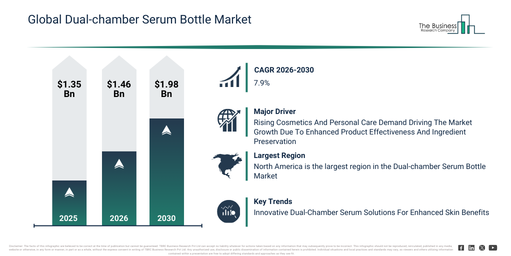
  • Dual-chamber Serum Bottle Market 2026–2030: Forecasting Business Opportunities Ahead

    Dual-chamber Serum Bottle Market 2026–2030: Forecasting Business Opportunities Ahead

    Uncover key drivers, emerging technologies, and competitive movements shaping the dual-chamber serum bottle market from 2026–2035 with trusted insights from The Business Research Company

    How is the Dual-chamber Serum Bottle Market size predicted to change over the forecast window of 2026–2035?

    The dual-chamber serum bottle market has experienced robust growth in recent years. Projections indicate it will expand from $1.35 billion in 2025 to $1.46 billion in 2026, achieving a compound annual growth rate (CAGR) of 7.7%. This historical expansion is attributable to several factors: an increase in injectable drug formulations, a rising adoption of lyophilized pharmaceuticals, a growing demand for error-reducing drug delivery systems, the expansion of hospital-based drug preparation, and advancements in pharmaceutical packaging materials.

    The dual-chamber serum bottle market is projected for substantial expansion over the coming years. This market is anticipated to reach $1.98 billion by 2030, exhibiting a compound annual growth rate (CAGR) of 7.9%. This expansion during the forecast period is propelled by factors such as the increasing development of biologics pipelines, a heightened emphasis on patient safety and precise dosing, the broadening of self-administered injectable treatments, the rising integration of advanced drug packaging formats, and an intensified regulatory focus on drug stability and sterility. Throughout this period, significant trends are expected to involve the growing embrace of dual-chamber reconstitution packaging, an escalating need for sterile multi-component drug containers, the increasing utilization of polymer-based dual-chamber bottles, the wider availability of ready-to-mix injectable packaging solutions, and a stronger emphasis on extending drug stability and shelf life.

    Access Your Free Sample Report for In-Depth Market Insights:

    https://www.thebusinessresearchcompany.com/sample.aspx?id=33095&type=smp

    Which Drivers Are Contributing To The Expansion Of The Dual-chamber Serum Bottle Market?

    The increasing demand for cosmetics and personal care products is anticipated to drive the future expansion of the dual-chamber serum bottle market. Cosmetics and personal care encompass items designed to cleanse, protect, and beautify the body, thereby enhancing personal appearance. The rise in cosmetics and personal care consumption stems from a growing consumer emphasis on self-care and aesthetics, fueled by social media influence and greater disposable incomes. A dual-chamber serum bottle benefits the cosmetics and personal care sector by facilitating the precise blending of two formulas at the point of use, which boosts product effectiveness while preserving shelf life and ingredient potency. For instance, in February 2025, data from the Centre for the Promotion of Imports from Developing Countries, a Netherlands-based government organization, revealed that in 2023, Europe’s cosmetics manufacturing contributed €11 billion ($11.9 billion), and cosmetic product exports to other parts of the world totaled €28.2 billion ($30.5 billion). Furthermore, in September 2024, the Bureau of Labor Statistics, a US-based government agency, reported that expenditure on personal care products and services reached $950 in 2023, marking a 9.7% increase from $866 in 2022. Consequently, the escalating demand in cosmetics and personal care is propelling the growth of the dual-chamber serum bottle market.

    What Segment Categories Are Covered In The Dual-chamber Serum Bottle Market?

    The dual-chamber serum bottle market covered in this report is segmented –

    1) By Material Type: Glass; Plastic; Other Material Types

    2) By Capacity: Below 10 ml; 10-30 ml; Above 30 ml

    3) By Application: Pharmaceuticals; Biotechnology; Cosmetics; Other Applications

    4) By Distribution Channel: Direct Sales; Distributors; Online Sales; Other Distribution Channels

    5) By End-User: Hospitals; Clinics; Research Laboratories; Other End-Users

    Subsegments:

    1) By Glass: Borosilicate Glass; Soda Lime Glass; Amber Glass

    2) By Plastic: Polypropylene; Polyethylene; Cyclic Olefin Polymer; Cyclic Olefin Copolymer

    3) By Other Material Types: Silicone; Elastomeric Materials; Composite Materials

    Which Competitive Trends Are Impacting The Structure Of The Dual-chamber Serum Bottle Market?

    Leading firms within the dual-chamber serum bottle market are concentrating on creating novel solutions, such as bi-phase serum, to sustain ingredient stability, boost effectiveness, and refine the consumer experience. A bi-phase serum is defined as a cosmetic item featuring two immiscible components, typically oil and water, which blend when shaken to deliver specific skin advantages, including moisturization, nutrient supply, and improved absorption of active compounds. For example, during November 2023, L’Oréal S.A., a personal care corporation headquartered in France, introduced Age Perfect Serum Le Duo, an anti-aging serum with a dual-chamber design intended to provide intense hydration and diminish apparent aging indicators. This product addresses 10 signs, including wrinkles, lack of firmness, dull complexion, and inconsistent tone, utilizing a dual-chamber container that combines collagen peptides and vitamins B3/C as needed. Its advantages encompass achieving smoother, firmer, and more radiant skin within weeks, evidenced by 91% user satisfaction and clinical enhancements in wrinkles and skin tone observed after 8 weeks. Notable benefits consist of maintaining ingredient potency, accurate one-pump dispensing, a quickly absorbed, non-greasy formulation, and premium yet affordable packaging offered exclusively at Walmart.

    Which Major Firms Are Strengthening Their Position In The Dual-chamber Serum Bottle Market?

    Major companies operating in the dual-chamber serum bottle market are Albea Group, AptarGroup Inc., TekniPlex Healthcare, Gerresheimer AG, Stevanato Group, Shandong Pharmaceutical Glass Co. Ltd., Pfizer CentreOne, Quadpack Industries SA, Matsa Group Ltd., Unica Packaging, Shijiazhuang Xinfuda Medical Packaging Co. Ltd., APackaging Group, Credence MedSystems Inc., Cospack America Corp., LF of America Crop., ShanghAI Hopeck Packaging Co. Ltd., Gidea Packaging Enterprise Limited, TopFeelPack Co. Ltd., Zhejiang UKPACK Packaging Co. Ltd., Guangzhou Xingyuan Plastic Manufacturing Co. Ltd.

    Access The Complete Report For Deeper Market Insights:

    https://www.thebusinessresearchcompany.com/report/dual-chamber-serum-bottle-market-report

    Which Region Shows The Strongest Potential For Future Expansion In The Dual-chamber Serum Bottle Market?

    North America was the largest region in the dual-chamber serum bottle market in 2025. Asia-Pacific is expected to be the fastest-growing region in the forecast period. The regions covered in the dual-chamber serum bottle market report are Asia-Pacific, South East Asia, Western Europe, Eastern Europe, North America, South America, Middle East, Africa.

    Request Your Customized Dual-chamber Serum Bottle Market Research Report for Competitive Advantage:

    https://www.thebusinessresearchcompany.com/customise?id=33095&type=smp

    Browse Through More Reports Similar to the Global Dual-chamber Serum Bottle Market 2026, By The Business Research Company

    Serum Market Report 2026

    https://www.thebusinessresearchcompany.com/report/serum-global-market-report

    Sports Bottle Market Report 2026

    https://www.thebusinessresearchcompany.com/report/sports-bottle-global-market-report

    Serum Separation Gel Market Report 2026

    https://www.thebusinessresearchcompany.com/report/serum-separation-gel-global-market-report

    Get in touch with us:

    The Business Research Company: https://www.thebusinessresearchcompany.com/

    Americas +1 310-496-7795

    Asia +44 7882 955267 & +91 8897263534

    Europe +44 7882 955267

    Email us at info@tbrc.info

    Follow us on:

    LinkedIn: https://in.linkedin.com/company/the-business-research-company

    YouTube: https://www.youtube.com/channel/UC24_fI0rV8cR5DxlCpgmyFQ

    Global Market Model: https://www.thebusinessresearchcompany.com/global-market-model
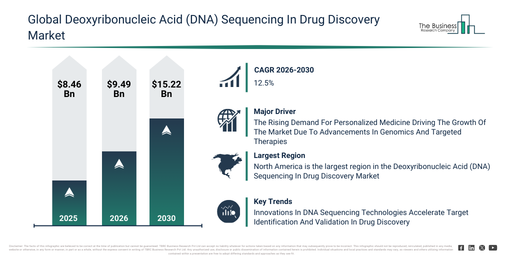
  • Global Deoxyribonucleic Acid (DNA) Sequencing In Drug Discovery Market Report 2026–2035: Key Forecasts and Growth Areas

    Global Deoxyribonucleic Acid (DNA) Sequencing In Drug Discovery Market Report 2026–2035: Key Forecasts and Growth Areas

    Uncover key drivers, emerging technologies, and competitive movements shaping the deoxyribonucleic acid (dna) sequencing in drug discovery market from 2026–2035 with trusted insights from The Business Research Company

    What market expansion outlook does the Deoxyribonucleic Acid (DNA) Sequencing In Drug Discovery Market show for the 2026–2030 period?

    The deoxyribonucleic acid (dna) sequencing in drug discovery market has seen substantial expansion in its size over recent years. Its valuation is anticipated to climb from $8.46 billion in 2025 to $9.49 billion in 2026, exhibiting a compound annual growth rate (CAGR) of 12.3%. The historical increase in this market can be linked to several factors, including heightened investment in genomic research, the widening of pharmaceutical research and development (R&D) pipelines, the widespread availability of high-throughput sequencing platforms, an increasing focus on personalized medicine, and advancements in sequencing accuracy and speed.

    The deoxyribonucleic acid (dna) sequencing in drug discovery market is anticipated to experience substantial growth in the coming years. It is projected to reach $15.22 billion by 2030, with a compound annual growth rate (CAGR) of 12.5%. This growth during the forecast period is attributed to the increasing adoption of AI-driven genomic analysis, a rising demand for targeted therapeutics, the expansion of pharmacogenomics applications, the growing utilization of sequencing in early-stage drug screening, and increasing collaboration between pharmaceutical and biotechnology firms. Major trends expected in the forecast period include the increasing use of next-generation sequencing in target identification, the rising adoption of single-cell sequencing approaches, the growing integration of bioinformatics in drug discovery, the expansion of precision medicine research programs, and an enhanced focus on biomarker-driven drug development.

    Access Your Free Sample Report for In-Depth Market Insights:

    https://www.thebusinessresearchcompany.com/sample.aspx?id=33087&type=smp

    What Drivers Are Shaping The Development Of The Deoxyribonucleic Acid (DNA) Sequencing In Drug Discovery Market?

    The expanding need for personalized medicine is anticipated to drive the advancement of deoxyribonucleic acid (DNA) sequencing within the drug discovery market. Personalized medicine describes a medical strategy that adapts disease prevention, diagnosis, and treatment to a person’s genetic profile, way of life, and environmental elements. The increased interest in personalized medicine primarily stems from breakthroughs in genomics and molecular diagnostics, which allow for the accurate detection of genetic and molecular distinctions among individuals, leading to customized treatments for greater efficacy and fewer adverse reactions. Deoxyribonucleic acid (DNA) sequencing aids personalized medicine by pinpointing patient-specific genetic variations, which facilitates the creation of targeted therapies, refined drug selection, and enhanced treatment effectiveness with fewer undesirable effects. For example, in February 2024, data from the Personalized Medicine Coalition, a US-based non-profit organization, indicated that in 2023, the Food and Drug Administration (FDA) sanctioned 16 novel personalized treatments for rare disease patients, an increase from six in 2022. The new personalized treatments approved in 2023 also encompassed seven cancer drugs and three for other diseases and conditions. Consequently, the increasing demand for personalized medicine is propelling the growth of deoxyribonucleic acid (DNA) sequencing in the drug discovery market.

    Which Segments Are Contributing To The Growth Of The Deoxyribonucleic Acid (DNA) Sequencing In Drug Discovery Market?

    The deoxyribonucleic acid (dna) sequencing in drug discovery market covered in this report is segmented –

    1) By Product Type: Instruments; Consumables

    2) By Workflow: Sample Preparation; Sequencing

    3) By Technology Type: Sanger Sequencing; Next-Generation Sequencing (NGS)

    4) By Application: Drug Discovery; Pharmacogenomics

    5) By End-User: Pharmaceutical Companies; Biotechnology Firms

    Subsegments:

    1) By Instruments: Sequencing Systems; Sample Preparation Systems; Detection And Imaging Systems; Automation And Robotics Systems; Data Analysis Hardware

    2) By Consumables: Sequencing Reagents; Library Preparation Kits; Sample Collection Kits; Flow Cells; Quality Control Reagents

    What Industry Trends Are Transforming The Deoxyribonucleic Acid (DNA) Sequencing In Drug Discovery Market?

    Companies prominent in the deoxyribonucleic acid (DNA) sequencing in the drug discovery market are concentrating on creating sophisticated solutions, such as high-resolution DNA methylation sequencing assays, to advance biomarker discovery and accelerate precision drug development. These high-resolution DNA methylation sequencing assays represent advanced genomic techniques capable of accurately detailing DNA methylation at single-base or near single-base resolution throughout the genome. This capability allows for thorough examination of epigenetic modifications influencing gene activity, thereby contributing to a precise comprehension of disease biology and the identification of potential targets for drugs. As an illustration, in April 2025, the US-based epigenetics firm, EpiCypher Inc., launched CUTANA mCUT&RUN and Multiomic CUT&RUN, two novel DNA methylation sequencing assays designed to deliver high-resolution methylation profiling while significantly reducing sequencing expenses and required sample inputs. These assays empower researchers to concurrently analyze both DNA methylation and chromatin characteristics, providing more profound multiomic perspectives on gene regulation mechanisms. Ultimately, these advancements in assays support faster and more economical identification and validation of targets, thus speeding up the entire drug discovery and development process.

    Who Are The Primary Competitors In The Global Deoxyribonucleic Acid (DNA) Sequencing In Drug Discovery Market?

    Major companies operating in the deoxyribonucleic acid (dna) sequencing in drug discovery market are Thermo Fisher Scientific Inc., Eurofins Genomics GmbH, Agilent Technologies Inc., Illumina Inc., Revvity Inc., Bio-Rad Laboratories Inc., QIAGEN N.V., 10x Genomics Inc., BGI Genomics, Azenta Life Sciences, Oxford Nanopore Technologies plc, Pacific Biosciences of California Inc., Element Biosciences Inc., Macrogen Inc., Ultima Genomics Inc., SOPHiA GENETICS SA, ProPhase Labs Inc., Singular Genomics Systems Inc., Psomagen Inc., and QitanTech Co Ltd.

    Access The Complete Report For Deeper Market Insights:

    https://www.thebusinessresearchcompany.com/report/deoxyribonucleic-acid-dna-sequencing-in-drug-discovery-market-report

    Which Global Regions Are Shaping The Competitive Landscape Of The Deoxyribonucleic Acid (DNA) Sequencing In Drug Discovery Market?

    North America was the largest region in the deoxyribonucleic acid (DNA) sequencing in drug discovery market in 2025. Asia-Pacific is expected to be the fastest-growing region in the forecast period. The regions covered in the deoxyribonucleic acid (dna) sequencing in drug discovery market report are Asia-Pacific, South East Asia, Western Europe, Eastern Europe, North America, South America, Middle East, Africa.

    Request Your Customized Deoxyribonucleic Acid (DNA) Sequencing In Drug Discovery Market Research Report for Competitive Advantage:

    https://www.thebusinessresearchcompany.com/customise?id=33087&type=smp

    Browse Through More Reports Similar to the Global Deoxyribonucleic Acid (DNA) Sequencing In Drug Discovery Market 2026, By The Business Research Company

    Dna Sequencing Market Report 2026

    https://www.thebusinessresearchcompany.com/report/dna-sequencing-global-market-report

    Ribonucleic Acid Rna Sequencing Market Report 2026

    https://www.thebusinessresearchcompany.com/report/ribonucleic-acid-rna-sequencing-global-market-report

    Clinical Oncology Next Generation Sequencing Market Report 2026

    https://www.thebusinessresearchcompany.com/report/clinical-oncology-next-generation-sequencing-global-market-report

    Get in touch with us:

    The Business Research Company: https://www.thebusinessresearchcompany.com/

    Americas +1 310-496-7795

    Asia +44 7882 955267 & +91 8897263534

    Europe +44 7882 955267

    Email us at info@tbrc.info

    Follow us on:

    LinkedIn: https://in.linkedin.com/company/the-business-research-company

    YouTube: https://www.youtube.com/channel/UC24_fI0rV8cR5DxlCpgmyFQ

    Global Market Model: https://www.thebusinessresearchcompany.com/global-market-model
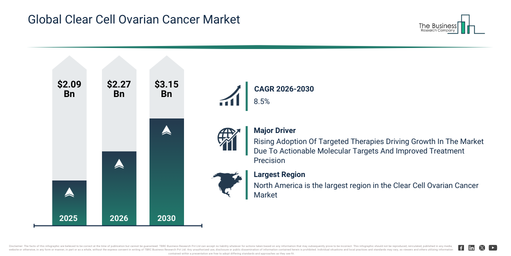
  • Global Clear Cell Ovarian Cancer Market Performance Report: Global Trends 2026–2030

    Global Clear Cell Ovarian Cancer Market Performance Report: Global Trends 2026–2030

    Uncover key drivers, emerging technologies, and competitive movements shaping the clear cell ovarian cancer market from 2026–2035 with trusted insights from The Business Research Company

    What upper market value could the Clear Cell Ovarian Cancer Market reach by 2030 starting from 2026 levels?

    The market size for clear cell ovarian cancer has experienced robust expansion in recent years. This market is set to increase from $2.09 billion in 2025 to $2.27 billion in 2026, exhibiting a compound annual growth rate (CAGR) of 8.3%. The historical market growth can be attributed to several factors, including improved recognition of clear cell ovarian cancer as a distinct subtype, advancements in histopathological diagnostics, increased surgical intervention rates, the expansion of oncology care infrastructure, and the availability of platinum-based chemotherapy regimens.

    The clear cell ovarian cancer market size is anticipated to experience robust growth in the upcoming years, projected to reach $3.15 billion by 2030 at a compound annual growth rate (CAGR) of 8.5%. This expansion during the forecast period is driven by increasing investments in precision oncology research, the rising development of targeted and immunotherapy treatments, greater adoption of genetic testing for treatment selection, the broadening of personalized cancer care pathways, and heightened clinical trial activity for rare ovarian cancers. Major trends for this period include a growing embrace of targeted and precision therapies, an increasing use of molecular and genetic diagnostics, a stronger focus on combination treatment approaches, the expansion of specialized clinical management programs, and enhanced integration of digital patient monitoring tools.

    Access Your Free Sample Report for In-Depth Market Insights:

    https://www.thebusinessresearchcompany.com/sample.aspx?id=33066&type=smp

    Which Drivers Are Influencing Long-Term Growth In The Clear Cell Ovarian Cancer Market?

    The increasing adoption of targeted therapies is anticipated to stimulate the growth of the clear cell ovarian cancer market in the coming years. These therapies specifically attack cancer or diseased cells by focusing on certain molecules or biological pathways crucial for their proliferation and survival. The rising adoption of these treatments is due to their ability to precisely attack affected cells while minimizing damage to healthy tissues, leading to more effective outcomes and reduced side effects. Clear cell ovarian cancer is particularly amenable to targeted therapeutic strategies, given its unique molecular characteristics, which include ARID1A and PIK3CA mutations, VEGF-driven angiogenesis, and deficiencies in DNA repair mechanisms. These features present viable targets for therapies such as PI3K/mTOR inhibitors, anti-angiogenic agents, immunotherapies, and PARP inhibitors. An example from 2023 highlights this trend: the American Society of Gene & Cell Therapy reported a 10% increase in the number of gene therapies in Phase III clinical trials during Q3 2023, marking the first quarterly rise since Q3 2022. Consequently, the rising adoption of targeted therapies is a significant driver for the clear cell ovarian cancer market. The increasing healthcare expenditures are projected to fuel the expansion of the clear cell ovarian cancer market in the future. These expenditures encompass the full costs associated with delivering, managing, and consuming health services, products, and preventive measures. The growth in healthcare spending is attributed to an aging global population requiring greater medical attention and prolonged care for chronic conditions. For clear cell ovarian cancer, healthcare spending is beneficial as it allocates resources for timely diagnosis, enhanced treatment alternatives, and patient access to specialized medical facilities. As an illustration, the Centers for Medicare & Medicaid Services reported in December 2024 that U.S. health care spending in 2023 rose by 7.5%, reaching $4.9 trillion, which equates to approximately $14,570 per person. Thus, the upward trend in healthcare expenditures is a significant factor propelling the clear cell ovarian cancer market.

    Which Segments Are Driving Activity In The Clear Cell Ovarian Cancer Market?

    The clear cell ovarian cancer market covered in this report is segmented –

    1) By Treatment Type: Surgical Treatment; Chemotherapy; Targeted Therapy; Immunotherapy; Hormonal Therapy; Combination Therapy

    2) By Diagnosis Type: Imaging Techniques; Biopsy And Histopathology; Genetic And Molecular Testing; Blood Biomarker Testing; Pelvic Examination

    3) By Stage Of Disease: Early Stage; Advanced Stage; Recurrent Stage

    4) By Distribution Channel: Hospital Pharmacies; Retail Pharmacies; Online Pharmacies

    5) By End User: Hospitals; Cancer Treatment Centers; Specialty Clinics; Ambulatory Surgical Centers

    Subsegments:

    1) By Surgical Treatment: Primary Tumor Resection; Cytoreductive Surgery; Total Hysterectomy; Bilateral Salpingo Oophorectomy; Lymph Node Dissection; Minimally Invasive Surgery

    2) By Chemotherapy: Platinum Based Chemotherapy; Taxane Based Chemotherapy; Alkylating Agent Therapy; Antimetabolite Therapy; Neoadjuvant Chemotherapy; Adjuvant Chemotherapy

    3) By Targeted Therapy: Angiogenesis Inhibitor Therapy; Poly Adenosine Diphosphate Ribose Polymerase Inhibitor Therapy; Tyrosine Kinase Inhibitor Therapy; Mammalian Target Of Rapamycin Inhibitor Therapy; Phosphoinositide Three Kinase Pathway Inhibitor Therapy

    4) By Immunotherapy: Immune Checkpoint Inhibitor Therapy; Monoclonal Antibody Therapy; Cancer Vaccine Therapy; Adoptive Cell Therapy; Cytokine Based Therapy

    5) By Hormonal Therapy: Estrogen Suppression Therapy; Progesterone Modulation Therapy; Gonadotropin Releasing Hormone Analog Therapy; Aromatase Inhibitor Therapy

    6) By Combination Therapy: Surgery And Chemotherapy Combination; Chemotherapy And Targeted Therapy Combination; Targeted Therapy And Immunotherapy Combination; Chemotherapy And Immunotherapy Combination; Multimodal Integrated Treatment Approach

    Which Leading Companies Dominate The Clear Cell Ovarian Cancer Market Share?

    Major companies operating in the clear cell ovarian cancer market are F. Hoffmann-La Roche AG, Merck & Co. Inc., AbbVie Inc., Novartis AG, AstraZeneca plc, Thermo Fisher Scientific Inc., GlaxoSmithKline plc, Takeda Pharmaceutical Company Limited, Quest Diagnostics Incorporated, EisAI Co. Ltd., Natco Pharma Limited, Prescient Therapeutics Limited, Clovis Oncology Inc., Beta Drugs Ltd., Anant Pharmaceuticals Pvt. Ltd., Pharmaand Healthcare Pvt. Ltd., Glycotope GmbH, Genelux Corporation, LIXTE Biotechnology Holdings Inc., Newsoara Biopharma Pvt. Ltd.

    Access The Complete Report For Deeper Market Insights:

    https://www.thebusinessresearchcompany.com/report/clear-cell-ovarian-cancer-market-report

    How Does The Clear Cell Ovarian Cancer Market Perform Across Major Global Regions?

    North America was the largest region in the clear cell ovarian cancer market in 2025. Asia-Pacific is expected to be the fastest-growing region in the forecast period. The regions covered in the clear cell ovarian cancer market report are Asia-Pacific, South East Asia, Western Europe, Eastern Europe, North America, South America, Middle East, Africa.

    Request Your Customized Clear Cell Ovarian Cancer Market Research Report for Competitive Advantage:

    https://www.thebusinessresearchcompany.com/customise?id=33066&type=smp

    Browse Through More Reports Similar to the Global Clear Cell Ovarian Cancer Market 2026, By The Business Research Company

    Ovarian Cancer Drugs Market Report 2026

    https://www.thebusinessresearchcompany.com/report/ovarian-cancer-drugs-global-market-report

    Ovarian Cancer Diagnostics Market Report 2026

    https://www.thebusinessresearchcompany.com/report/ovarian-cancer-diagnostics-global-market-report

    Gynecological Cancer Drugs Market Report 2026

    https://www.thebusinessresearchcompany.com/report/gynecological-cancer-drugs-global-market-report

    Get in touch with us:

    The Business Research Company: https://www.thebusinessresearchcompany.com/

    Americas +1 310-496-7795

    Asia +44 7882 955267 & +91 8897263534

    Europe +44 7882 955267

    Email us at info@tbrc.info

    Follow us on:

    LinkedIn: https://in.linkedin.com/company/the-business-research-company

    YouTube: https://www.youtube.com/channel/UC24_fI0rV8cR5DxlCpgmyFQ

    Global Market Model: https://www.thebusinessresearchcompany.com/global-market-model
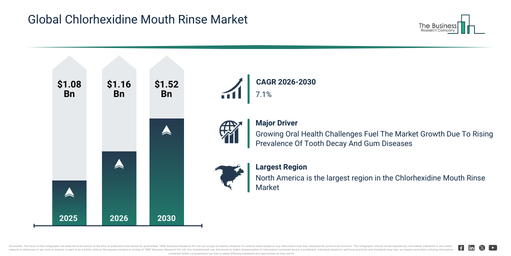
  • Global Chlorhexidine Mouth Rinse Market Report 2026–2030: Data-Driven Growth Insights

    Global Chlorhexidine Mouth Rinse Market Report 2026–2030: Data-Driven Growth Insights

    Uncover key drivers, emerging technologies, and competitive movements shaping the chlorhexidine mouth rinse market from 2026–2035 with trusted insights from The Business Research Company

    What total market size is anticipated for the Chlorhexidine Mouth Rinse Market in 2030?

    The chlorhexidine mouth rinse market has experienced robust expansion in recent years. This market is projected to expand from $1.08 billion in 2025 to $1.16 billion in 2026, demonstrating a compound annual growth rate (CAGR) of 6.8%. Historically, this expansion has been driven by factors such as the rising incidence of periodontal disease, the widespread application of antiseptic oral care products, their integration into post-dental surgery procedures, the accessibility of prescription oral rinses, and the enlargement of dental clinic infrastructures.

    The chlorhexidine mouth rinse market is projected to experience substantial growth over the coming years, reaching $1.52 billion by 2030, with a compound annual growth rate (CAGR) of 7.1%. This anticipated expansion is fueled by factors such as a greater emphasis on preventive oral healthcare, an escalating demand for medicated home care products, the broadening availability of over-the-counter (OTC) therapeutic mouth rinses, a rising inclination towards formulations that cause less irritation, and heightened awareness regarding oral hygiene. Key trends identified for this period encompass an increasing need for alcohol-free mouth rinse formulations, expanded utilization of post-surgical oral care products, a growing preference for combined oral antiseptic solutions, the wider availability of prescription-based dental rinses, and a sharpened focus on achieving long-term plaque control.

    Access Your Free Sample Report for In-Depth Market Insights:

    https://www.thebusinessresearchcompany.com/sample.aspx?id=33063&type=smp

    What Drivers Are Influencing Production Trends In The Chlorhexidine Mouth Rinse Market?

    The growing occurrence of oral ailments is anticipated to boost the expansion of the chlorhexidine mouth rinse market in the coming years. These oral diseases encompass various conditions affecting the mouth and oral cavity, such as tooth decay and gum infections. A significant factor contributing to the increase in oral diseases is elevated sugar intake, which fuels detrimental oral bacteria, leading to acid production that erodes tooth enamel and causes dental and gum issues. Chlorhexidine mouth rinse plays a crucial role in preventing and managing these conditions by eradicating or slowing down the proliferation of harmful oral bacteria, thereby diminishing plaque buildup, gingivitis, and the potential for infections. For instance, in January 2025, the American Cancer Society, a US-based professional organization, projected that in 2025, around 59,660 new diagnoses of oral cavity and oropharyngeal cancer are expected, with approximately 12,770 individuals predicted to succumb to these cancers. Consequently, the rising incidence of oral diseases is a key factor propelling the growth of the chlorhexidine mouth rinse market.

    Which Segments Are Gaining Traction In The Chlorhexidine Mouth Rinse Market?

    The chlorhexidine mouth rinse market covered in this report is segmented –

    1) By Product Type: Alcohol-Based; Alcohol-Free

    2) By Concentration: 0.12%; 0.20%; Other Concentrations

    3) By Application: Dental Care; Oral Surgery; Periodontal Disease; Other Applications

    4) By Distribution Channel: Hospital Pharmacies; Retail Pharmacies; Online Pharmacies; Other Distribution Channels

    5) By End-User: Hospitals; Dental Clinics; Home Care; Other End-Users

    Subsegments:

    1) By Alcohol-Based: Ethanol-Based Formulations; Isopropyl Alcohol-Based Formulations; Combination Alcohol Formulations

    2) By Alcohol-Free: Chlorhexidine-Based Formulations; Cetylpyridinium Chloride-Based Formulations; Herbal And Plant-Based Formulations

    Who Are The Primary Competitors In The Global Chlorhexidine Mouth Rinse Market?

    Major companies operating in the chlorhexidine mouth rinse market are Procter & Gamble, GlaxoSmithKline plc, 3M Company, Medline Inc., Colgate-Palmolive Company, Teva Pharmaceutical Industries Ltd., Viatris Inc., Ecolab Inc., Henry Schein Inc., Perrigo Company plc, Dentsply Sirona, Dr. Reddy’s Laboratories Ltd., Cipla Ltd., Sunstar Suisse S.A., Xttrium Laboratories, Young Innovations Inc., Hager & Werken, Curaden AG, ICPA Health Products Ltd., Arvoni Lifesciences Private Limited, AstraEureka Pharmaceuticals, Topcaredent AG.

    Access The Complete Report For Deeper Market Insights:

    https://www.thebusinessresearchcompany.com/report/chlorhexidine-mouth-rinse-market-report

    Which Global Regions Are Shaping The Competitive Landscape Of The Chlorhexidine Mouth Rinse Market?

    North America was the largest region in the chlorhexidine mouth rinse market in 2025. Asia-Pacific is expected to be the fastest-growing region in the forecast period. The regions covered in the chlorhexidine mouth rinse market report are Asia-Pacific, South East Asia, Western Europe, Eastern Europe, North America, South America, Middle East, Africa.

    Request Your Customized Chlorhexidine Mouth Rinse Market Research Report for Competitive Advantage:

    https://www.thebusinessresearchcompany.com/customise?id=33063&type=smp

    Browse Through More Reports Similar to the Global Chlorhexidine Mouth Rinse Market 2026, By The Business Research Company

    Mouthwash Market Report 2026

    https://www.thebusinessresearchcompany.com/report/mouthwash-global-market-report

    Oral Hygiene Market Report 2026

    https://www.thebusinessresearchcompany.com/report/oral-hygiene-global-market-report

    Detergent Chemicals Market Report 2026

    https://www.thebusinessresearchcompany.com/report/detergent-chemicals-global-market-report

    Get in touch with us:

    The Business Research Company: https://www.thebusinessresearchcompany.com/

    Americas +1 310-496-7795

    Asia +44 7882 955267 & +91 8897263534

    Europe +44 7882 955267

    Email us at info@tbrc.info

    Follow us on:

    LinkedIn: https://in.linkedin.com/company/the-business-research-company

    YouTube: https://www.youtube.com/channel/UC24_fI0rV8cR5DxlCpgmyFQ

    Global Market Model: https://www.thebusinessresearchcompany.com/global-market-model
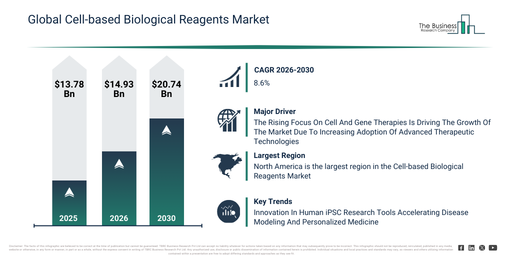
  • Cell-based Biological Reagents Market Forecast: How Big Will It Be by 2030?

    Cell-based Biological Reagents Market Forecast: How Big Will It Be by 2030?

    Uncover key drivers, emerging technologies, and competitive movements shaping the cell-based biological reagents market from 2026–2035 with trusted insights from The Business Research Company

    Starting from its 2026 valuation, what market size is the Cell-based Biological Reagents Market expected to reach by 2030?

    The cell-based biological reagents market has experienced substantial expansion recently. Its size is expected to increase from $13.78 billion in 2025 to $14.93 billion in 2026, exhibiting a compound annual growth rate (CAGR) of 8.3%. Historically, this growth has been driven by several factors, including the escalation of drug discovery research efforts, increased expenditure on pharmaceutical R&D, the growing application of cell-based assays for toxicity assessments, innovations in cell culture methodologies, and the broader acceptance of standardized biological reagents.

    The cell-based biological reagents market is projected to experience robust expansion in the coming years. By 2030, its valuation is forecast to reach $20.74 billion, exhibiting a compound annual growth rate (CAGR) of 8.6%. This anticipated growth during the forecast period stems from several factors, including the rising demand for predictive in vitro models, the expansion of personalized medicine research, the increasing application of AI-driven drug screening, higher investments in regenerative medicine studies, and a greater emphasis on complex disease modeling. Key developments shaping the market in the forecast period encompass the increasing embrace of 3D cell culture and assay platforms, a rising utilization of gene-edited and reporter cell lines, the growing need for high-throughput cell-based screening, the broadening scope of stem cell and primary cell applications, and an intensified focus on physiologically relevant models.

    Access Your Free Sample Report for In-Depth Market Insights:

    https://www.thebusinessresearchcompany.com/sample.aspx?id=33059&type=smp

    What Drivers Are Driving Adoption Within The Cell-based Biological Reagents Market?

    An increasing emphasis on cell and gene therapies is anticipated to drive the expansion of the cell-based biological reagents market in the future. These therapies involve the utilization of living cells or genetic components to mend, substitute, or alter impaired cells or genes, aiming to treat or cure various illnesses. The growing application of cell and gene therapies stems from the rising occurrence of rare and genetic conditions, given their capacity to address root causes at a cellular or genetic level, presenting possible cures in situations where traditional treatments merely alleviate symptoms. Cell-based biological reagents facilitate cell and gene therapies by providing the necessary instruments and substances for the efficient cultivation, modification, and delivery of therapeutic cells or genetic material. As an illustration, in March 2024, IQVIA Holdings Inc., a US-based healthcare company specializing in clinical research services and analytics, reported that worldwide expenditure on cell and gene therapies climbed to $5.9 billion in 2023, representing a 38% increase compared to 2022. Consequently, the heightened focus on cell and gene therapies is propelling the growth of the cell-based biological reagents market.

    What Segments Are Included Within The Cell-based Biological Reagents Market?

    The cell-based biological reagents market covered in this report is segmented –

    1) By Product Type: Assay Kits; Cell Lines; Reagents; Other Product Types

    2) By Technology: Two Dimensional Cell Culture; Three Dimensional Cell Culture; High Throughput Screening Platforms; Stem Cell Technologies; Gene Edited Cell Platforms

    3) By Application: Drug Discovery And Development; Toxicology And Safety Assessment; Disease Modeling; Regenerative Medicine; Basic Research

    4) By End User: Pharmaceutical And Biotechnology Companies; Academic And Research Institutes; Contract Research Organizations; Clinical And Diagnostic Laboratories; Government And Public Health Agencies

    Subsegments:

    1) By Assay Kits: Cell Viability Assay Kits; Cytotoxicity Assay Kits; Proliferation Assay Kits; Apoptosis Assay Kits; Signal Transduction Assay Kits

    2) By Cell Lines: Primary Cell Lines; Immortalized Cell Lines; Stem Cell Lines; Cancer Cell Lines; Transfected Cell Lines

    3) By Reagents: Culture Media Reagents; Growth Factor Reagents; Enzyme Reagents; Supplement Reagents; Antibody Reagents

    4) By Other Product Types: Cryopreservation Reagents; Labware Consumables; Transfection Reagents; Cell Sorting Reagents; Custom Reagents

    How Are Emerging Trends Affecting The Progression Of The Cell-based Biological Reagents Market?

    Major companies operating in the cell-based biological reagents market are focusing on developing human-induced pluripotent stem cell (iPSC) research products to advance drug discovery, disease modeling, and regenerative medicine applications. Human-induced pluripotent stem cell (iPSC) research products refer to integrated tools and workflows that enable the generation, maintenance, differentiation, and analysis of iPSCs for applications in biomedical research, including drug testing, disease modeling, and cell therapy development. For instance, in July 2024, BioServe Biotechnologies (India) Private Limited, an India-based biotechnology company, launched an advanced stem cell product line to advance regenerative medicine and drug development research. This line enhances biotech research through reliable iPSC generation, 3D organoid cultures, and targeted differentiation tools, minimizing experimental variability. They streamline drug discovery by offering human-specific models that reduce animal testing and accelerate toxicity assessments for faster therapy development. Ultimately, these products empower personalized medicine, enabling tissue regeneration for diseases such as diabetes or heart failure while reducing costs and rejection risks.

    Who Are The Prominent Global Companies Shaping The Cell-based Biological Reagents Market Landscape?

    Major companies operating in the cell-based biological reagents market are Thermo Fisher Scientific Inc., Merck KGaA, FUJIFILM Corp., Danaher Corporation, GE Healthcare, Becton, Dickinson And Company, Corning Incorporated, Lonza Group Ltd., Agilent Technologies Inc., Sartorius AG, Revvity Inc., Bio-Rad Laboratories Inc., STEMCELL Technologies Inc., Miltenyi Biotec, Abcam plc, Promega Corporation, Takara Bio Inc., R&D Systems Inc., MP Biomedicals, Sino Biological, Cell Signaling Technology Inc., InvivoGen, Tocris Bioscience, and OPM Biosciences.

    Access The Complete Report For Deeper Market Insights:

    https://www.thebusinessresearchcompany.com/report/cell-based-biological-reagents-market-report

    Which Geographic Areas Are Emerging As Strong Markets For The Cell-based Biological Reagents Market?

    North America was the largest region in the cell-based biological reagents market in 2025. Asia-Pacific is expected to be the fastest-growing region in the forecast period. The regions covered in the cell-based biological reagents market report are Asia-Pacific, South East Asia, Western Europe, Eastern Europe, North America, South America, Middle East, Africa.

    Request Your Customized Cell-based Biological Reagents Market Research Report for Competitive Advantage:

    https://www.thebusinessresearchcompany.com/customise?id=33059&type=smp

    Browse Through More Reports Similar to the Global Cell-based Biological Reagents Market 2026, By The Business Research Company

    Biotechnology Reagents Market Report 2026

    https://www.thebusinessresearchcompany.com/report/biotechnology-reagents-global-market-report

    Biopreservation Market Report 2026

    https://www.thebusinessresearchcompany.com/report/biopreservation-global-market-report

    Sequencing Reagents Market Report 2026

    https://www.thebusinessresearchcompany.com/report/sequencing-reagents-global-market-report

    Get in touch with us:

    The Business Research Company: https://www.thebusinessresearchcompany.com/

    Americas +1 310-496-7795

    Asia +44 7882 955267 & +91 8897263534

    Europe +44 7882 955267

    Email us at info@tbrc.info

    Follow us on:

    LinkedIn: https://in.linkedin.com/company/the-business-research-company

    YouTube: https://www.youtube.com/channel/UC24_fI0rV8cR5DxlCpgmyFQ

    Global Market Model: https://www.thebusinessresearchcompany.com/global-market-model
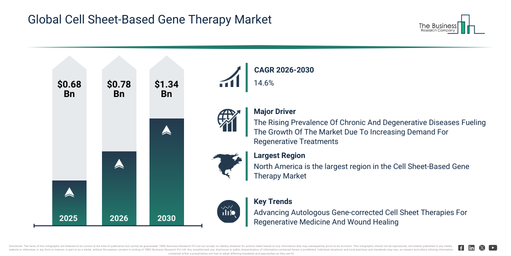
  • Cell Sheet-Based Gene Therapy Market Report 2026: Strategic Insights and Revenue Outlook

    Cell Sheet-Based Gene Therapy Market Report 2026: Strategic Insights and Revenue Outlook

    Uncover key drivers, emerging technologies, and competitive movements shaping the cell sheet-based gene therapy market from 2026–2035 with trusted insights from The Business Research Company

    Across 2026–2030, what is the expected market valuation path of the Cell Sheet-Based Gene Therapy Market?

    The cell sheet-based gene therapy market has seen significant expansion in recent years. This market is projected to expand from $0.68 billion in 2025 to $0.78 billion in 2026, achieving a compound annual growth rate (CAGR) of 14.4%. Historically, this expansion has been linked to several factors, including increasing progress in tissue engineering research, the early embrace of regenerative medicine techniques, an uptick in cell-based therapeutic studies, enhancements in gene delivery technologies, and the broader development of translational research initiatives.

    The cell sheet-based gene therapy market is anticipated to experience significant expansion over the coming years. Projections indicate it will reach $1.34 billion by 2030, demonstrating a compound annual growth rate (CAGR) of 14.6%. This projected growth is driven by several factors, including a heightened demand for localized regenerative treatments, an increase in clinical trials involving gene-modified cell therapies, the broadening of applications in oncology and cardiology, an uptick in investments in sophisticated tissue engineering, and a sharper focus on precision regenerative medicine. Key trends anticipated during this period encompass the development of multilayered and co-culture cell sheet technologies, a stronger emphasis on localized gene expression therapies, the increasing incorporation of regenerative medicine strategies, greater utilization of stem-cell derived cell sheets, and an intensified focus on tissue integration and long-term viability.

    Access Your Free Sample Report for In-Depth Market Insights:

    https://www.thebusinessresearchcompany.com/sample.aspx?id=33058&type=smp

    Which Drivers Are Supporting The Rise Of The Cell Sheet-Based Gene Therapy Market?

    An increase in chronic and degenerative diseases is anticipated to fuel expansion within the cell sheet-based gene therapy market. These long-term conditions encompass ailments such as cardiovascular disorders, neurodegenerative diseases, diabetes, and genetic disorders. They gradually impair tissues and organs, necessitating ongoing treatment. The frequency of these conditions is climbing, driven by an aging global populace and longer life expectancies in both developed and developing nations. Cell sheet-based gene therapy offers regenerative treatment solutions for chronic and degenerative diseases, facilitating localized tissue regeneration and consistent gene delivery via stacked living cell constructs, thereby enhancing tissue integration and sustained therapeutic results. As an illustration, in April 2025, the International Diabetes Federation (IDF), a non-profit organization based in Belgium, reported that 589 million individuals globally had diabetes in 2024, a number expected to increase to 853 million by 2050. Consequently, the growing occurrence of chronic and degenerative diseases is propelling the expansion of the cell sheet-based gene therapy market.

    What Leading Segments Are Studied In The Cell Sheet-Based Gene Therapy Market?

    The cell sheet-based gene therapy market covered in this report is segmented –

    1) By Cell-Sheet Type: Monolayer Cell-Sheet Type; Co-Culture Cell-Sheet Type; Multilayered Cell-Sheet Type; Other Cell-Sheet Types

    2) By Technology Type: Cell Sheet-Based Engineering Techniques; Gene Delivery Methods

    3) By Source Type: Autologous; Allogenic; Stem-Cell Derived

    4) By Application: Oncology; Ophthalmology; Genetic Disorders; Cardiology; Other Applications

    5) By End-User: Hospitals And Clinics; Research And Academic Institutions; Biotech And Pharma Companies; Other End-Users

    Subsegments:

    1) By Monolayer Cell-Sheet Type: Cardiomyocyte Sheets; Epithelial Cell Sheets; Mesenchymal Stem Cell Sheets; Other Monolayer Cell Sheets

    2) By Co-Culture Cell-Sheet Type: Fibroblast + Stem Cell Sheets; Endothelial + Smooth Muscle Cell Sheets; Other Co-Culture Combinations

    3) By Multilayered Cell-Sheet Type: Triple-Layered Sheets; Double-Layered Sheets; Other Multilayered Configurations

    4) By Other Cell-Sheet Types: Genetically Modified Cell Sheets; Hybrid Cell Sheets; Other Novel Or Experimental Sheets

    Which Innovation Trends Are Advancing Developments Within The Cell Sheet-Based Gene Therapy Market?

    Leading companies in the cell sheet-based gene therapy market are concentrating on developing advanced solutions, such as autologous gene-corrected cell sheet products, to improve regenerative medicine outcomes, enhance treatment precision, and achieve long-term tissue repair. This is accomplished by integrating engineered cells with scaffold-free sheet constructs for targeted gene delivery and effective wound healing. Autologous gene-corrected cell sheet products are therapies where a patient’s own cells are genetically altered ex vivo, grown into sheet structures that maintain crucial cell-to-cell interactions and extracellular matrix integrity, and then directly applied to damaged tissues to encourage functional integration and durable therapeutic effects. For instance, in April 2025, Abeona Therapeutics Inc., a US-based biopharmaceutical company, secured approval from the US federal agency Food and Drug Administration (FDA) for zevaskyn (prademagene zamikeracel). This product is specifically designed to treat wounds in adult and pediatric patients with recessive dystrophic epidermolysis bullosa (RDEB). Zevaskyn delivers the functional COL7A1 gene through genetically corrected cell sheets, resulting in clinically significant wound healing and pain reduction with just a single application, and supports sustained type VII collagen expression at wound sites—marking it as a breakthrough regenerative therapy and a blueprint for future innovations in cell sheet-based gene therapy.

    Which Key Players Are Driving Competition In The Cell Sheet-Based Gene Therapy Market?

    Major companies operating in the cell sheet-based gene therapy market are Hitachi Ltd., Thermo Fisher Scientific, Fujifilm Cellular Dynamics Inc. (FCDI) (FUJIFILM Holdings Corporation), Lonza Group AG, teijin regenet co. ltd., Terumo Corporation, Nikon CeLL innovation Co. Ltd., Rohto Pharmaceutical Co. Ltd., BioBridge Global, AGC Biologics, Shibuya Corporation (Shibuya Kogyo Co. Ltd.), National Resilience Inc., Takara Bio Inc., Japan Tissue Engineering Co. Ltd. (J-TEC), Medipost Co. Ltd., Cell Therapies Pty Ltd, CellSeed Inc., SCTbio, Abeona Therapeutics Inc., Foundation ENEA Tech, Cyto-Facto Inc., ENCELL Co. Ltd.

    Access The Complete Report For Deeper Market Insights:

    https://www.thebusinessresearchcompany.com/report/cell-sheet-based-gene-therapy-market-report

    Which Region Is Projected To Lead The Cell Sheet-Based Gene Therapy Market During The Forecast Period?

    North America was the largest region in the cell sheet based gene therapy market in 2025. Asia-Pacific is expected to be the fastest-growing region in the forecast period. The regions covered in the cell sheet-based gene therapy market report are Asia-Pacific, South East Asia, Western Europe, Eastern Europe, North America, South America, Middle East, Africa.

    Request Your Customized Cell Sheet-Based Gene Therapy Market Research Report for Competitive Advantage:

    https://www.thebusinessresearchcompany.com/customise?id=33058&type=smp

    Browse Through More Reports Similar to the Global Cell Sheet-Based Gene Therapy Market 2026, By The Business Research Company

    Cell And Gene Therapy Clinical Trial Services Market Report 2026

    https://www.thebusinessresearchcompany.com/report/cell-and-gene-therapy-clinical-trial-services-global-market-report

    Cell And Gene Therapy Manufacturing Services Market 2026

    https://www.thebusinessresearchcompany.com/report/cell-and-gene-therapy-manufacturing-services-market

    Cell And Gene Therapy Supply Chain Or Logistics Market Report 2026

    https://www.thebusinessresearchcompany.com/report/cell-and-gene-therapy-supply-chain-or-logistics-global-market-report

    Get in touch with us:

    The Business Research Company: https://www.thebusinessresearchcompany.com/

    Americas +1 310-496-7795

    Asia +44 7882 955267 & +91 8897263534

    Europe +44 7882 955267

    Email us at info@tbrc.info

    Follow us on:

    LinkedIn: https://in.linkedin.com/company/the-business-research-company

    YouTube: https://www.youtube.com/channel/UC24_fI0rV8cR5DxlCpgmyFQ

    Global Market Model: https://www.thebusinessresearchcompany.com/global-market-model