Category: Pharmaceuticals

  • Pyoderma Gangrenosum Treatment Market 2026–2030: Forecast, Innovation, and Competitive Trends

    Pyoderma Gangrenosum Treatment Market 2026–2030: Forecast, Innovation, and Competitive Trends

    Uncover key drivers, emerging technologies, and competitive movements shaping the pyoderma gangrenosum treatment market from 2026–2035 with trusted insights from The Business Research Company

    By how much is the Pyoderma Gangrenosum Treatment Market expected to grow between 2026 and 2030?

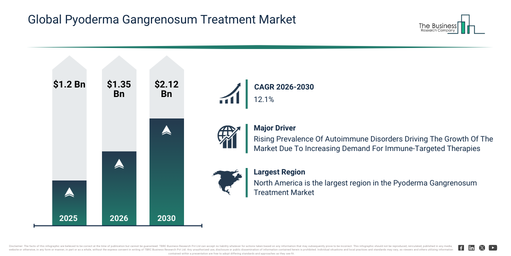
    The pyoderma gangrenosum treatment market has experienced rapid growth in recent years. Its value is anticipated to rise from $1.2 billion in 2025 to $1.35 billion by 2026, at a compound annual growth rate (CAGR) of 11.8%. This historical expansion can be attributed to several factors, including an increase in autoimmune disease incidence, the development of dermatology specialty care, growing awareness of rare skin disorders, the enlargement of hospital wound care units, and improved access to diagnostic testing.

    The pyoderma gangrenosum treatment market size is anticipated to experience substantial growth in the upcoming years. It is projected to expand to $2.12 billion by 2030, with a compound annual growth rate (CAGR) of 12.1%. This projected growth can be attributed to several factors such as the advancement in targeted immunotherapy development, the increased availability of specialty biologic drugs, a rise in investment dedicated to rare disease treatments, the proliferation of outpatient dermatology centers, and more comprehensive insurance coverage for advanced therapeutic options. Significant trends expected during this period include the broader application of biologic therapies, the growing preference for combination drug regimens, an increase in sophisticated wound care treatments, the development of more personalized treatment protocols, and enhanced clinical monitoring and follow-up programs.

    Access Your Free Sample Report for In-Depth Market Insights:

    https://www.thebusinessresearchcompany.com/sample.aspx?id=33280&type=smp

    Which Drivers Are Influencing Market Acceleration In The Pyoderma Gangrenosum Treatment Market?

    The increasing occurrence of autoimmune conditions is projected to stimulate the expansion of the pyoderma gangrenosum treatment market moving forward. Autoimmune disorders involve the body’s immune system erroneously attacking its own tissues, resulting in persistent inflammation and tissue harm. The rise in autoimmune disorders is linked to aging demographics, which are more vulnerable to immune system dysregulation. Pyoderma gangrenosum treatments aid autoimmune conditions by modulating the overactive immune system, which assists in controlling inflammation, preventing damage to healthy tissues, and tackling both skin ulcers and the broader issues of autoimmune diseases. For instance, in September 2025, according to the National Institutes of Health, a US-based medical research agency, approximately 23.5 million to 50 million Americans, accounting for between 7% and 8% of the U.S. population, were affected by one or more autoimmune diseases, and this incidence continues to escalate due to intricate genetic, environmental, and societal influences. Therefore, the growing prevalence of autoimmune disorders is fostering the growth of the pyoderma gangrenosum treatment market.

    What Leading Segments Are Studied In The Pyoderma Gangrenosum Treatment Market?

    The pyoderma gangrenosum treatment market covered in this report is segmented –

    1) By Treatment Type: Topical Treatments; Systemic Treatments; Surgical Treatments; Wound Care Therapies

    2) By Drug Class: Immunosuppressive Drugs; Tumour Necrosis Factor Inhibitors; Antibacterial Agents

    3) By Route of Administration: Oral; Injectable; Topical

    4) By Distribution Channel: Hospital Pharmacies; Retail Pharmacies; Other Distribution Channels

    5) By End User: Hospitals; Dermatology Clinics; Outpatient Care Centers

    Subsegments:

    1) By Topical Treatments: Topical Corticosteroids; Topical Immunomodulators; Topical Antibiotics; Topical Antiseptic Agents

    2) By Systemic Treatments: Systemic Corticosteroids; Systemic Immunosuppressive Drugs; Biologic Therapies; Anti Inflammatory Medications

    3) By Surgical Treatments: Surgical Debridement; Skin Grafting Procedures; Reconstructive Surgical Procedures

    4) By Wound Care Therapies: Advanced Wound Dressings; Negative Pressure Wound Therapy; Moist Wound Healing Solutions; Infection Control Wound Care

    Which Key Market Players Are Investing In Expansion And Innovation Within The Pyoderma Gangrenosum Treatment Market?

    Major companies operating in the pyoderma gangrenosum treatment market are Johnson & Johnson Services Inc., Roche Holding AG, Merck & Co. Inc., Pfizer Inc., AbbVie Inc., Sanofi SA, Novartis AG, Bristol-Myers Squibb Company, GlaxoSmithKline Plc, Amgen Inc., Boehringer Ingelheim Inc., Teva Pharmaceutical Industries Ltd., Biogen Inc., Fresenius Kabi AG, Intas Pharmaceuticals Ltd., UCB SA, Swedish Orphan Biovitrum AB, Celltrion Inc., InflaRx NV, and Aclaris Therapeutics Inc.

    Access The Complete Report For Deeper Market Insights:

    https://www.thebusinessresearchcompany.com/report/pyoderma-gangrenosum-treatment-market-report

    Which Regions Are Poised For Strategic Growth In The Pyoderma Gangrenosum Treatment Market?

    North America was the largest region in the pyoderma gangrenosum treatment market in 2025. Asia-Pacific is expected to be the fastest-growing region in the forecast period. The regions covered in the pyoderma gangrenosum treatment market report are Asia-Pacific, South East Asia, Western Europe, Eastern Europe, North America, South America, Middle East, Africa.

    Request Your Customized Pyoderma Gangrenosum Treatment Market Research Report for Competitive Advantage:

    https://www.thebusinessresearchcompany.com/customise?id=33280&type=smp

    Browse Through More Reports Similar to the Global Pyoderma Gangrenosum Treatment Market 2026, By The Business Research Company

    Monkey Pox Treatment Market Report 2026

    https://www.thebusinessresearchcompany.com/report/monkey-pox-treatment-global-market-report

    Rare Diseases Treatment Market Report 2026

    https://www.thebusinessresearchcompany.com/report/rare-diseases-treatment-global-market-report

    Rare Neurological Disease Treatment Market Report 2026

    https://www.thebusinessresearchcompany.com/report/rare-neurological-disease-treatment-global-market-report

    Get in touch with us:

    The Business Research Company: https://www.thebusinessresearchcompany.com/

    Americas +1 310-496-7795

    Asia +44 7882 955267 & +91 8897263534

    Europe +44 7882 955267

    Email us at info@tbrc.info

    Follow us on:

    LinkedIn: https://in.linkedin.com/company/the-business-research-company

    YouTube: https://www.youtube.com/channel/UC24_fI0rV8cR5DxlCpgmyFQ

    Global Market Model: https://www.thebusinessresearchcompany.com/global-market-model
  • Polycythemia Market Forecast 2026: Where the Industry Is Headed

    Polycythemia Market Forecast 2026: Where the Industry Is Headed

    Uncover key drivers, emerging technologies, and competitive movements shaping the polycythemia market from 2026–2035 with trusted insights from The Business Research Company

    What upper market value could the Polycythemia Market reach by 2030 starting from 2026 levels?

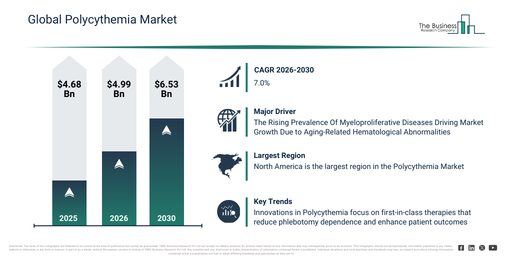
    The polycythemia market has exhibited significant expansion in recent years. Its valuation is projected to increase from $4.68 billion in 2025 to $4.99 billion in 2026, reflecting a compound annual growth rate (CAGR) of 6.7%. Historically, the market’s growth was fueled by factors including the increasing prevalence of myeloproliferative disorders, heightened awareness of rare blood diseases, the proliferation of specialty hematology centers, elevated diagnostic testing rates, and the growing application of cytoreductive drugs.

    The polycythemia market is anticipated to experience substantial growth over the next few years, with its valuation expected to climb to $6.53 billion by 2030, exhibiting a compound annual growth rate (CAGR) of 7.0%. This expansion during the forecast period is largely fueled by advancements in targeted JAK2 therapies, the increasing embrace of genetic screening, a growing demand for personalized treatment plans, enhanced access to specialty biologics, and a broadening elderly population base. Significant trends identified for the forecast period include the expanding adoption of Janus kinase inhibitors, a surge in the use of interferon-based injectable therapies, a rising preference for therapeutic phlebotomy procedures, the widening application of hematocrit monitoring diagnostics, and a general shift towards combination drug therapy approaches.

    Access Your Free Sample Report for In-Depth Market Insights:

    https://www.thebusinessresearchcompany.com/sample.aspx?id=33266&type=smp

    Which Drivers Are Influencing Long-Term Growth In The Polycythemia Market?

    The increasing occurrence of myeloproliferative diseases is anticipated to stimulate the expansion of the polycythemia market moving forward. Myeloproliferative diseases are a category of uncommon blood conditions marked by the uncontrolled proliferation of blood cells within the bone marrow, leading to disrupted blood functionality and circulation. The rising incidence of age-related hematological irregularities is a major contributor to the growing occurrence of these disorders, as older populations are more prone to bone marrow dysfunction. Polycythemia, a prominent form of myeloproliferative diseases characterized by the overproduction of red blood cells, is crucial in improving clinical awareness, diagnosis, and continuous monitoring of these conditions, thus fostering the market’s growth. For instance, in September 2024, Blood Cancer United, a US-based nonprofit focused on curing blood cancers, reported that over 120,000 people in the United States were projected to be affected by or in recovery from myeloproliferative neoplasms (MPNs) in 2023, highlighting the rising prevalence of these chronic blood disorders. Consequently, the increasing incidence of myeloproliferative diseases is propelling the expansion of the polycythemia market.

    Which Segments Are Driving Activity In The Polycythemia Market?

    The polycythemia market covered in this report is segmented –

    1) By Type: Primary polycythemia; Secondary polycythemia; Pseudopolycythemia

    2) By Drug Class: Antimetabolites; Janus Kinase 2 Inhibitors; Myelosuppressive Agents; Selective Serotonin Reuptake Inhibitors; Folic Acid; Other Drug Classes

    3) By Route Of Administration: Oral; Intravenous; Intramuscular

    4) By End Users: Hospital Pharmacies; Retail Pharmacies; Online Pharmacies

    Subsegments:

    1) By Primary Polycythemia: Polycythemia Vera; Familial Primary Polycythemia

    2) By Secondary Polycythemia: Hypoxia Induced Polycythemia; Tumor Associated Polycythemia; Drug Induced Polycythemia; Hormone Induced Polycythemia

    3) By Pseudopolycythemia: Stress Related Polycythemia; Dehydration Related Polycythemia; Plasma Volume Contraction Related Polycythemia

    Which Trends Are Expected To Influence The Polycythemia Market In The Upcoming Years?

    Major companies active in the polycythemia market are concentrating on advanced innovations like rusfertide, a pioneering first-in-class hepcidin mimetic peptide. This substance substantially lessens the requirement for frequent phlebotomies while simultaneously enhancing hematocrit regulation and the quality of life for patients. A hepcidin mimetic is a medicinal compound or drug specifically engineered to function similarly to hepcidin, the body’s principal hormone responsible for iron balance. For example, in March 2025, Takeda Pharmaceutical Company Limited, a biopharmaceutical company located in Japan, publicly shared encouraging top-line outcomes from its Phase 3 VERIFY study of rusfertide involving patients with polycythemia vera. These findings illustrated a considerable decrease in dependence on phlebotomy, improved control of hematocrit levels, and significant patient-reported benefits, all while upholding a beneficial safety profile.

    Which Key Players Are Driving Competition In The Polycythemia Market?

    Major companies operating in the polycythemia market are Bristol Myers Squibb Company, Roche Holding AG, Merck And Company Inc., Bayer AG, Novartis AG, Takeda Pharmaceutical Company, Gilead Sciences Inc., Teva Pharmaceutical Industries Ltd., Incyte Corporation, Ionis Pharmaceuticals Inc., CTI BioPharma Corp., AOP Orphan Pharmaceuticals AG, Silence Therapeutics Plc, Italfarmaco S.p.A., PharmaEssentia Corporation, Karyopharm Therapeutics Inc., Protagonist Therapeutics Inc., Kartos Therapeutics Inc., Geron Corporation, and Perseus Proteomics Inc.

    Access The Complete Report For Deeper Market Insights:

    https://www.thebusinessresearchcompany.com/report/polycythemia-market-report

    Which Region Is Projected To Lead The Polycythemia Market During The Forecast Period?

    North America was the largest region in the polycythemia market in 2025. Asia-Pacific is expected to be the fastest-growing region in the forecast period. The regions covered in the polycythemia market report are Asia-Pacific, South East Asia, Western Europe, Eastern Europe, North America, South America, Middle East, Africa.

    Request Your Customized Polycythemia Market Research Report for Competitive Advantage:

    https://www.thebusinessresearchcompany.com/customise?id=33266&type=smp

    Browse Through More Reports Similar to the Global Polycythemia Market 2026, By The Business Research Company

    Medical Polycarbonate Market Report 2026

    https://www.thebusinessresearchcompany.com/report/medical-polycarbonate-global-market-report

    Hyperlipidemia Market Report 2026

    https://www.thebusinessresearchcompany.com/report/hyperlipidemia-global-market-report

    Polycystic Ovarian Syndrome Treatment Market Report 2026

    https://www.thebusinessresearchcompany.com/report/polycystic-ovarian-syndrome-treatment-global-market-report

    Get in touch with us:

    The Business Research Company: https://www.thebusinessresearchcompany.com/

    Americas +1 310-496-7795

    Asia +44 7882 955267 & +91 8897263534

    Europe +44 7882 955267

    Email us at info@tbrc.info

    Follow us on:

    LinkedIn: https://in.linkedin.com/company/the-business-research-company

    YouTube: https://www.youtube.com/channel/UC24_fI0rV8cR5DxlCpgmyFQ

    Global Market Model: https://www.thebusinessresearchcompany.com/global-market-model
  • Plant-Derived Analgesics Industry Growth Insights: Revenue Forecast to 2030

    Plant-Derived Analgesics Industry Growth Insights: Revenue Forecast to 2030

    Uncover key drivers, emerging technologies, and competitive movements shaping the plant-derived analgesics market from 2026–2035 with trusted insights from The Business Research Company

    What level of CAGR-driven expansion is anticipated in the Plant-Derived Analgesics Market between 2026 and 2030?

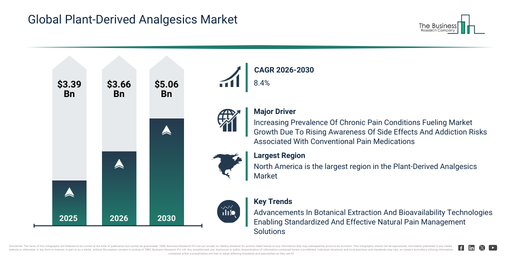
    The plant-derived analgesics market has shown robust growth over recent years. It is anticipated to expand from $3.39 billion in 2025 to $3.66 billion in 2026, achieving a compound annual growth rate (CAGR) of 8.2%. This expansion during the historical period is primarily due to the adoption of traditional medicine, the rising demand for natural pain relief options, increased use of herbal supplements, concerns regarding opioid side effects, and the broadening of botanical extraction processes.

    The plant-derived analgesics market is projected to experience substantial growth in the coming years, reaching a valuation of $5.06 billion by 2030, driven by an 8.4% compound annual growth rate. This anticipated expansion during the forecast period is attributed to an increasing preference for natural therapeutic options, the advancement of cannabinoid medicines, an expanding pipeline of plant-based drugs, enhanced clinical validation of botanical remedies, and a broader adoption of integrative care. Key trends for the forecast period include the development of standardized botanical pain extracts, the isolation of high-purity phytochemicals, the creation of combination herbal analgesic formulations, improvements in the bioavailability of plant-derived active compounds, and the growing focus on evidence-based botanical therapies.

    Access Your Free Sample Report for In-Depth Market Insights:

    https://www.thebusinessresearchcompany.com/sample.aspx?id=33264&type=smp

    What Drivers Are Affecting Demand-Supply Dynamics In The Plant-Derived Analgesics Market?

    The expanding occurrence of chronic pain ailments is projected to drive the future growth of the plant-derived analgesics market. These chronic pain conditions encompass persistent discomfort issues, such as musculoskeletal pain, arthritis, neuropathic pain, and inflammatory conditions, all necessitating continuous pain management. The global increase in chronic pain is attributed to factors like an aging population, inactive routines, rising obesity figures, and the increasing burden of various chronic diseases. Plant-derived analgesics aid in managing these conditions by providing pain relief solutions created from botanical extracts, herbs, and active plant compounds, which are increasingly adopted as supplementary or alternative pain management therapies. For example, in November 2024, the Centers for Disease Control and Prevention (CDC), a US-based federal public health agency, reported that roughly 24.3% of adults in the United States suffered from chronic pain in 2023, with 8.5% experiencing high-impact chronic pain. Consequently, the escalating prevalence of chronic pain conditions across significant healthcare markets is stimulating the expansion of the plant-derived analgesics market.

    How Is The Plant-Derived Analgesics Market Organized Into Various Segments?

    The plant-derived analgesics market covered in this report is segmented –

    1) By Product Type: Morphine; Codeine; Salicin; Cannabinoids; Curcumin

    2) By Formulation Type: Tablets; Capsules; Creams; Injectable Forms; Oils

    3) By Source: Plant-derived opioid alkaloids; Salicylate-type analgesics; Cannabinoids And hemp-derived; Polyphenolic; Other phytochemicals

    4) By Sales Channel: Hospitals; Clinics; Retail Sales; Online Sales; Hypermarkets And Supermarkets

    5) By Application: Chronic Pain Management; Acute Pain Relief; Post-Surgical Pain; Neuropathic Pain

    Subsegments:

    1) By Morphine: Immediate Release Formulations; Extended Release Formulations; Injectable Preparations; Oral Solid Dosage Forms

    2) By Codeine: Single Ingredient Analgesics; Combination Pain Relief Products; Oral Solid Dosage Forms; Liquid Oral Formulations

    3) By Salicin: Standardized Plant Extracts; Oral Solid Dosage Forms; Liquid Herbal Preparations; Combination Botanical Formulations

    4) By Cannabinoids: Tetrahydrocannabinol Dominant Products; Cannabidiol Dominant Products; Balanced Cannabinoid Formulations; Full Spectrum Plant Extracts

    5) By Curcumin: Standard Curcumin Extracts; Enhanced Bioavailability Formulations; Combination Herbal Products; Oral Solid Dosage Forms

    What Trends Are Driving The Growth Trajectory Of The Plant-Derived Analgesics Market?

    Leading companies in the plant-derived analgesics market are prioritizing technological advancements in methods for botanical extraction, purification, and formulation. These include plant-based formulation and bioavailability enhancement strategies, aimed at minimizing inconsistencies between batches and boosting acceptance from regulators and consumers. Plant-based formulation and bioavailability enhancement specifically involve the scientific refinement of plant-derived analgesic products through sophisticated formulation approaches. These approaches are crafted to improve the stability, solubility, and absorption of active botanical compounds, thereby ensuring more reliable product performance and enhanced therapeutic delivery. As an illustration, in January 2023, Medterra CBD, LLC., a US-based botanical wellness company, launched its Natural Pain Relief capsules to broaden consumer access to plant-based pain management solutions. These Natural Pain Relief capsules are presented as a plant-based, non-opioid option for pain management, formulated with standardized botanical ingredients such as turmeric and Levagen+ palmitoylethanolamide (PEA), with the goal of enhancing bioavailability and supporting relief from muscle pain, joint stiffness, and inflammation.

    Who Are The Top-Performing Companies In The Plant-Derived Analgesics Market In Recent Years?

    Major companies operating in the plant-derived analgesics market are Dabur India Limited, Patanjali Ayurved Limited, Blackmores Limited, Bionorica SE, Emami Limited, Himalaya Wellness Company, Biologische Heilmittel Heel GmbH, Charak Pharma Private Limited, Indena S.p.A., Nature’s Way Products LLC, Arya Vaidya Sala Kottakkal, Gaia Herbs Farm Inc., Hamdard Laboratories (India), Shree Dhootapapeshwar Limited, Sri Sri Tattva, Euromed S.A., Sami-Sabinsa Group Limited, Martin Bauer Group, Shree Baidyanath Ayurved Bhawan Private Limited, Organic India Private Limited

    Access The Complete Report For Deeper Market Insights:

    https://www.thebusinessresearchcompany.com/report/plant-derived-analgesics-market-report

    Which Region Currently Holds The Largest Share Of The Plant-Derived Analgesics Market?

    North America was the largest region in the plant-derived analgesics market in 2025. Asia-Pacific is expected to be the fastest-growing region in the forecast period. The regions covered in the plant-derived analgesics market report are Asia-Pacific, South East Asia, Western Europe, Eastern Europe, North America, South America, Middle East, Africa.

    Request Your Customized Plant-Derived Analgesics Market Research Report for Competitive Advantage:

    https://www.thebusinessresearchcompany.com/customise?id=33264&type=smp

    Browse Through More Reports Similar to the Global Plant-Derived Analgesics Market 2026, By The Business Research Company

    Analgesics Market Report 2026

    https://www.thebusinessresearchcompany.com/report/analgesics-global-market-report

    Pain Management Drugs Market Report 2026

    https://www.thebusinessresearchcompany.com/report/pain-management-drugs-global-market-report

    Topical Pain Relief Market Report 2026

    https://www.thebusinessresearchcompany.com/report/topical-pain-relief-global-market-report

    Get in touch with us:

    The Business Research Company: https://www.thebusinessresearchcompany.com/

    Americas +1 310-496-7795

    Asia +44 7882 955267 & +91 8897263534

    Europe +44 7882 955267

    Email us at info@tbrc.info

    Follow us on:

    LinkedIn: https://in.linkedin.com/company/the-business-research-company

    YouTube: https://www.youtube.com/channel/UC24_fI0rV8cR5DxlCpgmyFQ

    Global Market Model: https://www.thebusinessresearchcompany.com/global-market-model
  • Penicillin Active Pharmaceutical Ingredients Market Trends and Insights: Global Forecast to 2030

    Penicillin Active Pharmaceutical Ingredients Market Trends and Insights: Global Forecast to 2030

    Uncover key drivers, emerging technologies, and competitive movements shaping the penicillin active pharmaceutical ingredients market from 2026–2035 with trusted insights from The Business Research Company

    What is the expected shift in the Penicillin Active Pharmaceutical Ingredients Market’s size between 2026 and 2030?

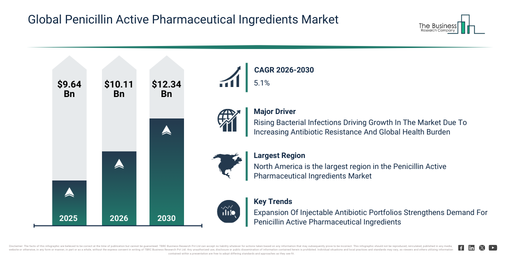
    The penicillin active pharmaceutical ingredients market has experienced consistent growth in its size over recent years. This market is projected to expand from $9.64 billion in 2025 to $10.11 billion in 2026, at a compound annual growth rate (CAGR) of 4.9%. Historically, this growth was influenced by several factors, including strong global demand for antibiotics, the expansion of generic drug manufacturing, progress in infectious disease treatment, considerable large-scale fermentation capacity, and an increase in hospital antibiotic usage.

    The penicillin active pharmaceutical ingredients market is projected to experience substantial expansion over the upcoming years, with an anticipated valuation of $12.34 billion by 2030, exhibiting a compound annual growth rate (CAGR) of 5.1%. Factors contributing to this growth during the projected period include the increasing prevalence of bacterial infections, the broadening of generic antibiotic markets, an uplift in contract API manufacturing, more robust antibiotic stockpiling initiatives, and the expansion of pharmaceutical production in developing markets. Significant developments expected during this timeframe encompass high purity fermentation techniques, the wider adoption of semisynthetic penicillin, continuous API manufacturing setups, sophisticated antibiotic quality assurance, and streamlined production of bulk antibiotics for cost efficiency.

    Access Your Free Sample Report for In-Depth Market Insights:

    https://www.thebusinessresearchcompany.com/sample.aspx?id=33256&type=smp

    Which Drivers Are Shaping Strategic Decisions In The Penicillin Active Pharmaceutical Ingredients Market?

    The increasing occurrence of bacterial infections is anticipated to stimulate the growth of the penicillin active pharmaceutical ingredients market moving forward. Bacterial infections are conditions caused by harmful bacteria that invade and multiply within the body, leading to illness symptoms and potential complications. The rising prevalence of bacterial infections stems from antimicrobial resistance, as the overuse and misuse of antibiotics enable bacteria to develop resistance mechanisms, making infections more difficult to treat and more persistent in both healthcare and community environments. The growing incidence of bacterial infections consequently increases the demand for penicillin-based antibiotics, given their continued importance for treating common bacterial diseases and combating resistant strains in clinical practice. For instance, in September 2024, the Institute for Health Metrics and Evaluation, a US-based health research center, indicated that antibiotic-resistant infections could be responsible for over 39 million deaths by 2050, with AMR bacteria causing a 75% increase in cases from 4.71 to 8.22 million per year. Therefore, the escalating incidence of bacterial infections is fueling the expansion of the penicillin active pharmaceutical ingredients market.

    What Segment Categories Are Covered In The Penicillin Active Pharmaceutical Ingredients Market?

    The penicillin active pharmaceutical ingredients market covered in this report is segmented –

    1) By Product Type: Penicillin G; Penicillin V; Ampicillin; Amoxicillin; Other Product Types

    2) By Formulation Type: Oral Formulations; Injectable Formulations; Topical Formulations

    3) By Distribution Channel: Direct Distribution; Online Pharmacies; Third Party Distributors

    4) By Application: Bacterial Infections; Respiratory Infections; Skin Infections; Urinary Tract Infections; Gastrointestinal Infections

    5) By End User: Hospitals; Pharmacies; Clinics; Academic And Research Institutions

    Subsegments:

    1) By Penicillin G: Injectable Penicillin G; Oral Penicillin G; Long Acting Penicillin G; Aqueous Penicillin G; Crystalline Penicillin G

    2) By Penicillin V: Oral Penicillin V; Tablet Penicillin V; Liquid Penicillin V; Immediate Release Penicillin V; Extended Release Penicillin V

    3) By Ampicillin: Injectable Ampicillin; Oral Ampicillin; Capsule Ampicillin; Liquid Ampicillin; Sodium Salt Ampicillin

    4) By Amoxicillin: Tablet Amoxicillin; Capsule Amoxicillin; Oral Suspension Amoxicillin; Extended Release Amoxicillin; Chewable Amoxicillin

    5) By Other Product Type: Dicloxacillin; Cloxacillin; Flucloxacillin; Oxacillin; Carbenicillin

    Which Trends Are Influencing The Development Of The Penicillin Active Pharmaceutical Ingredients Market?

    Leading firms within the penicillin active pharmaceutical ingredients (APIs) sector are concentrating on broadening their range of injectable antibiotic products, aiming to enhance the availability of treatments and fulfill the need for critical anti-infective medicines in hospitals. These injectable antibiotic offerings encompass ready-to-administer parenteral formulations, which are developed from penicillin APIs to provide quick and potent solutions for severe bacterial infections. For example, in March 2025, Avenacy, a pharmaceutical company based in the US, revealed the introduction of Ampicillin for Injection, USP, Ampicillin and Sulbactam for Injection, USP, Nafcillin for Injection, USP, Penicillin G Potassium for Injection, USP, and Piperacillin and Tazobactam for Injection, USP. These five injectable antibiotic products were launched in the U.S. market specifically to assist acute care environments. Such products feature formulations based on penicillin, which are utilized in combating a broad spectrum of bacterial infections. This development strengthens the need for premium penicillin APIs and facilitates reliable, large-scale production and distribution throughout healthcare institutions.

    Which Major Firms Are Strengthening Their Position In The Penicillin Active Pharmaceutical Ingredients Market?

    Major companies operating in the penicillin active pharmaceutical ingredients market are Merck & Co Inc, Pfizer Inc, Sanofi S.A., Novartis AG, GSK plc, Teva Pharmaceutical Industries Ltd, CSPC Zhongrun Pharmaceutical Co. Ltd, Aurobindo Pharma Ltd, Shionogi & Co. Ltd, North China Pharmaceutical Group Corporation, Centrient Pharmaceuticals B.V., Qilu Tianhe Pharmaceutical Co. Ltd, Jiangxi Fushine Pharmaceutical Co. Ltd, Harbin Pharmaceutical Group Co. Ltd, The United Laboratories International Holdings Limited, Sinopharm Weiqida Pharmaceutical Co. Ltd, Rochem International Inc, Sichuan Kelun Pharmaceutical Co. Ltd, Shandong Lukang Pharmaceutical Co. Ltd, Huaxing Pharmaceutical Co. Ltd, Jiangxi Huabang Pharmaceutical Co. Ltd, and Changzhou RedSun Pharmaceutical Co. Ltd.

    Access The Complete Report For Deeper Market Insights:

    https://www.thebusinessresearchcompany.com/report/penicillin-active-pharmaceutical-ingredients-market-report

    Which Region Shows The Strongest Potential For Future Expansion In The Penicillin Active Pharmaceutical Ingredients Market?

    North America was the largest region in the penicillin active pharmaceutical ingredients (API) market in 2025. Asia-Pacific is expected to be the fastest-growing region in the forecast period. The regions covered in the penicillin active pharmaceutical ingredients market report are Asia-Pacific, South East Asia, Western Europe, Eastern Europe, North America, South America, Middle East, Africa.

    Request Your Customized Penicillin Active Pharmaceutical Ingredients Market Research Report for Competitive Advantage:

    https://www.thebusinessresearchcompany.com/customise?id=33256&type=smp

    Browse Through More Reports Similar to the Global Penicillin Active Pharmaceutical Ingredients Market 2026, By The Business Research Company

    Active Pharmaceutical Ingredients Market Report 2026

    https://www.thebusinessresearchcompany.com/report/active-pharmaceutical-ingredients-global-market-report

    Antibiotics Market Report 2026

    https://www.thebusinessresearchcompany.com/report/antibiotics-global-market-report

    Amoxicillin Market Report 2026

    https://www.thebusinessresearchcompany.com/report/amoxicillin-global-market-report

    Get in touch with us:

    The Business Research Company: https://www.thebusinessresearchcompany.com/

    Americas +1 310-496-7795

    Asia +44 7882 955267 & +91 8897263534

    Europe +44 7882 955267

    Email us at info@tbrc.info

    Follow us on:

    LinkedIn: https://in.linkedin.com/company/the-business-research-company

    YouTube: https://www.youtube.com/channel/UC24_fI0rV8cR5DxlCpgmyFQ

    Global Market Model: https://www.thebusinessresearchcompany.com/global-market-model
  • Global Palmoplantar Keratoderma Market Report 2026–2030: Data-Driven Growth Insights

    Global Palmoplantar Keratoderma Market Report 2026–2030: Data-Driven Growth Insights

    Uncover key drivers, emerging technologies, and competitive movements shaping the palmoplantar keratoderma market from 2026–2035 with trusted insights from The Business Research Company

    What growth pattern is forecast for the Palmoplantar Keratoderma Market size between 2026 and 2035?

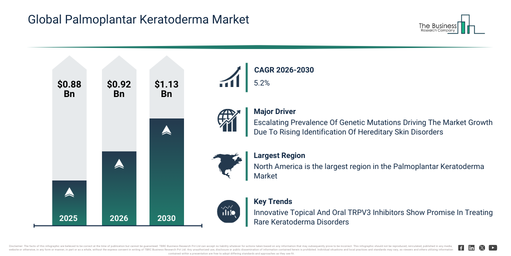
    The palmoplantar keratoderma market has demonstrated consistent expansion in recent years. It is forecast to increase from $0.88 billion in 2025 to $0.92 billion in 2026, registering a compound annual growth rate (CAGR) of 4.9%. This historical growth stemmed from several factors, including an increase in the diagnosis of rare dermatological disorders, the proliferation of dermatology specialty clinics, the expansion of retinoid therapies, rising patient awareness of genetic skin diseases, and improved dermatopathology testing.

    The palmoplantar keratoderma market is anticipated to show significant expansion in the upcoming years, with its valuation expected to reach $1.13 billion by 2030, achieving a compound annual growth rate (CAGR) of 5.2%. This projected growth during the forecast period can be attributed to factors such as an increase in targeted dermatology drugs, broader access to genetic screening, rising adoption of biologic therapies, an expansion in specialty dermatology pipelines, and more extensive orphan disease support programs. Prominent trends within the forecast period include targeted biologic skin therapies, advanced genetic diagnostic panels, long-acting topical formulations, combination retinoid treatment protocols, and the growing embrace of home-based phototherapy.

    Access Your Free Sample Report for In-Depth Market Insights:

    https://www.thebusinessresearchcompany.com/sample.aspx?id=33255&type=smp

    Which Drivers Are Impacting Market Performance In The Palmoplantar Keratoderma Market?

    The increasing occurrence of genetic mutations is projected to fuel the expansion of the palmoplantar keratoderma market. These mutations represent alterations or differences in DNA sequences that can heighten vulnerability to inherited ailments and skin conditions. The rise in genetic mutation prevalence is attributable to improvements in genomic sequencing technology and broader genetic testing, facilitating the discovery and identification of more previously unknown DNA variations within populations. An uptick in genetic mutations impacts palmoplantar keratoderma by expanding the number of individuals with inherited skin-gene modifications, leading to quicker diagnosis and a greater demand for specific treatments. For example, in January 2023, a report from the National Center for Biotechnology Information (NCBI), part of the US-based National Library of Medicine (NLM), indicated that with around 140 million babies born yearly, roughly 9.8 billion new human mutations enter the gene pool each year. Consequently, the growing prevalence of genetic mutations is a key factor propelling the palmoplantar keratoderma market.

    Which Segments Are Contributing To The Growth Of The Palmoplantar Keratoderma Market?

    The palmoplantar keratoderma market covered in this report is segmented –

    1) By Treatment Type: Topical Treatments; Systemic Treatments; Phototherapy; Surgical Interventions

    2) By Type: Non Lamellar Keratoderma; Lamellar Keratoderma; Epidermolytic Keratoderma; Palmoplantar Keratoderma With Systemic Involvement

    3) By Diagnosis Method: Clinical Examination; Histopathological Examination; Genetic Testing

    4) By Patient Type: Pediatric; Adult

    5) By Distribution Channel: Hospital Pharmacies; Retail Pharmacies; Online Pharmacies

    Subsegments:

    1) By Topical Treatments: Salicylic Acid Preparations; Urea Creams; Emollients; Retinoid Creams; Corticosteroid Creams

    2) By Systemic Treatments: Oral Retinoids; Oral Vitamin D Analogues; Oral Corticosteroids; Oral Immunosuppressants

    3) By Phototherapy: Ultraviolet A Therapy; Ultraviolet B Therapy; Psoralen Plus Ultraviolet A Therapy

    4) By Surgical Interventions: Excision Surgery; Laser Therapy; Dermabrasion; Skin Grafting

    What Trends Are Expected To Impact The Competitive Landscape Of The Palmoplantar Keratoderma Market?

    Leading companies within the palmoplantar keratoderma market are prioritizing clinical trials aimed at developing novel medications, including TRPV3 inhibitors. These efforts seek to deliver precise, disease-altering therapies that offer more than just relief from symptoms. TRPV3 inhibitors function by blocking the TRPV3 ion channel, which contributes to normalizing skin cell proliferation, fortifying the skin’s protective barrier, and alleviating the pain and skin thickening characteristic of palmoplantar keratoderma. An example of this is Kamari Pharma Ltd., a biotechnology company in the clinical stage, which introduced KM-001, a topical TRPV3 inhibitor, in June 2024, after achieving encouraging results in its Phase 1b clinical trials. This medication, KM-001, is a cream applied twice daily. It has shown a strong safety profile with no severe adverse reactions, and an 87% overall responder rate among patients suffering from pachyonychia congenita and punctate palmoplantar keratoderma type 1. Its distinct mode of action aids in regulating skin cell growth, improving the formation of the epidermal barrier, and lessening pain for affected individuals, thereby presenting a disease-modifying option compared to existing therapies. Kamari Pharma intends to progress KM-001 to Phase 2 trials and is also working on KM-023, an oral TRPV3 inhibitor, designed for a wider range of keratoderma conditions.

    Who Are The Primary Competitors In The Global Palmoplantar Keratoderma Market?

    Major companies operating in the palmoplantar keratoderma market are LEO Pharma, Krystal Biotech Inc., and Kamari Pharma.

    Access The Complete Report For Deeper Market Insights:

    https://www.thebusinessresearchcompany.com/report/palmoplantar-keratoderma-market-report

    Which Global Regions Are Shaping The Competitive Landscape Of The Palmoplantar Keratoderma Market?

    North America was the largest region in the palmoplantar keratoderma market in 2025. Asia – Pacific is expected to be the fastest-growing region in the forecast period. The regions covered in the palmoplantar keratoderma market report are Asia-Pacific, South East Asia, Western Europe, Eastern Europe, North America, South America, Middle East, Africa.

    Request Your Customized Palmoplantar Keratoderma Market Research Report for Competitive Advantage:

    https://www.thebusinessresearchcompany.com/customise?id=33255&type=smp

    Browse Through More Reports Similar to the Global Palmoplantar Keratoderma Market 2026, By The Business Research Company

    Actinic Keratosis Treatment Market Report 2026

    https://www.thebusinessresearchcompany.com/report/actinic-keratosis-treatment-global-market-report

    Palm Kernel Fatty Acids Market Report 2026

    https://www.thebusinessresearchcompany.com/report/palm-kernel-fatty-acids-global-market-report

    Neurotrophic Keratitis Treatment Market Report 2026

    https://www.thebusinessresearchcompany.com/report/neurotrophic-keratitis-treatment-global-market-report

    Get in touch with us:

    The Business Research Company: https://www.thebusinessresearchcompany.com/

    Americas +1 310-496-7795

    Asia +44 7882 955267 & +91 8897263534

    Europe +44 7882 955267

    Email us at info@tbrc.info

    Follow us on:

    LinkedIn: https://in.linkedin.com/company/the-business-research-company

    YouTube: https://www.youtube.com/channel/UC24_fI0rV8cR5DxlCpgmyFQ

    Global Market Model: https://www.thebusinessresearchcompany.com/global-market-model
  • Global Neuroendocrine Prostate Cancer Industry Trends and Market Forecast 2026–2030

    Global Neuroendocrine Prostate Cancer Industry Trends and Market Forecast 2026–2030

    Uncover key drivers, emerging technologies, and competitive movements shaping the neuroendocrine prostate cancer market from 2026–2035 with trusted insights from The Business Research Company

    What market expansion outlook does the Neuroendocrine Prostate Cancer Market show for the 2026–2030 period?

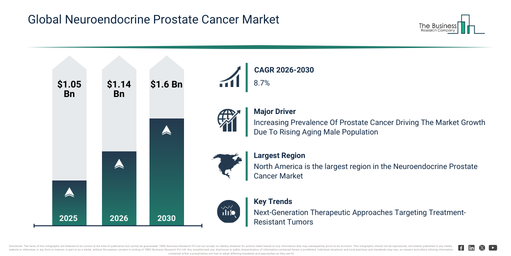
    The neuroendocrine prostate cancer market size has demonstrated significant expansion in recent years. It is anticipated to increase from $1.05 billion in 2025 to $1.14 billion in 2026, registering a compound annual growth rate (CAGR) of 8.5%. Historically, this growth can be ascribed to a surge in prostate cancer diagnoses, the onset of long-term hormone therapy resistance, the broadening of oncology drug pipelines, the advancement of molecular pathology testing, and heightened specialization in cancer centers.

    The neuroendocrine prostate cancer market is anticipated to show considerable expansion over the next few years, projected to attain a size of $1.6 billion by 2030, growing at a compound annual growth rate (CAGR) of 8.7%. This forecasted growth is attributable to several factors, including the increasing adoption of precision oncology, a rise in biomarker-based treatments, the expansion of targeted therapies, augmented funding for rare cancer research, and the broader application of genomic testing. Significant trends anticipated during this period encompass biomarker-driven patient stratification, the development of combination oncology therapy protocols, advanced molecular diagnostic testing, the enlargement of rare cancer clinical trials, and the emergence of targeted radiopharmaceutical approaches.

    Access Your Free Sample Report for In-Depth Market Insights:

    https://www.thebusinessresearchcompany.com/sample.aspx?id=33242&type=smp

    What Drivers Are Shaping The Development Of The Neuroendocrine Prostate Cancer Market?

    The rising occurrence of prostate cancer is anticipated to drive the expansion of the neuroendocrine prostate cancer market in the coming years. This condition is defined as a malignant tumor developing within the prostate gland, predominantly affecting men aged 50 and above. The increase in prostate cancer prevalence is largely attributed to the growing aging male population, as advanced age represents a significant risk factor for its development. This elevated prevalence supports the growth of neuroendocrine prostate cancer by enlarging the overall patient demographic, increasing extended exposure to androgen-deprivation therapies, and subsequently raising the probability of treatment-induced neuroendocrine differentiation in advanced and castration-resistant disease stages. For example, in January 2025, the Centers for Disease Control and Prevention (CDC), a U.S. federal public health agency, reported that 255,395 new cases of prostate cancer were diagnosed in the United States during 2023, and 33,881 men died from the disease. Thus, the increasing prevalence of prostate cancer is a primary force propelling the growth of the neuroendocrine prostate cancer market.

    What Segment Types Are Examined In The Neuroendocrine Prostate Cancer Market?

    The neuroendocrine prostate cancer market covered in this report is segmented –

    1) By Treatment: Chemotherapy; Hormonal Therapy

    2) By Therapeutics: Immunotherapy; Targeted Therapy

    3) By Disease Stage: Localized Disease; Advanced Disease; Metastatic Disease

    4) By End Users: Hospitals; Oncology Specialty Clinics; Cancer Research Institutes

    Subsegments:

    1) By Chemotherapy: Platinum Based Chemotherapy; Taxane Based Chemotherapy; Combination Chemotherapy; Second Line Chemotherapy

    2) By Hormonal Therapy: Androgen Deprivation Therapy; Androgen Receptor Inhibition; Hormone Synthesis Inhibition; Combined Hormonal Therapy

    How Are Emerging Trends Affecting The Progression Of The Neuroendocrine Prostate Cancer Market?

    Leading companies within the neuroendocrine prostate cancer market are concentrating on developing advanced medications, such as immune-modulating small-molecule therapies, to bolster immune responses and enhance patient outcomes. These immune-modulating small-molecule therapies are orally administered compounds that stimulate the body’s innate immune system to identify and eliminate cancer cells, thereby helping to overcome resistance to conventional treatments like hormone therapy or chemotherapy by strengthening the anti-tumor immune response. For example, in February 2024, BioXcel Therapeutics, a US-based clinical-stage biopharmaceutical company, obtained Fast Track Designation from the U.S. Food and Drug Administration for BXCL701, an immune-modulating small-molecule therapy specifically for neuroendocrine prostate cancer. BXCL701 is engineered to activate the NLRP3 inflammasome, boost cytokine release, and prime the immune system to target tumor cells, providing an innovative strategy that complements existing immune checkpoint inhibitors. The Fast Track Designation is projected to accelerate the clinical progression and regulatory assessment of BXCL701, underscoring its promise to address substantial unmet medical needs in aggressive and treatment-resistant prostate cancer.

    Who Are The Top-Performing Companies In The Neuroendocrine Prostate Cancer Market In Recent Years?

    Major companies operating in the neuroendocrine prostate cancer market are Novartis AG, Amgen Inc., Phanes Therapeutics Inc., and BioXcel Therapeutics Inc.

    Access The Complete Report For Deeper Market Insights:

    https://www.thebusinessresearchcompany.com/report/neuroendocrine-prostate-cancer-market-report

    Which Region Currently Holds The Largest Share Of The Neuroendocrine Prostate Cancer Market?

    North America was the largest region in the neuroendocrine prostate cancer market in 2025. Asia-Pacific is expected to be the fastest-growing region in the forecast period. The regions covered in the neuroendocrine prostate cancer market report are Asia-Pacific, South East Asia, Western Europe, Eastern Europe, North America, South America, Middle East, Africa.

    Request Your Customized Neuroendocrine Prostate Cancer Market Research Report for Competitive Advantage:

    https://www.thebusinessresearchcompany.com/customise?id=33242&type=smp

    Browse Through More Reports Similar to the Global Neuroendocrine Prostate Cancer Market 2026, By The Business Research Company

    Neuroendocrine Tumor Treatment Market Report 2026

    https://www.thebusinessresearchcompany.com/report/neuroendocrine-tumor-treatment-global-market-report

    Prostate Cancer Drugs Market Report 2026

    https://www.thebusinessresearchcompany.com/report/prostate-cancer-drugs-global-market-report

    Prostate Cancer Nuclear Medicine Diagnostics Market Report 2026

    https://www.thebusinessresearchcompany.com/report/prostate-cancer-nuclear-medicine-diagnostics-global-market-report

    Get in touch with us:

    The Business Research Company: https://www.thebusinessresearchcompany.com/

    Americas +1 310-496-7795

    Asia +44 7882 955267 & +91 8897263534

    Europe +44 7882 955267

    Email us at info@tbrc.info

    Follow us on:

    LinkedIn: https://in.linkedin.com/company/the-business-research-company

    YouTube: https://www.youtube.com/channel/UC24_fI0rV8cR5DxlCpgmyFQ

    Global Market Model: https://www.thebusinessresearchcompany.com/global-market-model
  • Nervous System Active Pharmaceutical Ingredients Market Outlook: Growth and Forecast Highlights 2030

    Nervous System Active Pharmaceutical Ingredients Market Outlook: Growth and Forecast Highlights 2030

    Uncover key drivers, emerging technologies, and competitive movements shaping the nervous system active pharmaceutical ingredients market from 2026–2035 with trusted insights from The Business Research Company

    How much is the Nervous System Active Pharmaceutical Ingredients Market valued at in 2026, and what valuation is forecast for 2030?

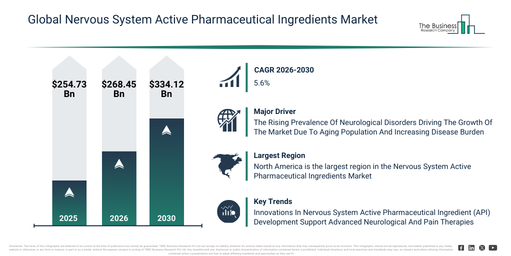
    The market size for nervous system active pharmaceutical ingredients has demonstrated significant expansion in recent years. It is projected to grow from $254.73 billion in 2025 to $268.45 billion in 2026, achieving a compound annual growth rate (CAGR) of 5.4%. The growth observed in the historic period can be attributed to the rising prevalence of neurological disorders, the expansion of psychiatric drug use, the growth of generic API manufacturing, an increase in CNS drug approvals, and the expansion of contract API production.

    The nervous system active pharmaceutical ingredients market is projected to undergo substantial expansion over the upcoming years, with its size anticipated to reach $334.12 billion by 2030, exhibiting a compound annual growth rate (CAGR) of 5.6%. This projected growth throughout the forecast period is primarily fueled by the increasing burden of neurodegenerative diseases, the broadening scope of specialized CNS therapies, a heightened demand for high-purity APIs, an escalation in outsourced API manufacturing, and the expansion of biologic neuro drugs. Significant developments expected during this timeframe encompass high potency neurology API development, complex CNS molecule synthesis, peptide-based neuro APIs, controlled release neuro API formats, and specialized neuro API CDMO partnerships.

    Access Your Free Sample Report for In-Depth Market Insights:

    https://www.thebusinessresearchcompany.com/sample.aspx?id=33240&type=smp

    What Drivers Are Influencing The Growth Of The Nervous System Active Pharmaceutical Ingredients Market?

    The expanding incidence of neurological conditions is projected to fuel the advancement of the nervous system active pharmaceutical ingredients market in the foreseeable future. Neurological disorders encompass a broad spectrum of medical issues that disrupt the normal functioning of the central and peripheral nervous system, often manifesting as symptoms such as seizures, paralysis, memory impairment, or coordination difficulties. The primary reason for the rise in neurological disorders is the world’s aging population, as elderly individuals are more susceptible to neurodegenerative illnesses like Alzheimer’s and Parkinson’s disease due to the natural decline and increased vulnerability to damage of nerve cells over time. Nervous system active pharmaceutical ingredients contribute to managing neurological disorders by influencing neural signaling and safeguarding nerve cells, thereby retarding disease progression and improving symptom management in conditions such as epilepsy, multiple sclerosis, and various neurodegenerative diseases. As an illustration, the Australian Institute of Health and Welfare, an Australia-based government agency, reported in December 2025 that approximately 425,000 Australians were living with dementia in 2024. This figure is anticipated to increase by 2.5 times, reaching more than 1.1 million by 2065, including around 662,000 women and 390,000 men. Consequently, the increasing occurrence of neurological disorders is a key factor propelling the expansion of the nervous system active pharmaceutical ingredients market.

    How Is The Nervous System Active Pharmaceutical Ingredients Market Organized Into Various Segments?

    The nervous system active pharmaceutical ingredients market covered in this report is segmented –

    1) By Product: Cytokines; Vaccines; Fusion Proteins; Therapeutic Enzymes

    2) By Expression System: Mammalian; Microbial Yeast

    3) By Application: Diabetes; Cardiovascular Diseases; Oncology; Neurological Disorder

    4) By End User: Pharmaceutical Companies; Biopharmaceutical Companies; Contract Development And Manufacturing Organizations; Research And Development Laboratories; Generic Drug Manufacturers

    Subsegments:

    1) By Cytokines: Interleukin Cytokines; Interferon Cytokines; Tumor Necrosis Factor Cytokines; Growth Factor Cytokines; Chemokine Cytokines

    2) By Vaccines: Inactivated Vaccines; Live Attenuated Vaccines; Subunit Vaccines; Recombinant Vaccines; Conjugate Vaccines

    3) By Fusion Proteins: Antibody Fusion Proteins; Receptor Fusion Proteins; Enzyme Fusion Proteins; Ligand Fusion Proteins; Multifunctional Fusion Proteins

    4) By Therapeutic Enzymes: Replacement Enzymes; Digestive Enzymes; Metabolic Enzymes; Detoxifying Enzymes; Neuroprotective Enzymes

    Which Competitive Trends Are Impacting The Structure Of The Nervous System Active Pharmaceutical Ingredients Market?

    Leading enterprises within the nervous system active pharmaceutical ingredients market are prioritizing the creation of novel solutions, including cannabinoid-based active pharmaceutical ingredients, aiming to improve the effectiveness, safety, and precise administration of therapies for neurological conditions. These cannabinoid-derived APIs consist of highly refined natural or synthesized compounds that produce therapeutic benefits by interacting with the body’s endocannabinoid system, thereby helping to control pain, epilepsy, nausea, and numerous neurological ailments. An example of this trend is observed in March 2024, when Brains Bioceutical Corp., a pharmaceutical entity headquartered in Canada, introduced solid D9 Tetrahydrocannabinol (THC). This specific cannabinoid-based active pharmaceutical ingredient was developed to further pharmaceutical research and drug creation for neurological and pain management uses. The solid D9-THC API distinguishes itself with a crystalline structure, which contributes to superior storage stability and more precise dosing compared to conventional cannabinoid extracts. This characteristic makes it easier to employ in research and formulation activities across therapeutic fields where central nervous system (CNS)-active agents are vital. The emergence of such a product highlights an overarching move towards more advanced API formulations capable of supporting accurate and scalable pharmaceutical production.

    Who Are The Major Companies Operating In The Nervous System Active Pharmaceutical Ingredients Market?

    Major companies operating in the nervous system active pharmaceutical ingredients market are F. Hoffmann-La Roche Ltd., Pfizer Inc., Novartis AG., Thermo Fisher Scientific Inc., GSK plc, Eli Lilly and Company, Boehringer Ingelheim International GmbH, Teva Pharmaceutical Industries Ltd., Cipla Limited, Zydus Lifesciences Limited, Biocon Ltd., Siegfried Holding AG., Alkem Laboratories Ltd., Almac Group, Torrent Pharmaceuticals Ltd., Granules India Ltd., Wockhardt Ltd., Neuland Laboratories Ltd., Hetero Labs Ltd., MSN Laboratories Pvt. Ltd., and Piramal Pharma.

    Access The Complete Report For Deeper Market Insights:

    https://www.thebusinessresearchcompany.com/report/nervous-system-active-pharmaceutical-ingredients-market-report

    Which Region Is Anticipated To See The Fastest Growth In The Nervous System Active Pharmaceutical Ingredients Market?

    North America was the largest region in the nervous system active pharmaceutical ingredients market in 2025. Asia-Pacific is expected to be the fastest-growing region in the forecast period The regions covered in the nervous system active pharmaceutical ingredients market report are Asia-Pacific, South East Asia, Western Europe, Eastern Europe, North America, South America, Middle East, Africa.

    Request Your Customized Nervous System Active Pharmaceutical Ingredients Market Research Report for Competitive Advantage:

    https://www.thebusinessresearchcompany.com/customise?id=33240&type=smp

    Browse Through More Reports Similar to the Global Nervous System Active Pharmaceutical Ingredients Market 2026, By The Business Research Company

    Active Pharmaceutical Ingredients Market Report 2026

    https://www.thebusinessresearchcompany.com/report/active-pharmaceutical-ingredients-global-market-report

    Central Nervous System Drug Market Report 2026

    https://www.thebusinessresearchcompany.com/report/central-nervous-system-drug-global-market-report

    Generic Central Nervous System Drugs Market Report 2026

    https://www.thebusinessresearchcompany.com/report/generic-central-nervous-system-drugs-global-market-report

    Get in touch with us:

    The Business Research Company: https://www.thebusinessresearchcompany.com/

    Americas +1 310-496-7795

    Asia +44 7882 955267 & +91 8897263534

    Europe +44 7882 955267

    Email us at info@tbrc.info

    Follow us on:

    LinkedIn: https://in.linkedin.com/company/the-business-research-company

    YouTube: https://www.youtube.com/channel/UC24_fI0rV8cR5DxlCpgmyFQ

    Global Market Model: https://www.thebusinessresearchcompany.com/global-market-model
  • Monogenetic Disease Therapy Market Future Outlook: Strong Growth Expected Toward $45.58 Billion by 2030

    Monogenetic Disease Therapy Market Future Outlook: Strong Growth Expected Toward $45.58 Billion by 2030

    Uncover key drivers, emerging technologies, and competitive movements shaping the monogenetic disease therapy market from 2026–2035 with trusted insights from The Business Research Company

    What was the valuation of the Monogenetic Disease Therapy Market in 2026, and what figure is it projected to hit by 2030?

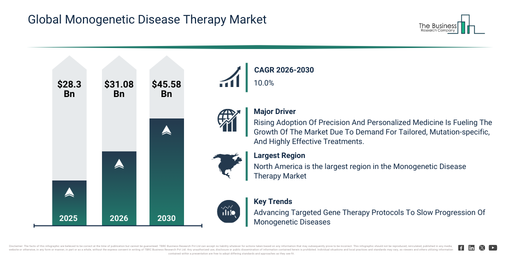
    The monogenetic disease therapy market has demonstrated significant growth in recent times. This market is projected to expand from $28.3 billion in 2025 to $31.08 billion in 2026, showing a compound annual growth rate (CAGR) of 9.8%. Factors contributing to its historical growth include progress in human genome research, the commencement of early gene therapy trials, an upsurge in rare disease diagnoses, the availability of orphan drug incentives, and innovations in viral vectors.

    The monogenetic disease therapy market is projected to experience substantial expansion in the coming years. This market is anticipated to reach a valuation of $45.58 billion by 2030, demonstrating a compound annual growth rate (CAGR) of 10.0%. This projected growth during the forecast period is attributable to several factors, including the advancement of gene editing platforms, an increase in rare disease pipelines, elevated genetic screening rates, enhanced funding for personalized therapies, and more widespread regulatory approvals. Key trends expected during this period encompass therapies targeting single genes, initiatives for gene replacement treatments, RNA-based genetic interventions, correction of rare disease genes, and the design of precision genetic drugs.

    Access Your Free Sample Report for In-Depth Market Insights:

    https://www.thebusinessresearchcompany.com/sample.aspx?id=33229&type=smp

    Which Drivers Are Affecting Market Participation In The Monogenetic Disease Therapy Market?

    The increasing acceptance of precision and personalized medicine is anticipated to propel the expansion of the monogenetic disease therapy market moving forward. This medical approach involves customizing disease prevention, diagnosis, and treatment based on an individual’s unique genetic, molecular, or lifestyle characteristics to optimize therapeutic efficacy and minimize adverse effects. The growth of precision and personalized medicine arises from healthcare providers and patients seeking tailored treatments that enhance therapeutic efficacy, reduce adverse reactions, and address individual genetic, molecular, or lifestyle profiles. Monogenetic disease therapy complements precision and personalized medicine by targeting a patient’s specific genetic mutation, thereby enabling highly individualized and effective treatments. For instance, in February 2024, the Personalized Medicine Coalition, a US-based hospital and health care organization, stated that in 2023, the FDA approved 16 new personalized treatments for rare disease patients, an increase from six in 2022. Thus, the growing adoption of precision and personalized medicine is fueling the development of the monogenetic disease therapy market.

    What Segment Categories Are Covered In The Monogenetic Disease Therapy Market?

    The monogenetic disease therapy market covered in this report is segmented –

    1) By Therapy Type: Pharmacological; Surgical; Blood Transfusion; Gene Therapies; Other Therapy Types

    2) By Inheritance Pattern: Autosomal; Chromosomal

    3) By Application: Cystic Fibrosis; Sickle Cell Anemia; Phenylketonuria; Other Applications

    4) By Distribution Channel: Hospital Pharmacy; Retail Pharmacy; Online Pharmacy

    5) By End-Users: Clinics; Hospitals; Diagnostic Centres; Home Healthcare; Other End-Users

    Subsegments:

    1) By Pharmacological: Small Molecule Drugs; Enzyme Replacement Therapies; Protein Replacement Therapies; Immunomodulatory Drugs; Targeted Molecular Therapies

    2) By Surgical: Organ Transplant Procedures; Tissue Repair Surgeries; Gene Editing Assisted Surgeries; Minimally Invasive Surgeries; Corrective Surgical Interventions

    3) By Blood Transfusion: Red Blood Cell Transfusions; Platelet Transfusions; Plasma Transfusions; Stem Cell Infusions; Autologous Blood Transfusions

    4) By Gene Therapies: Ex Vivo Gene Therapy; In Vivo Gene Therapy; Viral Vector Based Gene Therapy; Non Viral Vector Gene Therapy; Genome Editing Based Therapy

    5) By Other Therapy Types: Cell Based Therapies; RNA Based Therapies; Protein Based Therapies; Combination Therapies; Experimental Therapies

    How Are New Market Trends Shaping The Landscape Of The Monogenetic Disease Therapy Market?

    Leading companies within the monogenetic disease therapy market are concentrating on creating innovative gene therapies, including Duchenne muscular dystrophy (DMD)-targeted protocols, to slow disease progression and improve patient outcomes over the long term. Duchenne muscular dystrophy–targeted protocols represent structured clinical or therapeutic guidelines specifically designed to diagnose, monitor, and manage patients with Duchenne muscular dystrophy, focusing on decelerating disease advancement, enhancing muscle function, and addressing associated complications. For example, in January 2026, Sarepta Therapeutics Inc, a US-based biopharmaceutical company, launched Elevidys for ambulatory Duchenne muscular dystrophy (DMD) patients aged four and older. The company reported up to a 73% reduction in the rate of functional decline over three years compared with an external control group, underscoring the importance of early intervention to alter the disease course and improve quality of life.

    Which Key Market Players Are Investing In Expansion And Innovation Within The Monogenetic Disease Therapy Market?

    Major companies operating in the monogenetic disease therapy market are Pfizer Inc., Sanofi S.A., Astellas Pharma Inc., Vertex Pharmaceuticals Incorporated, Sarepta Therapeutics Inc., Ptc therapeutics inc., Crispr therapeutics ag, CRISPR Therapeutics, Voyager Therapeutics Inc., Oxford Biomedica plc, REGENXBIO INC., Arcturus therapeutics holdings inc., Editas medicine Inc., American Gene Technologies, UniQure NV., MeiraGTx Limited, Prime medicine, Abeona therapeutics Inc., Blue Cross Blue Shield Association, Rocket pharmaceuticals Inc.

    Access The Complete Report For Deeper Market Insights:

    https://www.thebusinessresearchcompany.com/report/monogenetic-disease-therapy-market-report

    Which Regions Are Poised For Strategic Growth In The Monogenetic Disease Therapy Market?

    North America was the largest region in the monogenetic disease therapy market in 2025. Asia-Pacific is expected to be the fastest-growing region in the forecast period. The regions covered in the monogenetic disease therapy market report are Asia-Pacific, South East Asia, Western Europe, Eastern Europe, North America, South America, Middle East, Africa.

    Request Your Customized Monogenetic Disease Therapy Market Research Report for Competitive Advantage:

    https://www.thebusinessresearchcompany.com/customise?id=33229&type=smp

    Browse Through More Reports Similar to the Global Monogenetic Disease Therapy Market 2026, By The Business Research Company

    Cell And Gene Therapy Clinical Trial Services Market Report 2026

    https://www.thebusinessresearchcompany.com/report/cell-and-gene-therapy-clinical-trial-services-global-market-report

    Genes Therapy Market Report 2026

    https://www.thebusinessresearchcompany.com/report/genes-therapy-global-market-report

    Cell And Gene Therapy Supply Chain Or Logistics Market Report 2026

    https://www.thebusinessresearchcompany.com/report/cell-and-gene-therapy-supply-chain-or-logistics-global-market-report

    Get in touch with us:

    The Business Research Company: https://www.thebusinessresearchcompany.com/

    Americas +1 310-496-7795

    Asia +44 7882 955267 & +91 8897263534

    Europe +44 7882 955267

    Email us at info@tbrc.info

    Follow us on:

    LinkedIn: https://in.linkedin.com/company/the-business-research-company

    YouTube: https://www.youtube.com/channel/UC24_fI0rV8cR5DxlCpgmyFQ

    Global Market Model: https://www.thebusinessresearchcompany.com/global-market-model
  • Mitogen-Activated Protein Kinase Inhibitors Market Anticipated to Record Steady Gains, Advancing to $5.22 Billion by 2030

    Mitogen-Activated Protein Kinase Inhibitors Market Anticipated to Record Steady Gains, Advancing to $5.22 Billion by 2030

    Uncover key drivers, emerging technologies, and competitive movements shaping the mitogen-activated protein kinase inhibitors market from 2026–2035 with trusted insights from The Business Research Company

    What level of CAGR-driven expansion is anticipated in the Mitogen-Activated Protein Kinase Inhibitors Market between 2026 and 2030?

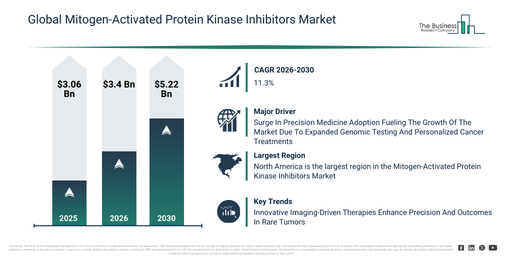
    The market size for mitogen-activated protein kinase inhibitors has observed rapid expansion in recent years. It is anticipated to expand from $3.06 billion in 2025 to $3.4 billion in 2026, exhibiting a compound annual growth rate (CAGR) of 11.1%. The growth observed in past periods can be linked to the rise of targeted cancer therapy, the discovery of MAPK pathway mutations, early research into BRAF and RAS, advancements in precision oncology, and the initial approvals of MEK drugs.

    The market for mitogen-activated protein kinase inhibitors is projected to experience swift expansion in the coming years. By 2030, its valuation is expected to reach $5.22 billion, driven by a compound annual growth rate (CAGR) of 11.3%. This anticipated growth throughout the forecast timeframe stems from factors such as the expansion of combination oncology trials, higher biomarker testing rates, the advancement of personalized cancer care, broader indication approvals, and increased oncology drug pipelines. Key trends expected during the forecast period encompass selective mek targeted therapies, combination targeted oncology regimens, biomarker guided mek treatment, oral targeted cancer inhibitors, and the development of next generation mek molecules.

    Access Your Free Sample Report for In-Depth Market Insights:

    https://www.thebusinessresearchcompany.com/sample.aspx?id=33222&type=smp

    What Drivers Are Affecting Demand-Supply Dynamics In The Mitogen-Activated Protein Kinase Inhibitors Market?

    The increasing implementation of precision medicine is anticipated to drive the expansion of the mitogen-activated protein kinase kinase (MEK) inhibitors market in the foreseeable future. This healthcare methodology involves tailoring disease prevention, diagnosis, and therapeutic interventions according to a person’s unique genetic profile, lifestyle choices, and environmental influences. The increasing uptake of precision medicine stems from enhanced treatment efficacy, given that therapies are customized to a patient’s genetic and molecular characteristics, which results in superior clinical results and minimizes experimental approaches in treatment. MEK inhibitors support precision medicine by precisely targeting particular genetic mutations within the MAPK/ERK pathway, thus facilitating individualized cancer therapies that boost effectiveness and lessen harm to healthy cells. An example of this is seen in February 2025, where, as reported by the National Health Service, a UK-based government agency, the NHS Genomic Medicine Service conducted over 810,000 genomic tests across the life course in England during 2024, representing an 8% increase over 2023. These tests are crucial for early diagnosis, patient stratification, and personalized treatment, which are fundamental elements of precision medicine. Consequently, the expanding implementation of precision medicine is propelling the growth of the mitogen-activated protein kinase kinase (MEK) inhibitors market.

    What Segments Are Included Within The Mitogen-Activated Protein Kinase Inhibitors Market?

    The mitogen-activated protein kinase inhibitors market covered in this report is segmented –

    1) By Product Type: Allosteric Mitogen Activated Protein Kinase Kinase Inhibitors; Adenosine Triphosphate Competitive Mitogen Activated Protein Kinase Kinase Inhibitors

    2) By Target: Mitogen Activated Protein Kinase Kinase 1; Mitogen Activated Protein Kinase Kinase 2

    3) By Route Of Administration: Oral; Injectable

    4) By Application: Non Small Cell Lung Cancer; Metastatic Melanoma; Kirsten Rat Sarcoma Viral Oncogene Homolog And Neuroblastoma RAS Viral Oncogene Homolog Mutated Tumors; Thyroid Carcinoma; Lung Carcinoma; Other Applications

    5) By Distribution Channel: Hospital Pharmacy; Retail Pharmacy; Online Pharmacy

    Subsegments:

    1) By Allosteric Mitogen Activated Protein Kinase Kinase Inhibitors: First Generation Allosteric Inhibitors; Second Generation Allosteric Inhibitors; Highly Selective Allosteric Inhibitors; Dual Pathway Allosteric Inhibitors; Orally Active Allosteric Inhibitors

    2) By Adenosine Triphosphate Competitive Mitogen Activated Protein Kinase Kinase Inhibitors: First Generation Competitive Inhibitors; Second Generation Competitive Inhibitors; Highly Potent Competitive Inhibitors; Broad Spectrum Competitive Inhibitors; Targeted Competitive Inhibitors

    What Upcoming Trends Are Likely To Define The Future Path Of The Mitogen-Activated Protein Kinase Inhibitors Market?

    Major companies in the mitogen-activated protein kinase kinase (MEK) inhibitors market are emphasizing the development of efficacy based on volumetric MRI with central review, aiming to refine treatment precision, improve patient outcomes, and expedite regulatory approvals for rare and difficult-to-treat tumors. This efficacy, determined by volumetric MRI with central review, involves measuring tumor response using precise 3D MRI-based tumor volumes, with evaluations independently confirmed by a centralized expert panel for accuracy and consistency. For instance, in February 2025, SpringWorks Therapeutics Inc., a US-based biopharmaceutical company, launched Gomekli (mirdametinib), an orally administered MEK inhibitor approved by the U.S. Food and Drug Administration (FDA) for the management of adult and pediatric patients aged 2 years and older with neurofibromatosis type 1 (NF1)-associated symptomatic plexiform neurofibromas (PN). Gomekli operates by selectively inhibiting MEK enzymes involved in the MAPK signaling cascade, leading to reduced tumor growth and symptomatic relief in the context of a rare genetic disorder where surgical options are often limited, and it enhances treatment accessibility with both capsule and dispersible tablet formulations, addressing patient populations facing swallowing difficulties.

    Who Are The Prominent Global Companies Shaping The Mitogen-Activated Protein Kinase Inhibitors Market Landscape?

    Major companies operating in the mitogen-activated protein kinase inhibitors market are ShanghAI Fosun Pharmaceutical (Group) Co. Ltd., F. Hoffmann-La Roche AG, Pfizer Inc., Bayer AG, Novartis AG, AstraZeneca PLC, GlaxoSmithKline plc, Takeda Pharmaceutical Company Limited, Merck KGaA, Boehringer Ingelheim International GmbH, Ono Pharmaceutical Co. Ltd., Exelixis Inc., Laboratoires Pierre Fabre S.A., Day One Biopharmaceuticals Inc., CStone Pharmaceuticals Co. Ltd., Chia TAI Tianqing Pharmaceutical Group Co. Ltd., Immuneering Corporation, Atriva Therapeutics GmbH, ShanghAI Kechow Pharmaceutical Co. Ltd., NFlection Therapeutics Inc., and Verastem Inc.

    Access The Complete Report For Deeper Market Insights:

    https://www.thebusinessresearchcompany.com/report/mitogen-activated-protein-kinase-inhibitors-market-report

    Which Geographic Areas Are Emerging As Strong Markets For The Mitogen-Activated Protein Kinase Inhibitors Market?

    North America was the largest region in the mitogen-activated protein kinase kinase (MEK) inhibitors market in 2025. Asia-Pacific is expected to be the fastest-growing region in the forecast period. The regions covered in the mitogen-activated protein kinase inhibitors market report are Asia-Pacific, South East Asia, Western Europe, Eastern Europe, North America, South America, Middle East, Africa.

    Request Your Customized Mitogen-Activated Protein Kinase Inhibitors Market Research Report for Competitive Advantage:

    https://www.thebusinessresearchcompany.com/customise?id=33222&type=smp

    Browse Through More Reports Similar to the Global Mitogen-Activated Protein Kinase Inhibitors Market 2026, By The Business Research Company

    Kinase Inhibitors Market Report 2026

    https://www.thebusinessresearchcompany.com/report/kinase-inhibitors-global-market-report

    Tyrosine Kinase Inhibitors Market Report 2026

    https://www.thebusinessresearchcompany.com/report/tyrosine-kinase-inhibitors-global-market-report

    Janus Kinase Jak Inhibitors Market Report 2026

    https://www.thebusinessresearchcompany.com/report/janus-kinase-jak-inhibitors-global-market-report

    Get in touch with us:

    The Business Research Company: https://www.thebusinessresearchcompany.com/

    Americas +1 310-496-7795

    Asia +44 7882 955267 & +91 8897263534

    Europe +44 7882 955267

    Email us at info@tbrc.info

    Follow us on:

    LinkedIn: https://in.linkedin.com/company/the-business-research-company

    YouTube: https://www.youtube.com/channel/UC24_fI0rV8cR5DxlCpgmyFQ

    Global Market Model: https://www.thebusinessresearchcompany.com/global-market-model
  • Global Messenger Ribonucleic Acid (MRNA) Manufacturing Service Market Set for Strong Expansion, Reaching $12.97 Billion With 16.2% CAGR by 2030

    Global Messenger Ribonucleic Acid (MRNA) Manufacturing Service Market Set for Strong Expansion, Reaching $12.97 Billion With 16.2% CAGR by 2030

    Uncover key drivers, emerging technologies, and competitive movements shaping the messenger ribonucleic acid (mrna) manufacturing service market from 2026–2035 with trusted insights from The Business Research Company

    What is the expected shift in the Messenger Ribonucleic Acid (MRNA) Manufacturing Service Market’s size between 2026 and 2030?

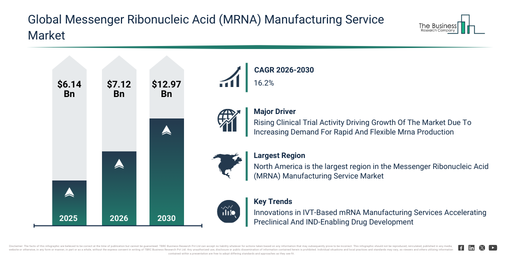
    The messenger ribonucleic acid (mrna) manufacturing service market size has experienced rapid expansion in recent years. This market is projected to increase from $6.14 billion in 2025 to $7.12 billion in 2026, achieving a compound annual growth rate (CAGR) of 15.9%. Historically, this growth can be attributed to the rise of mrna therapeutics research, urgent demands for vaccine manufacturing, limited in-house mrna capacity, the growth of CDMO partnerships, and the expansion of biotech pipelines.

    The messenger ribonucleic acid (mrna) manufacturing service market is projected to experience substantial expansion in the coming years. Its valuation is anticipated to reach $12.97 billion by 2030, demonstrating a compound annual growth rate (CAGR) of 16.2%. This anticipated growth during the forecast period is fueled by several factors, including a rise in mrna therapy trials, an increase in contract manufacturing requirements, the advancement of personalized medicine, increased outsourcing activities by biotechnology companies, and the scaling up of commercial mrna products. Key trends emerging in this period encompass integrated mrna process development services, large-scale in vitro transcription production, comprehensive end-to-end LNP encapsulation services, swift technology transfer initiatives, and the manufacturing of GMP-grade mrna batches.

    Access Your Free Sample Report for In-Depth Market Insights:

    https://www.thebusinessresearchcompany.com/sample.aspx?id=33216&type=smp

    Which Drivers Are Shaping Strategic Decisions In The Messenger Ribonucleic Acid (MRNA) Manufacturing Service Market?

    Increased clinical trial activity is projected to drive the expansion of the messenger ribonucleic acid (mRNA) manufacturing service market in the future. Clinical trial activity encompasses all procedures for conducting and overseeing human clinical studies to assess medical interventions. This rise in activity is fueled by the growing adoption of digital and decentralized trial models, which facilitate quicker patient enrollment, remote oversight, and more streamlined data gathering across wider demographics. Messenger ribonucleic acid (mRNA) manufacturing services support clinical trials by providing swift and adaptable production of mRNA-based therapies, guaranteeing prompt availability for various trial stages and speeding up drug development. As an illustration, the Association of the British Pharmaceutical Industry (ABPI) reported that the number of industry clinical trials launched in the UK climbed to 426 in 2023, up from 411 in 2022. Consequently, the heightened clinical trial activity is a key factor boosting the messenger ribonucleic acid (mRNA) manufacturing service market’s growth.

    What Segment Classifications Make Up The Messenger Ribonucleic Acid (MRNA) Manufacturing Service Market?

    The messenger ribonucleic acid (mrna) manufacturing service market covered in this report is segmented –

    1) By Service Type: Process Development; Analytical Testing; Manufacturing; Fill-Finish; Other Service Types

    2) By Scale of Operation: Research And Preclinical Scale; Clinical Scale; Commercial Scale

    3) By Application: Vaccines; Therapeutics; Research; Other Applications

    4) By End-User: Pharmaceutical And Biotechnology Companies; Academic And Research Institutes; Other End-Users

    Subsegments:

    1) By Process Development: Template Design And Optimization; In Vitro Transcription Process Design; Formulation Development; Process Scale-Up And Technology Transfer; Process Validation Support

    2) By Analytical Testing: Identity And Purity Testing; Potency And Functional Assays; Impurity And Contaminant Analysis; Stability And Shelf Life Studies; Quality Control Release Testing

    3) By Manufacturing: Plasmid Deoxyribonucleic Acid Production; In Vitro Transcription Manufacturing; Enzymatic Capping And Tailoring; Purification And Concentration; Large-Scale Batch Production

    4) By Fill-Finish: Aseptic Filling Services; Vial And Syringe Filling; Lyophilization Services; Labeling And Packaging; Cold Chain Handling And Storage

    5) By Other Service Types: Regulatory Support Services; Quality Assurance And Documentation; Supply Chain And Logistics Support; Technology Consulting Services; Custom Manufacturing Solutions

    What Trends Are Expected To Impact The Competitive Landscape Of The Messenger Ribonucleic Acid (MRNA) Manufacturing Service Market?

    Entities in the messenger ribonucleic acid (mRNA) manufacturing service market are actively developing innovative solutions, including in vitro transcription (IVT), to accelerate the production of premium, clinical-grade mRNA for vaccines and customized therapies. In vitro transcription (IVT) is a laboratory method that synthesizes messenger RNA (mRNA) from a DNA template using RNA polymerase enzymes, enabling the creation of mRNA outside living cells for various research, therapeutic, or vaccine applications. For instance, in May 2025, GenScript Biotech Corporation, a China-based biotechnology company, launched a GMP-like mRNA manufacturing service designed to support preclinical studies and IND-enabling research. This solution provides high-purity, scalable in vitro transcription (IVT) processes with rigorous control over critical quality attributes such as capping efficiency, poly(A) tail length, and impurity profiles. It aids a rapid transition from preclinical to clinical stages by ensuring consistent batch-to-batch production, flexible customization for different mRNA constructs, and reduced development timelines. Additionally, the GMP-like framework enhances regulatory readiness through improved traceability, standardized workflows, and comprehensive quality documentation, helping developers mitigate risks in later-stage manufacturing and accelerate clinical progress.

    Which Leading Companies Dominate The Messenger Ribonucleic Acid (MRNA) Manufacturing Service Market Share?

    Major companies operating in the messenger ribonucleic acid (mrna) manufacturing service market are Thermo Fisher Scientific Inc., Merck KGaA, FUJIFILM Biotechnologies, Evonik Industries AG, Lonza Group AG, Charles River Laboratories International Inc., Samsung Biologics Co. Ltd., WuXi Biologics Inc., Recipharm AB, Curia Global Inc., Emergent BioSolutions Inc., AGC Biologics Inc., Corden Pharma International GmbH, Rentschler Biopharma SE, GenScript ProBio, ST Pharm Co. Ltd., etherna Immunotherapies NV, BIOMAY AG., Porton Advanced Solutions Ltd., Wacker Biotech GmbH.

    Access The Complete Report For Deeper Market Insights:

    https://www.thebusinessresearchcompany.com/report/messenger-ribonucleic-acid-mrna-manufacturing-service-market-report

    How Does The Messenger Ribonucleic Acid (MRNA) Manufacturing Service Market Perform Across Major Global Regions?

    North America was the largest region in the mRNA manufacturing service market in 2025. Asia-Pacific is expected to be the fastest-growing region in the forecast period. The regions covered in the messenger ribonucleic acid (mrna) manufacturing service market report are Asia-Pacific, South East Asia, Western Europe, Eastern Europe, North America, South America, Middle East, Africa.

    Request Your Customized Messenger Ribonucleic Acid (MRNA) Manufacturing Service Market Research Report for Competitive Advantage:

    https://www.thebusinessresearchcompany.com/customise?id=33216&type=smp

    Browse Through More Reports Similar to the Global Messenger Ribonucleic Acid (MRNA) Manufacturing Service Market 2026, By The Business Research Company

    Messenger Ribonucleic Acid Mrna Synthesis Raw Materials Market Report 2026

    https://www.thebusinessresearchcompany.com/report/messenger-ribonucleic-acid-mrna-synthesis-raw-materials-global-market-report

    Ribonucleic Acid Rna Sequencing Market Report 2026

    https://www.thebusinessresearchcompany.com/report/ribonucleic-acid-rna-sequencing-global-market-report

    Nucleic Acid Therapeutics Market Report 2026

    https://www.thebusinessresearchcompany.com/report/nucleic-acid-therapeutics-global-market-report

    Get in touch with us:

    The Business Research Company: https://www.thebusinessresearchcompany.com/

    Americas +1 310-496-7795

    Asia +44 7882 955267 & +91 8897263534

    Europe +44 7882 955267

    Email us at info@tbrc.info

    Follow us on:

    LinkedIn: https://in.linkedin.com/company/the-business-research-company

    YouTube: https://www.youtube.com/channel/UC24_fI0rV8cR5DxlCpgmyFQ

    Global Market Model: https://www.thebusinessresearchcompany.com/global-market-model