Category: Pharmaceuticals

  • Quinine Market Outlook Through 2030: Understanding The Growth Opportunity

    Quinine Market Outlook Through 2030: Understanding The Growth Opportunity

    Backed by market attractiveness analysis, total addressable market sizing, company benchmarking matrices, interactive Excel dashboards, wider supply chain intelligence, emerging startup coverage, and detailed product-level insights, The Business Research Company’s 2026 market reports are designed to offer research that is more actionable and strategically valuable than ever.

    Quinine Market Forecast: What Value Will The Market Reach By 2030?

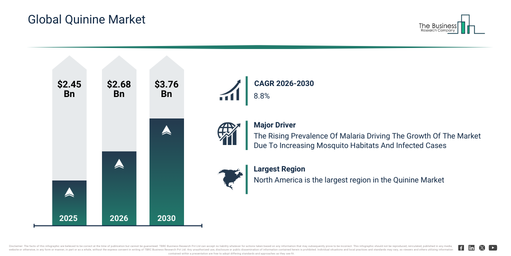
    The quinine market has shown significant expansion in recent years. Its valuation is projected to increase from $2.45 billion in 2025 to $2.68 billion in 2026, driven by a compound annual growth rate (CAGR) of 9.2%. This historical growth can be attributed to traditional reliance on cinchona bark extraction, limited availability of purified quinine, widespread use in malaria treatment, use in home remedies and tonic beverages, and adoption in oral formulations.

    The quinine market is projected to experience robust expansion over the coming years, with its valuation set to reach $3.76 billion by 2030, demonstrating a compound annual growth rate (CAGR) of 8.8%. This anticipated growth during the forecast period is attributable to several factors, including advancements in the technology for quinine synthesis and purification, increasing demand for quinine suitable for pharmaceuticals, the expansion of initiatives aimed at controlling malaria, a surge in functional beverages that incorporate quinine, and greater investment in research and development concerning antimalarial treatments. Key trends shaping the forecast period encompass an escalating demand for natural compounds that combat malaria, the expanding application of quinine in both tonic and functional drinks, the creation of pharmaceutical-grade quinine derivatives, heightened public understanding regarding malaria prevention and treatment, and an emphasis on adherence to regulatory standards and quality benchmarks for quinine products.

    Get A Free Sample Report With In-Depth Market Insights:

    https://thebusinessresearchcompany.com/sample_request?id=84948479&type=smp&name=Quinine%20Market%20Report%202026&utm_source=Blogs&utm_medium=Paid&utm_campaign=Oct_PR

    Quinine Market Growth Drivers: What’s Behind The Acceleration?

    The increasing incidence of malaria is projected to fuel the expansion of the quinine market in the future. Malaria, an infectious condition, arises from Plasmodium parasites delivered to humans via bites from infected female Anopheles mosquitoes. Its spread is intensifying due to escalating global temperatures, which broaden the living areas and reproductive periods of malaria-transmitting mosquitoes. Quinine, a powerful antimalarial medication, combats malaria by disrupting the parasite’s capacity to process hemoglobin in red blood cells, thereby hindering its development and existence. As an illustration, in April 2024, the UK Health Security Agency, a UK-based government body, reported 2,004 confirmed malaria cases in England in 2023, an increase from 1,369 in 2022. Consequently, the growing occurrence of malaria is propelling the quinine market’s growth.

    Quinine Market Segment Performance And Emerging Opportunities

    The quinine market covered in this report is segmented –

    1) By Product: Quinine Sulphate, Quinine Hydrochloride, Quinine Gluconate, Quinine Bisulphate

    2) By Administration: Oral Administration, Intramuscular Administration, Intravenous Administration, Other Administrations

    3) By Application: Malaria Treatment, Nocturnal Leg Cramps

    4) By Enduser: Hospitals, Clinics, Other Endusers

    Quinine Market Key Players: Which Companies Lead Industry Competition?

    Major companies operating in the quinine market are Teva Pharmaceutical Industries Ltd., Schweppes Australia Proprietary Limited, The United States Pharmacopeial Convention Inc., Chempro Pharma Private Limited, Taj Pharmaceuticals Ltd., Swiss Parenterals Private Limited, Leocorno Enterprises Private Limited, Healthy Inc., Jai Radhe Sales, Adooq Bioscience LLC, Akhil Healthcare Pvt Ltd., Van Wankum Ingredients B.V., Shreeji Pharma International, Prism Industries Private Limited, Lavina Pharmaceuticals Pvt Ltd., A. B. Enterprises, Spark Lifesciences Private Limited, Sihauli Chemicals Private Limited, Shanghai Nianxing Industrial Co. Ltd., Sakhiya Pharma Chem

    View The Full Quinine Market Report:

    https://thebusinessresearchcompany.com/report/quinine-global-market-report?utm_source=Blogs&utm_medium=Paid&utm_campaign=Oct_PR

    Quinine Market Regional Breakdown: Where Is Demand Concentrated?

    North America was the largest region in the quinine market in 2025. Asia-Pacific is expected to be the fastest-growing region in the forecast period. The regions covered in the quinine market report are Asia-Pacific, South East Asia, Western Europe, Eastern Europe, North America, South America, Middle East, Africa.

    Reach Out To Our Team:

    The Business Research Company: https://www.thebusinessresearchcompany.com/

    Americas: +1 310-496-7795

    Asia: +44 7882 955267 & +91 8897263534

    Europe: +44 7882 955267

    Email us at: marketing@tbrc.info

    Follow us on:

    LinkedIn: https://in.linkedin.com/company/the-business-research-company

    YouTube: https://www.youtube.com/channel/UC24_fI0rV8cR5DxlCpgmyFQ

    Global Market Model: https://www.thebusinessresearchcompany.com/global-market-model
  • Quadrivalent Market Growth Potential: What The Latest Forecast Reveals

    Quadrivalent Market Growth Potential: What The Latest Forecast Reveals

    Featuring market attractiveness scoring, total addressable market sizing, company benchmarking matrices, interactive Excel dashboards, deeper supply chain intelligence, emerging startup tracking, and granular product-level insights, The Business Research Company’s 2026 market reports are built to deliver research that is both more actionable and more strategically valuable.

    Quadrivalent Market Size Outlook: How Quickly Will Revenue Expand Through 2030?

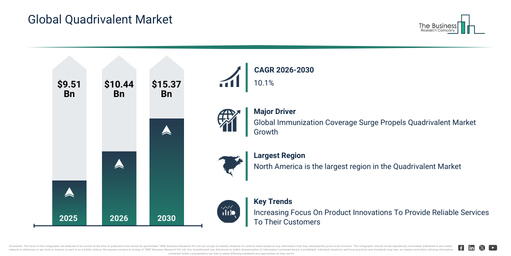
    The quadrivalent market has demonstrated significant expansion in recent years. It is projected to climb from $9.51 billion in 2025 to $10.44 billion in 2026, at a compound annual growth rate (CAGR) of 9.8%. The observed growth during previous periods can be linked to the rising occurrence of influenza, governmental vaccination drives, progress in vaccine development, increased public understanding concerning flu prevention, and the initial uptake of quadrivalent vaccines in advanced regions.

    The quadrivalent market is projected to experience swift expansion in the coming years, with its size anticipated to reach $15.37 billion by 2030, exhibiting a compound annual growth rate (CAGR) of 10.1%. This growth during the projection period is attributed to several factors, including an increased need for comprehensive influenza protection, advancements in vaccine delivery methods, the expansion of immunization initiatives in developing regions, greater financial commitments to biotechnology and personalized medicine, and supportive reimbursement frameworks and governmental aid. Key developments expected in the forecast timeframe encompass improvements in vaccine composition, broadened immunization schedules for various age groups, breakthroughs in cold chain and distribution networks, multi-strain influenza coverage, and adherence to regulatory standards and quality assurance.

    Get A Free Sample Report With In-Depth Market Insights:

    https://thebusinessresearchcompany.com/sample_request?id=38707977&type=smp&name=Quadrivalent%20Market%20Report%202026&utm_source=Blogs&utm_medium=Paid&utm_campaign=Oct_PR

    Quadrivalent Market Growth Factors Behind Sustained Expansion

    Global increases in immunization coverage are projected to boost the quadrivalent market. This coverage indicates the percentage of a population that has received particular or recommended vaccines within a given period. As immunization coverage expands, the demand for vaccines rises, particularly for quadrivalent vaccines, which protect against four strains and are often included in standard vaccination schedules to tackle multiple diseases with a single administration. For example, the World Health Organization, an international public health body based in Switzerland, reported in July 2025 that worldwide coverage for the initial dose of the HPV vaccine among girls climbed from 27% in 2023 to 31% in 2024. Consequently, increasing global immunization coverage is anticipated to fuel the future growth of the quadrivalent market.

    Quadrivalent Market Segment Landscape And Growth Outlook

    The quadrivalent market covered in this report is segmented –

    1) By Type: Intradermal Shot, Intramuscular Injection, Nasal Spray

    2) By Technology: Conjugated, Live, Inactivated, Recombinant, Toxoid, Other Technologies

    3) By Disease: Cancer, Hepatitis, Pneumococcal Disease, COVID-19, Influenza, Human Papilloma Virus, Meningococcal Disease, Polio, Rotavirus, Other Diseases

    4) By Age Group: Pediatric, Adult

    5) By Distribution Channel: Hospital And Pharmacy, Government Suppliers, Other Channels (NGOs)

    Subsegments:

    1) By Intradermal Shot: Standard Intradermal Injection, Needle-Free Intradermal Delivery

    2) By Intramuscular Injection: Standard Intramuscular Injection, Adjuvanted Intramuscular Injection

    3) By Nasal Spray: Live Attenuated Nasal Spray, Inactivated Nasal Spray

    Quadrivalent Market Industry Trends Fueling Future Revenue Growth

    Leading companies in the quadrivalent market are concentrating on developing safer, innovative vaccine delivery technologies, such as nano-particle technology, to boost their market revenues. This nano-particle technology mimics the external structure of viruses using virus-like particles (VLPs) without including live genetic material, thereby improving both safety and the immune response. For instance, in March 2024, Cadila Pharmaceuticals, an India-based pharmaceutical company, launched its advanced Quadrivalent Influenza Vaccine. This sophisticated immunization is engineered to offer protection against four distinct strains of the influenza virus: two A strains (H1N1 and H3N2) and two B strains. This specific quadrivalent formulation enhances the vaccine’s efficacy by targeting a broader spectrum of circulating influenza viruses, making it particularly effective during flu seasons. The aQIV aims to stimulate a robust immune response, consequently reducing the incidence of influenza-related morbidity and mortality. Its development underscores continuous efforts to improve public health outcomes in the context of evolving viral strains.

    Quadrivalent Market Competitive Landscape: Who Leads The Industry?

    Major companies operating in the quadrivalent market are AstraZeneca Plc, Serum Institute of India Private Limited, Sanofi S.A., GlaxoSmithKline Plc, CSL Limited, Bharat Biotech International Limited, Hualan Biological Engineering Inc., Merck & Co. Inc., Johnson & Johnson Services Inc., Pfizer Inc., Walvax Biotechnology Co. Ltd., Chongqing Zhifei Biological Products Co. Ltd., Biological E. Limited, GSK Biologicals SA, Institute of Vaccines and Biological Products Chinese Academy of Medical Sciences, Wuhan Institute of Biological Products Co. Ltd., Beijing Tian Tan Biological Products Co. Ltd., Shanghai Zhijiang Bio-pharm Co. Ltd., Bio Farma, Butantan Institute, Pasteur Institute of India, China National Biotec Group Co. Ltd. (CNBG)

    View The Full Quadrivalent Market Report:

    https://thebusinessresearchcompany.com/report/quadrivalent-global-market-report?utm_source=Blogs&utm_medium=Paid&utm_campaign=Oct_PR

    Quadrivalent Market Geographic Landscape: Which Region Dominates Industry Growth?

    North America was the largest region in the quadrivalent market in 2025. The regions covered in the quadrivalent market report are Asia-Pacific, South East Asia, Western Europe, Eastern Europe, North America, South America, Middle East, Africa.

    Reach Out To Our Team:

    The Business Research Company: https://www.thebusinessresearchcompany.com/

    Americas: +1 310-496-7795

    Asia: +44 7882 955267 & +91 8897263534

    Europe: +44 7882 955267

    Email us at: marketing@tbrc.info

    Follow us on:

    LinkedIn: https://in.linkedin.com/company/the-business-research-company

    YouTube: https://www.youtube.com/channel/UC24_fI0rV8cR5DxlCpgmyFQ

    Global Market Model: https://www.thebusinessresearchcompany.com/global-market-model

  • Purvalanol A (CDK Inhibitor) Market Growth Outlook: Why Analysts Expect Continued Expansion

    Purvalanol A (CDK Inhibitor) Market Growth Outlook: Why Analysts Expect Continued Expansion

    Built to provide research that’s more actionable and strategically valuable, The Business Research Company’s 2026 market reports include market attractiveness analysis, total addressable market sizing, company benchmarking matrices, interactive Excel dashboards, broader supply chain intelligence, emerging startup tracking, and in-depth product insights.

    Purvalanol A (CDK Inhibitor) Market Size, Value And Growth Trajectory Through 2030

    The market size for purvalanol a (cdk inhibitor) has seen robust expansion in recent years. It is set to grow from $0.64 billion in 2025 to $0.7 billion in 2026, achieving a compound annual growth rate (CAGR) of 9.9%. This past growth can be linked to the widening scope of molecular biology research, an increase in funding for cancer research, the growing adoption of small molecule inhibitors in laboratories, progress in understanding cell cycle biology, and the establishment of academic drug discovery programs.

    The market for purvalanol a (cdk inhibitor) is projected to experience robust expansion in the coming years, anticipated to reach $1.01 billion by 2030, exhibiting a compound annual growth rate (CAGR) of 9.6%. This growth during the forecast period can be primarily attributed to increasing investment in targeted cancer therapeutics, the rising adoption of precision oncology research, the expansion of cdks as therapeutic targets, growing collaboration between academia and pharma, and the increasing use of AI-driven drug discovery platforms. Significant trends foreseen during this period include the increased application of cdk inhibitors in oncology research, a growing focus on cell cycle targeted therapies, the expansion of preclinical cancer research applications, the rising integration of computational drug screening, and an enhanced emphasis on selective kinase inhibition.

    Get A Free Sample Report With In-Depth Market Insights:

    https://thebusinessresearchcompany.com/sample_request?id=73236190&type=smp&name=Purvalanol%20A%20%28CDK%20Inhibitor%29%20Market%20Report%202026&utm_source=Blogs&utm_medium=Paid&utm_campaign=Oct_PR

    Purvalanol A (CDK Inhibitor) Market Demand Drivers Opening New Revenue Streams

    The expanding occurrence of cancer is projected to boost the purvalanol A (CDK inhibitor) market’s growth. Cancer, a condition marked by the unchecked multiplication and dissemination of abnormal cells across tissues and organs, is becoming more common due to lifestyle elements that heighten the risk of genetic alterations and persistent inflammation. Purvalanol A (CDK Inhibitor) counters this rise in cancer cases by targeting cyclin-dependent kinases, thereby impeding the growth and spread of cancer cells. For example, in April 2024, Macmillan Cancer Support, a UK-based charity, predicted that the count of individuals living with cancer in the UK would surpass 3.5 million by 2025, 4 million by 2030, and 5.3 million by 2040. Consequently, the rising incidence of cancer is propelling the expansion of the purvalanol A (CDK inhibitor) market. The projected increase in healthcare spending is anticipated to boost the purvalanol A (CDK inhibitor) market in the coming years. Healthcare expenditure encompasses the collective funds allocated to health services, covering medical care, equipment, infrastructure, and staff by governments, individuals, and private organizations. This spending is growing due to the escalating incidence of chronic illnesses, which necessitate extensive and expensive treatments. Elevated healthcare spending facilitates the advancement and adoption of Purvalanol A (CDK inhibitor) through financing sophisticated research, clinical trials, and enhancing access to specialized cancer therapies. For example, in May 2024, the Office for National Statistics, a UK-based government department, reported that total healthcare expenditure experienced a 5.6% rise in nominal terms from 2022 to 2023, a considerable acceleration compared to the 0.9% growth noted in 2022. Consequently, increasing healthcare expenditure is stimulating the expansion of the purvalanol A (CDK inhibitor) market.

    Purvalanol A (CDK Inhibitor) Market Breakdown By Product Type And Application

    The purvalanol a (cdk inhibitor) market covered in this report is segmented –

    1) By Type: CDK1 Inhibition, CDK2 Inhibition, CDK4 Inhibition, CDK6 Inhibition, Dual CDK Inhibition

    2) By Application: Cancer Treatment, Cardiovascular Diseases, Autoimmune Diseases, Neurological Disorders, Infectious Diseases

    3) By End-User: Pharmaceutical Companies, Research Institutions, Biotechnology Firms, Hospitals, Diagnostic Laboratories

    Subsegments:

    1) By CDK1 Inhibition: ATP-Competitive Inhibitors, Non-ATP-competitive Inhibitors, Allosteric Inhibitors

    2) By CDK2 Inhibition: Selective CDK2 Inhibitors, Pan-CDK Inhibitors, Peptide-based Inhibitors

    3) By CDK4 Inhibition: Small Molecule Inhibitors, Monoclonal Antibodies, Combination Therapy Inhibitors

    4) By CDK6 Inhibition: ATP-competitive Inhibitors, Selective CDK6 Inhibitors, Dual CDK4/6 Inhibitors

    5) By Dual CDK Inhibition: CDK1/2 Dual Inhibitors, CDK4/6 Dual Inhibitors, Multi-CDK Inhibitors

    Purvalanol A (CDK Inhibitor) Market Company Landscape And Competitive Strategy

    Major companies operating in the purvalanol a (cdk inhibitor) market are Merck Kommanditgesellschaft auf Aktien, Bio-Techne Corporation, Cayman Chemical Company Inc., Selleck Chemicals LLC, Santa Cruz Biotechnology Inc, TargetMol Chemicals Inc. , MedChemExpress LLC, DC Chemicals Co. Ltd., BOC Sciences, AdooQ BioScience LLC, Focus Biomolecules LLC, APExBIO Technology LLC, LKT Laboratories Inc., Medkoo Biosciences Inc. , Alomone Labs Ltd., Glentham Life Sciences Ltd., Global Life Sciences Solutions LLC, AdipoGen Life Sciences, Enzo Biochem Inc., Zibo Hangyu Biotechnology Development Co. Ltd.

    View The Full Purvalanol A (CDK Inhibitor) Market Report:

    https://thebusinessresearchcompany.com/report/purvalanol-a-cdk-inhibitor-global-market-report?utm_source=Blogs&utm_medium=Paid&utm_campaign=Oct_PR

    Purvalanol A (CDK Inhibitor) Market Largest Region: Which Geography Holds The Highest Market Share?

    North America was the largest region in the purvalanol A (CDK inhibitor) market in 2025. Asia Pacific is expected to be the fastest-growing region in the forecast period. The regions covered in the purvalanol a (cdk inhibitor) market report are Asia-Pacific, South East Asia, Western Europe, Eastern Europe, North America, South America, Middle East, Africa.

    Reach Out To Our Team:

    The Business Research Company: https://www.thebusinessresearchcompany.com/

    Americas: +1 310-496-7795

    Asia: +44 7882 955267 & +91 8897263534

    Europe: +44 7882 955267

    Email us at: marketing@tbrc.info

    Follow us on:

    LinkedIn: https://in.linkedin.com/company/the-business-research-company

    YouTube: https://www.youtube.com/channel/UC24_fI0rV8cR5DxlCpgmyFQ

    Global Market Model: https://www.thebusinessresearchcompany.com/global-market-model

  • Purine Analogues Drugs Market Forecast Insights: The Road To $27.43 Billion By 2030

    Purine Analogues Drugs Market Forecast Insights: The Road To $27.43 Billion By 2030

    Backed by market attractiveness analysis, total addressable market sizing, company benchmarking matrices, interactive Excel dashboards, wider supply chain intelligence, emerging startup coverage, and detailed product-level insights, The Business Research Company’s 2026 market reports are designed to offer research that is more actionable and strategically valuable than ever.

    Purine Analogues Drugs Market CAGR Outlook And Future Development

    The purine analogues drugs market size has seen significant expansion over recent years. It is anticipated to expand from $16.34 billion in 2025 to $18.09 billion in 2026, at a compound annual growth rate (CAGR) of 10.7%. Throughout the past, this market’s expansion was influenced by the restricted availability of purine analogue drugs, a reliance on hospital-based chemotherapy, the widespread occurrence of hematologic malignancies, the use of conventional oral and injectable formulations, and the absence of targeted treatment options.

    The purine analogues drugs market is anticipated to experience substantial expansion over the upcoming years. This market is projected to reach $27.44 billion by 2030, demonstrating a compound annual growth rate (CAGR) of 11.0%. The expansion during the forecast period is attributable to several factors, including the creation of new purine analogues, the broadening of homecare chemotherapy options, a rise in clinical trials for investigational drugs, the incorporation of personalized medicine and targeted therapies, and the growing acceptance of oral formulations and convenient patient delivery methods. Key trends expected in this period encompass the increasing use of purine analogues in treating hematologic cancers, the introduction of both oral and injectable drug forms, an expansion of chemotherapy services in hospitals and homecare settings, a surge in clinical trials and research into experimental drugs, and a strong emphasis on personalized treatment plans and targeted therapies.

    Get A Free Sample Report With In-Depth Market Insights:

    https://thebusinessresearchcompany.com/sample_request?id=73028315&type=smp&name=Purine%20Analogues%20Drugs%20Market%20Report%202026&utm_source=Blogs&utm_medium=Paid&utm_campaign=Oct_PR

    Purine Analogues Drugs Market Growth Backed By Core Demand Fundamentals

    The expanding occurrence of hematologic malignancies is projected to stimulate the growth of the purine analogues drugs market moving forward. These malignancies are cancers that develop in the body’s blood-forming tissues, such as the bone marrow, or within immune system cells. The escalating incidence of hematologic malignancies is largely attributed to the aging demographic, given that the likelihood of developing blood cancers like leukemia, lymphoma, and myeloma rises considerably with age due to cumulative genetic alterations and diminished immune surveillance in older adults. Purine analogue drugs are instrumental in managing hematologic malignancies by disrupting the deoxyribonucleic acid (DNA) synthesis of abnormal blood cells, thereby decelerating or halting their unrestrained proliferation. For instance, data from May 2024 by the City of Hope, a US-based non-profit clinical research center, indicated that approximately 1.6 million people in the United States are currently affected by leukemia, myeloma, Hodgkin lymphoma, or non-Hodgkin lymphoma, with over 192,000 new blood cancer cases anticipated to be diagnosed in 2025. Hence, the increasing prevalence of hematologic malignancies is a key factor driving the expansion of the purine analogues drugs market.

    Purine Analogues Drugs Market Segment Analysis And Revenue Potential

    The purine analogues drugs market covered in this report is segmented –

    1) By Drug Type: Cladribine, Tioguanine, Clofarabine, Mercaptopurine, Fludarabine, Nelarabine, Other Types

    2) By Distribution Channel: Hospital Pharmacy, Retail Pharmacy, Online Pharmacy

    3) By End-User: Hospitals, Homecare, Specialty Clinics, Other End-Users

    Subsegments:

    1) By Cladribine: Injectable Cladribine, Oral Cladribine

    2) By Tioguanine: Tablet Formulation, Parenteral Formulation

    3) By Clofarabine: Clofarabine Injection, Lyophilized Powder

    4) By Mercaptopurine: 6-Mercaptopurine Tablets, 6-Mercaptopurine Suspension

    5) By Fludarabine: Fludarabine Phosphate Injection, Oral Fludarabine

    6) By Nelarabine: Nelarabine Intravenous Solution, Nelarabine Concentrate

    7) By Other Types: Azathioprine, Pentostatin, Experimental Purine Analogues

    Purine Analogues Drugs Market Growth Trends Reshaping The Competitive Landscape

    Leading companies within the purine analogues drugs market are increasingly embracing strategic partnerships to improve technology integration and extend their market reach. These partnerships generally involve a collaborative effort among two or more organizations, pooling their resources, expertise, and endeavors to accomplish shared goals. As an illustration, in November 2023, BioNxt Solutions Inc., a Canada-based life sciences firm focused on advanced drug reformulation and delivery, finalized an agreement for the 100% acquisition of intellectual property and co-development of its unique Cladribine orally dissolvable film (ODF) drug reformulation for multiple sclerosis. This arrangement grants BioNxt complete oversight over the development and progression of an innovative treatment intended to enhance dosing efficiency and patient adherence for multiple sclerosis. Utilizing its novel ODF formulation, BioNxt seeks to provide a more convenient option than traditional tablets, particularly aiding individuals with swallowing challenges, and is presently expediting comparative preclinical and clinical studies throughout Europe and North America.

    Purine Analogues Drugs Market Key Players Shaping Industry Direction

    Major companies operating in the purine analogues drugs market are Pfizer Inc., Sanofi S.A., Novartis AG, Merck KGaA, Viatris Inc. (Mylan), Fresenius Kabi AG, Dr. Reddy’s Laboratories Limited, Cipla Limited, Sagent Pharmaceuticals Incorporated, Taj Pharmaceuticals Limited, ScinoPharm Taiwan Limited, Zhejiang Cheng Yi Pharmaceutical Company Limited, Fermion Oy, Aetos Pharma Private Limited, Aark Pharmaceuticals, Aarti Pharmalabs Limited, Teva Pharmaceutical Industries Ltd., Hikma Pharmaceuticals PLC, Accord Healthcare Ltd., Sun Pharmaceutical Industries Ltd., Intas Pharmaceuticals Ltd., Lupin Limited, Zydus Lifesciences Ltd., Apotex Inc., Baxter International Inc., Piramal Pharma Limited, Natco Pharma Limited, Gland Pharma Limited, MSN Laboratories Pvt. Ltd., Alembic Pharmaceuticals Ltd.

    View The Full Purine Analogues Drugs Market Report:

    https://thebusinessresearchcompany.com/report/purine-analogues-drugs-global-market-report?utm_source=Blogs&utm_medium=Paid&utm_campaign=Oct_PR

    Purine Analogues Drugs Market Regional Analysis: Which Region Leads By Revenue?

    North America was the largest region in the purine analogues market in 2025. The regions covered in the purine analogues drugs market report are Asia-Pacific, South East Asia, Western Europe, Eastern Europe, North America, South America, Middle East, Africa.

    Reach Out To Our Team:

    The Business Research Company: https://www.thebusinessresearchcompany.com/

    Americas: +1 310-496-7795

    Asia: +44 7882 955267 & +91 8897263534

    Europe: +44 7882 955267

    Email us at: marketing@tbrc.info

    Follow us on:

    LinkedIn: https://in.linkedin.com/company/the-business-research-company

    YouTube: https://www.youtube.com/channel/UC24_fI0rV8cR5DxlCpgmyFQ

    Global Market Model: https://www.thebusinessresearchcompany.com/global-market-model

  • Pulmonary Or Respiratory Drug Delivery Market Explained: What Is Fueling Growth To $114.23 Billion By 2030?

    Pulmonary Or Respiratory Drug Delivery Market Explained: What Is Fueling Growth To $114.23 Billion By 2030?

    Featuring market attractiveness scoring, total addressable market sizing, company benchmarking matrices, interactive Excel dashboards, deeper supply chain intelligence, emerging startup tracking, and granular product-level insights, The Business Research Company’s 2026 market reports are built to deliver research that is both more actionable and more strategically valuable.

    Pulmonary Or Respiratory Drug Delivery Market Set To Climb From $82.22 Billion In 2026 To $114.23 Billion By 2030

    The market size for pulmonary or respiratory drug delivery has demonstrated substantial growth in recent years. It is anticipated to increase from $75.67 billion in 2025 to $82.23 billion by 2026, achieving a compound annual growth rate (CAGR) of 8.7%. Historically, this growth can be ascribed to an escalation in the prevalence of asthma and COPD, the extensive adoption of inhalers, the expansion of respiratory hospitals, advancements in aerosol technologies, and the proliferation of homecare treatments.

    The pulmonary or respiratory drug delivery market is set for robust expansion over the next few years, with its size projected to reach $114.23 billion in 2030, growing at a compound annual growth rate (CAGR) of 8.6%. This growth throughout the forecast period is driven by an aging population, increasing exposure to air pollution, the expansion of digital inhalers, broader homecare settings, and the rising prevalence of chronic respiratory conditions. Significant trends anticipated during this period include a greater embrace of inhalation-based drug delivery methods, a surging demand for home-based respiratory therapies, increased adoption of dry powder and metered dose inhalers, an expansion in the management of chronic respiratory diseases, and a heightened focus on user-friendly delivery devices.

    Get A Free Sample Report With In-Depth Market Insights:

    https://thebusinessresearchcompany.com/sample_request?id=63494101&type=smp&name=Pulmonary%20Or%20Respiratory%20Drug%20Delivery%20Market%20Report%202026&utm_source=Blogs&utm_medium=Paid&utm_campaign=Oct_PR

    Pulmonary Or Respiratory Drug Delivery Market Growth Catalysts And Demand Drivers

    The rising incidence of pneumonia is anticipated to stimulate expansion within the pulmonary or respiratory drug delivery market in the coming period. Pneumonia, a lung infection, leads to inflammation of the air sacs, potentially filling them with fluid or pus, resulting in symptoms such as coughing, fever, and labored breathing. Several factors contribute to the escalating prevalence of pneumonia, including aging populations, compromised immune systems, respiratory infections, air pollution, smoking, and the emergence of antibiotic-resistant bacteria. Pulmonary or respiratory drug delivery offers assistance to pneumonia sufferers by administering medications, like antibiotics, bronchodilators, or anti-inflammatory agents, directly to the lungs. This method facilitates quicker and more potent treatment, effectively mitigating symptoms, decreasing inflammation, eradicating infections, and enhancing respiratory function, which ultimately supports recovery and avoids complications. As an illustration, data from Clinical Trials Arena, a UK-based clinical research news platform, reported in December 2024 that hospital admissions for Mycoplasma pneumoniae surged by 461% between October 2023 and February 2024, increasing from 110 to 617 admissions. Within this, 20.2% of pneumonia cases were identified in children aged 0 to 4 years, 25.4% in those aged 5 to 9 years, and 17.5% in the 10 to 14 years age bracket, accounting for 410 out of the 650 total reported cases. Consequently, the expanding occurrence of pneumonia acts as a key driver for the pulmonary or respiratory drug delivery market.

    Pulmonary Or Respiratory Drug Delivery Market Segmentation And Category Overview

    The pulmonary or respiratory drug delivery market covered in this report is segmented –

    1) By Product: Formulation Type, Device Type

    2) By Canister Type: Plain Canister, Coated Canister

    3) By Application: Chronic Obstructive Pulmonary Disease, Asthma, Cystic Fibrosis, Other Applications

    4) By End-User: Hospitals, Clinics, Home Care Settings

    Subsegments:

    1) By Formulation Type: Dry Powder Inhalers (DPIs), Metered Dose Inhalers (MDIs), Nebulizers, Liquid Aerosols, Nasal Sprays

    2) By Device Type: Inhalers (Manual and Digital), Nebulizers (Compressor, Ultrasonic, Mesh), Breath-Activated Devices, Spacer Devices, Nasal Drug Delivery Devices

    Pulmonary Or Respiratory Drug Delivery Market Trends Shaping Long-Term Demand

    Leading companies in the pulmonary or respiratory drug delivery market are increasingly focusing on technological breakthroughs, such as intricate drug delivery systems, to boost treatment effectiveness and patient adherence. These advanced drug delivery systems are sophisticated technologies designed to enhance the precise targeting and controlled release of therapeutic substances, thereby improving drug efficacy and patient outcomes. For instance, in July 2023, Viatris Inc., a US-based healthcare company producing generic and branded medicines, and Kindeva Drug Delivery L.P., a US-based company providing drug delivery services, introduced Breyna (budesonide and formoterol fumarate dihydrate) Inhalation Aerosol, an inhalation aerosol cleared by the Food and Drug Administration, a US-based government agency. This product represents the first generic version of AstraZeneca’s Symbicort and is a metered-dose inhaler that combines budesonide and formoterol for addressing asthma and chronic obstructive pulmonary disease. It is offered in two strengths: 80 micrograms and 160 micrograms, both with 4.5 micrograms of formoterol.

    Pulmonary Or Respiratory Drug Delivery Market Competitive Analysis Of Leading Industry Participants

    Major companies operating in the pulmonary or respiratory drug delivery market are Merck & Co. Inc., Novartis AG, Thermo Fisher Scientific Inc., AstraZeneca plc, Abbott Laboratories, 3M Company, Koninklijke Philips N.V., GlaxoSmithKline, Omron Corporation, Teva Pharmaceutical Industries Ltd., Aptar Pharma, Sumitomo Pharma America Inc., Chiesi Farmaceutici S.p.A., Cipla Inc., Boehringer Ingelheim GmbH, Kindeva Drug Delivery Limited, Nemera Group, Hovione, H And T Presspart Group, Vectura Group plc

    View The Full Pulmonary Or Respiratory Drug Delivery Market Report:

    https://thebusinessresearchcompany.com/report/pulmonary-or-respiratory-drug-delivery-global-market-report?utm_source=Blogs&utm_medium=Paid&utm_campaign=Oct_PR

    Pulmonary Or Respiratory Drug Delivery Market Geographic Distribution And Regional Opportunities

    North America was the largest region in the pulmonary or respiratory drug delivery market in 2025. Asia-Pacific is expected to be the fastest-growing region in the forecast period. The regions covered in the pulmonary or respiratory drug delivery market report are Asia-Pacific, South East Asia, Western Europe, Eastern Europe, North America, South America, Middle East, Africa.

    Reach Out To Our Team:

    The Business Research Company: https://www.thebusinessresearchcompany.com/

    Americas: +1 310-496-7795

    Asia: +44 7882 955267 & +91 8897263534

    Europe: +44 7882 955267

    Email us at: marketing@tbrc.info

    Follow us on:

    LinkedIn: https://in.linkedin.com/company/the-business-research-company

    YouTube: https://www.youtube.com/channel/UC24_fI0rV8cR5DxlCpgmyFQ

    Global Market Model: https://www.thebusinessresearchcompany.com/global-market-model
  • Pulmonary Drugs Market Forecast To Reach $74.13 Billion By 2030: Key Trends Explained

    Pulmonary Drugs Market Forecast To Reach $74.13 Billion By 2030: Key Trends Explained

    Built to provide research that’s more actionable and strategically valuable, The Business Research Company’s 2026 market reports include market attractiveness analysis, total addressable market sizing, company benchmarking matrices, interactive Excel dashboards, broader supply chain intelligence, emerging startup tracking, and in-depth product insights.

    Pulmonary Drugs Market Forecast: Value Set To Climb From $60.06 Billion To $74.13 Billion

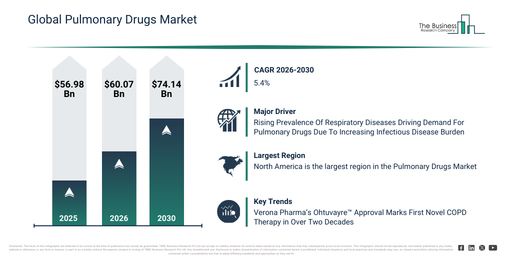
    The pulmonary drugs market has demonstrated significant growth over recent years. It is forecast to expand from $56.98 billion in 2025 to $60.07 billion in 2026, reflecting a compound annual growth rate (CAGR) of 5.4%. This historical expansion can be attributed to various factors including a rise in asthma prevalence, increased incidence of COPD, escalating urban air pollution, the broader implementation of inhalation drug delivery, and improved methods for diagnosing respiratory diseases.

    The pulmonary drugs market is anticipated to experience robust expansion over the coming years. By 2030, its valuation is projected to reach $74.14 billion, demonstrating a compound annual growth rate (CAGR) of 5.4%. This projected increase during the forecast period stems from factors such as an expanding aging demographic, the broader availability of biologic pulmonary medications, the integration of precision respiratory medicine, a rise in conditions linked to smoking, and better access to inhaled treatments. Key developments expected within this period involve the increasing uptake of targeted respiratory solutions, the proliferation of combination inhalation treatments, an enhanced emphasis on managing diseases over the long term, the expansion of biologic-derived pulmonary pharmaceuticals, and a move towards individualized respiratory care.

    Get A Free Sample Report With In-Depth Market Insights:

    https://thebusinessresearchcompany.com/sample_request?id=53625747&type=smp&name=Pulmonary%20Drugs%20Market%20Report%202026&utm_source=Blogs&utm_medium=Paid&utm_campaign=Oct_PR

    Pulmonary Drugs Market Opportunity Drivers: What’s Unlocking New Revenue Potential?

    The expanding occurrence of respiratory ailments is anticipated to fuel the expansion of the pulmonary drugs market moving ahead. These disorders are defined as health conditions impacting the lungs and airways, hindering typical respiration and oxygen transfer. The rise in respiratory disorders is attributed to the increasing incidence of smoking, which causes lung damage and persistent illnesses. Pulmonary drugs are vital in handling respiratory disorders, as they enhance lung function, decrease inflammation, and alleviate airway blockages to facilitate easier breathing. To illustrate, in May 2025, data from the Centers for Disease Control and Prevention, a US-based government agency, indicated that in 2023, the age-adjusted COPD prevalence among adults 18+ stood at 3.8%, with women exhibiting higher rates (4.1%) compared to men (3.4%). The prevalence of COPD showed a sharp increase with age, climbing from 0.4% in adults 18–24 to 10.5% in those 75 and older. Consequently, the escalation of respiratory diseases is stimulating the expansion of the pulmonary drugs market.

    Pulmonary Drugs Market Segment Outlook: Which Categories Are Growing Fastest?

    The pulmonary drugs market covered in this report is segmented –

    1) By Drug Class: Inhaled Corticosteroids, Long Acting Beta-2 Agonists, Antihistamines, Vasodilators, Short Acting Beta-2 Agonists, Other Drug Classes

    2) By Indication: Asthma, Chronic Obstructive Pulmonary Disease (COPD), Allergic Rhinitis, Pulmonary Arterial Hypertension, Cystic Fibrosis, Other Indications

    3) By Distribution Channel: Retail Pharmacies, Online Pharmacies, Hospitals Pharmacies

    Subsegments:

    1) By Inhaled Corticosteroids: Beclomethasone, Budesonide, Fluticasone, Mometasone, Ciclesonide

    2) By Long-Acting Beta-2 Agonists: Salmeterol, Formoterol, Indacaterol, Olodaterol, Vilanterol

    3) By Antihistamines: Cetirizine, Loratadine, Fexofenadine, Diphenhydramine, Levocetirizine

    4) By Vasodilators: Endothelin Receptor Antagonists, Phosphodiesterase-5 Inhibitors, Prostacyclin Analogues

    5) By Short-Acting Beta-2 Agonists (SABA): Albuterol, Levalbuterol, Terbutaline, Fenoterol, Pirbuterol

    6) By Other Drug Classes: Monoclonal Antibodies, Enzymes, Antibiotics, Antileukotrienes

    Pulmonary Drugs Market Innovation Trends Shaping Future Development

    Leading firms within the pulmonary drugs market are concentrating on innovative therapeutic approaches, specifically dual PDE3 and PDE4 inhibition administered by inhalation. This aims to merge bronchodilator and non-steroidal anti-inflammatory properties into one molecule for managing chronic obstructive pulmonary disease (COPD). This dual PDE3 and PDE4 inhibition facilitates concurrent airway relaxation and a decrease in lung inflammation, tackling persistent COPD symptoms more efficiently than conventional treatments and streamlining administration by eliminating the need for intricate inhalation methods. As an example, in June 2024, Verona Pharma plc, a biopharmaceutical company from the UK, secured U.S. FDA approval for Ohtuvayre (ensifentrine). This product marks the initial inhaled therapy featuring such a dual-mechanism profile to be approved in more than 20 years. Administered through a standard jet nebulizer, Ohtuvayre offers both bronchodilator and anti-inflammatory advantages in a single dose. Its clinical effectiveness was demonstrated in the Phase 3 ENHANCE trials, both when used alone and alongside other maintenance treatments. The therapy is anticipated to be accessible via specialty pharmacies in the U.S. by the third quarter of 2024.

    Pulmonary Drugs Market Leading Companies And Competitive Benchmarking

    Major companies operating in the pulmonary drugs market are AstraZeneca plc, GlaxoSmithKline plc, Novartis AG, Boehringer Ingelheim International GmbH, Chiesi Farmaceutici S.p.A., Cipla Limited, Teva Pharmaceutical Industries Ltd., Mylan N.V., Bayer AG, United Therapeutics Corporation, Sanofi S.A., F. Hoffmann-La Roche Ltd., Pfizer Inc., Merck Sharp & Dohme Limited, Glenmark Pharmaceuticals Limited, Lupin Pharmaceuticals Inc., Grifols S.A., Mallinckrodt Pharmaceuticals plc, Circassia Pharmaceuticals plc, AbbVie Inc.

    View The Full Pulmonary Drugs Market Report:

    https://thebusinessresearchcompany.com/report/pulmonary-drugs-global-market-report?utm_source=Blogs&utm_medium=Paid&utm_campaign=Oct_PR

    Pulmonary Drugs Market Largest Region By Revenue And Market Share

    North America was the largest region in the pulmonary drugs market in 2025. Asia-Pacific is expected to be the fastest-growing region in the forecast period. The regions covered in the pulmonary drugs market report are Asia-Pacific, South East Asia, Western Europe, Eastern Europe, North America, South America, Middle East, Africa.

    Reach Out To Our Team:

    The Business Research Company: https://www.thebusinessresearchcompany.com/

    Americas: +1 310-496-7795

    Asia: +44 7882 955267 & +91 8897263534

    Europe: +44 7882 955267

    Email us at: marketing@tbrc.info

    Follow us on:

    LinkedIn: https://in.linkedin.com/company/the-business-research-company

    YouTube: https://www.youtube.com/channel/UC24_fI0rV8cR5DxlCpgmyFQ

    Global Market Model: https://www.thebusinessresearchcompany.com/global-market-model
  • Pulmonary Arterial Hypertension Market Analysis: Understanding The Drivers Behind 8.5% CAGR Through 2030 Growth

    Pulmonary Arterial Hypertension Market Analysis: Understanding The Drivers Behind 8.5% CAGR Through 2030 Growth

    Backed by market attractiveness analysis, total addressable market sizing, company benchmarking matrices, interactive Excel dashboards, wider supply chain intelligence, emerging startup coverage, and detailed product-level insights, The Business Research Company’s 2026 market reports are designed to offer research that is more actionable and strategically valuable than ever.

    Pulmonary Arterial Hypertension Market Revenue Growth On Track For A 8.5% CAGR Through 2030

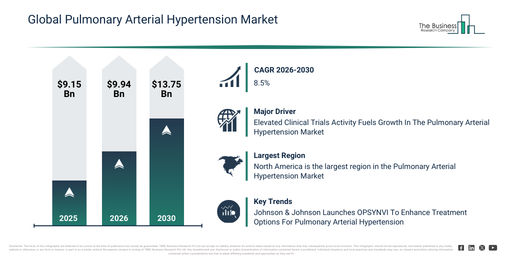
    The pulmonary arterial hypertension market size has demonstrated substantial growth in recent years. It is projected to expand from $9.15 billion in 2025 to $9.94 billion in 2026, achieving a compound annual growth rate (CAGR) of 8.6%. This historical expansion can be attributed to the rising prevalence of pulmonary arterial hypertension, limited early diagnosis capabilities, high unmet medical needs, availability of conventional drugs, and growing awareness among healthcare professionals.

    The pulmonary arterial hypertension market is anticipated to experience substantial expansion over the upcoming years. This market is projected to reach $13.75 billion in 2030, exhibiting a compound annual growth rate (CAGR) of 8.5%. The projected growth during this period is driven by factors such as the development of novel therapies, the expansion of telemedicine services, increasing government healthcare initiatives, the rising adoption of combination therapies, and the growth in specialized treatment centers. Concurrently, key trends expected in the forecast period include personalized pulmonary hypertension therapies, advanced drug delivery systems, the continued development of combination therapy, the widespread use of telehealth and remote patient monitoring, and the establishment of emerging regional treatment centers.

    Get A Free Sample Report With In-Depth Market Insights:

    https://thebusinessresearchcompany.com/sample_request?id=27683993&type=smp&name=Pulmonary%20Arterial%20Hypertension%20Market%20Report%202026&utm_source=Blogs&utm_medium=Paid&utm_campaign=Oct_PR

    Pulmonary Arterial Hypertension Market Growth Momentum: What Factors Are Shaping Demand?

    The increasing number of clinical trials for drug development is anticipated to stimulate the expansion of the pulmonary arterial hypertension market going forward. Clinical trials for drug development are research endeavors performed to assess the safety, effectiveness, and potential adverse reactions of novel drugs or therapies in human subjects. For pulmonary arterial hypertension, these trials can result in the creation of newer and more potent treatments, thereby enhancing patient quality of life, improving safety and efficacy, providing earlier access, and aiding in the discovery of cost-effective therapies. As an illustration, in May 2023, data from Xtalks, a Canada-based company specializing in providing life science webinars and virtual events, indicated that 452,604 clinical studies were registered on ClinicalTrials.gov as of May 17, 2023. Among the registered total, 64,838 studies are actively looking for participants, reflecting an overall increase of 365,000 registered trials in 2021. Consequently, the uptick in clinical trials for drug development is fueling the growth of the pulmonary arterial hypertension market.

    Pulmonary Arterial Hypertension Market Segment Landscape: Which Areas Lead Development?

    The pulmonary arterial hypertension market covered in this report is segmented –

    1) By Drug Class: Endothelin Receptor Antagonists (ERAs), PDE-5 Inhibitors, Prostacyclin and Prostacyclin Analogs, SGC Stimulators

    2) By Route Of Administration: Oral, Intravenous Or subcutaneous, Inhalational

    3) By Distribution channel: Retail, Online

    Subsegments:

    1) By Endothelin Receptor Antagonists (ERAs): Bosentan, Ambrisentan, Macitentan

    2) By PDE-5 Inhibitors: Sildenafil, Tadalafil

    3) By Prostacyclin And Prostacyclin Analogs: Epoprostenol, Treprostinil, Iloprost

    4) By SGC Stimulators: Riociguat, Vericiguat

    Pulmonary Arterial Hypertension Market Trends Redefining Industry Growth

    Major companies in the pulmonary arterial hypertension market are creating advanced products, such as OPSYNVI, to deliver enhanced treatment options that boost patient outcomes and the quality of life for individuals suffering from this serious condition. For instance, in March 2024, Johnson & Johnson, a US-based multinational company specializing in pharmaceuticals, biotechnology, and medical technologies, introduced OPSYNVI for the chronic treatment of adults with pulmonary arterial hypertension. OPSYNVI is suitable for patients with pulmonary arterial hypertension (PAH) who are either commencing treatment or are already receiving an endothelin receptor antagonist (ERA) or PDE5 inhibitor, or both. It is also applicable for those on stable doses of macitentan 10 mg and tadalafil 40 mg, given as separate tablets.

    Pulmonary Arterial Hypertension Market Industry Leaders And Competitive Landscape

    Major companies operating in the pulmonary arterial hypertension market are United Therapeutics Corporation, Acceleron Pharma Inc., Actelion Pharmaceuticals US Inc., Bayer AG, Eli Lilly and Company, Gilead Sciences Inc., GlaxoSmithKline plc, Johnson & Johnson, Liquidia Technologies Inc., Lupin Pharmaceuticals Inc., Natco Pharma Ltd., Pfizer Inc., Sandoz AG, Teva Pharmaceutical Industries Ltd., Zydus Pharmaceutical USA Inc., Merck KGaA, Novartis International AG, Bristol-Myers Squibb Company, AstraZeneca plc, Daiichi Sankyo Company Limited

    View The Full Pulmonary Arterial Hypertension Market Report:

    https://thebusinessresearchcompany.com/report/pulmonary-arterial-hypertension-global-market-report?utm_source=Blogs&utm_medium=Paid&utm_campaign=Oct_PR

    Pulmonary Arterial Hypertension Market Regional Analysis And Leading Geography

    North America was the largest region in the pulmonary arterial hypertension market in 2025. The regions covered in the pulmonary arterial hypertension market report are Asia-Pacific, South East Asia, Western Europe, Eastern Europe, North America, South America, Middle East, Africa.

    Reach Out To Our Team:

    The Business Research Company: https://www.thebusinessresearchcompany.com/

    Americas: +1 310-496-7795

    Asia: +44 7882 955267 & +91 8897263534

    Europe: +44 7882 955267

    Email us at: marketing@tbrc.info

    Follow us on:

    LinkedIn: https://in.linkedin.com/company/the-business-research-company

    YouTube: https://www.youtube.com/channel/UC24_fI0rV8cR5DxlCpgmyFQ

    Global Market Model: https://www.thebusinessresearchcompany.com/global-market-model
  • Psychedelic Drugs Market Growth To $13.66 Billion By 2030: What’s Driving The Expansion?

    Psychedelic Drugs Market Growth To $13.66 Billion By 2030: What’s Driving The Expansion?

    Featuring market attractiveness scoring, total addressable market sizing, company benchmarking matrices, interactive Excel dashboards, deeper supply chain intelligence, emerging startup tracking, and granular product-level insights, The Business Research Company’s 2026 market reports are built to deliver research that is both more actionable and more strategically valuable.

    Psychedelic Drugs Market Value Growth And Long-Term Outlook

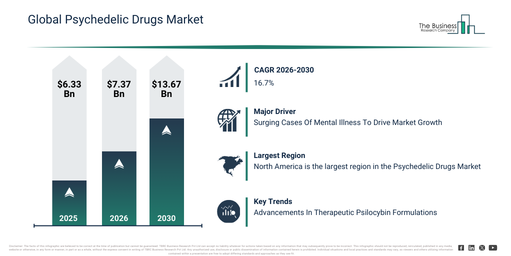
    The psychedelic drugs market size has seen rapid expansion in recent years. This market is expected to grow from $6.33 billion in 2025 to $7.37 billion in 2026, at a compound annual growth rate (CAGR) of 16.4%. The historical growth for this sector can be ascribed to a high unmet need in depression treatment, foundational academic research on psychedelics, their application in underground and compassionate use cases, the limited efficacy of conventional antidepressants, and a rising awareness of mental health.

    The psychedelic drugs market size is projected to experience substantial growth in the next few years. It is anticipated to expand to $13.67 billion in 2030, achieving a compound annual growth rate (CAGR) of 16.7%. This expansion during the forecast period can be attributed to factors such as regulatory approvals for medical applications, growing adoption by psychiatrists, the broadening of the indication pipeline, improved patient outcomes data, and strategic partnerships established between biotech firms and healthcare providers. Key trends expected in the forecast period include the expansion of psychedelic-assisted therapy programs, an increase in clinical trials for mental health indications, a growing acceptance of alternative psychiatry treatments, clarification of regulatory pathways for controlled substances, and rising investment from venture capital and pharmaceutical players.

    Get A Free Sample Report With In-Depth Market Insights:

    https://thebusinessresearchcompany.com/sample_request?id=30334096&type=smp&name=Psychedelic%20Drugs%20Market%20Report%202026&utm_source=Blogs&utm_medium=Paid&utm_campaign=Oct_PR

    Psychedelic Drugs Market Expansion Drivers: What’s Shaping Future Growth?

    The rising prevalence of mental health conditions is anticipated to fuel the expansion of the psychedelic drugs market in the foreseeable future. Mental illnesses encompass health states characterized by alterations in emotion, thinking, or behavior, including conditions such as distress and post-traumatic stress disorder. Psychedelic drugs are utilized for the treatment of depression and post-traumatic stress disorder, and their regular usage contributes to a decrease in mental illnesses. For instance, in November 2023, according to the National Health Service, a UK-based government department, in 2023, approximately one in five individuals aged 8 to 25 years were estimated to have a probable mental disorder, affecting 20.3% of 8 to 16-year-olds, 23.3% of 17 to 19-year-olds, and 21.7% of 20 to 25-year-olds. Consequently, the increasing number of mental illness cases is a driving force behind the growth of the psychedelic drugs market.

    Psychedelic Drugs Market Segments: Where Is Growth Concentrated?

    The psychedelic drugs market covered in this report is segmented –

    1) By Type: Lysergic Acid Diethylamide (LSD), Ketamine, Phencyclidine, Gamma Hydroxybutyric Acid (GHB), Salvia

    2) By Disease Indication: Depression, PTSD

    3) By Origin: Natural, Synthetic

    4) By Application: Treatment-Resistant Depression, Opiate addiction, Post- Traumatic Stress Disorder, Narcolepsy, Panic Disorders

    5) By Distribution Channel: Hospitals Pharmacy, Retail Pharmacy, Online Pharmacy

    Subsegments:

    1) By Lysergic Acid Diethylamide (LSD): LSD Tablets, LSD Liquid, LSD Blotters

    2) By Ketamine: Ketamine Infusion, Ketamine Nasal Spray, Ketamine Injectable

    3) By Phencyclidine (PCP): PCP Powder, PCP Tablets, PCP Liquid

    4) By Gamma Hydroxybutyric Acid (GHB): GHB Liquid, GHB Powder, GHB Capsules

    5) By Salvia: Salvia Extract, Salvia Dried Leaves, Salvia Tinctures

    Psychedelic Drugs Market Strategic Trends: What Defines The Next Growth Phase?

    Leading companies in the psychedelic drugs market are prioritizing the creation of innovative solutions, such as pharmaceutical-grade psilocybin formulations, to boost therapeutic effectiveness, ensure user safety, and broaden treatment possibilities for mental health disorders. A pharmaceutical-grade psilocybin formulation signifies psilocybin produced and standardized to pharmaceutical quality, guaranteeing consistent purity, potency, and safety for medical applications. For example, in September 2025, Optimi Health, an Australia-based psychedelic therapeutics company, introduced its natural psilocybin capsules in Australia specifically for treating TRD. With this product launch, Optimi Health aims to provide a clinically validated treatment option for individuals, strengthen its position in the Australian mental health market, and expedite the acceptance of psychedelic-assisted therapies.

    Psychedelic Drugs Market Key Participants And Competitive Landscape

    Major companies operating in the psychedelic drugs market are Atai Life Sciences, Cybin Inc., Mind Medicine Inc., Compass Pathways, Seelos Therapeutics, Numinus Wellness Inc., GH Research, Revive Therapeutics, Havn Life Sciences, PharmaTher Holdings, Field Trip Health, Small Pharma, Incannex Healthcare, Optimi Health, NeonMind Biosciences, Entheon Biomedical, Mydecine Innovations Group, Red Light Holland, Eleusis, MAPS Public Benefit Corporation, Beckley Psytech, Awakn Life Sciences, Psygen Industries, Enveric Biosciences, Filament Health, Tactogen, Bexson Biomedical, BetterLife Pharma, Clairvoyant Therapeutics, Universal Ibogaine

    View The Full Psychedelic Drugs Market Report:

    https://thebusinessresearchcompany.com/report/psychedelic-drugs-global-market-report?utm_source=Blogs&utm_medium=Paid&utm_campaign=Oct_PR

    Psychedelic Drugs Market Geographic Analysis: Where Is Demand Accelerating Fastest?

    North America was the largest region in the psychedelic drugs market in 2025. Asia-Pacific is expected to be the fastest-growing region in the forecast period. The regions covered in the psychedelic drugs market report are Asia-Pacific, South East Asia, Western Europe, Eastern Europe, North America, South America, Middle East, Africa.

    Reach Out To Our Team:

    The Business Research Company: https://www.thebusinessresearchcompany.com/

    Americas: +1 310-496-7795

    Asia: +44 7882 955267 & +91 8897263534

    Europe: +44 7882 955267

    Email us at: marketing@tbrc.info

    Follow us on:

    LinkedIn: https://in.linkedin.com/company/the-business-research-company

    YouTube: https://www.youtube.com/channel/UC24_fI0rV8cR5DxlCpgmyFQ

    Global Market Model: https://www.thebusinessresearchcompany.com/global-market-model

  • Psoriatic Arthritis Treatment Market Trends Reshaping Industry Growth Through 2030

    Psoriatic Arthritis Treatment Market Trends Reshaping Industry Growth Through 2030

    Built to provide research that’s more actionable and strategically valuable, The Business Research Company’s 2026 market reports include market attractiveness analysis, total addressable market sizing, company benchmarking matrices, interactive Excel dashboards, broader supply chain intelligence, emerging startup tracking, and in-depth product insights.

    Psoriatic Arthritis Treatment Market Poised To Hit $20.62 Billion By 2030 With A 9.5% CAGR

    The psoriatic arthritis treatment market size has seen significant expansion in recent years. It is anticipated to increase from $13.17 billion in 2025 to $14.36 billion in 2026, achieving a compound annual growth rate (CAGR) of 9.0%. The expansion observed during the past period was largely due to factors including the restricted availability of cutting-edge therapies, continued dependence on traditional NSAIDs and DMARDs, the rising occurrence of psoriatic arthritis, enhanced patient understanding, and the development of hospital and retail pharmacy infrastructure.

    The psoriatic arthritis treatment market is anticipated to experience substantial expansion in the coming years, with projections indicating a rise to $20.62 billion by 2030, demonstrating a compound annual growth rate (CAGR) of 9.5%. This growth during the forecast period is fueled by the emergence of interleukin inhibitors and JAK inhibitors, the increasing acceptance of biologics, the evolution of personalized medicine approaches, the growing adoption of telemedicine for managing chronic conditions, and enhanced governmental and insurance support for psoriatic arthritis therapies. Key trends identified for this period include the rising utilization of biologics and targeted synthetic DMARDs, a heightened awareness regarding the early diagnosis and effective management of psoriatic arthritis, the development of individualized treatment strategies for both joint and skin manifestations, the broadening of hospital and specialty pharmacy distribution networks, and the integration of telemedicine with remote monitoring for patients with psoriatic arthritis.

    Get A Free Sample Report With In-Depth Market Insights:

    https://thebusinessresearchcompany.com/sample_request?id=34290673&type=smp&name=Psoriatic%20Arthritis%20Treatment%20Market%20Report%202026&utm_source=Blogs&utm_medium=Paid&utm_campaign=Oct_PR

    Psoriatic Arthritis Treatment Market Development Factors: What’s Supporting Demand?

    Rising healthcare expenditure is projected to boost the expansion of the psoriatic arthritis treatment market in the future. Healthcare spending, interchangeably called healthcare expenditure, signifies the financial allocation dedicated to funding healthcare services, products, and programs within a particular nation, area, or healthcare framework. This funding aids the diagnostic process by covering costs for medical appointments, lab tests, and imaging. Individuals with PsA frequently undergo thorough assessments to confirm their condition, determine the degree of joint impact, and identify any related health issues. As an illustration, in December 2024, data from the Centers for Medicare & Medicaid Services, a US-based agency overseeing Medicare and Medicaid, revealed that U.S. health care expenditures in 2023 saw a 7.5% rise, reaching $4.9 trillion, which translates to approximately $14,570 per person. Consequently, the expansion of healthcare spending is propelling the development of the psoriatic arthritis treatment market.

    Psoriatic Arthritis Treatment Market Segment Analysis: What Are The Core Market Categories?

    The psoriatic arthritis treatment market covered in this report is segmented –

    1) By Drug Class: Nonsteroidal Anti-Inflammatory Drugs (NSAIDS), Disease-Modifying Anti-Rheumatic Drugs (DMARDS), Biologics, Other Drug Classes

    2) By Route Of Administration: Oral, Parenteral, Topical

    3) By Distribution Channel: Hospital Pharmacies, Retail Pharmacies, Online Pharmacies

    Subsegments:

    1) By Nonsteroidal Anti-Inflammatory Drugs (NSAIDs): Traditional NSAIDs, COX-2 Inhibitors

    2) By Disease-Modifying Anti-Rheumatic Drugs (DMARDs): Conventional DMARDs, Targeted Synthetic DMARDs

    3) By Biologics: Tumor Necrosis Factor (TNF) Inhibitors, Interleukin Inhibitors, Other Biologics

    4) By Other Drug Classes: Corticosteroids, Topical Treatments, Janus Kinase (JAK) Inhibitors

    Psoriatic Arthritis Treatment Market Transformation Trends: What Innovations Are Driving Change?

    Leading companies engaged in the psoriatic arthritis treatment market are securing approvals for new medications such as Cosentyx to enhance their market profitability. Cosentyx is a pharmaceutical product utilized for treating autoimmune conditions, including non-radiographic axial spondyloarthritis, plaque psoriasis, psoriatic arthritis, ankylosing spondylitis, and enthesitis-related arthritis. For instance, in October 2023, Novartis, a Switzerland-based pharmaceutical corporation, announced that its novel drug Cosentyx had received approval from the Food and Drug Administration. Cosentyx operates as a human interleukin-17A antagonist, working by impeding the activation of a protein called IL-17A, thereby reducing potential patient side effects like edema, discomfort, and skin rashes. Cosentyx has been proven beneficial in managing the symptoms of psoriatic arthritis and can begin to show effects in as little as three weeks. It alleviates several psoriatic arthritis symptoms, such as joint pain and tenderness, back discomfort, and skin problems.

    Psoriatic Arthritis Treatment Market Top Companies Driving Competitive Growth

    Major companies operating in the psoriatic arthritis treatment market are AbbVie Inc., Amgen Astellas BioPharma K.K., Johnson & Johnson Services Inc., Bristol-Myers Squibb Company, Celgene Corporation, Novartis International AG, Eli Lilly and Company, Pfizer Inc., Merck & Co. Inc., AstraZeneca plc, Sanofi SA, Otsuka Pharmaceutical Co. Ltd., Sumitomo Dainippon Pharma Co. Ltd., Bayer AG, Eisai Inc., Janssen Pharmaceuticals Inc., Gilead Sciences Inc., GlaxoSmithKline plc, Regeneron Pharmaceuticals Inc., Sun Pharmaceutical Industries Ltd., Takeda Pharmaceutical Company Limited, Teva Pharmaceutical Industries Ltd., Chugai Pharmaceutical Co. Ltd., Kyowa Kirin Co. Ltd.

    View The Full Psoriatic Arthritis Treatment Market Report:

    https://thebusinessresearchcompany.com/report/Psoriatic-Arthritis-Treatments-global-market-report?utm_source=Blogs&utm_medium=Paid&utm_campaign=Oct_PR

    Psoriatic Arthritis Treatment Market Global Footprint: Which Region Leads The Industry?

    North America was the largest region in the psoriatic arthritis treatment market in 2025. The regions covered in the psoriatic arthritis treatment market report are Asia-Pacific, South East Asia, Western Europe, Eastern Europe, North America, South America, Middle East, Africa.

    Reach Out To Our Team:

    The Business Research Company: https://www.thebusinessresearchcompany.com/

    Americas: +1 310-496-7795

    Asia: +44 7882 955267 & +91 8897263534

    Europe: +44 7882 955267

    Email us at: marketing@tbrc.info

    Follow us on:

    LinkedIn: https://in.linkedin.com/company/the-business-research-company

    YouTube: https://www.youtube.com/channel/UC24_fI0rV8cR5DxlCpgmyFQ

    Global Market Model: https://www.thebusinessresearchcompany.com/global-market-model
  • Psoriasis Biosimilars Market Growth To $13.78 Billion Creates New Opportunities Across The Industry

    Psoriasis Biosimilars Market Growth To $13.78 Billion Creates New Opportunities Across The Industry

    Backed by market attractiveness analysis, total addressable market sizing, company benchmarking matrices, interactive Excel dashboards, wider supply chain intelligence, emerging startup coverage, and detailed product-level insights, The Business Research Company’s 2026 market reports are designed to offer research that is more actionable and strategically valuable than ever.

    Psoriasis Biosimilars Market Size And Revenue Outlook Through 2030

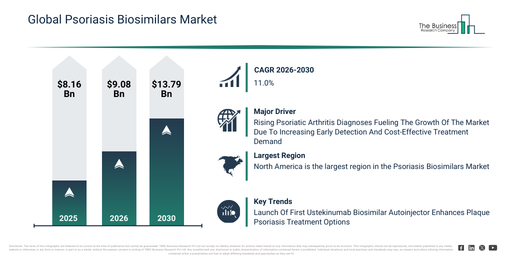
    The psoriasis biosimilars market size has observed rapid expansion in recent years. This market is expected to expand from $8.16 billion in 2025 to $9.08 billion in 2026, registering a compound annual growth rate (CAGR) of 11.3%. The market’s past growth can be attributed to the elevated cost of reference biologics, restricted patient access to treatment, the increasing occurrence of moderate to severe psoriasis, heightened physician awareness and prescriptions, and the initial approvals of TNF-alpha inhibitors.

    The psoriasis biosimilars market size is anticipated to expand significantly in the coming years. It is forecast to grow to $13.79 billion in 2030, demonstrating a compound annual growth rate (CAGR) of 11.0%. This growth during the forecast period is primarily fueled by the introduction of new biosimilars for infliximab, etanercept, and adalimumab, the expansion of hospital and online pharmacy networks, increased healthcare spending on dermatology, the rising adoption of patient assistance programs, and an increase in clinical trials for novel biosimilars. Prominent trends for this period encompass the growing acceptance of cost-effective psoriasis biosimilars, an enhanced focus on patient access and affordability, the development of subcutaneous and intravenous administration routes, the enlargement of hospital and retail pharmacy distribution channels, and the innovation of targeted therapies for various types of psoriasis.

    Get A Free Sample Report With In-Depth Market Insights:

    https://thebusinessresearchcompany.com/sample_request?id=89643473&type=smp&name=Psoriasis%20Biosimilars%20Market%20Report%202026&utm_source=Blogs&utm_medium=Paid&utm_campaign=Oct_PR

    Psoriasis Biosimilars Market Industry Drivers: What’s Behind The Revenue Growth?

    The increasing diagnosis rates of psoriatic arthritis are anticipated to boost the expansion of the psoriasis biosimilars market going forward. Psoriatic arthritis is defined as a chronic autoimmune disorder that causes inflammation in both joints and skin, frequently observed in individuals with a history of psoriasis. The rates of psoriatic arthritis diagnosis are on the rise, primarily because enhanced screening protocols among individuals with psoriasis enable earlier and more accurate detection by identifying subtle joint symptoms that might have previously gone unnoticed. Psoriasis biosimilars aid in managing psoriatic arthritis by offering cost-effective alternatives to biologic therapies, thereby effectively reducing joint inflammation and skin manifestations. For example, in August 2025, the National Psoriasis Foundation (NPF), a US-based non-profit patient advocacy organization, stated that approximately 1 in 3 individuals living with psoriasis are affected by psoriatic arthritis, and as many as 2.4 million Americans live with this condition. Additionally, more than 15% of people with psoriasis may also have undiagnosed psoriatic arthritis, highlighting both growing recognition and persistent underdiagnosis of the condition. Consequently, the escalating rates of psoriatic arthritis diagnoses are driving the growth of the psoriasis biosimilars market.

    Psoriasis Biosimilars Market Segment Breakdown: Which Categories Lead On Revenue?

    The psoriasis biosimilars market covered in this report is segmented –

    1) By Drug Class: TNF-Alpha Inhibitors, Infliximab, Etanercept, Adalimumab, Other Biosimilars

    2) By Disease Type: Plaque Psoriasis, Guttate Psoriasis, Inverse Psoriasis, Pustular Psoriasis

    3) By Route Of Administration: Subcutaneous, Intravenous, Oral, Topical

    4) By Distribution Channel: Hospital Pharmacies, Retail Pharmacies, Online Pharmacies

    Subsegments:

    1) By TNF-Alpha Inhibitors: Monoclonal Antibody Biosimilars, Fusion Protein Biosimilars

    2) By Infliximab: Remicade Biosimilars, CT-P13 Biosimilars

    3) By Etanercept: Enbrel Biosimilars, SB4 Biosimilars

    4) By Adalimumab: Humira Biosimilars, ABP 501 Biosimilars

    5) By Other Biosimilars: Ustekinumab Biosimilars, Secukinumab Biosimilars

    #Psoriasis Biosimilars Market Growth Trends: What’s Shaping The Future Outlook?

    Leading firms in the psoriasis biosimilars sector are prioritizing the development of novel solutions, including biosimilars specifically for plaque psoriasis, aiming to boost treatment availability, decrease medical expenses, and better patient results. These plaque psoriasis biosimilars offer more affordable, highly comparable substitutes for established biologic medications utilized to manage this persistent autoimmune skin condition, marked by red, flaky skin areas. As an illustration, during May 2025, Sandoz Group AG, a Switzerland-based company specializing in generic drugs and biosimilars, introduced the Pyzchiva autoinjector, which represents the initial commercially accessible ustekinumab biosimilar autoinjector. Pyzchiva holds approval for addressing plaque psoriasis, psoriatic arthritis, and Crohn’s disease in adults, in addition to plaque psoriasis in pediatric patients who are six years of age or older (and weigh above 60 kg). This autoinjector was crafted to improve patient compliance and overall quality of life, incorporating features such as precise automatic dosing, diminished injection discomfort, a compact form factor, and adaptable storage choices, facilitating easier self-administration.

    Psoriasis Biosimilars Market Leading Players And Competitive Positioning

    Major companies operating in the psoriasis biosimilars market are Pfizer Inc., Amgen Inc., Sandoz Group AG, Fresenius Kabi AG, Intas Pharmaceuticals Ltd., STADA Arzneimittel AG, Aurobindo Pharma Ltd., Dr. Reddy’s Laboratories Ltd., Samsung Bioepis Co. Ltd., Zydus Lifesciences Ltd., Celltrion Inc., Bio-Thera Solutions Ltd., Coherus BioSciences Inc., mAbxience S.A., Alvotech hf.

    View The Full Psoriasis Biosimilars Market Report:

    https://thebusinessresearchcompany.com/report/psoriasis-biosimilars-global-market-report?utm_source=Blogs&utm_medium=Paid&utm_campaign=Oct_PR

    Psoriasis Biosimilars Market Regional Distribution: Which Areas Power Market Growth?

    North America was the largest region in the psoriasis biosimilars market in 2025. Asia-Pacific is expected to be the fastest-growing region in the forecast period. The regions covered in the psoriasis biosimilars market report are Asia-Pacific, South East Asia, Western Europe, Eastern Europe, North America, South America, Middle East, Africa.

    Reach Out To Our Team:

    The Business Research Company: https://www.thebusinessresearchcompany.com/

    Americas: +1 310-496-7795

    Asia: +44 7882 955267 & +91 8897263534

    Europe: +44 7882 955267

    Email us at: marketing@tbrc.info

    Follow us on:

    LinkedIn: https://in.linkedin.com/company/the-business-research-company

    YouTube: https://www.youtube.com/channel/UC24_fI0rV8cR5DxlCpgmyFQ

    Global Market Model: https://www.thebusinessresearchcompany.com/global-market-model