Category: Pharmaceuticals

  • Psoriasis Market Forecast: Breaking Down The Numbers Behind Future Expansion

    Psoriasis Market Forecast: Breaking Down The Numbers Behind Future Expansion

    Featuring market attractiveness scoring, total addressable market sizing, company benchmarking matrices, interactive Excel dashboards, deeper supply chain intelligence, emerging startup tracking, and granular product-level insights, The Business Research Company’s 2026 market reports are built to deliver research that is both more actionable and more strategically valuable.

    Psoriasis Market Growth From $31.4 Billion In 2026 To $44.78 Billion By 2030 At A CAGR Of 9.3%

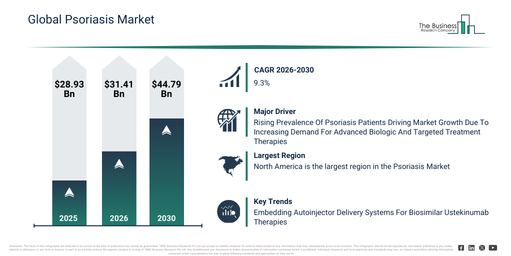
    The psoriasis market size has shown significant growth in recent years. It is projected to increase from $28.93 billion in 2025 to $31.41 billion in 2026, achieving a compound annual growth rate (CAGR) of 8.5%. The expansion witnessed historically can be attributed to several factors including the rising prevalence of autoimmune skin disorders, widespread usage of corticosteroids, improved diagnosis rates in dermatology, the expansion of hospital dermatology units, and increased awareness concerning chronic skin diseases.

    The psoriasis market is anticipated to show significant growth in the coming years, with its size expected to reach $44.79 billion by 2030, reflecting a compound annual growth rate (CAGR) of 9.3%. This expansion during the forecast period is primarily driven by factors such as an increase in biologic drug approvals, heightened patient awareness, a rise in the diagnosis of severe psoriasis, the development of specialty clinics, and greater healthcare spending on dermatology. Noteworthy trends predicted for this period include the increased adoption of biologic therapies for psoriasis, the evolution of long-term disease management approaches, a growing demand for injectable psoriasis treatments, the broadening of hospital and specialty dermatology care, and an intensified focus on moderate-to-severe forms of the condition.

    Get A Free Sample Report With In-Depth Market Insights:

    https://thebusinessresearchcompany.com/sample_request?id=94145109&type=smp&name=Psoriasis%20Market%20Report%202026&utm_source=Blogs&utm_medium=Paid&utm_campaign=Oct_PR

    Psoriasis Market Growth Factors: What’s Supporting Expansion?

    The increasing number of individuals afflicted with psoriasis is anticipated to fuel the expansion of the psoriasis market in the coming years. Psoriasis is a persistent autoimmune skin condition marked by a rapid accumulation of skin cells, leading to inflammation, scaling, and discomfort, often necessitating continuous medical management and monitoring. This growth in psoriasis patients is attributed to an overactive immune system mistakenly attacking healthy skin cells, frequently triggered or exacerbated by environmental factors such as infections, stress, or skin trauma. The expanding presence of psoriasis supports the psoriasis market by generating greater demand for solutions like biologics, topical agents, immunomodulators, and phototherapy, all designed to lessen flare-ups, alleviate symptoms, and improve patient quality of life. For instance, in 2025, the Global Psoriasis Atlas, a UK-based research organization focused on psoriasis, estimated that 43 million people have psoriasis based on physician and dermatologist diagnoses, while approximately 102 million individuals reported having psoriasis based on self-reported cases. Therefore, the rising prevalence of psoriasis patients is a significant driver of the psoriasis market’s growth.

    Psoriasis Market Segmentation: How Does The Market Break Down By Category?

    The psoriasis market covered in this report is segmented –

    1) By Drug class: Interleukin Inhibitors, Corticosteroids, Anti-Inflammatory, Tumor Necrosis Factor Inhibitor

    2) By Drug Types: Small molecules, Biologics

    3) By Disease Indication: Plaque Psoriasis, Nail Psoriasis, Guttate Psoriasis, Pustular Psoriasis, Erythrodermic Psoriasis

    4) By Route Of Administration: Oral, Topical, Injectable

    5) By Distribution Channel: Hospitals, Retail Pharmacies, E-Commerce

    Subsegments:

    1) By Interleukin Inhibitors: IL-12/23 Inhibitors (Ustekinumab), IL-17 Inhibitors (Secukinumab, Ixekizumab)

    2) By Corticosteroids: Topical Corticosteroids (Hydrocortisone, Betamethasone), Systemic Corticosteroids (Prednisone)

    3) By Anti-Inflammatory: Non-Steroidal Anti-Inflammatory Drugs (NSAIDs)

    4) By Tumor Necrosis Factor (TNF) Inhibitors: Adalimumab (Humira), Etanercept (Enbrel), Infliximab (Remicade)

    Psoriasis Market Industry Trends: What’s Reshaping Demand?

    Leading companies in the psoriasis market are concentrating on enhancing product innovation and formulations, such as developing autoinjector delivery systems for biosimilars. This focus aims to boost patient adherence, improve convenience, and optimize treatment outcomes, all while ensuring the efficacy and safety profiles remain consistent with reference biologics. These advancements allow for self-administration, alleviate injection-related discomfort, and encourage wider adoption of biosimilar therapies across Europe and other markets. For example, in May 2025, Sandoz, a biopharmaceutical company based in Switzerland, introduced the Pyzchiva autoinjector, marking it as the inaugural commercially available autoinjector for ustekinumab biosimilars in Europe. The Pyzchiva autoinjector is engineered to deliver biosimilar ustekinumab in a simple, accurate, and patient-friendly manner, thereby supporting improved adherence in the ongoing management of chronic psoriasis. This launch signifies a market shift towards improving patient-centric delivery methods for biologics and biosimilars, ultimately increasing accessibility and convenience for individuals living with psoriasis.

    Psoriasis Market Competitive Overview And Top Companies

    Major companies operating in the psoriasis market are AbbVie Inc., Pfizer Inc., Novartis AG, Eli Lilly and Company, Johnson & Johnson, Amgen Inc., Merck & Co. Inc., Janssen Biotech Inc., Takeda Pharmaceutical Company Limited, Union Chimique Belge SA, Sun Pharmaceutical Industries Ltd., Almirall SA, Bausch Health Companies Inc., Biogen Inc., Biocon Biopharmaceuticals Pvt. Ltd., Celltrion Inc., Dr.Reddy’s Laboratories Inc., Arcutis Biotherapeutics Inc., Bayer AG, Bristol Myers Squibb Co., Galderma SA, GlaxoSmithKline Plc, Incyte Pharmaceuticals Corp., LEO Pharmacy

    View The Full Psoriasis Market Report:

    https://thebusinessresearchcompany.com/report/Psoriasis-Global-Market-Report?utm_source=Blogs&utm_medium=Paid&utm_campaign=Oct_PR

    Psoriasis Market Leading Geography: Which Region Contributes The Most Revenue?

    North America was the largest region in the psoriasis market in 2025. Middle East is expected to be the fastest-growing region in the psoriasis market during the forecast period. The regions covered in the psoriasis market report are Asia-Pacific, South East Asia, Western Europe, Eastern Europe, North America, South America, Middle East, Africa.

    Reach Out To Our Team:

    The Business Research Company: https://www.thebusinessresearchcompany.com/

    Americas: +1 310-496-7795

    Asia: +44 7882 955267 & +91 8897263534

    Europe: +44 7882 955267

    Email us at: marketing@tbrc.info

    Follow us on:

    LinkedIn: https://in.linkedin.com/company/the-business-research-company

    YouTube: https://www.youtube.com/channel/UC24_fI0rV8cR5DxlCpgmyFQ

    Global Market Model: https://www.thebusinessresearchcompany.com/global-market-model

  • Pseudomonas Aeruginosa Infection Treatment Market Expected To Grow At 8% CAGR Through 2030: What Businesses Need To Know

    Pseudomonas Aeruginosa Infection Treatment Market Expected To Grow At 8% CAGR Through 2030: What Businesses Need To Know

    Built to provide research that’s more actionable and strategically valuable, The Business Research Company’s 2026 market reports include market attractiveness analysis, total addressable market sizing, company benchmarking matrices, interactive Excel dashboards, broader supply chain intelligence, emerging startup tracking, and in-depth product insights.

    Pseudomonas Aeruginosa Infection Treatment Market Expansion Outlook: What Revenue Opportunities Are Ahead?

    Recent years have seen substantial expansion in the size of the pseudomonas aeruginosa infection treatment market. This market is projected to expand from $2.65 billion in 2025 to $2.86 billion in 2026, at a compound annual growth rate (CAGR) of 8.1%. Historically, this growth was driven by factors such as the increasing prevalence of hospital-acquired infections, a limited antibiotic pipeline, rising awareness of pseudomonas infections, the development of hospital infrastructure, and a reliance on intravenous therapies.

    The market for treating pseudomonas aeruginosa infections is projected to experience robust expansion over the coming years. This market is anticipated to reach a valuation of $3.89 billion in 2030, exhibiting a compound annual growth rate (CAGR) of 8.0%. Factors contributing to this growth during the projected period include progress in combination therapy, the creation of new antipseudomonal agents, the wider availability of online pharmacy distribution, increased uptake of personalized medicine, and the incorporation of telehealth along with remote monitoring solutions. Key trends observed throughout the forecast period encompass heightened awareness regarding antimicrobial resistance, improvements in managing hospital-acquired infections, a greater reliance on combination therapy for p. aeruginosa, the broadening scope of intravenous drug delivery systems, and the utilization of telemedicine for tracking infections.

    Get A Free Sample Report With In-Depth Market Insights:

    https://thebusinessresearchcompany.com/sample_request?id=89151934&type=smp&name=Pseudomonas%20Aeruginosa%20Infection%20Treatment%20Market%20Report%202026&utm_source=Blogs&utm_medium=Paid&utm_campaign=Oct_PR

    Pseudomonas Aeruginosa Infection Treatment Market Demand Drivers: What’s Powering Industry Growth?

    The rising prevalence of co-morbidities such as pneumonia, cystic fibrosis, urinary tract infection, and bloodstream infection is anticipated to drive the expansion of the Pseudomonas aeruginosa infection treatment market in the foreseeable future. A comorbidity denotes any concurrent medical condition, frequently involving chronic conditions that can impact either physical or mental well-being. As an illustration, a September 2023 publication from PubMed, a US-based biomedical library, and the Center of Computational Biology and Biomedical Informatics indicated that 65.5% of pwCF had encountered at least one bacterial or fungal IA, and 27.9% had experienced at least one CC. The median age for Pa-IA was 5.1 years, and Pa-CC affected 25% of pwCF by 14.7 years. Furthermore, 50% acquired MSSA at 2.1 years, with half of them developing chronic MSSA colonization by 8.4 years. By 7.9 and 9.7 years, 25% of pwCF had contracted S. maltophilia and Aspergillus spp., respectively. The likelihood of Pa-IA and Pa-CC rose in conjunction with IAs from all other species, showing hazard ratios (HR) reaching up to 2.19 (95% confidence interval (CI) 1.18-4.07). Consequently, the growing incidence of comorbidities including pneumonia, cystic fibrosis, urinary tract infection, and bloodstream infection is acting as a significant catalyst for the growth of the Pseudomonas aeruginosa infection treatment market.

    Pseudomonas Aeruginosa Infection Treatment Market Segment Trends And Revenue Contributors

    The pseudomonas aeruginosa infection treatment market covered in this report is segmented –

    1) By Medication: Monotherapy, Combination Therapy

    2) By Drug Class: Aminoglycoside, Cephalosporin, Carbapenem, Monobactum, Other Drug Classes

    3) By Route Of Administration: Nasal, Oral, Intravenous

    4) By Distribution Channel: Hospital Pharmacies, Retail Pharmacies, Online Pharmacies

    Subsegments:

    1) By Monotherapy: Antibiotics, Antipseudomonal Agents

    2) By Combination Therapy: Beta-lactam And Aminoglycoside Combinations, Beta-lactam And Fluoroquinolone Combinations, Other Combinations

    Pseudomonas Aeruginosa Infection Treatment Market Innovation Trends: What Developments Are Reshaping The Industry?

    Leading entities within the pseudomonas aeruginosa infection treatment market are adopting a strategic partnership approach to significantly transform antibiotic accessibility for nations globally. Strategic partnerships typically involve companies harnessing each other’s strengths and resources to achieve mutual benefits and success. For instance, in June 2023, Shionogi & Co. Ltd., a Japan-based pharmaceutical firm, collaborated with the Switzerland-based non-profit Global Antibiotic Research and Development Partnership (GARDP) and the US-based health organization Clinton Health Access Initiative (CHAI). This partnership is set to ensure the availability of cefiderocol, an antibiotic formulated for treating severe Gram-negative bacterial infections that might show resistance to alternative antibiotic therapies. Cefiderocol, which was recently added to the World Health Organization (WHO) Model List of Essential Medicines, specifically targets several Gram-negative pathogens prioritized by the WHO.

    Pseudomonas Aeruginosa Infection Treatment Market Competitive Landscape: Which Companies Lead The Industry?

    Major companies operating in the pseudomonas aeruginosa infection treatment market are AbbVie Inc., Teva Pharmaceutical Industries Ltd., Merck & Co Inc., Pfizer Inc., Lupin Limited, AstraZeneca plc, Novartis Pharmaceuticals Corporation, Bayer AG, Johnson & Johnson, Neopharma LLC, Sanofi SA, GlaxoSmithKline plc, Astellas Pharma Inc., Sun Pharmaceutical Industries Ltd., Sandoz International GmbH, Dr. Reddy’s Laboratories Ltd., Cipla Inc., Hikma Pharmaceuticals plc, Zydus Cadila Healthcare Limited, Wockhardt Ltd., Mayne Pharma Group Limited, Glenmark Pharmaceuticals Ltd., Perrigo Company plc, Amneal Pharmaceuticals LLC, Apotex Inc., Cadila Healthcare Ltd.

    View The Full Pseudomonas Aeruginosa Infection Treatment Market Report:

    https://thebusinessresearchcompany.com/report/pseudomonas-aeruginosa-infection-treatment-global-market-report?utm_source=Blogs&utm_medium=Paid&utm_campaign=Oct_PR

    Pseudomonas Aeruginosa Infection Treatment Market Regional Outlook: Where Is Opportunity Concentrated?

    Europe was the largest region in the pseudomonas aeruginosa infection treatment market in 2025. North America is expected to be the fastest-growing region in the pseudomonas aeruginosa infection treatment market report during the forecast period. The regions covered in the pseudomonas aeruginosa infection treatment market report are Asia-Pacific, South East Asia, Western Europe, Eastern Europe, North America, South America, Middle East, Africa.

    Reach Out To Our Team:

    The Business Research Company: https://www.thebusinessresearchcompany.com/

    Americas: +1 310-496-7795

    Asia: +44 7882 955267 & +91 8897263534

    Europe: +44 7882 955267

    Email us at: marketing@tbrc.info

    Follow us on:

    LinkedIn: https://in.linkedin.com/company/the-business-research-company

    YouTube: https://www.youtube.com/channel/UC24_fI0rV8cR5DxlCpgmyFQ

    Global Market Model: https://www.thebusinessresearchcompany.com/global-market-model
  • Pruritus Therapeutics Market Forecast To Reach $16.87 Billion By 2030: Key Trends Explained

    Pruritus Therapeutics Market Forecast To Reach $16.87 Billion By 2030: Key Trends Explained

    Backed by market attractiveness analysis, total addressable market sizing, company benchmarking matrices, interactive Excel dashboards, wider supply chain intelligence, emerging startup coverage, and detailed product-level insights, The Business Research Company’s 2026 market reports are designed to offer research that is more actionable and strategically valuable than ever.

    Pruritus Therapeutics Market Growth Potential: How Will Market Size Shift Through 2030?

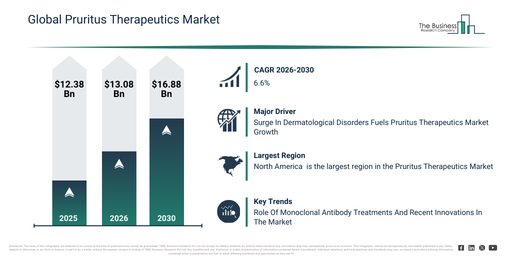
    The pruritus therapeutics market has shown robust expansion in recent years. Its valuation is expected to rise from $12.38 billion in 2025 to $13.08 billion in 2026, demonstrating a compound annual growth rate (CAGR) of 5.6%. This prior growth can be linked to factors such as the increasing incidence of inflammatory skin conditions, the heightened application of corticosteroids and antihistamines, an uplift in dermatology research investment, the widening reach of hospital and clinic networks, and the prompt adoption of topical treatments.

    The pruritus therapeutics market is projected to experience robust expansion over the coming years, forecast to reach a valuation of $16.88 billion by 2030, demonstrating a compound annual growth rate (CAGR) of 6.6%. This anticipated growth can be attributed to several factors, including advancements in genomics and precision medicine, the emergence of new immunosuppressants, the increasing adoption of digital health and remote dermatology solutions, the expanding market for over-the-counter (OTC) pruritus products, and a heightened emphasis on managing chronic skin diseases. Key trends anticipated during this period involve personalized treatment strategies for pruritus, a stronger emphasis on anti-inflammatory therapies, the development and increased use of topical formulations and delivery systems, further expansion of over-the-counter (OTC) pruritus products, and a growing public awareness of chronic skin conditions.

    Get A Free Sample Report With In-Depth Market Insights:

    https://thebusinessresearchcompany.com/sample_request?id=39693374&type=smp&name=Pruritus%20Therapeutics%20Market%20Report%202026&utm_source=Blogs&utm_medium=Paid&utm_campaign=Oct_PR

    Pruritus Therapeutics Market Growth Drivers: What’s Behind The Acceleration?

    An increasing occurrence of dermatological disorders is projected to stimulate the expansion of the pruritus therapeutics market in the future. These conditions encompass ailments affecting the skin, hair, nails, and mucous membranes, ranging from common issues like acne and eczema to more serious ones such as skin cancer and fungal infections. The specific reason for itching frequently dictates which pruritus treatments are employed for skin-related illnesses. Management of this condition involves various approaches, including topical applications, emollients and moisturizers, immunosuppressant drugs, and anti-itch medications. As an illustration, the American Cancer Society, a US-based non-profit organization focused on cancer eradication, reported in January 2024 that skin cancer cases are anticipated to reach 108,270, marking a 3.2% rise from the 104,930 cases documented in 2023. Consequently, the growing prevalence of dermatological disorders is fueling the expansion of the pruritus therapeutics market.

    Pruritus Therapeutics Market Segment Analysis Spotlighting Growth Areas

    The pruritus therapeutics market covered in this report is segmented –

    1) By Product: Corticosteroids, Antihistamines, Local Anesthetics, Counterirritants, Immunosuppressants, Calcineurin Inhibitors, Other Products

    2) By Route Of Administration: Oral, Parenteral, Topical

    3) By Disease Type: Atopic Dermatitis, Allergic Contact Dermatitis, Urticaria, Cutaneous T-Cell, Other Disease Types

    4) By End-User: Hospitals, Clinics, Other End Users

    Subsegments:

    1) By Corticosteroids: Topical Corticosteroids, Systemic Corticosteroids

    2) By Antihistamines: First-Generation Antihistamines, Second-Generation Antihistamines

    3) By Local Anesthetics: Topical Local Anesthetics

    4) By Counterirritants: Menthol-Based Products, Camphor-Based Products

    5) By Immunosuppressants: Topical Immunosuppressants, Systemic Immunosuppressants

    6) By Calcineurin Inhibitors: Tacrolimus Ointment, Pimecrolimus Cream

    7) By Other Products: Moisturizers And Emollients, Antipruritic Herbal Remedies, Combination Therapies

    Pruritus Therapeutics Market Trends: What’s Defining The Industry’s Next Phase?

    Leading companies in the pruritus therapeutics market are concentrating on developing innovative biologic treatments, such as monoclonal antibody therapy, to effectively target and relieve the itching linked to conditions like atopic dermatitis and prurigo nodularis. Monoclonal antibody treatment involves using laboratory-produced molecules specifically engineered to target certain proteins in the body, which are typically involved in disease mechanisms. For instance, in June 2024, Maruho Co., Ltd., a Japan-based pharmaceutical company, introduced Mitchga Subcutaneous Injection (30mg vials) in Japan. This product is designed for treating pruritus associated with atopic dermatitis in children (ages 6-13) and prurigo nodularis in adults and adolescents (ages =13) when other treatments have proven ineffective. The product contains nemolizumab, a humanized monoclonal antibody that targets the interleukin-31 (IL-31) receptor. By inhibiting IL-31, the drug aims to alleviate itching and improve the quality of life for patients suffering from these conditions.

    Pruritus Therapeutics Market Leading Companies: Who Holds The Strongest Market Presence?

    Major companies operating in the pruritus therapeutics market are Pfizer Inc., Johnson & Johnson, AbbVie Inc., Sanofi S.A., Bristol-Myers Squibb Company, Eli Lilly and Company, Regeneron Pharmaceuticals Inc., Bausch Health Companies Inc., Galderma Laboratories LP, Cipla Limited, LEO Pharma AS, Cara Therapeutics Inc., GlaxoSmithKline Plc, Novan Inc., Trevi Therapeutics Inc., AbbVie Biopharmaceuticals, Amgen Inc., Allergan plc, Horizon Therapeutics plc, Kyowa Kirin Co. Ltd., Dermira Inc., Pfizer Consumer Healthcare

    View The Full Pruritus Therapeutics Market Report:

    https://thebusinessresearchcompany.com/report/pruritus-therapeutics-global-market-report?utm_source=Blogs&utm_medium=Paid&utm_campaign=Oct_PR

    Pruritus Therapeutics Market Geographic Landscape: Which Region Leads Industry Growth?

    North America was the largest region in the pruritus treatment market in 2025. Asia-Pacific is expected to be the fastest-growing region in the forecast period. The regions covered in the pruritus therapeutics market report are Asia-Pacific, South East Asia, Western Europe, Eastern Europe, North America, South America, Middle East, Africa.

    Reach Out To Our Team:

    The Business Research Company: https://www.thebusinessresearchcompany.com/

    Americas: +1 310-496-7795

    Asia: +44 7882 955267 & +91 8897263534

    Europe: +44 7882 955267

    Email us at: marketing@tbrc.info

    Follow us on:

    LinkedIn: https://in.linkedin.com/company/the-business-research-company

    YouTube: https://www.youtube.com/channel/UC24_fI0rV8cR5DxlCpgmyFQ

    Global Market Model: https://www.thebusinessresearchcompany.com/global-market-model

  • Proton Pump Inhibitors Market Analysis Through 2030: Market Size, Growth Trends And Industry Outlook

    Proton Pump Inhibitors Market Analysis Through 2030: Market Size, Growth Trends And Industry Outlook

    Featuring market attractiveness scoring, total addressable market sizing, company benchmarking matrices, interactive Excel dashboards, deeper supply chain intelligence, emerging startup tracking, and granular product-level insights, The Business Research Company’s 2026 market reports are built to deliver research that is both more actionable and more strategically valuable.

    Proton Pump Inhibitors Market Value Analysis: What Growth Lies Ahead Over The Forecast Period?

    The proton pump inhibitors market size has shown consistent expansion in recent years. This market is expected to grow from $3.51 billion in 2025 to $3.67 billion in 2026, at a compound annual growth rate (CAGR) of 4.7%. The expansion observed historically can be attributed to the increasing incidence of acid-related disorders, growing adoption of ppi therapies in hospitals, rising awareness of gastric health, availability of generic ppIs, and physician preference for omeprazole.

    The proton pump inhibitors market is projected for significant expansion in the coming years. This market is anticipated to reach $4.57 billion by 2030, exhibiting a compound annual growth rate (CAGR) of 5.6%. Key drivers for this growth during the forecast period include advancements in targeted PPI formulations, the expanding over-the-counter (OTC) PPI market, broader hospital and clinic networks, a heightened emphasis on care for pediatric and elderly patients, and the increased adoption of combination therapy methods. Notable trends expected during this period involve personalized PPI therapy, the growing prevalence of gastroesophageal reflux disease (GERD), a move towards over-the-counter (OTC) PPIs, the development of combination therapies, and a specific focus on formulations for pediatric and geriatric populations.

    Get A Free Sample Report With In-Depth Market Insights:

    https://thebusinessresearchcompany.com/sample_request?id=40400824&type=smp&name=Proton%20Pump%20Inhibitors%20Market%20Report%202026&utm_source=Blogs&utm_medium=Paid&utm_campaign=Oct_PR

    Proton Pump Inhibitors Market Growth Factors Behind Sustained Expansion

    The increasing occurrence of gastrointestinal disorders is anticipated to stimulate growth within the proton pump inhibitor market. Gastrointestinal disorders represent a collective group of conditions, including nausea, vomiting, food poisoning, and diarrhea, which negatively impact the overall biological function of the gastrointestinal (GI) tract. Proton pump inhibitors (PPIs) are routinely prescribed medicines for treating heartburn and various acid-related conditions, functioning by decreasing the amount of stomach acid produced by glands in the stomach lining. The rising prevalence of these disorders directly contributes to the demand for proton pump inhibitors. For instance, data from the UK Health Security Agency (UKHSA), a UK-based government organization, revealed in September 2025 that Campylobacter laboratory reports saw a notable increase from 2022 to 2024, with the rate per 100,000 population climbing by 27.0%, specifically from 96.1 in 2022 to 122.0 in 2024, signifying a considerably higher infection burden during that two-year period. Therefore, the expanding prevalence of gastrointestinal disorders is projected to boost the growth of the proton pump inhibitor market.

    Proton Pump Inhibitors Market Segment Performance And Emerging Opportunities

    The proton pump inhibitors market covered in this report is segmented –

    1) By Type: Pantoprazole, Omeprazole, Lansoprazole, Esomeprazole, Rabeprazole, Dexlansoprazole, Other Types

    2) By Disease Allocation: Ulcers, Gastroesophageal Reflux Disease, Other Disease Indications

    3) By Application: Hospitals, Clinic, Other Applications

    Subsegments:

    1) By Pantoprazole: Tablet Formulations, Injectable Formulations

    2) By Omeprazole: Over-The-Counter (OTC) Omeprazole, Prescription Omeprazole

    3) By Lansoprazole: Fast-Acting Lansoprazole, Delayed-Release Lansoprazole

    4) By Esomeprazole: Oral Esomeprazole, Intravenous Esomeprazole

    5) By Rabeprazole: Rabeprazole Tablets, Extended-Release Rabeprazole

    6) By Dexlansoprazole: Standard Dexlansoprazole, Modified-Release Dexlansoprazole

    7) By Other Types: Combination Formulations, Lesser-Known PPIs

    Proton Pump Inhibitors Market Industry Trends Fueling Future Revenue Growth

    Companies operating within the proton pump inhibitors market are emphasizing technological advancements, such as Rabeprazole + Levosulpiride SR Capsules, to refine the treatment of acid-related disorders. These Rabeprazole + Levosulpiride SR Capsules constitute a new medication designed to manage gastrointestinal conditions like gastroesophageal reflux disease (GERD) and irritable bowel syndrome (IBS). For instance, in June 2024, Akums Drugs & Pharmaceuticals, an India-based pharmaceutical company, introduced Rabeprazole + Levosulpiride SR Capsules. The Rabeprazole + Levosulpiride SR (Sustained Release) Capsules are a combination drug employed to address acid-related gastrointestinal ailments, including gastroesophageal reflux disease (GERD), functional dyspepsia, and other situations involving surplus stomach acid and impaired digestive motility.

    Proton Pump Inhibitors Market Key Players: Which Companies Lead Industry Competition?

    Major companies operating in the proton pump inhibitors market are AstraZeneca plc, Pfizer Inc., Cadila Pharmaceuticals Limited, Eisai Pharmaceuticals India Pvt. Ltd, Wyeth LLC, Bayer AG, Takeda Pharmaceutical Company, Santarus Inc., Janssen Pharmaceuticals, GlaxoSmithKline plc, Changzhou Siyao Pharmaceuticals, Yangzhou Pharmaceutical, Sanofi S.A., Johnson & Johnson, Novartis International AG, Teva Pharmaceutical Industries Ltd., Mylan N.V., Sun Pharmaceutical Industries Ltd., Dr. Reddy’s Laboratories Ltd., Lupin Limited, Torrent Pharmaceuticals Ltd., Glenmark Pharmaceuticals Ltd., Alkem Laboratories Ltd., Cipla Limited, Hetero Drugs Limited, Intas Pharmaceuticals Ltd., Macleods Pharmaceuticals Ltd., Micro Labs Ltd., Natco Pharma Limited, Panacea Biotec Ltd., Strides Pharma Science Limited, Wockhardt Ltd

    View The Full Proton Pump Inhibitors Market Report:

    https://thebusinessresearchcompany.com/report/proton-pump-inhibitors-global-market-report?utm_source=Blogs&utm_medium=Paid&utm_campaign=Oct_PR

    Proton Pump Inhibitors Market Largest Region: Which Geography Holds The Biggest Share?

    North America was the largest region in the proton pump inhibitors market in 2025. Asia-Pacific is expected to be the fastest-growing region in the global proton pump inhibitors market size during the forecast period. The regions covered in the proton pump inhibitors market report are Asia-Pacific, South East Asia, Western Europe, Eastern Europe, North America, South America, Middle East, Africa.

    Reach Out To Our Team:

    The Business Research Company: https://www.thebusinessresearchcompany.com/

    Americas: +1 310-496-7795

    Asia: +44 7882 955267 & +91 8897263534

    Europe: +44 7882 955267

    Email us at: marketing@tbrc.info

    Follow us on:

    LinkedIn: https://in.linkedin.com/company/the-business-research-company

    YouTube: https://www.youtube.com/channel/UC24_fI0rV8cR5DxlCpgmyFQ

    Global Market Model: https://www.thebusinessresearchcompany.com/global-market-model

  • Proteins And Amino Acids Market Outlook From 2026 To 2030: Key Growth Factors And Future Opportunities

    Proteins And Amino Acids Market Outlook From 2026 To 2030: Key Growth Factors And Future Opportunities

    Built to provide research that’s more actionable and strategically valuable, The Business Research Company’s 2026 market reports include market attractiveness analysis, total addressable market sizing, company benchmarking matrices, interactive Excel dashboards, broader supply chain intelligence, emerging startup tracking, and in-depth product insights.

    Proteins And Amino Acids Market Size Forecast: How Big Could The Market Get By 2030?

    The market for proteins and amino acids has witnessed significant growth in recent times. It will grow from $41.18 billion in 2025 to $45.04 billion in 2026 at a compound annual growth rate (CAGR) of 9.4%. Historically, this expansion can be linked to factors such as the restricted availability of protein and amino acid sources, a dependency on conventional animal-derived proteins, increasing consumer understanding of nutritional supplements, the rising fortification of various food and beverage products, and the incorporation of protein-rich animal feed.

    The proteins and amino acids market is projected to experience substantial expansion in the coming years, reaching $63.67 billion by 2030, with a compound annual growth rate (CAGR) of 9.0%. This anticipated growth is driven by factors such as the emergence of plant-based and synthetic proteins, increasing consumer demand for functional foods and nutraceuticals, the expanding market for dietary supplements, breakthroughs in protein extraction and amino acid synthesis, and a greater emphasis on sustainable and ethical sourcing practices. Key developments expected during this period include a surge in demand for plant-based proteins and amino acids, the continued rise of dietary supplements and functional foods, increased application of these ingredients in animal feed, advancements in protein fortification and nutraceutical products, and a strategic focus on premium, highly bioavailable, and specialized amino acids.

    Get A Free Sample Report With In-Depth Market Insights:

    https://thebusinessresearchcompany.com/sample_request?id=99639406&type=smp&name=Proteins%20And%20Amino%20Acids%20Market%20Report%202026&utm_source=Blogs&utm_medium=Paid&utm_campaign=Oct_PR

    Proteins And Amino Acids Market Demand Drivers Opening New Revenue Streams

    The burgeoning intake of dietary supplements is projected to fuel the expansion of the proteins and amino acid market moving ahead. Dietary supplements are defined as orally consumed items comprising various elements like vitamins, minerals, herbs, amino acids, or other compounds, designed to complement one’s diet and bolster general health or particular physiological roles. A rise in dietary supplement usage stems from heightened health consciousness, with more people actively pursuing nutritional ways to enhance their overall well-being, immune system, and enduring health. Within dietary supplements, proteins and amino acids play crucial roles, aiding in muscle development, repairing tissues, improving athletic capabilities, and maintaining metabolic health, simultaneously assisting in fulfilling daily protein requirements, particularly for those leading active lifestyles. As an illustration, data from a report issued by the National Library of Medicine, a US-based national library, in April 2024, showed a modest increase in dietary supplement intake in 2023, where 1,163 respondents (72.7%) indicated usage, up from 1,131 respondents (71.6%) in 2022, signaling an upward trajectory in adoption. Consequently, the expanding use of dietary supplements is propelling the growth of the proteins and amino acids market.

    Proteins And Amino Acids Market Segment Landscape And Growth Outlook

    The proteins and amino acids market covered in this report is segmented –

    1) By Type: Amino Acid, Protein

    2) By Source: Plant-Based, Animal-Based, Synthetic

    3) By Application: Food And Beverage, Dietary Supplements, Animal Feed, Other Applications

    Subsegments:

    1) By Amino Acid: Essential Amino Acids, Non-Essential Amino Acids, Branched-Chain Amino Acids (BCAAs), Functional Amino Acids

    2) By Protein: Animal-Based Protein, Plant-Based Protein, Dairy Protein, Soy Protein, Pea Protein

    Proteins And Amino Acids Market Trends Powering Strategic Industry Growth

    Leading companies in the protein and amino acid market are concentrating on creating plant-based protein to satisfy the growing consumer need for healthy and ethically produced nutritional options. Plant-based protein, sourced from botanical origins such as legumes, grains, nuts, seeds, and vegetables, presents a sustainable and frequently allergen-free alternative to animal protein. For example, in November 2024, DSM-Firmenich AG, a food product company based in the Netherlands, launched Vertis CanolaPRO, a premium canola protein isolate. This product is distinguished as a complete plant-based protein derived from canola, containing all nine essential amino acids, which positions it as a high-quality, complete protein equivalent to animal proteins. It is also free from major allergens like soy, gluten, and dairy, making it suitable for individuals with specific dietary requirements. Moreover, this product exhibits excellent functional properties that improve the texture and mouthfeel of plant-based foods, such as alternatives to meat and dairy, thereby establishing it as a versatile and nutritious ingredient for a wide array of products.

    Proteins And Amino Acids Market Competitive Landscape: Who Leads The Industry?

    Major companies operating in the proteins and amino acids market are Cargill Incorporated, Archer Daniels Midland Company, BASF SE, Fufeng Group Limited, CJ CheilJedang Corporation, Sumitomo Chemical Co Ltd., Sumitomo Chemical Company, Evonik Industries AG, DSM-Firmenich AG , Ajinomoto Co. Inc., Kerry Group plc, Lonza Group AG, Meihua Holdings Group Co. Ltd., Daesang Corporation, Kyowa Hakko Bio Co. Ltd., Alltech Inc., Novus International Inc., Tokyo Chemical Industry Co Ltd. (TCI), AMCO Proteins, Iris Biotech GmbH

    View The Full Proteins And Amino Acids Market Report:

    https://thebusinessresearchcompany.com/report/proteins-and-amino-acids-global-market-report?utm_source=Blogs&utm_medium=Paid&utm_campaign=Oct_PR

    Proteins And Amino Acids Market Regional Analysis: Which Geography Leads On Revenue?

    North America was the largest region in the proteins and amino acids market in 2025. Asia-Pacific is expected to be the fastest-growing region in the forecast period. The regions covered in the proteins and amino acids market report are Asia-Pacific, South East Asia, Western Europe, Eastern Europe, North America, South America, Middle East, Africa.

    Reach Out To Our Team:

    The Business Research Company: https://www.thebusinessresearchcompany.com/

    Americas: +1 310-496-7795

    Asia: +44 7882 955267 & +91 8897263534

    Europe: +44 7882 955267

    Email us at: marketing@tbrc.info

    Follow us on:

    LinkedIn: https://in.linkedin.com/company/the-business-research-company

    YouTube: https://www.youtube.com/channel/UC24_fI0rV8cR5DxlCpgmyFQ

    Global Market Model: https://www.thebusinessresearchcompany.com/global-market-model

  • Protein Purification Equipment Market Growth Forecast: Market Size, Key Trends And Emerging Opportunities Through 2030

    Protein Purification Equipment Market Growth Forecast: Market Size, Key Trends And Emerging Opportunities Through 2030

    Backed by market attractiveness analysis, total addressable market sizing, company benchmarking matrices, interactive Excel dashboards, wider supply chain intelligence, emerging startup coverage, and detailed product-level insights, The Business Research Company’s 2026 market reports are designed to offer research that is more actionable and strategically valuable than ever.

    Protein Purification Equipment Market Revenue Outlook: What CAGR Lies Ahead Through 2030?

    The size of the protein purification equipment market has experienced robust growth in recent years. This market is set to expand from $5.52 billion in 2025 to $5.98 billion in 2026, achieving a compound annual growth rate (CAGR) of 8.3%. Historically, the market’s expansion has been driven by increased biopharmaceutical research activities, the enlargement of vaccine development programs, a growing reliance on recombinant proteins, the wider implementation of chromatography-based purification techniques, and the accessibility of sophisticated laboratory instrumentation.

    The protein purification equipment market is projected to experience substantial expansion in the coming years. This market is set to reach $8.14 billion in 2030, exhibiting a compound annual growth rate (CAGR) of 8.0%. This anticipated growth during the forecast period is primarily driven by factors such as the escalating demand for biologics and biosimilars, increasing financial commitments towards protein-based therapies, the expanding scope of precision medicine research, the broader application of high-throughput purification techniques, and a rise in outsourcing activities to contract research organizations (CROs). Key developments anticipated within this period involve the greater integration of automated chromatography systems, an escalating need for highly pure protein isolation, the wider utilization of affinity and ion exchange methods, the proliferation of modular and scalable purification platforms, and an intensified emphasis on maintaining sample integrity.

    Get A Free Sample Report With In-Depth Market Insights:

    https://thebusinessresearchcompany.com/sample_request?id=95813668&type=smp&name=Protein%20Purification%20Equipment%20Market%20Report%202026&utm_source=Blogs&utm_medium=Paid&utm_campaign=Oct_PR

    Protein Purification Equipment Market Growth Backed By Core Demand Fundamentals

    The escalating emphasis on personalized medicine is anticipated to propel the growth of the protein purification equipment market. This approach customizes treatments for individuals suffering from chronic or genetic conditions, aligning therapy with their distinct genetic makeup, surroundings, and way of life. The surge in personalized medicine stems from a growing demand for precise therapies aimed at chronic and challenging-to-treat ailments. Protein purification instruments facilitate the isolation and examination of particular proteins, contributing to the development of personalized therapies specifically designed for individual patients. For example, data from February 2024, provided by the Personalized Medicine Coalition, a US-based non-profit body, indicated that the FDA sanctioned 16 novel personalized treatments for rare disease patients in 2023, marking a considerable rise from the six approved in 2022. Consequently, the heightened attention on personalized medicine is a primary force behind the expansion of the protein purification equipment market.

    Protein Purification Equipment Market Breakdown By Product Type And Application

    The protein purification equipment market covered in this report is segmented –

    1) By Product Type: Chromatography Systems, Electrophoresis Systems, Protein Fractionation Systems, Protein Concentration Systems, Other Product Types

    2) By Technology: Ion Exchange Chromatography, Affinity Chromatography, Size Exclusion Chromatography, High-Performance Liquid Chromatography, Other Technologies

    3) By Application: Drug Discovery, Vaccine Preparation, Genetic Engineering, Other Applications

    4) By End-User: Pharmaceutical And Biotechnological Companies, Academic Research Institutes, Contract Research Organizations, Other End-Users

    Subsegments:

    1) By Chromatography Systems: Affinity Chromatography Systems, Ion Exchange Chromatography Systems, Size Exclusion Chromatography Systems, Hydrophobic Interaction Chromatography Systems, Mixed Mode Chromatography Systems

    2) By Electrophoresis Systems: Polyacrylamide Gel Electrophoresis Systems, Capillary Electrophoresis Systems, Isoelectric Focusing Electrophoresis Systems, Two Dimensional Electrophoresis Systems, Agarose Gel Electrophoresis Systems

    3) By Protein Fractionation Systems: Ultrafiltration Fractionation Systems, Precipitation Based Fractionation Systems, Centrifugation Fractionation Systems, Membrane Based Fractionation Systems, Field Flow Fractionation Systems

    4) By Protein Concentration Systems: Centrifugal Concentration Systems, Ultrafiltration Concentration Systems, Lyophilization Concentration Systems, Precipitation Based Concentration Systems, Vacuum Evaporation Concentration Systems

    5) By Other Product Types: Magnetic Bead Based Protein Purification Systems, Spin Column Protein Purification Systems, Dialysis Protein Purification Systems, Microplate Based Protein Purification Systems, Filter Based Protein Purification Systems

    Protein Purification Equipment Market Growth Trends Reshaping The Competitive Landscape

    Major companies operating in the protein purification equipment market are concentrating on developing sophisticated technologies, such as protein purification technologies, to facilitate the precise isolation of target proteins, thereby guaranteeing high purity and optimal functionality for both research and therapeutic applications. Protein purification technologies encompass various techniques and methodologies utilized to isolate and obtain proteins in a purified state from intricate biological samples, leveraging their distinct characteristics. As an illustration, in November 2023, Cytiva, a US-based biotechnology firm, unveiled Protein Select, a novel protein purification technology. This innovation significantly streamlines and accelerates the process of recombinant protein purification. It achieves this by employing a self-cleaving traceless tag in conjunction with a compatible affinity chromatography resin, which standardizes purification for any protein without requiring specific binding partners. Through the Protein Select technology, researchers can procure highly pure, native proteins via a straightforward protocol that is entirely free of tag residues. Consequently, process developers benefit from faster, simpler, and more efficient protein purification procedures.

    Protein Purification Equipment Market Company Landscape And Competitive Strategy

    Major companies operating in the protein purification equipment market are Roche Diagnostics, Repligen Corporation, Thermo Fisher Scientific Inc., Danaher Corporation, Merck KGaA, GE Healthcare Technologies Inc., Becton, Dickinson and Company (BD), ECOLAB Inc., Lonza Group Ltd., Tosoh Corporation, Agilent Technologies Inc., Sartorius AG, Shimadzu Corporation, PerkinElmer Inc., Waters Corporation, JSR Corporation, Bio-Rad Laboratories inc., Qiagen N.V., Tecan Group Ltd., Eppendorf AG, Bio-Techne Corporation, Promega Corporation, Takara Bio Inc., Biotage AB, Shanghai Biotechnology Corporation, I&L Biosystems GmbH, LabGeni, PromoChrom Technologies Ltd., Inscinstech Co. Ltd., Taidu Biotech Co. Ltd.

    View The Full Protein Purification Equipment Market Report:

    https://thebusinessresearchcompany.com/report/protein-purification-equipment-global-market-report?utm_source=Blogs&utm_medium=Paid&utm_campaign=Oct_PR

    Protein Purification Equipment Market Geographic Spread And Regional Opportunities

    North America was the largest region in the protein purification equipment market in 2025. Asia-Pacific is expected to be the fastest-growing region in the forecast period. The regions covered in the protein purification equipment market report are Asia-Pacific, South East Asia, Western Europe, Eastern Europe, North America, South America, Middle East, Africa.

    Reach Out To Our Team:

    The Business Research Company: https://www.thebusinessresearchcompany.com/

    Americas: +1 310-496-7795

    Asia: +44 7882 955267 & +91 8897263534

    Europe: +44 7882 955267

    Email us at: marketing@tbrc.info

    Follow us on:

    LinkedIn: https://in.linkedin.com/company/the-business-research-company

    YouTube: https://www.youtube.com/channel/UC24_fI0rV8cR5DxlCpgmyFQ

    Global Market Model: https://www.thebusinessresearchcompany.com/global-market-model
  • Protein Purification and Isolation Market CAGR Forecast Through 2030: Key Trends Shaping Industry Expansion

    Protein Purification and Isolation Market CAGR Forecast Through 2030: Key Trends Shaping Industry Expansion

    Featuring market attractiveness scoring, total addressable market sizing, company benchmarking matrices, interactive Excel dashboards, deeper supply chain intelligence, emerging startup tracking, and granular product-level insights, The Business Research Company’s 2026 market reports are built to deliver research that is both more actionable and more strategically valuable.

    Protein Purification and Isolation Market Growth Analysis: How Will Revenue Trend Over The Forecast Period?

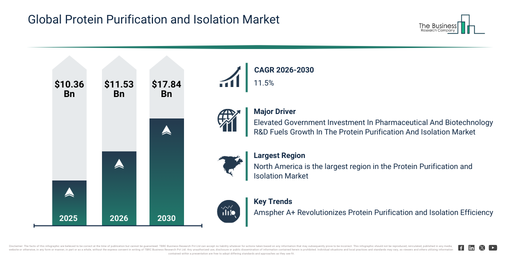
    The protein purification and isolation market has shown rapid expansion in recent years. Its valuation is expected to rise from $10.36 billion in 2025 to $11.53 billion in 2026, driven by a compound annual growth rate (CAGR) of 11.3%. The market’s past growth is primarily due to advancements in chromatography techniques, a heightened demand for protein therapeutics, the overall growth of biotechnology research, the adoption of automated laboratory equipment, and the expansion of contract research organizations.

    The protein purification and isolation market is poised for significant expansion in the coming years. Its size is projected to reach $17.84 billion in 2030, exhibiting a compound annual growth rate (CAGR) of 11.5%. This anticipated growth stems from several factors, including the emergence of new protein biomarkers, increasing applications in precision medicine, the incorporation of AI into protein purification processes, the broadening of proteomics services, and a rise in partnerships between pharmaceutical and biotechnology companies. Key developments anticipated during this period encompass high-throughput protein screening, analysis of single-cell proteins, increased automation in protein isolation workflows, improvements in purification reagents and consumables, and the integration of proteomics into drug discovery efforts.

    Get A Free Sample Report With In-Depth Market Insights:

    https://thebusinessresearchcompany.com/sample_request?id=84189838&type=smp&name=Protein%20Purification%20and%20Isolation%20Market%20Report%202026&utm_source=Blogs&utm_medium=Paid&utm_campaign=Oct_PR

    Protein Purification and Isolation Market Growth Catalysts And Demand Drivers

    Future expansion of the protein purification and isolation market is anticipated, driven by a rise in governmental expenditure on research and development within the pharmaceutical and biotechnology sectors. Research and development involves acquiring knowledge to either invent new products or find better methods to enhance current products and services. Elevated investment in research and development facilitates the creation of sophisticated protein purification techniques and offers additional advantages, including purified growth factors for hormones, DNA polymerases, and reverse transcriptase. As an illustration, in March 2023, the White House announced a budget allocation exceeding $3.4 billion for R&D related to the Cancer Moonshot initiative. This funding supports a broad spectrum of research programs spanning laboratory, clinical, public health, and environmental health across various government departments and agencies. From this total, $2.9 billion is specifically assigned to the Department of Health and Human Services, thereby boosting Cancer Moonshot efforts at the National Cancer Institute and ARPA-H. Furthermore, the budget emphasizes suicide prevention and mental health support for veterans, dedicating over $135 million to medical care within the Department of Veterans Affairs. Consequently, the expanding government investment in pharmaceutical and biotechnology R&D is a key factor propelling the growth of the protein purification and isolation markets.

    Protein Purification and Isolation Market Segment Analysis And Revenue Potential

    The protein purification and isolation market covered in this report is segmented –

    1) By Product: Instruments, Consumables

    2) By Technology: Ultrafiltration, Precipitation, Preparative Chromatography, Electrophoresis, Western Blotting, Dialysis And Diafiltration, Centrifugation

    3) By Application: Drug Screening, Protein-Protein Interaction Studies, Biomarker Discovery, Target Identification, Protein Therapeutics, Disease Diagnostics And Monitoring

    4) By End User: Academic Medical Institutes, Hospitals And Diagnostic Centers, Pharmaceutical And Biotechnology Companies, Contract Research Organizations

    Subsegments:

    1) By Instruments: Chromatography Systems, Centrifuges, Electrophoresis Systems, Filtration Systems, Other Instruments

    2) By Consumables: Resins And Media, Columns, Kits And Reagents, Membranes, Other Consumables

    Protein Purification and Isolation Market Trends Shaping Long-Term Demand

    Companies operating in the protein purification and isolation market are developing advanced products, such as Amsphere A+, to improve the efficiency and effectiveness of protein separation processes, thereby enhancing yield and purity in biopharmaceutical applications. For instance, in September 2024, JSR Life Sciences, LLC., a US-based biotechnology company, introduced Amsphere A+. This product features proprietary protein ligand and advanced polymer technology, outperforming its predecessor, Amsphere A3, in areas like binding capacity, alkali stability, and pressure-flow characteristics. These advancements result in increased efficiency during the production process. Overall, Amsphere A+ signifies a considerable improvement in performance.

    Protein Purification and Isolation Market Key Players Shaping Industry Direction

    Major companies operating in the protein purification and isolation market are Abcam PLC, Agilent Technologies Inc, Thermo Fisher Scientific Inc., Bio-Rad Laboratories Inc., BioVision Inc., Norgen Biotek Corp., GE Healthcare Technologies Inc., GEA Group AG, Expedeon Ltd., Creative Biostructure, Qiagen NV, Geno Technology Inc., The Merck Group, Labome, Promega Corporation, OPRL Biosciences Pvt. Ltd., Purolite LLC, Takara Bio Inc., F. Hoffmann-La Roche Ltd, Sigma-Aldrich Chemicals Private Limited, Cygnus Technologies LLC, Novasep, Kinnakeet Biotechnology LLC, Cambryn Biologics LLC, Worthington Biochemical Corporation, GenScript Biotech Corporation, Creative BioMart, OriGene Technologies Inc., Proteintech Group Inc., Rockland Immunochemicals Inc., Sino Biological Inc.

    View The Full Protein Purification and Isolation Market Report:

    https://thebusinessresearchcompany.com/report/protein-purification-and-isolation-global-market-report?utm_source=Blogs&utm_medium=Paid&utm_campaign=Oct_PR

    Protein Purification and Isolation Market Top Region By Revenue And Market Share

    North America was the largest region in the protein purification and isolation market in 2025. The regions covered in the protein purification and isolation market report are Asia-Pacific, South East Asia, Western Europe, Eastern Europe, North America, South America, Middle East, Africa.

    Reach Out To Our Team:

    The Business Research Company: https://www.thebusinessresearchcompany.com/

    Americas: +1 310-496-7795

    Asia: +44 7882 955267 & +91 8897263534

    Europe: +44 7882 955267

    Email us at: marketing@tbrc.info

    Follow us on:

    LinkedIn: https://in.linkedin.com/company/the-business-research-company

    YouTube: https://www.youtube.com/channel/UC24_fI0rV8cR5DxlCpgmyFQ

    Global Market Model: https://www.thebusinessresearchcompany.com/global-market-model
  • Protein Labeling Market To Witness 11.8% CAGR Growth Through 2030: Key Industry Drivers

    Protein Labeling Market To Witness 11.8% CAGR Growth Through 2030: Key Industry Drivers

    Built to provide research that’s more actionable and strategically valuable, The Business Research Company’s 2026 market reports include market attractiveness analysis, total addressable market sizing, company benchmarking matrices, interactive Excel dashboards, broader supply chain intelligence, emerging startup tracking, and in-depth product insights.

    Protein Labeling Market Forecast: What Value Will The Market Reach By 2030?

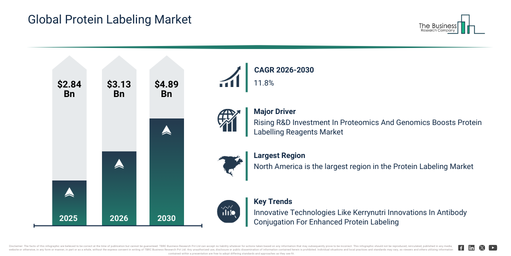
    The protein labeling market has experienced rapid expansion in its size over recent years. Forecasts indicate it will increase from $2.84 billion in 2025 to $3.13 billion in 2026, achieving a compound annual growth rate (CAGR) of 10.1%. Historically, this growth was influenced by factors such as the limited availability of specialized protein labels, reliance on traditional fluorescent dyes, a growing demand for cell-based assays, increasing research in proteomics, and the adoption of enzyme-conjugated labeling techniques.

    The protein labeling market size is anticipated to experience swift expansion over the next few years, projected to reach $4.89 billion by 2030, expanding at a compound annual growth rate (CAGR) of 11.8%. This growth during the forecast period is fueled by the development of novel fluorophore probes, increased utilization of recombinant and modified proteins, rising adoption of automated labeling platforms, advancements in proteomics and genomics research, and the growing integration of protein labeling with mass spectrometry and high-throughput assays. Prominent trends for the forecast period include the escalating demand for fluorescent and chemiluminescent protein labels, an increase in the use of recombinant and modified proteins for research, the wider adoption of in-vitro and in-vivo labeling techniques, the broadening of applications in cell-based assays and fluorescence microscopy, and the increasing employment of monoclonal antibodies in immunological techniques and protein micro assays.

    Get A Free Sample Report With In-Depth Market Insights:

    https://thebusinessresearchcompany.com/sample_request?id=44130420&type=smp&name=Protein%20Labeling%20Market%20Report%202026&utm_source=Blogs&utm_medium=Paid&utm_campaign=Oct_PR

    Protein Labeling Market Opportunity Drivers: What’s Unlocking New Revenue Potential?

    The protein labeling reagents market is experiencing growth fueled by increased investment in the research and development of proteomics and genomics. Proteomics involves examining the complete protein content within a cell, tissue, or organism. Crucially, protein labeling techniques employed prior to separation and analysis are vital for proteomic profiling strategies. An illustration of this trend is the significant rise in R&D expenditure by the UK government, as reported by the Office for National Statistics, a UK-based, government agency. In 2023, their net spending on research and development (R&D) climbed to £17.4 ($22.1 billion) billion, an increase from £16.1 billion ($20.45 billion) in 2022, representing an 8.2% surge. Consequently, the expanded financial commitment to the research and development of proteomics and genomics is propelling the market forward.

    Protein Labeling Market Segmentation And Category Overview

    The protein labeling market covered in this report is segmented –

    1) By Product: Reagents, Protein, Enzymes, Probes/ Tags, Monoclonal Antibodies

    2) By Labeling Method: In-vitro Labeling, In-vivo Labeling

    3) By Application: Cell Based-Assay, Fluorescence Microscopy, Immunological Techniques, Mass Spectrometry, Protein Micro Assay

    Subsegments:

    1) By Reagents: Fluorescent Dyes, Enzyme Labels, Chemiluminescent Reagents, Radioactive Labels

    2) By Protein: Recombinant Proteins, Native Proteins, Modified Proteins

    3) By Enzymes: Alkaline Phosphatase, Horseradish Peroxidase, Other Enzymatic Labels

    4) By Probes Or Tags: Biotin Labels, Antibody Tags, Fluorophore Probes, Affinity Tags

    5) By Monoclonal Antibodies: Primary Monoclonal Antibodies, Secondary Monoclonal Antibodies, Conjugated Monoclonal Antibodies

    Protein Labeling Market Innovation Trends Shaping Future Development

    Companies operating within the protein labeling market are prioritizing the creation of novel solutions, such as attaching antibodies to StarBright dyes, with the goal of boosting detection sensitivity, expanding multiplexing capabilities, and improving overall assay performance. StarBright dyes themselves are luminous, photostable fluorescent dyes crafted for the effective labeling of antibodies and proteins. As an illustration, in January 2025, Bio-Rad Laboratories Inc., a US-based life sciences company, introduced the TrailBlazer Tag and TrailBlazer StarBright Dye Label Kits. These kits enable researchers to efficiently link antibodies to StarBright dyes for sophisticated flow cytometry and imaging applications. These particular kits simplify the labeling procedure, sharpen signal clarity, and support intricate multi-color experiments in biomedical research.

    Protein Labeling Market Competitive Analysis Of Leading Industry Participants

    Major companies operating in the protein labeling market are Thermo Fisher Scientific Inc., Merck KGaA, PerkinElmer Inc., GE HealthCare Technologies Inc., F. Hoffmann-La Roche AG, Agilent Technologies Inc., BIO-RAD LABORATORIES, LI-COR Inc., Promega Corporation, Eurogentec S.A., Luminex Corporation, New England Biolabs Inc., Abcam plc., TriLink BioTechnologies LLC., Waters Corporation, AMETEK Inc., HORIBA Ltd., Spectris plc., METTLER TOLEDO International Inc., Shimadzu Corporation, Hitachi High-Tech Corporation.

    View The Full Protein Labeling Market Report:

    https://thebusinessresearchcompany.com/report/Protein-Labelings-global-market-report?utm_source=Blogs&utm_medium=Paid&utm_campaign=Oct_PR

    Protein Labeling Market Regional Analysis And Top Geography

    North America was the largest region in the protein labeling market in 2025. The regions covered in the protein labeling market report are Asia-Pacific, South East Asia, Western Europe, Eastern Europe, North America, South America, Middle East, Africa.

    Reach Out To Our Team:

    The Business Research Company: https://www.thebusinessresearchcompany.com/

    Americas: +1 310-496-7795

    Asia: +44 7882 955267 & +91 8897263534

    Europe: +44 7882 955267

    Email us at: marketing@tbrc.info

    Follow us on:

    LinkedIn: https://in.linkedin.com/company/the-business-research-company

    YouTube: https://www.youtube.com/channel/UC24_fI0rV8cR5DxlCpgmyFQ

    Global Market Model: https://www.thebusinessresearchcompany.com/global-market-model
  • Protein Inhibitors Market Projected For Strong Expansion Through 2030: Key Trends And Future Outlook

    Protein Inhibitors Market Projected For Strong Expansion Through 2030: Key Trends And Future Outlook

    Backed by market attractiveness analysis, total addressable market sizing, company benchmarking matrices, interactive Excel dashboards, wider supply chain intelligence, emerging startup coverage, and detailed product-level insights, The Business Research Company’s 2026 market reports are designed to offer research that is more actionable and strategically valuable than ever.

    Protein Inhibitors Market Size Outlook: How Quickly Will Revenue Expand Through 2030?

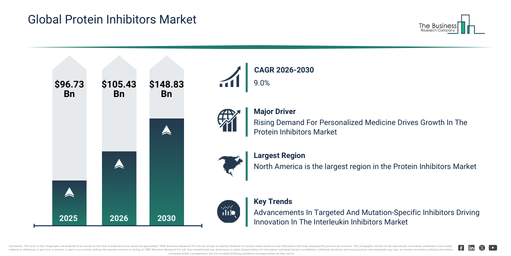
    The protein inhibitors market has experienced robust growth in recent years. It is projected to expand from $96.73 billion in 2025 to $105.43 billion in 2026, demonstrating a compound annual growth rate (CAGR) of 9.0%. This historical growth can be attributed to the limited availability of protein inhibitor therapies, a reliance on conventional chemotherapy, the growing prevalence of cancer and inflammatory diseases, increasing awareness of targeted therapies, and the adoption of hospital pharmacy distribution channels.

    The protein inhibitors market is set for considerable expansion in the upcoming years. It is forecast to grow to $148.83 billion in 2030, demonstrating a compound annual growth rate (CAGR) of 9.0%. This projected growth throughout the forecast period can be attributed to several factors, including the development of both selective and non-selective kinase inhibitors, progress in biologic monoclonal antibodies, the widening reach of online pharmacy and digital distribution, escalating research into protein degradation technologies, and increased investment in personalized protein inhibitor treatments. Noteworthy trends anticipated during this period encompass a rising demand for targeted protein inhibitor therapies, an expansion in oncology applications of protein kinase inhibitors, the proliferation of monoclonal antibody-based treatments, increasing adoption of combination therapy products, and a focus on small molecule and peptide-based inhibitors.

    Get A Free Sample Report With In-Depth Market Insights:

    https://thebusinessresearchcompany.com/sample_request?id=18826192&type=smp&name=Protein%20Inhibitors%20Market%20Report%202026&utm_source=Blogs&utm_medium=Paid&utm_campaign=Oct_PR

    Protein Inhibitors Market Growth Momentum: What Factors Are Shaping Demand?

    The protein inhibitors market is projected to grow due to the increasing demand for personalized medicine. This medical approach customizes treatment to an individual’s distinct genetic makeup, leading to more effective and precise healthcare interventions. Protein inhibitors are essential in personalized medicine as they target specific proteins to treat diseases based on an individual’s genetic profile. For instance, in February 2024, the Personalized Medicine Coalition, a US-based professional membership organization, reported that the FDA approved 16 new personalized treatments for rare disease patients in 2023, an increase from six in 2022. Moreover, the Personalized Medicine Coalition (PMC) classifies approximately 34%, which amounts to 12, of the 35 therapeutic NMEs as personalized medicines. Therefore, the growing demand for personalized medicine is fueling the expansion of the protein inhibitors market.

    Protein Inhibitors Market Segment Outlook: Which Categories Are Growing Fastest?

    The protein inhibitors market covered in this report is segmented –

    1) By Product: Protein Kinase Inhibitors, Monoclonal Antibody, Other Products

    2) By Application: Oncology, Inflammatory Diseases, Other Applications

    3) By Distribution Channel: Hospital Pharmacies, Independent Pharmacies, Online Pharmacies

    Subsegments:

    1) By Protein Kinase Inhibitors: Selective Kinase Inhibitors, Non-selective Kinase Inhibitors, Small Molecule Kinase Inhibitors, Biologic Kinase Inhibitors

    2) By Monoclonal Antibodies: Chimeric Monoclonal Antibodies, Humanized Monoclonal Antibodies, Fully Human Monoclonal Antibodies, Conjugated Monoclonal Antibodies

    3) By Other Products: Peptide Inhibitors, Protein Degradation Technologies, Small Molecule Inhibitors, Combination Therapy Products

    Protein Inhibitors Market Trends Redefining Industry Growth

    Key players in the protein inhibitors market are concentrating on developing innovative solutions like tyrosine kinase inhibitors to target specific signaling pathways, thereby enhancing therapeutic efficacy and improving patient outcomes in the treatment of cancer and other chronic diseases. A tyrosine kinase inhibitor (TKI) is a type of medication that obstructs the activity of tyrosine kinases, which are enzymes responsible for activating proteins involved in cell signaling, growth, and division, consequently helping to prevent the proliferation of cancerous or abnormal cells. For instance, in April 2024, F. Hoffmann-La Roche AG, a Switzerland-based healthcare company, obtained approval from the FDA for Alecensa (alectinib) as the first adjuvant treatment for patients with ALK-positive early-stage non-small cell lung cancer (NSCLC) who have undergone surgical tumor removal.

    Protein Inhibitors Market Leading Companies And Competitive Benchmarking

    Major companies operating in the protein inhibitors market are Bayer AG, AstraZeneca plc, F. Hoffmann-La Roche Ltd., Teva Pharmaceutical Industries Ltd., Apotex Inc., Novartis International AG, GlaxoSmithKline plc, Pfizer Inc., Boehringer Ingelheim International GmbH, Abbott Laboratories, Amgen Inc., Baxter International Inc., Merck & Co. Inc., AbbVie Inc., Bristol Myers Squibb Company, Biogen Inc., Eli Lilly and Company, Gilead Sciences Inc., Johnson & Johnson, Regeneron Pharmaceuticals Inc., Sanofi S.A., Takeda Pharmaceutical Company Limited, Vertex Pharmaceuticals Inc., Lonza Group AG, Catalent Inc., Thermo Fisher Scientific Inc., Charles River Laboratories International Inc., WuXi AppTec Co. Ltd.

    View The Full Protein Inhibitors Market Report:

    https://thebusinessresearchcompany.com/report/Protein-Inhibitor-global-market-report?utm_source=Blogs&utm_medium=Paid&utm_campaign=Oct_PR

    Protein Inhibitors Market Geographic Analysis: Where Is Demand Rising Fastest?

    North America was the largest region in the protein inhibitors market in 2025. The regions covered in the protein inhibitors market report are Asia-Pacific, South East Asia, Western Europe, Eastern Europe, North America, South America, Middle East, Africa.

    Reach Out To Our Team:

    The Business Research Company: https://www.thebusinessresearchcompany.com/

    Americas: +1 310-496-7795

    Asia: +44 7882 955267 & +91 8897263534

    Europe: +44 7882 955267

    Email us at: marketing@tbrc.info

    Follow us on:

    LinkedIn: https://in.linkedin.com/company/the-business-research-company

    YouTube: https://www.youtube.com/channel/UC24_fI0rV8cR5DxlCpgmyFQ

    Global Market Model: https://www.thebusinessresearchcompany.com/global-market-model
  • Protein Hydrolysis Enzymes Market Outlook 2026–2030: Growth Trends, Market Dynamics And Emerging Opportunities

    Protein Hydrolysis Enzymes Market Outlook 2026–2030: Growth Trends, Market Dynamics And Emerging Opportunities

    Featuring market attractiveness scoring, total addressable market sizing, company benchmarking matrices, interactive Excel dashboards, deeper supply chain intelligence, emerging startup tracking, and granular product-level insights, The Business Research Company’s 2026 market reports are built to deliver research that is both more actionable and more strategically valuable.

    Protein Hydrolysis Enzymes Market Size, Value And Growth Trajectory Through 2030

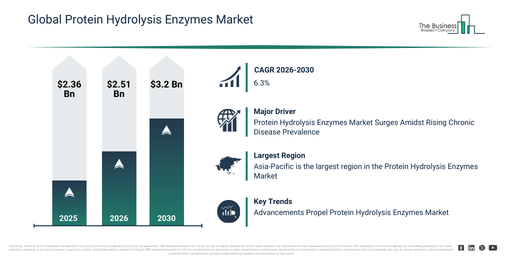
    The market for protein hydrolysis enzymes has experienced significant expansion recently. Projections indicate its value will increase from $2.36 billion in 2025 to $2.51 billion in 2026, demonstrating a compound annual growth rate (CAGR) of 6.3%. Factors contributing to its historical development include the increased need for functional foods, wider application of protein in animal feed, the expansion of the dairy and beverage sectors, progress in fermentation methods, and a heightened understanding of protein quality.

    The protein hydrolysis enzymes market size is projected to experience robust expansion over the coming years. It is predicted to reach $3.2 billion in 2030, demonstrating a compound annual growth rate (CAGR) of 6.3%. This anticipated growth stems from several factors, such as the rising need for plant-based protein items, the increasing integration of enzyme solutions within nutraceuticals, the expansion of the processed food sector, a heightened focus on protein digestibility and bioavailability, and escalating research and development efforts in enzyme technology. Key developments expected during this period involve enzyme-driven protein alterations, advancements in plant-derived enzymes, the development of high-solubility protein formulations, creation of low-viscosity protein solutions, and specialized protein hydrolysates.

    Get A Free Sample Report With In-Depth Market Insights:

    https://thebusinessresearchcompany.com/sample_request?id=15983523&type=smp&name=Protein%20Hydrolysis%20Enzymes%20Market%20Report%202026&utm_source=Blogs&utm_medium=Paid&utm_campaign=Oct_PR

    Protein Hydrolysis Enzymes Market Expansion Drivers: What’s Shaping Future Growth?

    The protein hydrolysis enzymes market is expected to expand moving forward, driven by the increasing incidence of chronic diseases. A chronic disease is defined as a health condition that develops progressively or is persistent in individuals, carrying long-lasting repercussions. Protein hydrolysis, facilitated by enzymes, generates the most physiologically active peptides; these peptides can aid in preventing cancer and other diseases by their capacity to modulate antioxidant enzymes, which are crucial in controlling the body’s pro-inflammatory processes. Therefore, a rise in the prevalence of chronic conditions is projected to boost the demand for protein hydrolysis enzymes. As an example, in June 2024, data from the National Health Service, a UK-based government department, indicated that 3,615,330 individuals registered with a general practitioner were diagnosed with non-diabetic hyperglycemia or pre-diabetes (a state of elevated blood sugar not yet at diabetic levels) in 2023. This figure represented an 18% increase from 3,065,825 cases recorded in 2022. Thus, the growing prevalence of chronic diseases is a significant factor propelling the growth of the protein hydrolysis enzymes market.

    Protein Hydrolysis Enzymes Market Segment Landscape: Which Areas Lead Development?

    The protein hydrolysis enzymes market covered in this report is segmented –

    1) By Type: Microorganisms, Animals, Plants

    2) By Method Of Production: Extraction, Fermentation

    3) By Application: Detergent And Cleaning, Food And Beverage, Animal Feed, Textile, Dairy, Other Applications

    Subsegments:

    1) By Microorganisms: Bacterial Enzymes, Fungal Enzymes, Yeast-Derived Enzymes

    2) By Animals: Animal-Derived Enzymes, Rennet

    3) By Plants: Plant-Derived Enzymes, Seed-Derived Enzymes

    Protein Hydrolysis Enzymes Market Strategic Trends: What Defines The Next Growth Phase?

    Companies operating in the protein hydrolysis enzyme market are concentrating on technological improvements, such as optimized enzyme blends, to enhance nutrient digestion, improve animal performance, and address specific challenges in livestock production. An optimized enzyme blend is a precisely formulated mix of various enzymes created to improve the digestion and utilization of nutrients in animal feed. For instance, in March 2023, International Flavors & Fragrances Inc., a US-based food and health ingredient provider, launched Axtra PRIME, a new optimized enzyme blend designed to improve nutrient digestion and enhance piglet performance in animal nutrition. This innovative solution targets key challenges in piglet production, especially during weaning, by combining xylanase, beta-glucanase, alpha-amylase, and protease enzymes to support healthier growth and better feed utilization.

    Protein Hydrolysis Enzymes Market Industry Leaders And Competitive Landscape

    Major companies operating in the protein hydrolysis enzymes market are Novozymes A/S, Royal DSM, DuPont de Nemours Inc., AB Enzymes GmbH, Advanced Enzyme Technologies, Dyadic International Inc., Jiangsu Boli Bioproducts Co. Ltd., Specialty Enzymes & Biotechnologies Co, Solvay Enzymes, Amano Enzyme Inc., Biocatalysts, Rossari Biotech Limited, Enzyme Solutions, DSM Nutritional Products, Chr. Hansen Holding A/S, Noor Enzymes, Enzyme Development Corporation, Enzyme Supplies Limited, Enzyme Innovation, Enzybel Group

    View The Full Protein Hydrolysis Enzymes Market Report:

    https://thebusinessresearchcompany.com/report/protein-hydrolysis-enzymes-global-market-report?utm_source=Blogs&utm_medium=Paid&utm_campaign=Oct_PR

    Protein Hydrolysis Enzymes Market Global Footprint: Which Region Leads The Market?

    Asia-Pacific was the largest region in the protein hydrolysis enzymes market in 2025. Asia-Pacific is expected to be the fastest-growing region in the protein hydrolysis enzymes market during the forecast period. The regions covered in the protein hydrolysis enzymes market report are Asia-Pacific, South East Asia, Western Europe, Eastern Europe, North America, South America, Middle East, Africa.

    Reach Out To Our Team:

    The Business Research Company: https://www.thebusinessresearchcompany.com/

    Americas: +1 310-496-7795

    Asia: +44 7882 955267 & +91 8897263534

    Europe: +44 7882 955267

    Email us at: marketing@tbrc.info

    Follow us on:

    LinkedIn: https://in.linkedin.com/company/the-business-research-company

    YouTube: https://www.youtube.com/channel/UC24_fI0rV8cR5DxlCpgmyFQ

    Global Market Model: https://www.thebusinessresearchcompany.com/global-market-model