Category: Pharmaceuticals

  • Over-The-Counter (OTC) Diet Products Market Forecast To Reach $213.26 Billion By 2030: Key Trends Explained

    Over-The-Counter (OTC) Diet Products Market Forecast To Reach $213.26 Billion By 2030: Key Trends Explained

    Backed by market attractiveness analysis, total addressable market sizing, company benchmarking matrices, interactive Excel dashboards, wider supply chain intelligence, emerging startup coverage, and detailed product-level insights, The Business Research Company’s 2026 market reports are designed to offer research that is more actionable and strategically valuable than ever.

    Over-The-Counter (OTC) Diet Products Market Size And Revenue Outlook Through 2030

    The over-the-counter (otc) diet products market size has experienced significant expansion in recent years. This market is set to increase from $141.28 billion in 2025 to $153.78 billion in 2026, registering a compound annual growth rate (CAGR) of 8.8%. Historically, this growth can be attributed to factors such as the limited availability of otc diet products, a growing obesity and overweight population, a reliance on traditional diet and exercise programs, increasing awareness of weight management, and the adoption of retail pharmacy sales channels.

    The over-the-counter (otc) diet products market is anticipated to experience substantial growth in the coming years, reaching $213.26 billion by 2030, with a compound annual growth rate (CAGR) of 8.5%. This projected increase is driven by factors such as the creation of advanced thermogenic and fat-blocking formulations, growing e-commerce adoption for diet products, increased consumption of herbal and protein supplements, the expansion of personalized nutrition and diet programs, and the proliferation of online weight loss platforms and agencies. Significant trends during this period include a rising demand for non-prescription weight loss solutions, heightened consumer awareness regarding health and fitness, the growth of online sales channels and e-commerce platforms, a preference for herbal and natural dietary supplements, and the expansion of meal replacement and protein-based products.

    Get A Free Sample Report With In-Depth Market Insights:

    https://thebusinessresearchcompany.com/sample_request?id=45429981&type=smp&name=Over-The-Counter%20%28OTC%29%20Diet%20Products%20Market%20Report%202026&utm_source=Blogs&utm_medium=Paid&utm_campaign=Oct_PR

    Over-The-Counter (OTC) Diet Products Market Growth Momentum: What Factors Are Shaping Demand?

    Increased health awareness is anticipated to boost the over-the-counter (OTC) diet products market in the future. This concept denotes an individual’s proactive stance and understanding regarding their physical and mental health upkeep and enhancement. The surge in health consciousness stems from a heightened understanding of the link between detrimental lifestyle habits and illness, encouraging individuals to adopt healthier alternatives. Over-the-counter (OTC) diet products foster health consciousness by providing readily available weight management options, motivating people to actively pursue improved nutrition and physical activity. These products facilitate healthy living by promoting informed decisions and personal wellness management. For example, data from May 2023, sourced from the International Food Information Council (IFIC), a US-based nonprofit organization focused on food and health research, indicated that its yearly Food and Health Survey revealed 52 percent of American adults adhered to a particular eating pattern or diet in 2023. This figure rose among boomers to 41 percent up from 29 percent in 2022. The most prevalent eating patterns identified were high protein at 18 percent, mindful eating at 17 percent, calorie counting at 12 percent, clean eating at 12 percent, and intermittent fasting at 12 percent, collectively signaling an increase in health-aware dietary practices. Consequently, the escalating health consciousness is fueling the expansion of the over-the-counter (OTC) diet products market.

    Over-The-Counter (OTC) Diet Products Market Segment Landscape: Which Areas Lead Development?

    The over-the-counter (otc) diet products market covered in this report is segmented –

    1) By Type: Over The Counter Weight Loss Pill, Over The Counter Diet Supplements

    2) By Dosage Form: Tablets, Hard Capsules, Powders, Soft Capsules, Liquids, Other Dosage Forms

    3) By Application: Drugstore, Online Sales, Weight Loss Agency, Other Applications

    Subsegments:

    1) By Over The Counter Weight Loss Pill: Appetite Suppressants, Fat Blockers, Thermogenic Fat Burners, Carb Blockers, Diuretics, Metabolism Boosters

    2) By Over The Counter Diet Supplements: Herbal Supplements, Protein Supplements, Fiber Supplements, Meal Replacement Products, Probiotic Supplements, Green Tea Extract, Conjugated Linoleic Acid Supplements

    Over-The-Counter (OTC) Diet Products Market Trends Redefining Industry Growth

    Leading companies within the over-the-counter (OTC) diet products market are concentrating on developing innovative offerings, such as women’s weight-loss solutions, with the goal of improving fat burning, curbing appetite, and aiding in effective weight management. Women’s weight-loss solutions encompass a variety of methods, programs, products, and lifestyle strategies designed to help women reduce and maintain a healthy body weight. As an illustration, in October 2024, Wisp, a US-based women’s telehealth company, introduced a new specialized weight care service, granting access to GLP-1 medications, including both FDA-approved and compounded semaglutide options. This aims to provide support for women experiencing hormonal imbalances, such as those linked to menopause, polycystic ovary syndrome (PCOS), and endometriosis, by offering over-the-counter (OTC) weight-loss solutions. The program includes personalized online consultations, eligibility assessments, and choices for either pharmacy collection or discreet home delivery, catering to the distinct weight management requirements of women across 20 states.

    Over-The-Counter (OTC) Diet Products Market Industry Leaders And Competitive Landscape

    Major companies operating in the over-the-counter (otc) diet products market are Nestlé Health Science, Herbalife Nutrition Ltd., Perrigo Company plc, Nature’s Bounty Co., GNC Holdings LLC, Swanson Health Products, Applied Nutrition, Bluebonnet Nutrition, H&H Group plc, Genesis Today, Pendulum Therapeutics Inc., NOW Foods, Absolute Nutrition, Dherbs Inc., Nutrabay, Orthomol, Capsiplex, Supergut

    View The Full Over-The-Counter (OTC) Diet Products Market Report:

    https://thebusinessresearchcompany.com/report/over-the-counter-otc-diet-products-global-market-report?utm_source=Blogs&utm_medium=Paid&utm_campaign=Oct_PR

    Over-The-Counter (OTC) Diet Products Market Global Footprint: Which Region Leads The Industry?

    North America was the largest region in the over-the-counter (OTC) diet products market in 2025. The regions covered in the over-the-counter (otc) diet products market report are Asia-Pacific, South East Asia, Western Europe, Eastern Europe, North America, South America, Middle East, Africa.

    Reach Out To Our Team:

    The Business Research Company: https://www.thebusinessresearchcompany.com/

    Americas: +1 310-496-7795

    Asia: +44 7882 955267 & +91 8897263534

    Europe: +44 7882 955267

    Email us at: marketing@tbrc.info

    Follow us on:

    LinkedIn: https://in.linkedin.com/company/the-business-research-company

    YouTube: https://www.youtube.com/channel/UC24_fI0rV8cR5DxlCpgmyFQ

    Global Market Model: https://www.thebusinessresearchcompany.com/global-market-model
  • Over-The-Counter (OTC) Artificial Tears Market Analysis Through 2030: Market Size, Growth Trends And Industry Outlook

    Over-The-Counter (OTC) Artificial Tears Market Analysis Through 2030: Market Size, Growth Trends And Industry Outlook

    Featuring market attractiveness scoring, total addressable market sizing, company benchmarking matrices, interactive Excel dashboards, deeper supply chain intelligence, emerging startup tracking, and granular product-level insights, The Business Research Company’s 2026 market reports are built to deliver research that is both more actionable and more strategically valuable.

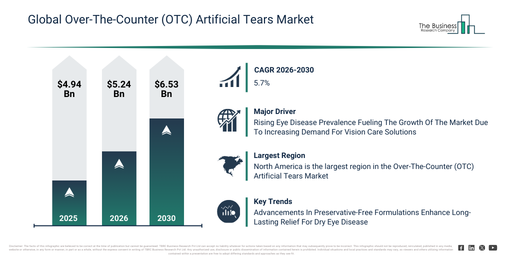
    Over-The-Counter (OTC) Artificial Tears Market Growth From $5.24 Billion In 2026 To $6.53 Billion By 2030 At A CAGR Of 5.7%

    The over-the-counter (otc) artificial tears market size has experienced strong growth in recent years. It is anticipated to increase from $4.94 billion in 2025 to $5.24 billion in 2026, demonstrating a compound annual growth rate (CAGR) of 6.1%. The expansion observed in the past can be attributed to factors such as the limited accessibility of non-prescription eye drops, a heightened public awareness of eye health, the growing amount of time spent on screens by adults and children, the continued reliance on conventional cellulose-based tears, and the broadening of hospital and retail pharmacy networks.

    The over-the-counter (otc) artificial tears market is anticipated to experience substantial expansion over the upcoming years. It is projected to reach $6.53 billion by 2030, demonstrating a compound annual growth rate (CAGR) of 5.7%. This projected growth during the forecast period is attributable to several factors, including advancements in glycerin and oil-based emulsion tears, the growing acceptance of polyethylene glycol formulations, a heightened need for contact lens moisture retention products, the expansion of online pharmacy channels, and breakthroughs in preservative-free and multi-dose packaging solutions. Key trends anticipated during the same period involve an increase in dry eye syndrome linked to digital screen usage, a greater desire for preservative-free formulations, an expanding preference for multi-dose and single-dose containers, the broadening reach of online pharmacies and e-commerce distribution, and increased public understanding regarding UV and blue light protection for eye health.

    Get A Free Sample Report With In-Depth Market Insights:

    https://thebusinessresearchcompany.com/sample_request?id=81652313&type=smp&name=Over-The-Counter%20%28OTC%29%20Artificial%20Tears%20Market%20Report%202026&utm_source=Blogs&utm_medium=Paid&utm_campaign=Oct_PR

    Over-The-Counter (OTC) Artificial Tears Market Expansion Drivers: What’s Shaping Future Growth?

    The rising occurrence of eye conditions is anticipated to drive the expansion of the over-the-counter (OTC) artificial tears market in the future. An eye disease refers to an ailment that hinders the eye’s typical functioning or structure, potentially resulting in impaired vision or blindness if left unaddressed. The growing incidence of eye disease stems from an aging demographic, which is more susceptible to visual impairments, thereby generating a higher need for sophisticated eye care remedies. Over-the-counter (OTC) artificial tears assist in managing eye disease through offering comforting lubrication, which alleviates dryness, diminishes irritation, and aids in safeguarding the eye’s surface, consequently enhancing overall eye comfort. For example, data from August 2023, provided by the World Health Organization, an international public health body headquartered in Switzerland, indicated that over 2.2 billion individuals worldwide experienced near or distance vision impairment, predominantly among adults over the age of 50. Consequently, the escalating occurrence of eye conditions is fueling the expansion of the over-the-counter (OTC) artificial tears market.

    Over-The-Counter (OTC) Artificial Tears Market Segments: Where Is Growth Concentrated?

    The over-the-counter (otc) artificial tears market covered in this report is segmented –

    1) By Type: Cellulose Derived Tears, Glycerin Derived Tears, Oil-Based Emulsion Tears, Polyethylene Glycol

    2) By Container Type: Plastic Single Dose Container, Plastic Multi-Dose Container, Other Container Types

    3) By Formulation: Preservative Based, Non-Preservative Based

    4) By Application: Dry Eye Syndrome, Allergies, Ultraviolet (UV) And Blue Light Protection, Contact Lens Moisture Retention, Other Applications

    5) By Distribution Channel: Hospital Pharmacies, Drug Store And Retail Pharmacies, Online Pharmacies

    Subsegments:

    1) By Cellulose Derived Tears: Hydroxypropyl Methylcellulose (HPMC), Carboxymethylcellulose (CMC), Hypromellose

    2) By Glycerin Derived Tears: Pure Glycerin Formulations, Glycerin with Additional Lubricants, Glycerin Combined with Electrolytes

    3) By Oil-Based Emulsion Tears: Mineral Oil Based, Castor Oil Based, Safflower Oil Based, Flaxseed Oil Based

    4) By Polyethylene Glycol: Polyethylene Glycol 400, Polyethylene Glycol 800, Polyethylene Glycol with Propylene Glycol

    Over-The-Counter (OTC) Artificial Tears Market Strategic Trends: What Defines The Next Growth Phase?

    Leading firms in the over-the-counter artificial tears sector are concentrating on creating sophisticated preservative-free formulations, including those designed for lipid layer stabilization, to offer effective and prolonged comfort. This stabilization method reinforces the tear film’s external oily layer, thereby counteracting swift tear evaporation and sustaining ocular moisture. An illustrative example is Alcon Inc., a Swiss eye care provider, which introduced SYSTANE PRO Preservative-Free (PF) in February 2025; this over-the-counter artificial tear features a triple-action formula aimed at hydrating, restoring, and protecting dry eyes. Its inventive multi-dose, preservative-free composition integrates hyaluronate, nano-sized lipids, and HP-Guar, components that collaborate to ensure profound hydration, re-establish tear film stability, and safeguard the ocular surface, consequently offering enduring relief for various forms of dry eye and reducing irritation even with regular application.

    Over-The-Counter (OTC) Artificial Tears Market Key Participants And Competitive Landscape

    Major companies operating in the over-the-counter (otc) artificial tears market are AbbVie Inc., Abbott Laboratories Inc., Novartis AG, Alcon Inc., Bausch Health Companies Inc., Sun Pharmaceutical Industries Ltd., Cipla Limited, Santen Pharmaceutical Co. Ltd., Rohto Pharmaceutical Co. Ltd., Prestige Consumer Healthcare Inc., AFT Pharmaceuticals Limited, URSAPHARM Arzneimittel GmbH, OCuSOFT Inc., Laboratoires Théa S.A.S., I-MED Pharma Inc.

    View The Full Over-The-Counter (OTC) Artificial Tears Market Report:

    https://thebusinessresearchcompany.com/report/over-the-counter-otc-artificial-tears-global-market-report?utm_source=Blogs&utm_medium=Paid&utm_campaign=Oct_PR

    Over-The-Counter (OTC) Artificial Tears Market Regional Distribution: Which Areas Power Market Growth?

    North America was the largest region in the over-the-counter (OTC) artificial tears market in 2025. Europe is expected to be the fastest-growing region in the forecast period. The regions covered in the over-the-counter (otc) artificial tears market report are Asia-Pacific, South East Asia, Western Europe, Eastern Europe, North America, South America, Middle East, Africa.

    Reach Out To Our Team:

    The Business Research Company: https://www.thebusinessresearchcompany.com/

    Americas: +1 310-496-7795

    Asia: +44 7882 955267 & +91 8897263534

    Europe: +44 7882 955267

    Email us at: marketing@tbrc.info

    Follow us on:

    LinkedIn: https://in.linkedin.com/company/the-business-research-company

    YouTube: https://www.youtube.com/channel/UC24_fI0rV8cR5DxlCpgmyFQ

    Global Market Model: https://www.thebusinessresearchcompany.com/global-market-model

  • Hereditary Angioedema Therapeutics Market Outlook From 2026 To 2030: Key Growth Factors And Future Opportunities

    Hereditary Angioedema Therapeutics Market Outlook From 2026 To 2030: Key Growth Factors And Future Opportunities

    Built to provide research that’s more actionable and strategically valuable, The Business Research Company’s 2026 market reports include market attractiveness analysis, total addressable market sizing, company benchmarking matrices, interactive Excel dashboards, broader supply chain intelligence, emerging startup tracking, and in-depth product insights.

    Hereditary Angioedema Therapeutics Market Forecast: Value Set To Climb From $9.27 Billion To $19.03 Billion

    The hereditary angioedema therapeutics market size has expanded considerably in recent years. This market is set to expand from $7.77 billion in 2025 to $9.27 billion in 2026, showing a compound annual growth rate (CAGR) of 19.3%. The factors contributing to its historical growth include limited awareness about hae, a dependence on hospital-based therapy, fewer approved therapeutic options available, a reliance on intravenous administration methods, and low prevalence diagnosis rates.

    The hereditary angioedema therapeutics market is anticipated to experience substantial expansion in the coming years. Its valuation is projected to reach $19.03 billion by 2030, exhibiting a compound annual growth rate (CAGR) of 19.7%. This expansion during the forecast period can be linked to several factors, including the increasing development of recombinant C1 esterase inhibitors, the uptake of subcutaneous delivery methods, a rise in the use of prophylactic therapies, the broadening of specialty pharmacy networks, and greater investment in research for rare diseases. Key developments expected within this period involve the evolution of personalized therapies, an increase in orphan drug approvals, ongoing progress in subcutaneous drug delivery systems, the creation of on-demand treatment solutions, and the enlargement of both hospital and retail pharmacy networks.

    Get A Free Sample Report With In-Depth Market Insights:

    https://thebusinessresearchcompany.com/sample_request?id=81822225&type=smp&name=Hereditary%20Angioedema%20Therapeutics%20Market%20Report%202026&utm_source=Blogs&utm_medium=Paid&utm_campaign=Oct_PR

    Hereditary Angioedema Therapeutics Market Development Factors: What’s Supporting Demand?

    The escalating healthcare expenditure is anticipated to drive the expansion of the hereditary angioedema therapeutics market in the coming years. Healthcare expenditure denotes the overall sum of resources, including financial assets, dedicated to healthcare products and services within a specific timeframe and geographical area. Higher healthcare spending enables enhanced investment in research and development initiatives focused on comprehending the fundamental causes of hereditary angioedema and devising innovative treatment solutions. For example, in June 2025, data from the Centers for Medicare & Medicaid Services (CMS), the US federal agency, indicated that National Health Expenditure (NHE) grew 7.5% to $4.9 trillion in 2023, equivalent to $14,570 per person, and comprised 17.6% of Gross Domestic Product (GDP). Hospital expenditures experienced a 10.4% increase to $1,519.7 billion in 2023, surpassing the 3.2% growth recorded in 2022. Therefore, the rise in healthcare expenditure is propelling the growth of the hereditary angioedema therapeutics market.

    Hereditary Angioedema Therapeutics Market Segment Breakdown: Which Categories Lead On Revenue?

    The hereditary angioedema therapeutics market covered in this report is segmented –

    1) By Drug Class: C1 Esterase Inhibitor, Selective Bradykinin B2 Receptor Antagonist, Kallikrein Inhibitor, Other Drug Classes

    2) By Route of Administration: Intravenous, Subcutaneous, Oral

    3) By Distribution Channel: Hospital Pharmacy, Retail Pharmacy, Other Distribution Channels

    4) By Application: Prophylaxis, On-Demand

    Hereditary Angioedema Therapeutics Market Transformation Trends: What Innovations Are Driving Change?

    Leading companies within the hereditary angioedema (HAE) therapeutics market are engaged in the development of cutting-edge treatments, such as oral plasma kallikrein inhibitors. These innovations aim to optimize patient care and provide effective, immediate solutions for HAE attack relief, thereby enhancing overall patient well-being and life quality. Oral plasma kallikrein inhibitors are orally administered medications designed to suppress the enzyme plasma kallikrein, which assists in managing and reducing the intensity of hereditary angioedema episodes. An example of this progress is KalVista Pharmaceuticals, a US-based biopharmaceutical firm, which in September 2024, obtained a US. Food and Drug Administration New Drug Application for Sebetralstat. This development is intended to offer HAE patients a more user-friendly, non-invasive treatment option, distinct from intravenous or subcutaneous drugs. Such a treatment addresses the increasing need for rapid and efficient oral therapies that can be used immediately upon the onset of a hereditary angioedema attack.

    Hereditary Angioedema Therapeutics Market Leading Players And Competitive Positioning

    Major companies operating in the hereditary angioedema therapeutics market are Sanofi S.A., Pharming Healthcare Inc., Attune Pharmaceuticals Inc., BioCryst Pharmaceuticals Inc., CSL Behring LLC, KalVista Pharmaceutical Inc., Dyax Corp., Pharvaris N.V., Kedrion Biopharma Inc., Shire Pharmaceuticals, Octapharma AG, Pharmalink AB, Sobi AB, OctoPharma USA, HAE Pharma, Argenx SE, ImmunoGen Inc., Ionis Pharmaceuticals (for pipeline HAE therapies), PharmAthene Inc., BioMarin Pharmaceutical Inc.

    View The Full Hereditary Angioedema Therapeutics Market Report:

    https://thebusinessresearchcompany.com/report/hereditary-angioedema-therapeutics-global-market-report?utm_source=Blogs&utm_medium=Paid&utm_campaign=Oct_PR

    Hereditary Angioedema Therapeutics Market Largest Region: Which Geography Holds The Highest Market Share?

    North America was the largest region in the global hereditary angioedema therapeutics market in 2025. Asia-Pacific is expected to be the fastest-growing region in the forecast period. The regions covered in the hereditary angioedema therapeutics market report are Asia-Pacific, South East Asia, Western Europe, Eastern Europe, North America, South America, Middle East, Africa.

    Reach Out To Our Team:

    The Business Research Company: https://www.thebusinessresearchcompany.com/

    Americas: +1 310-496-7795

    Asia: +44 7882 955267 & +91 8897263534

    Europe: +44 7882 955267

    Email us at: marketing@tbrc.info

    Follow us on:

    LinkedIn: https://in.linkedin.com/company/the-business-research-company

    YouTube: https://www.youtube.com/channel/UC24_fI0rV8cR5DxlCpgmyFQ

    Global Market Model: https://www.thebusinessresearchcompany.com/global-market-model
  • Herbal Supplements Market Growth Forecast: Market Size, Key Trends And Emerging Opportunities Through 2030

    Herbal Supplements Market Growth Forecast: Market Size, Key Trends And Emerging Opportunities Through 2030

    Backed by market attractiveness analysis, total addressable market sizing, company benchmarking matrices, interactive Excel dashboards, wider supply chain intelligence, emerging startup coverage, and detailed product-level insights, The Business Research Company’s 2026 market reports are designed to offer research that is more actionable and strategically valuable than ever.

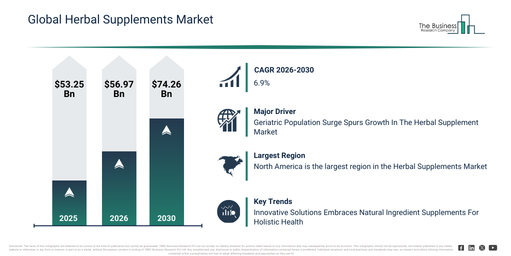
    Herbal Supplements Market Revenue Growth On Track For A 6.9% CAGR Through 2030

    The herbal supplements market size has seen significant growth in recent years. It is anticipated to increase from $53.25 billion in 2025 to $56.97 billion in 2026, showing a compound annual growth rate (CAGR) of 7.0%. This historical expansion can be attributed to heightened consumer awareness regarding natural remedies, the escalating incidence of lifestyle diseases, a surge in self-medication trends, the acceptance of traditional medicine in Asia, and initial investments in herbal supplement research and development.

    The herbal supplements market size is anticipated to experience substantial expansion in the coming years. Its valuation is projected to reach $74.26 billion by 2030, demonstrating a compound annual growth rate (CAGR) of 6.9%. This projected increase is primarily driven by the expansion of e-commerce distribution channels, a rising demand for immunity-boosting supplements, advancements in herbal extraction technologies, an increase in preventive healthcare practices, and more collaborations between pharmaceutical and herbal brands. Key trends expected during this period include formulations designed for immunity enhancement, natural solutions for allergy relief, plant-based wellness products, the incorporation of functional herbal ingredients, and personalized herbal supplements.

    Get A Free Sample Report With In-Depth Market Insights:

    https://thebusinessresearchcompany.com/sample_request?id=43475573&type=smp&name=Herbal%20Supplements%20Market%20Report%202026&utm_source=Blogs&utm_medium=Paid&utm_campaign=Oct_PR

    Herbal Supplements Market Industry Drivers: What’s Behind The Revenue Growth?

    The expanding demographic of older adults is anticipated to fuel the expansion of the herbal supplement market in the foreseeable future. This demographic encompasses older individuals, generally classified as those aged 65 and above. Older adults frequently use herbal supplements to manage diverse health conditions, seeking relief from age-related problems or as an adjunct to traditional therapies; however, prudence is recommended due to possible drug interactions and differing effectiveness. For example, the World Health Organization, a US-based specialized health agency, reported in October 2025 that the worldwide population of those aged 60 and above is predicted to double by 2050, reaching 2.1 billion people. Consequently, the increasing number of older people is a key factor propelling the development of the herbal supplement market.

    Herbal Supplements Market Segmentation: How Does The Market Break Down By Category?

    The herbal supplements market covered in this report is segmented –

    1) By Form: Tablets, Capsules, Liquid, Powder And Granules, Soft Gels

    2) By Sources: Leaves, Fruits, Roots, Vegetables, Barks

    3) By Application: Food And Beverages, Pharmaceuticals, Personal Care

    4) By Distribution: Store Based, Non-Store Based

    Subsegments:

    1) By Tablets: Compressed Herbal Tablets, Coated Herbal Tablets

    2) By Capsules: Hard-Shell Capsules, Soft-Shell Capsules

    3) By Liquid: Herbal Extracts, Herbal Tinctures

    4) By Powder And Granules: Herbal Powders, Granulated Herbal Supplements

    5) By Soft Gels: Herbal Soft Gel Capsules, Gelatin-Based Herbal Soft Gels

    #Herbal Supplements Market Growth Trends: What’s Shaping The Future Outlook?

    Key players in the herbal supplements market are prioritizing the creation of innovative products, such as natural ingredient supplements, to satisfy the increasing consumer desire for comprehensive health solutions. Natural ingredient supplements are nutritional items derived from naturally occurring sources like herbs, plants, or minerals, utilized to support health and overall well-being. For example, in August 2023, Innov Healthcare Technologies, an Indian healthcare supplement firm, unveiled Purobest, a state-of-the-art supplement brand that leverages the power of natural elements, demonstrating a commitment to addressing chronic health issues. Through careful formulation and the use of premium, unadulterated natural extracts, it offers hope and assistance to numerous individuals. Its product range is precisely crafted from top-tier natural origins, including turmeric for curcumin, Sophora Japonica bark for quercetin, green tea for EGCG, Boswellia serrata for AKBA, and Berberis aristata for berberine. These thoroughly researched ingredients are designed to target crucial genes and pathways associated with various ailments.

    Herbal Supplements Market Competitive Overview And Top Companies

    Major companies operating in the herbal supplements market are Archer Daniels Midland Company, Herbalife Nutrition International of America Inc., NBTY Inc., Dabur India Ltd., Blackmores Limited, Swanson Health Products, Weleda AG, Now Health Group, Nutraceutical International Corporation, Dr. Willmar Schwabe GmbH & Co. KG, Jarrow Formulas Inc., Gaia Herbs, Arizona Natural Products LLC, Bio-Botanica Inc., Sunfood Nutraceuticals, Solgar Inc., Nature’s Bounty Co., Ancient Greenfields Pvt. Ltd., NaturaLife Asia Co. Ltd., Herbochem Sdn. Bhd., Third Coast Herb Co., Wellness Origin Indy, Herbal Africa, Rainbow Light Nutritional Systems Inc., MegaFood, NutriGold Inc., Premier Health Products Ltd., Z Natural Foods

    View The Full Herbal Supplements Market Report:

    https://thebusinessresearchcompany.com/report/herbal-supplements-global-market-report?utm_source=Blogs&utm_medium=Paid&utm_campaign=Oct_PR

    Herbal Supplements Market Regional Analysis: Which Region Leads By Revenue?

    North America will be the largest region in the herbal supplement market in 2025. Asia-Pacific is expected to be the fastest-growing region in the forecast period. The regions covered in the herbal supplements market report are Asia-Pacific, South East Asia, Western Europe, Eastern Europe, North America, South America, Middle East, Africa.

    Reach Out To Our Team:

    The Business Research Company: https://www.thebusinessresearchcompany.com/

    Americas: +1 310-496-7795

    Asia: +44 7882 955267 & +91 8897263534

    Europe: +44 7882 955267

    Email us at: marketing@tbrc.info

    Follow us on:

    LinkedIn: https://in.linkedin.com/company/the-business-research-company

    YouTube: https://www.youtube.com/channel/UC24_fI0rV8cR5DxlCpgmyFQ

    Global Market Model: https://www.thebusinessresearchcompany.com/global-market-model
  • Herbal Sleep Aid Supplement Market CAGR Forecast Through 2030: Key Trends Shaping Industry Expansion

    Herbal Sleep Aid Supplement Market CAGR Forecast Through 2030: Key Trends Shaping Industry Expansion

    Featuring market attractiveness scoring, total addressable market sizing, company benchmarking matrices, interactive Excel dashboards, deeper supply chain intelligence, emerging startup tracking, and granular product-level insights, The Business Research Company’s 2026 market reports are built to deliver research that is both more actionable and more strategically valuable.

    Herbal Sleep Aid Supplement Market Value Growth And Long-Term Outlook

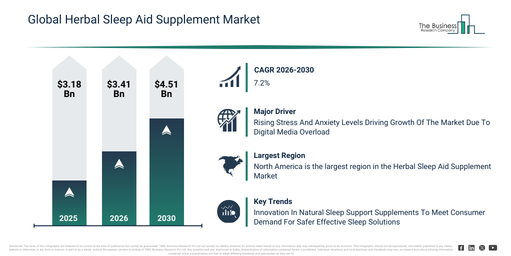
    The herbal sleep aid supplement market size has observed significant expansion in recent years. This market is anticipated to increase from $3.18 billion in 2025 to $3.41 billion in 2026, exhibiting a compound annual growth rate (CAGR) of 7.5%. The expansion witnessed in previous periods is attributable to the prevalence of sleep disorders, stress-induced insomnia, the embrace of herbal medicine, the accessibility of over-the-counter supplements, and general wellness lifestyle trends.

    The herbal sleep aid supplement market size is projected to experience substantial expansion over the upcoming years. This market is set to reach $4.51 billion in 2030, demonstrating a compound annual growth rate (CAGR) of 7.2%. The anticipated growth within this period is driven by factors such as increased mental health awareness, consumer demand for clean-label products, a focus on preventive sleep health, the expansion of e-commerce, and the sleep requirements of an aging population. Key trends identified for the forecast period include an increasing preference for natural sleep remedies, a rising need for non-habit-forming sleep aids, greater adoption of botanicals for stress and relaxation, the development of multi-herb sleep formulations, and the expansion of online and wellness retail channels.

    Get A Free Sample Report With In-Depth Market Insights:

    https://thebusinessresearchcompany.com/sample_request?id=98728710&type=smp&name=Herbal%20Sleep%20Aid%20Supplement%20Market%20Report%202026&utm_source=Blogs&utm_medium=Paid&utm_campaign=Oct_PR

    Herbal Sleep Aid Supplement Market Growth Factors: What’s Supporting Expansion?

    It is anticipated that rising stress and anxiety levels will propel the expansion of the herbal sleep aid supplements market in the coming years. Stress refers to the body’s reaction to external pressures or demands, whereas anxiety is characterized by feelings of apprehension or concern regarding potential future threats or uncertainties. These levels are increasing due to constant exposure to digital media, which inundates individuals with an excessive amount of information and promotes unrealistic comparisons, resulting in mental exhaustion and emotional distress. This surge in stress and anxiety bolsters the demand for herbal sleep aid supplements, as more people seek natural solutions to calm their minds and enhance sleep quality, avoiding the side effects associated with pharmaceutical alternatives. For example, in May 2024, a report from the American Psychiatric Association (APA), a professional organization based in the US, indicated that 43% of adults reported an increase in anxiety in 2024 compared to the previous year, up from 37% in 2023 and 32% in 2022, with stress (53%) and sleep problems (40%) identified as primary factors affecting their mental well-being. Consequently, the escalation in stress and anxiety levels is set to drive the growth of the herbal sleep aid supplements market.

    Herbal Sleep Aid Supplement Market Segment Trends And Revenue Contributors

    The herbal sleep aid supplement market covered in this report is segmented –

    1) By Product: Chamomile, Valerian, Lavender, Other Products

    2) By Form: Capsules, Tablets, Powder, Soft Gels, Liquid

    3) By Distribution Channel: Online Retail, Offline Retail, Health Food Stores, Pharmacies, Supermarkets

    4) By End-User: Adults, Children, Elderly

    Subsegments:

    1) By Chamomile: Chamomile Extract Capsules, Chamomile Tea Bags, Chamomile Liquid Extract Or Tinctures, Chamomile Powder

    2) By Valerian: Valerian Root Capsules, Valerian Root Extract Liquid, Valerian Root Tea, Valerian Root Powder

    3) By Lavender: Lavender Essential Oil Capsules, Lavender Tea, Lavender Extract Liquid, Lavender Powder

    4) By Other Products: Passionflower Extract, Hops Extract, Magnesium-Based Herbal Blends, Lemon Balm Extract, Ashwagandha Extract

    Herbal Sleep Aid Supplement Market Industry Trends: What’s Reshaping Demand?

    Major companies operating in the herbal sleep aid supplement market are focusing on developing advanced products, such as sleep support supplements, to accommodate varied consumer preferences and offer safer, more natural choices for enhanced sleep quality. Sleep support supplements are either natural or specially formulated products intended to foster relaxation and improve both the quality and length of sleep. For instance, in September 2023, Natrol LLC, a US-based nutraceutical company, launched Soothing Night gummies and capsules, which is its first sleep aid supplement without melatonin. Soothing Night contains natural ingredients that have undergone clinical testing, including Lactium, L-theanine, and various botanical extracts. These components collaborate to soothe the mind and assist in reducing occasional stress. It provides a melatonin-free option for consumers aiming for longer, better sleep, coupled with improved mental clarity.

    Herbal Sleep Aid Supplement Market Competitive Landscape: Which Companies Lead The Industry?

    Major companies operating in the herbal sleep aid supplement market are Traditional Medicinals, Nature’s Way, Himalaya Wellness, Organic India, NOW Foods, Swanson Health Products, Solaray, Nature Made Herbal, Blackmores, Nature’s Bounty Herbal, Zand Herbal, HerbEra, NaturesPlus, Alvita Teas, Pukka Herbs, Planetary Herbals, Yogi Tea, Traditional Medicinals Organic Nighty Night, Pure Encapsulations, Garden of Life

    View The Full Herbal Sleep Aid Supplement Market Report:

    https://thebusinessresearchcompany.com/report/herbal-sleep-aid-supplement-global-market-report?utm_source=Blogs&utm_medium=Paid&utm_campaign=Oct_PR

    Herbal Sleep Aid Supplement Market Geographic Distribution And Regional Opportunities

    North America was the largest region in the herbal sleep aid supplement market in 2025. Asia-Pacific is expected to be the fastest-growing region in the forecast period. The regions covered in the herbal sleep aid supplement market report are Asia-Pacific, South East Asia, Western Europe, Eastern Europe, North America, South America, Middle East, Africa.

    Reach Out To Our Team:

    The Business Research Company: https://www.thebusinessresearchcompany.com/

    Americas: +1 310-496-7795

    Asia: +44 7882 955267 & +91 8897263534

    Europe: +44 7882 955267

    Email us at: marketing@tbrc.info

    Follow us on:

    LinkedIn: https://in.linkedin.com/company/the-business-research-company

    YouTube: https://www.youtube.com/channel/UC24_fI0rV8cR5DxlCpgmyFQ

    Global Market Model: https://www.thebusinessresearchcompany.com/global-market-model
  • Herbal Medicine Market To Witness 11.1% CAGR Growth Through 2030: Key Industry Drivers

    Herbal Medicine Market To Witness 11.1% CAGR Growth Through 2030: Key Industry Drivers

    Built to provide research that’s more actionable and strategically valuable, The Business Research Company’s 2026 market reports include market attractiveness analysis, total addressable market sizing, company benchmarking matrices, interactive Excel dashboards, broader supply chain intelligence, emerging startup tracking, and in-depth product insights.

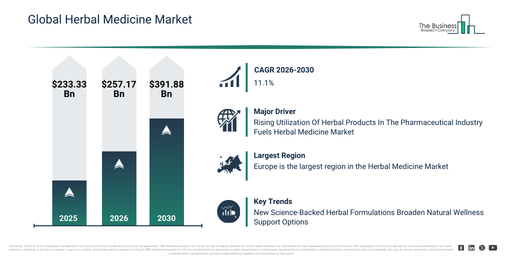
    Herbal Medicine Market Poised To Hit $391.88 Billion By 2030 With A 11.1% CAGR

    The herbal medicine market has experienced significant expansion in recent years. Its value is projected to climb from $233.33 billion in 2025 to $257.17 billion in 2026, achieving a compound annual growth rate (CAGR) of 10.2%. This growth in previous periods can be linked to heightened awareness of natural remedies, the enduring practice of traditional herbal knowledge, the expansion of pharmaceutical and nutraceutical industries, a consumer preference for plant-based medicines, and governmental backing for herbal cultivation.

    The herbal medicine market is projected to experience substantial expansion over the coming years. By 2030, this market is anticipated to reach a valuation of $391.88 billion, demonstrating a compound annual growth rate (CAGR) of 11.1%. This projected growth can be attributed to several factors including advancements in herbal extraction techniques, increased capital allocation towards herbal pharmaceuticals, the widening of international distribution channels, a growing awareness of health among the populace, and the incorporation of herbal items into functional food products. Key trends anticipated during this period encompass a heightened call for natural health solutions, a steady rise in the uptake of herbal dietary supplements, an increasing inclination towards herbal beauty items, the blending of functional foods with herbal extracts, and the expansion of online retail platforms for herbal goods.

    Get A Free Sample Report With In-Depth Market Insights:

    https://thebusinessresearchcompany.com/sample_request?id=37755093&type=smp&name=Herbal%20Medicine%20Market%20Report%202026&utm_source=Blogs&utm_medium=Paid&utm_campaign=Oct_PR

    Herbal Medicine Market Demand Drivers: What’s Powering Industry Growth?

    The herbal medicine market is projected to grow as a result of the rising integration of herbal products into the pharmaceutical industry. Herbal products are defined as medications that exclusively use one or more herbal substances, one or more herbal preparations, or a blend of both as their active constituents. The utilization of herbal products within the pharmaceutical sector is expected to enhance the demand for the herbal medicine market. For instance, a February 2024 report from Glanbia Nutritionals (NA) Inc., a US-based company offering dairy and non-dairy solutions, highlighted that the United States herbal supplement market is valued at $5.9 billion, with a forecasted compound annual growth rate (CAGR) of 4.3% from 2022 to 2027. Thus, the increasing adoption of herbal products in the pharmaceutical Industry is fueling the expansion of the herbal medicine market.

    Herbal Medicine Market Segment Analysis Spotlighting Growth Areas

    The herbal medicine market covered in this report is segmented –

    1) By Product: Capsules And Tablets, Powders, Extracts, Syrups, Other Products

    2) By Category: Herbal Pharmaceuticals, Herbal Functional Foods, Herbal Dietary Supplements, Herbal Beauty Products

    3) By Distribution Channel: Hospitals, Retail Pharmacies, E-commerce

    4) By Application: Pharmaceutical And Nutraceutical, Food And Beverages, Personal Care And Beauty Products

    Subsegments:

    1) By Capsules And Tablets: Herbal Capsules, Herbal Tablets

    2) By Powders: Single Herb Powders, Blend Powders

    3) By Extracts: Liquid Extracts, Dry Extracts, Standardized Extracts

    4) By Syrups: Herbal Syrups, Cough Syrups

    5) By Other Products: Teas, Tinctures, Ointments And Creams

    Herbal Medicine Market Innovation Trends: What Developments Are Reshaping The Industry?

    Leading companies operating within the herbal medicine market are prioritizing the development of advanced solutions, such as targeted herbal formulations, to enhance overall health and wellness. These targeted herbal formulations are plant-derived products crafted with clinically studied ingredients to address specific health needs and promote effective daily wellness. For example, in December 2023, Garden of Life, a U.S.-based nutritional supplements company, introduced its new Herbals collection, featuring targeted herbal solutions grounded in nature and supported by scientific research. The collection comprises six formulations offering benefits for blood sugar support, stress relief, brain health, heart health, eye health, menopause, and hair growth. Each product blends primary clinically supported herbal ingredients with additional complementary components to provide whole-food-based benefits, available in consumer-friendly formats like softgels, capsules, and gummies. This launch underscores the use of clean, traceable, non-GMO ingredients with third-party certifications, thereby strengthening product quality and consumer trust while broadening the availability of science-backed herbal options across various health categories.

    Herbal Medicine Market Leading Companies: Who Holds The Strongest Market Presence?

    Major companies operating in the herbal medicine market are Patanjali Ayurved Ltd., Dabur Ltd., NOW Foods, Boiron Group, Nature’s Sunshine Products, Emami Ltd., Ricola AG, Young Living Essential Oils, Nature’s Way, Swanson Health Products, Gaia Herbs, New Chapter, Bio-Botanica Inc., Schaper & Brümmer GmbH & Co. KG, Traditional Medicinals, Herb Pharm, Nature’s Answer, Nature’s Bounty, Himalaya Global Holdings Ltd., Arizona Natural Products, Dasherb Corp, ZeinPharma Germany GmbH, Solaray, Hishimo Pharmaceuticals Pvt. Ltd., Beovita Deutschland GmbH & Co. KG, Dr. Willmar Schwable India Pvt. Ltd., Source Naturals

    View The Full Herbal Medicine Market Report:

    https://thebusinessresearchcompany.com/report/herbal-medicine-global-market-report?utm_source=Blogs&utm_medium=Paid&utm_campaign=Oct_PR

    Herbal Medicine Market Largest Region By Revenue And Market Share

    Europe was the largest region in the herbal medicine market in 2025. Asia-Pacific is expected to be the fastest-growing region in the herbal medicine market report during the forecast period. The regions covered in the herbal medicine market report are Asia-Pacific, South East Asia, Western Europe, Eastern Europe, North America, South America, Middle East, Africa.

    Reach Out To Our Team:

    The Business Research Company: https://www.thebusinessresearchcompany.com/

    Americas: +1 310-496-7795

    Asia: +44 7882 955267 & +91 8897263534

    Europe: +44 7882 955267

    Email us at: marketing@tbrc.info

    Follow us on:

    LinkedIn: https://in.linkedin.com/company/the-business-research-company

    YouTube: https://www.youtube.com/channel/UC24_fI0rV8cR5DxlCpgmyFQ

    Global Market Model: https://www.thebusinessresearchcompany.com/global-market-model

  • HER2 Inhibitors Market Projected For Strong Expansion Through 2030: Key Trends And Future Outlook

    HER2 Inhibitors Market Projected For Strong Expansion Through 2030: Key Trends And Future Outlook

    Backed by market attractiveness analysis, total addressable market sizing, company benchmarking matrices, interactive Excel dashboards, wider supply chain intelligence, emerging startup coverage, and detailed product-level insights, The Business Research Company’s 2026 market reports are designed to offer research that is more actionable and strategically valuable than ever.

    HER2 Inhibitors Market Size And Revenue Outlook Through 2030

    The her2 inhibitors market size has shown robust growth over recent years. Its expansion is anticipated to continue, rising from $9.64 billion in 2025 to $10.6 billion in 2026, achieving a compound annual growth rate (CAGR) of 9.9%. Historically, this market’s growth can be linked to the initial approval of her2-targeted therapies, an increase in breast cancer incidence, enhancements in her2 diagnostic testing, positive clinical trial outcomes, and the increasing adoption of targeted oncology treatments.

    The market for her2 inhibitors is anticipated to experience substantial expansion in the coming years. Its value is projected to reach $14.85 billion by 2030, demonstrating a compound annual growth rate (CAGR) of 8.8%. This anticipated expansion over the forecast period is fueled by several factors, including enhanced identification of her2-low patients, the broadening pipeline of new her2 inhibitors, a surge in the adoption of combination therapies, wider application in metastatic and adjuvant treatment scenarios, and increased expenditure in oncology healthcare. Key trends expected during this period involve the proliferation of her2-targeted combination treatments, a growing uptake of her2 inhibitors for early-stage cancers, heightened attention on treating her2-low breast cancer, advancements in next-generation antibody-drug conjugates, and more refined patient stratification alongside improved biomarker testing.

    Get A Free Sample Report With In-Depth Market Insights:

    https://thebusinessresearchcompany.com/sample_request?id=51904428&type=smp&name=HER2%20Inhibitors%20Market%20Report%202026&utm_source=Blogs&utm_medium=Paid&utm_campaign=Oct_PR

    HER2 Inhibitors Market Growth Drivers: What’s Behind The Acceleration?

    Governmental efforts to improve breast cancer care and treatment are anticipated to propel the growth of the HER2 inhibitors market going forward. These government initiatives, aimed at enhancing breast cancer care and treatment, encompass policies, funding, and programs implemented to improve the accessibility, affordability, and quality of care for individuals diagnosed with breast cancer. Through subsidized programs and research funding, government initiatives have broadened access to HER2 inhibitors, a breast cancer treatment, thereby advancing patient care and outcomes. For instance, in February 2023, the World Health Organization, a Switzerland-based intergovernmental organization, released a new Global Breast Cancer Initiative Framework. This framework provides a roadmap to achieve targets aimed at saving 2.5 million lives from breast cancer by 2040. Therefore, government initiatives to improve breast cancer care and treatment are a significant driver for the growth of the HER2 inhibitors market.

    HER2 Inhibitors Market Segment Performance And Emerging Opportunities

    The her2 inhibitors market covered in this report is segmented –

    1) By Treatment: Monotherapy, Combination Therapy

    2) By Application: Squamous Cell Carcinoma, Adenocarcinoma, Large Cell Carcinoma, Breast Cancer, Other Applications

    3) By End User: Hospitals, Clinics, Other End Users

    Subsegments:

    1) By Monotherapy: Single-Agent HER2 Inhibitors, Targeted HER2 Therapies

    2) By Combination Therapy: HER2 Inhibitors Combined With Chemotherapy, HER2 Inhibitors Combined With Targeted Therapies, HER2 Inhibitors Combined With Hormonal Therapies

    HER2 Inhibitors Market Trends: What’s Defining The Industry’s Next Phase?

    Leading companies in the HER2 inhibitor market are concentrating on developing therapies for pre-treated HR+/HER2-metastatic breast cancer to achieve a competitive edge. HR+/HER2-metastatic breast cancer is a subset of metastatic breast cancer defined by the existence of hormone receptors (HR+). For example, in February 2023, Gilead Sciences, Inc., a US-based biopharmaceutical company, received U.S. FDA approval for Trodelvy (Sacituzumab govitecan-hziy) to address adults with unresectable locally advanced or metastatic HR-positive, HER2-negative breast cancer, following prior endocrine-based treatment and two additional systemic therapies in the metastatic setting.

    HER2 Inhibitors Market Key Players: Which Companies Lead Industry Competition?

    Major companies operating in the her2 inhibitors market are Pfizer Inc., Johnson & Johnson Services Inc., F Hoffmann-La Roche Ltd., Merck & Co. Inc., Novartis AG, Sanofi SA, Bristol-Myers Squibb Company, AstraZeneca plc, Takeda Pharmaceutical Company Limited, Eli Lilly International Corp., C.H. Boehringer Sohn AG & Co. KG, Teva Pharmaceutical Industries Ltd., Daiichi Sankyo Company Limited, Ipsen SA, the Pierre Fabre Group, Biocon Biopharmaceuticals Pvt. Ltd., Innovent Biologics Inc., Seattle Genetics Inc., Zymeworks Inc., Puma Biotechnology Inc., MacroGenics Inc., Mersana Therapeutics Inc., Cellestia Biotech AG

    View The Full HER2 Inhibitors Market Report:

    https://thebusinessresearchcompany.com/report/HER2-Inhibitor-global-market-report?utm_source=Blogs&utm_medium=Paid&utm_campaign=Oct_PR

    HER2 Inhibitors Market Regional Analysis And Leading Geography

    North America was the largest region in the HER2 inhibitors market in 2025. Middle East is expected to be the fastest-growing region in the HER2 inhibitors market report during the forecast period. The regions covered in the her2 inhibitors market report are Asia-Pacific, South East Asia, Western Europe, Eastern Europe, North America, South America, Middle East, Africa.

    Reach Out To Our Team:

    The Business Research Company: https://www.thebusinessresearchcompany.com/

    Americas: +1 310-496-7795

    Asia: +44 7882 955267 & +91 8897263534

    Europe: +44 7882 955267

    Email us at: marketing@tbrc.info

    Follow us on:

    LinkedIn: https://in.linkedin.com/company/the-business-research-company

    YouTube: https://www.youtube.com/channel/UC24_fI0rV8cR5DxlCpgmyFQ

    Global Market Model: https://www.thebusinessresearchcompany.com/global-market-model
  • Hepatorenal Syndrome Treatment Market Outlook 2026–2030: Growth Trends, Market Dynamics And Emerging Opportunities

    Hepatorenal Syndrome Treatment Market Outlook 2026–2030: Growth Trends, Market Dynamics And Emerging Opportunities

    Featuring market attractiveness scoring, total addressable market sizing, company benchmarking matrices, interactive Excel dashboards, deeper supply chain intelligence, emerging startup tracking, and granular product-level insights, The Business Research Company’s 2026 market reports are built to deliver research that is both more actionable and more strategically valuable.

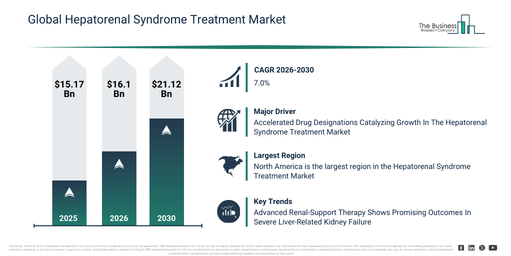
    Hepatorenal Syndrome Treatment Market Growth From $16.09 Billion In 2026 To $21.12 Billion By 2030 At A CAGR Of 7%

    The hepatorenal syndrome treatment market has experienced robust expansion in recent years. Projections indicate a rise from $15.17 billion in 2025 to $16.1 billion in 2026, exhibiting a compound annual growth rate (CAGR) of 6.1%. Historically, this market’s expansion can be linked to factors such as limited awareness of HRS, the absence of uniform treatment protocols, high mortality associated with liver failure, reliance on conventional dialysis methods, and restricted access to advanced therapeutics.

    The hepatorenal syndrome treatment market is anticipated to show robust expansion in the coming years. Its size is projected to escalate to $21.12 billion in 2030, driven by a compound annual growth rate (CAGR) of 7.0%. This growth during the forecast period can be attributed to progress in targeted therapies, the adoption of precision medicine methodologies, an expanding healthcare infrastructure, the integration of AI and digital tools for patient monitoring, and increased investment in the development of new drugs. Significant trends expected in the forecast period include the rising occurrence of chronic liver diseases, innovations in renal replacement therapies, customized treatment options for HRS, the expansion of hospital and clinical infrastructure, and a heightened focus on early detection and monitoring.

    Get A Free Sample Report With In-Depth Market Insights:

    https://thebusinessresearchcompany.com/sample_request?id=26822473&type=smp&name=Hepatorenal%20Syndrome%20Treatment%20Market%20Report%202026&utm_source=Blogs&utm_medium=Paid&utm_campaign=Oct_PR

    Hepatorenal Syndrome Treatment Market Growth Factors Behind Sustained Expansion

    The hepatorenal syndrome treatment market is projected to expand due to an increase in fast-track and novel drug designations. These regulatory pathways are designed to accelerate the development, review, and approval of drugs for serious conditions with unmet medical needs, aiming to deliver innovative therapies to patients more swiftly. This surge in fast-track and novel drug designations is specifically intended to expedite the creation of treatments for hepatorenal syndrome, addressing the urgent demand for effective therapies, potentially improving patient outcomes, and fulfilling unmet medical needs within this condition. For example, in January 2024, the New Drug Therapy Approvals 2023 report from the Center for Drug Evaluation and Research (CDER), a US-based branch of the U.S. Food and Drug Administration (FDA), indicated that CDER approved 55 novel drugs in 2023, with 20 (36%) identified as first-in-class, a notable rise compared to 37 novel drug approvals in 2022. Consequently, the increasing prevalence of fast-track and novel drug designations is significantly driving the growth of the hepatorenal syndrome treatment market.

    Hepatorenal Syndrome Treatment Market Segment Landscape And Growth Outlook

    The hepatorenal syndrome treatment market covered in this report is segmented –

    1) By Type: Type 1 Hepatorenal Syndrome, Type 2 Hepatorenal Syndrome

    2) By Treatment: Therapeutics, Surgical Treatment

    3) By End-User: Hospitals And Clinics, Ambulatory Surgical Centers, Academic And Research Institutes, Other End-Users

    Subsegments:

    1) By Type 1 Hepatorenal Syndrome: Intravenous Albumin, Vasopressors, Dialysis, Liver Transplantation

    2) By Type 2 Hepatorenal Syndrome: Albumin Infusion, Midodrine, Octreotide, Liver Transplantation

    Hepatorenal Syndrome Treatment Market Industry Trends Fueling Future Revenue Growth

    Leading companies in the hepatorenal syndrome treatment market are concentrating on developing novel advancements, such as vasoconstrictive renal-support therapies, to improve kidney function and clinical outcomes for patients facing rapid deterioration linked to advanced liver disease. A vasoconstrictive renal-support therapy is a pharmacological intervention crafted to boost renal perfusion and assist kidney recovery by specifically constricting splanchnic blood vessels and stabilizing circulatory function. For example, in June 2024, Mallinckrodt plc, an Ireland-based specialty pharmaceutical company, presented fresh clinical data on TERLIVAZ, a terlipressin injection approved for hepatorenal syndrome with a swift decline in kidney function. The results demonstrated positive outcomes across several patient subgroups, including enhanced reversal rates of kidney dysfunction and a reduced necessity for renal replacement therapy. This data additionally highlighted the therapy’s importance in tackling a life-threatening complication of advanced liver disease and its capacity to inform earlier diagnosis and more efficient clinical management.

    Hepatorenal Syndrome Treatment Market Competitive Landscape: Who Leads The Industry?

    Major companies operating in the hepatorenal syndrome treatment market are BioVie Inc., Cumberland Pharmaceuticals Inc., Mallinckrodt Pharmaceuticals, Orphan Therapeutics LLC, Baxter International Inc., Novartis AG, Eli Lilly and Company, Johnson & Johnson, Boehringer Ingelheim GmbH, Bayer AG, Gilead Sciences Inc., Pfizer Inc., AstraZeneca PLC, AbbVie Inc., Amgen Inc., F Hoffmann-La Roche Ltd, Takeda Pharmaceutical Company Limited, Daiichi Sankyo Company Limited, Teva Pharmaceutical Industries Ltd., Otsuka Pharmaceutical Co Ltd, Astellas Pharma Inc., Kyowa Kirin Co Ltd

    View The Full Hepatorenal Syndrome Treatment Market Report:

    https://thebusinessresearchcompany.com/report/hepatorenal-syndrome-treatment-global-market-report?utm_source=Blogs&utm_medium=Paid&utm_campaign=Oct_PR

    Hepatorenal Syndrome Treatment Market Geographic Analysis: Where Is Demand Accelerating Fastest?

    North America was the largest region in the hepatorenal syndrome treatment market in 2025. Asia-Pacific is expected to be the fastest-growing region in the global hepatorenal syndrome treatment market during the forecast period. The regions covered in the hepatorenal syndrome treatment market report are Asia-Pacific, South East Asia, Western Europe, Eastern Europe, North America, South America, Middle East, Africa.

    Reach Out To Our Team:

    The Business Research Company: https://www.thebusinessresearchcompany.com/

    Americas: +1 310-496-7795

    Asia: +44 7882 955267 & +91 8897263534

    Europe: +44 7882 955267

    Email us at: marketing@tbrc.info

    Follow us on:

    LinkedIn: https://in.linkedin.com/company/the-business-research-company

    YouTube: https://www.youtube.com/channel/UC24_fI0rV8cR5DxlCpgmyFQ

    Global Market Model: https://www.thebusinessresearchcompany.com/global-market-model
  • Hepatocellular Carcinoma Drugs Market Growth Outlook From $1.34 Billion In 2026 To $1.88 Billion By 2030

    Hepatocellular Carcinoma Drugs Market Growth Outlook From $1.34 Billion In 2026 To $1.88 Billion By 2030

    Built to provide research that’s more actionable and strategically valuable, The Business Research Company’s 2026 market reports include market attractiveness analysis, total addressable market sizing, company benchmarking matrices, interactive Excel dashboards, broader supply chain intelligence, emerging startup tracking, and in-depth product insights.

    Hepatocellular Carcinoma Drugs Market Expansion Outlook: What Revenue Opportunities Are Ahead?

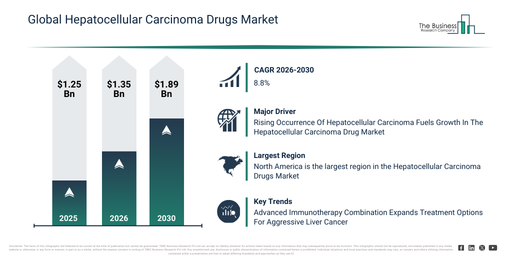
    Recent years have seen substantial expansion in the size of the hepatocellular carcinoma drugs market. Looking ahead, this market is anticipated to increase from $1.25 billion in 2025 to $1.35 billion in 2026, recording a compound annual growth rate (CAGR) of 8.0%. This historical expansion can be attributed to factors such as the prevalence of chronic hepatitis B and C, a significant incidence of liver cirrhosis, rising levels of alcohol consumption, limited available treatment options, and the late-stage diagnosis of hepatocellular carcinoma.

    The hepatocellular carcinoma drugs market is anticipated to experience substantial growth over the next few years. It is projected to expand to $1.89 billion by 2030, demonstrating a compound annual growth rate (CAGR) of 8.8%. This expansion during the forecast period is primarily driven by progress in targeted therapies, the increasing availability of immunotherapy drugs, the broader implementation of early screening programs, improvements in healthcare infrastructure within developing markets, and the growing embrace of personalized medicine. Significant trends expected during this time include the ongoing development of targeted therapies, advancements in immunotherapy, wider adoption of personalized medicine, enhanced early diagnosis and screening initiatives, and intensified research into combination therapies.

    Get A Free Sample Report With In-Depth Market Insights:

    https://thebusinessresearchcompany.com/sample_request?id=88324386&type=smp&name=Hepatocellular%20Carcinoma%20Drugs%20Market%20Report%202026&utm_source=Blogs&utm_medium=Paid&utm_campaign=Oct_PR

    Hepatocellular Carcinoma Drugs Market Demand Drivers Opening New Revenue Streams

    The growing incidence of hepatocellular carcinoma is projected to fuel expansion within the hepatocellular carcinoma drug market in the upcoming years. Hepatocellular carcinoma (HCC), the predominant type of liver cancer, is a primary malignant condition affecting the liver, originating from hepatocyte cells. The majority of HCC cases stem from hepatitis B or C infections or cirrhosis. The sustained increase in hepatocellular carcinoma cases consequently generates a greater need for efficacious hepatocellular carcinoma drugs to manage the illness. For example, data from the American Cancer Society, Inc., a US-based nationwide voluntary health organization focused on eradicating cancer, indicated that new liver cancer diagnoses among females in the United States rose from 12,660 in 2022 to an estimated 13,230 in 2023. This escalating occurrence of hepatocellular carcinoma is, therefore, stimulating the growth of the hepatocellular carcinoma drug market.

    Hepatocellular Carcinoma Drugs Market Breakdown By Product Type And Application

    The hepatocellular carcinoma drugs market covered in this report is segmented –

    1) By Type: Brachytherapy, Chemotherapy

    2) By Drug Class: PD-1/PD-L1 Inhibitors, Tyrosine Kinase Inhibitors

    3) By End User: Hospitals, Clinics, Cancer Rehabilitation Centers, Ambulatory Surgical Centers

    Subsegments:

    1) By Brachytherapy: Radioactive Seed Implants, Balloon-Activated Brachytherapy, Selective Internal Radiation Therapy

    2) By Chemotherapy: Systemic Chemotherapy, Targeted Therapy Agents, Combination Chemotherapy Regimens, Adjuvant Chemotherapy

    Hepatocellular Carcinoma Drugs Market Trends Powering Strategic Industry Growth

    Leading companies within the hepatocellular carcinoma drugs market are concentrating on developing pioneering products, such as immune checkpoint inhibitor combinations, to better treatment outcomes for individuals with advanced stages of the disease. An immune checkpoint inhibitor combination refers to a therapeutic approach that merges two complementary immunotherapies to intensify the body’s antitumor response by targeting diverse immune regulatory pathways. For example, in April 2025, the U.S. Food and Drug Administration, a regulatory authority situated in the US, endorsed the nivolumab–ipilimumab combination regimen. This two-agent therapy was sanctioned for the initial treatment of adults with unresectable or metastatic hepatocellular carcinoma after demonstrating superior overall survival and better response rates when compared to existing therapeutic choices. It introduces a clinically validated immunotherapy alternative that expands the systemic treatment options for advanced liver cancer.

    Hepatocellular Carcinoma Drugs Market Company Landscape And Competitive Strategy

    Major companies operating in the hepatocellular carcinoma drugs market are AbbVie Inc., Amgen Inc., Bayer AG, Bristol-Myers Squibb Company, Eisai Co.Ltd., Eli Lilly and Company, Johnson & Johnson, Merck & Co. Inc., Novartis AG, Pfizer Inc., Takeda Pharmaceutical Company Limited, Teva Pharmaceutical Industries Ltd., F. Hoffmann-La Roche Ltd, Gilead Sciences Inc., Exelixis Inc., Ipsen Pharma Biotech SAS, AstraZeneca plc, BeiGene Ltd., Ono Pharmaceutical Co. Ltd., Roche Holdings AG, Sanofi S.A., Astellas Pharma Inc., Daiichi Sankyo Company Limited, Otsuka Pharmaceutical Co. Ltd., Kyowa Kirin Co. Ltd., Sumitomo Dainippon Pharma Co. Ltd., Hengrui Medicine Co. Ltd., CSPC Pharmaceutical Group Limited, Hutchison China MediTech Limited, Jiangsu Hengrui Medicine Co. Ltd.

    View The Full Hepatocellular Carcinoma Drugs Market Report:

    https://thebusinessresearchcompany.com/report/hepatocellular-carcinoma-drugs-global-market-report?utm_source=Blogs&utm_medium=Paid&utm_campaign=Oct_PR

    Hepatocellular Carcinoma Drugs Market Global Footprint: Which Region Leads The Industry?

    North America was the largest region in the hepatocellular carcinoma drug market in 2025. The regions covered in the hepatocellular carcinoma drugs market report are Asia-Pacific, South East Asia, Western Europe, Eastern Europe, North America, South America, Middle East, Africa.

    Reach Out To Our Team:

    The Business Research Company: https://www.thebusinessresearchcompany.com/

    Americas: +1 310-496-7795

    Asia: +44 7882 955267 & +91 8897263534

    Europe: +44 7882 955267

    Email us at: marketing@tbrc.info

    Follow us on:

    LinkedIn: https://in.linkedin.com/company/the-business-research-company

    YouTube: https://www.youtube.com/channel/UC24_fI0rV8cR5DxlCpgmyFQ

    Global Market Model: https://www.thebusinessresearchcompany.com/global-market-model
  • Hepatitis Therapeutics Market Forecast To Reach $23.42 Billion By 2030: Key Growth Drivers And Industry Trends

    Hepatitis Therapeutics Market Forecast To Reach $23.42 Billion By 2030: Key Growth Drivers And Industry Trends

    Backed by market attractiveness analysis, total addressable market sizing, company benchmarking matrices, interactive Excel dashboards, wider supply chain intelligence, emerging startup coverage, and detailed product-level insights, The Business Research Company’s 2026 market reports are designed to offer research that is more actionable and strategically valuable than ever.

    Hepatitis Therapeutics Market Growth Potential: How Will Market Size Shift Through 2030?

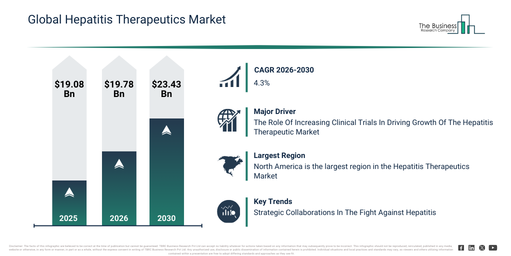
    The hepatitis therapeutics market size has experienced consistent growth in recent years. It is projected to increase from $19.08 billion in 2025 to $19.78 billion in 2026, achieving a compound annual growth rate (CAGR) of 3.7%. The expansion observed in the historic period can be ascribed to the elevated occurrence of hepatitis B and C infections, the introduction of interferon-based therapies, broadened public vaccination initiatives, improved blood screening and diagnostic awareness, and government-led viral hepatitis control programs.

    The hepatitis therapeutics market is anticipated to experience consistent expansion over the coming years. This market is projected to reach $23.43 billion in 2030, exhibiting a compound annual growth rate (CAGR) of 4.3%. Several factors are expected to fuel this growth during the forecast period, including an increased adoption of direct-acting antivirals, greater investment in innovative immune modulators, enhanced treatment accessibility in developing markets, improved diagnosis rates resulting from screening initiatives, and advancements in pipeline development for pan-genotypic therapies. Key trends anticipated over the same period encompass a growing uptake of direct-acting antivirals for hepatitis C, a heightened emphasis on combination therapies for chronic hepatitis, the expansion of vaccination efforts aimed at hepatitis prevention, a move towards long-term management strategies centered on oral antivirals, and an increasing reliance on online and specialty pharmacies for accessing medications.

    Get A Free Sample Report With In-Depth Market Insights:

    https://thebusinessresearchcompany.com/sample_request?id=51533655&type=smp&name=Hepatitis%20Therapeutics%20Market%20Report%202026&utm_source=Blogs&utm_medium=Paid&utm_campaign=Oct_PR

    Hepatitis Therapeutics Market Growth Backed By Core Demand Fundamentals

    The increasing volume of clinical trials is projected to stimulate the expansion of the hepatitis therapeutic market moving forward. These trials are research studies designed to evaluate new treatments, medications, or interventions in human participants. They are critical in the evolution of new hepatitis therapeutics, establishing a robust and ethical framework to assess the safety and efficacy of potential treatments, which ensures that patients receive the most effective and beneficial therapies accessible. For instance, in December 2024, the Association of the British Pharmaceutical Industry, a UK-based nonprofit organization, reported that the count of industry-initiated clinical trials in the UK rose from 411 trials in 2022 to 426 trials in 2023, representing a 3.7% increase. Thus, the escalating number of clinical trials is propelling the growth of the hepatitis therapeutics market.

    Hepatitis Therapeutics Market Segment Analysis And Revenue Potential

    The hepatitis therapeutics market covered in this report is segmented –

    1) By Disease Type: Hepatitis A, Hepatitis B, Hepatitis C, Other Disease Types

    2) By Drug Class: Oral Antivirals, Immune Modulators

    3) By Distribution Channel: Hospital Pharmacies, Drug Stores And Retail Pharmacies, Online Providers

    Subsegments:

    1) By Hepatitis A: Vaccines, Post-Exposure Prophylaxis (PEP)

    2) By Hepatitis B: Antiviral Medications, Immune Modulators, Vaccines

    3) By Hepatitis C: Direct-Acting Antivirals (DAAs), Ribavirin, Interferon-Based Therapies

    4) By Other Disease Types: Hepatitis D, Hepatitis E

    Hepatitis Therapeutics Market Growth Trends Reshaping The Competitive Landscape

    Major companies operating in the hepatitis therapeutics market are concentrating on agreements to develop therapeutics, aiming to gain a competitive edge. A strategic agreement represents a formal contract between two or more parties, outlining the terms of their cooperation to achieve shared business goals. For instance, in October 2023, GlaxoSmithKline PLC, a UK-based pharmaceutical and biotechnology company, announced an agreement to obtain an exclusive license for JNJ-3989. This compound is an investigational subcutaneous RNA interference (RNAi) therapeutic intended for the treatment of chronic hepatitis B (CHB). JNJ-3989 functions as a novel RNAi therapeutic that specifically targets the hepatitis B virus (HBV) X protein. The X protein is essential for both HBV replication and viral persistence.

    Hepatitis Therapeutics Market Key Players Shaping Industry Direction

    Major companies operating in the hepatitis therapeutics market are Gilead Sciences Inc., Bristol-Myers Squibb Co., AbbVie Inc., Merck & Co. Inc., Johnson & Johnson Services Inc., Cipla Inc., F Hoffmann-La Roche Ltd., Biocon Limited, LAURUS Labs Ltd., Zydus Lifesciences Limited, Hetero Healthcare Limited, Novartis AG, Sanofi SA, GlaxoSmithKline plc, Lupin Ltd., Teva Pharmaceutical Industries Ltd., NATCO Pharma Limited, Pfizer Inc., AstraZeneca plc, Boehringer Ingelheim International GmbH, Biocon Biopharmaceuticals Pvt. Ltd.

    View The Full Hepatitis Therapeutics Market Report:

    https://thebusinessresearchcompany.com/report/hepatitis-therapeutics-global-market-report?utm_source=Blogs&utm_medium=Paid&utm_campaign=Oct_PR

    Hepatitis Therapeutics Market Regional Distribution: Which Areas Power Market Growth?

    North America was the largest region in the hepatitis therapeutics market in 2025. Asia-Pacific is expected to be the fastest-growing region in the hepatitis therapeutics market report during the forecast period. The regions covered in the hepatitis therapeutics market report are Asia-Pacific, South East Asia, Western Europe, Eastern Europe, North America, South America, Middle East, Africa.

    Reach Out To Our Team:

    The Business Research Company: https://www.thebusinessresearchcompany.com/

    Americas: +1 310-496-7795

    Asia: +44 7882 955267 & +91 8897263534

    Europe: +44 7882 955267

    Email us at: marketing@tbrc.info

    Follow us on:

    LinkedIn: https://in.linkedin.com/company/the-business-research-company

    YouTube: https://www.youtube.com/channel/UC24_fI0rV8cR5DxlCpgmyFQ

    Global Market Model: https://www.thebusinessresearchcompany.com/global-market-model