Category: Pharmaceuticals

  • Global Human Epidermal Growth Factor Receptor 2 (HER2)-Positive Gastric Cancer Market Landscape: Trends and Market Share to 2029

    Global Human Epidermal Growth Factor Receptor 2 (HER2)-Positive Gastric Cancer Market Landscape: Trends and Market Share to 2029

    Claim your 30% discount on Global Market Reports with code ONLINE30. Limited time only.

    Claim your 30% discount on Global Market Reports with code ONLINE30. Limited time only.

    How Will the Human Epidermal Growth Factor Receptor 2 (HER2)-Positive Gastric Cancer Market Evolve in Terms of Growth and Size by 2029?

    The market for human epidermal growth factor receptor 2 (HER2)-positive gastric cancer has seen a consistent expansion in recent times. Projected to increase from $1.25 billion in 2024 to $1.31 billion in 2025, it’s expected to experience a compound annual growth rate (CAGR) of 4.8%. Key factors attributing to this steady surge during the historical period include the escalating use of companion diagnostics, a heightening awareness about HER2 biomarkers among oncologists, an amplified emphasis on tailored cancer treatments, growing interest in antibody-drug conjugates, and an increase in reimbursements for targeted therapies.

    Steady growth is anticipated in the global market for HER2-positive gastric cancer, with projected expansion to $1.57 billion by 2029 at a Compound Annual Growth Rate (CAGR) of 4.6%. Factors advocating this growth during the forecast period encompass a surge in the presence of molecular diagnostic laboratories, escalating awareness drives for gastric cancer findings, increased application of next-generation sequencing (NGS), rising demand for outpatient services for cancer treatment, and mounting worldwide regulatory confirmations for HER2 medicines. Enhancing treatment sequences, application of nanotechnology in medication distribution, usage of artificial intelligence in HER2 diagnosis, improving antibody-dependent cellular cytotoxicity, and progress in immunotherapy combinations are among the major trends in the forecast period.

    Download The Free Sample Report Here:

    https://www.thebusinessresearchcompany.com/sample.aspx?id=25787&type=smp

    What factors are expected to fuel Human Epidermal Growth Factor Receptor 2 (HER2)-Positive Gastric Cancer market growth in the coming years?

    The human epidermal growth factor receptor 2 (HER2)-positive gastric cancer market is poised to expand, fueled by the increasing application of targeted cancer therapy. This therapeutic strategy, also referred to as personalized medicine, employs specific drugs or substances to hinder cancer growth by targeting specific molecules that promote tumor advancement. The surge in the utilization of targeted therapy is primarily attributed to breakthroughs in genetic profiling, enabling more accurate treatments in line with the distinct tumor traits of each individual, resulting in heightened efficacy and fewer adverse effects. In the case of HER2-positive gastric cancer, targeted therapy is applied by directly combating the overspread HER2 protein in these tumors, thereby decelerating disease buildup and boosting patient results. As an illustration, in February 2024, the Food and Drug Administration (FDA) sanctioned 16 new personalized medications, as reported by the Personalized Medicine Coalition, a US-based professional membership conglomerate, including 7 cancer drugs and 3 for an assortment of other ailments and conditions in 2023, indicating an upward shift from 6 in 2022. Consequently, the escalating implementation of targeted cancer therapy is steering the growth of the human epidermal growth factor receptor 2 (HER2)-positive gastric cancer market.

    What Are The Key Findings From The Segmentation Analysis Of The Human Epidermal Growth Factor Receptor 2 (HER2)-Positive Gastric Cancer Market?

    The human epidermal growth factor receptor 2 (her2)-positive gastric cancer market covered in this report is segmented –

    1) By Therapy: Chemotherapy, Immunotherapy, Radiation Therapy, Targeted Therapy

    2) By Stage: Stage I, Stage II, Stage III, Stage IV

    3) By End-User: Ambulatory Surgery Centers, Hospitals And Specialty Clinics, Other End-Users

    Subsegments:

    1) By Chemotherapy: Fluoropyrimidines, Platinum-Based Agents, Taxanes, Irinotecan, Anthracyclines

    2) By Immunotherapy: Immune Checkpoint Inhibitors, Monoclonal Antibodies, Cancer Vaccines, Cytokine-Based Therapies

    3) By Radiation Therapy: External Beam Radiation Therapy, Intensity-Modulated Radiation Therapy, Stereotactic Body Radiation Therapy, 3D Conformal Radiation Therapy

    4) By Targeted Therapy: HER2-Targeted Therapies, Tyrosine Kinase Inhibitors, Antibody-Drug Conjugates, mTOR Inhibitors, PI3K/AKT/mTOR Pathway Inhibitors

    Which Trends Are Expected To Shape The Future Of The Human Epidermal Growth Factor Receptor 2 (HER2)-Positive Gastric Cancer Market?

    Leading firms in the HER2-positive gastric cancer market are concentrating their efforts on acquiring approvals for novel remedies such as advanced immunotherapy-enhanced combination regimens. These include the merging of immune checkpoint inhibitors with targeted therapy and chemotherapy to drastically enhance patient results in initial treatment scenarios. The advanced immunotherapy-enhanced combination regimens tactic harnesses the immune system, constrains programmed death (PD)-1 or programmed death (PD)-L1 interaction, targets HER2 receptors, and utilizes chemotherapeutic agents to increase anti-tumor activity and survival rates. For example, in March 2025, the US-based biopharmaceutical firm Merck & Co., Inc. was granted approval by the U.S. Food and Drug Administration (FDA) for pembrolizumab (Keytruda), in alliance with trastuzumab and chemotherapy, as an initial treatment approach for adults with HER2-positive inoperable or metastatic gastric or gastroesophageal junction (GEJ) adenocarcinoma with tumors demonstrating programmed death (PD)-L1 expression. This recently approved combination treatment marked a significant progression in average progression-free survival and total survival compared to standard treatment regimens. With an improved overall response rate of 73% and an extended average response duration, this therapy signifies a significant shift in managing advanced HER2-positive gastric cancers.

    What Are The Most Active Companies In The Human Epidermal Growth Factor Receptor 2 (HER2)-Positive Gastric Cancer Market Today?

    Major companies operating in the human epidermal growth factor receptor 2 (her2)-positive gastric cancer market are Pfizer Inc., Roche Holding AG, Merck & Co Inc., Bayer Aktiengesellschaft, Eli Lilly and Company, Bristol-Myers Squibb Company, AstraZeneca PLC, Novartis AG, Amgen Inc., Astellas Pharma Inc., Daiichi Sankyo Company Limited, Genentech Inc., Ono Pharmaceutical Co Ltd., Shanghai Henlius Biotech Inc., MacroGenics Inc., Hutchison Medipharma Limited , ALX Oncology Holdings Inc., Taiho Pharmaceutical Co Ltd., Ambrx Biopharma Inc., LintonPharm Co Ltd.

    Get The Full Report Here:

    https://www.thebusinessresearchcompany.com/report/human-epidermal-growth-factor-receptor-2-her2-positive-gastric-cancer-global-market-report

    Which Regional Markets Are Attracting The Most Investment In Human Epidermal Growth Factor Receptor 2 (HER2)-Positive Gastric Cancer?

    North America was the largest region in the human epidermal growth factor receptor 2 (HER2)-positive gastric cancer market in 2024. Asia-Pacific is expected to be the fastest-growing region in the forecast period. The regions covered in the human epidermal growth factor receptor 2 (her2)-positive gastric cancer market report are Asia-Pacific, Western Europe, Eastern Europe, North America, South America, Middle East, Africa.

    Request For A Customized Report:

    https://www.thebusinessresearchcompany.com/customise?id=25787&type=smp

    About The Business Research Company:

    With over 15000+ reports from 27 industries covering 60+ geographies, The Business Research Company has built a reputation for offering comprehensive, data-rich research and insights. Armed with 1,500,000 datasets, the optimistic contribution of in-depth secondary research, and unique insights from industry leaders, you can get the information you need to stay ahead in the game.

    Get in touch with us:

    The Business Research Company: https://www.thebusinessresearchcompany.com/

    Americas +1 310-496-7795

    Asia +44 7882 955267 & +91 8897263534

    Europe +44 7882 955267

    Email us at info@tbrc.info

    Follow us on:

    LinkedIn: https://in.linkedin.com/company/the-business-research-company

    YouTube: https://www.youtube.com/channel/UC24_fI0rV8cR5DxlCpgmyFQ

    Global Market Model: https://www.thebusinessresearchcompany.com/global-market-model
  • 2025 DNA Synthesis Market Outlook: Opportunities, Growth Trends, and Strategic Analysis

    2025 DNA Synthesis Market Outlook: Opportunities, Growth Trends, and Strategic Analysis

    Claim your 30% discount on Global Market Reports with code ONLINE30. Limited time only.

    Claim your 30% discount on Global Market Reports with code ONLINE30. Limited time only.

    What CAGR Is Anticipated for the DNA Synthesis Market Through 2029?

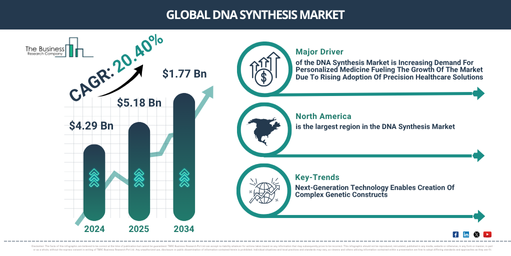
    In recent times, the DNA synthesis market has experienced remarkable growth. The market size, which stood at $4.29 billion in 2024, is projected to increase to $5.18 billion in 2025, marking a compound annual growth rate (CAGR) of 20.7%. The upsurge during the historical phase can be traced back to the escalating utilization of DNA synthesis in scholarly genomic studies, developing integration of DNA synthesis within agricultural biotechnology, the surging demand for essential DNA libraries for gene function research, an increased use of artificial genes in the creation of vaccines, and its rising application in the modeling of infectious diseases.

    The DNA synthesis market is predicted to experience significant expansion in the forthcoming years, increasing to $10.87 billion in 2029 at a CAGR of 20.4%. The predicted growth during the forecast period can be attributed to the rising use of AI and automation in DNA synthesis processes, enhanced partnerships between biotechnology companies and academic institutions, escalating development of DNA-oriented data storage technologies, heightened focus on green synthetic biology, and growing government support for genomic innovation. Key trends in this forecast period consist of progress in enzymatic DNA synthesis techniques, sophisticated incorporation of cloud-based bioinformatics in synthesis procedures, emergence of decentralized DNA synthesis platforms, innovation in error-correction methods for synthetic genes, and advancements in portable and on-demand DNA synthesis devices.

    Download The Free Sample Report Here:

    https://www.thebusinessresearchcompany.com/sample.aspx?id=25756&type=smp

    What Market Forces Are Driving The DNA Synthesis Sector In 2025 And Beyond?

    The growth of the DNA synthesis market is set to be driven by the rising need for personalized medicine. This specialized approach to medicine focuses on adjusting prevention and treatment strategies to align with individual’s genetic profiles, lifestyles, and environments to achieve the best possible therapeutic outcomes. This need is primarily fueled by advances in genomic technologies, which allow for treatments individualized to a person’s genetic profile, improve effectiveness, and minimize side effects. DNA synthesis plays a pivotal role in personalized medicine by enabling the creation of bespoke DNA sequences that are used in gene editing, diagnostic tools, and precision therapeutics. This paves the way for precise, effective and individualized healthcare solutions. For instance, per the Personalized Medicine Coalition, a US-based advocacy firm, the FDA approved 16 new personalized treatments for patients suffering from rare diseases in 2023, a significant increase from six in 2022. Thus, the increasing need for personalized medicine is a significant factor propelling the DNA synthesis market.

    How Is The Global DNA Synthesis Market Categorized By Segments?

    The dna synthesis market covered in this report is segmented –

    1) By Service: Oligonucleotide Synthesis, Standard Oligonucleotide Synthesis, Custom Oligonucleotide Synthesis, Gene Synthesis, Custom Gene Synthesis, Gene Library Synthesis

    2) By Method: Solid-Phase Synthesis, PCR-Based Enzyme Synthesis, Chip-Based Synthesis

    3) By Application: Research And Development, Diagnostics, Therapeutics, Synthetic Biology, Other Applications

    4) By End-User: Pharmaceutical And Biotechnology Companies, Contract Research Organizations (CROs) And Contract Development And Manufacturing Organizations(CDMOs), Academic And Research Institutes, Other End-Users

    Subsegments:

    1) By Oligonucleotide Synthesis: DNA Oligonucleotides, RNA Oligonucleotides, Modified Oligonucleotides

    2) By Standard Oligonucleotide Synthesis: Unmodified Oligonucleotides, Modified Oligonucleotides, Purity Grades

    3) By Custom Oligonucleotide Synthesis: Custom Length Oligos, Custom Modifications, Custom Purity Specifications

    4) By Gene Synthesis: Synthetic Genes, Codon-Optimized Genes, Functional Genes

    5) By Custom Gene Synthesis: Custom Sequence Design, Multi-fragment Assembly, Vector Cloning Services

    6) By Gene Library Synthesis: Random Mutagenesis Libraries, Site-Directed Mutagenesis Libraries, Combinatorial Libraries

    What Long-Term Trends Are Likely To Affect The DNA Synthesis Market?

    Prominent enterprises in the DNA synthesis industry are concentrating on creating innovative solutions, like artificial deoxyribonucleic acid molecules, to quicken, enhance accuracy, and reduce costs in the creation of gene therapies, diagnostics, and synthetic biology applications. Lab-designed sequences of nucleotides to mirror or modify natural deoxyribonucleic acid for use in research, diagnostics, and biotech applications describe synthetic DNA molecules. For example, Ribbon Biolabs, a synthetic biology firm from Austria, rolled out MiroSynth, a brand new category of complex synthetic DNA molecules, in May 2025. MiroSynth is intended to facilitate high-volume, automated, and scalable creation of long and complex deoxyribonucleic acid sequences for advanced biotechnological applications. It offers features such as improved accuracy in sequence assembly, longer strand length ability, and speedy building of sophisticated genetic structures, making it perfect for research, therapeutic development, and industrial biotech. Additionally, its adaptability allows for integration into various workflows, thereby enabling researchers and developers to boost innovation in genomics, synthetic biology, and individualized medicine.

    Which Firms Are Considered Leaders In The DNA Synthesis Market Space?

    Major companies operating in the dna synthesis market are Thermo Fisher Scientific Inc., Eurofins Scientific, GenScript Biotech Corporation, Twist Bioscience Corporation, Bioneer Corporation, DNA Script, Eton Bioscience, LGC Biosearch Technologies, Ansa Biotechnologies, Synbio Technologies, Quintara Biosciences, BaseClear B.V., IBA GmbH, Elegen Corporation, Biomatik Corporation, Bio Basic Inc., Evonetix Ltd., Camena Bioscience Ltd., Jena Bioscience GmbH, Viridos.

    Get The Full Report Here:

    https://www.thebusinessresearchcompany.com/report/dna-synthesis-global-market-report

    What Role Do Regional Policies And Investments Play In DNA Synthesis Market Expansion?

    North America was the largest region in the DNA synthesis market in 2024. Asia-Pacific is expected to be the fastest-growing region in the forecast period. The regions covered in the dna synthesis market report are Asia-Pacific, Western Europe, Eastern Europe, North America, South America, Middle East, Africa.

    Request For A Customized Report:

    https://www.thebusinessresearchcompany.com/customise?id=25756&type=smp

    About The Business Research Company:

    With over 15000+ reports from 27 industries covering 60+ geographies, The Business Research Company has built a reputation for offering comprehensive, data-rich research and insights. Armed with 1,500,000 datasets, the optimistic contribution of in-depth secondary research, and unique insights from industry leaders, you can get the information you need to stay ahead in the game.

    Get in touch with us:

    The Business Research Company: https://www.thebusinessresearchcompany.com/

    Americas +1 310-496-7795

    Asia +44 7882 955267 & +91 8897263534

    Europe +44 7882 955267

    Email us at info@tbrc.info

    Follow us on:

    LinkedIn: https://in.linkedin.com/company/the-business-research-company

    YouTube: https://www.youtube.com/channel/UC24_fI0rV8cR5DxlCpgmyFQ

    Global Market Model: https://www.thebusinessresearchcompany.com/global-market-model

  • Global Diabetic Foot Ulcer Biologics Market Forecast to Reach $2.65  Billion by 2029, Driven by 8.3% CAGR

    Global Diabetic Foot Ulcer Biologics Market Forecast to Reach $2.65 Billion by 2029, Driven by 8.3% CAGR

    Claim your 30% discount on Global Market Reports with code ONLINE30. Limited time only.

    Claim your 30% discount on Global Market Reports with code ONLINE30. Limited time only.

    What Is the Outlook for the Diabetic Foot Ulcer Biologics Market Heading Into 2029?

    In the past few years, the market size for diabetic foot ulcer biologics has experienced considerable expansion. The forecasted growth is from $1.78 billion in 2024 to $1.93 billion in 2025, reflecting a compound annual growth rate (CAGR) of 8.5%. Factors contributing to the growth during the historic period include a rise in the diabetic population, amplified incidence of chronic wounds, escalating demand for cutting-edge wound care, augmentation of hospital infrastructure, and an increase in clinical understanding surrounding biologics.

    Over the next few years, the diabetic foot ulcer biologics market is forecasted to see a robust expansion. It is projected to reach $2.65 billion by 2029 with a compound annual growth rate (CAGR) of 8.3%. This growth during the predicted period is primarily due to escalating investments in regenerative medicine, a burgeoning elderly population with slow healing rates, an increase in reimbursement scheme accessibility, proliferating clinical trials concerning biologic therapies, and mounting attention towards limb salvage treatments. The forecast period is also expected to witness key trends which include advancements in biologic wound healing technology, constant innovation in stem cell treatment, development of tissue-engineered skin substitutes, advancements in extracellular matrix product research, and the rise of 3D bioprinting in managing chronic wounds.

    Download The Free Sample Report Here:

    https://www.thebusinessresearchcompany.com/sample.aspx?id=25751&type=smp

    Which Factors Are Pushing The Diabetic Foot Ulcer Biologics Market Forward?

    The diabetic foot ulcer biologics market is anticipated to expand due to the increasing occurrence of diabetes. This long-term health condition is marked by high levels of blood glucose caused by the body’s failure to produce or utilize insulin effectively. Sedentary lifestyles lead to a rise in diabetes cases, thereby amplifying the need for efficient, long-term care solutions that manage blood sugar while minimizing daily interruptions. Diabetic foot ulcer biologics play a crucial role in diabetes management as they speed up the healing of wounds, prevent infections and diminish complications arising from chronic foot ulcers. For example, the International Diabetes Federation (IDF) Atlas, a non-profit entity based in Belgium, noted that in 2024, out of the 589 million adults suffering from diabetes, 9.5 million were dealing with type 1 diabetes. This number is projected to skyrocket to 853 million by 2050. Consequently, the surge in diabetes cases is fueling the expansion of the diabetic foot ulcer biologics market.

    Which Segment Held The Largest Share In The Diabetic Foot Ulcer Biologics Market In 2025?

    The diabetic foot ulcer biologics market covered in this report is segmented –

    1) By Type: Growth Factors, Skin Substitutes, Collagen-Based Biologics, Cell-Based Biologics

    2) By Indication: Neuro-Ischemic Ulcers, Neuropathic Diabetic Foot Ulcer, Ischemic Diabetic Foot Ulcer

    3) By Technology: Gene Therapy, Stem Cell Therapy, Tissue Engineering

    4) By End User: Hospitals, Clinics, Ambulatory Surgical Centers, Long-Term Care Settings, Other End Users

    Subsegments:

    1) By Growth Factors: Platelet-Derived Growth Factor, Epidermal Growth Factor, Fibroblast Growth Factor, Vascular Endothelial Growth Factor

    2) By Skin Substitutes: Synthetic Skin Substitutes, Biological Skin Substitutes, Composite Skin Substitutes

    3) By Collagen-Based Biologics: Bovine-Derived Collagen, Porcine-Derived Collagen, Human-Derived Collagen

    4) By Cell-Based Biologics: Autologous Cell-Based Biologics, Allogeneic Cell-Based Biologics, Stem Cell-Based Biologics

    How Are Key Trends Driving Expansion In The Diabetic Foot Ulcer Biologics Industry?

    Leading firms in the diabetic foot ulcer biologics sector are prioritizing research and evolution in biologic treatments, such as placental-derived allograft, in order to improve wound healing, lessen complications, and augment results for patients dealing with chronic foot ulcers. Placental-derived allograft refers to a biological tissue graft derived from gifted human placental tissues like the amnion or chorion, used in medical fields to foster healing, bring down inflammation, and aid tissue revitalization. For instance, BioStem Technologies Inc., a pharmaceutical corporation from the US, rolled out a clinical trial utilizing its BioREtain technology along with Vendaje for diabetic foot ulcer treatment in January 2025. This analysis juxtaposes Vendaje combined with regular care versus standalone regular care to showcase its efficacy in healing incurable diabetic foot ulcers. It also involves a subsequent phase dedicated to assessing the steady endurance and stability of healed wounds, assuring continuing treatment success and decreasing the likelihood of ulcer recurrence.

    Which Organizations Are Driving Progress In The Diabetic Foot Ulcer Biologics Industry?

    Major companies operating in the diabetic foot ulcer biologics market are Johnson & Johnson, Zimmer Biomet Holdings Inc., Smith & Nephew plc, Integra LifeSciences Holdings Corp., Gunze Ltd., Organogenesis Holdings Inc., MIMEDX Group Inc., LifeNet Health, Bharat Biotech, BioTissue Holdings Inc., Aroa Biosurgery, Tissue Regenix Group plc, Stempeutics Research, Energenesis Biomedical Co. Ltd., Human Biosciences Inc., Helixmith Co. Ltd., ACell Inc., Anterogen Co. Ltd., Lavior Pharma Inc., Technophage SA

    Get The Full Report Here:

    https://www.thebusinessresearchcompany.com/report/diabetic-foot-ulcer-biologics-global-market-report

    Which Region Is Expected To Experience The Highest Growth In The Diabetic Foot Ulcer Biologics Industry?

    North America was the largest region in the diabetic foot ulcer biologics market in 2024. Asia-Pacific is expected to be the fastest-growing region in the forecast period. The regions covered in the diabetic foot ulcer biologics market report are Asia-Pacific, Western Europe, Eastern Europe, North America, South America, Middle East, Africa.

    Request For A Customized Report:

    https://www.thebusinessresearchcompany.com/customise?id=25751&type=smp

    About The Business Research Company:

    With over 15000+ reports from 27 industries covering 60+ geographies, The Business Research Company has built a reputation for offering comprehensive, data-rich research and insights. Armed with 1,500,000 datasets, the optimistic contribution of in-depth secondary research, and unique insights from industry leaders, you can get the information you need to stay ahead in the game.

    Get in touch with us:

    The Business Research Company: https://www.thebusinessresearchcompany.com/

    Americas +1 310-496-7795

    Asia +44 7882 955267 & +91 8897263534

    Europe +44 7882 955267

    Email us at info@tbrc.info

    Follow us on:

    LinkedIn: https://in.linkedin.com/company/the-business-research-company

    YouTube: https://www.youtube.com/channel/UC24_fI0rV8cR5DxlCpgmyFQ

    Global Market Model: https://www.thebusinessresearchcompany.com/global-market-model

  • Key Market Drivers, Trends, and Forecast for the Global Diabetes Therapeutics Industry

    Key Market Drivers, Trends, and Forecast for the Global Diabetes Therapeutics Industry

    Claim your 30% discount on Global Market Reports with code ONLINE30. Limited time only.

    Claim your 30% discount on Global Market Reports with code ONLINE30. Limited time only.

    How Much Is the Global Diabetes Therapeutics Market Valued at Present and by 2029?

    The market size for diabetes therapeutics has seen a swift expansion in recent years. The growth is projected to surge from $153.67 billion in 2024 to $170.06 billion in 2025, representing a Compound Annual Growth Rate (CAGR) of 10.7%. Several factors are contributing to this increase during the historic period, such as the initial rise in diabetes occurrence, extensive deployment of oral hypoglycemic medications, early incorporation of injectable insulin treatments, self-management awareness initiatives, and the introduction of biosimilar insulins to the market.

    The market size for diabetes therapeutics is anticipated to experience expeditious expansion in the forthcoming years, reaching $252.95 billion by 2029 with a 10.4% compound annual growth rate (CAGR). Factors influencing this significant growth over the projected period include escalating digital literacy, greater acceptance of injectable non-insulin medicines, expansion of digital healthcare platforms, a surge in demand for personalized and combination treatments, as well as the enhancement of healthcare infrastructure and access to diabetes care. Key trends to observe during the forecast period involve automated insulin delivery (AID) systems, the application of artificial intelligence (AI) in diabetes management, device interoperability, utilisation of digital health applications, and the remote monitoring of patients.

    Download The Free Sample Report Here:

    https://www.thebusinessresearchcompany.com/sample.aspx?id=25749&type=smp

    #What Drivers Are Influencing Growth In The Diabetes Therapeutics Market?

    The escalating rates of obesity are anticipated to fuel the expansion of the diabetes therapeutics market. Defined as an unhealthy accumulation of excessive fat, obesity is a significant risk element for type 2 diabetes. The upsurge in obesity rates is attributed to the growing consumption of high-calorie diets, with a larger portion of the populace eating sugar and fat-rich fast and processed foods. At the same time, physical activity levels are lowering, causing excessive weight gain. Diabetes therapeutics are beneficial in managing obesity as they enhance blood sugar control and assist in weight loss. They employ medications such as GLP-1 receptor agonists that diminish appetite and decelerate digestion, thus augmenting metabolic health in obese individuals. For example, a report released by the Office for Health Improvement and Disparities, a UK government department, in May 2024 indicated that roughly 64% of adults aged 18 and over were categorised as overweight or suffering from obesity in 2022 to 2023. This depicts an increase from the previous year’s statistic of 63.8%. As a result, the escalating rates of obesity are propelling the expansion of the diabetes therapeutics market.

    What Are The Main Segments Identified In The Diabetes Therapeutics Market Research?

    The diabetes therapeutics market covered in this report is segmented –

    1) By Drug: Oral Anti-Diabetic Drugs, Insulin, Non-Insulin Injectable Drug, Combination Drug

    2) By Type: Diabetes 1, Diabetes 2

    3) By Route Of Administration: Oral, Subcutaneous, Intravenous

    4) By Distribution Channel: Online Pharmacies, Hospital Pharmacies, Retail Pharmacies

    5) By Application: Preventive, Treatment Or Care

    Subsegments:

    1) By Oral Anti-Diabetic Drugs: Biguanides, Sulfonylureas, DPP-4 Inhibitors, SGLT-2 Inhibitors, Thiazolidinediones, Meglitinides, Alpha-Glucosidase Inhibitors

    2) By Insulin: Rapid-Acting Insulin, Short-Acting Insulin, Intermediate-Acting Insulin, Long-Acting Insulin, Premixed Insulin

    3) By Non-Insulin Injectable Drug: GLP-1 Receptor Agonists, Amylin Analogs

    4) By Combination Drug: Oral Combination Therapies, Oral and Injectable Combination Therapies

    What Are The Leading Trends And Opportunities In The Diabetes Therapeutics Sector?

    Leading corporations in the diabetes therapeutics market are placing emphasis on creating cutting-edge solutions like cognitive behavioral therapy (CBT) to augment personalized diabetes care and better manage blood sugar levels in type 2 diabetes patients. CBT is a structured, scientifically supported psychological treatment that enables individuals to recognize and adjust dysfunctional thought patterns and behaviors. In October 2023, the US-based digital therapeutics firm, Better Therapeutics Inc., introduced AspyreRx, a digital therapeutic app for diabetes. The FDA-authorized AspyreRx offers customized cognitive behavioral therapy (CBT) to individuals 18 years and older, encouraging behavioral modifications for better diabetes control. Originally known as BT-001, the clinical and statistical significance of AspyreRx in reducing A1c levels compared to standard treatment was demonstrated, along with enhanced blood pressure, weight, mood, and quality of life indicators in a randomized controlled trial.

    Which Companies Play A Key Role In The Development Of The Diabetes Therapeutics Market?

    Major companies operating in the diabetes therapeutics market are Pfizer Inc., Johnson & Johnson, F. Hoffmann-La Roche Ltd, Merck & Co Inc., Novartis AG, Sanofi S.A., AstraZeneca PLC, Abbott Laboratories, Medtronic plc, Takeda Pharmaceutical Company Limited, Eli Lilly and Company, Novo Nordisk A/S, Boehringer Ingelheim International GmbH, Biocon Biologics Limited, MannKind Corporation, Tandem Diabetes Care Inc., Lexicon Pharmaceuticals Inc., Better Therapeutics Inc., Adocia S.A., Oramed Pharmaceuticals Inc.

    Get The Full Report Here:

    https://www.thebusinessresearchcompany.com/report/diabetes-therapeutics-global-market-report

    What Are The Key Regional Developments Shaping The Diabetes Therapeutics Market?

    North America was the largest region in the diabetes therapeutics market in 2024. Asia-Pacific is expected to be the fastest-growing region in the forecast period. The regions covered in the diabetes therapeutics market report are Asia-Pacific, Western Europe, Eastern Europe, North America, South America, Middle East, Africa.

    Request For A Customized Report:

    https://www.thebusinessresearchcompany.com/customise?id=25749&type=smp

    About The Business Research Company:

    With over 15000+ reports from 27 industries covering 60+ geographies, The Business Research Company has built a reputation for offering comprehensive, data-rich research and insights. Armed with 1,500,000 datasets, the optimistic contribution of in-depth secondary research, and unique insights from industry leaders, you can get the information you need to stay ahead in the game.

    Get in touch with us:

    The Business Research Company: https://www.thebusinessresearchcompany.com/

    Americas +1 310-496-7795

    Asia +44 7882 955267 & +91 8897263534

    Europe +44 7882 955267

    Email us at info@tbrc.info

    Follow us on:

    LinkedIn: https://in.linkedin.com/company/the-business-research-company

    YouTube: https://www.youtube.com/channel/UC24_fI0rV8cR5DxlCpgmyFQ

    Global Market Model: https://www.thebusinessresearchcompany.com/global-market-model
  • Strategic Report on Diabetes Care Drugs Market: Growth Opportunities and Emerging Challenges

    Strategic Report on Diabetes Care Drugs Market: Growth Opportunities and Emerging Challenges

    Claim your 30% discount on Global Market Reports with code ONLINE30. Limited time only.

    Claim your 30% discount on Global Market Reports with code ONLINE30. Limited time only.

    What Is the Current and Projected Market Size of the Diabetes Care Drugs Industry?

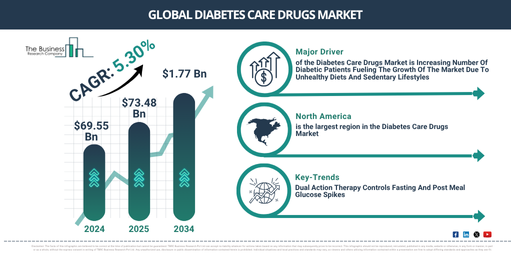
    The size of the diabetes care drugs market has seen significant expansion in the last few years. It is projected to surge from $69.55 billion in 2024 to $73.48 billion in 2025, with a Compound Annual Growth Rate (CAGR) of 5.6%. The factors that contributed to growth during the historic period include an increase in the worldwide occurrence of diabetes, a rise in the aging population, inactive lifestyles and unfavorable eating habits, an escalation in obesity rates, and the increasing acceptance of personalized medicine.

    Anticipated to experience robust expansion in the upcoming years, the market for diabetes care drugs is projected to rise to $90.50 billion by 2029 with a compound annual growth rate (CAGR) of 5.3%. This increase during the forecast period can be accredited to the introduction of biosimilar insulins, the creation of combination therapies, and fixed-dose formulations, along with an intensified focus on continuous glucose monitoring and closed-loop systems, plus augmenting awareness and preventative initiatives aimed at prediabetes. The forecast period will likely witness key trends such as the fusion of continuous glucose monitoring and intelligent drug delivery, the utilization of digital platform for patient engagement, wearable devices for drug delivery, advancements in peptide or polymer-based, sustained-release formulations and the adoption of pharmacogenomics for personalized dosage.

    Download The Free Sample Report Here:

    https://www.thebusinessresearchcompany.com/sample.aspx?id=25748&type=smp

    #Which Factors Are Currently Driving The Growth Of The Diabetes Care Drugs Market?

    The rise in diabetes cases is expected to boost the expansion of the diabetes care drugs market. Patients diagnosed with diabetes mellitus, a chronic illness that impacts how the body controls blood sugar, are referred to as diabetic patients. Unhealthy eating habits and a lack of physical activity, leading to obesity and insulin resistance, are the main causes for the influx in diabetes cases. These medications for diabetes care are crucial for effectively managing blood glucose levels and thus controlling type 1 and type 2 diabetes. They limit complications by regulating sugar levels, enhancing overall health, and raising the quality of life. For example, the National Health Service, a UK-based government institution, reported in June 2024 that 3,615,330 people registered with a general practitioner (GP) in 2023 were diagnosed with non-diabetic hyperglycemia or prediabetes. This was an 18% increase from the 3,065,825 cases reported in 2022. Consequently, the rise in diabetes cases is driving the expansion of the diabetes care drugs market.

    How Is The Global Diabetes Care Drugs Market Structured In Terms Of Segments?

    The diabetes care drugs market covered in this report is segmented –

    1) By Drug Class: Insulin, Biguanides, Sulfonylureas, Dipeptidyl Peptidase (DPP)-4 Inhibitors, Sodium-Glucose Co-Transporter (SGLT)-2 Inhibitors, Glucagon-Like Peptide (GLP)-1 Receptor Agonists, Thiazolidinediones, Alpha-Glucosidase Inhibitors

    2) By Formulation Type: Tablets, Injections, Solutions, Gels, Extended-Release Formulations

    3) By Administration Route: Oral, Injectable, Inhalable

    4) By Condition: Diabetes Type 1, Diabetes Type 2

    5) By Distribution Channel: Hospital Pharmacies, Specialty Pharmacies

    Subsegments:

    1) By Insulin: Rapid-acting insulin, Short-acting insulin, Intermediate-acting insulin, Long-acting insulin, Pre-mixed insulin

    2) By Biguanides: Metformin Immediate Release (IR), Metformin Extended Release (ER)

    3) By Sulfonylureas: First-generation sulfonylureas, Second-generation sulfonylureas

    4) By Dipeptidyl Peptidase (DPP)-4 Inhibitors: Sitagliptin, Saxagliptin, Linagliptin, Alogliptin

    5) By Sodium-Glucose Co-Transporter (SGLT)-2 Inhibitors: Canagliflozin, Dapagliflozin, Empagliflozin, Ertugliflozin

    6) By Glucagon-Like Peptide (GLP)-1 Receptor Agonists: Exenatide, Liraglutide, Dulaglutide, Semaglutide, Lixisenatide

    7) By Thiazolidinediones (TZDs): Pioglitazone, Rosiglitazone

    8) By Alpha-Glucosidase Inhibitors: Acarbose, Miglitol

    What Trends Are Currently Influencing Growth In The Diabetes Care Drugs Market?

    Leading enterprises in the market for diabetes care medications are focusing on the development of innovative treatments like fixed-ratio combination therapies, which enhance blood sugar control, boost patient compliance, and make treatment plans simpler. Fixed-ratio combination therapies are treatments that integrate two complementary diabetes medicines in a single shot, providing a more efficient and hassle-free method for diabetes management. For example, in April 2024, France-based pharmaceutical firm Sanofi SA introduced Soliqua, a daily fixed-ratio mix of insulin glargine and lixisenatide, designed specifically for adults suffering from type 2 diabetes and obesity. Soliqua merges long-acting insulin glargine, which ensures stable fasting glucose regulation, with lixisenatide, a GLP-1 receptor agonist. This combination promotes glucose-dependent insulin release, curbs the manufacturing of glucagon, and decelerates gastric emptying to lower blood sugar levels following meals, thereby providing an all-inclusive daily control of blood sugar. The introduction of Soliqua aims to streamline diabetes management, enhance blood sugar control, and boost patient adherence by reducing the necessity for multiple daily injections and mitigating potential side effects like hypoglycemia and weight gain.

    Who Are The Main Participants Shaping The Diabetes Care Drugs Market Landscape?

    Major companies operating in the diabetes care drugs market are Johnson & Johnson, Merck & Co. Inc., Bayer AG, Sanofi S.A., Bristol-Myers Squibb Company, AstraZeneca plc, Abbott Laboratories, GSK plc, Medtronic plc, Eli Lilly and Company, Teva Pharmaceuticals Limited, Astellas Pharma Inc., Sun Pharmaceutical Industries Ltd., Aurobindo Pharma Limited, Dr. Reddy’s Laboratories, Cipla Limited, Lupin Limited, Takeda Pharmaceutical Company Limited, Biocon Limited, Glenmark Pharmaceuticals Limited, Insulet Corporation, Torrent Pharmaceuticals Ltd., Hanmi Pharmaceutical Limited, Hualan Biological, Wockhardt, Mitsubishi Tanabe Pharma, Gan & Lee Pharmaceuticals, DiogenX, Oramed Pharmaceuticals, Apotex.

    Get The Full Report Here:

    https://www.thebusinessresearchcompany.com/report/diabetes-care-drugs-global-market-report

    Which Region Currently Holds The Largest Share In The Diabetes Care Drugs Market?

    North America was the largest region in the diabetes care drugs market in 2024. Asia-Pacific is expected to be the fastest-growing region in the forecast period. The regions covered in the diabetes care drugs market report are Asia-Pacific, Western Europe, Eastern Europe, North America, South America, Middle East, Africa.

    Request For A Customized Report:

    https://www.thebusinessresearchcompany.com/customise?id=25748&type=smp

    About The Business Research Company:

    With over 15000+ reports from 27 industries covering 60+ geographies, The Business Research Company has built a reputation for offering comprehensive, data-rich research and insights. Armed with 1,500,000 datasets, the optimistic contribution of in-depth secondary research, and unique insights from industry leaders, you can get the information you need to stay ahead in the game.

    Get in touch with us:

    The Business Research Company: https://www.thebusinessresearchcompany.com/

    Americas +1 310-496-7795

    Asia +44 7882 955267 & +91 8897263534

    Europe +44 7882 955267

    Email us at info@tbrc.info

    Follow us on:

    LinkedIn: https://in.linkedin.com/company/the-business-research-company

    YouTube: https://www.youtube.com/channel/UC24_fI0rV8cR5DxlCpgmyFQ

    Global Market Model: https://www.thebusinessresearchcompany.com/global-market-model
  • Competitive and Market Trend Analysis of Dermal Regeneration Industry Through 2029

    Claim your 30% discount on Global Market Reports with code ONLINE30. Limited time only.

    Claim your 30% discount on Global Market Reports with code ONLINE30. Limited time only.

    What CAGR Is Anticipated for the Dermal Regeneration Market Through 2029?

    The market size of dermal regeneration has shown robust growth in the past few years. It is forecasted to expand from $1.64 billion in 2024 to $1.79 billion in 2025, with a compound annual growth rate (CAGR) of 9.2%. The significant growth experienced in the historic phase can be ascribed to the escalating demand for skin repair procedures that are minimally invasive, an increased frequency of chronic wounds, a rising elderly population, growing instances of diabetes and vascular diseases, and heightened awareness about wound care.

    Expectations are high for the dermal regeneration market, which is predicted to experience robust growth in the coming years. The market is projected to expand to $2.52 billion by 2029, with a compound annual growth rate (CAGR) of 8.9%. This growth during the forecast period can be attributed to several factors, such as an increase in burn injuries, the rising implementation of stem cell-based therapies, nanotechnology’s integration into scaffolds, the growing prevalence of telemedicine in wound monitoring, and the heightened demand for cosmetic and aesthetic applications. The forecast period also signals notable trends, including the development of bioengineered skin substitutes, the invention of smart wound healing materials, the integration of 3D bioprinting for skin layers, innovative hydrogel-based dermal products, and the expansion of hybrid natural-synthetic grafts.

    Download The Free Sample Report Here:

    https://www.thebusinessresearchcompany.com/sample.aspx?id=25746&type=smp

    What Market Forces Are Driving The Dermal Regeneration Sector In 2025 And Beyond?

    The augmentation of burn injuries is predicted to boost the expansion of the dermal regeneration market. Burns, which can be caused by heat, chemicals, electricity, radiation, or friction, lead to damage to the skin or tissues underneath. The risk of such injuries is escalating due to the prevalent usage of unsafe cooking fuels and poorly serviced stoves that can cause accidental fires and scalds, particularly in overcrowded and low-income homes. These burn injuries necessitate the use of dermal regeneration solutions that utilize advanced tissue repair and skin restoration techniques to effectively treat moderate to severe skin damage. For example, in January 2024, the Consumer Product Safety Commission (CPSC), a U.S. federal government agency, reported 11 deaths related to fireworks, primarily due to misuse and faulty equipment. Approximately 14,700 individuals were injured due to fireworks, marking a sizeable increase of about 38% in fatalities and 52% in injuries compared to the previous year, 2023. Thus, the rising number of burn injuries is a significant factor in propelling the growth of the dermal regeneration market.

    How Is The Global Dermal Regeneration Market Categorized By Segments?

    The dermal regeneration market covered in this report is segmented –

    1) By Product Type: Skin Substitutes, Scaffolds, Other Product Types

    2) By Technology: Tissue Engineering, Cell-Based Therapies, Biomaterial-Based Therapies, Other Technologies

    3) By Source: Cow Collagen, Silicone, Shark Cartilage

    4) By Application: Chronic Wounds, Burn Injuries, Acute Wounds, Plastic And Reconstructive Surgery, Other Applications

    5) By End Use: Hospitals, Dermatology And Aesthetic Clinics, Specialty Clinics, Ambulatory Surgical Centers (ASCs), Other End User

    Subsegments:

    1) By Skin Substitutes: Acellular Skin Substitutes, Cellular Skin Substitutes, Bioengineered Skin Substitutes, Synthetic Skin Substitutes, Allografts, Xenografts

    2) By Scaffolds: Collagen-Based Scaffolds, Synthetic Polymer Scaffolds, Composite Scaffolds, Hyaluronic Acid-Based Scaffolds, Fibrin-Based Scaffolds

    3) By Other Product Types: Dermal Regeneration Templates (DRTs), Hydrogel-Based Products, Growth Factor-Based Therapies, Matrices With Antimicrobial Agents

    What Long-Term Trends Are Likely To Affect The Dermal Regeneration Market?

    Leading organizations in the dermal regeneration sector are concentrating on innovating superior solutions like the collagen-based dermal matrix. This is aimed at providing biocompatibility and minimizing the risk of immune rejection. A structure largely composed of collagen, the collagen-based dermal matrix provides a support system that facilitates skin tissue growth and recovery. As an example, Fesarius Therapeutics Inc., an American biotechnology firm, proclaimed in January 2025 that they received 510(k) clearance from the US Food and Drug Administration (FDA) for their DermiSphere hydrogel Dermal Regeneration Template (DermiSphere hDRT). The new product marks the advent of a novel set of collagen-centric dermal matrices that are designed to accelerate tissue integration, revascularization, and efficient wound recovery. DermiSphere hDRT is foreseen to be used in advanced wound care, reconstructive procedures, and regenerative medicine, therefore contributing an innovative technique to dermal regeneration that has considerable potential to transform wound care norms.

    Which Firms Are Considered Leaders In The Dermal Regeneration Market Space?

    Major companies operating in the dermal regeneration market are Stryker Corp., Smith & Nephew Plc, Coloplast Corp., Integra LifeSciences Corp., Organogenesis Inc., MiMedx Group Inc., Krystal Biotech Inc., Amryt Pharma plc, Regenity Biosciences Inc., Avita Medical Inc., HANS BIOMED Corporation, Polynovo, Symatese Co., Gunze Co Ltd., Castle Creek Biosciences Inc., Stratatech, MedSkin Solutions Dr. Suwelack AG, Japan Tissue Engineering Co. Ltd., Fesarius Therapeutics Inc., CollPlant Biotechnologies Ltd., Abeona Therapeutics Inc., Holostem Terapie Avanzate, Extrimity Care LLC

    Get The Full Report Here:

    https://www.thebusinessresearchcompany.com/report/dermal-regeneration-global-market-report

    What Role Do Regional Policies And Investments Play In Dermal Regeneration Market Expansion?

    North America was the largest region in the dermal regeneration market in 2024. Asia-Pacific is expected to be the fastest-growing region in the forecast period. The regions covered in the dermal regeneration market report are Asia-Pacific, Western Europe, Eastern Europe, North America, South America, Middle East, Africa.

    Request For A Customized Report:

    https://www.thebusinessresearchcompany.com/customise?id=25746&type=smp

    About The Business Research Company:

    With over 15000+ reports from 27 industries covering 60+ geographies, The Business Research Company has built a reputation for offering comprehensive, data-rich research and insights. Armed with 1,500,000 datasets, the optimistic contribution of in-depth secondary research, and unique insights from industry leaders, you can get the information you need to stay ahead in the game.

    Get in touch with us:

    The Business Research Company: https://www.thebusinessresearchcompany.com/

    Americas +1 310-496-7795

    Asia +44 7882 955267 & +91 8897263534

    Europe +44 7882 955267

    Email us at info@tbrc.info

    Follow us on:

    LinkedIn: https://in.linkedin.com/company/the-business-research-company

    YouTube: https://www.youtube.com/channel/UC24_fI0rV8cR5DxlCpgmyFQ

    Global Market Model: https://www.thebusinessresearchcompany.com/global-market-model
  • Global Deoxyribonucleic Acid (DNA) Repair Alkylating Agent Market Landscape: Trends and Market Share to 2029

    Global Deoxyribonucleic Acid (DNA) Repair Alkylating Agent Market Landscape: Trends and Market Share to 2029

    Claim your 30% discount on Global Market Reports with code ONLINE30. Limited time only.

    Claim your 30% discount on Global Market Reports with code ONLINE30. Limited time only.

    What Are the Latest Market Insights for the Deoxyribonucleic Acid (DNA) Repair Alkylating Agent Industry?

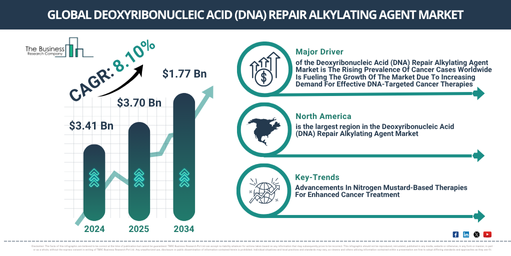
    In the previous years, the market size of the deoxyribonucleic acid (DNA) repair alkylating agent has seen a significant increase. It is predicted to escalate from $3.41 billion in 2024 to $3.70 billion in 2025, boasting a compound annual growth rate (CAGR) of 8.5%. This increase during the historic period can be credited to a rise in the count of hospitals and specialized cancer treatment clinics, increased approval of various alkylating agents by regulatory authorities, heightened healthcare availability in emerging regions, expansion of government and NGO-led cancer awareness initiatives, and a growing acceptance of chemotherapy on a large scale.

    Predictions indicate robust enhancements in the size of the alkylating agent market for DNA repair in the subsequent years. By 2029, it is projected to reach $5.05 billion, with a CAGR of 8.1%. The surge during the forecast period is linked to the rising implementation of personalized medicine and DNA repair targeting, an increasement in the clinical trial pipeline, a heightened emphasis on geriatric oncology, growing expansion in companion diagnostics for chemotherapy and governmental backing for uncommon cancer types. The future trends encompass a move toward targeted DNA repair inhibitors, novel developments in dual-action chemotherapy agents, the application of AI in drug discovery for alkylating compounds, a rise in biosimilars for established alkylating agents, and the utilization of biomarkers for optimum treatment selection.

    Download The Free Sample Report Here:

    https://www.thebusinessresearchcompany.com/sample.aspx?id=25745&type=smp

    What Forces Are Driving The Growth Of The Deoxyribonucleic Acid (DNA) Repair Alkylating Agent Industry?

    The DNA repair alkylating agent market is expected to witness growth in the future due to the increasing occurrence of cancer cases globally. Cancer is a state where particular cells in the body grow without control, and they can potentially spread to various parts of the body. The escalating cancer case numbers are primarily because of the growing aged population who are at higher risk of cancer. DNA repair alkylating agents are used in cancer treatment by disturbing the DNA of rapidly multiplying tumor cells and preventing their multiplication. This process leads to either the death of cells or halt in growth, consequently controlling tumor development. As reported by the World Health Organization (WHO), a Switzerland-based international body, in 2022, near about 20 million new cases of cancer were diagnosed, and approximately 9.7 million individuals succumbed to the disease globally. Furthermore, an approximate 53.5 million people were alive within five years post a cancer diagnosis. Consequently, the escalating occurrence of cancer cases globally is stimulating the growth of the DNA repair alkylating agent market.

    What Is The Overview Of Market Segmentation In The Deoxyribonucleic Acid (DNA) Repair Alkylating Agent Industry?

    The deoxyribonucleic acid (dna) repair alkylating agent market covered in this report is segmented –

    1) By Product Type: Nitrogen Mustards, Nitrosoureas, Alkyl Sulfonates, Triazines, Other Product Types

    2) By Application: Cancer Treatment, Research And Development, Other Applications

    3) By End-User: Hospitals, Research Institutes, Pharmaceutical Companies, Other End-Users

    Subsegments:

    1) By Nitrogen Mustards: Mechlorethamine, Cyclophosphamide, Ifosfamide, Chlorambucil, Melphalan

    2) By Nitrosoureas: Carmustine (BCNU), Lomustine (CCNU), Streptozocin, Semustine

    3) By Alkyl Sulfonates: Busulfan, Treosulfan

    4) By Triazines: Dacarbazine, Temozolomide

    5) By Other Product Types: Thiotepa, Procarbazine, Bendamustine, Lurbinectedin

    What Future Market Trends Are Projected For The Deoxyribonucleic Acid (DNA) Repair Alkylating Agent Industry?

    Key players in the DNA repair alkylating agent market are giving priority to the innovation of advanced solutions such as nitrogen mustard drugs to heighten the success rate of treatments and aim at a wider spectrum of cancers with more reliable safety standards. Nitrogen mustard drugs, which are alkylating agents, put an end to cancer cells by interconnecting their DNA and blocking multiplication. These are typically used during chemotherapy for treating diseases like leukemia and lymphoma. For example, in November 2022, Alembic Pharmaceuticals, a pharmaceutical organization based in India, gained the final approval from the US Food and Drug Administration (USFDA) for its Abbreviated New Drug Application (ANDA) for cyclophosphamide capsules, 25 mg and 50 mg. This represents an alkylating substance utilized to treat cancers and minimal change nephrotic syndrome in young patients. This alkylating drug is noted for its use in treating various malignant illnesses and minimal change nephrotic syndrome in pediatric patients.

    Who Are The Primary Players Operating Across The Global Deoxyribonucleic Acid (DNA) Repair Alkylating Agent Market?

    Major companies operating in the deoxyribonucleic acid (dna) repair alkylating agent market are Bristol-Myers Squibb Company, Teva Pharmaceutical Industries Limited, Baxter International, Fresenius Kabi, Intas Pharmaceuticals, Dr. Reddy’s Laboratories, Aurobindo Pharma, Hikma Pharmaceuticals, Amneal Pharmaceuticals, Alembic Pharmaceuticals Limited, Natco Pharma Ltd, Medac GmbH, Celon Laboratories, Azurity Pharmaceuticals, Meitheal Pharmaceuticals Inc, Acrotech Biopharma, Navinta LLC, STI Pharma LLC, Emcure Pharmaceuticals, Halsted Pharma Pvt. Ltd., MSN Pharmaceuticals, Jiangsu Hengrui Pharmaceuticals Co. Ltd.

    Get The Full Report Here:

    https://www.thebusinessresearchcompany.com/report/deoxyribonucleic-acid-dna-repair-alkylating-agent-global-market-report

    Which Region Offers The Most Growth Potential For The Deoxyribonucleic Acid (DNA) Repair Alkylating Agent Market Through 2029?

    North America was the largest region in the deoxyribonucleic acid (DNA) repair alkylating agent market in 2024. Asia-Pacific is expected to be the fastest-growing region in the forecast period. The regions covered in the deoxyribonucleic acid (dna) repair alkylating agent market report are Asia-Pacific, Western Europe, Eastern Europe, North America, South America, Middle East, Africa.

    Request For A Customized Report:

    https://www.thebusinessresearchcompany.com/customise?id=25745&type=smp

    About The Business Research Company:

    With over 15000+ reports from 27 industries covering 60+ geographies, The Business Research Company has built a reputation for offering comprehensive, data-rich research and insights. Armed with 1,500,000 datasets, the optimistic contribution of in-depth secondary research, and unique insights from industry leaders, you can get the information you need to stay ahead in the game.

    Get in touch with us:

    The Business Research Company: https://www.thebusinessresearchcompany.com/

    Americas +1 310-496-7795

    Asia +44 7882 955267 & +91 8897263534

    Europe +44 7882 955267

    Email us at info@tbrc.info

    Follow us on:

    LinkedIn: https://in.linkedin.com/company/the-business-research-company

    YouTube: https://www.youtube.com/channel/UC24_fI0rV8cR5DxlCpgmyFQ

    Global Market Model: https://www.thebusinessresearchcompany.com/global-market-model
  • Gonadotropin-Releasing Hormone (GnRH) Receptor Antagonists Industry Poised for Rapid Expansion, Projected to Hit $2.20  Billion by 2029

    Gonadotropin-Releasing Hormone (GnRH) Receptor Antagonists Industry Poised for Rapid Expansion, Projected to Hit $2.20 Billion by 2029

    Claim your 30% discount on Global Market Reports with code ONLINE30. Limited time only.

    Claim your 30% discount on Global Market Reports with code ONLINE30. Limited time only.

    What Is the Estimated Industry Valuation for the Gonadotropin-Releasing Hormone (GnRH) Receptor Antagonists Sector?

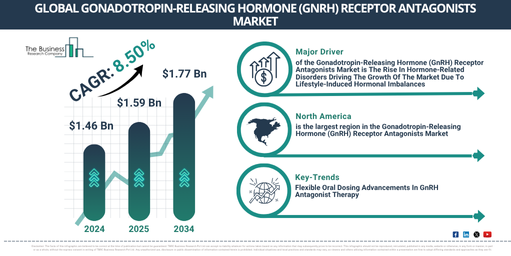
    The market size of antagonists for the gonadotropin-releasing hormone (GnRH) receptor has significantly expanded in the past years. The forecast predicts an escalation from $1.46 billion in 2024 to $1.59 billion in 2025, with a compound annual growth rate (CAGR) of 8.8%. The past growth can be traced back to an increased incidence of prostate and breast cancers, heightened awareness regarding hormone-related diseases, a greater emphasis on minimally invasive treatments, increased state-backed support for reproductive health, and a surge in investments in the field of oncology drug development.

    The market size for gonadotropin-releasing hormone (GnRH) receptor antagonists is anticipated to experience significant growth in the coming years, with projections estimating it will reach $2.20 billion in 2029, representing a compound annual growth rate (CAGR) of 8.5%. This expected growth during the forecast period is attributed to factors such as the increasing usage of personalized and targeted medications, rising demand from growing economies, intensified focus on disorders related to female reproductive health, a shifting preference towards outpatient therapies as well as an increase in successful clinical trials. Key trends predicted for this period involve the development of cost-effective biosimilars, the incorporation of digital therapeutics with drug treatments, the utilization in multimodal cancer treatments, advancements in molecular design for improved selectivity, and continued innovation for pediatric and adolescent applications.

    Download The Free Sample Report Here:

    https://www.thebusinessresearchcompany.com/sample.aspx?id=25773&type=smp

    What Forces Are Driving The Growth Of The Gonadotropin-Releasing Hormone (GnRH) Receptor Antagonists Market?

    The mounting incidence of conditions linked to hormone imbalance is predicted to fuel the expansion of the gonadotropin-releasing hormone (GnRH) receptor antagonists market in the future. Conditions related to hormones encompass medical situations arising from imbalances or malfunctions in the body’s hormone production, discharge, or action, impacting various bodily processes like metabolism, growth, wellness, and emotional state. The rising incidence of such conditions is primarily due to lifestyle shifts such as unhealthy diets, insufficient physical exercise, high stress levels, and irregular sleep routines, which may dramatically affect hormonal equilibrium. GnRH receptor antagonists play a crucial role in controlling these conditions by directly inhibiting gonadotropin-releasing hormone receptors, lowering the production of sex hormones that advance disease progression. For example, in February 2025, data from the World Health Organization, a Swiss intergovernmental organization, indicated that polycystic ovary syndrome, frequently seen in women of childbearing age, affects an approximated 6–13% women yearly and up to 70% of these cases go undiagnosed. Therefore, the escalating prevalence of hormone-related conditions is fuelling the expansion of the gonadotropin-releasing hormone (GnRH) receptor antagonists market.

    How Is The Gonadotropin-Releasing Hormone (GnRH) Receptor Antagonists Industry Segmented Across Key Parameters?

    The gonadotropin-releasing hormone (gnrh) receptor antagonists market covered in this report is segmented –

    1) By Type: Peptide Gonadotropin-Releasing Hormone Receptor Antagonists, Non-Peptide Gonadotropin-Releasing Hormone Receptor Antagonists

    2) By Route Of Administration: Oral, Injectable, Transdermal

    3) By Patient Demographics: Adult Males, Adult Females, Pediatric Patients

    4) By Application: Prostate Cancer, Breast Cancer, Endometriosis, Uterine Fibroids, Precocious Puberty

    5) By Distribution Channel: Hospital Pharmacies, Retail Pharmacies, Online Pharmacies, Other Distribution Channels

    Subsegments:

    1) By Peptide Gonadotropin-Releasing Hormone Receptor Antagonists: Cetrorelix, Ganirelix, Degarelix

    2) By Non-Peptide Gonadotropin-Releasing Hormone Receptor Antagonists: Elagolix, Relugolix, Linzagolix

    What Notable Trends Are Shaping The Direction Of The Gonadotropin-Releasing Hormone (GnRH) Receptor Antagonists Market?

    Leading corporations in the GnRH receptor antagonist market are concentrating on creating advanced items such as customized oral dosage options with or without hormone add-back treatment, in order to cater to diverse patient necessities and enhance treatment results in women’s healthcare. The flexibility of oral dosing enables the customization of treatment plans, assisting patients in managing uterine fibroid symptoms either with long-term hormonal support or without it, thus providing alternatives for those who cannot undergo hormone therapy. For example, in June 2022, a collaboration between ObsEva SA, a biopharmaceutical firm based in Switzerland, and Theramex, a pharmaceutical company based in the UK, led to the launch of Yselty (linzagolix), a GnRH antagonist that’s taken orally once a day and is approved by the European Union (EU). This cutting-edge treatment offers various dosage plans – either 100 mg or 200 mg with unrestricted-duration hormonal therapy, 100 mg without hormonal therapy for women aiming to avoid hormones, and 200 mg meant for short-term use when there’s a clinical need to reduce fibroid size. These adaptable plans aim to decrease heavy menstrual bleeding and uterine size, providing a non-surgical remedy for moderate to severe uterine fibroid symptoms.

    Which Companies Currently Dominate The Competitive Landscape In The Gonadotropin-Releasing Hormone (GnRH) Receptor Antagonists Industry?

    Major companies operating in the gonadotropin-releasing hormone (gnrh) receptor antagonists market are Pfizer Inc, AbbVie Inc., Bayer AG, Novartis AG, Takeda Pharmaceutical Company Limited., Merck KGaA, Astellas Pharma Inc., Intas Pharmaceuticals Ltd., Organon And Co., Sun Pharmaceutical Industries Ltd., Jiangsu Hengrui Medicine Co. Ltd., Dr. Reddy’s Laboratories Ltd., Zydus Lifesciences Limited., Gland Pharma Limited., Bachem Holding AG, Kissei Pharmaceutical Co. Ltd., Myovant Sciences GmbH, Ferring International Center S.A., Theramex HQ UK Limited, Veru Inc

    Get The Full Report Here:

    https://www.thebusinessresearchcompany.com/report/gonadotropin-releasing-hormone-gnrh-receptor-antagonists-global-market-report

    Which Geographic Regions Are Driving Demand In The Gonadotropin-Releasing Hormone (GnRH) Receptor Antagonists Market?

    North America was the largest region in the gonadotropin-releasing hormone (GnRH) receptor antagonists receptor antagonists market in 2024. Asia-Pacific is expected to be the fastest-growing region in the forecast period. The regions covered in the gonadotropin-releasing hormone (gnrh) receptor antagonists market report are Asia-Pacific, Western Europe, Eastern Europe, North America, South America, Middle East, Africa.

    Request For A Customized Report:

    https://www.thebusinessresearchcompany.com/customise?id=25773&type=smp

    About The Business Research Company:

    With over 15000+ reports from 27 industries covering 60+ geographies, The Business Research Company has built a reputation for offering comprehensive, data-rich research and insights. Armed with 1,500,000 datasets, the optimistic contribution of in-depth secondary research, and unique insights from industry leaders, you can get the information you need to stay ahead in the game.

    Get in touch with us:

    The Business Research Company: https://www.thebusinessresearchcompany.com/

    Americas +1 310-496-7795

    Asia +44 7882 955267 & +91 8897263534

    Europe +44 7882 955267

    Email us at info@tbrc.info

    Follow us on:

    LinkedIn: https://in.linkedin.com/company/the-business-research-company

    YouTube: https://www.youtube.com/channel/UC24_fI0rV8cR5DxlCpgmyFQ

    Global Market Model: https://www.thebusinessresearchcompany.com/global-market-model

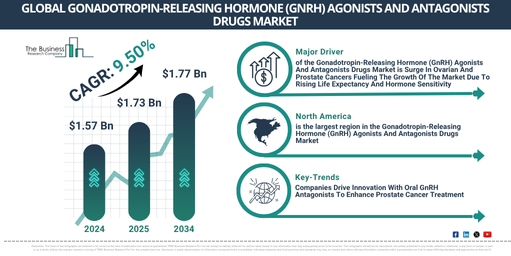
  • Global Gonadotropin-Releasing Hormone (GnRH) Agonists And Antagonists Drugs Market Forecast to Reach $2.49  Billion by 2029, Driven by 9.5% CAGR

    Global Gonadotropin-Releasing Hormone (GnRH) Agonists And Antagonists Drugs Market Forecast to Reach $2.49 Billion by 2029, Driven by 9.5% CAGR

    Claim your 30% discount on Global Market Reports with code ONLINE30. Limited time only.

    Claim your 30% discount on Global Market Reports with code ONLINE30. Limited time only.

    How Large Is the Gonadotropin-Releasing Hormone (GnRH) Agonists And Antagonists Drugs Market Expected to Be in 2029?

    The market size for drugs such as gonadotropin-releasing hormone (GnRH) agonists and antagonists has experienced significant growth in the past years. An increase from $1.57 billion in 2024 to $1.73 billion in 2025 is expected, representing a compound annual growth rate (CAGR) of 9.8%. This substantial growth in the past has been linked to several factors. These factors include escalating cases of hormone-related disorders, an increasing incidence of prostate and breast cancer, heightened awareness regarding reproductive health, escalating demand for assisted reproductive technologies, and a growing preference for hormone therapies in conditions like endometriosis and uterine fibroids.

    The market size for gonadotropin-releasing hormone (GnRH) agonists and antagonists drugs is projected to experience a significant expansion in the coming few years. It is predicted to reach $2.49 billion in 2029 with a compound annual growth rate (CAGR) of 9.5%. This surge during the forecasted period can be linked to factors such as the rising preference for less invasive treatments, increased awareness concerning women’s health, the proliferation of combination therapies, enhanced healthcare access in emerging regions, and a growing pipeline of innovative formulations. The forecast period will likely see trends such as advancements in oral GnRH antagonist formulations, innovations in combination therapies with hormonal add-back, incorporation of digital health tools for monitoring reproductive treatments, improvements in clinical trial designs for faster approvals, and the integration of telemedicine in hormone therapy.

    Download The Free Sample Report Here:

    https://www.thebusinessresearchcompany.com/sample.aspx?id=25772&type=smp

    What Are The Contributors To Demand In The Gonadotropin-Releasing Hormone (GnRH) Agonists And Antagonists Drugs Market?

    The escalating rates of ovarian and prostate cancers are predicted to boost the expansion of the market for gonadotropin-releasing hormone (GnRH) agonists and antagonists drugs in the future. Hormone-sensitive tumors like ovarian and prostate cancers, affected by estrogen and testosterone, are frequently managed through hormone-modulating therapies such as GnRH agonists or antagonists. The surge in these cancers is attributed to the rise in life expectancy, as the likelihood of developing these hormone-dependent cancers escalates with aging. GnRH agonists and antagonists work to treat these cancers by inhibiting the production of sex hormones such as estrogen and testosterone that stimulate the growth of these hormone-sensitive tumors. For instance, by 2023, as per Cancer Australia, a government agency in Australia, approximately 1,786 new instances of ovarian cancer are projected to be diagnosed in the country. Moreover, the odds of women being diagnosed with ovarian cancer by the age of 85 is about 1 in 87 (or a 1.2% risk). Consequently, the growing prevalence of ovarian and prostate cancers is facilitating the rise of the gonadotropin-releasing hormone (GnRH) agonists and antagonists drugs market.

    What Segmentation Categories Are Included In The Gonadotropin-Releasing Hormone (GnRH) Agonists And Antagonists Drugs Market Analysis?

    The gonadotropin-releasing hormone (gnrh) agonists and antagonists drugs market covered in this report is segmented –

    1) By Drug Type: GnRH Agonists, Leuprorelin, Goserelin, Triptorelin, Histrelin, Buserelin, GnRH Antagonists, Degarelix, Abarelix, Other Drug Types

    2) By Application: Gynecology, Oncology, Other Applications

    3) By End-User: Hospitals, Specialty Clinics, Other End-Users

    Subsegments:

    1) By GnRH Agonists: Deslorelin, Gonadorelin, Zoladex Long-Acting Goserelin Variant, Lupron Depot-Ped, Sustained-Release Microsphere Formulations

    2) By Leuprorelin: Depot Injection, Implant, Combination Therapy Formulations

    3) By Goserelin: Subcutaneous Implant, Oncology-Specific Formulation, Gynecology-Specific Formulation

    4) By Triptorelin: Intramuscular Injection, Long-Acting (1-, 3-, 6-Month) Depot, Fertility Treatment Formulation

    5) By Histrelin: Subcutaneous Implant, Pediatric (Precocious Puberty) Formulation, Adult Prostate Cancer-Specific Version

    6) By Buserelin: Nasal Spray, Subcutaneous Injection, In Vitro Fertilization And Fertility Cycle Formulations

    7) By GnRH Antagonists: Teverelix DP, Elagolix, Relugolix, Ganirelix, Linzagolix

    8) By Degarelix: Subcutaneous Injection, Monthly Dosing, Prostate Cancer-Specific Formulation

    9) By Abarelix: Intramuscular Injection, Advanced Prostate Cancer, Short-Acting Formulation

    10) By Other Drug Types: Subcutaneous Injection, In Vitro Fertilization-Specific Use, Multiple Dosing Regimens

    What Upcoming Trends Are Expected To Impact The Gonadotropin-Releasing Hormone (GnRH) Agonists And Antagonists Drugs Market Globally?

    Leading entities in the market for gonadotropin-releasing hormone (GnRH) antagonists and agonists drugs are concentrating on the innovation of novel solutions like oral GnRH receptor antagonists. This focus is geared towards improving patient comfort, boosting adherence to treatment, and minimizing the demand for injection therapies. An oral GnRH receptor antagonist is a medical pill that obstructs GnRH receptors, swiftly reducing sex hormone levels. This helps in the management of hormone-related disorders, such as endometriosis and prostate cancer. In March 2024, for example, Japanese pharmaceutical corporation Sumitomo Pharma Co. Ltd., released news of Health Canada’s approval of ORGOVYX (relugolix)—the first ever and sole oral androgen deprivation therapy (ADT) for progressive prostate cancer, within Canada. ORGOVYX is an oral GnRH receptor antagonist administered daily, which inhibits testosterone production, which is a significant instigator of prostate cancer development. The approval of this drug was influenced by the findings of the Phase 3 HERO study, exhibiting effective and continuous testosterone suppression, lowered cardiovascular event rates, and castration resistance-free survival similar to standard injectable treatments.

    Who Are The Top-Ranked Companies In The Gonadotropin-Releasing Hormone (GnRH) Agonists And Antagonists Drugs Market Today?

    Major companies operating in the gonadotropin-releasing hormone (gnrh) agonists and antagonists drugs market are Pfizer Inc., AbbVie Inc., AstraZeneca plc, Takeda Pharmaceutical Company Limited, Merck KGaA, Intas Pharmaceuticals Limited, Sumitomo Pharma Co. Ltd., Ipsen S.A., Dr. Reddy’s Laboratories Limited, Cipla Limited, Gedeon Richter Plc, Lupin Limited, Zydus Lifesciences Limited, Gland Pharma Limited, Bachem Holding AG, Kissei Pharmaceutical Co. Ltd., Aska Pharmaceutical Co. Ltd., Ferring International Center S.A., Tolmar Inc., Debiopharm International SA, TerSera Therapeutics LLC, TiumBio Co. Ltd.

    Get The Full Report Here:

    https://www.thebusinessresearchcompany.com/report/gonadotropin-releasing-hormone-gnrh-agonists-and-antagonists-drugs-global-market-report

    How Is Gonadotropin-Releasing Hormone (GnRH) Agonists And Antagonists Drugs Market Adoption Varying Across Different Regions And Sectors?

    North America was the largest region in the gonadotropin-releasing hormone (GnRH) agonists and antagonists drugs market in 2024. Asia-Pacific is expected to be the fastest-growing region in the forecast period. The regions covered in the gonadotropin-releasing hormone (gnrh) agonists and antagonists drugs market report are Asia-Pacific, Western Europe, Eastern Europe, North America, South America, Middle East, Africa.

    Request For A Customized Report:

    https://www.thebusinessresearchcompany.com/customise?id=25772&type=smp

    About The Business Research Company:

    With over 15000+ reports from 27 industries covering 60+ geographies, The Business Research Company has built a reputation for offering comprehensive, data-rich research and insights. Armed with 1,500,000 datasets, the optimistic contribution of in-depth secondary research, and unique insights from industry leaders, you can get the information you need to stay ahead in the game.

    Get in touch with us:

    The Business Research Company: https://www.thebusinessresearchcompany.com/

    Americas +1 310-496-7795

    Asia +44 7882 955267 & +91 8897263534

    Europe +44 7882 955267

    Email us at info@tbrc.info

    Follow us on:

    LinkedIn: https://in.linkedin.com/company/the-business-research-company

    YouTube: https://www.youtube.com/channel/UC24_fI0rV8cR5DxlCpgmyFQ

    Global Market Model: https://www.thebusinessresearchcompany.com/global-market-model

  • Outlook for Generic Pharmaceuticals Contract Manufacturing Market: Key Developments and Future Strategies to 2029

    Outlook for Generic Pharmaceuticals Contract Manufacturing Market: Key Developments and Future Strategies to 2029

    Claim your 30% discount on Global Market Reports with code ONLINE30. Limited time only.

    Claim your 30% discount on Global Market Reports with code ONLINE30. Limited time only.

    What Is the Outlook for the Generic Pharmaceuticals Contract Manufacturing Market Heading Into 2029?

    The market size for generic pharmaceuticals contract manufacturing has seen substantial growth recently. The market is projected to expand from $62.30 billion in 2024 to $66.82 billion in 2025, exhibiting a compound annual growth rate (CAGR) of 7.3%. This growth trajectory during the historical phase is linked to various factors including a spike in the demand for affordable medications, elevated healthcare spending in developing nations, an increase in patent expiries of branded medications, more outsourcing from pharmaceutical firms, and the escalating incidence of chronic illnesses.

    Expectations are high for the generic pharmaceuticals contract manufacturing market size to experience considerable expansion in the coming years. By 2029, it is projected to reach $87.59 billion with a compound annual growth rate (CAGR) of 7.0%. This growth for the forecasted period is primarily due to several factors: increased emphasis on specialty generics, enhanced government backing for usage of generic medications, widening access to healthcare in emerging markets, increased investments in contract manufacturing facilities, and an escalating need for adaptable and scalable production solutions. The forecast period will also witness several trends including advancements in production automation, enhanced quality control technologies, the creation of intricate generic formulations, innovations in drug delivery systems, and improvements in continuous manufacturing processes.

    Download The Free Sample Report Here:

    https://www.thebusinessresearchcompany.com/sample.aspx?id=25771&type=smp

    Which Factors Are Pushing The Generic Pharmaceuticals Contract Manufacturing Market Forward?

    The upward trend in biosimilars requirement is likely to stimulate the expansion of the generic pharmaceuticals contract manufacturing sector in the future. Biosimilars, which are biologic medical substances that are considerably similar to already sanctioned reference biologics, exhibit no clinically significant variances in terms of safety, purity, or effectiveness. The growing demand for biosimilars primarily originates from their ability to offer affordable alternatives to costly biologic drugs, thereby rendering complex treatments more accessible to both patients and healthcare systems. Contract manufacturing within the generic pharmaceutical realm facilitates biosimilars, bringing about affordable large-scale production expertise and providing crucial regulatory knowledge, which hastens market penetration and ensures a steady quality. For example, Cardinal Health Inc., a US-based healthcare firm, reported in February 2022 that as of January that year, the US had 33 biosimilars accredited by the Food and Drug Administration (FDA), of which 21 were available in the marketplace. Additionally, by January 2023, the count of FDA-endorsed biosimilars had escalated to 40, with 25 being commercially accessible. As such, the surging demand for biosimilars is indeed catalyzing the growth of the generic pharmaceuticals contract manufacturing market.

    Which Segment Held The Largest Share In The Generic Pharmaceuticals Contract Manufacturing Market In 2025?

    The generic pharmaceuticals contract manufacturing market covered in this report is segmented –

    1) By Drug Type: Branded Generics, Unbranded Generics

    2) By Product Type: Pharmaceutical Active Pharmaceutical Ingredients, Formulations, Capsules, Tablets, Injectables

    3) By Route Of Administration: Oral, Parenteral, Topical, Other Routes Of Administration

    4) By Application: Oncology, Immunology, Antidiabetic, Neurology, Anticoagulants, Cardiovascular, Respiratory, Pain, Human Immunodeficiency Virus Antivirals

    5) By End-User Industry: Pharmaceutical Companies, Contract Research Organizations, Biotechnology Companies, Generic Drug Manufacturers

    Subsegments:

    1) Branded Generics: Contract Development of Branded Formulations, Branded Generic Tablet Manufacturing, Branded Injectable Manufacturing, Packaging and Labeling for Branded Generics, Regulatory Support For Branded Generics

    2) By Unbranded Generics: Bulk Manufacturing of Off-Patent Active Pharmaceutical Ingredients, Generic Tablet Or Capsule Production, Parenteral Or Injectable Generic Manufacturing, Cost-Efficient Packaging for Unbranded Products, Licensing And Tech Transfer for Generic Products

    How Are Key Trends Driving Expansion In The Generic Pharmaceuticals Contract Manufacturing Industry?

    Leading firms that are part of the generic pharmaceutical contract manufacturing market are broadening their range of services by creating dedicated subsidiaries, in order to address the increasing need for outsourced manufacturing and development. By forming these dedicated subsidiaries, companies can efficiently manage the production of active pharmaceutical ingredients (APIs), ensuring adherence, flexibility, and smooth functioning throughout the medicine development process. For instance, in July 2025, Lupin, a generic pharmaceutical company based in India, inaugurated its new branch, Lupin Manufacturing Solutions (LMS), to make its entry into the contract development and manufacturing organization (CDMO) market. This specialized division is intended to aid in the development, production, and sale of APIs to worldwide pharmaceutical collaborators. Guided by a leadership team well-versed in biotech and pharma, the subsidiary is equipped to offer superior contract services, thereby enabling pharmaceutical firms to expedite their market introduction while upholding regulatory standard and cost-effectiveness.

    Which Organizations Are Driving Progress In The Generic Pharmaceuticals Contract Manufacturing Industry?

    Major companies operating in the generic pharmaceuticals contract manufacturing market are Teva Pharmaceutical Industries Ltd., Sandoz International GmbH, Fresenius Kabi AG, WuXi AppTec Co. Ltd., Aurobindo Pharma, Cipla Limited, Recipharm AB, Siegfried Holding AG, Curia Global Inc., Torrent Pharmaceuticals Limited., Piramal Pharma Solutions, Laurus Labs Limited., Cambrex Corp., Pfizer CentreOne, Syngene International Ltd., Wockhardt Ltd., Alcami Corp. Inc, Neuland Laboratories Limited., Panacea Biotec Ltd., Jubilant Generics Ltd.

    Get The Full Report Here:

    https://www.thebusinessresearchcompany.com/report/generic-pharmaceuticals-contract-manufacturing-global-market-report

    Which Region Is Expected To Experience The Highest Growth In The Generic Pharmaceuticals Contract Manufacturing Industry?

    North America was the largest region in the generic pharmaceuticals contract manufacturing market in 2024. Asia-Pacific is expected to be the fastest-growing region in the forecast period. The regions covered in the generic pharmaceuticals contract manufacturing market report are Asia-Pacific, Western Europe, Eastern Europe, North America, South America, Middle East, Africa.

    Request For A Customized Report:

    https://www.thebusinessresearchcompany.com/customise?id=25771&type=smp

    About The Business Research Company:

    With over 15000+ reports from 27 industries covering 60+ geographies, The Business Research Company has built a reputation for offering comprehensive, data-rich research and insights. Armed with 1,500,000 datasets, the optimistic contribution of in-depth secondary research, and unique insights from industry leaders, you can get the information you need to stay ahead in the game.

    Get in touch with us:

    The Business Research Company: https://www.thebusinessresearchcompany.com/

    Americas +1 310-496-7795

    Asia +44 7882 955267 & +91 8897263534

    Europe +44 7882 955267

    Email us at info@tbrc.info

    Follow us on:

    LinkedIn: https://in.linkedin.com/company/the-business-research-company

    YouTube: https://www.youtube.com/channel/UC24_fI0rV8cR5DxlCpgmyFQ

    Global Market Model: https://www.thebusinessresearchcompany.com/global-market-model