Category: Pharmaceuticals

  • Key Market Drivers, Trends, and Forecast for the Global Gene-Editing Transfection Chemicals Industry

    Key Market Drivers, Trends, and Forecast for the Global Gene-Editing Transfection Chemicals Industry

    Claim your 30% discount on Global Market Reports with code ONLINE30. Limited time only.

    Claim your 30% discount on Global Market Reports with code ONLINE30. Limited time only.

    What Does the Forecast Indicate for the Gene-Editing Transfection Chemicals Market From 2025 to 2029?

    The size of the gene-editing transfection chemicals market has seen significant growth in recent times. It is set to expand from $0.99 billion in 2024 to $1.07 billion in 2025, recording a compound annual growth rate (CAGR) of 8.0%. The historical growth can be ascribed to early implementation of CRISPR-Cas9 systems, increased concentration on research about cancer and genetic disorders, preliminary demand stemming from academic and research bodies, access to elementary chemical transfection reagents, along with the swift expansion of cell biology and molecular diagnostics.

    Over the coming years, the market size for gene-editing transfection chemicals is predicted to experience substantial growth, expanding to $1.45 billion in 2029 with a compound annual growth rate (CAGR) of 7.8%. This anticipated growth in the forecast period is ascribed to numerous factors such as the heightened application of gene editing in clinical therapies, increased investment in the biotech and pharma sectors, a surge in demand for non-viral delivery systems, a rise in occurrences of rare and inherited diseases, a global advancement towards personalized medicine, and the growing landscape of regenerative treatments. Key trends for the forecast period include a transition towards nanoparticle and lipid-based delivery, the implementation of automation and high-throughput platforms, the introduction of microfluidic and single-cell delivery systems, the incorporation of nanotechnology, and the evolution of core-shell silica nanoparticle systems.

    Download The Free Sample Report Here:

    https://www.thebusinessresearchcompany.com/sample.aspx?id=25770&type=smp

    What Elements Are Contributing To Growth In The Gene-Editing Transfection Chemicals Market?

    The swift progression in gene therapy research is anticipated to drive the expansion of the gene-editing transfection chemicals market. Gene therapy, a method that endeavors to cure or avert diseases by directly amending or rectifying malformed genes within an individual’s cells, is currently experiencing a boost. This is thanks to advances in gene-editing technologies like CRISPR, which facilitates scientists to accurately pinpoint and modify defective genes accountable for genetic disorders. Gene-editing transfection chemicals, which serve as critical instruments in gene therapy research and development, empower the effectual delivery of genetic elements like CRISPR-Cas9 components, mRNA, and plasmid DNA into human cells. For example, as reported by PartnerRe, a Switzerland-based insurance firm, by the close of 2023, the FDA endorsed 7 gene therapies, and 2024 is set to establish a new milestone with an additional seven approvals in the first half of the year alone. Presently, over 500 gene therapies are under development, and between 10 to 20 more gene and cell therapies are projected to gain FDA approval by 2025. As such, the swift advancement in gene therapy research is fueling the expansion of the gene-editing transfection chemicals market.

    Which Segments Are Detailed In The Global Gene-Editing Transfection Chemicals Market Report?

    The gene-editing transfection chemicals market covered in this report is segmented –

    1) By Chemical Type: Lipid-Based, Polymer-Based, Peptide-Based, Other Chemical Types

    2) By Delivery Mechanism: Non-Viral, Viral

    3) By Application: Biomedical Research, Drug Discovery, Disease Modeling, Agricultural Biotechnology, Vaccine Development, Other Applications

    4) By End-User: Academic And Research Institutes, Biotechnology Companies, Pharmaceutical Companies, Other End-Users

    Subsegments:

    1) By Lipid-Based: Cationic Lipids, Neutral Lipids, Ionizable Lipids

    2) By Polymer-Based: Polyethyleneimine (PEI), Poly(L-Lysine) (PLL), Dendrimers

    3) By Peptide-Based: Cell-Penetrating Peptides (CPPs), Amphipathic Peptides, Targeting Peptides

    4) By Other Chemical Types: Inorganic Nanoparticles, Hybrid Nanoparticles

    Which Emerging Trends And Strategic Shifts Are Shaping The Gene-Editing Transfection Chemicals Market?

    Companies in the forefront of the gene-editing transfection chemicals market are geared towards launching cutting-edge solutions like lipid nanoparticle (LNP) starter kits to simplify gene therapy and mRNA delivery processes. The lipid nanoparticle (LNP) starter kits come as pre-packed formulations or comprehensive toolkits packed with optimised lipid elements and procedures constructed to ease the creation and evaluation of LNP-driven delivery systems. For instance, in February 2024, CordenPharma, a pharmaceutical firm based in Switzerland, rolled out Lipid NanoParticle (LNP) Starter Kits. The primary purpose of these kits is to assist researchers and video game developers in formulating and improving mRNA-based treatments, such as vaccines and gene therapies. The kits comprise four main lipids like ionisable lipids, helper lipids, sterols, and PEGylated lipids. These have been sourced from commercial-scale, high-purity materials to ascertain consistency between batches and minimise potential loss of high valued payloads during the developmental stages. By introducing a dependable, scalable lipid platform, CordenPharma is committed to expediting gene-editing and mRNA therapeutic development, whilst protecting high-value genetic payloads.

    Who Are The Key Contributors To Growth In The Gene-Editing Transfection Chemicals Market?

    Major companies operating in the gene-editing transfection chemicals market are Thermo Fisher Scientific Inc., Merck KGaA, Agilent Technologies Inc., Lonza Group AG, Sartorius AG, Bio-Rad Laboratories Inc., Takara Bio Inc., GenScript Biotech Corporation, Integrated DNA Technologies Inc., Promega Corporation, Eurogentec S.A., Horizon Discovery Group plc, OriGene Technologies Inc., Enzo Life Sciences Inc., Apollo Scientific Ltd., Mirus Bio LLC, OZ Biosciences SAS, Genlantis Inc., Polyplus-Transfection SA, Altogen Biosystems LLC, Canvax Biotech S.L., EZ Biosystems LLC, SignaGen Laboratories.

    Get The Full Report Here:

    https://www.thebusinessresearchcompany.com/report/gene-editing-transfection-chemicals-global-market-report

    Which Region Is Projected To Lead The Gene-Editing Transfection Chemicals Market By 2025?

    North America was the largest region in the gene-editing transfection chemicals market in 2024. The regions covered in the gene-editing transfection chemicals market report are Asia-Pacific, Western Europe, Eastern Europe, North America, South America, Middle East, Africa.

    Request For A Customized Report:

    https://www.thebusinessresearchcompany.com/customise?id=25770&type=smp

    About The Business Research Company:

    With over 15000+ reports from 27 industries covering 60+ geographies, The Business Research Company has built a reputation for offering comprehensive, data-rich research and insights. Armed with 1,500,000 datasets, the optimistic contribution of in-depth secondary research, and unique insights from industry leaders, you can get the information you need to stay ahead in the game.

    Get in touch with us:

    The Business Research Company: https://www.thebusinessresearchcompany.com/

    Americas +1 310-496-7795

    Asia +44 7882 955267 & +91 8897263534

    Europe +44 7882 955267

    Email us at info@tbrc.info

    Follow us on:

    LinkedIn: https://in.linkedin.com/company/the-business-research-company

    YouTube: https://www.youtube.com/channel/UC24_fI0rV8cR5DxlCpgmyFQ

    Global Market Model: https://www.thebusinessresearchcompany.com/global-market-model
  • Industry Trends Show Gastrointestinal Therapeutics Market Set to Expand at 5.5% CAGR Until 2029

    Industry Trends Show Gastrointestinal Therapeutics Market Set to Expand at 5.5% CAGR Until 2029

    Claim your 30% discount on Global Market Reports with code ONLINE30. Limited time only.

    Claim your 30% discount on Global Market Reports with code ONLINE30. Limited time only.

    What Is the Current and Projected Market Size of the Gastrointestinal Therapeutics Industry?

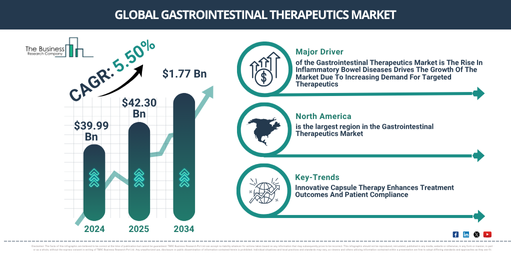
    In recent years, there has been a significant expansion of the gastrointestinal therapeutics market. The market, which stood at $39.99 billion in 2024, is projected to escalate to $42.30 billion in 2025, with a compound annual growth rate (CAGR) of 5.8%. Factors contributing to this increase during the historic period include heightened government spending on healthcare, improved rates of early diagnosis, an increase in awareness initiatives regarding gut health, a rise in lifestyle-based digestive ailments, and an augmented use of multidisciplinary approaches to treatment.

    Intense growth is projected for the gastrointestinal therapeutics market in the upcoming years, with expectancy of reaching $52.41 billion by 2029, reflecting a compound annual growth rate (CAGR) of 5.5%. The growth during this forecast period is primarily due to the increased demand for biologics and targeted treatments, the swell in the implementation of personalized medicine, a hike in patients’ inclination towards combination therapies, a rising focus on microbiome-specific treatments, and an increase in antibiotic-related gastrointestinal complications. The forecast period will witness various trends such as the use of technology in endoscopic devices, the creation of microbiome-oriented treatments, the confluence of digital health and remote monitoring, the utilization of multi-omics data in the advancement of therapies, and breakthroughs in acid suppression treatments.

    Download The Free Sample Report Here:

    https://www.thebusinessresearchcompany.com/sample.aspx?id=25768&type=smp

    #Which Factors Are Currently Driving The Growth Of The Gastrointestinal Therapeutics Market?

    The escalating incidence of inflammatory bowel diseases is projected to accelerate the expansion of the gastrointestinal therapeutics market. Inflammatory bowel disease (IBD), a long-term ailment, triggers inflammation of the digestive tract and mainly consists of Crohn’s disease and ulcerative colitis. The escalation of these diseases is attributed to genetic risk, leading to an anomalous immune reaction to intestinal microbes. Gastrointestinal therapeutics aid in managing and treating bowel diseases by addressing the root inflammation, managing digestive functions, and easing related symptoms to enhance patient results. For instance, the IBD Registry, a UK non-profit organization, reported that over 5,300 individuals with inflammatory bowel diseases (IBD) were registered in December 2023, indicating an increase of more than 3,000 members from the previous year. Consequently, the escalating incidences of inflammatory bowel diseases are propelling the growth of the gastrointestinal therapeutics market.

    How Is The Global Gastrointestinal Therapeutics Market Structured In Terms Of Segments?

    The gastrointestinal therapeutics market covered in this report is segmented –

    1) By Product: Over-The-Counter Gastrointestinal Therapeutics, Prescription-Based Gastrointestinal Therapeutics

    2) By Route Of Administration: Oral, Intravenous, Other Routes Of Administration

    3) By Application: Inflammatory Bowel Disease, Gastroesophageal Reflux Disease, Peptic Ulcer Disease, Irritable Bowel Syndrome, Other Applications

    4) By Distribution Channel: Hospital Pharmacies, Retail Pharmacies, Online Pharmacies

    5) By End-User: Hospitals, Clinics, Ambulatory Surgical Centers, Diagnostic Laboratories, Other End-Users

    Subsegments:

    1) By Over-The-Counter Gastrointestinal Therapeutics: Antacids, Laxatives, Anti-Diarrheal Agents, Digestive Enzymes, Probiotics, H2-Receptor Antagonists, Simethicone Products

    2) By Prescription-Based Gastrointestinal Therapeutics: Proton Pump Inhibitors, Antibiotics For H. pylori, Aminosalicylates, Biologics, Corticosteroids, Immunosuppressants, Antiemetics

    What Trends Are Currently Influencing Growth In The Gastrointestinal Therapeutics Market?

    Top-tier firms in the gastrointestinal therapeutics market are concentrating their efforts on the creation of innovative treatments, such as sustained-release (SR) fixed-dose blend capsules. This new method aims to increase patient adherence and elevate the potency of treatments. The sustained-release (SR) fixed-dose blend capsules are oral treatments that methodically release numerous active components over a certain period. This method ensures steady drug levels and less frequent dosing. For example, Akums Drugs and Pharmaceuticals Limited, a pharmaceutical manufacturing corporation based in India, introduced rabeprazole + levosulpiride SR capsules in June 2024. These capsules are intended for the treatment of various gastrointestinal issues in India. The specific formula merges rabeprazole, a proton pump inhibitor that lowers stomach acid, and levosulpiride, a prokinetic agent that raises gut movement. Collectively, they provide effective relief from symptoms such as heartburn, acid reflux, bloating, and indigestion. This combination is commonly recommended for gastroesophageal reflux disease, peptic ulcers, and other similar gastrointestinal (GI) issues.

    Who Are The Main Participants Shaping The Gastrointestinal Therapeutics Market Landscape?

    Major companies operating in the gastrointestinal therapeutics market are Abbott Laboratories, Novartis AG, Takeda Pharmaceutical Company Limited., Boehringer Ingelheim International GmbH, Otsuka Holdings Co. Ltd., Daiichi Sankyo Company Limited., Bausch Health Companies Inc, Olympus Corporation, UCB S.A., Eisai Co. Ltd., Aurobindo Pharma Limited., Dr. Reddy’s Laboratories Limited., Ironwood Pharmaceuticals Inc, Salix Pharmaceuticals Ltd., Ferring Pharmaceuticals A/S, Jubilant Pharma Limited., Sebela Pharmaceuticals Inc, Cosmo Pharmaceuticals N.V., Tillotts Pharma AG, Mitsubishi Tanabe Pharma Corporation

    Get The Full Report Here:

    https://www.thebusinessresearchcompany.com/report/gastrointestinal-therapeutics-global-market-report

    Which Region Currently Holds The Largest Share In The Gastrointestinal Therapeutics Market?

    North America was the largest region in the gastrointestinal therapeutics market in 2024. Asia-Pacific is expected to be the fastest-growing region in the forecast period. The regions covered in the gastrointestinal therapeutics market report are Asia-Pacific, Western Europe, Eastern Europe, North America, South America, Middle East, Africa.

    Request For A Customized Report:

    https://www.thebusinessresearchcompany.com/customise?id=25768&type=smp

    About The Business Research Company:

    With over 15000+ reports from 27 industries covering 60+ geographies, The Business Research Company has built a reputation for offering comprehensive, data-rich research and insights. Armed with 1,500,000 datasets, the optimistic contribution of in-depth secondary research, and unique insights from industry leaders, you can get the information you need to stay ahead in the game.

    Get in touch with us:

    The Business Research Company: https://www.thebusinessresearchcompany.com/

    Americas +1 310-496-7795

    Asia +44 7882 955267 & +91 8897263534

    Europe +44 7882 955267

    Email us at info@tbrc.info

    Follow us on:

    LinkedIn: https://in.linkedin.com/company/the-business-research-company

    YouTube: https://www.youtube.com/channel/UC24_fI0rV8cR5DxlCpgmyFQ

    Global Market Model: https://www.thebusinessresearchcompany.com/global-market-model
  • Competitive and Market Trend Analysis of Gastric Cancer Therapy Industry Through 2029

    Competitive and Market Trend Analysis of Gastric Cancer Therapy Industry Through 2029

    Claim your 30% discount on Global Market Reports with code ONLINE30. Limited time only.

    Claim your 30% discount on Global Market Reports with code ONLINE30. Limited time only.

    How Will the Gastric Cancer Therapy Market Evolve in Terms of Growth and Size by 2029?

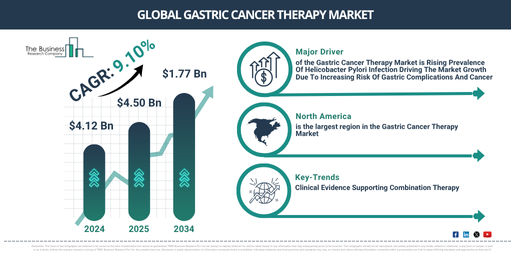
    The market for gastric cancer treatments has been witnessing considerable expansion in the past few years. Its size is projected to surge from $4.12 billion in 2024 to $4.50 billion in 2025, charting a compound annual growth rate (CAGR) of 9.3%. Factors that fueled this robust growth during the historical period include the escalating incident rates of h. pylori infection, augmented intake of tobacco and alcohol, an increasing elderly populace, a scarcity of early detection tools, and the wide-scale implementation of chemotherapy.

    Strong expansion is anticipated in the gastric cancer therapy market size over the coming years, forecasted to reach $6.39 billion by 2029 with a CAGR of 9.1%. This predicted growth through the forecast period is largely due to the upsurge in biomarker-based treatments, a growing prevalence of combination treatment strategies, significant investment in oncology R&D, improvements in healthcare infrastructure within developing economies, and the uptake of liquid biopsies for monitoring purposes. The forecast period is also likely to see major trends such as the advancement of personalized medicines, emphasis on targeted drug delivery systems, more clinical trials for innovative antibodies, the incorporation of AI into diagnostic imaging, and the development of combination therapies.

    Download The Free Sample Report Here:

    https://www.thebusinessresearchcompany.com/sample.aspx?id=25767&type=smp

    What factors are expected to fuel Gastric Cancer Therapy market growth in the coming years?

    The increasing frequency of helicobacter pylori infection is anticipated to fuel the expansion of the gastric cancer therapy market in the future. This bacterial infection primarily impacts the stomach’s lining and is a significant contributor to chronic gastritis and gastric cancer. The escalating frequency of helicobacter pylori infection is largely due to inadequate sanitation, as substandard hygiene practices and tainted food or water sources enable the transmission of the bacteria orally or fecally. Gastric cancer therapy serves to lower the risk of gastric cancer that comes from helicobacter pylori infection by addressing the infection, reducing related gastric inflammation and cellular damage, and hindering the advancement of chronic gastritis and atrophic modifications that can lead to the malignant transformation of the gastric mucosa. For example, in November 2024, a report published by the Government of Canada, a government administration based in Canada, stated that the recurrence rate of H. pylori infection might be as high as 19% as of January 2023, although it is variable and depends on age and geographical region. Consequently, the escalating frequency of helicobacter pylori infection is boosting the growth of the gastric cancer therapy market.

    What Are The Key Findings From The Segmentation Analysis Of The Gastric Cancer Therapy Market?

    The gastric cancer therapy market covered in this report is segmented –

    1) By Therapy Type: Chemotherapy, Targeted Therapy, Immunotherapy, Radiation Therapy, Surgery

    2) By Drug Class: Cytotoxic Agents, Monoclonal Antibodies, Tyrosine Kinase Inhibitors, Checkpoint Inhibitors, Miscellaneous Agents

    3) By Administration Route: Oral, Intravenous, Intramuscular, Subcutaneous

    4) By Stage of Disease: Early Stage, Locally Advanced Stage, Metastatic Stage

    5) By End User: Hospitals, Oncology Clinics, Ambulatory Surgical Centers, Research Institutions, Home Care Settings

    Subsegments:

    1) By Chemotherapy: Neoadjuvant Chemotherapy (NAC), Adjuvant Chemotherapy (AC), Palliative Chemotherapy (PC), Combination Chemotherapy, Monotherapy

    2) By Targeted Therapy: Human Epidermal Growth Factor Receptor 2 (HER2) Targeted Therapy, Vascular Endothelial Growth Factor (VEGF) Inhibitors, Fibroblast Growth Factor Receptor (FGFR) Inhibitors, Mesenchymal-Epithelial Transition (MET) Inhibitors, Claudin 18 Isoform 2 Inhibitors

    3) By Immunotherapy: Immune Checkpoint Inhibitors, Cancer Vaccines, Adoptive Cell Transfer, Cytokine Therapy, Combination Immunotherapy

    4) By Radiation Therapy: External Beam Radiation Therapy (EBRT), Intensity-Modulated Radiation Therapy (IMRT), Three-Dimensional Conformal Radiation Therapy (3D-CRT), Brachytherapy

    5) By Surgery: Endoscopic Mucosal Resection (EMR), Endoscopic Submucosal Dissection (ESD), Subtotal Gastrectomy, Total Gastrectomy, Lymphadenectomy

    Which Trends Are Expected To Shape The Future Of The Gastric Cancer Therapy Market?

    The key players in the gastric cancer therapy market are concentrating their efforts on the creation of groundbreaking treatment methods, such as combination therapy, to boost the effectiveness of treatment and patient outcomes. Combination therapy implies the use of two or more treatments, such as chemotherapy, targeted therapy, or immunotherapy, in conjunction to increase overall effectiveness. For example, BeOne Medicines Ltd., a pharmaceutical company formerly known as BeiGene based in China, attained approval from the U.S. Food and Drug Administration (FDA) in December 2024 for Tevimbra (tislelizumab-jsgr) to be used in combination with platinum- and fluoropyrimidine-based chemotherapy as the initial treatment for adults suffering from inoperable or metastatic HER2-negative gastric or gastroesophageal junction (G/GEJ) adenocarcinoma where the tumors reveal PD-L1 (=1) expression. This endorsement came about due to the results garnered from the Phase 3 RATIONALE-305 trial which showed that combining the therapies remarkably enhanced the median overall survival to 15.0 months as opposed to 12.9 months when using just chemotherapy, depicting a 20% decrease in the chance of mortality. This achievement emphasized an emerging pattern among dominant pharmaceutical firms of investing in pioneering, multifaceted treatment techniques that merge immunotherapy with traditional chemotherapy treatments to improve clinical results, postpone disease advancement, and enhance survival rates among patients diagnosed with advanced gastric cancer.

    What Are The Most Active Companies In The Gastric Cancer Therapy Market Today?

    Major companies operating in the gastric cancer therapy market are Pfizer Inc., F. Hoffmann-La Roche Ltd., Merck & Co. Inc., Sanofi S.A., Bristol-Myers Squibb Company, AstraZeneca PLC, Novartis AG, GSK plc, Eli Lilly and Company, Amgen Inc., Teva Pharmaceutical Industries Ltd., Otsuka Holdings Co. Ltd., Astellas Pharma Inc., Jiangsu Hengrui Pharmaceuticals Co. Ltd., BeiGene Ltd., Celltrion Healthcare Co. Ltd., Hutchison MediPharma Limited, Shanghai Henlius Biotech Inc., Imugene Limited, LintonPharm Co. Ltd.

    Get The Full Report Here:

    https://www.thebusinessresearchcompany.com/report/gastric-cancer-therapy-global-market-report

    Which Regional Markets Are Attracting The Most Investment In Gastric Cancer Therapy?

    North America was the largest region in the gastric cancer therapy market in 2024. Asia-Pacific is expected to be the fastest-growing region in the forecast period. The regions covered in the gastric cancer therapy market report are Asia-Pacific, Western Europe, Eastern Europe, North America, South America, Middle East, Africa.

    Request For A Customized Report:

    https://www.thebusinessresearchcompany.com/customise?id=25767&type=smp

    About The Business Research Company:

    With over 15000+ reports from 27 industries covering 60+ geographies, The Business Research Company has built a reputation for offering comprehensive, data-rich research and insights. Armed with 1,500,000 datasets, the optimistic contribution of in-depth secondary research, and unique insights from industry leaders, you can get the information you need to stay ahead in the game.

    Get in touch with us:

    The Business Research Company: https://www.thebusinessresearchcompany.com/

    Americas +1 310-496-7795

    Asia +44 7882 955267 & +91 8897263534

    Europe +44 7882 955267

    Email us at info@tbrc.info

    Follow us on:

    LinkedIn: https://in.linkedin.com/company/the-business-research-company

    YouTube: https://www.youtube.com/channel/UC24_fI0rV8cR5DxlCpgmyFQ

    Global Market Model: https://www.thebusinessresearchcompany.com/global-market-model
  • Comprehensive Forecast: Eye Allergy Therapeutics Market Share, Growth, and Opportunities Through 2029

    Claim your 30% discount on Global Market Reports with code ONLINE30. Limited time only.

    Claim your 30% discount on Global Market Reports with code ONLINE30. Limited time only.

    What Are the Latest Market Insights for the Eye Allergy Therapeutics Industry?

    The market size of eye allergy treatments has experienced a robust expansion in recent times. The market is projected to rise from $3.04 billion in 2024 to $3.23 billion in 2025, registering a compound annual growth rate (CAGR) of 6.4%. The growth during the historic period was driven by factors such as an uptick in cases of allergic conjunctivitis, heightened awareness of eye allergies, escalating urban pollution levels, broader availability of progressive treatments, and improvements in healthcare infrastructure.

    Expectations are high for substantial growth in the size of the eye allergy therapeutics market in the coming years. Predictions suggest it will rise to a value of $4.10 billion by 2029, with a compound annual growth rate (CAGR) of 6.1%. Factors contributing to this expected growth during the forecast period include an increasing geriatric population, a rise in the use of biologics, more investment in research related to ophthalmology, greater knowledge regarding the symptoms of eye allergies, and improvements in drug delivery technology. Key trends during these forecast years include advancements in individualized medicine, innovations in extended-release formulations, the incorporation of digital diagnostics, progress in biologic treatments, and breakthroughs in non-invasive treatment techniques.

    Download The Free Sample Report Here:

    https://www.thebusinessresearchcompany.com/sample.aspx?id=25765&type=smp

    What Forces Are Driving The Growth Of The Eye Allergy Therapeutics Industry?

    The escalating occurrence of eye allergies is forecasted to surge the expansion of the eye allergy therapeutics market. Immune system reactions causing inflammation and irritation amidst exposure to allergens are known as eye allergies. This cumulative occurrence of eye allergies can be attributed to the escalating environmental pollution, which leads to increased exposure to airborne allergens, thus provoking higher frequencies of allergic responses. The therapeutics for eye allergies work to manage such allergies by suppressing inflammation, assuaging itching and redness, and obstructing allergic reactions to offer effective alleviation from symptoms. For instance, data from the US-based biomedical library, the National Library of Medicine, in May 2025 indicated that ocular allergy (OA) impacted 49.3% (n=207) of patients, 90.3% of which consisted of seasonal allergic conjunctivitis (SAC), mainly seen in 14 year-olds (23.4%) and females (58.8%). Consequently, the escalating frequency of eye allergies is fuelling the growth of the eye allergy therapeutics market.

    What Is The Overview Of Market Segmentation In The Eye Allergy Therapeutics Industry?

    The eye allergy therapeutics market covered in this report is segmented –

    1) By Drug Class: Antihistamines, Mast Cell Stabilizers, Dual-Action Agents, Corticosteroids, Decongestants, Immunotherapy, Other Drug Classes

    2) By Allergy Type: Seasonal Allergic Conjunctivitis (SAC), Perennial Allergic Conjunctivitis (PAC), Vernal Keratoconjunctivitis (VKC), Atopic Keratoconjunctivitis (AKC), Giant Papillary Conjunctivitis

    3) By Route of Administration: Topical, Oral, Injectable, Ocular, Systemic

    4) By Distribution Channel: Hospital Pharmacies, Retail Pharmacies, Online Pharmacies, Other Channels

    5) By End User: Hospitals, Clinics, Homecare Settings, Pharmacies, Research Institutions

    Subsegments:

    1) By Antihistamines: Olopatadine, Ketotifen, Emedastine, Levocabastine, Bepotastine

    2) By Mast Cell Stabilizers: Cromolyn Sodium, Nedocromil, Lodoxamide, Pemirolast

    3) By Dual-action Agents: Olopatadine, Ketotifen Fumarate, Azelastine, Alcaftadine

    4) By Corticosteroids: Loteprednol Etabonate, Prednisolone Acetate, Dexamethasone, Fluorometholone

    5) By Decongestants: Naphazoline, Tetrahydrozoline, Oxymetazoline, Phenylephrine

    6) By Immunotherapy: Subcutaneous Immunotherapy, Sublingual Immunotherapy, Allergen-specific Desensitization Drops

    7) By Other Drug Classes: Nonsteroidal Anti-inflammatory Drugs, Biologics

    What Future Market Trends Are Projected For The Eye Allergy Therapeutics Industry?

    Leading firms in the eye allergy therapeutics market are prioritizing product innovation. They are focusing on creating new solutions such as eye allergy itch relief treatments that offer quicker symptom relief, improve patient convenience, and broaden accessibility through over-the-counter distribution. Therapies designed specifically to soothe itchiness triggered by eye allergies are gaining prominence in the industry. For instance, Glenmark Pharmaceuticals Limited, a pharmaceutical company based in India, launched the Olopatadine Hydrochloride Ophthalmic Solution USP, 0.1% (OTC) in August 2024 to address eye allergy symptoms. This product, designed for bi-daily usage, promptly and effectively alleviates symptoms of allergic conjunctivitis like itchiness, eye redness and watering. The product being readily available over the counter is a response to the increasing demand for self-care solutions and aims to increase its consumer base in the eye care industry.

    Who Are The Primary Players Operating Across The Global Eye Allergy Therapeutics Market?

    Major companies operating in the eye allergy therapeutics market are Pfizer Inc., Johnson & Johnson, F. Hoffmann-La Roche Ltd., AbbVie Inc., Bayer AG, Novartis AG, GlaxoSmithKline plc, Teva Pharmaceutical Industries Limited, Regeneron Pharmaceuticals Inc., Alcon Inc., Bausch Health Companies Inc., Sun Pharmaceutical Industries Limited, Hikma Pharmaceuticals plc, Santen Pharmaceutical Co. Ltd., Zydus Lifesciences Limited, Stallergenes Greer Ltd., HAL Allergy B.V., Ocular Therapeutix Inc., Tarsus Pharmaceuticals Inc., Nicox S.A.

    Get The Full Report Here:

    https://www.thebusinessresearchcompany.com/report/eye-allergy-therapeutics-global-market-report

    Which Region Offers The Most Growth Potential For The Eye Allergy Therapeutics Market Through 2029?

    North America was the largest region in the eye allergy therapeutics market in 2024. The regions covered in the eye allergy therapeutics market report are Asia-Pacific, Western Europe, Eastern Europe, North America, South America, Middle East, Africa.

    Request For A Customized Report:

    https://www.thebusinessresearchcompany.com/customise?id=25765&type=smp

    About The Business Research Company:

    With over 15000+ reports from 27 industries covering 60+ geographies, The Business Research Company has built a reputation for offering comprehensive, data-rich research and insights. Armed with 1,500,000 datasets, the optimistic contribution of in-depth secondary research, and unique insights from industry leaders, you can get the information you need to stay ahead in the game.

    Get in touch with us:

    The Business Research Company: https://www.thebusinessresearchcompany.com/

    Americas +1 310-496-7795

    Asia +44 7882 955267 & +91 8897263534

    Europe +44 7882 955267

    Email us at info@tbrc.info

    Follow us on:

    LinkedIn: https://in.linkedin.com/company/the-business-research-company

    YouTube: https://www.youtube.com/channel/UC24_fI0rV8cR5DxlCpgmyFQ

    Global Market Model: https://www.thebusinessresearchcompany.com/global-market-model
  • Future Demand and Leading Companies Shaping the Estrogen Replacement Therapy Market to 2029

    Future Demand and Leading Companies Shaping the Estrogen Replacement Therapy Market to 2029

    Claim your 30% discount on Global Market Reports with code ONLINE30. Limited time only.

    Claim your 30% discount on Global Market Reports with code ONLINE30. Limited time only.

    What Are the Forecasted Growth Rate and Market Size of the Estrogen Replacement Therapy Market?

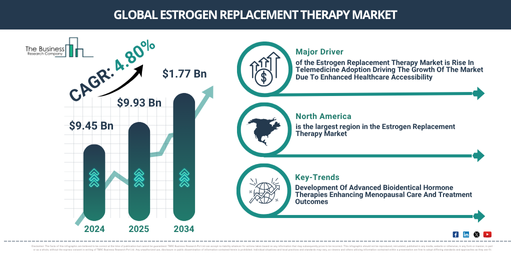
    The market size for estrogen replacement therapy has seen robust growth in the past few years. The size is projected to surge from $9.45 billion in 2024 to $9.93 billion in 2025, with a Compound Average Growth Rate (CAGR) of 5.1%. The key drivers for growth in the historic period include a rise in the aging female population, increased life expectancy, urbanization and changes in lifestyle, augmented understanding about managing menopause, and an expanding female labor force.

    In the coming years, consistent expansion is predicted for the estrogen replacement therapy market which is projected to magnify to $11.97 billion by 2029, with a 4.8% compound annual growth rate (CAGR). The surge during the forecasted period is largely due to evolving societal norms, an increase in premature menopause cases, wider contraceptive usage, improved patient comprehension, and a rise in the detection of ovarian dysfunction. Key trends for the projected period encompass advances in drug delivery systems, personalized hormone therapy, the creation of bioidentical hormones, incorporation of digital health, and innovation in the field of plant-based estrogens.

    Download The Free Sample Report Here:

    https://www.thebusinessresearchcompany.com/sample.aspx?id=25764&type=smp

    Which Factor Is Shaping The Future Of The Estrogen Replacement Therapy Market?

    The rise in telemedicine practices is expected to stimulate expansion in the estrogen replacement therapy market in the future. Telemedicine provides health services remotely through digital communication platforms, permitting patients to consult with medical professionals and receive treatment without physical presence. This method is gaining traction due to heightened accessibility, particularly for those in remote or underserved locations who can now more easily access healthcare providers. The increased acceptance of telemedicine promotes the demand for estrogen replacement therapy, as it facilitates consultations with specialists and the obtaining of hormone therapy prescriptions without the need for regular physical visits, especially in areas where gynecological care is deficient. For example, Rock Health, a US-based digital-health-oriented investment company, reported in February 2023 that a survey of 8,014 respondents showed that 80% had used telemedicine at least once from July 12 to August 22, 2022, an 8% increase from 72% in 2021. Consequently, the growing use of telemedicine is propelling the estrogen replacement therapy market’s expansion.

    What Is The Segment-Wise Breakdown Of The Estrogen Replacement Therapy Market?

    The estrogen replacement therapy market covered in this report is segmented –

    1) By Type: Oral, Topical, Transdermal, Vaginal, Parenteral

    2) By Dosage Form: Tablets, Patches, Gels, Implants, Injections, Suppositories

    3) By Distribution Channel: Hospital Pharmacies, Retail Pharmacies, Online Pharmacies, Other Distribution Channels

    4) By Application: Menopause, Hypogonadism, Osteoporosis, Other Applications

    5) By End-User: Hospitals, Clinics, Homecare, Other End-Users

    Subsegments:

    1) By Oral: Conjugated Estrogens Tablets, Estradiol Tablets, Estropipate Tablets, Combined Estrogen-Progestin Tablets

    2) By Topical: Estrogen Creams, Estrogen Gels, Estrogen Sprays, Estrogen Emulsions

    3) By Transdermal: Transdermal Patches, Transdermal Gels, Microneedle Patches

    4) By Vaginal: Vaginal Creams, Vaginal Tablets Or Inserts, Vaginal Rings, Vaginal Suppositories

    5) By Parenteral: Intramuscular Injections, Subcutaneous Implants, Intravenous Formulations

    Which Trends Are Redefining The Future Landscape Of The Estrogen Replacement Therapy Industry?

    Leading firms in the estrogen replacement therapy market are prioritizing the development of advanced solutions like bioidentical estradiol. This meets individual hormonal requirements and dosages. Bioidentical estradiol, a laboratory-created type of estrogen, matches the molecular structure of estrogen naturally generated by humans and is commonly deployed in hormone therapy. For example, Jagsonpal Pharmaceuticals Limited, an Indian pharmaceutical firm, introduced MemUp in May 2024. This is a hormone replacement therapy option offering a daily oral dosage that includes a blend of bioidentical estradiol and bioidentical progesterone. Both these components have received approval from the United States Food and Drug Administration. This represents a significant improvement in women’s healthcare as it efficiently manages symptoms associated with menopause like hot flashes, sleep disturbances, and night sweats. It caters to the increasing need for up-to-date and effectual hormone therapy methods. This therapy applies a combination that closely imitates the body’s hormones, which provides a more natural and balanced treatment method. Additionally, its convenient, single-capsule formulation boosts patient’s adherence to the treatment, thus increasing successful outcomes.

    Which Companies Hold The Largest Market Share In The Estrogen Replacement Therapy Sector?

    Major companies operating in the estrogen replacement therapy market are Pfizer Inc., Merck & Co. Inc., Bayer AG, AstraZeneca PLC, Abbott Laboratories Inc., Novartis AG, Novo Nordisk A/S, Viatris Inc., Teva Pharmaceutical Industries Ltd., Perrigo Company Plc, Gedeon Richter Plc, Orion Corporation, Hisamitsu Pharmaceutical Co. Inc., ANI Pharmaceuticals Inc., Theramex Limited, Noven Pharmaceuticals Inc., Besins Healthcare S.A., TherapeuticsMD Inc., Montage Labs Inc., Gynogen GmbH.

    Get The Full Report Here:

    https://www.thebusinessresearchcompany.com/report/estrogen-replacement-therapy-global-market-report

    How Does Regional Performance Compare Across The Estrogen Replacement Therapy Industry?

    North America was the largest region in the estrogen replacement therapy market in 2024. Asia-Pacific is expected to be the fastest-growing region in the forecast period. The regions covered in the estrogen replacement therapy market report are Asia-Pacific, Western Europe, Eastern Europe, North America, South America, Middle East, Africa.

    Request For A Customized Report:

    https://www.thebusinessresearchcompany.com/customise?id=25764&type=smp

    About The Business Research Company:

    With over 15000+ reports from 27 industries covering 60+ geographies, The Business Research Company has built a reputation for offering comprehensive, data-rich research and insights. Armed with 1,500,000 datasets, the optimistic contribution of in-depth secondary research, and unique insights from industry leaders, you can get the information you need to stay ahead in the game.

    Get in touch with us:

    The Business Research Company: https://www.thebusinessresearchcompany.com/

    Americas +1 310-496-7795

    Asia +44 7882 955267 & +91 8897263534

    Europe +44 7882 955267

    Email us at info@tbrc.info

    Follow us on:

    LinkedIn: https://in.linkedin.com/company/the-business-research-company

    YouTube: https://www.youtube.com/channel/UC24_fI0rV8cR5DxlCpgmyFQ

    Global Market Model: https://www.thebusinessresearchcompany.com/global-market-model
  • Latest Market Developments in Environmental Biotechnology Industry: Forecast 2025–2029

    Latest Market Developments in Environmental Biotechnology Industry: Forecast 2025–2029

    Claim your 30% discount on Global Market Reports with code ONLINE30. Limited time only.

    Claim your 30% discount on Global Market Reports with code ONLINE30. Limited time only.

    How Large Is the Environmental Biotechnology Market Expected to Be in 2029?

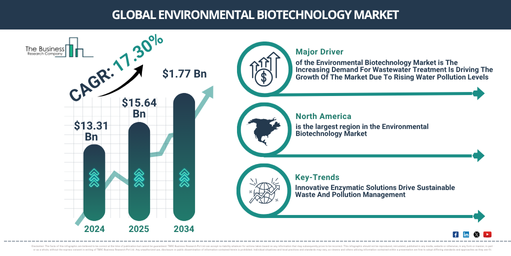
    S1: The market size for environmental biotechnology has experienced swift expansion in the preceding years. The market is projected to grow from $13.31 billion in 2024 to $15.64 billion by 2025, with a compound annual growth rate (CAGR) of 17.5%. The historical growth of this market is linked to rising industrial pollution, escalating worries about soil and water pollution, an increase in regulatory pressure for environmental compliance, a growing understanding of the deficiencies of chemical treatments, and an upsurge in waste production owing to urbanization.

    Anticipations have been made about a swift expansion of the environmental biotechnology market size in the approaching years. The projections indicate that it will accelerate to $29.61 billion by 2029, demonstrating a compound annual growth rate (CAGR) of 17.3%. The escalation during the predicted duration could be accredited to the heightened attention on counteracting climate change, an upsurge in investment for circular bioeconomy models, growth in demand for eco-friendly industrial practices, an increase in preference for low-carbon industrial processes, and a rise in climate-related catastrophes. The major expected trends during this duration encompass the production of bioplastics from agricultural remains, the invention of bioleaching techniques for recycling electronic waste, the fusion of bioinformatics in pollution gene mapping, the merger of sustainable methods into industrial biotechnology, and technological advancements in enzyme-based soil detoxification.

    Download The Free Sample Report Here:

    https://www.thebusinessresearchcompany.com/sample.aspx?id=25762&type=smp

    What Are The Contributors To Demand In The Environmental Biotechnology Market?

    The environmental biotechnology market’s expansion is anticipated to be fueled by the escalating need for wastewater treatment. The latter refers to the removal of detrimental substances, contaminants, and pollutants from dirty or used water, rendering it safe for reuse or environmental discharge. The growing need for wastewater treatment is principally attributed to an increase in water pollution, which poses threats to public health, ecosystems, and the availability of clean water. By employing biological processes and organisms, environmental biotechnology optimizes wastewater treatment, effectively breaking down pollutants, decreasing toxic waste, and facilitating cleaner water discharge. For example, a report from the American Society of Civil Engineers, a professional organization based in the US, revealed that by 2024, the projected annual investment deficit for water infrastructure, encompassing drinking water, wastewater, and stormwater, stood at $99 billion, a marked increase from the $81 billion indicated in ASCE’s 2021 study. Consequently, the burgeoning need for wastewater treatment is spurring the expansion of the environmental biotechnology market.

    What Segmentation Categories Are Included In The Environmental Biotechnology Market Analysis?

    The environmental biotechnology market covered in this report is segmented –

    1) By Product: Microbial Blends, Nutrients, Enzymes, Microbes

    2) By Technology: Tissue Engineering And Regeneration, Cell-Based Assays, Nanobiotechnology, Fermentation, Chromatography, Deoxyribonucleic Acid (DNA) Sequencing, Polymerase Chain Reaction Technology, Other Technologies

    3) By Application: Wastewater Treatment, Bioremediation, Other Applications

    4) By End User: Agriculture, Water Treatment, Energy, Waste Management, Food And Beverage, Pharmaceuticals

    Subsegments:

    1) By Microbial Blends: Bioaugmentation Blends, Bioremediation Microbial Consortia, Waste Decomposition Microbial Mixes, Odor Control Microbial Formulations

    2) By Nutrients: Nitrogen Supplements, Phosphorus Additives, Trace Mineral Blends, Carbon Source Additives

    3) By Enzymes: Waste Degrading Enzymes, Oil And Grease-Degrading Enzymes, Sludge Reduction Enzymes, Odor Control Enzymes

    4) By Microbes: Bacteria, Fungi, Algae, Genetically Engineered Microorganisms

    What Upcoming Trends Are Expected To Impact The Environmental Biotechnology Market Globally?

    Leading corporations in the environmental biotechnology sector are prioritizing the creation of inventive strategies such as enzyme-based biocatalysts, that can amplify both the effectiveness and sustainability of waste management and pollution control systems. Enzyme-based biocatalysts, which are biological molecules, quicken chemical reactions, allowing for swifter and more productive processes in environmental applications like waste decomposition and pollutant elimination. To illustrate, Novonesis A/S, a biotechnology firm established in Denmark, introduced Eversa Advance in November 2024. This enzymatic solution is designed to augment the efficacy and sustainability of biodiesel feedstock processing, predominantly for materials holding up to 20% of free fatty acids. This cutting-edge solution lets biodiesel manufacturers operate with waste-based feedstocks without resorting to acid esterification, thereby reducing pretreatment operational expenses by a substantial 45%. It also curtails equipment wear and tear and minimizes downtime. Enhancing feedstock versatility through this solution escalates plant profitability and fosters more environmentally-conscious biodiesel production.

    Who Are The Top-Ranked Companies In The Environmental Biotechnology Market Today?

    Major companies operating in the environmental biotechnology market are BASF SE, Dow Chemical Company, Thermo Fisher Scientific Inc., Merck KGaA, Evonik Industries AG, Ecolab Inc., DuPont de Nemours Inc., Suez SA, Agilent Technologies Inc., Novonesis A/S, LCY Chemical Corporation, Ginkgo Bioworks Holdings Inc., Praj Industries Limited, Genomatica Inc., LanzaTech Global Inc., Biorem Inc., Green Biologics Ltd., Veolia Environnement S.A., Alken-Murray Corporation, SynBioBeta LLC.

    Get The Full Report Here:

    https://www.thebusinessresearchcompany.com/report/environmental-biotechnology-global-market-report

    How Is Environmental Biotechnology Market Adoption Varying Across Different Regions And Sectors?

    North America was the largest region in the environmental biotechnology market in 2024. The regions covered in the environmental biotechnology market report are Asia-Pacific, Western Europe, Eastern Europe, North America, South America, Middle East, Africa.

    Request For A Customized Report:

    https://www.thebusinessresearchcompany.com/customise?id=25762&type=smp

    About The Business Research Company:

    With over 15000+ reports from 27 industries covering 60+ geographies, The Business Research Company has built a reputation for offering comprehensive, data-rich research and insights. Armed with 1,500,000 datasets, the optimistic contribution of in-depth secondary research, and unique insights from industry leaders, you can get the information you need to stay ahead in the game.

    Get in touch with us:

    The Business Research Company: https://www.thebusinessresearchcompany.com/

    Americas +1 310-496-7795

    Asia +44 7882 955267 & +91 8897263534

    Europe +44 7882 955267

    Email us at info@tbrc.info

    Follow us on:

    LinkedIn: https://in.linkedin.com/company/the-business-research-company

    YouTube: https://www.youtube.com/channel/UC24_fI0rV8cR5DxlCpgmyFQ

    Global Market Model: https://www.thebusinessresearchcompany.com/global-market-model
  • Global Insights: Cytokine-Based Therapies And Inhibitors Market Expected to Surpass $173.32  Billion by 2029

    Global Insights: Cytokine-Based Therapies And Inhibitors Market Expected to Surpass $173.32 Billion by 2029

    Claim your 30% discount on Global Market Reports with code ONLINE30. Limited time only.

    Claim your 30% discount on Global Market Reports with code ONLINE30. Limited time only.

    What Are the Forecasted Growth Rate and Market Size of the Cytokine-Based Therapies And Inhibitors Market?

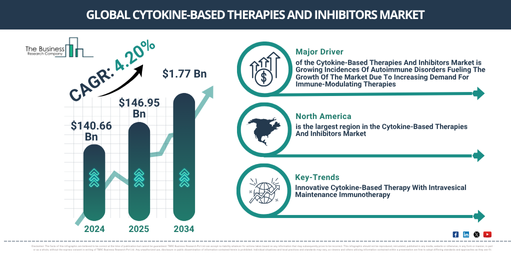
    The market size for cytokine-based therapies and inhibitors has been experiencing a steady growth in recent years. The market, valued at $140.66 billion in 2024, is projected to increase to $146.95 billion in 2025 with a compound annual growth rate (CAGR) of 4.5%. Factors contributing to this growth during the historic period include a rise in autoimmune diseases, a surge in cancer cases, an increase in the burden of infectious diseases, a growing demand for personalized medicine, advancements in vaccine production, and increased understanding and awareness about immunotherapies.

    Anticipated consistent expansion is in the forecast for the cytokine-based therapies and inhibitors market, with a predicted valuation of $173.32 billion by 2029, boasting a compound annual growth rate (CAGR) of 4.2%. The progression during the forecast period can be traced back to aspects such as an aging global demographic, a rise in the utilization of focused treatments, a growing occurrence of chronic inflammatory illnesses, a swelling pipeline of clinical trials, governmental aid for immunology studies, and a heightened consideration towards patient results and security. The period is also set to witness breakthroughs in protein engineering, the advent of inhibitors targeting multiple cytokines, the application of artificial intelligence in drug development, the use of next-generation sequencing in biomarker identification, digital health platforms’ integration, and improved formulation methodologies for enhanced stability.

    Download The Free Sample Report Here:

    https://www.thebusinessresearchcompany.com/sample.aspx?id=25734&type=smp

    Which Factor Is Shaping The Future Of The Cytokine-Based Therapies And Inhibitors Market?

    The cytokine-based therapies and inhibitors market is anticipated to grow due to an increase in the rate of autoimmune disorders. These disorders occur when the body’s immune system incorrectly attacks its own healthy cells and tissues, believing them to be harmful intruders. The mounting cases of autoimmune disorders can be linked to changes in diet, specifically a rise in the intake of heavily processed foods. These foods can disrupt gut microbiota and impair immune regulation. Therapies and inhibitors based on cytokines can control the immune response by focusing on particular cytokines that play a role in inflammation, which makes them effective at controlling autoimmune disorders. For instance, a study by Versorgungsatlas.de, a healthcare portal based in Germany, reported that in November 2024, out of 73,241,305 insured individuals in 2022, 6,304,340 were diagnosed with a minimum of one autoimmune disease, leading to a crude prevalence rate of 8.61%. Consequently, the rising cases of autoimmune disorders are fueling the growth of the cytokine-based therapies and inhibitors market.

    What Is The Segment-Wise Breakdown Of The Cytokine-Based Therapies And Inhibitors Market?

    The cytokine-based therapies and inhibitors market covered in this report is segmented –

    1) By Type: Interleukins, Tumor Necrosis Factor, Epidermal Growth Factor, Interferon, Chemokine

    2) By Application: Cancer And Malignancies, Inflammatory And Immune Disorders, Infectious Diseases, Asthma And Airway Inflammation, Other Applications

    3) By End User: Hospitals, Clinics, Research Laboratories, Academic And Research Institutes, Specialty Centers, Other End Users

    Subsegments:

    1) By Interleukins: Interleukin-2, Interleukin-6, Interleukin-10, Interleukin-12, Interleukin-17, Interleukin-23

    2) By Tumor Necrosis Factor (TNF): Tumor Necrosis Factor-Alpha Inhibitors, Tumor Necrosis Factor-Beta Inhibitors

    3) By Epidermal Growth Factor (EGF): Epidermal Growth Factor Receptor Inhibitors, Human Epidermal Growth Factor Receptor 2 Inhibitors

    4) By Interferon: Interferon-Alpha, Interferon-Beta, Interferon-Gamma

    5) By Chemokine: C-C Chemokine Receptor Type 5 Antagonists, C-X-C Chemokine Receptor Type 4 Inhibitors, C-X-C Chemokine Receptor Type 1/2 Inhibitors

    Which Trends Are Redefining The Future Landscape Of The Cytokine-Based Therapies And Inhibitors Industry?

    Leading companies in the cytokine-based therapy and inhibitor market are centering their attention on pioneering therapies such as intravesical cytokine maintenance immunotherapy. This approach is aimed at boosting the longevity of complete responses and diminishing relapse rates in patients affected by BCG-unresponsive non-muscle invasive bladder cancer (NMIBC). Intravesical cytokine maintenance immunotherapy includes the straight delivery of immune-activating proteins into the bladder, after which long-term maintenance dosage is administered to persistently stimulate local immune reactions and hinder tumor regrowth. For instance, nogapendekin alfa inbakicept-pmln (Anktiva) received approval from the US government regulatory body, Food and Drug Administration, in April 2024. Recognized as a unique cytokine-based therapy, Anktiva is used with Bacillus Calmette-Guérin (BCG), functioning as a fusion protein that targets interleukin-15 (IL-15) pathways, consequently activating CD122-positive immune cells including natural killer (NK) cells and CD8-positive T cells. These workings are consistent with cytokine-based therapy principles that employ signaling proteins like IL-15 to reinforce immune surveillance and anti-tumor activity within the body.

    Which Companies Hold The Largest Market Share In The Cytokine-Based Therapies And Inhibitors Sector?

    Major companies operating in the cytokine-based therapies and inhibitors market are Pfizer Inc., Johnson & Johnson, F. Hoffmann-La Roche Ltd, AbbVie Inc., Bayer AG, Novartis AG, Sanofi SA, Bristol-Myers Squibb Company, Thermo Fisher Scientific Inc., AstraZeneca Plc, GlaxoSmithKline plc, Eli Lilly and Company, Amgen Inc, Lonza Group AG, Cytiva, UCB S.A., Sartorius CellGenix GmbH, Biocon Limited, Bio-Techne Corporation, Miltenyi Biotec B.V. & Co. KG.

    Get The Full Report Here:

    https://www.thebusinessresearchcompany.com/report/cytokine-based-therapies-and-inhibitors-global-market-report

    How Does Regional Performance Compare Across The Cytokine-Based Therapies And Inhibitors Industry?

    North America was the largest region in the cytokine-based therapies and inhibitors market in 2024. Asia-Pacific is expected to be the fastest-growing region in the forecast period. The regions covered in the cytokine-based therapies and inhibitors market report are Asia-Pacific, Western Europe, Eastern Europe, North America, South America, Middle East, Africa.

    Request For A Customized Report:

    https://www.thebusinessresearchcompany.com/customise?id=25734&type=smp

    About The Business Research Company:

    With over 15000+ reports from 27 industries covering 60+ geographies, The Business Research Company has built a reputation for offering comprehensive, data-rich research and insights. Armed with 1,500,000 datasets, the optimistic contribution of in-depth secondary research, and unique insights from industry leaders, you can get the information you need to stay ahead in the game.

    Get in touch with us:

    The Business Research Company: https://www.thebusinessresearchcompany.com/

    Americas +1 310-496-7795

    Asia +44 7882 955267 & +91 8897263534

    Europe +44 7882 955267

    Email us at info@tbrc.info

    Follow us on:

    LinkedIn: https://in.linkedin.com/company/the-business-research-company

    YouTube: https://www.youtube.com/channel/UC24_fI0rV8cR5DxlCpgmyFQ

    Global Market Model: https://www.thebusinessresearchcompany.com/global-market-model
  • 2025 Analysis: Opportunities and Risks in the Evolving Cryptococcosis Therapeutics Market

    2025 Analysis: Opportunities and Risks in the Evolving Cryptococcosis Therapeutics Market

    Claim your 30% discount on Global Market Reports with code ONLINE30. Limited time only.

    Claim your 30% discount on Global Market Reports with code ONLINE30. Limited time only.

    What Is the Estimated Industry Valuation for the Cryptococcosis Therapeutics Sector?

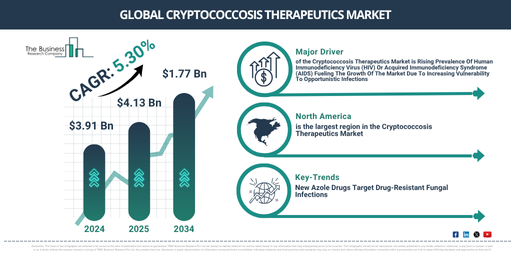
    The market for cryptococcosis therapeutics has seen substantial growth in recent years. It is set to grow from a valuation of $3.91 billion in 2024 to reach $4.13 billion in 2025, exhibiting a compound annual growth rate (CAGR) of 5.6%. This growth recorded in the historical period can be associated with an increased prevalence of HIV or AIDS, heightened awareness about fungal infections, improved availability of antifungal drugs, expansion in worldwide monitoring and fungal disease awareness initiatives, and the development in non-governmental health projects.

    In the coming years, robust expansion is expected in the cryptococcosis therapeutics market, with a projection to attain $5.07 billion by 2029. A compound annual growth rate (CAGR) of 5.3% will drive this growth. The predicted growth in the forecast period can be traced back to increased funding in antifungal research and the development of new drugs. Other contributing factors include the growing cases of immunosuppressive conditions and treatments, a rise in global fungal diseases, and an increased demand for quick diagnostic tools and combined therapies. Important trends in the forecast period feature a shift towards combined antifungal therapy, the invention of next-generation antifungals with unique mechanisms, the incorporation of artificial intelligence and machine learning, adoption of innovative drug delivery systems, and a holistic approach towards managing fungal diseases.

    Download The Free Sample Report Here:

    https://www.thebusinessresearchcompany.com/sample.aspx?id=25733&type=smp

    What Forces Are Driving The Growth Of The Cryptococcosis Therapeutics Market?

    The growth of the cryptococcosis therapeutics market is anticipated to be driven by the increasing cases of human immunodeficiency virus (HIV) or acquired immunodeficiency syndrome (AIDS). HIV/AIDS is a significant global health issue, characterized by a chronic, fatal virus that compromises the immune system, making the body susceptible to various infections and diseases. The escalation in HIV/AIDS in certain regions is largely due to restricted access to healthcare services, inhibiting early detection, continuous treatment, and effective prevention strategies. Through targeting the frequent fungal infections in those with compromised immune systems, cryptococcosis therapeutics contributes significantly to HIV/AIDS management. It minimizes the chance of severe complications, such as cryptococcal meningitis, thereby elevating life quality and fostering ongoing disease management. To illustrate, the UK Health Security Agency reported in October 2024 that the number of HIV diagnoses in England had increased by 51% from 3,975 in 2022, registering 6,008 cases (including foreign diagnoses) in 2023. Consequently, the increasing prevalence of HIV/AIDS is fueling the cryptococcosis therapeutics market growth. In addition, the cryptococcosis therapeutics market’s expansion is expected to be spurred by the surge in healthcare expenditures. Healthcare spending encompasses the total funds allocated for procedures, treatments, facilities, research and public health measures to bolster health outcomes. The growth in healthcare spending is largely attributed to an aging population with elevated needs for healthcare services and treatments. This increased expenditure facilitates the accessibility of advanced treatments for cryptococcosis, promotes early diagnosis, and fosters research for more potent antifungal therapies. The US Centers for Medicare & Medicaid Services (CMS) stated in December 2024 that national health expenditures (NHE) inflated by 7.5% to $4.9 trillion in 2023, comprising 17.6% of the gross domestic product (GDP). Moreover, the NHE is forecasted to rise annually at an average of 5.6% between 2023 and 2032, pushing the health spending share of GDP from 17.3% in 2022 to 19.7% in 2032. Consequently, the upsurge in healthcare expenditure is a key driver for the cryptococcosis therapeutics market’s growth.

    How Is The Cryptococcosis Therapeutics Industry Segmented Across Key Parameters?

    The cryptococcosis therapeutics market covered in this report is segmented –

    1) By Drug Type: Branded, Generic

    2) By Treatment: Amphotericin B, Flucytosine, Fluconazole, Other Treatments

    3) By Route Of Administration: Oral, Intravenous, Inhalation

    4) By Distribution Channel: Hospital Pharmacies, Retail Pharmacies, Online Pharmacies

    5) By End-User: Hospitals, Ambulatory Surgical Centers, Other End Users

    Subsegments:

    1) By Branded Drugs: Ambisome, Diflucan, Vfend, Noxafil, Cresemba

    2) By Generic Drugs: Amphotericin B Deoxycholate, Fluconazole, Voriconazole, Itraconazole, Flucytosine

    What Notable Trends Are Shaping The Direction Of The Cryptococcosis Therapeutics Market?

    The cryptococcosis therapeutics market is seeing a surge of activity from leading companies who are striving to develop innovative products and secure regulatory approvals. They aim to optimize treatment, fight resistance, and enhance their market footprint through such strategies. They are particularly interested in azole antifungal drugs, a series of medications designed to limit the growth of fungi by interfering with the creation of ergosterol – an integral component of fungal cell membranes. For example, Asahi Kasei Pharma Corporation, a company originating in Japan, obtained approval in December 2022 from the country’s Ministry of Health, Labour, and Welfare (MHLW) to produce and distribute Cresemba capsule 100 mg and Cresemba intravenous infusion 200 mg. These products are intended to combat serious fungal infections like aspergillosis, mucormycosis, and cryptococcosis. Cresemba, or isavuconazonium sulfate, is an azole antifungal product available in capsule form or as an intravenous infusion. It functions by hindering ergosterol production in fungal cell membranes, which results in the death of fungal cells. The capsule variant is appropriate for patients who are at least 6 years old and weigh no less than 16 kg. Meanwhile, the IV version can be used for patients as young as one year old.

    Which Companies Currently Dominate The Competitive Landscape In The Cryptococcosis Therapeutics Industry?

    Major companies operating in the cryptococcosis therapeutics market are Pfizer Inc., Merck & Co. Inc., Bayer AG, Bristol-Myers Squibb Company, Gilead Sciences Inc., Asahi Kasei Pharma Corporation, Astellas Pharma Inc., Bausch Health Companies Inc., Sun Pharmaceutical Industries Limited, Eisai Co. Ltd., Dr. Reddy’s Laboratories Ltd., Cipla Limited, Takeda Pharmaceutical Company Limited, Luminex Corporation, Evotec SE, Kaken Pharmaceutical Co. Ltd., Basilea Pharmaceutica AG, Vical Incorporated, F2G Limited, Century Pharmaceuticals Ltd., LGM Pharma LLC, Zeon Health Industries Pvt. Ltd., Matinas BioPharma Holdings Inc.

    Get The Full Report Here:

    https://www.thebusinessresearchcompany.com/report/cryptococcosis-therapeutics-global-market-report

    Which Geographic Regions Are Driving Demand In The Cryptococcosis Therapeutics Market?

    North America was the largest region in the cryptococcosis therapeutics market in 2024. Asia-Pacific is expected to be the fastest-growing region in the forecast period. The regions covered in the cryptococcosis therapeutics market report are Asia-Pacific, Western Europe, Eastern Europe, North America, South America, Middle East, Africa.

    Request For A Customized Report:

    https://www.thebusinessresearchcompany.com/customise?id=25733&type=smp

    About The Business Research Company:

    With over 15000+ reports from 27 industries covering 60+ geographies, The Business Research Company has built a reputation for offering comprehensive, data-rich research and insights. Armed with 1,500,000 datasets, the optimistic contribution of in-depth secondary research, and unique insights from industry leaders, you can get the information you need to stay ahead in the game.

    Get in touch with us:

    The Business Research Company: https://www.thebusinessresearchcompany.com/

    Americas +1 310-496-7795

    Asia +44 7882 955267 & +91 8897263534

    Europe +44 7882 955267

    Email us at info@tbrc.info

    Follow us on:

    LinkedIn: https://in.linkedin.com/company/the-business-research-company

    YouTube: https://www.youtube.com/channel/UC24_fI0rV8cR5DxlCpgmyFQ

    Global Market Model: https://www.thebusinessresearchcompany.com/global-market-model
  • Global Corticosteroid Eyedrops Market Forecast to Reach $12.88  Billion by 2029, Driven by 6.5% CAGR

    Global Corticosteroid Eyedrops Market Forecast to Reach $12.88 Billion by 2029, Driven by 6.5% CAGR

    Claim your 30% discount on Global Market Reports with code ONLINE30. Limited time only.

    Claim your 30% discount on Global Market Reports with code ONLINE30. Limited time only.

    What Does the Forecast Indicate for the Corticosteroid Eyedrops Market From 2025 to 2029?

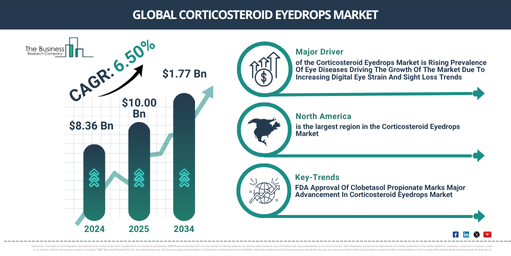
    The market for corticosteroid eyedrops has seen substantial growth in recent years and is projected to expand from $8.36 billion in 2024 to $10.00 billion in 2025, boasting a compound annual growth rate (CAGR) of 6.8%. Factors contributing to this expansion during the historic period include an aging demographic, an upswing in eye inflammation cases, a rise in cataract surgeries, the proliferation of ophthalmology clinics, an increase in allergic conjunctivitis prevalence, and enhanced understanding of eye health.

    Anticipated to witness robust growth in the coming years, the corticosteroid eyedrops market is projected to swell to $12.88 billion by 2029, expanding at a compound annual growth rate (CAGR) of 6.5%. Factors propelling growth in the said period include rising cases of diabetic eye troubles, mounting preference for minimally invasive procedures, increase in digital screen-induced eye weariness, extended reach of teleophthalmology, escalating chronic eye conditions, and a surge in worldwide surgical eye operations. Future market trends encompass nano-structured delivery systems, preservative-less formulations, intelligent packaging facilitating dosage monitoring, AI-enabled prescription platforms, and blended medications offering better bioavailability.

    Download The Free Sample Report Here:

    https://www.thebusinessresearchcompany.com/sample.aspx?id=25730&type=smp

    What Elements Are Contributing To Growth In The Corticosteroid Eyedrops Market?

    The escalating occurrence of illnesses affecting the eyes is set to drive the expansion of the corticosteroid eyedrops industry. Eye afflictions can deteriorate the eyes’ health and functionality, possibly causing vision issues or even blindness if not adequately treated. An increase in the use of screens is leading to a surge in eye diseases, causing digital eye strain and contributing to ailments like dry eyes and blurred vision. To manage eye illnesses, corticosteroid eyedrops are typically used as they curtail inflammation and alleviate symptoms like redness, swelling, and unease. For instance, the Joint Strategic Needs Assessment, a community health center in the UK, noted in their May 2024 report that around 2 million people in the UK are living with some level of vision loss. This figure is expected to rise to 2.7 million by 2030. Consequently, the surging occurrence of eye diseases is fueling the expansion of the corticosteroid eyedrops industry.

    Which Segments Are Detailed In The Global Corticosteroid Eyedrops Market Report?

    The corticosteroid eyedrops market covered in this report is segmented –

    1) By Product Type: Topical Corticosteroid Eyedrops, Systemic Corticosteroid Eyedrops, Combination Therapy Eyedrops

    2) By Delivery Device: Dropper Bottles, Spray Formulations, Ointments And Gels, Punctal Plugs

    3) By Distribution Channel: Hospital Pharmacy, Retail Pharmacy, Online Pharmacy, Other Distribution Channels

    4) By Application: Adult, Children

    5) By End User: Hospitals, Specialty Clinics, Community Pharmacies, Online Pharmacies

    Subsegments:

    1) By Topical Corticosteroid Eyedrops: Prednisolone Acetate Eyedrops, Dexamethasone Eyedrops, Fluorometholone Eyedrops, Loteprednol Etabonate Eyedrops, Rimexolone Eyedrops

    2) By Systemic Corticosteroid Eyedrops: Hydrocortisone-Based Eyedrops, Methylprednisolone-Based Eyedrops, Triamcinolone-Based Eyedrops, Betamethasone-Based Eyedrops

    3) By Combination Therapy Eyedrops: Corticosteroid + Antibiotic Combination Eyedrops, Corticosteroid + Non-Steroidal Anti-Inflammatory Drug (NSAID) Eyedrops, Corticosteroid + Antihistamine Eyedrops, Corticosteroid + Antiglaucoma Agent Eyedrops

    Which Emerging Trends And Strategic Shifts Are Shaping The Corticosteroid Eyedrops Market?

    Primary players in the corticosteroid eyedrops market are directing their efforts towards securing regulatory approval to broaden their offerings and increase their market presence. These permissions from health agencies certify that the corticosteroid eyedrops conform to essential safety, effectiveness, and quality benchmarks prior to being promoted and prescribed. For example, in March 2024, Taiwan’s Formosa Pharmaceuticals Inc. and U.S.-based AimMax Therapeutics obtained FDA approval for clobetasol propionate ophthalmic suspension 0.05% (APP13007) to treat inflammation and pain after eye operations. This drug was made using Formosa’s APNT nanoparticle technology which enables effective drug delivery through a simple, twice-daily dose for 14 days without tapering. Clinical studies proved its potent anti-inflammatory impact, marking it as an emerging choice for corticosteroid treatments to control pain and swelling post eye surgery. Being the first ophthalmic corticosteroid with clobetasol and the first new steroid endorsed in this category in over a decade and a half, it signifies a remarkable progress in ocular corticosteroid treatment.

    Who Are The Key Contributors To Growth In The Corticosteroid Eyedrops Market?

    Major companies operating in the corticosteroid eyedrops market are Pfizer Inc., AbbVie Inc., Novartis AG, Alcon Inc., Bausch Health Companies Inc., Sun Pharmaceutical Industries Ltd., Cipla Ltd., Santen Pharmaceutical Co. Ltd., Lupin Limited, Zydus Lifesciences Limited, Glenmark Pharmaceuticals Ltd., Alkem Laboratories Ltd., Sunways Pvt. Ltd., FDC Limited, Alimera Sciences Inc., Eurocrit Labs International Pvt. Ltd., Entod Pharmaceuticals Pvt. Ltd., Akorn Pharmaceuticals Inc., Pace Biotech Pvt. Ltd., Wellona Pharma Pvt. Ltd., Kala Pharmaceuticals Inc., Ophdenas Lifesciences Pvt. Ltd.

    Get The Full Report Here:

    https://www.thebusinessresearchcompany.com/report/corticosteroid-eyedrops-global-market-report

    Which Region Is Projected To Lead The Corticosteroid Eyedrops Market By 2025?

    North America was the largest region in the corticosteroid eyedrops market in 2024. Asia-Pacific is expected to be the fastest-growing region in the forecast period. The regions covered in the corticosteroid eyedrops market report are Asia-Pacific, Western Europe, Eastern Europe, North America, South America, Middle East, Africa.

    Request For A Customized Report:

    https://www.thebusinessresearchcompany.com/customise?id=25730&type=smp

    About The Business Research Company:

    With over 15000+ reports from 27 industries covering 60+ geographies, The Business Research Company has built a reputation for offering comprehensive, data-rich research and insights. Armed with 1,500,000 datasets, the optimistic contribution of in-depth secondary research, and unique insights from industry leaders, you can get the information you need to stay ahead in the game.

    Get in touch with us:

    The Business Research Company: https://www.thebusinessresearchcompany.com/

    Americas +1 310-496-7795

    Asia +44 7882 955267 & +91 8897263534

    Europe +44 7882 955267

    Email us at info@tbrc.info

    Follow us on:

    LinkedIn: https://in.linkedin.com/company/the-business-research-company

    YouTube: https://www.youtube.com/channel/UC24_fI0rV8cR5DxlCpgmyFQ

    Global Market Model: https://www.thebusinessresearchcompany.com/global-market-model

  • Drug Repurposing Market Revenue Outlook: Strategic Insights and Forecast to 2029

    Drug Repurposing Market Revenue Outlook: Strategic Insights and Forecast to 2029

    Claim your 30% discount on Global Market Reports with code ONLINE30. Limited time only.

    Claim your 30% discount on Global Market Reports with code ONLINE30. Limited time only.

    What Is the Current and Projected Market Size of the Drug Repurposing Industry?

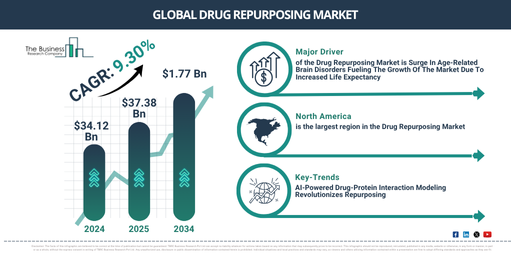
    In recent times, the drug repurposing market has seen impressive growth. The market, which will rise from $34.12 billion in 2024 to $37.38 billion in 2025, is expected to grow at a mammoth compound annual growth rate (CAGR) of 9.5%. The surge in this period is a result of factors such as the increasing expense of developing new drugs, an increase in the number of drug failures during clinical trials, the growing demand for quicker drug approval processes, a rise in the availability of off-patent drugs, and significant increases in government and academic research funding.

    In the coming years, substantial growth is anticipated for the drug repurposing market, which is projected to reach $53.42 billion by 2029 at a compound annual growth rate (CAGR) of 9.3%. Factors contributing to this growth in the forecast period include a higher demand for therapies that are cost-effective, increased investment by pharmaceutical companies, growing partnerships between biotech firms, and broader applications in the fields of oncology and neurology. Key trends forecasted for this period include advancements in tools used for computational drug discovery, increased implementation of AI and ML in drug repurposing, innovations in predictive models for drug efficacy, incorporation of big data analytics in drug screening, and progress in the identification of biomarkers.

    Download The Free Sample Report Here:

    https://www.thebusinessresearchcompany.com/sample.aspx?id=25758&type=smp

    #Which Factors Are Currently Driving The Growth Of The Drug Repurposing Market?

    The escalating occurrence of neurodegenerative diseases is anticipated to boost the expansion of the drug repurposing market in the future. Neurodegenerative diseases encompass a variety of conditions marked by the gradual degeneration or loss of neuronal structure or function, plus eventual neuronal death. The increasing instances of such diseases, like Alzheimer’s dementia, result from higher life expectancy, as age is a significant risk factor causing the steady deterioration of neuronal function over time. Drug repurposing aids patients suffering from neurodegenerative diseases by pinpointing existing medication with established safety profiles that can be rerouted to target disease channels, expediting the creation of efficient treatments. For example, in March 2023, the Alzheimer’s Association, a US-based volunteer health organization, stated that around 6.7 million US citizens aged 65 and older are battling Alzheimer’s dementia, with predictions suggesting this number will rise to 13.8 million by 2060. Hence, the ascendant prevalence of neurodegenerative diseases is fueling the growth of the drug repurposing market.

    How Is The Global Drug Repurposing Market Structured In Terms Of Segments?

    The drug repurposing market covered in this report is segmented –

    1) By Type: Disease-Centric, Target-Centric, Drug-Centric

    2) By Drug Molecules: Biologics, Small Molecule

    3) By Therapeutic Area: Oncology, Neurology, Infectious Diseases, Cardiovascular Diseases, Autoimmune Disorders

    4) By Route Of Administration: Oral, Intravenous, Topical, Inhalation, Intramuscular

    5) By End-User: Pharmaceutical Companies, Research And Academic Institutes, Contract Research Organizations

    Subsegments:

    1) By Disease-Centric: Phenotypic Screening, Epidemiological Analysis, Clinical Observation-Based Repurposing

    2) By Target-Centric: Protein Target Modulation, Pathway Modulation, Biomarker-Based Targeting

    3) By Drug-Centric: Off-Target Activity Identification, Structure-Based Drug Repositioning, Adverse Effect-Based Repurposing

    What Trends Are Currently Influencing Growth In The Drug Repurposing Market?

    Leading firms in the drug repurposing sector are honing their focus on the progression of sophisticated technology such as artificial intelligence-led drug-protein interaction modelling. This approach can expedite the discovery of alternative treatment paths for drugs already available in the market. These AI-led models employ expansive datasets, enhancing confidence and accuracy by predicting the interactions of drugs with proteins throughout the human proteome. Illustratively, in July 2025, the US healthcare firm Cosmos Health Inc. brought to the market Cloudscreen 2.0, a cutting-edge AI platform designed for drug repurposing. This progressive system can process datasets that are over 100 times larger than its predecessors, facilitating thorough analysis of drug-protein interactions. By using mutagenesis data and tools for disordered protein analysis, the platform focuses on targeting diseases such as cancer, diabetes, and obesity. Furthermore, with the application of graphics processing unit based cloud computing for scalable processing, the platform is set to be a game-changer in accelerating R&D for drug repurposing across various therapeutic sectors.

    Who Are The Main Participants Shaping The Drug Repurposing Market Landscape?

    Major companies operating in the drug repurposing market are F. Hoffmann-La Roche Ltd , International Business Machines Corporation (IBM), Bayer AG, Takeda Pharmaceutical Company Limited, Amgen Inc., Teva Pharmaceutical Industries Limited, Astellas Pharma Inc., UCB S.A., Eisai Co Ltd., Celltrion Inc., Alnylam Pharmaceuticals Inc., Evotec SE, BenevolentAI Limited, Insilico Medicine Inc., Cosmos Health Inc., Recursion Pharmaceuticals Inc., Pharnext S.A., Healx Ltd., Algernon Pharmaceuticals Inc., BioXcel Therapeutics Inc.

    Get The Full Report Here:

    https://www.thebusinessresearchcompany.com/report/drug-repurposing-global-market-report

    Which Region Currently Holds The Largest Share In The Drug Repurposing Market?

    North America was the largest region in the drug repurposing market in 2024. Asia-Pacific is expected to be the fastest-growing region in the forecast period. The regions covered in the drug repurposing market report are Asia-Pacific, Western Europe, Eastern Europe, North America, South America, Middle East, Africa.

    Request For A Customized Report:

    https://www.thebusinessresearchcompany.com/customise?id=25758&type=smp

    About The Business Research Company:

    With over 15000+ reports from 27 industries covering 60+ geographies, The Business Research Company has built a reputation for offering comprehensive, data-rich research and insights. Armed with 1,500,000 datasets, the optimistic contribution of in-depth secondary research, and unique insights from industry leaders, you can get the information you need to stay ahead in the game.

    Get in touch with us:

    The Business Research Company: https://www.thebusinessresearchcompany.com/

    Americas +1 310-496-7795

    Asia +44 7882 955267 & +91 8897263534

    Europe +44 7882 955267

    Email us at info@tbrc.info

    Follow us on:

    LinkedIn: https://in.linkedin.com/company/the-business-research-company

    YouTube: https://www.youtube.com/channel/UC24_fI0rV8cR5DxlCpgmyFQ

    Global Market Model: https://www.thebusinessresearchcompany.com/global-market-model