Category: Pharmaceuticals

  • Urothelial Cancer Drugs Industry Valued at $7.04 Billion by 2029 With CAGR of 20% | Size and Share Insights

    Urothelial Cancer Drugs Industry Valued at $7.04 Billion by 2029 With CAGR of 20% | Size and Share Insights

    Claim your 30% discount on Global Market Reports with code ONLINE30. Limited time only.

    What Is the Forecast for the Urothelial Cancer Drugs Market from 2024 to 2025?

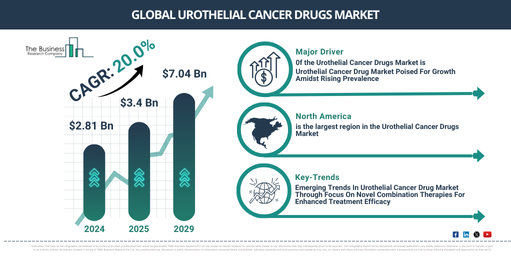
    In recent times, there has been a significant expansion in the market size of drugs for urothelial cancer. A rise from $2.81 billion in 2024 to $3.4 billion in 2025 is projected, indicating a compound annual growth rate (CAGR) of 21.1%. Factors such as increased awareness, early detection efforts, training and education for physicians, patient advocacy organizations, enhancements in the standard of care, and identification of biomarkers can be credited for the growth during the historical period.

    What Is the Projected Market Size of the Urothelial Cancer Drugs Market?

    The market size of drugs for urothelial cancer is anticipated to undergo swift escalation in the coming years. It is projected to reach up to $7.04 billion by 2029 with an annual compound growth rate (CAGR) of 20.0%. This expected growth during the forecasted period could be attributed to the enhancement in diagnostic imaging, use of artificial intelligence for drug development, patient-oriented care, investments in research and development, and regulatory changes. Some of the significant trends during the forecasted period involve advancements in imaging technologies, focus on patient-centered care, healthcare reimbursement, genomic profiling, and changes in regulatory frameworks.

    Download The Free Sample Report Here:

    https://www.thebusinessresearchcompany.com/sample.aspx?id=8214&type=smp

    Who are the Major Competitors in the Urothelial Cancer Drugs Market Outlook?

    Major companies operating in the urothelial cancer drugs market are F Hoffmann La Roche AG, The Bristol-Myers Squibb Company, Merck & Co Inc., Pfizer Inc., Genentech Inc., GSK PLC, UroGen Pharma Inc., Johnson & Johnson Inc., Astellas Pharma Inc., Sesen Bio Inc., Seagen Inc., Eisai Co. Ltd., Agensys Inc., AstraZeneca, Novartis AG, GlaxoSmithKline PLC, Sanofi SA, Janssen Pharmaceuticals Inc., Seattle Genetics Inc., AbbVie Inc., Millennium Pharmaceuticals Inc., Takeda Pharmaceutical Company Limited, Spectrum Pharmaceuticals Inc., Zydus Lifesciences Ltd.

    What Is Fueling Growth in the Urothelial Cancer Drugs Market?

    The escalating occurrence of urothelial cancer is anticipated to stimulate the growth of the urothelial cancer drug market. Urothelial cancer is linked to the urothelial cells lining the urethra, bladder, ureters, renal pelvis, and various other organs. This increasing incidence of urothelial cancer demands innovative drugs and treatment techniques to mitigate death rates. For example, as reported by the American Cancer Society Inc., a non-profit health organization based in the US, in January 2023, out of 82,290 new cases, roughly 62,420 men and 19,870 women are identified with bladder cancer. There were 16,710 casualties from bladder cancer, including 4,550 females and 12,160 males. Thus, the escalating occurrence of urothelial cancer will stimulate the expansion of the urothelial cancer drug market.

    Request For A Customized Report:

    https://www.thebusinessresearchcompany.com/customise?id=8214&type=smp

    Which Urothelial Cancer Drugs Market Segments Are Growing the Fastest?

    The urothelial cancer drugs market covered in this report is segmented –

    1) By Type: Urothelial Carcinoma, Squamous Cell Carcinoma, Adenocarcinoma

    2) By Treatment: Immunotherapy, Chemotherapy, Preservation Therapy

    3) By Distribution Channel: Hospital Pharmacies, Specialty Clinics, Cancer Institutes, Ambulatory Surgical Centers

    Subsegments:

    1) By Urothelial Carcinoma: Chemotherapy Agents, Immunotherapy Agents, Targeted Therapy Drugs

    2) By Squamous Cell Carcinoma: Chemotherapy Agents, Immunotherapy Agents, Targeted Therapy Drugs

    3) By Adenocarcinoma: Chemotherapy Agents, Immunotherapy Agents, Targeted Therapy Drugs

    Which Industry Trends Are Shaping the Future of the Urothelial Cancer Drugs Market?

    Emerging trends in the urothelial cancer drug market are heavily centered around innovative combination therapies. These therapies, which pair two or more therapeutic agents together, are being heavily pursued by prominent market players seeking to cement their place in the industry. The appeal lies in integrating immunotherapy with target-specific drugs, a strategic approach that aims to reduce cancer resistance and enhance overall response to treatment. One such example is the biologics license application (BLA) for ImmunityBio’s N-803 paired with the Bacillus Calmette-Guerin (BCG) vaccine for bladder cancer, which was accepted by the United States Food and Drug Administration in July 2022. This BLA approval marks the first time an immunotherapy combination could be directly administered to stimulate natural killer cells and T cells in the bladder.

    Access The Full Report Here:

    https://www.thebusinessresearchcompany.com/report/urothelial-cancer-drugs-global-market-report

    Which Countries Are Leading the Urothelial Cancer Drugs Market?

    North America was the largest region in the urothelial cancer drugs market share in 2024. Asia-Pacific is expected to be the fastest-growing region in the forecast period. The regions covered in the urothelial cancer drugs market report are Asia-Pacific, Western Europe, Eastern Europe, North America, South America, Middle East, Africa.

    Purchase The Full Report Today:

    https://www.thebusinessresearchcompany.com/purchaseoptions.aspx?id=8214

    This Report Delivers Insight On:

    1. How big is the urothelial cancer drugs market, and how is it changing globally?

    2. Who are the major companies in the urothelial cancer drugs market, and how are they performing?

    3. What are the key opportunities and risks in the urothelial cancer drugs market right now?

    4. Which products or customer segments are growing the most in the urothelial cancer drugs market?

    5. What factors are helping or slowing down the growth of the urothelial cancer drugs market?

    About The Business Research Company:

    With over 15000+ reports from 27 industries covering 60+ geographies, The Business Research Company has built a reputation for offering comprehensive, data-rich research and insights. Armed with 1,500,000 datasets, the optimistic contribution of in-depth secondary research, and unique insights from industry leaders, you can get the information you need to stay ahead in the game.

    Get in touch with us:

    The Business Research Company: https://www.thebusinessresearchcompany.com/

    Americas +1 310-496-7795

    Asia +44 2071930708

    Europe +44 7882 955267

    Email us at info@tbrc.info

    Follow us on:

    LinkedIn: https://in.linkedin.com/company/the-business-research-company

    YouTube: https://www.youtube.com/channel/UC24_fI0rV8cR5DxlCpgmyFQ

    Global Market Model: https://www.thebusinessresearchcompany.com/global-market-model
  • Zoledronic Acid Industry Insights 2025 – Market Forecast for Executives and Planners

    Zoledronic Acid Industry Insights 2025 – Market Forecast for Executives and Planners

    Claim your 30% discount on Global Market Reports with code ONLINE30. Limited time only.

    How Has the Zoledronic Acid Market Size Changed, over the years?

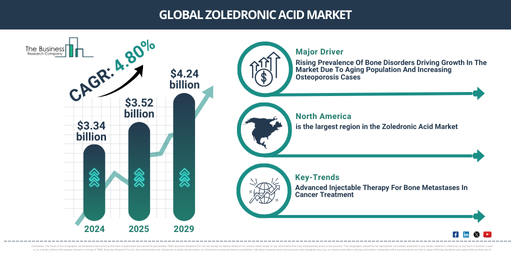
    In recent times, there has been robust growth in the market size of zoledronic acid. The market size is projected to expand from $3.34 billion in 2024 to $3.52 billion in 2025 with a compound annual growth rate (CAGR) of 5.2%. The unprecedented growth observed in the historic timeframe is linked to the advancement of home healthcare services, the increasing necessity for personalized medicine, enhanced awareness about bone health, and a surge in obesity cases.

    How Much Will the Zoledronic Acid Market Be Worth in 2029?

    A consistent expansion is anticipated in the zoledronic acid market size in the upcoming years. The market is projected to surge to $4.24 billion in 2029, expanding at a compound annual growth rate (CAGR) of 4.8%. The growth within this forecasted period can be linked back to the increase in bone disorders, higher occurrence rates of osteoporosis, a growing need for zoledronic acid, and the emergence of telemedicine. The forecast period is expected to see major trends such as improvement in healthcare infrastructure, the creation of new formulations, the development of combination treatments, and the inception of biosimilars.

    Download The Free Sample Report Here:

    https://www.thebusinessresearchcompany.com/sample.aspx?id=23588&type=smp

    Which is the Largest Company in the Zoledronic Acid Market?

    Major companies operating in the zoledronic acid market are Abbott Laboratories, Novartis AG, Intas Pharmaceuticals Limited, Hetero Labs Limited, Dr. Reddy’s Laboratories Ltd., Cipla Limited, Alkem Laboratories Limited, Emcure Pharmaceuticals Limited, Accord Healthcare Limited, NATCO Pharma Limited, Taj Pharmaceuticals Limited, ScinoPharm Taiwan Ltd., Panacea Biotec Limited, GLS Pharma Private Limited, Miracalus Pharma Pvt. Ltd., Midas Pharma GmbH, AdvaCare Pharma, Tecoland Corporation, Eugia Pharma Specialties Limited, Lianyungang Runzhong Pharmaceutical Co. Ltd.

    What Are the Main Market Drivers in the Zoledronic Acid Industry?

    The escalation in bone disorders is projected to fuel the advancement of the zoledronic acid market. Bone disorders encompass health conditions that compromise the structure and function of bones as well as their strength. This increase can be attributed to the aging population since bone density is known to naturally decrease with age, heightening the risk of disorders such as osteoporosis and fractures. Zoledronic acid is instrumental in the treatment of bone disorders as it curtails osteoclast activity, minimizes bone resorption, augments bone density, and reduces the risk of fractures. For example, data from the Australian Institute of Health and Welfare from June 2024 indicated that about 853,600 Australians, accounting for 3.4% of the population, suffered from osteoporosis or osteopenia in 2022. From 2021 to 2022, the country registered 9,500 hospital admissions due to osteoporosis, translating to 89 cases for every 100,000 people who were 45 years old or more. Hence, the growing prevalence of bone disorders boosts the zoledronic acid market’s growth. The growth of the zoledronic acid market is predicted to be driven by the surge in cancer incidence due to the associated rise in bone complications and metastases. The term ‘cancer cases’ refers to diagnosed instances of unusual cell growth with the potential to spread to and invade other body parts. Unhealthy living habits, conspicuous by poor diets and sedentary lifestyles, contribute to obesity and inflammation, thereby raising the likelihood of irregular cell growth. Zoledronic acid mitigates the risk of bone complications linked to metastases and lessens the impact of pain. It also reduces calcium levels in individuals dealing with cancer-related hypercalcemia, thereby improving patient outcomes. For instance, the Australian Institute of Health and Welfare reported in July 2024 that there is an expectation of about 204,000 new cancer cases by 2033, with a cumulative tally of roughly 1.9 million diagnoses projected within a period from 2024 to 2033. Thus, the rising occurrence of cancer cases invigorates the growth of the zoledronic acid market.

    Request For A Customized Report:

    https://www.thebusinessresearchcompany.com/customise?id=23588&type=smp

    How Is the Zoledronic Acid Market Segments Structured?

    The zoledronic acid market covered in this report is segmented –

    1) By Product Form: Injection, Powder

    2) By Distribution Channel: Pharmacies, Online Pharmacies, Hospital Pharmacies

    3) By Application: Metastatic Bone Cancers, Systemic Metabolic Bone Diseases, Osteoporosis, Paget’s Disease, Other Applications

    4) By End-Users: Hospitals, Clinics, Home Healthcare

    Subsegments-

    1) By Injection: Single-Dose Vial, Multi-Dose Vial, Prefilled Syringe

    2) By Powder: Lyophilized Powder, Sterile Powder For Reconstitution

    What Strategic Trends Are Transforming the Zoledronic Acid Market?

    Key players in the zoledronic acid market are concentrating on the development of advanced offerings like injection treatments for bone metastases originating from solid tumors. The goal is to increase treatment efficiency, decrease skeletal-related incidents, and enhance patient results. Such an injectable remedy is used to manage and reduce issues caused by the spread of cancer to the bones. For example, in February 2025, Avenacy Inc., a pharmaceutical company based in the U.S., introduced the Zoledronic Acid Injection, USP, to the U.S. market. This FDA-approved, therapeutically equivalent generic analogue of Zometa is designed to treat hypercalcemia of malignancy, multiple myeloma, and bone metastases from solid tumors, in combination with standard antineoplastic treatment. The product, available in 4 mg/5 mL single-dose vials, uses unique packaging to maximize medication precision.

    Access The Full Report Here:

    https://www.thebusinessresearchcompany.com/report/zoledronic-acid-global-market-report

    Which Global Regions Offer the Highest Growth in the Zoledronic Acid Market?

    North America was the largest region in the zoledronic acid market in 2024. The regions covered in the zoledronic acid market report are Asia-Pacific, Western Europe, Eastern Europe, North America, South America, Middle East, Africa.

    Purchase The Full Report Today:

    https://www.thebusinessresearchcompany.com/purchaseoptions.aspx?id=23588

    This Report Delivers Insight On:

    1. How big is the zoledronic acid market, and how is it changing globally?

    2. Who are the major companies in the zoledronic acid market, and how are they performing?

    3. What are the key opportunities and risks in the zoledronic acid market right now?

    4. Which products or customer segments are growing the most in the zoledronic acid market?

    5. What factors are helping or slowing down the growth of the zoledronic acid market?

    About The Business Research Company:

    With over 15000+ reports from 27 industries covering 60+ geographies, The Business Research Company has built a reputation for offering comprehensive, data-rich research and insights. Armed with 1,500,000 datasets, the optimistic contribution of in-depth secondary research, and unique insights from industry leaders, you can get the information you need to stay ahead in the game.

    Get in touch with us:

    The Business Research Company: https://www.thebusinessresearchcompany.com/

    Americas +1 310-496-7795

    Europe +44 7882 955267

    Asia & Others +44 7882 955267 & +91 8897263534

    Email us at info@tbrc.info

    Follow us on:

    LinkedIn: https://in.linkedin.com/company/the-business-research-company

    YouTube: https://www.youtube.com/channel/UC24_fI0rV8cR5DxlCpgmyFQ

    Global Market Model: https://www.thebusinessresearchcompany.com/global-market-model
  • Wingless-Related Integration Site (WNT) Signaling Pathway Inhibitor Forecast Report – Designed for Decision Makers and Product Teams

    Wingless-Related Integration Site (WNT) Signaling Pathway Inhibitor Forecast Report – Designed for Decision Makers and Product Teams

    Claim your 30% discount on Global Market Reports with code ONLINE30. Limited time only.

    What Is the Growth Rate of the Wingless-Related Integration Site (WNT) Signaling Pathway Inhibitor Market?

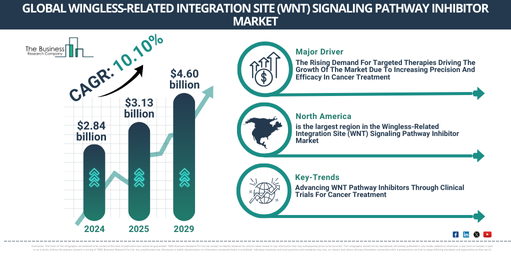
    In recent years, the market size for inhibitors of the wingless-related integration site (WNT) signaling pathway has seen swift expansion. Growth is projected from $2.84 billion in 2024 to $3.13 billion in 2025, demonstrating a compound annual growth rate (CAGR) of 10.3%. Factors contributing to this growth during the historic period include an escalation in cancer cases, an uptick in chronic disease prevalence, advancements in drug development, and a rise in the frequency of pulmonary arterial hypertension.

    What Growth Rate Is Forecasted for the Wingless-Related Integration Site (WNT) Signaling Pathway Inhibitor Market by 2029?

    The market size of the inhibitor of the wingless-related integration site (WNT) signaling pathway is anticipated to experience rapid expansion in the forthcoming years. Its value is projected to escalate to $4.60 billion in 2029, with a compound annual growth rate (CAGR) of 10.1%. The projected growth during this forecast period could be due to the growing uptake of therapies, increase in favorable regulations, expansion of clinical trials, the rise in precision medicine, and boosted investment in research and development. Key trends predicted for this period include increased uptake of therapies, regulatory support, clinical trial expansion, and the surge in precision medicine. Further trends for the forecast period encompass partnerships between biotech companies and institutions, technological advancement, progress in cancer therapies, and drug discovery breakthroughs.

    Download The Free Sample Report Here:

    https://www.thebusinessresearchcompany.com/sample.aspx?id=23583&type=smp

    Which Key Companies Are Shaping the Future of the Wingless-Related Integration Site (WNT) Signaling Pathway Inhibitor Market?

    Major companies operating in the wingless-related integration site (WNT) signaling pathway inhibitor market are Bayer AG, Novartis AG, Merck KGaA, Eisai Co. Ltd, STEMCELL Technologies Inc., Abcam Limited, MedChemExpress LLC, Enzo Life Sciences International Inc., FogPharma Inc., Selleck Chemicals LLC, Santa Cruz Biotechnology, Inc., Creative BioMart Inc., Redx Pharma plc, REPROCELL Inc., CHEMDIV INC, PRISM BioLab Co., Ltd., Allarity Therapeutics Inc., Verastem Oncology Inc., OncoMed Pharmaceuticals Inc, Allied-Bristol Life Sciences LLC.

    Which Factors Are Driving Demand in the Wingless-Related Integration Site (WNT) Signaling Pathway Inhibitor Industry?

    The escalating need for targeted therapies is anticipated to boost the expansion of the wingless-related integration site (WNT) signalling pathway inhibitor market. Targeted therapies are care protocols designed to focus on particular molecules or pathways instrumental in the progression of a disease. The surge in targeted therapies owes much to precision medicine. This medical model increases effectiveness by narrowing in on specific genetic mutations, thus mitigating unwanted side effects. In this scenario, WNT signaling pathway inhibitors play a vital role. They upend targeted therapies by hindering the irregular activation of the WNT pathway, a common factor in cancer cell growth and metastasis. This intervention can decelerate tumour progression and upgrade the outcome of treatments. For example, as reported by the American Society of Gene and Cell Therapy (ASGCT), a United States-based professional membership organization, in July 2024, in the second quarter of the same year, 76 gene therapy trials began, reflecting a growth of 25% as compared to the preceding quarter. Hence, the escalating need for targeted therapies is fuelling the expansion of the wingless-related integration site (WNT) signalling pathway inhibitor market. A rise in chronic disease cases is driving the growth of the market, as this trend increases demand for disease management therapies.

    Request For A Customized Report:

    https://www.thebusinessresearchcompany.com/customise?id=23583&type=smp

    How Is the Wingless-Related Integration Site (WNT) Signaling Pathway Inhibitor Market Segmented by Several Divisions?

    The wingless-related integration site (WNT) signaling pathway inhibitor market covered in this report is segmented –

    1) By Drug Type: Small molecule Inhibitors, Monoclonal Antibodies, Gene Therapies

    2) By Mechanism Of Action: Porcupine Inhibitors, Frizzled Inhibitors, β-Catenin Inhibitors, Wingless-Related Integration Site (WNT)-Protein Inhibitors

    3) By Stage Of Development: Pre-Clinical, Clinical Trials, Approved Products

    4) By Indications: Cancers, Bone Diseases, Neurological Disorders

    5) By End-Users: Pharmaceutical Companies, Research Institutions, Hospitals, Diagnostic Laboratories

    Subsegments:

    1) By Small Molecule Inhibitors: Porcupine Inhibitors, Tankyrase Inhibitors, β-Catenin Inhibitors

    2) By Monoclonal Antibodies: Wingless-Related Integration Site (WNT) Ligand-Targeting Antibodies, Frizzled Receptor-Blocking Antibodies, Dickkopf (DKK) Antibodies

    3) By Gene Therapies: Clustered Regularly Interspaced Short Palindromic Repeats (CRISPR)-Based Gene Editing, RNA Interference (RNAi) Therapies, Antisense Oligonucleotides (ASOs)

    What are the Emerging Market Trends Driving the Growth of the Wingless-Related Integration Site (WNT) Signaling Pathway Inhibitor Industry?

    Major firms in the wingless-related integration site (WNT) signaling pathway inhibitor market are concentrating their efforts on creating innovative solutions like clinical trials for WNT signaling pathway inhibitors to broaden the scope of treatment and address the problem of drug resistance. The aim of these clinical trials is to test the effectiveness and possible advantages of drugs that target the WNT pathway, pivotal in the progression of cancer and other ailments. For example, FogPharma, a biopharmaceutical company based in the United States, revealed in June 2023 that the first patient had been given a dose in its Phase 1/2 clinical trial for FOG-001, a novel TCF-blocking β-catenin inhibitor targeting advanced solid tumors, including colorectal cancer. This non-randomized, open-label trial aims to recruit up to 200 patients to assess the safety, tolerability, pharmacokinetics, pharmacodynamics, and antitumor activity of FOG-001, a drug that disrupts β-catenin-dependent signaling in the Wnt pathway, a core ingredient in oncogenesis.

    Access The Full Report Here:

    https://www.thebusinessresearchcompany.com/report/wingless-related-integration-site-wnt-signaling-pathway-inhibitor-global-market-report

    Which Regions Are Driving Growth in the Wingless-Related Integration Site (WNT) Signaling Pathway Inhibitor Market?

    North America was the largest region in the wingless-related integration site (WNT) signaling pathway inhibitor market in 2024. Asia-Pacific is expected to be the fastest-growing region in the forecast period. The regions covered in the wingless-related integration site (WNT) signaling pathway inhibitor market report are Asia-Pacific, Western Europe, Eastern Europe, North America, South America, Middle East, Africa.

    Purchase The Full Report Today:

    https://www.thebusinessresearchcompany.com/purchaseoptions.aspx?id=23583

    This Report Delivers Insight On:

    1. How big is the wingless-related integration site (wnt) signaling pathway inhibitor market, and how is it changing globally?

    2. Who are the major companies in the wingless-related integration site (wnt) signaling pathway inhibitor market, and how are they performing?

    3. What are the key opportunities and risks in the wingless-related integration site (wnt) signaling pathway inhibitor market right now?

    4. Which products or customer segments are growing the most in the wingless-related integration site (wnt) signaling pathway inhibitor market?

    5. What factors are helping or slowing down the growth of the wingless-related integration site (wnt) signaling pathway inhibitor market?

    About The Business Research Company:

    With over 15000+ reports from 27 industries covering 60+ geographies, The Business Research Company has built a reputation for offering comprehensive, data-rich research and insights. Armed with 1,500,000 datasets, the optimistic contribution of in-depth secondary research, and unique insights from industry leaders, you can get the information you need to stay ahead in the game.

    Get in touch with us:

    The Business Research Company: https://www.thebusinessresearchcompany.com/

    Americas +1 310-496-7795

    Europe +44 7882 955267

    Asia & Others +44 7882 955267 & +91 8897263534

    Email us at info@tbrc.info

    Follow us on:

    LinkedIn: https://in.linkedin.com/company/the-business-research-company

    YouTube: https://www.youtube.com/channel/UC24_fI0rV8cR5DxlCpgmyFQ

    Global Market Model: https://www.thebusinessresearchcompany.com/global-market-model
  • Venlafaxine Market Outlook 2025 – Insights for Executive and Strategic Planning

    Venlafaxine Market Outlook 2025 – Insights for Executive and Strategic Planning

    Claim your 30% discount on Global Market Reports with code ONLINE30. Limited time only.

    How Has the Venlafaxine Market Grown from 2024 to 2025?

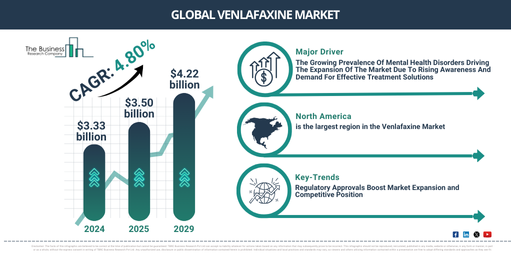
    In the past few years, the market size for venlafaxine has robustly expanded. The growth is expected to continue, with market value projected to increase from $3.33 billion in 2024 to $3.50 billion in 2025, boasting a compound annual growth rate (CAGR) of 5.1%. This upward trend during the historic period is largely associated with factors such as the escalating severity of depression, increasing symptoms of anxiety, a rise in treatment resistance, the growing necessity for dose adjustments, patient aging, and other health-related aspects.

    What Growth Rate Is Anticipated for the Venlafaxine Market in the Coming Years?

    Anticipations point towards a steady expansion of the venlafaxine market in the forthcoming years, with a potential escalation to $4.22 billion by 2029, boasting a Compound Annual Growth Rate (CAGR) of 4.8%. This anticipated expansion during the forecast terms is believed to be due to an increased apprehension of chronic stress, a surge in occurrences of panic attacks, sharpened knowledge into medication-resistant conditions, improved consciousness of neurobiological factors, and an amplified emphasis on personalized medical treatments. The forecast span is predicted to see major advancements including the progression of digital health and monitoring, discovery of drugs facilitated by AI, enhancements in drug delivery systems, regulatory and policy improvements, and the application of AI in monitoring treatments.

    Download The Free Sample Report Here:

    https://www.thebusinessresearchcompany.com/sample.aspx?id=23565&type=smp

    Who Are the Leading Companies in the Venlafaxine Market?

    Major companies operating in the venlafaxine market are Pfizer Inc., Merck & Co. Inc., Sanofi SA, Thermo Fisher Scientific Inc., AstraZeneca plc, Novartis AG, Takeda Pharmaceutical Company Limited., Viatris Inc., Teva Pharmaceutical Industries, Sun Pharmaceutical Industries Ltd., Aurobindo Pharma, Dr Reddy’s Laboratories., Zydus Cadila, Lupin Pharmaceuticals, Torrent Pharmaceuticals, Taylor & Francis , Stada Arzneimittel, Taj Pharma, Mesha Pharma, Suzhou Pharmaceutical.

    What Are the Key Drivers of the Venlafaxine Market?

    The surging rates of mental health disorders are anticipated to fuel the expansion of the venlafaxine market. These disorders, which impact an individual’s thoughts, emotions, behavior, or mood, frequently lead to distress and hinder everyday functionality. The rise in mental health disorders is linked to the excessive use of social media, which encourages unrealistic comparisons, promotes cyberbullying, and limits face-to-face interactions, intensifying anxiety and depression. Venlafaxine assists in managing these disorders by increasing serotonin and norepinephrine levels in the brain. Its dual action mechanism regulates mood and aids in reducing symptoms related to depression, anxiety disorders, and panic disorder. For example, in 2022, the National Institute of Mental Health (NIMH), a US-based federal agency, reported that 59.3 million or 23.1% of US adults suffered from any mental illness (AMI). A higher prevalence was seen in females at 26.4% compared to males at 19.7%. Consequently, the growing prevalence of mental health disorders is propelling the growth of the venlafaxine market. The growth of the venlafaxine market is also due to the increasing demand for personalized medicine, driven by advancements in genetic research and individualized treatments. Personalized medicine is a healthcare approach which factors in a person’s genetic makeup, lifestyle, and specific disease characteristics to tailor treatments for improved results. Progress in genetic research has led to more precise treatments that are tailored to a person’s unique genetic traits, resulting in better patient outcomes. Personalized medicine for venlafaxine uses genetic testing to note variations in metabolism-related genes. This allows doctors to modify the dosage or select alternative medications ensuring more effective and safer treatment. For instance, in February 2024, the Personalized Medicine Coalition, a US-based group representing scientists, patients, and providers, reported that the U.S. Food and Drug Administration (FDA) approved 16 new personalized treatments for rare diseases in 2023, an increase from six approvals in 2022. Thus, the growing demand for personalized medicine is fueling the growth of the venlafaxine market.

    Request For A Customized Report:

    https://www.thebusinessresearchcompany.com/customise?id=23565&type=smp

    What Are the Key Market Segments in the Venlafaxine Industry?

    The venlafaxine market covered in this report is segmented –

    1) By Formulation: Extended-Release Capsules, Immediate-Release Tablets, Oral Solution

    2) By Drug Class: Antidepressant, Selective Serotonin And Norepinephrine Reuptake Inhibitors (SNRIs)

    3) By Demographic: Adult, Pediatric, Geriatric

    4) By Application: Panic Disorder, Depression, Anxiety, Social Anxiety Disorder, Other Application

    5) By End-User: Clinic, Hospital, Other End-Users

    Subsegments:

    1) By Extended-Release Capsules: 37.5 Mg Capsules, 75 Mg Capsules, 150 Mg Capsules, 225 Mg Capsules

    2) By Immediate-Release Tablets: 25 Mg Tablets, 37.5 Mg Tablets, 50 Mg Tablets, 75 Mg Tablets, 100 Mg Tablets

    3) By Oral Solution: 25 Mg/Ml Oral Solution, 37.5 Mg/Ml Oral Solution, 50 Mg/Ml Oral Solution

    What Are the Latest Trends in the Venlafaxine Market?

    Major firms in the venlafaxine market are strategically acquiring regulatory consent to broaden their product range, gain better market penetration, and enhance their competitive standing. This regulatory approval is essentially an official endorsement from healthcare authorities that permits firms to fabricate, distribute, and vend pharmaceutical goods upon confirmation of their safety, effectiveness, and caliber. For example, Zydus Lifesciences, a pharmaceutical company located in India, was granted approval by the U.S. Food and Drug Administration (USFDA) in August 2022, to sell generic versions of venlafaxine and pregabalin extended-release tablets. The ratified venlafaxine formulations, purposed for depression and anxiety treatment, are accessible in 37.5 mg, 75 mg, 150 mg, and 225 mg strengths. Pregabalin has been authorized for managing neuropathic pain related to diabetic peripheral neuropathy, postherpetic neuralgia, fibromyalgia, spinal cord injury, and also as supplementary therapy for partial-onset seizures.

    Access The Full Report Here:

    https://www.thebusinessresearchcompany.com/report/venlafaxine-global-market-report

    What Are the Key Regional Markets in the Venlafaxine Industry?

    North America was the largest region in the venlafaxine market in 2024. The regions covered in the venlafaxine market report are Asia-Pacific, Western Europe, Eastern Europe, North America, South America, Middle East, Africa.

    Purchase The Full Report Today:

    https://www.thebusinessresearchcompany.com/purchaseoptions.aspx?id=23565

    This Report Delivers Insight On:

    1. How big is the venlafaxine market, and how is it changing globally?

    2. Who are the major companies in the venlafaxine market, and how are they performing?

    3. What are the key opportunities and risks in the venlafaxine market right now?

    4. Which products or customer segments are growing the most in the venlafaxine market?

    5. What factors are helping or slowing down the growth of the venlafaxine market?

    About The Business Research Company:

    With over 15000+ reports from 27 industries covering 60+ geographies, The Business Research Company has built a reputation for offering comprehensive, data-rich research and insights. Armed with 1,500,000 datasets, the optimistic contribution of in-depth secondary research, and unique insights from industry leaders, you can get the information you need to stay ahead in the game.

    Get in touch with us:

    The Business Research Company: https://www.thebusinessresearchcompany.com/

    Americas +1 310-496-7795

    Europe +44 7882 955267

    Asia & Others +44 7882 955267 & +91 8897263534

    Email us at info@tbrc.info

    Follow us on:

    LinkedIn: https://in.linkedin.com/company/the-business-research-company

    YouTube: https://www.youtube.com/channel/UC24_fI0rV8cR5DxlCpgmyFQ

    Global Market Model: https://www.thebusinessresearchcompany.com/global-market-model
  • Urinary Retention Drug Market Projected at $5.2 Billion by 2029 | Strategic Insights and Forecast Data

    Urinary Retention Drug Market Projected at $5.2 Billion by 2029 | Strategic Insights and Forecast Data

    Claim your 30% discount on Global Market Reports with code ONLINE30. Limited time only.

    How Has the Urinary Retention Drug Market Size Changed, over the years?

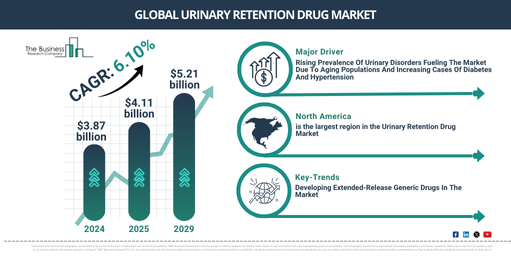
    In recent years, the market size for drugs treating urinary retention has seen a significant expansion. Expected to rise from $3.87 billion in 2024 to $4.11 billion in 2025, it will manifest a compound annual growth rate (CAGR) of 6.4%. The surge in growth during the historical era can be linked to factors such as the increment in the aged populace, enhanced healthcare investments, advancements in medical infrastructure, expansion in the elderly demographic, growth in the global population of senior citizens, and a rise in the occurrence of BPH.

    How Much Will the Urinary Retention Drug Market Be Worth in 2029?

    A significant increase is predicted in the urinary retention drug market size in the impending years. It is anticipated to expand up to $5.21 billion by 2029, with a compound annual growth rate (CAGR) of 6.1%. The projected growth in the forthcoming period can be credited to various factors including the increasing instances of urinary retention and postoperative urinary retention, escalating prevalence of urinary incontinence (UI), augmented recognition regarding the advantages of early diagnosis and treatment, and soaring prevalence of benign prostatic hyperplasia. Key trends expected during the forecast period encompass targeted drug delivery systems, advancements in drug formulations, the integration of artificial intelligence and machine learning, telemedicine, remote monitoring, and innovative solutions.

    Download The Free Sample Report Here:

    https://www.thebusinessresearchcompany.com/sample.aspx?id=23552&type=smp

    Which is the Largest Company in the Urinary Retention Drug Market?

    Major companies operating in the urinary retention drug market are Pfizer Inc., Johnson & Johnson, Merck & Co. Inc., AbbVie Inc., Sanofi S.A., Bristol-Myers Squibb Company, AstraZeneca PLC, Novartis International AG, GlaxoSmithKline plc, Medtronic plc, Takeda Pharmaceutical Company Limited, Eli Lilly and Company, Teva Pharmaceutical Industries Limited, Boehringer Ingelheim International GmbH, Astellas Pharma Inc., Sun Pharmaceutical Industries Limited, Aurobindo Pharma Limited, Lupin Limited, Cadila Healthcare Limited, Torrent Pharmaceuticals Limited, Ajanta Pharma Limited, Ferring Pharmaceuticals Inc., UroGen Pharma Ltd.

    What Are the Main Market Drivers in the Urinary Retention Drug Industry?

    The escalating incidence of urinary disorders is anticipated to drive the expansion of the urinary retention drug market. Urinary disorders are conditions impacting the urinary system, leading to complications such as urination difficulties, pain, incontinence, or retention. The increased occurrence of these disorders can be attributed to the rising prevalence of diabetes, given that elevated blood sugar levels may harm the kidneys and urinary tract, resulting in conditions such as diabetic nephropathy and recurring urinary tract infections. Drugs for urinary retention work by enhancing urine flow, soothing bladder muscles, and reducing symptoms such as urination difficulties to improve comfort and bladder functionality. For example, the National Health Service (NHS) England, a British government department, reported in October 2023 that hospitals logged 147,285 admissions in 2022/23 due to a primary diagnosis of urinary tract infection (UTI). 56% of these cases were individuals over the age of 65, resulting in 82,392 admissions. The most admissions were seen in the 80-84 age bracket, registering 17,280 cases. Hence, the escalating occurrence of urinary disorders is spurring the expansion of the urinary retention drug part of the pharmaceutical industry.

    Request For A Customized Report:

    https://www.thebusinessresearchcompany.com/customise?id=23552&type=smp

    How Is the Urinary Retention Drug Market Segments Structured?

    The urinary retention drug market covered in this report is segmented –

    1) By Drug Class: Alpha Blockers, Beta-3 Agonists, Anticholinergics, Surgical Agents

    2) By Indication: Chronic Urinary Retention, Postoperative Urinary Retention, Neurogenic Bladder

    3) By Administration: Oral, Injectable, Transdermal

    4) By End Users: Hospitals, Homecare, Specialty Clinics, Other End Users

    Subsegments:

    1) By Alpha Blockers: Alpha-1 Blockers, Alpha-2 Blockers

    2) By Beta-3 Agonists: Selective Beta-3 Agonists

    3) By Anticholinergics: Antimuscarinics, Non-Selective Anticholinergics

    4) By Surgical Agents: Anesthetics, Hemostatic Agents, Muscle Relaxants, Antibiotic Prophylaxis

    What Strategic Trends Are Transforming the Urinary Retention Drug Market?

    Leading enterprises in the urinary retention drug market are working towards the production of innovative formulations such as extended-release tablets. These are aimed at enhancing patient adherence to the medication schedule and offering sustained symptom alleviation. Extended-release (ER) tablets facilitate a gradual release of the active drug over a longer duration, providing a steady drug concentration in the blood and lessening the dosing frequency compared to instant-release tablets. To illustrate, in April 2024, Zydus Lifesciences Limited, a pharmaceutical firm from India, introduced a generic variant of Mirabegron intended for overactive bladder (OAB). Mirabegron, a selective beta-3 adrenergic agonist, relaxes the bladder muscles and decreases urinary urgency, frequency, and incontinence. Though mainly used for OAB, it can also help control urinary retention linked to overactive bladder conditions. The medication is prescribed as a single daily oral dose.

    Access The Full Report Here:

    https://www.thebusinessresearchcompany.com/report/urinary-retention-drug-global-market-report

    Which Global Regions Offer the Highest Growth in the Urinary Retention Drug Market?

    North America was the largest region in the urinary retention drug market in 2024. The regions covered in the urinary retention drug market report are Asia-Pacific, Western Europe, Eastern Europe, North America, South America, Middle East, Africa.

    Purchase The Full Report Today:

    https://www.thebusinessresearchcompany.com/purchaseoptions.aspx?id=23552

    This Report Delivers Insight On:

    1. How big is the urinary retention drug market, and how is it changing globally?

    2. Who are the major companies in the urinary retention drug market, and how are they performing?

    3. What are the key opportunities and risks in the urinary retention drug market right now?

    4. Which products or customer segments are growing the most in the urinary retention drug market?

    5. What factors are helping or slowing down the growth of the urinary retention drug market?

    About The Business Research Company:

    With over 15000+ reports from 27 industries covering 60+ geographies, The Business Research Company has built a reputation for offering comprehensive, data-rich research and insights. Armed with 1,500,000 datasets, the optimistic contribution of in-depth secondary research, and unique insights from industry leaders, you can get the information you need to stay ahead in the game.

    Get in touch with us:

    The Business Research Company: https://www.thebusinessresearchcompany.com/

    Americas +1 310-496-7795

    Europe +44 7882 955267

    Asia & Others +44 7882 955267 & +91 8897263534

    Email us at info@tbrc.info

    Follow us on:

    LinkedIn: https://in.linkedin.com/company/the-business-research-company

    YouTube: https://www.youtube.com/channel/UC24_fI0rV8cR5DxlCpgmyFQ

    Global Market Model: https://www.thebusinessresearchcompany.com/global-market-model
  • Urinary pH Modifier Industry Growth Expected to Reach $3.99 Billion by 2029 at a CAGR of 5.7% | Segmentation and Growth Opportunities

    Urinary pH Modifier Industry Growth Expected to Reach $3.99 Billion by 2029 at a CAGR of 5.7% | Segmentation and Growth Opportunities

    Claim your 30% discount on Global Market Reports with code ONLINE30. Limited time only.

    What Is the Forecast for the Urinary pH Modifier Market Growth in 2025?

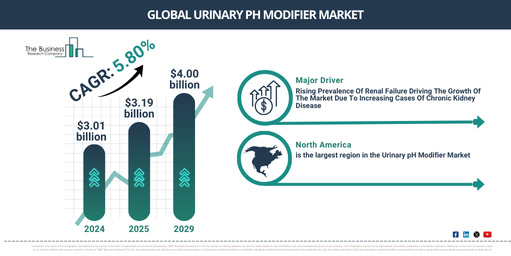
    The market size for urinary pH modifiers has seen a steady increase in recent years. Its expansion is predicted to continue from $3.01 billion in 2024 to $3.19 billion in 2025, with a compound annual growth rate (CAGR) of 6.1%. This growth during the historic period can be linked to the growing number of kidney failures, the shift towards online outlets, the escalated demand for pH modifier solutions, the rise in urinary tract infections, and increased instances of diabetes.

    What Is the Forecast for the Urinary pH Modifier Market Size Through 2029?

    The market size for urinary pH modifiers is projected to experience substantial growth in the coming years. It is forecasted to reach $4.00 billion in 2029, with a compound annual growth rate (CAGR) of 5.8%. This expansion in the forecast period is associated with the escalating prevalence of cancer, the emergence of new markets, an increased rate of urinary tract infections, a rising emphasis on preventive healthcare, and an enhanced demand for dietary supplements. Key trends throughout the forecast period encompass technological advancements, non-invasive observation technologies, personalized medicine strategies, technological progression, and product innovations.

    Download The Free Sample Report Here:

    https://www.thebusinessresearchcompany.com/sample.aspx?id=23551&type=smp

    What are the Key Market Players in Urinary pH Modifier Market and How They’re Evolving?

    Major companies operating in the urinary ph modifier market are Cargill Incorporated, Intas Pharmaceuticals Ltd., Virbac, Vetoquinol, Otto Chemie Pvt. Ltd., Ashish Life Science, Vitalac, Apex Laboratories, Neo Kumfurt Solutions Pvt. Ltd., Millpledge Ltd., Vizag Chemical, Swiss Chemie, Ennore India Chemicals, East India Chemicals International, RX Chemical, Aptus, Rishi Chemical, Tricon Biochem Corporation, Orion Pharma Animal Health, Beach Pharmaceuticals.

    What Are the Primary Growth Drivers in the Urinary pH Modifier Market?

    The escalation in cases of kidney failure is likely to spur the growth of the urinary pH modifiers market in the future. Kidney failure, defined by the kidneys’ loss of waste filtration capacity and balance of fluids and electrolytes, results in toxin accumulation in the body. The primary driver of the rise in kidney failure cases is the growing incidence of diabetes, which over time causes kidney filtration damage, leading to chronic kidney disease and eventually kidney failure. The increasing cases of kidney failure elevates the need for urinary pH modifiers, which are instrumental in managing acid-base imbalances, averting kidney stone formation, and mitigating complications associated with impaired kidney function. For example, Kidney Research UK, a non-profit charity based in the UK, reported in June 2023 that over 10% of the UK population, or roughly 7.19 million people, had chronic kidney disease. It is predicted that this figure will surge to 7.61 million by 2033. Therefore, the rise in kidney failure cases is stimulating the growth of the urinary pH modifiers market. Increased understanding of preventative healthcare, mainly due to a heightened focus on early health management and disease prevention, is expected to drive the growth of the market ahead. Preventive healthcare entails actions to thwart diseases rather than treating them after they’ve already happened. An uptick in preventative healthcare is evident as individuals recognize the significance of early health management to avoid chronic diseases and future medical expenses. Preventive healthcare increases the need for urinary pH modifiers, which contribute to the early management of urinary tract health. These products balance urine pH, reducing infection risk and kidney stones. For instance, the National Health Service (NHS) England, a government department in the UK, announced in July 2024 that as of May 2024, 51.8% of older adult care home residents received the spring vaccination, with the figure rising to 63.3% by June 2024, a 11.5 percentage point increase. Therefore, the growing awareness of preventative healthcare is propelling the urinary pH modifiers market’s growth.

    Request For A Customized Report:

    https://www.thebusinessresearchcompany.com/customise?id=23551&type=smp

    What Are the Leading Segments in the Global Urinary pH Modifier Industry?

    The urinary ph modifier market covered in this report is segmented –

    1) By Drug: Potassium Acid Phosphate, Sodium Bicarbonate, Sodium Citrate, Potassium Citrate

    2) By Dosage: Injection, Tablets, Solution, Powder, Other Dosages

    3) By Indication: Alkalosis, Alkylating Agent Cystitis, Asystole, Gastroesophageal Reflux Disease, Diabeitc Ketoacidosis, Hyperkalemia, Hyponatremia, Indigestion, Metabolic Acidosis, Other Indications

    4) By Distribution Channel: Online Retail, Pharmacies, Super markets, Health Food Stores

    5) By End-User: Hospitals, Clinics, Home Care

    Subsegments-

    1) By Potassium Acid Phosphate: Monobasic Potassium Phosphate, Dibasic Potassium Phosphate, Combination Formulations

    2) By Sodium Bicarbonate: Oral Sodium Bicarbonate Tablets, Intravenous Sodium Bicarbonate Injection, Effervescent Sodium Bicarbonate Powder

    3) By Sodium Citrate: Sodium Citrate Dihydrate, Sodium Citrate Anhydrous, Sodium Citrate Oral Solution

    4) By Potassium Citrate: Potassium Citrate Extended-Release Tablets, Potassium Citrate Oral Solution, Combination Therapy With Other Alkalizing Agents

    Access The Full Report Here:

    https://www.thebusinessresearchcompany.com/report/urinary-ph-modifier-global-market-report

    What Is the Regional Outlook for the Urinary pH Modifier Market?

    North America was the largest region in the urinary pH modifier market in 2024. The regions covered in the urinary ph modifier market report are Asia-Pacific, Western Europe, Eastern Europe, North America, South America, Middle East, Africa.

    Purchase The Full Report Today:

    https://www.thebusinessresearchcompany.com/purchaseoptions.aspx?id=23551

    This Report Delivers Insight On:

    1. How big is the urinary ph modifier market, and how is it changing globally?

    2. Who are the major companies in the urinary ph modifier market, and how are they performing?

    3. What are the key opportunities and risks in the urinary ph modifier market right now?

    4. Which products or customer segments are growing the most in the urinary ph modifier market?

    5. What factors are helping or slowing down the growth of the urinary ph modifier market?

    About The Business Research Company:

    With over 15000+ reports from 27 industries covering 60+ geographies, The Business Research Company has built a reputation for offering comprehensive, data-rich research and insights. Armed with 1,500,000 datasets, the optimistic contribution of in-depth secondary research, and unique insights from industry leaders, you can get the information you need to stay ahead in the game.

    Get in touch with us:

    The Business Research Company: https://www.thebusinessresearchcompany.com/

    Americas +1 310-496-7795

    Europe +44 7882 955267

    Asia & Others +44 7882 955267 & +91 8897263534

    Email us at info@tbrc.info

    Follow us on:

    LinkedIn: https://in.linkedin.com/company/the-business-research-company

    YouTube: https://www.youtube.com/channel/UC24_fI0rV8cR5DxlCpgmyFQ

    Global Market Model: https://www.thebusinessresearchcompany.com/global-market-model
  • Synthetic Cannabinoids Industry Growth Expected to Reach $4.29 Billion by 2029 at a CAGR of 17.9% | Segmentation and Growth Opportunities

    Synthetic Cannabinoids Industry Growth Expected to Reach $4.29 Billion by 2029 at a CAGR of 17.9% | Segmentation and Growth Opportunities

    Claim your 30% discount on Global Market Reports with code ONLINE30. Limited time only.

    What Is the Forecast for the Synthetic Cannabinoids Market Growth in 2025?

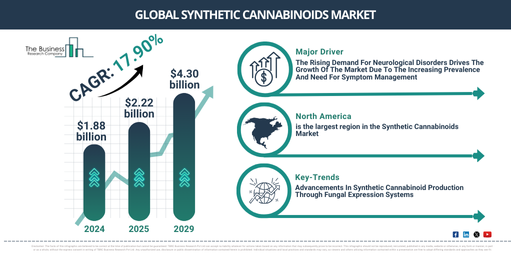
    The market size of synthetic cannabinoids has experienced a significant expansion in the past few years. From being valued at $1.88 billion in 2024, it is projected to increase to $2.22 billion in 2025, representing a compound annual growth rate (CAGR) of 18.3%. The unprecedented growth observed in the historical period is due to factors such as rising demands for substitute drugs, an increased user base for cannabis, growing utilisation in pharmaceutical applications, increasing demand for legal highs, and a notable shift towards self-medication.

    What Is the Forecast for the Synthetic Cannabinoids Market Size Through 2029?

    In the forthcoming years, the synthetic cannabinoids market is poised for swift expansion, anticipated to reach $4.30 billion by 2029, witnessing a compound annual growth rate (CAGR) of 17.9%. Factors contributing to this rise during the prognosis period include the soaring demand for designer drugs, an increasing trend for legalization of cannabis, enhanced online availability of synthetic drugs, the expanding popularity of vaping, and an upswing in the customization of cannabinoid products. Notable trends for the forecast duration encompass progressed forensic toxicology tactics, employing machine learning for recognizing chemical patterns, tracking of illicit drugs via cloud-based systems, breakthroughs in synthetic cannabinoid concoctions, and the generation of innovative cannabinoid analogs.

    Download The Free Sample Report Here:

    https://www.thebusinessresearchcompany.com/sample.aspx?id=23536&type=smp

    What are the Key Market Players in Synthetic Cannabinoids Market and How They’re Evolving?

    Major companies operating in the synthetic cannabinoids market are Johnson Matthey, Harmony Biosciences, BioVectra, Restek Corporation, Noramco Inc., Cayman Chemical, Cerilliant Corporation, Skye Bioscience, Purisys LLC, Chiron AS, Lygos Inc., Botanix Pharmaceuticals, CB Therapeutics Inc., BayMedica, Zynerba Pharmaceuticals Inc., Kannalife Sciences Inc., SciSparc Ltd., 180 Life Science, Tetra Bio-Pharma Inc., Canntab Therapeutics Ltd.

    What Are the Primary Growth Drivers in the Synthetic Cannabinoids Market?

    The synthetic cannabinoids market is predicted to grow, fueled by the increasing need for treatments for neurological disorders. Neurological disorders, which hinder movement, sensation, cognition, or general functioning, are conditions affecting the brain, spinal cord, and nerves. These disorders are becoming more prevalent, largely due to an aging world population and diseases like Alzheimer’s becoming more frequent with age because of brain aging and accumulated cell damage. Synthetic cannabinoids have the potential to offer relief from these disorders’ symptoms as they target cannabinoid receptors in the brain and play a role in regulating neurotransmitter activity. For example, the Belgium-based European Brain Council reported in September 2024 that 7 million people in Europe are currently living with Alzheimer’s disease. This number is predicted to double by 2030 to 14 million due to aging, creating a significant global public health issue. Therefore, the growing need for neurological disorder treatments fuels the expansion of the synthetic cannabinoids market.

    Request For A Customized Report:

    https://www.thebusinessresearchcompany.com/customise?id=23536&type=smp

    What Are the Leading Segments in the Global Synthetic Cannabinoids Industry?

    The synthetic cannabinoids market covered in this report is segmented –

    1) By Product Type: High-Pure Synthetic Cannabinoids, Ultra-Pure Synthetic Cannabinoids

    2) By Formulation: Oil, Capsules, Edibles, Vapes, Topicals

    3) By Indication: Pain Management, Nausea Or Vomiting, Neurological Disorder Management, Other Indications

    4) By Application: Pharmaceuticals, Research, Recreational Use, Agriculture, Nutraceuticals

    5) By Distribution Channel: Hospital Pharmacies, Retail Pharmacies, Online Pharmacies

    Subsegments:

    1) By High-Pure Synthetic Cannabinoids: Pharmaceutical-Grade Cannabinoids, Research-Grade Cannabinoids, Industrial-Use Cannabinoids

    2) By Ultra-Pure Synthetic Cannabinoids: Medical-Grade Cannabinoids, Biotechnology-Grade Cannabinoids, Analytical-Standard Cannabinoids

    What Are the Key Market Trends in the Synthetic Cannabinoids Industry?

    The synthetic cannabinoids market is being shaped by major companies that are focusing on the development of advanced solutions such as fungal expression systems. By genetically engineering fungi to biologically produce synthetic cannabinoids, businesses can boost production efficacy and lower costs in a scalable and sustainable manner. An alternative to plant extraction or chemical synthesis, this method is suitable for high-purity production for research and pharmaceutical purposes. For instance, Dyadic International Inc., a US biotech firm, introduced C1-cell protein production platform in January 2022 for the production of synthetic cannabinoids. This unique approach employs filamentous fungal cell factories to produce cannabinoids like cannabidiol (CBD) and its precursors in a more cost-effective and sustainable way. Additionally, it is an environmentally friendly and energy-efficient process capable of creating purer cannabinoids in compliance with regulations, potentially useful in treating areas such as inflammation, chronic pain, and other health conditions.

    Access The Full Report Here:

    https://www.thebusinessresearchcompany.com/report/synthetic-cannabinoids-global-market-report

    What Is the Regional Outlook for the Synthetic Cannabinoids Market?

    North America was the largest region in the synthetic cannabinoids market in 2024. Asia-Pacific is expected to be the fastest-growing region in the forecast period. The regions covered in the synthetic cannabinoids market report are Asia-Pacific, Western Europe, Eastern Europe, North America, South America, Middle East, Africa.

    Purchase The Full Report Today:

    https://www.thebusinessresearchcompany.com/purchaseoptions.aspx?id=23536

    This Report Delivers Insight On:

    1. How big is the synthetic cannabinoids market, and how is it changing globally?

    2. Who are the major companies in the synthetic cannabinoids market, and how are they performing?

    3. What are the key opportunities and risks in the synthetic cannabinoids market right now?

    4. Which products or customer segments are growing the most in the synthetic cannabinoids market?

    5. What factors are helping or slowing down the growth of the synthetic cannabinoids market?

    About The Business Research Company:

    With over 15000+ reports from 27 industries covering 60+ geographies, The Business Research Company has built a reputation for offering comprehensive, data-rich research and insights. Armed with 1,500,000 datasets, the optimistic contribution of in-depth secondary research, and unique insights from industry leaders, you can get the information you need to stay ahead in the game.

    Get in touch with us:

    The Business Research Company: https://www.thebusinessresearchcompany.com/

    Americas +1 310-496-7795

    Europe +44 7882 955267

    Asia & Others +44 7882 955267 & +91 8897263534

    Email us at info@tbrc.info

    Follow us on:

    LinkedIn: https://in.linkedin.com/company/the-business-research-company

    YouTube: https://www.youtube.com/channel/UC24_fI0rV8cR5DxlCpgmyFQ

    Global Market Model: https://www.thebusinessresearchcompany.com/global-market-model
  • Rhinovirus Infections Drug  Market Trends Report 2025 – For Business Development and Strategy Teams

    Rhinovirus Infections Drug Market Trends Report 2025 – For Business Development and Strategy Teams

    Claim your 30% discount on Global Market Reports with code ONLINE30. Limited time only.

    What Is the Forecast for the Rhinovirus Infections Drug Market Growth in 2025?

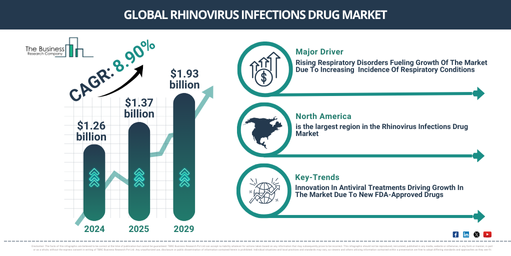
    In recent years, the market size for rhinovirus infection drugs has seen significant growth. This market is projected to expand from $1.26 billion in 2024 to $1.37 billion in 2025, reflecting a compound annual growth rate (CAGR) of 9.3%. Factors contributing to the historic period growth of this market include an increase in the common cold incidents, an amplified consciousness about respiratory infections, a rise in the need for over-the-counter medications, an escalation in healthcare spending, and an increased utilization of combination therapies.

    What Is the Forecast for the Rhinovirus Infections Drug Market Size Through 2029?

    The market size for drugs treating rhinovirus infections is anticipated to witness a robust expansion in the upcoming years, reaching $1.93 billion in 2029 with a compound annual growth rate (CAGR) of 8.9%. Factors attributing to the anticipated growth in the projection period includes the escalated investments in antiviral medications, surging demand for specialized treatments, a rise in respiratory conditions, expanded healthcare accessibility in developing markets, and an increased application of biologics and monoclonal antibodies. Notable trends for the projection period are progress in antiviral research, advancements in the field of vaccine research, innovation in the development of biologics and monoclonal antibodies, creation of wide-spectrum antivirals, and breakthroughs in nanotechnology for drug delivery.

    Download The Free Sample Report Here:

    https://www.thebusinessresearchcompany.com/sample.aspx?id=23503&type=smp

    What are the Key Market Players in Rhinovirus Infections Drug Market and How They’re Evolving?

    Major companies operating in the rhinovirus infections drug market are Pfizer Inc., Gilead Sciences Inc., Teva Pharmaceutical Industries Ltd., BioFire Diagnostics LLC, hVIVO Services Limited, Romark Laboratories L.C., Cocrystal Pharma Inc., Altamira Therapeutics Ltd., Biota Pharmaceuticals Inc., Aditum Bio Management Company LLC, MetP Pharma AG, Via Nova Therapeutics Inc., Maxwell Biosciences Inc., Altesa BioSciences Inc., Apollo Therapeutics Group Limited, AIM ImmunoTech Inc., Bakar Labs, Ntvirin Pharma, bioRxiv, Pneumagen Ltd.

    What Are the Primary Growth Drivers in the Rhinovirus Infections Drug Market?

    The rhinovirus infections drug market is predicted to expand due to the rise in respiratory ailments. These health complications, encompassing conditions such as asthma, chronic obstructive pulmonary disease (COPD), and pneumonia, involve issues with the lungs and airways that can cause breathing difficulty. Elevated levels of air pollution and occupational hazards are key contributors to the growth of these disorders, leading to a higher prevalence of conditions like asthma, COPD, and pneumonia in the affected demographic. The role of rhinovirus infections drug in managing these disorders is by inhibiting viral replication, minimizing inflammation, and relieving symptoms to better respiratory function. To illustrate, the National Asthma Council, a non-profit organization based in Australia, reported in November 2023 that there were 467 asthma-related fatalities, comprising 299 females and 168 males, in Australia during 2022. This data marked an increase from the 355 deaths recorded in 2021. Consequently, the escalation in respiratory disorders is propelling the growth of the rhinovirus infections drug market.

    Request For A Customized Report:

    https://www.thebusinessresearchcompany.com/customise?id=23503&type=smp

    What Are the Leading Segments in the Global Rhinovirus Infections Drug Industry?

    The rhinovirus infections drug market covered in this report is segmented –

    1) By Product: Antivirals, Immunomodulators, Vaccines, Nasal Sprays, Symptomatic Treatments

    2) By Patient Age Group: Infants, Children, Adults, Elderly

    3) By Route Of Administration: Oral, Intranasal, Injectable

    4) By Indication: Common Cold, Asthma Exacerbation, Chronic Obstructive Pulmonary Disease (COPD) Exacerbation, Other Indications

    5) By Distribution Channel: Hospital Pharmacies, Retail Pharmacies, Online Pharmacies, Specialty Pharmacies

    Subsegments:

    1) By Antivirals: Pleconaril, Vapendavir, Rupintrivir, Other Antivirals

    2) By Immunomodulators: Interferons, Toll-Like Receptor Agonists, Other Immunomodulators

    3) By Vaccines: Live Attenuated Vaccines, Inactivated Vaccines, Recombinant Vaccines

    4) By Nasal Sprays: Antihistamine Nasal Sprays, Decongestant Nasal Sprays, Steroid Nasal Sprays, Saline Nasal Sprays

    5) By Symptomatic Treatments: Analgesics, Antipyretics, Cough Suppressants, Expectorants, Antihistamines

    What Are the Key Market Trends in the Rhinovirus Infections Drug Industry?

    Leading firms in the rhinovirus infections drug market are concentrating on the creation of innovative solutions, such as antiviral medicines, to enhance the effectiveness of treatment, alleviate symptoms, and speed up patient recovery. These antiviral medications work by preventing viral replication within the body and are effective against diseases such as influenza, HIV, hepatitis, and rhinovirus. Some of these drugs limit the entry of viruses into host cells, while others inhibit viral replication or assembly. For example, in March 2025, Altesa BioSciences Inc., a biotechnology company based in the United States, got approval from the U.S. Food and Drug Administration (FDA) for its Investigational New Drug (IND) application for vapendavir, which treats rhinovirus infections in individuals with COPD. Vapendavir, an oral broad-spectrum antiviral medication, keeps the rhinovirus from entering and replicating in human cells. It has proven effective against 97% of rhinoviruses and other respiratory enteroviruses. Altesa BioSciences has exclusive worldwide rights to develop, produce, and sell vapendavir. The drug is designed to provide targeted therapy for at-risk groups, such as those suffering from COPD and asthma.

    Access The Full Report Here:

    https://www.thebusinessresearchcompany.com/report/rhinovirus-infections-drug-global-market-report

    What Is the Regional Outlook for the Rhinovirus Infections Drug Market?

    North America was the largest region in the rhinovirus infection drug market in 2024. Asia-Pacific is expected to be the fastest-growing region in the forecast period. The regions covered in the rhinovirus infections drug market report are Asia-Pacific, Western Europe, Eastern Europe, North America, South America, Middle East, Africa.

    Purchase The Full Report Today:

    https://www.thebusinessresearchcompany.com/purchaseoptions.aspx?id=23503

    This Report Delivers Insight On:

    1. How big is the rhinovirus infections drug market, and how is it changing globally?

    2. Who are the major companies in the rhinovirus infections drug market, and how are they performing?

    3. What are the key opportunities and risks in the rhinovirus infections drug market right now?

    4. Which products or customer segments are growing the most in the rhinovirus infections drug market?

    5. What factors are helping or slowing down the growth of the rhinovirus infections drug market?

    About The Business Research Company:

    With over 15000+ reports from 27 industries covering 60+ geographies, The Business Research Company has built a reputation for offering comprehensive, data-rich research and insights. Armed with 1,500,000 datasets, the optimistic contribution of in-depth secondary research, and unique insights from industry leaders, you can get the information you need to stay ahead in the game.

    Get in touch with us:

    The Business Research Company: https://www.thebusinessresearchcompany.com/

    Americas +1 310-496-7795

    Europe +44 7882 955267

    Asia & Others +44 7882 955267 & +91 8897263534

    Email us at info@tbrc.info

    Follow us on:

    LinkedIn: https://in.linkedin.com/company/the-business-research-company

    YouTube: https://www.youtube.com/channel/UC24_fI0rV8cR5DxlCpgmyFQ

    Global Market Model: https://www.thebusinessresearchcompany.com/global-market-model
  • Respiratory Biologics Market Projected at $13.83 Billion by 2029 | Strategic Insights and Forecast Data

    Respiratory Biologics Market Projected at $13.83 Billion by 2029 | Strategic Insights and Forecast Data

    Claim your 30% discount on Global Market Reports with code ONLINE30. Limited time only.

    How Has the Respiratory Biologics Market Size Changed, over the years?

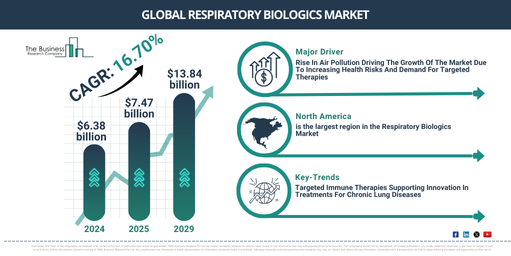
    Recent years have seen a swift expansion in the size of the respiratory biologics market. The forecast indicates a growth from $6.38 billion in 2024 to $7.47 billion in 2025, displaying a compound annual growth rate (CAGR) of 17.0%. The burgeoning growth observed in the past can be associated with factors such as the upsurge in respiratory diseases, a rise in the acceptance of personalized medicine, increased spending on healthcare worldwide, improved awareness and diagnosis of respiratory conditions, coupled with a growing older population suffering from respiratory disorders.

    How Much Will the Respiratory Biologics Market Be Worth in 2029?

    It is projected that the market size for respiratory biologics will experience fast-paced growth in the coming years, escalating to $13.84 billion by 2029, with a substantive compound annual growth rate (CAGR) of 16.7%. Several factors are responsible for this growth during the forecast period, including the increasing prevalence of ailments such as asthma and COPD, augmented use of biologic therapies, increased spending on R&D endeavors, heightened demand for non-invasive methods of drug delivery, and broader reimbursement policies. Key factors expected to shape the market in this forecast period include the application of monoclonal antibodies in treating respiratory diseases, breakthroughs in the formulation and delivery of biologic drugs, regulatory approvals, strategic partnerships and acquisitions among leading players, and the incorporation of artificial intelligence in the discovery and development of new drugs.

    Download The Free Sample Report Here:

    https://www.thebusinessresearchcompany.com/sample.aspx?id=23497&type=smp

    Which is the Largest Company in the Respiratory Biologics Market?

    Major companies operating in the respiratory biologics market are Pfizer Inc., Johnson & Johnson, F. Hoffmann-La Roche Ltd., Merck & Co. Inc., AbbVie Inc., Sanofi S.A., AstraZeneca plc, Novartis AG, GlaxoSmithKline plc, Amgen Inc., Viatris Inc., Regeneron Pharmaceuticals Inc., Boehringer Ingelheim International GmbH, Biogen Inc., Vertex Pharmaceuticals Incorporated, Swedish Orphan Biovitrum AB, Glenmark Pharmaceuticals Ltd., Zymeworks Inc., Kiniksa Pharmaceuticals Ltd., Pieris Pharmaceuticals Inc.

    What Are the Main Market Drivers in the Respiratory Biologics Industry?

    The growth of the respiratory biologics market is being accelerated by the uptick in air pollution. Air pollution, which encompasses the introduction of damaging substances like gases, particulate matter, and biological molecules into the Earth’s atmosphere, poses significant threats to both human health and the environment. Factors such as growing industrialization and urbanization are escalating air pollution levels as they trigger an increase in pollutant emissions from factories, vehicles, and construction activities. To mitigate the detrimental health implications of air pollution, respiratory biologics offers targeted treatments that alleviate inflammation and enhance lung functionality in individuals exposed to airborne contaminants. For example, the Environmental Protection Agency, a US government body, reported in January 2025 that the United States had discharged over 66 million tons of pollutants into the atmosphere in 2023. Furthermore, the United Nations Environment Programme, an environmental authority based in Kenya, stated in September 2022 that due to air pollution, 7 million premature deaths occur annually, and 99% of the global population inhales unclean air. Consequently, the escalation in air pollution is catalyzing the expansion of the respiratory biologics market.

    Request For A Customized Report:

    https://www.thebusinessresearchcompany.com/customise?id=23497&type=smp

    How Is the Respiratory Biologics Market Segments Structured?

    The respiratory biologics market covered in this report is segmented –

    1) By Disease Indication: Asthma, Chronic Rhinosinasitis, Hypereosinophilic Syndrome

    2) By Route Of Administration: Intravenous, Subcuteneous

    3) By Sales Channel: Hospitals, Specialty Clinics, Retail Pharmacies, Mail Order Pharmacies

    Subsegment:

    1) By Asthma: Severe Eosinophilic Asthma, Allergic Asthma, Non-Allergic Asthma

    2) By Type: Chronic Rhinosinusitis: Chronic Rhinosinusitis with Nasal Polyps, Chronic Rhinosinusitis without Nasal Polyps

    3) By Hypereosinophilic Syndrome (HES): Idiopathic HES, Lymphocytic Variant HES, Myeloproliferative HES

    What Strategic Trends Are Transforming the Respiratory Biologics Market?

    Leading firms in the respiratory biologics market are prioritizing the development of novel biologic therapies, such as targeted immune therapies for chronic respiratory ailments, in order to deliver more precise treatments that alleviate inflammation and enhance lung functionality. These targeted immune therapies aim to manage the body’s immune response so as to decrease swelling and alleviate breathing issues linked to long-term lung diseases. To illustrate, Sanofi S.A., a pharmaceutical company based in France, made an announcement in September 2024 that Dupixent (dupilumab) had received approval from the US Food and Drug Administration (FDA) for use as an adjunct maintenance therapy in adults suffering from inadequately managed chronic obstructive pulmonary disease (COPD) exhibiting an eosinophilic phenotype. This authorization symbolizes a significant breakthrough, with Dupixent being the first biologic drug to get approval in the US for the treatment of this particular subset of COPD patients.

    Access The Full Report Here:

    https://www.thebusinessresearchcompany.com/report/respiratory-biologics-global-market-report

    Which Global Regions Offer the Highest Growth in the Respiratory Biologics Market?

    North America was the largest region in the respiratory biologics market in 2024. Asia-Pacific is expected to be the fastest-growing region in the forecast period. The regions covered in the respiratory biologics market report are Asia-Pacific, Western Europe, Eastern Europe, North America, South America, Middle East, Africa.

    Purchase The Full Report Today:

    https://www.thebusinessresearchcompany.com/purchaseoptions.aspx?id=23497

    This Report Delivers Insight On:

    1. How big is the respiratory biologics market, and how is it changing globally?

    2. Who are the major companies in the respiratory biologics market, and how are they performing?

    3. What are the key opportunities and risks in the respiratory biologics market right now?

    4. Which products or customer segments are growing the most in the respiratory biologics market?

    5. What factors are helping or slowing down the growth of the respiratory biologics market?

    About The Business Research Company:

    With over 15000+ reports from 27 industries covering 60+ geographies, The Business Research Company has built a reputation for offering comprehensive, data-rich research and insights. Armed with 1,500,000 datasets, the optimistic contribution of in-depth secondary research, and unique insights from industry leaders, you can get the information you need to stay ahead in the game.

    Get in touch with us:

    The Business Research Company: https://www.thebusinessresearchcompany.com/

    Americas +1 310-496-7795

    Europe +44 7882 955267

    Asia & Others +44 7882 955267 & +91 8897263534

    Email us at info@tbrc.info

    Follow us on:

    LinkedIn: https://in.linkedin.com/company/the-business-research-company

    YouTube: https://www.youtube.com/channel/UC24_fI0rV8cR5DxlCpgmyFQ

    Global Market Model: https://www.thebusinessresearchcompany.com/global-market-model
  • Renin-Angiotensin-System (RAS)-Acting Agents Industry Growth Expected to Reach $7.72 Billion by 2029 at a CAGR of 5.7% | Segmentation and Growth Opportunities

    Renin-Angiotensin-System (RAS)-Acting Agents Industry Growth Expected to Reach $7.72 Billion by 2029 at a CAGR of 5.7% | Segmentation and Growth Opportunities

    Claim your 30% discount on Global Market Reports with code ONLINE30. Limited time only.

    What Is the Forecast for the Renin-Angiotensin-System (RAS)-Acting Agents Market Growth in 2025?

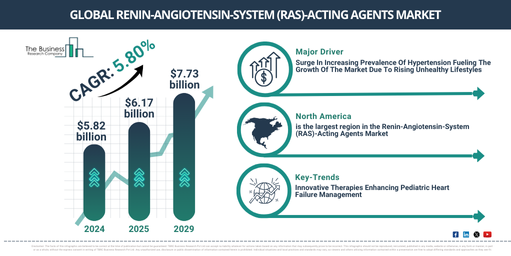
    In recent times, there has been a robust growth in the market size of the renin-angiotensin-system (RAS)-acting agents. It is projected to climb from $5.82 billion in 2024 to $6.17 billion in 2025, securing a compound annual growth rate (CAGR) of 6.0%. The growth during the former period can be credited to factors such as the escalating prevalence of hypertension, growth in cardiovascular disease cases, the rise in elderly population, increased cognizance regarding blood pressure management, substantial clinical research backing, and the granting of regulatory approvals for new drugs.

    What Is the Forecast for the Renin-Angiotensin-System (RAS)-Acting Agents Market Size Through 2029?

    The market for renin-angiotensin-system (RAS)-acting agents is projected to experience substantial growth in the coming years, increasing to $7.73 billion in 2029 with a compound annual growth rate (CAGR) of 5.8%. This anticipated growth during the forecast period is due to factors such as an increasing emphasis on customized therapies, growing demand for fixed-dose combinations, heightened investment in cardiovascular study, expanding healthcare availability in developing markets, and the rising occurrence of diseases related to lifestyle. Noteworthy developments expected in the forecast period include drug development driven by artificial intelligence (AI), nanotechnology-assisted drug delivery, advancements in personalized medicine, application of blockchain for secure clinical data storage, wearable biosensors for monitoring hypertension, and the use of digital twin technology in patient simulation.

    Download The Free Sample Report Here:

    https://www.thebusinessresearchcompany.com/sample.aspx?id=23496&type=smp

    What are the Key Market Players in Renin-Angiotensin-System (RAS)-Acting Agents Market and How They’re Evolving?

    Major companies operating in the renin-angiotensin-system (RAS)-acting agents market are Pfizer Inc., Merck And Co. Inc., Bayer AG, Sanofi S.A., Bristol-Myers Squibb Company, AstraZeneca plc, Novartis AG, GSK plc, Teva Pharmaceutical Industries Ltd., Boehringer Ingelheim GmbH, Sandoz International GmbH, Astellas Pharma Inc., Bausch Health Companies Inc., Aurobindo Pharma Limited, Cipla Limited, Dr. Reddy’s Laboratories Ltd., Biocon Limited, Daiichi Sankyo Company Limited, Glenmark Pharmaceuticals Ltd., Torrent Pharmaceuticals Ltd.

    What Are the Primary Growth Drivers in the Renin-Angiotensin-System (RAS)-Acting Agents Market?

    Expected growth in the renin-angiotensin system (RAS)-acting agents market is believed to be driven by the escalating occurrence of hypertension. Hypertension, also known as high blood pressure, is a chronic health issue where the blood pressure against the artery walls is persistently too high. The spike in hypertension is attributed to unhealthy eating habits, especially diets rich in salt and processed foods leading to heightened blood pressure and stress on the cardiovascular system. Renin-angiotensin system (RAS)-acting agents assist in controlling hypertension by managing blood pressure. They work by curbing angiotensin II, a hormone that tightens blood vessels and boosts fluid retention, thereby facilitating vasodilation and reducing blood pressure. As evidence, as of October 2024, the Australian Bureau of Statistics, a government agency in Australia, reported that 11.6% (3.0 million) of Australians were diagnosed with hypertension in 2022, with similar figures for both men (11.7%) and women (11.6%). For these reasons, the escalating prevalence of hypertension is contributing to the expansion of the renin-angiotensin system (RAS)-acting agents market.

    Request For A Customized Report:

    https://www.thebusinessresearchcompany.com/customise?id=23496&type=smp

    What Are the Leading Segments in the Global Renin-Angiotensin-System (RAS)-Acting Agents Industry?

    The renin-angiotensin-system (RAS)-acting agents market covered in this report is segmented –

    1) By Drug Class: Angiotensin-Converting Enzyme (ACE) Inhibitors, Angiotensin II Receptor Blockers (ARBs), Renin Inhibitors, Aldosterone Antagonists, Other Drug Classes

    2) By Indication: Hypertension, Heart Failure, Chronic Kidney Disease, Diabetic Nephropathy, Coronary Artery Disease

    3) By Distribution Channel: Hospital Pharmacies, Retail Pharmacies, Online Pharmacies, Specialty Clinics

    4) By End-User: Hospitals, Research Institutes, Pharmaceutical Companies, Other End-Users

    Subsegments:

    1) By Angiotensin-Converting Enzyme (ACE) Inhibitors: Captopril, Enalapril, Lisinopril, Ramipril, Perindopril

    2) By Angiotensin II Receptor Blockers (ARBs): Losartan, Valsartan, Irbesartan, Olmesartan, Telmisartan

    3) By Renin Inhibitors: Aliskiren

    4) By Aldosterone Antagonists: Spironolactone, Eplerenone

    5) By Other Drug Classes: Dual Angiotensin Receptor-Neprilysin Inhibitors (ARNIs), Endothelin Receptor Antagonists, Vasopeptidase Inhibitors, Mineralocorticoid Receptor Antagonists (MRAs), Angiotensin Receptor Blockers With Neprilysin Inhibitors (ARNBIs)

    What Are the Key Market Trends in the Renin-Angiotensin-System (RAS)-Acting Agents Industry?

    Primary businesses in the market for renin-angiotensin system (RAS)-acting agents are concentrating their efforts on the creation of new renin-angiotensin system (RAS) blockers, including angiotensin-converting enzyme (ACE) inhibitors. The aim is to maximize effectiveness, decrease adverse reactions, enhance patient adherence, and address conditions like hypertension, heart failure, and kidney disease. ACE inhibitors are medications that manipulate blood pressure and inhibit the enzyme responsible for converting angiotensin I into angiotensin II, a substance that constricts blood vessels. For example, in November 2023, UK pharmaceutical company Proveca Ltd. was granted a pediatric use marketing authorization (PUMA) by the European Commission for Aqumeldi (enalapril maleate) oro-dispersible tablets, which are meant for the treatment of heart failure in children aged newborn to under 18. By blocking the ACE and halting the conversion from angiotensin I to angiotensin II, Aqumeldi relaxes the blood vessels, enhances blood circulation, and reduces the heart’s workload in treatment of pediatric heart failure.

    Access The Full Report Here:

    https://www.thebusinessresearchcompany.com/report/renin-angiotensin-system-ras-acting-agents-global-market-report

    What Is the Regional Outlook for the Renin-Angiotensin-System (RAS)-Acting Agents Market?

    North America was the largest region in the renin-angiotensin-system (RAS)-acting agents market in 2024. Asia-Pacific is expected to be the fastest-growing region in the forecast period. The regions covered in the renin-angiotensin-system (RAS)-acting agents market report are Asia-Pacific, Western Europe, Eastern Europe, North America, South America, Middle East, Africa.

    Purchase The Full Report Today:

    https://www.thebusinessresearchcompany.com/purchaseoptions.aspx?id=23496

    This Report Delivers Insight On:

    1. How big is the renin-angiotensin-system (ras)-acting agents market, and how is it changing globally?

    2. Who are the major companies in the renin-angiotensin-system (ras)-acting agents market, and how are they performing?

    3. What are the key opportunities and risks in the renin-angiotensin-system (ras)-acting agents market right now?

    4. Which products or customer segments are growing the most in the renin-angiotensin-system (ras)-acting agents market?

    5. What factors are helping or slowing down the growth of the renin-angiotensin-system (ras)-acting agents market?

    About The Business Research Company:

    With over 15000+ reports from 27 industries covering 60+ geographies, The Business Research Company has built a reputation for offering comprehensive, data-rich research and insights. Armed with 1,500,000 datasets, the optimistic contribution of in-depth secondary research, and unique insights from industry leaders, you can get the information you need to stay ahead in the game.

    Get in touch with us:

    The Business Research Company: https://www.thebusinessresearchcompany.com/

    Americas +1 310-496-7795

    Europe +44 7882 955267

    Asia & Others +44 7882 955267 & +91 8897263534

    Email us at info@tbrc.info

    Follow us on:

    LinkedIn: https://in.linkedin.com/company/the-business-research-company

    YouTube: https://www.youtube.com/channel/UC24_fI0rV8cR5DxlCpgmyFQ

    Global Market Model: https://www.thebusinessresearchcompany.com/global-market-model