Category: Pharmaceuticals

  • Pulmonary Drugs Market Size to Exceed $71.91 Billion by 2029 | Growth and Industry Trends

    Pulmonary Drugs Market Size to Exceed $71.91 Billion by 2029 | Growth and Industry Trends

    Claim your 30% discount on Global Market Reports with code ONLINE30. Limited time only.

    How Has the Pulmonary Drugs Market Grown from 2024 to 2025?

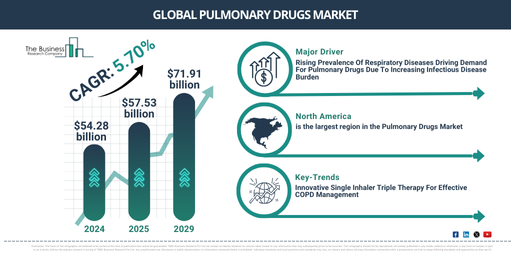
    The market size for pulmonary drugs has seen considerable growth in the recent past. It is projected to escalate from $54.28 billion in 2024 to $57.53 billion in 2025, exhibiting a compound annual growth rate (CAGR) of 6.0%. The growth during the historical period is a result of the increased prevalence of respiratory disorders, a rise in the rates of smoking, a swelling geriatric population, expanding access to healthcare, and a significant increase in pollution levels.

    What Growth Rate Is Anticipated for the Pulmonary Drugs Market in the Coming Years?

    In the upcoming years, the market size for pulmonary drugs is projected to witness robust growth, increasing to $71.91 billion by 2029 with a compound annual growth rate (CAGR) of 5.7%. This expansion during the forecast period is due to numerous factors such as the improvement of healthcare infrastructure, an increase in cardiovascular diseases, the growth of homecare treatments, heightened understanding of pulmonary diseases, and a surge in asthma cases. Key trends for the forecast period encompass technological innovation, the application of artificial intelligence in drug discovery, the usage of smart inhalers, the introduction of nanotechnology in drug formulation, and progress in gene therapy.

    Download The Free Sample Report Here:

    https://www.thebusinessresearchcompany.com/sample.aspx?id=23489&type=smp

    Who Are the Leading Companies in the Pulmonary Drugs Market?

    Major companies operating in the pulmonary drugs market are Pfizer Inc., F. Hoffmann-La Roche Ltd., Merck Sharp & Dohme Limited, AbbVie Inc., Bayer AG, Sanofi S.A., AstraZeneca plc, Novartis AG, GlaxoSmithKline plc, Mylan N.V., Teva Pharmaceutical Industries Ltd., Boehringer Ingelheim International GmbH, Grifols S.A., Chiesi Farmaceutici S.p.A., Cipla Limited, Lupin Pharmaceuticals Inc., United Therapeutics Corporation, Mallinckrodt Pharmaceuticals plc, Glenmark Pharmaceuticals Limited, Circassia Pharmaceuticals plc

    What Are the Key Drivers of the Pulmonary Drugs Market?

    The escalating occurrence of respiratory afflictions is anticipated to stimulate the expansion of the pulmonary drugs market in the future. Respiratory ailments involve medical issues that impact the lungs and airways, hindering regular breathing and the exchange of oxygen. The amplification of respiratory diseases is due to the increasing rate of smoking, which results in lung damage and chronic illnesses. Pulmonary medications are essential in managing respiratory ailments by enhancing lung performance, diminishing inflammation, and easing airway blockage for improved respiration. For example, the Bureau of Labor Statistics, a governmental agency in the US, reported in November 2023 that the disease rate amongst private sector employers in 2022 jumped to 45.2 cases per 10,000 FTE workers from 37.7 cases in 2021. This surge is primarily credited to the higher prevalence of respiratory diseases, which leaped from 27.8 cases per 10,000 FTE workers in 2021 to 35.8 cases in 2022. Consequently, the escalating respiratory ailments are fueling the expansion of the pulmonary drugs market.

    Request For A Customized Report:

    https://www.thebusinessresearchcompany.com/customise?id=23489&type=smp

    What Are the Key Market Segments in the Pulmonary Drugs Industry?

    The pulmonary drugs market covered in this report is segmented –

    1) By Drug Class: Inhaled Corticosteroids, Long Acting Beta-2 Agonists, Antihistamines, Vasodilators, Short Acting Beta-2 Agonists, Other Drug Classes

    2) By Indication: Asthma, Chronic Obstructive Pulmonary Disease (COPD), Allergic Rhinitis, Pulmonary Arterial Hypertension, Cystic Fibrosis, Other Indications

    3) By Distribution Channel: Retail Pharmacies, Online Pharmacies, Hospitals Pharmacies

    Subsegments:

    1) By Inhaled Corticosteroids: Beclomethasone, Budesonide, Fluticasone, Mometasone, Ciclesonide

    2) By Long-Acting Beta-2 Agonists: Salmeterol, Formoterol, Indacaterol, Olodaterol, Vilanterol

    3) By Antihistamines: Cetirizine, Loratadine, Fexofenadine, Diphenhydramine, Levocetirizine

    4) By Vasodilators: Endothelin Receptor Antagonists, Phosphodiesterase-5 Inhibitors, Prostacyclin Analogues

    5) By Short-Acting Beta-2 Agonists (SABA): Albuterol, Levalbuterol, Terbutaline, Fenoterol, Pirbuterol

    6) By Other Drug Classes: Monoclonal Antibodies, Enzymes, Antibiotics, Antileukotrienes

    What Are the Latest Trends in the Pulmonary Drugs Market?

    Pulmonary drugs market giants are concentrating their efforts on devising innovative treatments, such as single-inhaler triple therapy (SITT), with the goal of amplifying treatment effectiveness, endorsing patient compliance, and streamlining medication regimens for superior disease management. SITT is a multifaceted treatment method, combining three different drugs into one inhaler to support the management of chronic respiratory ailments like chronic obstructive pulmonary disease (COPD). For example, in April 2022, Trelegy Ellipta was introduced by GlaxoSmithKline Pharmaceuticals Limited, an Indian pharmaceutical firm, marking a first for India in single-inhaler triple therapy (SITT) for patients with COPD. The introduction of this therapy, which fuses fluticasone furoate, umeclidinium, and vilanterol, aims to augment lung function and diminish symptom flare-ups. The advanced Ellipta inhaler guarantees precise dosing and promotes patient consistency in comparison to therapies involving multiple inhalers. This new development is geared towards simplifying treatment procedures and enhancing patient health outcomes, marking a significant step considering India is home to more than 100 million COPD patients.

    Access The Full Report Here:

    https://www.thebusinessresearchcompany.com/report/pulmonary-drugs-global-market-report

    What Are the Key Regional Markets in the Pulmonary Drugs Industry?

    North America was the largest region in the pulmonary drugs market in 2024. Asia-Pacific is expected to be the fastest-growing region in the forecast period. The regions covered in the pulmonary drugs market report are Asia-Pacific, Western Europe, Eastern Europe, North America, South America, Middle East, Africa.

    Purchase The Full Report Today:

    https://www.thebusinessresearchcompany.com/purchaseoptions.aspx?id=23489

    This Report Delivers Insight On:

    1. How big is the pulmonary drugs market, and how is it changing globally?

    2. Who are the major companies in the pulmonary drugs market, and how are they performing?

    3. What are the key opportunities and risks in the pulmonary drugs market right now?

    4. Which products or customer segments are growing the most in the pulmonary drugs market?

    5. What factors are helping or slowing down the growth of the pulmonary drugs market?

    About The Business Research Company:

    With over 15000+ reports from 27 industries covering 60+ geographies, The Business Research Company has built a reputation for offering comprehensive, data-rich research and insights. Armed with 1,500,000 datasets, the optimistic contribution of in-depth secondary research, and unique insights from industry leaders, you can get the information you need to stay ahead in the game.

    Get in touch with us:

    The Business Research Company: https://www.thebusinessresearchcompany.com/

    Americas +1 310-496-7795

    Europe +44 7882 955267

    Asia & Others +44 7882 955267 & +91 8897263534

    Email us at info@tbrc.info

    Follow us on:

    LinkedIn: https://in.linkedin.com/company/the-business-research-company

    YouTube: https://www.youtube.com/channel/UC24_fI0rV8cR5DxlCpgmyFQ

    Global Market Model: https://www.thebusinessresearchcompany.com/global-market-model
  • Point of Care Connectivity Solutions Industry Valued at $1.96 Billion by 2029 With CAGR of 10.1% | Size and Share Insights

    Point of Care Connectivity Solutions Industry Valued at $1.96 Billion by 2029 With CAGR of 10.1% | Size and Share Insights

    Claim your 30% discount on Global Market Reports with code ONLINE30. Limited time only.

    What Is the Forecast for the Point of Care Connectivity Solutions Market from 2024 to 2025?

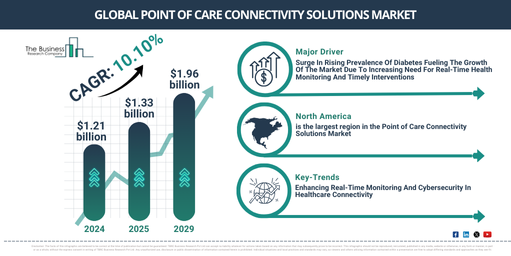
    The market for point-of-care connectivity solutions has experienced swift expansion in the last few years. Its growth is projected to escalate from $1.21 billion in 2024 to $1.33 billion in 2025, resulting in a compound annual growth rate (CAGR) of 10.5%. The impressive growth witnessed in previous years can be linked to the surge in real-time patient observation needs, an increase in chronic illnesses and older population, the elevated adoption of telemedicine and distance healthcare, the burgeoning demand for reducing healthcare expenses, and the mounting regulatory mandates regarding patient information management.

    What Is the Projected Market Size of the Point of Care Connectivity Solutions Market?

    In the coming years, the point-of-care connectivity solutions market is projected to undergo rapid expansion, reaching $1.96 billion in 2029 with a compound annual growth rate (CAGR) of 10.1%. The forecast period’s growth can be traced back to the increasing implementation of artificial intelligence within the healthcare sector, the surge in the number of outpatient and homecare settings, growing demand for personalized healthcare services, enhanced investments in healthcare IT infrastructure, and rising utilization of mobile health apps and wearable technology. Noteworthy trends during the forecast period include the use of advanced data analytics for instantaneous decision-making, improvements in wireless communication technologies, innovations in cloud-based healthcare solutions, and the integration of IoT devices for better patient monitoring and combination of electronic health records with point-of-care systems.

    Download The Free Sample Report Here:

    https://www.thebusinessresearchcompany.com/sample.aspx?id=23478&type=smp

    Who are the Major Competitors in the Point of Care Connectivity Solutions Market Outlook?

    Major companies operating in the point of care connectivity solutions market are F. Hoffmann-La Roche AG, Thermo Fisher Scientific Inc., Honeywell International Inc., Siemens Healthineers AG, Koninklijke Philips N.V., Becton Dickinson and Company (BD), GE HealthCare Technologies Inc., TE Connectivity Ltd., Quest Diagnostics Incorporated, VWR International LLC, Shenzhen Mindray Bio-Medical Electronics Co. Ltd., Bio-Rad Laboratories Inc., WerfenLife S.A. (Werfen), Radiometer Medical ApS, Nova Biomedical Corporation, LumiraDx Limited, EKF Diagnostics Holdings plc, Abbott Laboratories, Orchard Software Corporation, Citizen Care Health Solutions Inc.

    What Is Fueling Growth in the Point of Care Connectivity Solutions Market?

    The point of care connectivity solutions market’s growth is expected to be fueled by the increasing instances of diabetes. Diabetes, a group of diseases that affect the body’s ability to process blood sugar, often leads to abnormally high levels of blood sugar. The rise in obesity rates is escalating the prevalence of diabetes as excess body fat often leads to insulin resistance, compromising the body’s ability to manage blood sugar effectively. Point of care connectivity solutions are essential in managing diabetes as they allow physicians to monitor a patient’s health in real time, providing faster access to treatment and allowing patients to better control their condition. For example, per the American Diabetes Association, a US-based non-profit organization, about 25.5 million individuals in the U.S. were identified as having diabetes in 2022, representing 7.6% of the overall population. Therefore, the increasing prevalence of diabetes is a key driver of growth in the point of care connectivity solutions market.

    Request For A Customized Report:

    https://www.thebusinessresearchcompany.com/customise?id=23478&type=smp

    Which Point of Care Connectivity Solutions Market Segments Are Growing the Fastest?

    The point of care connectivity solutions market covered in this report is segmented –

    1) By Type: Software, Services

    2) By Application: Glucose Monitoring, Coagulation Monitoring, Electrolyte and Blood Gas Analysis, Infectious Disease Devices, Cardio Metabolic Monitoring, Other Applications

    3) By End User: Hospitals And Clinics, Diagnostic And Specialty Centers, Other End Users

    Sub Segments:

    1) By Software: Electronic Medical Records (EMR) Integration, Device Connectivity Software, Data Management And Analytics, Interface Software, Middleware Solutions

    2) By Services: Support and Maintenance, Implementation and Integration, Consulting, Training and Education, Managed Services

    Which Industry Trends Are Shaping the Future of the Point of Care Connectivity Solutions Market?

    Key businesses in the point of care connectivity solutions market are concentrating their efforts on devising digital connectivity solutions that will facilitate data consolidation, streamline clinical procedures and enable instant decision-making at the point of care. Point of care digital connectivity refers to a technology that integrates diagnostic tools, electronic health records, and healthcare systems for instantaneous data sharing, amalgamation, and management at the point of care. For example, in May 2022, EKF Diagnostics, a diagnostics and biotechnology firm based in the UK, introduced a middleware connectivity solution for point of care analyzers and data administration. This adaptable software allows for real-time remote handling of patient examination outcomes, quality control data, and analyzer settings across numerous devices. It bolsters seamless assimilation with hospital IT systems, improving functionality for hospitals, clinics, and lab facilities.

    Access The Full Report Here:

    https://www.thebusinessresearchcompany.com/report/point-of-care-connectivity-solutions-global-market-report

    Which Countries Are Leading the Point of Care Connectivity Solutions Market?

    North America was the largest region in the point-of-care connectivity solutions market in 2024. Asia-Pacific is expected to be the fastest-growing region in the forecast period. The regions covered in the point of care connectivity solutions market report are Asia-Pacific, Western Europe, Eastern Europe, North America, South America, Middle East, Africa.

    Purchase The Full Report Today:

    https://www.thebusinessresearchcompany.com/purchaseoptions.aspx?id=23478

    This Report Delivers Insight On:

    1. How big is the point of care connectivity solutions market, and how is it changing globally?

    2. Who are the major companies in the point of care connectivity solutions market, and how are they performing?

    3. What are the key opportunities and risks in the point of care connectivity solutions market right now?

    4. Which products or customer segments are growing the most in the point of care connectivity solutions market?

    5. What factors are helping or slowing down the growth of the point of care connectivity solutions market?

    About The Business Research Company:

    With over 15000+ reports from 27 industries covering 60+ geographies, The Business Research Company has built a reputation for offering comprehensive, data-rich research and insights. Armed with 1,500,000 datasets, the optimistic contribution of in-depth secondary research, and unique insights from industry leaders, you can get the information you need to stay ahead in the game.

    Get in touch with us:

    The Business Research Company: https://www.thebusinessresearchcompany.com/

    Americas +1 310-496-7795

    Europe +44 7882 955267

    Asia & Others +44 7882 955267 & +91 8897263534

    Email us at info@tbrc.info

    Follow us on:

    LinkedIn: https://in.linkedin.com/company/the-business-research-company

    YouTube: https://www.youtube.com/channel/UC24_fI0rV8cR5DxlCpgmyFQ

    Global Market Model: https://www.thebusinessresearchcompany.com/global-market-model
  • Plant-Based Active Pharmaceutical Ingredients (API) Market to Reach $42.33 Billion by 2029 | Key Drivers and Future Outlook

    Plant-Based Active Pharmaceutical Ingredients (API) Market to Reach $42.33 Billion by 2029 | Key Drivers and Future Outlook

    Claim your 30% discount on Global Market Reports with code ONLINE30. Limited time only.

    What Is the Growth Rate of the Plant-Based Active Pharmaceutical Ingredients (API) Market?

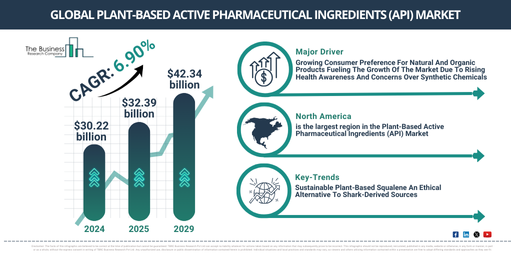
    The solid growth of the plant-based active pharmaceutical ingredients (API) market in recent years has been noticeable. The sector is forecasted to expand from $30.22 billion in 2024 to $32.39 billion in 2025, signifying a compound annual growth rate (CAGR) of 7.2%. Several factors have contributed to this growth in the historic period, including increased use of traditional herbal medicines, rising demand for natural cures, the development of early pharmaceutical compounds, expanding trade in medicinal herbs globally, and the ongoing industrialisation of botanical medications.

    What Growth Rate Is Forecasted for the Plant-Based Active Pharmaceutical Ingredients (API) Market by 2029?

    The market capacity for plant-based active pharmaceutical ingredients (API) is poised for impressive expansion in the forthcoming years, predicted to inflate to $42.34 billion by 2029, growing at a compound annual growth rate (CAGR) of 6.9%. Factors propelling the expected growth include the rising consumer inclination towards natural drug options, increased funding in plant-based medicinal research, the broader usage in chronic disease management, and enhanced partnerships between botanical and pharmaceutical industries. Key trends likely to be seen during the forecast period are the employment of artificial intelligence (AI) in drug finding, progressive plant tissue culture practices, precision fermentation for obtaining plant-originated compounds, and eco-friendly extraction methodologies for sustainable production.

    Download The Free Sample Report Here:

    https://www.thebusinessresearchcompany.com/sample.aspx?id=23477&type=smp

    Which Key Companies Are Shaping the Future of the Plant-Based Active Pharmaceutical Ingredients (API) Market?

    Major companies operating in the plant-based active pharmaceutical ingredients (API) market are Evonik Industries AG, Roquette Frères, Sun Pharmaceutical Industries Ltd, Aurobindo Pharma, Koninklijke DSM NV, Alembic Pharmaceuticals Ltd, Seppic, Indena SpA, PAI Pharma, Centroflora Group, Alkaloids Corporation, SCL Lifesciences Ltd, Alchem International Pvt Ltd, AMGIS Lifescience Ltd, C2 Pharma, PhytoHealth Corp, Bright Green Corporation, Sichuan Xieli Pharmaceutical Co Ltd, Brains Bioceutical Corp, Organotechnie, HimPharm.

    Which Factors Are Driving Demand in the Plant-Based Active Pharmaceutical Ingredients (API) Industry?

    The escalating inclination of consumers towards natural and organic products is projected to boost the expansion of the plant-based active pharmaceutical ingredients (API) market over time. Natural and organic products allude to commodities sourced naturally, minimally processed and devoid of synthetic chemicals or genetically modified organisms (GMOs). This shift in consumer trend towards natural and organic products is attributed to health consciousness and the increasing apprehension about synthetic chemicals, leading to an increased awareness of the potential hazards of synthetic elements. Plant-based active pharmaceutical ingredients (APIs) cater to the demand for natural and organic products by providing effective, chemical-free medicinal characteristics that correspond with consumer desire for clean, secure, and environmentally friendly health solutions. For example, as stated by LETIS S.A., an organic products certification company based in Argentina, organic food sales escalated to $61.67 billion in 2022, indicating a growth of 4.3% from the preceding period, while additional organic products contributed $5.906 billion to the total sales, marking a growth of 1.6%. Hence, the escalating consumer inclination towards natural and organic products is fuelling the expansion of the plant-based active pharmaceutical ingredients (API) market.

    Request For A Customized Report:

    https://www.thebusinessresearchcompany.com/customise?id=23477&type=smp

    How Is the Plant-Based Active Pharmaceutical Ingredients (API) Market Segmented by Several Divisions?

    The plant-based active pharmaceutical ingredients (API) market covered in this report is segmented –

    1) By Product Type: Alkaloids, Glycosides, Cannabinoids, Flavonoid, Terpenes And Terpenoids, Polyphenols, Saponins, Other Product Types

    2) By Source: Leaves, Roots, Bark, Flowers, Seeds, Fruits, Resin And Gums, Other Sources

    3) By Distribution Channel: Online Retailers, Super markets Or Hyper markets, Specialty Food Stores, Foodservice

    4) By End-Use: Pharmaceuticals, Nutraceuticals, Herbal Based Industries, Other End-Uses

    Subsegments:

    1) Alkaloids: Morphine Alkaloids, Tropane Alkaloids, Quinolizidine Alkaloids, Indole Alkaloids, Isoquinoline Alkaloids, Pyrrolizidine Alkaloids

    2) By Glycosides: Cardiac Glycosides, Anthraquinone Glycosides, Flavonoid Glycosides, Saponin Glycosides, Cyanogenic Glycosides

    3) Cannabinoids: Tetrahydrocannabinol (THC), Cannabidiol (CBD), Cannabigerol (CBG), Cannabichromene (CBC), Cannabinol (CBN)

    4) Flavonoid: Flavones, Flavonols, Isoflavones, Flavanones, Anthocyanins

    5) Terpenes And Terpenoids: Monoterpenes, Sesquiterpenes, Diterpenes, Triterpenes, Tetraterpenes

    6) Polyphenols: Phenolic Acids, Stilbenes, Lignans, Flavonoid Polyphenols

    7) Saponins: Steroidal Saponins, Triterpenoid Saponins

    8) Other Product Types: Coumarins, Tannins, Lignins, Phenolic Glycosides

    What are the Emerging Market Trends Driving the Growth of the Plant-Based Active Pharmaceutical Ingredients (API) Industry?

    Key players in the plant-based active pharmaceutical ingredients (API) market are prioritizing the creation of innovative products such as plant-based squalene. This initiative provides sustainable and ethical substitutes for conventional sources derived from animals. Extracted from plants like amaranth, olives, and sugarcane, plant-based squalene represents a green and ethical replacement for squalene obtained from sharks, and finds application across pharmaceuticals, cosmetics, and vaccines. For instance, Evonik Industries AG, a specialty chemicals corporation based in Germany, introduced its first Good Manufacturing Practice (GMP) quality, amaranth oil-derived, plant-based squalene, PhytoSquene, in October 2023. Offering a sustainable counterpart to squalene sourced from sharks, PhytoSquene guarantees optimal purity, consistent quality across batches, and fulfills the European Pharmacopoeia (Ph. Eur.) norms. It significantly contributes to vaccine adjuvants, intensifying immune reactions. PhytoSquene addresses concerns about biodiversity, reduces dependence on animal resources, and respects cultural and religious values by offering a plant-based alternative.

    Access The Full Report Here:

    https://www.thebusinessresearchcompany.com/report/plant-based-active-pharmaceutical-ingredients-api-global-market-report

    Which Regions Are Driving Growth in the Plant-Based Active Pharmaceutical Ingredients (API) Market?

    North America was the largest region in the plant-based active pharmaceutical ingredients (API) market in 2024. Asia-Pacific is expected to be the fastest-growing region in the forecast period. The regions covered in the plant-based active pharmaceutical ingredients (API) market report are Asia-Pacific, Western Europe, Eastern Europe, North America, South America, Middle East, Africa.

    Purchase The Full Report Today:

    https://www.thebusinessresearchcompany.com/purchaseoptions.aspx?id=23477

    This Report Delivers Insight On:

    1. How big is the plant-based active pharmaceutical ingredients (api) market, and how is it changing globally?

    2. Who are the major companies in the plant-based active pharmaceutical ingredients (api) market, and how are they performing?

    3. What are the key opportunities and risks in the plant-based active pharmaceutical ingredients (api) market right now?

    4. Which products or customer segments are growing the most in the plant-based active pharmaceutical ingredients (api) market?

    5. What factors are helping or slowing down the growth of the plant-based active pharmaceutical ingredients (api) market?

    About The Business Research Company:

    With over 15000+ reports from 27 industries covering 60+ geographies, The Business Research Company has built a reputation for offering comprehensive, data-rich research and insights. Armed with 1,500,000 datasets, the optimistic contribution of in-depth secondary research, and unique insights from industry leaders, you can get the information you need to stay ahead in the game.

    Get in touch with us:

    The Business Research Company: https://www.thebusinessresearchcompany.com/

    Americas +1 310-496-7795

    Europe +44 7882 955267

    Asia & Others +44 7882 955267 & +91 8897263534

    Email us at info@tbrc.info

    Follow us on:

    LinkedIn: https://in.linkedin.com/company/the-business-research-company

    YouTube: https://www.youtube.com/channel/UC24_fI0rV8cR5DxlCpgmyFQ

    Global Market Model: https://www.thebusinessresearchcompany.com/global-market-model
  • Phosphoinositide 3-Kinase (PI3K) Inhibitors  Market Size to Exceed $2.6 Billion by 2029 | Growth and Industry Trends

    Phosphoinositide 3-Kinase (PI3K) Inhibitors Market Size to Exceed $2.6 Billion by 2029 | Growth and Industry Trends

    Claim your 30% discount on Global Market Reports with code ONLINE30. Limited time only.

    How Has the Phosphoinositide 3-Kinase (PI3K) Inhibitors Market Grown from 2024 to 2025?

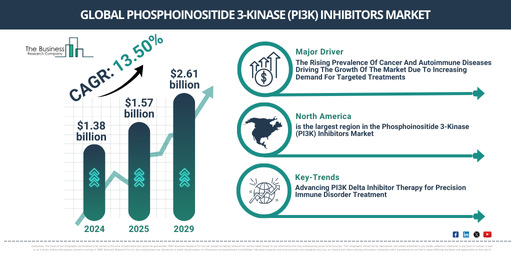
    The market size of phosphoinositide 3-kinase (PI3K) inhibitors has been growing rapidly in recent years, and it is expected to expand from $1.38 billion in 2024 to $1.57 billion in 2025, with a compound annual growth rate (CAGR) of 13.7%. The growth experienced in the past is linked to factors such as an increase in cancer prevalence, advances in research related to targeted therapies, the approval of first-generation PI3K inhibitors by regulatory bodies, a surge in healthcare spending, and the proliferation of clinical trials for hematologic malignancies.

    What Growth Rate Is Anticipated for the Phosphoinositide 3-Kinase (PI3K) Inhibitors Market in the Coming Years?

    In the coming years, the market for phosphoinositide 3-kinase (PI3K) inhibitors is projected to experience significant growth, increasing to $2.61 billion by 2029 with a compound annual growth rate (CAGR) of 13.5%. Factors contributing to the predicted growth during this period include the rising appeal of combination therapies, the development of safer next-generation PI3K inhibitors, heightened investment in cancer research, applications beyond oncology, and the growth in the use of biomarkers for patient selection. Shifting towards dual and pan-isoform PI3K inhibitors, a growing preference for oral administration over intravenous methods, a rising focus on circumventing resistance mechanisms, the growing application of artificial intelligence in drug discovery, and the expanding role of PI3K inhibitors in immunotherapy combinations are some of the key trends during this forecast period.

    Download The Free Sample Report Here:

    https://www.thebusinessresearchcompany.com/sample.aspx?id=23474&type=smp

    Who Are the Leading Companies in the Phosphoinositide 3-Kinase (PI3K) Inhibitors Market?

    Major companies operating in the phosphoinositide 3-kinase (PI3K) inhibitors market are Pfizer Inc., F. Hoffmann-La Roche Ltd, Merck & Co., AbbVie Inc., Bayer AG, Sanofi SA, Bristol Myers Squibb, AstraZeneca PLC, Novartis AG, GlaxoSmithKline (GSK) Plc, Takeda Pharmaceutical Company Limited, Eli Lilly and Company, Gilead Sciences, Boehringer Ingelheim, Genentech Inc., Incyte Corporation, Exelixis, Kura Oncology, TG Therapeutics Inc., Verastem Oncology

    What Are the Key Drivers of the Phosphoinositide 3-Kinase (PI3K) Inhibitors Market?

    The escalating rates of cancer and autoimmune diseases are anticipated to fuel the expansion of the phosphoinositide 3-kinase (PI3K) inhibitors market in future. Diseases such as cancer are typified by uncontrolled multiplication and growth of cells, while autoimmune illnesses manifest when the body’s immunity system wrongly targets its own healthy tissues, provoking chronic inflammation and damage to tissues. The rise in these diseases can be traced back to heightened genetic vulnerability, culminating in an accumulation of genetic mutations and an imbalance in the body’s immune response. Phosphoinositide 3-kinase (PI3K) inhibitors become crucial in countering this rising trend by focusing on abnormal PI3K signaling, which plays a part in facilitating tumor expansion and immune disruption. Consequently, they provide medicinal benefits by adopting precision medicine approaches that augment treatment effectiveness and patient outcomes. For example, as per the National Cancer Institute, a US government agency, the tally of cancer survivors in the United States, which stood at 18.1 million in 2022, is foreseen to escalate to 22.5 million by 2032, with around 40.5% of the population potentially facing a cancer diagnosis in their lifetime. Hence, the rising incidence of cancer and autoimmune diseases serves as a catalyst for the growth of the Phosphoinositide 3-Kinase (PI3K) Inhibitors market.

    Request For A Customized Report:

    https://www.thebusinessresearchcompany.com/customise?id=23474&type=smp

    What Are the Key Market Segments in the Phosphoinositide 3-Kinase (PI3K) Inhibitors Industry?

    The phosphoinositide 3-kinase (PI3K) inhibitors market covered in this report is segmented –

    1) By Type Of Inhibitor: Isoform Selective Inhibitors, Pan-Phosphoinositide 3-Kinase (PI3K) Inhibitors, Dual Phosphoinositide 3-Kinase (PI3K) Or Mechanistic Target Of Rapamycin (mTOR) Inhibitors, Novel Targeted Inhibitors

    2) By Distribution Channel: Hospital Pharmacies, Retail Pharmacies, Online Pharmacies, Other Distribution Channel

    3) By Application Areas: Cancer Treatment, Metabolic Disorders, Autoimmune Diseases, Neurological Disorders

    4) By End User: Hospitals, Research Institutes, Pharmaceutical Companies, Contract Research Organizations (CROs)

    Subsegments:

    1) By Isoform Selective Inhibitors: Phosphoinositide 3-Kinase Alpha (PI3Kα), Phosphoinositide 3-Kinase Beta (PI3Kβ), Phosphoinositide 3-Kinase Delta (PI3Kδ), Phosphoinositide 3-Kinase Gamma (PI3Kγ)

    2) By Pan-Phosphoinositide 3-Kinase (PI3K) Inhibitors: Class I Phosphoinositide 3-Kinase (PI3K), Non-Isoform Specific Phosphoinositide 3-Kinase (PI3K), Phosphoinositide 3-Kinase Kinase Domain

    3) By Dual Phosphoinositide 3-Kinase (PI3K) Or Mechanistic Target of Rapamycin (mTOR) Inhibitors: Phosphoinositide 3-Kinase (PI3K) and Mechanistic Target of Rapamycin (mTOR) Inhibition, Adenosine Triphosphate-Competitive Dual Inhibitors, Allosteric Dual Inhibitors

    4) By Novel Targeted Inhibitors: Next-Generation Phosphoinositide 3-Kinase, Targeting Mutant Phosphoinositide 3-Kinase Isoforms, Autophagy Modulators, Checkpoint Inhibitors, Combination Therapies

    What Are the Latest Trends in the Phosphoinositide 3-Kinase (PI3K) Inhibitors Market?

    Leading entities in the phosphoinositide 3-kinase (PI3K) inhibitors market are concentrated on creating unique solutions, including PI3K delta inhibitor treatments, to offer specific therapy options for ailments related to disarrayed phosphoinositide 3-kinase (PI3K) signaling. The PI3K delta inhibitor method, a targeted treatment, inhibits the PI3K delta enzyme crucial in immune cell signaling to diminish inflammation, autoimmune reactions, and select blood cancers. For instance, in March 2023, the US-based government regulatory body, the United States Food and Drug Administration (FDA), confirmed the approval of Joenja (leniolisib), marking it the first therapy for activated phosphoinositide 3-kinase delta syndrome (APDS) in patients aged 12 years and above. This authorization signified a substantial progress in targeted therapies by adopting a precision medicine tactic to address immune dysfunction resulting from genetic variations in the PIK3CD or PIK3R1 genes. The introduction of Joenja (leniolisib) not only broadens the clinical uses of phosphoinositide 3-kinase (PI3K) inhibitors beyond the scope of oncology, but it also emphasizes the increasing concentration on individualized treatments for rare immune-related disorders.

    Access The Full Report Here:

    https://www.thebusinessresearchcompany.com/report/phosphoinositide-3-kinase-pi3k-inhibitors-global-market-report

    What Are the Key Regional Markets in the Phosphoinositide 3-Kinase (PI3K) Inhibitors Industry?

    North America was the largest region in the phosphoinositide 3-kinase (PI3K) inhibitors market in 2024. Asia-Pacific is expected to be the fastest-growing region in the forecast period. The regions covered in the phosphoinositide 3-kinase (PI3K) inhibitors market report are Asia-Pacific, Western Europe, Eastern Europe, North America, South America, Middle East, Africa.

    Purchase The Full Report Today:

    https://www.thebusinessresearchcompany.com/purchaseoptions.aspx?id=23474

    This Report Delivers Insight On:

    1. How big is the phosphoinositide 3-kinase (pi3k) inhibitors market, and how is it changing globally?

    2. Who are the major companies in the phosphoinositide 3-kinase (pi3k) inhibitors market, and how are they performing?

    3. What are the key opportunities and risks in the phosphoinositide 3-kinase (pi3k) inhibitors market right now?

    4. Which products or customer segments are growing the most in the phosphoinositide 3-kinase (pi3k) inhibitors market?

    5. What factors are helping or slowing down the growth of the phosphoinositide 3-kinase (pi3k) inhibitors market?

    About The Business Research Company:

    With over 15000+ reports from 27 industries covering 60+ geographies, The Business Research Company has built a reputation for offering comprehensive, data-rich research and insights. Armed with 1,500,000 datasets, the optimistic contribution of in-depth secondary research, and unique insights from industry leaders, you can get the information you need to stay ahead in the game.

    Get in touch with us:

    The Business Research Company: https://www.thebusinessresearchcompany.com/

    Americas +1 310-496-7795

    Europe +44 7882 955267

    Asia & Others +44 7882 955267 & +91 8897263534

    Email us at info@tbrc.info

    Follow us on:

    LinkedIn: https://in.linkedin.com/company/the-business-research-company

    YouTube: https://www.youtube.com/channel/UC24_fI0rV8cR5DxlCpgmyFQ

    Global Market Model: https://www.thebusinessresearchcompany.com/global-market-model
  • Pharmaceutical Stability And Storage Services  Industry Insights 2025 – Market Forecast for Executives and Planners

    Pharmaceutical Stability And Storage Services Industry Insights 2025 – Market Forecast for Executives and Planners

    Claim your 30% discount on Global Market Reports with code ONLINE30. Limited time only.

    How Has the Pharmaceutical Stability And Storage Services Market Size Changed, over the years?

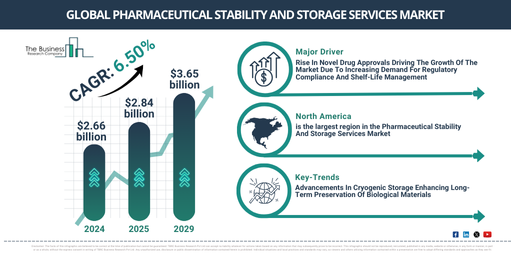
    The market for pharmaceutical stability and storage services has witnessed robust expansion in recent times. Its size is projected to increase from $2.66 billion in 2024 to $2.84 billion in 2025, indicating a compound annual growth rate (CAGR) of 6.7%. The surge in the historical period could be credited to factors like rising demand for biologics, growing incidences of chronic illnesses, development in drug creation, heightened complexity in drug formulations, and escalating research and development in the pharmaceutical sector.

    How Much Will the Pharmaceutical Stability And Storage Services Market Be Worth in 2029?

    Expectations are high for robust expansion in the pharmaceutical stability and storage services market in the coming years. The market is projected to reach $3.65 billion in 2029 with a compound annual growth rate (CAGR) of 6.5%. The expected growth in the future can be linked to factors such as the rise of personalized medicine, the expansion of cold chain logistics, the increasing biopharmaceutical pipeline, the surge in biologic drug approvals, and a growing necessity for stability testing. Upcoming trends for the forecast period comprise technology progress, advancements in cryogenic storage methods, evolution in digital monitoring technologies, introduction of novel packaging technologies, and improved temperature-regulated storage systems.

    Download The Free Sample Report Here:

    https://www.thebusinessresearchcompany.com/sample.aspx?id=23473&type=smp

    Which is the Largest Company in the Pharmaceutical Stability And Storage Services Market?

    Major companies operating in the pharmaceutical stability and storage services market are Cencora Inc, SGS S.A., Eurofins Scientific SE, Catalent Inc, Charles River Laboratories, Intertek Group plc, Element Materials Technology Inc, Alloga UK Ltd., ALS Limited, Pharmaceutical Contract Industries Pharma Services., Almac Group, Alcami Corporation, BioLife Solutions Inc., Auriga Research Private Limited, Reading Scientific Services Ltd., Lucideon Limited, Q Laboratories Inc, PD Partners, Precision Stability Storage, Roylance Stability Storage Limited

    What Are the Main Market Drivers in the Pharmaceutical Stability And Storage Services Industry?

    The surge in novel drug approvals is predicted to stimulate the progress of the pharmaceutical stability and storage services market. A novel drug pertains to a newly created pharmaceutical composition that has not been endorsed previously for utilization or advertised. The escalation in novel drug approvals is ascribed to advancements in biotechnology that foster the identification of fresh compounds and enhance regulatory operations for expedited and efficient drug elaboration. The augmented approvals of novel drugs boost the need for pharmaceutical stability and storage services, ensuring ideal conditions, adherence, and prolonged shelf-life supervision. For example, the U.S. Food and Drug Administration (FDA), a federal establishment based in the U.S. tasked with ensuring public health, unveiled that in 2022, 37 novel drugs got their approval, trailed by 50 in 2024. These approvals have expedited treatments in numerous sectors such as cancer, rare diseases, neurology, infections, and numerous conditions like schizophrenia, pain, and Alzheimer’s. Consequently, the surge in novel drug approvals propels the progress of the pharmaceutical stability and storage services market.

    Request For A Customized Report:

    https://www.thebusinessresearchcompany.com/customise?id=23473&type=smp

    How Is the Pharmaceutical Stability And Storage Services Market Segments Structured?

    The pharmaceutical stability and storage services market covered in this report is segmented –

    1) By Service: Stability, Storage

    2) By Product Type: Tablets, Capsules, Injectable Solutions, Oral Suspensions, Combination Products, Other Product Types

    3) By Molecule: Small Molecule, Large Molecule

    4) By Mode: In-House, Outsourcing

    5) By End User: Biopharmaceutical Companies, Contract Manufacturing Organizations, Contract Research Organizations, Other End Users

    Subsegments:

    1) Stability Services: Long-Term Stability Studies, Accelerated Stability Studies, Intermediate Stability Studies, Photostability Testing, Forced Degradation Studies

    2) Storage Services: Ambient Storage, Refrigerated Storage (2°C to 8°C), Frozen Storage (-20°C to -80°C), Cryogenic Storage (-150°C to -196°C), Controlled Drug Substance And Product Storage

    What Strategic Trends Are Transforming the Pharmaceutical Stability And Storage Services Market?

    Top players in the pharmaceutical stability and storage services market are zeroing in on creating high-tech solutions like cryogenic storage suites to augment the conservation of temperature-sensitive pharmaceutical goods. A cryogenic storage suite is a dedicated storage facility that holds extremely frigid temperatures, usually under -150°C, to store temperature-dependent biological and pharmaceutical commodities such as vaccines, cell treatments, and biologics. For instance, Astoriom, a stability and biospecimen storage company based in the UK, brought a cryogenic storage suite at its Tramore plant in County Waterford, Ireland on-stream in December 2024. This substantial upgrade has allowed for advanced biological sample storage abilities. This cutting-edge suite is designed to cater to the escalating need for reliable, long-term storage of biological substances, guaranteeing their sustainability over lengthy durations. This storage suite is equipped with highly precise temperature control that can go as low as -196°C, extensive storage capacity, conformity with ISO 9001 for regulatory compliance, and advanced security measures which include access controls and surveillance systems.

    Access The Full Report Here:

    https://www.thebusinessresearchcompany.com/report/pharmaceutical-stability-and-storage-services-global-market-report

    Which Global Regions Offer the Highest Growth in the Pharmaceutical Stability And Storage Services Market?

    North America was the largest region in the pharmaceutical stability and storage services market in 2024. Asia-Pacific is expected to be the fastest-growing region in the forecast period. The regions covered in the pharmaceutical stability and storage services market report are Asia-Pacific, Western Europe, Eastern Europe, North America, South America, Middle East, Africa.

    Purchase The Full Report Today:

    https://www.thebusinessresearchcompany.com/purchaseoptions.aspx?id=23473

    This Report Delivers Insight On:

    1. How big is the pharmaceutical stability and storage services market, and how is it changing globally?

    2. Who are the major companies in the pharmaceutical stability and storage services market, and how are they performing?

    3. What are the key opportunities and risks in the pharmaceutical stability and storage services market right now?

    4. Which products or customer segments are growing the most in the pharmaceutical stability and storage services market?

    5. What factors are helping or slowing down the growth of the pharmaceutical stability and storage services market?

    About The Business Research Company:

    With over 15000+ reports from 27 industries covering 60+ geographies, The Business Research Company has built a reputation for offering comprehensive, data-rich research and insights. Armed with 1,500,000 datasets, the optimistic contribution of in-depth secondary research, and unique insights from industry leaders, you can get the information you need to stay ahead in the game.

    Get in touch with us:

    The Business Research Company: https://www.thebusinessresearchcompany.com/

    Americas +1 310-496-7795

    Europe +44 7882 955267

    Asia & Others +44 7882 955267 & +91 8897263534

    Email us at info@tbrc.info

    Follow us on:

    LinkedIn: https://in.linkedin.com/company/the-business-research-company

    YouTube: https://www.youtube.com/channel/UC24_fI0rV8cR5DxlCpgmyFQ

    Global Market Model: https://www.thebusinessresearchcompany.com/global-market-model
  • Respiratory Biologics Market Projected at $13.83 Billion by 2029 | Strategic Insights and Forecast Data

    Respiratory Biologics Market Projected at $13.83 Billion by 2029 | Strategic Insights and Forecast Data

    Claim your 30% discount on Global Market Reports with code ONLINE30. Limited time only.

    How Has the Respiratory Biologics Market Size Changed, over the years?

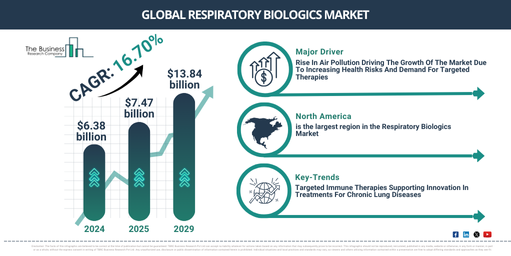
    Recent years have seen a swift expansion in the size of the respiratory biologics market. The forecast indicates a growth from $6.38 billion in 2024 to $7.47 billion in 2025, displaying a compound annual growth rate (CAGR) of 17.0%. The burgeoning growth observed in the past can be associated with factors such as the upsurge in respiratory diseases, a rise in the acceptance of personalized medicine, increased spending on healthcare worldwide, improved awareness and diagnosis of respiratory conditions, coupled with a growing older population suffering from respiratory disorders.

    How Much Will the Respiratory Biologics Market Be Worth in 2029?

    It is projected that the market size for respiratory biologics will experience fast-paced growth in the coming years, escalating to $13.84 billion by 2029, with a substantive compound annual growth rate (CAGR) of 16.7%. Several factors are responsible for this growth during the forecast period, including the increasing prevalence of ailments such as asthma and COPD, augmented use of biologic therapies, increased spending on R&D endeavors, heightened demand for non-invasive methods of drug delivery, and broader reimbursement policies. Key factors expected to shape the market in this forecast period include the application of monoclonal antibodies in treating respiratory diseases, breakthroughs in the formulation and delivery of biologic drugs, regulatory approvals, strategic partnerships and acquisitions among leading players, and the incorporation of artificial intelligence in the discovery and development of new drugs.

    Download The Free Sample Report Here:

    https://www.thebusinessresearchcompany.com/sample.aspx?id=23497&type=smp

    Which is the Largest Company in the Respiratory Biologics Market?

    Major companies operating in the respiratory biologics market are Pfizer Inc., Johnson & Johnson, F. Hoffmann-La Roche Ltd., Merck & Co. Inc., AbbVie Inc., Sanofi S.A., AstraZeneca plc, Novartis AG, GlaxoSmithKline plc, Amgen Inc., Viatris Inc., Regeneron Pharmaceuticals Inc., Boehringer Ingelheim International GmbH, Biogen Inc., Vertex Pharmaceuticals Incorporated, Swedish Orphan Biovitrum AB, Glenmark Pharmaceuticals Ltd., Zymeworks Inc., Kiniksa Pharmaceuticals Ltd., Pieris Pharmaceuticals Inc.

    What Are the Main Market Drivers in the Respiratory Biologics Industry?

    The growth of the respiratory biologics market is being accelerated by the uptick in air pollution. Air pollution, which encompasses the introduction of damaging substances like gases, particulate matter, and biological molecules into the Earth’s atmosphere, poses significant threats to both human health and the environment. Factors such as growing industrialization and urbanization are escalating air pollution levels as they trigger an increase in pollutant emissions from factories, vehicles, and construction activities. To mitigate the detrimental health implications of air pollution, respiratory biologics offers targeted treatments that alleviate inflammation and enhance lung functionality in individuals exposed to airborne contaminants. For example, the Environmental Protection Agency, a US government body, reported in January 2025 that the United States had discharged over 66 million tons of pollutants into the atmosphere in 2023. Furthermore, the United Nations Environment Programme, an environmental authority based in Kenya, stated in September 2022 that due to air pollution, 7 million premature deaths occur annually, and 99% of the global population inhales unclean air. Consequently, the escalation in air pollution is catalyzing the expansion of the respiratory biologics market.

    Request For A Customized Report:

    https://www.thebusinessresearchcompany.com/customise?id=23497&type=smp

    How Is the Respiratory Biologics Market Segments Structured?

    The respiratory biologics market covered in this report is segmented –

    1) By Disease Indication: Asthma, Chronic Rhinosinasitis, Hypereosinophilic Syndrome

    2) By Route Of Administration: Intravenous, Subcuteneous

    3) By Sales Channel: Hospitals, Specialty Clinics, Retail Pharmacies, Mail Order Pharmacies

    Subsegment:

    1) By Asthma: Severe Eosinophilic Asthma, Allergic Asthma, Non-Allergic Asthma

    2) By Type: Chronic Rhinosinusitis: Chronic Rhinosinusitis with Nasal Polyps, Chronic Rhinosinusitis without Nasal Polyps

    3) By Hypereosinophilic Syndrome (HES): Idiopathic HES, Lymphocytic Variant HES, Myeloproliferative HES

    What Strategic Trends Are Transforming the Respiratory Biologics Market?

    Leading firms in the respiratory biologics market are prioritizing the development of novel biologic therapies, such as targeted immune therapies for chronic respiratory ailments, in order to deliver more precise treatments that alleviate inflammation and enhance lung functionality. These targeted immune therapies aim to manage the body’s immune response so as to decrease swelling and alleviate breathing issues linked to long-term lung diseases. To illustrate, Sanofi S.A., a pharmaceutical company based in France, made an announcement in September 2024 that Dupixent (dupilumab) had received approval from the US Food and Drug Administration (FDA) for use as an adjunct maintenance therapy in adults suffering from inadequately managed chronic obstructive pulmonary disease (COPD) exhibiting an eosinophilic phenotype. This authorization symbolizes a significant breakthrough, with Dupixent being the first biologic drug to get approval in the US for the treatment of this particular subset of COPD patients.

    Access The Full Report Here:

    https://www.thebusinessresearchcompany.com/report/respiratory-biologics-global-market-report

    Which Global Regions Offer the Highest Growth in the Respiratory Biologics Market?

    North America was the largest region in the respiratory biologics market in 2024. Asia-Pacific is expected to be the fastest-growing region in the forecast period. The regions covered in the respiratory biologics market report are Asia-Pacific, Western Europe, Eastern Europe, North America, South America, Middle East, Africa.

    Purchase The Full Report Today:

    https://www.thebusinessresearchcompany.com/purchaseoptions.aspx?id=23497

    This Report Delivers Insight On:

    1. How big is the respiratory biologics market, and how is it changing globally?

    2. Who are the major companies in the respiratory biologics market, and how are they performing?

    3. What are the key opportunities and risks in the respiratory biologics market right now?

    4. Which products or customer segments are growing the most in the respiratory biologics market?

    5. What factors are helping or slowing down the growth of the respiratory biologics market?

    About The Business Research Company:

    With over 15000+ reports from 27 industries covering 60+ geographies, The Business Research Company has built a reputation for offering comprehensive, data-rich research and insights. Armed with 1,500,000 datasets, the optimistic contribution of in-depth secondary research, and unique insights from industry leaders, you can get the information you need to stay ahead in the game.

    Get in touch with us:

    The Business Research Company: https://www.thebusinessresearchcompany.com/

    Americas +1 310-496-7795

    Europe +44 7882 955267

    Asia & Others +44 7882 955267 & +91 8897263534

    Email us at info@tbrc.info

    Follow us on:

    LinkedIn: https://in.linkedin.com/company/the-business-research-company

    YouTube: https://www.youtube.com/channel/UC24_fI0rV8cR5DxlCpgmyFQ

    Global Market Model: https://www.thebusinessresearchcompany.com/global-market-model

  • Renin-Angiotensin-System (RAS)-Acting Agents Industry Growth Expected to Reach $7.72 Billion by 2029 at a CAGR of 5.7% | Segmentation and Growth Opportunities

    Claim your 30% discount on Global Market Reports with code ONLINE30. Limited time only.

    What Is the Forecast for the Renin-Angiotensin-System (RAS)-Acting Agents Market Growth in 2025?

    In recent times, there has been a robust growth in the market size of the renin-angiotensin-system (RAS)-acting agents. It is projected to climb from $5.82 billion in 2024 to $6.17 billion in 2025, securing a compound annual growth rate (CAGR) of 6.0%. The growth during the former period can be credited to factors such as the escalating prevalence of hypertension, growth in cardiovascular disease cases, the rise in elderly population, increased cognizance regarding blood pressure management, substantial clinical research backing, and the granting of regulatory approvals for new drugs.

    What Is the Forecast for the Renin-Angiotensin-System (RAS)-Acting Agents Market Size Through 2029?

    The market for renin-angiotensin-system (RAS)-acting agents is projected to experience substantial growth in the coming years, increasing to $7.73 billion in 2029 with a compound annual growth rate (CAGR) of 5.8%. This anticipated growth during the forecast period is due to factors such as an increasing emphasis on customized therapies, growing demand for fixed-dose combinations, heightened investment in cardiovascular study, expanding healthcare availability in developing markets, and the rising occurrence of diseases related to lifestyle. Noteworthy developments expected in the forecast period include drug development driven by artificial intelligence (AI), nanotechnology-assisted drug delivery, advancements in personalized medicine, application of blockchain for secure clinical data storage, wearable biosensors for monitoring hypertension, and the use of digital twin technology in patient simulation.

    Download The Free Sample Report Here:

    https://www.thebusinessresearchcompany.com/sample.aspx?id=23496&type=smp

    What are the Key Market Players in Renin-Angiotensin-System (RAS)-Acting Agents Market and How They’re Evolving?

    Major companies operating in the renin-angiotensin-system (RAS)-acting agents market are Pfizer Inc., Merck And Co. Inc., Bayer AG, Sanofi S.A., Bristol-Myers Squibb Company, AstraZeneca plc, Novartis AG, GSK plc, Teva Pharmaceutical Industries Ltd., Boehringer Ingelheim GmbH, Sandoz International GmbH, Astellas Pharma Inc., Bausch Health Companies Inc., Aurobindo Pharma Limited, Cipla Limited, Dr. Reddy’s Laboratories Ltd., Biocon Limited, Daiichi Sankyo Company Limited, Glenmark Pharmaceuticals Ltd., Torrent Pharmaceuticals Ltd.

    What Are the Primary Growth Drivers in the Renin-Angiotensin-System (RAS)-Acting Agents Market?

    Expected growth in the renin-angiotensin system (RAS)-acting agents market is believed to be driven by the escalating occurrence of hypertension. Hypertension, also known as high blood pressure, is a chronic health issue where the blood pressure against the artery walls is persistently too high. The spike in hypertension is attributed to unhealthy eating habits, especially diets rich in salt and processed foods leading to heightened blood pressure and stress on the cardiovascular system. Renin-angiotensin system (RAS)-acting agents assist in controlling hypertension by managing blood pressure. They work by curbing angiotensin II, a hormone that tightens blood vessels and boosts fluid retention, thereby facilitating vasodilation and reducing blood pressure. As evidence, as of October 2024, the Australian Bureau of Statistics, a government agency in Australia, reported that 11.6% (3.0 million) of Australians were diagnosed with hypertension in 2022, with similar figures for both men (11.7%) and women (11.6%). For these reasons, the escalating prevalence of hypertension is contributing to the expansion of the renin-angiotensin system (RAS)-acting agents market.

    Request For A Customized Report:

    https://www.thebusinessresearchcompany.com/customise?id=23496&type=smp

    What Are the Leading Segments in the Global Renin-Angiotensin-System (RAS)-Acting Agents Industry?

    The renin-angiotensin-system (RAS)-acting agents market covered in this report is segmented –

    1) By Drug Class: Angiotensin-Converting Enzyme (ACE) Inhibitors, Angiotensin II Receptor Blockers (ARBs), Renin Inhibitors, Aldosterone Antagonists, Other Drug Classes

    2) By Indication: Hypertension, Heart Failure, Chronic Kidney Disease, Diabetic Nephropathy, Coronary Artery Disease

    3) By Distribution Channel: Hospital Pharmacies, Retail Pharmacies, Online Pharmacies, Specialty Clinics

    4) By End-User: Hospitals, Research Institutes, Pharmaceutical Companies, Other End-Users

    Subsegments:

    1) By Angiotensin-Converting Enzyme (ACE) Inhibitors: Captopril, Enalapril, Lisinopril, Ramipril, Perindopril

    2) By Angiotensin II Receptor Blockers (ARBs): Losartan, Valsartan, Irbesartan, Olmesartan, Telmisartan

    3) By Renin Inhibitors: Aliskiren

    4) By Aldosterone Antagonists: Spironolactone, Eplerenone

    5) By Other Drug Classes: Dual Angiotensin Receptor-Neprilysin Inhibitors (ARNIs), Endothelin Receptor Antagonists, Vasopeptidase Inhibitors, Mineralocorticoid Receptor Antagonists (MRAs), Angiotensin Receptor Blockers With Neprilysin Inhibitors (ARNBIs)

    What Are the Key Market Trends in the Renin-Angiotensin-System (RAS)-Acting Agents Industry?

    Primary businesses in the market for renin-angiotensin system (RAS)-acting agents are concentrating their efforts on the creation of new renin-angiotensin system (RAS) blockers, including angiotensin-converting enzyme (ACE) inhibitors. The aim is to maximize effectiveness, decrease adverse reactions, enhance patient adherence, and address conditions like hypertension, heart failure, and kidney disease. ACE inhibitors are medications that manipulate blood pressure and inhibit the enzyme responsible for converting angiotensin I into angiotensin II, a substance that constricts blood vessels. For example, in November 2023, UK pharmaceutical company Proveca Ltd. was granted a pediatric use marketing authorization (PUMA) by the European Commission for Aqumeldi (enalapril maleate) oro-dispersible tablets, which are meant for the treatment of heart failure in children aged newborn to under 18. By blocking the ACE and halting the conversion from angiotensin I to angiotensin II, Aqumeldi relaxes the blood vessels, enhances blood circulation, and reduces the heart’s workload in treatment of pediatric heart failure.

    Access The Full Report Here:

    https://www.thebusinessresearchcompany.com/report/renin-angiotensin-system-ras-acting-agents-global-market-report

    What Is the Regional Outlook for the Renin-Angiotensin-System (RAS)-Acting Agents Market?

    North America was the largest region in the renin-angiotensin-system (RAS)-acting agents market in 2024. Asia-Pacific is expected to be the fastest-growing region in the forecast period. The regions covered in the renin-angiotensin-system (RAS)-acting agents market report are Asia-Pacific, Western Europe, Eastern Europe, North America, South America, Middle East, Africa.

    Purchase The Full Report Today:

    https://www.thebusinessresearchcompany.com/purchaseoptions.aspx?id=23496

    This Report Delivers Insight On:

    1. How big is the renin-angiotensin-system (ras)-acting agents market, and how is it changing globally?

    2. Who are the major companies in the renin-angiotensin-system (ras)-acting agents market, and how are they performing?

    3. What are the key opportunities and risks in the renin-angiotensin-system (ras)-acting agents market right now?

    4. Which products or customer segments are growing the most in the renin-angiotensin-system (ras)-acting agents market?

    5. What factors are helping or slowing down the growth of the renin-angiotensin-system (ras)-acting agents market?

    About The Business Research Company:

    With over 15000+ reports from 27 industries covering 60+ geographies, The Business Research Company has built a reputation for offering comprehensive, data-rich research and insights. Armed with 1,500,000 datasets, the optimistic contribution of in-depth secondary research, and unique insights from industry leaders, you can get the information you need to stay ahead in the game.

    Get in touch with us:

    The Business Research Company: https://www.thebusinessresearchcompany.com/

    Americas +1 310-496-7795

    Europe +44 7882 955267

    Asia & Others +44 7882 955267 & +91 8897263534

    Email us at info@tbrc.info

    Follow us on:

    LinkedIn: https://in.linkedin.com/company/the-business-research-company

    YouTube: https://www.youtube.com/channel/UC24_fI0rV8cR5DxlCpgmyFQ

    Global Market Model: https://www.thebusinessresearchcompany.com/global-market-model

  • Pulmonary Drugs Market Size to Exceed $71.91 Billion by 2029 | Growth and Industry Trends

    Pulmonary Drugs Market Size to Exceed $71.91 Billion by 2029 | Growth and Industry Trends

    Claim your 30% discount on Global Market Reports with code ONLINE30. Limited time only.

    How Has the Pulmonary Drugs Market Grown from 2024 to 2025?

    The market size for pulmonary drugs has seen considerable growth in the recent past. It is projected to escalate from $54.28 billion in 2024 to $57.53 billion in 2025, exhibiting a compound annual growth rate (CAGR) of 6.0%. The growth during the historical period is a result of the increased prevalence of respiratory disorders, a rise in the rates of smoking, a swelling geriatric population, expanding access to healthcare, and a significant increase in pollution levels.

    What Growth Rate Is Anticipated for the Pulmonary Drugs Market in the Coming Years?

    In the upcoming years, the market size for pulmonary drugs is projected to witness robust growth, increasing to $71.91 billion by 2029 with a compound annual growth rate (CAGR) of 5.7%. This expansion during the forecast period is due to numerous factors such as the improvement of healthcare infrastructure, an increase in cardiovascular diseases, the growth of homecare treatments, heightened understanding of pulmonary diseases, and a surge in asthma cases. Key trends for the forecast period encompass technological innovation, the application of artificial intelligence in drug discovery, the usage of smart inhalers, the introduction of nanotechnology in drug formulation, and progress in gene therapy.

    Download The Free Sample Report Here:

    https://www.thebusinessresearchcompany.com/sample.aspx?id=23489&type=smp

    Who Are the Leading Companies in the Pulmonary Drugs Market?

    Major companies operating in the pulmonary drugs market are Pfizer Inc., F. Hoffmann-La Roche Ltd., Merck Sharp & Dohme Limited, AbbVie Inc., Bayer AG, Sanofi S.A., AstraZeneca plc, Novartis AG, GlaxoSmithKline plc, Mylan N.V., Teva Pharmaceutical Industries Ltd., Boehringer Ingelheim International GmbH, Grifols S.A., Chiesi Farmaceutici S.p.A., Cipla Limited, Lupin Pharmaceuticals Inc., United Therapeutics Corporation, Mallinckrodt Pharmaceuticals plc, Glenmark Pharmaceuticals Limited, Circassia Pharmaceuticals plc

    What Are the Key Drivers of the Pulmonary Drugs Market?

    The escalating occurrence of respiratory afflictions is anticipated to stimulate the expansion of the pulmonary drugs market in the future. Respiratory ailments involve medical issues that impact the lungs and airways, hindering regular breathing and the exchange of oxygen. The amplification of respiratory diseases is due to the increasing rate of smoking, which results in lung damage and chronic illnesses. Pulmonary medications are essential in managing respiratory ailments by enhancing lung performance, diminishing inflammation, and easing airway blockage for improved respiration. For example, the Bureau of Labor Statistics, a governmental agency in the US, reported in November 2023 that the disease rate amongst private sector employers in 2022 jumped to 45.2 cases per 10,000 FTE workers from 37.7 cases in 2021. This surge is primarily credited to the higher prevalence of respiratory diseases, which leaped from 27.8 cases per 10,000 FTE workers in 2021 to 35.8 cases in 2022. Consequently, the escalating respiratory ailments are fueling the expansion of the pulmonary drugs market.

    Request For A Customized Report:

    https://www.thebusinessresearchcompany.com/customise?id=23489&type=smp

    What Are the Key Market Segments in the Pulmonary Drugs Industry?

    The pulmonary drugs market covered in this report is segmented –

    1) By Drug Class: Inhaled Corticosteroids, Long Acting Beta-2 Agonists, Antihistamines, Vasodilators, Short Acting Beta-2 Agonists, Other Drug Classes

    2) By Indication: Asthma, Chronic Obstructive Pulmonary Disease (COPD), Allergic Rhinitis, Pulmonary Arterial Hypertension, Cystic Fibrosis, Other Indications

    3) By Distribution Channel: Retail Pharmacies, Online Pharmacies, Hospitals Pharmacies

    Subsegments:

    1) By Inhaled Corticosteroids: Beclomethasone, Budesonide, Fluticasone, Mometasone, Ciclesonide

    2) By Long-Acting Beta-2 Agonists: Salmeterol, Formoterol, Indacaterol, Olodaterol, Vilanterol

    3) By Antihistamines: Cetirizine, Loratadine, Fexofenadine, Diphenhydramine, Levocetirizine

    4) By Vasodilators: Endothelin Receptor Antagonists, Phosphodiesterase-5 Inhibitors, Prostacyclin Analogues

    5) By Short-Acting Beta-2 Agonists (SABA): Albuterol, Levalbuterol, Terbutaline, Fenoterol, Pirbuterol

    6) By Other Drug Classes: Monoclonal Antibodies, Enzymes, Antibiotics, Antileukotrienes

    What Are the Latest Trends in the Pulmonary Drugs Market?

    Pulmonary drugs market giants are concentrating their efforts on devising innovative treatments, such as single-inhaler triple therapy (SITT), with the goal of amplifying treatment effectiveness, endorsing patient compliance, and streamlining medication regimens for superior disease management. SITT is a multifaceted treatment method, combining three different drugs into one inhaler to support the management of chronic respiratory ailments like chronic obstructive pulmonary disease (COPD). For example, in April 2022, Trelegy Ellipta was introduced by GlaxoSmithKline Pharmaceuticals Limited, an Indian pharmaceutical firm, marking a first for India in single-inhaler triple therapy (SITT) for patients with COPD. The introduction of this therapy, which fuses fluticasone furoate, umeclidinium, and vilanterol, aims to augment lung function and diminish symptom flare-ups. The advanced Ellipta inhaler guarantees precise dosing and promotes patient consistency in comparison to therapies involving multiple inhalers. This new development is geared towards simplifying treatment procedures and enhancing patient health outcomes, marking a significant step considering India is home to more than 100 million COPD patients.

    Access The Full Report Here:

    https://www.thebusinessresearchcompany.com/report/pulmonary-drugs-global-market-report

    What Are the Key Regional Markets in the Pulmonary Drugs Industry?

    North America was the largest region in the pulmonary drugs market in 2024. Asia-Pacific is expected to be the fastest-growing region in the forecast period. The regions covered in the pulmonary drugs market report are Asia-Pacific, Western Europe, Eastern Europe, North America, South America, Middle East, Africa.

    Purchase The Full Report Today:

    https://www.thebusinessresearchcompany.com/purchaseoptions.aspx?id=23489

    This Report Delivers Insight On:

    1. How big is the pulmonary drugs market, and how is it changing globally?

    2. Who are the major companies in the pulmonary drugs market, and how are they performing?

    3. What are the key opportunities and risks in the pulmonary drugs market right now?

    4. Which products or customer segments are growing the most in the pulmonary drugs market?

    5. What factors are helping or slowing down the growth of the pulmonary drugs market?

    About The Business Research Company:

    With over 15000+ reports from 27 industries covering 60+ geographies, The Business Research Company has built a reputation for offering comprehensive, data-rich research and insights. Armed with 1,500,000 datasets, the optimistic contribution of in-depth secondary research, and unique insights from industry leaders, you can get the information you need to stay ahead in the game.

    Get in touch with us:

    The Business Research Company: https://www.thebusinessresearchcompany.com/

    Americas +1 310-496-7795

    Europe +44 7882 955267

    Asia & Others +44 7882 955267 & +91 8897263534

    Email us at info@tbrc.info

    Follow us on:

    LinkedIn: https://in.linkedin.com/company/the-business-research-company

    YouTube: https://www.youtube.com/channel/UC24_fI0rV8cR5DxlCpgmyFQ

    Global Market Model: https://www.thebusinessresearchcompany.com/global-market-model

  • Plant-Based Active Pharmaceutical Ingredients (API) Market to Reach $42.33 Billion by 2029 | Key Drivers and Future Outlook

    Plant-Based Active Pharmaceutical Ingredients (API) Market to Reach $42.33 Billion by 2029 | Key Drivers and Future Outlook

    Claim your 30% discount on Global Market Reports with code ONLINE30. Limited time only.

    What Is the Growth Rate of the Plant-Based Active Pharmaceutical Ingredients (API) Market?

    The solid growth of the plant-based active pharmaceutical ingredients (API) market in recent years has been noticeable. The sector is forecasted to expand from $30.22 billion in 2024 to $32.39 billion in 2025, signifying a compound annual growth rate (CAGR) of 7.2%. Several factors have contributed to this growth in the historic period, including increased use of traditional herbal medicines, rising demand for natural cures, the development of early pharmaceutical compounds, expanding trade in medicinal herbs globally, and the ongoing industrialisation of botanical medications.

    What Growth Rate Is Forecasted for the Plant-Based Active Pharmaceutical Ingredients (API) Market by 2029?

    The market capacity for plant-based active pharmaceutical ingredients (API) is poised for impressive expansion in the forthcoming years, predicted to inflate to $42.34 billion by 2029, growing at a compound annual growth rate (CAGR) of 6.9%. Factors propelling the expected growth include the rising consumer inclination towards natural drug options, increased funding in plant-based medicinal research, the broader usage in chronic disease management, and enhanced partnerships between botanical and pharmaceutical industries. Key trends likely to be seen during the forecast period are the employment of artificial intelligence (AI) in drug finding, progressive plant tissue culture practices, precision fermentation for obtaining plant-originated compounds, and eco-friendly extraction methodologies for sustainable production.

    Download The Free Sample Report Here:

    https://www.thebusinessresearchcompany.com/sample.aspx?id=23477&type=smp

    Which Key Companies Are Shaping the Future of the Plant-Based Active Pharmaceutical Ingredients (API) Market?

    Major companies operating in the plant-based active pharmaceutical ingredients (API) market are Evonik Industries AG, Roquette Frères, Sun Pharmaceutical Industries Ltd, Aurobindo Pharma, Koninklijke DSM NV, Alembic Pharmaceuticals Ltd, Seppic, Indena SpA, PAI Pharma, Centroflora Group, Alkaloids Corporation, SCL Lifesciences Ltd, Alchem International Pvt Ltd, AMGIS Lifescience Ltd, C2 Pharma, PhytoHealth Corp, Bright Green Corporation, Sichuan Xieli Pharmaceutical Co Ltd, Brains Bioceutical Corp, Organotechnie, HimPharm.

    Which Factors Are Driving Demand in the Plant-Based Active Pharmaceutical Ingredients (API) Industry?

    The escalating inclination of consumers towards natural and organic products is projected to boost the expansion of the plant-based active pharmaceutical ingredients (API) market over time. Natural and organic products allude to commodities sourced naturally, minimally processed and devoid of synthetic chemicals or genetically modified organisms (GMOs). This shift in consumer trend towards natural and organic products is attributed to health consciousness and the increasing apprehension about synthetic chemicals, leading to an increased awareness of the potential hazards of synthetic elements. Plant-based active pharmaceutical ingredients (APIs) cater to the demand for natural and organic products by providing effective, chemical-free medicinal characteristics that correspond with consumer desire for clean, secure, and environmentally friendly health solutions. For example, as stated by LETIS S.A., an organic products certification company based in Argentina, organic food sales escalated to $61.67 billion in 2022, indicating a growth of 4.3% from the preceding period, while additional organic products contributed $5.906 billion to the total sales, marking a growth of 1.6%. Hence, the escalating consumer inclination towards natural and organic products is fuelling the expansion of the plant-based active pharmaceutical ingredients (API) market.

    Request For A Customized Report:

    https://www.thebusinessresearchcompany.com/customise?id=23477&type=smp

    How Is the Plant-Based Active Pharmaceutical Ingredients (API) Market Segmented by Several Divisions?

    The plant-based active pharmaceutical ingredients (API) market covered in this report is segmented –

    1) By Product Type: Alkaloids, Glycosides, Cannabinoids, Flavonoid, Terpenes And Terpenoids, Polyphenols, Saponins, Other Product Types

    2) By Source: Leaves, Roots, Bark, Flowers, Seeds, Fruits, Resin And Gums, Other Sources

    3) By Distribution Channel: Online Retailers, Super markets Or Hyper markets, Specialty Food Stores, Foodservice

    4) By End-Use: Pharmaceuticals, Nutraceuticals, Herbal Based Industries, Other End-Uses

    Subsegments:

    1) Alkaloids: Morphine Alkaloids, Tropane Alkaloids, Quinolizidine Alkaloids, Indole Alkaloids, Isoquinoline Alkaloids, Pyrrolizidine Alkaloids

    2) By Glycosides: Cardiac Glycosides, Anthraquinone Glycosides, Flavonoid Glycosides, Saponin Glycosides, Cyanogenic Glycosides

    3) Cannabinoids: Tetrahydrocannabinol (THC), Cannabidiol (CBD), Cannabigerol (CBG), Cannabichromene (CBC), Cannabinol (CBN)

    4) Flavonoid: Flavones, Flavonols, Isoflavones, Flavanones, Anthocyanins

    5) Terpenes And Terpenoids: Monoterpenes, Sesquiterpenes, Diterpenes, Triterpenes, Tetraterpenes

    6) Polyphenols: Phenolic Acids, Stilbenes, Lignans, Flavonoid Polyphenols

    7) Saponins: Steroidal Saponins, Triterpenoid Saponins

    8) Other Product Types: Coumarins, Tannins, Lignins, Phenolic Glycosides

    What are the Emerging Market Trends Driving the Growth of the Plant-Based Active Pharmaceutical Ingredients (API) Industry?

    Key players in the plant-based active pharmaceutical ingredients (API) market are prioritizing the creation of innovative products such as plant-based squalene. This initiative provides sustainable and ethical substitutes for conventional sources derived from animals. Extracted from plants like amaranth, olives, and sugarcane, plant-based squalene represents a green and ethical replacement for squalene obtained from sharks, and finds application across pharmaceuticals, cosmetics, and vaccines. For instance, Evonik Industries AG, a specialty chemicals corporation based in Germany, introduced its first Good Manufacturing Practice (GMP) quality, amaranth oil-derived, plant-based squalene, PhytoSquene, in October 2023. Offering a sustainable counterpart to squalene sourced from sharks, PhytoSquene guarantees optimal purity, consistent quality across batches, and fulfills the European Pharmacopoeia (Ph. Eur.) norms. It significantly contributes to vaccine adjuvants, intensifying immune reactions. PhytoSquene addresses concerns about biodiversity, reduces dependence on animal resources, and respects cultural and religious values by offering a plant-based alternative.

    Access The Full Report Here:

    https://www.thebusinessresearchcompany.com/report/plant-based-active-pharmaceutical-ingredients-api-global-market-report

    Which Regions Are Driving Growth in the Plant-Based Active Pharmaceutical Ingredients (API) Market?

    North America was the largest region in the plant-based active pharmaceutical ingredients (API) market in 2024. Asia-Pacific is expected to be the fastest-growing region in the forecast period. The regions covered in the plant-based active pharmaceutical ingredients (API) market report are Asia-Pacific, Western Europe, Eastern Europe, North America, South America, Middle East, Africa.

    Purchase The Full Report Today:

    https://www.thebusinessresearchcompany.com/purchaseoptions.aspx?id=23477

    This Report Delivers Insight On:

    1. How big is the plant-based active pharmaceutical ingredients (api) market, and how is it changing globally?

    2. Who are the major companies in the plant-based active pharmaceutical ingredients (api) market, and how are they performing?

    3. What are the key opportunities and risks in the plant-based active pharmaceutical ingredients (api) market right now?

    4. Which products or customer segments are growing the most in the plant-based active pharmaceutical ingredients (api) market?

    5. What factors are helping or slowing down the growth of the plant-based active pharmaceutical ingredients (api) market?

    About The Business Research Company:

    With over 15000+ reports from 27 industries covering 60+ geographies, The Business Research Company has built a reputation for offering comprehensive, data-rich research and insights. Armed with 1,500,000 datasets, the optimistic contribution of in-depth secondary research, and unique insights from industry leaders, you can get the information you need to stay ahead in the game.

    Get in touch with us:

    The Business Research Company: https://www.thebusinessresearchcompany.com/

    Americas +1 310-496-7795

    Europe +44 7882 955267

    Asia & Others +44 7882 955267 & +91 8897263534

    Email us at info@tbrc.info

    Follow us on:

    LinkedIn: https://in.linkedin.com/company/the-business-research-company

    YouTube: https://www.youtube.com/channel/UC24_fI0rV8cR5DxlCpgmyFQ

    Global Market Model: https://www.thebusinessresearchcompany.com/global-market-model

  • Phosphoinositide 3-Kinase (PI3K) Inhibitors  Market Size to Exceed $2.6 Billion by 2029 | Growth and Industry Trends

    Phosphoinositide 3-Kinase (PI3K) Inhibitors Market Size to Exceed $2.6 Billion by 2029 | Growth and Industry Trends

    Claim your 30% discount on Global Market Reports with code ONLINE30. Limited time only.

    How Has the Phosphoinositide 3-Kinase (PI3K) Inhibitors Market Grown from 2024 to 2025?

    The market size of phosphoinositide 3-kinase (PI3K) inhibitors has been growing rapidly in recent years, and it is expected to expand from $1.38 billion in 2024 to $1.57 billion in 2025, with a compound annual growth rate (CAGR) of 13.7%. The growth experienced in the past is linked to factors such as an increase in cancer prevalence, advances in research related to targeted therapies, the approval of first-generation PI3K inhibitors by regulatory bodies, a surge in healthcare spending, and the proliferation of clinical trials for hematologic malignancies.

    What Growth Rate Is Anticipated for the Phosphoinositide 3-Kinase (PI3K) Inhibitors Market in the Coming Years?

    In the coming years, the market for phosphoinositide 3-kinase (PI3K) inhibitors is projected to experience significant growth, increasing to $2.61 billion by 2029 with a compound annual growth rate (CAGR) of 13.5%. Factors contributing to the predicted growth during this period include the rising appeal of combination therapies, the development of safer next-generation PI3K inhibitors, heightened investment in cancer research, applications beyond oncology, and the growth in the use of biomarkers for patient selection. Shifting towards dual and pan-isoform PI3K inhibitors, a growing preference for oral administration over intravenous methods, a rising focus on circumventing resistance mechanisms, the growing application of artificial intelligence in drug discovery, and the expanding role of PI3K inhibitors in immunotherapy combinations are some of the key trends during this forecast period.

    Download The Free Sample Report Here:

    https://www.thebusinessresearchcompany.com/sample.aspx?id=23474&type=smp

    Who Are the Leading Companies in the Phosphoinositide 3-Kinase (PI3K) Inhibitors Market?

    Major companies operating in the phosphoinositide 3-kinase (PI3K) inhibitors market are Pfizer Inc., F. Hoffmann-La Roche Ltd, Merck & Co., AbbVie Inc., Bayer AG, Sanofi SA, Bristol Myers Squibb, AstraZeneca PLC, Novartis AG, GlaxoSmithKline (GSK) Plc, Takeda Pharmaceutical Company Limited, Eli Lilly and Company, Gilead Sciences, Boehringer Ingelheim, Genentech Inc., Incyte Corporation, Exelixis, Kura Oncology, TG Therapeutics Inc., Verastem Oncology

    What Are the Key Drivers of the Phosphoinositide 3-Kinase (PI3K) Inhibitors Market?

    The escalating rates of cancer and autoimmune diseases are anticipated to fuel the expansion of the phosphoinositide 3-kinase (PI3K) inhibitors market in future. Diseases such as cancer are typified by uncontrolled multiplication and growth of cells, while autoimmune illnesses manifest when the body’s immunity system wrongly targets its own healthy tissues, provoking chronic inflammation and damage to tissues. The rise in these diseases can be traced back to heightened genetic vulnerability, culminating in an accumulation of genetic mutations and an imbalance in the body’s immune response. Phosphoinositide 3-kinase (PI3K) inhibitors become crucial in countering this rising trend by focusing on abnormal PI3K signaling, which plays a part in facilitating tumor expansion and immune disruption. Consequently, they provide medicinal benefits by adopting precision medicine approaches that augment treatment effectiveness and patient outcomes. For example, as per the National Cancer Institute, a US government agency, the tally of cancer survivors in the United States, which stood at 18.1 million in 2022, is foreseen to escalate to 22.5 million by 2032, with around 40.5% of the population potentially facing a cancer diagnosis in their lifetime. Hence, the rising incidence of cancer and autoimmune diseases serves as a catalyst for the growth of the Phosphoinositide 3-Kinase (PI3K) Inhibitors market.

    Request For A Customized Report:

    https://www.thebusinessresearchcompany.com/customise?id=23474&type=smp

    What Are the Key Market Segments in the Phosphoinositide 3-Kinase (PI3K) Inhibitors Industry?

    The phosphoinositide 3-kinase (PI3K) inhibitors market covered in this report is segmented –

    1) By Type Of Inhibitor: Isoform Selective Inhibitors, Pan-Phosphoinositide 3-Kinase (PI3K) Inhibitors, Dual Phosphoinositide 3-Kinase (PI3K) Or Mechanistic Target Of Rapamycin (mTOR) Inhibitors, Novel Targeted Inhibitors

    2) By Distribution Channel: Hospital Pharmacies, Retail Pharmacies, Online Pharmacies, Other Distribution Channel

    3) By Application Areas: Cancer Treatment, Metabolic Disorders, Autoimmune Diseases, Neurological Disorders

    4) By End User: Hospitals, Research Institutes, Pharmaceutical Companies, Contract Research Organizations (CROs)

    Subsegments:

    1) By Isoform Selective Inhibitors: Phosphoinositide 3-Kinase Alpha (PI3Kα), Phosphoinositide 3-Kinase Beta (PI3Kβ), Phosphoinositide 3-Kinase Delta (PI3Kδ), Phosphoinositide 3-Kinase Gamma (PI3Kγ)

    2) By Pan-Phosphoinositide 3-Kinase (PI3K) Inhibitors: Class I Phosphoinositide 3-Kinase (PI3K), Non-Isoform Specific Phosphoinositide 3-Kinase (PI3K), Phosphoinositide 3-Kinase Kinase Domain

    3) By Dual Phosphoinositide 3-Kinase (PI3K) Or Mechanistic Target of Rapamycin (mTOR) Inhibitors: Phosphoinositide 3-Kinase (PI3K) and Mechanistic Target of Rapamycin (mTOR) Inhibition, Adenosine Triphosphate-Competitive Dual Inhibitors, Allosteric Dual Inhibitors

    4) By Novel Targeted Inhibitors: Next-Generation Phosphoinositide 3-Kinase, Targeting Mutant Phosphoinositide 3-Kinase Isoforms, Autophagy Modulators, Checkpoint Inhibitors, Combination Therapies

    What Are the Latest Trends in the Phosphoinositide 3-Kinase (PI3K) Inhibitors Market?

    Leading entities in the phosphoinositide 3-kinase (PI3K) inhibitors market are concentrated on creating unique solutions, including PI3K delta inhibitor treatments, to offer specific therapy options for ailments related to disarrayed phosphoinositide 3-kinase (PI3K) signaling. The PI3K delta inhibitor method, a targeted treatment, inhibits the PI3K delta enzyme crucial in immune cell signaling to diminish inflammation, autoimmune reactions, and select blood cancers. For instance, in March 2023, the US-based government regulatory body, the United States Food and Drug Administration (FDA), confirmed the approval of Joenja (leniolisib), marking it the first therapy for activated phosphoinositide 3-kinase delta syndrome (APDS) in patients aged 12 years and above. This authorization signified a substantial progress in targeted therapies by adopting a precision medicine tactic to address immune dysfunction resulting from genetic variations in the PIK3CD or PIK3R1 genes. The introduction of Joenja (leniolisib) not only broadens the clinical uses of phosphoinositide 3-kinase (PI3K) inhibitors beyond the scope of oncology, but it also emphasizes the increasing concentration on individualized treatments for rare immune-related disorders.

    Access The Full Report Here:

    https://www.thebusinessresearchcompany.com/report/phosphoinositide-3-kinase-pi3k-inhibitors-global-market-report

    What Are the Key Regional Markets in the Phosphoinositide 3-Kinase (PI3K) Inhibitors Industry?

    North America was the largest region in the phosphoinositide 3-kinase (PI3K) inhibitors market in 2024. Asia-Pacific is expected to be the fastest-growing region in the forecast period. The regions covered in the phosphoinositide 3-kinase (PI3K) inhibitors market report are Asia-Pacific, Western Europe, Eastern Europe, North America, South America, Middle East, Africa.

    Purchase The Full Report Today:

    https://www.thebusinessresearchcompany.com/purchaseoptions.aspx?id=23474

    This Report Delivers Insight On:

    1. How big is the phosphoinositide 3-kinase (pi3k) inhibitors market, and how is it changing globally?

    2. Who are the major companies in the phosphoinositide 3-kinase (pi3k) inhibitors market, and how are they performing?

    3. What are the key opportunities and risks in the phosphoinositide 3-kinase (pi3k) inhibitors market right now?

    4. Which products or customer segments are growing the most in the phosphoinositide 3-kinase (pi3k) inhibitors market?

    5. What factors are helping or slowing down the growth of the phosphoinositide 3-kinase (pi3k) inhibitors market?

    About The Business Research Company:

    With over 15000+ reports from 27 industries covering 60+ geographies, The Business Research Company has built a reputation for offering comprehensive, data-rich research and insights. Armed with 1,500,000 datasets, the optimistic contribution of in-depth secondary research, and unique insights from industry leaders, you can get the information you need to stay ahead in the game.

    Get in touch with us:

    The Business Research Company: https://www.thebusinessresearchcompany.com/

    Americas +1 310-496-7795

    Europe +44 7882 955267

    Asia & Others +44 7882 955267 & +91 8897263534

    Email us at info@tbrc.info

    Follow us on:

    LinkedIn: https://in.linkedin.com/company/the-business-research-company

    YouTube: https://www.youtube.com/channel/UC24_fI0rV8cR5DxlCpgmyFQ

    Global Market Model: https://www.thebusinessresearchcompany.com/global-market-model