Category: Pharmaceuticals

  • PhosphoramiditeMarket Overview 2025–2034: CAGR Trends, Long-Term Growth Paths, and Business Implications

    Discover trends, market shifts, and competitive outlooks for the phosphoramidite industry through 2025-2034 with The Business Research Company’s reliable data and in-depth research

    What Are the Key Projections for the CAGR of the Phosphoramidite Market Size From 2025 to 2034?

    The phosphoramidite market has seen robust growth in recent years. Its size is expected to increase from $1.01 billion in 2024 to $1.09 billion in 2025, marking a compound annual growth rate (CAGR) of 7.7%. The growth observed during the historical period is due to factors like the escalating need for DNA and RNA synthesis, increased acceptance of mRNA-based therapeutics, a surge in genetic disorders, high demand for synthetic biology, and increasing capital flow into genomic research.

    The phosphoramidite market is anticipated to experience robust growth in the coming years, expanding to $1.44 billion by 2029 with a 7.4% CAGR. This projected growth in future years can be credited to increasing use of phosphoramidites, surging demand for customized DNA and RNA synthesis, the escalating requirement for high-purity phosphoramidites, the rising emphasis on personalized medicine, and an increase in biopharmaceutical firms. Key trends during this forecast period encompass the expansion of synthetic biology, novel phosphoramidite chemistry innovations, progression in genomic technologies, development endeavors in biotechnology, and the evolution of personalized medicine.

    Download a free sample to assess the report’s scope and structure:

    https://www.thebusinessresearchcompany.com/sample.aspx?id=22096&type=smp

    What Are the Primary Drivers Supporting the Market Growth of the Phosphoramidite Market?

    Growth in the phosphoramidite market is projected to surge, driven by the expansion of the biopharmaceutical sector. Defined as the industry that conducts research, creates, produces, and markets biologically originated medicinal goods such as vaccines, gene therapies, recombinant proteins, and monoclonal antibodies, the biopharmaceutical sector is growing due to advances in biotechnology, the surge in chronic diseases and increased investment in research and development. Revolutionary biotechnological methods involving gene editing and monoclonal antibody therapies have led to more accurate and efficient treatment options. The biopharmaceutical sector expansion directly influences phosphoramidite demand since it’s instrumental in DNA and RNA synthesis for gene therapies, mRNA vaccines, and oligonucleotide-based medications. With more acceptance of these therapies, the requirement for phosphoramidites in the manufacturing of synthetic nucleic acids escalates, thereby enhancing their application in biopharmaceutical research and production. For example, data from the UK government shows that in 2022, £46.7 ($58.4 billion) billion in revenue was collected by the core biopharmaceutical sector, accounting for 43% of the life sciences industry’s total earnings. Additionally, the sector sustains over 126,000 positions and has seen significant growth in R&D investments. Hence, the biopharmaceutical sector’s expansion is a key driver for the phosphoramidite market growth.

    Which Primary Segments of the Phosphoramidite Market Are Driving Growth and Industry Transformations?

    The phosphoramidite market covered in this report is segmented –

    1) By Type: Deoxyribonucleic Acid (DNA) Phosphoramidites, Ribonucleic Acid (RNA) Phosphoramidites, Labeled Phosphoramidites, Modifier Phosphoramidites, Other Types

    2) By Synthesis Method: H-Phosphonate Method, Phosphoramidite Method, Trivalent Phosphorus Compounds Method

    3) By Application: Gene Synthesis, Deoxyribonucleic Acid (DNA) Sequencing, Deoxyribonucleic Acid (DNA) Amplification

    4) By End-User: Academic Research, Pharmaceutical Industry, Biotechnology Industry

    Subsegments:

    1) By Deoxyribonucleic Acid (DNA) Phosphoramidites: Standard DNA Phosphoramidites, Degenerate DNA Phosphoramidites, Methylated DNA Phosphoramidites, Backbone-Modified DNA Phosphoramidites

    2) By Ribonucleic Acid (RNA) Phosphoramidites: Standard RNA Phosphoramidites, 2′-O-Methyl RNA Phosphoramidites, 2′-Fluoro RNA Phosphoramidites, 2′-O-TBDMS Protected RNA Phosphoramidites

    3) By Labeled Phosphoramidites: Fluorescent-Labeled Phosphoramidites, Biotin-Labeled Phosphoramidites, Digoxigenin-Labeled Phosphoramidites, Radioisotope-Labeled Phosphoramidites

    4) By Modifier Phosphoramidites: Amine-Modified Phosphoramidites, Thiol-Modified Phosphoramidites, Spacer Phosphoramidites, Azide-Modified Phosphoramidites

    5) By Other Types: Chimeric Phosphoramidites, Phosphorothioate Phosphoramidites, PEGylated Phosphoramidites, Photo-Cleavable Phosphoramidites

    Request customized data on this market:

    https://www.thebusinessresearchcompany.com/customise?id=22096&type=smp

    Which Regions Are Key Players in the Growth of the #What Are the Primary Drivers Supporting the Market Growth of the Phosphoramidite Market?# Market?

    North America was the largest region in the phosphoramidite market in 2024. Europe is expected to be the fastest-growing region during the forecast period. The regions covered in the phosphoramidite market report are Asia-Pacific, Western Europe, Eastern Europe, North America, South America, Middle East, Africa.

    What Are the Most Significant Market Trends in the Phosphoramidite Market?

    The phosphoramidite market is witnessing a renewed emphasis on enhancing DNA synthesis technologies by the leading companies. Their primary aim is to boost the accuracy, speed, and environmental friendliness of DNA production while minimizing the generation of harmful waste. DNA synthesis, a practice that employs enzymes to form DNA sequences rather than chemical reagents, offers increased precision, speed, and sustainability. For example, Ansa Biotechnologies Inc., a biotech firm based in the United States, publicized the successful wrap-up of a $68 million Series A funding round in April 2022. Brought to a close by Northpond Ventures, it saw inputs from several new and existing investors. The objective of this fundraising effort was to speed up the evolution of Ansa’s up-and-coming enzymatic DNA synthesis technology or phosphoramidite synthesis and bolster the expansion of its research and development along with manufacturing capacities. Additionally, it aimed at commencing a modifiable DNA synthesis service. The firm, an offshoot of the University of California, Berkeley, employs a patented procedure that facilitates swift and precise long DNA sequences synthesis, thereby tackling the present challenges of the sector.

    View the full report here:

    https://www.thebusinessresearchcompany.com/report/phosphoramidite-global-market-report

    What Parameters Are Used to Define the Phosphoramidite Market?

    Phosphoramidite is a chemical compound commonly used in the synthesis of deoxyribonucleic acid (DNA) and ribonucleic acid (RNA) through solid-phase synthesis. It consists of a phosphate group linked to an amine (-NR2) and is highly reactive, allowing for the stepwise addition of nucleotide bases in oligonucleotide synthesis. Phosphoramidites are crucial in producing synthetic nucleic acids for research, diagnostics, and therapeutic applications.

    Purchase the full report and get a swift delivery:

    https://www.thebusinessresearchcompany.com/purchaseoptions.aspx?id=22096

    About The Business Research Company:

    With over 15000+ reports from 27 industries covering 60+ geographies, The Business Research Company has built a reputation for offering comprehensive, data-rich research and insights. Armed with 1,500,000 datasets, the optimistic contribution of in-depth secondary research, and unique insights from industry leaders, you can get the information you need to stay ahead in the game.

    Get in touch with us:

    The Business Research Company: https://www.thebusinessresearchcompany.com/

    Americas +1 3156230293

    Asia +44 2071930708

    Europe +44 2071930708

    Email us at info@tbrc.info

    Follow us on:

    LinkedIn: https://in.linkedin.com/company/the-business-research-company

    YouTube: https://www.youtube.com/channel/UC24_fI0rV8cR5DxlCpgmyFQ

    Global Market Model: https://www.thebusinessresearchcompany.com/global-market-model
  • Major Drivers Propelling the Growth oh theObeticholic Acid Market Forward: Rising Prevalence Of Liver Diseases Fueling The Growth Of The Market Due To Increasing Cases Of NAFLD And Alcohol-Related Liver Conditions

    Major Drivers Propelling the Growth oh theObeticholic Acid Market Forward: Rising Prevalence Of Liver Diseases Fueling The Growth Of The Market Due To Increasing Cases Of NAFLD And Alcohol-Related Liver Conditions

    Discover trends, market shifts, and competitive outlooks for the obeticholic acid industry through 2025-2034 with The Business Research Company’s reliable data and in-depth research

    How Has The Obeticholic Acid Market Size Shifted, And What Is the Outlook Through 2034?

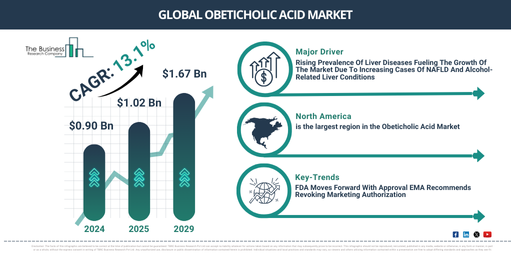
    The market for obeticholic acid has experienced rapid expansion in the past few years. Estimations show that its value is set to increase from $0.90 billion in 2024 to $1.02 billion in 2025, marking a compound annual growth rate (CAGR) of 13.4%. This significant progression during the historical period can be ascribed to various factors including an escalating prevalence of primary biliary cholangitis (PBC), a surging incidence of non-alcoholic steatohepatitis (NASH), advancement in healthcare structure in emerging markets, a rise in screening rates and diagnosis of liver disease, increasing expenditure on healthcare, and substantial investment in research related to liver disease.

    The market size for obeticholic acid is projected to experience swift expansion in the forthcoming years, with an estimated value of $1.67 billion by 2029 and a compound annual growth rate (CAGR) of 13.1%. This growth projection for the forecast period is largely the result of the escalating incidents of primary biliary cholangitis (PBC) and non-alcoholic steatohepatitis (NASH), augmented demand for novel treatments for liver diseases, increasing consciousness about liver diseases and their respective treatments, an expansion of worldwide healthcare services in developing markets, and growing knowledge about liver diseases and their potential treatments. Dominant trends for the forecast period comprise of acceptance for NASH treatment, alliances, and partnerships for further progress, incorporation of digital health instruments for monitoring and adherence, a move towards non-alcoholic fatty liver disease (NAFLD) treatment, progression in liver disease biomarkers, and diagnostic technologies.

    Download a free sample to assess the report’s scope and structure:

    https://www.thebusinessresearchcompany.com/sample.aspx?id=22079&type=smp

    Which Major Market Drivers Are Expected to Boost the Growth Potential of the Obeticholic Acid Market?

    The escalating incidence of liver afflictions is anticipated to fuel the expansion of the obeticholic acid market. Liver maladies are ailments that obstruct the normal functioning of the liver. The escalating incidence of these diseases is attributable to overconsumption of alcohol, which could induce liver inflammation, cirrhosis, and liver failure by damaging liver cells and hindering its normal functioning. Obeticholic acid benefits patients with liver disease by triggering the farnesoid X receptor (FXR), which lowers bile acid buildup, mitigating liver inflammation and decelerating the progression of fibrosis, thereby enhancing liver function. As an example, the Office for Health Improvement and Disparities, a UK government agency, reported in December 2024, that in 2023 there was a 3.6% increase in premature deaths from alcoholic liver disease, reaching 5,984, up from 5,776 in 2022. Hence, the escalating incidence of liver diseases is driving the expansion of the obeticholic acid market.

    Which Key Market Segments Comprise the Obeticholic Acid Market and Drive Its Revenue Growth?

    The obeticholic acid market covered in this report is segmented –

    1) By Product Type: Tablets, Capsules, Other Product Types

    2) By Distribution Channel: Hospital Pharmacies, Retail Pharmacies, Online Pharmacies

    3) By Application: Primary Biliary Cholangitis, Nonalcoholic Steatohepatitis, Other Applications

    Subsegmentss:

    1) By Tablets: Immediate-Release Tablets, Extended-Release Tablets

    2) By Capsules: Soft Gelatin Capsules, Hard Gelatin Capsules

    3) By Other Product Types: Oral Suspensions, Injectable Formulations

    Request customized data on this market:

    https://www.thebusinessresearchcompany.com/customise?id=22079&type=smp

    Which Areas Are Leading Regions in the Obeticholic Acid Market Expansion Across the Globe?

    North America was the largest region in the Obeticholic Acid market in 2024. Asia-Pacific is expected to be the fastest-growing region in the forecast period. The regions covered in the obeticholic acid market report are Asia-Pacific, Western Europe, Eastern Europe, North America, South America, Middle East, Africa.

    What Are the Key Market Trends in theObeticholic Acid Market Over the Coming Years?

    Leading companies in the obeticholic acid market are progressing by creating cutting-edge products like the farnesoid X receptor (FXR) agonist, which aims to elevate the treatment of liver disease and enhance patient results. An FXR agonist is a substance that activates the FXR, a nuclear receptor that plays a key role in the adjustment of bile acid metabolism, inflammation, and fibrosis in the liver. FXR agonists serve to better liver performance and are employed in managing illnesses like primary biliary cholangitis (PBC) and nonalcoholic steatohepatitis (NASH). For example, in February 2024, Intercept Pharmaceuticals Inc., a biopharmaceutical organization based in the US, proclaimed that the U.S. Food and Drug Administration (FDA) has recognized its additional New Drug Application (sNDA) for Ocaliva for treating people with PBC. The endorsement of the additional sNDA for obeticholic acid (Ocaliva) by the FDA represents regulatory advancement in approving its therapeutic advantages in treating PBC.

    View the full report here:

    https://www.thebusinessresearchcompany.com/report/obeticholic-acid-global-market-report

    How Is the Obeticholic Acid Market Conceptually Defined?

    Obeticholic acid is a medication primarily used in the treatment of liver diseases, especially for patients with primary biliary cholangitis (PBC), a chronic liver disease. It is a synthetic bile acid that works by activating a receptor called the farnesoid X receptor (FXR), which helps to regulate bile acid production, liver function, and inflammation.

    Purchase the full report and get a swift delivery:

    https://www.thebusinessresearchcompany.com/purchaseoptions.aspx?id=22079

    About The Business Research Company:

    With over 15000+ reports from 27 industries covering 60+ geographies, The Business Research Company has built a reputation for offering comprehensive, data-rich research and insights. Armed with 1,500,000 datasets, the optimistic contribution of in-depth secondary research, and unique insights from industry leaders, you can get the information you need to stay ahead in the game.

    Get in touch with us:

    The Business Research Company: https://www.thebusinessresearchcompany.com/

    Americas +1 3156230293

    Asia +44 2071930708

    Europe +44 2071930708

    Email us at info@tbrc.info

    Follow us on:

    LinkedIn: https://in.linkedin.com/company/the-business-research-company

    YouTube: https://www.youtube.com/channel/UC24_fI0rV8cR5DxlCpgmyFQ

    Global Market Model: https://www.thebusinessresearchcompany.com/global-market-model
  • Nerve Growth Factor Growth Trajectory: Key Forecasts and Strategic Insights

    Nerve Growth Factor Growth Trajectory: Key Forecasts and Strategic Insights

    Discover trends, market shifts, and competitive outlooks for the nerve growth factor industry through 2025-2034 with The Business Research Company’s reliable data and in-depth research

    What is the Anticipated CAGR of the Nerve Growth Factor Market, and What Factors Will Drive It?

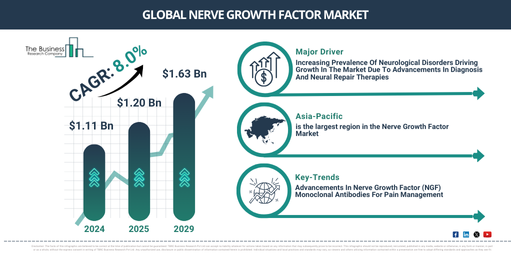
    In recent years, the market size of the nerve growth factor (NGF) has seen robust growth. Driving this surge, the market is set to expand from $1.11 billion in 2024 to $1.20 billion in 2025, with a compound annual growth rate (CAGR) of 8.4%. This growth during the historic period is attributed to factors such as the escalating number of traumatic brain injuries, the rising prevalence of neurodegenerative diseases, heightened investment in research and development initiatives, increased awareness regarding nerve regeneration treatments, and a surge in the incidence of peripheral neuropathy.

    In the coming years, the nerve growth factor (NGF) market size is forecasted to experience significant growth, expanding to a value of $1.63 billion in 2029 with a compound annual growth rate (CAGR) of 8.0%. The expected growth during this period is largely due to factors such as increased demand for biopharmaceuticals, a higher incidence of autoimmune neurological disorders, an escalated focus on research into neuroinflammation, more funding in AI-driven drug discovery, and heightened consumer interest in NGF-based treatments. The forecasted period will also witness notable trends such as breakthroughs in biotechnology, the use of personalized medicine, innovative drug delivery systems, regulatory approvals, and the development of nerve growth factor (NGF) antibodies.

    Download a free sample to assess the report’s scope and structure:

    https://www.thebusinessresearchcompany.com/sample.aspx?id=22070&type=smp

    Which Factors and External Forces Are Driving Demand in the Nerve Growth Factor Market?

    The escalating occurrence of neurological complications is anticipated to drive the nerve growth factor market’s expansion. Such disorders, which affect the brain, spinal cord, and nerves, are caused by structural, biochemical, or electrical abnormalities. The rise in these conditions can be attributed to an aging populace and advancements in diagnostic technologies. Such progress in the field of diagnostics enhances the identification and documentation of these disorders, resulting in increased recorded incidence rates. Nerve growth factor (NGF) is central to the survival, upkeep, and rejuvenation of neurons, thereby becoming a substantial component in addressing the growing occurrence of neurological complications by fostering neural repair and possibly slowing the progression of the disease. For example, the Australian Institute of Health and Welfare projected in September 2024 that dementia (a neurological condition) cases in Australia would increase from approximately 411,100 in 2023 to 849,300 by 2058. Therefore, the growing occurrence of neurological disorders is propelling the nerve growth factor market.

    Which Segments in the Nerve Growth Factor Offer the Most Growth?

    The nerve growth factor market covered in this report is segmented –

    1) By Type: Alpha-Nerve Growth Factor (NGF), Beta-Nerve Growth Factor (NGF), Gamma-Nerve Growth Factor (NGF), Other Types

    2) By Agents: Cenegermin, Other Agents

    3) By Indication: Neurodegenerative Disorders, Spinal Cord Injuries, Eye Disorders, Epithelial Diseases, Tissue Healing, Other Indications

    4) By Distribution Channel: Hospital Pharmacy, Online Pharmacy, Retail Pharmacy

    5) By End-User: Hospitals, Homecare, Specialty Clinics, Other End-Users

    Subsegments:

    1) By Alpha-Nerve Growth Factor (a-NGF): Natural Alpha-NGF, Recombinant Alpha-NGF, Synthetic Alpha-NGF, Alpha-NGF For Research Applications

    2) By Beta-Nerve Growth Factor (ß-NGF): Human Beta-NGF, Animal-Derived Beta-NGF, Recombinant Beta-NGF, Therapeutic Beta-NGF, Research-Grade Beta-NGF

    3) By Gamma-Nerve Growth Factor (?-NGF): Natural Gamma-NGF, Recombinant Gamma-NGF, Synthetic Gamma-NGF, Gamma-NGF for Neurodegenerative Research

    4) Other Types: Hybrid NGF Molecules, NGF Mimetics, NGF Gene Therapy-Based Products, NGF-Infused Biomaterials

    Request customized data on this market:

    https://www.thebusinessresearchcompany.com/customise?id=22070&type=smp

    What Are the Fastest-Growing Geographies in the Nerve Growth Factor Market?

    Asia-Pacific was the largest region in the nerve growth factor market in 2024. The regions covered in the nerve growth factor market report are Asia-Pacific, Western Europe, Eastern Europe, North America, South America, Middle East, Africa.

    Which Cutting-Edge Market Trends Are Expected to Drive theNerve Growth Factor Market’s Growth?

    Leading corporations in the nerve growth factor market are concentrating their efforts on innovation to create enhanced products like nerve growth factor (NGF) monoclonal antibodies capable of hindering NGF. The primary aim is to administer potent pain relief. An NGF monoclonal antibody is a biological pharmaceutical that targets and neutralizes nerve growth factor (NGF), thus minimizing nerve inflammation and pain by blocking receptor interactions. It plays a significant role in moderating pain signaling and the survival of nerve cells. To illustrate, in February 2022, Akeso, Inc., a biopharmaceutical firm based in China, announced the launch of AK115, a humanized IgG1 monoclonal antibody approved by the National Medical Products Administration in China to commence clinical tests for pain management, comprising cancer-induced pain. AK115 is specifically formulated to interfere with NGF receptor interactions, with the end goal of easing pain, offering enduring safety, and enhancing effectiveness for cancer patients resistant to opioids without the risk of addiction. This modern analgesic aims to offer persistent and non-addictive pain alleviation, particularly for the demographic of cancer patients who are resistant to opioids, thereby elevating their overall life quality.

    View the full report here:

    https://www.thebusinessresearchcompany.com/report/nerve-growth-factor-global-market-report

    What Are the Key Elements That Define the Nerve Growth Factor Market?

    Nerve growth factor (NGF) is a type of protein that is essential for the growth, maintenance, and survival of nerve cells, particularly sensory and sympathetic neurons. It plays a crucial role in the development of the nervous system and helps promote the regeneration of nerve cells after injury. Nerve growth factor binds to specific receptors on nerve cells, triggering pathways that support cell survival and differentiation

    Purchase the full report and get a swift delivery:

    https://www.thebusinessresearchcompany.com/purchaseoptions.aspx?id=22070

    About The Business Research Company:

    With over 15000+ reports from 27 industries covering 60+ geographies, The Business Research Company has built a reputation for offering comprehensive, data-rich research and insights. Armed with 1,500,000 datasets, the optimistic contribution of in-depth secondary research, and unique insights from industry leaders, you can get the information you need to stay ahead in the game.

    Get in touch with us:

    The Business Research Company: https://www.thebusinessresearchcompany.com/

    Americas +1 3156230293

    Asia +44 2071930708

    Europe +44 2071930708

    Email us at info@tbrc.info

    Follow us on:

    LinkedIn: https://in.linkedin.com/company/the-business-research-company

    YouTube: https://www.youtube.com/channel/UC24_fI0rV8cR5DxlCpgmyFQ

    Global Market Model: https://www.thebusinessresearchcompany.com/global-market-model
  • $9.55 Billion Forecast for Ketone Supplements Market by 2029, Backed by Demand and Innovation

    $9.55 Billion Forecast for Ketone Supplements Market by 2029, Backed by Demand and Innovation

    Discover trends, market shifts, and competitive outlooks for the ketone supplements industry through 2025-2034 with The Business Research Company’s reliable data and in-depth research

    What is the Projected CAGR for the Ketone Supplements Market Size from 2025 to 2034?

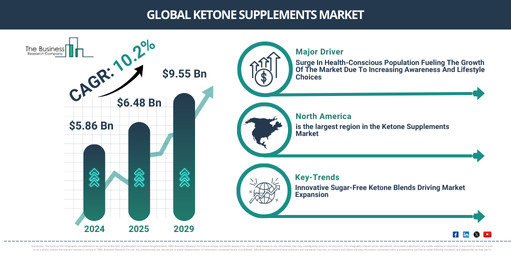
    In recent times, the ketone supplements market has witnessed rapid expansion. Its size is projected to inflate from $5.86 billion in 2024 to $6.48 billion in 2025, exhibiting a compound annual growth rate (CAGR) of 10.5%. The considerable growth in the past can be traced back to the widespread acceptance of ketogenic diets, heightened awareness towards health, surge in demand for weight management solutions, flourishing sports nutrition industry, and enhanced understanding of metabolic health among consumers.

    The market for ketone supplements is projected to witness a significant expansion in the coming years, with an estimated value of $9.55 billion in 2029 and a Compound Annual Growth Rate (CAGR) of 10.2%. This predicted development in the forecast period can be linked to factors like growing interest in tailored nutrition, a tendency towards clean-label supplements, heightened attention to cognitive health benefits, growth of e-commerce and direct-to-consumer sales, and increasing usage among endurance athletes. Key trends forecasted during this period include the development of plant-based ketone supplements, the introduction of AI in providing bespoke supplement suggestions, advancements in ketone delivery systems and supplement formulations, and an increase in subscription-based supplement services.

    Download a free sample to assess the report’s scope and structure:

    https://www.thebusinessresearchcompany.com/sample.aspx?id=22028&type=smp

    What Are the Core Growth Drivers Propelling the Ketone Supplements Market Forward?

    The rise in the number of people prioritizing their health is predicted to stimulate the expansion of the ketone supplements industry. These health-focused individuals consciously adopt lifestyle choices that emphasize their wellness, including eating healthily, regular physical activity, and steering clear of detrimental elements. The increased awareness of the significance of these healthy lifestyle choices, the impact of social media, and the accessibility of additional health-related information significantly contribute to this spike in health-conscious individuals. Ketone supplements serve as a beneficial aid for these focused individuals, advocating weight management, enhanced athletic performance, improved cognitive abilities, and rapid recovery post-workout. For example, a survey study conducted by the non-profit American organization, International Food Information Council, in May 2022, showed that about 52% of the 1,005 American adults aged 18–80 and Gen Z adults aged 18-24 surveyed adhered to a specific diet or eating regimen, observing an increase from 39% in 2021. Hence, the surge in health-conscious individuals is fueling the upswing in the ketone supplements market.

    What Segment Types Define the Ketone Supplements Market Structure?

    The ketone supplements market covered in this report is segmented –

    1) By Product Type: Tablets Or Capsules, Powder, Gummies, Liquid

    2) By Application: Supplements, Food And Beverages, Cosmetics And Personal Care Products

    3) By Distribution Channel: Hypermarkets or Supermarkets, Convenience Stores, Specialist Stores, Online Retail, Other Distribution Channels

    Subsegments:

    1) By Tablets or Capsules: Exogenous Ketone Capsules, Ketone Ester Tablets, BHB (Beta-Hydroxybutyrate) Salt Capsules, Multi-Nutrient Ketone Blends

    2) By Powder: Pure BHB Powder, Ketone Ester Powder, Ketogenic Meal Replacement Powder, Flavored Ketone Powders

    3) By Gummies: BHB Gummies, MCT (Medium-Chain Triglyceride) Gummies, Multi-Vitamin Infused Ketone Gummies, Sugar-Free Ketone Gummies

    4) By Liquid: Ready-to-Drink Ketone Beverages, Liquid Ketone Esters, Ketone Energy Shots, Electrolyte-Infused Ketone Drinks

    Request customized data on this market:

    https://www.thebusinessresearchcompany.com/customise?id=22028&type=smp

    Which Geographic Areas Hold the Strongest Growth Potential in the Ketone Supplements Market?

    North America was the largest region in the ketone supplements market in 2024. Asia-Pacific is expected to be the fastest-growing region in the forecast period. The regions covered in the ketone supplements market report are Asia-Pacific, Western Europe, Eastern Europe, North America, South America, Middle East, Africa.

    Which Emerging Trends that Are Influencing theKetone Supplements Industry Evolution?

    Major firms in the ketone supplements market are concentrating on generating new and novel formulations such as sugar-free ketone mixes to improve energy yield and metabolic aid. Sugar-free ketone mixes are devised to incorporate exogenous ketones like beta-hydroxybutyrate or BHB salts with other elements, excluding any added sugars. These mixtures facilitate ketosis – the metabolic stage where fat, instead of carbohydrates, is used by the body for energy. For example, in October 2024, KEY, the American ketone supplemental brand, declared its country-wide availability in Sprouts Farmers Market stores, thereby broadening its reach of the natural, sugarless ketone drink. KEY sets itself apart with its formula devoid of sugar and 80 mg of caffeine derived from green tea, providing a steady stream of energy without the usual crash. It provides a natural fuel replacement via ketones which boosts metabolic efficiency and prolonged performance.

    View the full report here:

    https://www.thebusinessresearchcompany.com/report/ketone-supplements-global-market-report

    What Is the Definition of the Ketone Supplements Market?

    Ketone supplements refer to dietary products that provide exogenous ketones to increase blood ketone levels, mimicking a state of ketosis without requiring strict carbohydrate restriction. These supplements typically contain beta-hydroxybutyrate (BHB) as salts or esters, which serve as an alternative energy source for the body and brain. They are commonly used to enhance athletic performance, support weight management, and improve cognitive function.

    Purchase the full report and get a swift delivery:

    https://www.thebusinessresearchcompany.com/purchaseoptions.aspx?id=22028

    About The Business Research Company:

    With over 15000+ reports from 27 industries covering 60+ geographies, The Business Research Company has built a reputation for offering comprehensive, data-rich research and insights. Armed with 1,500,000 datasets, the optimistic contribution of in-depth secondary research, and unique insights from industry leaders, you can get the information you need to stay ahead in the game.

    Get in touch with us:

    The Business Research Company: https://www.thebusinessresearchcompany.com/

    Americas +1 3156230293

    Asia +44 2071930708

    Europe +44 2071930708

    Email us at info@tbrc.info

    Follow us on:

    LinkedIn: https://in.linkedin.com/company/the-business-research-company

    YouTube: https://www.youtube.com/channel/UC24_fI0rV8cR5DxlCpgmyFQ

    Global Market Model: https://www.thebusinessresearchcompany.com/global-market-model

  • Next-Gen Functional Dyspepsia Drug : Market Forecast, Transformation, and Long-Term Trajectories

    Discover trends, market shifts, and competitive outlooks for the functional dyspepsia drug industry through 2025-2034 with The Business Research Company’s reliable data and in-depth research

    How Has the Functional Dyspepsia Drug Market Growth Performance Trended Historically, And What Lies Ahead?

    In recent times, the market size for functional dyspepsia drugs has witnessed significant growth. It is projected to rise from $8.56 billion in 2024 to $9.15 billion in 2025, showcasing a compound annual growth rate (CAGR) of 6.8%. The growth observed in the past is due to various factors such as increasing prevalence of associated risk elements, escalated healthcare spending, a surge in dyspeptic cases, a rise in gastrointestinal disorders, and an expanding older population.

    The market size for drugs treating functional dyspepsia is projected to experience significant expansion in the years ahead. The market valuation is forecasted to reach $11.80 billion by 2029, with a compound annual growth rate (CAGR) of 6.6%. Such expected growth during this period can be attributed to factors like increasing inclination towards holistic and lifestyle-based treatments, preference for combination therapies, rising trend of lifestyle changes, expanded research on the gut-brain axis, and greater utilization of non-pharmaceutical interventions. Key trends driving growth within this forecast period include developments in drug formulation, collaborations between healthcare professionals and pharmaceutical corporations, the shift towards precision medicinal practices, incorporation of telemedicine and digital health technology, and personalised medicinal strategies.

    Download a free sample to assess the report’s scope and structure:

    https://www.thebusinessresearchcompany.com/sample.aspx?id=21979&type=smp

    Which Major Market Drivers Are Expected to Boost the Growth Potential of the Functional Dyspepsia Drug Market?

    The functional dyspepsia drug market is expected to expand due to the increased consumption of alcohol. Alcohol, an organic compound mainly found in drinks such as beer, wine, and spirits, made up of ethanol, affects the central nervous system and could lead to intoxication when consumed. The surge in alcohol intake is fostered by societal and cultural acceptance, stress relief, easy accessibility, and the forceful advertising approach adopted by companies dealing in alcoholic beverages. Drugs for functional dyspepsia are potentially beneficial in easing gastric discomfort triggered by alcohol by lowering acid production and enhancing digestive function. For instance, a March 2023 report released by the UK government agency, the Office for Health Improvement & Disparities (OHID), revealed that from 2021 to 2022, hospital admissions solely tied to alcohol stood at 342,795, corresponding to a rate of 626 admissions for every 100,000 individuals. Therefore, the uptick in alcohol consumption is fueling the growth of the functional dyspepsia drug market. The rising prevalence of metabolic disorders and subsequent gastrointestinal complications is also propelling the functional dyspepsia drug market. A metabolic disorder, which develops when the body’s regular metabolic activities are disrupted, results in an imbalance in nutrient, energy, or waste processing. The growing number of metabolic disorders is influenced by factors like unhealthy diets, idle lifestyles, genetic factors, and escalating obesity rates. Drugs for functional dyspepsia are utilized in the treatment of metabolic disorders to alleviate gastrointestinal symptoms and boost digestive function. For instance, a November 2024 World Health Organization (WHO) report revealed that 14% of individuals aged 18 and above were diagnosed with diabetes in 2022. Thus, the escalating prevalence of metabolic disorders is contributing to the expansion of the functional dyspepsia drug market.

    Which Key Market Segments Comprise the Functional Dyspepsia Drug Market and Drive Its Revenue Growth?

    The functional dyspepsia drug market covered in this report is segmented –

    1) By Drug Type: Proton Pump Inhibitors, H-2-Receptor Antagonists, Antacids, Antibiotics, Prokinetics, Antidepressants

    2) By Indication: Functional Dyspepsia, Organic Dyspepsia

    3) By Distribution Channel: Retail Pharmacies, Hospital Pharmacies, Online Pharmacies

    Subsegments:

    1) By Proton Pump Inhibitors: Omeprazole, Esomeprazole, Lansoprazole, Pantoprazole, Rabeprazole

    2) By H-2-Receptor Antagonists: Ranitidine, Famotidine, Cimetidine, Nizatidine

    3) By Antacids: Aluminum Hydroxide, Magnesium Hydroxide, Calcium Carbonate, Sodium Bicarbonate

    4) By Antibiotics: Clarithromycin, Amoxicillin, Metronidazole, Tetracycline

    5) By Prokinetics: Domperidone, Metoclopramide, Itopride, Mosapride

    6) By Antidepressants: Tricyclic Antidepressants, Selective Serotonin Reuptake Inhibitors, Serotonin-Norepinephrine Reuptake Inhibitors

    Request customized data on this market:

    https://www.thebusinessresearchcompany.com/customise?id=21979&type=smp

    Which Areas Are Leading Regions in the Functional Dyspepsia Drug Market Expansion Across the Globe?

    North America was the largest region in the functional dyspepsia drug market in 2024. Asia-Pacific is expected to be the fastest-growing region in the forecast period. The regions covered in the functional dyspepsia drug market report are Asia-Pacific, Western Europe, Eastern Europe, North America, South America, Middle East, Africa.

    What Are the Key Market Trends in theFunctional Dyspepsia Drug Market Over the Coming Years?

    Leading firms in the functional dyspepsia drug market are concentrating their efforts on carrying out clinical trials to devise innovative treatments that are aimed at the root causes of the disease, improve treatment effectiveness, and fulfil the unmet needs of patients. Such trials are critical in the development of functional dyspepsia drugs as they help in ensuring the safety, effectiveness, and ideal treatment procedures. For example, in December 2022, electroCore Inc., a medical technology corporation based in the US, revealed that it had been granted two patents by the United States Patent and Trademark Office (USPTO) concerning its cutting-edge non-invasive vagus nerve stimulation (nVNS) technology. The first patent, U.S. Patent No. 11,511,109, encapsulated a method for tackling gastrointestinal disorders, including functional dyspepsia, via vagus nerve stimulation. The second patent, U.S. Patent No. 11,511,110, was associated with a system for providing non-invasive electrical stimulation to the vagus nerve. These patents bolstered electroCore’s standing in the progression of non-invasive neuromodulation therapies.

    View the full report here:

    https://www.thebusinessresearchcompany.com/report/functional-dyspepsia-drug-global-market-report

    How Is the Functional Dyspepsia Drug Market Conceptually Defined?

    Functional dyspepsia drug refers to a class of medications used to manage and alleviate symptoms associated with functional dyspepsia (FD), a gastrointestinal disorder characterized by persistent or recurrent upper abdominal discomfort without any identifiable structural or biochemical cause. These drugs aim to reduce symptoms such as bloating, early satiety, nausea, and epigastric pain.

    Purchase the full report and get a swift delivery:

    https://www.thebusinessresearchcompany.com/purchaseoptions.aspx?id=21979

    About The Business Research Company:

    With over 15000+ reports from 27 industries covering 60+ geographies, The Business Research Company has built a reputation for offering comprehensive, data-rich research and insights. Armed with 1,500,000 datasets, the optimistic contribution of in-depth secondary research, and unique insights from industry leaders, you can get the information you need to stay ahead in the game.

    Get in touch with us:

    The Business Research Company: https://www.thebusinessresearchcompany.com/

    Americas +1 3156230293

    Asia +44 2071930708

    Europe +44 2071930708

    Email us at info@tbrc.info

    Follow us on:

    LinkedIn: https://in.linkedin.com/company/the-business-research-company

    YouTube: https://www.youtube.com/channel/UC24_fI0rV8cR5DxlCpgmyFQ

    Global Market Model: https://www.thebusinessresearchcompany.com/global-market-model
  • Vyndaqel Market Outlook 2025: Mapping Growth, Innovation, and Regional Shifts

    Our market reports now include the latest updates on global tariffs, trade impacts, and evolving supply chain dynamics.

    How Has The Vyndaqel Market Size Shifted, And What Is the Outlook Through 2034?

    In recent years, the vyndaqel market has experienced significant growth. It is projected that its size will escalate from $1.62 billion in 2024 to $1.91 billion in 2025, indicating a compound annual growth rate (CAGR) of 18.1%. The accelerated growth throughout the historical period has been driven by factors such as greater awareness of transthyretin amyloidosis, a higher incidence of transthyretin-mediated amyloidosis cardiomyopathy, increased emphasis on rare illnesses, mounting government backing, an increase in clinical trials, and a burgeoning elderly population.

    Expectations are high for speedy expansion in the vyndaqel market in the following years. The market is forecasted to burgeon to a value of $3.67 billion in 2029, with a compound annual growth rate (CAGR) of 17.1%. This projected growth during the forecast period is credited to factors such as increased spending on research and development (R&D), rising uptake of precision medicine, growing physician familiarity with the drug, expanding availability of diagnostic tools, and escalations in government initiatives. In the forecast period, key trends include the use of telemedicine, strategic partnerships, advancements in genetic testing, digital health tools, and personalization of medicine.

    Download a free sample to assess the report’s scope and structure:

    https://www.thebusinessresearchcompany.com/sample.aspx?id=21321&type=smp

    What External and Internal Drivers Are Contributing to the Growth of the Vyndaqel Market?

    The proliferation of the Vyndaqel market is anticipated to be driven by escalating investments in research and development activities. This refers to the process of enhancing or revolutionizing products, services, or procedures via systematic analysis and experimentation. The surge in such investments can be attributed to the escalating frequency of neurological conditions, progress in medical technology, growing consciousness, and demand for innovative therapies, and significant funding initiatives from the government and private sectors alike. These investments expedite the process of therapy development and optimization, amplifying efficiency and accessibility for patients. It prompts progress in Vyndaqel, boosting its efficacy, access, and potential for broader applications. For instance, according to the Department of Health and Social Care, a government department in the UK, the business enterprise sector performed pharmaceutical research and development to the tune of approximately $11.1 billion in July 2024, thus accounting for 0.36% of the country’s GDP. This is why upsurging investment in research and development is facilitating the Vyndaqel market’s growth. The increasing preference for precision medicine is also projected to fuel the growth of the Vyndaqel market. This form of medicine customizes medical treatment for each patient based on their genetics, environment, and lifestyle. The popularity of personalized medicine is on the rise owing to breakthroughs in genomic research, superior treatment efficacy, and the higher prevalence of chronic ailments. This positively impacts Vyndaqel by making diagnoses more accurate and treatments more targeted for transthyretin amyloidosis (ATTR), guaranteeing that patients who are most likely to benefit from the drug gain access to it. This way, it improves the efficacy of the treatment, betters patient outcomes, and bolsters market growth by creating a greater demand for specialized therapies such as Vyndaqel. For instance, in February 2024, as reported by the Personalized Medicine Coalition, a non-profit organization based in the US, the US Food and Drug Administration (FDA) sanctioned 16 new personalized therapies for individuals with rare diseases in 2023, a number that rose from six in 2022. This is why the higher acceptance of precision medicine is further propelling the Vyndaqel market’s growth.

    What Segment Types Define the Vyndaqel Market Structure?

    The vyndaqel market covered in this report is segmented –

    1) By Product Type: Vyndaqel (Tafamidis 20 mg), Vyndamax (Tafamidis 61 mg)

    2) By Disease Type: Familial Amyloid Polyneuropathy (FAP), Wild-Type Or Hereditary Transthyretin-Mediated Amyloidosis Cardiomyopathy (ATTR-CM)

    3) By Distribution Channel: Hospital Pharmacies, Online Pharmacies, Retail Pharmacies

    Subsegments:

    1) By Vyndaqel (Tafamidis 20 mg): Oral Tablets, Oral Solution

    2) By Vyndamax (Tafamidis 61 mg): Oral Capsules, Oral Suspension

    Request customized data on this market:

    https://www.thebusinessresearchcompany.com/customise?id=21321&type=smp

    Which Geographic Areas Hold the Strongest Growth Potential in the Vyndaqel Market?

    North America was the largest region in the vyndaqel market in 2024. Asia-Pacific is expected to be the fastest-growing region in the forecast period. The regions covered in the vyndaqel market report are Asia-Pacific, Western Europe, Eastern Europe, North America, South America, Middle East, Africa.

    View the full report here:

    https://www.thebusinessresearchcompany.com/report/vyndaqel-global-market-report

    What Is the Definition of the Vyndaqel Market?

    Vyndaqel refers to tafamidis, a medication used to treat transthyretin amyloid cardiomyopathy (ATTR-CM), a heart condition caused by the buildup of misfolded transthyretin proteins. It stabilizes the transthyretin protein, preventing its misfolding and accumulation in the heart. Vyndaqel is used to reduce cardiovascular-related deaths and hospitalizations in patients with ATTR-CM. It is also prescribed to improve the quality of life for individuals suffering from this progressive and often fatal disease.

    Purchase the full report and get a swift delivery:

    https://www.thebusinessresearchcompany.com/purchaseoptions.aspx?id=21321

    About The Business Research Company:

    With over 15000+ reports from 27 industries covering 60+ geographies, The Business Research Company has built a reputation for offering comprehensive, data-rich research and insights. Armed with 1,500,000 datasets, the optimistic contribution of in-depth secondary research, and unique insights from industry leaders, you can get the information you need to stay ahead in the game.

    Get in touch with us:

    The Business Research Company: https://www.thebusinessresearchcompany.com/

    Americas +1 3156230293

    Asia +44 2071930708

    Europe +44 2071930708

    Email us at info@tbrc.info

    Follow us on:

    LinkedIn: https://in.linkedin.com/company/the-business-research-company

    YouTube: https://www.youtube.com/channel/UC24_fI0rV8cR5DxlCpgmyFQ

    Global Market Model: https://www.thebusinessresearchcompany.com/global-market-model
  • Vutrisiran Market in Focus: Forecasting Growth Drivers, Scaling Potential, and Global Opportunities

    Vutrisiran Market in Focus: Forecasting Growth Drivers, Scaling Potential, and Global Opportunities

    Our market reports now include the latest updates on global tariffs, trade impacts, and evolving supply chain dynamics.

    How Has the Vutrisiran Market Growth Performance Trended Historically, And What Lies Ahead?

    In recent times, there has been substantial expansion in the vutrisiran market, escalating from $0.60 billion in 2024 to an estimated $0.68 billion in 2025, with a compound annual growth rate (CAGR) of 12.8%. The noticeable upturn during this historical period can be credited to the heightened awareness concerning hereditary transthyretin amyloidosis, an increase in clinical trials, a rise in healthcare expenditure, growing preference among patients for non-invasive administration techniques, and an upswing in genetic disorders.

    Expectations for the vutrisiran market size predicts significant growth in the coming years, with projections estimating a value of $1.08 billion by 2029, reflecting a compound annual growth rate (CAGR) of 12.4%. This forecasted growth is likely due to enhanced availability of healthcare services, an upsurge in chronic disease incidence, increased spending in research and development, a heightened emphasis on personalized medicine, and growing disease awareness. The forecast period is also anticipated to see trends such as advancements in combination therapy, shift towards targeted therapy, further progress in personalized medicine, enhancement in digital health technology, and innovative developments in biotechnology.

    Download a free sample to assess the report’s scope and structure:

    https://www.thebusinessresearchcompany.com/sample.aspx?id=21320&type=smp

    What Are the Core Market Drivers Propelling Growth in the Vutrisiran Industry?

    The surge in funding for research and development is anticipated to boost the growth trajectory of the vutrisiran market. This specific type of investment is typically aimed at the innovation and enhancement of products, services or processes by means of organized exploration and testing. The upswing in research and development funding can be attributed to factors such as government programs and contributions, the expanding requirements of healthcare and pharmaceutical sectors, as well as concerns about sustainability and the environment. The funds allocated for research and development enable drug companies to undertake clinical studies, which highlight the long-term advantages and safety of the drug, thereby leading to wider regulatory permissions. Furthermore, breakthroughs in RNA interference (RNAi) technology enhances the exactness of the drug, mitigating adverse reactions and boosting patient acceptance. For example, as per data from Eurostat – the statistical office of the European Union based in Luxembourg, in December 2023, it was found that the funding for research and development in the European Union escalated to €352 billion ($384.42 billion) in 2022. This reflected a 6.34% increase from the €331 billion ($361.48 billion) allocated the prior year. Thus, the augmented investment in research and development is a key driving force behind the growth of the vutrisiran market.

    How Is the Vutrisiran Market Segmented?

    The vutrisiran market covered in this report is segmented –

    1) By Drug Class: Antisense Oligonucleotide, Nucleic Acids, Nucleotide, Nucleoside, Other Drug Classes

    2) By Route Of Administration: Oral, Injectable, Subcutaneous

    3) By Patient Demographics: Pediatric, Adult, Geriatric

    4) By Distribution Channel: Hospital Pharmacies, Retail Pharmacies, Online Pharmacies, Other Distribution Channels

    Subsegments:

    1) By Antisense Oligonucleotide: Single-Stranded Antisense Oligonucleotides, Double-Stranded Antisense Oligonucleotides

    2) By Nucleic Acids: DNA-based Nucleic Acids, RNA-based Nucleic Acids

    3) By Nucleotide: Purine Nucleotides, Pyrimidine Nucleotides

    4) By Nucleoside: Purine Nucleosides, Pyrimidine Nucleosides

    5) By Other Drug Classes: Peptide-Based Drugs, Protein Therapeutics

    Request customized data on this market:

    https://www.thebusinessresearchcompany.com/customise?id=21320&type=smp

    Which Regions Are Driving the Next Phase of the Vutrisiran Market Growth?

    North America was the largest region in the vutrisiran market in 2024. Asia-Pacific is expected to be the fastest-growing region in the forecast period. The regions covered in the vutrisiran market report are Asia-Pacific, Western Europe, Eastern Europe, North America, South America, Middle East, Africa.

    What Key Market Trends and Innovations Are Shaping the Future of the Vutrisiran Industry?

    The primary trend in the vutrisiran market revolves around the cultivation of novel therapeutic approaches, such as subcutaneous RNAi therapeutics, to introduce more user-friendly and less frequent dosing alternatives for hereditary transthyretin-mediated (hATTR) amyloidosis management. Subcutaneous RNAi therapeutics are treatments that utilize RNA interference technology and are injected under the skin for sustained release. The objective of this technique is to maintain consistent drug levels over an extended period, enhancing patient comfort and consistency in managing polyneuropathy linked with hereditary transthyretin-mediated (hATTR) amyloidosis. For example, in June 2022, Alnylam Pharmaceuticals, a US-based biopharmaceutical enterprise, declared FDA approval for vutrisiran (AMVUTTRA), a treatment for polyneuropathy in adults associated with hATTR amyloidosis. It brings considerable relief to neuropathy symptoms and impedes disease escalation. The HELIOS-A Phase 3 trial revealed disease reversal or slowdown in over half the patients. AMVUTTRA has showcased an encouraging safety profile, with no drug-related cessation or fatalities, and a dose schedule that may enhance patient adherence.

    View the full report here:

    https://www.thebusinessresearchcompany.com/report/vutrisiran-global-market-report

    How Is the Vutrisiran Market Defined and What Are Its Core Parameters?

    Vutrisiran is a small interfering RNA (siRNA) therapy for hereditary transthyretin-mediated (hATTR) amyloidosis. It silences the transthyretin (TTR) gene, reducing abnormal TTR protein deposits that cause polyneuropathy and organ damage. Vutrisiran helps slow disease progression and improve neurological function, mobility, and quality of life with a longer dosing interval.

    Purchase the full report and get a swift delivery:

    https://www.thebusinessresearchcompany.com/purchaseoptions.aspx?id=21320

    About The Business Research Company:

    With over 15000+ reports from 27 industries covering 60+ geographies, The Business Research Company has built a reputation for offering comprehensive, data-rich research and insights. Armed with 1,500,000 datasets, the optimistic contribution of in-depth secondary research, and unique insights from industry leaders, you can get the information you need to stay ahead in the game.

    Get in touch with us:

    The Business Research Company: https://www.thebusinessresearchcompany.com/

    Americas +1 3156230293

    Asia +44 2071930708

    Europe +44 2071930708

    Email us at info@tbrc.info

    Follow us on:

    LinkedIn: https://in.linkedin.com/company/the-business-research-company

    YouTube: https://www.youtube.com/channel/UC24_fI0rV8cR5DxlCpgmyFQ

    Global Market Model: https://www.thebusinessresearchcompany.com/global-market-model
  • Vesicular Monoamine Transporter 2 (VMAT2) Inhibitor Market Forecast Reaching $1.85 Billion by 2029 at 10.3% CAGR

    Vesicular Monoamine Transporter 2 (VMAT2) Inhibitor Market Forecast Reaching $1.85 Billion by 2029 at 10.3% CAGR

    Our market reports now include the latest updates on global tariffs, trade impacts, and evolving supply chain dynamics.

    How Fast Is The Vesicular Monoamine Transporter 2 (VMAT2) Inhibitor Market Expected to Grow Between 2025 And 2029?

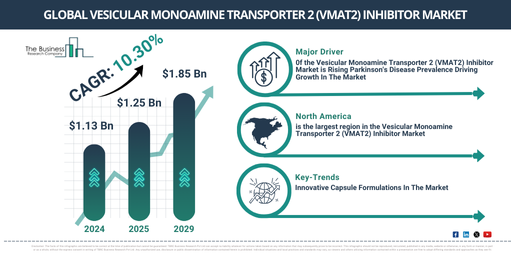
    The market for Vesicular Monoamine Transporter 2 (VMAT2) inhibitors has been expanding swiftly over the recent years. The market, which is currently valued at $1.13 billion in 2024, is projected to reach $1.25 billion in 2025, marking a Compound Annual Growth Rate (CAGR) of 10.6%. Factors such as the escalating incidence of movement disorders, rising demand for viable treatment alternatives, increased cognizance of tardive dyskinesia, surge in the elderly population, and an escalating preference for oral formulations have been instrumental in driving the growth during this period.

    Expectations are high for the vesicular monoamine transporter 2 (VMAT2) inhibitor market to quickly expand in the coming years, with projections indicating a growth to $1.85 billion by 2029 at a compounded annual growth rate (CAGR) of 10.3%. This anticipated rise in the forecast period is largely due to the escalating prevalence of neurodegenerative diseases, the heightened incorporation of targeted therapies, the increasing emphasis on personalized treatment methodologies, the surge in research and developmental investments, and the growing understanding of psychiatric and motor disorders. Trends to look forward to during this forecast period encompass progressions in neurological research, improvements in the composition of drugs, a transition towards personalized and precision medicine, the creation of next-generation VMAT2 inhibitors, and the adoption of digital medical technologies.

    Download a free sample to assess the report’s scope and structure:

    https://www.thebusinessresearchcompany.com/sample.aspx?id=21317&type=smp

    Which Major Market Drivers Are Expected to Boost the Growth Potential of the Vesicular Monoamine Transporter 2 (VMAT2) Inhibitor Market?

    The vesicular monoamine transporter 2 (VMAT2) inhibitor market is predicted to grow following the increased instances of Parkinson’s disease. Parkinson’s disease is a neurodegenerative disorder that impacts movement due to the depletion of brain cells that produce dopamine. This increase is largely because of an aging population, improved diagnostics, environmental factors like toxins, genetic reasons, and increased awareness about the disease. VMAT2 inhibitors aid in managing Parkinson’s symptoms by regulating dopamine release and mitigating tremors and dyskinesia. For example, in December 2022, the Parkinson’s Foundation, a nonprofit organization in the US, stated that close to 90,000 individuals received a Parkinson’s disease diagnosis, marking a 50% rise from the previous 60,000 annual diagnoses. Hence, the growing instances of Parkinson’s disease are spurring the expansion of the vesicular monoamine transporter 2 (VMAT2) inhibitor market.

    Which Key Market Segments Comprise the Vesicular Monoamine Transporter 2 (VMAT2) Inhibitor Market and Drive Its Revenue Growth?

    The vesicular monoamine transporter 2 (VMAT2) inhibitor market covered in this report is segmented –

    1) By Drugs: Tetrabenazine, Deutetrabenazine, Valbenazine, Other Drugs

    2) By Route Of Administration: Oral, Other Administrations

    3) By Distribution Channel: Hospital Pharmacy, Online Pharmacy, Retail Pharmacy

    4) By Application: Huntington’s Disease, Tardive Dyskinesia, Other Applications

    5) By End User: Hospitals, Homecare, Specialty Clinics, Other End Users

    Subsegments:

    1) By Tetrabenazine: Huntington’s Disease Treatment, Tardive Dyskinesia Management, Tourette Syndrome Treatment

    2) By Deutetrabenazine: Huntington’s Disease Chorea, Tardive Dyskinesia Treatment, Off-Label Movement Disorders

    3) By Valbenazine: Tardive Dyskinesia Treatment, Tourette Syndrome Research, Other Hyperkinetic Movement Disorders

    4) By Other Drugs: Investigational VMAT2 Inhibitors, Emerging Therapies For Movement Disorders, Off-Label Use In Neurological Conditions

    Request customized data on this market:

    https://www.thebusinessresearchcompany.com/customise?id=21317&type=smp

    Which Areas Are Leading Regions in the Vesicular Monoamine Transporter 2 (VMAT2) Inhibitor Market Expansion Across the Globe?

    North America was the largest region in the vesicular monoamine transporter 2 (VMAT2) inhibitor market in 2024. The regions covered in the vesicular monoamine transporter 2 (VMAT2) inhibitor market report are Asia-Pacific, Western Europe, Eastern Europe, North America, South America, Middle East, Africa.

    What Are the Key Market Trends in theVesicular Monoamine Transporter 2 (VMAT2) Inhibitor Market Over the Coming Years?

    Companies leading the vesicular monoamine transporter 2 (VMAT2) inhibitors market are channeling their efforts towards the creation of inventive formulations, such as capsules. These new designs aim to increase patient adherence, bolster drug stability, and amplify therapeutic effectiveness. Encased in either a gelatin or HPMC shell, capsules prove beneficial to VMAT2 inhibitors by advancing drug stability, confirming accurate dosage, and boosting patient adherence. An example of this emerged in July 2024 when Neurocrine Biosciences Inc., a US biopharmaceutical organization, introduced Ingrezza Sprinkle (valbenazine) capsules. This fresh articulation of VMAT2 inhibitor Ingrezza is designed to simplify administration for adults burdened with tardive dyskinesia and chorea related to Huntington’s disease, who face dysphagia or obstacles swallowing. Ingrezza Sprinkle delivers the same potent dosage options as Ingrezza and can be administered by adding the contents of the capsule to soft food or ingesting the capsule in its entirety.

    View the full report here:

    https://www.thebusinessresearchcompany.com/report/vesicular-monoamine-transporter-2-vmat2-inhibitor-global-market-report

    How Is the Vesicular Monoamine Transporter 2 (VMAT2) Inhibitor Market Conceptually Defined?

    A vesicular monoamine transporter 2 (VMAT2) inhibitor is a drug that blocks VMAT2, a protein responsible for transporting monoamines (dopamine, serotonin, norepinephrine) into synaptic vesicles for release in the brain. VMAT2 inhibitors are utilized to manage neurological and psychiatric disorders by reducing excessive neurotransmitter release, particularly dopamine, to treat conditions such as tardive dyskinesia, Huntington’s disease, and other hyperkinetic movement disorders.

    Purchase the full report and get a swift delivery:

    https://www.thebusinessresearchcompany.com/purchaseoptions.aspx?id=21317

    About The Business Research Company:

    With over 15000+ reports from 27 industries covering 60+ geographies, The Business Research Company has built a reputation for offering comprehensive, data-rich research and insights. Armed with 1,500,000 datasets, the optimistic contribution of in-depth secondary research, and unique insights from industry leaders, you can get the information you need to stay ahead in the game.

    Get in touch with us:

    The Business Research Company: https://www.thebusinessresearchcompany.com/

    Americas +1 3156230293

    Asia +44 2071930708

    Europe +44 2071930708

    Email us at info@tbrc.info

    Follow us on:

    LinkedIn: https://in.linkedin.com/company/the-business-research-company

    YouTube: https://www.youtube.com/channel/UC24_fI0rV8cR5DxlCpgmyFQ

    Global Market Model: https://www.thebusinessresearchcompany.com/global-market-model

  • Uveitis Treatment Market Forecast 2025–2034: Trends Reshaping Demand, Investment, and Innovation

    Uveitis Treatment Market Forecast 2025–2034: Trends Reshaping Demand, Investment, and Innovation

    Our market reports now include the latest updates on global tariffs, trade impacts, and evolving supply chain dynamics.

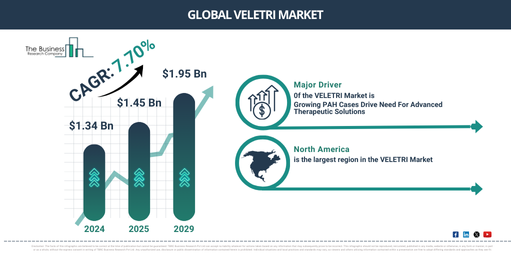
    What is the Projected CAGR for the VELETRI Market Size from 2025 to 2034?

    The VELETRI market has seen robust expansion in the past few years. Its size is predicted to increase from $1.34 billion in 2024 to $1.45 billion in 2025, showcasing a compound annual growth rate (CAGR) of 7.9%. The historical growth in this market is linked to the escalating incidents of pulmonary arterial hypertension (PAH), heightened awareness around PAH, the rise in the elderly population, lifestyle alterations on a global scale, and the surge in healthcare expenditure.

    Expectations are high for a robust expansion in the VELETRI market in the upcoming years. The market is projected to reach $1.95 billion by 2029, at an impressive Compound Annual Growth Rate (CAGR) of 7.7%. This anticipated surge during the forecast period is due to reasons like the escalating incidence of venous disorders, the rise in early detection and public consciousness surrounding such diseases, increased expenditure on chronic conditions, advanced healthcare facilities, and a burgeoning patient demographic. Forecast period is also set to see key trends like scientific and technological breakthroughs, strategic partnerships between pharma corporations and research bodies, a sturdy pipeline for clinical studies, an upswing in R&D pursuits, and the inception of biosimilars and generic medicines in the market.

    Download a free sample to assess the report’s scope and structure:

    https://www.thebusinessresearchcompany.com/sample.aspx?id=21314&type=smp

    What Are the Primary Drivers Supporting the Market Growth of the VELETRI Market?

    The escalation in instances of pulmonary arterial hypertension (PAH) is anticipated to contribute to the growth of the VELETRI market. PAH can be described as a rare, increasingly worsening disease that results in high blood pressure in the lung arteries which if left untreated can lead to heart failure. The upsurge of PAH can be ascribed to aspects like advanced diagnostic methods, an older population, and heightening knowledge about the disease. Veletri plays a crucial role in managing PAH by enhancing exercise capacity and slowing down the disease’s progression via vasodilation. For example, as per the American College of Cardiology Foundation, a non-profit medical organization based in US, in October 2022, it was recorded that PAH impacts about 15 to 30 individuals out of a million. Thus, the increase in PAH incidence helps fuel the VELETRI market’s growth. Higher Incidences Of Venous Ailments Boost Market Growth

    Which Primary Segments of the VELETRI Market Are Driving Growth and Industry Transformations?

    The veletri market covered in this report is segmented –

    1) By Product Type: Injectable, Inhalation

    2) By Application: Pulmonary Arterial Hypertension, Other Applications

    3) By Distribution Channel: Hospital Pharmacies, Retail Pharmacies, Online Pharmacies

    Subsegments:

    1) By Injectable: Intravenous (IV) Injection, Subcutaneous (SC) Injection

    2) By Inhalation: Nebulized Inhalation, Dry Powder Inhalation

    Request customized data on this market:

    https://www.thebusinessresearchcompany.com/customise?id=21314&type=smp

    Which Regions Are Key Players in the Growth of the #What Are the Primary Drivers Supporting the Market Growth of the VELETRI Market?# Market?

    North America was the largest region in the VELETRI market in 2024. Asia-Pacific is expected to be the fastest-growing region in the forecast period. The regions covered in the veletri market report are Asia-Pacific, Western Europe, Eastern Europe, North America, South America, Middle East, Africa.

    View the full report here:

    https://www.thebusinessresearchcompany.com/report/veletri-global-market-report

    What Parameters Are Used to Define the VELETRI Market?

    VELETRI (epoprostenol) is a prostacyclin vasodilator used to treat pulmonary arterial hypertension (PAH). It helps lower blood pressure in the lungs by relaxing blood vessels and improving blood flow. Unlike Flolan, VELETRI does not require refrigeration, making it more convenient for continuous infusion. It is administered intravenously to improve exercise capacity and symptoms in PAH patients.

    Purchase the full report and get a swift delivery:

    https://www.thebusinessresearchcompany.com/purchaseoptions.aspx?id=21314

    About The Business Research Company:

    With over 15000+ reports from 27 industries covering 60+ geographies, The Business Research Company has built a reputation for offering comprehensive, data-rich research and insights. Armed with 1,500,000 datasets, the optimistic contribution of in-depth secondary research, and unique insights from industry leaders, you can get the information you need to stay ahead in the game.

    Get in touch with us:

    The Business Research Company: https://www.thebusinessresearchcompany.com/

    Americas +1 3156230293

    Asia +44 2071930708

    Europe +44 2071930708

    Email us at info@tbrc.info

    Follow us on:

    LinkedIn: https://in.linkedin.com/company/the-business-research-company

    YouTube: https://www.youtube.com/channel/UC24_fI0rV8cR5DxlCpgmyFQ

    Global Market Model: https://www.thebusinessresearchcompany.com/global-market-model

  • Critical Market Drivers Shaping the Outlook for Treprostinil Sodium Market from 2025-2034: Rising Prevalence of Pulmonary Diseases Driving Growth In The Market

    Critical Market Drivers Shaping the Outlook for Treprostinil Sodium Market from 2025-2034: Rising Prevalence of Pulmonary Diseases Driving Growth In The Market

    Our market reports now include the latest updates on global tariffs, trade impacts, and evolving supply chain dynamics.

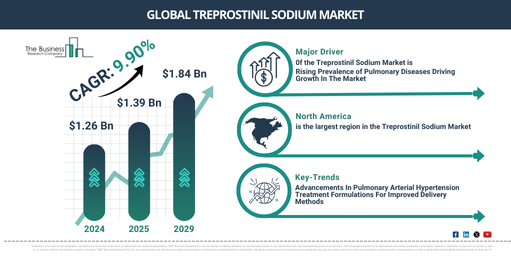
    How Fast Is The Treprostinil Sodium Market Expected to Grow Between 2025 And 2029?

    The market size for treprostinil sodium has seen quick expansion in the previous years. It’s projected to increase from $1.26 billion in 2024 to $1.39 billion in 2025, reflecting a compound annual growth rate (CAGR) of 10.2%. Factors contributing to growth in the historical period include heightened demand for treprostinil sodium, a rise in pulmonary arterial hypertension (PAH) prevalence, an increased demand for treprostinil drugs, a growing understanding of the significance of respiratory health, and an uptick in healthcare infrastructure investment.

    Expectations are high for robust expansion in the treprostinil sodium market over the next several years. Predicted growth is at a compound annual growth rate (CAGR) of 9.9%, culminating in a market value of $1.84 billion by 2029. Factors contributing to this forecasted growth include cutting-edge advancements in drug delivery technologies, an increasing inclination towards combination therapies, substantial investment in research and clinical trials, an aging population, and escalated healthcare expenses. The industry also anticipates trends during this forecast period such as the enhancement of nebulized and dry powder inhaler formulae, advancements in sustained-release formations, wider adoption of combination therapies, the production of more stable bioavailable oral formulae, and continued clinical trials exploring new remedy applications.

    Download a free sample to assess the report’s scope and structure:

    https://www.thebusinessresearchcompany.com/sample.aspx?id=21306&type=smp

    What Are the Core Growth Drivers Propelling the Treprostinil Sodium Market Forward?

    The rise in pulmonary disease cases is anticipated to be a major driving force behind the expansion of the treprostinil sodium market. Pulmonary diseases influence the lungs and the respiratory system, thereby interrupting normal breathing and obstruction of oxygen supply. This rise is attributed to various factors including air pollution, habits like smoking, toxins in the environment, and an increasing aged population. Treprostinil sodium is a vasodilator which helps in relaxing the blood vessels in the lungs, reducing pressure, enhancing breathing and providing an adaptable treatment for pulmonary diseases. For example, the Australian Institute of Health and Welfare, a governmental agency of Australia, reported in June 2024 that chronic obstructive pulmonary disease (COPD) caused 7,691 deaths in 2022, which translates to 29.6 deaths per 100,000 population, accounting for 4.0% of all deaths. Hence, the escalating instances of pulmonary diseases are pushing the treprostinil sodium market’s growth.

    What Segment Types Define the Treprostinil Sodium Market Structure?

    The treprostinil sodium market covered in this report is segmented –

    1) By Product Type: Injectable, Inhalable, Oral

    2) By Applications: Pulmonary Arterial Hypertension, Chronic Thromboembolic Pulmonary Hypertension, Other Applications

    3) By Distribution Channel: Hospitals, Specialty Clinics, Online Pharmacies, Retail Pharmacies

    Subsegments:

    1) By Injectable: Subcutaneous Injection, Intravenous Infusion

    2) By Inhalable: Inhalation Aerosol, Nebulizer Solution

    3) By Oral: Extended-Release Tablets, Oral Suspension

    Request customized data on this market:

    https://www.thebusinessresearchcompany.com/customise?id=21306&type=smp

    Which Geographic Areas Hold the Strongest Growth Potential in the Treprostinil Sodium Market?

    North America was the largest region in the treprostinil sodium market in 2024. The regions covered in the treprostinil sodium market report are Asia-Pacific, Western Europe, Eastern Europe, North America, South America, Middle East, Africa.

    Which Emerging Trends that Are Influencing theTreprostinil Sodium Industry Evolution?

    The key players in the treprostinil sodium market are focusing their efforts on engineering advanced pulmonary arterial hypertension (PAH) product formulations. These preparations are developed to offer more comfortable methods of administration. In the process of PAH product formulation, medications are produced with a specified composition providing an efficient treatment for PAH with minimal side effects. The goal of these formulations is to deliver the active ingredients in the most beneficial way therapeutically. For instance, Dr. Reddy’s Laboratories, an Indian pharmaceutical firm, launched in the U.S. market the Treprostinil Injection in April 2023, with the approval of the Food and Drug Administration, a government agency based in the U.S. Treprostinil injection is a generic therapeutic equivalent version of Remodulin (treprostinil) injection, classified under the group of agents known as prostacyclin mimetics, commonly used for treating PAH to reduce exercise-associated symptoms. It comes in vials of 20 mg/20 ml, 50 mg/20 ml, 100 mg/20 ml, or 200 mg/20 ml.

    View the full report here:

    https://www.thebusinessresearchcompany.com/report/treprostinil-sodium-global-market-report

    What Is the Definition of the Treprostinil Sodium Market?

    Treprostinil sodium is a synthetic prostacyclin (PGI2) analogue that treats pulmonary arterial hypertension (PAH) by improving exercise capacity and symptoms. It promotes vasodilation, inhibits platelet aggregation, and reduces vascular remodeling, lowering pulmonary pressure and enhancing blood flow that helps slow disease progression and improve quality of life.

    Purchase the full report and get a swift delivery:

    https://www.thebusinessresearchcompany.com/purchaseoptions.aspx?id=21306

    About The Business Research Company:

    With over 15000+ reports from 27 industries covering 60+ geographies, The Business Research Company has built a reputation for offering comprehensive, data-rich research and insights. Armed with 1,500,000 datasets, the optimistic contribution of in-depth secondary research, and unique insights from industry leaders, you can get the information you need to stay ahead in the game.

    Get in touch with us:

    The Business Research Company: https://www.thebusinessresearchcompany.com/

    Americas +1 3156230293

    Asia +44 2071930708

    Europe +44 2071930708

    Email us at info@tbrc.info

    Follow us on:

    LinkedIn: https://in.linkedin.com/company/the-business-research-company

    YouTube: https://www.youtube.com/channel/UC24_fI0rV8cR5DxlCpgmyFQ

    Global Market Model: https://www.thebusinessresearchcompany.com/global-market-model