Category: Pharmaceuticals

  • Plant-Based Vaccines Market to Reach $2.79 Billion by 2029 | Key Drivers and Future Outlook

    Plant-Based Vaccines Market to Reach $2.79 Billion by 2029 | Key Drivers and Future Outlook

    Claim your 30% discount on Global Market Reports with code ONLINE30. Limited time only.

    What Is the Growth Rate of the Plant-Based Vaccines Market?

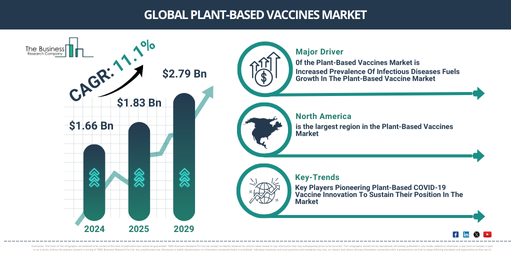
    The market for plant-based vaccines has seen a rapid expansion in size in recent years. It is expected that its size will rise from $1.66 billion in 2024 to $1.83 billion in 2025, boasting a compound annual growth rate (CAGR) of 10.2%. The growth experienced in the historic period is as a result of challenges associated with traditional vaccine production, the necessity for a more cost-effective vaccine production method, the emergence of plant molecular farming, decreased allergenic potential, and the application of synthetic biology.

    What Growth Rate Is Forecasted for the Plant-Based Vaccines Market by 2029?

    The market for plant-based vaccines is predicted to experience swift expansion in the forthcoming years, anticipated to reach a worth of $2.79 billion in 2029, with a compound annual growth rate (CAGR) of 11.1%. This projected growth during the forecast period can be ascribed to readying for pandemics, worldwide health protection, widening of vaccine uses, and embracing by the pharmaceutical industry. A significant trend seen during this period is the advancement in plant biotechnology, focus on environmental sustainability, incorporation of artificial intelligence and machine learning.

    Download The Free Sample Report Here:

    https://www.thebusinessresearchcompany.com/sample.aspx?id=12144&type=smp

    Which Key Companies Are Shaping the Future of the Plant-Based Vaccines Market?

    Major companies operating in the plant-based vaccines market include Sanofi Pasteur SA, GlaxoSmithKline plc., British American Tobacco PLC, ICON Plc., Agenus Inc., Medicago Inc., Panacea Biotec Limited, Creative Biolabs Inc., InVitria, Fraunhofer USA Inc., Biodextris Inc., Intravacc B.V, Avesthagen Limited, Calyxt Inc., Zyus Life Sciences Inc., Mapp Biopharmaceutical Inc., Kentucky BioProcessing Inc., Planet Biotechnology Inc., Icon Genetics GmbH, PlantForm Corporation, LenioBio GmbH, iBio Inc., Lumen Bioscience Inc., Baiya Phytopharm Co. Ltd., Greenovation Biotech GmbH, Pevion Biotech AG

    Which Factors Are Driving Demand in the Plant-Based Vaccines Industry?

    The increasing prevalence of infectious ailments is anticipated to boost the expansion of the plant-based vaccine market. These illnesses are caused by microorganisms like bacteria, viruses, fungi, or parasites. Plant-based vaccines, utilized in both conventional and contemporary medicine for a range of diseases, including infectious ones, can manufacture safe, effective, stable, and cost-effective preventatives, vaccines, and treatments. For example, the Global Tuberculosis Report of the World Health Organization, a Switzerland-based international health institution, noted in October 2022 that the worldwide incidence of tuberculosis (TB) was approximately 10.6 million cases, at a rate of 134 cases for every 100,000 people. The Southeast Asia region registered 45% of TB cases, the highest, followed by Africa with 23%. The substantial prevalence of infectious diseases is thus stimulating the growth of the plant-based vaccine market.

    Request For A Customized Report:

    https://www.thebusinessresearchcompany.com/customise?id=12144&type=smp

    How Is the Plant-Based Vaccines Market Segmented by Several Divisions?

    The plant-based vaccines market covered in this report is segmented –

    1) By Vaccine Type: Bacterial Vaccines, Viral Vaccines, Parasite Vaccines, Other Vaccine Types

    2) By Source: Tobacco Plant, Maize, Potato, Other Sources

    3) By Application: Influenza, Zika Virus, Ebola Virus, Poultry Disease, Other Applications

    Subsegments:

    1) By Bacterial Vaccines: Recombinant Bacterial Vaccines, Conjugate Bacterial Vaccines, DNA-Based Bacterial Vaccines

    2) By Viral Vaccines: Inactivated Viral Vaccines, Live Attenuated Viral Vaccines, Subunit Viral Vaccines

    3) By Parasite Vaccines: Recombinant Parasite Vaccines, DNA-Based Parasite Vaccines

    4) By Other Vaccine Types: Fungal Vaccines, Multivalent Vaccines, Toxin-Based Vaccines

    What are the Emerging Market Trends Driving the Growth of the Plant-Based Vaccines Industry?

    In the plant-based vaccine market, a significant trend that’s gaining momentum is product innovation. To maintain market position, main companies in this market are aiming to create novel products. In an illustrative example from February 2022, Medicago Inc., a biopharmaceutical firm from Canada, along with UK-based pharmaceutical and biotech company GSK PLC, declared that Health Canada had given the green light to their COVID-19 vaccine, COVIFENZ. Notably, this vaccine, utilizing COVID-19-like particle (CoVLP) technology, is the first of its kind – a plant-based, virus-like particles [VLP] based, recombinant, adjuvanted vaccine for combating COVID-19. It comprises recombinant spike (S) glycoproteins manifested as virus-like particles (VLPs).

    Access The Full Report Here:

    https://www.thebusinessresearchcompany.com/report/plant-based-vaccines-global-market-report

    Which Regions Are Driving Growth in the Plant-Based Vaccines Market?

    North America was the largest region in the plant-based vaccines market in 2024. The regions covered in the plant-based vaccines market report are Asia-Pacific, Western Europe, Eastern Europe, North America, South America, Middle East, Africa.

    Purchase The Full Report Today:

    https://www.thebusinessresearchcompany.com/purchaseoptions.aspx?id=12144

    This Report Delivers Insight On:

    1. How big is the plant-based vaccines market, and how is it changing globally?

    2. Who are the major companies in the plant-based vaccines market, and how are they performing?

    3. What are the key opportunities and risks in the plant-based vaccines market right now?

    4. Which products or customer segments are growing the most in the plant-based vaccines market?

    5. What factors are helping or slowing down the growth of the plant-based vaccines market?

    About The Business Research Company:

    With over 15000+ reports from 27 industries covering 60+ geographies, The Business Research Company has built a reputation for offering comprehensive, data-rich research and insights. Armed with 1,500,000 datasets, the optimistic contribution of in-depth secondary research, and unique insights from industry leaders, you can get the information you need to stay ahead in the game.

    Get in touch with us:

    The Business Research Company: https://www.thebusinessresearchcompany.com/

    Americas +1 3156230293

    Asia +44 2071930708

    Europe +44 2071930708

    Email us at info@tbrc.info

    Follow us on:

    LinkedIn: https://in.linkedin.com/company/the-business-research-company

    YouTube: https://www.youtube.com/channel/UC24_fI0rV8cR5DxlCpgmyFQ

    Global Market Model: https://www.thebusinessresearchcompany.com/global-market-model
  • Pharmaceutical Pellets Market Size to Exceed $3.16 Billion by 2029 | Growth and Industry Trends

    Pharmaceutical Pellets Market Size to Exceed $3.16 Billion by 2029 | Growth and Industry Trends

    Claim your 30% discount on Global Market Reports with code ONLINE30. Limited time only.

    How Has the Pharmaceutical Pellets Market Grown from 2024 to 2025?

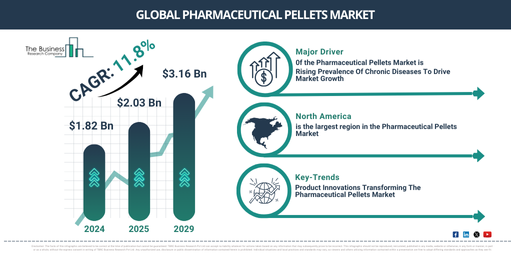
    The market size of pharmaceutical pellets has seen a swift expansion in the past few years. It is projected to rise from a worth of $1.82 billion in 2024 to $2.03 billion in 2025, illustrating a compound annual growth rate (CAGR) of 11.0%. The growth experienced in this earlier period can be credited to the increase in oral dosage forms, concentration on patient adherence, pharmaceutical research endeavors, attempts at taste-masking and stability, along with regulatory approvals and patent achievements.

    What Growth Rate Is Anticipated for the Pharmaceutical Pellets Market in the Coming Years?

    In the coming years, the pharmaceutical pellets market is predicted to enjoy a burst of rapid growth, ballooning to a valuation of $3.16 billion by 2029, with a compound annual growth rate (CAGR) of 11.8%. This increase during the projected period can be tied to factors like the rising demand for pediatric dosage forms, demand for multi-particulate dosage forms, the evolution of combination therapy dosage forms, improvements in continuous manufacturing, and emphasis on geriatric dosage forms. 3D printing technology integration, applications in personalized nutrition, smart coatings that permit real-time monitoring, orally disintegrating pellets, and eco-friendly, biodegradable pellets are seen as main trends during this forecast period.

    Download The Free Sample Report Here:

    https://www.thebusinessresearchcompany.com/sample.aspx?id=12354&type=smp

    Who Are the Leading Companies in the Pharmaceutical Pellets Market?

    Major companies operating in the pharmaceutical pellets market include Abbott Laboratories, Takeda, Boehringer Ingelheim, Teva Pharmaceutical Industries Ltd., Eisai Co. Ltd., Colorcon Inc., Nordic Sugar AB, Pfizer, Merck & Co., Manus Aktteva Biopharma LLP, Thexa Pharma (P) Limited, Avanscure Lifesciences Private Limited, MB Sugars & Pharmaceuticals Limited, CIL Laboratories Pvt Ltd, Sainor Pharma Pvt Ltd, Umang Pharmatech Pvt Ltd, Nami Lifesciences Pvt Ltd, Lograns Pharma Private Limited, Rainbow Health Care Products, Chemit Laboratories, Concord Drugs Limited, Pharmaceuticals Private Limited, Nanjing Joyfulchem ??Co. Ltd., Praful International Corporation, Pellets Pharma Limited, A B Enterprises, Vision Pharmacoat Pvt Ltd, Spansules Pharma, Ravoos Laboratories Ltd

    What Are the Key Drivers of the Pharmaceutical Pellets Market?

    The continual rise in chronic diseases is slated to boost the pharmaceutical pellets market’s growth. Chronic ailments, referring to disorders lasting a year or more, require sustained medical attention, limit routine tasks, or both. Pharmaceutical pellets may be advantageous in treating such diseases, as they lessen gastrointestinal issues and improve drug absorption. For example, data from the US’s National Center for Biotechnology Information (NCBI), a division of the National Library of Medicine, projected that by 2050 the population aged 50 or older with at least one chronic illness will inflate by 99.5%, jumping from 71.522 million in 2020 to 142.66 million. Consequently, the escalating occurrence of chronic diseases is fueling the growth of the pharmaceutical pellets market.

    Request For A Customized Report:

    https://www.thebusinessresearchcompany.com/customise?id=12354&type=smp

    What Are the Key Market Segments in the Pharmaceutical Pellets Industry?

    The pharmaceutical pellets market covered in this report is segmented –

    1) By Technology: Extrusion, Fluid Bed Granulation, Dry Powder Layering, Solution And Suspension Layering, Spray Congealing, Spray Drying

    2) By Mechanism Of Action: Diffusion, Erosion, Osmosis

    3) By Technique: Direct, Melt, Wet, Dry

    4) By End-User: Pharmaceutical, Nutraceutical

    Subsegments:

    1) By Extrusion: Melt Extrusion, Solvent-Based Extrusion

    2) By Fluid Bed Granulation: Top-Spray Granulation, Bottom-Spray Granulation

    3) By Dry Powder Layering: Powder Layering On Inert Cores, Coating Techniques

    4) By Solution And Suspension Layering: Solution Layering, Suspension Layering

    5) By Spray Congealing: Hot Melt Spraying, Cooling Methods

    6) By Spray Drying: Single-Stage Spray Drying, Multi-Stage Spray Drying

    What Are the Latest Trends in the Pharmaceutical Pellets Market?

    In the pharmaceutical pellets market, product innovation is rapidly becoming a key trend. Firms involved in this market are concentrating on the development of new products to maintain their market standing. For instance, in May 2024, Schedio SA, an engineering firm based in the United States, introduced the High Potent Pilot Particle Engineering Platform. This state-of-the-art platform, which supports up to 465 configurations and seamlessly blends with spray dryers and jet mills, aims to augment particle engineering for high-potency compounds in the pharmaceutical sector. It boasts high containment and intuitive controls to guarantee safety, accuracy, and adherence to regulatory standards in pharmaceutical production processes.

    Access The Full Report Here:

    https://www.thebusinessresearchcompany.com/report/pharmaceutical-pellets-global-market-report

    What Are the Key Regional Markets in the Pharmaceutical Pellets Industry?

    North America was the largest region in the pharmaceutical pellets market in 2024. Asia-Pacific is expected to be the fastest-growing region in the forecast period. The regions covered in the pharmaceutical pellets market report are Asia-Pacific, Western Europe, Eastern Europe, North America, South America, Middle East, Africa

    Purchase The Full Report Today:

    https://www.thebusinessresearchcompany.com/purchaseoptions.aspx?id=12354

    This Report Delivers Insight On:

    1. How big is the pharmaceutical pellets market, and how is it changing globally?

    2. Who are the major companies in the pharmaceutical pellets market, and how are they performing?

    3. What are the key opportunities and risks in the pharmaceutical pellets market right now?

    4. Which products or customer segments are growing the most in the pharmaceutical pellets market?

    5. What factors are helping or slowing down the growth of the pharmaceutical pellets market?

    About The Business Research Company:

    With over 15000+ reports from 27 industries covering 60+ geographies, The Business Research Company has built a reputation for offering comprehensive, data-rich research and insights. Armed with 1,500,000 datasets, the optimistic contribution of in-depth secondary research, and unique insights from industry leaders, you can get the information you need to stay ahead in the game.

    Get in touch with us:

    The Business Research Company: https://www.thebusinessresearchcompany.com/

    Americas +1 3156230293

    Asia +44 2071930708

    Europe +44 2071930708

    Email us at info@tbrc.info

    Follow us on:

    LinkedIn: https://in.linkedin.com/company/the-business-research-company

    YouTube: https://www.youtube.com/channel/UC24_fI0rV8cR5DxlCpgmyFQ

    Global Market Model: https://www.thebusinessresearchcompany.com/global-market-model
  • Pharmaceutical Continuous Manufacturing Market Outlook 2025 – Insights for Executive and Strategic Planning

    Pharmaceutical Continuous Manufacturing Market Outlook 2025 – Insights for Executive and Strategic Planning

    Claim your 30% discount on Global Market Reports with code ONLINE30. Limited time only.

    How Has the Pharmaceutical Continuous Manufacturing Market Grown from 2024 to 2025?

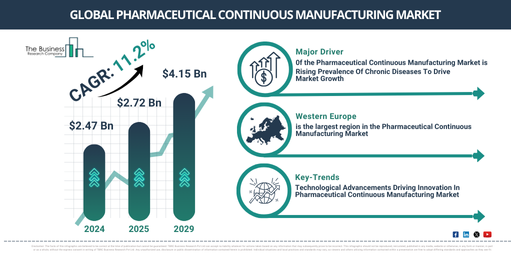
    The market size of pharmaceutical continuous manufacturing has seen a swift growth in the past few years. Beginning at a value of $2.47 billion in 2024, the market is projected to escalate to $2.72 billion in 2025, indicating a Compound Annual Growth Rate (CAGR) of 10.2%. Factors such as enhancements in quality and efficiency, diminished time-to-market, cost curtailment and operational efficiency, along with regulatory backing and directives, as well as flexibility and scalability have largely contributed to growth during the historical period.

    What Growth Rate Is Anticipated for the Pharmaceutical Continuous Manufacturing Market in the Coming Years?

    The market size for continuous manufacturing in pharmaceuticals is predicted to experience a quick expansion in the upcoming years, with projections stating it will reach $4.15 billion by 2029, following a compound annual growth rate (CAGR) of 11.2%. The predicted growth during this forecast period is mainly due to an increase in the production of generic drugs, biopharmaceutical manufacturing, as well as personalized medicine manufacturing, and a focus on patient-centered approaches. Key trends to observe during this forecast period include the adoption of continuous manufacturing, the integration of process analytical technology, the application of advanced automation and robotics, strategic collaborations and partnerships, and the trend of digitalization and connectivity.

    Download The Free Sample Report Here:

    https://www.thebusinessresearchcompany.com/sample.aspx?id=12123&type=smp

    Who Are the Leading Companies in the Pharmaceutical Continuous Manufacturing Market?

    Major companies operating in the pharmaceutical continuous manufacturing market include Pfizer Inc., Robert Bosch GmbH, Siemens AG, Novartis AG, Thermo Fisher Scientific Inc., GlaxoSmithKline Plc., Eli Lilly and Company, Corning Inc., Vertex Pharmaceuticals, Lonza Group Ltd., GEA Group AG, Catalent Inc., Mettler Toledo, Patheon, Cytiva, Samsung Biologics Co.Ltd., WuXi Biologics, Syntegon Technology GmbH, Coperion GmbH, Hosokawa Micron Group, FUJIFILM Diosynth Biotechnologies, Leistritz AG, Glatt GmbH, Freund-Vector Corp., SK biotek Co. Ltd., Gericke AG, GEBRÜDER LÖDIGE MASCHINENBAU GmbH, Munson Machinery Company Inc., L.B. Bohle Maschinen und Verfahren GmbH, KORSCH AG, Chemtrix BV

    What Are the Key Drivers of the Pharmaceutical Continuous Manufacturing Market?

    The increasing instances of numerous long-term illnesses are predicted to fuel the advancement of the continuous manufacturing market in the pharmaceutical industry. Chronic illnesses, which last a year or more, necessitate ongoing medical care and disrupt daily tasks, are collectively termed as such. The pharmaceutical sector benefits from continuous manufacturing operations by improving the production of medications, enhancing efficiency and reducing expenses. It also facilitates greater availability of vital medications, crucial for managing enduring ailments that demand lengthy periods of medicinal treatment. For example, a report produced by the National Association of Chronic Disease Directors (NACDD), a non-profit Public Health organization in the US dedicated to programs related to chronic diseases, stated in April 2022 that nearly 60% of adult Americans are afflicted by at least one chronic disease, and around 40% have more than one chronic conditions (MCC). This is projected to burden the US economy with an annual cost of $2 trillion or $8,600 per individual by 2030. Consequently, the rising incidents of various persisting diseases will boost the continuous manufacturing sector in the pharmaceutical industry.

    Request For A Customized Report:

    https://www.thebusinessresearchcompany.com/customise?id=12123&type=smp

    What Are the Key Market Segments in the Pharmaceutical Continuous Manufacturing Industry?

    The pharmaceutical continuous manufacturing market covered in this report is segmented –

    1) By Product: Integrated Continuous System, Control And Software, Semi-Continuous System

    2) By Therapeutics Type: Large Molecule, Small Molecule

    3) By Formulation: Solid Formation, Liquid And Semi-Solid Formation

    4) By Application: Final Drug Product Manufacturing, Active Pharmaceutical Ingredient (API) Manufacturing

    5) By End-Users: Pharmaceutical Companies, Contract Manufacturing Organization, Other End-Users

    Subsegments:

    1) By Integrated Continuous System: Continuous Mixer Systems, Continuous Granulation Systems, Continuous Tablet Press Systems, Continuous Coating Systems

    2) By Control and Software: Process Analytical Technology (PAT) Tools, Manufacturing Execution Systems (MES), Control Software for Automation, Data Management and Visualization Software

    3) By Semi-Continuous System: Batch-to-Continuous Transition Systems, Hybrid Systems, Semi-Continuous Granulation and Drying Systems

    What Are the Latest Trends in the Pharmaceutical Continuous Manufacturing Market?

    Technological advancements are emerging as a significant trend within the pharmaceutical continuous manufacturing market. Major firms within this industry are introducing new products to maintain market dominance. For instance, in December 2022, the United States Pharmacopeia (USP), a not-for-profit organization based in the US that holds both the copyright and the trademark for the Pharmacopeia National Formulary (USP-NF), inaugurated the USP Advanced Manufacturing Technology Lab. This was accompanied by the launch of R&D analytical solutions. These analytical lab services promise to facilitate drug makers in incorporating advanced manufacturing technologies, like pharmaceutical continuous manufacturing (PCM). This will promote geographic diversity in pharmaceutical manufacturing and enhance the resilience of the medicine supply chain. It will also encompass the description of materials as well as the creation and qualification of methods to support and guarantee the quality of PCM-related drugs.

    Access The Full Report Here:

    https://www.thebusinessresearchcompany.com/report/pharmaceutical-continuous-manufacturing-global-market-report

    What Are the Key Regional Markets in the Pharmaceutical Continuous Manufacturing Industry?

    Western Europe was the largest region in the pharmaceutical continuous manufacturing market in 2024. Asia-Pacific is expected to be the fastest-growing region in the forecast period. The regions covered in the pharmaceutical continuous manufacturing market report are Asia-Pacific, Western Europe, Eastern Europe, North America, South America, Middle East, Africa.

    Purchase The Full Report Today:

    https://www.thebusinessresearchcompany.com/purchaseoptions.aspx?id=12123

    This Report Delivers Insight On:

    1. How big is the pharmaceutical continuous manufacturing market, and how is it changing globally?

    2. Who are the major companies in the pharmaceutical continuous manufacturing market, and how are they performing?

    3. What are the key opportunities and risks in the pharmaceutical continuous manufacturing market right now?

    4. Which products or customer segments are growing the most in the pharmaceutical continuous manufacturing market?

    5. What factors are helping or slowing down the growth of the pharmaceutical continuous manufacturing market?

    About The Business Research Company:

    With over 15000+ reports from 27 industries covering 60+ geographies, The Business Research Company has built a reputation for offering comprehensive, data-rich research and insights. Armed with 1,500,000 datasets, the optimistic contribution of in-depth secondary research, and unique insights from industry leaders, you can get the information you need to stay ahead in the game.

    Get in touch with us:

    The Business Research Company: https://www.thebusinessresearchcompany.com/

    Americas +1 3156230293

    Asia +44 2071930708

    Europe +44 2071930708

    Email us at info@tbrc.info

    Follow us on:

    LinkedIn: https://in.linkedin.com/company/the-business-research-company

    YouTube: https://www.youtube.com/channel/UC24_fI0rV8cR5DxlCpgmyFQ

    Global Market Model: https://www.thebusinessresearchcompany.com/global-market-model
  • PD-1 and PDL1 Inhibitors/ Immune Checkpoint Inhibitors Market Size to Exceed $91.97 Billion by 2029 | Growth and Industry Trends

    PD-1 and PDL1 Inhibitors/ Immune Checkpoint Inhibitors Market Size to Exceed $91.97 Billion by 2029 | Growth and Industry Trends

    Claim your 30% discount on Global Market Reports with code ONLINE30. Limited time only.

    How Has the PD-1 and PDL1 Inhibitors/ Immune Checkpoint Inhibitors Market Grown from 2024 to 2025?

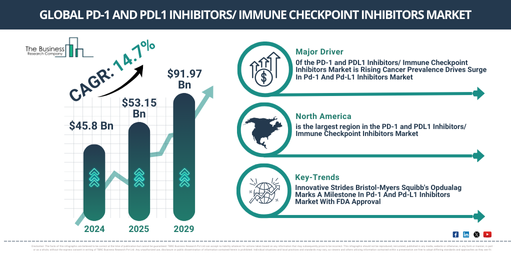
    The market size for PD-1 and PDL1 inhibitors, also known as immune checkpoint inhibitors, has seen considerable growth in the past few years. Growth projections suggest a rise from $45.8 billion in 2024, shooting up to $53.15 billion by 2025, indicating a compound annual growth rate (CAGR) of 16.0%. This significant growth observed in the historic period is largely a result of advancements in immunotherapy, a rise in successful clinical trials and approvals, an escalation in cancer incidences, a change in the approach to cancer treatment, collaborative efforts and investment in research.

    What Growth Rate Is Anticipated for the PD-1 and PDL1 Inhibitors/ Immune Checkpoint Inhibitors Market in the Coming Years?

    The market for PD-1 and PDL1 inhibitors, also known as immune checkpoint inhibitors, is projected to experience substantial growth in the coming years, predicted to expand to “$91.97 billion in 2029, demonstrating a compound annual growth rate (CAGR) of 14.7%. Various factors such as the widening scope of indications, advancements in biomarker research and personal medicine, ongoing clinical tests and collaborative research efforts, as well as the improvement of worldwide healthcare infrastructure, contribute to this expected surge. Prominent tendencies expected to shape this predicted growth include improved patient access and cost-effectiveness, global partnerships in clinical trials, advancements in immunotherapy combinations, patient-driven strategies, and updated regulatory policies and authorizations.

    Download The Free Sample Report Here:

    https://www.thebusinessresearchcompany.com/sample.aspx?id=10788&type=smp

    Who Are the Leading Companies in the PD-1 and PDL1 Inhibitors/ Immune Checkpoint Inhibitors Market?

    Major companies operating in the PD-1 and PDL1 inhibitors/ immune checkpoint inhibitors market include Bristol-Myers Squibb Company, Merck and Company, F. Hoffmann-La Roche AG, Sanofi S.A., Amgen Inc., Gilead Sciences Inc., AstraZeneca plc, Novartis AG, Pfizer Inc., GlaxoSmithKline Plc, Regeneron Pharmaceuticals Inc., BeiGene Ltd, Shanghai Jhunsi Biosciences Ltd., Akeso Inc., Alphamab Oncology, Eli Lilly and Company, Boehringer Ingelheim, Xencor Inc., Taiga Biotechnologies Inc., Jiangsu Alphamab Biopharmaceuticals Co. Ltd, Dr. Reddy’s Laboratories Ltd., Laekna Therapeutics, Genentech Inc., Tracon Pharmaceuticals Inc., Celgene, Hangzhou Sumgen Co. Ltd, Agenus Inc., BioNTech SE, Celldex Therapeutics Inc., CytomX Therapeutics Inc.

    What Are the Key Drivers of the PD-1 and PDL1 Inhibitors/ Immune Checkpoint Inhibitors Market?

    The increase in cancer incidences is anticipated to drive the expansion of the PD-1 and PD-L1 Inhibitors/ Immune checkpoint inhibitors market in the coming years. Cancer is a disease characterized by uncontrolled cell growth that migrates to other parts of the body. PD-1 and PD-L1 inhibitors work to combat cancer by activating the immune system to attack cancerous cells. Consequently, the increasing number of cancer cases bolsters the PD-1 and PDL1 Inhibitors/ Immune checkpoint inhibitors market’s growth. For example, the European Union Science Hub, a Belgium-based joint research establishment of the European Commission, stated in October 2023, that over the two years leading up to 2022, new cancer cases had increased by 2.3%, totalling 2.74 million. Similarly, there was a 2.4% increase in cancer-related mortalities during the two years prior. Thus, the elevated incidence rate of cancer is expected to stimulate the PD-1 and PDL1 Inhibitors/ Immune checkpoint inhibitors market’s growth.

    Request For A Customized Report:

    https://www.thebusinessresearchcompany.com/customise?id=10788&type=smp

    What Are the Key Market Segments in the PD-1 and PDL1 Inhibitors/ Immune Checkpoint Inhibitors Industry?

    The PD-1 and PDL1 inhibitors/ immune checkpoint inhibitors market covered in this report is segmented –

    1) By Product: Nivolumab, Pembrolizumab, Atezolizumab, Avelumab, Durvalumab

    2) By Distribution Channel: Hospital pharmacies, Retail pharmacies, Online pharmacies

    3) By Application: Lung Cancer, Bladder Cancer, Melanoma, Hodgkin Lymphoma, Colorectal Cancer, Other Applications

    4) By End-Users : Hospitals, Specialty Clinics, Academic and Research Institutions

    Subsegments:

    1) By Nivolumab: Monotherapy, Combination Therapy

    2) By Pembrolizumab: Monotherapy, Combination Therapy

    3) By Atezolizumab: Monotherapy, Combination Therapy

    4) By Avelumab: Monotherapy, Combination Therapy

    5) By Durvalumab: Monotherapy, Combination Therapy

    What Are the Latest Trends in the PD-1 and PDL1 Inhibitors/ Immune Checkpoint Inhibitors Market?

    In the PD-1 and PDL1 inhibitors/ immune checkpoint inhibitors market, the emphasis on product innovation is an increasingly prevalent trend. Leading players in the market are focusing their endeavors on developing novel products to solidify their market standing. For instance, Bristol-Myers Squibb, an American pharmaceutical firm, obtained FDA approval for Opdualag in March 2022. The product is a unique fixed-dose combination of nivolumab (Opdivo) and relatlimab- a LAG-3 inhibitor. Opdualag has the distinction of being the first-ever LAG-3 inhibitor to be approved by the US FDA for treating metastatic melanoma patients. The fusion of nivolumab and relatlimab in Opdualag is designed to boost the immune system’s fight against cancer cells.

    Access The Full Report Here:

    https://www.thebusinessresearchcompany.com/report/pd-1-and-pdl1-inhibitors-or-immune-checkpoint-inhibitors-global-market-report

    What Are the Key Regional Markets in the PD-1 and PDL1 Inhibitors/ Immune Checkpoint Inhibitors Industry?

    North America was the largest region in the PD-1 and PDL1 inhibitors market in 2024. The regions covered in the pd-1 and pdl1 inhibitors/ immune checkpoint inhibitors market report are Asia-Pacific, Western Europe, Eastern Europe, North America, South America, Middle East, Africa

    Purchase The Full Report Today:

    https://www.thebusinessresearchcompany.com/purchaseoptions.aspx?id=10788

    This Report Delivers Insight On:

    1. How big is the pd-1 and pdl1 inhibitors/ immune checkpoint inhibitors market, and how is it changing globally?

    2. Who are the major companies in the pd-1 and pdl1 inhibitors/ immune checkpoint inhibitors market, and how are they performing?

    3. What are the key opportunities and risks in the pd-1 and pdl1 inhibitors/ immune checkpoint inhibitors market right now?

    4. Which products or customer segments are growing the most in the pd-1 and pdl1 inhibitors/ immune checkpoint inhibitors market?

    5. What factors are helping or slowing down the growth of the pd-1 and pdl1 inhibitors/ immune checkpoint inhibitors market?

    About The Business Research Company:

    With over 15000+ reports from 27 industries covering 60+ geographies, The Business Research Company has built a reputation for offering comprehensive, data-rich research and insights. Armed with 1,500,000 datasets, the optimistic contribution of in-depth secondary research, and unique insights from industry leaders, you can get the information you need to stay ahead in the game.

    Get in touch with us:

    The Business Research Company: https://www.thebusinessresearchcompany.com/

    Americas +1 3156230293

    Asia +44 2071930708

    Europe +44 2071930708

    Email us at info@tbrc.info

    Follow us on:

    LinkedIn: https://in.linkedin.com/company/the-business-research-company

    YouTube: https://www.youtube.com/channel/UC24_fI0rV8cR5DxlCpgmyFQ

    Global Market Model: https://www.thebusinessresearchcompany.com/global-market-model
  • Market Analysis on Acute Ischemic Stroke Drugs Industry – Insights for Corporate Strategy and R&D

    Market Analysis on Acute Ischemic Stroke Drugs Industry – Insights for Corporate Strategy and R&D

    Claim your 30% discount on Global Market Reports with code ONLINE30. Limited time only.

    What Is the Forecast for the Acute Ischemic Stroke Drugs Market from 2024 to 2025?

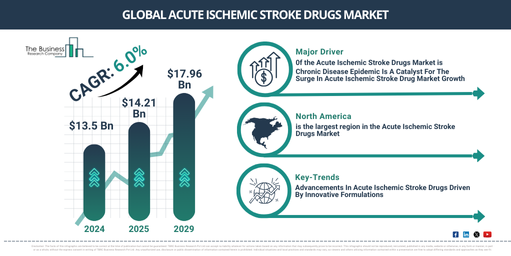
    The market size of drugs for acute ischemic stroke has seen robust growth in the past years. The market, which was worth $13.5 billion in 2024, is projected to increase to $14.21 billion in 2025, representing a compound annual growth rate (CAGR) of 5.3%. The growth observed in the historic period is due to factors such as the rising occurrence of stroke, government schemes and health policies, enhanced awareness and education, strategic alliances and collaborations, and an aging population.

    What Is the Projected Market Size of the Acute Ischemic Stroke Drugs Market?

    Expectations are growing for robust expansion in the acute ischemic stroke drugs market over the ensuing years, with projections of it swelling to “$17.96 billion by 2029 at a compound annual growth rate (CAGR) of 6.0%. Factors contributing to the anticipated growth within this timeframe include the development of new therapies and a robust drug pipeline, advancements in personalized medicine, improvements in global healthcare infrastructure, escalating healthcare expenditure, coupled with telemedicine and remote patient monitoring trends. Key developments expected in this period include the progression of thrombolytic therapies, the evolution of neuroprotective agents, research in personalized medicine and biomarkers, and the advent of remote healthcare services, all supported by a host of collaborations and strategic partnerships.

    Download The Free Sample Report Here:

    https://www.thebusinessresearchcompany.com/sample.aspx?id=10049&type=smp

    Who are the Major Competitors in the Acute Ischemic Stroke Drugs Market Outlook?

    Major companies operating in the acute ischemic stroke drugs market include F. Hoffmann-La Roche AG, C.H. Boehringer Sohn AG & Co. KG, Bristol-Myers Squibb Company, Daiichi Sankyo Company Limited, AstraZeneca plc, ZZ Biotech LLC, NoNO Inc., Biogen Inc., Athersys Inc., Bayer AG, Sanofi S.A., Pfizer Inc., DiaMedica Therapeutics, Lumosa Therapeutics Co. Ltd., Johnson & Johnson, Acticor Biotech, Meridigen Biotech Co., Prolong Pharmaceuticals LLC, Nanjing Yoko Biomedical Co. Ltd., TrueBinding Inc., GNT Pharma Co. Ltd., aptaTargets SL, NuvOX Pharma, Simcere Pharmaceutical Co. Ltd., Genentech Inc., Pharming Technologies B.V., SanBio BV, Revalesio Corporation, Stemedica Cell Technologies Inc., CorInnova Incorporated, Phagenesis

    What Is Fueling Growth in the Acute Ischemic Stroke Drugs Market?

    The growing occurrence of long-term illnesses is expected to spur the expansion of the acute ischemic stroke medication market in the foreseeable future. Chronic diseases, otherwise termed as non-transmissible diseases, pertain to conditions that persist for one year or more and need continuous medical care, impede everyday actions, or both. Chronic ailments like heart diseases, cancer, and diabetes are the major causes of death and disability. Acute ischemic stroke medicines are predominantly used in chronic ailments to diminish clot formation and stroke probabilities and replenish cerebral blood flow. For example, in September 2022, the World Health Organization (WHO), a health agency based in Switzerland, reported that chronic diseases contribute to about 41 million deaths every year, representing 74% of global deaths, with 17 million people dying from chronic diseases before reaching 70 years old. It is projected that by 2025, approximately 164 million Americans, nearly 49% of the population, would be suffering from chronic illnesses. Thus, the surge in chronic disease prevalence is fueling the acute ischemic stroke medication market’s development.

    Request For A Customized Report:

    https://www.thebusinessresearchcompany.com/customise?id=10049&type=smp

    Which Acute Ischemic Stroke Drugs Market Segments Are Growing the Fastest?

    The acute ischemic stroke drugs market covered in this report is segmented –

    1) By Type: Tablet, Capsule, Other Types

    2) By Distribution Channel: Hospital Pharmacies, Retail Pharmacies, Online Pharmacies

    3) By Application: Hospitals, Diagnostic Centers, Other Applications

    Subsegments:

    1) By Tablet: Immediate Release Tablets, Extended Release Tablets, Orally Disintegrating Tablets

    2) By Capsule: Hard Shell Capsules, Soft Gelatin Capsules, Extended Release Capsules

    3) By Other Types: Injectable Solutions, Intravenous (IV) Preparations, Inhalation Formulations

    Which Industry Trends Are Shaping the Future of the Acute Ischemic Stroke Drugs Market?

    Key players in the acute ischemic stroke drug market are focusing on creating groundbreaking formulations such as under-the-tongue versions of edaravone and dexborneol for acute ischemic stroke. The sublingual treatment involving edaravone and dexborneol, when placed beneath the tongue, is quickly absorbed into the bloodstream, harnessing the antioxidant and anti-inflammatory benefits of both substances to increase treatment effectiveness. For example, in October 2024, Simcere Pharmaceutical, a pharmaceutical firm based in China, received a breakthrough therapy designation for Sanbexin, a sublingual version of edaravone and dexborneol, aimed at acute ischemic stroke (AIS) treatment. This designation was fueled by encouraging outcomes from the TASTE-SL phase 3 clinical trial (NCT04950920), where Sanbexin treatment led to a modified Rankin Scale (mRS) score of ≤1 at 90 days in 64.4% of patients, as opposed to 54.7% in the group receiving a placebo. The remedy, which is deliverable outside of hospital environments, seeks to minimize disability and enhance results for individuals with AIS.

    Access The Full Report Here:

    https://www.thebusinessresearchcompany.com/report/acute-ischemic-stroke-drugs-global-market-report

    Which Countries Are Leading the Acute Ischemic Stroke Drugs Market?

    North America was the largest region in the acute ischemic stroke drugs market in 2024.Asia-Pacific is expected to be the fastest-growing region in the global acute ischemic stroke drugs market report during the forecast period. The regions covered in the acute ischemic stroke drugs market report are Asia-Pacific, Western Europe, Eastern Europe, North America, South America, Middle East, Africa

    Purchase The Full Report Today:

    https://www.thebusinessresearchcompany.com/purchaseoptions.aspx?id=10049

    This Report Delivers Insight On:

    1. How big is the acute ischemic stroke drugs market, and how is it changing globally?

    2. Who are the major companies in the acute ischemic stroke drugs market, and how are they performing?

    3. What are the key opportunities and risks in the acute ischemic stroke drugs market right now?

    4. Which products or customer segments are growing the most in the acute ischemic stroke drugs market?

    5. What factors are helping or slowing down the growth of the acute ischemic stroke drugs market?

    About The Business Research Company:

    With over 15000+ reports from 27 industries covering 60+ geographies, The Business Research Company has built a reputation for offering comprehensive, data-rich research and insights. Armed with 1,500,000 datasets, the optimistic contribution of in-depth secondary research, and unique insights from industry leaders, you can get the information you need to stay ahead in the game.

    Get in touch with us:

    The Business Research Company: https://www.thebusinessresearchcompany.com/

    Americas +1 3156230293

    Asia +44 2071930708

    Europe +44 2071930708

    Email us at info@tbrc.info

    Follow us on:

    LinkedIn: https://in.linkedin.com/company/the-business-research-company

    YouTube: https://www.youtube.com/channel/UC24_fI0rV8cR5DxlCpgmyFQ

    Global Market Model: https://www.thebusinessresearchcompany.com/global-market-model
  • ACE Inhibitors Market Projected at $9.6 Billion by 2029 | Strategic Insights and Forecast Data

    ACE Inhibitors Market Projected at $9.6 Billion by 2029 | Strategic Insights and Forecast Data

    Claim your 30% discount on Global Market Reports with code ONLINE30. Limited time only.

    How Has the ACE Inhibitors Market Size Changed, over the years?

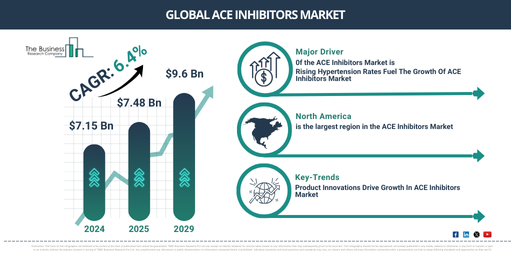
    The market size for ACE inhibitors has been experiencing a consistent escalation in recent years. It is projected to expand from $7.15 billion in 2024 to $7.48 billion in 2025, recording a compound annual growth rate (CAGR) of 4.6%. This growth during the historic period is linked to several factors such as rising incidences of cardiovascular diseases, an increasing elderly population, clinical efficacy and safety standards, prevalence of diabetes, as well as endorsements and guidelines from regulatory authorities.

    How Much Will the ACE Inhibitors Market Be Worth in 2029?

    In the forthcoming years, the ACE inhibitors market is projected to experience robust growth, reaching $9.6 billion by 2029 with a compound annual growth rate (CAGR) of 6.4%. Factors contributing to this growth through the prediction period include the increasing worldwide prevalence of cardiovascular diseases, wider guidelines for hypertension treatment, enhancements in combination therapies, emphasis on managing heart failure, and improved healthcare access and awareness. Key trends anticipated during this period include a focus on protecting the kidneys, a preference for inhibitors of the renin-angiotensin system, generic competition and pricing pressures, patient-oriented healthcare practices, and regulatory changes and safety considerations.

    Download The Free Sample Report Here:

    https://www.thebusinessresearchcompany.com/sample.aspx?id=10671&type=smp

    Which is the Largest Company in the ACE Inhibitors Market?

    Major companies operating in the ACE inhibitors market include Pfizer Inc., Novartis AG, Johnson & Johnson Private Limited, Merck KGaA, Sanofi S.A., Bayer AG, Teva Pharmaceutical Industries Ltd., Bristol-Myers Squibb Co., Takeda Pharmaceuticals Company, Daiichi Sankyo Company Ltd., UCB Schwarz Pharma Inc., Endo International plc, Sun Pharmaceutical Industries Ltd., Boehringer Ingelheim, Bausch Health Companies Inc., Dr. Reddy’s Laboratories, Abbott Laboratories, Eli Lilly and Company, Cipla Limited, GlaxoSmithKline plc, Cadila Healthcare Limited, AbbVie Inc., Sandoz Group AG, Accord Healthcare Ltd., AstraZeneca plc, Lupin Limited, Macleods Pharmaceuticals Limited, Zydus lifescience Ltd., Apotex Inc.

    What Are the Main Market Drivers in the ACE Inhibitors Industry?

    The spike in hypertension conditions is anticipated to fuel the expansion of the ACE inhibitors market. Hypertension, medically referred to as high blood pressure, is typified by heightened pressure within the blood vessels. Medicines known as ACE inhibitors, or angiotensin-converting enzyme inhibitors, are employed in managing and controlling this condition. These drugs work by easing the blood vessels, hence lowering blood pressure and enhancing blood circulation. As indicated by the World Health Organization, a Switzerland-based specialized agency of the United Nations, in March 2023, hypertension affected around 1.28 billion adults aged 30-79 globally, with most (two-thirds) living in low- and middle-income countries. Over the past three decades, the number of people in this age bracket suffering from hypertension has surged by 650 million. Interestingly, about 46% of adults suffering from hypertension are oblivious of their condition as they are yet to receive a diagnosis. Thus, the mounting incidence of hypertension-related disorders is triggering the ascent of the ACE inhibitors market.

    Request For A Customized Report:

    https://www.thebusinessresearchcompany.com/customise?id=10671&type=smp

    How Is the ACE Inhibitors Market Segments Structured?

    The ACE inhibitors market covered in this report is segmented –

    1) By Type: Sulfhydryl-containing Agents, Dicarboxylate-containing Agents, Phosphonate-containing Agents

    2) By Drug: Ramipril, Enalapril, Benazepril, Fosinopril, Captopril, Moexipril, Other Drugs

    3) By Dosage Form: Oral Tablets, Oral Solutions

    4) By Application: Heart Failure, Chronic Kidney Disease, Hypertension, Diabetes, Heart Attack, Other Applications

    5) By End-Users: Hospitals, Online Drug Stores, Other End-Users

    Subsegments:

    1) By Sulfhydryl-Containing Agents: Captopril, Zofenopril

    2) By Dicarboxylate-Containing Agents: Enalapril, Lisinopril, Ramipril, Quinapril, Benazepril, Perindopril

    3) By Phosphonate-Containing Agents: Fosinopril

    What Strategic Trends Are Transforming the ACE Inhibitors Market?

    A notable trend gaining traction in the ACE inhibitors market is the emphasis on product innovations. Leading businesses in this industry are concentrating on developing unique products to consolidate their market position and achieve a competitive edge. For example, Travere Therapeutics, a US-based biopharmaceutical company, received FDA approval in February 2023 for FILSPARI (sparsentan), a ground-breaking non-immunosuppressive treatment to be used in patients diagnosed with IgA nephropathy (IgAN). The treatment regimen includes systemic glucocorticoids, angiotensin-converting enzyme (ACE) inhibitors, and antihypertensive medications, such as angiotensin-receptor blockers (ARBs). It stands out for being the only approved non-immunosuppressive therapy that can be taken orally once daily, aimed at treating adults with primary IgAN who are prone to quick disease progression and generally exhibit a UPCR of less than 1.5 g/g and proteinuria.

    Access The Full Report Here:

    https://www.thebusinessresearchcompany.com/report/ace-inhibitors-global-market-report

    Which Global Regions Offer the Highest Growth in the ACE Inhibitors Market?

    North America was the largest region in the ACE inhibitors market in 2024.Asia-Pacific is expected to be the fastest-growing region in the global ACE inhibitors market report during the forecast period. The regions covered in the ace inhibitors market report are Asia-Pacific, Western Europe, Eastern Europe, North America, South America, Middle East, Africa

    Purchase The Full Report Today:

    https://www.thebusinessresearchcompany.com/purchaseoptions.aspx?id=10671

    This Report Delivers Insight On:

    1. How big is the ace inhibitors market, and how is it changing globally?

    2. Who are the major companies in the ace inhibitors market, and how are they performing?

    3. What are the key opportunities and risks in the ace inhibitors market right now?

    4. Which products or customer segments are growing the most in the ace inhibitors market?

    5. What factors are helping or slowing down the growth of the ace inhibitors market?

    About The Business Research Company:

    With over 15000+ reports from 27 industries covering 60+ geographies, The Business Research Company has built a reputation for offering comprehensive, data-rich research and insights. Armed with 1,500,000 datasets, the optimistic contribution of in-depth secondary research, and unique insights from industry leaders, you can get the information you need to stay ahead in the game.

    Get in touch with us:

    The Business Research Company: https://www.thebusinessresearchcompany.com/

    Americas +1 3156230293

    Asia +44 2071930708

    Europe +44 2071930708

    Email us at info@tbrc.info

    Follow us on:

    LinkedIn: https://in.linkedin.com/company/the-business-research-company

    YouTube: https://www.youtube.com/channel/UC24_fI0rV8cR5DxlCpgmyFQ

    Global Market Model: https://www.thebusinessresearchcompany.com/global-market-model
  • Lysosomal Disease Treatment Market Projected at $13.7 Billion by 2029 | Strategic Insights and Forecast Data

    Lysosomal Disease Treatment Market Projected at $13.7 Billion by 2029 | Strategic Insights and Forecast Data

    Claim your 30% discount on Global Market Reports with code ONLINE30. Limited time only.

    How Has the Lysosomal Disease Treatment Market Size Changed, over the years?

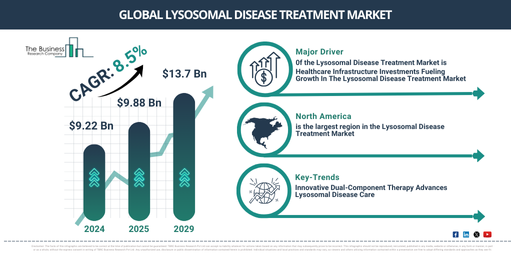
    There has been strong growth in the market size of lysosomal disease treatment in the recent past. The market will expand from $9.22 billion in 2024 to $9.88 billion in 2025, with a compound annual growth rate (CAGR) of 7.2%. The previous growth can be credited to advances in therapy methods, better understanding and awareness, an increase in clinical trials and research work, improvements in diagnostic tools, and the establishment of newborn screening initiatives.

    How Much Will the Lysosomal Disease Treatment Market Be Worth in 2029?

    Expectations are high for strong expansion in the lysosomal disease treatment market over the upcoming years. Market projections predict a growth to “$13.7 billion by the year 2029, which represents a compound annual growth rate (CAGR) of 8.5%. Factors contributing to this projected growth during the forecast period include advancements in gene therapy, ongoing improvements in enzyme replacement therapy (ERT), the launch of new therapeutic modalities, the promotion of enhanced screening and early diagnosis programs, and dedicated investments toward research and development. Key trends for the forecast period are developments in enzyme replacement therapy (ERT), innovations in gene therapy, progress in chaperone therapy, substrate reduction therapy (SRT) advancements and the widening of newborn screening programs.

    Download The Free Sample Report Here:

    https://www.thebusinessresearchcompany.com/sample.aspx?id=10482&type=smp

    Which is the Largest Company in the Lysosomal Disease Treatment Market?

    Major companies operating in the lysosomal disease treatment market include Eli Lilly and Company, Takeda Pharmaceutical Company Limited, Sanofi SA, Pfizer Inc., Novartis International AG, Johnson & Johnson Services Inc., Alexion Pharmaceuticals Inc., Amicus Therapeutics Inc., Actelion Pharmaceuticals Ltd., Sigilon Therapeutics Inc., BioMarin Pharmaceutical Inc., Merck & Co Inc., AstraZeneca PLC, Astellas Pharma Inc., Horizon Therapeutics plc, Leadient Biosciences Inc., Orphazyme A/S, Recordati Industria Chimica e Farmaceutica S.p.A., Valerion Therapeutics Llc, Viatris Inc., Chiese Farmaceutici SpA, Genzyme Corporation, Ultragenyx Pharmaceutical Inc., Sangamo Therapeutics Inc., Avrobio Inc., Axovant Gene Therapies Ltd., Regenxbio Inc., Krystal Biotech Inc., Homology Medicines Inc., Orchard Therapeutics plc, Sarepta Therapeutics Inc., Solid Biosciences Inc.

    What Are the Main Market Drivers in the Lysosomal Disease Treatment Industry?

    The lysosomal disease treatment market is forecasted to expand due to the rise in healthcare infrastructure investments. These investments pertain to the financial resource allocation designated for enhancing, maintaining, and developing healthcare facilities, equipment, and services. In the context of lysosomal disease treatment, more investments in healthcare infrastructure can significantly benefit research progress, overall healthcare effectiveness, and patient outcomes. As reported by The Moscow Times, an online newspaper based in Russia, the federal project of Russia on primary healthcare modernization is planning to allocate 88.8 billion rubles ($910 million) in 2023 and 550 billion rubles ($5.7 billion) for the 2023-25 period. Hence, the increase in healthcare infrastructure investments is fueling the lysosomal disease treatment market’s growth.

    Request For A Customized Report:

    https://www.thebusinessresearchcompany.com/customise?id=10482&type=smp

    How Is the Lysosomal Disease Treatment Market Segments Structured?

    The lysosomal disease treatment market covered in this report is segmented –

    1) By Disease Type: Mucopolysaccharidosis, Pompe Syndrome, Fabry Diseases, Gaucher’s Disease, Other Disease Types

    2) By Therapy: Substrate Reduction Therapy, Stem Cell Therapy, Enzyme Replacement Therapy, Other Therapies

    3) By Route Of Administration: Oral, Parenteral, Other Routes Of Administration

    4) By End User: Hospitals, Specialty Clinics, Homecare, Other End Users

    Subsegments:

    1) By Mucopolysaccharidosis: MPS I (Hurler Syndrome), MPS II (Hunter Syndrome), MPS III (Sanfilippo Syndrome), MPS IV (Morquio Syndrome), MPS VI (Maroteaux-Lamy Syndrome), MPS VII (Sly Syndrome)

    2) By Pompe Syndrome: Late-Onset Pompe Disease, Infantile-Onset Pompe Disease

    3) By Fabry Disease: Classic Fabry Disease, Late-Onset Fabry Disease

    4) By Gaucher’s Disease: Type 1 Gaucher Disease, Type 2 Gaucher Disease, Type 3 Gaucher Disease

    5) Other Disease Types: Niemann-Pick Disease, Krabbe Disease, Tay-Sachs Disease

    What Strategic Trends Are Transforming the Lysosomal Disease Treatment Market?

    Dominant entities in the lysosomal disease treatment market are progressing towards the creation of novel approaches like dual-component therapy to boost enzyme replacement and upgrade muscle conditions in patients. Dual-component therapy is an innovative method that blends two different agents or drugs to enhance the overall healing efficacy for a specific health issue. As an example, Amicus Therapeutics, a biotechnology firm from the U.S., unveiled in September 2023 that the U.S. Food and Drug Administration (FDA) had greenlighted Pombiliti (cipaglucosidase alfa-atga) and Opfolda (miglustat) 65 mg capsules. These drugs are dual-component therapies tailored to manage late-onset Pompe disease, a profound lysosomal disorder characterized by glycogen build-up due to enzyme scarcity. This amalgamation bolsters enzyme intake in muscle cells and stabilizes the enzyme within circulation, greatly upgrading muscular strength and lung function in patients that previous treatments failed to help. Clinical studies demonstrate that this ground-breaking method could provide considerable advantages, filling a gap in the treatment of this incapacitating condition.

    Access The Full Report Here:

    https://www.thebusinessresearchcompany.com/report/lysosomal-disease-treatment-global-market-report

    Which Global Regions Offer the Highest Growth in the Lysosomal Disease Treatment Market?

    North America was the largest region in the lysosomal disease treatment market in 2024.Europe is expected to be the fastest-growing region in the global lysosomal disease treatment market report during the forecast period. The regions covered in the lysosomal disease treatment market report are Asia-Pacific, Western Europe, Eastern Europe, North America, South America, Middle East, Africa

    Purchase The Full Report Today:

    https://www.thebusinessresearchcompany.com/purchaseoptions.aspx?id=10482

    This Report Delivers Insight On:

    1. How big is the lysosomal disease treatment market, and how is it changing globally?

    2. Who are the major companies in the lysosomal disease treatment market, and how are they performing?

    3. What are the key opportunities and risks in the lysosomal disease treatment market right now?

    4. Which products or customer segments are growing the most in the lysosomal disease treatment market?

    5. What factors are helping or slowing down the growth of the lysosomal disease treatment market?

    About The Business Research Company:

    With over 15000+ reports from 27 industries covering 60+ geographies, The Business Research Company has built a reputation for offering comprehensive, data-rich research and insights. Armed with 1,500,000 datasets, the optimistic contribution of in-depth secondary research, and unique insights from industry leaders, you can get the information you need to stay ahead in the game.

    Get in touch with us:

    The Business Research Company: https://www.thebusinessresearchcompany.com/

    Americas +1 3156230293

    Asia +44 2071930708

    Europe +44 2071930708

    Email us at info@tbrc.info

    Follow us on:

    LinkedIn: https://in.linkedin.com/company/the-business-research-company

    YouTube: https://www.youtube.com/channel/UC24_fI0rV8cR5DxlCpgmyFQ

    Global Market Model: https://www.thebusinessresearchcompany.com/global-market-model
  • Levofloxacin Industry Valued at $2.31 Billion by 2029 With CAGR of 5.7% | Size and Share Insights

    Claim your 30% discount on Global Market Reports with code ONLINE30. Limited time only.

    What Is the Forecast for the Levofloxacin Market from 2024 to 2025?

    The levofloxacin market has experienced notable expansion in the past few years. Its size is expected to increase from $1.75 billion in 2024 to $1.85 billion in 2025, presenting a compound annual growth rate (CAGR) of 5.5%. This growth in the historical period is due to factors such as the demand for antibiotics, a rise in respiratory tract infections, an increase in skin and soft tissue infections, and the occurrence of multidrug-resistant strains.

    What Is the Projected Market Size of the Levofloxacin Market?

    Expectations for the levofloxacin market size point towards robust growth in the coming years. It is projected to reach “$2.31 billion in 2029, growing at a compound annual growth rate (CAGR) of 5.7%. This rise during the predictive period can be credited to factors such as aging populations, a surge in respiratory infections, increased urinary tract infections, the spread of antibiotic resistance due to globalization, and an increase in surgical procedures. Key trends predicted in this period include an expanding use in the treatment of urinary tract infections (UTIs), the investigation of combination therapies, ongoing safety profile monitoring, a shift towards outpatient prescriptions, and worldwide preparedness for infectious diseases health.

    Download The Free Sample Report Here:

    https://www.thebusinessresearchcompany.com/sample.aspx?id=10856&type=smp

    Who are the Major Competitors in the Levofloxacin Market Outlook?

    Major companies operating in the levofloxacin market include Zydus Lifesciences Limited, Dr. Reddy’s Laboratories Limited, Lupin Limited, Pax Healthcare, Aden Healthcare, Allenge India Pharmaceuticals Private Limited, Alna Biotech Private Limited, Bestochem Formulations Limited, Divine Savior Healthcare Private Limited, Glenmark Pharmaceuticals Limited, Cipla Limited, Alkem Laboratories Ltd., Sanofi S.A., Pfizer Inc., Sun Pharmaceutical Industries Ltd., Unichem Laboratories, Macleods Pharmaceuticals Ltd., Aurobindo Pharma Ltd., Torrent Pharmaceuticals Ltd., Alembic Pharmaceuticals, Jubilant Pharmova Limited , Wockhardt, Hetero Drugs, Sandoz Group AG, Mankind Pharma, Intas Pharmaceuticals Ltd., Strides Pharma Science Ltd., Divis Laboratories Ltd., Ajanta Pharma Ltd., Panacea Biotec Limited

    What Is Fueling Growth in the Levofloxacin Market?

    The growing incidence of bacterial diseases is anticipated to catalyze the expansion of the levofloxacin market. Bacterial diseases are caused by bacteria, single-cell, microscopic organisms that can invade the human body. Levofloxacin is a potent medication that mitigates bacterial infections, such as strep throat, tuberculosis (TB), whooping cough (pertussis), and similar symptoms by obstructing DNA topoisomerases which leads to a halt on DNA synthesis. As an illustration, a report published by the UK Health Security Agency in February 2024 conveyed that tuberculosis (TB) cases in England have surged by 10.7% in 2023, with 4,850 documented cases as opposed to 4,380 in the previous year. Consequently, the escalating occurrence of bacterial diseases is propelling levofloxacin market growth.

    Request For A Customized Report:

    https://www.thebusinessresearchcompany.com/customise?id=10856&type=smp

    Which Levofloxacin Market Segments Are Growing the Fastest?

    The levofloxacin market covered in this report is segmented –

    1) By Type: 250 Mg Tablets, 500 Mg Tablets, 750 Mg Tablets

    2) By Distribution Channel: Hospital Pharmacies, Retail Pharmacies, Online Pharmacies

    3) By Application: Pneumonia, Skin Infection, Kidney Infection, Bladder Infection, Other Applications

    Subsegments:

    1) By 250 Mg Tablets: Generic 250 Mg Tablets, Branded 250 Mg Tablets

    2) By 500 Mg Tablets: Generic 500 Mg Tablets, Branded 500 Mg Tablets

    3) By 750 Mg Tablets: Generic 750 Mg Tablets, Branded 750 Mg Tablets

    Which Industry Trends Are Shaping the Future of the Levofloxacin Market?

    The prominence of advanced and personalised treatments is a notable trend in the levofloxacin market. The primary enterprises operating in this sector are continually striving to innovate new products to enhance their market influence and maintain their standing. As an example, in February 2022, Santen Pharmaceutical, a firm specialised in pharmaceuticals and medical devices based in Japan, introduced Ducressa. This fixed-dose combination (FDC) comprises levofloxacin and dexamethasone eye drops, designed to prevent and treat inflammation and infection arising from cataract surgery in adults. This innovative prophylactic solution integrates the effectiveness of levofloxacin, a comprehensive antibiotic, which minimises antibiotic exposure by 50% in line with international efforts to fight antibiotic resistance.

    Access The Full Report Here:

    https://www.thebusinessresearchcompany.com/report/levofloxacin-global-market-report

    Which Countries Are Leading the Levofloxacin Market?

    North America was the largest region in the global levofloxacin market in 2024.Asia-Pacific is expected to be the fastest-growing region in the forecast period. The regions covered in the levofloxacin market report are Asia-Pacific, Western Europe, Eastern Europe, North America, South America, Middle East, Africa

    Purchase The Full Report Today:

    https://www.thebusinessresearchcompany.com/purchaseoptions.aspx?id=10856

    This Report Delivers Insight On:

    1. How big is the levofloxacin market, and how is it changing globally?

    2. Who are the major companies in the levofloxacin market, and how are they performing?

    3. What are the key opportunities and risks in the levofloxacin market right now?

    4. Which products or customer segments are growing the most in the levofloxacin market?

    5. What factors are helping or slowing down the growth of the levofloxacin market?

    About The Business Research Company:

    With over 15000+ reports from 27 industries covering 60+ geographies, The Business Research Company has built a reputation for offering comprehensive, data-rich research and insights. Armed with 1,500,000 datasets, the optimistic contribution of in-depth secondary research, and unique insights from industry leaders, you can get the information you need to stay ahead in the game.

    Get in touch with us:

    The Business Research Company: https://www.thebusinessresearchcompany.com/

    Americas +1 3156230293

    Asia +44 2071930708

    Europe +44 2071930708

    Email us at info@tbrc.info

    Follow us on:

    LinkedIn: https://in.linkedin.com/company/the-business-research-company

    YouTube: https://www.youtube.com/channel/UC24_fI0rV8cR5DxlCpgmyFQ

    Global Market Model: https://www.thebusinessresearchcompany.com/global-market-model
  • Insulin biosimilars Market Projected at $6.17 Billion by 2029 | Strategic Insights and Forecast Data

    Insulin biosimilars Market Projected at $6.17 Billion by 2029 | Strategic Insights and Forecast Data

    Claim your 30% discount on Global Market Reports with code ONLINE30. Limited time only.

    How Has the Insulin biosimilars Market Size Changed, over the years?

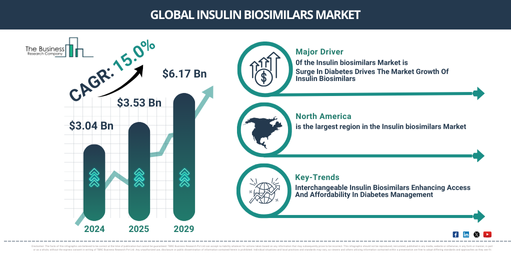
    The market for insulin biosimilars has experienced swift growth in the past few years. It is all set to rise from $3.04 billion in 2024 to a predicted $3.53 billion in 2025, demonstrating a compound annual growth rate (CAGR) of 16.2%. Factors contributing to growth during the historical period include the rise in diabetes cases, escalating healthcare costs, wider accessibility to diabetes care, market competitiveness and pricing pressures, along with regulatory backing and approval processes.

    How Much Will the Insulin biosimilars Market Be Worth in 2029?

    The market size for insulin biosimilars is projected to experience a swift expansion in the upcoming years, reaching $6.17 billion in 2029 with a compound annual growth rate (CAGR) of 15.0%. The rise throughout the anticipated timeframe can be attributed to factors such as the worldwide diabetes burden, the emergence of new markets and expansion of access, the adoption of biosimilar policies, affordability preference among patients, and alliances and partnerships within the biopharmaceutical sector. Key trends expected during this period include diversification of insulin product offerings, global market penetration, integration of technology in insulin administration, regulatory backing for the development of biosimilars, and a patient-focused approach in product creation.

    Download The Free Sample Report Here:

    https://www.thebusinessresearchcompany.com/sample.aspx?id=10661&type=smp

    Which is the Largest Company in the Insulin biosimilars Market?

    Major companies operating in the insulin biosimilars market include Eli Lilly and Company, Boehringer Ingelheim GmbH, Merck & Co Inc., Pfizer Inc., Biocon Ltd., Mylan N.V., Wockhardt Limited, NOVO Nordisk A/S, Sanofi S.A, Fresenius Kabi AG, Sandoz International GmbH, Novartis International AG, Aurobindo Pharma Ltd., Intas Pharmaceuticals Ltd., Dr. Reddy’s Laboratories Ltd., Samsungbioepis Co. Ltd., Teva Pharmaceutical Industries Ltd., Stada Arzneimittel AG, Celltrion Inc., Fujifilm Kyowa Kirin Biologics Co. Ltd., Green Cross Corporation, Lupin Limited, Torrent Pharmaceuticals Ltd., Zydus Lifescience Ltd.

    What Are the Main Market Drivers in the Insulin biosimilars Industry?

    Anticipated growth in the insulin biosimilars market is likely to be fueled by the rising prevalence of diabetes. This condition, a collection of persistent metabolic disorders, is characterized by extended periods of high blood sugar levels. The critical role of biosimilars in treating diabetes, which provide an alternative to insulin therapy, elevates demand in the insulin biosimilars market in line with increased diabetes prevalence. For example, the US-based National Center for Biotechnology Information reported in July 2023 that the prevalence of diabetes, recorded at 10.5% in 2021, is expected to rise to 11.3% by 2030, and then climb to 12.2% by 2040. This suggests that the increasing prevalence of diabetes will be a significant growth driver for the insulin biosimilar market.

    Request For A Customized Report:

    https://www.thebusinessresearchcompany.com/customise?id=10661&type=smp

    How Is the Insulin biosimilars Market Segments Structured?

    The insulin biosimilars market covered in this report is segmented –

    1) By Biosimilars Type: Rapid Acting biosimilars, Long Acting biosimilars, Premixed Acting biosimilars

    2) By Disease Indication Type: Type I Diabetes, Type II Diabetes

    3) By Distribution Channel: Hospital Pharmacies, Retail Pharmacies, Online Pharmacies

    4) By End User: Hospitals, Ambulatory Surgical Centers, Other End Users

    Subsegments:

    1) By Rapid Acting Biosimilars: Insulin Aspart Biosimilars, Insulin Lispro Biosimilars, Insulin Glulisine Biosimilars

    2) By Long Acting Biosimilars: Insulin Glargine Biosimilars, Insulin Detemir Biosimilars, Insulin Degludec Biosimilars

    3) By Premixed Acting Biosimilars: Insulin Aspart Protamine Biosimilars, Insulin Lispro Protamine Biosimilars, Biphasic Insulin Biosimilars

    What Strategic Trends Are Transforming the Insulin biosimilars Market?

    Key players in the insulin biosimilars market are focusing on creating interchangeable insulin to improve patient access, decrease healthcare expenses, and maintain consistent therapeutic outcomes for managing diabetes. The availability of interchangeable insulin is a significant factor in the insulin biosimilars market because it increases patient access to cost-effective treatments and encourages adherence to therapy. For example, in April 2023, Rezvoglar (insulin glargine-aglr), a biosimilar of insulin glargine, was introduced by Eli Lilly, a pharmaceutical company based in the US. This launch was aimed at enhancing glycemic control among pediatric and adult type 1 diabetes patients, as well as adults with type 2 diabetes. Pharmacists can replace other insulin glargine prescriptions with Rezvoglar because it has an interchangeable designation, without requiring approval from a doctor, thereby increasing patient accessibility. The introduction of Rezvoglar marks it as the second interchangeable insulin biosimilar in the U.S., serving to increase competition and affordability in the insulin biosimilars market.

    Access The Full Report Here:

    https://www.thebusinessresearchcompany.com/report/insulin-biosimilars-global-market-report

    Which Global Regions Offer the Highest Growth in the Insulin biosimilars Market?

    North America was the largest region in the insulin biosimilars market in 2024.Asia-Pacific is expected to be the fastest-growing region in the global insulin biosimilars market report during the forecast period. The regions covered in the insulin biosimilars market report are Asia-Pacific, Western Europe, Eastern Europe, North America, South America, Middle East, Africa

    Purchase The Full Report Today:

    https://www.thebusinessresearchcompany.com/purchaseoptions.aspx?id=10661

    This Report Delivers Insight On:

    1. How big is the insulin biosimilars market, and how is it changing globally?

    2. Who are the major companies in the insulin biosimilars market, and how are they performing?

    3. What are the key opportunities and risks in the insulin biosimilars market right now?

    4. Which products or customer segments are growing the most in the insulin biosimilars market?

    5. What factors are helping or slowing down the growth of the insulin biosimilars market?

    About The Business Research Company:

    With over 15000+ reports from 27 industries covering 60+ geographies, The Business Research Company has built a reputation for offering comprehensive, data-rich research and insights. Armed with 1,500,000 datasets, the optimistic contribution of in-depth secondary research, and unique insights from industry leaders, you can get the information you need to stay ahead in the game.

    Get in touch with us:

    The Business Research Company: https://www.thebusinessresearchcompany.com/

    Americas +1 3156230293

    Asia +44 2071930708

    Europe +44 2071930708

    Email us at info@tbrc.info

    Follow us on:

    LinkedIn: https://in.linkedin.com/company/the-business-research-company

    YouTube: https://www.youtube.com/channel/UC24_fI0rV8cR5DxlCpgmyFQ

    Global Market Model: https://www.thebusinessresearchcompany.com/global-market-model

  • Inotropic Agents Industry Valued at $4.52 Billion by 2029 With CAGR of 12.3% | Size and Share Insights

    Inotropic Agents Industry Valued at $4.52 Billion by 2029 With CAGR of 12.3% | Size and Share Insights

    Claim your 30% discount on Global Market Reports with code ONLINE30. Limited time only.

    What Is the Forecast for the Inotropic Agents Market from 2024 to 2025?

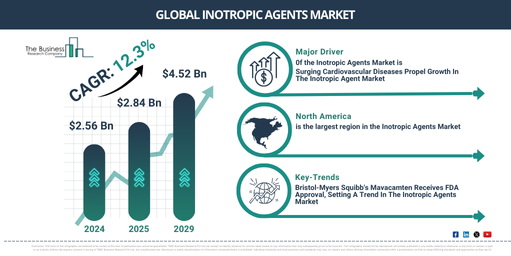
    In recent years, there has been a significant rapid growth in the market size of inotropic agents. The market, which stood at $2.56 billion in 2024, is projected to reach $2.84 billion in 2025, with a compound annual growth rate (CAGR) of 11.1%. Factors such as education and awareness campaigns, growth in cardiac treatment alternatives, invention of safer agents, better patient results, and regulatory approvals contributed to this growth during the historic period.

    What Is the Projected Market Size of the Inotropic Agents Market?

    In the coming years, the market for inotropic agents is projected to undergo fast expansion. It is estimated to ascend to “$4.52 billion in 2029 with a Compound Annual Growth Rate (CAGR) of 12.3%. The market’s growth in the forecast period can be related to the escalating burden of cardiovascular disease, progress in drug delivery systems, personalized medicine methodologies, augmented research funding, and the requirement for combination treatments. Key trends for the anticipated period involve educating patients and raising awareness, targeting cardiomyopathies, concentrating on heart failure management, combination treatments, and better safety profiles.

    Download The Free Sample Report Here:

    https://www.thebusinessresearchcompany.com/sample.aspx?id=10711&type=smp

    Who are the Major Competitors in the Inotropic Agents Market Outlook?

    Major companies operating in the inotropic agents market include Pfizer Inc., GSK plc, Novartis AG, Mylan N.V., Boehringer Ingelheim International GmbH, AstraZeneca plc, Johnson & Johnson, Bayer AG, Merck & Co. Inc., Bristol-Myers Squibb Company, Cipla Ltd., Eli Lilly And Company, Sanofi S.A., Baxter International Inc., Hikma Pharmaceuticals plc, Sun Pharmaceuticals Industries Ltd., Cadila Pharmaceuticals Ltd., AbbVie Inc., Allergan plc, Amgen Inc., Daiichi Sankyo Company Limited, Eisai Co. Ltd., Fresenius Kabi AG, Genentech Inc., GlaxoSmithKline plc, Intas Pharmaceuticals Ltd., Lupin Limited, Regeneron Pharmaceuticals Inc., Roche Holding AG, BioNTech SE

    What Is Fueling Growth in the Inotropic Agents Market?

    The escalating incidence of cardiovascular diseases is fueling the growth of the inotropic agent market. These diseases, which encompass ailments of the heart and vascular system functions, are managed using inotropic agents. These agents aid in bolstering the functionality and contractility of the heart, combating cardiac shock, and moderating the heart rate as they augment the heart’s contracting power, thus enhancing blood circulation. This, in turn, stimulates the inotropic agent market. For example, as per the data released by the Centers for Disease Control and Prevention, a US governmental body, in October 2022, heart diseases emerged as the primary cause of mortality in the US. Approximately 697,000 individuals succumbed to heart disease in 2020, accounting for around 1 in every 5 deaths. Nearly 20.1 million adults were diagnosed with coronary artery disease. Annually, about 805,000 people in the US have a heart attack. Additionally, the American College of Cardiology, a US-based nonprofit medical body, projected in August 2022 that the stroke risk is likely to swell by 33.8 percent to 15 million from 2025 to 2060. As such, the rising prevalence of cardiovascular diseases is intensifying the momentum of the inotropic agent market.

    Request For A Customized Report:

    https://www.thebusinessresearchcompany.com/customise?id=10711&type=smp

    Which Inotropic Agents Market Segments Are Growing the Fastest?

    The inotropic agents market covered in this report is segmented –

    1) By Type: Positive Inotropic Drugs, Negative Inotropic Drugs, Other Types

    2) By Route Of Administration: Oral, Parenteral, Other Routes Of Administration

    3) By Indication: Heart Attack, Heart Failure, Angina, Arrhythmia, Other Indications

    4) By Distribution Channel: Hospital Pharmacy, Retail Pharmacy, Other Distribution Channels

    5) By End User: Hospital, Homecare, Specialty Centers, Other End Users

    Subsegments:

    1) By Positive Inotropic Drugs: Cardiac Glycosides, Catecholamines, Phosphodiesterase Inhibitors

    2) By Negative Inotropic Drugs: Beta Blockers, Calcium Channel Blockers

    3) By Other Types: Mixed Inotropic Drugs, Experimental Inotropic Agents

    Which Industry Trends Are Shaping the Future of the Inotropic Agents Market?

    The rising trend of drug approval in the inotropic agents market is garnering widespread attention. Leading corporations in this sector are enhancing their market standing by designing novel products and medications. For example, in April 2022, Bristol-Myers Squibb, an American pharmaceutical entity, was granted regulatory consent by the U.S. Food and Drug Administration (FDA) for its product, Camzyos (mavacamten). This drug serves in treating second to third class obstructive hypertrophic cardiomyopathy (HCM), enabling improved functional capacity and symptom control. Its mechanism of action is the inhibition of undue heart muscle contraction. Being a selective cardiac myosin inhibitor, it plays a role in muscle contraction. The drug is usually recommended to those patients suffering from symptomatic obstructive HCM who have not found sufficient relief from other remedies like beta-blockers or calcium channel blockers.

    Access The Full Report Here:

    https://www.thebusinessresearchcompany.com/report/inotropic-agents-global-market-report

    Which Countries Are Leading the Inotropic Agents Market?

    North America was the largest region in the inotropic agents market in 2024.Asia-Pacific is expected to be the fastest-growing region in the global inotropic agents market report during the forecast period. The regions covered in the inotropic agents market report are Asia-Pacific, Western Europe, Eastern Europe, North America, South America, Middle East, Africa

    Purchase The Full Report Today:

    https://www.thebusinessresearchcompany.com/purchaseoptions.aspx?id=10711

    This Report Delivers Insight On:

    1. How big is the inotropic agents market, and how is it changing globally?

    2. Who are the major companies in the inotropic agents market, and how are they performing?

    3. What are the key opportunities and risks in the inotropic agents market right now?

    4. Which products or customer segments are growing the most in the inotropic agents market?

    5. What factors are helping or slowing down the growth of the inotropic agents market?

    About The Business Research Company:

    With over 15000+ reports from 27 industries covering 60+ geographies, The Business Research Company has built a reputation for offering comprehensive, data-rich research and insights. Armed with 1,500,000 datasets, the optimistic contribution of in-depth secondary research, and unique insights from industry leaders, you can get the information you need to stay ahead in the game.

    Get in touch with us:

    The Business Research Company: https://www.thebusinessresearchcompany.com/

    Americas +1 3156230293

    Asia +44 2071930708

    Europe +44 2071930708

    Email us at info@tbrc.info

    Follow us on:

    LinkedIn: https://in.linkedin.com/company/the-business-research-company

    YouTube: https://www.youtube.com/channel/UC24_fI0rV8cR5DxlCpgmyFQ

    Global Market Model: https://www.thebusinessresearchcompany.com/global-market-model