Category: Pharmaceuticals

  • Major Trends and Emerging Patterns in the Anticoagulant Reversal Drugs Market: First Approved Reversal Agent For Factor Xa Inhibitor-Related Life-Threatening Bleeds In Japan

    Major Trends and Emerging Patterns in the Anticoagulant Reversal Drugs Market: First Approved Reversal Agent For Factor Xa Inhibitor-Related Life-Threatening Bleeds In Japan

    Get 30% off on our Global Market Reports with code ONLINE30 – Hurry, limited time offer!

    What is the Projected CAGR for the Anticoagulant Reversal Drugs Market Size from 2025 to 2034?

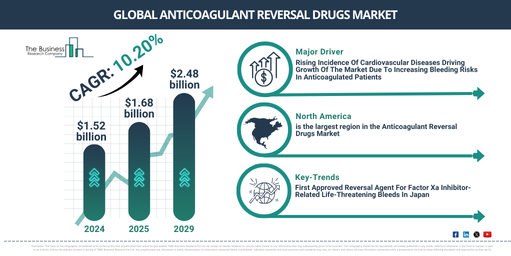
    The market size for anticoagulant reversal drugs has experienced robust growth in the past few years. The expected growth is from $1.52 billion in 2024 to $1.68 billion in 2025, indicating a compound annual growth rate (CAGR) of 10.6%. The historical growth can be credited to the increase in bleeding disorders, a larger elderly population, expanded healthcare expenditures, a higher incidence of strokes, and increased investments in the pharmaceutical sector.

    The market size for anticoagulant reversal drugs is projected to undergo robust expansion in the coming years, expanding to $2.48 billion by 2029 at a CAGR of 10.2%. This growth during the forecast period can be ascribed to the growing demand for antidotes, improvements in healthcare infrastructure, increasing instances of thromboembolic disorders, a rise in cardiovascular disease prevalence, and broader awareness initiatives. The forecast period will experience significant trends, such as technological progression, AI-influenced drug development, breakthroughs in nanomedicine, the incorporation of digital health, and the use of blockchain in the drug supply chain.

    Download a free sample to assess the report’s scope and structure:

    https://www.thebusinessresearchcompany.com/sample.aspx?id=23308&type=smp

    What Are the Primary Drivers Supporting the Market Growth of the Anticoagulant Reversal Drugs Market?

    An increase in cardiovascular ailments is projected to escalate the expansion of the anticoagulant reversal drugs sector. Diseases that affect the heart and blood vessels, such as coronary artery disease, stroke, and heart failure, are categorized as cardiovascular diseases (CVDs), and their incidence is growing, mainly due to unhealthy lifestyles. This unhealthy lifestyle includes increased intake of processed food, lack of physical activity, and elevated stress levels, which subsequently lead to obesity, hypertension, and diabetes. Cardiovascular ailments necessitate the use of anticoagulant reversal medications to mitigate the risk of excessive bleeding, as patients treated with blood thinners for conditions like atrial fibrillation or deep vein thrombosis can suffer from severe hemorrhages that require quick reversal to reinstate regular blood clotting. For instance, as per the Office for Health Improvement and Disparities, a UK government-based agency, the fiscal year closing March 2023 noted that 1,879,000 individuals (3%) in England had been diagnosed with coronary heart disease (CHD) by a general practice (GP) in December 2024. The fluctuation in admission rates for heart failure is noticeably greater than for CHD amongst local authorities, with a fourfold discrepancy between areas, peaking at 396.5 admissions per 100,000 individuals in Hounslow. Consequently, the escalating occurrence of cardiovascular diseases is endorsing the growth of the anticoagulant reversal drugs market.

    Which Primary Segments of the Anticoagulant Reversal Drugs Market Are Driving Growth and Industry Transformations?

    The anticoagulant reversal drugs market covered in this report is segmented –

    1) By Product Type: Prothrombin Complex Concentrates, Phytonadione (Vitamin K), Andexanet Alfa, Idarucizumab, Protamine, Other Product Types

    2) By Route of Administration: Injectable, Oral

    3) By Distribution Channel: Hospital Pharmacy, Retail Pharmacy, Online Pharmacy

    4) By Application: Direct Oral Anticoagulant (DOAC) Reversal, Warfarin Reversal, Heparin And Low-Molecular-Weight Heparin (LMWH) Reversal, Other Applications

    Subsegments:

    1) By Prothrombin Complex Concentrates (PCCs): 3-Factor PCC, 4-Factor PCC, Activated PCC (aPCC)

    2) By Phytonadione (Vitamin K): Oral Vitamin K, Intravenous (IV) Vitamin K, Subcutaneous (SC) Vitamin K

    3) By Andexanet Alfa: Reversal of Factor Xa Inhibitors (Apixaban, Rivaroxaban), Off-label Usage In Other Anticoagulants

    4) By Idarucizumab: Reversal of Dabigatran-induced Anticoagulation, Emergency Surgical Reversal

    5) By Protamine: Protamine Sulfate For Heparin Reversal, Protamine Variants For Low Molecular Weight Heparin (LMWH) Reversal

    6) By Other Product Types: Recombinant Factor VIIa (rFVIIa), Fresh Frozen Plasma (FFP), Desmopressin (DDAVP), Activated Charcoal (For DOAC Reversal)

    Request customized data on this market:

    https://www.thebusinessresearchcompany.com/customise?id=23308&type=smp

    Which Regions Are Key Players in the Growth of the Anticoagulant Reversal Drugs Market?

    North America was the largest region in the anticoagulant reversal drugs market in 2024. The regions covered in the anticoagulant reversal drugs market report are Asia-Pacific, Western Europe, Eastern Europe, North America, South America, Middle East, Africa.

    What Are the Most Significant Market Trends in the Anticoagulant Reversal Drugs Market?

    Noteworthy enterprises in the anticoagulant reversal drugs market are concentrating on technological progress, like the creation of innovative reversal agents, to magnify the effectiveness of treatment and safeguard patient well-being. These reversal agents are cutting-edge therapies tailored to swiftly and distinctively offset the actions of anticoagulants, offering precise and effective reversal of blood thinning medications. For example, in March 2022, AstraZeneca plc, a UK-based pharmaceutical and biotechnology enterprise, publicized the approval of Ondexxya (andexanet alfa) in Japan for countering the effects of Factor Xa inhibitors (apixaban, rivaroxaban, edoxaban) when faced with life-threatening hemorrhages. It stands out as the first drug of its kind to be endorsed in Japan, drawing from the ANNEXA-4 trial that demonstrated quick and effective reversal of anti-FXa activity. This approval mitigates the risk of severe bleeding linked with the broadly administered anticoagulant drugs.

    View the full report here:

    https://www.thebusinessresearchcompany.com/report/anticoagulant-reversal-drugs-global-market-report

    What Parameters Are Used to Define the Anticoagulant Reversal Drugs Market?

    Anticoagulant reversal drugs are medications designed to counteract the effects of anticoagulants, restoring normal blood clotting in patients experiencing excessive bleeding. They are used in emergency situations, such as life-threatening hemorrhages or urgent surgeries, to rapidly reverse anticoagulation and prevent severe complications.

    Purchase the full report and get a swift delivery:

    https://www.thebusinessresearchcompany.com/purchaseoptions.aspx?id=23308

    About The Business Research Company:

    With over 15000+ reports from 27 industries covering 60+ geographies, The Business Research Company has built a reputation for offering comprehensive, data-rich research and insights. Armed with 1,500,000 datasets, the optimistic contribution of in-depth secondary research, and unique insights from industry leaders, you can get the information you need to stay ahead in the game.

    Get in touch with us:

    The Business Research Company: https://www.thebusinessresearchcompany.com/

    Americas +1 3156230293

    Asia +44 2071930708

    Europe +44 2071930708

    Email us at info@tbrc.info

    Follow us on:

    LinkedIn: https://in.linkedin.com/company/the-business-research-company

    YouTube: https://www.youtube.com/channel/UC24_fI0rV8cR5DxlCpgmyFQ

    Global Market Model: https://www.thebusinessresearchcompany.com/global-market-model
  • Key Developments and Trends Steering the Antibody Fragments Market Forward: Focus On Human VH Antibody Fragments For Targeted Therapies

    Key Developments and Trends Steering the Antibody Fragments Market Forward: Focus On Human VH Antibody Fragments For Targeted Therapies

    Get 30% off on our Global Market Reports with code ONLINE30 – Hurry, limited time offer!

    What Is the Current and Projected Market Size of the Antibody Fragments Market Through 2034?

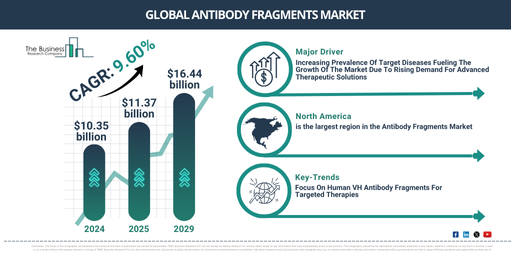
    In recent times, the market size for antibody fragments has seen robust growth. It is expected to surge from $10.35 billion in 2024, swelling to $11.37 billion in 2025, exhibiting a compound annual growth rate (CAGR) of 9.9%. Various factors have spearheaded this growth during the historic period, such as an increased incidence of chronic diseases, wider acceptance of biologics, expansion in cancer therapeutics, regulatory green lights for antibody-centric treatments, and proliferation of biopharmaceutical research.

    Expected to witness robust expansion in the forthcoming years, the market size for antibody fragments is projected to scale up to $16.44 billion by 2029, growing at a compound annual growth rate (CAGR) of 9.6%. This boost during the forecast period can be attributed to factors such as a surge in research and development investments in biologics, increasing inclination towards smaller antibody formats, escalating demand for personalized medicine, widening applications in treating autoimmune diseases, and the rise of bispecific antibodies. The integration with AI-aided drug discovery, the evolution of affordable production methodologies, partnerships among biotech corporations, progress in monoclonal antibody technology, and emphasis on antibody-drug conjugates are forecasted as the key trends for this period.

    Download a free sample to assess the report’s scope and structure:

    https://www.thebusinessresearchcompany.com/sample.aspx?id=23307&type=smp

    How Are Key Drivers in the Industry Acting as Catalysts for the Growth of the Antibody Fragments Market?

    The growth of the antibody fragments market is anticipated to be fueled by the rising incidence of target diseases. Target diseases refer to specific health issues or diseases that medical investigations, treatments, or drugs aim to manage, control, or eradicate. Major target diseases encompass cancer, infectious diseases, and bacterial infections. The spike in these target diseases is largely attributed to unhealthy lifestyles and pollution that compromise the body’s immunity, leading to chronic diseases. Antibody fragments present an array of specific, targeted, and adaptable solutions for various diseases, often resulting in fewer side effects than conventional therapies. Their customizable nature and potential to be engineered to match specific targets render them a highly valuable resource in contemporary medicine. For example, a report issued by the American Cancer Society, a non-profit organization based in the US, stated that in January 2025, the US is expected to witness 2,041,910 new cancer cases and 618,120 cancer deaths, which indicates a rise from 2,001,140 new cases and 611,720 deaths registered in 2024. Consequently, the escalating incidence of target diseases propels the growth of the antibody fragments market.

    Which Segments in the Antibody Fragments Offer the Most Growth?

    The antibody fragments market covered in this report is segmented –

    1) By Type: F(ab) Fragments, F(ab’)2 Fragments, Single-Chain Variable Fragments (scFvs), Single Domain Antibody Fragments (sdAbs), Other Types

    2) By Specificity: Monoclonal Antibody, Polyclonal Antibody

    3) By Delivery Method: Intravenous (IV), Subcutaneous (SC), Oral, Transdermal

    4) By Application: Cancer, Immunodeficiencies, Other Applications

    5) By End User: Pharmaceutical Companies, Biotechnology Companies, Research Institutions, Diagnostic Laboratories, Contract Research Organizations (CROs)

    Subsegments:

    1) By F(ab) Fragments: Recombinant F(ab) Fragments, Enzymatically Derived F(ab) Fragments

    2) By F(ab’)2 Fragments: Pepsin-Derived F(ab’)2 Fragments, Recombinant F(ab’)2 Fragments

    3) By Single-Chain Variable Fragments (scFvs): Bacterial-Produced Single-Chain Variable Fragments (scFvs), Mammalian Cell-Produced Single-Chain Variable Fragments (scFvs), Yeast-Produced Single-Chain Variable Fragments (scFvs)

    4) By Single Domain Antibody Fragments (sdAbs): Camelid-Derived Single Domain Antibody Fragments (sdAbs), Shark-Derived Single Domain Antibody Fragments (sdAbs), Synthetic Single Domain Antibody Fragments (sdAbs)

    5) By Other Types: Bispecific Antibody Fragments, Multispecific Antibody Fragments, Fusion Protein Antibody Fragments

    Request customized data on this market:

    https://www.thebusinessresearchcompany.com/customise?id=23307&type=smp

    What Are the Fastest-Growing Geographies in the Antibody Fragments Market?

    North America was the largest region in the antibody fragments market in 2024. Asia-Pacific is expected to be the fastest-growing region in the forecast period. The regions covered in the antibody fragments market report are Asia-Pacific, Western Europe, Eastern Europe, North America, South America, Middle East, Africa.

    What Are the Current Market Growth and Trends in the Antibody Fragments Industry?

    Key players in the antibody fragments market are increasingly focusing on carrying out clinical studies with the aim of creating breakthrough products, like human VH antibody fragments. These novel products are hoped to improve the success rates of targeted therapies and decrease immunogenicity for the treatment of cancers, autoimmune disorders, and various infectious diseases. The human VH antibody fragment is a specific section of a human antibody’s heavy chain that can independently bind to antigens. It plays a critical role in the formation of antibody fragments as it constitutes the principal antigen-binding area. This area can be used standalone or combined with other molecules to develop tiny, steadfast, high-affinity therapeutic or diagnostic antibodies. For example, in May 2024, Zai Lab Limited, a pharmaceutical company based in China, embarked on a worldwide Phase 2 clinical trial to determine ZL-1102’s effectiveness and safety. ZL-1102, which is a unique human VH antibody fragment (Humabody) that targets IL-17, is being tested as a potential topical therapy for individuals diagnosed with mild to moderate chronic plaque psoriasis. It aims to enhance the accuracy of the treatment whilst minimizing systemic adverse effects and immunogenic reactions.

    View the full report here:

    https://www.thebusinessresearchcompany.com/report/antibody-fragments-global-market-report

    What Are the Key Elements That Define the Antibody Fragments Market?

    Antibody fragments refer to smaller portions of antibodies that retain the ability to bind to specific antigens. They are derived from full-length antibodies and are designed to be more stable, penetrate tissues more effectively, and reduce immune system reactions, making them useful for therapeutic and diagnostic applications.

    Purchase the full report and get a swift delivery:

    https://www.thebusinessresearchcompany.com/purchaseoptions.aspx?id=23307

    About The Business Research Company:

    With over 15000+ reports from 27 industries covering 60+ geographies, The Business Research Company has built a reputation for offering comprehensive, data-rich research and insights. Armed with 1,500,000 datasets, the optimistic contribution of in-depth secondary research, and unique insights from industry leaders, you can get the information you need to stay ahead in the game.

    Get in touch with us:

    The Business Research Company: https://www.thebusinessresearchcompany.com/

    Americas +1 3156230293

    Asia +44 2071930708

    Europe +44 2071930708

    Email us at info@tbrc.info

    Follow us on:

    LinkedIn: https://in.linkedin.com/company/the-business-research-company

    YouTube: https://www.youtube.com/channel/UC24_fI0rV8cR5DxlCpgmyFQ

    Global Market Model: https://www.thebusinessresearchcompany.com/global-market-model

  • Market Trends Influencing Strategic Decisions in the Antibacterial Medicated Soap  Industry: Advanced Antibacterial Formulations Address Evolving Consumer Needs

    Market Trends Influencing Strategic Decisions in the Antibacterial Medicated Soap Industry: Advanced Antibacterial Formulations Address Evolving Consumer Needs

    Get 30% off on our Global Market Reports with code ONLINE30 – Hurry, limited time offer!

    What is the Anticipated CAGR of the Antibacterial Medicated Soap Market, and What Factors Will Drive It?

    In previous years, the market size of antibacterial medicated soap has seen robust growth. It is projected to increase from $5.34 billion in 2024 to $5.84 billion in 2025, at a compound annual growth rate (CAGR) of 9.4%. The historical surge can be linked to factors such as higher disposable income, enlightening initiatives around hand cleanliness, a rise in hospital-acquired infections (HAIs), a growing demand for personal hygiene commodities, and the growth of private labels.

    The market for antibacterial medicated soap is projected to experience substantial expansion in the approaching years, with an expected valuation of $8.26 billion in 2029 and a compound annual growth rate (CAGR) of 9.1%. The projected growth during this period can be ascribed to the expansion of healthcare infrastructure, the surge in online retail, an increasing number of dermatological conditions, government strategies for public cleanliness, and the impact of health influencers and social media. Notable trends anticipated during this forecast period encompass innovations in eco-friendly packaging, the advent of intelligent packaging and refillable systems, advancements in the natural and herbal antibacterial soap sector, modern antibacterial formulations, and the emergence of microbiome-friendly technologies.

    Download a free sample to assess the report’s scope and structure:

    https://www.thebusinessresearchcompany.com/sample.aspx?id=23306&type=smp

    What Are the Major Market Drivers Behind the Rising Adoption of Antibacterial Medicated Soap Market?

    The antibacterial medicated soap market is forecasted to expand due to the escalating occurrence of infectious diseases. Such diseases, attributable to bacteria, viruses, or other germs, can be transmitted between individuals, animals, or via the environment. The augmented incidence of infectious diseases can often be attributed to heightened global travel, facilitating rapid transference of viruses and bacteria across nations and continents. Antibacterial medicated soap aids in curbing the dissemination of infectious diseases by neutralizing or lowering detrimental germs present on the skin. For example, in November 2024, the UK Health Security Agency, a UK government agency, reported an inflation in the weekly influenza positivity rate to 3.9%, from the previous week’s 3.3% in Week 46 of November 2024. Consequently, the escalating occurrence of infectious diseases is stimulating the expansion of the antibacterial medicated soap market.

    Which Key Market Segments Comprise the Antibacterial Medicated Soap Market and Drive Its Revenue Growth?

    The antibacterial medicated soap market covered in this report is segmented –

    1) By Product Type: Liquid Soap, Bar Soap, Foam Soap, Shower Gel

    2) By Active Ingredient: Triclosan, Chlorhexidine, Benzalkonium Chloride, Alcohol-Based Antiseptics

    3) By Packaging Type: Single Use Packs, Bulk Packaging, Convenient Pump Bottles, Refillable Containers

    4) By Application: Online Sales, Offline Sales

    5) By End User: Household, Commercial Institutions, Healthcare Facilities, Food Processing Industry

    Subsegment:

    1) By Liquid Soap: Alcohol-based, Triclosan-based, Chlorhexidine-based, Benzalkonium chloride-based, Herbal Or Plant-based

    2) By Bar Soap: Medicated bar soap, Herbal antibacterial bar, Moisturizing antibacterial bar, Fragrance-free bar, Children’s antibacterial bar

    3) By Foam Soap: Alcohol-based foam, Non-alcohol foam, Moisturizing foam, Scented foam, Sensitive skin foam

    4) By Shower Gel: Antibacterial body wash, Moisturizing antibacterial gel, Exfoliating shower gel, Herbal antibacterial gel, Fragrance-free shower gel

    Request customized data on this market:

    https://www.thebusinessresearchcompany.com/customise?id=23306&type=smp

    Which Areas Are Leading Regions in the Antibacterial Medicated Soap Market Expansion Across the Globe?

    North America was the largest region in the antibacterial medicated soap market in 2024. Asia-Pacific is expected to be the fastest-growing region in the forecast period. The regions covered in the antibacterial medicated soap market report are Asia-Pacific, Western Europe, Eastern Europe, North America, South America, Middle East, Africa.

    What Are the Strategic Trends Steering the Antibacterial Medicated Soap Market Direction?

    Significant players in the antibacterial medicated soap sector are placing emphasis on product inventiveness, such as high-performance antibacterial products, to cater to the increasing consumer requirement for superior hygiene, skin-compatible compositions, and defense against a wide variety of pathogens. High-performance antibacterial products are devised to eradicate a variety of harmful bacteria while still being safe and gentle on the skin. For instance, ArLab, a cosmetics manufacturer based in Russia, introduced antibacterial soap from the SEPTIMA brand in September 2023. This soap provides a highly potent daily remedy for bacterial protection whilst sustaining skin moisture and suppleness with a balanced and skin-compatible formula. These antibacterial soaps are crafted to provide a high level of bacterial defense whilst ensuring skin safety. The product range includes multiple variants that retain skin moisture with carefully selected ingredients and have invigorating aromas and moisturizing benefits, designed to cater to diverse consumer preferences. The soaps are available in several packaging formats, including convenient pump dispensers, suitable for both home and business use.

    View the full report here:

    https://www.thebusinessresearchcompany.com/report/antibacterial-medicated-soap-global-market-report

    How Is the Antibacterial Medicated Soap Market Conceptually Defined?

    Antibacterial medicated soap is a cleansing product formulated with antimicrobial agents to kill or inhibit the growth of bacteria on the skin. It is commonly used for personal hygiene and in medical settings to reduce the risk of infections.

    Purchase the full report and get a swift delivery:

    https://www.thebusinessresearchcompany.com/purchaseoptions.aspx?id=23306

    About The Business Research Company:

    With over 15000+ reports from 27 industries covering 60+ geographies, The Business Research Company has built a reputation for offering comprehensive, data-rich research and insights. Armed with 1,500,000 datasets, the optimistic contribution of in-depth secondary research, and unique insights from industry leaders, you can get the information you need to stay ahead in the game.

    Get in touch with us:

    The Business Research Company: https://www.thebusinessresearchcompany.com/

    Americas +1 3156230293

    Asia +44 2071930708

    Europe +44 2071930708

    Email us at info@tbrc.info

    Follow us on:

    LinkedIn: https://in.linkedin.com/company/the-business-research-company

    YouTube: https://www.youtube.com/channel/UC24_fI0rV8cR5DxlCpgmyFQ

    Global Market Model: https://www.thebusinessresearchcompany.com/global-market-model

  • Alkaloid Based Drugs Growth Trajectory: Key Forecasts and Strategic Insights

    Alkaloid Based Drugs Growth Trajectory: Key Forecasts and Strategic Insights

    Get 30% off on our Global Market Reports with code ONLINE30 – Hurry, limited time offer!

    What Are the Projected Market Size and Growth Rates for the Alkaloid Based Drugs Market From 2025 To 2029?

    There has been robust growth in the alkaloid-based drugs market recently. The market, which was valued at $2.89 billion in 2024, is expected to surge to $3.17 billion in 2025, translating to a compound annual growth rate (CAGR) of 9.6%. Factors contributing to this upward trend during the historic period include the rise in pain-related conditions, expansion in pharmaceutical research and development, growth of the opioid and analgesic markets, increased demand for medicines derived from plants, a surge in cancer cases, and a climb in mental health disorders.

    The market for drugs based on alkaloids is anticipated to undergo significant expansion in the upcoming years. By 2029, it is projected to reach $4.52 billion, with a compound annual growth rate (CAGR) of 9.2%. The surge during the projected period can be credited to the growing prevalence of chronic illnesses, higher demand for pharmaceuticals derived from plants, increasing use in cancer therapies, a heightened awareness of alternative medication, and augmented government backing for the development of natural drugs. Key trends to watch out for during this forecasted period are advancements in technology related to the extraction and biosynthesis of alkaloids, artificial intelligence integrated into the formation of alkaloid medication, strategic collaborations, and acquisitions within the alkaloid pharmaceutical sector, implementation of sustainable practices in the cultivation of medicinal plants, as well as the creation of alkaloid-based therapeutics with multiple targets.

    Download a free sample to assess the report’s scope and structure:

    https://www.thebusinessresearchcompany.com/sample.aspx?id=23302&type=smp

    Which Factors and External Forces Are Driving Demand in the Alkaloid Based Drugs Market?

    The surge in infectious diseases is projected to drive the expansion of the market for alkaloid-based drugs. Disorders that are the result of harmful microorganisms such as bacteria, viruses, parasites, and fungi, categorised as infectious diseases, can be transmitted directly or indirectly between people. These diseases are on the rise due to the expansion of global travel, enabling pathogens to spread quickly across regions and continents, and resulting in more frequent and widespread epidemics. Alkaloid-based medications are essential for treating infectious diseases as they hold powerful bioactive compounds capable of effectively stopping or exterminating pathogens, hence managing and eradicating infections. In December 2024, the WHO, a specialized agency situated in Switzerland, published a report stating that in 2023, there were approximately 263 million malaria cases and 597,000 related fatalities worldwide. This signifies an increase of about 11 million cases from 2022, while the death count remained substantially constant. Thus, as the occurrence of infectious diseases continues to rise, it is expected to fuel the expansion of the alkaloid-based drugs market.

    Which Segments in the Alkaloid Based Drugs Offer the Most Growth?

    The alkaloid based drugs market covered in this report is segmented –

    1) By Type: True Alkaloids, Protoalkaloids, Pseudoalkaloids

    2) By Route Of Administration: Oral, Intravenous, Other Routes Of Administration

    3) By Application: Analgesic, Antimalarial, Antibacterial, Anticancer, Cholinomimetic, Antiasthma, Antiarrhythmic, Vasodilatory, Antihyperglycemic

    4) By End User: Clinic, Hospital, Other End Users

    Subsegments:

    1) By True Alkaloids: Indole Alkaloids, Isoquinoline Alkaloids, Pyrrolizidine Alkaloids, Tropane Alkaloids, Quinolizidine Alkaloids

    2) By Protoalkaloids: Phenethylamine Alkaloids, Purine Alkaloids, Imidazole Alkaloids

    3) By Pseudoalkaloids, Terpenoid Alkaloids, Steroidal Alkaloids, Peptide Alkaloids

    Request customized data on this market:

    https://www.thebusinessresearchcompany.com/customise?id=23302&type=smp

    What Are the Fastest-Growing Geographies in the Alkaloid Based Drugs Market?

    North America was the largest region in the alkaloid-based drugs market in 2024. Asia-Pacific is expected to be the fastest-growing region in the forecast period. The regions covered in the alkaloid based drugs market report are Asia-Pacific, Western Europe, Eastern Europe, North America, South America, Middle East, Africa.

    Which Cutting-Edge Market Trends Are Expected to Drive the Alkaloid Based Drugs Market’s Growth?

    Key players in the alkaloid-based drugs market, such as Alkaloid AD Skopje, are focusing on long-term strategic investments to align their goals with sustainable growth and innovation, and to gain a competitive edge. These strategic investments represent the long-term financial commitments that businesses or investors make to uphold business targets, increase their competitive edge, or broaden their reach in new markets. For example, Alkaloid AD Skopje, a Macedonian alkaloid-based drugs manufacturer, invested $1 million in Rophibio, a research and development company based in South Korea, in October 2024. This significant investment allowed ALKALOID AD to acquire an ownership share and the first refusal rights for licensing products in South Korea. Consequently, this solidifies ALKALOID AD’s presence in the biopharmaceutical industry with Rophibio providing innovative drug development resources. Besides, the alliance aligns with ALKALOID AD’s strategic targets, bolsters growth, and heightens competitiveness in the new markets.

    View the full report here:

    https://www.thebusinessresearchcompany.com/report/alkaloid-based-drugs-global-market-report

    What Are the Key Elements That Define the Alkaloid Based Drugs Market?

    Alkaloid-based drugs are medications derived from naturally occurring alkaloids found in plants, fungi, and animals. These compounds often have potent effects on the human body, particularly on the nervous system. They are used to treat a range of medical conditions due to their therapeutic properties.

    Purchase the full report and get a swift delivery:

    https://www.thebusinessresearchcompany.com/purchaseoptions.aspx?id=23302

    About The Business Research Company:

    With over 15000+ reports from 27 industries covering 60+ geographies, The Business Research Company has built a reputation for offering comprehensive, data-rich research and insights. Armed with 1,500,000 datasets, the optimistic contribution of in-depth secondary research, and unique insights from industry leaders, you can get the information you need to stay ahead in the game.

    Get in touch with us:

    The Business Research Company: https://www.thebusinessresearchcompany.com/

    Americas +1 3156230293

    Asia +44 2071930708

    Europe +44 2071930708

    Email us at info@tbrc.info

    Follow us on:

    LinkedIn: https://in.linkedin.com/company/the-business-research-company

    YouTube: https://www.youtube.com/channel/UC24_fI0rV8cR5DxlCpgmyFQ

    Global Market Model: https://www.thebusinessresearchcompany.com/global-market-model

  • Strong CAGR to Propel in the Adrenoleukodystrophy Drugs Market and Beyond upto $1.05 Billion by 2029

    Strong CAGR to Propel in the Adrenoleukodystrophy Drugs Market and Beyond upto $1.05 Billion by 2029

    Get 30% off on our Global Market Reports with code ONLINE30 – Hurry, limited time offer!

    How Has The Adrenoleukodystrophy Drugs Market Size Shifted, And What Is the Outlook Through 2034?

    In recent times, the market for adrenoleukodystrophy treatment drugs has experienced significant expansion. Forecasts predict this market will increase from $0.63 billion in 2024 to an estimated $0.70 billion in 2025, indicating a compound annual growth rate (CAGR) of 11.1%. Numerous factors can be credited for the historical growth observed in this sector, such as heightened consciousness about uncommon diseases, an increased number of orphan drug designations, government investments in research concerning rare ailments, advancements in personalized medicine, and the development of healthcare infrastructure.

    Forecasted to experience a surge, the adrenoleukodystrophy drugs market is estimated to expand to a whopping $1.05 billion by 2029, growing at a compound annual growth rate (CAGR) of 10.9%. Several factors contribute to this projected growth within the forecast period. These include increased funding for research into uncommon diseases, wider acceptance of precision medicine, escalated healthcare spending in emerging markets, enhanced newborn screening initiatives, and regulatory support towards the development of orphan drugs. Additionally, the forecast period is expected to witness trends like AI-assisted drug discovery, early diagnosis through next-generation sequencing, nanotechnology-enabled drug delivery systems, breakthroughs in stem cell gene therapy, and partnerships among biotech companies.

    Download a free sample to assess the report’s scope and structure:

    https://www.thebusinessresearchcompany.com/sample.aspx?id=23293&type=smp

    Which Primay Drivers Are Accelerating Growth in the Adrenoleukodystrophy Drugs Market?

    The escalating expenditures in healthcare are anticipated to buoy the development of the adrenoleukodystrophy drugs market. This term refers to the collective financial resources devoted to healthcare products, medical services, and associated services by individuals, private entities, and governments. Factors such as an aging population and a rise in chronic diseases necessitate prolonged care and constant management. These factors are elevating the demand for healthcare services and inflating healthcare expenditures. In the context of adrenoleukodystrophy (ALD) drugs, healthcare expenditure boosts demand by fostering investments in treatments designed explicitly for rare diseases. This environment leads to spiked costs associated with research, development, and patient care. As an example, in December 2024, the Centers for Medicare And Medicaid Services (CMS), a federal agency based in the US, reported a 7.5% rise in national health expenditures (NHE) in 2023, surpassing GDP growth rates. From 2023 to 2032, NHE is forecasted to rise by 5.6% annually. Thus, mounting healthcare expenditure is facilitating the growth of the adrenoleukodystrophy drugs market.

    Which Primary Segments of the Adrenoleukodystrophy Drugs Market Are Driving Growth and Industry Transformations?

    The adrenoleukodystrophy drugs market covered in this report is segmented –

    1) By Drug Class: Dietary Supplements, Antioxidants, Corticosteroids, Enzyme Replacement Therapy

    2) By Indication: Childhood Cerebral Adrenoleukodystrophy, Addison’s Disease, Adrenomyeloneuropathy (AMN)

    3) By Route Of Administration: Oral, Injectable, Intravenous

    4) By Patient Age Group: Pediatric Patients, Adult Patients, Geriatric Patients

    5) By Distribution Channel: Hospital Pharmacies, Retail Pharmacies, Online Pharmacies, Other Distribution Channels

    Subsegments:

    1) By Dietary Supplements: Omega-3 Fatty Acids, Vitamins, Amino Acids, Minerals

    2) By Antioxidants: Vitamin E, Coenzyme Q10, Alpha-Lipoic Acid, Glutathione

    3) By Corticosteroids: Prednisone, Dexamethasone, Hydrocortisone, Methylprednisolone

    4) By Enzyme Replacement Therapy: Laronidase, Idursulfase, Galsulfase, Sebelipase Alfa

    Request customized data on this market:

    https://www.thebusinessresearchcompany.com/customise?id=23293&type=smp

    Which Regions Are Key Players in the Growth of the Adrenoleukodystrophy Drugs Market?

    North America was the largest region in the adrenoleukodystrophy drugs market in 2024. The regions covered in the adrenoleukodystrophy drugs market report are Asia-Pacific, Western Europe, Eastern Europe, North America, South America, Middle East, Africa.

    Which Technological Trends Are Reshaping the Adrenoleukodystrophy Drugs Industry Dynamics?

    Key players in the adrenoleukodystrophy (ALD) drug market are strategically working towards acquiring regulatory permissions to extend their product lines and improve patient’s accessibility to various treatments. Regulatory approvals, granted by agencies like the FDA or EMA, permit a drug or therapy to be commercialized and utilized, provided its safety and efficacy have been established. Case in point, in May 2023, Minoryx Therapeutics S.L., a biotech firm from Spain, earned FDA consent to move forward with a Phase 3 clinical trial (CALYX) of its promising drug, leriglitazone (MIN-102). This trial is intended to explore the drug’s possible application in treating adult male patients suffering from X-linked adrenoleukodystrophy (X-ALD) and cerebral adrenoleukodystrophy (cALD). This achievement signals a significant progression towards creating a potent cALD therapy, providing a glimmer of hope for patients with limited therapeutic options. The focus of the trial is to assess if the drug effectively slows or prevents the disease from advancing. Should the results be positive, this could lead to the drug’s commercial release, thus addressing a paramount unfulfilled medical necessity.

    View the full report here:

    https://www.thebusinessresearchcompany.com/report/adrenoleukodystrophy-drugs-global-market-report

    What Parameters Are Used to Define the Adrenoleukodystrophy Drugs Market?

    Adrenoleukodystrophy (ALD) drugs are medications used to manage symptoms and slow the progression of adrenoleukodystrophy (ALD), a rare genetic disorder that affects the nervous system and adrenal glands. It is caused by mutations in the ABCD1 gene, leading to the accumulation of very long-chain fatty acids (VLCFAs) in the brain, adrenal glands, and spinal cord.

    Purchase the full report and get a swift delivery:

    https://www.thebusinessresearchcompany.com/purchaseoptions.aspx?id=23293

    About The Business Research Company:

    With over 15000+ reports from 27 industries covering 60+ geographies, The Business Research Company has built a reputation for offering comprehensive, data-rich research and insights. Armed with 1,500,000 datasets, the optimistic contribution of in-depth secondary research, and unique insights from industry leaders, you can get the information you need to stay ahead in the game.

    Get in touch with us:

    The Business Research Company: https://www.thebusinessresearchcompany.com/

    Americas +1 3156230293

    Asia +44 2071930708

    Europe +44 2071930708

    Email us at info@tbrc.info

    Follow us on:

    LinkedIn: https://in.linkedin.com/company/the-business-research-company

    YouTube: https://www.youtube.com/channel/UC24_fI0rV8cR5DxlCpgmyFQ

    Global Market Model: https://www.thebusinessresearchcompany.com/global-market-model

  • Smoking Cessation And Nicotine De-Addiction ProductsMarket Overview 2025–2034: CAGR Trends, Long-Term Growth Paths, and Business Implications

    Smoking Cessation And Nicotine De-Addiction ProductsMarket Overview 2025–2034: CAGR Trends, Long-Term Growth Paths, and Business Implications

    Discover trends, market shifts, and competitive outlooks for the smoking cessation and nicotine de-addiction products industry through 2025-2034 with The Business Research Company’s reliable data and in-depth research

    What Are the Projected Market Size and Growth Rates for the Smoking Cessation And Nicotine De-Addiction Products Market From 2025 To 2029?

    The market for products aimed at smoking cessation and nicotine addiction recovery has witnessed rapid growth in recent years. The market which is expected to rise from $23.33 billion in 2024 to $25.91 billion in 2025, will experience an 11.1% compound annual growth rate (CAGR). This significant growth in the previous years can be linked to growing awareness of smoking’s health hazards, regulatory interventions by the government, the implementation of anti-smoking measures, access to a diverse range of quitting products, assistance from health professionals, and the increasing incidence of illnesses associated with smoking.

    Expectations are high for the smoking cessation and nicotine de-addiction products market as it is predicted to experience swift growth in the forthcoming years. The market is projected to increase to a size of $39.01 billion in 2029, boasting a Compound Annual Growth Rate (CAGR) of 10.8%. The predicted growth during the forecasted period is credited to factors like the increasing acceptance of digital health solutions, progress in nicotine replacement therapies, extending reimbursement policies, an enhanced focus on preventive healthcare, and increased public and private sector investments in smoking cessation initiatives. Key emerging trends for the forecasted period encompass the creation of smart nicotine delivery systems, adopting virtual reality techniques for behavioral therapy, an increase in mobile health applications designed for smoking cessation, advancements in data analytics for customised cessation schemes, and incorporating biosensors for immediate monitoring.

    Download a free sample to assess the report’s scope and structure:

    https://www.thebusinessresearchcompany.com/sample.aspx?id=20643&type=smp

    What Are the Primary Drivers Supporting the Market Growth of the Smoking Cessation And Nicotine De-Addiction Products Market?

    The increase in smoking-related illnesses is predicted to push forward the expansion of the market for smoking cessation and nicotine de-addiction products. Diseases directly due to the damaging effects of tobacco – for instance, various cancers, respiratory ailments, and cardiovascular conditions are termed as smoking-related diseases. The escalation in these diseases is attributable to the rise in global tobacco intake and ongoing exposure to harmful tobacco smoke. Products for smoking cessation and nicotine de-addiction are employed to aid people in giving up smoking and lessen their reliance on nicotine, thus decreasing the likelihood of incurring smoking-related illnesses. For instance, as reported by the American Lung Association, a non-profit organisation based in the US, in May 2024, smoking was the cause of death in 90% of lung cancer cases and 80% of COPD cases. In current smokers, 73% of the diseases related to smoking are chronic lung diseases, while in ex-smokers, 50% of these conditions are present, signifying a surge in smoking-related diseases. Consequently, the increasing prevalence of such diseases is anticipated to stimulate the growth of the market for smoking cessation and nicotine de-addiction products.

    Which Primary Segments of the Smoking Cessation And Nicotine De-Addiction Products Market Are Driving Growth and Industry Transformations?

    The smoking cessation and nicotine de-addiction products market covered in this report is segmented –

    1) By Product Type: Nicotine Replacement Therapy Products, Drug Therapy, Nicotine Sublingual Tablets, Nicotine Inhalers, E-Cigarettes

    2) By Form: Gum, Inhaler, Tablet, Other Forms

    3) By Distribution Channels: Drug Store, Hospital Pharmacies, Online Pharmacies, Retail Pharmacies

    Subsegments:

    1) By Nicotine Replacement Therapy Products: Nicotine Patches, Nicotine Gum, Nicotine Lozenges, Nicotine Nasal Sprays

    2) By Drug Therapy: Prescription Medications (E.g., Bupropion, Varenicline), Combination Drug Therapy, Over-the-Counter Medications

    3) By Nicotine Sublingual Tablets: Fast-Acting Nicotine Sublingual Tablets, Extended-Release Nicotine Sublingual Tablets

    4) By Nicotine Inhalers: Disposable Nicotine Inhalers, Rechargeable Nicotine Inhalers, Nicotine Vapor Inhalers

    5) By E-Cigarettes: Disposable E-Cigarettes, Rechargeable E-Cigarettes, Pod-Based Systems, E-Liquids And Flavoring Products

    Request customized data on this market:

    https://www.thebusinessresearchcompany.com/customise?id=20643&type=smp

    Which Regions Are Key Players in the Growth of the Smoking Cessation And Nicotine De-Addiction Products Market?

    North America was the largest region in the smoking cessation and nicotine de-addiction products market in 2024. Asia-Pacific is expected to be the fastest-growing region in the forecast period. The regions covered in the smoking cessation and nicotine de-addiction products market report are Asia-Pacific, Western Europe, Eastern Europe, North America, South America, Middle East, Africa.

    What Long-Term Trends Are Transforming the Competitive Landscape of the Smoking Cessation And Nicotine De-Addiction Products Market?

    Leading businesses in the market for smoking cessation and nicotine de-addiction products are paying close attention to the development and introduction of sophisticated nicotine delivery devices such as heated tobacco systems. These systems are designed to limit damaging chemicals and offer a regulated nicotine experience by heating rather than burning the tobacco. These heated tobacco devices, within the smoking cessation and nicotine de-addiction frameworks, serve as safer alternatives to standard smoking methods, aiding people to progressively shift away from regular cigarettes. To illustrate, Japan Tobacco Inc., a tobacco production company based in Japan, unveiled the Ploom X in August 2022. This modern and elegant heated tobacco device is equipped with the latest heating technology to provide a stable and enjoyable tobacco experience with minimal smoke and odor. The device features adjustable temperature settings, a durable battery that charges quickly, and an easy-to-use LED screen with touch controls. Together with specially designed tobacco sticks that cater to a variety of tastes, the Ploom X highlights JT’s dedication to offering reduced-risk products (RRPs) that keep pace with the changing desires of consumers.

    View the full report here:

    https://www.thebusinessresearchcompany.com/report/smoking-cessation-and-nicotine-de-addiction-products-global-market-report

    What Parameters Are Used to Define the Smoking Cessation And Nicotine De-Addiction Products Market?

    Smoking cessation and nicotine de-addiction products are items designed to help individuals stop smoking and reduce nicotine dependence, including nicotine replacement therapies, prescription medications, and behavioral support programs. Smoking cessation and nicotine de-addiction products help individuals quit smoking by reducing cravings, managing withdrawal symptoms, and supporting behavioral changes.

    Purchase the full report and get a swift delivery:

    https://www.thebusinessresearchcompany.com/purchaseoptions.aspx?id=20643

    About The Business Research Company:

    With over 15000+ reports from 27 industries covering 60+ geographies, The Business Research Company has built a reputation for offering comprehensive, data-rich research and insights. Armed with 1,500,000 datasets, the optimistic contribution of in-depth secondary research, and unique insights from industry leaders, you can get the information you need to stay ahead in the game.

    Get in touch with us:

    The Business Research Company: https://www.thebusinessresearchcompany.com/

    Americas +1 3156230293

    Asia +44 2071930708

    Europe +44 2071930708

    Email us at info@tbrc.info

    Follow us on:

    LinkedIn: https://in.linkedin.com/company/the-business-research-company

    YouTube: https://www.youtube.com/channel/UC24_fI0rV8cR5DxlCpgmyFQ

    Global Market Model: https://www.thebusinessresearchcompany.com/global-market-model
  • $9.5 Billion Forecast for Sleep Supplements Market by 2029, Backed by Demand and Innovation

    $9.5 Billion Forecast for Sleep Supplements Market by 2029, Backed by Demand and Innovation

    Discover trends, market shifts, and competitive outlooks for the sleep supplements industry through 2025-2034 with The Business Research Company’s reliable data and in-depth research

    What Are the Key Milestones in the Sleep Supplements Market’s Growth Trajectory From 2025 To 2034?

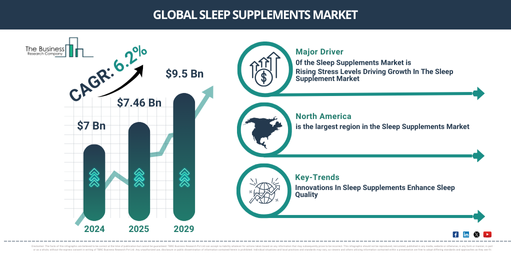
    The market size for sleep aids has shown robust growth in the past few years. It is projected to expand from $7 billion in 2024 to $7.46 billion in 2025, with a Compound Annual Growth Rate (CAGR) of 6.5%. The surge during the historic period can be associated with higher inclination towards natural and pure products, a rise in occurrences of sleep-related disorders, elevated stress levels, shifts in consumer attitudes, and a progressively aging demographic.

    The market for sleep supplements is projected to experience substantial expansion in the coming years, soaring to a worth of $9.5 billion by 2029 and showing a compound annual growth rate (CAGR) of 6.2%. The escalation during the projection period is due to factors such as the rise of lifestyle-related illnesses, growing average income, altering lifestyle habits, an increase in mental health concerns, and educational initiatives. The key trends for the forecast period encompass advances in technology, the rise of digital tech, the incorporation of health applications, the Internet of Things addressing sleep disorders, and emerging innovative products.

    Download a free sample to assess the report’s scope and structure:

    https://www.thebusinessresearchcompany.com/sample.aspx?id=20635&type=smp

    What Are the Core Growth Drivers Propelling the Sleep Supplements Market Forward?

    The growth of the sleep supplement market is expected to be driven by rising work-related stress levels. This refers to the physical, emotional and psychological tension arising due to demanding job conditions and expectations. The surge in work-related stress can be attributed to factors like increased workload, job insecurity, high expectations, and an unhealthy balance between work and personal life. Sleep supplements aid in managing sleep by inducing relaxation and regulating hormones responsible for sleep, such as melatonin. The American Psychiatric Association, a medical association for US-based psychiatrists and psychiatry residents, revealed in December 2022 that nearly 37% of Americans rated their mental health as either fair or poor in 2023, a rise from 31% in the previous year. Moreover, over 26% predicted that they would face increased stress at the beginning of 2023, compared to 20% in the previous year. Hence, the upsurge in work-related stress levels is fuelling the expansion of the sleep supplement market.

    What Segment Types Define the Sleep Supplements Market Structure?

    The sleep supplements market covered in this report is segmented –

    1) By Product Type: Minerals, Vitamin, Melatonin, Valerian Root, Other Product Types

    2) By Source: Synthetic, Natural

    3) By Dosage Form: Tablets, Capsules, Powders, Liquid

    4) By Indication: Insomnia, Sleep Apnea, Narcolepsy, Other Sleep Disorders

    5) By Distribution Channel: Retail Pharmacies, Hospital Pharmacies, Online Pharmacies, Specialty Stores

    Subsegments:

    1) By Minerals: Magnesium, Calcium, Zinc, Iron, Potassium

    2) By Vitamin: Vitamin D, Vitamin B6, Vitamin B12, Niacin (Vitamin B3), Folate (Vitamin B9)

    3) By Melatonin: Synthetic Melatonin Supplements, Natural Melatonin Sources, Extended-Release Melatonin Formulations, Melatonin Combinations With Other Ingredients

    4) By Valerian Root: Valerian Root Extracts, Valerian Root Teas, Valerian Supplements With Other Herbal Ingredients, Standardized Valerian Extracts

    5) By Other Product Types: Herbal Supplements, Amino Acids, Adaptogens, CBD Oil And Cannabinoids, Sleep-Promoting Formulations (Combination Products)

    Request customized data on this market:

    https://www.thebusinessresearchcompany.com/customise?id=20635&type=smp

    Which Geographic Areas Hold the Strongest Growth Potential in the Sleep Supplements Market?

    North America was the largest region in the sleep supplements market in 2024. The regions covered in the sleep supplements market report are Asia-Pacific, Western Europe, Eastern Europe, North America, South America, Middle East, Africa.

    What Are the Current Market Growth and Trends in the Sleep Supplements Industry?

    Primary players in the sleep supplement market, such as Natrol LLC, are concentrating on formulating innovative products like clean ingredient-based gummies to amplify their effectiveness and allure. The term clean ingredient-based gummies refer to sleep supplements that are composed of natural and harmless elements that are devoid of synthetic additives or preservatives. In May 2024, the American nutritional and herbal supplements manufacturer, Natrol LLC, unveiled time-release melatonin gummies. These are dietary sleep aids that blend immediate and prolonged release melatonin, intended to aid users to doze off quicker and remain asleep for an extended period. These gummies frequently contain extra components like L-theanine to encourage relaxation. The intention behind these gummies is to emulate the body’s innate melatonin release cycle to maintain a steady sleep duration throughout the night.

    View the full report here:

    https://www.thebusinessresearchcompany.com/report/sleep-supplements-global-market-report

    What Is the Definition of the Sleep Supplements Market?

    Sleep supplements are dietary products designed to support and improve sleep quality and duration. They typically contain natural or synthetic ingredients that may help regulate sleep patterns, promote relaxation, and address insomnia or disrupted sleep. These supplements are often used as a complementary approach to improving sleep hygiene and addressing sleep-related issues.

    Purchase the full report and get a swift delivery:

    https://www.thebusinessresearchcompany.com/purchaseoptions.aspx?id=20635

    About The Business Research Company:

    With over 15000+ reports from 27 industries covering 60+ geographies, The Business Research Company has built a reputation for offering comprehensive, data-rich research and insights. Armed with 1,500,000 datasets, the optimistic contribution of in-depth secondary research, and unique insights from industry leaders, you can get the information you need to stay ahead in the game.

    Get in touch with us:

    The Business Research Company: https://www.thebusinessresearchcompany.com/

    Americas +1 3156230293

    Asia +44 2071930708

    Europe +44 2071930708

    Email us at info@tbrc.info

    Follow us on:

    LinkedIn: https://in.linkedin.com/company/the-business-research-company

    YouTube: https://www.youtube.com/channel/UC24_fI0rV8cR5DxlCpgmyFQ

    Global Market Model: https://www.thebusinessresearchcompany.com/global-market-model
  • Strategic Growth Drivers Shaping the Urinary Retention Drug Market Outlook 2025- 2034:Rising Prevalence Of Urinary Disorders Fueling The Market Due To Aging Populations And Increasing Cases Of Diabetes And Hypertension

    Strategic Growth Drivers Shaping the Urinary Retention Drug Market Outlook 2025- 2034:Rising Prevalence Of Urinary Disorders Fueling The Market Due To Aging Populations And Increasing Cases Of Diabetes And Hypertension

    Get 30% off on our Global Market Reports with code ONLINE30 – Hurry, limited time offer!

    What Are the Key Projections for the CAGR of the Urinary Retention Drug Market Size From 2025 to 2034?

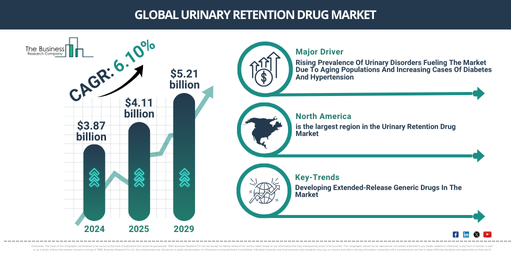
    The market size for drugs treating urinary retention has seen substantial growth in recent years. It is projected to expand from $3.87 billion in 2024 to $4.11 billion in 2025, with a compound annual growth rate (CAGR) of 6.4%. Factors contributing to this growth during the historic period include the rise in the elderly population, amplified health care investments, enhancements in the medical infrastructure, an increasing number of elderly individuals globally, and an increased incidence of BPH.

    The market for urinary retention medications is predicted to experience significant growth in the upcoming years, reaching a value of $5.21 billion by 2029, at a compound annual growth rate (CAGR) of 6.1%. This expected growth during the forecast period can be traced back to factors such as the rising occurrence of urinary retention, an increase in cases of postoperative urinary retention, a growing number of urinary incontinence (UI) cases, heightened awareness about the benefits of early diagnosis and treatment, and the rising occurrence of benign prostatic hyperplasia. The forecast period is also likely to witness major trends such as targeted drug delivery systems, developments in drug formulation technology, the application of artificial intelligence and machine learning, the use of telemedicine and remote monitoring, along with other innovative solutions.

    Download a free sample to assess the report’s scope and structure:

    https://www.thebusinessresearchcompany.com/sample.aspx?id=23552&type=smp

    Which Factors and External Forces Are Driving Demand in the Urinary Retention Drug Market?

    The growing incidence of urinary problems is anticipated to fuel the expansion of the urinary retention drug market. Urinary problems encompass conditions that impact the urinary system, giving rise to issues such as urination difficulty, pain, incontinence, or retention. The escalating incidence of these disorders can be attributed to the rising occurrence of diabetes, given that high glucose levels in the blood can harm the kidneys and urinary tract. This, in turn, leads to conditions like diabetic nephropathy and recurrent urinary tract infections. Urinary retention medications aid in addressing these disorders by enhancing urine flow, relaxing the bladder muscles, and easing symptoms like difficulty in urinating, thereby boosting comfort and bladder functionality. For example, in October 2023, the National Health Service (NHS) England, a UK governmental department, reported that hospitals recorded 147,285 admissions in 2022/23, primarily due to urinary tract infection (UTI). Of these, 56% or 82,392 admissions were individuals aged over 65. The 80-84 age group accounted for the most admissions, with 17,280 cases. Hence, the growing incidence of urinary problems is prompting the expansion of the urinary retention drug market.

    Which Segments in the Urinary Retention Drug Offer the Most Growth?

    The urinary retention drug market covered in this report is segmented –

    1) By Drug Class: Alpha Blockers, Beta-3 Agonists, Anticholinergics, Surgical Agents

    2) By Indication: Chronic Urinary Retention, Postoperative Urinary Retention, Neurogenic Bladder

    3) By Administration: Oral, Injectable, Transdermal

    4) By End Users: Hospitals, Homecare, Specialty Clinics, Other End Users

    Subsegments:

    1) By Alpha Blockers: Alpha-1 Blockers, Alpha-2 Blockers

    2) By Beta-3 Agonists: Selective Beta-3 Agonists

    3) By Anticholinergics: Antimuscarinics, Non-Selective Anticholinergics

    4) By Surgical Agents: Anesthetics, Hemostatic Agents, Muscle Relaxants, Antibiotic Prophylaxis

    Request customized data on this market:

    https://www.thebusinessresearchcompany.com/customise?id=23552&type=smp

    What Are the Fastest-Growing Geographies in the Urinary Retention Drug Market?

    North America was the largest region in the urinary retention drug market in 2024. The regions covered in the urinary retention drug market report are Asia-Pacific, Western Europe, Eastern Europe, North America, South America, Middle East, Africa.

    What Key Trends Are Shaping the Future of the Urinary Retention Drug Market?

    Leading players in the urinary retention drug market are concentrating on creating innovative formulations like extended-release tablets to enhance patient adherence and provide long-term symptom relief. Extended-release (ER) tablets are a form of medication that is designed to slowly but steadily release the active ingredient, maintaining a constant concentration of the drug in the bloodstream, thus decreasing the need for frequent dosing compared to immediate-release tablets. For example, in April 2024, India’s Zydus Lifesciences Limited launched a generic version of Mirabegron for overactive bladder (OAB). Mirabegron is a selective beta-3 adrenergic agonist that aids in the relaxation of bladder muscles, hence diminishing urinary urgency, frequency, and incontinence. Apart from its use for OAB, it can also aid in controlling urinary retention related to overactive bladder disorders. The medication is given as a daily oral dosage.

    View the full report here:

    https://www.thebusinessresearchcompany.com/report/urinary-retention-drug-global-market-report

    What Are the Key Elements That Define the Urinary Retention Drug Market?

    Urinary retention drugs are medications used to treat conditions where there is difficulty in emptying the bladder, often by relaxing the bladder muscles or stimulating the bladder to contract, aiding in urine flow. These drugs can be prescribed for conditions such as benign prostatic hyperplasia (BPH) or neurogenic bladder, helping to improve urinary function and relieve discomfort.

    Purchase the full report and get a swift delivery:

    https://www.thebusinessresearchcompany.com/purchaseoptions.aspx?id=23552

    About The Business Research Company:

    With over 15000+ reports from 27 industries covering 60+ geographies, The Business Research Company has built a reputation for offering comprehensive, data-rich research and insights. Armed with 1,500,000 datasets, the optimistic contribution of in-depth secondary research, and unique insights from industry leaders, you can get the information you need to stay ahead in the game.

    Get in touch with us:

    The Business Research Company: https://www.thebusinessresearchcompany.com/

    Americas +1 3156230293

    Asia +44 2071930708

    Europe +44 2071930708

    Email us at info@tbrc.info

    Follow us on:

    LinkedIn: https://in.linkedin.com/company/the-business-research-company

    YouTube: https://www.youtube.com/channel/UC24_fI0rV8cR5DxlCpgmyFQ

    Global Market Model: https://www.thebusinessresearchcompany.com/global-market-model
  • Major Drivers Propelling the Growth oh theUrinary pH Modifier Market Forward: Rising Prevalence Of Renal Failure Driving The Growth Of The Market Due To Increasing Cases Of Chronic Kidney Disease

    Major Drivers Propelling the Growth oh theUrinary pH Modifier Market Forward: Rising Prevalence Of Renal Failure Driving The Growth Of The Market Due To Increasing Cases Of Chronic Kidney Disease

    Get 30% off on our Global Market Reports with code ONLINE30 – Hurry, limited time offer!

    How Has The Urinary pH Modifier Market Growth Evolved From 2024 To 2025, And What’s Ahead?

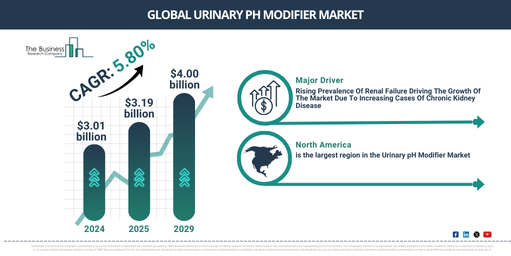
    The market for urinary pH modifiers has experienced significant growth in recent years. The market value, currently standing at $3.01 billion in 2024, is projected to reach $3.19 billion in 2025 with a Compound Annual Growth Rate (CAGR) of 6.1%. The historical growth of this market is due to several factors, including an increased occurrence of kidney failure, a shift towards digital platforms, heightened demand for pH modifying solutions, a greater number of urinary tract infections, and a rise in cases of diabetes.

    The market size of urinary pH modifiers is anticipated to witness significant expansion in the forthcoming years, potentially reaching up to $4.00 billion by 2029 with a 5.8% CAGR. The upsurge during the forecast period can be linked to the escalating instances of cancer, growth in emerging markets, a higher occurrence of urinary tract infections, a heightened prioritization of preventive healthcare, and a surge in the demand for dietary supplements. Key trends within the forecast period encompass technological progress, non-invasive monitoring techniques, customization in medicinal treatment, continual technological improvement, and product innovation.

    Download a free sample to assess the report’s scope and structure:

    https://www.thebusinessresearchcompany.com/sample.aspx?id=23551&type=smp

    Which Major Market Drivers Are Expected to Boost the Growth Potential of the Urinary pH Modifier Market?

    The urinary pH modifiers market is expected to grow primarily due to the escalating rates of renal failure, which is a condition that affects the kidneys and their ability to filter and balance fluids and electrolytes thus leading to a build-up of toxins in the body. The increase in renal failure is largely due to the rise in diabetes, which over time degrades the kidney’s ability to filter, resulting in chronic kidney disease and eventual renal failure. Urinary pH modifiers are in high demand due to their ability to manage imbalances in acid-base, prevent the formation of kidney stones, and reduce distortion in kidney function. Kidney Research UK reported in June 2023 that 7.19 million UK residents, over 10% of the country’s population, suffered from chronic kidney disease—a figure expected to rise to 7.61 million by 2033. Thus, the escalating prevalence of renal failure corresponds with the growth of the urinary pH modifiers market. Preventive healthcare’s expanded awareness is anticipated to further the growth of the urinary pH modifiers market. Preventive healthcare comprises actions undertaken to ward off diseases before they occur, instead of treating them retrospectively. The understanding of health management at an early stage and the prevention of chronic diseases and future health expenditure is being embraced by an increasing number of people. Urinary pH modifiers are utilized in this preventive healthcare approach to maintain urinary tract health at an early stage. These products help maintain the balance of urine pH, which in turn reduces the risk of infections and kidney stones. According to the National Health Service England, the percentage of older adult care home residents who received the spring vaccination rose from 51.8% in May 2024 to 63.3% in June 2024, an increase of 11.5 percentage points. Therefore, the growth of the urinary pH modifiers market has been fueled by the increased awareness of preventive healthcare.

    Which Key Market Segments Comprise the Urinary pH Modifier Market and Drive Its Revenue Growth?

    The urinary ph modifier market covered in this report is segmented –

    1) By Drug: Potassium Acid Phosphate, Sodium Bicarbonate, Sodium Citrate, Potassium Citrate

    2) By Dosage: Injection, Tablets, Solution, Powder, Other Dosages

    3) By Indication: Alkalosis, Alkylating Agent Cystitis, Asystole, Gastroesophageal Reflux Disease, Diabeitc Ketoacidosis, Hyperkalemia, Hyponatremia, Indigestion, Metabolic Acidosis, Other Indications

    4) By Distribution Channel: Online Retail, Pharmacies, Super markets, Health Food Stores

    5) By End-User: Hospitals, Clinics, Home Care

    Subsegments-

    1) By Potassium Acid Phosphate: Monobasic Potassium Phosphate, Dibasic Potassium Phosphate, Combination Formulations

    2) By Sodium Bicarbonate: Oral Sodium Bicarbonate Tablets, Intravenous Sodium Bicarbonate Injection, Effervescent Sodium Bicarbonate Powder

    3) By Sodium Citrate: Sodium Citrate Dihydrate, Sodium Citrate Anhydrous, Sodium Citrate Oral Solution

    4) By Potassium Citrate: Potassium Citrate Extended-Release Tablets, Potassium Citrate Oral Solution, Combination Therapy With Other Alkalizing Agents

    Request customized data on this market:

    https://www.thebusinessresearchcompany.com/customise?id=23551&type=smp

    Which Areas Are Leading Regions in the Urinary pH Modifier Market Expansion Across the Globe?

    North America was the largest region in the urinary pH modifier market in 2024. The regions covered in the urinary ph modifier market report are Asia-Pacific, Western Europe, Eastern Europe, North America, South America, Middle East, Africa.

    View the full report here:

    https://www.thebusinessresearchcompany.com/report/urinary-ph-modifier-global-market-report

    How Is the Urinary pH Modifier Market Conceptually Defined?

    Urinary pH modifiers are medications designed to regulate the acidity or alkalinity of urine. They are commonly used to treat conditions such as urinary tract infections, kidney stones, and certain metabolic imbalances. By adjusting urinary pH, these agents can enhance drug solubility, promote excretion, and reduce the risk of crystal or stone formation.

    Purchase the full report and get a swift delivery:

    https://www.thebusinessresearchcompany.com/purchaseoptions.aspx?id=23551

    About The Business Research Company:

    With over 15000+ reports from 27 industries covering 60+ geographies, The Business Research Company has built a reputation for offering comprehensive, data-rich research and insights. Armed with 1,500,000 datasets, the optimistic contribution of in-depth secondary research, and unique insights from industry leaders, you can get the information you need to stay ahead in the game.

    Get in touch with us:

    The Business Research Company: https://www.thebusinessresearchcompany.com/

    Americas +1 3156230293

    Asia +44 2071930708

    Europe +44 2071930708

    Email us at info@tbrc.info

    Follow us on:

    LinkedIn: https://in.linkedin.com/company/the-business-research-company

    YouTube: https://www.youtube.com/channel/UC24_fI0rV8cR5DxlCpgmyFQ

    Global Market Model: https://www.thebusinessresearchcompany.com/global-market-model
  • Cholinesterase (ChE) Inhibitors Market Outlook 2025: Mapping Growth, Innovation, and Regional Shifts

    Cholinesterase (ChE) Inhibitors Market Outlook 2025: Mapping Growth, Innovation, and Regional Shifts

    Our market reports now include the latest updates on global tariffs, trade impacts, and evolving supply chain dynamics.

    How Fast Is The Cholinesterase (ChE) Inhibitors Market Expected to Grow Between 2025 And 2029?

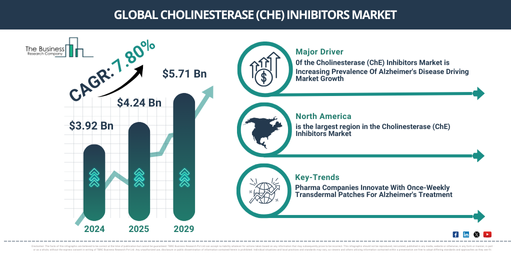
    The market size of Cholinesterase (ChE) inhibitors has seen significant growth in the past few years. The market is projected to increase in size from $3.92 billion in 2024 to $4.24 billion in 2025, showing a compound annual growth rate (CAGR) of 8.1%. Factors contributing to this growth during the historical period include the rising prevalence of neurological disorders and Alzheimer’s disease, higher incidence of late disease among the older population, a growing elderly demographic, improvements in healthcare infrastructure, and an increase in instances of glaucoma.

    The market scope for cholinesterase (ChE) inhibitors is set to witness considerable expansion in the forthcoming years. The market value is expected to surge up to $5.71 billion by 2029, projecting a compound annual growth rate (CAGR) of 7.8%. This predicted increase during the forecast period is primarily due to the early detection and management of neurodegenerative diseases, ramped up release of new medicines and products, high demand for Alzheimer’s and dementia treatments, and the growing economic significance of cholinesterase inhibitors. Essential trends during the forecast timeframe include technology improvements, advancements in diagnostic capabilities, creation of new cholinesterase inhibitors, launch of fresh products, strategic partnerships, and fresh investments into different corporations.

    Download a free sample to assess the report’s scope and structure:

    https://www.thebusinessresearchcompany.com/sample.aspx?id=21141&type=smp

    What External and Internal Drivers Are Contributing to the Growth of the Cholinesterase (ChE) Inhibitors Market?

    The escalating occurrence of Alzheimer’s disease is anticipated to accelerate the expansion of the cholinesterase (ChE) inhibitors market. Alzheimer’s disease, a degressive neurological disorder, erodes memory and cognitive abilities, leading to cognitive decline and loss of self-sufficiency. The surge in Alzheimer’s cases is attributed to an ageing population, longer lifespan, genetic variables, lifestyle factors, and increased susceptibility to neurological risk factors. Cholinesterase (ChE) inhibitors aid Alzheimer’s patients by inhibiting the degradation of acetylcholine, a vital neurotransmitter for memory and cognition. This enhances neuronal communication, decelerates symptom progression, and improves day-to-day functioning, thereby managing the cognitive decline associated with Alzheimer’s. For example, the Alzheimer’s Association, a US-based voluntary health organization, estimates that by 2024 about 6.9 million Americans aged 65 and above will be afflicted with Alzheimer’s. 73% of these cases will occur in individuals aged 75 and above, and by 2050 there may be 12.7 million Americans suffering from Alzheimer’s. Consequently, the increasing occurrence of Alzheimer’s disease is propelling the growth of the cholinesterase (ChE) inhibitors market.

    What Segment Types Define the Cholinesterase (ChE) Inhibitors Market Structure?

    The cholinesterase (ChE) inhibitors market covered in this report is segmented –

    1) By Drug Class: Reversible Cholinesterase Inhibitors, Irreversible Cholinesterase Inhibitors, Acetylcholinesterase Inhibitors

    2) By Indication: Alzheimer’s Disease, Myasthenia Gravis, Glaucoma, Pediatric Urinary Incontinence

    3) By Distribution Channel: Hospital Pharmacies, Retail Pharmacies, Online Pharmacies

    Subsegments:

    1) By Reversible Cholinesterase Inhibitors: Donepezil, Rivastigmine, Galantamine

    2) By Irreversible Cholinesterase Inhibitors: Organophosphates, Carbamates

    3) By Acetylcholinesterase Inhibitors: Tacrine, Huperzine A

    Request customized data on this market:

    https://www.thebusinessresearchcompany.com/customise?id=21141&type=smp

    Which Geographic Areas Hold the Strongest Growth Potential in the Cholinesterase (ChE) Inhibitors Market?

    North America was the largest region in the cholinesterase (ChE) inhibitors market in 2024. Asia-Pacific is expected to be the fastest-growing region in the forecast period. The regions covered in the cholinesterase (ChE) inhibitors market report are Asia-Pacific, Western Europe, Eastern Europe, North America, South America, Middle East, Africa.

    What Long-Term Trends Are Transforming the Competitive Landscape of the Cholinesterase (ChE) Inhibitors Market?

    Key enterprises in the cholinesterase (ChE) inhibitors market are concentrating on creating inventive patches like once-weekly transdermal patches. These are projected to provide Alzheimer’s patients with more effective treatment alternatives that guarantee regular drug administration and enhanced tolerability. Simply put, a once-weekly transdermal patch is a medical adhesive patch that, when applied to the skin, steadily releases a controlled drug dosage into the bloodstream for seven days. In September 2022, Corium, Inc., a pharmaceutical firm located in the United States, introduced ADLARITY. This was the first FDA-approved once-weekly transdermal patch. It efficiently administers donepezil, an acetylcholinesterase inhibitor that treats Alzheimer’s by providing continual drug distribution via the skin, thereby offering a well-tolerated substitute to daily oral donepezil.

    View the full report here:

    https://www.thebusinessresearchcompany.com/report/cholinesterase-che-inhibitors-global-market-report

    What Is the Definition of the Cholinesterase (ChE) Inhibitors Market?

    Cholinesterase (ChE) inhibitors are a class of drugs that block the cholinesterase enzyme, which breaks down acetylcholine, a neurotransmitter essential for proper nerve signaling. Their purpose is to increase acetylcholine levels, improving communication between nerve cells and enhancing cognitive and muscular function.

    Purchase the full report and get a swift delivery:

    https://www.thebusinessresearchcompany.com/purchaseoptions.aspx?id=21141

    About The Business Research Company:

    With over 15000+ reports from 27 industries covering 60+ geographies, The Business Research Company has built a reputation for offering comprehensive, data-rich research and insights. Armed with 1,500,000 datasets, the optimistic contribution of in-depth secondary research, and unique insights from industry leaders, you can get the information you need to stay ahead in the game.

    Get in touch with us:

    The Business Research Company: https://www.thebusinessresearchcompany.com/

    Americas +1 3156230293

    Asia +44 2071930708

    Europe +44 2071930708

    Email us at info@tbrc.info

    Follow us on:

    LinkedIn: https://in.linkedin.com/company/the-business-research-company

    YouTube: https://www.youtube.com/channel/UC24_fI0rV8cR5DxlCpgmyFQ

    Global Market Model: https://www.thebusinessresearchcompany.com/global-market-model