Category: Pharmaceuticals

  • OctreotideMarket Overview 2025–2034: CAGR Trends, Long-Term Growth Paths, and Business Implications

    OctreotideMarket Overview 2025–2034: CAGR Trends, Long-Term Growth Paths, and Business Implications

    Our market reports now include the latest updates on global tariffs, trade impacts, and evolving supply chain dynamics.

    #What Are the Key Milestones in the Octreotide Market’s Growth Trajectory From 2025 To 2034?#_x000D_

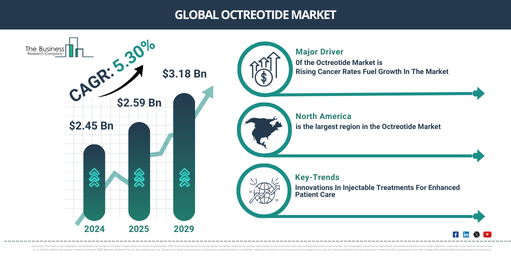
    In recent times, the octreotide market has seen substantial growth. The market size, which is forecasted to be at $2.45 billion in 2024, is expected to grow to $2.59 billion in 2025, indicating a compound annual growth rate (CAGR) of 5.6%. Factors contributing to growth during the historic period include a rise in acromegaly cases, increasing hormonal disorders, heightened awareness regarding early diagnosis, development in healthcare infrastructure and an upsurge in cancer diagnosis._x000D_

    _x000D_

    The market size of octreotide is anticipated to witness a considerable expansion in the upcoming years. The market is projected to rise to $3.18 billion by 2029, with a Compound Annual Growth Rate (CAGR) of 5.3%. This steady growth during the projected period can be credited to factors such as the surge in the elderly population, heightened awareness and early detection, a rise in severe diarrhea cases, escalated healthcare expenditure, and an expanding drug pipeline. The forecast period sees key trends like the introduction of advanced drugs, product rollouts, regulatory approvals, technological advancements, and the exploration of burgeoning markets._x000D_

    _x000D_

    #Download a free sample to assess the report’s scope and structure:#_x000D_

    https://www.thebusinessresearchcompany.com/sample.aspx?id=21234&type=smp_x000D_

    _x000D_

    #What Are the Primary Drivers Supporting the Market Growth of the Octreotide Market?#_x000D_

    The rise in cancer incidences is predicted to stimulate the octreotide market’s expansion. Cancer encompasses a variety of diseases characterized by the uncontrolled proliferation and dissemination of abnormal cells in the body. The escalation in cancer rates is primarily attributed to growing older populations, environmental influences, lifestyle habits, and enhanced diagnosis techniques. Octreotide contributes to mitigating the surge in cancer rates by restraining tumor development, managing hormone-related cancers, and easing related symptoms. For example, reports from the National Cancer Institute (NCI), a US governmental agency, stated that in May 2024, around 20 million fresh cancer cases and 9.7 million deaths occurred globally, with estimates for 2040 escalating to 29.9 million incidences and 15.3 million fatalities. Consequently, the uptick in cancer rates is fueling the growth of the octreotide market._x000D_

    _x000D_

    #Which Primary Segments of the Octreotide Market Are Driving Growth and Industry Transformations?#_x000D_

    The octreotide market covered in this report is segmented –_x000D_

    _x000D_

    1) By Type: Octreotide Acetate, Octreotide, Octreotide Chloride, Octreotide Hydrochloride, Indium In-111 Octreotide_x000D_

    2) By Form: Injection, Powder, Microspheres_x000D_

    3) By Indications: Diarrhea, Acromegaly, Other Indications_x000D_

    4) By Distribution Channel: Hospital Pharmacy, Online Pharmacy, Retail Pharmacy_x000D_

    5) By End-user: Pharmaceutical, Clinical Research_x000D_

    _x000D_

    Subsegments:_x000D_

    1) By Octreotide Acetate: Injectable Formulation, Depot Injectable Formulation_x000D_

    2) By Octreotide: Injectable Formulation, Oral Formulation_x000D_

    3) By Octreotide Chloride: Injectable Formulation, Lyophilized Powder_x000D_

    4) By Octreotide Hydrochloride: Injectable Formulation, Lyophilized Powder_x000D_

    5) By Indium In-111 Octreotide: Diagnostic Radiopharmaceutical Formulation, Therapeutic Radiopharmaceutical Formulation_x000D_

    _x000D_

    #Request customized data on this market:#_x000D_

    https://www.thebusinessresearchcompany.com/customise?id=21234&type=smp_x000D_

    _x000D_

    #Which Regions Are Key Players in the Growth of the #What Are the Primary Drivers Supporting the Market Growth of the Octreotide Market?# Market?#_x000D_

    North America was the largest region in the octreotide market in 2024. Asia-Pacific is expected to be the fastest-growing region in the forecast period. The regions covered in the octreotide market report are Asia-Pacific, Western Europe, Eastern Europe, North America, South America, Middle East, Africa._x000D_

    _x000D_

    #What Are the Most Significant Market Trends in the Octreotide Market?#_x000D_

    Leading players in the octreotide market are striving to create innovative product offerings like injectable suspensions to enhance patient compliance and convenience. These injectable suspensions are potent medications that are delivered via injection for rapid absorption into the bloodstream, providing a quicker response by bypassing the digestive system. For instance, Teva Pharmaceuticals, a pharmaceutical firm based in Israel, unveiled the generic version of Sandostatin LAR Depot (octreotide acetate for injectable suspension) in October 2024. This version can be swiftly absorbed into the bloodstream post-injection, ensuring faster onset of its action. Octreotide, a synthetic analog of somatostatin, a naturally occurring hormone, is predominantly utilized for treating conditions like acromegaly, carcinoid syndrome, and VIP-secreting tumors. With the injectable mode of administration, patients find it comparatively easier to stick to their prescribed treatment regimen, as the rapid onset of action is much greater than conventional oral tablets._x000D_

    _x000D_

    #View the full report here:#_x000D_

    https://www.thebusinessresearchcompany.com/report/octreotide-global-market-report_x000D_

    _x000D_

    #What Parameters Are Used to Define the Octreotide Market?#_x000D_

    Octreotide is a synthetic somatostatin analog used to treat various medical conditions by inhibiting hormone secretion. Available in short-acting and long-acting formulations, it helps manage hormone-related disorders but may cause side effects such as gastrointestinal issues and gallstones._x000D_

    _x000D_

    #Purchase the full report and get a swift delivery:#_x000D_

    https://www.thebusinessresearchcompany.com/purchaseoptions.aspx?id=21234_x000D_

    _x000D_

    #About The Business Research Company:#_x000D_

    With over 15000+ reports from 27 industries covering 60+ geographies, The Business Research Company has built a reputation for offering comprehensive, data-rich research and insights. Armed with 1,500,000 datasets, the optimistic contribution of in-depth secondary research, and unique insights from industry leaders, you can get the information you need to stay ahead in the game._x000D_

    _x000D_

    #Get in touch with us:#_x000D_

    The Business Research Company: https://www.thebusinessresearchcompany.com/_x000D_

    Americas +1 3156230293_x000D_

    Asia +44 2071930708_x000D_

    Europe +44 2071930708_x000D_

    Email us at info@tbrc.info_x000D_

    _x000D_

    #Follow us on:#_x000D_

    _x000D_

    LinkedIn: https://in.linkedin.com/company/the-business-research-company_x000D_

    YouTube: https://www.youtube.com/channel/UC24_fI0rV8cR5DxlCpgmyFQ_x000D_

    Global Market Model: https://www.thebusinessresearchcompany.com/global-market-model
  • Key Factors Fueling the Growth of the Anakinra Market in 2025: Impact Of Autoimmune Disorders Growth On The Industry

    Key Factors Fueling the Growth of the Anakinra Market in 2025: Impact Of Autoimmune Disorders Growth On The Industry

    Our market reports now include the latest updates on global tariffs, trade impacts, and evolving supply chain dynamics.

    How Has The Anakinra Market Growth Evolved From 2024 To 2025, And What’s Ahead?

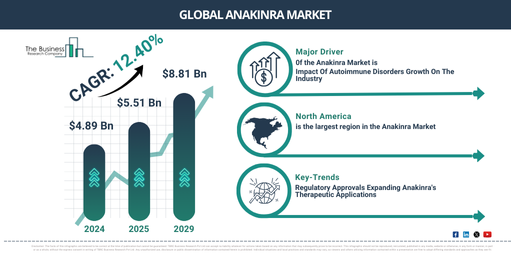
    In recent times, there has been a significant surge in the market size of Anakinra. Projected growth from 2024 estimates the market to be worth $4.89 billion and expanding to $5.51 billion in 2025 with a Compound Annual Growth Rate (CAGR) of 12.8%. The historical growth trajectory can be linked to the surge in cases of rheumatoid arthritis, the endorsement of Anakinra in treating uncommon autoinflammatory diseases like NOMID, heightened awareness of biologics in the management of recurring inflammatory conditions, and the increasing preference for targeted therapies.

    In the ensuing years, the market size for anakinra is projected to experience accelerated growth, with an estimated value of $8.81 billion by 2029, boasting a 12.4% compound annual growth rate (CAGR). Key factors contributing to this projected growth span the board, including the expanding indications for anakinra in various conditions, a heightened interest in personalized medicine, the increasing prevalence of uncommon autoinflammatory disorders, progress in drug delivery systems, and enhanced healthcare accessibility in emerging markets promoting the demand for biologics. Future trends forecasted include the production of biosimilars and next-generation IL-1 inhibitors, a shift towards home-based and self-administered treatments, strategic partnerships between biotech firms and academic institutions, and an increased utilization of digital health solutions to bolster patient adherence.

    Download a free sample to assess the report’s scope and structure:

    https://www.thebusinessresearchcompany.com/sample.aspx?id=21095&type=smp

    What are the Fundamental Drivers and Innovations Shaping the Anakinra Market?

    The surge in cases of autoimmune disorders, where the body’s immune system mistakenly targets and destroys healthy tissues and organs, is slated to fuel the anakinra market’s expansion. Autoimmune disorders are typically caused by a combination of genetic predisposition and environmental influences, such as infections, pollution, and alterations in diet. Anakinra works to curb these disorders through interruption of interleukin-1 (IL-1) activity, thereby lessening inflammation in ailments like rheumatoid arthritis, Still’s disease, and periodic fever syndromes. As an example, the Australian Institute of Health and Welfare reported in June 2024 that in 2021-22, rheumatoid arthritis hospitalizations increased 25% from the prior year, totaling 10,000, or 39 hospitalizations per 100,000 population. Therefore, the escalating frequency of autoimmune disorders is propelling the anakinra market. Additionally, the increase in healthcare expenditure is anticipated to drive the anakinra market’s upward trend. Healthcare expenditure encompasses the total funds spent on healthcare services and products, from hospital care and physician services to medications, devices, public health initiatives and more. The rise in healthcare expenditure is influenced by factors such as a growing elderly population, advancements in medicine, prevalence of chronic diseases, higher drug costs, increased healthcare use, administrative expenses, and inflation. Funds spent on healthcare bolster the anakinra market by promoting anakinra’s development, availability, and constant administration as an effective remedy for inflammatory conditions like rheumatoid arthritis, and by aiding its integration into healthcare systems via insurance coverage and patient access schemes. In May 2023, the Office for National Statistics reported that in 2022, the UK’s healthcare expenditure swelled to nearly $352 billion (£283 billion), a 0.7% nominal increase from 2021. Consequently, the upswing in healthcare expenditure is contributing to the anakinra market’s growth.

    How Is the Anakinra Market Segmented?

    The anakinra market covered in this report is segmented –

    1) By Indication: Rheumatoid Arthritis, Cryopyrin-Associated Periodic Syndromes, Familial Cold Autoinflammatory Syndrome, Systemic Juvenile Idiopathic Arthritis, Adult-Onset Still’s Disease, Neonatal-Onset Multisystem Inflammatory Disease, Other Indications

    2) By Distribution Channel: Hospital Pharmacies, Retail Pharmacies, Online Pharmacies, Wholesale Pharmacies

    3) By End-User: Hospitals, Clinics, Homecare Settings

    Subsegments:

    1) By Rheumatoid Arthritis: Moderate-to-Severe Disease, Early-stage Disease

    2) By Cryopyrin-Associated Periodic Syndromes: Muckle-Wells Syndrome, Neonatal-Onset Multisystem Inflammatory Disease

    3) By Familial Cold Autoinflammatory Syndrome: Acute Episodes, Chronic Symptoms

    4) By Systemic Juvenile Idiopathic Arthritis: Active Systemic Disease, Inactive Disease With Flares

    5) By Adult-Onset Still’s Disease: Active Disease, Remission Induction

    6) By Neonatal-Onset Multisystem Inflammatory Disease: Acute Disease Episodes, Long-term Disease Management

    7) By Other Indications: Gouty Arthritis, Osteoarthritis, Spondyloarthritis

    Request customized data on this market:

    https://www.thebusinessresearchcompany.com/customise?id=21095&type=smp

    Which Regions Are Driving the Next Phase of the Anakinra Market Growth?

    North America was the largest region in the anakinra market in 2024. Asia-Pacific is expected to be the fastest-growing region in the forecast period. The regions covered in the anakinra market report are Asia-Pacific, Western Europe, Eastern Europe, North America, South America, Middle East, Africa.

    What Key Trends Are Shaping the Future of the Anakinra Market?

    Principal businesses in the Anakinra market are securing regulatory assents to include indications for innovative therapeutic uses. Such authorizations are essentially official permissions from government bodies which, after assessing the safety, effectiveness, and quality of a drug, allow it to be marketed and suggested for certain illnesses. In November 2022, for example, the US government body, the Food and Drug Administration, issued an Emergency Use Authorization (EUA) for Kineret (anakinra) to administer treatment to adult patients hospitalized with pneumonia due to COVID-19 who required additional oxygen, with the goal of minimizing the probability of serious respiratory failure. The affirmation was on the basis of the SAVE-MORE Phase 3 study, demonstrating that preemptive treatment with Kineret enhanced patient outcomes. Kineret operates by obstructing cytokines IL-1a and IL-1ß which catalyze the extreme inflammatory response seen in critical cases of COVID-19. Even though it doesn’t have full FDA approval for this specific indication, it has been authorized for transitory use in the course of the public health crisis.

    View the full report here:

    https://www.thebusinessresearchcompany.com/report/anakinra-global-market-report

    How Is the Anakinra Market Defined and What Are Its Core Parameters?

    Anakinra refers to a biopharmaceutical medication that acts as a recombinant version of the human interleukin-1 receptor antagonist. It is generally used to treat moderate-to-severe rheumatoid arthritis in individuals who have not reacted well to other disease-modifying antirheumatic medications.

    Purchase the full report and get a swift delivery:

    https://www.thebusinessresearchcompany.com/purchaseoptions.aspx?id=21095

    About The Business Research Company:

    With over 15000+ reports from 27 industries covering 60+ geographies, The Business Research Company has built a reputation for offering comprehensive, data-rich research and insights. Armed with 1,500,000 datasets, the optimistic contribution of in-depth secondary research, and unique insights from industry leaders, you can get the information you need to stay ahead in the game.

    Get in touch with us:

    The Business Research Company: https://www.thebusinessresearchcompany.com/

    Americas +1 3156230293

    Asia +44 2071930708

    Europe +44 2071930708

    Email us at info@tbrc.info

    Follow us on:

    LinkedIn: https://in.linkedin.com/company/the-business-research-company

    YouTube: https://www.youtube.com/channel/UC24_fI0rV8cR5DxlCpgmyFQ

    Global Market Model: https://www.thebusinessresearchcompany.com/global-market-model
  • Global Cytotoxic T-Lymphocyte-Associated Protein 4 (CTLA-4) Inhibitors Market Projected to Reach $20.77 Billion by 2029 at a CAGR of 14.7%

    Our market reports now include the latest updates on global tariffs, trade impacts, and evolving supply chain dynamics.

    What Are the Projected Market Size and Growth Rates for the Cytotoxic T-Lymphocyte-Associated Protein 4 (CTLA-4) Inhibitors Market From 2025 To 2029?

    The market size of the cytotoxic T-lymphocyte-associated protein 4 (CTLA-4) has been expanding swiftly in the past few years. The market, currently valued at $10.43 billion in 2024, is expected to surge to $11.99 billion in 2025, with a compound annual growth rate (CAGR) of 15.0%. Several factors underpin this significant growth. These include an increase in cancer cases, an increase in clinical trials, a growing use of checkpoint inhibitors, improved healthcare structures, increasing funding for cancer research, advancements in combination treatments, heightened awareness of immune-oncology treatments, and partnerships within the pharmaceutical industry.

    Expectations are high for the cytotoxic T-lymphocyte-associated protein 4 (CTLA-4) market, with anticipated swift expansion in the coming years. The market is projected to inflate to $20.77 billion by 2029, reflecting a compound annual growth rate (CAGR) of 14.7%. Factors triggering growth for the forecast period include the escalating demand for fusion therapies, an upsurge in cancer cases, increased acceptance in emerging markets, continuous clinical trials and advancements in the pipeline, regulatory backing for immunotherapies, enhanced patient engagement for targeted treatments, and strategic collaborations and takeovers. Noteworthy trends for the forecast period encompass next-gen cytotoxic T-lymphocyte-associated protein 4 (CTLA-4) inhibitors, bispecific antibodies, immunotherapy combinations, custom cancer vaccines, AI-supported drug advent, biomarkers to aid patient selection, enhanced engineering of monoclonal antibodies, targeted drug distribution systems, modern clinical trial frameworks and the inclusion of real-world data in optimizing treatments.

    Download a free sample to assess the report’s scope and structure:

    https://www.thebusinessresearchcompany.com/sample.aspx?id=21165&type=smp

    What are the Fundamental Drivers and Innovations Shaping the Cytotoxic T-Lymphocyte-Associated Protein 4 (CTLA-4) Inhibitors Market?

    The surge in capital put into oncology research and development (R&D) is set to stimulate the expansion of the cytotoxic T-lymphocyte-associated protein 4 (CTLA-4) inhibitors market. The rising tendency toward investment in this field can be credited to the escalating global rate of cancer, improvements in immunotherapy and targeted treatments, and a high demand for groundbreaking therapies which can better patient survival rates and their quality of life. Investment in oncology R&D acts as a catalyst for the growth of the CTLA-4 inhibitors by quickening the discovery of unique therapies and heightening the focus of clinical trials on ameliorating immune checkpoint treatments for cancer. To illustrate, the National Cancer Institute (NCI) requested a $9.988 billion budget for cancer research in 2024, as reported by the US-based organization American Society for Radiation Oncology (ASTRO) in May 2023. This marks an increase of $2.7 billion from the $7.3 billion earmarked in 2023. Consequently, this uptick in investment within oncology R&D is fueling the ascension of the cytotoxic T-lymphocyte-associated protein 4 (CTLA-4) inhibitors market.

    How Is the Cytotoxic T-Lymphocyte-Associated Protein 4 (CTLA-4) Inhibitors Market Segmented?

    The cytotoxic T-lymphocyte-associated protein 4 (CTLA-4) inhibitors market covered in this report is segmented –

    1) By Type: Monotherapy, Combination Therapy

    2) By Application: Melanoma, Renal Cell Carcinoma, Colorectal Cancer, Other Applications

    3) By Distribution Channel: Hospital Pharmacies, Retail Pharmacies, Online Pharmacies, Other Distribution Channels

    Subsegments:

    1) By Monotherapy: Ipilimumab (Yervoy), Tremelimumab

    2) By Combination Therapy: CTLA-4 Inhibitors + PD-1/PD-L1 Inhibitors, CTLA-4 Inhibitors + Chemotherapy, CTLA-4 Inhibitors + Targeted Therapy, CTLA-4 Inhibitors + Radiotherapy, CTLA-4 Inhibitors + Other Immunotherapies

    Request customized data on this market:

    https://www.thebusinessresearchcompany.com/customise?id=21165&type=smp

    Which Regions Are Driving the Next Phase of the Cytotoxic T-Lymphocyte-Associated Protein 4 (CTLA-4) Inhibitors Market Growth?

    North America was the largest region in the cytotoxic T-lymphocyte-associated protein 4 (CTLA-4) market in 2024. Asia-Pacific is expected to be the fastest-growing region in the forecast period. The regions covered in the cytotoxic T-lymphocyte-associated protein 4 (CTLA-4) inhibitors market report are Asia-Pacific, Western Europe, Eastern Europe, North America, South America, Middle East, Africa.

    What Key Trends Are Shaping the Future of the Cytotoxic T-Lymphocyte-Associated Protein 4 (CTLA-4) Inhibitors Market?

    Leading corporations in the cytotoxic T-lymphocyte-associated protein 4 (CTLA-4) inhibitors market are prioritizing clinical trials to evaluate the efficacy of innovative drug formulations, fine-tune dosage routines, and amplify the response rates to treatment in cancer patients. Such clinical experiments contribute to uncovering the capabilities of CTLA-4 inhibitors when used in synergy with other immunotherapies with the goal to widen their use beyond melanoma and escalate overall survival rates in diverse cancer varieties. For illustration, Akeso Inc., a biopharmaceutical firm based in China, disclosed the phase Ib/II clinical evaluation (AK104-IIT-018) of cadonilimab in December 2024. This is a combination therapy for patients suffering from advanced or metastatic non-small cell lung cancer (NSCLC) who had shown progress post prior treatment with programmed cell death ligand 1 (PD-L1) inhibitor. Cadonilimab, a programmable cell death protein 1 (PD-1)/ cytotoxic T-lymphocyte-associated protein 4 (CTLA-4) bispecific antibody works by concurrently blocking the PD-1 and CTLA-4 immune checkpoints. This boosts T-cell activation and immune-response against tumors, while simultaneously reducing immune suppression.

    View the full report here:

    https://www.thebusinessresearchcompany.com/report/cytotoxic-t-lymphocyte-associated-protein-4-ctla-4-inhibitors-global-market-report

    How Is the Cytotoxic T-Lymphocyte-Associated Protein 4 (CTLA-4) Inhibitors Market Defined and What Are Its Core Parameters?

    Cytotoxic T-lymphocyte-associated protein 4 (CTLA-4) inhibitors refer to a class of immunotherapy drugs that block the CTLA-4 protein on T cells, enhancing the immune system’s ability to attack cancer cells. By preventing CTLA-4 from downregulating immune responses, these inhibitors help sustain T-cell activation, making them effective in treating cancers. These inhibitors are used alone or in combination with other immune checkpoint inhibitors to enhance anti-tumor responses and improve patient outcomes in various cancers.

    Purchase the full report and get a swift delivery:

    https://www.thebusinessresearchcompany.com/purchaseoptions.aspx?id=21165

    About The Business Research Company:

    With over 15000+ reports from 27 industries covering 60+ geographies, The Business Research Company has built a reputation for offering comprehensive, data-rich research and insights. Armed with 1,500,000 datasets, the optimistic contribution of in-depth secondary research, and unique insights from industry leaders, you can get the information you need to stay ahead in the game.

    Get in touch with us:

    The Business Research Company: https://www.thebusinessresearchcompany.com/

    Americas +1 3156230293

    Asia +44 2071930708

    Europe +44 2071930708

    Email us at info@tbrc.info

    Follow us on:

    LinkedIn: https://in.linkedin.com/company/the-business-research-company

    YouTube: https://www.youtube.com/channel/UC24_fI0rV8cR5DxlCpgmyFQ

    Global Market Model: https://www.thebusinessresearchcompany.com/global-market-model
  • Custom Antibody Market Trends 2025-2034: Growth, Strategic Insights, and Opportunities Ahead

    Custom Antibody Market Trends 2025-2034: Growth, Strategic Insights, and Opportunities Ahead

    Our market reports now include the latest updates on global tariffs, trade impacts, and evolving supply chain dynamics.

    What Are the Key Projections for the CAGR of the Custom Antibody Market Size From 2025 to 2034?

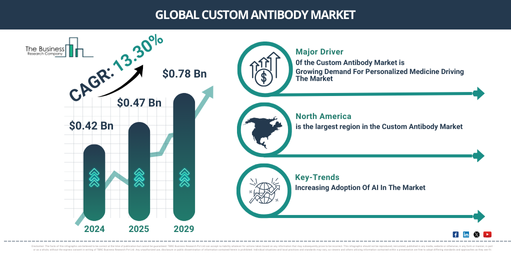
    Significant growth has been noted in the custom antibody market size over the recent years. It is projected to rise from $0.42 billion in 2024 to $0.47 billion in 2025, marking a compound annual growth rate (CAGR) of 13.6%. This remarkable growth during the historic period is the result of factors such as increased demand for custom antibodies, widespread use of precision medicine, escalating incidence of chronic diseases and cancer, an uptick in research and development activities, and a surge in clinical trials.

    The custom antibody market is predicted to witness a significant surge in its size over the coming years, growing to $0.78 billion by 2029 with a 13.3% compound annual growth rate (CAGR). This projected growth during the forecast period can be attributed to various factors like the increased adoption of targeted immunotherapy, expanding investments in the biopharmaceutical sector, the rising prevalence of neurodegenerative disorders, amplified demand for in vitro diagnostics (IVD) applications, as well as increasing expenditure in healthcare. The forecast period is also expected to see key trends such as the rise of personalized medicine, advancements in antibody engineering technology, progress in biotechnology and genetic engineering, widening therapeutic applications, and advancing technology in antibody purification.

    Download a free sample to assess the report’s scope and structure:

    https://www.thebusinessresearchcompany.com/sample.aspx?id=21162&type=smp

    What Are the Major Market Drivers Behind the Rising Adoption of Custom Antibody Market?

    The increasing preference for personalized medical treatments is anticipated to bolster the custom antibody market’s growth in the future. Personalized medicine entails a healthcare strategy that customizes prevention and treatment plans based on a person’s genetics, lifestyle, and environment. This increasing preference for personalized medicine is due to advancements in the field of genomics, broader access to therapies rooted in biomarkers, and growing consumer inclination towards personalized treatment options that enhance effectiveness and minimize negative side effects. Custom antibodies contribute to personalized medicine by offering specific, adapted immune reagents, thereby enhancing the detection of diseases, therapeutic targeting, and identification of biomarkers for tailored treatment plans. To illustrate, in February 2024, the US-based non-profit organization, Personalized Medicine Coalition, reported that the Food and Drug Administration (FDA) approved 16 new personalized treatments in 2023 for those with rare diseases, a significant increase from 6 in 2022. As a result, this swelling demand for personalized medicine is sparking the growth of the custom antibody market.

    Which Key Market Segments Comprise the Custom Antibody Market and Drive Its Revenue Growth?

    The custom antibody market covered in this report is segmented –

    1) By Type: Monoclonal Antibodies, Polyclonal Antibodies, Recombinant Antibodies, Other Types

    2) By Service: Antibody Development, Antibody Production And Purification, Antibody Fragmentation And Labeling

    3) By Source: Mice, Rabbit, Other Sources

    4) By Application: Oncology, Infectious Diseases, Neurology, Stem Cells, Immunology, Cardiovascular Diseases, Other Applications

    5) By End-User: Pharmaceutical And Biotechnology Companies, Academic And Research Institutes, Contract Research Organization, Hospitals And Clinics

    Subsegments:

    1) By Monoclonal Antibodies: Murine Monoclonal Antibodies, Chimeric Monoclonal Antibodies, Humanized Monoclonal Antibodies, Fully Human Monoclonal Antibodies

    2) By Polyclonal Antibodies: Rabbit Polyclonal Antibodies, Goat Polyclonal Antibodies, Sheep Polyclonal Antibodies, Other Animal-Derived Polyclonal Antibodies

    3) By Recombinant Antibodies: Single-Chain Variable Fragment (scFv), Nanobodies, Bispecific Antibodies, Antibody Fragments

    4) By Other Types: Aptamers, Nanobodies (Camelid Antibodies), Hybridomas

    Request customized data on this market:

    https://www.thebusinessresearchcompany.com/customise?id=21162&type=smp

    Which Areas Are Leading Regions in the Custom Antibody Market Expansion Across the Globe?

    North America was the largest region in the custom antibody market in 2024. Asia-Pacific is expected to be the fastest-growing region in the forecast period. The regions covered in the custom antibody market report are Asia-Pacific, Western Europe, Eastern Europe, North America, South America, Middle East, Africa.

    What Are the Strategic Trends Steering theCustom Antibody Market Direction?

    Leading firms in the custom antibody market are concentrating on incorporating cutting-edge technologies like artificial intelligence to advance antibody discovery, refine specificity, and speed up development procedures. Artificial intelligence bolsters custom antibody development by improving antigen choice, forecasting antibody-antigen interaction, and expediting candidate screening using machine learning, resulting in quicker and more cost-efficient biopharmaceutical research. For example, in October 2024, Archon Biosciences Inc., an American biotech firm, was launched with funding of $20 million to create computationally designed antibody cages. These cages help in tailoring existing antibodies for therapeutic use. Archon’s unique technology constructs antibodies into cage structures, allowing changes in their attributes without tampering with their core structures. This advancement attempts to increase antibody affinity for therapeutic targets while curtailing off-target interactions, hence enhancing efficacy and safety.

    View the full report here:

    https://www.thebusinessresearchcompany.com/report/custom-antibody-global-market-report

    How Is the Custom Antibody Market Conceptually Defined?

    A custom antibody is a laboratory-produced antibody specifically designed and generated to target a particular antigen of interest. These antibodies are tailored for research, diagnostic, or therapeutic applications based on the unique needs of scientists or healthcare professionals. Custom antibodies are widely used in biomedical research, diagnostics, and drug development, enabling precise detection and targeting of biomolecules.

    Purchase the full report and get a swift delivery:

    https://www.thebusinessresearchcompany.com/purchaseoptions.aspx?id=21162

    About The Business Research Company:

    With over 15000+ reports from 27 industries covering 60+ geographies, The Business Research Company has built a reputation for offering comprehensive, data-rich research and insights. Armed with 1,500,000 datasets, the optimistic contribution of in-depth secondary research, and unique insights from industry leaders, you can get the information you need to stay ahead in the game.

    Get in touch with us:

    The Business Research Company: https://www.thebusinessresearchcompany.com/

    Americas +1 3156230293

    Asia +44 2071930708

    Europe +44 2071930708

    Email us at info@tbrc.info

    Follow us on:

    LinkedIn: https://in.linkedin.com/company/the-business-research-company

    YouTube: https://www.youtube.com/channel/UC24_fI0rV8cR5DxlCpgmyFQ

    Global Market Model: https://www.thebusinessresearchcompany.com/global-market-model
  • Strong CAGR to Propel in the Rhinovirus Infections Drug Market and Beyond upto $1.93 Billion by 2029

    Strong CAGR to Propel in the Rhinovirus Infections Drug Market and Beyond upto $1.93 Billion by 2029

    Get 30% off on our Global Market Reports with code ONLINE30 – Hurry, limited time offer!

    What Are the Key Milestones in the Rhinovirus Infections Drug Market’s Growth Trajectory From 2025 To 2034?

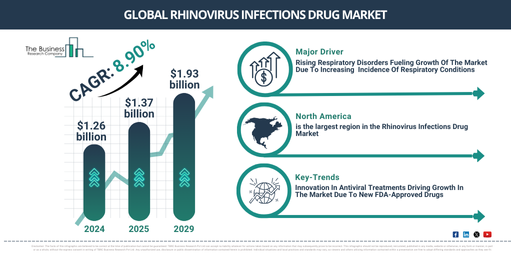
    The market size for drugs dealing with rhinovirus infections has seen significant growth in recent periods. There is anticipated growth from $1.26 billion in 2024 moving up to $1.37 billion in 2025, which indicates a compound annual growth rate (CAGR) of 9.3%. The growth recorded in the historic period can be linked to the increasing occurrence of the common cold, heightened knowledge about respiratory infections, an upsurge in the need for over-the-counter medications, a rise in health care spending and the growing use of combination therapies.

    The market for rhinovirus infection drugs is projected to exhibit robust expansion in the coming years, escalating to a valuation of $1.93 billion in 2029 with a compound annual growth rate (CAGR) of 8.9%. Various factors influencing this growth during the forecast period include the surge in antiviral drug investment, the escalating demand for specialized therapies, a rise in respiratory disorders, enhanced accessibility to healthcare in budding markets, and increased usage of biologics and monoclonal antibodies. The forecast period is also anticipated to witness major trends such as progress in antiviral research, advancements in creating vaccines, innovation regarding biologics and monoclonal antibodies, the production of wide-ranging antivirals, and breakthroughs in nanotechnology for delivering drugs.

    Download a free sample to assess the report’s scope and structure:

    https://www.thebusinessresearchcompany.com/sample.aspx?id=23503&type=smp

    Which Primay Drivers Are Accelerating Growth in the Rhinovirus Infections Drug Market?

    The escalating occurrence of respiratory ailments is predicted to catalyze the expansion of the rhinovirus infections drug sector. Respiratory diseases pertain to health issues involving the lungs and air passages, such as asthma, chronic obstructive pulmonary disease (COPD), and pneumonia, which cause breathing troubles. The upsurge in such diseases is chiefly attributed to ascending air pollution and exposure to job-related risks, thus, leading to conditions like asthma, COPD, and pneumonia becoming more common in impacted demographics. A rhinovirus infections drug aids in managing respiratory diseases by concentrating on viral multiplication, dampening inflammation, and alleviating symptoms to boost respiratory functionality. As per the National Asthma Council, a non-profit organization located in Australia, for example, in November 2023, there were 467 fatalities in Australia due to asthma in 2022, consisting of 299 females and 168 males. This number had risen from 355 fatalities in 2021. Thus, the escalating occurrence of respiratory ailments is fueling growth in the rhinovirus infections drug sector.

    Which Primary Segments of the Rhinovirus Infections Drug Market Are Driving Growth and Industry Transformations?

    The rhinovirus infections drug market covered in this report is segmented –

    1) By Product: Antivirals, Immunomodulators, Vaccines, Nasal Sprays, Symptomatic Treatments

    2) By Patient Age Group: Infants, Children, Adults, Elderly

    3) By Route Of Administration: Oral, Intranasal, Injectable

    4) By Indication: Common Cold, Asthma Exacerbation, Chronic Obstructive Pulmonary Disease (COPD) Exacerbation, Other Indications

    5) By Distribution Channel: Hospital Pharmacies, Retail Pharmacies, Online Pharmacies, Specialty Pharmacies

    Subsegments:

    1) By Antivirals: Pleconaril, Vapendavir, Rupintrivir, Other Antivirals

    2) By Immunomodulators: Interferons, Toll-Like Receptor Agonists, Other Immunomodulators

    3) By Vaccines: Live Attenuated Vaccines, Inactivated Vaccines, Recombinant Vaccines

    4) By Nasal Sprays: Antihistamine Nasal Sprays, Decongestant Nasal Sprays, Steroid Nasal Sprays, Saline Nasal Sprays

    5) By Symptomatic Treatments: Analgesics, Antipyretics, Cough Suppressants, Expectorants, Antihistamines

    Request customized data on this market:

    https://www.thebusinessresearchcompany.com/customise?id=23503&type=smp

    Which Regions Are Key Players in the Growth of the Rhinovirus Infections Drug Market?

    North America was the largest region in the rhinovirus infection drug market in 2024. Asia-Pacific is expected to be the fastest-growing region in the forecast period. The regions covered in the rhinovirus infections drug market report are Asia-Pacific, Western Europe, Eastern Europe, North America, South America, Middle East, Africa.

    Which Technological Trends Are Reshaping the Rhinovirus Infections Drug Industry Dynamics?

    Key players in the rhinovirus infections drug market are concentrating their efforts on creating novel treatment solutions such as antiviral drugs. The goal is to improve treatment efficacy, lessen symptom severity and speed up patient recovery. Antiviral medications inhibit the replication of viruses within the body, offering a way to control diseases like influenza, HIV, hepatitis, and rhinovirus. They work by either preventing the virus from entering host cells or stopping it from replicating or assembling. For example, in March 2025, Altesa BioSciences Inc., a biotech firm in the U.S., was granted approval from the U.S. Food and Drug Administration (FDA) for its Investigational New Drug (IND) application to use vapendavir for rhinovirus infections treatment in individuals with COPD. Vapendavir is a broad-spectrum oral antiviral treatment that inhibits the entry and replication of rhinovirus in human cells. Having proven successful against 97% of rhinoviruses and various respiratory enteroviruses, Altesa BioSciences has exclusive worldwide rights for the development, production and commercialization of vapendavir. This drug aims to deliver targeted therapy for high-risk groups, including patients with COPD and asthma.

    View the full report here:

    https://www.thebusinessresearchcompany.com/report/rhinovirus-infections-drug-global-market-report

    What Parameters Are Used to Define the Rhinovirus Infections Drug Market?

    A rhinovirus infections drug is a pharmaceutical agent designed to prevent, treat, or manage infections caused by rhinoviruses, which are the primary cause of the common cold. These drugs work by inhibiting viral replication, blocking viral entry into host cells, or modulating the immune response to reduce symptom severity and infection duration.

    Purchase the full report and get a swift delivery:

    https://www.thebusinessresearchcompany.com/purchaseoptions.aspx?id=23503

    About The Business Research Company:

    With over 15000+ reports from 27 industries covering 60+ geographies, The Business Research Company has built a reputation for offering comprehensive, data-rich research and insights. Armed with 1,500,000 datasets, the optimistic contribution of in-depth secondary research, and unique insights from industry leaders, you can get the information you need to stay ahead in the game.

    Get in touch with us:

    The Business Research Company: https://www.thebusinessresearchcompany.com/

    Americas +1 3156230293

    Asia +44 2071930708

    Europe +44 2071930708

    Email us at info@tbrc.info

    Follow us on:

    LinkedIn: https://in.linkedin.com/company/the-business-research-company

    YouTube: https://www.youtube.com/channel/UC24_fI0rV8cR5DxlCpgmyFQ

    Global Market Model: https://www.thebusinessresearchcompany.com/global-market-model
  • Key Factors Fueling the Growth of the Complement Inhibitors Market in 2025: Impact Of Personalized Medicine On Advancements In Targeted Therapies

    Our market reports now include the latest updates on global tariffs, trade impacts, and evolving supply chain dynamics.

    How Has the Complement Inhibitors Market Growth Performance Trended Historically, And What Lies Ahead?

    The market size for complement inhibitors has seen a significant expansion in recent years. It is projected to rise from $16.41 billion in 2024 to $21.43 billion in 2025, representing a substantial compound annual growth rate (CAGR) of 30.6%. This notable increase during the historical period is a result of factors such as the rising prevalence of diseases mediated by complements, heightened awareness of rare conditions, the emergence of biologics as potent treatments, increased expenditure in healthcare, a growing emphasis on personalized medicine, the provision of incentives for orphan drugs, regulatory aid for the treatment of rare diseases, and partnerships between pharmaceutical corporations and research bodies.

    The market size for complement inhibitors is predicted to experience stellar growth in the upcoming years. It’s projected to rise to $61.74 billion in 2029, with a compound annual growth rate (CAGR) of 39.3%. This growth anticipated over the forecasted period can be attributed to a rising incidence of autoimmune and inflammatory conditions, expansion in biologics and biosimilars markets, an increased number of clinical trials, advancements in longer-acting complement inhibitors, the growth of healthcare facilities in developing markets, increased preference for targeted therapies, growing elderly population, and improved patient access to biologic treatments. Key trends expected during the forecasted timeline include the application of artificial intelligence for drug discovery, advanced techniques for biomarker identification, the use of machine learning for predicting patient response, long-lasting drug formulations, next-gen sequencing for complement system analysis, high-throughput screening platforms, organ-on-a-chip models for testing complement inhibition, 3D bioprinting for developing complement inhibitors, and real-time monitoring tools for measuring treatment effectiveness.

    Download a free sample to assess the report’s scope and structure:

    https://www.thebusinessresearchcompany.com/sample.aspx?id=21155&type=smp

    What are the Fundamental Drivers and Innovations Shaping the Complement Inhibitors Market?

    The increased emphasis on personalized medicine is anticipated to boost the expansion of the complement inhibitors market in the future. Personalized medicine aims to customize treatments based on the patient’s genetic, environmental, and lifestyle factors to enhance results and patient care. The implementation of personalized medicine is growing because of developments in genomics, increased accessibility of biomarker-founded diagnostics, enhanced data analytics technologies, and a growing demand for more precise and effective therapies. Complement inhibitors, similar to personalized medicine, target specific elements of the complement system depending on a patient’s distinct disease profile, genetic composition, and complement activity levels. For example, as per the Personalized Medicine Coalition (PMC), a nonprofit organization in the U.S., the U.S. Food and Drug Administration (FDA) sanctioned 26 new personalized medicines in 2023, a remarkable augmentation from the 12 sanctioned in 2022. Thus, the increasing focus on personalized medicine is fueling the expansion of the complement inhibitors market.

    How Is the Complement Inhibitors Market Segmented?

    The complement inhibitors market covered in this report is segmented –

    1) By Product Type: Complement Component 3 (C3) Inhibitors, Complement Component 5 (C5) Inhibitors, Complement Factor D Inhibitors

    2) By Mechanism Of Action: Alternative Pathway Inhibitors, Classic Pathway Inhibitors, Lectin Pathway Inhibitors

    3) By Indication: Atypical Hemolytic Uremic Syndrome (aHUS), Generalized Myasthenia Gravis (gMG), Paroxysmal Nocturnal Hemoglobinuria (PNH)

    4) By Route Of Administration: Intravenous (IV), Subcutaneous (SC)

    5) By Patient Demographics: Adult, Geriatric, Pediatric

    Subsegments:

    1) By Complement Component 3 (C3) Inhibitors: Small Molecule C3 Inhibitors, Monoclonal Antibody C3 Inhibitors, Peptide-Based C3 Inhibitors

    2) By Complement Component 5 (C5) Inhibitors: Monoclonal Antibody C5 Inhibitors, Small Molecule C5 Inhibitors, RNA-Based C5 Inhibitors

    3) By Complement Factor D Inhibitors: Small Molecule Factor D Inhibitors, Monoclonal Antibody Factor D Inhibitors

    Request customized data on this market:

    https://www.thebusinessresearchcompany.com/customise?id=21155&type=smp

    Which Regions Are Driving the Next Phase of the Complement Inhibitors Market Growth?

    North America was the largest region in the complement inhibitors market in 2024. Asia-Pacific is expected to be the fastest-growing region in the forecast period. The regions covered in the complement inhibitors market report are Asia-Pacific, Western Europe, Eastern Europe, North America, South America, Middle East, Africa.

    What Key Trends Are Shaping the Future of the Complement Inhibitors Market?

    Leading corporations in the complement inhibitors market are centering their efforts on the creation of monoclonal antibodies. These antibodies are scientifically engineered proteins that aim to target and control the complement system effectively in a range of inflammatory and autoimmune diseases. Notable for treating conditions such as cancer, infections, and autoimmune disorders, monoclonal antibodies directly target and attach to antigens. To illustrate, in August 2024, the European Commission gave approval to Switzerland’s F. Hoffmann-La Roche AG for PiaSky (crovalimab) for the treatment of paroxysmal nocturnal haemoglobinuria (PNH) in adults and teenagers, regardless of previous encounters with C5 inhibitors. PiaSky (crovalimab) operates as a monoclonal antibody that focuses on the complement protein C5 to halt its division, thereby avoiding the development of the membrane attack complex (MAC). This halts the process of terminal complement-induced intravascular haemolysis. By lowering the rate of hemolysis, PiaSky contributes to the improvement of hemoglobin levels, reduces the necessity for blood transfusions, and eases symptoms such as fatigue and anemia, thereby improving the quality of life for patients.

    View the full report here:

    https://www.thebusinessresearchcompany.com/report/complement-inhibitors-global-market-report

    How Is the Complement Inhibitors Market Defined and What Are Its Core Parameters?

    Complement inhibitors are therapeutic agents designed to regulate or block the activity of the complement system, a part of the immune system responsible for inflammation, pathogen elimination and cell lysis. These inhibitors target specific complement components such as complement component 3 (C3) or complement component 5 (C5) to prevent overactivation and protect against tissue damage in diseases like paroxysmal nocturnal hemoglobinuria (PNH) or atypical hemolytic uremic syndrome (aHUS).

    Purchase the full report and get a swift delivery:

    https://www.thebusinessresearchcompany.com/purchaseoptions.aspx?id=21155

    About The Business Research Company:

    With over 15000+ reports from 27 industries covering 60+ geographies, The Business Research Company has built a reputation for offering comprehensive, data-rich research and insights. Armed with 1,500,000 datasets, the optimistic contribution of in-depth secondary research, and unique insights from industry leaders, you can get the information you need to stay ahead in the game.

    Get in touch with us:

    The Business Research Company: https://www.thebusinessresearchcompany.com/

    Americas +1 3156230293

    Asia +44 2071930708

    Europe +44 2071930708

    Email us at info@tbrc.info

    Follow us on:

    LinkedIn: https://in.linkedin.com/company/the-business-research-company

    YouTube: https://www.youtube.com/channel/UC24_fI0rV8cR5DxlCpgmyFQ

    Global Market Model: https://www.thebusinessresearchcompany.com/global-market-model
  • Key Developments and Trends Steering the Coccidioidomycosis Drug Market Forward: Advancements In Antifungal Therapies Through Research Investments

    Key Developments and Trends Steering the Coccidioidomycosis Drug Market Forward: Advancements In Antifungal Therapies Through Research Investments

    Our market reports now include the latest updates on global tariffs, trade impacts, and evolving supply chain dynamics.

    What Is the Estimated Market Size of the Coccidioidomycosis Drug Market In 2029?

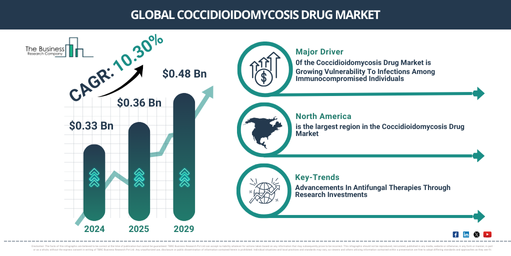
    In recent times, there has been substantial growth in the market size of coccidioidomycosis drugs. It is projected to grow from $0.33 billion in 2024 to $0.36 billion in 2025, at a compound annual growth rate (CAGR) of 8.4%. The growth witnessed in the historical period can be credited to the surge of valley fever cases, increased awareness about coccidioidomycosis, advancements in antifungal medications, development of healthcare infrastructure in areas where the disease is widespread, a rise in government funding for research on rare diseases, an increase in the immunocompromised patient demographic, and alliances between pharmaceutical firms and healthcare providers.

    The market for coccidioidomycosis medication is anticipated to experience swift expansion in the coming years, reaching a value of $0.48 billion in 2029 with a compound annual growth rate (CAGR) of 10.3%. This projected growth during the forecast period can be credited to factors such as increasing instances of valley fever, growing populations in regions where the disease is endemic, broader implementation of personalized medicine, a rise in severe coccidioidomycosis cases, enhancement in managing fungal resistance, increased healthcare spending in endemic areas, ongoing clinical studies for newer treatments, widening access to treatments in underserved regions, and heightened attention to the management of rare diseases. Notable trends for the forecast period include the progression in artificial intelligence applied to drug discovery, the application of machine learning to customize treatments, the creation of aimed antifungal therapies, the incorporation of genomic data into precision medicine, advancements in diagnostic instruments utilizing molecular biomarkers, the development of telemedicine for managing patients remotely, innovation in nanoparticle-based drug delivery systems, use of big data for the study and outcomes of treatment, advancements in real-time patient monitoring technologies, and the creation of virtual platforms for clinical trials.

    Download a free sample to assess the report’s scope and structure:

    https://www.thebusinessresearchcompany.com/sample.aspx?id=21153&type=smp

    How Are Key Drivers in the Industry Acting as Catalysts for the Growth of the Coccidioidomycosis Drug Market?

    The growth of the coccidioidomycosis drug market is expected to be driven by the escalating number of people with weakened immune systems, known as the immunocompromised population. These individuals, including those suffering from cancer, human immunodeficiency virus (HIV), or past transplant recipients, have a higher susceptibility to infections and illnesses. The growth in this population is attributed to various factors such as the rising prevalence of chronic diseases, increasing rates of organ transplants, extensive utilization of immunosuppressive therapies, and the heightened incidence of human immunodeficiency virus (HIV)/acquired immunodeficiency syndrome (AIDS). Coccidioidomycosis medications offer benefits to these immunocompromised patients by managing the fungal infection, reducing the harshness of the disease, and preventing severe complications like disseminated coccidioidomycosis that can be fatal due to their compromised immune system. For example, the Joint United Nations Programme on HIV/AIDS (UNAIDS), a Switzerland-based United Nations organization, reported in July 2024 that around 39.9 million people were living with HIV in 2023, an increase from 39.0 million in 2022. Consequently, the growing quantity of immunocompromised individuals is stimulating the expansion of the coccidioidomycosis drug market.

    Which Segments in the Coccidioidomycosis Drug Offer the Most Growth?

    The coccidioidomycosis drug market covered in this report is segmented –

    1) By Drug Type: Azoles, Echinocandins, Polyenes

    2) By Route Of Administration: Oral, Intravenous

    3) By Treatment Phase: Acute Phase, Chronic Phase, Prophylactic Treatment

    4) By Group Of Patients: Immunocompetent Patients, Immunocompromised Patients

    5) By End-User: Speciality Clinics, Hospitals, Homecare, Other End-Users

    Subsegments:

    1) By Azoles: Fluconazole, Itraconazole, Voriconazole, Posaconazole

    2) By Echinocandins: Caspofungin, Micafungin, Anidulafungin

    3) By Polyenes: Amphotericin B, Liposomal Amphotericin B

    Request customized data on this market:

    https://www.thebusinessresearchcompany.com/customise?id=21153&type=smp

    What Are the Fastest-Growing Geographies in the How Are Key Drivers in the Industry Acting as Catalysts for the Growth of the Coccidioidomycosis Drug Market? Market?

    North America was the largest region in the coccidioidomycosis drug market in 2024. Asia-Pacific is expected to be the fastest-growing region in the forecast period. The regions covered in the coccidioidomycosis drug market report are Asia-Pacific, Western Europe, Eastern Europe, North America, South America, Middle East, Africa.

    What Are the Current Market Growth and Trends in the Coccidioidomycosis Drug Industry?

    Leading enterprises within the coccidioidomycosis drug industry are tactically investing to progress in their development of enhanced antifungal treatments and boost efficacy. Such investments provide a platform for these corporations to run clinical trials, discovering new drug combinations and formulations that target drug-resistant fungi, bolstering the results for patients. For example, in February 2022, researchers from the University of California (UCLA), a renowned American public research university, initiated a platform specifically for studying the reasons behind the severe impacts of coccidioidomycosis (valley fever) in some people, while others remain unaffected. This collaborative venture involves researchers from both the University of California (UCLA) and the University of California San Diego (UCSD) and is backed by a grant from the National Institutes of Health (NIH). This grant assists four research endeavors looking into the innate and adaptive immune reactions to a cocci infection, the genomic impact on cocci diseases, and the role of fungal virulence factors.

    View the full report here:

    https://www.thebusinessresearchcompany.com/report/coccidioidomycosis-drug-global-market-report

    What Are the Key Elements That Define the Coccidioidomycosis Drug Market?

    Coccidioidomycosis drug is a medication designed to combat infections caused by Coccidioides species, the fungi responsible for valley fever. These drugs including azole antifungals and polyene antifungals, help control fungal growth and reduce symptoms. Depending on the severity of infection, treatment may be oral, intravenous, or long-term to prevent complications, especially in immunocompromised patients.

    Purchase the full report and get a swift delivery:

    https://www.thebusinessresearchcompany.com/purchaseoptions.aspx?id=21153

    About The Business Research Company:

    With over 15000+ reports from 27 industries covering 60+ geographies, The Business Research Company has built a reputation for offering comprehensive, data-rich research and insights. Armed with 1,500,000 datasets, the optimistic contribution of in-depth secondary research, and unique insights from industry leaders, you can get the information you need to stay ahead in the game.

    Get in touch with us:

    The Business Research Company: https://www.thebusinessresearchcompany.com/

    Americas +1 3156230293

    Asia +44 2071930708

    Europe +44 2071930708

    Email us at info@tbrc.info

    Follow us on:

    LinkedIn: https://in.linkedin.com/company/the-business-research-company

    YouTube: https://www.youtube.com/channel/UC24_fI0rV8cR5DxlCpgmyFQ

    Global Market Model: https://www.thebusinessresearchcompany.com/global-market-model

  • Respiratory Biologics Market 2025-2034: Key Highlights, Growth Dynamics, and Emerging Trends

    Respiratory Biologics Market 2025-2034: Key Highlights, Growth Dynamics, and Emerging Trends

    Get 30% off on our Global Market Reports with code ONLINE30 – Hurry, limited time offer!

    What Are the Key Projections for the CAGR of the Respiratory Biologics Market Size From 2025 to 2034?

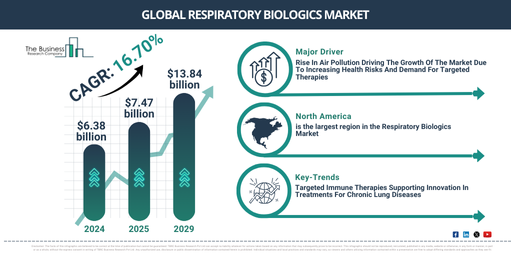
    In the past few years, an accelerated expansion has been observed in the respiratory biologics market. The market size which was $6.38 billion in 2024 is expected to climb up to $7.47 billion in 2025, witnessing a compound annual growth rate (CAGR) of 17.0%. Factors that have contributed to the growth during the historic period include the escalating frequency of respiratory illnesses, the increasing trend of personalized medicine, the global rise in healthcare spending, enhanced awareness and diagnosis rates of respiratory conditions, and the increase in elderly population suffering from respiratory disorders.

    Expectations are high for significant expansion in the respiratory biologics market in the coming years. The market is projected to reach $13.84 billion by 2029, with a compound annual growth rate of 16.7%. This anticipated surge over the forecast period can be linked to factors such as the increasing incidence of asthma and COPD, more widespread use of biologic therapies, enhanced investment in research and development, growing demand for non-invasive methods of drug delivery, and extensive reimbursement policies. Key trends to look out for during this period encompass the adoption of monoclonal antibodies for treating respiratory conditions, progress in biologic drug formulations and delivery systems, regulatory approvals, strategic partnerships and acquisitions among prominent players, and the incorporation of artificial intelligence into drug discovery and development processes.

    Download a free sample to assess the report’s scope and structure:

    https://www.thebusinessresearchcompany.com/sample.aspx?id=23497&type=smp

    How Are Key Drivers in the Industry Acting as Catalysts for the Growth of the Respiratory Biologics Market?

    The escalating levels of air pollution are poised to catalyze the expansion of the respiratory biologics market moving forward. Air pollution, denoting the occurrence of detrimental substances like gases, particulate matter, and biological molecules in the earth’s atmosphere, has an adverse impact on both human health and the environment. The augmentation in air pollution can be traced back to increasing industrialization and urbanization, contributing to heightened discharge of pollutants from factories, vehicles, and construction operations. Respiratory biologics provide a solution to the health detriments of air pollution by offering targeted treatments that pull back inflammation and enhance lung function in those exposed to airborne pollutants. For instance, per the Environmental Protection Agency, a government agency in the US, it was reported that in 2023, over 66 million tons of pollutants were emitted into the atmosphere in the United States. In addition, the United Nations Environment Programme, an environmental authority based in Kenya, stated in September 2022 that yearly, air pollution causes 7 million premature deaths, and 99% of the world’s population are breathing impure air. As a result, the swelling in air pollution is fueling the advancement of the respiratory biologics market.

    Which Segments in the Respiratory Biologics Offer the Most Growth?

    The respiratory biologics market covered in this report is segmented –

    1) By Disease Indication: Asthma, Chronic Rhinosinasitis, Hypereosinophilic Syndrome

    2) By Route Of Administration: Intravenous, Subcuteneous

    3) By Sales Channel: Hospitals, Specialty Clinics, Retail Pharmacies, Mail Order Pharmacies

    Subsegment:

    1) By Asthma: Severe Eosinophilic Asthma, Allergic Asthma, Non-Allergic Asthma

    2) By Type: Chronic Rhinosinusitis: Chronic Rhinosinusitis with Nasal Polyps, Chronic Rhinosinusitis without Nasal Polyps

    3) By Hypereosinophilic Syndrome (HES): Idiopathic HES, Lymphocytic Variant HES, Myeloproliferative HES

    Request customized data on this market:

    https://www.thebusinessresearchcompany.com/customise?id=23497&type=smp

    What Are the Fastest-Growing Geographies in the Respiratory Biologics Market?

    North America was the largest region in the respiratory biologics market in 2024. Asia-Pacific is expected to be the fastest-growing region in the forecast period. The regions covered in the respiratory biologics market report are Asia-Pacific, Western Europe, Eastern Europe, North America, South America, Middle East, Africa.

    What Are the Current Market Growth and Trends in the Respiratory Biologics Industry?

    The focus of key players in the respiratory biologics market is shifting towards creating innovative biologic solutions such as specialized immune therapies catered to chronic respiratory illnesses. These therapies aim to regulate the body’s immune system to reduce inflammation and enhance lung functionality. In examples, Sanofi S.A., a pharmaceutical firm based in France, made a major announcement in September 2024 regarding the approval of Dupixent (dupilumab) by the US Food and Drug Administration (FDA). This treatment, used as an add-on maintenance therapy for adults suffering from poorly managed chronic obstructive pulmonary disease (COPD) characterized by an eosinophilic phenotype, marked a prominent milestone. It was the first biologic treatment to gain U.S. approval for this specific COPD patient population.

    View the full report here:

    https://www.thebusinessresearchcompany.com/report/respiratory-biologics-global-market-report

    What Are the Key Elements That Define the Respiratory Biologics Market?

    Respiratory biologics are a class of targeted medications derived from living organisms used to treat chronic respiratory diseases. These biologics typically target specific molecules in the immune system, such as interleukins (IL-4, IL-5, IL-13) or immunoglobulin E (IgE), to reduce inflammation and improve breathing. Respiratory biologics are often prescribed for patients with severe, uncontrolled respiratory conditions that do not respond well to standard treatments like inhaled corticosteroids and bronchodilators.

    Purchase the full report and get a swift delivery:

    https://www.thebusinessresearchcompany.com/purchaseoptions.aspx?id=23497

    About The Business Research Company:

    With over 15000+ reports from 27 industries covering 60+ geographies, The Business Research Company has built a reputation for offering comprehensive, data-rich research and insights. Armed with 1,500,000 datasets, the optimistic contribution of in-depth secondary research, and unique insights from industry leaders, you can get the information you need to stay ahead in the game.

    Get in touch with us:

    The Business Research Company: https://www.thebusinessresearchcompany.com/

    Americas +1 3156230293

    Asia +44 2071930708

    Europe +44 2071930708

    Email us at info@tbrc.info

    Follow us on:

    LinkedIn: https://in.linkedin.com/company/the-business-research-company

    YouTube: https://www.youtube.com/channel/UC24_fI0rV8cR5DxlCpgmyFQ

    Global Market Model: https://www.thebusinessresearchcompany.com/global-market-model

  • Renin-Angiotensin-System (RAS)-Acting Agents Market Trends 2025-2034: Growth, Strategic Insights, and Opportunities Ahead

    Renin-Angiotensin-System (RAS)-Acting Agents Market Trends 2025-2034: Growth, Strategic Insights, and Opportunities Ahead

    Get 30% off on our Global Market Reports with code ONLINE30 – Hurry, limited time offer!

    How Has The Renin-Angiotensin-System (RAS)-Acting Agents Market Growth Evolved From 2024 To 2025, And What’s Ahead?

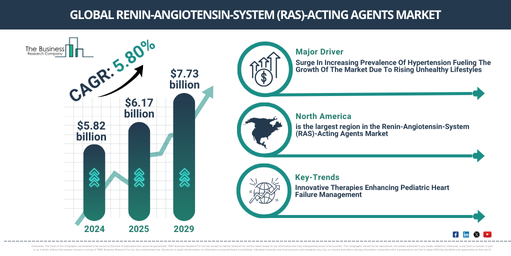
    In recent times, the market size of renin-angiotensin-system (RAS)-acting agents has seen substantial growth. It’s forecasted to escalate from $5.82 billion in 2024 to $6.17 billion in 2025, with a compound annual growth rate (CAGR) of 6.0%. This growth over the historical period is linked to various factors such as the rising cases of hypertension, growing incidences of cardiovascular diseases, an increase in the aging population, greater consciousness regarding the management of blood pressure, robust support from clinical research, and the approval of new drugs by regulatory bodies.

    The market for agents that act on the renin-angiotensin system (RAS) is predicted to experience substantial growth in the upcoming years. Its value is projected to hit $7.73 billion by 2029, with an expected compound annual growth rate (CAGR) of 5.8%. This projected surge over the forecast period can be credited to several factors such as an increased emphasis on personalized treatment, soaring demand for fixed-dose combinations, escalated investment in cardiovascular studies, expanding access to healthcare in emerging economies, and a growing incidence of diseases tied to lifestyle choices. Key trends expected to shape this market during the forecast period include the application of artificial intelligence (AI) in drug discovery, delivery of drugs using nanotechnology, advancements in personalized medicine, using blockchain for secure clinical data sharing, hypertension monitoring through wearable biosensors, and employing digital twin technology for patient simulation.

    Download a free sample to assess the report’s scope and structure:

    https://www.thebusinessresearchcompany.com/sample.aspx?id=23496&type=smp

    What Are the Major Market Drivers Behind the Rising Adoption of Renin-Angiotensin-System (RAS)-Acting Agents Market?

    The escalating occurrence of hypertension is projected to stimulate the expansion of the renin-angiotensin system (RAS)-acting agents market in the future. Hypertension, also known as high blood pressure, signifies a continuous health situation where the pressure against the arterial walls remains excessively high. This occurrence happens primarily due to unhealthy eating habits, especially those involving high salt and processed food consumption that lead to blood pressure surge and cardiovascular system strain. RAS-acting agents play a crucial role in curbing hypertension incidence by controlling blood pressure through the restriction of angiotensin II, a hormone responsible for blood vessel constriction and fluid retention, which in effect facilitates vasodilation and a consequent decrease in blood pressure. For example, in October 2024, data from the Australian Bureau of Statistics, an Australia-based governmental organization, showed that 11.6% (3.0 million) of Australians were experiencing hypertension in 2022, with virtually equal rates of occurrence in males (11.7%) and females (11.6%). Therefore, the escalating occurrence of hypertension is the key factor boosting the growth of the renin-angiotensin system (RAS)-acting agents market.

    Which Key Market Segments Comprise the Renin-Angiotensin-System (RAS)-Acting Agents Market and Drive Its Revenue Growth?

    The renin-angiotensin-system (RAS)-acting agents market covered in this report is segmented –

    1) By Drug Class: Angiotensin-Converting Enzyme (ACE) Inhibitors, Angiotensin II Receptor Blockers (ARBs), Renin Inhibitors, Aldosterone Antagonists, Other Drug Classes

    2) By Indication: Hypertension, Heart Failure, Chronic Kidney Disease, Diabetic Nephropathy, Coronary Artery Disease

    3) By Distribution Channel: Hospital Pharmacies, Retail Pharmacies, Online Pharmacies, Specialty Clinics

    4) By End-User: Hospitals, Research Institutes, Pharmaceutical Companies, Other End-Users

    Subsegments:

    1) By Angiotensin-Converting Enzyme (ACE) Inhibitors: Captopril, Enalapril, Lisinopril, Ramipril, Perindopril

    2) By Angiotensin II Receptor Blockers (ARBs): Losartan, Valsartan, Irbesartan, Olmesartan, Telmisartan

    3) By Renin Inhibitors: Aliskiren

    4) By Aldosterone Antagonists: Spironolactone, Eplerenone

    5) By Other Drug Classes: Dual Angiotensin Receptor-Neprilysin Inhibitors (ARNIs), Endothelin Receptor Antagonists, Vasopeptidase Inhibitors, Mineralocorticoid Receptor Antagonists (MRAs), Angiotensin Receptor Blockers With Neprilysin Inhibitors (ARNBIs)

    Request customized data on this market:

    https://www.thebusinessresearchcompany.com/customise?id=23496&type=smp

    Which Areas Are Leading Regions in the Renin-Angiotensin-System (RAS)-Acting Agents Market Expansion Across the Globe?

    North America was the largest region in the renin-angiotensin-system (RAS)-acting agents market in 2024. Asia-Pacific is expected to be the fastest-growing region in the forecast period. The regions covered in the renin-angiotensin-system (RAS)-acting agents market report are Asia-Pacific, Western Europe, Eastern Europe, North America, South America, Middle East, Africa.

    What Are the Strategic Trends Steering the Renin-Angiotensin-System (RAS)-Acting Agents Market Direction?

    Leading players in the renin-angiotensin system (RAS)-acting agents market are directing their efforts towards the creation of innovative renin-angiotensin system (RAS) inhibitors, such as angiotensin-converting enzyme (ACE) inhibitors. This development is geared towards increasing effectiveness, reducing adverse effects, enhancing patient adherence, and targeting conditions such as hypertension, heart failure, and kidney diseases. ACE inhibitors are drugs that lower blood pressure by preventing the enzyme that transforms angiotensin I into angiotensin II, a compound that constricts blood vessels. For example, Proveca Ltd., a pharmaceutical firm based in the UK, received a grant from the European Commission for pediatric use marketing authorization (PUMA) in November 2023. This grant was for Aqumeldi (enalapril maleate) orodispersible tablets, designed to treat heart failure in children ranging from newborns to those under 18 years. Aqumeldi, an ACE inhibitor, aids child heart failure patients by inhibiting the ACE, blocking the transformation of angiotensin I into angiotensin II, hence broadening blood vessels, improving blood circulation, and lessening the heart’s burden.

    View the full report here:

    https://www.thebusinessresearchcompany.com/report/renin-angiotensin-system-ras-acting-agents-global-market-report

    How Is the Renin-Angiotensin-System (RAS)-Acting Agents Market Conceptually Defined?

    The renin-angiotensin system (RAS)-acting agents are a class of medications that regulate blood pressure, fluid balance, and vascular resistance by targeting various components of the renin-angiotensin system, which plays a crucial role in cardiovascular and renal function. These agents are commonly prescribed to treat conditions like hypertension, heart failure, and chronic kidney disease by either blocking the production of angiotensin II or inhibiting its effects on blood vessels.

    Purchase the full report and get a swift delivery:

    https://www.thebusinessresearchcompany.com/purchaseoptions.aspx?id=23496

    About The Business Research Company:

    With over 15000+ reports from 27 industries covering 60+ geographies, The Business Research Company has built a reputation for offering comprehensive, data-rich research and insights. Armed with 1,500,000 datasets, the optimistic contribution of in-depth secondary research, and unique insights from industry leaders, you can get the information you need to stay ahead in the game.

    Get in touch with us:

    The Business Research Company: https://www.thebusinessresearchcompany.com/

    Americas +1 3156230293

    Asia +44 2071930708

    Europe +44 2071930708

    Email us at info@tbrc.info

    Follow us on:

    LinkedIn: https://in.linkedin.com/company/the-business-research-company

    YouTube: https://www.youtube.com/channel/UC24_fI0rV8cR5DxlCpgmyFQ

    Global Market Model: https://www.thebusinessresearchcompany.com/global-market-model

  • Key Factors Fueling the Growth of the Pulmonary Drugs Market in 2025: Rising Prevalence Of Respiratory Diseases Driving Demand For Pulmonary Drugs Due To Increasing Infectious Disease Burden

    Key Factors Fueling the Growth of the Pulmonary Drugs Market in 2025: Rising Prevalence Of Respiratory Diseases Driving Demand For Pulmonary Drugs Due To Increasing Infectious Disease Burden

    Get 30% off on our Global Market Reports with code ONLINE30 – Hurry, limited time offer!

    What Are the Projected Market Size and Growth Rates for the Pulmonary Drugs Market From 2025 To 2029?

    The market size for pulmonary drugs has seen significant growth in the past few years. The market, valued at $54.28 billion in 2024, is predicted to increase to $57.53 billion in 2025, indicative of a compound annual growth rate (CAGR) of 6.0%. This notable increase during the historical period can be tied to several factors such as the increased occurrence of respiratory diseases, the escalation in smoking rates, a growing elderly population, wider healthcare availability, and a spike in pollution levels.

    In the upcoming years, the size of the pulmonary drugs market is projected to experience robust growth, escalating to $71.91 billion by 2029 with a compound annual growth rate (CAGR) of 5.7%. The expansion within the forecast period is likely due to the advancement of healthcare facilities, the increased incidence of cardiovascular diseases, the augmentation of homecare therapies, the growing consciousness about lung diseases, and the prominence of asthma. Foreseen trends for the period include progress in technology, drug discovery facilitated by AI, utilization of smart inhalers, formulation based on nanotechnology, and progress in gene therapy.

    Download a free sample to assess the report’s scope and structure:

    https://www.thebusinessresearchcompany.com/sample.aspx?id=23489&type=smp

    What are the Fundamental Drivers and Innovations Shaping the Pulmonary Drugs Market?

    The escalating incidence of respiratory conditions is likely to stimulate the expansion of the pulmonary drugs market in the future. Respiratory disorders, which impact the lungs and airways, disrupt usual breathing and the exchange of oxygen. The rise in such disorders is a result of increased smoking, which contributes to lung damage and chronic illnesses. Pulmonary medications are essential in controlling these disorders by enhancing lung performance, mitigating inflammation, and alleviating blocked airways for improved respiration. For example, the Bureau of Labor Statistics, a governmental agency in the United States, reported that the disease rate among private industry employers amplified to 45.2 cases per 10,000 FTE employees in 2022, a surge from 37.7 cases in 2021. This increase was primarily due to a heightened frequency of respiratory ailments, which expanded from 27.8 cases per 10,000 FTE employees in 2021 to 35.8 cases the following year. Thus, the proliferation of respiratory diseases is fuelling the growth of the pulmonary drugs market.

    How Is the Pulmonary Drugs Market Segmented?

    The pulmonary drugs market covered in this report is segmented –

    1) By Drug Class: Inhaled Corticosteroids, Long Acting Beta-2 Agonists, Antihistamines, Vasodilators, Short Acting Beta-2 Agonists, Other Drug Classes

    2) By Indication: Asthma, Chronic Obstructive Pulmonary Disease (COPD), Allergic Rhinitis, Pulmonary Arterial Hypertension, Cystic Fibrosis, Other Indications

    3) By Distribution Channel: Retail Pharmacies, Online Pharmacies, Hospitals Pharmacies

    Subsegments:

    1) By Inhaled Corticosteroids: Beclomethasone, Budesonide, Fluticasone, Mometasone, Ciclesonide

    2) By Long-Acting Beta-2 Agonists: Salmeterol, Formoterol, Indacaterol, Olodaterol, Vilanterol

    3) By Antihistamines: Cetirizine, Loratadine, Fexofenadine, Diphenhydramine, Levocetirizine

    4) By Vasodilators: Endothelin Receptor Antagonists, Phosphodiesterase-5 Inhibitors, Prostacyclin Analogues

    5) By Short-Acting Beta-2 Agonists (SABA): Albuterol, Levalbuterol, Terbutaline, Fenoterol, Pirbuterol

    6) By Other Drug Classes: Monoclonal Antibodies, Enzymes, Antibiotics, Antileukotrienes

    Request customized data on this market:

    https://www.thebusinessresearchcompany.com/customise?id=23489&type=smp

    Which Regions Are Driving the Next Phase of the Pulmonary Drugs Market Growth?

    North America was the largest region in the pulmonary drugs market in 2024. Asia-Pacific is expected to be the fastest-growing region in the forecast period. The regions covered in the pulmonary drugs market report are Asia-Pacific, Western Europe, Eastern Europe, North America, South America, Middle East, Africa.

    What Key Trends Are Shaping the Future of the Pulmonary Drugs Market?

    Leading firms in the pulmonary drugs market are concentrating on the creation of novel therapies like single-inhaler triple therapy (SITT) to boost treatment effectiveness, augment patient compliance, and make medication schedules easier for superior disease control. The SITT treatment amalgamates three varied medicines in one inhaler to deal with chronic respiratory illnesses, for example, chronic obstructive pulmonary disease (COPD), more efficiently. For example, in April 2022, GlaxoSmithKline Pharmaceuticals Limited, a pharmaceutical firm based in India, released Trelegy Ellipta, the first of its kind single-inhaler triple therapy (SITT) in India for COPD patients. This therapeutic approach merges fluticasone furoate, umeclidinium, and vilanterol to enhance pulmonary functionality and diminish symptom flare-ups. The advanced Ellipta inhaler guarantees accurate dosage and boosts patient adherence compared to numerous inhaler therapies. Given that India has over 100 million COPD patients, this introduction aims to streamline therapy and enhance patient results.

    View the full report here:

    https://www.thebusinessresearchcompany.com/report/pulmonary-drugs-global-market-report

    How Is the Pulmonary Drugs Market Defined and What Are Its Core Parameters?

    Pulmonary drugs refer to medications that target the respiratory system to improve lung function, reduce inflammation, and manage airway disorders. They are used for treating conditions such as asthma, chronic obstructive pulmonary disease (COPD), pulmonary fibrosis, and other respiratory illnesses.

    Purchase the full report and get a swift delivery:

    https://www.thebusinessresearchcompany.com/purchaseoptions.aspx?id=23489

    About The Business Research Company:

    With over 15000+ reports from 27 industries covering 60+ geographies, The Business Research Company has built a reputation for offering comprehensive, data-rich research and insights. Armed with 1,500,000 datasets, the optimistic contribution of in-depth secondary research, and unique insights from industry leaders, you can get the information you need to stay ahead in the game.

    Get in touch with us:

    The Business Research Company: https://www.thebusinessresearchcompany.com/

    Americas +1 3156230293

    Asia +44 2071930708

    Europe +44 2071930708

    Email us at info@tbrc.info

    Follow us on:

    LinkedIn: https://in.linkedin.com/company/the-business-research-company

    YouTube: https://www.youtube.com/channel/UC24_fI0rV8cR5DxlCpgmyFQ

    Global Market Model: https://www.thebusinessresearchcompany.com/global-market-model