Category: Pharmaceuticals

  • Diet Pills Market Set To Expand From $3.51 Billion In 2026: Growth Outlook Through 2030

    Diet Pills Market Set To Expand From $3.51 Billion In 2026: Growth Outlook Through 2030

    Built to provide research that’s more actionable and strategically valuable, The Business Research Company’s 2026 market reports include market attractiveness analysis, total addressable market sizing, company benchmarking matrices, interactive Excel dashboards, broader supply chain intelligence, emerging startup tracking, and in-depth product insights.

    Diet Pills Market Growth Potential: How Will Market Size Shift Through 2030?

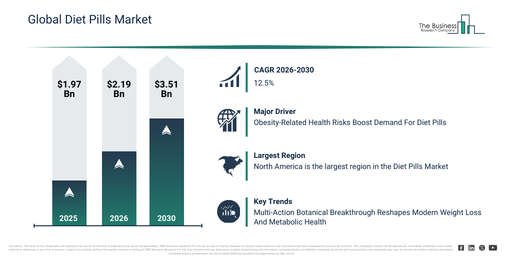
    The diet pills market has seen swift expansion in recent years. It is projected to expand from $1.97 billion in 2025 to $2.19 billion in 2026, reflecting a compound annual growth rate (CAGR) of 11.5%. Historically, this growth can be attributed to the escalating prevalence of obesity, the adoption of increasingly sedentary urban lifestyles, greater consumer awareness of weight management, the expansion of retail pharmacy networks, and assertive marketing strategies for diet supplements.

    The diet pills market is poised for substantial expansion in the coming years, projected to reach $3.51 billion in 2030, demonstrating a compound annual growth rate (CAGR) of 12.5%. This increase over the forecast period is driven by factors such as a growing inclination towards preventive healthcare, an increasing demand for natural and herbal products, the expanding reach of e-commerce pharmacies, advancements in weight management research, and rising disposable incomes in emerging economies. Prominent trends expected during this period include a surge in demand for appetite suppression pills, the development of herbal and natural diet pills, the increasing popularity of over-the-counter weight loss pills, the growth of online pharmacy sales, and an intensified focus on formulations that boost metabolism.

    Get A Free Sample Report With In-Depth Market Insights:

    https://thebusinessresearchcompany.com/sample_request?id=59981419&type=smp&name=Diet%20Pills%20Market%20Report%202026&utm_source=Blogs&utm_medium=Paid&utm_campaign=Oct_PR

    Diet Pills Market Opportunity Drivers: What’s Unlocking New Revenue Potential?

    The escalating issue of obesity is anticipated to significantly drive the expansion of the diet pill market moving forward. Obesity is characterized by abnormal or excessive weight gain, typically defined by a body mass index (BMI) greater than 30, which poses substantial health risks. This condition increases the likelihood of mortality from various cancers, including those of the esophagus, colon, rectum, liver, gallbladder, pancreas, and kidney. Moreover, it contributes to the development of disorders such as type 2 diabetes (T2D) and cardiovascular diseases (CVD). Obese individuals frequently turn to diet pills as a medical intervention to facilitate weight loss, as these medications work by reducing appetite and food cravings. For instance, data released in June 2024 by the American Heart Association, Inc., a US-based non-profit entity, projects that by 2050, over 150 million people in the U.S. will have a poor diet. This trend is expected to contribute to an approximate 40% increase in adult obesity (from 43.6% to 60.6%) and more than a 60% rise in child obesity (from 20.6% to 33%), while 61% of adults are forecast to have cardiovascular disease, with the most pronounced obesity growth occurring among adults aged 20-64. Therefore, the increasing prevalence of obesity is a key factor propelling the growth of the diet pill market.

    Diet Pills Market Segmentation And Category Overview

    The diet pills market covered in this report is segmented –

    1) By Product Type: Prescription, Over The Counter, Herbal Supplements

    2) By Age: Teenagers, Adults

    3) By Distribution Channel: Hospital Pharmacies, Retail Pharmacies, Online Pharmacies, Drug Stores

    4) By Application: Appetite Suppression, Fat Blocking, Other Applications

    Subsegments:

    1) By Prescription: Prescription Weight Loss Pills, Prescription Appetite Suppressants, Prescription Fat Blockers

    2) By Over The Counter: Non-Prescription Weight Loss Pills, Appetite Control Tablets, Fat Burners, Metabolism Boosters

    3) By Herbal Supplements: Herbal Weight Loss Pills, Herbal Appetite Suppressants, Natural Fat Burners, Traditional Herbal Formulations

    Diet Pills Market Innovation Trends Shaping Future Development

    Major companies operating in the diet pills market are concentrating on developing advanced solutions, such as multi-action botanical formulations, to improve weight loss assistance and metabolic health. These multi-action botanical formulations utilize clinically studied plant-based extracts that function synergistically to support healthy fat reduction, increased energy expenditure, and enhanced feelings of fullness. This strategy aims to supply consumers with science-backed weight management support without requiring pharmaceutical ingredients. For instance, in July 2025 Herbalife Ltd., a US-based nutrition company, launched MultiBurn, which features a blend of Morosil from Moro blood oranges, Metabolaid from hibiscus and lemon verbena, and Capsifen, combining red chili pepper and fenugreek. The product includes caffeine to stimulate metabolism and provide energy, along with chromium to help maintain blood sugar levels already within the normal range. It is gluten-free, appropriate for vegans, and manufactured without synthetic colors or dyes. It contributes to overall weight loss, healthy fat reduction, healthy energy expenditure, and a feeling of fullness, aligning with Herbalife’s emphasis on clean-label, science-backed wellness solutions.

    Diet Pills Market Competitive Analysis Of Leading Industry Participants

    Major companies operating in the diet pills market are GlaxoSmithKline plc, Iovate Health Sciences International Inc., Novo Nordisk A/S, Gelesis Inc., VIVUS Inc., Creative Biosciences Pvt. Ltd., Applied Nutrition Ltd. (India), Herbalife Nutrition India Private Limited, Camillotek India Pvt. Ltd., NOW Foods, MuscleTech Research and Development LLC, Healthviva Group of Companies, Nalpropion Pharmaceuticals LLC, Chong’s Health Care Pte. Ltd., Currax Pharmaceuticals LLC, TEVA PHARMACEUTICAL INDUSTRIES LTD, Eli Lilly and Company, Arena Pharmaceuticals GmbH & Co. KG, Orexigen Therapeutics Inc., Takeda Pharmaceutical Company Limited, Sanofi SA, Boehringer Ingelheim International GmbH, Merck & Co. Inc., Johnson & Johnson, Abbott Laboratories

    View The Full Diet Pills Market Report:

    https://thebusinessresearchcompany.com/report/diet-pills-global-market-report?utm_source=Blogs&utm_medium=Paid&utm_campaign=Oct_PR

    Diet Pills Market Regional Analysis: Which Region Leads By Revenue?

    North America was the largest region in the diet pills market in 2025. The regions covered in the diet pills market report are Asia-Pacific, South East Asia, Western Europe, Eastern Europe, North America, South America, Middle East, Africa.

    Reach Out To Our Team:

    The Business Research Company: https://www.thebusinessresearchcompany.com/

    Americas: +1 310-496-7795

    Asia: +44 7882 955267 & +91 8897263534

    Europe: +44 7882 955267

    Email us at: marketing@tbrc.info

    Follow us on:

    LinkedIn: https://in.linkedin.com/company/the-business-research-company

    YouTube: https://www.youtube.com/channel/UC24_fI0rV8cR5DxlCpgmyFQ

    Global Market Model: https://www.thebusinessresearchcompany.com/global-market-model

  • Diagnostic Specialty Antibodies Market Size And Growth In 2026: Key Factors Shaping Future Demand

    Diagnostic Specialty Antibodies Market Size And Growth In 2026: Key Factors Shaping Future Demand

    Backed by market attractiveness analysis, total addressable market sizing, company benchmarking matrices, interactive Excel dashboards, wider supply chain intelligence, emerging startup coverage, and detailed product-level insights, The Business Research Company’s 2026 market reports are designed to offer research that is more actionable and strategically valuable than ever.

    Diagnostic Specialty Antibodies Market Value Analysis: What Growth Lies Ahead Over The Forecast Period?

    The diagnostic specialty antibodies market size has experienced robust expansion in recent years. Projections indicate it will grow from $30.96 billion in 2025 to $32.82 billion in 2026, at a compound annual growth rate (CAGR) of 6.0%. This historical growth can be linked to factors such as the increasing prevalence of infectious diseases, the expansion of hospital-based diagnostic testing, rising adoption of immunoassay techniques, growing awareness of early disease detection, and the availability of conventional monoclonal antibody technologies.

    The diagnostic specialty antibodies market size is anticipated to experience robust expansion over the next few years. It is projected to reach $42.84 billion in 2030, displaying a compound annual growth rate (CAGR) of 6.9%. This projected growth can be attributed to several factors such as the expansion of oncology diagnostics, an increasing need for rapid diagnostic tests, the establishment of more diagnostic laboratories in emerging markets, progress in recombinant antibody engineering, and rising investments in biomarker-based diagnostics. Notable trends expected during this forecast period include the increasing adoption of precision diagnostics, the broadening of infectious disease testing panels, a growing demand for high-specificity monoclonal antibodies, the development of more point-of-care diagnostic assays, and improvements in the standardization of antibody validation and quality control.

    Get A Free Sample Report With In-Depth Market Insights:

    https://thebusinessresearchcompany.com/sample_request?id=59747583&type=smp&name=Diagnostic%20Specialty%20Antibodies%20Market%20Report%202026&utm_source=Blogs&utm_medium=Paid&utm_campaign=Oct_PR

    Diagnostic Specialty Antibodies Market Growth Momentum: What Factors Are Shaping Demand?

    The expanding patient population for HIV diagnosis is projected to drive the growth of the diagnostic specialty antibodies market. An increasing number of individuals being diagnosed with HIV (Human Immunodeficiency Virus) indicates a growing patient pool. As more people receive an HIV diagnosis, the market for diagnostic specialty antibodies expands, creating opportunities for manufacturers to develop and supply specialized antibody-based diagnostic products for HIV testing. These products facilitate the detection of specific biomarkers related to the virus, aiding in the early identification and monitoring of HIV infection. For instance, in October 2024, a report from the UK Health Security Agency, a UK-based government body, revealed an 11% increase in the HIV testing rate between 2022 and 2023. In 2023, the highest testing rate was observed among gay, bisexual, and other men who have sex with men (GBMSM), reaching 52,255 per 100,000. In contrast, the rates for heterosexual men and heterosexual and bisexual women were notably lower, at 1,894 and 3,106 per 100,000, respectively. Therefore, the expanding patient pool for HIV diagnoses is a key factor propelling the diagnostic specialty antibodies market.

    Diagnostic Specialty Antibodies Market Segment Outlook: Which Categories Are Growing Fastest?

    The diagnostic specialty antibodies market covered in this report is segmented –

    1) By Antibody Type: Monoclonal Antibodies, Polyclonal Antibodies, Recombinant Polyclonal Antibodies

    2) By Application: Hepatitis, Tuberculosis, Dengue, Oncology, Human Immunodeficiency Virus (HIV), Infectious Disease, Other Applications

    3) By End User: Diagnostic Laboratories, Hospitals

    Subsegments:

    1) By Monoclonal Antibodies: Murine Monoclonal Antibodies, Chimeric Monoclonal Antibodies, Humanized Monoclonal Antibodies, Fully Human Monoclonal Antibodies

    2) By Polyclonal Antibodies: Rabbit Polyclonal Antibodies, Goat Polyclonal Antibodies, Sheep Polyclonal Antibodies

    3) By Recombinant Polyclonal Antibodies: Single-Chain Variable Fragment (scFv), Fab Fragments

    Diagnostic Specialty Antibodies Market Trends Redefining Industry Growth

    Companies operating in the diagnostic specialty antibodies market are dedicating efforts to developing innovative assays, such as antibody assays, for the diagnosis of rare bleeding disorders and to secure a competitive advantage. An antibody assay is a laboratory method utilized to identify and quantify the existence and concentration of antibodies within a biological sample. For example, in May 2023, Versiti, a US-based nonprofit organization, introduced the Anti-von Willebrand Factor (VWF) Antibody Assay. This innovative assay is designed to aid clinicians in recognizing patients with suspected acquired von Willebrand Disease (aVWD). Developed through research at the Versiti Blood Research Institute, the assay identifies both inhibitory and non-inhibitory antibodies that bind to VWF, thus providing additional avenues for anti-VWF antibody detection.

    Diagnostic Specialty Antibodies Market Leading Companies And Competitive Benchmarking

    Major companies operating in the diagnostic specialty antibodies market are F. Hoffmann-La Roche AG, Thermo Fisher Scientific Inc., Abbott Laboratories, Danaher Corporation, Merck KGaA, Becton Dickinson and Company, Agilent Technologies Inc., Sartorius AG, Bio-Rad Laboratories Inc., STEMCELL Technologies Inc., Abcam PLC, Enzo Life Sciences Inc., Rockland Immunochemicals Inc., Santa Cruz Biotechnology Inc., Creative Diagnostics, Novus Biologicals LLC, Precirix NV, Creative Biolabs Inc., Polymun Scientific Immunbiologische Forschung GmbH, Telix Pharmaceuticals Limited

    View The Full Diagnostic Specialty Antibodies Market Report:

    https://thebusinessresearchcompany.com/report/diagnostic-specialty-antibodies-global-market-report?utm_source=Blogs&utm_medium=Paid&utm_campaign=Oct_PR

    Diagnostic Specialty Antibodies Market Geographic Distribution And Regional Opportunities

    North America was the largest region in the diagnostic specialty antibodies market in 2025. Asia-Pacific is expected to be the fastest-growing region in the diagnostic specialty antibodies market report during the forecast period. The regions covered in the diagnostic specialty antibodies market report are Asia-Pacific, South East Asia, Western Europe, Eastern Europe, North America, South America, Middle East, Africa.

    Reach Out To Our Team:

    The Business Research Company: https://www.thebusinessresearchcompany.com/

    Americas: +1 310-496-7795

    Asia: +44 7882 955267 & +91 8897263534

    Europe: +44 7882 955267

    Email us at: marketing@tbrc.info

    Follow us on:

    LinkedIn: https://in.linkedin.com/company/the-business-research-company

    YouTube: https://www.youtube.com/channel/UC24_fI0rV8cR5DxlCpgmyFQ

    Global Market Model: https://www.thebusinessresearchcompany.com/global-market-model
  • Diagnostic Enzyme Market Forecast 2026–2030: Market Size, Trends And Growth Opportunities

    Diagnostic Enzyme Market Forecast 2026–2030: Market Size, Trends And Growth Opportunities

    Featuring market attractiveness scoring, total addressable market sizing, company benchmarking matrices, interactive Excel dashboards, deeper supply chain intelligence, emerging startup tracking, and granular product-level insights, The Business Research Company’s 2026 market reports are built to deliver research that is both more actionable and more strategically valuable.

    Diagnostic Enzyme Market Size Forecast: How Big Could The Market Get By 2030?

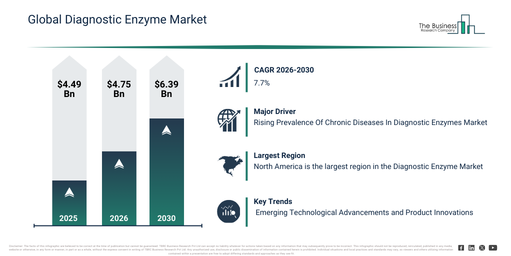
    The diagnostic enzyme market size has demonstrated robust growth in recent years. Its expansion is anticipated to be from $4.49 billion in 2025 to $4.75 billion in 2026, at a compound annual growth rate (CAGR) of 5.7%. The historical growth can be attributed to limited availability of high-purity diagnostic enzymes, reliance on traditional assay methods, increasing prevalence of chronic diseases, growing biotechnology and research initiatives, and rising awareness of enzyme-based diagnostics.

    The diagnostic enzyme market size is projected to experience robust expansion over the coming years. By 2030, its value is anticipated to reach $6.39 billion, exhibiting a compound annual growth rate (CAGR) of 7.7%. This anticipated growth during the projected timeframe stems from several factors, including the advancement of sophisticated enzyme engineering methods, the incorporation of diagnostics into digital health systems, a greater embrace of point-of-care testing, the broadening of pharmaceutical and biotech research and development efforts, and increased public and private investment in diagnostic breakthroughs. Key developments expected within this period encompass the growing use of enzyme-based diagnostic kits, the progress in personalized medicine and the identification of biomarkers, an enlargement of research and biotechnology uses, a heightened need for enzymes offering high specificity and sensitivity, and the incorporation of enzyme diagnostics into point-of-care testing.

    Get A Free Sample Report With In-Depth Market Insights:

    https://thebusinessresearchcompany.com/sample_request?id=17648846&type=smp&name=Diagnostic%20Enzyme%20Market%20Report%202026&utm_source=Blogs&utm_medium=Paid&utm_campaign=Oct_PR

    Diagnostic Enzyme Market Expansion Drivers: What’s Shaping Future Growth?

    The increasing occurrence of chronic illnesses is expected to drive the expansion of the diagnostic enzymes market in the future. Chronic conditions are defined as persistent health issues lasting for more than three months. Diagnostic enzymes play a crucial role in the diagnosis and ongoing monitoring of diverse chronic diseases and medical conditions, enabling healthcare professionals to evaluate the seriousness of a disease, track how well treatments are working, and modify therapeutic strategies when necessary. For example, data from January 2023, provided by the US-based National Library of Medicine, projected that the population in the US aged 50 and above suffering from at least one chronic ailment would see a 99.5% rise, escalating from 71.522 million to 142.66 million by 2050. Consequently, the escalating incidence of chronic diseases is a key factor propelling the growth of the diagnostic enzymes market.

    Diagnostic Enzyme Market Segment Landscape: Which Areas Lead Development?

    The diagnostic enzyme market covered in this report is segmented –

    1) By Product Type: Carbohydrases, Polymerases And Nucleases, Protease, Other Product Types

    2) By Source: Animals, Microorganisms, Plants

    3) By Application: Biocatalysts, Diagnostics, Pharmaceuticals, Research & Biotechnology

    Subsegments:

    1) By Carbohydrases: Amylases, Cellulases, Lactases, Glucosidases

    2) By Polymerases And Nucleases: DNA Polymerases, RNA Polymerases, Restriction Endonucleases, Exonucleases

    3) By Protease: Serine Proteases, Cysteine Proteases, Metalloproteases, Aspartic Proteases

    4) By Other Product Types: Oxidoreductases, Transferases, Lyases, Hydrolases

    Diagnostic Enzyme Market Strategic Trends: What Defines The Next Growth Phase?

    Leading companies in the diagnostic enzyme market are increasingly prioritizing technological advancements, such as digital PCR platforms, to address the growing need for highly sensitive and absolute quantification in clinical diagnostics, especially within oncology and infectious disease testing. Digital PCR (dPCR) is a method that separates a sample into thousands of nanoliter-scale reactions, allowing for the absolute quantification of target nucleic acids without relying on standard curves. This differs from traditional quantitative PCR (qPCR), which estimates concentrations using reference standards and can be less precise, particularly at low target abundance. For example, in September 2024, QIAGEN N.V., a Germany-based biotechnology company, launched its QIAcuityDx Digital PCR System, a dPCR instrument designed for clinical use. This system integrates partitioning, thermocycling, and imaging into a single automated device, enabling the absolute quantification of DNA and RNA for applications like minimally invasive liquid biopsies in cancer monitoring. Its significant features include IVDR certification in Europe, 510(k) exemption in the U.S., user-friendly software, and flexible scheduling, while also supporting companion-diagnostic development through its GeneGlobe platform. The QIAcuityDx improves precision and laboratory efficiency by cutting down on hands-on time and delivering reproducible results, even for low-abundance targets.

    Diagnostic Enzyme Market Industry Leaders And Competitive Landscape

    Major companies operating in the diagnostic enzyme market are Sanofi S.A., Advanced Enzymes Technologies, Aldevron LLC, Amano Enzymes Inc., Codexis Inc., EKF Diagnostic, Kaneka Eurogentec, Roche Holding AG, Sekisui Diagnostics LLC, Thermo Fisher Scientific Inc., Charles River Laboratories, Biocatalysts, Merck & Co. Inc., Chr. Hansen, Kerry Group, Dyadic International, Creative Enzymes, Pfizer Inc., Eli Lilly and Company, Bristol-Myers Squibb Company, GlaxoSmithKline plc, Johnson & Johnson, AbbVie Inc., Amgen Inc., Biogen Inc., Gilead Sciences Inc., Regeneron Pharmaceuticals Inc.

    View The Full Diagnostic Enzyme Market Report:

    https://thebusinessresearchcompany.com/report/Diagnostic-Enzymes-global-market-report?utm_source=Blogs&utm_medium=Paid&utm_campaign=Oct_PR

    Diagnostic Enzyme Market Largest Region By Revenue And Market Share

    North America was the largest region in the enzymes market in 2025. Middle East is expected to be the fastest-growing region in the diagnostic enzyme market report during the forecast period. The regions covered in the diagnostic enzyme market report are Asia-Pacific, South East Asia, Western Europe, Eastern Europe, North America, South America, Middle East, Africa.

    Reach Out To Our Team:

    The Business Research Company: https://www.thebusinessresearchcompany.com/

    Americas: +1 310-496-7795

    Asia: +44 7882 955267 & +91 8897263534

    Europe: +44 7882 955267

    Email us at: marketing@tbrc.info

    Follow us on:

    LinkedIn: https://in.linkedin.com/company/the-business-research-company

    YouTube: https://www.youtube.com/channel/UC24_fI0rV8cR5DxlCpgmyFQ

    Global Market Model: https://www.thebusinessresearchcompany.com/global-market-model
  • Diabetic Foot Ulcer Biologics Market Size Reaches $2.09 Billion In 2026: What Is Driving Growth?

    Diabetic Foot Ulcer Biologics Market Size Reaches $2.09 Billion In 2026: What Is Driving Growth?

    Built to provide research that’s more actionable and strategically valuable, The Business Research Company’s 2026 market reports include market attractiveness analysis, total addressable market sizing, company benchmarking matrices, interactive Excel dashboards, broader supply chain intelligence, emerging startup tracking, and in-depth product insights.

    Diabetic Foot Ulcer Biologics Market Revenue Outlook: What CAGR Lies Ahead Through 2030?

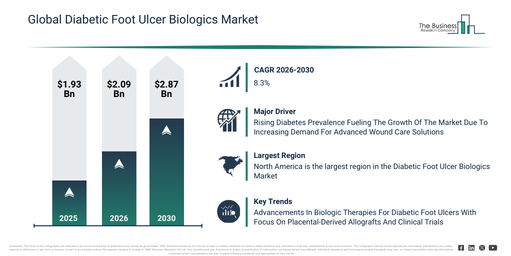
    The diabetic foot ulcer biologics market size has shown robust expansion in recent years. It will grow from $1.93 billion in 2025 to $2.09 billion in 2026 at a compound annual growth rate (CAGR) of 8.3%. The market’s growth in previous periods can be attributed to elements such as the limited availability of advanced biologics, a reliance on conventional wound care treatments, the increasing prevalence of diabetes-related foot ulcers, rising adoption within hospitals and clinics, and the absence of standardized treatment protocols.

    The diabetic foot ulcer biologics market is anticipated to experience substantial expansion in the coming years, with its size projected to reach $2.87 billion by 2030, driven by a compound annual growth rate (CAGR) of 8.3%. This projected growth can be primarily attributed to technological advancements in stem cell and gene therapy, along with growing investment in tissue engineering research. Further contributing factors include the increasing adoption of autologous and allogeneic cell-based biologics, the expansion of long-term care and ambulatory surgical centers, and a rising awareness of personalized wound care solutions. Significant trends during the forecast period involve the increasing uptake of stem cell and gene therapies, a rising use of collagen-based biologics for wound healing, the expansion of skin substitutes in diabetic foot ulcer management, the integration of advanced tissue engineering techniques, and an intensified focus on personalized and targeted biologics treatments.

    Get A Free Sample Report With In-Depth Market Insights:

    https://thebusinessresearchcompany.com/sample_request?id=14117652&type=smp&name=Diabetic%20Foot%20Ulcer%20Biologics%20Market%20Report%202026&utm_source=Blogs&utm_medium=Paid&utm_campaign=Oct_PR

    Diabetic Foot Ulcer Biologics Market Development Factors: What’s Supporting Demand?

    The increasing incidence of diabetes is projected to fuel the expansion of the diabetic foot ulcer biologics market in the future. This chronic ailment is defined by elevated blood sugar levels, occurring when the body either fails to produce insulin or cannot utilize it properly. The growth in diabetes cases primarily stems from inactive lifestyles, which, in turn, generates a greater need for sustained care options that manage blood sugar efficiently without significantly disrupting daily routines. Diabetic foot ulcer biologics play a crucial role in diabetes management by speeding up wound recovery, averting infections, and mitigating issues associated with persistent foot ulcers. As an illustration, in April 2025, data from the International Diabetes Federation (IDF) Atlas, a Belgium-based non-profit body, indicated that in 2024, 9.5 million of the 589 million adults with diabetes had type 1, and this figure is anticipated to climb to 853 million by 2050. Consequently, the escalating occurrence of diabetes is propelling the development of the diabetic foot ulcer biologics market.

    Diabetic Foot Ulcer Biologics Market Segments: Where Is Growth Concentrated?

    The diabetic foot ulcer biologics market covered in this report is segmented –

    1) By Type: Growth Factors, Skin Substitutes, Collagen-Based Biologics, Cell-Based Biologics

    2) By Indication: Neuro-Ischemic Ulcers, Neuropathic Diabetic Foot Ulcer, Ischemic Diabetic Foot Ulcer

    3) By Technology: Gene Therapy, Stem Cell Therapy, Tissue Engineering

    4) By End User: Hospitals, Clinics, Ambulatory Surgical Centers, Long-Term Care Settings, Other End Users

    Subsegments:

    1) By Growth Factors: Platelet-Derived Growth Factor, Epidermal Growth Factor, Fibroblast Growth Factor, Vascular Endothelial Growth Factor

    2) By Skin Substitutes: Synthetic Skin Substitutes, Biological Skin Substitutes, Composite Skin Substitutes

    3) By Collagen-Based Biologics: Bovine-Derived Collagen, Porcine-Derived Collagen, Human-Derived Collagen

    4) By Cell-Based Biologics: Autologous Cell-Based Biologics, Allogeneic Cell-Based Biologics, Stem Cell-Based Biologics

    Diabetic Foot Ulcer Biologics Market Transformation Trends: What Innovations Are Driving Change?

    Major companies operating in the diabetic foot ulcer biologics market are concentrating their research and development efforts on biologic therapies, such as placental-derived allograft, to improve wound healing, decrease complications, and enhance patient outcomes in the management of chronic foot ulcers. A placental-derived allograft is a biological tissue graft derived from donated human placental tissues, including the amnion or chorion, and applied in medical settings to foster healing, diminish inflammation, and support tissue regeneration. For example, in January 2025, BioStem Technologies Inc., a US-based pharmaceutical company, commenced a clinical trial utilizing its BioREtain technology with Vendaje for the treatment of diabetic foot ulcers. This study evaluates Vendaje combined with standard care versus standard care solely to demonstrate its effectiveness in promoting the healing of non-healing diabetic foot ulcers. It also features a follow-up phase to assess the long-term durability and stability of healed wounds, ensuring enduring treatment success and reducing the likelihood of ulcer recurrence.

    Diabetic Foot Ulcer Biologics Market Key Participants And Competitive Landscape

    Major companies operating in the diabetic foot ulcer biologics market are Smith & Nephew plc, Integra LifeSciences Holdings Corp., Organogenesis Holdings Inc., MIMEDX Group Inc., LifeNet Health, Aroa Biosurgery, Tissue Regenix Group plc, Stempeutics Research, ACell Inc.,

    View The Full Diabetic Foot Ulcer Biologics Market Report:

    https://thebusinessresearchcompany.com/report/diabetic-foot-ulcer-biologics-global-market-report?utm_source=Blogs&utm_medium=Paid&utm_campaign=Oct_PR

    Diabetic Foot Ulcer Biologics Market Regional Analysis And Leading Geography

    North America was the largest region in the diabetic foot ulcer biologics market in 2025. Asia-Pacific is expected to be the fastest-growing region in the forecast period. The regions covered in the diabetic foot ulcer biologics market report are Asia-Pacific, South East Asia, Western Europe, Eastern Europe, North America, South America, Middle East, Africa.

    Reach Out To Our Team:

    The Business Research Company: https://www.thebusinessresearchcompany.com/

    Americas: +1 310-496-7795

    Asia: +44 7882 955267 & +91 8897263534

    Europe: +44 7882 955267

    Email us at: marketing@tbrc.info

    Follow us on:

    LinkedIn: https://in.linkedin.com/company/the-business-research-company

    YouTube: https://www.youtube.com/channel/UC24_fI0rV8cR5DxlCpgmyFQ

    Global Market Model: https://www.thebusinessresearchcompany.com/global-market-model
  • Diabetes Therapeutics Market Valued At $278.96 Billion In 2026: Key Trends And Growth Drivers

    Diabetes Therapeutics Market Valued At $278.96 Billion In 2026: Key Trends And Growth Drivers

    Backed by market attractiveness analysis, total addressable market sizing, company benchmarking matrices, interactive Excel dashboards, wider supply chain intelligence, emerging startup coverage, and detailed product-level insights, The Business Research Company’s 2026 market reports are designed to offer research that is more actionable and strategically valuable than ever.

    Diabetes Therapeutics Market Growth Analysis: How Will Revenue Trend Over The Forecast Period?

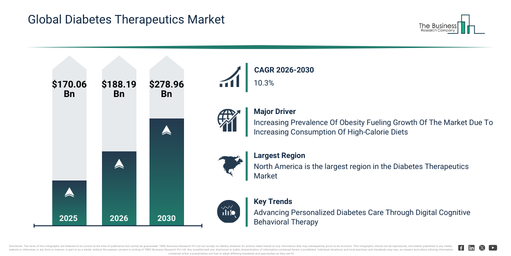
    The diabetes therapeutics market has experienced substantial expansion in recent years. It is anticipated to increase from $170.06 billion in 2025 to $188.19 billion in 2026, reflecting a compound annual growth rate (CAGR) of 10.7%. Historically, this growth was influenced by factors such as the limited availability of advanced therapeutics, a reliance on traditional oral anti-diabetic drugs, low awareness of preventive care, constrained distribution channels, and the growing burden of type 2 diabetes.

    The diabetes therapeutics market is projected to experience substantial expansion in the coming years. By 2030, its value is anticipated to reach $278.96 billion, exhibiting a compound annual growth rate (CAGR) of 10.3%. This forecasted increase is primarily driven by factors such as the creation of new insulin analogs, the proliferation of combination treatments, the uptake of digital tools for diabetes management, improvements in healthcare infrastructure dedicated to diabetes care, and the incorporation of telemedicine alongside remote monitoring services. Key trends observed during this period encompass the escalating global incidence of diabetes, the heightened utilization of GLP-1 receptor agonists and SGLT-2 inhibitors, the broadening reach of online and physical pharmacies, a greater emphasis on individualized diabetes management approaches, and improved understanding of preventative measures and timely detection.

    Get A Free Sample Report With In-Depth Market Insights:

    https://thebusinessresearchcompany.com/sample_request?id=73676434&type=smp&name=Diabetes%20Therapeutics%20Market%20Report%202026&utm_source=Blogs&utm_medium=Paid&utm_campaign=Oct_PR

    Diabetes Therapeutics Market Industry Drivers: What’s Behind The Revenue Growth?

    The rising incidence of obesity is anticipated to drive expansion in the diabetes therapeutics market moving ahead. Obesity, defined as an unhealthy excess accumulation of body fat, poses a significant health risk and stands as a primary contributor to type 2 diabetes. This growing occurrence of obesity stems from a higher intake of calorie-dense diets, as more individuals consume processed and fast foods rich in sugar and fat while undertaking reduced physical activity, resulting in substantial weight gain. Diabetes treatments aid in managing obesity by enhancing blood sugar regulation and facilitating weight reduction via medications like GLP-1 receptor agonists, which work to decrease appetite and prolong digestion, thereby improving the overall metabolic well-being of obese individuals. For example, in May 2024, a report released by the Office for Health Improvement and Disparities, a UK-based government department, indicated that from 2022 to 2023, approximately 64% of adults aged 18 and over were categorized as overweight or obese, marking an increase from the preceding year’s figure of 63.8%. Consequently, the expanding prevalence of obesity is fueling the development of the diabetes therapeutics market.

    Diabetes Therapeutics Market Segment Analysis: What Are The Core Market Categories?

    The diabetes therapeutics market covered in this report is segmented –

    1) By Drug: Oral Anti-Diabetic Drugs, Insulin, Non-Insulin Injectable Drug, Combination Drug

    2) By Type: Diabetes 1, Diabetes 2

    3) By Route Of Administration: Oral, Subcutaneous, Intravenous

    4) By Distribution Channel: Online Pharmacies, Hospital Pharmacies, Retail Pharmacies

    5) By Application: Preventive, Treatment Or Care

    Subsegments:

    1) By Oral Anti-Diabetic Drugs: Biguanides, Sulfonylureas, DPP-4 Inhibitors, SGLT-2 Inhibitors, Thiazolidinediones, Meglitinides, Alpha-Glucosidase Inhibitors

    2) By Insulin: Rapid-Acting Insulin, Short-Acting Insulin, Intermediate-Acting Insulin, Long-Acting Insulin, Premixed Insulin

    3) By Non-Insulin Injectable Drug: GLP-1 Receptor Agonists, Amylin Analogs

    4) By Combination Drug: Oral Combination Therapies, Oral and Injectable Combination Therapies

    #Diabetes Therapeutics Market Growth Trends: What’s Shaping The Future Outlook?

    Leading firms within the diabetes therapeutics sector are prioritizing the creation of novel solutions, including cognitive behavioral therapy (CBT), with the aim of advancing individualized diabetes care and optimizing glycemic control for individuals living with type 2 diabetes. Cognitive behavioral therapy (CBT) is defined as a systematic, evidence-supported psychological intervention designed to assist people in recognizing and modifying detrimental thought processes and actions. As an illustration, in October 2023, Better Therapeutics Inc., a digital therapeutics company based in the US, introduced AspyreRx, a digital application for diabetes therapy. AspyreRx, having secured FDA authorization for addressing type 2 diabetes, delivers customized cognitive behavioral therapy (CBT) to patients aged 18 and older, thereby facilitating behavioral modifications conducive to enhanced diabetes management. Previously identified as BT-001, AspyreRx exhibited statistically and clinically meaningful, sustained decreases in A1c when contrasted with conventional care, in addition to benefits in blood pressure, weight, mood, and overall quality of life during a randomized controlled trial.

    Diabetes Therapeutics Market Top Companies Driving Competitive Growth

    Major companies operating in the diabetes therapeutics market are Pfizer Inc., Merck & Co Inc., Novartis AG, Sanofi S.A., AstraZeneca PLC, Takeda Pharmaceutical Company Limited, Eli Lilly and Company, Novo Nordisk A/S, Boehringer Ingelheim International GmbH, Biocon Biologics Limited, MannKind Corporation, Lexicon Pharmaceuticals Inc., Adocia S.A., Oramed Pharmaceuticals Inc.

    View The Full Diabetes Therapeutics Market Report:

    https://thebusinessresearchcompany.com/report/diabetes-therapeutics-global-market-report?utm_source=Blogs&utm_medium=Paid&utm_campaign=Oct_PR

    Diabetes Therapeutics Market Geographic Analysis: Where Is Demand Accelerating Fastest?

    North America was the largest region in the diabetes therapeutics market in 2025. Asia-Pacific is expected to be the fastest-growing region in the forecast period. The regions covered in the diabetes therapeutics market report are Asia-Pacific, South East Asia, Western Europe, Eastern Europe, North America, South America, Middle East, Africa.

    Reach Out To Our Team:

    The Business Research Company: https://www.thebusinessresearchcompany.com/

    Americas: +1 310-496-7795

    Asia: +44 7882 955267 & +91 8897263534

    Europe: +44 7882 955267

    Email us at: marketing@tbrc.info

    Follow us on:

    LinkedIn: https://in.linkedin.com/company/the-business-research-company

    YouTube: https://www.youtube.com/channel/UC24_fI0rV8cR5DxlCpgmyFQ

    Global Market Model: https://www.thebusinessresearchcompany.com/global-market-model
  • Diabetes Care Drugs Market Size In 2026: Growth Outlook And Forecast Through 2030

    Diabetes Care Drugs Market Size In 2026: Growth Outlook And Forecast Through 2030

    Featuring market attractiveness scoring, total addressable market sizing, company benchmarking matrices, interactive Excel dashboards, deeper supply chain intelligence, emerging startup tracking, and granular product-level insights, The Business Research Company’s 2026 market reports are built to deliver research that is both more actionable and more strategically valuable.

    Diabetes Care Drugs Market Forecast: What Value Will The Market Reach By 2030?

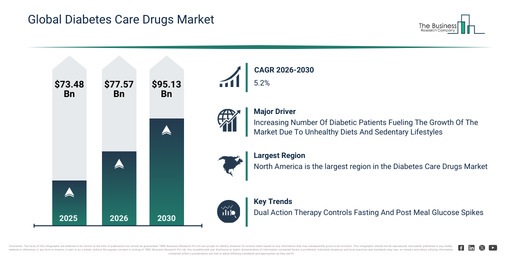
    The diabetes care drugs market has seen considerable expansion in recent years. It will grow from $73.48 billion in 2025 to $77.57 billion in 2026 at a compound annual growth rate (CAGR) of 5.6%. This historical development can be attributed to various factors, including the constrained availability of advanced insulin formulations, increasing recognition of diabetes management, improvements in healthcare infrastructure, reliance on oral antidiabetic drugs, and the growing occurrence of type 2 diabetes.

    The diabetes care drugs market is anticipated to experience robust expansion in the near future. It is projected to achieve a valuation of $95.13 billion in 2030, growing at a compound annual growth rate (CAGR) of 5.2%. The expected growth during this forecast period stems from the introduction of innovative GLP-1 receptor agonists, the increased adoption of SGLT-2 inhibitors, the broader availability of injectable and inhalable drug options, the rise of home-based diabetes management, and the integration of digital health monitoring systems. Significant trends during the same period include the escalating global prevalence of diabetes, a greater embrace of combination therapies, advancements in personalized diabetes management, the expansion of distribution channels through specialty pharmacies and hospitals, and a concentrated effort on developing extended-release and user-friendly drug formulations.

    Get A Free Sample Report With In-Depth Market Insights:

    https://thebusinessresearchcompany.com/sample_request?id=22602743&type=smp&name=Diabetes%20Care%20Drugs%20Market%20Report%202026&utm_source=Blogs&utm_medium=Paid&utm_campaign=Oct_PR

    Diabetes Care Drugs Market Growth Factors: What’s Supporting Expansion?

    The rising count of individuals afflicted with diabetes is projected to fuel the expansion of the diabetes care drugs market. Diabetic patients are defined as individuals diagnosed with diabetes mellitus, a chronic medical condition that impairs the body’s processing of blood sugar (glucose). This increase in diabetic patients is predominantly due to unhealthy diets and inactive lifestyles, which foster obesity and insulin resistance. Diabetes care drugs enable diabetic patients to effectively manage their blood glucose levels, proving vital for the control of both type 1 and type 2 diabetes. They help prevent complications by stabilizing sugar levels, thereby enhancing overall health and improving the quality of life. For example, in June 2024, figures from the National Health Service, a UK-based government department, indicated that 3,615,330 individuals registered with a general practitioner (GP) were diagnosed with non-diabetic hyperglycemia or pre-diabetes in 2023, marking an 18% increase from 3,065,825 cases in 2022. Consequently, the growing number of diabetic patients is stimulating the growth of the diabetes care drugs market.

    Diabetes Care Drugs Market Segment Breakdown: Which Categories Lead On Revenue?

    The diabetes care drugs market covered in this report is segmented –

    1) By Drug Class: Insulin, Biguanides, Sulfonylureas, Dipeptidyl Peptidase (DPP)-4 Inhibitors, Sodium-Glucose Co-Transporter (SGLT)-2 Inhibitors, Glucagon-Like Peptide (GLP)-1 Receptor Agonists, Thiazolidinediones, Alpha-Glucosidase Inhibitors

    2) By Formulation Type: Tablets, Injections, Solutions, Gels, Extended-Release Formulations

    3) By Administration Route: Oral, Injectable, Inhalable

    4) By Condition: Diabetes Type 1, Diabetes Type 2

    5) By Distribution Channel: Hospital Pharmacies, Specialty Pharmacies

    Subsegments:

    1) By Insulin: Rapid-acting insulin, Short-acting insulin, Intermediate-acting insulin, Long-acting insulin, Pre-mixed insulin

    2) By Biguanides: Metformin Immediate Release (IR), Metformin Extended Release (ER)

    3) By Sulfonylureas: First-generation sulfonylureas, Second-generation sulfonylureas

    4) By Dipeptidyl Peptidase (DPP)-4 Inhibitors: Sitagliptin, Saxagliptin, Linagliptin, Alogliptin

    5) By Sodium-Glucose Co-Transporter (SGLT)-2 Inhibitors: Canagliflozin, Dapagliflozin, Empagliflozin, Ertugliflozin

    6) By Glucagon-Like Peptide (GLP)-1 Receptor Agonists: Exenatide, Liraglutide, Dulaglutide, Semaglutide, Lixisenatide

    7) By Thiazolidinediones (TZDs): Pioglitazone, Rosiglitazone

    8) By Alpha-Glucosidase Inhibitors: Acarbose, Miglitol

    Diabetes Care Drugs Market Industry Trends: What’s Reshaping Demand?

    Leading companies in the diabetes care drugs market are concentrating on creating sophisticated treatments, including fixed-ratio combination therapies, to optimize glycemic management, boost patient compliance, and streamline treatment plans. These therapies involve medicines that merge two synergistic antidiabetic agents into one injection, providing a more convenient and efficient method for diabetes management. For example, in April 2024, Sanofi SA, a pharmaceutical firm based in France, introduced Soliqua, a once-daily fixed-ratio combination of insulin glargine and lixisenatide, specifically formulated for adults suffering from type 2 diabetes and obesity. Soliqua integrates long-acting insulin glargine, which ensures stable fasting glucose regulation, with lixisenatide, a GLP-1 receptor agonist. This blend boosts glucose-dependent insulin secretion, inhibits glucagon generation, and decelerates gastric emptying to lower blood sugar levels after meals, thus delivering thorough daily glycemic oversight. The introduction of Soliqua seeks to streamline diabetes management, enhance glycemic regulation, and improve patient compliance by lessening the necessity for numerous daily injections and reducing possible adverse effects like hypoglycemia and weight gain.

    Diabetes Care Drugs Market Leading Players And Competitive Positioning

    Major companies operating in the diabetes care drugs market are Johnson & Johnson, Merck & Co. Inc., Bayer AG, Sanofi S.A., Bristol-Myers Squibb Company, AstraZeneca plc, Eli Lilly and Company, Teva Pharmaceuticals Limited, Astellas Pharma Inc., Sun Pharmaceutical Industries Ltd., Aurobindo Pharma Limited, Dr. Reddy’s Laboratories, Cipla Limited, Lupin Limited, Takeda Pharmaceutical Company Limited, Biocon Limited, Glenmark Pharmaceuticals Limited, Torrent Pharmaceuticals Ltd., Hanmi Pharmaceutical Limited, Wockhardt, Mitsubishi Tanabe Pharma, Gan & Lee Pharmaceuticals, Apotex.

    View The Full Diabetes Care Drugs Market Report:

    https://thebusinessresearchcompany.com/report/diabetes-care-drugs-global-market-report?utm_source=Blogs&utm_medium=Paid&utm_campaign=Oct_PR

    Diabetes Care Drugs Market Global Footprint: Which Region Leads The Industry?

    North America was the largest region in the diabetes care drugs market in 2025. Asia-Pacific is expected to be the fastest-growing region in the forecast period. The regions covered in the diabetes care drugs market report are Asia-Pacific, South East Asia, Western Europe, Eastern Europe, North America, South America, Middle East, Africa.

    Reach Out To Our Team:

    The Business Research Company: https://www.thebusinessresearchcompany.com/

    Americas: +1 310-496-7795

    Asia: +44 7882 955267 & +91 8897263534

    Europe: +44 7882 955267

    Email us at: marketing@tbrc.info

    Follow us on:

    LinkedIn: https://in.linkedin.com/company/the-business-research-company

    YouTube: https://www.youtube.com/channel/UC24_fI0rV8cR5DxlCpgmyFQ

    Global Market Model: https://www.thebusinessresearchcompany.com/global-market-model
  • Dermocosmetics Market Trends Supporting 9.6% CAGR Growth Through 2030

    Dermocosmetics Market Trends Supporting 9.6% CAGR Growth Through 2030

    Built to provide research that’s more actionable and strategically valuable, The Business Research Company’s 2026 market reports include market attractiveness analysis, total addressable market sizing, company benchmarking matrices, interactive Excel dashboards, broader supply chain intelligence, emerging startup tracking, and in-depth product insights.

    Dermocosmetics Market Size Outlook: How Quickly Will Revenue Expand Through 2030?

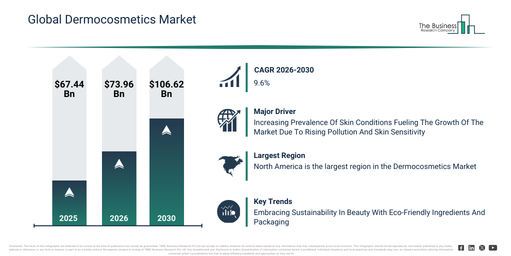
    The dermocosmetics market size has experienced robust growth in recent years. It will grow from $67.44 billion in 2025 to $73.96 billion in 2026 at a compound annual growth rate (CAGR) of 9.7%. This historic expansion is due to several factors, including consumers’ increasing attention to skin health, the backing of dermocosmetics by dermatologists, the proliferation of skincare options in pharmacies, an increase in instances of acne and eczema, and higher levels of disposable income.

    The dermocosmetics market is projected to experience substantial growth in the upcoming years. Its size is expected to increase to $106.62 billion in 2030, at a compound annual growth rate (CAGR) of 9.6%. This expansion during the forecast period is attributed to an aging global population, a rise in pollution-related skin disorders, a growing preference for clinically proven skincare, the development of online dermatology platforms, and the demand for long-term skin health solutions. Key trends influencing this period include an escalating demand for therapeutic skincare products, increased adoption of dermatologist-recommended formulations, the growth of anti-aging and skin repair solutions, the broadening of sensitive and atopic skin treatments, and a higher integration of cosmeceutical ingredients.

    Get A Free Sample Report With In-Depth Market Insights:

    https://thebusinessresearchcompany.com/sample_request?id=64969614&type=smp&name=Dermocosmetics%20Market%20Report%202026&utm_source=Blogs&utm_medium=Paid&utm_campaign=Oct_PR

    Dermocosmetics Market Demand Drivers: What’s Powering Industry Growth?

    The growing incidence of skin conditions is projected to drive the expansion of the dermocosmetics market in the future. Skin conditions are health-related issues impacting the skin’s look, feel, or functioning, resulting in changes such as redness, itching, dryness, rashes, or infections. These include common ailments like acne, eczema, psoriasis, rosacea, and dermatitis, as well as more serious concerns like melasma, warts, fungal infections, shingles, hives, and skin cancers, including melanoma. The rise in skin conditions can be attributed to increased pollution, as environmental toxins and chemicals compromise the skin’s protective barrier, leading to issues like irritation, dryness, acne, and premature aging. Dermocosmetics offer scientifically developed products that improve skin conditions, making them particularly suitable for sensitive and problematic skin types. These products target concerns such as aging, acne, and pigmentation, thereby enhancing skin health and appearance with solutions supported by dermatologists. For instance, in 2023, Cancer Australia, an Australian government agency, reported approximately 8,257 new diagnoses of melanoma of the skin, a type of skin cancer, which they noted as an increase from the 15,628 new cases recorded in 2019. Consequently, the increasing occurrence of skin conditions is a significant factor propelling the growth of the dermocosmetics market.

    Dermocosmetics Market Segmentation: How Does The Market Break Down By Category?

    The dermocosmetics market covered in this report is segmented –

    1) By Product Type: Skincare, Haircare, Lip Care, Other Product Types

    2) By Indication: Dry Skin, Atopic Skin Eczema, Hyperpigmentation, Scar And Acne, Psoriasis, Deep Wrinkles, Other Indications

    3) By Distribution Channel: Pharmacies And Drugstores, Online Stores, Supermarkets And Hypermarkets, Other Distribution Channels

    4) By End User: Hospitals, Specialty Clinics, Medical Spas, Other End Users

    Subsegments:

    1) By Skincare: Anti-Aging Creams And Serums, Moisturizers And Hydrating Creams, Sunscreens And UV Protection, Acne Treatment Products, Skin Brightening And Depigmentation Products, Sensitive Skin Care Solutions

    2) By Haircare: Anti-Dandruff Shampoos, Hair Loss Treatments And Serums, Scalp Treatment Products, Repairing And Nourishing Conditioners, Heat And Color Protection Sprays

    3) By Lip Care: Hydrating And Moisturizing Lip Balms, Anti-Aging Lip Treatments, Lip Sun Protection Products, Lip Scrubs And Exfoliators

    4) By Other Product Types: Eye Creams And Serums, Body Lotions And Creams, Hand And Foot Care Products, Stretch Mark And Scar Treatments, Dermatological Face Masks

    Dermocosmetics Market Innovation Trends: What Developments Are Reshaping The Industry?

    Major companies within the dermocosmetics market are concentrating on employing sustainable materials during production to lessen their environmental footprint and cater to consumer demand for environmentally friendly skincare options. Sustainable materials are defined as those created, utilized, and disposed of in a manner safe for the environment, designed to endure over time without causing ecological harm. These materials enhance the safety of dermocosmetics by providing eco-conscious ingredients and packaging that protect both skin health and the environment. For example, in April 2024, Dow Inc., a US-based materials science firm, unveiled a new collection of advanced skin and hair wellness solutions incorporating ingredients certified as skin microbiome-friendly. These groundbreaking developments feature multifunctional ingredients engineered to improve hydration, scalp health, and overall skin vitality, thus addressing the rising need for sustainable and high-performing personal care items. Through this introduction, Dow endeavors to equip formulators with sophisticated solutions that resonate with consumer preferences for clean beauty, efficacy, and environmental stewardship.

    Dermocosmetics Market Competitive Overview And Top Companies

    Major companies operating in the dermocosmetics market are Johnson & Johnson, Procter & Gamble Company, L’Oréal Group, Hindustan Unilever Limited, Coty Inc., Galderma SA, Pierre Fabre SA, ISDIN S.A., NAOS Group, Sesderma Laboratories, Sinerga S.p.A., La Roche-Posay Laboratoire Dermatologique, Teoxane, Farmeco S.A., Valquer Laboratorios SLU, Directa Lab S.r.l, Thépenier Pharma & Cosmetics (TP&C), Gruppo FarmaImpresa, FLOSLEK Cosmetic Laboratory, Kanebo Cosmetics Inc., Uriage Eau Thermale, HCP Wellness Private Limited

    View The Full Dermocosmetics Market Report:

    https://thebusinessresearchcompany.com/report/dermocosmetics-global-market-report?utm_source=Blogs&utm_medium=Paid&utm_campaign=Oct_PR

    Dermocosmetics Market Regional Distribution: Which Areas Power Market Growth?

    North America was the largest region in the dermocosmetics market in 2025. Asia-Pacific is expected to be the fastest-growing region in the forecast period. The regions covered in the dermocosmetics market report are Asia-Pacific, South East Asia, Western Europe, Eastern Europe, North America, South America, Middle East, Africa.

    Reach Out To Our Team:

    The Business Research Company: https://www.thebusinessresearchcompany.com/

    Americas: +1 310-496-7795

    Asia: +44 7882 955267 & +91 8897263534

    Europe: +44 7882 955267

    Email us at: marketing@tbrc.info

    Follow us on:

    LinkedIn: https://in.linkedin.com/company/the-business-research-company

    YouTube: https://www.youtube.com/channel/UC24_fI0rV8cR5DxlCpgmyFQ

    Global Market Model: https://www.thebusinessresearchcompany.com/global-market-model
  • Dermatomyositis Treatment Market Forecast Highlights A $1.27 Billion Opportunity For Industry Participants

    Dermatomyositis Treatment Market Forecast Highlights A $1.27 Billion Opportunity For Industry Participants

    Backed by market attractiveness analysis, total addressable market sizing, company benchmarking matrices, interactive Excel dashboards, wider supply chain intelligence, emerging startup coverage, and detailed product-level insights, The Business Research Company’s 2026 market reports are designed to offer research that is more actionable and strategically valuable than ever.

    Dermatomyositis Treatment Market Size, Value And Growth Trajectory Through 2030

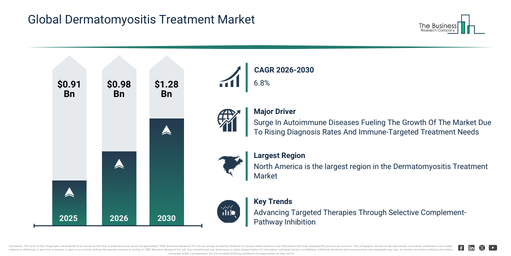
    The market for dermatomyositis treatments has experienced robust expansion over recent years. It is projected to increase from $0.91 billion in 2025 to $0.98 billion in 2026, demonstrating a compound annual growth rate (CAGR) of 7.2%. Historically, this growth has been influenced by heightened autoimmune disease recognition, the availability of corticosteroids, the expansion of rheumatology clinics, the adoption of hospital-based immunotherapy, and the progress in supportive care development.

    The dermatomyositis treatment market is projected to experience substantial expansion over the upcoming years, reaching a valuation of $1.28 billion by 2030, demonstrating a compound annual growth rate (CAGR) of 6.8%. This anticipated growth during the forecast period is fueled by several factors, including the expansion of biologic pipelines, advances in precision immunology, early autoimmune screening initiatives, the development of personalized treatment protocols, and the increasing establishment of specialty clinics. Key developments shaping the market in this timeframe encompass a greater adoption of biologic therapies, an increasing dependence on immunosuppressive medications, the broadening of combination treatment strategies, an uptick in the use of long-term physical therapy, and enhancements in early diagnosis and disease monitoring.

    Get A Free Sample Report With In-Depth Market Insights:

    https://thebusinessresearchcompany.com/sample_request?id=31125770&type=smp&name=Dermatomyositis%20Treatment%20Market%20Report%202026&utm_source=Blogs&utm_medium=Paid&utm_campaign=Oct_PR

    Dermatomyositis Treatment Market Growth Drivers: What’s Behind The Acceleration?

    The escalating occurrence of autoimmune disorders is projected to fuel the expansion of the dermatomyositis treatment market in the future. Autoimmune diseases are conditions in which the body’s immune system mistakenly attacks its own healthy cells and tissues. The increase in the prevalence of autoimmune diseases stems from advancements in diagnostic techniques, greater public awareness, and environmental factors, leading to higher detection rates and a rise in reported cases. Dermatomyositis treatment plays a role in addressing the growing prevalence of autoimmune diseases by offering targeted therapies that diminish harmful immune responses and improve the quality of life for affected individuals. For instance, in February 2024, according to the Autoimmune Institute, a US-based nonprofit organization, autoimmune diseases collectively impact 5–10% of the population in industrialized nations. Therefore, the increasing prevalence of autoimmune diseases is driving the growth of the dermatomyositis treatment market.

    Dermatomyositis Treatment Market Segment Trends And Revenue Contributors

    The dermatomyositis treatment market covered in this report is segmented –

    1) By Treatment Type: Pharmacological Treatments, Immunosuppressants, Corticosteroids, Biologics, Physical Therapy

    2) By Route Of Administration: Oral, Intravenous, Subcutaneous

    3) By Patient Demographics: Age Group, Gender

    4) By Distribution Channel: Hospital Pharmacy, Online Pharmacy, Retail Pharmacy

    5) By End User: Hospitals, Homecare, Specialty Clinics, Other End Users

    Subsegments:

    1) By Pharmacological Treatments: Antimalarials, Antiviral Agents, Muscle Relaxants, Analgesics

    2) By Immunosuppressants: Methotrexate, Azathioprine, Mycophenolate Mofetil, Cyclophosphamide

    3) By Corticosteroids: Prednisone, Methylprednisolone, Hydrocortisone, Dexamethasone

    4) By Biologics: Rituximab, Intravenous Immunoglobulin (IVIG), Tocilizumab, Abatacept

    5) By Physical Therapy: Stretching Exercises, Strength Training, Aerobic Conditioning, Occupational Therapy

    Dermatomyositis Treatment Market Trends: What’s Defining The Industry’s Next Phase?

    Leading companies in the dermatomyositis treatment market are concentrating on developing innovative solutions, such as selective complement-pathway inhibitors, to address the increasing need for more targeted and safer therapies that bypass the extensive immune suppression of conventional treatments. These selective complement-pathway inhibitors work by specifically blocking components of the complement cascade responsible for driving inflammation in dermatomyositis, thereby offering a more precise mechanism of action than traditional immunosuppressive agents, which can broadly diminish immune function. For instance, in February 2025, NovelMed Therapeutics Inc., a US-based clinical-stage biotech company, secured clearance from the U.S. Food and Drug Administration (FDA) to initiate a Phase II trial for Ruxoprubart (NM8074). This compound is a highly selective blocker of the alternative complement pathway, specifically targeting Factor Bb. Ruxoprubart has demonstrated its capacity to modulate immune response by reducing critical inflammatory drivers while preserving essential immune functions such as opsonization and bacterial clearance, potentially minimizing risk compared to broader complement blockers. This novel therapy’s efficacy and safety in dermatomyositis are currently under evaluation.

    Dermatomyositis Treatment Market Competitive Landscape: Which Companies Lead The Industry?

    Major companies operating in the dermatomyositis treatment market are Pfizer Inc., F. Hoffmann-La Roche Ltd, Merck & Co. Inc., Bristol-Myers Squibb Company, AstraZeneca plc, Novartis AG, GlaxoSmithKline plc, Eli Lilly and Company, Amgen Inc., Fresenius SE & Co. KGaA, Bausch Health Companies Inc., Biotest AG, Galapagos NV, argenx SE, Roivant Sciences Ltd., Kymera Therapeutics Inc., Cabaletta Bio Inc., ImmunoForge Inc., NovelMed Therapeutics Inc., Corbus Pharmaceuticals Holdings Inc.

    View The Full Dermatomyositis Treatment Market Report:

    https://thebusinessresearchcompany.com/report/dermatomyositis-treatment-global-market-report?utm_source=Blogs&utm_medium=Paid&utm_campaign=Oct_PR

    Dermatomyositis Treatment Market Leading Geography: Which Region Contributes The Most Revenue?

    North America was the largest region in the dermatomyositis treatment market in 2025. Asia-Pacific is expected to be the fastest-growing region in the forecast period. The regions covered in the dermatomyositis treatment market report are Asia-Pacific, South East Asia, Western Europe, Eastern Europe, North America, South America, Middle East, Africa.

    Reach Out To Our Team:

    The Business Research Company: https://www.thebusinessresearchcompany.com/

    Americas: +1 310-496-7795

    Asia: +44 7882 955267 & +91 8897263534

    Europe: +44 7882 955267

    Email us at: marketing@tbrc.info

    Follow us on:

    LinkedIn: https://in.linkedin.com/company/the-business-research-company

    YouTube: https://www.youtube.com/channel/UC24_fI0rV8cR5DxlCpgmyFQ

    Global Market Model: https://www.thebusinessresearchcompany.com/global-market-model
  • Dermatology OTC Medications Market Analysis: How The Industry Is Evolving Toward A $20.93 Billion Future

    Dermatology OTC Medications Market Analysis: How The Industry Is Evolving Toward A $20.93 Billion Future

    Featuring market attractiveness scoring, total addressable market sizing, company benchmarking matrices, interactive Excel dashboards, deeper supply chain intelligence, emerging startup tracking, and granular product-level insights, The Business Research Company’s 2026 market reports are built to deliver research that is both more actionable and more strategically valuable.

    Dermatology OTC Medications Market CAGR Outlook And Future Development

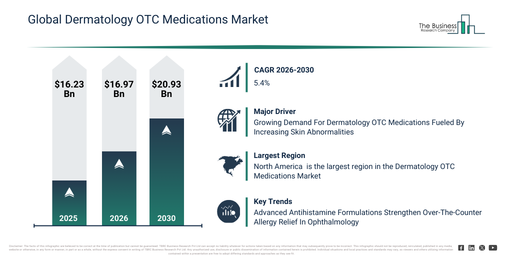
    The dermatology otc medications market size has experienced consistent growth in recent years. Its value is expected to increase from $16.23 billion in 2025 to $16.97 billion in 2026, at a compound annual growth rate (CAGR) of 4.6%. The historical expansion of this market can be linked to the significant occurrence of common skin conditions, rising exposure to urban pollution, a strong presence of retail pharmacies, a rise in self-medication habits, and the broad availability of otc dermatology products.

    The dermatology otc medications market size is anticipated to demonstrate robust expansion over the coming years. It is projected to climb to $20.93 billion in 2030, achieving a compound annual growth rate (CAGR) of 5.4%. The impetus for this growth during the forecast period stems from increasing public awareness regarding skin health and hygiene, the proliferation of e-commerce pharmaceutical platforms, a progressively aging global population, higher disposable income levels in developing economies, and continuous innovation in otc dermatology products. Significant trends expected in the forecast period include the surge in online dermatology otc sales, an escalating demand for multi-indication skin treatments, a greater incorporation of herbal and natural ingredients, the broader adoption of self-care and preventive skin health practices, and product line extensions specifically targeting various skin conditions.

    Get A Free Sample Report With In-Depth Market Insights:

    https://thebusinessresearchcompany.com/sample_request?id=98327457&type=smp&name=Dermatology%20OTC%20Medications%20Market%20Report%202026&utm_source=Blogs&utm_medium=Paid&utm_campaign=Oct_PR

    Dermatology OTC Medications Market Growth Factors Behind Sustained Expansion

    The growth in skin abnormalities is projected to boost the dermatology OTC medication market moving forward. A skin abnormality is defined as a skin lesion or an unusual appearance of the skin. Over-the-counter drugs are utilized in dermatology to treat these skin abnormalities and restore the skin to a normal state. The demand for over-the-counter dermatology medications is increasing due to the heightened need for treating various skin abnormalities, including conditions like psoriasis. For instance, in June 2024, the American Cancer Society, a US-based non-profit organization, estimated that approximately 100,640 new cases of melanoma would be diagnosed in the United States in 2024, with roughly 59,170 cases among men and 41,470 among women. Additionally, around 8,290 deaths from melanoma are expected, including approximately 5,430 men and 2,860 women. Thus, the rising incidence of skin abnormalities is propelling the expansion of the dermatology OTC medication market.

    Dermatology OTC Medications Market Segment Analysis Spotlighting Growth Areas

    The dermatology otc medications market covered in this report is segmented –

    1) By Type: Tablets And Capsules, Oils Gels, Creams And Ointments, Other Types

    2) By Indication: Dermatitis, Acne, Psoriasis, Skin Bleaching, Anti-Fungal, Wart Remover, Other Indications

    3) By Route Of Administration: Topical, Oral

    4) By Distribution Channel: Online Distribution, Offline Distribution

    Subsegments:

    1) By Tablets And Capsules: Oral Antihistamines, Anti-Inflammatory Tablets, Nutritional Supplements

    2) By Oils Gels: Herbal Oils, Medicated Gels, Moisturizing Oils

    3) By Creams And Ointments: Corticosteroid Creams, Antifungal Creams, Moisturizers And Emollients

    4) By Other Types: Lotions, Sprays, Foams

    Dermatology OTC Medications Market Industry Trends Fueling Future Revenue Growth

    Leading companies in the dermatology OTC medications market are concentrating on developing advanced antihistamine formulations to enhance non-prescription allergy relief. This antihistamine-based technology operates by blocking histamine receptors in the eye, effectively reducing itching and inflammation without the need for a prescription, thus offering a safe and convenient option for self-care. For instance, in June 2025, Glenmark Therapeutics Inc., a US-based company, introduced Olopatadine Hydrochloride Ophthalmic Solution USP, 0.2% (OTC), which leverages a formulation bioequivalent to the active ingredient in Pataday Once Daily Relief. The product provides once daily relief, is approved for over-the-counter use, and allows Glenmark to enter a U.S. market segment that generated about US$ 50 million in annual sales. This launch underscores Glenmark’s strategy to expand its OTC ophthalmic portfolio by offering a high-quality, accessible antihistamine eye drop to meet evolving consumer demand.

    Dermatology OTC Medications Market Leading Companies: Who Holds The Strongest Market Presence?

    Major companies operating in the dermatology otc medications market are Pfizer Inc., Johnson & Johnson, Bayer AG, GlaxoSmithKline Plc, Acella Pharmaceuticals LLC, Allergan plc, Viatris Inc., Teva Pharmaceutical Industries Ltd., Mylan N.V., Bausch Health Companies Inc., Sun Pharmaceutical Industries Inc., Perrigo Company PLC, Galderma S.A., Dr. Reddy’s Laboratories Ltd., Aurobindo Pharma Limited, Cipla Inc., Lupin Limited, LEO Pharma A/S, Almirall S.A., Novartis AG

    View The Full Dermatology OTC Medications Market Report:

    https://thebusinessresearchcompany.com/report/dermatology-OTC-medications-global-market-report?utm_source=Blogs&utm_medium=Paid&utm_campaign=Oct_PR

    Dermatology OTC Medications Market Regional Outlook: Where Is Opportunity Concentrated?

    North America was the largest region in the dermatology OTC medications market in 2025. Asia-Pacific is expected to be the fastest-growing region in the forecast period. The regions covered in the dermatology otc medications market report are Asia-Pacific, South East Asia, Western Europe, Eastern Europe, North America, South America, Middle East, Africa.

    Reach Out To Our Team:

    The Business Research Company: https://www.thebusinessresearchcompany.com/

    Americas: +1 310-496-7795

    Asia: +44 7882 955267 & +91 8897263534

    Europe: +44 7882 955267

    Email us at: marketing@tbrc.info

    Follow us on:

    LinkedIn: https://in.linkedin.com/company/the-business-research-company

    YouTube: https://www.youtube.com/channel/UC24_fI0rV8cR5DxlCpgmyFQ

    Global Market Model: https://www.thebusinessresearchcompany.com/global-market-model
  • Dermatology Market Outlook Through 2030: Understanding The Growth Opportunity

    Dermatology Market Outlook Through 2030: Understanding The Growth Opportunity

    Built to provide research that’s more actionable and strategically valuable, The Business Research Company’s 2026 market reports include market attractiveness analysis, total addressable market sizing, company benchmarking matrices, interactive Excel dashboards, broader supply chain intelligence, emerging startup tracking, and in-depth product insights.

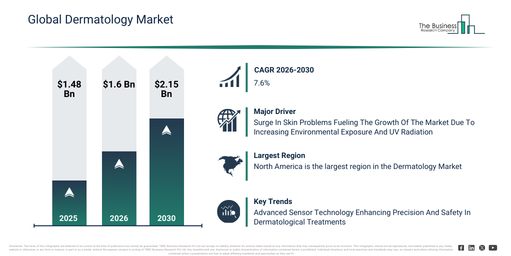
    Dermatology Market Set To Climb From $1.6 Billion In 2026 To $2.14 Billion By 2030

    The dermatology market size has demonstrated significant expansion in recent years. Projections indicate it will progress from $1.48 billion in 2025 to $1.6 billion in 2026, achieving a compound annual growth rate (CAGR) of 7.8%. This historical growth can be attributed to various factors, including an increase in skin disease prevalence, rising awareness of skin health, the growth of cosmetic procedures, the expansion of dermatology clinics, and advancements in topical formulations.

    The dermatology market is anticipated to experience substantial expansion over the upcoming years. It will grow to $2.15 billion in 2030 at a compound annual growth rate (CAGR) of 7.6%. This projected increase is driven by factors such as a heightened demand for minimally invasive treatments, the advancement of biologics in dermatology, a growing awareness of aesthetics, the expansion of teledermatology services, and innovations in skin diagnostics. Key trends influencing this period include an increased need for medical dermatology solutions, the rising popularity of cosmetic dermatology procedures, the greater application of biologic therapies for skin conditions, the growth of outpatient and clinic-based dermatological care, and a heightened focus on preventive skin health.

    Get A Free Sample Report With In-Depth Market Insights:

    https://thebusinessresearchcompany.com/sample_request?id=95077576&type=smp&name=Dermatology%20Market%20Report%202026&utm_source=Blogs&utm_medium=Paid&utm_campaign=Oct_PR

    Dermatology Market Demand Drivers Opening New Revenue Streams

    The increasing prevalence of various skin conditions is anticipated to significantly boost the expansion of the dermatology market in the coming period. Skin conditions encompass a range of issues impacting the skin’s well-being, look, or operation, including but not limited to irritation, inflammation, or infections. The uptick in these skin issues is primarily linked to heightened exposure to environmental pollutants and UV radiation, both of which can harm the skin and initiate diverse conditions. Dermatology offers solutions for these issues utilizing a mix of topical and oral medications, medical interventions, and lifestyle advice customized for the particular condition. For example, in February 2025, Cancer Australia, an Australia-based government agency, stated that an estimated 18,257 new cases of melanoma of the skin were diagnosed, constituting 11% of all new cancer cases, alongside 1,314 melanoma-related deaths, which represented 2.6% of cancer fatalities. Consequently, the growing frequency of skin problems is propelling the growth of the dermatology market.

    Dermatology Market Segment Performance And Emerging Opportunities

    The dermatology market covered in this report is segmented –

    1) By Type: Medical Dermatology, Surgical Dermatology, Pediatric Dermatology, Cosmetic Dermatology, Cutaneous Lymphoma, Dermatoimmunology, Other Types

    2) By Application: Acne, Dermatitis, Psoriasis, Skin Cancer, Rosacea, Alopecia, Other Applications

    3) By End-User: Hospitals, Skin Clinics, Other End-Users

    Subsegments:

    1) By Medical Dermatology: Acne Treatment, Psoriasis Treatment, Eczema Treatment, Rosacea Management, Skin Infections, Skin Cancer Diagnosis and Treatment

    2) By Surgical Dermatology: Mohs Surgery, Laser Surgery, Cryosurgery, Electrosurgery, Excision Surgery

    3) By Pediatric Dermatology: Atopic Dermatitis, Birthmark Treatments, Infantile Hemangiomas, Pediatric Psoriasis, Genetic Skin Disorders

    4) By Cosmetic Dermatology: Botulinum Toxin Treatments, Dermal Fillers, Chemical Peels, Microdermabrasion, Laser Skin Resurfacing, Hair Restoration

    5) By Cutaneous Lymphoma: Mycosis Fungoides, Sézary Syndrome, Primary Cutaneous B-cell Lymphomas, Primary Cutaneous T-cell Lymphomas

    6) By Dermatoimmunology: Lupus Erythematosus, Vitiligo Treatment, Pemphigus and Pemphigoid Disorders, Dermatomyositis

    7) By Other Types: Wound Care Management, Pigmentation Disorders, Nail Disorders, Hyperhidrosis Treatment

    Dermatology Market Trends Powering Strategic Industry Growth

    Leading companies within the dermatology market are prioritizing advanced innovations, such as positioning sensors, to ensure precise energy delivery during treatments, improve patient safety, and enhance the overall effectiveness of dermatological procedures. Positioning sensors refer to technology embedded in medical devices that monitors and adjusts the device’s placement to guarantee accurate alignment and optimal energy transmission during treatments, thereby boosting treatment precision and patient security. For example, in June 2024, Biofrontera Inc., a US-based pharmaceutical company, launched the RhodoLED XL Lamp. This innovation aims to boost the effectiveness of photodynamic therapy (PDT) by providing a larger illumination area, better patient positioning, and optimized energy delivery, thus setting a new standard in dermatological treatments for actinic keratoses. The device is designed for easy maneuverability and can accommodate various patient positions, making it simpler for healthcare providers to optimize treatment delivery. Positioning sensors are incorporated to ensure that patients receive the accurate energy dosage from the LED array, further improving treatment precision and safety.

    Dermatology Market Key Players: Which Companies Lead Industry Competition?

    Major companies operating in the dermatology market are Pfizer Inc, Johnson And Johnson, Unilever Plc, AbbVie Inc., Sanofi S.A., Bristol Myers Squibb, Novartis AG, Eli Lilly & Company, Amgen Inc., Bausch Health Companies Inc., UCB S.A, Galderma, Incyte Corporation, Dr. Reddy’s Laboratories, Zydus Healthcare Limited, Lupin Limited, LEO Pharma, Alkem Laboratories, Merz Therapeutics, Lumenis

    View The Full Dermatology Market Report:

    https://thebusinessresearchcompany.com/report/dermatology-global-market-report?utm_source=Blogs&utm_medium=Paid&utm_campaign=Oct_PR

    Dermatology Market Geographic Landscape: Which Region Leads Industry Growth?

    North America was the largest region in the dermatology market in 2025. Asia-Pacific is expected to be the fastest-growing region in the forecast period. The regions covered in the dermatology market report are Asia-Pacific, South East Asia, Western Europe, Eastern Europe, North America, South America, Middle East, Africa.

    Reach Out To Our Team:

    The Business Research Company: https://www.thebusinessresearchcompany.com/

    Americas: +1 310-496-7795

    Asia: +44 7882 955267 & +91 8897263534

    Europe: +44 7882 955267

    Email us at: marketing@tbrc.info

    Follow us on:

    LinkedIn: https://in.linkedin.com/company/the-business-research-company

    YouTube: https://www.youtube.com/channel/UC24_fI0rV8cR5DxlCpgmyFQ

    Global Market Model: https://www.thebusinessresearchcompany.com/global-market-model