Category: Pharmaceuticals

  • Global Angiotensin Receptor Blockers (ARBs) Market Analysis: Estimated Market Size And Growth Rate

    Global Angiotensin Receptor Blockers (ARBs) Market Analysis: Estimated Market Size And Growth Rate

    The Business Research Company’s global market reports are now updated with the latest market sizing information for the year 2024 and forecasted to 2033

    The angiotensin receptor blockers (ARBs) market is witnessing steady growth, driven by rising cardiovascular disease incidence, innovative product solutions, and evolving treatment paradigms. Let’s explore the dynamics and trends shaping this dynamic landscape.

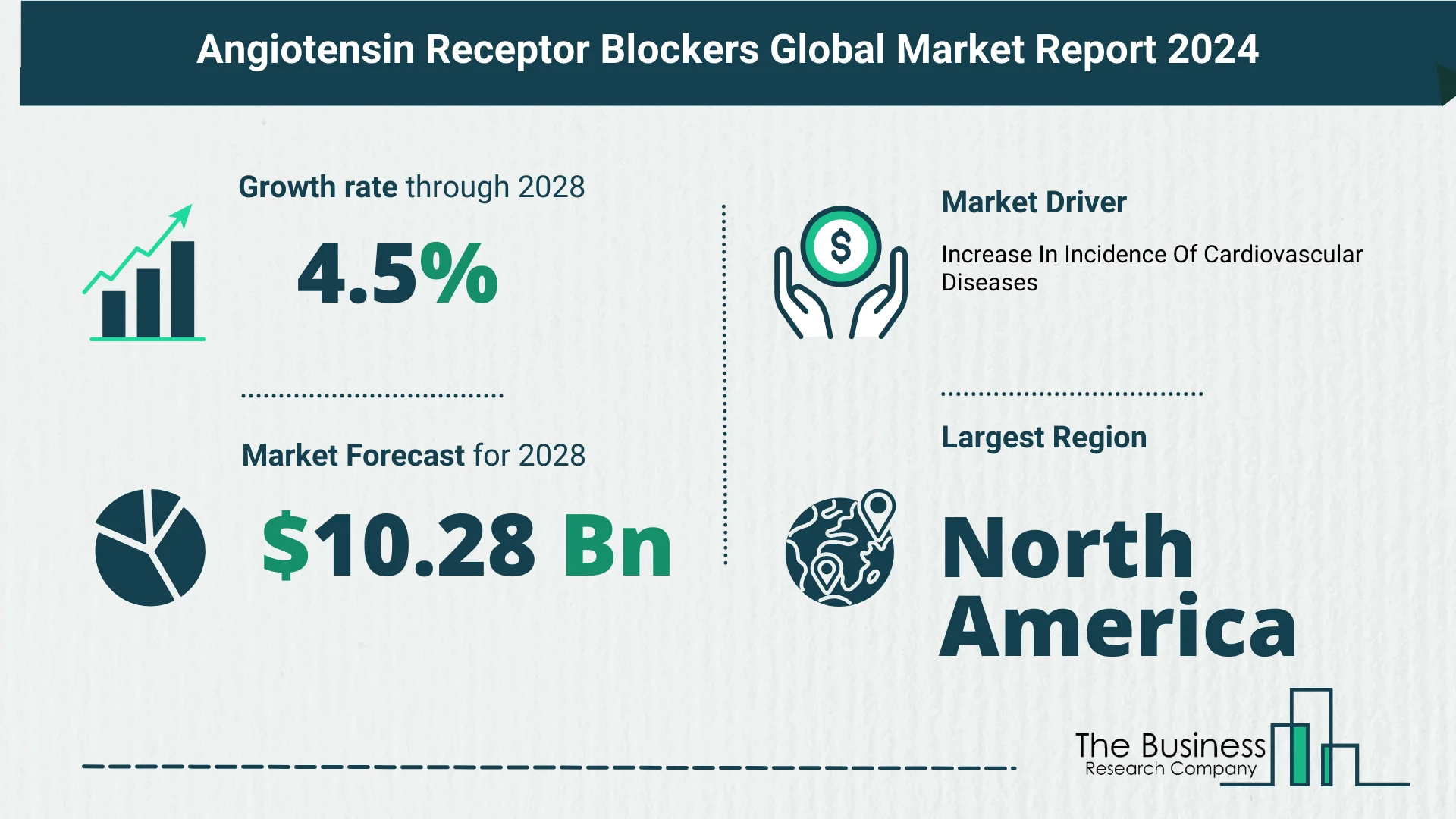
    Cardiovascular Disease Incidence: Fueling Market Surge

    • The escalating incidence of cardiovascular diseases underscores the importance of ARBs in disease management.
    • ARBs help lower blood pressure and reduce the risk of cardiovascular events, making them pivotal in combating heart-related ailments.
    • According to the American College of Cardiology, cardiovascular risk factors and disease rates are projected to rise significantly in the United States by 2060, highlighting the urgency for effective treatments.

    Key Players and Market Landscape

    • Major companies like Pfizer Inc., Novartis AG, and AstraZeneca Plc. lead innovations in ARB development and distribution.
    • Product diversification, strategic partnerships, and research investments drive market competitiveness and expansion.
    • Market segmentation includes ARB types, applications, and end-user segments, catering to diverse patient needs and healthcare settings.

    Innovative Product Solutions: Driving Market Growth

    • Product innovation emerges as a key trend, with companies focusing on developing novel ARB formulations and combinations.
    • Novartis AG’s launch of Entresto (sacubitril/valsartan) underscores the importance of innovative therapies in cardiovascular care.
    • Entresto’s expanded indication by the FDA for chronic heart failure treatment marks a significant milestone in ARB therapy advancement.

    Market Growth and Projections

    • The ARBs market exhibits steady growth, with projections indicating sustained expansion.
    • From $8.26 billion in 2023, the market is poised to reach $8.62 billion in 2024, reflecting a CAGR of 4.3%.
    • Anticipated growth to $10.28 billion by 2028, with a CAGR of 4.5%, highlights the market’s resilience and potential.

    View More On The Angiotensin Receptor Blockers (ARBs) Market Report 2024 – https://www.thebusinessresearchcompany.com/report/angiotensin-receptor-blockers-arbs-global-market-report

    Trends Shaping Market Evolution

    • Telemedicine adoption, research and development investments, and digital health solutions drive market evolution and patient care.
    • Focus on combination therapies, precision medicine approaches, and biomarker-based treatment strategies optimize treatment outcomes.
    • Generic competition, patent expirations, and biosimilar introductions challenge market incumbents and foster innovation.

    Regional Dynamics and Market Outlook

    • North America leads the ARBs market, with robust growth prospects in emerging markets.
    • Asia-Pacific’s increasing healthcare expenditure, government initiatives, and awareness of hypertension drive market expansion and adoption.

    Embracing the Future of ARBs

    • As the ARBs market evolves, stakeholders must prioritize patient-centric care, accessibility, and treatment affordability.
    • Collaboration between healthcare providers, policymakers, and industry leaders is essential to address cardiovascular disease burden and improve patient outcomes.
    • By embracing technological advancements, fostering research and development, and advocating for cardiovascular health, the industry can drive positive health outcomes and enhance quality of life globally.

    In conclusion, the angiotensin receptor blockers market represents a dynamic landscape characterized by innovation, growth, and evolving treatment approaches. By leveraging technological advancements, fostering collaborative partnerships, and prioritizing patient needs, the industry can unlock new opportunities and pave the way for improved cardiovascular care and patient well-being worldwide.

    Request A Sample Of The Global Angiotensin Receptor Blockers (ARBs) Market Report 2024:
    https://www.thebusinessresearchcompany.com/sample_request?id=8943&type=smp
  • Overview Of The Urothelial Cancer Drugs Market 2024: Size, Drivers, And Trends

    Overview Of The Urothelial Cancer Drugs Market 2024: Size, Drivers, And Trends

    The Business Research Company’s global market reports are now updated with the latest market sizing information for the year 2024 and forecasted to 2033

    According to The Business Research Company’s Urothelial Cancer Drugs Global Market Report 2024, the urothelial cancer drugs market is expected to show promising growth in the forecast period.

    Understanding Urothelial Cancer

    • Definition: Urothelial cancer affects cells lining the urinary tract.
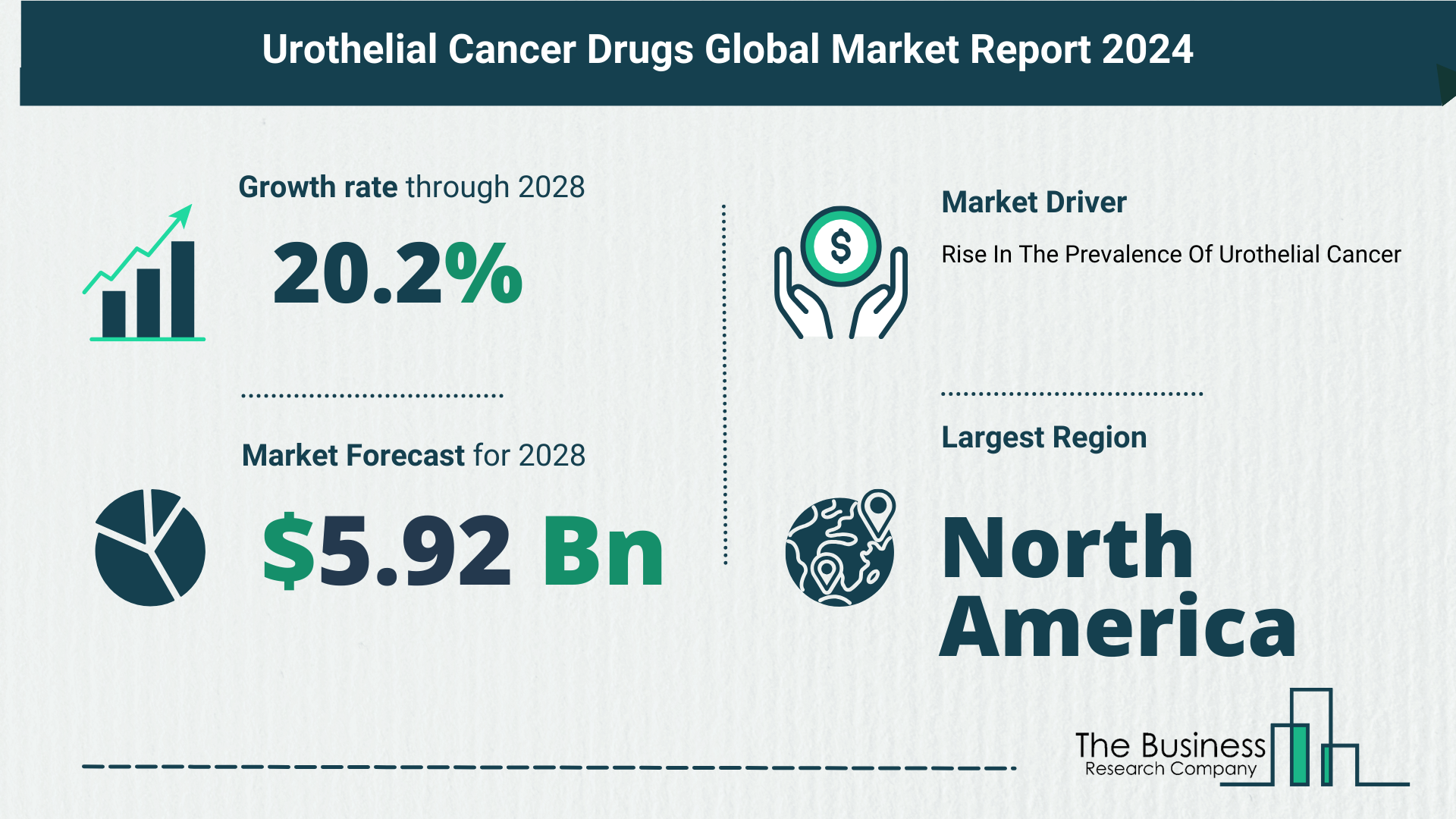
    • Prevalence: Rising numbers, with approximately 82,290 new cases reported in January 2023.
    • Impact: Increasing demand for effective drugs and therapies to reduce fatalities.

    Geriatric Demographics Fueling Growth In Urothelial Cancer Drugs Market On The Rise

    Rising Geriatric Population

    • Demographic shift: Global projections indicate a significant increase in the elderly population by 2030 and beyond.
    • Vulnerability to diseases: Elderly individuals are more prone to urothelial cancer due to weakened immunity.
    • UK scenario: By 2043, seniors are expected to constitute 24% of the UK population, driving the need for urothelial cancer drugs.

    View More On The Urothelial Cancer Drugs Market Report 2024 – https://www.thebusinessresearchcompany.com/report/urothelial-cancer-drugs-global-market-report

    Major Players in the Urothelial Cancer Drugs Market

    Leading Companies

    • Market giants: F Hoffmann La Roche AG, Bristol-Myers Squibb, Merck & Co., Pfizer Inc., among others.
    • Diverse portfolios: Ranging from immunotherapy to chemotherapy, reflecting the evolving landscape of urothelial cancer treatment.
    • Focus on innovation: Companies invest in research and development to offer cutting-edge solutions.

    Increasing Focus On Product Approvals To Provide Reliable Services To Their Customers

    Strategic Approvals

    • Importance of approvals: Ensuring reliability and efficacy of urothelial cancer drugs.
    • Example: Astellas Pharma Inc.’s FDA approval for padcev with Keytruda, a combination therapy for metastatic urothelial cancer.
    • Clinical impact: Padcev with Keytruda combination significantly enhances overall survival and progression-free survival in advanced bladder cancer patients.

    Market Segmentation and Regional Outlook

    Market Segmentation

    • By Type: Urothelial Carcinoma, Squamous Cell Carcinoma, Adenocarcinoma
    • By Treatment: Immunotherapy, Chemotherapy, Preservation Therapy
    • By Distribution Channel: Hospital Pharmacies, Specialty Clinics, Cancer Institutes, Ambulatory Surgical Centers

    Regional Analysis

    • North America: Dominant market share in 2023.
    • Asia-Pacific: Foreseen as the fastest-growing region, reflecting global market expansion.

    In conclusion, the urothelial cancer drugs market is witnessing remarkable growth driven by increasing prevalence and aging demographics. Major pharmaceutical companies are innovating and securing approvals for advanced therapies, underscoring their commitment to patient care. With a focus on personalized treatment and enhanced diagnostics, the urothelial cancer drugs market is poised for significant expansion in the coming years, offering hope to patients and healthcare providers alike.

    Request A Sample Of The Global Urothelial Cancer Drugs Market Report 2024:
    https://www.thebusinessresearchcompany.com/sample_request?id=8214&type=smp

  • Key Trends And Drivers In The Pharmaceutical Filtration Market 2024

    Key Trends And Drivers In The Pharmaceutical Filtration Market 2024

    The Business Research Company’s market reports offer an in-depth analysis on the market’s growth potential, major drivers, key trends and more.

    The pharmaceutical filtration sector is witnessing robust expansion, driven by evolving demands and technological innovations. Let’s explore the dynamics shaping its trajectory.

    Growth Trajectory: Market Dynamics

    • The pharmaceutical filtration market demonstrates strong growth, reaching $6.96 billion in 2023.
    • Projections indicate continued expansion to $7.38 billion in 2024, boasting a CAGR of 6.0%.
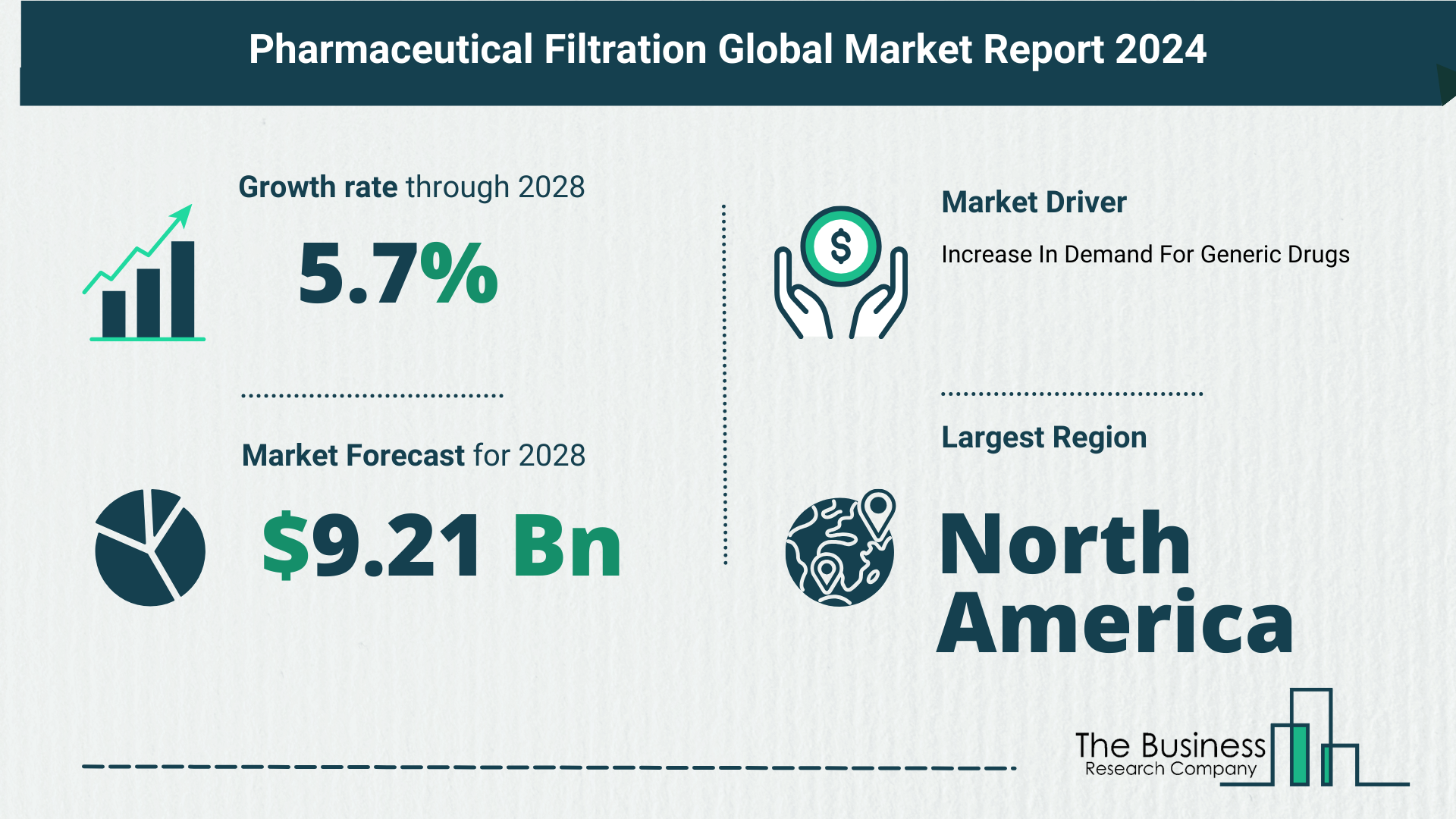
    • Anticipated growth envisions the market scaling to $9.21 billion by 2028, with a CAGR of 5.7%.

    Catalysts of Expansion: Unveiling the Forces

    Understanding the drivers behind the market’s growth reveals key factors steering its trajectory:

    1. Stringent Regulatory Standards
      • Regulatory compliance mandates drive the adoption of advanced filtration technologies.
    2. Focus on Drug Purity and Safety
      • Emphasis on ensuring product integrity fuels the demand for sophisticated filtration solutions.
    3. Prevalence of Chronic Diseases
      • Rising chronic disease incidences necessitate stringent filtration protocols in pharmaceutical manufacturing.
    4. Focus on Cost-Efficiency
      • Cost-conscious approaches prompt investments in efficient filtration systems to streamline operations.

    Read More On The Pharmaceutical Filtration Market Report 2024 – https://www.thebusinessresearchcompany.com/report/pharmaceutical-filtration-global-market-report

    Forecasted Trends: Shaping the Future Landscape

    Anticipating future trends unveils transformative shifts poised to redefine industry dynamics:

    1. Rapid Growth in Personalized Medicine
      • Personalized medicine drives the need for tailored filtration solutions, catering to diverse patient needs.
    2. Emphasis on Continuous Manufacturing
      • Continuous manufacturing gains prominence, accentuating the demand for scalable filtration technologies.
    3. Global Outbreaks and Vaccine Production
      • Global health crises underscore the importance of robust filtration systems in vaccine production and pandemic response.
    4. Demand for Aseptic Processing
      • Aseptic processing emerges as a critical focus area, fueling the adoption of advanced filtration techniques.

    Market Insights: Understanding Industry Dynamics

    Insights into market dynamics shed light on pivotal developments and strategic endeavors:

    1. Rising Demand for Generics
      • Increasing demand for generic drugs drives investments in pharmaceutical filtration technologies.
    2. Product Innovation
      • Companies innovate to enhance contamination control, offering advanced filtration solutions tailored to industry needs.
    3. Strategic Acquisitions
      • Acquisition strategies strengthen market footholds, facilitating expansion and diversification.

    Segmentation Insights: Mapping Market Diversity

    Segmentation offers nuanced perspectives, revealing diverse facets within the pharmaceutical filtration domain:

    • By Product: Membrane filters, Prefilters and depth media, Single-use systems, Cartridges and capsules, Filter holders, Filtration accessories, Other Products
    • By Technique: Microfiltration, Ultrafiltration, Crossflow filtration, Nanofiltration, Other Techniques
    • By Scale of Operation: Manufacturing scale, Pilot-scale, Research and development scale
    • By Application: Final product processing, Raw material filtration, Bioburden testing, Cell separation, Water purification, Air purification

    Regional Dynamics: Traversing Geographical Trends

    Regional variations underscore the market’s global reach and localized dynamics:

    • North America emerges as the largest region in the pharmaceutical filtration market, showcasing robust growth prospects.

    Conclusion: Navigating Opportunities Ahead

    In conclusion, the pharmaceutical filtration market presents a landscape ripe with opportunities and challenges. As stakeholders navigate evolving trends and regulatory landscapes, embracing innovation and strategic collaborations will be pivotal in unlocking future growth and ensuring product efficacy and safety in the dynamic pharmaceutical landscape.

    Request for A Sample Of The Global Pharmaceutical Filtration Market Report:
    https://www.thebusinessresearchcompany.com/sample_request?id=7996&type=smp

  • 5 Key Insights On The Softgel Capsules Market 2024

    5 Key Insights On The Softgel Capsules Market 2024

    The Business Research Company’s global market reports are now updated with the latest market sizing information for the year 2024 and forecasted to 2033

    As per The Business Research Company’s Softgel Capsules Global Market Report 2024, the softgel capsules market is expected to show significant growth in the forecast period.

    The softgel capsules market has witnessed significant growth in recent years, driven by various factors contributing to its expansion. Here’s an overview of the market dynamics and key trends shaping its trajectory:

    Market Growth and Projections

    • The softgel capsules market size has grown strongly in recent years.
    • It is expected to reach $8.38 billion in 2024, with a compound annual growth rate (CAGR) of 7.9%.
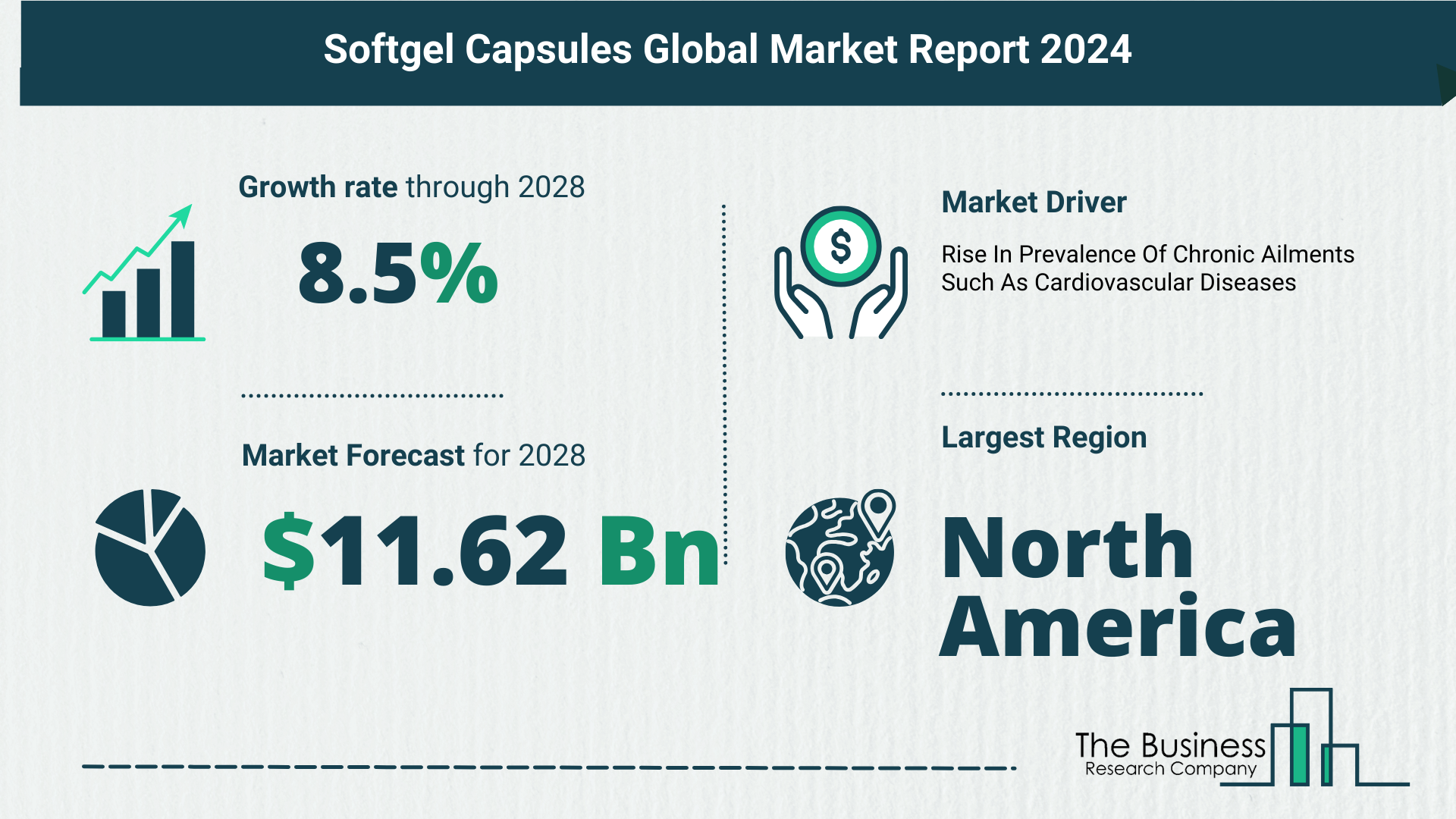
    • Projected growth to $11.62 billion in 2028, at a CAGR of 8.5%.

    Factors Driving Market Growth

    • Pharmaceutical and nutraceutical demand.
    • Consumer preference for oral dosage forms.
    • Customization and formulation flexibility.
    • Enhanced bioavailability.
    • Product differentiation and branding.

    Chronic Disease Prevalence Fuels Market Expansion

    • Chronic diseases like cardiovascular diseases are driving market growth.
    • Soft gel capsules provide necessary nutritional supplements for chronic patients.
    • The rising prevalence of chronic ailments increases demand for soft gel capsules.

    View More On The Softgel Capsules Market Report 2024 – https://www.thebusinessresearchcompany.com/report/softgel-capsules-global-market-report

    Industry Insights and Strategic Collaborations

    • Major companies operating in the softgel capsules market include Catalent Inc., Eurocaps Ltd., Capsugel Healthcare Ltd., and others.
    • Strategic collaborations enhance market presence and innovation.
    • Aenova Group GmbH partnered with Microcaps for pharmaceutical and supplement development.

    Better Acquisition Propels Industry Forward

    • Catalent, Inc. acquired Bettera Holdings, LLC, for $1 billion in August 2021.
    • This acquisition accelerates Catalent’s global softgel and oral dose manufacturing capabilities.
    • Bettera Holdings LLC offers consumer-preferred products for nutraceutical and functional ingredients.

    Market Segmentation

    The softgel capsules market is segmented based on type, manufacturers, and application:

    1. By Type:Gelatin or Animal Based, Non-Animal Based.
    2. By Manufacturers:Pharmaceutical Companies, Nutraceutical Companies, Cosmeceutical Companies, Contract Manufacturing Organizations.
    3. By Application:Antacid And Anti-Flatulent Preparations, Anti-Anemic Preparations, Anti-Inflammatory Drugs, Antibiotic And Antibacterial Drugs, Cough And Cold Preparations, Health Supplement, Vitamin And Dietary Supplement, Pregnancy.

    Regional Insights

    • North America led the soft gel capsules market in 2023.

    Request A Sample Of The Global Softgel Capsules Market Report 2024:
    https://www.thebusinessresearchcompany.com/sample_request?id=8309&type=smp

  • Future Growth Forecast For The Rare Diseases Treatment Global Market 2024-2033

    Future Growth Forecast For The Rare Diseases Treatment Global Market 2024-2033

    The Business Research Company’s global market reports provide comprehensive analysis on the various markets in 27 industries across 60 geographies.

     The rare diseases treatment market has witnessed substantial growth, with its size surging from $169.56 billion in 2023 to $192.22 billion in 2024. This remarkable expansion is attributed to various factors, including orphan drug legislation, increased disease awareness, biotechnological innovations, global health initiatives, and the rise in personalized medicine.

    Key Growth Metrics:

    • Market Size (2023): $169.56 billion
    • Market Size (2024): $192.22 billion
    • CAGR (2023-2024): 13.4%

    Future Projections: A Landscape of Promise
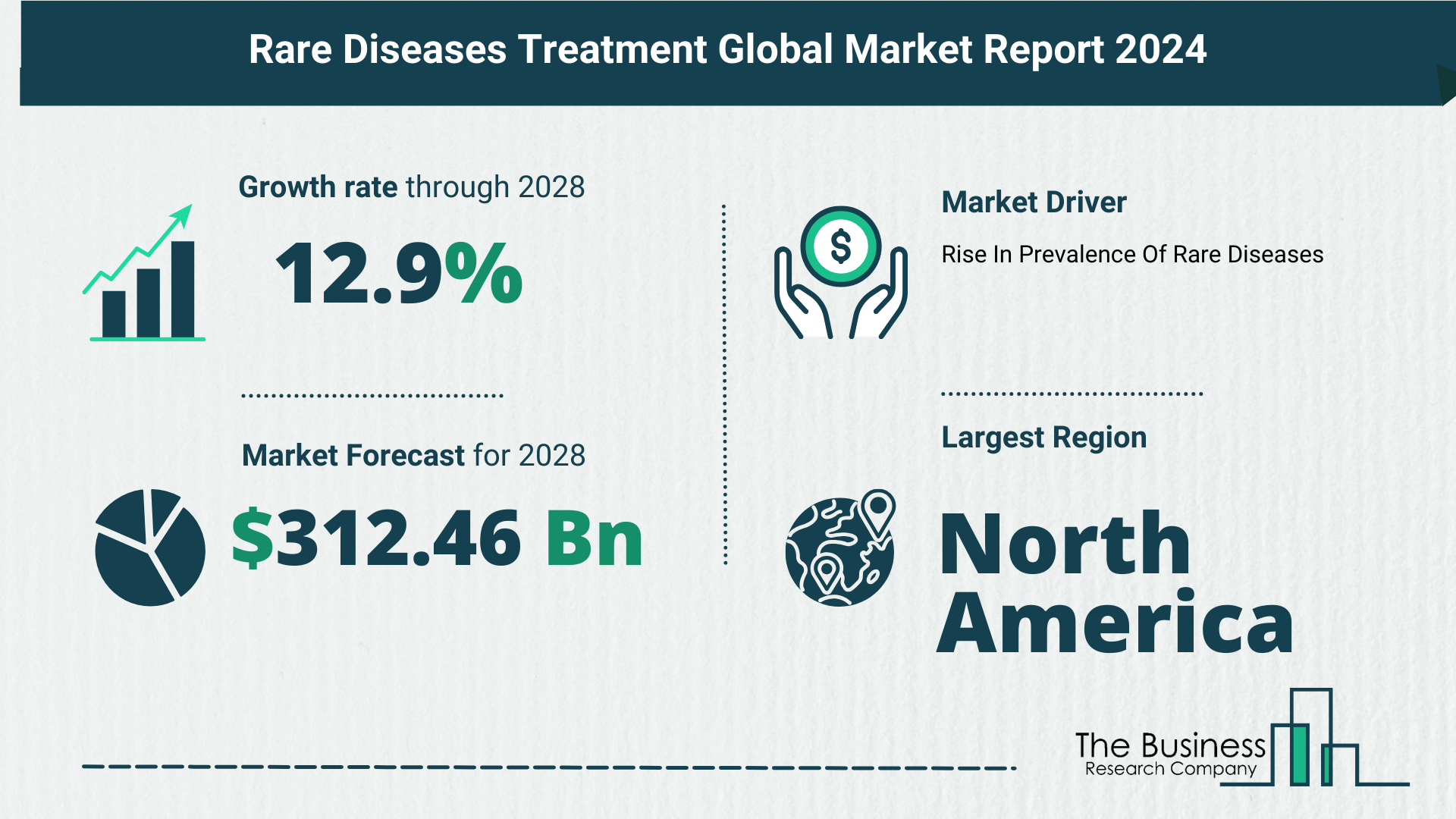
    The momentum is expected to continue, projecting a market size of $312.46 billion in 2028, at a compound annual growth rate (CAGR) of 12.9%. The forecasted growth is attributed to innovative therapeutic modalities, evolving healthcare reimbursement policies, artificial intelligence and data analytics, expansion of patient registries, and regulatory support for expedited approvals.

    Anticipated Growth Metrics:

    • Projected Market Size (2028): $312.46 billion
    • CAGR (2024-2028): 12.9%

    Driving Forces: Personalized Medicine in Rare Disease Treatment

    Rising Demand for Personalized Medicine Drives Growth In The Rare Disease Treatment Market

    The surge in demand for personalized medicine is a key driver behind the growth of the rare disease treatment market. Personalized medicine tailors medical interventions to an individual’s unique genetic makeup, offering more effective and precise healthcare interventions. In 2022, the FDA’s Center for Drug Evaluation and Research approved 37 new molecular entities (NMEs), with 34% being classified as personalized medicines. This rising demand for personalized medicine is significantly influencing the rare disease treatment market.

    Industry Giants Embrace Rare Disease Initiatives

    Companies Embrace Rare Disease Initiatives To Gain Competitive Edge

    Major players in the rare disease treatment market, including AbbVie, Johnson & Johnson, Novartis, and others, are strategically investing in rare disease initiatives to secure a competitive edge. These initiatives involve coordinated efforts by various stakeholders, such as governments, research institutions, and pharmaceutical companies. For instance, the Oxford-Harrington Rare Disease Centre launched the Therapeutics Accelerator in 2023, aiming to introduce 40 potentially life-changing therapies for rare diseases into clinical trials over the next decade.

    View More On The Rare Diseases Treatment Market Report 2024 – https://www.thebusinessresearchcompany.com/report/rare-diseases-treatment-global-market-report

    Strategic Acquisitions: AstraZeneca Reinforces Its Position

    AstraZeneca Acquires Alexion Pharmaceuticals To Strengthen Rare Disease Portfolio

    In July 2021, AstraZeneca made a significant move by acquiring Alexion Pharmaceuticals for $13.3 billion. This strategic acquisition aimed to enhance AstraZeneca’s presence in immunology and leverage Alexion’s innovative research in rare disease drugs. Alexion Pharmaceuticals, a pioneer in researching treatments for rare diseases, became a valuable addition to AstraZeneca’s portfolio.

    Market Segmentation: A Comprehensive Approach

    The rare diseases treatment market covered in this report is segmented:

    1. By Drug Type:
      • Originator Drugs (Patented Molecules)
      • Generic Drugs
    2. By Drug Class:
      • Biologics
      • Organic Compounds
    3. By Mode Of Administration:
      • Injectable
      • Oral
      • Other Modes Of Administration
    4. By Therapeutic Area:
      • Cancer
      • Neurological Conditions
      • Cardiovascular Conditions
      • Musculoskeletal Conditions
      • Hematologic Disorders
      • Infectious Diseases
      • Metabolic Disorders
      • Endocrine Disorders
      • Other Therapeutic Areas
    5. By Distribution Channel:
      • Hospital Pharmacies
      • Specialty Pharmacies
      • Retail Pharmacies

    North America Leading the Charge

    North America was the largest region in the rare disease treatment market in 2023.

    The dominance of North America underscores the region’s commitment to addressing rare diseases. The market’s growth is propelled by the region’s robust healthcare infrastructure, advanced research capabilities, and a proactive approach to innovative therapies.

    Request A Sample Of The Global Rare Diseases Treatment Market Report 2024:
    https://www.thebusinessresearchcompany.com/sample_request?id=8248&type=smp

  • What’s The Growth Forecast For Small Molecule API Market Through 2024-2033?

    What’s The Growth Forecast For Small Molecule API Market Through 2024-2033?

    The Business Research Company’s global market reports provide comprehensive analysis on the various markets in 27 industries across 60 geographies.

    The landscape of the small molecule API market is evolving rapidly, driven by diverse factors and propelled by innovations. Let’s delve into the dynamics shaping its growth trajectory.

    Rising Market Size and Projections

    • The small molecule API market size has witnessed robust expansion, reaching $193.44 billion in 2023.
    • Projections suggest further growth to $206.88 billion in 2024 at a CAGR of 6.9%.
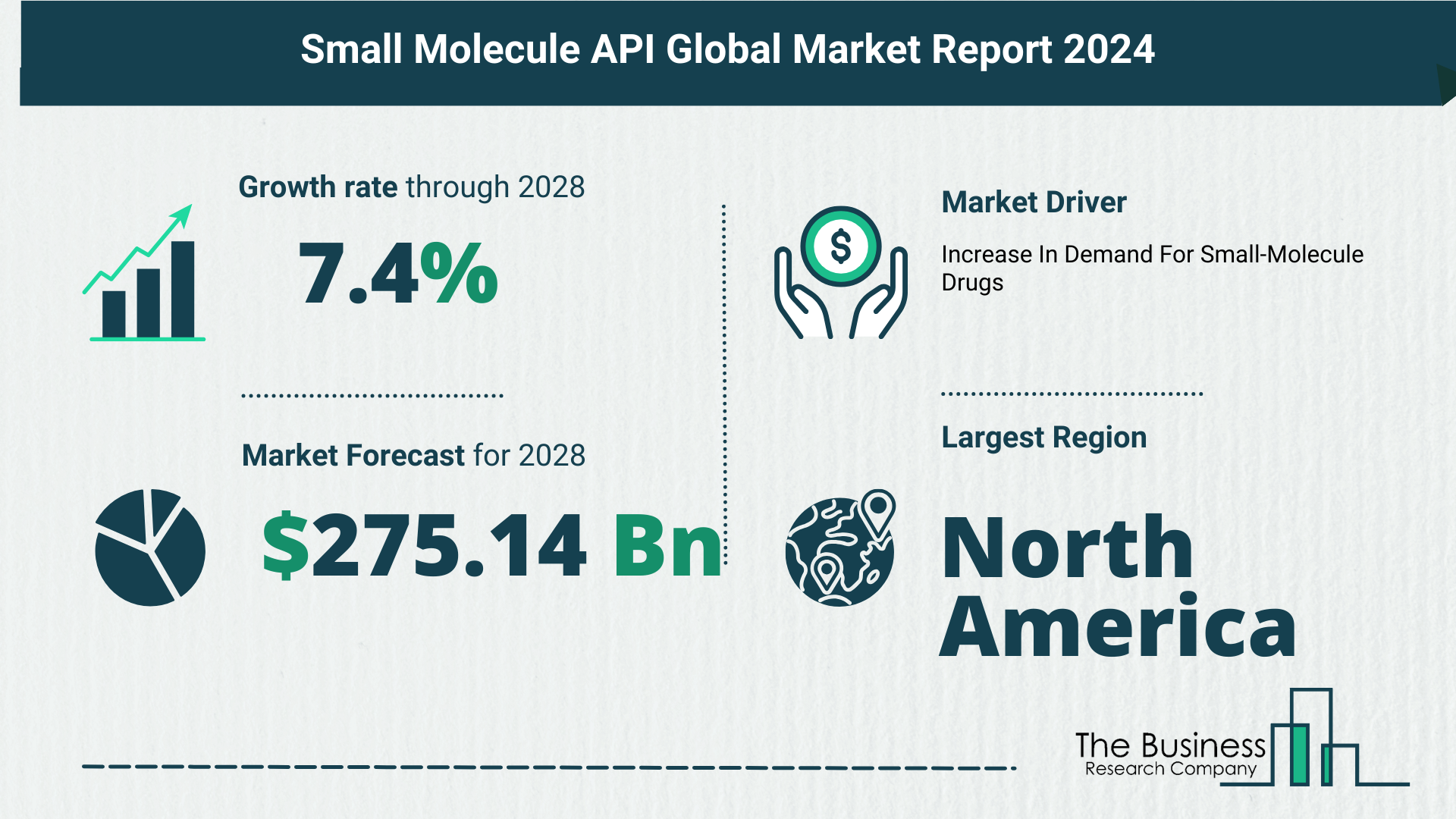
    • Expectations foresee an upward trend continuing, with the market poised to reach $275.14 billion by 2028, boasting a CAGR of 7.4%.

    Drivers of Growth: Understanding the Dynamics

    Several factors contribute to the market’s upward momentum, reflecting the intersection of innovation and demand dynamics:

    1. Generic Drug Manufacturing Surge
      • Rise in the production of generic drugs fuels market expansion.
    2. Increased R&D Investment
      • Growing investments in research and development bolster market prospects.
    3. Aging Population Demands
      • Demands stemming from aging populations drive the need for pharmaceutical solutions.
    4. Expansion in Oncology Treatments
      • Oncology emerges as a significant therapeutic area, fostering market growth.
    5. Emergence of Targeted Therapies
      • Targeted therapies gain traction, influencing market dynamics.

    Forecasted Trends: Navigating Future Trajectories

    Anticipating the future landscape entails recognizing emerging trends poised to redefine industry contours:

    1. Supply Chain Resilience
      • Strengthening supply chains ensures robust market performance.
    2. Digitalization in Pharmaceutical Manufacturing
      • Digital transformations redefine manufacturing processes, enhancing efficiency.
    3. Increasing Investment in Oncology
      • Continued investment in oncology reflects evolving healthcare priorities.
    4. Adoption of Green Chemistry
      • Embracing sustainable practices aligns with environmental imperatives.
    5. Pandemic-driven Healthcare Needs
      • The pandemic reshapes healthcare demands, driving innovation and adaptation.

    View More On The Small Molecule API Market Report 2024 – https://www.thebusinessresearchcompany.com/report/small-molecule-api-global-market-report

     Market Dynamics: Key Insights

    Understanding pivotal shifts and strategic developments helps navigate the evolving market landscape:

    1. Surging Demand for Small-Molecule Drugs
      • Growing demand underscores the significance of small-molecule drugs in healthcare.
    2. Technological Advancements
      • Innovations drive enhanced solubility and efficacy in drug delivery systems.
    3. Strategic Acquisitions
      • Investments and acquisitions redefine market players’ strategic positioning.

    Segmentation Insights: Mapping Market Diversity

    Segmentation offers a nuanced perspective, revealing diverse dimensions within the market:

    • By Type:Synthetic, Biotech
    • By Manufacturer:In-House, Outsourced
    • By Application:Cardiology, Oncology, CNS And Neurology, Orthopedic, Endocrinology, Other Applications

    Regional Dynamics: Navigating Geographical Trends

    Geographical variations underscore the market’s global reach and localized dynamics:

    • North America emerges as the largest region in the small molecule API market.
    • Asia-Pacific forecasts the fastest-growing region, highlighting shifting market dynamics.

    Request A Sample Of The Global Small Molecule API Market Report 2024:
    https://www.thebusinessresearchcompany.com/sample_request?id=8236&type=smp

  • Non-Therapeutic Biomolecules Global Market Outlook 2024-2033: Size And Growth Rate Analysis

    Non-Therapeutic Biomolecules Global Market Outlook 2024-2033: Size And Growth Rate Analysis

    The Business Research Company’s global market reports provide comprehensive analysis on the various markets in 27 industries across 60 geographies.

    The non-therapeutic biomolecules market is experiencing a surge in growth, driven by evolving applications and strategic partnerships. Delve into the dynamics reshaping this burgeoning sector.

    Expanding Horizons: Market Overview

    • The non-therapeutic biomolecules market showcases rapid growth, climbing to $27.91 billion in 2023.
    • Projections foresee a further uptick to $31.11 billion in 2024, boasting a robust CAGR of 11.4%.
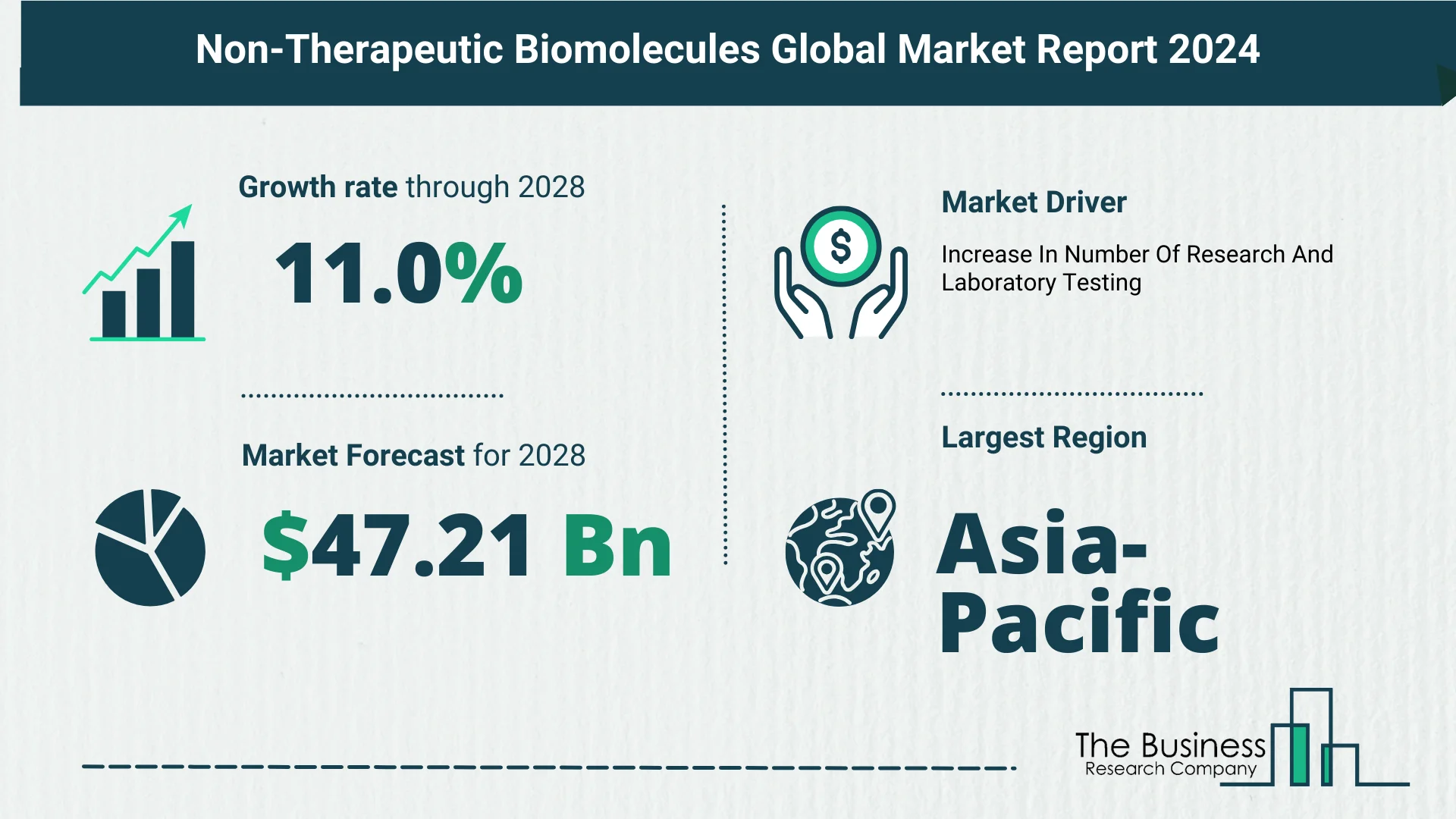
    • Anticipated growth charts a trajectory to $47.21 billion by 2028, with a CAGR of 11.0%.

    Catalysts of Expansion: Understanding Growth Drivers
    Key factors fueling market growth encompass a spectrum of industry dynamics:

    1. Increased Research and Development (R&D) Investments
      • Expanded investments drive innovation, fostering the development of novel biomolecule solutions.
    2. Growing Applications in Research and Diagnostics
      • Biomolecules find diverse applications in research and diagnostics, augmenting market demand.
    3. Rising Awareness and Adoption
      • Heightened awareness of biomolecule benefits catalyzes widespread adoption across sectors.
    4. Strategic Collaborations and Partnerships
      • Collaborative ventures bolster research capabilities and facilitate market penetration.

    View More On The Non-Therapeutic Biomolecules Market Report 2024 – https://www.thebusinessresearchcompany.com/report/non-therapeutic-biomolecules-global-market-report

    Forecasted Trends: Mapping Future Trajectories
    Future trends offer insights into transformative shifts poised to redefine industry landscapes:

    1. Emerging Market Opportunities
      • New markets present avenues for expansion, driving innovation and market diversification.
    2. Advancements in Data Analytics and Integration
      • Data-driven approaches revolutionize biomolecule research and application strategies.
    3. Growing Focus on Precision Medicine
      • Precision medicine initiatives drive the demand for tailored biomolecule solutions.
    4. Increasing Investment in Personalized Healthcare
      • Personalized healthcare initiatives fuel demand for customized biomolecule therapies.

    Market Dynamics: Insights into Industry Evolution
    Pivotal developments and strategic initiatives illuminate the market’s dynamic landscape:

    1. Surging Demand in Research and Laboratory Testing
      • Increasing laboratory testing volumes propel demand for biomolecule solutions.
    2. Product Innovation
      • Companies drive innovation to address evolving market needs, introducing cutting-edge solutions.
    3. Strategic Acquisitions
      • Acquisition strategies strengthen market footholds and enhance product portfolios.

    Segmentation Insights: Navigating Market Diversity
    Segmentation provides nuanced perspectives, revealing diverse facets within the market:

    • By Trad Pharma: Enzymes, Recombinant Proteins, Plasmids, Peptides, Oligonucleotides, Monoclonal Antibodies
    • By End User: Research, Pharma, In vitro diagnostics (IVD)

    Regional Dynamics: Traversing Geographical Trends
    Regional variations underscore the market’s global reach and localized dynamics:

    • Asia-Pacific emerges as the largest region in the non-therapeutic biomolecules market, showcasing significant growth potential.

    Conclusion: Embracing Growth Opportunities
    In conclusion, the non-therapeutic biomolecules market offers a dynamic landscape ripe with opportunities. As stakeholders navigate evolving trends and embrace innovation, strategic collaborations and technological advancements will be pivotal in driving sustainable growth and addressing emerging healthcare and research needs in the dynamic global landscape.

    Request A Sample Of The Global Non-Therapeutic Biomolecules Market Report 2024:
    https://www.thebusinessresearchcompany.com/sample_request?id=8769&type=smp

  • 5 Key Insights On The Non-Steroidal Anti-inflammatory Drugs Market 2024

    5 Key Insights On The Non-Steroidal Anti-inflammatory Drugs Market 2024

    The Business Research Company’s global market reports are now updated with the latest market sizing information for the year 2024 and forecasted to 2033

    As per The Business Research Company’s Non-Steroidal Anti-inflammatory Drugs Global Market Report 2024, the non-steroidal anti-inflammatory drugs market is expected to show significant growth in the forecast period.

    The non-steroidal anti-inflammatory drugs (NSAIDs) market has experienced robust growth in recent years, fueled by various factors shaping the landscape of pain management and healthcare. Here’s a comprehensive look at the market trends and projections:

    Market Growth and Projections

    • The NSAIDs market is set to grow from $19.56 billion in 2023 to $20.93 billion in 2024, showcasing a compound annual growth rate (CAGR) of 7.0%.
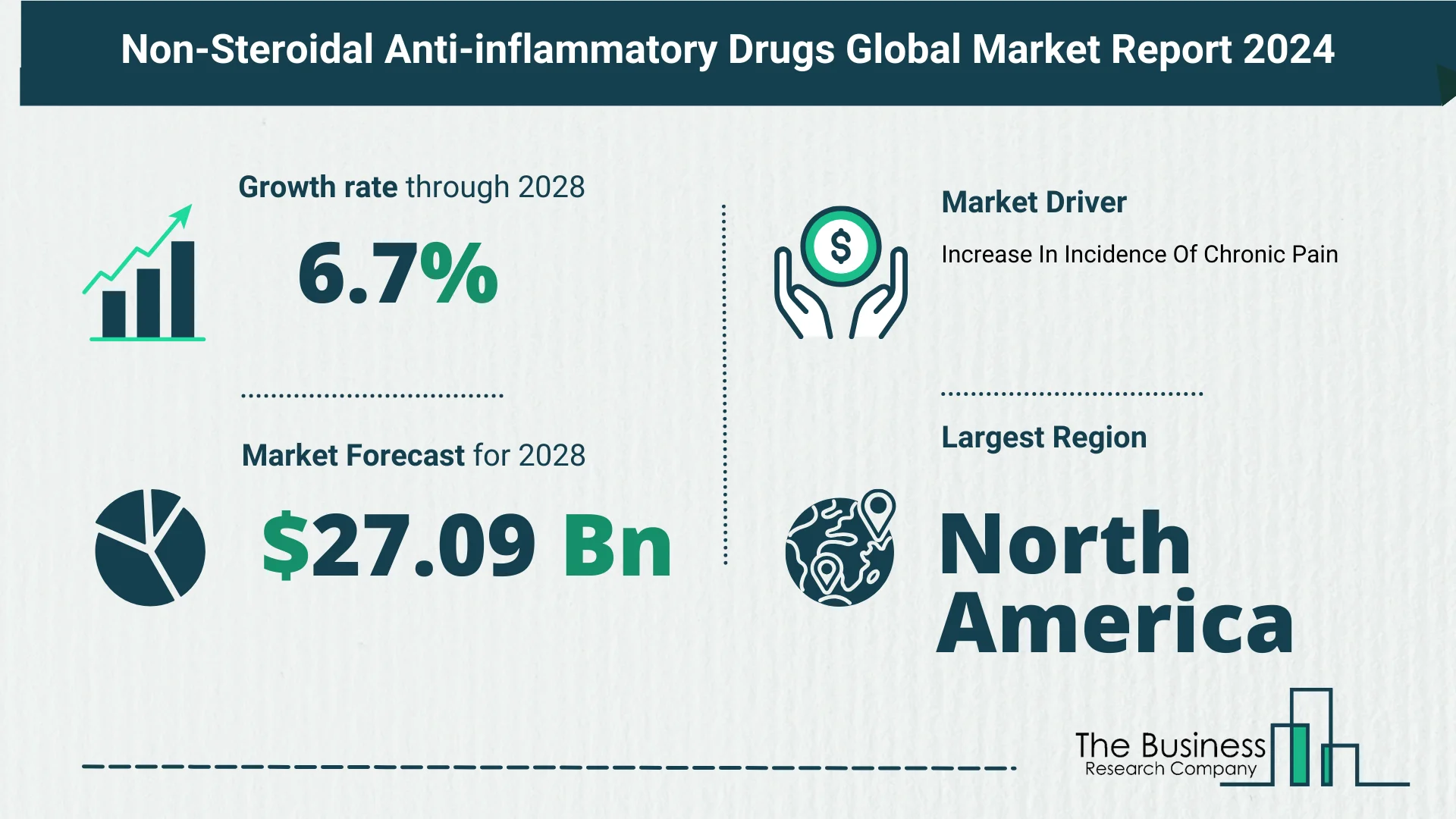
    • By 2028, the market is expected to reach $27.09 billion, maintaining a steady CAGR of 6.7%.
    • Growth drivers include the rising prevalence of chronic pain, advancements in pain management therapies, and regulatory changes facilitating market expansion.

    Driving Forces Behind Market Growth

    1. Rising Prevalence of Chronic Pain
    • Chronic pain, persisting for more than six months, is becoming increasingly prevalent, with conditions like arthritis affecting millions globally.
    • NSAIDs play a crucial role in managing chronic pain, offering relief and improving the quality of life for patients.
    1. Emphasis on Product Innovations
    • Product innovation remains a focal point for companies in the NSAIDs market, driving advancements in technology and formulations.
    • Innovations like intra-articular injections, such as JOYCLU, exemplify efforts to enhance drug delivery and efficacy.

    View More On The Non-Steroidal Anti-inflammatory Drugs Market Report 2024 – https://www.thebusinessresearchcompany.com/report/non-steroidal-anti-inflammatory-drugs-global-market-report

    1. Strategic Acquisitions and Portfolio Expansions
    • Strategic acquisitions, like Pfizer’s acquisition of Arena Pharmaceuticals, enable companies to diversify their portfolios and expand therapeutic offerings.
    • Pfizer’s acquisition brings forth promising pipeline candidates, addressing immuno-inflammatory diseases and expanding treatment options.

    Market Segmentation

    • The NSAIDs market is segmented by route of administration, disease indication, and distribution channel, catering to diverse patient needs and healthcare settings.
    • Routes of administration include oral, topical, and other specialized routes, ensuring versatility in treatment options.
    • Disease indications span arthritis, migraine, ophthalmic diseases, and other conditions, addressing a wide spectrum of health concerns.
    • Distribution channels encompass hospital pharmacies, retail pharmacies, and online platforms, enhancing accessibility to NSAID therapies.

    Regional Dynamics

    • North America emerged as the largest region in the NSAIDs market in 2023, driven by robust healthcare infrastructure and high disease burden.
    • The Asia-Pacific region is anticipated to witness significant growth, fueled by increasing healthcare investments and rising awareness about pain management.

    Future Trends and Outlook

    • Over-the-counter (OTC) dominance and the rising preference for cox-2 inhibitors are expected to shape market dynamics in the forecast period.
    • Generics and market competition will intensify, fostering innovation and affordability in NSAID therapies.
    • Integration of digital health technologies, including telemedicine and remote monitoring, will revolutionize patient care and treatment outcomes.

    In Conclusion
    As the NSAIDs market continues to evolve, driven by advancements in pain management and healthcare delivery, opportunities emerge for stakeholders to innovate and collaborate. With a growing emphasis on patient-centric care and precision medicine approaches, the journey towards addressing chronic pain and improving patient outcomes remains at the forefront of pharmaceutical innovation. As we navigate the dynamic landscape of the NSAIDs market, embracing technological advancements and therapeutic breakthroughs, the quest for enhanced quality of life and pain relief for patients remains paramount.

    Request A Sample Of The Global Non-Steroidal Anti-inflammatory Drugs Market Report 2024:
    https://www.thebusinessresearchcompany.com/sample_request?id=8023&type=smp

  • Comprehensive Analysis On Size, Share, And Drivers Of The Non-Alcoholic Steatohepatitis Treatment Market

    Comprehensive Analysis On Size, Share, And Drivers Of The Non-Alcoholic Steatohepatitis Treatment Market

    The Business Research Company’s global market reports provide comprehensive analysis on the various markets in 27 industries across 60 geographies.

    Explosive Growth Projected

    • The non-alcoholic steatohepatitis treatment market has experienced exponential growth, with the market size reaching $1.89 billion in 2023 and projected to soar to $2.62 billion in 2024 at a remarkable compound annual growth rate (CAGR) of 38.7%.
    • This growth surge in recent years is attributed to various factors, including rising prevalence of NASH, increased awareness and diagnosis, lifestyle changes, the obesity epidemic, clinical research, improved healthcare infrastructure and access, regulatory support, and expanded clinical trials.

    A Promising Forecast

    • Projections for the future are equally promising, with the market size expected to reach $9.89 billion by 2028, boasting a CAGR of 39.4%.
    • Factors fueling this forecasted growth include advancements in drug development, heightened disease awareness, increased prevalence and risk factors, and a shift towards personalized medicine.
    • Anticipated trends in the forecast period encompass a patient-centric approach, technological innovations, targeted therapies, regulatory dynamics, and advancements in research.

    View More On The Non-Alcoholic Steatohepatitis Treatment Market Report 2024 – https://www.thebusinessresearchcompany.com/report/non-alcoholic-steatohepatitis-treatment-global-market-report

    Insulin Resistance Surge Fueling Growth In The Non-Alcoholic Steatohepatitis Treatment Market

    • Insulin resistance, a key driver of non-alcoholic steatohepatitis treatment market growth, is on the rise globally.
    • The surge in insulin resistance is linked to unhealthy lifestyles, excessive sugar consumption, and genetic predispositions.
    • Increased prevalence of diabetes and liver-related diseases, such as NASH, contribute significantly to the demand for non-alcoholic steatohepatitis treatment.
    • Notably, reports indicate a substantial increase in premature deaths from liver diseases, underlining the urgency for effective treatment options.

    Advancements In Non-Alcoholic Steatohepatitis (NASH) Drug Development Transforming Treatment Landscape

    • The development of NASH drugs represents a pivotal trend reshaping the non-alcoholic steatohepatitis treatment market.
    • Pharmaceutical companies are investing in innovative drugs with reduced side effects to address liver diseases effectively.
    • Pfizer Inc. received a fast-track designation from the FDA for its investigational combination therapy for NASH treatment, showcasing the industry’s commitment to innovation.
    • Advanz Pharma’s acquisition of Intercept Pharmaceuticals underscores the strategic moves within the market to capitalize on emerging opportunities.

    Segmentation and Regional Dynamics

    • The non-alcoholic steatohepatitis treatment market is segmented by drug type (Vitamin E and Pioglitazone, Ocaliva, Elafibranor, Selonsertib and cenicriviroc, Obeticholic Acid, and other drug types), test type (blood tests, liver biopsy, imaging procedures), and end-user (hospital pharmacies, retail and specialty pharmacies, and other end users).
    • North America dominated the market share in 2023, highlighting the region’s significance in the non-alcoholic steatohepatitis treatment landscape.

    In conclusion, the non-alcoholic steatohepatitis treatment market’s unprecedented growth trajectory underscores the pressing need for innovative solutions to combat liver diseases effectively. With advancements in drug development, increased disease awareness, and strategic collaborations, the market is poised for remarkable expansion in the coming years. As stakeholders continue to navigate evolving trends and regulatory landscapes, opportunities abound for pioneering interventions that promise to revolutionize patient care and outcomes in the realm of non-alcoholic steatohepatitis treatment.

    Request A Sample Of The Global Non-Alcoholic Steatohepatitis Treatment Market Report 2024:
    https://www.thebusinessresearchcompany.com/sample_request?id=8595&type=smp

  • Global Muscle Relaxant Drugs Market Analysis: Estimated Market Size And Growth Rate

    Global Muscle Relaxant Drugs Market Analysis: Estimated Market Size And Growth Rate

    The Business Research Company’s global market reports are now updated with the latest market sizing information for the year 2024 and forecasted to 2033

    Introduction: A Strong Growth Trajectory

    • The muscle relaxant drugs market has experienced robust growth in recent years.
    • From $4.46 billion in 2023, it is poised to reach $4.83 billion in 2024, with a CAGR of 8.2%.
    • Historic growth is attributed to shifts in treatment approaches, chronic pain management, and pharmaceutical innovations.

    Anticipated Expansion and Driving Forces

    • Forecasted to grow to $6.55 billion by 2028, with a CAGR of 7.9%.
    • Factors driving future growth include multidisciplinary pain management approaches and an aging population.
    • Research in targeted therapies and advancements in pain management contribute to market expansion.

    Trends Shaping the Future Landscape

    • Advancements in side effect profiles and personalized medicine approaches.
    • Research in alternative therapies and the integration of muscle relaxants in pain management protocols.
    • The advent of botulinum toxin injections reshapes treatment modalities.

    Sports Injuries Fuel Market Growth

    • Sports injuries contribute significantly to the expansion of the muscle relaxant drugs market.
    • Muscle relaxants play a crucial role in treating injuries and alleviating muscle tension.
    • The rise in reported sports injuries underscores the demand for muscle relaxant drugs.

    Key Players and Market Dynamics

    • Major companies like Pfizer Inc., Novartis AG, and Teva Pharmaceuticals lead the market.
    • Product innovations, such as flexible dosage formulations, drive market competitiveness.
    • Strategic acquisitions, like Corona Remedies’ acquisition of Myoril brand, accelerate market growth.

    View More On The Muscle Relaxant Drugs Market Report 2024 – https://www.thebusinessresearchcompany.com/report/muscle-relaxant-drugs-global-market-report

    Innovative Solutions Driving Market Trends

    • Companies focus on developing drugs tailored to specific medical applications.
    • Examples include Amneal Pharmaceuticals’ LYVISPAH, offering flexible dosing for spasticity treatment.
    • Product innovations cater to patient needs, enhancing treatment efficacy and accessibility.

    Regional Dynamics and Market Segmentation

    • Market segmentation includes drug type, formulation, route of administration, and end-user.
    • North America dominated the market in 2023, with significant growth potential in other regions.

    Conclusion: A Thriving Market Landscape

    • The muscle relaxant drugs market exhibits promising growth prospects driven by various factors.
    • Innovations in drug formulations and treatment modalities reshape patient care.
    • Strategic acquisitions and regional expansions reflect market dynamism.
    • As the market evolves, stakeholders must adapt to emerging trends and patient needs.
    • The muscle relaxant drugs market stands at the forefront of addressing pain management challenges, offering hope for patients worldwide.

    Request A Sample Of The Global Muscle Relaxant Drugs Market Report 2024:
    https://www.thebusinessresearchcompany.com/sample_request?id=8751&type=smp