Category: Pharmaceuticals

  • Key Insights On The Pediatric Supplements Market 2024 – Size, Driver, And Major Players

    Key Insights On The Pediatric Supplements Market 2024 – Size, Driver, And Major Players

    The Business Research Company’s global market reports are now updated with the latest market sizing information for the year 2024 and forecasted to 2033

    As per The Business Research Company’s Pediatric Supplements Global Market Report 2024, the pediatric supplements market is expected to show significant growth in the forecast period.

    Market Overview

    The pediatric supplements market has witnessed robust growth in recent years and is set to continue its upward trajectory.

    • Current Market Size: $3.65 billion in 2023
    • Projected Market Size: $3.92 billion in 2024
    • Compound Annual Growth Rate (CAGR): 7.4%

    This growth can be attributed to several factors, including a rise in nutritional deficiencies among children, increased consumer awareness, and the expansion of e-commerce.

    Future Projections

    Looking ahead, the pediatric supplements market is expected to experience even stronger growth.

    • Projected Market Size by 2028: $5.25 billion
    • Forecasted CAGR: 7.6%

    Key drivers of this growth include:

    • Rising Demand: Increased need for purified protein supplements.
    • Healthcare Spending: Higher expenditure on pediatric health.
    • Health Trends: Growing interest in health and wellness.
    • Population Growth: Expansion in the number of children.

    View More On The Pediatric Supplements Market Report 2024 – https://www.thebusinessresearchcompany.com/report/pediatric-supplements-global-market-report

    Rising Nutritional Deficiencies

    Nutritional deficiencies are a major driver of market growth.

    • Impact: Essential nutrients are critical for child development and overall health.
    • Contributing Factors: Processed foods high in empty calories and low in essential nutrients.
    • Market Response: Pediatric supplements provide necessary nutrients, helping to address these deficiencies.

    For instance, in 2022, UNICEF’s malnutrition prevention programs reached 356.3 million children and mothers, highlighting the growing need for such supplements.

    Innovations in Pediatric Supplements

    Innovation is a significant trend within the pediatric supplements market.

    • Natural Ingredients: Focus on organic and natural ingredients, such as vitamin D and probiotics.
    • Product Examples: Bobbie’s launch of organic vitamin D and probiotic drops in February 2024. These products are designed to support bone health, immune function, and address common deficiencies.

    Strategic Acquisitions

    Strategic moves are also shaping the market landscape.

    • Notable Acquisition: JB Pharma acquired four pediatric brands from Dr. Reddy’s Laboratories in July 2022 for $8.23 million.
    • Purpose: To enhance JB Pharma’s domestic presence and expand its pediatric product offerings.

    Market Segmentation

    The pediatric supplements market is segmented into several categories:

    1. By Product Type: Includes vitamins, minerals, probiotics, omega-3 fatty acids, amino acids, and other types.
    2. By Form: Available in gummies, chewables, liquids, powders, tablets, and other forms.
    3. By Distribution Channel: Sold through pharmacies, supermarkets, online retailers, specialty stores, and other channels.
    4. By Age Group: Targets infants, toddlers, middle childhood, and adolescents.
    5. By Application: Focuses on immunity enhancement, brain and cognitive support, bone and teeth support, gastrointestinal support, general well-being, and other applications.

    Regional Insights

    Regional trends highlight significant growth opportunities.

    • Largest Region in 2023: North America
    • Fastest-Growing Region: Asia-Pacific

    Conclusion

    The pediatric supplements market is on a strong growth trajectory, driven by rising nutritional deficiencies, innovative product developments, strategic acquisitions, and increasing consumer demand for health-focused solutions. With projected significant growth in the coming years, stakeholders in this market are well-positioned to capitalize on these emerging opportunities.

    Request A Sample Of The Global Pediatric Supplements Market Report 2024:
    https://www.thebusinessresearchcompany.com/sample_request?id=16144&type=smp

  • 5 Key Insights On The Nuclear Medicine Radioisotopes Market 2024

    5 Key Insights On The Nuclear Medicine Radioisotopes Market 2024

    The Business Research Company’s global market reports are now updated with the latest market sizing information for the year 2024 and forecasted to 2033

    As per The Business Research Company’s Nuclear Medicine Radioisotopes Global Market Report 2024, the nuclear medicine radioisotope market is expected to show significant growth in the forecast period.

    Market Overview
    The nuclear medicine radioisotopes market has demonstrated substantial growth recently. From a valuation of $7.57 billion in 2023, it is projected to increase to $8.21 billion in 2024, marking a compound annual growth rate (CAGR) of 8.4%. This expansion is largely attributed to historical advancements such as the discovery of radioactivity, the rise of nuclear medicine, and the growing therapeutic and research applications.

    • 2023 Market Size: $7.57 billion
    • 2024 Projected Size: $8.21 billion
    • CAGR: 8.4%

    Future Projections
    Looking ahead, the market is expected to grow even more robustly. By 2028, it is anticipated to reach $11.44 billion, driven by a CAGR of 8.7%. Key factors fueling this growth include rising healthcare expenditure, enhanced healthcare infrastructure, and heightened environmental awareness.

    • 2028 Projected Size: $11.44 billion
    • CAGR: 8.7%
    • Growth Drivers: Increased healthcare spending, healthcare infrastructure expansion, environmental sustainability awareness

    View More On The Nuclear Medicine Radioisotopes Market Report 2024 – https://www.thebusinessresearchcompany.com/report/nuclear-medicine-radioisotopes-global-market-report

    Impact of Cardiovascular Diseases
    The rising incidence of cardiovascular diseases significantly contributes to the market’s growth. These conditions, influenced by sedentary lifestyles, poor diets, and aging populations, benefit from nuclear medicine radioisotopes in diagnosing and managing heart conditions. The Centers for Disease Control and Prevention (CDC) reported an increase in coronary heart disease prevalence, highlighting the growing demand for diagnostic solutions.

    • Contributing Factors: Sedentary lifestyle, poor diet, obesity, aging population
    • Diagnostic Benefits: Detailed cardiac function assessment, perfusion evaluation, tissue viability analysis

    Technological Innovations
    Technological advancements are pivotal in driving innovation within the market. Noteworthy developments include compact, low-energy cyclotrons, which improve radioisotope production and accessibility. For example, IBA’s Cyclone Key, launched in January 2022, offers enhanced diagnostic solutions with features such as automated operation, high performance, and ease of installation.

    • Innovation Example: IBA Cyclone Key
    • Features: Compact design, automated operation, multiple isotope production

    Strategic Acquisitions
    In April 2024, Telix Pharmaceuticals acquired ARTMS to bolster its nuclear medicine capabilities. ARTMS, known for its novel radioisotope technology, will enhance Telix’s production and range of radiopharmaceuticals, signaling a strategic move to expand market offerings and production efficiency.

    • Acquirer: Telix Pharmaceuticals
    • Acquired Company: ARTMS
    • Strategic Goals: Strengthen nuclear medicine capabilities, optimize production

    Market Segmentation
    The nuclear medicine radioisotopes market is segmented into various categories:

    1. By Type: Includes Technetium-99m (Tc-99m), Iodine-123, Fluorine-18, and others.
    2. By Application: Oncology, Cardiology, Thyroid, Neurology, etc.
    3. By End-User: Hospitals, Diagnostic Centers, Specialty Clinics, Research Institutes.

    Regional Insights
    North America held the largest share of the market in 2023. However, the Asia-Pacific region is expected to be the fastest-growing area in the coming years, driven by increasing healthcare investments and technological advancements.

    • Largest Market Region (2023): North America
    • Fastest-Growing Region (Forecast Period): Asia-Pacific

    In conclusion, the nuclear medicine radioisotopes market is on a strong growth trajectory, driven by technological innovations, increasing disease prevalence, and strategic market expansions. As the healthcare sector continues to evolve, the demand for advanced diagnostic and therapeutic solutions in nuclear medicine will likely see sustained growth.

    Request A Sample Of The Global Nuclear Medicine Radioisotopes Market Report 2024:
    https://www.thebusinessresearchcompany.com/sample_request?id=16132&type=smp

  • Global Vasopressin Market Key Insights 2024-2033

    Global Vasopressin Market Key Insights 2024-2033

    The Business Research Company’s global market reports are now updated with the latest market sizing information for the year 2024 and forecasted to 2033

    According to The Business Research Company’s Vasopressin Global Market Report 2024, the vasopressin market is expected to show promising growth in the forecast period.

    The vasopressin market is on a growth trajectory, driven by various factors including advancements in medication delivery and increasing prevalence of chronic diseases. Here’s a detailed look at the market’s current state and future prospects.

    Market Overview and Growth Trends

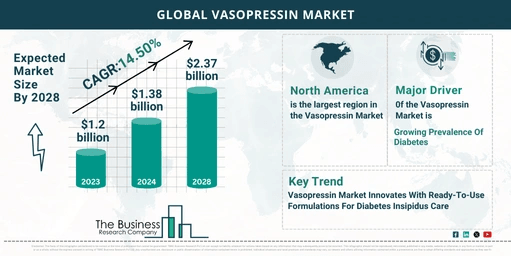
    • Current Market Size: The vasopressin market was valued at $1.21 billion in 2023.
    • Short-Term Growth: It is projected to grow to $1.38 billion in 2024, with a compound annual growth rate (CAGR) of 14.2%.
    • Long-Term Forecast: By 2028, the market is expected to reach $2.37 billion, driven by a CAGR of 14.5%.

    Key Growth Drivers

    • Senior Population Increase: The rising senior population has contributed to the growth of the vasopressin market, as older individuals are more susceptible to conditions requiring vasopressin treatment.
    • Healthcare Infrastructure Development: Improved hospital and healthcare facilities have expanded access to vasopressin treatments.
    • Autonomic Dysreflexia Prevalence: Increased prevalence of autonomic dysreflexia, a condition often seen in individuals with spinal cord injuries, has spurred market demand.
    • Chronic Disease Prevalence: A high prevalence of chronic diseases necessitates the use of vasopressin for effective management.
    • Medical Professional Awareness: Growing awareness among healthcare professionals about vasopressin’s benefits has enhanced its adoption.

    Factors Influencing Future Growth

    • Diabetes Insipidus: An increase in diabetes insipidus cases is expected to drive market growth, as vasopressin is crucial for managing this condition.
    • Medication Delivery Systems: Advances in medication delivery systems are improving the effectiveness and convenience of vasopressin administration.
    • Research and Development: Ongoing R&D initiatives are leading to new innovations and improving existing treatments.
    • Awareness and Diagnosis: Enhanced knowledge and diagnostic capabilities are increasing awareness and early diagnosis of conditions treatable with vasopressin.

    View More On The Vasopressin Market Report 2024 – https://www.thebusinessresearchcompany.com/report/vasopressin-global-market-report

    Major Trends in the Market

    • Technological Developments: Innovations in manufacturing technologies are enhancing the efficiency and quality of vasopressin products.
    • Formulation Innovations: New formulations and delivery techniques are being developed to improve patient outcomes.
    • Personalized Treatment Approaches: The shift towards personalized and multimodal treatment approaches is influencing market dynamics.
    • Health and Wellness Focus: An increasing emphasis on health and wellness is contributing to market growth.
    • Customization and Personalization: The trend towards personalized medicine is driving the demand for customized vasopressin treatments.

    Impact of Rising Diabetes Cases

    • Diabetes Prevalence: The prevalence of diabetes is a significant factor driving vasopressin market growth. Diabetes impacts a large segment of the population and is associated with conditions like diabetes insipidus.
    • Market Implications: According to the International Diabetes Federation, diabetes cases are projected to increase significantly, with an estimated 643 million adults affected by 2030. This growing prevalence is expected to drive demand for vasopressin as a key treatment option.

    Innovations in Vasopressin Products

    • Ready-to-Use Formulations: Major companies are developing ready-to-use (RTU) formulations to enhance convenience and precision. For example, Endo International plc launched VASOSTRICT in a 100 mL RTU pre-mix bottle, offering improved safety and inventory management.
    • Advantages: This RTU formulation provides a two-year shelf life, with up to 12 months at room temperature, reducing preparation errors and improving patient safety.

    Notable Market Moves

    • Fresenius Kabi and Ivenix Inc.: In May 2022, Fresenius Kabi acquired Ivenix Inc. for $240 million. This acquisition strengthens Fresenius Kabi’s presence in the U.S. infusion therapy market and enhances their capabilities in providing vasopressin injections.

    Market Segmentation

    • By Product Type: Includes Intravenous Injection, Intramuscular Injection, and Subcutaneous Injection.
    • By Application: Covers Anti-Diuretic Hormone Deficiency, Vasodilatory Shock, Gastrointestinal Bleeding, and Ventricular Tachycardia and Fibrillation.
    • By End-User: Hospitals, Clinics, and Other End Users.

    Regional Insights

    • North America: The largest market region in 2023.
    • Future Growth: Other regions are expected to see significant growth as the global demand for vasopressin continues to rise.

    The vasopressin market is poised for substantial growth, driven by advancements in treatment options, increased awareness of diabetes, and a rising senior population. The ongoing innovations and expanding applications in healthcare underscore a promising future for this critical pharmaceutical sector.

    Request A Sample Of The Global Vasopressin Market Report 2024:
    https://www.thebusinessresearchcompany.com/sample_request?id=16207&type=smp

  • How Is The Ranibizumab Market Expected To Grow Through 2024-2033

    How Is The Ranibizumab Market Expected To Grow Through 2024-2033

    The Business Research Company’s global market reports are now updated with the latest market sizing information for the year 2024 and forecasted to 2033

    According to The Business Research Company’s Ranibizumab Global Market Report 2024, the ranibizumab market is expected to show promising growth in the forecast period.

    The ranibizumab market has experienced steady growth in recent years and is poised for further expansion. Here’s an overview of the market trends, drivers, and key players shaping its future.

    Market Growth Overview

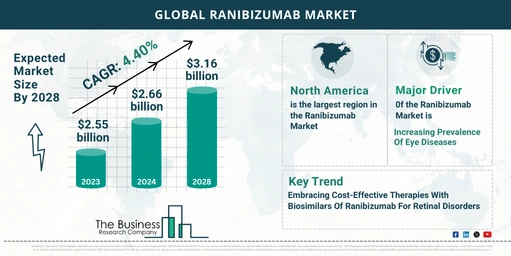
    • Current Market Size: The ranibizumab market was valued at $2.55 billion in 2023.
    • 2024 Projections: Expected to grow to $2.66 billion, reflecting a compound annual growth rate (CAGR) of 4.3%.
    • Future Outlook: Anticipated to reach $3.16 billion by 2028, with a CAGR of 4.4%.

    Factors Driving Market Growth

    • Expansion of Clinical Trials: Increased clinical trials in emerging markets are contributing to market growth.
    • Rising Prevalence of AMD: The growing incidence of age-related macular degeneration (AMD) is driving demand for ranibizumab.
    • Awareness and Government Initiatives: Enhanced awareness about retinal diseases and supportive government funding and initiatives are boosting the market.
    • High Incidence of Diabetic Retinopathy: With rising cases of diabetic retinopathy, the need for effective treatments like ranibizumab is increasing.
    • Healthcare Expenditure: Growing healthcare spending is also a significant factor in the market’s expansion.

    View More On The Ranibizumab Market Report 2024 – https://www.thebusinessresearchcompany.com/report/ranibizumab-global-market-report

    Future Growth Drivers

    • Ongoing Research and Development: Continued R&D efforts are expected to foster growth.
    • Introduction of Biosimilars: The launch of biosimilars is providing cost-effective alternatives, stimulating market growth.
    • Combination Therapies: Increased focus on combination therapies is expected to drive demand.
    • Teleophthalmology and Expanded Indications: Growth in teleophthalmology and the widening indications for ranibizumab will contribute to market expansion.
    • Favorable Reimbursement Policies: Improved reimbursement policies are likely to support market growth.

    Major Trends in the Forecast Period

    • Advancements in Biotechnology: Innovations in biotechnology are set to enhance treatment options.
    • Technological Innovations in Drug Delivery: Advances in drug delivery systems are expected to improve treatment efficacy.
    • Shift Towards Personalized Medicine: A growing emphasis on personalized medicine is likely to drive market growth.
    • Use of Artificial Intelligence: The increasing application of AI in ophthalmology is transforming the landscape.
    • Development of Longer-Acting Formulations: The development of longer-acting formulations will provide patients with more effective treatment options.
    • Patient-Centric Care Models: A rise in patient-centric care models is expected to influence market dynamics positively.

    Impact of Global Eye Disease Rise

    • Increasing Prevalence: The global rise in eye diseases, driven by aging populations and lifestyle changes, is a key market driver.
    • Projected Vision Loss: According to the International Agency for the Prevention of Blindness (IAPB), vision loss is projected to increase significantly by 2050, driving demand for treatments like ranibizumab.
    • Conditions Treated: Ranibizumab is used for treating AMD, diabetic retinopathy, and other retinal disorders, addressing the growing need for effective therapies.

    Key Market Players

    • Leading Companies: Major players in the ranibizumab market include F. Hoffmann-La Roche AG, Bayer AG, Novartis AG, Teva Pharmaceutical Industries Ltd, Regeneron Pharmaceuticals Inc., Biogen Inc., and others.
    • Biosimilar Initiatives: Companies like Formycon AG and Bioeq AG have launched biosimilars, such as FYB201, offering affordable alternatives to the original ranibizumab.

    Strategic Acquisitions

    • Sandoz and Coherus BioSciences: In March 2024, Sandoz acquired Coherus BioSciences’ CIMERLI business to enhance its biosimilar offerings in ophthalmology, highlighting the strategic moves within the market.

    Market Segmentation

    • By Product: Includes Single Use Prefilled Syringe and Single Use Glass Vial.
    • By Application: Covers Wet Age Related Macular Degeneration (AMD), Diabetic Retinopathy (DR), Diabetic Macular Edema (DME), Myopic Choroidal Neovascularization (MCNV), and Retinal Vein Occlusion (RVO).
    • By Distribution Channel: Includes Hospital Pharmacies, Online Pharmacies, and Other Distribution Channels.

    Regional Insights

    • North America: Dominated the ranibizumab market in 2023 and continues to be a key region for market expansion.

    The ranibizumab market is set for continued growth, driven by increasing eye disease prevalence, advancements in technology, and the introduction of cost-effective biosimilars. Major companies are adapting to these trends, positioning themselves for future success in this evolving market.

    Request A Sample Of The Global Ranibizumab Market Report 2024:
    https://www.thebusinessresearchcompany.com/sample_request?id=16172&type=smp

  • Key Trends And Drivers In The Drugs for Immunotherapy Market 2024

    Key Trends And Drivers In The Drugs for Immunotherapy Market 2024

    The Business Research Company’s market reports offer an in-depth analysis on the market’s growth potential, major drivers, key trends and more.

    The drugs for immunotherapy market has experienced significant growth in recent years, driven by various factors contributing to its expansion and future projections.

    • Market Size and Growth Trends
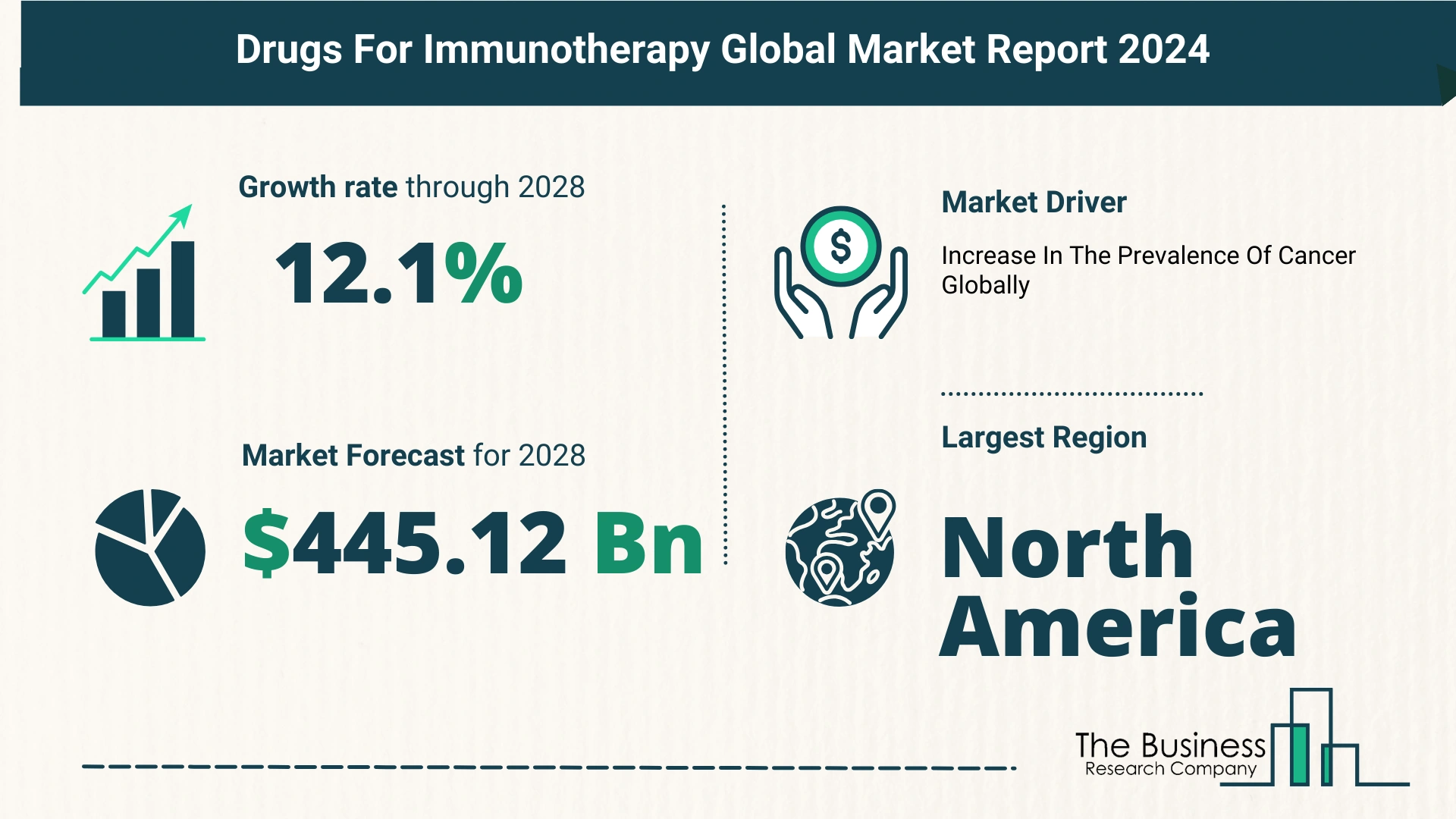
      • The market size was $255.14 billion in 2023 and is expected to reach $281.43 billion in 2024, growing at a CAGR of 10.3%.
      • By 2028, it is forecasted to grow to $445.12 billion at a CAGR of 12.1%.

    Drivers of Market Growth

    Rising Incidences of Cancer

    The global increase in cancer cases is a primary driver for the drugs for immunotherapy market, influenced by lifestyle factors and aging populations.

    • Obesity, smoking, alcohol consumption, and poor diet contribute to cancer incidences.
    • Predictions suggest a significant rise in cancer cases globally, further boosting demand for immunotherapy drugs.

    Read More On The Drugs for Immunotherapy Market Report 2024 – https://www.thebusinessresearchcompany.com/report/drugs-for-immunotherapy-global-market-report

    Innovations in Immunotherapy

    Major companies are advancing therapies to cater to evolving healthcare needs, focusing on targeted treatments like immune checkpoint inhibitors.

    • Innovations such as Keytruda (pembrolizumab) from Merck & Co., Inc. highlight significant advancements in cancer treatment.
    • FDA-approved therapies like Keytruda expand treatment options and improve patient outcomes.

    Strategic Acquisitions and Expansions

    Key acquisitions by major pharmaceutical firms, such as Pfizer Inc.’s acquisition of Trillium Therapeutics, bolster market competitiveness and portfolio diversification.

    • Pfizer Inc.’s acquisition enhances its oncology offerings, particularly in immuno-therapeutics for hematological malignancies.

    Market Segmentation

    The drugs for immunotherapy market is segmented by type, therapy area, and end user to cater to diverse medical needs and treatment preferences.

    • By Type: Monoclonal Antibodies, Interferons, Interleukins, Vaccines, Checkpoint Inhibitors, Other Types
    • By Therapy Area: Cancer, Autoimmune & Inflammatory Diseases, Infectious Diseases, Other Therapy Areas
    • By End User: Hospitals & Clinics, Ambulatory Surgical Centers, Other End Users

    Regional Insights

    North America led the market in 2023, with the Middle East anticipated as the fastest-growing region during the forecast period.

    • North America: Significant market presence due to advanced healthcare infrastructure and high investment in research.
    • Middle East: Rapid growth expected, driven by increasing healthcare expenditures and rising cancer incidences.

    Conclusion

    The drugs for immunotherapy market is poised for substantial growth, propelled by rising cancer rates, innovative treatment solutions, strategic acquisitions, and expanding global healthcare access. With ongoing advancements in immunology and personalized medicine, the future promises continued evolution and improvement in patient care and outcomes.

    Request for A Sample Of The Global Drugs for Immunotherapy Market Report:
    https://www.thebusinessresearchcompany.com/sample_request?id=2559&type=smp

  • Global Conjugated Monoclonal Antibodies Market Overview 2024: Size, Drivers, And Trends

    Global Conjugated Monoclonal Antibodies Market Overview 2024: Size, Drivers, And Trends

    The Business Research Company’s global market reports provide comprehensive analysis on the various markets in 27 industries across 60 geographies.

     Market Overview and Growth Trends

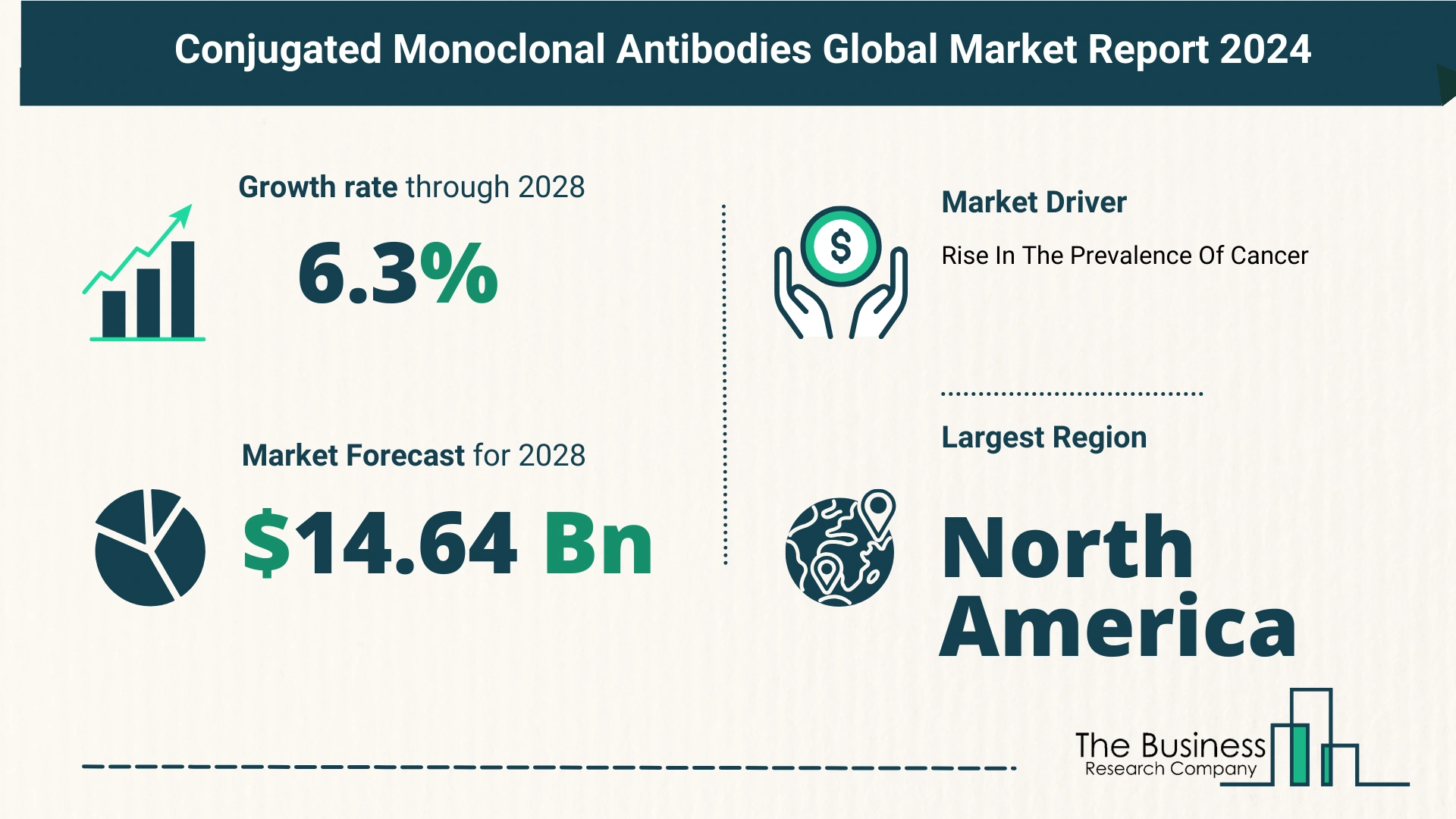
    • The conjugated monoclonal antibodies market has shown robust growth, increasing from $10.9 billion in 2023 to $11.48 billion in 2024, with a CAGR of 5.3%.
    • Forecasted to reach $14.64 billion by 2028, growing at a CAGR of 6.3%.
    • Factors driving historic and forecasted growth include rising cancer prevalence, expanding private healthcare, government support, and increased patient populations.

    Major Growth Drivers

    • Therapeutic Potential: Antibody-drug conjugates (ADCs) are increasingly used in cancer treatment due to their targeted delivery and efficacy.
    • Market Expansion: Growing demand for minimally invasive procedures and expanding healthcare access are boosting market growth.
    • Technological Advancements: Advances in drug delivery systems and next-generation conjugates are significant trends shaping the market.
    • Patient-Centric Care: Shift towards personalized medicine and biomarker-driven development are enhancing treatment outcomes.

    View More On The Conjugated Monoclonal Antibodies Market Report 2024 – https://www.thebusinessresearchcompany.com/report/conjugated-monoclonal-antibodie-global-market-report

    Strategic Partnerships Fueling Innovation

    • Collaborative Efforts: Companies like Pfizer, Roche, and Bristol-Myers Squibb are forming strategic partnerships to advance ADC therapies.
    • Example: BeiGene Ltd. and Duality Biologics partnered to develop ADC therapies for solid tumors, leveraging combined strengths.

    Lonza Group AG’s Acquisition Strategy

    • Acquisition of Synaffix BV: Lonza Group AG acquired Synaffix BV to bolster its ADC capabilities and expand its portfolio, aiming to accelerate ADC therapy development.

    Market Segmentation

    The conjugated monoclonal antibodies market is segmented based on:

    1. Drugs: Adcetris, Kadcyla
    2. Technology: Cleavable Linker, Non-cleavable Linker
    3. Application: Blood Cancer, Breast Cancer, Ovarian Cancer, Lung Cancer, Brain Tumor, Other Applications

    Regional Insights

    • North America: Largest market in 2023, driven by advanced healthcare infrastructure and early adoption of new therapies.
    • Middle East: Expected to exhibit the fastest growth, supported by increasing healthcare investments and rising cancer incidences.

    Conclusion

    The conjugated monoclonal antibodies market is poised for substantial growth, driven by technological advancements, strategic collaborations, and increasing healthcare access globally. As companies continue to innovate and expand their capabilities, the market is set to witness transformative developments in cancer treatment and beyond.

    Request A Sample Of The Global Conjugated Monoclonal Antibodies Market Report 2024:
    https://www.thebusinessresearchcompany.com/sample_request?id=3424&type=smp

  • Future Growth Forecast For The High Throughput Screening (HTS) Global Market 2024-2033

    Future Growth Forecast For The High Throughput Screening (HTS) Global Market 2024-2033

    The Business Research Company’s global market reports provide comprehensive analysis on the various markets in 27 industries across 60 geographies.

    Market Overview and Growth Trajectory

    • The HTS market has experienced rapid growth, expanding from $20.66 billion in 2023 to $22.98 billion in 2024, with a CAGR of 11.2%.
    • Forecasted to reach $33.1 billion by 2028, growing at a CAGR of 9.5%.
    • Drivers include increased R&D spending, rising healthcare investments, and a competitive market environment.

    Impact of Chronic Disease Prevalence on HTS Market Growth

    • Chronic diseases drive demand for HTS by necessitating effective drug discovery and disease management solutions.
    • The prevalence of chronic diseases is projected to significantly increase, amplifying market growth.

    View More On The High Throughput Screening (HTS) Market Report 2024 – https://www.thebusinessresearchcompany.com/report/high-throughput-screening-hts-global-market-report

    Key Players Driving Innovation

    • Thermo Fisher Scientific Inc., AstraZeneca Plc, Danaher Corporation, among others, are pivotal in market expansion.
    • Continuous innovation in multimode plate readers enhances screening efficiency and accuracy.

    Innovative Multimode Plate Reader Revolutionizes HTS Market

    • PerkinElmer Inc.’s EnVision Nexus system sets new benchmarks in HTS capabilities.
    • Features dual detectors, optimized reagents, and automation for unparalleled efficiency.

    PerkinElmer Inc.’s Strategic Expansion

    • Acquisition of Covaris Inc. enhances PerkinElmer’s diagnostic capabilities and market footprint.

    Market Segmentation

    1. Products and Services
      • Consumables and Reagents
      • Instruments
      • Software and Services
    2. Technology
      • Ultra-High-Throughput Screening
      • Cell-Based Assays
      • Lab-on-a-chip
      • Label-Free Technology
    3. Application
      • Target Identification and Validation
      • Primary and Secondary Screening
      • Toxicology Assessment
      • Other Applications
    4. End User
      • Pharmaceuticals and Biotechnology Industry
      • Academics and Research Institutes
      • Contract Research Organizations
      • Other End Users

    Regional Insights

    • North America led the HTS market in 2023, while Asia-Pacific shows the fastest growth potential.

    Conclusion
    The HTS market is poised for substantial growth driven by technological advancements, rising chronic disease prevalence, and strategic expansions by key players. As innovation continues to thrive, the sector’s ability to expedite drug discovery and disease management will solidify its pivotal role in global healthcare.

    Request A Sample Of The Global High Throughput Screening (HTS) Market Report 2024:
    https://www.thebusinessresearchcompany.com/sample_request?id=14116&type=smp

  • How Is The Biologics CDMO Market Expected To Grow Through 2024-2033

    How Is The Biologics CDMO Market Expected To Grow Through 2024-2033

    The Business Research Company’s global market reports are now updated with the latest market sizing information for the year 2024 and forecasted to 2033

    According to The Business Research Company’s Biologics CDMO Global Market Report 2024, the biologics CDMO market is expected to show promising growth in the forecast period.

    The biologics Contract Development and Manufacturing Organization (CDMO) market has witnessed substantial growth in recent years, driven by increasing biologics development and outsourcing trends. From $18.44 billion in 2023, the market is projected to reach $21.30 billion in 2024, growing at a CAGR of 15.4%. Looking ahead, it is expected to expand further to $36.54 billion by 2028, with a CAGR of 14.4%. This growth trajectory can be attributed to several factors:

    • Biologics Development Surge: Rise in demand for biologic therapies, including biosimilars and biobetters.
    • Technological Advancements: Adoption of single-use technologies and continuous manufacturing processes.
    • Globalization of Supply Chains: Focus on supply chain resilience and risk mitigation.
    • Regulatory Harmonization: Streamlined processes for expedited approvals.

    Rise In Demand For Cell And Genetic Therapy Fuels Biologics CDMO Market Growth

    The increasing demand for cell and gene therapy is a significant driver for the biologics CDMO market. These therapies represent innovative approaches in treating diseases at the genetic or cellular level, offering solutions for previously incurable conditions. Biologic CDMOs play a crucial role in supporting these therapies by providing expertise in handling living cells, viral vectors, and genetic materials. This expertise ensures safe and efficient production while navigating complex regulatory landscapes. As of January 2023, the gene, cell, and RNA therapy pipeline showed promising growth, indicating a robust demand for such innovative treatments.

    View More On The Biologics CDMO Market Report 2024 – https://www.thebusinessresearchcompany.com/report/biologics-cdmo-global-market-report

    Advancements In Biologics CDMO
    Leading companies in the biologics CDMO sector are pioneering advanced solutions to enhance biopharmaceutical development and manufacturing capabilities. For instance, Lonza Group introduced GS Effex cell lines in November 2023, designed to produce antibodies with enhanced potency by eliminating fucose, a sugar molecule. This advancement addresses challenges in immunotherapy, offering scalable and productive solutions from discovery to commercial stages.

    Bora Pharmaceuticals Expands Global Footprint
    In a strategic move to bolster its global presence, Bora Pharmaceuticals acquired Eden Biologics Inc.’s CDMO assets in May 2022 for $100 million. This acquisition underscores Bora’s commitment to expanding its capabilities in biologics, macromolecules, and cell and gene therapy markets, positioning itself as a key player in the evolving biologics CDMO landscape.

    Market Segmentation and Regional Insights
    The biologics CDMO market is segmented by cell type (mammalian, non-mammalian) and product type (biologics, biosimilars). North America led the market in 2023, driven by technological advancements and robust healthcare infrastructure. Meanwhile, Asia-Pacific is poised to witness the fastest growth during the forecast period, supported by increasing investments in biomanufacturing and favorable regulatory frameworks.

    Key Players in the Biologics CDMO Market
    Major companies shaping the biologics CDMO landscape include AbbVie Inc., Thermo Fisher Scientific Inc., Lonza Group Ltd., and WuXi Biologics (Cayman) Inc. These entities are pivotal in driving innovation, expanding capabilities, and meeting the rising demand for biologic therapies worldwide.

    In conclusion, the biologics CDMO market is poised for substantial growth, fueled by advancements in biotechnology, rising demand for innovative therapies, and strategic expansions by key industry players. As the market continues to evolve, stakeholders must adapt to technological innovations and regulatory shifts to capitalize on emerging opportunities.

    Request A Sample Of The Global Biologics CDMO Market Report 2024:
    https://www.thebusinessresearchcompany.com/sample_request?id=14056&type=smp

  • 5 Key Insights On The Attention Deficit Hyperactivity Disorder (ADHD) Therapeutics Market 2024

    5 Key Insights On The Attention Deficit Hyperactivity Disorder (ADHD) Therapeutics Market 2024

    The Business Research Company’s global market reports are now updated with the latest market sizing information for the year 2024 and forecasted to 2033

    As per The Business Research Company’s Attention Deficit Hyperactivity Disorder (ADHD) Therapeutics Global Market Report 2024, the attention deficit hyperactivity disorder (ADHD) therapeutics market is expected to show significant growth in the forecast period.

    Current Market Size and Growth

    • Market Size in 2023: $12.37 billion.
    • Projected Market Size in 2024: $13.21 billion.
    • CAGR: 6.8%.

    Key Growth Drivers in Recent Years

    • Diagnostic Awareness and Screening Programs: Increased initiatives to diagnose ADHD early.
    • Rising Incidence of ADHD: More cases being identified and treated.
    • Advancements in Treatment Modalities: Improved therapies and medications.
    • Healthcare Infrastructure Development: Better access to healthcare facilities.
    • Health Insurance Coverage Expansion: More individuals getting coverage for ADHD treatments.

    Future Market Outlook

    • Expected Market Size in 2028: $16.42 billion.
    • CAGR (2024-2028): 5.6%.

    View More On The Attention Deficit Hyperactivity Disorder (ADHD) Therapeutics Market Report 2024 –
    https://www.thebusinessresearchcompany.com/report/attention-deficit-hyperactivity-disorder-adhd-therapeutics-global-market-report

    Key Growth Drivers in the Forecast Period

    • Genetic Research and Personalized Medicine: Advances in understanding genetic factors and customizing treatments.
    • Increasing Mental Health Awareness: Growing recognition of mental health issues.
    • Global and National Mental Health Initiatives: Government and organizational efforts to improve mental health care.
    • Telehealth Expansion: Wider access to remote consultations and treatments.
    • Integration of Behavioral Therapies: Combining medication with psychological interventions for better outcomes.

    Major Trends in the Forecast Period

    • Technological Innovations in Treatment: New methods and tools for managing ADHD.
    • Research and Development Initiatives: Continuous efforts to find better treatments.
    • Digital Therapeutics Integration: Use of software and digital tools in therapy.
    • Precision Medicine Approaches: Tailoring treatments to individual patient needs.
    • Innovations in Drug Delivery Systems: Improved methods of administering medication.

    Rising Prevalence of ADHD

    • Increasing Diagnoses: More people being identified with ADHD.
    • Impact on Market Growth: Higher demand for treatments and therapies.
    • Example: In 2022, an estimated 170,000 patients were prescribed ADHD treatments in the US, a 20.4% increase from 2021.

    Leading Companies in the ADHD Therapeutics Market

    • Key Players: Pfizer Inc., Johnson & Johnson, Novartis AG, GlaxoSmithKline plc, Takeda Pharmaceuticals, Eli Lilly and Company, and more.

    Innovations in Digital Therapeutics

    • EndeavorOTC: An over-the-counter digital therapeutic launched by Akili for adults with ADHD.
    • Benefits: Non-drug treatment option focusing on attention, time management, and organizational skills.

    Strategic Acquisitions

    • Optum Inc. and Refresh Mental Health: Optum’s acquisition for $700 million to strengthen its behavioral health services.
    • Impact: Enhanced outpatient mental and behavioral health services, including ADHD therapy.

    Market Segmentation

    • By Drug Type: Stimulants, Non-Stimulants.
    • By Psychotherapy: Behavior Therapy, Cognitive Behavioral Therapy, Interpersonal Psychotherapy, Family Therapy.
    • By Age Group: Pediatric and Adolescent, Adult.
    • By Distribution Channel: Hospital Pharmacies, Specialty Clinics, Retail Pharmacies, E-Commerce.

    Regional Insights

    • Largest Region in 2023: North America.
    • Fastest-Growing Region in the Forecast Period: Asia-Pacific.

    The ADHD therapeutics market is poised for significant growth in the coming years, driven by increasing awareness, advancements in treatment, and strategic industry moves.

    Request A Sample Of The Global Attention Deficit Hyperactivity Disorder (ADHD) Therapeutics Market Report 2024:
    https://www.thebusinessresearchcompany.com/sample_request?id=14042&type=smp

  • Testosterone Booster Market Growth Analysis Till 2033 By The Business Research Company

    Testosterone Booster Market Growth Analysis Till 2033 By The Business Research Company

    The Business Research Company’s market reports offer an in-depth analysis on the market’s growth potential, major drivers, key trends and more.

    Market Size and Growth Trends

    • The testosterone booster market has seen robust growth, reaching $5.11 billion in 2023 and projected to hit $5.47 billion in 2024, growing at a CAGR of 7%.
    • Future growth is anticipated, with the market expected to reach $7.04 billion by 2028, driven by a CAGR of 6.5%.
    • Key drivers include endorsements by healthcare professionals, cultural shifts in beauty standards, and global fitness trends.

    Driving Forces Behind Market Expansion

    Impact of Health and Fitness Awareness

    • Increasing awareness about health and fitness is a significant driver for market growth.
    • Testosterone boosters are valued for their potential to enhance muscle mass and physical performance, aligning with rising fitness goals.
    • Studies show a strong link between physical activity and mental health improvements, further boosting market demand.

    Read More On The Testosterone Booster Market Report 2024 – https://www.thebusinessresearchcompany.com/report/testosterone-booster-global-market-report

    Market Dynamics and Trends

    Innovative Product Offerings

    • Companies are incorporating ayurvedic supplements into testosterone boosters, leveraging natural ingredients like Ginseng, Ashwagandha, and Fenugreek.
    • Ayurvedic formulations appeal to consumers seeking natural alternatives, promoting overall well-being and stamina.

    Strategic Acquisitions

    • Recent acquisitions, such as Tolmar Inc.’s purchase of JATENZO, highlight industry consolidation and portfolio expansion in urology and testosterone therapy.

    Market Segmentation and Regional Insights

    Segmentation Overview

    • By Component:Vitamins, D-Aspartic Acid, Zinc Component
    • By Source:Mucuna Pruriens, Ginseng, Oyster Extract, Fenugreek
    • By Application:Hospitals, Retail Pharmacies

    Regional Perspective

    • North America led the market in 2023, driven by high healthcare spending and advanced wellness trends.

    Major Players in the Testosterone Booster Market

    • Key Companies:GNC Holdings LLC, MuscleTech, JYM Supplement Science, and more.
    • Recent Developments:Focus on product innovation, strategic partnerships, and market expansion strategies.

    Future Outlook and Strategic Imperatives

    Emerging Opportunities

    • Emphasis on preventive healthcare and personalized medicine will drive market growth.
    • Expansion of e-commerce platforms will enhance product accessibility and market reach.

    Conclusion The testosterone booster market is poised for significant expansion, driven by evolving health trends, innovative product formulations, and strategic industry partnerships. As global health consciousness continues to rise, the market is expected to witness sustained growth, offering ample opportunities for industry stakeholders to innovate and capitalize on emerging consumer preferences.

    Request for A Sample Of The Global Testosterone Booster Market Report:
    https://www.thebusinessresearchcompany.com/sample_request?id=13942&type=smp