Category: Pharmaceuticals

  • Key Trends And Drivers In The Peptide And Oligonucleotide CDMO Market 2024

    Key Trends And Drivers In The Peptide And Oligonucleotide CDMO Market 2024

    The Business Research Company’s market reports offer an in-depth analysis on the market’s growth potential, major drivers, key trends and more.

    Market Overview

    The peptide and oligonucleotide contract development and manufacturing organization (CDMO) market has experienced significant growth in recent years.

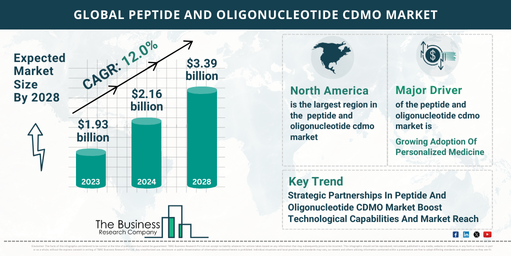
    • 2023 Market Size: $1.93 billion.
    • 2024 Forecast: Expected to reach $2.16 billion, growing at a compound annual growth rate (CAGR) of 11.8%.
    • 2028 Projection: Anticipated to reach $3.39 billion, with a CAGR of 12.0%.

    Historical Growth Drivers

    The growth in the historical period can be attributed to several factors:

    • Therapeutic Demand: Increased demand for therapeutic agents.
    • Technological Advancements: Progress in synthesis and manufacturing technologies.
    • Personalized Medicine: Rising trends in personalized medicine.
    • Regulatory Guidelines: Stricter regulatory frameworks boosting market confidence.
    • Focus on Antivirals and mRNA: Enhanced focus on antiviral peptides and mRNA vaccines, showcasing the potential of oligonucleotides in vaccine development.

    Read More On The Peptide And Oligonucleotide CDMO Market Report 2024 – https://www.thebusinessresearchcompany.com/report/peptide-and-oligonucleotide-cdmo-global-market-report

    Future Growth Drivers

    The projected growth in the coming years is driven by:

    • Personalized Medicine: Continued demand for tailored therapeutic solutions.
    • Biotechnology Advancements: Innovations in biotechnology.
    • Expanding Applications: Broader applications of peptides and oligonucleotides.
    • Outsourcing: Increasing trend of outsourcing manufacturing and development.
    • Chronic Diseases: Growing burden of chronic diseases requiring advanced therapies.

    Major Trends

    Several key trends are shaping the market:

    • Personalized Therapies: Emphasis on custom treatments.
    • Technological Advancements: Ongoing improvements in technology.
    • Quality Control Challenges: Ensuring high-quality production standards.
    • Global Expansion: Companies expanding their global footprint.
    • Collaboration: Increased partnerships among biopharmaceutical companies.

    Personalized Medicine: A Key Growth Driver

    Personalized medicine is a significant growth driver in the peptide and oligonucleotide CDMO market.

    • Tailored Treatments: Medical decisions and treatments based on individual characteristics such as genetics, environment, and lifestyle.
    • Genomic Technologies: Advancements in genomic technologies facilitating personalized approaches.
    • Disease Mechanisms: Better understanding of molecular-level disease mechanisms.
    • FDA Approvals: For instance, the FDA approved 16 new personalized treatments for rare diseases in February 2024, up from 6 in 2022.

    Strategic Partnerships Enhance Capabilities

    Companies in the peptide and oligonucleotide CDMO market are forming strategic partnerships to boost their capabilities.

    • Collaborative Agreements: Partnerships focused on developing and manufacturing peptide-based therapeutics.
    • Example: In May 2023, PolyPeptide Group AG partnered with Numaferm GmbH to leverage their respective strengths in manufacturing and sustainable peptide production.

    EUROAPI’s Acquisition of BianoGMP

    EUROAPI made a strategic acquisition to strengthen its market position.

    • Acquisition: In May 2024, EUROAPI acquired BianoGMP to enhance its capabilities in oligonucleotide CDMO services.
    • Impact: This acquisition complements EUROAPI’s existing capacities, particularly in Frankfurt, and bolsters its market position.

    Market Segmentation

    The peptide and oligonucleotide CDMO market is segmented by product, service type, application, and end user.

    • By Product: Peptides, Oligonucleotides.
    • By Service Type: Contract Development, Contract Manufacturing.
    • By Application: Therapeutics, Research Applications, Diagnostics, Other Applications.
    • By End User: Biopharmaceutical Companies, Pharmaceutical Companies, Research Institutes, Academic and Government Organizations, Other End Users.

    Regional Insights

    • North America: The largest region in the peptide and oligonucleotide CDMO market in 2023.
    • Asia-Pacific: Expected to be the fastest-growing region during the forecast period, driven by advancements in biotechnology and increasing healthcare investments.

    In summary, the peptide and oligonucleotide CDMO market is poised for robust growth, driven by personalized medicine, technological advancements, and strategic partnerships. As the demand for specialized therapeutic agents rises, the market will continue to expand, offering significant opportunities for companies in this sector.

    Request for A Sample Of The Global Peptide And Oligonucleotide CDMO Market Report:
    https://www.thebusinessresearchcompany.com/sample_request?id=15892&type=smp
  • 5 Key Insights On The Peanut Allergy Treatment Market 2024

    5 Key Insights On The Peanut Allergy Treatment Market 2024

    The Business Research Company’s global market reports are now updated with the latest market sizing information for the year 2024 and forecasted to 2033

    As per The Business Research Company’s Peanut Allergy Treatment Global Market Report 2024, the peanut allergy treatment market is expected to show significant growth in the forecast period.

    Market Size and Growth Projections

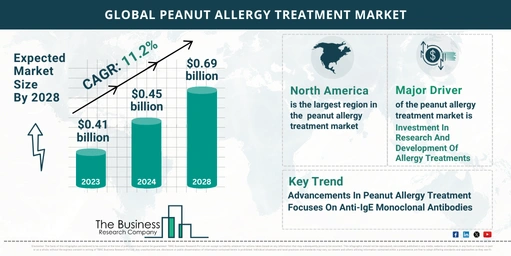
    • 2023 to 2024: The peanut allergy treatment market is set to grow from $0.41 billion in 2023 to $0.45 billion in 2024, reflecting a compound annual growth rate (CAGR) of 11.1%.
    • 2024 to 2028: This market is expected to expand further, reaching $0.69 billion by 2028 with a CAGR of 11.2%.

    Drivers of Historical Growth

    • Increased Prevalence: Rising cases of peanut allergies worldwide.
    • Advancements in Diagnostic Testing: Improved methods for early detection.
    • Public Awareness: Greater recognition and concern over peanut allergies.
    • Early Intervention Strategies: Development of new treatment protocols.
    • Regulatory Approvals: More treatments gaining official approval.

    Future Growth Catalysts
    Expected Growth Drivers

    • Prevalence Rise: Continued increase in peanut allergy cases.
    • Personalized Medicine: Expansion in tailored treatment approaches.
    • Novel Immunotherapy Treatments: Introduction of new, effective therapies.
    • Investment Growth: Increased funding from public and private sectors.
    • Telemedicine Services: Expansion of remote healthcare services.

    View More On The Peanut Allergy Treatment Market Report 2024 – https://www.thebusinessresearchcompany.com/report/peanut-allergy-treatment-global-market-report

     Key Trends

    • Adoption of Immunotherapy: Growing use of immune system-based treatments.
    • Biologic Therapies: Advances in therapies targeting biological pathways.
    • Probiotic-Based Treatments: Integration of probiotics in allergy management.
    • Delivery System Innovations: Technological improvements in treatment delivery.
    • Personalized Medicine: Tailored approaches for individual patients.
    • Regulatory Support: Increased approvals and support from regulatory bodies.

    Driving Growth Through Research and Development Investment
    Significance of R&D Investment

    • Innovation and Advancement: Essential for developing new peanut allergy therapies.
    • Desensitization Techniques: Creating methods to reduce allergic reactions.
    • Quality of Life: Aiming to improve living standards for those with peanut allergies.

    Example of R&D Investment

    • Victorian Government’s Initiative: A $12 million investment in Aravax to advance the PVX108 immunotherapy.
    • Impact: Secured Phase 2 trial approvals from the FDA and TGA, highlighting global health potential.

    Major Players in the Market
    Leading Companies

    • Pharmaceutical Giants: Pfizer Inc., F. Hoffmann-La Roche AG, Sanofi SA, Novartis AG, Takeda Pharmaceutical Company Limited.
    • Other Key Players: Viatris Inc., Regeneron Pharmaceuticals Inc., Hikma Pharmaceuticals plc, ALK-Abelló A/S, Amneal Pharmaceuticals Inc.
    • Specialized Firms: Stallergenes Greer plc, kaleo Inc., Aquestive Therapeutics Inc., Vedanta Biosciences Inc., Aimmune Therapeutics Inc.

    Advancements in Peanut Allergy Treatment
    Focus on Anti-IgE Monoclonal Antibodies

    • Targeted Therapies: Development of biologic therapies like anti-IgE monoclonal antibodies.
    • Example: Novartis’s Xolair (omalizumab), approved by the FDA in February 2024, shows significant improvement in food allergy tolerance.

    Expansion Through Strategic Acquisitions
    Stallergenes Greer’s Acquisition

    • Acquisition of Palforzia: In September 2023, Stallergenes Greer acquired Palforzia from Nestlé S.A.
    • Portfolio Enhancement: This acquisition expands Stallergenes Greer’s allergy treatment offerings.

    Market Segmentation
    Drug Class

    • Antihistamines
    • Immunotherapies
    • Epinephrine
    • Other Drug Classes

    Route of Administration

    • Injectable
    • Oral
    • Other Routes

    Distribution Channel

    • Retail Pharmacy
    • Hospital Pharmacy
    • Other Channels

    Regional Insights

    • North America: Largest market region in 2023.
    • Asia-Pacific: Expected to be the fastest-growing region during the forecast period.

    Conclusion
    The peanut allergy treatment market is poised for significant growth, driven by advancements in research, increasing prevalence of allergies, and innovations in treatment approaches. Investment in R&D and strategic acquisitions by major companies will continue to propel the market forward, offering improved solutions and better quality of life for those affected by peanut allergies.

    Request A Sample Of The Global Peanut Allergy Treatment Market Report 2024:
    https://www.thebusinessresearchcompany.com/sample_request?id=15888&type=smp

  • Understand How The Pontine Glioma Drugs Market Is Poised To Grow Through 2024-2033

    Understand How The Pontine Glioma Drugs Market Is Poised To Grow Through 2024-2033

    The Business Research Company’s global market reports are now updated with the latest market sizing information for the year 2024 and forecasted to 2033

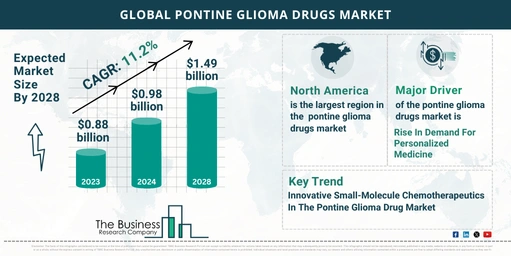
    As per The Business Research Company’s Pontine Glioma Drugs Global Market Report 2024, the pontine glioma drugs market is expected to show significant growth in the forecast period.

    Market Overview

    • Current Size and Growth Rate: The pontine glioma drugs market size has seen rapid growth, increasing from $0.88 billion in 2023 to $0.98 billion in 2024 at a compound annual growth rate (CAGR) of 11.0%.
    • Future Projections: The market is expected to continue its expansion, reaching $1.50 billion by 2028, with a CAGR of 11.2%.

    Key Drivers of Market Growth

    Growing Awareness and Acceptance

    • Public Awareness: Increased awareness of pontine gliomas has driven demand for effective treatments.
    • Medical Acceptance: Greater acceptance of novel therapies among healthcare providers.

    Advancements in Medical Imaging

    • Improved Diagnosis: Enhanced imaging technologies allow for better diagnosis and monitoring.
    • Treatment Precision: More accurate imaging contributes to the development of targeted therapies.

    Research Efforts and Clinical Trials

    • Ongoing Research: Significant investments in research and clinical trials are leading to new drug developments.
    • Clinical Success: Positive trial outcomes are boosting market confidence and adoption.

    View More On The Pontine Glioma Drugs Market Report 2024 – https://www.thebusinessresearchcompany.com/report/pontine-glioma-drugs-global-market-report

    Future Growth Catalysts

    Advancements in Precision Medicine

    • Tailored Treatments: Precision medicine offers personalized treatment options based on genetic profiles.
    • Regulatory Support: Growing regulatory approval for personalized therapies, such as the FDA’s approval of 16 novel personalized therapies in 2023.

    Global Collaboration and Funding

    • International Partnerships: Increased collaboration among global research institutions and pharmaceutical companies.
    • Funding Influx: Enhanced funding from both public and private sectors to support drug development.

    Innovations in Immunotherapy and Targeted Therapies

    • Immunotherapy: Advances in immunotherapy are providing new treatment avenues.
    • Targeted Therapies: Development of therapies aimed specifically at pontine gliomas.

    Major Trends Shaping the Market

    Immunotherapy Advancements

    • New Treatments: Innovations in immunotherapy are showing promise in treating pontine gliomas.
    • Clinical Trials: Numerous ongoing trials focused on immunotherapy solutions.

    Nanotechnology and Gene Therapy

    • Nanotechnology: Use of nanotechnology to deliver drugs more effectively to the tumor site.
    • Gene Therapy: Exploration of gene therapy as a potential treatment for pontine gliomas.

    Combination Therapies and Regulatory Landscape

    • Combination Treatments: Increasing use of combination therapies to enhance treatment efficacy.
    • Regulatory Changes: Evolving regulatory frameworks supporting faster approval of innovative treatments.

    Personalized Medicine: A Key Growth Driver

    • Demand for Personalized Treatments: Rising demand for treatments tailored to individual genetic profiles.
    • FDA Approvals: Significant increase in FDA approvals for personalized therapies, driving market growth.
    • Examples: Personalized treatments such as those approved by the FDA in 2023 highlight the trend.

    Key Players in the Market

    • Leading Companies: Pfizer Inc., F. Hoffmann-La Roche AG, Merck & Co. Inc., AbbVie Inc., Sanofi S.A, and more.
    • Innovative Products: Focus on developing small-molecule chemotherapeutics and other innovative drugs.

    Innovative Small-Molecule Chemotherapeutics

    Focus on Innovation

    • Product Development: Companies are focusing on small-molecule chemotherapeutics to penetrate the blood-brain barrier.
    • Example: Kintara Therapeutic’s VAL-083 received orphan drug designation from the FDA for treating diffuse intrinsic pontine glioma (DIPG).

    Strategic Acquisitions to Enhance Pipeline

    Chimerix Inc. Acquires Oncoceutics Inc.

    • Acquisition Details: Chimerix Inc. acquired Oncoceutics Inc. to bolster its oncology pipeline.
    • Target Focus: Oncoceutics specializes in drugs for H3 K27M-mutant gliomas, including DIPG.

    Market Segmentation

    By Type

    • Diffuse Brain Stem Glioma
    • Focal Brain Stem Glioma
    • Recurrent Brain Stem Glioma

    By Distribution Channel

    • Hospital Pharmacy
    • Retail Pharmacy

    By Application

    • Cancer Research Institutes
    • Diagnostic Laboratories
    • Hospitals

    Regional Insights

    • North America: The largest market in 2023.
    • Asia-Pacific: Expected to be the fastest-growing region during the forecast period.

    The pontine glioma drugs market is poised for significant growth, driven by advancements in personalized medicine, innovative therapies, and strategic industry moves. With continued research and collaboration, the market is set to evolve, offering new hope for patients with pontine gliomas.

    Request A Sample Of The Global Pontine Glioma Drugs Market Report 2024:
    https://www.thebusinessresearchcompany.com/sample_request?id=15899&type=smp

  • Growth Trajectory Of The Primary Cell Culture Market 2024-2033

    Growth Trajectory Of The Primary Cell Culture Market 2024-2033

    The Business Research Company’s global market reports are now updated with the latest market sizing information for the year 2024 and forecasted to 2033

    Current Market Size and Growth

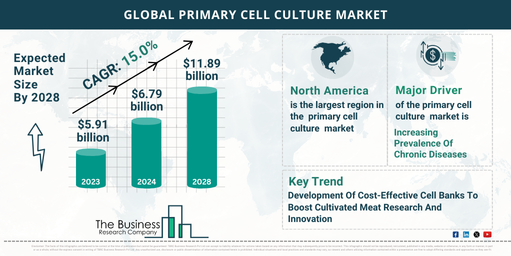
    • 2023 Market Size: $5.91 billion
    • 2024 Market Size: $6.79 billion
    • CAGR (2023-2024): 14.9%

    The primary cell culture market has experienced significant growth in recent years, driven by increasing demand for monoclonal antibodies, novel therapeutics, personalized medicine, and cell therapy research.

    Future Market Projections

    • 2028 Market Size: $11.89 billion
    • CAGR (2024-2028): 15%

    The market is expected to continue its rapid growth, fueled by the rising incidence of cancer, expanding pharmaceutical and biotechnology industries, growing demand for personalized medicine, and applications in 3D cell culture models. Major trends include technological advancements, product innovation, partnerships, and increased research and development.

    Rising Prevalence of Chronic Diseases

    • Impact: Chronic diseases significantly drive market growth.
    • Factors: Lifestyle changes, environmental influences, physical inactivity, dietary shifts, demographic changes.
    • Statistics: Chronic disease prevalence to nearly double from 71.522 million in 2020 to 142.66 million by 2050 (National Center for Biotechnology Information).

    Primary cell cultures play a crucial role in understanding and developing treatment strategies for chronic diseases, improving patient outcomes.

    View More On The Primary Cell Culture Market Report 2024 – https://www.thebusinessresearchcompany.com/report/primary-cell-culture-global-market-report

    Key Market Players

    • Major Companies: Thermo Fisher Scientific Inc., Merck KGaA, FUJIFILM Holdings Corporation, GE HealthCare Technologies Inc., Corning Incorporated, Lonza Group Ltd., Sartorius AG, Miltenyi Biotec and CO.KG, STEMCELL Technologies Inc., Cyagen Biosciences Inc., Hi Media Laboratories Pvt. Ltd., PromoCell GmbH, AllCells LLC, BPS Bioscience Inc., MatTek Ltd., Axol Bioscience Ltd., Lifeline Cell Technology Corp., Neuromics Inc., Cell Biologics Inc., ZenBio Inc., Epithelix Sàrl, ReachBio LLC, AcceGen Biotechnology, Biopredic International, ixCells Biotechnologies.

    These companies are instrumental in driving the primary cell culture market through innovation and strategic initiatives.

    Development of Cost-Effective Cell Banks

    • Innovation: Development of cell banks for cultivated meat research.
    • Benefits: High-quality animal primary cells, 90% cheaper, no licensing restrictions.
    • Example: In June 2023, Extracellular launched low-cost, license-free cell banks for cow, pig, and lamb tissues to support cultivated meat research.

    This initiative aims to advance sustainable and ethical meat production technologies, promoting the growth of the cultivated meat industry.

    AnaBios Corporation’s Strategic Acquisition

    • Acquisition: AnaBios Corporation acquired Cell Systems in April 2023.
    • Purpose: Expand human tissue and cell portfolio for drug discovery.
    • Benefits: Provides researchers with biologically relevant tools to expedite drug discovery and enhance understanding of cell biology.

    This acquisition demonstrates AnaBios’ commitment to expanding its capabilities and supporting advanced drug discovery efforts.

    Market Segmentation

    • By Product: Primary Cell, Reagents, Supplements, Media
    • By Cell Type: Animal Cells, Human Cells
    • By Separation and Culture Techniques: Explant Method, Enzymatic Disaggregation, Mechanical Separation, Other Separation
    • By Application: Tissue Culture and Tissue Engineering, Vaccine Production, Gene Therapy and Regenerative Medicine, Drug Screening and Toxicity Testing, Cancer Research, Virology, Stem Cell Therapy, Other Applications
    • By End User: Pharmaceutical and Biotechnology Companies, Contract Research Organizations, Academic and Research Institutes, Other End Users

    The primary cell culture market’s comprehensive segmentation highlights its diverse applications and the varied needs of different end users.

    Regional Insights

    • Largest Region (2023): North America
    • Fastest-Growing Region (Forecast Period): Asia-Pacific

    North America leads the market due to its advanced healthcare infrastructure and strong research capabilities. Asia-Pacific is expected to see the fastest growth, driven by increasing investments in biotechnology and healthcare advancements.

    The primary cell culture market is poised for substantial growth, with technological advancements, strategic initiatives, and rising demand for innovative therapies driving its expansion.

    Request A Sample Of The Global Primary Cell Culture Market Report 2024:
    https://www.thebusinessresearchcompany.com/sample_request?id=15903&type=smp

  • Key Trends And Drivers In The Postpartum Health Supplements Market 2024

    Key Trends And Drivers In The Postpartum Health Supplements Market 2024

    The Business Research Company’s market reports offer an in-depth analysis on the market’s growth potential, major drivers, key trends and more.

    Rapid Market Growth

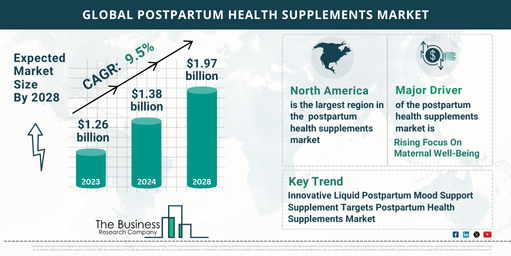
    • Market Size Increase: The postpartum health supplements market has experienced significant growth, increasing from $1.26 billion in 2023 to $1.38 billion in 2024.
    • CAGR: The market is growing at a compound annual growth rate (CAGR) of 9.2%.

    Factors Driving Growth

    • Awareness: Increased awareness of postpartum health issues.
    • Maternal Nutrition: Growing emphasis on maternal nutrition.
    • Postpartum Depression: Rising prevalence of postpartum depression.
    • Lifestyle Changes: Changing lifestyles and dietary habits.
    • Government Initiatives: Government programs promoting maternal health.

    Future Prospects of the Market

    Projected Growth

    • Market Size in 2028: Expected to reach $1.98 billion by 2028.
    • CAGR: Anticipated to grow at a CAGR of 9.5%.

    Read More On The Postpartum Health Supplements Market Report 2024 – https://www.thebusinessresearchcompany.com/report/postpartum-health-supplements-global-market-report

    Growth Drivers

    • Marketing Strategies: Focus on evidence-based marketing.
    • Demand for Organic Products: Rising demand for organic and natural supplements.
    • Sustainable Practices: Incorporation of sustainable manufacturing processes.
    • Income Rise: Increasing disposable income in developing countries.
    • Social Media Influence: Influence of social media on health trends.

    Emerging Trends

    • Product Innovation: Continuous innovation in products.
    • Customized Regimens: Tailored supplement regimens for individual needs.
    • Plant-Based Options: Introduction of plant-based and vegan supplements.
    • Product Line Expansion: Expansion of products targeting specific postpartum challenges.
    • Tech Integration: Integration of technology for health monitoring and tracking.

    Maternal Well-Being and Market Growth

    Importance of Maternal Well-Being

    • Definition: Maternal well-being encompasses a mother’s physical, mental, and emotional health during and after pregnancy.
    • Increased Awareness: Rising awareness of maternal health issues.
    • Medical Advancements: Advancements in medical research and technology.
    • Impact on Infant Health: Maternal well-being significantly impacts infant health.

    Role of Postpartum Supplements

    • Recovery Assistance: Supplements help new mothers regain strength and energy.
    • Comprehensive Support: Address various aspects of postpartum recovery.
    • Example: In May 2024, the CDC reported a rise in US maternal mortality rates, emphasizing the need for postpartum health support.

    Key Players in the Market

    Major Companies

    • Leading Firms: Abbott Laboratories, DSM-Firmenich, Church & Dwight Co. Inc., Pharmavite LLC, The Honest Company Inc., Garden of Life, and more.
    • Innovative Solutions: Companies are focusing on developing innovative products for postpartum health.

    Product Innovations and Market Strategies

    Liquid Postpartum Mood Support Supplements

    • Innovative Products: Development of mood support supplements to address emotional and mental health needs.
    • Example: In April 2024, Exeltis USA Inc. launched Blues Away, a unique liquid supplement for postpartum mood support.

    Strategic Acquisitions

    • Pharmavite’s Acquisition: In November 2023, Pharmavite LLC acquired Bonafide Health for $450 million.
    • Enhancing Market Position: Aims to strengthen its position in the women’s health nutraceutical market.

    Market Segmentation

    By Product Type

    • Categories: Iron Supplements, Calcium Supplements, Herbal Supplements, Other Product Types.

    By Formulation

    • Forms: Capsules or Tablets, Softgels, Powder, Liquid, Other Formulations.

    By Application

    • Sales Channels: Online Sales, Offline Sales.

    Regional Insights

    North America and Asia-Pacific

    • Largest Market: North America was the largest region in the postpartum health supplements market in 2023.
    • Fastest-Growing Region: Asia-Pacific is expected to be the fastest-growing region in the forecast period.

    The postpartum health supplements market is poised for substantial growth, driven by increased awareness, innovative product development, and strategic market positioning. With a strong focus on maternal well-being and evolving consumer demands, this market will continue to expand and adapt to new trends and challenges.

    Request for A Sample Of The Global Postpartum Health Supplements Market Report:
    https://www.thebusinessresearchcompany.com/sample_request?id=15900&type=smp

  • Understand How The Research-Grade Proteins Market Is Poised To Grow Through 2024-2033

    Understand How The Research-Grade Proteins Market Is Poised To Grow Through 2024-2033

    The Business Research Company’s global market reports are now updated with the latest market sizing information for the year 2024 and forecasted to 2033

    As per The Business Research Company’s Research-Grade Proteins Global Market Report 2024, the research-grade proteins market is expected to show significant growth in the forecast period.

    The research-grade proteins market has experienced significant growth and is expected to continue on this upward trajectory in the coming years. This blog explores the current market landscape, key drivers of growth, and major players in the field.

    Market Overview

    • Current Market Size: The research-grade proteins market was valued at $0.91 billion in 2023.
    • Growth Forecast: It is anticipated to grow to $1.11 billion by 2024, reflecting a compound annual growth rate (CAGR) of 21.1%.
    • Long-Term Outlook: By 2028, the market is projected to reach $2.4 billion, with a CAGR of 21.3%.

    Drivers of Growth

    • Increasing Research Activities: There is a growing emphasis on research across pharmaceutical and biotechnology sectors.
    • Rising Demand for Personalized Medicine: Tailoring treatments to individual genetic profiles boosts the need for specialized research-grade proteins.
    • Government and Academic Investments: Increased funding and strategic collaborations support market expansion.
    • Technological Advancements: Innovations in proteomics and data analytics are driving demand for advanced research tools.

    View More On The Research-Grade Proteins Market Report 2024 – https://www.thebusinessresearchcompany.com/report/research-grade-proteins-global-market-report

    Impact of Clinical Trials

    • Rising Number of Trials: Clinical trials are on the rise, with 477,234 registered globally by the end of 2023.
    • Role of Research-Grade Proteins: These proteins are crucial for biomarker development, assay development, drug target identification, and quality control, ensuring reliable experimental outcomes.

    Major Companies in the Market

    • Key Players:Thermo Fisher Scientific Inc., Bio-Rad Laboratories Inc., Bio-Techne, Stemcell Technologies Inc., Miltenyi Biotec, and GenScript Biotech Corporation are leading the market.
    • Recent Developments:
      • Thermo Fisher Scientific Inc.: Acquired PeproTech in January 2022 for $1.85 billion, enhancing its research-grade protein portfolio.

    Cas9 Protein Development

    • Advancements in Genome Editing: Cas9 proteins act as molecular scissors for precise DNA editing. Thermo Fisher’s introduction of the GMP-manufactured Gibco CTS TrueCut Cas9 Protein in April 2022 highlights innovation in this area.
    • Applications: These developments facilitate advancements in genetic engineering and therapeutic research.

    Market Segmentation

    • By Product:Includes cytokines and growth factors, antibodies, immune checkpoint proteins, virus antigens, enzymes, recombinant regulatory proteins, hormones, and other products.
    • By Host Cell:Segmented into mammalian cells, bacterial cells, fungi and yeast, insect cells, and other host cells.
    • By End-Use:Covers pharmaceutical and biotechnology companies, academic and research institutes, and other end-users.

    Regional Insights

    • North America: The largest market for research-grade proteins in 2023.
    • Asia-Pacific: Expected to be the fastest-growing region in the forecast period, driven by increasing research activities and investments in biotechnology.

    Conclusion

    The research-grade proteins market is on a robust growth trajectory, fueled by advancements in research, rising demand for personalized medicine, and significant investments in the sector. With key players innovating and expanding their portfolios, the market is set to witness continued expansion and evolving opportunities in the years to come.

    Request A Sample Of The Global Research-Grade Proteins Market Report 2024:
    https://www.thebusinessresearchcompany.com/sample_request?id=15917&type=smp

  • 5 Key Insights On The Topical Drugs Contract Development And Manufacturing Organization (CDMO) Market 2024

    5 Key Insights On The Topical Drugs Contract Development And Manufacturing Organization (CDMO) Market 2024

    The Business Research Company’s global market reports are now updated with the latest market sizing information for the year 2024 and forecasted to 2033

    As per The Business Research Company’s Topical Drugs Contract Development And Manufacturing Organization (CDMO) Global Market Report 2024, the topical drugs contract development and manufacturing organization (CDMO) market is expected to show significant growth in the forecast period.

    The topical drugs contract development and manufacturing organization (CDMO) market has experienced significant growth recently.

    • Market Size and Growth:
      • Grew from $45.47 billion in 2023 to $52.9 billion in 2024, reflecting a CAGR of 16.3%.
      • Expected to reach $97.26 billion by 2028, with a CAGR of 16.4%.

    Factors Driving Historic Growth
    Several factors contributed to the market’s growth during the historic period.

    • Chronic Disease Prevalence: Increased incidence of chronic skin conditions.
    • Advanced Drug Delivery Technologies: Innovations in how drugs are delivered topically.
    • Cost-Efficient Outsourcing: Pharmaceutical companies outsourcing to CDMOs for cost savings.
    • Regulatory Demands: Stringent regulations requiring specialized manufacturing processes.
    • Growth in Dermatology and Cosmetics: Rising demand for dermatological and cosmetic products.

    Future Growth Drivers
    The forecast period predicts continued robust growth due to several key factors.

    • Personalized Medicine: Increased focus on tailored treatments for individuals.
    • Biologics Expansion: Growth in biologic drugs requiring specialized manufacturing.
    • Increased R&D Investments: More funding towards research and development in topical drugs.
    • Rising Skin Disorder Prevalence: More cases of skin conditions driving demand for treatments.
    • Advanced Manufacturing Technologies: Technological advancements enhancing production efficiency.

    View More On The Topical Drugs Contract Development And Manufacturing Organization (CDMO) Market Report 2024 – https://www.thebusinessresearchcompany.com/report/topical-drugs-contract-development-and-manufacturing-organization-cdmo-global-market-report

    Major Trends Shaping the Market
    Several trends are expected to shape the market landscape in the coming years.

    • Innovative Formulations: Demand for new and effective drug formulations.
    • Advancements in Drug Delivery Technologies: Continued innovation in how drugs are delivered.
    • Investment in Dermatological Research: Increased funding for research in skin-related treatments.
    • Surge in Outsourcing: Pharmaceutical companies increasingly outsourcing to CDMOs.
    • Focus on Personalized Medicine: Growing emphasis on customized treatment options.
    • Stringent Regulatory Requirements: Need for compliance with complex regulations.
    • Consumer Preference for OTC Products: Growing demand for over-the-counter skincare products.

    Impact of Rising Skin Disease Prevalence
    The increasing prevalence of skin diseases is a significant driver for the market.

    • Environmental Factors: Pollution and UV exposure contributing to skin conditions.
    • Lifestyle Changes: Modern lifestyle factors leading to higher incidence of skin issues.
    • Microbial Infections: Increased cases of infections affecting the skin.
    • Targeted Therapies: CDMOs developing targeted treatments to manage and reduce skin diseases.
    • Case Study: Significant increase in skin melanoma cases in Australia from 2019 to 2023, highlighting the growing need for effective treatments.

    Major Players in the Market
    Key companies are driving innovation and growth in the topical drugs CDMO market.

    • Notable Companies:
      • Evonik Industries AG
      • Eurofins Scientific SE
      • SGS SA
      • The Lubrizol Corporation
      • Lonza Group AG
      • Catalent Inc.
      • Bora Pharmaceuticals Co. Ltd.
      • Recipharm AB
      • Pierre Fabre S.A.
      • Contract Pharmaceuticals Limited
      • UPM Pharmaceuticals Inc.
      • CoreRx Inc.
      • Halo Pharmaceutical Inc.
      • NextPharma Technologies Holding Limited
      • Tedor Pharma Inc.

    Focus on State-of-the-Art Manufacturing Facilities
    Companies are investing in advanced manufacturing facilities to stay competitive.

    • Example: SOHM Inc. launched a new CDMO GMP manufacturing facility in Carlsbad, enhancing its capacity for manufacturing topical products.

    Strategic Acquisitions to Expand Capabilities
    Mergers and acquisitions are playing a crucial role in market expansion.

    • Example: In April 2024, CoreRx Inc. acquired Societal CDMO Inc. for $130 million, enhancing its CDMO capabilities and market share.

    Market Segmentation
    The topical drugs CDMO market is segmented by product type, service type, therapeutic area, and end-use.

    • Product Type: Semi-Solid Formulations, Liquid Formulations Drugs, Solid Formulations, Transdermal Products.
    • Service Type: Contract Development, Contract Manufacturing.
    • Therapeutic Area: Dermatology, Pain Management, Wound Care, Ophthalmology, Other Therapeutic Areas.
    • End-Use: Pharmaceutical Companies, Biopharmaceutical Companies, Other End-Uses.

    Regional Insights
    Asia-Pacific was the largest region in the topical drugs CDMO market in 2023, indicating significant regional opportunities for growth.

    Request A Sample Of The Global Topical Drugs Contract Development And Manufacturing Organization (CDMO) Market Report 2024:
    https://www.thebusinessresearchcompany.com/sample_request?id=15942&type=smp

  • Subcutaneous Immunoglobulin (SCIG) Market Report 2024: Market Size, Drivers, And Trends

    Subcutaneous Immunoglobulin (SCIG) Market Report 2024: Market Size, Drivers, And Trends

    The Business Research Company’s global market reports are now updated with the latest market sizing information for the year 2024 and forecasted to 2033

    Current Market Overview

    • The subcutaneous immunoglobulin market is expanding swiftly.
    • 2023 Market Size: $11.19 billion.
    • 2024 Market Size: Expected to reach $12.72 billion, with a CAGR of 13.7%.
    • Growth Drivers:
      • Increased prevalence of immunodeficiency disorders.
      • Rise in patient preference for home-based care.
      • Enhanced therapeutic efficacy.
      • Growth in awareness and diagnosis rates.
      • Favorable reimbursement policies.

    Future Market Projections

    • The market will continue to grow significantly.
    • 2028 Market Size: Expected to reach $21.38 billion, with a CAGR of 13.9%.
    • Growth Drivers:
      • Growing prevalence of neurological disorders.
      • Increasing prevalence of autoimmune diseases.
      • Rising awareness and acceptance of immunoglobulin therapy.
      • Expanding applications in neurology and dermatology.
      • Expansion of healthcare facilities.
    • Major Trends:
      • Advancements in drug delivery systems.
      • Increasing demand for home infusion therapies.
      • Developments in antibody therapy.
      • Innovations in formulations and SCIG.

    View More On The Subcutaneous Immunoglobulin (SCIG) Market Report 2024 – https://www.thebusinessresearchcompany.com/report/subcutaneous-immunoglobulin-scig-global-market-report

    Impact of Secondary Immunodeficiency Diseases

    Growing Prevalence and Market Impact

    • Secondary Immunodeficiency Diseases: Conditions caused by external factors like aging, immunosuppressive treatments, and environmental toxins.
    • Impact: These diseases necessitate subcutaneous immunoglobulin therapy, which strengthens the immune system and prevents infections.
    • Example:
      • UK Health Security Agency Report (October 2023): 3,805 new HIV diagnoses in England in 2022, a 22% rise from the previous year.
    • Conclusion: Increased prevalence of secondary immunodeficiency diseases drives market growth.

    Rising Neurological Disorders

    Contribution to Market Expansion

    • Neurological Disorders: Includes conditions like Alzheimer’s, ALS, brain tumors, etc.
    • Increasing Factors: Aging populations, environmental toxins, genetic predispositions, lifestyle changes.
    • Therapeutic Benefits:
      • Modulates immune response.
      • Reduces inflammation.
      • Stabilizes neuromuscular junctions.
      • Slows disease progression and improves symptoms.
    • Example:
      • Alzheimer’s Association Report (March 2022): 6.5 million Americans aged 65 and older living with Alzheimer’s dementia, projected to reach 13.8 million by 2060.
    • Conclusion: Rising neurological disorders contribute to market growth.

    Major Players in the Subcutaneous Immunoglobulin Market

    Key Companies

    • Major Companies:
      • Pfizer Inc.
      • Johnson & Johnson.
      • Prothena Corporation plc.
      • GlaxoSmithKline plc.
      • Takeda Pharmaceutical Company Limited.
      • Amgen Inc.
      • Baxter International Inc.
      • CSL Behring.
      • Lonza Group.
      • Grifols S.A.
      • Octapharma AG.
      • Dr. Reddy’s Laboratories.
      • Intas Pharmaceutical Ltd.
      • Emergent BioSolutions Inc.
      • Bharat Serums and Vaccines Limited (BSV).
      • Kamada Pharmaceuticals.
      • CinnaGen Co.
      • Shire plc.

    Advancements in SCIG Therapy for Primary Immunodeficiency Diseases

    Innovative Products and Treatments

    • Subcutaneous Human-klhw: A unique formulation for treating primary immunodeficiency diseases.
    • Example:
      • Grifols S.A. (March 2022): Launched XEMBIFY 20% SCIG, designed for primary immunodeficiency.
      • Features:
        • Ready-to-use formulation.
        • Simplifies treatment process.
        • Increases patient convenience.
        • Stable at room temperature for up to 24 months.

    Market Segmentation

    Product Types and Applications

    • By Product Type:
      • Immunoglobulin A (IgA).
      • Immunoglobulin G (IgG).
      • Immunoglobulin M (IgM).
    • By Application:
      • Primary Immunodeficiency Disorders.
      • Autoimmune Diseases.
      • Neurological Disorders.
      • Other Applications.
    • By End-Use:
      • Clinics.
      • Hospitals.
      • Homecare.
      • Other End-Uses.

    Regional Insights

    Geographic Market Dynamics

    • Largest Region (2023): North America.
    • Fastest-Growing Region (Forecast Period): Asia-Pacific.

    The subcutaneous immunoglobulin market is set for continued growth, driven by increasing prevalence of various disorders and advancements in therapy and drug delivery systems.

    Request A Sample Of The Global Subcutaneous Immunoglobulin (SCIG) Market Report 2024:
    https://www.thebusinessresearchcompany.com/sample_request?id=15935&type=smp

  • Top 5 Insights From The Spine Biologics Market Report 2024

    Top 5 Insights From The Spine Biologics Market Report 2024

    The Business Research Company’s global market reports are now updated with the latest market sizing information for the year 2024 and forecasted to 2033

    According to The Business Research Company’s Spine Biologics Global Market Report 2024, the spine biologics market is expected to show promising growth in the forecast period.

    Robust Market Growth in Recent Years

    • Market Size in 2023: The spine biologics market has seen significant growth, reaching $2.24 billion in 2023.
    • Growth Rate: It is projected to grow to $2.36 billion in 2024 at a CAGR of 5.3%.
    • Historic Growth Drivers: Key factors include advancements in biotechnology, an aging population, a high incidence of spinal disorders, increased preference for minimally invasive procedures, high awareness about spine health, improvements in diagnostic techniques, and enhanced healthcare infrastructure.

    Strong Growth Expected in Coming Years

    • Future Market Size: The market is expected to grow to $2.91 billion by 2028, with a CAGR of 5.4%.
    • Forecast Growth Drivers: Anticipated growth factors include technological innovations, increasing adoption of regenerative medicine, rising investment in R&D, growing prevalence of obesity and sedentary lifestyles, expanding healthcare access in emerging markets, favorable regulatory approvals, and increasing industry collaborations and partnerships.
    • Trends to Watch: Key trends include the emergence of novel regenerative therapies, integration of artificial intelligence in treatment planning, expansion of personalized medicine approaches, adoption of 3D printing for customized implants, and development of bioengineered scaffolds for enhanced tissue regeneration.

    View More On The Spine Biologics Market Report 2024 – https://www.thebusinessresearchcompany.com/report/spine-biologics-global-market-report

    Rising Number of Road Accidents Drives Market Growth

    • Impact of Road Accidents: The rising number of road accidents globally is expected to propel the growth of the spine biologics market due to the need for advanced medical interventions for spinal injuries.
    • Statistics: According to the National Highway Traffic Safety Administration, an estimated 42,915 people died in motor vehicle traffic crashes in 2021 in the US, marking a 10.5% rise from the 38,824 fatalities in 2020.
    • Role of Spine Biologics: Spine biologics play a crucial role in improving patient outcomes by enhancing spinal fusion, speeding up healing, lowering surgical risks, improving pain management, and reducing the need for revision operations.

    Major Players in the Spine Biologics Market

    • Key Companies: Notable players include Johnson & Johnson Services Inc., Medtronic PLC, Stryker Corporation, Baxter International Inc., B. Braun Melsungen AG, Zimmer Biomet Holdings Inc., Arthrex Inc., Integra LifeSciences Corporation, Bone Biologics Corp., InVivo Therapeutics Corp., RTI Surgical Inc., Paragon 28 Inc., LifeNet Health Inc., Xtant Medical Holdings Inc., Kuros Biosciences A.G., CoreLink LLC, Spinal Elements Inc., Life Spine Inc., Innovasis Inc., Camber Spine Technologies LLC, SurGenTec LLC, ChoiceSpine LLC, Cerapedics Inc., Aziyo Biologics, Amedica Corporation.

    Innovative Synthetic Bioactive Bone Grafts for Spinal Fusion Procedures

    • Advanced Products: Companies are developing synthetic bioactive bone grafts to better serve patients and gain a competitive edge in the market.
    • Example: In February 2022, Orthofix Medical Inc. launched Opus BA, a synthetic bioactive bone graft for cervical and lumbar spine fusion procedures. This product acts as a scaffold for bone growth, is reabsorbed and replaced by natural bone, and features an osteoconductive matrix made from carbonate apatite bone mineral, bioactive glass, and Type 1 collagen.

    Xtant Medical’s Strategic Acquisition

    • Acquisition Details: In August 2023, Xtant Medical acquired certain assets and liabilities of Surgalign Holdings Inc.’s biologics and spinal fixation products. This acquisition aims to expand Xtant Medical’s product portfolio and market presence in the orthopedic and spine surgery sectors.

    Market Segmentation

    • By Product: Bone Allografts, Bone Graft Substitutes, Platelet Rich Plasma, Bone Marrow Aspirate Therapy.
    • By Surgery Type: Anterior Cervical Discectomy and Fusion (ACDF), Posterior Lumbar Interbody Fusion (PLIF), Transforaminal Lumbar Interbody Fusion (TLIF), Anterior Lumbar Interbody Fusion (ALIF), Lateral Lumbar Interbody Fusion (LLIF), Other Surgery Types.
    • By Application: Spinal Fusion, Spinal Non-Union and Fracture Repair, Degenerative Disc Disease Treatment, Other Applications.
    • By End User: Hospitals, Spinal Surgery Centers, Orthopedic Clinics, Other End Users.

    Regional Insights

    • Largest Region in 2023: North America was the largest region in the spine biologics market.
    • Fastest-Growing Region: Asia-Pacific is expected to be the fastest-growing region in the forecast period, driven by advancements in healthcare infrastructure and increasing adoption of innovative medical technologies.

    The spine biologics market is poised for steady growth, driven by technological advancements, increasing demand for minimally invasive procedures, and strategic industry movements. With ongoing innovations and expanding applications, this market promises significant improvements in spinal health and patient outcomes.

    Request A Sample Of The Global Spine Biologics Market Report 2024:
    https://www.thebusinessresearchcompany.com/sample_request?id=15928&type=smp

  • Top 5 Insights From The Tylosin Market Report 2024

    Top 5 Insights From The Tylosin Market Report 2024

    The Business Research Company’s global market reports are now updated with the latest market sizing information for the year 2024 and forecasted to 2033

    According to The Business Research Company’s Tylosin Global Market Report 2024, the tylosin market is expected to show promising growth in the forecast period.

    The tylosin market has experienced robust growth in recent years and shows promising potential for the near future. Here’s an overview of its current status and projected developments.

    Current Market Overview

    • Historical Growth: The tylosin market, valued at $0.70 billion in 2023, is set to grow to $0.74 billion by 2024. This reflects a compound annual growth rate (CAGR) of 5.3%.
      • Drivers of Growth: Increased livestock production, the use of antibiotic growth promoters (AGPs), heightened veterinary health awareness, supportive government regulations, and rising livestock disease prevalence have all contributed to this growth.

    Future Projections

    • Market Expansion: By 2028, the tylosin market is expected to reach $0.93 billion, with a CAGR of 5.8%.
      • Future Drivers: This anticipated growth is driven by rising global meat consumption, a greater emphasis on animal health and welfare, the expansion of livestock farming in emerging markets, changing regulations, and increasing demand for organic and antibiotic-free meat.
      • Major Trends: Key trends include the demand for antibiotic alternatives, stringent regulatory policies, advancements in precision livestock farming, growth in the organic meat market, and the expansion of veterinary services.

    View More On The Tylosin Market Report 2024 – https://www.thebusinessresearchcompany.com/report/tylosin-global-market-report

    Meat Production Driving Market Growth

    • Increased Meat Production: Higher meat production is fueling the growth of the tylosin market.
      • Consumer Preferences: There is a growing preference for nutritious, ethically sourced food, which drives the need for tylosin in treating bacterial infections and as a growth promoter.
      • Statistical Insights: In the US, total meat production reached 4.2 million tons in 2022, an 18% increase over the past decade. Red meat, particularly mutton and lamb, has seen substantial growth.

    Innovative Solutions Enhancing Market Growth

    • Development of New Antibiotics: Companies are introducing innovative macrolide antibiotics to treat livestock diseases, enhancing treatment options.
      • Tulathromycin Injection: In May 2022, Merck & Co. launched Tulathromycin (Arovyn), a broad-spectrum antibiotic for treating bovine respiratory disease, foot rot, and pinkeye. It’s effective against various pathogens and offers cost-effective treatment.
      • Usage Guidelines: It’s crucial to follow withdrawal periods before slaughter to ensure safety.

    Strategic Moves in the Industry

    • Elanco’s Acquisition: In August 2021, Elanco Animal Health acquired Kindred Biosciences for $444 million, strengthening its position in pet health.
      • Impact of Acquisition: This acquisition adds valuable dermatology products and research programs to Elanco’s portfolio, emphasizing its commitment to enhancing animal health.

    Market Segmentation

    • By Type: The market is segmented into Tylosin Tartrate, Tylosin Phosphate, and Other Types.
    • By Application: Applications include Animal Feed Additives, Animal Drugs, and Other Uses.
    • By Distribution Channel: Products are distributed through Hospital Pharmacies, Drug Stores and Retail Pharmacies, and Online Providers.

    Regional Insights

    • Current Leaders: North America was the largest market for tylosin in 2023.
    • Future Growth: Asia-Pacific is anticipated to be the fastest-growing region during the forecast period.

    In summary, the tylosin market is on a growth trajectory driven by increased meat production, rising global meat consumption, and innovations in antibiotic treatments. With ongoing advancements and strategic industry moves, the market is poised for continued expansion in the coming years.

    Request A Sample Of The Global Tylosin Market Report 2024:
    https://www.thebusinessresearchcompany.com/sample_request?id=15946&type=smp