Category: Pharmaceuticals

  • SNP Genotyping And Analysis Market Expected To Reach $46.29 Billion By 2030 As Growth Accelerates At 20.1% CAGR

    SNP Genotyping And Analysis Market Expected To Reach $46.29 Billion By 2030 As Growth Accelerates At 20.1% CAGR

    Through market attractiveness analysis, total addressable market evaluation, company benchmarking matrices, interactive Excel dashboards, expanded supply chain intelligence, emerging startup coverage, and detailed product insights, The Business Research Company’s 2026 market reports provide more actionable and strategically valuable research.

    SNP Genotyping And Analysis Market Revenue Growth Supported By A CAGR Of 46.29% Through 2030

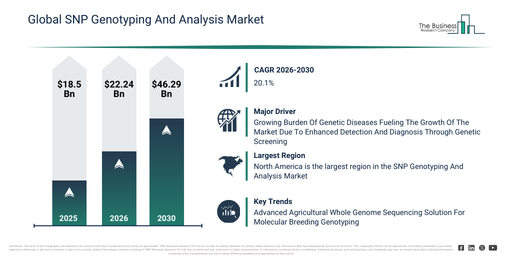
    The market for SNP genotyping and analysis has seen explosive growth in recent years. Projections indicate an increase from $18.5 billion in 2025 to $22.24 billion in 2026, reflecting a compound annual growth rate (CAGR) of 20.2%. Historically, this expansion was driven by several factors: falling expenses associated with genetic testing, a broadening of genomics research within academia, an uptick in disease diagnostic applications, increased investment in pharmaceutical research and development, and advancements in microarray technology.

    The market for SNP genotyping and analysis is projected to experience substantial expansion over the coming years. Reaching a value of $46.29 billion by 2030, it is expected to exhibit a compound annual growth rate (CAGR) of 20.1%. This anticipated growth during the forecast period is driven by factors such as the rise of personalized medicine, a greater reliance on companion diagnostics, genomic analytics empowered by artificial intelligence, the broadening scope of clinical genomics, and government-led genomic programs. Key developments shaping this period include the broadening of precision medicine applications, pharmacogenomics becoming more widely adopted, a growing dependence on cell-free DNA and liquid biopsy techniques, the emergence of high-throughput genotyping technologies, and the incorporation of AI for interpreting genetic data.

    Download A Free Sample Report For Comprehensive Market Insights:

    https://www.thebusinessresearchcompany.com/sample.aspx?id=24402&type=smp&utm_source=BlogsPR&utm_medium=Paid&utm_campaign=Jul_PR

    SNP Genotyping And Analysis Market Growth Drivers And Industry Catalysts

    The rising prevalence of genetic disorders is anticipated to drive expansion in the SNP genotyping and analysis market moving forward. Genetic disorders are conditions stemming from abnormalities in an individual’s DNA, which can be inherited from one or both parents or result from mutations during cell division. The increasing burden of these disorders is fueled by heightened awareness and advancements in diagnostic technologies, leading to more frequent diagnoses and greater recognition of genetic conditions. SNP genotyping and analysis assist in managing genetic diseases by detecting genetic variations linked to disease risk, progression, and drug responses, facilitating early diagnosis and customized treatment strategies. For example, in February 2023, the World Health Organization, a Switzerland-based international public health agency, reported that congenital disorders were estimated to cause roughly 240,000 newborn deaths globally within the first 28 days of life annually, along with an additional 170,000 deaths among children aged 1 month to 5 years. Consequently, the growing burden of genetic diseases is propelling the growth of the SNP genotyping and analysis market.

    SNP Genotyping And Analysis Market Categorization By Product Type And Application

    The snp genotyping and analysis market covered in this report is segmented –

    1) By Sample Type: Genomic DNA, Ribonucleic Acid (RNA), Cell-Free DNA (cfDNA), Plasma Samples, Whole Blood

    2) By Technology: Microarrays And GeneChips, Taqman Allelic Discrimination, SNP Pyrosequencing, Applied Biosciences SNPlex, Sequemon MassArray Maldi-TOF, Other Technologies

    3) By Application: Disease Diagnostics, Pharmacogenomics, Precision Medicine, Forensic Science, Agriculture And Livestock

    4) By End User: Hospitals And Clinics, Research Laboratories, Pharmaceutical And Biotechnological Companies, Diagnostic Laboratories, Academic And Government Institutions

    Subsegments:

    1) By Genomic DNA: Whole Genome Sequencing (WGS), Targeted Sequencing, Microarrays

    2) By Ribonucleic Acid (RNA): RNA-Seq, Expression Profiling, Microarrays

    3) By Cell-Free DNA (cfDNA): Liquid Biopsy, Non-Invasive Prenatal Testing (NIPT), Oncology Research

    4) By Plasma Samples: Circulating Tumor DNA (ctDNA), Liquid Biopsy Applications, Diagnostics

    5) By Whole Blood: DNA Extraction And Analysis, Blood-Based Genomic Studies, Genotyping And Molecular Diagnostics

    SNP Genotyping And Analysis Market Trends Influencing Long-Term Demand

    Key players within the SNP genotyping and analysis market are prioritizing innovation by creating advanced technological tools, including agricultural large-scale low-pass whole genome sequencing, specifically designed to overcome significant hurdles in molecular breeding genotyping for agricultural diploid species. This type of whole genome sequencing involves decoding the complete genetic makeup of crops or livestock, aiming to enhance essential traits such as yield, disease resistance, and adaptability to environmental conditions. For example, in June 2024, MGI Tech, a biotechnology firm based in China, introduced a comprehensive and highly efficient workflow solution tailored for agricultural large-scale low-pass whole genome sequencing (low-pass WGS). The workflow offers an automated, full-process product lineup that spans DNA extraction, library preparation, sequencing, and SNP & InDel detection, purpose-built for molecular breeding genotyping of agricultural diploid species. It is equipped with advanced automation platforms and takes advantage of MGI’s DNBSEQ-T7 and DNBSEQ-G400 sequencers, delivering ultra-high throughput along with notable flexibility. Furthermore, the solution incorporates pig reference panels and data analysis software, enabling genotyping without needing to generate custom databases.

    SNP Genotyping And Analysis Market Company Landscape And Strategic Competition

    Major companies operating in the snp genotyping and analysis market are Roche Diagnostics GmbH, Thermo Fisher Scientific Inc., Eurofins Genomics Inc., Agilent Technologies Inc., Illumina Inc., PerkinElmer Inc., Beckman Coulter Life Sciences Inc., Bio-Rad Laboratories Inc., QIAGEN N.V., Natera Inc., Myriad Genetics Inc., Azenta Life Sciences Inc., LGC Limited, Invitae Corporation, Oxford Nanopore Technologies Limited, Standard BioTools Inc., Pacific Biosciences of California Inc., NanoString Technologies Inc., Sophia Genetics SA, Genedata AG, Genotypic Technology Private Limited, PREMIER Biosoft International

    Access The Complete SNP Genotyping And Analysis Market Report:

    https://www.thebusinessresearchcompany.com/report/snp-genotyping-and-analysis-global-market-report?utm_source=BlogsPR&utm_medium=Paid&utm_campaign=Jul_PR

    SNP Genotyping And Analysis Market Regional Analysis: Which Region Leads By Revenue?

    North America was the largest region in the SNP genotyping and analysis market in 2025. Asia-Pacific is expected to be the fastest-growing region in the forecast period. The regions covered in the snp genotyping and analysis market report are Asia-Pacific, South East Asia, Western Europe, Eastern Europe, North America, South America, Middle East, Africa.

    Get in touch with us:

    The Business Research Company: https://www.thebusinessresearchcompany.com/?utm_source=BlogsPR&utm_medium=Paid&utm_campaign=home_page_test

    Americas: +1 310-496-7795

    Asia: +44 7882 955267 & +91 8897263534

    Europe: +44 7882 955267

    Email us at: marketing@tbrc.info

    Follow us on:

    LinkedIn: https://in.linkedin.com/company/the-business-research-company

    YouTube: https://www.youtube.com/channel/UC24_fI0rV8cR5DxlCpgmyFQ

    Global Market Model: https://www.thebusinessresearchcompany.com/global-market-model
  • Smoking Cessation Products Market Set To Grow From $26.13 Billion In 2026 To $35.58 Billion By 2030 At A CAGR Of 8%

    Smoking Cessation Products Market Set To Grow From $26.13 Billion In 2026 To $35.58 Billion By 2030 At A CAGR Of 8%

    Delivering more actionable and strategically valuable research, The Business Research Company’s 2026 market reports feature market attractiveness analysis, total addressable market evaluation, company benchmarking matrices, interactive Excel dashboards, expanded supply chain intelligence, emerging startup coverage, and detailed product insights.

    Smoking Cessation Products Market Value Expansion And Long-Term Growth Outlook

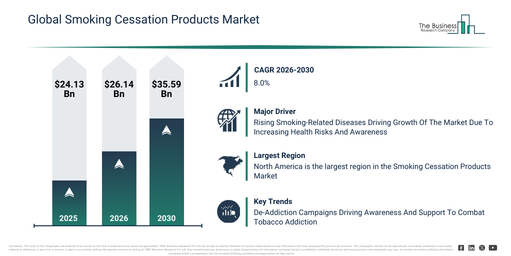
    The smoking cessation products market has experienced robust expansion in recent years, with projections indicating an increase from $24.13 billion in 2025 to $26.14 billion in 2026, reflecting a compound annual growth rate (CAGR) of 8.3%. This historical growth has been driven by factors such as the widespread prevalence of smoking worldwide, insufficient awareness about cessation aids, a traditional dependence on behavioral therapies, elevated rates of nicotine addiction, and the absence of well-organized government initiatives.

    The smoking cessation products market is anticipated to experience robust expansion over the coming years. By 2030, its value is projected to reach $35.59 billion, driven by a compound annual growth rate (CAGR) of 8.0%. This forecasted growth is fueled by heightened health awareness campaigns, advancements in e-cigarette and nicotine delivery technologies, the expansion of online retail and pharmacy channels, increased governmental and insurance backing for cessation initiatives, and the incorporation of digital applications offering tailored quitting support. Key developments shaping this period include a growing preference for nicotine replacement therapies, the surging popularity of electronic cigarettes, a rise in prescription-based cessation treatments, a broader availability of over-the-counter smoking cessation items, and an emphasis on customized smoking cessation programs and assistance.

    Download A Free Sample Report For Comprehensive Market Insights:

    https://www.thebusinessresearchcompany.com/sample.aspx?id=24708&type=smp&utm_source=BlogsPR&utm_medium=Paid&utm_campaign=Jul_PR

    Smoking Cessation Products Market Opportunity Drivers: What Is Creating New Revenue Potential?

    The anticipated increase in the burden of diseases caused by smoking is expected to propel market growth for cessation products in the coming years. Smoking-related illnesses refer to health conditions that develop either directly or indirectly from tobacco consumption, impacting multiple organs and systems within the body. These conditions are on the rise largely because of the ongoing prevalence of tobacco use, which leads to sustained exposure to hazardous chemicals that harm essential organs and heighten the likelihood of chronic diseases as time goes on. As the incidence of smoking-related diseases escalates, so does the demand for products designed to help individuals quit, driven by heightened health consciousness and medical diagnoses that push more people to look for effective ways to stop smoking and lower their chances of developing serious health issues. For example, in January 2025, the American Cancer Society, a nonprofit organization based in the United States, projected that approximately 226,650 new cases of lung cancer will be diagnosed in the country during 2025, with 110,680 occurring in males and 115,970 in females. It is also estimated that lung cancer fatalities will reach around 124,730, including 64,190 men and 60,540 women. Consequently, the growing impact of smoking-related diseases will stimulate the expansion of the smoking cessation products market.

    Smoking Cessation Products Market Segment Analysis And Revenue Opportunities

    The smoking cessation products market covered in this report is segmented –

    1) By Product Type: Nicotine Replacement Therapy, Prescription Drugs, Over-The-Counter Drugs, Electronic Cigarettes

    2) By Formulation Type: Gums, Lozenges, Patches, Inhalers, Nasal Sprays

    3) By Distribution Channel: Pharmacies, Online Retail, Supermarkets, Health Care Providers

    4) By End-User: Adults, Teenagers, Pregnant Women

    Subsegments:

    1) By Nicotine Replacement Therapy: Gum, Patch, Lozenge, Inhaler, Nasal Spray

    2) By Prescription Drugs: Varenicline, Bupropion, Nortriptyline, Clonidine

    3) By Over-The-Counter Drugs: Nicotine Gum, Nicotine Lozenges, Herbal Lozenges, Non-nicotine Tablets

    4) By Electronic Cigarettes: Disposable E-cigarettes, Rechargeable E-cigarettes, Modular E-cigarettes, Pod-Based E-cigarettes

    Smoking Cessation Products Market Innovation Trends Driving Future Development

    Major players within the smoking cessation products market are increasingly concentrating on the design and implementation of de-addiction initiatives to build community support networks that improve recovery outcomes and help avoid relapse. Such campaigns involve organized efforts intended to educate the public and deliver assistance for breaking free from substance dependency, thereby encouraging healthier lifestyle choices. A case in point occurred in April 2023, when Rusan Pharma, a pharmaceutical firm based in India, introduced a campaign aimed at promoting tobacco de-addiction under its 2baconil label—a 24-hour transdermal nicotine patch. This initiative, referred to as the #NoReasonIsGoodEnough campaign, draws on the insight that smokers frequently rationalize their tobacco use with a variety of excuses. The campaign highlights how 2baconil nicotine patches work to lessen both the physical and psychological addiction to nicotine. To aid individuals in their journey toward quitting smoking, the brand provides its solutions in both patch and gum formats.

    Smoking Cessation Products Market Leading Players Shaping Industry Direction

    Major companies operating in the smoking cessation products market are Pfizer Inc., Johnson & Johnson, Novartis AG, Imperial Brands PLC, GlaxoSmithKline (GSK), British American Tobacco PLC, Philip Morris International Inc., Haleon Group of Companies, Perrigo Company, Dr. Reddy’s Laboratories, Cipla Ltd., Fertin Pharma, Lucy, Euro-Pharm International Canada Inc., Alkalon A/S, Enorama Pharma AB, Niconovum AB, Sparsha Pharma International Pvt Ltd, The Harvard Drug Group, Revolymer.

    Access The Complete Smoking Cessation Products Market Report:

    https://www.thebusinessresearchcompany.com/report/smoking-cessation-products-global-market-report?utm_source=BlogsPR&utm_medium=Paid&utm_campaign=Jul_PR

    Smoking Cessation Products Market Geographic Distribution And Regional Opportunities

    North America was the largest region in the smoking cessation products market in 2025. Asia-Pacific is expected to be the fastest-growing region in the forecast period. The regions covered in the smoking cessation products market report are Asia-Pacific, South East Asia, Western Europe, Eastern Europe, North America, South America, Middle East, Africa.

    Get in touch with us:

    The Business Research Company: https://www.thebusinessresearchcompany.com/?utm_source=BlogsPR&utm_medium=Paid&utm_campaign=home_page_test

    Americas: +1 310-496-7795

    Asia: +44 7882 955267 & +91 8897263534

    Europe: +44 7882 955267

    Email us at: marketing@tbrc.info

    Follow us on:

    LinkedIn: https://in.linkedin.com/company/the-business-research-company

    YouTube: https://www.youtube.com/channel/UC24_fI0rV8cR5DxlCpgmyFQ

    Global Market Model: https://www.thebusinessresearchcompany.com/global-market-model
  • Smoking Cessation And Nicotine De-Addiction Products Market Opportunities Are Emerging Beyond Traditional Growth Areas

    Smoking Cessation And Nicotine De-Addiction Products Market Opportunities Are Emerging Beyond Traditional Growth Areas

    Enhanced with market attractiveness analysis, total addressable market evaluation, company benchmarking matrices, interactive Excel dashboards, expanded supply chain intelligence, emerging startup coverage, and detailed product insights, The Business Research Company’s 2026 market reports deliver more actionable and strategically valuable research.

    Smoking Cessation And Nicotine De-Addiction Products Market Expected To Reach $43.12 Billion By 2030 At 10.7% CAGR

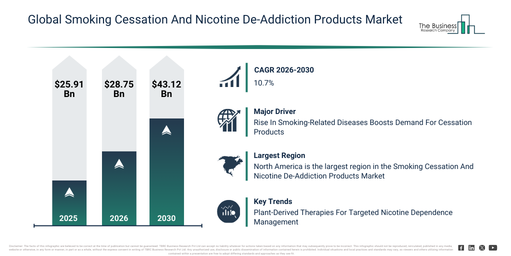
    The smoking cessation and nicotine de-addiction products market has exhibited significant expansion in recent years. It is projected to increase from $25.91 billion in 2025 to $28.75 billion in 2026, reflecting a compound annual growth rate (CAGR) of 11.0%. This historic growth has been driven by heightened public awareness of the health hazards linked to smoking, the broadening scope of government initiatives aimed at curbing tobacco use, the widespread availability of over-the-counter cessation solutions, the proliferation of prescription-based treatment options, and a growing level of engagement from healthcare professionals.

    The market for products aimed at helping people quit smoking and overcome nicotine addiction is projected to experience significant expansion over the coming years. Forecasts indicate that by 2030, this sector will reach a valuation of $43.12 billion, reflecting a robust compound annual growth rate (CAGR) of 10.7%. Key factors driving this growth during the projected timeframe include a rising embrace of personalized approaches to cessation, the broader availability of telehealth-focused quitting programs, a heightened consumer preference for smoke-free options, the deeper incorporation of digital health technologies into treatment plans, and stricter governmental measures targeting tobacco use. Notable developments shaping the industry’s trajectory include an escalating reliance on nicotine replacement therapies, the growing popularity of digital platforms for smoking cessation, a heightened consumer interest in products that do not contain nicotine for breaking addiction, an increase in electronic cigarette alternatives, and a strengthened commitment to providing behavioral support and counseling.

    Download A Free Sample Report For Comprehensive Market Insights:

    https://www.thebusinessresearchcompany.com/sample.aspx?id=20643&type=smp&utm_source=BlogsPR&utm_medium=Paid&utm_campaign=Jul_PR

    Smoking Cessation And Nicotine De-Addiction Products Market Growth Momentum: Which Factors Are Influencing Demand?

    The growing occurrence of illnesses linked to smoking is anticipated to drive the expansion of the market for smoking cessation and nicotine de-addiction products in the future. These smoking-related conditions encompass health issues directly arising from tobacco use, such as various cancers, respiratory ailments, and cardiovascular diseases. This increase is fueled by higher global tobacco consumption and ongoing exposure to dangerous tobacco smoke. Products designed for smoking cessation and nicotine de-addiction assist individuals in quitting smoking and lessening their nicotine dependence, thus lowering the chance of contracting such diseases. For example, in May 2024, the American Lung Association, a U.S.-based nonprofit, reported that smoking causes 90% of lung cancer fatalities and 80% of deaths from chronic obstructive pulmonary disease (COPD). Among current smokers, 73% of smoking-linked conditions are chronic lung diseases, while former smokers experience 50% of these conditions, reflecting a rise in these illnesses. Consequently, the increasing prevalence of smoking-related diseases is set to boost the smoking cessation and nicotine de-addiction products market.

    Smoking Cessation And Nicotine De-Addiction Products Market Segmentation And Category Breakdown

    The smoking cessation and nicotine de-addiction products market covered in this report is segmented –

    1) By Product Type: Nicotine Replacement Therapy Products, Drug Therapy, Nicotine Sublingual Tablets, Nicotine Inhalers, E-Cigarettes

    2) By Form: Gum, Inhaler, Tablet, Other Forms

    3) By Distribution Channels: Drug Store, Hospital Pharmacies, Online Pharmacies, Retail Pharmacies

    Subsegments:

    1) By Nicotine Replacement Therapy Products: Nicotine Patches, Nicotine Gum, Nicotine Lozenges, Nicotine Nasal Sprays

    2) By Drug Therapy: Prescription Medications, Combination Drug Therapy, Over-the-Counter Medications

    3) By Nicotine Sublingual Tablets: Fast-Acting Nicotine Sublingual Tablets, Extended-Release Nicotine Sublingual Tablets

    4) By Nicotine Inhalers: Disposable Nicotine Inhalers, Rechargeable Nicotine Inhalers, Nicotine Vapor Inhalers

    5) By E-Cigarettes: Disposable E-Cigarettes, Rechargeable E-Cigarettes, Pod-Based Systems, E-Liquids And Flavoring Products

    Smoking Cessation And Nicotine De-Addiction Products Market Trends Reshaping Industry Growth

    Key players in the smoking cessation and nicotine de-addiction market are prioritizing the development of plant-based receptor-targeted pharmacotherapies that engage nicotinic acetylcholine receptors in the brain, thereby mitigating cravings and diminishing nicotine reward to facilitate controlled cessation. For example, in September 2025, Achieve Life Sciences, a specialty pharmaceutical firm based in the United States, revealed that its Cytisinicline New Drug Application (NDA) had been accepted by the FDA for addressing nicotine dependence. This treatment provides a targeted mechanism of action, aligns with both smoking and e-cigarette cessation initiatives, and offers a clearly defined treatment period derived from Phase 3 clinical studies. This advancement indicates a rising embrace of precision pharmacotherapy for nicotine de-addiction, broadening therapeutic choices for countless individuals aiming to stop. Still, regulatory clearance remains outstanding, and its practical success will hinge on physician acceptance and patient compliance.

    Smoking Cessation And Nicotine De-Addiction Products Market Competitive Analysis Of Major Industry Participants

    Major companies operating in the smoking cessation and nicotine de-addiction products market are Pfizer Inc., Philip Morris International Inc., Johnson & Johnson Inc., Merck & Co. Inc., AstraZeneca PLC, Imperial Brands plc, GlaxoSmithKline plc, British American Tobacco plc, Dr Reddy’s Laboratories Ltd, Cipla Ltd, Cambrex Corp, Fertin Pharma, 22nd Century Group Inc., McNeil AB, Chrono Therapeutics Inc., Smoke Away LLC

    Access The Complete Smoking Cessation And Nicotine De-Addiction Products Market Report:

    https://www.thebusinessresearchcompany.com/report/smoking-cessation-and-nicotine-de-addiction-products-global-market-report?utm_source=BlogsPR&utm_medium=Paid&utm_campaign=Jul_PR

    Smoking Cessation And Nicotine De-Addiction Products Market Largest Region By Revenue And Market Share

    North America was the largest region in the smoking cessation and nicotine de-addiction products market in 2025. Asia-Pacific is expected to be the fastest-growing region in the forecast period. The regions covered in the smoking cessation and nicotine de-addiction products market report are Asia-Pacific, South East Asia, Western Europe, Eastern Europe, North America, South America, Middle East, Africa.

    Get in touch with us:

    The Business Research Company: https://www.thebusinessresearchcompany.com/?utm_source=BlogsPR&utm_medium=Paid&utm_campaign=home_page_test

    Americas: +1 310-496-7795

    Asia: +44 7882 955267 & +91 8897263534

    Europe: +44 7882 955267

    Email us at: marketing@tbrc.info

    Follow us on:

    LinkedIn: https://in.linkedin.com/company/the-business-research-company

    YouTube: https://www.youtube.com/channel/UC24_fI0rV8cR5DxlCpgmyFQ

    Global Market Model: https://www.thebusinessresearchcompany.com/global-market-model
  • Small Molecule Targeted Therapy Market Expansion Is Opening New Pathways For Strategic Investment

    Small Molecule Targeted Therapy Market Expansion Is Opening New Pathways For Strategic Investment

    Through market attractiveness analysis, total addressable market evaluation, company benchmarking matrices, interactive Excel dashboards, expanded supply chain intelligence, emerging startup coverage, and detailed product insights, The Business Research Company’s 2026 market reports provide more actionable and strategically valuable research.

    Small Molecule Targeted Therapy Market Size And Revenue Forecast Through 2030

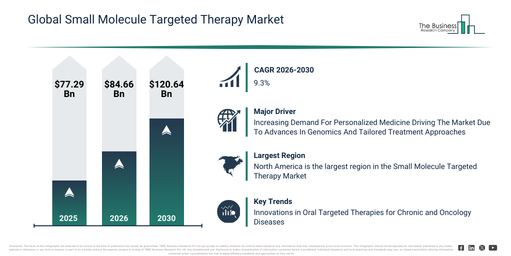
    The market for small molecule targeted therapies has experienced robust expansion over recent years. Projected to rise from $77.29 billion in 2025 to $84.66 billion in 2026, this segment is anticipated to progress at a compound annual growth rate (CAGR) of 9.5%. Factors driving historical growth include breakthroughs in molecular biology research, a growing incidence of chronic conditions, an expansion in pharmaceutical research and development initiatives, regulatory endorsement of targeted treatment approaches, and advancements in drug screening methodologies.

    The market for small molecule targeted therapies is projected to experience robust expansion over the coming years. By 2030, its value is anticipated to reach $120.64 billion, reflecting a compound annual growth rate (CAGR) of 9.3%. This forecasted growth is driven by several factors, including a rising need for personalized medicine, the growing incorporation of genomics into drug discovery, the broadening of targeted treatments beyond oncology, an increased emphasis on designing safer drugs, and heightened investment in precision therapeutics. Key trends shaping this period involve the accelerated development of drugs aimed at specific targets, the increasing application of therapies that modulate biological pathways, a greater preference for oral small molecule medications, a sharper focus on molecular targets linked to particular diseases, and the growing use of combination regimens involving small molecules.

    Download A Free Sample Report For Comprehensive Market Insights:

    https://www.thebusinessresearchcompany.com/sample.aspx?id=28332&type=smp&utm_source=BlogsPR&utm_medium=Paid&utm_campaign=Jul_PR

    Small Molecule Targeted Therapy Market Expansion Drivers: What Is Shaping Future Growth?

    The rising focus on personalized medicine is anticipated to drive the expansion of the small molecule targeted therapy market in the coming years. Personalized medicine is a healthcare strategy that customizes prevention, diagnosis, and treatment based on a person’s genetic, environmental, and lifestyle factors. This increasing emphasis is fueled by developments in genomics, which facilitate a deeper comprehension of individual genetic differences and support more accurate, targeted therapies that enhance patient outcomes while minimizing the need for trial-and-error in treatments. Small molecule targeted therapy contributes to personalized medicine by precisely addressing a patient’s unique molecular or genetic disease characteristics, thereby boosting treatment effectiveness and lowering adverse effects. For example, in February 2024, the Personalized Medicine Coalition, a U.S.-based nonprofit, reported that the FDA approved 16 new personalized treatments for rare disease patients in 2023, compared to six in 2022. Among these newly authorized personalized therapies for 2023, seven were cancer drugs, and three targeted other diseases and conditions. Consequently, the heightened emphasis on personalized medicine is propelling growth in the small molecule targeted therapy market.

    Small Molecule Targeted Therapy Market Segment Outlook: Which Categories Are Expanding The Fastest?

    The small molecule targeted therapy market covered in this report is segmented –

    1) By Type Of Therapy: Chemotherapy, Targeted Therapy, Immunotherapy

    2) By Drug Class: Monoclonal Antibodies, Small Molecule Inhibitors, Combination Therapies

    3) By Mechanism Of Action: Kinase Inhibitors, Proteasome Inhibitors, Aromatic Hydrocarbon Receptor (Ahr) Modulators, Cell Cycle Inhibitors

    4) By Disease Indication: Cancer, Autoimmune Diseases, Infectious Diseases

    5) By Route Of Administration: Oral, Intravenous, Subcutaneous

    Subsegments:

    1) By Chemotherapy: Alkylating Agents, Antimetabolites, Anti-microtubule Agents

    2) By Targeted Therapy: Kinase Inhibitors, Proteasome Inhibitors, Aromatic Hydrocarbon Receptor (AhR) Modulators

    3) By Immunotherapy: Immune Checkpoint Inhibitors, Cancer Vaccines, Monoclonal Antibodies

    Small Molecule Targeted Therapy Market Strategic Trends: What Is Defining The Next Phase Of Growth?

    Key players in the small molecule targeted therapy market are increasingly prioritizing the development of innovative approaches like oral small molecules to enhance targeted drug delivery, improve patient adherence, and precisely address molecular pathways involved in oncology and other chronic conditions. An oral small molecule is a low-molecular-weight medication taken orally, engineered to readily penetrate cells and specifically interfere with disease-linked proteins or signaling pathways. A case in point occurred in June 2025, when Kura Oncology Inc., a biotechnology firm headquartered in the United States, secured FDA approval for a New Drug Application (NDA) for ziftomenib, intended to treat adult patients suffering from relapsed or refractory acute myeloid leukemia (AML) characterized by nucleophosmin 1 (NPM1) mutations. This oral targeted therapy is specifically crafted for adults with this AML subtype, effectively filling a significant gap in unmet medical needs. It boasts a favorable safety profile and has shown promising efficacy, notably achieving robust complete remission rates during clinical evaluations. By selectively blocking the menin-KMT2A interaction, ziftomenib curbs leukemic cell proliferation and introduces novel therapeutic possibilities for this challenging AML form.

    Small Molecule Targeted Therapy Market Key Companies And Competitive Benchmarking

    Major companies operating in the small molecule targeted therapy market are F. Hoffmann-La Roche AG (Roche), Merck KGaA, Pfizer Inc., Bayer AG, Sanofi S.A., Novartis International AG, AstraZeneca PLC, Bristol-Myers Squibb Company, GlaxoSmithKline plc (GSK), Eli Lilly and Company, Amgen Inc., Regeneron Pharmaceuticals Inc., Astellas Pharma Inc., Lonza Group AG, Blueprint Medicines Corporation, Kura Oncology Inc., G1 Therapeutics Inc., Ascentage Pharma Group International Inc., Rgenta Therapeutics Inc., Verastem Inc.

    Access The Complete Small Molecule Targeted Therapy Market Report:

    https://www.thebusinessresearchcompany.com/report/small-molecule-targeted-therapy-global-market-report?utm_source=BlogsPR&utm_medium=Paid&utm_campaign=Jul_PR

    Small Molecule Targeted Therapy Market Regional Analysis And Leading Geography

    North America was the largest region in the small molecule targeted therapy market in 2025. Asia Pacific is expected to be the fastest-growing region in the forecast period. The regions covered in the small molecule targeted therapy market report are Asia-Pacific, South East Asia, Western Europe, Eastern Europe, North America, South America, Middle East, Africa.

    Get in touch with us:

    The Business Research Company: https://www.thebusinessresearchcompany.com/?utm_source=BlogsPR&utm_medium=Paid&utm_campaign=home_page_test

    Americas: +1 310-496-7795

    Asia: +44 7882 955267 & +91 8897263534

    Europe: +44 7882 955267

    Email us at: marketing@tbrc.info

    Follow us on:

    LinkedIn: https://in.linkedin.com/company/the-business-research-company

    YouTube: https://www.youtube.com/channel/UC24_fI0rV8cR5DxlCpgmyFQ

    Global Market Model: https://www.thebusinessresearchcompany.com/global-market-model
  • Small Molecule Targeted Cancer Therapy Market Trends Are Creating New Opportunities For Industry Leaders

    Small Molecule Targeted Cancer Therapy Market Trends Are Creating New Opportunities For Industry Leaders

    Delivering more actionable and strategically valuable research, The Business Research Company’s 2026 market reports feature market attractiveness analysis, total addressable market evaluation, company benchmarking matrices, interactive Excel dashboards, expanded supply chain intelligence, emerging startup coverage, and detailed product insights.

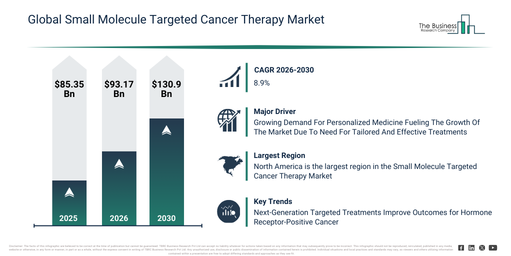
    Small Molecule Targeted Cancer Therapy Market Growth From $93.16 Billion In 2026 To $130.9 Billion By 2030 At A CAGR Of 8.9%

    The market for small molecule targeted cancer therapies has experienced robust expansion in recent years. Its value is projected to climb from $85.35 billion in 2025 to $93.17 billion in 2026, achieving a compound annual growth rate (CAGR) of 9.2%. Historically, this growth was driven by factors such as the increasing prevalence of cancer cases, a deeper insight into molecular oncology mechanisms, the broadening of drug discovery initiatives for targeted treatments, the regulatory clearance of first-generation targeted inhibitors, and heightened funding dedicated to oncology research.

    The market for small molecule targeted cancer therapies is projected to experience robust expansion over the coming years. By 2030, this market is anticipated to reach $130.9 billion, reflecting a compound annual growth rate (CAGR) of 8.9%. Several factors are expected to drive this growth during the forecast period, including the broader uptake of personalized cancer treatments, accelerated progress in next-generation inhibitor development, expanded application of companion diagnostics, a heightened emphasis on strategies to combat drug resistance, and an increase in oncology drug pipeline activities. Key trends shaping this period involve the accelerated creation of mutation-specific inhibitors, wider integration of precision oncology approaches, a stronger focus on oral small molecule drugs, the growing use of combination targeted therapy protocols, and an increased emphasis on selecting therapies based on biomarkers.

    Download A Free Sample Report For Comprehensive Market Insights:

    https://www.thebusinessresearchcompany.com/sample.aspx?id=28331&type=smp&utm_source=BlogsPR&utm_medium=Paid&utm_campaign=Jul_PR

    Small Molecule Targeted Cancer Therapy Market Development Factors: Which Trends Are Supporting Demand?

    The increasing need for individualized treatment plans is set to drive expansion in the small molecule targeted therapy market. Personalized medicine involves a healthcare strategy that customizes disease prevention, diagnosis, and therapy based on each patient’s unique attributes. This rising demand stems from a greater emphasis on targeted approaches that boost treatment effectiveness while lowering the risk of adverse reactions. Small molecule targeted therapy meets this need by improving treatment precision, enhancing patient outcomes, reducing harmful side effects, and supporting therapies aligned with distinct genetic and molecular profiles. To illustrate, in February 2024, the Personalized Medicine Coalition (a U.S.-based nonprofit) reported that the FDA approved 16 new personalized therapies for rare diseases in 2023, a significant jump from six in 2022. Consequently, the growing interest in personalized medicine is fueling the growth of the small molecule targeted therapy market.

    Small Molecule Targeted Cancer Therapy Market Segment Landscape: Which Areas Lead Market Development?

    The small molecule targeted cancer therapy market covered in this report is segmented –

    1) By Therapy Type: Tyrosine Kinase Inhibitors, Proteasome Inhibitors, Histone Deacetylase Inhibitors, PARP Inhibitors, CDK Inhibitors, BCL-2 Inhibitors, mTOR Inhibitors, Other Small Molecule Inhibitors

    2) By Cancer Type: Lung Cancer, Breast Cancer, Colorectal Cancer, Leukemia, Prostate Cancer, Other Cancer Types

    3) By Mode Of Administration: Oral, Intravenous, Other Modes

    4) By Distribution Channel: Hospital Pharmacy, Retail Pharmacy, Online Pharmacy, Direct Sales

    5) By End User: Hospitals, Specialty Clinics, Research Institutes, Other End Users

    Subsegments:

    1) By Tyrosine Kinase Inhibitors: EGFR Inhibitors, VEGFR Inhibitors, ALK Inhibitors, BCR-ABL Inhibitors, HER2 Inhibitors

    2) By Proteasome Inhibitors: Bortezomib, Carfilzomib, Ixazomib

    3) By Histone Deacetylase Inhibitors: Pan-Histone Deacetylase Inhibitors, Class-specific Histone Deacetylase Inhibitors

    4) By PARP Inhibitors: Olaparib, Niraparib, Rucaparib, Talazoparib

    5) By CDK Inhibitors: CDK4/6 Inhibitors, CDK1/2 Inhibitors, Pan-CDK Inhibitors

    6) By BCL-2 Inhibitors: Venetoclax, Navitoclax

    7) By mTOR Inhibitors: Rapamycin Analogs (Rapalogs), ATP-competitive mTOR Inhibitors, Dual mTOR/PI3K Inhibitors

    8) By Other Small Molecule Inhibitors: MEK Inhibitors, PI3K Inhibitors, RAF Inhibitors

    Small Molecule Targeted Cancer Therapy Market Transformation Trends: Which Innovations Are Driving Change?

    Key players in the breast cancer small-molecule targeted therapy space are concentrating on the development of novel treatments like PI3K inhibitors and CDK4/6 inhibitor combinations to boost therapeutic effectiveness and more precisely disrupt specific cancer cell signaling pathways. PI3K inhibitors function as targeted cancer therapies by impeding the phosphatidylinositol-3-kinase pathway, which drives tumor growth and survival, whereas CDK4/6 inhibitor combinations are engineered to specifically arrest cell cycle progression in hormone receptor-positive cancer cells. A notable example is from October 2024, when Genentech, Inc., a biotechnology firm based in the US, secured approval from the U.S. Food and Drug Administration (FDA) for inavolisib (Itovebi) paired with palbociclib (Ibrance) and fulvestrant (Faslodex) to treat adults with endocrine-resistant, PIK3CA-mutated, hormone receptor-positive, HER2-negative, locally advanced, or metastatic breast cancer. This clearance was grounded in findings from the INAVO120 trial, which revealed a marked enhancement in progression-free survival and objective response rate when compared to using palbociclib and fulvestrant alone. This achievement represents a major leap forward in personalized therapy for HR-positive, HER2-negative breast cancer, delivering a precision-targeted option for patients harboring PIK3CA mutations.

    Small Molecule Targeted Cancer Therapy Market Industry Leaders And Market Competition

    Major companies operating in the small molecule targeted cancer therapy market are Johnson & Johnson Services Inc., F. Hoffmann-La Roche Ltd., Merck & Co. Inc., Pfizer Inc., AbbVie Inc., Bayer AG, Sanofi S.A., Novartis International AG, AstraZeneca plc, Bristol-Myers Squibb Company, GlaxoSmithKline plc (GSK), Eli Lilly and Company, Takeda Pharmaceutical Company Limited, Amgen Inc., Gilead Sciences Inc., Boehringer Ingelheim International GmbH, Astellas Pharma Inc., Daiichi Sankyo Company Limited, Eisai Co. Ltd., Ipsen Biopharmaceuticals Inc.

    Access The Complete Small Molecule Targeted Cancer Therapy Market Report:

    https://www.thebusinessresearchcompany.com/report/small-molecule-targeted-cancer-therapy-global-market-report?utm_source=BlogsPR&utm_medium=Paid&utm_campaign=Jul_PR

    Small Molecule Targeted Cancer Therapy Market Geographic Analysis: Where Is Demand Growing The Fastest?

    North America was the largest region in the small molecule targeted cancer therapy market in 2025. Asia-Pacific is expected to be the fastest-growing region in the forecast period. The regions covered in the small molecule targeted cancer therapy market report are Asia-Pacific, South East Asia, Western Europe, Eastern Europe, North America, South America, Middle East, Africa.

    Get in touch with us:

    The Business Research Company: https://www.thebusinessresearchcompany.com/?utm_source=BlogsPR&utm_medium=Paid&utm_campaign=home_page_test

    Americas: +1 310-496-7795

    Asia: +44 7882 955267 & +91 8897263534

    Europe: +44 7882 955267

    Email us at: marketing@tbrc.info

    Follow us on:

    LinkedIn: https://in.linkedin.com/company/the-business-research-company

    YouTube: https://www.youtube.com/channel/UC24_fI0rV8cR5DxlCpgmyFQ

    Global Market Model: https://www.thebusinessresearchcompany.com/global-market-model
  • Small Molecule Injectable Drugs Market Growth Is Reshaping Competitive Advantage Across The Industry

    Small Molecule Injectable Drugs Market Growth Is Reshaping Competitive Advantage Across The Industry

    Enhanced with market attractiveness analysis, total addressable market evaluation, company benchmarking matrices, interactive Excel dashboards, expanded supply chain intelligence, emerging startup coverage, and detailed product insights, The Business Research Company’s 2026 market reports deliver more actionable and strategically valuable research.

    Small Molecule Injectable Drugs Market Expansion Outlook: What Revenue Opportunities Lie Ahead?

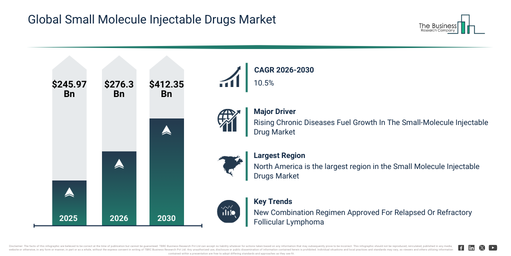
    The market for small molecule injectable drugs has seen a rapid expansion in recent years, with its value projected to increase from $245.97 billion in 2025 to $276.3 billion in 2026, reflecting a compound annual growth rate (CAGR) of 12.3%. Several factors contributed to this growth in the historical period, including a rise in chronic disease prevalence, a greater uptake of injectable therapies, progress in drug formulation technologies, improvements in hospital infrastructure, and heightened awareness regarding infection management.

    The market for small molecule injectable pharmaceuticals is poised for significant expansion over the coming years, with projections indicating a rise to $412.35 billion by 2030, driven by a compound annual growth rate (CAGR) of 10.5%. Several factors are fueling this anticipated growth during the forecast period, including a heightened demand for personalized medicine, substantial progress in oncology and antiviral therapies, and notable innovations in drug delivery technologies. Additionally, the broadening scope of home care and outpatient services, coupled with greater investments in biologics and combination treatments, is contributing to this upward trajectory. Key trends that are shaping the market landscape in the forecast period encompass a growing inclination toward injectable drug administration, the widespread adoption of infusion services within hospitals and clinics, an upsurge in targeted chemotherapeutic approaches, the rising prominence of antiviral small molecule agents, and an increased emphasis on low molecular weight drug preparations.

    Download A Free Sample Report For Comprehensive Market Insights:

    https://www.thebusinessresearchcompany.com/sample.aspx?id=14998&type=smp&utm_source=BlogsPR&utm_medium=Paid&utm_campaign=Jul_PR

    Small Molecule Injectable Drugs Market Industry Drivers: What Is Driving Revenue Growth?

    The anticipated expansion of the small-molecule injectable drug market is being driven by the increasing prevalence of chronic diseases. These conditions are defined by their long-lasting nature and typically gradual advancement. Their growing frequency stems from a mix of factors such as inactive lifestyles, poor eating habits, smoking, and heightened stress levels. Such behavioral patterns foster the emergence of issues like obesity, diabetes, heart-related ailments, and specific cancers. Small-molecule injectable drugs prove essential in managing these chronic illnesses by enabling focused treatment, better patient adherence, disease alteration, combination therapy possibilities, and avenues for therapeutic oversight. As an example, in June 2024, the National Health Service, a UK governmental body, reported that 3,615,330 people registered with a general practitioner were identified with non-diabetic hyperglycemia or pre-diabetes—a state of elevated blood sugar insufficient for a diabetes diagnosis—in 2023, reflecting an 18% rise from 3,065,825 cases in 2022. Consequently, the surge in chronic diseases is fueling the small-molecule injectable drug market.

    Small Molecule Injectable Drugs Market Segments: Where Are The Largest Growth Opportunities?

    The small molecule injectable drugs market covered in this report is segmented –

    1) By Drug Class: Small Molecule Antibiotics, Analgesics, Chemotherapy, Antivirals, Anticoagulant, Skeletal Muscle Relaxants, Anticonvulsants, Other Drug Class

    2) By Indication: Pain Management, Oncology, Infectious Diseases, Cardiovascular Diseases, CNS Diseases, Other Indications

    3) By Mode of Delivery: IV Set, Intravenous Injection, Infusion Pump, Intramuscular Injection, Subcutaneous Injection

    4) By End User: Hospitals, Ambulatory Clinics, Outpatient Facility, Infusion Therapy Center, Home Care, Other End Users

    Subsegments:

    1) By Small Molecule Antibiotics: Penicillin-Based Antibiotics, Cephalosporins, Aminoglycosides, Macrolides, Tetracyclines

    2) By Analgesics: Nonsteroidal Anti-inflammatory Drugs (NSAIDs), Opioids, Acetaminophen

    3) By Chemotherapy: Alkylating Agents, Antimetabolites, Mitotic Inhibitors, Topoisomerase Inhibitors

    4) By Antivirals: Nucleoside Analogues, Protease Inhibitors, Reverse Transcriptase Inhibitors

    5) By Anticoagulant: Heparin, Low Molecular Weight Heparins

    6) By Skeletal Muscle Relaxants: Baclofen, Methocarbamol

    7) By Anticonvulsants: Benzodiazepines, Phenytoin

    8) By Other Drug Class: Immunosuppressants, Hormonal Therapies

    Small Molecule Injectable Drugs Market Growth Trends: What Is Influencing The Future Outlook?

    Key players in the small-molecule injectable drug sector are actively pursuing innovative strategies, including the development of combination regimens aimed at boosting therapeutic effectiveness and improving patient results. A combination regimen involves the use of two or more medications together to increase efficacy, minimize drug resistance, or address multiple disease pathways. As an example, in November 2025, AbbVie Inc., a biopharmaceutical company headquartered in the United States, secured approval from the U.S. Food and Drug Administration (FDA) for EPKINLY (epcoritamab-bysp) paired with rituximab and lenalidomide. This treatment is intended for adults suffering from relapsed or refractory follicular lymphoma (FL). EPKINLY is a humanized bispecific IgG1 antibody that works by attaching to the CD3 receptor present on T cells as well as the CD20 receptor found on B cells, including those that are malignant, thereby engaging and activating T cells to selectively destroy cancerous B cells. Delivered subcutaneously as a chemotherapy-free option, it is specifically formulated for use alongside rituximab and lenalidomide in managing relapsed or refractory follicular lymphoma. The therapy introduces a novel immune-based mechanism that facilitates robust T-cell activation and sustained elimination of lymphoma cells, offering a convenient outpatient treatment delivered through a fixed-duration schedule.

    Small Molecule Injectable Drugs Market Major Participants And Competitive Dynamics

    Major companies operating in the small molecule injectable drugs market are Pfizer Inc., Johnson & Johnson Services Inc., F. Hoffmann-La Roche AG, Merck & Co. Inc., AbbVie Inc., Sanofi S.A., Bristol-Myers Squibb Company, AstraZeneca plc, Abbott Laboratories, Novartis AG, Fresenius Kabi AG, GlaxoSmithKline plc, Eli Lilly and Company, Gilead Sciences Inc., Amgen Inc., Becton Dickinson and Company, Teva Pharmaceutical Industries Ltd., Baxter International Inc., Sun Pharmaceutical Industries Ltd., Aurobindo Pharma Ltd., Dr. Reddy’s Laboratories Ltd., Cipla Limited, Hikma Pharmaceuticals plc, BioCryst Pharmaceuticals Inc., Mylan N.V.

    Access The Complete Small Molecule Injectable Drugs Market Report:

    https://www.thebusinessresearchcompany.com/report/small-molecule-injectable-drugs-global-market-report?utm_source=BlogsPR&utm_medium=Paid&utm_campaign=Jul_PR

    Small Molecule Injectable Drugs Market Global Footprint: Which Region Holds Market Leadership?

    North America was the largest region in the small molecule injectable drugs market in 2025. Europe is expected to be the fastest-growing region in the forecast period. The regions covered in the small molecule injectable drugs market report are Asia-Pacific, South East Asia, Western Europe, Eastern Europe, North America, South America, Middle East, Africa.

    Get in touch with us:

    The Business Research Company: https://www.thebusinessresearchcompany.com/?utm_source=BlogsPR&utm_medium=Paid&utm_campaign=home_page_test

    Americas: +1 310-496-7795

    Asia: +44 7882 955267 & +91 8897263534

    Europe: +44 7882 955267

    Email us at: marketing@tbrc.info

    Follow us on:

    LinkedIn: https://in.linkedin.com/company/the-business-research-company

    YouTube: https://www.youtube.com/channel/UC24_fI0rV8cR5DxlCpgmyFQ

    Global Market Model: https://www.thebusinessresearchcompany.com/global-market-model
  • Small Molecule Drug Discovery Market Forecast Signals New Revenue Opportunities Through 2030

    Small Molecule Drug Discovery Market Forecast Signals New Revenue Opportunities Through 2030

    Through market attractiveness analysis, total addressable market evaluation, company benchmarking matrices, interactive Excel dashboards, expanded supply chain intelligence, emerging startup coverage, and detailed product insights, The Business Research Company’s 2026 market reports provide more actionable and strategically valuable research.

    Small Molecule Drug Discovery Market Growth Potential: How Will Market Size Change Through 2030?

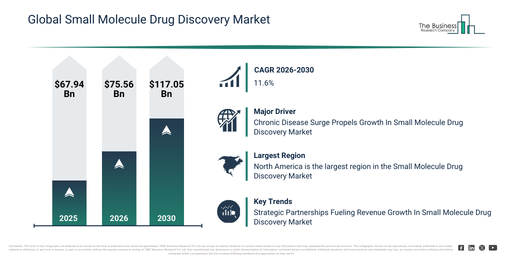
    The market for small molecule drug discovery has seen substantial expansion in recent years. Projections indicate a rise from $67.94 billion in 2025 to $75.56 billion in 2026, reflecting a compound annual growth rate (CAGR) of 11.2%. Factors driving this historical growth include heightened research and development spending by pharmaceutical firms, a growing incidence of chronic illnesses, progress made in molecular biology methods, an increased need for affordable treatment options, and the growing presence of contract research organizations (CROs).

    The small molecule drug discovery market is projected to experience robust expansion in the coming years, reaching a value of $117.05 billion by 2030, with a compound annual growth rate (CAGR) of 11.6%. This forecasted growth is driven by factors such as the incorporation of artificial intelligence and machine learning into drug discovery processes, the broadening of precision medicine initiatives, heightened collaborative efforts between biotechnology and pharmaceutical companies, the deployment of automated high-throughput platforms, and an intensified emphasis on addressing rare and complex diseases. Notable trends shaping the future landscape include the widespread uptake of high-throughput screening, progress in combinatorial chemistry, the incorporation of nanotechnology into drug design, the advancement of personalized medicine, and improvements in target validation and lead optimization.

    Download A Free Sample Report For Comprehensive Market Insights:

    https://www.thebusinessresearchcompany.com/sample.aspx?id=9834&type=smp&utm_source=BlogsPR&utm_medium=Paid&utm_campaign=Jul_PR

    #Small Molecule Drug Discovery Market Growth Factors: Which Forces Are Supporting Market Expansion?

    The increasing prevalence of chronic illnesses is anticipated to propel the small molecule drug discovery market forward. Chronic diseases are defined as conditions lasting a year or longer that limit daily activities, require ongoing medical attention, or both. Small-molecule drugs are often employed to treat ailments such as HIV, cancer, infections, heart disease, and renal disease, and they are typically more cost-effective for patients managing long-term health issues. Consequently, the growing frequency of chronic conditions is expected to accelerate the small molecule drug discovery market. For example, a 2023 report from the National Institutes of Health (NIH), a U.S.-based biomedical research organization, indicates that the population of Americans aged 50 and over with at least one chronic illness is forecasted to hit 142.66 million by 2050. Moreover, the number of individuals experiencing multimorbidity is predicted to rise to 14.968 million by that same year. Thus, the escalating rate of chronic diseases is fueling expansion in the small molecule drug discovery market.

    Small Molecule Drug Discovery Market Segment Analysis: What Are The Major Market Categories?

    The small molecule drug discovery market covered in this report is segmented –

    1) By Drug Type: Small Molecule Drugs, Biologic Drugs

    2) By Technology: High Throughput Screening, Pharmacogenomics, Combinatorial Chemistry, Nanotechnology, Others

    3) By Therapeutic Area: Oncology, Central Nervous System, Cardiovascular, Respiratory, Metabolic Disorders, Gastrointestinal, Others

    4) By Process Or Phase: Target ID Or Validation, Hit Generation And Selection, Lead Identification, Lead Optimization

    5) By End-User: Pharmaceutical Companies, Contract Research Organizations, Others

    Subsegments:

    1) By Small Molecule Drugs: Generic Small Molecule Drugs, Novel Small Molecule Drugs

    2) By Biologic Drugs: Monoclonal Antibodies, Vaccines, Recombinant Proteins, Cell And Gene Therapies

    Small Molecule Drug Discovery Market Industry Trends: What Changes Are Reshaping Demand?

    Leading firms within the small molecule drug discovery sector are actively forming partnerships as a strategy to boost their market revenues. These alliances typically encourage innovation by merging the specialized knowledge of various organizations. As an example, in November 2023, Evommune, a nonprofit entity based in the United States, joined forces with Accutar Biotechnology, an American biotechnology company, in a strategic collaboration centered on AI-driven drug discovery. The partnership specifically targets chronic inflammatory conditions and is designed to combine Accutar’s exclusive AI platform with Evommune’s deep expertise, aiming to identify new small molecule therapeutic candidates.

    Small Molecule Drug Discovery Market Leading Companies Driving Competitive Growth

    Major companies operating in the small molecule drug discovery market are Pfizer Inc., GlaxoSmithKline plc, AstraZeneca, Boehringer Ingelheim International GmbH, Bristol-Myers Squibb Company, Johnson & Johnson, Gilead Sciences Inc., Merck KGaA, Novartis AG, 4SC AG, Teva Pharmaceutical Industries Ltd., Takeda Pharmaceutical Company Limited, Labcorp Drug Development, ICON Public Limited Company, Charles River Laboratories, Aluda Pharmaceuticals, Corcept Therapeutics, Edison Oncology, Escend Pharmaceuticals, Terray Therapeutics, Apollomics, Astex Pharmaceuticals, Pardes Biosciences, Xynomic Pharmaceuticals, Zevra Therapeutics, UNION therapeutics, Allarity Therapeutics, Cyteir Therapeutics, BigHat Biosciences

    Access The Complete Small Molecule Drug Discovery Market Report:

    https://www.thebusinessresearchcompany.com/report/small-molecule-drug-discovery-global-market-report?utm_source=BlogsPR&utm_medium=Paid&utm_campaign=Jul_PR

    Small Molecule Drug Discovery Market Regional Distribution: Which Areas Drive Market Expansion?

    North America was the largest region in the small molecule drug discovery market in 2025. Europe is expected to be the fastest-growing region in the small molecule drug discovery market report during the forecast period. The regions covered in the small molecule drug discovery market report are Asia-Pacific, South East Asia, Western Europe, Eastern Europe, North America, South America, Middle East, Africa.

    Get in touch with us:

    The Business Research Company: https://www.thebusinessresearchcompany.com/?utm_source=BlogsPR&utm_medium=Paid&utm_campaign=home_page_test

    Americas: +1 310-496-7795

    Asia: +44 7882 955267 & +91 8897263534

    Europe: +44 7882 955267

    Email us at: marketing@tbrc.info

    Follow us on:

    LinkedIn: https://in.linkedin.com/company/the-business-research-company

    YouTube: https://www.youtube.com/channel/UC24_fI0rV8cR5DxlCpgmyFQ

    Global Market Model: https://www.thebusinessresearchcompany.com/global-market-model
  • Small Molecule CMO/CDMO Market Growth Is Accelerating As Industry Transformation Continues

    Small Molecule CMO/CDMO Market Growth Is Accelerating As Industry Transformation Continues

    Delivering more actionable and strategically valuable research, The Business Research Company’s 2026 market reports feature market attractiveness analysis, total addressable market evaluation, company benchmarking matrices, interactive Excel dashboards, expanded supply chain intelligence, emerging startup coverage, and detailed product insights.

    Small Molecule CMO/CDMO Market Value Analysis: What Growth Is Expected Over The Forecast Period?

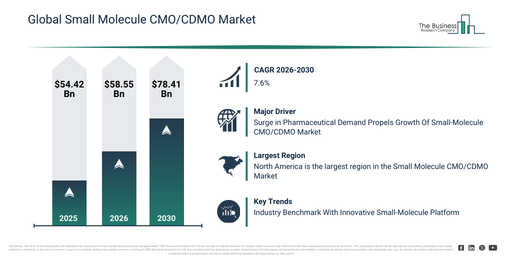
    The market for small molecule CMO/CDMO services has experienced robust expansion in recent times, with its size climbing from $54.42 billion in 2025 to $58.55 billion in 2026, reflecting a compound annual growth rate (CAGR) of 7.6%. This historical upswing is largely driven by factors such as increased generic drug manufacturing, a growing incidence of chronic illnesses, broader pharmaceutical research and development activities, a greater reliance on outsourced drug production, and heightened regulatory emphasis on quality and safety standards.

    The market for small molecule CMO/CDMO services is anticipated to experience robust expansion over the coming years, with projections indicating it will reach a valuation of $78.41 billion by 2030, advancing at a compound annual growth rate (CAGR) of 7.6%. This forecasted growth is fueled by a rising demand for personalized medicine, heightened investment in biologics and small-molecule hybrid treatments, expansion into emerging markets, progress in synthesis and formulation techniques, and a pressing need for faster regulatory approvals. Key developments shaping the forecast period involve the broadening of contract development and manufacturing offerings, a growing shift toward continuous manufacturing methods, increased custom synthesis of small-molecule active pharmaceutical ingredients (APIs), heightened emphasis on regulatory adherence and quality control, and the formation of strategic alliances between pharmaceutical companies and CMOs.

    Download A Free Sample Report For Comprehensive Market Insights:

    https://www.thebusinessresearchcompany.com/sample.aspx?id=13733&type=smp&utm_source=BlogsPR&utm_medium=Paid&utm_campaign=Jul_PR

    Small Molecule CMO/CDMO Market Demand Drivers: What Is Fueling Industry Growth?

    The growing need for pharmaceutical products is anticipated to fuel the expansion of the small-molecule CMO/CDMO market in the coming years. This sector involves the discovery, development, and production of drugs and medicines by both public and private organizations. Within the pharmaceutical industry, small-molecule CMO/CDMO services are utilized to outsource tasks such as development, manufacturing, and packaging of small-molecule drugs, enabling companies to minimize costs, save time, and enhance operational efficiency. For example, Cardinal Health Inc., a US-based healthcare firm, reported in January 2023 that by January 2022, the U.S. had 33 FDA-approved biosimilar products, with 21 commercially available, and by 2023, the number of approved biosimilars had increased to 40, with 25 on the market. Consequently, the increasing demand for pharmaceuticals is propelling the growth of the small-molecule CMO/CDMO market.

    Small Molecule CMO/CDMO Market Segment Breakdown: Which Categories Generate The Most Revenue?

    The small molecule cmo/cdmo market covered in this report is segmented –

    1) By Product: Small Molecule Drug Product, Small Molecule API

    2) By Stage Type: Clinical, Commercial, Preclinical

    3) By Therapeutic Area: Oncology, Neurology, Infectious Disease, Cardiovascular Disease, Respiratory Disorders, Metabolic Disorders, Other Therapeutics

    4) By Application: Cardiovascular, Oncology, Diabetes, Immunological Disorders

    Subsegments:

    1) By Small Molecule Drug Product: Solid Dosage Forms (Tablets, Capsules), Liquid Dosage Forms (Injectables, Solutions), Topical Dosage Forms

    2) By Small Molecule API (Active Pharmaceutical Ingredient): Generic APIs, Branded APIs, Custom Synthesis APIs

    Small Molecule CMO/CDMO Market Innovation Trends: Which Developments Are Transforming The Industry?

    Key players within the small-molecule CMO/CDMO sector are placing increased emphasis on advanced technologies—especially the cutting-edge small-molecule platform in Shanghai—to enhance their CDMO service offerings. This platform represents the leading edge of technological progress, designed to facilitate the development and manufacturing of small-molecule drugs while enabling the creation of safer, more effective, and more efficiently manufactured pharmaceutical compounds. For example, in June 2023, Porton Pharma Solutions Ltd., a pharmaceutical firm based in China, unveiled a state-of-the-art small-molecule platform in Shanghai, aimed at upgrading its CDMO capabilities. Such a platform adopts a comprehensive strategy, merging sophisticated technologies and methodologies to support every stage of the small-molecule drug lifecycle, while delivering integrated one-stop-shop solutions, an end-to-end framework, operational flexibility and availability, as well as digital transformation.

    Small Molecule CMO/CDMO Market Key Players And Strategic Industry Positioning

    Major companies operating in the small molecule cmo/cdmo market are Patheon NV (Thermo Fisher Scientific), Johnson Matthey plc, Lonza Group Ltd., WuXi AppTec, Catalent Inc., Aurobindo Pharma, Fareva, Aesica Pharmaceuticals Limited, Siegfried holdings AG, Recipharm AB, Jubilant Life Sciences Limited, Almac Group, Piramal Pharma Solutions, Oxford Chemicals Inc., Syngene International Limited, Novasep, Pfizer CentreOne, GVK Biosciences, ChemPartner, Dishman Carbogen Amcis Ltd, ProChem Inc., Metrics Contract Services

    Access The Complete Small Molecule CMO/CDMO Market Report:

    https://www.thebusinessresearchcompany.com/report/small-molecule-cmo-or-cdmo-global-market-report?utm_source=BlogsPR&utm_medium=Paid&utm_campaign=Jul_PR

    Small Molecule CMO/CDMO Market Leading Geography: Which Region Generates The Most Revenue?

    North America was the largest region in the small molecule CMO/CDMO market in 2025. The regions covered in the small molecule cmo/cdmo market report are Asia-Pacific, South East Asia, Western Europe, Eastern Europe, North America, South America, Middle East, Africa.

    Get in touch with us:

    The Business Research Company: https://www.thebusinessresearchcompany.com/?utm_source=BlogsPR&utm_medium=Paid&utm_campaign=home_page_test

    Americas: +1 310-496-7795

    Asia: +44 7882 955267 & +91 8897263534

    Europe: +44 7882 955267

    Email us at: marketing@tbrc.info

    Follow us on:

    LinkedIn: https://in.linkedin.com/company/the-business-research-company

    YouTube: https://www.youtube.com/channel/UC24_fI0rV8cR5DxlCpgmyFQ

    Global Market Model: https://www.thebusinessresearchcompany.com/global-market-model
  • Small Molecule API Market Outlook Highlights The Next Major Growth Opportunities

    Small Molecule API Market Outlook Highlights The Next Major Growth Opportunities

    Enhanced with market attractiveness analysis, total addressable market evaluation, company benchmarking matrices, interactive Excel dashboards, expanded supply chain intelligence, emerging startup coverage, and detailed product insights, The Business Research Company’s 2026 market reports deliver more actionable and strategically valuable research.

    Small Molecule API Market Size Forecast: How Large Could The Market Become By 2030?

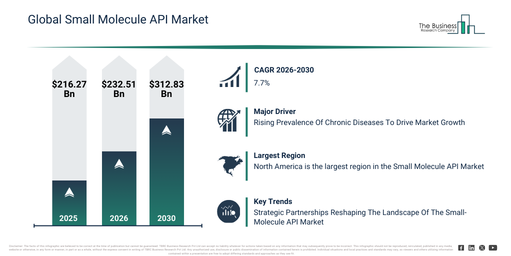
    The market for small molecule active pharmaceutical ingredients has experienced robust expansion over the last several years. Its value is projected to increase from $216.27 billion in 2025 to $232.51 billion in 2026, reflecting a compound annual growth rate (CAGR) of 7.5%. This historical growth has been driven by factors such as heightened pharmaceutical drug development efforts, the widening scope of generic drug production, the presence of skilled chemical synthesis capabilities, the rise of contract development services, and growing worldwide medicine usage.

    The small molecule API market is projected to experience robust expansion in the coming years, reaching a valuation of $312.83 billion by 2030, driven by a compound annual growth rate of 7.7%. This forecasted growth is fueled by heightened investments in production capacity, the increasing adoption of environmentally friendly green chemistry methods, an escalating need for oncology and central nervous system drugs, the broadening of personalized medicine initiatives, and greater automation within API manufacturing. Key developments anticipated over this period encompass a growing reliance on outsourced API production, a heightened emphasis on refining processes to boost yields, an increased requirement for highly pure small molecule APIs, the wider application of continuous manufacturing technologies, and an intensified focus on meeting regulatory standards.

    Download A Free Sample Report For Comprehensive Market Insights:

    https://www.thebusinessresearchcompany.com/sample.aspx?id=8236&type=smp&utm_source=BlogsPR&utm_medium=Paid&utm_campaign=Jul_PR

    Small Molecule API Market Growth Drivers: What Factors Are Accelerating Expansion?

    The rising incidence of chronic illnesses is anticipated to boost the expansion of the small molecules API market in the coming years. A chronic disease is defined as a medical condition persisting for three months or longer, which may worsen over time. Long-term ailments like cardiovascular diseases, diabetes, and cancer necessitate ongoing medication, creating a steady need for pharmaceutical therapies. Small-molecule active pharmaceutical ingredients commonly facilitate the development of drugs that offer enhanced bioavailability, improved pharmacokinetics, and fewer adverse effects, thereby improving the efficacy and patient tolerance of extended treatment plans for chronic conditions. For example, in September 2023, the World Health Organization, a United Nations specialized agency located in Switzerland, reported that 41 million deaths—representing 74% of all annual fatalities globally—result from non-communicable or chronic diseases. Consequently, the growing prevalence of such chronic conditions is fueling the rise of the small molecule API market.

    Small Molecule API Market Segmentation: How Is The Market Structured Across Key Categories?

    The small molecule api market covered in this report is segmented –

    1) By Type: Synthetic, Biotech

    2) By Manufacturer: In-House, Outsourced

    3) By Application: Cardiology, Oncology, CNS And Neurology, Orthopedic, Endocrinology, Other Applications

    Subsegments:

    1) By Synthetic: Chemical Synthesis, Process Development, Custom Synthesis

    2) By Biotech: Recombinant Proteins, Monoclonal Antibodies, Peptides

    Small Molecule API Market Trends: What Is Shaping Future Industry Growth?

    Key players in the small-molecule API sector are increasingly establishing strategic alliances to advance drug development, refine production workflows, and speed up the availability of effective therapies. These partnerships are designed to combine specific know-how in therapeutic innovation with robust manufacturing capacity, facilitating smooth technology handovers and worldwide distribution of small-molecule APIs. For example, in March 2023, CatSci Ltd., a pharmaceutical firm based in the UK, joined forces with AGC Pharma Chemicals, a Spanish pharmaceutical company, to bolster drug development efforts. CatSci’s expertise in non-clinical research now benefits from AGC’s manufacturing strengths, providing support for clinical-phase initiatives. Clients of AGC gain access to CatSci’s sophisticated therapeutic development resources, emphasizing scalable small-molecule API production and a variety of technologies. This alliance focuses on seamless technology transfer, with the goal of delivering strategic advantages, shortening drug development schedules, and ensuring the global availability of impactful small-molecule API-based medications.

    Small Molecule API Market Competitive Landscape And Leading Companies

    Major companies operating in the small molecule api market are Merck & Co. Inc., AbbVie Inc., Bristol-Myers Squibb Company, Boehringer Ingelheim International GmbH, Dr. Reddy’s Laboratories Ltd., Aurobindo Pharma, Sun Pharmaceutical Industries Ltd., Teva Pharmaceutical Industries Ltd., Viatris Inc., Cambrex Corporation, Lonza Group AG, Siegfried Holding AG, AstraZeneca, F. Hoffmann-La Roche AG, Nanjing King-friend Biochemical Pharmaceutical Co. Ltd, Albany Molecular Research Inc., BASF SE, Gilead Sciences Inc., GlaxoSmithKline PLC, Johnson Matthey PLC, Novartis AG

    Access The Complete Small Molecule API Market Report:

    https://www.thebusinessresearchcompany.com/report/small-molecule-api-global-market-report?utm_source=BlogsPR&utm_medium=Paid&utm_campaign=Jul_PR

    Small Molecule API Market Regional Outlook: Where Are The Largest Opportunities Located?

    North America was the largest region in the small molecule API market in 2025. Asia-Pacific is expected to be the fastest-growing region in the forecast period. The regions covered in the small molecule api market report are Asia-Pacific, South East Asia, Western Europe, Eastern Europe, North America, South America, Middle East, Africa.

    Get in touch with us:

    The Business Research Company: https://www.thebusinessresearchcompany.com/?utm_source=BlogsPR&utm_medium=Paid&utm_campaign=home_page_test

    Americas: +1 310-496-7795

    Asia: +44 7882 955267 & +91 8897263534

    Europe: +44 7882 955267

    Email us at: marketing@tbrc.info

    Follow us on:

    LinkedIn: https://in.linkedin.com/company/the-business-research-company

    YouTube: https://www.youtube.com/channel/UC24_fI0rV8cR5DxlCpgmyFQ

    Global Market Model: https://www.thebusinessresearchcompany.com/global-market-model
  • Small Molecule Active Pharmaceutical Ingredient Market Trends And Growth Drivers Point To Strong Future Potential

    Small Molecule Active Pharmaceutical Ingredient Market Trends And Growth Drivers Point To Strong Future Potential

    Through market attractiveness analysis, total addressable market evaluation, company benchmarking matrices, interactive Excel dashboards, expanded supply chain intelligence, emerging startup coverage, and detailed product insights, The Business Research Company’s 2026 market reports provide more actionable and strategically valuable research.

    Small Molecule Active Pharmaceutical Ingredient Market Revenue Outlook: What CAGR Is Expected Through 2030?

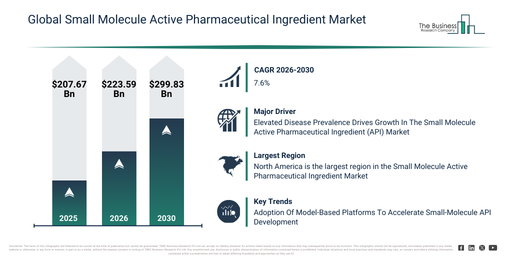
    The market for small molecule active pharmaceutical ingredients has experienced robust expansion in recent years. Projections indicate an increase from $207.67 billion in 2025 to $223.59 billion in 2026, reflecting a compound annual growth rate (CAGR) of 7.7%. This historical growth has been driven by several factors, including the rise in generic drug production, the expiration of patents for major blockbuster medications, a higher incidence of chronic illnesses, well-established chemical synthesis techniques, and the broadening of pharmaceutical manufacturing facilities across Asia.

    The market for small molecule active pharmaceutical ingredients is projected to experience robust expansion over the coming years, reaching $299.83 billion by 2030, with a compound annual growth rate (CAGR) of 7.6%. This anticipated growth during the forecast period stems from several key factors, including the increasing need for oncology and metabolic treatments, a rise in contract API manufacturing activities, progress in synthetic chemistry methods, a growing number of regulatory approvals for generic drugs, and the broadening of pharmaceutical development pipelines in emerging markets. Notable trends shaping this period encompass the proliferation of generic small molecule APIs, a shift towards greater outsourcing to contract manufacturing organizations, a heightened requirement for highly pure and potent APIs, efforts to refine processes for cost-efficient API production, and an intensified emphasis on meeting regulatory demands and upholding quality benchmarks.

    Download A Free Sample Report For Comprehensive Market Insights:

    https://www.thebusinessresearchcompany.com/sample.aspx?id=7948&type=smp&utm_source=BlogsPR&utm_medium=Paid&utm_campaign=Jul_PR

    Small Molecule Active Pharmaceutical Ingredient Market Growth Factors Supporting Long-Term Expansion

    The growing occurrence of illnesses is a significant factor fueling the expansion of the small molecule active pharmaceutical ingredient (API) market. An illness refers to an abnormal condition, involving a disruption in structure or function, that impacts a patient’s body. Active pharmaceutical ingredients (APIs) are the essential components within a pharmaceutical drug that generate the desired therapeutic effect on the body to address various health issues. As an example, in March 2023, data released by the American Society of Clinical Oncology (ASCO), a US-based professional body, estimated that over 12,000 individuals in the United States were diagnosed annually with neuroendocrine tumors. Moreover, around 171,000 people were living with this diagnosis during that year. Cardiovascular diseases have caused the deaths of 17.9 million individuals worldwide. Consequently, the rising frequency of diseases will remain a primary driver in the small molecule API market.

    Small Molecule Active Pharmaceutical Ingredient Market Segmentation Trends And Revenue Drivers

    The small molecule active pharmaceutical ingredient market covered in this report is segmented –

    1) By Type: Synthetic, Chemical, Biological

    2) By Therapeutic Type: Autoimmune Diseases, Oncology, Metabolic Diseases, Ophthalmology, Cardiovascular Diseases, Infectious Diseases, Neurology, Respiratory Disorders, Dermatology, Urology

    3) By Manufacturing Method: In-House, Contract

    4) By Application: Clinical, Commercial

    Subsegments:

    1) By Synthetic: Small Molecule Drugs, Generic Drugs

    2) By Chemical: Organic Compounds, Inorganic Compounds

    3) By Biological: Natural Products, Semi-Synthetic Compounds

    Small Molecule Active Pharmaceutical Ingredient Market Industry Trends Shaping Future Revenue Growth

    Key players within the small molecule active pharmaceutical ingredient (API) market are increasingly concentrating on introducing cutting-edge development platforms aimed at speeding up API process design, boosting overall efficiency, and shortening time-to-market. Such platforms are specifically designed to simplify early-stage development, enhance scalability, and facilitate robust, cost-effective API production. A notable example occurred in May 2025 when Lonza Group AG, a pharmaceutical manufacturing firm headquartered in Switzerland, unveiled its Design2Optimize Platform, which was created to streamline small molecule API development. This platform incorporates digital tools, data-driven process optimization, and advanced automation to expedite route scouting, strengthen process robustness, and cut down on development durations. Through its comprehensive optimization features, Design2Optimize™ aids drug developers in improving API quality, lowering risks, and achieving faster and more efficient scale-up for commercial manufacturing.

    Small Molecule Active Pharmaceutical Ingredient Market Industry Leaders: Which Organizations Are Driving Competition?

    Major companies operating in the small molecule active pharmaceutical ingredient market are Pfizer Inc., BASF SE, Roche Holding AG, F. Hoffmann-La Roche Limited, AbbVie Inc., Allergan plc, Bayer AG, Novartis AG, Sanofi SA, Bristol Myers Squibb Company, AstraZeneca plc, Glaxo Smith Kline plc, China Resources Pharmaceutical Group Limited, Takeda Pharmaceutical Company Limited, Eli Lilly and Company, Gilead Sciences Inc., Boehringer Ingelheim International GmbH, Merck KGaA, Viatris Inc., Teva Pharmaceutical Industries Limited, Johnson Matthey plc, Astellas Pharma Inc., Albemarle Corporation, Sun Pharmaceutical Industries Limited, Aurobindo Pharma Limited, Dr Reddy’s Laboratories Limited, Siegfried Holding AG, Albany Molecular Research Inc., Cipla Inc., Cambrex Corporation, Daiichi Sankyo Company Ltd., Eisai Co Ltd., Otsuka Holdings Co Ltd.

    Access The Complete Small Molecule Active Pharmaceutical Ingredient Market Report:

    https://www.thebusinessresearchcompany.com/report/small-molecule-active-pharmaceutical-ingredient-global-market-report?utm_source=BlogsPR&utm_medium=Paid&utm_campaign=Jul_PR

    Small Molecule Active Pharmaceutical Ingredient Market Geographic Landscape: Which Region Dominates Industry Growth?

    North America was the largest region in the small molecule active pharmaceutical ingredient market in 2025. Asia-Pacific is expected to be the fastest-growing region in the forecast period. The regions covered in the small molecule active pharmaceutical ingredient market report are Asia-Pacific, South East Asia, Western Europe, Eastern Europe, North America, South America, Middle East, Africa.

    Get in touch with us:

    The Business Research Company: https://www.thebusinessresearchcompany.com/?utm_source=BlogsPR&utm_medium=Paid&utm_campaign=home_page_test

    Americas: +1 310-496-7795

    Asia: +44 7882 955267 & +91 8897263534

    Europe: +44 7882 955267

    Email us at: marketing@tbrc.info

    Follow us on:

    LinkedIn: https://in.linkedin.com/company/the-business-research-company

    YouTube: https://www.youtube.com/channel/UC24_fI0rV8cR5DxlCpgmyFQ

    Global Market Model: https://www.thebusinessresearchcompany.com/global-market-model