Category: Pharmaceuticals

  • Male Hypogonadism Market Trends Are Creating New Opportunities For Industry Leaders

    Male Hypogonadism Market Trends Are Creating New Opportunities For Industry Leaders

    Through market attractiveness analysis, total addressable market evaluation, company benchmarking matrices, interactive Excel dashboards, expanded supply chain intelligence, emerging startup coverage, and detailed product insights, The Business Research Company’s 2026 market reports provide more actionable and strategically valuable research.

    Male Hypogonadism Market Size Outlook: How Fast Will Revenue Grow Through 2030?

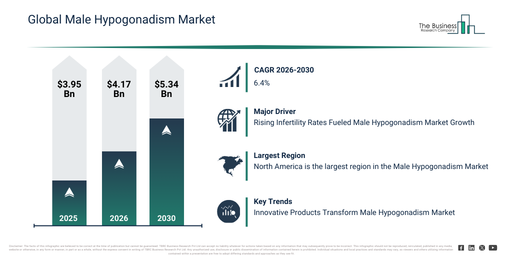
    The market for male hypogonadism has seen notable expansion in recent times, rising from $3.95 billion in 2025 to $4.17 billion in 2026, achieving a compound annual growth rate (CAGR) of 5.6%. This historical growth has been driven by factors such as the growing occurrence of hypogonadism, heightened awareness surrounding testosterone deficiency, an expanding elderly male demographic, progress made in hormone replacement treatments, and greater utilization of diagnostic testing by healthcare professionals.

    The male hypogonadism market is poised for significant expansion in the coming years, with projections indicating it will reach $5.34 billion by 2030, reflecting a compound annual growth rate (CAGR) of 6.4%. This anticipated growth during the forecast period is driven by several key factors, including the expansion of personalized medicine, the integration of artificial intelligence into diagnostic and treatment processes, the rise of telehealth services, a growing adoption of advanced drug delivery systems, and increased investments in male hormonal research. Notable trends shaping this period involve personalized testosterone therapies, the development of minimally invasive drug delivery methods, heightened awareness campaigns around male hormonal health, the incorporation of telemedicine into hormonal care, and the broadening of chronic disease management offerings.

    Download A Free Sample Report For Comprehensive Market Insights:

    https://www.thebusinessresearchcompany.com/sample.aspx?id=9969&type=smp&utm_source=BlogsPR&utm_medium=Paid&utm_campaign=Jul_PR

    Male Hypogonadism Market Growth Drivers And Industry Catalysts

    The rising prevalence of infertility is anticipated to drive expansion in the male hypogonadism market in the coming period. Infertility is defined as a disorder of the male or female reproductive system, marked by the failure to achieve pregnancy after 12 months or more of regular, unprotected intercourse. Male hypogonadism, a condition that often results in reduced sperm production and infertility, is recognized as a significant contributor to male infertility. Consequently, the growing incidence of male infertility is expected to fuel market growth for male hypogonadism treatments. For example, data from the Office for National Statistics, a UK government agency, published in February 2023, showed that 31.8% of all live births in England and Wales were to mothers born outside the UK, up from 30.3% in 2022. Additionally, 37.3% of live births involved at least one parent born outside the UK, an increase from 35.8% in 2022. Thus, the upward trend in infertility rates is propelling the male hypogonadism market forward.

    Male Hypogonadism Market Segment Landscape: Which Areas Lead Market Development?

    The male hypogonadism market covered in this report is segmented –

    1) By Type: Klinefelters Syndrome, Kallmann Syndrome, Pituitary Disorders, Other Types

    2) By Drug Delivery: Topical Gels, Injectables, Transdermal Patches, Other Drug Deliveries

    3) By Therapy: Testosterone Therapy, Gonadotropin-Releasing Hormone Therapy

    Subsegments:

    1) By Klinefelter’s Syndrome: 47,XXY Syndrome, Other Variants

    2) By Kallmann Syndrome: Isolated Kallmann Syndrome, Syndromic Kallmann Syndrome

    3) By Pituitary Disorders: Hypopituitarism, Pituitary Tumors, Other Pituitary Disorders

    4) By Other Types: Androgen Insensitivity Syndrome, Testicular Dysgenesis Syndrome, Genetic Mutations And Disorders

    Male Hypogonadism Market Trends Influencing Long-Term Demand

    Major players in the male hypogonadism industry are prioritizing the development of groundbreaking solutions, including digital forward platforms, to connect with patients via telemedicine, deliver educational materials, and facilitate easier treatment access. This approach is transforming the management of male hypogonadism, bolstering patient support, and improving the availability of therapies. As an example, in October 2024, LifeMD, Inc., an American virtual primary care provider, unveiled TestoRx, a direct-to-consumer testosterone replacement therapy telehealth service under its Rex MD men’s health brand. This program begins with an initial online consultation and necessary blood work, presents treatment options that range from testosterone replacement to alternative methods for stimulating natural hormone production, and continues with ongoing telehealth appointments and subsequent care.

    Male Hypogonadism Market Industry Leaders And Market Competition

    Major companies operating in the male hypogonadism market are Pfizer Inc., Bayer AG, Eli Lilly and Company Ltd., Endo International plc., Merck & Co. Inc., Teva Pharmaceutical Industries Ltd., AbbVie Inc., Perrigo Company plc, IBSA Institut Biochimique SA, Sun Pharmaceutical Industries Limited, Antares Pharma Inc., Besins Healthcare Ltd., Clarus Therapeutics Holdings Inc., Lipocine Inc., Myovant Sciences Ltd., Sandoz International GmbH, TherapeuticsMD Inc., Viking Therapeutics Inc., Shionogi & Co. Ltd., Ferring Pharmaceuticals

    Access The Complete Male Hypogonadism Market Report:

    https://www.thebusinessresearchcompany.com/report/male-hypogonadism-global-market-report?utm_source=BlogsPR&utm_medium=Paid&utm_campaign=Jul_PR

    Male Hypogonadism Market Largest Region By Revenue And Market Share

    North America was the largest region in the male hypogonadism market in 2025. Asia-Pacific is expected to be the fastest-growing region in the male hypogonadism market report during the forecast period. The regions covered in the male hypogonadism market report are Asia-Pacific, South East Asia, Western Europe, Eastern Europe, North America, South America, Middle East, Africa.

    Get in touch with us:

    The Business Research Company: https://www.thebusinessresearchcompany.com/?utm_source=BlogsPR&utm_medium=Paid&utm_campaign=home_page_test

    Americas: +1 310-496-7795

    Asia: +44 7882 955267 & +91 8897263534

    Europe: +44 7882 955267

    Email us at: marketing@tbrc.info

    Follow us on:

    LinkedIn: https://in.linkedin.com/company/the-business-research-company

    YouTube: https://www.youtube.com/channel/UC24_fI0rV8cR5DxlCpgmyFQ

    Global Market Model: https://www.thebusinessresearchcompany.com/global-market-model
  • Malaria Treatment Market Growth Is Reshaping Competitive Advantage Across The Industry

    Malaria Treatment Market Growth Is Reshaping Competitive Advantage Across The Industry

    Delivering more actionable and strategically valuable research, The Business Research Company’s 2026 market reports feature market attractiveness analysis, total addressable market evaluation, company benchmarking matrices, interactive Excel dashboards, expanded supply chain intelligence, emerging startup coverage, and detailed product insights.

    Malaria Treatment Market Size, Value And Growth Trends Through 2030

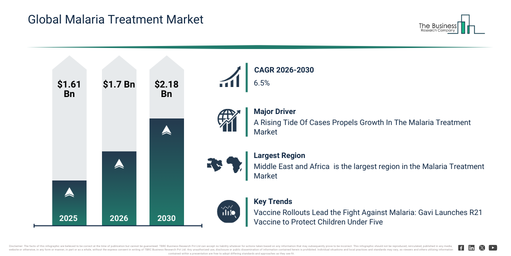
    The malaria treatment market experienced robust expansion over recent years. From $1.61 billion in 2025, it is projected to reach $1.7 billion in 2026, achieving a compound annual growth rate (CAGR) of 5.6%. The historic growth was driven by several key factors, including the high incidence of malaria across tropical areas, the extensive application of medications such as chloroquine and artemisinin, global health efforts like the WHO malaria initiatives, increased financial support for malaria-related research, and advancements in diagnostic technologies.

    The malaria treatment market is anticipated to experience substantial growth in the coming years, projected to reach $2.18 billion by 2030 at a compound annual growth rate (CAGR) of 6.5%. This expansion during the forecast period is driven by factors such as the development of novel antimalarial vaccines, an increase in drug-resistant malaria strains, the adoption of digital health monitoring systems, the enhancement of healthcare infrastructure in Africa and Asia, and the growth of public-private partnerships dedicated to malaria eradication. Key trends shaping the forecast period include the rapid adoption of diagnostic technologies, the expansion of the antimalarial drug pipeline, the advancement of vaccine development programs, heightened awareness and preventive efforts, and the integration of telemedicine into malaria management practices.

    Download A Free Sample Report For Comprehensive Market Insights:

    https://www.thebusinessresearchcompany.com/sample.aspx?id=11939&type=smp&utm_source=BlogsPR&utm_medium=Paid&utm_campaign=Jul_PR

    Malaria Treatment Market Opportunity Drivers: What Is Creating New Revenue Potential?

    The growing prevalence of malaria is anticipated to drive expansion in the malaria treatment sector moving forward. Malaria is a potentially fatal mosquito-borne illness stemming from the Plasmodium parasite, marked by recurrent fevers and flu-like symptoms. This trend has emerged due to factors such as poverty, poor access to healthcare, climate shifts, insufficient malaria prevention initiatives, and drug resistance. Malaria treatment plays a key role in managing and curing infections caused by the Plasmodium parasite. For example, in December 2024, the UK Health Security Agency—a UK-based government body—reported that imported malaria cases in the United Kingdom totaled 2,106 in 2023, a 26% increase from 2022, with England seeing 1,977 cases and the rest spread across Scotland, Wales, and Northern Ireland. Consequently, the high rate of malaria is fueling growth in the malaria treatment market.

    An escalation in healthcare spending is expected to drive forward the malaria treatment market in the coming period. Healthcare spending represents the total financial resources dedicated to the health sector within a given region, country, or organization. Investment in healthcare for malaria treatment is vital for effectively controlling and halting disease spread, while also guaranteeing access to timely diagnosis, antimalarial drugs, and preventive steps. As an illustration, in April 2025, the Office for National Statistics (ONS)—an independent UK-based producer of official data—indicated that total healthcare expenditure grew 6.5% in nominal terms and 2.4% in real terms between 2023 and 2024, with healthcare’s share of GDP remaining stable at 11.1% in 2024. Thus, rising healthcare spending is propelling the malaria treatment market’s growth.

    Malaria Treatment Market Segments: Where Are The Largest Growth Opportunities?

    The malaria treatment market covered in this report is segmented –

    1) By Treatment: Prescription Medications, Vaccines, Diagnostic Tests, Other Treatments

    2) By Route Of Administration: Oral, Parenteral, Intravenous

    3) By Distribution Channel: Direct Tender, Hospital Pharmacies, Retail Pharmacies, Online Pharmacies, Other Distribution Channels

    4) By End User: Hospitals, Specialty Clinics, Homecare, Other End Users

    Subsegments:

    1) By Prescription Medications: Antimalarial Drugs, Prophylactic Medications

    2) By Vaccines: RTS,S Or AS01, Other Experimental Vaccines

    3) By Diagnostic Tests: Rapid Diagnostic Tests, Microscopy-Based Tests, Polymerase Chain Reaction (PCR) Tests

    4) By Other Treatments: Supportive Care, Herbal Remedies, Vector Control Measures

    Malaria Treatment Market Innovation Trends Driving Future Development

    Leading players within the malaria treatment sector are concentrating on initiating vaccine distribution programs to bolster prevention initiatives and lessen the worldwide impact of malaria. Such a distribution effort—referred to as a vaccine rollout—involves the systematic dissemination and administration of vaccines to a population, often conducted on a broad scale. As an example, in July 2024, Gavi, a vaccine alliance headquartered in Sweden, started the rollout of the R21 malaria vaccine. This vaccine is anticipated to substantially lower the number of malaria infections in children under five years old. The introduction of the R21 malaria vaccine marks a notable achievement in public health endeavors to fight malaria among children, with aspirations that it will result in a considerable decrease in both the disease burden and mortality rates linked to this preventable illness.

    Malaria Treatment Market Major Participants And Competitive Dynamics

    Major companies operating in the malaria treatment market are Pfizer Inc., Merck & Co., Johnson & Johnson, Roche Holding AG, Bayer AG, Novartis AG, Sanofi SA, AstraZeneca Plc, GlaxoSmithKline PLC, Takeda Pharmaceutical Company Limited, Viatris Inc., Sun Pharmaceutical Industries Ltd., Serum Institute of India, Cipla Ltd., Amneal Pharmaceuticals LLC, Lupin Ltd., Zydus Lifesciences Limited, Ipca Laboratories Ltd., Chongqing Holley Pharmaceutical Co. Ltd., Strides Pharma Science Limited, AdvaCare Pharma USA LLC, Actiza Pharmaceutical Private Limited

    Access The Complete Malaria Treatment Market Report:

    https://www.thebusinessresearchcompany.com/report/malaria-treatment-global-market-report?utm_source=BlogsPR&utm_medium=Paid&utm_campaign=Jul_PR

    Malaria Treatment Market Regional Analysis And Leading Geography

    Middle East and Africa was the largest region in the malaria treatment market in 2025. Asia-Pacific is expected to be the fastest-growing region in the forecast period. The regions covered in the malaria treatment market report are Asia-Pacific, South East Asia, Western Europe, Eastern Europe, North America, South America, Middle East, Africa.

    Get in touch with us:

    The Business Research Company: https://www.thebusinessresearchcompany.com/?utm_source=BlogsPR&utm_medium=Paid&utm_campaign=home_page_test

    Americas: +1 310-496-7795

    Asia: +44 7882 955267 & +91 8897263534

    Europe: +44 7882 955267

    Email us at: marketing@tbrc.info

    Follow us on:

    LinkedIn: https://in.linkedin.com/company/the-business-research-company

    YouTube: https://www.youtube.com/channel/UC24_fI0rV8cR5DxlCpgmyFQ

    Global Market Model: https://www.thebusinessresearchcompany.com/global-market-model
  • Machine Learning (ML) in The Pharmaceutical Industry Market Forecast Signals New Revenue Opportunities Through 2030

    Machine Learning (ML) in The Pharmaceutical Industry Market Forecast Signals New Revenue Opportunities Through 2030

    Enhanced with market attractiveness analysis, total addressable market evaluation, company benchmarking matrices, interactive Excel dashboards, expanded supply chain intelligence, emerging startup coverage, and detailed product insights, The Business Research Company’s 2026 market reports deliver more actionable and strategically valuable research.

    Machine Learning (ML) in The Pharmaceutical Industry Market CAGR Analysis And Future Market Development

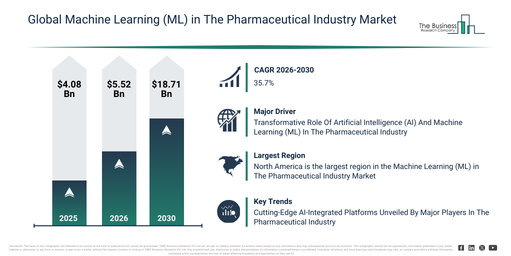
    The market size of machine learning (ML) in the pharmaceutical sector has expanded at an exponential rate in recent years. It is projected to increase from $4.08 billion in 2025 to $5.52 billion in 2026, reflecting a compound annual growth rate (CAGR) of 35.4%. This historical growth has been driven by factors such as higher research and development spending in pharmaceuticals, the integration of AI and ML into drug discovery processes, a growing incidence of chronic illnesses, progress in computational biology, and partnerships between pharmaceutical firms and technology companies.

    Over the coming years, the market for machine learning within the pharmaceutical industry is forecast to undergo rapid expansion. By 2030, it is projected to reach $18.71 billion, registering a compound annual growth rate of 35.7%. Several factors are driving this growth during the forecast period, including the increasing incorporation of artificial intelligence into clinical trials, the broadening scope of precision medicine, the growing application of real-world data analytics, progress in cloud-based pharmaceutical platforms, and the creation of personalized therapeutics. Key trends shaping the period ahead encompass predictive models for drug discovery, optimization of clinical trials, utilization of real-world evidence, adoption of personalized medicine, and automation of regulatory compliance.

    Download A Free Sample Report For Comprehensive Market Insights:

    https://www.thebusinessresearchcompany.com/sample.aspx?id=13872&type=smp&utm_source=BlogsPR&utm_medium=Paid&utm_campaign=Jul_PR

    Machine Learning (ML) in The Pharmaceutical Industry Market Growth Momentum: Which Factors Are Influencing Demand?

    The growing use of artificial intelligence (AI) is propelling machine learning (ML) forward within the pharmaceutical sector. AI refers to computer software that emulates human cognitive functions to execute intricate tasks like analysis, reasoning, and learning, whereas ML is a specialized branch of AI that relies on data-trained algorithms to generate models capable of handling complex operations. These technologies have already been applied to pharmaceutical innovation and drug delivery design, providing quicker solutions to difficult problems. They hold the promise of revolutionizing how drugs are delivered, improving decision-making instruments, and managing vast volumes of data to enable more efficient choices. For example, as reported by Forbes in June 2023, around 432,000 UK organizations—equivalent to one in six—have integrated at least one AI technology. Furthermore, AI adoption rates include 68% of large enterprises, 33% of medium-sized firms, and 15% of small businesses. Consequently, the rising prevalence of AI is expected to further accelerate ML adoption in the pharmaceutical industry.

    Machine Learning (ML) in The Pharmaceutical Industry Market Segment Analysis: What Are The Major Market Categories?

    The machine learning (ml) in the pharmaceutical industry market covered in this report is segmented –

    1) By Component: Solution, Services

    2) By Deployment: Cloud, On-premise

    3) By Enterprise Size: Small and Medium Enterprises (SMEs), Large Enterprises

    Subsegments:

    1) By Solution: Drug Discovery Platforms, Predictive Analytics Tools, Clinical Trial Optimization Solutions, Patient Data Management Systems, Personalized Medicine Applications

    2) By Services: Consulting Services, Implementation And Integration Services, Data Analysis And Modeling Services, Training And Support Services, Managed Services

    Machine Learning (ML) in The Pharmaceutical Industry Market Trends Reshaping Industry Growth

    Leading firms in the pharmaceutical machine learning (ML) sector are concentrating on creating intuitive software platforms—like drug discovery software—to enhance their ability to identify new drugs. Drug discovery software is an expansive category that includes various specialized tools and platforms employed during the identification and development of novel pharmaceutical compounds. As an example, in December 2023, Merck & Co. Inc., an American pharmaceutical corporation, unveiled the AIDDISON drug discovery software. This marks the first software-as-a-service solution that merges drug discovery and synthesis by leveraging generative AI, machine learning, and computer-aided drug design. With this platform, laboratories can identify suitable drug candidates within a vast chemical space, perform virtual screening of compounds drawn from a pool of over 60 billion chemical targets, and assess synthesis pathways to enable safer, more economical, and higher-yielding drug production.

    Machine Learning (ML) in The Pharmaceutical Industry Market Leading Companies Driving Competitive Growth

    Major companies operating in the machine learning (ml) in the pharmaceutical industry market are Amazon.com Inc., Alphabet Inc., Microsoft Corporation, Dell Technologies Inc., Hitachi Ltd., International Business Machines Corporation, Cisco Systems Inc., Oracle Corporation, Honeywell International Inc., Hewlett Packard Enterprise, NVIDIA Corporation, Thales SA, Atos SE, Hexagon AB, Palantir Technologies Inc., Alteryx Inc., Comet ML Inc., GAVS Technologies, NEC Corporation, Veritone Inc., H2O.ai Inc., Sparkcognition Inc., Akira AI, Deep Genomics Inc., Cloud Pharmaceuticals Inc., Atomwise Inc., Cyclica Inc., BioSymetrics Inc., Neptune Labs

    Access The Complete Machine Learning (ML) in The Pharmaceutical Industry Market Report:

    https://www.thebusinessresearchcompany.com/report/machine-learning-ml-in-the-pharmaceutical-industry-global-market-report?utm_source=BlogsPR&utm_medium=Paid&utm_campaign=Jul_PR

    Machine Learning (ML) in The Pharmaceutical Industry Market Geographic Analysis: Where Is Demand Growing The Fastest?

    North America was the largest region in the machine learning in the pharmaceutical industry market in 2025. Asia-Pacific is expected to be the fastest-growing region in the forecast period. The regions covered in the machine learning (ml) in the pharmaceutical industry market report are Asia-Pacific, South East Asia, Western Europe, Eastern Europe, North America, South America, Middle East, Africa.

    Get in touch with us:

    The Business Research Company: https://www.thebusinessresearchcompany.com/?utm_source=BlogsPR&utm_medium=Paid&utm_campaign=home_page_test

    Americas: +1 310-496-7795

    Asia: +44 7882 955267 & +91 8897263534

    Europe: +44 7882 955267

    Email us at: marketing@tbrc.info

    Follow us on:

    LinkedIn: https://in.linkedin.com/company/the-business-research-company

    YouTube: https://www.youtube.com/channel/UC24_fI0rV8cR5DxlCpgmyFQ

    Global Market Model: https://www.thebusinessresearchcompany.com/global-market-model
  • Lysosomal Enzyme Market Growth Is Accelerating As Industry Transformation Continues

    Lysosomal Enzyme Market Growth Is Accelerating As Industry Transformation Continues

    Through market attractiveness analysis, total addressable market evaluation, company benchmarking matrices, interactive Excel dashboards, expanded supply chain intelligence, emerging startup coverage, and detailed product insights, The Business Research Company’s 2026 market reports provide more actionable and strategically valuable research.

    Lysosomal Enzyme Market Expansion From $10.7 Billion In 2026 To $13.48 Billion In 2030

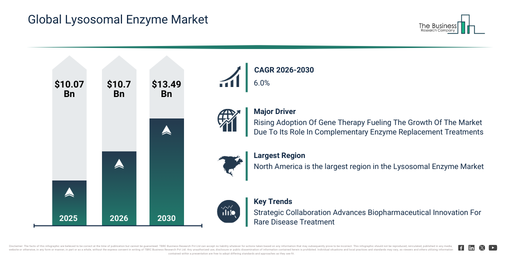
    The lysosomal enzyme market has seen robust expansion over recent years, with its valuation set to increase from $10.07 billion in 2025 to $10.7 billion in 2026, reflecting a compound annual growth rate (CAGR) of 6.3%. This historic growth has been driven by heightened awareness of lysosomal storage diseases, the implementation of orphan drug initiatives, genetic treatments administered in hospital settings, advancements in developing recombinant enzymes, and funding allocated for research into rare diseases.

    The lysosomal enzyme market is projected to experience robust expansion over the coming years, reaching an estimated value of $13.49 billion by 2030 with a compound annual growth rate (CAGR) of 6.0%. This upward trajectory during the forecast period is driven by factors such as the integration of gene therapy, the broadening of newborn screening programs, the development of personalized enzyme treatments, the scaling up of biopharmaceutical production, and global efforts targeting rare diseases. Key developments shaping this market include the widening application of enzyme replacement therapies, heightened attention on uncommon genetic disorders, growing investment in recombinant enzymes, progress in gene and enzyme therapy techniques, and improved detection rates for lysosomal conditions.

    Download A Free Sample Report For Comprehensive Market Insights:

    https://www.thebusinessresearchcompany.com/sample.aspx?id=24595&type=smp&utm_source=BlogsPR&utm_medium=Paid&utm_campaign=Jul_PR

    Lysosomal Enzyme Market Expansion Drivers: What Is Shaping Future Growth?

    The lysosomal enzymes market is set to benefit significantly from the growing acceptance of gene therapy in the coming years. Gene therapy, which involves modifying or replacing genes within cells to prevent or treat disease, is being adopted more widely due to progress in delivery vectors and evidence of sustained long-term benefits, establishing it as a viable and potentially curative approach for genetic conditions. In many cases, gene therapy necessitates initial or concurrent enzyme replacement treatments to control symptoms and keep patients stable while the therapy takes effect, thereby sustaining demand for lysosomal enzyme products. For example, the American Society of Gene & Cell Therapy, a non-profit based in the United States, reported in April 2024 that phase III clinical trials for gene therapy increased by 10% in 2023, marking the first quarterly growth since 2022. Consequently, this rising adoption of gene therapy is expected to drive forward the expansion of the lysosomal enzymes market.

    Lysosomal Enzyme Market Segment Breakdown: Which Categories Generate The Most Revenue?

    The lysosomal enzyme market covered in this report is segmented –

    1) By Type: Acid Alpha-Glucosidase, Acid Sphingomyelinase, Beta-Glucocerebrosidase, Hexosaminidase

    2) By Indication: Gaucher Disease, Mucopolysaccharidosis, Pompe Disease, Other Indications

    3) By Source: Recombinant Enzymes, Natural Enzymes, Synthetic Enzymes

    4) By Application: Enzyme Replacement Therapy, Research And Development, Diagnostics, Gene Therapy

    5) By End-Use: Hospitals, Diagnostic Laboratories, Research Institutions, Pharmaceutical Companies

    Subsegments:

    1) By Acid Alpha-Glucosidase: Pompe Disease Enzymes, Glycogen Storage Disease Type II Enzymes

    2) By Acid Sphingomyelinase: Niemann-Pick Disease Type A, Niemann-Pick Disease Type B

    3) By Beta-Glucocerebrosidase: Gaucher Disease Type I, Gaucher Disease Type II, Gaucher Disease Type III

    4) By Hexosaminidase: Tay-Sachs Disease Enzymes, Sandhoff Disease Enzymes

    Lysosomal Enzyme Market Strategic Trends: What Is Defining The Next Phase Of Growth?

    Key players in the lysosomal enzymes market are emphasizing strategic partnerships as a means to broaden diagnostic capabilities and expedite the creation of innovative treatments. Such partnerships involve collaborative arrangements where two or more entities pool their resources or expertise to achieve shared objectives and bolster their market position. For example, in February 2024, a biotechnology firm headquartered in Spain joined forces with Biosidus, a biotechnology enterprise based in Argentina, to produce the active enzyme ingredient Agalsidase Beta. This collaboration represents a notable step forward in the development and production of therapies for uncommon diseases, especially Fabry disease, which arises from lysosomal enzyme insufficiency. It also signifies a regional achievement in addressing rare disorders and underscores the dedication of these organizations to global health and accessible biopharmaceutical progress.

    Lysosomal Enzyme Market Key Players And Strategic Industry Positioning

    Major companies operating in the lysosomal enzyme market are Sanofi SA, BioMarin Pharmaceutical Inc., Amicus Therapeutics Inc., JCR Pharmaceuticals Co. Ltd., Protalix BioTherapeutics Inc., Takeda Rare Diseases (Shire), Ultragenyx Pharmaceutical Inc., Orchard Therapeutics plc, Sangamo Therapeutics Inc., Avrobio Inc., Greenovation Biotech GmbH, Chiesi Global Rare Diseases, GC Pharma, Pfizer Rare Disease (through Spark & partnered LSD programs), Idorsia Pharmaceuticals Ltd., Abeona Therapeutics Inc., Selecta Biosciences Inc., Denali Therapeutics Inc., Passage Bio Inc., Freeline Therapeutics plc, REGENXBIO Inc., Homology Medicines Inc., LogicBio Therapeutics Inc., Allievex Corporation, Reneo Pharmaceuticals Inc., Lysogene SAS, Sio Gene Therapies Inc., Anika Therapeutics Inc., ArmaGen Inc., PerkinElmer Inc., Thermo Fisher Scientific Inc., Merck KGaA (MilliporeSigma), Agilent Technologies Inc.,

    Access The Complete Lysosomal Enzyme Market Report:

    https://www.thebusinessresearchcompany.com/report/lysosomal-enzyme-global-market-report?utm_source=BlogsPR&utm_medium=Paid&utm_campaign=Jul_PR

    Lysosomal Enzyme Market Global Footprint: Which Region Holds Market Leadership?

    North America was the largest region in the lysosomal enzymes market in 2025. Asia-Pacific is expected to be the fastest-growing region in the forecast period. The regions covered in the lysosomal enzyme market report are Asia-Pacific, South East Asia, Western Europe, Eastern Europe, North America, South America, Middle East, Africa.

    Get in touch with us:

    The Business Research Company: https://www.thebusinessresearchcompany.com/?utm_source=BlogsPR&utm_medium=Paid&utm_campaign=home_page_test

    Americas: +1 310-496-7795

    Asia: +44 7882 955267 & +91 8897263534

    Europe: +44 7882 955267

    Email us at: marketing@tbrc.info

    Follow us on:

    LinkedIn: https://in.linkedin.com/company/the-business-research-company

    YouTube: https://www.youtube.com/channel/UC24_fI0rV8cR5DxlCpgmyFQ

    Global Market Model: https://www.thebusinessresearchcompany.com/global-market-model

  • Lysosomal Disease Treatment Market Outlook Highlights The Next Major Growth Opportunities

    Lysosomal Disease Treatment Market Outlook Highlights The Next Major Growth Opportunities

    Delivering more actionable and strategically valuable research, The Business Research Company’s 2026 market reports feature market attractiveness analysis, total addressable market evaluation, company benchmarking matrices, interactive Excel dashboards, expanded supply chain intelligence, emerging startup coverage, and detailed product insights.

    Lysosomal Disease Treatment Market Forecast Highlighting Growth From $10.55 Billion To $14.72 Billion

    Recent years have witnessed substantial expansion in the market for lysosomal disease treatments. Projected growth will see it rise from $9.79 billion in 2025 to $10.56 billion in 2026, achieving a compound annual growth rate (CAGR) of 7.9%. This historical period’s expansion is driven by progress in enzyme replacement therapies, heightened awareness around lysosomal storage disorders, the development of pediatric care facilities, governmental backing for rare disease research, and the advent of advanced diagnostic tools.

    Strong expansion is anticipated in the lysosomal disease treatment market in the coming years, with projections indicating a rise to $14.73 billion by 2030, representing a compound annual growth rate (CAGR) of 8.7%. This forecasted growth is driven by factors such as the broadening of personalized medicine, the increasing uptake of gene therapy, heightened biotechnology investments, improvements in healthcare infrastructure within emerging markets, and partnerships focused on developing drugs for rare diseases. Key trends shaping this period encompass the creation of targeted enzyme replacement therapies, enhanced diagnostic tools for rare diseases, the growth of treatment initiatives for both pediatric and adult populations, the advancement of personalized and precision medicine strategies, and a rise in collaborative efforts between pharmaceutical companies and research institutions.

    Download A Free Sample Report For Comprehensive Market Insights:

    https://www.thebusinessresearchcompany.com/sample.aspx?id=10482&type=smp&utm_source=BlogsPR&utm_medium=Paid&utm_campaign=Jul_PR

    Lysosomal Disease Treatment Market Development Factors: Which Trends Are Supporting Demand?

    The expansion of diagnostic activities is anticipated to drive the lysosomal disease treatment market forward. These activities encompass systematic procedures and assessments designed to detect and evaluate disorders, conditions, or diseases in people or systems, typically involving data collection and analysis to guide decision-making and therapeutic approaches. Key factors fueling this expansion include improvements in medical technology, a growing incidence of chronic conditions, heightened demand for preventive care, increased health awareness and education, and supportive governmental policies and healthcare funding. As diagnostic methods grow more advanced, healthcare professionals can pinpoint lysosomal diseases with greater precision, leading to heightened investment in targeted therapies and interventions. For example, in May 2023, the National Health Service (NHS), a UK public healthcare provider, reported that 2,302,400 diagnostic tests were administered in March 2023, representing a rise of 223,100 from March 2022. By the end of March 2023, the number of patients awaiting a key diagnostic test stood at 1,628,300, an increase of 59,400 compared to March 2022. Consequently, the upsurge in diagnostic activities is propelling the lysosomal disease treatment market.

    Lysosomal Disease Treatment Market Segmentation: How Is The Market Structured Across Key Categories?

    The lysosomal disease treatment market covered in this report is segmented –

    1) By Disease Type: Mucopolysaccharidosis, Pompe Syndrome, Fabry Diseases, Gaucher’s Disease, Other Disease Types

    2) By Therapy: Substrate Reduction Therapy, Stem Cell Therapy, Enzyme Replacement Therapy, Other Therapies

    3) By Route Of Administration: Oral, Parenteral, Other Routes Of Administration

    4) By End User: Hospitals, Specialty Clinics, Homecare, Other End Users

    Subsegments:

    1) By Mucopolysaccharidosis: MPS I (Hurler Syndrome), MPS II (Hunter Syndrome), MPS III (Sanfilippo Syndrome), MPS IV (Morquio Syndrome), MPS VI (Maroteaux-Lamy Syndrome), MPS VII (Sly Syndrome)

    2) By Pompe Syndrome: Late-Onset Pompe Disease, Infantile-Onset Pompe Disease

    3) By Fabry Disease: Classic Fabry Disease, Late-Onset Fabry Disease

    4) By Gaucher’s Disease: Type 1 Gaucher Disease, Type 2 Gaucher Disease, Type 3 Gaucher Disease

    5) By Other Disease Types: Niemann-Pick Disease, Krabbe Disease, Tay-Sachs Disease

    Lysosomal Disease Treatment Market Transformation Trends: Which Innovations Are Driving Change?

    Leading players in the lysosomal disease treatment space are placing a strong emphasis on evolving their research and technological capabilities to solidify their market presence. Such progress denotes the ongoing improvements in both scientific investigation and technical tools over time. As an illustration, in September 2023, Amicus Therapeutics, a biopharmaceutical firm based in the United States, shared news that the U.S. Food and Drug Administration (FDA) had granted approval for Pombiliti (cipaglucosidase alfa-atga) used alongside Opfolda (miglustat) 65mg capsules to treat adults diagnosed with late-onset Pompe disease (LOPD). This combination therapy comprises two components: cipaglucosidase alfa-atga, a bis-M6P-enriched rhGAA that enhances high-affinity uptake via the M6P receptor, and miglustat, an oral enzyme stabilizer engineered to diminish the loss of enzyme activity within the bloodstream.

    Lysosomal Disease Treatment Market Competitive Landscape And Leading Companies

    Major companies operating in the lysosomal disease treatment market are Eli Lilly and Company, Takeda Pharmaceutical Company Limited, Sanofi SA, Pfizer Inc., Novartis International AG, Johnson & Johnson Services Inc., Alexion Pharmaceuticals Inc., Amicus Therapeutics Inc., Actelion Pharmaceuticals Ltd., Sigilon Therapeutics Inc., BioMarin Pharmaceutical Inc., Merck & Co Inc., AstraZeneca PLC, Astellas Pharma Inc., Horizon Therapeutics plc, Leadient Biosciences Inc., Orphazyme A/S, Recordati Industria Chimica e Farmaceutica S.p.A., Valerion Therapeutics Llc, Viatris Inc., Chiese Farmaceutici SpA, Genzyme Corporation, Ultragenyx Pharmaceutical Inc., Sangamo Therapeutics Inc., Avrobio Inc., Axovant Gene Therapies Ltd., Regenxbio Inc., Krystal Biotech Inc., Homology Medicines Inc., Orchard Therapeutics plc, Sarepta Therapeutics Inc., Solid Biosciences Inc.

    Access The Complete Lysosomal Disease Treatment Market Report:

    https://www.thebusinessresearchcompany.com/report/lysosomal-disease-treatment-global-market-report?utm_source=BlogsPR&utm_medium=Paid&utm_campaign=Jul_PR

    Lysosomal Disease Treatment Market Regional Distribution: Which Areas Drive Market Expansion?

    North America was the largest region in the lysosomal disease treatment market in 2025. Europe is expected to be the fastest-growing region in the global lysosomal disease treatment market report during the forecast period. The regions covered in the lysosomal disease treatment market report are Asia-Pacific, South East Asia, Western Europe, Eastern Europe, North America, South America, Middle East, Africa.

    Get in touch with us:

    The Business Research Company: https://www.thebusinessresearchcompany.com/?utm_source=BlogsPR&utm_medium=Paid&utm_campaign=home_page_test

    Americas: +1 310-496-7795

    Asia: +44 7882 955267 & +91 8897263534

    Europe: +44 7882 955267

    Email us at: marketing@tbrc.info

    Follow us on:

    LinkedIn: https://in.linkedin.com/company/the-business-research-company

    YouTube: https://www.youtube.com/channel/UC24_fI0rV8cR5DxlCpgmyFQ

    Global Market Model: https://www.thebusinessresearchcompany.com/global-market-model
  • Lyophilized Injectable Drugs Market Trends And Growth Drivers Point To Strong Future Potential

    Lyophilized Injectable Drugs Market Trends And Growth Drivers Point To Strong Future Potential

    Enhanced with market attractiveness analysis, total addressable market evaluation, company benchmarking matrices, interactive Excel dashboards, expanded supply chain intelligence, emerging startup coverage, and detailed product insights, The Business Research Company’s 2026 market reports deliver more actionable and strategically valuable research.

    Lyophilized Injectable Drugs Market Revenue Growth Supported By A CAGR Of 4.86% Through 2030

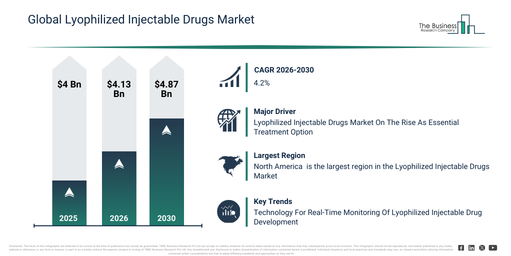
    The market for lyophilized injectable drugs has experienced consistent expansion over the past few years. Valued at $4 billion in 2025, it is projected to reach $4.13 billion by 2026, reflecting a compound annual growth rate (CAGR) of 3.4%. This historical growth has been driven by several factors, including a rising incidence of chronic conditions, progress in freeze-drying technologies, greater awareness of injectable medications, improvements in hospital and clinic facilities, and an increasing need for formulations that remain stable over time.

    The market for lyophilized injectable drugs is projected to experience consistent expansion over the coming years. By 2030, its value is anticipated to reach $4.87 billion, reflecting a compound annual growth rate (CAGR) of 4.2%. This forecasted growth is driven by several factors, including the increasing prevalence of biologics and specialty pharmaceuticals, the rising use of single-use vials and dual-chamber systems, expansion into emerging markets, the incorporation of smart packaging technologies, and ongoing advancements in reconstitution devices. Key trends shaping this period involve cutting-edge drug stabilization methods, solutions designed to improve patient adherence, novel formulation approaches, optimized cold chain logistics, and the development of devices enabling faster reconstitution.

    Download A Free Sample Report For Comprehensive Market Insights:

    https://www.thebusinessresearchcompany.com/sample.aspx?id=11896&type=smp&utm_source=BlogsPR&utm_medium=Paid&utm_campaign=Jul_PR

    Lyophilized Injectable Drugs Market Industry Drivers: What Is Driving Revenue Growth?

    A growing number of cardiac conditions is anticipated to drive forward the expansion of the lyophilized injectable drugs market. These disorders encompass a broad spectrum of ailments impacting the heart’s structure and functionality, including its valves, chambers, blood vessels, electrical system, and overall pumping capacity. Medications formulated as lyophilized injectables, such as thrombolytics, antiarrhythmics, inotropes, and antihypertensives, are employed in managing various heart diseases because they offer advantages like stability, convenience, flexibility, swift reconstitution, enhanced bioavailability, and a lowered contamination risk. As an example, data from the British Heart Foundation—a cardiovascular research charity based in the UK—released in September 2024 indicates that roughly 7.6 million individuals in Britain are affected by heart and circulatory conditions, with approximately 4 million men and 3.6 million women living with these ailments. These illnesses account for nearly 27% of all fatalities in the UK, resulting in over 170,000 deaths each year, which equates to about 480 daily deaths or one death every three minutes. Consequently, the rising prevalence of cardiac disorders is fueling growth in the lyophilized injectable drugs market throughout the projected period.

    Lyophilized Injectable Drugs Market Segmentation Trends And Revenue Drivers

    The lyophilized injectable drugs market covered in this report is segmented –

    1) By Packaging Type: Specialty Packaging, Point-Of-Care Reconstitution, Single-Use Vials, Other Packaging Types

    2) By Type of Delivery: Single-Step Devices, Multi-Step Devices, Prefilled Diluent Syringes, Proprietary Reconstitution Devices

    3) By Indication: Infectious Diseases, Autoimmune Diseases, Metabolic Conditions, Other Indications

    4) By End-User: Hospitals, Ambulatory Surgery Centers (ASCs), Specialty Clinics, Other End-Users

    Subsegments:

    1) By Specialty Packaging: Dual-Chamber Systems, Prefilled Syringes

    2) By Point-Of-Care Reconstitution: Portable Reconstitution Devices, Ready-To-Use Kits

    3) By Single-Use Vials: Glass Vials, Plastic Vials

    4) By Other Packaging Types: Multi-Dose Vials, Blister Packs, Bulk Packaging Solutions

    Lyophilized Injectable Drugs Market Growth Trends: What Is Influencing The Future Outlook?

    Leading players in the lyophilized injectable drug sector are concentrating on cutting-edge innovations like non-invasive methods to advance their product offerings. Non-invasive technology encompasses techniques or tools that collect data or execute functions without penetrating the skin or entering a body cavity. As an example, in October 2023, COMSER Pharma, a Spain-based firm specializing in compliance services and freeze-dried pharmaceutical solutions, introduced LyoFlow, a groundbreaking technology created for producing lyophilized injectable drugs. LyoFlow represents a transformative solution that enables real-time, non-invasive measurement of the mass flow during a freeze-drying process. It seamlessly integrates with any lyophilization equipment and facilitates ongoing quality monitoring of the product throughout the procedure.

    Lyophilized Injectable Drugs Market Industry Leaders: Which Organizations Are Driving Competition?

    Major companies operating in the lyophilized injectable drugs market are Pfizer Inc., Hoffmann-La Roche Ltd, Merck & Co Inc., Sanofi SA, Novo Nordisk A/S, Becton Dickinson and Company, Baxter International Inc., Sandoz, Nipro Corporation, B. Braun SE, Aurobindo Pharmaceuticals, Schott AG, Zydus Lifesciences, Recipharm AB, Vetter Pharma-Fertigung GmbH & Co. KG, Fresenius Kabi USA LLC, CordenPharma International, Aristopharma Limited., Accord Healthcare, Jubilant HollisterStier LLC, Ciron Drugs & Pharmaceuticals Pvt Ltd., MSN Laboratories, Qilu pharmaceutical Co Ltd., Genex Pharma

    Access The Complete Lyophilized Injectable Drugs Market Report:

    https://www.thebusinessresearchcompany.com/report/lyophilized-injectable-drugs-global-market-report?utm_source=BlogsPR&utm_medium=Paid&utm_campaign=Jul_PR

    Lyophilized Injectable Drugs Market Leading Geography: Which Region Generates The Most Revenue?

    North America was the largest region in the lyophilized injectable drugs market in 2025. Asia-Pacific is expected to be the fastest-growing region in the forecast period. The regions covered in the lyophilized injectable drugs market report are Asia-Pacific, South East Asia, Western Europe, Eastern Europe, North America, South America, Middle East, Africa.

    Get in touch with us:

    The Business Research Company: https://www.thebusinessresearchcompany.com/?utm_source=BlogsPR&utm_medium=Paid&utm_campaign=home_page_test

    Americas: +1 310-496-7795

    Asia: +44 7882 955267 & +91 8897263534

    Europe: +44 7882 955267

    Email us at: marketing@tbrc.info

    Follow us on:

    LinkedIn: https://in.linkedin.com/company/the-business-research-company

    YouTube: https://www.youtube.com/channel/UC24_fI0rV8cR5DxlCpgmyFQ

    Global Market Model: https://www.thebusinessresearchcompany.com/global-market-model
  • Lymphocyte Activating Gene 3 (LAG3) Antibody Market Expansion Is Reshaping Competitive Dynamics Across The Industry

    Lymphocyte Activating Gene 3 (LAG3) Antibody Market Expansion Is Reshaping Competitive Dynamics Across The Industry

    Through market attractiveness analysis, total addressable market evaluation, company benchmarking matrices, interactive Excel dashboards, expanded supply chain intelligence, emerging startup coverage, and detailed product insights, The Business Research Company’s 2026 market reports provide more actionable and strategically valuable research.

    Lymphocyte Activating Gene 3 (LAG3) Antibody Market Value Expansion And Long-Term Growth Outlook

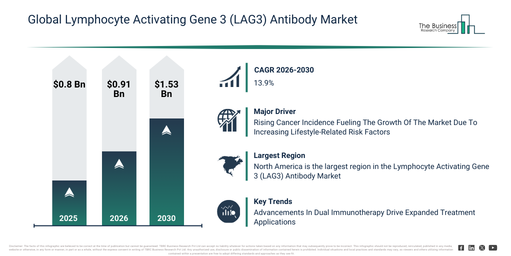
    The market for lymphocyte activation gene 3 (LAG-3) antibodies has experienced rapid expansion in recent years. Projections indicate an increase from $0.8 billion in 2025 to $0.91 billion in 2026, reflecting a compound annual growth rate (CAGR) of 13.8%. This historical growth has been driven by factors such as the scarce supply of LAG-3 antibodies, a dependence on conventional monoclonal antibody treatments, a broader oncology pipeline, heightened academic and clinical research activities, and regulatory approvals granted for early-phase antibodies.

    The lymphocyte activating gene 3 (lag3) antibody market is anticipated to experience swift expansion in the coming years, reaching a value of $1.53 billion by 2030, driven by a compound annual growth rate (CAGR) of 13.9%. This projected growth during the forecast period is fueled by the creation of bispecific and tandem scfv antibodies, a widening array of combination immunotherapies, higher utilization in treating autoimmune and infectious diseases, increased funding for clinical trials and research and development, and integration into personalized and precision medicine strategies. Key trends defining this period encompass a growing use of lag3 antibodies in cancer immunotherapy, the emergence of combination therapies alongside other immune checkpoint inhibitors, a greater emphasis on applications for autoimmune conditions, an expansion of clinical trials targeting infectious diseases, and progress in humanized and bispecific antibody platforms.

    Download A Free Sample Report For Comprehensive Market Insights:

    https://www.thebusinessresearchcompany.com/sample.aspx?id=27332&type=smp&utm_source=BlogsPR&utm_medium=Paid&utm_campaign=Jul_PR

    #Lymphocyte Activating Gene 3 (LAG3) Antibody Market Growth Factors: Which Forces Are Supporting Market Expansion?

    The increasing occurrence of cancer is anticipated to drive forward the market for lymphocyte activating gene 3 (LAG3) antibodies. Cancer incidence describes the count of fresh cancer diagnoses within a particular population over a specified timeframe. This rate is climbing due to lifestyle factors like unhealthy eating, smoking, alcohol use, and exposure to environmental contaminants, which heighten the likelihood of developing multiple cancers. LAG3 antibodies work in cancer therapy by reactivating exhausted T cells, thereby boosting the immune system’s capacity to attack tumors. They enhance treatment effectiveness by strengthening anti-tumor responses, providing renewed optimism for individuals with advanced-stage cancers. As an example, in January 2024, the American Cancer Society, a nonprofit cancer support organization based in the US, reported that new cancer cases rose to 2,001,140 from 1,958,310 in 2023, a 2.19% increase. Consequently, the escalating cancer incidence is fueling expansion in the lymphocyte activating gene 3 (LAG3) antibody market.

    Lymphocyte Activating Gene 3 (LAG3) Antibody Market Segment Analysis Highlighting Growth Areas

    The lymphocyte activating gene 3 (lag3) antibody market covered in this report is segmented –

    1) By Type Of Antibodies: Monoclonal Antibody, Polyclonal Antibody, Bispecific Antibodies

    2) By Drug Class: Monotherapy, Combination Therapy

    3) By Mechanism Of Action: Immune Checkpoint Inhibitors, Immunomodulatory Antibodies, Co-Stimulatory Antibodies

    4) By Application: Cancer Immunotherapy, Autoimmune Diseases, Infectious Diseases

    5) By End-User: Pharmaceutical And Biotechnology Companies, Academic Research Institutions, Diagnostic Laboratories

    Subsegments:

    1) By Monoclonal Antibody: Human Monoclonal Antibody, Humanized Monoclonal Antibody, Chimeric Monoclonal Antibody

    2) By Polyclonal Antibody: Rabbit Polyclonal Antibody, Goat Polyclonal Antibody, Mouse Polyclonal Antibody, Donkey Polyclonal Antibody

    3) By Bispecific Antibodies: Tandem ScFv Based Bispecific Antibody, Dual Variable Domain Based Bispecific Antibody, Bispecific T Cell Engager, Immunoglobulin G such as Bispecific Antibody

    Lymphocyte Activating Gene 3 (LAG3) Antibody Market Industry Trends: What Changes Are Reshaping Demand?

    Key players in the Lymphocyte Activating Gene 3 (LAG3) Antibody market are intensively pursuing clinical trials to create advanced products like next-generation monoclonal antibodies, aimed at improving anti-tumor immune activation and overcoming resistance to existing immunotherapy approaches. These next-generation monoclonal antibodies are sophisticated, engineered therapeutic agents specifically designed to target immune markers such as LAG-3 with improved precision, stability, and functional effectiveness, thereby enhancing T-cell activation and anti-tumor reactions while addressing limitations encountered with earlier antibody treatments. A notable example occurred in February 2025, when Bristol-Myers Squibb Company, an American biopharmaceutical firm, released updates regarding its fixed-dose combination drug Opdualag, which combines nivolumab and relatlimab-rmbw. This therapy represents a pioneering dual immunotherapy featuring the LAG-3-blocking antibody relatlimab along with the PD-1 inhibitor nivolumab. Opdualag consists of a humanized IgG4 monoclonal LAG-3 antibody (relatlimab) paired with a PD-1 inhibitor (nivolumab), administered intravenously every four weeks. Its mechanism of action involves blocking both the LAG-3-ligand interaction to prevent T-cell exhaustion and the PD-1-ligand binding, thus promoting T-cell proliferation and cytokine secretion more effectively than PD-1 monotherapy. Distinctive characteristics include its fixed-dose formulation at 480 mg of nivolumab and 160 mg of relatlimab, coupled with its designation as the first approved treatment targeting LAG-3 in combination. Its applications extend to adult and pediatric patients aged 12 years and older with unresectable or metastatic melanoma, offering improved progression-free survival compared to traditional PD-1 inhibitor therapy alone.

    Lymphocyte Activating Gene 3 (LAG3) Antibody Market Leading Companies: Who Holds Significant Market Presence?

    Major companies operating in the lymphocyte activating gene 3 (lag3) antibody market are F. Hoffmann-La Roche Ltd., Merck & Co. Inc., Novartis AG, Bristol-Myers Squibb Company, Regeneron Pharmaceuticals Inc., Daiichi Sankyo Company Limited, Ono Pharmaceutical Co. Ltd., Xencor Inc., Innovent Biologics Inc., Zai Lab Limited, MacroGenics Inc., Akeso Inc., Agenus Inc., Alphamab Oncology, AnaptysBio Inc., Crescendo Biologics Ltd., EpimAb Biotherapeutics Inc., Shanghai Henlius Biotech Inc., Immutep Limited

    Access The Complete Lymphocyte Activating Gene 3 (LAG3) Antibody Market Report:

    https://www.thebusinessresearchcompany.com/report/lymphocyte-activating-gene-3-lag3-antibody-global-market-report?utm_source=BlogsPR&utm_medium=Paid&utm_campaign=Jul_PR

    Lymphocyte Activating Gene 3 (LAG3) Antibody Market Regional Outlook: Where Are The Largest Opportunities Located?

    North America was the largest region in the lymphocyte activating gene 3 (LAG3) antibody market in 2025. Asia-Pacific is expected to be the fastest-growing region in the forecast period. The regions covered in the lymphocyte activating gene 3 (lag3) antibody market report are Asia-Pacific, South East Asia, Western Europe, Eastern Europe, North America, South America, Middle East, Africa.

    Get in touch with us:

    The Business Research Company: https://www.thebusinessresearchcompany.com/?utm_source=BlogsPR&utm_medium=Paid&utm_campaign=home_page_test

    Americas: +1 310-496-7795

    Asia: +44 7882 955267 & +91 8897263534

    Europe: +44 7882 955267

    Email us at: marketing@tbrc.info

    Follow us on:

    LinkedIn: https://in.linkedin.com/company/the-business-research-company

    YouTube: https://www.youtube.com/channel/UC24_fI0rV8cR5DxlCpgmyFQ

    Global Market Model: https://www.thebusinessresearchcompany.com/global-market-model
  • Lyme Disease Vaccine Market Forecast Reveals Where Future Industry Value Will Be Created

    Lyme Disease Vaccine Market Forecast Reveals Where Future Industry Value Will Be Created

    Delivering more actionable and strategically valuable research, The Business Research Company’s 2026 market reports feature market attractiveness analysis, total addressable market evaluation, company benchmarking matrices, interactive Excel dashboards, expanded supply chain intelligence, emerging startup coverage, and detailed product insights.

    Lyme Disease Vaccine Market Expected To Reach $1.57 Billion By 2030 At 7% CAGR

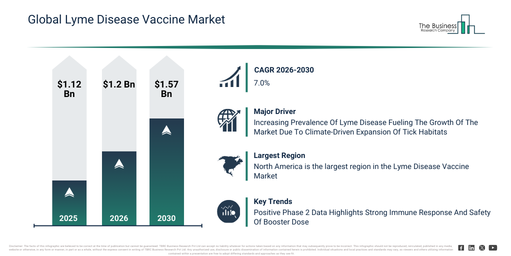
    The lyme disease vaccine market has experienced robust expansion in recent years, with projections indicating an increase from $1.12 billion in 2025 to $1.2 billion in 2026, representing a compound annual growth rate (CAGR) of 7.3%. This historic growth was driven by a rising number of lyme disease cases in endemic areas, the recognized shortcomings of relying solely on antibiotics for treatment, early-phase vaccine development efforts, heightened public understanding of tick-borne illnesses, and enhanced disease monitoring through public health systems.

    The market for Lyme disease vaccines is projected to experience robust expansion over the coming years, reaching a valuation of $1.57 billion by 2030, driven by a compound annual growth rate (CAGR) of 7.0%. Several factors are fueling this anticipated growth during the forecast period, including the broadening of vaccination initiatives within high-risk regions, heightened funding allocated to combatting infectious diseases, the development of state-of-the-art vaccine technologies, a greater uptake of combination vaccines, and an intensified worldwide emphasis on the management of zoonotic diseases. Key developments shaping the industry during this timeframe encompass progress in recombinant vaccine platforms, a stronger push toward preventive immunization strategies, expanded clinical studies targeting tick-borne illnesses, a heightened focus on achieving durable immune responses, and enhanced partnerships between public health bodies and private sector organizations.

    Download A Free Sample Report For Comprehensive Market Insights:

    https://www.thebusinessresearchcompany.com/sample.aspx?id=30317&type=smp&utm_source=BlogsPR&utm_medium=Paid&utm_campaign=Jul_PR

    Lyme Disease Vaccine Market Demand Drivers: What Is Fueling Industry Growth?

    The growing number of Lyme disease cases is anticipated to drive forward the expansion of the Lyme disease vaccine market. This illness, transmitted by ticks and caused by Borrelia bacteria, manifests with symptoms such as fever, tiredness, and skin rashes, and can result in severe complications affecting the joints, heart, or nervous system if left untreated. The rise in incidence is linked to climate change, with warmer temperatures and milder winters extending tick habitats and boosting human contact with infected ticks. These vaccines protect against the disease by teaching the immune system to identify and combat Borrelia bacteria, thereby lowering the infection risk. They make disease management easier by offering lasting immunity and enhancing public health results. To illustrate, as per the Centers for Disease Control and Prevention, a US federal health agency, in March 2025, around 89,000 Lyme disease cases were documented in the United States in 2023, though other estimation methods suggest that close to 476,000 individuals may receive a diagnosis and treatment for the disease each year. Consequently, the rising prevalence of Lyme disease is fueling the growth of the market for its vaccines.

    The upward trend in healthcare spending is set to boost the advancement of the Lyme disease vaccine market going forward. Healthcare expenditure encompasses all funds allocated to medical care, therapies, facilities, research, and public health programs aimed at sustaining or enhancing health. This spending increase is driven by the growing occurrence of chronic conditions that demand extended and expensive care. Higher healthcare costs benefit Lyme disease vaccine development by channeling more resources into research and clinical trials, which speeds up innovation and manufacturing. They also enable better vaccine technologies, improving availability and efficacy for groups at risk. For instance, the Office for National Statistics, a UK government agency, reported in May 2024 that total healthcare expenditure grew by 5.6% in nominal terms in 2023, marking a 0.9% increase compared to 2022. Thus, the rise in healthcare expenditure is propelling the growth of the Lyme disease vaccine market.

    Lyme Disease Vaccine Market Segment Performance And Strategic Opportunities

    The lyme disease vaccine market covered in this report is segmented –

    1) By Vaccine Type: Recombinant Vaccines, Subunit Vaccines, Live Attenuated Vaccines, Other Vaccine Types

    2) By Technology: Lymphocytic Transformation Test, Urine Antigen Testing, Immunofluorescent Staining Nucleic Acid Test, Serological Test

    3) By Age Group: Pediatric, Adult, Geriatric

    4) By Distribution Channel: Hospitals And Clinics, Pharmacies, Government Supply, Other Distribution Channels

    5) By End User: Hospitals, Clinical Laboratories, Other End Users

    Subsegments:

    1) By Recombinant Vaccines: Protein-Based Recombinant Vaccines, Vector-Based Recombinant Vaccines, Deoxyribonucleic Acid (DNA)-Based Recombinant Vaccines

    2) By Subunit Vaccines: Protein Subunit Vaccines, Polysaccharide Subunit Vaccines, Conjugate Subunit Vaccines

    3) By Live Attenuated Vaccines: Naturally Attenuated Vaccines, Genetically Attenuated Vaccines, Temperature-Sensitive Attenuated Vaccines

    4) By Other Vaccine Types: Toxoid Vaccines, Inactivated Vaccines, Vectored Vaccines

    Lyme Disease Vaccine Market Innovation Trends: Which Developments Are Transforming The Industry?

    Key players in the Lyme disease vaccine sector are concentrating on advancing their late-stage pipeline products, including booster vaccines, with the goal of addressing unmet medical needs, improving immune responses, and streamlining immunization schedules. Booster vaccines refer to additional doses administered after the primary series to restore or boost long-term immunity. A case in point is Valneva SE, a biotechnology firm headquartered in France, which in September 2025 announced positive immunogenicity and safety findings from its ongoing Phase 2 study of its Lyme disease vaccine candidate, VLA15. This multivalent vaccine is designed to prime the immune system to generate antibodies targeting OspA proteins present on Borrelia bacteria. When an infected tick bites, these antibodies neutralize the bacteria within the tick, thus preventing transmission to humans. The robust immune reaction and favorable safety profile observed after a third booster dose were aligned with results from earlier annual boosters, reinforcing alignment with the expected advantages of a yearly vaccination regimen prior to each Lyme season. This booster approach is designed to ensure ongoing protection against Lyme disease, highlighting the possibility of an annual pre-season booster that simplifies prevention for individuals at risk.

    Lyme Disease Vaccine Market Key Players: Which Companies Shape Industry Competition?

    Major companies operating in the lyme disease vaccine market are Pfizer Inc., Merck & Co. Inc., Sanofi S.A., Boehringer Ingelheim GmbH, University of Pennsylvania, Elanco Animal Health Incorporated, Zoetis Inc., Emergent BioSolutions Inc., Bavarian Nordic A/S, Aegis Life Inc., Bioveta a.s., Dynavax Technologies Corporation, Valneva SE, MassBiologics of UMass Chan Medical School, Inovio Pharmaceuticals Inc., US Biologic Inc., Blue Lake Biotechnology Inc.

    Access The Complete Lyme Disease Vaccine Market Report:

    https://www.thebusinessresearchcompany.com/report/global-lyme-disease-vaccine-market-report?utm_source=BlogsPR&utm_medium=Paid&utm_campaign=Jul_PR

    Lyme Disease Vaccine Market Geographic Landscape: Which Region Dominates Industry Growth?

    North America was the largest region in the Lyme disease vaccine market in 2025. Asia-Pacific is expected to be the fastest-growing region in the forecast period. The regions covered in the lyme disease vaccine market report are Asia-Pacific, South East Asia, Western Europe, Eastern Europe, North America, South America, Middle East, Africa.

    Get in touch with us:

    The Business Research Company: https://www.thebusinessresearchcompany.com/?utm_source=BlogsPR&utm_medium=Paid&utm_campaign=home_page_test

    Americas: +1 310-496-7795

    Asia: +44 7882 955267 & +91 8897263534

    Europe: +44 7882 955267

    Email us at: marketing@tbrc.info

    Follow us on:

    LinkedIn: https://in.linkedin.com/company/the-business-research-company

    YouTube: https://www.youtube.com/channel/UC24_fI0rV8cR5DxlCpgmyFQ

    Global Market Model: https://www.thebusinessresearchcompany.com/global-market-model
  • Lung Cancer Drugs Market Growth Through 2030 Creates New Strategic Opportunities

    Lung Cancer Drugs Market Growth Through 2030 Creates New Strategic Opportunities

    Enhanced with market attractiveness analysis, total addressable market evaluation, company benchmarking matrices, interactive Excel dashboards, expanded supply chain intelligence, emerging startup coverage, and detailed product insights, The Business Research Company’s 2026 market reports deliver more actionable and strategically valuable research.

    Lung Cancer Drugs Market Size And Revenue Forecast Through 2030

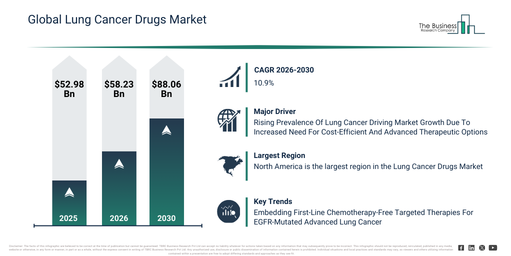
    The lung cancer drugs market has seen significant growth over recent years, with projections indicating an increase from $52.98 billion in 2025 to $58.23 billion in 2026, reflecting a compound annual growth rate (CAGR) of 9.9%. This historical expansion is driven by factors such as elevated smoking rates, a growing incidence of lung cancer, broad usage of chemotherapy, the proliferation of oncology hospitals, and improved accessibility to generic cancer medications.

    The lung cancer drugs sector is anticipated to experience significant expansion in the coming years, reaching an estimated $88.06 billion by 2030 with a compound annual growth rate of 10.9%. This projected increase is driven by several factors, including the advancement of targeted and immunotherapy treatments, a higher prevalence of lung cancer screening programs, growing financial allocations for cancer care, an older demographic, and a broader range of combination therapy approvals. Key developments shaping this period involve a greater reliance on targeted lung cancer treatments, more frequent use of drug combinations, a heightened emphasis on treating early-stage disease, the further adoption of personalized medicine approaches, and an increased number of oncology drugs being administered in hospital environments.

    Download A Free Sample Report For Comprehensive Market Insights:

    https://www.thebusinessresearchcompany.com/sample.aspx?id=2567&type=smp&utm_source=BlogsPR&utm_medium=Paid&utm_campaign=Jul_PR

    Lung Cancer Drugs Market Growth Drivers: What Factors Are Accelerating Expansion?

    The increase in lung cancer prevalence is anticipated to propel the expansion of the lung cancer drugs market moving forward. Lung cancer, a life-threatening malignancy, demands prompt and effective intervention through chemotherapy, targeted therapies, immunotherapies, and combination treatments to enhance survival rates. This rise is largely fueled by environmental pollution, carcinogen exposure, and genetic predisposition, which trigger lung cell mutations even among non-smokers. The growing incidence of lung cancer fuels the market for lung cancer drugs by accelerating the need for advanced therapeutic options that extend life expectancy, slow tumor growth, and improve patient quality of life. For example, as reported in January 2023 by the American Cancer Society—a U.S.-based nonprofit dedicated to cancer eradication—an estimated 238,340 new lung cancer cases (117,550 in males and 120,790 in females) and approximately 127,070 lung cancer deaths (67,160 in males and 59,910 in females) were projected for 2023. Consequently, the climbing prevalence of lung cancer is powering the growth of the lung cancer drugs market.

    Lung Cancer Drugs Market Segment Landscape And Growth Potential

    The lung cancer drugs market covered in this report is segmented –

    1) By Drugs: Gemzar, Paraplatin, Taxotere, Navelbine, Avastin, Tarceva, Iressa, Other Drugs

    2) By Disease Type: Small cell lung cancer (SCLC), Non-small cell lung cancer (NSCLC)

    3) By End User: Hospitals, Clinics, Other End-Users

    Lung Cancer Drugs Market Trends: What Is Shaping Future Industry Growth?

    Major players in the lung cancer drugs market are increasingly focusing on innovation, with a particular emphasis on creating chemotherapy-free combination therapies aimed at EGFR mutations. These formulations are designed to boost treatment effectiveness, lower systemic toxicity, and enhance the quality of life for patients suffering from advanced non-small cell lung cancer (NSCLC). Such therapies support precision oncology by specifically targeting the molecular pathways that drive tumor growth. In August 2024, for instance, Johnson & Johnson, a pharmaceutical company based in the United States, secured U.S. FDA approval for the combination of Rybrevant and Lazcluze as a first-line treatment for advanced NSCLC with EGFR mutations, avoiding the use of chemotherapy. This regimen works through dual inhibition of EGFR and MET pathways, resulting in stronger anti-tumor effects while reducing the side effects typically linked to conventional chemotherapy. The approval underscores a rising movement in the lung cancer market toward personalized, targeted treatment strategies that improve clinical outcomes and the patient experience by lessening dependence on traditional chemotherapy approaches.

    Lung Cancer Drugs Market Competitive Landscape: Who Are The Leading Companies?

    Major companies operating in the lung cancer drugs market are Bristol-Myers Squibb Company, Merck & Co. Inc., F. Hoffmann-La Roche Ltd., Novartis AG, Pfizer Inc., GlaxoSmithKline plc, Sanofi S.A., Sun Pharmaceutical Industries Ltd., Celgene Corporation, Mylan N.V., Ono Pharmaceutical Co. Ltd., Teva Pharmaceutical Industries Ltd., Takeda Pharmaceutical Company Limited, Ziopharm Oncology Inc., Menarini Group, AstraZeneca PLC, AbbVie Inc., Bayer AG, Boehringer Ingelheim International GmbH, Daiichi Sankyo Company Limited, Eli Lilly and Company Inc., Johnson & Johnson, Amgen Inc., Array BioPharma Inc., Astellas Pharma Inc., Clovis Oncology Inc., Eisai Co. Ltd., Exelixis Inc., Genentech Inc., Gilead Sciences Inc., Incyte Corporation, Ipsen Biopharmaceuticals Inc., Kyowa Kirin Co. Ltd., Loxo Oncology Inc., MedImmune LLC

    Access The Complete Lung Cancer Drugs Market Report:

    https://www.thebusinessresearchcompany.com/report/lung-cancer-drugs-global-market-report?utm_source=BlogsPR&utm_medium=Paid&utm_campaign=Jul_PR

    Lung Cancer Drugs Market Largest Region: Which Geography Holds The Highest Market Share?

    North America was the largest region in the lung cancer drugs market in 2025. Middle East is expected to be the fastest-growing region in the lung cancer drugs market during the forecast period. The regions covered in the lung cancer drugs market report are Asia-Pacific, South East Asia, Western Europe, Eastern Europe, North America, South America, Middle East, Africa.

    Get in touch with us:

    The Business Research Company: https://www.thebusinessresearchcompany.com/?utm_source=BlogsPR&utm_medium=Paid&utm_campaign=home_page_test

    Americas: +1 310-496-7795

    Asia: +44 7882 955267 & +91 8897263534

    Europe: +44 7882 955267

    Email us at: marketing@tbrc.info

    Follow us on:

    LinkedIn: https://in.linkedin.com/company/the-business-research-company

    YouTube: https://www.youtube.com/channel/UC24_fI0rV8cR5DxlCpgmyFQ

    Global Market Model: https://www.thebusinessresearchcompany.com/global-market-model
  • Lumbosacral Radicular Pain Management Market Size Projected To Increase From $0.95 Billion To $1.17 Billion During The Forecast Period

    Lumbosacral Radicular Pain Management Market Size Projected To Increase From $0.95 Billion To $1.17 Billion During The Forecast Period

    Through market attractiveness analysis, total addressable market evaluation, company benchmarking matrices, interactive Excel dashboards, expanded supply chain intelligence, emerging startup coverage, and detailed product insights, The Business Research Company’s 2026 market reports provide more actionable and strategically valuable research.

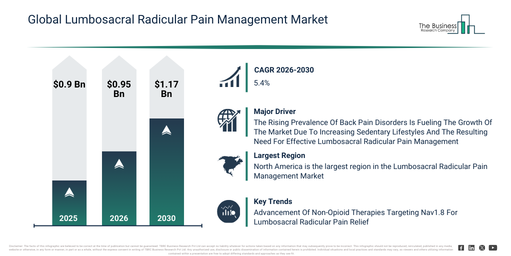
    Lumbosacral Radicular Pain Management Market Growth From $0.95 Billion In 2026 To $1.17 Billion By 2030 At A CAGR Of 5.4%

    The market for managing lumbosacral radicular pain has experienced notable expansion in recent times. Its valuation is projected to rise from $0.9 billion in 2025 to $0.95 billion in 2026, reflecting a compound annual growth rate (CAGR) of 5.7%. Historical growth has been driven by factors such as an increasing prevalence of spinal disc issues, dependence on medication-based pain management, delivery of pain care within hospital settings, a higher number of orthopedic visits, and the expansion of physical therapy offerings.

    The market for managing lumbosacral radicular pain is projected to experience robust expansion over the coming years. By 2030, its value is anticipated to reach $1.17 billion, reflecting a compound annual growth rate (CAGR) of 5.4%. This forecasted growth is driven by several key factors, including the rising number of elderly individuals, increased need for sustained pain relief, growing preference for non-invasive treatment options, broader use of home-based rehabilitation services, and continuous improvements in pain diagnostic technologies. Among the significant developments shaping the marketplace during this period are a heightened inclination toward multimodal pain management strategies, increased utilization of non-opioid medications, broader implementation of physical therapy-led interventions, stronger demand for procedures that are minimally invasive, and the integration of individualized pain management protocols.

    Download A Free Sample Report For Comprehensive Market Insights:

    https://www.thebusinessresearchcompany.com/sample.aspx?id=24592&type=smp&utm_source=BlogsPR&utm_medium=Paid&utm_campaign=Jul_PR

    Lumbosacral Radicular Pain Management Market Growth Factors Supporting Long-Term Expansion

    The anticipated expansion of the lumbosacral radicular pain management market is driven by the growing frequency of back pain disorders. These disorders encompass various conditions impacting the spine, back muscles, or nerves, resulting in discomfort or pain. This increase is largely attributed to sedentary lifestyles that weaken back muscles, leading to poor posture and ongoing pain. Management of lumbosacral radicular pain focuses on alleviating nerve root irritation in the lower back, thereby reducing pain and inflammation. It also helps restore mobility and enhances quality of life. A June 2024 report from the Australian Institute of Health and Welfare, an Australian government agency, indicated that in 2023, back problems ranked as the third leading cause of disease burden in Australia, accounting for 4.3% of the nation’s total disease burden. Thus, the rising incidence of back pain disorders fosters the growth of the lumbosacral radicular pain management market.

    Lumbosacral Radicular Pain Management Market Categorization By Product Type And Application

    The lumbosacral radicular pain management market covered in this report is segmented –

    1) By Medication: Non-Steroidal Anti-Inflammatory Drugs, Opioids, Antidepressants, Anticonvulsants, Steroids

    2) By Physical Therapy: Manual Therapy, Exercise Therapy, Electrotherapy, Thermal Therapy, Hydrotherapy

    3) By Route Of Administration: Oral, Topical

    4) By End-User: Hospital Pharmacy, Retail Pharmacy, Online Pharmacy

    Subsegments:

    1) By Non-Steroidal Anti-Inflammatory Drugs: Ibuprofen, Naproxen, Diclofenac, Celecoxib, Etoricoxib

    2) By Opioids: Tramadol, Oxycodone, Morphine, Hydrocodone, Fentanyl

    3) By Antidepressants: Amitriptyline, Nortriptyline, Duloxetine, Desvenlafaxine, Venlafaxine

    4) By Anticonvulsants: Gabapentin, Pregabalin, Carbamazepine, Lamotrigine, Topiramate

    5) By Steroids: Dexamethasone, Methylprednisolone, Prednisone, Triamcinolone, Hydrocortison

    Lumbosacral Radicular Pain Management Market Industry Trends Shaping Future Revenue Growth

    Leading firms within the lumbosacral radicular pain management sector are prioritizing the development of innovative therapies, including experimental oral NaV1.8 pain signal inhibitors, to provide a non-opioid solution for sustained pain relief. This investigational oral NaV1.8 pain signal inhibitor is a medication currently under trial that targets the NaV1.8 sodium channel, a crucial mechanism for transmitting pain signals via sensory nerves. For example, in December 2024, Vertex Pharmaceuticals, a biotechnology company based in the US, disclosed findings from its Phase 2 trial of suzetrigine for treating painful lumbosacral radiculopathy (LSR). The trial achieved its main objective, demonstrating a statistically significant and clinically meaningful decrease in pain relative to baseline among those receiving suzetrigine. The drug was generally well tolerated, with no serious adverse effects being observed. Vertex intends to account for the high placebo response in upcoming Phase 3 studies to more accurately evaluate the treatment’s effectiveness.

    Lumbosacral Radicular Pain Management Market Company Landscape And Strategic Competition

    Major companies operating in the lumbosacral radicular pain management market are Pfizer Inc., Johnson & Johnson Services Inc., Bayer AG, Sanofi SA, Bristol-Myers Squibb, AstraZeneca plc, Novartis AG, GSK plc, Medtronic plc, Eli Lilly and Company, Amgen Inc, Koninklijke Philips NV, Stryker Corporation, Teva Pharmaceutical Industries Ltd, Boston Scientific Corporation, Dr Reddy’s Laboratories Ltd, NuVasive Inc., Nobel Biocare Holdings AG, Ultradent Products Inc., Nevro Corp., Zynex Inc., Eliem Therapeutics, Vertebral Technologies Inc., Semnur Pharmaceuticals Inc.

    Access The Complete Lumbosacral Radicular Pain Management Market Report:

    https://www.thebusinessresearchcompany.com/report/lumbosacral-radicular-pain-management-global-market-report?utm_source=BlogsPR&utm_medium=Paid&utm_campaign=Jul_PR

    Lumbosacral Radicular Pain Management Market Regional Analysis: Which Region Leads By Revenue?

    North America was the largest region in the lumbosacral radicular pain management market in 2025. Asia-Pacific is expected to be the fastest-growing region in the forecast period. The regions covered in the lumbosacral radicular pain management market report are Asia-Pacific, South East Asia, Western Europe, Eastern Europe, North America, South America, Middle East, Africa.

    Get in touch with us:

    The Business Research Company: https://www.thebusinessresearchcompany.com/?utm_source=BlogsPR&utm_medium=Paid&utm_campaign=home_page_test

    Americas: +1 310-496-7795

    Asia: +44 7882 955267 & +91 8897263534

    Europe: +44 7882 955267

    Email us at: marketing@tbrc.info

    Follow us on:

    LinkedIn: https://in.linkedin.com/company/the-business-research-company

    YouTube: https://www.youtube.com/channel/UC24_fI0rV8cR5DxlCpgmyFQ

    Global Market Model: https://www.thebusinessresearchcompany.com/global-market-model