Category: Pharmaceuticals

  • H2 Receptor Antagonist Market Growth Outlook Reveals A CAGR Of 5.2% And A Market Value Of $5.5 Billion By 2030

    H2 Receptor Antagonist Market Growth Outlook Reveals A CAGR Of 5.2% And A Market Value Of $5.5 Billion By 2030

    Delivering more actionable and strategically valuable research, The Business Research Company’s 2026 market reports feature market attractiveness analysis, total addressable market evaluation, company benchmarking matrices, interactive Excel dashboards, expanded supply chain intelligence, emerging startup coverage, and detailed product insights.

    H2 Receptor Antagonist Market Size, Value And Growth Trends Through 2030

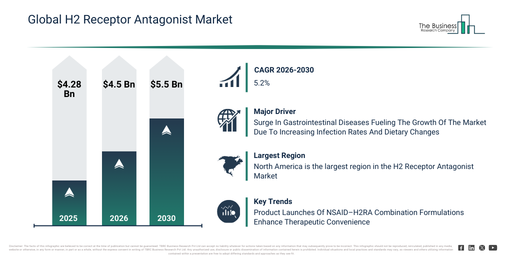
    The market for H2 receptor antagonists has experienced robust expansion in recent years. Its valuation is projected to increase from $4.28 billion in 2025 to $4.5 billion in 2026, reflecting a compound annual growth rate (CAGR) of 5.2%. This upward trajectory during the historical period is largely driven by the high incidence of acid-related disorders, extensive utilization of medications like ranitidine and famotidine, broader hospital pharmacy networks, rising diagnoses of GERD, and an increase in treatments for peptic ulcers.

    The market for H2 receptor antagonists is projected to experience robust expansion over the coming years. By 2030, its value is anticipated to reach $5.5 billion, driven by a compound annual growth rate (CAGR) of 5.2%. This forecasted growth is fueled by factors such as a higher demand for affordable acid-suppressing treatments, the increasing production of generic medications, a growing tendency toward self-medication, the rise of online pharmacy platforms, and a larger elderly population suffering from digestive issues. Key developments in this period encompass the sustained application of H2 blockers in managing acid suppression, a heightened preference for oral medications that reduce acidity, the broadening availability of generic H2 receptor antagonists, consistent usage in the management of gastrointestinal ailments, and enhanced accessibility through both retail outlets and internet-based pharmacies.

    Download A Free Sample Report For Comprehensive Market Insights:

    https://www.thebusinessresearchcompany.com/sample.aspx?id=24227&type=smp&utm_source=BlogsPR&utm_medium=Paid&utm_campaign=Jul_PR

    H2 Receptor Antagonist Market Demand Drivers Creating New Revenue Opportunities

    The anticipated expansion of the H2 receptor antagonist market is being driven by a growing prevalence of gastrointestinal diseases. These conditions encompass a range of disorders affecting the digestive tract, such as infections, inflammation, and stomach or intestinal issues. Their rising occurrence is largely attributed to poor dietary habits and a higher intake of processed foods, which can disturb gut health and trigger problems like acid reflux, irritable bowel syndrome (IBS), and ulcers. By blocking histamine receptors in the stomach, H2 receptor antagonists help manage these diseases by lowering acid production and easing symptoms associated with acid reflux, ulcers, and gastritis. A case in point is data from the American Cancer Society (ACS), a US-based professional organization, which reported in January 2023 that gastrointestinal cancer cases in the United States climbed by 3.18%, from 338,090 in 2022 to 348,840 in 2023. Consequently, the rising incidence of gastrointestinal diseases is fueling growth in the H2 receptor antagonist market.

    H2 Receptor Antagonist Market Segmentation And Category Breakdown

    The h2 receptor antagonist market covered in this report is segmented –

    1) By Drug Class: Cimetidine, Ranitidine, Famotidine, Nizatidine

    2) By Route of Administration: Oral, Intravenous, Intramuscular

    3) By Indication: Gastroesophageal Reflux Disease (GERD), Peptic Ulcers, Zollinger-Ellison Syndrome, Other Indications

    4) By Distribution Channel: Hospital Pharmacies, Retail Pharmacies, Online Pharmacies, Other Distribution Channels

    5) By End-User: Hospitals, Clinics, Home Care Settings

    Subsegments:

    1) By Cimetidine: Standard-Dose Formulations, Low-Dose Maintenance Therapy, Hospital-Use Injectable Formulations

    2) By Ranitidine: Oral Solid Dosage Forms, Injectable Ranitidine Formulations, Short-Term Acid Suppression Therapy

    3) By Famotidine: Low-Dose OTC Formulations, Prescription-Strength Formulations, Injectable Famotidine Preparations

    4) By Nizatidine: Oral Capsule Formulations, Oral Liquid Formulations, Maintenance Acid-Reduction Therapy

    H2 Receptor Antagonist Market Trends Driving Strategic Industry Expansion

    Leading firms within the H2 receptor antagonists sector are prioritizing product advancements, including the development of NSAID–H2RA fixed-dose combination tablets, aimed at improving treatment ease and gastrointestinal safety. These NSAID–H2RA fixed-dose combination tablets are single-pill formulations that pair a nonsteroidal anti-inflammatory drug with an H2 receptor antagonist, delivering pain relief while concurrently lowering the likelihood of NSAID-related gastric and duodenal ulcers. For example, in March 2024, Endo International plc, a U.S.-based specialty pharmaceutical company, introduced Ibuprofen-Famotidine Tablets 800 mg/26.6 mg, a generic counterpart to DUEXIS. This offering provides a high-strength ibuprofen dose suitable for managing chronic pain, integrated stomach protection via famotidine, and a cost-effective generic option intended to enhance accessibility for patients requiring extended treatment.

    H2 Receptor Antagonist Market Competitive Analysis Of Major Industry Participants

    Major companies operating in the h2 receptor antagonist market are Pfizer Inc., Sanofi S.A., Abbott Laboratories, Novartis AG, GlaxoSmithKline plc, Takeda Pharmaceutical Company Limited, Eli Lilly and Company, Viatris Inc., Teva Pharmaceutical Industries Limited, Boehringer Ingelheim International GmbH, Sun Pharmaceutical Industries Limited, Apotex Inc., Aurobindo Pharma Limited, Dr. Reddy’s Laboratories Limited, Cipla Limited, Hikma Pharmaceuticals plc, Lupin Ltd., Zydus Lifesciences Limited, Torrent Pharmaceuticals Limited, Accord Healthcare Limited

    Access The Complete H2 Receptor Antagonist Market Report:

    https://www.thebusinessresearchcompany.com/report/h2-receptor-antagonist-global-market-report?utm_source=BlogsPR&utm_medium=Paid&utm_campaign=Jul_PR

    H2 Receptor Antagonist Market Largest Region By Revenue And Market Share

    North America was the largest region in the H2 receptor antagonist market in 2025. Asia-Pacific is expected to be the fastest-growing region in the forecast period. The regions covered in the h2 receptor antagonist market report are Asia-Pacific, South East Asia, Western Europe, Eastern Europe, North America, South America, Middle East, Africa.

    Get in touch with us:

    The Business Research Company: https://www.thebusinessresearchcompany.com/?utm_source=BlogsPR&utm_medium=Paid&utm_campaign=home_page_test

    Americas: +1 310-496-7795

    Asia: +44 7882 955267 & +91 8897263534

    Europe: +44 7882 955267

    Email us at: marketing@tbrc.info

    Follow us on:

    LinkedIn: https://in.linkedin.com/company/the-business-research-company

    YouTube: https://www.youtube.com/channel/UC24_fI0rV8cR5DxlCpgmyFQ

    Global Market Model: https://www.thebusinessresearchcompany.com/global-market-model
  • H2 Antagonists Market Forecast Highlights Expansion From $19.56 Billion To $25.13 Billion Through 2030

    H2 Antagonists Market Forecast Highlights Expansion From $19.56 Billion To $25.13 Billion Through 2030

    Enhanced with market attractiveness analysis, total addressable market evaluation, company benchmarking matrices, interactive Excel dashboards, expanded supply chain intelligence, emerging startup coverage, and detailed product insights, The Business Research Company’s 2026 market reports deliver more actionable and strategically valuable research.

    H2 Antagonists Market CAGR Analysis And Future Market Development

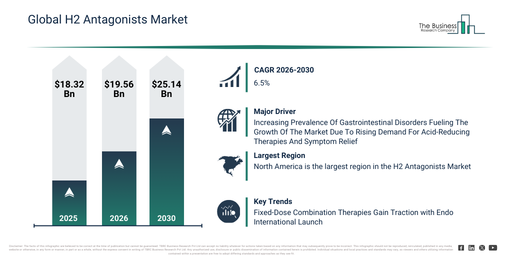
    The market for H2 antagonists has experienced robust expansion in recent years. The market value is projected to rise from $18.32 billion in 2025 to $19.56 billion in 2026, reflecting a compound annual growth rate (CAGR) of 6.8%. This historic growth was driven by the widespread occurrence of peptic ulcers, an increase in GERD cases, greater acceptance of over-the-counter medications, the broadening of hospital pharmacy operations, and heightened public awareness of gastrointestinal conditions.

    The h2 antagonists market is projected to experience robust expansion over the coming years, reaching a valuation of $25.14 billion by 2030 with a compound annual growth rate of 6.5%. This anticipated growth during the forecast period is driven by factors such as an aging demographic, increasing demand for affordable acid-reducing medications, a rise in self-medication practices, the expansion of online pharmacies, and the management of chronic gastroesophageal reflux disease (GERD). Key developments shaping the forecast period include sustained demand for acid suppression therapies, the growing over-the-counter availability of h2 antagonists, their broader application in treating mild GERD and ulcers, the introduction of liquid and injectable formulations, and a rising preference for cost-effective acid control options.

    Download A Free Sample Report For Comprehensive Market Insights:

    https://www.thebusinessresearchcompany.com/sample.aspx?id=24550&type=smp&utm_source=BlogsPR&utm_medium=Paid&utm_campaign=Jul_PR

    H2 Antagonists Market Expansion Supported By Key Demand Factors

    The growing frequency of gastrointestinal problems is anticipated to boost the H2 antagonists market in the coming period. Gastrointestinal (GI) disorders encompass health issues affecting the digestive system, such as the esophagus, stomach, intestines, liver, pancreas, and gallbladder. This rise in GI disorders is driven by unhealthy eating patterns, which trigger excessive stomach acid secretion and irritate the digestive tract. By lowering stomach acid production, H2 antagonists are effective in managing GI ailments, particularly for conditions like acid reflux and ulcers. They improve patient well-being through rapid symptom relief and support prolonged digestive health. For example, in March 2024, the World Health Organization (WHO), a United Nations specialized agency based in Switzerland, reported that diarrheal diseases cause about 1.7 billion cases annually, leading to around 443,832 deaths in children under 5 and an additional 50,851 deaths among children aged 5 to 9. Consequently, the rising incidence of gastrointestinal disorders is fueling the expansion of the H2 antagonists market.

    Increased healthcare spending is expected to drive the growth of the H2 antagonists market moving forward. Healthcare expenditure denotes the total funds allocated to medical services, treatments, facilities, research, and public health programs aimed at enhancing or preserving health outcomes. This spending rise is attributed to the growing burden of chronic diseases, which demand continuous therapy and management, thereby elevating medical costs over time. Healthcare expenditure supports the H2 antagonist market by enabling greater investment in advanced therapies and improved access to medications. It fosters research and development, resulting in enhanced drug formulations and superior patient outcomes. As an illustration, in December 2024, the Centers for Medicare and Medicaid Services (CMS), a U.S. federal agency, noted that national health expenditures (NHE) climbed by 7.5% to $4.9 trillion in 2023, representing 17.6% of gross domestic product (GDP). Furthermore, from 2023 to 2032, average NHE is predicted to rise at an annual rate of 5.6%, pushing the health spending share of GDP from 17.3% in 2022 to 19.7% in 2032. Hence, the escalating healthcare expenditure is propelling the H2 antagonists market forward.

    H2 Antagonists Market Segment Outlook: Which Categories Are Expanding The Fastest?

    The h2 antagonists market covered in this report is segmented –

    1) By Drug Type: Prescription H2 Antagonists, Over-The-Counter H2 Antagonists

    2) By Indication: Gastroesophageal Reflux Disease (GERD), Peptic Ulcer Disease, Zollinger-Ellison Syndrome, Other Indications

    3) By Dosage Form: Tablets, Capsules, Injectable Solutions, Liquid Formulations

    4) By Distribution Channel: Retail Pharmacies, Hospital Pharmacies, Online Pharmacies, Drug Stores

    Subsegments:

    1) By Prescription H2 Antagonists: Gastroesophageal Reflux Disease (GERD), Peptic Ulcers, Zollinger-Ellison Syndrome

    2) By Over-The-Counter (OTC) H2 Antagonist: Heartburn, Occasional Acid Reflux, Indigestion

    H2 Antagonists Market Growth Trends Influencing Competitive Dynamics

    Leading firms in the H2 antagonists sector are concentrating their efforts on creating advanced treatment options, particularly fixed-dose combination drugs, aimed at boosting patient compliance and minimizing gastrointestinal adverse effects. A fixed-dose combination product integrates two or more active substances into a single dosage unit, streamlining therapeutic protocols, fostering better adherence to treatment, and lowering the likelihood of side effects in comparison to taking several distinct medications. For example, in March 2024, Endo International plc, a pharmaceutical entity based in the United States, released ibuprofen-famotidine 800 mg/26.6 mg tablets, a generic version of the previously marketed brand combination known as Duexis. This innovative medication features 800 mg of the non-steroidal anti-inflammatory drug ibuprofen alongside 26.6 mg of the H2-receptor antagonist famotidine, formulated to alleviate symptoms associated with rheumatoid arthritis and osteoarthritis (through ibuprofen) while concurrently lowering the risk of NSAID-induced upper gastrointestinal ulcers (via famotidine). Notable attributes include its fixed-dose co-formulation in a single tablet, which simplifies the treatment plan compared to separately administering an NSAID and a gastroprotective agent; its suitability for patients needing long-term NSAID therapy with concurrent ulcer risk management; and the advantage of offering a cost-effective generic option in the U.S. market.

    H2 Antagonists Market Key Companies And Competitive Benchmarking

    Major companies operating in the h2 antagonists market are Aurobindo Pharma Limited, Cipla Limited, Lupin Limited, Alkem Laboratories Limited, Intas Pharmaceuticals Limited, Mylan N.V. (Viatris Inc.), Glenmark Pharmaceuticals Limited, Hikma Pharmaceuticals PLC, Zydus Lifesciences Limited, Wockhardt Limited, Sandoz International GmbH, Alembic Pharmaceuticals Limited, Micro Labs Limited, IPCA Laboratories Limited, Emcure Pharmaceuticals Limited

    Access The Complete H2 Antagonists Market Report:

    https://www.thebusinessresearchcompany.com/report/h2-antagonists-global-market-report?utm_source=BlogsPR&utm_medium=Paid&utm_campaign=Jul_PR

    H2 Antagonists Market Regional Analysis And Leading Geography

    North America was the largest region in the H2 receptor antagonists market in 2025. Asia-Pacific is expected to be the fastest-growing region in the forecast period. The regions covered in the h2 antagonists market report are Asia-Pacific, South East Asia, Western Europe, Eastern Europe, North America, South America, Middle East, Africa.

    Get in touch with us:

    The Business Research Company: https://www.thebusinessresearchcompany.com/?utm_source=BlogsPR&utm_medium=Paid&utm_campaign=home_page_test

    Americas: +1 310-496-7795

    Asia: +44 7882 955267 & +91 8897263534

    Europe: +44 7882 955267

    Email us at: marketing@tbrc.info

    Follow us on:

    LinkedIn: https://in.linkedin.com/company/the-business-research-company

    YouTube: https://www.youtube.com/channel/UC24_fI0rV8cR5DxlCpgmyFQ

    Global Market Model: https://www.thebusinessresearchcompany.com/global-market-model
  • H1N1 Vaccine Market Expected To Reach $5.04 Billion By 2030 As Growth Accelerates At 7.5% CAGR

    H1N1 Vaccine Market Expected To Reach $5.04 Billion By 2030 As Growth Accelerates At 7.5% CAGR

    Through market attractiveness analysis, total addressable market evaluation, company benchmarking matrices, interactive Excel dashboards, expanded supply chain intelligence, emerging startup coverage, and detailed product insights, The Business Research Company’s 2026 market reports provide more actionable and strategically valuable research.

    H1N1 Vaccine Market Expansion From $3.77 Billion In 2026 To $5.04 Billion In 2030

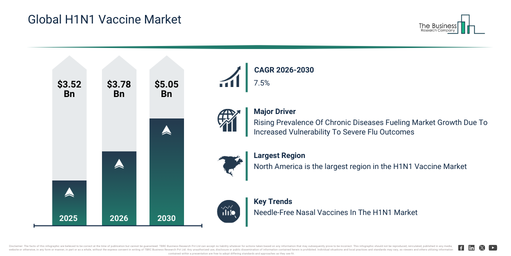
    The h1n1 vaccine market has experienced robust expansion in recent years, with projections indicating an increase from $3.52 billion in 2025 to $3.78 billion in 2026, reflecting a compound annual growth rate (CAGR) of 7.3%. This historical growth has been driven by several factors, including prior h1n1 pandemic outbreaks, large-scale immunization initiatives spearheaded by governments, a growing worldwide occurrence of influenza, public health investments directed at vaccine development, and the presence of well-established cold chain logistics.

    The H1N1 vaccine market is anticipated to experience significant growth over the coming years, with projections indicating it will reach $5.05 billion by 2030, reflecting a compound annual growth rate (CAGR) of 7.5%. This expansion during the forecast period is driven by factors such as heightened pandemic preparedness efforts, the increased susceptibility of elderly populations, the broadening of national immunization programs, improved healthcare accessibility in developing nations, and the ongoing threat of influenza virus mutations. Key developments expected in this period include the broader implementation of both seasonal and pandemic influenza immunization initiatives, a growing reliance on intranasal vaccines to boost patient compliance, greater government stockpiling of H1N1 vaccines, expanded vaccination coverage among children and the elderly, and an intensified emphasis on rapid response strategies during disease outbreaks.

    Download A Free Sample Report For Comprehensive Market Insights:

    https://www.thebusinessresearchcompany.com/sample.aspx?id=7881&type=smp&utm_source=BlogsPR&utm_medium=Paid&utm_campaign=Jul_PR

    H1N1 Vaccine Market Growth Drivers And Industry Catalysts

    The growth of the H1N1 vaccine market is anticipated to be driven by the increasing prevalence of chronic conditions in the coming years. These long-term health disorders, which include diabetes, heart disease, and arthritis, often last for three months or more and require continuous medical care or management. The rise in such diseases is largely linked to unhealthy habits like poor nutrition, lack of physical activity, and consumption of tobacco or alcohol, which lead to obesity, hypertension, and other extended health issues. H1N1 vaccines are essential for safeguarding those with chronic illnesses, as they lower the likelihood of severe flu complications, prevent worsening of existing conditions, and reduce rates of hospitalization or death among at-risk populations. For example, data from the National Health Service, a UK government body, reported in June 2024 that 3,615,330 individuals registered with a GP had been diagnosed with non-diabetic hyperglycemia or pre-diabetes—a state of elevated blood sugar not yet reaching diabetes levels—in 2023, which reflects an 18% rise from the 3,065,825 cases recorded in 2022. As a result, the expanding occurrence of chronic diseases is fueling the H1N1 vaccine market’s expansion.

    H1N1 Vaccine Market Segment Landscape: Which Areas Lead Market Development?

    The h1n1 vaccine market covered in this report is segmented –

    1) By Product Type: Inactivated Vaccine, Live Attenuated Vaccine

    2) By Route Of Administration: Intradermal Vaccination, Intramuscular Vaccination, Subcutaneous Vaccination

    3) By End Users: Hospitals, Clinics, Research And Diagnostic Laboratories, Other End Users

    Subsegments:

    1) By Inactivated Vaccine: Injectable Inactivated Vaccine, Intranasal Inactivated Vaccine

    2) By Live Attenuated Vaccine: Injectable Live Attenuated Vaccine, Intranasal Live Attenuated Vaccine

    H1N1 Vaccine Market Trends Influencing Long-Term Demand

    Key players in the H1N1 vaccine market are rolling out innovative products, including a distinctive needle-free nasal vaccine, to maintain their competitive edge. This type of vaccine removes the reliance on conventional needles or syringes, instead being administered through a non-invasive and painless nasal route. In October 2023, for example, Serum Institute, a vaccine manufacturer based in India, partnered with Mylab, an Indian diagnostic company, to introduce Nasovac S4—a needle-free nasal influenza vaccine designed to actively provide immunization against influenza caused by the H1N1 and H3N2 viruses. Strains derived from Type A and Type B viruses are incorporated into this vaccine to stimulate antibody production against influenza. Nasovac S4 is authorized for use by all individuals aged two years and older to help activate the immune system against influenza.

    H1N1 Vaccine Market Industry Leaders And Market Competition

    Major companies operating in the h1n1 vaccine market are Sanofi SA, GlaxoSmithKline PLC, CSL Limited, AstraZeneca Inc., Zydus Lifesciences Limited, Merck and Co.Inc., Novavax Inc., Panacea Biotec Ltd., Sinovac Biotech Ltd., Green Cross Corp., Pfizer Inc., Seqirus Ltd., Cipla Inc., Protein Sciences Corporation, Hualan Biological Engineering Inc., Changsheng Bio-Technology Co. Ltd., Bharat Biotech International Limited, Serum Institute of India Pvt. Ltd., Bio Farma Group, PT Kalbe Farma Tbk, Moderna Inc., CureVac NV, BioNTech SE, Inovio Pharmaceuticals Inc., Vaxart Inc., Altimmune Inc., Dynavax Technologies Corporation, VBI Vaccines Inc., GeoVax Labs Inc.

    Access The Complete H1N1 Vaccine Market Report:

    https://www.thebusinessresearchcompany.com/report/h1n1-vaccine-global-market-report?utm_source=BlogsPR&utm_medium=Paid&utm_campaign=Jul_PR

    H1N1 Vaccine Market Geographic Analysis: Where Is Demand Growing The Fastest?

    North America was the largest region in the H1N1 vaccine market in 2025. The regions covered in the h1n1 vaccine market report are Asia-Pacific, South East Asia, Western Europe, Eastern Europe, North America, South America, Middle East, Africa.

    Get in touch with us:

    The Business Research Company: https://www.thebusinessresearchcompany.com/?utm_source=BlogsPR&utm_medium=Paid&utm_campaign=home_page_test

    Americas: +1 310-496-7795

    Asia: +44 7882 955267 & +91 8897263534

    Europe: +44 7882 955267

    Email us at: marketing@tbrc.info

    Follow us on:

    LinkedIn: https://in.linkedin.com/company/the-business-research-company

    YouTube: https://www.youtube.com/channel/UC24_fI0rV8cR5DxlCpgmyFQ

    Global Market Model: https://www.thebusinessresearchcompany.com/global-market-model
  • Gynecology Drugs Market Set To Grow From $47.51 Billion In 2026 To $58.78 Billion By 2030 At A CAGR Of 5.5%

    Gynecology Drugs Market Set To Grow From $47.51 Billion In 2026 To $58.78 Billion By 2030 At A CAGR Of 5.5%

    Delivering more actionable and strategically valuable research, The Business Research Company’s 2026 market reports feature market attractiveness analysis, total addressable market evaluation, company benchmarking matrices, interactive Excel dashboards, expanded supply chain intelligence, emerging startup coverage, and detailed product insights.

    Gynecology Drugs Market Forecast Highlighting Growth From $47.51 Billion To $58.78 Billion

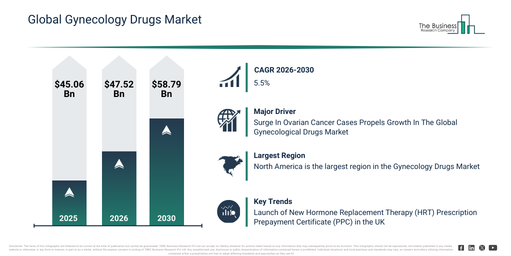
    The gynecology drugs market has experienced robust expansion over recent years, with its size projected to increase from $45.06 billion in 2025 to $47.52 billion in 2026, reflecting a compound annual growth rate (CAGR) of 5.5%. This growth during the historical period has been driven by several factors, including a higher incidence of gynecological conditions, growing awareness regarding women’s health, the widening reach of hospital infrastructures, the wider availability of generic gynecology medications, and the continued use of standard hormonal treatment approaches.

    The gynecology drugs market is projected to experience robust expansion over the coming years, reaching an estimated $58.79 billion by 2030, driven by a compound annual growth rate (CAGR) of 5.5%. This anticipated growth during the forecast period is fueled by several key factors, including progress in personalized medicine, a rising uptake of telemedicine services, heightened funding for reproductive health studies, the creation of less invasive drug delivery methods, and the broadening of online pharmacy networks. Notable trends shaping the market in this period encompass customized gynecological therapies, the integration of telemedicine and remote patient consultations, the advancement of minimally invasive drug administration, a surge in fertility and reproductive health treatments, and an increased public consciousness regarding women’s health concerns.

    Download A Free Sample Report For Comprehensive Market Insights:

    https://www.thebusinessresearchcompany.com/sample.aspx?id=4098&type=smp&utm_source=BlogsPR&utm_medium=Paid&utm_campaign=Jul_PR

    Gynecology Drugs Market Opportunity Drivers: What Is Creating New Revenue Potential?

    The growing number of women diagnosed with ovarian cancer is expected to propel the expansion of the worldwide gynecological drugs sector. Ovarian cancer, which begins in the female reproductive organs known as the ovaries, is a form of cancer. Gynecological medications play a crucial role in managing this condition by offering precise and efficient therapeutic approaches, boosting survival rates, and elevating patients’ quality of life. As an example, the National Center for Biotechnology Information, a government body in the United States, reported in February 2023 that the global occurrence of ovarian cancer is anticipated to reach 434,184 new cases, accompanied by roughly 293,039 deaths by 2040. This rising prevalence of ovarian cancer is set to enhance demand for gynecological drugs during the forecasted timeframe.

    Gynecology Drugs Market Segments: Where Are The Largest Growth Opportunities?

    The gynecology drugs market covered in this report is segmented –

    1) By Therapeutics: Hormonal Therapy, Non-Hormonal Therapy

    2) By Indication: Gynecology Cancers, Menopausal Disorder, Polycystic Ovary Syndrome, Contraception, Other Indications

    3) By Distribution Channel: Hospital Pharmacies, Retail Pharmacies, Online Pharmacies

    Subsegments:

    1) By Hormonal Therapy: Estrogen Replacement Therapy, Progesterone Therapy, Combination Hormonal Therapy

    2) By Non-Hormonal Therapy: Antidepressants (For menopausal symptoms), Non-Hormonal Anticonvulsants, Herbal And Dietary Supplements

    Gynecology Drugs Market Innovation Trends Driving Future Development

    Major firms within the gynecology drug sector are increasingly concentrating on creating novel treatments, including hormone replacement therapy, to secure a competitive advantage. Hormone Replacement Therapy (HRT) represents a medical approach where hormones are given to ease menopause-related symptoms like hot flashes, night sweats, mood fluctuations, and vaginal dryness, ultimately enhancing the quality of life for women undergoing such changes. As an example, in April 2023, the Department of Health and Social Care, a UK government entity, partnered with NHS England and the NHS Business Services Authority, a UK-based non-departmental public agency, to introduce a new Hormone Replacement Therapy (HRT) prescription prepayment certificate (PPC). This HRT PPC allows women in England to obtain hormone replacement therapy for just £19.30 annually (roughly $24.50 USD), greatly lessening the financial strain of handling menopause symptoms.

    Gynecology Drugs Market Major Participants And Competitive Dynamics

    Major companies operating in the gynecology drugs market are Pfizer Inc., Bayer AG, Merck & Co. Inc., Teva Pharmaceutical Industries Ltd., Ferring Pharmaceuticals, Lupin Pharmaceuticals, Organon & Co., Allergan plc, Gedeon Richter, Besins Healthcare, Theramex, Amgen Inc., Agile Therapeutics, Sanofi S.A., Novartis AG, Eli Lilly and Company, Johnson & Johnson, AstraZeneca Plc, Cipla Limited, Kissei Pharmaceutical, Shionogi, Mylan N.V., Bristol-Myers Squibb Company, Endo International PLC, Apothecus Pharmaceutical Corp., Ani Pharmaceuticals, Medicines360, Blairex Laboratories

    Access The Complete Gynecology Drugs Market Report:

    https://www.thebusinessresearchcompany.com/report/gynecology-drugs-global-market-report?utm_source=BlogsPR&utm_medium=Paid&utm_campaign=Jul_PR

    Gynecology Drugs Market Global Footprint: Which Region Holds Market Leadership?

    North America was the largest region in the gynecology drugs market in 2025. Asia-Pacific is expected to be the fastest-growing region in the forecast period. The regions covered in the gynecology drugs market report are Asia-Pacific, South East Asia, Western Europe, Eastern Europe, North America, South America, Middle East, Africa.

    Get in touch with us:

    The Business Research Company: https://www.thebusinessresearchcompany.com/?utm_source=BlogsPR&utm_medium=Paid&utm_campaign=home_page_test

    Americas: +1 310-496-7795

    Asia: +44 7882 955267 & +91 8897263534

    Europe: +44 7882 955267

    Email us at: marketing@tbrc.info

    Follow us on:

    LinkedIn: https://in.linkedin.com/company/the-business-research-company

    YouTube: https://www.youtube.com/channel/UC24_fI0rV8cR5DxlCpgmyFQ

    Global Market Model: https://www.thebusinessresearchcompany.com/global-market-model
  • Gynecological Cancer Drugs Market Opportunities Are Emerging Beyond Traditional Growth Areas

    Gynecological Cancer Drugs Market Opportunities Are Emerging Beyond Traditional Growth Areas

    Enhanced with market attractiveness analysis, total addressable market evaluation, company benchmarking matrices, interactive Excel dashboards, expanded supply chain intelligence, emerging startup coverage, and detailed product insights, The Business Research Company’s 2026 market reports deliver more actionable and strategically valuable research.

    Gynecological Cancer Drugs Market Revenue Growth Supported By A CAGR Of 21.29% Through 2030

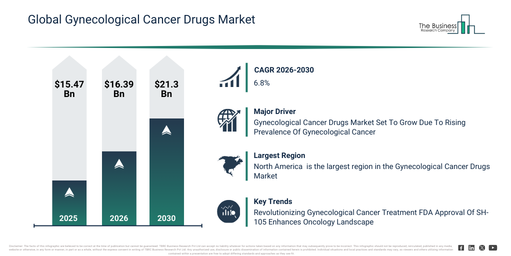
    The gynecological cancer drugs market has experienced notable expansion over the past few years, with its value projected to rise from $15.47 billion in 2025 to $16.39 billion in 2026, reflecting a compound annual growth rate (CAGR) of 5.9%. Several factors have driven this historic growth, including a scarcity of available therapies, elevated death rates associated with the disease, frequent detection at advanced stages, a heavy dependence on standard chemotherapy regimens, and insufficient educational initiatives.

    The market for gynecological cancer drugs is anticipated to experience robust expansion over the coming years, reaching a valuation of $21.3 billion by 2030, with a compound annual growth rate (CAGR) of 6.8%. This projected increase during the forecast period is driven by factors such as the growing adoption of precision medicine, heightened investments in research and development, the rise of targeted therapies, the broadening of screening initiatives, and technological progress in drug delivery systems. Key trends shaping this period encompass personalized cancer treatments, breakthroughs in immunotherapy, the use of combination drug strategies, the development of less invasive treatment methods, and the implementation of early detection and screening programs.

    Download A Free Sample Report For Comprehensive Market Insights:

    https://www.thebusinessresearchcompany.com/sample.aspx?id=12061&type=smp&utm_source=BlogsPR&utm_medium=Paid&utm_campaign=Jul_PR

    Gynecological Cancer Drugs Market Growth Momentum: Which Factors Are Influencing Demand?

    The rising occurrence of gynecological cancers is anticipated to drive expansion in the gynecological cancer drugs market in the coming years. Gynecologic cancer is defined as any malignancy that originates in a woman’s reproductive organs. Medications designed for gynecological cancer work to lower disease prevalence through treatment and management, prevention of recurrence, and enhancement of patient outcomes via various therapeutic approaches. By way of illustration, the American Cancer Society—a nonprofit organization headquartered in the US—reported in August 2025 that its estimates for 2025 project around 20,890 women in the United States will receive a new ovarian cancer diagnosis, with approximately 12,730 fatalities anticipated from the condition. Consequently, the elevated prevalence of gynecological cancer is fueling the growth of the market for gynecological cancer drugs.

    Gynecological Cancer Drugs Market Segment Analysis: What Are The Major Market Categories?

    The gynecological cancer drugs market covered in this report is segmented –

    1) By Type: Alkylating Agent, Plant Alkaloid, Anthracyclines, Antitumor Antibiotic, Other Types

    2) By Therapeutic Modality: Chemotherapy, Targeted Therapy, Hormonal Therapy

    3) By Indication: Cervical Cancer, Uterine Cancer, Ovarian And Fallopian Tube Cancer, Vulvar Cancer, Vaginal Cancer

    4) By End Users: Hospitals, Clinics, Specialized Cancer Treatment Centers, Other End Users

    Subsegments:

    1) By Alkylating Agent: Cyclophosphamide, Ifosfamide, Carmustine

    2) By Plant Alkaloid: Paclitaxel, Docetaxel, Vincristine

    3) By Anthracyclines: Doxorubicin, Epirubicin, Daunorubicin

    4) By Antitumor Antibiotic: Actinomycin D, Mitomycin C

    5) By Other Types: Hormonal Therapies, Targeted Therapies, Immunotherapies

    Gynecological Cancer Drugs Market Trends Reshaping Industry Growth

    Leading firms in the gynecological cancer drugs market are creating alkylating agents aimed at boosting treatment effectiveness by targeting the DNA of cancer cells, which stops them from reproducing. These agents function by attaching alkyl groups to DNA, leading to strand breaks or atypical cross-links that interfere with the cell cycle. A case in point is June 2024, when Shorla Oncology, a pharmaceutical company from Ireland, secured FDA approval for Tepylute, an alkylating agent. This product is supplied as a liquid preparation, which removes the requirement for the intricate reconstitution steps often needed with powdered versions. Tepylute is prescribed for patients suffering from adenocarcinoma of the breast and ovary, ailments that are frequently hard to manage because of detection at advanced stages and inconsistent reactions to current treatments.

    Gynecological Cancer Drugs Market Leading Companies Driving Competitive Growth

    Major companies operating in the gynecological cancer drugs market are Pfizer Inc., Johnson & Johnson, F. Hoffmann-La Roche AG, AbbVie Inc., Bayer AG, Novartis AG, Bristol-Myers Squibb, Sanofi S.A., AstraZeneca, GlaxoSmithKline, Takeda Pharmaceutical Company Limited, Eli Lilly and Company, Amgen Inc., Merck KGaA, Baxter International Inc., Eisai Co. Ltd., Sun Pharmaceutical Industries Ltd., Teva Pharmaceutical Industries, Ipsen, Dr. Reddy’s Laboratories, Cipla Ltd., Apotex Inc., Hikma Pharmaceuticals, Seagen Inc., CSL Vifor, Accord Healthcare

    Access The Complete Gynecological Cancer Drugs Market Report:

    https://www.thebusinessresearchcompany.com/report/gynecological-cancer-drugs-global-market-report?utm_source=BlogsPR&utm_medium=Paid&utm_campaign=Jul_PR

    Gynecological Cancer Drugs Market Regional Distribution: Which Areas Drive Market Expansion?

    North America was the dominant region in the gynecological cancer drugs market in 2025. The regions covered in the gynecological cancer drugs market report are Asia-Pacific, South East Asia, Western Europe, Eastern Europe, North America, South America, Middle East, Africa.

    Get in touch with us:

    The Business Research Company: https://www.thebusinessresearchcompany.com/?utm_source=BlogsPR&utm_medium=Paid&utm_campaign=home_page_test

    Americas: +1 310-496-7795

    Asia: +44 7882 955267 & +91 8897263534

    Europe: +44 7882 955267

    Email us at: marketing@tbrc.info

    Follow us on:

    LinkedIn: https://in.linkedin.com/company/the-business-research-company

    YouTube: https://www.youtube.com/channel/UC24_fI0rV8cR5DxlCpgmyFQ

    Global Market Model: https://www.thebusinessresearchcompany.com/global-market-model
  • Gummy Vitamins Market Expansion Is Opening New Pathways For Strategic Investment

    Gummy Vitamins Market Expansion Is Opening New Pathways For Strategic Investment

    Through market attractiveness analysis, total addressable market evaluation, company benchmarking matrices, interactive Excel dashboards, expanded supply chain intelligence, emerging startup coverage, and detailed product insights, The Business Research Company’s 2026 market reports provide more actionable and strategically valuable research.

    Gummy Vitamins Market Value Expansion And Long-Term Growth Outlook

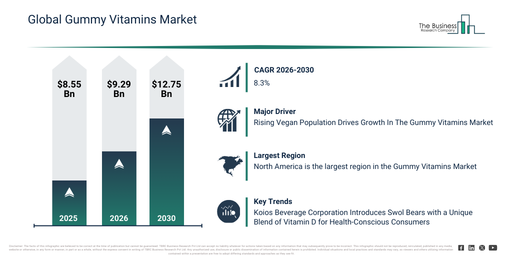
    The gummy vitamins sector has experienced notable expansion over recent years. Valued at $8.55 billion in 2025, it is projected to reach $9.29 billion by 2026, reflecting a compound annual growth rate (CAGR) of 8.6%. This upward trajectory in the historical period is driven by heightened awareness surrounding vitamin deficiencies, a growing preference for supplements designed for children, the widening footprint of retail pharmacy networks, rising health consciousness among consumers, and the increasing variety of gummy-based product formulations.

    The gummy vitamins sector is anticipated to experience significant expansion over the coming years, with projections indicating it will reach $12.75 billion by 2030, driven by a compound annual growth rate (CAGR) of 8.3%. This forecasted growth is fueled by factors such as the increasing demand for personalized nutrition, the rising prominence of e-commerce and digital sales platforms, advancements in gummy flavor and formulation, a growing consumer base among both adults and seniors, and expansion into developing markets. Key developments in this period encompass the growing popularity of chewable supplements, ongoing innovations in gummy taste and texture, the rise of tailored nutritional solutions, heightened adoption by older demographics, and the strengthening of online retail channels for product distribution.

    Download A Free Sample Report For Comprehensive Market Insights:

    https://www.thebusinessresearchcompany.com/sample.aspx?id=5812&type=smp&utm_source=BlogsPR&utm_medium=Paid&utm_campaign=Jul_PR

    Gummy Vitamins Market Expansion Drivers: What Is Shaping Future Growth?

    The rise in the number of vegans is anticipated to drive expansion within the gummy vitamins market. A vegan is someone who adopts a vegan lifestyle, meaning they refrain from consuming animal products and often avoid using other items or by-products derived from animals. This growing vegan demographic creates an opportunity for manufacturers of gummy vitamins to tailor their products to the values and preferences of an expanding consumer base. For example, in May 2024, the Food Navigator USA, an organization based in the United States, reported that plant-based food sales rose by 16.4% over a three-year period, reaching $394 million in 2023, and they secured a 6.8% share of the online market, compared to a 3.8% share in traditional retail settings. As a result, the increasing number of vegans is expected to bolster demand, thereby supporting growth in the gummy vitamins market.

    Gummy Vitamins Market Segment Breakdown: Which Categories Generate The Most Revenue?

    The gummy vitamins market covered in this report is segmented –

    1) By Product Type: Single Vitamin, Multi Vitamin, Probiotics

    2) By Source: Plant, Animal

    3) By End User: Adult, Children

    4) By Sales Channel: Hypermarket, Supermarket, Specialty Stores, Retail Pharmacies, Online Sales Channel, Other Sales Channel

    Subsegments:

    1) By Single Vitamin: Vitamin C Gummies, Vitamin D Gummies, Vitamin B12 Gummies

    2) By Multi-Vitamin: Adult Multi-Vitamin Gummies, Children’s Multi-Vitamin Gummies, Women’s And Men’s Specific Multi-Vitamin Gummies

    3) By Probiotics: Probiotic Gummies For Digestive Health, Immune Support Probiotic Gummies, Probiotic Gummies For Women’s Health

    Gummy Vitamins Market Strategic Trends: What Is Defining The Next Phase Of Growth?

    Major players within the gummy vitamins industry are concentrating their efforts on creating an innovative product line that presents consumers with a tasty yet healthier alternative for snacking. Among these offerings is Swol Bears, which are crafted using a unique blend of vitamin D to ensure each bag delivers a daily supply of essential nutrients. A case in point is Koios Beverage Corporation, a Canadian enterprise active in the specialty foods and wellness sectors, which introduced this new gummy range in May 2023. The Swol Bears are composed of natural components and contain only 1g of sugar per bag, positioning them as an excellent choice for individuals seeking to enjoy sweets while maintaining their health and wellness objectives.

    Gummy Vitamins Market Key Players And Strategic Industry Positioning

    Major companies operating in the gummy vitamins market are Church & Dwight Co Inc, Unilever PLC, Otsuka Pharmaceutical, Reckitt Benckiser Group plc, Sirio Pharma Co., Hero Nutritionals Llc, Herbaland Naturals Inc, Nature’s Way Products Llc, Zanon Lifesciences Private Limited, India Private Label Supplements, Biovencer Healthcare Private Limited, Radius Healthcare Private Limited, Estrellas Life Sciences Private Limited, Nanchang Xinouli Trading Co. Ltd, Jiangsu Handian Biotechnology Co. Ltd, Biocaro Pharmaceutical Co. Ltd, Shantou Sweet Road Industry And Trading Co. Ltd, The Good Vitamin Co, Garden Of Life, Vegums, Amway Corp, Noreva Biotech, Vtf, Solgar, Evalar, Biovea, Terezia, Zarbee’s Inc, Olly Public Benefit Corporation, Atrium Innovations, Pfizer Inc, Now Foods, Healthvit, Ascendis Health, Inova Pharmaceuticals, Vitabiotics Ltd, GlaxoSmithKline Plc, Abbott Laboratories, Nestle S.A, Gnc Holdings Inc., Life Science Nutritionals, Bettera Brands Llc, Bayer Ag, Santa Cruz Nutritionals Inc, Makers Nutrition Llc, Nutra Solutions, Ferrara Candy Company

    Access The Complete Gummy Vitamins Market Report:

    https://www.thebusinessresearchcompany.com/report/gummy-vitamins-global-market-report?utm_source=BlogsPR&utm_medium=Paid&utm_campaign=Jul_PR

    Gummy Vitamins Market Leading Geography: Which Region Generates The Most Revenue?

    North America was the largest region in the gummy vitamins market in 2025. Asia-Pacific is expected to be the fastest-growing region in the forecast period. The regions covered in the gummy vitamins market report are Asia-Pacific, South East Asia, Western Europe, Eastern Europe, North America, South America, Middle East, Africa.

    Get in touch with us:

    The Business Research Company: https://www.thebusinessresearchcompany.com/?utm_source=BlogsPR&utm_medium=Paid&utm_campaign=home_page_test

    Americas: +1 310-496-7795

    Asia: +44 7882 955267 & +91 8897263534

    Europe: +44 7882 955267

    Email us at: marketing@tbrc.info

    Follow us on:

    LinkedIn: https://in.linkedin.com/company/the-business-research-company

    YouTube: https://www.youtube.com/channel/UC24_fI0rV8cR5DxlCpgmyFQ

    Global Market Model: https://www.thebusinessresearchcompany.com/global-market-model
  • Guillain-Barre Syndrome Drugs Market Trends Are Creating New Opportunities For Industry Leaders

    Guillain-Barre Syndrome Drugs Market Trends Are Creating New Opportunities For Industry Leaders

    Delivering more actionable and strategically valuable research, The Business Research Company’s 2026 market reports feature market attractiveness analysis, total addressable market evaluation, company benchmarking matrices, interactive Excel dashboards, expanded supply chain intelligence, emerging startup coverage, and detailed product insights.

    Guillain-Barre Syndrome Drugs Market Expected To Reach $1.73 Billion By 2030 At 6.5% CAGR

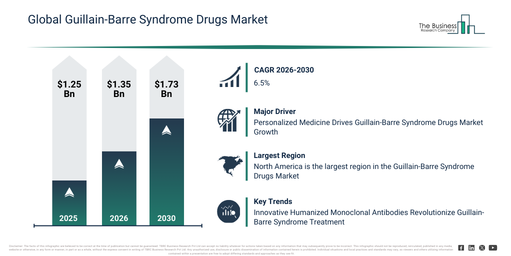
    The market for Guillain-Barre syndrome drugs has experienced robust expansion in recent years. Projected to increase from $1.25 billion in 2025 to $1.35 billion in 2026, this growth reflects a compound annual growth rate (CAGR) of 7.5%. Historically, the market’s upward trajectory has been driven by the proven clinical efficacy of intravenous immunoglobulin (IVIG) therapy, the long-established application of plasma exchange in neurological conditions, the accessibility of corticosteroids for symptom control, the broadening scope of hospital neurology departments, and a heightened awareness of Guillain-Barre syndrome as a medical emergency.

    The guillain-barre syndrome drugs market is projected to experience robust expansion over the coming years. By 2030, it is anticipated to reach $1.73 billion, reflecting a compound annual growth rate (CAGR) of 6.5%. This upward trajectory during the forecast period is driven by several factors, including a higher frequency of autoimmune neurological disorders, enhanced recognition of post-infectious GBS cases, improved access to sophisticated hospital care, expanded production capacity for intravenous immunoglobulin, and an escalating need for fast-acting immune-modulating treatments in acute settings. Key developments shaping the market outlook encompass the continued preference for intravenous immunoglobulin as the primary therapeutic approach, a growing adoption of plasma exchange for severe GBS presentations, a heightened focus on early detection and swift therapy initiation, a greater demand for hospital-based intensive GBS care, and the sustained application of supportive and adjunctive pharmaceutical interventions.

    Download A Free Sample Report For Comprehensive Market Insights:

    https://www.thebusinessresearchcompany.com/sample.aspx?id=15581&type=smp&utm_source=BlogsPR&utm_medium=Paid&utm_campaign=Jul_PR

    Guillain-Barre Syndrome Drugs Market Development Factors: Which Trends Are Supporting Demand?

    The rising adoption of customized treatments is anticipated to drive expansion in the Guillain-Barré syndrome drugs market moving forward. Customized medicine involves adjusting medical care according to a person’s genetic profile, biomarkers, or lifestyle choices to boost therapeutic efficacy and minimize side effects. This approach is gaining traction due to progress in genomics, growing disease intricacy, enhanced diagnostic tools, and robust regulatory backing. The Guillain-Barré syndrome drugs market gains from customized medicine by facilitating tailored care strategies that enhance patient outcomes and lower risks linked to standard treatments. As an example, in February 2024, data from the Personalized Medicine Coalition, a U.S.-based nonprofit, revealed that the U.S. Food and Drug Administration (FDA) authorized 16 novel customized therapies for rare disease patients in 2023, up from six such therapies in 2022. Hence, the surging demand for personalized medicine is fueling growth in the Guillain-Barré syndrome drugs market.

    A growing frequency of autoimmune diseases is projected to boost progress in the Guillain-Barré syndrome drugs market in the coming period. Autoimmune diseases are conditions where the immune system incorrectly targets the body’s own healthy cells and tissues, resulting in inflammation and tissue harm. This rise in autoimmune disorders is largely driven by genetic susceptibility, as inherited genes increase the likelihood that the immune system will attack its own tissues. Drugs for Guillain-Barré syndrome benefit autoimmune conditions by regulating the immune system to curb abnormal antibody-driven attacks on peripheral nerves, thus easing symptoms and halting disease advancement. For illustration, in February 2024, according to Arthritis Australia, an Australian nonprofit, an estimated 212,136 men and 362,137 women are predicted to have rheumatoid arthritis (RA) in 2025, with these figures climbing to roughly 280,040 men and 479,828 women by 2040. Consequently, the escalating incidence of autoimmune disorders is propelling growth in the Guillain-Barré syndrome drugs market.

    Guillain-Barre Syndrome Drugs Market Segmentation: How Is The Market Structured Across Key Categories?

    The guillain-barre syndrome drugs market covered in this report is segmented –

    1) By Drug Class: Immunoglobulins (IVIG), Corticosteroids, Plasma Exchange

    2) By Treatment Type: First-Line Treatment, Adjunctive Or Supportive Treatment

    3) By Application: Clinic, Hospital, Other Applications

    Subsegments:

    1) By Immunoglobulins (Ivig): Intravenous Immunoglobulin (Ivig) Therapy, Human Normal Immunoglobulin (Hnig), Hyperimmune Immunoglobulin Products, Ivig Formulations For GBS Treatment

    2) By Corticosteroids: Methylprednisolone, Prednisolone, Dexamethasone, Hydrocortisone, Betamethasone

    3) By Plasma Exchange: Therapeutic Plasma Exchange (TPE), Plasmapheresis

    Guillain-Barre Syndrome Drugs Market Transformation Trends: Which Innovations Are Driving Change?

    Major players within the Guillain-Barré syndrome (GBS) drugs market are placing emphasis on creating advanced solutions like humanized monoclonal antibodies, aiming to improve treatment accuracy, minimize neurological damage caused by immune responses, and solidify their market standing. A humanized monoclonal antibody is an experimentally designed antibody built mainly from human antibody sequences, incorporating only a small element from rodent monoclonal antibodies, and is crafted to home in on particular immune elements implicated in GBS pathology while restricting inflammation mediated by the complement system. As an example, in October 2023, Annexon Inc., a clinical-stage biopharmaceutical firm headquartered in the United States, disclosed that both the European Medicines Agency and the U.S. Food and Drug Administration had assigned an orphan drug designation to ANX005. This humanized monoclonal antibody works by selectively blocking C1q to stop complement-driven damage to neurons in GBS. Furthermore, the company announced that it had achieved its target enrollment for the Phase 3 clinical trial, with top-line findings anticipated in the first half of 2024. This underscores the potential of ANX005 to swiftly arrest autoimmune injury and facilitate the return of muscle strength in affected individuals.

    Guillain-Barre Syndrome Drugs Market Competitive Landscape And Leading Companies

    Major companies operating in the guillain-barre syndrome drugs market are CSL Behring LLC, Grifols SA, Octapharma AG, Takeda Pharmaceutical Company Limited, Biotest AG, Kedrion Biopharma Inc., Alexion Pharmaceuticals Inc., Argenx SE, Annexon Inc., Hansa Medical AB, F. Hoffmann-La Roche Ltd., Novartis AG, AbbVie Inc., Biogen Inc., Chugai Pharmaceutical Co. Ltd., Cadila Healthcare Limited, Akari Therapeutics Plc, Cellenkos Inc., Regenesance BV, Cresence AS

    Access The Complete Guillain-Barre Syndrome Drugs Market Report:

    https://www.thebusinessresearchcompany.com/report/guillain-barre-syndrome-drugs-global-market-report?utm_source=BlogsPR&utm_medium=Paid&utm_campaign=Jul_PR

    Guillain-Barre Syndrome Drugs Market Regional Outlook: Where Are The Largest Opportunities Located?

    North America was the largest region in the guillain-barre syndrome drugs market in 2025. Asia-Pacific is expected to be the fastest-growing region in the forecast period. The regions covered in the guillain-barre syndrome drugs market report are Asia-Pacific, South East Asia, Western Europe, Eastern Europe, North America, South America, Middle East, Africa.

    Get in touch with us:

    The Business Research Company: https://www.thebusinessresearchcompany.com/?utm_source=BlogsPR&utm_medium=Paid&utm_campaign=home_page_test

    Americas: +1 310-496-7795

    Asia: +44 7882 955267 & +91 8897263534

    Europe: +44 7882 955267

    Email us at: marketing@tbrc.info

    Follow us on:

    LinkedIn: https://in.linkedin.com/company/the-business-research-company

    YouTube: https://www.youtube.com/channel/UC24_fI0rV8cR5DxlCpgmyFQ

    Global Market Model: https://www.thebusinessresearchcompany.com/global-market-model
  • Grand Mal Seizure Treatment Market Growth Is Reshaping Competitive Advantage Across The Industry

    Grand Mal Seizure Treatment Market Growth Is Reshaping Competitive Advantage Across The Industry

    Enhanced with market attractiveness analysis, total addressable market evaluation, company benchmarking matrices, interactive Excel dashboards, expanded supply chain intelligence, emerging startup coverage, and detailed product insights, The Business Research Company’s 2026 market reports deliver more actionable and strategically valuable research.

    Grand Mal Seizure Treatment Market Size And Revenue Forecast Through 2030

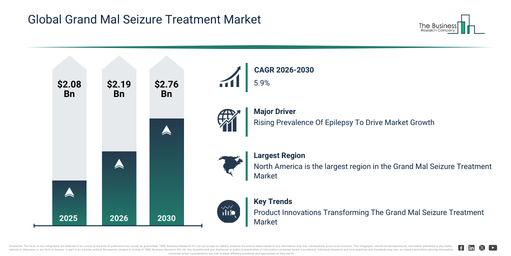
    The grand mal seizure treatment market has experienced robust expansion in recent years, with its value projected to increase from $2.08 billion in 2025 to $2.19 billion in 2026, achieving a compound annual growth rate (CAGR) of 5.1%. This historical growth has been driven by several key factors, including the restricted access to advanced antiepileptic medications, a high incidence of tonic-clonic seizures, growing public awareness of epilepsy management, a reliance on hospital-based care models, and the absence of tailored therapeutic approaches.

    The market for grand mal seizure treatments is projected to experience robust expansion in the coming years. By 2030, it is anticipated to reach $2.76 billion, reflecting a compound annual growth rate (CAGR) of 5.9%. This future growth can be linked to several factors: advancements in AI-driven seizure prediction, the rise of precision medicine within neurology, the broadening of telehealth services, accelerated research and development in innovative drug formulations, and the incorporation of wearable devices for seizure monitoring. Key developments shaping the forecast period consist of customized epilepsy management, less invasive surgical procedures, remote seizure observation at home, new antiepileptic drug options, and virtual neurological consultations.

    Download A Free Sample Report For Comprehensive Market Insights:

    https://www.thebusinessresearchcompany.com/sample.aspx?id=12349&type=smp&utm_source=BlogsPR&utm_medium=Paid&utm_campaign=Jul_PR

    Grand Mal Seizure Treatment Market Industry Drivers: What Is Driving Revenue Growth?

    The rising occurrence of epilepsy is anticipated to boost the expansion of the grand mal seizure treatment market moving forward. Epilepsy is a neurological condition characterized by recurrent seizures in patients. Grand mal seizures, often triggered by epilepsy, result in intense convulsions. This growing prevalence amplifies the demand for more effective therapies, which can be addressed through grand mal seizure treatments. For example, in February 2023, the World Health Organization, a United Nations public health agency based in Switzerland, reported that approximately 50 million individuals globally were living with epilepsy, positioning it among the most widespread neurological disorders. Around 5 million new epilepsy cases are diagnosed annually. Consequently, the high prevalence of epilepsy is fueling the growth of the grand mal seizure treatment market.

    Grand Mal Seizure Treatment Market Segmentation Trends And Revenue Drivers

    The grand mal seizure treatment market covered in this report is segmented –

    1) By Type: Barbiturates, Hydantoin, Phenyltriazine, Iminostilbenes, Benzodiazepines, Aliphatic Carboxylic Acids, Other Types

    2) By Diagnosis: Magnetic Resonance Imaging (MRI), Electroencephalogram (EEG), Blood Tests, Computed Tomography (CT), Other Diagnosis

    3) By Treatment: Antiepileptic Drugs, Surgery, Vagus Nerve Stimulation, Ketogenic Diet, Other Treatments

    4) By End Users: Academic And Research Centers, Neurological Centers, Hospitals, Other End Users

    Subsegments:

    1) By Barbiturates: Phenobarbital, Primidone

    2) By Hydantoins: Phenytoin, Phenytek

    3) By Phenyltriazines: Lamotrigine, Subvenite

    4) By Iminostilbenes: Carbamazepine, Oxcabazepine

    5) By Benzodiazepines: Clonazepam, Diazepam, Lorazepam

    6) By Aliphatic Carboxylic Acids: Valproic Acid, Divalproex Sodium

    7) By Other Types: Levetiracetam, Topiramate, Zonisamide

    Grand Mal Seizure Treatment Market Growth Trends: What Is Influencing The Future Outlook?

    Leading players in the grand mal seizure treatment market are actively innovating by introducing new offerings, like anti-epilepsy drugs, to secure a stronger position in the industry. These anti-epilepsy medications, referred to as antiepileptic drugs (AEDs) or anticonvulsants, form a category of pharmaceuticals aimed at controlling and managing epileptic seizures and associated conditions. As an example, in January 2023, Zydus Lifesciences Limited, a pharmaceutical company based in India, rolled out Topiramate extended-release capsules in the U.S. market. This generic anti-epilepsy product comes in strengths of USP 25 mg, 50 mg, and 100 mg, with Zydus being the first to achieve final approval and market the drug in those dosages. The capsules are intended for epilepsy management, specifically as an initial monotherapy for individuals aged six and older experiencing partial-onset or primary generalized tonic-clonic seizures, and also for migraine prevention in patients aged 12 and above.

    Grand Mal Seizure Treatment Market Industry Leaders: Which Organizations Are Driving Competition?

    Major companies operating in the grand mal seizure treatment market are Novartis AG, Sanofi S.A., GlaxoSmithKline PLC, Takeda Pharmaceuticals Inc., Mylan N.V., UCB Celltech Ltd., Sun Pharmaceutical Industries Ltd., Teva Pharmaceutical Industries Ltd., Aurobindo Pharma Limited, Lupin Pharmaceuticals Inc., Dr. Reddy’s Laboratories Ltd., Cipla Inc., Apotex Inc., Hikma Pharmaceuticals PLC, Alkem Laboratories Ltd., Jubilant Life Sciences Limited, Torrent Pharmaceuticals Ltd., Zydus Cadila, Strides Pharma Science Limited, Glenmark Pharmaceuticals Ltd., Wockhardt Ltd., Macleods Pharmaceuticals Ltd., Intas Pharmaceuticals Ltd., Alembic Pharmaceuticals Limited, Indoco Remedies Limited

    Access The Complete Grand Mal Seizure Treatment Market Report:

    https://www.thebusinessresearchcompany.com/report/grand-mal-seizure-treatment-global-market-report?utm_source=BlogsPR&utm_medium=Paid&utm_campaign=Jul_PR

    Grand Mal Seizure Treatment Market Geographic Landscape: Which Region Dominates Industry Growth?

    North America was the largest region in the grand mal seizure treatment market in 2025. The regions covered in the grand mal seizure treatment market report are Asia-Pacific, South East Asia, Western Europe, Eastern Europe, North America, South America, Middle East, Africa.

    Get in touch with us:

    The Business Research Company: https://www.thebusinessresearchcompany.com/?utm_source=BlogsPR&utm_medium=Paid&utm_campaign=home_page_test

    Americas: +1 310-496-7795

    Asia: +44 7882 955267 & +91 8897263534

    Europe: +44 7882 955267

    Email us at: marketing@tbrc.info

    Follow us on:

    LinkedIn: https://in.linkedin.com/company/the-business-research-company

    YouTube: https://www.youtube.com/channel/UC24_fI0rV8cR5DxlCpgmyFQ

    Global Market Model: https://www.thebusinessresearchcompany.com/global-market-model
  • Gonadotropin-Releasing Hormone (GnRH) Receptor Antagonists Market Forecast Signals New Revenue Opportunities Through 2030

    Gonadotropin-Releasing Hormone (GnRH) Receptor Antagonists Market Forecast Signals New Revenue Opportunities Through 2030

    Through market attractiveness analysis, total addressable market evaluation, company benchmarking matrices, interactive Excel dashboards, expanded supply chain intelligence, emerging startup coverage, and detailed product insights, The Business Research Company’s 2026 market reports provide more actionable and strategically valuable research.

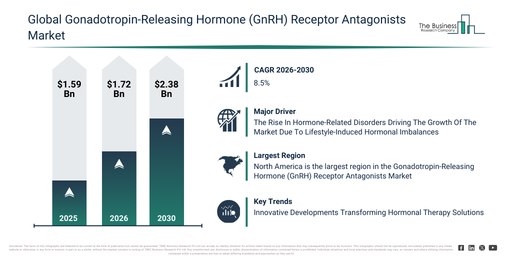
    Gonadotropin-Releasing Hormone (GnRH) Receptor Antagonists Market Growth From $1.72 Billion In 2026 To $2.38 Billion By 2030 At A CAGR Of 8.5%

    The market for gonadotropin-releasing hormone (GnRH) receptor antagonists has experienced robust expansion over recent years. Its value is projected to rise from $1.59 billion in 2025 to $1.72 billion in 2026, representing a compound annual growth rate (CAGR) of 8.2%. This historical growth has been driven by factors such as the restricted supply of GnRH receptor antagonists, dependence on injectable peptide-based formulations, heightened awareness regarding hormone-related conditions, a rise in hospital and oncology clinic interventions, and the authorization of early-generation drug products.

    The gonadotropin-releasing hormone (GnRH) receptor antagonists market is projected to experience significant growth in the near future. By 2030, it is expected to reach $2.38 billion, reflecting a compound annual growth rate (CAGR) of 8.5%. This anticipated expansion during the forecast period is driven by several factors, including the development of oral and transdermal non-peptide antagonists, an increasing prevalence of prostate and breast cancers, a broader range of treatment options for endometriosis, greater adoption of therapies for pediatric precocious puberty, and the growing use of telemedicine and remote prescription services. Key trends expected to shape this period include the rising frequency of hormone-dependent cancers, a heightened uptake of non-peptide GnRH antagonists, expanded treatments for endometriosis and uterine fibroids, a widened scope for managing pediatric precocious puberty, and the emergence of patient-centered delivery methods.

    Download A Free Sample Report For Comprehensive Market Insights:

    https://www.thebusinessresearchcompany.com/sample.aspx?id=25773&type=smp&utm_source=BlogsPR&utm_medium=Paid&utm_campaign=Jul_PR

    #Gonadotropin-Releasing Hormone (GnRH) Receptor Antagonists Market Growth Factors: Which Forces Are Supporting Market Expansion?

    The rising incidence of hormone-related disorders is anticipated to accelerate the expansion of the gonadotropin-releasing hormone (GnRH) receptor antagonists market in the foreseeable future. Such disorders, which arise from imbalances or dysfunctions in hormone production, secretion, or activity, disrupt key physiological processes including metabolism, growth, reproduction, and mood. This growing prevalence is largely fueled by modern lifestyle factors like poor dietary habits, physical inactivity, chronic stress, and irregular sleep patterns, all of which adversely affect hormonal equilibrium. By specifically targeting and blocking GnRH receptors, these antagonists curtail the production of sex hormones that drive the progression of these conditions, thereby offering an effective management strategy. A notable example occurred in February 2025, when the World Health Organization, an intergovernmental body headquartered in Switzerland, reported that polycystic ovary syndrome—a highly prevalent hormonal disorder among women of reproductive age—affects an estimated 6–13% of this population annually, with up to 70% of cases remaining undiagnosed. Consequently, the upward trend in hormone-related disorders is fueling demand for GnRH receptor antagonists and propelling market growth.

    Gonadotropin-Releasing Hormone (GnRH) Receptor Antagonists Market Segment Analysis Highlighting Growth Areas

    The gonadotropin-releasing hormone (gnrh) receptor antagonists market covered in this report is segmented –

    1) By Type: Peptide Gonadotropin-Releasing Hormone Receptor Antagonists, Non-Peptide Gonadotropin-Releasing Hormone Receptor Antagonists

    2) By Route Of Administration: Oral, Injectable, Transdermal

    3) By Patient Demographics: Adult Males, Adult Females, Pediatric Patients

    4) By Application: Prostate Cancer, Breast Cancer, Endometriosis, Uterine Fibroids, Precocious Puberty

    5) By Distribution Channel: Hospital Pharmacies, Retail Pharmacies, Online Pharmacies, Other Distribution Channels

    Subsegments:

    1) By Peptide Gonadotropin-Releasing Hormone Receptor Antagonists: Cetrorelix, Ganirelix, Degarelix

    2) By Non-Peptide Gonadotropin-Releasing Hormone Receptor Antagonists: Elagolix, Relugolix, Linzagolix

    Gonadotropin-Releasing Hormone (GnRH) Receptor Antagonists Market Industry Trends: What Changes Are Reshaping Demand?

    Leading players in the gonadotropin-releasing hormone (GnRH) receptor antagonists market are prioritizing the integration of advanced therapeutic strategies, particularly next-generation oral GnRH receptor antagonist formulations, to boost treatment efficacy, patient ease-of-use, and safety profiles. These oral therapies, being small-molecule agents, work by directly obstructing GnRH receptors in the pituitary gland, offering benefits like swift testosterone suppression, fewer injection-related side effects, and better patient compliance. A concrete example came in October 2023, when Sumitomo Pharma Canada Inc., a specialty pharmaceutical firm focused on oncology, secured approval for ORGOVYX (relugolix). This oral GnRH receptor antagonist is intended for androgen-deprivation therapy in adult men with advanced prostate cancer, delivering rapid testosterone decline, a convenient once-daily oral regimen, and a lower incidence of cardiovascular adverse events relative to traditional injectable GnRH agonists. ORGOVYX enhances treatment accessibility, patient comfort, and the clinical oversight of hormone-sensitive prostate cancer.

    Gonadotropin-Releasing Hormone (GnRH) Receptor Antagonists Market Leading Companies: Who Holds Significant Market Presence?

    Major companies operating in the gonadotropin-releasing hormone (gnrh) receptor antagonists market are Pfizer Inc, AbbVie Inc., Bayer AG, Novartis AG, Takeda Pharmaceutical Company Limited., Merck KGaA, Astellas Pharma Inc., Intas Pharmaceuticals Ltd., Organon And Co., Sun Pharmaceutical Industries Ltd., Jiangsu Hengrui Medicine Co. Ltd., Dr. Reddy’s Laboratories Ltd., Zydus Lifesciences Limited., Gland Pharma Limited., Bachem Holding AG, Kissei Pharmaceutical Co. Ltd., Myovant Sciences GmbH, Ferring International Center S.A., Theramex HQ UK Limited, Veru Inc

    Access The Complete Gonadotropin-Releasing Hormone (GnRH) Receptor Antagonists Market Report:

    https://www.thebusinessresearchcompany.com/report/gonadotropin-releasing-hormone-gnrh-receptor-antagonists-global-market-report?utm_source=BlogsPR&utm_medium=Paid&utm_campaign=Jul_PR

    Gonadotropin-Releasing Hormone (GnRH) Receptor Antagonists Market Largest Region: Which Geography Holds The Highest Market Share?

    North America was the largest region in the gonadotropin-releasing hormone (GnRH) receptor antagonists receptor antagonists market in 2025. Asia-Pacific is expected to be the fastest-growing region in the forecast period. The regions covered in the gonadotropin-releasing hormone (gnrh) receptor antagonists market report are Asia-Pacific, South East Asia, Western Europe, Eastern Europe, North America, South America, Middle East, Africa.

    Get in touch with us:

    The Business Research Company: https://www.thebusinessresearchcompany.com/?utm_source=BlogsPR&utm_medium=Paid&utm_campaign=home_page_test

    Americas: +1 310-496-7795

    Asia: +44 7882 955267 & +91 8897263534

    Europe: +44 7882 955267

    Email us at: marketing@tbrc.info

    Follow us on:

    LinkedIn: https://in.linkedin.com/company/the-business-research-company

    YouTube: https://www.youtube.com/channel/UC24_fI0rV8cR5DxlCpgmyFQ

    Global Market Model: https://www.thebusinessresearchcompany.com/global-market-model
  • Gonadotropin-Releasing Hormone (GnRH) Agonists And Antagonists Drugs Market Growth Is Accelerating As Industry Transformation Continues

    Gonadotropin-Releasing Hormone (GnRH) Agonists And Antagonists Drugs Market Growth Is Accelerating As Industry Transformation Continues

    Delivering more actionable and strategically valuable research, The Business Research Company’s 2026 market reports feature market attractiveness analysis, total addressable market evaluation, company benchmarking matrices, interactive Excel dashboards, expanded supply chain intelligence, emerging startup coverage, and detailed product insights.

    Gonadotropin-Releasing Hormone (GnRH) Agonists And Antagonists Drugs Market Expansion Outlook: What Revenue Opportunities Lie Ahead?

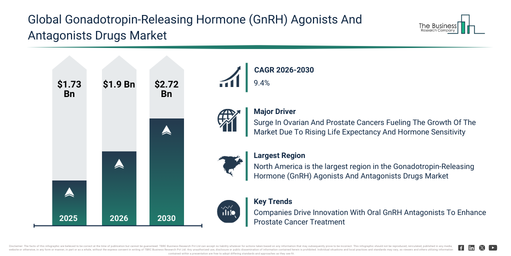
    The market for gonadotropin-releasing hormone (GnRH) agonists and antagonists has experienced robust expansion in recent years. Its size is projected to increase from $1.73 billion in 2025 to $1.9 billion in 2026, reflecting a compound annual growth rate (CAGR) of 9.8%. This historical growth has been driven by a number of factors, including the scarcity of synthetic GnRH drugs, a dependence on traditional hormone therapies, a rising incidence of prostate and gynecological cancers, heightened awareness regarding fertility treatments, and the uptake of depot and implant formulations.

    The gonadotropin-releasing hormone (GnRH) agonists and antagonists drugs market is projected to experience robust growth over the coming years, with an anticipated increase to $2.72 billion by 2030, driven by a compound annual growth rate (CAGR) of 9.4%. This expansion during the forecast period is fueled by several factors, including the advancement of long-acting and sustained-release formulations, heightened investment in oncology and reproductive healthcare, a growing number of regulatory approvals for novel GnRH antagonists, the proliferation of specialized clinics and hospitals, and the integration of precision medicine with personalized treatment approaches. Key trends shaping this period encompass a rising preference for long-acting GnRH formulations, broader application in oncology and gynecology treatments, the expansion of fertility and assisted reproductive therapies, a growing requirement for pediatric and adult prostate cancer therapies, and an intensified focus on customized hormonal therapy solutions.

    Download A Free Sample Report For Comprehensive Market Insights:

    https://www.thebusinessresearchcompany.com/sample.aspx?id=25772&type=smp&utm_source=BlogsPR&utm_medium=Paid&utm_campaign=Jul_PR

    Gonadotropin-Releasing Hormone (GnRH) Agonists And Antagonists Drugs Market Demand Drivers: What Is Fueling Industry Growth?

    The anticipated expansion of the gonadotropin-releasing hormone (GnRH) agonists and antagonists drugs market is being driven by the rising occurrence of ovarian and prostate cancers. These cancers, which are sensitive to hormones like estrogen and testosterone, are commonly addressed through therapies that regulate hormone levels, including GnRH agonists or antagonists. The growing number of such cases is linked to longer life expectancies, as the likelihood of developing these hormone-responsive cancers increases with age. By suppressing the production of sex hormones like estrogen and testosterone, which contribute to the growth of these tumors, GnRH agonists and antagonists play a key role in managing ovarian and prostate cancers. Cancer Australia, an Australian government body, reported in 2023 that roughly 1,786 new ovarian cancer diagnoses are anticipated in Australia that year, with women facing a 1 in 87 chance, or a 1.2 percent risk, of developing ovarian cancer by age 85. As a result, the heightened prevalence of these cancers is fueling the expansion of the market for GnRH agonists and antagonists.

    Gonadotropin-Releasing Hormone (GnRH) Agonists And Antagonists Drugs Market Segment Performance And Strategic Opportunities

    The gonadotropin-releasing hormone (gnrh) agonists and antagonists drugs market covered in this report is segmented –

    1) By Drug Type: GnRH Agonists, Leuprorelin, Goserelin, Triptorelin, Histrelin, Buserelin, GnRH Antagonists, Degarelix, Abarelix, Other Drug Types

    2) By Application: Gynecology, Oncology, Other Applications

    3) By End-User: Hospitals, Specialty Clinics, Other End-Users

    Subsegments:

    1) By GnRH Agonists: Deslorelin, Gonadorelin, Zoladex Long-Acting Goserelin Variant, Lupron Depot-Ped, Sustained-Release Microsphere Formulations

    2) By Leuprorelin: Depot Injection, Implant, Combination Therapy Formulations

    3) By Goserelin: Subcutaneous Implant, Oncology-Specific Formulation, Gynecology-Specific Formulation

    4) By Triptorelin: Intramuscular Injection, Long-Acting (1-, 3-, 6-Month) Depot, Fertility Treatment Formulation

    5) By Histrelin: Subcutaneous Implant, Pediatric (Precocious Puberty) Formulation, Adult Prostate Cancer-Specific Version

    6) By Buserelin: Nasal Spray, Subcutaneous Injection, In Vitro Fertilization And Fertility Cycle Formulations

    7) By GnRH Antagonists: Teverelix DP, Elagolix, Relugolix, Ganirelix, Linzagolix

    8) By Degarelix: Subcutaneous Injection, Monthly Dosing, Prostate Cancer-Specific Formulation

    9) By Abarelix: Intramuscular Injection, Advanced Prostate Cancer, Short-Acting Formulation

    10) By Other Drug Types: Subcutaneous Injection, In Vitro Fertilization-Specific Use, Multiple Dosing Regimens

    Gonadotropin-Releasing Hormone (GnRH) Agonists And Antagonists Drugs Market Innovation Trends: Which Developments Are Transforming The Industry?

    Major players within the gonadotropin-releasing hormone (GnRH) agonists and antagonists market are concentrating on the creation of advanced solutions, including oral GnRH receptor antagonists, aimed at boosting patient comfort, improving treatment compliance, and minimizing reliance on injectable formulations. An oral GnRH receptor antagonist functions as a tablet that inhibits GnRH receptors, thereby rapidly decreasing sex hormone levels, which is beneficial in managing hormone-driven conditions like prostate cancer and endometriosis. By way of example, in March 2024, Sumitomo Pharma Co. Ltd., a pharmaceutical company headquartered in Japan, announced the availability of ORGOVYX (relugolix) in Canada, following approval from Health Canada. This drug is the first oral androgen deprivation therapy (ADT) specifically designed for advanced prostate cancer. ORGOVYX is taken once daily as an oral GnRH receptor antagonist, effectively suppressing testosterone production, which is a significant factor in the progression of prostate cancer. Its clearance was supported by findings from the Phase 3 HERO study, which showed consistent and lasting suppression of testosterone, a decreased occurrence of major cardiovascular events, and a period of castration resistance-free survival comparable to that of injectable treatments.

    Gonadotropin-Releasing Hormone (GnRH) Agonists And Antagonists Drugs Market Key Players: Which Companies Shape Industry Competition?

    Major companies operating in the gonadotropin-releasing hormone (gnrh) agonists and antagonists drugs market are AbbVie Inc., Merck KGaA, Intas Pharmaceuticals Limited, Ipsen S.A., Dr. Reddy’s Laboratories Limited, Gedeon Richter Plc, Zydus Lifesciences Limited, Bachem Holding AG, Ferring International Center S.A., Tolmar Inc., Debiopharm International SA, TerSera Therapeutics LLC, TiumBio Co. Ltd.

    Access The Complete Gonadotropin-Releasing Hormone (GnRH) Agonists And Antagonists Drugs Market Report:

    https://www.thebusinessresearchcompany.com/report/gonadotropin-releasing-hormone-gnrh-agonists-and-antagonists-drugs-global-market-report?utm_source=BlogsPR&utm_medium=Paid&utm_campaign=Jul_PR

    Gonadotropin-Releasing Hormone (GnRH) Agonists And Antagonists Drugs Market Regional Analysis: Which Region Leads By Revenue?

    North America was the largest region in the gonadotropin-releasing hormone (GnRH) agonists and antagonists drugs market in 2025. Asia-Pacific is expected to be the fastest-growing region in the forecast period. The regions covered in the gonadotropin-releasing hormone (gnrh) agonists and antagonists drugs market report are Asia-Pacific, South East Asia, Western Europe, Eastern Europe, North America, South America, Middle East, Africa.

    Get in touch with us:

    The Business Research Company: https://www.thebusinessresearchcompany.com/?utm_source=BlogsPR&utm_medium=Paid&utm_campaign=home_page_test

    Americas: +1 310-496-7795

    Asia: +44 7882 955267 & +91 8897263534

    Europe: +44 7882 955267

    Email us at: marketing@tbrc.info

    Follow us on:

    LinkedIn: https://in.linkedin.com/company/the-business-research-company

    YouTube: https://www.youtube.com/channel/UC24_fI0rV8cR5DxlCpgmyFQ

    Global Market Model: https://www.thebusinessresearchcompany.com/global-market-model