Category: Pharmaceuticals

  • Casein Protein Market Opportunities Are Emerging Beyond Traditional Growth Areas

    Casein Protein Market Opportunities Are Emerging Beyond Traditional Growth Areas

    Enhanced with market attractiveness analysis, total addressable market evaluation, company benchmarking matrices, interactive Excel dashboards, expanded supply chain intelligence, emerging startup coverage, and detailed product insights, The Business Research Company’s 2026 market reports deliver more actionable and strategically valuable research.

    Casein Protein Market Forecast Highlighting Growth From $5.32 Billion To $7.17 Billion

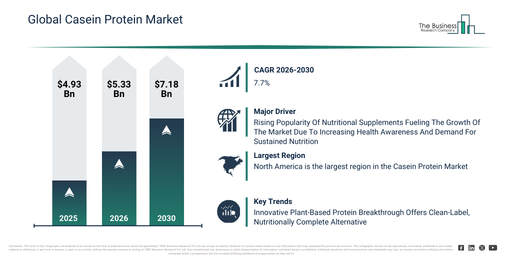
    The casein protein market has recorded substantial expansion over the past few years. From $4.93 billion in 2025, it is projected to rise to $5.33 billion in 2026, reflecting a compound annual growth rate (CAGR) of 8.1%. Driving forces behind past growth include the rise of fitness trends, increased focus on bodybuilding nutrition, a saturated whey protein segment, a growing network of supplement retailers, and heightened consumer awareness regarding protein consumption.

    The market for casein protein is projected to experience significant expansion in the coming years. By 2030, it is anticipated to reach a value of $7.18 billion, with a compound annual growth rate (CAGR) of 7.7%. This growth during the forecast period is driven by factors such as rising demand for sports nutrition, an increasingly active aging population, a preference for premium protein supplements, a focus on clean ingredient sourcing, and the growth of online supplement sales. Key trends shaping this period include a heightened demand for nighttime protein supplements, broader use in sports nutrition, the expansion of micellar casein products, the rise of clean label protein powders, and their adoption in muscle recovery nutrition.

    Download A Free Sample Report For Comprehensive Market Insights:

    https://www.thebusinessresearchcompany.com/sample.aspx?id=24494&type=smp&utm_source=BlogsPR&utm_medium=Paid&utm_campaign=Jul_PR

    Casein Protein Market Growth Momentum: Which Factors Are Influencing Demand?

    The projected expansion of the casein protein market is significantly fueled by the increasing demand for nutritional supplements. These supplements—which include vitamins, minerals, amino acids, or herbal ingredients—are designed to be taken orally to enhance dietary intake and support general wellness. Their growing appeal is largely driven by a heightened focus on health, with more people turning to preventive nutrition to boost immunity, ward off illness, and improve overall vitality. As a slow-digesting protein, casein provides a steady release of amino acids, which is particularly beneficial for muscle repair and sustained nourishment, especially during periods of fasting, thereby enhancing the effectiveness of supplementation. To illustrate, in December 2024, UNICEF, a U.S.-based humanitarian organization, reported that nearly 480 million vitamin A capsules were distributed across 71 countries in 2023, enabling over 320 million children to receive two doses—a 26 percent increase compared to prior years. This trend underscores how the rising popularity of nutritional supplements is directly propelling the casein protein market forward.

    Casein Protein Market Segmentation: How Is The Market Structured Across Key Categories?

    The casein protein market covered in this report is segmented –

    1) By Product Type: Micellar Casein, Casein Hydrolysate, Other Product Types

    2) By Function: Stabilizing, Emulsification, Foaming, Other Functions

    3) By Distribution Channel: Online Stores, Supermarkets Or Hypermarkets, Specialty Stores, Other Distribution Channels

    4) By Application: Nutritional Supplements, Food And Beverage, Agriculture Or Animal Feed, Cosmetics, Pharmaceutical, Other Applications

    5) By End-User: Athletes, Bodybuilders, General Consumers, Other End-Users

    Subsegments:

    1) By Micellar Casein: Micellar Casein Concentrate, Micellar Casein Isolate

    2) By Casein Hydrolysate: Partially Hydrolyzed Casein, Fully Hydrolyzed Casein

    3) By Other Product Types: Caseinates, Acid Casein, Rennet Casein

    Casein Protein Market Trends Reshaping Industry Growth

    Major industry players in the casein protein sector are concentrating their efforts on creating new offerings, like plant-based casein products, in order to satisfy the rising consumer interest in sustainable and alternative protein options. Plant-based casein is a type of protein product engineered to replicate the functional and nutritional attributes of dairy casein, yet it is sourced exclusively from plants rather than milk. A notable example occurred in May 2025, when Pureture Co. Ltd., a biotechnology firm based in the United States, introduced an emulsifier-free plant-based casein protein that skillfully mimics both the texture and nutritional profile of conventional dairy casein. This innovation eliminates the requirement for additives such as emulsifiers or stabilizers, resulting in a cleaner ingredient list that appeals to health-focused consumers. It provides a full complement of amino acids and achieves a PDCAAS score of 1.0, matching the nutritional value of dairy casein, all while facilitating clean-label and allergen-free product development.

    Casein Protein Market Competitive Landscape And Leading Companies

    Major companies operating in the casein protein market are Groupe Lactalis S.A., Arla Foods amba, Fonterra Co-operative Group Limited, Royal FrieslandCampina N.V., Agropur Dairy Cooperative, Leprino Foods Company Inc., Glanbia Nutritionals Inc., Actus Nutrition Inc., Sachsenmilch Leppersdorf GmbH, Ingredia SA, Numidia B.V, BioHealth Nutrition Inc., VRS Foods Ltd, Interfood Holding B.V., Eurial Groupe Agrial, American Casein Company, Clarion Casein Ltd., Pure Product Australia Pty Ltd, Swasthum Wellness Pvt. Ltd., Classik Casein Manufacturing Company

    Access The Complete Casein Protein Market Report:

    https://www.thebusinessresearchcompany.com/report/casein-protein-global-market-report?utm_source=BlogsPR&utm_medium=Paid&utm_campaign=Jul_PR

    Casein Protein Market Regional Outlook: Where Are The Largest Opportunities Located?

    North America was the largest region in the casein protein market in 2025. Asia-Pacific is expected to be the fastest-growing region in the forecast period. The regions covered in the casein protein market report are Asia-Pacific, South East Asia, Western Europe, Eastern Europe, North America, South America, Middle East, Africa.

    Get in touch with us:

    The Business Research Company: https://www.thebusinessresearchcompany.com/?utm_source=BlogsPR&utm_medium=Paid&utm_campaign=home_page_test

    Americas: +1 310-496-7795

    Asia: +44 7882 955267 & +91 8897263534

    Europe: +44 7882 955267

    Email us at: marketing@tbrc.info

    Follow us on:

    LinkedIn: https://in.linkedin.com/company/the-business-research-company

    YouTube: https://www.youtube.com/channel/UC24_fI0rV8cR5DxlCpgmyFQ

    Global Market Model: https://www.thebusinessresearchcompany.com/global-market-model
  • Casein Market Expansion Is Opening New Pathways For Strategic Investment

    Casein Market Expansion Is Opening New Pathways For Strategic Investment

    Through market attractiveness analysis, total addressable market evaluation, company benchmarking matrices, interactive Excel dashboards, expanded supply chain intelligence, emerging startup coverage, and detailed product insights, The Business Research Company’s 2026 market reports provide more actionable and strategically valuable research.

    Casein Market Revenue Growth Supported By A CAGR Of 8.61% Through 2030

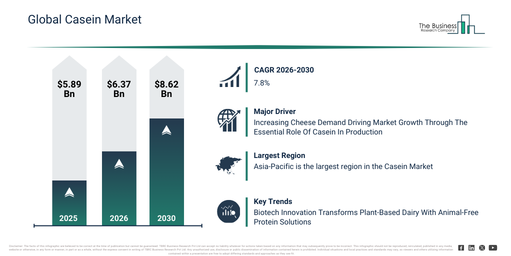
    The casein market has experienced robust expansion in recent years, with projections indicating an increase from $5.89 billion in 2025 to $6.37 billion in 2026, reflecting a compound annual growth rate (CAGR) of 8.2%. This historical growth has been driven by factors such as the expansion of the dairy sector, advancements in food processing, heightened awareness of protein nutrition, rising demand for pharmaceutical excipients, and the utilization of casein in sports nutrition.

    The casein market is projected to experience robust expansion over the coming years, reaching a valuation of $8.62 billion by 2030, driven by a compound annual growth rate (CAGR) of 7.8%. This anticipated growth during the forecast period is fueled by increasing demand for functional foods, the rising popularity of clean label products, advancements in pharmaceutical formulations, the broadening scope of infant nutrition, and the growing use of casein in industrial protein applications. Key trends shaping this period include a heightened need for protein-enriched foods, the expanding role of casein as a pharmaceutical excipient, its growing adoption as a versatile functional ingredient, the development of dairy-based nutritional products, and its integration into clean label formulations.

    Download A Free Sample Report For Comprehensive Market Insights:

    https://www.thebusinessresearchcompany.com/sample.aspx?id=24493&type=smp&utm_source=BlogsPR&utm_medium=Paid&utm_campaign=Jul_PR

    Casein Market Expansion Drivers: What Is Shaping Future Growth?

    The surge in cheese consumption is anticipated to drive the casein market forward in the coming period. Cheese, a solid dairy product created through milk curdling and subsequently aged to achieve diverse flavors and textures, is witnessing heightened demand. This trend stems from consumers’ increasing preference for protein-rich, tasty, and convenient food options. As the primary milk protein that coagulates to form curds, casein plays a vital role in cheese production. For example, data from the U.S. Department of Agriculture, a government agency in the United States, revealed that cheese output reached 22.52 million metric tons in 2024-25, compared to 22.3 million metric tons in 2023-24. Consequently, the rising demand for cheese is fueling expansion in the casein market.

    Casein Market Segmentation Trends And Revenue Drivers

    The casein market covered in this report is segmented –

    1) By Product Type: Acid Casein, Rennet Casein

    2) By Source: Cow’s Milk, Goat’s Milk, Sheep’s Milk

    3) By Function: Emulsifying Agent, Texturizing Agent, Foaming Agent, Thickening Agent

    4) By End Use: Food And Beverages, Pharmaceuticals, Cosmetics, Industrial, Other End Uses

    Subsegments:

    1) By Acid Casein: Food Grade Acid Casein, Industrial Grade Acid Casein, Pharmaceutical Grade Acid Casein

    2) By Rennet Casein: Edible Rennet Casein, Technical Rennet Casein, Specialty Rennet Casein

    Casein Market Strategic Trends: What Is Defining The Next Phase Of Growth?

    Leading players in the casein market are prioritizing technological breakthroughs, particularly the creation of casein through precision fermentation, to replicate the authentic functionality of dairy in plant-based alternatives while taking environmental and ethical concerns into account. This bioidentical dairy protein, produced via microbial fermentation, shares an identical molecular structure and functional characteristics with conventional casein, yet eliminates the need for animal involvement. For example, in October 2024, Those Vegan Cowboys, a food technology company headquartered in Belgium, introduced animal-free casein derived from precision fermentation, an advanced biotechnological method that yields dairy-matching proteins without animal input. This development directly tackles a major hurdle in vegan cheese production—achieving the stretch and melt properties typical of traditional dairy cheese. By imitating the functional attributes of milk-sourced casein, this innovation supports the manufacture of plant-based cheeses that boast authentic textures and performance, significantly boosting the attractiveness and overall quality of vegan dairy substitutes.

    Casein Market Industry Leaders: Which Organizations Are Driving Competition?

    Major companies operating in the casein market are Nestlé S.A., Danone S.A., Arla Foods Ingredients Group P/S, Fonterra Co-operative Group Limited, Saputo Inc., Kerry Group, Savencia Fromage, Glanbia plc, Bega Cheese Ltd., Actus Nutrition, Tatua Co-operative Dairy Company Ltd., Parag Milk Foods Ltd., Producers Dairy Foods Inc., Ingredia SA, Batory Foods, Westland Milk Products, Meelunie B.V., Uelzena eG, Lactoprot Deutschland GmbH, Armor Proteines.

    Access The Complete Casein Market Report:

    https://www.thebusinessresearchcompany.com/report/casein-global-market-report?utm_source=BlogsPR&utm_medium=Paid&utm_campaign=Jul_PR

    Casein Market Geographic Landscape: Which Region Dominates Industry Growth?

    Asia-Pacific was the largest region in the casein market in 2025. Asia-Pacific is expected to be the fastest-growing region in the forecast period. The regions covered in the casein market report are Asia-Pacific, South East Asia, Western Europe, Eastern Europe, North America, South America, Middle East, Africa.

    Get in touch with us:

    The Business Research Company: https://www.thebusinessresearchcompany.com/?utm_source=BlogsPR&utm_medium=Paid&utm_campaign=home_page_test

    Americas: +1 310-496-7795

    Asia: +44 7882 955267 & +91 8897263534

    Europe: +44 7882 955267

    Email us at: marketing@tbrc.info

    Follow us on:

    LinkedIn: https://in.linkedin.com/company/the-business-research-company

    YouTube: https://www.youtube.com/channel/UC24_fI0rV8cR5DxlCpgmyFQ

    Global Market Model: https://www.thebusinessresearchcompany.com/global-market-model
  • Cas12 Protein Market Trends Are Creating New Opportunities For Industry Leaders

    Cas12 Protein Market Trends Are Creating New Opportunities For Industry Leaders

    Delivering more actionable and strategically valuable research, The Business Research Company’s 2026 market reports feature market attractiveness analysis, total addressable market evaluation, company benchmarking matrices, interactive Excel dashboards, expanded supply chain intelligence, emerging startup coverage, and detailed product insights.

    Cas12 Protein Market Value Expansion And Long-Term Growth Outlook

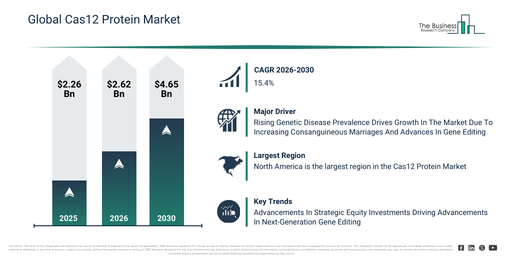
    The cas12 protein market has experienced swift expansion in the past few years. Its valuation is projected to climb from $2.26 billion in 2025 to $2.62 billion in 2026, reflecting a compound annual growth rate (CAGR) of 15.9%. This historical growth was driven by the early application of CRISPR-Cas systems, a surge in academic research focused on gene editing, heightened demand for molecular biology tools, the advancement of genetic engineering studies, and the accessibility of fundamental cas12 protein variants.

    The cas12 protein market is anticipated to experience strong expansion over the coming years. By 2030, its value is projected to reach $4.65 billion, with a compound annual growth rate (CAGR) of 15.4%. This forecast period growth is driven by several factors, including the broader use of CRISPR-based diagnostics, the creation of more sophisticated delivery techniques, higher levels of investment in gene therapies, increased spending on research and development in the pharmaceutical and biotechnology sectors, and a growing number of regulatory approvals for CRISPR-based treatments. Key developments shaping the forecast period involve the more frequent application of cas12 in rapid molecular testing, a greater reliance on cas12 for accurate genome editing, the creation of enhanced and high-fidelity versions of cas12, the broadening of its use in therapeutic development, and an increased demand for stable, lyophilized formulations of cas12.

    Download A Free Sample Report For Comprehensive Market Insights:

    https://www.thebusinessresearchcompany.com/sample.aspx?id=27240&type=smp&utm_source=BlogsPR&utm_medium=Paid&utm_campaign=Jul_PR

    Cas12 Protein Market Development Factors: Which Trends Are Supporting Demand?

    The rising occurrence of genetic disorders is anticipated to fuel expansion in the Cas12 protein market moving forward. These illnesses stem from alterations or mutations in an individual’s DNA that impair normal physiological functions. Their growing frequency is largely attributed to a higher rate of consanguineous marriages, which elevates the risk of passing on hereditary conditions. Cas12 protein operates by targeting and cleaving DNA at precise locations, enabling the correction, removal, or replacement of defective genes, thereby facilitating highly accurate gene therapies for inherited diseases with minimal unintended consequences. To illustrate, data from July 2025 provided by the National Blood Authority—an Australian blood management organization—showed that 2,788 patients were living with hereditary haemophilia A (HMA) during 2023–2024, compared to 2,681 patients in 2022–2023. Consequently, the growing prevalence of genetic diseases is propelling the advancement of the Cas12 protein market.

    Cas12 Protein Market Segment Analysis Highlighting Growth Areas

    The cas12 protein market covered in this report is segmented –

    1) By Type: Natural Cas12 Proteins, Modified Cas12 Proteins, Integration With Other CRISPR Components

    2) By Formulation: Liquid Formulations, Lyophilized Powder, Plasmid-Derived Cas12 Proteins

    3) By Delivery Method: Viral Vectors, Lipid Nanoparticles, Electroporation, Microinjection

    4) By Application: Genome Editing, Gene Knockout, Gene Regulation, Genetic Engineering, Therapeutics Development

    5) By End User: Academic And Research Institutes, Pharmaceutical And Biotechnology Companies, Diagnostic Laboratories, Agricultural Companies

    Subsegments:

    1) By Natural Cas12 Proteins: Cas12a, Cas12b, Cas12c

    2) By Modified Cas12 Proteins: Engineered Cas12 Variants, High-Fidelity Cas12 Proteins, Fusion Proteins With Cas12

    3) By Integration With Other CRISPR Components: Cas12 With Cas9 Systems, Cas12 With Base Editors, Cas12 With Prime Editors

    Cas12 Protein Market Transformation Trends: Which Innovations Are Driving Change?

    Key players in the Cas12 protein market are prioritizing the creation of sophisticated tools—particularly through equity investments—so they can speed up innovation and broaden their capacities in gene editing. When a company makes an equity investment, it involves buying shares or ownership stakes in another firm, granting the investor partial control and the opportunity to earn returns tied to the company’s performance. A case in point comes from April 2024, when Regeneron Pharmaceuticals Inc., a US biotechnology business, put $100 million into Mammoth Biosciences. This capital was used to gain access to Mammoth’s ultracompact CRISPR enzymes, designed to enable in vivo gene editing therapies delivered via adeno-associated viruses (AAVs) to various tissues beyond just the liver. The collaboration brings together Mammoth’s tiny CRISPR enzymes with Regeneron’s sophisticated AAV delivery system, unlocking new potential for targeted gene therapies that extend beyond liver applications. Because these compact enzymes fit easily within AAV vectors, they allow for precise and efficient in vivo editing capabilities. Under the terms of the deal, Mammoth stands to receive significant funding, along with milestone payments and royalties, while Regeneron secures exclusive rights to these groundbreaking tools for more than five years. Their shared objective is to speed up the development of next-generation genetic medicines, aimed at addressing a wider spectrum of diseases.

    Cas12 Protein Market Leading Companies: Who Holds Significant Market Presence?

    Major companies operating in the cas12 protein market are Thermo Fisher Scientific Inc., Bio-Techne Corporation, Integrated DNA Technologies Inc., GenScript Biotech Corporation, Takara Bio Inc., Aldevron LLC, New England Biolabs Inc., Synthego Corporation, Mammoth Biosciences Inc., Editas Medicine Inc., VectorBuilder, Sherlock Biosciences, Inscripta Inc.

    Access The Complete Cas12 Protein Market Report:

    https://www.thebusinessresearchcompany.com/report/cas12-protein-global-market-report?utm_source=BlogsPR&utm_medium=Paid&utm_campaign=Jul_PR

    Cas12 Protein Market Largest Region: Which Geography Holds The Highest Market Share?

    North America was the largest region in the Cas12 protein market in 2025. Asia-Pacific is expected to be the fastest-growing region in the forecast period. The regions covered in the cas12 protein market report are Asia-Pacific, South East Asia, Western Europe, Eastern Europe, North America, South America, Middle East, Africa.

    Get in touch with us:

    The Business Research Company: https://www.thebusinessresearchcompany.com/?utm_source=BlogsPR&utm_medium=Paid&utm_campaign=home_page_test

    Americas: +1 310-496-7795

    Asia: +44 7882 955267 & +91 8897263534

    Europe: +44 7882 955267

    Email us at: marketing@tbrc.info

    Follow us on:

    LinkedIn: https://in.linkedin.com/company/the-business-research-company

    YouTube: https://www.youtube.com/channel/UC24_fI0rV8cR5DxlCpgmyFQ

    Global Market Model: https://www.thebusinessresearchcompany.com/global-market-model
  • Cardiovascular Health Supplements Market Growth Is Reshaping Competitive Advantage Across The Industry

    Cardiovascular Health Supplements Market Growth Is Reshaping Competitive Advantage Across The Industry

    Enhanced with market attractiveness analysis, total addressable market evaluation, company benchmarking matrices, interactive Excel dashboards, expanded supply chain intelligence, emerging startup coverage, and detailed product insights, The Business Research Company’s 2026 market reports deliver more actionable and strategically valuable research.

    Cardiovascular Health Supplements Market Expected To Reach $25.76 Billion By 2030 At 12% CAGR

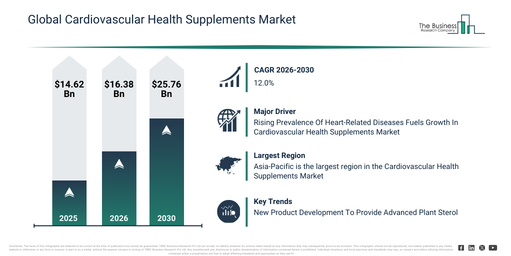
    The cardiovascular health supplements market has experienced rapid expansion in recent years, with projections indicating growth from $14.62 billion in 2025 to $16.38 billion in 2026 at a compound annual growth rate (CAGR) of 12.0%. This historic growth has been primarily driven by the increasing prevalence of cardiovascular diseases, heightened consumer awareness regarding health, a rise in dietary supplement consumption, broader retail and pharmacy distribution networks, and wider adoption of preventive healthcare practices.

    The cardiovascular health supplements market is projected to experience robust expansion in the upcoming years, reaching $25.76 billion by 2030 with a compound annual growth rate of 12.0%. This forecasted growth is driven by a globally aging population, rising health risks linked to modern lifestyles, a growing shift toward self-managed healthcare, the increasing availability of supplements through e-commerce, and heightened heart health awareness among younger demographics. Key trends shaping this period include a stronger emphasis on preventive heart care, a rising preference for daily heart health supplements, greater demand for natural and plant-based options, an expanding range of over-the-counter cardiovascular wellness products, and a heightened focus on supplements supported by clinical evidence.

    Download A Free Sample Report For Comprehensive Market Insights:

    https://www.thebusinessresearchcompany.com/sample.aspx?id=15533&type=smp&utm_source=BlogsPR&utm_medium=Paid&utm_campaign=Jul_PR

    Cardiovascular Health Supplements Market Industry Drivers: What Is Driving Revenue Growth?

    The rising incidence of heart-related conditions is anticipated to accelerate growth in the cardiovascular health supplements market in the coming period. Heart-related diseases, also referred to as cardiovascular diseases (CVDs), encompass disorders that impact the heart and blood vessels, such as hypertension, coronary artery disease, and heart failure. This increase in prevalence is driven by factors like poor dietary habits, inadequate physical activity, tobacco use, and persistent stress. By supplying essential nutrients and ingredients, the cardiovascular health supplements market helps sustain heart function, supports cardiovascular health, and aids individuals managing heart conditions. As an example, data from the Minnesota Department of Health, released in September 2024, shows that in 2023, high blood pressure affected around 30% of adults in Minnesota—roughly 1.4 million people—and in 2022, hypertensive diseases caused 14,225 deaths, which accounted for 28% of all fatalities in the state. Consequently, the growing prevalence of heart-related diseases is fueling expansion in the cardiovascular health supplements market.

    Cardiovascular Health Supplements Market Segment Performance And Strategic Opportunities

    The cardiovascular health supplements market covered in this report is segmented –

    1) By Type: Natural Supplements, Synthetic Supplements

    2) By Ingredient: Vitamins And Minerals, Herbs And Botanicals, Omega Fatty Acids, Coenzyme Q10 (CoQ10), Other Ingredients

    3) By Form: Liquid, Tablet, Capsules, Softgels, Powder, Other Forms

    4) By Distribution Channel: Offline, Online

    Subsegments:

    1) By Natural Supplements: Omega-3 Fatty Acids, Coenzyme Q10 (CoQ10), Garlic Extract, Green Tea Extract, Flaxseed Oil, Hawthorn Extract, Turmeric Or Curcumin, Pomegranate Extract

    2) By Synthetic Supplements: Synthetic Omega-3 Fatty Acids, Phytosterols, L-Arginine, Synthetic Antioxidants, Beta-Glucan

    Cardiovascular Health Supplements Market Growth Trends: What Is Influencing The Future Outlook?

    Leading players in the cardiovascular health supplements market are concentrating on the creation of innovative natural plant-derived offerings, including dispersible phytosterol formulations, designed to enhance cholesterol regulation and fortify their market standing. Dispersible phytosterols are water-friendly plant sterols engineered for effortless dispersion in liquids, which boosts their bioavailability and effectively diminishes cholesterol absorption in the intestines, consequently promoting cardiac and metabolic wellness. A case in point occurred in September 2023 when Nutrartis, a Chile-headquartered provider of health solutions, unveiled Cardiosmile—a liquid supplement featuring water-dispersible natural plant sterols. This product aids daily heart health by curbing cholesterol uptake, delivering clinically validated advantages for sustaining optimal cholesterol levels and fostering overall cardiovascular well-being.

    Cardiovascular Health Supplements Market Key Players: Which Companies Shape Industry Competition?

    Major companies operating in the cardiovascular health supplements market are Pfizer Inc., Johnson & Johnson, Amway Corporation, Herbalife Nutrition Ltd., General Nutrition Centers Inc. (GNC), NOW Health Group Inc., Garden of Life LLC, Thorne Healthtech Inc., Jarrow Formulas Inc., Life Extension, Designs for Health Inc., Gaia Herbs Inc., Schiff Nutrition International, MegaFood LLC, Twinlab Consolidated Holdings Inc., New Chapter Inc., Integrative Therapeutics LLC, Pure Encapsulations LLC, Doctor’s Best Inc., Nature’s Bounty Co., Solgar Inc., Nature Made Nutritional Products

    Access The Complete Cardiovascular Health Supplements Market Report:

    https://www.thebusinessresearchcompany.com/report/cardiovascular-health-supplements-global-market-report?utm_source=BlogsPR&utm_medium=Paid&utm_campaign=Jul_PR

    Cardiovascular Health Supplements Market Regional Analysis: Which Region Leads By Revenue?

    Asia-Pacific was the largest region in the cardiovascular health supplements market in 2025. The regions covered in the cardiovascular health supplements market report are Asia-Pacific, South East Asia, Western Europe, Eastern Europe, North America, South America, Middle East, Africa.

    Get in touch with us:

    The Business Research Company: https://www.thebusinessresearchcompany.com/?utm_source=BlogsPR&utm_medium=Paid&utm_campaign=home_page_test

    Americas: +1 310-496-7795

    Asia: +44 7882 955267 & +91 8897263534

    Europe: +44 7882 955267

    Email us at: marketing@tbrc.info

    Follow us on:

    LinkedIn: https://in.linkedin.com/company/the-business-research-company

    YouTube: https://www.youtube.com/channel/UC24_fI0rV8cR5DxlCpgmyFQ

    Global Market Model: https://www.thebusinessresearchcompany.com/global-market-model
  • Cardiotonic Agents Market Forecast Signals New Revenue Opportunities Through 2030

    Cardiotonic Agents Market Forecast Signals New Revenue Opportunities Through 2030

    Through market attractiveness analysis, total addressable market evaluation, company benchmarking matrices, interactive Excel dashboards, expanded supply chain intelligence, emerging startup coverage, and detailed product insights, The Business Research Company’s 2026 market reports provide more actionable and strategically valuable research.

    Cardiotonic Agents Market Size And Revenue Forecast Through 2030

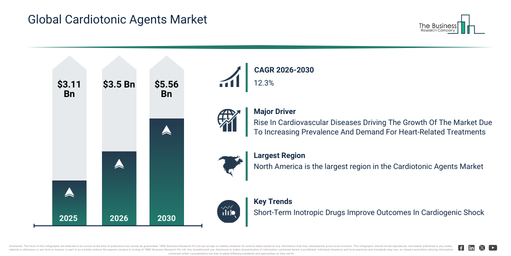
    The market for cardiotonic agents has experienced significant expansion over the past few years, with its size projected to increase from $3.11 billion in 2025 to $3.5 billion in 2026, reflecting a compound annual growth rate (CAGR) of 12.3%. This upward trend during the historic period has been driven by factors such as a growing prevalence of heart failure, the essential role of inotropic support in critical care settings, a scarcity of alternative treatments for enhancing acute cardiac output, an uptick in cardiac surgery procedures, and the centralization of cardiovascular care within hospitals.

    The cardiotonic agents market is anticipated to experience rapid expansion over the coming years, with projections indicating it will reach $5.56 billion by 2030, reflecting a compound annual growth rate (CAGR) of 12.3%. This forecasted growth is largely driven by several factors, including the rising number of elderly individuals worldwide, the increasing prevalence of advanced heart failure cases, heightened demand for fast-acting cardiac medications, the strengthening of critical care facilities, and enhanced monitoring capabilities in cardiac intensive care units. Among the key trends shaping this period are the sustained application of cardiotonic drugs for managing acute heart failure, a preference for hospital-based intravenous delivery methods, ongoing reliance on digitalis glycosides for treating arrhythmias, the incorporation of these agents into surgical cardiac care, and a gradual move toward combination cardiovascular therapies.

    Download A Free Sample Report For Comprehensive Market Insights:

    https://www.thebusinessresearchcompany.com/sample.aspx?id=24184&type=smp&utm_source=BlogsPR&utm_medium=Paid&utm_campaign=Jul_PR

    #Cardiotonic Agents Market Growth Factors: Which Forces Are Supporting Market Expansion?

    The growing incidence of cardiovascular diseases is anticipated to drive the expansion of the cardiotonic agents market in the foreseeable future. Cardiovascular diseases (CVDs) encompass a range of disorders impacting the heart and blood vessels, including coronary artery disease, heart failure, arrhythmias, and stroke. This increase in CVDs is largely attributed to unhealthy eating habits rich in saturated fats, trans fats, salt, and added sugars, which lead to obesity, hypertension, and elevated cholesterol levels. Cardiotonic agents enhance the efficiency and strength of heart muscle contractions, thereby improving blood flow and alleviating symptoms across various cardiovascular conditions. For example, in September 2023, the World Health Organization, an intergovernmental entity based in Switzerland, reported 17.9 million deaths caused by cardiovascular diseases. Consequently, the rising prevalence of these conditions is fueling growth in the cardiotonic agents market.

    Cardiotonic Agents Market Segment Landscape And Growth Potential

    The cardiotonic agents market covered in this report is segmented –

    1) By Drug Type: Digitalis Glycosides, Phosphodiesterase Inhibitors, Cardioprotectants, Sympathomimetic Agents, Other Drug Types

    2) By Route Of Administration: Oral, Intravenous, Other Route Of Administrations

    3) By Dosage Form: Tablet, Solution, Other Dosage Forms

    4) By Application: Cardiac Surgical Procedures, Atrial Fibrillation, Heart Failure, Pulmonary Hypertension, Other Applications

    5) By Distribution Channel: Hospital Pharmacies, Retail Pharmacies, Online Pharmacies

    Subsegments:

    1) By Digitalis Glycoside: Digoxin, Digitoxin, Lanatoside C

    2) By Phosphodiesterase Inhibitors: Milrinone, Enoximone, Amrinone

    3) By Cardioprotectants: Coenzyme Q10, Dexrazoxane, Trimetazidine

    4) By Sympathomimetic Agents: Dobutamine, Dopamine, Norepinephrine

    5) By Other Drug Types: Levosimendan, Omecamtiv Mecarbil, Cilostazol

    Cardiotonic Agents Market Industry Trends: What Changes Are Reshaping Demand?

    Major players in the cardiotonic agents sector are placing significant emphasis on the creation of cutting-edge products, particularly short-term inotropic drugs designed to improve cardiac function during acute heart failure and cardiogenic shock. These short-term inotropic agents are medications utilized to temporarily boost the heart’s contractile strength, consequently elevating cardiac output. A notable example occurred in June 2023, when Hikma Pharmaceuticals plc, a pharmaceutical firm headquartered in the United Kingdom, introduced Dobutamine Injection, USP, available in a 250 mg/20 mL vial. This product is prescribed for short-term inotropic support in adults suffering from cardiac decompensation stemming from diminished heart contractility, often resulting from heart disease or as a complication after cardiac surgery. Its mechanism involves stimulation of beta-1 receptors, leading to enhanced myocardial contractility and increased cardiac output, with an onset of action occurring within 1 to 2 minutes. Administration is performed intravenously, typically within a hospital environment under rigorous monitoring.

    Cardiotonic Agents Market Competitive Landscape: Who Are The Leading Companies?

    Major companies operating in the cardiotonic agents market are Pfizer Inc., F. Hoffmann-La Roche AG, Merck & Co. Inc., Bayer AG, Sanofi S.A., Bristol-Myers Squibb Company, AstraZeneca plc, Novartis AG, Eli Lilly and Company, Fresenius Kabi, Aurobindo Pharma Limited, Hikma Pharmaceuticals PLC, Alchem International Private Ltd, Farbe Firma Private Limited, Salius Pharma Pvt. Ltd., Johnlee Pharmaceuticals Pvt. Ltd., Healthy Life Pharma Pvt Ltd, Anwita Drugs, Varion Lifesciences, Deccan Nutraceuticals Pvt. Ltd.

    Access The Complete Cardiotonic Agents Market Report:

    https://www.thebusinessresearchcompany.com/report/cardiotonic-agents-global-market-report?utm_source=BlogsPR&utm_medium=Paid&utm_campaign=Jul_PR

    Cardiotonic Agents Market Geographic Distribution And Regional Opportunities

    North America was the largest region in the cardiotonic agents market in 2025. Asia-Pacific is expected to be the fastest-growing region in the forecast period. The regions covered in the cardiotonic agents market report are Asia-Pacific, South East Asia, Western Europe, Eastern Europe, North America, South America, Middle East, Africa.

    Get in touch with us:

    The Business Research Company: https://www.thebusinessresearchcompany.com/?utm_source=BlogsPR&utm_medium=Paid&utm_campaign=home_page_test

    Americas: +1 310-496-7795

    Asia: +44 7882 955267 & +91 8897263534

    Europe: +44 7882 955267

    Email us at: marketing@tbrc.info

    Follow us on:

    LinkedIn: https://in.linkedin.com/company/the-business-research-company

    YouTube: https://www.youtube.com/channel/UC24_fI0rV8cR5DxlCpgmyFQ

    Global Market Model: https://www.thebusinessresearchcompany.com/global-market-model
  • Cardiology Stem Cells Market Growth Is Accelerating As Industry Transformation Continues

    Cardiology Stem Cells Market Growth Is Accelerating As Industry Transformation Continues

    Delivering more actionable and strategically valuable research, The Business Research Company’s 2026 market reports feature market attractiveness analysis, total addressable market evaluation, company benchmarking matrices, interactive Excel dashboards, expanded supply chain intelligence, emerging startup coverage, and detailed product insights.

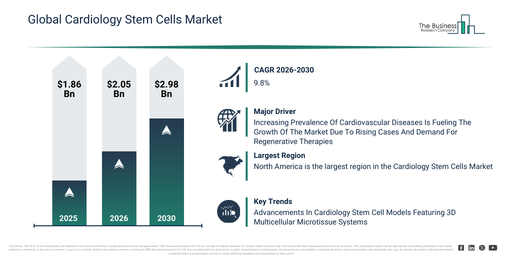
    Cardiology Stem Cells Market Growth From $2.05 Billion In 2026 To $2.98 Billion By 2030 At A CAGR Of 9.8%

    The cardiology stem cells market has experienced rapid expansion in recent years, with its value projected to rise from $1.86 billion in 2025 to $2.05 billion in 2026, reflecting a compound annual growth rate (CAGR) of 10.2%. This historical growth has been driven by factors such as a higher incidence of cardiovascular diseases, the limited success of conventional cardiac treatments, increased research funding directed toward regenerative medicine, greater public awareness regarding the potential of stem cells, and the expansion of hospital-based cardiac care facilities.

    The cardiology stem cells market is projected to experience substantial growth over the coming years, reaching a value of $2.98 billion by the year 2030, driven by a compound annual growth rate (CAGR) of 9.8%. This anticipated expansion during the forecast period is largely due to improvements in stem cell engineering technologies, a rise in the number of approvals granted for stem cell clinical trials, enhanced funding from biotechnology firms, progress in the creation of minimally invasive delivery methods, and an increasing need for personalized therapies aimed at cardiac conditions. Key developments likely to shape the market in this period encompass a heightened emphasis on regenerative treatments targeting cardiac diseases, an uptick in clinical trials exploring stem cell-driven cardiology interventions, a greater uptake of both autologous and allogeneic stem cell therapies, intensified investigations into cardiac repair and regeneration, and continuous advances in stem cell administration approaches for heart disorders.

    Download A Free Sample Report For Comprehensive Market Insights:

    https://www.thebusinessresearchcompany.com/sample.aspx?id=27238&type=smp&utm_source=BlogsPR&utm_medium=Paid&utm_campaign=Jul_PR

    Cardiology Stem Cells Market Demand Drivers: What Is Fueling Industry Growth?

    The anticipated rise in cardiovascular disease incidence is set to fuel expansion within the cardiology stem cell market in the coming years. Cardiovascular diseases encompass a variety of heart and blood vessel disorders, including coronary artery disease, heart failure, stroke, and hypertension. This upward trend in cardiovascular conditions is largely driven by aging populations, as older individuals face a higher risk of heart problems, thereby increasing the need for regenerative cardiac therapies. Cardiology stem cell therapy addresses cardiovascular diseases by offering regenerative treatments that repair and rejuvenate damaged heart tissue through diverse mechanisms. For example, in September 2024, the National Institutes of Health (NIH), a US government agency, projected that cardiovascular cases could nearly double from 2025 to 2050, with fatalities rising from 20.5 million to 35.6 million. Consequently, the growing prevalence of cardiovascular diseases is propelling the cardiology stem cell market forward.

    Cardiology Stem Cells Market Categorization By Product Type And Application

    The cardiology stem cells market covered in this report is segmented –

    1) By Product: Mesenchymal Stem Cells, Induced Pluripotent Stem Cells, Embryonic Stem Cells, Cardiac Stem Cells, Adipose-Derived Stem Cells, Bone Marrow-Derived Stem Cells

    2) By Delivery Method: Intravenous Injection, Intracoronary Injection, Intramuscular Injection, Transendocardial Injection, Direct Surgical Delivery

    3) By Application: Myocardial Infarction, Congestive Heart Failure, Ischemic Cardiomyopathy, Cardiac Regeneration Post-Surgery, Arrhythmia And Conduction Disorders, Pediatric Congenital Heart Diseases

    4) By End-User: Hospitals, Research Institutes, Biotechnology Companies, Other End Users

    Subsegments:

    1) By Mesenchymal Stem Cells: Autologous Mesenchymal Stem Cells, Allogeneic Mesenchymal Stem Cells, Expanded Mesenchymal Stem Cells, Genetically Modified Mesenchymal Stem Cells

    2) By Induced Pluripotent Stem Cells: Human Induced Pluripotent Stem Cells, Mouse Induced Pluripotent Stem Cells, Cardiomyocyte Derived Induced Pluripotent Stem Cells, Neural Induced Pluripotent Stem Cells

    3) By Embryonic Stem Cells: Human Embryonic Stem Cells, Mouse Embryonic Stem Cells, Primed Embryonic Stem Cells, Naive Embryonic Stem Cells

    4) By Cardiac Stem Cells: Resident Cardiac Stem Cells, Exogenous Cardiac Stem Cells, Clonally Derived Cardiac Stem Cells, Transcription Factor Induced Cardiac Stem Cells

    5) By Adipose Derived Stem Cells: Autologous Adipose Derived Stem Cells, Allogeneic Adipose Derived Stem Cells, Stromal Vascular Fraction Derived Stem Cells, Expanded Adipose Derived Stem Cells

    6) By Bone Marrow Derived Stem Cells: Hematopoietic Stem Cells, Mesenchymal Stem Cells From Bone Marrow, Endothelial Progenitor Cells, Mononuclear Cells From Bone Marrow

    Cardiology Stem Cells Market Innovation Trends: Which Developments Are Transforming The Industry?

    Major players in the cardiology stem cell industry are concentrating on creating cutting-edge solutions, such as integrated cardiac models, to drive progress in cardiovascular research and precision medicine. These integrated cardiac models consist of computational or mathematical frameworks that merge various physiological, anatomical, and biochemical elements of the heart to replicate its complete function and behavior. For example, in January 2025, Ncardia BV, a biotechnology firm based in the Netherlands, unveiled Ncyte Heart in a Box, an innovative 3D cardiac microtissue system aimed at improving drug discovery, disease modeling, and safety evaluation in cardiology. This platform incorporates high-purity hiPSC-derived cardiac cells into a functional microtissue format, delivering greater translational relevance and predictive accuracy for therapeutic development. The system enables applications in heart development research, toxicity assessments, and the progression of personalized medicine initiatives.

    Cardiology Stem Cells Market Company Landscape And Strategic Competition

    Major companies operating in the cardiology stem cells market are Sana Biotechnology, Orizuru Therapeutics Inc., Mesoblast Ltd., Athersys Inc., Longeveron Inc., Healios K.K, Capricor Therapeutics Inc., BioCardia Inc., CardioCell.

    Access The Complete Cardiology Stem Cells Market Report:

    https://www.thebusinessresearchcompany.com/report/cardiology-stem-cells-global-market-report?utm_source=BlogsPR&utm_medium=Paid&utm_campaign=Jul_PR

    Cardiology Stem Cells Market Largest Region By Revenue And Market Share

    North America was the largest region in the cardiology stem cells market in 2025. Asia-Pacific is expected to be the fastest-growing region in the forecast period. The regions covered in the cardiology stem cells market report are Asia-Pacific, South East Asia, Western Europe, Eastern Europe, North America, South America, Middle East, Africa.

    Get in touch with us:

    The Business Research Company: https://www.thebusinessresearchcompany.com/?utm_source=BlogsPR&utm_medium=Paid&utm_campaign=home_page_test

    Americas: +1 310-496-7795

    Asia: +44 7882 955267 & +91 8897263534

    Europe: +44 7882 955267

    Email us at: marketing@tbrc.info

    Follow us on:

    LinkedIn: https://in.linkedin.com/company/the-business-research-company

    YouTube: https://www.youtube.com/channel/UC24_fI0rV8cR5DxlCpgmyFQ

    Global Market Model: https://www.thebusinessresearchcompany.com/global-market-model
  • Cardiac Biomarkers Testing Market Outlook Highlights The Next Major Growth Opportunities

    Cardiac Biomarkers Testing Market Outlook Highlights The Next Major Growth Opportunities

    Enhanced with market attractiveness analysis, total addressable market evaluation, company benchmarking matrices, interactive Excel dashboards, expanded supply chain intelligence, emerging startup coverage, and detailed product insights, The Business Research Company’s 2026 market reports deliver more actionable and strategically valuable research.

    Cardiac Biomarkers Testing Market Expansion Outlook: What Revenue Opportunities Lie Ahead?

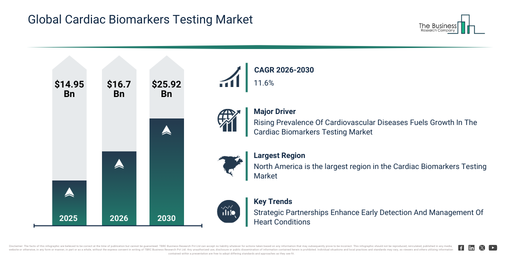
    The cardiac biomarkers testing market has experienced substantial expansion over the last several years, with projections indicating a rise from $14.95 billion in 2025 to $16.7 billion in 2026, reflecting a compound annual growth rate (CAGR) of 11.7%. This historic period of growth was largely driven by factors such as the escalating prevalence of cardiovascular diseases, enhanced public awareness regarding cardiac health, progress in laboratory diagnostic technologies, the expansion of hospital infrastructure, and an uptick in government-led healthcare programs.

    The cardiac biomarkers testing industry is forecasted to expand rapidly over the coming years, reaching $25.92 billion by 2030 with a compound annual growth rate (CAGR) of 11.6%. This projected growth during the forecast period is driven by the adoption of artificial intelligence in diagnostics, the expansion of home-based and remote monitoring capabilities, the rise of precision medicine, the development of multi-biomarker panels, and an increasing demand for real-time cardiac monitoring. Key trends shaping this period include the adoption of point-of-care testing, the emergence of miniaturized and portable diagnostic devices, the advancement of biomarker multiplexing technologies, the practice of personalized cardiac risk profiling, and the integration of wearables for continuous cardiac monitoring.

    Download A Free Sample Report For Comprehensive Market Insights:

    https://www.thebusinessresearchcompany.com/sample.aspx?id=9436&type=smp&utm_source=BlogsPR&utm_medium=Paid&utm_campaign=Jul_PR

    Cardiac Biomarkers Testing Market Growth Drivers: What Factors Are Accelerating Expansion?

    The rising incidence of cardiovascular diseases is anticipated to propel the expansion of the cardiac biomarkers testing market in the future. Cardiovascular disease encompasses conditions that impact the heart or blood vessels. Cardiac biomarker tests are utilized to measure biomarker levels, enabling rapid assessment of heart attack severity and its extent. Consequently, a higher prevalence of cardiovascular diseases is expected to drive greater demand for cardiac biomarker testing solutions. For example, in January 2024, the American Heart Association, a non-profit organization based in the United States, reported that the age-adjusted death rate from cardiovascular disease climbed to 233.3 per 100,000 in 2024, reflecting a 4.0% increase from 224.4 per 100,000 in 2023. As a result, the growing prevalence of cardiovascular diseases is fueling the growth of the cardiac biomarkers testing market.

    Cardiac Biomarkers Testing Market Segment Analysis And Revenue Opportunities

    The cardiac biomarkers testing market covered in this report is segmented –

    1) By Biomarkers Type: Creatine Kinase (CK-MB), Troponins, Myoglobin, Natriuretic Peptides (BNP And NT-proBNP), Ischemia Modified Albumin (IMA), Other Biomarkers Types

    2) By Application: Congestive Heart Failure, Acute Coronary Syndrome, Myocardial Infarction, Atherosclerosis, Other Applications

    3) By End-User: Hospitals, Specialty Clinics

    Cardiac Biomarkers Testing Market Trends: What Is Shaping Future Industry Growth?

    Major players within the cardiac biomarker testing market are increasingly turning to strategic collaborations as a way to integrate technologies that detect early indicators of heart disease and enhance patient recovery. These partnerships encourage joint efforts among firms, driving the creation of cutting-edge diagnostic tools, broadening their market presence, and speeding up the deployment of next-generation testing solutions to support improved cardiovascular health outcomes. A notable example occurred in September 2024, when MediBuddy—an Indian healthcare technology firm offering a wide-ranging platform for telemedicine, health monitoring, and insurance support—joined forces with Philips, a Netherlands-based multinational conglomerate. Through this alliance, the goal is to strengthen cardiac care across India by embedding Philips’ HeartPrint technology, which facilitates ongoing tracking and assessment of cardiovascular risk. This progressive strategy equips users with sophisticated resources via the MediBuddy platform, encouraging the active and early management of heart health.

    Cardiac Biomarkers Testing Market Leading Players Shaping Industry Direction

    Major companies operating in the cardiac biomarkers testing market are Abbott Laboratories, Bio-Rad Laboratories Inc., Danaher Corporation, F. Hoffmann-La Roche Ltd., Siemens Healthineers AG, Thermo Fisher Scientific Inc., Biomérieux SA, Becton Dickinson and Company, Randox Laboratories Ltd., Enzo Biochem Inc., Creative Diagnostics Inc., Merck Co. & KGaA, Beckman Coulter Inc., QIAGEN N.V., PerkinElmer Inc., Tosoh Corporation, Eurolyser Diagnostica GmbH, Cortez Diagnostics Inc., DIALAB GmbH, CardioGenics Holdings Inc., Lepu Medical Technology (Beijing) Co. Ltd., Biosynex SA, Charles River Laboratories, Quidel Corporation, Life Diagnostics, Trinity Biotech plc, Guangzhou Wondfo Biotech Co. Ltd., Nova Biomedical Corp., Ortho Clinical Diagnostics Inc., Sekisui Diagnostics Inc., Abcam plc, Bio-Techne Corporation

    Access The Complete Cardiac Biomarkers Testing Market Report:

    https://www.thebusinessresearchcompany.com/report/cardiac-biomarkers-testing-global-market-report?utm_source=BlogsPR&utm_medium=Paid&utm_campaign=Jul_PR

    Cardiac Biomarkers Testing Market Regional Analysis And Leading Geography

    North America was the largest region in the cardiac biomarkers testing market in 2025. The regions covered in the cardiac biomarkers testing market report are Asia-Pacific, South East Asia, Western Europe, Eastern Europe, North America, South America, Middle East, Africa.

    Get in touch with us:

    The Business Research Company: https://www.thebusinessresearchcompany.com/?utm_source=BlogsPR&utm_medium=Paid&utm_campaign=home_page_test

    Americas: +1 310-496-7795

    Asia: +44 7882 955267 & +91 8897263534

    Europe: +44 7882 955267

    Email us at: marketing@tbrc.info

    Follow us on:

    LinkedIn: https://in.linkedin.com/company/the-business-research-company

    YouTube: https://www.youtube.com/channel/UC24_fI0rV8cR5DxlCpgmyFQ

    Global Market Model: https://www.thebusinessresearchcompany.com/global-market-model
  • Carbapenem-Based Antibiotics Market Trends And Growth Drivers Point To Strong Future Potential

    Carbapenem-Based Antibiotics Market Trends And Growth Drivers Point To Strong Future Potential

    Through market attractiveness analysis, total addressable market evaluation, company benchmarking matrices, interactive Excel dashboards, expanded supply chain intelligence, emerging startup coverage, and detailed product insights, The Business Research Company’s 2026 market reports provide more actionable and strategically valuable research.

    Carbapenem-Based Antibiotics Market Growth Potential: How Will Market Size Change Through 2030?

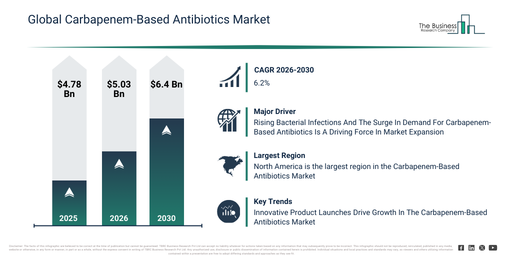
    The market for carbapenem-based antibiotics has experienced robust expansion in recent years, with its size projected to increase from $4.78 billion in 2025 to $5.03 billion in 2026, reflecting a compound annual growth rate (CAGR) of 5.3%. This historical growth has been driven by several key factors, including the rising incidence of bacterial infections, continuous improvements in antibiotic formulations, heightened awareness of hospital-acquired infections, the growing number of elderly individuals, and the widespread expansion of hospital networks.

    The carbapenem antibiotics market is projected to experience robust expansion in the coming years, with its value anticipated to reach $6.4 billion by 2030, driven by a compound annual growth rate (CAGR) of 6.2%. This anticipated growth during the forecast period can be linked to several key factors, including the rising prevalence of multidrug-resistant bacteria, the advancement of combination treatment strategies, improved healthcare accessibility in developing regions, the implementation of targeted precision medicine approaches, and increased investment in innovative carbapenem compounds. Among the notable trends shaping this period are the escalating challenge of antibiotic resistance, a higher frequency of hospital-associated infections, ongoing enhancements to hospital facilities, a greater volume of surgical interventions, and a heightened need for antibiotic options designed for pediatric and elderly populations.

    Download A Free Sample Report For Comprehensive Market Insights:

    https://www.thebusinessresearchcompany.com/sample.aspx?id=12035&type=smp&utm_source=BlogsPR&utm_medium=Paid&utm_campaign=Jul_PR

    Carbapenem-Based Antibiotics Market Growth Factors Supporting Long-Term Expansion

    The rising frequency of bacterial infections is anticipated to accelerate the expansion of the carbapenem-based antibiotics market in the coming period. These infections, which result from bacteria—tiny organisms capable of entering the body and triggering various illnesses and symptoms—are becoming more common. Carbapenem-based antibiotics are designed to address serious or drug-resistant bacterial infections, particularly those involving both gram-positive and gram-negative strains. For example, a July 2024 report from the Centers for Disease Control and Prevention, a U.S. federal agency, indicated that in 2023, 78 percent of all bacterial infections within the historic catchment area were identified using CIDTs, with 46 percent of those cases relying solely on this diagnostic method. Consequently, the growing prevalence of bacterial infections is fueling demand for carbapenem-based antibiotics in the market.

    Carbapenem-Based Antibiotics Market Segmentation And Category Breakdown

    The carbapenem-based antibiotics market covered in this report is segmented –

    1) By Type: Meropenem, Imipenem, Doripenem, Tebipenem, Other Types

    2) By Indication: Intra-abdominal Infections, Urinary Tract Infections, Pneumonia, Bacterial Meningitis, Skin And Skin Structure Infections, Acute Pelvic Infections, Prophylaxis of Surgical Site Infection, Respiratory Tract Infections, Gynecological Infections, Other Indications

    3) By Distribution Channel: Hospital Pharmacies, Retail Pharmacies, Online Pharmacies

    Subsegments:

    1) By Meropenem: Meropenem Injection, Meropenem and Vaborbactam Combination, Meropenem for Pediatric Use

    2) By Imipenem: Imipenem and Cilastatin Combination, Imipenem and Relebactam Combination, Imipenem Monotherapy

    3) By Doripenem: Doripenem Injection, Doripenem for Complicated Infections

    4) By Tebipenem: Tebipenem for Oral Administration, Tebipenem Pediatric Formulations, Tebipenem for Resistant Infections

    5) By Other Types: Ertapenem, Panipenem, Faropenem, Combinations with Beta-Lactamase Inhibitors

    Carbapenem-Based Antibiotics Market Industry Trends Shaping Future Revenue Growth

    Major pharmaceutical players in the carbapenem-based antibiotics market are rethinking their financial and distribution approaches to maintain a foothold in the industry while promoting antibiotic stewardship. By adopting subscription-based models, they separate revenue from sales quantities, which encourages prudent antibiotic use without compromising company profitability. A notable example occurred in August 2024 when the National Health Service (NHS), a UK governmental body, introduced a pioneering subscription initiative alongside drug manufacturers to address antimicrobial resistance (AMR). Under this system, firms receive fixed yearly payments of up to $23.12 million (£20 million) per antibiotic, irrespective of how many prescriptions are written, thereby eliminating any motivation for excessive prescribing. With an estimated total value of roughly £1.9 billion spread across 16 years, the program is designed to spur the creation of novel antibiotics, such as carbapenems, by securing their financial feasibility for producers. The NHS focuses on supporting products aimed at high-priority pathogens listed by the World Health Organization, reflecting a strong dedication to responsible antibiotic management while simultaneously encouraging progress in antibiotic research and development.

    Carbapenem-Based Antibiotics Market Competitive Analysis Of Major Industry Participants

    Major companies operating in the carbapenem-based antibiotics market are Pfizer Inc., Merck & Co. Inc., Fresenius Kabi LLC, Teva Pharmaceutical Industries Ltd., Meiji Holdings Co. Ltd., Sandoz International GmbH, Sumitomo Dainippon Pharma Co. Ltd., Shionogi & Co Ltd., Aurobindo Pharma Ltd., Daewoong Pharmaceutical Co. Ltd., ACS Dobfar S.p.A, JW Pharmaceutical Corp, Centrient Pharmaceuticals Co, Spero Therapeutics Inc., Kopran Limited, Savior Lifetec Corporation, Flagship Biotech International Pvt. Ltd., Iterum Therapeutics plc, Cam Carbapenem-based antibiotics BV, Intelicure Lifesciences, Ikeda Corporation

    Access The Complete Carbapenem-Based Antibiotics Market Report:

    https://www.thebusinessresearchcompany.com/report/carbapenem-based-antibiotics-global-market-report?utm_source=BlogsPR&utm_medium=Paid&utm_campaign=Jul_PR

    Carbapenem-Based Antibiotics Market Geographic Analysis: Where Is Demand Growing The Fastest?

    North America was the largest region in the Carbapenem-Based Antibiotics market in 2025. Asia-Pacific is expected to be the fastest-growing region in the forecast period. The regions covered in the carbapenem-based antibiotics market report are Asia-Pacific, South East Asia, Western Europe, Eastern Europe, North America, South America, Middle East, Africa.

    Get in touch with us:

    The Business Research Company: https://www.thebusinessresearchcompany.com/?utm_source=BlogsPR&utm_medium=Paid&utm_campaign=home_page_test

    Americas: +1 310-496-7795

    Asia: +44 7882 955267 & +91 8897263534

    Europe: +44 7882 955267

    Email us at: marketing@tbrc.info

    Follow us on:

    LinkedIn: https://in.linkedin.com/company/the-business-research-company

    YouTube: https://www.youtube.com/channel/UC24_fI0rV8cR5DxlCpgmyFQ

    Global Market Model: https://www.thebusinessresearchcompany.com/global-market-model
  • Capsaicin Pain Relief Patch Market Expansion Is Reshaping Competitive Dynamics Across The Industry

    Capsaicin Pain Relief Patch Market Expansion Is Reshaping Competitive Dynamics Across The Industry

    Delivering more actionable and strategically valuable research, The Business Research Company’s 2026 market reports feature market attractiveness analysis, total addressable market evaluation, company benchmarking matrices, interactive Excel dashboards, expanded supply chain intelligence, emerging startup coverage, and detailed product insights.

    Capsaicin Pain Relief Patch Market Value Analysis: What Growth Is Expected Over The Forecast Period?

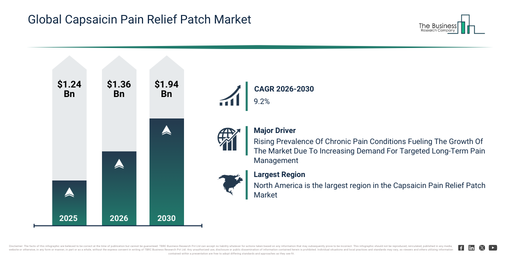
    The market for capsaicin-based pain relief patches has experienced notable expansion over the last few years. Projected to rise from $1.24 billion in 2025 to $1.36 billion in 2026, this growth represents a compound annual growth rate (CAGR) of 9.6%. Several factors have driven this increase during the historical period, including a higher incidence of musculoskeletal and neuropathic pain conditions, broader access to topical analgesic products, greater adoption of alternative pain management approaches, the ongoing extension of retail pharmacy outlets, and heightened public understanding of the dangers tied to opioid use.

    The capsaicin pain relief patch market is projected to experience robust expansion over the coming years, reaching an estimated $1.94 billion by 2030, driven by a compound annual growth rate (CAGR) of 9.2%. This anticipated growth during the forecast period is fueled by a rising need for self-managed chronic pain solutions, greater utilization of high-concentration prescription patches, an expansion of home-based pain treatment options, an increased emphasis on sustained-release topical technologies, and a growing elderly demographic affected by pain conditions. Key developments shaping this period include a higher uptake of long-acting topical pain relief products, a growing demand for non-opioid pain management alternatives, an increased preference for targeted localized pain therapies, broader availability of over-the-counter capsaicin patches, and a stronger focus on addressing chronic pain management.

    Download A Free Sample Report For Comprehensive Market Insights:

    https://www.thebusinessresearchcompany.com/sample.aspx?id=28155&type=smp&utm_source=BlogsPR&utm_medium=Paid&utm_campaign=Jul_PR

    Capsaicin Pain Relief Patch Market Demand Drivers Creating New Revenue Opportunities

    The increasing frequency of chronic pain conditions is anticipated to drive the expansion of the capsaicin pain relief patch market in the years ahead. Such conditions are defined as persistent or recurring pain that lasts for three months or longer, disrupting daily activities and overall well-being. This rise in chronic pain is largely attributed to an aging global population, as older individuals are more prone to degenerative joint diseases and other long-term ailments causing ongoing discomfort. Capsaicin patches assist in managing these conditions by providing focused therapy that reduces the transmission of pain signals, delivering effective relief. These patches offer prolonged effects through localized application, enhancing comfort and supporting sustained pain management. As an example, data from the 2024 UK Pain Messages report by the Faculty of Pain Medicine—a professional medical organization in the United Kingdom—indicates that around 43% of adults, nearly 28 million people, currently experience some form of chronic pain in the UK, with prevalence climbing to 62% among those aged 75 and older; chronic pain incidence is forecasted to increase by 32% by 2040 because of an aging population. Consequently, the growing prevalence of chronic pain conditions is fueling growth in the capsaicin pain relief patch market.

    Capsaicin Pain Relief Patch Market Segment Outlook: Which Categories Are Expanding The Fastest?

    The capsaicin pain relief patch market covered in this report is segmented –

    1) By Product Type: Low Concentration, High Concentration

    2) By Distribution Channel: Hospital Pharmacies, Retail Pharmacies, Online Pharmacies, Other Distribution Channels

    3) By Application: Musculoskeletal Pain, Neuropathic Pain, Arthritis, Back Pain, Other Applications

    4) By End-User: Hospitals, Clinics, Home Care, Other End-Users

    Subsegments:

    1) By Low Concentration: Over-The-Counter (OTC) Patches, Prescription Patches, General Pain Relief Patches, Sports Injury Relief Patches

    2) By High Concentration: Prescription-Strength Patches, Chronic Pain Management Patches, Neuropathic Pain Relief Patches, Post-Surgical Pain Relief Patches

    Capsaicin Pain Relief Patch Market Key Companies And Competitive Benchmarking

    Major companies operating in the capsaicin pain relief patch market are Novartis AG, Teva Pharmaceutical Industries Ltd, Meijer Inc., Sun Pharmaceutical Industries Limited, Cipla Limited, Grünenthal GmbH, Hisamitsu Pharmaceutical Co Inc, Luye Pharma Group Ltd, Lohmann Therapie-Systeme AG, Teikoku Seiyaku Co Ltd, Indoco Remedies Limited, Formosa Laboratories Inc, The Mentholatum Company Inc, Mco Hospital Aids Private Limited, AdvaCare Pharma, Veridian Healthcare LLC, Dr Sabharwal’s Wound Care, Sparsha Pharma International Pvt Ltd, Anhui Xuanwuyan Pharmaceutical Co Ltd

    Access The Complete Capsaicin Pain Relief Patch Market Report:

    https://www.thebusinessresearchcompany.com/report/capsaicin-pain-relief-patch-global-market-report?utm_source=BlogsPR&utm_medium=Paid&utm_campaign=Jul_PR

    Capsaicin Pain Relief Patch Market Global Footprint: Which Region Holds Market Leadership?

    North America was the largest region in the capsaicin pain relief patch market in 2025. Asia-Pacific is expected to be the fastest-growing region in the forecast period. The regions covered in the capsaicin pain relief patch market report are Asia-Pacific, South East Asia, Western Europe, Eastern Europe, North America, South America, Middle East, Africa.

    Get in touch with us:

    The Business Research Company: https://www.thebusinessresearchcompany.com/?utm_source=BlogsPR&utm_medium=Paid&utm_campaign=home_page_test

    Americas: +1 310-496-7795

    Asia: +44 7882 955267 & +91 8897263534

    Europe: +44 7882 955267

    Email us at: marketing@tbrc.info

    Follow us on:

    LinkedIn: https://in.linkedin.com/company/the-business-research-company

    YouTube: https://www.youtube.com/channel/UC24_fI0rV8cR5DxlCpgmyFQ

    Global Market Model: https://www.thebusinessresearchcompany.com/global-market-model
  • Capecitabine Market Forecast Reveals Where Future Industry Value Will Be Created

    Capecitabine Market Forecast Reveals Where Future Industry Value Will Be Created

    Enhanced with market attractiveness analysis, total addressable market evaluation, company benchmarking matrices, interactive Excel dashboards, expanded supply chain intelligence, emerging startup coverage, and detailed product insights, The Business Research Company’s 2026 market reports deliver more actionable and strategically valuable research.

    Capecitabine Market Size Forecast: How Large Could The Market Become By 2030?

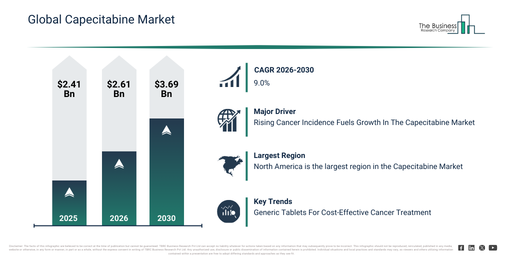
    The capecitabine market has experienced robust expansion in recent years, with its value projected to rise from $2.41 billion in 2025 to $2.61 billion in 2026, reflecting a compound annual growth rate (CAGR) of 8.4%. This historical growth has been driven by several factors, including a higher prevalence of breast and colorectal cancers, greater public awareness of oral chemotherapy options, regulatory approvals for capecitabine, enhanced hospital and oncology infrastructure, and an increased availability of generic versions of the drug.

    The capecitabine market is anticipated to experience significant expansion over the coming years, with projections indicating it will reach a value of $3.69 billion by 2030, representing a compound annual growth rate (CAGR) of 9.0%. Several factors are driving this forecasted growth, including a higher demand for personalized medicine, progress made in drug delivery technologies, greater funding directed toward oncology research, the rise of home-based cancer treatment options, and an increased uptake of combination therapies. Key developments shaping the market during this period involve the shift toward oral chemotherapy, a focus on individualized cancer care strategies, the creation of novel combination treatments, the establishment of more oncology treatment facilities, and a heightened emphasis on managing metastatic cancer.

    Download A Free Sample Report For Comprehensive Market Insights:

    https://www.thebusinessresearchcompany.com/sample.aspx?id=12240&type=smp&utm_source=BlogsPR&utm_medium=Paid&utm_campaign=Jul_PR

    Capecitabine Market Expansion Supported By Key Demand Factors

    The market for capecitabine is anticipated to expand in the coming years due to the rising prevalence of cancer. This disease encompasses a wide range of conditions characterized by the uncontrolled growth of abnormal cells that invade nearby tissues or spread to other parts of the body. Capecitabine serves as a chemotherapy drug in cancer management; within the tumor, it undergoes enzymatic conversion into the antimetabolite fluorouracil, which hampers DNA synthesis and curbs the expansion of tumor tissue. As an illustration, data from May 2024 released by the National Cancer Institute, a U.S. government body, reveals that cancer remains a primary global cause of mortality, with 20 million new diagnoses and 9.7 million deaths recorded in 2022. Projections indicate that by 2040, these figures could climb to 29.9 million new cases and 15.3 million deaths. Consequently, the growing frequency of cancer is fueling the expansion of the capecitabine market.

    Capecitabine Market Segment Landscape: Which Areas Lead Market Development?

    The capecitabine market covered in this report is segmented –

    1) By Drug Type: Branded, Generic

    2) By Drug Formulation: Tablets

    3) By Distribution Channel: Hospital Pharmacy, Online Pharmacy, Retail Pharmacy

    4) By Application: Colon Cancer, Rectal Cancer, Breast Cancer, Gastric Cancer, Other Applications

    5) By End-Users: Hospitals, Homecare, Specialty Centers, Other End-Users

    Subsegments:

    1) By Branded: Specific Brand Names, Market Share Of Leading Brands

    2) By Generic: Different Manufacturers Producing Generics, Pricing Variations Among Generics, Regulatory Approvals

    Capecitabine Market Growth Trends Influencing Competitive Dynamics

    Leading enterprises in the capecitabine sector are prioritizing the creation of novel pharmaceuticals, including dispersible tablets, to enhance patient adherence and secure a market advantage. A dispersible tablet represents a drug formulation that quickly breaks down in liquid, facilitating easier intake. As an example, in August 2024, Camber Pharmaceuticals, a pharmaceutical firm headquartered in the United States, introduced Generic Xeloda (Capecitabine Tablets, USP) effective August 28, 2024. This oral chemotherapeutic agent targets diverse cancers, such as breast and colorectal malignancies, through hindering DNA synthesis within cancerous cells. The debut of Generic Xeloda™ underscores Camber’s dedication to supplying superior, economically viable substitutes for branded medications, thereby improving patient availability to essential cancer treatments. This product release fits into the company’s overarching plan to broaden its portfolio and address rising market needs.

    Capecitabine Market Industry Leaders And Market Competition

    Major companies operating in the capecitabine market are Teva Pharmaceuticals Inc., Mylan N.V., Hikma Pharmaceuticals PLC, Cipla Limited, Dr. Reddy’s Laboratories Ltd., Sun Pharmaceutical Industries Limited, Fresenius SE & Co. KGaA, Accord Healthcare Ltd., Jiangsu Hengrui Medicine Co. Ltd., Hetero Drugs Limited, Novartis AG, Intas Pharmaceuticals Limited, Aurobindo Pharma Limited, Lupin Pharmaceuticals Inc., Alkem Laboratories Ltd., Bayer AG, Pfizer Inc., Merck & Co. Inc., Roche Holding AG, Zydus Lifesciences Limited, Torrent Pharmaceuticals Ltd., Glenmark Pharmaceuticals Limited

    Access The Complete Capecitabine Market Report:

    https://www.thebusinessresearchcompany.com/report/capecitabine-global-market-report?utm_source=BlogsPR&utm_medium=Paid&utm_campaign=Jul_PR

    Capecitabine Market Regional Distribution: Which Areas Drive Market Expansion?

    North America was the largest region in the capecitabine market in 2025. The regions covered in the capecitabine market report are Asia-Pacific, South East Asia, Western Europe, Eastern Europe, North America, South America, Middle East, Africa.

    Get in touch with us:

    The Business Research Company: https://www.thebusinessresearchcompany.com/?utm_source=BlogsPR&utm_medium=Paid&utm_campaign=home_page_test

    Americas: +1 310-496-7795

    Asia: +44 7882 955267 & +91 8897263534

    Europe: +44 7882 955267

    Email us at: marketing@tbrc.info

    Follow us on:

    LinkedIn: https://in.linkedin.com/company/the-business-research-company

    YouTube: https://www.youtube.com/channel/UC24_fI0rV8cR5DxlCpgmyFQ

    Global Market Model: https://www.thebusinessresearchcompany.com/global-market-model