Category: Pharmaceuticals

  • Diet Pills Market Trends And Growth Drivers Point To Strong Future Potential

    Diet Pills Market Trends And Growth Drivers Point To Strong Future Potential

    Through market attractiveness analysis, total addressable market evaluation, company benchmarking matrices, interactive Excel dashboards, expanded supply chain intelligence, emerging startup coverage, and detailed product insights, The Business Research Company’s 2026 market reports provide more actionable and strategically valuable research.

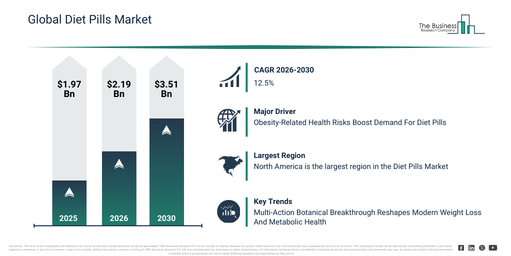
    Diet Pills Market Expansion From $2.19 Billion In 2026 To $3.51 Billion In 2030

    The market for diet pills has experienced significant expansion in recent times. Projected to increase from $1.97 billion in 2025 to $2.19 billion in 2026, it is expected to advance at a compound annual growth rate (CAGR) of 11.5%. Significant factors driving historical growth include higher rates of obesity, the prevalence of sedentary lifestyles in urban areas, enhanced public knowledge about weight control, broader availability through retail pharmacy chains, and intense promotional efforts for dietary supplements.

    The market for diet pills is anticipated to experience substantial growth over the coming years. Projections indicate it will reach $3.51 billion by 2030, expanding at a compound annual growth rate (CAGR) of 12.5%. This upward trajectory during the forecast period is driven by several factors, including a heightened preference for preventive healthcare, a rising demand for natural and herbal solutions, broader access through e-commerce pharmacies, progress in weight management research, and higher disposable incomes in developing nations. Key trends shaping the market include an increased need for appetite suppressants, a surge in herbal and natural diet pill offerings, growing consumer interest in over-the-counter weight loss products, a boost in online pharmacy sales, and a stronger focus on formulations designed to enhance metabolism.

    Download A Free Sample Report For Comprehensive Market Insights:

    https://www.thebusinessresearchcompany.com/sample.aspx?id=10774&type=smp&utm_source=BlogsPR&utm_medium=Paid&utm_campaign=Jul_PR

    Diet Pills Market Growth Factors Supporting Long-Term Expansion

    The growing challenge of obesity is set to drive expansion in the diet pill market in the coming years. Obesity is defined as abnormal or excessive weight gain, typically indicated by a body mass index (BMI) exceeding 30, which presents significant health dangers. This condition elevates the risk of mortality from cancers of the esophagus, colon, rectum, liver, gallbladder, pancreas, and kidneys. Moreover, it contributes to the development of health issues such as type 2 diabetes (T2D) and cardiovascular diseases (CVD). Individuals who are obese often turn to diet pills as a medicinal approach to facilitate weight loss. These pills work by suppressing appetite and reducing food cravings, thereby promoting weight reduction. For example, data released in June 2024 by the American Heart Association, Inc., a US-based non-profit organization, indicates that by 2050, over 150 million Americans will have poor dietary habits, leading to a nearly 40% rise in adult obesity (from 43.6% to 60.6%) and over 60% in children (from 20.6% to 33%). Additionally, 61% of adults are predicted to suffer from cardiovascular disease, with the highest obesity increase observed among those aged 20-64. Consequently, the escalating prevalence of obesity is fueling growth in the diet pill market.

    Diet Pills Market Segment Analysis And Revenue Opportunities

    The diet pills market covered in this report is segmented –

    1) By Product Type: Prescription, Over The Counter, Herbal Supplements

    2) By Age: Teenagers, Adults

    3) By Distribution Channel: Hospital Pharmacies, Retail Pharmacies, Online Pharmacies, Drug Stores

    4) By Application: Appetite Suppression, Fat Blocking, Other Applications

    Subsegments:

    1) By Prescription: Prescription Weight Loss Pills, Prescription Appetite Suppressants, Prescription Fat Blockers

    2) By Over The Counter: Non-Prescription Weight Loss Pills, Appetite Control Tablets, Fat Burners, Metabolism Boosters

    3) By Herbal Supplements: Herbal Weight Loss Pills, Herbal Appetite Suppressants, Natural Fat Burners, Traditional Herbal Formulations

    Diet Pills Market Industry Trends Shaping Future Revenue Growth

    Leading players in the diet pills market are increasingly prioritizing innovation around multi-action botanical formulas designed to deliver enhanced weight loss and better metabolic performance. These formulations incorporate clinically tested plant-derived ingredients that synergistically promote fat reduction, boost energy expenditure, and improve satiety signals. Their goal is to provide evidence-based weight management assistance to consumers without relying on pharmaceutical components. As an example, in July 2025, Herbalife Ltd.—a nutrition firm based in the U.S.—introduced MultiBurn, combining Morosil sourced from Moro blood oranges, Metabolaid derived from hibiscus and lemon verbena, and Capsifen, which contains red chili pepper and fenugreek. The product also includes caffeine to support metabolism and energy levels, along with chromium to help regulate blood glucose levels already within a healthy range. It is gluten-free, vegan-friendly, and free of synthetic colorants or dyes. MultiBurn supports overall weight reduction, healthy fat loss, efficient energy use, and a feeling of satiety, aligning with Herbalife’s commitment to clean-label, science-driven products.

    Diet Pills Market Leading Players Shaping Industry Direction

    Major companies operating in the diet pills market are GlaxoSmithKline plc, Iovate Health Sciences International Inc., Novo Nordisk A/S, Gelesis Inc., VIVUS Inc., Creative Biosciences Pvt. Ltd., Applied Nutrition Ltd. (India), Herbalife Nutrition India Private Limited, Camillotek India Pvt. Ltd., NOW Foods, MuscleTech Research and Development LLC, Healthviva Group of Companies, Nalpropion Pharmaceuticals LLC, Chong’s Health Care Pte. Ltd., Currax Pharmaceuticals LLC, TEVA PHARMACEUTICAL INDUSTRIES LTD, Eli Lilly and Company, Arena Pharmaceuticals GmbH & Co. KG, Orexigen Therapeutics Inc., Takeda Pharmaceutical Company Limited, Sanofi SA, Boehringer Ingelheim International GmbH, Merck & Co. Inc., Johnson & Johnson, Abbott Laboratories

    Access The Complete Diet Pills Market Report:

    https://www.thebusinessresearchcompany.com/report/diet-pills-global-market-report?utm_source=BlogsPR&utm_medium=Paid&utm_campaign=Jul_PR

    Diet Pills Market Regional Analysis And Leading Geography

    North America was the largest region in the diet pills market in 2025. The regions covered in the diet pills market report are Asia-Pacific, South East Asia, Western Europe, Eastern Europe, North America, South America, Middle East, Africa.

    Get in touch with us:

    The Business Research Company: https://www.thebusinessresearchcompany.com/?utm_source=BlogsPR&utm_medium=Paid&utm_campaign=home_page_test

    Americas: +1 310-496-7795

    Asia: +44 7882 955267 & +91 8897263534

    Europe: +44 7882 955267

    Email us at: marketing@tbrc.info

    Follow us on:

    LinkedIn: https://in.linkedin.com/company/the-business-research-company

    YouTube: https://www.youtube.com/channel/UC24_fI0rV8cR5DxlCpgmyFQ

    Global Market Model: https://www.thebusinessresearchcompany.com/global-market-model
  • Diagnostic Specialty Antibodies Market Expansion Is Reshaping Competitive Dynamics Across The Industry

    Diagnostic Specialty Antibodies Market Expansion Is Reshaping Competitive Dynamics Across The Industry

    Delivering more actionable and strategically valuable research, The Business Research Company’s 2026 market reports feature market attractiveness analysis, total addressable market evaluation, company benchmarking matrices, interactive Excel dashboards, expanded supply chain intelligence, emerging startup coverage, and detailed product insights.

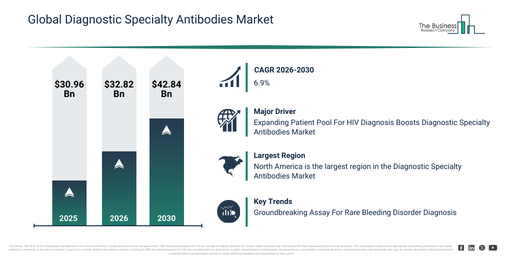
    Diagnostic Specialty Antibodies Market Forecast Highlighting Growth From $32.81 Billion To $42.84 Billion

    The diagnostic specialty antibodies market has experienced notable expansion in recent years. Projections indicate an increase from $30.96 billion in 2025 to $32.82 billion in 2026, representing a compound annual growth rate (CAGR) of 6.0%. This historical growth has been driven by factors such as the rising incidence of infectious diseases, the growing use of hospital-based diagnostic tests, the wider implementation of immunoassay methods, heightened emphasis on early diagnosis, and the availability of established monoclonal antibody technologies.

    The market for diagnostic specialty antibodies is anticipated to experience substantial expansion over the coming years. Its value is projected to reach $42.84 billion by 2030, driven by a compound annual growth rate (CAGR) of 6.9%. This upward trajectory during the forecast period is fueled by a rise in oncology diagnostics, an increasing need for rapid testing solutions, the proliferation of diagnostic labs in emerging economies, progress in recombinant antibody engineering, and heightened funding for biomarker-based diagnostics. Key developments shaping the market include a growing preference for precision diagnostics, the broadening of infectious disease testing panels, a heightened focus on high-specificity monoclonal antibodies, the spread of point-of-care diagnostic assays, and the implementation of standardized antibody validation and quality control measures.

    Download A Free Sample Report For Comprehensive Market Insights:

    https://www.thebusinessresearchcompany.com/sample.aspx?id=12241&type=smp&utm_source=BlogsPR&utm_medium=Paid&utm_campaign=Jul_PR

    Diagnostic Specialty Antibodies Market Demand Drivers Creating New Revenue Opportunities

    The expansion of the patient base for HIV diagnosis is set to drive growth in the diagnostic specialty antibodies market moving ahead. This expanding patient pool refers to the rising count of individuals being identified with HIV. As more people receive an HIV diagnosis, demand for diagnostic specialty antibodies grows, opening up avenues for manufacturers to create and supply targeted antibody-based diagnostic tools for HIV testing, which facilitate the identification of virus-specific biomarkers and support early detection and ongoing monitoring of HIV infection. For example, a report released in October 2024 by the UK Health Security Agency, a government body in the United Kingdom, revealed that the HIV testing rate rose by 11% between 2022 and 2023. In 2023, the highest testing rate—52,255 per 100,000—was recorded among gay, bisexual, and other men who have sex with men (GBMSM). By comparison, heterosexual men and heterosexual plus bisexual women had much lower rates, at 1,894 and 3,106 per 100,000 respectively. Consequently, the increasing number of HIV diagnoses is fueling the expansion of the diagnostic specialty antibodies market.

    Diagnostic Specialty Antibodies Market Segmentation And Category Breakdown

    The diagnostic specialty antibodies market covered in this report is segmented –

    1) By Antibody Type: Monoclonal Antibodies, Polyclonal Antibodies, Recombinant Polyclonal Antibodies

    2) By Application: Hepatitis, Tuberculosis, Dengue, Oncology, Human Immunodeficiency Virus (HIV), Infectious Disease, Other Applications

    3) By End User: Diagnostic Laboratories, Hospitals

    Subsegments:

    1) By Monoclonal Antibodies: Murine Monoclonal Antibodies, Chimeric Monoclonal Antibodies, Humanized Monoclonal Antibodies, Fully Human Monoclonal Antibodies

    2) By Polyclonal Antibodies: Rabbit Polyclonal Antibodies, Goat Polyclonal Antibodies, Sheep Polyclonal Antibodies

    3) By Recombinant Polyclonal Antibodies: Single-Chain Variable Fragment (scFv), Fab Fragments

    Diagnostic Specialty Antibodies Market Trends Driving Strategic Industry Expansion

    Leading companies within the diagnostic specialty antibodies sector are concentrating their efforts on creating innovative assays, including antibody-based tests, to improve the diagnosis of rare bleeding disorders and secure a market advantage. An antibody assay is a laboratory method employed to identify and quantify the existence and concentration of antibodies in a biological specimen. As an example, in May 2023, Versiti, a nonprofit organization headquartered in the United States, introduced the Anti-von Willebrand Factor (VWF) Antibody Assay. This pioneering test is intended to aid healthcare providers in diagnosing individuals suspected of having acquired von Willebrand Disease (aVWD). Developed through studies conducted at the Versiti Blood Research Institute, the assay can identify both inhibitory and non-inhibitory antibodies that attach to VWF, thereby providing increased avenues for detecting anti-VWF antibodies.

    Diagnostic Specialty Antibodies Market Competitive Analysis Of Major Industry Participants

    Major companies operating in the diagnostic specialty antibodies market are F. Hoffmann-La Roche AG, Thermo Fisher Scientific Inc., Abbott Laboratories, Danaher Corporation, Merck KGaA, Becton Dickinson and Company, Agilent Technologies Inc., Sartorius AG, Bio-Rad Laboratories Inc., STEMCELL Technologies Inc., Abcam PLC, Enzo Life Sciences Inc., Rockland Immunochemicals Inc., Santa Cruz Biotechnology Inc., Creative Diagnostics, Novus Biologicals LLC, Precirix NV, Creative Biolabs Inc., Polymun Scientific Immunbiologische Forschung GmbH, Telix Pharmaceuticals Limited

    Access The Complete Diagnostic Specialty Antibodies Market Report:

    https://www.thebusinessresearchcompany.com/report/diagnostic-specialty-antibodies-global-market-report?utm_source=BlogsPR&utm_medium=Paid&utm_campaign=Jul_PR

    Diagnostic Specialty Antibodies Market Geographic Analysis: Where Is Demand Growing The Fastest?

    North America was the largest region in the diagnostic specialty antibodies market in 2025. Asia-Pacific is expected to be the fastest-growing region in the diagnostic specialty antibodies market report during the forecast period. The regions covered in the diagnostic specialty antibodies market report are Asia-Pacific, South East Asia, Western Europe, Eastern Europe, North America, South America, Middle East, Africa.

    Get in touch with us:

    The Business Research Company: https://www.thebusinessresearchcompany.com/?utm_source=BlogsPR&utm_medium=Paid&utm_campaign=home_page_test

    Americas: +1 310-496-7795

    Asia: +44 7882 955267 & +91 8897263534

    Europe: +44 7882 955267

    Email us at: marketing@tbrc.info

    Follow us on:

    LinkedIn: https://in.linkedin.com/company/the-business-research-company

    YouTube: https://www.youtube.com/channel/UC24_fI0rV8cR5DxlCpgmyFQ

    Global Market Model: https://www.thebusinessresearchcompany.com/global-market-model
  • Diagnostic Enzyme Market Forecast Reveals Where Future Industry Value Will Be Created

    Diagnostic Enzyme Market Forecast Reveals Where Future Industry Value Will Be Created

    Enhanced with market attractiveness analysis, total addressable market evaluation, company benchmarking matrices, interactive Excel dashboards, expanded supply chain intelligence, emerging startup coverage, and detailed product insights, The Business Research Company’s 2026 market reports deliver more actionable and strategically valuable research.

    Diagnostic Enzyme Market Revenue Growth Supported By A CAGR Of 6.38% Through 2030

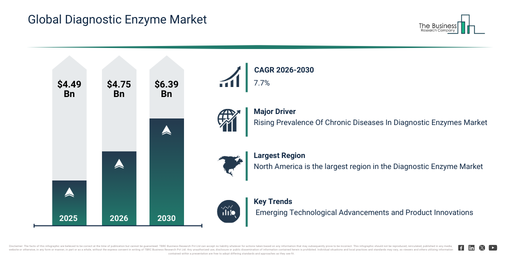
    The diagnostic enzyme market has experienced robust expansion in recent years, with its value projected to rise from $4.49 billion in 2025 to $4.76 billion in 2026, reflecting a compound annual growth rate (CAGR) of 5.7%. This historical growth has been driven by factors such as the scarce supply of high-purity diagnostic enzymes, dependence on conventional assay techniques, a higher incidence of chronic diseases, expanding biotechnology and research efforts, and growing awareness of enzyme-based diagnostics.

    The diagnostic enzyme market is projected to experience robust expansion over the coming years, reaching a valuation of $6.39 billion by 2030, with a compound annual growth rate (CAGR) of 7.7%. This anticipated growth during the forecast period is driven by factors such as the advancement of sophisticated enzyme engineering methods, the incorporation of diagnostic tools into digital health systems, the increasing use of point-of-care testing, heightened research and development activities in the pharmaceutical and biotechnology sectors, and greater financial support from both government bodies and private entities for diagnostic innovations. Key trends shaping this period include the growing utilization of enzyme-based diagnostic kits, the rise of personalized medicine and biomarker detection, the broadening of research and biotechnology applications, a heightened need for enzymes with high specificity and sensitivity, and the integration of enzyme diagnostics into point-of-care testing environments.

    Download A Free Sample Report For Comprehensive Market Insights:

    https://www.thebusinessresearchcompany.com/sample.aspx?id=3394&type=smp&utm_source=BlogsPR&utm_medium=Paid&utm_campaign=Jul_PR

    Diagnostic Enzyme Market Expansion Supported By Key Demand Factors

    The anticipated growth of the diagnostic enzymes market is being driven by the increasing occurrence of chronic diseases. These conditions are long-lasting health issues that persist for three months or longer. Diagnostic enzymes play a crucial role in the detection and tracking of various chronic diseases and medical conditions, enabling healthcare professionals to evaluate disease severity, monitor how well treatments are working, and modify care plans when necessary. For example, in January 2023, the National Library of Medicine, a US-based organization, reported that the number of individuals in the United States aged 50 and older with at least one chronic condition is projected to rise by 99.5%, from 71.522 million to 142.66 million by the year 2050. Consequently, the growing prevalence of chronic diseases is fueling the expansion of the diagnostic enzymes market.

    Diagnostic Enzyme Market Segment Outlook: Which Categories Are Expanding The Fastest?

    The diagnostic enzyme market covered in this report is segmented –

    1) By Product Type: Carbohydrases, Polymerases And Nucleases, Protease, Other Product Types

    2) By Source: Animals, Microorganisms, Plants

    3) By Application: Biocatalysts, Diagnostics, Pharmaceuticals, Research & Biotechnology

    Subsegments:

    1) By Carbohydrases: Amylases, Cellulases, Lactases, Glucosidases

    2) By Polymerases And Nucleases: DNA Polymerases, RNA Polymerases, Restriction Endonucleases, Exonucleases

    3) By Protease: Serine Proteases, Cysteine Proteases, Metalloproteases, Aspartic Proteases

    4) By Other Product Types: Oxidoreductases, Transferases, Lyases, Hydrolases

    Diagnostic Enzyme Market Growth Trends Influencing Competitive Dynamics

    Key players in the diagnostic enzyme market are prioritizing technological innovation, particularly through digital PCR systems, to address the growing need for high sensitivity and absolute quantitation in clinical diagnostics, especially within oncology and infectious disease testing. Unlike traditional quantitative PCR (qPCR), which depends on reference standards and often struggles with accuracy at low target levels, digital PCR (dPCR) breaks a sample into thousands of nanoliter-scale reactions, allowing for precise absolute quantification of target nucleic acids without requiring standard curves. A notable example is QIAGEN N.V., a biotechnology firm headquartered in Germany, which introduced the QIAcuityDx Digital PCR System in September 2024. This clinically validated dPCR instrument combines partitioning, thermocycling, and imaging into a single, automated device, facilitating absolute DNA and RNA quantification for applications like non-invasive liquid biopsies in cancer monitoring. Highlighted features include IVDR certification in Europe, 510(k) exemption in the United States, intuitive software, and adaptable scheduling, while aiding companion-diagnostic development through the GeneGlobe platform. By minimizing hands-on time and delivering consistent, reproducible results even for low-abundance targets, the QIAcuityDx boosts both precision and laboratory efficiency.

    Diagnostic Enzyme Market Key Companies And Competitive Benchmarking

    Major companies operating in the diagnostic enzyme market are Sanofi S.A., Advanced Enzymes Technologies, Aldevron LLC, Amano Enzymes Inc., Codexis Inc., EKF Diagnostic, Kaneka Eurogentec, Roche Holding AG, Sekisui Diagnostics LLC, Thermo Fisher Scientific Inc., Charles River Laboratories, Biocatalysts, Merck & Co. Inc., Chr. Hansen, Kerry Group, Dyadic International, Creative Enzymes, Pfizer Inc., Eli Lilly and Company, Bristol-Myers Squibb Company, GlaxoSmithKline plc, Johnson & Johnson, AbbVie Inc., Amgen Inc., Biogen Inc., Gilead Sciences Inc., Regeneron Pharmaceuticals Inc.

    Access The Complete Diagnostic Enzyme Market Report:

    https://www.thebusinessresearchcompany.com/report/diagnostic-enzymes-global-market-report?utm_source=BlogsPR&utm_medium=Paid&utm_campaign=Jul_PR

    Diagnostic Enzyme Market Global Footprint: Which Region Holds Market Leadership?

    North America was the largest region in the enzymes market in 2025. Middle East is expected to be the fastest-growing region in the diagnostic enzyme market report during the forecast period. The regions covered in the diagnostic enzyme market report are Asia-Pacific, South East Asia, Western Europe, Eastern Europe, North America, South America, Middle East, Africa.

    Get in touch with us:

    The Business Research Company: https://www.thebusinessresearchcompany.com/?utm_source=BlogsPR&utm_medium=Paid&utm_campaign=home_page_test

    Americas: +1 310-496-7795

    Asia: +44 7882 955267 & +91 8897263534

    Europe: +44 7882 955267

    Email us at: marketing@tbrc.info

    Follow us on:

    LinkedIn: https://in.linkedin.com/company/the-business-research-company

    YouTube: https://www.youtube.com/channel/UC24_fI0rV8cR5DxlCpgmyFQ

    Global Market Model: https://www.thebusinessresearchcompany.com/global-market-model
  • Diabetic Foot Ulcer Biologics Market Growth Through 2030 Creates New Strategic Opportunities

    Diabetic Foot Ulcer Biologics Market Growth Through 2030 Creates New Strategic Opportunities

    Through market attractiveness analysis, total addressable market evaluation, company benchmarking matrices, interactive Excel dashboards, expanded supply chain intelligence, emerging startup coverage, and detailed product insights, The Business Research Company’s 2026 market reports provide more actionable and strategically valuable research.

    Diabetic Foot Ulcer Biologics Market Value Expansion And Long-Term Growth Outlook

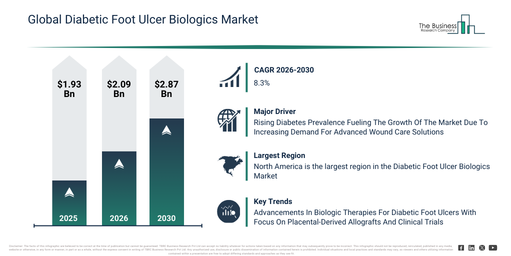
    The diabetic foot ulcer biologics market has seen robust expansion over recent years, projected to increase from $1.93 billion in 2025 to $2.09 billion in 2026, reflecting a compound annual growth rate (CAGR) of 8.3%. This historical growth was driven by factors such as the restricted supply of advanced biologic therapies, a strong dependence on standard wound care methods, a growing incidence of foot ulcers linked to diabetes, heightened adoption within hospitals and clinics, and the absence of uniform treatment guidelines.

    The diabetic foot ulcer biologics market is projected to experience robust growth over the coming years, reaching $2.87 billion by 2030 with a compound annual growth rate of 8.3%. This forecast period expansion is driven by advances in stem cell and gene therapy, heightened investment in tissue engineering research, a growing preference for autologous and allogeneic cell-based biologics, the proliferation of long-term care facilities and ambulatory surgical centers, and an increased awareness of personalized wound care solutions. Key trends shaping this period include the rising uptake of stem cell and gene therapies, greater utilization of collagen-based biologics for wound healing, the expanding role of skin substitutes in managing diabetic foot ulcers, the incorporation of cutting-edge tissue engineering methods, and a heightened emphasis on personalized, targeted biologic treatments.

    Download A Free Sample Report For Comprehensive Market Insights:

    https://www.thebusinessresearchcompany.com/sample.aspx?id=25751&type=smp&utm_source=BlogsPR&utm_medium=Paid&utm_campaign=Jul_PR

    Diabetic Foot Ulcer Biologics Market Growth Drivers And Industry Catalysts

    The anticipated increase in diabetes cases is set to boost the diabetic foot ulcer biologics market in the coming period. Diabetes is a chronic health condition defined by high blood sugar levels due to the body’s failure to produce or properly utilize insulin. This growth in diabetes prevalence is linked to inactive lifestyles, which drives a higher need for long-term care solutions that effectively control blood sugar with minimal daily interference. Diabetic foot ulcer biologics play a crucial role in diabetes management by speeding up wound recovery, deterring infections, and lowering risks associated with persistent foot ulcers. For example, in April 2025, the International Diabetes Federation (IDF) Atlas, a non-profit organization based in Belgium, reported that among 589 million adults with diabetes in 2024, type 1 diabetes impacted 9.5 million, with projections indicating a rise to 853 million by 2050. Consequently, the growing prevalence of diabetes is fueling expansion in the diabetic foot ulcer biologics market.

    Diabetic Foot Ulcer Biologics Market Segment Landscape: Which Areas Lead Market Development?

    The diabetic foot ulcer biologics market covered in this report is segmented –

    1) By Type: Growth Factors, Skin Substitutes, Collagen-Based Biologics, Cell-Based Biologics

    2) By Indication: Neuro-Ischemic Ulcers, Neuropathic Diabetic Foot Ulcer, Ischemic Diabetic Foot Ulcer

    3) By Technology: Gene Therapy, Stem Cell Therapy, Tissue Engineering

    4) By End User: Hospitals, Clinics, Ambulatory Surgical Centers, Long-Term Care Settings, Other End Users

    Subsegments:

    1) By Growth Factors: Platelet-Derived Growth Factor, Epidermal Growth Factor, Fibroblast Growth Factor, Vascular Endothelial Growth Factor

    2) By Skin Substitutes: Synthetic Skin Substitutes, Biological Skin Substitutes, Composite Skin Substitutes

    3) By Collagen-Based Biologics: Bovine-Derived Collagen, Porcine-Derived Collagen, Human-Derived Collagen

    4) By Cell-Based Biologics: Autologous Cell-Based Biologics, Allogeneic Cell-Based Biologics, Stem Cell-Based Biologics

    Diabetic Foot Ulcer Biologics Market Trends Influencing Long-Term Demand

    Major players in the diabetic foot ulcer biologics market are intensifying research and development efforts on biologic therapies, including placental-derived allografts, aimed at accelerating wound healing, minimizing complications, and improving patient outcomes for chronic foot ulcers. Derived from donated human placental tissues like the amnion or chorion, placental-derived allograft serves as a biological tissue graft used medically to foster healing, curb inflammation, and encourage tissue regeneration. A case in point: in January 2025, BioStem Technologies Inc., a US-based pharmaceutical firm, launched a clinical trial employing its BioREtain technology with Vendaje for managing diabetic foot ulcers. This investigation contrasts Vendaje paired with standard care against standard care alone to highlight its efficacy in mending non-healing diabetic foot ulcers. The trial includes a follow-up phase designed to evaluate the long-term durability and stability of healed wounds, thereby ensuring sustained treatment success and lowering the likelihood of ulcer recurrence.

    Diabetic Foot Ulcer Biologics Market Industry Leaders And Market Competition

    Major companies operating in the diabetic foot ulcer biologics market are Smith & Nephew plc, Integra LifeSciences Holdings Corp., Organogenesis Holdings Inc., MIMEDX Group Inc., LifeNet Health, Aroa Biosurgery, Tissue Regenix Group plc, Stempeutics Research, ACell Inc.,

    Access The Complete Diabetic Foot Ulcer Biologics Market Report:

    https://www.thebusinessresearchcompany.com/report/diabetic-foot-ulcer-biologics-global-market-report?utm_source=BlogsPR&utm_medium=Paid&utm_campaign=Jul_PR

    Diabetic Foot Ulcer Biologics Market Regional Distribution: Which Areas Drive Market Expansion?

    North America was the largest region in the diabetic foot ulcer biologics market in 2025. Asia-Pacific is expected to be the fastest-growing region in the forecast period. The regions covered in the diabetic foot ulcer biologics market report are Asia-Pacific, South East Asia, Western Europe, Eastern Europe, North America, South America, Middle East, Africa.

    Get in touch with us:

    The Business Research Company: https://www.thebusinessresearchcompany.com/?utm_source=BlogsPR&utm_medium=Paid&utm_campaign=home_page_test

    Americas: +1 310-496-7795

    Asia: +44 7882 955267 & +91 8897263534

    Europe: +44 7882 955267

    Email us at: marketing@tbrc.info

    Follow us on:

    LinkedIn: https://in.linkedin.com/company/the-business-research-company

    YouTube: https://www.youtube.com/channel/UC24_fI0rV8cR5DxlCpgmyFQ

    Global Market Model: https://www.thebusinessresearchcompany.com/global-market-model
  • Diabetes Therapeutics Market Size Projected To Increase From $188.18 Billion To $278.96 Billion During The Forecast Period

    Diabetes Therapeutics Market Size Projected To Increase From $188.18 Billion To $278.96 Billion During The Forecast Period

    Delivering more actionable and strategically valuable research, The Business Research Company’s 2026 market reports feature market attractiveness analysis, total addressable market evaluation, company benchmarking matrices, interactive Excel dashboards, expanded supply chain intelligence, emerging startup coverage, and detailed product insights.

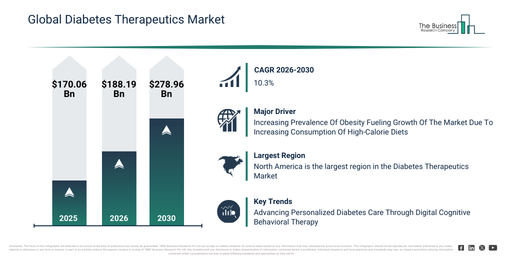
    Diabetes Therapeutics Market Expected To Reach $278.96 Billion By 2030 At 10.3% CAGR

    The diabetes therapeutics market has experienced significant expansion in recent times, with projections indicating an increase from $170.06 billion in 2025 to $188.19 billion in 2026, reflecting a compound annual growth rate (CAGR) of 10.7%. This historical growth has been driven by several factors, including the restricted accessibility of advanced therapeutic options, a heavy dependence on conventional oral anti-diabetic medications, insufficient awareness regarding preventive healthcare measures, limited distribution networks, and the escalating prevalence of type 2 diabetes.

    The diabetes therapeutics market is anticipated to experience swift expansion over the coming years, reaching an estimated value of $278.96 billion by 2030, with a compound annual growth rate (CAGR) of 10.3%. This projected growth during the forecast period is driven by factors such as the creation of novel insulin analogs, the broadening of combination therapies, the uptake of digital tools for diabetes management, improvements in healthcare infrastructure dedicated to diabetes care, and the incorporation of telemedicine alongside remote monitoring capabilities. Key trends shaping this period include the global surge in diabetes prevalence, the growing utilization of GLP-1 receptor agonists and SGLT-2 inhibitors, the expansion of online and retail pharmacy channels, an intensified emphasis on customized diabetes management, and heightened awareness surrounding preventive care and early detection.

    Download A Free Sample Report For Comprehensive Market Insights:

    https://www.thebusinessresearchcompany.com/sample.aspx?id=25749&type=smp&utm_source=BlogsPR&utm_medium=Paid&utm_campaign=Jul_PR

    Diabetes Therapeutics Market Opportunity Drivers: What Is Creating New Revenue Potential?

    The ongoing rise in obesity rates is anticipated to fuel expansion in the diabetes therapeutics market in the coming years. Obesity, characterized by an abnormal accumulation of body fat that poses health risks, serves as a significant contributor to type 2 diabetes. This trend is largely driven by a heightened intake of calorie-dense diets, as more individuals consume processed and fast foods rich in sugar and fat, combined with reduced physical activity, which results in excessive weight gain. Diabetes therapeutics address obesity by enhancing blood sugar regulation and facilitating weight loss through agents like GLP-1 receptor agonists, which curb appetite and slow digestive processes, thereby improving overall metabolic function in those who are obese. For example, a May 2024 report from the Office for Health Improvement and Disparities, a UK governmental body, indicated that between 2022 and 2023, roughly 64% of adults aged 18 and older were categorized as overweight or obese, marking an increase from 63.8% in the prior year. Consequently, the growing prevalence of obesity is propelling the diabetes therapeutics market forward.

    Diabetes Therapeutics Market Segments: Where Are The Largest Growth Opportunities?

    The diabetes therapeutics market covered in this report is segmented –

    1) By Drug: Oral Anti-Diabetic Drugs, Insulin, Non-Insulin Injectable Drug, Combination Drug

    2) By Type: Diabetes 1, Diabetes 2

    3) By Route Of Administration: Oral, Subcutaneous, Intravenous

    4) By Distribution Channel: Online Pharmacies, Hospital Pharmacies, Retail Pharmacies

    5) By Application: Preventive, Treatment Or Care

    Subsegments:

    1) By Oral Anti-Diabetic Drugs: Biguanides, Sulfonylureas, DPP-4 Inhibitors, SGLT-2 Inhibitors, Thiazolidinediones, Meglitinides, Alpha-Glucosidase Inhibitors

    2) By Insulin: Rapid-Acting Insulin, Short-Acting Insulin, Intermediate-Acting Insulin, Long-Acting Insulin, Premixed Insulin

    3) By Non-Insulin Injectable Drug: GLP-1 Receptor Agonists, Amylin Analogs

    4) By Combination Drug: Oral Combination Therapies, Oral and Injectable Combination Therapies

    Diabetes Therapeutics Market Innovation Trends Driving Future Development

    Major players within the diabetes therapeutics sector are concentrating on the development of advanced approaches like cognitive behavioral therapy (CBT) to improve customized diabetes care and achieve better blood sugar control in individuals with type 2 diabetes. This evidence-based psychological treatment, known as cognitive behavioral therapy, is organized to assist patients in recognizing and adjusting detrimental thinking patterns and behaviors. An example of this progress is seen in October 2023, when Better Therapeutics Inc., a digital therapeutic company based in the United States, introduced AspyreRx, a specialized digital tool for diabetes management. This app, which gained FDA clearance for treating type 2 diabetes, delivers tailored cognitive behavioral therapy to individuals 18 years and older, promoting lifestyle changes that enhance the control of their condition. Previously designated as BT-001, AspyreRx achieved meaningful and clinically confirmed reductions in A1c levels relative to usual care, along with enhancements in blood pressure, weight, emotional state, and overall quality of life, as demonstrated through a randomized controlled trial.

    Diabetes Therapeutics Market Major Participants And Competitive Dynamics

    Major companies operating in the diabetes therapeutics market are Pfizer Inc., Merck & Co Inc., Novartis AG, Sanofi S.A., AstraZeneca PLC, Takeda Pharmaceutical Company Limited, Eli Lilly and Company, Novo Nordisk A/S, Boehringer Ingelheim International GmbH, Biocon Biologics Limited, MannKind Corporation, Lexicon Pharmaceuticals Inc., Adocia S.A., Oramed Pharmaceuticals Inc.

    Access The Complete Diabetes Therapeutics Market Report:

    https://www.thebusinessresearchcompany.com/report/diabetes-therapeutics-global-market-report?utm_source=BlogsPR&utm_medium=Paid&utm_campaign=Jul_PR

    Diabetes Therapeutics Market Leading Geography: Which Region Generates The Most Revenue?

    North America was the largest region in the diabetes therapeutics market in 2025. Asia-Pacific is expected to be the fastest-growing region in the forecast period. The regions covered in the diabetes therapeutics market report are Asia-Pacific, South East Asia, Western Europe, Eastern Europe, North America, South America, Middle East, Africa.

    Get in touch with us:

    The Business Research Company: https://www.thebusinessresearchcompany.com/?utm_source=BlogsPR&utm_medium=Paid&utm_campaign=home_page_test

    Americas: +1 310-496-7795

    Asia: +44 7882 955267 & +91 8897263534

    Europe: +44 7882 955267

    Email us at: marketing@tbrc.info

    Follow us on:

    LinkedIn: https://in.linkedin.com/company/the-business-research-company

    YouTube: https://www.youtube.com/channel/UC24_fI0rV8cR5DxlCpgmyFQ

    Global Market Model: https://www.thebusinessresearchcompany.com/global-market-model
  • Diabetes Care Drugs Market Growth Outlook Reveals A CAGR Of 5.2% And A Market Value Of $95.13 Billion By 2030

    Diabetes Care Drugs Market Growth Outlook Reveals A CAGR Of 5.2% And A Market Value Of $95.13 Billion By 2030

    Enhanced with market attractiveness analysis, total addressable market evaluation, company benchmarking matrices, interactive Excel dashboards, expanded supply chain intelligence, emerging startup coverage, and detailed product insights, The Business Research Company’s 2026 market reports deliver more actionable and strategically valuable research.

    Diabetes Care Drugs Market Size And Revenue Forecast Through 2030

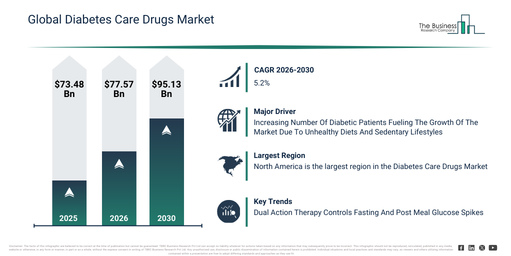
    The market for diabetes care drugs has experienced substantial expansion over recent years, projected to increase from $73.48 billion in 2025 to $77.57 billion in 2026, reflecting a compound annual growth rate (CAGR) of 5.6%. This historical growth has been driven by factors such as the restricted access to advanced insulin products, heightened public awareness regarding diabetes control, improvements in healthcare facilities, a heavy reliance on oral antidiabetic medications, and a rising prevalence of type 2 diabetes cases.

    The diabetes care drugs market is projected to experience significant expansion over the coming years, with its value anticipated to reach approximately $95.13 billion by 2030, driven by a compound annual growth rate of 5.2%. This upward trajectory is primarily fueled by the introduction of innovative GLP-1 receptor agonists, the widespread utilization of SGLT-2 inhibitors, the broadening of both injectable and inhalable medication options, the advancement of home-based diabetes management solutions, and the incorporation of digital health monitoring technologies. Key trends shaping this period include the escalating global incidence of diabetes, a growing preference for combination treatment approaches, the rise of tailored diabetes care plans, the widening of distribution networks through specialty pharmacies and hospitals, and a concentrated effort on developing extended-release and user-friendly drug formulations.

    Download A Free Sample Report For Comprehensive Market Insights:

    https://www.thebusinessresearchcompany.com/sample.aspx?id=25748&type=smp&utm_source=BlogsPR&utm_medium=Paid&utm_campaign=Jul_PR

    Diabetes Care Drugs Market Growth Momentum: Which Factors Are Influencing Demand?

    The anticipated growth of the diabetes care drugs market is being driven forward by a rising prevalence of diabetic patients. These individuals are those diagnosed with diabetes mellitus, a persistent health condition that impacts how the body manages blood sugar (glucose). This surge in diabetic cases is primarily attributed to poor dietary habits and sedentary lifestyles, which contribute to obesity and insulin resistance. Medications for diabetes care enable patients to effectively regulate blood glucose levels, playing a crucial role in managing both type 1 and type 2 diabetes. By stabilizing sugar levels, these drugs help avert complications, enhance general health, and improve life quality. For example, as reported in June 2024 by the National Health Service, a UK government department, 3,615,330 individuals registered with a general practitioner were identified with non-diabetic hyperglycemia or pre-diabetes in 2023—an 18% rise from 3,065,825 cases in 2022. Consequently, the growing number of diabetic patients is propelling the expansion of the diabetes care drugs market.

    Diabetes Care Drugs Market Segment Analysis: What Are The Major Market Categories?

    The diabetes care drugs market covered in this report is segmented –

    1) By Drug Class: Insulin, Biguanides, Sulfonylureas, Dipeptidyl Peptidase (DPP)-4 Inhibitors, Sodium-Glucose Co-Transporter (SGLT)-2 Inhibitors, Glucagon-Like Peptide (GLP)-1 Receptor Agonists, Thiazolidinediones, Alpha-Glucosidase Inhibitors

    2) By Formulation Type: Tablets, Injections, Solutions, Gels, Extended-Release Formulations

    3) By Administration Route: Oral, Injectable, Inhalable

    4) By Condition: Diabetes Type 1, Diabetes Type 2

    5) By Distribution Channel: Hospital Pharmacies, Specialty Pharmacies

    Subsegments:

    1) By Insulin: Rapid-acting insulin, Short-acting insulin, Intermediate-acting insulin, Long-acting insulin, Pre-mixed insulin

    2) By Biguanides: Metformin Immediate Release (IR), Metformin Extended Release (ER)

    3) By Sulfonylureas: First-generation sulfonylureas, Second-generation sulfonylureas

    4) By Dipeptidyl Peptidase (DPP)-4 Inhibitors: Sitagliptin, Saxagliptin, Linagliptin, Alogliptin

    5) By Sodium-Glucose Co-Transporter (SGLT)-2 Inhibitors: Canagliflozin, Dapagliflozin, Empagliflozin, Ertugliflozin

    6) By Glucagon-Like Peptide (GLP)-1 Receptor Agonists: Exenatide, Liraglutide, Dulaglutide, Semaglutide, Lixisenatide

    7) By Thiazolidinediones (TZDs): Pioglitazone, Rosiglitazone

    8) By Alpha-Glucosidase Inhibitors: Acarbose, Miglitol

    Diabetes Care Drugs Market Trends Reshaping Industry Growth

    Key players in the diabetes care drugs market are channeling their efforts into the advancement of innovative therapies, particularly fixed-ratio combination formulations, aimed at enhancing glycemic control, boosting patient adherence, and streamlining treatment protocols. Fixed-ratio combination therapies are characterized as medications that integrate two complementary antidiabetic compounds into a single injectable product, providing a more practical and effective strategy for diabetes management. As an example, in April 2024, Sanofi SA, a pharmaceutical company based in France, released Soliqua, a once-daily fixed-ratio combination of insulin glargine and lixisenatide, specifically tailored for adults living with type 2 diabetes and obesity. Soliqua merges the long-acting insulin glargine, which ensures consistent fasting glucose regulation, with lixisenatide, a GLP-1 receptor agonist. This union enhances glucose-triggered insulin secretion, reduces glucagon output, and slows down gastric emptying to lower blood sugar spikes after meals, consequently delivering comprehensive daily glycemic management. The rollout of Soliqua is designed to simplify diabetes care, refine glycemic outcomes, and improve patient compliance by reducing the number of daily injections required and mitigating typical side effects like hypoglycemia and weight gain.

    Diabetes Care Drugs Market Leading Companies Driving Competitive Growth

    Major companies operating in the diabetes care drugs market are Johnson & Johnson, Merck & Co. Inc., Bayer AG, Sanofi S.A., Bristol-Myers Squibb Company, AstraZeneca plc, Eli Lilly and Company, Teva Pharmaceuticals Limited, Astellas Pharma Inc., Sun Pharmaceutical Industries Ltd., Aurobindo Pharma Limited, Dr. Reddy’s Laboratories, Cipla Limited, Lupin Limited, Takeda Pharmaceutical Company Limited, Biocon Limited, Glenmark Pharmaceuticals Limited, Torrent Pharmaceuticals Ltd., Hanmi Pharmaceutical Limited, Wockhardt, Mitsubishi Tanabe Pharma, Gan & Lee Pharmaceuticals, Apotex.

    Access The Complete Diabetes Care Drugs Market Report:

    https://www.thebusinessresearchcompany.com/report/diabetes-care-drugs-global-market-report?utm_source=BlogsPR&utm_medium=Paid&utm_campaign=Jul_PR

    Diabetes Care Drugs Market Regional Outlook: Where Are The Largest Opportunities Located?

    North America was the largest region in the diabetes care drugs market in 2025. Asia-Pacific is expected to be the fastest-growing region in the forecast period. The regions covered in the diabetes care drugs market report are Asia-Pacific, South East Asia, Western Europe, Eastern Europe, North America, South America, Middle East, Africa.

    Get in touch with us:

    The Business Research Company: https://www.thebusinessresearchcompany.com/?utm_source=BlogsPR&utm_medium=Paid&utm_campaign=home_page_test

    Americas: +1 310-496-7795

    Asia: +44 7882 955267 & +91 8897263534

    Europe: +44 7882 955267

    Email us at: marketing@tbrc.info

    Follow us on:

    LinkedIn: https://in.linkedin.com/company/the-business-research-company

    YouTube: https://www.youtube.com/channel/UC24_fI0rV8cR5DxlCpgmyFQ

    Global Market Model: https://www.thebusinessresearchcompany.com/global-market-model
  • Dermocosmetics Market Forecast Highlights Expansion From $73.95 Billion To $106.62 Billion Through 2030

    Dermocosmetics Market Forecast Highlights Expansion From $73.95 Billion To $106.62 Billion Through 2030

    Through market attractiveness analysis, total addressable market evaluation, company benchmarking matrices, interactive Excel dashboards, expanded supply chain intelligence, emerging startup coverage, and detailed product insights, The Business Research Company’s 2026 market reports provide more actionable and strategically valuable research.

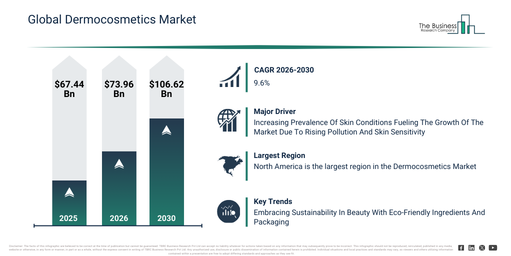
    Dermocosmetics Market Growth From $73.95 Billion In 2026 To $106.62 Billion By 2030 At A CAGR Of 9.6%

    A robust growth trend has characterized the dermocosmetics market in recent years. Its size is forecasted to rise from $67.44 billion in 2025 to $73.96 billion in 2026, representing a compound annual growth rate (CAGR) of 9.7%. The expansion observed during the historical period was fueled by an increasing consumer preoccupation with skin health, product recommendations from dermatologists, the widening scope of pharmacy-driven skincare, a greater prevalence of acne and eczema, and heightened levels of disposable income.

    The dermocosmetics sector is projected to experience significant expansion over the coming years, reaching a valuation of $106.62 billion by 2030, with a compound annual growth rate (CAGR) of 9.6%. This anticipated growth during the forecast period is driven by factors such as the worldwide aging demographic, a rise in skin issues linked to pollution, a growing preference for products supported by clinical evidence, the expansion of online dermatology services, and an increasing focus on long-term skin health management. Key developments shaping the forecast period include a heightened demand for skincare products with therapeutic benefits, greater reliance on formulations recommended by dermatologists, a surge in anti-aging and skin repair offerings, broader availability of treatments for sensitive and atopic skin conditions, and a larger uptake of cosmeceutical ingredients.

    Download A Free Sample Report For Comprehensive Market Insights:

    https://www.thebusinessresearchcompany.com/sample.aspx?id=23367&type=smp&utm_source=BlogsPR&utm_medium=Paid&utm_campaign=Jul_PR

    Dermocosmetics Market Expansion Drivers: What Is Shaping Future Growth?

    The growing occurrence of skin disorders is anticipated to advance the expansion of the dermocosmetics market in the coming period. Skin conditions refer to health issues that impact the skin’s look, texture, or functionality, resulting in symptoms such as redness, itching, dryness, rashes, or infections. These include acne, eczema, psoriasis, rosacea, dermatitis, melasma, warts, fungal infections, shingles, hives, and skin cancers like melanoma. The rise in skin conditions is driven by increasing pollution, as contact with toxins and chemicals compromises the skin’s protective barrier, causing irritation, dryness, acne, and premature aging. Dermocosmetics improve skin conditions by utilizing scientifically formulated products, making them well-suited for sensitive and problem-prone skin. They target concerns such as aging, acne, and pigmentation, enhancing skin health and appearance through dermatologist-endorsed solutions. For example, in 2023, Cancer Australia, a government agency based in Australia, reported that approximately 8,257 new melanoma cases (a type of skin cancer originating in melanocytes) were diagnosed, representing an increase from the 15,628 new cases documented in 2019. Thus, the rising prevalence of skin conditions is fueling the growth of the dermocosmetics market.

    Dermocosmetics Market Segment Breakdown: Which Categories Generate The Most Revenue?

    The dermocosmetics market covered in this report is segmented –

    1) By Product Type: Skincare, Haircare, Lip Care, Other Product Types

    2) By Indication: Dry Skin, Atopic Skin Eczema, Hyperpigmentation, Scar And Acne, Psoriasis, Deep Wrinkles, Other Indications

    3) By Distribution Channel: Pharmacies And Drugstores, Online Stores, Supermarkets And Hypermarkets, Other Distribution Channels

    4) By End User: Hospitals, Specialty Clinics, Medical Spas, Other End Users

    Subsegments:

    1) By Skincare: Anti-Aging Creams And Serums, Moisturizers And Hydrating Creams, Sunscreens And UV Protection, Acne Treatment Products, Skin Brightening And Depigmentation Products, Sensitive Skin Care Solutions

    2) By Haircare: Anti-Dandruff Shampoos, Hair Loss Treatments And Serums, Scalp Treatment Products, Repairing And Nourishing Conditioners, Heat And Color Protection Sprays

    3) By Lip Care: Hydrating And Moisturizing Lip Balms, Anti-Aging Lip Treatments, Lip Sun Protection Products, Lip Scrubs And Exfoliators

    4) By Other Product Types: Eye Creams And Serums, Body Lotions And Creams, Hand And Foot Care Products, Stretch Mark And Scar Treatments, Dermatological Face Masks

    Dermocosmetics Market Strategic Trends: What Is Defining The Next Phase Of Growth?

    Key players in the dermocosmetics industry are increasingly adopting sustainable materials in their manufacturing processes as a strategy to lower ecological harm and fulfill consumer preferences for environmentally friendly skincare options. Sustainable materials are produced, utilized, and discarded in a manner that is harmless to the environment, enduring over time without causing natural damage. By incorporating such materials, dermocosmetics become safer through eco-conscious ingredients and packaging that safeguard both skin health and the planet. For example, in April 2024, Dow Inc., a materials science firm headquartered in the US, introduced a new series of innovative skin and hair wellness products that utilize certified skin microbiome-friendly ingredients. These offerings feature multifunctional components aimed at improving hydration, scalp condition, and overall skin vibrancy, catering to the rising appetite for sustainable, high-performance personal care goods. With this introduction, Dow aims to provide formulators with advanced solutions that meet consumer expectations for clean beauty, performance, and environmental responsibility.

    Dermocosmetics Market Key Players And Strategic Industry Positioning

    Major companies operating in the dermocosmetics market are Johnson & Johnson, Procter & Gamble Company, L’Oréal Group, Hindustan Unilever Limited, Coty Inc., Galderma SA, Pierre Fabre SA, ISDIN S.A., NAOS Group, Sesderma Laboratories, Sinerga S.p.A., La Roche-Posay Laboratoire Dermatologique, Teoxane, Farmeco S.A., Valquer Laboratorios SLU, Directa Lab S.r.l, Thépenier Pharma & Cosmetics (TP&C), Gruppo FarmaImpresa, FLOSLEK Cosmetic Laboratory, Kanebo Cosmetics Inc., Uriage Eau Thermale, HCP Wellness Private Limited

    Access The Complete Dermocosmetics Market Report:

    https://www.thebusinessresearchcompany.com/report/dermocosmetics-global-market-report?utm_source=BlogsPR&utm_medium=Paid&utm_campaign=Jul_PR

    Dermocosmetics Market Geographic Landscape: Which Region Dominates Industry Growth?

    North America was the largest region in the dermocosmetics market in 2025. Asia-Pacific is expected to be the fastest-growing region in the forecast period. The regions covered in the dermocosmetics market report are Asia-Pacific, South East Asia, Western Europe, Eastern Europe, North America, South America, Middle East, Africa.

    Get in touch with us:

    The Business Research Company: https://www.thebusinessresearchcompany.com/?utm_source=BlogsPR&utm_medium=Paid&utm_campaign=home_page_test

    Americas: +1 310-496-7795

    Asia: +44 7882 955267 & +91 8897263534

    Europe: +44 7882 955267

    Email us at: marketing@tbrc.info

    Follow us on:

    LinkedIn: https://in.linkedin.com/company/the-business-research-company

    YouTube: https://www.youtube.com/channel/UC24_fI0rV8cR5DxlCpgmyFQ

    Global Market Model: https://www.thebusinessresearchcompany.com/global-market-model
  • Dermatomyositis Treatment Market Expected To Reach $1.27 Billion By 2030 As Growth Accelerates At 6.8% CAGR

    Dermatomyositis Treatment Market Expected To Reach $1.27 Billion By 2030 As Growth Accelerates At 6.8% CAGR

    Delivering more actionable and strategically valuable research, The Business Research Company’s 2026 market reports feature market attractiveness analysis, total addressable market evaluation, company benchmarking matrices, interactive Excel dashboards, expanded supply chain intelligence, emerging startup coverage, and detailed product insights.

    Dermatomyositis Treatment Market Expansion Outlook: What Revenue Opportunities Lie Ahead?

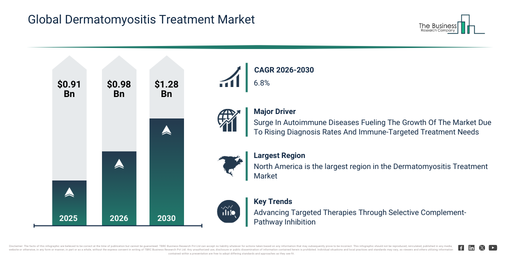
    The dermatomyositis treatment market size has grown strongly in recent years. It will grow from $0.91 billion in 2025 to $0.98 billion in 2026 at a compound annual growth rate (CAGR) of 7.2%. The growth in the historic period can be attributed to autoimmune disease recognition, corticosteroid availability, rheumatology clinic expansion, hospital-based immunotherapy, supportive care development.

    Projections for the dermatomyositis treatment market suggest robust expansion in the coming years, with an anticipated increase to $1.28 billion by 2030, reflecting a compound annual growth rate (CAGR) of 6.8%. This forecasted growth is largely driven by factors such as the broadening of biologic pipelines, advancements in precision immunology, the implementation of early autoimmune screening, the development of personalized treatment strategies, and the proliferation of specialized clinics. Key developments expected to shape this period include a heightened emphasis on biologic therapies, an increasing dependence on immunosuppressive medications, a wider adoption of multimodal treatment approaches, a greater focus on long-term physical therapy regimens, and enhanced capabilities for early diagnosis and continuous disease surveillance.

    Download A Free Sample Report For Comprehensive Market Insights:

    https://www.thebusinessresearchcompany.com/sample.aspx?id=24519&type=smp&utm_source=BlogsPR&utm_medium=Paid&utm_campaign=Jul_PR

    Dermatomyositis Treatment Market Development Factors: Which Trends Are Supporting Demand?

    The future expansion of the dermatomyositis treatment market is anticipated to be driven by the rising incidence of autoimmune disorders. These conditions occur when the immune system erroneously targets and damages the body’s own healthy tissues. Increased rates of diagnosis, growing public awareness, and various environmental influences are fueling this rise in autoimmune disease prevalence, which in turn leads to a higher number of identified cases and reported incidents. Through the provision of specialized treatments that curb excessive immune activity and enhance patients’ well-being, dermatomyositis therapy plays a crucial role in combating this growing health challenge. As an example, the Autoimmune Institute—a nonprofit organization based in the United States—reported in February 2024 that autoimmune diseases affect between 5% and 10% of people in developed countries. Consequently, the upward trend in autoimmune disease cases is fueling the growth of the dermatomyositis treatment sector.

    Dermatomyositis Treatment Market Segmentation: How Is The Market Structured Across Key Categories?

    The dermatomyositis treatment market covered in this report is segmented –

    1) By Treatment Type: Pharmacological Treatments, Immunosuppressants, Corticosteroids, Biologics, Physical Therapy

    2) By Route Of Administration: Oral, Intravenous, Subcutaneous

    3) By Patient Demographics: Age Group, Gender

    4) By Distribution Channel: Hospital Pharmacy, Online Pharmacy, Retail Pharmacy

    5) By End User: Hospitals, Homecare, Specialty Clinics, Other End Users

    Subsegments:

    1) By Pharmacological Treatments: Antimalarials, Antiviral Agents, Muscle Relaxants, Analgesics

    2) By Immunosuppressants: Methotrexate, Azathioprine, Mycophenolate Mofetil, Cyclophosphamide

    3) By Corticosteroids: Prednisone, Methylprednisolone, Hydrocortisone, Dexamethasone

    4) By Biologics: Rituximab, Intravenous Immunoglobulin (IVIG), Tocilizumab, Abatacept

    5) By Physical Therapy: Stretching Exercises, Strength Training, Aerobic Conditioning, Occupational Therapy

    Dermatomyositis Treatment Market Transformation Trends: Which Innovations Are Driving Change?

    Key players in the dermatomyositis treatment market are dedicating efforts to creating advanced therapies, including selective complement-pathway inhibitors, in response to the growing need for treatments that are both more targeted and safer, and which avoid the broad immune suppression often associated with conventional options. These inhibitors work by specifically blocking elements of the complement cascade responsible for inflammation in dermatomyositis, delivering a more precise method compared to traditional immunosuppressive drugs that can indiscriminately impair immune activity. A notable case occurred in February 2025, when NovelMed Therapeutics Inc., a clinical-stage biotechnology firm based in the United States, secured clearance from the U.S. Food and Drug Administration (FDA) to launch a Phase II trial for Ruxoprubart (NM8074). This drug acts as a highly specific inhibitor of the alternative complement pathway by targeting Factor Bb. Through its action, Ruxoprubart has been demonstrated to regulate immune response by diminishing key inflammatory drivers while retaining vital immune roles such as opsonization and bacterial clearance, thereby potentially lowering risks in comparison to less selective complement blockers. The effectiveness and safety of this novel approach are currently being assessed in the context of dermatomyositis.

    Dermatomyositis Treatment Market Competitive Landscape And Leading Companies

    Major companies operating in the dermatomyositis treatment market are Pfizer Inc., F. Hoffmann-La Roche Ltd, Merck & Co. Inc., Bristol-Myers Squibb Company, AstraZeneca plc, Novartis AG, GlaxoSmithKline plc, Eli Lilly and Company, Amgen Inc., Fresenius SE & Co. KGaA, Bausch Health Companies Inc., Biotest AG, Galapagos NV, argenx SE, Roivant Sciences Ltd., Kymera Therapeutics Inc., Cabaletta Bio Inc., ImmunoForge Inc., NovelMed Therapeutics Inc., Corbus Pharmaceuticals Holdings Inc.

    Access The Complete Dermatomyositis Treatment Market Report:

    https://www.thebusinessresearchcompany.com/report/dermatomyositis-treatment-global-market-report?utm_source=BlogsPR&utm_medium=Paid&utm_campaign=Jul_PR

    Dermatomyositis Treatment Market Largest Region: Which Geography Holds The Highest Market Share?

    North America was the largest region in the dermatomyositis treatment market in 2025. Asia-Pacific is expected to be the fastest-growing region in the forecast period. The regions covered in the dermatomyositis treatment market report are Asia-Pacific, South East Asia, Western Europe, Eastern Europe, North America, South America, Middle East, Africa.

    Get in touch with us:

    The Business Research Company: https://www.thebusinessresearchcompany.com/?utm_source=BlogsPR&utm_medium=Paid&utm_campaign=home_page_test

    Americas: +1 310-496-7795

    Asia: +44 7882 955267 & +91 8897263534

    Europe: +44 7882 955267

    Email us at: marketing@tbrc.info

    Follow us on:

    LinkedIn: https://in.linkedin.com/company/the-business-research-company

    YouTube: https://www.youtube.com/channel/UC24_fI0rV8cR5DxlCpgmyFQ

    Global Market Model: https://www.thebusinessresearchcompany.com/global-market-model
  • Dermatology OTC Medications Market Set To Grow From $16.97 Billion In 2026 To $20.93 Billion By 2030 At A CAGR Of 5.4%

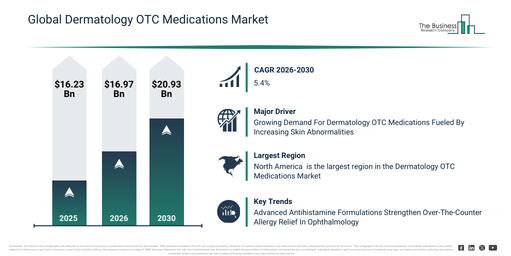
    Dermatology OTC Medications Market Set To Grow From $16.97 Billion In 2026 To $20.93 Billion By 2030 At A CAGR Of 5.4%

    Enhanced with market attractiveness analysis, total addressable market evaluation, company benchmarking matrices, interactive Excel dashboards, expanded supply chain intelligence, emerging startup coverage, and detailed product insights, The Business Research Company’s 2026 market reports deliver more actionable and strategically valuable research.

    Dermatology OTC Medications Market Growth Potential: How Will Market Size Change Through 2030?

    The dermatology otc medications market size has grown steadily in recent years. It will grow from $16.23 billion in 2025 to $16.97 billion in 2026 at a compound annual growth rate (CAGR) of 4.6%. The growth in the historic period can be attributed to high prevalence of common skin disorders, increasing urban pollution exposure, strong retail pharmacy penetration, growth in self-medication practices, widespread availability of otc dermatology products.

    The dermatology otc medications market size is expected to see strong growth in the next few years. It will grow to $20.93 billion in 2030 at a compound annual growth rate (CAGR) of 5.4%. The growth in the forecast period can be attributed to rising awareness of skin health and hygiene, growth of e-commerce pharmaceutical platforms, increasing aging population, higher disposable income in emerging economies, continuous product innovation in otc dermatology. Major trends in the forecast period include growth of online dermatology otc sales, rising demand for multi-indication skin treatments, increased use of herbal and natural ingredients, expansion of self-care and preventive skin health, product line extensions targeting specific skin conditions.

    Download A Free Sample Report For Comprehensive Market Insights:

    https://www.thebusinessresearchcompany.com/sample.aspx?id=11931&type=smp&utm_source=BlogsPR&utm_medium=Paid&utm_campaign=Jul_PR

    Dermatology OTC Medications Market Industry Drivers: What Is Driving Revenue Growth?

    The increase in skin abnormalities is expected to propel the growth of the dermatology OTC medication market going forward. A skin abnormality refers to a skin lesion or strange appearance of the skin. In dermatology, over-the-counter drugs are used to treat skin abnormalities and normalize the skin. The demand for over-the-counter dermatology medications is rising because of increased treatment requirements for skin abnormalities, including psoriasis. For instance, in June 2024, according to the American Cancer Society, a US-based non-profit organization, the American Cancer Society estimates that approximately 100,640 new cases of melanoma will be diagnosed in the United States in 2024, with about 59,170 cases in men and 41,470 in women. Additionally, around 8,290 deaths from melanoma are expected, including approximately 5,430 men and 2,860 women. Therefore, the increase in skin abnormalities is driving the growth of the dermatology OTC medication market.

    Dermatology OTC Medications Market Segmentation Trends And Revenue Drivers

    The dermatology otc medications market covered in this report is segmented –

    1) By Type: Tablets And Capsules, Oils Gels, Creams And Ointments, Other Types

    2) By Indication: Dermatitis, Acne, Psoriasis, Skin Bleaching, Anti-Fungal, Wart Remover, Other Indications

    3) By Route Of Administration: Topical, Oral

    4) By Distribution Channel: Online Distribution, Offline Distribution

    Subsegments:

    1) By Tablets And Capsules: Oral Antihistamines, Anti-Inflammatory Tablets, Nutritional Supplements

    2) By Oils Gels: Herbal Oils, Medicated Gels, Moisturizing Oils

    3) By Creams And Ointments: Corticosteroid Creams, Antifungal Creams, Moisturizers And Emollients

    4) By Other Types: Lotions, Sprays, Foams

    Dermatology OTC Medications Market Growth Trends: What Is Influencing The Future Outlook?

    Major companies operating in the dermatology OTC medications market are focusing on developing advanced antihistamine based formulations to enhance over the counter allergy relief. Antihistamine based technology works by blocking histamine receptors in the eye to reduce itching and inflammation without a prescription, offering safe and convenient self care treatment. For instance, in June 2025, Glenmark Therapeutics Inc., US-based, launched Olopatadine Hydrochloride Ophthalmic Solution USP, 0.2% (OTC), leveraging a bioequivalent formulation to the active ingredient in Pataday Once Daily Relief. The product delivers once daily relief, is approved for over the counter use, and allows Glenmark to enter a U.S. market segment that generated about US$ 50 million in annual sales. The launch underscores Glenmark’s strategy to expand its OTC ophthalmic portfolio by providing a high quality, accessible antihistamine eye drop to meet growing consumer demand.

    Dermatology OTC Medications Market Industry Leaders: Which Organizations Are Driving Competition?

    Major companies operating in the dermatology otc medications market are Pfizer Inc., Johnson & Johnson, Bayer AG, GlaxoSmithKline Plc, Acella Pharmaceuticals LLC, Allergan plc, Viatris Inc., Teva Pharmaceutical Industries Ltd., Mylan N.V., Bausch Health Companies Inc., Sun Pharmaceutical Industries Inc., Perrigo Company PLC, Galderma S.A., Dr. Reddy’s Laboratories Ltd., Aurobindo Pharma Limited, Cipla Inc., Lupin Limited, LEO Pharma A/S, Almirall S.A., Novartis AG

    Access The Complete Dermatology OTC Medications Market Report:

    https://www.thebusinessresearchcompany.com/report/dermatology-otc-medications-global-market-report?utm_source=BlogsPR&utm_medium=Paid&utm_campaign=Jul_PR

    Dermatology OTC Medications Market Regional Analysis: Which Region Leads By Revenue?

    North America was the largest region in the dermatology OTC medications market in 2025. Asia-Pacific is expected to be the fastest-growing region in the forecast period. The regions covered in the dermatology otc medications market report are Asia-Pacific, South East Asia, Western Europe, Eastern Europe, North America, South America, Middle East, Africa.

    Get in touch with us:

    The Business Research Company: https://www.thebusinessresearchcompany.com/?utm_source=BlogsPR&utm_medium=Paid&utm_campaign=home_page_test

    Americas: +1 310-496-7795

    Asia: +44 7882 955267 & +91 8897263534

    Europe: +44 7882 955267

    Email us at: marketing@tbrc.info

    Follow us on:

    LinkedIn: https://in.linkedin.com/company/the-business-research-company

    YouTube: https://www.youtube.com/channel/UC24_fI0rV8cR5DxlCpgmyFQ

    Global Market Model: https://www.thebusinessresearchcompany.com/global-market-model
  • Dermatology Market Opportunities Are Emerging Beyond Traditional Growth Areas

    Dermatology Market Opportunities Are Emerging Beyond Traditional Growth Areas

    Through market attractiveness analysis, total addressable market evaluation, company benchmarking matrices, interactive Excel dashboards, expanded supply chain intelligence, emerging startup coverage, and detailed product insights, The Business Research Company’s 2026 market reports provide more actionable and strategically valuable research.

    Dermatology Market Value Analysis: What Growth Is Expected Over The Forecast Period?

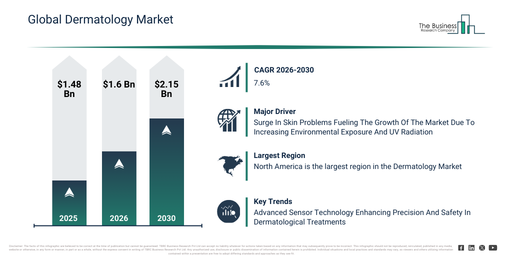
    The dermatology market has experienced robust expansion during the last few years. Projected to rise from $1.48 billion in 2025 to $1.6 billion in 2026, it is expected to achieve a compound annual growth rate (CAGR) of 7.8%. This historical growth can be explained by factors such as the growing incidence of skin conditions, increasing public knowledge about skin wellness, a surge in cosmetic treatments, a greater number of dermatology practices, and improvements in the development of topical medications.

    The dermatology market is projected to experience robust expansion over the coming years, reaching an estimated value of $2.15 billion by 2030, reflecting a compound annual growth rate (CAGR) of 7.6%. This upward trajectory during the forecast period is driven by factors such as a growing preference for minimally invasive procedures, advancements in biologic treatments for skin conditions, heightened aesthetic awareness, the broader adoption of teledermatology services, and improvements in skin diagnostic technologies. Among the key trends shaping this period are an increased focus on medical dermatology therapies, a surge in cosmetic dermatology interventions, the wider application of biologic agents for managing skin disorders, a shift toward outpatient and clinic-based dermatology care, and a greater emphasis on preventive skin health.

    Download A Free Sample Report For Comprehensive Market Insights:

    https://www.thebusinessresearchcompany.com/sample.aspx?id=24205&type=smp&utm_source=BlogsPR&utm_medium=Paid&utm_campaign=Jul_PR

    #Dermatology Market Growth Factors: Which Forces Are Supporting Market Expansion?

    The growth of the dermatology market is being propelled by a rising occurrence of skin conditions. These skin problems encompass disorders that impair the skin’s health, look, or functionality, including irritation, inflammation, and infections. This increase is primarily driven by heightened contact with environmental contaminants and UV rays, which harm the skin and lead to various ailments. Dermatology addresses such issues using a mix of topical and oral drugs, medical interventions, and customized lifestyle advice based on the specific condition. For example, in February 2025, Cancer Australia, a government agency based in Australia, reported that about 18,257 new melanoma cases were diagnosed, representing 11% of all new cancers, and 1,314 deaths from melanoma, which accounted for 2.6% of cancer fatalities. Consequently, the climbing frequency of skin issues is fueling the expansion of the dermatology market.

    Dermatology Market Segment Analysis Highlighting Growth Areas

    The dermatology market covered in this report is segmented –

    1) By Type: Medical Dermatology, Surgical Dermatology, Pediatric Dermatology, Cosmetic Dermatology, Cutaneous Lymphoma, Dermatoimmunology, Other Types

    2) By Application: Acne, Dermatitis, Psoriasis, Skin Cancer, Rosacea, Alopecia, Other Applications

    3) By End-User: Hospitals, Skin Clinics, Other End-Users

    Subsegments:

    1) By Medical Dermatology: Acne Treatment, Psoriasis Treatment, Eczema Treatment, Rosacea Management, Skin Infections, Skin Cancer Diagnosis and Treatment

    2) By Surgical Dermatology: Mohs Surgery, Laser Surgery, Cryosurgery, Electrosurgery, Excision Surgery

    3) By Pediatric Dermatology: Atopic Dermatitis, Birthmark Treatments, Infantile Hemangiomas, Pediatric Psoriasis, Genetic Skin Disorders

    4) By Cosmetic Dermatology: Botulinum Toxin Treatments, Dermal Fillers, Chemical Peels, Microdermabrasion, Laser Skin Resurfacing, Hair Restoration

    5) By Cutaneous Lymphoma: Mycosis Fungoides, Sézary Syndrome, Primary Cutaneous B-cell Lymphomas, Primary Cutaneous T-cell Lymphomas

    6) By Dermatoimmunology: Lupus Erythematosus, Vitiligo Treatment, Pemphigus and Pemphigoid Disorders, Dermatomyositis

    7) By Other Types: Wound Care Management, Pigmentation Disorders, Nail Disorders, Hyperhidrosis Treatment

    Dermatology Market Industry Trends: What Changes Are Reshaping Demand?

    Major players in the dermatology sector are increasingly channeling their efforts into advanced innovations, specifically by incorporating positioning sensors into their devices to guarantee accurate energy delivery throughout treatments, boost patient safety, and heighten the overall efficacy of dermatological procedures. A positioning sensor refers to a technology embedded in medical equipment that monitors and modifies the device’s alignment, thereby ensuring exact positioning and ideal energy transmission during therapeutic sessions, which consequently elevates treatment accuracy and patient protection. Take June 2024 as an example, when Biofrontera Inc., a pharmaceutical company based in the United States, released the RhodoLED XL Lamp designed to augment the performance of photodynamic therapy (PDT) by providing a broader illumination area, better patient positioning, and maximized energy delivery, thereby establishing a fresh benchmark in the treatment of actinic keratoses in dermatology. This device is built with maneuverability in mind and can adapt to a wide range of patient postures, simplifying the process for healthcare practitioners to refine treatment administration. Moreover, positioning sensors are seamlessly integrated to confirm that patients receive the exact energy dosage from the LED array, which further strengthens both the precision and safety of the procedure.

    Dermatology Market Leading Companies: Who Holds Significant Market Presence?

    Major companies operating in the dermatology market are Pfizer Inc, Johnson And Johnson, Unilever Plc, AbbVie Inc., Sanofi S.A., Bristol Myers Squibb, Novartis AG, Eli Lilly & Company, Amgen Inc., Bausch Health Companies Inc., UCB S.A, Galderma, Incyte Corporation, Dr. Reddy’s Laboratories, Zydus Healthcare Limited, Lupin Limited, LEO Pharma, Alkem Laboratories, Merz Therapeutics, Lumenis

    Access The Complete Dermatology Market Report:

    https://www.thebusinessresearchcompany.com/report/dermatology-global-market-report?utm_source=BlogsPR&utm_medium=Paid&utm_campaign=Jul_PR

    Dermatology Market Geographic Distribution And Regional Opportunities

    North America was the largest region in the dermatology market in 2025. Asia-Pacific is expected to be the fastest-growing region in the forecast period. The regions covered in the dermatology market report are Asia-Pacific, South East Asia, Western Europe, Eastern Europe, North America, South America, Middle East, Africa.

    Get in touch with us:

    The Business Research Company: https://www.thebusinessresearchcompany.com/?utm_source=BlogsPR&utm_medium=Paid&utm_campaign=home_page_test

    Americas: +1 310-496-7795

    Asia: +44 7882 955267 & +91 8897263534

    Europe: +44 7882 955267

    Email us at: marketing@tbrc.info

    Follow us on:

    LinkedIn: https://in.linkedin.com/company/the-business-research-company

    YouTube: https://www.youtube.com/channel/UC24_fI0rV8cR5DxlCpgmyFQ

    Global Market Model: https://www.thebusinessresearchcompany.com/global-market-model