Category: Pharmaceuticals

  • Deep Vein Thrombosis Market Size Projected To Increase From $1.13 Billion To $1.36 Billion During The Forecast Period

    Deep Vein Thrombosis Market Size Projected To Increase From $1.13 Billion To $1.36 Billion During The Forecast Period

    Enhanced with market attractiveness analysis, total addressable market evaluation, company benchmarking matrices, interactive Excel dashboards, expanded supply chain intelligence, emerging startup coverage, and detailed product insights, The Business Research Company’s 2026 market reports deliver more actionable and strategically valuable research.

    Deep Vein Thrombosis Market Value Expansion And Long-Term Growth Outlook

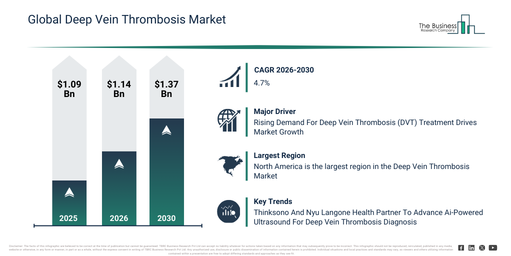
    The deep vein thrombosis market has shown consistent expansion in recent times. By 2025, its valuation is projected to reach $1.09 billion, and it is expected to climb to $1.14 billion in 2026, reflecting a compound annual growth rate of 4.0%. This upward trend in the historical phase has been driven by a rise in venous thromboembolism cases, an older population engaging in more sedentary habits, an increase in surgical procedures performed within hospitals, broader access to standard anticoagulant treatments, and greater public understanding of the risks associated with DVT.

    The deep vein thrombosis market is anticipated to register consistent expansion over the coming years. By 2030, it is projected to reach a valuation of $1.37 billion, reflecting a compound annual growth rate (CAGR) of 4.7%. This forecasted growth is driven by progress in novel anticoagulant therapies, a rising preference for oral medications over injectable options, the expansion of homecare and remote monitoring services, the strengthening of preventive screening initiatives, and enhanced accessibility through online pharmacies. Key trends shaping the forecast period encompass the increasing uptake of direct oral anticoagulants, a transition toward outpatient and home-based management of DVT, a stronger emphasis on early detection and risk assessment, a growing application of minimally invasive interventional techniques, and the broadening of online and specialty pharmacy networks.

    Download A Free Sample Report For Comprehensive Market Insights:

    https://www.thebusinessresearchcompany.com/sample.aspx?id=10616&type=smp&utm_source=BlogsPR&utm_medium=Paid&utm_campaign=Jul_PR

    Deep Vein Thrombosis Market Industry Drivers: What Is Driving Revenue Growth?

    A growing number of people in need of deep vein thrombosis (DVT) care is anticipated to boost the expansion of the deep vein thrombosis market in the coming period. DVT treatment involves managing patients with this condition through medications like anticoagulants, which help stop the formation of new clots and prevent existing ones from enlarging, thereby easing the disease’s impact. The rising count of patients seeking DVT therapy points to an increased prevalence of deep vein thrombosis, creating demand for products aimed at diagnosis, prevention, and treatment. As an illustration, in February 2023, the Centers for Disease Control and Prevention (CDC), a national public health body based in the United States, reported that each year, around 900,000 individuals in the U.S. may be impacted by deep vein thrombosis, and between 60,000 and 100,000 Americans die annually from DVT or pulmonary embolism (PE). Consequently, the market is being propelled by the growing number of people requiring treatment for deep vein thrombosis (DVT).

    Deep Vein Thrombosis Market Segmentation: How Is The Market Structured Across Key Categories?

    The deep vein thrombosis market covered in this report is segmented –

    1) By Drug Class: Anticoagulants, Inferior Vena Cava Filters, Other Drug Class

    2) By Treatment: Surgery, Drugs, Other Treatments

    3) By Mode Of Administration: Injectable, Oral, Other Modes Of Action

    4) By Distribution Channel: Hospital Pharmacies, Retail Pharmacies, Online Pharmacies

    5) By End User: Hospitals, Homecare, Specialty Clinics, Other End-users

    Subsegments:

    1) By Anticoagulants: Direct Oral Anticoagulants (DOACs), Vitamin K Antagonists, Low Molecular Weight Heparins, Unfractionated Heparin

    2) By Inferior Vena Cava Filters: Retrievable IVC Filters, Permanent IVC Filters, Advanced IVC Filter Systems

    3) By Other Drug Class: Thrombolytics, Antiplatelet Agents, Fibrinolytics, Combination Therapy

    Deep Vein Thrombosis Market Growth Trends: What Is Influencing The Future Outlook?

    Major players in the deep vein thrombosis market are increasingly turning to strategic alliances as a way to accelerate the diagnosis of DVT and boost their earnings. These partnerships highlight a growing emphasis on utilizing artificial intelligence and machine learning to enhance medical diagnostics, specifically for swift and accurate DVT identification. A notable example occurred in November 2023, when ThinkSono Ltd., a UK-based ultrasound AI firm specializing in DVT diagnosis, joined forces with NYU Langone Health, an American academic medical center. Together, they launched the first clinical trial for a novel AI-driven ultrasound software designed to facilitate faster, more portable DVT detection. Through this collaboration, the ThinkSono Guidance System harnesses AI capabilities to potentially identify DVT with greater speed, precision, and cost-effectiveness than traditional methods. During the trial, researchers will apply the ThinkSono Guidance System alongside standard ultrasound scanning in both DVT-positive and DVT-negative patients. The accuracy of the ThinkSono system will be assessed by comparing the outcomes of these two diagnostic approaches. Additionally, medical students from the NYU Grossman School of Medicine will participate in conducting the trial as part of their practical training curriculum.

    Deep Vein Thrombosis Market Competitive Landscape And Leading Companies

    Major companies operating in the deep vein thrombosis market are Abbott Laboratories, Bristol-Myers Squibb Company, Sanofi-Aventis U.S. LLC, Daiichi Sankyo Company Limited, Novartis AG, Mylan N.V., Bayer AG, Boehringer Ingelheim GmbH, Medtronic PLC, Hikma Pharmaceuticals PLC, Teva Pharmaceutical Industries Ltd., Stryker Corporation, Cook Medical Incorporated, Boston Scientific Corporation, Pfizer Inc., Johnson & Johnson, GlaxoSmithKline plc, Shire Pharmaceuticals, AstraZeneca PLC, Endo International plc

    Access The Complete Deep Vein Thrombosis Market Report:

    https://www.thebusinessresearchcompany.com/report/deep-vein-thrombosis-global-market-report?utm_source=BlogsPR&utm_medium=Paid&utm_campaign=Jul_PR

    Deep Vein Thrombosis Market Geographic Distribution And Regional Opportunities

    North America was the largest region in the deep vein thrombosis market in 2025. Asia-Pacific is expected to be the fastest-growing region in the global deep vein thrombosis market report during the forecast period. The regions covered in the deep vein thrombosis market report are Asia-Pacific, South East Asia, Western Europe, Eastern Europe, North America, South America, Middle East, Africa.

    Get in touch with us:

    The Business Research Company: https://www.thebusinessresearchcompany.com/?utm_source=BlogsPR&utm_medium=Paid&utm_campaign=home_page_test

    Americas: +1 310-496-7795

    Asia: +44 7882 955267 & +91 8897263534

    Europe: +44 7882 955267

    Email us at: marketing@tbrc.info

    Follow us on:

    LinkedIn: https://in.linkedin.com/company/the-business-research-company

    YouTube: https://www.youtube.com/channel/UC24_fI0rV8cR5DxlCpgmyFQ

    Global Market Model: https://www.thebusinessresearchcompany.com/global-market-model
  • Decongestants Market Growth Outlook Reveals A CAGR Of 9.1% And A Market Value Of $31.56 Billion By 2030

    Decongestants Market Growth Outlook Reveals A CAGR Of 9.1% And A Market Value Of $31.56 Billion By 2030

    Through market attractiveness analysis, total addressable market evaluation, company benchmarking matrices, interactive Excel dashboards, expanded supply chain intelligence, emerging startup coverage, and detailed product insights, The Business Research Company’s 2026 market reports provide more actionable and strategically valuable research.

    Decongestants Market Expected To Reach $31.56 Billion By 2030 At 9.1% CAGR

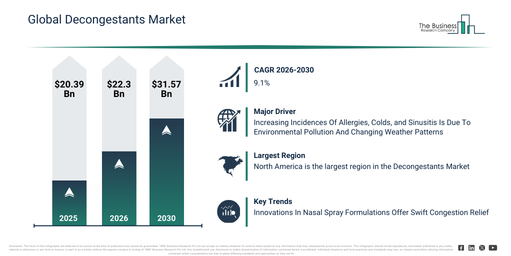
    The decongestants market has experienced substantial expansion in recent years, with projections indicating an increase from $20.39 billion in 2025 to $22.3 billion in 2026, reflecting a compound annual growth rate (CAGR) of 9.4%. This upward trend during the historical period has been driven by several factors, including the widespread occurrence of colds and flu, the frequency of allergies, the ease of access to over-the-counter medications, the impact of urban air pollution, and the growth of pharmacy retail outlets.

    The decongestants market is projected to experience significant expansion over the coming years, reaching a valuation of $31.57 billion by 2030, driven by a compound annual growth rate (CAGR) of 9.1%. This forecasted growth is fueled by factors such as rising demand for natural remedies, increasing prevalence of allergies, growing self-care practices, surge in online medication sales, and innovations in nasal delivery systems. Key trends shaping the period include the widespread preference for nasal spray decongestants, development of plant-based alternatives, proliferation of combination cold and flu products, heightened need for rapid-acting formulations, and a strong emphasis on non-drowsy medication options.

    Download A Free Sample Report For Comprehensive Market Insights:

    https://www.thebusinessresearchcompany.com/sample.aspx?id=24514&type=smp&utm_source=BlogsPR&utm_medium=Paid&utm_campaign=Jul_PR

    #Decongestants Market Growth Factors: Which Forces Are Supporting Market Expansion?

    The anticipated expansion of the decongestants market is being driven by the growing prevalence of allergies, colds, and sinusitis. Allergies occur as immune responses to non-threatening substances, colds are viral infections that lead to respiratory distress, and sinusitis involves sinus inflammation usually stemming from infections or allergic reactions. This rise in cases is linked to heightened air pollution and environmental triggers. Decongestants offer relief by alleviating nasal blockage, diminishing swelling in nasal passages, enhancing air movement, easing respiratory challenges, and improving overall patient well-being. As an example, data from USAFacts, a nonprofit organization based in the US, revealed in December 2023 that roughly 31.9 million people reported flu symptoms during the 2022–2023 US flu season, with nearly 85% of these cases occurring between October and January. Consequently, the increasing frequency of allergies, colds, and sinusitis is fueling growth in the decongestants market.

    Decongestants Market Segmentation Trends And Revenue Drivers

    The decongestants market covered in this report is segmented –

    1) By Product Type: Tablets, Capsules, Nasal Sprays, Other Product Types

    2) By Delivery Mechanism: Topical Administration, Oral Administration, Inhalation

    3) By Source Of Ingredients: Synthetic Decongestants, Natural (Plant-Based) Decongestants

    4) By Application: Seasonal Allergic Rhinitis, Perennial Allergic Rhinitis, Sinusitis, Nasal Congestion, Cold And Flu, Other Applications

    5) By End-User Application: Pharmacies Or Drugstores, Online Retail, Hospitals And Clinics, Supermarkets Or Hypermarkets

    Subsegments:

    1) By Tablets: Immediate-Release Tablets, Extended-Release Tablets, Combination Tablets

    2) By Capsules: Soft Gel Capsules, Hard Gelatin Capsules, Sustained-Release Capsules

    3) By Nasal Sprays: Metered-Dose Nasal Sprays, Saline Nasal Sprays, Steroidal Nasal Sprays

    4) By Other Product Types: Lozenges, Syrups, Inhalers

    Decongestants Market Industry Trends: What Changes Are Reshaping Demand?

    Leading players in the decongestants market are prioritizing the development of over-the-counter nasal decongestant solutions, especially fast-acting sprays, aimed at delivering quick and effective relief from nasal congestion while boosting patient comfort and improving therapeutic results. A fast-acting spray is defined as a nasal product that alleviates congestion soon after administration by acting swiftly to reduce swelling. A case in point is Manx Healthcare Ltd., a pharmaceutical firm based in the UK, which introduced Xylometazoline Decongestant Nasal Spray in August 2024. This launch represents a deliberate effort to broaden the company’s respiratory care segment by offering a rapid-onset, non-prescription remedy specifically formulated to ease nasal blockage resulting from colds, sinusitis, or allergic rhinitis. Beyond highlighting the organization’s dedication to supplying affordable and top-tier self-care options, this initiative also meets the growing consumer need for potent decongestants that ensure both quick and sustained relief.

    Decongestants Market Industry Leaders: Which Organizations Are Driving Competition?

    Major companies operating in the decongestants market are Pfizer Inc., Procter & Gamble Co., Johnson & Johnson, Bayer AG, Sanofi S.A., GlaxoSmithKline plc, Teva Pharmaceutical Industries Ltd., Church & Dwight Co. Inc., Perrigo Company plc, Dr. Reddy’s Laboratories Ltd., Cipla Ltd., Helen of Troy Limited, Prestige Consumer Healthcare Inc., Orifarm Group A/S, Pharmascience Inc., Beximco Pharmaceuticals Ltd., Reckitt Benckiser Group plc, AdvaCare Pharma, Anish Chemicals, Marinomed Biotech AG

    Access The Complete Decongestants Market Report:

    https://www.thebusinessresearchcompany.com/report/decongestants-global-market-report?utm_source=BlogsPR&utm_medium=Paid&utm_campaign=Jul_PR

    Decongestants Market Largest Region By Revenue And Market Share

    North America was the largest region in the decongestants market in 2025. Asia-Pacific is expected to be the fastest-growing region in the forecast period. The regions covered in the decongestants market report are Asia-Pacific, South East Asia, Western Europe, Eastern Europe, North America, South America, Middle East, Africa.

    Get in touch with us:

    The Business Research Company: https://www.thebusinessresearchcompany.com/?utm_source=BlogsPR&utm_medium=Paid&utm_campaign=home_page_test

    Americas: +1 310-496-7795

    Asia: +44 7882 955267 & +91 8897263534

    Europe: +44 7882 955267

    Email us at: marketing@tbrc.info

    Follow us on:

    LinkedIn: https://in.linkedin.com/company/the-business-research-company

    YouTube: https://www.youtube.com/channel/UC24_fI0rV8cR5DxlCpgmyFQ

    Global Market Model: https://www.thebusinessresearchcompany.com/global-market-model
  • Data Enrichment Solutions Market Forecast Highlights Expansion From $3.23 Billion To $5.13 Billion Through 2030

    Data Enrichment Solutions Market Forecast Highlights Expansion From $3.23 Billion To $5.13 Billion Through 2030

    Delivering more actionable and strategically valuable research, The Business Research Company’s 2026 market reports feature market attractiveness analysis, total addressable market evaluation, company benchmarking matrices, interactive Excel dashboards, expanded supply chain intelligence, emerging startup coverage, and detailed product insights.

    Data Enrichment Solutions Market Size And Revenue Forecast Through 2030

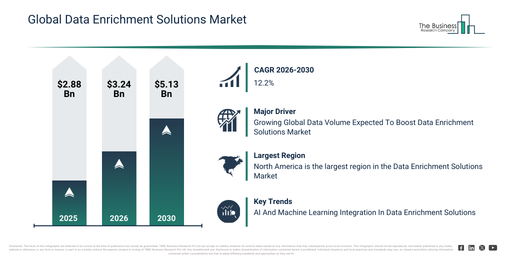
    The market for data enrichment solutions has experienced rapid expansion in recent years, with its value projected to rise from $2.88 billion in 2025 to $3.24 billion in 2026, reflecting a compound annual growth rate (CAGR) of 12.4%. This historical growth has been driven by the expansion of digital marketing efforts, larger volumes of enterprise data, a greater demand for enhanced customer understanding, the widespread adoption of CRM and analytics tools, and the broadening of e-commerce ecosystems.

    The market for data enrichment solutions is projected to expand rapidly over the coming years, reaching $5.13 billion by 2030 with a compound annual growth rate (CAGR) of 12.2%. This anticipated growth in the forecast period is driven by factors such as the growing integration of AI-powered analytics, heightened regulatory demands for data quality, broader implementation of omnichannel marketing approaches, increased cloud computing usage, and a rising need for tailored customer experiences. Key trends shaping this period include an escalating need for superior customer data, a surge in the adoption of cloud-based enrichment tools, more extensive application of data enrichment in marketing analytics, the development of real-time data enhancement capabilities, and an intensified emphasis on data precision and adherence to compliance standards.

    Download A Free Sample Report For Comprehensive Market Insights:

    https://www.thebusinessresearchcompany.com/sample.aspx?id=19024&type=smp&utm_source=BlogsPR&utm_medium=Paid&utm_campaign=Jul_PR

    Data Enrichment Solutions Market Demand Drivers: What Is Fueling Industry Growth?

    The ongoing expansion of global data production is set to fuel growth in the data enrichment solutions market. This surge in data volume stems from the widespread use of digital devices, the growth of social media platforms, technological innovations, and the spread of IoT devices, all of which continuously generate substantial amounts of data. Data enrichment solutions add value to this massive and expanding global data pool by refining its precision, relevance, and utility, thereby making it more practical and informative. As an illustration, Edge Delta, a US-based software firm, projected in March 2024 that worldwide data generation would increase 150 times by 2027 relative to the 97 zettabytes (ZB) recorded in 2022. Furthermore, it is anticipated that by 2032, this volume will be 300 times greater than that of 2027. Consequently, the rapidly rising volume of global data is expected to drive expansion in the data enrichment solutions market.

    Data Enrichment Solutions Market Segment Analysis Highlighting Growth Areas

    The data enrichment solutions market covered in this report is segmented –

    1) By Deployment: Cloud, On-Premise

    2) By Enterprise Size: Large Enterprises, Small And Medium-Sized Enterprises (SMEs)

    3) By End-User: Banking, Financial Services, and Insurance (BFSI), Information Technology (IT) And Telecom, Retail, Manufacturing, Healthcare, Energy And Utilities, Transportation And Logistics, Construction, Other End-Users

    Subsegments:

    1) By Cloud: Public Cloud, Private Cloud, Hybrid Cloud

    2) By On-Premise: Dedicated Servers, Virtualized Servers

    Data Enrichment Solutions Market Innovation Trends: Which Developments Are Transforming The Industry?

    Leading players within the data enrichment solutions market are concentrating on creating cutting-edge offerings, particularly data normalization tools, to boost data precision, unlock deeper insights, and foster more informed decision-making. Data normalization solutions encompass methods and technologies that organize and transform data into a uniform structure, guaranteeing consistency across different datasets. As an example, in May 2024, JP Morgan, a financial services firm based in the United States, introduced Fusion, a sophisticated data normalization product. This solution delivers a complete data management system for institutional investors, which merges and standardizes data from multiple origins, enabling more sophisticated analytics. Fusion provides a consolidated perspective on custody, fund accounting, and middle office data, covering both public and private assets. It includes an easy-to-use tool for detailed data examination and visualization, and supports adaptable, cloud-based access through APIs, Jupyter Notebook, Snowflake, and Databricks.

    Data Enrichment Solutions Market Leading Companies: Who Holds Significant Market Presence?

    Major companies operating in the data enrichment solutions market are Accenture plc, Oracle Corporation, Salesforce Inc., Experian Information Solutions Inc., TransUnion LLC, Dun & Bradstreet Holdings Inc., HubSpot Inc.(Clearbit), Informatica Inc., ZoomInfo Technologies LLC, Alteryx Inc., Acxiom LLC, Neustar Inc., Demandbase Inc., Talend S.A., 6Sense Insights Inc., Apollo.io, Lusha Systems Inc., Crunchbase Inc., Anchor Computer Inc., Leadspace Inc., Openprise Inc., LeadGenius Inc.

    Access The Complete Data Enrichment Solutions Market Report:

    https://www.thebusinessresearchcompany.com/report/data-enrichment-solutions-global-market-report?utm_source=BlogsPR&utm_medium=Paid&utm_campaign=Jul_PR

    Data Enrichment Solutions Market Regional Analysis And Leading Geography

    North America was the largest region in the data enrichment solutions market in 2025. Asia-Pacific is expected to be the fastest-growing region in the forecast period. The regions covered in the data enrichment solutions market report are Asia-Pacific, South East Asia, Western Europe, Eastern Europe, North America, South America, Middle East, Africa.

    Get in touch with us:

    The Business Research Company: https://www.thebusinessresearchcompany.com/?utm_source=BlogsPR&utm_medium=Paid&utm_campaign=home_page_test

    Americas: +1 310-496-7795

    Asia: +44 7882 955267 & +91 8897263534

    Europe: +44 7882 955267

    Email us at: marketing@tbrc.info

    Follow us on:

    LinkedIn: https://in.linkedin.com/company/the-business-research-company

    YouTube: https://www.youtube.com/channel/UC24_fI0rV8cR5DxlCpgmyFQ

    Global Market Model: https://www.thebusinessresearchcompany.com/global-market-model
  • Dasatinib Drugs Market Expected To Reach $2.07 Billion By 2030 As Growth Accelerates At 6.3% CAGR

    Dasatinib Drugs Market Expected To Reach $2.07 Billion By 2030 As Growth Accelerates At 6.3% CAGR

    Enhanced with market attractiveness analysis, total addressable market evaluation, company benchmarking matrices, interactive Excel dashboards, expanded supply chain intelligence, emerging startup coverage, and detailed product insights, The Business Research Company’s 2026 market reports deliver more actionable and strategically valuable research.

    Dasatinib Drugs Market Growth From $1.62 Billion In 2026 To $2.07 Billion By 2030 At A CAGR Of 6.3%

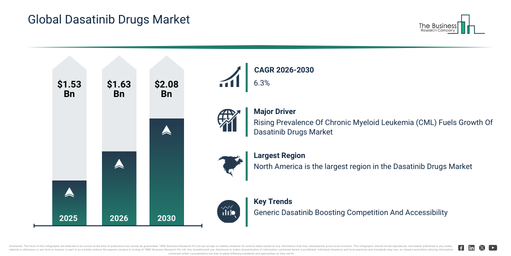
    The dasatinib drugs market has experienced robust expansion over recent years, with its value projected to rise from $1.53 billion in 2025 to $1.63 billion in 2026, reflecting a compound annual growth rate (CAGR) of 6.3%. This historical growth was driven by factors such as the approval of tyrosine kinase inhibitors for leukemia treatment, a growing incidence of chronic myeloid leukemia, the clinical effectiveness of dasatinib in resistant cases, the broadening reach of oncology treatment facilities, and the increased availability of oral targeted therapies.

    The dasatinib market is anticipated to experience notable expansion over the coming years, projected to reach $2.08 billion by 2030, advancing at a compound annual growth rate (CAGR) of 6.3%. This forecasted growth is driven by factors such as the increasing number of leukemia patients, a growing preference for personalized cancer treatments, wider availability of generic oncology medications, the rise of home-based cancer care services, and continuous progress in targeted drug innovation. Key trends shaping the market during this period include a greater focus on targeted cancer therapies, a higher adoption rates of oral oncology drugs, a surge in demand for generic dasatinib variants, the growing use of combination therapy regimens, and enhanced patient compliance facilitated by convenient oral drug forms.

    Download A Free Sample Report For Comprehensive Market Insights:

    https://www.thebusinessresearchcompany.com/sample.aspx?id=19023&type=smp&utm_source=BlogsPR&utm_medium=Paid&utm_campaign=Jul_PR

    Dasatinib Drugs Market Growth Drivers: What Factors Are Accelerating Expansion?

    The anticipated growth of the dasatinib drug market in the coming period is being fueled by an increasing prevalence of chronic myeloid leukemia (CML). Chronic myeloid leukemia, a malignancy of the bone marrow and blood, is characterized by the uncontrolled proliferation of abnormal white blood cells. Environmental exposures and lifestyle-related risk factors are key contributors to this rising CML incidence. Disease management is supported by the dasatinib drug market through inhibition of the BCR-ABL tyrosine kinase protein, which is responsible for the unchecked multiplication of leukemic cells. For example, data from the American Cancer Society (ACS), a US-based cancer organization, indicated that CML cases in the United States climbed to 8,930 in 2023 from 8,860 in 2022. Hence, the expanding prevalence of chronic myeloid leukemia (CML) is driving the dasatinib drug market forward.

    Dasatinib Drugs Market Segment Performance And Strategic Opportunities

    The dasatinib drugs market covered in this report is segmented –

    1) By Product Type: Tablets, Oral Suspension, Other Products

    2) By Indication: Chronic Myeloid Leukemia, Acute Lymphoblastic Leukemia, Other Indications

    3) By End User: Hospitals, Specialty Clinics, Home Healthcare

    Subsegments:

    1) By Tablets: 20 mg Tablets, 50 mg Tablets, 70 mg Tablets, 80 mg Tablets

    2) By Oral Suspension: 20 mg Or 5 mL Oral Suspension, 40 mg Or 5 mL Oral Suspension

    3) By Other Products: Combination Therapies, Generic Dasatinib Products

    Dasatinib Drugs Market Trends: What Is Shaping Future Industry Growth?

    Major pharmaceutical players in the dasatinib drugs market are prioritizing the development of generic versions to broaden their market presence, provide more affordable treatment options, and enhance access for patients undergoing long-term cancer therapy. Generic dasatinib medications are therapeutically equivalent to the branded product, containing the same active ingredient, dosage strength, quality, and clinical effectiveness at a reduced price, which boosts affordability, fosters market competition, and eases the economic strain on both patients and healthcare systems. For example, in September 2024, Apotex Corp., a pharmaceutical firm based in Canada, introduced the first generic version of Sprycel (dasatinib) in the United States for managing specific types of leukemia in adults and children, delivering a high-quality, lower-cost option that improves treatment accessibility and encourages competitive pricing dynamics in the dasatinib drugs market.

    Dasatinib Drugs Market Key Players: Which Companies Shape Industry Competition?

    Major companies operating in the dasatinib drugs market are Bristol-Myers Squibb Company, Teva Pharmaceutical Industries Ltd., Sandoz Group AG, Sun Pharmaceutical Industries Limited, Hetero Drugs Limited, Aurobindo Pharma Limited, Dr. Reddy’s Laboratories Limited, Intas Pharmaceuticals Ltd., Cipla Limited, Lupin Limited, MSN Laboratories Pvt. Ltd., Hikma Pharmaceuticals plc, Zhejiang Hisun Pharmaceutical Co. Ltd., Biocon Limited, Alkem Laboratories Limited, Glenmark Pharmaceuticals Limited, Torrent Pharmaceuticals Limited, Alembic Pharmaceuticals Limited, Mylan N.V., Manus Aktteva Biopharma LLP

    Access The Complete Dasatinib Drugs Market Report:

    https://www.thebusinessresearchcompany.com/report/dasatinib-drugs-global-market-report?utm_source=BlogsPR&utm_medium=Paid&utm_campaign=Jul_PR

    Dasatinib Drugs Market Geographic Analysis: Where Is Demand Growing The Fastest?

    North America was the largest region in the dasatinib drugs market in 2025. Asia-Pacific is expected to be the fastest-growing region in the forecast period. The regions covered in the dasatinib drugs market report are Asia-Pacific, South East Asia, Western Europe, Eastern Europe, North America, South America, Middle East, Africa.

    Get in touch with us:

    The Business Research Company: https://www.thebusinessresearchcompany.com/?utm_source=BlogsPR&utm_medium=Paid&utm_campaign=home_page_test

    Americas: +1 310-496-7795

    Asia: +44 7882 955267 & +91 8897263534

    Europe: +44 7882 955267

    Email us at: marketing@tbrc.info

    Follow us on:

    LinkedIn: https://in.linkedin.com/company/the-business-research-company

    YouTube: https://www.youtube.com/channel/UC24_fI0rV8cR5DxlCpgmyFQ

    Global Market Model: https://www.thebusinessresearchcompany.com/global-market-model
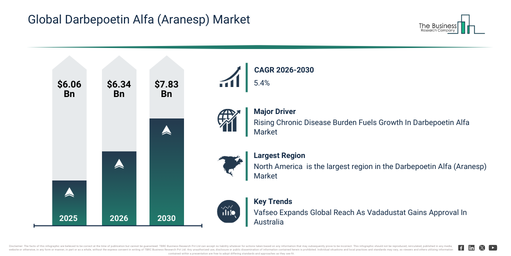
  • Darbepoetin Alfa (Aranesp) Market Set To Grow From $6.33 Billion In 2026 To $7.83 Billion By 2030 At A CAGR Of 5.4%

    Darbepoetin Alfa (Aranesp) Market Set To Grow From $6.33 Billion In 2026 To $7.83 Billion By 2030 At A CAGR Of 5.4%

    Through market attractiveness analysis, total addressable market evaluation, company benchmarking matrices, interactive Excel dashboards, expanded supply chain intelligence, emerging startup coverage, and detailed product insights, The Business Research Company’s 2026 market reports provide more actionable and strategically valuable research.

    Darbepoetin Alfa (Aranesp) Market Expansion Outlook: What Revenue Opportunities Lie Ahead?

    The market for darbepoetin alfa (Aranesp) has seen consistent expansion in recent years, with its valuation projected to rise from $6.06 billion in 2025 to $6.34 billion in 2026, reflecting a compound annual growth rate (CAGR) of 4.6%. This historical growth has been driven by a higher incidence of chronic kidney disease, greater use of chemotherapy, the well-documented clinical effectiveness of erythropoiesis-stimulating agents, broader hospital pharmacy networks, and favorable reimbursement frameworks.

    The market for darbepoetin alfa (Aranesp) is projected to experience robust expansion over the coming years. By 2030, its value is anticipated to reach $7.83 billion, reflecting a compound annual growth rate (CAGR) of 5.4%. Several factors are driving this anticipated growth, including an expanding elderly population, a growing need for long-lasting anemia therapies, wider acceptance of biosimilars, improved rates of anemia detection, and market development in emerging healthcare economies. Key trends shaping the forecast period involve the increased utilization of long-acting erythropoiesis-stimulating agents, a heightened inclination toward biosimilars for anemia treatment, a higher occurrence of anemia among patients with chronic kidney disease, broader application in managing chemotherapy-induced anemia, and a movement toward the administration of specialty drugs within hospital settings.

    Download A Free Sample Report For Comprehensive Market Insights:

    https://www.thebusinessresearchcompany.com/sample.aspx?id=12171&type=smp&utm_source=BlogsPR&utm_medium=Paid&utm_campaign=Jul_PR

    Darbepoetin Alfa (Aranesp) Market Growth Factors Supporting Long-Term Expansion

    The growing frequency of chronic conditions is anticipated to drive the expansion of the darbepoetin alfa market in the coming years. Chronic conditions are defined as health issues lasting three months or longer, often worsening over time. Darbepoetin alfa, known as Aranesp, is utilized to address complications arising from such illnesses—for example, it helps manage chemotherapy-induced anemia in cancer patients by boosting red blood cell production and enhancing overall well-being. As a case in point, in June 2024, the National Health Service, a governmental entity in the UK, reported that 3,615,330 individuals registered with a general practitioner had been diagnosed with non-diabetic hyperglycemia or pre-diabetes—a state where blood sugar is elevated but not sufficient for a diabetes diagnosis—in 2023, reflecting an 18% rise from 3,065,825 cases noted in 2022. Consequently, the escalating incidence of chronic diseases is fueling the growth of the darbepoetin alfa market.

    Darbepoetin Alfa (Aranesp) Market Segment Landscape And Growth Potential

    The darbepoetin alfa (aranesp) market covered in this report is segmented –

    1) By Type: Epogen, Procrit, Aranesp, Other Types

    2) By Distribution Channel: Hospital Pharmacy, Retail Pharmacy, Online Pharmacy

    3) By Application: Patients With Chronic Kidney Disease, Patients With Cancer, Other Applications

    Subsegments:

    1) By Epogen: Standard Formulations, Enhanced Formulations

    2) By Procrit: Standard Formulations, Biosimilars

    3) By Aranesp: Single-Dose Vials, Multi-Dose Vials

    4) By Other Types: Combination Therapies, Alternative Erythropoiesis-Stimulating Agents

    Darbepoetin Alfa (Aranesp) Market Industry Trends Shaping Future Revenue Growth

    Major players in the darbepoetin alfa market are intensifying their efforts to launch novel therapies like Vafseo (vadadustat) to secure a competitive advantage. Vafseo, an oral hypoxia-inducible factor prolyl hydroxylase inhibitor, is specifically formulated to address anemia linked to chronic kidney disease. A notable example occurred in September 2023, when Akebia Therapeutics, a biotechnology firm based in the United States, secured approval from Australia’s Therapeutic Goods Administration (TGA) for Vafseo’s use in that country. Currently, it is authorized in 36 nations, including Taiwan. This regulatory green light in Australia was underpinned by findings from vadadustat’s global Phase 3 clinical program, which confirmed its efficacy in managing anemia among adults with CKD receiving long-term dialysis.

    Darbepoetin Alfa (Aranesp) Market Competitive Landscape: Who Are The Leading Companies?

    Major companies operating in the darbepoetin alfa (aranesp) market are Johnson & Johnson, Amgen Inc., Mylan N.V., Teva Pharmaceutical Industries Ltd., Dr. Reddy’s Laboratories Ltd., Cipla Ltd., Biocon Ltd., Torrent Pharmaceuticals Ltd., 3SBio Inc., Cadila Healthcare Ltd., Dong-A ST Co. Ltd., Chong Kun Dang Holdings, Hetero Drugs Ltd., Intas Pharmaceuticals Ltd., Stada Arzneimittel AG, Ranbaxy Laboratories Ltd., Sandoz International GmbH, Shandong Kexing Bioproducts Co. Ltd., Kyowa Kirin Co. Ltd., Polifarma S.p.A.

    Access The Complete Darbepoetin Alfa (Aranesp) Market Report:

    https://www.thebusinessresearchcompany.com/report/darbepoetin-alfa-aranesp-global-market-report?utm_source=BlogsPR&utm_medium=Paid&utm_campaign=Jul_PR

    Darbepoetin Alfa (Aranesp) Market Global Footprint: Which Region Holds Market Leadership?

    North America was the largest region in the darbepoetin alfa (Aranesp) market in 2025. The regions covered in the darbepoetin alfa (aranesp) market report are Asia-Pacific, South East Asia, Western Europe, Eastern Europe, North America, South America, Middle East, Africa.

    Get in touch with us:

    The Business Research Company: https://www.thebusinessresearchcompany.com/?utm_source=BlogsPR&utm_medium=Paid&utm_campaign=home_page_test

    Americas: +1 310-496-7795

    Asia: +44 7882 955267 & +91 8897263534

    Europe: +44 7882 955267

    Email us at: marketing@tbrc.info

    Follow us on:

    LinkedIn: https://in.linkedin.com/company/the-business-research-company

    YouTube: https://www.youtube.com/channel/UC24_fI0rV8cR5DxlCpgmyFQ

    Global Market Model: https://www.thebusinessresearchcompany.com/global-market-model
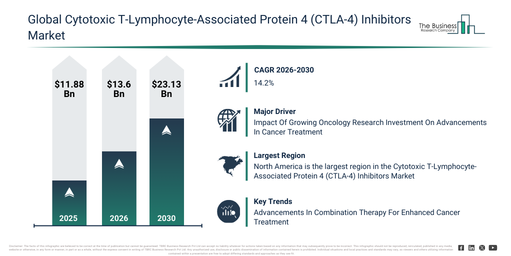
  • Cytotoxic T-Lymphocyte-Associated Protein 4 (CTLA-4) Inhibitors Market Opportunities Are Emerging Beyond Traditional Growth Areas

    Cytotoxic T-Lymphocyte-Associated Protein 4 (CTLA-4) Inhibitors Market Opportunities Are Emerging Beyond Traditional Growth Areas

    Delivering more actionable and strategically valuable research, The Business Research Company’s 2026 market reports feature market attractiveness analysis, total addressable market evaluation, company benchmarking matrices, interactive Excel dashboards, expanded supply chain intelligence, emerging startup coverage, and detailed product insights.

    Cytotoxic T-Lymphocyte-Associated Protein 4 (CTLA-4) Inhibitors Market Growth Potential: How Will Market Size Change Through 2030?

    The cytotoxic t-lymphocyte-associated protein 4 (CTLA-4) inhibitors market has experienced rapid expansion in recent years. Its size is projected to increase from $11.88 billion in 2025 to $13.6 billion in 2026, reflecting a compound annual growth rate (CAGR) of 14.4%. This historic growth has been driven by advancements in immuno-oncology research, the successful application of ipilimumab for melanoma, a growing worldwide cancer burden, a broader scope of oncology clinical trials, and heightened regulatory approvals for checkpoint inhibitors.

    The market for cytotoxic T-lymphocyte-associated protein 4 (CTLA-4) inhibitors is anticipated to experience rapid expansion in the coming years. It is projected to reach a valuation of $23.13 billion by 2030, reflecting a compound annual growth rate (CAGR) of 14.2%. This projected growth is driven by factors such as the expansion of combination cancer therapies, the broadening of indications to include new solid tumors, rising spending on oncology healthcare, increased adoption of precision immunotherapy, and the proliferation of specialized oncology centers. Key trends shaping this period include a growing reliance on combination immunotherapy regimens, wider application in advanced and metastatic cancers, an intensified focus on immune checkpoint inhibition tactics, the extension of CTLA-4 inhibitors across diverse cancer types, and a higher prevalence of hospital-based immunotherapy administration.

    Download A Free Sample Report For Comprehensive Market Insights:

    https://www.thebusinessresearchcompany.com/sample.aspx?id=21165&type=smp&utm_source=BlogsPR&utm_medium=Paid&utm_campaign=Jul_PR

    Cytotoxic T-Lymphocyte-Associated Protein 4 (CTLA-4) Inhibitors Market Demand Drivers Creating New Revenue Opportunities

    The growth of the cytotoxic T-lymphocyte-associated protein 4 (CTLA-4) inhibitors market is being driven by increasing investments in oncology research and development. This trend is fueled by the worldwide rise in cancer cases, progress in immunotherapy and targeted therapies, and a pressing need for novel treatments that enhance patient survival and quality of life. Such funding accelerates the development of new CTLA-4 inhibitors by advancing the discovery of innovative therapies and improving clinical trials that refine immune checkpoint treatments for cancer. As an example, in May 2023, the American Society for Radiation Oncology (ASTRO), a US-based nonprofit, reported that the National Cancer Institute (NCI) has called for $9.988 billion in cancer research funding for 2024, which is a $2.7 billion increase from the $7.3 billion allocated in 2023. Consequently, the escalating investment in oncology research and development is fueling expansion of the CTLA-4 inhibitors market.

    Cytotoxic T-Lymphocyte-Associated Protein 4 (CTLA-4) Inhibitors Market Categorization By Product Type And Application

    The cytotoxic t-lymphocyte-associated protein 4 (ctla-4) inhibitors market covered in this report is segmented –

    1) By Type: Monotherapy, Combination Therapy

    2) By Application: Melanoma, Renal Cell Carcinoma, Colorectal Cancer, Other Applications

    3) By Distribution Channel: Hospital Pharmacies, Retail Pharmacies, Online Pharmacies, Other Distribution Channels

    Cytotoxic T-Lymphocyte-Associated Protein 4 (CTLA-4) Inhibitors Market Trends Driving Strategic Industry Expansion

    Leading players in the cytotoxic T-lymphocyte-associated protein 4 (CTLA-4) inhibitors sector are actively conducting clinical trials to evaluate the efficacy of innovative drug formulations, refine dosing schedules, and boost treatment response rates in cancer patients. These trials investigate the capabilities of CTLA-4 inhibitors when paired with other immunotherapies, with the goal of broadening their use beyond melanoma and enhancing overall survival outcomes across diverse cancer types. An example is offered by Akeso Inc., a biopharmaceutical firm based in China, which announced in December 2024 the initiation of its phase Ib/II clinical trial (AK104-IIT-018) for cadonilimab, a combination therapy targeting patients with advanced or metastatic non-small cell lung cancer (NSCLC) who had shown disease progression after earlier treatment with a programmed cell death ligand 1 (PD-L1) inhibitor. Cadonilimab is a bispecific antibody that targets both programmed cell death protein 1 (PD-1) and CTLA-4, functioning to block these immune checkpoints concurrently. This action enhances T-cell activation and the immune response directed at tumors while concurrently diminishing immune suppression.

    Cytotoxic T-Lymphocyte-Associated Protein 4 (CTLA-4) Inhibitors Market Company Landscape And Strategic Competition

    Major companies operating in the cytotoxic t-lymphocyte-associated protein 4 (ctla-4) inhibitors market are Pfizer Inc., Merck & Co. Inc., Bristol Myers Squibb, AstraZeneca plc, Novartis AG, GSK plc, Eli Lilly and Company, BioNTech SE, Regeneron Pharmaceuticals Inc., Astellas Pharma Inc., Shanghai Fosun Pharmaceutical (Group) Co. Ltd., Jiangsu Hengrui Pharmaceuticals Co. Ltd., Incyte Corporation, Ono Pharmaceutical Co. Ltd., Innovent Biologics Inc., Akeso Inc., Shanghai Junshi Biosciences Co. Ltd., Xencor, Agenus Inc., Harbour BioMed, Molecular Templates Inc., BioAtla Inc., OncoC4 Inc., Xilio Therapeutics Inc.

    Access The Complete Cytotoxic T-Lymphocyte-Associated Protein 4 (CTLA-4) Inhibitors Market Report:

    https://www.thebusinessresearchcompany.com/report/cytotoxic-t-lymphocyte-associated-protein-4-ctla-4-inhibitors-global-market-report?utm_source=BlogsPR&utm_medium=Paid&utm_campaign=Jul_PR

    Cytotoxic T-Lymphocyte-Associated Protein 4 (CTLA-4) Inhibitors Market Regional Distribution: Which Areas Drive Market Expansion?

    North America was the largest region in the cytotoxic T-lymphocyte-associated protein 4 (CTLA-4) market in 2025. Asia-Pacific is expected to be the fastest-growing region in the forecast period. The regions covered in the cytotoxic t-lymphocyte-associated protein 4 (ctla-4) inhibitors market report are Asia-Pacific, South East Asia, Western Europe, Eastern Europe, North America, South America, Middle East, Africa.

    Get in touch with us:

    The Business Research Company: https://www.thebusinessresearchcompany.com/?utm_source=BlogsPR&utm_medium=Paid&utm_campaign=home_page_test

    Americas: +1 310-496-7795

    Asia: +44 7882 955267 & +91 8897263534

    Europe: +44 7882 955267

    Email us at: marketing@tbrc.info

    Follow us on:

    LinkedIn: https://in.linkedin.com/company/the-business-research-company

    YouTube: https://www.youtube.com/channel/UC24_fI0rV8cR5DxlCpgmyFQ

    Global Market Model: https://www.thebusinessresearchcompany.com/global-market-model
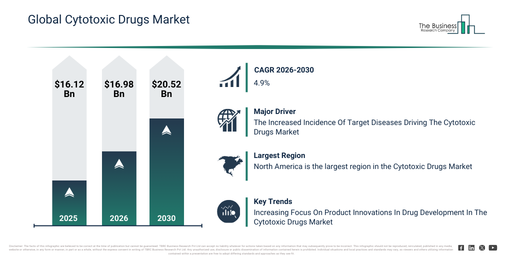
  • Cytotoxic Drugs Market Expansion Is Opening New Pathways For Strategic Investment

    Cytotoxic Drugs Market Expansion Is Opening New Pathways For Strategic Investment

    Enhanced with market attractiveness analysis, total addressable market evaluation, company benchmarking matrices, interactive Excel dashboards, expanded supply chain intelligence, emerging startup coverage, and detailed product insights, The Business Research Company’s 2026 market reports deliver more actionable and strategically valuable research.

    Cytotoxic Drugs Market Value Analysis: What Growth Is Expected Over The Forecast Period?

    The cytotoxic drugs market has experienced robust expansion in recent years. Its valuation is projected to increase from $16.12 billion in 2025 to $16.98 billion in 2026, reflecting a compound annual growth rate (CAGR) of 5.3%. This historical growth has been driven by chemotherapy’s enduring importance in cancer treatment, the broad accessibility of generic cytotoxic medications, the widening scope of oncology services within hospitals, proven clinical effectiveness across various cancer types, and the expansion of government-funded cancer treatment programs.

    The cytotoxic drugs market is anticipated to experience consistent expansion in the coming years. Its value is projected to reach $20.52 billion by 2030, reflecting a compound annual growth rate (CAGR) of 4.9%. This anticipated progress in the forecast period is fueled by a rise in global cancer incidences, improved access to oncology care in developing regions, the ongoing application of cytotoxic therapies as foundations alongside newer targeted treatments, a broader adoption of combination therapy protocols, and an increased need for affordable cancer management options. Key developments shaping the forecast period involve the persistent employment of cytotoxic agents within combination cancer therapies, a heightened preference for wide-spectrum chemotherapeutic drugs, a stronger emphasis on optimizing dosages and controlling toxicity, continued adherence to well-established chemotherapy regimens, and the expanding utilization of cytotoxic medications in conditions that are not related to oncology.

    Download A Free Sample Report For Comprehensive Market Insights:

    https://www.thebusinessresearchcompany.com/sample.aspx?id=15781&type=smp&utm_source=BlogsPR&utm_medium=Paid&utm_campaign=Jul_PR

    Cytotoxic Drugs Market Expansion Supported By Key Demand Factors

    The cytotoxic drugs market is anticipated to advance due to the growing prevalence of target diseases. These target diseases are specific conditions identified for focused research and therapy, such as cancer, autoimmune disorders, and genetic diseases. Their rising incidence stems from factors like genetic susceptibility, environmental influences, and unequal access to healthcare. The market supports treatment by supplying medications that kill or halt the growth of abnormal cells, thereby slowing disease progression and spread. For example, in February 2024, the International Agency for Research on Cancer (IARC), a WHO-affiliated cancer agency based in France, reported approximately 0.02 billion new cancer cases and 0.0097 billion deaths globally in 2022, with a projected 77% increase to over 0.035 billion new cases by 2050; additionally, lung cancer accounted for 0.0025 billion new cases (12.4%), followed by female breast cancer with 0.0023 billion cases (11.6%). Consequently, the escalating incidence of target diseases is fueling the expansion of the cytotoxic drugs market.

    Cytotoxic Drugs Market Segment Analysis And Revenue Opportunities

    The cytotoxic drugs market covered in this report is segmented –

    1) By Drug Type: Alkylating Agents, Antitumor Antibiotics, Antimetabolites, Plant Alkaloids, Other Drug Types

    2) By Application: Oncology, Rheumatoid Arthritis, Multiple Sclerosis, Other Applications

    3) By End User: Hospitals, Cancer Research Centers, Drug Testing Laboratories, Contract Development And Manufacturing Organizations (CDMOs)

    Subsegments:

    1) By Alkylating Agents: Nitrogen Mustards, Ethyleneimines, Alkyl Sulfonates, Triazenes

    2) By Antitumor Antibiotics: Anthracyclines, Bleomycin, Mitomycin

    3) By Antimetabolites: Methotrexate, 5-Fluorouracil, Purine Analogs

    4) By Plant Alkaloids: Vinca Alkaloids, Taxanes, Camptothecin Analogs

    5) By Other Drug Types: Platinum-Based Compounds, Antibody-Drug Conjugates (ADCs), Nitrosoureas

    Cytotoxic Drugs Market Growth Trends Influencing Competitive Dynamics

    Key players in the cytotoxic drugs sector are concentrating on creating cutting-edge and innovative products, particularly chimeric antigen receptor (CAR) T cell therapies, aimed at providing transformative care options for individuals battling hard-to-treat blood cancers. This therapy is a distinct form of immunotherapy where a patient’s own T cells are modified through genetic engineering to carry a chimeric antigen receptor, enabling the recognition and elimination of cancer cells, thereby marking a substantial leap forward in tailored oncology treatments. As an example, in March 2024, Bristol Myers Squibb, a biopharmaceutical firm based in the United States, secured U.S. FDA approval for Breyanzi, a CD19-focused CAR T cell therapy intended for adults suffering from relapsed or refractory chronic lymphocytic leukemia or small lymphocytic lymphoma. This solution offers a customized therapeutic pathway that enhances effectiveness for patients with scarce alternative treatments and underscores notable strides in the advancement of cytotoxic drug-based therapies.

    Cytotoxic Drugs Market Leading Players Shaping Industry Direction

    Major companies operating in the cytotoxic drugs market are Pfizer Inc., Johnson & Johnson Services Inc., Roche Holding AG, Merck & Co., AbbVie Inc., Novartis AG, Sanofi S.A., Bristol-Myers Squibb Company, AstraZeneca plc, Fresenius Kabi AG, GlaxoSmithKline Plc, Takeda Pharmaceutical Company Limited, Eli Lilly and Company, Amgen Inc., Boehringer Ingelheim International GmbH, Merck KGaA, Evonik Industries AG, Teva Pharmaceutical Industries Ltd., Baxter International Inc., Daiichi Sankyo Company Limited, Lonza, Eisai Co. Ltd., Sun Pharmaceuticals, Sumitomo Dainippon Pharma, Jazz Pharma, Ipsen Pharma, Kyowa Kirin Co. Ltd., Cipla Ltd., Mallinckrodt Pharmaceuticals, Hansoh Pharmaceutical Group Company Limited, Piramal Group

    Access The Complete Cytotoxic Drugs Market Report:

    https://www.thebusinessresearchcompany.com/report/cytotoxic-drugs-global-market-report?utm_source=BlogsPR&utm_medium=Paid&utm_campaign=Jul_PR

    Cytotoxic Drugs Market Leading Geography: Which Region Generates The Most Revenue?

    North America was the largest region in the cytotoxic drugs market in 2025. Asia-Pacific is expected to be the fastest-growing region in the forecast period. The regions covered in the cytotoxic drugs market report are Asia-Pacific, South East Asia, Western Europe, Eastern Europe, North America, South America, Middle East, Africa.

    Get in touch with us:

    The Business Research Company: https://www.thebusinessresearchcompany.com/?utm_source=BlogsPR&utm_medium=Paid&utm_campaign=home_page_test

    Americas: +1 310-496-7795

    Asia: +44 7882 955267 & +91 8897263534

    Europe: +44 7882 955267

    Email us at: marketing@tbrc.info

    Follow us on:

    LinkedIn: https://in.linkedin.com/company/the-business-research-company

    YouTube: https://www.youtube.com/channel/UC24_fI0rV8cR5DxlCpgmyFQ

    Global Market Model: https://www.thebusinessresearchcompany.com/global-market-model
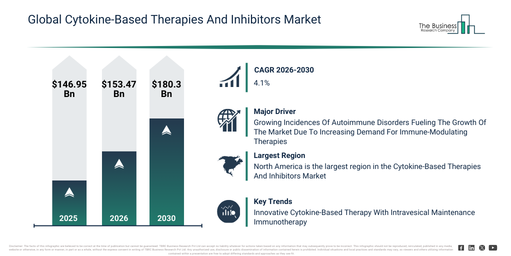
  • Cytokine-Based Therapies And Inhibitors Market Trends Are Creating New Opportunities For Industry Leaders

    Cytokine-Based Therapies And Inhibitors Market Trends Are Creating New Opportunities For Industry Leaders

    Through market attractiveness analysis, total addressable market evaluation, company benchmarking matrices, interactive Excel dashboards, expanded supply chain intelligence, emerging startup coverage, and detailed product insights, The Business Research Company’s 2026 market reports provide more actionable and strategically valuable research.

    Cytokine-Based Therapies And Inhibitors Market Size Forecast: How Large Could The Market Become By 2030?

    The market for cytokine-based therapies and inhibitors has experienced consistent expansion in recent years. Projected to rise from $146.95 billion in 2025 to $153.47 billion in 2026, this growth reflects a compound annual growth rate (CAGR) of 4.4%. Several factors drove progress during the historical period, including the restricted supply of cytokine modulators, initial-phase investigations into immunotherapies, dependence on traditional treatment approaches, a growing incidence of cancer and autoimmune disorders, and constrained capabilities in biologics production.

    The market for cytokine-based therapies and inhibitors is projected to experience consistent expansion in the coming years, reaching $180.3 billion by 2030, with a compound annual growth rate (CAGR) of 4.1%. Key factors driving this growth during the forecast period include progress in recombinant cytokine engineering, higher levels of investment in immuno-oncology and treatments for inflammatory disorders, the incorporation of artificial intelligence in drug discovery processes, the development of biopharmaceutical manufacturing capabilities, and the expansion of clinical trials alongside personalized medicine efforts. Prominent trends anticipated in this period involve the increased use of cytokine-based therapies for cancer treatment, the broadening of targeted immune modulation approaches, heightened activity in biopharmaceutical research and clinical studies, a stronger emphasis on personalized and precision medicine, and improved adherence to regulatory and safety standards in drug development.

    Download A Free Sample Report For Comprehensive Market Insights:

    https://www.thebusinessresearchcompany.com/sample.aspx?id=25734&type=smp&utm_source=BlogsPR&utm_medium=Paid&utm_campaign=Jul_PR

    Cytokine-Based Therapies And Inhibitors Market Growth Drivers And Industry Catalysts

    The anticipated expansion of the cytokine-based therapies and inhibitors market is being driven by the rising prevalence of autoimmune disorders. These disorders occur when the immune system erroneously attacks the body’s own healthy cells and tissues, treating them as foreign threats. This increase is linked to dietary shifts, especially the higher intake of ultra-processed foods, which can disturb gut microbiota and impair immune regulation. By targeting specific inflammatory cytokines, cytokine-based therapies and inhibitors effectively modulate immune responses, offering a valuable approach to managing autoimmune conditions. For example, in February 2024, Arthritis Australia, a non-profit organization based in Australia, reported that an estimated 562,378 Australians are projected to have rheumatoid arthritis (RA) in 2025, representing 14% of all arthritis cases that year. By 2040, this figure is forecast to climb by 33% to 748,721 individuals, marking an increase of 186,343 people living with RA compared to 2025. Consequently, the growing frequency of autoimmune disorders is fueling the expansion of the cytokine-based therapies and inhibitors market.

    Cytokine-Based Therapies And Inhibitors Market Segmentation And Category Breakdown

    The cytokine-based therapies and inhibitors market covered in this report is segmented –

    1) By Type: Interleukins, Tumor Necrosis Factor, Epidermal Growth Factor, Interferon, Chemokine

    2) By Application: Cancer And Malignancies, Inflammatory And Immune Disorders, Infectious Diseases, Asthma And Airway Inflammation, Other Applications

    3) By End User: Hospitals, Clinics, Research Laboratories, Academic And Research Institutes, Specialty Centers, Other End Users

    Subsegments:

    1) By Interleukins: Interleukin-2, Interleukin-6, Interleukin-10, Interleukin-12, Interleukin-17, Interleukin-23

    2) By Tumor Necrosis Factor (TNF): Tumor Necrosis Factor-Alpha Inhibitors, Tumor Necrosis Factor-Beta Inhibitors

    3) By Epidermal Growth Factor (EGF): Epidermal Growth Factor Receptor Inhibitors, Human Epidermal Growth Factor Receptor 2 Inhibitors

    4) By Interferon: Interferon-Alpha, Interferon-Beta, Interferon-Gamma

    5) By Chemokine: C-C Chemokine Receptor Type 5 Antagonists, C-X-C Chemokine Receptor Type 4 Inhibitors, C-X-C Chemokine Receptor Type 1/2 Inhibitors

    Cytokine-Based Therapies And Inhibitors Market Trends Influencing Long-Term Demand

    Major players within the cytokine-based therapy and inhibitor market are concentrating on cutting-edge treatments, including intravesical cytokine maintenance immunotherapy, aimed at enhancing the longevity of complete responses and lowering recurrence rates among patients with Bacillus Calmette-Guérin-unresponsive non-muscle invasive bladder cancer (BCG-unresponsive NMIBC). This approach entails delivering immune-stimulating proteins straight into the bladder, followed by sustained maintenance dosing to consistently trigger local immune reactions and hinder tumor redevelopment. As an example, in April 2024, the Food and Drug Administration, a US government regulatory body, granted approval to nogapendekin alfa inbakicept-pmln (Anktiva), a novel cytokine-based agent authorized for use alongside Bacillus Calmette-Guérin (BCG). This advanced immunotherapy operates as a fusion protein that targets interleukin-15 (IL-15) pathways, consequently activating CD122-positive immune cells, including natural killer (NK) cells and CD8-positive T cells. Such a mechanism aligns with the tenets of cytokine-based therapy, which leverages signaling proteins like IL-15 to bolster the body’s immune monitoring and anticancer actions.

    Cytokine-Based Therapies And Inhibitors Market Competitive Analysis Of Major Industry Participants

    Major companies operating in the cytokine-based therapies and inhibitors market are Pfizer Inc., Johnson & Johnson, F. Hoffmann-La Roche Ltd, AbbVie Inc., Novartis AG, Sanofi SA, Bristol-Myers Squibb Company, AstraZeneca Plc, GlaxoSmithKline plc, Eli Lilly and Company, Amgen Inc, UCB S.A., Biocon Limited.

    Access The Complete Cytokine-Based Therapies And Inhibitors Market Report:

    https://www.thebusinessresearchcompany.com/report/cytokine-based-therapies-and-inhibitors-global-market-report?utm_source=BlogsPR&utm_medium=Paid&utm_campaign=Jul_PR

    Cytokine-Based Therapies And Inhibitors Market Regional Outlook: Where Are The Largest Opportunities Located?

    North America was the largest region in the cytokine-based therapies and inhibitors market in 2025. Asia-Pacific is expected to be the fastest-growing region in the forecast period. The regions covered in the cytokine-based therapies and inhibitors market report are Asia-Pacific, South East Asia, Western Europe, Eastern Europe, North America, South America, Middle East, Africa.

    Get in touch with us:

    The Business Research Company: https://www.thebusinessresearchcompany.com/?utm_source=BlogsPR&utm_medium=Paid&utm_campaign=home_page_test

    Americas: +1 310-496-7795

    Asia: +44 7882 955267 & +91 8897263534

    Europe: +44 7882 955267

    Email us at: marketing@tbrc.info

    Follow us on:

    LinkedIn: https://in.linkedin.com/company/the-business-research-company

    YouTube: https://www.youtube.com/channel/UC24_fI0rV8cR5DxlCpgmyFQ

    Global Market Model: https://www.thebusinessresearchcompany.com/global-market-model
  • Cytokine Release Syndrome Treatment Market Growth Is Reshaping Competitive Advantage Across The Industry

    Cytokine Release Syndrome Treatment Market Growth Is Reshaping Competitive Advantage Across The Industry

    Delivering more actionable and strategically valuable research, The Business Research Company’s 2026 market reports feature market attractiveness analysis, total addressable market evaluation, company benchmarking matrices, interactive Excel dashboards, expanded supply chain intelligence, emerging startup coverage, and detailed product insights.

    Cytokine Release Syndrome Treatment Market Revenue Outlook: What CAGR Is Expected Through 2030?

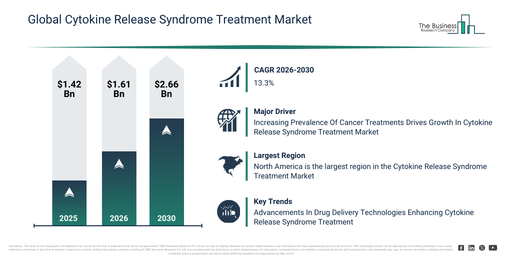
    The market for treating cytokine release syndrome has experienced fast-paced growth in recent years. Projections indicate an increase from $1.42 billion in 2025 to $1.61 billion in 2026, achieving a compound annual growth rate (CAGR) of 13.6%. This historical expansion was driven by the rise of advanced immunotherapy treatments, wider implementation of CAR-T cell therapy, the use of corticosteroids for immune modulation, heightened clinical recognition of cytokine storms, and enhanced critical care infrastructure.

    The market for cytokine release syndrome treatments is anticipated to experience significant expansion over the coming years, with projections indicating a rise to $2.66 billion by 2030, supported by a compound annual growth rate (CAGR) of 13.3%. This anticipated growth during the forecast period is driven by factors such as the expanding application of next-generation immunotherapies, heightened investment in research focused on cytokine modulation, the broadening reach of oncology care facilities, an increasing emphasis on tailored immune management approaches, and the creation of innovative anti-inflammatory biologic agents. Key developments shaping this period include the growing deployment of therapies targeting IL-6 and IL-1, a broader adoption of monoclonal antibodies specifically designed for cytokine release syndrome (CRS) management, the establishment of more comprehensive hospital-based treatment protocols for CRS, enhanced early diagnostic monitoring integration, and the advancement of supportive care strategies designed to improve patient outcomes.

    Download A Free Sample Report For Comprehensive Market Insights:

    https://www.thebusinessresearchcompany.com/sample.aspx?id=20542&type=smp&utm_source=BlogsPR&utm_medium=Paid&utm_campaign=Jul_PR

    Cytokine Release Syndrome Treatment Market Opportunity Drivers: What Is Creating New Revenue Potential?

    The ongoing rise in cancer treatment applications is anticipated to accelerate the expansion of the cytokine release syndrome (CRS) treatment market in the coming period. This growth in cancer treatment prevalence is propelled by a worldwide increase in cancer incidence alongside progress in diagnostic technologies, facilitating earlier detection and a wider spectrum of therapeutic approaches. Likewise, enhanced patient survival rates and broader healthcare accessibility further fuel the escalating requirement for such treatments. Management of CRS encompasses supportive measures, anti-cytokine interventions, and continuous observation to address symptoms and reduce the inflammatory cascade triggered by cancer therapies. As an illustration, data from the National Health Service (NHS), a healthcare provider in the UK, indicates that nearly 340,000 individuals initiated their initial cancer treatment during the period from April 2023 to March 2024. Moreover, urgent suspected cancer referral volumes achieved an unprecedented peak in March 2024, with 12,554 patients being evaluated per working day, establishing a new high that surpasses the earlier benchmark of 12,376 patients per working day recorded in July 2023. Consequently, the heightened frequency of cancer treatments acts as a driving force for the cytokine release syndrome treatment market.

    Cytokine Release Syndrome Treatment Market Segment Outlook: Which Categories Are Expanding The Fastest?

    The cytokine release syndrome treatment market covered in this report is segmented –

    1) By Drug Type: Corticosteroids, Monoclonal Antibodies, Other Immunosuppressants

    2) By Administration: Intravenous, Subcutaneous, Oral

    3) By Application: Oncological Treatments, Autoimmune Disorders, Other Applications

    4) By End User: Hospitals, Specialty Clinics, Home Care Settings

    Subsegments:

    1) Corticosteroids: Prednisone, Dexamethasone, Methylprednisolone

    2) Monoclonal Antibodies: Tocilizumab (IL-6 Inhibitor), Siltuximab (IL-6 Inhibitor), Anakinra (IL-1 Receptor Antagonist)

    3) Other Immunosuppressants: Janus Kinase (JAK) Inhibitors, Calcineurin Inhibitors, Tumor Necrosis Factor (TNF) Inhibitors

    Cytokine Release Syndrome Treatment Market Innovation Trends Driving Future Development

    Leading players in the cytokine release syndrome treatment market are enhancing drug delivery approaches, particularly intravenous infusion, to refine treatment precision, lower adverse effects, and improve patient results. Intravenous infusion in managing cytokine release syndrome facilitates rapid and accurate drug administration directly into the bloodstream, guaranteeing timely therapeutic responses. As an illustration, in September 2023, Chugai Pharmaceutical Co., Ltd., a Japan-headquartered pharmaceutical firm, obtained regulatory authorization from Japan’s Ministry of Health, Labor and Welfare for Actemra (tocilizumab), a humanized monoclonal antibody targeting the IL-6 receptor, to address cytokine release syndrome triggered by diverse cancer therapies. Actemra Intravenous Infusion, supplied in 80 mg, 200 mg, and 400 mg strengths, gained this extra indication for treating cytokine release syndrome arising from cancer treatment. With this expanded approval, Actemra is now applicable as an anti-cytokine therapy for CRS resulting from cancer therapies beyond tumor-specific T-cell infusion therapy.

    Cytokine Release Syndrome Treatment Market Key Companies And Competitive Benchmarking

    Major companies operating in the cytokine release syndrome treatment market are Pfizer Inc., Johnson & Johnson, F. Hoffmann-La Roche AG, Merck & Co. Inc., AbbVie Inc., Bayer AG, Sanofi S.A., Thermo Fisher Scientific Inc., Novartis AG, GlaxoSmithKline plc, Takeda Pharmaceutical Company Limited, Eli Lilly and Company, Gilead Sciences Inc., Amgen Inc., Regeneron Pharmaceuticals Inc., Chugai Pharmaceutical Co. Ltd., Incyte Corporation, Swedish Orphan Biovitrum AB (publ), Bio-Techne Corporation, GenScript Biotech Corporation, Abcam plc, Applied Biological Materials Inc., Poolbeg Pharma, arigo Biolaboratories Corp., CytoAgents Inc, bluebird bio Inc.

    Access The Complete Cytokine Release Syndrome Treatment Market Report:

    https://www.thebusinessresearchcompany.com/report/cytokine-release-syndrome-treatment-global-market-report?utm_source=BlogsPR&utm_medium=Paid&utm_campaign=Jul_PR

    Cytokine Release Syndrome Treatment Market Geographic Landscape: Which Region Dominates Industry Growth?

    North America was the largest region in the cytokine release syndrome treatment market in 2025. The regions covered in the cytokine release syndrome treatment market report are Asia-Pacific, South East Asia, Western Europe, Eastern Europe, North America, South America, Middle East, Africa.

    Get in touch with us:

    The Business Research Company: https://www.thebusinessresearchcompany.com/?utm_source=BlogsPR&utm_medium=Paid&utm_campaign=home_page_test

    Americas: +1 310-496-7795

    Asia: +44 7882 955267 & +91 8897263534

    Europe: +44 7882 955267

    Email us at: marketing@tbrc.info

    Follow us on:

    LinkedIn: https://in.linkedin.com/company/the-business-research-company

    YouTube: https://www.youtube.com/channel/UC24_fI0rV8cR5DxlCpgmyFQ

    Global Market Model: https://www.thebusinessresearchcompany.com/global-market-model
  • Cystic Fibrosis (CF) Therapeutics Market Forecast Signals New Revenue Opportunities Through 2030

    Cystic Fibrosis (CF) Therapeutics Market Forecast Signals New Revenue Opportunities Through 2030

    Enhanced with market attractiveness analysis, total addressable market evaluation, company benchmarking matrices, interactive Excel dashboards, expanded supply chain intelligence, emerging startup coverage, and detailed product insights, The Business Research Company’s 2026 market reports deliver more actionable and strategically valuable research.

    Cystic Fibrosis (CF) Therapeutics Market Growth Analysis: How Will Revenue Expand During The Forecast Period?

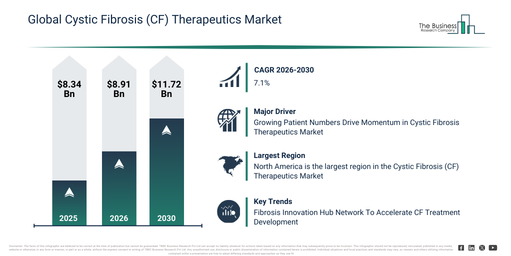
    The cystic fibrosis (CF) therapeutics market has experienced robust expansion in recent years. It is projected to increase from $8.34 billion in 2025 to $8.91 billion in 2026, reflecting a compound annual growth rate (CAGR) of 6.8%. Historically, this growth has been driven by a high prevalence of cystic fibrosis, limited early diagnostic options, dependence on traditional mucolytic treatments, a slow uptake of CFTR modulators, and disparities in regional healthcare infrastructure.

    The cystic fibrosis (CF) therapeutics market is anticipated to experience robust expansion over the coming years. By 2030, its value is projected to reach $11.72 billion, driven by a compound annual growth rate (CAGR) of 7.1%. This forecasted growth is fueled by progress in gene therapy, the rising implementation of digital health tools, the growing application of precision medicine, the expansion of pediatric CF treatment initiatives, and heightened investment in therapies for rare diseases. Key trends shaping this period encompass personalized CF treatments, sophisticated pulmonary drug delivery technologies, investigations into gene editing and CFTR gene therapy, solutions for patient adherence and remote monitoring, and the development of orphan drugs targeting rare CF mutations.

    Download A Free Sample Report For Comprehensive Market Insights:

    https://www.thebusinessresearchcompany.com/sample.aspx?id=9056&type=smp&utm_source=BlogsPR&utm_medium=Paid&utm_campaign=Jul_PR

    Cystic Fibrosis (CF) Therapeutics Market Growth Momentum: Which Factors Are Influencing Demand?

    The rising prevalence of cystic fibrosis is anticipated to drive the advancement of the cystic fibrosis (CF) therapeutics market in the coming years. Cystic fibrosis (CF) is a hereditary disorder that significantly impacts the lungs, digestive system, and other organs. CF therapeutics work by thinning the mucus in the lungs, making it easier to expel, thereby managing the condition. Consequently, a growing patient population is expected to fuel the CF therapeutics market. For example, data from the Cystic Fibrosis Foundation, a U.S.-based nonprofit and non-governmental organization (NGO), revealed that the CF Patient Registry recorded 32,547 individuals in 2022, rising to 33,288 in 2023—an increase of approximately 2.3%. Hence, the growing number of cystic fibrosis patients is propelling the expansion of the cystic fibrosis (CF) therapeutics market.

    Cystic Fibrosis (CF) Therapeutics Market Segment Landscape: Which Areas Lead Market Development?

    The cystic fibrosis (cf) therapeutics market covered in this report is segmented –

    1) By Drug Class: Pancreatic Enzyme Supplements, Mucolytic, Bronchodilators, CFTR Modulators

    2) By Route Of Administration: Oral, Inhaled

    3) By Treatment Method: Medication, Devices

    Subsegments:

    1) By Pancreatic Enzyme Supplements: Lipase, Amylase, Protease

    2) By Mucolytics: Dornase Alfa (Pulmozyme), Hypertonic Saline

    3) By Bronchodilators: Short-Acting Beta Agonists (SABAs), Long-Acting Beta Agonists (LABAs), Anticholinergics

    4) By CFTR Modulators: Ivacaftor, Lumacaftor Or Ivacaftor (Orkambi), Tezacaftor Or Ivacaftor (Symdeko), Elexacaftor Or Tezacaftor Or Ivacaftor

    Cystic Fibrosis (CF) Therapeutics Market Trends Reshaping Industry Growth

    Key players in the cystic fibrosis (CF) therapeutics market are advancing treatment and patient care through innovations like the cystic fibrosis innovation hub network, which aims to speed up research, broaden therapeutic options, and strengthen collaborative efforts in creating new therapies for CF patients. This network serves as a cooperative platform or initiative intended to expedite the discovery and development of novel CF treatments. For example, in October 2024, LifeArc, a UK-based charity and life sciences organization dedicated to converting scientific discoveries into practical healthcare solutions, introduced the country’s first Cystic Fibrosis Innovation Hub Network. This hub is structured to boost research and development for CF therapies by promoting collaboration among healthcare professionals, researchers, and patients. Established as part of a larger effort to drive innovation in CF treatments, the hub concentrates on uncovering new avenues for drug development and enhancing patient outcomes.

    Cystic Fibrosis (CF) Therapeutics Market Industry Leaders And Market Competition

    Major companies operating in the cystic fibrosis (cf) therapeutics market are Teva Pharmaceutical Industries Ltd., F. Hoffmann-La Roche AG, Vertex Pharmaceuticals Incorporated, Chiesi Farmaceutici SpA, PTC Therapeutics LIMITED, Genentech Inc., Alaxia, AstraZeneca, Beyond Air Inc., Pfizer Inc., Alcresta Therapeutics Inc., Laurent Pharmaceuticals, Nestlé HealthScience, Pharmaxis, Bayer AG, AbbVie Inc., Novartis AG, Arcturus Therapeutics Holdings Inc., Arrowhead Pharmaceuticals Inc, ProQR Therapeutics N.V., Enterprise Therapeutics Ltd. , Corbus Pharmaceuticals Holdings Inc, Eloxx Pharmaceuticals , Translate Bio Inc, Zambon S.p.A

    Access The Complete Cystic Fibrosis (CF) Therapeutics Market Report:

    https://www.thebusinessresearchcompany.com/report/cystic-fibrosis-cf-therapeutics-global-market-report?utm_source=BlogsPR&utm_medium=Paid&utm_campaign=Jul_PR

    Cystic Fibrosis (CF) Therapeutics Market Largest Region: Which Geography Holds The Highest Market Share?

    North America was the largest region in the cystic fibrosis (CF) therapeutics market in 2025. Asia-Pacific is expected to be the fastest-growing region in the cystic fibrosis (CF) therapeutics market during the forecast period. The regions covered in the cystic fibrosis (cf) therapeutics market report are Asia-Pacific, South East Asia, Western Europe, Eastern Europe, North America, South America, Middle East, Africa.

    Get in touch with us:

    The Business Research Company: https://www.thebusinessresearchcompany.com/?utm_source=BlogsPR&utm_medium=Paid&utm_campaign=home_page_test

    Americas: +1 310-496-7795

    Asia: +44 7882 955267 & +91 8897263534

    Europe: +44 7882 955267

    Email us at: marketing@tbrc.info

    Follow us on:

    LinkedIn: https://in.linkedin.com/company/the-business-research-company

    YouTube: https://www.youtube.com/channel/UC24_fI0rV8cR5DxlCpgmyFQ

    Global Market Model: https://www.thebusinessresearchcompany.com/global-market-model